

Creams and Ointments
-
Regular price From £10.78
£13.99Sale price From £10.78Unit price per£13.99Sale -
Regular price From £9.99Sale price From £9.99Unit price per
£8.99 -
Regular price From £8.99Sale price From £8.99Unit price per
-
Regular price From £10.78Sale price From £10.78Unit price per
-
Regular price £1.99Sale price £1.99Unit price per
-
Regular price From £5.99Sale price From £5.99Unit price per
-
Regular price From £4.01Sale price From £4.01Unit price per
-
Regular price From £6.69Sale price From £6.69Unit price per
-
Regular price £7.69Sale price £7.69Unit price perSold out
-
Regular price £7.99Sale price £7.99Unit price per
-
Regular price £18.99Sale price £18.99Unit price per
-
 Sold out
 -
Regular price From £4.50Sale price From £4.50Unit price per
-
Regular price £6.39Sale price £6.39Unit price per
-
Regular price £6.79Sale price £6.79Unit price per
-
Regular price £4.25Sale price £4.25Unit price per
-
Regular price From £8.99Sale price From £8.99Unit price per
-
Regular price £9.45Sale price £9.45Unit price per
-
Regular price From £4.99Sale price From £4.99Unit price per
-
Regular price From £2.99Sale price From £2.99Unit price per
-
 Sale
Sale -
Regular price From £4.85Sale price From £4.85Unit price per
-
Regular price From £10.80Sale price From £10.80Unit price per
-
Regular price From £3.49Sale price From £3.49Unit price per

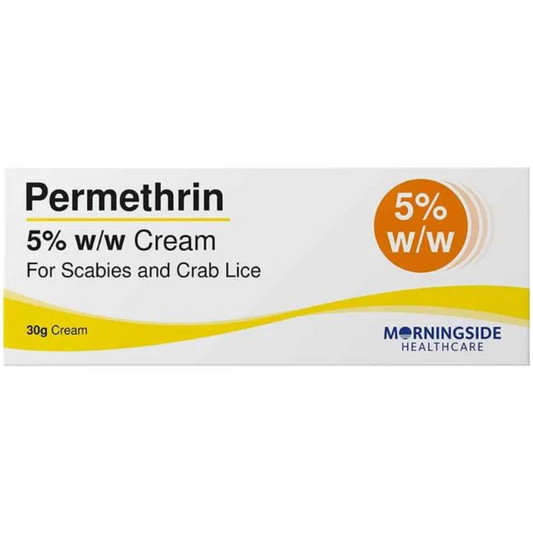

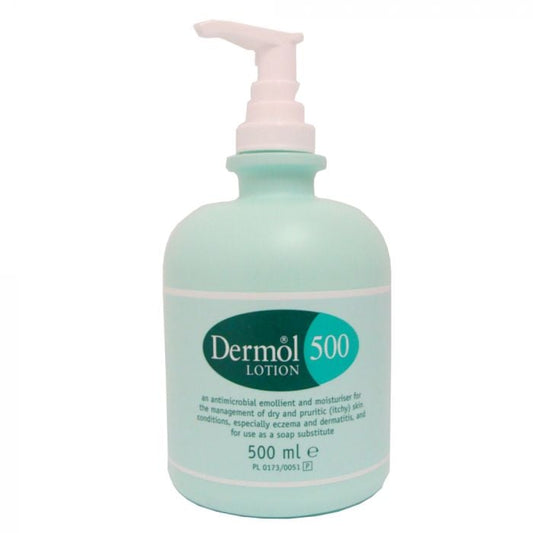


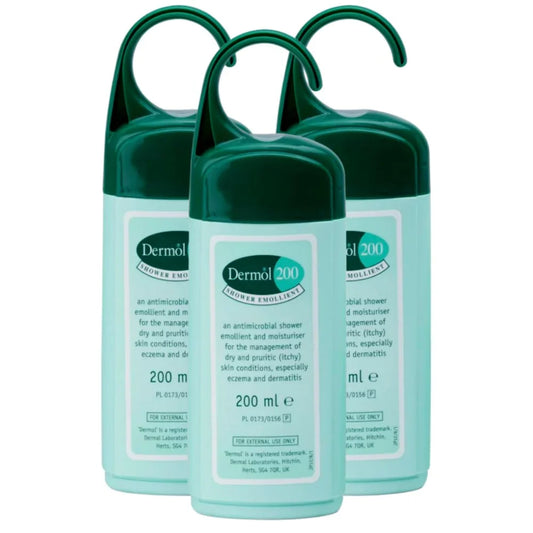


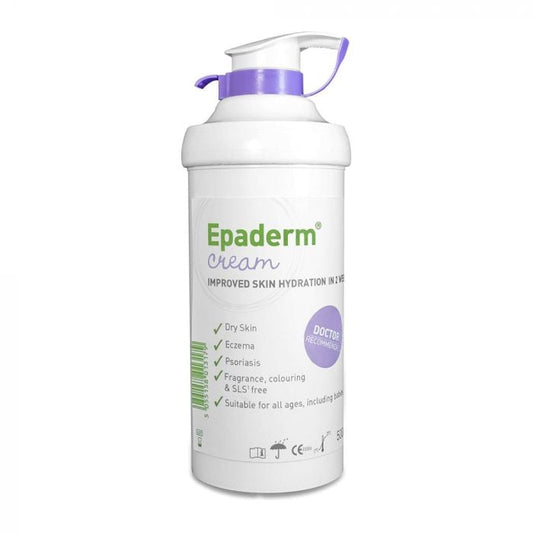

What Are Creams and Ointments?
Creams and ointments are topical preparations applied directly to the skin to treat or manage a wide variety of conditions. A cream is a water-based emulsion that absorbs quickly and feels lighter on the skin, making it suitable for moist or weeping areas. An ointment, by contrast, is oil-based, providing a thicker barrier that helps to lock in moisture and is often preferred for dry, scaly, or thickened skin. Both forms are widely available as skin cream pharmacy options across the UK, and many can be purchased without a prescription.
Creams
Creams are semi-solid emulsions containing both water and oil. They spread easily, absorb into the skin relatively quickly, and are generally preferred for use on larger areas of the body or on areas prone to sweating. They are commonly used for conditions such as eczema, dermatitis, and fungal infections.
Ointments
Ointments are greasy, oil-based preparations that create a protective occlusive layer on the skin. Because they prevent moisture loss more effectively than creams, they are often recommended for very dry, cracked, or thickened skin conditions such as psoriasis or chronic eczema. They are less suited to wet or weeping lesions.
What Causes Common Skin Conditions Requiring Topical Treatment?
A wide range of factors can trigger or worsen skin conditions that are commonly treated with creams and ointments. Understanding the underlying cause can help you choose the most appropriate topical treatment cream for your needs. In many cases, a combination of genetic and environmental factors is involved.
- Allergic reactions: Contact with allergens such as nickel, latex, or certain cosmetics can cause contact dermatitis.
- Dry skin and weather changes: Cold, dry air strips moisture from the skin, leading to cracking, flaking, and irritation.
- Fungal or bacterial infections: Organisms such as Candida or Staphylococcus can infect the skin, requiring medicated ointment treatment.
- Immune system dysfunction: Conditions like eczema and psoriasis are linked to an overactive immune response in the skin.
- Hormonal changes: Fluctuations during puberty, pregnancy, or menopause can affect skin condition and sensitivity.
- Lifestyle factors: Stress, poor diet, smoking, and excessive sun exposure can all contribute to skin deterioration.
How Do Creams and Ointments Work?
Topical creams and ointments work by delivering active ingredients directly to the site of the skin problem, allowing for targeted treatment with minimal systemic absorption. This makes them a preferred first-line option for many dermatological conditions. The mechanism of action varies depending on the type of active ingredient contained in the preparation.
Corticosteroid Creams and Ointments
Corticosteroid topical preparations reduce inflammation and suppress the immune response in the skin. They are commonly prescribed for eczema, psoriasis, and allergic skin reactions. They come in varying potencies, from mild hydrocortisone available over the counter, to potent prescription-only formulations.
Antifungal and Antibiotic Creams
Antifungal creams such as clotrimazole work by disrupting the cell membrane of fungi, preventing their growth and reproduction. Antibiotic ointments target bacterial infections by inhibiting bacterial cell wall synthesis or protein production. These are among the most commonly sought medicated ointment online options in the UK.
Emollient and Barrier Creams
Emollients do not contain active pharmacological ingredients but work by hydrating the skin and restoring the protective skin barrier. They are essential in the long-term management of conditions such as eczema and are often used alongside prescription topical treatment creams.
Are There Any Side Effects?
Most creams and ointments are well tolerated when used as directed. However, some people may experience mild side effects such as skin irritation, redness, or a stinging sensation at the application site. Prolonged use of corticosteroid preparations may cause skin thinning. Always read the patient information leaflet before use and speak to a pharmacist or GP if you experience any unexpected reactions or if symptoms persist.
Who Can Use Creams and Ointments?
The majority of topical creams and ointments are suitable for adults and children, though specific age restrictions apply to certain products. Mild over-the-counter preparations such as emollients and low-potency hydrocortisone creams are generally safe for use from the age of one year. Prescription-strength topical treatments should only be used under medical supervision. Pregnant or breastfeeding women should consult a pharmacist or GP before using any medicated topical preparation, as some active ingredients may not be recommended during these periods.
Choosing the Right Topical Preparation
Selecting the most appropriate cream or ointment depends on several factors, including the type of skin condition, the area of the body affected, and whether the skin is dry, moist, or infected. Use the following guidance to help narrow down your choices:
- Identify the condition: Confirm whether you are dealing with a fungal infection, bacterial infection, inflammatory condition, or simple dryness, as each requires a different active ingredient.
- Consider skin type and location: Use lighter creams on the face or skin folds; opt for thicker ointments on dry, thickened patches on the body.
- Check for prescription requirements: Some prescription creams online in the UK require a valid prescription. Our pharmacists can advise you on what is available over the counter and what requires a GP consultation.
- Review ingredients for allergens: If you have known sensitivities to preservatives, fragrances, or lanolin, check product ingredients carefully before purchasing.
- Follow recommended usage duration: Certain preparations, particularly corticosteroids, should not be used continuously for extended periods without medical review.
Why Choose Creams and Ointments from Cured Pharmacy?
Cured Pharmacy is a registered UK online pharmacy offering a comprehensive range of topical creams and ointments for everyday skin concerns and ongoing conditions. When you buy creams and ointments online in the UK through Cured Pharmacy, you benefit from fast, discreet delivery, competitive pricing, and access to a qualified pharmacist team ready to answer your questions. Our product range includes both over-the-counter and prescription skin cream pharmacy options, ensuring you can find exactly what you need conveniently and safely from one trusted source. If you experience any skin irritation, our skin care range includes soothing and protective products.
Sources
Written and reviewed by our qualified team
Your safety and success are our highest priorities. Our medical team rigorously evaluates every product and piece of advice we provide, ensuring you receive only the most effective, science-backed solutions available.
What is the difference between a cream and an ointment?
A cream is water-based and absorbs quickly into the skin, making it ideal for moist or inflamed areas. An ointment is oil-based and thicker, providing a protective barrier that locks in moisture. Ointments are generally better suited to dry, scaly, or cracked skin conditions such as psoriasis.
Can I buy medicated creams online in the UK without a prescription?
Many topical creams and ointments, including antifungal creams and mild hydrocortisone, are available to buy online in the UK without a prescription. However, stronger formulations such as prescription-strength corticosteroids or antibiotic ointments require a valid UK prescription. Our pharmacists can help guide you to the right option.
How do I know which cream or ointment is right for my skin condition?
The right topical treatment depends on your specific condition, the affected area, and whether your skin is dry, weeping, or infected. If you are unsure, it is best to speak with a pharmacist or GP before purchasing. Our qualified team at Cured Pharmacy is available to offer guidance.
Are creams and ointments safe to use during pregnancy?
Some topical creams and ointments are considered safe during pregnancy, while others are not recommended. Emollients are generally regarded as safe, but medicated preparations containing corticosteroids, antibiotics, or antifungals should only be used under medical supervision. Always consult your GP or pharmacist before using any skin treatment during pregnancy.
How quickly will my creams and ointments be delivered?
Cured Pharmacy offers fast UK delivery on all orders, including topical creams and ointments. Standard and express delivery options are available at checkout. Most orders are dispatched the same or next working day, ensuring you receive your treatment promptly.
Can children use topical creams and ointments?
Many creams and ointments are suitable for children, including emollients and mild corticosteroid preparations. However, age restrictions vary by product, and some treatments are not recommended for young children. Always check the product leaflet and consult a pharmacist or GP before using any medicated preparation on a child.
What are the most common side effects of using topical creams and ointments?
Common side effects include mild skin irritation, redness, or a temporary stinging sensation at the application site. Prolonged use of corticosteroid creams may lead to skin thinning. If you notice an unexpected reaction or worsening symptoms, stop using the product and consult a pharmacist or GP.
How should I store creams and ointments to maintain their effectiveness?
Most creams and ointments should be stored at room temperature, away from direct sunlight and heat. Some preparations may require refrigeration — always check the label or patient information leaflet. Ensure lids are tightly closed after use, and do not use any product beyond its expiry date.
Written and reviewed by our qualified team

Reviewed by:
Tarun Kumar
Clinical Leads
📖 Find out more about our team of medical content authors and how we ensure the accuracy of our content with our content guidelines.
Content last updated: 25 Sep 2026
Related Blogs
No related blogs found for "creams and ointments"