

How to get your Acne Treatment
Complete the quick assessment below
-
Regular price £12.69Sale price £12.69Unit price per
-
Regular price £2.89Sale price £2.89Unit price per
-
Regular price From £21.99Sale price From £21.99Unit price per
-
Regular price £17.49Sale price £17.49Unit price perSold out
-
Regular price From £33.00Sale price From £33.00Unit price per
-
Regular price From £35.49Sale price From £35.49Unit price per
-
Regular price £24.99Sale price £24.99Unit price per
-
Regular price £16.99Sale price £16.99Unit price per
-
Regular price £22.20Sale price £22.20Unit price per
-
Regular price £54.99Sale price £54.99Unit price per
-
Regular price From £22.99Sale price From £22.99Unit price per
-
Regular price £16.99Sale price £16.99Unit price perSold out
-
Regular price From £19.99Sale price From £19.99Unit price per
-
Regular price £14.99Sale price £14.99Unit price perSold out


What Is Acne?
Acne is a chronic skin condition that occurs when hair follicles become blocked with oil (sebum), dead skin cells, and bacteria. It most commonly appears on the face, back, chest, and shoulders, presenting as blackheads, whiteheads, papules, pustules, or deeper nodular lesions. Acne affects around 95% of people aged 11 to 30 in the UK to some degree. For many, it continues into adulthood and can significantly affect quality of life and self-confidence.
Mild Acne
Mild acne typically involves a small number of blackheads and whiteheads, with few inflamed spots. It can often be managed with over-the-counter topical products, including benzoyl peroxide gels or salicylic acid formulations, which are widely available as acne cream for adults in the UK.
Moderate to Severe Acne
Moderate acne involves more widespread inflammation, pustules, and papules. Severe acne may include painful nodules or cysts that carry a higher risk of permanent scarring. These grades often benefit most from prescription acne treatment in the UK, such as topical retinoids, antibiotic gels, or oral medications.
What Causes Acne?
Acne develops when excess sebum production, bacterial overgrowth, and blocked pores combine to create the ideal environment for inflammation. Several internal and external factors can trigger or worsen breakouts. Understanding your triggers is an important first step toward choosing the most appropriate acne treatment online.
- Hormonal changes: Puberty, menstruation, pregnancy, and polycystic ovary syndrome (PCOS) can all increase sebum production.
- Bacteria: Cutibacterium acnes (formerly P. acnes) thrives in blocked follicles and triggers an inflammatory immune response.
- Diet: High-glycaemic foods and dairy have been associated with worsening acne in some individuals.
- Stress: Elevated cortisol levels can stimulate oil glands and contribute to breakouts.
- Cosmetics and skincare: Heavy or comedogenic products can block pores and worsen existing acne.
- Genetics: A family history of acne increases the likelihood of developing the condition.
How Do Acne Treatments Work?
Acne treatments work by targeting one or more of the key factors involved in spot formation: excess oil production, bacterial growth, skin cell turnover, and inflammation. The right approach depends on the type and severity of your acne, and many people benefit from combining treatments. Below is an overview of how different categories of acne medication work.
Topical Treatments
Topical gels and creams are applied directly to the affected skin. Benzoyl peroxide kills bacteria and reduces inflammation, while topical retinoids such as tretinoin speed up skin cell turnover to prevent pores from blocking. Antibiotic gels like clindamycin reduce bacterial growth on the skin's surface. These are often the first-line option when purchasing prescription acne treatment in the UK.
Oral Medications
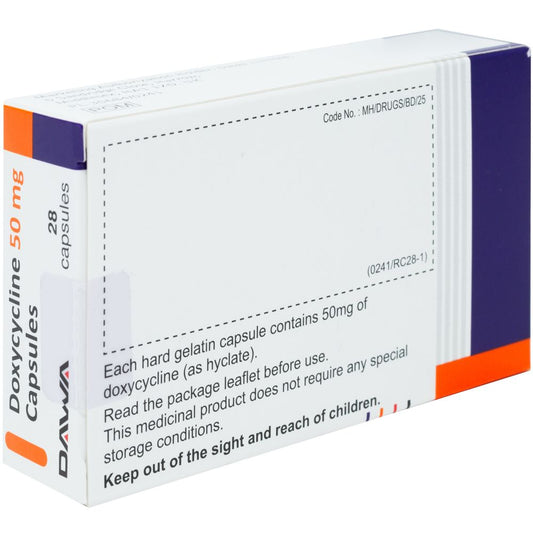
Acne tablets online in the UK may include oral antibiotics such as lymecycline or doxycycline, which reduce inflammation and bacterial activity from within. For women, certain combined oral contraceptives can help regulate hormones linked to sebum production. Isotretinoin (Roaccutane) is a powerful oral retinoid reserved for severe or treatment-resistant acne, available only via specialist dermatology referral.
Over-the-Counter Options
Non-prescription acne gels and washes containing salicylic acid, niacinamide, or low-strength benzoyl peroxide can be effective for mild breakouts. These form a helpful foundation for any acne skincare routine and are available without a prescription as part of a best acne gel routine in the UK.
Are There Any Side Effects?
As with all medicines, acne treatments can cause side effects. Topical products may cause dryness, redness, peeling, or mild irritation — especially when first starting treatment. Oral antibiotics may occasionally cause nausea, photosensitivity, or digestive upset. It is important to read the patient information leaflet supplied with any medication, and to consult a pharmacist or GP if side effects are severe or persistent. If facial redness is a concern, our rosacea collection offers prescription-strength treatments for rosacea.
Who Can Use Acne Treatments?
Most acne treatments are suitable for teenagers and adults, though suitability depends on the specific product and individual health history. Some prescription treatments are not recommended during pregnancy or breastfeeding, and certain oral medications carry age restrictions or require contraceptive precautions. Isotretinoin, for example, requires a strict pregnancy prevention programme. If you are unsure whether a particular acne treatment online is right for you, speak to a pharmacist or your GP before starting.
Why Choose Acne Treatment from Cured Pharmacy?
Cured Pharmacy is a registered UK online pharmacy offering a carefully selected range of clinically proven acne treatments. Our qualified pharmacists are available to answer questions and help you choose the most appropriate product for your skin type and severity. We offer fast, discreet delivery across the UK, making it straightforward and convenient to buy acne medication online without compromising on safety or clinical quality. All prescription items are dispensed following an appropriate clinical assessment to ensure your safety throughout. If you experience any skin irritation, our skin care range includes soothing and protective products.
Sources
Written and reviewed by our qualified team
Your safety and success are our highest priorities. Our medical team rigorously evaluates every product and piece of advice we provide, ensuring you receive only the most effective, science-backed solutions available.
Can I buy acne treatment online in the UK without visiting a GP?
Yes, many acne treatments are available to buy online in the UK. Over-the-counter options require no prescription, and some prescription treatments can be obtained after an online consultation with a registered pharmacist or prescriber, depending on the product and your medical history.
What is the best acne treatment for adults in the UK?
The best acne treatment for adults depends on the type and severity of your acne. Topical retinoids and benzoyl peroxide gels are commonly recommended for mild to moderate cases, while oral antibiotics or hormonal therapies may be more suitable for persistent adult acne. A pharmacist can guide you.
Do I need a prescription for acne medication in the UK?
Not always. Products containing low-strength benzoyl peroxide, salicylic acid, or niacinamide are available without a prescription. However, stronger topical retinoids, antibiotic gels, and oral acne tablets in the UK do require a valid prescription from a qualified prescriber.
How long does acne treatment take to work?
Most acne treatments take 6 to 12 weeks before a noticeable improvement is seen. It is important to use the treatment consistently and as directed. If there is no improvement after 12 weeks, speak to your GP or pharmacist about alternative prescription acne treatment options available in the UK.
Is prescription acne treatment safe to use long-term?
Some treatments, such as topical retinoids, can be used long-term under appropriate guidance. Oral antibiotics are generally recommended for limited courses to reduce the risk of antibiotic resistance. Always follow the advice of your prescriber and attend any recommended follow-up reviews.
Can acne treatments cause skin irritation?
Yes, particularly when starting a new topical treatment. Dryness, redness, and mild peeling are common, especially with retinoids or benzoyl peroxide. Starting with a lower frequency of application and gradually increasing use can help your skin adjust. Consult a pharmacist if irritation becomes severe.
Are acne treatments safe to use during pregnancy?
Many acne treatments are not recommended during pregnancy, including oral antibiotics such as tetracyclines and topical or oral retinoids. If you are pregnant or planning to become pregnant, speak to your GP before using any acne medication to ensure it is safe for you and your baby.
How quickly will my acne treatment be delivered if I buy online?
Delivery times vary depending on the pharmacy and the product. At Cured Pharmacy, we offer fast UK delivery on acne treatments, including prescription and over-the-counter options. Prescription items are dispatched promptly following a completed clinical assessment and approval by our prescribing team.
Written and reviewed by our qualified team

Reviewed by:
Tarun Kumar
Clinical Leads
📖 Find out more about our team of medical content authors and how we ensure the accuracy of our content with our content guidelines.
Content last updated: 25 Sep 2026
Related Blogs
No related blogs found for "acne"