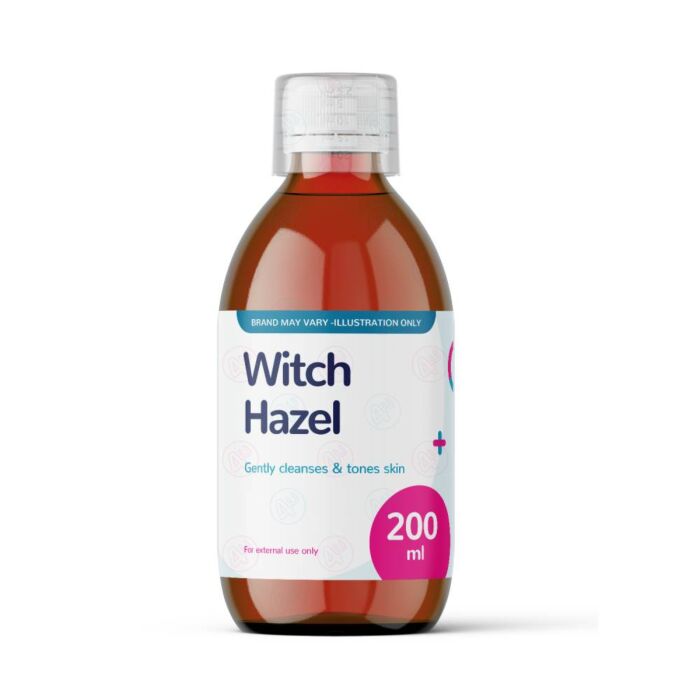
Witch Hazel - 200ml
Witch Hazel - 200ml
- ✔️ Soothes minor skin irritation, insect bites, and razor burn
- ✔️ Tightens pores and reduces excess oil on oily skin
- ✔️ Plant-derived astringent with natural anti-inflammatory tannins
- ✔️ Suitable for daily use as a gentle facial toner
- ✔️ Provides topical relief from haemorrhoid discomfort
Price Checker
 Lowest price guarantee
 Includes FREE private prescription


Couldn't load pickup availability
What Is Witch Hazel Toner and What Does It Do?
If you've ever searched for a simple, no-fuss way to cleanse and refresh your skin, you've probably come across witch hazel toner. CuredPharmacy Witch Hazel 200ml is a topical astringent solution derived from the bark and leaves of Hamamelis virginiana, a plant long used in traditional medicine. At just £4.99 for a generous 200ml bottle, it offers an accessible option for everyday skin care without the need for a prescription. Whether you're dealing with oily skin, minor blemishes, or post-shave irritation, witch hazel has a well-established place in the skin care toolkit. You can explore our full range of skin care products if you're looking to build a broader routine.
Witch hazel has been used medicinally for centuries, originally by Native American communities who applied it to reduce swelling and soothe irritated skin. Today, it remains one of the most widely recognised plant-based topical preparations available over the counter in the UK. The NHS acknowledges witch hazel as a recognised remedy for minor skin conditions, including haemorrhoids and bruising.
How Does Witch Hazel Work on Your Skin?
The mechanism behind witch hazel is largely down to its high tannin content. Tannins are naturally occurring polyphenolic compounds that cause proteins in skin tissue to contract — this is what gives witch hazel its characteristic astringent effect. Here's what that means in practice:
- Tannins bind to skin proteins, temporarily tightening pores and reducing excess sebum (oil) on the surface.
- Anti-inflammatory compounds, including gallic acid and flavonoids, help calm redness and minor swelling.
- The mild antimicrobial properties of the distillate may help reduce surface bacteria associated with spots and breakouts.
- Witch hazel also acts as a gentle cleanser, removing residual dirt and make-up without stripping the skin's natural moisture barrier as aggressively as high-alcohol toners.
It's worth noting that the witch hazel distillate used in topical preparations is not the same as a crude plant extract — it undergoes steam distillation, which concentrates the active compounds while removing some of the harsher plant constituents.
Who Is Witch Hazel Suitable For?
Witch hazel is a versatile topical preparation that suits a broad range of people. That said, it's not a one-size-fits-all solution — individual skin types and conditions do matter. It tends to work particularly well for:
- People with oily or combination skin who want to reduce shine and minimise the appearance of pores.
- Those experiencing minor acne or frequent breakouts, as the astringent action can help keep pores clearer.
- Individuals looking for a gentle post-shave soother to calm razor burn or minor nicks.
- Anyone wanting a natural, plant-derived alternative to synthetic toners or alcohol-based cleansers.
It may be less suitable for people with very dry or eczema-prone skin, as the astringent effect can occasionally exacerbate dryness. If you have a diagnosed skin condition, speak to your GP or pharmacist before starting use.
How Does Witch Hazel Compare to Other Topical Astringents?
| Feature | Witch Hazel 200ml (CuredPharmacy) | Alcohol-Based Toner |
|---|---|---|
| Active ingredient | Hamamelis virginiana distillate | Ethanol (alcohol) |
| Risk of over-drying | Low to moderate | Moderate to high |
| Anti-inflammatory properties | Yes (tannins, flavonoids) | No |
| Suitable for sensitive skin | Often yes (patch test advised) | Generally not recommended |
| Prescription required | No — OTC | No — OTC |
How Should You Store Witch Hazel and Is It Suitable for All Ages?
Store your witch hazel toner below 25°C, away from direct sunlight and heat sources. Keep the cap tightly closed when not in use to prevent evaporation of the distillate. Once opened, use within 12 months or before the expiry date printed on the bottle — whichever comes first. Keep out of reach of children.
Witch hazel is generally considered suitable for adults and older teenagers. It is not routinely recommended for use on young children or infants without specific medical advice. If you're looking for gentle skin options for younger children, our baby and toddler range may be more appropriate. Always perform a patch test on a small area of skin before applying witch hazel toner more widely, particularly if you have a history of skin sensitivity.
This product is a medicine. Speak to your doctor or pharmacist before using if you have an underlying medical condition or are taking other medicines.
Witch Hazel 200ml specifications
| Treatment category | Topical skin care / astringent |
| Active ingredient | Hamamelis virginiana (witch hazel) distillate |
| Mechanism of action | Astringent — tannins tighten skin tissue and reduce inflammation |
| Suitable for | Adults and older teenagers; oily, combination, or acne-prone skin |
| Pack size | 200ml |
| UK classification | General Sale (GSL) |
| Preparation | Topical liquid (distillate) |
| Route of administration | Topical (external use only) |
| Drug class | Astringent / herbal topical preparation |
Specifications of Witch Hazel 200ml
What Is Witch Hazel 200ml and What Is It Used For?
CuredPharmacy Witch Hazel 200ml is a topical astringent solution containing distilled extract of Hamamelis virginiana. It is used externally on the skin to help with a range of minor conditions. Common uses include:
- Cleansing and toning oily or combination skin
- Soothing minor skin irritations, including insect bites and razor burn
- Reducing the appearance of redness and minor swelling
- Providing symptomatic relief from haemorrhoid discomfort when applied topically
- Helping to calm bruised or mildly inflamed skin
It is for external use only and should not be swallowed. Witch hazel is not a treatment for serious skin conditions such as infected wounds, severe eczema, or psoriasis — always seek medical advice for these.
What Do You Need to Know Before Using Witch Hazel?
Before applying witch hazel to your skin, there are a few important things to consider. It is generally well tolerated, but certain individuals should exercise caution.
Do not use witch hazel if:
- You are allergic to Hamamelis virginiana or any component of the preparation.
- You have open wounds, deep cuts, or severely broken skin in the area you intend to treat.
- You have been advised by a healthcare professional to avoid astringent preparations.
Use with caution if:
- You have very dry, sensitive, or eczema-prone skin — the astringent effect may worsen dryness.
- You are pregnant or breastfeeding — topical use is generally considered low risk, but always check with your GP or midwife first.
- You are applying it near the eye area — avoid direct contact with eyes.
Known drug interactions:
- No clinically significant drug interactions are currently documented for topical witch hazel preparations.
- If you are using other topical medicines on the same area of skin, allow each product to absorb fully before applying the next, and seek pharmacist advice if unsure.
How Should You Apply Witch Hazel Correctly?
Using witch hazel correctly makes a real difference to how well it works and how comfortable it feels on your skin. Follow these steps for best results:
- Wash your hands thoroughly before use.
- Cleanse the skin area you intend to treat and pat dry gently with a clean towel.
- Pour a small amount of witch hazel onto a clean cotton pad or ball — do not apply directly from the bottle to the skin.
- Gently wipe the cotton pad over the affected area using light, sweeping motions.
- Allow the solution to dry naturally on the skin — do not rinse off.
- Follow with a moisturiser if you have dry or sensitive skin, to counteract any astringent dryness.
- Wash your hands again after application.
If you are using witch hazel as part of a broader skin care routine, you can explore our creams and ointments collection for complementary topical products.
| Indication | Age Group | Dose | Frequency |
|---|---|---|---|
| Skin toning / cleansing | Adults & teenagers (12+) | Small amount on cotton pad | Once or twice daily |
| Minor skin irritation / insect bites | Adults & teenagers (12+) | Small amount on cotton pad | As needed, up to 3 times daily |
| Haemorrhoid soothing (topical) | Adults | Small amount on soft cloth or pad | Up to 3 times daily after toilet use |
| Children under 12 | Under 12 | Not recommended without medical advice | |
What Are the Possible Side Effects of Witch Hazel?
Witch hazel is generally well tolerated when used as directed. However, as with any topical preparation, some people may experience unwanted effects. If you notice anything concerning, stop use and speak to your pharmacist.
Common side effects:
- Mild skin dryness or tightness after application
- Temporary redness at the site of application
- A mild tingling or cooling sensation
Less common side effects:
- Contact dermatitis (allergic skin reaction) — presents as itching, rash, or worsening redness
- Increased skin sensitivity, particularly with frequent use on dry or sensitive skin
- Stinging if applied to broken or abraded skin
If you experience a significant allergic reaction — such as widespread rash, swelling, or difficulty breathing — seek urgent medical attention. This is rare but possible with any topical preparation.
How Should You Store Witch Hazel 200ml?
Proper storage helps maintain the quality and effectiveness of your witch hazel solution. Follow these guidelines:
- Store below 25°C in a cool, dry place.
- Keep away from direct sunlight and heat sources.
- Always replace the cap securely after use to prevent evaporation.
- Keep out of the reach and sight of children.
- Do not use after the expiry date printed on the bottle.
- Do not store in the bathroom — humidity and temperature fluctuations can affect the product.
If you're managing a range of skin or health products at home, it's worth checking our first aid collection for other useful items to keep in your medicine cabinet.
References
Written and reviewed by our qualified team
Your safety and success are our highest priorities. Our medical team rigorously evaluates every product and piece of advice we provide, ensuring you receive only the most effective, science-backed solutions available.
Frequently Asked Questions
Where can I buy witch hazel toner online in the UK?
You can buy CuredPharmacy Witch Hazel 200ml directly from Cured Pharmacy online for just £4.99, with no prescription needed. It is dispatched quickly to UK addresses and is available as a general sale medicine. It's one of the most affordable topical astringents available from a GPhC-registered UK pharmacy.
How does witch hazel work on the skin?
Witch hazel works primarily through its tannin content, which acts as a natural astringent by causing skin proteins to contract — this temporarily tightens pores and reduces surface oiliness. It also contains flavonoids and gallic acid, which have mild anti-inflammatory properties that help calm redness and minor swelling. The combined effect makes it useful for both cleansing and soothing the skin.
How do I use witch hazel step by step?
Start by cleansing your face or the affected area and patting it dry. Pour a small amount of witch hazel onto a clean cotton pad and gently sweep it over the skin, avoiding the eye area. Allow it to dry naturally — there's no need to rinse — and follow with a moisturiser if your skin tends to feel dry afterwards.
Can I use witch hazel on my face every day?
Most people with oily or combination skin can use witch hazel daily without issue, typically once or twice a day as part of their cleansing routine. If you have dry or sensitive skin, it's sensible to start with every other day and see how your skin responds. Reduce frequency or stop use if you notice increased dryness, tightness, or irritation.
What are the side effects of witch hazel?
Witch hazel is generally well tolerated, but some people experience mild dryness, tightness, or a temporary tingling sensation after application. Less commonly, it can cause contact dermatitis — an allergic skin reaction presenting as itching, rash, or worsening redness. If you develop a significant reaction, stop use and consult your pharmacist or GP.
Is witch hazel safe to use during pregnancy?
Topical witch hazel is generally considered low risk during pregnancy when applied to the skin in small amounts, and it is sometimes recommended by midwives for soothing perineal discomfort or haemorrhoids postnatally. However, you should always check with your GP or midwife before introducing any new topical product during pregnancy. Do not ingest witch hazel under any circumstances.
What else can witch hazel be used for besides toning?
Beyond skin toning, witch hazel has a number of recognised topical uses — it can help soothe insect bites, calm razor burn, reduce the appearance of bruising, and provide symptomatic relief from haemorrhoid discomfort. Some people also use it to cleanse minor cuts and grazes, though it should not be applied to deep or infected wounds. If you're managing haemorrhoids, you may also find our haemorrhoids and piles collection helpful.
How does witch hazel compare to alcohol-based toners?
Witch hazel provides a similar pore-tightening and cleansing effect to alcohol-based toners, but with a lower risk of stripping the skin's natural moisture barrier — making it a gentler option for many skin types. Alcohol-based toners can be more drying and are generally not recommended for sensitive or dry skin. Witch hazel also offers anti-inflammatory benefits that pure alcohol toners do not.
Who is witch hazel suitable for?
Witch hazel is suitable for adults and older teenagers, particularly those with oily, combination, or acne-prone skin who want a gentle astringent toner. It is not routinely recommended for children under 12 or for people with very dry, eczema-prone, or severely sensitive skin without medical advice. Always perform a patch test before widespread use.
Can witch hazel help with acne or spots?
Witch hazel may help reduce the appearance of spots and minor breakouts by removing excess oil, tightening pores, and providing mild antimicrobial action on the skin surface. It is not a treatment for moderate or severe acne — if your acne is persistent or causing distress, speak to your GP about prescription options. You can also browse our skin care range for complementary products.
How long can you use witch hazel for?
There is no strict time limit on using witch hazel topically, and many people incorporate it into their daily skin care routine long term without problems. However, if you are using it to treat a specific condition such as haemorrhoids or insect bites, it should only be used until the symptoms resolve. If symptoms persist beyond a week or two, consult your pharmacist or GP.
What happens if I accidentally get witch hazel in my eyes?
If witch hazel comes into contact with your eyes, rinse immediately and thoroughly with clean, lukewarm water for at least 10–15 minutes. Do not rub your eyes. If irritation, redness, or pain persists after rinsing, seek medical attention promptly. Always apply witch hazel carefully, avoiding the eye area entirely.
Are there any medicines that interact with witch hazel?
No clinically significant drug interactions are currently documented for topically applied witch hazel preparations. If you are using other topical medicines on the same area of skin — such as prescription creams or ointments — allow each product to absorb fully before applying the next, and ask your pharmacist if you are unsure about combining products.
What are the latest studies on witch hazel for skin?
Research into witch hazel has confirmed its anti-inflammatory and antioxidant properties, with studies identifying tannins and polyphenols as the key active compounds responsible for its skin-soothing effects. Some published research has also explored its potential role in reducing UV-induced skin damage, though this is not an established clinical indication. It remains a well-regarded plant-derived topical preparation in dermatology.
Is witch hazel vegan and cruelty-free?
Witch hazel distillate is plant-derived from Hamamelis virginiana and does not contain animal-derived ingredients, making it suitable for vegans. If you are looking for other vegan-friendly health and wellness products, you can browse our dedicated vegan collection. Always check the full ingredient list on the product label to confirm suitability for your needs.
Written and reviewed by our qualified team

Reviewed by:
Tarun Kumar
Superintendent/ Clinical Lead
📖 Find out more about our team of medical content authors and how we ensure the accuracy of our content with our content guidelines.
Content last updated: 14 Sep 2026
Other popular options


We’re a safe and
regulated UK service

Lowest Price Guarantee

We're convinced you won't find your treatment cheaper, but if you do we'll refund the difference.
Find out more
100% discreet packaging

Discreet, unbranded packaging for every order.
Find out more

Need help?
Talk to our friendly experts now


How our service works

Service setup

Discreet packaging

Express delivery