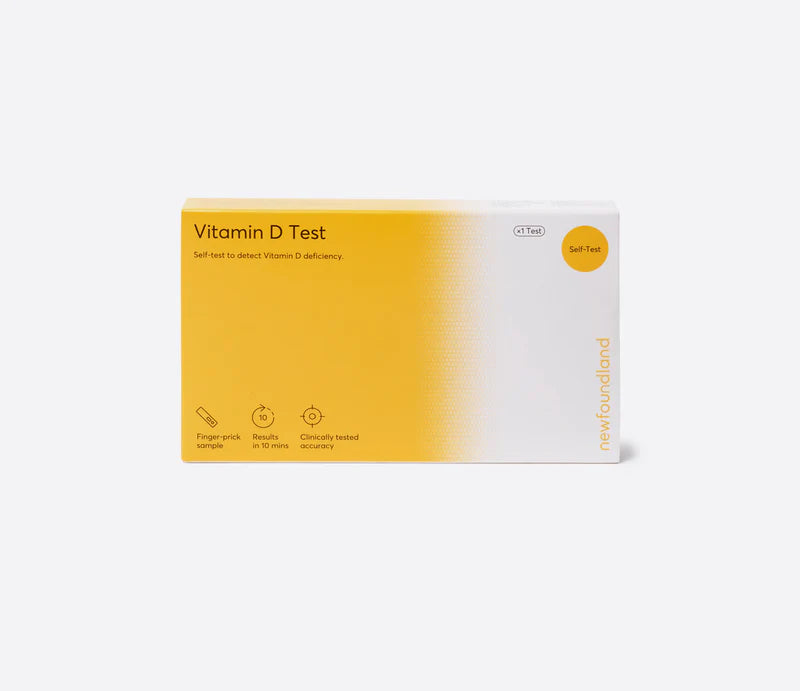
Vitamin D Test
- ✔️ Measures serum 25-hydroxyvitamin D levels accurately at home
- ✔️ Identifies vitamin D deficiency and insufficiency from one sample
- ✔️ UKAS-accredited laboratory analysis for reliable, trusted results
- ✔️ Simple finger-prick collection — no clinic appointment required
- ✔️ Results delivered online within days of laboratory receipt
Price Checker
 Lowest price guarantee
 Includes FREE private prescription


Couldn't load pickup availability
What Is a Vitamin D Test and Do You Need One?
Vitamin D deficiency is surprisingly common in the UK. The NHS estimates that around one in five people in England have low vitamin D levels — a figure that rises sharply during autumn and winter when sunlight is limited. Symptoms can be vague and easy to dismiss: persistent tiredness, aching bones, low mood, or muscle weakness. If any of that sounds familiar, a vitamin D test could be the first step towards understanding what's going on in your body. You can also browse our range of vitamins and supplements if you're already thinking about supporting your levels.
The YorkTest Vitamin D Test costs £59.00 and lets you check your serum 25-hydroxyvitamin D concentration from the comfort of home. No GP appointment needed, no waiting room. You collect a small finger-prick blood sample, post it to an accredited laboratory, and receive your results online — usually within a few working days.
How Does the YorkTest Vitamin D Test Work?
The test measures the concentration of 25-hydroxyvitamin D (also written as 25(OH)D) in your blood. This is the form of vitamin D that circulates in the bloodstream and is the most reliable marker of your overall vitamin D status. The process is straightforward:
- Register your unique kit code on the YorkTest website before you begin.
- Use the sterile lancet provided to collect a small blood sample from your fingertip.
- Apply the sample to the collection card and allow it to dry fully.
- Seal the card in the prepaid return envelope and post it to the UKAS-accredited laboratory.
- Log in to your online account to view your results, typically within a few working days.
Results are reported in nanomoles per litre (nmol/L). The NHS considers levels below 25 nmol/L to indicate deficiency, 25–50 nmol/L as insufficiency, and above 50 nmol/L as adequate for most people.
Who Should Consider Using a Vitamin D Test?
Not everyone needs to test, but certain groups are at noticeably higher risk of deficiency. The NHS specifically highlights the following as being more vulnerable:
- People who spend little time outdoors or cover most of their skin when outside.
- Those with darker skin tones, as melanin reduces the skin's ability to synthesise vitamin D from sunlight.
- Older adults, particularly those who are housebound or in care settings.
- Pregnant and breastfeeding women, and infants who are exclusively breastfed.
- Anyone experiencing unexplained fatigue, bone pain, or low mood — especially in winter months.
If you fall into any of these categories, testing gives you a clear, objective picture of your status rather than guessing. It also helps you avoid unnecessary supplementation if your levels are already adequate.
How Does the YorkTest Vitamin D Test Compare to a GP Blood Test?
| Feature | YorkTest Vitamin D Test | NHS GP Blood Test |
|---|---|---|
| Requires appointment | No | Yes |
| Cost | £59.00 | Free (if clinically indicated) |
| Sample collection | Home finger-prick | Venous blood draw at clinic |
| Results turnaround | A few working days online | Varies; typically 1–2 weeks |
| Accredited laboratory | Yes (UKAS-accredited) | Yes (NHS laboratory) |
Is the Vitamin D Test Suitable for Everyone, and How Should It Be Stored?
The vitamin D test is suitable for most adults aged 18 and over. It is not intended for use in children without parental supervision and clinical guidance. If you are pregnant, immunocompromised, or taking medications that affect vitamin D metabolism — such as certain anticonvulsants or corticosteroids — you should speak to your GP before acting on results alone. This test is a screening tool, not a diagnostic replacement for clinical assessment.
Store the kit at room temperature, away from direct sunlight and moisture. Do not refrigerate the collection card. Once your sample is collected, post it promptly — ideally the same day — to maintain sample integrity. If you're already taking supplements and want to understand whether they're working, this test pairs well with a review of your current vitamins and supplements routine.
This product is a diagnostic test. Speak to your doctor or pharmacist before using if you have an underlying medical condition or are taking other medicines.
YorkTest Vitamin D Test specifications
| Treatment category | Diagnostic / Health Monitoring |
| Mechanism of action | Measures serum 25-hydroxyvitamin D concentration via laboratory immunoassay |
| Effective for | Identifying vitamin D deficiency and insufficiency |
| Suitable for | Adults aged 18 and over |
| Active ingredient | N/A — diagnostic test kit |
| Pack size | 1 test kit |
| UK classification | General Sale / Diagnostic Device |
| Preparation | Finger-prick blood collection card |
| Route of administration | Finger-prick blood sample (self-collected) |
Specifications of YorkTest Vitamin D Test
What Is the YorkTest Vitamin D Test and What Is It Used For?
The YorkTest Vitamin D Test is a home-use diagnostic kit designed to measure the level of 25-hydroxyvitamin D in your blood. Vitamin D plays a critical role in calcium absorption, bone mineralisation, immune function, and muscle health. When levels fall too low, the body cannot maintain these processes effectively, which can lead to conditions such as osteomalacia in adults or rickets in children. The NHS recommends that everyone in the UK considers taking a daily vitamin D supplement during autumn and winter, precisely because sunlight-driven synthesis is insufficient during these months. This test helps you understand whether supplementation is working or whether your levels need further attention.
It is used to screen for vitamin D deficiency (below 25 nmol/L) and insufficiency (25–50 nmol/L), and to monitor levels in people already taking supplements or following dietary changes. It is not a treatment and does not replace a clinical consultation.
What Do You Need to Know Before Using the YorkTest Vitamin D Test?
This test is generally safe for most adults, but there are some important considerations before you proceed.
Do not use this test, or seek medical advice first, if:
- You are under 18 years of age.
- You have a bleeding disorder or are taking anticoagulant medicines such as warfarin.
- You have a known condition affecting vitamin D metabolism, such as hyperparathyroidism or sarcoidosis.
- You are pregnant and have not discussed vitamin D monitoring with your midwife or GP.
- You have recently had a blood transfusion, as this may affect results.
Medicines that may affect your vitamin D levels and therefore your results:
- Anticonvulsants (e.g. phenytoin, carbamazepine) — can reduce vitamin D levels.
- Corticosteroids (e.g. prednisolone) — long-term use may impair vitamin D metabolism.
- Orlistat — reduces fat absorption and may lower vitamin D levels.
- Cholestyramine — may reduce absorption of fat-soluble vitamins including vitamin D.
If you are taking any of these medicines, discuss your results with your GP rather than self-managing based on the test alone. You may also find it helpful to explore our electrical health and diagnostic range for other home monitoring tools.
How Should You Use the YorkTest Vitamin D Test?
Follow these steps carefully to ensure your sample is valid and your results are accurate. Poor technique is the most common reason for an inconclusive result.
- Register your kit code on the YorkTest website before collecting your sample.
- Wash your hands thoroughly with warm water and dry them — this improves blood flow to the fingertips.
- Use the sterile lancet to prick the side of your fingertip (not the pad).
- Gently squeeze your finger to encourage blood flow and apply drops to the collection card as instructed.
- Allow the card to dry completely at room temperature for at least 30 minutes.
- Place the dried card in the biohazard bag provided, seal it, and place it in the prepaid return envelope.
- Post the sample on the same day, ideally before the last collection time shown on the postbox.
- Log in to your YorkTest account to receive your results online.
| User Group | Suitable? | Notes |
|---|---|---|
| Adults aged 18+ | Yes | Standard use |
| Pregnant women | With caution | Consult midwife or GP first |
| Children under 18 | Not recommended | Seek GP-led testing |
| People on anticoagulants | With caution | Discuss with GP before use |
What Are the Possible Side Effects of the YorkTest Vitamin D Test?
Because this is a diagnostic test rather than a medicine, side effects are minimal and relate only to the finger-prick blood collection process.
Common side effects:
- Brief stinging or discomfort at the lancet site.
- A small drop of blood remaining on the fingertip after collection.
- Mild soreness lasting a few hours after the prick.
Less common side effects:
- Minor bruising around the puncture site.
- Slight dizziness in people who are sensitive to the sight of blood — sit down before collecting your sample if this applies to you.
- Infection at the puncture site if the area is not kept clean (extremely rare when sterile equipment is used correctly).
If you experience prolonged bleeding that does not stop within a few minutes, apply gentle pressure and seek medical advice. This may indicate an underlying clotting issue that warrants investigation.
How Should You Store the YorkTest Vitamin D Test?
Correct storage protects the integrity of the test components and ensures your results are reliable.
- Store the unopened kit at room temperature (15–25°C).
- Keep away from direct sunlight, heat sources, and moisture.
- Do not refrigerate or freeze any component of the kit.
- Keep out of reach of children.
- Check the expiry date on the kit before use — do not use if expired.
- Once the sample is collected, post it promptly; do not store a collected sample at home.
If you're looking to support your vitamin D levels after receiving your results, our vitamins and supplements collection includes a range of vitamin D options suitable for different needs.
References
- https://www.nhs.uk/conditions/vitamins-and-minerals/vitamin-d/
- https://www.nhs.uk/live-well/seasonal-health/why-lack-of-sun-can-be-harmful/
- https://www.nhs.uk/conditions/rickets-and-osteomalacia/
- https://www.nhs.uk/pregnancy/keeping-well/vitamins-supplements-and-nutrition/
- https://www.nice.org.uk/guidance/ph56
Written and reviewed by our qualified team
Your safety and success are our highest priorities. Our medical team rigorously evaluates every product and piece of advice we provide, ensuring you receive only the most effective, science-backed solutions available.
Frequently Asked Questions
Where can I buy a vitamin D test online in the UK?
You can buy the YorkTest Vitamin D Test directly from Cured Pharmacy for £59.00, with delivery to your home. No GP referral or appointment is needed. Simply order online, collect your sample at home, and post it to the laboratory in the prepaid envelope provided.
How does the YorkTest Vitamin D Test work in the body?
The test measures 25-hydroxyvitamin D (25(OH)D) in your blood — the main circulating form of vitamin D and the most reliable indicator of your body's overall vitamin D status. A small finger-prick blood sample is analysed by an accredited laboratory using an immunoassay method. Your result tells you whether your levels are deficient, insufficient, or adequate according to NHS reference ranges.
How do I use the YorkTest Vitamin D Test step by step?
Register your kit code online first, then wash your hands with warm water to improve blood flow. Use the lancet to prick the side of your fingertip, apply blood drops to the collection card, allow it to dry for at least 30 minutes, and post it in the prepaid envelope. Results are delivered to your online account within a few working days.
What do my vitamin D test results actually mean?
Results are given in nmol/L. The NHS considers levels below 25 nmol/L as deficient, 25–50 nmol/L as insufficient, and above 50 nmol/L as adequate for most people. If your result falls in the deficient or insufficient range, speak to your GP about appropriate supplementation or further investigation.
Who is eligible to use the YorkTest Vitamin D Test?
The test is suitable for adults aged 18 and over who want to check their vitamin D levels at home. It is particularly useful for people with limited sun exposure, darker skin tones, older adults, and those experiencing symptoms such as fatigue, bone pain, or low mood. People on anticoagulants or with bleeding disorders should consult their GP before using a finger-prick test.
Are there any side effects from taking a home vitamin D test?
Side effects are minimal and relate only to the finger-prick collection. You may experience brief stinging, mild soreness, or minor bruising at the puncture site. These resolve quickly. If you feel faint at the sight of blood, sit down before collecting your sample to reduce the risk of dizziness.
How accurate is the YorkTest Vitamin D Test compared to an NHS blood test?
YorkTest uses UKAS-accredited laboratories, which meet recognised UK quality standards for diagnostic testing. The measurement method — immunoassay for 25-hydroxyvitamin D — is the same marker used in NHS laboratories. However, sample quality depends on correct home collection technique, so following the instructions carefully is essential for a reliable result.
What is the best time to take a vitamin D test?
There is no specific time of day required for sample collection, but testing in the morning when you are well hydrated tends to make finger-prick blood collection easier. Testing in late autumn or winter is particularly informative, as this is when UK vitamin D levels are typically at their lowest due to reduced sunlight exposure.
What happens if my vitamin D test result is very low?
If your result indicates deficiency (below 25 nmol/L), you should contact your GP, who may recommend a loading dose of vitamin D or further blood tests to rule out underlying causes. Do not self-prescribe high-dose vitamin D supplements without medical guidance, as excessive intake can cause hypercalcaemia. You can explore our vitamins and supplements range for standard-dose options while awaiting GP advice.
Can I use the vitamin D test if I am already taking vitamin D supplements?
Yes — in fact, testing while supplementing is one of the most useful applications of this kit. It tells you whether your current supplement dose is bringing your levels into the adequate range or whether an adjustment is needed. Continue taking your supplements as normal before testing; do not stop them before the test unless your GP advises otherwise.
How long does it take to get results from the YorkTest Vitamin D Test?
Results are typically available within a few working days of the laboratory receiving your sample. You will be notified by email when your results are ready to view in your secure online account. Postal transit time should be factored in, so posting your sample promptly after collection is important.
What are the alternatives to the YorkTest Vitamin D Test?
Alternatives include requesting a vitamin D blood test through your GP (free on the NHS if clinically indicated), attending a private phlebotomy clinic, or using another branded home test kit. The YorkTest option is convenient because it requires no appointment and can be completed entirely at home. You might also consider our electrical health and diagnostic range for other home monitoring tools.
Can vitamin D deficiency affect my mental health?
There is growing evidence linking low vitamin D levels with low mood and fatigue, though the relationship is complex and not fully established. The NHS acknowledges that vitamin D plays a role in general wellbeing. If you are experiencing persistent low mood alongside physical symptoms, speak to your GP — a vitamin D test can be one useful piece of the picture.
How often should I retest my vitamin D levels?
If you have been found to be deficient and have started supplementation, retesting after three to six months is a reasonable approach to check whether your levels have improved. For people with adequate levels who are supplementing preventatively, annual testing — particularly in late autumn — is generally sufficient. Your GP can advise on the appropriate frequency for your individual circumstances.
What are the latest findings on vitamin D deficiency in the UK?
NICE guidance (PH56) and NHS data consistently show that vitamin D deficiency remains a significant public health concern in the UK, particularly among older adults, people with darker skin tones, and those with limited outdoor activity. The NHS recommends that all adults consider a daily supplement of 10 micrograms (400 IU) during autumn and winter. Testing allows you to make informed, personalised decisions rather than relying on population-level advice alone.
Written and reviewed by our qualified team

Reviewed by:
Tarun Kumar
Superintendent/ Clinical Lead
📖 Find out more about our team of medical content authors and how we ensure the accuracy of our content with our content guidelines.
Content last updated: 14 Sep 2026
Other popular options


We’re a safe and
regulated UK service

Lowest Price Guarantee

We're convinced you won't find your treatment cheaper, but if you do we'll refund the difference.
Find out more
100% discreet packaging

Discreet, unbranded packaging for every order.
Find out more

Need help?
Talk to our friendly experts now


How our service works

Service setup

Discreet packaging

Express delivery