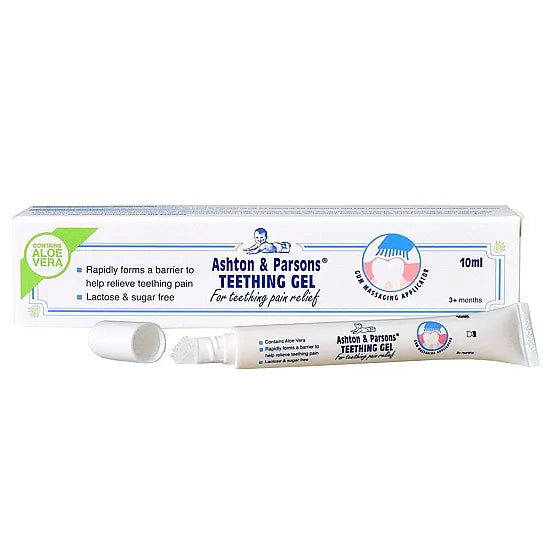
What Is Ashton and Parsons Teething Gel and How Does It Help?
Teething is one of those milestones that every parent dreads just as much as their baby does. Sore, swollen gums, disrupted sleep, and a very unhappy infant — it can feel relentless. Ashton and Parsons teething gel is a trusted, over-the-counter topical gel designed to provide temporary relief from the discomfort that comes with teething. Available from our baby and toddler range at Cured Pharmacy, this 10ml tube is a practical, affordable option for parents looking for fast-acting gum relief.
The gel contains lidocaine hydrochloride 0.33% w/w as its active ingredient — a well-established local anaesthetic used in a range of dental and oral preparations. It works by temporarily numbing the gum tissue at the site of application, helping to ease the soreness that makes teething so distressing for young infants. At just £3.99, it's a straightforward addition to any family medicine cabinet.
How Does Ashton and Parsons Teething Gel Work on Sore Gums?
The mechanism is relatively simple, which is part of what makes this product so reliable. Lidocaine hydrochloride is a local anaesthetic that blocks sodium channels in nerve cell membranes, preventing pain signals from being transmitted to the brain. When applied to the gum, it produces a localised numbing effect within minutes.
Lidocaine hydrochloride is absorbed through the oral mucosa (the lining of the mouth)
It temporarily blocks nerve signal transmission in the gum tissue
The numbing effect reduces the sensation of pain and pressure caused by emerging teeth
The effect is localised — it does not cause systemic sedation or drowsiness
Who Should Use Ashton and Parsons Teething Gel?
This gel is specifically formulated for infants who are actively teething. Most babies begin teething somewhere between 4 and 7 months of age, though the timing varies considerably. The NHS notes that teething symptoms can include dribbling, flushed cheeks, gnawing, and general irritability.
Infants aged 5 months and over who are showing signs of teething discomfort
Babies with visibly swollen or red gum tissue around an emerging tooth
Infants whose sleep or feeding is being disrupted by gum soreness
Parents seeking a topical, non-systemic option alongside other teething measures
It is not suitable for infants under 5 months of age. If you are unsure whether your baby's symptoms are related to teething or something else, always speak to your GP or health visitor first.
How Does Ashton and Parsons Teething Gel Compare to Other Teething Remedies?
Feature
Ashton & Parsons Teething Gel
Infant Paracetamol Suspension
Active ingredient
Lidocaine hydrochloride 0.33% w/w
Paracetamol 120mg/5ml (typical)
Route of action
Topical (applied to gum)
Oral (swallowed)
Minimum age
5 months
2 months (with conditions)
Max daily applications/doses
6 applications per 24 hours
4 doses per 24 hours
Is Ashton and Parsons Teething Gel Safe to Store at Home?
Yes — provided you follow the storage instructions carefully. Keep the tube below 25°C, away from direct sunlight, and always replace the cap securely after use. Store it out of the reach and sight of children, as with all medicines. Do not use the gel after the expiry date printed on the packaging.
If you're building up a home medicine kit for your little one, you might also find our dental products collection useful for broader oral care needs as your child grows. Ashton and Parsons teething gel is a P (pharmacy) medicine, meaning it can be sold without a prescription but should be used according to the label instructions.
This product is a medicine. Speak to your doctor or pharmacist before using if you have an underlying medical condition or are taking other medicines.
Ashton & Parsons Teething Gel 10ml specifications
Treatment category
Teething pain relief
Mechanism of action
Local anaesthetic — blocks sodium channels in nerve membranes to reduce pain signal transmission
Effective for
Teething discomfort and gum soreness in infants
Suitable for
Infants aged 5 months and over
Active ingredient
Lidocaine hydrochloride 0.33% w/w
Pack size
10ml
UK classification
P (Pharmacy medicine)
Drug class
Local anaesthetic
Preparation
Topical gel
Route of administration
Topical application to oral mucosa (gums)
Specifications of Ashton & Parsons Teething Gel 10ml
What Is Ashton and Parsons Teething Gel and What Is It Used For?
Ashton and Parsons teething gel is a topical local anaesthetic gel used to temporarily relieve the pain and discomfort associated with teething in infants. It contains lidocaine hydrochloride 0.33% w/w, which numbs the gum tissue at the point of application. The NHS advises that teething typically begins around 6 months of age, though it can start earlier or later, and symptoms can include sore gums, dribbling, and irritability. This gel is intended for short-term symptomatic relief during active teething episodes and is classified as a Pharmacy (P) medicine in the UK.
What Do You Need to Know Before Using Ashton and Parsons Teething Gel?
Before applying this gel, read the following contraindications and warnings carefully:
Do not use in infants under 5 months of age
Do not use if your baby is known to be allergic to lidocaine, any other local anaesthetic, or any other ingredient in the gel
Do not apply to broken or infected gum tissue
Do not use more than 6 times in any 24-hour period
Keep out of the eyes — if contact occurs, rinse thoroughly with water
If your baby has a high temperature, rash, or symptoms beyond typical teething, consult your GP — these may not be teething-related
Known drug interactions at the recommended topical dose are not established, but as a general precaution:
Inform your pharmacist if your baby is taking any other medicines, including herbal remedies
Do not use alongside other products containing local anaesthetics unless advised by a healthcare professional
How Should You Use Ashton and Parsons Teething Gel Correctly?
Wash your hands thoroughly before use
Squeeze a small pea-sized amount of gel onto a clean fingertip
Gently massage the gel directly onto the sore or swollen gum area
Allow the gel to remain on the gum — do not rinse away
Repeat as needed, but no more than 6 times in 24 hours
Indication
Age Group
Dose
Frequency
Teething pain relief
5 months and over
Small pea-sized amount applied to gum
Up to 6 times in 24 hours
Teething pain relief
Under 5 months
Not suitable
Do not use
For broader infant comfort, you might also consider exploring our pain relief collection, which includes age-appropriate options such as infant paracetamol suspension for babies over 2 months.
What Are the Possible Side Effects of Ashton and Parsons Teething Gel?
Side effects with this gel are uncommon when used as directed. However, as with any medicine, reactions can occur. Stop use and seek advice from a pharmacist or GP if you notice anything concerning.
Common side effects:
Temporary numbness or tingling of the gum and surrounding mouth tissue
Mild local irritation at the site of application
Less common side effects:
Allergic reaction — signs may include swelling of the lips, tongue, or throat, skin rash, or difficulty breathing (seek emergency medical help immediately if this occurs)
Excessive drooling immediately after application
How Should You Store Ashton and Parsons Teething Gel?
Correct storage helps maintain the product's safety and effectiveness. Follow these instructions:
Store below 25°C in a cool, dry place
Keep away from direct sunlight and heat sources
Always replace the cap firmly after each use
Keep out of the reach and sight of children
Do not use after the expiry date printed on the tube and carton
Do not dispose of medicines via wastewater or household waste — return unused product to your pharmacist
If you have any questions about this product or your baby's teething symptoms, our team at Cured Pharmacy is here to help. You can also browse our oral health collection for complementary products as your child's teeth continue to develop.
Your safety and success are our highest priorities. Our medical team rigorously evaluates every product and piece of advice we provide, ensuring you receive only the most effective, science-backed solutions available.
Frequently Asked Questions
Where can I buy Ashton and Parsons teething gel online in the UK?
You can buy Ashton and Parsons teething gel directly from Cured Pharmacy for just £3.99, with fast UK delivery. It is available without a prescription as a Pharmacy (P) medicine. Simply add it to your basket and check out — no GP visit required.
How does Ashton and Parsons teething gel work in the body?
The gel contains lidocaine hydrochloride 0.33% w/w, a local anaesthetic that works by blocking sodium channels in nerve cell membranes, preventing pain signals from reaching the brain. When massaged onto the gum, it produces a temporary numbing effect at the site of application. The action is localised to the gum tissue and does not cause systemic sedation.
How do I apply Ashton and Parsons teething gel step by step?
Wash your hands first, then squeeze a small pea-sized amount of gel onto a clean fingertip. Gently massage it directly onto the sore gum area where the tooth is emerging. You can repeat this up to 6 times in any 24-hour period as needed.
What age can babies start using Ashton and Parsons teething gel?
Ashton and Parsons teething gel is suitable for infants aged 5 months and over. It must not be used in babies younger than 5 months. If you are unsure whether your baby's symptoms are teething-related, speak to your GP or health visitor before using any teething product.
How many times a day can I use Ashton and Parsons teething gel?
You can apply the gel up to a maximum of 6 times in any 24-hour period. Do not exceed this frequency, even if your baby seems very uncomfortable. If symptoms are severe or persistent, consult your pharmacist or GP for further advice.
Are there any side effects of Ashton and Parsons teething gel?
Side effects are uncommon when the gel is used as directed. The most likely effect is temporary numbness or mild tingling of the gum and surrounding mouth area. In rare cases, an allergic reaction may occur — if you notice swelling of the lips, tongue, or throat, or difficulty breathing, seek emergency medical help immediately.
Is Ashton and Parsons teething gel safe to use alongside infant paracetamol?
There are no known interactions between topical lidocaine gel and infant paracetamol suspension at recommended doses. However, always inform your pharmacist of all medicines your baby is taking before combining products. You can browse our pain relief collection for age-appropriate infant options.
What are the alternatives to Ashton and Parsons teething gel?
Alternatives include chilled (not frozen) teething rings, gentle gum massage with a clean finger, or infant paracetamol suspension for babies over 2 months. The NHS recommends avoiding teething gels that contain salicylate salicylates or high concentrations of anaesthetic. Always speak to your pharmacist if you are unsure which option is most appropriate for your baby.
Who is not suitable for Ashton and Parsons teething gel?
The gel is not suitable for infants under 5 months of age, or for babies with a known allergy to lidocaine or any other local anaesthetic. It should not be applied to broken, infected, or ulcerated gum tissue. If your baby has any underlying health conditions, consult your GP or pharmacist before use.
How long can I use Ashton and Parsons teething gel for?
The gel is intended for short-term use during active teething episodes only. If your baby's symptoms do not improve after a few days of use, or if they worsen, stop using the gel and consult your GP. Prolonged or excessive use beyond the recommended dose is not advised.
What happens if I accidentally apply too much teething gel?
If you apply more than the recommended amount, do not panic — but do contact NHS 111 or your pharmacist for guidance. Excessive lidocaine absorption through the oral mucosa in infants is a safety concern, which is why the 6-application daily limit exists. Keep the product out of reach of children at all times.
Does Ashton and Parsons teething gel contain sugar or artificial colours?
Ashton and Parsons teething gel does not contain sugar, making it suitable for use without concern about dental decay. Always check the full ingredients list on the product packaging or patient information leaflet if your baby has known sensitivities or allergies to specific excipients.
Can I use Ashton and Parsons teething gel if my baby is breastfed?
Yes — the gel is applied topically to the baby's gums and is not intended for use by the breastfeeding parent. There is no evidence that topical lidocaine applied to an infant's gums at the recommended dose poses any risk related to breastfeeding. If you have specific concerns, speak to your midwife, health visitor, or pharmacist.
What are the latest guidelines on using teething gels for babies?
The NHS advises that teething gels containing a local anaesthetic (such as lidocaine) can be used in infants from 5 months, but recommends using the lowest effective amount and not exceeding the stated dose. Non-medicated options such as teething rings are recommended as a first-line approach. Always follow current NHS guidance and consult your pharmacist if you have questions. You can also explore our baby and toddler collection for additional infant care products.
How should I store Ashton and Parsons teething gel at home?
Store the gel below 25°C in a cool, dry place away from direct sunlight. Always replace the cap firmly after each use and keep the tube out of the reach and sight of children. Do not use the product after the expiry date printed on the packaging.
How Should You Use Ashton and Parsons Teething Gel?
Using this gel correctly is straightforward, but it's worth taking a moment to get the technique right. Proper application ensures your baby gets the most relief from each dose while keeping the amount of gel used to a minimum.
Never apply the gel with a cotton bud or swab, as this may cause your baby to gag. A clean fingertip gives you the most control and allows you to feel exactly where the soreness is.
What Is the Correct Dose of Ashton and Parsons Teething Gel?
The dose is the same regardless of your baby's weight — what matters is age and frequency. Always use the smallest amount that provides relief, and never exceed the maximum daily applications stated below.
If your baby's discomfort is not adequately controlled with the gel alone, speak to your pharmacist about whether an infant paracetamol suspension may also be appropriate.
When Is the Best Time to Use Ashton and Parsons Teething Gel?
There is no fixed schedule — apply the gel when your baby is showing signs of teething discomfort, such as gnawing on objects, excessive dribbling, or crying and pulling at their ears. Many parents find it particularly helpful to apply the gel before feeds or before settling their baby for sleep, as gum soreness often peaks at these times. You can apply it up to 6 times across the day and night as needed, spacing applications out as evenly as possible.
How Long Can You Use Ashton and Parsons Teething Gel For?
This gel is designed for short-term use during active teething episodes. Teething is an ongoing process — babies typically grow their full set of 20 primary teeth by around age 3 — so you may find yourself returning to the gel at different stages. However, it should only be used when symptoms are present, not as a preventative measure. If your baby's gum soreness persists for more than a few days without improvement, or if you notice any unusual symptoms such as a high temperature or rash, stop using the gel and consult your GP. These signs may indicate something other than teething.
Do not exceed the recommended dose. If in doubt, speak to your pharmacist.
How Should You Use Ashton and Parsons Teething Gel?
Using this gel correctly is straightforward, but it's worth taking a moment to get the technique right. Proper application ensures your baby gets the most relief from each dose while keeping the amount of gel used to a minimum.
Never apply the gel with a cotton bud or swab, as this may cause your baby to gag. A clean fingertip gives you the most control and allows you to feel exactly where the soreness is.
What Is the Correct Dose of Ashton and Parsons Teething Gel?
The dose is the same regardless of your baby's weight — what matters is age and frequency. Always use the smallest amount that provides relief, and never exceed the maximum daily applications stated below.
If your baby's discomfort is not adequately controlled with the gel alone, speak to your pharmacist about whether an infant paracetamol suspension may also be appropriate.
When Is the Best Time to Use Ashton and Parsons Teething Gel?
There is no fixed schedule — apply the gel when your baby is showing signs of teething discomfort, such as gnawing on objects, excessive dribbling, or crying and pulling at their ears. Many parents find it particularly helpful to apply the gel before feeds or before settling their baby for sleep, as gum soreness often peaks at these times. You can apply it up to 6 times across the day and night as needed, spacing applications out as evenly as possible.
How Long Can You Use Ashton and Parsons Teething Gel For?
This gel is designed for short-term use during active teething episodes. Teething is an ongoing process — babies typically grow their full set of 20 primary teeth by around age 3 — so you may find yourself returning to the gel at different stages. However, it should only be used when symptoms are present, not as a preventative measure. If your baby's gum soreness persists for more than a few days without improvement, or if you notice any unusual symptoms such as a high temperature or rash, stop using the gel and consult your GP. These signs may indicate something other than teething.
Do not exceed the recommended dose. If in doubt, speak to your pharmacist.
What Are the Most Common Side Effects of Ashton and Parsons Teething Gel?
When used as directed, Ashton and Parsons teething gel is generally well tolerated. The most frequently reported effects are directly related to the local anaesthetic action of lidocaine hydrochloride and are expected rather than harmful.
Temporary numbness of the gum and surrounding mouth tissue
Mild tingling sensation at the site of application
Increased drooling immediately after application
These effects are short-lived and resolve on their own as the gel wears off. They do not require any treatment and are not a reason to stop using the product.
What Are the Less Common Side Effects of Ashton and Parsons Teething Gel?
Less common reactions are rare but possible. If you notice any of the following, stop using the gel and seek advice from a pharmacist or GP promptly.
Redness, swelling, or worsening irritation at the application site
Unusual crying or distress following application that is disproportionate to the teething discomfort
Skin rash around the mouth
These reactions may suggest a sensitivity to one of the ingredients in the gel. Your pharmacist can help you identify a suitable alternative if this occurs.
What Are the Serious Side Effects of Ashton and Parsons Teething Gel?
Serious side effects are very rare when the gel is used correctly and within the recommended dose. However, allergic reactions to lidocaine, though uncommon, can occur. Signs of a serious allergic reaction (anaphylaxis) include:
Swelling of the lips, tongue, throat, or face
Difficulty breathing or swallowing
Sudden pallor or limpness in your baby
Widespread skin rash or hives
If you observe any of these signs, call 999 immediately. Do not wait to see if symptoms improve on their own.
What Should You Do If Your Baby Experiences Side Effects?
For mild effects such as temporary numbness or tingling, no action is needed — simply monitor your baby and allow the effect to wear off naturally. For any reaction that concerns you, stop using the gel and contact NHS 111 or your pharmacist for guidance. If you suspect a serious allergic reaction, call 999 without delay. You can also report suspected side effects to the MHRA via the Yellow Card scheme at yellowcard.mhra.gov.uk.
Can Ashton and Parsons Teething Gel Interact With Other Medicines?
At the recommended topical dose, significant drug interactions are not established for this product. However, you should always inform your pharmacist if your baby is taking any other medicines — including over-the-counter products, herbal remedies, or vitamin supplements. Avoid using this gel alongside other products containing local anaesthetics unless specifically advised by a healthcare professional, as combined use could increase the risk of side effects.
If you are concerned about any side effects, contact your pharmacist or GP immediately.
Patient Information Leaflet
Important - Before taking any medication, it is always important to read the Patient Information Leaflet (PIL)
Choosing a selection results in a full page refresh.
Opens in a new window.
{"id":9105299603779,"title":"Ashton \u0026 Parsons Teething Gel 10ml","handle":"ashton-parsons-teething-gel-10ml","description":"\u003cdiv class=\"cp-content\"\u003e\n\n\u003cp\u003e \u003c\/p\u003e\n\u003ch2\u003eWhat Is Ashton and Parsons Teething Gel and How Does It Help?\u003c\/h2\u003e\n\u003cp\u003e \u003c\/p\u003e\n\n\u003cp\u003eTeething is one of those milestones that every parent dreads just as much as their baby does. Sore, swollen gums, disrupted sleep, and a very unhappy infant — it can feel relentless. \u003cstrong\u003eAshton and Parsons teething gel\u003c\/strong\u003e is a trusted, over-the-counter topical gel designed to provide temporary relief from the discomfort that comes with teething. Available from our \u003ca href=\"https:\/\/curedpharmacy.com\/collections\/baby-and-toddler\"\u003ebaby and toddler range\u003c\/a\u003e at Cured Pharmacy, this 10ml tube is a practical, affordable option for parents looking for fast-acting gum relief.\u003c\/p\u003e\n\n\u003cp\u003eThe gel contains lidocaine hydrochloride 0.33% w\/w as its active ingredient — a well-established local anaesthetic used in a range of dental and oral preparations. It works by temporarily numbing the gum tissue at the site of application, helping to ease the soreness that makes teething so distressing for young infants. At just £3.99, it's a straightforward addition to any family medicine cabinet.\u003c\/p\u003e\n\n\u003cp\u003e \u003c\/p\u003e\n\u003ch2\u003eHow Does Ashton and Parsons Teething Gel Work on Sore Gums?\u003c\/h2\u003e\n\u003cp\u003e \u003c\/p\u003e\n\n\u003cp\u003eThe mechanism is relatively simple, which is part of what makes this product so reliable. Lidocaine hydrochloride is a local anaesthetic that blocks sodium channels in nerve cell membranes, preventing pain signals from being transmitted to the brain. When applied to the gum, it produces a localised numbing effect within minutes.\u003c\/p\u003e\n\n\u003cul\u003e\n \u003cli\u003eLidocaine hydrochloride is absorbed through the oral mucosa (the lining of the mouth)\u003c\/li\u003e\n \u003cli\u003eIt temporarily blocks nerve signal transmission in the gum tissue\u003c\/li\u003e\n \u003cli\u003eThe numbing effect reduces the sensation of pain and pressure caused by emerging teeth\u003c\/li\u003e\n \u003cli\u003eThe effect is localised — it does not cause systemic sedation or drowsiness\u003c\/li\u003e\n\u003c\/ul\u003e\n\n\u003cp\u003e \u003c\/p\u003e\n\u003ch2\u003eWho Should Use Ashton and Parsons Teething Gel?\u003c\/h2\u003e\n\u003cp\u003e \u003c\/p\u003e\n\n\u003cp\u003eThis gel is specifically formulated for infants who are actively teething. Most babies begin teething somewhere between 4 and 7 months of age, though the timing varies considerably. The NHS notes that teething symptoms can include dribbling, flushed cheeks, gnawing, and general irritability.\u003c\/p\u003e\n\n\u003cul\u003e\n \u003cli\u003eInfants aged 5 months and over who are showing signs of teething discomfort\u003c\/li\u003e\n \u003cli\u003eBabies with visibly swollen or red gum tissue around an emerging tooth\u003c\/li\u003e\n \u003cli\u003eInfants whose sleep or feeding is being disrupted by gum soreness\u003c\/li\u003e\n \u003cli\u003eParents seeking a topical, non-systemic option alongside other teething measures\u003c\/li\u003e\n\u003c\/ul\u003e\n\n\u003cp\u003eIt is not suitable for infants under 5 months of age. If you are unsure whether your baby's symptoms are related to teething or something else, always speak to your GP or health visitor first.\u003c\/p\u003e\n\n\u003cp\u003e \u003c\/p\u003e\n\u003ch2\u003eHow Does Ashton and Parsons Teething Gel Compare to Other Teething Remedies?\u003c\/h2\u003e\n\u003cp\u003e \u003c\/p\u003e\n\n\u003cdiv class=\"cp-table-wrap\"\u003e\u003ctable\u003e\n \u003cthead\u003e\n \u003ctr\u003e\n \u003cth\u003eFeature\u003c\/th\u003e\n \u003cth\u003eAshton \u0026amp; Parsons Teething Gel\u003c\/th\u003e\n \u003cth\u003eInfant Paracetamol Suspension\u003c\/th\u003e\n \u003c\/tr\u003e\n \u003c\/thead\u003e\n \u003ctbody\u003e\n \u003ctr\u003e\n \u003ctd\u003eActive ingredient\u003c\/td\u003e\n \u003ctd\u003eLidocaine hydrochloride 0.33% w\/w\u003c\/td\u003e\n \u003ctd\u003eParacetamol 120mg\/5ml (typical)\u003c\/td\u003e\n \u003c\/tr\u003e\n \u003ctr\u003e\n \u003ctd\u003eRoute of action\u003c\/td\u003e\n \u003ctd\u003eTopical (applied to gum)\u003c\/td\u003e\n \u003ctd\u003eOral (swallowed)\u003c\/td\u003e\n \u003c\/tr\u003e\n \u003ctr\u003e\n \u003ctd\u003eMinimum age\u003c\/td\u003e\n \u003ctd\u003e5 months\u003c\/td\u003e\n \u003ctd\u003e2 months (with conditions)\u003c\/td\u003e\n \u003c\/tr\u003e\n \u003ctr\u003e\n \u003ctd\u003eMax daily applications\/doses\u003c\/td\u003e\n \u003ctd\u003e6 applications per 24 hours\u003c\/td\u003e\n \u003ctd\u003e4 doses per 24 hours\u003c\/td\u003e\n \u003c\/tr\u003e\n \u003c\/tbody\u003e\n\u003c\/table\u003e\u003c\/div\u003e\n\n\u003cp\u003e \u003c\/p\u003e\n\u003ch3\u003e\u003cstrong\u003eIs Ashton and Parsons Teething Gel Safe to Store at Home?\u003c\/strong\u003e\u003c\/h3\u003e\n\u003cp\u003e \u003c\/p\u003e\n\n\u003cp\u003eYes — provided you follow the storage instructions carefully. Keep the tube below 25°C, away from direct sunlight, and always replace the cap securely after use. Store it out of the reach and sight of children, as with all medicines. Do not use the gel after the expiry date printed on the packaging.\u003c\/p\u003e\n\n\u003cp\u003eIf you're building up a home medicine kit for your little one, you might also find our \u003ca href=\"https:\/\/curedpharmacy.com\/collections\/dental-products\"\u003edental products collection\u003c\/a\u003e useful for broader oral care needs as your child grows. Ashton and Parsons teething gel is a P (pharmacy) medicine, meaning it can be sold without a prescription but should be used according to the label instructions.\u003c\/p\u003e\n\n\u003cp\u003eThis product is a medicine. Speak to your doctor or pharmacist before using if you have an underlying medical condition or are taking other medicines.\u003c\/p\u003e\n\n\u003cdetails class=\"cp-spec-accordion\"\u003e\n\u003csummary class=\"cp-spec-summary\"\u003eAshton \u0026amp; Parsons Teething Gel 10ml specifications\u003cspan class=\"cp-spec-icon\"\u003e\u003c\/span\u003e\u003c\/summary\u003e\n\u003cdiv class=\"cp-spec-body\"\u003e\n\u003cdiv class=\"cp-table-wrap\"\u003e\u003ctable class=\"cp-spec-table\"\u003e\n \u003ctr\u003e\n\u003ctd class=\"cp-spec-label\"\u003eTreatment category\u003c\/td\u003e\n\u003ctd\u003eTeething pain relief\u003c\/td\u003e\n\u003c\/tr\u003e\n \u003ctr\u003e\n\u003ctd class=\"cp-spec-label\"\u003eMechanism of action\u003c\/td\u003e\n\u003ctd\u003eLocal anaesthetic — blocks sodium channels in nerve membranes to reduce pain signal transmission\u003c\/td\u003e\n\u003c\/tr\u003e\n \u003ctr\u003e\n\u003ctd class=\"cp-spec-label\"\u003eEffective for\u003c\/td\u003e\n\u003ctd\u003eTeething discomfort and gum soreness in infants\u003c\/td\u003e\n\u003c\/tr\u003e\n \u003ctr\u003e\n\u003ctd class=\"cp-spec-label\"\u003eSuitable for\u003c\/td\u003e\n\u003ctd\u003eInfants aged 5 months and over\u003c\/td\u003e\n\u003c\/tr\u003e\n \u003ctr\u003e\n\u003ctd class=\"cp-spec-label\"\u003eActive ingredient\u003c\/td\u003e\n\u003ctd\u003eLidocaine hydrochloride 0.33% w\/w\u003c\/td\u003e\n\u003c\/tr\u003e\n \u003ctr\u003e\n\u003ctd class=\"cp-spec-label\"\u003ePack size\u003c\/td\u003e\n\u003ctd\u003e10ml\u003c\/td\u003e\n\u003c\/tr\u003e\n \u003ctr\u003e\n\u003ctd class=\"cp-spec-label\"\u003eUK classification\u003c\/td\u003e\n\u003ctd\u003eP (Pharmacy medicine)\u003c\/td\u003e\n\u003c\/tr\u003e\n \u003ctr\u003e\n\u003ctd class=\"cp-spec-label\"\u003eDrug class\u003c\/td\u003e\n\u003ctd\u003eLocal anaesthetic\u003c\/td\u003e\n\u003c\/tr\u003e\n \u003ctr\u003e\n\u003ctd class=\"cp-spec-label\"\u003ePreparation\u003c\/td\u003e\n\u003ctd\u003eTopical gel\u003c\/td\u003e\n\u003c\/tr\u003e\n \u003ctr\u003e\n\u003ctd class=\"cp-spec-label\"\u003eRoute of administration\u003c\/td\u003e\n\u003ctd\u003eTopical application to oral mucosa (gums)\u003c\/td\u003e\n\u003c\/tr\u003e\n\u003c\/table\u003e\u003c\/div\u003e\n\u003cp class=\"cp-spec-caption\"\u003eSpecifications of Ashton \u0026amp; Parsons Teething Gel 10ml\u003c\/p\u003e\n\u003c\/div\u003e\n\u003c\/details\u003e\n\n\u003c\/div\u003e\n\u003cdiv class=\"cp-content\"\u003e\n\n\u003cp\u003e \u003c\/p\u003e\n\u003ch2\u003eWhat Is Ashton and Parsons Teething Gel and What Is It Used For?\u003c\/h2\u003e\n\u003cp\u003e \u003c\/p\u003e\n\n\u003cp\u003eAshton and Parsons teething gel is a topical local anaesthetic gel used to temporarily relieve the pain and discomfort associated with teething in infants. It contains lidocaine hydrochloride 0.33% w\/w, which numbs the gum tissue at the point of application. The NHS advises that teething typically begins around 6 months of age, though it can start earlier or later, and symptoms can include sore gums, dribbling, and irritability. This gel is intended for short-term symptomatic relief during active teething episodes and is classified as a Pharmacy (P) medicine in the UK.\u003c\/p\u003e\n\n\u003cp\u003e \u003c\/p\u003e\n\u003ch2\u003eWhat Do You Need to Know Before Using Ashton and Parsons Teething Gel?\u003c\/h2\u003e\n\u003cp\u003e \u003c\/p\u003e\n\n\u003cp\u003eBefore applying this gel, read the following contraindications and warnings carefully:\u003c\/p\u003e\n\n\u003cul\u003e\n \u003cli\u003eDo not use in infants under 5 months of age\u003c\/li\u003e\n \u003cli\u003eDo not use if your baby is known to be allergic to lidocaine, any other local anaesthetic, or any other ingredient in the gel\u003c\/li\u003e\n \u003cli\u003eDo not apply to broken or infected gum tissue\u003c\/li\u003e\n \u003cli\u003eDo not use more than 6 times in any 24-hour period\u003c\/li\u003e\n \u003cli\u003eKeep out of the eyes — if contact occurs, rinse thoroughly with water\u003c\/li\u003e\n \u003cli\u003eIf your baby has a high temperature, rash, or symptoms beyond typical teething, consult your GP — these may not be teething-related\u003c\/li\u003e\n\u003c\/ul\u003e\n\n\u003cp\u003eKnown drug interactions at the recommended topical dose are not established, but as a general precaution:\u003c\/p\u003e\n\n\u003cul\u003e\n \u003cli\u003eInform your pharmacist if your baby is taking any other medicines, including herbal remedies\u003c\/li\u003e\n \u003cli\u003eDo not use alongside other products containing local anaesthetics unless advised by a healthcare professional\u003c\/li\u003e\n\u003c\/ul\u003e\n\n\u003cp\u003e \u003c\/p\u003e\n\u003ch2\u003eHow Should You Use Ashton and Parsons Teething Gel Correctly?\u003c\/h2\u003e\n\u003cp\u003e \u003c\/p\u003e\n\n\u003col\u003e\n \u003cli\u003eWash your hands thoroughly before use\u003c\/li\u003e\n \u003cli\u003eSqueeze a small pea-sized amount of gel onto a clean fingertip\u003c\/li\u003e\n \u003cli\u003eGently massage the gel directly onto the sore or swollen gum area\u003c\/li\u003e\n \u003cli\u003eAllow the gel to remain on the gum — do not rinse away\u003c\/li\u003e\n \u003cli\u003eRepeat as needed, but no more than 6 times in 24 hours\u003c\/li\u003e\n\u003c\/ol\u003e\n\n\u003cdiv class=\"cp-table-wrap\"\u003e\u003ctable\u003e\n \u003cthead\u003e\n \u003ctr\u003e\n \u003cth\u003eIndication\u003c\/th\u003e\n \u003cth\u003eAge Group\u003c\/th\u003e\n \u003cth\u003eDose\u003c\/th\u003e\n \u003cth\u003eFrequency\u003c\/th\u003e\n \u003c\/tr\u003e\n \u003c\/thead\u003e\n \u003ctbody\u003e\n \u003ctr\u003e\n \u003ctd\u003eTeething pain relief\u003c\/td\u003e\n \u003ctd\u003e5 months and over\u003c\/td\u003e\n \u003ctd\u003eSmall pea-sized amount applied to gum\u003c\/td\u003e\n \u003ctd\u003eUp to 6 times in 24 hours\u003c\/td\u003e\n \u003c\/tr\u003e\n \u003ctr\u003e\n \u003ctd\u003eTeething pain relief\u003c\/td\u003e\n \u003ctd\u003eUnder 5 months\u003c\/td\u003e\n \u003ctd\u003eNot suitable\u003c\/td\u003e\n \u003ctd\u003eDo not use\u003c\/td\u003e\n \u003c\/tr\u003e\n \u003c\/tbody\u003e\n\u003c\/table\u003e\u003c\/div\u003e\n\n\u003cp\u003eFor broader infant comfort, you might also consider exploring our \u003ca href=\"https:\/\/curedpharmacy.com\/collections\/pain-relief\"\u003epain relief collection\u003c\/a\u003e, which includes age-appropriate options such as infant paracetamol suspension for babies over 2 months.\u003c\/p\u003e\n\n\u003cp\u003e \u003c\/p\u003e\n\u003ch2\u003eWhat Are the Possible Side Effects of Ashton and Parsons Teething Gel?\u003c\/h2\u003e\n\u003cp\u003e \u003c\/p\u003e\n\n\u003cp\u003eSide effects with this gel are uncommon when used as directed. However, as with any medicine, reactions can occur. Stop use and seek advice from a pharmacist or GP if you notice anything concerning.\u003c\/p\u003e\n\n\u003cp\u003e\u003cstrong\u003eCommon side effects:\u003c\/strong\u003e\u003c\/p\u003e\n\u003cul\u003e\n \u003cli\u003eTemporary numbness or tingling of the gum and surrounding mouth tissue\u003c\/li\u003e\n \u003cli\u003eMild local irritation at the site of application\u003c\/li\u003e\n\u003c\/ul\u003e\n\n\u003cp\u003e\u003cstrong\u003eLess common side effects:\u003c\/strong\u003e\u003c\/p\u003e\n\u003cul\u003e\n \u003cli\u003eAllergic reaction — signs may include swelling of the lips, tongue, or throat, skin rash, or difficulty breathing (seek emergency medical help immediately if this occurs)\u003c\/li\u003e\n \u003cli\u003eExcessive drooling immediately after application\u003c\/li\u003e\n\u003c\/ul\u003e\n\n\u003cp\u003e \u003c\/p\u003e\n\u003ch2\u003eHow Should You Store Ashton and Parsons Teething Gel?\u003c\/h2\u003e\n\u003cp\u003e \u003c\/p\u003e\n\n\u003cp\u003eCorrect storage helps maintain the product's safety and effectiveness. Follow these instructions:\u003c\/p\u003e\n\n\u003cul\u003e\n \u003cli\u003eStore below 25°C in a cool, dry place\u003c\/li\u003e\n \u003cli\u003eKeep away from direct sunlight and heat sources\u003c\/li\u003e\n \u003cli\u003eAlways replace the cap firmly after each use\u003c\/li\u003e\n \u003cli\u003eKeep out of the reach and sight of children\u003c\/li\u003e\n \u003cli\u003eDo not use after the expiry date printed on the tube and carton\u003c\/li\u003e\n \u003cli\u003eDo not dispose of medicines via wastewater or household waste — return unused product to your pharmacist\u003c\/li\u003e\n\u003c\/ul\u003e\n\n\u003cp\u003eIf you have any questions about this product or your baby's teething symptoms, our team at Cured Pharmacy is here to help. You can also browse our \u003ca href=\"https:\/\/curedpharmacy.com\/collections\/oral-health\"\u003eoral health collection\u003c\/a\u003e for complementary products as your child's teeth continue to develop.\u003c\/p\u003e\n\n\u003c\/div\u003e\n\n\u003cdiv class=\"cp-sources\" id=\"references\"\u003e\n \u003ch3\u003eReferences\u003c\/h3\u003e\n \u003col class=\"cp-sources-list\"\u003e\n \u003cli id=\"ref-1\"\u003e\u003ca href=\"https:\/\/www.nhs.uk\/conditions\/teething\/\" target=\"_blank\" rel=\"noopener noreferrer\"\u003ehttps:\/\/www.nhs.uk\/conditions\/teething\/\u003c\/a\u003e\u003c\/li\u003e\n \u003cli id=\"ref-2\"\u003e\u003ca href=\"https:\/\/www.nhs.uk\/conditions\/baby\/babys-development\/teething\/teething-symptoms-and-remedies\/\" target=\"_blank\" rel=\"noopener noreferrer\"\u003ehttps:\/\/www.nhs.uk\/conditions\/baby\/babys-development\/teething\/teething-symptoms-and-remedies\/\u003c\/a\u003e\u003c\/li\u003e\n \u003cli id=\"ref-3\"\u003e\u003ca href=\"https:\/\/www.nhs.uk\/medicines\/lidocaine-for-mouth-and-throat\/\" target=\"_blank\" rel=\"noopener noreferrer\"\u003ehttps:\/\/www.nhs.uk\/medicines\/lidocaine-for-mouth-and-throat\/\u003c\/a\u003e\u003c\/li\u003e\n \u003cli id=\"ref-4\"\u003e\u003ca href=\"https:\/\/www.nhs.uk\/conditions\/baby\/babys-development\/teeth\/baby-teething-tips\/\" target=\"_blank\" rel=\"noopener noreferrer\"\u003ehttps:\/\/www.nhs.uk\/conditions\/baby\/babys-development\/teeth\/baby-teething-tips\/\u003c\/a\u003e\u003c\/li\u003e\n \u003cli id=\"ref-5\"\u003e\u003ca href=\"https:\/\/www.medicines.org.uk\/emc\/product\/1234\" target=\"_blank\" rel=\"noopener noreferrer\"\u003ehttps:\/\/www.medicines.org.uk\/emc — Ashton \u0026amp; Parsons Teething Gel SPC (medicines.org.uk)\u003c\/a\u003e\u003c\/li\u003e\n \u003c\/ol\u003e\n\u003c\/div\u003e\n\n\u003cdiv class=\"cp-reviewed\"\u003e\n \u003cdiv class=\"cp-reviewed-inner\"\u003e\n \u003cdiv class=\"cp-reviewed-icon\"\u003e✦\u003c\/div\u003e\n \u003cdiv class=\"cp-reviewed-text\"\u003e\n \u003cp class=\"cp-reviewed-title\"\u003eWritten and reviewed by our qualified team\u003c\/p\u003e\n \u003cp class=\"cp-reviewed-desc\"\u003eYour safety and success are our highest priorities. Our medical team rigorously evaluates every product and piece of advice we provide, ensuring you receive only the most effective, science-backed solutions available.\u003c\/p\u003e\n \u003c\/div\u003e\n \u003c\/div\u003e\n\u003c\/div\u003e\n\u003cdiv class=\"cp-faq-wrapper\"\u003e\n\u003ch2 class=\"cp-faq-title\"\u003eFrequently Asked Questions\u003c\/h2\u003e\n\u003cdiv class=\"cp-faq\"\u003e\n\n \u003cdetails class=\"cp-faq-item\"\u003e\n \u003csummary\u003eWhere can I buy Ashton and Parsons teething gel online in the UK?\u003c\/summary\u003e\n \u003cdiv class=\"cp-faq-answer\"\u003e\u003cp\u003eYou can buy Ashton and Parsons teething gel directly from Cured Pharmacy for just £3.99, with fast UK delivery. It is available without a prescription as a Pharmacy (P) medicine. Simply add it to your basket and check out — no GP visit required.\u003c\/p\u003e\u003c\/div\u003e\n \u003c\/details\u003e\n\n \u003cdetails class=\"cp-faq-item\"\u003e\n \u003csummary\u003eHow does Ashton and Parsons teething gel work in the body?\u003c\/summary\u003e\n \u003cdiv class=\"cp-faq-answer\"\u003e\u003cp\u003eThe gel contains lidocaine hydrochloride 0.33% w\/w, a local anaesthetic that works by blocking sodium channels in nerve cell membranes, preventing pain signals from reaching the brain. When massaged onto the gum, it produces a temporary numbing effect at the site of application. The action is localised to the gum tissue and does not cause systemic sedation.\u003c\/p\u003e\u003c\/div\u003e\n \u003c\/details\u003e\n\n \u003cdetails class=\"cp-faq-item\"\u003e\n \u003csummary\u003eHow do I apply Ashton and Parsons teething gel step by step?\u003c\/summary\u003e\n \u003cdiv class=\"cp-faq-answer\"\u003e\u003cp\u003eWash your hands first, then squeeze a small pea-sized amount of gel onto a clean fingertip. Gently massage it directly onto the sore gum area where the tooth is emerging. You can repeat this up to 6 times in any 24-hour period as needed.\u003c\/p\u003e\u003c\/div\u003e\n \u003c\/details\u003e\n\n \u003cdetails class=\"cp-faq-item\"\u003e\n \u003csummary\u003eWhat age can babies start using Ashton and Parsons teething gel?\u003c\/summary\u003e\n \u003cdiv class=\"cp-faq-answer\"\u003e\u003cp\u003eAshton and Parsons teething gel is suitable for infants aged 5 months and over. It must not be used in babies younger than 5 months. If you are unsure whether your baby's symptoms are teething-related, speak to your GP or health visitor before using any teething product.\u003c\/p\u003e\u003c\/div\u003e\n \u003c\/details\u003e\n\n \u003cdetails class=\"cp-faq-item\"\u003e\n \u003csummary\u003eHow many times a day can I use Ashton and Parsons teething gel?\u003c\/summary\u003e\n \u003cdiv class=\"cp-faq-answer\"\u003e\u003cp\u003eYou can apply the gel up to a maximum of 6 times in any 24-hour period. Do not exceed this frequency, even if your baby seems very uncomfortable. If symptoms are severe or persistent, consult your pharmacist or GP for further advice.\u003c\/p\u003e\u003c\/div\u003e\n \u003c\/details\u003e\n\n \u003cdetails class=\"cp-faq-item\"\u003e\n \u003csummary\u003eAre there any side effects of Ashton and Parsons teething gel?\u003c\/summary\u003e\n \u003cdiv class=\"cp-faq-answer\"\u003e\u003cp\u003eSide effects are uncommon when the gel is used as directed. The most likely effect is temporary numbness or mild tingling of the gum and surrounding mouth area. In rare cases, an allergic reaction may occur — if you notice swelling of the lips, tongue, or throat, or difficulty breathing, seek emergency medical help immediately.\u003c\/p\u003e\u003c\/div\u003e\n \u003c\/details\u003e\n\n \u003cdetails class=\"cp-faq-item\"\u003e\n \u003csummary\u003eIs Ashton and Parsons teething gel safe to use alongside infant paracetamol?\u003c\/summary\u003e\n \u003cdiv class=\"cp-faq-answer\"\u003e\u003cp\u003eThere are no known interactions between topical lidocaine gel and infant paracetamol suspension at recommended doses. However, always inform your pharmacist of all medicines your baby is taking before combining products. You can browse our \u003ca href=\"https:\/\/curedpharmacy.com\/collections\/pain-relief\"\u003epain relief collection\u003c\/a\u003e for age-appropriate infant options.\u003c\/p\u003e\u003c\/div\u003e\n \u003c\/details\u003e\n\n \u003cdetails class=\"cp-faq-item\"\u003e\n \u003csummary\u003eWhat are the alternatives to Ashton and Parsons teething gel?\u003c\/summary\u003e\n \u003cdiv class=\"cp-faq-answer\"\u003e\u003cp\u003eAlternatives include chilled (not frozen) teething rings, gentle gum massage with a clean finger, or infant paracetamol suspension for babies over 2 months. The NHS recommends avoiding teething gels that contain salicylate salicylates or high concentrations of anaesthetic. Always speak to your pharmacist if you are unsure which option is most appropriate for your baby.\u003c\/p\u003e\u003c\/div\u003e\n \u003c\/details\u003e\n\n \u003cdetails class=\"cp-faq-item\"\u003e\n \u003csummary\u003eWho is not suitable for Ashton and Parsons teething gel?\u003c\/summary\u003e\n \u003cdiv class=\"cp-faq-answer\"\u003e\u003cp\u003eThe gel is not suitable for infants under 5 months of age, or for babies with a known allergy to lidocaine or any other local anaesthetic. It should not be applied to broken, infected, or ulcerated gum tissue. If your baby has any underlying health conditions, consult your GP or pharmacist before use.\u003c\/p\u003e\u003c\/div\u003e\n \u003c\/details\u003e\n\n \u003cdetails class=\"cp-faq-item\"\u003e\n \u003csummary\u003eHow long can I use Ashton and Parsons teething gel for?\u003c\/summary\u003e\n \u003cdiv class=\"cp-faq-answer\"\u003e\u003cp\u003eThe gel is intended for short-term use during active teething episodes only. If your baby's symptoms do not improve after a few days of use, or if they worsen, stop using the gel and consult your GP. Prolonged or excessive use beyond the recommended dose is not advised.\u003c\/p\u003e\u003c\/div\u003e\n \u003c\/details\u003e\n\n \u003cdetails class=\"cp-faq-item\"\u003e\n \u003csummary\u003eWhat happens if I accidentally apply too much teething gel?\u003c\/summary\u003e\n \u003cdiv class=\"cp-faq-answer\"\u003e\u003cp\u003eIf you apply more than the recommended amount, do not panic — but do contact NHS 111 or your pharmacist for guidance. Excessive lidocaine absorption through the oral mucosa in infants is a safety concern, which is why the 6-application daily limit exists. Keep the product out of reach of children at all times.\u003c\/p\u003e\u003c\/div\u003e\n \u003c\/details\u003e\n\n \u003cdetails class=\"cp-faq-item\"\u003e\n \u003csummary\u003eDoes Ashton and Parsons teething gel contain sugar or artificial colours?\u003c\/summary\u003e\n \u003cdiv class=\"cp-faq-answer\"\u003e\u003cp\u003eAshton and Parsons teething gel does not contain sugar, making it suitable for use without concern about dental decay. Always check the full ingredients list on the product packaging or patient information leaflet if your baby has known sensitivities or allergies to specific excipients.\u003c\/p\u003e\u003c\/div\u003e\n \u003c\/details\u003e\n\n \u003cdetails class=\"cp-faq-item\"\u003e\n \u003csummary\u003eCan I use Ashton and Parsons teething gel if my baby is breastfed?\u003c\/summary\u003e\n \u003cdiv class=\"cp-faq-answer\"\u003e\u003cp\u003eYes — the gel is applied topically to the baby's gums and is not intended for use by the breastfeeding parent. There is no evidence that topical lidocaine applied to an infant's gums at the recommended dose poses any risk related to breastfeeding. If you have specific concerns, speak to your midwife, health visitor, or pharmacist.\u003c\/p\u003e\u003c\/div\u003e\n \u003c\/details\u003e\n\n \u003cdetails class=\"cp-faq-item\"\u003e\n \u003csummary\u003eWhat are the latest guidelines on using teething gels for babies?\u003c\/summary\u003e\n \u003cdiv class=\"cp-faq-answer\"\u003e\u003cp\u003eThe NHS advises that teething gels containing a local anaesthetic (such as lidocaine) can be used in infants from 5 months, but recommends using the lowest effective amount and not exceeding the stated dose. Non-medicated options such as teething rings are recommended as a first-line approach. Always follow current NHS guidance and consult your pharmacist if you have questions. You can also explore our \u003ca href=\"https:\/\/curedpharmacy.com\/collections\/baby-and-toddler\"\u003ebaby and toddler collection\u003c\/a\u003e for additional infant care products.\u003c\/p\u003e\u003c\/div\u003e\n \u003c\/details\u003e\n\n \u003cdetails class=\"cp-faq-item\"\u003e\n \u003csummary\u003eHow should I store Ashton and Parsons teething gel at home?\u003c\/summary\u003e\n \u003cdiv class=\"cp-faq-answer\"\u003e\u003cp\u003eStore the gel below 25°C in a cool, dry place away from direct sunlight. Always replace the cap firmly after each use and keep the tube out of the reach and sight of children. Do not use the product after the expiry date printed on the packaging.\u003c\/p\u003e\u003c\/div\u003e\n \u003c\/details\u003e\n\n\u003c\/div\u003e\n\u003c\/div\u003e\n\n\u003cscript class=\"cp-schema-drug\" type=\"application\/json\"\u003e\n{\n \"@context\": \"https:\/\/schema.org\",\n \"@type\": \"Drug\",\n \"name\": \"Ashton \u0026 Parsons Teething Gel 10ml\",\n \"activeIngredient\": \"lidocaine hydrochloride 0.33% w\/w\",\n \"administrationRoute\": \"topical (oral mucosa)\",\n \"prescriptionStatus\": \"OTC\",\n \"manufacturer\": { \"@type\": \"Organization\", \"name\": \"Ashton \u0026 Parsons\" },\n \"description\": \"Ashton \u0026 Parsons Teething Gel is a topical anaesthetic gel applied to the gums to temporarily relieve teething pain in infants aged 5 months and over.\",\n \"sideEffect\": [\"mild gum irritation\", \"temporary numbness of the mouth\"],\n \"warning\": \"Not suitable for infants under 5 months. Do not exceed 6 applications in 24 hours.\",\n \"interactingDrug\": \"None known at recommended doses\",\n \"storageRequirements\": \"Store below 25°C. Keep out of reach of children.\"\n}\n\u003c\/script\u003e\n\n\u003cscript class=\"cp-schema-faq\" type=\"application\/json\"\u003e\n{\n \"@context\": \"https:\/\/schema.org\",\n \"@type\": \"FAQPage\",\n \"mainEntity\": [\n { \"@type\": \"Question\", \"name\": \"Where can I buy Ashton and Parsons teething gel online in the UK?\", \"acceptedAnswer\": { \"@type\": \"Answer\", \"text\": \"You can buy Ashton and Parsons teething gel directly from Cured Pharmacy for just £3.99, with fast UK delivery. It is available without a prescription as a Pharmacy (P) medicine.\" } },\n { \"@type\": \"Question\", \"name\": \"How does Ashton and Parsons teething gel work in the body?\", \"acceptedAnswer\": { \"@type\": \"Answer\", \"text\": \"The gel contains lidocaine hydrochloride 0.33% w\/w, a local anaesthetic that blocks sodium channels in nerve cell membranes, preventing pain signals from reaching the brain and producing a temporary numbing effect on the gum.\" } },\n { \"@type\": \"Question\", \"name\": \"How do I apply Ashton and Parsons teething gel step by step?\", \"acceptedAnswer\": { \"@type\": \"Answer\", \"text\": \"Wash your hands, squeeze a small pea-sized amount onto a clean fingertip, and gently massage it onto the sore gum area. Repeat up to 6 times in any 24-hour period.\" } },\n { \"@type\": \"Question\", \"name\": \"What age can babies start using Ashton and Parsons teething gel?\", \"acceptedAnswer\": { \"@type\": \"Answer\", \"text\": \"Ashton and Parsons teething gel is suitable for infants aged 5 months and over. It must not be used in babies younger than 5 months.\" } },\n { \"@type\": \"Question\", \"name\": \"How many times a day can I use Ashton and Parsons teething gel?\", \"acceptedAnswer\": { \"@type\": \"Answer\", \"text\": \"You can apply the gel up to a maximum of 6 times in any 24-hour period. Do not exceed this frequency.\" } },\n { \"@type\": \"Question\", \"name\": \"Are there any side effects of Ashton and Parsons teething gel?\", \"acceptedAnswer\": { \"@type\": \"Answer\", \"text\": \"Side effects are uncommon. The most likely effect is temporary numbness or mild tingling of the gum. In rare cases, an allergic reaction may occur — seek emergency help if swelling or breathing difficulty develops.\" } },\n { \"@type\": \"Question\", \"name\": \"Who is not suitable for Ashton and Parsons teething gel?\", \"acceptedAnswer\": { \"@type\": \"Answer\", \"text\": \"The gel is not suitable for infants under 5 months, babies with a known allergy to lidocaine or local anaesthetics, or for application to broken or infected gum tissue.\" } },\n { \"@type\": \"Question\", \"name\": \"How long can I use Ashton and Parsons teething gel for?\", \"acceptedAnswer\": { \"@type\": \"Answer\", \"text\": \"The gel is intended for short-term use during active teething episodes. If symptoms do not improve after a few days or worsen, stop use and consult your GP or pharmacist.\" } }\n ]\n}\n\u003c\/script\u003e\n\n\u003cscript\u003e\ndocument.querySelectorAll('.cp-schema-drug, .cp-schema-faq').forEach(function(el) {\n var s = document.createElement('script');\n s.type = 'application\/ld+json';\n s.text = el.textContent;\n document.head.appendChild(s);\n});\n\u003c\/script\u003e\n\u003cstyle\u003e.custom-tab-content { padding-top: 0 !important; }.custom-tab-content \u003e *:first-child { margin-top: 0 !important; }.cp-content h2 { color: #3d1a6e; font-size: 22px; font-weight: 700; margin: 40px 0 12px; }.cp-content h3 { color: #5b3a8e; font-size: 18px; font-weight: 700; margin: 28px 0 10px; }.cp-content p { margin: 0 0 16px; line-height: 1.8; color: #333; font-size: 15px; }.cp-content ul, .cp-content ol { margin: 0 0 16px 20px; line-height: 1.8; color: #333; font-size: 15px; }.cp-content li { margin-bottom: 8px; }.cp-content strong { color: #3d1a6e; }.cp-content a { color: #5b3a8e; text-decoration: underline; }.cp-content table { width: 100%; border-collapse: collapse; margin: 16px 0; font-size: 15px; }.cp-content th { background: #3d1a6e; color: #fff; padding: 10px 14px; text-align: left; }.cp-content td { padding: 10px 14px; border-bottom: 1px solid #e5e7eb; color: #333; }.cp-content tr:nth-child(even) td { background: #f9f9f9; }.cp-content .cp-table-wrap { overflow-x: auto; -webkit-overflow-scrolling: touch; margin: 16px 0; border: 1px solid #e5e7eb; border-radius: 8px; }.cp-content .cp-table-wrap table { margin: 0; width: max-content; min-width: 100%; border-collapse: collapse; }.cp-content .cp-table-wrap th, .cp-content .cp-table-wrap td { min-width: 140px; padding: 10px 12px; vertical-align: top; }.cp-sources { background: #f5f5f5; border-radius: 8px; padding: 24px 28px; margin-top: 40px; }.cp-sources h3 { color: #3d1a6e; font-size: 18px; font-weight: 700; margin: 0 0 14px; }.cp-sources-list { margin: 0; padding-left: 20px; }.cp-sources-list li { font-size: 13px; color: #555; margin-bottom: 8px; word-break: break-all; }.cp-sources-list li a { color: #5b3a8e; text-decoration: none; }.cp-reviewed { background: #f0ebf8; border-left: 4px solid #3d1a6e; border-radius: 8px; padding: 24px 28px; margin-top: 24px; }.cp-reviewed-inner { display: flex; align-items: flex-start; gap: 16px; }.cp-reviewed-icon { font-size: 28px; color: #3d1a6e; line-height: 1; flex-shrink: 0; margin-top: 2px; }.cp-reviewed-title { font-weight: 700; font-size: 16px; color: #3d1a6e; margin: 0 0 8px; }.cp-reviewed-desc { font-size: 14px; color: #555; line-height: 1.7; margin: 0; }.cp-faq-wrapper { margin-top: 60px; border-top: 2px solid #3d1a6e; padding-top: 40px; }.cp-faq-title { color: #3d1a6e; font-size: 26px; font-weight: 700; margin: 0 0 24px; }.cp-faq { max-width: 900px; margin: 0 auto; padding: 0; background: transparent; }.cp-faq-item { background: #fff; border: 1px solid #e5e7eb; border-radius: 8px; margin-bottom: 10px; overflow: hidden; }.cp-faq-item summary { list-style: none; cursor: pointer; padding: 18px 22px; font-weight: 700; font-size: 16px; color: #5b3a8e; display: flex; justify-content: space-between; align-items: center; }.cp-faq-item summary::-webkit-details-marker { display: none; }.cp-faq-item summary::after { content: \"+\"; font-size: 22px; font-weight: 400; color: #5b3a8e; margin-left: 16px; }.cp-faq-item[open] summary::after { content: \"-\"; }.cp-faq-answer { background: #fff; padding: 0 22px 20px; color: #333; line-height: 1.6; font-size: 15px; }.cp-faq-answer p { margin: 0; }.cp-spec-accordion { border: 1px solid #e5e7eb; border-radius: 8px; margin: 24px 0; overflow: hidden; }.cp-spec-accordion summary { list-style: none; cursor: pointer; padding: 14px 18px; font-weight: 700; font-size: 16px; color: #3d1a6e; background: #f0ebf8; display: flex; justify-content: space-between; align-items: center; }.cp-spec-accordion summary::-webkit-details-marker { display: none; }.cp-spec-accordion summary::after { content: \"+\"; font-size: 22px; font-weight: 400; color: #5b3a8e; margin-left: 16px; }.cp-spec-accordion[open] summary::after { content: \"-\"; }.cp-spec-body { padding: 0 18px 16px; }.cp-spec-table { width: 100%; border-collapse: collapse; font-size: 14px; margin: 12px 0 0; }.cp-spec-table tr { border-bottom: 1px solid #e5e7eb; }.cp-spec-table tr:last-child { border-bottom: none; }.cp-spec-label { font-weight: 700; color: #3d1a6e; padding: 10px 12px 10px 0; width: 40%; vertical-align: top; }.cp-spec-table td:last-child { color: #333; padding: 10px 0; }.cp-spec-caption { font-size: 12px; color: #888; margin: 8px 0 0; }@media (max-width: 600px) {.cp-content h2 { font-size: 18px; }.cp-faq-item summary { font-size: 14px; padding: 14px 16px; }.cp-price-tab { padding: 8px 12px; font-size: 13px; }}\u003c\/style\u003e\u003cscript\u003e(function(){var s = document.createElement(\"style\");s.textContent = \".custom-tab-content h2{color:#3d1a6e;font-size:22px;font-weight:700;margin:32px 0 10px}.custom-tab-content h3{color:#5b3a8e;font-size:18px;font-weight:700;margin:24px 0 8px}.custom-tab-content p{margin:0 0 14px;line-height:1.8;color:#333;font-size:15px}.custom-tab-content ul,.custom-tab-content ol{margin:0 0 14px 20px;line-height:1.8;color:#333;font-size:15px}.custom-tab-content li{margin-bottom:6px}.custom-tab-content table{width:100%;border-collapse:collapse;margin:14px 0;font-size:15px}.custom-tab-content th{background:#3d1a6e;color:#fff;padding:10px 14px;text-align:left}.custom-tab-content td{padding:10px 14px;border-bottom:1px solid #e5e7eb;color:#333}\";document.head.appendChild(s);document.addEventListener(\"click\", function(e) { var tab = e.target.closest(\".cp-price-tab\"); if (!tab) return; var wrapper = tab.closest(\".cp-price-wrapper\"); wrapper.querySelectorAll(\".cp-price-tab\").forEach(function(t) { t.classList.remove(\"cp-price-tab--active\"); }); wrapper.querySelectorAll(\".cp-price-panel\").forEach(function(p) { p.classList.add(\"cp-price-panel--hidden\"); }); tab.classList.add(\"cp-price-tab--active\"); wrapper.querySelector(\"[data-panel=\\\"\" + tab.dataset.tab + \"\\\"]\").classList.remove(\"cp-price-panel--hidden\");});})();\u003c\/script\u003e","published_at":"2024-03-31T15:50:33+01:00","created_at":"2024-03-31T15:50:35+01:00","vendor":"Cured Pharmacy","type":"","tags":[],"price":399,"price_min":399,"price_max":399,"available":true,"price_varies":false,"compare_at_price":null,"compare_at_price_min":0,"compare_at_price_max":0,"compare_at_price_varies":false,"variants":[{"id":48131149365571,"title":"Default Title","option1":"Default Title","option2":null,"option3":null,"sku":"4025252337350","requires_shipping":true,"taxable":false,"featured_image":null,"available":true,"name":"Ashton \u0026 Parsons Teething Gel 10ml","public_title":null,"options":["Default Title"],"price":399,"weight":0,"compare_at_price":null,"inventory_management":"shopify","barcode":"5036631003702","requires_selling_plan":false,"selling_plan_allocations":[],"quantity_rule":{"min":1,"max":null,"increment":1}}],"images":["\/\/curedpharmacy.com\/cdn\/shop\/files\/Ashton_bc4393cc-bee9-43e5-94d6-00321eba0fc7.webp?v=1759395553"],"featured_image":"\/\/curedpharmacy.com\/cdn\/shop\/files\/Ashton_bc4393cc-bee9-43e5-94d6-00321eba0fc7.webp?v=1759395553","options":["Title"],"media":[{"alt":"Ashton \u0026 Parsons Teething Gel 10ml","id":57107212697923,"position":1,"preview_image":{"aspect_ratio":1.0,"height":550,"width":550,"src":"\/\/curedpharmacy.com\/cdn\/shop\/files\/Ashton_bc4393cc-bee9-43e5-94d6-00321eba0fc7.webp?v=1759395553"},"aspect_ratio":1.0,"height":550,"media_type":"image","src":"\/\/curedpharmacy.com\/cdn\/shop\/files\/Ashton_bc4393cc-bee9-43e5-94d6-00321eba0fc7.webp?v=1759395553","width":550}],"requires_selling_plan":false,"selling_plan_groups":[],"content":"\u003cdiv class=\"cp-content\"\u003e\n\n\u003cp\u003e \u003c\/p\u003e\n\u003ch2\u003eWhat Is Ashton and Parsons Teething Gel and How Does It Help?\u003c\/h2\u003e\n\u003cp\u003e \u003c\/p\u003e\n\n\u003cp\u003eTeething is one of those milestones that every parent dreads just as much as their baby does. Sore, swollen gums, disrupted sleep, and a very unhappy infant — it can feel relentless. \u003cstrong\u003eAshton and Parsons teething gel\u003c\/strong\u003e is a trusted, over-the-counter topical gel designed to provide temporary relief from the discomfort that comes with teething. Available from our \u003ca href=\"https:\/\/curedpharmacy.com\/collections\/baby-and-toddler\"\u003ebaby and toddler range\u003c\/a\u003e at Cured Pharmacy, this 10ml tube is a practical, affordable option for parents looking for fast-acting gum relief.\u003c\/p\u003e\n\n\u003cp\u003eThe gel contains lidocaine hydrochloride 0.33% w\/w as its active ingredient — a well-established local anaesthetic used in a range of dental and oral preparations. It works by temporarily numbing the gum tissue at the site of application, helping to ease the soreness that makes teething so distressing for young infants. At just £3.99, it's a straightforward addition to any family medicine cabinet.\u003c\/p\u003e\n\n\u003cp\u003e \u003c\/p\u003e\n\u003ch2\u003eHow Does Ashton and Parsons Teething Gel Work on Sore Gums?\u003c\/h2\u003e\n\u003cp\u003e \u003c\/p\u003e\n\n\u003cp\u003eThe mechanism is relatively simple, which is part of what makes this product so reliable. Lidocaine hydrochloride is a local anaesthetic that blocks sodium channels in nerve cell membranes, preventing pain signals from being transmitted to the brain. When applied to the gum, it produces a localised numbing effect within minutes.\u003c\/p\u003e\n\n\u003cul\u003e\n \u003cli\u003eLidocaine hydrochloride is absorbed through the oral mucosa (the lining of the mouth)\u003c\/li\u003e\n \u003cli\u003eIt temporarily blocks nerve signal transmission in the gum tissue\u003c\/li\u003e\n \u003cli\u003eThe numbing effect reduces the sensation of pain and pressure caused by emerging teeth\u003c\/li\u003e\n \u003cli\u003eThe effect is localised — it does not cause systemic sedation or drowsiness\u003c\/li\u003e\n\u003c\/ul\u003e\n\n\u003cp\u003e \u003c\/p\u003e\n\u003ch2\u003eWho Should Use Ashton and Parsons Teething Gel?\u003c\/h2\u003e\n\u003cp\u003e \u003c\/p\u003e\n\n\u003cp\u003eThis gel is specifically formulated for infants who are actively teething. Most babies begin teething somewhere between 4 and 7 months of age, though the timing varies considerably. The NHS notes that teething symptoms can include dribbling, flushed cheeks, gnawing, and general irritability.\u003c\/p\u003e\n\n\u003cul\u003e\n \u003cli\u003eInfants aged 5 months and over who are showing signs of teething discomfort\u003c\/li\u003e\n \u003cli\u003eBabies with visibly swollen or red gum tissue around an emerging tooth\u003c\/li\u003e\n \u003cli\u003eInfants whose sleep or feeding is being disrupted by gum soreness\u003c\/li\u003e\n \u003cli\u003eParents seeking a topical, non-systemic option alongside other teething measures\u003c\/li\u003e\n\u003c\/ul\u003e\n\n\u003cp\u003eIt is not suitable for infants under 5 months of age. If you are unsure whether your baby's symptoms are related to teething or something else, always speak to your GP or health visitor first.\u003c\/p\u003e\n\n\u003cp\u003e \u003c\/p\u003e\n\u003ch2\u003eHow Does Ashton and Parsons Teething Gel Compare to Other Teething Remedies?\u003c\/h2\u003e\n\u003cp\u003e \u003c\/p\u003e\n\n\u003cdiv class=\"cp-table-wrap\"\u003e\u003ctable\u003e\n \u003cthead\u003e\n \u003ctr\u003e\n \u003cth\u003eFeature\u003c\/th\u003e\n \u003cth\u003eAshton \u0026amp; Parsons Teething Gel\u003c\/th\u003e\n \u003cth\u003eInfant Paracetamol Suspension\u003c\/th\u003e\n \u003c\/tr\u003e\n \u003c\/thead\u003e\n \u003ctbody\u003e\n \u003ctr\u003e\n \u003ctd\u003eActive ingredient\u003c\/td\u003e\n \u003ctd\u003eLidocaine hydrochloride 0.33% w\/w\u003c\/td\u003e\n \u003ctd\u003eParacetamol 120mg\/5ml (typical)\u003c\/td\u003e\n \u003c\/tr\u003e\n \u003ctr\u003e\n \u003ctd\u003eRoute of action\u003c\/td\u003e\n \u003ctd\u003eTopical (applied to gum)\u003c\/td\u003e\n \u003ctd\u003eOral (swallowed)\u003c\/td\u003e\n \u003c\/tr\u003e\n \u003ctr\u003e\n \u003ctd\u003eMinimum age\u003c\/td\u003e\n \u003ctd\u003e5 months\u003c\/td\u003e\n \u003ctd\u003e2 months (with conditions)\u003c\/td\u003e\n \u003c\/tr\u003e\n \u003ctr\u003e\n \u003ctd\u003eMax daily applications\/doses\u003c\/td\u003e\n \u003ctd\u003e6 applications per 24 hours\u003c\/td\u003e\n \u003ctd\u003e4 doses per 24 hours\u003c\/td\u003e\n \u003c\/tr\u003e\n \u003c\/tbody\u003e\n\u003c\/table\u003e\u003c\/div\u003e\n\n\u003cp\u003e \u003c\/p\u003e\n\u003ch3\u003e\u003cstrong\u003eIs Ashton and Parsons Teething Gel Safe to Store at Home?\u003c\/strong\u003e\u003c\/h3\u003e\n\u003cp\u003e \u003c\/p\u003e\n\n\u003cp\u003eYes — provided you follow the storage instructions carefully. Keep the tube below 25°C, away from direct sunlight, and always replace the cap securely after use. Store it out of the reach and sight of children, as with all medicines. Do not use the gel after the expiry date printed on the packaging.\u003c\/p\u003e\n\n\u003cp\u003eIf you're building up a home medicine kit for your little one, you might also find our \u003ca href=\"https:\/\/curedpharmacy.com\/collections\/dental-products\"\u003edental products collection\u003c\/a\u003e useful for broader oral care needs as your child grows. Ashton and Parsons teething gel is a P (pharmacy) medicine, meaning it can be sold without a prescription but should be used according to the label instructions.\u003c\/p\u003e\n\n\u003cp\u003eThis product is a medicine. Speak to your doctor or pharmacist before using if you have an underlying medical condition or are taking other medicines.\u003c\/p\u003e\n\n\u003cdetails class=\"cp-spec-accordion\"\u003e\n\u003csummary class=\"cp-spec-summary\"\u003eAshton \u0026amp; Parsons Teething Gel 10ml specifications\u003cspan class=\"cp-spec-icon\"\u003e\u003c\/span\u003e\u003c\/summary\u003e\n\u003cdiv class=\"cp-spec-body\"\u003e\n\u003cdiv class=\"cp-table-wrap\"\u003e\u003ctable class=\"cp-spec-table\"\u003e\n \u003ctr\u003e\n\u003ctd class=\"cp-spec-label\"\u003eTreatment category\u003c\/td\u003e\n\u003ctd\u003eTeething pain relief\u003c\/td\u003e\n\u003c\/tr\u003e\n \u003ctr\u003e\n\u003ctd class=\"cp-spec-label\"\u003eMechanism of action\u003c\/td\u003e\n\u003ctd\u003eLocal anaesthetic — blocks sodium channels in nerve membranes to reduce pain signal transmission\u003c\/td\u003e\n\u003c\/tr\u003e\n \u003ctr\u003e\n\u003ctd class=\"cp-spec-label\"\u003eEffective for\u003c\/td\u003e\n\u003ctd\u003eTeething discomfort and gum soreness in infants\u003c\/td\u003e\n\u003c\/tr\u003e\n \u003ctr\u003e\n\u003ctd class=\"cp-spec-label\"\u003eSuitable for\u003c\/td\u003e\n\u003ctd\u003eInfants aged 5 months and over\u003c\/td\u003e\n\u003c\/tr\u003e\n \u003ctr\u003e\n\u003ctd class=\"cp-spec-label\"\u003eActive ingredient\u003c\/td\u003e\n\u003ctd\u003eLidocaine hydrochloride 0.33% w\/w\u003c\/td\u003e\n\u003c\/tr\u003e\n \u003ctr\u003e\n\u003ctd class=\"cp-spec-label\"\u003ePack size\u003c\/td\u003e\n\u003ctd\u003e10ml\u003c\/td\u003e\n\u003c\/tr\u003e\n \u003ctr\u003e\n\u003ctd class=\"cp-spec-label\"\u003eUK classification\u003c\/td\u003e\n\u003ctd\u003eP (Pharmacy medicine)\u003c\/td\u003e\n\u003c\/tr\u003e\n \u003ctr\u003e\n\u003ctd class=\"cp-spec-label\"\u003eDrug class\u003c\/td\u003e\n\u003ctd\u003eLocal anaesthetic\u003c\/td\u003e\n\u003c\/tr\u003e\n \u003ctr\u003e\n\u003ctd class=\"cp-spec-label\"\u003ePreparation\u003c\/td\u003e\n\u003ctd\u003eTopical gel\u003c\/td\u003e\n\u003c\/tr\u003e\n \u003ctr\u003e\n\u003ctd class=\"cp-spec-label\"\u003eRoute of administration\u003c\/td\u003e\n\u003ctd\u003eTopical application to oral mucosa (gums)\u003c\/td\u003e\n\u003c\/tr\u003e\n\u003c\/table\u003e\u003c\/div\u003e\n\u003cp class=\"cp-spec-caption\"\u003eSpecifications of Ashton \u0026amp; Parsons Teething Gel 10ml\u003c\/p\u003e\n\u003c\/div\u003e\n\u003c\/details\u003e\n\n\u003c\/div\u003e\n\u003cdiv class=\"cp-content\"\u003e\n\n\u003cp\u003e \u003c\/p\u003e\n\u003ch2\u003eWhat Is Ashton and Parsons Teething Gel and What Is It Used For?\u003c\/h2\u003e\n\u003cp\u003e \u003c\/p\u003e\n\n\u003cp\u003eAshton and Parsons teething gel is a topical local anaesthetic gel used to temporarily relieve the pain and discomfort associated with teething in infants. It contains lidocaine hydrochloride 0.33% w\/w, which numbs the gum tissue at the point of application. The NHS advises that teething typically begins around 6 months of age, though it can start earlier or later, and symptoms can include sore gums, dribbling, and irritability. This gel is intended for short-term symptomatic relief during active teething episodes and is classified as a Pharmacy (P) medicine in the UK.\u003c\/p\u003e\n\n\u003cp\u003e \u003c\/p\u003e\n\u003ch2\u003eWhat Do You Need to Know Before Using Ashton and Parsons Teething Gel?\u003c\/h2\u003e\n\u003cp\u003e \u003c\/p\u003e\n\n\u003cp\u003eBefore applying this gel, read the following contraindications and warnings carefully:\u003c\/p\u003e\n\n\u003cul\u003e\n \u003cli\u003eDo not use in infants under 5 months of age\u003c\/li\u003e\n \u003cli\u003eDo not use if your baby is known to be allergic to lidocaine, any other local anaesthetic, or any other ingredient in the gel\u003c\/li\u003e\n \u003cli\u003eDo not apply to broken or infected gum tissue\u003c\/li\u003e\n \u003cli\u003eDo not use more than 6 times in any 24-hour period\u003c\/li\u003e\n \u003cli\u003eKeep out of the eyes — if contact occurs, rinse thoroughly with water\u003c\/li\u003e\n \u003cli\u003eIf your baby has a high temperature, rash, or symptoms beyond typical teething, consult your GP — these may not be teething-related\u003c\/li\u003e\n\u003c\/ul\u003e\n\n\u003cp\u003eKnown drug interactions at the recommended topical dose are not established, but as a general precaution:\u003c\/p\u003e\n\n\u003cul\u003e\n \u003cli\u003eInform your pharmacist if your baby is taking any other medicines, including herbal remedies\u003c\/li\u003e\n \u003cli\u003eDo not use alongside other products containing local anaesthetics unless advised by a healthcare professional\u003c\/li\u003e\n\u003c\/ul\u003e\n\n\u003cp\u003e \u003c\/p\u003e\n\u003ch2\u003eHow Should You Use Ashton and Parsons Teething Gel Correctly?\u003c\/h2\u003e\n\u003cp\u003e \u003c\/p\u003e\n\n\u003col\u003e\n \u003cli\u003eWash your hands thoroughly before use\u003c\/li\u003e\n \u003cli\u003eSqueeze a small pea-sized amount of gel onto a clean fingertip\u003c\/li\u003e\n \u003cli\u003eGently massage the gel directly onto the sore or swollen gum area\u003c\/li\u003e\n \u003cli\u003eAllow the gel to remain on the gum — do not rinse away\u003c\/li\u003e\n \u003cli\u003eRepeat as needed, but no more than 6 times in 24 hours\u003c\/li\u003e\n\u003c\/ol\u003e\n\n\u003cdiv class=\"cp-table-wrap\"\u003e\u003ctable\u003e\n \u003cthead\u003e\n \u003ctr\u003e\n \u003cth\u003eIndication\u003c\/th\u003e\n \u003cth\u003eAge Group\u003c\/th\u003e\n \u003cth\u003eDose\u003c\/th\u003e\n \u003cth\u003eFrequency\u003c\/th\u003e\n \u003c\/tr\u003e\n \u003c\/thead\u003e\n \u003ctbody\u003e\n \u003ctr\u003e\n \u003ctd\u003eTeething pain relief\u003c\/td\u003e\n \u003ctd\u003e5 months and over\u003c\/td\u003e\n \u003ctd\u003eSmall pea-sized amount applied to gum\u003c\/td\u003e\n \u003ctd\u003eUp to 6 times in 24 hours\u003c\/td\u003e\n \u003c\/tr\u003e\n \u003ctr\u003e\n \u003ctd\u003eTeething pain relief\u003c\/td\u003e\n \u003ctd\u003eUnder 5 months\u003c\/td\u003e\n \u003ctd\u003eNot suitable\u003c\/td\u003e\n \u003ctd\u003eDo not use\u003c\/td\u003e\n \u003c\/tr\u003e\n \u003c\/tbody\u003e\n\u003c\/table\u003e\u003c\/div\u003e\n\n\u003cp\u003eFor broader infant comfort, you might also consider exploring our \u003ca href=\"https:\/\/curedpharmacy.com\/collections\/pain-relief\"\u003epain relief collection\u003c\/a\u003e, which includes age-appropriate options such as infant paracetamol suspension for babies over 2 months.\u003c\/p\u003e\n\n\u003cp\u003e \u003c\/p\u003e\n\u003ch2\u003eWhat Are the Possible Side Effects of Ashton and Parsons Teething Gel?\u003c\/h2\u003e\n\u003cp\u003e \u003c\/p\u003e\n\n\u003cp\u003eSide effects with this gel are uncommon when used as directed. However, as with any medicine, reactions can occur. Stop use and seek advice from a pharmacist or GP if you notice anything concerning.\u003c\/p\u003e\n\n\u003cp\u003e\u003cstrong\u003eCommon side effects:\u003c\/strong\u003e\u003c\/p\u003e\n\u003cul\u003e\n \u003cli\u003eTemporary numbness or tingling of the gum and surrounding mouth tissue\u003c\/li\u003e\n \u003cli\u003eMild local irritation at the site of application\u003c\/li\u003e\n\u003c\/ul\u003e\n\n\u003cp\u003e\u003cstrong\u003eLess common side effects:\u003c\/strong\u003e\u003c\/p\u003e\n\u003cul\u003e\n \u003cli\u003eAllergic reaction — signs may include swelling of the lips, tongue, or throat, skin rash, or difficulty breathing (seek emergency medical help immediately if this occurs)\u003c\/li\u003e\n \u003cli\u003eExcessive drooling immediately after application\u003c\/li\u003e\n\u003c\/ul\u003e\n\n\u003cp\u003e \u003c\/p\u003e\n\u003ch2\u003eHow Should You Store Ashton and Parsons Teething Gel?\u003c\/h2\u003e\n\u003cp\u003e \u003c\/p\u003e\n\n\u003cp\u003eCorrect storage helps maintain the product's safety and effectiveness. Follow these instructions:\u003c\/p\u003e\n\n\u003cul\u003e\n \u003cli\u003eStore below 25°C in a cool, dry place\u003c\/li\u003e\n \u003cli\u003eKeep away from direct sunlight and heat sources\u003c\/li\u003e\n \u003cli\u003eAlways replace the cap firmly after each use\u003c\/li\u003e\n \u003cli\u003eKeep out of the reach and sight of children\u003c\/li\u003e\n \u003cli\u003eDo not use after the expiry date printed on the tube and carton\u003c\/li\u003e\n \u003cli\u003eDo not dispose of medicines via wastewater or household waste — return unused product to your pharmacist\u003c\/li\u003e\n\u003c\/ul\u003e\n\n\u003cp\u003eIf you have any questions about this product or your baby's teething symptoms, our team at Cured Pharmacy is here to help. You can also browse our \u003ca href=\"https:\/\/curedpharmacy.com\/collections\/oral-health\"\u003eoral health collection\u003c\/a\u003e for complementary products as your child's teeth continue to develop.\u003c\/p\u003e\n\n\u003c\/div\u003e\n\n\u003cdiv class=\"cp-sources\" id=\"references\"\u003e\n \u003ch3\u003eReferences\u003c\/h3\u003e\n \u003col class=\"cp-sources-list\"\u003e\n \u003cli id=\"ref-1\"\u003e\u003ca href=\"https:\/\/www.nhs.uk\/conditions\/teething\/\" target=\"_blank\" rel=\"noopener noreferrer\"\u003ehttps:\/\/www.nhs.uk\/conditions\/teething\/\u003c\/a\u003e\u003c\/li\u003e\n \u003cli id=\"ref-2\"\u003e\u003ca href=\"https:\/\/www.nhs.uk\/conditions\/baby\/babys-development\/teething\/teething-symptoms-and-remedies\/\" target=\"_blank\" rel=\"noopener noreferrer\"\u003ehttps:\/\/www.nhs.uk\/conditions\/baby\/babys-development\/teething\/teething-symptoms-and-remedies\/\u003c\/a\u003e\u003c\/li\u003e\n \u003cli id=\"ref-3\"\u003e\u003ca href=\"https:\/\/www.nhs.uk\/medicines\/lidocaine-for-mouth-and-throat\/\" target=\"_blank\" rel=\"noopener noreferrer\"\u003ehttps:\/\/www.nhs.uk\/medicines\/lidocaine-for-mouth-and-throat\/\u003c\/a\u003e\u003c\/li\u003e\n \u003cli id=\"ref-4\"\u003e\u003ca href=\"https:\/\/www.nhs.uk\/conditions\/baby\/babys-development\/teeth\/baby-teething-tips\/\" target=\"_blank\" rel=\"noopener noreferrer\"\u003ehttps:\/\/www.nhs.uk\/conditions\/baby\/babys-development\/teeth\/baby-teething-tips\/\u003c\/a\u003e\u003c\/li\u003e\n \u003cli id=\"ref-5\"\u003e\u003ca href=\"https:\/\/www.medicines.org.uk\/emc\/product\/1234\" target=\"_blank\" rel=\"noopener noreferrer\"\u003ehttps:\/\/www.medicines.org.uk\/emc — Ashton \u0026amp; Parsons Teething Gel SPC (medicines.org.uk)\u003c\/a\u003e\u003c\/li\u003e\n \u003c\/ol\u003e\n\u003c\/div\u003e\n\n\u003cdiv class=\"cp-reviewed\"\u003e\n \u003cdiv class=\"cp-reviewed-inner\"\u003e\n \u003cdiv class=\"cp-reviewed-icon\"\u003e✦\u003c\/div\u003e\n \u003cdiv class=\"cp-reviewed-text\"\u003e\n \u003cp class=\"cp-reviewed-title\"\u003eWritten and reviewed by our qualified team\u003c\/p\u003e\n \u003cp class=\"cp-reviewed-desc\"\u003eYour safety and success are our highest priorities. Our medical team rigorously evaluates every product and piece of advice we provide, ensuring you receive only the most effective, science-backed solutions available.\u003c\/p\u003e\n \u003c\/div\u003e\n \u003c\/div\u003e\n\u003c\/div\u003e\n\u003cdiv class=\"cp-faq-wrapper\"\u003e\n\u003ch2 class=\"cp-faq-title\"\u003eFrequently Asked Questions\u003c\/h2\u003e\n\u003cdiv class=\"cp-faq\"\u003e\n\n \u003cdetails class=\"cp-faq-item\"\u003e\n \u003csummary\u003eWhere can I buy Ashton and Parsons teething gel online in the UK?\u003c\/summary\u003e\n \u003cdiv class=\"cp-faq-answer\"\u003e\u003cp\u003eYou can buy Ashton and Parsons teething gel directly from Cured Pharmacy for just £3.99, with fast UK delivery. It is available without a prescription as a Pharmacy (P) medicine. Simply add it to your basket and check out — no GP visit required.\u003c\/p\u003e\u003c\/div\u003e\n \u003c\/details\u003e\n\n \u003cdetails class=\"cp-faq-item\"\u003e\n \u003csummary\u003eHow does Ashton and Parsons teething gel work in the body?\u003c\/summary\u003e\n \u003cdiv class=\"cp-faq-answer\"\u003e\u003cp\u003eThe gel contains lidocaine hydrochloride 0.33% w\/w, a local anaesthetic that works by blocking sodium channels in nerve cell membranes, preventing pain signals from reaching the brain. When massaged onto the gum, it produces a temporary numbing effect at the site of application. The action is localised to the gum tissue and does not cause systemic sedation.\u003c\/p\u003e\u003c\/div\u003e\n \u003c\/details\u003e\n\n \u003cdetails class=\"cp-faq-item\"\u003e\n \u003csummary\u003eHow do I apply Ashton and Parsons teething gel step by step?\u003c\/summary\u003e\n \u003cdiv class=\"cp-faq-answer\"\u003e\u003cp\u003eWash your hands first, then squeeze a small pea-sized amount of gel onto a clean fingertip. Gently massage it directly onto the sore gum area where the tooth is emerging. You can repeat this up to 6 times in any 24-hour period as needed.\u003c\/p\u003e\u003c\/div\u003e\n \u003c\/details\u003e\n\n \u003cdetails class=\"cp-faq-item\"\u003e\n \u003csummary\u003eWhat age can babies start using Ashton and Parsons teething gel?\u003c\/summary\u003e\n \u003cdiv class=\"cp-faq-answer\"\u003e\u003cp\u003eAshton and Parsons teething gel is suitable for infants aged 5 months and over. It must not be used in babies younger than 5 months. If you are unsure whether your baby's symptoms are teething-related, speak to your GP or health visitor before using any teething product.\u003c\/p\u003e\u003c\/div\u003e\n \u003c\/details\u003e\n\n \u003cdetails class=\"cp-faq-item\"\u003e\n \u003csummary\u003eHow many times a day can I use Ashton and Parsons teething gel?\u003c\/summary\u003e\n \u003cdiv class=\"cp-faq-answer\"\u003e\u003cp\u003eYou can apply the gel up to a maximum of 6 times in any 24-hour period. Do not exceed this frequency, even if your baby seems very uncomfortable. If symptoms are severe or persistent, consult your pharmacist or GP for further advice.\u003c\/p\u003e\u003c\/div\u003e\n \u003c\/details\u003e\n\n \u003cdetails class=\"cp-faq-item\"\u003e\n \u003csummary\u003eAre there any side effects of Ashton and Parsons teething gel?\u003c\/summary\u003e\n \u003cdiv class=\"cp-faq-answer\"\u003e\u003cp\u003eSide effects are uncommon when the gel is used as directed. The most likely effect is temporary numbness or mild tingling of the gum and surrounding mouth area. In rare cases, an allergic reaction may occur — if you notice swelling of the lips, tongue, or throat, or difficulty breathing, seek emergency medical help immediately.\u003c\/p\u003e\u003c\/div\u003e\n \u003c\/details\u003e\n\n \u003cdetails class=\"cp-faq-item\"\u003e\n \u003csummary\u003eIs Ashton and Parsons teething gel safe to use alongside infant paracetamol?\u003c\/summary\u003e\n \u003cdiv class=\"cp-faq-answer\"\u003e\u003cp\u003eThere are no known interactions between topical lidocaine gel and infant paracetamol suspension at recommended doses. However, always inform your pharmacist of all medicines your baby is taking before combining products. You can browse our \u003ca href=\"https:\/\/curedpharmacy.com\/collections\/pain-relief\"\u003epain relief collection\u003c\/a\u003e for age-appropriate infant options.\u003c\/p\u003e\u003c\/div\u003e\n \u003c\/details\u003e\n\n \u003cdetails class=\"cp-faq-item\"\u003e\n \u003csummary\u003eWhat are the alternatives to Ashton and Parsons teething gel?\u003c\/summary\u003e\n \u003cdiv class=\"cp-faq-answer\"\u003e\u003cp\u003eAlternatives include chilled (not frozen) teething rings, gentle gum massage with a clean finger, or infant paracetamol suspension for babies over 2 months. The NHS recommends avoiding teething gels that contain salicylate salicylates or high concentrations of anaesthetic. Always speak to your pharmacist if you are unsure which option is most appropriate for your baby.\u003c\/p\u003e\u003c\/div\u003e\n \u003c\/details\u003e\n\n \u003cdetails class=\"cp-faq-item\"\u003e\n \u003csummary\u003eWho is not suitable for Ashton and Parsons teething gel?\u003c\/summary\u003e\n \u003cdiv class=\"cp-faq-answer\"\u003e\u003cp\u003eThe gel is not suitable for infants under 5 months of age, or for babies with a known allergy to lidocaine or any other local anaesthetic. It should not be applied to broken, infected, or ulcerated gum tissue. If your baby has any underlying health conditions, consult your GP or pharmacist before use.\u003c\/p\u003e\u003c\/div\u003e\n \u003c\/details\u003e\n\n \u003cdetails class=\"cp-faq-item\"\u003e\n \u003csummary\u003eHow long can I use Ashton and Parsons teething gel for?\u003c\/summary\u003e\n \u003cdiv class=\"cp-faq-answer\"\u003e\u003cp\u003eThe gel is intended for short-term use during active teething episodes only. If your baby's symptoms do not improve after a few days of use, or if they worsen, stop using the gel and consult your GP. Prolonged or excessive use beyond the recommended dose is not advised.\u003c\/p\u003e\u003c\/div\u003e\n \u003c\/details\u003e\n\n \u003cdetails class=\"cp-faq-item\"\u003e\n \u003csummary\u003eWhat happens if I accidentally apply too much teething gel?\u003c\/summary\u003e\n \u003cdiv class=\"cp-faq-answer\"\u003e\u003cp\u003eIf you apply more than the recommended amount, do not panic — but do contact NHS 111 or your pharmacist for guidance. Excessive lidocaine absorption through the oral mucosa in infants is a safety concern, which is why the 6-application daily limit exists. Keep the product out of reach of children at all times.\u003c\/p\u003e\u003c\/div\u003e\n \u003c\/details\u003e\n\n \u003cdetails class=\"cp-faq-item\"\u003e\n \u003csummary\u003eDoes Ashton and Parsons teething gel contain sugar or artificial colours?\u003c\/summary\u003e\n \u003cdiv class=\"cp-faq-answer\"\u003e\u003cp\u003eAshton and Parsons teething gel does not contain sugar, making it suitable for use without concern about dental decay. Always check the full ingredients list on the product packaging or patient information leaflet if your baby has known sensitivities or allergies to specific excipients.\u003c\/p\u003e\u003c\/div\u003e\n \u003c\/details\u003e\n\n \u003cdetails class=\"cp-faq-item\"\u003e\n \u003csummary\u003eCan I use Ashton and Parsons teething gel if my baby is breastfed?\u003c\/summary\u003e\n \u003cdiv class=\"cp-faq-answer\"\u003e\u003cp\u003eYes — the gel is applied topically to the baby's gums and is not intended for use by the breastfeeding parent. There is no evidence that topical lidocaine applied to an infant's gums at the recommended dose poses any risk related to breastfeeding. If you have specific concerns, speak to your midwife, health visitor, or pharmacist.\u003c\/p\u003e\u003c\/div\u003e\n \u003c\/details\u003e\n\n \u003cdetails class=\"cp-faq-item\"\u003e\n \u003csummary\u003eWhat are the latest guidelines on using teething gels for babies?\u003c\/summary\u003e\n \u003cdiv class=\"cp-faq-answer\"\u003e\u003cp\u003eThe NHS advises that teething gels containing a local anaesthetic (such as lidocaine) can be used in infants from 5 months, but recommends using the lowest effective amount and not exceeding the stated dose. Non-medicated options such as teething rings are recommended as a first-line approach. Always follow current NHS guidance and consult your pharmacist if you have questions. You can also explore our \u003ca href=\"https:\/\/curedpharmacy.com\/collections\/baby-and-toddler\"\u003ebaby and toddler collection\u003c\/a\u003e for additional infant care products.\u003c\/p\u003e\u003c\/div\u003e\n \u003c\/details\u003e\n\n \u003cdetails class=\"cp-faq-item\"\u003e\n \u003csummary\u003eHow should I store Ashton and Parsons teething gel at home?\u003c\/summary\u003e\n \u003cdiv class=\"cp-faq-answer\"\u003e\u003cp\u003eStore the gel below 25°C in a cool, dry place away from direct sunlight. Always replace the cap firmly after each use and keep the tube out of the reach and sight of children. Do not use the product after the expiry date printed on the packaging.\u003c\/p\u003e\u003c\/div\u003e\n \u003c\/details\u003e\n\n\u003c\/div\u003e\n\u003c\/div\u003e\n\n\u003cscript class=\"cp-schema-drug\" type=\"application\/json\"\u003e\n{\n \"@context\": \"https:\/\/schema.org\",\n \"@type\": \"Drug\",\n \"name\": \"Ashton \u0026 Parsons Teething Gel 10ml\",\n \"activeIngredient\": \"lidocaine hydrochloride 0.33% w\/w\",\n \"administrationRoute\": \"topical (oral mucosa)\",\n \"prescriptionStatus\": \"OTC\",\n \"manufacturer\": { \"@type\": \"Organization\", \"name\": \"Ashton \u0026 Parsons\" },\n \"description\": \"Ashton \u0026 Parsons Teething Gel is a topical anaesthetic gel applied to the gums to temporarily relieve teething pain in infants aged 5 months and over.\",\n \"sideEffect\": [\"mild gum irritation\", \"temporary numbness of the mouth\"],\n \"warning\": \"Not suitable for infants under 5 months. Do not exceed 6 applications in 24 hours.\",\n \"interactingDrug\": \"None known at recommended doses\",\n \"storageRequirements\": \"Store below 25°C. Keep out of reach of children.\"\n}\n\u003c\/script\u003e\n\n\u003cscript class=\"cp-schema-faq\" type=\"application\/json\"\u003e\n{\n \"@context\": \"https:\/\/schema.org\",\n \"@type\": \"FAQPage\",\n \"mainEntity\": [\n { \"@type\": \"Question\", \"name\": \"Where can I buy Ashton and Parsons teething gel online in the UK?\", \"acceptedAnswer\": { \"@type\": \"Answer\", \"text\": \"You can buy Ashton and Parsons teething gel directly from Cured Pharmacy for just £3.99, with fast UK delivery. It is available without a prescription as a Pharmacy (P) medicine.\" } },\n { \"@type\": \"Question\", \"name\": \"How does Ashton and Parsons teething gel work in the body?\", \"acceptedAnswer\": { \"@type\": \"Answer\", \"text\": \"The gel contains lidocaine hydrochloride 0.33% w\/w, a local anaesthetic that blocks sodium channels in nerve cell membranes, preventing pain signals from reaching the brain and producing a temporary numbing effect on the gum.\" } },\n { \"@type\": \"Question\", \"name\": \"How do I apply Ashton and Parsons teething gel step by step?\", \"acceptedAnswer\": { \"@type\": \"Answer\", \"text\": \"Wash your hands, squeeze a small pea-sized amount onto a clean fingertip, and gently massage it onto the sore gum area. Repeat up to 6 times in any 24-hour period.\" } },\n { \"@type\": \"Question\", \"name\": \"What age can babies start using Ashton and Parsons teething gel?\", \"acceptedAnswer\": { \"@type\": \"Answer\", \"text\": \"Ashton and Parsons teething gel is suitable for infants aged 5 months and over. It must not be used in babies younger than 5 months.\" } },\n { \"@type\": \"Question\", \"name\": \"How many times a day can I use Ashton and Parsons teething gel?\", \"acceptedAnswer\": { \"@type\": \"Answer\", \"text\": \"You can apply the gel up to a maximum of 6 times in any 24-hour period. Do not exceed this frequency.\" } },\n { \"@type\": \"Question\", \"name\": \"Are there any side effects of Ashton and Parsons teething gel?\", \"acceptedAnswer\": { \"@type\": \"Answer\", \"text\": \"Side effects are uncommon. The most likely effect is temporary numbness or mild tingling of the gum. In rare cases, an allergic reaction may occur — seek emergency help if swelling or breathing difficulty develops.\" } },\n { \"@type\": \"Question\", \"name\": \"Who is not suitable for Ashton and Parsons teething gel?\", \"acceptedAnswer\": { \"@type\": \"Answer\", \"text\": \"The gel is not suitable for infants under 5 months, babies with a known allergy to lidocaine or local anaesthetics, or for application to broken or infected gum tissue.\" } },\n { \"@type\": \"Question\", \"name\": \"How long can I use Ashton and Parsons teething gel for?\", \"acceptedAnswer\": { \"@type\": \"Answer\", \"text\": \"The gel is intended for short-term use during active teething episodes. If symptoms do not improve after a few days or worsen, stop use and consult your GP or pharmacist.\" } }\n ]\n}\n\u003c\/script\u003e\n\n\u003cscript\u003e\ndocument.querySelectorAll('.cp-schema-drug, .cp-schema-faq').forEach(function(el) {\n var s = document.createElement('script');\n s.type = 'application\/ld+json';\n s.text = el.textContent;\n document.head.appendChild(s);\n});\n\u003c\/script\u003e\n\u003cstyle\u003e.custom-tab-content { padding-top: 0 !important; }.custom-tab-content \u003e *:first-child { margin-top: 0 !important; }.cp-content h2 { color: #3d1a6e; font-size: 22px; font-weight: 700; margin: 40px 0 12px; }.cp-content h3 { color: #5b3a8e; font-size: 18px; font-weight: 700; margin: 28px 0 10px; }.cp-content p { margin: 0 0 16px; line-height: 1.8; color: #333; font-size: 15px; }.cp-content ul, .cp-content ol { margin: 0 0 16px 20px; line-height: 1.8; color: #333; font-size: 15px; }.cp-content li { margin-bottom: 8px; }.cp-content strong { color: #3d1a6e; }.cp-content a { color: #5b3a8e; text-decoration: underline; }.cp-content table { width: 100%; border-collapse: collapse; margin: 16px 0; font-size: 15px; }.cp-content th { background: #3d1a6e; color: #fff; padding: 10px 14px; text-align: left; }.cp-content td { padding: 10px 14px; border-bottom: 1px solid #e5e7eb; color: #333; }.cp-content tr:nth-child(even) td { background: #f9f9f9; }.cp-content .cp-table-wrap { overflow-x: auto; -webkit-overflow-scrolling: touch; margin: 16px 0; border: 1px solid #e5e7eb; border-radius: 8px; }.cp-content .cp-table-wrap table { margin: 0; width: max-content; min-width: 100%; border-collapse: collapse; }.cp-content .cp-table-wrap th, .cp-content .cp-table-wrap td { min-width: 140px; padding: 10px 12px; vertical-align: top; }.cp-sources { background: #f5f5f5; border-radius: 8px; padding: 24px 28px; margin-top: 40px; }.cp-sources h3 { color: #3d1a6e; font-size: 18px; font-weight: 700; margin: 0 0 14px; }.cp-sources-list { margin: 0; padding-left: 20px; }.cp-sources-list li { font-size: 13px; color: #555; margin-bottom: 8px; word-break: break-all; }.cp-sources-list li a { color: #5b3a8e; text-decoration: none; }.cp-reviewed { background: #f0ebf8; border-left: 4px solid #3d1a6e; border-radius: 8px; padding: 24px 28px; margin-top: 24px; }.cp-reviewed-inner { display: flex; align-items: flex-start; gap: 16px; }.cp-reviewed-icon { font-size: 28px; color: #3d1a6e; line-height: 1; flex-shrink: 0; margin-top: 2px; }.cp-reviewed-title { font-weight: 700; font-size: 16px; color: #3d1a6e; margin: 0 0 8px; }.cp-reviewed-desc { font-size: 14px; color: #555; line-height: 1.7; margin: 0; }.cp-faq-wrapper { margin-top: 60px; border-top: 2px solid #3d1a6e; padding-top: 40px; }.cp-faq-title { color: #3d1a6e; font-size: 26px; font-weight: 700; margin: 0 0 24px; }.cp-faq { max-width: 900px; margin: 0 auto; padding: 0; background: transparent; }.cp-faq-item { background: #fff; border: 1px solid #e5e7eb; border-radius: 8px; margin-bottom: 10px; overflow: hidden; }.cp-faq-item summary { list-style: none; cursor: pointer; padding: 18px 22px; font-weight: 700; font-size: 16px; color: #5b3a8e; display: flex; justify-content: space-between; align-items: center; }.cp-faq-item summary::-webkit-details-marker { display: none; }.cp-faq-item summary::after { content: \"+\"; font-size: 22px; font-weight: 400; color: #5b3a8e; margin-left: 16px; }.cp-faq-item[open] summary::after { content: \"-\"; }.cp-faq-answer { background: #fff; padding: 0 22px 20px; color: #333; line-height: 1.6; font-size: 15px; }.cp-faq-answer p { margin: 0; }.cp-spec-accordion { border: 1px solid #e5e7eb; border-radius: 8px; margin: 24px 0; overflow: hidden; }.cp-spec-accordion summary { list-style: none; cursor: pointer; padding: 14px 18px; font-weight: 700; font-size: 16px; color: #3d1a6e; background: #f0ebf8; display: flex; justify-content: space-between; align-items: center; }.cp-spec-accordion summary::-webkit-details-marker { display: none; }.cp-spec-accordion summary::after { content: \"+\"; font-size: 22px; font-weight: 400; color: #5b3a8e; margin-left: 16px; }.cp-spec-accordion[open] summary::after { content: \"-\"; }.cp-spec-body { padding: 0 18px 16px; }.cp-spec-table { width: 100%; border-collapse: collapse; font-size: 14px; margin: 12px 0 0; }.cp-spec-table tr { border-bottom: 1px solid #e5e7eb; }.cp-spec-table tr:last-child { border-bottom: none; }.cp-spec-label { font-weight: 700; color: #3d1a6e; padding: 10px 12px 10px 0; width: 40%; vertical-align: top; }.cp-spec-table td:last-child { color: #333; padding: 10px 0; }.cp-spec-caption { font-size: 12px; color: #888; margin: 8px 0 0; }@media (max-width: 600px) {.cp-content h2 { font-size: 18px; }.cp-faq-item summary { font-size: 14px; padding: 14px 16px; }.cp-price-tab { padding: 8px 12px; font-size: 13px; }}\u003c\/style\u003e\u003cscript\u003e(function(){var s = document.createElement(\"style\");s.textContent = \".custom-tab-content h2{color:#3d1a6e;font-size:22px;font-weight:700;margin:32px 0 10px}.custom-tab-content h3{color:#5b3a8e;font-size:18px;font-weight:700;margin:24px 0 8px}.custom-tab-content p{margin:0 0 14px;line-height:1.8;color:#333;font-size:15px}.custom-tab-content ul,.custom-tab-content ol{margin:0 0 14px 20px;line-height:1.8;color:#333;font-size:15px}.custom-tab-content li{margin-bottom:6px}.custom-tab-content table{width:100%;border-collapse:collapse;margin:14px 0;font-size:15px}.custom-tab-content th{background:#3d1a6e;color:#fff;padding:10px 14px;text-align:left}.custom-tab-content td{padding:10px 14px;border-bottom:1px solid #e5e7eb;color:#333}\";document.head.appendChild(s);document.addEventListener(\"click\", function(e) { var tab = e.target.closest(\".cp-price-tab\"); if (!tab) return; var wrapper = tab.closest(\".cp-price-wrapper\"); wrapper.querySelectorAll(\".cp-price-tab\").forEach(function(t) { t.classList.remove(\"cp-price-tab--active\"); }); wrapper.querySelectorAll(\".cp-price-panel\").forEach(function(p) { p.classList.add(\"cp-price-panel--hidden\"); }); tab.classList.add(\"cp-price-tab--active\"); wrapper.querySelector(\"[data-panel=\\\"\" + tab.dataset.tab + \"\\\"]\").classList.remove(\"cp-price-panel--hidden\");});})();\u003c\/script\u003e"}[{"id":646746407235,"handle":"teething-baby-and-child","updated_at":"2026-07-25T12:15:16+01:00","published_at":"2025-08-16T11:36:09+01:00","sort_order":"best-selling","template_suffix":"","published_scope":"global","title":"Teething (Baby and Child)","body_html":"\u003cdiv class=\"cp-content\"\u003e\n\u003ch2\u003eWhat Is Teething in Babies and Young Children?\u003c\/h2\u003e\n\u003cp\u003eTeething is the natural process by which a baby's first teeth, known as milk or primary teeth, push through the gums. This process usually begins between four and seven months of age, though every child is different. By the time a child reaches two to three years old, most will have their full set of 20 primary teeth. During this period, parents often look for safe and reliable teething remedies for babies in the UK to help manage the discomfort their little one experiences.\u003c\/p\u003e\n\u003cul\u003e\n\u003cli\u003eFirst teeth typically appear between 4 and 7 months\u003c\/li\u003e\n\u003cli\u003eBottom front teeth (central incisors) usually emerge first\u003c\/li\u003e\n\u003cli\u003eThe full set of 20 primary teeth is usually complete by age 3\u003c\/li\u003e\n\u003cli\u003eEach new tooth can cause a short period of discomfort\u003c\/li\u003e\n\u003cli\u003eTeething is a completely normal developmental milestone\u003c\/li\u003e\n\u003c\/ul\u003e\n\u003ch2\u003eWhat Are the Symptoms of Teething?\u003c\/h2\u003e\n\u003cp\u003eTeething symptoms can vary widely between children, and some babies show very few signs at all. Common symptoms tend to appear a few days before a new tooth breaks through the gum. It is important to note that teething does not cause high fever, severe diarrhoea, or prolonged illness — if these occur, seek medical advice promptly.\u003c\/p\u003e\n\u003cul\u003e\n\u003cli\u003eDrooling more than usual\u003c\/li\u003e\n\u003cli\u003eSwollen, red, or tender gums\u003c\/li\u003e\n\u003cli\u003eChewing on fingers, toys, or other objects\u003c\/li\u003e\n\u003cli\u003eIncreased irritability or fussiness\u003c\/li\u003e\n\u003cli\u003eDisturbed sleep or difficulty settling\u003c\/li\u003e\n\u003cli\u003eMild temperature (not above 38°C)\u003c\/li\u003e\n\u003c\/ul\u003e\n\u003ch2\u003eHow Do Teething Remedies and Products Work?\u003c\/h2\u003e\n\u003cp\u003eTeething relief for babies is achieved through a variety of approaches, each targeting the main source of discomfort — inflamed and sensitive gum tissue. Products work by either numbing the area, providing counter-pressure, or using cooling sensations to distract from the pain. Understanding how different products work can help parents choose the most suitable option for their child's age and needs.\u003c\/p\u003e\n\u003ch3\u003eTeething Gels\u003c\/h3\u003e\n\u003cp\u003eBaby teething gel in the UK typically contains a mild local anaesthetic, such as lidocaine, or natural soothing agents like chamomile. When applied directly to the gums, these gels temporarily numb the affected area, providing short-term relief. It is essential to use only products specifically formulated for babies and to follow dosage instructions carefully. Always check the age suitability before use and consult a pharmacist if you are unsure which gel is appropriate.\u003c\/p\u003e\n\u003ch3\u003eTeething Rings and Chew Toys\u003c\/h3\u003e\n\u003cp\u003eTeething rings and toys work by applying gentle counter-pressure to sore gums, which can help alleviate discomfort. Many teething rings can be cooled in the refrigerator (not the freezer), and the cool temperature provides additional soothing relief. These are a popular, drug-free option for babies and toddlers and are among the best teething products for toddlers available. Always inspect rings and toys regularly for signs of damage before giving them to your child. For fever and pain relief in babies and children, our \u003ca href=\"https:\/\/curedpharmacy.com\/collections\/fever-pain-relief-baby-and-child\"\u003efever pain relief baby and child\u003c\/a\u003e collection includes age-appropriate paracetamol and ibuprofen formulations.\u003c\/p\u003e\n\u003ch3\u003eTeething Powders and Granules\u003c\/h3\u003e\n\u003cp\u003eSome parents opt for homeopathic teething powders or granules, which are dissolved on the baby's tongue. These products are sugar-free and preservative-free, making them suitable for use from birth in many cases. While scientific evidence for homeopathic remedies is limited, many parents find them a reassuring addition to their teething toolkit alongside other methods.\u003c\/p\u003e\n\u003ch2\u003eAre There Any Side Effects of Teething Products?\u003c\/h2\u003e\n\u003cp\u003eMost teething products available over the counter in the UK are considered safe when used as directed. However, some considerations apply. Teething gels containing anaesthetics should not be used excessively or on very young infants without pharmacist guidance. Cooling rings should never be frozen solid as this can damage delicate gum tissue. If your child shows any unusual reaction to a product, stop use and speak to a pharmacist or GP promptly.\u003c\/p\u003e\n\u003ch2\u003eWho Can Use Teething Remedies for Babies?\u003c\/h2\u003e\n\u003cp\u003eTeething remedies for babies in the UK are generally designed for infants from around three to five months of age, depending on the specific product. Age suitability varies between products — always read the label carefully. Teething rings and chew toys are suitable from birth for some designs, whilst teething gels may have a minimum age requirement, often from four to five months. Parents of children with known allergies or medical conditions should speak to a pharmacist or GP before selecting a product to ensure it is appropriate for their child.\u003c\/p\u003e\n\u003ch2\u003eWhy Choose Teething Products from Cured Pharmacy?\u003c\/h2\u003e\n\u003cp\u003eCured Pharmacy is a registered UK online pharmacy offering a carefully selected range of teething relief for babies, including baby teething gels, cooling rings, and teething powders from trusted brands. Our qualified pharmacists are available to advise you on the most suitable products for your child's age and symptoms. We offer fast UK delivery so that help is never far away when your little one needs it most. Shopping with us means you can trust that every product meets UK safety standards, giving you peace of mind at every stage of your child's development. For younger family members, our \u003ca href=\"https:\/\/curedpharmacy.com\/collections\/baby-and-toddler\"\u003ebaby and toddler\u003c\/a\u003e range includes gentle and age-appropriate products.\u003c\/p\u003e\n\u003c\/div\u003e\n\u003cdiv class=\"cp-sources\"\u003e\n \u003ch3\u003eSources\u003c\/h3\u003e\n \u003col class=\"cp-sources-list\"\u003e\n \u003cli\u003e\u003ca href=\"https:\/\/www.nhs.uk\/conditions\/teething\/\" target=\"_blank\" rel=\"noopener noreferrer\"\u003ehttps:\/\/www.nhs.uk\/conditions\/teething\/\u003c\/a\u003e\u003c\/li\u003e\n \u003cli\u003e\u003ca href=\"https:\/\/www.nhs.uk\/conditions\/baby\/babys-development\/growth-and-development\/teething\/\" target=\"_blank\" rel=\"noopener noreferrer\"\u003ehttps:\/\/www.nhs.uk\/conditions\/baby\/babys-development\/growth-and-development\/teething\/\u003c\/a\u003e\u003c\/li\u003e\n \u003cli\u003e\u003ca href=\"https:\/\/www.nhs.uk\/conditions\/dental-health\/\" target=\"_blank\" rel=\"noopener noreferrer\"\u003ehttps:\/\/www.nhs.uk\/conditions\/dental-health\/\u003c\/a\u003e\u003c\/li\u003e\n \u003cli\u003e\u003ca href=\"https:\/\/www.mayoclinic.org\/healthy-lifestyle\/infant-and-toddler-health\/in-depth\/teething\/art-20046378\" target=\"_blank\" rel=\"noopener noreferrer\"\u003ehttps:\/\/www.mayoclinic.org\/healthy-lifestyle\/infant-and-toddler-health\/in-depth\/teething\/art-20046378\u003c\/a\u003e\u003c\/li\u003e\n \u003cli\u003e\u003ca href=\"https:\/\/www.boots.com\/baby-and-child\/baby-health\/teething\" target=\"_blank\" rel=\"noopener noreferrer\"\u003ehttps:\/\/www.boots.com\/baby-and-child\/baby-health\/teething\u003c\/a\u003e\u003c\/li\u003e\n \u003cli\u003e\u003ca href=\"https:\/\/www.nhs.uk\/conditions\/baby\/babys-development\/\" target=\"_blank\" rel=\"noopener noreferrer\"\u003ehttps:\/\/www.nhs.uk\/conditions\/baby\/babys-development\/\u003c\/a\u003e\u003c\/li\u003e\n \u003c\/ol\u003e\n\u003c\/div\u003e\n\u003cdiv class=\"cp-reviewed\"\u003e\n \u003cdiv class=\"cp-reviewed-inner\"\u003e\n \u003cdiv class=\"cp-reviewed-icon\"\u003e✦\u003c\/div\u003e\n \u003cdiv class=\"cp-reviewed-text\"\u003e\n \u003cp class=\"cp-reviewed-title\"\u003eWritten and reviewed by our qualified team\u003c\/p\u003e\n \u003cp class=\"cp-reviewed-desc\"\u003eYour safety and success are our highest priorities. Our medical team rigorously evaluates every product and piece of advice we provide, ensuring you receive only the most effective, science-backed solutions available.\u003c\/p\u003e\n \u003c\/div\u003e\n \u003c\/div\u003e\n\u003c\/div\u003e\n\u003cstyle\u003e\n.cp-content h2 { color: #3d1a6e; font-size: 22px; font-weight: 700; margin: 40px 0 12px; }\n.cp-content h3 { color: #5b3a8e; font-size: 18px; font-weight: 700; margin: 28px 0 10px; }\n.cp-content p { margin: 0 0 16px; line-height: 1.8; color: #333; font-size: 15px; }\n.cp-content ul, .cp-content ol { margin: 0 0 16px 20px; line-height: 1.8; color: #333; font-size: 15px; }\n.cp-content li { margin-bottom: 8px; }\n.cp-content strong { color: #3d1a6e; }\n.cp-content a { color: #5b3a8e; text-decoration: underline; }\n.cp-sources { background: #f5f5f5; border-radius: 8px; padding: 24px 28px; margin-top: 40px; }\n.cp-sources h3 { color: #3d1a6e; font-size: 18px; font-weight: 700; margin: 0 0 14px; }\n.cp-sources-list { margin: 0; padding-left: 20px; }\n.cp-sources-list li { font-size: 13px; color: #555; margin-bottom: 8px; word-break: break-all; }\n.cp-sources-list li a { color: #5b3a8e; text-decoration: none; }\n.cp-sources-list li a:hover { text-decoration: underline; }\n.cp-reviewed { background: #f0ebf8; border-left: 4px solid #3d1a6e; border-radius: 8px; padding: 24px 28px; margin-top: 24px; }\n.cp-reviewed-inner { display: flex; align-items: flex-start; gap: 16px; }\n.cp-reviewed-icon { font-size: 28px; color: #3d1a6e; line-height: 1; flex-shrink: 0; margin-top: 2px; }\n.cp-reviewed-title { font-weight: 700; font-size: 16px; color: #3d1a6e; margin: 0 0 8px; }\n.cp-reviewed-desc { font-size: 14px; color: #555; line-height: 1.7; margin: 0; }\n\u003c\/style\u003e\u003cdiv class=\"cp-faq\"\u003e\n \u003cdetails class=\"cp-faq-item\"\u003e\n \u003csummary\u003eWhen does teething usually start in babies?\u003c\/summary\u003e\n \u003cdiv class=\"cp-faq-answer\"\u003e\u003cp\u003eMost babies begin teething between four and seven months of age, though it can start earlier or later. The bottom front teeth typically appear first, followed by the top front teeth. Every child is different, so variations in timing are completely normal. Speak to your health visitor or GP if you have concerns.\u003c\/p\u003e\u003c\/div\u003e\n \u003c\/details\u003e\n \u003cdetails class=\"cp-faq-item\"\u003e\n \u003csummary\u003eWhere can I buy teething remedies for babies online in the UK?\u003c\/summary\u003e\n \u003cdiv class=\"cp-faq-answer\"\u003e\u003cp\u003eYou can buy teething remedies for babies in the UK from Cured Pharmacy online. We stock a wide range of teething gels, cooling rings, and teething granules from reputable brands, all meeting UK safety standards. Fast delivery is available so you can get relief for your baby quickly.\u003c\/p\u003e\u003c\/div\u003e\n \u003c\/details\u003e\n \u003cdetails class=\"cp-faq-item\"\u003e\n \u003csummary\u003eWhat is the best baby teething gel available in the UK?\u003c\/summary\u003e\n \u003cdiv class=\"cp-faq-answer\"\u003e\u003cp\u003eSome of the most trusted baby teething gels in the UK include products from brands such as Bonjela and Dentinox, which are widely recommended by pharmacists. Always check the minimum age requirement on the label and consult a pharmacist if you are unsure which gel is most suitable for your baby.\u003c\/p\u003e\u003c\/div\u003e\n \u003c\/details\u003e\n \u003cdetails class=\"cp-faq-item\"\u003e\n \u003csummary\u003eCan I buy teething products without a prescription?\u003c\/summary\u003e\n \u003cdiv class=\"cp-faq-answer\"\u003e\u003cp\u003eYes, most teething products including gels, rings, and granules are available to buy without a prescription in the UK. They are sold over the counter at pharmacies and online. However, if your baby's symptoms are severe or accompanied by high fever, always consult a GP or pharmacist before using any product.\u003c\/p\u003e\u003c\/div\u003e\n \u003c\/details\u003e\n \u003cdetails class=\"cp-faq-item\"\u003e\n \u003csummary\u003eAre teething rings safe for babies?\u003c\/summary\u003e\n \u003cdiv class=\"cp-faq-answer\"\u003e\u003cp\u003eTeething rings are generally considered safe and are one of the most popular drug-free teething relief options for babies. Choose rings that are made from food-grade materials and free from BPA. Cool them in the fridge rather than the freezer, and inspect them regularly for cracks or damage before use.\u003c\/p\u003e\u003c\/div\u003e\n \u003c\/details\u003e\n \u003cdetails class=\"cp-faq-item\"\u003e\n \u003csummary\u003eHow can I soothe a teething baby at night?\u003c\/summary\u003e\n \u003cdiv class=\"cp-faq-answer\"\u003e\u003cp\u003eTeething discomfort can disturb sleep. A cooled teething ring, gentle gum massage with a clean finger, or an age-appropriate teething gel applied before bedtime may help. Keeping your usual bedtime routine consistent can also provide comfort. If your baby remains very unsettled, speak to a pharmacist for further advice.\u003c\/p\u003e\u003c\/div\u003e\n \u003c\/details\u003e\n \u003cdetails class=\"cp-faq-item\"\u003e\n \u003csummary\u003eAre teething powders and granules safe for young babies?\u003c\/summary\u003e\n \u003cdiv class=\"cp-faq-answer\"\u003e\u003cp\u003eMany teething powders and granules available in the UK are designed to be suitable from birth and are typically sugar-free and preservative-free. Always read the product label for age guidelines. If your baby has any medical conditions or known allergies, consult a pharmacist or GP before use.\u003c\/p\u003e\u003c\/div\u003e\n \u003c\/details\u003e\n \u003cdetails class=\"cp-faq-item\"\u003e\n \u003csummary\u003eDoes teething cause a high temperature or fever?\u003c\/summary\u003e\n \u003cdiv class=\"cp-faq-answer\"\u003e\u003cp\u003eTeething may cause a very slight rise in temperature, but it should not cause a high fever above 38°C. If your baby has a high temperature, is unwell, or has diarrhoea, these symptoms are not caused by teething and you should contact your GP or call NHS 111 for guidance.\u003c\/p\u003e\u003c\/div\u003e\n \u003c\/details\u003e\n\u003c\/div\u003e\n\u003cstyle\u003e\n.cp-faq { max-width: none; margin: 40px -9999px -40px; padding: 40px 9999px 40px; background: #f5f5f5; }\n.cp-faq-item { background: #ebebeb; border-radius: 4px; margin-bottom: 10px; overflow: hidden; max-width: 900px; margin-left: auto; margin-right: auto; }\n.cp-faq-item summary { list-style: none; cursor: pointer; padding: 18px 22px; font-weight: 700; font-size: 16px; color: #5b3a8e; display: flex; justify-content: space-between; align-items: center; }\n.cp-faq-item summary::-webkit-details-marker { display: none; }\n.cp-faq-item summary::after { content: '+'; font-size: 22px; font-weight: 400; color: #5b3a8e; margin-left: 16px; }\n.cp-faq-item[open] summary::after { content: '−'; }\n.cp-faq-answer { background: #fff; padding: 0 22px 20px; color: #333; line-height: 1.6; font-size: 15px; }\n.cp-faq-answer p { margin: 0; }\n\u003c\/style\u003e\u003cscript type=\"application\/ld+json\"\u003e{\"@context\":\"https:\/\/schema.org\",\"@type\":\"FAQPage\",\"mainEntity\":[{\"@type\":\"Question\",\"name\":\"When does teething usually start in babies?\",\"acceptedAnswer\":{\"@type\":\"Answer\",\"text\":\"Most babies begin teething between four and seven months of age, though it can start earlier or later. The bottom front teeth typically appear first, followed by the top front teeth. Every child is different, so variations in timing are completely normal. Speak to your health visitor or GP if you have concerns.\"}},{\"@type\":\"Question\",\"name\":\"Where can I buy teething remedies for babies online in the UK?\",\"acceptedAnswer\":{\"@type\":\"Answer\",\"text\":\"You can buy teething remedies for babies in the UK from Cured Pharmacy online. We stock a wide range of teething gels, cooling rings, and teething granules from reputable brands, all meeting UK safety standards. Fast delivery is available so you can get relief for your baby quickly.\"}},{\"@type\":\"Question\",\"name\":\"What is the best baby teething gel available in the UK?\",\"acceptedAnswer\":{\"@type\":\"Answer\",\"text\":\"Some of the most trusted baby teething gels in the UK include products from brands such as Bonjela and Dentinox, which are widely recommended by pharmacists. Always check the minimum age requirement on the label and consult a pharmacist if you are unsure which gel is most suitable for your baby.\"}},{\"@type\":\"Question\",\"name\":\"Can I buy teething products without a prescription?\",\"acceptedAnswer\":{\"@type\":\"Answer\",\"text\":\"Yes, most teething products including gels, rings, and granules are available to buy without a prescription in the UK. They are sold over the counter at pharmacies and online. However, if your baby's symptoms are severe or accompanied by high fever, always consult a GP or pharmacist before using any product.\"}},{\"@type\":\"Question\",\"name\":\"Are teething rings safe for babies?\",\"acceptedAnswer\":{\"@type\":\"Answer\",\"text\":\"Teething rings are generally considered safe and are one of the most popular drug-free teething relief options for babies. Choose rings that are made from food-grade materials and free from BPA. Cool them in the fridge rather than the freezer, and inspect them regularly for cracks or damage before use.\"}},{\"@type\":\"Question\",\"name\":\"How can I soothe a teething baby at night?\",\"acceptedAnswer\":{\"@type\":\"Answer\",\"text\":\"Teething discomfort can disturb sleep. A cooled teething ring, gentle gum massage with a clean finger, or an age-appropriate teething gel applied before bedtime may help. Keeping your usual bedtime routine consistent can also provide comfort. If your baby remains very unsettled, speak to a pharmacist for further advice.\"}},{\"@type\":\"Question\",\"name\":\"Are teething powders and granules safe for young babies?\",\"acceptedAnswer\":{\"@type\":\"Answer\",\"text\":\"Many teething powders and granules available in the UK are designed to be suitable from birth and are typically sugar-free and preservative-free. Always read the product label for age guidelines. If your baby has any medical conditions or known allergies, consult a pharmacist or GP before use.\"}},{\"@type\":\"Question\",\"name\":\"Does teething cause a high temperature or fever?\",\"acceptedAnswer\":{\"@type\":\"Answer\",\"text\":\"Teething may cause a very slight rise in temperature, but it should not cause a high fever above 38°C. If your baby has a high temperature, is unwell, or has diarrhoea, these symptoms are not caused by teething and you should contact your GP or call NHS 111 for guidance.\"}}]}\u003c\/script\u003e"}][{"id":640434635075,"handle":"acid-reflux","updated_at":"2026-08-19T12:16:34+01:00","published_at":"2025-02-09T23:15:23+00:00","sort_order":"manual","template_suffix":"","published_scope":"global","title":"Acid Reflux","body_html":"\u003cdiv class=\"cp-content\"\u003e\n\u003ch2\u003eWhat Is Acid Reflux?\u003c\/h2\u003e\n\u003cp\u003eAcid reflux, also known as gastro-oesophageal reflux (GOR), is a condition in which stomach acid flows back up into the oesophagus — the tube connecting your mouth to your stomach. This backwash of acid can irritate the lining of the oesophagus, causing a range of uncomfortable symptoms. When acid reflux occurs frequently or severely, it may be diagnosed as gastro-oesophageal reflux disease (GORD). Effective acid reflux treatment in the UK is widely available, ranging from lifestyle adjustments to over-the-counter medicines and prescription therapies.\u003c\/p\u003e\n\u003ch3\u003eOccasional Acid Reflux\u003c\/h3\u003e\n\u003cp\u003eMany people experience acid reflux occasionally, particularly after eating rich, fatty, or spicy foods, or after drinking alcohol. For most people, this is a temporary nuisance that resolves quickly with simple remedies such as antacids or lifestyle changes.\u003c\/p\u003e\n\u003ch3\u003eChronic Acid Reflux (GORD)\u003c\/h3\u003e\n\u003cp\u003eWhen acid reflux becomes a persistent, recurring problem — occurring two or more times per week — it is classified as GORD. Chronic GORD can damage the oesophageal lining over time and may require ongoing management with prescription-strength medicines such as proton pump inhibitors (PPIs).\u003c\/p\u003e\n\u003ch2\u003eWhat Causes Acid Reflux?\u003c\/h2\u003e\n\u003cp\u003eAcid reflux occurs when the lower oesophageal sphincter — a muscular ring that acts as a valve between the oesophagus and stomach — becomes weakened or relaxes inappropriately, allowing stomach acid to escape upwards. Several lifestyle, dietary, and physiological factors can contribute to this. Understanding the causes is an important step in choosing the right acid reflux remedies for your situation.\u003c\/p\u003e\n\u003cul\u003e\n\u003cli\u003e\n\u003cstrong\u003eDiet:\u003c\/strong\u003e Spicy foods, fatty meals, chocolate, caffeine, citrus fruits, and tomato-based products are common triggers.\u003c\/li\u003e\n\u003cli\u003e\n\u003cstrong\u003eAlcohol and smoking:\u003c\/strong\u003e Both can weaken the lower oesophageal sphincter and increase stomach acid production.\u003c\/li\u003e\n\u003cli\u003e\n\u003cstrong\u003eExcess weight:\u003c\/strong\u003e Being overweight or obese increases pressure on the abdomen, pushing acid upwards.\u003c\/li\u003e\n\u003cli\u003e\n\u003cstrong\u003ePregnancy:\u003c\/strong\u003e Hormonal changes and the growing uterus can cause acid reflux, particularly in the third trimester.\u003c\/li\u003e\n\u003cli\u003e\n\u003cstrong\u003eHiatus hernia:\u003c\/strong\u003e When part of the stomach pushes through the diaphragm, it can impair the valve mechanism.\u003c\/li\u003e\n\u003cli\u003e\n\u003cstrong\u003eCertain medications:\u003c\/strong\u003e Ibuprofen, aspirin, and some blood pressure medicines can aggravate reflux symptoms.\u003c\/li\u003e\n\u003c\/ul\u003e\n\u003ch2\u003eHow Do Acid Reflux Treatments Work?\u003c\/h2\u003e\n\u003cp\u003eAcid reflux treatments work through different mechanisms depending on their type. The goal of each is to either neutralise existing stomach acid, reduce the amount of acid produced, or protect the oesophageal lining from further damage. Choosing the most appropriate treatment depends on the frequency and severity of your symptoms, and it is always advisable to speak to a pharmacist or GP if you are unsure which option is best suited to you.\u003c\/p\u003e\n\u003ch3\u003eAntacids\u003c\/h3\u003e\n\u003cp\u003eAntacids such as calcium carbonate, magnesium hydroxide, and sodium alginate work by neutralising stomach acid quickly. They provide fast, short-term relief and are ideal for mild, occasional heartburn. Alginate-based products such as Gaviscon also form a protective raft on top of stomach contents, helping to prevent acid from rising into the oesophagus.\u003c\/p\u003e\n\u003ch3\u003eH2 Blockers\u003c\/h3\u003e\n\u003cp\u003eH2 receptor antagonists, such as famotidine, reduce the amount of acid produced by the stomach by blocking histamine receptors. They act more slowly than antacids but provide longer-lasting relief, making them suitable for more regular symptoms. They are available over the counter for short-term use.\u003c\/p\u003e\n\u003ch3\u003eProton Pump Inhibitors (PPIs)\u003c\/h3\u003e\n\u003cp\u003ePPIs such as omeprazole and lansoprazole are among the most commonly used medicines for acid reflux treatment in the UK. They work by blocking the proton pumps in the stomach lining that produce acid, significantly reducing acid output. Omeprazole for acid reflux in the UK is available both over the counter and on prescription, depending on the dose and duration of treatment required.\u003c\/p\u003e\n\u003ch2\u003eAre There Any Side Effects?\u003c\/h2\u003e\n\u003cp\u003eMost acid reflux medicines are well tolerated when used as directed, but side effects can occur. Common side effects of antacids include constipation or diarrhoea, depending on the active ingredient. PPIs such as omeprazole may occasionally cause headaches, nausea, or stomach discomfort, particularly when used long term. If you experience persistent or unusual side effects, stop use and consult your pharmacist or GP for further guidance. For related digestive discomfort, our \u003ca href=\"https:\/\/curedpharmacy.com\/collections\/indigestion\"\u003eindigestion\u003c\/a\u003e range includes effective over-the-counter options.\u003c\/p\u003e\n\u003ch2\u003eWho Can Use Acid Reflux Treatments?\u003c\/h2\u003e\n\u003cp\u003eMost over-the-counter acid reflux remedies in the UK are suitable for adults aged 18 and over. Some antacids, such as certain alginate preparations, may be used in younger age groups under pharmacist guidance. Pregnant or breastfeeding women should seek advice from a pharmacist or GP before starting any new treatment, as not all products are suitable during pregnancy. Individuals taking regular prescribed medications should also check for potential interactions before purchasing heartburn relief tablets or other acid reflux medicines.\u003c\/p\u003e\n\u003ch2\u003eWhy Choose Acid Reflux Treatment from Cured Pharmacy?\u003c\/h2\u003e\n\u003cp\u003eCured Pharmacy is a registered UK online pharmacy offering a carefully selected range of acid reflux treatments, including antacids, H2 blockers, and PPIs. Our qualified pharmacists are on hand to help you choose the most appropriate product for your symptoms, whether you are looking for fast-acting heartburn relief tablets or a longer-term solution. We offer discreet packaging, competitive prices, and fast UK delivery so you can get the relief you need without delay. All products stocked are licensed medicines approved for supply in the UK, giving you confidence in both safety and quality.\u003c\/p\u003e\n\u003c\/div\u003e\n\u003cdiv class=\"cp-sources\"\u003e\n \u003ch3\u003eSources\u003c\/h3\u003e\n \u003col class=\"cp-sources-list\"\u003e\n \u003cli\u003e\u003ca href=\"https:\/\/www.nhs.uk\/conditions\/heartburn-and-acid-reflux\/\" target=\"_blank\" rel=\"noopener noreferrer\"\u003ehttps:\/\/www.nhs.uk\/conditions\/heartburn-and-acid-reflux\/\u003c\/a\u003e\u003c\/li\u003e\n \u003cli\u003e\u003ca href=\"https:\/\/www.nhs.uk\/conditions\/gastro-oesophageal-reflux-disease-gord\/\" target=\"_blank\" rel=\"noopener noreferrer\"\u003ehttps:\/\/www.nhs.uk\/conditions\/gastro-oesophageal-reflux-disease-gord\/\u003c\/a\u003e\u003c\/li\u003e\n \u003cli\u003e\u003ca href=\"https:\/\/www.nice.org.uk\/guidance\/cg184\" target=\"_blank\" rel=\"noopener noreferrer\"\u003ehttps:\/\/www.nice.org.uk\/guidance\/cg184\u003c\/a\u003e\u003c\/li\u003e\n \u003cli\u003e\u003ca href=\"https:\/\/www.mayoclinic.org\/diseases-conditions\/heartburn\/symptoms-causes\/syc-20373223\" target=\"_blank\" rel=\"noopener noreferrer\"\u003ehttps:\/\/www.mayoclinic.org\/diseases-conditions\/heartburn\/symptoms-causes\/syc-20373223\u003c\/a\u003e\u003c\/li\u003e\n \u003cli\u003e\u003ca href=\"https:\/\/www.mayoclinic.org\/diseases-conditions\/gerd\/symptoms-causes\/syc-20361940\" target=\"_blank\" rel=\"noopener noreferrer\"\u003ehttps:\/\/www.mayoclinic.org\/diseases-conditions\/gerd\/symptoms-causes\/syc-20361940\u003c\/a\u003e\u003c\/li\u003e\n \u003cli\u003e\u003ca href=\"https:\/\/www.bmj.com\/\" target=\"_blank\" rel=\"noopener noreferrer\"\u003ehttps:\/\/www.bmj.com\/\u003c\/a\u003e\u003c\/li\u003e\n \u003c\/ol\u003e\n\u003c\/div\u003e\n\u003cdiv class=\"cp-reviewed\"\u003e\n \u003cdiv class=\"cp-reviewed-inner\"\u003e\n \u003cdiv class=\"cp-reviewed-icon\"\u003e✦\u003c\/div\u003e\n \u003cdiv class=\"cp-reviewed-text\"\u003e\n \u003cp class=\"cp-reviewed-title\"\u003eWritten and reviewed by our qualified team\u003c\/p\u003e\n \u003cp class=\"cp-reviewed-desc\"\u003eYour safety and success are our highest priorities. Our medical team rigorously evaluates every product and piece of advice we provide, ensuring you receive only the most effective, science-backed solutions available.\u003c\/p\u003e\n \u003c\/div\u003e\n \u003c\/div\u003e\n\u003c\/div\u003e\n\u003cstyle\u003e\n.cp-content h2 { color: #3d1a6e; font-size: 22px; font-weight: 700; margin: 40px 0 12px; }\n.cp-content h3 { color: #5b3a8e; font-size: 18px; font-weight: 700; margin: 28px 0 10px; }\n.cp-content p { margin: 0 0 16px; line-height: 1.8; color: #333; font-size: 15px; }\n.cp-content ul, .cp-content ol { margin: 0 0 16px 20px; line-height: 1.8; color: #333; font-size: 15px; }\n.cp-content li { margin-bottom: 8px; }\n.cp-content strong { color: #3d1a6e; }\n.cp-content a { color: #5b3a8e; text-decoration: underline; }\n.cp-sources { background: #f5f5f5; border-radius: 8px; padding: 24px 28px; margin-top: 40px; }\n.cp-sources h3 { color: #3d1a6e; font-size: 18px; font-weight: 700; margin: 0 0 14px; }\n.cp-sources-list { margin: 0; padding-left: 20px; }\n.cp-sources-list li { font-size: 13px; color: #555; margin-bottom: 8px; word-break: break-all; }\n.cp-sources-list li a { color: #5b3a8e; text-decoration: none; }\n.cp-sources-list li a:hover { text-decoration: underline; }\n.cp-reviewed { background: #f0ebf8; border-left: 4px solid #3d1a6e; border-radius: 8px; padding: 24px 28px; margin-top: 24px; }\n.cp-reviewed-inner { display: flex; align-items: flex-start; gap: 16px; }\n.cp-reviewed-icon { font-size: 28px; color: #3d1a6e; line-height: 1; flex-shrink: 0; margin-top: 2px; }\n.cp-reviewed-title { font-weight: 700; font-size: 16px; color: #3d1a6e; margin: 0 0 8px; }\n.cp-reviewed-desc { font-size: 14px; color: #555; line-height: 1.7; margin: 0; }\n\u003c\/style\u003e\u003cdiv class=\"cp-faq\"\u003e\n \u003cdetails class=\"cp-faq-item\"\u003e\n \u003csummary\u003eWhat is the best acid reflux treatment available in the UK?\u003c\/summary\u003e\n \u003cdiv class=\"cp-faq-answer\"\u003e\u003cp\u003eThe best treatment depends on the severity of your symptoms. Antacids such as Gaviscon are ideal for mild, occasional heartburn, while proton pump inhibitors like omeprazole are more suitable for frequent acid reflux. Speak to a pharmacist to find the most appropriate option for you.\u003c\/p\u003e\u003c\/div\u003e\n \u003c\/details\u003e\n \u003cdetails class=\"cp-faq-item\"\u003e\n \u003csummary\u003eCan I buy acid reflux medication online without a prescription?\u003c\/summary\u003e\n \u003cdiv class=\"cp-faq-answer\"\u003e\u003cp\u003eYes, many acid reflux medicines — including antacids and low-dose omeprazole — are available to buy online without a prescription in the UK. However, if your symptoms are severe, persistent, or accompanied by other concerns, it is important to consult a GP.\u003c\/p\u003e\u003c\/div\u003e\n \u003c\/details\u003e\n \u003cdetails class=\"cp-faq-item\"\u003e\n \u003csummary\u003eHow quickly does acid reflux treatment work?\u003c\/summary\u003e\n \u003cdiv class=\"cp-faq-answer\"\u003e\u003cp\u003eAntacids typically provide relief within minutes by neutralising stomach acid. H2 blockers usually take effect within one to two hours, while proton pump inhibitors such as omeprazole may take two to four days of regular use to reach their full effect.\u003c\/p\u003e\u003c\/div\u003e\n \u003c\/details\u003e\n \u003cdetails class=\"cp-faq-item\"\u003e\n \u003csummary\u003eIs omeprazole available to buy over the counter in the UK?\u003c\/summary\u003e\n \u003cdiv class=\"cp-faq-answer\"\u003e\u003cp\u003eYes, omeprazole 20mg is available to purchase over the counter in the UK for short-term use in adults aged 18 and over. Higher doses or longer courses may require a prescription. Always read the patient information leaflet before use.\u003c\/p\u003e\u003c\/div\u003e\n \u003c\/details\u003e\n \u003cdetails class=\"cp-faq-item\"\u003e\n \u003csummary\u003eAre acid reflux remedies safe to use during pregnancy?\u003c\/summary\u003e\n \u003cdiv class=\"cp-faq-answer\"\u003e\u003cp\u003eSome antacids, such as alginate-based products, are generally considered safe during pregnancy, but not all medicines are suitable. Pregnant women should speak to their GP or pharmacist before starting any acid reflux treatment to ensure it is safe for them and their baby.\u003c\/p\u003e\u003c\/div\u003e\n \u003c\/details\u003e\n \u003cdetails class=\"cp-faq-item\"\u003e\n \u003csummary\u003eWhat are the symptoms of acid reflux I should look out for?\u003c\/summary\u003e\n \u003cdiv class=\"cp-faq-answer\"\u003e\u003cp\u003eCommon symptoms include a burning sensation in the chest (heartburn), an unpleasant bitter or sour taste in the mouth, regurgitation of food, bloating, and difficulty swallowing. If symptoms are severe, frequent, or accompanied by weight loss, seek medical advice promptly.\u003c\/p\u003e\u003c\/div\u003e\n \u003c\/details\u003e\n \u003cdetails class=\"cp-faq-item\"\u003e\n \u003csummary\u003eHow long can I take acid reflux medication for?\u003c\/summary\u003e\n \u003cdiv class=\"cp-faq-answer\"\u003e\u003cp\u003eAntacids can be used as needed for short-term relief. Over-the-counter omeprazole is typically recommended for a maximum of four weeks without GP supervision. If symptoms continue beyond four weeks or worsen, consult your GP for further investigation and a tailored treatment plan.\u003c\/p\u003e\u003c\/div\u003e\n \u003c\/details\u003e\n \u003cdetails class=\"cp-faq-item\"\u003e\n \u003csummary\u003eHow do I get acid reflux treatment delivered in the UK?\u003c\/summary\u003e\n \u003cdiv class=\"cp-faq-answer\"\u003e\u003cp\u003eYou can purchase acid reflux medication online through a registered UK pharmacy such as Cured Pharmacy and have it delivered directly to your door. We offer fast UK delivery so you receive your heartburn relief tablets quickly and conveniently.\u003c\/p\u003e\u003c\/div\u003e\n \u003c\/details\u003e\n\u003c\/div\u003e\n\u003cstyle\u003e\n.cp-faq { max-width: none; margin: 40px -9999px -40px; padding: 40px 9999px 40px; background: #f5f5f5; }\n.cp-faq-item { background: #ebebeb; border-radius: 4px; margin-bottom: 10px; overflow: hidden; max-width: 900px; margin-left: auto; margin-right: auto; }\n.cp-faq-item summary { list-style: none; cursor: pointer; padding: 18px 22px; font-weight: 700; font-size: 16px; color: #5b3a8e; display: flex; justify-content: space-between; align-items: center; }\n.cp-faq-item summary::-webkit-details-marker { display: none; }\n.cp-faq-item summary::after { content: '+'; font-size: 22px; font-weight: 400; color: #5b3a8e; margin-left: 16px; }\n.cp-faq-item[open] summary::after { content: '−'; }\n.cp-faq-answer { background: #fff; padding: 0 22px 20px; color: #333; line-height: 1.6; font-size: 15px; }\n.cp-faq-answer p { margin: 0; }\n\u003c\/style\u003e\u003cscript type=\"application\/ld+json\"\u003e{\"@context\":\"https:\/\/schema.org\",\"@type\":\"FAQPage\",\"mainEntity\":[{\"@type\":\"Question\",\"name\":\"What is the best acid reflux treatment available in the UK?\",\"acceptedAnswer\":{\"@type\":\"Answer\",\"text\":\"The best treatment depends on the severity of your symptoms. Antacids such as Gaviscon are ideal for mild, occasional heartburn, while proton pump inhibitors like omeprazole are more suitable for frequent acid reflux. Speak to a pharmacist to find the most appropriate option for you.\"}},{\"@type\":\"Question\",\"name\":\"Can I buy acid reflux medication online without a prescription?\",\"acceptedAnswer\":{\"@type\":\"Answer\",\"text\":\"Yes, many acid reflux medicines — including antacids and low-dose omeprazole — are available to buy online without a prescription in the UK. However, if your symptoms are severe, persistent, or accompanied by other concerns, it is important to consult a GP.\"}},{\"@type\":\"Question\",\"name\":\"How quickly does acid reflux treatment work?\",\"acceptedAnswer\":{\"@type\":\"Answer\",\"text\":\"Antacids typically provide relief within minutes by neutralising stomach acid. H2 blockers usually take effect within one to two hours, while proton pump inhibitors such as omeprazole may take two to four days of regular use to reach their full effect.\"}},{\"@type\":\"Question\",\"name\":\"Is omeprazole available to buy over the counter in the UK?\",\"acceptedAnswer\":{\"@type\":\"Answer\",\"text\":\"Yes, omeprazole 20mg is available to purchase over the counter in the UK for short-term use in adults aged 18 and over. Higher doses or longer courses may require a prescription. Always read the patient information leaflet before use.\"}},{\"@type\":\"Question\",\"name\":\"Are acid reflux remedies safe to use during pregnancy?\",\"acceptedAnswer\":{\"@type\":\"Answer\",\"text\":\"Some antacids, such as alginate-based products, are generally considered safe during pregnancy, but not all medicines are suitable. Pregnant women should speak to their GP or pharmacist before starting any acid reflux treatment to ensure it is safe for them and their baby.\"}},{\"@type\":\"Question\",\"name\":\"What are the symptoms of acid reflux I should look out for?\",\"acceptedAnswer\":{\"@type\":\"Answer\",\"text\":\"Common symptoms include a burning sensation in the chest (heartburn), an unpleasant bitter or sour taste in the mouth, regurgitation of food, bloating, and difficulty swallowing. If symptoms are severe, frequent, or accompanied by weight loss, seek medical advice promptly.\"}},{\"@type\":\"Question\",\"name\":\"How long can I take acid reflux medication for?\",\"acceptedAnswer\":{\"@type\":\"Answer\",\"text\":\"Antacids can be used as needed for short-term relief. Over-the-counter omeprazole is typically recommended for a maximum of four weeks without GP supervision. If symptoms continue beyond four weeks or worsen, consult your GP for further investigation and a tailored treatment plan.\"}},{\"@type\":\"Question\",\"name\":\"How do I get acid reflux treatment delivered in the UK?\",\"acceptedAnswer\":{\"@type\":\"Answer\",\"text\":\"You can purchase acid reflux medication online through a registered UK pharmacy such as Cured Pharmacy and have it delivered directly to your door. We offer fast UK delivery so you receive your heartburn relief tablets quickly and conveniently.\"}}]}\u003c\/script\u003e"},{"id":640408650051,"handle":"acne","updated_at":"2026-08-06T12:14:57+01:00","published_at":"2025-02-09T09:58:59+00:00","sort_order":"manual","template_suffix":"","published_scope":"global","title":"Acne","body_html":"\u003cdiv class=\"cp-content\"\u003e\n\u003ch2\u003eWhat Is Acne?\u003c\/h2\u003e\n\u003cp\u003eAcne is a chronic skin condition that occurs when hair follicles become blocked with oil (sebum), dead skin cells, and bacteria. It most commonly appears on the face, back, chest, and shoulders, presenting as blackheads, whiteheads, papules, pustules, or deeper nodular lesions. Acne affects around 95% of people aged 11 to 30 in the UK to some degree. For many, it continues into adulthood and can significantly affect quality of life and self-confidence.\u003c\/p\u003e\n\u003ch3\u003eMild Acne\u003c\/h3\u003e\n\u003cp\u003eMild acne typically involves a small number of blackheads and whiteheads, with few inflamed spots. It can often be managed with over-the-counter topical products, including benzoyl peroxide gels or salicylic acid formulations, which are widely available as acne cream for adults in the UK.\u003c\/p\u003e\n\u003ch3\u003eModerate to Severe Acne\u003c\/h3\u003e\n\u003cp\u003eModerate acne involves more widespread inflammation, pustules, and papules. Severe acne may include painful nodules or cysts that carry a higher risk of permanent scarring. These grades often benefit most from prescription acne treatment in the UK, such as topical retinoids, antibiotic gels, or oral medications.\u003c\/p\u003e\n\u003ch2\u003eWhat Causes Acne?\u003c\/h2\u003e\n\u003cp\u003eAcne develops when excess sebum production, bacterial overgrowth, and blocked pores combine to create the ideal environment for inflammation. Several internal and external factors can trigger or worsen breakouts. Understanding your triggers is an important first step toward choosing the most appropriate acne treatment online.\u003c\/p\u003e\n\u003cul\u003e\n\u003cli\u003e\n\u003cstrong\u003eHormonal changes:\u003c\/strong\u003e Puberty, menstruation, pregnancy, and polycystic ovary syndrome (PCOS) can all increase sebum production.\u003c\/li\u003e\n\u003cli\u003e\n\u003cstrong\u003eBacteria:\u003c\/strong\u003e Cutibacterium acnes (formerly P. acnes) thrives in blocked follicles and triggers an inflammatory immune response.\u003c\/li\u003e\n\u003cli\u003e\n\u003cstrong\u003eDiet:\u003c\/strong\u003e High-glycaemic foods and dairy have been associated with worsening acne in some individuals.\u003c\/li\u003e\n\u003cli\u003e\n\u003cstrong\u003eStress:\u003c\/strong\u003e Elevated cortisol levels can stimulate oil glands and contribute to breakouts.\u003c\/li\u003e\n\u003cli\u003e\n\u003cstrong\u003eCosmetics and skincare:\u003c\/strong\u003e Heavy or comedogenic products can block pores and worsen existing acne.\u003c\/li\u003e\n\u003cli\u003e\n\u003cstrong\u003eGenetics:\u003c\/strong\u003e A family history of acne increases the likelihood of developing the condition.\u003c\/li\u003e\n\u003c\/ul\u003e\n\u003ch2\u003eHow Do Acne Treatments Work?\u003c\/h2\u003e\n\u003cp\u003eAcne treatments work by targeting one or more of the key factors involved in spot formation: excess oil production, bacterial growth, skin cell turnover, and inflammation. The right approach depends on the type and severity of your acne, and many people benefit from combining treatments. Below is an overview of how different categories of acne medication work.\u003c\/p\u003e\n\u003ch3\u003eTopical Treatments\u003c\/h3\u003e\n\u003cp\u003eTopical gels and creams are applied directly to the affected skin. Benzoyl peroxide kills bacteria and reduces inflammation, while topical retinoids such as tretinoin speed up skin cell turnover to prevent pores from blocking. Antibiotic gels like clindamycin reduce bacterial growth on the skin's surface. These are often the first-line option when purchasing prescription acne treatment in the UK.\u003c\/p\u003e\n\u003ch3\u003eOral Medications\u003c\/h3\u003e\n\u003cp\u003eAcne tablets online in the UK may include oral antibiotics such as lymecycline or doxycycline, which reduce inflammation and bacterial activity from within. For women, certain combined oral contraceptives can help regulate hormones linked to sebum production. Isotretinoin (Roaccutane) is a powerful oral retinoid reserved for severe or treatment-resistant acne, available only via specialist dermatology referral.\u003c\/p\u003e\n\u003ch3\u003eOver-the-Counter Options\u003c\/h3\u003e\n\u003cp\u003eNon-prescription acne gels and washes containing salicylic acid, niacinamide, or low-strength benzoyl peroxide can be effective for mild breakouts. These form a helpful foundation for any acne skincare routine and are available without a prescription as part of a best acne gel routine in the UK.\u003c\/p\u003e\n\u003ch2\u003eAre There Any Side Effects?\u003c\/h2\u003e\n\u003cp\u003eAs with all medicines, acne treatments can cause side effects. Topical products may cause dryness, redness, peeling, or mild irritation — especially when first starting treatment. Oral antibiotics may occasionally cause nausea, photosensitivity, or digestive upset. It is important to read the patient information leaflet supplied with any medication, and to consult a pharmacist or GP if side effects are severe or persistent. If facial redness is a concern, our \u003ca href=\"https:\/\/curedpharmacy.com\/collections\/rosacea-1\"\u003erosacea\u003c\/a\u003e collection offers prescription-strength treatments for rosacea.\u003c\/p\u003e\n\u003ch2\u003eWho Can Use Acne Treatments?\u003c\/h2\u003e\n\u003cp\u003eMost acne treatments are suitable for teenagers and adults, though suitability depends on the specific product and individual health history. Some prescription treatments are not recommended during pregnancy or breastfeeding, and certain oral medications carry age restrictions or require contraceptive precautions. Isotretinoin, for example, requires a strict pregnancy prevention programme. If you are unsure whether a particular acne treatment online is right for you, speak to a pharmacist or your GP before starting.\u003c\/p\u003e\n\u003ch2\u003eWhy Choose Acne Treatment from Cured Pharmacy?\u003c\/h2\u003e\n\u003cp\u003eCured Pharmacy is a registered UK online pharmacy offering a carefully selected range of clinically proven acne treatments. Our qualified pharmacists are available to answer questions and help you choose the most appropriate product for your skin type and severity. We offer fast, discreet delivery across the UK, making it straightforward and convenient to buy acne medication online without compromising on safety or clinical quality. All prescription items are dispensed following an appropriate clinical assessment to ensure your safety throughout. If you experience any skin irritation, our \u003ca href=\"https:\/\/curedpharmacy.com\/collections\/skin-care\"\u003eskin care\u003c\/a\u003e range includes soothing and protective products.\u003c\/p\u003e\n\u003c\/div\u003e\n\u003cdiv class=\"cp-sources\"\u003e\n \u003ch3\u003eSources\u003c\/h3\u003e\n \u003col class=\"cp-sources-list\"\u003e\n \u003cli\u003e\u003ca href=\"https:\/\/www.nhs.uk\/conditions\/acne\/\" target=\"_blank\" rel=\"noopener noreferrer\"\u003ehttps:\/\/www.nhs.uk\/conditions\/acne\/\u003c\/a\u003e\u003c\/li\u003e\n \u003cli\u003e\u003ca href=\"https:\/\/www.nice.org.uk\/guidance\/ng198\" target=\"_blank\" rel=\"noopener noreferrer\"\u003ehttps:\/\/www.nice.org.uk\/guidance\/ng198\u003c\/a\u003e\u003c\/li\u003e\n \u003cli\u003e\u003ca href=\"https:\/\/www.mayoclinic.org\/diseases-conditions\/acne\/symptoms-causes\/syc-20368047\" target=\"_blank\" rel=\"noopener noreferrer\"\u003ehttps:\/\/www.mayoclinic.org\/diseases-conditions\/acne\/symptoms-causes\/syc-20368047\u003c\/a\u003e\u003c\/li\u003e\n \u003cli\u003e\u003ca href=\"https:\/\/www.bmj.com\/\" target=\"_blank\" rel=\"noopener noreferrer\"\u003ehttps:\/\/www.bmj.com\/\u003c\/a\u003e\u003c\/li\u003e\n \u003cli\u003e\u003ca href=\"https:\/\/www.boots.com\/\" target=\"_blank\" rel=\"noopener noreferrer\"\u003ehttps:\/\/www.boots.com\/\u003c\/a\u003e\u003c\/li\u003e\n \u003c\/ol\u003e\n\u003c\/div\u003e\n\u003cdiv class=\"cp-reviewed\"\u003e\n \u003cdiv class=\"cp-reviewed-inner\"\u003e\n \u003cdiv class=\"cp-reviewed-icon\"\u003e✦\u003c\/div\u003e\n \u003cdiv class=\"cp-reviewed-text\"\u003e\n \u003cp class=\"cp-reviewed-title\"\u003eWritten and reviewed by our qualified team\u003c\/p\u003e\n \u003cp class=\"cp-reviewed-desc\"\u003eYour safety and success are our highest priorities. Our medical team rigorously evaluates every product and piece of advice we provide, ensuring you receive only the most effective, science-backed solutions available.\u003c\/p\u003e\n \u003c\/div\u003e\n \u003c\/div\u003e\n\u003c\/div\u003e\n\u003cstyle\u003e\n.cp-content h2 { color: #3d1a6e; font-size: 22px; font-weight: 700; margin: 40px 0 12px; }\n.cp-content h3 { color: #5b3a8e; font-size: 18px; font-weight: 700; margin: 28px 0 10px; }\n.cp-content p { margin: 0 0 16px; line-height: 1.8; color: #333; font-size: 15px; }\n.cp-content ul, .cp-content ol { margin: 0 0 16px 20px; line-height: 1.8; color: #333; font-size: 15px; }\n.cp-content li { margin-bottom: 8px; }\n.cp-content strong { color: #3d1a6e; }\n.cp-content a { color: #5b3a8e; text-decoration: underline; }\n.cp-sources { background: #f5f5f5; border-radius: 8px; padding: 24px 28px; margin-top: 40px; }\n.cp-sources h3 { color: #3d1a6e; font-size: 18px; font-weight: 700; margin: 0 0 14px; }\n.cp-sources-list { margin: 0; padding-left: 20px; }\n.cp-sources-list li { font-size: 13px; color: #555; margin-bottom: 8px; word-break: break-all; }\n.cp-sources-list li a { color: #5b3a8e; text-decoration: none; }\n.cp-sources-list li a:hover { text-decoration: underline; }\n.cp-reviewed { background: #f0ebf8; border-left: 4px solid #3d1a6e; border-radius: 8px; padding: 24px 28px; margin-top: 24px; }\n.cp-reviewed-inner { display: flex; align-items: flex-start; gap: 16px; }\n.cp-reviewed-icon { font-size: 28px; color: #3d1a6e; line-height: 1; flex-shrink: 0; margin-top: 2px; }\n.cp-reviewed-title { font-weight: 700; font-size: 16px; color: #3d1a6e; margin: 0 0 8px; }\n.cp-reviewed-desc { font-size: 14px; color: #555; line-height: 1.7; margin: 0; }\n\u003c\/style\u003e\u003cdiv class=\"cp-faq\"\u003e\n \u003cdetails class=\"cp-faq-item\"\u003e\n \u003csummary\u003eCan I buy acne treatment online in the UK without visiting a GP?\u003c\/summary\u003e\n \u003cdiv class=\"cp-faq-answer\"\u003e\u003cp\u003eYes, many acne treatments are available to buy online in the UK. Over-the-counter options require no prescription, and some prescription treatments can be obtained after an online consultation with a registered pharmacist or prescriber, depending on the product and your medical history.\u003c\/p\u003e\u003c\/div\u003e\n \u003c\/details\u003e\n \u003cdetails class=\"cp-faq-item\"\u003e\n \u003csummary\u003eWhat is the best acne treatment for adults in the UK?\u003c\/summary\u003e\n \u003cdiv class=\"cp-faq-answer\"\u003e\u003cp\u003eThe best acne treatment for adults depends on the type and severity of your acne. Topical retinoids and benzoyl peroxide gels are commonly recommended for mild to moderate cases, while oral antibiotics or hormonal therapies may be more suitable for persistent adult acne. A pharmacist can guide you.\u003c\/p\u003e\u003c\/div\u003e\n \u003c\/details\u003e\n \u003cdetails class=\"cp-faq-item\"\u003e\n \u003csummary\u003eDo I need a prescription for acne medication in the UK?\u003c\/summary\u003e\n \u003cdiv class=\"cp-faq-answer\"\u003e\u003cp\u003eNot always. Products containing low-strength benzoyl peroxide, salicylic acid, or niacinamide are available without a prescription. However, stronger topical retinoids, antibiotic gels, and oral acne tablets in the UK do require a valid prescription from a qualified prescriber.\u003c\/p\u003e\u003c\/div\u003e\n \u003c\/details\u003e\n \u003cdetails class=\"cp-faq-item\"\u003e\n \u003csummary\u003eHow long does acne treatment take to work?\u003c\/summary\u003e\n \u003cdiv class=\"cp-faq-answer\"\u003e\u003cp\u003eMost acne treatments take 6 to 12 weeks before a noticeable improvement is seen. It is important to use the treatment consistently and as directed. If there is no improvement after 12 weeks, speak to your GP or pharmacist about alternative prescription acne treatment options available in the UK.\u003c\/p\u003e\u003c\/div\u003e\n \u003c\/details\u003e\n \u003cdetails class=\"cp-faq-item\"\u003e\n \u003csummary\u003eIs prescription acne treatment safe to use long-term?\u003c\/summary\u003e\n \u003cdiv class=\"cp-faq-answer\"\u003e\u003cp\u003eSome treatments, such as topical retinoids, can be used long-term under appropriate guidance. Oral antibiotics are generally recommended for limited courses to reduce the risk of antibiotic resistance. Always follow the advice of your prescriber and attend any recommended follow-up reviews.\u003c\/p\u003e\u003c\/div\u003e\n \u003c\/details\u003e\n \u003cdetails class=\"cp-faq-item\"\u003e\n \u003csummary\u003eCan acne treatments cause skin irritation?\u003c\/summary\u003e\n \u003cdiv class=\"cp-faq-answer\"\u003e\u003cp\u003eYes, particularly when starting a new topical treatment. Dryness, redness, and mild peeling are common, especially with retinoids or benzoyl peroxide. Starting with a lower frequency of application and gradually increasing use can help your skin adjust. Consult a pharmacist if irritation becomes severe.\u003c\/p\u003e\u003c\/div\u003e\n \u003c\/details\u003e\n \u003cdetails class=\"cp-faq-item\"\u003e\n \u003csummary\u003eAre acne treatments safe to use during pregnancy?\u003c\/summary\u003e\n \u003cdiv class=\"cp-faq-answer\"\u003e\u003cp\u003eMany acne treatments are not recommended during pregnancy, including oral antibiotics such as tetracyclines and topical or oral retinoids. If you are pregnant or planning to become pregnant, speak to your GP before using any acne medication to ensure it is safe for you and your baby.\u003c\/p\u003e\u003c\/div\u003e\n \u003c\/details\u003e\n \u003cdetails class=\"cp-faq-item\"\u003e\n \u003csummary\u003eHow quickly will my acne treatment be delivered if I buy online?\u003c\/summary\u003e\n \u003cdiv class=\"cp-faq-answer\"\u003e\u003cp\u003eDelivery times vary depending on the pharmacy and the product. At Cured Pharmacy, we offer fast UK delivery on acne treatments, including prescription and over-the-counter options. Prescription items are dispatched promptly following a completed clinical assessment and approval by our prescribing team.\u003c\/p\u003e\u003c\/div\u003e\n \u003c\/details\u003e\n\u003c\/div\u003e\n\u003cstyle\u003e\n.cp-faq { max-width: none; margin: 40px -9999px -40px; padding: 40px 9999px 40px; background: #f5f5f5; }\n.cp-faq-item { background: #ebebeb; border-radius: 4px; margin-bottom: 10px; overflow: hidden; max-width: 900px; margin-left: auto; margin-right: auto; }\n.cp-faq-item summary { list-style: none; cursor: pointer; padding: 18px 22px; font-weight: 700; font-size: 16px; color: #5b3a8e; display: flex; justify-content: space-between; align-items: center; }\n.cp-faq-item summary::-webkit-details-marker { display: none; }\n.cp-faq-item summary::after { content: '+'; font-size: 22px; font-weight: 400; color: #5b3a8e; margin-left: 16px; }\n.cp-faq-item[open] summary::after { content: '−'; }\n.cp-faq-answer { background: #fff; padding: 0 22px 20px; color: #333; line-height: 1.6; font-size: 15px; }\n.cp-faq-answer p { margin: 0; }\n\u003c\/style\u003e\u003cscript type=\"application\/ld+json\"\u003e{\"@context\":\"https:\/\/schema.org\",\"@type\":\"FAQPage\",\"mainEntity\":[{\"@type\":\"Question\",\"name\":\"Can I buy acne treatment online in the UK without visiting a GP?\",\"acceptedAnswer\":{\"@type\":\"Answer\",\"text\":\"Yes, many acne treatments are available to buy online in the UK. Over-the-counter options require no prescription, and some prescription treatments can be obtained after an online consultation with a registered pharmacist or prescriber, depending on the product and your medical history.\"}},{\"@type\":\"Question\",\"name\":\"What is the best acne treatment for adults in the UK?\",\"acceptedAnswer\":{\"@type\":\"Answer\",\"text\":\"The best acne treatment for adults depends on the type and severity of your acne. Topical retinoids and benzoyl peroxide gels are commonly recommended for mild to moderate cases, while oral antibiotics or hormonal therapies may be more suitable for persistent adult acne. A pharmacist can guide you.\"}},{\"@type\":\"Question\",\"name\":\"Do I need a prescription for acne medication in the UK?\",\"acceptedAnswer\":{\"@type\":\"Answer\",\"text\":\"Not always. Products containing low-strength benzoyl peroxide, salicylic acid, or niacinamide are available without a prescription. However, stronger topical retinoids, antibiotic gels, and oral acne tablets in the UK do require a valid prescription from a qualified prescriber.\"}},{\"@type\":\"Question\",\"name\":\"How long does acne treatment take to work?\",\"acceptedAnswer\":{\"@type\":\"Answer\",\"text\":\"Most acne treatments take 6 to 12 weeks before a noticeable improvement is seen. It is important to use the treatment consistently and as directed. If there is no improvement after 12 weeks, speak to your GP or pharmacist about alternative prescription acne treatment options available in the UK.\"}},{\"@type\":\"Question\",\"name\":\"Is prescription acne treatment safe to use long-term?\",\"acceptedAnswer\":{\"@type\":\"Answer\",\"text\":\"Some treatments, such as topical retinoids, can be used long-term under appropriate guidance. Oral antibiotics are generally recommended for limited courses to reduce the risk of antibiotic resistance. Always follow the advice of your prescriber and attend any recommended follow-up reviews.\"}},{\"@type\":\"Question\",\"name\":\"Can acne treatments cause skin irritation?\",\"acceptedAnswer\":{\"@type\":\"Answer\",\"text\":\"Yes, particularly when starting a new topical treatment. Dryness, redness, and mild peeling are common, especially with retinoids or benzoyl peroxide. Starting with a lower frequency of application and gradually increasing use can help your skin adjust. Consult a pharmacist if irritation becomes severe.\"}},{\"@type\":\"Question\",\"name\":\"Are acne treatments safe to use during pregnancy?\",\"acceptedAnswer\":{\"@type\":\"Answer\",\"text\":\"Many acne treatments are not recommended during pregnancy, including oral antibiotics such as tetracyclines and topical or oral retinoids. If you are pregnant or planning to become pregnant, speak to your GP before using any acne medication to ensure it is safe for you and your baby.\"}},{\"@type\":\"Question\",\"name\":\"How quickly will my acne treatment be delivered if I buy online?\",\"acceptedAnswer\":{\"@type\":\"Answer\",\"text\":\"Delivery times vary depending on the pharmacy and the product. At Cured Pharmacy, we offer fast UK delivery on acne treatments, including prescription and over-the-counter options. Prescription items are dispatched promptly following a completed clinical assessment and approval by our prescribing team.\"}}]}\u003c\/script\u003e","image":{"created_at":"2025-06-28T08:03:18+01:00","alt":null,"width":137,"height":137,"src":"\/\/curedpharmacy.com\/cdn\/shop\/collections\/image_2_79a72d2c-1686-4ee1-8ec8-aad8f8e2dc2a.png?v=1751094198"}},{"id":648440086851,"handle":"adult","updated_at":"2026-08-17T12:14:45+01:00","published_at":"2025-11-24T11:34:07+00:00","sort_order":"best-selling","template_suffix":null,"published_scope":"web","title":"Adult","body_html":"\u003cdiv class=\"cp-content\"\u003e\n\u003ch2\u003eWhat Are Adult Health Products?\u003c\/h2\u003e\n\u003cp\u003eAdult health products encompass a broad range of medicines, supplements, and healthcare essentials designed to support the physical and mental wellbeing of people aged 18 and over. These include over-the-counter treatments for common conditions, vitamins and minerals to fill nutritional gaps, sexual health products, and aids for managing long-term health concerns. Adult health products online in the UK are widely available through registered pharmacies, offering a convenient and discreet way to access what you need. For sexual health essentials, our \u003ca href=\"https:\/\/curedpharmacy.com\/collections\/condoms-lubes\"\u003econdoms lubes\u003c\/a\u003e collection includes condoms and lubricants for comfort and protection.\u003c\/p\u003e\n\u003ch3\u003eMedicines and Treatments\u003c\/h3\u003e\n\u003cp\u003eOver-the-counter adult medicines cover everything from pain relief and cold remedies to digestive health and skin treatments. These products are formulated specifically for adult physiology and dosage requirements, making them unsuitable for children without professional guidance.\u003c\/p\u003e\n\u003ch3\u003eVitamins, Minerals, and Supplements\u003c\/h3\u003e\n\u003cp\u003eAdult vitamins and supplements in the UK support areas such as immune function, energy levels, bone health, and cardiovascular wellbeing. Popular options include Vitamin D, omega-3 fatty acids, magnesium, and multivitamin complexes tailored to different life stages.\u003c\/p\u003e\n\u003ch2\u003eWhat Are the Common Adult Health Concerns?\u003c\/h2\u003e\n\u003cp\u003eAdults face a wide spectrum of health challenges that vary by age, lifestyle, and genetics. Understanding these common concerns helps in choosing the right products and knowing when to seek professional advice. Some of the most frequently addressed adult health issues include:\u003c\/p\u003e\n\u003cul\u003e\n\u003cli\u003e\n\u003cstrong\u003ePain and inflammation\u003c\/strong\u003e — including headaches, muscle aches, and joint discomfort\u003c\/li\u003e\n\u003cli\u003e\n\u003cstrong\u003eDigestive complaints\u003c\/strong\u003e — such as indigestion, bloating, constipation, and irritable bowel symptoms\u003c\/li\u003e\n\u003cli\u003e\n\u003cstrong\u003eRespiratory conditions\u003c\/strong\u003e — including allergies, hay fever, and cold and flu symptoms\u003c\/li\u003e\n\u003cli\u003e\n\u003cstrong\u003eMental wellbeing\u003c\/strong\u003e — stress, low mood, and difficulty sleeping\u003c\/li\u003e\n\u003cli\u003e\n\u003cstrong\u003eSexual and reproductive health\u003c\/strong\u003e — including contraception and intimate health products\u003c\/li\u003e\n\u003cli\u003e\n\u003cstrong\u003eNutritional deficiencies\u003c\/strong\u003e — particularly Vitamin D, B12, and iron deficiencies common in UK adults\u003c\/li\u003e\n\u003c\/ul\u003e\n\u003ch2\u003eHow Do Adult Health Products Work?\u003c\/h2\u003e\n\u003cp\u003eThe mechanism of adult healthcare products varies depending on the category. Medicines work by targeting specific biological pathways — for example, pain relievers such as ibuprofen reduce inflammation by inhibiting prostaglandins, while antihistamines block histamine receptors to reduce allergic responses. Vitamins and minerals replenish deficiencies at a cellular level, supporting enzyme function, immune response, and energy metabolism. It is important to use each product as directed to achieve the best results safely.\u003c\/p\u003e\n\u003ch3\u003eOver-the-Counter Medicines\u003c\/h3\u003e\n\u003cp\u003eOTC adult medicines are rigorously regulated in the UK by the Medicines and Healthcare products Regulatory Agency (MHRA). They are available without a prescription but are intended for short-term use for specific, clearly defined conditions. Always follow the stated dosage and duration on the packaging.\u003c\/p\u003e\n\u003ch3\u003eVitamins and Nutritional Supplements\u003c\/h3\u003e\n\u003cp\u003eSupplements work by topping up nutrients that may be insufficient through diet alone. For example, Public Health England recommends that all UK adults consider taking Vitamin D supplements during autumn and winter months due to limited sunlight exposure. Supplements should complement, not replace, a balanced diet.\u003c\/p\u003e\n\u003ch2\u003eAre There Any Side Effects?\u003c\/h2\u003e\n\u003cp\u003eAs with all healthcare products, some adults may experience side effects. Common examples include mild stomach upset with certain pain relievers, drowsiness with some antihistamines, and digestive changes when starting new supplements. Side effects are usually mild and temporary. If you experience any unexpected or persistent reactions, stop using the product and consult a pharmacist or GP as soon as possible.\u003c\/p\u003e\n\u003ch2\u003eWho Can Use Adult Health Products?\u003c\/h2\u003e\n\u003cp\u003eMost products within this range are suitable for adults aged 18 and over. However, suitability can vary depending on individual health conditions, existing medications, pregnancy, or breastfeeding status. Some products may have upper age guidance or specific contraindications for those with liver, kidney, or cardiovascular conditions. If you are pregnant, breastfeeding, taking prescribed medicines, or managing a long-term health condition, always speak to a pharmacist or GP before starting any new product.\u003c\/p\u003e\n\u003ch2\u003eTips for Choosing the Right Adult Health Products\u003c\/h2\u003e\n\u003cp\u003eWith so many adult healthcare products available online in the UK, choosing the right option can feel overwhelming. Following a structured approach helps ensure you select products that are safe and appropriate for your needs.\u003c\/p\u003e\n\u003col\u003e\n\u003cli\u003e\n\u003cstrong\u003eIdentify your health concern clearly\u003c\/strong\u003e — be specific about your symptoms or goals before browsing products.\u003c\/li\u003e\n\u003cli\u003e\n\u003cstrong\u003eCheck the active ingredients\u003c\/strong\u003e — understanding what is in a product helps you avoid duplication or unwanted interactions.\u003c\/li\u003e\n\u003cli\u003e\n\u003cstrong\u003eReview dosage instructions\u003c\/strong\u003e — always confirm the correct dosage for your age group and health status.\u003c\/li\u003e\n\u003cli\u003e\n\u003cstrong\u003eConsider interactions\u003c\/strong\u003e — some supplements and OTC medicines can interact with prescribed medications; seek advice if unsure.\u003c\/li\u003e\n\u003cli\u003e\n\u003cstrong\u003eLook for MHRA-registered products\u003c\/strong\u003e — purchasing from a regulated UK pharmacy ensures products meet strict safety standards.\u003c\/li\u003e\n\u003cli\u003e\n\u003cstrong\u003eConsult a pharmacist when in doubt\u003c\/strong\u003e — a qualified pharmacist can provide personalised guidance quickly and at no charge.\u003c\/li\u003e\n\u003c\/ol\u003e\n\u003ch2\u003eWhy Choose Adult Health Products from Cured Pharmacy?\u003c\/h2\u003e\n\u003cp\u003eCured Pharmacy is a registered UK online pharmacy offering a carefully curated range of adult health products to meet everyday healthcare needs. When you buy adult medicines online in the UK through a regulated pharmacy, you benefit from products that have been assessed for quality and authenticity. Our qualified pharmacists are available to answer questions, helping you make informed choices with confidence. With fast UK delivery, competitive pricing, and a discreet service, accessing adult healthcare products online has never been more straightforward. Browse our full adult range today and take a proactive step towards better health. Our \u003ca href=\"https:\/\/curedpharmacy.com\/collections\/adult-toys\"\u003eadult toys\u003c\/a\u003e range offers a discreet selection of adult products delivered straight to your door.\u003c\/p\u003e\n\u003c\/div\u003e\n\u003cdiv class=\"cp-sources\"\u003e\n \u003ch3\u003eSources\u003c\/h3\u003e\n \u003col class=\"cp-sources-list\"\u003e\n \u003cli\u003e\u003ca href=\"https:\/\/www.nhs.uk\/conditions\/vitamins-and-minerals\/\" target=\"_blank\" rel=\"noopener noreferrer\"\u003ehttps:\/\/www.nhs.uk\/conditions\/vitamins-and-minerals\/\u003c\/a\u003e\u003c\/li\u003e\n \u003cli\u003e\u003ca href=\"https:\/\/www.nhs.uk\/live-well\/\" target=\"_blank\" rel=\"noopener noreferrer\"\u003ehttps:\/\/www.nhs.uk\/live-well\/\u003c\/a\u003e\u003c\/li\u003e\n \u003cli\u003e\u003ca href=\"https:\/\/www.nice.org.uk\/guidance\/ph56\" target=\"_blank\" rel=\"noopener noreferrer\"\u003ehttps:\/\/www.nice.org.uk\/guidance\/ph56\u003c\/a\u003e\u003c\/li\u003e\n \u003cli\u003e\u003ca href=\"https:\/\/www.nhs.uk\/conditions\/\" target=\"_blank\" rel=\"noopener noreferrer\"\u003ehttps:\/\/www.nhs.uk\/conditions\/\u003c\/a\u003e\u003c\/li\u003e\n \u003cli\u003e\u003ca href=\"https:\/\/www.bhf.org.uk\/\" target=\"_blank\" rel=\"noopener noreferrer\"\u003ehttps:\/\/www.bhf.org.uk\/\u003c\/a\u003e\u003c\/li\u003e\n \u003cli\u003e\u003ca href=\"https:\/\/www.mayoclinic.org\/diseases-conditions\/\" target=\"_blank\" rel=\"noopener noreferrer\"\u003ehttps:\/\/www.mayoclinic.org\/diseases-conditions\/\u003c\/a\u003e\u003c\/li\u003e\n \u003c\/ol\u003e\n\u003c\/div\u003e\n\u003cdiv class=\"cp-reviewed\"\u003e\n \u003cdiv class=\"cp-reviewed-inner\"\u003e\n \u003cdiv class=\"cp-reviewed-icon\"\u003e✦\u003c\/div\u003e\n \u003cdiv class=\"cp-reviewed-text\"\u003e\n \u003cp class=\"cp-reviewed-title\"\u003eWritten and reviewed by our qualified team\u003c\/p\u003e\n \u003cp class=\"cp-reviewed-desc\"\u003eYour safety and success are our highest priorities. Our medical team rigorously evaluates every product and piece of advice we provide, ensuring you receive only the most effective, science-backed solutions available.\u003c\/p\u003e\n \u003c\/div\u003e\n \u003c\/div\u003e\n\u003c\/div\u003e\n\u003cstyle\u003e\n.cp-content h2 { color: #3d1a6e; font-size: 22px; font-weight: 700; margin: 40px 0 12px; }\n.cp-content h3 { color: #5b3a8e; font-size: 18px; font-weight: 700; margin: 28px 0 10px; }\n.cp-content p { margin: 0 0 16px; line-height: 1.8; color: #333; font-size: 15px; }\n.cp-content ul, .cp-content ol { margin: 0 0 16px 20px; line-height: 1.8; color: #333; font-size: 15px; }\n.cp-content li { margin-bottom: 8px; }\n.cp-content strong { color: #3d1a6e; }\n.cp-content a { color: #5b3a8e; text-decoration: underline; }\n.cp-sources { background: #f5f5f5; border-radius: 8px; padding: 24px 28px; margin-top: 40px; }\n.cp-sources h3 { color: #3d1a6e; font-size: 18px; font-weight: 700; margin: 0 0 14px; }\n.cp-sources-list { margin: 0; padding-left: 20px; }\n.cp-sources-list li { font-size: 13px; color: #555; margin-bottom: 8px; word-break: break-all; }\n.cp-sources-list li a { color: #5b3a8e; text-decoration: none; }\n.cp-sources-list li a:hover { text-decoration: underline; }\n.cp-reviewed { background: #f0ebf8; border-left: 4px solid #3d1a6e; border-radius: 8px; padding: 24px 28px; margin-top: 24px; }\n.cp-reviewed-inner { display: flex; align-items: flex-start; gap: 16px; }\n.cp-reviewed-icon { font-size: 28px; color: #3d1a6e; line-height: 1; flex-shrink: 0; margin-top: 2px; }\n.cp-reviewed-title { font-weight: 700; font-size: 16px; color: #3d1a6e; margin: 0 0 8px; }\n.cp-reviewed-desc { font-size: 14px; color: #555; line-height: 1.7; margin: 0; }\n\u003c\/style\u003e\u003cdiv class=\"cp-faq\"\u003e\n \u003cdetails class=\"cp-faq-item\"\u003e\n \u003csummary\u003eWhat types of adult health products can I buy online in the UK?\u003c\/summary\u003e\n \u003cdiv class=\"cp-faq-answer\"\u003e\u003cp\u003eYou can buy a wide range of adult health products online in the UK, including over-the-counter medicines, vitamins and minerals, supplements, sexual health products, and personal care items. Registered online pharmacies like Cured Pharmacy stock products that meet strict UK regulatory standards.\u003c\/p\u003e\u003c\/div\u003e\n \u003c\/details\u003e\n \u003cdetails class=\"cp-faq-item\"\u003e\n \u003csummary\u003eDo I need a prescription to buy adult medicines online in the UK?\u003c\/summary\u003e\n \u003cdiv class=\"cp-faq-answer\"\u003e\u003cp\u003eMany adult medicines are available over the counter without a prescription, including pain relief, antihistamines, and digestive treatments. However, some stronger medications do require a valid prescription. If you are unsure, our pharmacists can advise you on the correct route for your specific health need.\u003c\/p\u003e\u003c\/div\u003e\n \u003c\/details\u003e\n \u003cdetails class=\"cp-faq-item\"\u003e\n \u003csummary\u003eAre adult health products from an online pharmacy safe to use?\u003c\/summary\u003e\n \u003cdiv class=\"cp-faq-answer\"\u003e\u003cp\u003eYes, provided you purchase from a pharmacy registered with the General Pharmaceutical Council (GPhC). Regulated UK online pharmacies sell genuine, MHRA-approved products. Always follow dosage instructions and consult a pharmacist if you have any concerns about safety or suitability.\u003c\/p\u003e\u003c\/div\u003e\n \u003c\/details\u003e\n \u003cdetails class=\"cp-faq-item\"\u003e\n \u003csummary\u003eHow quickly will my adult healthcare products be delivered in the UK?\u003c\/summary\u003e\n \u003cdiv class=\"cp-faq-answer\"\u003e\u003cp\u003eCured Pharmacy offers fast UK delivery on adult health products, with standard and express options available. Most orders are dispatched the same or next working day. Delivery times may vary slightly depending on your location and the shipping option you select at checkout.\u003c\/p\u003e\u003c\/div\u003e\n \u003c\/details\u003e\n \u003cdetails class=\"cp-faq-item\"\u003e\n \u003csummary\u003eCan I buy adult vitamins and supplements online in the UK without advice?\u003c\/summary\u003e\n \u003cdiv class=\"cp-faq-answer\"\u003e\u003cp\u003eMost adult vitamins and supplements in the UK are available without professional advice, but it is always a good idea to consult a pharmacist, particularly if you are on prescribed medications or managing a health condition. A pharmacist can help you choose the most appropriate supplement for your needs.\u003c\/p\u003e\u003c\/div\u003e\n \u003c\/details\u003e\n \u003cdetails class=\"cp-faq-item\"\u003e\n \u003csummary\u003eWhich adult health products are most commonly purchased online in the UK?\u003c\/summary\u003e\n \u003cdiv class=\"cp-faq-answer\"\u003e\u003cp\u003eSome of the most popular adult healthcare products bought online in the UK include Vitamin D supplements, ibuprofen and paracetamol, antihistamines, digestive aids, omega-3 supplements, and sexual health products. Demand rises seasonally, particularly for cold and flu remedies and allergy treatments.\u003c\/p\u003e\u003c\/div\u003e\n \u003c\/details\u003e\n \u003cdetails class=\"cp-faq-item\"\u003e\n \u003csummary\u003eCan adults with long-term health conditions use over-the-counter medicines?\u003c\/summary\u003e\n \u003cdiv class=\"cp-faq-answer\"\u003e\u003cp\u003eSome over-the-counter adult medicines may not be suitable for people with conditions such as high blood pressure, liver disease, kidney impairment, or diabetes. Always read the product information leaflet carefully and speak to your GP or pharmacist before using any new medicine if you have a long-term condition.\u003c\/p\u003e\u003c\/div\u003e\n \u003c\/details\u003e\n \u003cdetails class=\"cp-faq-item\"\u003e\n \u003csummary\u003eIs it safe to buy adult health products online rather than visiting a pharmacy in person?\u003c\/summary\u003e\n \u003cdiv class=\"cp-faq-answer\"\u003e\u003cp\u003eYes, buying adult health products online from a GPhC-registered pharmacy is safe and convenient. Look for the registered pharmacy logo on the website. Online pharmacies offer the same quality products as high-street pharmacies, with the added benefit of discreet, home delivery across the UK.\u003c\/p\u003e\u003c\/div\u003e\n \u003c\/details\u003e\n\u003c\/div\u003e\n\u003cstyle\u003e\n.cp-faq { max-width: none; margin: 40px -9999px -40px; padding: 40px 9999px 40px; background: #f5f5f5; }\n.cp-faq-item { background: #ebebeb; border-radius: 4px; margin-bottom: 10px; overflow: hidden; max-width: 900px; margin-left: auto; margin-right: auto; }\n.cp-faq-item summary { list-style: none; cursor: pointer; padding: 18px 22px; font-weight: 700; font-size: 16px; color: #5b3a8e; display: flex; justify-content: space-between; align-items: center; }\n.cp-faq-item summary::-webkit-details-marker { display: none; }\n.cp-faq-item summary::after { content: '+'; font-size: 22px; font-weight: 400; color: #5b3a8e; margin-left: 16px; }\n.cp-faq-item[open] summary::after { content: '−'; }\n.cp-faq-answer { background: #fff; padding: 0 22px 20px; color: #333; line-height: 1.6; font-size: 15px; }\n.cp-faq-answer p { margin: 0; }\n\u003c\/style\u003e\u003cscript type=\"application\/ld+json\"\u003e{\"@context\":\"https:\/\/schema.org\",\"@type\":\"FAQPage\",\"mainEntity\":[{\"@type\":\"Question\",\"name\":\"What types of adult health products can I buy online in the UK?\",\"acceptedAnswer\":{\"@type\":\"Answer\",\"text\":\"You can buy a wide range of adult health products online in the UK, including over-the-counter medicines, vitamins and minerals, supplements, sexual health products, and personal care items. Registered online pharmacies like Cured Pharmacy stock products that meet strict UK regulatory standards.\"}},{\"@type\":\"Question\",\"name\":\"Do I need a prescription to buy adult medicines online in the UK?\",\"acceptedAnswer\":{\"@type\":\"Answer\",\"text\":\"Many adult medicines are available over the counter without a prescription, including pain relief, antihistamines, and digestive treatments. However, some stronger medications do require a valid prescription. If you are unsure, our pharmacists can advise you on the correct route for your specific health need.\"}},{\"@type\":\"Question\",\"name\":\"Are adult health products from an online pharmacy safe to use?\",\"acceptedAnswer\":{\"@type\":\"Answer\",\"text\":\"Yes, provided you purchase from a pharmacy registered with the General Pharmaceutical Council (GPhC). Regulated UK online pharmacies sell genuine, MHRA-approved products. Always follow dosage instructions and consult a pharmacist if you have any concerns about safety or suitability.\"}},{\"@type\":\"Question\",\"name\":\"How quickly will my adult healthcare products be delivered in the UK?\",\"acceptedAnswer\":{\"@type\":\"Answer\",\"text\":\"Cured Pharmacy offers fast UK delivery on adult health products, with standard and express options available. Most orders are dispatched the same or next working day. Delivery times may vary slightly depending on your location and the shipping option you select at checkout.\"}},{\"@type\":\"Question\",\"name\":\"Can I buy adult vitamins and supplements online in the UK without advice?\",\"acceptedAnswer\":{\"@type\":\"Answer\",\"text\":\"Most adult vitamins and supplements in the UK are available without professional advice, but it is always a good idea to consult a pharmacist, particularly if you are on prescribed medications or managing a health condition. A pharmacist can help you choose the most appropriate supplement for your needs.\"}},{\"@type\":\"Question\",\"name\":\"Which adult health products are most commonly purchased online in the UK?\",\"acceptedAnswer\":{\"@type\":\"Answer\",\"text\":\"Some of the most popular adult healthcare products bought online in the UK include Vitamin D supplements, ibuprofen and paracetamol, antihistamines, digestive aids, omega-3 supplements, and sexual health products. Demand rises seasonally, particularly for cold and flu remedies and allergy treatments.\"}},{\"@type\":\"Question\",\"name\":\"Can adults with long-term health conditions use over-the-counter medicines?\",\"acceptedAnswer\":{\"@type\":\"Answer\",\"text\":\"Some over-the-counter adult medicines may not be suitable for people with conditions such as high blood pressure, liver disease, kidney impairment, or diabetes. Always read the product information leaflet carefully and speak to your GP or pharmacist before using any new medicine if you have a long-term condition.\"}},{\"@type\":\"Question\",\"name\":\"Is it safe to buy adult health products online rather than visiting a pharmacy in person?\",\"acceptedAnswer\":{\"@type\":\"Answer\",\"text\":\"Yes, buying adult health products online from a GPhC-registered pharmacy is safe and convenient. Look for the registered pharmacy logo on the website. Online pharmacies offer the same quality products as high-street pharmacies, with the added benefit of discreet, home delivery across the UK.\"}}]}\u003c\/script\u003e"},{"id":634368622915,"handle":"adult-games","updated_at":"2026-08-17T12:14:45+01:00","published_at":"2024-10-28T10:32:29+00:00","sort_order":"alpha-asc","template_suffix":"","published_scope":"global","title":"Adult Games","body_html":"\u003cdiv class=\"cp-content\"\u003e\n\u003ch2\u003eWhat Are Adult Games?\u003c\/h2\u003e\n\u003cp\u003eAdult games are entertainment products specifically designed for grown-up audiences, typically covering themes of romance, intimacy, humour, and social bonding. They range from naughty card games and dice sets to board games and intimate couples games built around communication and connection. Many people buy adult games online in the UK as gifts, for date nights, or simply to reignite playfulness in a relationship. They are available in varying levels of explicitness, making it easy to find something suited to your preferences and boundaries.\u003c\/p\u003e\n\u003cul\u003e\n\u003cli\u003eCard-based games with dares, questions, or challenges\u003c\/li\u003e\n\u003cli\u003eDice games with intimate or playful prompts\u003c\/li\u003e\n\u003cli\u003eBoard games designed for couples or adult groups\u003c\/li\u003e\n\u003cli\u003eTruth or dare style games with adult themes\u003c\/li\u003e\n\u003cli\u003eRole-play prompt games for couples\u003c\/li\u003e\n\u003cli\u003eAdult party games for group settings\u003c\/li\u003e\n\u003c\/ul\u003e\n\u003ch2\u003eWho Are Adult Games Designed For?\u003c\/h2\u003e\n\u003cp\u003eAdult games are designed for consenting adults aged 18 and over. They are popular among couples looking to deepen their connection, friends seeking entertaining party games, and anyone who wants to bring a playful element to social gatherings. Sexy games for couples are especially well suited to partners in long-term relationships who wish to explore new ways of communicating and having fun together.\u003c\/p\u003e\n\u003cul\u003e\n\u003cli\u003eCouples wanting to strengthen intimacy and communication\u003c\/li\u003e\n\u003cli\u003eAdults hosting parties or get-togethers with close friends\u003c\/li\u003e\n\u003cli\u003eThose looking for a unique and thoughtful gift for an adult friend or partner\u003c\/li\u003e\n\u003cli\u003ePeople exploring ways to add variety and excitement to their relationship\u003c\/li\u003e\n\u003cli\u003eGroups of adults seeking light-hearted entertainment beyond traditional board games\u003c\/li\u003e\n\u003c\/ul\u003e\n\u003ch2\u003eHow Do Adult Games Work?\u003c\/h2\u003e\n\u003cp\u003eMost adult games operate through simple mechanics such as drawing cards, rolling dice, spinning wheels, or following printed prompts. Players take turns completing challenges, answering questions, or acting on suggestions that are tailored to adult themes. The aim is typically to encourage open conversation, laughter, and a sense of fun. Intimate couples games often focus on prompts that help partners learn more about each other or share experiences in a relaxed, game-based format.\u003c\/p\u003e\n\u003ch3\u003eCard and Dice Games\u003c\/h3\u003e\n\u003cp\u003eCard and dice adult games are among the most popular formats. Players draw cards or roll dice to receive prompts such as questions to answer, actions to complete, or dares to accept. These are usually quick to set up and easy to play without any prior knowledge of the game.\u003c\/p\u003e\n\u003ch3\u003eBoard and Activity Games\u003c\/h3\u003e\n\u003cp\u003eAdult board games tend to offer a more structured experience, with a defined playing area, scoring systems, or a narrative arc. These are ideal for adult party games in the UK where a group of friends wants a more immersive evening of entertainment.\u003c\/p\u003e\n\u003ch2\u003eAre There Any Side Effects?\u003c\/h2\u003e\n\u003cp\u003eAdult games are recreational products and do not carry physical side effects in the traditional sense. However, it is important that all participants feel comfortable, enthusiastic, and fully consenting before playing. If any game involves themes that cause discomfort, players should feel free to skip prompts or choose a different game entirely. Communication and mutual respect are key to enjoying fun bedroom games for couples or group play safely.\u003c\/p\u003e\n\u003ch2\u003eAre Adult Games Suitable for Everyone?\u003c\/h2\u003e\n\u003cp\u003eAdult games are strictly for individuals aged 18 and over and are not appropriate for children or minors. Most products are clearly labelled with age guidance on the packaging. They are suitable for adults of all genders, orientations, and relationship types. If you are purchasing as a gift, it is worth considering the recipient's comfort level and preferences before selecting a specific game. Some naughty card games for adults are more explicit than others, so browse descriptions carefully to find the right fit.\u003c\/p\u003e\n\u003ch2\u003eWhy Choose Adult Games from Cured Pharmacy?\u003c\/h2\u003e\n\u003cp\u003eWhen you buy adult games online in the UK through Cured Pharmacy, you can shop with confidence knowing that all products are sourced from reputable suppliers and delivered discreetly to your door. Our team is committed to providing a safe, judgement-free shopping environment. We offer a curated selection of sexy games for couples, adult party games, and intimate couples games, all available with fast UK delivery. Whether you are treating yourself or buying a gift, Cured Pharmacy makes it simple, private, and convenient to explore our full range of adult games online.\u003c\/p\u003e\n\u003c\/div\u003e\n\u003cdiv class=\"cp-sources\"\u003e\n \u003ch3\u003eSources\u003c\/h3\u003e\n \u003col class=\"cp-sources-list\"\u003e\n \u003cli\u003e\u003ca href=\"https:\/\/www.nhs.uk\/live-well\/sexual-health\/\" target=\"_blank\" rel=\"noopener noreferrer\"\u003ehttps:\/\/www.nhs.uk\/live-well\/sexual-health\/\u003c\/a\u003e\u003c\/li\u003e\n \u003cli\u003e\u003ca href=\"https:\/\/www.nhs.uk\/mental-health\/self-help\/tips-and-support\/connect-with-others\/\" target=\"_blank\" rel=\"noopener noreferrer\"\u003ehttps:\/\/www.nhs.uk\/mental-health\/self-help\/tips-and-support\/connect-with-others\/\u003c\/a\u003e\u003c\/li\u003e\n \u003cli\u003e\u003ca href=\"https:\/\/www.bhf.org.uk\/\" target=\"_blank\" rel=\"noopener noreferrer\"\u003ehttps:\/\/www.bhf.org.uk\/\u003c\/a\u003e\u003c\/li\u003e\n \u003cli\u003e\u003ca href=\"https:\/\/www.mayoclinic.org\/healthy-lifestyle\/sexual-health\/basics\/sexual-health\/hlv-20049432\" target=\"_blank\" rel=\"noopener noreferrer\"\u003ehttps:\/\/www.mayoclinic.org\/healthy-lifestyle\/sexual-health\/basics\/sexual-health\/hlv-20049432\u003c\/a\u003e\u003c\/li\u003e\n \u003cli\u003e\u003ca href=\"https:\/\/www.nhs.uk\/live-well\/healthy-relationships\/\" target=\"_blank\" rel=\"noopener noreferrer\"\u003ehttps:\/\/www.nhs.uk\/live-well\/healthy-relationships\/\u003c\/a\u003e\u003c\/li\u003e\n \u003cli\u003e\u003ca href=\"https:\/\/www.nice.org.uk\/\" target=\"_blank\" rel=\"noopener noreferrer\"\u003ehttps:\/\/www.nice.org.uk\/\u003c\/a\u003e\u003c\/li\u003e\n \u003c\/ol\u003e\n\u003c\/div\u003e\n\u003cdiv class=\"cp-reviewed\"\u003e\n \u003cdiv class=\"cp-reviewed-inner\"\u003e\n \u003cdiv class=\"cp-reviewed-icon\"\u003e✦\u003c\/div\u003e\n \u003cdiv class=\"cp-reviewed-text\"\u003e\n \u003cp class=\"cp-reviewed-title\"\u003eWritten and reviewed by our qualified team\u003c\/p\u003e\n \u003cp class=\"cp-reviewed-desc\"\u003eYour safety and success are our highest priorities. Our medical team rigorously evaluates every product and piece of advice we provide, ensuring you receive only the most effective, science-backed solutions available.\u003c\/p\u003e\n \u003c\/div\u003e\n \u003c\/div\u003e\n\u003c\/div\u003e\n\u003cstyle\u003e\n.cp-content h2 { color: #3d1a6e; font-size: 22px; font-weight: 700; margin: 40px 0 12px; }\n.cp-content h3 { color: #5b3a8e; font-size: 18px; font-weight: 700; margin: 28px 0 10px; }\n.cp-content p { margin: 0 0 16px; line-height: 1.8; color: #333; font-size: 15px; }\n.cp-content ul, .cp-content ol { margin: 0 0 16px 20px; line-height: 1.8; color: #333; font-size: 15px; }\n.cp-content li { margin-bottom: 8px; }\n.cp-content strong { color: #3d1a6e; }\n.cp-content a { color: #5b3a8e; text-decoration: underline; }\n.cp-sources { background: #f5f5f5; border-radius: 8px; padding: 24px 28px; margin-top: 40px; }\n.cp-sources h3 { color: #3d1a6e; font-size: 18px; font-weight: 700; margin: 0 0 14px; }\n.cp-sources-list { margin: 0; padding-left: 20px; }\n.cp-sources-list li { font-size: 13px; color: #555; margin-bottom: 8px; word-break: break-all; }\n.cp-sources-list li a { color: #5b3a8e; text-decoration: none; }\n.cp-sources-list li a:hover { text-decoration: underline; }\n.cp-reviewed { background: #f0ebf8; border-left: 4px solid #3d1a6e; border-radius: 8px; padding: 24px 28px; margin-top: 24px; }\n.cp-reviewed-inner { display: flex; align-items: flex-start; gap: 16px; }\n.cp-reviewed-icon { font-size: 28px; color: #3d1a6e; line-height: 1; flex-shrink: 0; margin-top: 2px; }\n.cp-reviewed-title { font-weight: 700; font-size: 16px; color: #3d1a6e; margin: 0 0 8px; }\n.cp-reviewed-desc { font-size: 14px; color: #555; line-height: 1.7; margin: 0; }\n\u003c\/style\u003e\u003cdiv class=\"cp-faq\"\u003e\n \u003cdetails class=\"cp-faq-item\"\u003e\n \u003csummary\u003eWhere can I buy adult games online in the UK?\u003c\/summary\u003e\n \u003cdiv class=\"cp-faq-answer\"\u003e\u003cp\u003eYou can buy adult games online in the UK through Cured Pharmacy. We stock a curated range of sexy games for couples, naughty card games, and adult party games, all available with fast, discreet delivery directly to your door.\u003c\/p\u003e\u003c\/div\u003e\n \u003c\/details\u003e\n \u003cdetails class=\"cp-faq-item\"\u003e\n \u003csummary\u003eCan I buy adult games without a prescription?\u003c\/summary\u003e\n \u003cdiv class=\"cp-faq-answer\"\u003e\u003cp\u003eYes, adult games are recreational products and do not require a prescription. You can browse and purchase them freely online. Simply choose the game that suits your preferences and complete your purchase through our secure checkout.\u003c\/p\u003e\u003c\/div\u003e\n \u003c\/details\u003e\n \u003cdetails class=\"cp-faq-item\"\u003e\n \u003csummary\u003eWhat types of adult games are available?\u003c\/summary\u003e\n \u003cdiv class=\"cp-faq-answer\"\u003e\u003cp\u003eThere is a wide variety to choose from, including naughty card games for adults, intimate couples games, role-play prompt sets, adult dice games, and fun group party games. Each product varies in theme and level of explicitness, so there is something to suit every comfort level.\u003c\/p\u003e\u003c\/div\u003e\n \u003c\/details\u003e\n \u003cdetails class=\"cp-faq-item\"\u003e\n \u003csummary\u003eAre adult games suitable for couples?\u003c\/summary\u003e\n \u003cdiv class=\"cp-faq-answer\"\u003e\u003cp\u003eYes, many adult games are specifically designed as sexy games for couples. They are a popular choice for date nights, anniversaries, and long-term relationships, helping partners communicate more openly, have fun, and explore new experiences together in a relaxed setting.\u003c\/p\u003e\u003c\/div\u003e\n \u003c\/details\u003e\n \u003cdetails class=\"cp-faq-item\"\u003e\n \u003csummary\u003eWhat is the age restriction for purchasing adult games?\u003c\/summary\u003e\n \u003cdiv class=\"cp-faq-answer\"\u003e\u003cp\u003eAdult games are strictly for individuals aged 18 and over. All products in our adult games range are clearly labelled with appropriate age guidance. We do not sell these products to anyone under the legal adult age in the UK.\u003c\/p\u003e\u003c\/div\u003e\n \u003c\/details\u003e\n \u003cdetails class=\"cp-faq-item\"\u003e\n \u003csummary\u003eHow quickly will my adult games be delivered?\u003c\/summary\u003e\n \u003cdiv class=\"cp-faq-answer\"\u003e\u003cp\u003eCured Pharmacy offers fast UK delivery on all products, including adult games. Delivery options and estimated timeframes are displayed at checkout. All adult game purchases are sent in plain, discreet packaging to protect your privacy.\u003c\/p\u003e\u003c\/div\u003e\n \u003c\/details\u003e\n \u003cdetails class=\"cp-faq-item\"\u003e\n \u003csummary\u003eAre adult party games suitable for group play?\u003c\/summary\u003e\n \u003cdiv class=\"cp-faq-answer\"\u003e\u003cp\u003eYes, many of the adult party games in our range are designed for groups of friends rather than just couples. These games typically involve prompts, dares, or challenges that work well in social settings among consenting adults who are comfortable with adult-themed content.\u003c\/p\u003e\u003c\/div\u003e\n \u003c\/details\u003e\n \u003cdetails class=\"cp-faq-item\"\u003e\n \u003csummary\u003eCan I buy adult games as a gift?\u003c\/summary\u003e\n \u003cdiv class=\"cp-faq-answer\"\u003e\u003cp\u003eAbsolutely. Adult games make a fun and unique gift for a partner, close friend, or couple you know well. When choosing a gift, consider the recipient's comfort level and sense of humour, as products vary in their themes and level of explicitness.\u003c\/p\u003e\u003c\/div\u003e\n \u003c\/details\u003e\n\u003c\/div\u003e\n\u003cstyle\u003e\n.cp-faq { max-width: none; margin: 40px -9999px -40px; padding: 40px 9999px 40px; background: #f5f5f5; }\n.cp-faq-item { background: #ebebeb; border-radius: 4px; margin-bottom: 10px; overflow: hidden; max-width: 900px; margin-left: auto; margin-right: auto; }\n.cp-faq-item summary { list-style: none; cursor: pointer; padding: 18px 22px; font-weight: 700; font-size: 16px; color: #5b3a8e; display: flex; justify-content: space-between; align-items: center; }\n.cp-faq-item summary::-webkit-details-marker { display: none; }\n.cp-faq-item summary::after { content: '+'; font-size: 22px; font-weight: 400; color: #5b3a8e; margin-left: 16px; }\n.cp-faq-item[open] summary::after { content: '−'; }\n.cp-faq-answer { background: #fff; padding: 0 22px 20px; color: #333; line-height: 1.6; font-size: 15px; }\n.cp-faq-answer p { margin: 0; }\n\u003c\/style\u003e\u003cscript type=\"application\/ld+json\"\u003e{\"@context\":\"https:\/\/schema.org\",\"@type\":\"FAQPage\",\"mainEntity\":[{\"@type\":\"Question\",\"name\":\"Where can I buy adult games online in the UK?\",\"acceptedAnswer\":{\"@type\":\"Answer\",\"text\":\"You can buy adult games online in the UK through Cured Pharmacy. We stock a curated range of sexy games for couples, naughty card games, and adult party games, all available with fast, discreet delivery directly to your door.\"}},{\"@type\":\"Question\",\"name\":\"Can I buy adult games without a prescription?\",\"acceptedAnswer\":{\"@type\":\"Answer\",\"text\":\"Yes, adult games are recreational products and do not require a prescription. You can browse and purchase them freely online. Simply choose the game that suits your preferences and complete your purchase through our secure checkout.\"}},{\"@type\":\"Question\",\"name\":\"What types of adult games are available?\",\"acceptedAnswer\":{\"@type\":\"Answer\",\"text\":\"There is a wide variety to choose from, including naughty card games for adults, intimate couples games, role-play prompt sets, adult dice games, and fun group party games. Each product varies in theme and level of explicitness, so there is something to suit every comfort level.\"}},{\"@type\":\"Question\",\"name\":\"Are adult games suitable for couples?\",\"acceptedAnswer\":{\"@type\":\"Answer\",\"text\":\"Yes, many adult games are specifically designed as sexy games for couples. They are a popular choice for date nights, anniversaries, and long-term relationships, helping partners communicate more openly, have fun, and explore new experiences together in a relaxed setting.\"}},{\"@type\":\"Question\",\"name\":\"What is the age restriction for purchasing adult games?\",\"acceptedAnswer\":{\"@type\":\"Answer\",\"text\":\"Adult games are strictly for individuals aged 18 and over. All products in our adult games range are clearly labelled with appropriate age guidance. We do not sell these products to anyone under the legal adult age in the UK.\"}},{\"@type\":\"Question\",\"name\":\"How quickly will my adult games be delivered?\",\"acceptedAnswer\":{\"@type\":\"Answer\",\"text\":\"Cured Pharmacy offers fast UK delivery on all products, including adult games. Delivery options and estimated timeframes are displayed at checkout. All adult game purchases are sent in plain, discreet packaging to protect your privacy.\"}},{\"@type\":\"Question\",\"name\":\"Are adult party games suitable for group play?\",\"acceptedAnswer\":{\"@type\":\"Answer\",\"text\":\"Yes, many of the adult party games in our range are designed for groups of friends rather than just couples. These games typically involve prompts, dares, or challenges that work well in social settings among consenting adults who are comfortable with adult-themed content.\"}},{\"@type\":\"Question\",\"name\":\"Can I buy adult games as a gift?\",\"acceptedAnswer\":{\"@type\":\"Answer\",\"text\":\"Absolutely. Adult games make a fun and unique gift for a partner, close friend, or couple you know well. When choosing a gift, consider the recipient's comfort level and sense of humour, as products vary in their themes and level of explicitness.\"}}]}\u003c\/script\u003e"},{"id":648439824707,"handle":"adult-novelties","updated_at":"2026-08-17T12:14:45+01:00","published_at":"2025-11-24T11:33:42+00:00","sort_order":"best-selling","template_suffix":null,"published_scope":"web","title":"Adult Novelties","body_html":"\u003cdiv class=\"cp-content\"\u003e\n\u003ch2\u003eWhat Are Adult Novelties?\u003c\/h2\u003e\n\u003cp\u003eAdult novelties are products designed to enhance sexual pleasure, intimacy, and personal wellbeing for consenting adults. This broad category includes intimate accessories, personal massagers, lubricants, stimulation devices, and other sexual wellness products. Available in a wide variety of styles and functions, these items are used by individuals and couples alike. When you buy adult novelties online in the UK, you can browse discreetly from home and choose products that suit your lifestyle, preferences, and health needs.\u003c\/p\u003e\n\u003cul\u003e\n\u003cli\u003ePersonal massagers and vibrators\u003c\/li\u003e\n\u003cli\u003eCouples intimacy accessories\u003c\/li\u003e\n\u003cli\u003eWater-based, silicone, and hybrid lubricants\u003c\/li\u003e\n\u003cli\u003eStimulation rings and devices\u003c\/li\u003e\n\u003cli\u003eIntimate wellness and hygiene products\u003c\/li\u003e\n\u003cli\u003eSensory and arousal aids\u003c\/li\u003e\n\u003c\/ul\u003e\n\u003ch2\u003eWhy Sexual Wellness Matters\u003c\/h2\u003e\n\u003cp\u003eSexual health is recognised by the World Health Organisation as a fundamental component of overall health and wellbeing. Engaging with sexual wellness products as part of a healthy adult lifestyle can support positive body awareness, reduce stress, and strengthen intimate relationships. In the UK, attitudes towards sexual wellness have become increasingly open, with pharmacies and healthcare professionals acknowledging the value of intimate accessories online in supporting both physical and emotional health.\u003c\/p\u003e\n\u003cul\u003e\n\u003cli\u003eSupports emotional and psychological wellbeing\u003c\/li\u003e\n\u003cli\u003eCan help individuals explore personal preferences safely\u003c\/li\u003e\n\u003cli\u003eMay assist those experiencing changes in libido or intimacy\u003c\/li\u003e\n\u003cli\u003eEncourages open communication between partners\u003c\/li\u003e\n\u003cli\u003eComplements broader sexual health care and advice\u003c\/li\u003e\n\u003c\/ul\u003e\n\u003ch2\u003eHow Do Adult Novelties Work?\u003c\/h2\u003e\n\u003cp\u003eAdult novelties work through a variety of mechanisms depending on the product type. Vibrating devices use motor-driven oscillation to provide targeted stimulation, while lubricants reduce friction and enhance comfort during intimacy. Stimulation rings work by restricting blood flow gently to prolong sensation. Each product is engineered with body-safe materials and user comfort in mind, making them straightforward and safe to use when following manufacturer guidelines.\u003c\/p\u003e\n\u003ch3\u003eLubricants and Gels\u003c\/h3\u003e\n\u003cp\u003eLubricants are among the most commonly used sexual wellness products in the UK. Water-based lubricants are compatible with most intimate accessories and condoms, while silicone-based options offer longer-lasting glide. Choosing the right lubricant for your product type and skin sensitivity is important for comfort and safety.\u003c\/p\u003e\n\u003ch3\u003eVibrating and Stimulation Devices\u003c\/h3\u003e\n\u003cp\u003eThese devices are powered by batteries or USB charging and offer variable intensity settings to suit personal preferences. Many modern devices are whisper-quiet, waterproof, and made from body-safe silicone, making them practical and hygienic for regular use.\u003c\/p\u003e\n\u003ch2\u003eAre There Any Side Effects?\u003c\/h2\u003e\n\u003cp\u003eMost adult novelties are safe when used as directed with body-safe materials. However, some individuals may experience mild skin sensitivity or irritation, particularly with certain lubricant ingredients such as glycerine or parabens. Those with latex allergies should check product materials carefully before use. If you experience persistent discomfort, discontinue use and consult a pharmacist or GP for personalised guidance.\u003c\/p\u003e\n\u003ch2\u003eWho Can Use Adult Novelties?\u003c\/h2\u003e\n\u003cp\u003eAdult novelties and sexual wellness products are suitable for consenting adults aged 18 and over. They are used by people of all genders, orientations, and relationship types. Individuals managing health conditions such as menopause, erectile dysfunction, or pelvic floor concerns may find certain products particularly beneficial. If you are pregnant, have recently had surgery, or have an underlying health condition affecting sexual function, speak to your GP or pharmacist before use.\u003c\/p\u003e\n\u003ch2\u003eChoosing the Right Adult Novelty for You\u003c\/h2\u003e\n\u003cp\u003eWith so many options available when you buy adult novelties online in the UK, it can be helpful to consider a few key factors before making your choice. Discreet adult products from reputable sources are clearly labelled with materials, usage instructions, and safety information.\u003c\/p\u003e\n\u003col\u003e\n\u003cli\u003e\n\u003cstrong\u003eMaterial safety:\u003c\/strong\u003e Look for products made from body-safe silicone, ABS plastic, or stainless steel.\u003c\/li\u003e\n\u003cli\u003e\n\u003cstrong\u003eIntended use:\u003c\/strong\u003e Consider whether the product is designed for solo use, couples, or a specific type of stimulation.\u003c\/li\u003e\n\u003cli\u003e\n\u003cstrong\u003eLubricant compatibility:\u003c\/strong\u003e Silicone-based lubricants should not be used with silicone toys as they can degrade the material.\u003c\/li\u003e\n\u003cli\u003e\n\u003cstrong\u003eHygiene and cleaning:\u003c\/strong\u003e Choose products that are easy to clean and, where possible, waterproof.\u003c\/li\u003e\n\u003cli\u003e\n\u003cstrong\u003ePower source:\u003c\/strong\u003e Rechargeable USB devices are more economical and environmentally friendly than battery-operated alternatives.\u003c\/li\u003e\n\u003cli\u003e\n\u003cstrong\u003eIntensity levels:\u003c\/strong\u003e Beginners may prefer devices with multiple, adjustable settings to find a comfortable starting point.\u003c\/li\u003e\n\u003c\/ol\u003e\n\u003ch2\u003eCaring for Your Adult Novelties\u003c\/h2\u003e\n\u003cp\u003eProper care and storage of intimate accessories helps maintain hygiene and extends product life. Always clean devices before and after use with warm water and a dedicated toy cleaner or mild, fragrance-free soap. Store products in a clean, dry pouch or case away from direct sunlight and extreme temperatures. Regularly inspect devices for any signs of wear or damage, and replace products that show deterioration to maintain safe use.\u003c\/p\u003e\n\u003ch2\u003eWhy Choose Adult Novelties from Cured Pharmacy?\u003c\/h2\u003e\n\u003cp\u003eCured Pharmacy is a registered UK online pharmacy offering a carefully selected range of sexual wellness products and adult toys in the UK with complete discretion. All products are sourced from reputable manufacturers and dispatched in plain, unmarked packaging to protect your privacy. Our qualified pharmacy team is available to answer questions about sexual health and product suitability, ensuring you can buy adult novelties online in the UK with confidence. With fast UK delivery and a simple, secure checkout, Cured Pharmacy makes accessing discreet adult products straightforward and stress-free. Our \u003ca href=\"https:\/\/curedpharmacy.com\/collections\/adult-toys\"\u003eadult toys\u003c\/a\u003e range offers a discreet selection of adult products delivered straight to your door.\u003c\/p\u003e\n\u003c\/div\u003e\n\u003cdiv class=\"cp-sources\"\u003e\n \u003ch3\u003eSources\u003c\/h3\u003e\n \u003col class=\"cp-sources-list\"\u003e\n \u003cli\u003e\u003ca href=\"https:\/\/www.nhs.uk\/live-well\/sexual-health\/\" target=\"_blank\" rel=\"noopener noreferrer\"\u003ehttps:\/\/www.nhs.uk\/live-well\/sexual-health\/\u003c\/a\u003e\u003c\/li\u003e\n \u003cli\u003e\u003ca href=\"https:\/\/www.nhs.uk\/conditions\/loss-of-libido\/\" target=\"_blank\" rel=\"noopener noreferrer\"\u003ehttps:\/\/www.nhs.uk\/conditions\/loss-of-libido\/\u003c\/a\u003e\u003c\/li\u003e\n \u003cli\u003e\u003ca href=\"https:\/\/www.nhs.uk\/conditions\/menopause\/\" target=\"_blank\" rel=\"noopener noreferrer\"\u003ehttps:\/\/www.nhs.uk\/conditions\/menopause\/\u003c\/a\u003e\u003c\/li\u003e\n \u003cli\u003e\u003ca href=\"https:\/\/www.nhs.uk\/conditions\/erectile-dysfunction\/\" target=\"_blank\" rel=\"noopener noreferrer\"\u003ehttps:\/\/www.nhs.uk\/conditions\/erectile-dysfunction\/\u003c\/a\u003e\u003c\/li\u003e\n \u003cli\u003e\u003ca href=\"https:\/\/www.nice.org.uk\/guidance\/cg177\" target=\"_blank\" rel=\"noopener noreferrer\"\u003ehttps:\/\/www.nice.org.uk\/guidance\/cg177\u003c\/a\u003e\u003c\/li\u003e\n \u003cli\u003e\u003ca href=\"https:\/\/www.mayoclinic.org\/healthy-lifestyle\/sexual-health\/basics\/sexual-health\/hlv-20049432\" target=\"_blank\" rel=\"noopener noreferrer\"\u003ehttps:\/\/www.mayoclinic.org\/healthy-lifestyle\/sexual-health\/basics\/sexual-health\/hlv-20049432\u003c\/a\u003e\u003c\/li\u003e\n \u003c\/ol\u003e\n\u003c\/div\u003e\n\u003cdiv class=\"cp-reviewed\"\u003e\n \u003cdiv class=\"cp-reviewed-inner\"\u003e\n \u003cdiv class=\"cp-reviewed-icon\"\u003e✦\u003c\/div\u003e\n \u003cdiv class=\"cp-reviewed-text\"\u003e\n \u003cp class=\"cp-reviewed-title\"\u003eWritten and reviewed by our qualified team\u003c\/p\u003e\n \u003cp class=\"cp-reviewed-desc\"\u003eYour safety and success are our highest priorities. Our medical team rigorously evaluates every product and piece of advice we provide, ensuring you receive only the most effective, science-backed solutions available.\u003c\/p\u003e\n \u003c\/div\u003e\n \u003c\/div\u003e\n\u003c\/div\u003e\n\u003cstyle\u003e\n.cp-content h2 { color: #3d1a6e; font-size: 22px; font-weight: 700; margin: 40px 0 12px; }\n.cp-content h3 { color: #5b3a8e; font-size: 18px; font-weight: 700; margin: 28px 0 10px; }\n.cp-content p { margin: 0 0 16px; line-height: 1.8; color: #333; font-size: 15px; }\n.cp-content ul, .cp-content ol { margin: 0 0 16px 20px; line-height: 1.8; color: #333; font-size: 15px; }\n.cp-content li { margin-bottom: 8px; }\n.cp-content strong { color: #3d1a6e; }\n.cp-content a { color: #5b3a8e; text-decoration: underline; }\n.cp-sources { background: #f5f5f5; border-radius: 8px; padding: 24px 28px; margin-top: 40px; }\n.cp-sources h3 { color: #3d1a6e; font-size: 18px; font-weight: 700; margin: 0 0 14px; }\n.cp-sources-list { margin: 0; padding-left: 20px; }\n.cp-sources-list li { font-size: 13px; color: #555; margin-bottom: 8px; word-break: break-all; }\n.cp-sources-list li a { color: #5b3a8e; text-decoration: none; }\n.cp-sources-list li a:hover { text-decoration: underline; }\n.cp-reviewed { background: #f0ebf8; border-left: 4px solid #3d1a6e; border-radius: 8px; padding: 24px 28px; margin-top: 24px; }\n.cp-reviewed-inner { display: flex; align-items: flex-start; gap: 16px; }\n.cp-reviewed-icon { font-size: 28px; color: #3d1a6e; line-height: 1; flex-shrink: 0; margin-top: 2px; }\n.cp-reviewed-title { font-weight: 700; font-size: 16px; color: #3d1a6e; margin: 0 0 8px; }\n.cp-reviewed-desc { font-size: 14px; color: #555; line-height: 1.7; margin: 0; }\n\u003c\/style\u003e\u003cdiv class=\"cp-faq\"\u003e\n \u003cdetails class=\"cp-faq-item\"\u003e\n \u003csummary\u003eWhere can I buy adult novelties online in the UK?\u003c\/summary\u003e\n \u003cdiv class=\"cp-faq-answer\"\u003e\u003cp\u003eYou can buy adult novelties online in the UK from Cured Pharmacy, a registered online pharmacy offering a discreet range of sexual wellness products. All items are dispatched in plain, unmarked packaging with fast UK delivery, so your privacy is fully protected throughout.\u003c\/p\u003e\u003c\/div\u003e\n \u003c\/details\u003e\n \u003cdetails class=\"cp-faq-item\"\u003e\n \u003csummary\u003eDo I need a prescription to buy adult novelties in the UK?\u003c\/summary\u003e\n \u003cdiv class=\"cp-faq-answer\"\u003e\u003cp\u003eNo, adult novelties and sexual wellness products do not require a prescription in the UK. They are available to purchase directly for consenting adults aged 18 and over. If you have an underlying health condition affecting sexual function, it is advisable to speak to your GP or pharmacist beforehand.\u003c\/p\u003e\u003c\/div\u003e\n \u003c\/details\u003e\n \u003cdetails class=\"cp-faq-item\"\u003e\n \u003csummary\u003eAre adult novelties from an online pharmacy safe to use?\u003c\/summary\u003e\n \u003cdiv class=\"cp-faq-answer\"\u003e\u003cp\u003eYes, adult novelties purchased from a reputable UK pharmacy are safe when used according to the manufacturer's instructions. Always choose products made from body-safe materials such as medical-grade silicone or ABS plastic, and check for any known allergies to materials or lubricant ingredients before use.\u003c\/p\u003e\u003c\/div\u003e\n \u003c\/details\u003e\n \u003cdetails class=\"cp-faq-item\"\u003e\n \u003csummary\u003eWhat types of sexual wellness products are available at Cured Pharmacy?\u003c\/summary\u003e\n \u003cdiv class=\"cp-faq-answer\"\u003e\u003cp\u003eCured Pharmacy stocks a range of discreet adult products including personal massagers, vibrating devices, intimate lubricants, stimulation accessories, and couples intimacy products. The range is curated to support sexual wellbeing across different preferences and needs, with clear product descriptions to help you make an informed choice.\u003c\/p\u003e\u003c\/div\u003e\n \u003c\/details\u003e\n \u003cdetails class=\"cp-faq-item\"\u003e\n \u003csummary\u003eHow are adult novelties delivered — will my order be discreet?\u003c\/summary\u003e\n \u003cdiv class=\"cp-faq-answer\"\u003e\u003cp\u003eAll adult novelties from Cured Pharmacy are dispatched in plain, unmarked packaging with no indication of the contents on the outside. Billing descriptions are also discreet. Standard and express UK delivery options are available, so you can receive your sexual wellness products quickly and confidentially.\u003c\/p\u003e\u003c\/div\u003e\n \u003c\/details\u003e\n \u003cdetails class=\"cp-faq-item\"\u003e\n \u003csummary\u003eCan adult novelties help with menopause or low libido?\u003c\/summary\u003e\n \u003cdiv class=\"cp-faq-answer\"\u003e\u003cp\u003eSome adults find that sexual wellness products help manage symptoms associated with menopause, such as vaginal dryness, or low libido. Lubricants and intimate massagers are commonly recommended as supportive tools. For personalised advice on sexual health concerns related to menopause or libido changes, consult your GP or pharmacist.\u003c\/p\u003e\u003c\/div\u003e\n \u003c\/details\u003e\n \u003cdetails class=\"cp-faq-item\"\u003e\n \u003csummary\u003eWhat lubricant should I use with my intimate accessories?\u003c\/summary\u003e\n \u003cdiv class=\"cp-faq-answer\"\u003e\u003cp\u003eWater-based lubricants are the safest and most versatile option, compatible with all intimate accessories including silicone devices and condoms. Avoid using silicone-based lubricants with silicone toys as this can damage the material. If you have sensitive skin, choose a fragrance-free, paraben-free formulation.\u003c\/p\u003e\u003c\/div\u003e\n \u003c\/details\u003e\n \u003cdetails class=\"cp-faq-item\"\u003e\n \u003csummary\u003eAre adult novelties suitable for people with health conditions?\u003c\/summary\u003e\n \u003cdiv class=\"cp-faq-answer\"\u003e\u003cp\u003eMany adult novelties and intimate accessories are suitable for people managing health conditions, including those experiencing pelvic floor issues, post-menopausal changes, or erectile dysfunction. However, if you have recently had surgery, are pregnant, or have a specific medical concern, please speak to your GP or pharmacist before use.\u003c\/p\u003e\u003c\/div\u003e\n \u003c\/details\u003e\n\u003c\/div\u003e\n\u003cstyle\u003e\n.cp-faq { max-width: none; margin: 40px -9999px -40px; padding: 40px 9999px 40px; background: #f5f5f5; }\n.cp-faq-item { background: #ebebeb; border-radius: 4px; margin-bottom: 10px; overflow: hidden; max-width: 900px; margin-left: auto; margin-right: auto; }\n.cp-faq-item summary { list-style: none; cursor: pointer; padding: 18px 22px; font-weight: 700; font-size: 16px; color: #5b3a8e; display: flex; justify-content: space-between; align-items: center; }\n.cp-faq-item summary::-webkit-details-marker { display: none; }\n.cp-faq-item summary::after { content: '+'; font-size: 22px; font-weight: 400; color: #5b3a8e; margin-left: 16px; }\n.cp-faq-item[open] summary::after { content: '−'; }\n.cp-faq-answer { background: #fff; padding: 0 22px 20px; color: #333; line-height: 1.6; font-size: 15px; }\n.cp-faq-answer p { margin: 0; }\n\u003c\/style\u003e\u003cscript type=\"application\/ld+json\"\u003e{\"@context\":\"https:\/\/schema.org\",\"@type\":\"FAQPage\",\"mainEntity\":[{\"@type\":\"Question\",\"name\":\"Where can I buy adult novelties online in the UK?\",\"acceptedAnswer\":{\"@type\":\"Answer\",\"text\":\"You can buy adult novelties online in the UK from Cured Pharmacy, a registered online pharmacy offering a discreet range of sexual wellness products. All items are dispatched in plain, unmarked packaging with fast UK delivery, so your privacy is fully protected throughout.\"}},{\"@type\":\"Question\",\"name\":\"Do I need a prescription to buy adult novelties in the UK?\",\"acceptedAnswer\":{\"@type\":\"Answer\",\"text\":\"No, adult novelties and sexual wellness products do not require a prescription in the UK. They are available to purchase directly for consenting adults aged 18 and over. If you have an underlying health condition affecting sexual function, it is advisable to speak to your GP or pharmacist beforehand.\"}},{\"@type\":\"Question\",\"name\":\"Are adult novelties from an online pharmacy safe to use?\",\"acceptedAnswer\":{\"@type\":\"Answer\",\"text\":\"Yes, adult novelties purchased from a reputable UK pharmacy are safe when used according to the manufacturer's instructions. Always choose products made from body-safe materials such as medical-grade silicone or ABS plastic, and check for any known allergies to materials or lubricant ingredients before use.\"}},{\"@type\":\"Question\",\"name\":\"What types of sexual wellness products are available at Cured Pharmacy?\",\"acceptedAnswer\":{\"@type\":\"Answer\",\"text\":\"Cured Pharmacy stocks a range of discreet adult products including personal massagers, vibrating devices, intimate lubricants, stimulation accessories, and couples intimacy products. The range is curated to support sexual wellbeing across different preferences and needs, with clear product descriptions to help you make an informed choice.\"}},{\"@type\":\"Question\",\"name\":\"How are adult novelties delivered — will my order be discreet?\",\"acceptedAnswer\":{\"@type\":\"Answer\",\"text\":\"All adult novelties from Cured Pharmacy are dispatched in plain, unmarked packaging with no indication of the contents on the outside. Billing descriptions are also discreet. Standard and express UK delivery options are available, so you can receive your sexual wellness products quickly and confidentially.\"}},{\"@type\":\"Question\",\"name\":\"Can adult novelties help with menopause or low libido?\",\"acceptedAnswer\":{\"@type\":\"Answer\",\"text\":\"Some adults find that sexual wellness products help manage symptoms associated with menopause, such as vaginal dryness, or low libido. Lubricants and intimate massagers are commonly recommended as supportive tools. For personalised advice on sexual health concerns related to menopause or libido changes, consult your GP or pharmacist.\"}},{\"@type\":\"Question\",\"name\":\"What lubricant should I use with my intimate accessories?\",\"acceptedAnswer\":{\"@type\":\"Answer\",\"text\":\"Water-based lubricants are the safest and most versatile option, compatible with all intimate accessories including silicone devices and condoms. Avoid using silicone-based lubricants with silicone toys as this can damage the material. If you have sensitive skin, choose a fragrance-free, paraben-free formulation.\"}},{\"@type\":\"Question\",\"name\":\"Are adult novelties suitable for people with health conditions?\",\"acceptedAnswer\":{\"@type\":\"Answer\",\"text\":\"Many adult novelties and intimate accessories are suitable for people managing health conditions, including those experiencing pelvic floor issues, post-menopausal changes, or erectile dysfunction. However, if you have recently had surgery, are pregnant, or have a specific medical concern, please speak to your GP or pharmacist before use.\"}}]}\u003c\/script\u003e"},{"id":648439923011,"handle":"adult-toys","updated_at":"2026-08-17T12:14:45+01:00","published_at":"2025-11-24T11:33:43+00:00","sort_order":"best-selling","template_suffix":null,"published_scope":"web","title":"Adult Toys","body_html":"\u003cdiv class=\"cp-content\"\u003e\n\u003ch2\u003eWhat Are Adult Toys?\u003c\/h2\u003e\n\u003cp\u003eAdult toys, also referred to as sex toys or sexual wellness products, are devices and accessories designed to enhance sexual pleasure, intimacy, and personal wellbeing. The range of adult sexual wellness products available in the UK has grown significantly, encompassing vibrators, dildos, cock rings, couples sex toys, massage wands, and much more. These products are used by people of all genders, sexual orientations, and relationship statuses, and are increasingly recognised as a legitimate component of sexual health and overall wellbeing.\u003c\/p\u003e\n\u003ch3\u003eSolo Adult Toys\u003c\/h3\u003e\n\u003cp\u003eSolo adult toys are designed for individual use, helping people explore their own bodies, discover what brings them pleasure, and support personal sexual health. Vibrators, massagers, and stimulators are among the most popular options in this category.\u003c\/p\u003e\n\u003ch3\u003eCouples Adult Toys\u003c\/h3\u003e\n\u003cp\u003eCouples sex toys online are designed to be used by partners together, helping to enhance intimacy, communication, and shared pleasure. These include couples vibrators, remote-controlled devices, and accessories intended to be enjoyed by two people simultaneously.\u003c\/p\u003e\n\u003ch2\u003eWhat Are the Benefits of Sexual Wellness Products?\u003c\/h2\u003e\n\u003cp\u003eSexual wellness is increasingly acknowledged by health professionals as an important dimension of overall health. Adult toys can play a supportive role in this area for many individuals and couples. Some of the commonly reported benefits include:\u003c\/p\u003e\n\u003cul\u003e\n\u003cli\u003eEnhanced personal pleasure and body awareness\u003c\/li\u003e\n\u003cli\u003eImproved intimacy and communication between partners\u003c\/li\u003e\n\u003cli\u003eSupport for individuals experiencing reduced libido or sexual difficulties\u003c\/li\u003e\n\u003cli\u003eStress relief and relaxation through physical pleasure\u003c\/li\u003e\n\u003cli\u003eAssistance for those managing certain conditions affecting sexual function\u003c\/li\u003e\n\u003cli\u003eIncreased confidence and comfort with one's own sexuality\u003c\/li\u003e\n\u003c\/ul\u003e\n\u003cp\u003eIf you have concerns about sexual health or function, it is always advisable to speak to a GP or pharmacist who can offer appropriate guidance.\u003c\/p\u003e\n\u003ch2\u003eHow Do Adult Toys Work?\u003c\/h2\u003e\n\u003cp\u003eAdult toys work through a variety of mechanisms depending on their design and intended use. Most are powered by batteries or rechargeable motors that produce vibrations, rotations, or pulsations to stimulate sensitive areas of the body. Some products use air pressure technology to create suction sensations, while others are designed purely for physical stimulation without any motorised element. When you buy adult toys online in the UK, you will typically find detailed product descriptions explaining how each item functions, its power source, and its intended use.\u003c\/p\u003e\n\u003ch3\u003eVibrating Toys\u003c\/h3\u003e\n\u003cp\u003eVibrating adult toys use a small motor to generate rhythmic vibrations at varying intensities and patterns. These are among the most widely used sexual wellness products in the UK and can be applied to many areas of the body for different types of stimulation.\u003c\/p\u003e\n\u003ch3\u003eNon-Vibrating Toys\u003c\/h3\u003e\n\u003cp\u003eNon-vibrating adult toys rely on shape, texture, and manual movement to provide stimulation. These include dildos, anal plugs, cock rings, and similar products that do not require a power source.\u003c\/p\u003e\n\u003ch2\u003eAre There Any Safety Considerations?\u003c\/h2\u003e\n\u003cp\u003eAdult toys are generally safe to use when purchased from reputable sources and used as directed. It is important to choose products made from body-safe materials such as medical-grade silicone, ABS plastic, or stainless steel. Always clean toys thoroughly before and after use according to the manufacturer's instructions. If you experience any discomfort, irritation, or an adverse reaction, discontinue use and consult a pharmacist or GP. Those with certain medical conditions or who have recently had surgery should seek professional advice before using intimate products. For sexual health essentials, our \u003ca href=\"https:\/\/curedpharmacy.com\/collections\/condoms-lubes\"\u003econdoms lubes\u003c\/a\u003e collection includes condoms and lubricants for comfort and protection.\u003c\/p\u003e\n\u003ch2\u003eWho Can Use Adult Toys?\u003c\/h2\u003e\n\u003cp\u003eAdult toys are intended for use by adults aged 18 and over. They are suitable for people of all genders, sexual orientations, and relationship statuses. Individuals who are pregnant, have recently undergone surgery, or have a medical condition affecting the pelvic region or sexual health should consult their GP or a healthcare professional before using intimate products. If you are unsure whether a particular product is appropriate for you, speaking to a pharmacist is a sensible first step. Discreet adult toys delivery in the UK makes it straightforward to access these products privately and conveniently.\u003c\/p\u003e\n\u003ch2\u003eChoosing the Right Adult Toy for You\u003c\/h2\u003e\n\u003cp\u003eWith such a broad range of vibrators and sex toys available in the UK, selecting the right product can feel overwhelming. Consider the following when making your choice: For personal pleasure and wellbeing, our \u003ca href=\"https:\/\/curedpharmacy.com\/collections\/vibrators\"\u003evibrators\u003c\/a\u003e collection includes a discreet range of products for all preferences.\u003c\/p\u003e\n\u003col\u003e\n\u003cli\u003e\n\u003cstrong\u003eMaterial safety:\u003c\/strong\u003e Always opt for products made from body-safe, non-porous materials such as medical-grade silicone or ABS plastic.\u003c\/li\u003e\n\u003cli\u003e\n\u003cstrong\u003ePurpose and stimulation type:\u003c\/strong\u003e Consider whether you are looking for clitoral, internal, anal, or couples stimulation, as different products are designed for different uses.\u003c\/li\u003e\n\u003cli\u003e\n\u003cstrong\u003ePower source:\u003c\/strong\u003e Choose between battery-operated, rechargeable, or non-powered options depending on your preference.\u003c\/li\u003e\n\u003cli\u003e\n\u003cstrong\u003eSize and intensity:\u003c\/strong\u003e Beginners may prefer smaller, lower-intensity products, while more experienced users might opt for something with greater power or size.\u003c\/li\u003e\n\u003cli\u003e\n\u003cstrong\u003eEase of cleaning:\u003c\/strong\u003e Waterproof and fully submersible toys are generally easier to keep hygienic.\u003c\/li\u003e\n\u003cli\u003e\n\u003cstrong\u003eDiscretion:\u003c\/strong\u003e Many products are designed to be compact and quiet, making them more discreet for everyday storage and use.\u003c\/li\u003e\n\u003c\/ol\u003e\n\u003ch2\u003eWhy Choose Adult Toys from Cured Pharmacy?\u003c\/h2\u003e\n\u003cp\u003eWhen you buy adult toys online in the UK from Cured Pharmacy, you can shop with confidence knowing that all products are sourced from reputable manufacturers and meet expected safety standards. Our team is committed to providing a discreet, professional, and judgement-free service. We offer a carefully curated selection of adult sexual wellness products alongside fast, discreet delivery across the UK. Our qualified pharmacy team is available to answer any questions you may have about sexual health or product suitability, ensuring you make an informed choice that supports your overall wellbeing.\u003c\/p\u003e\n\u003c\/div\u003e\n\u003cdiv class=\"cp-sources\"\u003e\n \u003ch3\u003eSources\u003c\/h3\u003e\n \u003col class=\"cp-sources-list\"\u003e\n \u003cli\u003e\u003ca href=\"https:\/\/www.nhs.uk\/live-well\/sexual-health\/\" target=\"_blank\" rel=\"noopener noreferrer\"\u003ehttps:\/\/www.nhs.uk\/live-well\/sexual-health\/\u003c\/a\u003e\u003c\/li\u003e\n \u003cli\u003e\u003ca href=\"https:\/\/www.nhs.uk\/conditions\/loss-of-libido\/\" target=\"_blank\" rel=\"noopener noreferrer\"\u003ehttps:\/\/www.nhs.uk\/conditions\/loss-of-libido\/\u003c\/a\u003e\u003c\/li\u003e\n \u003cli\u003e\u003ca href=\"https:\/\/www.nhs.uk\/conditions\/sexual-health\/\" target=\"_blank\" rel=\"noopener noreferrer\"\u003ehttps:\/\/www.nhs.uk\/conditions\/sexual-health\/\u003c\/a\u003e\u003c\/li\u003e\n \u003cli\u003e\u003ca href=\"https:\/\/www.bmj.com\/\" target=\"_blank\" rel=\"noopener noreferrer\"\u003ehttps:\/\/www.bmj.com\/\u003c\/a\u003e\u003c\/li\u003e\n \u003cli\u003e\u003ca href=\"https:\/\/www.nice.org.uk\/\" target=\"_blank\" rel=\"noopener noreferrer\"\u003ehttps:\/\/www.nice.org.uk\/\u003c\/a\u003e\u003c\/li\u003e\n \u003cli\u003e\u003ca href=\"https:\/\/www.mayoclinic.org\/\" target=\"_blank\" rel=\"noopener noreferrer\"\u003ehttps:\/\/www.mayoclinic.org\/\u003c\/a\u003e\u003c\/li\u003e\n \u003c\/ol\u003e\n\u003c\/div\u003e\n\u003cdiv class=\"cp-reviewed\"\u003e\n \u003cdiv class=\"cp-reviewed-inner\"\u003e\n \u003cdiv class=\"cp-reviewed-icon\"\u003e✦\u003c\/div\u003e\n \u003cdiv class=\"cp-reviewed-text\"\u003e\n \u003cp class=\"cp-reviewed-title\"\u003eWritten and reviewed by our qualified team\u003c\/p\u003e\n \u003cp class=\"cp-reviewed-desc\"\u003eYour safety and success are our highest priorities. Our medical team rigorously evaluates every product and piece of advice we provide, ensuring you receive only the most effective, science-backed solutions available.\u003c\/p\u003e\n \u003c\/div\u003e\n \u003c\/div\u003e\n\u003c\/div\u003e\n\u003cstyle\u003e\n.cp-content h2 { color: #3d1a6e; font-size: 22px; font-weight: 700; margin: 40px 0 12px; }\n.cp-content h3 { color: #5b3a8e; font-size: 18px; font-weight: 700; margin: 28px 0 10px; }\n.cp-content p { margin: 0 0 16px; line-height: 1.8; color: #333; font-size: 15px; }\n.cp-content ul, .cp-content ol { margin: 0 0 16px 20px; line-height: 1.8; color: #333; font-size: 15px; }\n.cp-content li { margin-bottom: 8px; }\n.cp-content strong { color: #3d1a6e; }\n.cp-content a { color: #5b3a8e; text-decoration: underline; }\n.cp-sources { background: #f5f5f5; border-radius: 8px; padding: 24px 28px; margin-top: 40px; }\n.cp-sources h3 { color: #3d1a6e; font-size: 18px; font-weight: 700; margin: 0 0 14px; }\n.cp-sources-list { margin: 0; padding-left: 20px; }\n.cp-sources-list li { font-size: 13px; color: #555; margin-bottom: 8px; word-break: break-all; }\n.cp-sources-list li a { color: #5b3a8e; text-decoration: none; }\n.cp-sources-list li a:hover { text-decoration: underline; }\n.cp-reviewed { background: #f0ebf8; border-left: 4px solid #3d1a6e; border-radius: 8px; padding: 24px 28px; margin-top: 24px; }\n.cp-reviewed-inner { display: flex; align-items: flex-start; gap: 16px; }\n.cp-reviewed-icon { font-size: 28px; color: #3d1a6e; line-height: 1; flex-shrink: 0; margin-top: 2px; }\n.cp-reviewed-title { font-weight: 700; font-size: 16px; color: #3d1a6e; margin: 0 0 8px; }\n.cp-reviewed-desc { font-size: 14px; color: #555; line-height: 1.7; margin: 0; }\n\u003c\/style\u003e\u003cdiv class=\"cp-faq\"\u003e\n \u003cdetails class=\"cp-faq-item\"\u003e\n \u003csummary\u003eWhere can I buy adult toys online in the UK?\u003c\/summary\u003e\n \u003cdiv class=\"cp-faq-answer\"\u003e\u003cp\u003eYou can buy adult toys online in the UK from Cured Pharmacy. We offer a discreet, professional service with fast UK delivery. Browse our full range of adult sexual wellness products and choose the items that best suit your needs, with your order packaged discreetly for complete privacy.\u003c\/p\u003e\u003c\/div\u003e\n \u003c\/details\u003e\n \u003cdetails class=\"cp-faq-item\"\u003e\n \u003csummary\u003eAre adult toys safe to use?\u003c\/summary\u003e\n \u003cdiv class=\"cp-faq-answer\"\u003e\u003cp\u003eAdult toys are safe to use when purchased from reputable sources and made from body-safe materials such as medical-grade silicone or ABS plastic. Always follow the manufacturer's cleaning and usage instructions. If you experience any irritation or discomfort, stop use and speak to a pharmacist or GP.\u003c\/p\u003e\u003c\/div\u003e\n \u003c\/details\u003e\n \u003cdetails class=\"cp-faq-item\"\u003e\n \u003csummary\u003eDo I need a prescription to buy adult toys in the UK?\u003c\/summary\u003e\n \u003cdiv class=\"cp-faq-answer\"\u003e\u003cp\u003eNo prescription is required to purchase adult toys in the UK. They are available to buy online without a prescription from retailers such as Cured Pharmacy. However, if you have underlying health concerns affecting your sexual wellbeing, it is worth speaking to your GP for personalised advice.\u003c\/p\u003e\u003c\/div\u003e\n \u003c\/details\u003e\n \u003cdetails class=\"cp-faq-item\"\u003e\n \u003csummary\u003eWhat materials should I look for when choosing a sex toy?\u003c\/summary\u003e\n \u003cdiv class=\"cp-faq-answer\"\u003e\u003cp\u003eAlways choose vibrators and sex toys made from non-porous, body-safe materials. Medical-grade silicone, ABS plastic, borosilicate glass, and stainless steel are all considered safe options. Avoid products made from jelly rubber or PVC, as these can harbour bacteria and may cause irritation.\u003c\/p\u003e\u003c\/div\u003e\n \u003c\/details\u003e\n \u003cdetails class=\"cp-faq-item\"\u003e\n \u003csummary\u003eHow are adult toys delivered — is it discreet?\u003c\/summary\u003e\n \u003cdiv class=\"cp-faq-answer\"\u003e\u003cp\u003eYes. Cured Pharmacy provides fully discreet adult toys delivery across the UK. All items are sent in plain, unmarked packaging with no indication of the contents on the outside, ensuring complete privacy from purchase through to delivery.\u003c\/p\u003e\u003c\/div\u003e\n \u003c\/details\u003e\n \u003cdetails class=\"cp-faq-item\"\u003e\n \u003csummary\u003eCan couples use adult toys together?\u003c\/summary\u003e\n \u003cdiv class=\"cp-faq-answer\"\u003e\u003cp\u003eAbsolutely. Couples sex toys are specifically designed to be enjoyed by two people at the same time. They can help enhance intimacy, communication, and shared pleasure. There is a wide range of couples-focused products available online in the UK to suit different preferences and comfort levels.\u003c\/p\u003e\u003c\/div\u003e\n \u003c\/details\u003e\n \u003cdetails class=\"cp-faq-item\"\u003e\n \u003csummary\u003eAre adult toys suitable for people with health conditions?\u003c\/summary\u003e\n \u003cdiv class=\"cp-faq-answer\"\u003e\u003cp\u003eMany adults with health conditions can safely use sexual wellness products, but it is advisable to speak to a GP or pharmacist first if you have a condition affecting your pelvic health, have had recent surgery, or are pregnant. A healthcare professional can help you choose the most appropriate option.\u003c\/p\u003e\u003c\/div\u003e\n \u003c\/details\u003e\n \u003cdetails class=\"cp-faq-item\"\u003e\n \u003csummary\u003eHow do I clean and care for adult toys?\u003c\/summary\u003e\n \u003cdiv class=\"cp-faq-answer\"\u003e\u003cp\u003eAlways clean adult toys before and after each use using warm water and a dedicated toy cleaner or mild soap, following the manufacturer's guidance. Waterproof products can be rinsed directly, while non-waterproof items should be wiped carefully. Store toys in a clean, dry pouch or case to maintain hygiene.\u003c\/p\u003e\u003c\/div\u003e\n \u003c\/details\u003e\n\u003c\/div\u003e\n\u003cstyle\u003e\n.cp-faq { max-width: none; margin: 40px -9999px -40px; padding: 40px 9999px 40px; background: #f5f5f5; }\n.cp-faq-item { background: #ebebeb; border-radius: 4px; margin-bottom: 10px; overflow: hidden; max-width: 900px; margin-left: auto; margin-right: auto; }\n.cp-faq-item summary { list-style: none; cursor: pointer; padding: 18px 22px; font-weight: 700; font-size: 16px; color: #5b3a8e; display: flex; justify-content: space-between; align-items: center; }\n.cp-faq-item summary::-webkit-details-marker { display: none; }\n.cp-faq-item summary::after { content: '+'; font-size: 22px; font-weight: 400; color: #5b3a8e; margin-left: 16px; }\n.cp-faq-item[open] summary::after { content: '−'; }\n.cp-faq-answer { background: #fff; padding: 0 22px 20px; color: #333; line-height: 1.6; font-size: 15px; }\n.cp-faq-answer p { margin: 0; }\n\u003c\/style\u003e\u003cscript type=\"application\/ld+json\"\u003e{\"@context\":\"https:\/\/schema.org\",\"@type\":\"FAQPage\",\"mainEntity\":[{\"@type\":\"Question\",\"name\":\"Where can I buy adult toys online in the UK?\",\"acceptedAnswer\":{\"@type\":\"Answer\",\"text\":\"You can buy adult toys online in the UK from Cured Pharmacy. We offer a discreet, professional service with fast UK delivery. Browse our full range of adult sexual wellness products and choose the items that best suit your needs, with your order packaged discreetly for complete privacy.\"}},{\"@type\":\"Question\",\"name\":\"Are adult toys safe to use?\",\"acceptedAnswer\":{\"@type\":\"Answer\",\"text\":\"Adult toys are safe to use when purchased from reputable sources and made from body-safe materials such as medical-grade silicone or ABS plastic. Always follow the manufacturer's cleaning and usage instructions. If you experience any irritation or discomfort, stop use and speak to a pharmacist or GP.\"}},{\"@type\":\"Question\",\"name\":\"Do I need a prescription to buy adult toys in the UK?\",\"acceptedAnswer\":{\"@type\":\"Answer\",\"text\":\"No prescription is required to purchase adult toys in the UK. They are available to buy online without a prescription from retailers such as Cured Pharmacy. However, if you have underlying health concerns affecting your sexual wellbeing, it is worth speaking to your GP for personalised advice.\"}},{\"@type\":\"Question\",\"name\":\"What materials should I look for when choosing a sex toy?\",\"acceptedAnswer\":{\"@type\":\"Answer\",\"text\":\"Always choose vibrators and sex toys made from non-porous, body-safe materials. Medical-grade silicone, ABS plastic, borosilicate glass, and stainless steel are all considered safe options. Avoid products made from jelly rubber or PVC, as these can harbour bacteria and may cause irritation.\"}},{\"@type\":\"Question\",\"name\":\"How are adult toys delivered — is it discreet?\",\"acceptedAnswer\":{\"@type\":\"Answer\",\"text\":\"Yes. Cured Pharmacy provides fully discreet adult toys delivery across the UK. All items are sent in plain, unmarked packaging with no indication of the contents on the outside, ensuring complete privacy from purchase through to delivery.\"}},{\"@type\":\"Question\",\"name\":\"Can couples use adult toys together?\",\"acceptedAnswer\":{\"@type\":\"Answer\",\"text\":\"Absolutely. Couples sex toys are specifically designed to be enjoyed by two people at the same time. They can help enhance intimacy, communication, and shared pleasure. There is a wide range of couples-focused products available online in the UK to suit different preferences and comfort levels.\"}},{\"@type\":\"Question\",\"name\":\"Are adult toys suitable for people with health conditions?\",\"acceptedAnswer\":{\"@type\":\"Answer\",\"text\":\"Many adults with health conditions can safely use sexual wellness products, but it is advisable to speak to a GP or pharmacist first if you have a condition affecting your pelvic health, have had recent surgery, or are pregnant. A healthcare professional can help you choose the most appropriate option.\"}},{\"@type\":\"Question\",\"name\":\"How do I clean and care for adult toys?\",\"acceptedAnswer\":{\"@type\":\"Answer\",\"text\":\"Always clean adult toys before and after each use using warm water and a dedicated toy cleaner or mild soap, following the manufacturer's guidance. Waterproof products can be rinsed directly, while non-waterproof items should be wiped carefully. Store toys in a clean, dry pouch or case to maintain hygiene.\"}}]}\u003c\/script\u003e"},{"id":649654665539,"handle":"allergy-hay-fever","updated_at":"2026-08-19T12:16:34+01:00","published_at":"2026-03-29T10:45:29+01:00","sort_order":"best-selling","template_suffix":"","published_scope":"global","title":"Allergy \u0026 Hay Fever","body_html":"\u003cdiv class=\"cp-content\"\u003e\n\u003ch2\u003eWhat Are Allergies and Hay Fever?\u003c\/h2\u003e\n\u003cp\u003eAllergies occur when the immune system reacts abnormally to substances that are typically harmless, known as allergens. Hay fever, or allergic rhinitis, is one of the most common forms of allergy in the UK, triggered primarily by pollen from trees, grasses, and weeds. Allergy and hay fever tablets UK sufferers rely on are designed to reduce the body's overreaction to these triggers. Symptoms can range from mild irritation to more severe discomfort that affects work, sleep, and everyday activities.\u003c\/p\u003e\n\u003ch3\u003eSeasonal Allergic Rhinitis (Hay Fever)\u003c\/h3\u003e\n\u003cp\u003eSeasonal allergic rhinitis — commonly known as hay fever — typically flares between late March and September in the UK, coinciding with high pollen counts. Tree pollen tends to peak in spring, grass pollen in early summer, and weed pollen through late summer and autumn. Many people find their symptoms worse on warm, dry, and windy days.\u003c\/p\u003e\n\u003ch3\u003ePerennial Allergic Rhinitis\u003c\/h3\u003e\n\u003cp\u003ePerennial allergic rhinitis occurs all year round and is usually triggered by indoor allergens such as house dust mites, pet dander, and mould spores. People with this form of allergy may benefit from long-term allergy medicine available online in the UK rather than purely seasonal treatments.\u003c\/p\u003e\n\u003ch2\u003eWhat Are the Symptoms of Hay Fever and Allergies?\u003c\/h2\u003e\n\u003cp\u003eRecognising the symptoms of hay fever and allergies can help you choose the most appropriate treatment. Symptoms are caused by the release of histamine in the body following allergen exposure, and they can vary in severity from person to person.\u003c\/p\u003e\n\u003cul\u003e\n\u003cli\u003eFrequent sneezing and a runny or blocked nose\u003c\/li\u003e\n\u003cli\u003eItchy, red, or watery eyes\u003c\/li\u003e\n\u003cli\u003eAn itchy throat, mouth, nose, or ears\u003c\/li\u003e\n\u003cli\u003eLoss of smell\u003c\/li\u003e\n\u003cli\u003eHeadaches and facial pressure\u003c\/li\u003e\n\u003cli\u003eFatigue and difficulty sleeping due to nasal congestion\u003c\/li\u003e\n\u003c\/ul\u003e\n\u003ch2\u003eHow Do Allergy and Hay Fever Treatments Work?\u003c\/h2\u003e\n\u003cp\u003eMost allergy and hay fever tablets UK pharmacies supply work by blocking histamine receptors in the body. When you are exposed to an allergen, your immune system releases histamine, which triggers allergy symptoms. Antihistamines prevent histamine from binding to receptors and causing this reaction, reducing sneezing, itching, and a runny nose. Other treatments such as corticosteroid nasal sprays work by reducing inflammation in the nasal passages over time.\u003c\/p\u003e\n\u003ch3\u003eAntihistamine Tablets and Liquids\u003c\/h3\u003e\n\u003cp\u003eAntihistamines are the most widely used hay fever relief treatment in the UK. Newer, non-drowsy formulas such as cetirizine, loratadine, and fexofenadine are suitable for daytime use and typically provide relief within one to two hours. Older antihistamines such as chlorphenamine may cause drowsiness but can be helpful at night.\u003c\/p\u003e\n\u003ch3\u003eNasal Sprays and Eye Drops\u003c\/h3\u003e\n\u003cp\u003eCorticosteroid nasal sprays, such as those containing beclometasone or fluticasone, are recommended when nasal congestion is the primary symptom. They are most effective when used regularly from the start of the pollen season. Antihistamine eye drops are ideal for relieving itchy and watery eyes caused by allergic reactions.\u003c\/p\u003e\n\u003ch3\u003eCombination and Barrier Products\u003c\/h3\u003e\n\u003cp\u003eSome products combine an antihistamine with a decongestant to address both runny nose and congestion simultaneously. Barrier balms applied around the nostrils can also help trap pollen before it enters the nasal passages, complementing other hay fever relief products.\u003c\/p\u003e\n\u003ch2\u003eAre There Any Side Effects?\u003c\/h2\u003e\n\u003cp\u003eLike all medicines, allergy and hay fever treatments can cause side effects. Non-drowsy antihistamines may occasionally cause headaches, a dry mouth, or mild gastrointestinal discomfort. Older antihistamines are more likely to cause drowsiness, so you should avoid driving or operating machinery after taking them. If side effects persist or concern you, speak to a pharmacist or your GP for personalised advice.\u003c\/p\u003e\n\u003ch2\u003eWho Can Use Allergy and Hay Fever Treatments?\u003c\/h2\u003e\n\u003cp\u003eMost antihistamines and nasal sprays are suitable for adults and children over a certain age, though this varies by product. Some formulations are specifically designed for children, while others are intended for adults only. Pregnant or breastfeeding women, people with liver or kidney conditions, and those taking other medications should always speak to a pharmacist or GP before starting any new allergy medicine. If you are unsure whether a product is right for you, professional guidance is readily available.\u003c\/p\u003e\n\u003ch2\u003eWhy Choose Allergy and Hay Fever Products from Cured Pharmacy?\u003c\/h2\u003e\n\u003cp\u003eCured Pharmacy is a registered UK online pharmacy offering a carefully selected range of allergy and hay fever tablets, nasal sprays, and eye drops to help you manage your symptoms quickly and conveniently. When you buy antihistamines online from Cured Pharmacy, you can be confident that every product is sourced from licensed UK manufacturers and dispensed by qualified pharmacy professionals. Enjoy fast UK delivery, competitive prices, and access to expert advice whenever you need it. Whether you are looking for the best hay fever tablets or a complete seasonal allergy kit, Cured Pharmacy has you covered all year round. If allergies are contributing to your symptoms, explore our \u003ca href=\"https:\/\/curedpharmacy.com\/collections\/allergy-and-otc-hay-fever\"\u003eallergy and otc hay fever\u003c\/a\u003e range for effective relief.\u003c\/p\u003e\n\u003c\/div\u003e\n\u003cdiv class=\"cp-sources\"\u003e\n \u003ch3\u003eSources\u003c\/h3\u003e\n \u003col class=\"cp-sources-list\"\u003e\n \u003cli\u003e\u003ca href=\"https:\/\/www.nhs.uk\/conditions\/hay-fever\/\" target=\"_blank\" rel=\"noopener noreferrer\"\u003ehttps:\/\/www.nhs.uk\/conditions\/hay-fever\/\u003c\/a\u003e\u003c\/li\u003e\n \u003cli\u003e\u003ca href=\"https:\/\/www.nhs.uk\/conditions\/allergies\/\" target=\"_blank\" rel=\"noopener noreferrer\"\u003ehttps:\/\/www.nhs.uk\/conditions\/allergies\/\u003c\/a\u003e\u003c\/li\u003e\n \u003cli\u003e\u003ca href=\"https:\/\/www.allergyuk.org\/\" target=\"_blank\" rel=\"noopener noreferrer\"\u003ehttps:\/\/www.allergyuk.org\/\u003c\/a\u003e\u003c\/li\u003e\n \u003cli\u003e\u003ca href=\"https:\/\/www.nice.org.uk\/guidance\/cg134\" target=\"_blank\" rel=\"noopener noreferrer\"\u003ehttps:\/\/www.nice.org.uk\/guidance\/cg134\u003c\/a\u003e\u003c\/li\u003e\n \u003cli\u003e\u003ca href=\"https:\/\/www.mayoclinic.org\/diseases-conditions\/hay-fever\/symptoms-causes\/syc-20373039\" target=\"_blank\" rel=\"noopener noreferrer\"\u003ehttps:\/\/www.mayoclinic.org\/diseases-conditions\/hay-fever\/symptoms-causes\/syc-20373039\u003c\/a\u003e\u003c\/li\u003e\n \u003cli\u003e\u003ca href=\"https:\/\/www.nhs.uk\/conditions\/antihistamines\/\" target=\"_blank\" rel=\"noopener noreferrer\"\u003ehttps:\/\/www.nhs.uk\/conditions\/antihistamines\/\u003c\/a\u003e\u003c\/li\u003e\n \u003c\/ol\u003e\n\u003c\/div\u003e\n\u003cdiv class=\"cp-reviewed\"\u003e\n \u003cdiv class=\"cp-reviewed-inner\"\u003e\n \u003cdiv class=\"cp-reviewed-icon\"\u003e✦\u003c\/div\u003e\n \u003cdiv class=\"cp-reviewed-text\"\u003e\n \u003cp class=\"cp-reviewed-title\"\u003eWritten and reviewed by our qualified team\u003c\/p\u003e\n \u003cp class=\"cp-reviewed-desc\"\u003eYour safety and success are our highest priorities. Our medical team rigorously evaluates every product and piece of advice we provide, ensuring you receive only the most effective, science-backed solutions available.\u003c\/p\u003e\n \u003c\/div\u003e\n \u003c\/div\u003e\n\u003c\/div\u003e\n\u003cstyle\u003e\n.cp-content h2 { color: #3d1a6e; font-size: 22px; font-weight: 700; margin: 40px 0 12px; }\n.cp-content h3 { color: #5b3a8e; font-size: 18px; font-weight: 700; margin: 28px 0 10px; }\n.cp-content p { margin: 0 0 16px; line-height: 1.8; color: #333; font-size: 15px; }\n.cp-content ul, .cp-content ol { margin: 0 0 16px 20px; line-height: 1.8; color: #333; font-size: 15px; }\n.cp-content li { margin-bottom: 8px; }\n.cp-content strong { color: #3d1a6e; }\n.cp-content a { color: #5b3a8e; text-decoration: underline; }\n.cp-sources { background: #f5f5f5; border-radius: 8px; padding: 24px 28px; margin-top: 40px; }\n.cp-sources h3 { color: #3d1a6e; font-size: 18px; font-weight: 700; margin: 0 0 14px; }\n.cp-sources-list { margin: 0; padding-left: 20px; }\n.cp-sources-list li { font-size: 13px; color: #555; margin-bottom: 8px; word-break: break-all; }\n.cp-sources-list li a { color: #5b3a8e; text-decoration: none; }\n.cp-sources-list li a:hover { text-decoration: underline; }\n.cp-reviewed { background: #f0ebf8; border-left: 4px solid #3d1a6e; border-radius: 8px; padding: 24px 28px; margin-top: 24px; }\n.cp-reviewed-inner { display: flex; align-items: flex-start; gap: 16px; }\n.cp-reviewed-icon { font-size: 28px; color: #3d1a6e; line-height: 1; flex-shrink: 0; margin-top: 2px; }\n.cp-reviewed-title { font-weight: 700; font-size: 16px; color: #3d1a6e; margin: 0 0 8px; }\n.cp-reviewed-desc { font-size: 14px; color: #555; line-height: 1.7; margin: 0; }\n\u003c\/style\u003e\u003cdiv class=\"cp-faq\"\u003e\n \u003cdetails class=\"cp-faq-item\"\u003e\n \u003csummary\u003eWhat is the best hay fever tablet available in the UK?\u003c\/summary\u003e\n \u003cdiv class=\"cp-faq-answer\"\u003e\u003cp\u003eThe best hay fever tablet depends on your symptoms and lifestyle. Non-drowsy antihistamines such as cetirizine, loratadine, and fexofenadine are among the most popular hay fever relief options in the UK. A pharmacist can help you choose the most suitable product based on your individual needs.\u003c\/p\u003e\u003c\/div\u003e\n \u003c\/details\u003e\n \u003cdetails class=\"cp-faq-item\"\u003e\n \u003csummary\u003eCan I buy allergy and hay fever tablets online without a prescription?\u003c\/summary\u003e\n \u003cdiv class=\"cp-faq-answer\"\u003e\u003cp\u003eYes, most antihistamine tablets and nasal sprays for hay fever are available to buy over the counter without a prescription. You can purchase allergy medicine online in the UK through a registered pharmacy like Cured Pharmacy. Some stronger treatments may require a prescription from your GP.\u003c\/p\u003e\u003c\/div\u003e\n \u003c\/details\u003e\n \u003cdetails class=\"cp-faq-item\"\u003e\n \u003csummary\u003eHow quickly do hay fever tablets work?\u003c\/summary\u003e\n \u003cdiv class=\"cp-faq-answer\"\u003e\u003cp\u003eMost non-drowsy antihistamine tablets start working within one to two hours of being taken. For the best results with nasal sprays, it is recommended to begin using them a couple of weeks before the pollen season starts, as they take several days of regular use to reach full effectiveness.\u003c\/p\u003e\u003c\/div\u003e\n \u003c\/details\u003e\n \u003cdetails class=\"cp-faq-item\"\u003e\n \u003csummary\u003eAre hay fever tablets safe to take every day?\u003c\/summary\u003e\n \u003cdiv class=\"cp-faq-answer\"\u003e\u003cp\u003eMany antihistamines are safe to take daily throughout the hay fever season. However, you should always follow the dosage instructions on the patient leaflet and speak to a pharmacist if you plan to use them long-term, especially if you have any underlying health conditions or take other medications.\u003c\/p\u003e\u003c\/div\u003e\n \u003c\/details\u003e\n \u003cdetails class=\"cp-faq-item\"\u003e\n \u003csummary\u003eCan children use allergy and hay fever treatments?\u003c\/summary\u003e\n \u003cdiv class=\"cp-faq-answer\"\u003e\u003cp\u003eSeveral hay fever and allergy products are specifically formulated for children, including certain antihistamine syrups and low-dose tablets. Always check the age suitability stated on the packaging. If your child is under two years old or has other health conditions, consult a GP or pharmacist before use.\u003c\/p\u003e\u003c\/div\u003e\n \u003c\/details\u003e\n \u003cdetails class=\"cp-faq-item\"\u003e\n \u003csummary\u003eWhere can I buy antihistamines online in the UK?\u003c\/summary\u003e\n \u003cdiv class=\"cp-faq-answer\"\u003e\u003cp\u003eYou can buy antihistamines online in the UK from Cured Pharmacy, a registered online pharmacy. We stock a wide range of allergy and hay fever tablets, nasal sprays, and eye drops with fast UK delivery, so you can get the relief you need without visiting a physical shop.\u003c\/p\u003e\u003c\/div\u003e\n \u003c\/details\u003e\n \u003cdetails class=\"cp-faq-item\"\u003e\n \u003csummary\u003eDo hay fever tablets cause drowsiness?\u003c\/summary\u003e\n \u003cdiv class=\"cp-faq-answer\"\u003e\u003cp\u003eOlder antihistamines such as chlorphenamine can cause drowsiness and should not be taken before driving or operating machinery. Newer antihistamines labelled as non-drowsy, such as cetirizine and loratadine, are far less likely to cause sedation and are the preferred choice for daytime use.\u003c\/p\u003e\u003c\/div\u003e\n \u003c\/details\u003e\n \u003cdetails class=\"cp-faq-item\"\u003e\n \u003csummary\u003eIs hay fever worse at certain times of year in the UK?\u003c\/summary\u003e\n \u003cdiv class=\"cp-faq-answer\"\u003e\u003cp\u003eYes, hay fever symptoms in the UK typically peak between late March and September. Tree pollen is highest in spring, grass pollen peaks in June and July, and weed pollen can affect sufferers into early autumn. Monitoring daily pollen forecasts can help you manage symptoms more effectively.\u003c\/p\u003e\u003c\/div\u003e\n \u003c\/details\u003e\n\u003c\/div\u003e\n\u003cstyle\u003e\n.cp-faq { max-width: none; margin: 40px -9999px -40px; padding: 40px 9999px 40px; background: #f5f5f5; }\n.cp-faq-item { background: #ebebeb; border-radius: 4px; margin-bottom: 10px; overflow: hidden; max-width: 900px; margin-left: auto; margin-right: auto; }\n.cp-faq-item summary { list-style: none; cursor: pointer; padding: 18px 22px; font-weight: 700; font-size: 16px; color: #5b3a8e; display: flex; justify-content: space-between; align-items: center; }\n.cp-faq-item summary::-webkit-details-marker { display: none; }\n.cp-faq-item summary::after { content: '+'; font-size: 22px; font-weight: 400; color: #5b3a8e; margin-left: 16px; }\n.cp-faq-item[open] summary::after { content: '−'; }\n.cp-faq-answer { background: #fff; padding: 0 22px 20px; color: #333; line-height: 1.6; font-size: 15px; }\n.cp-faq-answer p { margin: 0; }\n\u003c\/style\u003e\u003cscript type=\"application\/ld+json\"\u003e{\"@context\":\"https:\/\/schema.org\",\"@type\":\"FAQPage\",\"mainEntity\":[{\"@type\":\"Question\",\"name\":\"What is the best hay fever tablet available in the UK?\",\"acceptedAnswer\":{\"@type\":\"Answer\",\"text\":\"The best hay fever tablet depends on your symptoms and lifestyle. Non-drowsy antihistamines such as cetirizine, loratadine, and fexofenadine are among the most popular hay fever relief options in the UK. A pharmacist can help you choose the most suitable product based on your individual needs.\"}},{\"@type\":\"Question\",\"name\":\"Can I buy allergy and hay fever tablets online without a prescription?\",\"acceptedAnswer\":{\"@type\":\"Answer\",\"text\":\"Yes, most antihistamine tablets and nasal sprays for hay fever are available to buy over the counter without a prescription. You can purchase allergy medicine online in the UK through a registered pharmacy like Cured Pharmacy. Some stronger treatments may require a prescription from your GP.\"}},{\"@type\":\"Question\",\"name\":\"How quickly do hay fever tablets work?\",\"acceptedAnswer\":{\"@type\":\"Answer\",\"text\":\"Most non-drowsy antihistamine tablets start working within one to two hours of being taken. For the best results with nasal sprays, it is recommended to begin using them a couple of weeks before the pollen season starts, as they take several days of regular use to reach full effectiveness.\"}},{\"@type\":\"Question\",\"name\":\"Are hay fever tablets safe to take every day?\",\"acceptedAnswer\":{\"@type\":\"Answer\",\"text\":\"Many antihistamines are safe to take daily throughout the hay fever season. However, you should always follow the dosage instructions on the patient leaflet and speak to a pharmacist if you plan to use them long-term, especially if you have any underlying health conditions or take other medications.\"}},{\"@type\":\"Question\",\"name\":\"Can children use allergy and hay fever treatments?\",\"acceptedAnswer\":{\"@type\":\"Answer\",\"text\":\"Several hay fever and allergy products are specifically formulated for children, including certain antihistamine syrups and low-dose tablets. Always check the age suitability stated on the packaging. If your child is under two years old or has other health conditions, consult a GP or pharmacist before use.\"}},{\"@type\":\"Question\",\"name\":\"Where can I buy antihistamines online in the UK?\",\"acceptedAnswer\":{\"@type\":\"Answer\",\"text\":\"You can buy antihistamines online in the UK from Cured Pharmacy, a registered online pharmacy. We stock a wide range of allergy and hay fever tablets, nasal sprays, and eye drops with fast UK delivery, so you can get the relief you need without visiting a physical shop.\"}},{\"@type\":\"Question\",\"name\":\"Do hay fever tablets cause drowsiness?\",\"acceptedAnswer\":{\"@type\":\"Answer\",\"text\":\"Older antihistamines such as chlorphenamine can cause drowsiness and should not be taken before driving or operating machinery. Newer antihistamines labelled as non-drowsy, such as cetirizine and loratadine, are far less likely to cause sedation and are the preferred choice for daytime use.\"}},{\"@type\":\"Question\",\"name\":\"Is hay fever worse at certain times of year in the UK?\",\"acceptedAnswer\":{\"@type\":\"Answer\",\"text\":\"Yes, hay fever symptoms in the UK typically peak between late March and September. Tree pollen is highest in spring, grass pollen peaks in June and July, and weed pollen can affect sufferers into early autumn. Monitoring daily pollen forecasts can help you manage symptoms more effectively.\"}}]}\u003c\/script\u003e"},{"id":649635135811,"handle":"allergy-hayfever","updated_at":"2026-06-29T12:29:20+01:00","published_at":"2026-03-27T09:17:32+00:00","sort_order":"best-selling","template_suffix":"","published_scope":"global","title":"Allergy \u0026 Hayfever","body_html":"\u003cdiv class=\"cp-content\"\u003e\n\u003ch2\u003eWhat Are Allergies and Hayfever?\u003c\/h2\u003e\n\u003cp\u003eHayfever, also known as allergic rhinitis, is one of the most common allergic conditions in the UK, affecting around one in five people at some point in their lives. It occurs when the immune system overreacts to airborne allergens such as pollen, causing a range of uncomfortable symptoms. Allergy relief tablets and other hayfever treatments are among the most frequently purchased medicines over the counter in the UK. Understanding your triggers is the first step to managing symptoms effectively.\u003c\/p\u003e\n\u003ch3\u003eSeasonal Allergic Rhinitis\u003c\/h3\u003e\n\u003cp\u003eSeasonal hayfever is triggered by outdoor allergens — most commonly tree pollen in spring, grass pollen in early summer, and weed pollen in late summer. Symptoms tend to appear at specific times of year and can vary in severity depending on pollen counts in your area.\u003c\/p\u003e\n\u003ch3\u003ePerennial Allergic Rhinitis\u003c\/h3\u003e\n\u003cp\u003ePerennial allergic rhinitis occurs year-round and is typically caused by indoor allergens such as house dust mites, pet dander, or mould spores. People with perennial rhinitis may benefit from longer-term antihistamine tablets or a prescribed nasal corticosteroid spray.\u003c\/p\u003e\n\u003ch2\u003eWhat Are the Symptoms of Hayfever and Allergies?\u003c\/h2\u003e\n\u003cp\u003eHayfever symptoms are caused by the release of histamine in the body following exposure to allergens. Symptoms can range from mildly inconvenient to significantly disruptive to daily life. Recognising your symptoms early allows you to start the right hayfever treatment before they worsen.\u003c\/p\u003e\n\u003cul\u003e\n\u003cli\u003eFrequent sneezing, particularly in the morning or outdoors\u003c\/li\u003e\n\u003cli\u003eA runny or congested nose\u003c\/li\u003e\n\u003cli\u003eItchy, red, or watery eyes (allergic conjunctivitis)\u003c\/li\u003e\n\u003cli\u003eAn itchy throat, mouth, or ears\u003c\/li\u003e\n\u003cli\u003eFatigue caused by disturbed sleep or constant symptoms\u003c\/li\u003e\n\u003cli\u003eWorsening asthma symptoms in those with both conditions\u003c\/li\u003e\n\u003c\/ul\u003e\n\u003ch2\u003eHow Do Hayfever and Allergy Treatments Work?\u003c\/h2\u003e\n\u003cp\u003eMost allergy relief tablets and hayfever medicines work by blocking the action of histamine — the chemical released by the immune system in response to allergens. By reducing histamine activity, these medicines relieve sneezing, itching, and a runny nose relatively quickly. Different product types target different aspects of the allergic response, so choosing the right format is important.\u003c\/p\u003e\n\u003ch3\u003eAntihistamine Tablets\u003c\/h3\u003e\n\u003cp\u003eAntihistamines are the most widely used hayfever treatment in the UK. Non-drowsy options such as cetirizine, loratadine, and fexofenadine are suitable for daytime use, while older formulations such as chlorphenamine may cause drowsiness. Many antihistamine tablets online are available without a prescription for adults and children over a certain age.\u003c\/p\u003e\n\u003ch3\u003eNasal Corticosteroid Sprays\u003c\/h3\u003e\n\u003cp\u003eSteroid nasal sprays such as beclometasone or fluticasone work by reducing inflammation in the nasal passages. They are particularly effective for congestion and are often recommended for people with moderate to severe symptoms. These sprays work best when used regularly before the pollen season begins. For stronger allergy relief, our \u003ca href=\"https:\/\/curedpharmacy.com\/collections\/allergy-treatment\"\u003eallergy treatment\u003c\/a\u003e collection includes prescription-strength antihistamines and treatments.\u003c\/p\u003e\n\u003ch3\u003eEye Drops and Combination Products\u003c\/h3\u003e\n\u003cp\u003eAntihistamine eye drops are useful for relieving itchy, watery eyes associated with hayfever. Some people prefer combination products that address multiple symptoms simultaneously. Always check the ingredients to avoid doubling up on active substances if using more than one product.\u003c\/p\u003e\n\u003ch2\u003eAre There Any Side Effects?\u003c\/h2\u003e\n\u003cp\u003eAs with all medicines, hayfever and allergy treatments can cause side effects in some people. Common side effects of antihistamine tablets include drowsiness, dry mouth, and headaches, particularly with older generation formulations. Nasal sprays may occasionally cause mild irritation or nosebleeds if used incorrectly. Always read the patient information leaflet and consult a pharmacist or GP if you experience unexpected symptoms or if side effects persist.\u003c\/p\u003e\n\u003ch2\u003eWho Can Use Hayfever and Allergy Treatments?\u003c\/h2\u003e\n\u003cp\u003eMost over-the-counter allergy relief tablets and nasal sprays are suitable for adults and children aged six years and over, though minimum age restrictions vary by product. People who are pregnant or breastfeeding, or those taking other regular medications, should speak to a pharmacist or GP before starting any new hayfever treatment. Those with liver or kidney conditions may also need tailored advice before using certain antihistamines.\u003c\/p\u003e\n\u003col\u003e\n\u003cli\u003eAdults and children aged six and over for most antihistamines\u003c\/li\u003e\n\u003cli\u003ePregnant or breastfeeding women should seek professional advice first\u003c\/li\u003e\n\u003cli\u003ePeople with existing medical conditions should consult a pharmacist\u003c\/li\u003e\n\u003cli\u003eThose on regular medications should check for interactions before use\u003c\/li\u003e\n\u003c\/ol\u003e\n\u003ch2\u003eTips for Managing Hayfever Symptoms Day to Day\u003c\/h2\u003e\n\u003cp\u003eAlongside the best hayfever medicine available to you, practical lifestyle adjustments can make a significant difference to daily comfort during high pollen periods. Reducing your exposure to allergens is as important as treating the symptoms themselves.\u003c\/p\u003e\n\u003cul\u003e\n\u003cli\u003eCheck the daily pollen forecast and limit outdoor time on high-count days\u003c\/li\u003e\n\u003cli\u003eKeep windows and doors closed during peak pollen hours (typically early morning and early evening)\u003c\/li\u003e\n\u003cli\u003eShower and change clothes after spending time outdoors\u003c\/li\u003e\n\u003cli\u003eWear wraparound sunglasses to reduce eye exposure to pollen\u003c\/li\u003e\n\u003cli\u003eDry clothes indoors during hayfever season to avoid pollen settling on fabrics\u003c\/li\u003e\n\u003cli\u003eConsider using a HEPA air purifier indoors if you suffer from perennial allergies\u003c\/li\u003e\n\u003c\/ul\u003e\n\u003ch2\u003eWhy Choose Hayfever \u0026amp; Allergy Treatments from Cured Pharmacy?\u003c\/h2\u003e\n\u003cp\u003eCured Pharmacy is a registered UK online pharmacy, offering a carefully selected range of allergy relief tablets, nasal sprays, antihistamines, and eye drops from trusted brands. When you buy hayfever tablets online UK through Cured Pharmacy, you benefit from the guidance of qualified pharmacists, competitive pricing, and fast UK delivery. Our team is always available to help you choose the right hayfever treatment online pharmacy service for your individual needs. All products are sourced from licensed UK suppliers, giving you confidence in both quality and safety. For associated eye discomfort such as itching or watering, our \u003ca href=\"https:\/\/curedpharmacy.com\/collections\/eye-care-1\"\u003eeye care\u003c\/a\u003e collection offers targeted relief.\u003c\/p\u003e\n\u003c\/div\u003e\n\u003cdiv class=\"cp-sources\"\u003e\n \u003ch3\u003eSources\u003c\/h3\u003e\n \u003col class=\"cp-sources-list\"\u003e\n \u003cli\u003e\u003ca href=\"https:\/\/www.nhs.uk\/conditions\/hay-fever\/\" target=\"_blank\" rel=\"noopener noreferrer\"\u003ehttps:\/\/www.nhs.uk\/conditions\/hay-fever\/\u003c\/a\u003e\u003c\/li\u003e\n \u003cli\u003e\u003ca href=\"https:\/\/www.nhs.uk\/conditions\/allergies\/\" target=\"_blank\" rel=\"noopener noreferrer\"\u003ehttps:\/\/www.nhs.uk\/conditions\/allergies\/\u003c\/a\u003e\u003c\/li\u003e\n \u003cli\u003e\u003ca href=\"https:\/\/www.nhs.uk\/conditions\/antihistamines\/\" target=\"_blank\" rel=\"noopener noreferrer\"\u003ehttps:\/\/www.nhs.uk\/conditions\/antihistamines\/\u003c\/a\u003e\u003c\/li\u003e\n \u003cli\u003e\u003ca href=\"https:\/\/www.allergyuk.org\/\" target=\"_blank\" rel=\"noopener noreferrer\"\u003ehttps:\/\/www.allergyuk.org\/\u003c\/a\u003e\u003c\/li\u003e\n \u003cli\u003e\u003ca href=\"https:\/\/www.nice.org.uk\/guidance\/cg134\" target=\"_blank\" rel=\"noopener noreferrer\"\u003ehttps:\/\/www.nice.org.uk\/guidance\/cg134\u003c\/a\u003e\u003c\/li\u003e\n \u003cli\u003e\u003ca href=\"https:\/\/www.mayoclinic.org\/diseases-conditions\/hay-fever\/symptoms-causes\/syc-20373039\" target=\"_blank\" rel=\"noopener noreferrer\"\u003ehttps:\/\/www.mayoclinic.org\/diseases-conditions\/hay-fever\/symptoms-causes\/syc-20373039\u003c\/a\u003e\u003c\/li\u003e\n \u003c\/ol\u003e\n\u003c\/div\u003e\n\u003cdiv class=\"cp-reviewed\"\u003e\n \u003cdiv class=\"cp-reviewed-inner\"\u003e\n \u003cdiv class=\"cp-reviewed-icon\"\u003e✦\u003c\/div\u003e\n \u003cdiv class=\"cp-reviewed-text\"\u003e\n \u003cp class=\"cp-reviewed-title\"\u003eWritten and reviewed by our qualified team\u003c\/p\u003e\n \u003cp class=\"cp-reviewed-desc\"\u003eYour safety and success are our highest priorities. Our medical team rigorously evaluates every product and piece of advice we provide, ensuring you receive only the most effective, science-backed solutions available.\u003c\/p\u003e\n \u003c\/div\u003e\n \u003c\/div\u003e\n\u003c\/div\u003e\n\u003cstyle\u003e\n.cp-content h2 { color: #3d1a6e; font-size: 22px; font-weight: 700; margin: 40px 0 12px; }\n.cp-content h3 { color: #5b3a8e; font-size: 18px; font-weight: 700; margin: 28px 0 10px; }\n.cp-content p { margin: 0 0 16px; line-height: 1.8; color: #333; font-size: 15px; }\n.cp-content ul, .cp-content ol { margin: 0 0 16px 20px; line-height: 1.8; color: #333; font-size: 15px; }\n.cp-content li { margin-bottom: 8px; }\n.cp-content strong { color: #3d1a6e; }\n.cp-content a { color: #5b3a8e; text-decoration: underline; }\n.cp-sources { background: #f5f5f5; border-radius: 8px; padding: 24px 28px; margin-top: 40px; }\n.cp-sources h3 { color: #3d1a6e; font-size: 18px; font-weight: 700; margin: 0 0 14px; }\n.cp-sources-list { margin: 0; padding-left: 20px; }\n.cp-sources-list li { font-size: 13px; color: #555; margin-bottom: 8px; word-break: break-all; }\n.cp-sources-list li a { color: #5b3a8e; text-decoration: none; }\n.cp-sources-list li a:hover { text-decoration: underline; }\n.cp-reviewed { background: #f0ebf8; border-left: 4px solid #3d1a6e; border-radius: 8px; padding: 24px 28px; margin-top: 24px; }\n.cp-reviewed-inner { display: flex; align-items: flex-start; gap: 16px; }\n.cp-reviewed-icon { font-size: 28px; color: #3d1a6e; line-height: 1; flex-shrink: 0; margin-top: 2px; }\n.cp-reviewed-title { font-weight: 700; font-size: 16px; color: #3d1a6e; margin: 0 0 8px; }\n.cp-reviewed-desc { font-size: 14px; color: #555; line-height: 1.7; margin: 0; }\n\u003c\/style\u003e\u003cdiv class=\"cp-faq\"\u003e\n \u003cdetails class=\"cp-faq-item\"\u003e\n \u003csummary\u003eCan I buy hayfever tablets online in the UK without a prescription?\u003c\/summary\u003e\n \u003cdiv class=\"cp-faq-answer\"\u003e\u003cp\u003eYes, most hayfever tablets such as cetirizine, loratadine, and fexofenadine are available to buy over the counter without a prescription. You can purchase these antihistamine tablets online from a registered UK pharmacy. Always read the product information and consult a pharmacist if you are unsure.\u003c\/p\u003e\u003c\/div\u003e\n \u003c\/details\u003e\n \u003cdetails class=\"cp-faq-item\"\u003e\n \u003csummary\u003eWhat is the best hayfever medicine available in the UK?\u003c\/summary\u003e\n \u003cdiv class=\"cp-faq-answer\"\u003e\u003cp\u003eThe best hayfever medicine depends on your symptoms. Non-drowsy antihistamines such as fexofenadine or cetirizine are popular choices for daytime use. For nasal congestion, a corticosteroid nasal spray is often recommended. A pharmacist can help you select the most suitable allergy relief treatment for your specific needs.\u003c\/p\u003e\u003c\/div\u003e\n \u003c\/details\u003e\n \u003cdetails class=\"cp-faq-item\"\u003e\n \u003csummary\u003eHow quickly do hayfever tablets start to work?\u003c\/summary\u003e\n \u003cdiv class=\"cp-faq-answer\"\u003e\u003cp\u003eMost antihistamine tablets begin to work within 30 to 60 minutes of taking them. Non-drowsy antihistamines such as cetirizine tend to act quickly and provide relief for up to 24 hours. For best results with nasal sprays, regular use starting before the pollen season is recommended.\u003c\/p\u003e\u003c\/div\u003e\n \u003c\/details\u003e\n \u003cdetails class=\"cp-faq-item\"\u003e\n \u003csummary\u003eAre antihistamine tablets safe to take every day during hayfever season?\u003c\/summary\u003e\n \u003cdiv class=\"cp-faq-answer\"\u003e\u003cp\u003eSecond-generation antihistamines such as loratadine and cetirizine are generally considered safe for daily use throughout the hayfever season. However, if you need to take them long-term or have underlying health conditions, it is advisable to speak to your GP or pharmacist for personalised guidance.\u003c\/p\u003e\u003c\/div\u003e\n \u003c\/details\u003e\n \u003cdetails class=\"cp-faq-item\"\u003e\n \u003csummary\u003eCan children use hayfever allergy relief tablets?\u003c\/summary\u003e\n \u003cdiv class=\"cp-faq-answer\"\u003e\u003cp\u003eMany antihistamine tablets are suitable for children, though the minimum age varies by product. Cetirizine and loratadine are commonly available for children aged six and over. Always check the product label for age restrictions and correct dosing, and speak to a pharmacist if your child is younger or has other health conditions.\u003c\/p\u003e\u003c\/div\u003e\n \u003c\/details\u003e\n \u003cdetails class=\"cp-faq-item\"\u003e\n \u003csummary\u003eIs it safe to use hayfever treatments during pregnancy?\u003c\/summary\u003e\n \u003cdiv class=\"cp-faq-answer\"\u003e\u003cp\u003eSome hayfever treatments are considered safer than others during pregnancy, but you should always consult your GP or pharmacist before taking any medication while pregnant or breastfeeding. Loratadine is often recommended as a first-choice antihistamine in pregnancy, but professional medical advice should always be sought first.\u003c\/p\u003e\u003c\/div\u003e\n \u003c\/details\u003e\n \u003cdetails class=\"cp-faq-item\"\u003e\n \u003csummary\u003eWhat is the difference between drowsy and non-drowsy antihistamines?\u003c\/summary\u003e\n \u003cdiv class=\"cp-faq-answer\"\u003e\u003cp\u003eOlder antihistamines such as chlorphenamine can cause drowsiness and are sometimes used at night. Newer, second-generation antihistamines such as cetirizine, loratadine, and fexofenadine are non-drowsy formulations suitable for daytime use. Most people buying hayfever tablets online UK opt for non-drowsy options to avoid affecting their daily activities.\u003c\/p\u003e\u003c\/div\u003e\n \u003c\/details\u003e\n \u003cdetails class=\"cp-faq-item\"\u003e\n \u003csummary\u003eHow long does hayfever season last in the UK?\u003c\/summary\u003e\n \u003cdiv class=\"cp-faq-answer\"\u003e\u003cp\u003eHayfever season in the UK typically runs from late March through to September. Tree pollen peaks in spring, grass pollen peaks in June and July, and weed pollen is most prevalent in late summer. Symptoms and severity vary depending on which pollen types you are allergic to and local weather conditions.\u003c\/p\u003e\u003c\/div\u003e\n \u003c\/details\u003e\n\u003c\/div\u003e\n\u003cstyle\u003e\n.cp-faq { max-width: none; margin: 40px -9999px -40px; padding: 40px 9999px 40px; background: #f5f5f5; }\n.cp-faq-item { background: #ebebeb; border-radius: 4px; margin-bottom: 10px; overflow: hidden; max-width: 900px; margin-left: auto; margin-right: auto; }\n.cp-faq-item summary { list-style: none; cursor: pointer; padding: 18px 22px; font-weight: 700; font-size: 16px; color: #5b3a8e; display: flex; justify-content: space-between; align-items: center; }\n.cp-faq-item summary::-webkit-details-marker { display: none; }\n.cp-faq-item summary::after { content: '+'; font-size: 22px; font-weight: 400; color: #5b3a8e; margin-left: 16px; }\n.cp-faq-item[open] summary::after { content: '−'; }\n.cp-faq-answer { background: #fff; padding: 0 22px 20px; color: #333; line-height: 1.6; font-size: 15px; }\n.cp-faq-answer p { margin: 0; }\n\u003c\/style\u003e\u003cscript type=\"application\/ld+json\"\u003e{\"@context\":\"https:\/\/schema.org\",\"@type\":\"FAQPage\",\"mainEntity\":[{\"@type\":\"Question\",\"name\":\"Can I buy hayfever tablets online in the UK without a prescription?\",\"acceptedAnswer\":{\"@type\":\"Answer\",\"text\":\"Yes, most hayfever tablets such as cetirizine, loratadine, and fexofenadine are available to buy over the counter without a prescription. You can purchase these antihistamine tablets online from a registered UK pharmacy. Always read the product information and consult a pharmacist if you are unsure.\"}},{\"@type\":\"Question\",\"name\":\"What is the best hayfever medicine available in the UK?\",\"acceptedAnswer\":{\"@type\":\"Answer\",\"text\":\"The best hayfever medicine depends on your symptoms. Non-drowsy antihistamines such as fexofenadine or cetirizine are popular choices for daytime use. For nasal congestion, a corticosteroid nasal spray is often recommended. A pharmacist can help you select the most suitable allergy relief treatment for your specific needs.\"}},{\"@type\":\"Question\",\"name\":\"How quickly do hayfever tablets start to work?\",\"acceptedAnswer\":{\"@type\":\"Answer\",\"text\":\"Most antihistamine tablets begin to work within 30 to 60 minutes of taking them. Non-drowsy antihistamines such as cetirizine tend to act quickly and provide relief for up to 24 hours. For best results with nasal sprays, regular use starting before the pollen season is recommended.\"}},{\"@type\":\"Question\",\"name\":\"Are antihistamine tablets safe to take every day during hayfever season?\",\"acceptedAnswer\":{\"@type\":\"Answer\",\"text\":\"Second-generation antihistamines such as loratadine and cetirizine are generally considered safe for daily use throughout the hayfever season. However, if you need to take them long-term or have underlying health conditions, it is advisable to speak to your GP or pharmacist for personalised guidance.\"}},{\"@type\":\"Question\",\"name\":\"Can children use hayfever allergy relief tablets?\",\"acceptedAnswer\":{\"@type\":\"Answer\",\"text\":\"Many antihistamine tablets are suitable for children, though the minimum age varies by product. Cetirizine and loratadine are commonly available for children aged six and over. Always check the product label for age restrictions and correct dosing, and speak to a pharmacist if your child is younger or has other health conditions.\"}},{\"@type\":\"Question\",\"name\":\"Is it safe to use hayfever treatments during pregnancy?\",\"acceptedAnswer\":{\"@type\":\"Answer\",\"text\":\"Some hayfever treatments are considered safer than others during pregnancy, but you should always consult your GP or pharmacist before taking any medication while pregnant or breastfeeding. Loratadine is often recommended as a first-choice antihistamine in pregnancy, but professional medical advice should always be sought first.\"}},{\"@type\":\"Question\",\"name\":\"What is the difference between drowsy and non-drowsy antihistamines?\",\"acceptedAnswer\":{\"@type\":\"Answer\",\"text\":\"Older antihistamines such as chlorphenamine can cause drowsiness and are sometimes used at night. Newer, second-generation antihistamines such as cetirizine, loratadine, and fexofenadine are non-drowsy formulations suitable for daytime use. Most people buying hayfever tablets online UK opt for non-drowsy options to avoid affecting their daily activities.\"}},{\"@type\":\"Question\",\"name\":\"How long does hayfever season last in the UK?\",\"acceptedAnswer\":{\"@type\":\"Answer\",\"text\":\"Hayfever season in the UK typically runs from late March through to September. Tree pollen peaks in spring, grass pollen peaks in June and July, and weed pollen is most prevalent in late summer. Symptoms and severity vary depending on which pollen types you are allergic to and local weather conditions.\"}}]}\u003c\/script\u003e"},{"id":649657909571,"handle":"allergy-and-otc-hay-fever","updated_at":"2026-08-19T12:16:34+01:00","published_at":"2026-04-13T14:15:31+01:00","sort_order":"best-selling","template_suffix":"","published_scope":"global","title":"Allergy and OTC Hay Fever","body_html":"\u003cdiv class=\"cp-content\"\u003e\n\u003ch2\u003eWhat Is Hay Fever and Allergic Rhinitis?\u003c\/h2\u003e\n\u003cp\u003eHay fever, also known as allergic rhinitis, is one of the most common allergic conditions in the UK, affecting around one in five people. It occurs when the immune system overreacts to airborne allergens, triggering a range of uncomfortable symptoms. OTC hay fever relief products — including antihistamine tablets, nasal sprays, and eye drops — are widely available without a prescription and can help manage these symptoms effectively.\u003c\/p\u003e\n\u003ch3\u003eSeasonal Hay Fever\u003c\/h3\u003e\n\u003cp\u003eSeasonal hay fever typically occurs during spring and summer when tree, grass, and weed pollen levels are at their highest. Symptoms often flare between March and September, depending on which pollen triggers your reaction. This is the most common form of allergic rhinitis in the UK.\u003c\/p\u003e\n\u003ch3\u003ePerennial (Year-Round) Allergic Rhinitis\u003c\/h3\u003e\n\u003cp\u003ePerennial allergic rhinitis occurs throughout the entire year and is usually triggered by indoor allergens such as dust mites, pet dander, and mould spores rather than seasonal pollen. Sufferers may find that OTC allergy relief tablets and nasal sprays provide consistent symptom control regardless of the season.\u003c\/p\u003e\n\u003ch2\u003eWhat Are the Symptoms of Hay Fever?\u003c\/h2\u003e\n\u003cp\u003eHay fever symptoms can range from mildly irritating to seriously disruptive, affecting sleep, concentration, and quality of life. Recognising the signs early means you can begin treatment promptly and choose the most appropriate OTC hay fever relief for your needs.\u003c\/p\u003e\n\u003cul\u003e\n\u003cli\u003eFrequent sneezing and a runny or blocked nose\u003c\/li\u003e\n\u003cli\u003eItchy, red, or watery eyes\u003c\/li\u003e\n\u003cli\u003eAn itchy throat, mouth, or ears\u003c\/li\u003e\n\u003cli\u003eFacial pressure or sinus pain\u003c\/li\u003e\n\u003cli\u003eFatigue and difficulty sleeping due to nasal congestion\u003c\/li\u003e\n\u003cli\u003eReduced sense of smell or taste during peak pollen season\u003c\/li\u003e\n\u003c\/ul\u003e\n\u003ch2\u003eHow Do Hay Fever and Allergy Treatments Work?\u003c\/h2\u003e\n\u003cp\u003eOTC hay fever treatments work by targeting the body's allergic response in different ways, depending on the type of product used. Understanding how each treatment works can help you choose the right combination for your symptoms.\u003c\/p\u003e\n\u003ch3\u003eAntihistamine Tablets\u003c\/h3\u003e\n\u003cp\u003eAntihistamines block histamine receptors in the body. When you are exposed to an allergen, your immune system releases histamine, which causes the classic symptoms of hay fever. Antihistamine tablets — including non-drowsy antihistamine options such as cetirizine, loratadine, and fexofenadine — prevent histamine from binding to receptors, reducing sneezing, itching, and a runny nose. Older antihistamines such as chlorphenamine may cause drowsiness.\u003c\/p\u003e\n\u003ch3\u003eNasal Sprays\u003c\/h3\u003e\n\u003cp\u003eCorticosteroid nasal sprays work by reducing inflammation in the nasal passages. They are particularly effective for nasal congestion and are most beneficial when started a few days before the pollen season begins. Decongestant nasal sprays offer faster but shorter-term relief and should not be used for longer than seven days continuously.\u003c\/p\u003e\n\u003ch3\u003eAntihistamine Eye Drops\u003c\/h3\u003e\n\u003cp\u003eEye drops designed for allergic reactions work directly at the eye surface to relieve itching, redness, and watering caused by pollen or other airborne allergens. They are often used alongside antihistamine tablets for more complete symptom control.\u003c\/p\u003e\n\u003ch2\u003eAre There Any Side Effects?\u003c\/h2\u003e\n\u003cp\u003eMost OTC hay fever treatments are well tolerated, but some people may experience side effects. Older antihistamines can cause drowsiness and dry mouth. Nasal sprays may occasionally cause mild nasal irritation or nosebleeds with prolonged use. Always read the patient information leaflet and speak to a pharmacist or GP if you are concerned about any side effects.\u003c\/p\u003e\n\u003ch2\u003eWho Can Use Hay Fever and Allergy Treatments?\u003c\/h2\u003e\n\u003cp\u003eMost OTC hay fever treatments are suitable for adults and children over a certain age, which varies by product. Many non-drowsy antihistamine tablets are licensed for children aged two and above, while some nasal sprays are suitable from age six. Pregnant or breastfeeding women and those taking regular medication should always speak to a pharmacist before starting any new allergy treatment to ensure it is appropriate for their circumstances.\u003c\/p\u003e\n\u003col\u003e\n\u003cli\u003eAdults and children aged two and above (product-dependent)\u003c\/li\u003e\n\u003cli\u003eThose with seasonal or year-round allergic rhinitis\u003c\/li\u003e\n\u003cli\u003ePeople experiencing mild to moderate allergy symptoms\u003c\/li\u003e\n\u003cli\u003eAnyone who has previously used antihistamines without adverse reaction\u003c\/li\u003e\n\u003c\/ol\u003e\n\u003ch2\u003eWhy Choose Allergy Relief from Cured Pharmacy?\u003c\/h2\u003e\n\u003cp\u003eWhen you buy hay fever tablets online UK from Cured Pharmacy, you can be confident you are purchasing from a registered UK online pharmacy backed by a qualified pharmacist team. We offer a carefully selected range of best hay fever treatments, including leading antihistamine brands and own-label options, all available with fast UK delivery. Our team is on hand to offer guidance if you are unsure which product is right for you. You may also find our \u003ca href=\"https:\/\/curedpharmacy.com\/collections\/eye-care-1\"\u003ehay fever eye drops and eye care range\u003c\/a\u003e helpful for targeting itchy, watery eyes caused by allergic reactions. If you suffer from a blocked nose alongside your allergy symptoms, exploring our \u003ca href=\"https:\/\/curedpharmacy.com\/collections\/ear-nose-throat\"\u003eear, nose and throat collection\u003c\/a\u003e may provide additional relief options to complement your hay fever treatment plan.\u003c\/p\u003e\n\u003c\/div\u003e\n\u003cdiv class=\"cp-sources\"\u003e\n \u003ch3\u003eSources\u003c\/h3\u003e\n \u003col class=\"cp-sources-list\"\u003e\n \u003cli\u003e\u003ca href=\"https:\/\/www.nhs.uk\/conditions\/hay-fever\/\" target=\"_blank\" rel=\"noopener noreferrer\"\u003ehttps:\/\/www.nhs.uk\/conditions\/hay-fever\/\u003c\/a\u003e\u003c\/li\u003e\n \u003cli\u003e\u003ca href=\"https:\/\/www.nhs.uk\/conditions\/antihistamines\/\" target=\"_blank\" rel=\"noopener noreferrer\"\u003ehttps:\/\/www.nhs.uk\/conditions\/antihistamines\/\u003c\/a\u003e\u003c\/li\u003e\n \u003cli\u003e\u003ca href=\"https:\/\/www.allergyuk.org\/\" target=\"_blank\" rel=\"noopener noreferrer\"\u003ehttps:\/\/www.allergyuk.org\/\u003c\/a\u003e\u003c\/li\u003e\n \u003cli\u003e\u003ca href=\"https:\/\/www.nice.org.uk\/guidance\/cg134\" target=\"_blank\" rel=\"noopener noreferrer\"\u003ehttps:\/\/www.nice.org.uk\/guidance\/cg134\u003c\/a\u003e\u003c\/li\u003e\n \u003cli\u003e\u003ca href=\"https:\/\/www.nhs.uk\/conditions\/allergies\/\" target=\"_blank\" rel=\"noopener noreferrer\"\u003ehttps:\/\/www.nhs.uk\/conditions\/allergies\/\u003c\/a\u003e\u003c\/li\u003e\n \u003cli\u003e\u003ca href=\"https:\/\/www.mayoclinic.org\/diseases-conditions\/hay-fever\/symptoms-causes\/syc-20373039\" target=\"_blank\" rel=\"noopener noreferrer\"\u003ehttps:\/\/www.mayoclinic.org\/diseases-conditions\/hay-fever\/symptoms-causes\/syc-20373039\u003c\/a\u003e\u003c\/li\u003e\n \u003c\/ol\u003e\n\u003c\/div\u003e\n\u003cdiv class=\"cp-reviewed\"\u003e\n \u003cdiv class=\"cp-reviewed-inner\"\u003e\n \u003cdiv class=\"cp-reviewed-icon\"\u003e✦\u003c\/div\u003e\n \u003cdiv class=\"cp-reviewed-text\"\u003e\n \u003cp class=\"cp-reviewed-title\"\u003eWritten and reviewed by our qualified team\u003c\/p\u003e\n \u003cp class=\"cp-reviewed-desc\"\u003eYour safety and success are our highest priorities. Our medical team rigorously evaluates every product and piece of advice we provide, ensuring you receive only the most effective, science-backed solutions available.\u003c\/p\u003e\n \u003c\/div\u003e\n \u003c\/div\u003e\n\u003c\/div\u003e\n\u003cstyle\u003e\n.cp-content h2 { color: #3d1a6e; font-size: 22px; font-weight: 700; margin: 40px 0 12px; }\n.cp-content h3 { color: #5b3a8e; font-size: 18px; font-weight: 700; margin: 28px 0 10px; }\n.cp-content p { margin: 0 0 16px; line-height: 1.8; color: #333; font-size: 15px; }\n.cp-content ul, .cp-content ol { margin: 0 0 16px 20px; line-height: 1.8; color: #333; font-size: 15px; }\n.cp-content li { margin-bottom: 8px; }\n.cp-content strong { color: #3d1a6e; }\n.cp-content a { color: #5b3a8e; text-decoration: underline; }\n\n.cp-sources { background: #f5f5f5; border-radius: 8px; padding: 24px 28px; margin-top: 40px; }\n.cp-sources h3 { color: #3d1a6e; font-size: 18px; font-weight: 700; margin: 0 0 14px; }\n.cp-sources-list { margin: 0; padding-left: 20px; }\n.cp-sources-list li { font-size: 13px; color: #555; margin-bottom: 8px; word-break: break-all; }\n.cp-sources-list li a { color: #5b3a8e; text-decoration: none; }\n.cp-sources-list li a:hover { text-decoration: underline; }\n\n.cp-reviewed { background: #f0ebf8; border-left: 4px solid #3d1a6e; border-radius: 8px; padding: 24px 28px; margin-top: 24px; }\n.cp-reviewed-inner { display: flex; align-items: flex-start; gap: 16px; }\n.cp-reviewed-icon { font-size: 28px; color: #3d1a6e; line-height: 1; flex-shrink: 0; margin-top: 2px; }\n.cp-reviewed-title { font-weight: 700; font-size: 16px; color: #3d1a6e; margin: 0 0 8px; }\n.cp-reviewed-desc { font-size: 14px; color: #555; line-height: 1.7; margin: 0; }\n\u003c\/style\u003e\u003cdiv class=\"cp-faq\"\u003e\n \u003cdetails class=\"cp-faq-item\"\u003e\n \u003csummary\u003eWhere can I buy hay fever tablets online in the UK?\u003c\/summary\u003e\n \u003cdiv class=\"cp-faq-answer\"\u003e\u003cp\u003eYou can buy hay fever tablets online in the UK from Cured Pharmacy. We stock a wide range of OTC antihistamines, nasal sprays, and eye drops available with fast UK delivery, so you can get effective allergy relief without leaving home.\u003c\/p\u003e\u003c\/div\u003e\n \u003c\/details\u003e\n \u003cdetails class=\"cp-faq-item\"\u003e\n \u003csummary\u003eCan I buy hay fever treatment without a prescription?\u003c\/summary\u003e\n \u003cdiv class=\"cp-faq-answer\"\u003e\u003cp\u003eYes. Most hay fever treatments, including antihistamine tablets such as cetirizine, loratadine, and fexofenadine, as well as many nasal sprays, are available over the counter without a prescription. Speak to a pharmacist if you are unsure which product is most suitable for your symptoms.\u003c\/p\u003e\u003c\/div\u003e\n \u003c\/details\u003e\n \u003cdetails class=\"cp-faq-item\"\u003e\n \u003csummary\u003eWhat is the best non-drowsy antihistamine for hay fever in the UK?\u003c\/summary\u003e\n \u003cdiv class=\"cp-faq-answer\"\u003e\u003cp\u003eCetirizine, loratadine, and fexofenadine are the most commonly recommended non-drowsy antihistamines for hay fever in the UK. All three are available OTC and are generally well tolerated. A pharmacist can advise on the best option based on your individual symptoms and medical history.\u003c\/p\u003e\u003c\/div\u003e\n \u003c\/details\u003e\n \u003cdetails class=\"cp-faq-item\"\u003e\n \u003csummary\u003eHow quickly do antihistamine tablets work for hay fever?\u003c\/summary\u003e\n \u003cdiv class=\"cp-faq-answer\"\u003e\u003cp\u003eMost antihistamine tablets begin to work within 30 to 60 minutes of being taken. Non-drowsy options such as cetirizine and loratadine can provide relief that lasts up to 24 hours. For nasal congestion, a corticosteroid nasal spray may take a few days of regular use to reach full effect.\u003c\/p\u003e\u003c\/div\u003e\n \u003c\/details\u003e\n \u003cdetails class=\"cp-faq-item\"\u003e\n \u003csummary\u003eAre hay fever treatments safe during pregnancy?\u003c\/summary\u003e\n \u003cdiv class=\"cp-faq-answer\"\u003e\u003cp\u003eSome antihistamines are considered safer than others during pregnancy, but you should always speak to your GP or pharmacist before taking any hay fever medication if you are pregnant or breastfeeding. They can recommend the most appropriate and safest treatment for your situation.\u003c\/p\u003e\u003c\/div\u003e\n \u003c\/details\u003e\n \u003cdetails class=\"cp-faq-item\"\u003e\n \u003csummary\u003eCan children use OTC hay fever relief products?\u003c\/summary\u003e\n \u003cdiv class=\"cp-faq-answer\"\u003e\u003cp\u003eMany OTC hay fever treatments are suitable for children, though the minimum age varies by product. Some antihistamine syrups are licensed from age two, while certain nasal sprays are approved from age six. Always check the product label and speak to a pharmacist if you are unsure.\u003c\/p\u003e\u003c\/div\u003e\n \u003c\/details\u003e\n \u003cdetails class=\"cp-faq-item\"\u003e\n \u003csummary\u003eWhat is the difference between seasonal and perennial allergic rhinitis?\u003c\/summary\u003e\n \u003cdiv class=\"cp-faq-answer\"\u003e\u003cp\u003eSeasonal allergic rhinitis, commonly known as hay fever, is triggered by outdoor pollen and typically occurs between spring and late summer. Perennial allergic rhinitis occurs all year round and is usually caused by indoor allergens such as dust mites or pet dander. Both conditions respond well to antihistamine tablets and nasal sprays.\u003c\/p\u003e\u003c\/div\u003e\n \u003c\/details\u003e\n \u003cdetails class=\"cp-faq-item\"\u003e\n \u003csummary\u003eHow long does delivery take when I buy allergy relief from Cured Pharmacy?\u003c\/summary\u003e\n \u003cdiv class=\"cp-faq-answer\"\u003e\u003cp\u003eCured Pharmacy offers fast UK delivery on all OTC allergy and hay fever products. Standard and express delivery options are available at checkout. All products are dispatched promptly by our registered pharmacy team, so you can receive your allergy relief quickly and conveniently.\u003c\/p\u003e\u003c\/div\u003e\n \u003c\/details\u003e\n\u003c\/div\u003e\n\u003cstyle\u003e\n.cp-faq { max-width: none; margin: 40px -9999px -40px; padding: 40px 9999px 40px; background: #f5f5f5; }\n.cp-faq-item { background: #ebebeb; border-radius: 4px; margin-bottom: 10px; overflow: hidden; max-width: 900px; margin-left: auto; margin-right: auto; }\n.cp-faq-item summary { list-style: none; cursor: pointer; padding: 18px 22px; font-weight: 700; font-size: 16px; color: #5b3a8e; display: flex; justify-content: space-between; align-items: center; }\n.cp-faq-item summary::-webkit-details-marker { display: none; }\n.cp-faq-item summary::after { content: '+'; font-size: 22px; font-weight: 400; color: #5b3a8e; margin-left: 16px; }\n.cp-faq-item[open] summary::after { content: '−'; }\n.cp-faq-answer { background: #fff; padding: 0 22px 20px; color: #333; line-height: 1.6; font-size: 15px; }\n.cp-faq-answer p { margin: 0; }\n\u003c\/style\u003e\u003cscript type=\"application\/ld+json\"\u003e{\"@context\":\"https:\/\/schema.org\",\"@type\":\"FAQPage\",\"mainEntity\":[{\"@type\":\"Question\",\"name\":\"Where can I buy hay fever tablets online in the UK?\",\"acceptedAnswer\":{\"@type\":\"Answer\",\"text\":\"You can buy hay fever tablets online in the UK from Cured Pharmacy. We stock a wide range of OTC antihistamines, nasal sprays, and eye drops available with fast UK delivery, so you can get effective allergy relief without leaving home.\"}},{\"@type\":\"Question\",\"name\":\"Can I buy hay fever treatment without a prescription?\",\"acceptedAnswer\":{\"@type\":\"Answer\",\"text\":\"Yes. Most hay fever treatments, including antihistamine tablets such as cetirizine, loratadine, and fexofenadine, as well as many nasal sprays, are available over the counter without a prescription. Speak to a pharmacist if you are unsure which product is most suitable for your symptoms.\"}},{\"@type\":\"Question\",\"name\":\"What is the best non-drowsy antihistamine for hay fever in the UK?\",\"acceptedAnswer\":{\"@type\":\"Answer\",\"text\":\"Cetirizine, loratadine, and fexofenadine are the most commonly recommended non-drowsy antihistamines for hay fever in the UK. All three are available OTC and are generally well tolerated. A pharmacist can advise on the best option based on your individual symptoms and medical history.\"}},{\"@type\":\"Question\",\"name\":\"How quickly do antihistamine tablets work for hay fever?\",\"acceptedAnswer\":{\"@type\":\"Answer\",\"text\":\"Most antihistamine tablets begin to work within 30 to 60 minutes of being taken. Non-drowsy options such as cetirizine and loratadine can provide relief that lasts up to 24 hours. For nasal congestion, a corticosteroid nasal spray may take a few days of regular use to reach full effect.\"}},{\"@type\":\"Question\",\"name\":\"Are hay fever treatments safe during pregnancy?\",\"acceptedAnswer\":{\"@type\":\"Answer\",\"text\":\"Some antihistamines are considered safer than others during pregnancy, but you should always speak to your GP or pharmacist before taking any hay fever medication if you are pregnant or breastfeeding. They can recommend the most appropriate and safest treatment for your situation.\"}},{\"@type\":\"Question\",\"name\":\"Can children use OTC hay fever relief products?\",\"acceptedAnswer\":{\"@type\":\"Answer\",\"text\":\"Many OTC hay fever treatments are suitable for children, though the minimum age varies by product. Some antihistamine syrups are licensed from age two, while certain nasal sprays are approved from age six. Always check the product label and speak to a pharmacist if you are unsure.\"}},{\"@type\":\"Question\",\"name\":\"What is the difference between seasonal and perennial allergic rhinitis?\",\"acceptedAnswer\":{\"@type\":\"Answer\",\"text\":\"Seasonal allergic rhinitis, commonly known as hay fever, is triggered by outdoor pollen and typically occurs between spring and late summer. Perennial allergic rhinitis occurs all year round and is usually caused by indoor allergens such as dust mites or pet dander. Both conditions respond well to antihistamine tablets and nasal sprays.\"}},{\"@type\":\"Question\",\"name\":\"How long does delivery take when I buy allergy relief from Cured Pharmacy?\",\"acceptedAnswer\":{\"@type\":\"Answer\",\"text\":\"Cured Pharmacy offers fast UK delivery on all OTC allergy and hay fever products. Standard and express delivery options are available at checkout. All products are dispatched promptly by our registered pharmacy team, so you can receive your allergy relief quickly and conveniently.\"}}]}\u003c\/script\u003e"},{"id":640235667779,"handle":"allergy-syrups","updated_at":"2026-08-01T12:14:53+01:00","published_at":"2025-02-05T09:57:28+00:00","sort_order":"best-selling","template_suffix":"","published_scope":"global","title":"Allergy syrups","body_html":"\u003cdiv class=\"cp-content\"\u003e\n\u003ch2\u003eWhat Are Allergy Syrups?\u003c\/h2\u003e\n\u003cp\u003eAllergy syrups are liquid-form antihistamine medicines designed to relieve symptoms caused by allergic reactions. They contain active ingredients — most commonly cetirizine, loratadine, or chlorphenamine — that help control the body's histamine response. As a category of liquid allergy relief UK pharmacies stock year-round, they are suitable for both seasonal and year-round allergies. Their liquid format makes dosing straightforward, especially for younger children, and many formulations are sugar-free or dye-free.\u003c\/p\u003e\n\u003ch3\u003eSeasonal Allergy Syrups\u003c\/h3\u003e\n\u003cp\u003eSeasonal allergy syrups are primarily used during spring and summer when pollen counts are high. They help manage classic hayfever syrup symptoms such as itchy throat, watery eyes, and frequent sneezing, providing relief during the UK's peak pollen season.\u003c\/p\u003e\n\u003ch3\u003ePerennial Allergy Syrups\u003c\/h3\u003e\n\u003cp\u003ePerennial formulations are intended for year-round use where allergens such as house dust mites, mould spores, or pet hair trigger ongoing symptoms. These syrups typically use non-drowsy antihistamine ingredients to allow daily management without affecting daytime function.\u003c\/p\u003e\n\u003ch2\u003eWhat Are the Symptoms of Allergies?\u003c\/h2\u003e\n\u003cp\u003eAllergic reactions occur when the immune system overreacts to a normally harmless substance. Symptoms can range from mildly inconvenient to significantly disruptive to daily life. Recognising these symptoms early helps you choose the most appropriate liquid allergy relief and seek advice from a pharmacist if needed.\u003c\/p\u003e\n\u003cul\u003e\n\u003cli\u003ePersistent sneezing or a blocked, runny nose\u003c\/li\u003e\n\u003cli\u003eItchy, red, or watery eyes (allergic conjunctivitis)\u003c\/li\u003e\n\u003cli\u003eItching of the skin, throat, or ears\u003c\/li\u003e\n\u003cli\u003eRashes or mild hives on the skin\u003c\/li\u003e\n\u003cli\u003eCoughing or a tight feeling in the chest\u003c\/li\u003e\n\u003cli\u003eFatigue caused by ongoing allergic inflammation\u003c\/li\u003e\n\u003c\/ul\u003e\n\u003ch2\u003eHow Do Allergy Syrups Work?\u003c\/h2\u003e\n\u003cp\u003eAllergy syrups work by blocking histamine receptors in the body. When you are exposed to an allergen, your immune system releases histamine, a chemical that triggers swelling, itching, and mucus production. Antihistamine syrup UK products contain compounds that bind to H1 receptors before histamine can attach, reducing or preventing these reactions. Because they are in liquid form, they are typically absorbed quickly, often providing relief within 20 to 30 minutes of taking a dose.\u003c\/p\u003e\n\u003ch3\u003eFirst-Generation Antihistamine Syrups\u003c\/h3\u003e\n\u003cp\u003eFirst-generation syrups, such as those containing chlorphenamine, are effective but may cause drowsiness. They are sometimes used at night or for children under medical guidance. Always check the label and consult a pharmacist before use.\u003c\/p\u003e\n\u003ch3\u003eSecond-Generation Antihistamine Syrups\u003c\/h3\u003e\n\u003cp\u003eSecond-generation formulations containing cetirizine or loratadine are considered non-drowsy and are the most commonly recommended choice for daytime allergy relief. Many hayfever syrup products available online use these ingredients for all-day symptom control.\u003c\/p\u003e\n\u003ch2\u003eAre There Any Side Effects?\u003c\/h2\u003e\n\u003cp\u003eMost allergy syrup for adults and children is well tolerated when used as directed. Common side effects may include drowsiness (particularly with first-generation antihistamines), dry mouth, and headaches. Some individuals may experience stomach upset. If side effects persist or worsen, stop use and speak to your GP or a qualified pharmacist for guidance on alternative options.\u003c\/p\u003e\n\u003ch2\u003eWho Can Use Allergy Syrups?\u003c\/h2\u003e\n\u003cp\u003eMany antihistamine syrups are suitable for adults and children from the age of two, though this varies by product and active ingredient — always check the patient information leaflet. Children's allergy syrup formulations are dosed specifically for smaller body weights. Pregnant or breastfeeding women should consult their GP or pharmacist before using any allergy medicine. People taking other medications should also seek advice to avoid interactions.\u003c\/p\u003e\n\u003ch2\u003eChoosing the Right Allergy Syrup\u003c\/h2\u003e\n\u003cp\u003eSelecting the most appropriate allergy syrup depends on several factors. Consider the following when comparing products:\u003c\/p\u003e\n\u003col\u003e\n\u003cli\u003e\n\u003cstrong\u003eActive ingredient:\u003c\/strong\u003e Cetirizine and loratadine are non-drowsy; chlorphenamine may cause sedation.\u003c\/li\u003e\n\u003cli\u003e\n\u003cstrong\u003eAge suitability:\u003c\/strong\u003e Check minimum age requirements — children's allergy syrup has specific dosing for younger patients.\u003c\/li\u003e\n\u003cli\u003e\n\u003cstrong\u003eAllergy type:\u003c\/strong\u003e Seasonal hayfever syrup may differ in formulation from year-round products.\u003c\/li\u003e\n\u003cli\u003e\n\u003cstrong\u003eSugar-free options:\u003c\/strong\u003e Beneficial for diabetic patients or those monitoring sugar intake.\u003c\/li\u003e\n\u003cli\u003e\n\u003cstrong\u003ePrescription vs. over-the-counter:\u003c\/strong\u003e Most liquid allergy relief UK products are available without a prescription, but some strengths require one.\u003c\/li\u003e\n\u003c\/ol\u003e\n\u003ch2\u003eWhy Choose Allergy Syrups from Cured Pharmacy?\u003c\/h2\u003e\n\u003cp\u003eWhen you buy allergy medicine online UK from Cured Pharmacy, you benefit from a regulated, trustworthy service staffed by qualified pharmacists. Our team is available to answer questions about dosing, suitability, and potential interactions. We stock a wide range of antihistamine syrup UK options for both adults and children, with fast UK delivery so your treatment arrives promptly. Whether you are managing seasonal hayfever or a year-round allergy, our straightforward online process makes getting the right product simple and convenient. For convenient allergy relief, our \u003ca href=\"https:\/\/curedpharmacy.com\/collections\/allergy-tablets\"\u003eallergy tablets\u003c\/a\u003e range includes once-daily antihistamine tablets.\u003c\/p\u003e\n\u003c\/div\u003e\n\u003cdiv class=\"cp-sources\"\u003e\n \u003ch3\u003eSources\u003c\/h3\u003e\n \u003col class=\"cp-sources-list\"\u003e\n \u003cli\u003e\u003ca href=\"https:\/\/www.nhs.uk\/conditions\/allergies\/\" target=\"_blank\" rel=\"noopener noreferrer\"\u003ehttps:\/\/www.nhs.uk\/conditions\/allergies\/\u003c\/a\u003e\u003c\/li\u003e\n \u003cli\u003e\u003ca href=\"https:\/\/www.nhs.uk\/conditions\/antihistamines\/\" target=\"_blank\" rel=\"noopener noreferrer\"\u003ehttps:\/\/www.nhs.uk\/conditions\/antihistamines\/\u003c\/a\u003e\u003c\/li\u003e\n \u003cli\u003e\u003ca href=\"https:\/\/www.nhs.uk\/conditions\/hay-fever\/\" target=\"_blank\" rel=\"noopener noreferrer\"\u003ehttps:\/\/www.nhs.uk\/conditions\/hay-fever\/\u003c\/a\u003e\u003c\/li\u003e\n \u003cli\u003e\u003ca href=\"https:\/\/www.allergyuk.org\/\" target=\"_blank\" rel=\"noopener noreferrer\"\u003ehttps:\/\/www.allergyuk.org\/\u003c\/a\u003e\u003c\/li\u003e\n \u003cli\u003e\u003ca href=\"https:\/\/www.nice.org.uk\/guidance\/cg134\" target=\"_blank\" rel=\"noopener noreferrer\"\u003ehttps:\/\/www.nice.org.uk\/guidance\/cg134\u003c\/a\u003e\u003c\/li\u003e\n \u003cli\u003e\u003ca href=\"https:\/\/www.mayoclinic.org\/diseases-conditions\/allergies\/symptoms-causes\/syc-20351497\" target=\"_blank\" rel=\"noopener noreferrer\"\u003ehttps:\/\/www.mayoclinic.org\/diseases-conditions\/allergies\/symptoms-causes\/syc-20351497\u003c\/a\u003e\u003c\/li\u003e\n \u003c\/ol\u003e\n\u003c\/div\u003e\n\u003cdiv class=\"cp-reviewed\"\u003e\n \u003cdiv class=\"cp-reviewed-inner\"\u003e\n \u003cdiv class=\"cp-reviewed-icon\"\u003e✦\u003c\/div\u003e\n \u003cdiv class=\"cp-reviewed-text\"\u003e\n \u003cp class=\"cp-reviewed-title\"\u003eWritten and reviewed by our qualified team\u003c\/p\u003e\n \u003cp class=\"cp-reviewed-desc\"\u003eYour safety and success are our highest priorities. Our medical team rigorously evaluates every product and piece of advice we provide, ensuring you receive only the most effective, science-backed solutions available.\u003c\/p\u003e\n \u003c\/div\u003e\n \u003c\/div\u003e\n\u003c\/div\u003e\n\u003cstyle\u003e\n.cp-content h2 { color: #3d1a6e; font-size: 22px; font-weight: 700; margin: 40px 0 12px; }\n.cp-content h3 { color: #5b3a8e; font-size: 18px; font-weight: 700; margin: 28px 0 10px; }\n.cp-content p { margin: 0 0 16px; line-height: 1.8; color: #333; font-size: 15px; }\n.cp-content ul, .cp-content ol { margin: 0 0 16px 20px; line-height: 1.8; color: #333; font-size: 15px; }\n.cp-content li { margin-bottom: 8px; }\n.cp-content strong { color: #3d1a6e; }\n.cp-content a { color: #5b3a8e; text-decoration: underline; }\n.cp-sources { background: #f5f5f5; border-radius: 8px; padding: 24px 28px; margin-top: 40px; }\n.cp-sources h3 { color: #3d1a6e; font-size: 18px; font-weight: 700; margin: 0 0 14px; }\n.cp-sources-list { margin: 0; padding-left: 20px; }\n.cp-sources-list li { font-size: 13px; color: #555; margin-bottom: 8px; word-break: break-all; }\n.cp-sources-list li a { color: #5b3a8e; text-decoration: none; }\n.cp-sources-list li a:hover { text-decoration: underline; }\n.cp-reviewed { background: #f0ebf8; border-left: 4px solid #3d1a6e; border-radius: 8px; padding: 24px 28px; margin-top: 24px; }\n.cp-reviewed-inner { display: flex; align-items: flex-start; gap: 16px; }\n.cp-reviewed-icon { font-size: 28px; color: #3d1a6e; line-height: 1; flex-shrink: 0; margin-top: 2px; }\n.cp-reviewed-title { font-weight: 700; font-size: 16px; color: #3d1a6e; margin: 0 0 8px; }\n.cp-reviewed-desc { font-size: 14px; color: #555; line-height: 1.7; margin: 0; }\n\u003c\/style\u003e\u003cdiv class=\"cp-faq\"\u003e\n \u003cdetails class=\"cp-faq-item\"\u003e\n \u003csummary\u003eWhat is the best allergy syrup for adults in the UK?\u003c\/summary\u003e\n \u003cdiv class=\"cp-faq-answer\"\u003e\u003cp\u003eThe best allergy syrup for adults in the UK typically contains cetirizine or loratadine, as these are non-drowsy antihistamines effective against hayfever and other common allergies. The right choice depends on your specific allergy type and medical history. If you are unsure, speak to a pharmacist before purchasing.\u003c\/p\u003e\u003c\/div\u003e\n \u003c\/details\u003e\n \u003cdetails class=\"cp-faq-item\"\u003e\n \u003csummary\u003eCan I buy allergy syrup online without a prescription?\u003c\/summary\u003e\n \u003cdiv class=\"cp-faq-answer\"\u003e\u003cp\u003eYes, most antihistamine syrups available in the UK are sold over the counter and do not require a prescription. You can buy allergy medicine online UK from a registered pharmacy like Cured Pharmacy. However, certain higher-strength products may need a prescription — always check the product details.\u003c\/p\u003e\u003c\/div\u003e\n \u003c\/details\u003e\n \u003cdetails class=\"cp-faq-item\"\u003e\n \u003csummary\u003eIs antihistamine syrup safe for children?\u003c\/summary\u003e\n \u003cdiv class=\"cp-faq-answer\"\u003e\u003cp\u003eMany antihistamine syrups are formulated specifically for children and are considered safe when used as directed. Children's allergy syrup products have age-specific dosing guidelines. Always check the minimum age recommendation on the packaging and consult your GP or pharmacist if your child is under two years old.\u003c\/p\u003e\u003c\/div\u003e\n \u003c\/details\u003e\n \u003cdetails class=\"cp-faq-item\"\u003e\n \u003csummary\u003eHow quickly does allergy syrup work?\u003c\/summary\u003e\n \u003cdiv class=\"cp-faq-answer\"\u003e\u003cp\u003eAllergy syrups in liquid form are generally absorbed faster than tablets, often beginning to relieve symptoms within 20 to 30 minutes. Non-drowsy second-generation antihistamines such as cetirizine syrup typically provide relief that lasts up to 24 hours, making them suitable for all-day allergy management.\u003c\/p\u003e\u003c\/div\u003e\n \u003c\/details\u003e\n \u003cdetails class=\"cp-faq-item\"\u003e\n \u003csummary\u003eCan allergy syrups cause drowsiness?\u003c\/summary\u003e\n \u003cdiv class=\"cp-faq-answer\"\u003e\u003cp\u003eFirst-generation antihistamine syrups, such as those containing chlorphenamine, can cause drowsiness and should be used with caution if driving or operating machinery. Second-generation options like cetirizine or loratadine are considered non-drowsy. Always read the label carefully and consult a pharmacist if you are unsure which is appropriate.\u003c\/p\u003e\u003c\/div\u003e\n \u003c\/details\u003e\n \u003cdetails class=\"cp-faq-item\"\u003e\n \u003csummary\u003eCan I use hayfever syrup during pregnancy?\u003c\/summary\u003e\n \u003cdiv class=\"cp-faq-answer\"\u003e\u003cp\u003ePregnant women should always consult their GP or pharmacist before using any hayfever syrup or antihistamine. Some antihistamines are considered relatively low-risk during pregnancy, but this depends on the trimester and individual health circumstances. Do not self-medicate during pregnancy without professional guidance.\u003c\/p\u003e\u003c\/div\u003e\n \u003c\/details\u003e\n \u003cdetails class=\"cp-faq-item\"\u003e\n \u003csummary\u003eWhat is the difference between liquid allergy relief and allergy tablets?\u003c\/summary\u003e\n \u003cdiv class=\"cp-faq-answer\"\u003e\u003cp\u003eLiquid allergy relief such as syrups is absorbed more quickly by the body and is easier to swallow, making it ideal for children or adults who struggle with tablets. The active ingredients are often the same, but syrup doses can be more precisely measured for children. Both formats work by blocking histamine receptors.\u003c\/p\u003e\u003c\/div\u003e\n \u003c\/details\u003e\n \u003cdetails class=\"cp-faq-item\"\u003e\n \u003csummary\u003eHow long does delivery take when I purchase allergy syrup online in the UK?\u003c\/summary\u003e\n \u003cdiv class=\"cp-faq-answer\"\u003e\u003cp\u003eWhen you purchase allergy syrup from Cured Pharmacy, standard UK delivery is typically available within 2 to 3 working days, with faster tracked options also available. All products are dispatched from our registered UK pharmacy, ensuring they are stored and handled appropriately before reaching you.\u003c\/p\u003e\u003c\/div\u003e\n \u003c\/details\u003e\n\u003c\/div\u003e\n\u003cstyle\u003e\n.cp-faq { max-width: none; margin: 40px -9999px -40px; padding: 40px 9999px 40px; background: #f5f5f5; }\n.cp-faq-item { background: #ebebeb; border-radius: 4px; margin-bottom: 10px; overflow: hidden; max-width: 900px; margin-left: auto; margin-right: auto; }\n.cp-faq-item summary { list-style: none; cursor: pointer; padding: 18px 22px; font-weight: 700; font-size: 16px; color: #5b3a8e; display: flex; justify-content: space-between; align-items: center; }\n.cp-faq-item summary::-webkit-details-marker { display: none; }\n.cp-faq-item summary::after { content: '+'; font-size: 22px; font-weight: 400; color: #5b3a8e; margin-left: 16px; }\n.cp-faq-item[open] summary::after { content: '−'; }\n.cp-faq-answer { background: #fff; padding: 0 22px 20px; color: #333; line-height: 1.6; font-size: 15px; }\n.cp-faq-answer p { margin: 0; }\n\u003c\/style\u003e\u003cscript type=\"application\/ld+json\"\u003e{\"@context\":\"https:\/\/schema.org\",\"@type\":\"FAQPage\",\"mainEntity\":[{\"@type\":\"Question\",\"name\":\"What is the best allergy syrup for adults in the UK?\",\"acceptedAnswer\":{\"@type\":\"Answer\",\"text\":\"The best allergy syrup for adults in the UK typically contains cetirizine or loratadine, as these are non-drowsy antihistamines effective against hayfever and other common allergies. The right choice depends on your specific allergy type and medical history. If you are unsure, speak to a pharmacist before purchasing.\"}},{\"@type\":\"Question\",\"name\":\"Can I buy allergy syrup online without a prescription?\",\"acceptedAnswer\":{\"@type\":\"Answer\",\"text\":\"Yes, most antihistamine syrups available in the UK are sold over the counter and do not require a prescription. You can buy allergy medicine online UK from a registered pharmacy like Cured Pharmacy. However, certain higher-strength products may need a prescription — always check the product details.\"}},{\"@type\":\"Question\",\"name\":\"Is antihistamine syrup safe for children?\",\"acceptedAnswer\":{\"@type\":\"Answer\",\"text\":\"Many antihistamine syrups are formulated specifically for children and are considered safe when used as directed. Children's allergy syrup products have age-specific dosing guidelines. Always check the minimum age recommendation on the packaging and consult your GP or pharmacist if your child is under two years old.\"}},{\"@type\":\"Question\",\"name\":\"How quickly does allergy syrup work?\",\"acceptedAnswer\":{\"@type\":\"Answer\",\"text\":\"Allergy syrups in liquid form are generally absorbed faster than tablets, often beginning to relieve symptoms within 20 to 30 minutes. Non-drowsy second-generation antihistamines such as cetirizine syrup typically provide relief that lasts up to 24 hours, making them suitable for all-day allergy management.\"}},{\"@type\":\"Question\",\"name\":\"Can allergy syrups cause drowsiness?\",\"acceptedAnswer\":{\"@type\":\"Answer\",\"text\":\"First-generation antihistamine syrups, such as those containing chlorphenamine, can cause drowsiness and should be used with caution if driving or operating machinery. Second-generation options like cetirizine or loratadine are considered non-drowsy. Always read the label carefully and consult a pharmacist if you are unsure which is appropriate.\"}},{\"@type\":\"Question\",\"name\":\"Can I use hayfever syrup during pregnancy?\",\"acceptedAnswer\":{\"@type\":\"Answer\",\"text\":\"Pregnant women should always consult their GP or pharmacist before using any hayfever syrup or antihistamine. Some antihistamines are considered relatively low-risk during pregnancy, but this depends on the trimester and individual health circumstances. Do not self-medicate during pregnancy without professional guidance.\"}},{\"@type\":\"Question\",\"name\":\"What is the difference between liquid allergy relief and allergy tablets?\",\"acceptedAnswer\":{\"@type\":\"Answer\",\"text\":\"Liquid allergy relief such as syrups is absorbed more quickly by the body and is easier to swallow, making it ideal for children or adults who struggle with tablets. The active ingredients are often the same, but syrup doses can be more precisely measured for children. Both formats work by blocking histamine receptors.\"}},{\"@type\":\"Question\",\"name\":\"How long does delivery take when I purchase allergy syrup online in the UK?\",\"acceptedAnswer\":{\"@type\":\"Answer\",\"text\":\"When you purchase allergy syrup from Cured Pharmacy, standard UK delivery is typically available within 2 to 3 working days, with faster tracked options also available. All products are dispatched from our registered UK pharmacy, ensuring they are stored and handled appropriately before reaching you.\"}}]}\u003c\/script\u003e"},{"id":640238354755,"handle":"allergy-tablets","updated_at":"2026-08-19T12:16:34+01:00","published_at":"2025-02-05T11:19:11+00:00","sort_order":"best-selling","template_suffix":"","published_scope":"global","title":"Allergy tablets","body_html":"\u003cdiv class=\"cp-content\"\u003e\n\u003ch2\u003eWhat Are Allergy Tablets?\u003c\/h2\u003e\n\u003cp\u003eAllergy tablets are oral medications designed to relieve the symptoms caused by the immune system overreacting to harmless substances known as allergens. Most contain antihistamines as their active ingredient, which are among the most widely used allergy relief tablets in the UK. They are available over the counter without a prescription for mild to moderate symptoms and come in various strengths and formulations, including non-drowsy allergy tablets and those with a mild sedative effect for night-time relief.\u003c\/p\u003e\n\u003ch3\u003eSeasonal Allergy Tablets\u003c\/h3\u003e\n\u003cp\u003eSeasonal allergy tablets are typically used during spring and summer when pollen counts are highest. They are commonly associated with hayfever tablets online searches, as many people prefer the convenience of purchasing them from a pharmacy without visiting a GP. These are ideal for short-term use during high-pollen periods. For hay fever and seasonal allergy symptoms, our \u003ca href=\"https:\/\/curedpharmacy.com\/collections\/hay-fever\"\u003ehay fever\u003c\/a\u003e range includes antihistamines and nasal sprays.\u003c\/p\u003e\n\u003ch3\u003ePerennial Allergy Tablets\u003c\/h3\u003e\n\u003cp\u003ePerennial allergy tablets are intended for people who experience symptoms throughout the year, often triggered by indoor allergens such as dust mites, pet hair, or mould. These individuals may benefit from a longer-term management plan, ideally discussed with a GP or pharmacist.\u003c\/p\u003e\n\u003ch2\u003eWhat Are the Symptoms of Allergies?\u003c\/h2\u003e\n\u003cp\u003eAllergic reactions occur when the immune system identifies a harmless substance as a threat and responds by releasing histamine. This chemical triggers a range of uncomfortable symptoms that allergy tablets are specifically designed to address. Symptoms can vary in severity and duration depending on the allergen and the individual's sensitivity.\u003c\/p\u003e\n\u003cul\u003e\n\u003cli\u003eSneezing and a blocked or runny nose\u003c\/li\u003e\n\u003cli\u003eItchy, red, or watery eyes\u003c\/li\u003e\n\u003cli\u003eSkin irritation, hives, or rashes\u003c\/li\u003e\n\u003cli\u003eItching of the throat, mouth, or ears\u003c\/li\u003e\n\u003cli\u003eCoughing or wheezing in mild cases\u003c\/li\u003e\n\u003cli\u003eFatigue, particularly during hayfever season\u003c\/li\u003e\n\u003c\/ul\u003e\n\u003ch2\u003eHow Do Allergy Tablets Work?\u003c\/h2\u003e\n\u003cp\u003eMost allergy tablets work by blocking histamine receptors in the body. When you are exposed to an allergen, your immune system releases histamine, which binds to receptors and triggers symptoms such as sneezing and itching. Antihistamine tablets prevent histamine from binding to these receptors, reducing or preventing these reactions. They do not cure allergies but effectively manage symptoms, making day-to-day life more comfortable during periods of exposure.\u003c\/p\u003e\n\u003ch3\u003eFirst-Generation Antihistamines\u003c\/h3\u003e\n\u003cp\u003eFirst-generation antihistamines, such as chlorphenamine, cross the blood-brain barrier and can cause drowsiness. They are often recommended for night-time use or when itching is severe enough to disrupt sleep. These are not typically classified as non-drowsy allergy tablets and should not be taken before driving or operating machinery.\u003c\/p\u003e\n\u003ch3\u003eSecond-Generation Antihistamines\u003c\/h3\u003e\n\u003cp\u003eSecond-generation antihistamines, such as cetirizine, loratadine, and fexofenadine, are the most popular choice when people search for the best antihistamine tablets in the UK. They are less likely to cause drowsiness, work for up to 24 hours, and are suitable for daytime use. These form the majority of hayfever tablets available online.\u003c\/p\u003e\n\u003ch2\u003eAre There Any Side Effects?\u003c\/h2\u003e\n\u003cp\u003eLike all medicines, allergy tablets can cause side effects in some people, though not everyone experiences them. Common side effects of antihistamines include drowsiness, dry mouth, and headaches, particularly with first-generation formulas. Non-drowsy allergy tablets tend to have a milder side effect profile. If you experience any unusual or persistent symptoms, stop taking the medication and consult a pharmacist or GP promptly.\u003c\/p\u003e\n\u003ch2\u003eWho Can Use Allergy Tablets?\u003c\/h2\u003e\n\u003cp\u003eMost adults and children over the age of six can use over-the-counter allergy tablets, though age suitability varies by product. Some formulations are not recommended during pregnancy or breastfeeding, and certain antihistamines may interact with other medications. People with liver or kidney conditions should seek advice before use. Always check the recommended age on the packaging and speak to a pharmacist if you are unsure which allergy relief tablets are appropriate for you or your child. For children or those who prefer liquid formulas, our \u003ca href=\"https:\/\/curedpharmacy.com\/collections\/allergy-syrups\"\u003eallergy syrups\u003c\/a\u003e collection includes antihistamine syrups.\u003c\/p\u003e\n\u003ch2\u003eChoosing the Right Allergy Tablets\u003c\/h2\u003e\n\u003cp\u003eSelecting the right allergy tablets depends on several factors, including your type of allergy, the severity of your symptoms, and your daily routine. Here is a simple guide to help you decide:\u003c\/p\u003e\n\u003col\u003e\n\u003cli\u003e\n\u003cstrong\u003eIdentify your allergen:\u003c\/strong\u003e Knowing whether your symptoms are triggered by pollen, pets, or dust helps determine whether you need seasonal or perennial relief.\u003c\/li\u003e\n\u003cli\u003e\n\u003cstrong\u003eConsider the time of day:\u003c\/strong\u003e Opt for non-drowsy allergy tablets for daytime use and a sedating formula if night-time itching or sneezing is disrupting your sleep.\u003c\/li\u003e\n\u003cli\u003e\n\u003cstrong\u003eCheck the active ingredient:\u003c\/strong\u003e Cetirizine and loratadine are widely available and considered among the best antihistamine tablets in the UK for daily use.\u003c\/li\u003e\n\u003cli\u003e\n\u003cstrong\u003eReview any contraindications:\u003c\/strong\u003e If you take other medications or have underlying health conditions, check with a pharmacist before purchasing.\u003c\/li\u003e\n\u003cli\u003e\n\u003cstrong\u003eAssess how quickly you need relief:\u003c\/strong\u003e Some tablets work within 30 to 60 minutes, while others are designed for once-daily prevention.\u003c\/li\u003e\n\u003c\/ol\u003e\n\u003ch2\u003eWhy Choose Allergy Tablets from Cured Pharmacy?\u003c\/h2\u003e\n\u003cp\u003eWhen you buy allergy tablets online in the UK from Cured Pharmacy, you benefit from a fully registered online pharmacy backed by a qualified team of pharmacists. Our range of allergy relief tablets includes trusted brands and own-label generics, all sourced from licensed UK suppliers. We offer fast, discreet delivery across the UK, making it easy to get the hayfever and allergy treatment you need without leaving home. Our pharmacists are available to answer questions about suitability, dosage, or any concerns you may have before purchasing.\u003c\/p\u003e\n\u003c\/div\u003e\n\u003cdiv class=\"cp-sources\"\u003e\n \u003ch3\u003eSources\u003c\/h3\u003e\n \u003col class=\"cp-sources-list\"\u003e\n \u003cli\u003e\u003ca href=\"https:\/\/www.nhs.uk\/conditions\/allergies\/\" target=\"_blank\" rel=\"noopener noreferrer\"\u003ehttps:\/\/www.nhs.uk\/conditions\/allergies\/\u003c\/a\u003e\u003c\/li\u003e\n \u003cli\u003e\u003ca href=\"https:\/\/www.nhs.uk\/conditions\/antihistamines\/\" target=\"_blank\" rel=\"noopener noreferrer\"\u003ehttps:\/\/www.nhs.uk\/conditions\/antihistamines\/\u003c\/a\u003e\u003c\/li\u003e\n \u003cli\u003e\u003ca href=\"https:\/\/www.nhs.uk\/conditions\/hay-fever\/\" target=\"_blank\" rel=\"noopener noreferrer\"\u003ehttps:\/\/www.nhs.uk\/conditions\/hay-fever\/\u003c\/a\u003e\u003c\/li\u003e\n \u003cli\u003e\u003ca href=\"https:\/\/www.allergyuk.org\/\" target=\"_blank\" rel=\"noopener noreferrer\"\u003ehttps:\/\/www.allergyuk.org\/\u003c\/a\u003e\u003c\/li\u003e\n \u003cli\u003e\u003ca href=\"https:\/\/www.nice.org.uk\/guidance\/cg134\" target=\"_blank\" rel=\"noopener noreferrer\"\u003ehttps:\/\/www.nice.org.uk\/guidance\/cg134\u003c\/a\u003e\u003c\/li\u003e\n \u003cli\u003e\u003ca href=\"https:\/\/www.mayoclinic.org\/diseases-conditions\/hay-fever\/symptoms-causes\/syc-20373039\" target=\"_blank\" rel=\"noopener noreferrer\"\u003ehttps:\/\/www.mayoclinic.org\/diseases-conditions\/hay-fever\/symptoms-causes\/syc-20373039\u003c\/a\u003e\u003c\/li\u003e\n \u003c\/ol\u003e\n\u003c\/div\u003e\n\u003cdiv class=\"cp-reviewed\"\u003e\n \u003cdiv class=\"cp-reviewed-inner\"\u003e\n \u003cdiv class=\"cp-reviewed-icon\"\u003e✦\u003c\/div\u003e\n \u003cdiv class=\"cp-reviewed-text\"\u003e\n \u003cp class=\"cp-reviewed-title\"\u003eWritten and reviewed by our qualified team\u003c\/p\u003e\n \u003cp class=\"cp-reviewed-desc\"\u003eYour safety and success are our highest priorities. Our medical team rigorously evaluates every product and piece of advice we provide, ensuring you receive only the most effective, science-backed solutions available.\u003c\/p\u003e\n \u003c\/div\u003e\n \u003c\/div\u003e\n\u003c\/div\u003e\n\u003cstyle\u003e\n.cp-content h2 { color: #3d1a6e; font-size: 22px; font-weight: 700; margin: 40px 0 12px; }\n.cp-content h3 { color: #5b3a8e; font-size: 18px; font-weight: 700; margin: 28px 0 10px; }\n.cp-content p { margin: 0 0 16px; line-height: 1.8; color: #333; font-size: 15px; }\n.cp-content ul, .cp-content ol { margin: 0 0 16px 20px; line-height: 1.8; color: #333; font-size: 15px; }\n.cp-content li { margin-bottom: 8px; }\n.cp-content strong { color: #3d1a6e; }\n.cp-content a { color: #5b3a8e; text-decoration: underline; }\n.cp-sources { background: #f5f5f5; border-radius: 8px; padding: 24px 28px; margin-top: 40px; }\n.cp-sources h3 { color: #3d1a6e; font-size: 18px; font-weight: 700; margin: 0 0 14px; }\n.cp-sources-list { margin: 0; padding-left: 20px; }\n.cp-sources-list li { font-size: 13px; color: #555; margin-bottom: 8px; word-break: break-all; }\n.cp-sources-list li a { color: #5b3a8e; text-decoration: none; }\n.cp-sources-list li a:hover { text-decoration: underline; }\n.cp-reviewed { background: #f0ebf8; border-left: 4px solid #3d1a6e; border-radius: 8px; padding: 24px 28px; margin-top: 24px; }\n.cp-reviewed-inner { display: flex; align-items: flex-start; gap: 16px; }\n.cp-reviewed-icon { font-size: 28px; color: #3d1a6e; line-height: 1; flex-shrink: 0; margin-top: 2px; }\n.cp-reviewed-title { font-weight: 700; font-size: 16px; color: #3d1a6e; margin: 0 0 8px; }\n.cp-reviewed-desc { font-size: 14px; color: #555; line-height: 1.7; margin: 0; }\n\u003c\/style\u003e\u003cdiv class=\"cp-faq\"\u003e\n \u003cdetails class=\"cp-faq-item\"\u003e\n \u003csummary\u003eCan I buy allergy tablets online in the UK without a prescription?\u003c\/summary\u003e\n \u003cdiv class=\"cp-faq-answer\"\u003e\u003cp\u003eYes, most allergy tablets — including popular antihistamines like cetirizine, loratadine, and fexofenadine — are available to buy online in the UK without a prescription. They are classified as pharmacy or general sale medicines. Always read the patient information leaflet and consult a pharmacist if you are unsure.\u003c\/p\u003e\u003c\/div\u003e\n \u003c\/details\u003e\n \u003cdetails class=\"cp-faq-item\"\u003e\n \u003csummary\u003eWhat are the best antihistamine tablets available in the UK?\u003c\/summary\u003e\n \u003cdiv class=\"cp-faq-answer\"\u003e\u003cp\u003eThe best antihistamine tablets in the UK for most people include cetirizine, loratadine, and fexofenadine. These are second-generation, non-drowsy allergy tablets that provide up to 24 hours of relief. The right choice depends on your symptoms, age, and any other medications you may be taking.\u003c\/p\u003e\u003c\/div\u003e\n \u003c\/details\u003e\n \u003cdetails class=\"cp-faq-item\"\u003e\n \u003csummary\u003eAre non-drowsy allergy tablets safe to take every day?\u003c\/summary\u003e\n \u003cdiv class=\"cp-faq-answer\"\u003e\u003cp\u003eNon-drowsy allergy tablets such as cetirizine and loratadine are generally considered safe for daily use during allergy season. However, if you need to take them long-term, it is advisable to speak to your GP or pharmacist to ensure they remain the most appropriate option for your condition.\u003c\/p\u003e\u003c\/div\u003e\n \u003c\/details\u003e\n \u003cdetails class=\"cp-faq-item\"\u003e\n \u003csummary\u003eHow quickly do allergy tablets start to work?\u003c\/summary\u003e\n \u003cdiv class=\"cp-faq-answer\"\u003e\u003cp\u003eMost antihistamine allergy tablets begin to work within 30 to 60 minutes of taking them. Non-drowsy formulas like fexofenadine may take slightly longer. For best results, some people take hayfever tablets in the morning before exposure to allergens, particularly during high pollen days.\u003c\/p\u003e\u003c\/div\u003e\n \u003c\/details\u003e\n \u003cdetails class=\"cp-faq-item\"\u003e\n \u003csummary\u003eCan children take allergy tablets?\u003c\/summary\u003e\n \u003cdiv class=\"cp-faq-answer\"\u003e\u003cp\u003eSome allergy tablets are suitable for children from as young as two years old, depending on the product and formulation. Always check the recommended age range on the packaging. If your child is under six or has any health conditions, speak to a pharmacist or GP before giving any allergy relief tablets.\u003c\/p\u003e\u003c\/div\u003e\n \u003c\/details\u003e\n \u003cdetails class=\"cp-faq-item\"\u003e\n \u003csummary\u003eAre allergy tablets safe to take during pregnancy?\u003c\/summary\u003e\n \u003cdiv class=\"cp-faq-answer\"\u003e\u003cp\u003eSome allergy tablets are not recommended during pregnancy or breastfeeding. Loratadine is generally considered the preferred option when antihistamines are needed during pregnancy, but you should always consult your GP or midwife before taking any allergy medication while pregnant or nursing.\u003c\/p\u003e\u003c\/div\u003e\n \u003c\/details\u003e\n \u003cdetails class=\"cp-faq-item\"\u003e\n \u003csummary\u003eWhat is the difference between hayfever tablets and general allergy tablets?\u003c\/summary\u003e\n \u003cdiv class=\"cp-faq-answer\"\u003e\u003cp\u003eHayfever tablets and general allergy tablets usually contain the same antihistamine active ingredients. The main difference is marketing — hayfever tablets are positioned for seasonal pollen allergies, while general allergy relief tablets may also target dust mites, pet dander, and other year-round allergens. Both work in the same way.\u003c\/p\u003e\u003c\/div\u003e\n \u003c\/details\u003e\n \u003cdetails class=\"cp-faq-item\"\u003e\n \u003csummary\u003eHow do I get allergy tablets delivered quickly in the UK?\u003c\/summary\u003e\n \u003cdiv class=\"cp-faq-answer\"\u003e\u003cp\u003eYou can buy allergy tablets online in the UK through Cured Pharmacy and choose from fast delivery options including next-day dispatch. Simply select your preferred product, complete a short checkout process, and your allergy relief tablets will be sent directly to your door in discreet packaging.\u003c\/p\u003e\u003c\/div\u003e\n \u003c\/details\u003e\n\u003c\/div\u003e\n\u003cstyle\u003e\n.cp-faq { max-width: none; margin: 40px -9999px -40px; padding: 40px 9999px 40px; background: #f5f5f5; }\n.cp-faq-item { background: #ebebeb; border-radius: 4px; margin-bottom: 10px; overflow: hidden; max-width: 900px; margin-left: auto; margin-right: auto; }\n.cp-faq-item summary { list-style: none; cursor: pointer; padding: 18px 22px; font-weight: 700; font-size: 16px; color: #5b3a8e; display: flex; justify-content: space-between; align-items: center; }\n.cp-faq-item summary::-webkit-details-marker { display: none; }\n.cp-faq-item summary::after { content: '+'; font-size: 22px; font-weight: 400; color: #5b3a8e; margin-left: 16px; }\n.cp-faq-item[open] summary::after { content: '−'; }\n.cp-faq-answer { background: #fff; padding: 0 22px 20px; color: #333; line-height: 1.6; font-size: 15px; }\n.cp-faq-answer p { margin: 0; }\n\u003c\/style\u003e\u003cscript type=\"application\/ld+json\"\u003e{\"@context\":\"https:\/\/schema.org\",\"@type\":\"FAQPage\",\"mainEntity\":[{\"@type\":\"Question\",\"name\":\"Can I buy allergy tablets online in the UK without a prescription?\",\"acceptedAnswer\":{\"@type\":\"Answer\",\"text\":\"Yes, most allergy tablets — including popular antihistamines like cetirizine, loratadine, and fexofenadine — are available to buy online in the UK without a prescription. They are classified as pharmacy or general sale medicines. Always read the patient information leaflet and consult a pharmacist if you are unsure.\"}},{\"@type\":\"Question\",\"name\":\"What are the best antihistamine tablets available in the UK?\",\"acceptedAnswer\":{\"@type\":\"Answer\",\"text\":\"The best antihistamine tablets in the UK for most people include cetirizine, loratadine, and fexofenadine. These are second-generation, non-drowsy allergy tablets that provide up to 24 hours of relief. The right choice depends on your symptoms, age, and any other medications you may be taking.\"}},{\"@type\":\"Question\",\"name\":\"Are non-drowsy allergy tablets safe to take every day?\",\"acceptedAnswer\":{\"@type\":\"Answer\",\"text\":\"Non-drowsy allergy tablets such as cetirizine and loratadine are generally considered safe for daily use during allergy season. However, if you need to take them long-term, it is advisable to speak to your GP or pharmacist to ensure they remain the most appropriate option for your condition.\"}},{\"@type\":\"Question\",\"name\":\"How quickly do allergy tablets start to work?\",\"acceptedAnswer\":{\"@type\":\"Answer\",\"text\":\"Most antihistamine allergy tablets begin to work within 30 to 60 minutes of taking them. Non-drowsy formulas like fexofenadine may take slightly longer. For best results, some people take hayfever tablets in the morning before exposure to allergens, particularly during high pollen days.\"}},{\"@type\":\"Question\",\"name\":\"Can children take allergy tablets?\",\"acceptedAnswer\":{\"@type\":\"Answer\",\"text\":\"Some allergy tablets are suitable for children from as young as two years old, depending on the product and formulation. Always check the recommended age range on the packaging. If your child is under six or has any health conditions, speak to a pharmacist or GP before giving any allergy relief tablets.\"}},{\"@type\":\"Question\",\"name\":\"Are allergy tablets safe to take during pregnancy?\",\"acceptedAnswer\":{\"@type\":\"Answer\",\"text\":\"Some allergy tablets are not recommended during pregnancy or breastfeeding. Loratadine is generally considered the preferred option when antihistamines are needed during pregnancy, but you should always consult your GP or midwife before taking any allergy medication while pregnant or nursing.\"}},{\"@type\":\"Question\",\"name\":\"What is the difference between hayfever tablets and general allergy tablets?\",\"acceptedAnswer\":{\"@type\":\"Answer\",\"text\":\"Hayfever tablets and general allergy tablets usually contain the same antihistamine active ingredients. The main difference is marketing — hayfever tablets are positioned for seasonal pollen allergies, while general allergy relief tablets may also target dust mites, pet dander, and other year-round allergens. Both work in the same way.\"}},{\"@type\":\"Question\",\"name\":\"How do I get allergy tablets delivered quickly in the UK?\",\"acceptedAnswer\":{\"@type\":\"Answer\",\"text\":\"You can buy allergy tablets online in the UK through Cured Pharmacy and choose from fast delivery options including next-day dispatch. Simply select your preferred product, complete a short checkout process, and your allergy relief tablets will be sent directly to your door in discreet packaging.\"}}]}\u003c\/script\u003e"},{"id":648438415683,"handle":"allergy-treatment","updated_at":"2026-08-04T12:15:46+01:00","published_at":"2025-11-24T10:31:46+00:00","sort_order":"best-selling","template_suffix":"","published_scope":"global","title":"Allergy Treatment","body_html":"\u003cdiv class=\"cp-content\"\u003e\n\u003ch2\u003eWhat Are Allergies?\u003c\/h2\u003e\n\u003cp\u003eAllergies occur when the immune system reacts to a substance that is generally harmless, known as an allergen. Common allergens include pollen, dust mites, pet dander, mould, and certain foods. When exposed to an allergen, the body releases histamine and other chemicals, triggering a range of symptoms. Allergy treatment online UK searches have increased significantly in recent years, reflecting how many people are actively looking for convenient ways to manage their symptoms without always visiting a GP.\u003c\/p\u003e\n\u003ch3\u003eSeasonal Allergies\u003c\/h3\u003e\n\u003cp\u003eSeasonal allergies, most commonly known as hay fever or allergic rhinitis, occur at particular times of the year — typically spring and summer — when pollen counts are highest. Tree, grass, and weed pollens are the most frequent culprits and can cause significant discomfort for sufferers during peak seasons.\u003c\/p\u003e\n\u003ch3\u003ePerennial Allergies\u003c\/h3\u003e\n\u003cp\u003ePerennial allergies occur throughout the year and are usually triggered by indoor allergens such as house dust mites, mould spores, or pet hair and dander. These allergies can be particularly disruptive as there is no distinct season in which sufferers can expect relief.\u003c\/p\u003e\n\u003cul\u003e\n\u003cli\u003eHay fever (seasonal allergic rhinitis)\u003c\/li\u003e\n\u003cli\u003ePerennial allergic rhinitis\u003c\/li\u003e\n\u003cli\u003eAllergic conjunctivitis (eye allergies)\u003c\/li\u003e\n\u003cli\u003eSkin allergies such as urticaria (hives)\u003c\/li\u003e\n\u003cli\u003eFood and drug allergies\u003c\/li\u003e\n\u003cli\u003eInsect sting allergies\u003c\/li\u003e\n\u003c\/ul\u003e\n\u003ch2\u003eWhat Are the Symptoms of Allergies?\u003c\/h2\u003e\n\u003cp\u003eAllergy symptoms can range from mild irritation to severe discomfort, depending on the individual and the allergen involved. Recognising your symptoms early allows you to seek the most appropriate allergy relief medication before they worsen. Many symptoms overlap between different types of allergies, making it important to identify your specific triggers.\u003c\/p\u003e\n\u003cul\u003e\n\u003cli\u003eSneezing and a runny or blocked nose\u003c\/li\u003e\n\u003cli\u003eItchy, red, or watery eyes\u003c\/li\u003e\n\u003cli\u003eItchy skin, rashes, or hives\u003c\/li\u003e\n\u003cli\u003eCoughing, wheezing, or shortness of breath\u003c\/li\u003e\n\u003cli\u003eSwelling around the face, lips, or throat (seek emergency help immediately if this occurs)\u003c\/li\u003e\n\u003cli\u003eFatigue and general feeling of being unwell during allergy season\u003c\/li\u003e\n\u003c\/ul\u003e\n\u003ch2\u003eHow Do Allergy Treatments Work?\u003c\/h2\u003e\n\u003cp\u003eAllergy treatments work by reducing or blocking the body's response to allergens. The most widely used products target histamine, the chemical released by the immune system during an allergic reaction. Different types of allergy relief medication work in slightly different ways depending on the formulation.\u003c\/p\u003e\n\u003ch3\u003eAntihistamines\u003c\/h3\u003e\n\u003cp\u003eAntihistamines are the most common form of allergy treatment available in the UK. They work by blocking histamine receptors, preventing the symptoms associated with an allergic reaction. Modern antihistamines, such as cetirizine, loratadine, and fexofenadine, are non-drowsy and suitable for daytime use. Older antihistamines such as chlorphenamine may cause drowsiness and are often used at night.\u003c\/p\u003e\n\u003ch3\u003eNasal Corticosteroid Sprays\u003c\/h3\u003e\n\u003cp\u003eNasal sprays containing corticosteroids such as beclometasone or fluticasone help reduce inflammation in the nasal passages. These are particularly effective for managing hay fever and perennial rhinitis. They work best when used consistently and are often recommended as a first-line treatment by GPs and pharmacists for moderate to severe symptoms.\u003c\/p\u003e\n\u003ch3\u003eEye Drops and Decongestants\u003c\/h3\u003e\n\u003cp\u003eAntihistamine eye drops can relieve itchy, watery eyes caused by allergic conjunctivitis, while decongestant nasal sprays provide short-term relief from a blocked nose. These are best used alongside antihistamine tablets rather than as standalone treatments for more complex allergy symptoms.\u003c\/p\u003e\n\u003ch2\u003eAre There Any Side Effects?\u003c\/h2\u003e\n\u003cp\u003eMost allergy treatments available from a UK pharmacy are considered safe when used as directed. Non-drowsy antihistamines may occasionally cause headaches, dry mouth, or nausea in some individuals. Nasal sprays may cause minor irritation or nosebleeds with prolonged use. If you experience any unexpected side effects, stop using the product and speak to a pharmacist or your GP promptly.\u003c\/p\u003e\n\u003ch2\u003eWho Can Use Allergy Treatments?\u003c\/h2\u003e\n\u003cp\u003eMost over-the-counter allergy relief medication is suitable for adults and children over a certain age, which varies depending on the product. Some antihistamines are suitable for children from the age of two, while others are recommended for adults only. Individuals who are pregnant, breastfeeding, or taking other medications should always consult a pharmacist or GP before starting any new allergy treatment. People with certain conditions, such as liver or kidney problems, may need to use specific formulations with caution.\u003c\/p\u003e\n\u003ch2\u003eWhy Choose Allergy Treatment from Cured Pharmacy?\u003c\/h2\u003e\n\u003cp\u003eCured Pharmacy is a registered UK online pharmacy offering a wide range of allergy treatment options, including the best allergy tablets UK customers trust, antihistamines, nasal sprays, and eye drops. Shopping for allergy treatment online UK has never been simpler — our easy-to-use platform allows you to browse clinically proven products, get guidance from our qualified pharmacy team, and enjoy fast, discreet UK delivery. Whether you need hay fever relief tablets or year-round allergy relief medication, you can find everything you need in one convenient place. Our pharmacists are always available to answer questions and help you choose the most suitable treatment for your needs. If allergies are contributing to your symptoms, explore our \u003ca href=\"https:\/\/curedpharmacy.com\/collections\/allergy-and-otc-hay-fever\"\u003eallergy and otc hay fever\u003c\/a\u003e range for effective relief.\u003c\/p\u003e\n\u003c\/div\u003e\n\u003cdiv class=\"cp-sources\"\u003e\n \u003ch3\u003eSources\u003c\/h3\u003e\n \u003col class=\"cp-sources-list\"\u003e\n \u003cli\u003e\u003ca href=\"https:\/\/www.nhs.uk\/conditions\/allergies\/\" target=\"_blank\" rel=\"noopener noreferrer\"\u003ehttps:\/\/www.nhs.uk\/conditions\/allergies\/\u003c\/a\u003e\u003c\/li\u003e\n \u003cli\u003e\u003ca href=\"https:\/\/www.nhs.uk\/conditions\/hay-fever\/\" target=\"_blank\" rel=\"noopener noreferrer\"\u003ehttps:\/\/www.nhs.uk\/conditions\/hay-fever\/\u003c\/a\u003e\u003c\/li\u003e\n \u003cli\u003e\u003ca href=\"https:\/\/www.nhs.uk\/conditions\/antihistamines\/\" target=\"_blank\" rel=\"noopener noreferrer\"\u003ehttps:\/\/www.nhs.uk\/conditions\/antihistamines\/\u003c\/a\u003e\u003c\/li\u003e\n \u003cli\u003e\u003ca href=\"https:\/\/www.allergyuk.org\/\" target=\"_blank\" rel=\"noopener noreferrer\"\u003ehttps:\/\/www.allergyuk.org\/\u003c\/a\u003e\u003c\/li\u003e\n \u003cli\u003e\u003ca href=\"https:\/\/www.nice.org.uk\/guidance\/cg134\" target=\"_blank\" rel=\"noopener noreferrer\"\u003ehttps:\/\/www.nice.org.uk\/guidance\/cg134\u003c\/a\u003e\u003c\/li\u003e\n \u003cli\u003e\u003ca href=\"https:\/\/www.nhs.uk\/conditions\/rhinitis\/\" target=\"_blank\" rel=\"noopener noreferrer\"\u003ehttps:\/\/www.nhs.uk\/conditions\/rhinitis\/\u003c\/a\u003e\u003c\/li\u003e\n \u003c\/ol\u003e\n\u003c\/div\u003e\n\u003cdiv class=\"cp-reviewed\"\u003e\n \u003cdiv class=\"cp-reviewed-inner\"\u003e\n \u003cdiv class=\"cp-reviewed-icon\"\u003e✦\u003c\/div\u003e\n \u003cdiv class=\"cp-reviewed-text\"\u003e\n \u003cp class=\"cp-reviewed-title\"\u003eWritten and reviewed by our qualified team\u003c\/p\u003e\n \u003cp class=\"cp-reviewed-desc\"\u003eYour safety and success are our highest priorities. Our medical team rigorously evaluates every product and piece of advice we provide, ensuring you receive only the most effective, science-backed solutions available.\u003c\/p\u003e\n \u003c\/div\u003e\n \u003c\/div\u003e\n\u003c\/div\u003e\n\u003cstyle\u003e\n.cp-content h2 { color: #3d1a6e; font-size: 22px; font-weight: 700; margin: 40px 0 12px; }\n.cp-content h3 { color: #5b3a8e; font-size: 18px; font-weight: 700; margin: 28px 0 10px; }\n.cp-content p { margin: 0 0 16px; line-height: 1.8; color: #333; font-size: 15px; }\n.cp-content ul, .cp-content ol { margin: 0 0 16px 20px; line-height: 1.8; color: #333; font-size: 15px; }\n.cp-content li { margin-bottom: 8px; }\n.cp-content strong { color: #3d1a6e; }\n.cp-content a { color: #5b3a8e; text-decoration: underline; }\n.cp-sources { background: #f5f5f5; border-radius: 8px; padding: 24px 28px; margin-top: 40px; }\n.cp-sources h3 { color: #3d1a6e; font-size: 18px; font-weight: 700; margin: 0 0 14px; }\n.cp-sources-list { margin: 0; padding-left: 20px; }\n.cp-sources-list li { font-size: 13px; color: #555; margin-bottom: 8px; word-break: break-all; }\n.cp-sources-list li a { color: #5b3a8e; text-decoration: none; }\n.cp-sources-list li a:hover { text-decoration: underline; }\n.cp-reviewed { background: #f0ebf8; border-left: 4px solid #3d1a6e; border-radius: 8px; padding: 24px 28px; margin-top: 24px; }\n.cp-reviewed-inner { display: flex; align-items: flex-start; gap: 16px; }\n.cp-reviewed-icon { font-size: 28px; color: #3d1a6e; line-height: 1; flex-shrink: 0; margin-top: 2px; }\n.cp-reviewed-title { font-weight: 700; font-size: 16px; color: #3d1a6e; margin: 0 0 8px; }\n.cp-reviewed-desc { font-size: 14px; color: #555; line-height: 1.7; margin: 0; }\n\u003c\/style\u003e\u003cdiv class=\"cp-faq\"\u003e\n \u003cdetails class=\"cp-faq-item\"\u003e\n \u003csummary\u003eWhat is the best allergy treatment available online in the UK?\u003c\/summary\u003e\n \u003cdiv class=\"cp-faq-answer\"\u003e\u003cp\u003eThe best allergy treatment depends on your symptoms and triggers. Non-drowsy antihistamines such as cetirizine, loratadine, or fexofenadine are popular choices for hay fever relief. Nasal corticosteroid sprays are recommended for more persistent symptoms. Speak to a pharmacist to find the most suitable option for you.\u003c\/p\u003e\u003c\/div\u003e\n \u003c\/details\u003e\n \u003cdetails class=\"cp-faq-item\"\u003e\n \u003csummary\u003eCan I buy antihistamines online without a prescription in the UK?\u003c\/summary\u003e\n \u003cdiv class=\"cp-faq-answer\"\u003e\u003cp\u003eYes, many antihistamines are available to purchase over the counter without a prescription in the UK. Products such as cetirizine, loratadine, and fexofenadine are widely available from registered online pharmacies. If you are unsure which is suitable for you, our pharmacists can advise before you purchase.\u003c\/p\u003e\u003c\/div\u003e\n \u003c\/details\u003e\n \u003cdetails class=\"cp-faq-item\"\u003e\n \u003csummary\u003eHow quickly do allergy tablets work?\u003c\/summary\u003e\n \u003cdiv class=\"cp-faq-answer\"\u003e\u003cp\u003eMost modern non-drowsy antihistamine tablets begin to work within 30 to 60 minutes of taking them. Some fast-acting formulations may work slightly sooner. For best results with hay fever, it is advisable to start taking allergy relief medication a few days before the pollen season begins.\u003c\/p\u003e\u003c\/div\u003e\n \u003c\/details\u003e\n \u003cdetails class=\"cp-faq-item\"\u003e\n \u003csummary\u003eAre allergy treatments safe to use every day?\u003c\/summary\u003e\n \u003cdiv class=\"cp-faq-answer\"\u003e\u003cp\u003eMany antihistamines and nasal sprays are considered safe for daily use during allergy season. However, prolonged use of decongestant nasal sprays is not recommended beyond a few days without medical advice. Always read the product leaflet and consult a pharmacist or GP if you are taking any other medication.\u003c\/p\u003e\u003c\/div\u003e\n \u003c\/details\u003e\n \u003cdetails class=\"cp-faq-item\"\u003e\n \u003csummary\u003eCan children use allergy relief medication bought online?\u003c\/summary\u003e\n \u003cdiv class=\"cp-faq-answer\"\u003e\u003cp\u003eSome allergy treatments are suitable for children, but the minimum age varies by product. Certain antihistamines are approved for children from age two, while others are for adults only. Always check the product label carefully and speak to a pharmacist if you are buying allergy treatment for a child.\u003c\/p\u003e\u003c\/div\u003e\n \u003c\/details\u003e\n \u003cdetails class=\"cp-faq-item\"\u003e\n \u003csummary\u003eIs it safe to take antihistamines during pregnancy?\u003c\/summary\u003e\n \u003cdiv class=\"cp-faq-answer\"\u003e\u003cp\u003eIf you are pregnant or breastfeeding, you should consult your GP or midwife before taking any allergy medication. Some antihistamines may be considered safer than others during pregnancy, but this should always be discussed with a healthcare professional rather than decided independently.\u003c\/p\u003e\u003c\/div\u003e\n \u003c\/details\u003e\n \u003cdetails class=\"cp-faq-item\"\u003e\n \u003csummary\u003eHow long does delivery take when I buy allergy treatment online from Cured Pharmacy?\u003c\/summary\u003e\n \u003cdiv class=\"cp-faq-answer\"\u003e\u003cp\u003eCured Pharmacy offers fast UK delivery on all allergy treatment online orders. Standard delivery typically arrives within two to three working days, with express options also available. Orders are dispatched promptly so you can get the allergy relief you need as quickly as possible.\u003c\/p\u003e\u003c\/div\u003e\n \u003c\/details\u003e\n \u003cdetails class=\"cp-faq-item\"\u003e\n \u003csummary\u003eWhat is the difference between drowsy and non-drowsy antihistamines?\u003c\/summary\u003e\n \u003cdiv class=\"cp-faq-answer\"\u003e\u003cp\u003eNon-drowsy antihistamines such as cetirizine, loratadine, and fexofenadine are less likely to cause sedation and are suitable for use during the day. Drowsy antihistamines such as chlorphenamine are more sedating and are often used at night. Your pharmacist can help you choose the right option for your lifestyle.\u003c\/p\u003e\u003c\/div\u003e\n \u003c\/details\u003e\n\u003c\/div\u003e\n\u003cstyle\u003e\n.cp-faq { max-width: none; margin: 40px -9999px -40px; padding: 40px 9999px 40px; background: #f5f5f5; }\n.cp-faq-item { background: #ebebeb; border-radius: 4px; margin-bottom: 10px; overflow: hidden; max-width: 900px; margin-left: auto; margin-right: auto; }\n.cp-faq-item summary { list-style: none; cursor: pointer; padding: 18px 22px; font-weight: 700; font-size: 16px; color: #5b3a8e; display: flex; justify-content: space-between; align-items: center; }\n.cp-faq-item summary::-webkit-details-marker { display: none; }\n.cp-faq-item summary::after { content: '+'; font-size: 22px; font-weight: 400; color: #5b3a8e; margin-left: 16px; }\n.cp-faq-item[open] summary::after { content: '−'; }\n.cp-faq-answer { background: #fff; padding: 0 22px 20px; color: #333; line-height: 1.6; font-size: 15px; }\n.cp-faq-answer p { margin: 0; }\n\u003c\/style\u003e\u003cscript type=\"application\/ld+json\"\u003e{\"@context\":\"https:\/\/schema.org\",\"@type\":\"FAQPage\",\"mainEntity\":[{\"@type\":\"Question\",\"name\":\"What is the best allergy treatment available online in the UK?\",\"acceptedAnswer\":{\"@type\":\"Answer\",\"text\":\"The best allergy treatment depends on your symptoms and triggers. Non-drowsy antihistamines such as cetirizine, loratadine, or fexofenadine are popular choices for hay fever relief. Nasal corticosteroid sprays are recommended for more persistent symptoms. Speak to a pharmacist to find the most suitable option for you.\"}},{\"@type\":\"Question\",\"name\":\"Can I buy antihistamines online without a prescription in the UK?\",\"acceptedAnswer\":{\"@type\":\"Answer\",\"text\":\"Yes, many antihistamines are available to purchase over the counter without a prescription in the UK. Products such as cetirizine, loratadine, and fexofenadine are widely available from registered online pharmacies. If you are unsure which is suitable for you, our pharmacists can advise before you purchase.\"}},{\"@type\":\"Question\",\"name\":\"How quickly do allergy tablets work?\",\"acceptedAnswer\":{\"@type\":\"Answer\",\"text\":\"Most modern non-drowsy antihistamine tablets begin to work within 30 to 60 minutes of taking them. Some fast-acting formulations may work slightly sooner. For best results with hay fever, it is advisable to start taking allergy relief medication a few days before the pollen season begins.\"}},{\"@type\":\"Question\",\"name\":\"Are allergy treatments safe to use every day?\",\"acceptedAnswer\":{\"@type\":\"Answer\",\"text\":\"Many antihistamines and nasal sprays are considered safe for daily use during allergy season. However, prolonged use of decongestant nasal sprays is not recommended beyond a few days without medical advice. Always read the product leaflet and consult a pharmacist or GP if you are taking any other medication.\"}},{\"@type\":\"Question\",\"name\":\"Can children use allergy relief medication bought online?\",\"acceptedAnswer\":{\"@type\":\"Answer\",\"text\":\"Some allergy treatments are suitable for children, but the minimum age varies by product. Certain antihistamines are approved for children from age two, while others are for adults only. Always check the product label carefully and speak to a pharmacist if you are buying allergy treatment for a child.\"}},{\"@type\":\"Question\",\"name\":\"Is it safe to take antihistamines during pregnancy?\",\"acceptedAnswer\":{\"@type\":\"Answer\",\"text\":\"If you are pregnant or breastfeeding, you should consult your GP or midwife before taking any allergy medication. Some antihistamines may be considered safer than others during pregnancy, but this should always be discussed with a healthcare professional rather than decided independently.\"}},{\"@type\":\"Question\",\"name\":\"How long does delivery take when I buy allergy treatment online from Cured Pharmacy?\",\"acceptedAnswer\":{\"@type\":\"Answer\",\"text\":\"Cured Pharmacy offers fast UK delivery on all allergy treatment online orders. Standard delivery typically arrives within two to three working days, with express options also available. Orders are dispatched promptly so you can get the allergy relief you need as quickly as possible.\"}},{\"@type\":\"Question\",\"name\":\"What is the difference between drowsy and non-drowsy antihistamines?\",\"acceptedAnswer\":{\"@type\":\"Answer\",\"text\":\"Non-drowsy antihistamines such as cetirizine, loratadine, and fexofenadine are less likely to cause sedation and are suitable for use during the day. Drowsy antihistamines such as chlorphenamine are more sedating and are often used at night. Your pharmacist can help you choose the right option for your lifestyle.\"}}]}\u003c\/script\u003e"},{"id":648439464259,"handle":"anal-lubes","updated_at":"2026-08-03T12:16:11+01:00","published_at":"2025-11-24T11:33:41+00:00","sort_order":"best-selling","template_suffix":null,"published_scope":"web","title":"Anal Lubes","body_html":"\u003cdiv class=\"cp-content\"\u003e\n\u003ch2\u003eWhat Are Anal Lubes?\u003c\/h2\u003e\n\u003cp\u003eAnal lubes are personal lubricants specifically developed for anal use. Unlike standard lubricants, many anal lubes are thicker in consistency to provide longer-lasting coverage and additional cushioning. They are commonly available in water-based, silicone-based, and hybrid formulas. Searching for the best anal lubricant UK can feel overwhelming, but understanding the key differences between types makes it much easier to choose a product that suits your lifestyle, body, and the toys or protection you may be using.\u003c\/p\u003e\n\u003ch3\u003eWater-Based Anal Lubes\u003c\/h3\u003e\n\u003cp\u003eWater-based anal lubes are the most versatile and widely recommended option. They are safe to use with all condom types, including latex, and are compatible with silicone sex toys. They tend to be easier to clean up and are less likely to cause irritation, making them an excellent first choice for those new to using anal lube UK products.\u003c\/p\u003e\n\u003ch3\u003eSilicone-Based Anal Lubes\u003c\/h3\u003e\n\u003cp\u003eSilicone-based lubes last considerably longer than their water-based counterparts and do not dry out as quickly, requiring fewer reapplications. They are safe with latex condoms but should not be used with silicone sex toys, as they can degrade the material. They are particularly popular for longer sessions and for use in water.\u003c\/p\u003e\n\u003ch2\u003eWhy Is Lubrication Important for Anal Sex?\u003c\/h2\u003e\n\u003cp\u003eThe anal canal lacks the natural self-lubricating properties found elsewhere in the body. Without adequate lubrication, friction can lead to discomfort, micro-tears in delicate tissue, and an increased risk of infection transmission. Using an appropriate anal sex lube helps to protect the sensitive lining of the rectum and makes the experience safer and more comfortable. Key reasons to always use anal lube include:\u003c\/p\u003e\n\u003cul\u003e\n\u003cli\u003eReducing friction and preventing painful tearing of delicate tissue\u003c\/li\u003e\n\u003cli\u003eLowering the risk of condom breakage during anal intercourse\u003c\/li\u003e\n\u003cli\u003eMinimising discomfort and supporting a more pleasurable experience\u003c\/li\u003e\n\u003cli\u003eHelping to prevent the transmission of sexually transmitted infections (STIs)\u003c\/li\u003e\n\u003cli\u003eProtecting sex toys and the body simultaneously when using a compatible formula\u003c\/li\u003e\n\u003c\/ul\u003e\n\u003ch2\u003eHow Do Anal Lubes Work?\u003c\/h2\u003e\n\u003cp\u003eAnal lubes work by creating a slippery, protective barrier between surfaces, significantly reducing friction. Applied directly to the anus and the object or partner making contact, they allow for smoother movement and decreased mechanical stress on delicate skin and mucous membranes. The thickness of most anal-specific lubricants means the product stays in place longer than a standard personal lubricant, providing consistent coverage throughout use.\u003c\/p\u003e\n\u003ch3\u003eWater-Based Formulas\u003c\/h3\u003e\n\u003cp\u003eWater-based anal lubes are absorbed gradually by the skin, which means they may need to be reapplied during longer sessions. They rinse away easily with water and are the safest choice when using latex condoms or silicone toys. Many formulas now include aloe vera or other soothing agents to reduce potential irritation. For sexual health essentials, our \u003ca href=\"https:\/\/curedpharmacy.com\/collections\/condoms-lubes\"\u003econdoms lubes\u003c\/a\u003e collection includes condoms and lubricants for comfort and protection.\u003c\/p\u003e\n\u003ch3\u003eSilicone-Based Formulas\u003c\/h3\u003e\n\u003cp\u003eSilicone molecules do not absorb into skin, which is why silicone-based lubes last far longer without drying out. They create a very smooth, slick sensation that many people find preferable for anal play. Because they are waterproof, they are also the preferred option for use in the bath or shower.\u003c\/p\u003e\n\u003ch2\u003eAre There Any Side Effects?\u003c\/h2\u003e\n\u003cp\u003eMost people tolerate anal lubricants well, but some individuals may experience mild irritation, redness, or a burning sensation, particularly if they have sensitive skin or a reaction to specific ingredients such as glycerine, parabens, or fragrances. It is advisable to check the ingredient list carefully before use and to perform a small patch test if you have a history of skin sensitivity. If irritation persists, discontinue use and speak to a pharmacist or your GP for further guidance.\u003c\/p\u003e\n\u003ch2\u003eWho Can Use Anal Lubes?\u003c\/h2\u003e\n\u003cp\u003eAnal lubes are suitable for most adults of any gender or sexual orientation who engage in anal play or intercourse. They may also be recommended by healthcare professionals for use during certain medical procedures or examinations. Individuals with latex allergies should opt for latex-free or water-based formulas that are clearly labelled as compatible. If you are pregnant, have a diagnosed rectal or anal condition, or are unsure which product is right for you, it is best to speak to a pharmacist before purchasing.\u003c\/p\u003e\n\u003ch2\u003eHow to Choose the Best Anal Lubricant UK\u003c\/h2\u003e\n\u003cp\u003eChoosing the right anal lube UK product depends on several personal factors. Consider the following when making your decision:\u003c\/p\u003e\n\u003col\u003e\n\u003cli\u003e\n\u003cstrong\u003eIntended use:\u003c\/strong\u003e Are you using toys, a condom, or neither? This will determine whether a water-based or silicone-based lube is more appropriate.\u003c\/li\u003e\n\u003cli\u003e\n\u003cstrong\u003eSkin sensitivity:\u003c\/strong\u003e Look for fragrance-free, paraben-free, and glycerine-free formulas if you have sensitive skin or a history of reactions.\u003c\/li\u003e\n\u003cli\u003e\n\u003cstrong\u003eLongevity:\u003c\/strong\u003e For longer sessions, a silicone-based or hybrid formula may require fewer reapplications.\u003c\/li\u003e\n\u003cli\u003e\n\u003cstrong\u003eConsistency:\u003c\/strong\u003e Thicker, gel-style lubes tend to stay in place better and offer more cushioning for anal use specifically.\u003c\/li\u003e\n\u003cli\u003e\n\u003cstrong\u003eAdditional ingredients:\u003c\/strong\u003e Some anal lubes contain mild desensitising agents such as lidocaine or benzocaine. While these can reduce discomfort, they may also mask pain that signals a problem, so use with caution and consult a pharmacist if unsure.\u003c\/li\u003e\n\u003c\/ol\u003e\n\u003ch2\u003eWhy Choose Anal Lubes from Cured Pharmacy?\u003c\/h2\u003e\n\u003cp\u003eAt Cured Pharmacy, we stock a carefully selected range of anal lube UK products sourced from reputable manufacturers. As a registered UK online pharmacy, we are committed to providing discreet, fast, and reliable delivery so you can buy anal lubricant online with confidence. Our qualified pharmacy team is available to answer any questions about product suitability, ingredients, or usage. We understand that purchasing intimate health products online requires trust, and we take your privacy seriously with plain, unmarked packaging on every delivery. For added comfort, our \u003ca href=\"https:\/\/curedpharmacy.com\/collections\/personal-lubricants\"\u003epersonal lubricants\u003c\/a\u003e range offers a variety of options to suit your preferences.\u003c\/p\u003e\n\u003c\/div\u003e\n\u003cdiv class=\"cp-sources\"\u003e\n \u003ch3\u003eSources\u003c\/h3\u003e\n \u003col class=\"cp-sources-list\"\u003e\n \u003cli\u003e\u003ca href=\"https:\/\/www.nhs.uk\/live-well\/sexual-health\/\" target=\"_blank\" rel=\"noopener noreferrer\"\u003ehttps:\/\/www.nhs.uk\/live-well\/sexual-health\/\u003c\/a\u003e\u003c\/li\u003e\n \u003cli\u003e\u003ca href=\"https:\/\/www.nhs.uk\/conditions\/sexually-transmitted-infections-stis\/\" target=\"_blank\" rel=\"noopener noreferrer\"\u003ehttps:\/\/www.nhs.uk\/conditions\/sexually-transmitted-infections-stis\/\u003c\/a\u003e\u003c\/li\u003e\n \u003cli\u003e\u003ca href=\"https:\/\/www.nhs.uk\/live-well\/sexual-health\/safe-sex\/\" target=\"_blank\" rel=\"noopener noreferrer\"\u003ehttps:\/\/www.nhs.uk\/live-well\/sexual-health\/safe-sex\/\u003c\/a\u003e\u003c\/li\u003e\n \u003cli\u003e\u003ca href=\"https:\/\/www.mayoclinic.org\/diseases-conditions\/sexually-transmitted-diseases-stds\/symptoms-causes\/syc-20351240\" target=\"_blank\" rel=\"noopener noreferrer\"\u003ehttps:\/\/www.mayoclinic.org\/diseases-conditions\/sexually-transmitted-diseases-stds\/symptoms-causes\/syc-20351240\u003c\/a\u003e\u003c\/li\u003e\n \u003cli\u003e\u003ca href=\"https:\/\/www.nice.org.uk\/guidance\/ph3\" target=\"_blank\" rel=\"noopener noreferrer\"\u003ehttps:\/\/www.nice.org.uk\/guidance\/ph3\u003c\/a\u003e\u003c\/li\u003e\n \u003cli\u003e\u003ca href=\"https:\/\/www.bhf.org.uk\/\" target=\"_blank\" rel=\"noopener noreferrer\"\u003ehttps:\/\/www.bhf.org.uk\/\u003c\/a\u003e\u003c\/li\u003e\n \u003c\/ol\u003e\n\u003c\/div\u003e\n\u003cdiv class=\"cp-reviewed\"\u003e\n \u003cdiv class=\"cp-reviewed-inner\"\u003e\n \u003cdiv class=\"cp-reviewed-icon\"\u003e✦\u003c\/div\u003e\n \u003cdiv class=\"cp-reviewed-text\"\u003e\n \u003cp class=\"cp-reviewed-title\"\u003eWritten and reviewed by our qualified team\u003c\/p\u003e\n \u003cp class=\"cp-reviewed-desc\"\u003eYour safety and success are our highest priorities. Our medical team rigorously evaluates every product and piece of advice we provide, ensuring you receive only the most effective, science-backed solutions available.\u003c\/p\u003e\n \u003c\/div\u003e\n \u003c\/div\u003e\n\u003c\/div\u003e\n\u003cstyle\u003e\n.cp-content h2 { color: #3d1a6e; font-size: 22px; font-weight: 700; margin: 40px 0 12px; }\n.cp-content h3 { color: #5b3a8e; font-size: 18px; font-weight: 700; margin: 28px 0 10px; }\n.cp-content p { margin: 0 0 16px; line-height: 1.8; color: #333; font-size: 15px; }\n.cp-content ul, .cp-content ol { margin: 0 0 16px 20px; line-height: 1.8; color: #333; font-size: 15px; }\n.cp-content li { margin-bottom: 8px; }\n.cp-content strong { color: #3d1a6e; }\n.cp-content a { color: #5b3a8e; text-decoration: underline; }\n.cp-sources { background: #f5f5f5; border-radius: 8px; padding: 24px 28px; margin-top: 40px; }\n.cp-sources h3 { color: #3d1a6e; font-size: 18px; font-weight: 700; margin: 0 0 14px; }\n.cp-sources-list { margin: 0; padding-left: 20px; }\n.cp-sources-list li { font-size: 13px; color: #555; margin-bottom: 8px; word-break: break-all; }\n.cp-sources-list li a { color: #5b3a8e; text-decoration: none; }\n.cp-sources-list li a:hover { text-decoration: underline; }\n.cp-reviewed { background: #f0ebf8; border-left: 4px solid #3d1a6e; border-radius: 8px; padding: 24px 28px; margin-top: 24px; }\n.cp-reviewed-inner { display: flex; align-items: flex-start; gap: 16px; }\n.cp-reviewed-icon { font-size: 28px; color: #3d1a6e; line-height: 1; flex-shrink: 0; margin-top: 2px; }\n.cp-reviewed-title { font-weight: 700; font-size: 16px; color: #3d1a6e; margin: 0 0 8px; }\n.cp-reviewed-desc { font-size: 14px; color: #555; line-height: 1.7; margin: 0; }\n\u003c\/style\u003e\u003cdiv class=\"cp-faq\"\u003e\n \u003cdetails class=\"cp-faq-item\"\u003e\n \u003csummary\u003eWhat is anal lube and why do I need it?\u003c\/summary\u003e\n \u003cdiv class=\"cp-faq-answer\"\u003e\u003cp\u003eAnal lube is a lubricant specifically designed for anal play or intercourse. The anus does not produce its own natural lubrication, so using an anal lubricant is essential to reduce friction, prevent tissue damage, and make the experience safer and more comfortable for all involved.\u003c\/p\u003e\u003c\/div\u003e\n \u003c\/details\u003e\n \u003cdetails class=\"cp-faq-item\"\u003e\n \u003csummary\u003eWhat is the best anal lubricant for beginners in the UK?\u003c\/summary\u003e\n \u003cdiv class=\"cp-faq-answer\"\u003e\u003cp\u003eFor beginners, a water-based anal lube is generally recommended as it is compatible with all condom types and silicone toys, easy to clean up, and less likely to cause irritation. Look for a thicker gel formula designed specifically for anal use rather than a standard personal lubricant.\u003c\/p\u003e\u003c\/div\u003e\n \u003c\/details\u003e\n \u003cdetails class=\"cp-faq-item\"\u003e\n \u003csummary\u003eCan I use a water-based anal lube with condoms?\u003c\/summary\u003e\n \u003cdiv class=\"cp-faq-answer\"\u003e\u003cp\u003eYes, water-based anal lubes are fully compatible with all condom types, including latex, polyisoprene, and polyurethane condoms. This makes them one of the safest choices for protected anal sex. Always check the product label to confirm compatibility before use.\u003c\/p\u003e\u003c\/div\u003e\n \u003c\/details\u003e\n \u003cdetails class=\"cp-faq-item\"\u003e\n \u003csummary\u003eIs it safe to use anal lube UK products with sex toys?\u003c\/summary\u003e\n \u003cdiv class=\"cp-faq-answer\"\u003e\u003cp\u003eWater-based anal lubes are safe to use with all sex toy materials, including silicone. Silicone-based lubes should not be used with silicone toys as they can break down the material over time. Always check your toy manufacturer's guidelines alongside the lube product description.\u003c\/p\u003e\u003c\/div\u003e\n \u003c\/details\u003e\n \u003cdetails class=\"cp-faq-item\"\u003e\n \u003csummary\u003eAre there any side effects of using anal lubricant?\u003c\/summary\u003e\n \u003cdiv class=\"cp-faq-answer\"\u003e\u003cp\u003eMost people use anal lubricant without any problems. Some individuals may experience mild irritation, redness, or a burning sensation, often related to ingredients such as glycerine, fragrances, or parabens. If you notice persistent irritation or discomfort, stop using the product and consult a pharmacist or GP.\u003c\/p\u003e\u003c\/div\u003e\n \u003c\/details\u003e\n \u003cdetails class=\"cp-faq-item\"\u003e\n \u003csummary\u003eCan I buy anal lubricant online in the UK without a prescription?\u003c\/summary\u003e\n \u003cdiv class=\"cp-faq-answer\"\u003e\u003cp\u003eYes, anal lubricants are available to buy without a prescription in the UK. You can purchase them online from registered pharmacies such as Cured Pharmacy, with discreet packaging and fast UK delivery. No prescription or medical consultation is required for standard lubricant products.\u003c\/p\u003e\u003c\/div\u003e\n \u003c\/details\u003e\n \u003cdetails class=\"cp-faq-item\"\u003e\n \u003csummary\u003eDo anal lubes contain desensitising ingredients?\u003c\/summary\u003e\n \u003cdiv class=\"cp-faq-answer\"\u003e\u003cp\u003eSome anal sex lube products do contain mild desensitising agents such as lidocaine or benzocaine to help reduce discomfort. However, these should be used with caution as numbing the area can mask pain that indicates a problem. Speak to a pharmacist before using a desensitising lubricant if you are unsure.\u003c\/p\u003e\u003c\/div\u003e\n \u003c\/details\u003e\n \u003cdetails class=\"cp-faq-item\"\u003e\n \u003csummary\u003eHow quickly will my anal lube be delivered if I buy online?\u003c\/summary\u003e\n \u003cdiv class=\"cp-faq-answer\"\u003e\u003cp\u003eAt Cured Pharmacy, we offer fast UK delivery on all anal lube products, with options including next-day delivery in many cases. All orders are sent in plain, discreet packaging to protect your privacy. Delivery times may vary depending on your location and the shipping option chosen at checkout.\u003c\/p\u003e\u003c\/div\u003e\n \u003c\/details\u003e\n\u003c\/div\u003e\n\u003cstyle\u003e\n.cp-faq { max-width: none; margin: 40px -9999px -40px; padding: 40px 9999px 40px; background: #f5f5f5; }\n.cp-faq-item { background: #ebebeb; border-radius: 4px; margin-bottom: 10px; overflow: hidden; max-width: 900px; margin-left: auto; margin-right: auto; }\n.cp-faq-item summary { list-style: none; cursor: pointer; padding: 18px 22px; font-weight: 700; font-size: 16px; color: #5b3a8e; display: flex; justify-content: space-between; align-items: center; }\n.cp-faq-item summary::-webkit-details-marker { display: none; }\n.cp-faq-item summary::after { content: '+'; font-size: 22px; font-weight: 400; color: #5b3a8e; margin-left: 16px; }\n.cp-faq-item[open] summary::after { content: '−'; }\n.cp-faq-answer { background: #fff; padding: 0 22px 20px; color: #333; line-height: 1.6; font-size: 15px; }\n.cp-faq-answer p { margin: 0; }\n\u003c\/style\u003e\u003cscript type=\"application\/ld+json\"\u003e{\"@context\":\"https:\/\/schema.org\",\"@type\":\"FAQPage\",\"mainEntity\":[{\"@type\":\"Question\",\"name\":\"What is anal lube and why do I need it?\",\"acceptedAnswer\":{\"@type\":\"Answer\",\"text\":\"Anal lube is a lubricant specifically designed for anal play or intercourse. The anus does not produce its own natural lubrication, so using an anal lubricant is essential to reduce friction, prevent tissue damage, and make the experience safer and more comfortable for all involved.\"}},{\"@type\":\"Question\",\"name\":\"What is the best anal lubricant for beginners in the UK?\",\"acceptedAnswer\":{\"@type\":\"Answer\",\"text\":\"For beginners, a water-based anal lube is generally recommended as it is compatible with all condom types and silicone toys, easy to clean up, and less likely to cause irritation. Look for a thicker gel formula designed specifically for anal use rather than a standard personal lubricant.\"}},{\"@type\":\"Question\",\"name\":\"Can I use a water-based anal lube with condoms?\",\"acceptedAnswer\":{\"@type\":\"Answer\",\"text\":\"Yes, water-based anal lubes are fully compatible with all condom types, including latex, polyisoprene, and polyurethane condoms. This makes them one of the safest choices for protected anal sex. Always check the product label to confirm compatibility before use.\"}},{\"@type\":\"Question\",\"name\":\"Is it safe to use anal lube UK products with sex toys?\",\"acceptedAnswer\":{\"@type\":\"Answer\",\"text\":\"Water-based anal lubes are safe to use with all sex toy materials, including silicone. Silicone-based lubes should not be used with silicone toys as they can break down the material over time. Always check your toy manufacturer's guidelines alongside the lube product description.\"}},{\"@type\":\"Question\",\"name\":\"Are there any side effects of using anal lubricant?\",\"acceptedAnswer\":{\"@type\":\"Answer\",\"text\":\"Most people use anal lubricant without any problems. Some individuals may experience mild irritation, redness, or a burning sensation, often related to ingredients such as glycerine, fragrances, or parabens. If you notice persistent irritation or discomfort, stop using the product and consult a pharmacist or GP.\"}},{\"@type\":\"Question\",\"name\":\"Can I buy anal lubricant online in the UK without a prescription?\",\"acceptedAnswer\":{\"@type\":\"Answer\",\"text\":\"Yes, anal lubricants are available to buy without a prescription in the UK. You can purchase them online from registered pharmacies such as Cured Pharmacy, with discreet packaging and fast UK delivery. No prescription or medical consultation is required for standard lubricant products.\"}},{\"@type\":\"Question\",\"name\":\"Do anal lubes contain desensitising ingredients?\",\"acceptedAnswer\":{\"@type\":\"Answer\",\"text\":\"Some anal sex lube products do contain mild desensitising agents such as lidocaine or benzocaine to help reduce discomfort. However, these should be used with caution as numbing the area can mask pain that indicates a problem. Speak to a pharmacist before using a desensitising lubricant if you are unsure.\"}},{\"@type\":\"Question\",\"name\":\"How quickly will my anal lube be delivered if I buy online?\",\"acceptedAnswer\":{\"@type\":\"Answer\",\"text\":\"At Cured Pharmacy, we offer fast UK delivery on all anal lube products, with options including next-day delivery in many cases. All orders are sent in plain, discreet packaging to protect your privacy. Delivery times may vary depending on your location and the shipping option chosen at checkout.\"}}]}\u003c\/script\u003e"},{"id":640435716419,"handle":"anti-malaria","updated_at":"2026-06-28T23:06:53+01:00","published_at":"2025-02-10T00:20:54+00:00","sort_order":"best-selling","template_suffix":"","published_scope":"global","title":"Anti-Malaria","body_html":"\u003cdiv class=\"cp-content\"\u003e\n\u003ch2\u003eWhat Is Malaria and Why Does Prevention Matter?\u003c\/h2\u003e\n\u003cp\u003eMalaria is a life-threatening disease caused by \u003cem\u003ePlasmodium\u003c\/em\u003e parasites transmitted through the bites of infected female \u003cem\u003eAnopheles\u003c\/em\u003e mosquitoes. It is not present in the UK, but UK travellers visiting tropical and subtropical regions face significant exposure risk. Malaria prevention tablets online UK are widely available and form a core part of any travel health plan. Alongside antimalarial medication, using insect repellent, wearing long-sleeved clothing, and sleeping under treated mosquito nets are all strongly recommended by travel health professionals.\u003c\/p\u003e\n\u003ch3\u003eHigh-Risk Regions for Malaria\u003c\/h3\u003e\n\u003cp\u003eRisk levels vary considerably depending on your destination. Sub-Saharan Africa carries the highest global burden of malaria, but significant risk also exists across South and Southeast Asia, parts of Central America, the Amazon Basin, Papua New Guinea, and certain Pacific islands. Your specific destination, travel duration, and planned activities all influence which malaria prophylaxis is most appropriate for you.\u003c\/p\u003e\n\u003ch3\u003eTypes of Malaria Parasite\u003c\/h3\u003e\n\u003cp\u003eThere are five species of \u003cem\u003ePlasmodium\u003c\/em\u003e that infect humans. \u003cem\u003ePlasmodium falciparum\u003c\/em\u003e is the most dangerous and is responsible for the majority of malaria-related deaths worldwide. \u003cem\u003ePlasmodium vivax\u003c\/em\u003e is the most geographically widespread. Other species, including \u003cem\u003eP. ovale\u003c\/em\u003e, \u003cem\u003eP. malariae\u003c\/em\u003e, and \u003cem\u003eP. knowlesi\u003c\/em\u003e, also cause human infection but are generally less common.\u003c\/p\u003e\n\u003ch2\u003eWhat Are the Symptoms of Malaria?\u003c\/h2\u003e\n\u003cp\u003eSymptoms of malaria typically appear between seven and eighteen days after being bitten by an infected mosquito, though in some cases they can develop months later. Early symptoms can closely resemble flu, which is why malaria is sometimes missed or misdiagnosed. If you have recently returned from a malaria-risk area and feel unwell, seek urgent medical attention immediately. For insect bites and stings, our \u003ca href=\"https:\/\/curedpharmacy.com\/collections\/insect-bites\"\u003einsect bites\u003c\/a\u003e range includes fast-acting treatments to reduce itching and swelling.\u003c\/p\u003e\n\u003cul\u003e\n\u003cli\u003eHigh fever, often occurring in cycles\u003c\/li\u003e\n\u003cli\u003eChills and shivering\u003c\/li\u003e\n\u003cli\u003eSevere headaches\u003c\/li\u003e\n\u003cli\u003eMuscle aches and fatigue\u003c\/li\u003e\n\u003cli\u003eNausea, vomiting, or diarrhoea\u003c\/li\u003e\n\u003cli\u003eSweating and feeling cold after fever breaks\u003c\/li\u003e\n\u003c\/ul\u003e\n\u003ch2\u003eHow Do Anti-Malaria Tablets Work?\u003c\/h2\u003e\n\u003cp\u003eAnti malaria tablets online UK work by interfering with the life cycle of the malaria parasite, either preventing it from establishing infection in the liver, halting its replication within red blood cells, or killing the parasite at various stages of its development. No antimalarial offers 100% protection, which is why combining tablets with personal protective measures is always advised. The right choice of antimalarial depends on your destination, trip length, medical history, and any other medications you may be taking.\u003c\/p\u003e\n\u003ch3\u003eAtovaquone and Proguanil (Malarone)\u003c\/h3\u003e\n\u003cp\u003eThis combination tablet works by disrupting the parasite's mitochondrial function and folate synthesis simultaneously. It is taken once daily, starting one to two days before travel, and continued for seven days after return. It is widely recommended for last-minute travellers due to its short lead-in time and is generally well tolerated by most adults.\u003c\/p\u003e\n\u003ch3\u003eDoxycycline\u003c\/h3\u003e\n\u003cp\u003eDoxycycline is an antibiotic that also acts as an effective malaria prophylaxis. It is taken once daily, starting two days before entering a risk area, and continued for four weeks after leaving. It is often the most cost-effective option for longer trips. It can increase sensitivity to sunlight, so sun protection is particularly important whilst taking it.\u003c\/p\u003e\n\u003ch3\u003eMefloquine (Lariam)\u003c\/h3\u003e\n\u003cp\u003eMefloquine is taken once weekly and requires a longer lead-in period of two to three weeks before travel. It is suitable for certain high-risk areas but is not appropriate for everyone due to potential neuropsychiatric side effects. A full medical consultation is essential before starting mefloquine.\u003c\/p\u003e\n\u003ch3\u003eChloroquine and Proguanil\u003c\/h3\u003e\n\u003cp\u003eThis older combination is now only recommended for a limited number of destinations where the malaria parasite has not developed resistance. It is taken as a daily tablet and is generally considered less effective than newer options in most high-risk regions.\u003c\/p\u003e\n\u003ch2\u003eAre There Any Side Effects?\u003c\/h2\u003e\n\u003cp\u003eLike all medicines, antimalarial tablets can cause side effects in some people. Common reactions include nausea, stomach upset, headaches, and in the case of doxycycline, increased sensitivity to sunlight. Mefloquine can occasionally cause sleep disturbances, vivid dreams, or mood changes. If you experience any concerning symptoms, stop taking the medication and speak to a pharmacist or GP promptly. Most side effects are mild and improve with continued use.\u003c\/p\u003e\n\u003ch2\u003eWho Can Use Anti-Malaria Tablets?\u003c\/h2\u003e\n\u003cp\u003eMost adults travelling to malaria-risk regions can use antimalarial medication safely. Suitability depends on the specific medication chosen. Doxycycline is not suitable for children under twelve or for those who are pregnant or breastfeeding. Malarone can be used in children weighing over eleven kilograms. Mefloquine is not suitable for people with certain psychiatric conditions or epilepsy. Always speak to a pharmacist or GP before starting any malaria prevention tablets to confirm the safest and most effective option for your individual circumstances.\u003c\/p\u003e\n\u003ch2\u003eWhen Should You Start Taking Malaria Tablets?\u003c\/h2\u003e\n\u003cp\u003eTiming is critical when it comes to malaria prophylaxis. Starting your antimalarial course too late can leave you unprotected in the early days of your trip. Here is a general guide for each medication:\u003c\/p\u003e\n\u003col\u003e\n\u003cli\u003e\n\u003cstrong\u003eAtovaquone and Proguanil (Malarone):\u003c\/strong\u003e Start one to two days before travel; continue for seven days after returning.\u003c\/li\u003e\n\u003cli\u003e\n\u003cstrong\u003eDoxycycline:\u003c\/strong\u003e Start two days before travel; continue for four weeks after returning.\u003c\/li\u003e\n\u003cli\u003e\n\u003cstrong\u003eMefloquine (Lariam):\u003c\/strong\u003e Start two to three weeks before travel; continue for four weeks after returning.\u003c\/li\u003e\n\u003cli\u003e\n\u003cstrong\u003eChloroquine and Proguanil:\u003c\/strong\u003e Start one week before travel; continue for four weeks after returning.\u003c\/li\u003e\n\u003c\/ol\u003e\n\u003cp\u003eIf your trip is imminent, speak to a pharmacist as soon as possible to discuss which buy antimalarial medication online option is appropriate for a shorter lead-in period.\u003c\/p\u003e\n\u003ch2\u003eWhy Choose Anti-Malaria Tablets from Cured Pharmacy?\u003c\/h2\u003e\n\u003cp\u003eCured Pharmacy is a registered UK online pharmacy offering a convenient, clinically supervised way to access malaria tablets for travel before your departure. Our qualified pharmacists are on hand to help you identify the best antimalarial tablets UK travellers need based on their destination, health profile, and travel dates. You can complete a straightforward online consultation, receive a prescription where required, and have your medication delivered quickly and discreetly to your door. We provide clear dosing guidance and aftercare support, so you can travel with confidence knowing your malaria prevention is in place. Travelling soon? Our \u003ca href=\"https:\/\/curedpharmacy.com\/collections\/travel\"\u003etravel\u003c\/a\u003e collection includes essentials to keep you prepared abroad.\u003c\/p\u003e\n\u003c\/div\u003e\n\u003cdiv class=\"cp-sources\"\u003e\n \u003ch3\u003eSources\u003c\/h3\u003e\n \u003col class=\"cp-sources-list\"\u003e\n \u003cli\u003e\u003ca href=\"https:\/\/www.nhs.uk\/conditions\/malaria\/\" target=\"_blank\" rel=\"noopener noreferrer\"\u003ehttps:\/\/www.nhs.uk\/conditions\/malaria\/\u003c\/a\u003e\u003c\/li\u003e\n \u003cli\u003e\u003ca href=\"https:\/\/www.nhs.uk\/conditions\/malaria\/prevention\/\" target=\"_blank\" rel=\"noopener noreferrer\"\u003ehttps:\/\/www.nhs.uk\/conditions\/malaria\/prevention\/\u003c\/a\u003e\u003c\/li\u003e\n \u003cli\u003e\u003ca href=\"https:\/\/www.nice.org.uk\/guidance\/ng190\" target=\"_blank\" rel=\"noopener noreferrer\"\u003ehttps:\/\/www.nice.org.uk\/guidance\/ng190\u003c\/a\u003e\u003c\/li\u003e\n \u003cli\u003e\u003ca href=\"https:\/\/www.mayoclinic.org\/diseases-conditions\/malaria\/symptoms-causes\/syc-20351184\" target=\"_blank\" rel=\"noopener noreferrer\"\u003ehttps:\/\/www.mayoclinic.org\/diseases-conditions\/malaria\/symptoms-causes\/syc-20351184\u003c\/a\u003e\u003c\/li\u003e\n \u003cli\u003e\u003ca href=\"https:\/\/www.bmj.com\/\" target=\"_blank\" rel=\"noopener noreferrer\"\u003ehttps:\/\/www.bmj.com\/\u003c\/a\u003e\u003c\/li\u003e\n \u003cli\u003e\u003ca href=\"https:\/\/www.boots.com\/\" target=\"_blank\" rel=\"noopener noreferrer\"\u003ehttps:\/\/www.boots.com\/\u003c\/a\u003e\u003c\/li\u003e\n \u003c\/ol\u003e\n\u003c\/div\u003e\n\u003cdiv class=\"cp-reviewed\"\u003e\n \u003cdiv class=\"cp-reviewed-inner\"\u003e\n \u003cdiv class=\"cp-reviewed-icon\"\u003e✦\u003c\/div\u003e\n \u003cdiv class=\"cp-reviewed-text\"\u003e\n \u003cp class=\"cp-reviewed-title\"\u003eWritten and reviewed by our qualified team\u003c\/p\u003e\n \u003cp class=\"cp-reviewed-desc\"\u003eYour safety and success are our highest priorities. Our medical team rigorously evaluates every product and piece of advice we provide, ensuring you receive only the most effective, science-backed solutions available.\u003c\/p\u003e\n \u003c\/div\u003e\n \u003c\/div\u003e\n\u003c\/div\u003e\n\u003cstyle\u003e\n.cp-content h2 { color: #3d1a6e; font-size: 22px; font-weight: 700; margin: 40px 0 12px; }\n.cp-content h3 { color: #5b3a8e; font-size: 18px; font-weight: 700; margin: 28px 0 10px; }\n.cp-content p { margin: 0 0 16px; line-height: 1.8; color: #333; font-size: 15px; }\n.cp-content ul, .cp-content ol { margin: 0 0 16px 20px; line-height: 1.8; color: #333; font-size: 15px; }\n.cp-content li { margin-bottom: 8px; }\n.cp-content strong { color: #3d1a6e; }\n.cp-content a { color: #5b3a8e; text-decoration: underline; }\n.cp-sources { background: #f5f5f5; border-radius: 8px; padding: 24px 28px; margin-top: 40px; }\n.cp-sources h3 { color: #3d1a6e; font-size: 18px; font-weight: 700; margin: 0 0 14px; }\n.cp-sources-list { margin: 0; padding-left: 20px; }\n.cp-sources-list li { font-size: 13px; color: #555; margin-bottom: 8px; word-break: break-all; }\n.cp-sources-list li a { color: #5b3a8e; text-decoration: none; }\n.cp-sources-list li a:hover { text-decoration: underline; }\n.cp-reviewed { background: #f0ebf8; border-left: 4px solid #3d1a6e; border-radius: 8px; padding: 24px 28px; margin-top: 24px; }\n.cp-reviewed-inner { display: flex; align-items: flex-start; gap: 16px; }\n.cp-reviewed-icon { font-size: 28px; color: #3d1a6e; line-height: 1; flex-shrink: 0; margin-top: 2px; }\n.cp-reviewed-title { font-weight: 700; font-size: 16px; color: #3d1a6e; margin: 0 0 8px; }\n.cp-reviewed-desc { font-size: 14px; color: #555; line-height: 1.7; margin: 0; }\n\u003c\/style\u003e\u003cdiv class=\"cp-faq\"\u003e\n \u003cdetails class=\"cp-faq-item\"\u003e\n \u003csummary\u003eCan I buy anti-malaria tablets online in the UK without a prescription?\u003c\/summary\u003e\n \u003cdiv class=\"cp-faq-answer\"\u003e\u003cp\u003eSome antimalarial tablets, such as chloroquine, are available over the counter, but most effective options like Malarone and doxycycline require a prescription in the UK. You can complete an online consultation through a registered pharmacy to obtain a prescription and purchase your malaria prevention tablets conveniently.\u003c\/p\u003e\u003c\/div\u003e\n \u003c\/details\u003e\n \u003cdetails class=\"cp-faq-item\"\u003e\n \u003csummary\u003eWhich anti-malaria tablets are best for travelling to Africa?\u003c\/summary\u003e\n \u003cdiv class=\"cp-faq-answer\"\u003e\u003cp\u003eFor travel to sub-Saharan Africa, atovaquone and proguanil (Malarone) or doxycycline are most commonly recommended due to high levels of chloroquine-resistant falciparum malaria. The best antimalarial tablets UK-based travellers need for Africa will depend on their specific destination, trip duration, and personal health history.\u003c\/p\u003e\u003c\/div\u003e\n \u003c\/details\u003e\n \u003cdetails class=\"cp-faq-item\"\u003e\n \u003csummary\u003eHow far in advance should I buy malaria tablets before travelling?\u003c\/summary\u003e\n \u003cdiv class=\"cp-faq-answer\"\u003e\u003cp\u003eIt is recommended to buy your malaria tablets at least four to six weeks before departure to allow time for a consultation and to start the course at the correct time. Malarone can be started just one to two days before travel if needed, making it a suitable option for last-minute travellers.\u003c\/p\u003e\u003c\/div\u003e\n \u003c\/details\u003e\n \u003cdetails class=\"cp-faq-item\"\u003e\n \u003csummary\u003eAre malaria prevention tablets safe during pregnancy?\u003c\/summary\u003e\n \u003cdiv class=\"cp-faq-answer\"\u003e\u003cp\u003eMost antimalarial medications are not suitable during pregnancy. Doxycycline and mefloquine should be avoided. If you are pregnant and travelling to a malaria-risk area, speak to your GP or a travel health specialist as soon as possible to discuss safe alternatives and whether travel is advisable.\u003c\/p\u003e\u003c\/div\u003e\n \u003c\/details\u003e\n \u003cdetails class=\"cp-faq-item\"\u003e\n \u003csummary\u003eWhat are the most common side effects of anti-malaria tablets?\u003c\/summary\u003e\n \u003cdiv class=\"cp-faq-answer\"\u003e\u003cp\u003eCommon side effects vary by medication. Nausea and stomach upset are frequently reported across most antimalarials. Doxycycline can cause increased photosensitivity. Mefloquine may cause vivid dreams or mood changes. Most side effects are mild. Consult a pharmacist or GP if any symptoms concern you.\u003c\/p\u003e\u003c\/div\u003e\n \u003c\/details\u003e\n \u003cdetails class=\"cp-faq-item\"\u003e\n \u003csummary\u003eDo anti-malaria tablets provide 100% protection against malaria?\u003c\/summary\u003e\n \u003cdiv class=\"cp-faq-answer\"\u003e\u003cp\u003eNo antimalarial tablet offers complete protection. Malaria tablets for travel significantly reduce your risk but should always be combined with personal protective measures such as insect repellent containing DEET, long-sleeved clothing, and sleeping under a treated mosquito net for the best level of protection.\u003c\/p\u003e\u003c\/div\u003e\n \u003c\/details\u003e\n \u003cdetails class=\"cp-faq-item\"\u003e\n \u003csummary\u003eHow long do I need to take malaria tablets after returning to the UK?\u003c\/summary\u003e\n \u003cdiv class=\"cp-faq-answer\"\u003e\u003cp\u003eThe duration after returning depends on the antimalarial you are taking. Malarone requires continuation for seven days after leaving a risk area. Doxycycline and mefloquine must be continued for four weeks after returning. Completing the full course is essential to ensure the medication remains effective against any remaining parasites.\u003c\/p\u003e\u003c\/div\u003e\n \u003c\/details\u003e\n \u003cdetails class=\"cp-faq-item\"\u003e\n \u003csummary\u003eCan children take anti-malaria tablets?\u003c\/summary\u003e\n \u003cdiv class=\"cp-faq-answer\"\u003e\u003cp\u003eYes, some antimalarials are suitable for children. Malarone can be used in children weighing over eleven kilograms. Doxycycline is not recommended for children under twelve years of age. Always speak to a pharmacist or GP before giving any malaria prophylaxis to a child to confirm the correct dose and formulation.\u003c\/p\u003e\u003c\/div\u003e\n \u003c\/details\u003e\n\u003c\/div\u003e\n\u003cstyle\u003e\n.cp-faq { max-width: none; margin: 40px -9999px -40px; padding: 40px 9999px 40px; background: #f5f5f5; }\n.cp-faq-item { background: #ebebeb; border-radius: 4px; margin-bottom: 10px; overflow: hidden; max-width: 900px; margin-left: auto; margin-right: auto; }\n.cp-faq-item summary { list-style: none; cursor: pointer; padding: 18px 22px; font-weight: 700; font-size: 16px; color: #5b3a8e; display: flex; justify-content: space-between; align-items: center; }\n.cp-faq-item summary::-webkit-details-marker { display: none; }\n.cp-faq-item summary::after { content: '+'; font-size: 22px; font-weight: 400; color: #5b3a8e; margin-left: 16px; }\n.cp-faq-item[open] summary::after { content: '−'; }\n.cp-faq-answer { background: #fff; padding: 0 22px 20px; color: #333; line-height: 1.6; font-size: 15px; }\n.cp-faq-answer p { margin: 0; }\n\u003c\/style\u003e\u003cscript type=\"application\/ld+json\"\u003e{\"@context\":\"https:\/\/schema.org\",\"@type\":\"FAQPage\",\"mainEntity\":[{\"@type\":\"Question\",\"name\":\"Can I buy anti-malaria tablets online in the UK without a prescription?\",\"acceptedAnswer\":{\"@type\":\"Answer\",\"text\":\"Some antimalarial tablets, such as chloroquine, are available over the counter, but most effective options like Malarone and doxycycline require a prescription in the UK. You can complete an online consultation through a registered pharmacy to obtain a prescription and purchase your malaria prevention tablets conveniently.\"}},{\"@type\":\"Question\",\"name\":\"Which anti-malaria tablets are best for travelling to Africa?\",\"acceptedAnswer\":{\"@type\":\"Answer\",\"text\":\"For travel to sub-Saharan Africa, atovaquone and proguanil (Malarone) or doxycycline are most commonly recommended due to high levels of chloroquine-resistant falciparum malaria. The best antimalarial tablets UK-based travellers need for Africa will depend on their specific destination, trip duration, and personal health history.\"}},{\"@type\":\"Question\",\"name\":\"How far in advance should I buy malaria tablets before travelling?\",\"acceptedAnswer\":{\"@type\":\"Answer\",\"text\":\"It is recommended to buy your malaria tablets at least four to six weeks before departure to allow time for a consultation and to start the course at the correct time. Malarone can be started just one to two days before travel if needed, making it a suitable option for last-minute travellers.\"}},{\"@type\":\"Question\",\"name\":\"Are malaria prevention tablets safe during pregnancy?\",\"acceptedAnswer\":{\"@type\":\"Answer\",\"text\":\"Most antimalarial medications are not suitable during pregnancy. Doxycycline and mefloquine should be avoided. If you are pregnant and travelling to a malaria-risk area, speak to your GP or a travel health specialist as soon as possible to discuss safe alternatives and whether travel is advisable.\"}},{\"@type\":\"Question\",\"name\":\"What are the most common side effects of anti-malaria tablets?\",\"acceptedAnswer\":{\"@type\":\"Answer\",\"text\":\"Common side effects vary by medication. Nausea and stomach upset are frequently reported across most antimalarials. Doxycycline can cause increased photosensitivity. Mefloquine may cause vivid dreams or mood changes. Most side effects are mild. Consult a pharmacist or GP if any symptoms concern you.\"}},{\"@type\":\"Question\",\"name\":\"Do anti-malaria tablets provide 100% protection against malaria?\",\"acceptedAnswer\":{\"@type\":\"Answer\",\"text\":\"No antimalarial tablet offers complete protection. Malaria tablets for travel significantly reduce your risk but should always be combined with personal protective measures such as insect repellent containing DEET, long-sleeved clothing, and sleeping under a treated mosquito net for the best level of protection.\"}},{\"@type\":\"Question\",\"name\":\"How long do I need to take malaria tablets after returning to the UK?\",\"acceptedAnswer\":{\"@type\":\"Answer\",\"text\":\"The duration after returning depends on the antimalarial you are taking. Malarone requires continuation for seven days after leaving a risk area. Doxycycline and mefloquine must be continued for four weeks after returning. Completing the full course is essential to ensure the medication remains effective against any remaining parasites.\"}},{\"@type\":\"Question\",\"name\":\"Can children take anti-malaria tablets?\",\"acceptedAnswer\":{\"@type\":\"Answer\",\"text\":\"Yes, some antimalarials are suitable for children. Malarone can be used in children weighing over eleven kilograms. Doxycycline is not recommended for children under twelve years of age. Always speak to a pharmacist or GP before giving any malaria prophylaxis to a child to confirm the correct dose and formulation.\"}}]}\u003c\/script\u003e"},{"id":650775527747,"handle":"antihistamine-tablets-capsules","updated_at":"2026-07-06T22:08:01+01:00","published_at":"2026-06-29T13:42:59+01:00","sort_order":"most-relevant","template_suffix":"","published_scope":"global","title":"Antihistamine Tablets \u0026 Capsules","body_html":"\u003cdiv class=\"cp-content\"\u003e\n\u003ch2\u003eWhat Are Antihistamine Tablets?\u003c\/h2\u003e\n\u003cp\u003eAntihistamine tablets and capsules are medicines that block the effects of histamine, a chemical released by the immune system during an allergic response. They are used to relieve common allergy symptoms including sneezing, itching, watery eyes, and skin rashes. Antihistamine tablets UK options come in two main generations — older, sedating formulas and newer, non-drowsy antihistamine UK formulas — making them suitable for both daytime and night-time use depending on the individual's needs. If you experience related concerns, exploring our \u003ca href=\"https:\/\/curedpharmacy.com\/collections\/anti-malaria\"\u003eanti malaria\u003c\/a\u003e may provide additional relief.\u003c\/p\u003e\n\u003ch3\u003eFirst-Generation Antihistamines\u003c\/h3\u003e\n\u003cp\u003eFirst-generation antihistamines, such as chlorphenamine, cross the blood-brain barrier and can cause drowsiness as a side effect. They are sometimes preferred for night-time allergy relief or when sedation may be beneficial, such as in the case of itchy skin conditions that disturb sleep.\u003c\/p\u003e\n\u003ch3\u003eSecond-Generation Antihistamines\u003c\/h3\u003e\n\u003cp\u003eSecond-generation antihistamines, including cetirizine and loratadine, are specifically formulated to minimise drowsiness. These non-drowsy antihistamine UK options are popular for daytime use and are widely recommended for managing hay fever, pet allergies, and ongoing allergic rhinitis without impairing daily activities.\u003c\/p\u003e\n\u003ch2\u003eWhat Are the Common Causes of Allergic Reactions?\u003c\/h2\u003e\n\u003cp\u003eAllergic reactions occur when the immune system identifies a harmless substance as a threat and releases histamine into the bloodstream. Understanding your triggers can help you choose the most appropriate allergy relief tablets UK product. Common causes of allergic reactions in the UK include:\u003c\/p\u003e\n\u003cul\u003e\n\u003cli\u003e\n\u003cstrong\u003ePollen\u003c\/strong\u003e — grass, tree, and weed pollen are the most frequent triggers of seasonal hay fever in the UK\u003c\/li\u003e\n\u003cli\u003e\n\u003cstrong\u003eHouse dust mites\u003c\/strong\u003e — microscopic insects found in bedding and soft furnishings that trigger year-round allergic rhinitis\u003c\/li\u003e\n\u003cli\u003e\n\u003cstrong\u003ePet dander\u003c\/strong\u003e — proteins shed by cats, dogs, and other animals can cause persistent allergy symptoms\u003c\/li\u003e\n\u003cli\u003e\n\u003cstrong\u003eMould spores\u003c\/strong\u003e — found both indoors and outdoors, particularly in damp environments\u003c\/li\u003e\n\u003cli\u003e\n\u003cstrong\u003eCertain foods\u003c\/strong\u003e — such as nuts, shellfish, and dairy products, which can trigger mild to severe reactions\u003c\/li\u003e\n\u003cli\u003e\n\u003cstrong\u003eInsect stings\u003c\/strong\u003e — bee or wasp stings can provoke localised or systemic allergic responses\u003c\/li\u003e\n\u003c\/ul\u003e\n\u003ch2\u003eHow Do Antihistamine Tablets Work?\u003c\/h2\u003e\n\u003cp\u003eWhen you are exposed to an allergen, your immune system triggers the release of histamine, which binds to receptors in the skin, nose, throat, and eyes — causing the familiar symptoms of an allergic reaction. Antihistamine tablets work by blocking H1 histamine receptors, preventing histamine from binding and triggering these symptoms. They do not stop histamine from being produced but significantly reduce its effects, providing effective, reliable allergy relief tablets UK wide.\u003c\/p\u003e\n\u003ch3\u003eHow Quickly Do They Take Effect?\u003c\/h3\u003e\n\u003cp\u003eMost antihistamine tablets begin to work within 30 to 60 minutes of being taken. Cetirizine and loratadine typically provide relief for up to 24 hours, meaning a single daily dose is usually sufficient. First-generation options such as chlorphenamine may act more quickly but require more frequent dosing throughout the day.\u003c\/p\u003e\n\u003ch3\u003eCetirizine vs Loratadine\u003c\/h3\u003e\n\u003cp\u003eBoth cetirizine and loratadine are popular non-drowsy antihistamine UK choices available without a prescription. Cetirizine is generally considered slightly more potent and may suit those with more intense symptoms, while loratadine is often preferred by those who find cetirizine causes mild drowsiness. Speaking to a pharmacist can help you decide which is the best fit for you. These are among the most widely purchased cetirizine loratadine UK pharmacy options available.\u003c\/p\u003e\n\u003ch2\u003eAre There Any Side Effects?\u003c\/h2\u003e\n\u003cp\u003eLike all medicines, antihistamine tablets can cause side effects in some people. Common side effects of second-generation options include headache, dry mouth, and mild stomach upset. First-generation antihistamines are more likely to cause drowsiness, dizziness, and impaired concentration. If you experience persistent or unexpected side effects, it is important to stop use and consult a pharmacist or speak to your GP for further guidance.\u003c\/p\u003e\n\u003ch2\u003eWho Can Use Antihistamine Tablets?\u003c\/h2\u003e\n\u003cp\u003eMost adults and children over the age of two can use antihistamine tablets safely, though specific age suitability varies by product. Some formulations are not recommended for young children, pregnant or breastfeeding women, or individuals with certain medical conditions such as liver or kidney impairment. Those taking other medicines should check for interactions before use. If you are unsure whether antihistamine tablets UK products are suitable for you or your child, always speak to a qualified pharmacist before purchasing. Many customers also benefit from products in our \u003ca href=\"https:\/\/curedpharmacy.com\/collections\/strap-ons\"\u003estrap ons\u003c\/a\u003e alongside this treatment.\u003c\/p\u003e\n\u003ch2\u003eTypes of Conditions Treated with Antihistamines\u003c\/h2\u003e\n\u003cp\u003eAntihistamine tablets and capsules are used to manage a broad range of allergic conditions. Their versatility makes them one of the most commonly recommended over-the-counter medicines in the UK. Below are some of the most frequently treated conditions:\u003c\/p\u003e\n\u003col\u003e\n\u003cli\u003e\n\u003cstrong\u003eHay fever (allergic rhinitis)\u003c\/strong\u003e — Seasonal hay fever tablets UK products are among the most purchased antihistamines, helping to relieve sneezing, runny nose, and itchy eyes during high-pollen periods.\u003c\/li\u003e\n\u003cli\u003e\n\u003cstrong\u003eUrticaria (hives)\u003c\/strong\u003e — Antihistamines help reduce the itching and swelling associated with hive outbreaks caused by food, insect stings, or unknown triggers.\u003c\/li\u003e\n\u003cli\u003e\n\u003cstrong\u003eAllergic conjunctivitis\u003c\/strong\u003e — Inflammation and irritation of the eyes triggered by airborne allergens can be effectively managed with oral antihistamines.\u003c\/li\u003e\n\u003cli\u003e\n\u003cstrong\u003ePerennial allergic rhinitis\u003c\/strong\u003e — Year-round nasal symptoms caused by dust mites, mould, or pet dander respond well to daily antihistamine use.\u003c\/li\u003e\n\u003cli\u003e\n\u003cstrong\u003eEczema flare-ups\u003c\/strong\u003e — While not a primary treatment, sedating antihistamines may be used short-term to ease itching that disrupts sleep in eczema sufferers.\u003c\/li\u003e\n\u003c\/ol\u003e\n\u003ch2\u003eWhy Choose Antihistamine Tablets from Cured Pharmacy?\u003c\/h2\u003e\n\u003cp\u003eCured Pharmacy is a registered UK online pharmacy offering a carefully selected range of antihistamine tablets UK products from trusted brands. Our qualified pharmacists are available to help you choose the right allergy relief tablets for your needs, ensuring safe and appropriate use. We offer fast, discreet delivery across the UK so you can buy antihistamine tablets online with confidence. Whether you are managing hay fever tablets UK seasonally or treating a year-round allergy, our team is here to support you every step of the way. You may also find our \u003ca href=\"https:\/\/curedpharmacy.com\/collections\/allergy-tablets\"\u003eallergy tablets\u003c\/a\u003e helpful for targeting related symptoms.\u003c\/p\u003e\n\u003c\/div\u003e\n\u003cdiv class=\"cp-sources\"\u003e\n \u003ch3\u003eSources\u003c\/h3\u003e\n \u003col class=\"cp-sources-list\"\u003e\n \u003cli\u003e\u003ca href=\"https:\/\/www.nhs.uk\/medicines\/antihistamines\/\" target=\"_blank\" rel=\"noopener noreferrer\"\u003ehttps:\/\/www.nhs.uk\/medicines\/antihistamines\/\u003c\/a\u003e\u003c\/li\u003e\n \u003cli\u003e\u003ca href=\"https:\/\/www.nhs.uk\/conditions\/hay-fever\/\" target=\"_blank\" rel=\"noopener noreferrer\"\u003ehttps:\/\/www.nhs.uk\/conditions\/hay-fever\/\u003c\/a\u003e\u003c\/li\u003e\n \u003cli\u003e\u003ca href=\"https:\/\/www.nhs.uk\/conditions\/allergies\/\" target=\"_blank\" rel=\"noopener noreferrer\"\u003ehttps:\/\/www.nhs.uk\/conditions\/allergies\/\u003c\/a\u003e\u003c\/li\u003e\n \u003cli\u003e\u003ca href=\"https:\/\/www.allergyuk.org\/\" target=\"_blank\" rel=\"noopener noreferrer\"\u003ehttps:\/\/www.allergyuk.org\/\u003c\/a\u003e\u003c\/li\u003e\n \u003cli\u003e\u003ca href=\"https:\/\/www.nhs.uk\/conditions\/urticaria-hives\/\" target=\"_blank\" rel=\"noopener noreferrer\"\u003ehttps:\/\/www.nhs.uk\/conditions\/urticaria-hives\/\u003c\/a\u003e\u003c\/li\u003e\n \u003cli\u003e\u003ca href=\"https:\/\/www.nice.org.uk\/guidance\/cg134\" target=\"_blank\" rel=\"noopener noreferrer\"\u003ehttps:\/\/www.nice.org.uk\/guidance\/cg134\u003c\/a\u003e\u003c\/li\u003e\n \u003c\/ol\u003e\n\u003c\/div\u003e\n\u003cdiv class=\"cp-reviewed\"\u003e\n \u003cdiv class=\"cp-reviewed-inner\"\u003e\n \u003cdiv class=\"cp-reviewed-icon\"\u003e✦\u003c\/div\u003e\n \u003cdiv class=\"cp-reviewed-text\"\u003e\n \u003cp class=\"cp-reviewed-title\"\u003eWritten and reviewed by our qualified team\u003c\/p\u003e\n \u003cp class=\"cp-reviewed-desc\"\u003eYour safety and success are our highest priorities. Our medical team rigorously evaluates every product and piece of advice we provide, ensuring you receive only the most effective, science-backed solutions available.\u003c\/p\u003e\n \u003c\/div\u003e\n \u003c\/div\u003e\n\u003c\/div\u003e\n\u003cstyle\u003e\n.cp-content h2 { color: #3d1a6e; font-size: 22px; font-weight: 700; margin: 40px 0 12px; }\n.cp-content h3 { color: #5b3a8e; font-size: 18px; font-weight: 700; margin: 28px 0 10px; }\n.cp-content p { margin: 0 0 16px; line-height: 1.8; color: #333; font-size: 15px; }\n.cp-content ul, .cp-content ol { margin: 0 0 16px 20px; line-height: 1.8; color: #333; font-size: 15px; }\n.cp-content li { margin-bottom: 8px; }\n.cp-content strong { color: #3d1a6e; }\n.cp-content a { color: #5b3a8e; text-decoration: underline; }\n.cp-sources { background: #f5f5f5; border-radius: 8px; padding: 24px 28px; margin-top: 40px; }\n.cp-sources h3 { color: #3d1a6e; font-size: 18px; font-weight: 700; margin: 0 0 14px; }\n.cp-sources-list { margin: 0; padding-left: 20px; }\n.cp-sources-list li { font-size: 13px; color: #555; margin-bottom: 8px; word-break: break-all; }\n.cp-sources-list li a { color: #5b3a8e; text-decoration: none; }\n.cp-sources-list li a:hover { text-decoration: underline; }\n.cp-reviewed { background: #f0ebf8; border-left: 4px solid #3d1a6e; border-radius: 8px; padding: 24px 28px; margin-top: 24px; }\n.cp-reviewed-inner { display: flex; align-items: flex-start; gap: 16px; }\n.cp-reviewed-icon { font-size: 28px; color: #3d1a6e; line-height: 1; flex-shrink: 0; margin-top: 2px; }\n.cp-reviewed-title { font-weight: 700; font-size: 16px; color: #3d1a6e; margin: 0 0 8px; }\n.cp-reviewed-desc { font-size: 14px; color: #555; line-height: 1.7; margin: 0; }\n\u003c\/style\u003e\u003cdiv class=\"cp-faq\"\u003e\n \u003cdetails class=\"cp-faq-item\"\u003e\n \u003csummary\u003eWhat are antihistamine tablets used for?\u003c\/summary\u003e\n \u003cdiv class=\"cp-faq-answer\"\u003e\u003cp\u003eAntihistamine tablets are used to relieve symptoms of allergic reactions, including hay fever, hives, allergic rhinitis, itchy skin, and watery eyes. They are available in drowsy and non-drowsy formulations to suit different needs and times of day. Always read the product label before use.\u003c\/p\u003e\u003c\/div\u003e\n \u003c\/details\u003e\n \u003cdetails class=\"cp-faq-item\"\u003e\n \u003csummary\u003eCan I buy antihistamine tablets online in the UK without a prescription?\u003c\/summary\u003e\n \u003cdiv class=\"cp-faq-answer\"\u003e\u003cp\u003eYes, most antihistamine tablets UK products, including cetirizine and loratadine, are available to purchase over the counter without a prescription. You can buy antihistamine tablets online from a registered UK pharmacy such as Cured Pharmacy quickly and conveniently with fast delivery.\u003c\/p\u003e\u003c\/div\u003e\n \u003c\/details\u003e\n \u003cdetails class=\"cp-faq-item\"\u003e\n \u003csummary\u003eWhat is the difference between drowsy and non-drowsy antihistamines?\u003c\/summary\u003e\n \u003cdiv class=\"cp-faq-answer\"\u003e\u003cp\u003eNon-drowsy antihistamine UK options, such as cetirizine and loratadine, are second-generation medicines that minimise sedation and are suitable for daytime use. Drowsy antihistamines, such as chlorphenamine, are first-generation and may cause sleepiness, making them better suited to night-time use.\u003c\/p\u003e\u003c\/div\u003e\n \u003c\/details\u003e\n \u003cdetails class=\"cp-faq-item\"\u003e\n \u003csummary\u003eHow long do antihistamine tablets take to work?\u003c\/summary\u003e\n \u003cdiv class=\"cp-faq-answer\"\u003e\u003cp\u003eMost antihistamine tablets begin to take effect within 30 to 60 minutes of taking them. Second-generation options like cetirizine and loratadine can provide relief for up to 24 hours with a single daily dose. For best results, take them as directed on the packaging or as advised by your pharmacist.\u003c\/p\u003e\u003c\/div\u003e\n \u003c\/details\u003e\n \u003cdetails class=\"cp-faq-item\"\u003e\n \u003csummary\u003eAre antihistamine tablets safe to take every day?\u003c\/summary\u003e\n \u003cdiv class=\"cp-faq-answer\"\u003e\u003cp\u003eMany non-drowsy antihistamine tablets are considered safe for daily use when taken at the recommended dose, particularly during allergy season. However, if you find you need to take them consistently over a long period, it is advisable to speak to your GP or pharmacist to review your allergy management plan.\u003c\/p\u003e\u003c\/div\u003e\n \u003c\/details\u003e\n \u003cdetails class=\"cp-faq-item\"\u003e\n \u003csummary\u003eCan children take antihistamine tablets?\u003c\/summary\u003e\n \u003cdiv class=\"cp-faq-answer\"\u003e\u003cp\u003eSome antihistamine tablets are suitable for children, but the minimum age varies by product. Many are licensed for children aged two and over, while others are only suitable for adults. Always check the patient information leaflet and speak to a pharmacist before giving antihistamines to a child.\u003c\/p\u003e\u003c\/div\u003e\n \u003c\/details\u003e\n \u003cdetails class=\"cp-faq-item\"\u003e\n \u003csummary\u003eCan I take antihistamines if I am pregnant or breastfeeding?\u003c\/summary\u003e\n \u003cdiv class=\"cp-faq-answer\"\u003e\u003cp\u003eSome antihistamines are considered safer than others during pregnancy or breastfeeding, but it is essential to consult your GP or midwife before taking any antihistamine tablets UK products while pregnant or nursing. Self-medicating without professional advice during this time is not recommended.\u003c\/p\u003e\u003c\/div\u003e\n \u003c\/details\u003e\n \u003cdetails class=\"cp-faq-item\"\u003e\n \u003csummary\u003eWhich antihistamine is best for hay fever in the UK?\u003c\/summary\u003e\n \u003cdiv class=\"cp-faq-answer\"\u003e\u003cp\u003eCetirizine and loratadine are among the most widely recommended hay fever tablets UK options due to their 24-hour effectiveness and non-drowsy formulas. The best choice depends on individual response and lifestyle. If symptoms persist despite treatment, speak to a pharmacist or GP about additional allergy management options.\u003c\/p\u003e\u003c\/div\u003e\n \u003c\/details\u003e\n\u003c\/div\u003e\n\u003cstyle\u003e\n.cp-faq { max-width: none; margin: 40px -9999px -40px; padding: 40px 9999px 40px; background: #f5f5f5; }\n.cp-faq-item { background: #ebebeb; border-radius: 4px; margin-bottom: 10px; overflow: hidden; max-width: 900px; margin-left: auto; margin-right: auto; }\n.cp-faq-item summary { list-style: none; cursor: pointer; padding: 18px 22px; font-weight: 700; font-size: 16px; color: #5b3a8e; display: flex; justify-content: space-between; align-items: center; }\n.cp-faq-item summary::-webkit-details-marker { display: none; }\n.cp-faq-item summary::after { content: '+'; font-size: 22px; font-weight: 400; color: #5b3a8e; margin-left: 16px; }\n.cp-faq-item[open] summary::after { content: '−'; }\n.cp-faq-answer { background: #fff; padding: 0 22px 20px; color: #333; line-height: 1.6; font-size: 15px; }\n.cp-faq-answer p { margin: 0; }\n\u003c\/style\u003e\u003cscript type=\"application\/ld+json\"\u003e{\"@context\":\"https:\/\/schema.org\",\"@type\":\"FAQPage\",\"mainEntity\":[{\"@type\":\"Question\",\"name\":\"What are antihistamine tablets used for?\",\"acceptedAnswer\":{\"@type\":\"Answer\",\"text\":\"Antihistamine tablets are used to relieve symptoms of allergic reactions, including hay fever, hives, allergic rhinitis, itchy skin, and watery eyes. They are available in drowsy and non-drowsy formulations to suit different needs and times of day. Always read the product label before use.\"}},{\"@type\":\"Question\",\"name\":\"Can I buy antihistamine tablets online in the UK without a prescription?\",\"acceptedAnswer\":{\"@type\":\"Answer\",\"text\":\"Yes, most antihistamine tablets UK products, including cetirizine and loratadine, are available to purchase over the counter without a prescription. You can buy antihistamine tablets online from a registered UK pharmacy such as Cured Pharmacy quickly and conveniently with fast delivery.\"}},{\"@type\":\"Question\",\"name\":\"What is the difference between drowsy and non-drowsy antihistamines?\",\"acceptedAnswer\":{\"@type\":\"Answer\",\"text\":\"Non-drowsy antihistamine UK options, such as cetirizine and loratadine, are second-generation medicines that minimise sedation and are suitable for daytime use. Drowsy antihistamines, such as chlorphenamine, are first-generation and may cause sleepiness, making them better suited to night-time use.\"}},{\"@type\":\"Question\",\"name\":\"How long do antihistamine tablets take to work?\",\"acceptedAnswer\":{\"@type\":\"Answer\",\"text\":\"Most antihistamine tablets begin to take effect within 30 to 60 minutes of taking them. Second-generation options like cetirizine and loratadine can provide relief for up to 24 hours with a single daily dose. For best results, take them as directed on the packaging or as advised by your pharmacist.\"}},{\"@type\":\"Question\",\"name\":\"Are antihistamine tablets safe to take every day?\",\"acceptedAnswer\":{\"@type\":\"Answer\",\"text\":\"Many non-drowsy antihistamine tablets are considered safe for daily use when taken at the recommended dose, particularly during allergy season. However, if you find you need to take them consistently over a long period, it is advisable to speak to your GP or pharmacist to review your allergy management plan.\"}},{\"@type\":\"Question\",\"name\":\"Can children take antihistamine tablets?\",\"acceptedAnswer\":{\"@type\":\"Answer\",\"text\":\"Some antihistamine tablets are suitable for children, but the minimum age varies by product. Many are licensed for children aged two and over, while others are only suitable for adults. Always check the patient information leaflet and speak to a pharmacist before giving antihistamines to a child.\"}},{\"@type\":\"Question\",\"name\":\"Can I take antihistamines if I am pregnant or breastfeeding?\",\"acceptedAnswer\":{\"@type\":\"Answer\",\"text\":\"Some antihistamines are considered safer than others during pregnancy or breastfeeding, but it is essential to consult your GP or midwife before taking any antihistamine tablets UK products while pregnant or nursing. Self-medicating without professional advice during this time is not recommended.\"}},{\"@type\":\"Question\",\"name\":\"Which antihistamine is best for hay fever in the UK?\",\"acceptedAnswer\":{\"@type\":\"Answer\",\"text\":\"Cetirizine and loratadine are among the most widely recommended hay fever tablets UK options due to their 24-hour effectiveness and non-drowsy formulas. The best choice depends on individual response and lifestyle. If symptoms persist despite treatment, speak to a pharmacist or GP about additional allergy management options.\"}}]}\u003c\/script\u003e"},{"id":640359498051,"handle":"arthritis","updated_at":"2026-06-28T23:17:52+01:00","published_at":"2025-02-08T11:41:19+00:00","sort_order":"best-selling","template_suffix":"","published_scope":"global","title":"Arthritis","body_html":"\u003cdiv class=\"cp-content\"\u003e\n\u003ch2\u003eWhat Is Arthritis?\u003c\/h2\u003e\n\u003cp\u003eArthritis is a common condition that causes pain, inflammation, and stiffness in one or more joints throughout the body. It is not a single disease but rather an umbrella term covering more than 100 different types of joint conditions. Arthritis treatment online UK searches have increased significantly as more people seek convenient access to relief options. It can affect people of all ages, including children, though it becomes more prevalent with age. Early diagnosis and appropriate joint pain relief medication can help manage symptoms and slow progression in some forms.\u003c\/p\u003e\n\u003ch3\u003eOsteoarthritis\u003c\/h3\u003e\n\u003cp\u003eOsteoarthritis is the most common form of arthritis in the UK, occurring when the protective cartilage that cushions the ends of bones gradually wears down over time. It most commonly affects the knees, hips, hands, and spine, causing pain and reduced range of motion.\u003c\/p\u003e\n\u003ch3\u003eRheumatoid Arthritis\u003c\/h3\u003e\n\u003cp\u003eRheumatoid arthritis is an autoimmune condition in which the immune system mistakenly attacks the lining of the joints, causing inflammation, swelling, and pain. Unlike osteoarthritis, rheumatoid arthritis medication online is typically prescription-only and requires ongoing medical supervision to manage effectively.\u003c\/p\u003e\n\u003ch3\u003eOther Types\u003c\/h3\u003e\n\u003cp\u003eOther forms include psoriatic arthritis, gout, and ankylosing spondylitis. Each type has distinct causes and treatment approaches, so it is important to obtain an accurate diagnosis from your GP before beginning any treatment.\u003c\/p\u003e\n\u003ch2\u003eWhat Are the Symptoms of Arthritis?\u003c\/h2\u003e\n\u003cp\u003eSymptoms of arthritis can vary depending on the type and severity of the condition, but there are several common signs that many people experience. Recognising these symptoms early can help you seek appropriate joint pain relief medication UK options sooner and prevent the condition from worsening without intervention.\u003c\/p\u003e\n\u003cul\u003e\n\u003cli\u003e\n\u003cstrong\u003ePersistent joint pain\u003c\/strong\u003e that worsens with movement or activity\u003c\/li\u003e\n\u003cli\u003e\n\u003cstrong\u003eStiffness\u003c\/strong\u003e, particularly in the morning or after periods of inactivity\u003c\/li\u003e\n\u003cli\u003e\n\u003cstrong\u003eSwelling or tenderness\u003c\/strong\u003e around one or more joints\u003c\/li\u003e\n\u003cli\u003e\n\u003cstrong\u003eReduced range of motion\u003c\/strong\u003e making everyday tasks difficult\u003c\/li\u003e\n\u003cli\u003e\n\u003cstrong\u003eWarmth or redness\u003c\/strong\u003e around affected joints, particularly in inflammatory types\u003c\/li\u003e\n\u003cli\u003e\n\u003cstrong\u003eFatigue\u003c\/strong\u003e, which is especially common in autoimmune forms such as rheumatoid arthritis\u003c\/li\u003e\n\u003c\/ul\u003e\n\u003ch2\u003eHow Do Arthritis Treatments Work?\u003c\/h2\u003e\n\u003cp\u003eArthritis treatments work in different ways depending on the type of product and the form of arthritis being managed. The goal of most treatments is to reduce pain and inflammation, improve joint function, and maintain quality of life. Choosing the right arthritis treatment online UK means understanding how each product category targets your specific symptoms.\u003c\/p\u003e\n\u003ch3\u003eAnti-Inflammatory Medications (NSAIDs)\u003c\/h3\u003e\n\u003cp\u003eNon-steroidal anti-inflammatory drugs such as ibuprofen and diclofenac work by blocking the production of prostaglandins, which are chemicals in the body that promote inflammation and pain. They are available in oral tablet or topical gel form and are widely used for osteoarthritis treatment UK.\u003c\/p\u003e\n\u003ch3\u003eTopical Pain Relief\u003c\/h3\u003e\n\u003cp\u003eTopical gels and creams containing ingredients such as diclofenac or capsaicin are applied directly to the skin over the affected joint. They deliver localised relief with a reduced risk of systemic side effects compared to oral medications, making them a popular first-line option.\u003c\/p\u003e\n\u003ch3\u003eSupplements and Supporting Products\u003c\/h3\u003e\n\u003cp\u003eGlucosamine and chondroitin supplements are among the best arthritis tablets UK customers search for regularly. These supplements are thought to support cartilage health and joint lubrication, although evidence of their effectiveness varies and they are considered complementary rather than primary treatments.\u003c\/p\u003e\n\u003ch2\u003eAre There Any Side Effects?\u003c\/h2\u003e\n\u003cp\u003eAs with all medications, arthritis treatments can cause side effects in some people. Common side effects of oral NSAIDs include stomach upset, heartburn, and nausea, which is why they are generally recommended to be taken with food. Topical formulations tend to cause fewer systemic effects but may occasionally cause mild skin irritation. Always read the patient information leaflet carefully and consult a pharmacist or GP if you experience any concerning symptoms or have underlying health conditions such as kidney disease, stomach ulcers, or cardiovascular conditions.\u003c\/p\u003e\n\u003ch2\u003eWho Can Use Arthritis Treatments?\u003c\/h2\u003e\n\u003cp\u003eMost over-the-counter arthritis pain relief products are suitable for adults aged 18 and over. Some products such as low-dose ibuprofen gel may be appropriate for younger teenagers under guidance, but this should always be confirmed with a pharmacist first. Certain treatments are not suitable for people who are pregnant, breastfeeding, or taking specific medications such as blood thinners or other anti-inflammatories. If you are managing a long-term health condition or are unsure whether a product is appropriate for you, speak to your GP or a qualified pharmacist before purchasing.\u003c\/p\u003e\n\u003ch2\u003eWhy Choose Arthritis Treatment from Cured Pharmacy?\u003c\/h2\u003e\n\u003cp\u003eCured Pharmacy is a registered UK online pharmacy offering a carefully selected range of arthritis treatment online UK options, from trusted over-the-counter pain relief to prescription-strength medications where eligible. Our team of qualified pharmacists is available to provide personalised guidance, helping you choose the most appropriate joint pain relief medication UK for your needs. We offer fast, discreet delivery across the United Kingdom, making it simple and convenient to get the products you need without leaving home. All products are sourced from licensed UK suppliers, giving you complete confidence in their safety and authenticity. For joint pain and inflammation, our \u003ca href=\"https:\/\/curedpharmacy.com\/collections\/joint-pain\"\u003ejoint pain\u003c\/a\u003e collection offers a range of targeted relief options.\u003c\/p\u003e\n\u003c\/div\u003e\n\u003cdiv class=\"cp-sources\"\u003e\n \u003ch3\u003eSources\u003c\/h3\u003e\n \u003col class=\"cp-sources-list\"\u003e\n \u003cli\u003e\u003ca href=\"https:\/\/www.nhs.uk\/conditions\/arthritis\/\" target=\"_blank\" rel=\"noopener noreferrer\"\u003ehttps:\/\/www.nhs.uk\/conditions\/arthritis\/\u003c\/a\u003e\u003c\/li\u003e\n \u003cli\u003e\u003ca href=\"https:\/\/www.nhs.uk\/conditions\/osteoarthritis\/\" target=\"_blank\" rel=\"noopener noreferrer\"\u003ehttps:\/\/www.nhs.uk\/conditions\/osteoarthritis\/\u003c\/a\u003e\u003c\/li\u003e\n \u003cli\u003e\u003ca href=\"https:\/\/www.nhs.uk\/conditions\/rheumatoid-arthritis\/\" target=\"_blank\" rel=\"noopener noreferrer\"\u003ehttps:\/\/www.nhs.uk\/conditions\/rheumatoid-arthritis\/\u003c\/a\u003e\u003c\/li\u003e\n \u003cli\u003e\u003ca href=\"https:\/\/www.nice.org.uk\/guidance\/ng226\" target=\"_blank\" rel=\"noopener noreferrer\"\u003ehttps:\/\/www.nice.org.uk\/guidance\/ng226\u003c\/a\u003e\u003c\/li\u003e\n \u003cli\u003e\u003ca href=\"https:\/\/www.mayoclinic.org\/diseases-conditions\/arthritis\/symptoms-causes\/syc-20350772\" target=\"_blank\" rel=\"noopener noreferrer\"\u003ehttps:\/\/www.mayoclinic.org\/diseases-conditions\/arthritis\/symptoms-causes\/syc-20350772\u003c\/a\u003e\u003c\/li\u003e\n \u003cli\u003e\u003ca href=\"https:\/\/www.bhf.org.uk\/\" target=\"_blank\" rel=\"noopener noreferrer\"\u003ehttps:\/\/www.bhf.org.uk\/\u003c\/a\u003e\u003c\/li\u003e\n \u003c\/ol\u003e\n\u003c\/div\u003e\n\u003cdiv class=\"cp-reviewed\"\u003e\n \u003cdiv class=\"cp-reviewed-inner\"\u003e\n \u003cdiv class=\"cp-reviewed-icon\"\u003e✦\u003c\/div\u003e\n \u003cdiv class=\"cp-reviewed-text\"\u003e\n \u003cp class=\"cp-reviewed-title\"\u003eWritten and reviewed by our qualified team\u003c\/p\u003e\n \u003cp class=\"cp-reviewed-desc\"\u003eYour safety and success are our highest priorities. Our medical team rigorously evaluates every product and piece of advice we provide, ensuring you receive only the most effective, science-backed solutions available.\u003c\/p\u003e\n \u003c\/div\u003e\n \u003c\/div\u003e\n\u003c\/div\u003e\n\u003cstyle\u003e\n.cp-content h2 { color: #3d1a6e; font-size: 22px; font-weight: 700; margin: 40px 0 12px; }\n.cp-content h3 { color: #5b3a8e; font-size: 18px; font-weight: 700; margin: 28px 0 10px; }\n.cp-content p { margin: 0 0 16px; line-height: 1.8; color: #333; font-size: 15px; }\n.cp-content ul, .cp-content ol { margin: 0 0 16px 20px; line-height: 1.8; color: #333; font-size: 15px; }\n.cp-content li { margin-bottom: 8px; }\n.cp-content strong { color: #3d1a6e; }\n.cp-content a { color: #5b3a8e; text-decoration: underline; }\n.cp-sources { background: #f5f5f5; border-radius: 8px; padding: 24px 28px; margin-top: 40px; }\n.cp-sources h3 { color: #3d1a6e; font-size: 18px; font-weight: 700; margin: 0 0 14px; }\n.cp-sources-list { margin: 0; padding-left: 20px; }\n.cp-sources-list li { font-size: 13px; color: #555; margin-bottom: 8px; word-break: break-all; }\n.cp-sources-list li a { color: #5b3a8e; text-decoration: none; }\n.cp-sources-list li a:hover { text-decoration: underline; }\n.cp-reviewed { background: #f0ebf8; border-left: 4px solid #3d1a6e; border-radius: 8px; padding: 24px 28px; margin-top: 24px; }\n.cp-reviewed-inner { display: flex; align-items: flex-start; gap: 16px; }\n.cp-reviewed-icon { font-size: 28px; color: #3d1a6e; line-height: 1; flex-shrink: 0; margin-top: 2px; }\n.cp-reviewed-title { font-weight: 700; font-size: 16px; color: #3d1a6e; margin: 0 0 8px; }\n.cp-reviewed-desc { font-size: 14px; color: #555; line-height: 1.7; margin: 0; }\n\u003c\/style\u003e\u003cdiv class=\"cp-faq\"\u003e\n \u003cdetails class=\"cp-faq-item\"\u003e\n \u003csummary\u003eWhat is the best arthritis treatment available online in the UK?\u003c\/summary\u003e\n \u003cdiv class=\"cp-faq-answer\"\u003e\u003cp\u003eThe best arthritis treatment depends on the type and severity of your condition. Common options include oral NSAIDs such as ibuprofen, topical diclofenac gels, and joint supplements like glucosamine. Speak to a pharmacist or GP to find the most suitable arthritis treatment online UK for your individual needs.\u003c\/p\u003e\u003c\/div\u003e\n \u003c\/details\u003e\n \u003cdetails class=\"cp-faq-item\"\u003e\n \u003csummary\u003eCan I buy arthritis pain relief medication without a prescription in the UK?\u003c\/summary\u003e\n \u003cdiv class=\"cp-faq-answer\"\u003e\u003cp\u003eYes, many arthritis pain relief products are available over the counter in the UK without a prescription, including ibuprofen tablets and topical diclofenac gels. However, stronger prescription-only medications for conditions such as rheumatoid arthritis will require a valid prescription from your GP.\u003c\/p\u003e\u003c\/div\u003e\n \u003c\/details\u003e\n \u003cdetails class=\"cp-faq-item\"\u003e\n \u003csummary\u003eWhat is the difference between osteoarthritis and rheumatoid arthritis?\u003c\/summary\u003e\n \u003cdiv class=\"cp-faq-answer\"\u003e\u003cp\u003eOsteoarthritis is caused by wear and tear of joint cartilage over time, while rheumatoid arthritis is an autoimmune condition where the immune system attacks the joint lining. Osteoarthritis treatment UK typically involves pain relief and lifestyle changes, whereas rheumatoid arthritis usually requires prescription disease-modifying medications.\u003c\/p\u003e\u003c\/div\u003e\n \u003c\/details\u003e\n \u003cdetails class=\"cp-faq-item\"\u003e\n \u003csummary\u003eHow quickly does joint pain relief medication work?\u003c\/summary\u003e\n \u003cdiv class=\"cp-faq-answer\"\u003e\u003cp\u003eMost oral NSAIDs such as ibuprofen begin to reduce pain and inflammation within 30 to 60 minutes of taking a dose. Topical gels may take slightly longer to provide noticeable relief. If your symptoms do not improve within a few days of using joint pain relief medication UK, consult your GP.\u003c\/p\u003e\u003c\/div\u003e\n \u003c\/details\u003e\n \u003cdetails class=\"cp-faq-item\"\u003e\n \u003csummary\u003eAre arthritis supplements such as glucosamine effective?\u003c\/summary\u003e\n \u003cdiv class=\"cp-faq-answer\"\u003e\u003cp\u003eGlucosamine and chondroitin are among the best arthritis tablets UK customers frequently search for as supportive options. Evidence for their effectiveness is mixed, but some people report reduced joint discomfort with regular use. They are considered complementary products rather than a substitute for prescribed or over-the-counter pain relief.\u003c\/p\u003e\u003c\/div\u003e\n \u003c\/details\u003e\n \u003cdetails class=\"cp-faq-item\"\u003e\n \u003csummary\u003eIs arthritis treatment safe to use during pregnancy?\u003c\/summary\u003e\n \u003cdiv class=\"cp-faq-answer\"\u003e\u003cp\u003eMany arthritis medications, including oral NSAIDs and certain topical treatments, are not recommended during pregnancy, particularly in the third trimester. If you are pregnant or breastfeeding, always speak to your GP or midwife before using any arthritis pain relief product to ensure it is safe for you and your baby.\u003c\/p\u003e\u003c\/div\u003e\n \u003c\/details\u003e\n \u003cdetails class=\"cp-faq-item\"\u003e\n \u003csummary\u003eHow long does delivery take when I buy arthritis treatment online?\u003c\/summary\u003e\n \u003cdiv class=\"cp-faq-answer\"\u003e\u003cp\u003eWhen you buy arthritis treatment online UK from Cured Pharmacy, standard delivery typically takes 2 to 3 working days. Express next-day delivery options may also be available at checkout. All orders are dispatched in discreet, secure packaging directly to your home address.\u003c\/p\u003e\u003c\/div\u003e\n \u003c\/details\u003e\n \u003cdetails class=\"cp-faq-item\"\u003e\n \u003csummary\u003eWhen should I see a GP about my arthritis symptoms?\u003c\/summary\u003e\n \u003cdiv class=\"cp-faq-answer\"\u003e\u003cp\u003eYou should see a GP if your joint pain is severe, persistent, or worsening despite over-the-counter treatment. You should also seek medical advice if your joints are significantly swollen, warm, or red, or if you are experiencing fatigue alongside joint symptoms, as this may indicate an inflammatory or autoimmune form of arthritis requiring prescription treatment.\u003c\/p\u003e\u003c\/div\u003e\n \u003c\/details\u003e\n\u003c\/div\u003e\n\u003cstyle\u003e\n.cp-faq { max-width: none; margin: 40px -9999px -40px; padding: 40px 9999px 40px; background: #f5f5f5; }\n.cp-faq-item { background: #ebebeb; border-radius: 4px; margin-bottom: 10px; overflow: hidden; max-width: 900px; margin-left: auto; margin-right: auto; }\n.cp-faq-item summary { list-style: none; cursor: pointer; padding: 18px 22px; font-weight: 700; font-size: 16px; color: #5b3a8e; display: flex; justify-content: space-between; align-items: center; }\n.cp-faq-item summary::-webkit-details-marker { display: none; }\n.cp-faq-item summary::after { content: '+'; font-size: 22px; font-weight: 400; color: #5b3a8e; margin-left: 16px; }\n.cp-faq-item[open] summary::after { content: '−'; }\n.cp-faq-answer { background: #fff; padding: 0 22px 20px; color: #333; line-height: 1.6; font-size: 15px; }\n.cp-faq-answer p { margin: 0; }\n\u003c\/style\u003e\u003cscript type=\"application\/ld+json\"\u003e{\"@context\":\"https:\/\/schema.org\",\"@type\":\"FAQPage\",\"mainEntity\":[{\"@type\":\"Question\",\"name\":\"What is the best arthritis treatment available online in the UK?\",\"acceptedAnswer\":{\"@type\":\"Answer\",\"text\":\"The best arthritis treatment depends on the type and severity of your condition. Common options include oral NSAIDs such as ibuprofen, topical diclofenac gels, and joint supplements like glucosamine. Speak to a pharmacist or GP to find the most suitable arthritis treatment online UK for your individual needs.\"}},{\"@type\":\"Question\",\"name\":\"Can I buy arthritis pain relief medication without a prescription in the UK?\",\"acceptedAnswer\":{\"@type\":\"Answer\",\"text\":\"Yes, many arthritis pain relief products are available over the counter in the UK without a prescription, including ibuprofen tablets and topical diclofenac gels. However, stronger prescription-only medications for conditions such as rheumatoid arthritis will require a valid prescription from your GP.\"}},{\"@type\":\"Question\",\"name\":\"What is the difference between osteoarthritis and rheumatoid arthritis?\",\"acceptedAnswer\":{\"@type\":\"Answer\",\"text\":\"Osteoarthritis is caused by wear and tear of joint cartilage over time, while rheumatoid arthritis is an autoimmune condition where the immune system attacks the joint lining. Osteoarthritis treatment UK typically involves pain relief and lifestyle changes, whereas rheumatoid arthritis usually requires prescription disease-modifying medications.\"}},{\"@type\":\"Question\",\"name\":\"How quickly does joint pain relief medication work?\",\"acceptedAnswer\":{\"@type\":\"Answer\",\"text\":\"Most oral NSAIDs such as ibuprofen begin to reduce pain and inflammation within 30 to 60 minutes of taking a dose. Topical gels may take slightly longer to provide noticeable relief. If your symptoms do not improve within a few days of using joint pain relief medication UK, consult your GP.\"}},{\"@type\":\"Question\",\"name\":\"Are arthritis supplements such as glucosamine effective?\",\"acceptedAnswer\":{\"@type\":\"Answer\",\"text\":\"Glucosamine and chondroitin are among the best arthritis tablets UK customers frequently search for as supportive options. Evidence for their effectiveness is mixed, but some people report reduced joint discomfort with regular use. They are considered complementary products rather than a substitute for prescribed or over-the-counter pain relief.\"}},{\"@type\":\"Question\",\"name\":\"Is arthritis treatment safe to use during pregnancy?\",\"acceptedAnswer\":{\"@type\":\"Answer\",\"text\":\"Many arthritis medications, including oral NSAIDs and certain topical treatments, are not recommended during pregnancy, particularly in the third trimester. If you are pregnant or breastfeeding, always speak to your GP or midwife before using any arthritis pain relief product to ensure it is safe for you and your baby.\"}},{\"@type\":\"Question\",\"name\":\"How long does delivery take when I buy arthritis treatment online?\",\"acceptedAnswer\":{\"@type\":\"Answer\",\"text\":\"When you buy arthritis treatment online UK from Cured Pharmacy, standard delivery typically takes 2 to 3 working days. Express next-day delivery options may also be available at checkout. All orders are dispatched in discreet, secure packaging directly to your home address.\"}},{\"@type\":\"Question\",\"name\":\"When should I see a GP about my arthritis symptoms?\",\"acceptedAnswer\":{\"@type\":\"Answer\",\"text\":\"You should see a GP if your joint pain is severe, persistent, or worsening despite over-the-counter treatment. You should also seek medical advice if your joints are significantly swollen, warm, or red, or if you are experiencing fatigue alongside joint symptoms, as this may indicate an inflammatory or autoimmune form of arthritis requiring prescription treatment.\"}}]}\u003c\/script\u003e"},{"id":640322732355,"handle":"aspirin","updated_at":"2026-08-11T12:16:50+01:00","published_at":"2025-02-07T10:39:20+00:00","sort_order":"best-selling","template_suffix":"","published_scope":"global","title":"Aspirin","body_html":"\u003cdiv class=\"cp-content\"\u003e\n\u003ch2\u003eWhat Is Aspirin?\u003c\/h2\u003e\n\u003cp\u003eAspirin, also known by its chemical name acetylsalicylic acid, is a non-steroidal anti-inflammatory drug (NSAID) that has been used medicinally for over a century. It belongs to the salicylate family and is available in two main strength categories in the UK: standard-strength tablets (300mg) for pain and fever relief, and low-dose aspirin (75mg) commonly used as part of a long-term cardiovascular health plan. When you buy aspirin online in the UK, you will typically find both formulations readily available without a prescription.\u003c\/p\u003e\n\u003ch3\u003eStandard-Strength Aspirin (300mg)\u003c\/h3\u003e\n\u003cp\u003eStandard 300mg aspirin tablets are used for short-term relief of mild to moderate pain, including headaches, toothache, period pain, and muscle aches. They also help reduce fever in adults. This strength is suitable for occasional, short-term use and should not be taken continuously without medical advice.\u003c\/p\u003e\n\u003ch3\u003eLow Dose Aspirin (75mg)\u003c\/h3\u003e\n\u003cp\u003eLow dose aspirin 75mg tablets are most commonly recommended by GPs and cardiologists as an antiplatelet therapy. They help prevent blood clots from forming in patients with certain cardiovascular conditions. This use should always be under the guidance of a healthcare professional and is not suitable for self-initiated treatment.\u003c\/p\u003e\n\u003ch2\u003eWhat Are the Common Uses of Aspirin?\u003c\/h2\u003e\n\u003cp\u003eAspirin is a versatile medicine with several well-recognised applications. Understanding its uses helps ensure it is taken safely and appropriately. Below are the most common reasons people in the UK use aspirin:\u003c\/p\u003e\n\u003cul\u003e\n\u003cli\u003eRelief of mild to moderate pain such as headaches, toothache, and muscle pain\u003c\/li\u003e\n\u003cli\u003eReduction of fever in adults and those over 16 years of age\u003c\/li\u003e\n\u003cli\u003eAnti-inflammatory relief for conditions such as rheumatic pain\u003c\/li\u003e\n\u003cli\u003eAntiplatelet therapy to reduce the risk of blood clots (under medical supervision)\u003c\/li\u003e\n\u003cli\u003eSecondary prevention of heart attacks and strokes in high-risk patients (GP-prescribed regimen)\u003c\/li\u003e\n\u003cli\u003eShort-term relief of cold and flu symptoms in adults\u003c\/li\u003e\n\u003c\/ul\u003e\n\u003ch2\u003eHow Does Aspirin Work?\u003c\/h2\u003e\n\u003cp\u003eAspirin works by inhibiting enzymes known as cyclo-oxygenases (COX-1 and COX-2). These enzymes are responsible for producing prostaglandins, which are chemical messengers in the body that trigger pain, inflammation, and fever. By blocking this process, aspirin reduces these sensations effectively. Its antiplatelet effect works through a separate but related mechanism, irreversibly preventing platelets from clumping together and forming clots.\u003c\/p\u003e\n\u003ch3\u003ePain and Fever Relief\u003c\/h3\u003e\n\u003cp\u003eWhen taken at standard doses, aspirin reduces prostaglandin production throughout the body, which lowers temperature and diminishes the sensation of pain. Effects are typically felt within 30 to 60 minutes of taking a dose.\u003c\/p\u003e\n\u003ch3\u003eAntiplatelet Action\u003c\/h3\u003e\n\u003cp\u003eAt low doses, aspirin irreversibly inhibits the COX-1 enzyme in platelets. Because platelets cannot regenerate this enzyme, the antiplatelet effect lasts for the full lifespan of the platelet — approximately 7 to 10 days. This is why aspirin 75mg tablets are taken daily for ongoing cardiovascular protection.\u003c\/p\u003e\n\u003ch2\u003eAre There Any Side Effects?\u003c\/h2\u003e\n\u003cp\u003eLike all medicines, aspirin can cause side effects in some people. The most commonly reported include stomach irritation, nausea, and indigestion. Taking aspirin with food or a full glass of water can help reduce gastrointestinal discomfort. In rare cases, aspirin may cause stomach bleeding or allergic reactions. If you experience unusual bruising, black stools, or difficulty breathing after taking aspirin, seek medical attention promptly. Always consult a pharmacist or GP if you have concerns about side effects or interactions with other medicines.\u003c\/p\u003e\n\u003ch2\u003eWho Can Use Aspirin?\u003c\/h2\u003e\n\u003cp\u003eAspirin is suitable for most adults aged 16 and over. It is not recommended for children under 16 due to the risk of a rare but serious condition called Reye's syndrome. Aspirin should be used with caution or avoided in people with a history of stomach ulcers, bleeding disorders, asthma triggered by NSAIDs, kidney or liver problems, or those who are pregnant. Those taking blood thinners, other NSAIDs, or medicines for diabetes or gout should speak to a pharmacist before use. If you are unsure whether aspirin is appropriate for you, seek professional advice before purchasing. For anti-inflammatory pain relief, our \u003ca href=\"https:\/\/curedpharmacy.com\/collections\/ibuprofen\"\u003eibuprofen\u003c\/a\u003e collection includes ibuprofen-based products for a range of conditions.\u003c\/p\u003e\n\u003ch2\u003eAspirin Dosage and How to Take It\u003c\/h2\u003e\n\u003cp\u003eGetting the dosage right is important to ensure both safety and effectiveness. Below is a general guide for adults — always follow the specific instructions on the product label or those given by your GP:\u003c\/p\u003e\n\u003col\u003e\n\u003cli\u003e\n\u003cstrong\u003ePain and fever relief:\u003c\/strong\u003e The usual adult dose is 300mg to 600mg every four to six hours as needed, up to a maximum of 4g in 24 hours.\u003c\/li\u003e\n\u003cli\u003e\n\u003cstrong\u003eDo not exceed the stated dose:\u003c\/strong\u003e Taking more than the recommended amount increases the risk of side effects, particularly gastrointestinal bleeding.\u003c\/li\u003e\n\u003cli\u003e\n\u003cstrong\u003eTake with food or milk:\u003c\/strong\u003e This helps protect the stomach lining and reduces the chance of irritation or nausea.\u003c\/li\u003e\n\u003cli\u003e\n\u003cstrong\u003eLow dose aspirin:\u003c\/strong\u003e If your GP has prescribed 75mg aspirin for heart health, take one tablet daily at the same time each day, unless advised otherwise.\u003c\/li\u003e\n\u003cli\u003e\n\u003cstrong\u003eDuration of use:\u003c\/strong\u003e Do not use standard-strength aspirin for more than three consecutive days for fever, or longer than ten days for pain, without consulting a healthcare professional.\u003c\/li\u003e\n\u003cli\u003e\n\u003cstrong\u003eStorage:\u003c\/strong\u003e Keep aspirin in a cool, dry place away from direct sunlight and out of reach of children.\u003c\/li\u003e\n\u003c\/ol\u003e\n\u003ch2\u003eWhy Choose Aspirin from Cured Pharmacy?\u003c\/h2\u003e\n\u003cp\u003eWhen you buy aspirin online in the UK through Cured Pharmacy, you benefit from a fully regulated, GPhC-registered online pharmacy that stocks a curated range of trusted aspirin pain relief tablets and aspirin 75mg tablets from reputable manufacturers. Our qualified pharmacy team is available to answer questions about suitability, interactions, and dosage, giving you confidence in every purchase. We offer fast, discreet UK delivery so your medicines arrive promptly and safely. Whether you need aspirin without a prescription for everyday pain relief or low dose aspirin for ongoing health management, Cured Pharmacy makes it straightforward and reliable to shop online. If you are experiencing discomfort, our \u003ca href=\"https:\/\/curedpharmacy.com\/collections\/pain-relief\"\u003epain relief\u003c\/a\u003e collection includes options that may help.\u003c\/p\u003e\n\u003c\/div\u003e\n\u003cdiv class=\"cp-sources\"\u003e\n \u003ch3\u003eSources\u003c\/h3\u003e\n \u003col class=\"cp-sources-list\"\u003e\n \u003cli\u003e\u003ca href=\"https:\/\/www.nhs.uk\/medicines\/aspirin-for-pain-relief\/\" target=\"_blank\" rel=\"noopener noreferrer\"\u003ehttps:\/\/www.nhs.uk\/medicines\/aspirin-for-pain-relief\/\u003c\/a\u003e\u003c\/li\u003e\n \u003cli\u003e\u003ca href=\"https:\/\/www.nhs.uk\/medicines\/low-dose-aspirin\/\" target=\"_blank\" rel=\"noopener noreferrer\"\u003ehttps:\/\/www.nhs.uk\/medicines\/low-dose-aspirin\/\u003c\/a\u003e\u003c\/li\u003e\n \u003cli\u003e\u003ca href=\"https:\/\/www.bhf.org.uk\/\" target=\"_blank\" rel=\"noopener noreferrer\"\u003ehttps:\/\/www.bhf.org.uk\/\u003c\/a\u003e\u003c\/li\u003e\n \u003cli\u003e\u003ca href=\"https:\/\/www.nice.org.uk\/guidance\/cg172\" target=\"_blank\" rel=\"noopener noreferrer\"\u003ehttps:\/\/www.nice.org.uk\/guidance\/cg172\u003c\/a\u003e\u003c\/li\u003e\n \u003cli\u003e\u003ca href=\"https:\/\/www.mayoclinic.org\/diseases-conditions\/heart-attack\/symptoms-causes\/syc-20373106\" target=\"_blank\" rel=\"noopener noreferrer\"\u003ehttps:\/\/www.mayoclinic.org\/diseases-conditions\/heart-attack\/symptoms-causes\/syc-20373106\u003c\/a\u003e\u003c\/li\u003e\n \u003cli\u003e\u003ca href=\"https:\/\/www.nhs.uk\/conditions\/heart-attack\/\" target=\"_blank\" rel=\"noopener noreferrer\"\u003ehttps:\/\/www.nhs.uk\/conditions\/heart-attack\/\u003c\/a\u003e\u003c\/li\u003e\n \u003c\/ol\u003e\n\u003c\/div\u003e\n\u003cdiv class=\"cp-reviewed\"\u003e\n \u003cdiv class=\"cp-reviewed-inner\"\u003e\n \u003cdiv class=\"cp-reviewed-icon\"\u003e✦\u003c\/div\u003e\n \u003cdiv class=\"cp-reviewed-text\"\u003e\n \u003cp class=\"cp-reviewed-title\"\u003eWritten and reviewed by our qualified team\u003c\/p\u003e\n \u003cp class=\"cp-reviewed-desc\"\u003eYour safety and success are our highest priorities. Our medical team rigorously evaluates every product and piece of advice we provide, ensuring you receive only the most effective, science-backed solutions available.\u003c\/p\u003e\n \u003c\/div\u003e\n \u003c\/div\u003e\n\u003c\/div\u003e\n\u003cstyle\u003e\n.cp-content h2 { color: #3d1a6e; font-size: 22px; font-weight: 700; margin: 40px 0 12px; }\n.cp-content h3 { color: #5b3a8e; font-size: 18px; font-weight: 700; margin: 28px 0 10px; }\n.cp-content p { margin: 0 0 16px; line-height: 1.8; color: #333; font-size: 15px; }\n.cp-content ul, .cp-content ol { margin: 0 0 16px 20px; line-height: 1.8; color: #333; font-size: 15px; }\n.cp-content li { margin-bottom: 8px; }\n.cp-content strong { color: #3d1a6e; }\n.cp-content a { color: #5b3a8e; text-decoration: underline; }\n.cp-sources { background: #f5f5f5; border-radius: 8px; padding: 24px 28px; margin-top: 40px; }\n.cp-sources h3 { color: #3d1a6e; font-size: 18px; font-weight: 700; margin: 0 0 14px; }\n.cp-sources-list { margin: 0; padding-left: 20px; }\n.cp-sources-list li { font-size: 13px; color: #555; margin-bottom: 8px; word-break: break-all; }\n.cp-sources-list li a { color: #5b3a8e; text-decoration: none; }\n.cp-sources-list li a:hover { text-decoration: underline; }\n.cp-reviewed { background: #f0ebf8; border-left: 4px solid #3d1a6e; border-radius: 8px; padding: 24px 28px; margin-top: 24px; }\n.cp-reviewed-inner { display: flex; align-items: flex-start; gap: 16px; }\n.cp-reviewed-icon { font-size: 28px; color: #3d1a6e; line-height: 1; flex-shrink: 0; margin-top: 2px; }\n.cp-reviewed-title { font-weight: 700; font-size: 16px; color: #3d1a6e; margin: 0 0 8px; }\n.cp-reviewed-desc { font-size: 14px; color: #555; line-height: 1.7; margin: 0; }\n\u003c\/style\u003e\u003cdiv class=\"cp-faq\"\u003e\n \u003cdetails class=\"cp-faq-item\"\u003e\n \u003csummary\u003eCan I buy aspirin online in the UK without a prescription?\u003c\/summary\u003e\n \u003cdiv class=\"cp-faq-answer\"\u003e\u003cp\u003eYes, standard-strength aspirin 300mg and low dose aspirin 75mg are both available to buy aspirin online in the UK without a prescription. They are classed as over-the-counter medicines. However, if you are using aspirin for long-term cardiovascular support, it is advisable to do so under GP guidance.\u003c\/p\u003e\u003c\/div\u003e\n \u003c\/details\u003e\n \u003cdetails class=\"cp-faq-item\"\u003e\n \u003csummary\u003eWhat is the difference between aspirin 75mg and aspirin 300mg?\u003c\/summary\u003e\n \u003cdiv class=\"cp-faq-answer\"\u003e\u003cp\u003eAspirin 75mg tablets are low dose aspirin used primarily as an antiplatelet medicine to support heart health, typically under medical advice. Aspirin 300mg is a standard-strength formulation used for short-term relief of pain and fever in adults. The two strengths have different purposes and should not be used interchangeably.\u003c\/p\u003e\u003c\/div\u003e\n \u003c\/details\u003e\n \u003cdetails class=\"cp-faq-item\"\u003e\n \u003csummary\u003eIs aspirin suitable for children?\u003c\/summary\u003e\n \u003cdiv class=\"cp-faq-answer\"\u003e\u003cp\u003eNo. Aspirin is not recommended for anyone under 16 years of age due to the risk of Reye's syndrome, a rare but serious condition affecting the brain and liver. Parents should choose age-appropriate alternatives such as paracetamol or ibuprofen for children. Always consult a pharmacist or GP for advice.\u003c\/p\u003e\u003c\/div\u003e\n \u003c\/details\u003e\n \u003cdetails class=\"cp-faq-item\"\u003e\n \u003csummary\u003eCan I take aspirin if I am pregnant?\u003c\/summary\u003e\n \u003cdiv class=\"cp-faq-answer\"\u003e\u003cp\u003eYou should not take standard-strength aspirin during pregnancy without medical advice, particularly in the third trimester. Low dose aspirin 75mg is sometimes prescribed during pregnancy for specific medical reasons, but only under direct GP supervision. Always speak to your midwife or GP before taking any medicine during pregnancy.\u003c\/p\u003e\u003c\/div\u003e\n \u003c\/details\u003e\n \u003cdetails class=\"cp-faq-item\"\u003e\n \u003csummary\u003eHow quickly does aspirin work for pain relief?\u003c\/summary\u003e\n \u003cdiv class=\"cp-faq-answer\"\u003e\u003cp\u003eAspirin pain relief tablets typically begin to work within 30 to 60 minutes of taking a dose. Soluble or dispersible aspirin may act slightly faster as it is absorbed more quickly. For best results, take the tablet with a full glass of water and with food to minimise stomach irritation.\u003c\/p\u003e\u003c\/div\u003e\n \u003c\/details\u003e\n \u003cdetails class=\"cp-faq-item\"\u003e\n \u003csummary\u003eCan I take aspirin with other medicines?\u003c\/summary\u003e\n \u003cdiv class=\"cp-faq-answer\"\u003e\u003cp\u003eAspirin can interact with several medicines including other NSAIDs, blood thinners such as warfarin, certain antidepressants, and diabetes medications. Always inform your pharmacist of any medicines you are currently taking before purchasing aspirin. A qualified pharmacist can advise you on whether aspirin is safe to take alongside your existing medication.\u003c\/p\u003e\u003c\/div\u003e\n \u003c\/details\u003e\n \u003cdetails class=\"cp-faq-item\"\u003e\n \u003csummary\u003eHow long does delivery take when I buy aspirin online from Cured Pharmacy?\u003c\/summary\u003e\n \u003cdiv class=\"cp-faq-answer\"\u003e\u003cp\u003eCured Pharmacy offers fast UK delivery on all orders, including aspirin tablets. Standard delivery typically arrives within two to three working days, with faster options available at checkout. Orders are dispatched promptly and packaged discreetly for your convenience.\u003c\/p\u003e\u003c\/div\u003e\n \u003c\/details\u003e\n \u003cdetails class=\"cp-faq-item\"\u003e\n \u003csummary\u003eIs long-term use of aspirin safe?\u003c\/summary\u003e\n \u003cdiv class=\"cp-faq-answer\"\u003e\u003cp\u003eLong-term use of aspirin, particularly low dose aspirin for heart health, should always be under the supervision of a GP. Prolonged use can increase the risk of stomach bleeding or ulcers in some people. Regular reviews with your doctor help ensure the benefits continue to outweigh any risks for your individual circumstances.\u003c\/p\u003e\u003c\/div\u003e\n \u003c\/details\u003e\n\u003c\/div\u003e\n\u003cstyle\u003e\n.cp-faq { max-width: none; margin: 40px -9999px -40px; padding: 40px 9999px 40px; background: #f5f5f5; }\n.cp-faq-item { background: #ebebeb; border-radius: 4px; margin-bottom: 10px; overflow: hidden; max-width: 900px; margin-left: auto; margin-right: auto; }\n.cp-faq-item summary { list-style: none; cursor: pointer; padding: 18px 22px; font-weight: 700; font-size: 16px; color: #5b3a8e; display: flex; justify-content: space-between; align-items: center; }\n.cp-faq-item summary::-webkit-details-marker { display: none; }\n.cp-faq-item summary::after { content: '+'; font-size: 22px; font-weight: 400; color: #5b3a8e; margin-left: 16px; }\n.cp-faq-item[open] summary::after { content: '−'; }\n.cp-faq-answer { background: #fff; padding: 0 22px 20px; color: #333; line-height: 1.6; font-size: 15px; }\n.cp-faq-answer p { margin: 0; }\n\u003c\/style\u003e\u003cscript type=\"application\/ld+json\"\u003e{\"@context\":\"https:\/\/schema.org\",\"@type\":\"FAQPage\",\"mainEntity\":[{\"@type\":\"Question\",\"name\":\"Can I buy aspirin online in the UK without a prescription?\",\"acceptedAnswer\":{\"@type\":\"Answer\",\"text\":\"Yes, standard-strength aspirin 300mg and low dose aspirin 75mg are both available to buy aspirin online in the UK without a prescription. They are classed as over-the-counter medicines. However, if you are using aspirin for long-term cardiovascular support, it is advisable to do so under GP guidance.\"}},{\"@type\":\"Question\",\"name\":\"What is the difference between aspirin 75mg and aspirin 300mg?\",\"acceptedAnswer\":{\"@type\":\"Answer\",\"text\":\"Aspirin 75mg tablets are low dose aspirin used primarily as an antiplatelet medicine to support heart health, typically under medical advice. Aspirin 300mg is a standard-strength formulation used for short-term relief of pain and fever in adults. The two strengths have different purposes and should not be used interchangeably.\"}},{\"@type\":\"Question\",\"name\":\"Is aspirin suitable for children?\",\"acceptedAnswer\":{\"@type\":\"Answer\",\"text\":\"No. Aspirin is not recommended for anyone under 16 years of age due to the risk of Reye's syndrome, a rare but serious condition affecting the brain and liver. Parents should choose age-appropriate alternatives such as paracetamol or ibuprofen for children. Always consult a pharmacist or GP for advice.\"}},{\"@type\":\"Question\",\"name\":\"Can I take aspirin if I am pregnant?\",\"acceptedAnswer\":{\"@type\":\"Answer\",\"text\":\"You should not take standard-strength aspirin during pregnancy without medical advice, particularly in the third trimester. Low dose aspirin 75mg is sometimes prescribed during pregnancy for specific medical reasons, but only under direct GP supervision. Always speak to your midwife or GP before taking any medicine during pregnancy.\"}},{\"@type\":\"Question\",\"name\":\"How quickly does aspirin work for pain relief?\",\"acceptedAnswer\":{\"@type\":\"Answer\",\"text\":\"Aspirin pain relief tablets typically begin to work within 30 to 60 minutes of taking a dose. Soluble or dispersible aspirin may act slightly faster as it is absorbed more quickly. For best results, take the tablet with a full glass of water and with food to minimise stomach irritation.\"}},{\"@type\":\"Question\",\"name\":\"Can I take aspirin with other medicines?\",\"acceptedAnswer\":{\"@type\":\"Answer\",\"text\":\"Aspirin can interact with several medicines including other NSAIDs, blood thinners such as warfarin, certain antidepressants, and diabetes medications. Always inform your pharmacist of any medicines you are currently taking before purchasing aspirin. A qualified pharmacist can advise you on whether aspirin is safe to take alongside your existing medication.\"}},{\"@type\":\"Question\",\"name\":\"How long does delivery take when I buy aspirin online from Cured Pharmacy?\",\"acceptedAnswer\":{\"@type\":\"Answer\",\"text\":\"Cured Pharmacy offers fast UK delivery on all orders, including aspirin tablets. Standard delivery typically arrives within two to three working days, with faster options available at checkout. Orders are dispatched promptly and packaged discreetly for your convenience.\"}},{\"@type\":\"Question\",\"name\":\"Is long-term use of aspirin safe?\",\"acceptedAnswer\":{\"@type\":\"Answer\",\"text\":\"Long-term use of aspirin, particularly low dose aspirin for heart health, should always be under the supervision of a GP. Prolonged use can increase the risk of stomach bleeding or ulcers in some people. Regular reviews with your doctor help ensure the benefits continue to outweigh any risks for your individual circumstances.\"}}]}\u003c\/script\u003e"},{"id":640422379843,"handle":"asthma","updated_at":"2026-06-28T23:09:53+01:00","published_at":"2025-02-09T17:17:59+00:00","sort_order":"best-selling","template_suffix":"","published_scope":"global","title":"Asthma","body_html":"\u003cdiv class=\"cp-content\"\u003e\n\u003ch2\u003eWhat Is Asthma?\u003c\/h2\u003e\n\u003cp\u003eAsthma is a chronic condition that affects the airways leading to the lungs, causing them to become inflamed and occasionally narrowed. It affects around 5.4 million people in the UK, making it one of the most common long-term health conditions. People with asthma experience episodes of breathlessness, wheezing, coughing, and chest tightness, which can range from mild to severe. Asthma treatment online UK options include both reliever and preventer inhalers, helping patients manage symptoms effectively day to day. For fast nasal congestion relief, our \u003ca href=\"https:\/\/curedpharmacy.com\/collections\/decongestants\"\u003edecongestants\u003c\/a\u003e range includes decongestant tablets and sprays.\u003c\/p\u003e\n\u003ch3\u003eMild Asthma\u003c\/h3\u003e\n\u003cp\u003eMild asthma involves infrequent symptoms that are easily managed with an occasional reliever inhaler. Most people with mild asthma can live a full and active life with minimal impact on daily activities when their condition is properly monitored.\u003c\/p\u003e\n\u003ch3\u003eModerate to Severe Asthma\u003c\/h3\u003e\n\u003cp\u003eModerate or severe asthma involves more frequent or persistent symptoms and often requires a daily preventer inhaler alongside a reliever. In some cases, additional therapies or specialist input may be needed. It is important to speak to your GP if symptoms are not well controlled.\u003c\/p\u003e\n\u003ch2\u003eWhat Are the Symptoms of Asthma?\u003c\/h2\u003e\n\u003cp\u003eAsthma symptoms can vary from person to person and may change over time. They are often triggered by specific environmental or physical factors. Recognising symptoms early allows for timely use of an asthma reliever inhaler and helps prevent episodes from escalating. Common symptoms include:\u003c\/p\u003e\n\u003cul\u003e\n\u003cli\u003eWheezing — a whistling or high-pitched sound when breathing\u003c\/li\u003e\n\u003cli\u003eShortness of breath, particularly during physical activity\u003c\/li\u003e\n\u003cli\u003eA persistent cough, especially at night or early morning\u003c\/li\u003e\n\u003cli\u003eChest tightness or a feeling of pressure in the chest\u003c\/li\u003e\n\u003cli\u003eDifficulty sleeping due to breathing problems\u003c\/li\u003e\n\u003cli\u003eIncreased breathlessness triggered by cold air, smoke, or allergens\u003c\/li\u003e\n\u003c\/ul\u003e\n\u003ch2\u003eWhat Causes Asthma?\u003c\/h2\u003e\n\u003cp\u003eThe exact cause of asthma is not fully understood, but it is believed to result from a combination of genetic and environmental factors. Common triggers that can bring on or worsen symptoms include:\u003c\/p\u003e\n\u003cul\u003e\n\u003cli\u003eAllergens such as pollen, dust mites, and pet dander\u003c\/li\u003e\n\u003cli\u003eRespiratory infections, including colds and flu\u003c\/li\u003e\n\u003cli\u003eExercise, particularly in cold or dry air\u003c\/li\u003e\n\u003cli\u003eAir pollution, cigarette smoke, and chemical fumes\u003c\/li\u003e\n\u003cli\u003eStress or strong emotions\u003c\/li\u003e\n\u003cli\u003eCertain medicines, including aspirin and some anti-inflammatory drugs\u003c\/li\u003e\n\u003c\/ul\u003e\n\u003cp\u003eIdentifying and avoiding personal triggers is an important part of long-term asthma management, alongside regular use of prescribed inhalers.\u003c\/p\u003e\n\u003ch2\u003eHow Do Asthma Inhalers Work?\u003c\/h2\u003e\n\u003cp\u003eAsthma inhalers deliver medication directly to the airways, making them fast-acting and effective with fewer systemic side effects compared to oral medication. When you buy asthma inhalers online in the UK, you will generally encounter two main types: relievers and preventers.\u003c\/p\u003e\n\u003ch3\u003eReliever Inhalers\u003c\/h3\u003e\n\u003cp\u003eReliever inhalers, such as salbutamol (commonly known by the brand name Ventolin), work by relaxing the muscles surrounding the airways. This quickly widens the airways, allowing air to flow more freely and providing rapid relief from breathlessness and wheezing. A salbutamol inhaler is typically used when symptoms occur or before exercise.\u003c\/p\u003e\n\u003ch3\u003ePreventer Inhalers\u003c\/h3\u003e\n\u003cp\u003ePreventer inhalers contain corticosteroids, such as beclometasone or fluticasone, which reduce inflammation and sensitivity in the airways over time. They must be used regularly — usually once or twice daily — even when symptoms are absent. A preventer inhaler online pharmacy purchase requires a valid prescription, and consistent use significantly reduces the risk of asthma attacks. For stronger allergy relief, our \u003ca href=\"https:\/\/curedpharmacy.com\/collections\/allergy-treatment\"\u003eallergy treatment\u003c\/a\u003e collection includes prescription-strength antihistamines and treatments.\u003c\/p\u003e\n\u003ch3\u003eCombination Inhalers\u003c\/h3\u003e\n\u003cp\u003eSome inhalers combine a long-acting bronchodilator with a corticosteroid to provide both daily prevention and longer-term airway relaxation. These are typically prescribed for moderate to severe asthma where a preventer alone is insufficient.\u003c\/p\u003e\n\u003ch2\u003eAre There Any Side Effects?\u003c\/h2\u003e\n\u003cp\u003eAs with all medicines, asthma inhalers can cause side effects, though not everyone experiences them. Common side effects of reliever inhalers include a slightly increased heart rate, mild trembling of the hands, and headaches. Preventer inhalers may occasionally cause a hoarse voice or oral thrush, which can be minimised by rinsing your mouth after use. Always consult a pharmacist or GP if you have concerns about side effects or if symptoms persist.\u003c\/p\u003e\n\u003ch2\u003eWho Can Use Asthma Inhalers?\u003c\/h2\u003e\n\u003cp\u003eMost adults and children with a confirmed asthma diagnosis can use inhalers safely under medical guidance. Reliever inhalers such as salbutamol are suitable for adults and children from the age of two onwards, though use in young children should always be supervised. Preventer inhalers are generally suitable for adults and children over five. Pregnant women with asthma should continue their prescribed treatment, as uncontrolled asthma poses greater risks than the medication itself — always speak to a GP or midwife for personalised advice. If you are unsure whether a particular asthma treatment is right for you, consult a pharmacist before purchasing.\u003c\/p\u003e\n\u003ch2\u003eWhy Choose Asthma Inhalers from Cured Pharmacy?\u003c\/h2\u003e\n\u003cp\u003eWhen you buy asthma inhalers online in the UK from Cured Pharmacy, you benefit from a convenient, regulated service backed by qualified pharmacists. Our online consultation process ensures you receive the correct treatment for your needs, with fast UK delivery so you are never left without your medication. We stock a comprehensive range of asthma treatment options — from everyday reliever inhalers to prescribed preventers — making it straightforward to manage your condition from home. Our pharmacy team is available to answer questions and ensure your asthma care is safe, effective, and tailored to you.\u003c\/p\u003e\n\u003c\/div\u003e\n\u003cdiv class=\"cp-sources\"\u003e\n \u003ch3\u003eSources\u003c\/h3\u003e\n \u003col class=\"cp-sources-list\"\u003e\n \u003cli\u003e\u003ca href=\"https:\/\/www.nhs.uk\/conditions\/asthma\/\" target=\"_blank\" rel=\"noopener noreferrer\"\u003ehttps:\/\/www.nhs.uk\/conditions\/asthma\/\u003c\/a\u003e\u003c\/li\u003e\n \u003cli\u003e\u003ca href=\"https:\/\/www.nhs.uk\/conditions\/asthma\/treatment\/\" target=\"_blank\" rel=\"noopener noreferrer\"\u003ehttps:\/\/www.nhs.uk\/conditions\/asthma\/treatment\/\u003c\/a\u003e\u003c\/li\u003e\n \u003cli\u003e\u003ca href=\"https:\/\/www.nice.org.uk\/guidance\/ng80\" target=\"_blank\" rel=\"noopener noreferrer\"\u003ehttps:\/\/www.nice.org.uk\/guidance\/ng80\u003c\/a\u003e\u003c\/li\u003e\n \u003cli\u003e\u003ca href=\"https:\/\/www.mayoclinic.org\/diseases-conditions\/asthma\/symptoms-causes\/syc-20369653\" target=\"_blank\" rel=\"noopener noreferrer\"\u003ehttps:\/\/www.mayoclinic.org\/diseases-conditions\/asthma\/symptoms-causes\/syc-20369653\u003c\/a\u003e\u003c\/li\u003e\n \u003cli\u003e\u003ca href=\"https:\/\/www.allergyuk.org\/\" target=\"_blank\" rel=\"noopener noreferrer\"\u003ehttps:\/\/www.allergyuk.org\/\u003c\/a\u003e\u003c\/li\u003e\n \u003cli\u003e\u003ca href=\"https:\/\/www.bhf.org.uk\/\" target=\"_blank\" rel=\"noopener noreferrer\"\u003ehttps:\/\/www.bhf.org.uk\/\u003c\/a\u003e\u003c\/li\u003e\n \u003c\/ol\u003e\n\u003c\/div\u003e\n\u003cdiv class=\"cp-reviewed\"\u003e\n \u003cdiv class=\"cp-reviewed-inner\"\u003e\n \u003cdiv class=\"cp-reviewed-icon\"\u003e✦\u003c\/div\u003e\n \u003cdiv class=\"cp-reviewed-text\"\u003e\n \u003cp class=\"cp-reviewed-title\"\u003eWritten and reviewed by our qualified team\u003c\/p\u003e\n \u003cp class=\"cp-reviewed-desc\"\u003eYour safety and success are our highest priorities. Our medical team rigorously evaluates every product and piece of advice we provide, ensuring you receive only the most effective, science-backed solutions available.\u003c\/p\u003e\n \u003c\/div\u003e\n \u003c\/div\u003e\n\u003c\/div\u003e\n\u003cstyle\u003e\n.cp-content h2 { color: #3d1a6e; font-size: 22px; font-weight: 700; margin: 40px 0 12px; }\n.cp-content h3 { color: #5b3a8e; font-size: 18px; font-weight: 700; margin: 28px 0 10px; }\n.cp-content p { margin: 0 0 16px; line-height: 1.8; color: #333; font-size: 15px; }\n.cp-content ul, .cp-content ol { margin: 0 0 16px 20px; line-height: 1.8; color: #333; font-size: 15px; }\n.cp-content li { margin-bottom: 8px; }\n.cp-content strong { color: #3d1a6e; }\n.cp-content a { color: #5b3a8e; text-decoration: underline; }\n.cp-sources { background: #f5f5f5; border-radius: 8px; padding: 24px 28px; margin-top: 40px; }\n.cp-sources h3 { color: #3d1a6e; font-size: 18px; font-weight: 700; margin: 0 0 14px; }\n.cp-sources-list { margin: 0; padding-left: 20px; }\n.cp-sources-list li { font-size: 13px; color: #555; margin-bottom: 8px; word-break: break-all; }\n.cp-sources-list li a { color: #5b3a8e; text-decoration: none; }\n.cp-sources-list li a:hover { text-decoration: underline; }\n.cp-reviewed { background: #f0ebf8; border-left: 4px solid #3d1a6e; border-radius: 8px; padding: 24px 28px; margin-top: 24px; }\n.cp-reviewed-inner { display: flex; align-items: flex-start; gap: 16px; }\n.cp-reviewed-icon { font-size: 28px; color: #3d1a6e; line-height: 1; flex-shrink: 0; margin-top: 2px; }\n.cp-reviewed-title { font-weight: 700; font-size: 16px; color: #3d1a6e; margin: 0 0 8px; }\n.cp-reviewed-desc { font-size: 14px; color: #555; line-height: 1.7; margin: 0; }\n\u003c\/style\u003e\u003cdiv class=\"cp-faq\"\u003e\n \u003cdetails class=\"cp-faq-item\"\u003e\n \u003csummary\u003eCan I buy asthma inhalers online in the UK?\u003c\/summary\u003e\n \u003cdiv class=\"cp-faq-answer\"\u003e\u003cp\u003eYes, you can buy asthma inhalers online in the UK through a registered online pharmacy. Reliever inhalers such as salbutamol and preventer inhalers require a valid prescription. An online consultation with a qualified prescriber allows you to obtain the appropriate treatment safely and legally.\u003c\/p\u003e\u003c\/div\u003e\n \u003c\/details\u003e\n \u003cdetails class=\"cp-faq-item\"\u003e\n \u003csummary\u003eDo I need a prescription to buy a salbutamol inhaler online?\u003c\/summary\u003e\n \u003cdiv class=\"cp-faq-answer\"\u003e\u003cp\u003eYes, salbutamol inhalers are prescription-only medicines in the UK. To buy a salbutamol inhaler online, you will need to complete an online consultation or provide a valid prescription. A qualified prescriber will assess your suitability before the medication is dispensed.\u003c\/p\u003e\u003c\/div\u003e\n \u003c\/details\u003e\n \u003cdetails class=\"cp-faq-item\"\u003e\n \u003csummary\u003eWhat is the difference between a reliever and a preventer inhaler?\u003c\/summary\u003e\n \u003cdiv class=\"cp-faq-answer\"\u003e\u003cp\u003eA reliever inhaler, such as salbutamol, provides quick relief from asthma symptoms by relaxing the airway muscles. A preventer inhaler contains a corticosteroid that reduces airway inflammation when used daily. Both types of asthma treatment may be prescribed depending on the frequency and severity of your symptoms.\u003c\/p\u003e\u003c\/div\u003e\n \u003c\/details\u003e\n \u003cdetails class=\"cp-faq-item\"\u003e\n \u003csummary\u003eHow quickly will my asthma inhaler be delivered?\u003c\/summary\u003e\n \u003cdiv class=\"cp-faq-answer\"\u003e\u003cp\u003eMost asthma inhalers purchased from an online pharmacy in the UK are dispatched quickly, often with next-day or express delivery options available. Delivery times may vary depending on the service selected and your location. Check the pharmacy's delivery page for full details.\u003c\/p\u003e\u003c\/div\u003e\n \u003c\/details\u003e\n \u003cdetails class=\"cp-faq-item\"\u003e\n \u003csummary\u003eCan I use a preventer inhaler online pharmacy service if I already have a diagnosis?\u003c\/summary\u003e\n \u003cdiv class=\"cp-faq-answer\"\u003e\u003cp\u003eYes, if you have an existing asthma diagnosis and have previously been prescribed a preventer inhaler, you can use an online pharmacy service. You will typically need to complete a short consultation to confirm your medical history and current suitability before your prescription is issued.\u003c\/p\u003e\u003c\/div\u003e\n \u003c\/details\u003e\n \u003cdetails class=\"cp-faq-item\"\u003e\n \u003csummary\u003eAre asthma inhalers safe to use during pregnancy?\u003c\/summary\u003e\n \u003cdiv class=\"cp-faq-answer\"\u003e\u003cp\u003eMost asthma inhalers are considered safe to use during pregnancy, as poorly controlled asthma can pose greater risks to both mother and baby. However, you should always speak to your GP or midwife before starting or changing any asthma treatment whilst pregnant.\u003c\/p\u003e\u003c\/div\u003e\n \u003c\/details\u003e\n \u003cdetails class=\"cp-faq-item\"\u003e\n \u003csummary\u003eWhat should I do if my reliever inhaler is not helping my symptoms?\u003c\/summary\u003e\n \u003cdiv class=\"cp-faq-answer\"\u003e\u003cp\u003eIf your asthma reliever inhaler is not providing adequate relief, you should seek medical advice promptly. This may indicate that your asthma is not well controlled and your treatment plan may need reviewing. In a severe asthma attack, call 999 immediately.\u003c\/p\u003e\u003c\/div\u003e\n \u003c\/details\u003e\n \u003cdetails class=\"cp-faq-item\"\u003e\n \u003csummary\u003eHow do I know which asthma inhaler is right for me?\u003c\/summary\u003e\n \u003cdiv class=\"cp-faq-answer\"\u003e\u003cp\u003eThe most suitable inhaler depends on the severity and frequency of your symptoms. Mild or infrequent symptoms may only require a reliever inhaler, whilst more persistent asthma typically benefits from a daily preventer. Speak to a pharmacist or GP to ensure you are using the right asthma treatment for your needs.\u003c\/p\u003e\u003c\/div\u003e\n \u003c\/details\u003e\n\u003c\/div\u003e\n\u003cstyle\u003e\n.cp-faq { max-width: none; margin: 40px -9999px -40px; padding: 40px 9999px 40px; background: #f5f5f5; }\n.cp-faq-item { background: #ebebeb; border-radius: 4px; margin-bottom: 10px; overflow: hidden; max-width: 900px; margin-left: auto; margin-right: auto; }\n.cp-faq-item summary { list-style: none; cursor: pointer; padding: 18px 22px; font-weight: 700; font-size: 16px; color: #5b3a8e; display: flex; justify-content: space-between; align-items: center; }\n.cp-faq-item summary::-webkit-details-marker { display: none; }\n.cp-faq-item summary::after { content: '+'; font-size: 22px; font-weight: 400; color: #5b3a8e; margin-left: 16px; }\n.cp-faq-item[open] summary::after { content: '−'; }\n.cp-faq-answer { background: #fff; padding: 0 22px 20px; color: #333; line-height: 1.6; font-size: 15px; }\n.cp-faq-answer p { margin: 0; }\n\u003c\/style\u003e\u003cscript type=\"application\/ld+json\"\u003e{\"@context\":\"https:\/\/schema.org\",\"@type\":\"FAQPage\",\"mainEntity\":[{\"@type\":\"Question\",\"name\":\"Can I buy asthma inhalers online in the UK?\",\"acceptedAnswer\":{\"@type\":\"Answer\",\"text\":\"Yes, you can buy asthma inhalers online in the UK through a registered online pharmacy. Reliever inhalers such as salbutamol and preventer inhalers require a valid prescription. An online consultation with a qualified prescriber allows you to obtain the appropriate treatment safely and legally.\"}},{\"@type\":\"Question\",\"name\":\"Do I need a prescription to buy a salbutamol inhaler online?\",\"acceptedAnswer\":{\"@type\":\"Answer\",\"text\":\"Yes, salbutamol inhalers are prescription-only medicines in the UK. To buy a salbutamol inhaler online, you will need to complete an online consultation or provide a valid prescription. A qualified prescriber will assess your suitability before the medication is dispensed.\"}},{\"@type\":\"Question\",\"name\":\"What is the difference between a reliever and a preventer inhaler?\",\"acceptedAnswer\":{\"@type\":\"Answer\",\"text\":\"A reliever inhaler, such as salbutamol, provides quick relief from asthma symptoms by relaxing the airway muscles. A preventer inhaler contains a corticosteroid that reduces airway inflammation when used daily. Both types of asthma treatment may be prescribed depending on the frequency and severity of your symptoms.\"}},{\"@type\":\"Question\",\"name\":\"How quickly will my asthma inhaler be delivered?\",\"acceptedAnswer\":{\"@type\":\"Answer\",\"text\":\"Most asthma inhalers purchased from an online pharmacy in the UK are dispatched quickly, often with next-day or express delivery options available. Delivery times may vary depending on the service selected and your location. Check the pharmacy's delivery page for full details.\"}},{\"@type\":\"Question\",\"name\":\"Can I use a preventer inhaler online pharmacy service if I already have a diagnosis?\",\"acceptedAnswer\":{\"@type\":\"Answer\",\"text\":\"Yes, if you have an existing asthma diagnosis and have previously been prescribed a preventer inhaler, you can use an online pharmacy service. You will typically need to complete a short consultation to confirm your medical history and current suitability before your prescription is issued.\"}},{\"@type\":\"Question\",\"name\":\"Are asthma inhalers safe to use during pregnancy?\",\"acceptedAnswer\":{\"@type\":\"Answer\",\"text\":\"Most asthma inhalers are considered safe to use during pregnancy, as poorly controlled asthma can pose greater risks to both mother and baby. However, you should always speak to your GP or midwife before starting or changing any asthma treatment whilst pregnant.\"}},{\"@type\":\"Question\",\"name\":\"What should I do if my reliever inhaler is not helping my symptoms?\",\"acceptedAnswer\":{\"@type\":\"Answer\",\"text\":\"If your asthma reliever inhaler is not providing adequate relief, you should seek medical advice promptly. This may indicate that your asthma is not well controlled and your treatment plan may need reviewing. In a severe asthma attack, call 999 immediately.\"}},{\"@type\":\"Question\",\"name\":\"How do I know which asthma inhaler is right for me?\",\"acceptedAnswer\":{\"@type\":\"Answer\",\"text\":\"The most suitable inhaler depends on the severity and frequency of your symptoms. Mild or infrequent symptoms may only require a reliever inhaler, whilst more persistent asthma typically benefits from a daily preventer. Speak to a pharmacist or GP to ensure you are using the right asthma treatment for your needs.\"}}]}\u003c\/script\u003e"},{"id":649658335555,"handle":"athletes-foot-and-fungal-infections","updated_at":"2026-08-20T12:13:52+01:00","published_at":"2026-03-29T16:20:36+01:00","sort_order":"best-selling","template_suffix":"","published_scope":"global","title":"Athlete's Foot and Fungal Infections","body_html":"\u003cdiv class=\"cp-content\"\u003e\n\u003ch2\u003eWhat Are Athlete's Foot and Fungal Infections?\u003c\/h2\u003e\n\u003cp\u003eAthlete's foot, known medically as tinea pedis, is a fungal infection that affects the skin of the feet and is one of the most frequently reported fungal skin conditions in the UK. Fungal infections can also affect the nails (onychomycosis), groin (tinea cruris), and other areas of the body. They are caused by dermatophytes — a group of fungi that feed on keratin found in skin, hair, and nails. Antifungal cream for athlete's foot and related products are widely available without a prescription for most cases.\u003c\/p\u003e\n\u003ch3\u003eAthlete's Foot (Tinea Pedis)\u003c\/h3\u003e\n\u003cp\u003eThis is the most common form of fungal skin infection in the UK. It typically begins between the toes, causing itching, flaking, and redness. Without treatment, it can spread to the soles and sides of the foot, and in some cases to the toenails.\u003c\/p\u003e\n\u003ch3\u003eFungal Nail Infection (Onychomycosis)\u003c\/h3\u003e\n\u003cp\u003eFungal nail infections cause nails to become thickened, discoloured, brittle, or distorted. They develop more slowly than skin infections and often require longer courses of treatment, including specialist fungal nail infection treatments available in both topical and oral forms.\u003c\/p\u003e\n\u003ch2\u003eWhat Are the Symptoms of Athlete's Foot and Fungal Infections?\u003c\/h2\u003e\n\u003cp\u003eRecognising the early signs of a fungal infection means you can start athlete's foot treatment in the UK sooner, giving the best chance of a swift recovery. Symptoms vary depending on the type and location of infection but can include the following:\u003c\/p\u003e\n\u003cul\u003e\n\u003cli\u003eItching, stinging, or burning between the toes or on the soles of the feet\u003c\/li\u003e\n\u003cli\u003ePeeling, cracking, or flaking skin, particularly between the toes\u003c\/li\u003e\n\u003cli\u003eBlisters that may ooze or crust over\u003c\/li\u003e\n\u003cli\u003eThickened, yellow, white, or crumbly nails in the case of fungal nail infections\u003c\/li\u003e\n\u003cli\u003eDry, scaly skin spreading to the sides or soles of the foot\u003c\/li\u003e\n\u003cli\u003eUnpleasant odour associated with the affected area\u003c\/li\u003e\n\u003c\/ul\u003e\n\u003ch2\u003eHow Do Athlete's Foot and Antifungal Treatments Work?\u003c\/h2\u003e\n\u003cp\u003eAntifungal treatments work by targeting the fungal cells directly, either killing them outright or preventing them from reproducing. Most over-the-counter products available in the UK contain one of several proven active ingredients that disrupt the structure of the fungal cell wall or membrane, making them highly effective against the dermatophytes responsible for tinea infections.\u003c\/p\u003e\n\u003ch3\u003eTopical Antifungal Creams and Sprays\u003c\/h3\u003e\n\u003cp\u003eAntifungal cream for athlete's foot and athlete's foot sprays are applied directly to the affected area. Ingredients such as clotrimazole, terbinafine, and miconazole are commonly used. They are generally applied once or twice daily and must be continued for the full recommended course, even if symptoms improve early, to ensure the infection is fully cleared.\u003c\/p\u003e\n\u003ch3\u003eAntifungal Nail Treatments\u003c\/h3\u003e\n\u003cp\u003eFungal nail infection treatment in the UK typically involves medicated nail lacquers or solutions containing amorolfine or ciclopirox. These penetrate the nail plate to reach the infected tissue. Treatment courses for nail infections are considerably longer — sometimes several months — due to the slower growth rate of nails.\u003c\/p\u003e\n\u003ch3\u003eOral Antifungal Tablets\u003c\/h3\u003e\n\u003cp\u003eFor persistent or widespread infections, oral antifungal medication such as terbinafine tablets may be recommended. These are prescription-only medicines in the UK, and you should speak to a GP or pharmacist to determine whether they are appropriate for you.\u003c\/p\u003e\n\u003ch2\u003eAre There Any Side Effects?\u003c\/h2\u003e\n\u003cp\u003eMost topical antifungal products are well tolerated, but some people may experience mild skin irritation, redness, or a temporary burning sensation at the application site. Allergic reactions are rare but possible. If you experience significant discomfort or worsening symptoms, stop using the product and consult a pharmacist or GP promptly for further advice. If you experience any skin irritation, our \u003ca href=\"https:\/\/curedpharmacy.com\/collections\/skin-care\"\u003eskin care\u003c\/a\u003e range includes soothing and protective products.\u003c\/p\u003e\n\u003ch2\u003eWho Can Use Athlete's Foot and Antifungal Treatments?\u003c\/h2\u003e\n\u003cp\u003eMost antifungal creams and sprays are suitable for adults and children over the age of 12, though some products are appropriate for younger children under pharmacist guidance. Individuals who are pregnant, breastfeeding, or taking other medications should check with a pharmacist before starting any antifungal treatment. People with diabetes or a weakened immune system should seek medical advice early, as fungal infections can be more difficult to manage and may require prescription-strength treatment.\u003c\/p\u003e\n\u003ch2\u003eHow Can You Prevent Athlete's Foot and Fungal Infections?\u003c\/h2\u003e\n\u003cp\u003ePreventing fungal infections is often as important as treating them, particularly for people who are prone to recurrence. Good hygiene habits and simple lifestyle adjustments can significantly reduce your risk.\u003c\/p\u003e\n\u003col\u003e\n\u003cli\u003eWash and thoroughly dry your feet every day, paying close attention to the skin between the toes.\u003c\/li\u003e\n\u003cli\u003eWear clean, breathable socks made from natural fibres such as cotton or moisture-wicking materials.\u003c\/li\u003e\n\u003cli\u003eChange your socks and footwear regularly, and avoid wearing the same pair of shoes every day.\u003c\/li\u003e\n\u003cli\u003eUse flip-flops or shower shoes in communal areas such as swimming pools, gym changing rooms, and shared showers.\u003c\/li\u003e\n\u003cli\u003eAvoid sharing towels, socks, or footwear with others.\u003c\/li\u003e\n\u003cli\u003eUse an athlete's foot spray UK-formulated for prevention in footwear if you are particularly susceptible to recurrent infections.\u003c\/li\u003e\n\u003c\/ol\u003e\n\u003ch2\u003eWhy Choose Athlete's Foot Treatments from Cured Pharmacy?\u003c\/h2\u003e\n\u003cp\u003eCured Pharmacy is a registered UK online pharmacy offering a carefully selected range of athlete's foot treatment options, including antifungal creams, sprays, and fungal nail infection treatments from trusted brands. All products are sourced through verified UK supply chains, and our qualified pharmacy team is available to help you choose the right treatment for your symptoms. With fast UK delivery and easy online purchasing, getting effective antifungal medication online has never been more straightforward. If you are unsure which product is right for you, our pharmacists are on hand to offer confidential, professional advice. For those affected in the feet or soles, our \u003ca href=\"https:\/\/curedpharmacy.com\/collections\/foot-care-1\"\u003efoot care\u003c\/a\u003e collection offers targeted solutions.\u003c\/p\u003e\n\u003c\/div\u003e\n\u003cdiv class=\"cp-sources\"\u003e\n \u003ch3\u003eSources\u003c\/h3\u003e\n \u003col class=\"cp-sources-list\"\u003e\n \u003cli\u003e\u003ca href=\"https:\/\/www.nhs.uk\/conditions\/athletes-foot\/\" target=\"_blank\" rel=\"noopener noreferrer\"\u003ehttps:\/\/www.nhs.uk\/conditions\/athletes-foot\/\u003c\/a\u003e\u003c\/li\u003e\n \u003cli\u003e\u003ca href=\"https:\/\/www.nhs.uk\/conditions\/fungal-nail-infection\/\" target=\"_blank\" rel=\"noopener noreferrer\"\u003ehttps:\/\/www.nhs.uk\/conditions\/fungal-nail-infection\/\u003c\/a\u003e\u003c\/li\u003e\n \u003cli\u003e\u003ca href=\"https:\/\/www.nhs.uk\/conditions\/ringworm\/\" target=\"_blank\" rel=\"noopener noreferrer\"\u003ehttps:\/\/www.nhs.uk\/conditions\/ringworm\/\u003c\/a\u003e\u003c\/li\u003e\n \u003cli\u003e\u003ca href=\"https:\/\/www.nice.org.uk\/guidance\/cg153\" target=\"_blank\" rel=\"noopener noreferrer\"\u003ehttps:\/\/www.nice.org.uk\/guidance\/cg153\u003c\/a\u003e\u003c\/li\u003e\n \u003cli\u003e\u003ca href=\"https:\/\/www.mayoclinic.org\/diseases-conditions\/athletes-foot\/symptoms-causes\/syc-20353841\" target=\"_blank\" rel=\"noopener noreferrer\"\u003ehttps:\/\/www.mayoclinic.org\/diseases-conditions\/athletes-foot\/symptoms-causes\/syc-20353841\u003c\/a\u003e\u003c\/li\u003e\n \u003cli\u003e\u003ca href=\"https:\/\/www.boots.com\/health-pharmacy\/medicines-treatments\/foot-care\/athletes-foot\" target=\"_blank\" rel=\"noopener noreferrer\"\u003ehttps:\/\/www.boots.com\/health-pharmacy\/medicines-treatments\/foot-care\/athletes-foot\u003c\/a\u003e\u003c\/li\u003e\n \u003c\/ol\u003e\n\u003c\/div\u003e\n\u003cdiv class=\"cp-reviewed\"\u003e\n \u003cdiv class=\"cp-reviewed-inner\"\u003e\n \u003cdiv class=\"cp-reviewed-icon\"\u003e✦\u003c\/div\u003e\n \u003cdiv class=\"cp-reviewed-text\"\u003e\n \u003cp class=\"cp-reviewed-title\"\u003eWritten and reviewed by our qualified team\u003c\/p\u003e\n \u003cp class=\"cp-reviewed-desc\"\u003eYour safety and success are our highest priorities. Our medical team rigorously evaluates every product and piece of advice we provide, ensuring you receive only the most effective, science-backed solutions available.\u003c\/p\u003e\n \u003c\/div\u003e\n \u003c\/div\u003e\n\u003c\/div\u003e\n\u003cstyle\u003e\n.cp-content h2 { color: #3d1a6e; font-size: 22px; font-weight: 700; margin: 40px 0 12px; }\n.cp-content h3 { color: #5b3a8e; font-size: 18px; font-weight: 700; margin: 28px 0 10px; }\n.cp-content p { margin: 0 0 16px; line-height: 1.8; color: #333; font-size: 15px; }\n.cp-content ul, .cp-content ol { margin: 0 0 16px 20px; line-height: 1.8; color: #333; font-size: 15px; }\n.cp-content li { margin-bottom: 8px; }\n.cp-content strong { color: #3d1a6e; }\n.cp-content a { color: #5b3a8e; text-decoration: underline; }\n.cp-sources { background: #f5f5f5; border-radius: 8px; padding: 24px 28px; margin-top: 40px; }\n.cp-sources h3 { color: #3d1a6e; font-size: 18px; font-weight: 700; margin: 0 0 14px; }\n.cp-sources-list { margin: 0; padding-left: 20px; }\n.cp-sources-list li { font-size: 13px; color: #555; margin-bottom: 8px; word-break: break-all; }\n.cp-sources-list li a { color: #5b3a8e; text-decoration: none; }\n.cp-sources-list li a:hover { text-decoration: underline; }\n.cp-reviewed { background: #f0ebf8; border-left: 4px solid #3d1a6e; border-radius: 8px; padding: 24px 28px; margin-top: 24px; }\n.cp-reviewed-inner { display: flex; align-items: flex-start; gap: 16px; }\n.cp-reviewed-icon { font-size: 28px; color: #3d1a6e; line-height: 1; flex-shrink: 0; margin-top: 2px; }\n.cp-reviewed-title { font-weight: 700; font-size: 16px; color: #3d1a6e; margin: 0 0 8px; }\n.cp-reviewed-desc { font-size: 14px; color: #555; line-height: 1.7; margin: 0; }\n\u003c\/style\u003e\u003cdiv class=\"cp-faq\"\u003e\n \u003cdetails class=\"cp-faq-item\"\u003e\n \u003csummary\u003eWhat is the best athlete's foot treatment available in the UK?\u003c\/summary\u003e\n \u003cdiv class=\"cp-faq-answer\"\u003e\u003cp\u003eThe best athlete's foot treatment UK depends on the severity of your infection. Topical antifungal creams containing terbinafine or clotrimazole are highly effective for most cases. For persistent infections, a pharmacist can advise on stronger options or refer you to a GP if needed.\u003c\/p\u003e\u003c\/div\u003e\n \u003c\/details\u003e\n \u003cdetails class=\"cp-faq-item\"\u003e\n \u003csummary\u003eCan I buy antifungal medication online without a prescription?\u003c\/summary\u003e\n \u003cdiv class=\"cp-faq-answer\"\u003e\u003cp\u003eYes, most antifungal creams, sprays, and nail treatments for athlete's foot are available to buy without a prescription in the UK. Oral antifungal tablets, however, are prescription-only medicines and require a GP consultation before they can be dispensed.\u003c\/p\u003e\u003c\/div\u003e\n \u003c\/details\u003e\n \u003cdetails class=\"cp-faq-item\"\u003e\n \u003csummary\u003eHow long does athlete's foot treatment take to work?\u003c\/summary\u003e\n \u003cdiv class=\"cp-faq-answer\"\u003e\u003cp\u003eMost topical antifungal creams for athlete's foot show improvement within a few days, but a full course of one to two weeks is usually recommended. Fungal nail infection treatment in the UK takes considerably longer — often three to six months — due to the slow growth rate of nails.\u003c\/p\u003e\u003c\/div\u003e\n \u003c\/details\u003e\n \u003cdetails class=\"cp-faq-item\"\u003e\n \u003csummary\u003eWhere can I buy athlete's foot treatment online in the UK?\u003c\/summary\u003e\n \u003cdiv class=\"cp-faq-answer\"\u003e\u003cp\u003eYou can purchase athlete's foot treatment online in the UK from Cured Pharmacy. We offer a range of antifungal creams, sprays, and nail treatments from trusted brands, with fast UK delivery and support from our qualified pharmacy team.\u003c\/p\u003e\u003c\/div\u003e\n \u003c\/details\u003e\n \u003cdetails class=\"cp-faq-item\"\u003e\n \u003csummary\u003eIs antifungal cream for athlete's foot safe during pregnancy?\u003c\/summary\u003e\n \u003cdiv class=\"cp-faq-answer\"\u003e\u003cp\u003eSome antifungal creams may be used during pregnancy, but it is important to consult a pharmacist or GP before starting any treatment. They can recommend the safest option for your stage of pregnancy and advise on appropriate application methods.\u003c\/p\u003e\u003c\/div\u003e\n \u003c\/details\u003e\n \u003cdetails class=\"cp-faq-item\"\u003e\n \u003csummary\u003eCan athlete's foot spread to other parts of the body?\u003c\/summary\u003e\n \u003cdiv class=\"cp-faq-answer\"\u003e\u003cp\u003eYes, the fungi responsible for athlete's foot can spread to the toenails, hands, and groin if left untreated or if proper hygiene is not maintained. Treating the infection promptly with an appropriate antifungal cream or athlete's foot spray UK product can help prevent spreading.\u003c\/p\u003e\u003c\/div\u003e\n \u003c\/details\u003e\n \u003cdetails class=\"cp-faq-item\"\u003e\n \u003csummary\u003eWhat is the difference between athlete's foot cream and spray?\u003c\/summary\u003e\n \u003cdiv class=\"cp-faq-answer\"\u003e\u003cp\u003eAntifungal creams are ideal for directly treating affected skin areas and are often preferred for between-the-toe infections. Athlete's foot sprays are convenient for broader coverage and are also useful for treating the inside of footwear to help reduce re-infection risk.\u003c\/p\u003e\u003c\/div\u003e\n \u003c\/details\u003e\n \u003cdetails class=\"cp-faq-item\"\u003e\n \u003csummary\u003eWhen should I see a GP about a fungal infection instead of treating it myself?\u003c\/summary\u003e\n \u003cdiv class=\"cp-faq-answer\"\u003e\u003cp\u003eYou should speak to a GP if your infection does not improve after two weeks of over-the-counter treatment, if the infection is widespread, or if you have diabetes or a condition affecting your immune system. A pharmacist can also provide initial guidance before a GP appointment.\u003c\/p\u003e\u003c\/div\u003e\n \u003c\/details\u003e\n\u003c\/div\u003e\n\u003cstyle\u003e\n.cp-faq { max-width: none; margin: 40px -9999px -40px; padding: 40px 9999px 40px; background: #f5f5f5; }\n.cp-faq-item { background: #ebebeb; border-radius: 4px; margin-bottom: 10px; overflow: hidden; max-width: 900px; margin-left: auto; margin-right: auto; }\n.cp-faq-item summary { list-style: none; cursor: pointer; padding: 18px 22px; font-weight: 700; font-size: 16px; color: #5b3a8e; display: flex; justify-content: space-between; align-items: center; }\n.cp-faq-item summary::-webkit-details-marker { display: none; }\n.cp-faq-item summary::after { content: '+'; font-size: 22px; font-weight: 400; color: #5b3a8e; margin-left: 16px; }\n.cp-faq-item[open] summary::after { content: '−'; }\n.cp-faq-answer { background: #fff; padding: 0 22px 20px; color: #333; line-height: 1.6; font-size: 15px; }\n.cp-faq-answer p { margin: 0; }\n\u003c\/style\u003e\u003cscript type=\"application\/ld+json\"\u003e{\"@context\":\"https:\/\/schema.org\",\"@type\":\"FAQPage\",\"mainEntity\":[{\"@type\":\"Question\",\"name\":\"What is the best athlete's foot treatment available in the UK?\",\"acceptedAnswer\":{\"@type\":\"Answer\",\"text\":\"The best athlete's foot treatment UK depends on the severity of your infection. Topical antifungal creams containing terbinafine or clotrimazole are highly effective for most cases. For persistent infections, a pharmacist can advise on stronger options or refer you to a GP if needed.\"}},{\"@type\":\"Question\",\"name\":\"Can I buy antifungal medication online without a prescription?\",\"acceptedAnswer\":{\"@type\":\"Answer\",\"text\":\"Yes, most antifungal creams, sprays, and nail treatments for athlete's foot are available to buy without a prescription in the UK. Oral antifungal tablets, however, are prescription-only medicines and require a GP consultation before they can be dispensed.\"}},{\"@type\":\"Question\",\"name\":\"How long does athlete's foot treatment take to work?\",\"acceptedAnswer\":{\"@type\":\"Answer\",\"text\":\"Most topical antifungal creams for athlete's foot show improvement within a few days, but a full course of one to two weeks is usually recommended. Fungal nail infection treatment in the UK takes considerably longer — often three to six months — due to the slow growth rate of nails.\"}},{\"@type\":\"Question\",\"name\":\"Where can I buy athlete's foot treatment online in the UK?\",\"acceptedAnswer\":{\"@type\":\"Answer\",\"text\":\"You can purchase athlete's foot treatment online in the UK from Cured Pharmacy. We offer a range of antifungal creams, sprays, and nail treatments from trusted brands, with fast UK delivery and support from our qualified pharmacy team.\"}},{\"@type\":\"Question\",\"name\":\"Is antifungal cream for athlete's foot safe during pregnancy?\",\"acceptedAnswer\":{\"@type\":\"Answer\",\"text\":\"Some antifungal creams may be used during pregnancy, but it is important to consult a pharmacist or GP before starting any treatment. They can recommend the safest option for your stage of pregnancy and advise on appropriate application methods.\"}},{\"@type\":\"Question\",\"name\":\"Can athlete's foot spread to other parts of the body?\",\"acceptedAnswer\":{\"@type\":\"Answer\",\"text\":\"Yes, the fungi responsible for athlete's foot can spread to the toenails, hands, and groin if left untreated or if proper hygiene is not maintained. Treating the infection promptly with an appropriate antifungal cream or athlete's foot spray UK product can help prevent spreading.\"}},{\"@type\":\"Question\",\"name\":\"What is the difference between athlete's foot cream and spray?\",\"acceptedAnswer\":{\"@type\":\"Answer\",\"text\":\"Antifungal creams are ideal for directly treating affected skin areas and are often preferred for between-the-toe infections. Athlete's foot sprays are convenient for broader coverage and are also useful for treating the inside of footwear to help reduce re-infection risk.\"}},{\"@type\":\"Question\",\"name\":\"When should I see a GP about a fungal infection instead of treating it myself?\",\"acceptedAnswer\":{\"@type\":\"Answer\",\"text\":\"You should speak to a GP if your infection does not improve after two weeks of over-the-counter treatment, if the infection is widespread, or if you have diabetes or a condition affecting your immune system. A pharmacist can also provide initial guidance before a GP appointment.\"}}]}\u003c\/script\u003e"},{"id":640301400387,"handle":"athletes-foot-1","updated_at":"2026-07-26T21:55:08+01:00","published_at":"2025-02-06T18:33:09+00:00","sort_order":"best-selling","template_suffix":"","published_scope":"global","title":"Athletes foot","body_html":"\u003cdiv class=\"cp-content\"\u003e\n\u003ch2\u003eWhat Is Athlete's Foot?\u003c\/h2\u003e\n\u003cp\u003eAthlete's foot, known medically as tinea pedis, is a fungal skin infection caused by dermatophytes — a group of fungi that thrive in warm, moist environments. It is one of the most common fungal infections in the UK, affecting people of all ages. The infection typically starts between the toes but can spread to the soles, sides of the feet, and even the toenails if left untreated. Athlete's foot treatment in the UK is readily available without a prescription. For fungal nail infections, our \u003ca href=\"https:\/\/curedpharmacy.com\/collections\/fungal-nail-infections\"\u003efungal nail infections\u003c\/a\u003e range includes clinically proven antifungal nail treatments.\u003c\/p\u003e\n\u003ch3\u003eTypes of Athlete's Foot\u003c\/h3\u003e\n\u003cp\u003eThere are several forms of athlete's foot, each presenting slightly differently. The interdigital type affects the skin between the toes and is the most common. The moccasin type involves chronic dryness and scaling across the sole. The vesicular type causes blisters, often on the arch of the foot, and can be more painful.\u003c\/p\u003e\n\u003ch2\u003eWhat Causes Athlete's Foot?\u003c\/h2\u003e\n\u003cp\u003eAthlete's foot is caused by fungi that thrive in warm, humid conditions. Understanding how the infection spreads can help you prevent future outbreaks and protect those around you. The following are the most common causes and risk factors:\u003c\/p\u003e\n\u003cul\u003e\n\u003cli\u003eWalking barefoot in communal areas such as swimming pools, changing rooms, and gym showers\u003c\/li\u003e\n\u003cli\u003eWearing tight-fitting shoes or trainers that do not allow adequate airflow\u003c\/li\u003e\n\u003cli\u003eSweating heavily, which creates a moist environment ideal for fungal growth\u003c\/li\u003e\n\u003cli\u003eSharing towels, socks, or footwear with an infected person\u003c\/li\u003e\n\u003cli\u003eHaving a weakened immune system or conditions such as diabetes\u003c\/li\u003e\n\u003cli\u003eWearing the same pair of shoes every day without allowing them to dry out fully\u003c\/li\u003e\n\u003c\/ul\u003e\n\u003ch2\u003eHow Does Athlete's Foot Treatment Work?\u003c\/h2\u003e\n\u003cp\u003eMost over-the-counter athlete's foot treatments contain antifungal active ingredients that target the fungi responsible for the infection. They work by either killing the fungal cells directly or preventing them from reproducing, allowing the skin to heal. Treatment is usually applied directly to the affected area once or twice daily for a set course, even if symptoms improve early.\u003c\/p\u003e\n\u003ch3\u003eAntifungal Creams and Gels\u003c\/h3\u003e\n\u003cp\u003eAntifungal cream for athlete's foot is the most popular format. Ingredients such as clotrimazole, terbinafine, and miconazole are commonly used. These creams penetrate the outer layers of skin to eliminate the infection at its source. A typical course lasts between one and four weeks depending on the product.\u003c\/p\u003e\n\u003ch3\u003eSprays and Powders\u003c\/h3\u003e\n\u003cp\u003eAntifungal sprays and powders are particularly useful for treating athlete's foot between toes and for keeping shoes and feet dry. Powders help absorb moisture, reducing the conditions in which fungi thrive. Sprays are convenient for daily use and are easy to apply without touching the infected area directly.\u003c\/p\u003e\n\u003ch2\u003eAre There Any Side Effects?\u003c\/h2\u003e\n\u003cp\u003eMost athlete's foot treatments are well tolerated, but mild side effects can occasionally occur. These may include temporary skin irritation, redness, or a burning sensation at the site of application. Allergic reactions are rare but possible. If you experience persistent or worsening symptoms, stop use and speak to a pharmacist or GP for further advice.\u003c\/p\u003e\n\u003ch2\u003eWho Can Use Athlete's Foot Treatments?\u003c\/h2\u003e\n\u003cp\u003eThe best athlete's foot treatment over the counter is suitable for most adults and children over the age of 12, though always check the specific product label for age guidance. Some formulations may not be suitable during pregnancy or breastfeeding. People with diabetes or a compromised immune system should speak to a pharmacist or GP before starting treatment, as fungal infections may behave differently in these groups.\u003c\/p\u003e\n\u003ch2\u003eHow to Prevent Athlete's Foot Returning\u003c\/h2\u003e\n\u003cp\u003eOnce you have cleared an infection, taking a few simple steps can significantly reduce the risk of recurrence. Good foot hygiene and lifestyle habits are the most effective long-term prevention strategies.\u003c\/p\u003e\n\u003col\u003e\n\u003cli\u003eWash your feet thoroughly every day with soap and warm water, paying attention to the areas between your toes\u003c\/li\u003e\n\u003cli\u003eDry your feet completely after washing, especially between the toes, before putting on socks or shoes\u003c\/li\u003e\n\u003cli\u003eWear clean, breathable cotton or moisture-wicking socks and change them daily\u003c\/li\u003e\n\u003cli\u003eRotate your footwear so shoes have time to dry out between wears\u003c\/li\u003e\n\u003cli\u003eWear flip-flops or sandals in communal shower areas and around swimming pools\u003c\/li\u003e\n\u003cli\u003eUse an antifungal powder in your shoes regularly if you are prone to recurrent infections\u003c\/li\u003e\n\u003c\/ol\u003e\n\u003ch2\u003eWhy Choose Athlete's Foot Treatments from Cured Pharmacy?\u003c\/h2\u003e\n\u003cp\u003eCured Pharmacy is a registered UK online pharmacy offering a carefully selected range of athlete's foot treatment options from trusted brands. Whether you are looking to buy an antifungal cream for athlete's foot or a combined spray and powder kit, our qualified pharmacy team is on hand to help you choose the right product. We offer fast UK delivery, competitive pricing, and a straightforward purchasing process so you can get the treatment you need quickly and conveniently from the comfort of your home. For those affected in the feet or soles, our \u003ca href=\"https:\/\/curedpharmacy.com\/collections\/foot-care-1\"\u003efoot care\u003c\/a\u003e collection offers targeted solutions.\u003c\/p\u003e\n\u003c\/div\u003e\n\u003cdiv class=\"cp-sources\"\u003e\n \u003ch3\u003eSources\u003c\/h3\u003e\n \u003col class=\"cp-sources-list\"\u003e\n \u003cli\u003e\u003ca href=\"https:\/\/www.nhs.uk\/conditions\/athletes-foot\/\" target=\"_blank\" rel=\"noopener noreferrer\"\u003ehttps:\/\/www.nhs.uk\/conditions\/athletes-foot\/\u003c\/a\u003e\u003c\/li\u003e\n \u003cli\u003e\u003ca href=\"https:\/\/www.mayoclinic.org\/diseases-conditions\/athletes-foot\/symptoms-causes\/syc-20353841\" target=\"_blank\" rel=\"noopener noreferrer\"\u003ehttps:\/\/www.mayoclinic.org\/diseases-conditions\/athletes-foot\/symptoms-causes\/syc-20353841\u003c\/a\u003e\u003c\/li\u003e\n \u003cli\u003e\u003ca href=\"https:\/\/www.nice.org.uk\/guidance\/cks\" target=\"_blank\" rel=\"noopener noreferrer\"\u003ehttps:\/\/www.nice.org.uk\/guidance\/cks\u003c\/a\u003e\u003c\/li\u003e\n \u003cli\u003e\u003ca href=\"https:\/\/www.boots.com\/health-pharmacy\/medicines-treatments\/fungal-skin-infections\/athletes-foot\" target=\"_blank\" rel=\"noopener noreferrer\"\u003ehttps:\/\/www.boots.com\/health-pharmacy\/medicines-treatments\/fungal-skin-infections\/athletes-foot\u003c\/a\u003e\u003c\/li\u003e\n \u003cli\u003e\u003ca href=\"https:\/\/www.nhs.uk\/conditions\/ringworm\/\" target=\"_blank\" rel=\"noopener noreferrer\"\u003ehttps:\/\/www.nhs.uk\/conditions\/ringworm\/\u003c\/a\u003e\u003c\/li\u003e\n \u003cli\u003e\u003ca href=\"https:\/\/www.nhs.uk\/conditions\/fungal-nail-infection\/\" target=\"_blank\" rel=\"noopener noreferrer\"\u003ehttps:\/\/www.nhs.uk\/conditions\/fungal-nail-infection\/\u003c\/a\u003e\u003c\/li\u003e\n \u003c\/ol\u003e\n\u003c\/div\u003e\n\u003cdiv class=\"cp-reviewed\"\u003e\n \u003cdiv class=\"cp-reviewed-inner\"\u003e\n \u003cdiv class=\"cp-reviewed-icon\"\u003e✦\u003c\/div\u003e\n \u003cdiv class=\"cp-reviewed-text\"\u003e\n \u003cp class=\"cp-reviewed-title\"\u003eWritten and reviewed by our qualified team\u003c\/p\u003e\n \u003cp class=\"cp-reviewed-desc\"\u003eYour safety and success are our highest priorities. Our medical team rigorously evaluates every product and piece of advice we provide, ensuring you receive only the most effective, science-backed solutions available.\u003c\/p\u003e\n \u003c\/div\u003e\n \u003c\/div\u003e\n\u003c\/div\u003e\n\u003cstyle\u003e\n.cp-content h2 { color: #3d1a6e; font-size: 22px; font-weight: 700; margin: 40px 0 12px; }\n.cp-content h3 { color: #5b3a8e; font-size: 18px; font-weight: 700; margin: 28px 0 10px; }\n.cp-content p { margin: 0 0 16px; line-height: 1.8; color: #333; font-size: 15px; }\n.cp-content ul, .cp-content ol { margin: 0 0 16px 20px; line-height: 1.8; color: #333; font-size: 15px; }\n.cp-content li { margin-bottom: 8px; }\n.cp-content strong { color: #3d1a6e; }\n.cp-content a { color: #5b3a8e; text-decoration: underline; }\n.cp-sources { background: #f5f5f5; border-radius: 8px; padding: 24px 28px; margin-top: 40px; }\n.cp-sources h3 { color: #3d1a6e; font-size: 18px; font-weight: 700; margin: 0 0 14px; }\n.cp-sources-list { margin: 0; padding-left: 20px; }\n.cp-sources-list li { font-size: 13px; color: #555; margin-bottom: 8px; word-break: break-all; }\n.cp-sources-list li a { color: #5b3a8e; text-decoration: none; }\n.cp-sources-list li a:hover { text-decoration: underline; }\n.cp-reviewed { background: #f0ebf8; border-left: 4px solid #3d1a6e; border-radius: 8px; padding: 24px 28px; margin-top: 24px; }\n.cp-reviewed-inner { display: flex; align-items: flex-start; gap: 16px; }\n.cp-reviewed-icon { font-size: 28px; color: #3d1a6e; line-height: 1; flex-shrink: 0; margin-top: 2px; }\n.cp-reviewed-title { font-weight: 700; font-size: 16px; color: #3d1a6e; margin: 0 0 8px; }\n.cp-reviewed-desc { font-size: 14px; color: #555; line-height: 1.7; margin: 0; }\n\u003c\/style\u003e\u003cdiv class=\"cp-faq\"\u003e\n \u003cdetails class=\"cp-faq-item\"\u003e\n \u003csummary\u003eWhat is the best athlete's foot treatment available over the counter in the UK?\u003c\/summary\u003e\n \u003cdiv class=\"cp-faq-answer\"\u003e\u003cp\u003eThe best athlete's foot treatment over the counter typically contains clotrimazole or terbinafine. Terbinafine-based creams often clear infections in as little as one week, while clotrimazole treatments usually require a two to four week course. A pharmacist can help you choose the most suitable option for your symptoms.\u003c\/p\u003e\u003c\/div\u003e\n \u003c\/details\u003e\n \u003cdetails class=\"cp-faq-item\"\u003e\n \u003csummary\u003eCan I buy athlete's foot treatment without a prescription?\u003c\/summary\u003e\n \u003cdiv class=\"cp-faq-answer\"\u003e\u003cp\u003eYes, most athlete's foot treatments are available to buy without a prescription in the UK. Antifungal creams, sprays, and powders containing clotrimazole, terbinafine, or miconazole are all available over the counter. If your infection is severe, spreading, or not responding to treatment, consult your GP.\u003c\/p\u003e\u003c\/div\u003e\n \u003c\/details\u003e\n \u003cdetails class=\"cp-faq-item\"\u003e\n \u003csummary\u003eHow long does it take for athlete's foot treatment to work?\u003c\/summary\u003e\n \u003cdiv class=\"cp-faq-answer\"\u003e\u003cp\u003eMost antifungal creams for athlete's foot begin to relieve symptoms such as itching and burning within a few days. Full clearance of the infection typically takes one to four weeks depending on the product and severity. Always complete the full course of treatment even if your skin looks and feels better sooner.\u003c\/p\u003e\u003c\/div\u003e\n \u003c\/details\u003e\n \u003cdetails class=\"cp-faq-item\"\u003e\n \u003csummary\u003eWhere can I buy athlete's foot cream online in the UK?\u003c\/summary\u003e\n \u003cdiv class=\"cp-faq-answer\"\u003e\u003cp\u003eYou can buy athlete's foot cream online in the UK through Cured Pharmacy. We stock a range of antifungal creams, sprays, and powders from leading brands. Simply browse our athlete's foot collection, choose your preferred product, and benefit from fast UK delivery straight to your door.\u003c\/p\u003e\u003c\/div\u003e\n \u003c\/details\u003e\n \u003cdetails class=\"cp-faq-item\"\u003e\n \u003csummary\u003eIs athlete's foot contagious?\u003c\/summary\u003e\n \u003cdiv class=\"cp-faq-answer\"\u003e\u003cp\u003eYes, athlete's foot is contagious. The fungal infection can spread through direct contact with infected skin or through contaminated surfaces such as floors, towels, and footwear. Avoid sharing socks, shoes, or towels, and wear footwear in communal areas such as gyms, changing rooms, and swimming pools to reduce spread.\u003c\/p\u003e\u003c\/div\u003e\n \u003c\/details\u003e\n \u003cdetails class=\"cp-faq-item\"\u003e\n \u003csummary\u003eCan athlete's foot spread to other parts of the body?\u003c\/summary\u003e\n \u003cdiv class=\"cp-faq-answer\"\u003e\u003cp\u003eYes, if left untreated, an athlete's foot fungal infection can spread to the toenails, causing a fungal nail infection, or to the hands, particularly if you scratch the affected area. It can also spread to the groin. Treating the infection promptly and maintaining good hand hygiene helps prevent this.\u003c\/p\u003e\u003c\/div\u003e\n \u003c\/details\u003e\n \u003cdetails class=\"cp-faq-item\"\u003e\n \u003csummary\u003eIs athlete's foot treatment safe to use during pregnancy?\u003c\/summary\u003e\n \u003cdiv class=\"cp-faq-answer\"\u003e\u003cp\u003eSome topical antifungal treatments may not be recommended during pregnancy or breastfeeding. Always read the product label carefully and speak to your pharmacist or GP before using any athlete's foot treatment if you are pregnant, planning a pregnancy, or breastfeeding, to ensure the product is safe for you.\u003c\/p\u003e\u003c\/div\u003e\n \u003c\/details\u003e\n \u003cdetails class=\"cp-faq-item\"\u003e\n \u003csummary\u003eWhy does my athlete's foot keep coming back?\u003c\/summary\u003e\n \u003cdiv class=\"cp-faq-answer\"\u003e\u003cp\u003eRecurrent athlete's foot between toes is usually caused by reinfection from contaminated footwear, not completing the full treatment course, or exposure to environments where the fungus thrives. Using antifungal powder in your shoes, wearing breathable footwear, and keeping feet dry after washing can all help prevent the infection from returning.\u003c\/p\u003e\u003c\/div\u003e\n \u003c\/details\u003e\n\u003c\/div\u003e\n\u003cstyle\u003e\n.cp-faq { max-width: none; margin: 40px -9999px -40px; padding: 40px 9999px 40px; background: #f5f5f5; }\n.cp-faq-item { background: #ebebeb; border-radius: 4px; margin-bottom: 10px; overflow: hidden; max-width: 900px; margin-left: auto; margin-right: auto; }\n.cp-faq-item summary { list-style: none; cursor: pointer; padding: 18px 22px; font-weight: 700; font-size: 16px; color: #5b3a8e; display: flex; justify-content: space-between; align-items: center; }\n.cp-faq-item summary::-webkit-details-marker { display: none; }\n.cp-faq-item summary::after { content: '+'; font-size: 22px; font-weight: 400; color: #5b3a8e; margin-left: 16px; }\n.cp-faq-item[open] summary::after { content: '−'; }\n.cp-faq-answer { background: #fff; padding: 0 22px 20px; color: #333; line-height: 1.6; font-size: 15px; }\n.cp-faq-answer p { margin: 0; }\n\u003c\/style\u003e\u003cscript type=\"application\/ld+json\"\u003e{\"@context\":\"https:\/\/schema.org\",\"@type\":\"FAQPage\",\"mainEntity\":[{\"@type\":\"Question\",\"name\":\"What is the best athlete's foot treatment available over the counter in the UK?\",\"acceptedAnswer\":{\"@type\":\"Answer\",\"text\":\"The best athlete's foot treatment over the counter typically contains clotrimazole or terbinafine. Terbinafine-based creams often clear infections in as little as one week, while clotrimazole treatments usually require a two to four week course. A pharmacist can help you choose the most suitable option for your symptoms.\"}},{\"@type\":\"Question\",\"name\":\"Can I buy athlete's foot treatment without a prescription?\",\"acceptedAnswer\":{\"@type\":\"Answer\",\"text\":\"Yes, most athlete's foot treatments are available to buy without a prescription in the UK. Antifungal creams, sprays, and powders containing clotrimazole, terbinafine, or miconazole are all available over the counter. If your infection is severe, spreading, or not responding to treatment, consult your GP.\"}},{\"@type\":\"Question\",\"name\":\"How long does it take for athlete's foot treatment to work?\",\"acceptedAnswer\":{\"@type\":\"Answer\",\"text\":\"Most antifungal creams for athlete's foot begin to relieve symptoms such as itching and burning within a few days. Full clearance of the infection typically takes one to four weeks depending on the product and severity. Always complete the full course of treatment even if your skin looks and feels better sooner.\"}},{\"@type\":\"Question\",\"name\":\"Where can I buy athlete's foot cream online in the UK?\",\"acceptedAnswer\":{\"@type\":\"Answer\",\"text\":\"You can buy athlete's foot cream online in the UK through Cured Pharmacy. We stock a range of antifungal creams, sprays, and powders from leading brands. Simply browse our athlete's foot collection, choose your preferred product, and benefit from fast UK delivery straight to your door.\"}},{\"@type\":\"Question\",\"name\":\"Is athlete's foot contagious?\",\"acceptedAnswer\":{\"@type\":\"Answer\",\"text\":\"Yes, athlete's foot is contagious. The fungal infection can spread through direct contact with infected skin or through contaminated surfaces such as floors, towels, and footwear. Avoid sharing socks, shoes, or towels, and wear footwear in communal areas such as gyms, changing rooms, and swimming pools to reduce spread.\"}},{\"@type\":\"Question\",\"name\":\"Can athlete's foot spread to other parts of the body?\",\"acceptedAnswer\":{\"@type\":\"Answer\",\"text\":\"Yes, if left untreated, an athlete's foot fungal infection can spread to the toenails, causing a fungal nail infection, or to the hands, particularly if you scratch the affected area. It can also spread to the groin. Treating the infection promptly and maintaining good hand hygiene helps prevent this.\"}},{\"@type\":\"Question\",\"name\":\"Is athlete's foot treatment safe to use during pregnancy?\",\"acceptedAnswer\":{\"@type\":\"Answer\",\"text\":\"Some topical antifungal treatments may not be recommended during pregnancy or breastfeeding. Always read the product label carefully and speak to your pharmacist or GP before using any athlete's foot treatment if you are pregnant, planning a pregnancy, or breastfeeding, to ensure the product is safe for you.\"}},{\"@type\":\"Question\",\"name\":\"Why does my athlete's foot keep coming back?\",\"acceptedAnswer\":{\"@type\":\"Answer\",\"text\":\"Recurrent athlete's foot between toes is usually caused by reinfection from contaminated footwear, not completing the full treatment course, or exposure to environments where the fungus thrives. Using antifungal powder in your shoes, wearing breathable footwear, and keeping feet dry after washing can all help prevent the infection from returning.\"}}]}\u003c\/script\u003e"},{"id":649659253059,"handle":"baby-and-toddler","updated_at":"2026-08-19T12:16:34+01:00","published_at":"2026-03-29T17:41:56+01:00","sort_order":"best-selling","template_suffix":"","published_scope":"global","title":"Baby and Toddler","body_html":"\u003cdiv class=\"cp-content\"\u003e\n\u003ch2\u003eWhat Are Baby and Toddler Health Products?\u003c\/h2\u003e\n\u003cp\u003eBaby and toddler health products are specially designed items that help parents manage the common health concerns affecting children from birth up to around three years of age. This wide category includes baby and toddler health products UK families rely on every day, such as infant pain relief, teething remedies, cold and cough preparations, nappy rash treatments, and gentle skincare ranges. Products in this range are formulated with lower doses and milder ingredients suited to young, sensitive bodies, ensuring both safety and effectiveness during the most vulnerable years of a child's development.\u003c\/p\u003e\n\u003ch3\u003eInfant Pain Relief\u003c\/h3\u003e\n\u003cp\u003eInfant pain relief products, such as liquid paracetamol and ibuprofen suspensions, are among the most commonly purchased baby health items in the UK. They are used to manage mild fever and discomfort associated with teething, vaccinations, and minor illness. Always follow age and weight guidelines on the packaging.\u003c\/p\u003e\n\u003ch3\u003eTeething and Oral Care\u003c\/h3\u003e\n\u003cp\u003eTeething typically begins between four and seven months and can cause significant distress for babies and parents alike. Teething gels, rings, and granules are popular baby teething remedies UK parents turn to during this stage. Gentle infant toothbrushes and fluoride toothpastes for babies also fall within this category.\u003c\/p\u003e\n\u003ch3\u003eBaby Skincare\u003c\/h3\u003e\n\u003cp\u003eBabies have sensitive skin that is more prone to dryness, eczema, and irritation. Baby skincare products online include emollient creams, gentle washes, nappy rash creams, and sun protection products formulated specifically for infant skin.\u003c\/p\u003e\n\u003ch2\u003eWhat Are the Common Health Concerns in Babies and Toddlers?\u003c\/h2\u003e\n\u003cp\u003eBabies and toddlers experience a range of minor but distressing health complaints during their early years. Understanding these concerns helps parents choose appropriate products and know when to seek professional advice. The most frequently encountered issues include:\u003c\/p\u003e\n\u003cul\u003e\n\u003cli\u003e\n\u003cstrong\u003eTeething pain and drooling\u003c\/strong\u003e — usually beginning around four to six months of age\u003c\/li\u003e\n\u003cli\u003e\n\u003cstrong\u003eMild fever\u003c\/strong\u003e — often following vaccinations or during minor infections\u003c\/li\u003e\n\u003cli\u003e\n\u003cstrong\u003eColds and coughs\u003c\/strong\u003e — particularly common in toddlers who attend nursery or playgroups\u003c\/li\u003e\n\u003cli\u003e\n\u003cstrong\u003eNappy rash\u003c\/strong\u003e — a widespread skin irritation caused by prolonged contact with moisture\u003c\/li\u003e\n\u003cli\u003e\n\u003cstrong\u003eDry or eczema-prone skin\u003c\/strong\u003e — very common in young children and often requiring regular emollient use\u003c\/li\u003e\n\u003cli\u003e\n\u003cstrong\u003eConstipation\u003c\/strong\u003e — can affect babies transitioning to solid foods\u003c\/li\u003e\n\u003c\/ul\u003e\n\u003cp\u003eIf your child has a persistent high fever, is unusually drowsy, or their symptoms worsen rapidly, contact your GP or call NHS 111 for guidance immediately.\u003c\/p\u003e\n\u003ch2\u003eHow Do Baby and Toddler Health Products Work?\u003c\/h2\u003e\n\u003cp\u003eBaby and toddler health products are developed using carefully measured active ingredients at doses appropriate for young children. They are designed to relieve symptoms rather than treat underlying conditions, supporting comfort and recovery while the child's immune system does its natural work.\u003c\/p\u003e\n\u003ch3\u003ePain and Fever Relievers\u003c\/h3\u003e\n\u003cp\u003eInfant paracetamol and ibuprofen suspensions work by blocking the production of prostaglandins — chemicals in the body that trigger pain and fever. These medicines are formulated as palatable liquids with child-friendly dosing syringes to make administration straightforward and accurate.\u003c\/p\u003e\n\u003ch3\u003eTeething Remedies\u003c\/h3\u003e\n\u003cp\u003eTeething gels typically contain a mild local anaesthetic or soothing agents such as chamomile to temporarily numb the gum tissue and ease discomfort. Teething granules work in a similar way, dissolving quickly in the baby's mouth to provide fast relief.\u003c\/p\u003e\n\u003ch3\u003eTopical Skincare Treatments\u003c\/h3\u003e\n\u003cp\u003eNappy rash creams create a protective barrier between the skin and moisture, preventing further irritation while allowing the skin to heal. Emollient products work by locking moisture into the outer layers of skin, reducing dryness and the risk of eczema flare-ups in babies with sensitive skin.\u003c\/p\u003e\n\u003ch2\u003eAre There Any Side Effects?\u003c\/h2\u003e\n\u003cp\u003eMost baby and toddler health products are well tolerated when used as directed, but some children may experience mild reactions. Infant ibuprofen can occasionally cause stomach upset, and some topical teething gels may cause temporary numbness around the mouth. Skin products may rarely cause localised redness or irritation. Always check the ingredients list for known allergens and consult a pharmacist or GP before using any product if your child has an existing health condition or allergy.\u003c\/p\u003e\n\u003ch2\u003eWho Can Use Baby and Toddler Health Products?\u003c\/h2\u003e\n\u003cp\u003eThese products are designed for use in infants and toddlers, typically from birth up to approximately three years of age, though some products extend to older children. Age restrictions vary significantly between product types — for example, ibuprofen suspensions are usually suitable from three months, whilst certain cough preparations are not recommended under two years of age. Parents of premature babies or children with underlying medical conditions should always speak to a pharmacist or GP before introducing any new health product.\u003c\/p\u003e\n\u003ch2\u003eTips for Buying Baby Health Products Safely in the UK\u003c\/h2\u003e\n\u003cp\u003eWhen purchasing baby and toddler health products online or in-store, keeping a few important principles in mind helps ensure your child receives safe, effective care:\u003c\/p\u003e\n\u003col\u003e\n\u003cli\u003eAlways check the recommended age and weight range on the product label before use.\u003c\/li\u003e\n\u003cli\u003ePurchase from a registered UK pharmacy or reputable retailer to ensure products meet UK safety standards.\u003c\/li\u003e\n\u003cli\u003eCheck expiry dates, especially for medicines and sunscreens.\u003c\/li\u003e\n\u003cli\u003eAvoid buying baby teething remedies UK or infant medicines from unverified third-party sellers online.\u003c\/li\u003e\n\u003cli\u003eStore all medicines in a cool, dry place, out of reach and sight of children.\u003c\/li\u003e\n\u003cli\u003eRead the patient information leaflet carefully and do not exceed the stated dose.\u003c\/li\u003e\n\u003c\/ol\u003e\n\u003ch2\u003eWhy Choose Baby and Toddler Health Products from Cured Pharmacy?\u003c\/h2\u003e\n\u003cp\u003eAt Cured Pharmacy, we stock a carefully selected range of buy baby health products online that meet UK safety and quality standards. Our qualified pharmacy team is available to advise parents on choosing the right products for their child's age, weight, and specific needs. We offer fast, discreet delivery across the UK, so you can get what you need without leaving home. Whether you are looking for infant pain relief, toddler cough and cold medicine, or trusted baby skincare products online, our team is here to help you make confident, informed choices for your little one. If you experience any skin irritation, our \u003ca href=\"https:\/\/curedpharmacy.com\/collections\/skin-care\"\u003eskin care\u003c\/a\u003e range includes soothing and protective products.\u003c\/p\u003e\n\u003c\/div\u003e\n\u003cdiv class=\"cp-sources\"\u003e\n \u003ch3\u003eSources\u003c\/h3\u003e\n \u003col class=\"cp-sources-list\"\u003e\n \u003cli\u003e\u003ca href=\"https:\/\/www.nhs.uk\/conditions\/baby\/\" target=\"_blank\" rel=\"noopener noreferrer\"\u003ehttps:\/\/www.nhs.uk\/conditions\/baby\/\u003c\/a\u003e\u003c\/li\u003e\n \u003cli\u003e\u003ca href=\"https:\/\/www.nhs.uk\/conditions\/teething\/\" target=\"_blank\" rel=\"noopener noreferrer\"\u003ehttps:\/\/www.nhs.uk\/conditions\/teething\/\u003c\/a\u003e\u003c\/li\u003e\n \u003cli\u003e\u003ca href=\"https:\/\/www.nhs.uk\/conditions\/nappy-rash\/\" target=\"_blank\" rel=\"noopener noreferrer\"\u003ehttps:\/\/www.nhs.uk\/conditions\/nappy-rash\/\u003c\/a\u003e\u003c\/li\u003e\n \u003cli\u003e\u003ca href=\"https:\/\/www.nhs.uk\/conditions\/fever-in-children\/\" target=\"_blank\" rel=\"noopener noreferrer\"\u003ehttps:\/\/www.nhs.uk\/conditions\/fever-in-children\/\u003c\/a\u003e\u003c\/li\u003e\n \u003cli\u003e\u003ca href=\"https:\/\/www.nhs.uk\/conditions\/eczema-atopic\/\" target=\"_blank\" rel=\"noopener noreferrer\"\u003ehttps:\/\/www.nhs.uk\/conditions\/eczema-atopic\/\u003c\/a\u003e\u003c\/li\u003e\n \u003cli\u003e\u003ca href=\"https:\/\/www.nice.org.uk\/guidance\/cg57\" target=\"_blank\" rel=\"noopener noreferrer\"\u003ehttps:\/\/www.nice.org.uk\/guidance\/cg57\u003c\/a\u003e\u003c\/li\u003e\n \u003c\/ol\u003e\n\u003c\/div\u003e\n\u003cdiv class=\"cp-reviewed\"\u003e\n \u003cdiv class=\"cp-reviewed-inner\"\u003e\n \u003cdiv class=\"cp-reviewed-icon\"\u003e✦\u003c\/div\u003e\n \u003cdiv class=\"cp-reviewed-text\"\u003e\n \u003cp class=\"cp-reviewed-title\"\u003eWritten and reviewed by our qualified team\u003c\/p\u003e\n \u003cp class=\"cp-reviewed-desc\"\u003eYour safety and success are our highest priorities. Our medical team rigorously evaluates every product and piece of advice we provide, ensuring you receive only the most effective, science-backed solutions available.\u003c\/p\u003e\n \u003c\/div\u003e\n \u003c\/div\u003e\n\u003c\/div\u003e\n\u003cstyle\u003e\n.cp-content h2 { color: #3d1a6e; font-size: 22px; font-weight: 700; margin: 40px 0 12px; }\n.cp-content h3 { color: #5b3a8e; font-size: 18px; font-weight: 700; margin: 28px 0 10px; }\n.cp-content p { margin: 0 0 16px; line-height: 1.8; color: #333; font-size: 15px; }\n.cp-content ul, .cp-content ol { margin: 0 0 16px 20px; line-height: 1.8; color: #333; font-size: 15px; }\n.cp-content li { margin-bottom: 8px; }\n.cp-content strong { color: #3d1a6e; }\n.cp-content a { color: #5b3a8e; text-decoration: underline; }\n.cp-sources { background: #f5f5f5; border-radius: 8px; padding: 24px 28px; margin-top: 40px; }\n.cp-sources h3 { color: #3d1a6e; font-size: 18px; font-weight: 700; margin: 0 0 14px; }\n.cp-sources-list { margin: 0; padding-left: 20px; }\n.cp-sources-list li { font-size: 13px; color: #555; margin-bottom: 8px; word-break: break-all; }\n.cp-sources-list li a { color: #5b3a8e; text-decoration: none; }\n.cp-sources-list li a:hover { text-decoration: underline; }\n.cp-reviewed { background: #f0ebf8; border-left: 4px solid #3d1a6e; border-radius: 8px; padding: 24px 28px; margin-top: 24px; }\n.cp-reviewed-inner { display: flex; align-items: flex-start; gap: 16px; }\n.cp-reviewed-icon { font-size: 28px; color: #3d1a6e; line-height: 1; flex-shrink: 0; margin-top: 2px; }\n.cp-reviewed-title { font-weight: 700; font-size: 16px; color: #3d1a6e; margin: 0 0 8px; }\n.cp-reviewed-desc { font-size: 14px; color: #555; line-height: 1.7; margin: 0; }\n\u003c\/style\u003e\u003cdiv class=\"cp-faq\"\u003e\n \u003cdetails class=\"cp-faq-item\"\u003e\n \u003csummary\u003eWhat baby and toddler health products are available from an online UK pharmacy?\u003c\/summary\u003e\n \u003cdiv class=\"cp-faq-answer\"\u003e\u003cp\u003eUK online pharmacies typically stock a wide range of baby and toddler health products including infant paracetamol and ibuprofen, teething gels and granules, nappy rash creams, emollient skincare, gentle baby washes, and toddler cough and cold remedies. Products are checked for UK safety standards before being dispensed.\u003c\/p\u003e\u003c\/div\u003e\n \u003c\/details\u003e\n \u003cdetails class=\"cp-faq-item\"\u003e\n \u003csummary\u003eCan I buy infant pain relief without a prescription in the UK?\u003c\/summary\u003e\n \u003cdiv class=\"cp-faq-answer\"\u003e\u003cp\u003eYes, most infant pain relief products such as liquid paracetamol and ibuprofen suspensions are available over the counter without a prescription in the UK. Always follow the dosing instructions carefully based on your child's age and weight. If symptoms persist, speak to your GP or pharmacist for further advice.\u003c\/p\u003e\u003c\/div\u003e\n \u003c\/details\u003e\n \u003cdetails class=\"cp-faq-item\"\u003e\n \u003csummary\u003eWhat are the best teething remedies for babies in the UK?\u003c\/summary\u003e\n \u003cdiv class=\"cp-faq-answer\"\u003e\u003cp\u003ePopular baby teething remedies UK parents use include teething gels containing mild local anaesthetics, homeopathic teething granules, and chilled teething rings. The NHS also recommends gently rubbing the gums and giving the baby something cool and safe to chew. Consult a pharmacist to find the most suitable option for your baby's age.\u003c\/p\u003e\u003c\/div\u003e\n \u003c\/details\u003e\n \u003cdetails class=\"cp-faq-item\"\u003e\n \u003csummary\u003eAre toddler cough and cold medicines safe to use?\u003c\/summary\u003e\n \u003cdiv class=\"cp-faq-answer\"\u003e\u003cp\u003eToddler cough and cold medicines should be used with caution. Many over-the-counter cough preparations are not recommended for children under two years old. Saline nasal drops and vapour rubs designed for children are often suggested as gentler alternatives. Always check the age restrictions on the label and ask your pharmacist if unsure.\u003c\/p\u003e\u003c\/div\u003e\n \u003c\/details\u003e\n \u003cdetails class=\"cp-faq-item\"\u003e\n \u003csummary\u003eHow do I treat nappy rash at home?\u003c\/summary\u003e\n \u003cdiv class=\"cp-faq-answer\"\u003e\u003cp\u003eNappy rash can usually be managed at home by changing nappies frequently, cleaning the area gently, and applying a protective barrier cream at each change. Baby skincare products online such as zinc oxide creams or white soft paraffin-based barriers are widely available. If the rash does not improve within a few days, speak to your GP.\u003c\/p\u003e\u003c\/div\u003e\n \u003c\/details\u003e\n \u003cdetails class=\"cp-faq-item\"\u003e\n \u003csummary\u003eWhere can I buy baby health products online in the UK?\u003c\/summary\u003e\n \u003cdiv class=\"cp-faq-answer\"\u003e\u003cp\u003eYou can buy baby health products online from registered UK pharmacies, which ensure all products meet MHRA and UK safety standards. Purchasing from a registered pharmacy also means you have access to qualified pharmacist advice, which is particularly useful when selecting medicines or skincare for young babies and toddlers.\u003c\/p\u003e\u003c\/div\u003e\n \u003c\/details\u003e\n \u003cdetails class=\"cp-faq-item\"\u003e\n \u003csummary\u003eWhat should I do if my baby has a fever?\u003c\/summary\u003e\n \u003cdiv class=\"cp-faq-answer\"\u003e\u003cp\u003eIf your baby has a mild fever, infant paracetamol or ibuprofen suspension can help manage their temperature and discomfort when used as directed. Ensure your baby stays hydrated and lightly dressed. Seek urgent medical attention if your baby is under three months old with any fever, or if a fever is very high or accompanied by a rash.\u003c\/p\u003e\u003c\/div\u003e\n \u003c\/details\u003e\n \u003cdetails class=\"cp-faq-item\"\u003e\n \u003csummary\u003eHow quickly will my baby health products be delivered from Cured Pharmacy?\u003c\/summary\u003e\n \u003cdiv class=\"cp-faq-answer\"\u003e\u003cp\u003eCured Pharmacy offers fast UK delivery on all baby and toddler health products, with options available to suit your needs. Orders are dispatched promptly, and delivery times will be displayed at checkout. If you have any questions about getting your products quickly, our pharmacy team is happy to help.\u003c\/p\u003e\u003c\/div\u003e\n \u003c\/details\u003e\n\u003c\/div\u003e\n\u003cstyle\u003e\n.cp-faq { max-width: none; margin: 40px -9999px -40px; padding: 40px 9999px 40px; background: #f5f5f5; }\n.cp-faq-item { background: #ebebeb; border-radius: 4px; margin-bottom: 10px; overflow: hidden; max-width: 900px; margin-left: auto; margin-right: auto; }\n.cp-faq-item summary { list-style: none; cursor: pointer; padding: 18px 22px; font-weight: 700; font-size: 16px; color: #5b3a8e; display: flex; justify-content: space-between; align-items: center; }\n.cp-faq-item summary::-webkit-details-marker { display: none; }\n.cp-faq-item summary::after { content: '+'; font-size: 22px; font-weight: 400; color: #5b3a8e; margin-left: 16px; }\n.cp-faq-item[open] summary::after { content: '−'; }\n.cp-faq-answer { background: #fff; padding: 0 22px 20px; color: #333; line-height: 1.6; font-size: 15px; }\n.cp-faq-answer p { margin: 0; }\n\u003c\/style\u003e\u003cscript type=\"application\/ld+json\"\u003e{\"@context\":\"https:\/\/schema.org\",\"@type\":\"FAQPage\",\"mainEntity\":[{\"@type\":\"Question\",\"name\":\"What baby and toddler health products are available from an online UK pharmacy?\",\"acceptedAnswer\":{\"@type\":\"Answer\",\"text\":\"UK online pharmacies typically stock a wide range of baby and toddler health products including infant paracetamol and ibuprofen, teething gels and granules, nappy rash creams, emollient skincare, gentle baby washes, and toddler cough and cold remedies. Products are checked for UK safety standards before being dispensed.\"}},{\"@type\":\"Question\",\"name\":\"Can I buy infant pain relief without a prescription in the UK?\",\"acceptedAnswer\":{\"@type\":\"Answer\",\"text\":\"Yes, most infant pain relief products such as liquid paracetamol and ibuprofen suspensions are available over the counter without a prescription in the UK. Always follow the dosing instructions carefully based on your child's age and weight. If symptoms persist, speak to your GP or pharmacist for further advice.\"}},{\"@type\":\"Question\",\"name\":\"What are the best teething remedies for babies in the UK?\",\"acceptedAnswer\":{\"@type\":\"Answer\",\"text\":\"Popular baby teething remedies UK parents use include teething gels containing mild local anaesthetics, homeopathic teething granules, and chilled teething rings. The NHS also recommends gently rubbing the gums and giving the baby something cool and safe to chew. Consult a pharmacist to find the most suitable option for your baby's age.\"}},{\"@type\":\"Question\",\"name\":\"Are toddler cough and cold medicines safe to use?\",\"acceptedAnswer\":{\"@type\":\"Answer\",\"text\":\"Toddler cough and cold medicines should be used with caution. Many over-the-counter cough preparations are not recommended for children under two years old. Saline nasal drops and vapour rubs designed for children are often suggested as gentler alternatives. Always check the age restrictions on the label and ask your pharmacist if unsure.\"}},{\"@type\":\"Question\",\"name\":\"How do I treat nappy rash at home?\",\"acceptedAnswer\":{\"@type\":\"Answer\",\"text\":\"Nappy rash can usually be managed at home by changing nappies frequently, cleaning the area gently, and applying a protective barrier cream at each change. Baby skincare products online such as zinc oxide creams or white soft paraffin-based barriers are widely available. If the rash does not improve within a few days, speak to your GP.\"}},{\"@type\":\"Question\",\"name\":\"Where can I buy baby health products online in the UK?\",\"acceptedAnswer\":{\"@type\":\"Answer\",\"text\":\"You can buy baby health products online from registered UK pharmacies, which ensure all products meet MHRA and UK safety standards. Purchasing from a registered pharmacy also means you have access to qualified pharmacist advice, which is particularly useful when selecting medicines or skincare for young babies and toddlers.\"}},{\"@type\":\"Question\",\"name\":\"What should I do if my baby has a fever?\",\"acceptedAnswer\":{\"@type\":\"Answer\",\"text\":\"If your baby has a mild fever, infant paracetamol or ibuprofen suspension can help manage their temperature and discomfort when used as directed. Ensure your baby stays hydrated and lightly dressed. Seek urgent medical attention if your baby is under three months old with any fever, or if a fever is very high or accompanied by a rash.\"}},{\"@type\":\"Question\",\"name\":\"How quickly will my baby health products be delivered from Cured Pharmacy?\",\"acceptedAnswer\":{\"@type\":\"Answer\",\"text\":\"Cured Pharmacy offers fast UK delivery on all baby and toddler health products, with options available to suit your needs. Orders are dispatched promptly, and delivery times will be displayed at checkout. If you have any questions about getting your products quickly, our pharmacy team is happy to help.\"}}]}\u003c\/script\u003e"},{"id":640323092803,"handle":"back-pain-1","updated_at":"2026-08-07T09:06:06+01:00","published_at":"2025-02-07T10:46:02+00:00","sort_order":"best-selling","template_suffix":"","published_scope":"global","title":"Back pain","body_html":"\u003cdiv class=\"cp-content\"\u003e\n\u003ch2\u003eWhat Is Back Pain?\u003c\/h2\u003e\n\u003cp\u003eBack pain is a broad term covering discomfort anywhere along the spine, from the neck to the tailbone. It is one of the leading causes of absence from work in the UK and can range from a dull, constant ache to sharp, shooting sensations. Most people experience at least one episode of back pain during their lifetime. Effective back pain relief UK products address both the inflammation and muscular tension that contribute to everyday discomfort, making symptom management more accessible without always needing a GP appointment.\u003c\/p\u003e\n\u003ch3\u003eUpper Back Pain\u003c\/h3\u003e\n\u003cp\u003eUpper back pain typically affects the thoracic region and is often linked to poor posture, prolonged sitting, or muscle overuse. It may feel like stiffness, tightness, or a burning sensation between the shoulder blades.\u003c\/p\u003e\n\u003ch3\u003eLower Back Pain\u003c\/h3\u003e\n\u003cp\u003eLower back pain is the most frequently reported type in the UK. It can result from lifting incorrectly, prolonged standing, or underlying structural issues such as a herniated disc. Lower back pain treatment options range from anti-inflammatory tablets to topical gels applied directly to the affected area.\u003c\/p\u003e\n\u003ch2\u003eWhat Causes Back Pain?\u003c\/h2\u003e\n\u003cp\u003eUnderstanding the cause of your back pain can help you choose the most appropriate treatment. While some causes are mechanical and short-lived, others may require professional assessment. Common causes of back pain include:\u003c\/p\u003e\n\u003cul\u003e\n\u003cli\u003e\n\u003cstrong\u003eMuscle or ligament strain\u003c\/strong\u003e from heavy lifting, sudden awkward movement, or poor posture\u003c\/li\u003e\n\u003cli\u003e\n\u003cstrong\u003eDisc problems\u003c\/strong\u003e such as a slipped or herniated disc pressing on nearby nerves\u003c\/li\u003e\n\u003cli\u003e\n\u003cstrong\u003eArthritis\u003c\/strong\u003e and other inflammatory conditions affecting the spinal joints\u003c\/li\u003e\n\u003cli\u003e\n\u003cstrong\u003eSciatica\u003c\/strong\u003e, where the sciatic nerve becomes compressed, causing pain that radiates down the leg\u003c\/li\u003e\n\u003cli\u003e\n\u003cstrong\u003eSedentary lifestyle\u003c\/strong\u003e and long periods of sitting, which weaken core muscles and place strain on the spine\u003c\/li\u003e\n\u003cli\u003e\n\u003cstrong\u003eStress and tension\u003c\/strong\u003e, which can cause muscles around the spine to tighten and spasm\u003c\/li\u003e\n\u003c\/ul\u003e\n\u003cp\u003eIf your back pain follows an injury, is severe, or is accompanied by other symptoms such as numbness or bladder changes, please consult a GP promptly.\u003c\/p\u003e\n\u003ch2\u003eHow Do Back Pain Treatments Work?\u003c\/h2\u003e\n\u003cp\u003eBack pain relief products work through different mechanisms depending on their formulation. Understanding these can help you select the most suitable option for your needs.\u003c\/p\u003e\n\u003ch3\u003eOral Tablets and Capsules\u003c\/h3\u003e\n\u003cp\u003eNon-steroidal anti-inflammatory drugs (NSAIDs) such as ibuprofen work by reducing the production of prostaglandins, the chemicals in the body responsible for inflammation and pain signalling. Paracetamol-based products work centrally to raise your pain threshold. These are among the best painkillers for back pain available without a prescription in the UK for short-term use.\u003c\/p\u003e\n\u003ch3\u003eTopical Gels and Creams\u003c\/h3\u003e\n\u003cp\u003eBack pain gel and cream UK products deliver anti-inflammatory or analgesic ingredients directly through the skin to the affected muscles and joints. This targeted approach can reduce systemic side effects compared with oral medication and is particularly useful for localised lower back pain treatment.\u003c\/p\u003e\n\u003ch3\u003eHeat and Cold Patches\u003c\/h3\u003e\n\u003cp\u003eAdhesive patches use either heat to relax tight muscles and improve blood circulation, or cooling agents to numb acute pain and reduce localised swelling. They are a convenient, drug-free option for muscle pain relief throughout the day. If you prefer non-medicated options, our \u003ca href=\"https:\/\/curedpharmacy.com\/collections\/drug-free-pain-relief\"\u003edrug free pain relief\u003c\/a\u003e collection includes drug-free devices and therapies for pain management.\u003c\/p\u003e\n\u003ch2\u003eAre There Any Side Effects?\u003c\/h2\u003e\n\u003cp\u003eAll treatments carry some risk of side effects. Oral NSAIDs such as ibuprofen may cause stomach irritation, so they should be taken with food. Topical gels occasionally cause mild skin redness or irritation at the application site. Overuse of paracetamol can affect the liver if dosing guidelines are exceeded. Always read the patient information leaflet carefully, and speak to a pharmacist or GP if you are unsure which option is right for you.\u003c\/p\u003e\n\u003ch2\u003eWho Can Use Back Pain Relief Products?\u003c\/h2\u003e\n\u003cp\u003eMost over-the-counter back pain relief UK products are suitable for adults aged 18 and over for short-term use. Some ibuprofen-containing products are not recommended for people with a history of stomach ulcers, kidney conditions, asthma triggered by NSAIDs, or those who are pregnant. Certain topical preparations may not be suitable for broken or irritated skin. If you are taking regular prescription medication, are pregnant, breastfeeding, or managing a long-term health condition, speak to a pharmacist before purchasing to ensure the product is appropriate for you.\u003c\/p\u003e\n\u003ch2\u003eTips for Managing Back Pain at Home\u003c\/h2\u003e\n\u003cp\u003eAlongside suitable products, simple self-care strategies can support recovery and help prevent future episodes:\u003c\/p\u003e\n\u003col\u003e\n\u003cli\u003e\n\u003cstrong\u003eStay gently active\u003c\/strong\u003e — bed rest for extended periods is generally not recommended; short walks and gentle movement help maintain flexibility.\u003c\/li\u003e\n\u003cli\u003e\n\u003cstrong\u003eApply heat or cold\u003c\/strong\u003e — a warm compress or heat patch can ease muscle tension, while an ice pack wrapped in a cloth can reduce acute inflammation.\u003c\/li\u003e\n\u003cli\u003e\n\u003cstrong\u003eCheck your posture\u003c\/strong\u003e — ensure your workstation is ergonomically set up, especially if you work at a desk for long hours.\u003c\/li\u003e\n\u003cli\u003e\n\u003cstrong\u003eStrengthen your core\u003c\/strong\u003e — exercises such as Pilates and yoga can build the muscles that support the spine over time.\u003c\/li\u003e\n\u003cli\u003e\n\u003cstrong\u003eUse appropriate medication\u003c\/strong\u003e — buy back pain tablets online UK or topical products as directed, and do not exceed the recommended dose or duration.\u003c\/li\u003e\n\u003cli\u003e\n\u003cstrong\u003eSeek professional advice early\u003c\/strong\u003e — if symptoms persist beyond four to six weeks, consult a GP or physiotherapist for a formal assessment.\u003c\/li\u003e\n\u003c\/ol\u003e\n\u003ch2\u003eWhy Choose Back Pain Products from Cured Pharmacy?\u003c\/h2\u003e\n\u003cp\u003eCured Pharmacy is a registered UK online pharmacy offering a carefully selected range of back pain gel and cream UK products, oral analgesics, and muscle pain relief solutions from trusted brands. Our qualified pharmacy team is available to answer questions and help you choose the right product for your needs. We offer fast, discreet delivery across the UK so you can access effective back pain relief without delay. Whether you need the best painkillers for back pain or a targeted topical solution, we make it straightforward to buy back pain tablets online UK with confidence. To ease muscle aches, our \u003ca href=\"https:\/\/curedpharmacy.com\/collections\/muscle-pain\"\u003emuscle pain\u003c\/a\u003e range includes topical and oral pain relief products.\u003c\/p\u003e\n\u003c\/div\u003e\n\u003cdiv class=\"cp-sources\"\u003e\n \u003ch3\u003eSources\u003c\/h3\u003e\n \u003col class=\"cp-sources-list\"\u003e\n \u003cli\u003e\u003ca href=\"https:\/\/www.nhs.uk\/conditions\/back-pain\/\" target=\"_blank\" rel=\"noopener noreferrer\"\u003ehttps:\/\/www.nhs.uk\/conditions\/back-pain\/\u003c\/a\u003e\u003c\/li\u003e\n \u003cli\u003e\u003ca href=\"https:\/\/www.nhs.uk\/conditions\/sciatica\/\" target=\"_blank\" rel=\"noopener noreferrer\"\u003ehttps:\/\/www.nhs.uk\/conditions\/sciatica\/\u003c\/a\u003e\u003c\/li\u003e\n \u003cli\u003e\u003ca href=\"https:\/\/www.nice.org.uk\/guidance\/ng59\" target=\"_blank\" rel=\"noopener noreferrer\"\u003ehttps:\/\/www.nice.org.uk\/guidance\/ng59\u003c\/a\u003e\u003c\/li\u003e\n \u003cli\u003e\u003ca href=\"https:\/\/www.nhs.uk\/conditions\/non-steroidal-anti-inflammatory-drugs-nsaids\/\" target=\"_blank\" rel=\"noopener noreferrer\"\u003ehttps:\/\/www.nhs.uk\/conditions\/non-steroidal-anti-inflammatory-drugs-nsaids\/\u003c\/a\u003e\u003c\/li\u003e\n \u003cli\u003e\u003ca href=\"https:\/\/www.mayoclinic.org\/diseases-conditions\/back-pain\/symptoms-causes\/syc-20369906\" target=\"_blank\" rel=\"noopener noreferrer\"\u003ehttps:\/\/www.mayoclinic.org\/diseases-conditions\/back-pain\/symptoms-causes\/syc-20369906\u003c\/a\u003e\u003c\/li\u003e\n \u003cli\u003e\u003ca href=\"https:\/\/www.nhs.uk\/live-well\/exercise\/exercise-health-benefits\/\" target=\"_blank\" rel=\"noopener noreferrer\"\u003ehttps:\/\/www.nhs.uk\/live-well\/exercise\/exercise-health-benefits\/\u003c\/a\u003e\u003c\/li\u003e\n \u003c\/ol\u003e\n\u003c\/div\u003e\n\u003cdiv class=\"cp-reviewed\"\u003e\n \u003cdiv class=\"cp-reviewed-inner\"\u003e\n \u003cdiv class=\"cp-reviewed-icon\"\u003e✦\u003c\/div\u003e\n \u003cdiv class=\"cp-reviewed-text\"\u003e\n \u003cp class=\"cp-reviewed-title\"\u003eWritten and reviewed by our qualified team\u003c\/p\u003e\n \u003cp class=\"cp-reviewed-desc\"\u003eYour safety and success are our highest priorities. Our medical team rigorously evaluates every product and piece of advice we provide, ensuring you receive only the most effective, science-backed solutions available.\u003c\/p\u003e\n \u003c\/div\u003e\n \u003c\/div\u003e\n\u003c\/div\u003e\n\u003cstyle\u003e\n.cp-content h2 { color: #3d1a6e; font-size: 22px; font-weight: 700; margin: 40px 0 12px; }\n.cp-content h3 { color: #5b3a8e; font-size: 18px; font-weight: 700; margin: 28px 0 10px; }\n.cp-content p { margin: 0 0 16px; line-height: 1.8; color: #333; font-size: 15px; }\n.cp-content ul, .cp-content ol { margin: 0 0 16px 20px; line-height: 1.8; color: #333; font-size: 15px; }\n.cp-content li { margin-bottom: 8px; }\n.cp-content strong { color: #3d1a6e; }\n.cp-content a { color: #5b3a8e; text-decoration: underline; }\n.cp-sources { background: #f5f5f5; border-radius: 8px; padding: 24px 28px; margin-top: 40px; }\n.cp-sources h3 { color: #3d1a6e; font-size: 18px; font-weight: 700; margin: 0 0 14px; }\n.cp-sources-list { margin: 0; padding-left: 20px; }\n.cp-sources-list li { font-size: 13px; color: #555; margin-bottom: 8px; word-break: break-all; }\n.cp-sources-list li a { color: #5b3a8e; text-decoration: none; }\n.cp-sources-list li a:hover { text-decoration: underline; }\n.cp-reviewed { background: #f0ebf8; border-left: 4px solid #3d1a6e; border-radius: 8px; padding: 24px 28px; margin-top: 24px; }\n.cp-reviewed-inner { display: flex; align-items: flex-start; gap: 16px; }\n.cp-reviewed-icon { font-size: 28px; color: #3d1a6e; line-height: 1; flex-shrink: 0; margin-top: 2px; }\n.cp-reviewed-title { font-weight: 700; font-size: 16px; color: #3d1a6e; margin: 0 0 8px; }\n.cp-reviewed-desc { font-size: 14px; color: #555; line-height: 1.7; margin: 0; }\n\u003c\/style\u003e\u003cdiv class=\"cp-faq\"\u003e\n \u003cdetails class=\"cp-faq-item\"\u003e\n \u003csummary\u003eWhat is the best painkiller for back pain available over the counter in the UK?\u003c\/summary\u003e\n \u003cdiv class=\"cp-faq-answer\"\u003e\u003cp\u003eIbuprofen is widely considered one of the best painkillers for back pain due to its anti-inflammatory properties. Paracetamol is also commonly recommended. The most suitable option depends on your health history, so speak to a pharmacist if you are unsure which to choose.\u003c\/p\u003e\u003c\/div\u003e\n \u003c\/details\u003e\n \u003cdetails class=\"cp-faq-item\"\u003e\n \u003csummary\u003eCan I buy back pain tablets online without a prescription in the UK?\u003c\/summary\u003e\n \u003cdiv class=\"cp-faq-answer\"\u003e\u003cp\u003eYes, many effective back pain relief products, including ibuprofen tablets, paracetamol, and topical gels, are available without a prescription. You can buy back pain tablets online UK through a registered pharmacy such as Cured Pharmacy, provided you meet the suitability criteria stated on the product.\u003c\/p\u003e\u003c\/div\u003e\n \u003c\/details\u003e\n \u003cdetails class=\"cp-faq-item\"\u003e\n \u003csummary\u003eHow long does it take for back pain relief products to work?\u003c\/summary\u003e\n \u003cdiv class=\"cp-faq-answer\"\u003e\u003cp\u003eOral anti-inflammatory tablets such as ibuprofen typically begin working within 30 to 60 minutes. Topical back pain gel and cream UK products may take slightly longer to reach the affected tissue. If your pain has not improved within a few days of use, consult a pharmacist or GP.\u003c\/p\u003e\u003c\/div\u003e\n \u003c\/details\u003e\n \u003cdetails class=\"cp-faq-item\"\u003e\n \u003csummary\u003eAre back pain gels and creams as effective as tablets?\u003c\/summary\u003e\n \u003cdiv class=\"cp-faq-answer\"\u003e\u003cp\u003eFor localised lower back pain, topical gels and creams can be highly effective because they deliver active ingredients directly to the site of discomfort. They are often preferred by people who want to avoid oral medication or who experience stomach sensitivity with tablets.\u003c\/p\u003e\u003c\/div\u003e\n \u003c\/details\u003e\n \u003cdetails class=\"cp-faq-item\"\u003e\n \u003csummary\u003eIs back pain relief medication safe during pregnancy?\u003c\/summary\u003e\n \u003cdiv class=\"cp-faq-answer\"\u003e\u003cp\u003eMost over-the-counter NSAIDs, including ibuprofen, are not recommended during pregnancy. Paracetamol is generally considered safer but should still be used at the lowest effective dose for the shortest time. Always speak to your GP or midwife before using any back pain treatment during pregnancy.\u003c\/p\u003e\u003c\/div\u003e\n \u003c\/details\u003e\n \u003cdetails class=\"cp-faq-item\"\u003e\n \u003csummary\u003eHow quickly will my back pain products be delivered from Cured Pharmacy?\u003c\/summary\u003e\n \u003cdiv class=\"cp-faq-answer\"\u003e\u003cp\u003eCured Pharmacy offers fast UK delivery on all back pain relief products. Standard delivery options are available at checkout, and many orders are dispatched the same or next working day. Delivery times may vary depending on your location and the shipping method selected.\u003c\/p\u003e\u003c\/div\u003e\n \u003c\/details\u003e\n \u003cdetails class=\"cp-faq-item\"\u003e\n \u003csummary\u003eWhen should I see a GP about my back pain rather than treating it myself?\u003c\/summary\u003e\n \u003cdiv class=\"cp-faq-answer\"\u003e\u003cp\u003eYou should consult a GP if your back pain is severe, follows a significant injury, lasts longer than four to six weeks, or is accompanied by symptoms such as numbness, tingling, weakness in the legs, or changes in bladder or bowel function. These may indicate a more serious underlying cause.\u003c\/p\u003e\u003c\/div\u003e\n \u003c\/details\u003e\n \u003cdetails class=\"cp-faq-item\"\u003e\n \u003csummary\u003eCan I use heat patches alongside back pain tablets?\u003c\/summary\u003e\n \u003cdiv class=\"cp-faq-answer\"\u003e\u003cp\u003eIn most cases, heat patches can be used alongside oral analgesics for added muscle pain relief. However, avoid using heat patches at the same time as topical gels or creams on the same area of skin. If you are combining treatments, check with a pharmacist to ensure they are compatible.\u003c\/p\u003e\u003c\/div\u003e\n \u003c\/details\u003e\n\u003c\/div\u003e\n\u003cstyle\u003e\n.cp-faq { max-width: none; margin: 40px -9999px -40px; padding: 40px 9999px 40px; background: #f5f5f5; }\n.cp-faq-item { background: #ebebeb; border-radius: 4px; margin-bottom: 10px; overflow: hidden; max-width: 900px; margin-left: auto; margin-right: auto; }\n.cp-faq-item summary { list-style: none; cursor: pointer; padding: 18px 22px; font-weight: 700; font-size: 16px; color: #5b3a8e; display: flex; justify-content: space-between; align-items: center; }\n.cp-faq-item summary::-webkit-details-marker { display: none; }\n.cp-faq-item summary::after { content: '+'; font-size: 22px; font-weight: 400; color: #5b3a8e; margin-left: 16px; }\n.cp-faq-item[open] summary::after { content: '−'; }\n.cp-faq-answer { background: #fff; padding: 0 22px 20px; color: #333; line-height: 1.6; font-size: 15px; }\n.cp-faq-answer p { margin: 0; }\n\u003c\/style\u003e\u003cscript type=\"application\/ld+json\"\u003e{\"@context\":\"https:\/\/schema.org\",\"@type\":\"FAQPage\",\"mainEntity\":[{\"@type\":\"Question\",\"name\":\"What is the best painkiller for back pain available over the counter in the UK?\",\"acceptedAnswer\":{\"@type\":\"Answer\",\"text\":\"Ibuprofen is widely considered one of the best painkillers for back pain due to its anti-inflammatory properties. Paracetamol is also commonly recommended. The most suitable option depends on your health history, so speak to a pharmacist if you are unsure which to choose.\"}},{\"@type\":\"Question\",\"name\":\"Can I buy back pain tablets online without a prescription in the UK?\",\"acceptedAnswer\":{\"@type\":\"Answer\",\"text\":\"Yes, many effective back pain relief products, including ibuprofen tablets, paracetamol, and topical gels, are available without a prescription. You can buy back pain tablets online UK through a registered pharmacy such as Cured Pharmacy, provided you meet the suitability criteria stated on the product.\"}},{\"@type\":\"Question\",\"name\":\"How long does it take for back pain relief products to work?\",\"acceptedAnswer\":{\"@type\":\"Answer\",\"text\":\"Oral anti-inflammatory tablets such as ibuprofen typically begin working within 30 to 60 minutes. Topical back pain gel and cream UK products may take slightly longer to reach the affected tissue. If your pain has not improved within a few days of use, consult a pharmacist or GP.\"}},{\"@type\":\"Question\",\"name\":\"Are back pain gels and creams as effective as tablets?\",\"acceptedAnswer\":{\"@type\":\"Answer\",\"text\":\"For localised lower back pain, topical gels and creams can be highly effective because they deliver active ingredients directly to the site of discomfort. They are often preferred by people who want to avoid oral medication or who experience stomach sensitivity with tablets.\"}},{\"@type\":\"Question\",\"name\":\"Is back pain relief medication safe during pregnancy?\",\"acceptedAnswer\":{\"@type\":\"Answer\",\"text\":\"Most over-the-counter NSAIDs, including ibuprofen, are not recommended during pregnancy. Paracetamol is generally considered safer but should still be used at the lowest effective dose for the shortest time. Always speak to your GP or midwife before using any back pain treatment during pregnancy.\"}},{\"@type\":\"Question\",\"name\":\"How quickly will my back pain products be delivered from Cured Pharmacy?\",\"acceptedAnswer\":{\"@type\":\"Answer\",\"text\":\"Cured Pharmacy offers fast UK delivery on all back pain relief products. Standard delivery options are available at checkout, and many orders are dispatched the same or next working day. Delivery times may vary depending on your location and the shipping method selected.\"}},{\"@type\":\"Question\",\"name\":\"When should I see a GP about my back pain rather than treating it myself?\",\"acceptedAnswer\":{\"@type\":\"Answer\",\"text\":\"You should consult a GP if your back pain is severe, follows a significant injury, lasts longer than four to six weeks, or is accompanied by symptoms such as numbness, tingling, weakness in the legs, or changes in bladder or bowel function. These may indicate a more serious underlying cause.\"}},{\"@type\":\"Question\",\"name\":\"Can I use heat patches alongside back pain tablets?\",\"acceptedAnswer\":{\"@type\":\"Answer\",\"text\":\"In most cases, heat patches can be used alongside oral analgesics for added muscle pain relief. However, avoid using heat patches at the same time as topical gels or creams on the same area of skin. If you are combining treatments, check with a pharmacist to ensure they are compatible.\"}}]}\u003c\/script\u003e"},{"id":640014287171,"handle":"bacterial-vaginosis-1","updated_at":"2026-06-29T12:25:09+01:00","published_at":"2025-01-30T14:02:04+00:00","sort_order":"best-selling","template_suffix":"","published_scope":"global","title":"Bacterial Vaginosis","body_html":"\u003cdiv class=\"cp-content\"\u003e\n\u003ch2\u003eWhat Is Bacterial Vaginosis?\u003c\/h2\u003e\n\u003cp\u003eBacterial vaginosis is a common vaginal condition that occurs when the normal balance of bacteria inside the vagina is disrupted. Under healthy conditions, the vagina is predominantly populated by \u003cstrong\u003eLactobacillus\u003c\/strong\u003e bacteria, which maintain an acidic environment. When other bacteria, such as \u003cem\u003eGardnerella vaginalis\u003c\/em\u003e, overgrow and displace these beneficial bacteria, BV develops. It is not classified as a sexually transmitted infection (STI), though sexual activity can influence the vaginal environment. Bacterial vaginosis symptoms treatment is sought by millions of women in the UK each year, making it one of the most frequently managed gynaecological conditions.\u003c\/p\u003e\n\u003cul\u003e\n\u003cli\u003eThin, watery discharge that is grey or white in colour\u003c\/li\u003e\n\u003cli\u003eA strong fishy smell, often more noticeable after sex\u003c\/li\u003e\n\u003cli\u003eMild itching or irritation around the vagina\u003c\/li\u003e\n\u003cli\u003eA burning sensation when passing urine\u003c\/li\u003e\n\u003cli\u003eIn some cases, no symptoms are present at all\u003c\/li\u003e\n\u003c\/ul\u003e\n\u003ch2\u003eWhat Causes Bacterial Vaginosis?\u003c\/h2\u003e\n\u003cp\u003eThe exact cause of bacterial vaginosis is not fully understood, but it is closely linked to factors that alter the natural balance of vaginal bacteria. BV is more common in sexually active women, though it can also affect those who have never had sexual intercourse. Understanding these triggers can help with long-term management and prevention.\u003c\/p\u003e\n\u003cul\u003e\n\u003cli\u003eHaving a new or multiple sexual partners\u003c\/li\u003e\n\u003cli\u003eUsing scented soaps, bubble baths, or vaginal deodorants\u003c\/li\u003e\n\u003cli\u003eDouching or over-washing inside the vagina\u003c\/li\u003e\n\u003cli\u003eUsing an intrauterine device (IUD) as contraception\u003c\/li\u003e\n\u003cli\u003eSmoking, which has been associated with an increased risk\u003c\/li\u003e\n\u003cli\u003eHormonal changes, including those related to the menstrual cycle\u003c\/li\u003e\n\u003c\/ul\u003e\n\u003ch2\u003eHow Does Bacterial Vaginosis Treatment Work?\u003c\/h2\u003e\n\u003cp\u003eBacterial vaginosis treatment UK options are primarily antibiotic-based, designed to reduce the overgrowth of anaerobic bacteria and allow healthy Lactobacillus levels to recover. Treatment works by targeting the harmful bacteria responsible for the imbalance, rather than all bacteria in the vagina. Most courses are short, typically lasting five to seven days, and symptoms often begin to improve within a few days of starting treatment.\u003c\/p\u003e\n\u003ch3\u003eOral Antibiotics\u003c\/h3\u003e\n\u003cp\u003eMetronidazole tablets are the most commonly prescribed oral antibiotic for BV in the UK. They are taken twice daily for five to seven days and work by inhibiting the growth of anaerobic bacteria. It is essential to complete the full course even if symptoms improve early, to reduce the risk of recurrence.\u003c\/p\u003e\n\u003ch3\u003eTopical Gels and Creams\u003c\/h3\u003e\n\u003cp\u003eMetronidazole gel for BV is an alternative to oral tablets, applied directly inside the vagina using an applicator. BV gel online UK options are popular for those who prefer localised treatment or who cannot tolerate oral medication. Clindamycin cream is another topical option your GP or pharmacist may recommend depending on your circumstances.\u003c\/p\u003e\n\u003ch2\u003eAre There Any Side Effects?\u003c\/h2\u003e\n\u003cp\u003eAs with all medicines, bacterial vaginosis antibiotics UK can cause side effects in some people. Common side effects of metronidazole include nausea, a metallic taste in the mouth, and mild stomach upset. Topical gels may occasionally cause local irritation or discharge. It is important to avoid alcohol during and for at least 48 hours after completing a metronidazole course. If you experience any concerning side effects, speak to your pharmacist or GP promptly.\u003c\/p\u003e\n\u003ch2\u003eWho Can Use Bacterial Vaginosis Treatments?\u003c\/h2\u003e\n\u003cp\u003eMost bacterial vaginosis treatments are suitable for women aged 16 and over who have been diagnosed with BV. However, certain treatments may not be appropriate for everyone. Women who are pregnant should always seek advice from their GP or midwife before using any BV treatment, as some antibiotic options may need to be adjusted during pregnancy. If you are breastfeeding, have liver problems, or are taking other medications that may interact with antibiotics, it is essential to speak to a pharmacist before starting any treatment.\u003c\/p\u003e\n\u003ch2\u003ePreventing Bacterial Vaginosis Returning\u003c\/h2\u003e\n\u003cp\u003eBV can recur in some women, even after a successful course of treatment. Making a few simple lifestyle adjustments may help to reduce the likelihood of it returning and support long-term vaginal health. For thrush relief, our \u003ca href=\"https:\/\/curedpharmacy.com\/collections\/thrush-treatment\"\u003ethrush treatment\u003c\/a\u003e range includes antifungal creams and oral treatments.\u003c\/p\u003e\n\u003col\u003e\n\u003cli\u003eAvoid using scented soaps, shower gels, or any products inside the vagina\u003c\/li\u003e\n\u003cli\u003eWash the external vaginal area with plain, unperfumed water only\u003c\/li\u003e\n\u003cli\u003eAvoid douching, as this disrupts the natural bacterial balance\u003c\/li\u003e\n\u003cli\u003eUse condoms during sex to help reduce the risk of bacterial changes\u003c\/li\u003e\n\u003cli\u003eWear breathable, cotton underwear and avoid overly tight clothing\u003c\/li\u003e\n\u003cli\u003eConsider a probiotic supplement containing Lactobacillus strains, following advice from a pharmacist\u003c\/li\u003e\n\u003c\/ol\u003e\n\u003ch2\u003eWhy Choose Bacterial Vaginosis Treatment from Cured Pharmacy?\u003c\/h2\u003e\n\u003cp\u003eAt Cured Pharmacy, we understand that conditions like BV can be sensitive and personal, which is why we offer a discreet, convenient service that allows you to buy BV treatment online from the comfort of your home. Our UK-registered pharmacists review every request to ensure that any bacterial vaginosis treatment UK prescription is appropriate and safe for you. We offer fast, discreet delivery so you can get the treatment you need without unnecessary delays. Whether you are looking for metronidazole gel for BV or oral antibiotics, our qualified team is here to support you at every step of the process. For bacterial vaginosis, our \u003ca href=\"https:\/\/curedpharmacy.com\/collections\/bv-treatment\"\u003ebv treatment\u003c\/a\u003e collection includes prescription treatments with discreet UK delivery.\u003c\/p\u003e\n\u003c\/div\u003e\n\u003cdiv class=\"cp-sources\"\u003e\n \u003ch3\u003eSources\u003c\/h3\u003e\n \u003col class=\"cp-sources-list\"\u003e\n \u003cli\u003e\u003ca href=\"https:\/\/www.nhs.uk\/conditions\/bacterial-vaginosis\/\" target=\"_blank\" rel=\"noopener noreferrer\"\u003ehttps:\/\/www.nhs.uk\/conditions\/bacterial-vaginosis\/\u003c\/a\u003e\u003c\/li\u003e\n \u003cli\u003e\u003ca href=\"https:\/\/www.nice.org.uk\/guidance\/cg70\" target=\"_blank\" rel=\"noopener noreferrer\"\u003ehttps:\/\/www.nice.org.uk\/guidance\/cg70\u003c\/a\u003e\u003c\/li\u003e\n \u003cli\u003e\u003ca href=\"https:\/\/www.mayoclinic.org\/diseases-conditions\/bacterial-vaginosis\/symptoms-causes\/syc-20352279\" target=\"_blank\" rel=\"noopener noreferrer\"\u003ehttps:\/\/www.mayoclinic.org\/diseases-conditions\/bacterial-vaginosis\/symptoms-causes\/syc-20352279\u003c\/a\u003e\u003c\/li\u003e\n \u003cli\u003e\u003ca href=\"https:\/\/www.bmj.com\/\" target=\"_blank\" rel=\"noopener noreferrer\"\u003ehttps:\/\/www.bmj.com\/\u003c\/a\u003e\u003c\/li\u003e\n \u003cli\u003e\u003ca href=\"https:\/\/www.boots.com\/\" target=\"_blank\" rel=\"noopener noreferrer\"\u003ehttps:\/\/www.boots.com\/\u003c\/a\u003e\u003c\/li\u003e\n \u003cli\u003e\u003ca href=\"https:\/\/www.nhs.uk\/medicines\/metronidazole\/\" target=\"_blank\" rel=\"noopener noreferrer\"\u003ehttps:\/\/www.nhs.uk\/medicines\/metronidazole\/\u003c\/a\u003e\u003c\/li\u003e\n \u003c\/ol\u003e\n\u003c\/div\u003e\n\u003cdiv class=\"cp-reviewed\"\u003e\n \u003cdiv class=\"cp-reviewed-inner\"\u003e\n \u003cdiv class=\"cp-reviewed-icon\"\u003e✦\u003c\/div\u003e\n \u003cdiv class=\"cp-reviewed-text\"\u003e\n \u003cp class=\"cp-reviewed-title\"\u003eWritten and reviewed by our qualified team\u003c\/p\u003e\n \u003cp class=\"cp-reviewed-desc\"\u003eYour safety and success are our highest priorities. Our medical team rigorously evaluates every product and piece of advice we provide, ensuring you receive only the most effective, science-backed solutions available.\u003c\/p\u003e\n \u003c\/div\u003e\n \u003c\/div\u003e\n\u003c\/div\u003e\n\u003cstyle\u003e\n.cp-content h2 { color: #3d1a6e; font-size: 22px; font-weight: 700; margin: 40px 0 12px; }\n.cp-content h3 { color: #5b3a8e; font-size: 18px; font-weight: 700; margin: 28px 0 10px; }\n.cp-content p { margin: 0 0 16px; line-height: 1.8; color: #333; font-size: 15px; }\n.cp-content ul, .cp-content ol { margin: 0 0 16px 20px; line-height: 1.8; color: #333; font-size: 15px; }\n.cp-content li { margin-bottom: 8px; }\n.cp-content strong { color: #3d1a6e; }\n.cp-content a { color: #5b3a8e; text-decoration: underline; }\n.cp-sources { background: #f5f5f5; border-radius: 8px; padding: 24px 28px; margin-top: 40px; }\n.cp-sources h3 { color: #3d1a6e; font-size: 18px; font-weight: 700; margin: 0 0 14px; }\n.cp-sources-list { margin: 0; padding-left: 20px; }\n.cp-sources-list li { font-size: 13px; color: #555; margin-bottom: 8px; word-break: break-all; }\n.cp-sources-list li a { color: #5b3a8e; text-decoration: none; }\n.cp-sources-list li a:hover { text-decoration: underline; }\n.cp-reviewed { background: #f0ebf8; border-left: 4px solid #3d1a6e; border-radius: 8px; padding: 24px 28px; margin-top: 24px; }\n.cp-reviewed-inner { display: flex; align-items: flex-start; gap: 16px; }\n.cp-reviewed-icon { font-size: 28px; color: #3d1a6e; line-height: 1; flex-shrink: 0; margin-top: 2px; }\n.cp-reviewed-title { font-weight: 700; font-size: 16px; color: #3d1a6e; margin: 0 0 8px; }\n.cp-reviewed-desc { font-size: 14px; color: #555; line-height: 1.7; margin: 0; }\n\u003c\/style\u003e\u003cdiv class=\"cp-faq\"\u003e\n \u003cdetails class=\"cp-faq-item\"\u003e\n \u003csummary\u003eWhat is the most effective bacterial vaginosis treatment available in the UK?\u003c\/summary\u003e\n \u003cdiv class=\"cp-faq-answer\"\u003e\u003cp\u003eThe most commonly prescribed bacterial vaginosis treatment UK options include oral metronidazole tablets and metronidazole gel applied directly into the vagina. Both are highly effective when used correctly. Your GP or pharmacist can recommend the most suitable option based on your symptoms and medical history.\u003c\/p\u003e\u003c\/div\u003e\n \u003c\/details\u003e\n \u003cdetails class=\"cp-faq-item\"\u003e\n \u003csummary\u003eCan I buy BV treatment online without a prescription?\u003c\/summary\u003e\n \u003cdiv class=\"cp-faq-answer\"\u003e\u003cp\u003eSome BV treatments, such as Balance Activ gel, are available over the counter, but prescription-strength antibiotics like metronidazole require a valid prescription. You can buy BV treatment online through a registered UK online pharmacy like Cured Pharmacy, where a qualified pharmacist will review your suitability before issuing a prescription.\u003c\/p\u003e\u003c\/div\u003e\n \u003c\/details\u003e\n \u003cdetails class=\"cp-faq-item\"\u003e\n \u003csummary\u003eHow long does bacterial vaginosis treatment take to work?\u003c\/summary\u003e\n \u003cdiv class=\"cp-faq-answer\"\u003e\u003cp\u003eMost women notice an improvement in bacterial vaginosis symptoms within two to three days of starting treatment. However, it is important to complete the full course of antibiotics, typically five to seven days, to ensure the infection is fully cleared and to reduce the risk of recurrence.\u003c\/p\u003e\u003c\/div\u003e\n \u003c\/details\u003e\n \u003cdetails class=\"cp-faq-item\"\u003e\n \u003csummary\u003eIs metronidazole gel for BV as effective as tablets?\u003c\/summary\u003e\n \u003cdiv class=\"cp-faq-answer\"\u003e\u003cp\u003eYes, metronidazole gel for BV is considered equally effective to oral metronidazole tablets for treating bacterial vaginosis. The gel is applied directly into the vagina using an applicator and is a popular choice for those who prefer localised treatment or who experience nausea with oral antibiotics.\u003c\/p\u003e\u003c\/div\u003e\n \u003c\/details\u003e\n \u003cdetails class=\"cp-faq-item\"\u003e\n \u003csummary\u003eCan bacterial vaginosis come back after treatment?\u003c\/summary\u003e\n \u003cdiv class=\"cp-faq-answer\"\u003e\u003cp\u003eUnfortunately, BV can recur in up to 50% of women within three months of treatment. Avoiding scented products in the vaginal area, not douching, and using condoms during sex may help reduce the risk. If you experience frequent recurrences, speak to your GP about longer-term management options.\u003c\/p\u003e\u003c\/div\u003e\n \u003c\/details\u003e\n \u003cdetails class=\"cp-faq-item\"\u003e\n \u003csummary\u003eIs bacterial vaginosis an STI and can my partner catch it?\u003c\/summary\u003e\n \u003cdiv class=\"cp-faq-answer\"\u003e\u003cp\u003eBacterial vaginosis is not classified as a sexually transmitted infection, so male partners do not require treatment. However, BV can be passed between female sexual partners. Sexual activity can influence the vaginal bacterial balance, so your GP or pharmacist can advise on reducing this risk.\u003c\/p\u003e\u003c\/div\u003e\n \u003c\/details\u003e\n \u003cdetails class=\"cp-faq-item\"\u003e\n \u003csummary\u003eCan I use bacterial vaginosis treatment if I am pregnant?\u003c\/summary\u003e\n \u003cdiv class=\"cp-faq-answer\"\u003e\u003cp\u003ePregnant women should always consult their GP or midwife before using any bacterial vaginosis treatment. Some antibiotics used for BV may need to be adjusted or avoided during pregnancy. Untreated BV in pregnancy can carry risks, so prompt medical advice is strongly recommended.\u003c\/p\u003e\u003c\/div\u003e\n \u003c\/details\u003e\n \u003cdetails class=\"cp-faq-item\"\u003e\n \u003csummary\u003eHow quickly will my BV treatment be delivered when I purchase online?\u003c\/summary\u003e\n \u003cdiv class=\"cp-faq-answer\"\u003e\u003cp\u003eAt Cured Pharmacy, once your prescription has been reviewed and approved by one of our qualified pharmacists, your bacterial vaginosis antibiotics UK order is dispatched promptly with fast, discreet delivery options available. Many customers receive their treatment within one to two working days of purchase.\u003c\/p\u003e\u003c\/div\u003e\n \u003c\/details\u003e\n\u003c\/div\u003e\n\u003cstyle\u003e\n.cp-faq { max-width: none; margin: 40px -9999px -40px; padding: 40px 9999px 40px; background: #f5f5f5; }\n.cp-faq-item { background: #ebebeb; border-radius: 4px; margin-bottom: 10px; overflow: hidden; max-width: 900px; margin-left: auto; margin-right: auto; }\n.cp-faq-item summary { list-style: none; cursor: pointer; padding: 18px 22px; font-weight: 700; font-size: 16px; color: #5b3a8e; display: flex; justify-content: space-between; align-items: center; }\n.cp-faq-item summary::-webkit-details-marker { display: none; }\n.cp-faq-item summary::after { content: '+'; font-size: 22px; font-weight: 400; color: #5b3a8e; margin-left: 16px; }\n.cp-faq-item[open] summary::after { content: '−'; }\n.cp-faq-answer { background: #fff; padding: 0 22px 20px; color: #333; line-height: 1.6; font-size: 15px; }\n.cp-faq-answer p { margin: 0; }\n\u003c\/style\u003e\u003cscript type=\"application\/ld+json\"\u003e{\"@context\":\"https:\/\/schema.org\",\"@type\":\"FAQPage\",\"mainEntity\":[{\"@type\":\"Question\",\"name\":\"What is the most effective bacterial vaginosis treatment available in the UK?\",\"acceptedAnswer\":{\"@type\":\"Answer\",\"text\":\"The most commonly prescribed bacterial vaginosis treatment UK options include oral metronidazole tablets and metronidazole gel applied directly into the vagina. Both are highly effective when used correctly. Your GP or pharmacist can recommend the most suitable option based on your symptoms and medical history.\"}},{\"@type\":\"Question\",\"name\":\"Can I buy BV treatment online without a prescription?\",\"acceptedAnswer\":{\"@type\":\"Answer\",\"text\":\"Some BV treatments, such as Balance Activ gel, are available over the counter, but prescription-strength antibiotics like metronidazole require a valid prescription. You can buy BV treatment online through a registered UK online pharmacy like Cured Pharmacy, where a qualified pharmacist will review your suitability before issuing a prescription.\"}},{\"@type\":\"Question\",\"name\":\"How long does bacterial vaginosis treatment take to work?\",\"acceptedAnswer\":{\"@type\":\"Answer\",\"text\":\"Most women notice an improvement in bacterial vaginosis symptoms within two to three days of starting treatment. However, it is important to complete the full course of antibiotics, typically five to seven days, to ensure the infection is fully cleared and to reduce the risk of recurrence.\"}},{\"@type\":\"Question\",\"name\":\"Is metronidazole gel for BV as effective as tablets?\",\"acceptedAnswer\":{\"@type\":\"Answer\",\"text\":\"Yes, metronidazole gel for BV is considered equally effective to oral metronidazole tablets for treating bacterial vaginosis. The gel is applied directly into the vagina using an applicator and is a popular choice for those who prefer localised treatment or who experience nausea with oral antibiotics.\"}},{\"@type\":\"Question\",\"name\":\"Can bacterial vaginosis come back after treatment?\",\"acceptedAnswer\":{\"@type\":\"Answer\",\"text\":\"Unfortunately, BV can recur in up to 50% of women within three months of treatment. Avoiding scented products in the vaginal area, not douching, and using condoms during sex may help reduce the risk. If you experience frequent recurrences, speak to your GP about longer-term management options.\"}},{\"@type\":\"Question\",\"name\":\"Is bacterial vaginosis an STI and can my partner catch it?\",\"acceptedAnswer\":{\"@type\":\"Answer\",\"text\":\"Bacterial vaginosis is not classified as a sexually transmitted infection, so male partners do not require treatment. However, BV can be passed between female sexual partners. Sexual activity can influence the vaginal bacterial balance, so your GP or pharmacist can advise on reducing this risk.\"}},{\"@type\":\"Question\",\"name\":\"Can I use bacterial vaginosis treatment if I am pregnant?\",\"acceptedAnswer\":{\"@type\":\"Answer\",\"text\":\"Pregnant women should always consult their GP or midwife before using any bacterial vaginosis treatment. Some antibiotics used for BV may need to be adjusted or avoided during pregnancy. Untreated BV in pregnancy can carry risks, so prompt medical advice is strongly recommended.\"}},{\"@type\":\"Question\",\"name\":\"How quickly will my BV treatment be delivered when I purchase online?\",\"acceptedAnswer\":{\"@type\":\"Answer\",\"text\":\"At Cured Pharmacy, once your prescription has been reviewed and approved by one of our qualified pharmacists, your bacterial vaginosis antibiotics UK order is dispatched promptly with fast, discreet delivery options available. Many customers receive their treatment within one to two working days of purchase.\"}}]}\u003c\/script\u003e"},{"id":640312344899,"handle":"blisters","updated_at":"2026-07-15T09:02:24+01:00","published_at":"2025-02-07T02:39:10+00:00","sort_order":"best-selling","template_suffix":"","published_scope":"global","title":"Blisters","body_html":"\u003cdiv class=\"cp-content\"\u003e\n\u003ch2\u003eWhat Are Blisters?\u003c\/h2\u003e\n\u003cp\u003eBlisters are small pockets of fluid that form beneath the outer layer of skin in response to friction, heat, or irritation. They act as a natural protective cushion, allowing the damaged skin underneath to heal. Blisters most commonly appear on the feet, particularly on heels and toes, but can also occur on the hands or other areas of the body exposed to repeated rubbing. Using the right blister treatment products UK customers can trust helps speed up recovery and reduce discomfort.\u003c\/p\u003e\n\u003ch3\u003eFriction Blisters\u003c\/h3\u003e\n\u003cp\u003eFriction blisters are the most common type, typically caused by repetitive rubbing from shoes, socks, or tools. They are especially prevalent during physical activity, walking long distances, or breaking in new footwear. Heel blister plasters are specifically designed to target these high-friction zones.\u003c\/p\u003e\n\u003ch3\u003eHeat and Burn Blisters\u003c\/h3\u003e\n\u003cp\u003eMinor burns and sunburn can also cause blisters to form. These should be treated gently and kept clean to avoid infection. If a burn blister is large or particularly painful, it is advisable to seek guidance from a pharmacist or GP before attempting home treatment.\u003c\/p\u003e\n\u003ch2\u003eWhat Causes Blisters?\u003c\/h2\u003e\n\u003cp\u003eUnderstanding what triggers blisters can help you choose the most effective blister prevention products and avoid recurrence. The most frequent causes include friction from footwear, moisture, and skin irritation. Here are the most common causes of blisters:\u003c\/p\u003e\n\u003cul\u003e\n\u003cli\u003e\n\u003cstrong\u003eFriction from ill-fitting shoes or socks\u003c\/strong\u003e — a leading cause of foot blisters, particularly on heels and toes\u003c\/li\u003e\n\u003cli\u003e\n\u003cstrong\u003eProlonged walking or running\u003c\/strong\u003e — repetitive movement increases skin-on-skin or skin-on-surface rubbing\u003c\/li\u003e\n\u003cli\u003e\n\u003cstrong\u003eExcessive moisture or sweating\u003c\/strong\u003e — damp skin is more vulnerable to friction damage\u003c\/li\u003e\n\u003cli\u003e\n\u003cstrong\u003eMinor burns or sunburn\u003c\/strong\u003e — heat causes fluid to accumulate beneath the skin surface\u003c\/li\u003e\n\u003cli\u003e\n\u003cstrong\u003eAllergic reactions or contact dermatitis\u003c\/strong\u003e — certain materials or substances can cause the skin to blister\u003c\/li\u003e\n\u003cli\u003e\n\u003cstrong\u003eMedical conditions\u003c\/strong\u003e — conditions such as eczema or chickenpox can also produce blister-like lesions\u003c\/li\u003e\n\u003c\/ul\u003e\n\u003ch2\u003eHow Do Blister Treatment Products Work?\u003c\/h2\u003e\n\u003cp\u003eBlister treatment products are designed to protect the damaged skin, reduce friction, and create an environment that promotes natural healing. Most blister plasters and dressings work by forming a hydrocolloid or cushioned barrier over the blister, which absorbs moisture, reduces pressure on the affected area, and helps keep bacteria out. Blister prevention products, such as gel cushions and anti-friction sticks, work by reducing rubbing before a blister has a chance to form.\u003c\/p\u003e\n\u003ch3\u003eHydrocolloid Blister Plasters\u003c\/h3\u003e\n\u003cp\u003eHydrocolloid plasters are among the most popular blister dressings available in the UK. They contain a gel-forming agent that absorbs wound fluid, maintains a moist healing environment, and can be worn for several days at a time. Many people find them comfortable enough to wear inside shoes throughout the day.\u003c\/p\u003e\n\u003ch3\u003eCushion and Foam Dressings\u003c\/h3\u003e\n\u003cp\u003eCushion or foam-based blister plasters provide padding around the blister to reduce pressure and pain. They are particularly useful for larger blisters or those in high-impact areas such as the heel. These are a popular choice for walkers, runners, and those on their feet all day.\u003c\/p\u003e\n\u003ch2\u003eAre There Any Side Effects?\u003c\/h2\u003e\n\u003cp\u003eBlister plasters and dressings are generally very well tolerated. However, some people may experience mild skin irritation or redness around the adhesive edges, particularly those with sensitive skin. Individuals with known adhesive allergies should check product ingredients before use. If a blister becomes infected — showing signs of increased redness, swelling, warmth, or discharge — consult a pharmacist or GP promptly.\u003c\/p\u003e\n\u003ch2\u003eWho Can Use Blister Treatment Products?\u003c\/h2\u003e\n\u003cp\u003eMost blister treatment products are suitable for adults and children over a certain age, though age restrictions vary between products — always check the packaging. Blister plasters online UK shoppers can find are suitable for general everyday use by most people. Those with diabetes or circulatory conditions should speak to a pharmacist before treating foot blisters at home, as skin healing can be affected. Pregnant women should also seek pharmacist advice if unsure about specific ingredients in blister dressings. For general foot health, our \u003ca href=\"https:\/\/curedpharmacy.com\/collections\/footcare\"\u003efootcare\u003c\/a\u003e collection includes creams, insoles, and specialist foot care products.\u003c\/p\u003e\n\u003ch2\u003eTips for Preventing Blisters\u003c\/h2\u003e\n\u003cp\u003eAlongside using blister prevention products, there are several practical steps you can take to reduce your risk of developing blisters:\u003c\/p\u003e\n\u003col\u003e\n\u003cli\u003eWear well-fitting shoes that do not rub or pinch the feet\u003c\/li\u003e\n\u003cli\u003eUse moisture-wicking socks to keep feet dry during physical activity\u003c\/li\u003e\n\u003cli\u003eApply anti-friction balm or gel to blister-prone areas before exercise or long walks\u003c\/li\u003e\n\u003cli\u003eBreak in new footwear gradually rather than wearing them for long periods straight away\u003c\/li\u003e\n\u003cli\u003eUse heel blister plasters or gel pads as a preventative measure on known problem areas\u003c\/li\u003e\n\u003cli\u003eKeep nails trimmed to prevent pressure on toes during activity\u003c\/li\u003e\n\u003c\/ol\u003e\n\u003ch2\u003eWhy Choose Blister Treatment Products from Cured Pharmacy?\u003c\/h2\u003e\n\u003cp\u003eAt Cured Pharmacy, we stock a carefully selected range of blister treatment products UK customers can rely on, including leading blister plasters, hydrocolloid dressings, and blister cushions from trusted brands. Our registered pharmacists are available to help you choose the most suitable product for your needs. We offer fast UK delivery, competitive pricing, and a secure, straightforward shopping experience — so you can get effective relief quickly and conveniently, without the need to visit a store. For minor injuries or cuts, our \u003ca href=\"https:\/\/curedpharmacy.com\/collections\/first-aid-1\"\u003efirst aid\u003c\/a\u003e range has everything you need for immediate care.\u003c\/p\u003e\n\u003c\/div\u003e\n\u003cdiv class=\"cp-sources\"\u003e\n \u003ch3\u003eSources\u003c\/h3\u003e\n \u003col class=\"cp-sources-list\"\u003e\n \u003cli\u003e\u003ca href=\"https:\/\/www.nhs.uk\/conditions\/blisters\/\" target=\"_blank\" rel=\"noopener noreferrer\"\u003ehttps:\/\/www.nhs.uk\/conditions\/blisters\/\u003c\/a\u003e\u003c\/li\u003e\n \u003cli\u003e\u003ca href=\"https:\/\/www.mayoclinic.org\/diseases-conditions\/blisters\/symptoms-causes\/syc-20354727\" target=\"_blank\" rel=\"noopener noreferrer\"\u003ehttps:\/\/www.mayoclinic.org\/diseases-conditions\/blisters\/symptoms-causes\/syc-20354727\u003c\/a\u003e\u003c\/li\u003e\n \u003cli\u003e\u003ca href=\"https:\/\/www.boots.com\/health-pharmacy\/first-aid\/blisters\" target=\"_blank\" rel=\"noopener noreferrer\"\u003ehttps:\/\/www.boots.com\/health-pharmacy\/first-aid\/blisters\u003c\/a\u003e\u003c\/li\u003e\n \u003cli\u003e\u003ca href=\"https:\/\/www.bmj.com\/\" target=\"_blank\" rel=\"noopener noreferrer\"\u003ehttps:\/\/www.bmj.com\/\u003c\/a\u003e\u003c\/li\u003e\n \u003cli\u003e\u003ca href=\"https:\/\/www.nice.org.uk\/\" target=\"_blank\" rel=\"noopener noreferrer\"\u003ehttps:\/\/www.nice.org.uk\/\u003c\/a\u003e\u003c\/li\u003e\n \u003cli\u003e\u003ca href=\"https:\/\/www.nhs.uk\/live-well\/healthy-body\/foot-pain\/\" target=\"_blank\" rel=\"noopener noreferrer\"\u003ehttps:\/\/www.nhs.uk\/live-well\/healthy-body\/foot-pain\/\u003c\/a\u003e\u003c\/li\u003e\n \u003c\/ol\u003e\n\u003c\/div\u003e\n\u003cdiv class=\"cp-reviewed\"\u003e\n \u003cdiv class=\"cp-reviewed-inner\"\u003e\n \u003cdiv class=\"cp-reviewed-icon\"\u003e✦\u003c\/div\u003e\n \u003cdiv class=\"cp-reviewed-text\"\u003e\n \u003cp class=\"cp-reviewed-title\"\u003eWritten and reviewed by our qualified team\u003c\/p\u003e\n \u003cp class=\"cp-reviewed-desc\"\u003eYour safety and success are our highest priorities. Our medical team rigorously evaluates every product and piece of advice we provide, ensuring you receive only the most effective, science-backed solutions available.\u003c\/p\u003e\n \u003c\/div\u003e\n \u003c\/div\u003e\n\u003c\/div\u003e\n\u003cstyle\u003e\n.cp-content h2 { color: #3d1a6e; font-size: 22px; font-weight: 700; margin: 40px 0 12px; }\n.cp-content h3 { color: #5b3a8e; font-size: 18px; font-weight: 700; margin: 28px 0 10px; }\n.cp-content p { margin: 0 0 16px; line-height: 1.8; color: #333; font-size: 15px; }\n.cp-content ul, .cp-content ol { margin: 0 0 16px 20px; line-height: 1.8; color: #333; font-size: 15px; }\n.cp-content li { margin-bottom: 8px; }\n.cp-content strong { color: #3d1a6e; }\n.cp-content a { color: #5b3a8e; text-decoration: underline; }\n.cp-sources { background: #f5f5f5; border-radius: 8px; padding: 24px 28px; margin-top: 40px; }\n.cp-sources h3 { color: #3d1a6e; font-size: 18px; font-weight: 700; margin: 0 0 14px; }\n.cp-sources-list { margin: 0; padding-left: 20px; }\n.cp-sources-list li { font-size: 13px; color: #555; margin-bottom: 8px; word-break: break-all; }\n.cp-sources-list li a { color: #5b3a8e; text-decoration: none; }\n.cp-sources-list li a:hover { text-decoration: underline; }\n.cp-reviewed { background: #f0ebf8; border-left: 4px solid #3d1a6e; border-radius: 8px; padding: 24px 28px; margin-top: 24px; }\n.cp-reviewed-inner { display: flex; align-items: flex-start; gap: 16px; }\n.cp-reviewed-icon { font-size: 28px; color: #3d1a6e; line-height: 1; flex-shrink: 0; margin-top: 2px; }\n.cp-reviewed-title { font-weight: 700; font-size: 16px; color: #3d1a6e; margin: 0 0 8px; }\n.cp-reviewed-desc { font-size: 14px; color: #555; line-height: 1.7; margin: 0; }\n\u003c\/style\u003e\u003cdiv class=\"cp-faq\"\u003e\n \u003cdetails class=\"cp-faq-item\"\u003e\n \u003csummary\u003eWhat is the best blister treatment product available in the UK?\u003c\/summary\u003e\n \u003cdiv class=\"cp-faq-answer\"\u003e\u003cp\u003eHydrocolloid blister plasters are widely considered the most effective option for treating blisters in the UK. They create a moist healing environment, absorb fluid, and reduce pressure on the skin. Brands such as Compeed are popular and widely available. Speak to a pharmacist if you are unsure which product suits your needs.\u003c\/p\u003e\u003c\/div\u003e\n \u003c\/details\u003e\n \u003cdetails class=\"cp-faq-item\"\u003e\n \u003csummary\u003eCan I buy blister plasters online in the UK without a prescription?\u003c\/summary\u003e\n \u003cdiv class=\"cp-faq-answer\"\u003e\u003cp\u003eYes, blister plasters and blister treatment products are available to buy online in the UK without a prescription. They are classed as general sale or pharmacy-only products depending on the formulation. You can purchase a wide range of blister dressings and cushions directly from Cured Pharmacy with fast delivery.\u003c\/p\u003e\u003c\/div\u003e\n \u003c\/details\u003e\n \u003cdetails class=\"cp-faq-item\"\u003e\n \u003csummary\u003eShould I pop a blister or leave it alone?\u003c\/summary\u003e\n \u003cdiv class=\"cp-faq-answer\"\u003e\u003cp\u003eIt is generally best to leave a blister intact if possible, as the fluid inside helps protect the healing skin underneath. If a blister is large, painful, or in a position where it is likely to burst on its own, consult a pharmacist or GP for advice on safe management. Applying a blister plaster can help protect it.\u003c\/p\u003e\u003c\/div\u003e\n \u003c\/details\u003e\n \u003cdetails class=\"cp-faq-item\"\u003e\n \u003csummary\u003eAre heel blister plasters different from regular plasters?\u003c\/summary\u003e\n \u003cdiv class=\"cp-faq-answer\"\u003e\u003cp\u003eYes, heel blister plasters are shaped and sized specifically to fit the contours of the heel, offering better coverage and staying in place during walking and activity. They typically use hydrocolloid or cushioned materials to provide targeted pain relief and protection. Standard plasters may not adhere as well in high-friction areas like the heel.\u003c\/p\u003e\u003c\/div\u003e\n \u003c\/details\u003e\n \u003cdetails class=\"cp-faq-item\"\u003e\n \u003csummary\u003eHow long does it take for a blister to heal?\u003c\/summary\u003e\n \u003cdiv class=\"cp-faq-answer\"\u003e\u003cp\u003eMost friction blisters heal within one to two weeks if left undisturbed and kept clean. Using a hydrocolloid blister dressing can speed up the process by maintaining an optimal healing environment. If your blister shows signs of infection — such as redness, swelling, or pus — consult a pharmacist or GP as soon as possible.\u003c\/p\u003e\u003c\/div\u003e\n \u003c\/details\u003e\n \u003cdetails class=\"cp-faq-item\"\u003e\n \u003csummary\u003eCan people with diabetes use blister treatment products?\u003c\/summary\u003e\n \u003cdiv class=\"cp-faq-answer\"\u003e\u003cp\u003ePeople with diabetes should take extra care when treating foot blisters, as reduced circulation and nerve sensitivity can slow healing and increase infection risk. It is strongly advised to consult a GP or diabetes care team before treating foot blisters at home. Do not attempt to burst blisters if you have diabetes.\u003c\/p\u003e\u003c\/div\u003e\n \u003c\/details\u003e\n \u003cdetails class=\"cp-faq-item\"\u003e\n \u003csummary\u003eHow do blister prevention products work?\u003c\/summary\u003e\n \u003cdiv class=\"cp-faq-answer\"\u003e\u003cp\u003eBlister prevention products such as anti-friction sticks, gel toe separators, and protective gel cushions work by reducing direct skin-on-surface rubbing in blister-prone areas. Applying these before physical activity or wearing new footwear can significantly lower your risk of developing blisters. They are a practical choice for walkers, runners, and those on their feet all day.\u003c\/p\u003e\u003c\/div\u003e\n \u003c\/details\u003e\n \u003cdetails class=\"cp-faq-item\"\u003e\n \u003csummary\u003eHow quickly will my blister treatment products be delivered from Cured Pharmacy?\u003c\/summary\u003e\n \u003cdiv class=\"cp-faq-answer\"\u003e\u003cp\u003eCured Pharmacy offers fast UK delivery on all blister treatment products, including blister plasters and dressings. Delivery times vary depending on the option selected at checkout. Most standard orders are dispatched promptly, with tracked and express delivery options available for those who need their products quickly.\u003c\/p\u003e\u003c\/div\u003e\n \u003c\/details\u003e\n\u003c\/div\u003e\n\u003cstyle\u003e\n.cp-faq { max-width: none; margin: 40px -9999px -40px; padding: 40px 9999px 40px; background: #f5f5f5; }\n.cp-faq-item { background: #ebebeb; border-radius: 4px; margin-bottom: 10px; overflow: hidden; max-width: 900px; margin-left: auto; margin-right: auto; }\n.cp-faq-item summary { list-style: none; cursor: pointer; padding: 18px 22px; font-weight: 700; font-size: 16px; color: #5b3a8e; display: flex; justify-content: space-between; align-items: center; }\n.cp-faq-item summary::-webkit-details-marker { display: none; }\n.cp-faq-item summary::after { content: '+'; font-size: 22px; font-weight: 400; color: #5b3a8e; margin-left: 16px; }\n.cp-faq-item[open] summary::after { content: '−'; }\n.cp-faq-answer { background: #fff; padding: 0 22px 20px; color: #333; line-height: 1.6; font-size: 15px; }\n.cp-faq-answer p { margin: 0; }\n\u003c\/style\u003e\u003cscript type=\"application\/ld+json\"\u003e{\"@context\":\"https:\/\/schema.org\",\"@type\":\"FAQPage\",\"mainEntity\":[{\"@type\":\"Question\",\"name\":\"What is the best blister treatment product available in the UK?\",\"acceptedAnswer\":{\"@type\":\"Answer\",\"text\":\"Hydrocolloid blister plasters are widely considered the most effective option for treating blisters in the UK. They create a moist healing environment, absorb fluid, and reduce pressure on the skin. Brands such as Compeed are popular and widely available. Speak to a pharmacist if you are unsure which product suits your needs.\"}},{\"@type\":\"Question\",\"name\":\"Can I buy blister plasters online in the UK without a prescription?\",\"acceptedAnswer\":{\"@type\":\"Answer\",\"text\":\"Yes, blister plasters and blister treatment products are available to buy online in the UK without a prescription. They are classed as general sale or pharmacy-only products depending on the formulation. You can purchase a wide range of blister dressings and cushions directly from Cured Pharmacy with fast delivery.\"}},{\"@type\":\"Question\",\"name\":\"Should I pop a blister or leave it alone?\",\"acceptedAnswer\":{\"@type\":\"Answer\",\"text\":\"It is generally best to leave a blister intact if possible, as the fluid inside helps protect the healing skin underneath. If a blister is large, painful, or in a position where it is likely to burst on its own, consult a pharmacist or GP for advice on safe management. Applying a blister plaster can help protect it.\"}},{\"@type\":\"Question\",\"name\":\"Are heel blister plasters different from regular plasters?\",\"acceptedAnswer\":{\"@type\":\"Answer\",\"text\":\"Yes, heel blister plasters are shaped and sized specifically to fit the contours of the heel, offering better coverage and staying in place during walking and activity. They typically use hydrocolloid or cushioned materials to provide targeted pain relief and protection. Standard plasters may not adhere as well in high-friction areas like the heel.\"}},{\"@type\":\"Question\",\"name\":\"How long does it take for a blister to heal?\",\"acceptedAnswer\":{\"@type\":\"Answer\",\"text\":\"Most friction blisters heal within one to two weeks if left undisturbed and kept clean. Using a hydrocolloid blister dressing can speed up the process by maintaining an optimal healing environment. If your blister shows signs of infection — such as redness, swelling, or pus — consult a pharmacist or GP as soon as possible.\"}},{\"@type\":\"Question\",\"name\":\"Can people with diabetes use blister treatment products?\",\"acceptedAnswer\":{\"@type\":\"Answer\",\"text\":\"People with diabetes should take extra care when treating foot blisters, as reduced circulation and nerve sensitivity can slow healing and increase infection risk. It is strongly advised to consult a GP or diabetes care team before treating foot blisters at home. Do not attempt to burst blisters if you have diabetes.\"}},{\"@type\":\"Question\",\"name\":\"How do blister prevention products work?\",\"acceptedAnswer\":{\"@type\":\"Answer\",\"text\":\"Blister prevention products such as anti-friction sticks, gel toe separators, and protective gel cushions work by reducing direct skin-on-surface rubbing in blister-prone areas. Applying these before physical activity or wearing new footwear can significantly lower your risk of developing blisters. They are a practical choice for walkers, runners, and those on their feet all day.\"}},{\"@type\":\"Question\",\"name\":\"How quickly will my blister treatment products be delivered from Cured Pharmacy?\",\"acceptedAnswer\":{\"@type\":\"Answer\",\"text\":\"Cured Pharmacy offers fast UK delivery on all blister treatment products, including blister plasters and dressings. Delivery times vary depending on the option selected at checkout. Most standard orders are dispatched promptly, with tracked and express delivery options available for those who need their products quickly.\"}}]}\u003c\/script\u003e"},{"id":640274268483,"handle":"blocked-nose","updated_at":"2026-07-19T12:13:12+01:00","published_at":"2025-02-06T08:48:39+00:00","sort_order":"best-selling","template_suffix":"","published_scope":"global","title":"Blocked nose","body_html":"\u003cdiv class=\"cp-content\"\u003e\n\u003ch2\u003eWhat Is a Blocked Nose?\u003c\/h2\u003e\n\u003cp\u003eA blocked nose, medically known as nasal congestion, occurs when the tissues lining the nasal passages become swollen and inflamed due to increased blood flow. This swelling can make it difficult to breathe through the nose and may be accompanied by a runny nose, facial pressure, or reduced sense of smell. Nasal congestion treatment products available at UK pharmacies are designed to reduce this inflammation and restore comfortable breathing for both short-term and persistent episodes.\u003c\/p\u003e\n\u003ch3\u003eAcute Nasal Congestion\u003c\/h3\u003e\n\u003cp\u003eAcute nasal congestion typically comes on suddenly and is usually linked to a common cold or viral infection. Symptoms often resolve within seven to ten days, and short-term decongestant sprays or nasal drops can provide fast relief during this period.\u003c\/p\u003e\n\u003ch3\u003eChronic Nasal Congestion\u003c\/h3\u003e\n\u003cp\u003eChronic nasal congestion lasts longer than ten days and may indicate an underlying condition such as allergic rhinitis, sinusitis, or nasal polyps. If congestion persists, it is advisable to speak to a GP to rule out any underlying cause before using long-term treatments.\u003c\/p\u003e\n\u003ch2\u003eWhat Causes a Blocked Nose?\u003c\/h2\u003e\n\u003cp\u003eNasal congestion can be triggered by a wide variety of factors, ranging from common infections to environmental irritants. Understanding the cause can help you select the most appropriate blocked nose relief product for your needs.\u003c\/p\u003e\n\u003cul\u003e\n\u003cli\u003e\n\u003cstrong\u003eCommon cold or flu:\u003c\/strong\u003e Viral infections are the most frequent cause of a blocked nose in adults and children.\u003c\/li\u003e\n\u003cli\u003e\n\u003cstrong\u003eAllergic rhinitis (hay fever):\u003c\/strong\u003e Exposure to pollen, dust mites, or pet dander triggers inflammation in the nasal passages.\u003c\/li\u003e\n\u003cli\u003e\n\u003cstrong\u003eSinusitis:\u003c\/strong\u003e Inflammation of the sinuses, often following a cold, can cause prolonged nasal congestion.\u003c\/li\u003e\n\u003cli\u003e\n\u003cstrong\u003eNon-allergic rhinitis:\u003c\/strong\u003e Changes in temperature, humidity, or exposure to smoke and strong smells can cause nasal swelling.\u003c\/li\u003e\n\u003cli\u003e\n\u003cstrong\u003eNasal polyps:\u003c\/strong\u003e Small, non-cancerous growths inside the nose that can block airflow over time.\u003c\/li\u003e\n\u003cli\u003e\n\u003cstrong\u003eDeviated septum:\u003c\/strong\u003e A structural irregularity inside the nose that may cause persistent one-sided congestion.\u003c\/li\u003e\n\u003c\/ul\u003e\n\u003ch2\u003eHow Do Blocked Nose Relief Products Work?\u003c\/h2\u003e\n\u003cp\u003eBlocked nose relief UK products work by targeting the swelling and inflammation in the nasal passages to restore airflow. Different product types achieve this through different mechanisms, so choosing the right format is important for effective relief.\u003c\/p\u003e\n\u003ch3\u003eDecongestant Nasal Sprays and Drops\u003c\/h3\u003e\n\u003cp\u003eDecongestant sprays and nasal drops contain active ingredients such as xylometazoline or oxymetazoline. These work as vasoconstrictors, narrowing the blood vessels in the nasal lining to reduce swelling quickly. They typically provide relief within minutes and are suitable for short-term use only — generally no longer than seven consecutive days.\u003c\/p\u003e\n\u003ch3\u003eSteroid Nasal Sprays\u003c\/h3\u003e\n\u003cp\u003eCorticosteroid nasal sprays, such as those containing fluticasone or beclometasone, reduce inflammation over time and are particularly effective for allergic rhinitis and chronic nasal congestion. Unlike decongestant sprays, steroid sprays may take a few days of regular use before their full effect is felt.\u003c\/p\u003e\n\u003ch3\u003eSaline Nasal Rinses and Sprays\u003c\/h3\u003e\n\u003cp\u003eSaline solutions are a gentle, drug-free option suitable for all ages, including infants. They work by flushing out mucus, allergens, and irritants from the nasal passages, helping to maintain moisture and reduce congestion naturally. Saline rinses are often recommended alongside other nasal congestion treatment options.\u003c\/p\u003e\n\u003ch3\u003eOral Decongestant Tablets\u003c\/h3\u003e\n\u003cp\u003eOral decongestants such as pseudoephedrine or phenylephrine are available in tablet or capsule form and work systemically to reduce nasal swelling throughout the body. They are useful when nasal sprays are not preferred, though they may not be suitable for everyone due to potential interactions and contraindications.\u003c\/p\u003e\n\u003ch2\u003eAre There Any Side Effects?\u003c\/h2\u003e\n\u003cp\u003eMost blocked nose remedies for adults are well tolerated when used as directed. Decongestant nasal sprays can cause temporary stinging, dryness, or irritation inside the nose, and using them for longer than recommended may lead to rebound congestion, sometimes called rhinitis medicamentosa. Oral decongestants may cause raised blood pressure, difficulty sleeping, or a rapid heartbeat in some people. Always read the patient information leaflet and consult a pharmacist if you experience any unwanted effects or are unsure which product is right for you.\u003c\/p\u003e\n\u003ch2\u003eWho Can Use Blocked Nose Relief Products?\u003c\/h2\u003e\n\u003cp\u003eMost nasal congestion relief products are available over the counter for adults and children over a certain age, though suitability varies depending on the product type. Decongestant nasal sprays are generally suitable for adults and children over six years, while saline sprays are safe from birth. Oral decongestants are not recommended for children under 12, pregnant women, people with high blood pressure, or those taking certain medications. Individuals with heart conditions, thyroid disorders, or diabetes should speak to a pharmacist or GP before using decongestant products.\u003c\/p\u003e\n\u003ch2\u003eChoosing the Right Blocked Nose Relief Product\u003c\/h2\u003e\n\u003cp\u003eWith so many nasal congestion relief products available, it can be helpful to consider the following before making your choice:\u003c\/p\u003e\n\u003col\u003e\n\u003cli\u003e\n\u003cstrong\u003eIdentify the cause:\u003c\/strong\u003e Allergy-related congestion may respond better to steroid sprays or antihistamines, whereas cold-related congestion often benefits from a short-course decongestant spray.\u003c\/li\u003e\n\u003cli\u003e\n\u003cstrong\u003eConsider the duration:\u003c\/strong\u003e For congestion lasting fewer than seven days, a decongestant spray or drops may provide the fastest relief. For longer-lasting symptoms, a steroid spray is often more appropriate.\u003c\/li\u003e\n\u003cli\u003e\n\u003cstrong\u003eThink about the person being treated:\u003c\/strong\u003e Children, pregnant women, and those with chronic health conditions require products specifically labelled as suitable for their needs.\u003c\/li\u003e\n\u003cli\u003e\n\u003cstrong\u003eCheck for interactions:\u003c\/strong\u003e If you take regular prescription medication, check with a pharmacist before buying any over-the-counter decongestant to avoid unwanted interactions.\u003c\/li\u003e\n\u003cli\u003e\n\u003cstrong\u003eConsider a combination approach:\u003c\/strong\u003e Using a saline rinse alongside a nasal spray can help clear mucus and improve the effectiveness of medicated treatments.\u003c\/li\u003e\n\u003c\/ol\u003e\n\u003ch2\u003eWhy Choose Blocked Nose Relief Products from Cured Pharmacy?\u003c\/h2\u003e\n\u003cp\u003eCured Pharmacy is a registered UK online pharmacy offering a carefully curated range of best decongestant nasal sprays, drops, saline rinses, and tablets to help you find fast and effective blocked nose relief. All products are sourced from reputable manufacturers and dispatched with secure, discreet packaging. Our qualified pharmacist team is available to answer any questions about nasal congestion treatment, ensuring you choose the right product safely and with confidence. Enjoy the convenience of buying blocked nose remedies online with fast UK delivery direct to your door. To relieve nasal congestion or allergies, our \u003ca href=\"https:\/\/curedpharmacy.com\/collections\/nasal-sprays\"\u003enasal sprays\u003c\/a\u003e range includes effective decongestant and steroid nasal sprays.\u003c\/p\u003e\n\u003c\/div\u003e\n\u003cdiv class=\"cp-sources\"\u003e\n \u003ch3\u003eSources\u003c\/h3\u003e\n \u003col class=\"cp-sources-list\"\u003e\n \u003cli\u003e\u003ca href=\"https:\/\/www.nhs.uk\/conditions\/nasal-congestion\/\" target=\"_blank\" rel=\"noopener noreferrer\"\u003ehttps:\/\/www.nhs.uk\/conditions\/nasal-congestion\/\u003c\/a\u003e\u003c\/li\u003e\n \u003cli\u003e\u003ca href=\"https:\/\/www.nhs.uk\/conditions\/common-cold\/\" target=\"_blank\" rel=\"noopener noreferrer\"\u003ehttps:\/\/www.nhs.uk\/conditions\/common-cold\/\u003c\/a\u003e\u003c\/li\u003e\n \u003cli\u003e\u003ca href=\"https:\/\/www.nhs.uk\/conditions\/sinusitis\/\" target=\"_blank\" rel=\"noopener noreferrer\"\u003ehttps:\/\/www.nhs.uk\/conditions\/sinusitis\/\u003c\/a\u003e\u003c\/li\u003e\n \u003cli\u003e\u003ca href=\"https:\/\/www.nhs.uk\/conditions\/allergic-rhinitis\/\" target=\"_blank\" rel=\"noopener noreferrer\"\u003ehttps:\/\/www.nhs.uk\/conditions\/allergic-rhinitis\/\u003c\/a\u003e\u003c\/li\u003e\n \u003cli\u003e\u003ca href=\"https:\/\/www.nhs.uk\/conditions\/nasal-polyps\/\" target=\"_blank\" rel=\"noopener noreferrer\"\u003ehttps:\/\/www.nhs.uk\/conditions\/nasal-polyps\/\u003c\/a\u003e\u003c\/li\u003e\n \u003cli\u003e\u003ca href=\"https:\/\/www.nice.org.uk\/guidance\/cg69\" target=\"_blank\" rel=\"noopener noreferrer\"\u003ehttps:\/\/www.nice.org.uk\/guidance\/cg69\u003c\/a\u003e\u003c\/li\u003e\n \u003c\/ol\u003e\n\u003c\/div\u003e\n\u003cdiv class=\"cp-reviewed\"\u003e\n \u003cdiv class=\"cp-reviewed-inner\"\u003e\n \u003cdiv class=\"cp-reviewed-icon\"\u003e✦\u003c\/div\u003e\n \u003cdiv class=\"cp-reviewed-text\"\u003e\n \u003cp class=\"cp-reviewed-title\"\u003eWritten and reviewed by our qualified team\u003c\/p\u003e\n \u003cp class=\"cp-reviewed-desc\"\u003eYour safety and success are our highest priorities. Our medical team rigorously evaluates every product and piece of advice we provide, ensuring you receive only the most effective, science-backed solutions available.\u003c\/p\u003e\n \u003c\/div\u003e\n \u003c\/div\u003e\n\u003c\/div\u003e\n\u003cstyle\u003e\n.cp-content h2 { color: #3d1a6e; font-size: 22px; font-weight: 700; margin: 40px 0 12px; }\n.cp-content h3 { color: #5b3a8e; font-size: 18px; font-weight: 700; margin: 28px 0 10px; }\n.cp-content p { margin: 0 0 16px; line-height: 1.8; color: #333; font-size: 15px; }\n.cp-content ul, .cp-content ol { margin: 0 0 16px 20px; line-height: 1.8; color: #333; font-size: 15px; }\n.cp-content li { margin-bottom: 8px; }\n.cp-content strong { color: #3d1a6e; }\n.cp-content a { color: #5b3a8e; text-decoration: underline; }\n.cp-sources { background: #f5f5f5; border-radius: 8px; padding: 24px 28px; margin-top: 40px; }\n.cp-sources h3 { color: #3d1a6e; font-size: 18px; font-weight: 700; margin: 0 0 14px; }\n.cp-sources-list { margin: 0; padding-left: 20px; }\n.cp-sources-list li { font-size: 13px; color: #555; margin-bottom: 8px; word-break: break-all; }\n.cp-sources-list li a { color: #5b3a8e; text-decoration: none; }\n.cp-sources-list li a:hover { text-decoration: underline; }\n.cp-reviewed { background: #f0ebf8; border-left: 4px solid #3d1a6e; border-radius: 8px; padding: 24px 28px; margin-top: 24px; }\n.cp-reviewed-inner { display: flex; align-items: flex-start; gap: 16px; }\n.cp-reviewed-icon { font-size: 28px; color: #3d1a6e; line-height: 1; flex-shrink: 0; margin-top: 2px; }\n.cp-reviewed-title { font-weight: 700; font-size: 16px; color: #3d1a6e; margin: 0 0 8px; }\n.cp-reviewed-desc { font-size: 14px; color: #555; line-height: 1.7; margin: 0; }\n\u003c\/style\u003e\u003cdiv class=\"cp-faq\"\u003e\n \u003cdetails class=\"cp-faq-item\"\u003e\n \u003csummary\u003eWhat is the best treatment for a blocked nose in the UK?\u003c\/summary\u003e\n \u003cdiv class=\"cp-faq-answer\"\u003e\u003cp\u003eThe best treatment depends on the cause. Decongestant nasal sprays such as xylometazoline offer fast-acting blocked nose relief for colds, while steroid sprays are better suited for allergy-related nasal congestion. Saline rinses are a gentle option suitable for all ages. If unsure, speak to a pharmacist for personalised advice.\u003c\/p\u003e\u003c\/div\u003e\n \u003c\/details\u003e\n \u003cdetails class=\"cp-faq-item\"\u003e\n \u003csummary\u003eCan I buy blocked nose relief products without a prescription in the UK?\u003c\/summary\u003e\n \u003cdiv class=\"cp-faq-answer\"\u003e\u003cp\u003eYes, most blocked nose relief products — including decongestant sprays, nasal drops, saline rinses, and some steroid nasal sprays — are available without a prescription from a UK pharmacy. Always check the label for suitability and follow the recommended dosage instructions.\u003c\/p\u003e\u003c\/div\u003e\n \u003c\/details\u003e\n \u003cdetails class=\"cp-faq-item\"\u003e\n \u003csummary\u003eHow long can I use a decongestant nasal spray?\u003c\/summary\u003e\n \u003cdiv class=\"cp-faq-answer\"\u003e\u003cp\u003eDecongestant nasal sprays should not be used for more than seven consecutive days. Prolonged use can cause rebound congestion, making symptoms worse over time. If nasal congestion persists beyond a week, consult a pharmacist or GP to discuss alternative nasal congestion treatment options.\u003c\/p\u003e\u003c\/div\u003e\n \u003c\/details\u003e\n \u003cdetails class=\"cp-faq-item\"\u003e\n \u003csummary\u003eAre nasal decongestants safe during pregnancy?\u003c\/summary\u003e\n \u003cdiv class=\"cp-faq-answer\"\u003e\u003cp\u003eMost decongestant nasal sprays and oral decongestant tablets are not recommended during pregnancy, particularly in the first trimester. Saline nasal sprays are considered safe throughout pregnancy. Always speak to your GP or midwife before using any nasal congestion relief products while pregnant.\u003c\/p\u003e\u003c\/div\u003e\n \u003c\/details\u003e\n \u003cdetails class=\"cp-faq-item\"\u003e\n \u003csummary\u003eWhere can I buy nasal drops and decongestant sprays online in the UK?\u003c\/summary\u003e\n \u003cdiv class=\"cp-faq-answer\"\u003e\u003cp\u003eYou can buy nasal drops, decongestant sprays, and other blocked nose remedies online in the UK from Cured Pharmacy. We stock a wide range of nasal congestion relief products from trusted brands, with fast UK delivery and a qualified pharmacist team available to help you choose the right treatment.\u003c\/p\u003e\u003c\/div\u003e\n \u003c\/details\u003e\n \u003cdetails class=\"cp-faq-item\"\u003e\n \u003csummary\u003eCan children use blocked nose relief products?\u003c\/summary\u003e\n \u003cdiv class=\"cp-faq-answer\"\u003e\u003cp\u003eYes, some products are suitable for children, but age restrictions vary. Saline nasal sprays are safe from birth. Decongestant sprays are generally suitable for children aged six and over, while oral decongestants are not recommended for those under 12. Always check the packaging and consult a pharmacist if unsure.\u003c\/p\u003e\u003c\/div\u003e\n \u003c\/details\u003e\n \u003cdetails class=\"cp-faq-item\"\u003e\n \u003csummary\u003eWhat is the difference between a decongestant nasal spray and a steroid nasal spray?\u003c\/summary\u003e\n \u003cdiv class=\"cp-faq-answer\"\u003e\u003cp\u003eDecongestant sprays work immediately by narrowing blood vessels to reduce swelling, but should only be used short term. Steroid nasal sprays reduce inflammation gradually and are better for persistent or allergy-related nasal congestion. They can be used longer term when recommended by a pharmacist or GP.\u003c\/p\u003e\u003c\/div\u003e\n \u003c\/details\u003e\n \u003cdetails class=\"cp-faq-item\"\u003e\n \u003csummary\u003eWhen should I see a GP about a blocked nose?\u003c\/summary\u003e\n \u003cdiv class=\"cp-faq-answer\"\u003e\u003cp\u003eYou should see a GP if your blocked nose lasts more than ten days without improvement, if you have severe facial pain or swelling, if you experience nosebleeds, or if over-the-counter nasal congestion treatment is not providing relief. Persistent symptoms may indicate sinusitis, nasal polyps, or another underlying condition.\u003c\/p\u003e\u003c\/div\u003e\n \u003c\/details\u003e\n\u003c\/div\u003e\n\u003cstyle\u003e\n.cp-faq { max-width: none; margin: 40px -9999px -40px; padding: 40px 9999px 40px; background: #f5f5f5; }\n.cp-faq-item { background: #ebebeb; border-radius: 4px; margin-bottom: 10px; overflow: hidden; max-width: 900px; margin-left: auto; margin-right: auto; }\n.cp-faq-item summary { list-style: none; cursor: pointer; padding: 18px 22px; font-weight: 700; font-size: 16px; color: #5b3a8e; display: flex; justify-content: space-between; align-items: center; }\n.cp-faq-item summary::-webkit-details-marker { display: none; }\n.cp-faq-item summary::after { content: '+'; font-size: 22px; font-weight: 400; color: #5b3a8e; margin-left: 16px; }\n.cp-faq-item[open] summary::after { content: '−'; }\n.cp-faq-answer { background: #fff; padding: 0 22px 20px; color: #333; line-height: 1.6; font-size: 15px; }\n.cp-faq-answer p { margin: 0; }\n\u003c\/style\u003e\u003cscript type=\"application\/ld+json\"\u003e{\"@context\":\"https:\/\/schema.org\",\"@type\":\"FAQPage\",\"mainEntity\":[{\"@type\":\"Question\",\"name\":\"What is the best treatment for a blocked nose in the UK?\",\"acceptedAnswer\":{\"@type\":\"Answer\",\"text\":\"The best treatment depends on the cause. Decongestant nasal sprays such as xylometazoline offer fast-acting blocked nose relief for colds, while steroid sprays are better suited for allergy-related nasal congestion. Saline rinses are a gentle option suitable for all ages. If unsure, speak to a pharmacist for personalised advice.\"}},{\"@type\":\"Question\",\"name\":\"Can I buy blocked nose relief products without a prescription in the UK?\",\"acceptedAnswer\":{\"@type\":\"Answer\",\"text\":\"Yes, most blocked nose relief products — including decongestant sprays, nasal drops, saline rinses, and some steroid nasal sprays — are available without a prescription from a UK pharmacy. Always check the label for suitability and follow the recommended dosage instructions.\"}},{\"@type\":\"Question\",\"name\":\"How long can I use a decongestant nasal spray?\",\"acceptedAnswer\":{\"@type\":\"Answer\",\"text\":\"Decongestant nasal sprays should not be used for more than seven consecutive days. Prolonged use can cause rebound congestion, making symptoms worse over time. If nasal congestion persists beyond a week, consult a pharmacist or GP to discuss alternative nasal congestion treatment options.\"}},{\"@type\":\"Question\",\"name\":\"Are nasal decongestants safe during pregnancy?\",\"acceptedAnswer\":{\"@type\":\"Answer\",\"text\":\"Most decongestant nasal sprays and oral decongestant tablets are not recommended during pregnancy, particularly in the first trimester. Saline nasal sprays are considered safe throughout pregnancy. Always speak to your GP or midwife before using any nasal congestion relief products while pregnant.\"}},{\"@type\":\"Question\",\"name\":\"Where can I buy nasal drops and decongestant sprays online in the UK?\",\"acceptedAnswer\":{\"@type\":\"Answer\",\"text\":\"You can buy nasal drops, decongestant sprays, and other blocked nose remedies online in the UK from Cured Pharmacy. We stock a wide range of nasal congestion relief products from trusted brands, with fast UK delivery and a qualified pharmacist team available to help you choose the right treatment.\"}},{\"@type\":\"Question\",\"name\":\"Can children use blocked nose relief products?\",\"acceptedAnswer\":{\"@type\":\"Answer\",\"text\":\"Yes, some products are suitable for children, but age restrictions vary. Saline nasal sprays are safe from birth. Decongestant sprays are generally suitable for children aged six and over, while oral decongestants are not recommended for those under 12. Always check the packaging and consult a pharmacist if unsure.\"}},{\"@type\":\"Question\",\"name\":\"What is the difference between a decongestant nasal spray and a steroid nasal spray?\",\"acceptedAnswer\":{\"@type\":\"Answer\",\"text\":\"Decongestant sprays work immediately by narrowing blood vessels to reduce swelling, but should only be used short term. Steroid nasal sprays reduce inflammation gradually and are better for persistent or allergy-related nasal congestion. They can be used longer term when recommended by a pharmacist or GP.\"}},{\"@type\":\"Question\",\"name\":\"When should I see a GP about a blocked nose?\",\"acceptedAnswer\":{\"@type\":\"Answer\",\"text\":\"You should see a GP if your blocked nose lasts more than ten days without improvement, if you have severe facial pain or swelling, if you experience nosebleeds, or if over-the-counter nasal congestion treatment is not providing relief. Persistent symptoms may indicate sinusitis, nasal polyps, or another underlying condition.\"}}]}\u003c\/script\u003e"},{"id":642719777091,"handle":"blood-pressure-monitor","updated_at":"2026-08-08T12:14:33+01:00","published_at":"2025-04-03T16:31:23+01:00","sort_order":"best-selling","template_suffix":"","published_scope":"global","title":"Blood Pressure Monitor","body_html":"\u003cdiv class=\"cp-content\"\u003e\n\u003ch2\u003eWhat Is Blood Pressure and Why Does It Matter?\u003c\/h2\u003e\n\u003cp\u003eBlood pressure is the force that your blood exerts against the walls of your arteries as your heart pumps it around your body. It is recorded as two numbers: systolic pressure (when the heart beats) over diastolic pressure (when the heart rests). A normal reading is generally considered to be around 120\/80 mmHg. Using a home blood pressure monitor regularly helps you and your healthcare team identify any changes early, which is particularly important for managing long-term cardiovascular health.\u003c\/p\u003e\n\u003ch3\u003eHigh Blood Pressure (Hypertension)\u003c\/h3\u003e\n\u003cp\u003eHigh blood pressure, or hypertension, is when your readings consistently measure 140\/90 mmHg or above. It is often called the silent condition because many people experience no obvious symptoms. Over time, unmanaged high blood pressure can increase the risk of heart disease and stroke, making regular monitoring with an accurate blood pressure monitor especially valuable.\u003c\/p\u003e\n\u003ch3\u003eLow Blood Pressure (Hypotension)\u003c\/h3\u003e\n\u003cp\u003eLow blood pressure is generally a reading below 90\/60 mmHg. It can cause dizziness, lightheadedness, and fainting. A reliable home blood pressure monitor can help you track whether your readings are consistently low so you can discuss this with your GP.\u003c\/p\u003e\n\u003ch2\u003eWhat Are the Symptoms of High Blood Pressure?\u003c\/h2\u003e\n\u003cp\u003eHigh blood pressure is frequently symptomless, which is why it is sometimes referred to as a silent condition. However, in cases where blood pressure becomes very elevated, some people may notice the following signs. Always speak to your GP if you are concerned about any of these symptoms or if your monitor consistently shows high readings.\u003c\/p\u003e\n\u003cul\u003e\n\u003cli\u003ePersistent headaches, particularly at the back of the head\u003c\/li\u003e\n\u003cli\u003eBlurred or double vision\u003c\/li\u003e\n\u003cli\u003eNosebleeds\u003c\/li\u003e\n\u003cli\u003eShortness of breath\u003c\/li\u003e\n\u003cli\u003eChest pain or a feeling of tightness\u003c\/li\u003e\n\u003cli\u003eDizziness or feeling faint\u003c\/li\u003e\n\u003c\/ul\u003e\n\u003ch2\u003eHow Do Blood Pressure Monitors Work?\u003c\/h2\u003e\n\u003cp\u003eA blood pressure monitor UK customers use most commonly is an electronic device that uses oscillometric technology to measure the pressure in your arteries. When you inflate the cuff, it temporarily restricts blood flow. As the cuff deflates, the monitor detects the vibrations of your blood moving through the artery and calculates both your systolic and diastolic pressure, along with your pulse rate. Modern devices store multiple readings and some can even connect to smartphone apps for easy tracking.\u003c\/p\u003e\n\u003ch3\u003eUpper Arm Monitors\u003c\/h3\u003e\n\u003cp\u003eAn upper arm blood pressure monitor is widely regarded as the most accurate type for home use. The cuff fits around the upper arm at heart level, which gives consistent, clinically validated readings. Most healthcare professionals recommend upper arm monitors for regular home monitoring.\u003c\/p\u003e\n\u003ch3\u003eWrist Monitors\u003c\/h3\u003e\n\u003cp\u003eWrist monitors are more compact and portable, making them convenient for travel. However, they can be more sensitive to positioning and movement, which may occasionally affect accuracy. They are best suited for people who find upper arm cuffs uncomfortable or difficult to use.\u003c\/p\u003e\n\u003ch2\u003eAre There Any Side Effects?\u003c\/h2\u003e\n\u003cp\u003eBlood pressure monitors are non-invasive devices and do not cause side effects in the traditional medical sense. Some users may experience minor discomfort or temporary skin redness from the pressure cuff, particularly if it is used very frequently throughout the day. If you experience persistent discomfort, consult a pharmacist or GP who can advise on correct cuff sizing and usage technique.\u003c\/p\u003e\n\u003ch2\u003eWho Can Use a Blood Pressure Monitor?\u003c\/h2\u003e\n\u003cp\u003eThe best blood pressure monitor for home use is suitable for most adults, including those with hypertension, diabetes, or heart conditions who have been advised to monitor their readings regularly. Most standard cuffs are designed for average adult arm sizes, though large-fit and small-fit cuffs are available. Pregnant women should speak to their midwife or GP before using a home monitor, as specialised guidance may apply. Children should only have their blood pressure monitored using age-appropriate devices under medical supervision.\u003c\/p\u003e\n\u003ch2\u003eTips for Getting an Accurate Blood Pressure Reading at Home\u003c\/h2\u003e\n\u003cp\u003eTo make the most of your home blood pressure monitor, it is important to follow consistent measuring habits. Inaccurate technique is one of the most common reasons for misleading readings.\u003c\/p\u003e\n\u003col\u003e\n\u003cli\u003eSit quietly for at least five minutes before taking a reading.\u003c\/li\u003e\n\u003cli\u003eSit in a chair with your back supported and feet flat on the floor.\u003c\/li\u003e\n\u003cli\u003eRest your arm on a flat surface with the cuff at heart level.\u003c\/li\u003e\n\u003cli\u003eAvoid caffeine, exercise, and smoking for at least 30 minutes beforehand.\u003c\/li\u003e\n\u003cli\u003eTake two or three readings, one minute apart, and record the average.\u003c\/li\u003e\n\u003cli\u003eMeasure at the same time each day for consistency.\u003c\/li\u003e\n\u003c\/ol\u003e\n\u003ch2\u003eWhy Choose a Blood Pressure Monitor from Cured Pharmacy?\u003c\/h2\u003e\n\u003cp\u003eAt Cured Pharmacy, we stock a carefully selected range of clinically validated blood pressure monitors to help you monitor your health with confidence. As a registered UK online pharmacy, our team of qualified pharmacists is on hand to guide you in choosing an accurate blood pressure monitor that suits your needs and budget. We offer fast UK delivery so you can buy a blood pressure monitor online and receive it quickly. Whether you are managing an existing condition or simply taking a proactive approach to your health, we are here to support you every step of the way. Our \u003ca href=\"https:\/\/curedpharmacy.com\/collections\/electrical-health-and-diagnostic\"\u003eelectrical health and diagnostic\u003c\/a\u003e collection features diagnostic devices for convenient health monitoring at home.\u003c\/p\u003e\n\u003c\/div\u003e\n\u003cdiv class=\"cp-sources\"\u003e\n \u003ch3\u003eSources\u003c\/h3\u003e\n \u003col class=\"cp-sources-list\"\u003e\n \u003cli\u003e\u003ca href=\"https:\/\/www.nhs.uk\/conditions\/high-blood-pressure-hypertension\/\" target=\"_blank\" rel=\"noopener noreferrer\"\u003ehttps:\/\/www.nhs.uk\/conditions\/high-blood-pressure-hypertension\/\u003c\/a\u003e\u003c\/li\u003e\n \u003cli\u003e\u003ca href=\"https:\/\/www.nhs.uk\/conditions\/low-blood-pressure-hypotension\/\" target=\"_blank\" rel=\"noopener noreferrer\"\u003ehttps:\/\/www.nhs.uk\/conditions\/low-blood-pressure-hypotension\/\u003c\/a\u003e\u003c\/li\u003e\n \u003cli\u003e\u003ca href=\"https:\/\/www.bhf.org.uk\/\" target=\"_blank\" rel=\"noopener noreferrer\"\u003ehttps:\/\/www.bhf.org.uk\/\u003c\/a\u003e\u003c\/li\u003e\n \u003cli\u003e\u003ca href=\"https:\/\/www.nice.org.uk\/guidance\/ng136\" target=\"_blank\" rel=\"noopener noreferrer\"\u003ehttps:\/\/www.nice.org.uk\/guidance\/ng136\u003c\/a\u003e\u003c\/li\u003e\n \u003cli\u003e\u003ca href=\"https:\/\/www.mayoclinic.org\/diseases-conditions\/high-blood-pressure\/symptoms-causes\/syc-20373410\" target=\"_blank\" rel=\"noopener noreferrer\"\u003ehttps:\/\/www.mayoclinic.org\/diseases-conditions\/high-blood-pressure\/symptoms-causes\/syc-20373410\u003c\/a\u003e\u003c\/li\u003e\n \u003cli\u003e\u003ca href=\"https:\/\/www.nhs.uk\/conditions\/blood-pressure-test\/\" target=\"_blank\" rel=\"noopener noreferrer\"\u003ehttps:\/\/www.nhs.uk\/conditions\/blood-pressure-test\/\u003c\/a\u003e\u003c\/li\u003e\n \u003c\/ol\u003e\n\u003c\/div\u003e\n\u003cdiv class=\"cp-reviewed\"\u003e\n \u003cdiv class=\"cp-reviewed-inner\"\u003e\n \u003cdiv class=\"cp-reviewed-icon\"\u003e✦\u003c\/div\u003e\n \u003cdiv class=\"cp-reviewed-text\"\u003e\n \u003cp class=\"cp-reviewed-title\"\u003eWritten and reviewed by our qualified team\u003c\/p\u003e\n \u003cp class=\"cp-reviewed-desc\"\u003eYour safety and success are our highest priorities. Our medical team rigorously evaluates every product and piece of advice we provide, ensuring you receive only the most effective, science-backed solutions available.\u003c\/p\u003e\n \u003c\/div\u003e\n \u003c\/div\u003e\n\u003c\/div\u003e\n\u003cstyle\u003e\n.cp-content h2 { color: #3d1a6e; font-size: 22px; font-weight: 700; margin: 40px 0 12px; }\n.cp-content h3 { color: #5b3a8e; font-size: 18px; font-weight: 700; margin: 28px 0 10px; }\n.cp-content p { margin: 0 0 16px; line-height: 1.8; color: #333; font-size: 15px; }\n.cp-content ul, .cp-content ol { margin: 0 0 16px 20px; line-height: 1.8; color: #333; font-size: 15px; }\n.cp-content li { margin-bottom: 8px; }\n.cp-content strong { color: #3d1a6e; }\n.cp-content a { color: #5b3a8e; text-decoration: underline; }\n.cp-sources { background: #f5f5f5; border-radius: 8px; padding: 24px 28px; margin-top: 40px; }\n.cp-sources h3 { color: #3d1a6e; font-size: 18px; font-weight: 700; margin: 0 0 14px; }\n.cp-sources-list { margin: 0; padding-left: 20px; }\n.cp-sources-list li { font-size: 13px; color: #555; margin-bottom: 8px; word-break: break-all; }\n.cp-sources-list li a { color: #5b3a8e; text-decoration: none; }\n.cp-sources-list li a:hover { text-decoration: underline; }\n.cp-reviewed { background: #f0ebf8; border-left: 4px solid #3d1a6e; border-radius: 8px; padding: 24px 28px; margin-top: 24px; }\n.cp-reviewed-inner { display: flex; align-items: flex-start; gap: 16px; }\n.cp-reviewed-icon { font-size: 28px; color: #3d1a6e; line-height: 1; flex-shrink: 0; margin-top: 2px; }\n.cp-reviewed-title { font-weight: 700; font-size: 16px; color: #3d1a6e; margin: 0 0 8px; }\n.cp-reviewed-desc { font-size: 14px; color: #555; line-height: 1.7; margin: 0; }\n\u003c\/style\u003e\u003cdiv class=\"cp-faq\"\u003e\n \u003cdetails class=\"cp-faq-item\"\u003e\n \u003csummary\u003eWhere can I buy a blood pressure monitor online in the UK?\u003c\/summary\u003e\n \u003cdiv class=\"cp-faq-answer\"\u003e\u003cp\u003eYou can buy a blood pressure monitor online in the UK from Cured Pharmacy. We stock a range of clinically validated upper arm and wrist monitors with fast UK delivery. Browse our collection, choose the model that suits you, and get it delivered straight to your door.\u003c\/p\u003e\u003c\/div\u003e\n \u003c\/details\u003e\n \u003cdetails class=\"cp-faq-item\"\u003e\n \u003csummary\u003eDo I need a prescription to buy a blood pressure monitor?\u003c\/summary\u003e\n \u003cdiv class=\"cp-faq-answer\"\u003e\u003cp\u003eNo, you do not need a prescription to purchase a blood pressure monitor in the UK. They are available over the counter and can be bought directly from Cured Pharmacy online. However, if you are unsure about your readings, it is always advisable to speak to your GP or a pharmacist.\u003c\/p\u003e\u003c\/div\u003e\n \u003c\/details\u003e\n \u003cdetails class=\"cp-faq-item\"\u003e\n \u003csummary\u003eWhich is more accurate — an upper arm or wrist blood pressure monitor?\u003c\/summary\u003e\n \u003cdiv class=\"cp-faq-answer\"\u003e\u003cp\u003eAn upper arm blood pressure monitor is generally considered more accurate for home use. Readings taken at the upper arm are less affected by positioning errors compared to wrist monitors. Most clinical guidelines and healthcare professionals recommend upper arm devices for consistent, reliable results.\u003c\/p\u003e\u003c\/div\u003e\n \u003c\/details\u003e\n \u003cdetails class=\"cp-faq-item\"\u003e\n \u003csummary\u003eHow often should I check my blood pressure at home?\u003c\/summary\u003e\n \u003cdiv class=\"cp-faq-answer\"\u003e\u003cp\u003eIf you have been advised to monitor your blood pressure at home, most guidelines suggest taking readings twice a day — once in the morning and once in the evening — for at least a week. Always follow your GP's specific instructions, as frequency may vary depending on your individual health needs.\u003c\/p\u003e\u003c\/div\u003e\n \u003c\/details\u003e\n \u003cdetails class=\"cp-faq-item\"\u003e\n \u003csummary\u003eWhat is a normal blood pressure reading?\u003c\/summary\u003e\n \u003cdiv class=\"cp-faq-answer\"\u003e\u003cp\u003eA normal blood pressure reading is typically around 120\/80 mmHg. High blood pressure is generally defined as 140\/90 mmHg or above, while low blood pressure is below 90\/60 mmHg. If your home blood pressure monitor consistently shows readings outside the normal range, speak to your GP.\u003c\/p\u003e\u003c\/div\u003e\n \u003c\/details\u003e\n \u003cdetails class=\"cp-faq-item\"\u003e\n \u003csummary\u003eCan I use a blood pressure monitor if I am pregnant?\u003c\/summary\u003e\n \u003cdiv class=\"cp-faq-answer\"\u003e\u003cp\u003eMonitoring blood pressure during pregnancy can be important, particularly if you have been flagged as at risk of pre-eclampsia. However, you should speak to your midwife or GP before using a home blood pressure monitor whilst pregnant, as they can advise on the most appropriate device and how to interpret your readings.\u003c\/p\u003e\u003c\/div\u003e\n \u003c\/details\u003e\n \u003cdetails class=\"cp-faq-item\"\u003e\n \u003csummary\u003eHow do I know which cuff size to choose for my blood pressure monitor?\u003c\/summary\u003e\n \u003cdiv class=\"cp-faq-answer\"\u003e\u003cp\u003eMost standard blood pressure monitors include a cuff suitable for average adult arm circumferences, typically between 22 cm and 32 cm. Larger and smaller cuff sizes are often available separately. Using the correct cuff size is important for accurate readings, so measure your upper arm circumference before purchasing.\u003c\/p\u003e\u003c\/div\u003e\n \u003c\/details\u003e\n \u003cdetails class=\"cp-faq-item\"\u003e\n \u003csummary\u003eHow quickly will my blood pressure monitor be delivered?\u003c\/summary\u003e\n \u003cdiv class=\"cp-faq-answer\"\u003e\u003cp\u003eCured Pharmacy offers fast UK delivery on all blood pressure monitors. Delivery times and options are displayed at checkout. We aim to dispatch purchases promptly so you can start monitoring your health as soon as possible. Check our delivery information page for full details on available options.\u003c\/p\u003e\u003c\/div\u003e\n \u003c\/details\u003e\n\u003c\/div\u003e\n\u003cstyle\u003e\n.cp-faq { max-width: none; margin: 40px -9999px -40px; padding: 40px 9999px 40px; background: #f5f5f5; }\n.cp-faq-item { background: #ebebeb; border-radius: 4px; margin-bottom: 10px; overflow: hidden; max-width: 900px; margin-left: auto; margin-right: auto; }\n.cp-faq-item summary { list-style: none; cursor: pointer; padding: 18px 22px; font-weight: 700; font-size: 16px; color: #5b3a8e; display: flex; justify-content: space-between; align-items: center; }\n.cp-faq-item summary::-webkit-details-marker { display: none; }\n.cp-faq-item summary::after { content: '+'; font-size: 22px; font-weight: 400; color: #5b3a8e; margin-left: 16px; }\n.cp-faq-item[open] summary::after { content: '−'; }\n.cp-faq-answer { background: #fff; padding: 0 22px 20px; color: #333; line-height: 1.6; font-size: 15px; }\n.cp-faq-answer p { margin: 0; }\n\u003c\/style\u003e\u003cscript type=\"application\/ld+json\"\u003e{\"@context\":\"https:\/\/schema.org\",\"@type\":\"FAQPage\",\"mainEntity\":[{\"@type\":\"Question\",\"name\":\"Where can I buy a blood pressure monitor online in the UK?\",\"acceptedAnswer\":{\"@type\":\"Answer\",\"text\":\"You can buy a blood pressure monitor online in the UK from Cured Pharmacy. We stock a range of clinically validated upper arm and wrist monitors with fast UK delivery. Browse our collection, choose the model that suits you, and get it delivered straight to your door.\"}},{\"@type\":\"Question\",\"name\":\"Do I need a prescription to buy a blood pressure monitor?\",\"acceptedAnswer\":{\"@type\":\"Answer\",\"text\":\"No, you do not need a prescription to purchase a blood pressure monitor in the UK. They are available over the counter and can be bought directly from Cured Pharmacy online. However, if you are unsure about your readings, it is always advisable to speak to your GP or a pharmacist.\"}},{\"@type\":\"Question\",\"name\":\"Which is more accurate — an upper arm or wrist blood pressure monitor?\",\"acceptedAnswer\":{\"@type\":\"Answer\",\"text\":\"An upper arm blood pressure monitor is generally considered more accurate for home use. Readings taken at the upper arm are less affected by positioning errors compared to wrist monitors. Most clinical guidelines and healthcare professionals recommend upper arm devices for consistent, reliable results.\"}},{\"@type\":\"Question\",\"name\":\"How often should I check my blood pressure at home?\",\"acceptedAnswer\":{\"@type\":\"Answer\",\"text\":\"If you have been advised to monitor your blood pressure at home, most guidelines suggest taking readings twice a day — once in the morning and once in the evening — for at least a week. Always follow your GP's specific instructions, as frequency may vary depending on your individual health needs.\"}},{\"@type\":\"Question\",\"name\":\"What is a normal blood pressure reading?\",\"acceptedAnswer\":{\"@type\":\"Answer\",\"text\":\"A normal blood pressure reading is typically around 120\/80 mmHg. High blood pressure is generally defined as 140\/90 mmHg or above, while low blood pressure is below 90\/60 mmHg. If your home blood pressure monitor consistently shows readings outside the normal range, speak to your GP.\"}},{\"@type\":\"Question\",\"name\":\"Can I use a blood pressure monitor if I am pregnant?\",\"acceptedAnswer\":{\"@type\":\"Answer\",\"text\":\"Monitoring blood pressure during pregnancy can be important, particularly if you have been flagged as at risk of pre-eclampsia. However, you should speak to your midwife or GP before using a home blood pressure monitor whilst pregnant, as they can advise on the most appropriate device and how to interpret your readings.\"}},{\"@type\":\"Question\",\"name\":\"How do I know which cuff size to choose for my blood pressure monitor?\",\"acceptedAnswer\":{\"@type\":\"Answer\",\"text\":\"Most standard blood pressure monitors include a cuff suitable for average adult arm circumferences, typically between 22 cm and 32 cm. Larger and smaller cuff sizes are often available separately. Using the correct cuff size is important for accurate readings, so measure your upper arm circumference before purchasing.\"}},{\"@type\":\"Question\",\"name\":\"How quickly will my blood pressure monitor be delivered?\",\"acceptedAnswer\":{\"@type\":\"Answer\",\"text\":\"Cured Pharmacy offers fast UK delivery on all blood pressure monitors. Delivery times and options are displayed at checkout. We aim to dispatch purchases promptly so you can start monitoring your health as soon as possible. Check our delivery information page for full details on available options.\"}}]}\u003c\/script\u003e"},{"id":640233636163,"handle":"bv-treatment","updated_at":"2026-06-29T12:24:23+01:00","published_at":"2025-02-05T08:47:34+00:00","sort_order":"best-selling","template_suffix":"","published_scope":"global","title":"BV treatment","body_html":"\u003cdiv class=\"cp-content\"\u003e\n\u003ch2\u003eWhat Is Bacterial Vaginosis?\u003c\/h2\u003e\n\u003cp\u003eBacterial vaginosis is a common vaginal condition caused by an imbalance in the natural bacteria found in the vagina. Rather than an infection caught from another person, BV occurs when certain bacteria, particularly \u003cem\u003eGardnerella vaginalis\u003c\/em\u003e, overgrow and disrupt the healthy vaginal flora. It is the most frequent cause of unusual vaginal discharge in women of childbearing age in the UK. BV is not a sexually transmitted infection, though sexual activity can sometimes trigger it. Prompt bacterial vaginosis treatment UK is recommended to relieve symptoms and reduce complications.\u003c\/p\u003e\n\u003ch2\u003eWhat Are the Symptoms of Bacterial Vaginosis?\u003c\/h2\u003e\n\u003cp\u003eMany women with BV experience mild symptoms that can be easy to overlook, while others find them disruptive to daily life. Recognising the signs early helps you seek appropriate BV treatment online UK before symptoms worsen. Common symptoms include:\u003c\/p\u003e\n\u003cul\u003e\n\u003cli\u003eA thin, watery vaginal discharge that is white or grey in colour\u003c\/li\u003e\n\u003cli\u003eA strong, unpleasant fishy odour, particularly noticeable after sex\u003c\/li\u003e\n\u003cli\u003eMild itching or irritation around the vaginal area\u003c\/li\u003e\n\u003cli\u003eA burning sensation during urination\u003c\/li\u003e\n\u003cli\u003eNo symptoms at all in some cases — BV can be detected only during a routine check\u003c\/li\u003e\n\u003c\/ul\u003e\n\u003cp\u003eIf you are unsure whether your symptoms indicate BV, speak to a GP or pharmacist who can advise on the most appropriate course of action.\u003c\/p\u003e\n\u003ch2\u003eHow Does BV Treatment Work?\u003c\/h2\u003e\n\u003cp\u003eBV treatment works by restoring the natural balance of bacteria in the vagina and eliminating the overgrowth of harmful bacteria responsible for symptoms. The approach depends on the type of treatment prescribed or recommended.\u003c\/p\u003e\n\u003ch3\u003eAntibiotic Tablets\u003c\/h3\u003e\n\u003cp\u003eOral antibiotics such as metronidazole are among the most widely used treatments for BV. They work systemically to reduce the overgrowth of anaerobic bacteria throughout the body, including the vaginal environment. A standard course typically lasts five to seven days, and it is important to complete the full course even if symptoms improve early.\u003c\/p\u003e\n\u003ch3\u003eMetronidazole Gel for BV\u003c\/h3\u003e\n\u003cp\u003eMetronidazole gel for BV is applied directly into the vagina using an applicator, delivering the antibiotic precisely where it is needed. This localised approach can reduce systemic side effects compared to oral tablets and is often preferred by women who experience nausea with oral antibiotics. Clindamycin cream is another topical option sometimes prescribed.\u003c\/p\u003e\n\u003ch3\u003eVaginal pH Gels\u003c\/h3\u003e\n\u003cp\u003eNon-antibiotic options such as lactic acid gels work by lowering the vaginal pH to create an environment less favourable to harmful bacteria. These are available without a prescription and may be suitable for mild symptoms or as a preventative measure after completing an antibiotic course. Always consult a pharmacist if you are uncertain which option suits your situation.\u003c\/p\u003e\n\u003ch2\u003eAre There Any Side Effects?\u003c\/h2\u003e\n\u003cp\u003eAs with all medicines, BV treatments can cause side effects in some people. Metronidazole tablets commonly cause nausea, a metallic taste in the mouth, and mild stomach upset. Topical gels tend to cause fewer systemic effects but may occasionally lead to localised irritation. It is advisable to avoid alcohol during and for 48 hours after completing a metronidazole course. If side effects are severe or persistent, consult a GP or pharmacist promptly.\u003c\/p\u003e\n\u003ch2\u003eWho Can Use BV Treatment?\u003c\/h2\u003e\n\u003cp\u003eMost BV treatments are suitable for women of reproductive age who have been diagnosed with bacterial vaginosis or are experiencing characteristic symptoms. Metronidazole is generally not recommended during the first trimester of pregnancy, so it is essential to inform your prescriber if you are pregnant or trying to conceive. Women who are breastfeeding should also seek advice before using antibiotic treatments. Always speak to a pharmacist or GP if you are unsure whether a particular best treatment for bacterial vaginosis is right for your circumstances. For related concerns, our \u003ca href=\"https:\/\/curedpharmacy.com\/collections\/womens-health-otc\"\u003ewomens health\u003c\/a\u003e range includes products tailored specifically for women.\u003c\/p\u003e\n\u003ch2\u003eHow to Choose the Right BV Treatment\u003c\/h2\u003e\n\u003cp\u003eSelecting the most suitable BV treatment online UK depends on your symptoms, medical history, and personal preferences. Consider the following when making your choice:\u003c\/p\u003e\n\u003col\u003e\n\u003cli\u003e\n\u003cstrong\u003eSeverity of symptoms:\u003c\/strong\u003e Mild or first-time symptoms may respond well to over-the-counter pH gels, while moderate to severe BV typically requires prescription antibiotics.\u003c\/li\u003e\n\u003cli\u003e\n\u003cstrong\u003ePrevious treatments:\u003c\/strong\u003e If you have used metronidazole before without success, a GP may recommend an alternative such as clindamycin cream.\u003c\/li\u003e\n\u003cli\u003e\n\u003cstrong\u003ePreference for oral or topical treatment:\u003c\/strong\u003e Metronidazole gel for BV suits those who prefer a localised approach with fewer systemic side effects.\u003c\/li\u003e\n\u003cli\u003e\n\u003cstrong\u003eRecurrent BV:\u003c\/strong\u003e Women experiencing frequent episodes may benefit from a longer antibiotic course or suppressive therapy — discuss this with a GP.\u003c\/li\u003e\n\u003cli\u003e\n\u003cstrong\u003ePregnancy or breastfeeding:\u003c\/strong\u003e Always seek medical advice before buying BV antibiotics online if you are pregnant or breastfeeding.\u003c\/li\u003e\n\u003c\/ol\u003e\n\u003ch2\u003eWhy Choose BV Treatment from Cured Pharmacy?\u003c\/h2\u003e\n\u003cp\u003eCured Pharmacy is a registered UK online pharmacy offering a discreet, convenient way to access effective BV treatment online UK without the need for a face-to-face appointment. Our qualified pharmacists and prescribers are on hand to ensure you receive the right medication safely and confidently. We offer fast, discreet delivery so your treatment arrives promptly and privately. All products are sourced from licensed suppliers and comply with UK regulatory standards, giving you peace of mind when you buy BV antibiotics online. Our team is always available to answer questions and support you throughout your treatment. If BV is a concern, our \u003ca href=\"https:\/\/curedpharmacy.com\/collections\/bacterial-vaginosis-1\"\u003ebacterial vaginosis\u003c\/a\u003e range offers effective prescription antibiotic treatments.\u003c\/p\u003e\n\u003c\/div\u003e\n\u003cdiv class=\"cp-sources\"\u003e\n \u003ch3\u003eSources\u003c\/h3\u003e\n \u003col class=\"cp-sources-list\"\u003e\n \u003cli\u003e\u003ca href=\"https:\/\/www.nhs.uk\/conditions\/bacterial-vaginosis\/\" target=\"_blank\" rel=\"noopener noreferrer\"\u003ehttps:\/\/www.nhs.uk\/conditions\/bacterial-vaginosis\/\u003c\/a\u003e\u003c\/li\u003e\n \u003cli\u003e\u003ca href=\"https:\/\/www.nice.org.uk\/guidance\/ng224\" target=\"_blank\" rel=\"noopener noreferrer\"\u003ehttps:\/\/www.nice.org.uk\/guidance\/ng224\u003c\/a\u003e\u003c\/li\u003e\n \u003cli\u003e\u003ca href=\"https:\/\/www.mayoclinic.org\/diseases-conditions\/bacterial-vaginosis\/symptoms-causes\/syc-20352279\" target=\"_blank\" rel=\"noopener noreferrer\"\u003ehttps:\/\/www.mayoclinic.org\/diseases-conditions\/bacterial-vaginosis\/symptoms-causes\/syc-20352279\u003c\/a\u003e\u003c\/li\u003e\n \u003cli\u003e\u003ca href=\"https:\/\/www.bmj.com\/\" target=\"_blank\" rel=\"noopener noreferrer\"\u003ehttps:\/\/www.bmj.com\/\u003c\/a\u003e\u003c\/li\u003e\n \u003cli\u003e\u003ca href=\"https:\/\/www.boots.com\/\" target=\"_blank\" rel=\"noopener noreferrer\"\u003ehttps:\/\/www.boots.com\/\u003c\/a\u003e\u003c\/li\u003e\n \u003c\/ol\u003e\n\u003c\/div\u003e\n\u003cdiv class=\"cp-reviewed\"\u003e\n \u003cdiv class=\"cp-reviewed-inner\"\u003e\n \u003cdiv class=\"cp-reviewed-icon\"\u003e✦\u003c\/div\u003e\n \u003cdiv class=\"cp-reviewed-text\"\u003e\n \u003cp class=\"cp-reviewed-title\"\u003eWritten and reviewed by our qualified team\u003c\/p\u003e\n \u003cp class=\"cp-reviewed-desc\"\u003eYour safety and success are our highest priorities. Our medical team rigorously evaluates every product and piece of advice we provide, ensuring you receive only the most effective, science-backed solutions available.\u003c\/p\u003e\n \u003c\/div\u003e\n \u003c\/div\u003e\n\u003c\/div\u003e\n\u003cstyle\u003e\n.cp-content h2 { color: #3d1a6e; font-size: 22px; font-weight: 700; margin: 40px 0 12px; }\n.cp-content h3 { color: #5b3a8e; font-size: 18px; font-weight: 700; margin: 28px 0 10px; }\n.cp-content p { margin: 0 0 16px; line-height: 1.8; color: #333; font-size: 15px; }\n.cp-content ul, .cp-content ol { margin: 0 0 16px 20px; line-height: 1.8; color: #333; font-size: 15px; }\n.cp-content li { margin-bottom: 8px; }\n.cp-content strong { color: #3d1a6e; }\n.cp-content a { color: #5b3a8e; text-decoration: underline; }\n.cp-sources { background: #f5f5f5; border-radius: 8px; padding: 24px 28px; margin-top: 40px; }\n.cp-sources h3 { color: #3d1a6e; font-size: 18px; font-weight: 700; margin: 0 0 14px; }\n.cp-sources-list { margin: 0; padding-left: 20px; }\n.cp-sources-list li { font-size: 13px; color: #555; margin-bottom: 8px; word-break: break-all; }\n.cp-sources-list li a { color: #5b3a8e; text-decoration: none; }\n.cp-sources-list li a:hover { text-decoration: underline; }\n.cp-reviewed { background: #f0ebf8; border-left: 4px solid #3d1a6e; border-radius: 8px; padding: 24px 28px; margin-top: 24px; }\n.cp-reviewed-inner { display: flex; align-items: flex-start; gap: 16px; }\n.cp-reviewed-icon { font-size: 28px; color: #3d1a6e; line-height: 1; flex-shrink: 0; margin-top: 2px; }\n.cp-reviewed-title { font-weight: 700; font-size: 16px; color: #3d1a6e; margin: 0 0 8px; }\n.cp-reviewed-desc { font-size: 14px; color: #555; line-height: 1.7; margin: 0; }\n\u003c\/style\u003e\u003cdiv class=\"cp-faq\"\u003e\n \u003cdetails class=\"cp-faq-item\"\u003e\n \u003csummary\u003eWhat is the most effective BV treatment available in the UK?\u003c\/summary\u003e\n \u003cdiv class=\"cp-faq-answer\"\u003e\u003cp\u003eThe most commonly recommended bacterial vaginosis treatment UK is metronidazole, either as oral tablets or a vaginal gel. Both are clinically proven to clear BV in most cases. Your GP or pharmacist can advise on the best option based on your symptoms and medical history.\u003c\/p\u003e\u003c\/div\u003e\n \u003c\/details\u003e\n \u003cdetails class=\"cp-faq-item\"\u003e\n \u003csummary\u003eCan I buy BV treatment online without a prescription?\u003c\/summary\u003e\n \u003cdiv class=\"cp-faq-answer\"\u003e\u003cp\u003eSome BV treatments, such as lactic acid vaginal gels, are available without a prescription. However, prescription antibiotics like metronidazole require an online consultation with a qualified prescriber. Cured Pharmacy offers a straightforward online consultation process to help you get the right treatment safely.\u003c\/p\u003e\u003c\/div\u003e\n \u003c\/details\u003e\n \u003cdetails class=\"cp-faq-item\"\u003e\n \u003csummary\u003eHow quickly does BV treatment work?\u003c\/summary\u003e\n \u003cdiv class=\"cp-faq-answer\"\u003e\u003cp\u003eMost women notice an improvement in symptoms within two to three days of starting antibiotic treatment. However, it is important to complete the full prescribed course to ensure the infection is fully cleared and to reduce the risk of recurrence.\u003c\/p\u003e\u003c\/div\u003e\n \u003c\/details\u003e\n \u003cdetails class=\"cp-faq-item\"\u003e\n \u003csummary\u003eIs metronidazole gel for BV as effective as tablets?\u003c\/summary\u003e\n \u003cdiv class=\"cp-faq-answer\"\u003e\u003cp\u003eYes, metronidazole gel for BV is considered equally effective to oral tablets for most women. The gel is applied directly into the vagina and may cause fewer side effects such as nausea. Your pharmacist can help you decide which form is most suitable for you.\u003c\/p\u003e\u003c\/div\u003e\n \u003c\/details\u003e\n \u003cdetails class=\"cp-faq-item\"\u003e\n \u003csummary\u003eWhere can I buy BV treatment online in the UK?\u003c\/summary\u003e\n \u003cdiv class=\"cp-faq-answer\"\u003e\u003cp\u003eYou can purchase BV treatment online UK from Cured Pharmacy, a registered online pharmacy. After a brief online consultation, prescription treatments such as metronidazole can be dispensed and delivered to your door quickly and discreetly.\u003c\/p\u003e\u003c\/div\u003e\n \u003c\/details\u003e\n \u003cdetails class=\"cp-faq-item\"\u003e\n \u003csummary\u003eCan BV come back after treatment?\u003c\/summary\u003e\n \u003cdiv class=\"cp-faq-answer\"\u003e\u003cp\u003eYes, BV can recur, particularly within three months of treatment. Recurrent bacterial vaginosis may require a longer antibiotic course or ongoing use of vaginal pH gels. If you experience repeated episodes, speak to your GP about a longer-term management plan.\u003c\/p\u003e\u003c\/div\u003e\n \u003c\/details\u003e\n \u003cdetails class=\"cp-faq-item\"\u003e\n \u003csummary\u003eIs it safe to use BV treatment during pregnancy?\u003c\/summary\u003e\n \u003cdiv class=\"cp-faq-answer\"\u003e\u003cp\u003eSome BV treatments, including metronidazole tablets, are not recommended during the first trimester of pregnancy. If you are pregnant or trying to conceive, always consult a GP before starting any treatment for bacterial vaginosis to ensure it is safe for you and your baby.\u003c\/p\u003e\u003c\/div\u003e\n \u003c\/details\u003e\n \u003cdetails class=\"cp-faq-item\"\u003e\n \u003csummary\u003eCan I drink alcohol while taking metronidazole for BV?\u003c\/summary\u003e\n \u003cdiv class=\"cp-faq-answer\"\u003e\u003cp\u003eNo. You should avoid alcohol during your metronidazole course and for at least 48 hours after completing it. Combining alcohol with metronidazole can cause unpleasant reactions including nausea, vomiting, flushing, and a rapid heartbeat. Always read the patient information leaflet provided with your medication.\u003c\/p\u003e\u003c\/div\u003e\n \u003c\/details\u003e\n\u003c\/div\u003e\n\u003cstyle\u003e\n.cp-faq { max-width: none; margin: 40px -9999px -40px; padding: 40px 9999px 40px; background: #f5f5f5; }\n.cp-faq-item { background: #ebebeb; border-radius: 4px; margin-bottom: 10px; overflow: hidden; max-width: 900px; margin-left: auto; margin-right: auto; }\n.cp-faq-item summary { list-style: none; cursor: pointer; padding: 18px 22px; font-weight: 700; font-size: 16px; color: #5b3a8e; display: flex; justify-content: space-between; align-items: center; }\n.cp-faq-item summary::-webkit-details-marker { display: none; }\n.cp-faq-item summary::after { content: '+'; font-size: 22px; font-weight: 400; color: #5b3a8e; margin-left: 16px; }\n.cp-faq-item[open] summary::after { content: '−'; }\n.cp-faq-answer { background: #fff; padding: 0 22px 20px; color: #333; line-height: 1.6; font-size: 15px; }\n.cp-faq-answer p { margin: 0; }\n\u003c\/style\u003e\u003cscript type=\"application\/ld+json\"\u003e{\"@context\":\"https:\/\/schema.org\",\"@type\":\"FAQPage\",\"mainEntity\":[{\"@type\":\"Question\",\"name\":\"What is the most effective BV treatment available in the UK?\",\"acceptedAnswer\":{\"@type\":\"Answer\",\"text\":\"The most commonly recommended bacterial vaginosis treatment UK is metronidazole, either as oral tablets or a vaginal gel. Both are clinically proven to clear BV in most cases. Your GP or pharmacist can advise on the best option based on your symptoms and medical history.\"}},{\"@type\":\"Question\",\"name\":\"Can I buy BV treatment online without a prescription?\",\"acceptedAnswer\":{\"@type\":\"Answer\",\"text\":\"Some BV treatments, such as lactic acid vaginal gels, are available without a prescription. However, prescription antibiotics like metronidazole require an online consultation with a qualified prescriber. Cured Pharmacy offers a straightforward online consultation process to help you get the right treatment safely.\"}},{\"@type\":\"Question\",\"name\":\"How quickly does BV treatment work?\",\"acceptedAnswer\":{\"@type\":\"Answer\",\"text\":\"Most women notice an improvement in symptoms within two to three days of starting antibiotic treatment. However, it is important to complete the full prescribed course to ensure the infection is fully cleared and to reduce the risk of recurrence.\"}},{\"@type\":\"Question\",\"name\":\"Is metronidazole gel for BV as effective as tablets?\",\"acceptedAnswer\":{\"@type\":\"Answer\",\"text\":\"Yes, metronidazole gel for BV is considered equally effective to oral tablets for most women. The gel is applied directly into the vagina and may cause fewer side effects such as nausea. Your pharmacist can help you decide which form is most suitable for you.\"}},{\"@type\":\"Question\",\"name\":\"Where can I buy BV treatment online in the UK?\",\"acceptedAnswer\":{\"@type\":\"Answer\",\"text\":\"You can purchase BV treatment online UK from Cured Pharmacy, a registered online pharmacy. After a brief online consultation, prescription treatments such as metronidazole can be dispensed and delivered to your door quickly and discreetly.\"}},{\"@type\":\"Question\",\"name\":\"Can BV come back after treatment?\",\"acceptedAnswer\":{\"@type\":\"Answer\",\"text\":\"Yes, BV can recur, particularly within three months of treatment. Recurrent bacterial vaginosis may require a longer antibiotic course or ongoing use of vaginal pH gels. If you experience repeated episodes, speak to your GP about a longer-term management plan.\"}},{\"@type\":\"Question\",\"name\":\"Is it safe to use BV treatment during pregnancy?\",\"acceptedAnswer\":{\"@type\":\"Answer\",\"text\":\"Some BV treatments, including metronidazole tablets, are not recommended during the first trimester of pregnancy. If you are pregnant or trying to conceive, always consult a GP before starting any treatment for bacterial vaginosis to ensure it is safe for you and your baby.\"}},{\"@type\":\"Question\",\"name\":\"Can I drink alcohol while taking metronidazole for BV?\",\"acceptedAnswer\":{\"@type\":\"Answer\",\"text\":\"No. You should avoid alcohol during your metronidazole course and for at least 48 hours after completing it. Combining alcohol with metronidazole can cause unpleasant reactions including nausea, vomiting, flushing, and a rapid heartbeat. Always read the patient information leaflet provided with your medication.\"}}]}\u003c\/script\u003e"},{"id":650761896259,"handle":"cheap-viagra-sildenafil","updated_at":"2026-08-21T12:12:31+01:00","published_at":"2026-06-26T09:34:21+01:00","sort_order":"most-relevant","template_suffix":"","published_scope":"global","title":"Cheap Viagra \u0026 Sildenafil Online","body_html":"\u003cdiv class=\"cp-content\"\u003e\n\u003ch2\u003eWhat Is Sildenafil and How Does It Differ from Viagra?\u003c\/h2\u003e\n\u003cp\u003eSildenafil is the active ingredient found in branded Viagra, manufactured by Pfizer. Since the Viagra patent expired in 2013, generic sildenafil has been legally available in the UK at a significantly lower cost, making it the most popular erectile dysfunction treatment online. Both branded and generic versions contain the same active ingredient and are regulated to the same standard by the Medicines and Healthcare products Regulatory Agency (MHRA). Generic Viagra UK options are available in 25mg, 50mg, and 100mg strengths.\u003c\/p\u003e\n\u003ch3\u003eSildenafil 50mg Tablets\u003c\/h3\u003e\n\u003cp\u003eThe 50mg dose is the most commonly prescribed starting strength. It offers a balance between effectiveness and tolerability for most men with erectile dysfunction. Many clinicians recommend starting at 50mg before adjusting the dose based on response and any side effects experienced.\u003c\/p\u003e\n\u003ch3\u003eSildenafil 100mg Tablets\u003c\/h3\u003e\n\u003cp\u003eThe 100mg strength is the maximum recommended dose and is generally prescribed when 50mg has not produced a satisfactory response. It should only be taken on the advice of a prescriber and is not suitable for everyone, particularly those taking certain other medications.\u003c\/p\u003e\n\u003ch2\u003eWhat Causes Erectile Dysfunction?\u003c\/h2\u003e\n\u003cp\u003eErectile dysfunction is more common than many men realise, affecting around one in five men in the UK at some point in their lives. It can be caused by both physical and psychological factors, and in many cases a combination of both. Understanding the underlying cause can help guide the most appropriate treatment.\u003c\/p\u003e\n\u003cul\u003e\n\u003cli\u003eReduced blood flow to the penis caused by cardiovascular disease or high blood pressure\u003c\/li\u003e\n\u003cli\u003eType 2 diabetes affecting nerve and blood vessel function\u003c\/li\u003e\n\u003cli\u003eHormonal imbalances, including low testosterone levels\u003c\/li\u003e\n\u003cli\u003ePsychological factors such as anxiety, depression, or stress\u003c\/li\u003e\n\u003cli\u003eLifestyle factors including smoking, excessive alcohol consumption, and obesity\u003c\/li\u003e\n\u003cli\u003eSide effects from certain prescription medications\u003c\/li\u003e\n\u003c\/ul\u003e\n\u003ch2\u003eHow Does Sildenafil Work?\u003c\/h2\u003e\n\u003cp\u003eSildenafil belongs to a class of medicines called PDE5 inhibitors. During sexual arousal, the body releases nitric oxide, which triggers a chemical process increasing blood flow to the erectile tissue of the penis. Sildenafil works by blocking the PDE5 enzyme, which would otherwise restrict this process. This allows blood vessels to relax and blood flow to increase, supporting a natural erection in response to sexual stimulation. It does not cause an erection on its own — arousal is still required.\u003c\/p\u003e\n\u003ch3\u003eWhen and How to Take Sildenafil\u003c\/h3\u003e\n\u003cp\u003eSildenafil tablets should be taken approximately 30 to 60 minutes before sexual activity. The effects can last for up to four to six hours. It is best taken on an empty stomach or after a light meal, as high-fat foods can delay absorption. You should not take more than one dose in any 24-hour period.\u003c\/p\u003e\n\u003ch2\u003eAre There Any Side Effects?\u003c\/h2\u003e\n\u003cp\u003eLike all medicines, sildenafil can cause side effects, though not everyone experiences them. Common side effects include headaches, facial flushing, indigestion, and nasal congestion. Less commonly, some men may notice visual disturbances or dizziness. If you experience chest pain, sudden vision loss, or a prolonged erection lasting more than four hours, seek urgent medical attention. Always consult a pharmacist or GP if you have concerns about side effects or interactions with other medicines.\u003c\/p\u003e\n\u003ch2\u003eWho Can Use Sildenafil Tablets?\u003c\/h2\u003e\n\u003cp\u003eSildenafil is suitable for adult men aged 18 and over who have been diagnosed with erectile dysfunction. It is not appropriate for everyone, and a medical consultation is required before it can be dispensed. The following groups should seek specific medical advice:\u003c\/p\u003e\n\u003col\u003e\n\u003cli\u003eMen taking nitrate-based medicines for heart conditions — sildenafil can cause a dangerous drop in blood pressure when combined with nitrates\u003c\/li\u003e\n\u003cli\u003eMen who have recently had a stroke, heart attack, or serious cardiovascular event\u003c\/li\u003e\n\u003cli\u003eMen with severe liver or kidney impairment\u003c\/li\u003e\n\u003cli\u003eMen with a history of non-arteritic anterior ischaemic optic neuropathy (NAION)\u003c\/li\u003e\n\u003cli\u003eThose with rare inherited eye conditions such as retinitis pigmentosa\u003c\/li\u003e\n\u003c\/ol\u003e\n\u003cp\u003eSildenafil is not intended for use by women or anyone under 18. If you are unsure whether this treatment is appropriate for you, speak to your GP or a qualified pharmacist before purchasing.\u003c\/p\u003e\n\u003ch2\u003eCheap Sildenafil Online UK: What to Expect When You Buy\u003c\/h2\u003e\n\u003cp\u003eWhen searching for cheap sildenafil online UK, it is essential to purchase only from a pharmacy regulated by the General Pharmaceutical Council (GPhC). Buying from unregulated sources carries significant safety risks, as counterfeit erectile dysfunction treatments are unfortunately common. A legitimate online pharmacy will always require you to complete a clinical consultation before issuing a prescription and dispensing medication. This process ensures the treatment is safe and appropriate for your individual circumstances.\u003c\/p\u003e\n\u003cp\u003eKey things to look for when choosing where to buy sildenafil tablets UK:\u003c\/p\u003e\n\u003cul\u003e\n\u003cli\u003eGPhC registration displayed on the website\u003c\/li\u003e\n\u003cli\u003eA mandatory medical questionnaire or consultation before purchase\u003c\/li\u003e\n\u003cli\u003eClear prescribing information and patient leaflets provided with your medication\u003c\/li\u003e\n\u003cli\u003eDiscreet, secure packaging with tracked delivery options\u003c\/li\u003e\n\u003cli\u003eA qualified pharmacist available to answer questions\u003c\/li\u003e\n\u003c\/ul\u003e\n\u003ch2\u003eWhy Choose Cheap Sildenafil from Cured Pharmacy?\u003c\/h2\u003e\n\u003cp\u003eAt Cured Pharmacy, we offer a straightforward, confidential way to access cheap sildenafil online UK without compromising on safety or quality. Our registered prescribers review every consultation, and our qualified pharmacist team is available to answer any questions about your erectile dysfunction treatment online. We dispense only MHRA-approved sildenafil tablets UK from licensed manufacturers, with discreet packaging and fast UK delivery. Whether you are looking for a reliable generic Viagra UK option or a Viagra alternative online UK, our range is designed to suit your needs and budget.\u003c\/p\u003e\n\u003c\/div\u003e\n\u003cdiv class=\"cp-sources\"\u003e\n \u003ch3\u003eSources\u003c\/h3\u003e\n \u003col class=\"cp-sources-list\"\u003e\n \u003cli\u003e\u003ca href=\"https:\/\/www.nhs.uk\/conditions\/erection-problems-erectile-dysfunction\/\" target=\"_blank\" rel=\"noopener noreferrer\"\u003ehttps:\/\/www.nhs.uk\/conditions\/erection-problems-erectile-dysfunction\/\u003c\/a\u003e\u003c\/li\u003e\n \u003cli\u003e\u003ca href=\"https:\/\/www.nhs.uk\/medicines\/sildenafil-viagra\/\" target=\"_blank\" rel=\"noopener noreferrer\"\u003ehttps:\/\/www.nhs.uk\/medicines\/sildenafil-viagra\/\u003c\/a\u003e\u003c\/li\u003e\n \u003cli\u003e\u003ca href=\"https:\/\/www.nice.org.uk\/guidance\/cg97\" target=\"_blank\" rel=\"noopener noreferrer\"\u003ehttps:\/\/www.nice.org.uk\/guidance\/cg97\u003c\/a\u003e\u003c\/li\u003e\n \u003cli\u003e\u003ca href=\"https:\/\/www.bhf.org.uk\/\" target=\"_blank\" rel=\"noopener noreferrer\"\u003ehttps:\/\/www.bhf.org.uk\/\u003c\/a\u003e\u003c\/li\u003e\n \u003cli\u003e\u003ca href=\"https:\/\/www.mayoclinic.org\/diseases-conditions\/erectile-dysfunction\/symptoms-causes\/syc-20355776\" target=\"_blank\" rel=\"noopener noreferrer\"\u003ehttps:\/\/www.mayoclinic.org\/diseases-conditions\/erectile-dysfunction\/symptoms-causes\/syc-20355776\u003c\/a\u003e\u003c\/li\u003e\n \u003cli\u003e\u003ca href=\"https:\/\/www.bmj.com\/\" target=\"_blank\" rel=\"noopener noreferrer\"\u003ehttps:\/\/www.bmj.com\/\u003c\/a\u003e\u003c\/li\u003e\n \u003c\/ol\u003e\n\u003c\/div\u003e\n\u003cdiv class=\"cp-reviewed\"\u003e\n \u003cdiv class=\"cp-reviewed-inner\"\u003e\n \u003cdiv class=\"cp-reviewed-icon\"\u003e✦\u003c\/div\u003e\n \u003cdiv class=\"cp-reviewed-text\"\u003e\n \u003cp class=\"cp-reviewed-title\"\u003eWritten and reviewed by our qualified team\u003c\/p\u003e\n \u003cp class=\"cp-reviewed-desc\"\u003eYour safety and success are our highest priorities. Our medical team rigorously evaluates every product and piece of advice we provide, ensuring you receive only the most effective, science-backed solutions available.\u003c\/p\u003e\n \u003c\/div\u003e\n \u003c\/div\u003e\n\u003c\/div\u003e\n\u003cstyle\u003e\n.cp-content h2 { color: #3d1a6e; font-size: 22px; font-weight: 700; margin: 40px 0 12px; }\n.cp-content h3 { color: #5b3a8e; font-size: 18px; font-weight: 700; margin: 28px 0 10px; }\n.cp-content p { margin: 0 0 16px; line-height: 1.8; color: #333; font-size: 15px; }\n.cp-content ul, .cp-content ol { margin: 0 0 16px 20px; line-height: 1.8; color: #333; font-size: 15px; }\n.cp-content li { margin-bottom: 8px; }\n.cp-content strong { color: #3d1a6e; }\n.cp-content a { color: #5b3a8e; text-decoration: underline; }\n.cp-sources { background: #f5f5f5; border-radius: 8px; padding: 24px 28px; margin-top: 40px; }\n.cp-sources h3 { color: #3d1a6e; font-size: 18px; font-weight: 700; margin: 0 0 14px; }\n.cp-sources-list { margin: 0; padding-left: 20px; }\n.cp-sources-list li { font-size: 13px; color: #555; margin-bottom: 8px; word-break: break-all; }\n.cp-sources-list li a { color: #5b3a8e; text-decoration: none; }\n.cp-sources-list li a:hover { text-decoration: underline; }\n.cp-reviewed { background: #f0ebf8; border-left: 4px solid #3d1a6e; border-radius: 8px; padding: 24px 28px; margin-top: 24px; }\n.cp-reviewed-inner { display: flex; align-items: flex-start; gap: 16px; }\n.cp-reviewed-icon { font-size: 28px; color: #3d1a6e; line-height: 1; flex-shrink: 0; margin-top: 2px; }\n.cp-reviewed-title { font-weight: 700; font-size: 16px; color: #3d1a6e; margin: 0 0 8px; }\n.cp-reviewed-desc { font-size: 14px; color: #555; line-height: 1.7; margin: 0; }\n\u003c\/style\u003e\u003cdiv class=\"cp-faq\"\u003e\n \u003cdetails class=\"cp-faq-item\"\u003e\n \u003csummary\u003eWhat is the difference between cheap sildenafil and branded Viagra?\u003c\/summary\u003e\n \u003cdiv class=\"cp-faq-answer\"\u003e\u003cp\u003eSildenafil is the generic version of Viagra and contains exactly the same active ingredient. Both are regulated to the same safety standard in the UK. The key difference is cost — generic sildenafil is considerably cheaper because manufacturers do not carry the original research and development expenses.\u003c\/p\u003e\u003c\/div\u003e\n \u003c\/details\u003e\n \u003cdetails class=\"cp-faq-item\"\u003e\n \u003csummary\u003eCan I buy sildenafil online without a prescription in the UK?\u003c\/summary\u003e\n \u003cdiv class=\"cp-faq-answer\"\u003e\u003cp\u003eSildenafil 50mg can be supplied by a pharmacist without a traditional GP prescription in the UK, but you must complete a clinical consultation first. This ensures the medication is safe for you. Higher doses such as 100mg always require a prescription from a qualified prescriber.\u003c\/p\u003e\u003c\/div\u003e\n \u003c\/details\u003e\n \u003cdetails class=\"cp-faq-item\"\u003e\n \u003csummary\u003eHow quickly does sildenafil work?\u003c\/summary\u003e\n \u003cdiv class=\"cp-faq-answer\"\u003e\u003cp\u003eSildenafil typically starts working within 30 to 60 minutes of taking a tablet. It works best when taken on an empty stomach or after a light meal. The effects can last up to four to six hours, though this varies between individuals.\u003c\/p\u003e\u003c\/div\u003e\n \u003c\/details\u003e\n \u003cdetails class=\"cp-faq-item\"\u003e\n \u003csummary\u003eIs it safe to buy cheap sildenafil online UK?\u003c\/summary\u003e\n \u003cdiv class=\"cp-faq-answer\"\u003e\u003cp\u003eIt is safe provided you purchase from a GPhC-registered online pharmacy that requires a proper medical consultation before dispensing. Avoid unregulated websites, as counterfeit erectile dysfunction treatments are widely reported. Always check for the GPhC registered pharmacy logo before making a purchase.\u003c\/p\u003e\u003c\/div\u003e\n \u003c\/details\u003e\n \u003cdetails class=\"cp-faq-item\"\u003e\n \u003csummary\u003eWhat dose of sildenafil should I start with?\u003c\/summary\u003e\n \u003cdiv class=\"cp-faq-answer\"\u003e\u003cp\u003eMost men are advised to start with the 50mg dose. Your prescriber may recommend increasing to 100mg if 50mg is not effective, or reducing to 25mg if side effects are a concern. Never take more than one dose in 24 hours. Speak to a pharmacist or GP if you are unsure.\u003c\/p\u003e\u003c\/div\u003e\n \u003c\/details\u003e\n \u003cdetails class=\"cp-faq-item\"\u003e\n \u003csummary\u003eCan I take sildenafil with alcohol?\u003c\/summary\u003e\n \u003cdiv class=\"cp-faq-answer\"\u003e\u003cp\u003eYou should avoid drinking excessive amounts of alcohol when taking sildenafil. Alcohol can increase the risk of side effects such as dizziness and may also make it harder to achieve an erection. Moderate alcohol consumption is generally considered acceptable, but it is best to be cautious.\u003c\/p\u003e\u003c\/div\u003e\n \u003c\/details\u003e\n \u003cdetails class=\"cp-faq-item\"\u003e\n \u003csummary\u003eHow long does delivery take when I buy sildenafil tablets UK online?\u003c\/summary\u003e\n \u003cdiv class=\"cp-faq-answer\"\u003e\u003cp\u003eDelivery times vary by pharmacy, but many registered UK online pharmacies offer next-day or two-day tracked delivery with discreet packaging. At Cured Pharmacy, we aim to dispatch approved prescriptions promptly so you receive your sildenafil tablets quickly and confidentially.\u003c\/p\u003e\u003c\/div\u003e\n \u003c\/details\u003e\n \u003cdetails class=\"cp-faq-item\"\u003e\n \u003csummary\u003eAre there any alternatives to sildenafil for erectile dysfunction?\u003c\/summary\u003e\n \u003cdiv class=\"cp-faq-answer\"\u003e\u003cp\u003eYes. Other PDE5 inhibitors available in the UK include tadalafil (Cialis), vardenafil (Levitra), and avanafil (Spedra). Each works in a similar way but differs in onset time and duration. Tadalafil, for example, can last up to 36 hours. A pharmacist or GP can help you choose the most suitable Viagra alternative online UK.\u003c\/p\u003e\u003c\/div\u003e\n \u003c\/details\u003e\n\u003c\/div\u003e\n\u003cstyle\u003e\n.cp-faq { max-width: none; margin: 40px -9999px -40px; padding: 40px 9999px 40px; background: #f5f5f5; }\n.cp-faq-item { background: #ebebeb; border-radius: 4px; margin-bottom: 10px; overflow: hidden; max-width: 900px; margin-left: auto; margin-right: auto; }\n.cp-faq-item summary { list-style: none; cursor: pointer; padding: 18px 22px; font-weight: 700; font-size: 16px; color: #5b3a8e; display: flex; justify-content: space-between; align-items: center; }\n.cp-faq-item summary::-webkit-details-marker { display: none; }\n.cp-faq-item summary::after { content: '+'; font-size: 22px; font-weight: 400; color: #5b3a8e; margin-left: 16px; }\n.cp-faq-item[open] summary::after { content: '−'; }\n.cp-faq-answer { background: #fff; padding: 0 22px 20px; color: #333; line-height: 1.6; font-size: 15px; }\n.cp-faq-answer p { margin: 0; }\n\u003c\/style\u003e\u003cscript type=\"application\/ld+json\"\u003e{\"@context\":\"https:\/\/schema.org\",\"@type\":\"FAQPage\",\"mainEntity\":[{\"@type\":\"Question\",\"name\":\"What is the difference between cheap sildenafil and branded Viagra?\",\"acceptedAnswer\":{\"@type\":\"Answer\",\"text\":\"Sildenafil is the generic version of Viagra and contains exactly the same active ingredient. Both are regulated to the same safety standard in the UK. The key difference is cost — generic sildenafil is considerably cheaper because manufacturers do not carry the original research and development expenses.\"}},{\"@type\":\"Question\",\"name\":\"Can I buy sildenafil online without a prescription in the UK?\",\"acceptedAnswer\":{\"@type\":\"Answer\",\"text\":\"Sildenafil 50mg can be supplied by a pharmacist without a traditional GP prescription in the UK, but you must complete a clinical consultation first. This ensures the medication is safe for you. Higher doses such as 100mg always require a prescription from a qualified prescriber.\"}},{\"@type\":\"Question\",\"name\":\"How quickly does sildenafil work?\",\"acceptedAnswer\":{\"@type\":\"Answer\",\"text\":\"Sildenafil typically starts working within 30 to 60 minutes of taking a tablet. It works best when taken on an empty stomach or after a light meal. The effects can last up to four to six hours, though this varies between individuals.\"}},{\"@type\":\"Question\",\"name\":\"Is it safe to buy cheap sildenafil online UK?\",\"acceptedAnswer\":{\"@type\":\"Answer\",\"text\":\"It is safe provided you purchase from a GPhC-registered online pharmacy that requires a proper medical consultation before dispensing. Avoid unregulated websites, as counterfeit erectile dysfunction treatments are widely reported. Always check for the GPhC registered pharmacy logo before making a purchase.\"}},{\"@type\":\"Question\",\"name\":\"What dose of sildenafil should I start with?\",\"acceptedAnswer\":{\"@type\":\"Answer\",\"text\":\"Most men are advised to start with the 50mg dose. Your prescriber may recommend increasing to 100mg if 50mg is not effective, or reducing to 25mg if side effects are a concern. Never take more than one dose in 24 hours. Speak to a pharmacist or GP if you are unsure.\"}},{\"@type\":\"Question\",\"name\":\"Can I take sildenafil with alcohol?\",\"acceptedAnswer\":{\"@type\":\"Answer\",\"text\":\"You should avoid drinking excessive amounts of alcohol when taking sildenafil. Alcohol can increase the risk of side effects such as dizziness and may also make it harder to achieve an erection. Moderate alcohol consumption is generally considered acceptable, but it is best to be cautious.\"}},{\"@type\":\"Question\",\"name\":\"How long does delivery take when I buy sildenafil tablets UK online?\",\"acceptedAnswer\":{\"@type\":\"Answer\",\"text\":\"Delivery times vary by pharmacy, but many registered UK online pharmacies offer next-day or two-day tracked delivery with discreet packaging. At Cured Pharmacy, we aim to dispatch approved prescriptions promptly so you receive your sildenafil tablets quickly and confidentially.\"}},{\"@type\":\"Question\",\"name\":\"Are there any alternatives to sildenafil for erectile dysfunction?\",\"acceptedAnswer\":{\"@type\":\"Answer\",\"text\":\"Yes. Other PDE5 inhibitors available in the UK include tadalafil (Cialis), vardenafil (Levitra), and avanafil (Spedra). Each works in a similar way but differs in onset time and duration. Tadalafil, for example, can last up to 36 hours. A pharmacist or GP can help you choose the most suitable Viagra alternative online UK.\"}}]}\u003c\/script\u003e"},{"id":640247693635,"handle":"chicken-pox-treatment","updated_at":"2026-08-18T12:12:50+01:00","published_at":"2025-02-05T14:18:25+00:00","sort_order":"best-selling","template_suffix":"","published_scope":"global","title":"Chicken Pox Treatment","body_html":"\u003cdiv class=\"cp-content\"\u003e\n\u003ch2\u003eWhat Is Chickenpox?\u003c\/h2\u003e\n\u003cp\u003eChickenpox, known medically as varicella, is a highly contagious infection caused by the varicella-zoster virus. It spreads easily through direct contact with an infected person or through airborne droplets from coughing or sneezing. The condition is characterised by an itchy, spotty rash that progresses through distinct stages, from red spots to fluid-filled blisters that eventually crust over. Seeking appropriate chicken pox treatment online UK can help manage symptoms more effectively, particularly in adults or those at higher risk of complications.\u003c\/p\u003e\n\u003ch3\u003eChickenpox in Children\u003c\/h3\u003e\n\u003cp\u003eIn children, chickenpox is usually a mild illness that resolves within one to two weeks. The rash typically appears first on the chest, back, and face before spreading across the body. Most children recover without the need for prescription medication, though soothing creams and antihistamines can help manage itching and discomfort.\u003c\/p\u003e\n\u003ch3\u003eChickenpox in Adults\u003c\/h3\u003e\n\u003cp\u003eAdults who contract chickenpox often experience more severe symptoms than children and are at greater risk of complications, including pneumonia or bacterial skin infections. Antiviral tablets for chickenpox, such as aciclovir, are more commonly recommended for adults and should ideally be started within 24 hours of the rash appearing to be most effective.\u003c\/p\u003e\n\u003ch2\u003eWhat Are the Symptoms of Chickenpox?\u003c\/h2\u003e\n\u003cp\u003eChickenpox typically begins with general flu-like symptoms before the characteristic rash appears. Recognising the early signs can help you seek chickenpox treatment for adults UK promptly and reduce the risk of spreading the infection to others. Common symptoms include:\u003c\/p\u003e\n\u003cul\u003e\n\u003cli\u003eA red, itchy rash that develops into fluid-filled blisters\u003c\/li\u003e\n\u003cli\u003eFever, often appearing one to two days before the rash\u003c\/li\u003e\n\u003cli\u003eTiredness and general feeling of being unwell\u003c\/li\u003e\n\u003cli\u003eLoss of appetite and headache\u003c\/li\u003e\n\u003cli\u003eBlisters that burst and form scabs within five to seven days\u003c\/li\u003e\n\u003cli\u003ePossible secondary bacterial infection if blisters are scratched\u003c\/li\u003e\n\u003c\/ul\u003e\n\u003ch2\u003eHow Do Chicken Pox Treatments Work?\u003c\/h2\u003e\n\u003cp\u003eChicken pox treatments target different aspects of the illness, either by tackling the virus directly or by relieving the uncomfortable symptoms it causes. Understanding how each type of product works can help you choose the most suitable option. If you are uncertain which approach is right for your situation, a pharmacist can offer tailored guidance.\u003c\/p\u003e\n\u003ch3\u003eAntiviral Tablets\u003c\/h3\u003e\n\u003cp\u003eAntiviral medications such as aciclovir work by interfering with the ability of the varicella-zoster virus to replicate within the body. When taken early — ideally within 24 hours of the rash appearing — buy aciclovir for chickenpox UK options can shorten the duration of the illness and reduce symptom severity, particularly in adults and those with a weakened immune system.\u003c\/p\u003e\n\u003ch3\u003eSoothing Creams and Topical Treatments\u003c\/h3\u003e\n\u003cp\u003eChickenpox relief cream UK products are designed to calm the skin, reduce inflammation, and provide targeted relief from itching. Calamine lotion and similar topical preparations help dry out blisters and soothe irritated skin. These products do not treat the underlying virus but play an important role in keeping the patient comfortable throughout the recovery period.\u003c\/p\u003e\n\u003ch2\u003eAre There Any Side Effects?\u003c\/h2\u003e\n\u003cp\u003eAs with all medicines, chicken pox treatments can cause side effects in some people. Aciclovir tablets may occasionally cause nausea, headache, or mild stomach upset. Topical creams are generally well tolerated but may cause skin irritation in individuals with sensitive skin. Always read the patient information leaflet supplied with your treatment, and consult a pharmacist or GP if you experience any unexpected or persistent reactions. If you experience any skin irritation, our \u003ca href=\"https:\/\/curedpharmacy.com\/collections\/skin-care\"\u003eskin care\u003c\/a\u003e range includes soothing and protective products.\u003c\/p\u003e\n\u003ch2\u003eWho Can Use Chicken Pox Treatments?\u003c\/h2\u003e\n\u003cp\u003eMost chickenpox relief products are suitable for adults and older children, though the appropriate treatment will vary depending on the patient's age, health status, and severity of symptoms. Antiviral tablets for chickenpox are typically recommended for adults, teenagers, pregnant women (under medical supervision), and those with a weakened immune system. They are not routinely prescribed for healthy children with mild symptoms. Individuals who are immunocompromised or pregnant should always speak to a GP before starting any antiviral treatment.\u003c\/p\u003e\n\u003ch2\u003eWhy Choose Chicken Pox Treatment from Cured Pharmacy?\u003c\/h2\u003e\n\u003cp\u003eCured Pharmacy is a registered UK online pharmacy offering a carefully selected range of chicken pox treatment online UK products, from clinically recognised antivirals to effective soothing preparations. Our qualified pharmacy team is on hand to help you find the right solution quickly and conveniently, with fast UK delivery so you can start treatment without delay. All products are sourced from licensed UK suppliers and dispensed in accordance with current clinical guidelines, giving you complete confidence in the quality of your care. Whether you are looking for chickenpox treatment for adults UK or products to ease your child's discomfort, our team is here to support you every step of the way. For children's pharmacy medicines, our \u003ca href=\"https:\/\/curedpharmacy.com\/collections\/pharmacy-medicines-for-children\"\u003epharmacy medicines for children\u003c\/a\u003e range includes pharmacist-approved treatments for a variety of conditions.\u003c\/p\u003e\n\u003c\/div\u003e\n\u003cdiv class=\"cp-sources\"\u003e\n \u003ch3\u003eSources\u003c\/h3\u003e\n \u003col class=\"cp-sources-list\"\u003e\n \u003cli\u003e\u003ca href=\"https:\/\/www.nhs.uk\/conditions\/chickenpox\/\" target=\"_blank\" rel=\"noopener noreferrer\"\u003ehttps:\/\/www.nhs.uk\/conditions\/chickenpox\/\u003c\/a\u003e\u003c\/li\u003e\n \u003cli\u003e\u003ca href=\"https:\/\/www.nhs.uk\/conditions\/chickenpox\/treatment\/\" target=\"_blank\" rel=\"noopener noreferrer\"\u003ehttps:\/\/www.nhs.uk\/conditions\/chickenpox\/treatment\/\u003c\/a\u003e\u003c\/li\u003e\n \u003cli\u003e\u003ca href=\"https:\/\/www.nice.org.uk\/guidance\/ng199\" target=\"_blank\" rel=\"noopener noreferrer\"\u003ehttps:\/\/www.nice.org.uk\/guidance\/ng199\u003c\/a\u003e\u003c\/li\u003e\n \u003cli\u003e\u003ca href=\"https:\/\/www.mayoclinic.org\/diseases-conditions\/chickenpox\/symptoms-causes\/syc-20351282\" target=\"_blank\" rel=\"noopener noreferrer\"\u003ehttps:\/\/www.mayoclinic.org\/diseases-conditions\/chickenpox\/symptoms-causes\/syc-20351282\u003c\/a\u003e\u003c\/li\u003e\n \u003cli\u003e\u003ca href=\"https:\/\/www.bmj.com\/\" target=\"_blank\" rel=\"noopener noreferrer\"\u003ehttps:\/\/www.bmj.com\/\u003c\/a\u003e\u003c\/li\u003e\n \u003cli\u003e\u003ca href=\"https:\/\/www.boots.com\/\" target=\"_blank\" rel=\"noopener noreferrer\"\u003ehttps:\/\/www.boots.com\/\u003c\/a\u003e\u003c\/li\u003e\n \u003c\/ol\u003e\n\u003c\/div\u003e\n\u003cdiv class=\"cp-reviewed\"\u003e\n \u003cdiv class=\"cp-reviewed-inner\"\u003e\n \u003cdiv class=\"cp-reviewed-icon\"\u003e✦\u003c\/div\u003e\n \u003cdiv class=\"cp-reviewed-text\"\u003e\n \u003cp class=\"cp-reviewed-title\"\u003eWritten and reviewed by our qualified team\u003c\/p\u003e\n \u003cp class=\"cp-reviewed-desc\"\u003eYour safety and success are our highest priorities. Our medical team rigorously evaluates every product and piece of advice we provide, ensuring you receive only the most effective, science-backed solutions available.\u003c\/p\u003e\n \u003c\/div\u003e\n \u003c\/div\u003e\n\u003c\/div\u003e\n\u003cstyle\u003e\n.cp-content h2 { color: #3d1a6e; font-size: 22px; font-weight: 700; margin: 40px 0 12px; }\n.cp-content h3 { color: #5b3a8e; font-size: 18px; font-weight: 700; margin: 28px 0 10px; }\n.cp-content p { margin: 0 0 16px; line-height: 1.8; color: #333; font-size: 15px; }\n.cp-content ul, .cp-content ol { margin: 0 0 16px 20px; line-height: 1.8; color: #333; font-size: 15px; }\n.cp-content li { margin-bottom: 8px; }\n.cp-content strong { color: #3d1a6e; }\n.cp-content a { color: #5b3a8e; text-decoration: underline; }\n.cp-sources { background: #f5f5f5; border-radius: 8px; padding: 24px 28px; margin-top: 40px; }\n.cp-sources h3 { color: #3d1a6e; font-size: 18px; font-weight: 700; margin: 0 0 14px; }\n.cp-sources-list { margin: 0; padding-left: 20px; }\n.cp-sources-list li { font-size: 13px; color: #555; margin-bottom: 8px; word-break: break-all; }\n.cp-sources-list li a { color: #5b3a8e; text-decoration: none; }\n.cp-sources-list li a:hover { text-decoration: underline; }\n.cp-reviewed { background: #f0ebf8; border-left: 4px solid #3d1a6e; border-radius: 8px; padding: 24px 28px; margin-top: 24px; }\n.cp-reviewed-inner { display: flex; align-items: flex-start; gap: 16px; }\n.cp-reviewed-icon { font-size: 28px; color: #3d1a6e; line-height: 1; flex-shrink: 0; margin-top: 2px; }\n.cp-reviewed-title { font-weight: 700; font-size: 16px; color: #3d1a6e; margin: 0 0 8px; }\n.cp-reviewed-desc { font-size: 14px; color: #555; line-height: 1.7; margin: 0; }\n\u003c\/style\u003e\u003cdiv class=\"cp-faq\"\u003e\n \u003cdetails class=\"cp-faq-item\"\u003e\n \u003csummary\u003eWhere can I buy chicken pox treatment online in the UK?\u003c\/summary\u003e\n \u003cdiv class=\"cp-faq-answer\"\u003e\u003cp\u003eYou can buy chicken pox treatment online UK from Cured Pharmacy, a registered UK online pharmacy. We offer a range of antivirals and soothing topical products with fast delivery across the UK. Browse our collection to find the most suitable option for your needs.\u003c\/p\u003e\u003c\/div\u003e\n \u003c\/details\u003e\n \u003cdetails class=\"cp-faq-item\"\u003e\n \u003csummary\u003eCan I buy aciclovir for chickenpox without a prescription in the UK?\u003c\/summary\u003e\n \u003cdiv class=\"cp-faq-answer\"\u003e\u003cp\u003eAciclovir tablets are a prescription-only medicine in the UK, meaning you will need to complete an online consultation or obtain a prescription from a GP. Topical aciclovir creams for cold sores are available without a prescription, but the oral tablets used for chickenpox require authorisation from a clinician.\u003c\/p\u003e\u003c\/div\u003e\n \u003c\/details\u003e\n \u003cdetails class=\"cp-faq-item\"\u003e\n \u003csummary\u003eHow quickly should I start antiviral treatment for chickenpox?\u003c\/summary\u003e\n \u003cdiv class=\"cp-faq-answer\"\u003e\u003cp\u003eAntiviral tablets for chickenpox are most effective when started within 24 hours of the rash first appearing. If you are an adult or are at higher risk of complications, seek advice from a GP or pharmacist as quickly as possible to determine whether antiviral treatment is appropriate for you.\u003c\/p\u003e\u003c\/div\u003e\n \u003c\/details\u003e\n \u003cdetails class=\"cp-faq-item\"\u003e\n \u003csummary\u003eIs chickenpox treatment different for adults and children?\u003c\/summary\u003e\n \u003cdiv class=\"cp-faq-answer\"\u003e\u003cp\u003eYes. Children with mild chickenpox are usually managed with soothing creams and antihistamines to relieve itching. Chickenpox treatment for adults UK more commonly involves antiviral tablets, as adults tend to experience more severe symptoms and face a higher risk of complications compared to healthy children.\u003c\/p\u003e\u003c\/div\u003e\n \u003c\/details\u003e\n \u003cdetails class=\"cp-faq-item\"\u003e\n \u003csummary\u003eWhat is the best cream for chickenpox itching?\u003c\/summary\u003e\n \u003cdiv class=\"cp-faq-answer\"\u003e\u003cp\u003eChickenpox relief cream UK options such as calamine lotion are widely recommended to soothe itchy skin and help dry out blisters. Cooling gels and antihistamine creams may also provide relief. A pharmacist can advise on the most suitable topical product based on the age of the patient and severity of symptoms.\u003c\/p\u003e\u003c\/div\u003e\n \u003c\/details\u003e\n \u003cdetails class=\"cp-faq-item\"\u003e\n \u003csummary\u003eAre chickenpox treatments safe during pregnancy?\u003c\/summary\u003e\n \u003cdiv class=\"cp-faq-answer\"\u003e\u003cp\u003eChickenpox can be more serious during pregnancy. If you think you have been exposed to or have developed chickenpox while pregnant, contact your GP or midwife immediately. Some treatments may be used under medical supervision, but self-medicating during pregnancy is not recommended without professional guidance.\u003c\/p\u003e\u003c\/div\u003e\n \u003c\/details\u003e\n \u003cdetails class=\"cp-faq-item\"\u003e\n \u003csummary\u003eHow long does chickenpox last, and when will I need treatment?\u003c\/summary\u003e\n \u003cdiv class=\"cp-faq-answer\"\u003e\u003cp\u003eChickenpox typically lasts between one and two weeks. The rash usually appears within one to three days of the initial symptoms. Treatment is most beneficial when started early. Adults, immunocompromised individuals, and pregnant women are most likely to benefit from prescription antiviral medication rather than symptom-relief products alone.\u003c\/p\u003e\u003c\/div\u003e\n \u003c\/details\u003e\n \u003cdetails class=\"cp-faq-item\"\u003e\n \u003csummary\u003eHow is chicken pox treatment delivered from Cured Pharmacy?\u003c\/summary\u003e\n \u003cdiv class=\"cp-faq-answer\"\u003e\u003cp\u003eCured Pharmacy offers fast UK delivery on all chicken pox treatment online UK purchases. Once your consultation is approved and your order is confirmed, products are dispatched promptly in discreet packaging. Delivery timescales are displayed at checkout, and our pharmacy team is available if you have any questions about your purchase.\u003c\/p\u003e\u003c\/div\u003e\n \u003c\/details\u003e\n\u003c\/div\u003e\n\u003cstyle\u003e\n.cp-faq { max-width: none; margin: 40px -9999px -40px; padding: 40px 9999px 40px; background: #f5f5f5; }\n.cp-faq-item { background: #ebebeb; border-radius: 4px; margin-bottom: 10px; overflow: hidden; max-width: 900px; margin-left: auto; margin-right: auto; }\n.cp-faq-item summary { list-style: none; cursor: pointer; padding: 18px 22px; font-weight: 700; font-size: 16px; color: #5b3a8e; display: flex; justify-content: space-between; align-items: center; }\n.cp-faq-item summary::-webkit-details-marker { display: none; }\n.cp-faq-item summary::after { content: '+'; font-size: 22px; font-weight: 400; color: #5b3a8e; margin-left: 16px; }\n.cp-faq-item[open] summary::after { content: '−'; }\n.cp-faq-answer { background: #fff; padding: 0 22px 20px; color: #333; line-height: 1.6; font-size: 15px; }\n.cp-faq-answer p { margin: 0; }\n\u003c\/style\u003e\u003cscript type=\"application\/ld+json\"\u003e{\"@context\":\"https:\/\/schema.org\",\"@type\":\"FAQPage\",\"mainEntity\":[{\"@type\":\"Question\",\"name\":\"Where can I buy chicken pox treatment online in the UK?\",\"acceptedAnswer\":{\"@type\":\"Answer\",\"text\":\"You can buy chicken pox treatment online UK from Cured Pharmacy, a registered UK online pharmacy. We offer a range of antivirals and soothing topical products with fast delivery across the UK. Browse our collection to find the most suitable option for your needs.\"}},{\"@type\":\"Question\",\"name\":\"Can I buy aciclovir for chickenpox without a prescription in the UK?\",\"acceptedAnswer\":{\"@type\":\"Answer\",\"text\":\"Aciclovir tablets are a prescription-only medicine in the UK, meaning you will need to complete an online consultation or obtain a prescription from a GP. Topical aciclovir creams for cold sores are available without a prescription, but the oral tablets used for chickenpox require authorisation from a clinician.\"}},{\"@type\":\"Question\",\"name\":\"How quickly should I start antiviral treatment for chickenpox?\",\"acceptedAnswer\":{\"@type\":\"Answer\",\"text\":\"Antiviral tablets for chickenpox are most effective when started within 24 hours of the rash first appearing. If you are an adult or are at higher risk of complications, seek advice from a GP or pharmacist as quickly as possible to determine whether antiviral treatment is appropriate for you.\"}},{\"@type\":\"Question\",\"name\":\"Is chickenpox treatment different for adults and children?\",\"acceptedAnswer\":{\"@type\":\"Answer\",\"text\":\"Yes. Children with mild chickenpox are usually managed with soothing creams and antihistamines to relieve itching. Chickenpox treatment for adults UK more commonly involves antiviral tablets, as adults tend to experience more severe symptoms and face a higher risk of complications compared to healthy children.\"}},{\"@type\":\"Question\",\"name\":\"What is the best cream for chickenpox itching?\",\"acceptedAnswer\":{\"@type\":\"Answer\",\"text\":\"Chickenpox relief cream UK options such as calamine lotion are widely recommended to soothe itchy skin and help dry out blisters. Cooling gels and antihistamine creams may also provide relief. A pharmacist can advise on the most suitable topical product based on the age of the patient and severity of symptoms.\"}},{\"@type\":\"Question\",\"name\":\"Are chickenpox treatments safe during pregnancy?\",\"acceptedAnswer\":{\"@type\":\"Answer\",\"text\":\"Chickenpox can be more serious during pregnancy. If you think you have been exposed to or have developed chickenpox while pregnant, contact your GP or midwife immediately. Some treatments may be used under medical supervision, but self-medicating during pregnancy is not recommended without professional guidance.\"}},{\"@type\":\"Question\",\"name\":\"How long does chickenpox last, and when will I need treatment?\",\"acceptedAnswer\":{\"@type\":\"Answer\",\"text\":\"Chickenpox typically lasts between one and two weeks. The rash usually appears within one to three days of the initial symptoms. Treatment is most beneficial when started early. Adults, immunocompromised individuals, and pregnant women are most likely to benefit from prescription antiviral medication rather than symptom-relief products alone.\"}},{\"@type\":\"Question\",\"name\":\"How is chicken pox treatment delivered from Cured Pharmacy?\",\"acceptedAnswer\":{\"@type\":\"Answer\",\"text\":\"Cured Pharmacy offers fast UK delivery on all chicken pox treatment online UK purchases. Once your consultation is approved and your order is confirmed, products are dispatched promptly in discreet packaging. Delivery timescales are displayed at checkout, and our pharmacy team is available if you have any questions about your purchase.\"}}]}\u003c\/script\u003e"},{"id":640276201795,"handle":"childrens-cough-cold-and-flu","updated_at":"2026-07-24T12:15:58+01:00","published_at":"2025-02-06T09:48:04+00:00","sort_order":"best-selling","template_suffix":"","published_scope":"global","title":"Children's cough cold and flu","body_html":"\u003cdiv class=\"cp-content\"\u003e\n\u003ch2\u003eWhat Are Children's Cough, Cold and Flu Remedies?\u003c\/h2\u003e\n\u003cp\u003eChildren's cough, cold and flu remedies are over-the-counter medicines and products formulated specifically to ease the symptoms of common respiratory illnesses in young people. Unlike adult formulations, these products use carefully measured, age-appropriate ingredients to ensure safety and effectiveness for smaller bodies. They are widely used across the UK to manage everyday seasonal illness in babies, toddlers, and older children without requiring a prescription. Children's cough and cold medicine UK ranges typically include syrups, sachets, drops, and vapour rubs.\u003c\/p\u003e\n\u003ch3\u003eCold Remedies\u003c\/h3\u003e\n\u003cp\u003eCold remedies for children generally target symptoms such as a runny nose, mild fever, and sore throat. They often contain paracetamol or ibuprofen as the active ingredient and may also include decongestants or antihistamines in older age groups.\u003c\/p\u003e\n\u003ch3\u003eCough Remedies\u003c\/h3\u003e\n\u003cp\u003eChildren's cough medicines are available in two main types: those for dry, tickly coughs and those designed for chesty or productive coughs. Dry cough linctuses help soothe the throat, whilst chesty cough syrups contain expectorants to help loosen mucus.\u003c\/p\u003e\n\u003ch3\u003eFlu Remedies\u003c\/h3\u003e\n\u003cp\u003eFlu remedies for children focus on reducing fever, relieving aches, and easing congestion. Products containing paracetamol or ibuprofen are commonly recommended, and some combination sachets offer multi-symptom relief suitable for older children.\u003c\/p\u003e\n\u003ch2\u003eWhat Are the Symptoms of Coughs, Colds and Flu in Children?\u003c\/h2\u003e\n\u003cp\u003eCoughs, colds and flu are extremely common in children, particularly during autumn and winter. Knowing the typical symptoms can help you choose the most appropriate children's cold and flu remedies quickly. Flu symptoms tend to come on more suddenly and are generally more severe than a cold.\u003c\/p\u003e\n\u003cul\u003e\n\u003cli\u003ePersistent dry or chesty cough\u003c\/li\u003e\n\u003cli\u003eBlocked or runny nose\u003c\/li\u003e\n\u003cli\u003eMild to moderate fever\u003c\/li\u003e\n\u003cli\u003eSore throat and difficulty swallowing\u003c\/li\u003e\n\u003cli\u003eGeneral tiredness and irritability\u003c\/li\u003e\n\u003cli\u003eAching muscles and headache (more common with flu)\u003c\/li\u003e\n\u003c\/ul\u003e\n\u003cp\u003eIf your child develops a high fever that does not respond to medicine, has difficulty breathing, or seems unusually unwell, seek advice from a GP or call NHS 111 promptly.\u003c\/p\u003e\n\u003ch2\u003eHow Do Children's Cough and Cold Medicines Work?\u003c\/h2\u003e\n\u003cp\u003eChildren's cough and cold medicines work by targeting the specific mechanisms behind each symptom. Most products combine one or more active ingredients to deliver multi-symptom relief in a single, easy-to-give dose. Understanding how each type works helps you select the right product for your child's needs.\u003c\/p\u003e\n\u003ch3\u003eParacetamol and Ibuprofen\u003c\/h3\u003e\n\u003cp\u003eThese analgesics and antipyretics reduce fever and relieve mild pain such as headaches or sore throats. They are the most commonly used ingredients in children's cold and flu remedies and are available in liquid form from six months of age, depending on the product.\u003c\/p\u003e\n\u003ch3\u003eDecongestants\u003c\/h3\u003e\n\u003cp\u003eChildren's decongestant syrups and nasal drops help shrink swollen nasal passages, making it easier to breathe. They are typically suitable for children aged two and above, and some formulations are available as nasal sprays for older children.\u003c\/p\u003e\n\u003ch3\u003eExpectorants and Cough Suppressants\u003c\/h3\u003e\n\u003cp\u003eExpectorants such as guaifenesin help thin and loosen mucus so it can be cleared more easily. Cough suppressants, on the other hand, act on the cough reflex to reduce the frequency of a dry, irritating cough, helping children rest more comfortably.\u003c\/p\u003e\n\u003ch2\u003eAre There Any Side Effects?\u003c\/h2\u003e\n\u003cp\u003eMost children's cough and cold medicines are well tolerated when used as directed, but some children may experience mild side effects. These can include drowsiness, particularly with antihistamine-containing products, mild stomach upset, or skin irritation with topical vapour rubs. Always read the patient information leaflet carefully before use, and speak to a pharmacist or GP if side effects persist or if you have any concerns about your child's reaction to a medicine.\u003c\/p\u003e\n\u003ch2\u003eWho Can Use Children's Cough and Cold Medicines?\u003c\/h2\u003e\n\u003cp\u003eChildren's cough and cold medicine in the UK is formulated for use in children from specific ages, which vary by product. Many liquid paracetamol formulations are suitable from two months of age, whilst decongestants and multi-symptom remedies are typically recommended for children aged two years and older. Cough medicines containing certain active ingredients are generally not recommended for children under six. If your child is very young, has an underlying health condition, or is taking other medicines, always consult a pharmacist before purchasing any remedy to ensure it is appropriate.\u003c\/p\u003e\n\u003ch2\u003eTips for Managing Coughs and Colds in Children at Home\u003c\/h2\u003e\n\u003cp\u003eAlongside using suitable medicines, there are several practical measures that can help your child recover more comfortably at home. Kids cough medicine online and other remedies work best when combined with good supportive care.\u003c\/p\u003e\n\u003col\u003e\n\u003cli\u003eEncourage your child to drink plenty of fluids to stay hydrated and help thin mucus.\u003c\/li\u003e\n\u003cli\u003eUse a cool-mist humidifier in the bedroom to ease breathing at night.\u003c\/li\u003e\n\u003cli\u003eElevate the head of the bed slightly for older children to reduce nasal congestion.\u003c\/li\u003e\n\u003cli\u003eOffer warm honey and lemon drinks to children over one year old to soothe a sore throat.\u003c\/li\u003e\n\u003cli\u003eEnsure your child gets plenty of rest to support their immune system.\u003c\/li\u003e\n\u003cli\u003eWash hands frequently to prevent spreading illness to other household members.\u003c\/li\u003e\n\u003c\/ol\u003e\n\u003cp\u003eIf symptoms worsen after seven days or your child develops new symptoms, always seek advice from a healthcare professional.\u003c\/p\u003e\n\u003ch2\u003eWhy Choose Children's Cough \u0026amp; Cold Remedies from Cured Pharmacy?\u003c\/h2\u003e\n\u003cp\u003eCured Pharmacy is a registered UK online pharmacy offering a trusted range of children's cough and cold medicine, sourced from reputable manufacturers and dispensed by qualified pharmacists. Shopping with us means you can buy children's flu relief online with confidence, benefiting from fast UK delivery and a straightforward, easy-to-navigate service. Our team is available to answer questions about product suitability, age restrictions, and dosage guidance, so you can make an informed choice for your child. We stock a broad selection of kids cough medicine online to cover all ages and symptom types, making it simple to find the right remedy without leaving home. For fever and pain in children, our \u003ca href=\"https:\/\/curedpharmacy.com\/collections\/fever-pain-relief\"\u003efever pain relief\u003c\/a\u003e collection includes age-appropriate paracetamol and ibuprofen formulations.\u003c\/p\u003e\n\u003c\/div\u003e\n\u003cdiv class=\"cp-sources\"\u003e\n \u003ch3\u003eSources\u003c\/h3\u003e\n \u003col class=\"cp-sources-list\"\u003e\n \u003cli\u003e\u003ca href=\"https:\/\/www.nhs.uk\/conditions\/common-cold\/\" target=\"_blank\" rel=\"noopener noreferrer\"\u003ehttps:\/\/www.nhs.uk\/conditions\/common-cold\/\u003c\/a\u003e\u003c\/li\u003e\n \u003cli\u003e\u003ca href=\"https:\/\/www.nhs.uk\/conditions\/cough\/\" target=\"_blank\" rel=\"noopener noreferrer\"\u003ehttps:\/\/www.nhs.uk\/conditions\/cough\/\u003c\/a\u003e\u003c\/li\u003e\n \u003cli\u003e\u003ca href=\"https:\/\/www.nhs.uk\/conditions\/flu\/\" target=\"_blank\" rel=\"noopener noreferrer\"\u003ehttps:\/\/www.nhs.uk\/conditions\/flu\/\u003c\/a\u003e\u003c\/li\u003e\n \u003cli\u003e\u003ca href=\"https:\/\/www.nhs.uk\/conditions\/fever-in-children\/\" target=\"_blank\" rel=\"noopener noreferrer\"\u003ehttps:\/\/www.nhs.uk\/conditions\/fever-in-children\/\u003c\/a\u003e\u003c\/li\u003e\n \u003cli\u003e\u003ca href=\"https:\/\/www.nhs.uk\/medicines\/childrens-paracetamol\/\" target=\"_blank\" rel=\"noopener noreferrer\"\u003ehttps:\/\/www.nhs.uk\/medicines\/childrens-paracetamol\/\u003c\/a\u003e\u003c\/li\u003e\n \u003cli\u003e\u003ca href=\"https:\/\/www.nice.org.uk\/guidance\/ng120\" target=\"_blank\" rel=\"noopener noreferrer\"\u003ehttps:\/\/www.nice.org.uk\/guidance\/ng120\u003c\/a\u003e\u003c\/li\u003e\n \u003c\/ol\u003e\n\u003c\/div\u003e\n\u003cdiv class=\"cp-reviewed\"\u003e\n \u003cdiv class=\"cp-reviewed-inner\"\u003e\n \u003cdiv class=\"cp-reviewed-icon\"\u003e✦\u003c\/div\u003e\n \u003cdiv class=\"cp-reviewed-text\"\u003e\n \u003cp class=\"cp-reviewed-title\"\u003eWritten and reviewed by our qualified team\u003c\/p\u003e\n \u003cp class=\"cp-reviewed-desc\"\u003eYour safety and success are our highest priorities. Our medical team rigorously evaluates every product and piece of advice we provide, ensuring you receive only the most effective, science-backed solutions available.\u003c\/p\u003e\n \u003c\/div\u003e\n \u003c\/div\u003e\n\u003c\/div\u003e\n\u003cstyle\u003e\n.cp-content h2 { color: #3d1a6e; font-size: 22px; font-weight: 700; margin: 40px 0 12px; }\n.cp-content h3 { color: #5b3a8e; font-size: 18px; font-weight: 700; margin: 28px 0 10px; }\n.cp-content p { margin: 0 0 16px; line-height: 1.8; color: #333; font-size: 15px; }\n.cp-content ul, .cp-content ol { margin: 0 0 16px 20px; line-height: 1.8; color: #333; font-size: 15px; }\n.cp-content li { margin-bottom: 8px; }\n.cp-content strong { color: #3d1a6e; }\n.cp-content a { color: #5b3a8e; text-decoration: underline; }\n.cp-sources { background: #f5f5f5; border-radius: 8px; padding: 24px 28px; margin-top: 40px; }\n.cp-sources h3 { color: #3d1a6e; font-size: 18px; font-weight: 700; margin: 0 0 14px; }\n.cp-sources-list { margin: 0; padding-left: 20px; }\n.cp-sources-list li { font-size: 13px; color: #555; margin-bottom: 8px; word-break: break-all; }\n.cp-sources-list li a { color: #5b3a8e; text-decoration: none; }\n.cp-sources-list li a:hover { text-decoration: underline; }\n.cp-reviewed { background: #f0ebf8; border-left: 4px solid #3d1a6e; border-radius: 8px; padding: 24px 28px; margin-top: 24px; }\n.cp-reviewed-inner { display: flex; align-items: flex-start; gap: 16px; }\n.cp-reviewed-icon { font-size: 28px; color: #3d1a6e; line-height: 1; flex-shrink: 0; margin-top: 2px; }\n.cp-reviewed-title { font-weight: 700; font-size: 16px; color: #3d1a6e; margin: 0 0 8px; }\n.cp-reviewed-desc { font-size: 14px; color: #555; line-height: 1.7; margin: 0; }\n\u003c\/style\u003e\u003cdiv class=\"cp-faq\"\u003e\n \u003cdetails class=\"cp-faq-item\"\u003e\n \u003csummary\u003eWhat is the best children's cough and cold medicine available in the UK?\u003c\/summary\u003e\n \u003cdiv class=\"cp-faq-answer\"\u003e\u003cp\u003eThe best product depends on your child's specific symptoms. For fever and sore throat, children's paracetamol or ibuprofen syrups are widely recommended. For a blocked nose, a children's decongestant syrup may help. A pharmacist can advise on the most suitable option based on your child's age and symptoms.\u003c\/p\u003e\u003c\/div\u003e\n \u003c\/details\u003e\n \u003cdetails class=\"cp-faq-item\"\u003e\n \u003csummary\u003eCan I buy children's cold and flu remedies without a prescription in the UK?\u003c\/summary\u003e\n \u003cdiv class=\"cp-faq-answer\"\u003e\u003cp\u003eYes, most children's cough and cold medicines are available over the counter and do not require a prescription. You can purchase them from a registered online pharmacy such as Cured Pharmacy. Always check the age suitability on the packaging and consult a pharmacist if you have any queries.\u003c\/p\u003e\u003c\/div\u003e\n \u003c\/details\u003e\n \u003cdetails class=\"cp-faq-item\"\u003e\n \u003csummary\u003eWhere can I buy kids cough medicine online in the UK?\u003c\/summary\u003e\n \u003cdiv class=\"cp-faq-answer\"\u003e\u003cp\u003eYou can buy kids cough medicine online in the UK from Cured Pharmacy. We stock a wide range of children's cold and flu remedies suitable for different ages and symptoms, with fast UK delivery available so you can get the relief your child needs as quickly as possible.\u003c\/p\u003e\u003c\/div\u003e\n \u003c\/details\u003e\n \u003cdetails class=\"cp-faq-item\"\u003e\n \u003csummary\u003eFrom what age can children take cough and cold medicine?\u003c\/summary\u003e\n \u003cdiv class=\"cp-faq-answer\"\u003e\u003cp\u003eAge suitability varies by product. Liquid paracetamol is often suitable from two months, while decongestants are generally for children aged two and over. Most cough medicines are not recommended for children under six. Always read the label and speak to a pharmacist if your child is very young.\u003c\/p\u003e\u003c\/div\u003e\n \u003c\/details\u003e\n \u003cdetails class=\"cp-faq-item\"\u003e\n \u003csummary\u003eHow quickly will children's cold and flu remedies work?\u003c\/summary\u003e\n \u003cdiv class=\"cp-faq-answer\"\u003e\u003cp\u003eMost children's paracetamol and ibuprofen formulations begin to reduce fever and relieve discomfort within 30 to 60 minutes. Decongestants and cough syrups may take slightly longer to show noticeable relief. Always follow dosage instructions carefully and do not exceed the recommended frequency.\u003c\/p\u003e\u003c\/div\u003e\n \u003c\/details\u003e\n \u003cdetails class=\"cp-faq-item\"\u003e\n \u003csummary\u003eAre children's decongestant syrups safe to use every day?\u003c\/summary\u003e\n \u003cdiv class=\"cp-faq-answer\"\u003e\u003cp\u003eChildren's decongestant products should generally be used for short periods only, typically no more than five to seven days, unless directed otherwise by a GP or pharmacist. Prolonged use is not recommended. If congestion persists beyond this time, seek advice from a healthcare professional.\u003c\/p\u003e\u003c\/div\u003e\n \u003c\/details\u003e\n \u003cdetails class=\"cp-faq-item\"\u003e\n \u003csummary\u003eCan children take cough medicine and paracetamol at the same time?\u003c\/summary\u003e\n \u003cdiv class=\"cp-faq-answer\"\u003e\u003cp\u003eIt depends on the specific products. Some combination cold remedies already contain paracetamol, so giving additional paracetamol simultaneously could result in exceeding the safe dose. Always check the ingredients of each product carefully and consult a pharmacist before combining any medicines for your child.\u003c\/p\u003e\u003c\/div\u003e\n \u003c\/details\u003e\n \u003cdetails class=\"cp-faq-item\"\u003e\n \u003csummary\u003eHow is buying children's cough and cold medicine online different from buying in-store?\u003c\/summary\u003e\n \u003cdiv class=\"cp-faq-answer\"\u003e\u003cp\u003eBuying children's cough and cold medicine online from a registered UK pharmacy offers the same safety and quality assurances as purchasing in-store, with the added convenience of home delivery. Reputable online pharmacies like Cured Pharmacy are regulated and employ qualified pharmacists to support your purchase.\u003c\/p\u003e\u003c\/div\u003e\n \u003c\/details\u003e\n\u003c\/div\u003e\n\u003cstyle\u003e\n.cp-faq { max-width: none; margin: 40px -9999px -40px; padding: 40px 9999px 40px; background: #f5f5f5; }\n.cp-faq-item { background: #ebebeb; border-radius: 4px; margin-bottom: 10px; overflow: hidden; max-width: 900px; margin-left: auto; margin-right: auto; }\n.cp-faq-item summary { list-style: none; cursor: pointer; padding: 18px 22px; font-weight: 700; font-size: 16px; color: #5b3a8e; display: flex; justify-content: space-between; align-items: center; }\n.cp-faq-item summary::-webkit-details-marker { display: none; }\n.cp-faq-item summary::after { content: '+'; font-size: 22px; font-weight: 400; color: #5b3a8e; margin-left: 16px; }\n.cp-faq-item[open] summary::after { content: '−'; }\n.cp-faq-answer { background: #fff; padding: 0 22px 20px; color: #333; line-height: 1.6; font-size: 15px; }\n.cp-faq-answer p { margin: 0; }\n\u003c\/style\u003e\u003cscript type=\"application\/ld+json\"\u003e{\"@context\":\"https:\/\/schema.org\",\"@type\":\"FAQPage\",\"mainEntity\":[{\"@type\":\"Question\",\"name\":\"What is the best children's cough and cold medicine available in the UK?\",\"acceptedAnswer\":{\"@type\":\"Answer\",\"text\":\"The best product depends on your child's specific symptoms. For fever and sore throat, children's paracetamol or ibuprofen syrups are widely recommended. For a blocked nose, a children's decongestant syrup may help. A pharmacist can advise on the most suitable option based on your child's age and symptoms.\"}},{\"@type\":\"Question\",\"name\":\"Can I buy children's cold and flu remedies without a prescription in the UK?\",\"acceptedAnswer\":{\"@type\":\"Answer\",\"text\":\"Yes, most children's cough and cold medicines are available over the counter and do not require a prescription. You can purchase them from a registered online pharmacy such as Cured Pharmacy. Always check the age suitability on the packaging and consult a pharmacist if you have any queries.\"}},{\"@type\":\"Question\",\"name\":\"Where can I buy kids cough medicine online in the UK?\",\"acceptedAnswer\":{\"@type\":\"Answer\",\"text\":\"You can buy kids cough medicine online in the UK from Cured Pharmacy. We stock a wide range of children's cold and flu remedies suitable for different ages and symptoms, with fast UK delivery available so you can get the relief your child needs as quickly as possible.\"}},{\"@type\":\"Question\",\"name\":\"From what age can children take cough and cold medicine?\",\"acceptedAnswer\":{\"@type\":\"Answer\",\"text\":\"Age suitability varies by product. Liquid paracetamol is often suitable from two months, while decongestants are generally for children aged two and over. Most cough medicines are not recommended for children under six. Always read the label and speak to a pharmacist if your child is very young.\"}},{\"@type\":\"Question\",\"name\":\"How quickly will children's cold and flu remedies work?\",\"acceptedAnswer\":{\"@type\":\"Answer\",\"text\":\"Most children's paracetamol and ibuprofen formulations begin to reduce fever and relieve discomfort within 30 to 60 minutes. Decongestants and cough syrups may take slightly longer to show noticeable relief. Always follow dosage instructions carefully and do not exceed the recommended frequency.\"}},{\"@type\":\"Question\",\"name\":\"Are children's decongestant syrups safe to use every day?\",\"acceptedAnswer\":{\"@type\":\"Answer\",\"text\":\"Children's decongestant products should generally be used for short periods only, typically no more than five to seven days, unless directed otherwise by a GP or pharmacist. Prolonged use is not recommended. If congestion persists beyond this time, seek advice from a healthcare professional.\"}},{\"@type\":\"Question\",\"name\":\"Can children take cough medicine and paracetamol at the same time?\",\"acceptedAnswer\":{\"@type\":\"Answer\",\"text\":\"It depends on the specific products. Some combination cold remedies already contain paracetamol, so giving additional paracetamol simultaneously could result in exceeding the safe dose. Always check the ingredients of each product carefully and consult a pharmacist before combining any medicines for your child.\"}},{\"@type\":\"Question\",\"name\":\"How is buying children's cough and cold medicine online different from buying in-store?\",\"acceptedAnswer\":{\"@type\":\"Answer\",\"text\":\"Buying children's cough and cold medicine online from a registered UK pharmacy offers the same safety and quality assurances as purchasing in-store, with the added convenience of home delivery. Reputable online pharmacies like Cured Pharmacy are regulated and employ qualified pharmacists to support your purchase.\"}}]}\u003c\/script\u003e"},{"id":640249790787,"handle":"childrens-first-aid","updated_at":"2026-06-29T12:21:57+01:00","published_at":"2025-02-05T15:21:12+00:00","sort_order":"best-selling","template_suffix":"","published_scope":"global","title":"Children's first aid","body_html":"\u003cdiv class=\"cp-content\"\u003e\n\u003ch2\u003eWhat Is Children's First Aid?\u003c\/h2\u003e\n\u003cp\u003eChildren's first aid refers to the immediate care given to a child following a minor injury or sudden illness before professional medical help is sought. A children's first aid kit UK parents and carers rely on typically contains age-appropriate products designed to treat common childhood mishaps safely. These include sterile wound dressings, children's plasters, antiseptic creams, digital thermometers, tweezers for splinters, and cold compresses. Having paediatric first aid essentials readily available at home, in the car, or in a nursery bag can make a significant difference in those crucial first moments.\u003c\/p\u003e\n\u003ch3\u003eEveryday Childhood Injuries\u003c\/h3\u003e\n\u003cp\u003eThe most frequently treated injuries in children include cuts and grazes from falls, insect stings, minor burns from hot surfaces, and splinters from outdoor play. These incidents are generally manageable at home with the correct children's wound care products and basic first aid knowledge.\u003c\/p\u003e\n\u003ch3\u003eWhen to Seek Further Help\u003c\/h3\u003e\n\u003cp\u003eWhile most minor injuries can be treated at home, it is important to know when professional advice is needed. Deep wounds, suspected broken bones, burns larger than a postage stamp, or any injury involving the head or eyes should always be assessed by a healthcare professional or attended to at an NHS urgent care centre.\u003c\/p\u003e\n\u003ch2\u003eWhat Are the Most Common Childhood Injuries and Symptoms?\u003c\/h2\u003e\n\u003cp\u003eUnderstanding what to look for after a childhood injury helps you respond appropriately and avoid unnecessary panic. Knowing the signs of a more serious injury is just as important as treating a minor one. Below are the most common injuries children experience and the symptoms to watch for:\u003c\/p\u003e\n\u003cul\u003e\n\u003cli\u003e\n\u003cstrong\u003eCuts and grazes:\u003c\/strong\u003e Bleeding, redness, and minor swelling around the wound site.\u003c\/li\u003e\n\u003cli\u003e\n\u003cstrong\u003eBurns and scalds:\u003c\/strong\u003e Redness, blistering, pain, and in more serious cases, white or charred skin.\u003c\/li\u003e\n\u003cli\u003e\n\u003cstrong\u003eBumps and bruises:\u003c\/strong\u003e Localised swelling, tenderness, and discolouration of the skin.\u003c\/li\u003e\n\u003cli\u003e\n\u003cstrong\u003eInsect stings:\u003c\/strong\u003e Sudden pain, swelling, redness, and itching at the sting site.\u003c\/li\u003e\n\u003cli\u003e\n\u003cstrong\u003eSplinters:\u003c\/strong\u003e Visible foreign body under the skin, pain on touch, and possible localised redness.\u003c\/li\u003e\n\u003cli\u003e\n\u003cstrong\u003eFever:\u003c\/strong\u003e High temperature, flushed skin, sweating, and irritability in young children.\u003c\/li\u003e\n\u003c\/ul\u003e\n\u003ch2\u003eHow Do Children's First Aid Products Work?\u003c\/h2\u003e\n\u003cp\u003eChildren's first aid supplies are specially formulated or sized to be safe and effective for younger, more sensitive skin. They work by protecting the injury from contamination, reducing the risk of infection, and promoting the body's natural healing process. Many products also include child-friendly features such as fun designs on plasters to help reduce distress and encourage compliance in young patients.\u003c\/p\u003e\n\u003ch3\u003eWound Care Products\u003c\/h3\u003e\n\u003cp\u003eAntiseptic creams and wipes contain antibacterial agents such as chlorhexidine or cetrimide that destroy bacteria on the skin's surface, helping to prevent infection in minor cuts and grazes. Sterile dressings and plasters create a moist, protective barrier over the wound, supporting faster healing.\u003c\/p\u003e\n\u003ch3\u003eCooling and Soothing Products\u003c\/h3\u003e\n\u003cp\u003eInstant cold packs and cooling gels work by absorbing or transferring heat away from the affected area, reducing swelling and pain after bumps or minor burns. These products are a key part of any children's first aid kit UK families keep at home for sprains and bruising.\u003c\/p\u003e\n\u003ch3\u003eThermometers\u003c\/h3\u003e\n\u003cp\u003eDigital ear or forehead thermometers provide a quick, accurate temperature reading without causing distress to young children. These are essential paediatric first aid essentials for monitoring fever and deciding whether further medical attention is required.\u003c\/p\u003e\n\u003ch2\u003eAre There Any Side Effects?\u003c\/h2\u003e\n\u003cp\u003eMost children's first aid products are well tolerated, but some children may experience mild skin irritation or an allergic reaction to adhesive plasters or antiseptic ingredients. Always check product labels for age suitability and known allergens before use. If your child develops a rash, increased redness, or swelling around a treated area, remove the product and consult a pharmacist or GP for advice.\u003c\/p\u003e\n\u003ch2\u003eWho Can Use Children's First Aid Supplies?\u003c\/h2\u003e\n\u003cp\u003eChildren's first aid products are designed for use on babies, toddlers, and older children, though age suitability varies between product types. Many plasters and wound care items are suitable from birth, while some antiseptic creams and oral pain relief products carry minimum age recommendations. Always read the patient information leaflet carefully before use. If you are treating a premature baby, a newborn, or a child with known allergies or skin conditions, speak to a pharmacist before selecting your products to ensure they are appropriate.\u003c\/p\u003e\n\u003ch2\u003eWhy Choose Children's First Aid from Cured Pharmacy?\u003c\/h2\u003e\n\u003cp\u003eAt Cured Pharmacy, we stock a carefully selected range of children's first aid kit UK products from trusted brands, all available to buy online with fast, reliable UK delivery. Our qualified pharmacy team is available to offer guidance on the most suitable kids first aid supplies online for your family's needs. Whether you are building a first aid kit from scratch or restocking essentials, our easy-to-navigate online store makes it simple to find exactly what you need. Shop with confidence knowing every product we sell meets UK regulatory standards and is sourced from reputable manufacturers. For children's pharmacy medicines, our \u003ca href=\"https:\/\/curedpharmacy.com\/collections\/pharmacy-medicines-for-children\"\u003epharmacy medicines for children\u003c\/a\u003e range includes pharmacist-approved treatments for a variety of conditions.\u003c\/p\u003e\n\u003c\/div\u003e\n\u003cdiv class=\"cp-sources\"\u003e\n \u003ch3\u003eSources\u003c\/h3\u003e\n \u003col class=\"cp-sources-list\"\u003e\n \u003cli\u003e\u003ca href=\"https:\/\/www.nhs.uk\/conditions\/first-aid\/\" target=\"_blank\" rel=\"noopener noreferrer\"\u003ehttps:\/\/www.nhs.uk\/conditions\/first-aid\/\u003c\/a\u003e\u003c\/li\u003e\n \u003cli\u003e\u003ca href=\"https:\/\/www.nhs.uk\/conditions\/cuts-and-grazes\/\" target=\"_blank\" rel=\"noopener noreferrer\"\u003ehttps:\/\/www.nhs.uk\/conditions\/cuts-and-grazes\/\u003c\/a\u003e\u003c\/li\u003e\n \u003cli\u003e\u003ca href=\"https:\/\/www.nhs.uk\/conditions\/burns-and-scalds\/\" target=\"_blank\" rel=\"noopener noreferrer\"\u003ehttps:\/\/www.nhs.uk\/conditions\/burns-and-scalds\/\u003c\/a\u003e\u003c\/li\u003e\n \u003cli\u003e\u003ca href=\"https:\/\/www.nhs.uk\/conditions\/insect-bites-and-stings\/\" target=\"_blank\" rel=\"noopener noreferrer\"\u003ehttps:\/\/www.nhs.uk\/conditions\/insect-bites-and-stings\/\u003c\/a\u003e\u003c\/li\u003e\n \u003cli\u003e\u003ca href=\"https:\/\/www.nhs.uk\/conditions\/fever-in-children\/\" target=\"_blank\" rel=\"noopener noreferrer\"\u003ehttps:\/\/www.nhs.uk\/conditions\/fever-in-children\/\u003c\/a\u003e\u003c\/li\u003e\n \u003cli\u003e\u003ca href=\"https:\/\/www.nice.org.uk\/guidance\/cg143\" target=\"_blank\" rel=\"noopener noreferrer\"\u003ehttps:\/\/www.nice.org.uk\/guidance\/cg143\u003c\/a\u003e\u003c\/li\u003e\n \u003c\/ol\u003e\n\u003c\/div\u003e\n\u003cdiv class=\"cp-reviewed\"\u003e\n \u003cdiv class=\"cp-reviewed-inner\"\u003e\n \u003cdiv class=\"cp-reviewed-icon\"\u003e✦\u003c\/div\u003e\n \u003cdiv class=\"cp-reviewed-text\"\u003e\n \u003cp class=\"cp-reviewed-title\"\u003eWritten and reviewed by our qualified team\u003c\/p\u003e\n \u003cp class=\"cp-reviewed-desc\"\u003eYour safety and success are our highest priorities. Our medical team rigorously evaluates every product and piece of advice we provide, ensuring you receive only the most effective, science-backed solutions available.\u003c\/p\u003e\n \u003c\/div\u003e\n \u003c\/div\u003e\n\u003c\/div\u003e\n\u003cstyle\u003e\n.cp-content h2 { color: #3d1a6e; font-size: 22px; font-weight: 700; margin: 40px 0 12px; }\n.cp-content h3 { color: #5b3a8e; font-size: 18px; font-weight: 700; margin: 28px 0 10px; }\n.cp-content p { margin: 0 0 16px; line-height: 1.8; color: #333; font-size: 15px; }\n.cp-content ul, .cp-content ol { margin: 0 0 16px 20px; line-height: 1.8; color: #333; font-size: 15px; }\n.cp-content li { margin-bottom: 8px; }\n.cp-content strong { color: #3d1a6e; }\n.cp-content a { color: #5b3a8e; text-decoration: underline; }\n.cp-sources { background: #f5f5f5; border-radius: 8px; padding: 24px 28px; margin-top: 40px; }\n.cp-sources h3 { color: #3d1a6e; font-size: 18px; font-weight: 700; margin: 0 0 14px; }\n.cp-sources-list { margin: 0; padding-left: 20px; }\n.cp-sources-list li { font-size: 13px; color: #555; margin-bottom: 8px; word-break: break-all; }\n.cp-sources-list li a { color: #5b3a8e; text-decoration: none; }\n.cp-sources-list li a:hover { text-decoration: underline; }\n.cp-reviewed { background: #f0ebf8; border-left: 4px solid #3d1a6e; border-radius: 8px; padding: 24px 28px; margin-top: 24px; }\n.cp-reviewed-inner { display: flex; align-items: flex-start; gap: 16px; }\n.cp-reviewed-icon { font-size: 28px; color: #3d1a6e; line-height: 1; flex-shrink: 0; margin-top: 2px; }\n.cp-reviewed-title { font-weight: 700; font-size: 16px; color: #3d1a6e; margin: 0 0 8px; }\n.cp-reviewed-desc { font-size: 14px; color: #555; line-height: 1.7; margin: 0; }\n\u003c\/style\u003e\u003cdiv class=\"cp-faq\"\u003e\n \u003cdetails class=\"cp-faq-item\"\u003e\n \u003csummary\u003eWhat should be included in a children's first aid kit in the UK?\u003c\/summary\u003e\n \u003cdiv class=\"cp-faq-answer\"\u003e\u003cp\u003eA well-stocked children's first aid kit UK parents recommend typically includes sterile plasters in various sizes, antiseptic wipes, an antiseptic cream, sterile gauze dressings, a digital thermometer, tweezers, a cold compress, and a first aid guide. Age-appropriate products are essential for safe use on young children.\u003c\/p\u003e\u003c\/div\u003e\n \u003c\/details\u003e\n \u003cdetails class=\"cp-faq-item\"\u003e\n \u003csummary\u003eWhere can I buy children's first aid supplies online in the UK?\u003c\/summary\u003e\n \u003cdiv class=\"cp-faq-answer\"\u003e\u003cp\u003eYou can buy kids first aid supplies online from Cured Pharmacy. We stock a wide range of children's wound care products, plasters, antiseptic creams, and paediatric first aid essentials with fast UK delivery, so you can keep your family prepared at all times.\u003c\/p\u003e\u003c\/div\u003e\n \u003c\/details\u003e\n \u003cdetails class=\"cp-faq-item\"\u003e\n \u003csummary\u003eDo I need a prescription to purchase children's first aid products?\u003c\/summary\u003e\n \u003cdiv class=\"cp-faq-answer\"\u003e\u003cp\u003eNo, the vast majority of children's first aid supplies — including plasters, dressings, antiseptic creams, thermometers, and cold compresses — are available to buy without a prescription. Simply browse our children's first aid collection online and purchase what you need directly.\u003c\/p\u003e\u003c\/div\u003e\n \u003c\/details\u003e\n \u003cdetails class=\"cp-faq-item\"\u003e\n \u003csummary\u003eFrom what age can children's plasters and wound care products be used?\u003c\/summary\u003e\n \u003cdiv class=\"cp-faq-answer\"\u003e\u003cp\u003eMost children's plasters and basic wound care products are suitable from birth, but age recommendations vary by product type. Always check the packaging or patient information leaflet. If you are unsure about suitability for a very young baby or child with sensitive skin, consult a pharmacist before use.\u003c\/p\u003e\u003c\/div\u003e\n \u003c\/details\u003e\n \u003cdetails class=\"cp-faq-item\"\u003e\n \u003csummary\u003eHow do I treat a minor burn or scald in a child at home?\u003c\/summary\u003e\n \u003cdiv class=\"cp-faq-answer\"\u003e\u003cp\u003eCool the burn under cool running water for at least 20 minutes, then cover loosely with a sterile non-stick dressing. Do not apply ice, butter, or toothpaste. For burns larger than a postage stamp, those on the face or hands, or if blistering occurs, seek medical attention immediately from a GP or NHS urgent care.\u003c\/p\u003e\u003c\/div\u003e\n \u003c\/details\u003e\n \u003cdetails class=\"cp-faq-item\"\u003e\n \u003csummary\u003eWhat is the difference between children's and adult first aid products?\u003c\/summary\u003e\n \u003cdiv class=\"cp-faq-answer\"\u003e\u003cp\u003eChildren's first aid products are designed with smaller sizes, gentler formulations, and lower concentrations of active ingredients to suit younger, more sensitive skin. Paediatric first aid essentials may also include child-friendly designs to reduce distress. Always use products specifically labelled as suitable for children's age groups.\u003c\/p\u003e\u003c\/div\u003e\n \u003c\/details\u003e\n \u003cdetails class=\"cp-faq-item\"\u003e\n \u003csummary\u003eHow quickly will my children's first aid order be delivered?\u003c\/summary\u003e\n \u003cdiv class=\"cp-faq-answer\"\u003e\u003cp\u003eCured Pharmacy offers fast UK delivery on all children's first aid kit products. Standard and express delivery options are available at checkout. We aim to dispatch orders promptly so your family's first aid supplies arrive when you need them. Delivery times are displayed clearly during the checkout process.\u003c\/p\u003e\u003c\/div\u003e\n \u003c\/details\u003e\n \u003cdetails class=\"cp-faq-item\"\u003e\n \u003csummary\u003eWhen should I take my child to a GP or A\u0026amp;E instead of treating them at home?\u003c\/summary\u003e\n \u003cdiv class=\"cp-faq-answer\"\u003e\u003cp\u003eSeek immediate medical attention if your child has a deep or heavily bleeding wound, a burn larger than a postage stamp, a head injury with loss of consciousness, suspected broken bones, difficulty breathing, or signs of a severe allergic reaction. When in doubt, always contact your GP, call 111, or attend your nearest A\u0026amp;E.\u003c\/p\u003e\u003c\/div\u003e\n \u003c\/details\u003e\n\u003c\/div\u003e\n\u003cstyle\u003e\n.cp-faq { max-width: none; margin: 40px -9999px -40px; padding: 40px 9999px 40px; background: #f5f5f5; }\n.cp-faq-item { background: #ebebeb; border-radius: 4px; margin-bottom: 10px; overflow: hidden; max-width: 900px; margin-left: auto; margin-right: auto; }\n.cp-faq-item summary { list-style: none; cursor: pointer; padding: 18px 22px; font-weight: 700; font-size: 16px; color: #5b3a8e; display: flex; justify-content: space-between; align-items: center; }\n.cp-faq-item summary::-webkit-details-marker { display: none; }\n.cp-faq-item summary::after { content: '+'; font-size: 22px; font-weight: 400; color: #5b3a8e; margin-left: 16px; }\n.cp-faq-item[open] summary::after { content: '−'; }\n.cp-faq-answer { background: #fff; padding: 0 22px 20px; color: #333; line-height: 1.6; font-size: 15px; }\n.cp-faq-answer p { margin: 0; }\n\u003c\/style\u003e\u003cscript type=\"application\/ld+json\"\u003e{\"@context\":\"https:\/\/schema.org\",\"@type\":\"FAQPage\",\"mainEntity\":[{\"@type\":\"Question\",\"name\":\"What should be included in a children's first aid kit in the UK?\",\"acceptedAnswer\":{\"@type\":\"Answer\",\"text\":\"A well-stocked children's first aid kit UK parents recommend typically includes sterile plasters in various sizes, antiseptic wipes, an antiseptic cream, sterile gauze dressings, a digital thermometer, tweezers, a cold compress, and a first aid guide. Age-appropriate products are essential for safe use on young children.\"}},{\"@type\":\"Question\",\"name\":\"Where can I buy children's first aid supplies online in the UK?\",\"acceptedAnswer\":{\"@type\":\"Answer\",\"text\":\"You can buy kids first aid supplies online from Cured Pharmacy. We stock a wide range of children's wound care products, plasters, antiseptic creams, and paediatric first aid essentials with fast UK delivery, so you can keep your family prepared at all times.\"}},{\"@type\":\"Question\",\"name\":\"Do I need a prescription to purchase children's first aid products?\",\"acceptedAnswer\":{\"@type\":\"Answer\",\"text\":\"No, the vast majority of children's first aid supplies — including plasters, dressings, antiseptic creams, thermometers, and cold compresses — are available to buy without a prescription. Simply browse our children's first aid collection online and purchase what you need directly.\"}},{\"@type\":\"Question\",\"name\":\"From what age can children's plasters and wound care products be used?\",\"acceptedAnswer\":{\"@type\":\"Answer\",\"text\":\"Most children's plasters and basic wound care products are suitable from birth, but age recommendations vary by product type. Always check the packaging or patient information leaflet. If you are unsure about suitability for a very young baby or child with sensitive skin, consult a pharmacist before use.\"}},{\"@type\":\"Question\",\"name\":\"How do I treat a minor burn or scald in a child at home?\",\"acceptedAnswer\":{\"@type\":\"Answer\",\"text\":\"Cool the burn under cool running water for at least 20 minutes, then cover loosely with a sterile non-stick dressing. Do not apply ice, butter, or toothpaste. For burns larger than a postage stamp, those on the face or hands, or if blistering occurs, seek medical attention immediately from a GP or NHS urgent care.\"}},{\"@type\":\"Question\",\"name\":\"What is the difference between children's and adult first aid products?\",\"acceptedAnswer\":{\"@type\":\"Answer\",\"text\":\"Children's first aid products are designed with smaller sizes, gentler formulations, and lower concentrations of active ingredients to suit younger, more sensitive skin. Paediatric first aid essentials may also include child-friendly designs to reduce distress. Always use products specifically labelled as suitable for children's age groups.\"}},{\"@type\":\"Question\",\"name\":\"How quickly will my children's first aid order be delivered?\",\"acceptedAnswer\":{\"@type\":\"Answer\",\"text\":\"Cured Pharmacy offers fast UK delivery on all children's first aid kit products. Standard and express delivery options are available at checkout. We aim to dispatch orders promptly so your family's first aid supplies arrive when you need them. Delivery times are displayed clearly during the checkout process.\"}},{\"@type\":\"Question\",\"name\":\"When should I take my child to a GP or A\u0026E instead of treating them at home?\",\"acceptedAnswer\":{\"@type\":\"Answer\",\"text\":\"Seek immediate medical attention if your child has a deep or heavily bleeding wound, a burn larger than a postage stamp, a head injury with loss of consciousness, suspected broken bones, difficulty breathing, or signs of a severe allergic reaction. When in doubt, always contact your GP, call 111, or attend your nearest A\u0026E.\"}}]}\u003c\/script\u003e"},{"id":643199828291,"handle":"cleansing-bar","updated_at":"2026-07-15T10:03:25+01:00","published_at":"2025-04-16T13:20:45+01:00","sort_order":"best-selling","template_suffix":"","published_scope":"global","title":"Cleansing Bar","body_html":"\u003cdiv class=\"cp-content\"\u003e\n\u003ch2\u003eWhat Are Cleansing Bars?\u003c\/h2\u003e\n\u003cp\u003eCleansing bars are skin-cleansing products formulated to wash away dirt, oil, and impurities without the harsh detergents found in many conventional soaps. Unlike standard soap bars, most cleansing bars are soap-free and pH-balanced, making them far less likely to disrupt the skin's protective barrier. Many contain emollient or moisturising ingredients that actively support skin hydration during cleansing. They are widely used across all age groups and are particularly popular as a gentle cleansing bar for dry skin or as part of a prescribed skincare regimen for chronic skin conditions.\u003c\/p\u003e\n\u003ch3\u003eSoap-Free Cleansing Bars\u003c\/h3\u003e\n\u003cp\u003eSoap-free cleansing bars are formulated without traditional alkaline soap, which can raise skin pH and cause irritation. These bars typically contain mild synthetic detergents known as syndets, which clean effectively while preserving the skin's natural acid mantle. They are an excellent choice for those with reactive or fragile skin.\u003c\/p\u003e\n\u003ch3\u003eEmollient Cleansing Bars\u003c\/h3\u003e\n\u003cp\u003eEmollient cleansing bars go a step further by incorporating moisturising agents such as glycerin, shea butter, or paraffin. These ingredients help to replenish lost moisture as you cleanse, making them particularly beneficial for very dry or flaky skin conditions. For gentle daily cleansing, our \u003ca href=\"https:\/\/curedpharmacy.com\/collections\/face-foam\"\u003eface foam\u003c\/a\u003e range includes face foams suitable for all skin types.\u003c\/p\u003e\n\u003ch2\u003eWhat Causes Sensitive or Dry Skin That Requires a Gentle Cleanser?\u003c\/h2\u003e\n\u003cp\u003eSensitive and dry skin can develop for a variety of reasons, ranging from genetic factors to environmental triggers. Understanding what compromises your skin barrier can help you choose the right cleansing bar for sensitive skin. Common causes and contributing factors include:\u003c\/p\u003e\n\u003cul\u003e\n\u003cli\u003eGenetic predisposition to conditions such as eczema, psoriasis, or rosacea\u003c\/li\u003e\n\u003cli\u003eFrequent use of harsh soaps or detergents that strip the skin's natural oils\u003c\/li\u003e\n\u003cli\u003eCold or dry weather conditions, particularly common during UK winters\u003c\/li\u003e\n\u003cli\u003eHot showers or baths, which deplete natural moisture from the skin surface\u003c\/li\u003e\n\u003cli\u003eHormonal changes, including those related to pregnancy or the menopause\u003c\/li\u003e\n\u003cli\u003eAllergic reactions to fragrances, preservatives, or other ingredients in standard skincare products\u003c\/li\u003e\n\u003c\/ul\u003e\n\u003ch2\u003eHow Do Cleansing Bars Work?\u003c\/h2\u003e\n\u003cp\u003eCleansing bars work by binding to dirt, excess oil, and environmental pollutants on the skin's surface, allowing them to be rinsed away with water. Unlike traditional soap, which operates at a high pH that can disturb the skin's natural acid mantle, a soap-free cleansing bar is formulated at a near-neutral or mildly acidic pH. This means the skin's protective barrier remains largely intact after washing, reducing the risk of tightness, redness, or irritation.\u003c\/p\u003e\n\u003ch3\u003eSyndet Bars\u003c\/h3\u003e\n\u003cp\u003eSyndet (synthetic detergent) bars are the most common type of soap-free cleansing bar. They use mild surfactants that lift impurities gently without over-cleansing, making them a popular choice recommended by dermatologists for daily use on sensitive or compromised skin.\u003c\/p\u003e\n\u003ch3\u003eEmollient-Based Bars\u003c\/h3\u003e\n\u003cp\u003eEmollient-based cleansing bars combine the cleansing action of mild surfactants with skin-softening ingredients. As the bar lathers and rinses, it leaves a thin moisturising film on the skin, helping to reduce water loss after washing. These are particularly well-suited for those managing eczema or chronically dry skin conditions.\u003c\/p\u003e\n\u003ch2\u003eAre There Any Side Effects?\u003c\/h2\u003e\n\u003cp\u003eCleansing bars are generally very well tolerated, especially those labelled as soap-free or dermatologist recommended. However, some individuals may experience mild reactions, particularly when trying a new product. Possible side effects can include temporary skin redness, a mild tingling sensation, or dryness if the product is not rinsed thoroughly. If you notice persistent irritation, a rash, or worsening of a skin condition, stop use and consult a pharmacist or speak to your GP before continuing.\u003c\/p\u003e\n\u003ch2\u003eWho Can Use Cleansing Bars?\u003c\/h2\u003e\n\u003cp\u003eCleansing bars are suitable for most people, including adults, teenagers, and children, though it is always wise to check the product label for any age-specific guidance. They are particularly recommended for individuals with sensitive, dry, or eczema-prone skin who find standard soaps too harsh. Many formulas are also suitable during pregnancy, but it is advisable to speak to a pharmacist or your midwife if you are unsure which product is right for you. Those with known fragrance or ingredient allergies should review product labels carefully before purchasing.\u003c\/p\u003e\n\u003ch2\u003eHow to Choose the Right Cleansing Bar\u003c\/h2\u003e\n\u003cp\u003eSelecting the best cleansing bar for your skin type is important to ensure you get the most benefit without causing unnecessary irritation. Consider the following factors when making your choice:\u003c\/p\u003e\n\u003col\u003e\n\u003cli\u003e\n\u003cstrong\u003eSkin type:\u003c\/strong\u003e Choose soap-free syndet bars for sensitive or reactive skin, and emollient bars for very dry or eczema-prone skin.\u003c\/li\u003e\n\u003cli\u003e\n\u003cstrong\u003eIngredients:\u003c\/strong\u003e Look for fragrance-free and hypoallergenic formulas if you have known sensitivities or allergies.\u003c\/li\u003e\n\u003cli\u003e\n\u003cstrong\u003epH balance:\u003c\/strong\u003e Opt for products labelled as pH-balanced to support your skin's natural protective barrier.\u003c\/li\u003e\n\u003cli\u003e\n\u003cstrong\u003eDermatologist approval:\u003c\/strong\u003e A dermatologist recommended cleansing bar offers added reassurance of its safety and efficacy profile.\u003c\/li\u003e\n\u003cli\u003e\n\u003cstrong\u003eCondition-specific formulas:\u003c\/strong\u003e If you have a diagnosed skin condition such as eczema or psoriasis, look for products specifically formulated to support those conditions.\u003c\/li\u003e\n\u003cli\u003e\n\u003cstrong\u003eAge suitability:\u003c\/strong\u003e Check whether the product is suitable for the intended user, particularly for young children or elderly individuals with fragile skin.\u003c\/li\u003e\n\u003c\/ol\u003e\n\u003ch2\u003eWhy Choose Cleansing Bars from Cured Pharmacy?\u003c\/h2\u003e\n\u003cp\u003eAt Cured Pharmacy, we stock a carefully selected range of cleansing bars for sensitive skin UK customers can trust, sourced from reputable brands with proven dermatological credentials. As a registered UK online pharmacy, our team of qualified pharmacists is on hand to help you find the right product for your skin type or condition. We offer fast UK delivery, competitive pricing, and a straightforward purchasing experience — so you can find the best cleansing bar online UK without the hassle. Browse our full range and get expert guidance from people who genuinely understand skincare and skin health. If you experience any skin irritation, our \u003ca href=\"https:\/\/curedpharmacy.com\/collections\/skin-care\"\u003eskin care\u003c\/a\u003e range includes soothing and protective products.\u003c\/p\u003e\n\u003c\/div\u003e\n\u003cdiv class=\"cp-sources\"\u003e\n \u003ch3\u003eSources\u003c\/h3\u003e\n \u003col class=\"cp-sources-list\"\u003e\n \u003cli\u003e\u003ca href=\"https:\/\/www.nhs.uk\/conditions\/eczema-atopic\/\" target=\"_blank\" rel=\"noopener noreferrer\"\u003ehttps:\/\/www.nhs.uk\/conditions\/eczema-atopic\/\u003c\/a\u003e\u003c\/li\u003e\n \u003cli\u003e\u003ca href=\"https:\/\/www.nhs.uk\/conditions\/dry-skin\/\" target=\"_blank\" rel=\"noopener noreferrer\"\u003ehttps:\/\/www.nhs.uk\/conditions\/dry-skin\/\u003c\/a\u003e\u003c\/li\u003e\n \u003cli\u003e\u003ca href=\"https:\/\/www.nhs.uk\/conditions\/psoriasis\/\" target=\"_blank\" rel=\"noopener noreferrer\"\u003ehttps:\/\/www.nhs.uk\/conditions\/psoriasis\/\u003c\/a\u003e\u003c\/li\u003e\n \u003cli\u003e\u003ca href=\"https:\/\/www.nice.org.uk\/guidance\/cg57\" target=\"_blank\" rel=\"noopener noreferrer\"\u003ehttps:\/\/www.nice.org.uk\/guidance\/cg57\u003c\/a\u003e\u003c\/li\u003e\n \u003cli\u003e\u003ca href=\"https:\/\/www.mayoclinic.org\/diseases-conditions\/eczema\/symptoms-causes\/syc-20353273\" target=\"_blank\" rel=\"noopener noreferrer\"\u003ehttps:\/\/www.mayoclinic.org\/diseases-conditions\/eczema\/symptoms-causes\/syc-20353273\u003c\/a\u003e\u003c\/li\u003e\n \u003cli\u003e\u003ca href=\"https:\/\/www.boots.com\/skin-care\/face-wash-cleansers\" target=\"_blank\" rel=\"noopener noreferrer\"\u003ehttps:\/\/www.boots.com\/skin-care\/face-wash-cleansers\u003c\/a\u003e\u003c\/li\u003e\n \u003c\/ol\u003e\n\u003c\/div\u003e\n\u003cdiv class=\"cp-reviewed\"\u003e\n \u003cdiv class=\"cp-reviewed-inner\"\u003e\n \u003cdiv class=\"cp-reviewed-icon\"\u003e✦\u003c\/div\u003e\n \u003cdiv class=\"cp-reviewed-text\"\u003e\n \u003cp class=\"cp-reviewed-title\"\u003eWritten and reviewed by our qualified team\u003c\/p\u003e\n \u003cp class=\"cp-reviewed-desc\"\u003eYour safety and success are our highest priorities. Our medical team rigorously evaluates every product and piece of advice we provide, ensuring you receive only the most effective, science-backed solutions available.\u003c\/p\u003e\n \u003c\/div\u003e\n \u003c\/div\u003e\n\u003c\/div\u003e\n\u003cstyle\u003e\n.cp-content h2 { color: #3d1a6e; font-size: 22px; font-weight: 700; margin: 40px 0 12px; }\n.cp-content h3 { color: #5b3a8e; font-size: 18px; font-weight: 700; margin: 28px 0 10px; }\n.cp-content p { margin: 0 0 16px; line-height: 1.8; color: #333; font-size: 15px; }\n.cp-content ul, .cp-content ol { margin: 0 0 16px 20px; line-height: 1.8; color: #333; font-size: 15px; }\n.cp-content li { margin-bottom: 8px; }\n.cp-content strong { color: #3d1a6e; }\n.cp-content a { color: #5b3a8e; text-decoration: underline; }\n.cp-sources { background: #f5f5f5; border-radius: 8px; padding: 24px 28px; margin-top: 40px; }\n.cp-sources h3 { color: #3d1a6e; font-size: 18px; font-weight: 700; margin: 0 0 14px; }\n.cp-sources-list { margin: 0; padding-left: 20px; }\n.cp-sources-list li { font-size: 13px; color: #555; margin-bottom: 8px; word-break: break-all; }\n.cp-sources-list li a { color: #5b3a8e; text-decoration: none; }\n.cp-sources-list li a:hover { text-decoration: underline; }\n.cp-reviewed { background: #f0ebf8; border-left: 4px solid #3d1a6e; border-radius: 8px; padding: 24px 28px; margin-top: 24px; }\n.cp-reviewed-inner { display: flex; align-items: flex-start; gap: 16px; }\n.cp-reviewed-icon { font-size: 28px; color: #3d1a6e; line-height: 1; flex-shrink: 0; margin-top: 2px; }\n.cp-reviewed-title { font-weight: 700; font-size: 16px; color: #3d1a6e; margin: 0 0 8px; }\n.cp-reviewed-desc { font-size: 14px; color: #555; line-height: 1.7; margin: 0; }\n\u003c\/style\u003e\u003cdiv class=\"cp-faq\"\u003e\n \u003cdetails class=\"cp-faq-item\"\u003e\n \u003csummary\u003eWhat is a cleansing bar and how is it different from regular soap?\u003c\/summary\u003e\n \u003cdiv class=\"cp-faq-answer\"\u003e\u003cp\u003eA cleansing bar is a gentle, often soap-free alternative to traditional soap. Unlike regular soap, which has a high pH that can disrupt the skin's natural barrier, cleansing bars are pH-balanced and formulated with mild ingredients that clean effectively without causing dryness or irritation.\u003c\/p\u003e\u003c\/div\u003e\n \u003c\/details\u003e\n \u003cdetails class=\"cp-faq-item\"\u003e\n \u003csummary\u003eCan I use a cleansing bar if I have eczema?\u003c\/summary\u003e\n \u003cdiv class=\"cp-faq-answer\"\u003e\u003cp\u003eYes, many cleansing bars are specifically formulated for eczema-prone skin. Look for soap-free, fragrance-free, and dermatologist recommended options. If you have a diagnosed skin condition, it is advisable to speak to your GP or pharmacist before introducing new skincare products.\u003c\/p\u003e\u003c\/div\u003e\n \u003c\/details\u003e\n \u003cdetails class=\"cp-faq-item\"\u003e\n \u003csummary\u003eIs a cleansing bar suitable for sensitive skin?\u003c\/summary\u003e\n \u003cdiv class=\"cp-faq-answer\"\u003e\u003cp\u003eCleansing bars for sensitive skin are designed to be gentle and non-irritating. They are typically free from harsh detergents, fragrances, and artificial colours. Always check the ingredient list and choose hypoallergenic formulas where possible. If you are unsure, a pharmacist can help you select a suitable product.\u003c\/p\u003e\u003c\/div\u003e\n \u003c\/details\u003e\n \u003cdetails class=\"cp-faq-item\"\u003e\n \u003csummary\u003eWhere can I buy a cleansing bar for sensitive skin online in the UK?\u003c\/summary\u003e\n \u003cdiv class=\"cp-faq-answer\"\u003e\u003cp\u003eYou can buy a cleansing bar for sensitive skin UK from Cured Pharmacy online. We stock a curated range of gentle, dermatologist recommended cleansing bars with fast UK delivery and support from qualified pharmacists to help you choose the right product.\u003c\/p\u003e\u003c\/div\u003e\n \u003c\/details\u003e\n \u003cdetails class=\"cp-faq-item\"\u003e\n \u003csummary\u003eDo I need a prescription to buy a cleansing bar?\u003c\/summary\u003e\n \u003cdiv class=\"cp-faq-answer\"\u003e\u003cp\u003eNo, cleansing bars are available to purchase without a prescription. They are over-the-counter skincare products. However, if you have a chronic skin condition such as eczema or psoriasis, your GP or dermatologist may recommend specific products as part of a broader treatment plan.\u003c\/p\u003e\u003c\/div\u003e\n \u003c\/details\u003e\n \u003cdetails class=\"cp-faq-item\"\u003e\n \u003csummary\u003eCan children use cleansing bars?\u003c\/summary\u003e\n \u003cdiv class=\"cp-faq-answer\"\u003e\u003cp\u003eMany cleansing bars are suitable for children, including gentle soap-free formulas designed for young or sensitive skin. Always check the product label for age-specific guidance. For babies or toddlers, consult your GP or health visitor before introducing any new skincare product.\u003c\/p\u003e\u003c\/div\u003e\n \u003c\/details\u003e\n \u003cdetails class=\"cp-faq-item\"\u003e\n \u003csummary\u003eAre cleansing bars safe to use during pregnancy?\u003c\/summary\u003e\n \u003cdiv class=\"cp-faq-answer\"\u003e\u003cp\u003eMost gentle, soap-free cleansing bars are considered safe during pregnancy, but it is always best to speak to your midwife or pharmacist before using new skincare products when pregnant. Choose fragrance-free and hypoallergenic formulas and avoid products with active pharmaceutical ingredients unless advised by a healthcare professional.\u003c\/p\u003e\u003c\/div\u003e\n \u003c\/details\u003e\n \u003cdetails class=\"cp-faq-item\"\u003e\n \u003csummary\u003eHow often should I use a cleansing bar?\u003c\/summary\u003e\n \u003cdiv class=\"cp-faq-answer\"\u003e\u003cp\u003eMost cleansing bars for sensitive or dry skin can be used once or twice daily. Over-washing can deplete the skin's natural oils, so it is generally recommended to cleanse in the morning and evening. If you notice increased dryness or irritation, reduce frequency and consult a pharmacist for advice.\u003c\/p\u003e\u003c\/div\u003e\n \u003c\/details\u003e\n\u003c\/div\u003e\n\u003cstyle\u003e\n.cp-faq { max-width: none; margin: 40px -9999px -40px; padding: 40px 9999px 40px; background: #f5f5f5; }\n.cp-faq-item { background: #ebebeb; border-radius: 4px; margin-bottom: 10px; overflow: hidden; max-width: 900px; margin-left: auto; margin-right: auto; }\n.cp-faq-item summary { list-style: none; cursor: pointer; padding: 18px 22px; font-weight: 700; font-size: 16px; color: #5b3a8e; display: flex; justify-content: space-between; align-items: center; }\n.cp-faq-item summary::-webkit-details-marker { display: none; }\n.cp-faq-item summary::after { content: '+'; font-size: 22px; font-weight: 400; color: #5b3a8e; margin-left: 16px; }\n.cp-faq-item[open] summary::after { content: '−'; }\n.cp-faq-answer { background: #fff; padding: 0 22px 20px; color: #333; line-height: 1.6; font-size: 15px; }\n.cp-faq-answer p { margin: 0; }\n\u003c\/style\u003e\u003cscript type=\"application\/ld+json\"\u003e{\"@context\":\"https:\/\/schema.org\",\"@type\":\"FAQPage\",\"mainEntity\":[{\"@type\":\"Question\",\"name\":\"What is a cleansing bar and how is it different from regular soap?\",\"acceptedAnswer\":{\"@type\":\"Answer\",\"text\":\"A cleansing bar is a gentle, often soap-free alternative to traditional soap. Unlike regular soap, which has a high pH that can disrupt the skin's natural barrier, cleansing bars are pH-balanced and formulated with mild ingredients that clean effectively without causing dryness or irritation.\"}},{\"@type\":\"Question\",\"name\":\"Can I use a cleansing bar if I have eczema?\",\"acceptedAnswer\":{\"@type\":\"Answer\",\"text\":\"Yes, many cleansing bars are specifically formulated for eczema-prone skin. Look for soap-free, fragrance-free, and dermatologist recommended options. If you have a diagnosed skin condition, it is advisable to speak to your GP or pharmacist before introducing new skincare products.\"}},{\"@type\":\"Question\",\"name\":\"Is a cleansing bar suitable for sensitive skin?\",\"acceptedAnswer\":{\"@type\":\"Answer\",\"text\":\"Cleansing bars for sensitive skin are designed to be gentle and non-irritating. They are typically free from harsh detergents, fragrances, and artificial colours. Always check the ingredient list and choose hypoallergenic formulas where possible. If you are unsure, a pharmacist can help you select a suitable product.\"}},{\"@type\":\"Question\",\"name\":\"Where can I buy a cleansing bar for sensitive skin online in the UK?\",\"acceptedAnswer\":{\"@type\":\"Answer\",\"text\":\"You can buy a cleansing bar for sensitive skin UK from Cured Pharmacy online. We stock a curated range of gentle, dermatologist recommended cleansing bars with fast UK delivery and support from qualified pharmacists to help you choose the right product.\"}},{\"@type\":\"Question\",\"name\":\"Do I need a prescription to buy a cleansing bar?\",\"acceptedAnswer\":{\"@type\":\"Answer\",\"text\":\"No, cleansing bars are available to purchase without a prescription. They are over-the-counter skincare products. However, if you have a chronic skin condition such as eczema or psoriasis, your GP or dermatologist may recommend specific products as part of a broader treatment plan.\"}},{\"@type\":\"Question\",\"name\":\"Can children use cleansing bars?\",\"acceptedAnswer\":{\"@type\":\"Answer\",\"text\":\"Many cleansing bars are suitable for children, including gentle soap-free formulas designed for young or sensitive skin. Always check the product label for age-specific guidance. For babies or toddlers, consult your GP or health visitor before introducing any new skincare product.\"}},{\"@type\":\"Question\",\"name\":\"Are cleansing bars safe to use during pregnancy?\",\"acceptedAnswer\":{\"@type\":\"Answer\",\"text\":\"Most gentle, soap-free cleansing bars are considered safe during pregnancy, but it is always best to speak to your midwife or pharmacist before using new skincare products when pregnant. Choose fragrance-free and hypoallergenic formulas and avoid products with active pharmaceutical ingredients unless advised by a healthcare professional.\"}},{\"@type\":\"Question\",\"name\":\"How often should I use a cleansing bar?\",\"acceptedAnswer\":{\"@type\":\"Answer\",\"text\":\"Most cleansing bars for sensitive or dry skin can be used once or twice daily. Over-washing can deplete the skin's natural oils, so it is generally recommended to cleanse in the morning and evening. If you notice increased dryness or irritation, reduce frequency and consult a pharmacist for advice.\"}}]}\u003c\/script\u003e"},{"id":649654829379,"handle":"cold-and-flu","updated_at":"2026-08-21T12:12:31+01:00","published_at":"2026-03-29T11:15:42+01:00","sort_order":"best-selling","template_suffix":"","published_scope":"global","title":"Cold and Flu","body_html":"\u003cdiv class=\"cp-content\"\u003e\n\u003ch2\u003eWhat Are Cold and Flu?\u003c\/h2\u003e\n\u003cp\u003eCold and flu are both common respiratory illnesses caused by viruses, yet they differ significantly in severity and onset. The common cold is usually caused by rhinoviruses and tends to develop gradually, producing mild to moderate symptoms. Influenza, on the other hand, is caused by influenza viruses and typically strikes suddenly with more intense effects. Cold and flu remedies UK customers rely on are designed to target these overlapping symptoms while supporting the body's natural recovery process.\u003c\/p\u003e\n\u003cul\u003e\n\u003cli\u003eCommon cold: gradual onset, mild to moderate symptoms\u003c\/li\u003e\n\u003cli\u003eInfluenza: sudden onset, often with fever and muscle aches\u003c\/li\u003e\n\u003cli\u003eBoth are highly contagious and spread via droplets\u003c\/li\u003e\n\u003cli\u003eSymptoms can last anywhere from a few days to two weeks\u003c\/li\u003e\n\u003c\/ul\u003e\n\u003ch2\u003eWhat Are the Symptoms of Cold and Flu?\u003c\/h2\u003e\n\u003cp\u003eRecognising the symptoms of cold and flu early allows you to choose the most appropriate treatment quickly. While colds and flu share several symptoms, flu tends to cause more pronounced and debilitating effects. Understanding the difference can help you decide whether to self-treat at home or seek advice from a pharmacist or GP.\u003c\/p\u003e\n\u003cul\u003e\n\u003cli\u003eRunny or blocked nose\u003c\/li\u003e\n\u003cli\u003eSore or scratchy throat\u003c\/li\u003e\n\u003cli\u003eSneezing and coughing\u003c\/li\u003e\n\u003cli\u003eHigh temperature or fever (more common with flu)\u003c\/li\u003e\n\u003cli\u003eHeadaches and muscle aches (more pronounced with flu)\u003c\/li\u003e\n\u003cli\u003eExtreme tiredness or fatigue\u003c\/li\u003e\n\u003c\/ul\u003e\n\u003ch2\u003eHow Do Cold and Flu Remedies Work?\u003c\/h2\u003e\n\u003cp\u003eMost over-the-counter cold and flu treatments work by targeting specific symptoms rather than the underlying virus itself. Combination products typically contain several active ingredients that address multiple symptoms simultaneously, making them particularly convenient for best cold and flu medicine UK shoppers seeking all-in-one solutions.\u003c\/p\u003e\n\u003ch3\u003eDecongestants\u003c\/h3\u003e\n\u003cp\u003eDecongestants such as pseudoephedrine or phenylephrine work by narrowing blood vessels in the nasal passages, reducing swelling and helping to relieve a blocked nose. They are available in tablet, capsule, and nasal spray formats.\u003c\/p\u003e\n\u003ch3\u003eAnalgesics and Antipyretics\u003c\/h3\u003e\n\u003cp\u003eParacetamol and ibuprofen are commonly included in cold and flu tablets to relieve headaches, reduce fever, and ease muscle aches and sore throats. They help make symptoms more manageable while the body fights off the infection naturally. If you are experiencing discomfort, our \u003ca href=\"https:\/\/curedpharmacy.com\/collections\/pain-relief\"\u003epain relief\u003c\/a\u003e collection includes options that may help.\u003c\/p\u003e\n\u003ch3\u003eAntihistamines\u003c\/h3\u003e\n\u003cp\u003eSome cold and flu products contain antihistamines such as chlorphenamine or diphenhydramine, which help reduce sneezing, runny nose, and watery eyes. These ingredients may also cause drowsiness, which can be beneficial for night-time formulations.\u003c\/p\u003e\n\u003ch3\u003eCough Suppressants and Expectorants\u003c\/h3\u003e\n\u003cp\u003eCough suppressants such as dextromethorphan reduce the urge to cough, while expectorants like guaifenesin help loosen and thin mucus, making it easier to clear from the airways. Selecting between the two depends on whether your cough is dry or chesty. For related ear, nose, or throat symptoms, our \u003ca href=\"https:\/\/curedpharmacy.com\/collections\/ear-nose-throat\"\u003eear nose throat\u003c\/a\u003e products may also be beneficial.\u003c\/p\u003e\n\u003ch2\u003eAre There Any Side Effects?\u003c\/h2\u003e\n\u003cp\u003eAs with all medicines, cold and flu remedies can cause side effects in some people. Common examples include drowsiness (particularly from antihistamine-containing products), nausea, dizziness, and dry mouth. Decongestants may raise blood pressure in some individuals. Always read the patient information leaflet before use, and consult a pharmacist or GP if you have any underlying health conditions or take other medications regularly.\u003c\/p\u003e\n\u003ch2\u003eWho Can Use Cold and Flu Remedies?\u003c\/h2\u003e\n\u003cp\u003eMost cold and flu remedies are suitable for adults and children aged 12 and over, though specific products exist for younger children. Pregnant or breastfeeding women, individuals with high blood pressure, diabetes, thyroid conditions, or those taking prescription medicines should speak to a pharmacist before using cold and flu treatment from an online pharmacy or high street store. Always check the age suitability stated on the product packaging and follow dosage instructions carefully.\u003c\/p\u003e\n\u003ch2\u003eWhy Choose Cold and Flu Remedies from Cured Pharmacy?\u003c\/h2\u003e\n\u003cp\u003eCured Pharmacy is a registered UK online pharmacy offering a wide range of trusted cold and flu remedies UK customers can rely on, from leading brands to cost-effective alternatives. Our qualified pharmacists are on hand to offer guidance if you are unsure which product is right for your symptoms. With fast UK delivery options and a straightforward purchasing process, buying cold and flu tablets online has never been easier. Browse our full selection of flu relief capsules and combination treatments to find the right product for you.\u003c\/p\u003e\n\u003c\/div\u003e\n\u003cdiv class=\"cp-sources\"\u003e\n \u003ch3\u003eSources\u003c\/h3\u003e\n \u003col class=\"cp-sources-list\"\u003e\n \u003cli\u003e\u003ca href=\"https:\/\/www.nhs.uk\/conditions\/common-cold\/\" target=\"_blank\" rel=\"noopener noreferrer\"\u003ehttps:\/\/www.nhs.uk\/conditions\/common-cold\/\u003c\/a\u003e\u003c\/li\u003e\n \u003cli\u003e\u003ca href=\"https:\/\/www.nhs.uk\/conditions\/flu\/\" target=\"_blank\" rel=\"noopener noreferrer\"\u003ehttps:\/\/www.nhs.uk\/conditions\/flu\/\u003c\/a\u003e\u003c\/li\u003e\n \u003cli\u003e\u003ca href=\"https:\/\/www.nhs.uk\/conditions\/cough\/\" target=\"_blank\" rel=\"noopener noreferrer\"\u003ehttps:\/\/www.nhs.uk\/conditions\/cough\/\u003c\/a\u003e\u003c\/li\u003e\n \u003cli\u003e\u003ca href=\"https:\/\/www.nhs.uk\/conditions\/sore-throat\/\" target=\"_blank\" rel=\"noopener noreferrer\"\u003ehttps:\/\/www.nhs.uk\/conditions\/sore-throat\/\u003c\/a\u003e\u003c\/li\u003e\n \u003cli\u003e\u003ca href=\"https:\/\/www.nice.org.uk\/guidance\/ng120\" target=\"_blank\" rel=\"noopener noreferrer\"\u003ehttps:\/\/www.nice.org.uk\/guidance\/ng120\u003c\/a\u003e\u003c\/li\u003e\n \u003cli\u003e\u003ca href=\"https:\/\/www.mayoclinic.org\/diseases-conditions\/common-cold\/symptoms-causes\/syc-20351605\" target=\"_blank\" rel=\"noopener noreferrer\"\u003ehttps:\/\/www.mayoclinic.org\/diseases-conditions\/common-cold\/symptoms-causes\/syc-20351605\u003c\/a\u003e\u003c\/li\u003e\n \u003c\/ol\u003e\n\u003c\/div\u003e\n\u003cdiv class=\"cp-reviewed\"\u003e\n \u003cdiv class=\"cp-reviewed-inner\"\u003e\n \u003cdiv class=\"cp-reviewed-icon\"\u003e✦\u003c\/div\u003e\n \u003cdiv class=\"cp-reviewed-text\"\u003e\n \u003cp class=\"cp-reviewed-title\"\u003eWritten and reviewed by our qualified team\u003c\/p\u003e\n \u003cp class=\"cp-reviewed-desc\"\u003eYour safety and success are our highest priorities. Our medical team rigorously evaluates every product and piece of advice we provide, ensuring you receive only the most effective, science-backed solutions available.\u003c\/p\u003e\n \u003c\/div\u003e\n \u003c\/div\u003e\n\u003c\/div\u003e\n\u003cstyle\u003e\n.cp-content h2 { color: #3d1a6e; font-size: 22px; font-weight: 700; margin: 40px 0 12px; }\n.cp-content h3 { color: #5b3a8e; font-size: 18px; font-weight: 700; margin: 28px 0 10px; }\n.cp-content p { margin: 0 0 16px; line-height: 1.8; color: #333; font-size: 15px; }\n.cp-content ul, .cp-content ol { margin: 0 0 16px 20px; line-height: 1.8; color: #333; font-size: 15px; }\n.cp-content li { margin-bottom: 8px; }\n.cp-content strong { color: #3d1a6e; }\n.cp-content a { color: #5b3a8e; text-decoration: underline; }\n.cp-sources { background: #f5f5f5; border-radius: 8px; padding: 24px 28px; margin-top: 40px; }\n.cp-sources h3 { color: #3d1a6e; font-size: 18px; font-weight: 700; margin: 0 0 14px; }\n.cp-sources-list { margin: 0; padding-left: 20px; }\n.cp-sources-list li { font-size: 13px; color: #555; margin-bottom: 8px; word-break: break-all; }\n.cp-sources-list li a { color: #5b3a8e; text-decoration: none; }\n.cp-sources-list li a:hover { text-decoration: underline; }\n.cp-reviewed { background: #f0ebf8; border-left: 4px solid #3d1a6e; border-radius: 8px; padding: 24px 28px; margin-top: 24px; }\n.cp-reviewed-inner { display: flex; align-items: flex-start; gap: 16px; }\n.cp-reviewed-icon { font-size: 28px; color: #3d1a6e; line-height: 1; flex-shrink: 0; margin-top: 2px; }\n.cp-reviewed-title { font-weight: 700; font-size: 16px; color: #3d1a6e; margin: 0 0 8px; }\n.cp-reviewed-desc { font-size: 14px; color: #555; line-height: 1.7; margin: 0; }\n\u003c\/style\u003e\u003cdiv class=\"cp-faq\"\u003e\n \u003cdetails class=\"cp-faq-item\"\u003e\n \u003csummary\u003eWhat is the best cold and flu medicine available in the UK?\u003c\/summary\u003e\n \u003cdiv class=\"cp-faq-answer\"\u003e\u003cp\u003eThe best cold and flu medicine depends on your symptoms. Combination products containing paracetamol, a decongestant, and an antihistamine are popular for tackling multiple symptoms at once. Brands such as Lemsip, Beechams, and Day Nurse are widely trusted. Speak to a pharmacist if you are unsure which is most suitable for you.\u003c\/p\u003e\u003c\/div\u003e\n \u003c\/details\u003e\n \u003cdetails class=\"cp-faq-item\"\u003e\n \u003csummary\u003eCan I buy cold and flu remedies online without a prescription?\u003c\/summary\u003e\n \u003cdiv class=\"cp-faq-answer\"\u003e\u003cp\u003eYes, most cold and flu remedies are available over the counter and do not require a prescription. You can purchase them directly from a registered UK online pharmacy. If symptoms are severe, persistent, or you have underlying health conditions, it is advisable to consult a GP or pharmacist before buying.\u003c\/p\u003e\u003c\/div\u003e\n \u003c\/details\u003e\n \u003cdetails class=\"cp-faq-item\"\u003e\n \u003csummary\u003eWhere can I buy cold and flu tablets online in the UK?\u003c\/summary\u003e\n \u003cdiv class=\"cp-faq-answer\"\u003e\u003cp\u003eYou can buy cold and flu tablets online in the UK from Cured Pharmacy, a registered online pharmacy offering a wide range of treatments with fast UK delivery. Simply browse the cold and flu collection, select your preferred product, and complete your purchase securely through our website.\u003c\/p\u003e\u003c\/div\u003e\n \u003c\/details\u003e\n \u003cdetails class=\"cp-faq-item\"\u003e\n \u003csummary\u003eHow quickly do cold and flu remedies start working?\u003c\/summary\u003e\n \u003cdiv class=\"cp-faq-answer\"\u003e\u003cp\u003eMost cold and flu remedies begin to provide symptom relief within 30 to 60 minutes of taking them. Products containing paracetamol or ibuprofen typically start reducing fever and pain within this timeframe. Duration of effect varies by product, so always follow the dosage instructions on the packaging.\u003c\/p\u003e\u003c\/div\u003e\n \u003c\/details\u003e\n \u003cdetails class=\"cp-faq-item\"\u003e\n \u003csummary\u003eAre cold and flu remedies safe during pregnancy?\u003c\/summary\u003e\n \u003cdiv class=\"cp-faq-answer\"\u003e\u003cp\u003eMany cold and flu remedies are not recommended during pregnancy, particularly those containing decongestants or ibuprofen. Paracetamol is generally considered safe in recommended doses, but you should always speak to your GP or midwife before taking any medicine while pregnant or breastfeeding.\u003c\/p\u003e\u003c\/div\u003e\n \u003c\/details\u003e\n \u003cdetails class=\"cp-faq-item\"\u003e\n \u003csummary\u003eCan children take cold and flu remedies?\u003c\/summary\u003e\n \u003cdiv class=\"cp-faq-answer\"\u003e\u003cp\u003eSome cold and flu remedies are suitable for children aged 6 and over, while others are only appropriate for those aged 12 and above. Always check the age suitability on the packaging. For children under 6, speak to a pharmacist or GP before giving any over-the-counter cold and flu treatment.\u003c\/p\u003e\u003c\/div\u003e\n \u003c\/details\u003e\n \u003cdetails class=\"cp-faq-item\"\u003e\n \u003csummary\u003eWhat is the difference between a cold and the flu?\u003c\/summary\u003e\n \u003cdiv class=\"cp-faq-answer\"\u003e\u003cp\u003eA cold typically develops gradually and causes mild symptoms such as a runny nose, sneezing, and sore throat. Flu tends to come on suddenly with more severe symptoms including high fever, muscle aches, and extreme fatigue. Both are caused by different viruses, but cold and flu remedies UK products can help relieve symptoms of either.\u003c\/p\u003e\u003c\/div\u003e\n \u003c\/details\u003e\n \u003cdetails class=\"cp-faq-item\"\u003e\n \u003csummary\u003eHow long does a cold or flu usually last?\u003c\/summary\u003e\n \u003cdiv class=\"cp-faq-answer\"\u003e\u003cp\u003eA common cold usually clears up within 7 to 10 days. Flu symptoms can last from one to two weeks, though fatigue may persist longer. Using cold and flu symptoms relief products can help manage discomfort during recovery. If symptoms worsen or last longer than expected, consult your GP.\u003c\/p\u003e\u003c\/div\u003e\n \u003c\/details\u003e\n\u003c\/div\u003e\n\u003cstyle\u003e\n.cp-faq { max-width: none; margin: 40px -9999px -40px; padding: 40px 9999px 40px; background: #f5f5f5; }\n.cp-faq-item { background: #ebebeb; border-radius: 4px; margin-bottom: 10px; overflow: hidden; max-width: 900px; margin-left: auto; margin-right: auto; }\n.cp-faq-item summary { list-style: none; cursor: pointer; padding: 18px 22px; font-weight: 700; font-size: 16px; color: #5b3a8e; display: flex; justify-content: space-between; align-items: center; }\n.cp-faq-item summary::-webkit-details-marker { display: none; }\n.cp-faq-item summary::after { content: '+'; font-size: 22px; font-weight: 400; color: #5b3a8e; margin-left: 16px; }\n.cp-faq-item[open] summary::after { content: '−'; }\n.cp-faq-answer { background: #fff; padding: 0 22px 20px; color: #333; line-height: 1.6; font-size: 15px; }\n.cp-faq-answer p { margin: 0; }\n\u003c\/style\u003e\u003cscript type=\"application\/ld+json\"\u003e{\"@context\":\"https:\/\/schema.org\",\"@type\":\"FAQPage\",\"mainEntity\":[{\"@type\":\"Question\",\"name\":\"What is the best cold and flu medicine available in the UK?\",\"acceptedAnswer\":{\"@type\":\"Answer\",\"text\":\"The best cold and flu medicine depends on your symptoms. Combination products containing paracetamol, a decongestant, and an antihistamine are popular for tackling multiple symptoms at once. Brands such as Lemsip, Beechams, and Day Nurse are widely trusted. Speak to a pharmacist if you are unsure which is most suitable for you.\"}},{\"@type\":\"Question\",\"name\":\"Can I buy cold and flu remedies online without a prescription?\",\"acceptedAnswer\":{\"@type\":\"Answer\",\"text\":\"Yes, most cold and flu remedies are available over the counter and do not require a prescription. You can purchase them directly from a registered UK online pharmacy. If symptoms are severe, persistent, or you have underlying health conditions, it is advisable to consult a GP or pharmacist before buying.\"}},{\"@type\":\"Question\",\"name\":\"Where can I buy cold and flu tablets online in the UK?\",\"acceptedAnswer\":{\"@type\":\"Answer\",\"text\":\"You can buy cold and flu tablets online in the UK from Cured Pharmacy, a registered online pharmacy offering a wide range of treatments with fast UK delivery. Simply browse the cold and flu collection, select your preferred product, and complete your purchase securely through our website.\"}},{\"@type\":\"Question\",\"name\":\"How quickly do cold and flu remedies start working?\",\"acceptedAnswer\":{\"@type\":\"Answer\",\"text\":\"Most cold and flu remedies begin to provide symptom relief within 30 to 60 minutes of taking them. Products containing paracetamol or ibuprofen typically start reducing fever and pain within this timeframe. Duration of effect varies by product, so always follow the dosage instructions on the packaging.\"}},{\"@type\":\"Question\",\"name\":\"Are cold and flu remedies safe during pregnancy?\",\"acceptedAnswer\":{\"@type\":\"Answer\",\"text\":\"Many cold and flu remedies are not recommended during pregnancy, particularly those containing decongestants or ibuprofen. Paracetamol is generally considered safe in recommended doses, but you should always speak to your GP or midwife before taking any medicine while pregnant or breastfeeding.\"}},{\"@type\":\"Question\",\"name\":\"Can children take cold and flu remedies?\",\"acceptedAnswer\":{\"@type\":\"Answer\",\"text\":\"Some cold and flu remedies are suitable for children aged 6 and over, while others are only appropriate for those aged 12 and above. Always check the age suitability on the packaging. For children under 6, speak to a pharmacist or GP before giving any over-the-counter cold and flu treatment.\"}},{\"@type\":\"Question\",\"name\":\"What is the difference between a cold and the flu?\",\"acceptedAnswer\":{\"@type\":\"Answer\",\"text\":\"A cold typically develops gradually and causes mild symptoms such as a runny nose, sneezing, and sore throat. Flu tends to come on suddenly with more severe symptoms including high fever, muscle aches, and extreme fatigue. Both are caused by different viruses, but cold and flu remedies UK products can help relieve symptoms of either.\"}},{\"@type\":\"Question\",\"name\":\"How long does a cold or flu usually last?\",\"acceptedAnswer\":{\"@type\":\"Answer\",\"text\":\"A common cold usually clears up within 7 to 10 days. Flu symptoms can last from one to two weeks, though fatigue may persist longer. Using cold and flu symptoms relief products can help manage discomfort during recovery. If symptoms worsen or last longer than expected, consult your GP.\"}}]}\u003c\/script\u003e"},{"id":640278331715,"handle":"cold-remedies","updated_at":"2026-07-14T22:51:21+01:00","published_at":"2025-02-06T10:24:32+00:00","sort_order":"best-selling","template_suffix":"","published_scope":"global","title":"Cold remedies","body_html":"\u003cdiv class=\"cp-content\"\u003e\n\u003ch2\u003eWhat Are Cold Remedies?\u003c\/h2\u003e\n\u003cp\u003eCold remedies are over the counter medicines and treatments used to manage the symptoms of the common cold. The common cold is a mild viral infection of the nose and throat that affects millions of people in the UK every year, particularly during autumn and winter. Unlike antibiotics, cold remedies do not cure the virus itself but help relieve symptoms such as congestion, coughing, sneezing, and a sore throat. The best cold remedies UK pharmacies offer typically combine several active ingredients to address multiple symptoms at once.\u003c\/p\u003e\n\u003ch2\u003eWhat Are the Symptoms of a Common Cold?\u003c\/h2\u003e\n\u003cp\u003eA cold can develop quickly and usually peaks within two to three days of infection. Symptoms are generally mild but can be disruptive to daily life. Knowing what to expect helps you choose the most appropriate over the counter cold treatment for your needs.\u003c\/p\u003e\n\u003cul\u003e\n\u003cli\u003eBlocked or runny nose\u003c\/li\u003e\n\u003cli\u003eSore or scratchy throat\u003c\/li\u003e\n\u003cli\u003eSneezing and watery eyes\u003c\/li\u003e\n\u003cli\u003eMild headache or facial pressure\u003c\/li\u003e\n\u003cli\u003eDry or chesty cough\u003c\/li\u003e\n\u003cli\u003eLow-grade fever and general fatigue\u003c\/li\u003e\n\u003c\/ul\u003e\n\u003ch2\u003eHow Do Cold Remedies Work?\u003c\/h2\u003e\n\u003cp\u003eCold remedies work by targeting specific symptoms caused by the body's immune response to the cold virus. Most products available to buy cold and flu medicine online combine more than one active ingredient, allowing them to treat several symptoms simultaneously. Understanding how each ingredient works can help you choose the right product.\u003c\/p\u003e\n\u003ch3\u003eDecongestants\u003c\/h3\u003e\n\u003cp\u003eDecongestants such as pseudoephedrine or phenylephrine work by narrowing the blood vessels in the nasal passages, reducing swelling and relieving a blocked nose. They are commonly found in cold relief tablets and nasal sprays and can provide fast relief cold remedies users look for.\u003c\/p\u003e\n\u003ch3\u003eAnalgesics and Antipyretics\u003c\/h3\u003e\n\u003cp\u003eIngredients such as paracetamol and ibuprofen help to reduce fever, ease headaches, and soothe a sore throat. They are often included in combined cold and flu products, making them a popular choice for all-round symptom relief.\u003c\/p\u003e\n\u003ch3\u003eCough Suppressants and Expectorants\u003c\/h3\u003e\n\u003cp\u003eCough suppressants such as dextromethorphan reduce the urge to cough, while expectorants like guaifenesin help loosen mucus so it can be cleared more easily. Both types are commonly found in liquid cold remedies and capsules. For persistent coughs, our \u003ca href=\"https:\/\/curedpharmacy.com\/collections\/cough-medicine\"\u003ecough medicine\u003c\/a\u003e collection includes soothing syrups and lozenges for adults and children.\u003c\/p\u003e\n\u003ch2\u003eAre There Any Side Effects?\u003c\/h2\u003e\n\u003cp\u003eMost cold remedies are well tolerated when used as directed, but some people may experience side effects. Common ones include drowsiness (particularly with antihistamine-containing products), dry mouth, nausea, and increased heart rate with decongestants. If you are unsure whether a product is suitable for you, always consult a pharmacist or GP before use.\u003c\/p\u003e\n\u003ch2\u003eWho Can Use Cold Remedies?\u003c\/h2\u003e\n\u003cp\u003eMost over the counter cold remedies are suitable for adults and children aged 12 and over, though some products are formulated specifically for younger children. People who are pregnant, breastfeeding, have high blood pressure, heart conditions, or take regular prescription medicines should speak to a pharmacist before using cold relief tablets or combined cold and flu products. Always read the patient information leaflet carefully before use.\u003c\/p\u003e\n\u003ch2\u003eHow to Choose the Right Cold Remedy\u003c\/h2\u003e\n\u003cp\u003eWith so many products available, selecting the right cold remedy can feel overwhelming. Consider the following to help narrow down your choice:\u003c\/p\u003e\n\u003col\u003e\n\u003cli\u003e\n\u003cstrong\u003eIdentify your main symptoms\u003c\/strong\u003e — if congestion is your primary concern, a decongestant-focused product may be best.\u003c\/li\u003e\n\u003cli\u003e\n\u003cstrong\u003eCheck for combined products\u003c\/strong\u003e — if you have multiple symptoms, an all-in-one cold and flu tablet may offer more convenient relief.\u003c\/li\u003e\n\u003cli\u003e\n\u003cstrong\u003eConsider the form\u003c\/strong\u003e — liquids are often faster-acting, whilst capsules and tablets are easier to take on the go.\u003c\/li\u003e\n\u003cli\u003e\n\u003cstrong\u003eCheck for drowsy versus non-drowsy formulas\u003c\/strong\u003e — if you need to drive or work, opt for a non-drowsy option.\u003c\/li\u003e\n\u003cli\u003e\n\u003cstrong\u003eRead the label for age and health restrictions\u003c\/strong\u003e — some ingredients are not suitable for everyone.\u003c\/li\u003e\n\u003c\/ol\u003e\n\u003ch2\u003eTips for Recovery Alongside Cold Remedies\u003c\/h2\u003e\n\u003cp\u003eWhilst cold remedies online UK pharmacies stock can significantly ease discomfort, supporting your body's natural recovery is equally important. Staying well hydrated, getting adequate rest, and eating nutritious foods can all help shorten the duration of your cold. Inhaling steam or using a saline nasal rinse can further reduce congestion. Honey and lemon in warm water is a traditional and soothing option for a sore throat that many people find helpful alongside their chosen treatment. For fast nasal congestion relief, our \u003ca href=\"https:\/\/curedpharmacy.com\/collections\/decongestants\"\u003edecongestants\u003c\/a\u003e range includes decongestant tablets and sprays.\u003c\/p\u003e\n\u003ch2\u003eWhy Choose Cold Remedies from Cured Pharmacy?\u003c\/h2\u003e\n\u003cp\u003eCured Pharmacy is a registered UK online pharmacy offering a carefully selected range of cold remedies online UK customers can trust. Our qualified pharmacists are on hand to provide guidance if you are unsure which product is right for you. We stock a broad selection of fast relief cold remedies from leading brands, with competitive pricing and convenient delivery options to suit your schedule. Whether you are looking for the best cold remedies UK has to offer or a simple over the counter cold treatment, shopping with Cured Pharmacy is straightforward, safe, and reliable.\u003c\/p\u003e\n\u003c\/div\u003e\n\u003cdiv class=\"cp-sources\"\u003e\n \u003ch3\u003eSources\u003c\/h3\u003e\n \u003col class=\"cp-sources-list\"\u003e\n \u003cli\u003e\u003ca href=\"https:\/\/www.nhs.uk\/conditions\/common-cold\/\" target=\"_blank\" rel=\"noopener noreferrer\"\u003ehttps:\/\/www.nhs.uk\/conditions\/common-cold\/\u003c\/a\u003e\u003c\/li\u003e\n \u003cli\u003e\u003ca href=\"https:\/\/www.nhs.uk\/conditions\/cough\/\" target=\"_blank\" rel=\"noopener noreferrer\"\u003ehttps:\/\/www.nhs.uk\/conditions\/cough\/\u003c\/a\u003e\u003c\/li\u003e\n \u003cli\u003e\u003ca href=\"https:\/\/www.nhs.uk\/conditions\/sore-throat\/\" target=\"_blank\" rel=\"noopener noreferrer\"\u003ehttps:\/\/www.nhs.uk\/conditions\/sore-throat\/\u003c\/a\u003e\u003c\/li\u003e\n \u003cli\u003e\u003ca href=\"https:\/\/www.nhs.uk\/conditions\/decongestants\/\" target=\"_blank\" rel=\"noopener noreferrer\"\u003ehttps:\/\/www.nhs.uk\/conditions\/decongestants\/\u003c\/a\u003e\u003c\/li\u003e\n \u003cli\u003e\u003ca href=\"https:\/\/www.nhs.uk\/conditions\/paracetamol\/\" target=\"_blank\" rel=\"noopener noreferrer\"\u003ehttps:\/\/www.nhs.uk\/conditions\/paracetamol\/\u003c\/a\u003e\u003c\/li\u003e\n \u003cli\u003e\u003ca href=\"https:\/\/www.nice.org.uk\/guidance\/ng120\" target=\"_blank\" rel=\"noopener noreferrer\"\u003ehttps:\/\/www.nice.org.uk\/guidance\/ng120\u003c\/a\u003e\u003c\/li\u003e\n \u003c\/ol\u003e\n\u003c\/div\u003e\n\u003cdiv class=\"cp-reviewed\"\u003e\n \u003cdiv class=\"cp-reviewed-inner\"\u003e\n \u003cdiv class=\"cp-reviewed-icon\"\u003e✦\u003c\/div\u003e\n \u003cdiv class=\"cp-reviewed-text\"\u003e\n \u003cp class=\"cp-reviewed-title\"\u003eWritten and reviewed by our qualified team\u003c\/p\u003e\n \u003cp class=\"cp-reviewed-desc\"\u003eYour safety and success are our highest priorities. Our medical team rigorously evaluates every product and piece of advice we provide, ensuring you receive only the most effective, science-backed solutions available.\u003c\/p\u003e\n \u003c\/div\u003e\n \u003c\/div\u003e\n\u003c\/div\u003e\n\u003cstyle\u003e\n.cp-content h2 { color: #3d1a6e; font-size: 22px; font-weight: 700; margin: 40px 0 12px; }\n.cp-content h3 { color: #5b3a8e; font-size: 18px; font-weight: 700; margin: 28px 0 10px; }\n.cp-content p { margin: 0 0 16px; line-height: 1.8; color: #333; font-size: 15px; }\n.cp-content ul, .cp-content ol { margin: 0 0 16px 20px; line-height: 1.8; color: #333; font-size: 15px; }\n.cp-content li { margin-bottom: 8px; }\n.cp-content strong { color: #3d1a6e; }\n.cp-content a { color: #5b3a8e; text-decoration: underline; }\n.cp-sources { background: #f5f5f5; border-radius: 8px; padding: 24px 28px; margin-top: 40px; }\n.cp-sources h3 { color: #3d1a6e; font-size: 18px; font-weight: 700; margin: 0 0 14px; }\n.cp-sources-list { margin: 0; padding-left: 20px; }\n.cp-sources-list li { font-size: 13px; color: #555; margin-bottom: 8px; word-break: break-all; }\n.cp-sources-list li a { color: #5b3a8e; text-decoration: none; }\n.cp-sources-list li a:hover { text-decoration: underline; }\n.cp-reviewed { background: #f0ebf8; border-left: 4px solid #3d1a6e; border-radius: 8px; padding: 24px 28px; margin-top: 24px; }\n.cp-reviewed-inner { display: flex; align-items: flex-start; gap: 16px; }\n.cp-reviewed-icon { font-size: 28px; color: #3d1a6e; line-height: 1; flex-shrink: 0; margin-top: 2px; }\n.cp-reviewed-title { font-weight: 700; font-size: 16px; color: #3d1a6e; margin: 0 0 8px; }\n.cp-reviewed-desc { font-size: 14px; color: #555; line-height: 1.7; margin: 0; }\n\u003c\/style\u003e\u003cdiv class=\"cp-faq\"\u003e\n \u003cdetails class=\"cp-faq-item\"\u003e\n \u003csummary\u003eWhat are the best cold remedies available in the UK?\u003c\/summary\u003e\n \u003cdiv class=\"cp-faq-answer\"\u003e\u003cp\u003eThe best cold remedies UK pharmacies offer typically include products containing paracetamol, a decongestant, and sometimes an antihistamine. Popular brands include Lemsip, Beechams, and Night Nurse. The right choice depends on your specific symptoms, so speak to a pharmacist if you are unsure.\u003c\/p\u003e\u003c\/div\u003e\n \u003c\/details\u003e\n \u003cdetails class=\"cp-faq-item\"\u003e\n \u003csummary\u003eCan I buy cold remedies online without a prescription in the UK?\u003c\/summary\u003e\n \u003cdiv class=\"cp-faq-answer\"\u003e\u003cp\u003eYes, most cold remedies are available over the counter and do not require a prescription. You can buy cold and flu medicine online from a registered UK pharmacy like Cured Pharmacy without needing to see a GP, provided you meet the standard eligibility criteria listed on the product.\u003c\/p\u003e\u003c\/div\u003e\n \u003c\/details\u003e\n \u003cdetails class=\"cp-faq-item\"\u003e\n \u003csummary\u003eHow quickly do cold relief tablets start to work?\u003c\/summary\u003e\n \u003cdiv class=\"cp-faq-answer\"\u003e\u003cp\u003eMost cold relief tablets begin to work within 30 to 60 minutes of taking them. Liquid formulations may act slightly faster. Fast relief cold remedies containing decongestants can ease nasal congestion within around 15 to 30 minutes in some cases.\u003c\/p\u003e\u003c\/div\u003e\n \u003c\/details\u003e\n \u003cdetails class=\"cp-faq-item\"\u003e\n \u003csummary\u003eAre cold remedies safe to take during pregnancy?\u003c\/summary\u003e\n \u003cdiv class=\"cp-faq-answer\"\u003e\u003cp\u003eMany cold remedies are not recommended during pregnancy, particularly those containing decongestants or high-dose ibuprofen. Paracetamol is generally considered safe in recommended doses. Always consult your GP or midwife before taking any over the counter cold treatment while pregnant.\u003c\/p\u003e\u003c\/div\u003e\n \u003c\/details\u003e\n \u003cdetails class=\"cp-faq-item\"\u003e\n \u003csummary\u003eCan children take cold remedies?\u003c\/summary\u003e\n \u003cdiv class=\"cp-faq-answer\"\u003e\u003cp\u003eSome cold remedies are suitable for children, but age restrictions vary by product. Many combined cold and flu tablets are only suitable for those aged 12 and over. Always check the label carefully and speak to a pharmacist for advice on appropriate cold treatments for younger children.\u003c\/p\u003e\u003c\/div\u003e\n \u003c\/details\u003e\n \u003cdetails class=\"cp-faq-item\"\u003e\n \u003csummary\u003eHow long does a common cold typically last?\u003c\/summary\u003e\n \u003cdiv class=\"cp-faq-answer\"\u003e\u003cp\u003eMost colds last between seven and ten days. Symptoms are usually worst during the first two to three days. If your symptoms have not improved after ten days, are getting significantly worse, or you develop a high fever or chest pain, it is advisable to speak to a GP.\u003c\/p\u003e\u003c\/div\u003e\n \u003c\/details\u003e\n \u003cdetails class=\"cp-faq-item\"\u003e\n \u003csummary\u003eCan I take cold remedies alongside other medicines?\u003c\/summary\u003e\n \u003cdiv class=\"cp-faq-answer\"\u003e\u003cp\u003eSome cold remedy ingredients, such as paracetamol and decongestants, can interact with other medicines. For example, decongestants may not be suitable if you take certain antidepressants or blood pressure medication. Always check with a pharmacist before combining cold remedies with any existing prescribed or over the counter medicines.\u003c\/p\u003e\u003c\/div\u003e\n \u003c\/details\u003e\n \u003cdetails class=\"cp-faq-item\"\u003e\n \u003csummary\u003eWhere can I buy cold remedies online in the UK with fast delivery?\u003c\/summary\u003e\n \u003cdiv class=\"cp-faq-answer\"\u003e\u003cp\u003eYou can buy cold remedies online in the UK from Cured Pharmacy, a registered online pharmacy offering a wide range of over the counter cold treatments. We offer fast UK delivery, making it easy to get the relief you need without leaving home.\u003c\/p\u003e\u003c\/div\u003e\n \u003c\/details\u003e\n\u003c\/div\u003e\n\u003cstyle\u003e\n.cp-faq { max-width: none; margin: 40px -9999px -40px; padding: 40px 9999px 40px; background: #f5f5f5; }\n.cp-faq-item { background: #ebebeb; border-radius: 4px; margin-bottom: 10px; overflow: hidden; max-width: 900px; margin-left: auto; margin-right: auto; }\n.cp-faq-item summary { list-style: none; cursor: pointer; padding: 18px 22px; font-weight: 700; font-size: 16px; color: #5b3a8e; display: flex; justify-content: space-between; align-items: center; }\n.cp-faq-item summary::-webkit-details-marker { display: none; }\n.cp-faq-item summary::after { content: '+'; font-size: 22px; font-weight: 400; color: #5b3a8e; margin-left: 16px; }\n.cp-faq-item[open] summary::after { content: '−'; }\n.cp-faq-answer { background: #fff; padding: 0 22px 20px; color: #333; line-height: 1.6; font-size: 15px; }\n.cp-faq-answer p { margin: 0; }\n\u003c\/style\u003e\u003cscript type=\"application\/ld+json\"\u003e{\"@context\":\"https:\/\/schema.org\",\"@type\":\"FAQPage\",\"mainEntity\":[{\"@type\":\"Question\",\"name\":\"What are the best cold remedies available in the UK?\",\"acceptedAnswer\":{\"@type\":\"Answer\",\"text\":\"The best cold remedies UK pharmacies offer typically include products containing paracetamol, a decongestant, and sometimes an antihistamine. Popular brands include Lemsip, Beechams, and Night Nurse. The right choice depends on your specific symptoms, so speak to a pharmacist if you are unsure.\"}},{\"@type\":\"Question\",\"name\":\"Can I buy cold remedies online without a prescription in the UK?\",\"acceptedAnswer\":{\"@type\":\"Answer\",\"text\":\"Yes, most cold remedies are available over the counter and do not require a prescription. You can buy cold and flu medicine online from a registered UK pharmacy like Cured Pharmacy without needing to see a GP, provided you meet the standard eligibility criteria listed on the product.\"}},{\"@type\":\"Question\",\"name\":\"How quickly do cold relief tablets start to work?\",\"acceptedAnswer\":{\"@type\":\"Answer\",\"text\":\"Most cold relief tablets begin to work within 30 to 60 minutes of taking them. Liquid formulations may act slightly faster. Fast relief cold remedies containing decongestants can ease nasal congestion within around 15 to 30 minutes in some cases.\"}},{\"@type\":\"Question\",\"name\":\"Are cold remedies safe to take during pregnancy?\",\"acceptedAnswer\":{\"@type\":\"Answer\",\"text\":\"Many cold remedies are not recommended during pregnancy, particularly those containing decongestants or high-dose ibuprofen. Paracetamol is generally considered safe in recommended doses. Always consult your GP or midwife before taking any over the counter cold treatment while pregnant.\"}},{\"@type\":\"Question\",\"name\":\"Can children take cold remedies?\",\"acceptedAnswer\":{\"@type\":\"Answer\",\"text\":\"Some cold remedies are suitable for children, but age restrictions vary by product. Many combined cold and flu tablets are only suitable for those aged 12 and over. Always check the label carefully and speak to a pharmacist for advice on appropriate cold treatments for younger children.\"}},{\"@type\":\"Question\",\"name\":\"How long does a common cold typically last?\",\"acceptedAnswer\":{\"@type\":\"Answer\",\"text\":\"Most colds last between seven and ten days. Symptoms are usually worst during the first two to three days. If your symptoms have not improved after ten days, are getting significantly worse, or you develop a high fever or chest pain, it is advisable to speak to a GP.\"}},{\"@type\":\"Question\",\"name\":\"Can I take cold remedies alongside other medicines?\",\"acceptedAnswer\":{\"@type\":\"Answer\",\"text\":\"Some cold remedy ingredients, such as paracetamol and decongestants, can interact with other medicines. For example, decongestants may not be suitable if you take certain antidepressants or blood pressure medication. Always check with a pharmacist before combining cold remedies with any existing prescribed or over the counter medicines.\"}},{\"@type\":\"Question\",\"name\":\"Where can I buy cold remedies online in the UK with fast delivery?\",\"acceptedAnswer\":{\"@type\":\"Answer\",\"text\":\"You can buy cold remedies online in the UK from Cured Pharmacy, a registered online pharmacy offering a wide range of over the counter cold treatments. We offer fast UK delivery, making it easy to get the relief you need without leaving home.\"}}]}\u003c\/script\u003e"},{"id":640414187843,"handle":"cold-sores","updated_at":"2026-08-11T12:16:50+01:00","published_at":"2025-02-09T13:44:11+00:00","sort_order":"best-selling","template_suffix":"","published_scope":"global","title":"Cold Sores","body_html":"\u003cdiv class=\"cp-content\"\u003e\n\u003ch2\u003eWhat Are Cold Sores?\u003c\/h2\u003e\n\u003cp\u003eCold sores are small blisters caused by the herpes simplex virus type 1 (HSV-1), though in some cases HSV-2 can also be responsible. They most commonly develop on or around the lips, chin, or nostrils. Once a person is infected with the virus, it remains dormant in the body and can reactivate at any time. Cold sores are highly contagious and can spread through direct contact. They are extremely common in the UK, with many adults carrying the virus.\u003c\/p\u003e\n\u003ch3\u003eCold Sores Caused by HSV-1\u003c\/h3\u003e\n\u003cp\u003eThe vast majority of cold sores in the UK are caused by herpes simplex virus type 1 (HSV-1). This strain is typically contracted in childhood and remains in the nervous system for life. Stress, illness, or sun exposure can trigger a reactivation, leading to visible cold sore outbreaks around the mouth area.\u003c\/p\u003e\n\u003ch3\u003eCold Sores Caused by HSV-2\u003c\/h3\u003e\n\u003cp\u003eAlthough less common in the oral region, herpes simplex virus type 2 (HSV-2) can also cause cold sores. This strain is more commonly associated with genital herpes but can affect the face through direct contact. If you are unsure about the nature of your symptoms, it is advisable to consult a pharmacist or GP.\u003c\/p\u003e\n\u003ch2\u003eWhat Causes Cold Sores and What Are the Symptoms?\u003c\/h2\u003e\n\u003cp\u003eCold sores occur when the dormant herpes simplex virus is reactivated. A range of triggers can cause this to happen, and many people find they experience outbreaks repeatedly throughout their lives. Recognising the early warning signs can help you begin cold sore treatment online UK searches sooner and start therapy at the most effective stage.\u003c\/p\u003e\n\u003cul\u003e\n\u003cli\u003e\n\u003cstrong\u003eTingling or itching:\u003c\/strong\u003e Often the first sign, felt around the lips before a blister appears\u003c\/li\u003e\n\u003cli\u003e\n\u003cstrong\u003eRedness and swelling:\u003c\/strong\u003e The skin around the affected area may become inflamed\u003c\/li\u003e\n\u003cli\u003e\n\u003cstrong\u003eFluid-filled blisters:\u003c\/strong\u003e Small, painful blisters that cluster around the lips or mouth\u003c\/li\u003e\n\u003cli\u003e\n\u003cstrong\u003eCrusting and scabbing:\u003c\/strong\u003e Blisters burst and form a crust as the sore begins to heal\u003c\/li\u003e\n\u003cli\u003e\n\u003cstrong\u003eTriggers:\u003c\/strong\u003e Common causes include stress, fatigue, cold or flu, hormonal changes, and prolonged sun exposure\u003c\/li\u003e\n\u003cli\u003e\n\u003cstrong\u003eWeakened immune system:\u003c\/strong\u003e Illness or certain medications can lower immunity, making outbreaks more likely\u003c\/li\u003e\n\u003c\/ul\u003e\n\u003ch2\u003eHow Do Cold Sore Treatments Work?\u003c\/h2\u003e\n\u003cp\u003eCold sore treatments work by targeting the herpes simplex virus to reduce the severity and duration of an outbreak. The sooner treatment is started — ideally at the first sign of tingling — the more effective it tends to be. There are several types of treatment available, each working in a slightly different way.\u003c\/p\u003e\n\u003ch3\u003eAntiviral Creams\u003c\/h3\u003e\n\u003cp\u003eTopical antiviral creams, such as those containing aciclovir or penciclovir, work by inhibiting the replication of the herpes simplex virus. Applied directly to the affected area several times daily, these creams are widely available over the counter and are among the most popular forms of cold sore remedies for fast relief.\u003c\/p\u003e\n\u003ch3\u003eCold Sore Patches\u003c\/h3\u003e\n\u003cp\u003eCold sore patches are hydrocolloid dressings that cover the blister, protecting it from bacteria and further irritation while creating a moist healing environment. Cold sore patches UK customers find them particularly useful for daytime wear, as they conceal the sore and reduce the risk of spreading the virus through touch.\u003c\/p\u003e\n\u003ch3\u003eAntiviral Tablets\u003c\/h3\u003e\n\u003cp\u003eFor people who experience frequent or particularly severe outbreaks, cold sore antiviral tablets UK pharmacies dispense — such as aciclovir or valaciclovir — may be recommended. These prescription-strength oral antivirals work systemically throughout the body to suppress viral activity. You should speak to your GP or a qualified pharmacist to discuss whether antiviral tablets are appropriate for your situation.\u003c\/p\u003e\n\u003ch2\u003eAre There Any Side Effects?\u003c\/h2\u003e\n\u003cp\u003eMost cold sore treatments are well tolerated when used as directed. Topical creams may occasionally cause mild skin irritation, dryness, or a temporary burning sensation at the application site. Cold sore patches are generally very gentle on the skin. Antiviral tablets can, in some cases, cause headaches, nausea, or dizziness. If you experience any unexpected reactions, stop use and consult a pharmacist or GP promptly.\u003c\/p\u003e\n\u003ch2\u003eWho Can Use Cold Sore Treatments?\u003c\/h2\u003e\n\u003cp\u003eMost over-the-counter cold sore creams and patches are suitable for adults and children aged 12 and over. However, suitability can vary depending on the specific product. Pregnant or breastfeeding individuals, those with weakened immune systems, or people taking other medications should seek guidance before starting any cold sore treatment. Children under 12, and anyone with an allergy to antiviral ingredients, should speak to a pharmacist or GP before use to identify the best treatment for cold sores in their situation.\u003c\/p\u003e\n\u003ch2\u003eWhy Choose Cold Sore Treatments from Cured Pharmacy?\u003c\/h2\u003e\n\u003cp\u003eCured Pharmacy is a registered UK online pharmacy offering a carefully selected range of clinically recognised cold sore remedies for fast relief, including antiviral creams, cold sore patches, and prescription treatments. When you buy cold sore cream online through Cured Pharmacy, you benefit from swift dispatch, discreet packaging, and access to a qualified pharmacy team ready to answer your questions. Whether you are managing a first outbreak or looking to stock up ahead of known triggers, our team is here to help you choose the right product with confidence. If you experience any skin irritation, our \u003ca href=\"https:\/\/curedpharmacy.com\/collections\/skin-care\"\u003eskin care\u003c\/a\u003e range includes soothing and protective products.\u003c\/p\u003e\n\u003c\/div\u003e\n\u003cdiv class=\"cp-sources\"\u003e\n \u003ch3\u003eSources\u003c\/h3\u003e\n \u003col class=\"cp-sources-list\"\u003e\n \u003cli\u003e\u003ca href=\"https:\/\/www.nhs.uk\/conditions\/cold-sores\/\" target=\"_blank\" rel=\"noopener noreferrer\"\u003ehttps:\/\/www.nhs.uk\/conditions\/cold-sores\/\u003c\/a\u003e\u003c\/li\u003e\n \u003cli\u003e\u003ca href=\"https:\/\/www.nice.org.uk\/guidance\/cg173\" target=\"_blank\" rel=\"noopener noreferrer\"\u003ehttps:\/\/www.nice.org.uk\/guidance\/cg173\u003c\/a\u003e\u003c\/li\u003e\n \u003cli\u003e\u003ca href=\"https:\/\/www.mayoclinic.org\/diseases-conditions\/cold-sore\/symptoms-causes\/syc-20371017\" target=\"_blank\" rel=\"noopener noreferrer\"\u003ehttps:\/\/www.mayoclinic.org\/diseases-conditions\/cold-sore\/symptoms-causes\/syc-20371017\u003c\/a\u003e\u003c\/li\u003e\n \u003cli\u003e\u003ca href=\"https:\/\/www.boots.com\/health-pharmacy-beauty\/pharmacy-health\/health\/cold-and-flu\/cold-sores\" target=\"_blank\" rel=\"noopener noreferrer\"\u003ehttps:\/\/www.boots.com\/health-pharmacy-beauty\/pharmacy-health\/health\/cold-and-flu\/cold-sores\u003c\/a\u003e\u003c\/li\u003e\n \u003cli\u003e\u003ca href=\"https:\/\/www.nhs.uk\/medicines\/aciclovir\/\" target=\"_blank\" rel=\"noopener noreferrer\"\u003ehttps:\/\/www.nhs.uk\/medicines\/aciclovir\/\u003c\/a\u003e\u003c\/li\u003e\n \u003cli\u003e\u003ca href=\"https:\/\/www.bmj.com\/\" target=\"_blank\" rel=\"noopener noreferrer\"\u003ehttps:\/\/www.bmj.com\/\u003c\/a\u003e\u003c\/li\u003e\n \u003c\/ol\u003e\n\u003c\/div\u003e\n\u003cdiv class=\"cp-reviewed\"\u003e\n \u003cdiv class=\"cp-reviewed-inner\"\u003e\n \u003cdiv class=\"cp-reviewed-icon\"\u003e✦\u003c\/div\u003e\n \u003cdiv class=\"cp-reviewed-text\"\u003e\n \u003cp class=\"cp-reviewed-title\"\u003eWritten and reviewed by our qualified team\u003c\/p\u003e\n \u003cp class=\"cp-reviewed-desc\"\u003eYour safety and success are our highest priorities. Our medical team rigorously evaluates every product and piece of advice we provide, ensuring you receive only the most effective, science-backed solutions available.\u003c\/p\u003e\n \u003c\/div\u003e\n \u003c\/div\u003e\n\u003c\/div\u003e\n\u003cstyle\u003e\n.cp-content h2 { color: #3d1a6e; font-size: 22px; font-weight: 700; margin: 40px 0 12px; }\n.cp-content h3 { color: #5b3a8e; font-size: 18px; font-weight: 700; margin: 28px 0 10px; }\n.cp-content p { margin: 0 0 16px; line-height: 1.8; color: #333; font-size: 15px; }\n.cp-content ul, .cp-content ol { margin: 0 0 16px 20px; line-height: 1.8; color: #333; font-size: 15px; }\n.cp-content li { margin-bottom: 8px; }\n.cp-content strong { color: #3d1a6e; }\n.cp-content a { color: #5b3a8e; text-decoration: underline; }\n.cp-sources { background: #f5f5f5; border-radius: 8px; padding: 24px 28px; margin-top: 40px; }\n.cp-sources h3 { color: #3d1a6e; font-size: 18px; font-weight: 700; margin: 0 0 14px; }\n.cp-sources-list { margin: 0; padding-left: 20px; }\n.cp-sources-list li { font-size: 13px; color: #555; margin-bottom: 8px; word-break: break-all; }\n.cp-sources-list li a { color: #5b3a8e; text-decoration: none; }\n.cp-sources-list li a:hover { text-decoration: underline; }\n.cp-reviewed { background: #f0ebf8; border-left: 4px solid #3d1a6e; border-radius: 8px; padding: 24px 28px; margin-top: 24px; }\n.cp-reviewed-inner { display: flex; align-items: flex-start; gap: 16px; }\n.cp-reviewed-icon { font-size: 28px; color: #3d1a6e; line-height: 1; flex-shrink: 0; margin-top: 2px; }\n.cp-reviewed-title { font-weight: 700; font-size: 16px; color: #3d1a6e; margin: 0 0 8px; }\n.cp-reviewed-desc { font-size: 14px; color: #555; line-height: 1.7; margin: 0; }\n\u003c\/style\u003e\u003cdiv class=\"cp-faq\"\u003e\n \u003cdetails class=\"cp-faq-item\"\u003e\n \u003csummary\u003eWhat is the best treatment for cold sores in the UK?\u003c\/summary\u003e\n \u003cdiv class=\"cp-faq-answer\"\u003e\u003cp\u003eThe best treatment for cold sores depends on the severity and frequency of your outbreaks. Antiviral creams such as aciclovir are effective for mild cases, while antiviral tablets may be recommended for frequent outbreaks. Cold sore patches offer protection and concealment. Speak to a pharmacist for personalised advice.\u003c\/p\u003e\u003c\/div\u003e\n \u003c\/details\u003e\n \u003cdetails class=\"cp-faq-item\"\u003e\n \u003csummary\u003eCan I buy cold sore cream online without a prescription?\u003c\/summary\u003e\n \u003cdiv class=\"cp-faq-answer\"\u003e\u003cp\u003eYes, most cold sore creams and patches, including aciclovir cream, are available to buy without a prescription from a registered UK online pharmacy. Antiviral tablets for cold sores are prescription-only and require a consultation. Cured Pharmacy can help guide you to the right product.\u003c\/p\u003e\u003c\/div\u003e\n \u003c\/details\u003e\n \u003cdetails class=\"cp-faq-item\"\u003e\n \u003csummary\u003eHow quickly should I start cold sore treatment?\u003c\/summary\u003e\n \u003cdiv class=\"cp-faq-answer\"\u003e\u003cp\u003eYou should start cold sore treatment as soon as you notice the first signs of an outbreak, such as tingling, itching, or redness. Beginning antiviral cream or tablets at this early stage can significantly reduce the duration and severity of the cold sore. Delaying treatment once blisters have fully formed reduces its effectiveness.\u003c\/p\u003e\u003c\/div\u003e\n \u003c\/details\u003e\n \u003cdetails class=\"cp-faq-item\"\u003e\n \u003csummary\u003eWhere can I buy cold sore treatment online in the UK?\u003c\/summary\u003e\n \u003cdiv class=\"cp-faq-answer\"\u003e\u003cp\u003eYou can buy cold sore treatment online in the UK from Cured Pharmacy, a registered online pharmacy offering a range of creams, patches, and antiviral tablets. Products are dispatched quickly with discreet packaging. Our qualified pharmacy team is available to answer any questions before you purchase.\u003c\/p\u003e\u003c\/div\u003e\n \u003c\/details\u003e\n \u003cdetails class=\"cp-faq-item\"\u003e\n \u003csummary\u003eAre cold sore patches suitable for everyday use?\u003c\/summary\u003e\n \u003cdiv class=\"cp-faq-answer\"\u003e\u003cp\u003eYes, cold sore patches are designed for daytime wear and can be used throughout the healing process. They are transparent, discreet, and help protect the sore from bacteria and further irritation. Cold sore patches are available over the counter and are suitable for adults and children over 12 years.\u003c\/p\u003e\u003c\/div\u003e\n \u003c\/details\u003e\n \u003cdetails class=\"cp-faq-item\"\u003e\n \u003csummary\u003eCan cold sore antiviral tablets be purchased online in the UK?\u003c\/summary\u003e\n \u003cdiv class=\"cp-faq-answer\"\u003e\u003cp\u003eCold sore antiviral tablets such as aciclovir and valaciclovir are prescription-only medicines in the UK. You can obtain them through an online pharmacy like Cured Pharmacy following an appropriate consultation. A qualified prescriber will assess your suitability before issuing a prescription and dispensing your treatment.\u003c\/p\u003e\u003c\/div\u003e\n \u003c\/details\u003e\n \u003cdetails class=\"cp-faq-item\"\u003e\n \u003csummary\u003eIs it safe to use cold sore treatment during pregnancy?\u003c\/summary\u003e\n \u003cdiv class=\"cp-faq-answer\"\u003e\u003cp\u003ePregnant individuals should speak to a GP or pharmacist before using any cold sore treatment. Some antiviral creams may be used with caution, but antiviral tablets are generally not recommended during pregnancy without medical supervision. Always disclose your pregnancy when seeking advice from a healthcare professional.\u003c\/p\u003e\u003c\/div\u003e\n \u003c\/details\u003e\n \u003cdetails class=\"cp-faq-item\"\u003e\n \u003csummary\u003eHow long does a cold sore usually last with treatment?\u003c\/summary\u003e\n \u003cdiv class=\"cp-faq-answer\"\u003e\u003cp\u003eWith prompt use of antiviral cold sore treatment, an outbreak typically lasts between 5 and 7 days, compared to up to 10 days without treatment. Cold sore creams and patches help speed up healing and reduce discomfort. Antiviral tablets may shorten outbreaks further in people with frequent recurrences.\u003c\/p\u003e\u003c\/div\u003e\n \u003c\/details\u003e\n\u003c\/div\u003e\n\u003cstyle\u003e\n.cp-faq { max-width: none; margin: 40px -9999px -40px; padding: 40px 9999px 40px; background: #f5f5f5; }\n.cp-faq-item { background: #ebebeb; border-radius: 4px; margin-bottom: 10px; overflow: hidden; max-width: 900px; margin-left: auto; margin-right: auto; }\n.cp-faq-item summary { list-style: none; cursor: pointer; padding: 18px 22px; font-weight: 700; font-size: 16px; color: #5b3a8e; display: flex; justify-content: space-between; align-items: center; }\n.cp-faq-item summary::-webkit-details-marker { display: none; }\n.cp-faq-item summary::after { content: '+'; font-size: 22px; font-weight: 400; color: #5b3a8e; margin-left: 16px; }\n.cp-faq-item[open] summary::after { content: '−'; }\n.cp-faq-answer { background: #fff; padding: 0 22px 20px; color: #333; line-height: 1.6; font-size: 15px; }\n.cp-faq-answer p { margin: 0; }\n\u003c\/style\u003e\u003cscript type=\"application\/ld+json\"\u003e{\"@context\":\"https:\/\/schema.org\",\"@type\":\"FAQPage\",\"mainEntity\":[{\"@type\":\"Question\",\"name\":\"What is the best treatment for cold sores in the UK?\",\"acceptedAnswer\":{\"@type\":\"Answer\",\"text\":\"The best treatment for cold sores depends on the severity and frequency of your outbreaks. Antiviral creams such as aciclovir are effective for mild cases, while antiviral tablets may be recommended for frequent outbreaks. Cold sore patches offer protection and concealment. Speak to a pharmacist for personalised advice.\"}},{\"@type\":\"Question\",\"name\":\"Can I buy cold sore cream online without a prescription?\",\"acceptedAnswer\":{\"@type\":\"Answer\",\"text\":\"Yes, most cold sore creams and patches, including aciclovir cream, are available to buy without a prescription from a registered UK online pharmacy. Antiviral tablets for cold sores are prescription-only and require a consultation. Cured Pharmacy can help guide you to the right product.\"}},{\"@type\":\"Question\",\"name\":\"How quickly should I start cold sore treatment?\",\"acceptedAnswer\":{\"@type\":\"Answer\",\"text\":\"You should start cold sore treatment as soon as you notice the first signs of an outbreak, such as tingling, itching, or redness. Beginning antiviral cream or tablets at this early stage can significantly reduce the duration and severity of the cold sore. Delaying treatment once blisters have fully formed reduces its effectiveness.\"}},{\"@type\":\"Question\",\"name\":\"Where can I buy cold sore treatment online in the UK?\",\"acceptedAnswer\":{\"@type\":\"Answer\",\"text\":\"You can buy cold sore treatment online in the UK from Cured Pharmacy, a registered online pharmacy offering a range of creams, patches, and antiviral tablets. Products are dispatched quickly with discreet packaging. Our qualified pharmacy team is available to answer any questions before you purchase.\"}},{\"@type\":\"Question\",\"name\":\"Are cold sore patches suitable for everyday use?\",\"acceptedAnswer\":{\"@type\":\"Answer\",\"text\":\"Yes, cold sore patches are designed for daytime wear and can be used throughout the healing process. They are transparent, discreet, and help protect the sore from bacteria and further irritation. Cold sore patches are available over the counter and are suitable for adults and children over 12 years.\"}},{\"@type\":\"Question\",\"name\":\"Can cold sore antiviral tablets be purchased online in the UK?\",\"acceptedAnswer\":{\"@type\":\"Answer\",\"text\":\"Cold sore antiviral tablets such as aciclovir and valaciclovir are prescription-only medicines in the UK. You can obtain them through an online pharmacy like Cured Pharmacy following an appropriate consultation. A qualified prescriber will assess your suitability before issuing a prescription and dispensing your treatment.\"}},{\"@type\":\"Question\",\"name\":\"Is it safe to use cold sore treatment during pregnancy?\",\"acceptedAnswer\":{\"@type\":\"Answer\",\"text\":\"Pregnant individuals should speak to a GP or pharmacist before using any cold sore treatment. Some antiviral creams may be used with caution, but antiviral tablets are generally not recommended during pregnancy without medical supervision. Always disclose your pregnancy when seeking advice from a healthcare professional.\"}},{\"@type\":\"Question\",\"name\":\"How long does a cold sore usually last with treatment?\",\"acceptedAnswer\":{\"@type\":\"Answer\",\"text\":\"With prompt use of antiviral cold sore treatment, an outbreak typically lasts between 5 and 7 days, compared to up to 10 days without treatment. Cold sore creams and patches help speed up healing and reduce discomfort. Antiviral tablets may shorten outbreaks further in people with frequent recurrences.\"}}]}\u003c\/script\u003e"},{"id":642743927107,"handle":"compressor-nebuliser-1","updated_at":"2026-06-29T12:36:41+01:00","published_at":"2025-04-04T11:49:39+01:00","sort_order":"best-selling","template_suffix":"","published_scope":"global","title":"Compressor Nebuliser","body_html":"\u003cdiv class=\"cp-content\"\u003e\n\u003ch2\u003eWhat Are Compressor Nebulisers?\u003c\/h2\u003e\n\u003cp\u003eCompressor nebulisers, also known as jet nebulisers, are medical devices that use compressed air to turn liquid medication into an inhalable aerosol mist. They are widely used in the UK as a home nebuliser machine for managing chronic and acute respiratory conditions. Unlike metered-dose inhalers, nebulisers require no coordination between breathing and pressing a canister, making them particularly beneficial for young children, elderly patients, or those with severe breathlessness. They are available without a prescription for device purchase, though prescribed medication is required separately.\u003c\/p\u003e\n\u003ch3\u003eCompressor Nebulisers vs. Mesh Nebulisers\u003c\/h3\u003e\n\u003cp\u003eCompressor nebulisers use a piston-driven air compressor to generate the mist, making them robust, cost-effective, and suitable for a wide range of nebuliser solutions. Mesh nebulisers, by contrast, use a vibrating mesh to produce a finer mist and are typically more compact. Compressor models are generally preferred for home use due to their reliability and lower cost.\u003c\/p\u003e\n\u003ch3\u003ePortable vs. Desktop Compressor Nebulisers\u003c\/h3\u003e\n\u003cp\u003eDesktop compressor nebulisers are designed for stationary home use and tend to offer higher medication output rates. Portable nebuliser options are battery-powered or rechargeable, allowing use while travelling. For regular at-home therapy, a desktop compressor model is often the most effective and economical choice.\u003c\/p\u003e\n\u003ch2\u003eWho May Benefit from a Compressor Nebuliser?\u003c\/h2\u003e\n\u003cp\u003eCompressor nebulisers are used to manage a range of respiratory conditions. Common reasons a GP or specialist may recommend nebuliser therapy include:\u003c\/p\u003e\n\u003cul\u003e\n\u003cli\u003e\n\u003cstrong\u003eAsthma:\u003c\/strong\u003e Delivering bronchodilators such as salbutamol during acute flare-ups or ongoing management\u003c\/li\u003e\n\u003cli\u003e\n\u003cstrong\u003eChronic Obstructive Pulmonary Disease (COPD):\u003c\/strong\u003e Supporting airway opening and mucus clearance\u003c\/li\u003e\n\u003cli\u003e\n\u003cstrong\u003eCystic Fibrosis:\u003c\/strong\u003e Inhaling mucolytic agents to thin and clear mucus from the airways\u003c\/li\u003e\n\u003cli\u003e\n\u003cstrong\u003eBronchiectasis:\u003c\/strong\u003e Administering saline or antibiotic solutions directly to the lungs\u003c\/li\u003e\n\u003cli\u003e\n\u003cstrong\u003eBronchitis and chest infections:\u003c\/strong\u003e Easing breathlessness and supporting recovery\u003c\/li\u003e\n\u003cli\u003e\n\u003cstrong\u003eSevere allergic airway reactions:\u003c\/strong\u003e Used under medical supervision in appropriate settings\u003c\/li\u003e\n\u003c\/ul\u003e\n\u003ch2\u003eHow Do Compressor Nebulisers Work?\u003c\/h2\u003e\n\u003cp\u003eA compressor nebuliser works by drawing air through a compressor pump and passing it through a narrow tube into a medication cup called a nebuliser chamber. This rapid flow of air agitates the liquid medication, breaking it into tiny droplets that form a fine mist. The patient inhales this mist through a mouthpiece or face mask, allowing medication to reach deep into the airways and lungs. A typical nebulisation session lasts between five and fifteen minutes depending on the volume of medication used.\u003c\/p\u003e\n\u003ch3\u003eKey Components of a Compressor Nebuliser\u003c\/h3\u003e\n\u003cp\u003eUnderstanding the parts of your device helps ensure safe and effective use:\u003c\/p\u003e\n\u003col\u003e\n\u003cli\u003e\n\u003cstrong\u003eCompressor unit:\u003c\/strong\u003e The motorised base that generates the air pressure needed to produce the mist\u003c\/li\u003e\n\u003cli\u003e\n\u003cstrong\u003eTubing:\u003c\/strong\u003e Connects the compressor to the medication cup\u003c\/li\u003e\n\u003cli\u003e\n\u003cstrong\u003eNebuliser chamber (medication cup):\u003c\/strong\u003e Holds the liquid medication and produces the aerosol\u003c\/li\u003e\n\u003cli\u003e\n\u003cstrong\u003eMouthpiece or face mask:\u003c\/strong\u003e Delivers the mist to the patient; masks are typically used for young children\u003c\/li\u003e\n\u003cli\u003e\n\u003cstrong\u003eFilter:\u003c\/strong\u003e Prevents contaminants from entering the compressor; should be replaced regularly\u003c\/li\u003e\n\u003c\/ol\u003e\n\u003ch2\u003eAre There Any Side Effects?\u003c\/h2\u003e\n\u003cp\u003eWhen used correctly with appropriate medication, compressor nebulisers themselves do not cause side effects. However, the medicines administered through them may cause effects such as a slightly increased heart rate, mild tremor, or throat irritation, particularly with bronchodilator medications. Always read the patient information leaflet supplied with your medication and consult your pharmacist or GP if you experience any unexpected symptoms during or after nebuliser therapy.\u003c\/p\u003e\n\u003ch2\u003eWho Can Use a Compressor Nebuliser?\u003c\/h2\u003e\n\u003cp\u003eCompressor nebulisers for adults and children are widely available and suitable for most age groups, including infants when used with an appropriate face mask. They are particularly useful for patients who struggle to use a standard inhaler effectively. Those who are pregnant, breastfeeding, or managing multiple health conditions should seek advice from a GP or pharmacist before beginning nebuliser therapy, as the suitability of specific medications delivered via nebuliser may vary. The device itself carries no age restriction for purchase. For asthma management, our \u003ca href=\"https:\/\/curedpharmacy.com\/collections\/asthma\"\u003easthma\u003c\/a\u003e collection includes inhalers and supporting respiratory products.\u003c\/p\u003e\n\u003ch2\u003eHow to Use and Maintain Your Nebuliser\u003c\/h2\u003e\n\u003cp\u003eProper use and maintenance of your compressor nebuliser ensure effective treatment and reduce the risk of infection. Follow these steps for safe use:\u003c\/p\u003e\n\u003cul\u003e\n\u003cli\u003eWash hands thoroughly before handling the nebuliser components\u003c\/li\u003e\n\u003cli\u003eMeasure the prescribed liquid medication into the nebuliser chamber carefully\u003c\/li\u003e\n\u003cli\u003eSit upright in a comfortable position and breathe slowly and deeply through the mouthpiece or mask\u003c\/li\u003e\n\u003cli\u003eContinue inhaling until the chamber is empty and the mist stops, usually five to fifteen minutes\u003c\/li\u003e\n\u003cli\u003eRinse the nebuliser chamber, mouthpiece, and mask with sterile or cooled boiled water after every use\u003c\/li\u003e\n\u003cli\u003eAllow all components to air dry completely before reassembly and storage\u003c\/li\u003e\n\u003cli\u003eReplace filters and nebuliser chambers according to the manufacturer's guidance\u003c\/li\u003e\n\u003c\/ul\u003e\n\u003ch2\u003eWhy Choose a Compressor Nebuliser from Cured Pharmacy?\u003c\/h2\u003e\n\u003cp\u003eWhen you buy a compressor nebuliser online in the UK from Cured Pharmacy, you benefit from a trusted, GPhC-registered online pharmacy with a qualified team on hand to answer your questions. We stock a carefully selected range of the best nebuliser machines in the UK from reputable manufacturers, ensuring quality you can rely on. Our straightforward purchasing process, competitive pricing, and fast UK delivery make it easy to get the home nebuliser machine you need, when you need it. Our pharmacists are available to provide guidance on choosing the right device for your needs. Our \u003ca href=\"https:\/\/curedpharmacy.com\/collections\/electrical-health-and-diagnostic\"\u003eelectrical health and diagnostic\u003c\/a\u003e collection features diagnostic devices for convenient health monitoring at home.\u003c\/p\u003e\n\u003c\/div\u003e\n\u003cdiv class=\"cp-sources\"\u003e\n \u003ch3\u003eSources\u003c\/h3\u003e\n \u003col class=\"cp-sources-list\"\u003e\n \u003cli\u003e\u003ca href=\"https:\/\/www.nhs.uk\/conditions\/asthma\/\" target=\"_blank\" rel=\"noopener noreferrer\"\u003ehttps:\/\/www.nhs.uk\/conditions\/asthma\/\u003c\/a\u003e\u003c\/li\u003e\n \u003cli\u003e\u003ca href=\"https:\/\/www.nhs.uk\/conditions\/chronic-obstructive-pulmonary-disease-copd\/\" target=\"_blank\" rel=\"noopener noreferrer\"\u003ehttps:\/\/www.nhs.uk\/conditions\/chronic-obstructive-pulmonary-disease-copd\/\u003c\/a\u003e\u003c\/li\u003e\n \u003cli\u003e\u003ca href=\"https:\/\/www.nhs.uk\/conditions\/bronchiectasis\/\" target=\"_blank\" rel=\"noopener noreferrer\"\u003ehttps:\/\/www.nhs.uk\/conditions\/bronchiectasis\/\u003c\/a\u003e\u003c\/li\u003e\n \u003cli\u003e\u003ca href=\"https:\/\/www.nice.org.uk\/guidance\/ng80\" target=\"_blank\" rel=\"noopener noreferrer\"\u003ehttps:\/\/www.nice.org.uk\/guidance\/ng80\u003c\/a\u003e\u003c\/li\u003e\n \u003cli\u003e\u003ca href=\"https:\/\/www.bhf.org.uk\/\" target=\"_blank\" rel=\"noopener noreferrer\"\u003ehttps:\/\/www.bhf.org.uk\/\u003c\/a\u003e\u003c\/li\u003e\n \u003cli\u003e\u003ca href=\"https:\/\/www.mayoclinic.org\/diseases-conditions\/asthma\/symptoms-causes\/syc-20369653\" target=\"_blank\" rel=\"noopener noreferrer\"\u003ehttps:\/\/www.mayoclinic.org\/diseases-conditions\/asthma\/symptoms-causes\/syc-20369653\u003c\/a\u003e\u003c\/li\u003e\n \u003c\/ol\u003e\n\u003c\/div\u003e\n\u003cdiv class=\"cp-reviewed\"\u003e\n \u003cdiv class=\"cp-reviewed-inner\"\u003e\n \u003cdiv class=\"cp-reviewed-icon\"\u003e✦\u003c\/div\u003e\n \u003cdiv class=\"cp-reviewed-text\"\u003e\n \u003cp class=\"cp-reviewed-title\"\u003eWritten and reviewed by our qualified team\u003c\/p\u003e\n \u003cp class=\"cp-reviewed-desc\"\u003eYour safety and success are our highest priorities. Our medical team rigorously evaluates every product and piece of advice we provide, ensuring you receive only the most effective, science-backed solutions available.\u003c\/p\u003e\n \u003c\/div\u003e\n \u003c\/div\u003e\n\u003c\/div\u003e\n\u003cstyle\u003e\n.cp-content h2 { color: #3d1a6e; font-size: 22px; font-weight: 700; margin: 40px 0 12px; }\n.cp-content h3 { color: #5b3a8e; font-size: 18px; font-weight: 700; margin: 28px 0 10px; }\n.cp-content p { margin: 0 0 16px; line-height: 1.8; color: #333; font-size: 15px; }\n.cp-content ul, .cp-content ol { margin: 0 0 16px 20px; line-height: 1.8; color: #333; font-size: 15px; }\n.cp-content li { margin-bottom: 8px; }\n.cp-content strong { color: #3d1a6e; }\n.cp-content a { color: #5b3a8e; text-decoration: underline; }\n.cp-sources { background: #f5f5f5; border-radius: 8px; padding: 24px 28px; margin-top: 40px; }\n.cp-sources h3 { color: #3d1a6e; font-size: 18px; font-weight: 700; margin: 0 0 14px; }\n.cp-sources-list { margin: 0; padding-left: 20px; }\n.cp-sources-list li { font-size: 13px; color: #555; margin-bottom: 8px; word-break: break-all; }\n.cp-sources-list li a { color: #5b3a8e; text-decoration: none; }\n.cp-sources-list li a:hover { text-decoration: underline; }\n.cp-reviewed { background: #f0ebf8; border-left: 4px solid #3d1a6e; border-radius: 8px; padding: 24px 28px; margin-top: 24px; }\n.cp-reviewed-inner { display: flex; align-items: flex-start; gap: 16px; }\n.cp-reviewed-icon { font-size: 28px; color: #3d1a6e; line-height: 1; flex-shrink: 0; margin-top: 2px; }\n.cp-reviewed-title { font-weight: 700; font-size: 16px; color: #3d1a6e; margin: 0 0 8px; }\n.cp-reviewed-desc { font-size: 14px; color: #555; line-height: 1.7; margin: 0; }\n\u003c\/style\u003e\u003cdiv class=\"cp-faq\"\u003e\n \u003cdetails class=\"cp-faq-item\"\u003e\n \u003csummary\u003eWhere can I buy a compressor nebuliser online in the UK?\u003c\/summary\u003e\n \u003cdiv class=\"cp-faq-answer\"\u003e\u003cp\u003eYou can buy a compressor nebuliser online in the UK from Cured Pharmacy. We stock a range of reliable home nebuliser machines with fast UK delivery. No prescription is required to purchase the device itself, although any medication used within it will require a valid prescription.\u003c\/p\u003e\u003c\/div\u003e\n \u003c\/details\u003e\n \u003cdetails class=\"cp-faq-item\"\u003e\n \u003csummary\u003eCan I buy a compressor nebuliser without a prescription?\u003c\/summary\u003e\n \u003cdiv class=\"cp-faq-answer\"\u003e\u003cp\u003eYes, the nebuliser device itself can be purchased without a prescription in the UK. However, the liquid medications used inside the nebuliser, such as salbutamol or ipratropium solutions, are prescription-only. Always consult your GP or pharmacist to obtain the correct prescribed medication before starting nebuliser therapy.\u003c\/p\u003e\u003c\/div\u003e\n \u003c\/details\u003e\n \u003cdetails class=\"cp-faq-item\"\u003e\n \u003csummary\u003eWhat is the difference between a compressor nebuliser and a mesh nebuliser?\u003c\/summary\u003e\n \u003cdiv class=\"cp-faq-answer\"\u003e\u003cp\u003eA compressor nebuliser uses a motorised air pump to turn liquid medication into an inhalable mist, making it robust and cost-effective for regular home use. A mesh nebuliser uses a vibrating mesh and is more compact and quieter. Compressor models are generally preferred for home nebuliser therapy due to their durability and lower price point.\u003c\/p\u003e\u003c\/div\u003e\n \u003c\/details\u003e\n \u003cdetails class=\"cp-faq-item\"\u003e\n \u003csummary\u003eIs a compressor nebuliser suitable for children?\u003c\/summary\u003e\n \u003cdiv class=\"cp-faq-answer\"\u003e\u003cp\u003eYes, compressor nebulisers for adults and children are widely available and can be used safely with infants and young children when fitted with an appropriate paediatric face mask. Always seek guidance from your child's GP or paediatrician before starting nebuliser therapy to ensure the correct medication and dosage are prescribed.\u003c\/p\u003e\u003c\/div\u003e\n \u003c\/details\u003e\n \u003cdetails class=\"cp-faq-item\"\u003e\n \u003csummary\u003eHow long does a nebuliser session take?\u003c\/summary\u003e\n \u003cdiv class=\"cp-faq-answer\"\u003e\u003cp\u003eA typical compressor nebuliser session lasts between five and fifteen minutes, depending on the volume of medication in the chamber. You should continue inhaling until the nebuliser chamber is empty and the mist ceases. Follow your GP or specialist's instructions regarding frequency and duration of treatments.\u003c\/p\u003e\u003c\/div\u003e\n \u003c\/details\u003e\n \u003cdetails class=\"cp-faq-item\"\u003e\n \u003csummary\u003eHow often should I clean my compressor nebuliser?\u003c\/summary\u003e\n \u003cdiv class=\"cp-faq-answer\"\u003e\u003cp\u003eYou should rinse the nebuliser chamber, mouthpiece, and face mask with sterile or cooled boiled water after every use and allow all parts to air dry fully. A more thorough disinfection is recommended weekly. Replace consumable components such as filters and chambers as directed by the manufacturer to maintain hygiene and device performance.\u003c\/p\u003e\u003c\/div\u003e\n \u003c\/details\u003e\n \u003cdetails class=\"cp-faq-item\"\u003e\n \u003csummary\u003eCan I use a compressor nebuliser for COPD at home?\u003c\/summary\u003e\n \u003cdiv class=\"cp-faq-answer\"\u003e\u003cp\u003eCompressor nebulisers are commonly used at home for COPD management to deliver bronchodilator or mucolytic medications directly to the airways. If you have COPD and are considering nebuliser therapy, speak to your GP or respiratory specialist first. They will advise on appropriate medication, dosage, and whether a home nebuliser machine is suitable for your condition.\u003c\/p\u003e\u003c\/div\u003e\n \u003c\/details\u003e\n \u003cdetails class=\"cp-faq-item\"\u003e\n \u003csummary\u003eWhat is the best nebuliser machine for home use in the UK?\u003c\/summary\u003e\n \u003cdiv class=\"cp-faq-answer\"\u003e\u003cp\u003eThe best nebuliser machine for home use in the UK depends on your individual respiratory needs, frequency of use, and whether portability is required. Compressor nebulisers are highly recommended for reliability and value. Speak to your pharmacist for personalised advice on selecting the most appropriate model for your condition and lifestyle.\u003c\/p\u003e\u003c\/div\u003e\n \u003c\/details\u003e\n\u003c\/div\u003e\n\u003cstyle\u003e\n.cp-faq { max-width: none; margin: 40px -9999px -40px; padding: 40px 9999px 40px; background: #f5f5f5; }\n.cp-faq-item { background: #ebebeb; border-radius: 4px; margin-bottom: 10px; overflow: hidden; max-width: 900px; margin-left: auto; margin-right: auto; }\n.cp-faq-item summary { list-style: none; cursor: pointer; padding: 18px 22px; font-weight: 700; font-size: 16px; color: #5b3a8e; display: flex; justify-content: space-between; align-items: center; }\n.cp-faq-item summary::-webkit-details-marker { display: none; }\n.cp-faq-item summary::after { content: '+'; font-size: 22px; font-weight: 400; color: #5b3a8e; margin-left: 16px; }\n.cp-faq-item[open] summary::after { content: '−'; }\n.cp-faq-answer { background: #fff; padding: 0 22px 20px; color: #333; line-height: 1.6; font-size: 15px; }\n.cp-faq-answer p { margin: 0; }\n\u003c\/style\u003e\u003cscript type=\"application\/ld+json\"\u003e{\"@context\":\"https:\/\/schema.org\",\"@type\":\"FAQPage\",\"mainEntity\":[{\"@type\":\"Question\",\"name\":\"Where can I buy a compressor nebuliser online in the UK?\",\"acceptedAnswer\":{\"@type\":\"Answer\",\"text\":\"You can buy a compressor nebuliser online in the UK from Cured Pharmacy. We stock a range of reliable home nebuliser machines with fast UK delivery. No prescription is required to purchase the device itself, although any medication used within it will require a valid prescription.\"}},{\"@type\":\"Question\",\"name\":\"Can I buy a compressor nebuliser without a prescription?\",\"acceptedAnswer\":{\"@type\":\"Answer\",\"text\":\"Yes, the nebuliser device itself can be purchased without a prescription in the UK. However, the liquid medications used inside the nebuliser, such as salbutamol or ipratropium solutions, are prescription-only. Always consult your GP or pharmacist to obtain the correct prescribed medication before starting nebuliser therapy.\"}},{\"@type\":\"Question\",\"name\":\"What is the difference between a compressor nebuliser and a mesh nebuliser?\",\"acceptedAnswer\":{\"@type\":\"Answer\",\"text\":\"A compressor nebuliser uses a motorised air pump to turn liquid medication into an inhalable mist, making it robust and cost-effective for regular home use. A mesh nebuliser uses a vibrating mesh and is more compact and quieter. Compressor models are generally preferred for home nebuliser therapy due to their durability and lower price point.\"}},{\"@type\":\"Question\",\"name\":\"Is a compressor nebuliser suitable for children?\",\"acceptedAnswer\":{\"@type\":\"Answer\",\"text\":\"Yes, compressor nebulisers for adults and children are widely available and can be used safely with infants and young children when fitted with an appropriate paediatric face mask. Always seek guidance from your child's GP or paediatrician before starting nebuliser therapy to ensure the correct medication and dosage are prescribed.\"}},{\"@type\":\"Question\",\"name\":\"How long does a nebuliser session take?\",\"acceptedAnswer\":{\"@type\":\"Answer\",\"text\":\"A typical compressor nebuliser session lasts between five and fifteen minutes, depending on the volume of medication in the chamber. You should continue inhaling until the nebuliser chamber is empty and the mist ceases. Follow your GP or specialist's instructions regarding frequency and duration of treatments.\"}},{\"@type\":\"Question\",\"name\":\"How often should I clean my compressor nebuliser?\",\"acceptedAnswer\":{\"@type\":\"Answer\",\"text\":\"You should rinse the nebuliser chamber, mouthpiece, and face mask with sterile or cooled boiled water after every use and allow all parts to air dry fully. A more thorough disinfection is recommended weekly. Replace consumable components such as filters and chambers as directed by the manufacturer to maintain hygiene and device performance.\"}},{\"@type\":\"Question\",\"name\":\"Can I use a compressor nebuliser for COPD at home?\",\"acceptedAnswer\":{\"@type\":\"Answer\",\"text\":\"Compressor nebulisers are commonly used at home for COPD management to deliver bronchodilator or mucolytic medications directly to the airways. If you have COPD and are considering nebuliser therapy, speak to your GP or respiratory specialist first. They will advise on appropriate medication, dosage, and whether a home nebuliser machine is suitable for your condition.\"}},{\"@type\":\"Question\",\"name\":\"What is the best nebuliser machine for home use in the UK?\",\"acceptedAnswer\":{\"@type\":\"Answer\",\"text\":\"The best nebuliser machine for home use in the UK depends on your individual respiratory needs, frequency of use, and whether portability is required. Compressor nebulisers are highly recommended for reliability and value. Speak to your pharmacist for personalised advice on selecting the most appropriate model for your condition and lifestyle.\"}}]}\u003c\/script\u003e"},{"id":640233406787,"handle":"condoms-1","updated_at":"2026-07-15T13:52:22+01:00","published_at":"2025-02-05T08:29:13+00:00","sort_order":"best-selling","template_suffix":"","published_scope":"global","title":"Condoms","body_html":"\u003cdiv class=\"cp-content\"\u003e\n\u003ch2\u003eWhat Are Condoms?\u003c\/h2\u003e\n\u003cp\u003eCondoms are thin, flexible barrier devices worn during sexual intercourse to prevent pregnancy and reduce the risk of sexually transmitted infections. Available in a wide variety of styles, sizes, and materials, they are one of the most accessible forms of contraception in the UK. You can buy condoms online in the UK without a prescription, making them easy to obtain discreetly and conveniently. Types include male (external) condoms and female (internal) condoms, each offering reliable protection when used correctly.\u003c\/p\u003e\n\u003ch3\u003eMale (External) Condoms\u003c\/h3\u003e\n\u003cp\u003eMale condoms are worn over the penis before sexual activity. They are typically made from latex, though polyurethane and polyisoprene options are available for those with latex sensitivities. When used correctly and consistently, they are around 98% effective at preventing pregnancy.\u003c\/p\u003e\n\u003ch3\u003eFemale (Internal) Condoms\u003c\/h3\u003e\n\u003cp\u003eFemale condoms are inserted into the vagina before intercourse and are made from nitrile. They offer a latex-free alternative and give individuals more control over their own contraception. Like male condoms, they also provide protection against STIs when used properly.\u003c\/p\u003e\n\u003ch2\u003eWhy Is Sexual Health Protection Important?\u003c\/h2\u003e\n\u003cp\u003eUsing condoms consistently is a cornerstone of sexual health, helping to protect against both unintended pregnancy and the spread of STIs. Many STIs, including chlamydia, gonorrhoea, and HIV, can be transmitted without visible symptoms, making prevention essential. Key reasons to use condoms include:\u003c\/p\u003e\n\u003cul\u003e\n\u003cli\u003eProtection against common STIs such as chlamydia, gonorrhoea, syphilis, and HIV\u003c\/li\u003e\n\u003cli\u003eEffective contraception when used correctly every time\u003c\/li\u003e\n\u003cli\u003eNo hormonal side effects, making them suitable for most adults\u003c\/li\u003e\n\u003cli\u003eWidely available without a prescription across the UK\u003c\/li\u003e\n\u003cli\u003eCompatible with other forms of contraception for added protection\u003c\/li\u003e\n\u003cli\u003eSuitable for use with water-based and silicone-based lubricants (latex condoms)\u003c\/li\u003e\n\u003c\/ul\u003e\n\u003ch2\u003eHow Do Condoms Work?\u003c\/h2\u003e\n\u003cp\u003eCondoms work by creating a physical barrier that prevents sperm from reaching the egg, thereby reducing the risk of pregnancy. They also prevent direct skin-to-skin contact and the exchange of bodily fluids, which is how STIs are most commonly transmitted. For maximum effectiveness, condoms should be put on before any sexual contact begins, used throughout intercourse, and removed carefully afterwards.\u003c\/p\u003e\n\u003ch3\u003eUltra Thin Condoms\u003c\/h3\u003e\n\u003cp\u003eUltra thin condoms are designed to maximise sensitivity while still providing reliable protection. Many people looking for the best condoms for sensitivity choose ultra thin varieties, as they allow for a more natural feel without compromising safety. They are made to the same rigorous European safety standards as standard condoms.\u003c\/p\u003e\n\u003ch3\u003eRibbed and Textured Condoms\u003c\/h3\u003e\n\u003cp\u003eRibbed and textured condoms feature raised patterns along the surface, intended to enhance stimulation for both partners. They are made from the same materials as standard condoms and offer equivalent levels of protection.\u003c\/p\u003e\n\u003ch3\u003eFlavoured and Novelty Condoms\u003c\/h3\u003e\n\u003cp\u003eFlavoured condoms are primarily intended for oral sex and come in a variety of flavours. It is important to note that not all flavoured condoms carry a CE mark for use during penetrative intercourse, so always check the packaging before use.\u003c\/p\u003e\n\u003ch2\u003eAre There Any Side Effects?\u003c\/h2\u003e\n\u003cp\u003eCondoms are generally very well tolerated, but a small number of people may experience mild reactions. Those with a latex allergy may notice itching, redness, or irritation when using standard latex condoms — in this case, polyurethane or polyisoprene condoms without latex are a suitable alternative. Spermicide-coated condoms can occasionally cause irritation for some individuals. If you experience persistent discomfort, speak to a pharmacist or GP for personalised advice. For added comfort, our \u003ca href=\"https:\/\/curedpharmacy.com\/collections\/personal-lubricants\"\u003epersonal lubricants\u003c\/a\u003e range offers a variety of options to suit your preferences.\u003c\/p\u003e\n\u003ch2\u003eWho Can Use Condoms?\u003c\/h2\u003e\n\u003cp\u003eCondoms are suitable for most sexually active adults and teenagers from the age of consent. They are an ideal choice for those who prefer non-hormonal contraception, as they carry no systemic side effects. People with latex allergies should opt for latex-free alternatives. Condoms can also be safely used alongside other forms of contraception, such as the pill or coil, for additional peace of mind. If you are unsure which type is right for you, speak to a pharmacist for guidance.\u003c\/p\u003e\n\u003ch2\u003eChoosing the Right Condom for You\u003c\/h2\u003e\n\u003cp\u003eWith so many options available, selecting the right condom can feel overwhelming. Here are some factors to consider when deciding:\u003c\/p\u003e\n\u003col\u003e\n\u003cli\u003e\n\u003cstrong\u003eMaterial:\u003c\/strong\u003e Choose latex-free options such as polyisoprene if you have a latex allergy.\u003c\/li\u003e\n\u003cli\u003e\n\u003cstrong\u003eSize:\u003c\/strong\u003e Condoms come in standard, large, and snug fits — the right size improves both comfort and effectiveness.\u003c\/li\u003e\n\u003cli\u003e\n\u003cstrong\u003eThickness:\u003c\/strong\u003e Ultra thin condoms UK options are popular for increased sensitivity, while standard thickness suits everyday use.\u003c\/li\u003e\n\u003cli\u003e\n\u003cstrong\u003eTexture:\u003c\/strong\u003e Ribbed or dotted condoms may enhance pleasure for some couples.\u003c\/li\u003e\n\u003cli\u003e\n\u003cstrong\u003eLubrication:\u003c\/strong\u003e Pre-lubricated condoms reduce friction; extra lubrication can be added using water-based or silicone-based products.\u003c\/li\u003e\n\u003cli\u003e\n\u003cstrong\u003ePurpose:\u003c\/strong\u003e Flavoured varieties are best suited to oral sex rather than penetrative intercourse unless the packaging confirms otherwise.\u003c\/li\u003e\n\u003c\/ol\u003e\n\u003ch2\u003eWhy Choose Condoms from Cured Pharmacy?\u003c\/h2\u003e\n\u003cp\u003eAt Cured Pharmacy, we stock a carefully selected range of condoms from trusted brands, all meeting European safety standards. When you buy condoms online in the UK through our registered pharmacy, you benefit from discreet packaging, fast delivery, and the assurance that every product is sourced responsibly. Our qualified pharmacy team is available to answer any questions about contraception and sexual health, helping you make the right choice with confidence. Whether you are looking for cheap condoms in the UK or premium ultra thin options, we have a range to suit every need and budget. Our \u003ca href=\"https:\/\/curedpharmacy.com\/collections\/condoms-and-sexual-health\"\u003econdoms and sexual health\u003c\/a\u003e collection includes a discreet selection for your sexual health needs.\u003c\/p\u003e\n\u003c\/div\u003e\n\u003cdiv class=\"cp-sources\"\u003e\n \u003ch3\u003eSources\u003c\/h3\u003e\n \u003col class=\"cp-sources-list\"\u003e\n \u003cli\u003e\u003ca href=\"https:\/\/www.nhs.uk\/contraception\/methods-of-contraception\/condoms\/\" target=\"_blank\" rel=\"noopener noreferrer\"\u003ehttps:\/\/www.nhs.uk\/contraception\/methods-of-contraception\/condoms\/\u003c\/a\u003e\u003c\/li\u003e\n \u003cli\u003e\u003ca href=\"https:\/\/www.nhs.uk\/conditions\/sexually-transmitted-infections-stis\/\" target=\"_blank\" rel=\"noopener noreferrer\"\u003ehttps:\/\/www.nhs.uk\/conditions\/sexually-transmitted-infections-stis\/\u003c\/a\u003e\u003c\/li\u003e\n \u003cli\u003e\u003ca href=\"https:\/\/www.nhs.uk\/contraception\/emergency-contraception\/\" target=\"_blank\" rel=\"noopener noreferrer\"\u003ehttps:\/\/www.nhs.uk\/contraception\/emergency-contraception\/\u003c\/a\u003e\u003c\/li\u003e\n \u003cli\u003e\u003ca href=\"https:\/\/www.nice.org.uk\/guidance\/ph3\" target=\"_blank\" rel=\"noopener noreferrer\"\u003ehttps:\/\/www.nice.org.uk\/guidance\/ph3\u003c\/a\u003e\u003c\/li\u003e\n \u003cli\u003e\u003ca href=\"https:\/\/www.nhs.uk\/live-well\/sexual-health\/\" target=\"_blank\" rel=\"noopener noreferrer\"\u003ehttps:\/\/www.nhs.uk\/live-well\/sexual-health\/\u003c\/a\u003e\u003c\/li\u003e\n \u003cli\u003e\u003ca href=\"https:\/\/www.nhs.uk\/conditions\/chlamydia\/\" target=\"_blank\" rel=\"noopener noreferrer\"\u003ehttps:\/\/www.nhs.uk\/conditions\/chlamydia\/\u003c\/a\u003e\u003c\/li\u003e\n \u003c\/ol\u003e\n\u003c\/div\u003e\n\u003cdiv class=\"cp-reviewed\"\u003e\n \u003cdiv class=\"cp-reviewed-inner\"\u003e\n \u003cdiv class=\"cp-reviewed-icon\"\u003e✦\u003c\/div\u003e\n \u003cdiv class=\"cp-reviewed-text\"\u003e\n \u003cp class=\"cp-reviewed-title\"\u003eWritten and reviewed by our qualified team\u003c\/p\u003e\n \u003cp class=\"cp-reviewed-desc\"\u003eYour safety and success are our highest priorities. Our medical team rigorously evaluates every product and piece of advice we provide, ensuring you receive only the most effective, science-backed solutions available.\u003c\/p\u003e\n \u003c\/div\u003e\n \u003c\/div\u003e\n\u003c\/div\u003e\n\u003cstyle\u003e\n.cp-content h2 { color: #3d1a6e; font-size: 22px; font-weight: 700; margin: 40px 0 12px; }\n.cp-content h3 { color: #5b3a8e; font-size: 18px; font-weight: 700; margin: 28px 0 10px; }\n.cp-content p { margin: 0 0 16px; line-height: 1.8; color: #333; font-size: 15px; }\n.cp-content ul, .cp-content ol { margin: 0 0 16px 20px; line-height: 1.8; color: #333; font-size: 15px; }\n.cp-content li { margin-bottom: 8px; }\n.cp-content strong { color: #3d1a6e; }\n.cp-content a { color: #5b3a8e; text-decoration: underline; }\n.cp-sources { background: #f5f5f5; border-radius: 8px; padding: 24px 28px; margin-top: 40px; }\n.cp-sources h3 { color: #3d1a6e; font-size: 18px; font-weight: 700; margin: 0 0 14px; }\n.cp-sources-list { margin: 0; padding-left: 20px; }\n.cp-sources-list li { font-size: 13px; color: #555; margin-bottom: 8px; word-break: break-all; }\n.cp-sources-list li a { color: #5b3a8e; text-decoration: none; }\n.cp-sources-list li a:hover { text-decoration: underline; }\n.cp-reviewed { background: #f0ebf8; border-left: 4px solid #3d1a6e; border-radius: 8px; padding: 24px 28px; margin-top: 24px; }\n.cp-reviewed-inner { display: flex; align-items: flex-start; gap: 16px; }\n.cp-reviewed-icon { font-size: 28px; color: #3d1a6e; line-height: 1; flex-shrink: 0; margin-top: 2px; }\n.cp-reviewed-title { font-weight: 700; font-size: 16px; color: #3d1a6e; margin: 0 0 8px; }\n.cp-reviewed-desc { font-size: 14px; color: #555; line-height: 1.7; margin: 0; }\n\u003c\/style\u003e\u003cdiv class=\"cp-faq\"\u003e\n \u003cdetails class=\"cp-faq-item\"\u003e\n \u003csummary\u003eCan I buy condoms online in the UK without a prescription?\u003c\/summary\u003e\n \u003cdiv class=\"cp-faq-answer\"\u003e\u003cp\u003eYes, you can buy condoms online in the UK without a prescription. Condoms are available over the counter and do not require a consultation with a GP or pharmacist, making them one of the most accessible forms of contraception available.\u003c\/p\u003e\u003c\/div\u003e\n \u003c\/details\u003e\n \u003cdetails class=\"cp-faq-item\"\u003e\n \u003csummary\u003eWhat is the best condom for sensitivity?\u003c\/summary\u003e\n \u003cdiv class=\"cp-faq-answer\"\u003e\u003cp\u003eThe best condoms for sensitivity are generally ultra thin varieties, which are designed to provide a more natural feel while still offering full protection. Polyisoprene condoms are also praised for their softness and sensitivity compared to standard latex options.\u003c\/p\u003e\u003c\/div\u003e\n \u003c\/details\u003e\n \u003cdetails class=\"cp-faq-item\"\u003e\n \u003csummary\u003eAre there condoms suitable for people with a latex allergy?\u003c\/summary\u003e\n \u003cdiv class=\"cp-faq-answer\"\u003e\u003cp\u003eYes. If you have a latex allergy, polyurethane or polyisoprene condoms are excellent latex-free alternatives. They offer comparable levels of protection against pregnancy and STIs. Always check the packaging to confirm the material before use.\u003c\/p\u003e\u003c\/div\u003e\n \u003c\/details\u003e\n \u003cdetails class=\"cp-faq-item\"\u003e\n \u003csummary\u003eHow effective are condoms at preventing pregnancy?\u003c\/summary\u003e\n \u003cdiv class=\"cp-faq-answer\"\u003e\u003cp\u003eWhen used correctly and consistently every time, male condoms are around 98% effective at preventing pregnancy. In everyday use, effectiveness is closer to 85%, usually due to incorrect or inconsistent use. Using condoms alongside another form of contraception increases protection further.\u003c\/p\u003e\u003c\/div\u003e\n \u003c\/details\u003e\n \u003cdetails class=\"cp-faq-item\"\u003e\n \u003csummary\u003eDo condoms protect against sexually transmitted infections (STIs)?\u003c\/summary\u003e\n \u003cdiv class=\"cp-faq-answer\"\u003e\u003cp\u003eYes, condoms are the only form of contraception that also protects against STIs, including chlamydia, gonorrhoea, and HIV. They do this by acting as a physical barrier, preventing the exchange of bodily fluids and reducing skin-to-skin contact during intercourse.\u003c\/p\u003e\u003c\/div\u003e\n \u003c\/details\u003e\n \u003cdetails class=\"cp-faq-item\"\u003e\n \u003csummary\u003eWhat types of condoms are available to buy online in the UK?\u003c\/summary\u003e\n \u003cdiv class=\"cp-faq-answer\"\u003e\u003cp\u003eYou can buy a wide range of condoms online in the UK, including ultra thin, ribbed, dotted, flavoured, extra large, and latex-free options. Brands such as Durex, Trojan, and SKYN offer varied ranges to suit different preferences, sizes, and sensitivity needs.\u003c\/p\u003e\u003c\/div\u003e\n \u003c\/details\u003e\n \u003cdetails class=\"cp-faq-item\"\u003e\n \u003csummary\u003eIs delivery of condoms discreet when purchased online?\u003c\/summary\u003e\n \u003cdiv class=\"cp-faq-answer\"\u003e\u003cp\u003eYes, reputable online pharmacies including Cured Pharmacy dispatch condoms in plain, unmarked packaging to protect your privacy. There is no indication of the contents on the outer packaging, ensuring your purchase remains completely confidential.\u003c\/p\u003e\u003c\/div\u003e\n \u003c\/details\u003e\n \u003cdetails class=\"cp-faq-item\"\u003e\n \u003csummary\u003eCan I use condoms alongside other forms of contraception?\u003c\/summary\u003e\n \u003cdiv class=\"cp-faq-answer\"\u003e\u003cp\u003eYes, condoms can safely be used alongside other contraceptive methods such as the contraceptive pill, implant, or coil. Using a combination of methods offers dual protection — reducing the risk of both unintended pregnancy and STI transmission. Speak to a pharmacist or GP for tailored advice.\u003c\/p\u003e\u003c\/div\u003e\n \u003c\/details\u003e\n\u003c\/div\u003e\n\u003cstyle\u003e\n.cp-faq { max-width: none; margin: 40px -9999px -40px; padding: 40px 9999px 40px; background: #f5f5f5; }\n.cp-faq-item { background: #ebebeb; border-radius: 4px; margin-bottom: 10px; overflow: hidden; max-width: 900px; margin-left: auto; margin-right: auto; }\n.cp-faq-item summary { list-style: none; cursor: pointer; padding: 18px 22px; font-weight: 700; font-size: 16px; color: #5b3a8e; display: flex; justify-content: space-between; align-items: center; }\n.cp-faq-item summary::-webkit-details-marker { display: none; }\n.cp-faq-item summary::after { content: '+'; font-size: 22px; font-weight: 400; color: #5b3a8e; margin-left: 16px; }\n.cp-faq-item[open] summary::after { content: '−'; }\n.cp-faq-answer { background: #fff; padding: 0 22px 20px; color: #333; line-height: 1.6; font-size: 15px; }\n.cp-faq-answer p { margin: 0; }\n\u003c\/style\u003e\u003cscript type=\"application\/ld+json\"\u003e{\"@context\":\"https:\/\/schema.org\",\"@type\":\"FAQPage\",\"mainEntity\":[{\"@type\":\"Question\",\"name\":\"Can I buy condoms online in the UK without a prescription?\",\"acceptedAnswer\":{\"@type\":\"Answer\",\"text\":\"Yes, you can buy condoms online in the UK without a prescription. Condoms are available over the counter and do not require a consultation with a GP or pharmacist, making them one of the most accessible forms of contraception available.\"}},{\"@type\":\"Question\",\"name\":\"What is the best condom for sensitivity?\",\"acceptedAnswer\":{\"@type\":\"Answer\",\"text\":\"The best condoms for sensitivity are generally ultra thin varieties, which are designed to provide a more natural feel while still offering full protection. Polyisoprene condoms are also praised for their softness and sensitivity compared to standard latex options.\"}},{\"@type\":\"Question\",\"name\":\"Are there condoms suitable for people with a latex allergy?\",\"acceptedAnswer\":{\"@type\":\"Answer\",\"text\":\"Yes. If you have a latex allergy, polyurethane or polyisoprene condoms are excellent latex-free alternatives. They offer comparable levels of protection against pregnancy and STIs. Always check the packaging to confirm the material before use.\"}},{\"@type\":\"Question\",\"name\":\"How effective are condoms at preventing pregnancy?\",\"acceptedAnswer\":{\"@type\":\"Answer\",\"text\":\"When used correctly and consistently every time, male condoms are around 98% effective at preventing pregnancy. In everyday use, effectiveness is closer to 85%, usually due to incorrect or inconsistent use. Using condoms alongside another form of contraception increases protection further.\"}},{\"@type\":\"Question\",\"name\":\"Do condoms protect against sexually transmitted infections (STIs)?\",\"acceptedAnswer\":{\"@type\":\"Answer\",\"text\":\"Yes, condoms are the only form of contraception that also protects against STIs, including chlamydia, gonorrhoea, and HIV. They do this by acting as a physical barrier, preventing the exchange of bodily fluids and reducing skin-to-skin contact during intercourse.\"}},{\"@type\":\"Question\",\"name\":\"What types of condoms are available to buy online in the UK?\",\"acceptedAnswer\":{\"@type\":\"Answer\",\"text\":\"You can buy a wide range of condoms online in the UK, including ultra thin, ribbed, dotted, flavoured, extra large, and latex-free options. Brands such as Durex, Trojan, and SKYN offer varied ranges to suit different preferences, sizes, and sensitivity needs.\"}},{\"@type\":\"Question\",\"name\":\"Is delivery of condoms discreet when purchased online?\",\"acceptedAnswer\":{\"@type\":\"Answer\",\"text\":\"Yes, reputable online pharmacies including Cured Pharmacy dispatch condoms in plain, unmarked packaging to protect your privacy. There is no indication of the contents on the outer packaging, ensuring your purchase remains completely confidential.\"}},{\"@type\":\"Question\",\"name\":\"Can I use condoms alongside other forms of contraception?\",\"acceptedAnswer\":{\"@type\":\"Answer\",\"text\":\"Yes, condoms can safely be used alongside other contraceptive methods such as the contraceptive pill, implant, or coil. Using a combination of methods offers dual protection — reducing the risk of both unintended pregnancy and STI transmission. Speak to a pharmacist or GP for tailored advice.\"}}]}\u003c\/script\u003e"},{"id":648439791939,"handle":"condoms-lubes","updated_at":"2026-07-15T14:15:16+01:00","published_at":"2025-11-24T11:33:42+00:00","sort_order":"best-selling","template_suffix":null,"published_scope":"web","title":"Condoms \u0026 Lubes","body_html":"\u003cdiv class=\"cp-content\"\u003e\n\u003ch2\u003eWhat Are Condoms and Personal Lubricants?\u003c\/h2\u003e\n\u003cp\u003eCondoms are thin sheaths, typically made from latex, polyisoprene, or polyurethane, worn during sexual activity to act as a physical barrier. They are one of the most widely used forms of contraception and the only method that also helps protect against STIs. Personal lubricants — often referred to simply as lube — are gels or liquids applied to reduce friction during intimacy, increasing comfort and reducing the risk of condom breakage. Together, these sexual health products UK customers rely on form a straightforward and effective approach to safer sex.\u003c\/p\u003e\n\u003ch3\u003eTypes of Condoms\u003c\/h3\u003e\n\u003cp\u003eCondoms come in a variety of styles to suit different preferences and needs. Standard latex condoms are the most common, but non-latex options such as polyisoprene and polyurethane are available for those with latex sensitivities. Variations include ultra-thin, ribbed, dotted, flavoured, and extra-safe styles. When searching for the best condoms UK offers, considering size, material, and any skin sensitivities will help you find the right product.\u003c\/p\u003e\n\u003ch3\u003eTypes of Personal Lubricants\u003c\/h3\u003e\n\u003cp\u003eLubricants are broadly categorised into water based, silicone based, and oil based formulas. A water based lubricant UK shoppers frequently choose is versatile, safe to use with all condom types, and easy to wash away. Silicone based lubes last longer and are ideal for use in water, but should not be used with silicone sex toys. Oil based products are generally not recommended for use with latex condoms as they can cause degradation.\u003c\/p\u003e\n\u003ch2\u003eWhy Might You Need Condoms or Lubricant?\u003c\/h2\u003e\n\u003cp\u003eUnderstanding when and why to use these products is key to getting the most from them. There are several common reasons people choose to buy condoms and lube online UK:\u003c\/p\u003e\n\u003cul\u003e\n\u003cli\u003eReducing the risk of sexually transmitted infections such as chlamydia, gonorrhoea, and HIV\u003c\/li\u003e\n\u003cli\u003ePreventing unintended pregnancy as a reliable, hormone-free contraceptive method\u003c\/li\u003e\n\u003cli\u003eManaging vaginal dryness, which can be caused by hormonal changes, menopause, or certain medications\u003c\/li\u003e\n\u003cli\u003eEnhancing comfort and pleasure during intimacy for both partners\u003c\/li\u003e\n\u003cli\u003eProviding a discreet, over-the-counter option that requires no prescription\u003c\/li\u003e\n\u003cli\u003eSupporting individuals or couples who want to supplement other forms of contraception\u003c\/li\u003e\n\u003c\/ul\u003e\n\u003ch2\u003eHow Do Condoms and Lubricants Work?\u003c\/h2\u003e\n\u003cp\u003eCondoms work by creating a physical barrier that prevents the exchange of bodily fluids and direct skin-to-skin contact in the covered area. When used correctly and consistently, they are highly effective at reducing the transmission of many STIs and preventing pregnancy. Personal lubricants work differently — they do not provide any contraceptive or STI-preventive benefit on their own, but they reduce friction significantly, which helps prevent condom tearing and improves overall comfort during use.\u003c\/p\u003e\n\u003ch3\u003eUsing Lube with Condoms\u003c\/h3\u003e\n\u003cp\u003eApplying a small amount of water based lubricant to the outside of a condom is widely recommended to reduce friction and lower the likelihood of breakage. It is important to avoid oil based products such as coconut oil or petroleum jelly with latex condoms, as these can weaken the material and increase the risk of the condom failing. Always check the packaging for compatibility guidance.\u003c\/p\u003e\n\u003ch2\u003eAre There Any Side Effects?\u003c\/h2\u003e\n\u003cp\u003eMost people use condoms and lubricants without any adverse reactions. However, some individuals may experience mild irritation, redness, or itching, which could indicate a sensitivity to latex or a particular ingredient in a lubricant formula. If you notice persistent discomfort, discontinue use and speak to a pharmacist or GP, who can recommend a suitable alternative such as a non-latex or hypoallergenic product.\u003c\/p\u003e\n\u003ch2\u003eWho Can Use Condoms and Lubricants?\u003c\/h2\u003e\n\u003cp\u003eCondoms are suitable for anyone who is sexually active and looking for protection against STIs or an additional layer of contraceptive cover. In the UK, condoms can be purchased without a prescription and are available to adults of all ages. Lubricants are also suitable for most adults, including those experiencing vaginal dryness related to the menopause or other health conditions. If you are pregnant, have a known latex allergy, or are using other medical devices, speak to a pharmacist before selecting a product to ensure it is appropriate for you.\u003c\/p\u003e\n\u003ch2\u003eHow to Choose the Right Products\u003c\/h2\u003e\n\u003cp\u003eWith a broad range of cheap condoms online UK shoppers can access, alongside numerous lubricant formulas, choosing the right combination can feel overwhelming. Consider the following when making your selection:\u003c\/p\u003e\n\u003col\u003e\n\u003cli\u003e\n\u003cstrong\u003eCheck the material:\u003c\/strong\u003e If you have a latex allergy, opt for polyisoprene or polyurethane condoms.\u003c\/li\u003e\n\u003cli\u003e\n\u003cstrong\u003eConsider the lubricant type:\u003c\/strong\u003e A water based lubricant is the safest all-round choice for use with condoms.\u003c\/li\u003e\n\u003cli\u003e\n\u003cstrong\u003eLook for the CE or BSI kitemark:\u003c\/strong\u003e This confirms the condom meets European or British safety standards.\u003c\/li\u003e\n\u003cli\u003e\n\u003cstrong\u003eThink about size:\u003c\/strong\u003e Ill-fitting condoms are more likely to slip or break — many brands offer a range of sizes.\u003c\/li\u003e\n\u003cli\u003e\n\u003cstrong\u003eCheck ingredients:\u003c\/strong\u003e If you have sensitive skin, choose fragrance-free and paraben-free lubricants where possible.\u003c\/li\u003e\n\u003c\/ol\u003e\n\u003ch2\u003eWhy Choose Condoms and Lube from Cured Pharmacy?\u003c\/h2\u003e\n\u003cp\u003eWhen you buy condoms and lube online UK from Cured Pharmacy, you are shopping with a registered UK online pharmacy staffed by qualified pharmacists. We stock a curated range of trusted brands, including Durex and Pasante, so you can find the best condoms UK customers consistently rate highly. Our discreet packaging means your order arrives without drawing attention, and our team is on hand to answer any questions about sexual health products UK wide. We offer fast delivery and competitive pricing, making it simple to keep your essentials stocked up conveniently and confidently. Our \u003ca href=\"https:\/\/curedpharmacy.com\/collections\/condoms-and-sexual-health\"\u003econdoms and sexual health\u003c\/a\u003e collection includes a discreet selection for your sexual health needs.\u003c\/p\u003e\n\u003c\/div\u003e\n\u003cdiv class=\"cp-sources\"\u003e\n \u003ch3\u003eSources\u003c\/h3\u003e\n \u003col class=\"cp-sources-list\"\u003e\n \u003cli\u003e\u003ca href=\"https:\/\/www.nhs.uk\/conditions\/contraception\/condoms\/\" target=\"_blank\" rel=\"noopener noreferrer\"\u003ehttps:\/\/www.nhs.uk\/conditions\/contraception\/condoms\/\u003c\/a\u003e\u003c\/li\u003e\n \u003cli\u003e\u003ca href=\"https:\/\/www.nhs.uk\/conditions\/sexually-transmitted-infections-stis\/\" target=\"_blank\" rel=\"noopener noreferrer\"\u003ehttps:\/\/www.nhs.uk\/conditions\/sexually-transmitted-infections-stis\/\u003c\/a\u003e\u003c\/li\u003e\n \u003cli\u003e\u003ca href=\"https:\/\/www.nhs.uk\/conditions\/menopause\/\" target=\"_blank\" rel=\"noopener noreferrer\"\u003ehttps:\/\/www.nhs.uk\/conditions\/menopause\/\u003c\/a\u003e\u003c\/li\u003e\n \u003cli\u003e\u003ca href=\"https:\/\/www.nhs.uk\/conditions\/contraception\/\" target=\"_blank\" rel=\"noopener noreferrer\"\u003ehttps:\/\/www.nhs.uk\/conditions\/contraception\/\u003c\/a\u003e\u003c\/li\u003e\n \u003cli\u003e\u003ca href=\"https:\/\/www.nice.org.uk\/guidance\/ph3\" target=\"_blank\" rel=\"noopener noreferrer\"\u003ehttps:\/\/www.nice.org.uk\/guidance\/ph3\u003c\/a\u003e\u003c\/li\u003e\n \u003cli\u003e\u003ca href=\"https:\/\/www.boots.com\/sexual-health\" target=\"_blank\" rel=\"noopener noreferrer\"\u003ehttps:\/\/www.boots.com\/sexual-health\u003c\/a\u003e\u003c\/li\u003e\n \u003c\/ol\u003e\n\u003c\/div\u003e\n\u003cdiv class=\"cp-reviewed\"\u003e\n \u003cdiv class=\"cp-reviewed-inner\"\u003e\n \u003cdiv class=\"cp-reviewed-icon\"\u003e✦\u003c\/div\u003e\n \u003cdiv class=\"cp-reviewed-text\"\u003e\n \u003cp class=\"cp-reviewed-title\"\u003eWritten and reviewed by our qualified team\u003c\/p\u003e\n \u003cp class=\"cp-reviewed-desc\"\u003eYour safety and success are our highest priorities. Our medical team rigorously evaluates every product and piece of advice we provide, ensuring you receive only the most effective, science-backed solutions available.\u003c\/p\u003e\n \u003c\/div\u003e\n \u003c\/div\u003e\n\u003c\/div\u003e\n\u003cstyle\u003e\n.cp-content h2 { color: #3d1a6e; font-size: 22px; font-weight: 700; margin: 40px 0 12px; }\n.cp-content h3 { color: #5b3a8e; font-size: 18px; font-weight: 700; margin: 28px 0 10px; }\n.cp-content p { margin: 0 0 16px; line-height: 1.8; color: #333; font-size: 15px; }\n.cp-content ul, .cp-content ol { margin: 0 0 16px 20px; line-height: 1.8; color: #333; font-size: 15px; }\n.cp-content li { margin-bottom: 8px; }\n.cp-content strong { color: #3d1a6e; }\n.cp-content a { color: #5b3a8e; text-decoration: underline; }\n.cp-sources { background: #f5f5f5; border-radius: 8px; padding: 24px 28px; margin-top: 40px; }\n.cp-sources h3 { color: #3d1a6e; font-size: 18px; font-weight: 700; margin: 0 0 14px; }\n.cp-sources-list { margin: 0; padding-left: 20px; }\n.cp-sources-list li { font-size: 13px; color: #555; margin-bottom: 8px; word-break: break-all; }\n.cp-sources-list li a { color: #5b3a8e; text-decoration: none; }\n.cp-sources-list li a:hover { text-decoration: underline; }\n.cp-reviewed { background: #f0ebf8; border-left: 4px solid #3d1a6e; border-radius: 8px; padding: 24px 28px; margin-top: 24px; }\n.cp-reviewed-inner { display: flex; align-items: flex-start; gap: 16px; }\n.cp-reviewed-icon { font-size: 28px; color: #3d1a6e; line-height: 1; flex-shrink: 0; margin-top: 2px; }\n.cp-reviewed-title { font-weight: 700; font-size: 16px; color: #3d1a6e; margin: 0 0 8px; }\n.cp-reviewed-desc { font-size: 14px; color: #555; line-height: 1.7; margin: 0; }\n\u003c\/style\u003e\u003cdiv class=\"cp-faq\"\u003e\n \u003cdetails class=\"cp-faq-item\"\u003e\n \u003csummary\u003eWhere can I buy condoms and lube online in the UK?\u003c\/summary\u003e\n \u003cdiv class=\"cp-faq-answer\"\u003e\u003cp\u003eYou can buy condoms and lube online UK from Cured Pharmacy with fast, discreet delivery straight to your door. No prescription is needed. Simply browse the range, add your chosen products to your basket, and complete your purchase securely.\u003c\/p\u003e\u003c\/div\u003e\n \u003c\/details\u003e\n \u003cdetails class=\"cp-faq-item\"\u003e\n \u003csummary\u003eCan I buy condoms without a prescription in the UK?\u003c\/summary\u003e\n \u003cdiv class=\"cp-faq-answer\"\u003e\u003cp\u003eYes, condoms are available without a prescription in the UK. They are classified as a medical device rather than a medicine, so you can purchase them freely from a pharmacy, supermarket, or online retailer. They are also available free of charge from some sexual health clinics.\u003c\/p\u003e\u003c\/div\u003e\n \u003c\/details\u003e\n \u003cdetails class=\"cp-faq-item\"\u003e\n \u003csummary\u003eWhat is the best type of lubricant to use with condoms?\u003c\/summary\u003e\n \u003cdiv class=\"cp-faq-answer\"\u003e\u003cp\u003eA water based lubricant is the best choice for use with latex condoms. Oil based products can degrade latex and increase the risk of condom failure. Silicone based lubes are also compatible with latex condoms but should not be used with silicone sex toys.\u003c\/p\u003e\u003c\/div\u003e\n \u003c\/details\u003e\n \u003cdetails class=\"cp-faq-item\"\u003e\n \u003csummary\u003eAre there condoms suitable for people with a latex allergy?\u003c\/summary\u003e\n \u003cdiv class=\"cp-faq-answer\"\u003e\u003cp\u003eYes. Non-latex condoms made from polyisoprene or polyurethane are widely available and provide equivalent protection against STIs and pregnancy. If you have a known latex sensitivity, speak to a pharmacist who can help you choose the most suitable option.\u003c\/p\u003e\u003c\/div\u003e\n \u003c\/details\u003e\n \u003cdetails class=\"cp-faq-item\"\u003e\n \u003csummary\u003eHow effective are condoms at preventing sexually transmitted infections?\u003c\/summary\u003e\n \u003cdiv class=\"cp-faq-answer\"\u003e\u003cp\u003eWhen used correctly and consistently, condoms are highly effective at reducing the transmission of many STIs, including HIV, chlamydia, and gonorrhoea. They are the only contraceptive method that provides this dual protection. For guidance on sexual health, you can also speak to your GP or visit a sexual health clinic.\u003c\/p\u003e\u003c\/div\u003e\n \u003c\/details\u003e\n \u003cdetails class=\"cp-faq-item\"\u003e\n \u003csummary\u003eCan lubricant be used on its own without a condom?\u003c\/summary\u003e\n \u003cdiv class=\"cp-faq-answer\"\u003e\u003cp\u003eYes, personal lubricant can be used independently to reduce discomfort or dryness during intimacy. However, lubricant alone does not offer any protection against STIs or pregnancy. If you are experiencing persistent vaginal dryness, it is worth speaking to a GP or pharmacist, as it may have an underlying cause.\u003c\/p\u003e\u003c\/div\u003e\n \u003c\/details\u003e\n \u003cdetails class=\"cp-faq-item\"\u003e\n \u003csummary\u003eIs discreet packaging available when I purchase condoms online?\u003c\/summary\u003e\n \u003cdiv class=\"cp-faq-answer\"\u003e\u003cp\u003eYes. At Cured Pharmacy, all sexual health products UK customers purchase are dispatched in plain, unmarked packaging to protect your privacy. There is no indication of the contents on the outside of the parcel, so your order arrives discreetly and confidentially.\u003c\/p\u003e\u003c\/div\u003e\n \u003c\/details\u003e\n \u003cdetails class=\"cp-faq-item\"\u003e\n \u003csummary\u003eHow do I know if a condom meets UK safety standards?\u003c\/summary\u003e\n \u003cdiv class=\"cp-faq-answer\"\u003e\u003cp\u003eLook for the CE mark or the British Standards Institution (BSI) kitemark on the packaging. These marks confirm the condom has been tested and meets recognised safety and quality standards. Always check the expiry date before use and store condoms away from heat and sharp objects.\u003c\/p\u003e\u003c\/div\u003e\n \u003c\/details\u003e\n\u003c\/div\u003e\n\u003cstyle\u003e\n.cp-faq { max-width: none; margin: 40px -9999px -40px; padding: 40px 9999px 40px; background: #f5f5f5; }\n.cp-faq-item { background: #ebebeb; border-radius: 4px; margin-bottom: 10px; overflow: hidden; max-width: 900px; margin-left: auto; margin-right: auto; }\n.cp-faq-item summary { list-style: none; cursor: pointer; padding: 18px 22px; font-weight: 700; font-size: 16px; color: #5b3a8e; display: flex; justify-content: space-between; align-items: center; }\n.cp-faq-item summary::-webkit-details-marker { display: none; }\n.cp-faq-item summary::after { content: '+'; font-size: 22px; font-weight: 400; color: #5b3a8e; margin-left: 16px; }\n.cp-faq-item[open] summary::after { content: '−'; }\n.cp-faq-answer { background: #fff; padding: 0 22px 20px; color: #333; line-height: 1.6; font-size: 15px; }\n.cp-faq-answer p { margin: 0; }\n\u003c\/style\u003e\u003cscript type=\"application\/ld+json\"\u003e{\"@context\":\"https:\/\/schema.org\",\"@type\":\"FAQPage\",\"mainEntity\":[{\"@type\":\"Question\",\"name\":\"Where can I buy condoms and lube online in the UK?\",\"acceptedAnswer\":{\"@type\":\"Answer\",\"text\":\"You can buy condoms and lube online UK from Cured Pharmacy with fast, discreet delivery straight to your door. No prescription is needed. Simply browse the range, add your chosen products to your basket, and complete your purchase securely.\"}},{\"@type\":\"Question\",\"name\":\"Can I buy condoms without a prescription in the UK?\",\"acceptedAnswer\":{\"@type\":\"Answer\",\"text\":\"Yes, condoms are available without a prescription in the UK. They are classified as a medical device rather than a medicine, so you can purchase them freely from a pharmacy, supermarket, or online retailer. They are also available free of charge from some sexual health clinics.\"}},{\"@type\":\"Question\",\"name\":\"What is the best type of lubricant to use with condoms?\",\"acceptedAnswer\":{\"@type\":\"Answer\",\"text\":\"A water based lubricant is the best choice for use with latex condoms. Oil based products can degrade latex and increase the risk of condom failure. Silicone based lubes are also compatible with latex condoms but should not be used with silicone sex toys.\"}},{\"@type\":\"Question\",\"name\":\"Are there condoms suitable for people with a latex allergy?\",\"acceptedAnswer\":{\"@type\":\"Answer\",\"text\":\"Yes. Non-latex condoms made from polyisoprene or polyurethane are widely available and provide equivalent protection against STIs and pregnancy. If you have a known latex sensitivity, speak to a pharmacist who can help you choose the most suitable option.\"}},{\"@type\":\"Question\",\"name\":\"How effective are condoms at preventing sexually transmitted infections?\",\"acceptedAnswer\":{\"@type\":\"Answer\",\"text\":\"When used correctly and consistently, condoms are highly effective at reducing the transmission of many STIs, including HIV, chlamydia, and gonorrhoea. They are the only contraceptive method that provides this dual protection. For guidance on sexual health, you can also speak to your GP or visit a sexual health clinic.\"}},{\"@type\":\"Question\",\"name\":\"Can lubricant be used on its own without a condom?\",\"acceptedAnswer\":{\"@type\":\"Answer\",\"text\":\"Yes, personal lubricant can be used independently to reduce discomfort or dryness during intimacy. However, lubricant alone does not offer any protection against STIs or pregnancy. If you are experiencing persistent vaginal dryness, it is worth speaking to a GP or pharmacist, as it may have an underlying cause.\"}},{\"@type\":\"Question\",\"name\":\"Is discreet packaging available when I purchase condoms online?\",\"acceptedAnswer\":{\"@type\":\"Answer\",\"text\":\"Yes. At Cured Pharmacy, all sexual health products UK customers purchase are dispatched in plain, unmarked packaging to protect your privacy. There is no indication of the contents on the outside of the parcel, so your order arrives discreetly and confidentially.\"}},{\"@type\":\"Question\",\"name\":\"How do I know if a condom meets UK safety standards?\",\"acceptedAnswer\":{\"@type\":\"Answer\",\"text\":\"Look for the CE mark or the British Standards Institution (BSI) kitemark on the packaging. These marks confirm the condom has been tested and meets recognised safety and quality standards. Always check the expiry date before use and store condoms away from heat and sharp objects.\"}}]}\u003c\/script\u003e"},{"id":649658433859,"handle":"condoms-and-sexual-health","updated_at":"2026-07-25T12:15:15+01:00","published_at":"2026-03-29T16:26:01+01:00","sort_order":"best-selling","template_suffix":"","published_scope":"global","title":"Condoms and Sexual Health","body_html":"\u003cdiv class=\"cp-content\"\u003e\n\u003ch2\u003eWhat Are Condoms and Sexual Health Products?\u003c\/h2\u003e\n\u003cp\u003eCondoms are barrier contraceptives designed to prevent pregnancy and reduce the risk of sexually transmitted infections during sexual activity. Sexual health products more broadly include lubricants, dental dams, female condoms, STI testing kits, and emergency contraception. When used correctly and consistently, condoms are one of the most effective forms of contraception available without a prescription. They are a cornerstone of sexual health for people of all ages and backgrounds across the UK.\u003c\/p\u003e\n\u003cul\u003e\n\u003cli\u003eMale (external) condoms\u003c\/li\u003e\n\u003cli\u003eFemale (internal) condoms\u003c\/li\u003e\n\u003cli\u003ePersonal lubricants (water-based, silicone-based, and natural)\u003c\/li\u003e\n\u003cli\u003eDental dams for oral sex protection\u003c\/li\u003e\n\u003cli\u003eSTI home testing kits\u003c\/li\u003e\n\u003cli\u003eEmergency contraception\u003c\/li\u003e\n\u003c\/ul\u003e\n\u003ch2\u003eWhy Sexual Health Matters\u003c\/h2\u003e\n\u003cp\u003eSexual health is an important part of overall physical and emotional wellbeing. Sexually transmitted infections such as chlamydia, gonorrhoea, and HIV remain significant public health concerns in the UK, with chlamydia being the most commonly diagnosed STI. Regular testing, consistent condom use, and open communication with partners are all recommended as part of a healthy sexual lifestyle. The NHS advises anyone who is sexually active to consider regular STI screening, particularly if they have new or multiple partners.\u003c\/p\u003e\n\u003cul\u003e\n\u003cli\u003eChlamydia is the most reported STI in England, especially in people aged 15 to 24\u003c\/li\u003e\n\u003cli\u003eMany STIs present with no obvious symptoms, making regular testing important\u003c\/li\u003e\n\u003cli\u003eCondoms are the only contraceptive method that also protects against STIs\u003c\/li\u003e\n\u003cli\u003eUnintended pregnancies can be significantly reduced with consistent contraceptive use\u003c\/li\u003e\n\u003cli\u003eLubricants can reduce the risk of condom breakage and improve comfort\u003c\/li\u003e\n\u003c\/ul\u003e\n\u003ch2\u003eHow Do Condoms Work?\u003c\/h2\u003e\n\u003cp\u003eCondoms work by creating a physical barrier between partners, preventing the exchange of bodily fluids and skin-to-skin contact in the covered area. This barrier stops sperm from reaching an egg, preventing pregnancy, and also reduces the transmission of bacteria and viruses that cause STIs. When used correctly from start to finish during every act of intercourse, male condoms are around 98% effective at preventing pregnancy.\u003c\/p\u003e\n\u003ch3\u003eMale (External) Condoms\u003c\/h3\u003e\n\u003cp\u003eMale condoms are worn over the penis before any sexual contact begins. They are made from latex, polyurethane, or polyisoprene, making them suitable for people with different skin sensitivities. Polyurethane and polyisoprene options are ideal for those with a latex allergy.\u003c\/p\u003e\n\u003ch3\u003eFemale (Internal) Condoms\u003c\/h3\u003e\n\u003cp\u003eFemale condoms are inserted into the vagina before intercourse. They are made from nitrile and offer an alternative for those who prefer not to use a male condom. They can also be used during anal sex and are available without a prescription from pharmacies across the UK.\u003c\/p\u003e\n\u003ch2\u003eAre There Any Side Effects?\u003c\/h2\u003e\n\u003cp\u003eMost people use condoms and sexual health products without experiencing any adverse effects. However, some individuals may notice mild skin irritation or an allergic reaction, particularly if they have a sensitivity to latex. Lubricants containing certain chemicals may occasionally cause irritation for sensitive skin types. If you experience persistent discomfort or an allergic reaction, stop using the product and speak to a pharmacist or GP for guidance on suitable alternatives. If you are experiencing symptoms of thrush, our \u003ca href=\"https:\/\/curedpharmacy.com\/collections\/thrush-otc\"\u003ethrush\u003c\/a\u003e collection offers effective over-the-counter treatments.\u003c\/p\u003e\n\u003ch2\u003eWho Can Use Condoms and Sexual Health Products?\u003c\/h2\u003e\n\u003cp\u003eCondoms and most sexual health products are suitable for adults and young people of all genders and sexual orientations. In the UK, condoms are widely available to anyone aged 13 and over through pharmacies, sexual health clinics, and GP surgeries. There are no medical contraindications for healthy individuals, though those with a latex allergy should opt for non-latex alternatives. If you have any underlying health concerns or are pregnant, it is always advisable to speak to a pharmacist before choosing a new product.\u003c\/p\u003e\n\u003ch2\u003eChoosing the Best Condoms for Your Needs\u003c\/h2\u003e\n\u003cp\u003eWith so many options available when you buy condoms online UK, it can feel overwhelming to know where to start. The best condoms for sensitivity are typically made from ultra-thin latex or polyisoprene, which allows for a more natural sensation while still providing reliable protection. If you or your partner has a latex allergy, non-latex condoms such as those made from polyurethane are a safe and effective alternative. Ribbed or textured condoms may enhance sensation for some individuals, while larger or smaller sizes ensure a more comfortable and secure fit. Using a compatible lubricant alongside a condom can further reduce friction and the risk of breakage. For added comfort, our \u003ca href=\"https:\/\/curedpharmacy.com\/collections\/personal-lubricants\"\u003epersonal lubricants\u003c\/a\u003e range offers a variety of options to suit your preferences.\u003c\/p\u003e\n\u003col\u003e\n\u003cli\u003e\n\u003cstrong\u003eConsider material:\u003c\/strong\u003e Latex, polyisoprene, or polyurethane depending on allergies and preference.\u003c\/li\u003e\n\u003cli\u003e\n\u003cstrong\u003eCheck the size:\u003c\/strong\u003e A well-fitting condom is safer and more comfortable.\u003c\/li\u003e\n\u003cli\u003e\n\u003cstrong\u003eLook at thickness:\u003c\/strong\u003e Ultra-thin options offer greater sensitivity without compromising protection.\u003c\/li\u003e\n\u003cli\u003e\n\u003cstrong\u003eThink about texture:\u003c\/strong\u003e Ribbed or dotted varieties may improve sensation for both partners.\u003c\/li\u003e\n\u003cli\u003e\n\u003cstrong\u003eChoose compatible lubricant:\u003c\/strong\u003e Water-based lubricants are safe with all condom types; oil-based products can degrade latex.\u003c\/li\u003e\n\u003c\/ol\u003e\n\u003ch2\u003eWhy Choose Condoms and Sexual Health Products from Cured Pharmacy?\u003c\/h2\u003e\n\u003cp\u003eCured Pharmacy is a registered UK online pharmacy offering a carefully selected range of sexual health products online, including leading brands trusted by healthcare professionals and customers alike. Buying contraception from an online pharmacy UK means you can browse discreetly, access qualified pharmacist support, and benefit from fast, plain-packaged delivery to your door. Our team is available to answer questions and help you find the right product, whether you are purchasing for the first time or looking to try something new. With cheap condoms UK delivery options and a wide selection to suit all needs, Cured Pharmacy makes looking after your sexual health straightforward and stress-free.\u003c\/p\u003e\n\u003c\/div\u003e\n\u003cdiv class=\"cp-sources\"\u003e\n \u003ch3\u003eSources\u003c\/h3\u003e\n \u003col class=\"cp-sources-list\"\u003e\n \u003cli\u003e\u003ca href=\"https:\/\/www.nhs.uk\/conditions\/contraception\/condoms-male\/\" target=\"_blank\" rel=\"noopener noreferrer\"\u003ehttps:\/\/www.nhs.uk\/conditions\/contraception\/condoms-male\/\u003c\/a\u003e\u003c\/li\u003e\n \u003cli\u003e\u003ca href=\"https:\/\/www.nhs.uk\/conditions\/contraception\/female-condoms\/\" target=\"_blank\" rel=\"noopener noreferrer\"\u003ehttps:\/\/www.nhs.uk\/conditions\/contraception\/female-condoms\/\u003c\/a\u003e\u003c\/li\u003e\n \u003cli\u003e\u003ca href=\"https:\/\/www.nhs.uk\/conditions\/sexually-transmitted-infections-stis\/\" target=\"_blank\" rel=\"noopener noreferrer\"\u003ehttps:\/\/www.nhs.uk\/conditions\/sexually-transmitted-infections-stis\/\u003c\/a\u003e\u003c\/li\u003e\n \u003cli\u003e\u003ca href=\"https:\/\/www.nhs.uk\/conditions\/chlamydia\/\" target=\"_blank\" rel=\"noopener noreferrer\"\u003ehttps:\/\/www.nhs.uk\/conditions\/chlamydia\/\u003c\/a\u003e\u003c\/li\u003e\n \u003cli\u003e\u003ca href=\"https:\/\/www.nice.org.uk\/guidance\/ph3\" target=\"_blank\" rel=\"noopener noreferrer\"\u003ehttps:\/\/www.nice.org.uk\/guidance\/ph3\u003c\/a\u003e\u003c\/li\u003e\n \u003cli\u003e\u003ca href=\"https:\/\/www.mayoclinic.org\/diseases-conditions\/sexually-transmitted-diseases-stds\/symptoms-causes\/syc-20351240\" target=\"_blank\" rel=\"noopener noreferrer\"\u003ehttps:\/\/www.mayoclinic.org\/diseases-conditions\/sexually-transmitted-diseases-stds\/symptoms-causes\/syc-20351240\u003c\/a\u003e\u003c\/li\u003e\n \u003c\/ol\u003e\n\u003c\/div\u003e\n\u003cdiv class=\"cp-reviewed\"\u003e\n \u003cdiv class=\"cp-reviewed-inner\"\u003e\n \u003cdiv class=\"cp-reviewed-icon\"\u003e✦\u003c\/div\u003e\n \u003cdiv class=\"cp-reviewed-text\"\u003e\n \u003cp class=\"cp-reviewed-title\"\u003eWritten and reviewed by our qualified team\u003c\/p\u003e\n \u003cp class=\"cp-reviewed-desc\"\u003eYour safety and success are our highest priorities. Our medical team rigorously evaluates every product and piece of advice we provide, ensuring you receive only the most effective, science-backed solutions available.\u003c\/p\u003e\n \u003c\/div\u003e\n \u003c\/div\u003e\n\u003c\/div\u003e\n\u003cstyle\u003e\n.cp-content h2 { color: #3d1a6e; font-size: 22px; font-weight: 700; margin: 40px 0 12px; }\n.cp-content h3 { color: #5b3a8e; font-size: 18px; font-weight: 700; margin: 28px 0 10px; }\n.cp-content p { margin: 0 0 16px; line-height: 1.8; color: #333; font-size: 15px; }\n.cp-content ul, .cp-content ol { margin: 0 0 16px 20px; line-height: 1.8; color: #333; font-size: 15px; }\n.cp-content li { margin-bottom: 8px; }\n.cp-content strong { color: #3d1a6e; }\n.cp-content a { color: #5b3a8e; text-decoration: underline; }\n.cp-sources { background: #f5f5f5; border-radius: 8px; padding: 24px 28px; margin-top: 40px; }\n.cp-sources h3 { color: #3d1a6e; font-size: 18px; font-weight: 700; margin: 0 0 14px; }\n.cp-sources-list { margin: 0; padding-left: 20px; }\n.cp-sources-list li { font-size: 13px; color: #555; margin-bottom: 8px; word-break: break-all; }\n.cp-sources-list li a { color: #5b3a8e; text-decoration: none; }\n.cp-sources-list li a:hover { text-decoration: underline; }\n.cp-reviewed { background: #f0ebf8; border-left: 4px solid #3d1a6e; border-radius: 8px; padding: 24px 28px; margin-top: 24px; }\n.cp-reviewed-inner { display: flex; align-items: flex-start; gap: 16px; }\n.cp-reviewed-icon { font-size: 28px; color: #3d1a6e; line-height: 1; flex-shrink: 0; margin-top: 2px; }\n.cp-reviewed-title { font-weight: 700; font-size: 16px; color: #3d1a6e; margin: 0 0 8px; }\n.cp-reviewed-desc { font-size: 14px; color: #555; line-height: 1.7; margin: 0; }\n\u003c\/style\u003e\u003cdiv class=\"cp-faq\"\u003e\n \u003cdetails class=\"cp-faq-item\"\u003e\n \u003csummary\u003eWhere can I buy condoms online in the UK?\u003c\/summary\u003e\n \u003cdiv class=\"cp-faq-answer\"\u003e\u003cp\u003eYou can buy condoms online UK from registered pharmacies such as Cured Pharmacy. Orders are dispatched in plain, discreet packaging so your privacy is always protected. A wide range of brands, sizes, and materials are available to suit all preferences and budgets.\u003c\/p\u003e\u003c\/div\u003e\n \u003c\/details\u003e\n \u003cdetails class=\"cp-faq-item\"\u003e\n \u003csummary\u003eCan I buy condoms without a prescription?\u003c\/summary\u003e\n \u003cdiv class=\"cp-faq-answer\"\u003e\u003cp\u003eYes, condoms do not require a prescription and are available over the counter. You can purchase them directly from Cured Pharmacy without needing to see a GP. They are available to anyone aged 13 and over in the UK.\u003c\/p\u003e\u003c\/div\u003e\n \u003c\/details\u003e\n \u003cdetails class=\"cp-faq-item\"\u003e\n \u003csummary\u003eWhat are the best condoms for sensitivity?\u003c\/summary\u003e\n \u003cdiv class=\"cp-faq-answer\"\u003e\u003cp\u003eThe best condoms for sensitivity are generally ultra-thin latex or polyisoprene varieties, which provide a closer, more natural feel while still offering reliable protection. Brands such as Durex Invisible and SKYN Elite are popular choices among UK customers looking for heightened sensation.\u003c\/p\u003e\u003c\/div\u003e\n \u003c\/details\u003e\n \u003cdetails class=\"cp-faq-item\"\u003e\n \u003csummary\u003eAre there condoms suitable for people with a latex allergy?\u003c\/summary\u003e\n \u003cdiv class=\"cp-faq-answer\"\u003e\u003cp\u003eYes. Polyurethane and polyisoprene condoms are excellent alternatives for people with a latex allergy. They offer comparable protection against pregnancy and STIs. If you are unsure which type is right for you, speak to a pharmacist who can help you choose a suitable option.\u003c\/p\u003e\u003c\/div\u003e\n \u003c\/details\u003e\n \u003cdetails class=\"cp-faq-item\"\u003e\n \u003csummary\u003eHow effective are condoms at preventing STIs?\u003c\/summary\u003e\n \u003cdiv class=\"cp-faq-answer\"\u003e\u003cp\u003eWhen used correctly and consistently, male condoms significantly reduce the risk of most STIs, including HIV, chlamydia, and gonorrhoea. They are the only form of contraception that protects against both pregnancy and sexually transmitted infections. The NHS recommends their use alongside regular STI testing.\u003c\/p\u003e\u003c\/div\u003e\n \u003c\/details\u003e\n \u003cdetails class=\"cp-faq-item\"\u003e\n \u003csummary\u003eDo sexual health products come with discreet delivery?\u003c\/summary\u003e\n \u003cdiv class=\"cp-faq-answer\"\u003e\u003cp\u003eYes. Sexual health products online purchased from Cured Pharmacy are sent in plain, unmarked packaging with no indication of the contents on the outside. This ensures complete discretion, which is important to many of our customers across the UK.\u003c\/p\u003e\u003c\/div\u003e\n \u003c\/details\u003e\n \u003cdetails class=\"cp-faq-item\"\u003e\n \u003csummary\u003eCan I use lubricant with condoms?\u003c\/summary\u003e\n \u003cdiv class=\"cp-faq-answer\"\u003e\u003cp\u003eYes, but it is important to choose a compatible lubricant. Water-based and silicone-based lubricants are safe to use with all condom types. Oil-based lubricants should be avoided with latex or polyisoprene condoms as they can weaken the material and increase the risk of breakage.\u003c\/p\u003e\u003c\/div\u003e\n \u003c\/details\u003e\n \u003cdetails class=\"cp-faq-item\"\u003e\n \u003csummary\u003eHow quickly will my contraception online pharmacy order arrive?\u003c\/summary\u003e\n \u003cdiv class=\"cp-faq-answer\"\u003e\u003cp\u003eCured Pharmacy offers fast UK delivery on all sexual health products online. Standard and express delivery options are available at checkout. Most customers across mainland UK receive their purchases within one to three working days, depending on the delivery option selected.\u003c\/p\u003e\u003c\/div\u003e\n \u003c\/details\u003e\n\u003c\/div\u003e\n\u003cstyle\u003e\n.cp-faq { max-width: none; margin: 40px -9999px -40px; padding: 40px 9999px 40px; background: #f5f5f5; }\n.cp-faq-item { background: #ebebeb; border-radius: 4px; margin-bottom: 10px; overflow: hidden; max-width: 900px; margin-left: auto; margin-right: auto; }\n.cp-faq-item summary { list-style: none; cursor: pointer; padding: 18px 22px; font-weight: 700; font-size: 16px; color: #5b3a8e; display: flex; justify-content: space-between; align-items: center; }\n.cp-faq-item summary::-webkit-details-marker { display: none; }\n.cp-faq-item summary::after { content: '+'; font-size: 22px; font-weight: 400; color: #5b3a8e; margin-left: 16px; }\n.cp-faq-item[open] summary::after { content: '−'; }\n.cp-faq-answer { background: #fff; padding: 0 22px 20px; color: #333; line-height: 1.6; font-size: 15px; }\n.cp-faq-answer p { margin: 0; }\n\u003c\/style\u003e\u003cscript type=\"application\/ld+json\"\u003e{\"@context\":\"https:\/\/schema.org\",\"@type\":\"FAQPage\",\"mainEntity\":[{\"@type\":\"Question\",\"name\":\"Where can I buy condoms online in the UK?\",\"acceptedAnswer\":{\"@type\":\"Answer\",\"text\":\"You can buy condoms online UK from registered pharmacies such as Cured Pharmacy. Orders are dispatched in plain, discreet packaging so your privacy is always protected. A wide range of brands, sizes, and materials are available to suit all preferences and budgets.\"}},{\"@type\":\"Question\",\"name\":\"Can I buy condoms without a prescription?\",\"acceptedAnswer\":{\"@type\":\"Answer\",\"text\":\"Yes, condoms do not require a prescription and are available over the counter. You can purchase them directly from Cured Pharmacy without needing to see a GP. They are available to anyone aged 13 and over in the UK.\"}},{\"@type\":\"Question\",\"name\":\"What are the best condoms for sensitivity?\",\"acceptedAnswer\":{\"@type\":\"Answer\",\"text\":\"The best condoms for sensitivity are generally ultra-thin latex or polyisoprene varieties, which provide a closer, more natural feel while still offering reliable protection. Brands such as Durex Invisible and SKYN Elite are popular choices among UK customers looking for heightened sensation.\"}},{\"@type\":\"Question\",\"name\":\"Are there condoms suitable for people with a latex allergy?\",\"acceptedAnswer\":{\"@type\":\"Answer\",\"text\":\"Yes. Polyurethane and polyisoprene condoms are excellent alternatives for people with a latex allergy. They offer comparable protection against pregnancy and STIs. If you are unsure which type is right for you, speak to a pharmacist who can help you choose a suitable option.\"}},{\"@type\":\"Question\",\"name\":\"How effective are condoms at preventing STIs?\",\"acceptedAnswer\":{\"@type\":\"Answer\",\"text\":\"When used correctly and consistently, male condoms significantly reduce the risk of most STIs, including HIV, chlamydia, and gonorrhoea. They are the only form of contraception that protects against both pregnancy and sexually transmitted infections. The NHS recommends their use alongside regular STI testing.\"}},{\"@type\":\"Question\",\"name\":\"Do sexual health products come with discreet delivery?\",\"acceptedAnswer\":{\"@type\":\"Answer\",\"text\":\"Yes. Sexual health products online purchased from Cured Pharmacy are sent in plain, unmarked packaging with no indication of the contents on the outside. This ensures complete discretion, which is important to many of our customers across the UK.\"}},{\"@type\":\"Question\",\"name\":\"Can I use lubricant with condoms?\",\"acceptedAnswer\":{\"@type\":\"Answer\",\"text\":\"Yes, but it is important to choose a compatible lubricant. Water-based and silicone-based lubricants are safe to use with all condom types. Oil-based lubricants should be avoided with latex or polyisoprene condoms as they can weaken the material and increase the risk of breakage.\"}},{\"@type\":\"Question\",\"name\":\"How quickly will my contraception online pharmacy order arrive?\",\"acceptedAnswer\":{\"@type\":\"Answer\",\"text\":\"Cured Pharmacy offers fast UK delivery on all sexual health products online. Standard and express delivery options are available at checkout. Most customers across mainland UK receive their purchases within one to three working days, depending on the delivery option selected.\"}}]}\u003c\/script\u003e"},{"id":649659351363,"handle":"constipation","updated_at":"2026-08-18T12:12:50+01:00","published_at":"2026-03-29T17:53:47+01:00","sort_order":"best-selling","template_suffix":"","published_scope":"global","title":"Constipation","body_html":"\u003cdiv class=\"cp-content\"\u003e\n\u003ch2\u003eWhat Is Constipation?\u003c\/h2\u003e\n\u003cp\u003eConstipation is defined as having fewer than three bowel movements per week, or passing stools that are hard, dry, and difficult to pass. It is one of the most frequently reported digestive complaints in the UK, affecting adults, children, and older people alike. The condition can range from mild and short-lived to chronic and recurring. Understanding the type of constipation you have is the first step towards finding the most suitable constipation relief tablets or remedy.\u003c\/p\u003e\n\u003ch3\u003eOccasional Constipation\u003c\/h3\u003e\n\u003cp\u003eOccasional constipation often arises due to short-term factors such as travel, dietary changes, or dehydration. It typically resolves quickly with over-the-counter laxatives or simple lifestyle adjustments like increasing fluid intake and dietary fibre.\u003c\/p\u003e\n\u003ch3\u003eChronic Constipation\u003c\/h3\u003e\n\u003cp\u003eChronic constipation persists for several weeks or longer and may be linked to underlying health conditions, medications, or long-term dietary habits. People experiencing chronic constipation should seek advice from a GP or pharmacist to identify appropriate ongoing management strategies.\u003c\/p\u003e\n\u003ch2\u003eWhat Causes Constipation?\u003c\/h2\u003e\n\u003cp\u003eConstipation can result from a wide variety of factors, many of which are related to everyday lifestyle habits. In some cases, it may be a side effect of certain medications or an indicator of an underlying health condition. Identifying the cause helps determine the best treatment for constipation in the UK setting, whether that involves dietary changes, medication, or medical review.\u003c\/p\u003e\n\u003cul\u003e\n\u003cli\u003eA low-fibre diet lacking in fruits, vegetables, and wholegrains\u003c\/li\u003e\n\u003cli\u003eInsufficient fluid intake leading to hard, dry stools\u003c\/li\u003e\n\u003cli\u003ePhysical inactivity or a sedentary lifestyle\u003c\/li\u003e\n\u003cli\u003eIgnoring the urge to have a bowel movement regularly\u003c\/li\u003e\n\u003cli\u003eUse of certain medications, including opioid painkillers, antidepressants, and iron supplements\u003c\/li\u003e\n\u003cli\u003eConditions such as hypothyroidism, irritable bowel syndrome (IBS), or colorectal disorders\u003c\/li\u003e\n\u003c\/ul\u003e\n\u003ch2\u003eHow Do Constipation Treatments Work?\u003c\/h2\u003e\n\u003cp\u003eConstipation remedies for adults work in different ways depending on their formulation. Most over-the-counter products available in UK pharmacies fall into one of several categories, each targeting a different mechanism in the digestive process. Selecting the right type of laxative ensures more effective and comfortable relief.\u003c\/p\u003e\n\u003ch3\u003eBulk-Forming Laxatives\u003c\/h3\u003e\n\u003cp\u003eBulk-forming laxatives, such as ispaghula husk, absorb water in the bowel to soften and increase the size of the stool, making it easier to pass. They work gradually over one to three days and are often the first-line recommendation for mild constipation.\u003c\/p\u003e\n\u003ch3\u003eOsmotic Laxatives\u003c\/h3\u003e\n\u003cp\u003eOsmotic laxatives such as macrogol draw water into the bowel from surrounding tissue, softening the stool. They are commonly used for both occasional and chronic constipation and are suitable for a range of age groups when used correctly.\u003c\/p\u003e\n\u003ch3\u003eStimulant Laxatives\u003c\/h3\u003e\n\u003cp\u003eStimulant laxatives such as senna or bisacodyl work by stimulating the muscles of the bowel wall to contract and move stools along. They tend to act more quickly, often within six to twelve hours, and are useful for short-term relief. Long-term use should be discussed with a pharmacist or GP.\u003c\/p\u003e\n\u003ch3\u003eStool Softeners\u003c\/h3\u003e\n\u003cp\u003eStool softeners work by allowing water and fats to penetrate the stool, making it softer and more comfortable to pass. They are particularly helpful for people who should avoid straining, such as those recovering from surgery or experiencing haemorrhoids. If straining is a concern, our \u003ca href=\"https:\/\/curedpharmacy.com\/collections\/haemorrhoids-and-piles\"\u003ehaemorrhoids and piles\u003c\/a\u003e collection includes soothing topical treatments.\u003c\/p\u003e\n\u003ch2\u003eAre There Any Side Effects?\u003c\/h2\u003e\n\u003cp\u003eAs with any medication, constipation medication online and in-store can cause side effects in some individuals. Common side effects may include bloating, wind, stomach cramps, and nausea, particularly when starting treatment. Stimulant laxatives may occasionally cause loose stools or diarrhoea if the dose is too high. Always read the patient information leaflet before use, and consult a pharmacist or GP if side effects persist or worsen.\u003c\/p\u003e\n\u003ch2\u003eWho Can Use Constipation Relief Products?\u003c\/h2\u003e\n\u003cp\u003eMost over-the-counter constipation relief tablets are suitable for adults and children over a specified age, which varies by product. Some gentle laxatives available at UK pharmacies are also recommended for use during pregnancy or breastfeeding, though it is essential to seek advice from a midwife or pharmacist before starting any treatment. People with kidney disease, bowel obstruction, or inflammatory bowel conditions should speak to a GP before using laxatives. Elderly patients may require dosage adjustments and should consult a healthcare professional if constipation is frequent or severe. For ongoing digestive concerns, our \u003ca href=\"https:\/\/curedpharmacy.com\/collections\/ibs-cramps\"\u003eibs cramps\u003c\/a\u003e range offers products to help manage symptoms.\u003c\/p\u003e\n\u003ch2\u003eTips for Preventing Constipation\u003c\/h2\u003e\n\u003cp\u003eAlongside using constipation remedies for adults, making consistent lifestyle changes can significantly reduce the frequency and severity of symptoms. The following steps are widely recommended by healthcare professionals in the UK:\u003c\/p\u003e\n\u003col\u003e\n\u003cli\u003eAim to drink at least six to eight glasses of water or other fluids each day\u003c\/li\u003e\n\u003cli\u003eIncrease dietary fibre gradually by including more wholegrains, legumes, fruits, and vegetables\u003c\/li\u003e\n\u003cli\u003eEngage in regular physical activity such as walking, swimming, or cycling to support bowel function\u003c\/li\u003e\n\u003cli\u003eDo not ignore the urge to use the toilet — responding promptly helps maintain a regular routine\u003c\/li\u003e\n\u003cli\u003eTry to maintain a consistent daily routine, as regular mealtimes can support bowel regularity\u003c\/li\u003e\n\u003cli\u003eLimit consumption of processed foods, which tend to be low in fibre and high in fat\u003c\/li\u003e\n\u003c\/ol\u003e\n\u003ch2\u003eWhy Choose Constipation Relief Products from Cured Pharmacy?\u003c\/h2\u003e\n\u003cp\u003eAt Cured Pharmacy, we offer a carefully selected range of the best treatment for constipation in the UK, sourced from trusted manufacturers and available for fast online delivery. Our qualified pharmacy team is on hand to help you choose the right product for your needs, whether you are looking to buy laxatives online in the UK for the first time or managing a recurring condition. We are committed to providing clear product information, competitive pricing, and discreet packaging so you can get the relief you need with confidence and convenience.\u003c\/p\u003e\n\u003c\/div\u003e\n\u003cdiv class=\"cp-sources\"\u003e\n \u003ch3\u003eSources\u003c\/h3\u003e\n \u003col class=\"cp-sources-list\"\u003e\n \u003cli\u003e\u003ca href=\"https:\/\/www.nhs.uk\/conditions\/constipation\/\" target=\"_blank\" rel=\"noopener noreferrer\"\u003ehttps:\/\/www.nhs.uk\/conditions\/constipation\/\u003c\/a\u003e\u003c\/li\u003e\n \u003cli\u003e\u003ca href=\"https:\/\/www.nice.org.uk\/guidance\/cg99\" target=\"_blank\" rel=\"noopener noreferrer\"\u003ehttps:\/\/www.nice.org.uk\/guidance\/cg99\u003c\/a\u003e\u003c\/li\u003e\n \u003cli\u003e\u003ca href=\"https:\/\/www.mayoclinic.org\/diseases-conditions\/constipation\/symptoms-causes\/syc-20354253\" target=\"_blank\" rel=\"noopener noreferrer\"\u003ehttps:\/\/www.mayoclinic.org\/diseases-conditions\/constipation\/symptoms-causes\/syc-20354253\u003c\/a\u003e\u003c\/li\u003e\n \u003cli\u003e\u003ca href=\"https:\/\/www.nhs.uk\/conditions\/laxatives\/\" target=\"_blank\" rel=\"noopener noreferrer\"\u003ehttps:\/\/www.nhs.uk\/conditions\/laxatives\/\u003c\/a\u003e\u003c\/li\u003e\n \u003cli\u003e\u003ca href=\"https:\/\/www.bhf.org.uk\/\" target=\"_blank\" rel=\"noopener noreferrer\"\u003ehttps:\/\/www.bhf.org.uk\/\u003c\/a\u003e\u003c\/li\u003e\n \u003cli\u003e\u003ca href=\"https:\/\/www.boots.com\/health-pharmacy\/medicines-treatments\/digestive-health\/constipation\" target=\"_blank\" rel=\"noopener noreferrer\"\u003ehttps:\/\/www.boots.com\/health-pharmacy\/medicines-treatments\/digestive-health\/constipation\u003c\/a\u003e\u003c\/li\u003e\n \u003c\/ol\u003e\n\u003c\/div\u003e\n\u003cdiv class=\"cp-reviewed\"\u003e\n \u003cdiv class=\"cp-reviewed-inner\"\u003e\n \u003cdiv class=\"cp-reviewed-icon\"\u003e✦\u003c\/div\u003e\n \u003cdiv class=\"cp-reviewed-text\"\u003e\n \u003cp class=\"cp-reviewed-title\"\u003eWritten and reviewed by our qualified team\u003c\/p\u003e\n \u003cp class=\"cp-reviewed-desc\"\u003eYour safety and success are our highest priorities. Our medical team rigorously evaluates every product and piece of advice we provide, ensuring you receive only the most effective, science-backed solutions available.\u003c\/p\u003e\n \u003c\/div\u003e\n \u003c\/div\u003e\n\u003c\/div\u003e\n\u003cstyle\u003e\n.cp-content h2 { color: #3d1a6e; font-size: 22px; font-weight: 700; margin: 40px 0 12px; }\n.cp-content h3 { color: #5b3a8e; font-size: 18px; font-weight: 700; margin: 28px 0 10px; }\n.cp-content p { margin: 0 0 16px; line-height: 1.8; color: #333; font-size: 15px; }\n.cp-content ul, .cp-content ol { margin: 0 0 16px 20px; line-height: 1.8; color: #333; font-size: 15px; }\n.cp-content li { margin-bottom: 8px; }\n.cp-content strong { color: #3d1a6e; }\n.cp-content a { color: #5b3a8e; text-decoration: underline; }\n.cp-sources { background: #f5f5f5; border-radius: 8px; padding: 24px 28px; margin-top: 40px; }\n.cp-sources h3 { color: #3d1a6e; font-size: 18px; font-weight: 700; margin: 0 0 14px; }\n.cp-sources-list { margin: 0; padding-left: 20px; }\n.cp-sources-list li { font-size: 13px; color: #555; margin-bottom: 8px; word-break: break-all; }\n.cp-sources-list li a { color: #5b3a8e; text-decoration: none; }\n.cp-sources-list li a:hover { text-decoration: underline; }\n.cp-reviewed { background: #f0ebf8; border-left: 4px solid #3d1a6e; border-radius: 8px; padding: 24px 28px; margin-top: 24px; }\n.cp-reviewed-inner { display: flex; align-items: flex-start; gap: 16px; }\n.cp-reviewed-icon { font-size: 28px; color: #3d1a6e; line-height: 1; flex-shrink: 0; margin-top: 2px; }\n.cp-reviewed-title { font-weight: 700; font-size: 16px; color: #3d1a6e; margin: 0 0 8px; }\n.cp-reviewed-desc { font-size: 14px; color: #555; line-height: 1.7; margin: 0; }\n\u003c\/style\u003e\u003cdiv class=\"cp-faq\"\u003e\n \u003cdetails class=\"cp-faq-item\"\u003e\n \u003csummary\u003eWhat is the best treatment for constipation in the UK?\u003c\/summary\u003e\n \u003cdiv class=\"cp-faq-answer\"\u003e\u003cp\u003eThe best treatment depends on the cause and severity. Bulk-forming laxatives like ispaghula husk are often recommended first. Osmotic laxatives such as macrogol are also widely used. If symptoms persist, speak to a pharmacist or GP for personalised guidance on the most suitable constipation relief tablets for you.\u003c\/p\u003e\u003c\/div\u003e\n \u003c\/details\u003e\n \u003cdetails class=\"cp-faq-item\"\u003e\n \u003csummary\u003eCan I buy constipation relief tablets without a prescription in the UK?\u003c\/summary\u003e\n \u003cdiv class=\"cp-faq-answer\"\u003e\u003cp\u003eYes, many constipation relief tablets and laxatives are available over the counter without a prescription in the UK. Products such as senna, lactulose, and macrogol can be purchased from registered online pharmacies. Always check the product label for age restrictions and contraindications before use.\u003c\/p\u003e\u003c\/div\u003e\n \u003c\/details\u003e\n \u003cdetails class=\"cp-faq-item\"\u003e\n \u003csummary\u003eHow quickly do laxatives work?\u003c\/summary\u003e\n \u003cdiv class=\"cp-faq-answer\"\u003e\u003cp\u003eThe speed of action depends on the type of laxative. Stimulant laxatives such as bisacodyl can work within six to twelve hours. Bulk-forming laxatives may take two to three days. Osmotic laxatives typically work within twenty-four to forty-eight hours. Read the product information for precise timing guidance.\u003c\/p\u003e\u003c\/div\u003e\n \u003c\/details\u003e\n \u003cdetails class=\"cp-faq-item\"\u003e\n \u003csummary\u003eWhere can I buy laxatives online in the UK?\u003c\/summary\u003e\n \u003cdiv class=\"cp-faq-answer\"\u003e\u003cp\u003eYou can buy laxatives online in the UK from registered online pharmacies such as Cured Pharmacy. We stock a wide range of constipation medication, including bulk-forming, osmotic, and stimulant laxatives, available with fast and discreet delivery across the UK.\u003c\/p\u003e\u003c\/div\u003e\n \u003c\/details\u003e\n \u003cdetails class=\"cp-faq-item\"\u003e\n \u003csummary\u003eAre laxatives safe to use during pregnancy?\u003c\/summary\u003e\n \u003cdiv class=\"cp-faq-answer\"\u003e\u003cp\u003eSome gentle laxatives, such as lactulose and ispaghula husk, are generally considered safe during pregnancy, but you should always consult your midwife, GP, or pharmacist before starting any constipation treatment. Stimulant laxatives are typically not recommended during pregnancy without medical advice.\u003c\/p\u003e\u003c\/div\u003e\n \u003c\/details\u003e\n \u003cdetails class=\"cp-faq-item\"\u003e\n \u003csummary\u003eHow long can I take laxatives for constipation?\u003c\/summary\u003e\n \u003cdiv class=\"cp-faq-answer\"\u003e\u003cp\u003eShort-term use of most laxatives is generally safe for occasional constipation. However, stimulant laxatives should not be used for extended periods without medical supervision. If you find yourself relying on constipation medication regularly, speak to your GP to investigate any underlying causes and explore long-term management options.\u003c\/p\u003e\u003c\/div\u003e\n \u003c\/details\u003e\n \u003cdetails class=\"cp-faq-item\"\u003e\n \u003csummary\u003eWhat causes constipation in adults?\u003c\/summary\u003e\n \u003cdiv class=\"cp-faq-answer\"\u003e\u003cp\u003eConstipation in adults is commonly caused by a low-fibre diet, insufficient fluid intake, physical inactivity, and ignoring the urge to use the toilet. Certain medications such as opioids and iron supplements can also contribute. In some cases, underlying health conditions such as hypothyroidism or IBS may be responsible.\u003c\/p\u003e\u003c\/div\u003e\n \u003c\/details\u003e\n \u003cdetails class=\"cp-faq-item\"\u003e\n \u003csummary\u003eCan children use constipation remedies available in UK pharmacies?\u003c\/summary\u003e\n \u003cdiv class=\"cp-faq-answer\"\u003e\u003cp\u003eSome constipation remedies for adults are not suitable for young children. Products such as macrogol are available in child-specific formulations and are widely used in paediatric care in the UK. Always check the recommended age range on the packaging, and consult a GP or pharmacist if you are unsure which product is appropriate for your child.\u003c\/p\u003e\u003c\/div\u003e\n \u003c\/details\u003e\n\u003c\/div\u003e\n\u003cstyle\u003e\n.cp-faq { max-width: none; margin: 40px -9999px -40px; padding: 40px 9999px 40px; background: #f5f5f5; }\n.cp-faq-item { background: #ebebeb; border-radius: 4px; margin-bottom: 10px; overflow: hidden; max-width: 900px; margin-left: auto; margin-right: auto; }\n.cp-faq-item summary { list-style: none; cursor: pointer; padding: 18px 22px; font-weight: 700; font-size: 16px; color: #5b3a8e; display: flex; justify-content: space-between; align-items: center; }\n.cp-faq-item summary::-webkit-details-marker { display: none; }\n.cp-faq-item summary::after { content: '+'; font-size: 22px; font-weight: 400; color: #5b3a8e; margin-left: 16px; }\n.cp-faq-item[open] summary::after { content: '−'; }\n.cp-faq-answer { background: #fff; padding: 0 22px 20px; color: #333; line-height: 1.6; font-size: 15px; }\n.cp-faq-answer p { margin: 0; }\n\u003c\/style\u003e\u003cscript type=\"application\/ld+json\"\u003e{\"@context\":\"https:\/\/schema.org\",\"@type\":\"FAQPage\",\"mainEntity\":[{\"@type\":\"Question\",\"name\":\"What is the best treatment for constipation in the UK?\",\"acceptedAnswer\":{\"@type\":\"Answer\",\"text\":\"The best treatment depends on the cause and severity. Bulk-forming laxatives like ispaghula husk are often recommended first. Osmotic laxatives such as macrogol are also widely used. If symptoms persist, speak to a pharmacist or GP for personalised guidance on the most suitable constipation relief tablets for you.\"}},{\"@type\":\"Question\",\"name\":\"Can I buy constipation relief tablets without a prescription in the UK?\",\"acceptedAnswer\":{\"@type\":\"Answer\",\"text\":\"Yes, many constipation relief tablets and laxatives are available over the counter without a prescription in the UK. Products such as senna, lactulose, and macrogol can be purchased from registered online pharmacies. Always check the product label for age restrictions and contraindications before use.\"}},{\"@type\":\"Question\",\"name\":\"How quickly do laxatives work?\",\"acceptedAnswer\":{\"@type\":\"Answer\",\"text\":\"The speed of action depends on the type of laxative. Stimulant laxatives such as bisacodyl can work within six to twelve hours. Bulk-forming laxatives may take two to three days. Osmotic laxatives typically work within twenty-four to forty-eight hours. Read the product information for precise timing guidance.\"}},{\"@type\":\"Question\",\"name\":\"Where can I buy laxatives online in the UK?\",\"acceptedAnswer\":{\"@type\":\"Answer\",\"text\":\"You can buy laxatives online in the UK from registered online pharmacies such as Cured Pharmacy. We stock a wide range of constipation medication, including bulk-forming, osmotic, and stimulant laxatives, available with fast and discreet delivery across the UK.\"}},{\"@type\":\"Question\",\"name\":\"Are laxatives safe to use during pregnancy?\",\"acceptedAnswer\":{\"@type\":\"Answer\",\"text\":\"Some gentle laxatives, such as lactulose and ispaghula husk, are generally considered safe during pregnancy, but you should always consult your midwife, GP, or pharmacist before starting any constipation treatment. Stimulant laxatives are typically not recommended during pregnancy without medical advice.\"}},{\"@type\":\"Question\",\"name\":\"How long can I take laxatives for constipation?\",\"acceptedAnswer\":{\"@type\":\"Answer\",\"text\":\"Short-term use of most laxatives is generally safe for occasional constipation. However, stimulant laxatives should not be used for extended periods without medical supervision. If you find yourself relying on constipation medication regularly, speak to your GP to investigate any underlying causes and explore long-term management options.\"}},{\"@type\":\"Question\",\"name\":\"What causes constipation in adults?\",\"acceptedAnswer\":{\"@type\":\"Answer\",\"text\":\"Constipation in adults is commonly caused by a low-fibre diet, insufficient fluid intake, physical inactivity, and ignoring the urge to use the toilet. Certain medications such as opioids and iron supplements can also contribute. In some cases, underlying health conditions such as hypothyroidism or IBS may be responsible.\"}},{\"@type\":\"Question\",\"name\":\"Can children use constipation remedies available in UK pharmacies?\",\"acceptedAnswer\":{\"@type\":\"Answer\",\"text\":\"Some constipation remedies for adults are not suitable for young children. Products such as macrogol are available in child-specific formulations and are widely used in paediatric care in the UK. Always check the recommended age range on the packaging, and consult a GP or pharmacist if you are unsure which product is appropriate for your child.\"}}]}\u003c\/script\u003e"},{"id":640312377667,"handle":"corns-callouses-bunions","updated_at":"2026-08-19T12:16:33+01:00","published_at":"2025-02-07T02:43:34+00:00","sort_order":"best-selling","template_suffix":"","published_scope":"global","title":"Corns, callouses \u0026 bunions","body_html":"\u003cdiv class=\"cp-content\"\u003e\n\u003ch2\u003eWhat Are Corns, Calluses and Bunions?\u003c\/h2\u003e\n\u003cp\u003eCorns, calluses, and bunions are three distinct but related foot conditions that are extremely common in the UK. Calluses are areas of thickened, hardened skin that develop in response to repeated friction or pressure, often on the soles or heels. Corns are smaller, more defined areas of thickened skin with a hard central core, typically found on the toes or between them. Bunions are bony prominences that form at the base of the big toe joint, often causing redness, swelling, and persistent discomfort.\u003c\/p\u003e\n\u003ch3\u003eCorns\u003c\/h3\u003e\n\u003cp\u003eCorns come in two main forms: hard corns, which appear as dense, compact areas of skin usually on the tops or tips of toes, and soft corns, which develop between the toes where moisture keeps them soft and rubbery. Both types can be painful when pressure is applied.\u003c\/p\u003e\n\u003ch3\u003eCalluses\u003c\/h3\u003e\n\u003cp\u003eCalluses tend to be larger and flatter than corns and are less likely to be painful. They commonly form on the balls of the feet, heels, and palms of the hands. Hard skin remover products for feet are particularly effective in managing calluses.\u003c\/p\u003e\n\u003ch3\u003eBunions\u003c\/h3\u003e\n\u003cp\u003eA bunion, known medically as hallux valgus, forms when the big toe pushes against the next toe, forcing the joint of the big toe to stick out. Bunions can worsen over time if left unaddressed, making early bunion pain relief important.\u003c\/p\u003e\n\u003ch2\u003eWhat Causes Corns, Calluses and Bunions?\u003c\/h2\u003e\n\u003cp\u003eUnderstanding the causes can help you choose the most appropriate corn and callus treatment in the UK and take steps to prevent recurrence. In most cases, these conditions are linked to footwear choices and foot mechanics.\u003c\/p\u003e\n\u003cul\u003e\n\u003cli\u003eWearing ill-fitting, tight, or high-heeled shoes that put pressure on the toes and ball of the foot\u003c\/li\u003e\n\u003cli\u003eWalking barefoot or engaging in activities that create repetitive friction on the skin\u003c\/li\u003e\n\u003cli\u003eAbnormal gait or foot posture, which causes uneven weight distribution\u003c\/li\u003e\n\u003cli\u003eA family history of bunions or structural foot problems\u003c\/li\u003e\n\u003cli\u003eStanding or walking for long periods in unsupportive footwear\u003c\/li\u003e\n\u003cli\u003eBony prominences or deformities that increase pressure points on the skin\u003c\/li\u003e\n\u003c\/ul\u003e\n\u003ch2\u003eHow Do Corn and Callus Treatments Work?\u003c\/h2\u003e\n\u003cp\u003eMost over-the-counter corn and callus treatment products work by softening or breaking down the hardened skin so it can be gently removed. The active ingredients and mechanisms vary depending on the product type, so choosing the right format for your condition is important.\u003c\/p\u003e\n\u003ch3\u003eSalicylic Acid Treatments\u003c\/h3\u003e\n\u003cp\u003eThe majority of medicated corn plasters and callus remover products contain salicylic acid, a keratolytic agent that works by loosening the bonds between dead skin cells. This softens the hardened tissue and allows it to be gradually peeled away. Products are typically applied directly to the affected area and left in place for a set period before the softened skin is removed.\u003c\/p\u003e\n\u003ch3\u003eCushioning Pads and Protective Rings\u003c\/h3\u003e\n\u003cp\u003eNon-medicated cushioning pads and foam rings do not remove the corn or callus directly but instead redistribute pressure away from the affected area, relieving discomfort during walking and preventing the skin from thickening further. These are particularly useful for bunion pain relief. To protect and heal blisters, our \u003ca href=\"https:\/\/curedpharmacy.com\/collections\/blisters\"\u003eblisters\u003c\/a\u003e collection includes blister plasters and specialist dressings.\u003c\/p\u003e\n\u003ch3\u003eEmollient and Exfoliating Products\u003c\/h3\u003e\n\u003cp\u003eHard skin removers for feet often combine emollient ingredients to soften skin with mild exfoliants or urea to help break down thickened callused areas gradually. These are best used as part of a regular foot care routine.\u003c\/p\u003e\n\u003ch2\u003eAre There Any Side Effects?\u003c\/h2\u003e\n\u003cp\u003eSalicylic acid treatments should be applied carefully only to the affected hard skin, avoiding the surrounding healthy tissue, as they can cause irritation, redness, or mild burning if misused. People with diabetes, poor circulation, or sensitive skin should not use medicated corn or callus products without first consulting a pharmacist or GP, as they carry a higher risk of skin damage.\u003c\/p\u003e\n\u003ch2\u003eWho Can Use Corn and Callus Treatments?\u003c\/h2\u003e\n\u003cp\u003eMost corn plasters and callus remover products are suitable for adults and young people aged 12 and over. They are generally not recommended for children under 12 without medical advice. People with diabetes, peripheral vascular disease, or neuropathy should always speak to a pharmacist or GP before using any medicated foot treatment, as reduced sensation or circulation can increase the risk of injury. If you are pregnant or breastfeeding, seek professional guidance before use.\u003c\/p\u003e\n\u003ch2\u003eTips for Preventing Corns, Calluses and Bunions\u003c\/h2\u003e\n\u003cp\u003eAlongside using the best treatment for corns on feet, making simple lifestyle changes can help prevent these conditions from returning or worsening.\u003c\/p\u003e\n\u003col\u003e\n\u003cli\u003eWear well-fitting shoes with adequate toe room and arch support to reduce pressure points\u003c\/li\u003e\n\u003cli\u003eUse moisture-wicking socks and change them daily to keep feet clean and dry\u003c\/li\u003e\n\u003cli\u003eApply a good foot cream or emollient regularly to keep skin soft and prevent callus build-up\u003c\/li\u003e\n\u003cli\u003eUse protective padding or insoles to cushion vulnerable areas during activity\u003c\/li\u003e\n\u003cli\u003eTrim toenails straight across to reduce pressure on the surrounding skin\u003c\/li\u003e\n\u003cli\u003eVisit a podiatrist for professional treatment if corns, calluses, or bunions are severe or recurring\u003c\/li\u003e\n\u003c\/ol\u003e\n\u003ch2\u003eWhy Choose Corn and Callus Treatments from Cured Pharmacy?\u003c\/h2\u003e\n\u003cp\u003eAt Cured Pharmacy, we stock a carefully selected range of corn and callus treatment products from trusted brands, all available to buy online in the UK with fast, reliable delivery. Whether you need corn plasters, a callus remover for feet, bunion pain relief pads, or hard skin remover products, our qualified pharmacy team is on hand to help you find the right solution. Shopping with a registered UK pharmacy means you can be confident every product meets strict quality and safety standards. If you have any questions about which treatment is right for you, our pharmacists are available to offer free, confidential advice. For general foot health, our \u003ca href=\"https:\/\/curedpharmacy.com\/collections\/footcare\"\u003efootcare\u003c\/a\u003e collection includes creams, insoles, and specialist foot care products.\u003c\/p\u003e\n\u003c\/div\u003e\n\u003cdiv class=\"cp-sources\"\u003e\n \u003ch3\u003eSources\u003c\/h3\u003e\n \u003col class=\"cp-sources-list\"\u003e\n \u003cli\u003e\u003ca href=\"https:\/\/www.nhs.uk\/conditions\/corns-and-calluses\/\" target=\"_blank\" rel=\"noopener noreferrer\"\u003ehttps:\/\/www.nhs.uk\/conditions\/corns-and-calluses\/\u003c\/a\u003e\u003c\/li\u003e\n \u003cli\u003e\u003ca href=\"https:\/\/www.nhs.uk\/conditions\/bunion\/\" target=\"_blank\" rel=\"noopener noreferrer\"\u003ehttps:\/\/www.nhs.uk\/conditions\/bunion\/\u003c\/a\u003e\u003c\/li\u003e\n \u003cli\u003e\u003ca href=\"https:\/\/www.mayoclinic.org\/diseases-conditions\/corns-and-calluses\/symptoms-causes\/syc-20355946\" target=\"_blank\" rel=\"noopener noreferrer\"\u003ehttps:\/\/www.mayoclinic.org\/diseases-conditions\/corns-and-calluses\/symptoms-causes\/syc-20355946\u003c\/a\u003e\u003c\/li\u003e\n \u003cli\u003e\u003ca href=\"https:\/\/www.mayoclinic.org\/diseases-conditions\/bunions\/symptoms-causes\/syc-20354799\" target=\"_blank\" rel=\"noopener noreferrer\"\u003ehttps:\/\/www.mayoclinic.org\/diseases-conditions\/bunions\/symptoms-causes\/syc-20354799\u003c\/a\u003e\u003c\/li\u003e\n \u003cli\u003e\u003ca href=\"https:\/\/www.boots.com\/health-pharmacy-beauty\/foot-care\/corns-calluses-verrucas\" target=\"_blank\" rel=\"noopener noreferrer\"\u003ehttps:\/\/www.boots.com\/health-pharmacy-beauty\/foot-care\/corns-calluses-verrucas\u003c\/a\u003e\u003c\/li\u003e\n \u003cli\u003e\u003ca href=\"https:\/\/www.nice.org.uk\/\" target=\"_blank\" rel=\"noopener noreferrer\"\u003ehttps:\/\/www.nice.org.uk\/\u003c\/a\u003e\u003c\/li\u003e\n \u003c\/ol\u003e\n\u003c\/div\u003e\n\u003cdiv class=\"cp-reviewed\"\u003e\n \u003cdiv class=\"cp-reviewed-inner\"\u003e\n \u003cdiv class=\"cp-reviewed-icon\"\u003e✦\u003c\/div\u003e\n \u003cdiv class=\"cp-reviewed-text\"\u003e\n \u003cp class=\"cp-reviewed-title\"\u003eWritten and reviewed by our qualified team\u003c\/p\u003e\n \u003cp class=\"cp-reviewed-desc\"\u003eYour safety and success are our highest priorities. Our medical team rigorously evaluates every product and piece of advice we provide, ensuring you receive only the most effective, science-backed solutions available.\u003c\/p\u003e\n \u003c\/div\u003e\n \u003c\/div\u003e\n\u003c\/div\u003e\n\u003cstyle\u003e\n.cp-content h2 { color: #3d1a6e; font-size: 22px; font-weight: 700; margin: 40px 0 12px; }\n.cp-content h3 { color: #5b3a8e; font-size: 18px; font-weight: 700; margin: 28px 0 10px; }\n.cp-content p { margin: 0 0 16px; line-height: 1.8; color: #333; font-size: 15px; }\n.cp-content ul, .cp-content ol { margin: 0 0 16px 20px; line-height: 1.8; color: #333; font-size: 15px; }\n.cp-content li { margin-bottom: 8px; }\n.cp-content strong { color: #3d1a6e; }\n.cp-content a { color: #5b3a8e; text-decoration: underline; }\n.cp-sources { background: #f5f5f5; border-radius: 8px; padding: 24px 28px; margin-top: 40px; }\n.cp-sources h3 { color: #3d1a6e; font-size: 18px; font-weight: 700; margin: 0 0 14px; }\n.cp-sources-list { margin: 0; padding-left: 20px; }\n.cp-sources-list li { font-size: 13px; color: #555; margin-bottom: 8px; word-break: break-all; }\n.cp-sources-list li a { color: #5b3a8e; text-decoration: none; }\n.cp-sources-list li a:hover { text-decoration: underline; }\n.cp-reviewed { background: #f0ebf8; border-left: 4px solid #3d1a6e; border-radius: 8px; padding: 24px 28px; margin-top: 24px; }\n.cp-reviewed-inner { display: flex; align-items: flex-start; gap: 16px; }\n.cp-reviewed-icon { font-size: 28px; color: #3d1a6e; line-height: 1; flex-shrink: 0; margin-top: 2px; }\n.cp-reviewed-title { font-weight: 700; font-size: 16px; color: #3d1a6e; margin: 0 0 8px; }\n.cp-reviewed-desc { font-size: 14px; color: #555; line-height: 1.7; margin: 0; }\n\u003c\/style\u003e\u003cdiv class=\"cp-faq\"\u003e\n \u003cdetails class=\"cp-faq-item\"\u003e\n \u003csummary\u003eWhat is the best treatment for corns on feet?\u003c\/summary\u003e\n \u003cdiv class=\"cp-faq-answer\"\u003e\u003cp\u003eThe most widely used treatments are salicylic acid corn plasters, which soften and break down the hardened skin over several days. Cushioning pads can also relieve pressure. For persistent or painful corns, speak to a pharmacist or podiatrist for personalised advice.\u003c\/p\u003e\u003c\/div\u003e\n \u003c\/details\u003e\n \u003cdetails class=\"cp-faq-item\"\u003e\n \u003csummary\u003eCan I buy corn and callus treatment online in the UK without a prescription?\u003c\/summary\u003e\n \u003cdiv class=\"cp-faq-answer\"\u003e\u003cp\u003eYes, most corn plasters, callus removers, and bunion relief products are available over the counter and can be purchased online in the UK without a prescription. If your condition is severe or you have an underlying health condition, consult a pharmacist first.\u003c\/p\u003e\u003c\/div\u003e\n \u003c\/details\u003e\n \u003cdetails class=\"cp-faq-item\"\u003e\n \u003csummary\u003eHow long does corn and callus treatment take to work?\u003c\/summary\u003e\n \u003cdiv class=\"cp-faq-answer\"\u003e\u003cp\u003eSalicylic acid corn plasters typically take between 3 and 7 days to soften the corn sufficiently for it to be removed. Callus remover products and hard skin removers for feet may need to be used consistently over 1 to 2 weeks to see significant improvement.\u003c\/p\u003e\u003c\/div\u003e\n \u003c\/details\u003e\n \u003cdetails class=\"cp-faq-item\"\u003e\n \u003csummary\u003eAre corn plasters safe for people with diabetes?\u003c\/summary\u003e\n \u003cdiv class=\"cp-faq-answer\"\u003e\u003cp\u003eNo. People with diabetes, poor circulation, or reduced sensation in their feet should not use medicated corn plasters or salicylic acid products without first consulting a GP or podiatrist. These conditions increase the risk of skin damage and infection.\u003c\/p\u003e\u003c\/div\u003e\n \u003c\/details\u003e\n \u003cdetails class=\"cp-faq-item\"\u003e\n \u003csummary\u003eWhat is the difference between a corn and a callus?\u003c\/summary\u003e\n \u003cdiv class=\"cp-faq-answer\"\u003e\u003cp\u003eA callus is a broad, flat area of thickened hard skin, usually on the soles or heels, caused by friction. A corn is a smaller, more defined area with a hard central core, typically found on or between the toes, and is usually more painful when pressed.\u003c\/p\u003e\u003c\/div\u003e\n \u003c\/details\u003e\n \u003cdetails class=\"cp-faq-item\"\u003e\n \u003csummary\u003eWhere can I buy corn plasters and callus remover products online in the UK?\u003c\/summary\u003e\n \u003cdiv class=\"cp-faq-answer\"\u003e\u003cp\u003eYou can buy corn plasters, callus remover for feet, and bunion pain relief products online at Cured Pharmacy. We offer a range of trusted over-the-counter treatments with fast UK delivery, and our pharmacy team is available to answer any questions.\u003c\/p\u003e\u003c\/div\u003e\n \u003c\/details\u003e\n \u003cdetails class=\"cp-faq-item\"\u003e\n \u003csummary\u003eCan bunions be treated without surgery?\u003c\/summary\u003e\n \u003cdiv class=\"cp-faq-answer\"\u003e\u003cp\u003eMild to moderate bunions can often be managed with non-surgical options such as cushioning pads, bunion splints, and supportive footwear. These products help relieve bunion pain but do not correct the underlying bony deformity. See a GP or podiatrist if symptoms worsen.\u003c\/p\u003e\u003c\/div\u003e\n \u003c\/details\u003e\n \u003cdetails class=\"cp-faq-item\"\u003e\n \u003csummary\u003eHow do I prevent corns and calluses from coming back?\u003c\/summary\u003e\n \u003cdiv class=\"cp-faq-answer\"\u003e\u003cp\u003eWearing properly fitting shoes with enough toe room, using protective padding, and maintaining a regular foot care routine with a good emollient or hard skin remover can all help prevent corns and calluses from returning. A podiatrist can offer further preventative guidance.\u003c\/p\u003e\u003c\/div\u003e\n \u003c\/details\u003e\n\u003c\/div\u003e\n\u003cstyle\u003e\n.cp-faq { max-width: none; margin: 40px -9999px -40px; padding: 40px 9999px 40px; background: #f5f5f5; }\n.cp-faq-item { background: #ebebeb; border-radius: 4px; margin-bottom: 10px; overflow: hidden; max-width: 900px; margin-left: auto; margin-right: auto; }\n.cp-faq-item summary { list-style: none; cursor: pointer; padding: 18px 22px; font-weight: 700; font-size: 16px; color: #5b3a8e; display: flex; justify-content: space-between; align-items: center; }\n.cp-faq-item summary::-webkit-details-marker { display: none; }\n.cp-faq-item summary::after { content: '+'; font-size: 22px; font-weight: 400; color: #5b3a8e; margin-left: 16px; }\n.cp-faq-item[open] summary::after { content: '−'; }\n.cp-faq-answer { background: #fff; padding: 0 22px 20px; color: #333; line-height: 1.6; font-size: 15px; }\n.cp-faq-answer p { margin: 0; }\n\u003c\/style\u003e\u003cscript type=\"application\/ld+json\"\u003e{\"@context\":\"https:\/\/schema.org\",\"@type\":\"FAQPage\",\"mainEntity\":[{\"@type\":\"Question\",\"name\":\"What is the best treatment for corns on feet?\",\"acceptedAnswer\":{\"@type\":\"Answer\",\"text\":\"The most widely used treatments are salicylic acid corn plasters, which soften and break down the hardened skin over several days. Cushioning pads can also relieve pressure. For persistent or painful corns, speak to a pharmacist or podiatrist for personalised advice.\"}},{\"@type\":\"Question\",\"name\":\"Can I buy corn and callus treatment online in the UK without a prescription?\",\"acceptedAnswer\":{\"@type\":\"Answer\",\"text\":\"Yes, most corn plasters, callus removers, and bunion relief products are available over the counter and can be purchased online in the UK without a prescription. If your condition is severe or you have an underlying health condition, consult a pharmacist first.\"}},{\"@type\":\"Question\",\"name\":\"How long does corn and callus treatment take to work?\",\"acceptedAnswer\":{\"@type\":\"Answer\",\"text\":\"Salicylic acid corn plasters typically take between 3 and 7 days to soften the corn sufficiently for it to be removed. Callus remover products and hard skin removers for feet may need to be used consistently over 1 to 2 weeks to see significant improvement.\"}},{\"@type\":\"Question\",\"name\":\"Are corn plasters safe for people with diabetes?\",\"acceptedAnswer\":{\"@type\":\"Answer\",\"text\":\"No. People with diabetes, poor circulation, or reduced sensation in their feet should not use medicated corn plasters or salicylic acid products without first consulting a GP or podiatrist. These conditions increase the risk of skin damage and infection.\"}},{\"@type\":\"Question\",\"name\":\"What is the difference between a corn and a callus?\",\"acceptedAnswer\":{\"@type\":\"Answer\",\"text\":\"A callus is a broad, flat area of thickened hard skin, usually on the soles or heels, caused by friction. A corn is a smaller, more defined area with a hard central core, typically found on or between the toes, and is usually more painful when pressed.\"}},{\"@type\":\"Question\",\"name\":\"Where can I buy corn plasters and callus remover products online in the UK?\",\"acceptedAnswer\":{\"@type\":\"Answer\",\"text\":\"You can buy corn plasters, callus remover for feet, and bunion pain relief products online at Cured Pharmacy. We offer a range of trusted over-the-counter treatments with fast UK delivery, and our pharmacy team is available to answer any questions.\"}},{\"@type\":\"Question\",\"name\":\"Can bunions be treated without surgery?\",\"acceptedAnswer\":{\"@type\":\"Answer\",\"text\":\"Mild to moderate bunions can often be managed with non-surgical options such as cushioning pads, bunion splints, and supportive footwear. These products help relieve bunion pain but do not correct the underlying bony deformity. See a GP or podiatrist if symptoms worsen.\"}},{\"@type\":\"Question\",\"name\":\"How do I prevent corns and calluses from coming back?\",\"acceptedAnswer\":{\"@type\":\"Answer\",\"text\":\"Wearing properly fitting shoes with enough toe room, using protective padding, and maintaining a regular foot care routine with a good emollient or hard skin remover can all help prevent corns and calluses from returning. A podiatrist can offer further preventative guidance.\"}}]}\u003c\/script\u003e"},{"id":640281575747,"handle":"cough-medicine","updated_at":"2026-08-21T12:12:31+01:00","published_at":"2025-02-06T11:19:54+00:00","sort_order":"best-selling","template_suffix":"","published_scope":"global","title":"Cough medicine","body_html":"\u003cdiv class=\"cp-content\"\u003e\n\u003ch2\u003eWhat Is Cough Medicine?\u003c\/h2\u003e\n\u003cp\u003eCough medicine refers to a broad range of over-the-counter remedies designed to relieve the symptoms of a cough. When you buy cough medicine online in the UK, you will find products that fall into several categories depending on whether your cough is dry and irritating or wet and productive. These medicines may contain active ingredients such as dextromethorphan, guaifenesin, pholcodine, or glycerol, each targeting cough symptoms in a different way. Cough syrups, lozenges, and tablets are among the most widely used forms available.\u003c\/p\u003e\n\u003ch3\u003eDry and Tickly Cough Remedies\u003c\/h3\u003e\n\u003cp\u003eDry cough medicine in the UK typically contains cough suppressants that calm the cough reflex in the throat. These are best suited to coughs that produce little or no mucus and are often described as tickly or irritating. They work by reducing the urge to cough, offering relief particularly at night when symptoms can disrupt sleep.\u003c\/p\u003e\n\u003ch3\u003eChesty Cough Remedies\u003c\/h3\u003e\n\u003cp\u003eChesty cough medicine in the UK usually contains expectorants, which help to loosen and thin mucus in the airways, making it easier to clear. These are appropriate when your cough is productive and you can feel tightness or congestion in the chest. Using a suppressant for a chesty cough is not recommended, as clearing the mucus is an important part of recovery.\u003c\/p\u003e\n\u003ch2\u003eWhat Causes a Cough?\u003c\/h2\u003e\n\u003cp\u003eA cough is a natural reflex that helps to clear the airways of irritants, mucus, and foreign particles. While most coughs are short-lived and linked to minor illness, understanding the cause can help you choose the most suitable cough relief tablets or syrup in the UK.\u003c\/p\u003e\n\u003cul\u003e\n\u003cli\u003eCommon cold or upper respiratory tract infection\u003c\/li\u003e\n\u003cli\u003eFlu or seasonal viral illness\u003c\/li\u003e\n\u003cli\u003eAllergies and hay fever causing post-nasal drip\u003c\/li\u003e\n\u003cli\u003eAsthma or airway hypersensitivity\u003c\/li\u003e\n\u003cli\u003eExposure to smoke, dust, or environmental irritants\u003c\/li\u003e\n\u003cli\u003eAcid reflux or gastro-oesophageal reflux disease (GORD)\u003c\/li\u003e\n\u003c\/ul\u003e\n\u003cp\u003eIf your cough persists for more than three weeks, produces blood-streaked mucus, or is accompanied by chest pain or breathlessness, it is important to speak to a GP promptly.\u003c\/p\u003e\n\u003ch2\u003eHow Does Cough Medicine Work?\u003c\/h2\u003e\n\u003cp\u003eDifferent cough medicines work through distinct mechanisms depending on their active ingredients. Choosing the right type is essential to getting effective relief and avoiding any unnecessary side effects.\u003c\/p\u003e\n\u003ch3\u003eCough Suppressants\u003c\/h3\u003e\n\u003cp\u003eSuppressants such as dextromethorphan or pholcodine act on the cough centre in the brain to reduce the frequency and intensity of a cough. They are particularly useful for dry cough medicine in the UK, especially when symptoms interfere with sleep or daily activities.\u003c\/p\u003e\n\u003ch3\u003eExpectorants\u003c\/h3\u003e\n\u003cp\u003eExpectorants such as guaifenesin work by increasing the water content of mucus, making it thinner and easier to expel. This is the primary mechanism in chesty cough medicine across the UK and helps to clear congestion from the lower airways more efficiently.\u003c\/p\u003e\n\u003ch3\u003eDemulcents and Soothing Agents\u003c\/h3\u003e\n\u003cp\u003eSome cough syrups available online in the UK use demulcent ingredients such as glycerol or honey-based formulas. These coat the throat to reduce irritation and are generally considered gentle enough for children and those who prefer non-medicated options. To speed up recovery from a cold, our \u003ca href=\"https:\/\/curedpharmacy.com\/collections\/cold-remedies\"\u003ecold remedies\u003c\/a\u003e range includes multi-symptom cold relief products.\u003c\/p\u003e\n\u003ch2\u003eAre There Any Side Effects?\u003c\/h2\u003e\n\u003cp\u003eMost cough medicines are well tolerated when used as directed, but side effects can occur in some individuals. Common side effects include drowsiness (particularly with older antihistamine-based formulas), nausea, and dizziness. Some suppressants may cause constipation with prolonged use. If you experience any unusual or persistent symptoms, stop use and consult a pharmacist or GP for further advice.\u003c\/p\u003e\n\u003ch2\u003eWho Can Use Cough Medicine?\u003c\/h2\u003e\n\u003cp\u003eMost cough syrups and tablets available online in the UK are suitable for adults and children over the age of six, though specific age restrictions vary by product. Some formulations are not appropriate during pregnancy or breastfeeding, or for individuals with liver conditions, asthma, or those taking certain prescription medicines. Always read the patient information leaflet before use, and speak to a pharmacist if you are unsure which product is appropriate for you or your child.\u003c\/p\u003e\n\u003ch2\u003eWhy Choose Cough Medicine from Cured Pharmacy?\u003c\/h2\u003e\n\u003cp\u003eAt Cured Pharmacy, we make it straightforward to buy cough medicine online in the UK from the comfort of your home. Our team of qualified pharmacists is on hand to help you choose the best cough medicine for adults in the UK based on your symptoms and medical history. We stock a carefully selected range of trusted brands, from chesty cough syrups to dry cough relief tablets, all available with fast UK delivery. Whether you need something gentle for a child or a stronger formula for an adult, you can shop with confidence knowing that every product meets UK regulatory standards.\u003c\/p\u003e\n\u003c\/div\u003e\n\u003cdiv class=\"cp-sources\"\u003e\n \u003ch3\u003eSources\u003c\/h3\u003e\n \u003col class=\"cp-sources-list\"\u003e\n \u003cli\u003e\u003ca href=\"https:\/\/www.nhs.uk\/conditions\/cough\/\" target=\"_blank\" rel=\"noopener noreferrer\"\u003ehttps:\/\/www.nhs.uk\/conditions\/cough\/\u003c\/a\u003e\u003c\/li\u003e\n \u003cli\u003e\u003ca href=\"https:\/\/www.nhs.uk\/conditions\/common-cold\/\" target=\"_blank\" rel=\"noopener noreferrer\"\u003ehttps:\/\/www.nhs.uk\/conditions\/common-cold\/\u003c\/a\u003e\u003c\/li\u003e\n \u003cli\u003e\u003ca href=\"https:\/\/www.nhs.uk\/conditions\/chest-infection\/\" target=\"_blank\" rel=\"noopener noreferrer\"\u003ehttps:\/\/www.nhs.uk\/conditions\/chest-infection\/\u003c\/a\u003e\u003c\/li\u003e\n \u003cli\u003e\u003ca href=\"https:\/\/www.nice.org.uk\/guidance\/ng120\" target=\"_blank\" rel=\"noopener noreferrer\"\u003ehttps:\/\/www.nice.org.uk\/guidance\/ng120\u003c\/a\u003e\u003c\/li\u003e\n \u003cli\u003e\u003ca href=\"https:\/\/www.mayoclinic.org\/diseases-conditions\/common-cold\/symptoms-causes\/syc-20351605\" target=\"_blank\" rel=\"noopener noreferrer\"\u003ehttps:\/\/www.mayoclinic.org\/diseases-conditions\/common-cold\/symptoms-causes\/syc-20351605\u003c\/a\u003e\u003c\/li\u003e\n \u003cli\u003e\u003ca href=\"https:\/\/www.boots.com\/health-pharmacy\/coughs-colds-flu\/cough\" target=\"_blank\" rel=\"noopener noreferrer\"\u003ehttps:\/\/www.boots.com\/health-pharmacy\/coughs-colds-flu\/cough\u003c\/a\u003e\u003c\/li\u003e\n \u003c\/ol\u003e\n\u003c\/div\u003e\n\u003cdiv class=\"cp-reviewed\"\u003e\n \u003cdiv class=\"cp-reviewed-inner\"\u003e\n \u003cdiv class=\"cp-reviewed-icon\"\u003e✦\u003c\/div\u003e\n \u003cdiv class=\"cp-reviewed-text\"\u003e\n \u003cp class=\"cp-reviewed-title\"\u003eWritten and reviewed by our qualified team\u003c\/p\u003e\n \u003cp class=\"cp-reviewed-desc\"\u003eYour safety and success are our highest priorities. Our medical team rigorously evaluates every product and piece of advice we provide, ensuring you receive only the most effective, science-backed solutions available.\u003c\/p\u003e\n \u003c\/div\u003e\n \u003c\/div\u003e\n\u003c\/div\u003e\n\u003cstyle\u003e\n.cp-content h2 { color: #3d1a6e; font-size: 22px; font-weight: 700; margin: 40px 0 12px; }\n.cp-content h3 { color: #5b3a8e; font-size: 18px; font-weight: 700; margin: 28px 0 10px; }\n.cp-content p { margin: 0 0 16px; line-height: 1.8; color: #333; font-size: 15px; }\n.cp-content ul, .cp-content ol { margin: 0 0 16px 20px; line-height: 1.8; color: #333; font-size: 15px; }\n.cp-content li { margin-bottom: 8px; }\n.cp-content strong { color: #3d1a6e; }\n.cp-content a { color: #5b3a8e; text-decoration: underline; }\n.cp-sources { background: #f5f5f5; border-radius: 8px; padding: 24px 28px; margin-top: 40px; }\n.cp-sources h3 { color: #3d1a6e; font-size: 18px; font-weight: 700; margin: 0 0 14px; }\n.cp-sources-list { margin: 0; padding-left: 20px; }\n.cp-sources-list li { font-size: 13px; color: #555; margin-bottom: 8px; word-break: break-all; }\n.cp-sources-list li a { color: #5b3a8e; text-decoration: none; }\n.cp-sources-list li a:hover { text-decoration: underline; }\n.cp-reviewed { background: #f0ebf8; border-left: 4px solid #3d1a6e; border-radius: 8px; padding: 24px 28px; margin-top: 24px; }\n.cp-reviewed-inner { display: flex; align-items: flex-start; gap: 16px; }\n.cp-reviewed-icon { font-size: 28px; color: #3d1a6e; line-height: 1; flex-shrink: 0; margin-top: 2px; }\n.cp-reviewed-title { font-weight: 700; font-size: 16px; color: #3d1a6e; margin: 0 0 8px; }\n.cp-reviewed-desc { font-size: 14px; color: #555; line-height: 1.7; margin: 0; }\n\u003c\/style\u003e\u003cdiv class=\"cp-faq\"\u003e\n \u003cdetails class=\"cp-faq-item\"\u003e\n \u003csummary\u003eWhere can I buy cough medicine online in the UK?\u003c\/summary\u003e\n \u003cdiv class=\"cp-faq-answer\"\u003e\u003cp\u003eYou can buy cough medicine online in the UK from Cured Pharmacy. We offer a wide range of dry cough and chesty cough remedies, including syrups, tablets, and lozenges, all available with fast UK delivery and support from our qualified pharmacist team.\u003c\/p\u003e\u003c\/div\u003e\n \u003c\/details\u003e\n \u003cdetails class=\"cp-faq-item\"\u003e\n \u003csummary\u003eCan I buy cough medicine without a prescription in the UK?\u003c\/summary\u003e\n \u003cdiv class=\"cp-faq-answer\"\u003e\u003cp\u003eYes, most cough medicines available in the UK are over-the-counter products that do not require a prescription. However, some stronger formulations may only be sold under pharmacist supervision. If you are unsure which product is right for you, our pharmacists are happy to advise.\u003c\/p\u003e\u003c\/div\u003e\n \u003c\/details\u003e\n \u003cdetails class=\"cp-faq-item\"\u003e\n \u003csummary\u003eWhat is the best cough medicine for adults in the UK?\u003c\/summary\u003e\n \u003cdiv class=\"cp-faq-answer\"\u003e\u003cp\u003eThe best cough medicine for adults in the UK depends on your type of cough. Dry and tickly coughs benefit from suppressants, while chesty coughs respond better to expectorants. Brands such as Benylin, Covonia, and Robitussin are widely recommended. Consult a pharmacist if you are unsure.\u003c\/p\u003e\u003c\/div\u003e\n \u003c\/details\u003e\n \u003cdetails class=\"cp-faq-item\"\u003e\n \u003csummary\u003eWhat is the difference between dry cough medicine and chesty cough medicine?\u003c\/summary\u003e\n \u003cdiv class=\"cp-faq-answer\"\u003e\u003cp\u003eDry cough medicine contains suppressants that reduce the urge to cough, while chesty cough medicine contains expectorants that loosen mucus. Using the wrong type can be unhelpful, so always identify your cough type before choosing a remedy. A pharmacist can help you decide.\u003c\/p\u003e\u003c\/div\u003e\n \u003c\/details\u003e\n \u003cdetails class=\"cp-faq-item\"\u003e\n \u003csummary\u003eIs cough syrup safe during pregnancy?\u003c\/summary\u003e\n \u003cdiv class=\"cp-faq-answer\"\u003e\u003cp\u003eMany cough syrups are not recommended during pregnancy, particularly those containing decongestants, codeine, or certain antihistamines. Always speak to your GP or midwife before taking any cough remedy while pregnant or breastfeeding, as guidance varies depending on the trimester and the ingredients involved.\u003c\/p\u003e\u003c\/div\u003e\n \u003c\/details\u003e\n \u003cdetails class=\"cp-faq-item\"\u003e\n \u003csummary\u003eHow long should I take cough medicine for?\u003c\/summary\u003e\n \u003cdiv class=\"cp-faq-answer\"\u003e\u003cp\u003eOver-the-counter cough medicine is generally intended for short-term use of up to seven days. If your cough has not improved after a week, or if it worsens or is accompanied by other symptoms such as fever or chest pain, you should consult your GP for further assessment.\u003c\/p\u003e\u003c\/div\u003e\n \u003c\/details\u003e\n \u003cdetails class=\"cp-faq-item\"\u003e\n \u003csummary\u003eCan children take cough medicine?\u003c\/summary\u003e\n \u003cdiv class=\"cp-faq-answer\"\u003e\u003cp\u003eMost over-the-counter cough medicines in the UK are not recommended for children under six years old. For older children, age-appropriate formulas are available, including honey-based and glycerol syrups. Always check the recommended age range on the label and speak to a pharmacist if in doubt.\u003c\/p\u003e\u003c\/div\u003e\n \u003c\/details\u003e\n \u003cdetails class=\"cp-faq-item\"\u003e\n \u003csummary\u003eHow quickly will my cough medicine be delivered?\u003c\/summary\u003e\n \u003cdiv class=\"cp-faq-answer\"\u003e\u003cp\u003eCured Pharmacy offers fast UK delivery on all cough syrups and cough relief tablets. Standard and express delivery options are available at checkout. Most UK orders are dispatched the same or next working day, so you can get the relief you need without delay.\u003c\/p\u003e\u003c\/div\u003e\n \u003c\/details\u003e\n\u003c\/div\u003e\n\u003cstyle\u003e\n.cp-faq { max-width: none; margin: 40px -9999px -40px; padding: 40px 9999px 40px; background: #f5f5f5; }\n.cp-faq-item { background: #ebebeb; border-radius: 4px; margin-bottom: 10px; overflow: hidden; max-width: 900px; margin-left: auto; margin-right: auto; }\n.cp-faq-item summary { list-style: none; cursor: pointer; padding: 18px 22px; font-weight: 700; font-size: 16px; color: #5b3a8e; display: flex; justify-content: space-between; align-items: center; }\n.cp-faq-item summary::-webkit-details-marker { display: none; }\n.cp-faq-item summary::after { content: '+'; font-size: 22px; font-weight: 400; color: #5b3a8e; margin-left: 16px; }\n.cp-faq-item[open] summary::after { content: '−'; }\n.cp-faq-answer { background: #fff; padding: 0 22px 20px; color: #333; line-height: 1.6; font-size: 15px; }\n.cp-faq-answer p { margin: 0; }\n\u003c\/style\u003e\u003cscript type=\"application\/ld+json\"\u003e{\"@context\":\"https:\/\/schema.org\",\"@type\":\"FAQPage\",\"mainEntity\":[{\"@type\":\"Question\",\"name\":\"Where can I buy cough medicine online in the UK?\",\"acceptedAnswer\":{\"@type\":\"Answer\",\"text\":\"You can buy cough medicine online in the UK from Cured Pharmacy. We offer a wide range of dry cough and chesty cough remedies, including syrups, tablets, and lozenges, all available with fast UK delivery and support from our qualified pharmacist team.\"}},{\"@type\":\"Question\",\"name\":\"Can I buy cough medicine without a prescription in the UK?\",\"acceptedAnswer\":{\"@type\":\"Answer\",\"text\":\"Yes, most cough medicines available in the UK are over-the-counter products that do not require a prescription. However, some stronger formulations may only be sold under pharmacist supervision. If you are unsure which product is right for you, our pharmacists are happy to advise.\"}},{\"@type\":\"Question\",\"name\":\"What is the best cough medicine for adults in the UK?\",\"acceptedAnswer\":{\"@type\":\"Answer\",\"text\":\"The best cough medicine for adults in the UK depends on your type of cough. Dry and tickly coughs benefit from suppressants, while chesty coughs respond better to expectorants. Brands such as Benylin, Covonia, and Robitussin are widely recommended. Consult a pharmacist if you are unsure.\"}},{\"@type\":\"Question\",\"name\":\"What is the difference between dry cough medicine and chesty cough medicine?\",\"acceptedAnswer\":{\"@type\":\"Answer\",\"text\":\"Dry cough medicine contains suppressants that reduce the urge to cough, while chesty cough medicine contains expectorants that loosen mucus. Using the wrong type can be unhelpful, so always identify your cough type before choosing a remedy. A pharmacist can help you decide.\"}},{\"@type\":\"Question\",\"name\":\"Is cough syrup safe during pregnancy?\",\"acceptedAnswer\":{\"@type\":\"Answer\",\"text\":\"Many cough syrups are not recommended during pregnancy, particularly those containing decongestants, codeine, or certain antihistamines. Always speak to your GP or midwife before taking any cough remedy while pregnant or breastfeeding, as guidance varies depending on the trimester and the ingredients involved.\"}},{\"@type\":\"Question\",\"name\":\"How long should I take cough medicine for?\",\"acceptedAnswer\":{\"@type\":\"Answer\",\"text\":\"Over-the-counter cough medicine is generally intended for short-term use of up to seven days. If your cough has not improved after a week, or if it worsens or is accompanied by other symptoms such as fever or chest pain, you should consult your GP for further assessment.\"}},{\"@type\":\"Question\",\"name\":\"Can children take cough medicine?\",\"acceptedAnswer\":{\"@type\":\"Answer\",\"text\":\"Most over-the-counter cough medicines in the UK are not recommended for children under six years old. For older children, age-appropriate formulas are available, including honey-based and glycerol syrups. Always check the recommended age range on the label and speak to a pharmacist if in doubt.\"}},{\"@type\":\"Question\",\"name\":\"How quickly will my cough medicine be delivered?\",\"acceptedAnswer\":{\"@type\":\"Answer\",\"text\":\"Cured Pharmacy offers fast UK delivery on all cough syrups and cough relief tablets. Standard and express delivery options are available at checkout. Most UK orders are dispatched the same or next working day, so you can get the relief you need without delay.\"}}]}\u003c\/script\u003e"},{"id":646746308931,"handle":"cough-cold-flu-baby-and-child","updated_at":"2026-07-15T15:13:16+01:00","published_at":"2025-08-16T11:32:18+01:00","sort_order":"best-selling","template_suffix":"","published_scope":"global","title":"Cough, Cold \u0026 Flu (Baby and Child)","body_html":"\u003cdiv class=\"cp-content\"\u003e\n\u003ch2\u003eWhat Are Coughs, Colds, and Flu in Babies and Children?\u003c\/h2\u003e\n\u003cp\u003eCoughs, colds, and flu are upper respiratory infections that are extremely common in babies and young children. Young immune systems are still developing, making children particularly susceptible to viral infections, especially during winter. Baby cold remedies and children's flu relief products are designed to manage symptoms safely within appropriate age ranges. It is important to choose products specifically formulated for children, as many adult medicines are unsuitable or potentially harmful for infants and toddlers.\u003c\/p\u003e\n\u003ch3\u003eThe Common Cold in Children\u003c\/h3\u003e\n\u003cp\u003eThe common cold is caused by a virus and typically results in a runny or blocked nose, sneezing, a mild cough, and general irritability in young children. Most colds resolve within seven to ten days without medical treatment, though symptom relief products can help ease discomfort during this time.\u003c\/p\u003e\n\u003ch3\u003eFlu in Children\u003c\/h3\u003e\n\u003cp\u003eFlu (influenza) tends to come on more suddenly than a cold and can cause a higher fever, muscle aches, fatigue, and a more pronounced cough. Children with flu may feel significantly more unwell than with a typical cold, and it is important to monitor their symptoms closely and seek medical advice if concerned.\u003c\/p\u003e\n\u003ch2\u003eWhat Are the Symptoms of Coughs, Colds, and Flu in Children?\u003c\/h2\u003e\n\u003cp\u003eRecognising the symptoms of coughs, colds, and flu in children helps parents choose appropriate infant cough syrups or cold relief products. Symptoms can range from mild to more severe, and it is always advisable to consult a pharmacist or GP if you are unsure about your child's condition.\u003c\/p\u003e\n\u003cul\u003e\n\u003cli\u003eRunny or blocked nose\u003c\/li\u003e\n\u003cli\u003eSneezing and watery eyes\u003c\/li\u003e\n\u003cli\u003eMild to moderate fever\u003c\/li\u003e\n\u003cli\u003ePersistent cough or tickly throat\u003c\/li\u003e\n\u003cli\u003eIrritability, poor sleep, or reduced appetite\u003c\/li\u003e\n\u003cli\u003eAches, chills, or fatigue (more common with flu)\u003c\/li\u003e\n\u003c\/ul\u003e\n\u003ch2\u003eHow Do Children's Cough and Cold Medicines Work?\u003c\/h2\u003e\n\u003cp\u003eChildren's cough and cold medicines work by targeting specific symptoms to help reduce discomfort. Different formulations address different aspects of illness, making it important to select a product suited to your child's primary symptoms. Always read the label carefully and follow age-specific dosing instructions.\u003c\/p\u003e\n\u003ch3\u003eCough Syrups and Linctuses\u003c\/h3\u003e\n\u003cp\u003eInfant cough syrups typically contain soothing ingredients such as glycerol or honey-based compounds that help coat the throat and reduce irritation. Some formulations also contain expectorants to help loosen mucus, making it easier for children to clear their airways.\u003c\/p\u003e\n\u003ch3\u003eDecongestants and Nasal Sprays\u003c\/h3\u003e\n\u003cp\u003eNasal decongestants help reduce swelling in the nasal passages, relieving a blocked nose. Many products designed for babies and young children use saline-based formulations, which are gentle and safe for even the youngest patients. Decongestant products containing certain active ingredients are generally not recommended for children under six years of age.\u003c\/p\u003e\n\u003ch3\u003eParacetamol and Ibuprofen Suspensions\u003c\/h3\u003e\n\u003cp\u003eChildren's paracetamol and ibuprofen liquid suspensions are commonly used to help reduce fever and relieve mild pain associated with colds and flu. These are among the most widely recommended options by healthcare professionals for managing symptoms in young children.\u003c\/p\u003e\n\u003ch2\u003eAre There Any Side Effects?\u003c\/h2\u003e\n\u003cp\u003eMost age-appropriate children's cough and cold remedies are well tolerated when used as directed. However, some children may experience mild side effects such as drowsiness, an upset stomach, or allergic reactions to certain ingredients. Always check the product leaflet before use and speak to a pharmacist or GP if your child experiences any unexpected reactions or if symptoms worsen.\u003c\/p\u003e\n\u003ch2\u003eWho Can Use Children's Cough and Cold Products?\u003c\/h2\u003e\n\u003cp\u003eChildren's cough and cold medicines are formulated for specific age ranges, and it is essential to choose a product suitable for your child's age and weight. Many products are suitable from three months of age, whilst others are designed for children aged two years and above. Certain ingredients, such as decongestants and antihistamines, are not recommended for children under six. If your child has an underlying health condition, was born prematurely, or you are unsure which product is appropriate, always consult a pharmacist before purchasing.\u003c\/p\u003e\n\u003ch2\u003eTips for Managing Coughs and Colds in Young Children\u003c\/h2\u003e\n\u003cp\u003eAlongside using appropriate cough and cold medicine for children, there are several practical steps parents can take to help their little ones feel more comfortable and support recovery.\u003c\/p\u003e\n\u003col\u003e\n\u003cli\u003eEnsure your child drinks plenty of fluids to stay hydrated and help thin mucus secretions.\u003c\/li\u003e\n\u003cli\u003eUse a cool-mist humidifier in your child's room to help ease nasal congestion overnight.\u003c\/li\u003e\n\u003cli\u003eElevate the head of older children slightly during sleep to help with breathing comfort.\u003c\/li\u003e\n\u003cli\u003eUse saline nasal drops to gently clear a blocked nose in babies who cannot blow their own nose.\u003c\/li\u003e\n\u003cli\u003eKeep your child warm and allow plenty of rest to support their immune system.\u003c\/li\u003e\n\u003cli\u003eMonitor your child's temperature regularly and seek medical advice if a fever is high or persistent.\u003c\/li\u003e\n\u003c\/ol\u003e\n\u003ch2\u003eWhen Should You Seek Medical Advice?\u003c\/h2\u003e\n\u003cp\u003eWhile most coughs and colds in children resolve on their own, there are certain signs that warrant prompt medical attention. You should contact your GP or NHS 111 if your child is under three months old and has a fever, if they are having difficulty breathing, if they have a very high or persistent temperature, if they are unusually drowsy or difficult to wake, or if symptoms do not improve after ten days. Children's flu relief products can help manage mild symptoms, but they are not a substitute for professional medical care when it is needed. For fever and pain relief in babies and children, our \u003ca href=\"https:\/\/curedpharmacy.com\/collections\/fever-pain-relief-baby-and-child\"\u003efever pain relief baby and child\u003c\/a\u003e collection includes age-appropriate paracetamol and ibuprofen formulations.\u003c\/p\u003e\n\u003ch2\u003eWhy Choose Children's Cold Remedies from Cured Pharmacy?\u003c\/h2\u003e\n\u003cp\u003eCured Pharmacy is a registered UK online pharmacy offering a carefully selected range of cough and cold medicine for children from trusted, well-known brands. Our team of qualified pharmacists is on hand to offer guidance if you are unsure which product is right for your child's age or symptoms. We offer fast UK delivery, easy online purchasing, and a secure checkout so you can get the right baby cold remedies and children's flu relief products quickly and conveniently. Browse our full range to find safe, effective options for your little one. For children's pharmacy medicines, our \u003ca href=\"https:\/\/curedpharmacy.com\/collections\/pharmacy-medicines-for-children\"\u003epharmacy medicines for children\u003c\/a\u003e range includes pharmacist-approved treatments for a variety of conditions.\u003c\/p\u003e\n\u003c\/div\u003e\n\u003cdiv class=\"cp-sources\"\u003e\n \u003ch3\u003eSources\u003c\/h3\u003e\n \u003col class=\"cp-sources-list\"\u003e\n \u003cli\u003e\u003ca href=\"https:\/\/www.nhs.uk\/conditions\/common-cold\/\" target=\"_blank\" rel=\"noopener noreferrer\"\u003ehttps:\/\/www.nhs.uk\/conditions\/common-cold\/\u003c\/a\u003e\u003c\/li\u003e\n \u003cli\u003e\u003ca href=\"https:\/\/www.nhs.uk\/conditions\/flu\/\" target=\"_blank\" rel=\"noopener noreferrer\"\u003ehttps:\/\/www.nhs.uk\/conditions\/flu\/\u003c\/a\u003e\u003c\/li\u003e\n \u003cli\u003e\u003ca href=\"https:\/\/www.nhs.uk\/conditions\/cough\/\" target=\"_blank\" rel=\"noopener noreferrer\"\u003ehttps:\/\/www.nhs.uk\/conditions\/cough\/\u003c\/a\u003e\u003c\/li\u003e\n \u003cli\u003e\u003ca href=\"https:\/\/www.nhs.uk\/conditions\/fever-in-children\/\" target=\"_blank\" rel=\"noopener noreferrer\"\u003ehttps:\/\/www.nhs.uk\/conditions\/fever-in-children\/\u003c\/a\u003e\u003c\/li\u003e\n \u003cli\u003e\u003ca href=\"https:\/\/www.nice.org.uk\/guidance\/ng143\" target=\"_blank\" rel=\"noopener noreferrer\"\u003ehttps:\/\/www.nice.org.uk\/guidance\/ng143\u003c\/a\u003e\u003c\/li\u003e\n \u003cli\u003e\u003ca href=\"https:\/\/www.mayoclinic.org\/diseases-conditions\/common-cold\/symptoms-causes\/syc-20351605\" target=\"_blank\" rel=\"noopener noreferrer\"\u003ehttps:\/\/www.mayoclinic.org\/diseases-conditions\/common-cold\/symptoms-causes\/syc-20351605\u003c\/a\u003e\u003c\/li\u003e\n \u003c\/ol\u003e\n\u003c\/div\u003e\n\u003cdiv class=\"cp-reviewed\"\u003e\n \u003cdiv class=\"cp-reviewed-inner\"\u003e\n \u003cdiv class=\"cp-reviewed-icon\"\u003e✦\u003c\/div\u003e\n \u003cdiv class=\"cp-reviewed-text\"\u003e\n \u003cp class=\"cp-reviewed-title\"\u003eWritten and reviewed by our qualified team\u003c\/p\u003e\n \u003cp class=\"cp-reviewed-desc\"\u003eYour safety and success are our highest priorities. Our medical team rigorously evaluates every product and piece of advice we provide, ensuring you receive only the most effective, science-backed solutions available.\u003c\/p\u003e\n \u003c\/div\u003e\n \u003c\/div\u003e\n\u003c\/div\u003e\n\u003cstyle\u003e\n.cp-content h2 { color: #3d1a6e; font-size: 22px; font-weight: 700; margin: 40px 0 12px; }\n.cp-content h3 { color: #5b3a8e; font-size: 18px; font-weight: 700; margin: 28px 0 10px; }\n.cp-content p { margin: 0 0 16px; line-height: 1.8; color: #333; font-size: 15px; }\n.cp-content ul, .cp-content ol { margin: 0 0 16px 20px; line-height: 1.8; color: #333; font-size: 15px; }\n.cp-content li { margin-bottom: 8px; }\n.cp-content strong { color: #3d1a6e; }\n.cp-content a { color: #5b3a8e; text-decoration: underline; }\n.cp-sources { background: #f5f5f5; border-radius: 8px; padding: 24px 28px; margin-top: 40px; }\n.cp-sources h3 { color: #3d1a6e; font-size: 18px; font-weight: 700; margin: 0 0 14px; }\n.cp-sources-list { margin: 0; padding-left: 20px; }\n.cp-sources-list li { font-size: 13px; color: #555; margin-bottom: 8px; word-break: break-all; }\n.cp-sources-list li a { color: #5b3a8e; text-decoration: none; }\n.cp-sources-list li a:hover { text-decoration: underline; }\n.cp-reviewed { background: #f0ebf8; border-left: 4px solid #3d1a6e; border-radius: 8px; padding: 24px 28px; margin-top: 24px; }\n.cp-reviewed-inner { display: flex; align-items: flex-start; gap: 16px; }\n.cp-reviewed-icon { font-size: 28px; color: #3d1a6e; line-height: 1; flex-shrink: 0; margin-top: 2px; }\n.cp-reviewed-title { font-weight: 700; font-size: 16px; color: #3d1a6e; margin: 0 0 8px; }\n.cp-reviewed-desc { font-size: 14px; color: #555; line-height: 1.7; margin: 0; }\n\u003c\/style\u003e\u003cdiv class=\"cp-faq\"\u003e\n \u003cdetails class=\"cp-faq-item\"\u003e\n \u003csummary\u003eWhat is the best cough and cold medicine for children in the UK?\u003c\/summary\u003e\n \u003cdiv class=\"cp-faq-answer\"\u003e\u003cp\u003eThe best product depends on your child's age and specific symptoms. Paracetamol or ibuprofen suspensions help reduce fever, whilst saline nasal drops and soothing cough syrups can ease congestion and throat irritation. Always check age suitability on the label or speak to a pharmacist for personalised advice.\u003c\/p\u003e\u003c\/div\u003e\n \u003c\/details\u003e\n \u003cdetails class=\"cp-faq-item\"\u003e\n \u003csummary\u003eCan I buy children's cold medicine online in the UK without a prescription?\u003c\/summary\u003e\n \u003cdiv class=\"cp-faq-answer\"\u003e\u003cp\u003eYes, most children's cough and cold remedies are available to purchase over the counter without a prescription. You can buy children's cold treatment online through Cured Pharmacy safely and conveniently. Always read the product guidelines and consult a pharmacist if you have any questions about suitability.\u003c\/p\u003e\u003c\/div\u003e\n \u003c\/details\u003e\n \u003cdetails class=\"cp-faq-item\"\u003e\n \u003csummary\u003eWhat baby cold remedies are safe for infants under one year old?\u003c\/summary\u003e\n \u003cdiv class=\"cp-faq-answer\"\u003e\u003cp\u003eFor babies under one year, saline nasal drops and a cool-mist humidifier are among the safest options for relieving congestion. Infant paracetamol suspension may be suitable from two months of age (if over 4kg). Always consult your GP or pharmacist before giving any medicine to a young baby.\u003c\/p\u003e\u003c\/div\u003e\n \u003c\/details\u003e\n \u003cdetails class=\"cp-faq-item\"\u003e\n \u003csummary\u003eAt what age can children take cough syrup?\u003c\/summary\u003e\n \u003cdiv class=\"cp-faq-answer\"\u003e\u003cp\u003eThis varies by product. Many infant cough syrups with glycerol or honey-based ingredients are suitable from one year of age, whilst others are designed for children aged two and over. Cough medicines containing certain active ingredients such as dextromethorphan are not recommended for children under six. Always check the label.\u003c\/p\u003e\u003c\/div\u003e\n \u003c\/details\u003e\n \u003cdetails class=\"cp-faq-item\"\u003e\n \u003csummary\u003eHow long does a cold typically last in young children?\u003c\/summary\u003e\n \u003cdiv class=\"cp-faq-answer\"\u003e\u003cp\u003eMost colds in children last between seven and ten days. Symptoms such as a runny nose and cough may linger slightly longer. Children's flu relief products can help manage discomfort during this time. If symptoms worsen or last longer than ten days, speak to your GP.\u003c\/p\u003e\u003c\/div\u003e\n \u003c\/details\u003e\n \u003cdetails class=\"cp-faq-item\"\u003e\n \u003csummary\u003eAre children's cold medicines safe to use alongside paracetamol?\u003c\/summary\u003e\n \u003cdiv class=\"cp-faq-answer\"\u003e\u003cp\u003eSome combination cold medicines already contain paracetamol, so giving additional paracetamol at the same time could lead to exceeding the recommended dose. Always read the ingredients list of every product you are using and consult a pharmacist if you are unsure whether it is safe to combine them.\u003c\/p\u003e\u003c\/div\u003e\n \u003c\/details\u003e\n \u003cdetails class=\"cp-faq-item\"\u003e\n \u003csummary\u003eHow quickly will my children's cold medicine be delivered?\u003c\/summary\u003e\n \u003cdiv class=\"cp-faq-answer\"\u003e\u003cp\u003eCured Pharmacy offers fast UK delivery on all orders, including children's cough and cold remedies. Delivery times will be shown at checkout. We aim to dispatch orders promptly so you receive the relief your child needs as quickly as possible.\u003c\/p\u003e\u003c\/div\u003e\n \u003c\/details\u003e\n \u003cdetails class=\"cp-faq-item\"\u003e\n \u003csummary\u003eWhen should I take my child to the GP instead of using over-the-counter cold remedies?\u003c\/summary\u003e\n \u003cdiv class=\"cp-faq-answer\"\u003e\u003cp\u003eYou should seek medical advice if your child is under three months old with a fever, has difficulty breathing, has a very high or persistent temperature, appears unusually drowsy, or shows no improvement after ten days. Over-the-counter cough and cold medicine for children is suitable for mild symptoms only.\u003c\/p\u003e\u003c\/div\u003e\n \u003c\/details\u003e\n\u003c\/div\u003e\n\u003cstyle\u003e\n.cp-faq { max-width: none; margin: 40px -9999px -40px; padding: 40px 9999px 40px; background: #f5f5f5; }\n.cp-faq-item { background: #ebebeb; border-radius: 4px; margin-bottom: 10px; overflow: hidden; max-width: 900px; margin-left: auto; margin-right: auto; }\n.cp-faq-item summary { list-style: none; cursor: pointer; padding: 18px 22px; font-weight: 700; font-size: 16px; color: #5b3a8e; display: flex; justify-content: space-between; align-items: center; }\n.cp-faq-item summary::-webkit-details-marker { display: none; }\n.cp-faq-item summary::after { content: '+'; font-size: 22px; font-weight: 400; color: #5b3a8e; margin-left: 16px; }\n.cp-faq-item[open] summary::after { content: '−'; }\n.cp-faq-answer { background: #fff; padding: 0 22px 20px; color: #333; line-height: 1.6; font-size: 15px; }\n.cp-faq-answer p { margin: 0; }\n\u003c\/style\u003e\u003cscript type=\"application\/ld+json\"\u003e{\"@context\":\"https:\/\/schema.org\",\"@type\":\"FAQPage\",\"mainEntity\":[{\"@type\":\"Question\",\"name\":\"What is the best cough and cold medicine for children in the UK?\",\"acceptedAnswer\":{\"@type\":\"Answer\",\"text\":\"The best product depends on your child's age and specific symptoms. Paracetamol or ibuprofen suspensions help reduce fever, whilst saline nasal drops and soothing cough syrups can ease congestion and throat irritation. Always check age suitability on the label or speak to a pharmacist for personalised advice.\"}},{\"@type\":\"Question\",\"name\":\"Can I buy children's cold medicine online in the UK without a prescription?\",\"acceptedAnswer\":{\"@type\":\"Answer\",\"text\":\"Yes, most children's cough and cold remedies are available to purchase over the counter without a prescription. You can buy children's cold treatment online through Cured Pharmacy safely and conveniently. Always read the product guidelines and consult a pharmacist if you have any questions about suitability.\"}},{\"@type\":\"Question\",\"name\":\"What baby cold remedies are safe for infants under one year old?\",\"acceptedAnswer\":{\"@type\":\"Answer\",\"text\":\"For babies under one year, saline nasal drops and a cool-mist humidifier are among the safest options for relieving congestion. Infant paracetamol suspension may be suitable from two months of age (if over 4kg). Always consult your GP or pharmacist before giving any medicine to a young baby.\"}},{\"@type\":\"Question\",\"name\":\"At what age can children take cough syrup?\",\"acceptedAnswer\":{\"@type\":\"Answer\",\"text\":\"This varies by product. Many infant cough syrups with glycerol or honey-based ingredients are suitable from one year of age, whilst others are designed for children aged two and over. Cough medicines containing certain active ingredients such as dextromethorphan are not recommended for children under six. Always check the label.\"}},{\"@type\":\"Question\",\"name\":\"How long does a cold typically last in young children?\",\"acceptedAnswer\":{\"@type\":\"Answer\",\"text\":\"Most colds in children last between seven and ten days. Symptoms such as a runny nose and cough may linger slightly longer. Children's flu relief products can help manage discomfort during this time. If symptoms worsen or last longer than ten days, speak to your GP.\"}},{\"@type\":\"Question\",\"name\":\"Are children's cold medicines safe to use alongside paracetamol?\",\"acceptedAnswer\":{\"@type\":\"Answer\",\"text\":\"Some combination cold medicines already contain paracetamol, so giving additional paracetamol at the same time could lead to exceeding the recommended dose. Always read the ingredients list of every product you are using and consult a pharmacist if you are unsure whether it is safe to combine them.\"}},{\"@type\":\"Question\",\"name\":\"How quickly will my children's cold medicine be delivered?\",\"acceptedAnswer\":{\"@type\":\"Answer\",\"text\":\"Cured Pharmacy offers fast UK delivery on all orders, including children's cough and cold remedies. Delivery times will be shown at checkout. We aim to dispatch orders promptly so you receive the relief your child needs as quickly as possible.\"}},{\"@type\":\"Question\",\"name\":\"When should I take my child to the GP instead of using over-the-counter cold remedies?\",\"acceptedAnswer\":{\"@type\":\"Answer\",\"text\":\"You should seek medical advice if your child is under three months old with a fever, has difficulty breathing, has a very high or persistent temperature, appears unusually drowsy, or shows no improvement after ten days. Over-the-counter cough and cold medicine for children is suitable for mild symptoms only.\"}}]}\u003c\/script\u003e"},{"id":640435585347,"handle":"covid-19-tests-1","updated_at":"2026-06-29T12:25:17+01:00","published_at":"2025-02-09T23:58:10+00:00","sort_order":"best-selling","template_suffix":"","published_scope":"global","title":"COVID-19 Tests","body_html":"\u003cdiv class=\"cp-content\"\u003e\n\u003ch2\u003eWhat Are COVID-19 Tests?\u003c\/h2\u003e\n\u003cp\u003eCOVID-19 tests are diagnostic tools designed to detect the presence of SARS-CoV-2, the virus responsible for COVID-19. They are available in several formats to suit different needs, from quick lateral flow tests that deliver results within 15 to 30 minutes to PCR test kits that are sent to a laboratory for highly accurate analysis. With many people choosing to buy COVID-19 tests online in the UK, these kits have become an accessible and convenient way to confirm infection status without attending a clinic.\u003c\/p\u003e\n\u003ch3\u003eLateral Flow Tests (LFTs)\u003c\/h3\u003e\n\u003cp\u003eLateral flow tests, often referred to as rapid antigen tests, are the most widely used format for home testing. They work by detecting specific proteins produced by the coronavirus, providing a result within approximately 15 to 30 minutes. They are straightforward to use and do not require laboratory analysis, making them ideal for routine or pre-social testing.\u003c\/p\u003e\n\u003ch3\u003ePCR Test Kits\u003c\/h3\u003e\n\u003cp\u003ePCR (polymerase chain reaction) test kits are considered the gold standard for COVID-19 diagnosis. You collect a sample at home, typically a throat and nasal swab, and return it to a laboratory for analysis. Results are usually available within 24 to 48 hours and are highly accurate, making them suitable for travel requirements or clinical confirmation.\u003c\/p\u003e\n\u003ch2\u003eWhat Are the Symptoms of COVID-19?\u003c\/h2\u003e\n\u003cp\u003eRecognising the symptoms of COVID-19 can help you decide whether to use a rapid COVID test or seek further medical advice. Symptoms can range from mild to severe and may develop between two and fourteen days after exposure. If you experience any of the following, testing is strongly recommended:\u003c\/p\u003e\n\u003cul\u003e\n\u003cli\u003eA high temperature or fever\u003c\/li\u003e\n\u003cli\u003eA new, continuous cough\u003c\/li\u003e\n\u003cli\u003eLoss or change to your sense of smell or taste\u003c\/li\u003e\n\u003cli\u003eShortness of breath or difficulty breathing\u003c\/li\u003e\n\u003cli\u003eFatigue and muscle aches\u003c\/li\u003e\n\u003cli\u003eHeadache, sore throat, or a blocked or runny nose\u003c\/li\u003e\n\u003c\/ul\u003e\n\u003cp\u003eIf symptoms are severe, particularly difficulty breathing or persistent chest pain, contact NHS 111 or your GP immediately rather than relying solely on home testing.\u003c\/p\u003e\n\u003ch2\u003eHow Do COVID-19 Tests Work?\u003c\/h2\u003e\n\u003cp\u003eThe mechanism behind a COVID-19 test varies depending on the type you choose. Understanding how each works can help you select the most appropriate option for your situation.\u003c\/p\u003e\n\u003ch3\u003eHow Lateral Flow Tests Work\u003c\/h3\u003e\n\u003cp\u003eA lateral flow antigen test works by detecting coronavirus proteins in a nasal or throat swab sample. The swab is placed into a liquid solution and then applied to a test strip containing antibodies. If COVID-19 proteins are present, they bind to the antibodies and produce a visible line on the strip, indicating a positive result. These home COVID tests are straightforward to use and provide results in around 15 to 30 minutes.\u003c\/p\u003e\n\u003ch3\u003eHow PCR Tests Work\u003c\/h3\u003e\n\u003cp\u003eA PCR kit detects the genetic material (RNA) of the coronavirus using a laboratory process that amplifies tiny amounts of viral RNA so they can be detected accurately. Because PCR tests identify the virus's genetic code rather than proteins alone, they are significantly more sensitive than lateral flow tests and are less likely to produce a false negative, particularly in the early stages of infection.\u003c\/p\u003e\n\u003ch2\u003eAre There Any Side Effects?\u003c\/h2\u003e\n\u003cp\u003eCOVID-19 test kits are non-invasive diagnostic devices and do not carry the same risks as medications. However, some people may experience mild discomfort when inserting the swab into the nose or throat. Occasionally, the swabbing process can cause brief irritation, sneezing, or watering eyes. If you have any nasal conditions or concerns about self-swabbing, speak to a pharmacist before use.\u003c\/p\u003e\n\u003ch2\u003eWho Can Use COVID-19 Tests?\u003c\/h2\u003e\n\u003cp\u003eMost COVID antigen tests available in the UK are suitable for adults and children aged two years and over, though age suitability varies by brand — always check the product instructions carefully. Lateral flow tests can generally be self-administered by adults, while children may require assistance from a parent or guardian. Individuals who are immunocompromised, pregnant, or managing underlying health conditions should consult a GP if they receive a positive result or if symptoms persist despite a negative test. If you are unsure which test is right for your circumstances, speak to a pharmacist for guidance.\u003c\/p\u003e\n\u003ch2\u003eWhy Choose COVID-19 Tests from Cured Pharmacy?\u003c\/h2\u003e\n\u003cp\u003eWhen you buy COVID-19 tests online in the UK through Cured Pharmacy, you benefit from a trusted, regulated source for your testing needs. Our qualified pharmacy team is on hand to answer questions about which test is most appropriate for your situation, whether you need a rapid COVID test for everyday use or a PCR test kit for travel or clinical purposes. We stock a carefully selected range of CE-marked and UKCA-approved tests, offering fast delivery so you can test with confidence and minimal delay. Shopping with a registered UK pharmacy means you can be assured of product quality and professional support throughout.\u003c\/p\u003e\n\u003c\/div\u003e\n\u003cdiv class=\"cp-sources\"\u003e\n \u003ch3\u003eSources\u003c\/h3\u003e\n \u003col class=\"cp-sources-list\"\u003e\n \u003cli\u003e\u003ca href=\"https:\/\/www.nhs.uk\/conditions\/coronavirus-covid-19\/\" target=\"_blank\" rel=\"noopener noreferrer\"\u003ehttps:\/\/www.nhs.uk\/conditions\/coronavirus-covid-19\/\u003c\/a\u003e\u003c\/li\u003e\n \u003cli\u003e\u003ca href=\"https:\/\/www.nhs.uk\/conditions\/coronavirus-covid-19\/testing\/\" target=\"_blank\" rel=\"noopener noreferrer\"\u003ehttps:\/\/www.nhs.uk\/conditions\/coronavirus-covid-19\/testing\/\u003c\/a\u003e\u003c\/li\u003e\n \u003cli\u003e\u003ca href=\"https:\/\/www.nice.org.uk\/guidance\/ng191\" target=\"_blank\" rel=\"noopener noreferrer\"\u003ehttps:\/\/www.nice.org.uk\/guidance\/ng191\u003c\/a\u003e\u003c\/li\u003e\n \u003cli\u003e\u003ca href=\"https:\/\/www.bmj.com\/content\/369\/bmj.m1808\" target=\"_blank\" rel=\"noopener noreferrer\"\u003ehttps:\/\/www.bmj.com\/content\/369\/bmj.m1808\u003c\/a\u003e\u003c\/li\u003e\n \u003cli\u003e\u003ca href=\"https:\/\/www.mayoclinic.org\/diseases-conditions\/coronavirus\/symptoms-causes\/syc-20479963\" target=\"_blank\" rel=\"noopener noreferrer\"\u003ehttps:\/\/www.mayoclinic.org\/diseases-conditions\/coronavirus\/symptoms-causes\/syc-20479963\u003c\/a\u003e\u003c\/li\u003e\n \u003cli\u003e\u003ca href=\"https:\/\/www.nhs.uk\/conditions\/coronavirus-covid-19\/symptoms\/main-symptoms\/\" target=\"_blank\" rel=\"noopener noreferrer\"\u003ehttps:\/\/www.nhs.uk\/conditions\/coronavirus-covid-19\/symptoms\/main-symptoms\/\u003c\/a\u003e\u003c\/li\u003e\n \u003c\/ol\u003e\n\u003c\/div\u003e\n\u003cdiv class=\"cp-reviewed\"\u003e\n \u003cdiv class=\"cp-reviewed-inner\"\u003e\n \u003cdiv class=\"cp-reviewed-icon\"\u003e✦\u003c\/div\u003e\n \u003cdiv class=\"cp-reviewed-text\"\u003e\n \u003cp class=\"cp-reviewed-title\"\u003eWritten and reviewed by our qualified team\u003c\/p\u003e\n \u003cp class=\"cp-reviewed-desc\"\u003eYour safety and success are our highest priorities. Our medical team rigorously evaluates every product and piece of advice we provide, ensuring you receive only the most effective, science-backed solutions available.\u003c\/p\u003e\n \u003c\/div\u003e\n \u003c\/div\u003e\n\u003c\/div\u003e\n\u003cstyle\u003e\n.cp-content h2 { color: #3d1a6e; font-size: 22px; font-weight: 700; margin: 40px 0 12px; }\n.cp-content h3 { color: #5b3a8e; font-size: 18px; font-weight: 700; margin: 28px 0 10px; }\n.cp-content p { margin: 0 0 16px; line-height: 1.8; color: #333; font-size: 15px; }\n.cp-content ul, .cp-content ol { margin: 0 0 16px 20px; line-height: 1.8; color: #333; font-size: 15px; }\n.cp-content li { margin-bottom: 8px; }\n.cp-content strong { color: #3d1a6e; }\n.cp-content a { color: #5b3a8e; text-decoration: underline; }\n.cp-sources { background: #f5f5f5; border-radius: 8px; padding: 24px 28px; margin-top: 40px; }\n.cp-sources h3 { color: #3d1a6e; font-size: 18px; font-weight: 700; margin: 0 0 14px; }\n.cp-sources-list { margin: 0; padding-left: 20px; }\n.cp-sources-list li { font-size: 13px; color: #555; margin-bottom: 8px; word-break: break-all; }\n.cp-sources-list li a { color: #5b3a8e; text-decoration: none; }\n.cp-sources-list li a:hover { text-decoration: underline; }\n.cp-reviewed { background: #f0ebf8; border-left: 4px solid #3d1a6e; border-radius: 8px; padding: 24px 28px; margin-top: 24px; }\n.cp-reviewed-inner { display: flex; align-items: flex-start; gap: 16px; }\n.cp-reviewed-icon { font-size: 28px; color: #3d1a6e; line-height: 1; flex-shrink: 0; margin-top: 2px; }\n.cp-reviewed-title { font-weight: 700; font-size: 16px; color: #3d1a6e; margin: 0 0 8px; }\n.cp-reviewed-desc { font-size: 14px; color: #555; line-height: 1.7; margin: 0; }\n\u003c\/style\u003e\u003cdiv class=\"cp-faq\"\u003e\n \u003cdetails class=\"cp-faq-item\"\u003e\n \u003csummary\u003eWhere can I buy COVID-19 tests online in the UK?\u003c\/summary\u003e\n \u003cdiv class=\"cp-faq-answer\"\u003e\u003cp\u003eYou can buy COVID-19 tests online in the UK from registered pharmacies such as Cured Pharmacy. We stock a range of lateral flow and PCR test kits with fast delivery options, so you can receive your tests quickly and test from the comfort of your own home.\u003c\/p\u003e\u003c\/div\u003e\n \u003c\/details\u003e\n \u003cdetails class=\"cp-faq-item\"\u003e\n \u003csummary\u003eCan I buy a COVID-19 test without a prescription?\u003c\/summary\u003e\n \u003cdiv class=\"cp-faq-answer\"\u003e\u003cp\u003eYes, most COVID-19 tests available in the UK, including lateral flow tests and home PCR test kits, can be purchased without a prescription. They are available over the counter from registered pharmacies and can be bought online for convenient home delivery.\u003c\/p\u003e\u003c\/div\u003e\n \u003c\/details\u003e\n \u003cdetails class=\"cp-faq-item\"\u003e\n \u003csummary\u003eHow accurate are lateral flow tests compared to PCR tests?\u003c\/summary\u003e\n \u003cdiv class=\"cp-faq-answer\"\u003e\u003cp\u003ePCR tests are considered the most accurate method of detecting COVID-19 and are less likely to produce a false negative. Lateral flow tests are highly convenient and provide rapid results but may be slightly less sensitive, particularly early in an infection. If in doubt, speak to your pharmacist or GP.\u003c\/p\u003e\u003c\/div\u003e\n \u003c\/details\u003e\n \u003cdetails class=\"cp-faq-item\"\u003e\n \u003csummary\u003eHow do I use a home COVID test correctly?\u003c\/summary\u003e\n \u003cdiv class=\"cp-faq-answer\"\u003e\u003cp\u003eFollow the instructions included with your specific test kit carefully. Generally, you will take a swab from your throat and nose, mix it with the provided solution, and apply it to the test strip. Results are typically shown within 15 to 30 minutes. Wash your hands before and after testing.\u003c\/p\u003e\u003c\/div\u003e\n \u003c\/details\u003e\n \u003cdetails class=\"cp-faq-item\"\u003e\n \u003csummary\u003eWhat should I do if my COVID-19 test is positive?\u003c\/summary\u003e\n \u003cdiv class=\"cp-faq-answer\"\u003e\u003cp\u003eIf your COVID antigen test or PCR result is positive, you should stay at home and avoid contact with vulnerable individuals. Contact NHS 111 or your GP for further advice, especially if your symptoms are worsening or you are in a high-risk group. Inform close contacts so they can also test.\u003c\/p\u003e\u003c\/div\u003e\n \u003c\/details\u003e\n \u003cdetails class=\"cp-faq-item\"\u003e\n \u003csummary\u003eAre COVID-19 tests suitable for children?\u003c\/summary\u003e\n \u003cdiv class=\"cp-faq-answer\"\u003e\u003cp\u003eMany lateral flow tests and home COVID test kits are suitable for children aged two and over, though adult supervision is recommended. Always check the product packaging for the recommended age range. If your child has symptoms, consider seeking advice from your GP or NHS 111.\u003c\/p\u003e\u003c\/div\u003e\n \u003c\/details\u003e\n \u003cdetails class=\"cp-faq-item\"\u003e\n \u003csummary\u003eHow quickly will my COVID-19 tests be delivered?\u003c\/summary\u003e\n \u003cdiv class=\"cp-faq-answer\"\u003e\u003cp\u003eCured Pharmacy offers fast UK delivery on all COVID-19 test kits. Delivery times vary depending on the option selected at checkout, but we aim to dispatch promptly so you receive your tests as quickly as possible. Check the product page for current delivery timeframes.\u003c\/p\u003e\u003c\/div\u003e\n \u003c\/details\u003e\n \u003cdetails class=\"cp-faq-item\"\u003e\n \u003csummary\u003eWhat is the difference between a COVID antigen test and a PCR test?\u003c\/summary\u003e\n \u003cdiv class=\"cp-faq-answer\"\u003e\u003cp\u003eA COVID antigen test, such as a lateral flow test, detects proteins produced by the coronavirus and delivers results in around 15 to 30 minutes at home. A PCR test detects the virus's genetic material via laboratory analysis, offering greater accuracy and usually returning results within 24 to 48 hours.\u003c\/p\u003e\u003c\/div\u003e\n \u003c\/details\u003e\n\u003c\/div\u003e\n\u003cstyle\u003e\n.cp-faq { max-width: none; margin: 40px -9999px -40px; padding: 40px 9999px 40px; background: #f5f5f5; }\n.cp-faq-item { background: #ebebeb; border-radius: 4px; margin-bottom: 10px; overflow: hidden; max-width: 900px; margin-left: auto; margin-right: auto; }\n.cp-faq-item summary { list-style: none; cursor: pointer; padding: 18px 22px; font-weight: 700; font-size: 16px; color: #5b3a8e; display: flex; justify-content: space-between; align-items: center; }\n.cp-faq-item summary::-webkit-details-marker { display: none; }\n.cp-faq-item summary::after { content: '+'; font-size: 22px; font-weight: 400; color: #5b3a8e; margin-left: 16px; }\n.cp-faq-item[open] summary::after { content: '−'; }\n.cp-faq-answer { background: #fff; padding: 0 22px 20px; color: #333; line-height: 1.6; font-size: 15px; }\n.cp-faq-answer p { margin: 0; }\n\u003c\/style\u003e\u003cscript type=\"application\/ld+json\"\u003e{\"@context\":\"https:\/\/schema.org\",\"@type\":\"FAQPage\",\"mainEntity\":[{\"@type\":\"Question\",\"name\":\"Where can I buy COVID-19 tests online in the UK?\",\"acceptedAnswer\":{\"@type\":\"Answer\",\"text\":\"You can buy COVID-19 tests online in the UK from registered pharmacies such as Cured Pharmacy. We stock a range of lateral flow and PCR test kits with fast delivery options, so you can receive your tests quickly and test from the comfort of your own home.\"}},{\"@type\":\"Question\",\"name\":\"Can I buy a COVID-19 test without a prescription?\",\"acceptedAnswer\":{\"@type\":\"Answer\",\"text\":\"Yes, most COVID-19 tests available in the UK, including lateral flow tests and home PCR test kits, can be purchased without a prescription. They are available over the counter from registered pharmacies and can be bought online for convenient home delivery.\"}},{\"@type\":\"Question\",\"name\":\"How accurate are lateral flow tests compared to PCR tests?\",\"acceptedAnswer\":{\"@type\":\"Answer\",\"text\":\"PCR tests are considered the most accurate method of detecting COVID-19 and are less likely to produce a false negative. Lateral flow tests are highly convenient and provide rapid results but may be slightly less sensitive, particularly early in an infection. If in doubt, speak to your pharmacist or GP.\"}},{\"@type\":\"Question\",\"name\":\"How do I use a home COVID test correctly?\",\"acceptedAnswer\":{\"@type\":\"Answer\",\"text\":\"Follow the instructions included with your specific test kit carefully. Generally, you will take a swab from your throat and nose, mix it with the provided solution, and apply it to the test strip. Results are typically shown within 15 to 30 minutes. Wash your hands before and after testing.\"}},{\"@type\":\"Question\",\"name\":\"What should I do if my COVID-19 test is positive?\",\"acceptedAnswer\":{\"@type\":\"Answer\",\"text\":\"If your COVID antigen test or PCR result is positive, you should stay at home and avoid contact with vulnerable individuals. Contact NHS 111 or your GP for further advice, especially if your symptoms are worsening or you are in a high-risk group. Inform close contacts so they can also test.\"}},{\"@type\":\"Question\",\"name\":\"Are COVID-19 tests suitable for children?\",\"acceptedAnswer\":{\"@type\":\"Answer\",\"text\":\"Many lateral flow tests and home COVID test kits are suitable for children aged two and over, though adult supervision is recommended. Always check the product packaging for the recommended age range. If your child has symptoms, consider seeking advice from your GP or NHS 111.\"}},{\"@type\":\"Question\",\"name\":\"How quickly will my COVID-19 tests be delivered?\",\"acceptedAnswer\":{\"@type\":\"Answer\",\"text\":\"Cured Pharmacy offers fast UK delivery on all COVID-19 test kits. Delivery times vary depending on the option selected at checkout, but we aim to dispatch promptly so you receive your tests as quickly as possible. Check the product page for current delivery timeframes.\"}},{\"@type\":\"Question\",\"name\":\"What is the difference between a COVID antigen test and a PCR test?\",\"acceptedAnswer\":{\"@type\":\"Answer\",\"text\":\"A COVID antigen test, such as a lateral flow test, detects proteins produced by the coronavirus and delivers results in around 15 to 30 minutes at home. A PCR test detects the virus's genetic material via laboratory analysis, offering greater accuracy and usually returning results within 24 to 48 hours.\"}}]}\u003c\/script\u003e"},{"id":649655386435,"handle":"creams-and-ointments","updated_at":"2026-08-21T12:12:31+01:00","published_at":"2026-03-29T13:14:58+01:00","sort_order":"best-selling","template_suffix":"","published_scope":"global","title":"Creams and Ointments","body_html":"\u003cdiv class=\"cp-content\"\u003e\n\u003ch2\u003eWhat Are Creams and Ointments?\u003c\/h2\u003e\n\u003cp\u003eCreams and ointments are topical preparations applied directly to the skin to treat or manage a wide variety of conditions. A cream is a water-based emulsion that absorbs quickly and feels lighter on the skin, making it suitable for moist or weeping areas. An ointment, by contrast, is oil-based, providing a thicker barrier that helps to lock in moisture and is often preferred for dry, scaly, or thickened skin. Both forms are widely available as skin cream pharmacy options across the UK, and many can be purchased without a prescription.\u003c\/p\u003e\n\u003ch3\u003eCreams\u003c\/h3\u003e\n\u003cp\u003eCreams are semi-solid emulsions containing both water and oil. They spread easily, absorb into the skin relatively quickly, and are generally preferred for use on larger areas of the body or on areas prone to sweating. They are commonly used for conditions such as eczema, dermatitis, and fungal infections.\u003c\/p\u003e\n\u003ch3\u003eOintments\u003c\/h3\u003e\n\u003cp\u003eOintments are greasy, oil-based preparations that create a protective occlusive layer on the skin. Because they prevent moisture loss more effectively than creams, they are often recommended for very dry, cracked, or thickened skin conditions such as psoriasis or chronic eczema. They are less suited to wet or weeping lesions.\u003c\/p\u003e\n\u003ch2\u003eWhat Causes Common Skin Conditions Requiring Topical Treatment?\u003c\/h2\u003e\n\u003cp\u003eA wide range of factors can trigger or worsen skin conditions that are commonly treated with creams and ointments. Understanding the underlying cause can help you choose the most appropriate topical treatment cream for your needs. In many cases, a combination of genetic and environmental factors is involved.\u003c\/p\u003e\n\u003cul\u003e\n\u003cli\u003e\n\u003cstrong\u003eAllergic reactions:\u003c\/strong\u003e Contact with allergens such as nickel, latex, or certain cosmetics can cause contact dermatitis.\u003c\/li\u003e\n\u003cli\u003e\n\u003cstrong\u003eDry skin and weather changes:\u003c\/strong\u003e Cold, dry air strips moisture from the skin, leading to cracking, flaking, and irritation.\u003c\/li\u003e\n\u003cli\u003e\n\u003cstrong\u003eFungal or bacterial infections:\u003c\/strong\u003e Organisms such as Candida or Staphylococcus can infect the skin, requiring medicated ointment treatment.\u003c\/li\u003e\n\u003cli\u003e\n\u003cstrong\u003eImmune system dysfunction:\u003c\/strong\u003e Conditions like eczema and psoriasis are linked to an overactive immune response in the skin.\u003c\/li\u003e\n\u003cli\u003e\n\u003cstrong\u003eHormonal changes:\u003c\/strong\u003e Fluctuations during puberty, pregnancy, or menopause can affect skin condition and sensitivity.\u003c\/li\u003e\n\u003cli\u003e\n\u003cstrong\u003eLifestyle factors:\u003c\/strong\u003e Stress, poor diet, smoking, and excessive sun exposure can all contribute to skin deterioration.\u003c\/li\u003e\n\u003c\/ul\u003e\n\u003ch2\u003eHow Do Creams and Ointments Work?\u003c\/h2\u003e\n\u003cp\u003eTopical creams and ointments work by delivering active ingredients directly to the site of the skin problem, allowing for targeted treatment with minimal systemic absorption. This makes them a preferred first-line option for many dermatological conditions. The mechanism of action varies depending on the type of active ingredient contained in the preparation.\u003c\/p\u003e\n\u003ch3\u003eCorticosteroid Creams and Ointments\u003c\/h3\u003e\n\u003cp\u003eCorticosteroid topical preparations reduce inflammation and suppress the immune response in the skin. They are commonly prescribed for eczema, psoriasis, and allergic skin reactions. They come in varying potencies, from mild hydrocortisone available over the counter, to potent prescription-only formulations.\u003c\/p\u003e\n\u003ch3\u003eAntifungal and Antibiotic Creams\u003c\/h3\u003e\n\u003cp\u003eAntifungal creams such as clotrimazole work by disrupting the cell membrane of fungi, preventing their growth and reproduction. Antibiotic ointments target bacterial infections by inhibiting bacterial cell wall synthesis or protein production. These are among the most commonly sought medicated ointment online options in the UK.\u003c\/p\u003e\n\u003ch3\u003eEmollient and Barrier Creams\u003c\/h3\u003e\n\u003cp\u003eEmollients do not contain active pharmacological ingredients but work by hydrating the skin and restoring the protective skin barrier. They are essential in the long-term management of conditions such as eczema and are often used alongside prescription topical treatment creams.\u003c\/p\u003e\n\u003ch2\u003eAre There Any Side Effects?\u003c\/h2\u003e\n\u003cp\u003eMost creams and ointments are well tolerated when used as directed. However, some people may experience mild side effects such as skin irritation, redness, or a stinging sensation at the application site. Prolonged use of corticosteroid preparations may cause skin thinning. Always read the patient information leaflet before use and speak to a pharmacist or GP if you experience any unexpected reactions or if symptoms persist.\u003c\/p\u003e\n\u003ch2\u003eWho Can Use Creams and Ointments?\u003c\/h2\u003e\n\u003cp\u003eThe majority of topical creams and ointments are suitable for adults and children, though specific age restrictions apply to certain products. Mild over-the-counter preparations such as emollients and low-potency hydrocortisone creams are generally safe for use from the age of one year. Prescription-strength topical treatments should only be used under medical supervision. Pregnant or breastfeeding women should consult a pharmacist or GP before using any medicated topical preparation, as some active ingredients may not be recommended during these periods.\u003c\/p\u003e\n\u003ch2\u003eChoosing the Right Topical Preparation\u003c\/h2\u003e\n\u003cp\u003eSelecting the most appropriate cream or ointment depends on several factors, including the type of skin condition, the area of the body affected, and whether the skin is dry, moist, or infected. Use the following guidance to help narrow down your choices:\u003c\/p\u003e\n\u003col\u003e\n\u003cli\u003e\n\u003cstrong\u003eIdentify the condition:\u003c\/strong\u003e Confirm whether you are dealing with a fungal infection, bacterial infection, inflammatory condition, or simple dryness, as each requires a different active ingredient.\u003c\/li\u003e\n\u003cli\u003e\n\u003cstrong\u003eConsider skin type and location:\u003c\/strong\u003e Use lighter creams on the face or skin folds; opt for thicker ointments on dry, thickened patches on the body.\u003c\/li\u003e\n\u003cli\u003e\n\u003cstrong\u003eCheck for prescription requirements:\u003c\/strong\u003e Some prescription creams online in the UK require a valid prescription. Our pharmacists can advise you on what is available over the counter and what requires a GP consultation.\u003c\/li\u003e\n\u003cli\u003e\n\u003cstrong\u003eReview ingredients for allergens:\u003c\/strong\u003e If you have known sensitivities to preservatives, fragrances, or lanolin, check product ingredients carefully before purchasing.\u003c\/li\u003e\n\u003cli\u003e\n\u003cstrong\u003eFollow recommended usage duration:\u003c\/strong\u003e Certain preparations, particularly corticosteroids, should not be used continuously for extended periods without medical review.\u003c\/li\u003e\n\u003c\/ol\u003e\n\u003ch2\u003eWhy Choose Creams and Ointments from Cured Pharmacy?\u003c\/h2\u003e\n\u003cp\u003eCured Pharmacy is a registered UK online pharmacy offering a comprehensive range of topical creams and ointments for everyday skin concerns and ongoing conditions. When you buy creams and ointments online in the UK through Cured Pharmacy, you benefit from fast, discreet delivery, competitive pricing, and access to a qualified pharmacist team ready to answer your questions. Our product range includes both over-the-counter and prescription skin cream pharmacy options, ensuring you can find exactly what you need conveniently and safely from one trusted source. If you experience any skin irritation, our \u003ca href=\"https:\/\/curedpharmacy.com\/collections\/skin-care\"\u003eskin care\u003c\/a\u003e range includes soothing and protective products.\u003c\/p\u003e\n\u003c\/div\u003e\n\u003cdiv class=\"cp-sources\"\u003e\n \u003ch3\u003eSources\u003c\/h3\u003e\n \u003col class=\"cp-sources-list\"\u003e\n \u003cli\u003e\u003ca href=\"https:\/\/www.nhs.uk\/conditions\/eczema-atopic\/\" target=\"_blank\" rel=\"noopener noreferrer\"\u003ehttps:\/\/www.nhs.uk\/conditions\/eczema-atopic\/\u003c\/a\u003e\u003c\/li\u003e\n \u003cli\u003e\u003ca href=\"https:\/\/www.nhs.uk\/conditions\/psoriasis\/\" target=\"_blank\" rel=\"noopener noreferrer\"\u003ehttps:\/\/www.nhs.uk\/conditions\/psoriasis\/\u003c\/a\u003e\u003c\/li\u003e\n \u003cli\u003e\u003ca href=\"https:\/\/www.nhs.uk\/conditions\/ringworm\/\" target=\"_blank\" rel=\"noopener noreferrer\"\u003ehttps:\/\/www.nhs.uk\/conditions\/ringworm\/\u003c\/a\u003e\u003c\/li\u003e\n \u003cli\u003e\u003ca href=\"https:\/\/www.nhs.uk\/conditions\/contact-dermatitis\/\" target=\"_blank\" rel=\"noopener noreferrer\"\u003ehttps:\/\/www.nhs.uk\/conditions\/contact-dermatitis\/\u003c\/a\u003e\u003c\/li\u003e\n \u003cli\u003e\u003ca href=\"https:\/\/www.nice.org.uk\/guidance\/cg57\" target=\"_blank\" rel=\"noopener noreferrer\"\u003ehttps:\/\/www.nice.org.uk\/guidance\/cg57\u003c\/a\u003e\u003c\/li\u003e\n \u003cli\u003e\u003ca href=\"https:\/\/www.nhs.uk\/conditions\/emollients\/\" target=\"_blank\" rel=\"noopener noreferrer\"\u003ehttps:\/\/www.nhs.uk\/conditions\/emollients\/\u003c\/a\u003e\u003c\/li\u003e\n \u003c\/ol\u003e\n\u003c\/div\u003e\n\u003cdiv class=\"cp-reviewed\"\u003e\n \u003cdiv class=\"cp-reviewed-inner\"\u003e\n \u003cdiv class=\"cp-reviewed-icon\"\u003e✦\u003c\/div\u003e\n \u003cdiv class=\"cp-reviewed-text\"\u003e\n \u003cp class=\"cp-reviewed-title\"\u003eWritten and reviewed by our qualified team\u003c\/p\u003e\n \u003cp class=\"cp-reviewed-desc\"\u003eYour safety and success are our highest priorities. Our medical team rigorously evaluates every product and piece of advice we provide, ensuring you receive only the most effective, science-backed solutions available.\u003c\/p\u003e\n \u003c\/div\u003e\n \u003c\/div\u003e\n\u003c\/div\u003e\n\u003cstyle\u003e\n.cp-content h2 { color: #3d1a6e; font-size: 22px; font-weight: 700; margin: 40px 0 12px; }\n.cp-content h3 { color: #5b3a8e; font-size: 18px; font-weight: 700; margin: 28px 0 10px; }\n.cp-content p { margin: 0 0 16px; line-height: 1.8; color: #333; font-size: 15px; }\n.cp-content ul, .cp-content ol { margin: 0 0 16px 20px; line-height: 1.8; color: #333; font-size: 15px; }\n.cp-content li { margin-bottom: 8px; }\n.cp-content strong { color: #3d1a6e; }\n.cp-content a { color: #5b3a8e; text-decoration: underline; }\n.cp-sources { background: #f5f5f5; border-radius: 8px; padding: 24px 28px; margin-top: 40px; }\n.cp-sources h3 { color: #3d1a6e; font-size: 18px; font-weight: 700; margin: 0 0 14px; }\n.cp-sources-list { margin: 0; padding-left: 20px; }\n.cp-sources-list li { font-size: 13px; color: #555; margin-bottom: 8px; word-break: break-all; }\n.cp-sources-list li a { color: #5b3a8e; text-decoration: none; }\n.cp-sources-list li a:hover { text-decoration: underline; }\n.cp-reviewed { background: #f0ebf8; border-left: 4px solid #3d1a6e; border-radius: 8px; padding: 24px 28px; margin-top: 24px; }\n.cp-reviewed-inner { display: flex; align-items: flex-start; gap: 16px; }\n.cp-reviewed-icon { font-size: 28px; color: #3d1a6e; line-height: 1; flex-shrink: 0; margin-top: 2px; }\n.cp-reviewed-title { font-weight: 700; font-size: 16px; color: #3d1a6e; margin: 0 0 8px; }\n.cp-reviewed-desc { font-size: 14px; color: #555; line-height: 1.7; margin: 0; }\n\u003c\/style\u003e\u003cdiv class=\"cp-faq\"\u003e\n \u003cdetails class=\"cp-faq-item\"\u003e\n \u003csummary\u003eWhat is the difference between a cream and an ointment?\u003c\/summary\u003e\n \u003cdiv class=\"cp-faq-answer\"\u003e\u003cp\u003eA cream is water-based and absorbs quickly into the skin, making it ideal for moist or inflamed areas. An ointment is oil-based and thicker, providing a protective barrier that locks in moisture. Ointments are generally better suited to dry, scaly, or cracked skin conditions such as psoriasis.\u003c\/p\u003e\u003c\/div\u003e\n \u003c\/details\u003e\n \u003cdetails class=\"cp-faq-item\"\u003e\n \u003csummary\u003eCan I buy medicated creams online in the UK without a prescription?\u003c\/summary\u003e\n \u003cdiv class=\"cp-faq-answer\"\u003e\u003cp\u003eMany topical creams and ointments, including antifungal creams and mild hydrocortisone, are available to buy online in the UK without a prescription. However, stronger formulations such as prescription-strength corticosteroids or antibiotic ointments require a valid UK prescription. Our pharmacists can help guide you to the right option.\u003c\/p\u003e\u003c\/div\u003e\n \u003c\/details\u003e\n \u003cdetails class=\"cp-faq-item\"\u003e\n \u003csummary\u003eHow do I know which cream or ointment is right for my skin condition?\u003c\/summary\u003e\n \u003cdiv class=\"cp-faq-answer\"\u003e\u003cp\u003eThe right topical treatment depends on your specific condition, the affected area, and whether your skin is dry, weeping, or infected. If you are unsure, it is best to speak with a pharmacist or GP before purchasing. Our qualified team at Cured Pharmacy is available to offer guidance.\u003c\/p\u003e\u003c\/div\u003e\n \u003c\/details\u003e\n \u003cdetails class=\"cp-faq-item\"\u003e\n \u003csummary\u003eAre creams and ointments safe to use during pregnancy?\u003c\/summary\u003e\n \u003cdiv class=\"cp-faq-answer\"\u003e\u003cp\u003eSome topical creams and ointments are considered safe during pregnancy, while others are not recommended. Emollients are generally regarded as safe, but medicated preparations containing corticosteroids, antibiotics, or antifungals should only be used under medical supervision. Always consult your GP or pharmacist before using any skin treatment during pregnancy.\u003c\/p\u003e\u003c\/div\u003e\n \u003c\/details\u003e\n \u003cdetails class=\"cp-faq-item\"\u003e\n \u003csummary\u003eHow quickly will my creams and ointments be delivered?\u003c\/summary\u003e\n \u003cdiv class=\"cp-faq-answer\"\u003e\u003cp\u003eCured Pharmacy offers fast UK delivery on all orders, including topical creams and ointments. Standard and express delivery options are available at checkout. Most orders are dispatched the same or next working day, ensuring you receive your treatment promptly.\u003c\/p\u003e\u003c\/div\u003e\n \u003c\/details\u003e\n \u003cdetails class=\"cp-faq-item\"\u003e\n \u003csummary\u003eCan children use topical creams and ointments?\u003c\/summary\u003e\n \u003cdiv class=\"cp-faq-answer\"\u003e\u003cp\u003eMany creams and ointments are suitable for children, including emollients and mild corticosteroid preparations. However, age restrictions vary by product, and some treatments are not recommended for young children. Always check the product leaflet and consult a pharmacist or GP before using any medicated preparation on a child.\u003c\/p\u003e\u003c\/div\u003e\n \u003c\/details\u003e\n \u003cdetails class=\"cp-faq-item\"\u003e\n \u003csummary\u003eWhat are the most common side effects of using topical creams and ointments?\u003c\/summary\u003e\n \u003cdiv class=\"cp-faq-answer\"\u003e\u003cp\u003eCommon side effects include mild skin irritation, redness, or a temporary stinging sensation at the application site. Prolonged use of corticosteroid creams may lead to skin thinning. If you notice an unexpected reaction or worsening symptoms, stop using the product and consult a pharmacist or GP.\u003c\/p\u003e\u003c\/div\u003e\n \u003c\/details\u003e\n \u003cdetails class=\"cp-faq-item\"\u003e\n \u003csummary\u003eHow should I store creams and ointments to maintain their effectiveness?\u003c\/summary\u003e\n \u003cdiv class=\"cp-faq-answer\"\u003e\u003cp\u003eMost creams and ointments should be stored at room temperature, away from direct sunlight and heat. Some preparations may require refrigeration — always check the label or patient information leaflet. Ensure lids are tightly closed after use, and do not use any product beyond its expiry date.\u003c\/p\u003e\u003c\/div\u003e\n \u003c\/details\u003e\n\u003c\/div\u003e\n\u003cstyle\u003e\n.cp-faq { max-width: none; margin: 40px -9999px -40px; padding: 40px 9999px 40px; background: #f5f5f5; }\n.cp-faq-item { background: #ebebeb; border-radius: 4px; margin-bottom: 10px; overflow: hidden; max-width: 900px; margin-left: auto; margin-right: auto; }\n.cp-faq-item summary { list-style: none; cursor: pointer; padding: 18px 22px; font-weight: 700; font-size: 16px; color: #5b3a8e; display: flex; justify-content: space-between; align-items: center; }\n.cp-faq-item summary::-webkit-details-marker { display: none; }\n.cp-faq-item summary::after { content: '+'; font-size: 22px; font-weight: 400; color: #5b3a8e; margin-left: 16px; }\n.cp-faq-item[open] summary::after { content: '−'; }\n.cp-faq-answer { background: #fff; padding: 0 22px 20px; color: #333; line-height: 1.6; font-size: 15px; }\n.cp-faq-answer p { margin: 0; }\n\u003c\/style\u003e\u003cscript type=\"application\/ld+json\"\u003e{\"@context\":\"https:\/\/schema.org\",\"@type\":\"FAQPage\",\"mainEntity\":[{\"@type\":\"Question\",\"name\":\"What is the difference between a cream and an ointment?\",\"acceptedAnswer\":{\"@type\":\"Answer\",\"text\":\"A cream is water-based and absorbs quickly into the skin, making it ideal for moist or inflamed areas. An ointment is oil-based and thicker, providing a protective barrier that locks in moisture. Ointments are generally better suited to dry, scaly, or cracked skin conditions such as psoriasis.\"}},{\"@type\":\"Question\",\"name\":\"Can I buy medicated creams online in the UK without a prescription?\",\"acceptedAnswer\":{\"@type\":\"Answer\",\"text\":\"Many topical creams and ointments, including antifungal creams and mild hydrocortisone, are available to buy online in the UK without a prescription. However, stronger formulations such as prescription-strength corticosteroids or antibiotic ointments require a valid UK prescription. Our pharmacists can help guide you to the right option.\"}},{\"@type\":\"Question\",\"name\":\"How do I know which cream or ointment is right for my skin condition?\",\"acceptedAnswer\":{\"@type\":\"Answer\",\"text\":\"The right topical treatment depends on your specific condition, the affected area, and whether your skin is dry, weeping, or infected. If you are unsure, it is best to speak with a pharmacist or GP before purchasing. Our qualified team at Cured Pharmacy is available to offer guidance.\"}},{\"@type\":\"Question\",\"name\":\"Are creams and ointments safe to use during pregnancy?\",\"acceptedAnswer\":{\"@type\":\"Answer\",\"text\":\"Some topical creams and ointments are considered safe during pregnancy, while others are not recommended. Emollients are generally regarded as safe, but medicated preparations containing corticosteroids, antibiotics, or antifungals should only be used under medical supervision. Always consult your GP or pharmacist before using any skin treatment during pregnancy.\"}},{\"@type\":\"Question\",\"name\":\"How quickly will my creams and ointments be delivered?\",\"acceptedAnswer\":{\"@type\":\"Answer\",\"text\":\"Cured Pharmacy offers fast UK delivery on all orders, including topical creams and ointments. Standard and express delivery options are available at checkout. Most orders are dispatched the same or next working day, ensuring you receive your treatment promptly.\"}},{\"@type\":\"Question\",\"name\":\"Can children use topical creams and ointments?\",\"acceptedAnswer\":{\"@type\":\"Answer\",\"text\":\"Many creams and ointments are suitable for children, including emollients and mild corticosteroid preparations. However, age restrictions vary by product, and some treatments are not recommended for young children. Always check the product leaflet and consult a pharmacist or GP before using any medicated preparation on a child.\"}},{\"@type\":\"Question\",\"name\":\"What are the most common side effects of using topical creams and ointments?\",\"acceptedAnswer\":{\"@type\":\"Answer\",\"text\":\"Common side effects include mild skin irritation, redness, or a temporary stinging sensation at the application site. Prolonged use of corticosteroid creams may lead to skin thinning. If you notice an unexpected reaction or worsening symptoms, stop using the product and consult a pharmacist or GP.\"}},{\"@type\":\"Question\",\"name\":\"How should I store creams and ointments to maintain their effectiveness?\",\"acceptedAnswer\":{\"@type\":\"Answer\",\"text\":\"Most creams and ointments should be stored at room temperature, away from direct sunlight and heat. Some preparations may require refrigeration — always check the label or patient information leaflet. Ensure lids are tightly closed after use, and do not use any product beyond its expiry date.\"}}]}\u003c\/script\u003e"},{"id":640250216771,"handle":"croup","updated_at":"2026-07-09T12:15:53+01:00","published_at":"2025-02-05T15:32:33+00:00","sort_order":"best-selling","template_suffix":"","published_scope":"global","title":"Croup","body_html":"\u003cdiv class=\"cp-content\"\u003e\n\u003ch2\u003eWhat Is Croup?\u003c\/h2\u003e\n\u003cp\u003eCroup is an upper respiratory tract infection that causes swelling around the larynx (voice box) and trachea (windpipe), leading to the characteristic barking cough associated with the condition. It primarily affects infants and young children, as their airways are narrower and more vulnerable to inflammation. Croup cough treatment aims to reduce airway swelling and ease breathing. Most cases are mild and resolve within a few days, but symptoms can sometimes become severe enough to require medical intervention.\u003c\/p\u003e\n\u003ch3\u003eViral Croup (Laryngotracheobronchitis)\u003c\/h3\u003e\n\u003cp\u003eThe most common form, viral croup, is caused by respiratory viruses such as parainfluenza. It tends to peak in autumn and winter, spreading easily among young children in nurseries and schools. Symptoms usually begin with cold-like signs before progressing to the distinctive barking cough.\u003c\/p\u003e\n\u003ch3\u003eSpasmodic Croup\u003c\/h3\u003e\n\u003cp\u003eSpasmodic croup occurs suddenly, often at night, without obvious signs of infection. It is thought to be linked to allergies or acid reflux and tends to recur in some children. Episodes are typically brief but can be alarming for parents.\u003c\/p\u003e\n\u003ch2\u003eWhat Are the Symptoms of Croup?\u003c\/h2\u003e\n\u003cp\u003eRecognising croup symptoms in children early helps parents respond quickly and appropriately. Symptoms generally come on over one to two days, though they can appear suddenly in the night. The hallmark signs are linked to inflammation and narrowing of the upper airway, making breathing and speaking uncomfortable for young children.\u003c\/p\u003e\n\u003cul\u003e\n\u003cli\u003eA harsh, barking cough that sounds like a seal or dog\u003c\/li\u003e\n\u003cli\u003eHoarse or croaky voice\u003c\/li\u003e\n\u003cli\u003eHigh-pitched, noisy breathing (stridor) when inhaling\u003c\/li\u003e\n\u003cli\u003eMild fever and cold-like symptoms\u003c\/li\u003e\n\u003cli\u003eIncreased distress or restlessness, especially at night\u003c\/li\u003e\n\u003cli\u003eDifficulty breathing in severe cases, with visible chest retractions\u003c\/li\u003e\n\u003c\/ul\u003e\n\u003ch2\u003eHow Does Croup Treatment Work?\u003c\/h2\u003e\n\u003cp\u003eCroup treatment for children in the UK focuses primarily on reducing airway inflammation and relieving uncomfortable symptoms. For mild to moderate cases, management is largely supportive and can often be handled at home. For more significant cases, prescribed medications may be needed to reduce swelling more effectively.\u003c\/p\u003e\n\u003ch3\u003eSteroid Medicines (Corticosteroids)\u003c\/h3\u003e\n\u003cp\u003eCorticosteroids such as dexamethasone or prednisolone are commonly prescribed by GPs for croup. They work by reducing inflammation in the airway lining, helping to ease the barking cough, stridor, and breathing difficulties. A single dose is often sufficient to produce noticeable improvement within hours.\u003c\/p\u003e\n\u003ch3\u003eSupportive Croup Remedies\u003c\/h3\u003e\n\u003cp\u003eOver-the-counter croup medicine for toddlers and children focuses on symptom relief. Children's paracetamol or ibuprofen can help manage fever and discomfort. Keeping the child calm and upright, ensuring adequate fluid intake, and using a cool mist humidifier may also provide some croup relief. Always follow age-appropriate dosage guidance and consult a pharmacist if you are unsure which products are suitable.\u003c\/p\u003e\n\u003ch2\u003eAre There Any Side Effects?\u003c\/h2\u003e\n\u003cp\u003eChildren's paracetamol and ibuprofen are generally well tolerated when used as directed, though they may occasionally cause mild stomach upset or allergic reactions. Prescribed corticosteroids can sometimes cause temporary irritability or sleep disturbance. Always read the patient information leaflet and speak to a pharmacist or GP before starting any medication for your child.\u003c\/p\u003e\n\u003ch2\u003eWho Can Use Croup Treatments?\u003c\/h2\u003e\n\u003cp\u003eMost over-the-counter croup cough treatment products are suitable for children from specific ages, which vary by product. Ibuprofen, for example, is not recommended for infants under three months or those under a certain weight threshold. Corticosteroids are prescribed by healthcare professionals based on the child's age and severity of symptoms. If your child is under six months, has underlying health conditions, or symptoms are worsening rapidly, seek medical advice promptly rather than relying solely on home remedies.\u003c\/p\u003e\n\u003ch2\u003eWhen Should You See a Doctor?\u003c\/h2\u003e\n\u003cp\u003eWhile many cases of croup are manageable at home, certain signs indicate the need for urgent medical attention. Parents should not delay seeking help if their child shows any of the following warning signs:\u003c\/p\u003e\n\u003col\u003e\n\u003cli\u003eSevere difficulty breathing or rapid breathing that does not settle\u003c\/li\u003e\n\u003cli\u003eStridor (noisy breathing) at rest, not just when upset or active\u003c\/li\u003e\n\u003cli\u003eBluish or pale colouring around the lips or fingertips\u003c\/li\u003e\n\u003cli\u003eDrooling or difficulty swallowing\u003c\/li\u003e\n\u003cli\u003eHigh fever that is not responding to medication\u003c\/li\u003e\n\u003cli\u003eA child who appears extremely unwell, drowsy, or is inconsolable\u003c\/li\u003e\n\u003c\/ol\u003e\n\u003cp\u003eIn these situations, call 999 or go to your nearest A\u0026amp;E immediately. Always consult a GP or NHS 111 if you are unsure about the severity of your child's symptoms.\u003c\/p\u003e\n\u003ch2\u003eWhy Choose Croup Relief Products from Cured Pharmacy?\u003c\/h2\u003e\n\u003cp\u003eAt Cured Pharmacy, we stock a carefully selected range of products to support croup treatment for children in the UK, including trusted children's analgesics and fever reducers from well-known brands. Our qualified pharmacy team is on hand to offer guidance on the most suitable croup relief options for your child's age and symptoms. With fast UK delivery and easy online purchasing, getting the support your family needs has never been more convenient. If you are unsure which product is right for your child, our pharmacists are always happy to help. For cold and flu symptoms in children, our \u003ca href=\"https:\/\/curedpharmacy.com\/collections\/childrens-cough-cold-and-flu\"\u003echildrens cough cold and flu\u003c\/a\u003e range offers age-appropriate and pharmacist-approved remedies.\u003c\/p\u003e\n\u003c\/div\u003e\n\u003cdiv class=\"cp-sources\"\u003e\n \u003ch3\u003eSources\u003c\/h3\u003e\n \u003col class=\"cp-sources-list\"\u003e\n \u003cli\u003e\u003ca href=\"https:\/\/www.nhs.uk\/conditions\/croup\/\" target=\"_blank\" rel=\"noopener noreferrer\"\u003ehttps:\/\/www.nhs.uk\/conditions\/croup\/\u003c\/a\u003e\u003c\/li\u003e\n \u003cli\u003e\u003ca href=\"https:\/\/www.nice.org.uk\/guidance\/ng38\" target=\"_blank\" rel=\"noopener noreferrer\"\u003ehttps:\/\/www.nice.org.uk\/guidance\/ng38\u003c\/a\u003e\u003c\/li\u003e\n \u003cli\u003e\u003ca href=\"https:\/\/www.mayoclinic.org\/diseases-conditions\/croup\/symptoms-causes\/syc-20350348\" target=\"_blank\" rel=\"noopener noreferrer\"\u003ehttps:\/\/www.mayoclinic.org\/diseases-conditions\/croup\/symptoms-causes\/syc-20350348\u003c\/a\u003e\u003c\/li\u003e\n \u003cli\u003e\u003ca href=\"https:\/\/www.nhs.uk\/medicines\/ibuprofen-for-children\/\" target=\"_blank\" rel=\"noopener noreferrer\"\u003ehttps:\/\/www.nhs.uk\/medicines\/ibuprofen-for-children\/\u003c\/a\u003e\u003c\/li\u003e\n \u003cli\u003e\u003ca href=\"https:\/\/www.nhs.uk\/medicines\/paracetamol-for-children\/\" target=\"_blank\" rel=\"noopener noreferrer\"\u003ehttps:\/\/www.nhs.uk\/medicines\/paracetamol-for-children\/\u003c\/a\u003e\u003c\/li\u003e\n \u003cli\u003e\u003ca href=\"https:\/\/www.bmj.com\/content\/331\/7524\/1079\" target=\"_blank\" rel=\"noopener noreferrer\"\u003ehttps:\/\/www.bmj.com\/content\/331\/7524\/1079\u003c\/a\u003e\u003c\/li\u003e\n \u003c\/ol\u003e\n\u003c\/div\u003e\n\u003cdiv class=\"cp-reviewed\"\u003e\n \u003cdiv class=\"cp-reviewed-inner\"\u003e\n \u003cdiv class=\"cp-reviewed-icon\"\u003e✦\u003c\/div\u003e\n \u003cdiv class=\"cp-reviewed-text\"\u003e\n \u003cp class=\"cp-reviewed-title\"\u003eWritten and reviewed by our qualified team\u003c\/p\u003e\n \u003cp class=\"cp-reviewed-desc\"\u003eYour safety and success are our highest priorities. Our medical team rigorously evaluates every product and piece of advice we provide, ensuring you receive only the most effective, science-backed solutions available.\u003c\/p\u003e\n \u003c\/div\u003e\n \u003c\/div\u003e\n\u003c\/div\u003e\n\u003cstyle\u003e\n.cp-content h2 { color: #3d1a6e; font-size: 22px; font-weight: 700; margin: 40px 0 12px; }\n.cp-content h3 { color: #5b3a8e; font-size: 18px; font-weight: 700; margin: 28px 0 10px; }\n.cp-content p { margin: 0 0 16px; line-height: 1.8; color: #333; font-size: 15px; }\n.cp-content ul, .cp-content ol { margin: 0 0 16px 20px; line-height: 1.8; color: #333; font-size: 15px; }\n.cp-content li { margin-bottom: 8px; }\n.cp-content strong { color: #3d1a6e; }\n.cp-content a { color: #5b3a8e; text-decoration: underline; }\n.cp-sources { background: #f5f5f5; border-radius: 8px; padding: 24px 28px; margin-top: 40px; }\n.cp-sources h3 { color: #3d1a6e; font-size: 18px; font-weight: 700; margin: 0 0 14px; }\n.cp-sources-list { margin: 0; padding-left: 20px; }\n.cp-sources-list li { font-size: 13px; color: #555; margin-bottom: 8px; word-break: break-all; }\n.cp-sources-list li a { color: #5b3a8e; text-decoration: none; }\n.cp-sources-list li a:hover { text-decoration: underline; }\n.cp-reviewed { background: #f0ebf8; border-left: 4px solid #3d1a6e; border-radius: 8px; padding: 24px 28px; margin-top: 24px; }\n.cp-reviewed-inner { display: flex; align-items: flex-start; gap: 16px; }\n.cp-reviewed-icon { font-size: 28px; color: #3d1a6e; line-height: 1; flex-shrink: 0; margin-top: 2px; }\n.cp-reviewed-title { font-weight: 700; font-size: 16px; color: #3d1a6e; margin: 0 0 8px; }\n.cp-reviewed-desc { font-size: 14px; color: #555; line-height: 1.7; margin: 0; }\n\u003c\/style\u003e\u003cdiv class=\"cp-faq\"\u003e\n \u003cdetails class=\"cp-faq-item\"\u003e\n \u003csummary\u003eWhat is the best croup treatment for children in the UK?\u003c\/summary\u003e\n \u003cdiv class=\"cp-faq-answer\"\u003e\u003cp\u003eMild croup in children is usually managed with children's paracetamol or ibuprofen to reduce fever and discomfort. For more significant cases, a GP may prescribe a short course of corticosteroids. Always consult a pharmacist or GP to determine the most appropriate croup treatment for your child's age and symptoms.\u003c\/p\u003e\u003c\/div\u003e\n \u003c\/details\u003e\n \u003cdetails class=\"cp-faq-item\"\u003e\n \u003csummary\u003eCan I buy croup medicine for toddlers without a prescription?\u003c\/summary\u003e\n \u003cdiv class=\"cp-faq-answer\"\u003e\u003cp\u003eYes, supportive over-the-counter products such as children's paracetamol and ibuprofen are available without a prescription. However, prescription corticosteroids used for moderate to severe croup require a GP consultation. Speak to a pharmacist online or in person for personalised advice on croup medicine for toddlers.\u003c\/p\u003e\u003c\/div\u003e\n \u003c\/details\u003e\n \u003cdetails class=\"cp-faq-item\"\u003e\n \u003csummary\u003eWhere can I buy croup remedy online in the UK?\u003c\/summary\u003e\n \u003cdiv class=\"cp-faq-answer\"\u003e\u003cp\u003eYou can buy croup remedy online in the UK from registered online pharmacies such as Cured Pharmacy. We offer a range of children's fever and pain relief products suitable for managing croup symptoms, with fast UK delivery and expert pharmacist support available.\u003c\/p\u003e\u003c\/div\u003e\n \u003c\/details\u003e\n \u003cdetails class=\"cp-faq-item\"\u003e\n \u003csummary\u003eHow long does croup last in children?\u003c\/summary\u003e\n \u003cdiv class=\"cp-faq-answer\"\u003e\u003cp\u003eMost cases of croup in children last between three to five days, with symptoms often peaking on the second night. The distinctive barking cough may linger for up to two weeks. If symptoms worsen significantly or do not improve after five days, consult your GP or contact NHS 111 for advice.\u003c\/p\u003e\u003c\/div\u003e\n \u003c\/details\u003e\n \u003cdetails class=\"cp-faq-item\"\u003e\n \u003csummary\u003eIs croup contagious?\u003c\/summary\u003e\n \u003cdiv class=\"cp-faq-answer\"\u003e\u003cp\u003eYes, viral croup is contagious. It spreads through respiratory droplets from coughing, sneezing, or contact with contaminated surfaces. Children in nurseries or schools are particularly susceptible. Practicing good hand hygiene and keeping an unwell child at home can help reduce the risk of spreading the infection.\u003c\/p\u003e\u003c\/div\u003e\n \u003c\/details\u003e\n \u003cdetails class=\"cp-faq-item\"\u003e\n \u003csummary\u003eCan adults get croup?\u003c\/summary\u003e\n \u003cdiv class=\"cp-faq-answer\"\u003e\u003cp\u003eCroup is rare in adults but can occur. In adults, the condition is generally less severe because the airway is wider. However, adults with croup symptoms such as a barking cough and stridor should consult a GP promptly, as other conditions causing similar symptoms may need to be ruled out.\u003c\/p\u003e\u003c\/div\u003e\n \u003c\/details\u003e\n \u003cdetails class=\"cp-faq-item\"\u003e\n \u003csummary\u003eDoes steam help croup symptoms in children?\u003c\/summary\u003e\n \u003cdiv class=\"cp-faq-answer\"\u003e\u003cp\u003ePreviously recommended, steam inhalation is no longer advised by NHS guidelines as there is no strong evidence it helps and it carries a risk of scalding. Instead, keep your child calm and upright, offer plenty of fluids, and use appropriate children's pain relief. Seek medical advice if breathing difficulties persist.\u003c\/p\u003e\u003c\/div\u003e\n \u003c\/details\u003e\n \u003cdetails class=\"cp-faq-item\"\u003e\n \u003csummary\u003eWhen should I take my child to A\u0026amp;E for croup?\u003c\/summary\u003e\n \u003cdiv class=\"cp-faq-answer\"\u003e\u003cp\u003eTake your child to A\u0026amp;E immediately if they develop severe difficulty breathing, stridor at rest, bluish discolouration around the lips, drooling, or appear extremely unwell or drowsy. These may indicate severe croup requiring urgent hospital treatment. For less urgent concerns, contact NHS 111 or your GP for croup cough treatment guidance.\u003c\/p\u003e\u003c\/div\u003e\n \u003c\/details\u003e\n\u003c\/div\u003e\n\u003cstyle\u003e\n.cp-faq { max-width: none; margin: 40px -9999px -40px; padding: 40px 9999px 40px; background: #f5f5f5; }\n.cp-faq-item { background: #ebebeb; border-radius: 4px; margin-bottom: 10px; overflow: hidden; max-width: 900px; margin-left: auto; margin-right: auto; }\n.cp-faq-item summary { list-style: none; cursor: pointer; padding: 18px 22px; font-weight: 700; font-size: 16px; color: #5b3a8e; display: flex; justify-content: space-between; align-items: center; }\n.cp-faq-item summary::-webkit-details-marker { display: none; }\n.cp-faq-item summary::after { content: '+'; font-size: 22px; font-weight: 400; color: #5b3a8e; margin-left: 16px; }\n.cp-faq-item[open] summary::after { content: '−'; }\n.cp-faq-answer { background: #fff; padding: 0 22px 20px; color: #333; line-height: 1.6; font-size: 15px; }\n.cp-faq-answer p { margin: 0; }\n\u003c\/style\u003e\u003cscript type=\"application\/ld+json\"\u003e{\"@context\":\"https:\/\/schema.org\",\"@type\":\"FAQPage\",\"mainEntity\":[{\"@type\":\"Question\",\"name\":\"What is the best croup treatment for children in the UK?\",\"acceptedAnswer\":{\"@type\":\"Answer\",\"text\":\"Mild croup in children is usually managed with children's paracetamol or ibuprofen to reduce fever and discomfort. For more significant cases, a GP may prescribe a short course of corticosteroids. Always consult a pharmacist or GP to determine the most appropriate croup treatment for your child's age and symptoms.\"}},{\"@type\":\"Question\",\"name\":\"Can I buy croup medicine for toddlers without a prescription?\",\"acceptedAnswer\":{\"@type\":\"Answer\",\"text\":\"Yes, supportive over-the-counter products such as children's paracetamol and ibuprofen are available without a prescription. However, prescription corticosteroids used for moderate to severe croup require a GP consultation. Speak to a pharmacist online or in person for personalised advice on croup medicine for toddlers.\"}},{\"@type\":\"Question\",\"name\":\"Where can I buy croup remedy online in the UK?\",\"acceptedAnswer\":{\"@type\":\"Answer\",\"text\":\"You can buy croup remedy online in the UK from registered online pharmacies such as Cured Pharmacy. We offer a range of children's fever and pain relief products suitable for managing croup symptoms, with fast UK delivery and expert pharmacist support available.\"}},{\"@type\":\"Question\",\"name\":\"How long does croup last in children?\",\"acceptedAnswer\":{\"@type\":\"Answer\",\"text\":\"Most cases of croup in children last between three to five days, with symptoms often peaking on the second night. The distinctive barking cough may linger for up to two weeks. If symptoms worsen significantly or do not improve after five days, consult your GP or contact NHS 111 for advice.\"}},{\"@type\":\"Question\",\"name\":\"Is croup contagious?\",\"acceptedAnswer\":{\"@type\":\"Answer\",\"text\":\"Yes, viral croup is contagious. It spreads through respiratory droplets from coughing, sneezing, or contact with contaminated surfaces. Children in nurseries or schools are particularly susceptible. Practicing good hand hygiene and keeping an unwell child at home can help reduce the risk of spreading the infection.\"}},{\"@type\":\"Question\",\"name\":\"Can adults get croup?\",\"acceptedAnswer\":{\"@type\":\"Answer\",\"text\":\"Croup is rare in adults but can occur. In adults, the condition is generally less severe because the airway is wider. However, adults with croup symptoms such as a barking cough and stridor should consult a GP promptly, as other conditions causing similar symptoms may need to be ruled out.\"}},{\"@type\":\"Question\",\"name\":\"Does steam help croup symptoms in children?\",\"acceptedAnswer\":{\"@type\":\"Answer\",\"text\":\"Previously recommended, steam inhalation is no longer advised by NHS guidelines as there is no strong evidence it helps and it carries a risk of scalding. Instead, keep your child calm and upright, offer plenty of fluids, and use appropriate children's pain relief. Seek medical advice if breathing difficulties persist.\"}},{\"@type\":\"Question\",\"name\":\"When should I take my child to A\u0026E for croup?\",\"acceptedAnswer\":{\"@type\":\"Answer\",\"text\":\"Take your child to A\u0026E immediately if they develop severe difficulty breathing, stridor at rest, bluish discolouration around the lips, drooling, or appear extremely unwell or drowsy. These may indicate severe croup requiring urgent hospital treatment. For less urgent concerns, contact NHS 111 or your GP for croup cough treatment guidance.\"}}]}\u003c\/script\u003e"},{"id":624468296003,"handle":"cystitis","title":"Cystitis","updated_at":"2026-06-29T12:28:20+01:00","body_html":"\u003cdiv class=\"cp-content\"\u003e\n\u003ch2\u003eWhat Is Cystitis?\u003c\/h2\u003e\n\u003cp\u003eCystitis is an inflammation of the bladder, most commonly caused by a bacterial infection. It is a type of urinary tract infection (UTI) and is particularly prevalent among women, though men and children can also be affected. Cystitis treatment online UK searches have grown significantly as more people look for quick, discreet access to relief. Symptoms can range from mild discomfort to severe pain, and in some cases the infection can spread to the kidneys if left untreated.\u003c\/p\u003e\n\u003cul\u003e\n\u003cli\u003eVery common in women aged 16 to 65\u003c\/li\u003e\n\u003cli\u003eCan be recurrent in some individuals\u003c\/li\u003e\n\u003cli\u003eBacterial in origin in most cases\u003c\/li\u003e\n\u003cli\u003eRarely serious if treated promptly\u003c\/li\u003e\n\u003cli\u003eCan occasionally affect men and children\u003c\/li\u003e\n\u003c\/ul\u003e\n\u003ch2\u003eWhat Are the Symptoms of Cystitis?\u003c\/h2\u003e\n\u003cp\u003eRecognising the symptoms of cystitis early is important so that appropriate bladder infection treatment can be started promptly. Symptoms typically develop quickly and can be quite uncomfortable. Most people experience a combination of the following:\u003c\/p\u003e\n\u003cul\u003e\n\u003cli\u003eA burning or stinging sensation when urinating\u003c\/li\u003e\n\u003cli\u003eA frequent and urgent need to pass urine, often with little produced\u003c\/li\u003e\n\u003cli\u003eCloudy, dark, or strong-smelling urine\u003c\/li\u003e\n\u003cli\u003ePain or pressure in the lower abdomen or back\u003c\/li\u003e\n\u003cli\u003eFeeling generally unwell, tired, or feverish\u003c\/li\u003e\n\u003cli\u003eBlood in the urine in some cases\u003c\/li\u003e\n\u003c\/ul\u003e\n\u003cp\u003eIf you develop a high temperature, pain in your lower back or sides, or feel very unwell, this may suggest the infection has spread to the kidneys. In this case, you should seek urgent medical attention rather than using over-the-counter cystitis relief without prescription products alone.\u003c\/p\u003e\n\u003ch2\u003eWhat Causes Cystitis?\u003c\/h2\u003e\n\u003cp\u003eThe most common cause of cystitis is bacteria entering the bladder through the urethra. Because the female urethra is shorter and located closer to the anus, women are significantly more susceptible. However, a number of other factors can also increase the risk of developing a UTI.\u003c\/p\u003e\n\u003cul\u003e\n\u003cli\u003eSexual activity, which can introduce bacteria into the urinary tract\u003c\/li\u003e\n\u003cli\u003eWiping from back to front after using the toilet\u003c\/li\u003e\n\u003cli\u003eUsing certain contraceptives such as diaphragms or spermicidal products\u003c\/li\u003e\n\u003cli\u003ePregnancy, which puts pressure on the bladder\u003c\/li\u003e\n\u003cli\u003eMenopause, due to changes in the lining of the vagina and urethra\u003c\/li\u003e\n\u003cli\u003eA weakened immune system or underlying health conditions such as diabetes\u003c\/li\u003e\n\u003c\/ul\u003e\n\u003ch2\u003eHow Does Cystitis Treatment Work?\u003c\/h2\u003e\n\u003cp\u003eThe right cystitis treatment depends on the severity of your symptoms and whether this is your first episode or a recurring infection. Understanding how different treatments work can help you make an informed choice.\u003c\/p\u003e\n\u003ch3\u003eAntibiotic Treatments\u003c\/h3\u003e\n\u003cp\u003eCystitis antibiotics online, such as nitrofurantoin or trimethoprim, work by targeting and killing the bacteria responsible for the infection. These are prescription-only medicines in the UK and are typically taken for three to seven days. They are considered the most effective form of treatment for confirmed bacterial cystitis and are often recommended for moderate to severe infections.\u003c\/p\u003e\n\u003ch3\u003eOver-the-Counter Relief Products\u003c\/h3\u003e\n\u003cp\u003eProducts such as sodium citrate sachets or potassium citrate drinks work by making the urine less acidic, which can help to reduce the burning and stinging sensation. These are available without a prescription and can provide useful symptomatic relief, particularly in the early stages of a mild infection. They do not treat the underlying bacterial cause, however, so they may not be sufficient on their own for more significant infections.\u003c\/p\u003e\n\u003ch3\u003eSelf-Care Measures\u003c\/h3\u003e\n\u003cp\u003eDrinking plenty of water, avoiding caffeine and alcohol, and taking over-the-counter pain relief such as paracetamol can also help ease discomfort while the body — or medication — addresses the infection. These measures can complement UTI treatment from a UK pharmacy rather than replace it.\u003c\/p\u003e\n\u003ch2\u003eAre There Any Side Effects?\u003c\/h2\u003e\n\u003cp\u003eLike all medicines, cystitis treatments can cause side effects in some people. Antibiotics such as nitrofurantoin may cause nausea, headaches, or diarrhoea, while trimethoprim can occasionally cause skin rashes or digestive upset. Over-the-counter sachets are generally well tolerated but can cause stomach discomfort in some individuals. If you experience any unexpected or persistent side effects, stop taking the medication and speak to your pharmacist or GP promptly.\u003c\/p\u003e\n\u003ch2\u003eWho Can Use Cystitis Treatments?\u003c\/h2\u003e\n\u003cp\u003eMost adults can safely use over-the-counter cystitis relief products, but prescription treatments such as antibiotics require a clinical assessment to ensure they are appropriate for you. Women who are pregnant, breastfeeding, or who have kidney disease may require different treatment options. Men experiencing UTI symptoms should always consult a GP, as cystitis in men is less common and may indicate an underlying condition. Those who suffer from recurrent cystitis — defined as two or more episodes within six months — should seek medical advice rather than repeatedly self-treating. For related concerns, our \u003ca href=\"https:\/\/curedpharmacy.com\/collections\/womens-health-otc\"\u003ewomens health\u003c\/a\u003e range includes products tailored specifically for women.\u003c\/p\u003e\n\u003ch2\u003eWhy Choose Cystitis Treatment from Cured Pharmacy?\u003c\/h2\u003e\n\u003cp\u003eCured Pharmacy is a registered UK online pharmacy offering a carefully selected range of cystitis treatment online UK options, including both over-the-counter relief products and prescription treatments via our safe online consultation service. Our team of qualified pharmacists is on hand to answer any questions and help you find the most suitable UTI treatment. We offer fast, discreet delivery across the UK so you can get the relief you need without delay. Whether you are buying cystitis tablets online for the first time or managing a recurring condition, we are here to support you every step of the way. For cystitis relief, our \u003ca href=\"https:\/\/curedpharmacy.com\/collections\/cystitis-treatment\"\u003ecystitis treatment\u003c\/a\u003e range includes sachets and prescription antibiotics for fast recovery.\u003c\/p\u003e\n\u003c\/div\u003e\n\u003cdiv class=\"cp-sources\"\u003e\n \u003ch3\u003eSources\u003c\/h3\u003e\n \u003col class=\"cp-sources-list\"\u003e\n \u003cli\u003e\u003ca href=\"https:\/\/www.nhs.uk\/conditions\/cystitis\/\" target=\"_blank\" rel=\"noopener noreferrer\"\u003ehttps:\/\/www.nhs.uk\/conditions\/cystitis\/\u003c\/a\u003e\u003c\/li\u003e\n \u003cli\u003e\u003ca href=\"https:\/\/www.nice.org.uk\/guidance\/ng112\" target=\"_blank\" rel=\"noopener noreferrer\"\u003ehttps:\/\/www.nice.org.uk\/guidance\/ng112\u003c\/a\u003e\u003c\/li\u003e\n \u003cli\u003e\u003ca href=\"https:\/\/www.mayoclinic.org\/diseases-conditions\/cystitis\/symptoms-causes\/syc-20371306\" target=\"_blank\" rel=\"noopener noreferrer\"\u003ehttps:\/\/www.mayoclinic.org\/diseases-conditions\/cystitis\/symptoms-causes\/syc-20371306\u003c\/a\u003e\u003c\/li\u003e\n \u003cli\u003e\u003ca href=\"https:\/\/www.nhs.uk\/conditions\/urinary-tract-infections-utis\/\" target=\"_blank\" rel=\"noopener noreferrer\"\u003ehttps:\/\/www.nhs.uk\/conditions\/urinary-tract-infections-utis\/\u003c\/a\u003e\u003c\/li\u003e\n \u003cli\u003e\u003ca href=\"https:\/\/www.nice.org.uk\/guidance\/ng109\" target=\"_blank\" rel=\"noopener noreferrer\"\u003ehttps:\/\/www.nice.org.uk\/guidance\/ng109\u003c\/a\u003e\u003c\/li\u003e\n \u003cli\u003e\u003ca href=\"https:\/\/www.boots.com\/health-pharmacy\/medicines-treatments\/cystitis\" target=\"_blank\" rel=\"noopener noreferrer\"\u003ehttps:\/\/www.boots.com\/health-pharmacy\/medicines-treatments\/cystitis\u003c\/a\u003e\u003c\/li\u003e\n \u003c\/ol\u003e\n\u003c\/div\u003e\n\u003cdiv class=\"cp-reviewed\"\u003e\n \u003cdiv class=\"cp-reviewed-inner\"\u003e\n \u003cdiv class=\"cp-reviewed-icon\"\u003e✦\u003c\/div\u003e\n \u003cdiv class=\"cp-reviewed-text\"\u003e\n \u003cp class=\"cp-reviewed-title\"\u003eWritten and reviewed by our qualified team\u003c\/p\u003e\n \u003cp class=\"cp-reviewed-desc\"\u003eYour safety and success are our highest priorities. Our medical team rigorously evaluates every product and piece of advice we provide, ensuring you receive only the most effective, science-backed solutions available.\u003c\/p\u003e\n \u003c\/div\u003e\n \u003c\/div\u003e\n\u003c\/div\u003e\n\u003cstyle\u003e\n.cp-content h2 { color: #3d1a6e; font-size: 22px; font-weight: 700; margin: 40px 0 12px; }\n.cp-content h3 { color: #5b3a8e; font-size: 18px; font-weight: 700; margin: 28px 0 10px; }\n.cp-content p { margin: 0 0 16px; line-height: 1.8; color: #333; font-size: 15px; }\n.cp-content ul, .cp-content ol { margin: 0 0 16px 20px; line-height: 1.8; color: #333; font-size: 15px; }\n.cp-content li { margin-bottom: 8px; }\n.cp-content strong { color: #3d1a6e; }\n.cp-content a { color: #5b3a8e; text-decoration: underline; }\n.cp-sources { background: #f5f5f5; border-radius: 8px; padding: 24px 28px; margin-top: 40px; }\n.cp-sources h3 { color: #3d1a6e; font-size: 18px; font-weight: 700; margin: 0 0 14px; }\n.cp-sources-list { margin: 0; padding-left: 20px; }\n.cp-sources-list li { font-size: 13px; color: #555; margin-bottom: 8px; word-break: break-all; }\n.cp-sources-list li a { color: #5b3a8e; text-decoration: none; }\n.cp-sources-list li a:hover { text-decoration: underline; }\n.cp-reviewed { background: #f0ebf8; border-left: 4px solid #3d1a6e; border-radius: 8px; padding: 24px 28px; margin-top: 24px; }\n.cp-reviewed-inner { display: flex; align-items: flex-start; gap: 16px; }\n.cp-reviewed-icon { font-size: 28px; color: #3d1a6e; line-height: 1; flex-shrink: 0; margin-top: 2px; }\n.cp-reviewed-title { font-weight: 700; font-size: 16px; color: #3d1a6e; margin: 0 0 8px; }\n.cp-reviewed-desc { font-size: 14px; color: #555; line-height: 1.7; margin: 0; }\n\u003c\/style\u003e\u003cdiv class=\"cp-faq\"\u003e\n \u003cdetails class=\"cp-faq-item\"\u003e\n \u003csummary\u003eCan I buy cystitis treatment online in the UK without seeing a GP?\u003c\/summary\u003e\n \u003cdiv class=\"cp-faq-answer\"\u003e\u003cp\u003eYes, over-the-counter cystitis relief products such as sodium citrate sachets can be purchased online without a prescription. Prescription antibiotics require a consultation, which can be completed via an online pharmacy assessment. If symptoms are severe or recurring, speaking to a GP is always recommended.\u003c\/p\u003e\u003c\/div\u003e\n \u003c\/details\u003e\n \u003cdetails class=\"cp-faq-item\"\u003e\n \u003csummary\u003eWhat is the most effective cystitis treatment available in the UK?\u003c\/summary\u003e\n \u003cdiv class=\"cp-faq-answer\"\u003e\u003cp\u003ePrescription antibiotics such as nitrofurantoin or trimethoprim are considered the most effective treatments for bacterial cystitis. Over-the-counter products like sodium citrate can relieve symptoms but do not treat the underlying infection. Your pharmacist or GP can advise on the most appropriate option for your situation.\u003c\/p\u003e\u003c\/div\u003e\n \u003c\/details\u003e\n \u003cdetails class=\"cp-faq-item\"\u003e\n \u003csummary\u003eHow quickly will cystitis treatment start to work?\u003c\/summary\u003e\n \u003cdiv class=\"cp-faq-answer\"\u003e\u003cp\u003eOver-the-counter relief sachets can ease burning and discomfort within a few hours. Antibiotic treatments typically begin to improve symptoms within 24 to 48 hours. Most courses of antibiotics last between three and seven days. If symptoms do not improve after two to three days of treatment, consult your GP.\u003c\/p\u003e\u003c\/div\u003e\n \u003c\/details\u003e\n \u003cdetails class=\"cp-faq-item\"\u003e\n \u003csummary\u003eCan I get cystitis antibiotics online in the UK?\u003c\/summary\u003e\n \u003cdiv class=\"cp-faq-answer\"\u003e\u003cp\u003eYes, cystitis antibiotics can be obtained online in the UK through a registered pharmacy's online consultation service. A clinician will review your symptoms and medical history before issuing a prescription if appropriate. This makes accessing UTI treatment quicker and more convenient without an in-person GP appointment.\u003c\/p\u003e\u003c\/div\u003e\n \u003c\/details\u003e\n \u003cdetails class=\"cp-faq-item\"\u003e\n \u003csummary\u003eIs cystitis treatment safe during pregnancy?\u003c\/summary\u003e\n \u003cdiv class=\"cp-faq-answer\"\u003e\u003cp\u003eSome cystitis treatments are not suitable during pregnancy, including certain antibiotics. If you are pregnant and experiencing UTI symptoms, it is essential to consult your GP or midwife before taking any medication. Untreated UTIs in pregnancy can carry health risks, so prompt medical advice is important.\u003c\/p\u003e\u003c\/div\u003e\n \u003c\/details\u003e\n \u003cdetails class=\"cp-faq-item\"\u003e\n \u003csummary\u003eHow can I prevent cystitis from recurring?\u003c\/summary\u003e\n \u003cdiv class=\"cp-faq-answer\"\u003e\u003cp\u003eTo help prevent recurrent cystitis, drink plenty of water, urinate after sexual activity, wipe front to back, and avoid using perfumed products around the genital area. Some women benefit from low-dose preventive antibiotics prescribed by a GP. Cranberry products may also be suggested, though evidence for their effectiveness varies.\u003c\/p\u003e\u003c\/div\u003e\n \u003c\/details\u003e\n \u003cdetails class=\"cp-faq-item\"\u003e\n \u003csummary\u003eHow long does delivery take when I buy cystitis tablets online?\u003c\/summary\u003e\n \u003cdiv class=\"cp-faq-answer\"\u003e\u003cp\u003eDelivery times vary depending on the pharmacy and the type of product. Over-the-counter cystitis tablets are typically dispatched quickly and can arrive within one to two working days with standard delivery. Prescription treatments may take slightly longer due to the consultation and dispensing process. Faster delivery options are often available.\u003c\/p\u003e\u003c\/div\u003e\n \u003c\/details\u003e\n \u003cdetails class=\"cp-faq-item\"\u003e\n \u003csummary\u003eCan men use cystitis treatment products bought online?\u003c\/summary\u003e\n \u003cdiv class=\"cp-faq-answer\"\u003e\u003cp\u003eMen can experience UTIs but should consult a GP rather than self-treating, as cystitis in men can indicate an underlying condition such as a prostate problem. Over-the-counter bladder infection treatments are primarily marketed for women. A GP can recommend appropriate UTI treatment for men following a proper assessment.\u003c\/p\u003e\u003c\/div\u003e\n \u003c\/details\u003e\n\u003c\/div\u003e\n\u003cstyle\u003e\n.cp-faq { max-width: none; margin: 40px -9999px -40px; padding: 40px 9999px 40px; background: #f5f5f5; }\n.cp-faq-item { background: #ebebeb; border-radius: 4px; margin-bottom: 10px; overflow: hidden; max-width: 900px; margin-left: auto; margin-right: auto; }\n.cp-faq-item summary { list-style: none; cursor: pointer; padding: 18px 22px; font-weight: 700; font-size: 16px; color: #5b3a8e; display: flex; justify-content: space-between; align-items: center; }\n.cp-faq-item summary::-webkit-details-marker { display: none; }\n.cp-faq-item summary::after { content: '+'; font-size: 22px; font-weight: 400; color: #5b3a8e; margin-left: 16px; }\n.cp-faq-item[open] summary::after { content: '−'; }\n.cp-faq-answer { background: #fff; padding: 0 22px 20px; color: #333; line-height: 1.6; font-size: 15px; }\n.cp-faq-answer p { margin: 0; }\n\u003c\/style\u003e\u003cscript type=\"application\/ld+json\"\u003e{\"@context\":\"https:\/\/schema.org\",\"@type\":\"FAQPage\",\"mainEntity\":[{\"@type\":\"Question\",\"name\":\"Can I buy cystitis treatment online in the UK without seeing a GP?\",\"acceptedAnswer\":{\"@type\":\"Answer\",\"text\":\"Yes, over-the-counter cystitis relief products such as sodium citrate sachets can be purchased online without a prescription. Prescription antibiotics require a consultation, which can be completed via an online pharmacy assessment. If symptoms are severe or recurring, speaking to a GP is always recommended.\"}},{\"@type\":\"Question\",\"name\":\"What is the most effective cystitis treatment available in the UK?\",\"acceptedAnswer\":{\"@type\":\"Answer\",\"text\":\"Prescription antibiotics such as nitrofurantoin or trimethoprim are considered the most effective treatments for bacterial cystitis. Over-the-counter products like sodium citrate can relieve symptoms but do not treat the underlying infection. Your pharmacist or GP can advise on the most appropriate option for your situation.\"}},{\"@type\":\"Question\",\"name\":\"How quickly will cystitis treatment start to work?\",\"acceptedAnswer\":{\"@type\":\"Answer\",\"text\":\"Over-the-counter relief sachets can ease burning and discomfort within a few hours. Antibiotic treatments typically begin to improve symptoms within 24 to 48 hours. Most courses of antibiotics last between three and seven days. If symptoms do not improve after two to three days of treatment, consult your GP.\"}},{\"@type\":\"Question\",\"name\":\"Can I get cystitis antibiotics online in the UK?\",\"acceptedAnswer\":{\"@type\":\"Answer\",\"text\":\"Yes, cystitis antibiotics can be obtained online in the UK through a registered pharmacy's online consultation service. A clinician will review your symptoms and medical history before issuing a prescription if appropriate. This makes accessing UTI treatment quicker and more convenient without an in-person GP appointment.\"}},{\"@type\":\"Question\",\"name\":\"Is cystitis treatment safe during pregnancy?\",\"acceptedAnswer\":{\"@type\":\"Answer\",\"text\":\"Some cystitis treatments are not suitable during pregnancy, including certain antibiotics. If you are pregnant and experiencing UTI symptoms, it is essential to consult your GP or midwife before taking any medication. Untreated UTIs in pregnancy can carry health risks, so prompt medical advice is important.\"}},{\"@type\":\"Question\",\"name\":\"How can I prevent cystitis from recurring?\",\"acceptedAnswer\":{\"@type\":\"Answer\",\"text\":\"To help prevent recurrent cystitis, drink plenty of water, urinate after sexual activity, wipe front to back, and avoid using perfumed products around the genital area. Some women benefit from low-dose preventive antibiotics prescribed by a GP. Cranberry products may also be suggested, though evidence for their effectiveness varies.\"}},{\"@type\":\"Question\",\"name\":\"How long does delivery take when I buy cystitis tablets online?\",\"acceptedAnswer\":{\"@type\":\"Answer\",\"text\":\"Delivery times vary depending on the pharmacy and the type of product. Over-the-counter cystitis tablets are typically dispatched quickly and can arrive within one to two working days with standard delivery. Prescription treatments may take slightly longer due to the consultation and dispensing process. Faster delivery options are often available.\"}},{\"@type\":\"Question\",\"name\":\"Can men use cystitis treatment products bought online?\",\"acceptedAnswer\":{\"@type\":\"Answer\",\"text\":\"Men can experience UTIs but should consult a GP rather than self-treating, as cystitis in men can indicate an underlying condition such as a prostate problem. Over-the-counter bladder infection treatments are primarily marketed for women. A GP can recommend appropriate UTI treatment for men following a proper assessment.\"}}]}\u003c\/script\u003e","published_at":"2024-05-26T16:30:04+01:00","sort_order":"alpha-asc","template_suffix":"","disjunctive":true,"rules":[{"column":"tag","relation":"equals","condition":"Cystitis"},{"column":"title","relation":"contains","condition":"Cystitis"}],"published_scope":"web"},{"id":649655091523,"handle":"cystitis-bladder-infection","updated_at":"2026-08-05T12:15:15+01:00","published_at":"2026-03-29T12:20:53+01:00","sort_order":"best-selling","template_suffix":"","published_scope":"global","title":"Cystitis \/ Bladder Infection","body_html":"\u003cdiv class=\"cp-content\"\u003e\n\u003ch2\u003eWhat Is Cystitis?\u003c\/h2\u003e\n\u003cp\u003eCystitis is an inflammation of the bladder, most commonly caused by a bacterial infection. It is a type of urinary tract infection (UTI) that affects thousands of people across the UK every year. While it can affect anyone, it is far more prevalent in women due to the anatomy of the female urinary tract. Mild cases sometimes resolve on their own, but many people require bladder infection treatment to clear the infection and relieve discomfort effectively. For related concerns, our \u003ca href=\"https:\/\/curedpharmacy.com\/collections\/womens-health-otc\"\u003ewomens health\u003c\/a\u003e range includes products tailored specifically for women.\u003c\/p\u003e\n\u003cul\u003e\n\u003cli\u003eBurning or stinging sensation when passing urine\u003c\/li\u003e\n\u003cli\u003eNeeding to urinate more frequently than usual\u003c\/li\u003e\n\u003cli\u003eCloudy, dark, or strong-smelling urine\u003c\/li\u003e\n\u003cli\u003ePain or pressure in the lower abdomen or pelvis\u003c\/li\u003e\n\u003cli\u003eBlood in the urine (haematuria)\u003c\/li\u003e\n\u003cli\u003eFeeling generally unwell or feverish in more severe cases\u003c\/li\u003e\n\u003c\/ul\u003e\n\u003ch2\u003eWhat Causes a Bladder Infection?\u003c\/h2\u003e\n\u003cp\u003eThe majority of bladder infections are caused by bacteria — most commonly \u003cstrong\u003eEscherichia coli (E. coli)\u003c\/strong\u003e — entering the urethra and travelling to the bladder. Certain factors can increase the likelihood of developing a UTI or recurring cystitis. Understanding these triggers can help reduce the frequency of infections for those who are prone to them.\u003c\/p\u003e\n\u003cul\u003e\n\u003cli\u003eSexual activity, which can introduce bacteria into the urethra\u003c\/li\u003e\n\u003cli\u003eUsing certain types of contraception, such as diaphragms or spermicides\u003c\/li\u003e\n\u003cli\u003eHormonal changes during pregnancy or the menopause\u003c\/li\u003e\n\u003cli\u003eA weakened immune system\u003c\/li\u003e\n\u003cli\u003eNot emptying the bladder fully, which allows bacteria to multiply\u003c\/li\u003e\n\u003cli\u003eCatheter use in a medical or care setting\u003c\/li\u003e\n\u003c\/ul\u003e\n\u003ch2\u003eHow Do Cystitis Treatments Work?\u003c\/h2\u003e\n\u003cp\u003eThere are two main categories of cystitis treatment available in the UK: antibiotics and symptomatic relief products. The right option for you will depend on the severity of your symptoms and whether a bacterial infection has been confirmed.\u003c\/p\u003e\n\u003ch3\u003eAntibiotics for Cystitis\u003c\/h3\u003e\n\u003cp\u003ePrescription antibiotics, such as trimethoprim or nitrofurantoin, work by targeting and killing the bacteria responsible for the bladder infection. A short course — typically three to seven days — is usually sufficient to clear an uncomplicated UTI. It is important to complete the full course even if symptoms improve early, in order to prevent antibiotic resistance.\u003c\/p\u003e\n\u003ch3\u003eOver-the-Counter Cystitis Relief\u003c\/h3\u003e\n\u003cp\u003eOver-the-counter products such as cystitis relief sachets contain sodium citrate or potassium citrate, which work by making the urine less acidic. This helps to reduce the burning and stinging sensation associated with a UTI, offering short-term symptomatic relief while the body fights the infection — or while awaiting antibiotic treatment.\u003c\/p\u003e\n\u003ch2\u003eAre There Any Side Effects?\u003c\/h2\u003e\n\u003cp\u003eLike all medicines, cystitis treatments can cause side effects in some people. Common side effects of antibiotics such as trimethoprim and nitrofurantoin may include nausea, stomach upset, or diarrhoea. Cystitis relief sachets are generally well tolerated but may not be suitable for people with kidney problems or those on a low-sodium diet. Always read the patient information leaflet and speak to a pharmacist or GP if you are concerned about any side effects.\u003c\/p\u003e\n\u003ch2\u003eWho Can Use Cystitis Treatments?\u003c\/h2\u003e\n\u003cp\u003eMost adults can safely use over-the-counter cystitis relief products; however, prescription antibiotics require an assessment to confirm they are appropriate for you. Some treatments are not suitable during pregnancy, for children, or for individuals with certain medical conditions such as kidney disease. If you experience recurrent bladder infections — three or more per year — or if symptoms do not improve within 48 hours of starting treatment, you should seek advice from a GP. Always speak to a pharmacist if you are unsure which option is right for you.\u003c\/p\u003e\n\u003ch2\u003eHow to Get the Most from Your Cystitis Treatment\u003c\/h2\u003e\n\u003cp\u003eAlongside medication, a number of self-care measures can help to speed up recovery and reduce the risk of future infections.\u003c\/p\u003e\n\u003col\u003e\n\u003cli\u003e\n\u003cstrong\u003eStay hydrated:\u003c\/strong\u003e Drink plenty of water throughout the day to help flush bacteria from the bladder.\u003c\/li\u003e\n\u003cli\u003e\n\u003cstrong\u003eAvoid irritants:\u003c\/strong\u003e Limit caffeine, alcohol, and citrus juices while you have symptoms, as these can aggravate the bladder lining.\u003c\/li\u003e\n\u003cli\u003e\n\u003cstrong\u003eUse pain relief:\u003c\/strong\u003e Paracetamol or ibuprofen can help manage discomfort associated with cystitis.\u003c\/li\u003e\n\u003cli\u003e\n\u003cstrong\u003eDo not delay treatment:\u003c\/strong\u003e Starting UTI treatment without a GP appointment sooner rather than later can prevent the infection spreading to the kidneys.\u003c\/li\u003e\n\u003cli\u003e\n\u003cstrong\u003eWipe front to back:\u003c\/strong\u003e This simple hygiene practice helps reduce the transfer of bacteria to the urethra.\u003c\/li\u003e\n\u003cli\u003e\n\u003cstrong\u003eConsider preventative supplements:\u003c\/strong\u003e Products such as D-mannose or cranberry extract are popular choices for those with recurrent cystitis, though you should discuss these with a pharmacist first.\u003c\/li\u003e\n\u003c\/ol\u003e\n\u003ch2\u003eWhy Choose Cystitis Treatment from Cured Pharmacy?\u003c\/h2\u003e\n\u003cp\u003eCured Pharmacy is a registered UK online pharmacy offering a convenient, discreet way to access cystitis treatment online UK without the need for a traditional GP appointment. Our qualified pharmacy team reviews every consultation to ensure the treatment recommended is safe and appropriate for you. With fast UK delivery and clear, straightforward guidance throughout the process, getting effective bladder infection treatment UK has never been easier. Browse our full range of cystitis relief tablets UK and buy cystitis antibiotics online today. If you are experiencing discomfort, our \u003ca href=\"https:\/\/curedpharmacy.com\/collections\/pain-relief\"\u003epain relief\u003c\/a\u003e collection includes options that may help.\u003c\/p\u003e\n\u003c\/div\u003e\n\u003cdiv class=\"cp-sources\"\u003e\n \u003ch3\u003eSources\u003c\/h3\u003e\n \u003col class=\"cp-sources-list\"\u003e\n \u003cli\u003e\u003ca href=\"https:\/\/www.nhs.uk\/conditions\/cystitis\/\" target=\"_blank\" rel=\"noopener noreferrer\"\u003ehttps:\/\/www.nhs.uk\/conditions\/cystitis\/\u003c\/a\u003e\u003c\/li\u003e\n \u003cli\u003e\u003ca href=\"https:\/\/www.nhs.uk\/conditions\/urinary-tract-infections-utis\/\" target=\"_blank\" rel=\"noopener noreferrer\"\u003ehttps:\/\/www.nhs.uk\/conditions\/urinary-tract-infections-utis\/\u003c\/a\u003e\u003c\/li\u003e\n \u003cli\u003e\u003ca href=\"https:\/\/www.nice.org.uk\/guidance\/ng109\" target=\"_blank\" rel=\"noopener noreferrer\"\u003ehttps:\/\/www.nice.org.uk\/guidance\/ng109\u003c\/a\u003e\u003c\/li\u003e\n \u003cli\u003e\u003ca href=\"https:\/\/www.mayoclinic.org\/diseases-conditions\/cystitis\/symptoms-causes\/syc-20371306\" target=\"_blank\" rel=\"noopener noreferrer\"\u003ehttps:\/\/www.mayoclinic.org\/diseases-conditions\/cystitis\/symptoms-causes\/syc-20371306\u003c\/a\u003e\u003c\/li\u003e\n \u003cli\u003e\u003ca href=\"https:\/\/www.bmj.com\/\" target=\"_blank\" rel=\"noopener noreferrer\"\u003ehttps:\/\/www.bmj.com\/\u003c\/a\u003e\u003c\/li\u003e\n \u003cli\u003e\u003ca href=\"https:\/\/www.boots.com\/\" target=\"_blank\" rel=\"noopener noreferrer\"\u003ehttps:\/\/www.boots.com\/\u003c\/a\u003e\u003c\/li\u003e\n \u003c\/ol\u003e\n\u003c\/div\u003e\n\u003cdiv class=\"cp-reviewed\"\u003e\n \u003cdiv class=\"cp-reviewed-inner\"\u003e\n \u003cdiv class=\"cp-reviewed-icon\"\u003e✦\u003c\/div\u003e\n \u003cdiv class=\"cp-reviewed-text\"\u003e\n \u003cp class=\"cp-reviewed-title\"\u003eWritten and reviewed by our qualified team\u003c\/p\u003e\n \u003cp class=\"cp-reviewed-desc\"\u003eYour safety and success are our highest priorities. Our medical team rigorously evaluates every product and piece of advice we provide, ensuring you receive only the most effective, science-backed solutions available.\u003c\/p\u003e\n \u003c\/div\u003e\n \u003c\/div\u003e\n\u003c\/div\u003e\n\u003cstyle\u003e\n.cp-content h2 { color: #3d1a6e; font-size: 22px; font-weight: 700; margin: 40px 0 12px; }\n.cp-content h3 { color: #5b3a8e; font-size: 18px; font-weight: 700; margin: 28px 0 10px; }\n.cp-content p { margin: 0 0 16px; line-height: 1.8; color: #333; font-size: 15px; }\n.cp-content ul, .cp-content ol { margin: 0 0 16px 20px; line-height: 1.8; color: #333; font-size: 15px; }\n.cp-content li { margin-bottom: 8px; }\n.cp-content strong { color: #3d1a6e; }\n.cp-content a { color: #5b3a8e; text-decoration: underline; }\n.cp-sources { background: #f5f5f5; border-radius: 8px; padding: 24px 28px; margin-top: 40px; }\n.cp-sources h3 { color: #3d1a6e; font-size: 18px; font-weight: 700; margin: 0 0 14px; }\n.cp-sources-list { margin: 0; padding-left: 20px; }\n.cp-sources-list li { font-size: 13px; color: #555; margin-bottom: 8px; word-break: break-all; }\n.cp-sources-list li a { color: #5b3a8e; text-decoration: none; }\n.cp-sources-list li a:hover { text-decoration: underline; }\n.cp-reviewed { background: #f0ebf8; border-left: 4px solid #3d1a6e; border-radius: 8px; padding: 24px 28px; margin-top: 24px; }\n.cp-reviewed-inner { display: flex; align-items: flex-start; gap: 16px; }\n.cp-reviewed-icon { font-size: 28px; color: #3d1a6e; line-height: 1; flex-shrink: 0; margin-top: 2px; }\n.cp-reviewed-title { font-weight: 700; font-size: 16px; color: #3d1a6e; margin: 0 0 8px; }\n.cp-reviewed-desc { font-size: 14px; color: #555; line-height: 1.7; margin: 0; }\n\u003c\/style\u003e\u003cdiv class=\"cp-faq\"\u003e\n \u003cdetails class=\"cp-faq-item\"\u003e\n \u003csummary\u003eCan I get cystitis treatment online in the UK without seeing a GP?\u003c\/summary\u003e\n \u003cdiv class=\"cp-faq-answer\"\u003e\u003cp\u003eYes. Many registered UK online pharmacies offer cystitis treatment online UK via a short online consultation. A qualified pharmacist reviews your answers and, if appropriate, can recommend or prescribe the right treatment. This is a convenient option for uncomplicated bladder infections in adults.\u003c\/p\u003e\u003c\/div\u003e\n \u003c\/details\u003e\n \u003cdetails class=\"cp-faq-item\"\u003e\n \u003csummary\u003eWhat is the most effective treatment for a bladder infection?\u003c\/summary\u003e\n \u003cdiv class=\"cp-faq-answer\"\u003e\u003cp\u003ePrescription antibiotics such as trimethoprim or nitrofurantoin are the most effective bladder infection treatment for confirmed bacterial UTIs. Over-the-counter cystitis relief sachets containing sodium citrate can help ease symptoms in the short term but do not treat the underlying infection.\u003c\/p\u003e\u003c\/div\u003e\n \u003c\/details\u003e\n \u003cdetails class=\"cp-faq-item\"\u003e\n \u003csummary\u003eCan I buy cystitis antibiotics online in the UK?\u003c\/summary\u003e\n \u003cdiv class=\"cp-faq-answer\"\u003e\u003cp\u003eYes, you can buy cystitis antibiotics online through a registered UK online pharmacy following a short consultation. This allows a pharmacist to confirm the treatment is safe and suitable for you before it is dispensed and dispatched to your door.\u003c\/p\u003e\u003c\/div\u003e\n \u003c\/details\u003e\n \u003cdetails class=\"cp-faq-item\"\u003e\n \u003csummary\u003eHow quickly will cystitis treatment start working?\u003c\/summary\u003e\n \u003cdiv class=\"cp-faq-answer\"\u003e\u003cp\u003eMost people notice an improvement in symptoms within 24 to 48 hours of starting a course of antibiotics. Over-the-counter cystitis relief sachets may ease the burning sensation within a few hours. It is important to complete the full antibiotic course even if you feel better sooner.\u003c\/p\u003e\u003c\/div\u003e\n \u003c\/details\u003e\n \u003cdetails class=\"cp-faq-item\"\u003e\n \u003csummary\u003eIs cystitis contagious?\u003c\/summary\u003e\n \u003cdiv class=\"cp-faq-answer\"\u003e\u003cp\u003eNo, cystitis itself is not contagious and cannot be passed from person to person. However, sexual activity can sometimes trigger cystitis by introducing bacteria into the urethra. It is not classed as a sexually transmitted infection.\u003c\/p\u003e\u003c\/div\u003e\n \u003c\/details\u003e\n \u003cdetails class=\"cp-faq-item\"\u003e\n \u003csummary\u003eWhat should I do if my cystitis keeps coming back?\u003c\/summary\u003e\n \u003cdiv class=\"cp-faq-answer\"\u003e\u003cp\u003eRecurrent cystitis — defined as three or more infections in a year — should be discussed with a GP. They may recommend a longer course of antibiotics, a low-dose preventative antibiotic, or investigate whether an underlying condition is contributing to the recurring infections.\u003c\/p\u003e\u003c\/div\u003e\n \u003c\/details\u003e\n \u003cdetails class=\"cp-faq-item\"\u003e\n \u003csummary\u003eAre cystitis relief tablets suitable during pregnancy?\u003c\/summary\u003e\n \u003cdiv class=\"cp-faq-answer\"\u003e\u003cp\u003eSome cystitis treatments are not safe to use during pregnancy. If you are pregnant and suspect a bladder infection, it is essential to speak to your GP or midwife promptly. Untreated UTIs during pregnancy can lead to complications, so prompt and appropriate treatment is important.\u003c\/p\u003e\u003c\/div\u003e\n \u003c\/details\u003e\n \u003cdetails class=\"cp-faq-item\"\u003e\n \u003csummary\u003eHow quickly can I receive cystitis treatment after purchasing online?\u003c\/summary\u003e\n \u003cdiv class=\"cp-faq-answer\"\u003e\u003cp\u003eMany UK online pharmacies offer next-day delivery on cystitis treatment. Once your consultation is approved by a pharmacist, your medication is dispatched promptly. This makes it a fast, discreet alternative to waiting for a traditional GP appointment, particularly for uncomplicated infections.\u003c\/p\u003e\u003c\/div\u003e\n \u003c\/details\u003e\n\u003c\/div\u003e\n\u003cstyle\u003e\n.cp-faq { max-width: none; margin: 40px -9999px -40px; padding: 40px 9999px 40px; background: #f5f5f5; }\n.cp-faq-item { background: #ebebeb; border-radius: 4px; margin-bottom: 10px; overflow: hidden; max-width: 900px; margin-left: auto; margin-right: auto; }\n.cp-faq-item summary { list-style: none; cursor: pointer; padding: 18px 22px; font-weight: 700; font-size: 16px; color: #5b3a8e; display: flex; justify-content: space-between; align-items: center; }\n.cp-faq-item summary::-webkit-details-marker { display: none; }\n.cp-faq-item summary::after { content: '+'; font-size: 22px; font-weight: 400; color: #5b3a8e; margin-left: 16px; }\n.cp-faq-item[open] summary::after { content: '−'; }\n.cp-faq-answer { background: #fff; padding: 0 22px 20px; color: #333; line-height: 1.6; font-size: 15px; }\n.cp-faq-answer p { margin: 0; }\n\u003c\/style\u003e\u003cscript type=\"application\/ld+json\"\u003e{\"@context\":\"https:\/\/schema.org\",\"@type\":\"FAQPage\",\"mainEntity\":[{\"@type\":\"Question\",\"name\":\"Can I get cystitis treatment online in the UK without seeing a GP?\",\"acceptedAnswer\":{\"@type\":\"Answer\",\"text\":\"Yes. Many registered UK online pharmacies offer cystitis treatment online UK via a short online consultation. A qualified pharmacist reviews your answers and, if appropriate, can recommend or prescribe the right treatment. This is a convenient option for uncomplicated bladder infections in adults.\"}},{\"@type\":\"Question\",\"name\":\"What is the most effective treatment for a bladder infection?\",\"acceptedAnswer\":{\"@type\":\"Answer\",\"text\":\"Prescription antibiotics such as trimethoprim or nitrofurantoin are the most effective bladder infection treatment for confirmed bacterial UTIs. Over-the-counter cystitis relief sachets containing sodium citrate can help ease symptoms in the short term but do not treat the underlying infection.\"}},{\"@type\":\"Question\",\"name\":\"Can I buy cystitis antibiotics online in the UK?\",\"acceptedAnswer\":{\"@type\":\"Answer\",\"text\":\"Yes, you can buy cystitis antibiotics online through a registered UK online pharmacy following a short consultation. This allows a pharmacist to confirm the treatment is safe and suitable for you before it is dispensed and dispatched to your door.\"}},{\"@type\":\"Question\",\"name\":\"How quickly will cystitis treatment start working?\",\"acceptedAnswer\":{\"@type\":\"Answer\",\"text\":\"Most people notice an improvement in symptoms within 24 to 48 hours of starting a course of antibiotics. Over-the-counter cystitis relief sachets may ease the burning sensation within a few hours. It is important to complete the full antibiotic course even if you feel better sooner.\"}},{\"@type\":\"Question\",\"name\":\"Is cystitis contagious?\",\"acceptedAnswer\":{\"@type\":\"Answer\",\"text\":\"No, cystitis itself is not contagious and cannot be passed from person to person. However, sexual activity can sometimes trigger cystitis by introducing bacteria into the urethra. It is not classed as a sexually transmitted infection.\"}},{\"@type\":\"Question\",\"name\":\"What should I do if my cystitis keeps coming back?\",\"acceptedAnswer\":{\"@type\":\"Answer\",\"text\":\"Recurrent cystitis — defined as three or more infections in a year — should be discussed with a GP. They may recommend a longer course of antibiotics, a low-dose preventative antibiotic, or investigate whether an underlying condition is contributing to the recurring infections.\"}},{\"@type\":\"Question\",\"name\":\"Are cystitis relief tablets suitable during pregnancy?\",\"acceptedAnswer\":{\"@type\":\"Answer\",\"text\":\"Some cystitis treatments are not safe to use during pregnancy. If you are pregnant and suspect a bladder infection, it is essential to speak to your GP or midwife promptly. Untreated UTIs during pregnancy can lead to complications, so prompt and appropriate treatment is important.\"}},{\"@type\":\"Question\",\"name\":\"How quickly can I receive cystitis treatment after purchasing online?\",\"acceptedAnswer\":{\"@type\":\"Answer\",\"text\":\"Many UK online pharmacies offer next-day delivery on cystitis treatment. Once your consultation is approved by a pharmacist, your medication is dispatched promptly. This makes it a fast, discreet alternative to waiting for a traditional GP appointment, particularly for uncomplicated infections.\"}}]}\u003c\/script\u003e"},{"id":640233734467,"handle":"cystitis-treatment","updated_at":"2026-08-19T12:16:34+01:00","published_at":"2025-02-05T08:52:07+00:00","sort_order":"best-selling","template_suffix":"","published_scope":"global","title":"Cystitis treatment","body_html":"\u003cdiv class=\"cp-content\"\u003e\n\u003ch2\u003eWhat Is Cystitis?\u003c\/h2\u003e\n\u003cp\u003eCystitis is an inflammation of the bladder, most commonly caused by a bacterial infection. It is a type of urinary tract infection (UTI) and is particularly prevalent among women, though men and children can also be affected. Mild cases sometimes resolve on their own, but many people find that cystitis treatment online is the quickest and most convenient way to obtain the right medication. Prompt treatment can help prevent the infection from spreading to the kidneys.\u003c\/p\u003e\n\u003cul\u003e\n\u003cli\u003eCystitis is the most common type of UTI in the UK\u003c\/li\u003e\n\u003cli\u003eIt affects around half of all women at least once in their lifetime\u003c\/li\u003e\n\u003cli\u003eRecurrent cystitis (three or more episodes per year) is also common\u003c\/li\u003e\n\u003cli\u003eBacterial cystitis is usually caused by \u003cstrong\u003eEscherichia coli (E. coli)\u003c\/strong\u003e\n\u003c\/li\u003e\n\u003cli\u003eNon-bacterial cystitis can be triggered by irritants or certain medications\u003c\/li\u003e\n\u003c\/ul\u003e\n\u003ch2\u003eWhat Are the Symptoms of Cystitis?\u003c\/h2\u003e\n\u003cp\u003eSymptoms of cystitis can range from mild discomfort to quite significant pain, and they tend to come on suddenly. Recognising the signs early allows you to seek appropriate UTI treatment from a UK pharmacy promptly, which can help limit the duration and severity of the infection.\u003c\/p\u003e\n\u003cul\u003e\n\u003cli\u003eA burning or stinging sensation when urinating\u003c\/li\u003e\n\u003cli\u003eA frequent or urgent need to urinate, often passing only small amounts\u003c\/li\u003e\n\u003cli\u003eCloudy, dark, or strong-smelling urine\u003c\/li\u003e\n\u003cli\u003ePain or pressure in the lower abdomen or pelvis\u003c\/li\u003e\n\u003cli\u003eFeeling generally unwell, tired, or feverish\u003c\/li\u003e\n\u003cli\u003eBlood in the urine (haematuria) in some cases\u003c\/li\u003e\n\u003c\/ul\u003e\n\u003ch2\u003eHow Do Cystitis Treatments Work?\u003c\/h2\u003e\n\u003cp\u003eDifferent types of cystitis treatment work in distinct ways depending on whether you are using a prescription antibiotic or an over-the-counter remedy. Understanding how each option works can help you choose the most appropriate product for your symptoms.\u003c\/p\u003e\n\u003ch3\u003eAntibiotics for Cystitis\u003c\/h3\u003e\n\u003cp\u003eCystitis antibiotics work by targeting and destroying the bacteria responsible for the infection. Commonly prescribed antibiotics for UTIs in the UK include nitrofurantoin and trimethoprim. These medications stop bacterial cells from reproducing or damage their cell walls, clearing the infection within a few days. When you buy cystitis antibiotics online through a registered pharmacy, a qualified prescriber reviews your symptoms before issuing a prescription.\u003c\/p\u003e\n\u003ch3\u003eOver-the-Counter Cystitis Remedies\u003c\/h3\u003e\n\u003cp\u003eProducts such as sodium citrate sachets work by making the urine less acidic, which can help relieve the burning sensation and discomfort associated with cystitis. These are available without a prescription and can provide symptomatic relief while your body fights the infection or while you await a prescription. They are not a substitute for antibiotics when a bacterial infection is confirmed.\u003c\/p\u003e\n\u003ch2\u003eAre There Any Side Effects?\u003c\/h2\u003e\n\u003cp\u003eAs with all medicines, cystitis treatments can cause side effects in some people. Antibiotics such as nitrofurantoin may cause nausea, headaches, or dizziness in some individuals. Sodium citrate products are generally well tolerated but should be used with caution by those on a low-sodium diet. Always read the patient information leaflet supplied with your medication, and speak to a pharmacist or GP if you experience any unexpected reactions.\u003c\/p\u003e\n\u003ch2\u003eWho Can Use Cystitis Treatment?\u003c\/h2\u003e\n\u003cp\u003eMost adult women can safely use standard cystitis treatments, including over-the-counter remedies and prescribed antibiotics. However, certain groups should seek medical advice before starting treatment. Pregnant women, people with kidney disease, those with antibiotic allergies, and children all require specific guidance from a healthcare professional. Men experiencing UTI symptoms should always consult a GP, as cystitis in men can indicate an underlying condition that requires further investigation. If you are unsure whether a particular treatment is right for you, speak to a pharmacist before purchasing.\u003c\/p\u003e\n\u003ch2\u003ePreventing Cystitis: Helpful Tips\u003c\/h2\u003e\n\u003cp\u003eWhile effective bladder infection treatment is available in the UK, taking steps to reduce your risk of developing cystitis in the first place is equally important. Simple lifestyle adjustments can significantly lower the frequency of infections, particularly for those who experience recurrent episodes. For related concerns, our \u003ca href=\"https:\/\/curedpharmacy.com\/collections\/womens-health-otc\"\u003ewomens health\u003c\/a\u003e range includes products tailored specifically for women.\u003c\/p\u003e\n\u003col\u003e\n\u003cli\u003eDrink plenty of water throughout the day to help flush bacteria from the bladder\u003c\/li\u003e\n\u003cli\u003eUrinate after sexual intercourse to reduce the risk of bacterial transfer\u003c\/li\u003e\n\u003cli\u003eAlways wipe from front to back after using the toilet\u003c\/li\u003e\n\u003cli\u003eAvoid using perfumed soaps, bubble baths, or feminine hygiene sprays around the genital area\u003c\/li\u003e\n\u003cli\u003eWear breathable, cotton underwear and avoid tight-fitting clothing\u003c\/li\u003e\n\u003cli\u003eEmpty your bladder fully each time you urinate rather than rushing\u003c\/li\u003e\n\u003c\/ol\u003e\n\u003ch2\u003eWhy Choose Cystitis Treatment from Cured Pharmacy?\u003c\/h2\u003e\n\u003cp\u003eCured Pharmacy is a registered UK online pharmacy offering a straightforward and discreet way to access cystitis treatment online in the UK. Our team of qualified pharmacists and prescribers review every request carefully to ensure safe, appropriate treatment. We offer fast delivery across the UK, so you can get the relief you need without an unnecessary wait. Whether you are looking to buy cystitis tablets online for the first time or are managing a recurrent condition, our pharmacy provides a convenient, clinically governed service you can trust. For thrush relief, our \u003ca href=\"https:\/\/curedpharmacy.com\/collections\/thrush-treatment\"\u003ethrush treatment\u003c\/a\u003e range includes antifungal creams and oral treatments.\u003c\/p\u003e\n\u003c\/div\u003e\n\u003cdiv class=\"cp-sources\"\u003e\n \u003ch3\u003eSources\u003c\/h3\u003e\n \u003col class=\"cp-sources-list\"\u003e\n \u003cli\u003e\u003ca href=\"https:\/\/www.nhs.uk\/conditions\/cystitis\/\" target=\"_blank\" rel=\"noopener noreferrer\"\u003ehttps:\/\/www.nhs.uk\/conditions\/cystitis\/\u003c\/a\u003e\u003c\/li\u003e\n \u003cli\u003e\u003ca href=\"https:\/\/www.nice.org.uk\/guidance\/ng109\" target=\"_blank\" rel=\"noopener noreferrer\"\u003ehttps:\/\/www.nice.org.uk\/guidance\/ng109\u003c\/a\u003e\u003c\/li\u003e\n \u003cli\u003e\u003ca href=\"https:\/\/www.mayoclinic.org\/diseases-conditions\/cystitis\/symptoms-causes\/syc-20371306\" target=\"_blank\" rel=\"noopener noreferrer\"\u003ehttps:\/\/www.mayoclinic.org\/diseases-conditions\/cystitis\/symptoms-causes\/syc-20371306\u003c\/a\u003e\u003c\/li\u003e\n \u003cli\u003e\u003ca href=\"https:\/\/www.nhs.uk\/conditions\/urinary-tract-infections-utis\/\" target=\"_blank\" rel=\"noopener noreferrer\"\u003ehttps:\/\/www.nhs.uk\/conditions\/urinary-tract-infections-utis\/\u003c\/a\u003e\u003c\/li\u003e\n \u003cli\u003e\u003ca href=\"https:\/\/www.bmj.com\/\" target=\"_blank\" rel=\"noopener noreferrer\"\u003ehttps:\/\/www.bmj.com\/\u003c\/a\u003e\u003c\/li\u003e\n \u003cli\u003e\u003ca href=\"https:\/\/www.boots.com\/\" target=\"_blank\" rel=\"noopener noreferrer\"\u003ehttps:\/\/www.boots.com\/\u003c\/a\u003e\u003c\/li\u003e\n \u003c\/ol\u003e\n\u003c\/div\u003e\n\u003cdiv class=\"cp-reviewed\"\u003e\n \u003cdiv class=\"cp-reviewed-inner\"\u003e\n \u003cdiv class=\"cp-reviewed-icon\"\u003e✦\u003c\/div\u003e\n \u003cdiv class=\"cp-reviewed-text\"\u003e\n \u003cp class=\"cp-reviewed-title\"\u003eWritten and reviewed by our qualified team\u003c\/p\u003e\n \u003cp class=\"cp-reviewed-desc\"\u003eYour safety and success are our highest priorities. Our medical team rigorously evaluates every product and piece of advice we provide, ensuring you receive only the most effective, science-backed solutions available.\u003c\/p\u003e\n \u003c\/div\u003e\n \u003c\/div\u003e\n\u003c\/div\u003e\n\u003cstyle\u003e\n.cp-content h2 { color: #3d1a6e; font-size: 22px; font-weight: 700; margin: 40px 0 12px; }\n.cp-content h3 { color: #5b3a8e; font-size: 18px; font-weight: 700; margin: 28px 0 10px; }\n.cp-content p { margin: 0 0 16px; line-height: 1.8; color: #333; font-size: 15px; }\n.cp-content ul, .cp-content ol { margin: 0 0 16px 20px; line-height: 1.8; color: #333; font-size: 15px; }\n.cp-content li { margin-bottom: 8px; }\n.cp-content strong { color: #3d1a6e; }\n.cp-content a { color: #5b3a8e; text-decoration: underline; }\n.cp-sources { background: #f5f5f5; border-radius: 8px; padding: 24px 28px; margin-top: 40px; }\n.cp-sources h3 { color: #3d1a6e; font-size: 18px; font-weight: 700; margin: 0 0 14px; }\n.cp-sources-list { margin: 0; padding-left: 20px; }\n.cp-sources-list li { font-size: 13px; color: #555; margin-bottom: 8px; word-break: break-all; }\n.cp-sources-list li a { color: #5b3a8e; text-decoration: none; }\n.cp-sources-list li a:hover { text-decoration: underline; }\n.cp-reviewed { background: #f0ebf8; border-left: 4px solid #3d1a6e; border-radius: 8px; padding: 24px 28px; margin-top: 24px; }\n.cp-reviewed-inner { display: flex; align-items: flex-start; gap: 16px; }\n.cp-reviewed-icon { font-size: 28px; color: #3d1a6e; line-height: 1; flex-shrink: 0; margin-top: 2px; }\n.cp-reviewed-title { font-weight: 700; font-size: 16px; color: #3d1a6e; margin: 0 0 8px; }\n.cp-reviewed-desc { font-size: 14px; color: #555; line-height: 1.7; margin: 0; }\n\u003c\/style\u003e\u003cdiv class=\"cp-faq\"\u003e\n \u003cdetails class=\"cp-faq-item\"\u003e\n \u003csummary\u003eCan I buy cystitis treatment online in the UK without visiting a GP?\u003c\/summary\u003e\n \u003cdiv class=\"cp-faq-answer\"\u003e\u003cp\u003eYes, you can buy cystitis treatment online in the UK through a registered online pharmacy. Over-the-counter remedies like sodium citrate sachets are available without a prescription. Antibiotics require a prescription, which a qualified online prescriber can issue after reviewing your symptoms.\u003c\/p\u003e\u003c\/div\u003e\n \u003c\/details\u003e\n \u003cdetails class=\"cp-faq-item\"\u003e\n \u003csummary\u003eWhat is the fastest cystitis treatment available in the UK?\u003c\/summary\u003e\n \u003cdiv class=\"cp-faq-answer\"\u003e\u003cp\u003eAntibiotics such as nitrofurantoin or trimethoprim are the most effective treatments for bacterial cystitis and typically begin to relieve symptoms within 24 to 48 hours. Purchasing cystitis treatment online with express delivery means you can start your course quickly without needing a GP appointment.\u003c\/p\u003e\u003c\/div\u003e\n \u003c\/details\u003e\n \u003cdetails class=\"cp-faq-item\"\u003e\n \u003csummary\u003eDo I need a prescription to buy cystitis antibiotics online?\u003c\/summary\u003e\n \u003cdiv class=\"cp-faq-answer\"\u003e\u003cp\u003eYes, cystitis antibiotics are prescription-only medicines in the UK. However, registered online pharmacies can provide a prescription service where a qualified prescriber reviews your details and issues a prescription if appropriate, allowing you to receive antibiotics conveniently and safely.\u003c\/p\u003e\u003c\/div\u003e\n \u003c\/details\u003e\n \u003cdetails class=\"cp-faq-item\"\u003e\n \u003csummary\u003eHow long does it take for cystitis treatment to work?\u003c\/summary\u003e\n \u003cdiv class=\"cp-faq-answer\"\u003e\u003cp\u003eMost antibiotic courses for cystitis last three to seven days, and many people notice an improvement in symptoms within one to two days of starting treatment. Over-the-counter remedies like sodium citrate can ease discomfort more quickly but do not treat the underlying infection directly.\u003c\/p\u003e\u003c\/div\u003e\n \u003c\/details\u003e\n \u003cdetails class=\"cp-faq-item\"\u003e\n \u003csummary\u003eCan men buy cystitis treatment online in the UK?\u003c\/summary\u003e\n \u003cdiv class=\"cp-faq-answer\"\u003e\u003cp\u003eMen can experience UTI symptoms, but cystitis in men is less common and can indicate an underlying issue such as a prostate problem. It is strongly recommended that men consult a GP in person rather than self-treating, so that any underlying cause can be properly investigated.\u003c\/p\u003e\u003c\/div\u003e\n \u003c\/details\u003e\n \u003cdetails class=\"cp-faq-item\"\u003e\n \u003csummary\u003eIs it safe to buy cystitis tablets online from a UK pharmacy?\u003c\/summary\u003e\n \u003cdiv class=\"cp-faq-answer\"\u003e\u003cp\u003eYes, provided you use a pharmacy registered with the General Pharmaceutical Council (GPhC). Registered online pharmacies in the UK are required to carry out clinical checks before dispensing prescription medication, ensuring that treatment is safe and appropriate for your individual circumstances.\u003c\/p\u003e\u003c\/div\u003e\n \u003c\/details\u003e\n \u003cdetails class=\"cp-faq-item\"\u003e\n \u003csummary\u003eWhat are the alternatives to antibiotics for cystitis?\u003c\/summary\u003e\n \u003cdiv class=\"cp-faq-answer\"\u003e\u003cp\u003eOver-the-counter options such as sodium citrate sachets can help relieve the burning and discomfort associated with cystitis by reducing urine acidity. Staying well hydrated is also recommended. However, these are symptomatic remedies and do not treat bacterial infection — antibiotics remain the primary UTI treatment for confirmed bacterial cystitis.\u003c\/p\u003e\u003c\/div\u003e\n \u003c\/details\u003e\n \u003cdetails class=\"cp-faq-item\"\u003e\n \u003csummary\u003eHow quickly will my cystitis treatment be delivered?\u003c\/summary\u003e\n \u003cdiv class=\"cp-faq-answer\"\u003e\u003cp\u003eDelivery times vary depending on the pharmacy and the delivery option selected. Many UK online pharmacies offer next-day or express delivery, meaning you could receive your cystitis treatment within 24 hours of your purchase being approved. Check the pharmacy's delivery options at checkout for exact timescales.\u003c\/p\u003e\u003c\/div\u003e\n \u003c\/details\u003e\n\u003c\/div\u003e\n\u003cstyle\u003e\n.cp-faq { max-width: none; margin: 40px -9999px -40px; padding: 40px 9999px 40px; background: #f5f5f5; }\n.cp-faq-item { background: #ebebeb; border-radius: 4px; margin-bottom: 10px; overflow: hidden; max-width: 900px; margin-left: auto; margin-right: auto; }\n.cp-faq-item summary { list-style: none; cursor: pointer; padding: 18px 22px; font-weight: 700; font-size: 16px; color: #5b3a8e; display: flex; justify-content: space-between; align-items: center; }\n.cp-faq-item summary::-webkit-details-marker { display: none; }\n.cp-faq-item summary::after { content: '+'; font-size: 22px; font-weight: 400; color: #5b3a8e; margin-left: 16px; }\n.cp-faq-item[open] summary::after { content: '−'; }\n.cp-faq-answer { background: #fff; padding: 0 22px 20px; color: #333; line-height: 1.6; font-size: 15px; }\n.cp-faq-answer p { margin: 0; }\n\u003c\/style\u003e\u003cscript type=\"application\/ld+json\"\u003e{\"@context\":\"https:\/\/schema.org\",\"@type\":\"FAQPage\",\"mainEntity\":[{\"@type\":\"Question\",\"name\":\"Can I buy cystitis treatment online in the UK without visiting a GP?\",\"acceptedAnswer\":{\"@type\":\"Answer\",\"text\":\"Yes, you can buy cystitis treatment online in the UK through a registered online pharmacy. Over-the-counter remedies like sodium citrate sachets are available without a prescription. Antibiotics require a prescription, which a qualified online prescriber can issue after reviewing your symptoms.\"}},{\"@type\":\"Question\",\"name\":\"What is the fastest cystitis treatment available in the UK?\",\"acceptedAnswer\":{\"@type\":\"Answer\",\"text\":\"Antibiotics such as nitrofurantoin or trimethoprim are the most effective treatments for bacterial cystitis and typically begin to relieve symptoms within 24 to 48 hours. Purchasing cystitis treatment online with express delivery means you can start your course quickly without needing a GP appointment.\"}},{\"@type\":\"Question\",\"name\":\"Do I need a prescription to buy cystitis antibiotics online?\",\"acceptedAnswer\":{\"@type\":\"Answer\",\"text\":\"Yes, cystitis antibiotics are prescription-only medicines in the UK. However, registered online pharmacies can provide a prescription service where a qualified prescriber reviews your details and issues a prescription if appropriate, allowing you to receive antibiotics conveniently and safely.\"}},{\"@type\":\"Question\",\"name\":\"How long does it take for cystitis treatment to work?\",\"acceptedAnswer\":{\"@type\":\"Answer\",\"text\":\"Most antibiotic courses for cystitis last three to seven days, and many people notice an improvement in symptoms within one to two days of starting treatment. Over-the-counter remedies like sodium citrate can ease discomfort more quickly but do not treat the underlying infection directly.\"}},{\"@type\":\"Question\",\"name\":\"Can men buy cystitis treatment online in the UK?\",\"acceptedAnswer\":{\"@type\":\"Answer\",\"text\":\"Men can experience UTI symptoms, but cystitis in men is less common and can indicate an underlying issue such as a prostate problem. It is strongly recommended that men consult a GP in person rather than self-treating, so that any underlying cause can be properly investigated.\"}},{\"@type\":\"Question\",\"name\":\"Is it safe to buy cystitis tablets online from a UK pharmacy?\",\"acceptedAnswer\":{\"@type\":\"Answer\",\"text\":\"Yes, provided you use a pharmacy registered with the General Pharmaceutical Council (GPhC). Registered online pharmacies in the UK are required to carry out clinical checks before dispensing prescription medication, ensuring that treatment is safe and appropriate for your individual circumstances.\"}},{\"@type\":\"Question\",\"name\":\"What are the alternatives to antibiotics for cystitis?\",\"acceptedAnswer\":{\"@type\":\"Answer\",\"text\":\"Over-the-counter options such as sodium citrate sachets can help relieve the burning and discomfort associated with cystitis by reducing urine acidity. Staying well hydrated is also recommended. However, these are symptomatic remedies and do not treat bacterial infection — antibiotics remain the primary UTI treatment for confirmed bacterial cystitis.\"}},{\"@type\":\"Question\",\"name\":\"How quickly will my cystitis treatment be delivered?\",\"acceptedAnswer\":{\"@type\":\"Answer\",\"text\":\"Delivery times vary depending on the pharmacy and the delivery option selected. Many UK online pharmacies offer next-day or express delivery, meaning you could receive your cystitis treatment within 24 hours of your purchase being approved. Check the pharmacy's delivery options at checkout for exact timescales.\"}}]}\u003c\/script\u003e"},{"id":640290357571,"handle":"decongestants","updated_at":"2026-07-19T12:13:12+01:00","published_at":"2025-02-06T14:14:35+00:00","sort_order":"best-selling","template_suffix":"","published_scope":"global","title":"Decongestants","body_html":"\u003cdiv class=\"cp-content\"\u003e\n\u003ch2\u003eWhat Are Decongestants?\u003c\/h2\u003e\n\u003cp\u003eDecongestants are medicines designed to relieve nasal congestion — the blocked, stuffy feeling that makes it difficult to breathe through your nose. They are commonly used to manage symptoms associated with colds, flu, sinusitis, and allergic rhinitis. You can buy decongestants online in the UK in several forms, including nasal decongestant tablets, sprays, and liquid formulations. The most widely used active ingredients are pseudoephedrine, phenylephrine, and xylometazoline, each available without a prescription for short-term use.\u003c\/p\u003e\n\u003ch3\u003eNasal Decongestant Sprays\u003c\/h3\u003e\n\u003cp\u003eNasal sprays act directly on the lining of the nose, providing fast, targeted relief from congestion. They are particularly popular because they begin working within minutes and have minimal systemic absorption, making them suitable for many people who cannot take oral decongestants.\u003c\/p\u003e\n\u003ch3\u003eOral Decongestant Tablets and Liquids\u003c\/h3\u003e\n\u003cp\u003eOral decongestants such as pseudoephedrine and phenylephrine are taken by mouth and work throughout the body. They are often combined with other cold and flu remedies, such as paracetamol or antihistamines, to treat multiple symptoms at once.\u003c\/p\u003e\n\u003ch2\u003eWhat Causes Nasal Congestion?\u003c\/h2\u003e\n\u003cp\u003eNasal congestion occurs when the blood vessels and tissues inside the nasal passages become swollen and inflamed, often as a response to infection or irritation. Understanding the cause can help you choose the most appropriate decongestant for your symptoms. Common causes include:\u003c\/p\u003e\n\u003cul\u003e\n\u003cli\u003eCommon cold and flu viruses\u003c\/li\u003e\n\u003cli\u003eSinusitis (acute or chronic inflammation of the sinuses)\u003c\/li\u003e\n\u003cli\u003eHay fever and seasonal allergic rhinitis\u003c\/li\u003e\n\u003cli\u003ePerennial (year-round) allergies to dust mites, pet dander, or mould\u003c\/li\u003e\n\u003cli\u003eNon-allergic rhinitis triggered by changes in temperature or humidity\u003c\/li\u003e\n\u003cli\u003eUpper respiratory tract infections\u003c\/li\u003e\n\u003c\/ul\u003e\n\u003ch2\u003eHow Do Decongestants Work?\u003c\/h2\u003e\n\u003cp\u003eDecongestants work by stimulating receptors in the walls of blood vessels inside the nasal passages, causing them to narrow (vasoconstriction). This reduces swelling in the nasal lining and decreases the production of mucus, opening up the airway so you can breathe more freely. The relief is typically temporary, which is why decongestants are recommended for short-term use only.\u003c\/p\u003e\n\u003ch3\u003eHow Nasal Sprays Work\u003c\/h3\u003e\n\u003cp\u003eTopical nasal decongestant sprays such as xylometazoline act locally within minutes of application. Because very little of the medicine is absorbed into the bloodstream, they carry a lower risk of systemic side effects. However, using them for more than seven consecutive days can lead to rebound congestion, known as rhinitis medicamentosa.\u003c\/p\u003e\n\u003ch3\u003eHow Oral Decongestants Work\u003c\/h3\u003e\n\u003cp\u003eOral decongestants are absorbed into the bloodstream and act on blood vessels throughout the body as well as in the nose. This makes them effective at relieving congestion related to sinusitis and colds, though they can raise blood pressure and heart rate in some individuals, making them unsuitable for people with certain health conditions.\u003c\/p\u003e\n\u003ch2\u003eAre There Any Side Effects?\u003c\/h2\u003e\n\u003cp\u003eLike all medicines, decongestants can cause side effects in some people. The most common include:\u003c\/p\u003e\n\u003cul\u003e\n\u003cli\u003eIncreased heart rate or palpitations (more common with oral decongestants)\u003c\/li\u003e\n\u003cli\u003eDifficulty sleeping or feeling restless\u003c\/li\u003e\n\u003cli\u003eRebound congestion if nasal sprays are used for longer than recommended\u003c\/li\u003e\n\u003cli\u003eDry mouth or headache\u003c\/li\u003e\n\u003c\/ul\u003e\n\u003cp\u003eIf you experience any unexpected or persistent side effects, stop use and consult a pharmacist or GP. It is important to read the patient information leaflet supplied with your medicine before use.\u003c\/p\u003e\n\u003ch2\u003eWho Can Use Decongestants?\u003c\/h2\u003e\n\u003cp\u003eMost decongestants without a prescription are suitable for adults and children aged 12 and over, though this can vary by product. They are not recommended for people with high blood pressure, heart disease, an overactive thyroid, glaucoma, or those taking certain antidepressants (particularly MAOIs). Decongestants are generally not recommended during pregnancy or breastfeeding without medical advice. Always check the label or speak to a pharmacist if you have an underlying health condition or take regular medication to confirm a product is safe for you.\u003c\/p\u003e\n\u003ch2\u003eChoosing the Best Decongestant for Blocked Nose\u003c\/h2\u003e\n\u003cp\u003eSelecting the right product depends on the cause of your symptoms, how quickly you need relief, and any other medicines you may be taking. Consider the following when choosing:\u003c\/p\u003e\n\u003col\u003e\n\u003cli\u003e\n\u003cstrong\u003eDuration of symptoms:\u003c\/strong\u003e For short-term relief (up to 7 days), a nasal decongestant spray offers fast action with fewer systemic effects.\u003c\/li\u003e\n\u003cli\u003e\n\u003cstrong\u003eMultiple symptoms:\u003c\/strong\u003e If you also have a sore throat, headache, or fever alongside congestion, a combination cold and flu remedy containing a decongestant may be more convenient.\u003c\/li\u003e\n\u003cli\u003e\n\u003cstrong\u003eAllergy-related congestion:\u003c\/strong\u003e If your blocked nose is caused by hay fever or perennial allergies, combining an antihistamine with a decongestant for cold and sinusitis relief may be appropriate.\u003c\/li\u003e\n\u003cli\u003e\n\u003cstrong\u003ePreference for tablets:\u003c\/strong\u003e If you dislike nasal sprays, nasal decongestant tablets such as those containing pseudoephedrine or phenylephrine are an effective oral alternative.\u003c\/li\u003e\n\u003cli\u003e\n\u003cstrong\u003eSensitivity or health conditions:\u003c\/strong\u003e If you have cardiovascular concerns or take other medicines, ask a pharmacist to recommend the most suitable option.\u003c\/li\u003e\n\u003c\/ol\u003e\n\u003ch2\u003eWhy Choose Decongestants from Cured Pharmacy?\u003c\/h2\u003e\n\u003cp\u003eAt Cured Pharmacy, you can buy decongestants online in the UK from a fully registered pharmacy, with confidence that every product meets strict UK quality and safety standards. Our qualified pharmacist team is available to answer questions about your symptoms and help you choose the best decongestant for a blocked nose, whether you prefer a spray, tablet, or liquid formula. We offer fast UK delivery, straightforward checkout, and a wide range of trusted brands — making it easy to get the relief you need, when you need it. Browse our full range of cold and flu remedies and allergy treatments alongside our decongestant collection for comprehensive symptom management. To relieve nasal congestion or allergies, our \u003ca href=\"https:\/\/curedpharmacy.com\/collections\/nasal-sprays\"\u003enasal sprays\u003c\/a\u003e range includes effective decongestant and steroid nasal sprays.\u003c\/p\u003e\n\u003c\/div\u003e\n\u003cdiv class=\"cp-sources\"\u003e\n \u003ch3\u003eSources\u003c\/h3\u003e\n \u003col class=\"cp-sources-list\"\u003e\n \u003cli\u003e\u003ca href=\"https:\/\/www.nhs.uk\/conditions\/decongestants\/\" target=\"_blank\" rel=\"noopener noreferrer\"\u003ehttps:\/\/www.nhs.uk\/conditions\/decongestants\/\u003c\/a\u003e\u003c\/li\u003e\n \u003cli\u003e\u003ca href=\"https:\/\/www.nhs.uk\/conditions\/sinusitis\/\" target=\"_blank\" rel=\"noopener noreferrer\"\u003ehttps:\/\/www.nhs.uk\/conditions\/sinusitis\/\u003c\/a\u003e\u003c\/li\u003e\n \u003cli\u003e\u003ca href=\"https:\/\/www.nhs.uk\/conditions\/common-cold\/\" target=\"_blank\" rel=\"noopener noreferrer\"\u003ehttps:\/\/www.nhs.uk\/conditions\/common-cold\/\u003c\/a\u003e\u003c\/li\u003e\n \u003cli\u003e\u003ca href=\"https:\/\/www.nhs.uk\/conditions\/allergic-rhinitis\/\" target=\"_blank\" rel=\"noopener noreferrer\"\u003ehttps:\/\/www.nhs.uk\/conditions\/allergic-rhinitis\/\u003c\/a\u003e\u003c\/li\u003e\n \u003cli\u003e\u003ca href=\"https:\/\/www.allergyuk.org\/\" target=\"_blank\" rel=\"noopener noreferrer\"\u003ehttps:\/\/www.allergyuk.org\/\u003c\/a\u003e\u003c\/li\u003e\n \u003cli\u003e\u003ca href=\"https:\/\/www.nice.org.uk\/guidance\/ng219\" target=\"_blank\" rel=\"noopener noreferrer\"\u003ehttps:\/\/www.nice.org.uk\/guidance\/ng219\u003c\/a\u003e\u003c\/li\u003e\n \u003c\/ol\u003e\n\u003c\/div\u003e\n\u003cdiv class=\"cp-reviewed\"\u003e\n \u003cdiv class=\"cp-reviewed-inner\"\u003e\n \u003cdiv class=\"cp-reviewed-icon\"\u003e✦\u003c\/div\u003e\n \u003cdiv class=\"cp-reviewed-text\"\u003e\n \u003cp class=\"cp-reviewed-title\"\u003eWritten and reviewed by our qualified team\u003c\/p\u003e\n \u003cp class=\"cp-reviewed-desc\"\u003eYour safety and success are our highest priorities. Our medical team rigorously evaluates every product and piece of advice we provide, ensuring you receive only the most effective, science-backed solutions available.\u003c\/p\u003e\n \u003c\/div\u003e\n \u003c\/div\u003e\n\u003c\/div\u003e\n\u003cstyle\u003e\n.cp-content h2 { color: #3d1a6e; font-size: 22px; font-weight: 700; margin: 40px 0 12px; }\n.cp-content h3 { color: #5b3a8e; font-size: 18px; font-weight: 700; margin: 28px 0 10px; }\n.cp-content p { margin: 0 0 16px; line-height: 1.8; color: #333; font-size: 15px; }\n.cp-content ul, .cp-content ol { margin: 0 0 16px 20px; line-height: 1.8; color: #333; font-size: 15px; }\n.cp-content li { margin-bottom: 8px; }\n.cp-content strong { color: #3d1a6e; }\n.cp-content a { color: #5b3a8e; text-decoration: underline; }\n.cp-sources { background: #f5f5f5; border-radius: 8px; padding: 24px 28px; margin-top: 40px; }\n.cp-sources h3 { color: #3d1a6e; font-size: 18px; font-weight: 700; margin: 0 0 14px; }\n.cp-sources-list { margin: 0; padding-left: 20px; }\n.cp-sources-list li { font-size: 13px; color: #555; margin-bottom: 8px; word-break: break-all; }\n.cp-sources-list li a { color: #5b3a8e; text-decoration: none; }\n.cp-sources-list li a:hover { text-decoration: underline; }\n.cp-reviewed { background: #f0ebf8; border-left: 4px solid #3d1a6e; border-radius: 8px; padding: 24px 28px; margin-top: 24px; }\n.cp-reviewed-inner { display: flex; align-items: flex-start; gap: 16px; }\n.cp-reviewed-icon { font-size: 28px; color: #3d1a6e; line-height: 1; flex-shrink: 0; margin-top: 2px; }\n.cp-reviewed-title { font-weight: 700; font-size: 16px; color: #3d1a6e; margin: 0 0 8px; }\n.cp-reviewed-desc { font-size: 14px; color: #555; line-height: 1.7; margin: 0; }\n\u003c\/style\u003e\u003cdiv class=\"cp-faq\"\u003e\n \u003cdetails class=\"cp-faq-item\"\u003e\n \u003csummary\u003eCan I buy decongestants without a prescription in the UK?\u003c\/summary\u003e\n \u003cdiv class=\"cp-faq-answer\"\u003e\u003cp\u003eYes, most decongestants are available over the counter in the UK without a prescription. You can purchase nasal sprays and tablets containing xylometazoline, phenylephrine, or pseudoephedrine from a registered online pharmacy or high street chemist. Always read the label and consult a pharmacist if you are unsure.\u003c\/p\u003e\u003c\/div\u003e\n \u003c\/details\u003e\n \u003cdetails class=\"cp-faq-item\"\u003e\n \u003csummary\u003eWhere can I buy decongestants online in the UK?\u003c\/summary\u003e\n \u003cdiv class=\"cp-faq-answer\"\u003e\u003cp\u003eYou can buy decongestants online in the UK from Cured Pharmacy, a registered online pharmacy offering fast UK delivery. Simply browse the decongestants collection, choose your preferred product, and complete your purchase safely and conveniently from home.\u003c\/p\u003e\u003c\/div\u003e\n \u003c\/details\u003e\n \u003cdetails class=\"cp-faq-item\"\u003e\n \u003csummary\u003eWhat is the best decongestant for a blocked nose?\u003c\/summary\u003e\n \u003cdiv class=\"cp-faq-answer\"\u003e\u003cp\u003eThe best decongestant for a blocked nose depends on your symptoms and health profile. Nasal sprays such as xylometazoline act quickly and locally, while oral tablets may suit those preferring not to use sprays. If your congestion is allergy-related, a combined antihistamine and decongestant product may offer broader relief. Ask a pharmacist for personalised guidance.\u003c\/p\u003e\u003c\/div\u003e\n \u003c\/details\u003e\n \u003cdetails class=\"cp-faq-item\"\u003e\n \u003csummary\u003eHow long can I use a nasal decongestant spray?\u003c\/summary\u003e\n \u003cdiv class=\"cp-faq-answer\"\u003e\u003cp\u003eNasal decongestant sprays should not be used for more than seven consecutive days. Prolonged use can cause rebound congestion — a condition called rhinitis medicamentosa — where the nose becomes more blocked than before. If symptoms persist beyond a week, consult a pharmacist or GP.\u003c\/p\u003e\u003c\/div\u003e\n \u003c\/details\u003e\n \u003cdetails class=\"cp-faq-item\"\u003e\n \u003csummary\u003eAre decongestants safe to take with other medicines?\u003c\/summary\u003e\n \u003cdiv class=\"cp-faq-answer\"\u003e\u003cp\u003eDecongestants can interact with certain medicines, particularly MAOIs (monoamine oxidase inhibitors), beta-blockers, and other cardiovascular drugs. Always check the patient information leaflet and inform your pharmacist of any regular medication you take before purchasing a decongestant without a prescription in the UK.\u003c\/p\u003e\u003c\/div\u003e\n \u003c\/details\u003e\n \u003cdetails class=\"cp-faq-item\"\u003e\n \u003csummary\u003eCan I use decongestants if I have high blood pressure?\u003c\/summary\u003e\n \u003cdiv class=\"cp-faq-answer\"\u003e\u003cp\u003eOral decongestants are generally not recommended for people with high blood pressure, as they can raise blood pressure and heart rate. A topical nasal spray may be a safer option, but you should always speak to a pharmacist or GP before use if you have a cardiovascular condition.\u003c\/p\u003e\u003c\/div\u003e\n \u003c\/details\u003e\n \u003cdetails class=\"cp-faq-item\"\u003e\n \u003csummary\u003eAre decongestants suitable during pregnancy?\u003c\/summary\u003e\n \u003cdiv class=\"cp-faq-answer\"\u003e\u003cp\u003eMost decongestants are not recommended during pregnancy, particularly oral formulations containing pseudoephedrine or phenylephrine. If you are pregnant and experiencing nasal congestion, speak to your GP or midwife before taking any decongestant to identify the safest option for you and your baby.\u003c\/p\u003e\u003c\/div\u003e\n \u003c\/details\u003e\n \u003cdetails class=\"cp-faq-item\"\u003e\n \u003csummary\u003eHow quickly do decongestants work?\u003c\/summary\u003e\n \u003cdiv class=\"cp-faq-answer\"\u003e\u003cp\u003eNasal decongestant sprays typically begin to work within a few minutes of application. Oral decongestant tablets usually take around 30 to 60 minutes to take effect. The duration of relief varies by product, so always follow the dosage instructions on the packaging or as advised by your pharmacist.\u003c\/p\u003e\u003c\/div\u003e\n \u003c\/details\u003e\n\u003c\/div\u003e\n\u003cstyle\u003e\n.cp-faq { max-width: none; margin: 40px -9999px -40px; padding: 40px 9999px 40px; background: #f5f5f5; }\n.cp-faq-item { background: #ebebeb; border-radius: 4px; margin-bottom: 10px; overflow: hidden; max-width: 900px; margin-left: auto; margin-right: auto; }\n.cp-faq-item summary { list-style: none; cursor: pointer; padding: 18px 22px; font-weight: 700; font-size: 16px; color: #5b3a8e; display: flex; justify-content: space-between; align-items: center; }\n.cp-faq-item summary::-webkit-details-marker { display: none; }\n.cp-faq-item summary::after { content: '+'; font-size: 22px; font-weight: 400; color: #5b3a8e; margin-left: 16px; }\n.cp-faq-item[open] summary::after { content: '−'; }\n.cp-faq-answer { background: #fff; padding: 0 22px 20px; color: #333; line-height: 1.6; font-size: 15px; }\n.cp-faq-answer p { margin: 0; }\n\u003c\/style\u003e\u003cscript type=\"application\/ld+json\"\u003e{\"@context\":\"https:\/\/schema.org\",\"@type\":\"FAQPage\",\"mainEntity\":[{\"@type\":\"Question\",\"name\":\"Can I buy decongestants without a prescription in the UK?\",\"acceptedAnswer\":{\"@type\":\"Answer\",\"text\":\"Yes, most decongestants are available over the counter in the UK without a prescription. You can purchase nasal sprays and tablets containing xylometazoline, phenylephrine, or pseudoephedrine from a registered online pharmacy or high street chemist. Always read the label and consult a pharmacist if you are unsure.\"}},{\"@type\":\"Question\",\"name\":\"Where can I buy decongestants online in the UK?\",\"acceptedAnswer\":{\"@type\":\"Answer\",\"text\":\"You can buy decongestants online in the UK from Cured Pharmacy, a registered online pharmacy offering fast UK delivery. Simply browse the decongestants collection, choose your preferred product, and complete your purchase safely and conveniently from home.\"}},{\"@type\":\"Question\",\"name\":\"What is the best decongestant for a blocked nose?\",\"acceptedAnswer\":{\"@type\":\"Answer\",\"text\":\"The best decongestant for a blocked nose depends on your symptoms and health profile. Nasal sprays such as xylometazoline act quickly and locally, while oral tablets may suit those preferring not to use sprays. If your congestion is allergy-related, a combined antihistamine and decongestant product may offer broader relief. Ask a pharmacist for personalised guidance.\"}},{\"@type\":\"Question\",\"name\":\"How long can I use a nasal decongestant spray?\",\"acceptedAnswer\":{\"@type\":\"Answer\",\"text\":\"Nasal decongestant sprays should not be used for more than seven consecutive days. Prolonged use can cause rebound congestion — a condition called rhinitis medicamentosa — where the nose becomes more blocked than before. If symptoms persist beyond a week, consult a pharmacist or GP.\"}},{\"@type\":\"Question\",\"name\":\"Are decongestants safe to take with other medicines?\",\"acceptedAnswer\":{\"@type\":\"Answer\",\"text\":\"Decongestants can interact with certain medicines, particularly MAOIs (monoamine oxidase inhibitors), beta-blockers, and other cardiovascular drugs. Always check the patient information leaflet and inform your pharmacist of any regular medication you take before purchasing a decongestant without a prescription in the UK.\"}},{\"@type\":\"Question\",\"name\":\"Can I use decongestants if I have high blood pressure?\",\"acceptedAnswer\":{\"@type\":\"Answer\",\"text\":\"Oral decongestants are generally not recommended for people with high blood pressure, as they can raise blood pressure and heart rate. A topical nasal spray may be a safer option, but you should always speak to a pharmacist or GP before use if you have a cardiovascular condition.\"}},{\"@type\":\"Question\",\"name\":\"Are decongestants suitable during pregnancy?\",\"acceptedAnswer\":{\"@type\":\"Answer\",\"text\":\"Most decongestants are not recommended during pregnancy, particularly oral formulations containing pseudoephedrine or phenylephrine. If you are pregnant and experiencing nasal congestion, speak to your GP or midwife before taking any decongestant to identify the safest option for you and your baby.\"}},{\"@type\":\"Question\",\"name\":\"How quickly do decongestants work?\",\"acceptedAnswer\":{\"@type\":\"Answer\",\"text\":\"Nasal decongestant sprays typically begin to work within a few minutes of application. Oral decongestant tablets usually take around 30 to 60 minutes to take effect. The duration of relief varies by product, so always follow the dosage instructions on the packaging or as advised by your pharmacist.\"}}]}\u003c\/script\u003e"},{"id":648543764803,"handle":"dental","updated_at":"2026-08-20T12:13:52+01:00","published_at":"2025-12-02T15:29:44+00:00","sort_order":"best-selling","template_suffix":"","published_scope":"global","title":"Dental Care","body_html":"\u003cdiv class=\"cp-content\"\u003e\n\u003ch2\u003eWhat Is Dental Care and Why Does It Matter?\u003c\/h2\u003e\n\u003cp\u003eDental care refers to the daily practices and products used to maintain the health of your teeth, gums, and mouth. It encompasses everything from brushing and flossing to using specialist treatments for conditions such as sensitivity, tooth decay, or gum inflammation. Dental care products online in the UK now cover a wide range of needs, from children's oral health to advanced adult treatments. Maintaining good oral hygiene is closely linked to wider health outcomes, including heart health and diabetes management.\u003c\/p\u003e\n\u003ch3\u003eTypes of Dental Care Products\u003c\/h3\u003e\n\u003cp\u003eDental care products broadly fall into preventative and therapeutic categories. Preventative products include fluoride toothpastes, interdental brushes, and antibacterial mouthwashes. Therapeutic options target specific issues such as tooth sensitivity, gum disease, dry mouth, or enamel erosion. Understanding which products suit your needs ensures you get the most effective daily oral hygiene routine.\u003c\/p\u003e\n\u003ch2\u003eWhat Are the Most Common Dental Health Concerns?\u003c\/h2\u003e\n\u003cp\u003eMany people in the UK experience at least one dental health issue during their lifetime. Identifying the concern early allows you to choose the right dental care products and seek professional advice when needed. Common issues include:\u003c\/p\u003e\n\u003cul\u003e\n\u003cli\u003e\n\u003cstrong\u003eTooth sensitivity:\u003c\/strong\u003e A sharp pain when consuming hot, cold, sweet, or acidic foods and drinks\u003c\/li\u003e\n\u003cli\u003e\n\u003cstrong\u003eTooth decay:\u003c\/strong\u003e Caused by plaque acids dissolving tooth enamel, leading to cavities\u003c\/li\u003e\n\u003cli\u003e\n\u003cstrong\u003eGum disease (gingivitis and periodontitis):\u003c\/strong\u003e Inflammation and bleeding of the gums, often due to plaque build-up\u003c\/li\u003e\n\u003cli\u003e\n\u003cstrong\u003eBad breath (halitosis):\u003c\/strong\u003e Persistent unpleasant odour from the mouth, often caused by bacteria\u003c\/li\u003e\n\u003cli\u003e\n\u003cstrong\u003eEnamel erosion:\u003c\/strong\u003e Gradual wearing away of the outer tooth surface from acidic foods and drinks\u003c\/li\u003e\n\u003cli\u003e\n\u003cstrong\u003eDry mouth (xerostomia):\u003c\/strong\u003e Reduced saliva production, which can increase the risk of decay\u003c\/li\u003e\n\u003c\/ul\u003e\n\u003cp\u003eIf you experience persistent symptoms, consult your dentist or speak to a pharmacist about suitable over-the-counter solutions.\u003c\/p\u003e\n\u003ch2\u003eHow Do Dental Care Products Work?\u003c\/h2\u003e\n\u003cp\u003eDifferent dental care products target different aspects of oral health through specific active ingredients and mechanisms. Understanding how they work helps you choose the right product for your needs.\u003c\/p\u003e\n\u003ch3\u003eFluoride Toothpastes\u003c\/h3\u003e\n\u003cp\u003eFluoride is the cornerstone ingredient in most toothpastes. It works by strengthening tooth enamel and reversing the early stages of tooth decay. Regular use of a fluoride toothpaste twice daily is recommended by dental professionals and public health bodies across the UK to help prevent cavities.\u003c\/p\u003e\n\u003ch3\u003eSensitive Teeth Treatments\u003c\/h3\u003e\n\u003cp\u003eSensitive teeth treatment products in the UK typically contain either potassium nitrate or stannous fluoride. Potassium nitrate calms the nerves inside the teeth, whilst stannous fluoride blocks exposed dentinal tubules — the microscopic channels that transmit pain signals when exposed to triggers such as temperature changes.\u003c\/p\u003e\n\u003ch3\u003eMouthwashes and Oral Hygiene Rinses\u003c\/h3\u003e\n\u003cp\u003eAntibacterial mouthwashes containing chlorhexidine or cetylpyridinium chloride reduce harmful bacteria in the mouth, helping to control plaque and prevent gingivitis. Fluoride mouthwashes provide an additional layer of enamel protection, making them a useful addition to any oral hygiene routine, particularly for those prone to cavities.\u003c\/p\u003e\n\u003ch3\u003eTeeth Whitening Products\u003c\/h3\u003e\n\u003cp\u003eTeeth whitening products available in the UK without a prescription use lower concentrations of hydrogen peroxide or carbamide peroxide to lighten surface stains. Whitening toothpastes often rely on mild abrasives or enzymatic agents to remove surface discolouration over time. Always follow product instructions carefully and consult your dentist before starting any whitening regimen.\u003c\/p\u003e\n\u003ch2\u003eAre There Any Side Effects?\u003c\/h2\u003e\n\u003cp\u003eMost dental care products are safe for everyday use when applied as directed. However, some individuals may experience temporary tooth sensitivity when using whitening products or strong fluoride treatments. Overuse of antibacterial mouthwashes containing chlorhexidine can cause temporary tooth staining or altered taste. If you notice any persistent irritation or unusual reactions, stop use and speak to a pharmacist or your dentist for guidance.\u003c\/p\u003e\n\u003ch2\u003eWho Can Use Dental Care Products?\u003c\/h2\u003e\n\u003cp\u003eThe majority of dental care products online in the UK are suitable for adults and children over a specified age, which varies by product. Children under three should use only a smear of low-fluoride toothpaste, whilst older children can use standard fluoride products. Pregnant women, individuals with underlying health conditions, or those taking medications should consult a pharmacist or GP before using specialised dental treatments, particularly whitening products or medicated rinses. Always check the product label for age and usage guidance.\u003c\/p\u003e\n\u003ch2\u003eBuilding an Effective Oral Hygiene Routine\u003c\/h2\u003e\n\u003cp\u003eA consistent daily routine is the foundation of good dental health. Dental professionals recommend the following steps:\u003c\/p\u003e\n\u003col\u003e\n\u003cli\u003eBrush teeth for two minutes, twice daily, using a fluoride toothpaste\u003c\/li\u003e\n\u003cli\u003eClean between teeth daily using floss, interdental brushes, or a water flosser\u003c\/li\u003e\n\u003cli\u003eUse a mouthwash to rinse away remaining bacteria and freshen breath\u003c\/li\u003e\n\u003cli\u003eReplace your toothbrush or electric toothbrush head every three months\u003c\/li\u003e\n\u003cli\u003eAttend regular dental check-ups, typically every six to twelve months\u003c\/li\u003e\n\u003cli\u003eLimit sugary and acidic foods and drinks to protect enamel\u003c\/li\u003e\n\u003c\/ol\u003e\n\u003cp\u003eChoosing the right electric toothbrush from a UK pharmacy can also significantly improve plaque removal compared to manual brushing, particularly for those with limited dexterity or orthodontic appliances.\u003c\/p\u003e\n\u003ch2\u003eWhy Choose Dental Care Products from Cured Pharmacy?\u003c\/h2\u003e\n\u003cp\u003eCured Pharmacy is a registered UK online pharmacy offering a carefully selected range of dental care products online in the UK, from trusted brands recommended by dental professionals. Our qualified pharmacists are available to help you choose the most suitable products for your oral health needs, whether you are looking for sensitive teeth treatment, mouthwash and oral hygiene essentials, or teeth whitening products. We offer fast UK delivery, competitive pricing, and a straightforward buying experience — making it easy to keep your dental health routine fully stocked from the comfort of your home. For comprehensive oral care, our \u003ca href=\"https:\/\/curedpharmacy.com\/collections\/dental-products\"\u003edental products\u003c\/a\u003e range includes products to support healthy teeth and gums.\u003c\/p\u003e\n\u003c\/div\u003e\n\u003cdiv class=\"cp-sources\"\u003e\n \u003ch3\u003eSources\u003c\/h3\u003e\n \u003col class=\"cp-sources-list\"\u003e\n \u003cli\u003e\u003ca href=\"https:\/\/www.nhs.uk\/live-well\/healthy-teeth-and-gums\/\" target=\"_blank\" rel=\"noopener noreferrer\"\u003ehttps:\/\/www.nhs.uk\/live-well\/healthy-teeth-and-gums\/\u003c\/a\u003e\u003c\/li\u003e\n \u003cli\u003e\u003ca href=\"https:\/\/www.nhs.uk\/conditions\/tooth-decay\/\" target=\"_blank\" rel=\"noopener noreferrer\"\u003ehttps:\/\/www.nhs.uk\/conditions\/tooth-decay\/\u003c\/a\u003e\u003c\/li\u003e\n \u003cli\u003e\u003ca href=\"https:\/\/www.nhs.uk\/conditions\/gum-disease\/\" target=\"_blank\" rel=\"noopener noreferrer\"\u003ehttps:\/\/www.nhs.uk\/conditions\/gum-disease\/\u003c\/a\u003e\u003c\/li\u003e\n \u003cli\u003e\u003ca href=\"https:\/\/www.nhs.uk\/conditions\/teeth-grinding\/\" target=\"_blank\" rel=\"noopener noreferrer\"\u003ehttps:\/\/www.nhs.uk\/conditions\/teeth-grinding\/\u003c\/a\u003e\u003c\/li\u003e\n \u003cli\u003e\u003ca href=\"https:\/\/www.nice.org.uk\/guidance\/cg19\" target=\"_blank\" rel=\"noopener noreferrer\"\u003ehttps:\/\/www.nice.org.uk\/guidance\/cg19\u003c\/a\u003e\u003c\/li\u003e\n \u003cli\u003e\u003ca href=\"https:\/\/www.nhs.uk\/conditions\/dry-mouth\/\" target=\"_blank\" rel=\"noopener noreferrer\"\u003ehttps:\/\/www.nhs.uk\/conditions\/dry-mouth\/\u003c\/a\u003e\u003c\/li\u003e\n \u003c\/ol\u003e\n\u003c\/div\u003e\n\u003cdiv class=\"cp-reviewed\"\u003e\n \u003cdiv class=\"cp-reviewed-inner\"\u003e\n \u003cdiv class=\"cp-reviewed-icon\"\u003e✦\u003c\/div\u003e\n \u003cdiv class=\"cp-reviewed-text\"\u003e\n \u003cp class=\"cp-reviewed-title\"\u003eWritten and reviewed by our qualified team\u003c\/p\u003e\n \u003cp class=\"cp-reviewed-desc\"\u003eYour safety and success are our highest priorities. Our medical team rigorously evaluates every product and piece of advice we provide, ensuring you receive only the most effective, science-backed solutions available.\u003c\/p\u003e\n \u003c\/div\u003e\n \u003c\/div\u003e\n\u003c\/div\u003e\n\u003cstyle\u003e\n.cp-content h2 { color: #3d1a6e; font-size: 22px; font-weight: 700; margin: 40px 0 12px; }\n.cp-content h3 { color: #5b3a8e; font-size: 18px; font-weight: 700; margin: 28px 0 10px; }\n.cp-content p { margin: 0 0 16px; line-height: 1.8; color: #333; font-size: 15px; }\n.cp-content ul, .cp-content ol { margin: 0 0 16px 20px; line-height: 1.8; color: #333; font-size: 15px; }\n.cp-content li { margin-bottom: 8px; }\n.cp-content strong { color: #3d1a6e; }\n.cp-content a { color: #5b3a8e; text-decoration: underline; }\n.cp-sources { background: #f5f5f5; border-radius: 8px; padding: 24px 28px; margin-top: 40px; }\n.cp-sources h3 { color: #3d1a6e; font-size: 18px; font-weight: 700; margin: 0 0 14px; }\n.cp-sources-list { margin: 0; padding-left: 20px; }\n.cp-sources-list li { font-size: 13px; color: #555; margin-bottom: 8px; word-break: break-all; }\n.cp-sources-list li a { color: #5b3a8e; text-decoration: none; }\n.cp-sources-list li a:hover { text-decoration: underline; }\n.cp-reviewed { background: #f0ebf8; border-left: 4px solid #3d1a6e; border-radius: 8px; padding: 24px 28px; margin-top: 24px; }\n.cp-reviewed-inner { display: flex; align-items: flex-start; gap: 16px; }\n.cp-reviewed-icon { font-size: 28px; color: #3d1a6e; line-height: 1; flex-shrink: 0; margin-top: 2px; }\n.cp-reviewed-title { font-weight: 700; font-size: 16px; color: #3d1a6e; margin: 0 0 8px; }\n.cp-reviewed-desc { font-size: 14px; color: #555; line-height: 1.7; margin: 0; }\n\u003c\/style\u003e\u003cdiv class=\"cp-faq\"\u003e\n \u003cdetails class=\"cp-faq-item\"\u003e\n \u003csummary\u003eWhere can I buy dental care products online in the UK?\u003c\/summary\u003e\n \u003cdiv class=\"cp-faq-answer\"\u003e\u003cp\u003eYou can buy dental care products online in the UK from Cured Pharmacy. We stock a wide range of toothpastes, mouthwashes, whitening treatments, and sensitive teeth products, all available with fast UK delivery. Browse our full dental care collection and get the right products for your needs.\u003c\/p\u003e\u003c\/div\u003e\n \u003c\/details\u003e\n \u003cdetails class=\"cp-faq-item\"\u003e\n \u003csummary\u003eCan I buy teeth whitening products without a prescription in the UK?\u003c\/summary\u003e\n \u003cdiv class=\"cp-faq-answer\"\u003e\u003cp\u003eYes, teeth whitening toothpastes and certain whitening kits are available without a prescription in the UK. However, products containing more than 0.1% hydrogen peroxide must be applied by a dental professional. Always read the label carefully and consult your dentist before starting any whitening treatment.\u003c\/p\u003e\u003c\/div\u003e\n \u003c\/details\u003e\n \u003cdetails class=\"cp-faq-item\"\u003e\n \u003csummary\u003eWhat is the best toothpaste for sensitive teeth available in the UK?\u003c\/summary\u003e\n \u003cdiv class=\"cp-faq-answer\"\u003e\u003cp\u003eToothpastes containing potassium nitrate or stannous fluoride are widely recommended for sensitive teeth treatment in the UK. Brands such as Sensodyne and Colgate Sensitive are popular choices. For persistent sensitivity, it is advisable to speak to your dentist to rule out an underlying dental condition.\u003c\/p\u003e\u003c\/div\u003e\n \u003c\/details\u003e\n \u003cdetails class=\"cp-faq-item\"\u003e\n \u003csummary\u003eHow often should I use mouthwash as part of my oral hygiene routine?\u003c\/summary\u003e\n \u003cdiv class=\"cp-faq-answer\"\u003e\u003cp\u003eMost antibacterial and fluoride mouthwashes are designed for once or twice daily use, usually after brushing. Avoid rinsing immediately after brushing with fluoride toothpaste, as this can wash away the fluoride. Follow the individual product instructions and consult a pharmacist if you are unsure which mouthwash suits your needs.\u003c\/p\u003e\u003c\/div\u003e\n \u003c\/details\u003e\n \u003cdetails class=\"cp-faq-item\"\u003e\n \u003csummary\u003eAre electric toothbrushes better than manual brushes?\u003c\/summary\u003e\n \u003cdiv class=\"cp-faq-answer\"\u003e\u003cp\u003eResearch suggests that electric toothbrushes can remove more plaque than manual brushing when used correctly. They are particularly beneficial for people with limited dexterity, those wearing braces, or anyone who struggles with brushing technique. Many electric toothbrush models are available from UK pharmacies at a range of price points.\u003c\/p\u003e\u003c\/div\u003e\n \u003c\/details\u003e\n \u003cdetails class=\"cp-faq-item\"\u003e\n \u003csummary\u003eIs it safe for children to use adult dental care products?\u003c\/summary\u003e\n \u003cdiv class=\"cp-faq-answer\"\u003e\u003cp\u003eChildren should use age-appropriate toothpastes with suitable fluoride levels. Children under three need only a smear of low-fluoride toothpaste, whilst those aged three to six should use a pea-sized amount. Adult mouthwashes and whitening products are generally not suitable for children. Always check the product label for age guidance.\u003c\/p\u003e\u003c\/div\u003e\n \u003c\/details\u003e\n \u003cdetails class=\"cp-faq-item\"\u003e\n \u003csummary\u003eCan I use dental care products during pregnancy?\u003c\/summary\u003e\n \u003cdiv class=\"cp-faq-answer\"\u003e\u003cp\u003eStandard fluoride toothpastes and regular mouthwashes are generally considered safe during pregnancy. However, teeth whitening treatments and products containing high-strength active ingredients should be avoided. If you are pregnant and have specific oral health concerns, speak to your dentist or pharmacist before using any specialised dental products.\u003c\/p\u003e\u003c\/div\u003e\n \u003c\/details\u003e\n \u003cdetails class=\"cp-faq-item\"\u003e\n \u003csummary\u003eHow quickly will dental care products be delivered when I purchase from Cured Pharmacy?\u003c\/summary\u003e\n \u003cdiv class=\"cp-faq-answer\"\u003e\u003cp\u003eCured Pharmacy offers fast UK delivery on all dental care products. Standard delivery is typically available within a few working days, with express options also available at checkout. Purchase from our online dental care range and receive your products conveniently delivered to your door anywhere in the UK.\u003c\/p\u003e\u003c\/div\u003e\n \u003c\/details\u003e\n\u003c\/div\u003e\n\u003cstyle\u003e\n.cp-faq { max-width: none; margin: 40px -9999px -40px; padding: 40px 9999px 40px; background: #f5f5f5; }\n.cp-faq-item { background: #ebebeb; border-radius: 4px; margin-bottom: 10px; overflow: hidden; max-width: 900px; margin-left: auto; margin-right: auto; }\n.cp-faq-item summary { list-style: none; cursor: pointer; padding: 18px 22px; font-weight: 700; font-size: 16px; color: #5b3a8e; display: flex; justify-content: space-between; align-items: center; }\n.cp-faq-item summary::-webkit-details-marker { display: none; }\n.cp-faq-item summary::after { content: '+'; font-size: 22px; font-weight: 400; color: #5b3a8e; margin-left: 16px; }\n.cp-faq-item[open] summary::after { content: '−'; }\n.cp-faq-answer { background: #fff; padding: 0 22px 20px; color: #333; line-height: 1.6; font-size: 15px; }\n.cp-faq-answer p { margin: 0; }\n\u003c\/style\u003e\u003cscript type=\"application\/ld+json\"\u003e{\"@context\":\"https:\/\/schema.org\",\"@type\":\"FAQPage\",\"mainEntity\":[{\"@type\":\"Question\",\"name\":\"Where can I buy dental care products online in the UK?\",\"acceptedAnswer\":{\"@type\":\"Answer\",\"text\":\"You can buy dental care products online in the UK from Cured Pharmacy. We stock a wide range of toothpastes, mouthwashes, whitening treatments, and sensitive teeth products, all available with fast UK delivery. Browse our full dental care collection and get the right products for your needs.\"}},{\"@type\":\"Question\",\"name\":\"Can I buy teeth whitening products without a prescription in the UK?\",\"acceptedAnswer\":{\"@type\":\"Answer\",\"text\":\"Yes, teeth whitening toothpastes and certain whitening kits are available without a prescription in the UK. However, products containing more than 0.1% hydrogen peroxide must be applied by a dental professional. Always read the label carefully and consult your dentist before starting any whitening treatment.\"}},{\"@type\":\"Question\",\"name\":\"What is the best toothpaste for sensitive teeth available in the UK?\",\"acceptedAnswer\":{\"@type\":\"Answer\",\"text\":\"Toothpastes containing potassium nitrate or stannous fluoride are widely recommended for sensitive teeth treatment in the UK. Brands such as Sensodyne and Colgate Sensitive are popular choices. For persistent sensitivity, it is advisable to speak to your dentist to rule out an underlying dental condition.\"}},{\"@type\":\"Question\",\"name\":\"How often should I use mouthwash as part of my oral hygiene routine?\",\"acceptedAnswer\":{\"@type\":\"Answer\",\"text\":\"Most antibacterial and fluoride mouthwashes are designed for once or twice daily use, usually after brushing. Avoid rinsing immediately after brushing with fluoride toothpaste, as this can wash away the fluoride. Follow the individual product instructions and consult a pharmacist if you are unsure which mouthwash suits your needs.\"}},{\"@type\":\"Question\",\"name\":\"Are electric toothbrushes better than manual brushes?\",\"acceptedAnswer\":{\"@type\":\"Answer\",\"text\":\"Research suggests that electric toothbrushes can remove more plaque than manual brushing when used correctly. They are particularly beneficial for people with limited dexterity, those wearing braces, or anyone who struggles with brushing technique. Many electric toothbrush models are available from UK pharmacies at a range of price points.\"}},{\"@type\":\"Question\",\"name\":\"Is it safe for children to use adult dental care products?\",\"acceptedAnswer\":{\"@type\":\"Answer\",\"text\":\"Children should use age-appropriate toothpastes with suitable fluoride levels. Children under three need only a smear of low-fluoride toothpaste, whilst those aged three to six should use a pea-sized amount. Adult mouthwashes and whitening products are generally not suitable for children. Always check the product label for age guidance.\"}},{\"@type\":\"Question\",\"name\":\"Can I use dental care products during pregnancy?\",\"acceptedAnswer\":{\"@type\":\"Answer\",\"text\":\"Standard fluoride toothpastes and regular mouthwashes are generally considered safe during pregnancy. However, teeth whitening treatments and products containing high-strength active ingredients should be avoided. If you are pregnant and have specific oral health concerns, speak to your dentist or pharmacist before using any specialised dental products.\"}},{\"@type\":\"Question\",\"name\":\"How quickly will dental care products be delivered when I purchase from Cured Pharmacy?\",\"acceptedAnswer\":{\"@type\":\"Answer\",\"text\":\"Cured Pharmacy offers fast UK delivery on all dental care products. Standard delivery is typically available within a few working days, with express options also available at checkout. Purchase from our online dental care range and receive your products conveniently delivered to your door anywhere in the UK.\"}}]}\u003c\/script\u003e"},{"id":649658663235,"handle":"dental-products","updated_at":"2026-08-19T12:16:34+01:00","published_at":"2026-03-29T16:37:18+01:00","sort_order":"best-selling","template_suffix":"","published_scope":"global","title":"Dental Products","body_html":"\u003cdiv class=\"cp-content\"\u003e\n\u003ch2\u003eWhat Are Dental Products?\u003c\/h2\u003e\n\u003cp\u003eDental products are a broad category of oral health items designed to clean, protect, and treat the teeth and gums. When you buy dental products online in the UK, you will find everything from standard toothbrushes and fluoride toothpastes to specialist mouthwashes, teeth whitening products, interdental brushes, and dental pain relief treatments. These products are used by people of all ages as part of daily oral hygiene routines, as well as to manage specific conditions such as tooth sensitivity, gum disease, and mouth ulcers.\u003c\/p\u003e\n\u003ch3\u003eEveryday Oral Hygiene Products\u003c\/h3\u003e\n\u003cp\u003eEveryday dental care products include toothbrushes, toothpaste, dental floss, and mouthwash. These are the foundation of good oral health and are recommended by the NHS for twice-daily use. Fluoride toothpaste in particular plays a key role in strengthening enamel and preventing cavities.\u003c\/p\u003e\n\u003ch3\u003eSpecialist and Targeted Dental Products\u003c\/h3\u003e\n\u003cp\u003eSpecialist dental products address specific concerns such as tooth sensitivity, enamel erosion, gum inflammation, teeth staining, and dental pain. These include the best toothpaste for sensitive teeth, whitening strips, antiseptic gels, and temporary dental repair kits, all widely available as dental care products online.\u003c\/p\u003e\n\u003ch2\u003eWhat Causes Common Dental Problems?\u003c\/h2\u003e\n\u003cp\u003eMany dental problems are preventable with a consistent oral hygiene routine. Understanding the causes helps you choose the right dental products to manage and protect your oral health effectively. Common causes of dental issues include:\u003c\/p\u003e\n\u003cul\u003e\n\u003cli\u003e\n\u003cstrong\u003ePlaque build-up:\u003c\/strong\u003e A sticky film of bacteria that forms on teeth and causes decay and gum disease if not removed daily.\u003c\/li\u003e\n\u003cli\u003e\n\u003cstrong\u003eSugar and acidic foods:\u003c\/strong\u003e Frequent consumption of sugary or acidic drinks and foods erodes enamel and encourages bacterial growth.\u003c\/li\u003e\n\u003cli\u003e\n\u003cstrong\u003ePoor brushing technique:\u003c\/strong\u003e Inadequate brushing leaves plaque behind, increasing the risk of cavities and gingivitis.\u003c\/li\u003e\n\u003cli\u003e\n\u003cstrong\u003eDry mouth:\u003c\/strong\u003e Reduced saliva production can accelerate tooth decay and lead to discomfort.\u003c\/li\u003e\n\u003cli\u003e\n\u003cstrong\u003eSmoking and tobacco use:\u003c\/strong\u003e Increases the risk of gum disease, tooth staining, and oral cancer.\u003c\/li\u003e\n\u003cli\u003e\n\u003cstrong\u003eHormonal changes:\u003c\/strong\u003e Pregnancy and puberty can make gums more susceptible to inflammation and sensitivity.\u003c\/li\u003e\n\u003c\/ul\u003e\n\u003ch2\u003eHow Do Dental Products Work?\u003c\/h2\u003e\n\u003cp\u003eDental products work through a variety of active ingredients and mechanisms to clean, protect, and treat the mouth. Understanding how they function helps you choose the most suitable product for your needs.\u003c\/p\u003e\n\u003ch3\u003eFluoride Toothpastes and Mouthwashes\u003c\/h3\u003e\n\u003cp\u003eFluoride strengthens tooth enamel by remineralising areas weakened by acid. Regular use of fluoride-containing dental care products online helps prevent cavities and slow the progression of early-stage decay. Most NHS guidelines recommend a toothpaste containing at least 1,350 ppm fluoride for adults.\u003c\/p\u003e\n\u003ch3\u003eTeeth Whitening Products\u003c\/h3\u003e\n\u003cp\u003eTeeth whitening products UK typically use low concentrations of hydrogen peroxide or carbamide peroxide to break down surface stains on enamel, leaving teeth looking brighter. Over-the-counter kits are regulated to safe peroxide levels in the UK. For more intensive whitening, a dentist can provide stronger professional treatments.\u003c\/p\u003e\n\u003ch3\u003eDental Pain Relief Products\u003c\/h3\u003e\n\u003cp\u003eDental pain relief UK products often contain benzocaine, a local anaesthetic that temporarily numbs the affected area, or clove oil which has natural analgesic properties. These provide short-term relief from toothache, mouth ulcers, or sore gums while you await a dental appointment. They are not a substitute for professional dental treatment.\u003c\/p\u003e\n\u003ch2\u003eAre There Any Side Effects?\u003c\/h2\u003e\n\u003cp\u003eMost dental products are well tolerated when used as directed. However, some people may experience temporary tooth sensitivity when using whitening products, or mild gum irritation from antiseptic mouthwashes containing chlorhexidine. Overuse of some products can cause enamel wear or oral irritation. If you experience persistent discomfort, stop using the product and consult your pharmacist or dentist for guidance.\u003c\/p\u003e\n\u003ch2\u003eWho Can Use Dental Products?\u003c\/h2\u003e\n\u003cp\u003eMost dental care products online are suitable for adults and children, though age-appropriate formulations are important. Children under six should use low-fluoride toothpaste designed for their age group, whilst adults and older children benefit from standard or high-fluoride variants. Certain products such as teeth whitening kits are not recommended for those under 18, during pregnancy, or for individuals with dental restorations. Always read the label carefully and speak to a pharmacist if you have questions about suitability.\u003c\/p\u003e\n\u003ch2\u003eChoosing the Right Dental Products\u003c\/h2\u003e\n\u003cp\u003eSelecting the most appropriate dental product depends on your individual oral health needs. Consider the following when browsing dental care products online:\u003c\/p\u003e\n\u003col\u003e\n\u003cli\u003e\n\u003cstrong\u003eIdentify your primary concern:\u003c\/strong\u003e Whether it is sensitivity, whitening, gum care, bad breath, or general cleaning, there is a product designed specifically for your need.\u003c\/li\u003e\n\u003cli\u003e\n\u003cstrong\u003eCheck active ingredients:\u003c\/strong\u003e Look for fluoride in toothpastes, potassium nitrate in sensitivity formulas, and clinically evidenced whitening agents in whitening products.\u003c\/li\u003e\n\u003cli\u003e\n\u003cstrong\u003eConsider your age and health status:\u003c\/strong\u003e Children, pregnant women, and those with dental restorations may need specific formulations.\u003c\/li\u003e\n\u003cli\u003e\n\u003cstrong\u003eFollow usage instructions:\u003c\/strong\u003e More is not always better — overuse of whitening products or antibacterial mouthwashes can disrupt the oral microbiome.\u003c\/li\u003e\n\u003cli\u003e\n\u003cstrong\u003eConsult a professional:\u003c\/strong\u003e If you are unsure which dental product suits your needs, your pharmacist or dentist can provide personalised recommendations.\u003c\/li\u003e\n\u003c\/ol\u003e\n\u003ch2\u003eWhy Choose Dental Products from Cured Pharmacy?\u003c\/h2\u003e\n\u003cp\u003eWhen you buy dental products online in the UK from Cured Pharmacy, you can shop with confidence knowing that all products are sourced from reputable manufacturers and meet UK regulatory standards. Our qualified pharmacy team is available to help you find the right dental pain relief, mouthwash and oral hygiene products, or the best toothpaste for sensitive teeth for your specific needs. We offer fast, discreet delivery across the UK, making it easy to maintain your oral health routine without leaving home. Whether you need everyday essentials or specialist treatments, Cured Pharmacy is a trusted and convenient choice for dental care products online. To maintain good oral hygiene, explore our \u003ca href=\"https:\/\/curedpharmacy.com\/collections\/oral-health\"\u003eoral health\u003c\/a\u003e collection for mouthwashes and specialist treatments.\u003c\/p\u003e\n\u003c\/div\u003e\n\u003cdiv class=\"cp-sources\"\u003e\n \u003ch3\u003eSources\u003c\/h3\u003e\n \u003col class=\"cp-sources-list\"\u003e\n \u003cli\u003e\u003ca href=\"https:\/\/www.nhs.uk\/live-well\/healthy-teeth-and-gums\/\" target=\"_blank\" rel=\"noopener noreferrer\"\u003ehttps:\/\/www.nhs.uk\/live-well\/healthy-teeth-and-gums\/\u003c\/a\u003e\u003c\/li\u003e\n \u003cli\u003e\u003ca href=\"https:\/\/www.nhs.uk\/conditions\/tooth-decay\/\" target=\"_blank\" rel=\"noopener noreferrer\"\u003ehttps:\/\/www.nhs.uk\/conditions\/tooth-decay\/\u003c\/a\u003e\u003c\/li\u003e\n \u003cli\u003e\u003ca href=\"https:\/\/www.nhs.uk\/conditions\/gum-disease\/\" target=\"_blank\" rel=\"noopener noreferrer\"\u003ehttps:\/\/www.nhs.uk\/conditions\/gum-disease\/\u003c\/a\u003e\u003c\/li\u003e\n \u003cli\u003e\u003ca href=\"https:\/\/www.nhs.uk\/conditions\/toothache\/\" target=\"_blank\" rel=\"noopener noreferrer\"\u003ehttps:\/\/www.nhs.uk\/conditions\/toothache\/\u003c\/a\u003e\u003c\/li\u003e\n \u003cli\u003e\u003ca href=\"https:\/\/www.nhs.uk\/conditions\/teeth-whitening\/\" target=\"_blank\" rel=\"noopener noreferrer\"\u003ehttps:\/\/www.nhs.uk\/conditions\/teeth-whitening\/\u003c\/a\u003e\u003c\/li\u003e\n \u003cli\u003e\u003ca href=\"https:\/\/www.nice.org.uk\/guidance\/cg19\" target=\"_blank\" rel=\"noopener noreferrer\"\u003ehttps:\/\/www.nice.org.uk\/guidance\/cg19\u003c\/a\u003e\u003c\/li\u003e\n \u003c\/ol\u003e\n\u003c\/div\u003e\n\u003cdiv class=\"cp-reviewed\"\u003e\n \u003cdiv class=\"cp-reviewed-inner\"\u003e\n \u003cdiv class=\"cp-reviewed-icon\"\u003e✦\u003c\/div\u003e\n \u003cdiv class=\"cp-reviewed-text\"\u003e\n \u003cp class=\"cp-reviewed-title\"\u003eWritten and reviewed by our qualified team\u003c\/p\u003e\n \u003cp class=\"cp-reviewed-desc\"\u003eYour safety and success are our highest priorities. Our medical team rigorously evaluates every product and piece of advice we provide, ensuring you receive only the most effective, science-backed solutions available.\u003c\/p\u003e\n \u003c\/div\u003e\n \u003c\/div\u003e\n\u003c\/div\u003e\n\u003cstyle\u003e\n.cp-content h2 { color: #3d1a6e; font-size: 22px; font-weight: 700; margin: 40px 0 12px; }\n.cp-content h3 { color: #5b3a8e; font-size: 18px; font-weight: 700; margin: 28px 0 10px; }\n.cp-content p { margin: 0 0 16px; line-height: 1.8; color: #333; font-size: 15px; }\n.cp-content ul, .cp-content ol { margin: 0 0 16px 20px; line-height: 1.8; color: #333; font-size: 15px; }\n.cp-content li { margin-bottom: 8px; }\n.cp-content strong { color: #3d1a6e; }\n.cp-content a { color: #5b3a8e; text-decoration: underline; }\n.cp-sources { background: #f5f5f5; border-radius: 8px; padding: 24px 28px; margin-top: 40px; }\n.cp-sources h3 { color: #3d1a6e; font-size: 18px; font-weight: 700; margin: 0 0 14px; }\n.cp-sources-list { margin: 0; padding-left: 20px; }\n.cp-sources-list li { font-size: 13px; color: #555; margin-bottom: 8px; word-break: break-all; }\n.cp-sources-list li a { color: #5b3a8e; text-decoration: none; }\n.cp-sources-list li a:hover { text-decoration: underline; }\n.cp-reviewed { background: #f0ebf8; border-left: 4px solid #3d1a6e; border-radius: 8px; padding: 24px 28px; margin-top: 24px; }\n.cp-reviewed-inner { display: flex; align-items: flex-start; gap: 16px; }\n.cp-reviewed-icon { font-size: 28px; color: #3d1a6e; line-height: 1; flex-shrink: 0; margin-top: 2px; }\n.cp-reviewed-title { font-weight: 700; font-size: 16px; color: #3d1a6e; margin: 0 0 8px; }\n.cp-reviewed-desc { font-size: 14px; color: #555; line-height: 1.7; margin: 0; }\n\u003c\/style\u003e\u003cdiv class=\"cp-faq\"\u003e\n \u003cdetails class=\"cp-faq-item\"\u003e\n \u003csummary\u003eWhere can I buy dental products online in the UK?\u003c\/summary\u003e\n \u003cdiv class=\"cp-faq-answer\"\u003e\u003cp\u003eYou can buy dental products online in the UK from Cured Pharmacy. We stock a wide range of oral care essentials including toothpastes, mouthwashes, teeth whitening products, and dental pain relief, all available with fast UK delivery.\u003c\/p\u003e\u003c\/div\u003e\n \u003c\/details\u003e\n \u003cdetails class=\"cp-faq-item\"\u003e\n \u003csummary\u003eCan I buy teeth whitening products without a prescription in the UK?\u003c\/summary\u003e\n \u003cdiv class=\"cp-faq-answer\"\u003e\u003cp\u003eYes, over-the-counter teeth whitening products are available without a prescription in the UK. However, they must contain no more than 0.1% hydrogen peroxide. Stronger whitening treatments must be carried out by a registered dental professional. Always follow product instructions carefully.\u003c\/p\u003e\u003c\/div\u003e\n \u003c\/details\u003e\n \u003cdetails class=\"cp-faq-item\"\u003e\n \u003csummary\u003eWhat is the best toothpaste for sensitive teeth in the UK?\u003c\/summary\u003e\n \u003cdiv class=\"cp-faq-answer\"\u003e\u003cp\u003eToothpastes containing potassium nitrate or stannous fluoride are generally considered among the best for sensitive teeth. Brands such as Sensodyne and Colgate Sensitive are widely recommended. If sensitivity persists, speak to your dentist as it may indicate an underlying dental condition requiring treatment.\u003c\/p\u003e\u003c\/div\u003e\n \u003c\/details\u003e\n \u003cdetails class=\"cp-faq-item\"\u003e\n \u003csummary\u003eHow do dental pain relief products work?\u003c\/summary\u003e\n \u003cdiv class=\"cp-faq-answer\"\u003e\u003cp\u003eMost dental pain relief products contain benzocaine, a topical anaesthetic that temporarily numbs the painful area, or clove oil which has natural analgesic properties. They provide short-term relief from toothache or sore gums but are not a substitute for professional dental treatment.\u003c\/p\u003e\u003c\/div\u003e\n \u003c\/details\u003e\n \u003cdetails class=\"cp-faq-item\"\u003e\n \u003csummary\u003eAre dental products suitable for children?\u003c\/summary\u003e\n \u003cdiv class=\"cp-faq-answer\"\u003e\u003cp\u003eMany dental products are suitable for children, though age-appropriate formulations are important. Children under three should use a smear of toothpaste, whilst older children should use low-fluoride children's toothpaste. Whitening products and some medicated oral care items are not recommended for those under 18.\u003c\/p\u003e\u003c\/div\u003e\n \u003c\/details\u003e\n \u003cdetails class=\"cp-faq-item\"\u003e\n \u003csummary\u003eHow often should I use mouthwash as part of my oral hygiene routine?\u003c\/summary\u003e\n \u003cdiv class=\"cp-faq-answer\"\u003e\u003cp\u003eMost dentists recommend using mouthwash once daily, ideally at a different time to brushing so that fluoride from toothpaste is not washed away. Antibacterial mouthwashes containing chlorhexidine should not be used long-term without professional guidance. Consult your pharmacist if you are unsure.\u003c\/p\u003e\u003c\/div\u003e\n \u003c\/details\u003e\n \u003cdetails class=\"cp-faq-item\"\u003e\n \u003csummary\u003eDo I need a prescription for dental care products in the UK?\u003c\/summary\u003e\n \u003cdiv class=\"cp-faq-answer\"\u003e\u003cp\u003eThe vast majority of dental care products, including toothpastes, mouthwashes, whitening kits, and pain relief gels, are available without a prescription. Some prescription-strength fluoride toothpastes or medicated treatments may require a prescription from your dentist or GP.\u003c\/p\u003e\u003c\/div\u003e\n \u003c\/details\u003e\n \u003cdetails class=\"cp-faq-item\"\u003e\n \u003csummary\u003eHow quickly will my dental products be delivered from Cured Pharmacy?\u003c\/summary\u003e\n \u003cdiv class=\"cp-faq-answer\"\u003e\u003cp\u003eCured Pharmacy offers fast delivery across the UK. Standard delivery typically takes 2 to 3 working days, with express options available at checkout. All dental care products are securely packaged and dispatched promptly so you can maintain your oral health routine without delay.\u003c\/p\u003e\u003c\/div\u003e\n \u003c\/details\u003e\n\u003c\/div\u003e\n\u003cstyle\u003e\n.cp-faq { max-width: none; margin: 40px -9999px -40px; padding: 40px 9999px 40px; background: #f5f5f5; }\n.cp-faq-item { background: #ebebeb; border-radius: 4px; margin-bottom: 10px; overflow: hidden; max-width: 900px; margin-left: auto; margin-right: auto; }\n.cp-faq-item summary { list-style: none; cursor: pointer; padding: 18px 22px; font-weight: 700; font-size: 16px; color: #5b3a8e; display: flex; justify-content: space-between; align-items: center; }\n.cp-faq-item summary::-webkit-details-marker { display: none; }\n.cp-faq-item summary::after { content: '+'; font-size: 22px; font-weight: 400; color: #5b3a8e; margin-left: 16px; }\n.cp-faq-item[open] summary::after { content: '−'; }\n.cp-faq-answer { background: #fff; padding: 0 22px 20px; color: #333; line-height: 1.6; font-size: 15px; }\n.cp-faq-answer p { margin: 0; }\n\u003c\/style\u003e\u003cscript type=\"application\/ld+json\"\u003e{\"@context\":\"https:\/\/schema.org\",\"@type\":\"FAQPage\",\"mainEntity\":[{\"@type\":\"Question\",\"name\":\"Where can I buy dental products online in the UK?\",\"acceptedAnswer\":{\"@type\":\"Answer\",\"text\":\"You can buy dental products online in the UK from Cured Pharmacy. We stock a wide range of oral care essentials including toothpastes, mouthwashes, teeth whitening products, and dental pain relief, all available with fast UK delivery.\"}},{\"@type\":\"Question\",\"name\":\"Can I buy teeth whitening products without a prescription in the UK?\",\"acceptedAnswer\":{\"@type\":\"Answer\",\"text\":\"Yes, over-the-counter teeth whitening products are available without a prescription in the UK. However, they must contain no more than 0.1% hydrogen peroxide. Stronger whitening treatments must be carried out by a registered dental professional. Always follow product instructions carefully.\"}},{\"@type\":\"Question\",\"name\":\"What is the best toothpaste for sensitive teeth in the UK?\",\"acceptedAnswer\":{\"@type\":\"Answer\",\"text\":\"Toothpastes containing potassium nitrate or stannous fluoride are generally considered among the best for sensitive teeth. Brands such as Sensodyne and Colgate Sensitive are widely recommended. If sensitivity persists, speak to your dentist as it may indicate an underlying dental condition requiring treatment.\"}},{\"@type\":\"Question\",\"name\":\"How do dental pain relief products work?\",\"acceptedAnswer\":{\"@type\":\"Answer\",\"text\":\"Most dental pain relief products contain benzocaine, a topical anaesthetic that temporarily numbs the painful area, or clove oil which has natural analgesic properties. They provide short-term relief from toothache or sore gums but are not a substitute for professional dental treatment.\"}},{\"@type\":\"Question\",\"name\":\"Are dental products suitable for children?\",\"acceptedAnswer\":{\"@type\":\"Answer\",\"text\":\"Many dental products are suitable for children, though age-appropriate formulations are important. Children under three should use a smear of toothpaste, whilst older children should use low-fluoride children's toothpaste. Whitening products and some medicated oral care items are not recommended for those under 18.\"}},{\"@type\":\"Question\",\"name\":\"How often should I use mouthwash as part of my oral hygiene routine?\",\"acceptedAnswer\":{\"@type\":\"Answer\",\"text\":\"Most dentists recommend using mouthwash once daily, ideally at a different time to brushing so that fluoride from toothpaste is not washed away. Antibacterial mouthwashes containing chlorhexidine should not be used long-term without professional guidance. Consult your pharmacist if you are unsure.\"}},{\"@type\":\"Question\",\"name\":\"Do I need a prescription for dental care products in the UK?\",\"acceptedAnswer\":{\"@type\":\"Answer\",\"text\":\"The vast majority of dental care products, including toothpastes, mouthwashes, whitening kits, and pain relief gels, are available without a prescription. Some prescription-strength fluoride toothpastes or medicated treatments may require a prescription from your dentist or GP.\"}},{\"@type\":\"Question\",\"name\":\"How quickly will my dental products be delivered from Cured Pharmacy?\",\"acceptedAnswer\":{\"@type\":\"Answer\",\"text\":\"Cured Pharmacy offers fast delivery across the UK. Standard delivery typically takes 2 to 3 working days, with express options available at checkout. All dental care products are securely packaged and dispatched promptly so you can maintain your oral health routine without delay.\"}}]}\u003c\/script\u003e"},{"id":647255687491,"handle":"diabetes","updated_at":"2026-08-21T12:12:31+01:00","published_at":"2025-09-10T12:32:15+01:00","sort_order":"best-selling","template_suffix":"","published_scope":"global","title":"Diabetes","body_html":"\u003cdiv class=\"cp-content\"\u003e\n\u003ch2\u003eWhat Is Diabetes?\u003c\/h2\u003e\n\u003cp\u003eDiabetes is a chronic health condition in which the body either cannot produce enough insulin or cannot use it effectively, resulting in elevated blood glucose levels. It is one of the most common long-term conditions in the UK, with over five million people currently living with a diagnosis. Left unmanaged, persistently high blood sugar can lead to serious complications affecting the heart, kidneys, eyes, and nerves. Effective diabetes management products and medication play a vital role in keeping blood glucose within a healthy range.\u003c\/p\u003e\n\u003ch3\u003eType 1 Diabetes\u003c\/h3\u003e\n\u003cp\u003eType 1 diabetes is an autoimmune condition in which the immune system destroys the insulin-producing cells in the pancreas. People with Type 1 diabetes require daily insulin therapy and regular blood glucose monitoring to manage their condition. It can develop at any age but is most commonly diagnosed in children and young adults.\u003c\/p\u003e\n\u003ch3\u003eType 2 Diabetes\u003c\/h3\u003e\n\u003cp\u003eType 2 diabetes is the most prevalent form, accounting for around 90% of all diabetes cases in the UK. It occurs when the body becomes resistant to insulin or does not produce sufficient amounts. It is often managed through lifestyle changes, oral medication, and in some cases insulin. Blood glucose monitoring UK guidelines recommend regular testing to track levels throughout the day.\u003c\/p\u003e\n\u003ch2\u003eWhat Are the Symptoms of Diabetes?\u003c\/h2\u003e\n\u003cp\u003eThe symptoms of diabetes can develop gradually and are sometimes mistaken for other conditions. Recognising the signs early is important to seek a proper diagnosis and begin appropriate management. Common symptoms include:\u003c\/p\u003e\n\u003cul\u003e\n\u003cli\u003eIncreased thirst and frequent urination\u003c\/li\u003e\n\u003cli\u003eUnexplained tiredness and fatigue\u003c\/li\u003e\n\u003cli\u003eBlurred vision\u003c\/li\u003e\n\u003cli\u003eSlow healing of cuts and wounds\u003c\/li\u003e\n\u003cli\u003eUnintended weight loss (more common in Type 1)\u003c\/li\u003e\n\u003cli\u003eTingling or numbness in the hands and feet\u003c\/li\u003e\n\u003c\/ul\u003e\n\u003cp\u003eIf you experience any of these symptoms, speak to your GP as soon as possible. Early diagnosis allows for timely diabetes management and reduces the risk of long-term complications.\u003c\/p\u003e\n\u003ch2\u003eHow Do Diabetes Management Products Work?\u003c\/h2\u003e\n\u003cp\u003eDiabetes management products are designed to help individuals monitor, regulate, and respond to changes in blood glucose levels throughout the day. Each product type serves a specific purpose in supporting day-to-day diabetes care.\u003c\/p\u003e\n\u003ch3\u003eBlood Glucose Monitors\u003c\/h3\u003e\n\u003cp\u003eBlood glucose monitors, also known as glucometers, measure the concentration of glucose in a small blood sample, usually taken from a fingertip. When used alongside test strips and lancets, they provide a fast and accurate reading that helps users make informed decisions about food intake, activity, and medication. Blood glucose monitoring in the UK is a cornerstone of effective diabetes management for both Type 1 and Type 2 diabetes.\u003c\/p\u003e\n\u003ch3\u003eTest Strips and Lancets\u003c\/h3\u003e\n\u003cp\u003eTest strips are single-use strips that react with a drop of blood to provide a glucose reading when inserted into a compatible monitor. Lancets are the small, sterile needles used to prick the fingertip. It is important to use the correct strips for your specific monitor model to ensure accurate results.\u003c\/p\u003e\n\u003ch3\u003eInsulin Accessories\u003c\/h3\u003e\n\u003cp\u003eFor those on insulin therapy, accessories such as insulin pen needles, sharps disposal containers, and insulin cooling wallets are essential components of safe and effective treatment. Insulin accessories UK products are available in various sizes and gauges to suit individual needs and preferences.\u003c\/p\u003e\n\u003ch2\u003eAre There Any Side Effects?\u003c\/h2\u003e\n\u003cp\u003eSide effects depend on the specific products or medications being used. Some diabetes medications can cause hypoglycaemia (low blood sugar), nausea, or digestive discomfort. Test strips and lancets, when used correctly, are generally well tolerated. Always read the product information leaflet carefully and consult your pharmacist or GP if you experience any unexpected reactions or concerns about your diabetes management products.\u003c\/p\u003e\n\u003ch2\u003eWho Can Use Diabetes Supplies?\u003c\/h2\u003e\n\u003cp\u003eDiabetes supplies online UK products are suitable for adults and children living with Type 1 or Type 2 diabetes, as well as those with gestational diabetes or pre-diabetes who require blood glucose monitoring. Some prescription medications are only available following a consultation with a healthcare professional. If you are pregnant, breastfeeding, or managing another health condition alongside diabetes, speak to your GP or pharmacist before starting any new product or medication.\u003c\/p\u003e\n\u003ch2\u003eWhy Choose Diabetes Supplies from Cured Pharmacy?\u003c\/h2\u003e\n\u003cp\u003eCured Pharmacy is a registered UK online pharmacy offering a carefully selected range of diabetes supplies online UK, from trusted brands used by healthcare professionals and patients alike. Our qualified pharmacist team is available to answer questions and help you find the right products for your needs. We offer fast, discreet UK delivery so you can manage your condition without unnecessary disruption to your routine. Whether you are looking to buy diabetes medication online or stock up on everyday monitoring essentials, Cured Pharmacy makes it straightforward and convenient. For blood glucose management, our \u003ca href=\"https:\/\/curedpharmacy.com\/collections\/diabetes-monitoring\"\u003ediabetes monitoring\u003c\/a\u003e range includes reliable monitoring supplies.\u003c\/p\u003e\n\u003c\/div\u003e\n\u003cdiv class=\"cp-sources\"\u003e\n \u003ch3\u003eSources\u003c\/h3\u003e\n \u003col class=\"cp-sources-list\"\u003e\n \u003cli\u003e\u003ca href=\"https:\/\/www.nhs.uk\/conditions\/diabetes\/\" target=\"_blank\" rel=\"noopener noreferrer\"\u003ehttps:\/\/www.nhs.uk\/conditions\/diabetes\/\u003c\/a\u003e\u003c\/li\u003e\n \u003cli\u003e\u003ca href=\"https:\/\/www.nhs.uk\/conditions\/type-1-diabetes\/\" target=\"_blank\" rel=\"noopener noreferrer\"\u003ehttps:\/\/www.nhs.uk\/conditions\/type-1-diabetes\/\u003c\/a\u003e\u003c\/li\u003e\n \u003cli\u003e\u003ca href=\"https:\/\/www.nhs.uk\/conditions\/type-2-diabetes\/\" target=\"_blank\" rel=\"noopener noreferrer\"\u003ehttps:\/\/www.nhs.uk\/conditions\/type-2-diabetes\/\u003c\/a\u003e\u003c\/li\u003e\n \u003cli\u003e\u003ca href=\"https:\/\/www.diabetes.org.uk\/\" target=\"_blank\" rel=\"noopener noreferrer\"\u003ehttps:\/\/www.diabetes.org.uk\/\u003c\/a\u003e\u003c\/li\u003e\n \u003cli\u003e\u003ca href=\"https:\/\/www.nice.org.uk\/guidance\/ng28\" target=\"_blank\" rel=\"noopener noreferrer\"\u003ehttps:\/\/www.nice.org.uk\/guidance\/ng28\u003c\/a\u003e\u003c\/li\u003e\n \u003cli\u003e\u003ca href=\"https:\/\/www.nice.org.uk\/guidance\/ng17\" target=\"_blank\" rel=\"noopener noreferrer\"\u003ehttps:\/\/www.nice.org.uk\/guidance\/ng17\u003c\/a\u003e\u003c\/li\u003e\n \u003c\/ol\u003e\n\u003c\/div\u003e\n\u003cdiv class=\"cp-reviewed\"\u003e\n \u003cdiv class=\"cp-reviewed-inner\"\u003e\n \u003cdiv class=\"cp-reviewed-icon\"\u003e✦\u003c\/div\u003e\n \u003cdiv class=\"cp-reviewed-text\"\u003e\n \u003cp class=\"cp-reviewed-title\"\u003eWritten and reviewed by our qualified team\u003c\/p\u003e\n \u003cp class=\"cp-reviewed-desc\"\u003eYour safety and success are our highest priorities. Our medical team rigorously evaluates every product and piece of advice we provide, ensuring you receive only the most effective, science-backed solutions available.\u003c\/p\u003e\n \u003c\/div\u003e\n \u003c\/div\u003e\n\u003c\/div\u003e\n\u003cstyle\u003e\n.cp-content h2 { color: #3d1a6e; font-size: 22px; font-weight: 700; margin: 40px 0 12px; }\n.cp-content h3 { color: #5b3a8e; font-size: 18px; font-weight: 700; margin: 28px 0 10px; }\n.cp-content p { margin: 0 0 16px; line-height: 1.8; color: #333; font-size: 15px; }\n.cp-content ul, .cp-content ol { margin: 0 0 16px 20px; line-height: 1.8; color: #333; font-size: 15px; }\n.cp-content li { margin-bottom: 8px; }\n.cp-content strong { color: #3d1a6e; }\n.cp-content a { color: #5b3a8e; text-decoration: underline; }\n.cp-sources { background: #f5f5f5; border-radius: 8px; padding: 24px 28px; margin-top: 40px; }\n.cp-sources h3 { color: #3d1a6e; font-size: 18px; font-weight: 700; margin: 0 0 14px; }\n.cp-sources-list { margin: 0; padding-left: 20px; }\n.cp-sources-list li { font-size: 13px; color: #555; margin-bottom: 8px; word-break: break-all; }\n.cp-sources-list li a { color: #5b3a8e; text-decoration: none; }\n.cp-sources-list li a:hover { text-decoration: underline; }\n.cp-reviewed { background: #f0ebf8; border-left: 4px solid #3d1a6e; border-radius: 8px; padding: 24px 28px; margin-top: 24px; }\n.cp-reviewed-inner { display: flex; align-items: flex-start; gap: 16px; }\n.cp-reviewed-icon { font-size: 28px; color: #3d1a6e; line-height: 1; flex-shrink: 0; margin-top: 2px; }\n.cp-reviewed-title { font-weight: 700; font-size: 16px; color: #3d1a6e; margin: 0 0 8px; }\n.cp-reviewed-desc { font-size: 14px; color: #555; line-height: 1.7; margin: 0; }\n\u003c\/style\u003e\u003cdiv class=\"cp-faq\"\u003e\n \u003cdetails class=\"cp-faq-item\"\u003e\n \u003csummary\u003eCan I buy diabetes supplies online in the UK without a prescription?\u003c\/summary\u003e\n \u003cdiv class=\"cp-faq-answer\"\u003e\u003cp\u003eMany diabetes management products such as blood glucose monitors, test strips, lancets, and insulin accessories can be purchased online without a prescription. However, some diabetes medications do require a valid prescription. Always check individual product requirements and consult your GP or pharmacist if you are unsure.\u003c\/p\u003e\u003c\/div\u003e\n \u003c\/details\u003e\n \u003cdetails class=\"cp-faq-item\"\u003e\n \u003csummary\u003eWhat blood glucose monitor is best for home use in the UK?\u003c\/summary\u003e\n \u003cdiv class=\"cp-faq-answer\"\u003e\u003cp\u003eThe best blood glucose monitor depends on your individual needs, testing frequency, and budget. Look for monitors that are MHRA-approved, easy to use, and compatible with widely available test strips. Our pharmacist team can help you choose the right device based on your diabetes management requirements.\u003c\/p\u003e\u003c\/div\u003e\n \u003c\/details\u003e\n \u003cdetails class=\"cp-faq-item\"\u003e\n \u003csummary\u003eHow often should I check my blood sugar levels?\u003c\/summary\u003e\n \u003cdiv class=\"cp-faq-answer\"\u003e\u003cp\u003eTesting frequency varies depending on your type of diabetes and treatment plan. People with Type 1 diabetes may need to test several times daily, while those with Type 2 may test less frequently. Your GP or diabetes nurse will advise on the most appropriate schedule for your individual circumstances.\u003c\/p\u003e\u003c\/div\u003e\n \u003c\/details\u003e\n \u003cdetails class=\"cp-faq-item\"\u003e\n \u003csummary\u003eCan I buy diabetes medication online in the UK?\u003c\/summary\u003e\n \u003cdiv class=\"cp-faq-answer\"\u003e\u003cp\u003eSome diabetes medications are available to buy online through a registered UK pharmacy following a valid prescription or online consultation. It is important only to purchase from a GPhC-registered pharmacy to ensure your medication is safe and genuine. Speak to your GP before starting or changing any diabetes medication.\u003c\/p\u003e\u003c\/div\u003e\n \u003c\/details\u003e\n \u003cdetails class=\"cp-faq-item\"\u003e\n \u003csummary\u003eWhat are the signs of low blood sugar (hypoglycaemia)?\u003c\/summary\u003e\n \u003cdiv class=\"cp-faq-answer\"\u003e\u003cp\u003eSymptoms of hypoglycaemia include shaking, sweating, dizziness, confusion, pale skin, and feeling anxious or irritable. It can occur if blood sugar drops too low, often due to medication or missed meals. Treat it promptly with fast-acting glucose such as sugary drinks or glucose tablets, then eat a carbohydrate-based snack.\u003c\/p\u003e\u003c\/div\u003e\n \u003c\/details\u003e\n \u003cdetails class=\"cp-faq-item\"\u003e\n \u003csummary\u003eAre insulin pen needles available to purchase online in the UK?\u003c\/summary\u003e\n \u003cdiv class=\"cp-faq-answer\"\u003e\u003cp\u003eYes, insulin pen needles and other insulin accessories are available to buy online in the UK. They come in various lengths and gauges to suit different needs. If you are unsure which size is right for you, consult your diabetes nurse or pharmacist for guidance before purchasing.\u003c\/p\u003e\u003c\/div\u003e\n \u003c\/details\u003e\n \u003cdetails class=\"cp-faq-item\"\u003e\n \u003csummary\u003eHow quickly will my diabetes supplies be delivered?\u003c\/summary\u003e\n \u003cdiv class=\"cp-faq-answer\"\u003e\u003cp\u003eCured Pharmacy offers fast UK delivery on diabetes supplies, with standard and express options available at checkout. Most in-stock items are dispatched promptly. Delivery times may vary depending on your location and the shipping option selected. Check product pages for specific delivery information.\u003c\/p\u003e\u003c\/div\u003e\n \u003c\/details\u003e\n \u003cdetails class=\"cp-faq-item\"\u003e\n \u003csummary\u003eWhat is the difference between Type 1 and Type 2 diabetes?\u003c\/summary\u003e\n \u003cdiv class=\"cp-faq-answer\"\u003e\u003cp\u003eType 1 diabetes is an autoimmune condition requiring daily insulin therapy, while Type 2 diabetes involves insulin resistance and is often managed through lifestyle changes and oral medication. Both types require regular blood glucose monitoring. Your GP or diabetes team will advise on the most appropriate treatment and management plan for your diagnosis.\u003c\/p\u003e\u003c\/div\u003e\n \u003c\/details\u003e\n\u003c\/div\u003e\n\u003cstyle\u003e\n.cp-faq { max-width: none; margin: 40px -9999px -40px; padding: 40px 9999px 40px; background: #f5f5f5; }\n.cp-faq-item { background: #ebebeb; border-radius: 4px; margin-bottom: 10px; overflow: hidden; max-width: 900px; margin-left: auto; margin-right: auto; }\n.cp-faq-item summary { list-style: none; cursor: pointer; padding: 18px 22px; font-weight: 700; font-size: 16px; color: #5b3a8e; display: flex; justify-content: space-between; align-items: center; }\n.cp-faq-item summary::-webkit-details-marker { display: none; }\n.cp-faq-item summary::after { content: '+'; font-size: 22px; font-weight: 400; color: #5b3a8e; margin-left: 16px; }\n.cp-faq-item[open] summary::after { content: '−'; }\n.cp-faq-answer { background: #fff; padding: 0 22px 20px; color: #333; line-height: 1.6; font-size: 15px; }\n.cp-faq-answer p { margin: 0; }\n\u003c\/style\u003e\u003cscript type=\"application\/ld+json\"\u003e{\"@context\":\"https:\/\/schema.org\",\"@type\":\"FAQPage\",\"mainEntity\":[{\"@type\":\"Question\",\"name\":\"Can I buy diabetes supplies online in the UK without a prescription?\",\"acceptedAnswer\":{\"@type\":\"Answer\",\"text\":\"Many diabetes management products such as blood glucose monitors, test strips, lancets, and insulin accessories can be purchased online without a prescription. However, some diabetes medications do require a valid prescription. Always check individual product requirements and consult your GP or pharmacist if you are unsure.\"}},{\"@type\":\"Question\",\"name\":\"What blood glucose monitor is best for home use in the UK?\",\"acceptedAnswer\":{\"@type\":\"Answer\",\"text\":\"The best blood glucose monitor depends on your individual needs, testing frequency, and budget. Look for monitors that are MHRA-approved, easy to use, and compatible with widely available test strips. Our pharmacist team can help you choose the right device based on your diabetes management requirements.\"}},{\"@type\":\"Question\",\"name\":\"How often should I check my blood sugar levels?\",\"acceptedAnswer\":{\"@type\":\"Answer\",\"text\":\"Testing frequency varies depending on your type of diabetes and treatment plan. People with Type 1 diabetes may need to test several times daily, while those with Type 2 may test less frequently. Your GP or diabetes nurse will advise on the most appropriate schedule for your individual circumstances.\"}},{\"@type\":\"Question\",\"name\":\"Can I buy diabetes medication online in the UK?\",\"acceptedAnswer\":{\"@type\":\"Answer\",\"text\":\"Some diabetes medications are available to buy online through a registered UK pharmacy following a valid prescription or online consultation. It is important only to purchase from a GPhC-registered pharmacy to ensure your medication is safe and genuine. Speak to your GP before starting or changing any diabetes medication.\"}},{\"@type\":\"Question\",\"name\":\"What are the signs of low blood sugar (hypoglycaemia)?\",\"acceptedAnswer\":{\"@type\":\"Answer\",\"text\":\"Symptoms of hypoglycaemia include shaking, sweating, dizziness, confusion, pale skin, and feeling anxious or irritable. It can occur if blood sugar drops too low, often due to medication or missed meals. Treat it promptly with fast-acting glucose such as sugary drinks or glucose tablets, then eat a carbohydrate-based snack.\"}},{\"@type\":\"Question\",\"name\":\"Are insulin pen needles available to purchase online in the UK?\",\"acceptedAnswer\":{\"@type\":\"Answer\",\"text\":\"Yes, insulin pen needles and other insulin accessories are available to buy online in the UK. They come in various lengths and gauges to suit different needs. If you are unsure which size is right for you, consult your diabetes nurse or pharmacist for guidance before purchasing.\"}},{\"@type\":\"Question\",\"name\":\"How quickly will my diabetes supplies be delivered?\",\"acceptedAnswer\":{\"@type\":\"Answer\",\"text\":\"Cured Pharmacy offers fast UK delivery on diabetes supplies, with standard and express options available at checkout. Most in-stock items are dispatched promptly. Delivery times may vary depending on your location and the shipping option selected. Check product pages for specific delivery information.\"}},{\"@type\":\"Question\",\"name\":\"What is the difference between Type 1 and Type 2 diabetes?\",\"acceptedAnswer\":{\"@type\":\"Answer\",\"text\":\"Type 1 diabetes is an autoimmune condition requiring daily insulin therapy, while Type 2 diabetes involves insulin resistance and is often managed through lifestyle changes and oral medication. Both types require regular blood glucose monitoring. Your GP or diabetes team will advise on the most appropriate treatment and management plan for your diagnosis.\"}}]}\u003c\/script\u003e"},{"id":649718137155,"handle":"diabetes-monitoring","updated_at":"2026-08-20T12:13:52+01:00","published_at":"2026-04-04T12:58:19+01:00","sort_order":"best-selling","template_suffix":"","published_scope":"global","title":"Diabetes Monitoring","body_html":"\u003cdiv class=\"cp-content\"\u003e\n\u003ch2\u003eWhat Is Diabetes Monitoring?\u003c\/h2\u003e\n\u003cp\u003eDiabetes monitoring refers to the regular process of measuring blood glucose levels to help manage diabetes effectively. For people living with Type 1 or Type 2 diabetes, keeping blood sugar within a target range is critical to long-term health. Devices such as blood glucose monitors, glucose meters with test strips, and continuous glucose monitor systems make it possible to check levels at home, at work, or on the go. Consistent monitoring supports better treatment decisions and can reduce the risk of serious diabetes-related complications.\u003c\/p\u003e\n\u003ch3\u003eType 1 Diabetes Monitoring\u003c\/h3\u003e\n\u003cp\u003ePeople with Type 1 diabetes typically need to monitor their blood glucose levels multiple times per day, as their bodies produce no insulin. A reliable blood glucose monitor or a continuous glucose monitor is often essential for managing insulin doses safely.\u003c\/p\u003e\n\u003ch3\u003eType 2 Diabetes Monitoring\u003c\/h3\u003e\n\u003cp\u003eThose with Type 2 diabetes may monitor less frequently, depending on their treatment plan. However, regular checking with a glucose meter with test strips remains an important tool, especially when adjusting diet, exercise, or medication.\u003c\/p\u003e\n\u003ch2\u003eWhy Is Regular Blood Glucose Monitoring Important?\u003c\/h2\u003e\n\u003cp\u003eKeeping track of blood sugar levels allows people with diabetes to understand how food, physical activity, illness, and medication affect their glucose readings. Without regular monitoring, dangerous episodes of hypoglycaemia (low blood sugar) or hyperglycaemia (high blood sugar) can go undetected. Key reasons to monitor regularly include:\u003c\/p\u003e\n\u003cul\u003e\n\u003cli\u003eDetecting blood sugar highs and lows before they become serious\u003c\/li\u003e\n\u003cli\u003eUnderstanding how meals and exercise affect glucose levels\u003c\/li\u003e\n\u003cli\u003eHelping healthcare professionals adjust medications appropriately\u003c\/li\u003e\n\u003cli\u003eReducing the long-term risk of complications such as nerve damage and kidney disease\u003c\/li\u003e\n\u003cli\u003eProviding peace of mind and greater confidence in day-to-day diabetes management\u003c\/li\u003e\n\u003c\/ul\u003e\n\u003ch2\u003eHow Do Diabetes Monitoring Devices Work?\u003c\/h2\u003e\n\u003cp\u003eMost diabetes monitoring products work by analysing a small sample of blood to measure the concentration of glucose present. Traditional devices use a lancet to obtain a tiny drop of blood from a fingertip, which is then applied to a diabetic testing strip inserted into a glucose meter. The meter provides a reading within seconds. More advanced systems offer continuous or flash monitoring without repeated finger-prick tests.\u003c\/p\u003e\n\u003ch3\u003eTraditional Blood Glucose Monitors\u003c\/h3\u003e\n\u003cp\u003eA standard glucose meter with test strips requires a small blood sample obtained via a finger-prick. These devices are straightforward to use, widely available, and compatible with a range of diabetic testing strips. Results are typically displayed in millimoles per litre (mmol\/L).\u003c\/p\u003e\n\u003ch3\u003eContinuous Glucose Monitors (CGM)\u003c\/h3\u003e\n\u003cp\u003eA continuous glucose monitor uses a small sensor placed under the skin to measure glucose levels in interstitial fluid throughout the day and night. Many CGM devices connect to a smartphone app, providing real-time data, trend arrows, and alerts. These are especially helpful for people who need frequent monitoring or wish to avoid repeated finger pricks.\u003c\/p\u003e\n\u003ch2\u003eAre There Any Side Effects or Risks?\u003c\/h2\u003e\n\u003cp\u003eDiabetes monitoring devices are generally very safe to use. Some people may experience minor soreness, bruising, or calluses at fingertip testing sites from repeated lancet use. Continuous glucose monitor sensors can occasionally cause mild skin irritation at the insertion site. If you experience persistent discomfort or skin reactions, speak to your pharmacist or GP for advice on alternative approaches.\u003c\/p\u003e\n\u003ch2\u003eWho Can Use Diabetes Monitoring Products?\u003c\/h2\u003e\n\u003cp\u003eDiabetes monitoring products are suitable for adults and children who have been diagnosed with Type 1 or Type 2 diabetes, as well as those with gestational diabetes or prediabetes who require regular glucose checks. Some devices are designed specifically for children or older adults. If you are pregnant, recently diagnosed, or managing a complex diabetes regimen, it is important to speak to your GP or diabetes care team before choosing a monitoring system to ensure it meets your individual needs.\u003c\/p\u003e\n\u003ch2\u003eChoosing the Right Diabetes Monitoring Product\u003c\/h2\u003e\n\u003cp\u003eWith many options available, selecting the right device can feel daunting. Consider the following factors when comparing products:\u003c\/p\u003e\n\u003col\u003e\n\u003cli\u003e\n\u003cstrong\u003eAccuracy:\u003c\/strong\u003e Look for devices that meet ISO 15197:2013 accuracy standards.\u003c\/li\u003e\n\u003cli\u003e\n\u003cstrong\u003eEase of use:\u003c\/strong\u003e Large displays and simple coding can make a significant difference, especially for older users.\u003c\/li\u003e\n\u003cli\u003e\n\u003cstrong\u003eStrip availability:\u003c\/strong\u003e Ensure diabetic testing strips are readily available and affordable for your chosen meter.\u003c\/li\u003e\n\u003cli\u003e\n\u003cstrong\u003eConnectivity:\u003c\/strong\u003e Some glucose meters with test strips sync with smartphone apps for easy record-keeping.\u003c\/li\u003e\n\u003cli\u003e\n\u003cstrong\u003eContinuous vs traditional:\u003c\/strong\u003e Decide whether a continuous glucose monitor or a standard monitor best suits your lifestyle and monitoring frequency.\u003c\/li\u003e\n\u003cli\u003e\n\u003cstrong\u003eCost:\u003c\/strong\u003e Factor in the ongoing cost of consumables such as lancets and testing strips alongside the initial device price.\u003c\/li\u003e\n\u003c\/ol\u003e\n\u003ch2\u003eWhy Choose Diabetes Monitoring Products from Cured Pharmacy?\u003c\/h2\u003e\n\u003cp\u003eWhen you buy diabetes monitoring products online in the UK from Cured Pharmacy, you benefit from a carefully selected range of trusted devices and accessories from reputable brands. Our qualified pharmacist team is available to answer your questions and help you find the right product for your needs. We offer fast, discreet UK delivery so you can get the supplies you need without delay. Whether you are looking for blood glucose monitors UK customers rely on, replacement diabetic testing strips, or a new continuous glucose monitor, Cured Pharmacy makes it simple and convenient to manage your diabetes with confidence. Our \u003ca href=\"https:\/\/curedpharmacy.com\/collections\/electrical-health-and-diagnostic\"\u003eelectrical health and diagnostic\u003c\/a\u003e collection features diagnostic devices for convenient health monitoring at home.\u003c\/p\u003e\n\u003c\/div\u003e\n\u003cdiv class=\"cp-sources\"\u003e\n \u003ch3\u003eSources\u003c\/h3\u003e\n \u003col class=\"cp-sources-list\"\u003e\n \u003cli\u003e\u003ca href=\"https:\/\/www.nhs.uk\/conditions\/type-1-diabetes\/\" target=\"_blank\" rel=\"noopener noreferrer\"\u003ehttps:\/\/www.nhs.uk\/conditions\/type-1-diabetes\/\u003c\/a\u003e\u003c\/li\u003e\n \u003cli\u003e\u003ca href=\"https:\/\/www.nhs.uk\/conditions\/type-2-diabetes\/\" target=\"_blank\" rel=\"noopener noreferrer\"\u003ehttps:\/\/www.nhs.uk\/conditions\/type-2-diabetes\/\u003c\/a\u003e\u003c\/li\u003e\n \u003cli\u003e\u003ca href=\"https:\/\/www.diabetes.org.uk\/\" target=\"_blank\" rel=\"noopener noreferrer\"\u003ehttps:\/\/www.diabetes.org.uk\/\u003c\/a\u003e\u003c\/li\u003e\n \u003cli\u003e\u003ca href=\"https:\/\/www.nice.org.uk\/guidance\/ng28\" target=\"_blank\" rel=\"noopener noreferrer\"\u003ehttps:\/\/www.nice.org.uk\/guidance\/ng28\u003c\/a\u003e\u003c\/li\u003e\n \u003cli\u003e\u003ca href=\"https:\/\/www.nhs.uk\/conditions\/gestational-diabetes\/\" target=\"_blank\" rel=\"noopener noreferrer\"\u003ehttps:\/\/www.nhs.uk\/conditions\/gestational-diabetes\/\u003c\/a\u003e\u003c\/li\u003e\n \u003cli\u003e\u003ca href=\"https:\/\/www.mayoclinic.org\/diseases-conditions\/diabetes\/symptoms-causes\/syc-20371444\" target=\"_blank\" rel=\"noopener noreferrer\"\u003ehttps:\/\/www.mayoclinic.org\/diseases-conditions\/diabetes\/symptoms-causes\/syc-20371444\u003c\/a\u003e\u003c\/li\u003e\n \u003c\/ol\u003e\n\u003c\/div\u003e\n\u003cdiv class=\"cp-reviewed\"\u003e\n \u003cdiv class=\"cp-reviewed-inner\"\u003e\n \u003cdiv class=\"cp-reviewed-icon\"\u003e✦\u003c\/div\u003e\n \u003cdiv class=\"cp-reviewed-text\"\u003e\n \u003cp class=\"cp-reviewed-title\"\u003eWritten and reviewed by our qualified team\u003c\/p\u003e\n \u003cp class=\"cp-reviewed-desc\"\u003eYour safety and success are our highest priorities. Our medical team rigorously evaluates every product and piece of advice we provide, ensuring you receive only the most effective, science-backed solutions available.\u003c\/p\u003e\n \u003c\/div\u003e\n \u003c\/div\u003e\n\u003c\/div\u003e\n\u003cstyle\u003e\n.cp-content h2 { color: #3d1a6e; font-size: 22px; font-weight: 700; margin: 40px 0 12px; }\n.cp-content h3 { color: #5b3a8e; font-size: 18px; font-weight: 700; margin: 28px 0 10px; }\n.cp-content p { margin: 0 0 16px; line-height: 1.8; color: #333; font-size: 15px; }\n.cp-content ul, .cp-content ol { margin: 0 0 16px 20px; line-height: 1.8; color: #333; font-size: 15px; }\n.cp-content li { margin-bottom: 8px; }\n.cp-content strong { color: #3d1a6e; }\n.cp-content a { color: #5b3a8e; text-decoration: underline; }\n.cp-sources { background: #f5f5f5; border-radius: 8px; padding: 24px 28px; margin-top: 40px; }\n.cp-sources h3 { color: #3d1a6e; font-size: 18px; font-weight: 700; margin: 0 0 14px; }\n.cp-sources-list { margin: 0; padding-left: 20px; }\n.cp-sources-list li { font-size: 13px; color: #555; margin-bottom: 8px; word-break: break-all; }\n.cp-sources-list li a { color: #5b3a8e; text-decoration: none; }\n.cp-sources-list li a:hover { text-decoration: underline; }\n.cp-reviewed { background: #f0ebf8; border-left: 4px solid #3d1a6e; border-radius: 8px; padding: 24px 28px; margin-top: 24px; }\n.cp-reviewed-inner { display: flex; align-items: flex-start; gap: 16px; }\n.cp-reviewed-icon { font-size: 28px; color: #3d1a6e; line-height: 1; flex-shrink: 0; margin-top: 2px; }\n.cp-reviewed-title { font-weight: 700; font-size: 16px; color: #3d1a6e; margin: 0 0 8px; }\n.cp-reviewed-desc { font-size: 14px; color: #555; line-height: 1.7; margin: 0; }\n\u003c\/style\u003e\u003cdiv class=\"cp-faq\"\u003e\n \u003cdetails class=\"cp-faq-item\"\u003e\n \u003csummary\u003eWhere can I buy diabetes monitoring products online in the UK?\u003c\/summary\u003e\n \u003cdiv class=\"cp-faq-answer\"\u003e\u003cp\u003eYou can buy diabetes monitoring products online in the UK from Cured Pharmacy. We stock a wide range of blood glucose monitors, diabetic testing strips, lancets, and continuous glucose monitor systems, all available with fast UK delivery direct to your door.\u003c\/p\u003e\u003c\/div\u003e\n \u003c\/details\u003e\n \u003cdetails class=\"cp-faq-item\"\u003e\n \u003csummary\u003eDo I need a prescription to buy a blood glucose monitor in the UK?\u003c\/summary\u003e\n \u003cdiv class=\"cp-faq-answer\"\u003e\u003cp\u003eNo, most blood glucose monitors and diabetic testing strips are available to buy without a prescription in the UK. However, some continuous glucose monitor systems may be available on NHS prescription for eligible patients. Speak to your GP or diabetes care team for further guidance.\u003c\/p\u003e\u003c\/div\u003e\n \u003c\/details\u003e\n \u003cdetails class=\"cp-faq-item\"\u003e\n \u003csummary\u003eWhich blood glucose monitor is best for Type 2 diabetes?\u003c\/summary\u003e\n \u003cdiv class=\"cp-faq-answer\"\u003e\u003cp\u003eThe best blood glucose monitor for Type 2 diabetes depends on your personal monitoring frequency and preferences. Many people find a standard glucose meter with test strips sufficient. Look for an accurate, easy-to-use device with affordable replacement strips. Your pharmacist can help you choose the right option.\u003c\/p\u003e\u003c\/div\u003e\n \u003c\/details\u003e\n \u003cdetails class=\"cp-faq-item\"\u003e\n \u003csummary\u003eHow often should I check my blood sugar levels?\u003c\/summary\u003e\n \u003cdiv class=\"cp-faq-answer\"\u003e\u003cp\u003eHow often you should check your blood sugar depends on your diabetes type and treatment plan. People with Type 1 diabetes often check several times daily, whilst those with Type 2 may check less frequently. Your GP or diabetes nurse will advise on the recommended testing schedule for your situation.\u003c\/p\u003e\u003c\/div\u003e\n \u003c\/details\u003e\n \u003cdetails class=\"cp-faq-item\"\u003e\n \u003csummary\u003eWhat is a continuous glucose monitor and how does it work?\u003c\/summary\u003e\n \u003cdiv class=\"cp-faq-answer\"\u003e\u003cp\u003eA continuous glucose monitor is a small wearable sensor that measures glucose levels in the fluid beneath the skin throughout the day and night. It sends readings to a receiver or smartphone app in real time, helping you track trends and receive alerts without needing frequent finger-prick tests.\u003c\/p\u003e\u003c\/div\u003e\n \u003c\/details\u003e\n \u003cdetails class=\"cp-faq-item\"\u003e\n \u003csummary\u003eAre diabetic testing strips compatible with all glucose meters?\u003c\/summary\u003e\n \u003cdiv class=\"cp-faq-answer\"\u003e\u003cp\u003eNo, diabetic testing strips are generally specific to the glucose meter they are designed for. Always check that the strips you purchase are compatible with your particular device. If you are unsure, our pharmacy team can help you identify the correct strips for your blood glucose monitor.\u003c\/p\u003e\u003c\/div\u003e\n \u003c\/details\u003e\n \u003cdetails class=\"cp-faq-item\"\u003e\n \u003csummary\u003eCan children use blood glucose monitors safely?\u003c\/summary\u003e\n \u003cdiv class=\"cp-faq-answer\"\u003e\u003cp\u003eYes, many blood glucose monitors are suitable for use in children, including those with Type 1 diabetes. Some devices are specifically designed with younger users in mind. Always follow the manufacturer's guidelines and consult your child's GP or paediatric diabetes team for personalised advice.\u003c\/p\u003e\u003c\/div\u003e\n \u003c\/details\u003e\n \u003cdetails class=\"cp-faq-item\"\u003e\n \u003csummary\u003eHow quickly will my diabetes monitoring products be delivered?\u003c\/summary\u003e\n \u003cdiv class=\"cp-faq-answer\"\u003e\u003cp\u003eCured Pharmacy offers fast UK delivery on all diabetes monitoring products. Standard and express delivery options are available at checkout. We aim to dispatch products promptly so you receive your blood glucose monitors, testing strips, or continuous glucose monitor supplies as quickly as possible.\u003c\/p\u003e\u003c\/div\u003e\n \u003c\/details\u003e\n\u003c\/div\u003e\n\u003cstyle\u003e\n.cp-faq { max-width: none; margin: 40px -9999px -40px; padding: 40px 9999px 40px; background: #f5f5f5; }\n.cp-faq-item { background: #ebebeb; border-radius: 4px; margin-bottom: 10px; overflow: hidden; max-width: 900px; margin-left: auto; margin-right: auto; }\n.cp-faq-item summary { list-style: none; cursor: pointer; padding: 18px 22px; font-weight: 700; font-size: 16px; color: #5b3a8e; display: flex; justify-content: space-between; align-items: center; }\n.cp-faq-item summary::-webkit-details-marker { display: none; }\n.cp-faq-item summary::after { content: '+'; font-size: 22px; font-weight: 400; color: #5b3a8e; margin-left: 16px; }\n.cp-faq-item[open] summary::after { content: '−'; }\n.cp-faq-answer { background: #fff; padding: 0 22px 20px; color: #333; line-height: 1.6; font-size: 15px; }\n.cp-faq-answer p { margin: 0; }\n\u003c\/style\u003e\u003cscript type=\"application\/ld+json\"\u003e{\"@context\":\"https:\/\/schema.org\",\"@type\":\"FAQPage\",\"mainEntity\":[{\"@type\":\"Question\",\"name\":\"Where can I buy diabetes monitoring products online in the UK?\",\"acceptedAnswer\":{\"@type\":\"Answer\",\"text\":\"You can buy diabetes monitoring products online in the UK from Cured Pharmacy. We stock a wide range of blood glucose monitors, diabetic testing strips, lancets, and continuous glucose monitor systems, all available with fast UK delivery direct to your door.\"}},{\"@type\":\"Question\",\"name\":\"Do I need a prescription to buy a blood glucose monitor in the UK?\",\"acceptedAnswer\":{\"@type\":\"Answer\",\"text\":\"No, most blood glucose monitors and diabetic testing strips are available to buy without a prescription in the UK. However, some continuous glucose monitor systems may be available on NHS prescription for eligible patients. Speak to your GP or diabetes care team for further guidance.\"}},{\"@type\":\"Question\",\"name\":\"Which blood glucose monitor is best for Type 2 diabetes?\",\"acceptedAnswer\":{\"@type\":\"Answer\",\"text\":\"The best blood glucose monitor for Type 2 diabetes depends on your personal monitoring frequency and preferences. Many people find a standard glucose meter with test strips sufficient. Look for an accurate, easy-to-use device with affordable replacement strips. Your pharmacist can help you choose the right option.\"}},{\"@type\":\"Question\",\"name\":\"How often should I check my blood sugar levels?\",\"acceptedAnswer\":{\"@type\":\"Answer\",\"text\":\"How often you should check your blood sugar depends on your diabetes type and treatment plan. People with Type 1 diabetes often check several times daily, whilst those with Type 2 may check less frequently. Your GP or diabetes nurse will advise on the recommended testing schedule for your situation.\"}},{\"@type\":\"Question\",\"name\":\"What is a continuous glucose monitor and how does it work?\",\"acceptedAnswer\":{\"@type\":\"Answer\",\"text\":\"A continuous glucose monitor is a small wearable sensor that measures glucose levels in the fluid beneath the skin throughout the day and night. It sends readings to a receiver or smartphone app in real time, helping you track trends and receive alerts without needing frequent finger-prick tests.\"}},{\"@type\":\"Question\",\"name\":\"Are diabetic testing strips compatible with all glucose meters?\",\"acceptedAnswer\":{\"@type\":\"Answer\",\"text\":\"No, diabetic testing strips are generally specific to the glucose meter they are designed for. Always check that the strips you purchase are compatible with your particular device. If you are unsure, our pharmacy team can help you identify the correct strips for your blood glucose monitor.\"}},{\"@type\":\"Question\",\"name\":\"Can children use blood glucose monitors safely?\",\"acceptedAnswer\":{\"@type\":\"Answer\",\"text\":\"Yes, many blood glucose monitors are suitable for use in children, including those with Type 1 diabetes. Some devices are specifically designed with younger users in mind. Always follow the manufacturer's guidelines and consult your child's GP or paediatric diabetes team for personalised advice.\"}},{\"@type\":\"Question\",\"name\":\"How quickly will my diabetes monitoring products be delivered?\",\"acceptedAnswer\":{\"@type\":\"Answer\",\"text\":\"Cured Pharmacy offers fast UK delivery on all diabetes monitoring products. Standard and express delivery options are available at checkout. We aim to dispatch products promptly so you receive your blood glucose monitors, testing strips, or continuous glucose monitor supplies as quickly as possible.\"}}]}\u003c\/script\u003e"},{"id":647329874243,"handle":"diarrhoea","updated_at":"2026-07-24T12:15:58+01:00","published_at":"2025-09-17T09:41:34+01:00","sort_order":"best-selling","template_suffix":"","published_scope":"global","title":"Diarrhoea","body_html":"\u003cdiv class=\"cp-content\"\u003e\n\u003ch2\u003eWhat Is Diarrhoea?\u003c\/h2\u003e\n\u003cp\u003eDiarrhoea is defined as passing loose, watery stools three or more times a day. It occurs when the digestive system moves food through the intestines too quickly, reducing the body's ability to absorb water and nutrients. Short-term (acute) diarrhoea typically lasts a few days and is very common in the UK. When symptoms persist beyond four weeks, it is considered chronic and may require further investigation by a GP.\u003c\/p\u003e\n\u003ch3\u003eAcute Diarrhoea\u003c\/h3\u003e\n\u003cp\u003eAcute diarrhoea comes on suddenly and usually resolves on its own within two to four days. It is most often caused by a stomach bug or dietary trigger and can generally be managed effectively with diarrhoea treatment online UK options such as loperamide-based tablets and oral rehydration sachets.\u003c\/p\u003e\n\u003ch3\u003eChronic Diarrhoea\u003c\/h3\u003e\n\u003cp\u003eChronic diarrhoea lasts four weeks or longer and may be linked to underlying conditions such as irritable bowel syndrome (IBS), inflammatory bowel disease, or food intolerances. If you experience persistent loose stools, it is important to speak to a GP for a proper diagnosis before using anti-diarrhoea medicine long term.\u003c\/p\u003e\n\u003ch2\u003eWhat Causes Diarrhoea?\u003c\/h2\u003e\n\u003cp\u003eDiarrhoea can be triggered by a wide range of factors. Understanding the cause can help you choose the most appropriate best diarrhoea relief medication and decide whether medical advice is needed. The most common causes in the UK include:\u003c\/p\u003e\n\u003cul\u003e\n\u003cli\u003e\n\u003cstrong\u003eViral or bacterial infections\u003c\/strong\u003e — often referred to as a stomach bug or gastroenteritis, commonly caused by norovirus or rotavirus\u003c\/li\u003e\n\u003cli\u003e\n\u003cstrong\u003eFood poisoning\u003c\/strong\u003e — caused by eating contaminated food containing harmful bacteria such as Salmonella or Campylobacter\u003c\/li\u003e\n\u003cli\u003e\n\u003cstrong\u003eTraveller's diarrhoea\u003c\/strong\u003e — frequently experienced after travelling abroad, particularly to areas with different hygiene standards\u003c\/li\u003e\n\u003cli\u003e\n\u003cstrong\u003eAntibiotics or medications\u003c\/strong\u003e — some medicines can disrupt the gut flora and lead to loose stools as a side effect\u003c\/li\u003e\n\u003cli\u003e\n\u003cstrong\u003eFood intolerances\u003c\/strong\u003e — such as lactose intolerance or gluten sensitivity\u003c\/li\u003e\n\u003cli\u003e\n\u003cstrong\u003eStress and anxiety\u003c\/strong\u003e — the gut-brain connection means emotional stress can directly affect bowel habits\u003c\/li\u003e\n\u003c\/ul\u003e\n\u003ch2\u003eHow Do Diarrhoea Treatments Work?\u003c\/h2\u003e\n\u003cp\u003eDifferent types of diarrhoea remedies work in different ways depending on their active ingredient. Most over-the-counter products aim either to slow gut movement, firm stools, or restore the body's fluid and electrolyte balance. Understanding how each type works helps you choose the right product for your situation.\u003c\/p\u003e\n\u003ch3\u003eAntimotility Medicines (e.g. Loperamide)\u003c\/h3\u003e\n\u003cp\u003eLoperamide, the active ingredient in products such as Imodium, works by slowing down the movement of the gut. This gives the intestines more time to absorb water from stools, making them firmer and reducing the urgency to use the toilet. It is one of the most widely used forms of anti-diarrhoea medicine online and is suitable for most adults with acute diarrhoea.\u003c\/p\u003e\n\u003ch3\u003eOral Rehydration Therapy\u003c\/h3\u003e\n\u003cp\u003eOral rehydration sachets such as Dioralyte replace lost fluids, salts, and glucose that the body loses during a bout of diarrhoea. They do not stop diarrhoea directly but are essential for preventing dehydration, particularly in young children, elderly people, and anyone with prolonged symptoms. These are often used alongside antimotility treatments for best diarrhoea relief.\u003c\/p\u003e\n\u003ch3\u003eAdsorbents and Natural Remedies\u003c\/h3\u003e\n\u003cp\u003eSome products contain kaolin or activated charcoal, which work by binding to toxins and excess fluid in the gut. While less commonly used than loperamide, these can provide gentle relief and are sometimes preferred for mild symptoms or as a complementary option.\u003c\/p\u003e\n\u003ch2\u003eAre There Any Side Effects?\u003c\/h2\u003e\n\u003cp\u003eMost diarrhoea treatments are well tolerated when used as directed. Loperamide may occasionally cause side effects such as constipation, bloating, stomach cramps, or nausea. Oral rehydration sachets are generally very safe, though you should follow the preparation instructions carefully. Always read the patient information leaflet before use, and consult a pharmacist or GP if you are unsure whether a product is right for you.\u003c\/p\u003e\n\u003ch2\u003eWho Can Use Diarrhoea Treatments?\u003c\/h2\u003e\n\u003cp\u003eMost over-the-counter diarrhoea treatment options are suitable for adults and children over 12 years of age. Oral rehydration sachets can be used in children of all ages, including infants, under appropriate guidance. Loperamide is not recommended for children under 12 without medical supervision, during pregnancy, or if diarrhoea is accompanied by blood in the stool or a high fever. People with liver problems or a history of inflammatory bowel disease should speak to a pharmacist or GP before using antimotility medicines.\u003c\/p\u003e\n\u003ch2\u003eTips for Managing Diarrhoea at Home\u003c\/h2\u003e\n\u003cp\u003eAlongside using the appropriate diarrhoea treatment online UK, there are several practical steps that can help manage symptoms and support recovery:\u003c\/p\u003e\n\u003col\u003e\n\u003cli\u003e\n\u003cstrong\u003eStay hydrated\u003c\/strong\u003e — drink plenty of clear fluids such as water or diluted squash throughout the day to replace lost fluids\u003c\/li\u003e\n\u003cli\u003e\n\u003cstrong\u003eUse oral rehydration sachets\u003c\/strong\u003e — particularly important for children, the elderly, or anyone feeling faint or very weak\u003c\/li\u003e\n\u003cli\u003e\n\u003cstrong\u003eEat plain foods\u003c\/strong\u003e — when you feel ready to eat, opt for bland foods such as toast, rice, bananas, or boiled potatoes\u003c\/li\u003e\n\u003cli\u003e\n\u003cstrong\u003eAvoid dairy and fatty foods\u003c\/strong\u003e — these can aggravate symptoms and slow recovery\u003c\/li\u003e\n\u003cli\u003e\n\u003cstrong\u003eRest when possible\u003c\/strong\u003e — your body needs energy to recover, so avoid strenuous activity until symptoms ease\u003c\/li\u003e\n\u003cli\u003e\n\u003cstrong\u003eWash hands thoroughly\u003c\/strong\u003e — good hand hygiene helps prevent spreading infection to others in your household\u003c\/li\u003e\n\u003c\/ol\u003e\n\u003ch2\u003eWhen Should You See a GP?\u003c\/h2\u003e\n\u003cp\u003eMost episodes of acute diarrhoea clear up on their own within a few days. However, you should seek medical advice if diarrhoea lasts longer than seven days in adults, or more than 24 hours in infants and young children. Other warning signs include blood in the stool, severe abdominal pain, signs of dehydration such as dizziness or reduced urination, or if symptoms follow recent travel abroad. A pharmacist can also help you decide whether buy diarrhoea tablets UK products are appropriate or whether you need further assessment. Travelling soon? Our \u003ca href=\"https:\/\/curedpharmacy.com\/collections\/travel\"\u003etravel\u003c\/a\u003e collection includes essentials to keep you prepared abroad.\u003c\/p\u003e\n\u003ch2\u003eWhy Choose Diarrhoea Treatments from Cured Pharmacy?\u003c\/h2\u003e\n\u003cp\u003eCured Pharmacy is a registered UK online pharmacy offering a carefully selected range of anti-diarrhoea medicine online, including trusted brands such as Imodium and Dioralyte. Our qualified pharmacy team is on hand to answer questions and help you choose the most suitable product for your symptoms. With fast UK delivery and a simple, discreet purchasing process, getting the right diarrhoea treatment online UK has never been more convenient. Browse our full range and get the relief you need, delivered straight to your door.\u003c\/p\u003e\n\u003c\/div\u003e\n\u003cdiv class=\"cp-sources\"\u003e\n \u003ch3\u003eSources\u003c\/h3\u003e\n \u003col class=\"cp-sources-list\"\u003e\n \u003cli\u003e\u003ca href=\"https:\/\/www.nhs.uk\/conditions\/diarrhoea-and-vomiting\/\" target=\"_blank\" rel=\"noopener noreferrer\"\u003ehttps:\/\/www.nhs.uk\/conditions\/diarrhoea-and-vomiting\/\u003c\/a\u003e\u003c\/li\u003e\n \u003cli\u003e\u003ca href=\"https:\/\/www.nhs.uk\/conditions\/diarrhoea\/\" target=\"_blank\" rel=\"noopener noreferrer\"\u003ehttps:\/\/www.nhs.uk\/conditions\/diarrhoea\/\u003c\/a\u003e\u003c\/li\u003e\n \u003cli\u003e\u003ca href=\"https:\/\/www.nice.org.uk\/guidance\/cg84\" target=\"_blank\" rel=\"noopener noreferrer\"\u003ehttps:\/\/www.nice.org.uk\/guidance\/cg84\u003c\/a\u003e\u003c\/li\u003e\n \u003cli\u003e\u003ca href=\"https:\/\/www.mayoclinic.org\/diseases-conditions\/diarrhea\/symptoms-causes\/syc-20352241\" target=\"_blank\" rel=\"noopener noreferrer\"\u003ehttps:\/\/www.mayoclinic.org\/diseases-conditions\/diarrhea\/symptoms-causes\/syc-20352241\u003c\/a\u003e\u003c\/li\u003e\n \u003cli\u003e\u003ca href=\"https:\/\/www.nhs.uk\/conditions\/dehydration\/\" target=\"_blank\" rel=\"noopener noreferrer\"\u003ehttps:\/\/www.nhs.uk\/conditions\/dehydration\/\u003c\/a\u003e\u003c\/li\u003e\n \u003cli\u003e\u003ca href=\"https:\/\/www.nhs.uk\/conditions\/food-poisoning\/\" target=\"_blank\" rel=\"noopener noreferrer\"\u003ehttps:\/\/www.nhs.uk\/conditions\/food-poisoning\/\u003c\/a\u003e\u003c\/li\u003e\n \u003c\/ol\u003e\n\u003c\/div\u003e\n\u003cdiv class=\"cp-reviewed\"\u003e\n \u003cdiv class=\"cp-reviewed-inner\"\u003e\n \u003cdiv class=\"cp-reviewed-icon\"\u003e✦\u003c\/div\u003e\n \u003cdiv class=\"cp-reviewed-text\"\u003e\n \u003cp class=\"cp-reviewed-title\"\u003eWritten and reviewed by our qualified team\u003c\/p\u003e\n \u003cp class=\"cp-reviewed-desc\"\u003eYour safety and success are our highest priorities. Our medical team rigorously evaluates every product and piece of advice we provide, ensuring you receive only the most effective, science-backed solutions available.\u003c\/p\u003e\n \u003c\/div\u003e\n \u003c\/div\u003e\n\u003c\/div\u003e\n\u003cstyle\u003e\n.cp-content h2 { color: #3d1a6e; font-size: 22px; font-weight: 700; margin: 40px 0 12px; }\n.cp-content h3 { color: #5b3a8e; font-size: 18px; font-weight: 700; margin: 28px 0 10px; }\n.cp-content p { margin: 0 0 16px; line-height: 1.8; color: #333; font-size: 15px; }\n.cp-content ul, .cp-content ol { margin: 0 0 16px 20px; line-height: 1.8; color: #333; font-size: 15px; }\n.cp-content li { margin-bottom: 8px; }\n.cp-content strong { color: #3d1a6e; }\n.cp-content a { color: #5b3a8e; text-decoration: underline; }\n.cp-sources { background: #f5f5f5; border-radius: 8px; padding: 24px 28px; margin-top: 40px; }\n.cp-sources h3 { color: #3d1a6e; font-size: 18px; font-weight: 700; margin: 0 0 14px; }\n.cp-sources-list { margin: 0; padding-left: 20px; }\n.cp-sources-list li { font-size: 13px; color: #555; margin-bottom: 8px; word-break: break-all; }\n.cp-sources-list li a { color: #5b3a8e; text-decoration: none; }\n.cp-sources-list li a:hover { text-decoration: underline; }\n.cp-reviewed { background: #f0ebf8; border-left: 4px solid #3d1a6e; border-radius: 8px; padding: 24px 28px; margin-top: 24px; }\n.cp-reviewed-inner { display: flex; align-items: flex-start; gap: 16px; }\n.cp-reviewed-icon { font-size: 28px; color: #3d1a6e; line-height: 1; flex-shrink: 0; margin-top: 2px; }\n.cp-reviewed-title { font-weight: 700; font-size: 16px; color: #3d1a6e; margin: 0 0 8px; }\n.cp-reviewed-desc { font-size: 14px; color: #555; line-height: 1.7; margin: 0; }\n\u003c\/style\u003e\u003cdiv class=\"cp-faq\"\u003e\n \u003cdetails class=\"cp-faq-item\"\u003e\n \u003csummary\u003eWhat is the best diarrhoea treatment available over the counter in the UK?\u003c\/summary\u003e\n \u003cdiv class=\"cp-faq-answer\"\u003e\u003cp\u003eLoperamide-based products such as Imodium are among the most widely recommended over-the-counter options for acute diarrhoea. Oral rehydration sachets like Dioralyte are also recommended to prevent dehydration. The best diarrhoea relief medication depends on your specific symptoms, so ask a pharmacist if you are unsure.\u003c\/p\u003e\u003c\/div\u003e\n \u003c\/details\u003e\n \u003cdetails class=\"cp-faq-item\"\u003e\n \u003csummary\u003eCan I buy diarrhoea tablets in the UK without a prescription?\u003c\/summary\u003e\n \u003cdiv class=\"cp-faq-answer\"\u003e\u003cp\u003eYes, most diarrhoea tablets such as loperamide are available to buy without a prescription from pharmacies across the UK, including online pharmacies. They are suitable for adults and children over 12. Always read the packaging carefully and consult a pharmacist if you have any underlying health conditions.\u003c\/p\u003e\u003c\/div\u003e\n \u003c\/details\u003e\n \u003cdetails class=\"cp-faq-item\"\u003e\n \u003csummary\u003eWhere can I buy diarrhoea treatment online in the UK?\u003c\/summary\u003e\n \u003cdiv class=\"cp-faq-answer\"\u003e\u003cp\u003eYou can buy diarrhoea treatment online UK from registered online pharmacies such as Cured Pharmacy. We stock a range of anti-diarrhoea medicine online including tablets, capsules, and rehydration sachets, with fast UK delivery available so you can get relief quickly and conveniently.\u003c\/p\u003e\u003c\/div\u003e\n \u003c\/details\u003e\n \u003cdetails class=\"cp-faq-item\"\u003e\n \u003csummary\u003eHow quickly do anti-diarrhoea tablets work?\u003c\/summary\u003e\n \u003cdiv class=\"cp-faq-answer\"\u003e\u003cp\u003eLoperamide typically begins to work within one to three hours of taking the first dose. Most people notice a significant reduction in symptoms within 24 hours. If symptoms do not improve within 48 hours of using anti-diarrhoea medicine, it is advisable to consult a pharmacist or GP.\u003c\/p\u003e\u003c\/div\u003e\n \u003c\/details\u003e\n \u003cdetails class=\"cp-faq-item\"\u003e\n \u003csummary\u003eIs loperamide safe to use during pregnancy?\u003c\/summary\u003e\n \u003cdiv class=\"cp-faq-answer\"\u003e\u003cp\u003eLoperamide is generally not recommended during pregnancy, particularly in the first trimester, without medical guidance. If you are pregnant and experiencing diarrhoea, speak to your GP or midwife before using any anti-diarrhoea medication. Staying hydrated with oral rehydration sachets is usually the safest first step.\u003c\/p\u003e\u003c\/div\u003e\n \u003c\/details\u003e\n \u003cdetails class=\"cp-faq-item\"\u003e\n \u003csummary\u003eCan children use diarrhoea remedies bought online?\u003c\/summary\u003e\n \u003cdiv class=\"cp-faq-answer\"\u003e\u003cp\u003eOral rehydration sachets are safe for children of all ages, including infants, and are recommended as a first-line treatment. Loperamide tablets are not suitable for children under 12 years of age without medical supervision. Always check the age suitability on the product label and speak to a pharmacist if you have any concerns.\u003c\/p\u003e\u003c\/div\u003e\n \u003c\/details\u003e\n \u003cdetails class=\"cp-faq-item\"\u003e\n \u003csummary\u003eHow long does diarrhoea usually last in adults?\u003c\/summary\u003e\n \u003cdiv class=\"cp-faq-answer\"\u003e\u003cp\u003eIn adults, most cases of acute diarrhoea caused by a stomach bug or food poisoning resolve within two to four days. If symptoms last longer than seven days, are very severe, or are accompanied by blood in the stool or a high fever, you should seek advice from a GP promptly.\u003c\/p\u003e\u003c\/div\u003e\n \u003c\/details\u003e\n \u003cdetails class=\"cp-faq-item\"\u003e\n \u003csummary\u003eWhat should I eat and drink when I have diarrhoea?\u003c\/summary\u003e\n \u003cdiv class=\"cp-faq-answer\"\u003e\u003cp\u003eStaying well hydrated is the most important priority. Drink plenty of water and consider using oral rehydration sachets to replace lost electrolytes. When you feel ready to eat, plain foods such as toast, rice, and bananas are generally well tolerated. Avoid dairy products, fatty foods, caffeine, and alcohol until symptoms fully clear.\u003c\/p\u003e\u003c\/div\u003e\n \u003c\/details\u003e\n\u003c\/div\u003e\n\u003cstyle\u003e\n.cp-faq { max-width: none; margin: 40px -9999px -40px; padding: 40px 9999px 40px; background: #f5f5f5; }\n.cp-faq-item { background: #ebebeb; border-radius: 4px; margin-bottom: 10px; overflow: hidden; max-width: 900px; margin-left: auto; margin-right: auto; }\n.cp-faq-item summary { list-style: none; cursor: pointer; padding: 18px 22px; font-weight: 700; font-size: 16px; color: #5b3a8e; display: flex; justify-content: space-between; align-items: center; }\n.cp-faq-item summary::-webkit-details-marker { display: none; }\n.cp-faq-item summary::after { content: '+'; font-size: 22px; font-weight: 400; color: #5b3a8e; margin-left: 16px; }\n.cp-faq-item[open] summary::after { content: '−'; }\n.cp-faq-answer { background: #fff; padding: 0 22px 20px; color: #333; line-height: 1.6; font-size: 15px; }\n.cp-faq-answer p { margin: 0; }\n\u003c\/style\u003e\u003cscript type=\"application\/ld+json\"\u003e{\"@context\":\"https:\/\/schema.org\",\"@type\":\"FAQPage\",\"mainEntity\":[{\"@type\":\"Question\",\"name\":\"What is the best diarrhoea treatment available over the counter in the UK?\",\"acceptedAnswer\":{\"@type\":\"Answer\",\"text\":\"Loperamide-based products such as Imodium are among the most widely recommended over-the-counter options for acute diarrhoea. Oral rehydration sachets like Dioralyte are also recommended to prevent dehydration. The best diarrhoea relief medication depends on your specific symptoms, so ask a pharmacist if you are unsure.\"}},{\"@type\":\"Question\",\"name\":\"Can I buy diarrhoea tablets in the UK without a prescription?\",\"acceptedAnswer\":{\"@type\":\"Answer\",\"text\":\"Yes, most diarrhoea tablets such as loperamide are available to buy without a prescription from pharmacies across the UK, including online pharmacies. They are suitable for adults and children over 12. Always read the packaging carefully and consult a pharmacist if you have any underlying health conditions.\"}},{\"@type\":\"Question\",\"name\":\"Where can I buy diarrhoea treatment online in the UK?\",\"acceptedAnswer\":{\"@type\":\"Answer\",\"text\":\"You can buy diarrhoea treatment online UK from registered online pharmacies such as Cured Pharmacy. We stock a range of anti-diarrhoea medicine online including tablets, capsules, and rehydration sachets, with fast UK delivery available so you can get relief quickly and conveniently.\"}},{\"@type\":\"Question\",\"name\":\"How quickly do anti-diarrhoea tablets work?\",\"acceptedAnswer\":{\"@type\":\"Answer\",\"text\":\"Loperamide typically begins to work within one to three hours of taking the first dose. Most people notice a significant reduction in symptoms within 24 hours. If symptoms do not improve within 48 hours of using anti-diarrhoea medicine, it is advisable to consult a pharmacist or GP.\"}},{\"@type\":\"Question\",\"name\":\"Is loperamide safe to use during pregnancy?\",\"acceptedAnswer\":{\"@type\":\"Answer\",\"text\":\"Loperamide is generally not recommended during pregnancy, particularly in the first trimester, without medical guidance. If you are pregnant and experiencing diarrhoea, speak to your GP or midwife before using any anti-diarrhoea medication. Staying hydrated with oral rehydration sachets is usually the safest first step.\"}},{\"@type\":\"Question\",\"name\":\"Can children use diarrhoea remedies bought online?\",\"acceptedAnswer\":{\"@type\":\"Answer\",\"text\":\"Oral rehydration sachets are safe for children of all ages, including infants, and are recommended as a first-line treatment. Loperamide tablets are not suitable for children under 12 years of age without medical supervision. Always check the age suitability on the product label and speak to a pharmacist if you have any concerns.\"}},{\"@type\":\"Question\",\"name\":\"How long does diarrhoea usually last in adults?\",\"acceptedAnswer\":{\"@type\":\"Answer\",\"text\":\"In adults, most cases of acute diarrhoea caused by a stomach bug or food poisoning resolve within two to four days. If symptoms last longer than seven days, are very severe, or are accompanied by blood in the stool or a high fever, you should seek advice from a GP promptly.\"}},{\"@type\":\"Question\",\"name\":\"What should I eat and drink when I have diarrhoea?\",\"acceptedAnswer\":{\"@type\":\"Answer\",\"text\":\"Staying well hydrated is the most important priority. Drink plenty of water and consider using oral rehydration sachets to replace lost electrolytes. When you feel ready to eat, plain foods such as toast, rice, and bananas are generally well tolerated. Avoid dairy products, fatty foods, caffeine, and alcohol until symptoms fully clear.\"}}]}\u003c\/script\u003e"},{"id":642741567811,"handle":"digital-thermometer","updated_at":"2026-06-28T23:03:53+01:00","published_at":"2025-04-04T10:39:38+01:00","sort_order":"best-selling","template_suffix":"","published_scope":"global","title":"Digital Thermometer","body_html":"\u003cdiv class=\"cp-content\"\u003e\n\u003ch2\u003eWhat Are Digital Thermometers?\u003c\/h2\u003e\n\u003cp\u003eDigital thermometers are electronic devices used to measure body temperature quickly and accurately. Unlike older mercury or glass thermometers, digital models display a clear numerical reading within seconds, making them far safer and easier to use at home. You can buy digital thermometers online in the UK in several formats — including oral, rectal, underarm, ear, and forehead varieties — each suited to different ages and preferences. They are widely recommended by healthcare professionals for home temperature monitoring.\u003c\/p\u003e\n\u003cul\u003e\n\u003cli\u003eOral thermometers: placed under the tongue for accurate adult readings\u003c\/li\u003e\n\u003cli\u003eEar (tympanic) thermometers: measure infrared heat from the ear canal\u003c\/li\u003e\n\u003cli\u003eForehead (temporal) thermometers: non-contact or gentle skin contact, ideal for children\u003c\/li\u003e\n\u003cli\u003eUnderarm thermometers: convenient for young babies and toddlers\u003c\/li\u003e\n\u003cli\u003eRectal thermometers: considered the gold standard for infants under three months\u003c\/li\u003e\n\u003c\/ul\u003e\n\u003ch2\u003eWhat Are the Symptoms That Indicate You Need a Thermometer?\u003c\/h2\u003e\n\u003cp\u003eKnowing when to reach for a thermometer can help you act promptly when illness develops. A normal body temperature sits around 37°C, and a reading of 38°C or above is generally considered a fever in both adults and children. Having an accurate digital thermometer for fever detection at home allows you to monitor changes over time and make informed decisions about seeking medical advice.\u003c\/p\u003e\n\u003cul\u003e\n\u003cli\u003eFeeling unusually hot or cold to the touch\u003c\/li\u003e\n\u003cli\u003eSweating or shivering without obvious cause\u003c\/li\u003e\n\u003cli\u003eHeadache, fatigue, or general malaise\u003c\/li\u003e\n\u003cli\u003eA child who seems irritable, lethargic, or flushed\u003c\/li\u003e\n\u003cli\u003eSymptoms of infection such as sore throat or cough\u003c\/li\u003e\n\u003cli\u003eMonitoring recovery from a known illness or infection\u003c\/li\u003e\n\u003c\/ul\u003e\n\u003ch2\u003eHow Do Digital Thermometers Work?\u003c\/h2\u003e\n\u003cp\u003eDigital thermometers use a small electronic heat sensor — typically a thermistor — to detect body temperature and convert it into a digital reading displayed on a screen. The sensor responds to changes in electrical resistance caused by heat, allowing the device to calculate temperature in Celsius or Fahrenheit within just a few seconds. Most models emit an audible beep when the reading is complete, ensuring clear and consistent results.\u003c\/p\u003e\n\u003ch3\u003eInfrared (Non-Contact) Thermometers\u003c\/h3\u003e\n\u003cp\u003eForehead and ear thermometers use infrared technology to detect the heat emitted naturally by the body without requiring direct skin contact for some models. Ear thermometers measure infrared radiation from the eardrum, which closely reflects core body temperature. These are particularly popular in the UK as a forehead thermometer for use with young children who may not tolerate oral or underarm methods.\u003c\/p\u003e\n\u003ch3\u003eContact Thermometers\u003c\/h3\u003e\n\u003cp\u003eOral, underarm, and rectal thermometers work by direct contact with body tissue. They use a thermistor probe to detect heat conducted from the body. These are among the most accurate digital thermometers for home use and are straightforward to operate, making them a practical choice for monitoring fever in adults and older children.\u003c\/p\u003e\n\u003ch2\u003eAre There Any Side Effects or Risks?\u003c\/h2\u003e\n\u003cp\u003eDigital thermometers are non-invasive medical devices and carry no pharmacological side effects. However, incorrect technique — such as placing an ear thermometer improperly or reading immediately after physical activity — can result in inaccurate readings. Always follow the manufacturer's instructions carefully. If you are unsure which type is appropriate for your circumstances, speak to a pharmacist or GP for guidance.\u003c\/p\u003e\n\u003ch2\u003eWho Can Use Digital Thermometers?\u003c\/h2\u003e\n\u003cp\u003eDigital thermometers are suitable for use across all age groups, from newborns to older adults. However, the appropriate type varies by age: rectal or underarm thermometers are recommended for babies under three months, while ear and forehead thermometers are well suited to older children and adults. If you are monitoring temperature during pregnancy or managing a condition that affects immune response, consult your GP or pharmacist to confirm the most suitable method. An accurate digital thermometer in the UK is a valuable tool for any household.\u003c\/p\u003e\n\u003ch2\u003eHow to Choose the Best Digital Thermometer\u003c\/h2\u003e\n\u003cp\u003eSelecting the right thermometer depends on who will be using it most and how quickly you need results. Here are the key factors to consider before you buy a digital thermometer online in the UK:\u003c\/p\u003e\n\u003col\u003e\n\u003cli\u003e\n\u003cstrong\u003eAge of the user:\u003c\/strong\u003e Infants under three months require rectal thermometers for precision; forehead or ear models suit older children and adults.\u003c\/li\u003e\n\u003cli\u003e\n\u003cstrong\u003eSpeed:\u003c\/strong\u003e If you need rapid readings, look for models that deliver results in under five seconds.\u003c\/li\u003e\n\u003cli\u003e\n\u003cstrong\u003eEase of use:\u003c\/strong\u003e Backlit screens and flexible probe tips make a significant difference at night or with restless children.\u003c\/li\u003e\n\u003cli\u003e\n\u003cstrong\u003eMemory function:\u003c\/strong\u003e Models that store previous readings are helpful for tracking temperature trends during illness.\u003c\/li\u003e\n\u003cli\u003e\n\u003cstrong\u003eClinical accuracy:\u003c\/strong\u003e Look for CE-marked devices that meet European medical device standards, ensuring reliable performance.\u003c\/li\u003e\n\u003c\/ol\u003e\n\u003ch2\u003eWhy Choose a Digital Thermometer from Cured Pharmacy?\u003c\/h2\u003e\n\u003cp\u003eAt Cured Pharmacy, we stock a carefully selected range of clinically accurate digital thermometers from trusted brands, all available with fast UK delivery. Our qualified pharmacist team is on hand to help you choose the most suitable model for your needs, whether that is the best digital thermometer for adults, a gentle forehead thermometer for young children, or an ear thermometer for quick family use. Shopping with a registered UK online pharmacy means you can trust the quality, authenticity, and safety of every product you receive. Browse our full range today and get yours delivered swiftly to your door. For fever and pain in children, our \u003ca href=\"https:\/\/curedpharmacy.com\/collections\/fever-pain-relief\"\u003efever pain relief\u003c\/a\u003e collection includes age-appropriate paracetamol and ibuprofen formulations.\u003c\/p\u003e\n\u003c\/div\u003e\n\u003cdiv class=\"cp-sources\"\u003e\n \u003ch3\u003eSources\u003c\/h3\u003e\n \u003col class=\"cp-sources-list\"\u003e\n \u003cli\u003e\u003ca href=\"https:\/\/www.nhs.uk\/conditions\/fever-in-children\/\" target=\"_blank\" rel=\"noopener noreferrer\"\u003ehttps:\/\/www.nhs.uk\/conditions\/fever-in-children\/\u003c\/a\u003e\u003c\/li\u003e\n \u003cli\u003e\u003ca href=\"https:\/\/www.nhs.uk\/conditions\/high-temperature\/\" target=\"_blank\" rel=\"noopener noreferrer\"\u003ehttps:\/\/www.nhs.uk\/conditions\/high-temperature\/\u003c\/a\u003e\u003c\/li\u003e\n \u003cli\u003e\u003ca href=\"https:\/\/www.nice.org.uk\/guidance\/ng143\" target=\"_blank\" rel=\"noopener noreferrer\"\u003ehttps:\/\/www.nice.org.uk\/guidance\/ng143\u003c\/a\u003e\u003c\/li\u003e\n \u003cli\u003e\u003ca href=\"https:\/\/www.mayoclinic.org\/diseases-conditions\/fever\/symptoms-causes\/syc-20352759\" target=\"_blank\" rel=\"noopener noreferrer\"\u003ehttps:\/\/www.mayoclinic.org\/diseases-conditions\/fever\/symptoms-causes\/syc-20352759\u003c\/a\u003e\u003c\/li\u003e\n \u003cli\u003e\u003ca href=\"https:\/\/www.nhs.uk\/conditions\/baby\/health\/\" target=\"_blank\" rel=\"noopener noreferrer\"\u003ehttps:\/\/www.nhs.uk\/conditions\/baby\/health\/\u003c\/a\u003e\u003c\/li\u003e\n \u003cli\u003e\u003ca href=\"https:\/\/www.bhf.org.uk\/\" target=\"_blank\" rel=\"noopener noreferrer\"\u003ehttps:\/\/www.bhf.org.uk\/\u003c\/a\u003e\u003c\/li\u003e\n \u003c\/ol\u003e\n\u003c\/div\u003e\n\u003cdiv class=\"cp-reviewed\"\u003e\n \u003cdiv class=\"cp-reviewed-inner\"\u003e\n \u003cdiv class=\"cp-reviewed-icon\"\u003e✦\u003c\/div\u003e\n \u003cdiv class=\"cp-reviewed-text\"\u003e\n \u003cp class=\"cp-reviewed-title\"\u003eWritten and reviewed by our qualified team\u003c\/p\u003e\n \u003cp class=\"cp-reviewed-desc\"\u003eYour safety and success are our highest priorities. Our medical team rigorously evaluates every product and piece of advice we provide, ensuring you receive only the most effective, science-backed solutions available.\u003c\/p\u003e\n \u003c\/div\u003e\n \u003c\/div\u003e\n\u003c\/div\u003e\n\u003cstyle\u003e\n.cp-content h2 { color: #3d1a6e; font-size: 22px; font-weight: 700; margin: 40px 0 12px; }\n.cp-content h3 { color: #5b3a8e; font-size: 18px; font-weight: 700; margin: 28px 0 10px; }\n.cp-content p { margin: 0 0 16px; line-height: 1.8; color: #333; font-size: 15px; }\n.cp-content ul, .cp-content ol { margin: 0 0 16px 20px; line-height: 1.8; color: #333; font-size: 15px; }\n.cp-content li { margin-bottom: 8px; }\n.cp-content strong { color: #3d1a6e; }\n.cp-content a { color: #5b3a8e; text-decoration: underline; }\n.cp-sources { background: #f5f5f5; border-radius: 8px; padding: 24px 28px; margin-top: 40px; }\n.cp-sources h3 { color: #3d1a6e; font-size: 18px; font-weight: 700; margin: 0 0 14px; }\n.cp-sources-list { margin: 0; padding-left: 20px; }\n.cp-sources-list li { font-size: 13px; color: #555; margin-bottom: 8px; word-break: break-all; }\n.cp-sources-list li a { color: #5b3a8e; text-decoration: none; }\n.cp-sources-list li a:hover { text-decoration: underline; }\n.cp-reviewed { background: #f0ebf8; border-left: 4px solid #3d1a6e; border-radius: 8px; padding: 24px 28px; margin-top: 24px; }\n.cp-reviewed-inner { display: flex; align-items: flex-start; gap: 16px; }\n.cp-reviewed-icon { font-size: 28px; color: #3d1a6e; line-height: 1; flex-shrink: 0; margin-top: 2px; }\n.cp-reviewed-title { font-weight: 700; font-size: 16px; color: #3d1a6e; margin: 0 0 8px; }\n.cp-reviewed-desc { font-size: 14px; color: #555; line-height: 1.7; margin: 0; }\n\u003c\/style\u003e\u003cdiv class=\"cp-faq\"\u003e\n \u003cdetails class=\"cp-faq-item\"\u003e\n \u003csummary\u003eWhere can I buy a digital thermometer online in the UK?\u003c\/summary\u003e\n \u003cdiv class=\"cp-faq-answer\"\u003e\u003cp\u003eYou can buy a digital thermometer online in the UK from Cured Pharmacy. We stock a range of clinically accurate models including ear, forehead, and oral thermometers, all available with fast UK delivery. Simply browse our digital thermometer collection and choose the model that suits your needs.\u003c\/p\u003e\u003c\/div\u003e\n \u003c\/details\u003e\n \u003cdetails class=\"cp-faq-item\"\u003e\n \u003csummary\u003eDo I need a prescription to buy a digital thermometer in the UK?\u003c\/summary\u003e\n \u003cdiv class=\"cp-faq-answer\"\u003e\u003cp\u003eNo, you do not need a prescription to buy a digital thermometer in the UK. They are available over the counter and online without any prescription. Simply select the thermometer that suits your needs and purchase it directly from our online pharmacy.\u003c\/p\u003e\u003c\/div\u003e\n \u003c\/details\u003e\n \u003cdetails class=\"cp-faq-item\"\u003e\n \u003csummary\u003eWhat is a normal body temperature reading on a digital thermometer?\u003c\/summary\u003e\n \u003cdiv class=\"cp-faq-answer\"\u003e\u003cp\u003eA normal adult body temperature is generally around 37°C, though this can vary slightly depending on the time of day and where the reading is taken. A reading of 38°C or above is typically considered a fever. If you are concerned about a persistent high temperature, speak to your GP.\u003c\/p\u003e\u003c\/div\u003e\n \u003c\/details\u003e\n \u003cdetails class=\"cp-faq-item\"\u003e\n \u003csummary\u003eWhich is the most accurate type of digital thermometer for home use?\u003c\/summary\u003e\n \u003cdiv class=\"cp-faq-answer\"\u003e\u003cp\u003eFor adults, oral and ear thermometers provide highly accurate readings. For babies under three months, a rectal thermometer is considered the most accurate by NHS guidelines. Forehead thermometers are convenient for older children and adults. Whichever model you choose, ensure it is CE marked for clinical reliability.\u003c\/p\u003e\u003c\/div\u003e\n \u003c\/details\u003e\n \u003cdetails class=\"cp-faq-item\"\u003e\n \u003csummary\u003eCan I use a digital thermometer for fever monitoring in young children?\u003c\/summary\u003e\n \u003cdiv class=\"cp-faq-answer\"\u003e\u003cp\u003eYes, digital thermometers are suitable for fever monitoring in children. Forehead and underarm thermometers are ideal for young children as they are gentle and non-invasive. For babies under three months, the NHS recommends using a rectal or underarm thermometer. Always consult a pharmacist or GP if you are unsure which type to use.\u003c\/p\u003e\u003c\/div\u003e\n \u003c\/details\u003e\n \u003cdetails class=\"cp-faq-item\"\u003e\n \u003csummary\u003eHow do I use a forehead thermometer correctly?\u003c\/summary\u003e\n \u003cdiv class=\"cp-faq-answer\"\u003e\u003cp\u003eTo use a forehead thermometer correctly, place it at the centre of the forehead as instructed by the manufacturer, keeping it still until you hear the confirmation beep. Avoid taking readings immediately after exercise, bathing, or if the person has been outdoors. Always read the device instructions carefully for accurate results.\u003c\/p\u003e\u003c\/div\u003e\n \u003c\/details\u003e\n \u003cdetails class=\"cp-faq-item\"\u003e\n \u003csummary\u003eHow quickly does a digital thermometer give a reading?\u003c\/summary\u003e\n \u003cdiv class=\"cp-faq-answer\"\u003e\u003cp\u003eMost modern digital thermometers provide a reading within 10 to 60 seconds, depending on the type. Infrared ear and forehead thermometers are typically the fastest, often delivering results in under five seconds. Contact thermometers such as oral or underarm models may take slightly longer but remain highly accurate.\u003c\/p\u003e\u003c\/div\u003e\n \u003c\/details\u003e\n \u003cdetails class=\"cp-faq-item\"\u003e\n \u003csummary\u003eHow do I know when a digital thermometer needs new batteries?\u003c\/summary\u003e\n \u003cdiv class=\"cp-faq-answer\"\u003e\u003cp\u003eMost digital thermometers display a low battery indicator on the screen when the charge is running low. If the display appears dim, the readings seem inconsistent, or the device fails to switch on, it is likely time to replace the batteries. Always use the battery type specified in the manufacturer's instructions.\u003c\/p\u003e\u003c\/div\u003e\n \u003c\/details\u003e\n\u003c\/div\u003e\n\u003cstyle\u003e\n.cp-faq { max-width: none; margin: 40px -9999px -40px; padding: 40px 9999px 40px; background: #f5f5f5; }\n.cp-faq-item { background: #ebebeb; border-radius: 4px; margin-bottom: 10px; overflow: hidden; max-width: 900px; margin-left: auto; margin-right: auto; }\n.cp-faq-item summary { list-style: none; cursor: pointer; padding: 18px 22px; font-weight: 700; font-size: 16px; color: #5b3a8e; display: flex; justify-content: space-between; align-items: center; }\n.cp-faq-item summary::-webkit-details-marker { display: none; }\n.cp-faq-item summary::after { content: '+'; font-size: 22px; font-weight: 400; color: #5b3a8e; margin-left: 16px; }\n.cp-faq-item[open] summary::after { content: '−'; }\n.cp-faq-answer { background: #fff; padding: 0 22px 20px; color: #333; line-height: 1.6; font-size: 15px; }\n.cp-faq-answer p { margin: 0; }\n\u003c\/style\u003e\u003cscript type=\"application\/ld+json\"\u003e{\"@context\":\"https:\/\/schema.org\",\"@type\":\"FAQPage\",\"mainEntity\":[{\"@type\":\"Question\",\"name\":\"Where can I buy a digital thermometer online in the UK?\",\"acceptedAnswer\":{\"@type\":\"Answer\",\"text\":\"You can buy a digital thermometer online in the UK from Cured Pharmacy. We stock a range of clinically accurate models including ear, forehead, and oral thermometers, all available with fast UK delivery. Simply browse our digital thermometer collection and choose the model that suits your needs.\"}},{\"@type\":\"Question\",\"name\":\"Do I need a prescription to buy a digital thermometer in the UK?\",\"acceptedAnswer\":{\"@type\":\"Answer\",\"text\":\"No, you do not need a prescription to buy a digital thermometer in the UK. They are available over the counter and online without any prescription. Simply select the thermometer that suits your needs and purchase it directly from our online pharmacy.\"}},{\"@type\":\"Question\",\"name\":\"What is a normal body temperature reading on a digital thermometer?\",\"acceptedAnswer\":{\"@type\":\"Answer\",\"text\":\"A normal adult body temperature is generally around 37°C, though this can vary slightly depending on the time of day and where the reading is taken. A reading of 38°C or above is typically considered a fever. If you are concerned about a persistent high temperature, speak to your GP.\"}},{\"@type\":\"Question\",\"name\":\"Which is the most accurate type of digital thermometer for home use?\",\"acceptedAnswer\":{\"@type\":\"Answer\",\"text\":\"For adults, oral and ear thermometers provide highly accurate readings. For babies under three months, a rectal thermometer is considered the most accurate by NHS guidelines. Forehead thermometers are convenient for older children and adults. Whichever model you choose, ensure it is CE marked for clinical reliability.\"}},{\"@type\":\"Question\",\"name\":\"Can I use a digital thermometer for fever monitoring in young children?\",\"acceptedAnswer\":{\"@type\":\"Answer\",\"text\":\"Yes, digital thermometers are suitable for fever monitoring in children. Forehead and underarm thermometers are ideal for young children as they are gentle and non-invasive. For babies under three months, the NHS recommends using a rectal or underarm thermometer. Always consult a pharmacist or GP if you are unsure which type to use.\"}},{\"@type\":\"Question\",\"name\":\"How do I use a forehead thermometer correctly?\",\"acceptedAnswer\":{\"@type\":\"Answer\",\"text\":\"To use a forehead thermometer correctly, place it at the centre of the forehead as instructed by the manufacturer, keeping it still until you hear the confirmation beep. Avoid taking readings immediately after exercise, bathing, or if the person has been outdoors. Always read the device instructions carefully for accurate results.\"}},{\"@type\":\"Question\",\"name\":\"How quickly does a digital thermometer give a reading?\",\"acceptedAnswer\":{\"@type\":\"Answer\",\"text\":\"Most modern digital thermometers provide a reading within 10 to 60 seconds, depending on the type. Infrared ear and forehead thermometers are typically the fastest, often delivering results in under five seconds. Contact thermometers such as oral or underarm models may take slightly longer but remain highly accurate.\"}},{\"@type\":\"Question\",\"name\":\"How do I know when a digital thermometer needs new batteries?\",\"acceptedAnswer\":{\"@type\":\"Answer\",\"text\":\"Most digital thermometers display a low battery indicator on the screen when the charge is running low. If the display appears dim, the readings seem inconsistent, or the device fails to switch on, it is likely time to replace the batteries. Always use the battery type specified in the manufacturer's instructions.\"}}]}\u003c\/script\u003e"},{"id":640240320835,"handle":"drug-free-allergy-relief","updated_at":"2026-06-29T12:22:44+01:00","published_at":"2025-02-05T12:18:13+00:00","sort_order":"best-selling","template_suffix":"","published_scope":"global","title":"Drug free allergy relief","body_html":"\u003cdiv class=\"cp-content\"\u003e\n\u003ch2\u003eWhat Is Drug Free Allergy Relief?\u003c\/h2\u003e\n\u003cp\u003eDrug free allergy relief refers to a range of products designed to reduce allergy symptoms without the use of pharmaceutical active ingredients such as antihistamines or corticosteroids. These products are widely used as an antihistamine alternative in the UK and include physical barrier sprays, nasal rinses, eye drops, and allergen-blocking balms. They aim to prevent allergens from reaching the nasal passages and eyes rather than suppressing the immune response, making them a popular choice for those seeking natural allergy remedies in the UK.\u003c\/p\u003e\n\u003ch3\u003eBarrier Nasal Sprays\u003c\/h3\u003e\n\u003cp\u003eBarrier nasal sprays work by coating the inside of the nasal passages with a fine film that traps airborne allergens such as pollen, dust mites, and pet dander before they can trigger a reaction. They contain no drug ingredients and are generally safe for long-term use.\u003c\/p\u003e\n\u003ch3\u003eAllergen Barrier Balms\u003c\/h3\u003e\n\u003cp\u003eAllergen barrier balms are applied around the nostrils to physically trap pollen and other particles. They are particularly useful during high pollen season and are suitable for children and adults alike, making them a versatile hay fever relief without medication option.\u003c\/p\u003e\n\u003ch2\u003eWhat Causes Allergy Symptoms?\u003c\/h2\u003e\n\u003cp\u003eAllergic reactions occur when the immune system overreacts to a harmless substance, known as an allergen. Common triggers in the UK include tree and grass pollen during spring and summer, house dust mites, mould spores, and pet dander. Understanding your specific triggers can help you choose the most effective drug free allergy relief UK product for your needs.\u003c\/p\u003e\n\u003cul\u003e\n\u003cli\u003eGrass and tree pollen (main cause of hay fever in the UK)\u003c\/li\u003e\n\u003cli\u003eHouse dust mites found in bedding, carpets, and soft furnishings\u003c\/li\u003e\n\u003cli\u003ePet dander from cats, dogs, and other animals\u003c\/li\u003e\n\u003cli\u003eMould spores, especially in damp environments\u003c\/li\u003e\n\u003cli\u003eFood allergens such as nuts, dairy, or shellfish (seek medical advice for food allergy management)\u003c\/li\u003e\n\u003cli\u003eOccupational allergens including latex, flour dust, or chemicals\u003c\/li\u003e\n\u003c\/ul\u003e\n\u003ch2\u003eHow Does Drug Free Allergy Relief Work?\u003c\/h2\u003e\n\u003cp\u003eUnlike conventional medicines that target the immune system's chemical response, drug free allergy relief products work by creating a physical barrier between allergens and the sensitive mucous membranes of the nose and eyes. This approach helps to reduce the number of allergen particles that are absorbed into the body, potentially lowering the severity of symptoms without the need for pharmaceutical intervention.\u003c\/p\u003e\n\u003ch3\u003eNasal Rinses and Irrigation\u003c\/h3\u003e\n\u003cp\u003eSaline nasal rinses physically flush allergens, mucus, and irritants from the nasal passages. They can be used multiple times per day and are well tolerated by most people, including children and pregnant women. They are particularly effective when used before and after spending time outdoors.\u003c\/p\u003e\n\u003ch3\u003eDrug Free Eye Drops\u003c\/h3\u003e\n\u003cp\u003eDrug free eye drops typically use a lubricating or barrier formula to dilute allergens on the surface of the eye and soothe irritation. They are preservative-free in many formulations, making them suitable for contact lens wearers and those with sensitive eyes.\u003c\/p\u003e\n\u003ch2\u003eAre There Any Side Effects?\u003c\/h2\u003e\n\u003cp\u003eBecause drug free allergy relief products do not contain active pharmaceutical ingredients, they have a very low risk of systemic side effects. Occasionally, some individuals may experience mild local irritation from nasal sprays or balms, particularly if they have a sensitivity to any of the excipient ingredients. Always read the product label carefully and consult a pharmacist if you experience any unexpected reactions.\u003c\/p\u003e\n\u003ch2\u003eWho Can Use Drug Free Allergy Relief?\u003c\/h2\u003e\n\u003cp\u003eDrug free allergy relief products are broadly suitable for adults and children, including those who are pregnant or breastfeeding, though it is always advisable to check individual product guidance and speak to a GP or pharmacist before use during pregnancy. They are an excellent option for people who cannot tolerate antihistamines, those on multiple medications who wish to avoid interactions, and children for whom sedating antihistamines are unsuitable. If symptoms are severe or do not improve, seek professional medical advice. For convenient allergy relief, our \u003ca href=\"https:\/\/curedpharmacy.com\/collections\/allergy-tablets\"\u003eallergy tablets\u003c\/a\u003e range includes once-daily antihistamine tablets.\u003c\/p\u003e\n\u003ch2\u003eTips for Managing Allergies Alongside Drug Free Products\u003c\/h2\u003e\n\u003cp\u003eGetting the most from your drug free allergy relief UK products often means combining them with practical lifestyle adjustments. Small changes to your daily routine can significantly reduce allergen exposure and improve your quality of life during peak allergy season.\u003c\/p\u003e\n\u003col\u003e\n\u003cli\u003eCheck the daily pollen forecast and limit outdoor activity on high pollen count days.\u003c\/li\u003e\n\u003cli\u003eShower and change clothes after spending time outside to remove pollen from your hair and skin.\u003c\/li\u003e\n\u003cli\u003eKeep windows and doors closed during peak pollen times, typically mid-morning and early evening.\u003c\/li\u003e\n\u003cli\u003eUse allergen-proof covers on pillows and mattresses to reduce exposure to house dust mites.\u003c\/li\u003e\n\u003cli\u003eVacuum regularly with a HEPA filter vacuum cleaner to capture fine allergen particles.\u003c\/li\u003e\n\u003cli\u003eApply an allergen barrier balm around the nostrils before going outdoors for added protection.\u003c\/li\u003e\n\u003c\/ol\u003e\n\u003ch2\u003eWhy Choose Drug Free Allergy Relief from Cured Pharmacy?\u003c\/h2\u003e\n\u003cp\u003eAt Cured Pharmacy, we stock a carefully selected range of drug free allergy relief products from trusted brands, all available to purchase online with fast UK delivery. Our qualified pharmacists are on hand to help you choose the right non-drowsy allergy relief solution for your specific triggers and lifestyle. Whether you are looking for an allergy nasal spray drug free option or a natural allergy remedy for your child, our team provides expert guidance you can rely on. Browse our full collection today and get effective, medicine-free allergy support delivered straight to your door. To relieve nasal congestion or allergies, our \u003ca href=\"https:\/\/curedpharmacy.com\/collections\/nasal-sprays\"\u003enasal sprays\u003c\/a\u003e range includes effective decongestant and steroid nasal sprays.\u003c\/p\u003e\n\u003c\/div\u003e\n\u003cdiv class=\"cp-sources\"\u003e\n \u003ch3\u003eSources\u003c\/h3\u003e\n \u003col class=\"cp-sources-list\"\u003e\n \u003cli\u003e\u003ca href=\"https:\/\/www.nhs.uk\/conditions\/allergies\/\" target=\"_blank\" rel=\"noopener noreferrer\"\u003ehttps:\/\/www.nhs.uk\/conditions\/allergies\/\u003c\/a\u003e\u003c\/li\u003e\n \u003cli\u003e\u003ca href=\"https:\/\/www.nhs.uk\/conditions\/hay-fever\/\" target=\"_blank\" rel=\"noopener noreferrer\"\u003ehttps:\/\/www.nhs.uk\/conditions\/hay-fever\/\u003c\/a\u003e\u003c\/li\u003e\n \u003cli\u003e\u003ca href=\"https:\/\/www.allergyuk.org\/\" target=\"_blank\" rel=\"noopener noreferrer\"\u003ehttps:\/\/www.allergyuk.org\/\u003c\/a\u003e\u003c\/li\u003e\n \u003cli\u003e\u003ca href=\"https:\/\/www.nhs.uk\/conditions\/allergic-rhinitis\/\" target=\"_blank\" rel=\"noopener noreferrer\"\u003ehttps:\/\/www.nhs.uk\/conditions\/allergic-rhinitis\/\u003c\/a\u003e\u003c\/li\u003e\n \u003cli\u003e\u003ca href=\"https:\/\/www.nice.org.uk\/guidance\/cg134\" target=\"_blank\" rel=\"noopener noreferrer\"\u003ehttps:\/\/www.nice.org.uk\/guidance\/cg134\u003c\/a\u003e\u003c\/li\u003e\n \u003cli\u003e\u003ca href=\"https:\/\/www.mayoclinic.org\/diseases-conditions\/hay-fever\/symptoms-causes\/syc-20373039\" target=\"_blank\" rel=\"noopener noreferrer\"\u003ehttps:\/\/www.mayoclinic.org\/diseases-conditions\/hay-fever\/symptoms-causes\/syc-20373039\u003c\/a\u003e\u003c\/li\u003e\n \u003c\/ol\u003e\n\u003c\/div\u003e\n\u003cdiv class=\"cp-reviewed\"\u003e\n \u003cdiv class=\"cp-reviewed-inner\"\u003e\n \u003cdiv class=\"cp-reviewed-icon\"\u003e✦\u003c\/div\u003e\n \u003cdiv class=\"cp-reviewed-text\"\u003e\n \u003cp class=\"cp-reviewed-title\"\u003eWritten and reviewed by our qualified team\u003c\/p\u003e\n \u003cp class=\"cp-reviewed-desc\"\u003eYour safety and success are our highest priorities. Our medical team rigorously evaluates every product and piece of advice we provide, ensuring you receive only the most effective, science-backed solutions available.\u003c\/p\u003e\n \u003c\/div\u003e\n \u003c\/div\u003e\n\u003c\/div\u003e\n\u003cstyle\u003e\n.cp-content h2 { color: #3d1a6e; font-size: 22px; font-weight: 700; margin: 40px 0 12px; }\n.cp-content h3 { color: #5b3a8e; font-size: 18px; font-weight: 700; margin: 28px 0 10px; }\n.cp-content p { margin: 0 0 16px; line-height: 1.8; color: #333; font-size: 15px; }\n.cp-content ul, .cp-content ol { margin: 0 0 16px 20px; line-height: 1.8; color: #333; font-size: 15px; }\n.cp-content li { margin-bottom: 8px; }\n.cp-content strong { color: #3d1a6e; }\n.cp-content a { color: #5b3a8e; text-decoration: underline; }\n.cp-sources { background: #f5f5f5; border-radius: 8px; padding: 24px 28px; margin-top: 40px; }\n.cp-sources h3 { color: #3d1a6e; font-size: 18px; font-weight: 700; margin: 0 0 14px; }\n.cp-sources-list { margin: 0; padding-left: 20px; }\n.cp-sources-list li { font-size: 13px; color: #555; margin-bottom: 8px; word-break: break-all; }\n.cp-sources-list li a { color: #5b3a8e; text-decoration: none; }\n.cp-sources-list li a:hover { text-decoration: underline; }\n.cp-reviewed { background: #f0ebf8; border-left: 4px solid #3d1a6e; border-radius: 8px; padding: 24px 28px; margin-top: 24px; }\n.cp-reviewed-inner { display: flex; align-items: flex-start; gap: 16px; }\n.cp-reviewed-icon { font-size: 28px; color: #3d1a6e; line-height: 1; flex-shrink: 0; margin-top: 2px; }\n.cp-reviewed-title { font-weight: 700; font-size: 16px; color: #3d1a6e; margin: 0 0 8px; }\n.cp-reviewed-desc { font-size: 14px; color: #555; line-height: 1.7; margin: 0; }\n\u003c\/style\u003e\u003cdiv class=\"cp-faq\"\u003e\n \u003cdetails class=\"cp-faq-item\"\u003e\n \u003csummary\u003eWhat is drug free allergy relief and how does it differ from antihistamines?\u003c\/summary\u003e\n \u003cdiv class=\"cp-faq-answer\"\u003e\u003cp\u003eDrug free allergy relief uses physical barriers, such as nasal sprays and balms, to block allergens from entering the body rather than suppressing the immune response. Unlike antihistamines, these products contain no active pharmaceutical ingredients, so they carry a much lower risk of side effects such as drowsiness.\u003c\/p\u003e\u003c\/div\u003e\n \u003c\/details\u003e\n \u003cdetails class=\"cp-faq-item\"\u003e\n \u003csummary\u003eCan I use drug free allergy relief during pregnancy?\u003c\/summary\u003e\n \u003cdiv class=\"cp-faq-answer\"\u003e\u003cp\u003eMany drug free allergy relief products, including saline nasal rinses and barrier sprays, are considered suitable during pregnancy as they contain no pharmaceutical active ingredients. However, you should always consult your GP or midwife before starting any new product during pregnancy to ensure it is appropriate for you.\u003c\/p\u003e\u003c\/div\u003e\n \u003c\/details\u003e\n \u003cdetails class=\"cp-faq-item\"\u003e\n \u003csummary\u003eAre drug free allergy products safe for children?\u003c\/summary\u003e\n \u003cdiv class=\"cp-faq-answer\"\u003e\u003cp\u003eYes, most drug free allergy relief products are suitable for children, though age recommendations vary by product. Barrier sprays and nasal rinses are commonly used in children as a safe alternative to antihistamines. Always check the product packaging for specific age guidance and speak to a pharmacist if you are unsure.\u003c\/p\u003e\u003c\/div\u003e\n \u003c\/details\u003e\n \u003cdetails class=\"cp-faq-item\"\u003e\n \u003csummary\u003eWhere can I buy drug free allergy relief online in the UK?\u003c\/summary\u003e\n \u003cdiv class=\"cp-faq-answer\"\u003e\u003cp\u003eYou can buy drug free allergy relief online in the UK from Cured Pharmacy. We offer a range of non-drowsy, medicine-free allergy products with fast UK delivery. Simply browse our drug free allergy relief collection, add your chosen products to your basket, and check out securely.\u003c\/p\u003e\u003c\/div\u003e\n \u003c\/details\u003e\n \u003cdetails class=\"cp-faq-item\"\u003e\n \u003csummary\u003eDo I need a prescription to buy drug free allergy relief products?\u003c\/summary\u003e\n \u003cdiv class=\"cp-faq-answer\"\u003e\u003cp\u003eNo, drug free allergy relief products do not require a prescription. They are available to purchase over the counter or online without a prescription. If your allergy symptoms are severe or you are unsure which product is right for you, we recommend speaking to one of our pharmacists for personalised advice.\u003c\/p\u003e\u003c\/div\u003e\n \u003c\/details\u003e\n \u003cdetails class=\"cp-faq-item\"\u003e\n \u003csummary\u003eHow quickly do drug free allergy relief products work?\u003c\/summary\u003e\n \u003cdiv class=\"cp-faq-answer\"\u003e\u003cp\u003eBarrier-based products such as nasal sprays and allergen balms work immediately upon application by physically trapping or blocking allergens. They do not need time to build up in your system, unlike some pharmaceutical treatments. For best results, apply them before allergen exposure, such as before going outdoors during high pollen season.\u003c\/p\u003e\u003c\/div\u003e\n \u003c\/details\u003e\n \u003cdetails class=\"cp-faq-item\"\u003e\n \u003csummary\u003eCan drug free allergy relief be used alongside antihistamines or other allergy medications?\u003c\/summary\u003e\n \u003cdiv class=\"cp-faq-answer\"\u003e\u003cp\u003eIn most cases, yes. Because drug free allergy relief products work through a physical mechanism rather than a pharmacological one, they can generally be used alongside antihistamines or nasal corticosteroid sprays. However, always consult your pharmacist or GP before combining allergy treatments to ensure they are appropriate for your situation.\u003c\/p\u003e\u003c\/div\u003e\n \u003c\/details\u003e\n \u003cdetails class=\"cp-faq-item\"\u003e\n \u003csummary\u003eWhat delivery options are available when I purchase allergy relief from Cured Pharmacy?\u003c\/summary\u003e\n \u003cdiv class=\"cp-faq-answer\"\u003e\u003cp\u003eCured Pharmacy offers several UK delivery options, including standard and express delivery, so you can receive your drug free allergy relief products quickly and conveniently. Delivery times and costs are displayed at checkout. We aim to dispatch all in-stock items promptly to ensure you get your products when you need them.\u003c\/p\u003e\u003c\/div\u003e\n \u003c\/details\u003e\n\u003c\/div\u003e\n\u003cstyle\u003e\n.cp-faq { max-width: none; margin: 40px -9999px -40px; padding: 40px 9999px 40px; background: #f5f5f5; }\n.cp-faq-item { background: #ebebeb; border-radius: 4px; margin-bottom: 10px; overflow: hidden; max-width: 900px; margin-left: auto; margin-right: auto; }\n.cp-faq-item summary { list-style: none; cursor: pointer; padding: 18px 22px; font-weight: 700; font-size: 16px; color: #5b3a8e; display: flex; justify-content: space-between; align-items: center; }\n.cp-faq-item summary::-webkit-details-marker { display: none; }\n.cp-faq-item summary::after { content: '+'; font-size: 22px; font-weight: 400; color: #5b3a8e; margin-left: 16px; }\n.cp-faq-item[open] summary::after { content: '−'; }\n.cp-faq-answer { background: #fff; padding: 0 22px 20px; color: #333; line-height: 1.6; font-size: 15px; }\n.cp-faq-answer p { margin: 0; }\n\u003c\/style\u003e\u003cscript type=\"application\/ld+json\"\u003e{\"@context\":\"https:\/\/schema.org\",\"@type\":\"FAQPage\",\"mainEntity\":[{\"@type\":\"Question\",\"name\":\"What is drug free allergy relief and how does it differ from antihistamines?\",\"acceptedAnswer\":{\"@type\":\"Answer\",\"text\":\"Drug free allergy relief uses physical barriers, such as nasal sprays and balms, to block allergens from entering the body rather than suppressing the immune response. Unlike antihistamines, these products contain no active pharmaceutical ingredients, so they carry a much lower risk of side effects such as drowsiness.\"}},{\"@type\":\"Question\",\"name\":\"Can I use drug free allergy relief during pregnancy?\",\"acceptedAnswer\":{\"@type\":\"Answer\",\"text\":\"Many drug free allergy relief products, including saline nasal rinses and barrier sprays, are considered suitable during pregnancy as they contain no pharmaceutical active ingredients. However, you should always consult your GP or midwife before starting any new product during pregnancy to ensure it is appropriate for you.\"}},{\"@type\":\"Question\",\"name\":\"Are drug free allergy products safe for children?\",\"acceptedAnswer\":{\"@type\":\"Answer\",\"text\":\"Yes, most drug free allergy relief products are suitable for children, though age recommendations vary by product. Barrier sprays and nasal rinses are commonly used in children as a safe alternative to antihistamines. Always check the product packaging for specific age guidance and speak to a pharmacist if you are unsure.\"}},{\"@type\":\"Question\",\"name\":\"Where can I buy drug free allergy relief online in the UK?\",\"acceptedAnswer\":{\"@type\":\"Answer\",\"text\":\"You can buy drug free allergy relief online in the UK from Cured Pharmacy. We offer a range of non-drowsy, medicine-free allergy products with fast UK delivery. Simply browse our drug free allergy relief collection, add your chosen products to your basket, and check out securely.\"}},{\"@type\":\"Question\",\"name\":\"Do I need a prescription to buy drug free allergy relief products?\",\"acceptedAnswer\":{\"@type\":\"Answer\",\"text\":\"No, drug free allergy relief products do not require a prescription. They are available to purchase over the counter or online without a prescription. If your allergy symptoms are severe or you are unsure which product is right for you, we recommend speaking to one of our pharmacists for personalised advice.\"}},{\"@type\":\"Question\",\"name\":\"How quickly do drug free allergy relief products work?\",\"acceptedAnswer\":{\"@type\":\"Answer\",\"text\":\"Barrier-based products such as nasal sprays and allergen balms work immediately upon application by physically trapping or blocking allergens. They do not need time to build up in your system, unlike some pharmaceutical treatments. For best results, apply them before allergen exposure, such as before going outdoors during high pollen season.\"}},{\"@type\":\"Question\",\"name\":\"Can drug free allergy relief be used alongside antihistamines or other allergy medications?\",\"acceptedAnswer\":{\"@type\":\"Answer\",\"text\":\"In most cases, yes. Because drug free allergy relief products work through a physical mechanism rather than a pharmacological one, they can generally be used alongside antihistamines or nasal corticosteroid sprays. However, always consult your pharmacist or GP before combining allergy treatments to ensure they are appropriate for your situation.\"}},{\"@type\":\"Question\",\"name\":\"What delivery options are available when I purchase allergy relief from Cured Pharmacy?\",\"acceptedAnswer\":{\"@type\":\"Answer\",\"text\":\"Cured Pharmacy offers several UK delivery options, including standard and express delivery, so you can receive your drug free allergy relief products quickly and conveniently. Delivery times and costs are displayed at checkout. We aim to dispatch all in-stock items promptly to ensure you get your products when you need them.\"}}]}\u003c\/script\u003e"},{"id":640325189955,"handle":"drug-free-pain-relief","updated_at":"2026-07-14T17:44:27+01:00","published_at":"2025-02-07T11:25:53+00:00","sort_order":"best-selling","template_suffix":"","published_scope":"global","title":"Drug free pain relief","body_html":"\u003cdiv class=\"cp-content\"\u003e\n\u003ch2\u003eWhat Is Drug Free Pain Relief?\u003c\/h2\u003e\n\u003cp\u003eDrug free pain relief refers to products and therapies that help reduce or manage pain without the use of oral or systemic medication. These non-medicated pain relief solutions work through physical, thermal, or electrical mechanisms to interrupt pain signals, improve circulation, and support the body's natural recovery processes. They are commonly used for back pain, joint pain, muscle soreness, and nerve discomfort. Options include TENS (Transcutaneous Electrical Nerve Stimulation) machines, heat and cold therapy, topical preparations, and physical supports such as braces and compression devices.\u003c\/p\u003e\n\u003ch3\u003eTypes of Drug Free Pain Relief\u003c\/h3\u003e\n\u003cul\u003e\n\u003cli\u003e\n\u003cstrong\u003eTENS machines:\u003c\/strong\u003e Deliver mild electrical impulses to disrupt pain signals sent to the brain.\u003c\/li\u003e\n\u003cli\u003e\n\u003cstrong\u003eHeat therapy:\u003c\/strong\u003e Heat patches and pads relax muscles and improve blood flow to affected areas.\u003c\/li\u003e\n\u003cli\u003e\n\u003cstrong\u003eCold therapy:\u003c\/strong\u003e Ice packs and cooling gels reduce inflammation and numb acute pain.\u003c\/li\u003e\n\u003cli\u003e\n\u003cstrong\u003eTopical preparations:\u003c\/strong\u003e Gels, creams, and balms applied directly to the skin to soothe localised discomfort.\u003c\/li\u003e\n\u003cli\u003e\n\u003cstrong\u003ePhysical supports:\u003c\/strong\u003e Braces, compression sleeves, and supports that stabilise joints and reduce strain.\u003c\/li\u003e\n\u003cli\u003e\n\u003cstrong\u003eAcupressure and massage tools:\u003c\/strong\u003e Devices designed to relieve tension and stimulate pressure points.\u003c\/li\u003e\n\u003c\/ul\u003e\n\u003ch2\u003eWhat Causes Everyday Pain?\u003c\/h2\u003e\n\u003cp\u003ePain is a natural response from the body signalling tissue damage, inflammation, or nerve irritation. For many people in the UK, common sources of pain include sedentary lifestyles, repetitive strain, and age-related joint changes. Understanding the root cause helps in choosing the most appropriate non-medicated pain relief product for your situation.\u003c\/p\u003e\n\u003cul\u003e\n\u003cli\u003eMuscle tension from prolonged sitting or physical exertion\u003c\/li\u003e\n\u003cli\u003eOsteoarthritis and joint wear in knees, hips, and hands\u003c\/li\u003e\n\u003cli\u003eLower back strain from poor posture or lifting\u003c\/li\u003e\n\u003cli\u003eSoft tissue injuries such as sprains and strains\u003c\/li\u003e\n\u003cli\u003ePeriod pain and pelvic discomfort\u003c\/li\u003e\n\u003cli\u003eNerve-related pain including sciatica and repetitive strain injury (RSI)\u003c\/li\u003e\n\u003c\/ul\u003e\n\u003ch2\u003eHow Does Drug Free Pain Relief Work?\u003c\/h2\u003e\n\u003cp\u003eThe mechanisms behind drug free pain relief UK products vary depending on the type used. Rather than blocking pain through chemical pathways as oral analgesics do, these products work by targeting the nervous system, circulation, or muscle function directly at or near the source of pain.\u003c\/p\u003e\n\u003ch3\u003eTENS Therapy\u003c\/h3\u003e\n\u003cp\u003eTENS machines send small, controlled electrical pulses through the skin via electrode pads. These pulses are thought to interfere with pain signals travelling to the brain and may also stimulate the production of endorphins — the body's natural painkillers. Many people find TENS machines helpful for chronic back pain, arthritis, and nerve pain. For back pain relief, our \u003ca href=\"https:\/\/curedpharmacy.com\/collections\/back-pain-1\"\u003eback pain\u003c\/a\u003e collection includes anti-inflammatory and analgesic treatment options.\u003c\/p\u003e\n\u003ch3\u003eHeat and Cold Therapy\u003c\/h3\u003e\n\u003cp\u003eHeat therapy relaxes tight muscles, increases blood flow, and eases stiffness, making it particularly effective for muscle aches and joint pain. Cold therapy, by contrast, constricts blood vessels to reduce swelling and numb sharp, acute pain. Many heat patches for pain relief are designed for discreet, all-day use under clothing. To ease muscle aches, our \u003ca href=\"https:\/\/curedpharmacy.com\/collections\/muscle-pain\"\u003emuscle pain\u003c\/a\u003e range includes topical and oral pain relief products.\u003c\/p\u003e\n\u003ch3\u003eTopical Gels and Balms\u003c\/h3\u003e\n\u003cp\u003eProducts such as cooling menthol gels or warming capsaicin balms work via counter-irritation — a process where a mild sensation at the skin surface distracts the brain from deeper pain. These are classed as natural pain relief products and are widely used for minor muscular and joint discomfort.\u003c\/p\u003e\n\u003ch2\u003eAre There Any Side Effects?\u003c\/h2\u003e\n\u003cp\u003eDrug free pain relief products are generally well tolerated, but some people may experience mild skin irritation or redness from electrode pads, heat patches, or topical gels. Those with certain skin conditions, pacemakers, or epilepsy should avoid TENS machines. Always read the product instructions carefully, and consult a pharmacist or GP if you are pregnant, have a long-term condition, or are unsure which product is suitable for you.\u003c\/p\u003e\n\u003ch2\u003eWho Can Use Drug Free Pain Relief?\u003c\/h2\u003e\n\u003cp\u003eMost drug free pain relief products are suitable for adults aged 18 and over seeking to manage mild to moderate pain without medication. Many options are appropriate for older adults managing arthritis or joint pain, as well as active individuals recovering from sports injuries. Some products, such as TENS machines, are not recommended for use during pregnancy without medical advice. If you are unsure whether a particular product is right for you, always speak to a pharmacist before purchase.\u003c\/p\u003e\n\u003ch2\u003eWhy Choose Drug Free Pain Relief from Cured Pharmacy?\u003c\/h2\u003e\n\u003cp\u003eAt Cured Pharmacy, we stock a carefully selected range of drug free pain relief UK products from trusted, clinically recognised brands. Our qualified pharmacy team is on hand to help you buy pain relief without medication that genuinely suits your needs. We offer fast UK delivery, transparent product information, and a straightforward purchasing experience. Whether you are looking for a TENS machine, heat patches for pain relief, or natural pain relief products, our range is designed to support your wellbeing with confidence and convenience.\u003c\/p\u003e\n\u003c\/div\u003e\n\u003cdiv class=\"cp-sources\"\u003e\n \u003ch3\u003eSources\u003c\/h3\u003e\n \u003col class=\"cp-sources-list\"\u003e\n \u003cli\u003e\u003ca href=\"https:\/\/www.nhs.uk\/conditions\/back-pain\/\" target=\"_blank\" rel=\"noopener noreferrer\"\u003ehttps:\/\/www.nhs.uk\/conditions\/back-pain\/\u003c\/a\u003e\u003c\/li\u003e\n \u003cli\u003e\u003ca href=\"https:\/\/www.nhs.uk\/conditions\/arthritis\/\" target=\"_blank\" rel=\"noopener noreferrer\"\u003ehttps:\/\/www.nhs.uk\/conditions\/arthritis\/\u003c\/a\u003e\u003c\/li\u003e\n \u003cli\u003e\u003ca href=\"https:\/\/www.nhs.uk\/conditions\/sciatica\/\" target=\"_blank\" rel=\"noopener noreferrer\"\u003ehttps:\/\/www.nhs.uk\/conditions\/sciatica\/\u003c\/a\u003e\u003c\/li\u003e\n \u003cli\u003e\u003ca href=\"https:\/\/www.nice.org.uk\/guidance\/ng193\" target=\"_blank\" rel=\"noopener noreferrer\"\u003ehttps:\/\/www.nice.org.uk\/guidance\/ng193\u003c\/a\u003e\u003c\/li\u003e\n \u003cli\u003e\u003ca href=\"https:\/\/www.mayoclinic.org\/diseases-conditions\/chronic-pain\/symptoms-causes\/syc-20369286\" target=\"_blank\" rel=\"noopener noreferrer\"\u003ehttps:\/\/www.mayoclinic.org\/diseases-conditions\/chronic-pain\/symptoms-causes\/syc-20369286\u003c\/a\u003e\u003c\/li\u003e\n \u003cli\u003e\u003ca href=\"https:\/\/www.nhs.uk\/conditions\/sprains-and-strains\/\" target=\"_blank\" rel=\"noopener noreferrer\"\u003ehttps:\/\/www.nhs.uk\/conditions\/sprains-and-strains\/\u003c\/a\u003e\u003c\/li\u003e\n \u003c\/ol\u003e\n\u003c\/div\u003e\n\u003cdiv class=\"cp-reviewed\"\u003e\n \u003cdiv class=\"cp-reviewed-inner\"\u003e\n \u003cdiv class=\"cp-reviewed-icon\"\u003e✦\u003c\/div\u003e\n \u003cdiv class=\"cp-reviewed-text\"\u003e\n \u003cp class=\"cp-reviewed-title\"\u003eWritten and reviewed by our qualified team\u003c\/p\u003e\n \u003cp class=\"cp-reviewed-desc\"\u003eYour safety and success are our highest priorities. Our medical team rigorously evaluates every product and piece of advice we provide, ensuring you receive only the most effective, science-backed solutions available.\u003c\/p\u003e\n \u003c\/div\u003e\n \u003c\/div\u003e\n\u003c\/div\u003e\n\u003cstyle\u003e\n.cp-content h2 { color: #3d1a6e; font-size: 22px; font-weight: 700; margin: 40px 0 12px; }\n.cp-content h3 { color: #5b3a8e; font-size: 18px; font-weight: 700; margin: 28px 0 10px; }\n.cp-content p { margin: 0 0 16px; line-height: 1.8; color: #333; font-size: 15px; }\n.cp-content ul, .cp-content ol { margin: 0 0 16px 20px; line-height: 1.8; color: #333; font-size: 15px; }\n.cp-content li { margin-bottom: 8px; }\n.cp-content strong { color: #3d1a6e; }\n.cp-content a { color: #5b3a8e; text-decoration: underline; }\n.cp-sources { background: #f5f5f5; border-radius: 8px; padding: 24px 28px; margin-top: 40px; }\n.cp-sources h3 { color: #3d1a6e; font-size: 18px; font-weight: 700; margin: 0 0 14px; }\n.cp-sources-list { margin: 0; padding-left: 20px; }\n.cp-sources-list li { font-size: 13px; color: #555; margin-bottom: 8px; word-break: break-all; }\n.cp-sources-list li a { color: #5b3a8e; text-decoration: none; }\n.cp-sources-list li a:hover { text-decoration: underline; }\n.cp-reviewed { background: #f0ebf8; border-left: 4px solid #3d1a6e; border-radius: 8px; padding: 24px 28px; margin-top: 24px; }\n.cp-reviewed-inner { display: flex; align-items: flex-start; gap: 16px; }\n.cp-reviewed-icon { font-size: 28px; color: #3d1a6e; line-height: 1; flex-shrink: 0; margin-top: 2px; }\n.cp-reviewed-title { font-weight: 700; font-size: 16px; color: #3d1a6e; margin: 0 0 8px; }\n.cp-reviewed-desc { font-size: 14px; color: #555; line-height: 1.7; margin: 0; }\n\u003c\/style\u003e\u003cdiv class=\"cp-faq\"\u003e\n \u003cdetails class=\"cp-faq-item\"\u003e\n \u003csummary\u003eWhat is drug free pain relief and how does it work?\u003c\/summary\u003e\n \u003cdiv class=\"cp-faq-answer\"\u003e\u003cp\u003eDrug free pain relief uses physical, thermal, or electrical methods to reduce pain without oral medication. Products such as TENS machines, heat patches, and topical gels work by interrupting pain signals, relaxing muscles, or reducing inflammation directly at the source of discomfort.\u003c\/p\u003e\u003c\/div\u003e\n \u003c\/details\u003e\n \u003cdetails class=\"cp-faq-item\"\u003e\n \u003csummary\u003eWhere can I buy drug free pain relief online in the UK?\u003c\/summary\u003e\n \u003cdiv class=\"cp-faq-answer\"\u003e\u003cp\u003eYou can buy drug free pain relief UK products from Cured Pharmacy online. We stock a wide range including TENS machines, heat patches, cooling gels, and support braces, all available with fast UK delivery and guidance from our qualified pharmacy team.\u003c\/p\u003e\u003c\/div\u003e\n \u003c\/details\u003e\n \u003cdetails class=\"cp-faq-item\"\u003e\n \u003csummary\u003eCan I buy non-medicated pain relief without a prescription?\u003c\/summary\u003e\n \u003cdiv class=\"cp-faq-answer\"\u003e\u003cp\u003eYes, the majority of non-medicated pain relief products such as TENS machines, heat patches, and topical gels are available to buy without a prescription. If you have an underlying health condition or are unsure which product suits you, speak to a pharmacist first.\u003c\/p\u003e\u003c\/div\u003e\n \u003c\/details\u003e\n \u003cdetails class=\"cp-faq-item\"\u003e\n \u003csummary\u003eAre TENS machines safe to use at home?\u003c\/summary\u003e\n \u003cdiv class=\"cp-faq-answer\"\u003e\u003cp\u003eTENS machines are generally safe for home use by most adults. However, they should not be used by people with pacemakers, epilepsy, or during pregnancy without medical advice. Always follow the manufacturer's instructions and consult a pharmacist or GP if you have concerns.\u003c\/p\u003e\u003c\/div\u003e\n \u003c\/details\u003e\n \u003cdetails class=\"cp-faq-item\"\u003e\n \u003csummary\u003eWhat are the best natural pain relief products for back pain?\u003c\/summary\u003e\n \u003cdiv class=\"cp-faq-answer\"\u003e\u003cp\u003eFor back pain, popular natural pain relief products include TENS machines, heat patches, and warming balms. Heat therapy is particularly effective for muscle tension and stiffness. A pharmacist can recommend the most appropriate option based on your specific symptoms and health history.\u003c\/p\u003e\u003c\/div\u003e\n \u003c\/details\u003e\n \u003cdetails class=\"cp-faq-item\"\u003e\n \u003csummary\u003eCan I use drug free pain relief if I am pregnant?\u003c\/summary\u003e\n \u003cdiv class=\"cp-faq-answer\"\u003e\u003cp\u003eSome drug free pain relief options, such as certain heat patches and TENS machines, are not recommended during pregnancy without medical advice. Always consult your midwife, GP, or pharmacist before using any pain relief product while pregnant.\u003c\/p\u003e\u003c\/div\u003e\n \u003c\/details\u003e\n \u003cdetails class=\"cp-faq-item\"\u003e\n \u003csummary\u003eHow quickly do heat patches for pain relief work?\u003c\/summary\u003e\n \u003cdiv class=\"cp-faq-answer\"\u003e\u003cp\u003eHeat patches for pain relief typically begin to warm within 15 to 30 minutes of application and can provide continuous relief for several hours. They are designed for use under clothing, making them convenient for managing pain throughout the day.\u003c\/p\u003e\u003c\/div\u003e\n \u003c\/details\u003e\n \u003cdetails class=\"cp-faq-item\"\u003e\n \u003csummary\u003eAre drug free pain relief products suitable for older adults?\u003c\/summary\u003e\n \u003cdiv class=\"cp-faq-answer\"\u003e\u003cp\u003eYes, many drug free pain relief products are well suited to older adults, particularly those managing arthritis, joint stiffness, or muscle aches. They offer a medication-free option that avoids potential interactions with other medicines. A pharmacist can advise on the safest choice.\u003c\/p\u003e\u003c\/div\u003e\n \u003c\/details\u003e\n\u003c\/div\u003e\n\u003cstyle\u003e\n.cp-faq { max-width: none; margin: 40px -9999px -40px; padding: 40px 9999px 40px; background: #f5f5f5; }\n.cp-faq-item { background: #ebebeb; border-radius: 4px; margin-bottom: 10px; overflow: hidden; max-width: 900px; margin-left: auto; margin-right: auto; }\n.cp-faq-item summary { list-style: none; cursor: pointer; padding: 18px 22px; font-weight: 700; font-size: 16px; color: #5b3a8e; display: flex; justify-content: space-between; align-items: center; }\n.cp-faq-item summary::-webkit-details-marker { display: none; }\n.cp-faq-item summary::after { content: '+'; font-size: 22px; font-weight: 400; color: #5b3a8e; margin-left: 16px; }\n.cp-faq-item[open] summary::after { content: '−'; }\n.cp-faq-answer { background: #fff; padding: 0 22px 20px; color: #333; line-height: 1.6; font-size: 15px; }\n.cp-faq-answer p { margin: 0; }\n\u003c\/style\u003e\u003cscript type=\"application\/ld+json\"\u003e{\"@context\":\"https:\/\/schema.org\",\"@type\":\"FAQPage\",\"mainEntity\":[{\"@type\":\"Question\",\"name\":\"What is drug free pain relief and how does it work?\",\"acceptedAnswer\":{\"@type\":\"Answer\",\"text\":\"Drug free pain relief uses physical, thermal, or electrical methods to reduce pain without oral medication. Products such as TENS machines, heat patches, and topical gels work by interrupting pain signals, relaxing muscles, or reducing inflammation directly at the source of discomfort.\"}},{\"@type\":\"Question\",\"name\":\"Where can I buy drug free pain relief online in the UK?\",\"acceptedAnswer\":{\"@type\":\"Answer\",\"text\":\"You can buy drug free pain relief UK products from Cured Pharmacy online. We stock a wide range including TENS machines, heat patches, cooling gels, and support braces, all available with fast UK delivery and guidance from our qualified pharmacy team.\"}},{\"@type\":\"Question\",\"name\":\"Can I buy non-medicated pain relief without a prescription?\",\"acceptedAnswer\":{\"@type\":\"Answer\",\"text\":\"Yes, the majority of non-medicated pain relief products such as TENS machines, heat patches, and topical gels are available to buy without a prescription. If you have an underlying health condition or are unsure which product suits you, speak to a pharmacist first.\"}},{\"@type\":\"Question\",\"name\":\"Are TENS machines safe to use at home?\",\"acceptedAnswer\":{\"@type\":\"Answer\",\"text\":\"TENS machines are generally safe for home use by most adults. However, they should not be used by people with pacemakers, epilepsy, or during pregnancy without medical advice. Always follow the manufacturer's instructions and consult a pharmacist or GP if you have concerns.\"}},{\"@type\":\"Question\",\"name\":\"What are the best natural pain relief products for back pain?\",\"acceptedAnswer\":{\"@type\":\"Answer\",\"text\":\"For back pain, popular natural pain relief products include TENS machines, heat patches, and warming balms. Heat therapy is particularly effective for muscle tension and stiffness. A pharmacist can recommend the most appropriate option based on your specific symptoms and health history.\"}},{\"@type\":\"Question\",\"name\":\"Can I use drug free pain relief if I am pregnant?\",\"acceptedAnswer\":{\"@type\":\"Answer\",\"text\":\"Some drug free pain relief options, such as certain heat patches and TENS machines, are not recommended during pregnancy without medical advice. Always consult your midwife, GP, or pharmacist before using any pain relief product while pregnant.\"}},{\"@type\":\"Question\",\"name\":\"How quickly do heat patches for pain relief work?\",\"acceptedAnswer\":{\"@type\":\"Answer\",\"text\":\"Heat patches for pain relief typically begin to warm within 15 to 30 minutes of application and can provide continuous relief for several hours. They are designed for use under clothing, making them convenient for managing pain throughout the day.\"}},{\"@type\":\"Question\",\"name\":\"Are drug free pain relief products suitable for older adults?\",\"acceptedAnswer\":{\"@type\":\"Answer\",\"text\":\"Yes, many drug free pain relief products are well suited to older adults, particularly those managing arthritis, joint stiffness, or muscle aches. They offer a medication-free option that avoids potential interactions with other medicines. A pharmacist can advise on the safest choice.\"}}]}\u003c\/script\u003e"},{"id":640292684099,"handle":"ear-care-1","updated_at":"2026-07-14T16:30:20+01:00","published_at":"2025-02-06T15:14:47+00:00","sort_order":"best-selling","template_suffix":"","published_scope":"global","title":"Ear Care","body_html":"\u003cdiv class=\"cp-content\"\u003e\n\u003ch2\u003eWhat Are Ear Care Products?\u003c\/h2\u003e\n\u003cp\u003eEar care products UK customers commonly seek include ear drops, earwax softeners, ear sprays, and ear cleaning kits designed to support everyday ear health. The ear is a delicate organ that can be prone to wax build-up, minor infections, dryness, and blocked sensations. Over-the-counter ear care products are formulated to address these everyday concerns safely and effectively, without the need for a prescription in most cases. They are widely used to maintain hygiene, soften and remove excess earwax, and relieve mild discomfort associated with common ear complaints.\u003c\/p\u003e\n\u003ch3\u003eEarwax Removal Products\u003c\/h3\u003e\n\u003cp\u003eEarwax removal drops and sprays are among the most popular ear care products available. They typically contain softening agents such as olive oil, sodium bicarbonate, or urea hydrogen peroxide to gently break down and loosen compacted wax, making it easier for the ear to clear naturally.\u003c\/p\u003e\n\u003ch3\u003eEar Infection and Irritation Treatments\u003c\/h3\u003e\n\u003cp\u003eCertain ear care products are formulated to address the symptoms of mild outer ear infections, including itching, inflammation, and discomfort. These may contain antiseptic or anti-inflammatory ingredients and are suitable for short-term use in appropriate cases.\u003c\/p\u003e\n\u003ch2\u003eWhat Causes Common Ear Problems?\u003c\/h2\u003e\n\u003cp\u003eEar problems can arise from a number of everyday factors. Understanding the root cause of your symptoms can help you choose the most suitable ear care product. Below are some of the most common causes of ear discomfort and blocked ears in the UK:\u003c\/p\u003e\n\u003cul\u003e\n\u003cli\u003e\n\u003cstrong\u003eExcess earwax build-up\u003c\/strong\u003e – The ear produces cerumen (wax) naturally, but some individuals produce more than others, leading to blockages and muffled hearing.\u003c\/li\u003e\n\u003cli\u003e\n\u003cstrong\u003eUse of cotton buds\u003c\/strong\u003e – Inserting objects into the ear canal can push wax deeper, worsening blockages and irritating the skin.\u003c\/li\u003e\n\u003cli\u003e\n\u003cstrong\u003eSwimmer's ear (otitis externa)\u003c\/strong\u003e – Water trapped in the ear canal can create a moist environment that encourages bacterial or fungal growth.\u003c\/li\u003e\n\u003cli\u003e\n\u003cstrong\u003eSkin conditions\u003c\/strong\u003e – Conditions such as eczema or psoriasis can affect the ear canal, causing dryness and flaking.\u003c\/li\u003e\n\u003cli\u003e\n\u003cstrong\u003eHearing aids or earphones\u003c\/strong\u003e – Regular use can trap moisture and wax, increasing the risk of build-up or mild infection.\u003c\/li\u003e\n\u003cli\u003e\n\u003cstrong\u003eAgeing\u003c\/strong\u003e – Earwax tends to become drier and harder with age, making natural clearance more difficult.\u003c\/li\u003e\n\u003c\/ul\u003e\n\u003ch2\u003eHow Do Ear Care Products Work?\u003c\/h2\u003e\n\u003cp\u003eMost ear care products work by targeting the underlying cause of ear discomfort using carefully selected active ingredients. Earwax removal drops, for example, soften and break down wax so it disperses naturally from the canal. Antiseptic ear drops help reduce bacteria or fungi on the skin of the ear canal, while ear sprays use gentle water or saline pressure to flush debris away. Always follow the product instructions carefully and avoid inserting anything directly into the ear canal.\u003c\/p\u003e\n\u003ch3\u003eEarwax Softening Drops\u003c\/h3\u003e\n\u003cp\u003eProducts containing olive oil, almond oil, or sodium bicarbonate work by lubricating and softening hardened earwax over several days. This allows the wax to migrate naturally to the outer ear where it can be wiped away gently with a clean cloth.\u003c\/p\u003e\n\u003ch3\u003eEar Irrigation and Spray Kits\u003c\/h3\u003e\n\u003cp\u003eEar cleaning solution sprays and irrigation kits use a controlled flow of water or saline to dislodge loose wax and debris. These products are particularly useful when drops alone have not provided sufficient relief and are designed to be safe for home use when used correctly.\u003c\/p\u003e\n\u003ch2\u003eAre There Any Side Effects?\u003c\/h2\u003e\n\u003cp\u003eMost ear care products are well tolerated when used as directed. Some individuals may experience mild, temporary side effects such as a slight stinging or warm sensation after applying ear drops, or minor irritation of the ear canal skin. If you notice increased pain, discharge, or significant worsening of symptoms, stop using the product and consult a pharmacist or GP promptly. Avoid using ear drops if you have a perforated eardrum unless specifically advised otherwise by a healthcare professional.\u003c\/p\u003e\n\u003ch2\u003eWho Can Use Ear Care Products?\u003c\/h2\u003e\n\u003cp\u003eThe majority of ear care products UK pharmacies stock are suitable for adults and children aged 12 and over, though some gentle formulations may be appropriate for younger children under medical guidance. They are generally not recommended for individuals with a known perforated eardrum, a history of ear surgery, or active middle ear infections without professional advice. Pregnant or breastfeeding individuals should check product labels carefully and speak to a pharmacist before use to ensure the product is appropriate for their circumstances.\u003c\/p\u003e\n\u003ch2\u003eHow to Use Ear Drops Correctly\u003c\/h2\u003e\n\u003cp\u003eUsing ear drops correctly is essential to get the best results from your ear care products and to avoid unnecessary discomfort. Follow these steps for effective use:\u003c\/p\u003e\n\u003col\u003e\n\u003cli\u003eWash your hands thoroughly before handling the product.\u003c\/li\u003e\n\u003cli\u003eLie on your side with the affected ear facing upward.\u003c\/li\u003e\n\u003cli\u003eGently pull the outer ear upward and backward to straighten the ear canal.\u003c\/li\u003e\n\u003cli\u003eApply the recommended number of drops as stated on the product label.\u003c\/li\u003e\n\u003cli\u003eRemain lying down for two to five minutes to allow the drops to penetrate the ear canal.\u003c\/li\u003e\n\u003cli\u003ePlace a clean cotton wool ball at the ear opening (do not insert it) to absorb any excess.\u003c\/li\u003e\n\u003cli\u003eRepeat for the other ear if required, as directed.\u003c\/li\u003e\n\u003c\/ol\u003e\n\u003cp\u003eIf you are unsure whether a product is suitable for you or how to use it correctly, our qualified pharmacists are available to offer guidance. For persistent or severe symptoms, always seek professional medical advice.\u003c\/p\u003e\n\u003ch2\u003eWhy Choose Ear Care Products from Cured Pharmacy?\u003c\/h2\u003e\n\u003cp\u003eAt Cured Pharmacy, we stock a carefully selected range of ear care products UK customers can trust, sourced from reputable brands and supplied by a fully registered UK pharmacy. Whether you are looking for earwax removal drops, an ear infection treatment, or the best ear cleaning solution for regular maintenance, our team is here to help. We offer fast UK delivery, straightforward purchasing, and access to qualified pharmacist advice — so you can get the relief you need quickly and conveniently from the comfort of your home. If you have an ear infection, our \u003ca href=\"https:\/\/curedpharmacy.com\/collections\/ear-infections\"\u003eear infections\u003c\/a\u003e collection includes prescription antibiotic ear drops and supportive treatments.\u003c\/p\u003e\n\u003c\/div\u003e\n\u003cdiv class=\"cp-sources\"\u003e\n \u003ch3\u003eSources\u003c\/h3\u003e\n \u003col class=\"cp-sources-list\"\u003e\n \u003cli\u003e\u003ca href=\"https:\/\/www.nhs.uk\/conditions\/earwax-build-up\/\" target=\"_blank\" rel=\"noopener noreferrer\"\u003ehttps:\/\/www.nhs.uk\/conditions\/earwax-build-up\/\u003c\/a\u003e\u003c\/li\u003e\n \u003cli\u003e\u003ca href=\"https:\/\/www.nhs.uk\/conditions\/ear-infections\/\" target=\"_blank\" rel=\"noopener noreferrer\"\u003ehttps:\/\/www.nhs.uk\/conditions\/ear-infections\/\u003c\/a\u003e\u003c\/li\u003e\n \u003cli\u003e\u003ca href=\"https:\/\/www.nhs.uk\/conditions\/swimmers-ear\/\" target=\"_blank\" rel=\"noopener noreferrer\"\u003ehttps:\/\/www.nhs.uk\/conditions\/swimmers-ear\/\u003c\/a\u003e\u003c\/li\u003e\n \u003cli\u003e\u003ca href=\"https:\/\/www.nice.org.uk\/guidance\/cks-topics\" target=\"_blank\" rel=\"noopener noreferrer\"\u003ehttps:\/\/www.nice.org.uk\/guidance\/cks-topics\u003c\/a\u003e\u003c\/li\u003e\n \u003cli\u003e\u003ca href=\"https:\/\/www.mayoclinic.org\/diseases-conditions\/earwax-blockage\/symptoms-causes\/syc-20353004\" target=\"_blank\" rel=\"noopener noreferrer\"\u003ehttps:\/\/www.mayoclinic.org\/diseases-conditions\/earwax-blockage\/symptoms-causes\/syc-20353004\u003c\/a\u003e\u003c\/li\u003e\n \u003cli\u003e\u003ca href=\"https:\/\/www.boots.com\/\" target=\"_blank\" rel=\"noopener noreferrer\"\u003ehttps:\/\/www.boots.com\/\u003c\/a\u003e\u003c\/li\u003e\n \u003c\/ol\u003e\n\u003c\/div\u003e\n\u003cdiv class=\"cp-reviewed\"\u003e\n \u003cdiv class=\"cp-reviewed-inner\"\u003e\n \u003cdiv class=\"cp-reviewed-icon\"\u003e✦\u003c\/div\u003e\n \u003cdiv class=\"cp-reviewed-text\"\u003e\n \u003cp class=\"cp-reviewed-title\"\u003eWritten and reviewed by our qualified team\u003c\/p\u003e\n \u003cp class=\"cp-reviewed-desc\"\u003eYour safety and success are our highest priorities. Our medical team rigorously evaluates every product and piece of advice we provide, ensuring you receive only the most effective, science-backed solutions available.\u003c\/p\u003e\n \u003c\/div\u003e\n \u003c\/div\u003e\n\u003c\/div\u003e\n\u003cstyle\u003e\n.cp-content h2 { color: #3d1a6e; font-size: 22px; font-weight: 700; margin: 40px 0 12px; }\n.cp-content h3 { color: #5b3a8e; font-size: 18px; font-weight: 700; margin: 28px 0 10px; }\n.cp-content p { margin: 0 0 16px; line-height: 1.8; color: #333; font-size: 15px; }\n.cp-content ul, .cp-content ol { margin: 0 0 16px 20px; line-height: 1.8; color: #333; font-size: 15px; }\n.cp-content li { margin-bottom: 8px; }\n.cp-content strong { color: #3d1a6e; }\n.cp-content a { color: #5b3a8e; text-decoration: underline; }\n.cp-sources { background: #f5f5f5; border-radius: 8px; padding: 24px 28px; margin-top: 40px; }\n.cp-sources h3 { color: #3d1a6e; font-size: 18px; font-weight: 700; margin: 0 0 14px; }\n.cp-sources-list { margin: 0; padding-left: 20px; }\n.cp-sources-list li { font-size: 13px; color: #555; margin-bottom: 8px; word-break: break-all; }\n.cp-sources-list li a { color: #5b3a8e; text-decoration: none; }\n.cp-sources-list li a:hover { text-decoration: underline; }\n.cp-reviewed { background: #f0ebf8; border-left: 4px solid #3d1a6e; border-radius: 8px; padding: 24px 28px; margin-top: 24px; }\n.cp-reviewed-inner { display: flex; align-items: flex-start; gap: 16px; }\n.cp-reviewed-icon { font-size: 28px; color: #3d1a6e; line-height: 1; flex-shrink: 0; margin-top: 2px; }\n.cp-reviewed-title { font-weight: 700; font-size: 16px; color: #3d1a6e; margin: 0 0 8px; }\n.cp-reviewed-desc { font-size: 14px; color: #555; line-height: 1.7; margin: 0; }\n\u003c\/style\u003e\u003cdiv class=\"cp-faq\"\u003e\n \u003cdetails class=\"cp-faq-item\"\u003e\n \u003csummary\u003eWhat are the best ear care products for blocked ears in the UK?\u003c\/summary\u003e\n \u003cdiv class=\"cp-faq-answer\"\u003e\u003cp\u003eThe best ear care products for blocked ears typically include olive oil drops, sodium bicarbonate ear drops, or earwax removal sprays. These soften and loosen compacted wax so it can clear naturally. If blockages persist after several days of treatment, speak to a pharmacist or GP for further advice.\u003c\/p\u003e\u003c\/div\u003e\n \u003c\/details\u003e\n \u003cdetails class=\"cp-faq-item\"\u003e\n \u003csummary\u003eCan I buy ear drops for blocked ears without a prescription?\u003c\/summary\u003e\n \u003cdiv class=\"cp-faq-answer\"\u003e\u003cp\u003eYes, most ear drops for blocked ears are available over the counter without a prescription. Products containing olive oil, almond oil, or sodium bicarbonate are widely available at UK pharmacies. If you suspect an ear infection or have a perforated eardrum, consult a pharmacist or GP before purchasing.\u003c\/p\u003e\u003c\/div\u003e\n \u003c\/details\u003e\n \u003cdetails class=\"cp-faq-item\"\u003e\n \u003csummary\u003eHow long does it take for earwax removal drops to work?\u003c\/summary\u003e\n \u003cdiv class=\"cp-faq-answer\"\u003e\u003cp\u003eEarwax removal drops typically take between three to five days of regular use to soften and clear a build-up of wax. In some cases it may take up to two weeks. If your symptoms do not improve after this time, seek advice from a pharmacist or GP who may recommend ear irrigation.\u003c\/p\u003e\u003c\/div\u003e\n \u003c\/details\u003e\n \u003cdetails class=\"cp-faq-item\"\u003e\n \u003csummary\u003eAre ear care products safe to use if I have an ear infection?\u003c\/summary\u003e\n \u003cdiv class=\"cp-faq-answer\"\u003e\u003cp\u003eIt depends on the type and severity of the infection. Mild outer ear infections may be treated with certain antiseptic ear drops available without a prescription. However, if you have a middle ear infection, significant pain, fever, or discharge, you should consult a GP before using any ear care products.\u003c\/p\u003e\u003c\/div\u003e\n \u003c\/details\u003e\n \u003cdetails class=\"cp-faq-item\"\u003e\n \u003csummary\u003eCan children use earwax removal drops?\u003c\/summary\u003e\n \u003cdiv class=\"cp-faq-answer\"\u003e\u003cp\u003eSome earwax removal drops are suitable for children over a certain age, but always check the product label for age restrictions. Many products are recommended for adults and children aged 12 and over. For younger children, seek guidance from a pharmacist or GP before use to ensure safety.\u003c\/p\u003e\u003c\/div\u003e\n \u003c\/details\u003e\n \u003cdetails class=\"cp-faq-item\"\u003e\n \u003csummary\u003eWhere can I buy ear care products online in the UK?\u003c\/summary\u003e\n \u003cdiv class=\"cp-faq-answer\"\u003e\u003cp\u003eYou can buy ear care products UK-wide through Cured Pharmacy's online store. We offer a trusted range of earwax removal drops, ear infection treatments, and ear cleaning solutions with fast UK delivery. Simply browse our ear care collection, select your product, and complete your purchase securely online.\u003c\/p\u003e\u003c\/div\u003e\n \u003c\/details\u003e\n \u003cdetails class=\"cp-faq-item\"\u003e\n \u003csummary\u003eIs it safe to use ear drops if I have a perforated eardrum?\u003c\/summary\u003e\n \u003cdiv class=\"cp-faq-answer\"\u003e\u003cp\u003eMost standard ear drops are not suitable for use with a perforated eardrum, as certain ingredients can cause irritation or damage to the middle ear. Always check the product packaging and consult a pharmacist or GP before using any ear care products if you know or suspect you have a perforation.\u003c\/p\u003e\u003c\/div\u003e\n \u003c\/details\u003e\n \u003cdetails class=\"cp-faq-item\"\u003e\n \u003csummary\u003eHow often should I use ear care products for routine ear hygiene?\u003c\/summary\u003e\n \u003cdiv class=\"cp-faq-answer\"\u003e\u003cp\u003eFor routine maintenance, a few drops of olive oil two to three times per week is generally sufficient to keep earwax soft and prevent build-up. Avoid daily use of stronger medicated drops unless directed by a healthcare professional. If you are unsure, speak to a pharmacist for personalised advice.\u003c\/p\u003e\u003c\/div\u003e\n \u003c\/details\u003e\n\u003c\/div\u003e\n\u003cstyle\u003e\n.cp-faq { max-width: none; margin: 40px -9999px -40px; padding: 40px 9999px 40px; background: #f5f5f5; }\n.cp-faq-item { background: #ebebeb; border-radius: 4px; margin-bottom: 10px; overflow: hidden; max-width: 900px; margin-left: auto; margin-right: auto; }\n.cp-faq-item summary { list-style: none; cursor: pointer; padding: 18px 22px; font-weight: 700; font-size: 16px; color: #5b3a8e; display: flex; justify-content: space-between; align-items: center; }\n.cp-faq-item summary::-webkit-details-marker { display: none; }\n.cp-faq-item summary::after { content: '+'; font-size: 22px; font-weight: 400; color: #5b3a8e; margin-left: 16px; }\n.cp-faq-item[open] summary::after { content: '−'; }\n.cp-faq-answer { background: #fff; padding: 0 22px 20px; color: #333; line-height: 1.6; font-size: 15px; }\n.cp-faq-answer p { margin: 0; }\n\u003c\/style\u003e\u003cscript type=\"application\/ld+json\"\u003e{\"@context\":\"https:\/\/schema.org\",\"@type\":\"FAQPage\",\"mainEntity\":[{\"@type\":\"Question\",\"name\":\"What are the best ear care products for blocked ears in the UK?\",\"acceptedAnswer\":{\"@type\":\"Answer\",\"text\":\"The best ear care products for blocked ears typically include olive oil drops, sodium bicarbonate ear drops, or earwax removal sprays. These soften and loosen compacted wax so it can clear naturally. If blockages persist after several days of treatment, speak to a pharmacist or GP for further advice.\"}},{\"@type\":\"Question\",\"name\":\"Can I buy ear drops for blocked ears without a prescription?\",\"acceptedAnswer\":{\"@type\":\"Answer\",\"text\":\"Yes, most ear drops for blocked ears are available over the counter without a prescription. Products containing olive oil, almond oil, or sodium bicarbonate are widely available at UK pharmacies. If you suspect an ear infection or have a perforated eardrum, consult a pharmacist or GP before purchasing.\"}},{\"@type\":\"Question\",\"name\":\"How long does it take for earwax removal drops to work?\",\"acceptedAnswer\":{\"@type\":\"Answer\",\"text\":\"Earwax removal drops typically take between three to five days of regular use to soften and clear a build-up of wax. In some cases it may take up to two weeks. If your symptoms do not improve after this time, seek advice from a pharmacist or GP who may recommend ear irrigation.\"}},{\"@type\":\"Question\",\"name\":\"Are ear care products safe to use if I have an ear infection?\",\"acceptedAnswer\":{\"@type\":\"Answer\",\"text\":\"It depends on the type and severity of the infection. Mild outer ear infections may be treated with certain antiseptic ear drops available without a prescription. However, if you have a middle ear infection, significant pain, fever, or discharge, you should consult a GP before using any ear care products.\"}},{\"@type\":\"Question\",\"name\":\"Can children use earwax removal drops?\",\"acceptedAnswer\":{\"@type\":\"Answer\",\"text\":\"Some earwax removal drops are suitable for children over a certain age, but always check the product label for age restrictions. Many products are recommended for adults and children aged 12 and over. For younger children, seek guidance from a pharmacist or GP before use to ensure safety.\"}},{\"@type\":\"Question\",\"name\":\"Where can I buy ear care products online in the UK?\",\"acceptedAnswer\":{\"@type\":\"Answer\",\"text\":\"You can buy ear care products UK-wide through Cured Pharmacy's online store. We offer a trusted range of earwax removal drops, ear infection treatments, and ear cleaning solutions with fast UK delivery. Simply browse our ear care collection, select your product, and complete your purchase securely online.\"}},{\"@type\":\"Question\",\"name\":\"Is it safe to use ear drops if I have a perforated eardrum?\",\"acceptedAnswer\":{\"@type\":\"Answer\",\"text\":\"Most standard ear drops are not suitable for use with a perforated eardrum, as certain ingredients can cause irritation or damage to the middle ear. Always check the product packaging and consult a pharmacist or GP before using any ear care products if you know or suspect you have a perforation.\"}},{\"@type\":\"Question\",\"name\":\"How often should I use ear care products for routine ear hygiene?\",\"acceptedAnswer\":{\"@type\":\"Answer\",\"text\":\"For routine maintenance, a few drops of olive oil two to three times per week is generally sufficient to keep earwax soft and prevent build-up. Avoid daily use of stronger medicated drops unless directed by a healthcare professional. If you are unsure, speak to a pharmacist for personalised advice.\"}}]}\u003c\/script\u003e"},{"id":640295272771,"handle":"ear-cleaning","updated_at":"2026-06-28T23:45:52+01:00","published_at":"2025-02-06T16:34:10+00:00","sort_order":"best-selling","template_suffix":"","published_scope":"global","title":"Ear cleaning","body_html":"\u003cdiv class=\"cp-content\"\u003e\n\u003ch2\u003eWhat Is Earwax Build-Up?\u003c\/h2\u003e\n\u003cp\u003eEarwax, also known as cerumen, is a naturally occurring substance that lubricates and protects the ear canal from dust, bacteria, and debris. In most cases, the ears are self-cleaning and earwax migrates out on its own. However, some people produce excess wax or have narrow ear canals, leading to a blockage. Ear cleaning drops UK customers can purchase over the counter are a commonly recommended first step for managing this issue safely at home.\u003c\/p\u003e\n\u003ch3\u003eExcessive Earwax\u003c\/h3\u003e\n\u003cp\u003eExcessive earwax occurs when the body produces more wax than the ear canal can expel naturally. This can be more common in older adults, those who use hearing aids or earbuds frequently, or people with particularly narrow or hairy ear canals.\u003c\/p\u003e\n\u003ch3\u003eImpacted Earwax\u003c\/h3\u003e\n\u003cp\u003eImpacted earwax happens when wax becomes tightly packed in the ear canal and cannot move freely. This may require more consistent treatment with ear wax removal drops over several days or, in some cases, professional irrigation by a healthcare provider.\u003c\/p\u003e\n\u003ch2\u003eWhat Are the Symptoms of Earwax Build-Up?\u003c\/h2\u003e\n\u003cp\u003eEarwax blockage can present in a variety of ways, ranging from mild discomfort to noticeable changes in hearing. Recognising these symptoms early can help you choose the right ear cleaning product promptly.\u003c\/p\u003e\n\u003cul\u003e\n\u003cli\u003eMuffled or reduced hearing in one or both ears\u003c\/li\u003e\n\u003cli\u003eA feeling of fullness or pressure in the ear\u003c\/li\u003e\n\u003cli\u003eEarache or mild discomfort deep inside the ear canal\u003c\/li\u003e\n\u003cli\u003eRinging or buzzing sounds in the ear (tinnitus)\u003c\/li\u003e\n\u003cli\u003eItching inside the ear canal\u003c\/li\u003e\n\u003cli\u003eOccasional dizziness or a sense of imbalance\u003c\/li\u003e\n\u003c\/ul\u003e\n\u003cp\u003eIf you experience sudden hearing loss, severe pain, or discharge from the ear, stop using any ear drops and speak to a GP as soon as possible.\u003c\/p\u003e\n\u003ch2\u003eHow Do Ear Cleaning Products Work?\u003c\/h2\u003e\n\u003cp\u003eEar cleaning drops for blocked ears typically work by softening and loosening hardened earwax so that it can break down and naturally drain from the ear canal. Most formulations use active ingredients such as urea hydrogen peroxide, olive oil, or sodium bicarbonate to achieve this effect. Regular use over several days, as directed on the packaging, is usually sufficient to clear a mild to moderate blockage.\u003c\/p\u003e\n\u003ch3\u003eOil-Based Ear Drops\u003c\/h3\u003e\n\u003cp\u003eOil-based ear drops, such as those containing olive oil or almond oil, work by lubricating the earwax and softening its texture. They are gentle and well tolerated, making them suitable for regular maintenance use as well as treating blockages.\u003c\/p\u003e\n\u003ch3\u003eCarbamide Peroxide and Hydrogen Peroxide Drops\u003c\/h3\u003e\n\u003cp\u003eThese drops release oxygen when they come into contact with earwax, causing a gentle bubbling action that breaks down the wax from the inside. They tend to work more quickly than oil-based formulations and are a popular choice among ear cleaning drops UK customers select for more stubborn blockages.\u003c\/p\u003e\n\u003ch3\u003eSodium Bicarbonate Drops\u003c\/h3\u003e\n\u003cp\u003eSodium bicarbonate drops help to dissolve and soften earwax through a mild alkaline reaction. They are one of the formulations recommended for softening wax prior to ear irrigation by a healthcare professional.\u003c\/p\u003e\n\u003ch2\u003eAre There Any Side Effects?\u003c\/h2\u003e\n\u003cp\u003eEar wax removal drops are generally well tolerated, but some people may experience mild side effects. These can include temporary stinging or fizzing sensations in the ear canal, mild irritation of the surrounding skin, or a temporary increase in ear fullness as the wax softens and moves. If you notice any persistent pain, discharge, or worsening symptoms, discontinue use and consult a pharmacist or GP promptly.\u003c\/p\u003e\n\u003ch2\u003eWho Can Use Ear Cleaning Products?\u003c\/h2\u003e\n\u003cp\u003eMost over-the-counter ear cleaning drops are suitable for adults and children over the age of 12, though some products are formulated for use in younger children with appropriate guidance. Ear drops should not be used if you have a perforated eardrum, a history of ear surgery, or an active ear infection. If you are pregnant, breastfeeding, or unsure whether ear drops for blocked ears are appropriate for you, speak to a pharmacist before use.\u003c\/p\u003e\n\u003ch2\u003eTips for Using Ear Cleaning Drops Safely\u003c\/h2\u003e\n\u003col\u003e\n\u003cli\u003eWarm the ear drop bottle slightly in your hands before use to make the drops more comfortable.\u003c\/li\u003e\n\u003cli\u003eTilt your head to one side or lie down with the affected ear facing upward before applying drops.\u003c\/li\u003e\n\u003cli\u003eApply the recommended number of drops and gently press the small flap of skin at the front of your ear to help the liquid work down the canal.\u003c\/li\u003e\n\u003cli\u003eKeep your head tilted for several minutes to allow the drops to work before sitting upright.\u003c\/li\u003e\n\u003cli\u003eUse a clean cotton ball to catch any excess fluid — do not insert cotton buds deep into the ear canal.\u003c\/li\u003e\n\u003cli\u003eRepeat daily for up to five to seven days, or as directed by the product instructions.\u003c\/li\u003e\n\u003c\/ol\u003e\n\u003ch2\u003eWhy Choose Ear Cleaning Products from Cured Pharmacy?\u003c\/h2\u003e\n\u003cp\u003eAt Cured Pharmacy, we stock a carefully selected range of ear cleaning drops UK customers can trust, from established brands recommended by healthcare professionals. Our qualified pharmacy team is on hand to help you choose the most appropriate product for your needs. We offer fast UK delivery, simple online purchasing, and clear product information so you can manage earwax build-up with confidence. Whether you are looking for a gentle oil-based formula or an effective ear wax removal drops solution for a stubborn blockage, we have options to suit every need. For ear health and discomfort, our \u003ca href=\"https:\/\/curedpharmacy.com\/collections\/ear-care-1\"\u003eear care\u003c\/a\u003e range includes drops and treatments for ear infections and wax.\u003c\/p\u003e\n\u003c\/div\u003e\n\u003cdiv class=\"cp-sources\"\u003e\n \u003ch3\u003eSources\u003c\/h3\u003e\n \u003col class=\"cp-sources-list\"\u003e\n \u003cli\u003e\u003ca href=\"https:\/\/www.nhs.uk\/conditions\/earwax-build-up\/\" target=\"_blank\" rel=\"noopener noreferrer\"\u003ehttps:\/\/www.nhs.uk\/conditions\/earwax-build-up\/\u003c\/a\u003e\u003c\/li\u003e\n \u003cli\u003e\u003ca href=\"https:\/\/www.nhs.uk\/conditions\/hearing-loss\/\" target=\"_blank\" rel=\"noopener noreferrer\"\u003ehttps:\/\/www.nhs.uk\/conditions\/hearing-loss\/\u003c\/a\u003e\u003c\/li\u003e\n \u003cli\u003e\u003ca href=\"https:\/\/www.mayoclinic.org\/diseases-conditions\/earwax-blockage\/symptoms-causes\/syc-20353004\" target=\"_blank\" rel=\"noopener noreferrer\"\u003ehttps:\/\/www.mayoclinic.org\/diseases-conditions\/earwax-blockage\/symptoms-causes\/syc-20353004\u003c\/a\u003e\u003c\/li\u003e\n \u003cli\u003e\u003ca href=\"https:\/\/www.nice.org.uk\/guidance\/cg60\" target=\"_blank\" rel=\"noopener noreferrer\"\u003ehttps:\/\/www.nice.org.uk\/guidance\/cg60\u003c\/a\u003e\u003c\/li\u003e\n \u003cli\u003e\u003ca href=\"https:\/\/www.boots.com\" target=\"_blank\" rel=\"noopener noreferrer\"\u003ehttps:\/\/www.boots.com\u003c\/a\u003e\u003c\/li\u003e\n \u003cli\u003e\u003ca href=\"https:\/\/www.bmj.com\" target=\"_blank\" rel=\"noopener noreferrer\"\u003ehttps:\/\/www.bmj.com\u003c\/a\u003e\u003c\/li\u003e\n \u003c\/ol\u003e\n\u003c\/div\u003e\n\u003cdiv class=\"cp-reviewed\"\u003e\n \u003cdiv class=\"cp-reviewed-inner\"\u003e\n \u003cdiv class=\"cp-reviewed-icon\"\u003e✦\u003c\/div\u003e\n \u003cdiv class=\"cp-reviewed-text\"\u003e\n \u003cp class=\"cp-reviewed-title\"\u003eWritten and reviewed by our qualified team\u003c\/p\u003e\n \u003cp class=\"cp-reviewed-desc\"\u003eYour safety and success are our highest priorities. Our medical team rigorously evaluates every product and piece of advice we provide, ensuring you receive only the most effective, science-backed solutions available.\u003c\/p\u003e\n \u003c\/div\u003e\n \u003c\/div\u003e\n\u003c\/div\u003e\n\u003cstyle\u003e\n.cp-content h2 { color: #3d1a6e; font-size: 22px; font-weight: 700; margin: 40px 0 12px; }\n.cp-content h3 { color: #5b3a8e; font-size: 18px; font-weight: 700; margin: 28px 0 10px; }\n.cp-content p { margin: 0 0 16px; line-height: 1.8; color: #333; font-size: 15px; }\n.cp-content ul, .cp-content ol { margin: 0 0 16px 20px; line-height: 1.8; color: #333; font-size: 15px; }\n.cp-content li { margin-bottom: 8px; }\n.cp-content strong { color: #3d1a6e; }\n.cp-content a { color: #5b3a8e; text-decoration: underline; }\n.cp-sources { background: #f5f5f5; border-radius: 8px; padding: 24px 28px; margin-top: 40px; }\n.cp-sources h3 { color: #3d1a6e; font-size: 18px; font-weight: 700; margin: 0 0 14px; }\n.cp-sources-list { margin: 0; padding-left: 20px; }\n.cp-sources-list li { font-size: 13px; color: #555; margin-bottom: 8px; word-break: break-all; }\n.cp-sources-list li a { color: #5b3a8e; text-decoration: none; }\n.cp-sources-list li a:hover { text-decoration: underline; }\n.cp-reviewed { background: #f0ebf8; border-left: 4px solid #3d1a6e; border-radius: 8px; padding: 24px 28px; margin-top: 24px; }\n.cp-reviewed-inner { display: flex; align-items: flex-start; gap: 16px; }\n.cp-reviewed-icon { font-size: 28px; color: #3d1a6e; line-height: 1; flex-shrink: 0; margin-top: 2px; }\n.cp-reviewed-title { font-weight: 700; font-size: 16px; color: #3d1a6e; margin: 0 0 8px; }\n.cp-reviewed-desc { font-size: 14px; color: #555; line-height: 1.7; margin: 0; }\n\u003c\/style\u003e\u003cdiv class=\"cp-faq\"\u003e\n \u003cdetails class=\"cp-faq-item\"\u003e\n \u003csummary\u003eWhat are the best ear cleaning drops available in the UK?\u003c\/summary\u003e\n \u003cdiv class=\"cp-faq-answer\"\u003e\u003cp\u003eThe best ear cleaning drops UK pharmacies stock include oil-based formulations such as olive oil drops and carbamide peroxide drops. The right choice depends on the severity of the blockage and your personal preference. A pharmacist can help you select the most suitable product for your situation.\u003c\/p\u003e\u003c\/div\u003e\n \u003c\/details\u003e\n \u003cdetails class=\"cp-faq-item\"\u003e\n \u003csummary\u003eCan I buy ear wax removal drops without a prescription?\u003c\/summary\u003e\n \u003cdiv class=\"cp-faq-answer\"\u003e\u003cp\u003eYes, ear wax removal drops are available to buy without a prescription from registered UK pharmacies and online. They are classified as over-the-counter products. If your symptoms do not improve after a week of use, it is advisable to consult a pharmacist or GP for further assessment.\u003c\/p\u003e\u003c\/div\u003e\n \u003c\/details\u003e\n \u003cdetails class=\"cp-faq-item\"\u003e\n \u003csummary\u003eHow long does it take for ear drops for blocked ears to work?\u003c\/summary\u003e\n \u003cdiv class=\"cp-faq-answer\"\u003e\u003cp\u003eMost ear drops for blocked ears require consistent use over five to seven days to soften and clear earwax effectively. Some people notice an improvement sooner, particularly with peroxide-based formulations. If there is no improvement after a full course of treatment, seek advice from a healthcare professional.\u003c\/p\u003e\u003c\/div\u003e\n \u003c\/details\u003e\n \u003cdetails class=\"cp-faq-item\"\u003e\n \u003csummary\u003eWhere can I buy ear cleaning products online in the UK?\u003c\/summary\u003e\n \u003cdiv class=\"cp-faq-answer\"\u003e\u003cp\u003eYou can buy ear cleaning drops online in the UK from Cured Pharmacy. We offer a range of trusted ear wax removal drops with fast delivery to your door. Simply browse our ear cleaning collection, select your preferred product, and complete your purchase securely online.\u003c\/p\u003e\u003c\/div\u003e\n \u003c\/details\u003e\n \u003cdetails class=\"cp-faq-item\"\u003e\n \u003csummary\u003eAre ear cleaning drops safe to use every day?\u003c\/summary\u003e\n \u003cdiv class=\"cp-faq-answer\"\u003e\u003cp\u003eMost ear cleaning drops are safe for daily use for up to five to seven days as directed. Prolonged or excessive use of certain formulations, particularly peroxide-based drops, is not generally recommended without professional advice. Always follow the product instructions and consult a pharmacist if you are unsure.\u003c\/p\u003e\u003c\/div\u003e\n \u003c\/details\u003e\n \u003cdetails class=\"cp-faq-item\"\u003e\n \u003csummary\u003eCan children use ear wax removal drops?\u003c\/summary\u003e\n \u003cdiv class=\"cp-faq-answer\"\u003e\u003cp\u003eMany ear wax removal drops are suitable for children over 12 years of age, though some products are appropriate for younger children with specific guidance. Always check the age recommendations on the product label. If you are treating a young child, speak to a pharmacist or GP first to ensure safe use.\u003c\/p\u003e\u003c\/div\u003e\n \u003c\/details\u003e\n \u003cdetails class=\"cp-faq-item\"\u003e\n \u003csummary\u003eShould I use cotton buds to clean my ears instead of ear drops?\u003c\/summary\u003e\n \u003cdiv class=\"cp-faq-answer\"\u003e\u003cp\u003eCotton buds are not recommended for cleaning inside the ear canal, as they can push wax deeper and potentially damage the eardrum. Ear cleaning drops are a far safer and more effective method for managing earwax build-up at home. The NHS advises against inserting any objects into the ear canal.\u003c\/p\u003e\u003c\/div\u003e\n \u003c\/details\u003e\n \u003cdetails class=\"cp-faq-item\"\u003e\n \u003csummary\u003eWhen should I see a GP instead of using ear cleaning drops?\u003c\/summary\u003e\n \u003cdiv class=\"cp-faq-answer\"\u003e\u003cp\u003eYou should see a GP if you experience sudden hearing loss, severe ear pain, discharge, or bleeding from the ear. If your symptoms do not improve after a week of using ear drops for blocked ears, professional ear irrigation or microsuction may be needed. Always seek medical advice if you suspect a perforated eardrum.\u003c\/p\u003e\u003c\/div\u003e\n \u003c\/details\u003e\n\u003c\/div\u003e\n\u003cstyle\u003e\n.cp-faq { max-width: none; margin: 40px -9999px -40px; padding: 40px 9999px 40px; background: #f5f5f5; }\n.cp-faq-item { background: #ebebeb; border-radius: 4px; margin-bottom: 10px; overflow: hidden; max-width: 900px; margin-left: auto; margin-right: auto; }\n.cp-faq-item summary { list-style: none; cursor: pointer; padding: 18px 22px; font-weight: 700; font-size: 16px; color: #5b3a8e; display: flex; justify-content: space-between; align-items: center; }\n.cp-faq-item summary::-webkit-details-marker { display: none; }\n.cp-faq-item summary::after { content: '+'; font-size: 22px; font-weight: 400; color: #5b3a8e; margin-left: 16px; }\n.cp-faq-item[open] summary::after { content: '−'; }\n.cp-faq-answer { background: #fff; padding: 0 22px 20px; color: #333; line-height: 1.6; font-size: 15px; }\n.cp-faq-answer p { margin: 0; }\n\u003c\/style\u003e\u003cscript type=\"application\/ld+json\"\u003e{\"@context\":\"https:\/\/schema.org\",\"@type\":\"FAQPage\",\"mainEntity\":[{\"@type\":\"Question\",\"name\":\"What are the best ear cleaning drops available in the UK?\",\"acceptedAnswer\":{\"@type\":\"Answer\",\"text\":\"The best ear cleaning drops UK pharmacies stock include oil-based formulations such as olive oil drops and carbamide peroxide drops. The right choice depends on the severity of the blockage and your personal preference. A pharmacist can help you select the most suitable product for your situation.\"}},{\"@type\":\"Question\",\"name\":\"Can I buy ear wax removal drops without a prescription?\",\"acceptedAnswer\":{\"@type\":\"Answer\",\"text\":\"Yes, ear wax removal drops are available to buy without a prescription from registered UK pharmacies and online. They are classified as over-the-counter products. If your symptoms do not improve after a week of use, it is advisable to consult a pharmacist or GP for further assessment.\"}},{\"@type\":\"Question\",\"name\":\"How long does it take for ear drops for blocked ears to work?\",\"acceptedAnswer\":{\"@type\":\"Answer\",\"text\":\"Most ear drops for blocked ears require consistent use over five to seven days to soften and clear earwax effectively. Some people notice an improvement sooner, particularly with peroxide-based formulations. If there is no improvement after a full course of treatment, seek advice from a healthcare professional.\"}},{\"@type\":\"Question\",\"name\":\"Where can I buy ear cleaning products online in the UK?\",\"acceptedAnswer\":{\"@type\":\"Answer\",\"text\":\"You can buy ear cleaning drops online in the UK from Cured Pharmacy. We offer a range of trusted ear wax removal drops with fast delivery to your door. Simply browse our ear cleaning collection, select your preferred product, and complete your purchase securely online.\"}},{\"@type\":\"Question\",\"name\":\"Are ear cleaning drops safe to use every day?\",\"acceptedAnswer\":{\"@type\":\"Answer\",\"text\":\"Most ear cleaning drops are safe for daily use for up to five to seven days as directed. Prolonged or excessive use of certain formulations, particularly peroxide-based drops, is not generally recommended without professional advice. Always follow the product instructions and consult a pharmacist if you are unsure.\"}},{\"@type\":\"Question\",\"name\":\"Can children use ear wax removal drops?\",\"acceptedAnswer\":{\"@type\":\"Answer\",\"text\":\"Many ear wax removal drops are suitable for children over 12 years of age, though some products are appropriate for younger children with specific guidance. Always check the age recommendations on the product label. If you are treating a young child, speak to a pharmacist or GP first to ensure safe use.\"}},{\"@type\":\"Question\",\"name\":\"Should I use cotton buds to clean my ears instead of ear drops?\",\"acceptedAnswer\":{\"@type\":\"Answer\",\"text\":\"Cotton buds are not recommended for cleaning inside the ear canal, as they can push wax deeper and potentially damage the eardrum. Ear cleaning drops are a far safer and more effective method for managing earwax build-up at home. The NHS advises against inserting any objects into the ear canal.\"}},{\"@type\":\"Question\",\"name\":\"When should I see a GP instead of using ear cleaning drops?\",\"acceptedAnswer\":{\"@type\":\"Answer\",\"text\":\"You should see a GP if you experience sudden hearing loss, severe ear pain, discharge, or bleeding from the ear. If your symptoms do not improve after a week of using ear drops for blocked ears, professional ear irrigation or microsuction may be needed. Always seek medical advice if you suspect a perforated eardrum.\"}}]}\u003c\/script\u003e"},{"id":640299696451,"handle":"ear-infections","updated_at":"2026-06-28T23:44:52+01:00","published_at":"2025-02-06T17:49:21+00:00","sort_order":"best-selling","template_suffix":"","published_scope":"global","title":"Ear infections","body_html":"\u003cdiv class=\"cp-content\"\u003e\n\u003ch2\u003eWhat Are Ear Infections?\u003c\/h2\u003e\n\u003cp\u003eAn ear infection occurs when bacteria, fungi, or viruses cause inflammation or infection in part of the ear. They are one of the most frequently reported health complaints in the UK, particularly in children. Otitis externa (outer ear infection) and otitis media (middle ear infection) are the two most common types. Ear infection treatment online UK searches have grown steadily as more people seek convenient, fast access to appropriate remedies without always visiting a GP.\u003c\/p\u003e\n\u003ch3\u003eOuter Ear Infections (Otitis Externa)\u003c\/h3\u003e\n\u003cp\u003eOtitis externa affects the ear canal — the tube connecting the outer ear to the eardrum. It is sometimes called swimmer's ear because it can develop after water becomes trapped in the ear canal. It is characterised by itching, soreness, and sometimes discharge. Ear drops for infection are typically the first line of treatment for this type.\u003c\/p\u003e\n\u003ch3\u003eMiddle Ear Infections (Otitis Media)\u003c\/h3\u003e\n\u003cp\u003eOtitis media affects the space behind the eardrum and is more common in young children. It often follows a cold or upper respiratory tract infection. Symptoms may include earache, fever, and temporary hearing loss. Middle ear infections frequently resolve on their own, though some cases require medical assessment and antibiotic treatment.\u003c\/p\u003e\n\u003ch2\u003eWhat Are the Symptoms of an Ear Infection?\u003c\/h2\u003e\n\u003cp\u003eThe symptoms of an ear infection can vary depending on the type and severity. Recognising the signs early can help you seek the right treatment promptly and prevent the infection from worsening. Common symptoms include:\u003c\/p\u003e\n\u003cul\u003e\n\u003cli\u003eEarache or a sensation of pressure inside the ear\u003c\/li\u003e\n\u003cli\u003eItching or irritation in or around the ear canal\u003c\/li\u003e\n\u003cli\u003eDischarge or fluid coming from the ear\u003c\/li\u003e\n\u003cli\u003eTemporary reduction in hearing or muffled sounds\u003c\/li\u003e\n\u003cli\u003eRedness or swelling of the outer ear or canal\u003c\/li\u003e\n\u003cli\u003eFever (more commonly seen in children with middle ear infections)\u003c\/li\u003e\n\u003c\/ul\u003e\n\u003cp\u003eIf symptoms are severe, persist beyond a few days, or are accompanied by significant hearing loss or dizziness, consult a GP promptly.\u003c\/p\u003e\n\u003ch2\u003eHow Do Ear Infection Treatments Work?\u003c\/h2\u003e\n\u003cp\u003eThe mechanism of ear infection treatments depends on the active ingredients contained in the product. Most over-the-counter remedies target the infection site directly, reducing inflammation and eliminating the underlying cause of the infection. Choosing the correct treatment depends on which part of the ear is affected and whether the cause is bacterial or fungal.\u003c\/p\u003e\n\u003ch3\u003eAntibiotic Ear Drops\u003c\/h3\u003e\n\u003cp\u003eAntibiotic ear drops, such as those containing acetic acid or an antibiotic like neomycin, work by killing or inhibiting the bacteria responsible for the infection. They are applied directly into the ear canal, making them highly targeted with minimal systemic side effects. These are particularly effective for outer ear infection remedy use.\u003c\/p\u003e\n\u003ch3\u003eAntifungal Ear Drops\u003c\/h3\u003e\n\u003cp\u003eWhen an ear infection is caused by a fungus, antifungal ear drops are required. These work by disrupting the cell membrane of the fungal organism, preventing it from growing and spreading within the ear canal.\u003c\/p\u003e\n\u003ch3\u003eAnalgesic Ear Drops\u003c\/h3\u003e\n\u003cp\u003eSome drops are designed primarily to relieve pain rather than treat the infection itself. They may contain agents such as lidocaine to numb the ear canal and provide short-term relief while the underlying cause is being addressed.\u003c\/p\u003e\n\u003ch2\u003eAre There Any Side Effects?\u003c\/h2\u003e\n\u003cp\u003eAs with any medication, ear drops for infection can occasionally cause side effects. These may include localised irritation, a mild burning or stinging sensation upon application, or temporary skin sensitivity around the ear canal. Allergic reactions are rare but possible. Always read the patient information leaflet before use, and speak to a pharmacist or GP if you experience any unexpected or persistent reactions.\u003c\/p\u003e\n\u003ch2\u003eWho Can Use Ear Infection Treatments?\u003c\/h2\u003e\n\u003cp\u003eMost ear infection treatments available without prescription are suitable for adults and children over the age of recommended on each product's label — always check the packaging carefully. Some formulations are not appropriate for those with a perforated eardrum, a history of ear surgery, or known allergies to the active ingredients. Pregnant or breastfeeding individuals should consult a pharmacist before using any ear drops without prescription. If you are buying ear infection treatment online in the UK for a child under two years old, seek GP guidance first.\u003c\/p\u003e\n\u003ch2\u003eWhy Choose Ear Infection Treatments from Cured Pharmacy?\u003c\/h2\u003e\n\u003cp\u003eCured Pharmacy is a registered UK online pharmacy offering a curated range of clinically appropriate ear infection treatments, including leading brands and pharmacy-grade ear drops. Our qualified pharmacists are available to answer your questions, helping you find the most suitable otitis externa treatment or middle ear remedy for your needs. We offer fast, discreet delivery across the UK, so you can get the relief you need without delay. Shopping for ear infection treatment online in the UK has never been simpler or more reassuring than with a qualified pharmacy team behind every purchase. For ear health and discomfort, our \u003ca href=\"https:\/\/curedpharmacy.com\/collections\/ear-care-1\"\u003eear care\u003c\/a\u003e range includes drops and treatments for ear infections and wax.\u003c\/p\u003e\n\u003c\/div\u003e\n\u003cdiv class=\"cp-sources\"\u003e\n \u003ch3\u003eSources\u003c\/h3\u003e\n \u003col class=\"cp-sources-list\"\u003e\n \u003cli\u003e\u003ca href=\"https:\/\/www.nhs.uk\/conditions\/ear-infections\/\" target=\"_blank\" rel=\"noopener noreferrer\"\u003ehttps:\/\/www.nhs.uk\/conditions\/ear-infections\/\u003c\/a\u003e\u003c\/li\u003e\n \u003cli\u003e\u003ca href=\"https:\/\/www.nhs.uk\/conditions\/otitis-externa\/\" target=\"_blank\" rel=\"noopener noreferrer\"\u003ehttps:\/\/www.nhs.uk\/conditions\/otitis-externa\/\u003c\/a\u003e\u003c\/li\u003e\n \u003cli\u003e\u003ca href=\"https:\/\/www.nice.org.uk\/guidance\/ng91\" target=\"_blank\" rel=\"noopener noreferrer\"\u003ehttps:\/\/www.nice.org.uk\/guidance\/ng91\u003c\/a\u003e\u003c\/li\u003e\n \u003cli\u003e\u003ca href=\"https:\/\/www.mayoclinic.org\/diseases-conditions\/ear-infections\/symptoms-causes\/syc-20351568\" target=\"_blank\" rel=\"noopener noreferrer\"\u003ehttps:\/\/www.mayoclinic.org\/diseases-conditions\/ear-infections\/symptoms-causes\/syc-20351568\u003c\/a\u003e\u003c\/li\u003e\n \u003cli\u003e\u003ca href=\"https:\/\/www.bmj.com\/\" target=\"_blank\" rel=\"noopener noreferrer\"\u003ehttps:\/\/www.bmj.com\/\u003c\/a\u003e\u003c\/li\u003e\n \u003cli\u003e\u003ca href=\"https:\/\/www.boots.com\/\" target=\"_blank\" rel=\"noopener noreferrer\"\u003ehttps:\/\/www.boots.com\/\u003c\/a\u003e\u003c\/li\u003e\n \u003c\/ol\u003e\n\u003c\/div\u003e\n\u003cdiv class=\"cp-reviewed\"\u003e\n \u003cdiv class=\"cp-reviewed-inner\"\u003e\n \u003cdiv class=\"cp-reviewed-icon\"\u003e✦\u003c\/div\u003e\n \u003cdiv class=\"cp-reviewed-text\"\u003e\n \u003cp class=\"cp-reviewed-title\"\u003eWritten and reviewed by our qualified team\u003c\/p\u003e\n \u003cp class=\"cp-reviewed-desc\"\u003eYour safety and success are our highest priorities. Our medical team rigorously evaluates every product and piece of advice we provide, ensuring you receive only the most effective, science-backed solutions available.\u003c\/p\u003e\n \u003c\/div\u003e\n \u003c\/div\u003e\n\u003c\/div\u003e\n\u003cstyle\u003e\n.cp-content h2 { color: #3d1a6e; font-size: 22px; font-weight: 700; margin: 40px 0 12px; }\n.cp-content h3 { color: #5b3a8e; font-size: 18px; font-weight: 700; margin: 28px 0 10px; }\n.cp-content p { margin: 0 0 16px; line-height: 1.8; color: #333; font-size: 15px; }\n.cp-content ul, .cp-content ol { margin: 0 0 16px 20px; line-height: 1.8; color: #333; font-size: 15px; }\n.cp-content li { margin-bottom: 8px; }\n.cp-content strong { color: #3d1a6e; }\n.cp-content a { color: #5b3a8e; text-decoration: underline; }\n.cp-sources { background: #f5f5f5; border-radius: 8px; padding: 24px 28px; margin-top: 40px; }\n.cp-sources h3 { color: #3d1a6e; font-size: 18px; font-weight: 700; margin: 0 0 14px; }\n.cp-sources-list { margin: 0; padding-left: 20px; }\n.cp-sources-list li { font-size: 13px; color: #555; margin-bottom: 8px; word-break: break-all; }\n.cp-sources-list li a { color: #5b3a8e; text-decoration: none; }\n.cp-sources-list li a:hover { text-decoration: underline; }\n.cp-reviewed { background: #f0ebf8; border-left: 4px solid #3d1a6e; border-radius: 8px; padding: 24px 28px; margin-top: 24px; }\n.cp-reviewed-inner { display: flex; align-items: flex-start; gap: 16px; }\n.cp-reviewed-icon { font-size: 28px; color: #3d1a6e; line-height: 1; flex-shrink: 0; margin-top: 2px; }\n.cp-reviewed-title { font-weight: 700; font-size: 16px; color: #3d1a6e; margin: 0 0 8px; }\n.cp-reviewed-desc { font-size: 14px; color: #555; line-height: 1.7; margin: 0; }\n\u003c\/style\u003e\u003cdiv class=\"cp-faq\"\u003e\n \u003cdetails class=\"cp-faq-item\"\u003e\n \u003csummary\u003eWhere can I buy ear infection treatment online in the UK?\u003c\/summary\u003e\n \u003cdiv class=\"cp-faq-answer\"\u003e\u003cp\u003eYou can buy ear infection treatment online in the UK from Cured Pharmacy, a registered online pharmacy. We stock a range of ear drops and remedies suitable for outer ear infections. Simply browse our ear infections collection, choose the right product, and benefit from fast UK delivery.\u003c\/p\u003e\u003c\/div\u003e\n \u003c\/details\u003e\n \u003cdetails class=\"cp-faq-item\"\u003e\n \u003csummary\u003eCan I buy ear drops for an infection without a prescription?\u003c\/summary\u003e\n \u003cdiv class=\"cp-faq-answer\"\u003e\u003cp\u003eYes, many ear drops for infection are available without a prescription in the UK, particularly those for outer ear infections (otitis externa). Products containing acetic acid or mild antibiotics are often available over the counter. However, if you are unsure which product is suitable, speak to a pharmacist before purchasing.\u003c\/p\u003e\u003c\/div\u003e\n \u003c\/details\u003e\n \u003cdetails class=\"cp-faq-item\"\u003e\n \u003csummary\u003eHow do I know if I have an outer ear infection or a middle ear infection?\u003c\/summary\u003e\n \u003cdiv class=\"cp-faq-answer\"\u003e\u003cp\u003eOuter ear infections typically cause itching, pain, and discharge in the ear canal, often triggered by water or irritation. Middle ear infections usually follow a cold and may cause deeper earache, hearing loss, and fever. If you are unsure, consult a pharmacist or GP for guidance on the appropriate treatment.\u003c\/p\u003e\u003c\/div\u003e\n \u003c\/details\u003e\n \u003cdetails class=\"cp-faq-item\"\u003e\n \u003csummary\u003eHow long does an ear infection take to clear up with treatment?\u003c\/summary\u003e\n \u003cdiv class=\"cp-faq-answer\"\u003e\u003cp\u003eMost outer ear infections begin to improve within a few days of using appropriate ear drops. A full course of treatment typically lasts seven to fourteen days. Middle ear infections may resolve on their own within a few days, though some require antibiotic treatment. Consult a GP if symptoms persist beyond a week.\u003c\/p\u003e\u003c\/div\u003e\n \u003c\/details\u003e\n \u003cdetails class=\"cp-faq-item\"\u003e\n \u003csummary\u003eAre ear infection treatments safe to use during pregnancy?\u003c\/summary\u003e\n \u003cdiv class=\"cp-faq-answer\"\u003e\u003cp\u003eSome ear drops may not be suitable during pregnancy or whilst breastfeeding. Always check the product label and consult a pharmacist or GP before using any ear infection treatment if you are pregnant. A healthcare professional can recommend the safest and most effective option for your situation.\u003c\/p\u003e\u003c\/div\u003e\n \u003c\/details\u003e\n \u003cdetails class=\"cp-faq-item\"\u003e\n \u003csummary\u003eCan children use over-the-counter ear drops for an infection?\u003c\/summary\u003e\n \u003cdiv class=\"cp-faq-answer\"\u003e\u003cp\u003eMany ear drops are suitable for children above a certain age, which varies by product. Always check the recommended age on the packaging. For children under two years old or those with a history of ear problems, it is important to seek advice from a GP before using any ear infection remedy.\u003c\/p\u003e\u003c\/div\u003e\n \u003c\/details\u003e\n \u003cdetails class=\"cp-faq-item\"\u003e\n \u003csummary\u003eWhat is otitis externa and how is it treated?\u003c\/summary\u003e\n \u003cdiv class=\"cp-faq-answer\"\u003e\u003cp\u003eOtitis externa is an infection of the outer ear canal, often caused by bacteria or fungi. It is commonly associated with water exposure or skin conditions such as eczema. Otitis externa treatment in the UK typically involves antibiotic or antifungal ear drops, which are available to purchase from a registered online pharmacy.\u003c\/p\u003e\u003c\/div\u003e\n \u003c\/details\u003e\n \u003cdetails class=\"cp-faq-item\"\u003e\n \u003csummary\u003eHow quickly will my ear infection treatment be delivered?\u003c\/summary\u003e\n \u003cdiv class=\"cp-faq-answer\"\u003e\u003cp\u003eCured Pharmacy offers fast delivery across the UK, with standard and express options available at checkout. Many orders placed before the daily cut-off time are dispatched the same day. All treatments are sent in discreet, secure packaging to protect your privacy.\u003c\/p\u003e\u003c\/div\u003e\n \u003c\/details\u003e\n\u003c\/div\u003e\n\u003cstyle\u003e\n.cp-faq { max-width: none; margin: 40px -9999px -40px; padding: 40px 9999px 40px; background: #f5f5f5; }\n.cp-faq-item { background: #ebebeb; border-radius: 4px; margin-bottom: 10px; overflow: hidden; max-width: 900px; margin-left: auto; margin-right: auto; }\n.cp-faq-item summary { list-style: none; cursor: pointer; padding: 18px 22px; font-weight: 700; font-size: 16px; color: #5b3a8e; display: flex; justify-content: space-between; align-items: center; }\n.cp-faq-item summary::-webkit-details-marker { display: none; }\n.cp-faq-item summary::after { content: '+'; font-size: 22px; font-weight: 400; color: #5b3a8e; margin-left: 16px; }\n.cp-faq-item[open] summary::after { content: '−'; }\n.cp-faq-answer { background: #fff; padding: 0 22px 20px; color: #333; line-height: 1.6; font-size: 15px; }\n.cp-faq-answer p { margin: 0; }\n\u003c\/style\u003e\u003cscript type=\"application\/ld+json\"\u003e{\"@context\":\"https:\/\/schema.org\",\"@type\":\"FAQPage\",\"mainEntity\":[{\"@type\":\"Question\",\"name\":\"Where can I buy ear infection treatment online in the UK?\",\"acceptedAnswer\":{\"@type\":\"Answer\",\"text\":\"You can buy ear infection treatment online in the UK from Cured Pharmacy, a registered online pharmacy. We stock a range of ear drops and remedies suitable for outer ear infections. Simply browse our ear infections collection, choose the right product, and benefit from fast UK delivery.\"}},{\"@type\":\"Question\",\"name\":\"Can I buy ear drops for an infection without a prescription?\",\"acceptedAnswer\":{\"@type\":\"Answer\",\"text\":\"Yes, many ear drops for infection are available without a prescription in the UK, particularly those for outer ear infections (otitis externa). Products containing acetic acid or mild antibiotics are often available over the counter. However, if you are unsure which product is suitable, speak to a pharmacist before purchasing.\"}},{\"@type\":\"Question\",\"name\":\"How do I know if I have an outer ear infection or a middle ear infection?\",\"acceptedAnswer\":{\"@type\":\"Answer\",\"text\":\"Outer ear infections typically cause itching, pain, and discharge in the ear canal, often triggered by water or irritation. Middle ear infections usually follow a cold and may cause deeper earache, hearing loss, and fever. If you are unsure, consult a pharmacist or GP for guidance on the appropriate treatment.\"}},{\"@type\":\"Question\",\"name\":\"How long does an ear infection take to clear up with treatment?\",\"acceptedAnswer\":{\"@type\":\"Answer\",\"text\":\"Most outer ear infections begin to improve within a few days of using appropriate ear drops. A full course of treatment typically lasts seven to fourteen days. Middle ear infections may resolve on their own within a few days, though some require antibiotic treatment. Consult a GP if symptoms persist beyond a week.\"}},{\"@type\":\"Question\",\"name\":\"Are ear infection treatments safe to use during pregnancy?\",\"acceptedAnswer\":{\"@type\":\"Answer\",\"text\":\"Some ear drops may not be suitable during pregnancy or whilst breastfeeding. Always check the product label and consult a pharmacist or GP before using any ear infection treatment if you are pregnant. A healthcare professional can recommend the safest and most effective option for your situation.\"}},{\"@type\":\"Question\",\"name\":\"Can children use over-the-counter ear drops for an infection?\",\"acceptedAnswer\":{\"@type\":\"Answer\",\"text\":\"Many ear drops are suitable for children above a certain age, which varies by product. Always check the recommended age on the packaging. For children under two years old or those with a history of ear problems, it is important to seek advice from a GP before using any ear infection remedy.\"}},{\"@type\":\"Question\",\"name\":\"What is otitis externa and how is it treated?\",\"acceptedAnswer\":{\"@type\":\"Answer\",\"text\":\"Otitis externa is an infection of the outer ear canal, often caused by bacteria or fungi. It is commonly associated with water exposure or skin conditions such as eczema. Otitis externa treatment in the UK typically involves antibiotic or antifungal ear drops, which are available to purchase from a registered online pharmacy.\"}},{\"@type\":\"Question\",\"name\":\"How quickly will my ear infection treatment be delivered?\",\"acceptedAnswer\":{\"@type\":\"Answer\",\"text\":\"Cured Pharmacy offers fast delivery across the UK, with standard and express options available at checkout. Many orders placed before the daily cut-off time are dispatched the same day. All treatments are sent in discreet, secure packaging to protect your privacy.\"}}]}\u003c\/script\u003e"},{"id":649657385283,"handle":"ear-nose-throat","updated_at":"2026-07-15T23:30:29+01:00","published_at":"2026-03-29T14:06:10+01:00","sort_order":"best-selling","template_suffix":"","published_scope":"global","title":"Ear, Nose \u0026 Throat","body_html":"\u003cdiv class=\"cp-content\"\u003e\n\u003ch2\u003eWhat Are Ear, Nose and Throat Conditions?\u003c\/h2\u003e\n\u003cp\u003eEar, nose and throat (ENT) conditions cover a broad range of common health issues affecting the upper respiratory tract and sensory organs. These include ear wax build-up, ear infections, sinusitis, nasal congestion, allergic rhinitis, tonsillitis, and sore throats. Many of these conditions are mild and self-limiting, responding well to over-the-counter ear nose and throat treatments online UK pharmacies supply, while others may require professional medical assessment.\u003c\/p\u003e\n\u003ch3\u003eEar Conditions\u003c\/h3\u003e\n\u003cp\u003eThe most commonly reported ear conditions include excess ear wax, outer ear infections (otitis externa), and swimmer's ear. Ear wax removal drops UK customers frequently search for are widely available and can soften blockages safely at home. Ear pain or persistent hearing loss should always be assessed by a healthcare professional.\u003c\/p\u003e\n\u003ch3\u003eNose and Sinus Conditions\u003c\/h3\u003e\n\u003cp\u003eNasal congestion, sinusitis, and allergic rhinitis are among the most frequent complaints. A nasal spray for congestion UK sufferers rely on can reduce swelling in the nasal passages and improve airflow. Symptoms can be triggered by colds, hay fever, or environmental irritants.\u003c\/p\u003e\n\u003ch3\u003eThroat Conditions\u003c\/h3\u003e\n\u003cp\u003eSore throats are extremely common, often accompanying colds or viral infections. Most resolve within a week, but targeted sore throat remedies UK pharmacies offer — such as lozenges, sprays, and antiseptic gargles — can provide meaningful symptomatic relief in the meantime.\u003c\/p\u003e\n\u003ch2\u003eWhat Causes Ear, Nose and Throat Problems?\u003c\/h2\u003e\n\u003cp\u003eENT conditions have a variety of causes, ranging from infections and allergies to environmental factors. Understanding the underlying cause helps in choosing the most appropriate treatment. Common causes include:\u003c\/p\u003e\n\u003cul\u003e\n\u003cli\u003e\n\u003cstrong\u003eViral infections\u003c\/strong\u003e — colds and flu are a leading cause of sore throats, blocked noses, and ear congestion\u003c\/li\u003e\n\u003cli\u003e\n\u003cstrong\u003eBacterial infections\u003c\/strong\u003e — can affect the ears, sinuses, and throat, sometimes requiring prescription antibiotics\u003c\/li\u003e\n\u003cli\u003e\n\u003cstrong\u003eAllergies\u003c\/strong\u003e — hay fever and perennial allergic rhinitis cause nasal congestion, sneezing, and itchy throats\u003c\/li\u003e\n\u003cli\u003e\n\u003cstrong\u003eExcess ear wax\u003c\/strong\u003e — a build-up of cerumen can cause muffled hearing, earache, and tinnitus\u003c\/li\u003e\n\u003cli\u003e\n\u003cstrong\u003eEnvironmental irritants\u003c\/strong\u003e — dust, smoke, and pollution can aggravate nasal passages and throats\u003c\/li\u003e\n\u003cli\u003e\n\u003cstrong\u003eDry air\u003c\/strong\u003e — central heating and air conditioning can dry out nasal membranes and worsen throat irritation\u003c\/li\u003e\n\u003c\/ul\u003e\n\u003ch2\u003eHow Do Ear, Nose and Throat Treatments Work?\u003c\/h2\u003e\n\u003cp\u003eDifferent ENT products work through distinct mechanisms depending on the condition they target. Most over-the-counter treatments are designed to relieve symptoms rather than treat underlying infections, making it important to choose a product suited to your specific complaint.\u003c\/p\u003e\n\u003ch3\u003eEar Drops and Ear Wax Softeners\u003c\/h3\u003e\n\u003cp\u003eEar drops typically contain cerumenolytic agents such as hydrogen peroxide, sodium bicarbonate, or olive oil. These work by softening and breaking down hardened ear wax, making it easier for the wax to migrate naturally out of the ear canal. Regular use over several days is usually recommended before irrigation or further treatment.\u003c\/p\u003e\n\u003ch3\u003eNasal Sprays and Decongestants\u003c\/h3\u003e\n\u003cp\u003eNasal decongestant sprays contain active ingredients such as xylometazoline or oxymetazoline, which constrict the blood vessels in the nasal lining to reduce swelling and improve airflow. Steroid nasal sprays, such as those containing fluticasone, work by reducing inflammation over time and are particularly effective for allergic rhinitis. Blocked nose treatment online options include both short-term decongestants and longer-acting steroid sprays. If allergies are contributing to your symptoms, explore our \u003ca href=\"https:\/\/curedpharmacy.com\/collections\/allergy-and-otc-hay-fever\"\u003eallergy and otc hay fever\u003c\/a\u003e range for effective relief.\u003c\/p\u003e\n\u003ch3\u003eThroat Sprays, Lozenges and Gargles\u003c\/h3\u003e\n\u003cp\u003eThroat products work in several ways. Antiseptic sprays and lozenges contain ingredients such as benzydamine, lidocaine, or hexylresorcinol to numb the throat, reduce local inflammation, and inhibit bacterial growth. Medicated gargles can help reduce bacterial load and soothe irritation in the back of the throat.\u003c\/p\u003e\n\u003ch2\u003eAre There Any Side Effects?\u003c\/h2\u003e\n\u003cp\u003eMost over-the-counter ear nose and throat treatments are well tolerated when used as directed. However, some products can cause side effects. Nasal decongestant sprays may cause rebound congestion if used for more than seven consecutive days. Throat lozenges containing local anaesthetics can occasionally cause temporary numbness. Ear drops may cause mild stinging in sensitive ears. If you experience persistent discomfort or worsening symptoms, speak to a pharmacist or GP before continuing use.\u003c\/p\u003e\n\u003ch2\u003eWho Can Use Ear, Nose and Throat Treatments?\u003c\/h2\u003e\n\u003cp\u003eMost ENT products are suitable for adults and children over a specified age, though this varies by product. Many nasal sprays and throat treatments are not recommended for children under six years old without medical advice. Pregnant or breastfeeding individuals should consult a pharmacist before using decongestants or medicated throat sprays. People with high blood pressure, heart conditions, or thyroid disorders should seek guidance before using systemic decongestants. Always read the patient information leaflet carefully and ask a pharmacist if you are unsure which product is right for you.\u003c\/p\u003e\n\u003ch2\u003eWhen Should You See a Doctor?\u003c\/h2\u003e\n\u003cp\u003eWhile many ENT conditions can be managed effectively with over-the-counter remedies, some symptoms warrant prompt medical attention. You should consult a GP if you experience any of the following:\u003c\/p\u003e\n\u003col\u003e\n\u003cli\u003eEar pain that does not improve after 3 days, or is accompanied by discharge or hearing loss\u003c\/li\u003e\n\u003cli\u003eA sore throat that persists for more than a week or is associated with difficulty swallowing or breathing\u003c\/li\u003e\n\u003cli\u003eNasal congestion lasting more than 10 days, particularly with facial pain or high fever\u003c\/li\u003e\n\u003cli\u003eRecurring nosebleeds or unexplained loss of smell\u003c\/li\u003e\n\u003cli\u003eA lump in the neck, throat, or behind the ear\u003c\/li\u003e\n\u003cli\u003eAny symptoms in young children, the elderly, or people with underlying health conditions\u003c\/li\u003e\n\u003c\/ol\u003e\n\u003ch2\u003eWhy Choose Ear, Nose and Throat Treatments from Cured Pharmacy?\u003c\/h2\u003e\n\u003cp\u003eCured Pharmacy is a registered UK online pharmacy offering a carefully selected range of ear nose and throat treatments online UK customers can trust. All products are sourced from reputable manufacturers and dispensed by qualified pharmacy professionals. Purchasing online means you can browse at your convenience, access clear product information, and choose from trusted brands including those recommended by GPs and pharmacists. With fast UK delivery and a knowledgeable team on hand to answer your questions, getting the right ENT treatment has never been more straightforward. Whether you need ear wax removal drops UK-wide delivery, a reliable nasal spray for congestion, or effective sore throat remedies, Cured Pharmacy has you covered. During cold and flu season, our \u003ca href=\"https:\/\/curedpharmacy.com\/collections\/cold-and-flu\"\u003ecold and flu\u003c\/a\u003e range provides fast-acting relief for common symptoms.\u003c\/p\u003e\n\u003c\/div\u003e\n\u003cdiv class=\"cp-sources\"\u003e\n \u003ch3\u003eSources\u003c\/h3\u003e\n \u003col class=\"cp-sources-list\"\u003e\n \u003cli\u003e\u003ca href=\"https:\/\/www.nhs.uk\/conditions\/earwax-build-up\/\" target=\"_blank\" rel=\"noopener noreferrer\"\u003ehttps:\/\/www.nhs.uk\/conditions\/earwax-build-up\/\u003c\/a\u003e\u003c\/li\u003e\n \u003cli\u003e\u003ca href=\"https:\/\/www.nhs.uk\/conditions\/sinusitis-sinus-infection\/\" target=\"_blank\" rel=\"noopener noreferrer\"\u003ehttps:\/\/www.nhs.uk\/conditions\/sinusitis-sinus-infection\/\u003c\/a\u003e\u003c\/li\u003e\n \u003cli\u003e\u003ca href=\"https:\/\/www.nhs.uk\/conditions\/sore-throat\/\" target=\"_blank\" rel=\"noopener noreferrer\"\u003ehttps:\/\/www.nhs.uk\/conditions\/sore-throat\/\u003c\/a\u003e\u003c\/li\u003e\n \u003cli\u003e\u003ca href=\"https:\/\/www.nhs.uk\/conditions\/allergic-rhinitis\/\" target=\"_blank\" rel=\"noopener noreferrer\"\u003ehttps:\/\/www.nhs.uk\/conditions\/allergic-rhinitis\/\u003c\/a\u003e\u003c\/li\u003e\n \u003cli\u003e\u003ca href=\"https:\/\/www.nhs.uk\/conditions\/ear-infections\/\" target=\"_blank\" rel=\"noopener noreferrer\"\u003ehttps:\/\/www.nhs.uk\/conditions\/ear-infections\/\u003c\/a\u003e\u003c\/li\u003e\n \u003cli\u003e\u003ca href=\"https:\/\/www.nice.org.uk\/guidance\/ng120\" target=\"_blank\" rel=\"noopener noreferrer\"\u003ehttps:\/\/www.nice.org.uk\/guidance\/ng120\u003c\/a\u003e\u003c\/li\u003e\n \u003c\/ol\u003e\n\u003c\/div\u003e\n\u003cdiv class=\"cp-reviewed\"\u003e\n \u003cdiv class=\"cp-reviewed-inner\"\u003e\n \u003cdiv class=\"cp-reviewed-icon\"\u003e✦\u003c\/div\u003e\n \u003cdiv class=\"cp-reviewed-text\"\u003e\n \u003cp class=\"cp-reviewed-title\"\u003eWritten and reviewed by our qualified team\u003c\/p\u003e\n \u003cp class=\"cp-reviewed-desc\"\u003eYour safety and success are our highest priorities. Our medical team rigorously evaluates every product and piece of advice we provide, ensuring you receive only the most effective, science-backed solutions available.\u003c\/p\u003e\n \u003c\/div\u003e\n \u003c\/div\u003e\n\u003c\/div\u003e\n\u003cstyle\u003e\n.cp-content h2 { color: #3d1a6e; font-size: 22px; font-weight: 700; margin: 40px 0 12px; }\n.cp-content h3 { color: #5b3a8e; font-size: 18px; font-weight: 700; margin: 28px 0 10px; }\n.cp-content p { margin: 0 0 16px; line-height: 1.8; color: #333; font-size: 15px; }\n.cp-content ul, .cp-content ol { margin: 0 0 16px 20px; line-height: 1.8; color: #333; font-size: 15px; }\n.cp-content li { margin-bottom: 8px; }\n.cp-content strong { color: #3d1a6e; }\n.cp-content a { color: #5b3a8e; text-decoration: underline; }\n.cp-sources { background: #f5f5f5; border-radius: 8px; padding: 24px 28px; margin-top: 40px; }\n.cp-sources h3 { color: #3d1a6e; font-size: 18px; font-weight: 700; margin: 0 0 14px; }\n.cp-sources-list { margin: 0; padding-left: 20px; }\n.cp-sources-list li { font-size: 13px; color: #555; margin-bottom: 8px; word-break: break-all; }\n.cp-sources-list li a { color: #5b3a8e; text-decoration: none; }\n.cp-sources-list li a:hover { text-decoration: underline; }\n.cp-reviewed { background: #f0ebf8; border-left: 4px solid #3d1a6e; border-radius: 8px; padding: 24px 28px; margin-top: 24px; }\n.cp-reviewed-inner { display: flex; align-items: flex-start; gap: 16px; }\n.cp-reviewed-icon { font-size: 28px; color: #3d1a6e; line-height: 1; flex-shrink: 0; margin-top: 2px; }\n.cp-reviewed-title { font-weight: 700; font-size: 16px; color: #3d1a6e; margin: 0 0 8px; }\n.cp-reviewed-desc { font-size: 14px; color: #555; line-height: 1.7; margin: 0; }\n\u003c\/style\u003e\u003cdiv class=\"cp-faq\"\u003e\n \u003cdetails class=\"cp-faq-item\"\u003e\n \u003csummary\u003eCan I buy ear, nose and throat treatments without a prescription in the UK?\u003c\/summary\u003e\n \u003cdiv class=\"cp-faq-answer\"\u003e\u003cp\u003eYes, most common ENT treatments such as ear drops, nasal sprays, and throat lozenges are available over the counter without a prescription. Some stronger treatments, such as antibiotic ear drops, do require a prescription from a GP or pharmacist prescriber.\u003c\/p\u003e\u003c\/div\u003e\n \u003c\/details\u003e\n \u003cdetails class=\"cp-faq-item\"\u003e\n \u003csummary\u003eWhat is the best nasal spray for a blocked nose in the UK?\u003c\/summary\u003e\n \u003cdiv class=\"cp-faq-answer\"\u003e\u003cp\u003eDecongestant nasal sprays containing xylometazoline provide fast, short-term relief from a blocked nose. For longer-term management of allergic rhinitis, steroid nasal sprays such as fluticasone are often preferred. A pharmacist can help you choose the most suitable blocked nose treatment online or in store.\u003c\/p\u003e\u003c\/div\u003e\n \u003c\/details\u003e\n \u003cdetails class=\"cp-faq-item\"\u003e\n \u003csummary\u003eHow do I use ear wax removal drops safely at home?\u003c\/summary\u003e\n \u003cdiv class=\"cp-faq-answer\"\u003e\u003cp\u003eTilt your head to one side and apply the recommended number of drops into the ear canal. Stay in that position for a few minutes, then allow to drain. Use daily for 3 to 5 days. Avoid using ear drops if you have a perforated eardrum. Speak to a pharmacist if you are unsure.\u003c\/p\u003e\u003c\/div\u003e\n \u003c\/details\u003e\n \u003cdetails class=\"cp-faq-item\"\u003e\n \u003csummary\u003eHow long does a sore throat usually last?\u003c\/summary\u003e\n \u003cdiv class=\"cp-faq-answer\"\u003e\u003cp\u003eMost sore throats caused by viral infections resolve within 5 to 7 days without treatment. Sore throat remedies such as lozenges, sprays, and warm salt water gargles can help ease symptoms in the meantime. See a GP if your sore throat lasts longer than a week or is severe.\u003c\/p\u003e\u003c\/div\u003e\n \u003c\/details\u003e\n \u003cdetails class=\"cp-faq-item\"\u003e\n \u003csummary\u003eAre nasal decongestant sprays safe to use every day?\u003c\/summary\u003e\n \u003cdiv class=\"cp-faq-answer\"\u003e\u003cp\u003eNasal decongestant sprays should not be used for more than 7 consecutive days, as prolonged use can cause rebound congestion, making symptoms worse. For ongoing nasal symptoms, a steroid nasal spray is a safer long-term option. Always follow the instructions on the pack or ask a pharmacist.\u003c\/p\u003e\u003c\/div\u003e\n \u003c\/details\u003e\n \u003cdetails class=\"cp-faq-item\"\u003e\n \u003csummary\u003eWhere can I buy ear, nose and throat treatments online in the UK?\u003c\/summary\u003e\n \u003cdiv class=\"cp-faq-answer\"\u003e\u003cp\u003eYou can buy a wide range of ear nose and throat treatments online UK from Cured Pharmacy. Our product range includes ear drops, nasal sprays, decongestants, and throat remedies from trusted brands, with fast UK delivery and guidance from our qualified pharmacy team.\u003c\/p\u003e\u003c\/div\u003e\n \u003c\/details\u003e\n \u003cdetails class=\"cp-faq-item\"\u003e\n \u003csummary\u003eCan children use over-the-counter ENT treatments?\u003c\/summary\u003e\n \u003cdiv class=\"cp-faq-answer\"\u003e\u003cp\u003eMany ENT products have age restrictions. Nasal decongestant sprays are generally not recommended for children under six years old, and some throat sprays are unsuitable for younger children. Always check the product label and consult a pharmacist or GP before giving any ENT treatment to a child.\u003c\/p\u003e\u003c\/div\u003e\n \u003c\/details\u003e\n \u003cdetails class=\"cp-faq-item\"\u003e\n \u003csummary\u003eHow quickly will my ENT treatment be delivered if I purchase online?\u003c\/summary\u003e\n \u003cdiv class=\"cp-faq-answer\"\u003e\u003cp\u003eCured Pharmacy offers fast UK delivery on all orders. Standard and express delivery options are available at checkout. Most orders are dispatched promptly so you can receive your ear drops, nasal spray, or throat remedy quickly and get started on treatment without delay.\u003c\/p\u003e\u003c\/div\u003e\n \u003c\/details\u003e\n\u003c\/div\u003e\n\u003cstyle\u003e\n.cp-faq { max-width: none; margin: 40px -9999px -40px; padding: 40px 9999px 40px; background: #f5f5f5; }\n.cp-faq-item { background: #ebebeb; border-radius: 4px; margin-bottom: 10px; overflow: hidden; max-width: 900px; margin-left: auto; margin-right: auto; }\n.cp-faq-item summary { list-style: none; cursor: pointer; padding: 18px 22px; font-weight: 700; font-size: 16px; color: #5b3a8e; display: flex; justify-content: space-between; align-items: center; }\n.cp-faq-item summary::-webkit-details-marker { display: none; }\n.cp-faq-item summary::after { content: '+'; font-size: 22px; font-weight: 400; color: #5b3a8e; margin-left: 16px; }\n.cp-faq-item[open] summary::after { content: '−'; }\n.cp-faq-answer { background: #fff; padding: 0 22px 20px; color: #333; line-height: 1.6; font-size: 15px; }\n.cp-faq-answer p { margin: 0; }\n\u003c\/style\u003e\u003cscript type=\"application\/ld+json\"\u003e{\"@context\":\"https:\/\/schema.org\",\"@type\":\"FAQPage\",\"mainEntity\":[{\"@type\":\"Question\",\"name\":\"Can I buy ear, nose and throat treatments without a prescription in the UK?\",\"acceptedAnswer\":{\"@type\":\"Answer\",\"text\":\"Yes, most common ENT treatments such as ear drops, nasal sprays, and throat lozenges are available over the counter without a prescription. Some stronger treatments, such as antibiotic ear drops, do require a prescription from a GP or pharmacist prescriber.\"}},{\"@type\":\"Question\",\"name\":\"What is the best nasal spray for a blocked nose in the UK?\",\"acceptedAnswer\":{\"@type\":\"Answer\",\"text\":\"Decongestant nasal sprays containing xylometazoline provide fast, short-term relief from a blocked nose. For longer-term management of allergic rhinitis, steroid nasal sprays such as fluticasone are often preferred. A pharmacist can help you choose the most suitable blocked nose treatment online or in store.\"}},{\"@type\":\"Question\",\"name\":\"How do I use ear wax removal drops safely at home?\",\"acceptedAnswer\":{\"@type\":\"Answer\",\"text\":\"Tilt your head to one side and apply the recommended number of drops into the ear canal. Stay in that position for a few minutes, then allow to drain. Use daily for 3 to 5 days. Avoid using ear drops if you have a perforated eardrum. Speak to a pharmacist if you are unsure.\"}},{\"@type\":\"Question\",\"name\":\"How long does a sore throat usually last?\",\"acceptedAnswer\":{\"@type\":\"Answer\",\"text\":\"Most sore throats caused by viral infections resolve within 5 to 7 days without treatment. Sore throat remedies such as lozenges, sprays, and warm salt water gargles can help ease symptoms in the meantime. See a GP if your sore throat lasts longer than a week or is severe.\"}},{\"@type\":\"Question\",\"name\":\"Are nasal decongestant sprays safe to use every day?\",\"acceptedAnswer\":{\"@type\":\"Answer\",\"text\":\"Nasal decongestant sprays should not be used for more than 7 consecutive days, as prolonged use can cause rebound congestion, making symptoms worse. For ongoing nasal symptoms, a steroid nasal spray is a safer long-term option. Always follow the instructions on the pack or ask a pharmacist.\"}},{\"@type\":\"Question\",\"name\":\"Where can I buy ear, nose and throat treatments online in the UK?\",\"acceptedAnswer\":{\"@type\":\"Answer\",\"text\":\"You can buy a wide range of ear nose and throat treatments online UK from Cured Pharmacy. Our product range includes ear drops, nasal sprays, decongestants, and throat remedies from trusted brands, with fast UK delivery and guidance from our qualified pharmacy team.\"}},{\"@type\":\"Question\",\"name\":\"Can children use over-the-counter ENT treatments?\",\"acceptedAnswer\":{\"@type\":\"Answer\",\"text\":\"Many ENT products have age restrictions. Nasal decongestant sprays are generally not recommended for children under six years old, and some throat sprays are unsuitable for younger children. Always check the product label and consult a pharmacist or GP before giving any ENT treatment to a child.\"}},{\"@type\":\"Question\",\"name\":\"How quickly will my ENT treatment be delivered if I purchase online?\",\"acceptedAnswer\":{\"@type\":\"Answer\",\"text\":\"Cured Pharmacy offers fast UK delivery on all orders. Standard and express delivery options are available at checkout. Most orders are dispatched promptly so you can receive your ear drops, nasal spray, or throat remedy quickly and get started on treatment without delay.\"}}]}\u003c\/script\u003e"},{"id":640294682947,"handle":"earache","updated_at":"2026-07-01T12:16:32+01:00","published_at":"2025-02-06T16:14:48+00:00","sort_order":"best-selling","template_suffix":"","published_scope":"global","title":"Earache","body_html":"\u003cdiv class=\"cp-content\"\u003e\n\u003ch2\u003eWhat Is Earache?\u003c\/h2\u003e\n\u003cp\u003eEarache refers to pain felt in or around one or both ears and is a very common complaint in both children and adults. It can be a dull ache, a sharp stabbing pain, or a burning sensation and may come on suddenly or develop gradually. Earache is not always caused by an ear infection — it can originate from the ear itself or be referred pain from nearby structures such as the jaw, throat, or teeth. Over the counter earache treatment can help manage mild to moderate discomfort effectively.\u003c\/p\u003e\n\u003ch3\u003eOuter Ear Pain (Otitis Externa)\u003c\/h3\u003e\n\u003cp\u003ePain affecting the outer ear canal is often caused by swimmer's ear or a skin condition such as eczema. The ear canal becomes inflamed or infected, leading to tenderness, itching, and sometimes discharge. Ear drops for earache targeting the outer ear can help relieve symptoms quickly.\u003c\/p\u003e\n\u003ch3\u003eMiddle Ear Pain (Otitis Media)\u003c\/h3\u003e\n\u003cp\u003eMiddle ear infections are particularly common in children and often follow a cold or upper respiratory infection. Fluid builds up behind the eardrum, causing pressure and pain. This type of earache may also cause temporary hearing loss or a feeling of fullness in the ear.\u003c\/p\u003e\n\u003ch2\u003eWhat Causes Earache?\u003c\/h2\u003e\n\u003cp\u003eEarache can have several underlying causes, ranging from infections to physical irritation. Understanding what is triggering your ear pain can help you choose the most appropriate earache relief product. Common causes include:\u003c\/p\u003e\n\u003cul\u003e\n\u003cli\u003e\n\u003cstrong\u003eBacterial or viral ear infections\u003c\/strong\u003e — one of the most frequent causes, particularly in children\u003c\/li\u003e\n\u003cli\u003e\n\u003cstrong\u003eEarwax build-up\u003c\/strong\u003e — excess wax can press against the eardrum, causing pain and muffled hearing\u003c\/li\u003e\n\u003cli\u003e\n\u003cstrong\u003eWater trapped in the ear\u003c\/strong\u003e — often following swimming or bathing, leading to outer ear irritation\u003c\/li\u003e\n\u003cli\u003e\n\u003cstrong\u003eDental problems or jaw pain\u003c\/strong\u003e — pain can radiate from teeth, gums, or the temporomandibular joint (TMJ) into the ear\u003c\/li\u003e\n\u003cli\u003e\n\u003cstrong\u003eSore throat or tonsillitis\u003c\/strong\u003e — the nerves supplying the throat and ear are closely connected\u003c\/li\u003e\n\u003cli\u003e\n\u003cstrong\u003eA foreign object or trauma\u003c\/strong\u003e — inserting cotton buds or other objects can irritate or damage the ear canal\u003c\/li\u003e\n\u003c\/ul\u003e\n\u003ch2\u003eHow Do Earache Treatments Work?\u003c\/h2\u003e\n\u003cp\u003eEarache treatments work in different ways depending on the product type and the underlying cause of the pain. Most over the counter earache treatments are designed to reduce inflammation, soften earwax, or provide targeted pain relief directly in the ear canal or systemically through oral medication.\u003c\/p\u003e\n\u003ch3\u003eEar Drops\u003c\/h3\u003e\n\u003cp\u003eEar drops for earache typically contain ingredients such as olive oil to soften wax, or anaesthetic agents like lidocaine to numb the ear canal and reduce pain. Some ear drops also contain gentle antiseptic properties to help address minor outer ear irritation. They are applied directly into the ear canal for fast, localised relief.\u003c\/p\u003e\n\u003ch3\u003eOral Pain Relief\u003c\/h3\u003e\n\u003cp\u003eParacetamol or ibuprofen-based tablets and liquids can be used to manage earache pain systemically. These are particularly useful when the earache is accompanied by fever, a sore throat, or general discomfort. They reduce pain signals and, in the case of ibuprofen, help lower inflammation. If you have an ear infection, our \u003ca href=\"https:\/\/curedpharmacy.com\/collections\/ear-infections\"\u003eear infections\u003c\/a\u003e collection includes prescription antibiotic ear drops and supportive treatments.\u003c\/p\u003e\n\u003ch3\u003eEarwax Softening Drops\u003c\/h3\u003e\n\u003cp\u003eSpecially formulated drops containing sodium bicarbonate or oils work by softening and loosening hardened earwax, allowing it to drain naturally or be removed more easily. Regular use over several days can provide significant relief if blocked ears are the source of the pain.\u003c\/p\u003e\n\u003ch2\u003eAre There Any Side Effects?\u003c\/h2\u003e\n\u003cp\u003eMost earache treatments available without a prescription are well tolerated when used as directed. Ear drops may occasionally cause temporary stinging or mild irritation upon application. Oral pain relief such as ibuprofen can cause stomach upset if taken without food. If you experience significant discomfort, worsening symptoms, or an allergic reaction, stop use and consult a pharmacist or GP promptly.\u003c\/p\u003e\n\u003ch2\u003eWho Can Use Earache Treatments?\u003c\/h2\u003e\n\u003cp\u003eMost over the counter earache treatments are suitable for adults and children over the age of specified limits, which vary by product. Ear drops formulated with olive oil are generally considered safe for a wide age range, while products containing anaesthetic ingredients may not be recommended for young children or during pregnancy. Always read the product label carefully and speak to a pharmacist if you are pregnant, breastfeeding, or buying for a young child to ensure the product is appropriate.\u003c\/p\u003e\n\u003ch2\u003eWhen Should You See a GP?\u003c\/h2\u003e\n\u003cp\u003eWhile many cases of earache can be managed at home with suitable ear pain remedies from a UK pharmacy, some situations require professional medical attention. You should contact your GP or seek urgent care if:\u003c\/p\u003e\n\u003col\u003e\n\u003cli\u003eThe pain is severe or getting rapidly worse\u003c\/li\u003e\n\u003cli\u003eYou or your child develop a high temperature alongside ear pain\u003c\/li\u003e\n\u003cli\u003eThere is discharge or bleeding from the ear\u003c\/li\u003e\n\u003cli\u003eHearing loss occurs suddenly or does not improve\u003c\/li\u003e\n\u003cli\u003eThe earache follows a head injury\u003c\/li\u003e\n\u003cli\u003eSymptoms have not improved after 3 to 5 days of self-treatment\u003c\/li\u003e\n\u003c\/ol\u003e\n\u003cp\u003eA GP can diagnose the underlying cause and recommend prescription treatments such as antibiotic ear drops or oral antibiotics where necessary.\u003c\/p\u003e\n\u003ch2\u003eWhy Choose Earache Treatment from Cured Pharmacy?\u003c\/h2\u003e\n\u003cp\u003eCured Pharmacy offers a carefully selected range of earache treatment online, making it easy to get the relief you need without leaving your home. All products are sourced from reputable manufacturers and meet UK regulatory standards. Our qualified pharmacy team is available to offer guidance if you are unsure which product is right for you. With fast UK delivery and a simple, secure checkout process, buying earache relief online has never been more straightforward. Whether you need ear drops, wax softeners, or oral pain relief, you will find trusted options ready to be dispatched quickly across the UK. If you are experiencing discomfort, our \u003ca href=\"https:\/\/curedpharmacy.com\/collections\/pain-relief\"\u003epain relief\u003c\/a\u003e collection includes options that may help.\u003c\/p\u003e\n\u003c\/div\u003e\n\u003cdiv class=\"cp-sources\"\u003e\n \u003ch3\u003eSources\u003c\/h3\u003e\n \u003col class=\"cp-sources-list\"\u003e\n \u003cli\u003e\u003ca href=\"https:\/\/www.nhs.uk\/conditions\/earache\/\" target=\"_blank\" rel=\"noopener noreferrer\"\u003ehttps:\/\/www.nhs.uk\/conditions\/earache\/\u003c\/a\u003e\u003c\/li\u003e\n \u003cli\u003e\u003ca href=\"https:\/\/www.nhs.uk\/conditions\/ear-infections\/\" target=\"_blank\" rel=\"noopener noreferrer\"\u003ehttps:\/\/www.nhs.uk\/conditions\/ear-infections\/\u003c\/a\u003e\u003c\/li\u003e\n \u003cli\u003e\u003ca href=\"https:\/\/www.nhs.uk\/conditions\/blocked-ears\/\" target=\"_blank\" rel=\"noopener noreferrer\"\u003ehttps:\/\/www.nhs.uk\/conditions\/blocked-ears\/\u003c\/a\u003e\u003c\/li\u003e\n \u003cli\u003e\u003ca href=\"https:\/\/www.nice.org.uk\/guidance\/ng91\" target=\"_blank\" rel=\"noopener noreferrer\"\u003ehttps:\/\/www.nice.org.uk\/guidance\/ng91\u003c\/a\u003e\u003c\/li\u003e\n \u003cli\u003e\u003ca href=\"https:\/\/www.mayoclinic.org\/diseases-conditions\/ear-infections\/symptoms-causes\/syc-20351616\" target=\"_blank\" rel=\"noopener noreferrer\"\u003ehttps:\/\/www.mayoclinic.org\/diseases-conditions\/ear-infections\/symptoms-causes\/syc-20351616\u003c\/a\u003e\u003c\/li\u003e\n \u003cli\u003e\u003ca href=\"https:\/\/www.boots.com\/\" target=\"_blank\" rel=\"noopener noreferrer\"\u003ehttps:\/\/www.boots.com\/\u003c\/a\u003e\u003c\/li\u003e\n \u003c\/ol\u003e\n\u003c\/div\u003e\n\u003cdiv class=\"cp-reviewed\"\u003e\n \u003cdiv class=\"cp-reviewed-inner\"\u003e\n \u003cdiv class=\"cp-reviewed-icon\"\u003e✦\u003c\/div\u003e\n \u003cdiv class=\"cp-reviewed-text\"\u003e\n \u003cp class=\"cp-reviewed-title\"\u003eWritten and reviewed by our qualified team\u003c\/p\u003e\n \u003cp class=\"cp-reviewed-desc\"\u003eYour safety and success are our highest priorities. Our medical team rigorously evaluates every product and piece of advice we provide, ensuring you receive only the most effective, science-backed solutions available.\u003c\/p\u003e\n \u003c\/div\u003e\n \u003c\/div\u003e\n\u003c\/div\u003e\n\u003cstyle\u003e\n.cp-content h2 { color: #3d1a6e; font-size: 22px; font-weight: 700; margin: 40px 0 12px; }\n.cp-content h3 { color: #5b3a8e; font-size: 18px; font-weight: 700; margin: 28px 0 10px; }\n.cp-content p { margin: 0 0 16px; line-height: 1.8; color: #333; font-size: 15px; }\n.cp-content ul, .cp-content ol { margin: 0 0 16px 20px; line-height: 1.8; color: #333; font-size: 15px; }\n.cp-content li { margin-bottom: 8px; }\n.cp-content strong { color: #3d1a6e; }\n.cp-content a { color: #5b3a8e; text-decoration: underline; }\n.cp-sources { background: #f5f5f5; border-radius: 8px; padding: 24px 28px; margin-top: 40px; }\n.cp-sources h3 { color: #3d1a6e; font-size: 18px; font-weight: 700; margin: 0 0 14px; }\n.cp-sources-list { margin: 0; padding-left: 20px; }\n.cp-sources-list li { font-size: 13px; color: #555; margin-bottom: 8px; word-break: break-all; }\n.cp-sources-list li a { color: #5b3a8e; text-decoration: none; }\n.cp-sources-list li a:hover { text-decoration: underline; }\n.cp-reviewed { background: #f0ebf8; border-left: 4px solid #3d1a6e; border-radius: 8px; padding: 24px 28px; margin-top: 24px; }\n.cp-reviewed-inner { display: flex; align-items: flex-start; gap: 16px; }\n.cp-reviewed-icon { font-size: 28px; color: #3d1a6e; line-height: 1; flex-shrink: 0; margin-top: 2px; }\n.cp-reviewed-title { font-weight: 700; font-size: 16px; color: #3d1a6e; margin: 0 0 8px; }\n.cp-reviewed-desc { font-size: 14px; color: #555; line-height: 1.7; margin: 0; }\n\u003c\/style\u003e\u003cdiv class=\"cp-faq\"\u003e\n \u003cdetails class=\"cp-faq-item\"\u003e\n \u003csummary\u003eWhat is the best over the counter earache treatment in the UK?\u003c\/summary\u003e\n \u003cdiv class=\"cp-faq-answer\"\u003e\u003cp\u003eThe best over the counter earache treatment depends on the cause. Olive oil or sodium bicarbonate ear drops are ideal for blocked ears or wax, while paracetamol or ibuprofen can relieve general ear pain. For outer ear infections, antiseptic or anaesthetic ear drops may help. Speak to a pharmacist if you are unsure.\u003c\/p\u003e\u003c\/div\u003e\n \u003c\/details\u003e\n \u003cdetails class=\"cp-faq-item\"\u003e\n \u003csummary\u003eWhere can I buy earache treatment online in the UK?\u003c\/summary\u003e\n \u003cdiv class=\"cp-faq-answer\"\u003e\u003cp\u003eYou can buy earache treatment online in the UK from Cured Pharmacy. We stock a range of ear drops, wax softeners, and oral pain relief with fast delivery across the UK. Simply browse our earache collection, choose the right product for your symptoms, and complete your purchase securely online.\u003c\/p\u003e\u003c\/div\u003e\n \u003c\/details\u003e\n \u003cdetails class=\"cp-faq-item\"\u003e\n \u003csummary\u003eCan I buy earache relief without a prescription?\u003c\/summary\u003e\n \u003cdiv class=\"cp-faq-answer\"\u003e\u003cp\u003eYes, many effective earache relief products are available without a prescription. Ear drops, wax softening solutions, and oral pain relievers such as paracetamol and ibuprofen can all be purchased over the counter. If symptoms are severe, persistent, or accompanied by a fever or discharge, consult a GP as prescription treatment may be needed.\u003c\/p\u003e\u003c\/div\u003e\n \u003c\/details\u003e\n \u003cdetails class=\"cp-faq-item\"\u003e\n \u003csummary\u003eHow long does earache usually last?\u003c\/summary\u003e\n \u003cdiv class=\"cp-faq-answer\"\u003e\u003cp\u003eEarache caused by a minor infection or wax build-up often improves within a few days. Ear infections in children can clear up on their own within 3 to 5 days. If your earache lasts longer than a week or worsens significantly, it is important to speak to a GP to rule out a more serious underlying cause.\u003c\/p\u003e\u003c\/div\u003e\n \u003c\/details\u003e\n \u003cdetails class=\"cp-faq-item\"\u003e\n \u003csummary\u003eAre ear drops safe for children with earache?\u003c\/summary\u003e\n \u003cdiv class=\"cp-faq-answer\"\u003e\u003cp\u003eSome ear drops are suitable for children, but it depends on the product and the child's age. Olive oil-based drops are generally safe for most ages, while those containing anaesthetic or antiseptic agents may have age restrictions. Always check the product label and consult a pharmacist before using ear drops in young children.\u003c\/p\u003e\u003c\/div\u003e\n \u003c\/details\u003e\n \u003cdetails class=\"cp-faq-item\"\u003e\n \u003csummary\u003eCan earache be a sign of something serious?\u003c\/summary\u003e\n \u003cdiv class=\"cp-faq-answer\"\u003e\u003cp\u003eIn most cases, earache is caused by minor infections or wax build-up and is not serious. However, you should see a GP if your ear pain is severe, comes with hearing loss, high temperature, or discharge, or follows a head injury. These symptoms may indicate a condition that requires professional medical assessment and treatment.\u003c\/p\u003e\u003c\/div\u003e\n \u003c\/details\u003e\n \u003cdetails class=\"cp-faq-item\"\u003e\n \u003csummary\u003eHow should I use ear drops for earache?\u003c\/summary\u003e\n \u003cdiv class=\"cp-faq-answer\"\u003e\u003cp\u003eWarm the ear drops to body temperature by holding the bottle in your hand for a few minutes. Tilt your head to one side, gently pull the outer ear upward, and apply the recommended number of drops. Remain in that position for 1 to 2 minutes to allow the drops to settle. Follow the instructions on your specific product carefully.\u003c\/p\u003e\u003c\/div\u003e\n \u003c\/details\u003e\n \u003cdetails class=\"cp-faq-item\"\u003e\n \u003csummary\u003eHow quickly will I receive my earache treatment after purchase?\u003c\/summary\u003e\n \u003cdiv class=\"cp-faq-answer\"\u003e\u003cp\u003eCured Pharmacy offers fast delivery across the UK. Most purchases are dispatched the same day if placed before the daily cut-off time, with standard and express delivery options available at checkout. You can expect your ear pain remedies to arrive promptly so you can begin treatment as soon as possible.\u003c\/p\u003e\u003c\/div\u003e\n \u003c\/details\u003e\n\u003c\/div\u003e\n\u003cstyle\u003e\n.cp-faq { max-width: none; margin: 40px -9999px -40px; padding: 40px 9999px 40px; background: #f5f5f5; }\n.cp-faq-item { background: #ebebeb; border-radius: 4px; margin-bottom: 10px; overflow: hidden; max-width: 900px; margin-left: auto; margin-right: auto; }\n.cp-faq-item summary { list-style: none; cursor: pointer; padding: 18px 22px; font-weight: 700; font-size: 16px; color: #5b3a8e; display: flex; justify-content: space-between; align-items: center; }\n.cp-faq-item summary::-webkit-details-marker { display: none; }\n.cp-faq-item summary::after { content: '+'; font-size: 22px; font-weight: 400; color: #5b3a8e; margin-left: 16px; }\n.cp-faq-item[open] summary::after { content: '−'; }\n.cp-faq-answer { background: #fff; padding: 0 22px 20px; color: #333; line-height: 1.6; font-size: 15px; }\n.cp-faq-answer p { margin: 0; }\n\u003c\/style\u003e\u003cscript type=\"application\/ld+json\"\u003e{\"@context\":\"https:\/\/schema.org\",\"@type\":\"FAQPage\",\"mainEntity\":[{\"@type\":\"Question\",\"name\":\"What is the best over the counter earache treatment in the UK?\",\"acceptedAnswer\":{\"@type\":\"Answer\",\"text\":\"The best over the counter earache treatment depends on the cause. Olive oil or sodium bicarbonate ear drops are ideal for blocked ears or wax, while paracetamol or ibuprofen can relieve general ear pain. For outer ear infections, antiseptic or anaesthetic ear drops may help. Speak to a pharmacist if you are unsure.\"}},{\"@type\":\"Question\",\"name\":\"Where can I buy earache treatment online in the UK?\",\"acceptedAnswer\":{\"@type\":\"Answer\",\"text\":\"You can buy earache treatment online in the UK from Cured Pharmacy. We stock a range of ear drops, wax softeners, and oral pain relief with fast delivery across the UK. Simply browse our earache collection, choose the right product for your symptoms, and complete your purchase securely online.\"}},{\"@type\":\"Question\",\"name\":\"Can I buy earache relief without a prescription?\",\"acceptedAnswer\":{\"@type\":\"Answer\",\"text\":\"Yes, many effective earache relief products are available without a prescription. Ear drops, wax softening solutions, and oral pain relievers such as paracetamol and ibuprofen can all be purchased over the counter. If symptoms are severe, persistent, or accompanied by a fever or discharge, consult a GP as prescription treatment may be needed.\"}},{\"@type\":\"Question\",\"name\":\"How long does earache usually last?\",\"acceptedAnswer\":{\"@type\":\"Answer\",\"text\":\"Earache caused by a minor infection or wax build-up often improves within a few days. Ear infections in children can clear up on their own within 3 to 5 days. If your earache lasts longer than a week or worsens significantly, it is important to speak to a GP to rule out a more serious underlying cause.\"}},{\"@type\":\"Question\",\"name\":\"Are ear drops safe for children with earache?\",\"acceptedAnswer\":{\"@type\":\"Answer\",\"text\":\"Some ear drops are suitable for children, but it depends on the product and the child's age. Olive oil-based drops are generally safe for most ages, while those containing anaesthetic or antiseptic agents may have age restrictions. Always check the product label and consult a pharmacist before using ear drops in young children.\"}},{\"@type\":\"Question\",\"name\":\"Can earache be a sign of something serious?\",\"acceptedAnswer\":{\"@type\":\"Answer\",\"text\":\"In most cases, earache is caused by minor infections or wax build-up and is not serious. However, you should see a GP if your ear pain is severe, comes with hearing loss, high temperature, or discharge, or follows a head injury. These symptoms may indicate a condition that requires professional medical assessment and treatment.\"}},{\"@type\":\"Question\",\"name\":\"How should I use ear drops for earache?\",\"acceptedAnswer\":{\"@type\":\"Answer\",\"text\":\"Warm the ear drops to body temperature by holding the bottle in your hand for a few minutes. Tilt your head to one side, gently pull the outer ear upward, and apply the recommended number of drops. Remain in that position for 1 to 2 minutes to allow the drops to settle. Follow the instructions on your specific product carefully.\"}},{\"@type\":\"Question\",\"name\":\"How quickly will I receive my earache treatment after purchase?\",\"acceptedAnswer\":{\"@type\":\"Answer\",\"text\":\"Cured Pharmacy offers fast delivery across the UK. Most purchases are dispatched the same day if placed before the daily cut-off time, with standard and express delivery options available at checkout. You can expect your ear pain remedies to arrive promptly so you can begin treatment as soon as possible.\"}}]}\u003c\/script\u003e"},{"id":640344490307,"handle":"eczema","updated_at":"2026-07-14T18:05:23+01:00","published_at":"2025-02-07T19:18:59+00:00","sort_order":"best-selling","template_suffix":"","published_scope":"global","title":"Eczema","body_html":"\u003cdiv class=\"cp-content\"\u003e\n\u003ch2\u003eWhat Is Eczema?\u003c\/h2\u003e\n\u003cp\u003eEczema, also known as atopic dermatitis, is a chronic inflammatory skin condition characterised by dry, itchy, red, and cracked skin. It is one of the most common skin conditions in the UK, affecting around 1 in 5 children and 1 in 10 adults at some point in their lives. Eczema is not contagious but can significantly impact quality of life. The condition often comes and goes in cycles, with periods of flare-ups followed by times when the skin improves or clears entirely. Effective eczema treatment online UK options are widely available to help manage day-to-day symptoms.\u003c\/p\u003e\n\u003ch3\u003eTypes of Eczema\u003c\/h3\u003e\n\u003cp\u003eThere are several distinct types of eczema, each with different triggers and patterns. Atopic eczema is the most common form and is frequently linked to allergies. Contact dermatitis occurs when skin reacts to a specific irritant or allergen. Seborrhoeic dermatitis typically affects the scalp and face, while discoid eczema appears as round, coin-shaped patches on the body.\u003c\/p\u003e\n\u003cul\u003e\n\u003cli\u003e\n\u003cstrong\u003eAtopic eczema:\u003c\/strong\u003e The most widespread type, often beginning in childhood and linked to asthma or hay fever.\u003c\/li\u003e\n\u003cli\u003e\n\u003cstrong\u003eContact dermatitis:\u003c\/strong\u003e Triggered by skin contact with irritants such as soaps, detergents, or metals.\u003c\/li\u003e\n\u003cli\u003e\n\u003cstrong\u003eSeborrhoeic dermatitis:\u003c\/strong\u003e Affects oily areas of the skin, particularly the scalp and sides of the nose.\u003c\/li\u003e\n\u003cli\u003e\n\u003cstrong\u003eDiscoid eczema:\u003c\/strong\u003e Characterised by circular patches of irritated skin, usually on the arms, legs, or torso.\u003c\/li\u003e\n\u003cli\u003e\n\u003cstrong\u003eVaricose eczema:\u003c\/strong\u003e Occurs on the lower legs and is associated with poor circulation.\u003c\/li\u003e\n\u003c\/ul\u003e\n\u003ch2\u003eWhat Causes Eczema?\u003c\/h2\u003e\n\u003cp\u003eThe exact cause of eczema is not fully understood, but it is believed to result from a combination of genetic and environmental factors. People with eczema often have a weakened skin barrier, making it harder for the skin to retain moisture and easier for irritants and allergens to penetrate. Common triggers include:\u003c\/p\u003e\n\u003cul\u003e\n\u003cli\u003eSoaps, detergents, and certain skincare products\u003c\/li\u003e\n\u003cli\u003eCold, dry weather or sudden temperature changes\u003c\/li\u003e\n\u003cli\u003eDust mites, pet dander, and pollen\u003c\/li\u003e\n\u003cli\u003eStress and hormonal changes\u003c\/li\u003e\n\u003cli\u003eCertain fabrics such as wool or synthetic materials\u003c\/li\u003e\n\u003cli\u003eFoods such as dairy, eggs, or nuts in some individuals\u003c\/li\u003e\n\u003c\/ul\u003e\n\u003ch2\u003eHow Do Eczema Treatments Work?\u003c\/h2\u003e\n\u003cp\u003eEczema treatments work by targeting different aspects of the condition — primarily by restoring the skin's moisture barrier, reducing inflammation, and relieving itching. There is no single cure for eczema, but the right combination of products can significantly reduce the frequency and severity of flare-ups. When looking to buy eczema cream in the UK, it helps to understand how the different product types function.\u003c\/p\u003e\n\u003ch3\u003eEmollients and Moisturisers\u003c\/h3\u003e\n\u003cp\u003eEmollients are the foundation of eczema management. The best emollient for eczema works by locking moisture into the skin, softening dry patches, and repairing the protective skin barrier. They should be applied generously and regularly — even when skin appears clear — to prevent flare-ups. Available as creams, ointments, lotions, and bath additives, an eczema moisturiser for dry skin is often the first product recommended by pharmacists and GPs alike.\u003c\/p\u003e\n\u003ch3\u003eTopical Corticosteroids\u003c\/h3\u003e\n\u003cp\u003eMild topical steroids, such as hydrocortisone 1%, are available over the counter and are used for short periods to reduce redness and inflammation during flare-ups. They work by suppressing the local immune response in the skin. Stronger steroid creams require a prescription and should only be used under medical guidance.\u003c\/p\u003e\n\u003ch3\u003eAntihistamines\u003c\/h3\u003e\n\u003cp\u003eOral antihistamines may be used to help relieve the itching associated with eczema, particularly at night. They do not treat the underlying inflammation but can provide temporary relief and improve sleep during a flare-up.\u003c\/p\u003e\n\u003ch2\u003eAre There Any Side Effects?\u003c\/h2\u003e\n\u003cp\u003eMost over-the-counter eczema products are well tolerated, but some individuals may experience mild stinging, redness, or irritation when first applying a new product. Prolonged use of topical corticosteroids can thin the skin if overused, so it is important to follow the instructions carefully. Always consult a pharmacist or GP if you experience unexpected reactions or if your symptoms worsen.\u003c\/p\u003e\n\u003ch2\u003eWho Can Use Eczema Treatments?\u003c\/h2\u003e\n\u003cp\u003eMost emollients and mild over-the-counter creams are suitable for adults, children, and even babies, though specific formulations are recommended depending on age and skin sensitivity. Pregnant or breastfeeding women should check with a pharmacist or GP before using topical steroids. Those with infected eczema or very severe symptoms should seek medical advice before self-treating, as additional treatment may be required. If you are unsure which product is right for you, speaking to a qualified pharmacist is always the best first step when searching for eczema flare-up relief.\u003c\/p\u003e\n\u003ch2\u003eWhy Choose Eczema Treatments from Cured Pharmacy?\u003c\/h2\u003e\n\u003cp\u003eCured Pharmacy is a registered UK online pharmacy offering a carefully selected range of eczema treatments, from everyday emollients to pharmacist-recommended creams. All products are sourced from trusted manufacturers and dispatched with fast, discreet delivery across the UK. Our qualified pharmacy team is available to help you find the right eczema treatment online UK solution for your skin type and lifestyle. Whether you are looking to buy eczema cream in the UK for the first time or restock a trusted product, Cured Pharmacy makes it easy to get the care your skin needs, conveniently and confidently.\u003c\/p\u003e\n\u003c\/div\u003e\n\u003cdiv class=\"cp-sources\"\u003e\n \u003ch3\u003eSources\u003c\/h3\u003e\n \u003col class=\"cp-sources-list\"\u003e\n \u003cli\u003e\u003ca href=\"https:\/\/www.nhs.uk\/conditions\/atopic-eczema\/\" target=\"_blank\" rel=\"noopener noreferrer\"\u003ehttps:\/\/www.nhs.uk\/conditions\/atopic-eczema\/\u003c\/a\u003e\u003c\/li\u003e\n \u003cli\u003e\u003ca href=\"https:\/\/www.nhs.uk\/conditions\/contact-dermatitis\/\" target=\"_blank\" rel=\"noopener noreferrer\"\u003ehttps:\/\/www.nhs.uk\/conditions\/contact-dermatitis\/\u003c\/a\u003e\u003c\/li\u003e\n \u003cli\u003e\u003ca href=\"https:\/\/www.nice.org.uk\/guidance\/cg57\" target=\"_blank\" rel=\"noopener noreferrer\"\u003ehttps:\/\/www.nice.org.uk\/guidance\/cg57\u003c\/a\u003e\u003c\/li\u003e\n \u003cli\u003e\u003ca href=\"https:\/\/www.allergyuk.org\/\" target=\"_blank\" rel=\"noopener noreferrer\"\u003ehttps:\/\/www.allergyuk.org\/\u003c\/a\u003e\u003c\/li\u003e\n \u003cli\u003e\u003ca href=\"https:\/\/www.mayoclinic.org\/diseases-conditions\/atopic-dermatitis-eczema\/symptoms-causes\/syc-20353273\" target=\"_blank\" rel=\"noopener noreferrer\"\u003ehttps:\/\/www.mayoclinic.org\/diseases-conditions\/atopic-dermatitis-eczema\/symptoms-causes\/syc-20353273\u003c\/a\u003e\u003c\/li\u003e\n \u003cli\u003e\u003ca href=\"https:\/\/www.nhs.uk\/conditions\/emollients\/\" target=\"_blank\" rel=\"noopener noreferrer\"\u003ehttps:\/\/www.nhs.uk\/conditions\/emollients\/\u003c\/a\u003e\u003c\/li\u003e\n \u003c\/ol\u003e\n\u003c\/div\u003e\n\u003cdiv class=\"cp-reviewed\"\u003e\n \u003cdiv class=\"cp-reviewed-inner\"\u003e\n \u003cdiv class=\"cp-reviewed-icon\"\u003e✦\u003c\/div\u003e\n \u003cdiv class=\"cp-reviewed-text\"\u003e\n \u003cp class=\"cp-reviewed-title\"\u003eWritten and reviewed by our qualified team\u003c\/p\u003e\n \u003cp class=\"cp-reviewed-desc\"\u003eYour safety and success are our highest priorities. Our medical team rigorously evaluates every product and piece of advice we provide, ensuring you receive only the most effective, science-backed solutions available.\u003c\/p\u003e\n \u003c\/div\u003e\n \u003c\/div\u003e\n\u003c\/div\u003e\n\u003cstyle\u003e\n.cp-content h2 { color: #3d1a6e; font-size: 22px; font-weight: 700; margin: 40px 0 12px; }\n.cp-content h3 { color: #5b3a8e; font-size: 18px; font-weight: 700; margin: 28px 0 10px; }\n.cp-content p { margin: 0 0 16px; line-height: 1.8; color: #333; font-size: 15px; }\n.cp-content ul, .cp-content ol { margin: 0 0 16px 20px; line-height: 1.8; color: #333; font-size: 15px; }\n.cp-content li { margin-bottom: 8px; }\n.cp-content strong { color: #3d1a6e; }\n.cp-content a { color: #5b3a8e; text-decoration: underline; }\n.cp-sources { background: #f5f5f5; border-radius: 8px; padding: 24px 28px; margin-top: 40px; }\n.cp-sources h3 { color: #3d1a6e; font-size: 18px; font-weight: 700; margin: 0 0 14px; }\n.cp-sources-list { margin: 0; padding-left: 20px; }\n.cp-sources-list li { font-size: 13px; color: #555; margin-bottom: 8px; word-break: break-all; }\n.cp-sources-list li a { color: #5b3a8e; text-decoration: none; }\n.cp-sources-list li a:hover { text-decoration: underline; }\n.cp-reviewed { background: #f0ebf8; border-left: 4px solid #3d1a6e; border-radius: 8px; padding: 24px 28px; margin-top: 24px; }\n.cp-reviewed-inner { display: flex; align-items: flex-start; gap: 16px; }\n.cp-reviewed-icon { font-size: 28px; color: #3d1a6e; line-height: 1; flex-shrink: 0; margin-top: 2px; }\n.cp-reviewed-title { font-weight: 700; font-size: 16px; color: #3d1a6e; margin: 0 0 8px; }\n.cp-reviewed-desc { font-size: 14px; color: #555; line-height: 1.7; margin: 0; }\n\u003c\/style\u003e\u003cdiv class=\"cp-faq\"\u003e\n \u003cdetails class=\"cp-faq-item\"\u003e\n \u003csummary\u003eWhere can I buy eczema treatment online in the UK?\u003c\/summary\u003e\n \u003cdiv class=\"cp-faq-answer\"\u003e\u003cp\u003eYou can buy eczema treatment online in the UK from Cured Pharmacy, a registered online pharmacy offering a wide range of emollients, creams, and over-the-counter options. Products are delivered quickly and discreetly to your door across the UK.\u003c\/p\u003e\u003c\/div\u003e\n \u003c\/details\u003e\n \u003cdetails class=\"cp-faq-item\"\u003e\n \u003csummary\u003eCan I buy eczema cream without a prescription?\u003c\/summary\u003e\n \u003cdiv class=\"cp-faq-answer\"\u003e\u003cp\u003eYes, many effective eczema creams are available without a prescription, including emollients and mild hydrocortisone 1% creams. However, stronger topical steroids or specialist treatments require a prescription from a GP. A pharmacist can advise on the most suitable option for your needs.\u003c\/p\u003e\u003c\/div\u003e\n \u003c\/details\u003e\n \u003cdetails class=\"cp-faq-item\"\u003e\n \u003csummary\u003eWhat is the best emollient for eczema?\u003c\/summary\u003e\n \u003cdiv class=\"cp-faq-answer\"\u003e\u003cp\u003eThe best emollient for eczema depends on your skin type and the severity of your condition. Thicker ointments tend to be more effective for very dry skin, while lighter creams and lotions suit milder cases or daytime use. A pharmacist can help you choose the right product.\u003c\/p\u003e\u003c\/div\u003e\n \u003c\/details\u003e\n \u003cdetails class=\"cp-faq-item\"\u003e\n \u003csummary\u003eHow often should I apply eczema moisturiser for dry skin?\u003c\/summary\u003e\n \u003cdiv class=\"cp-faq-answer\"\u003e\u003cp\u003eMost dermatologists and GPs recommend applying an eczema moisturiser for dry skin at least two to three times daily, and always after bathing. Consistent use — even when skin looks clear — helps maintain the skin barrier and reduce the frequency of flare-ups.\u003c\/p\u003e\u003c\/div\u003e\n \u003c\/details\u003e\n \u003cdetails class=\"cp-faq-item\"\u003e\n \u003csummary\u003eWhat triggers eczema flare-ups?\u003c\/summary\u003e\n \u003cdiv class=\"cp-faq-answer\"\u003e\u003cp\u003eCommon triggers for eczema flare-ups include soaps and detergents, cold or dry weather, dust mites, pet dander, stress, and certain fabrics. Identifying and avoiding your personal triggers, alongside regular use of emollients, is key to managing the condition effectively.\u003c\/p\u003e\u003c\/div\u003e\n \u003c\/details\u003e\n \u003cdetails class=\"cp-faq-item\"\u003e\n \u003csummary\u003eIs eczema treatment safe for children and babies?\u003c\/summary\u003e\n \u003cdiv class=\"cp-faq-answer\"\u003e\u003cp\u003eMany eczema treatments, particularly emollients and mild creams, are safe for children and babies when used as directed. Always check that the product is suitable for the child's age and skin sensitivity. For babies or young children with persistent symptoms, seek advice from a GP or paediatric pharmacist.\u003c\/p\u003e\u003c\/div\u003e\n \u003c\/details\u003e\n \u003cdetails class=\"cp-faq-item\"\u003e\n \u003csummary\u003eHow long does it take for eczema cream to work?\u003c\/summary\u003e\n \u003cdiv class=\"cp-faq-answer\"\u003e\u003cp\u003eEmollients begin to soothe and hydrate skin almost immediately, though visible improvement in dryness can take a few days of consistent use. Mild topical steroids typically reduce redness and inflammation within three to seven days. If there is no improvement, speak to your GP.\u003c\/p\u003e\u003c\/div\u003e\n \u003c\/details\u003e\n \u003cdetails class=\"cp-faq-item\"\u003e\n \u003csummary\u003eCan I use topical steroids on my face for eczema?\u003c\/summary\u003e\n \u003cdiv class=\"cp-faq-answer\"\u003e\u003cp\u003eTopical steroids should be used with caution on the face, as the skin there is thinner and more sensitive. Only very mild preparations, such as hydrocortisone 0.5% or 1%, are generally considered suitable for short-term facial use. Always consult a pharmacist or GP before applying steroids to facial skin.\u003c\/p\u003e\u003c\/div\u003e\n \u003c\/details\u003e\n\u003c\/div\u003e\n\u003cstyle\u003e\n.cp-faq { max-width: none; margin: 40px -9999px -40px; padding: 40px 9999px 40px; background: #f5f5f5; }\n.cp-faq-item { background: #ebebeb; border-radius: 4px; margin-bottom: 10px; overflow: hidden; max-width: 900px; margin-left: auto; margin-right: auto; }\n.cp-faq-item summary { list-style: none; cursor: pointer; padding: 18px 22px; font-weight: 700; font-size: 16px; color: #5b3a8e; display: flex; justify-content: space-between; align-items: center; }\n.cp-faq-item summary::-webkit-details-marker { display: none; }\n.cp-faq-item summary::after { content: '+'; font-size: 22px; font-weight: 400; color: #5b3a8e; margin-left: 16px; }\n.cp-faq-item[open] summary::after { content: '−'; }\n.cp-faq-answer { background: #fff; padding: 0 22px 20px; color: #333; line-height: 1.6; font-size: 15px; }\n.cp-faq-answer p { margin: 0; }\n\u003c\/style\u003e\u003cscript type=\"application\/ld+json\"\u003e{\"@context\":\"https:\/\/schema.org\",\"@type\":\"FAQPage\",\"mainEntity\":[{\"@type\":\"Question\",\"name\":\"Where can I buy eczema treatment online in the UK?\",\"acceptedAnswer\":{\"@type\":\"Answer\",\"text\":\"You can buy eczema treatment online in the UK from Cured Pharmacy, a registered online pharmacy offering a wide range of emollients, creams, and over-the-counter options. Products are delivered quickly and discreetly to your door across the UK.\"}},{\"@type\":\"Question\",\"name\":\"Can I buy eczema cream without a prescription?\",\"acceptedAnswer\":{\"@type\":\"Answer\",\"text\":\"Yes, many effective eczema creams are available without a prescription, including emollients and mild hydrocortisone 1% creams. However, stronger topical steroids or specialist treatments require a prescription from a GP. A pharmacist can advise on the most suitable option for your needs.\"}},{\"@type\":\"Question\",\"name\":\"What is the best emollient for eczema?\",\"acceptedAnswer\":{\"@type\":\"Answer\",\"text\":\"The best emollient for eczema depends on your skin type and the severity of your condition. Thicker ointments tend to be more effective for very dry skin, while lighter creams and lotions suit milder cases or daytime use. A pharmacist can help you choose the right product.\"}},{\"@type\":\"Question\",\"name\":\"How often should I apply eczema moisturiser for dry skin?\",\"acceptedAnswer\":{\"@type\":\"Answer\",\"text\":\"Most dermatologists and GPs recommend applying an eczema moisturiser for dry skin at least two to three times daily, and always after bathing. Consistent use — even when skin looks clear — helps maintain the skin barrier and reduce the frequency of flare-ups.\"}},{\"@type\":\"Question\",\"name\":\"What triggers eczema flare-ups?\",\"acceptedAnswer\":{\"@type\":\"Answer\",\"text\":\"Common triggers for eczema flare-ups include soaps and detergents, cold or dry weather, dust mites, pet dander, stress, and certain fabrics. Identifying and avoiding your personal triggers, alongside regular use of emollients, is key to managing the condition effectively.\"}},{\"@type\":\"Question\",\"name\":\"Is eczema treatment safe for children and babies?\",\"acceptedAnswer\":{\"@type\":\"Answer\",\"text\":\"Many eczema treatments, particularly emollients and mild creams, are safe for children and babies when used as directed. Always check that the product is suitable for the child's age and skin sensitivity. For babies or young children with persistent symptoms, seek advice from a GP or paediatric pharmacist.\"}},{\"@type\":\"Question\",\"name\":\"How long does it take for eczema cream to work?\",\"acceptedAnswer\":{\"@type\":\"Answer\",\"text\":\"Emollients begin to soothe and hydrate skin almost immediately, though visible improvement in dryness can take a few days of consistent use. Mild topical steroids typically reduce redness and inflammation within three to seven days. If there is no improvement, speak to your GP.\"}},{\"@type\":\"Question\",\"name\":\"Can I use topical steroids on my face for eczema?\",\"acceptedAnswer\":{\"@type\":\"Answer\",\"text\":\"Topical steroids should be used with caution on the face, as the skin there is thinner and more sensitive. Only very mild preparations, such as hydrocortisone 0.5% or 1%, are generally considered suitable for short-term facial use. Always consult a pharmacist or GP before applying steroids to facial skin.\"}}]}\u003c\/script\u003e"},{"id":640414843203,"handle":"eczema-1","updated_at":"2026-08-17T12:14:45+01:00","published_at":"2025-02-09T13:58:20+00:00","sort_order":"best-selling","template_suffix":"","published_scope":"global","title":"Eczema","body_html":"\u003cdiv class=\"cp-content\"\u003e\n\u003ch2\u003eWhat Is Eczema?\u003c\/h2\u003e\n\u003cp\u003eEczema, also known as atopic dermatitis, is a chronic inflammatory skin condition characterised by dry, itchy, red, and cracked skin. It is particularly common in children but can persist into adulthood or develop for the first time in later life. Eczema treatment online UK options typically include emollients, topical corticosteroids, and barrier repair creams. The condition is not contagious and varies greatly in severity from person to person, with many people experiencing periods of remission followed by flare-ups.\u003c\/p\u003e\n\u003ch3\u003eTypes of Eczema\u003c\/h3\u003e\n\u003cp\u003eThere are several distinct types of eczema, each with its own triggers and characteristics. Atopic eczema is the most common form and is often linked to other allergic conditions such as asthma and hay fever. Contact dermatitis occurs when the skin reacts to a specific irritant or allergen, while discoid eczema presents as coin-shaped patches of inflamed skin. Seborrhoeic eczema typically affects oily areas of the body such as the scalp and face.\u003c\/p\u003e\n\u003ch2\u003eWhat Causes Eczema?\u003c\/h2\u003e\n\u003cp\u003eEczema does not have a single cause; rather, it results from a combination of genetic and environmental factors. People with eczema often have a weakened skin barrier, which makes it easier for irritants and allergens to penetrate and trigger an immune response. Understanding your individual triggers is an important part of managing the condition effectively.\u003c\/p\u003e\n\u003cul\u003e\n\u003cli\u003eGenetic predisposition and family history of atopic conditions\u003c\/li\u003e\n\u003cli\u003eExposure to irritants such as soaps, detergents, and synthetic fabrics\u003c\/li\u003e\n\u003cli\u003eAllergens including dust mites, pet dander, and certain foods\u003c\/li\u003e\n\u003cli\u003eChanges in temperature, humidity, or weather conditions\u003c\/li\u003e\n\u003cli\u003eStress and hormonal fluctuations\u003c\/li\u003e\n\u003cli\u003eSkin infections caused by bacteria or viruses\u003c\/li\u003e\n\u003c\/ul\u003e\n\u003ch2\u003eHow Do Eczema Treatments Work?\u003c\/h2\u003e\n\u003cp\u003eEczema treatments work by targeting different aspects of the condition, from restoring the skin's natural moisture barrier to reducing inflammation and relieving itching. The most commonly recommended first-line treatments are emollients, which hydrate and protect the skin. When used consistently, they can help reduce the frequency and severity of flare-ups.\u003c\/p\u003e\n\u003ch3\u003eEmollients and Moisturisers\u003c\/h3\u003e\n\u003cp\u003eThe best eczema moisturiser UK options work by forming a protective layer over the skin, locking in moisture and preventing water loss. Regular application — particularly after bathing — helps maintain the skin barrier and reduce dryness. Emollients are available as creams, ointments, lotions, and bath additives, making it easy to find a format that suits your routine.\u003c\/p\u003e\n\u003ch3\u003eTopical Corticosteroids\u003c\/h3\u003e\n\u003cp\u003eTopical corticosteroids reduce inflammation and itching during eczema flare-up relief. They are available in different strengths, from mild over-the-counter hydrocortisone preparations to stronger prescription-only formulas. These should be used as directed and only for the recommended duration. Always follow the guidance of a pharmacist or GP when using corticosteroid treatments.\u003c\/p\u003e\n\u003ch3\u003eAntihistamines and Other Treatments\u003c\/h3\u003e\n\u003cp\u003eAntihistamines may be recommended to help manage itching, particularly at night. Other treatments include topical calcineurin inhibitors, which are prescription-only options that suppress the localised immune response in the skin. For moderate to severe eczema, a GP may refer patients to a dermatologist for further assessment and specialist treatment.\u003c\/p\u003e\n\u003ch2\u003eAre There Any Side Effects?\u003c\/h2\u003e\n\u003cp\u003eMost eczema products are well tolerated when used correctly. Emollients for eczema are generally very safe, though some people may experience mild skin irritation or an allergic reaction to a particular ingredient. Prolonged or incorrect use of topical corticosteroids can cause skin thinning. Always read the product instructions and consult a pharmacist or GP if you have concerns about side effects.\u003c\/p\u003e\n\u003ch2\u003eWho Can Use Eczema Treatments?\u003c\/h2\u003e\n\u003cp\u003eMost emollients and moisturisers are suitable for adults and children, including infants. However, certain treatments — particularly topical corticosteroids — have age restrictions and should not be used without professional guidance in young children. People who are pregnant, breastfeeding, or have other skin conditions should speak to a pharmacist before starting a new treatment. If you are unsure which product is appropriate for you or your child, seek advice from a qualified healthcare professional.\u003c\/p\u003e\n\u003col\u003e\n\u003cli\u003eEmollients: generally suitable for all ages, including babies\u003c\/li\u003e\n\u003cli\u003eMild hydrocortisone creams: suitable for adults and children over 10 in most cases\u003c\/li\u003e\n\u003cli\u003ePrescription-strength treatments: require GP assessment and are age-specific\u003c\/li\u003e\n\u003cli\u003eAntihistamines: available in child-friendly formulas, but always check age guidance on packaging\u003c\/li\u003e\n\u003c\/ol\u003e\n\u003ch2\u003eWhy Choose Eczema Treatment from Cured Pharmacy?\u003c\/h2\u003e\n\u003cp\u003eCured Pharmacy is a registered UK online pharmacy, making it a convenient and trustworthy place to buy eczema cream in the UK. Our team of qualified pharmacists is available to offer guidance on choosing the right products for your skin type and condition severity. We stock a carefully selected range of clinically recognised brands, from everyday emollients to targeted eczema flare-up relief products. With fast UK delivery and a straightforward purchasing process, managing your eczema has never been easier. Whether you are looking for an emollient for eczema or exploring more targeted options, our team is here to help you make an informed choice. To keep skin hydrated and protected, our \u003ca href=\"https:\/\/curedpharmacy.com\/collections\/emollients\"\u003eemollients\u003c\/a\u003e range features moisturising emollients recommended by pharmacists.\u003c\/p\u003e\n\u003c\/div\u003e\n\u003cdiv class=\"cp-sources\"\u003e\n \u003ch3\u003eSources\u003c\/h3\u003e\n \u003col class=\"cp-sources-list\"\u003e\n \u003cli\u003e\u003ca href=\"https:\/\/www.nhs.uk\/conditions\/atopic-eczema\/\" target=\"_blank\" rel=\"noopener noreferrer\"\u003ehttps:\/\/www.nhs.uk\/conditions\/atopic-eczema\/\u003c\/a\u003e\u003c\/li\u003e\n \u003cli\u003e\u003ca href=\"https:\/\/www.nice.org.uk\/guidance\/cg57\" target=\"_blank\" rel=\"noopener noreferrer\"\u003ehttps:\/\/www.nice.org.uk\/guidance\/cg57\u003c\/a\u003e\u003c\/li\u003e\n \u003cli\u003e\u003ca href=\"https:\/\/www.allergyuk.org\/\" target=\"_blank\" rel=\"noopener noreferrer\"\u003ehttps:\/\/www.allergyuk.org\/\u003c\/a\u003e\u003c\/li\u003e\n \u003cli\u003e\u003ca href=\"https:\/\/www.mayoclinic.org\/diseases-conditions\/atopic-dermatitis-eczema\/symptoms-causes\/syc-20353273\" target=\"_blank\" rel=\"noopener noreferrer\"\u003ehttps:\/\/www.mayoclinic.org\/diseases-conditions\/atopic-dermatitis-eczema\/symptoms-causes\/syc-20353273\u003c\/a\u003e\u003c\/li\u003e\n \u003cli\u003e\u003ca href=\"https:\/\/www.nhs.uk\/conditions\/emollients\/\" target=\"_blank\" rel=\"noopener noreferrer\"\u003ehttps:\/\/www.nhs.uk\/conditions\/emollients\/\u003c\/a\u003e\u003c\/li\u003e\n \u003cli\u003e\u003ca href=\"https:\/\/www.boots.com\/health-pharmacy\/skin-conditions\/eczema\" target=\"_blank\" rel=\"noopener noreferrer\"\u003ehttps:\/\/www.boots.com\/health-pharmacy\/skin-conditions\/eczema\u003c\/a\u003e\u003c\/li\u003e\n \u003c\/ol\u003e\n\u003c\/div\u003e\n\u003cdiv class=\"cp-reviewed\"\u003e\n \u003cdiv class=\"cp-reviewed-inner\"\u003e\n \u003cdiv class=\"cp-reviewed-icon\"\u003e✦\u003c\/div\u003e\n \u003cdiv class=\"cp-reviewed-text\"\u003e\n \u003cp class=\"cp-reviewed-title\"\u003eWritten and reviewed by our qualified team\u003c\/p\u003e\n \u003cp class=\"cp-reviewed-desc\"\u003eYour safety and success are our highest priorities. Our medical team rigorously evaluates every product and piece of advice we provide, ensuring you receive only the most effective, science-backed solutions available.\u003c\/p\u003e\n \u003c\/div\u003e\n \u003c\/div\u003e\n\u003c\/div\u003e\n\u003cstyle\u003e\n.cp-content h2 { color: #3d1a6e; font-size: 22px; font-weight: 700; margin: 40px 0 12px; }\n.cp-content h3 { color: #5b3a8e; font-size: 18px; font-weight: 700; margin: 28px 0 10px; }\n.cp-content p { margin: 0 0 16px; line-height: 1.8; color: #333; font-size: 15px; }\n.cp-content ul, .cp-content ol { margin: 0 0 16px 20px; line-height: 1.8; color: #333; font-size: 15px; }\n.cp-content li { margin-bottom: 8px; }\n.cp-content strong { color: #3d1a6e; }\n.cp-content a { color: #5b3a8e; text-decoration: underline; }\n.cp-sources { background: #f5f5f5; border-radius: 8px; padding: 24px 28px; margin-top: 40px; }\n.cp-sources h3 { color: #3d1a6e; font-size: 18px; font-weight: 700; margin: 0 0 14px; }\n.cp-sources-list { margin: 0; padding-left: 20px; }\n.cp-sources-list li { font-size: 13px; color: #555; margin-bottom: 8px; word-break: break-all; }\n.cp-sources-list li a { color: #5b3a8e; text-decoration: none; }\n.cp-sources-list li a:hover { text-decoration: underline; }\n.cp-reviewed { background: #f0ebf8; border-left: 4px solid #3d1a6e; border-radius: 8px; padding: 24px 28px; margin-top: 24px; }\n.cp-reviewed-inner { display: flex; align-items: flex-start; gap: 16px; }\n.cp-reviewed-icon { font-size: 28px; color: #3d1a6e; line-height: 1; flex-shrink: 0; margin-top: 2px; }\n.cp-reviewed-title { font-weight: 700; font-size: 16px; color: #3d1a6e; margin: 0 0 8px; }\n.cp-reviewed-desc { font-size: 14px; color: #555; line-height: 1.7; margin: 0; }\n\u003c\/style\u003e\u003cdiv class=\"cp-faq\"\u003e\n \u003cdetails class=\"cp-faq-item\"\u003e\n \u003csummary\u003eWhat is the best eczema treatment available online in the UK?\u003c\/summary\u003e\n \u003cdiv class=\"cp-faq-answer\"\u003e\u003cp\u003eThe best eczema treatment online UK depends on your skin type and severity. Emollients are the recommended first-line option for most people. For persistent or inflamed eczema, a topical corticosteroid may be appropriate. It is always best to consult a pharmacist or GP to find the most suitable option for you.\u003c\/p\u003e\u003c\/div\u003e\n \u003c\/details\u003e\n \u003cdetails class=\"cp-faq-item\"\u003e\n \u003csummary\u003eCan I buy eczema cream without a prescription in the UK?\u003c\/summary\u003e\n \u003cdiv class=\"cp-faq-answer\"\u003e\u003cp\u003eYes, many eczema creams are available to buy without a prescription in the UK, including emollients and mild hydrocortisone preparations. Stronger topical corticosteroids and specialist treatments do require a prescription. A pharmacist can help you identify which products are available over the counter and which require a GP referral.\u003c\/p\u003e\u003c\/div\u003e\n \u003c\/details\u003e\n \u003cdetails class=\"cp-faq-item\"\u003e\n \u003csummary\u003eHow often should I apply an emollient for eczema?\u003c\/summary\u003e\n \u003cdiv class=\"cp-faq-answer\"\u003e\u003cp\u003eEmollients should be applied generously and frequently — ideally two to four times a day, or more during a flare-up. Applying directly after bathing while the skin is still slightly damp helps lock in moisture. Consistent use of an emollient for eczema is one of the most effective ways to manage dry, itchy skin.\u003c\/p\u003e\u003c\/div\u003e\n \u003c\/details\u003e\n \u003cdetails class=\"cp-faq-item\"\u003e\n \u003csummary\u003eAre eczema treatments safe to use on children?\u003c\/summary\u003e\n \u003cdiv class=\"cp-faq-answer\"\u003e\u003cp\u003eMost emollients and moisturisers are safe for children, including babies. However, medicated treatments such as topical corticosteroids have age restrictions and should only be used under pharmacist or GP guidance. Always check the product labelling and speak to a healthcare professional if you are treating a young child.\u003c\/p\u003e\u003c\/div\u003e\n \u003c\/details\u003e\n \u003cdetails class=\"cp-faq-item\"\u003e\n \u003csummary\u003eWhat triggers eczema flare-ups?\u003c\/summary\u003e\n \u003cdiv class=\"cp-faq-answer\"\u003e\u003cp\u003eCommon triggers for eczema flare-ups include soaps and detergents, synthetic fabrics, dust mites, pet dander, stress, and changes in temperature or humidity. Identifying and avoiding your personal triggers, alongside regular use of emollients, can help reduce the frequency and severity of flare-up episodes.\u003c\/p\u003e\u003c\/div\u003e\n \u003c\/details\u003e\n \u003cdetails class=\"cp-faq-item\"\u003e\n \u003csummary\u003eIs eczema contagious?\u003c\/summary\u003e\n \u003cdiv class=\"cp-faq-answer\"\u003e\u003cp\u003eNo, eczema is not contagious and cannot be passed from person to person through contact. It is a chronic inflammatory skin condition influenced by genetic and environmental factors. You cannot catch eczema from someone else, and people with eczema do not pose any risk to those around them.\u003c\/p\u003e\u003c\/div\u003e\n \u003c\/details\u003e\n \u003cdetails class=\"cp-faq-item\"\u003e\n \u003csummary\u003eHow quickly does eczema cream work?\u003c\/summary\u003e\n \u003cdiv class=\"cp-faq-answer\"\u003e\u003cp\u003eEmollients can begin to soothe and hydrate skin relatively quickly, often within a few applications. Topical corticosteroids typically show improvement within a few days of consistent use during a flare-up. Results vary depending on the product used and the severity of the eczema, so consult a pharmacist if symptoms persist.\u003c\/p\u003e\u003c\/div\u003e\n \u003c\/details\u003e\n \u003cdetails class=\"cp-faq-item\"\u003e\n \u003csummary\u003eHow do I get eczema treatment delivered in the UK?\u003c\/summary\u003e\n \u003cdiv class=\"cp-faq-answer\"\u003e\u003cp\u003eYou can purchase eczema treatment online UK from Cured Pharmacy and have it delivered directly to your door. Simply browse the eczema range, select your preferred products, and complete your purchase. We offer fast UK delivery, so you can get the relief you need without leaving your home.\u003c\/p\u003e\u003c\/div\u003e\n \u003c\/details\u003e\n\u003c\/div\u003e\n\u003cstyle\u003e\n.cp-faq { max-width: none; margin: 40px -9999px -40px; padding: 40px 9999px 40px; background: #f5f5f5; }\n.cp-faq-item { background: #ebebeb; border-radius: 4px; margin-bottom: 10px; overflow: hidden; max-width: 900px; margin-left: auto; margin-right: auto; }\n.cp-faq-item summary { list-style: none; cursor: pointer; padding: 18px 22px; font-weight: 700; font-size: 16px; color: #5b3a8e; display: flex; justify-content: space-between; align-items: center; }\n.cp-faq-item summary::-webkit-details-marker { display: none; }\n.cp-faq-item summary::after { content: '+'; font-size: 22px; font-weight: 400; color: #5b3a8e; margin-left: 16px; }\n.cp-faq-item[open] summary::after { content: '−'; }\n.cp-faq-answer { background: #fff; padding: 0 22px 20px; color: #333; line-height: 1.6; font-size: 15px; }\n.cp-faq-answer p { margin: 0; }\n\u003c\/style\u003e\u003cscript type=\"application\/ld+json\"\u003e{\"@context\":\"https:\/\/schema.org\",\"@type\":\"FAQPage\",\"mainEntity\":[{\"@type\":\"Question\",\"name\":\"What is the best eczema treatment available online in the UK?\",\"acceptedAnswer\":{\"@type\":\"Answer\",\"text\":\"The best eczema treatment online UK depends on your skin type and severity. Emollients are the recommended first-line option for most people. For persistent or inflamed eczema, a topical corticosteroid may be appropriate. It is always best to consult a pharmacist or GP to find the most suitable option for you.\"}},{\"@type\":\"Question\",\"name\":\"Can I buy eczema cream without a prescription in the UK?\",\"acceptedAnswer\":{\"@type\":\"Answer\",\"text\":\"Yes, many eczema creams are available to buy without a prescription in the UK, including emollients and mild hydrocortisone preparations. Stronger topical corticosteroids and specialist treatments do require a prescription. A pharmacist can help you identify which products are available over the counter and which require a GP referral.\"}},{\"@type\":\"Question\",\"name\":\"How often should I apply an emollient for eczema?\",\"acceptedAnswer\":{\"@type\":\"Answer\",\"text\":\"Emollients should be applied generously and frequently — ideally two to four times a day, or more during a flare-up. Applying directly after bathing while the skin is still slightly damp helps lock in moisture. Consistent use of an emollient for eczema is one of the most effective ways to manage dry, itchy skin.\"}},{\"@type\":\"Question\",\"name\":\"Are eczema treatments safe to use on children?\",\"acceptedAnswer\":{\"@type\":\"Answer\",\"text\":\"Most emollients and moisturisers are safe for children, including babies. However, medicated treatments such as topical corticosteroids have age restrictions and should only be used under pharmacist or GP guidance. Always check the product labelling and speak to a healthcare professional if you are treating a young child.\"}},{\"@type\":\"Question\",\"name\":\"What triggers eczema flare-ups?\",\"acceptedAnswer\":{\"@type\":\"Answer\",\"text\":\"Common triggers for eczema flare-ups include soaps and detergents, synthetic fabrics, dust mites, pet dander, stress, and changes in temperature or humidity. Identifying and avoiding your personal triggers, alongside regular use of emollients, can help reduce the frequency and severity of flare-up episodes.\"}},{\"@type\":\"Question\",\"name\":\"Is eczema contagious?\",\"acceptedAnswer\":{\"@type\":\"Answer\",\"text\":\"No, eczema is not contagious and cannot be passed from person to person through contact. It is a chronic inflammatory skin condition influenced by genetic and environmental factors. You cannot catch eczema from someone else, and people with eczema do not pose any risk to those around them.\"}},{\"@type\":\"Question\",\"name\":\"How quickly does eczema cream work?\",\"acceptedAnswer\":{\"@type\":\"Answer\",\"text\":\"Emollients can begin to soothe and hydrate skin relatively quickly, often within a few applications. Topical corticosteroids typically show improvement within a few days of consistent use during a flare-up. Results vary depending on the product used and the severity of the eczema, so consult a pharmacist if symptoms persist.\"}},{\"@type\":\"Question\",\"name\":\"How do I get eczema treatment delivered in the UK?\",\"acceptedAnswer\":{\"@type\":\"Answer\",\"text\":\"You can purchase eczema treatment online UK from Cured Pharmacy and have it delivered directly to your door. Simply browse the eczema range, select your preferred products, and complete your purchase. We offer fast UK delivery, so you can get the relief you need without leaving your home.\"}}]}\u003c\/script\u003e"},{"id":649655189827,"handle":"electrical-health-and-diagnostic","updated_at":"2026-08-21T12:12:31+01:00","published_at":"2026-03-29T12:36:11+01:00","sort_order":"best-selling","template_suffix":"","published_scope":"global","title":"Electrical Health and Diagnostic","body_html":"\u003cdiv class=\"cp-content\"\u003e\n\u003ch2\u003eWhat Are Electrical Health and Diagnostic Devices?\u003c\/h2\u003e\n\u003cp\u003eElectrical health and diagnostic devices are clinically designed tools that measure and monitor vital health indicators without the need for a clinical setting. From blood pressure monitors and pulse oximeters to digital thermometers and heart rate monitors, these home diagnostic devices UK customers rely on offer a convenient, non-invasive way to track your health. They are widely used by people managing conditions such as hypertension, diabetes, respiratory issues, and more, making self-monitoring a practical part of modern healthcare.\u003c\/p\u003e\n\u003ch3\u003eBlood Pressure Monitors\u003c\/h3\u003e\n\u003cp\u003eBlood pressure monitors measure the force of blood pushing against artery walls. Available as upper-arm or wrist-style devices, they are essential for anyone managing hypertension or cardiovascular health and are among the most popular home diagnostic devices in the UK.\u003c\/p\u003e\n\u003ch3\u003ePulse Oximeters\u003c\/h3\u003e\n\u003cp\u003eA pulse oximeter measures blood oxygen saturation levels and pulse rate using a small clip placed on the fingertip. They became widely used during the COVID-19 pandemic and remain a valuable tool for people with asthma, COPD, and other respiratory conditions.\u003c\/p\u003e\n\u003ch3\u003eDigital Thermometers\u003c\/h3\u003e\n\u003cp\u003eDigital thermometers provide accurate, fast temperature readings and are suitable for all ages. They are an essential household device for monitoring fevers in children and adults alike, offering a more reliable alternative to traditional mercury thermometers.\u003c\/p\u003e\n\u003ch2\u003eWhat Are the Signs You May Need a Diagnostic Device at Home?\u003c\/h2\u003e\n\u003cp\u003eMany people benefit from monitoring their health at home, particularly those with existing medical conditions or risk factors. Recognising when a home diagnostic device could help you stay on top of your health is an important step.\u003c\/p\u003e\n\u003cul\u003e\n\u003cli\u003eFrequent headaches or dizziness, which may indicate blood pressure changes\u003c\/li\u003e\n\u003cli\u003eShortness of breath or reduced exercise tolerance, suggesting a pulse oximeter may be helpful\u003c\/li\u003e\n\u003cli\u003eA persistent or recurring fever requiring accurate temperature monitoring\u003c\/li\u003e\n\u003cli\u003eA diagnosis of hypertension, diabetes, or a heart condition requiring regular self-monitoring\u003c\/li\u003e\n\u003cli\u003eRecovering from illness and needing to track vital signs at home\u003c\/li\u003e\n\u003cli\u003eA family history of cardiovascular disease or respiratory illness\u003c\/li\u003e\n\u003c\/ul\u003e\n\u003cp\u003eIf you experience any of these symptoms, speak to your GP before using a home monitor as your primary source of diagnosis.\u003c\/p\u003e\n\u003ch2\u003eHow Do Electrical Health and Diagnostic Devices Work?\u003c\/h2\u003e\n\u003cp\u003eMost electrical health monitors use sensors and microprocessors to detect physiological signals and convert them into readable data. The exact mechanism depends on the type of device, but all are designed to provide accurate, repeatable measurements with minimal user effort.\u003c\/p\u003e\n\u003ch3\u003eHow Blood Pressure Monitors Work\u003c\/h3\u003e\n\u003cp\u003eUpper-arm blood pressure monitors use an inflatable cuff that applies pressure to the brachial artery. Sensors detect the oscillations of blood flow as the cuff deflates, calculating systolic and diastolic pressure and pulse rate. Most modern devices store multiple readings, helping you track trends over time.\u003c\/p\u003e\n\u003ch3\u003eHow Pulse Oximeters Work\u003c\/h3\u003e\n\u003cp\u003ePulse oximeters shine two wavelengths of light through the skin of the fingertip. Oxygenated and deoxygenated haemoglobin absorb these wavelengths differently, allowing the device to calculate the proportion of oxygen in the blood — displayed as a SpO2 percentage alongside your heart rate monitor reading.\u003c\/p\u003e\n\u003ch3\u003eHow Digital Thermometers Work\u003c\/h3\u003e\n\u003cp\u003eDigital thermometers use a heat-sensitive electrical probe — typically a thermistor — that changes its resistance in response to temperature. This change is measured and converted into a digital readout, providing a fast and accurate body temperature measurement in seconds.\u003c\/p\u003e\n\u003ch2\u003eAre There Any Side Effects or Risks?\u003c\/h2\u003e\n\u003cp\u003eElectrical health and diagnostic devices are generally safe to use when operated according to manufacturer instructions. The cuff pressure from a blood pressure monitor may cause brief discomfort or temporary redness on the arm. Using devices incorrectly — such as incorrect cuff sizing or poor technique — can lead to inaccurate readings. It is important to consult a pharmacist or GP if you are unsure how to use a device correctly or if your readings seem unexpected.\u003c\/p\u003e\n\u003ch2\u003eWho Can Use Electrical Health and Diagnostic Devices?\u003c\/h2\u003e\n\u003cp\u003eThe majority of electrical health monitors are suitable for adults of all ages and are designed for straightforward home use. Many devices are also appropriate for use in older adults and those with long-term health conditions such as hypertension or respiratory illness. Some products, including certain digital thermometers, are specifically designed for infants and young children. If you are pregnant, have a cardiac device such as a pacemaker, or have circulatory conditions affecting the hands or arms, speak to a pharmacist before purchasing a home diagnostic device UK to ensure suitability.\u003c\/p\u003e\n\u003ch2\u003eBuying Electrical Health \u0026amp; Diagnostic Devices from Cured Pharmacy\u003c\/h2\u003e\n\u003cp\u003eWhen you buy health monitors online UK from Cured Pharmacy, you benefit from a curated range of clinically validated devices from trusted brands, all available with fast UK delivery. Our qualified pharmacy team is on hand to help you choose the right device for your needs, whether you are looking for a blood pressure monitor UK, a pulse oximeter, or a digital thermometer UK. We stock only quality-assured products, giving you confidence in the accuracy of your readings. Browse our full range of home diagnostic devices UK and enjoy the convenience of shopping from a registered online pharmacy. For blood glucose management, our \u003ca href=\"https:\/\/curedpharmacy.com\/collections\/diabetes-monitoring\"\u003ediabetes monitoring\u003c\/a\u003e range includes reliable monitoring supplies.\u003c\/p\u003e\n\u003c\/div\u003e\n\u003cdiv class=\"cp-sources\"\u003e\n \u003ch3\u003eSources\u003c\/h3\u003e\n \u003col class=\"cp-sources-list\"\u003e\n \u003cli\u003e\u003ca href=\"https:\/\/www.nhs.uk\/conditions\/blood-pressure-test\/\" target=\"_blank\" rel=\"noopener noreferrer\"\u003ehttps:\/\/www.nhs.uk\/conditions\/blood-pressure-test\/\u003c\/a\u003e\u003c\/li\u003e\n \u003cli\u003e\u003ca href=\"https:\/\/www.nhs.uk\/conditions\/pulse-oximetry\/\" target=\"_blank\" rel=\"noopener noreferrer\"\u003ehttps:\/\/www.nhs.uk\/conditions\/pulse-oximetry\/\u003c\/a\u003e\u003c\/li\u003e\n \u003cli\u003e\u003ca href=\"https:\/\/www.nhs.uk\/conditions\/fever\/\" target=\"_blank\" rel=\"noopener noreferrer\"\u003ehttps:\/\/www.nhs.uk\/conditions\/fever\/\u003c\/a\u003e\u003c\/li\u003e\n \u003cli\u003e\u003ca href=\"https:\/\/www.bhf.org.uk\/\" target=\"_blank\" rel=\"noopener noreferrer\"\u003ehttps:\/\/www.bhf.org.uk\/\u003c\/a\u003e\u003c\/li\u003e\n \u003cli\u003e\u003ca href=\"https:\/\/www.nice.org.uk\/guidance\/ng136\" target=\"_blank\" rel=\"noopener noreferrer\"\u003ehttps:\/\/www.nice.org.uk\/guidance\/ng136\u003c\/a\u003e\u003c\/li\u003e\n \u003cli\u003e\u003ca href=\"https:\/\/www.mayoclinic.org\/diseases-conditions\/high-blood-pressure\/symptoms-causes\/syc-20373410\" target=\"_blank\" rel=\"noopener noreferrer\"\u003ehttps:\/\/www.mayoclinic.org\/diseases-conditions\/high-blood-pressure\/symptoms-causes\/syc-20373410\u003c\/a\u003e\u003c\/li\u003e\n \u003c\/ol\u003e\n\u003c\/div\u003e\n\u003cdiv class=\"cp-reviewed\"\u003e\n \u003cdiv class=\"cp-reviewed-inner\"\u003e\n \u003cdiv class=\"cp-reviewed-icon\"\u003e✦\u003c\/div\u003e\n \u003cdiv class=\"cp-reviewed-text\"\u003e\n \u003cp class=\"cp-reviewed-title\"\u003eWritten and reviewed by our qualified team\u003c\/p\u003e\n \u003cp class=\"cp-reviewed-desc\"\u003eYour safety and success are our highest priorities. Our medical team rigorously evaluates every product and piece of advice we provide, ensuring you receive only the most effective, science-backed solutions available.\u003c\/p\u003e\n \u003c\/div\u003e\n \u003c\/div\u003e\n\u003c\/div\u003e\n\u003cstyle\u003e\n.cp-content h2 { color: #3d1a6e; font-size: 22px; font-weight: 700; margin: 40px 0 12px; }\n.cp-content h3 { color: #5b3a8e; font-size: 18px; font-weight: 700; margin: 28px 0 10px; }\n.cp-content p { margin: 0 0 16px; line-height: 1.8; color: #333; font-size: 15px; }\n.cp-content ul, .cp-content ol { margin: 0 0 16px 20px; line-height: 1.8; color: #333; font-size: 15px; }\n.cp-content li { margin-bottom: 8px; }\n.cp-content strong { color: #3d1a6e; }\n.cp-content a { color: #5b3a8e; text-decoration: underline; }\n.cp-sources { background: #f5f5f5; border-radius: 8px; padding: 24px 28px; margin-top: 40px; }\n.cp-sources h3 { color: #3d1a6e; font-size: 18px; font-weight: 700; margin: 0 0 14px; }\n.cp-sources-list { margin: 0; padding-left: 20px; }\n.cp-sources-list li { font-size: 13px; color: #555; margin-bottom: 8px; word-break: break-all; }\n.cp-sources-list li a { color: #5b3a8e; text-decoration: none; }\n.cp-sources-list li a:hover { text-decoration: underline; }\n.cp-reviewed { background: #f0ebf8; border-left: 4px solid #3d1a6e; border-radius: 8px; padding: 24px 28px; margin-top: 24px; }\n.cp-reviewed-inner { display: flex; align-items: flex-start; gap: 16px; }\n.cp-reviewed-icon { font-size: 28px; color: #3d1a6e; line-height: 1; flex-shrink: 0; margin-top: 2px; }\n.cp-reviewed-title { font-weight: 700; font-size: 16px; color: #3d1a6e; margin: 0 0 8px; }\n.cp-reviewed-desc { font-size: 14px; color: #555; line-height: 1.7; margin: 0; }\n\u003c\/style\u003e\u003cdiv class=\"cp-faq\"\u003e\n \u003cdetails class=\"cp-faq-item\"\u003e\n \u003csummary\u003eWhere can I buy health monitors online in the UK?\u003c\/summary\u003e\n \u003cdiv class=\"cp-faq-answer\"\u003e\u003cp\u003eYou can buy health monitors online UK from Cured Pharmacy. We offer a wide range of electrical health and diagnostic devices including blood pressure monitors, pulse oximeters, and digital thermometers, all available with fast UK delivery direct to your door.\u003c\/p\u003e\u003c\/div\u003e\n \u003c\/details\u003e\n \u003cdetails class=\"cp-faq-item\"\u003e\n \u003csummary\u003eDo I need a prescription to buy a blood pressure monitor in the UK?\u003c\/summary\u003e\n \u003cdiv class=\"cp-faq-answer\"\u003e\u003cp\u003eNo, you do not need a prescription to purchase a blood pressure monitor UK. These devices are available to buy over the counter. However, if your readings are consistently high or low, it is important to speak to your GP for further assessment and advice.\u003c\/p\u003e\u003c\/div\u003e\n \u003c\/details\u003e\n \u003cdetails class=\"cp-faq-item\"\u003e\n \u003csummary\u003eHow accurate are home blood pressure monitors?\u003c\/summary\u003e\n \u003cdiv class=\"cp-faq-answer\"\u003e\u003cp\u003eClinically validated home blood pressure monitors are generally very accurate when used correctly. Ensure you use the correct cuff size, sit quietly for five minutes before measuring, and take readings at the same time each day. Speak to a pharmacist if you have concerns about your readings.\u003c\/p\u003e\u003c\/div\u003e\n \u003c\/details\u003e\n \u003cdetails class=\"cp-faq-item\"\u003e\n \u003csummary\u003eWhat is a normal pulse oximeter reading?\u003c\/summary\u003e\n \u003cdiv class=\"cp-faq-answer\"\u003e\u003cp\u003eA normal blood oxygen saturation (SpO2) level measured by a pulse oximeter UK is typically between 95% and 100%. Readings below 95% may warrant medical attention. If you consistently record low readings, contact your GP or call NHS 111 promptly.\u003c\/p\u003e\u003c\/div\u003e\n \u003c\/details\u003e\n \u003cdetails class=\"cp-faq-item\"\u003e\n \u003csummary\u003eCan I use a digital thermometer for my baby or young child?\u003c\/summary\u003e\n \u003cdiv class=\"cp-faq-answer\"\u003e\u003cp\u003eYes, many digital thermometers UK are suitable for infants and children. Always choose a thermometer specifically designed for the age group. For babies under three months, seek urgent medical advice for any fever. Consult your pharmacist for guidance on the most suitable device for your child.\u003c\/p\u003e\u003c\/div\u003e\n \u003c\/details\u003e\n \u003cdetails class=\"cp-faq-item\"\u003e\n \u003csummary\u003eHow often should I check my blood pressure at home?\u003c\/summary\u003e\n \u003cdiv class=\"cp-faq-answer\"\u003e\u003cp\u003eIf you have been advised to monitor your blood pressure at home, your GP or pharmacist will usually recommend taking readings twice a day — morning and evening — for at least a week. This provides a reliable picture of your blood pressure to share with your healthcare team.\u003c\/p\u003e\u003c\/div\u003e\n \u003c\/details\u003e\n \u003cdetails class=\"cp-faq-item\"\u003e\n \u003csummary\u003eAre electrical health diagnostic devices suitable for elderly people?\u003c\/summary\u003e\n \u003cdiv class=\"cp-faq-answer\"\u003e\u003cp\u003eYes, most home diagnostic devices UK are designed with ease of use in mind and are suitable for elderly users. Large digital displays, simple one-button operation, and memory functions make devices such as blood pressure monitors and heart rate monitors accessible and straightforward for older adults.\u003c\/p\u003e\u003c\/div\u003e\n \u003c\/details\u003e\n \u003cdetails class=\"cp-faq-item\"\u003e\n \u003csummary\u003eHow quickly will my health monitor be delivered when I purchase from Cured Pharmacy?\u003c\/summary\u003e\n \u003cdiv class=\"cp-faq-answer\"\u003e\u003cp\u003eCured Pharmacy offers fast UK delivery on all electrical health and diagnostic devices. Standard and express delivery options are available at checkout. Most in-stock items are dispatched promptly so you can start monitoring your health as soon as possible.\u003c\/p\u003e\u003c\/div\u003e\n \u003c\/details\u003e\n\u003c\/div\u003e\n\u003cstyle\u003e\n.cp-faq { max-width: none; margin: 40px -9999px -40px; padding: 40px 9999px 40px; background: #f5f5f5; }\n.cp-faq-item { background: #ebebeb; border-radius: 4px; margin-bottom: 10px; overflow: hidden; max-width: 900px; margin-left: auto; margin-right: auto; }\n.cp-faq-item summary { list-style: none; cursor: pointer; padding: 18px 22px; font-weight: 700; font-size: 16px; color: #5b3a8e; display: flex; justify-content: space-between; align-items: center; }\n.cp-faq-item summary::-webkit-details-marker { display: none; }\n.cp-faq-item summary::after { content: '+'; font-size: 22px; font-weight: 400; color: #5b3a8e; margin-left: 16px; }\n.cp-faq-item[open] summary::after { content: '−'; }\n.cp-faq-answer { background: #fff; padding: 0 22px 20px; color: #333; line-height: 1.6; font-size: 15px; }\n.cp-faq-answer p { margin: 0; }\n\u003c\/style\u003e\u003cscript type=\"application\/ld+json\"\u003e{\"@context\":\"https:\/\/schema.org\",\"@type\":\"FAQPage\",\"mainEntity\":[{\"@type\":\"Question\",\"name\":\"Where can I buy health monitors online in the UK?\",\"acceptedAnswer\":{\"@type\":\"Answer\",\"text\":\"You can buy health monitors online UK from Cured Pharmacy. We offer a wide range of electrical health and diagnostic devices including blood pressure monitors, pulse oximeters, and digital thermometers, all available with fast UK delivery direct to your door.\"}},{\"@type\":\"Question\",\"name\":\"Do I need a prescription to buy a blood pressure monitor in the UK?\",\"acceptedAnswer\":{\"@type\":\"Answer\",\"text\":\"No, you do not need a prescription to purchase a blood pressure monitor UK. These devices are available to buy over the counter. However, if your readings are consistently high or low, it is important to speak to your GP for further assessment and advice.\"}},{\"@type\":\"Question\",\"name\":\"How accurate are home blood pressure monitors?\",\"acceptedAnswer\":{\"@type\":\"Answer\",\"text\":\"Clinically validated home blood pressure monitors are generally very accurate when used correctly. Ensure you use the correct cuff size, sit quietly for five minutes before measuring, and take readings at the same time each day. Speak to a pharmacist if you have concerns about your readings.\"}},{\"@type\":\"Question\",\"name\":\"What is a normal pulse oximeter reading?\",\"acceptedAnswer\":{\"@type\":\"Answer\",\"text\":\"A normal blood oxygen saturation (SpO2) level measured by a pulse oximeter UK is typically between 95% and 100%. Readings below 95% may warrant medical attention. If you consistently record low readings, contact your GP or call NHS 111 promptly.\"}},{\"@type\":\"Question\",\"name\":\"Can I use a digital thermometer for my baby or young child?\",\"acceptedAnswer\":{\"@type\":\"Answer\",\"text\":\"Yes, many digital thermometers UK are suitable for infants and children. Always choose a thermometer specifically designed for the age group. For babies under three months, seek urgent medical advice for any fever. Consult your pharmacist for guidance on the most suitable device for your child.\"}},{\"@type\":\"Question\",\"name\":\"How often should I check my blood pressure at home?\",\"acceptedAnswer\":{\"@type\":\"Answer\",\"text\":\"If you have been advised to monitor your blood pressure at home, your GP or pharmacist will usually recommend taking readings twice a day — morning and evening — for at least a week. This provides a reliable picture of your blood pressure to share with your healthcare team.\"}},{\"@type\":\"Question\",\"name\":\"Are electrical health diagnostic devices suitable for elderly people?\",\"acceptedAnswer\":{\"@type\":\"Answer\",\"text\":\"Yes, most home diagnostic devices UK are designed with ease of use in mind and are suitable for elderly users. Large digital displays, simple one-button operation, and memory functions make devices such as blood pressure monitors and heart rate monitors accessible and straightforward for older adults.\"}},{\"@type\":\"Question\",\"name\":\"How quickly will my health monitor be delivered when I purchase from Cured Pharmacy?\",\"acceptedAnswer\":{\"@type\":\"Answer\",\"text\":\"Cured Pharmacy offers fast UK delivery on all electrical health and diagnostic devices. Standard and express delivery options are available at checkout. Most in-stock items are dispatched promptly so you can start monitoring your health as soon as possible.\"}}]}\u003c\/script\u003e"},{"id":640344654147,"handle":"emollients","updated_at":"2026-06-28T23:20:52+01:00","published_at":"2025-02-07T19:26:33+00:00","sort_order":"best-selling","template_suffix":"","published_scope":"global","title":"Emollients","body_html":"\u003cdiv class=\"cp-content\"\u003e\n\u003ch2\u003eWhat Are Emollients?\u003c\/h2\u003e\n\u003cp\u003eEmollients are topical preparations used to moisturise and protect the skin. They are a cornerstone treatment for a range of dry skin conditions, including eczema, psoriasis, and dermatitis. Unlike standard cosmetic moisturisers, emollients are clinically formulated to restore the skin's natural barrier function. They come in several forms — including creams, ointments, lotions, gels, and bath or shower additives — so individuals can find an option that suits their skin type and lifestyle. When used consistently, emollients for dry skin conditions can reduce itching and the frequency of flare-ups.\u003c\/p\u003e\n\u003ch3\u003eTypes of Emollient\u003c\/h3\u003e\n\u003cp\u003eEmollients are available in different textures and formulations to suit varying skin needs. Ointments are thick and greasy, making them ideal for very dry or cracked skin. Creams are lighter and absorb more quickly, suiting moderately dry skin or those who prefer a less greasy feel. Lotions are the lightest option and work well for mildly dry or hairy areas of the body. Bath and shower emollients help to hydrate the skin during cleansing without stripping natural oils.\u003c\/p\u003e\n\u003ch2\u003eWhat Causes Dry Skin Conditions?\u003c\/h2\u003e\n\u003cp\u003eDry skin can result from a combination of genetic, environmental, and lifestyle factors. Understanding the underlying causes helps in choosing the most appropriate emollient moisturiser. Common causes include:\u003c\/p\u003e\n\u003cul\u003e\n\u003cli\u003eA weakened or damaged skin barrier that allows moisture to escape more easily\u003c\/li\u003e\n\u003cli\u003eGenetic conditions such as eczema, psoriasis, or ichthyosis that affect skin cell turnover\u003c\/li\u003e\n\u003cli\u003eCold weather, low humidity, and central heating, which strip moisture from the skin\u003c\/li\u003e\n\u003cli\u003eFrequent hand washing or exposure to harsh soaps and detergents\u003c\/li\u003e\n\u003cli\u003eAgeing, which naturally reduces the skin's ability to retain moisture\u003c\/li\u003e\n\u003cli\u003eCertain medications or underlying health conditions that affect skin hydration\u003c\/li\u003e\n\u003c\/ul\u003e\n\u003ch2\u003eHow Do Emollients Work?\u003c\/h2\u003e\n\u003cp\u003eEmollients work by depositing a layer of oily or waxy substances on the skin's surface, which reduces water loss through evaporation — a process known as transepidermal water loss (TEWL). This helps keep the skin hydrated, supple, and less prone to cracking or irritation. Some emollient creams also contain humectants, such as glycerin or urea, which actively draw moisture from the environment into the skin's deeper layers, providing longer-lasting hydration.\u003c\/p\u003e\n\u003ch3\u003eEmollients vs Barrier Creams\u003c\/h3\u003e\n\u003cp\u003eWhilst both emollients and barrier creams protect the skin, they serve slightly different purposes. Emollients primarily hydrate and soften the skin, whereas barrier creams form a more protective shield — often used to guard against irritants such as urine or harsh chemicals. Many products combine both properties, and your pharmacist can advise which is most suitable for your needs.\u003c\/p\u003e\n\u003ch3\u003eHow to Apply Emollients Correctly\u003c\/h3\u003e\n\u003cp\u003eFor best results, emollients should be applied generously and regularly — ideally two to four times daily and immediately after bathing whilst the skin is still slightly damp. Always smooth the product gently in the direction of hair growth to avoid blocking hair follicles. Avoid rubbing vigorously, as this can increase irritation on sensitive or inflamed skin.\u003c\/p\u003e\n\u003ch2\u003eAre There Any Side Effects?\u003c\/h2\u003e\n\u003cp\u003eEmollients are generally very well tolerated, but as with any skincare product, reactions can occasionally occur. Some people may experience mild stinging, redness, or a rash following application — particularly if the product contains fragrances or preservatives. If irritation persists, discontinue use and consult a pharmacist or GP who can recommend an alternative formulation. It is also worth noting that paraffin-based emollients can be a fire hazard if they soak into fabric, so care should be taken around open flames.\u003c\/p\u003e\n\u003ch2\u003eWho Can Use Emollients?\u003c\/h2\u003e\n\u003cp\u003eEmollients are suitable for a wide range of people, including babies, children, adults, and the elderly. They are commonly recommended for anyone living with eczema, psoriasis, ichthyosis, or simply persistent dry skin. Many formulations are safe to use during pregnancy and whilst breastfeeding, though it is always advisable to check with a pharmacist before starting a new product. Those with known allergies to specific ingredients should read labels carefully and seek professional guidance if unsure.\u003c\/p\u003e\n\u003ch2\u003eWhy Choose Emollients from Cured Pharmacy?\u003c\/h2\u003e\n\u003cp\u003eWhen you buy emollients online in the UK from Cured Pharmacy, you can shop with confidence knowing that all products are sourced from reputable manufacturers and dispensed by a qualified pharmacy team. Our range includes the best emollient creams, lotions, and ointments for eczema and dry skin conditions, carefully selected to suit all ages and skin types. We offer fast UK delivery, making it easy to keep up with your regular skincare routine without visiting a physical store. Our pharmacists are available to help you choose the right product for your needs, ensuring you receive safe, appropriate care every time. If your skin is dry or inflamed, our \u003ca href=\"https:\/\/curedpharmacy.com\/collections\/eczema-1\"\u003eeczema\u003c\/a\u003e collection offers soothing treatments for eczema and sensitive skin.\u003c\/p\u003e\n\u003c\/div\u003e\n\u003cdiv class=\"cp-sources\"\u003e\n \u003ch3\u003eSources\u003c\/h3\u003e\n \u003col class=\"cp-sources-list\"\u003e\n \u003cli\u003e\u003ca href=\"https:\/\/www.nhs.uk\/conditions\/eczema-atopic\/treatment\/\" target=\"_blank\" rel=\"noopener noreferrer\"\u003ehttps:\/\/www.nhs.uk\/conditions\/eczema-atopic\/treatment\/\u003c\/a\u003e\u003c\/li\u003e\n \u003cli\u003e\u003ca href=\"https:\/\/www.nhs.uk\/conditions\/dry-skin\/\" target=\"_blank\" rel=\"noopener noreferrer\"\u003ehttps:\/\/www.nhs.uk\/conditions\/dry-skin\/\u003c\/a\u003e\u003c\/li\u003e\n \u003cli\u003e\u003ca href=\"https:\/\/www.nhs.uk\/conditions\/psoriasis\/treatment\/\" target=\"_blank\" rel=\"noopener noreferrer\"\u003ehttps:\/\/www.nhs.uk\/conditions\/psoriasis\/treatment\/\u003c\/a\u003e\u003c\/li\u003e\n \u003cli\u003e\u003ca href=\"https:\/\/www.nice.org.uk\/guidance\/cg57\" target=\"_blank\" rel=\"noopener noreferrer\"\u003ehttps:\/\/www.nice.org.uk\/guidance\/cg57\u003c\/a\u003e\u003c\/li\u003e\n \u003cli\u003e\u003ca href=\"https:\/\/www.nhs.uk\/conditions\/ichthyosis\/\" target=\"_blank\" rel=\"noopener noreferrer\"\u003ehttps:\/\/www.nhs.uk\/conditions\/ichthyosis\/\u003c\/a\u003e\u003c\/li\u003e\n \u003cli\u003e\u003ca href=\"https:\/\/www.nhs.uk\/conditions\/dermatitis-contact\/\" target=\"_blank\" rel=\"noopener noreferrer\"\u003ehttps:\/\/www.nhs.uk\/conditions\/dermatitis-contact\/\u003c\/a\u003e\u003c\/li\u003e\n \u003c\/ol\u003e\n\u003c\/div\u003e\n\u003cdiv class=\"cp-reviewed\"\u003e\n \u003cdiv class=\"cp-reviewed-inner\"\u003e\n \u003cdiv class=\"cp-reviewed-icon\"\u003e✦\u003c\/div\u003e\n \u003cdiv class=\"cp-reviewed-text\"\u003e\n \u003cp class=\"cp-reviewed-title\"\u003eWritten and reviewed by our qualified team\u003c\/p\u003e\n \u003cp class=\"cp-reviewed-desc\"\u003eYour safety and success are our highest priorities. Our medical team rigorously evaluates every product and piece of advice we provide, ensuring you receive only the most effective, science-backed solutions available.\u003c\/p\u003e\n \u003c\/div\u003e\n \u003c\/div\u003e\n\u003c\/div\u003e\n\u003cstyle\u003e\n.cp-content h2 { color: #3d1a6e; font-size: 22px; font-weight: 700; margin: 40px 0 12px; }\n.cp-content h3 { color: #5b3a8e; font-size: 18px; font-weight: 700; margin: 28px 0 10px; }\n.cp-content p { margin: 0 0 16px; line-height: 1.8; color: #333; font-size: 15px; }\n.cp-content ul, .cp-content ol { margin: 0 0 16px 20px; line-height: 1.8; color: #333; font-size: 15px; }\n.cp-content li { margin-bottom: 8px; }\n.cp-content strong { color: #3d1a6e; }\n.cp-content a { color: #5b3a8e; text-decoration: underline; }\n.cp-sources { background: #f5f5f5; border-radius: 8px; padding: 24px 28px; margin-top: 40px; }\n.cp-sources h3 { color: #3d1a6e; font-size: 18px; font-weight: 700; margin: 0 0 14px; }\n.cp-sources-list { margin: 0; padding-left: 20px; }\n.cp-sources-list li { font-size: 13px; color: #555; margin-bottom: 8px; word-break: break-all; }\n.cp-sources-list li a { color: #5b3a8e; text-decoration: none; }\n.cp-sources-list li a:hover { text-decoration: underline; }\n.cp-reviewed { background: #f0ebf8; border-left: 4px solid #3d1a6e; border-radius: 8px; padding: 24px 28px; margin-top: 24px; }\n.cp-reviewed-inner { display: flex; align-items: flex-start; gap: 16px; }\n.cp-reviewed-icon { font-size: 28px; color: #3d1a6e; line-height: 1; flex-shrink: 0; margin-top: 2px; }\n.cp-reviewed-title { font-weight: 700; font-size: 16px; color: #3d1a6e; margin: 0 0 8px; }\n.cp-reviewed-desc { font-size: 14px; color: #555; line-height: 1.7; margin: 0; }\n\u003c\/style\u003e\u003cdiv class=\"cp-faq\"\u003e\n \u003cdetails class=\"cp-faq-item\"\u003e\n \u003csummary\u003eWhat is the best emollient cream for dry skin in the UK?\u003c\/summary\u003e\n \u003cdiv class=\"cp-faq-answer\"\u003e\u003cp\u003eThe best emollient cream for dry skin depends on your skin type and condition. Thicker ointments suit very dry or cracked skin, whilst lighter creams and lotions work well for mildly dry skin. Speak to a pharmacist who can recommend the most suitable product for your specific needs.\u003c\/p\u003e\u003c\/div\u003e\n \u003c\/details\u003e\n \u003cdetails class=\"cp-faq-item\"\u003e\n \u003csummary\u003eCan I buy emollients online in the UK without a prescription?\u003c\/summary\u003e\n \u003cdiv class=\"cp-faq-answer\"\u003e\u003cp\u003eYes, most emollients are available to buy online in the UK without a prescription. Products such as emollient creams, lotions, and ointments for dry skin and eczema can be purchased directly from a registered online pharmacy. Some stronger formulations may require a GP prescription.\u003c\/p\u003e\u003c\/div\u003e\n \u003c\/details\u003e\n \u003cdetails class=\"cp-faq-item\"\u003e\n \u003csummary\u003eAre emollients suitable for babies and children?\u003c\/summary\u003e\n \u003cdiv class=\"cp-faq-answer\"\u003e\u003cp\u003eYes, many emollient moisturisers are specifically formulated for babies and children with sensitive or eczema-prone skin. Always choose a fragrance-free, hypoallergenic product for young children. If your child has a diagnosed skin condition, consult your GP or health visitor before starting treatment.\u003c\/p\u003e\u003c\/div\u003e\n \u003c\/details\u003e\n \u003cdetails class=\"cp-faq-item\"\u003e\n \u003csummary\u003eHow often should I apply an emollient?\u003c\/summary\u003e\n \u003cdiv class=\"cp-faq-answer\"\u003e\u003cp\u003eEmollients should be applied generously and frequently — typically two to four times a day. For best results, apply immediately after bathing whilst the skin is still slightly damp to lock in moisture. Regular, consistent use is key to managing dry skin conditions effectively.\u003c\/p\u003e\u003c\/div\u003e\n \u003c\/details\u003e\n \u003cdetails class=\"cp-faq-item\"\u003e\n \u003csummary\u003eCan emollients be used alongside other skin treatments?\u003c\/summary\u003e\n \u003cdiv class=\"cp-faq-answer\"\u003e\u003cp\u003eYes, emollients are often used alongside other treatments such as topical steroids. When using both, apply the emollient first and wait at least 30 minutes before applying any medicated cream or ointment. Your pharmacist or GP can advise on the correct order and timing of application.\u003c\/p\u003e\u003c\/div\u003e\n \u003c\/details\u003e\n \u003cdetails class=\"cp-faq-item\"\u003e\n \u003csummary\u003eAre emollients safe to use during pregnancy?\u003c\/summary\u003e\n \u003cdiv class=\"cp-faq-answer\"\u003e\u003cp\u003eMost emollients are considered safe for use during pregnancy and breastfeeding, as they are applied topically and have minimal systemic absorption. However, it is always sensible to check the ingredients and consult a pharmacist or GP before using any new skincare product whilst pregnant.\u003c\/p\u003e\u003c\/div\u003e\n \u003c\/details\u003e\n \u003cdetails class=\"cp-faq-item\"\u003e\n \u003csummary\u003eWhat is the difference between an emollient and a regular moisturiser?\u003c\/summary\u003e\n \u003cdiv class=\"cp-faq-answer\"\u003e\u003cp\u003eEmollients are clinically formulated to repair and protect the skin's natural barrier, making them more effective for managing dry skin conditions such as eczema and psoriasis. Regular moisturisers are primarily cosmetic and may contain fragrances or ingredients that could irritate sensitive skin.\u003c\/p\u003e\u003c\/div\u003e\n \u003c\/details\u003e\n \u003cdetails class=\"cp-faq-item\"\u003e\n \u003csummary\u003eHow quickly will I receive my emollients after purchase from Cured Pharmacy?\u003c\/summary\u003e\n \u003cdiv class=\"cp-faq-answer\"\u003e\u003cp\u003eCured Pharmacy offers fast UK delivery on all emollient products. Most purchases are dispatched promptly, with standard and express delivery options available at checkout. You can check current delivery timeframes on the website when you buy emollients online in the UK.\u003c\/p\u003e\u003c\/div\u003e\n \u003c\/details\u003e\n\u003c\/div\u003e\n\u003cstyle\u003e\n.cp-faq { max-width: none; margin: 40px -9999px -40px; padding: 40px 9999px 40px; background: #f5f5f5; }\n.cp-faq-item { background: #ebebeb; border-radius: 4px; margin-bottom: 10px; overflow: hidden; max-width: 900px; margin-left: auto; margin-right: auto; }\n.cp-faq-item summary { list-style: none; cursor: pointer; padding: 18px 22px; font-weight: 700; font-size: 16px; color: #5b3a8e; display: flex; justify-content: space-between; align-items: center; }\n.cp-faq-item summary::-webkit-details-marker { display: none; }\n.cp-faq-item summary::after { content: '+'; font-size: 22px; font-weight: 400; color: #5b3a8e; margin-left: 16px; }\n.cp-faq-item[open] summary::after { content: '−'; }\n.cp-faq-answer { background: #fff; padding: 0 22px 20px; color: #333; line-height: 1.6; font-size: 15px; }\n.cp-faq-answer p { margin: 0; }\n\u003c\/style\u003e\u003cscript type=\"application\/ld+json\"\u003e{\"@context\":\"https:\/\/schema.org\",\"@type\":\"FAQPage\",\"mainEntity\":[{\"@type\":\"Question\",\"name\":\"What is the best emollient cream for dry skin in the UK?\",\"acceptedAnswer\":{\"@type\":\"Answer\",\"text\":\"The best emollient cream for dry skin depends on your skin type and condition. Thicker ointments suit very dry or cracked skin, whilst lighter creams and lotions work well for mildly dry skin. Speak to a pharmacist who can recommend the most suitable product for your specific needs.\"}},{\"@type\":\"Question\",\"name\":\"Can I buy emollients online in the UK without a prescription?\",\"acceptedAnswer\":{\"@type\":\"Answer\",\"text\":\"Yes, most emollients are available to buy online in the UK without a prescription. Products such as emollient creams, lotions, and ointments for dry skin and eczema can be purchased directly from a registered online pharmacy. Some stronger formulations may require a GP prescription.\"}},{\"@type\":\"Question\",\"name\":\"Are emollients suitable for babies and children?\",\"acceptedAnswer\":{\"@type\":\"Answer\",\"text\":\"Yes, many emollient moisturisers are specifically formulated for babies and children with sensitive or eczema-prone skin. Always choose a fragrance-free, hypoallergenic product for young children. If your child has a diagnosed skin condition, consult your GP or health visitor before starting treatment.\"}},{\"@type\":\"Question\",\"name\":\"How often should I apply an emollient?\",\"acceptedAnswer\":{\"@type\":\"Answer\",\"text\":\"Emollients should be applied generously and frequently — typically two to four times a day. For best results, apply immediately after bathing whilst the skin is still slightly damp to lock in moisture. Regular, consistent use is key to managing dry skin conditions effectively.\"}},{\"@type\":\"Question\",\"name\":\"Can emollients be used alongside other skin treatments?\",\"acceptedAnswer\":{\"@type\":\"Answer\",\"text\":\"Yes, emollients are often used alongside other treatments such as topical steroids. When using both, apply the emollient first and wait at least 30 minutes before applying any medicated cream or ointment. Your pharmacist or GP can advise on the correct order and timing of application.\"}},{\"@type\":\"Question\",\"name\":\"Are emollients safe to use during pregnancy?\",\"acceptedAnswer\":{\"@type\":\"Answer\",\"text\":\"Most emollients are considered safe for use during pregnancy and breastfeeding, as they are applied topically and have minimal systemic absorption. However, it is always sensible to check the ingredients and consult a pharmacist or GP before using any new skincare product whilst pregnant.\"}},{\"@type\":\"Question\",\"name\":\"What is the difference between an emollient and a regular moisturiser?\",\"acceptedAnswer\":{\"@type\":\"Answer\",\"text\":\"Emollients are clinically formulated to repair and protect the skin's natural barrier, making them more effective for managing dry skin conditions such as eczema and psoriasis. Regular moisturisers are primarily cosmetic and may contain fragrances or ingredients that could irritate sensitive skin.\"}},{\"@type\":\"Question\",\"name\":\"How quickly will I receive my emollients after purchase from Cured Pharmacy?\",\"acceptedAnswer\":{\"@type\":\"Answer\",\"text\":\"Cured Pharmacy offers fast UK delivery on all emollient products. Most purchases are dispatched promptly, with standard and express delivery options available at checkout. You can check current delivery timeframes on the website when you buy emollients online in the UK.\"}}]}\u003c\/script\u003e"},{"id":639997018435,"handle":"erectile-dysfunction","updated_at":"2026-08-21T12:12:31+01:00","published_at":"2025-01-30T09:21:29+00:00","sort_order":"price-asc","template_suffix":"","published_scope":"global","title":"Erectile Dysfunction","body_html":"\u003ch2\u003e\n\u003ca name=\"trusted-support-you-can-always-rely-on\"\u003e\u003c\/a\u003e\u003cspan lang=\"EN-US\"\u003eBuy Erectile Dysfunction from a Trusted Support You Can Always Rely On\u003c\/span\u003e\n\u003c\/h2\u003e\n\u003cp class=\"FirstParagraph\"\u003e\u003cspan style=\"mso-bookmark: trusted-support-you-can-always-rely-on;\"\u003e\u003cspan lang=\"EN-US\"\u003eED happens to \u003cb\u003emore than 50% of men\u003c\/b\u003e at some stage in their lives. During this stage of your life, we are here to support you, and you don’t need to face this stage alone. Here \u003c\/span\u003e\u003c\/span\u003e\u003cspan style=\"mso-bookmark: trusted-support-you-can-always-rely-on;\"\u003e\u003cb\u003e\u003cspan lang=\"EN-US\"\u003eAt Cured Pharmacy,\u003c\/span\u003e\u003c\/b\u003e\u003cspan lang=\"EN-US\"\u003e we provide clinically proven medications that are not only safe but also secure, with discreet delivery—trusted by thousands who have used our professional solutions.\u003cbr\u003e\u003cbr\u003e\u003c\/span\u003e\u003c\/span\u003e\u003c\/p\u003e\n\u003ch2\u003e\n\u003ca name=\"what-is-erectile-dysfunction\"\u003e\u003c\/a\u003e\u003cspan lang=\"EN-US\"\u003eWhat is Erectile Dysfunction?\u003c\/span\u003e\n\u003c\/h2\u003e\n\u003cp class=\"FirstParagraph\"\u003e\u003cspan style=\"mso-bookmark: what-is-erectile-dysfunction;\"\u003e\u003cb\u003e\u003cspan lang=\"EN-US\"\u003eErectile Dysfunction,\u003c\/span\u003e\u003c\/b\u003e\u003cspan lang=\"EN-US\"\u003e in short form ED, is the inability to get or keep an erection firm for a long period of time during sexual activity. There are a lot of reasons that could cause ED, from as deep as neurological conditions to psychological factors like stress or anxiety. It's also important to recognise the symptoms of erectile dysfunction early. But here we're not going to talk about the cause; rather, we’ll talk about treatment and lifestyle changes that include medication that can help us last longer when performing our marital duties.\u003cbr\u003e\u003cbr\u003e\u003c\/span\u003e\u003c\/span\u003e\u003c\/p\u003e\n\u003ch3\u003e\u003cspan style=\"mso-bookmark: what-is-erectile-dysfunction;\"\u003e\u003ca name=\"X865de12477df70d1199549228047e08e5029f77\"\u003e\u003c\/a\u003e\u003cspan lang=\"EN-US\"\u003eWhy Choose Prescription Erectile Dysfunction Tablets?\u003c\/span\u003e\u003c\/span\u003e\u003c\/h3\u003e\n\u003cp class=\"FirstParagraph\"\u003e\u003cspan style=\"mso-bookmark: what-is-erectile-dysfunction;\"\u003e\u003cspan style=\"mso-bookmark: X865de12477df70d1199549228047e08e5029f77;\"\u003e\u003cspan lang=\"EN-US\"\u003eErectile Dysfunction Tablets offer tailored treatment under medical guidance. With a prescription, you can access options that best suit your body, health condition, and desired results.\u003cbr style=\"mso-special-character: line-break;\"\u003e\u003c!-- [if !supportLineBreakNewLine]--\u003e\u003cbr style=\"mso-special-character: line-break;\"\u003e\u003c!--[endif]--\u003e\u003c\/span\u003e\u003c\/span\u003e\u003c\/span\u003e\u003c\/p\u003e\n\u003ch2\u003e\n\u003ca name=\"what-is-erectile-dysfunction-medication\"\u003e\u003c\/a\u003e\u003cspan lang=\"EN-US\"\u003eWhat is Erectile Dysfunction Medication\u003c\/span\u003e\n\u003c\/h2\u003e\n\u003cp class=\"FirstParagraph\"\u003e\u003cspan style=\"mso-bookmark: what-is-erectile-dysfunction-medication;\"\u003e\u003cspan lang=\"EN-US\"\u003eHaving trouble getting your little man up or sometimes keeping it up during sexual intercourse? Then you're lucky, for you and 30-40% of men who are between the ages of 25-70 also face this problem. According to NHS guidelines, there are erectile dysfunction pills that can help with that. These medications will help you boost your blood flow, which subsequently helps you get a strong erection for sexual activity and improve your overall sex life.\u003cbr\u003e\u003cbr\u003e\u003c\/span\u003e\u003c\/span\u003e\u003c\/p\u003e\n\u003ch2\u003e\u003cspan lang=\"EN-US\"\u003eTypes of Erectile Dysfunction Medications\u003c\/span\u003e\u003c\/h2\u003e\n\u003cp class=\"FirstParagraph\"\u003e\u003cspan lang=\"EN-US\"\u003eThere are different ways to help cure your erection problem, but here we’ll only focus on the two main medications\u003c\/span\u003e\u003c\/p\u003e\n\u003cp class=\"MsoBodyText\"\u003e\u003cspan lang=\"EN-US\"\u003eErectile Dysfunction, in short form ED, is the inability to get or keep an erection for a long period of time during sexual activity. There are a lot of reasons that could cause ED, from as deep as neurological conditions to simply heart problems and stress, which can lead to headaches. But here we're not going to talk about the cause; rather, we’ll talk about its treatment and medication that can help us last longer when performing our marital duties.\u003c\/span\u003e\u003c\/p\u003e\n\u003cp class=\"MsoBodyText\"\u003e\u003cspan lang=\"EN-US\"\u003eThere are different ways to help cure your erection problem, but here we’ll only focus on the main medications on a regular basis, considering your medical history as an important factor.\u003cbr\u003e\u003cbr\u003e\u003c\/span\u003e\u003c\/p\u003e\n\u003cp class=\"MsoBodyText\"\u003e\u003cspan lang=\"EN-US\"\u003e1. \u003cb\u003eOral Medications\u003c\/b\u003e\u003c\/span\u003e\u003c\/p\u003e\n\u003cp class=\"MsoBodyText\"\u003e\u003cspan lang=\"EN-US\"\u003eThis is typically the go-to and first option for many men, not only because of how easy it is to get an erectile dysfunction tablet – basically, any pharmacy you go to and ask for Viagra, and you’ll get it, or you can simply buy erectile dysfunction medication online – but also because the best way to take it is straightforward and convenient.\u003c\/span\u003e\u003c\/p\u003e\n\u003cp\u003e\u003cbr\u003e\u003c\/p\u003e\n\u003ch2\u003eCompare suitable ED treatments.\u003c\/h2\u003e\n\u003ctable\u003e\n\u003cthead\u003e\n\u003ctr\u003e\n\u003cth\u003eName\u003c\/th\u003e\n\u003cth\u003eFormulation\u003c\/th\u003e\n\u003cth\u003eDosing\u003c\/th\u003e\n\u003cth\u003eWorks in\u003c\/th\u003e\n\u003cth\u003eLasts for\u003c\/th\u003e\n\u003cth\u003ePrescription required?\u003c\/th\u003e\n\u003c\/tr\u003e\n\u003c\/thead\u003e\n\u003ctbody\u003e\n\u003ctr\u003e\n\u003ctd\u003e\n\u003ca href=\"https:\/\/curedpharmacy.com\/products\/viagra-sildenafil\"\u003eViagra\u003c\/a\u003e\u003ca href=\"https:\/\/curedpharmacy.com\/products\/viagra-sildenafil\"\u003e\u003c\/a\u003e\u003cspan\u003e \u003c\/span\u003e(Sildenafil)\u003c\/td\u003e\n\u003ctd\u003eOral tablet\u003c\/td\u003e\n\u003ctd\u003e1 tablet one hour before sex\u003c\/td\u003e\n\u003ctd\u003e30 minutes\u003c\/td\u003e\n\u003ctd\u003e4 hours\u003c\/td\u003e\n\u003ctd\u003eYes\u003c\/td\u003e\n\u003c\/tr\u003e\n\u003ctr\u003e\n\u003ctd\u003e\n\u003ca href=\"https:\/\/curedpharmacy.com\/products\/cialis-tadalafil\"\u003eCialis Prescription\u003c\/a\u003e\u003cspan\u003e \u003c\/span\u003e(Tadalafil)\u003c\/td\u003e\n\u003ctd\u003eOral tablet\u003c\/td\u003e\n\u003ctd\u003e1 tablet daily OR 1 tablet 30 minutes before sex\u003c\/td\u003e\n\u003ctd\u003eAlways-working OR up to 60 minutes when taken as needed\u003c\/td\u003e\n\u003ctd\u003eOngoing OR 36 hours when taken as needed\u003c\/td\u003e\n\u003ctd\u003eYes\u003c\/td\u003e\n\u003c\/tr\u003e\n\u003ctr\u003e\n\u003ctd\u003e\n\u003ca href=\"https:\/\/curedpharmacy.com\/products\/vardenafil-generic-levitra\"\u003eLevitra\u003c\/a\u003e\u003ca href=\"https:\/\/curedpharmacy.com\/products\/vardenafil-generic-levitra\"\u003e\u003c\/a\u003e\u003cspan\u003e \u003c\/span\u003e(Vardenafil)\u003c\/td\u003e\n\u003ctd\u003eOral tablet\u003c\/td\u003e\n\u003ctd\u003e1 tablet as needed\u003c\/td\u003e\n\u003ctd\u003e30 minutes\u003c\/td\u003e\n\u003ctd\u003e4-5 hours\u003c\/td\u003e\n\u003ctd\u003eYes\u003c\/td\u003e\n\u003c\/tr\u003e\n\u003ctr\u003e\n\u003ctd\u003e\n\u003ca href=\"https:\/\/curedpharmacy.com\/products\/spedra-avanafil-tablets\"\u003eSpedra\u003c\/a\u003e\u003ca href=\"https:\/\/curedpharmacy.com\/products\/spedra-avanafil-tablets\"\u003e\u003c\/a\u003e\u003cspan\u003e \u003c\/span\u003e(Avanafil)\u003c\/td\u003e\n\u003ctd\u003eOral tablet\u003c\/td\u003e\n\u003ctd\u003e1 tablet as needed\u003c\/td\u003e\n\u003ctd\u003e15-30 minutes\u003c\/td\u003e\n\u003ctd\u003eOver 4 hours\u003c\/td\u003e\n\u003ctd\u003eYes\u003c\/td\u003e\n\u003c\/tr\u003e\n\u003ctr\u003e\n\u003ctd\u003e\u003ca href=\"https:\/\/curedpharmacy.com\/products\/eropid-sildenafil-50mg-tablet-2-tablets\"\u003eSildenafil Eropid\u003c\/a\u003e\u003c\/td\u003e\n\u003ctd\u003eOral tablet\u003c\/td\u003e\n\u003ctd\u003e1 tablet as needed\u003c\/td\u003e\n\u003ctd\u003e30-60 minutes\u003c\/td\u003e\n\u003ctd\u003e4 hours\u003c\/td\u003e\n\u003ctd\u003eNo\u003c\/td\u003e\n\u003c\/tr\u003e\n\u003ctr\u003e\n\u003ctd\u003e\n\u003ca href=\"https:\/\/curedpharmacy.com\/products\/viagra-connect-sildenafil\"\u003eViagra Connect\u003c\/a\u003e\u003cspan\u003e \u003c\/span\u003e(Sildenafil)\u003c\/td\u003e\n\u003ctd\u003eOral tablet\u003c\/td\u003e\n\u003ctd\u003e1 tablet as needed\u003c\/td\u003e\n\u003ctd\u003e30-60 minutes\u003c\/td\u003e\n\u003ctd\u003e4 hours\u003c\/td\u003e\n\u003ctd\u003eNo\u003c\/td\u003e\n\u003c\/tr\u003e\n\u003ctr\u003e\n\u003ctd\u003e\n\u003ca href=\"https:\/\/curedpharmacy.com\/products\/cialis-together\"\u003eCialis OTC\u003c\/a\u003e\u003ca href=\"https:\/\/curedpharmacy.com\/products\/cialis-together\"\u003e\u003cspan\u003e \u003c\/span\u003e\u003c\/a\u003e(Tadalafil)\u003c\/td\u003e\n\u003ctd\u003eOral tablet\u003c\/td\u003e\n\u003ctd\u003e1 tablet as needed\u003c\/td\u003e\n\u003ctd\u003e30 minutes\u003c\/td\u003e\n\u003ctd\u003e36 hours\u003c\/td\u003e\n\u003ctd\u003eNo\u003c\/td\u003e\n\u003c\/tr\u003e\n\u003ctr\u003e\n\u003ctd\u003e\u003ca href=\"https:\/\/curedpharmacy.com\/products\/exroxon-ed-treatment-gel\"\u003eEroxon Stimgel\u003c\/a\u003e\u003c\/td\u003e\n\u003ctd\u003eGel\u003c\/td\u003e\n\u003ctd\u003e1 tube as needed\u003c\/td\u003e\n\u003ctd\u003e10 minutes\u003c\/td\u003e\n\u003ctd\u003eLong enough for sufficient intercourse\u003c\/td\u003e\n\u003ctd\u003eYes\u003c\/td\u003e\n\u003c\/tr\u003e\n\u003ctr\u003e\n\u003ctd\u003eVitaros\u003cspan\u003e \u003c\/span\u003e(Alprostadil)\u003c\/td\u003e\n\u003ctd\u003eCream\u003c\/td\u003e\n\u003ctd\u003e1 dose when needed\u003c\/td\u003e\n\u003ctd\u003e5-30 minutes\u003c\/td\u003e\n\u003ctd\u003e1-2 hours\u003c\/td\u003e\n\u003ctd\u003eYes\u003c\/td\u003e\n\u003c\/tr\u003e\n\u003c\/tbody\u003e\n\u003c\/table\u003e\n\u003cp\u003e \u003c\/p\u003e\n\u003cp class=\"MsoBodyText\"\u003e\u003cspan lang=\"EN-US\"\u003eThe strength of ED medication depends on the specific drug being used. For example, the first time, the strength of Spedra 200mg does not exceed Viagra 100mg in terms of potency. The effectiveness of each drug depends on the specific needs of the individual person because they do not share a universal fit. You may need to test multiple treatments until you find the one that works best for your needs, and you can buy erectile dysfunction medication online.\u003cbr\u003e\u003cbr\u003e\u003c\/span\u003e\u003c\/p\u003e\n\u003ch2\u003e\n\u003ca name=\"X9fe1a0f89a0122be7e08d9be0f889d4ee5ee1bb\"\u003e\u003c\/a\u003e\u003cspan lang=\"EN-US\"\u003eWhy Choose Our Erectile Dysfunction Medication\u003c\/span\u003e\n\u003c\/h2\u003e\n\u003cp class=\"FirstParagraph\"\u003e\u003cspan style=\"mso-bookmark: X9fe1a0f89a0122be7e08d9be0f889d4ee5ee1bb;\"\u003e\u003cspan lang=\"EN-US\"\u003eWe provide trusted solutions that really work, helping men regain confidence and enjoy sexual activity without stress. Our professional team ensures you feel comfortable and supported throughout the process, including discussions about alternative treatment options. \u003c\/span\u003e\u003c\/span\u003e\u003c\/p\u003e\n\u003cul style=\"margin-top: 0cm;\" type=\"disc\"\u003e\n\u003cli class=\"MsoNormal\" style=\"mso-list: l0 level1 lfo1;\"\u003e\u003cspan style=\"mso-bookmark: X9fe1a0f89a0122be7e08d9be0f889d4ee5ee1bb;\"\u003e\u003cspan lang=\"EN-US\"\u003eClinically approved erectile dysfunction pills and tablets\u003c\/span\u003e\u003c\/span\u003e\u003c\/li\u003e\n\u003cli class=\"MsoNormal\" style=\"mso-list: l0 level1 lfo1;\"\u003e\u003cspan style=\"mso-bookmark: X9fe1a0f89a0122be7e08d9be0f889d4ee5ee1bb;\"\u003e\u003cspan lang=\"EN-US\"\u003eExpert guidance from UK-licensed pharmacists\u003c\/span\u003e\u003c\/span\u003e\u003c\/li\u003e\n\u003cli class=\"MsoNormal\" style=\"mso-list: l0 level1 lfo1;\"\u003e\u003cspan style=\"mso-bookmark: X9fe1a0f89a0122be7e08d9be0f889d4ee5ee1bb;\"\u003e\u003cspan lang=\"EN-US\"\u003eDiscreet, fast, and safe delivery\u003c\/span\u003e\u003c\/span\u003e\u003c\/li\u003e\n\u003cli class=\"MsoNormal\" style=\"mso-list: l0 level1 lfo1;\"\u003e\u003cspan style=\"mso-bookmark: X9fe1a0f89a0122be7e08d9be0f889d4ee5ee1bb;\"\u003e\u003cspan lang=\"EN-US\"\u003eTrusted by thousands of men across the UK\u003c\/span\u003e\u003c\/span\u003e\u003c\/li\u003e\n\u003c\/ul\u003e\n\u003cp class=\"FirstParagraph\"\u003e\u003cspan style=\"mso-bookmark: X9fe1a0f89a0122be7e08d9be0f889d4ee5ee1bb;\"\u003e\u003cspan lang=\"EN-US\"\u003eED affects more than 50% of men at some point in their lives. With the right medication and support, you can overcome this challenge and restore intimacy in your relationships and buy erectile dysfunction medication online.\u003cbr\u003e\u003cbr\u003e\u003c\/span\u003e\u003c\/span\u003e\u003c\/p\u003e\n\u003ch2\u003e\n\u003ca name=\"X5976787dd8c4c639461870362251512f9335cb6\"\u003e\u003c\/a\u003e\u003cspan lang=\"EN-US\"\u003eHow do Erectile Dysfunction Medications Work\u003c\/span\u003e\n\u003c\/h2\u003e\n\u003cp class=\"FirstParagraph\"\u003e\u003cspan style=\"mso-bookmark: X5976787dd8c4c639461870362251512f9335cb6;\"\u003e\u003cspan lang=\"EN-US\"\u003eErectile dysfunction pills and ED tablets are primarily PDE5 inhibitors. They help by:\u003c\/span\u003e\u003c\/span\u003e\u003c\/p\u003e\n\u003col style=\"margin-top: 0cm;\" start=\"1\" type=\"1\"\u003e\n\u003cli class=\"MsoNormal\" style=\"mso-list: l2 level1 lfo2;\"\u003e\u003cspan style=\"mso-bookmark: X5976787dd8c4c639461870362251512f9335cb6;\"\u003e\u003cspan lang=\"EN-US\"\u003eIncreasing blood flow to the penis for stronger erections\u003c\/span\u003e\u003c\/span\u003e\u003c\/li\u003e\n\u003cli class=\"MsoNormal\" style=\"mso-list: l2 level1 lfo2;\"\u003e\u003cspan style=\"mso-bookmark: X5976787dd8c4c639461870362251512f9335cb6;\"\u003e\u003cspan lang=\"EN-US\"\u003eRelaxing blood vessels in the penile tissue\u003c\/span\u003e\u003c\/span\u003e\u003c\/li\u003e\n\u003cli class=\"MsoNormal\" style=\"mso-list: l2 level1 lfo2;\"\u003e\u003cspan style=\"mso-bookmark: X5976787dd8c4c639461870362251512f9335cb6;\"\u003e\u003cspan lang=\"EN-US\"\u003eEnhancing cyclic guanosine monophosphate (cGMP) levels to sustain an erection by inhibiting the enzyme PDE-5.\u003c\/span\u003e\u003c\/span\u003e\u003c\/li\u003e\n\u003c\/ol\u003e\n\u003cp class=\"FirstParagraph\"\u003e\u003cspan style=\"mso-bookmark: X5976787dd8c4c639461870362251512f9335cb6;\"\u003e\u003cspan lang=\"EN-US\"\u003eBy using these medications as prescribed, most men experience improved sexual performance, confidence, and satisfaction, and you can achieve it too by buy erectile dysfunction medication online\u003cbr\u003e\u003c\/span\u003e\u003c\/span\u003e\u003cspan style=\"mso-bookmark: X5976787dd8c4c639461870362251512f9335cb6;\"\u003e\u003cspan lang=\"EN-US\"\u003e\u003c!-- [if !supportLineBreakNewLine]--\u003e\u003cbr style=\"mso-special-character: line-break;\"\u003e\u003c!--[endif]--\u003e\u003c\/span\u003e\u003c\/span\u003e\u003c\/p\u003e\n\u003ch2\u003e\n\u003ca name=\"X27d36744e1f5118b9262c430c1d04f5942e4c30\"\u003e\u003c\/a\u003e\u003cspan lang=\"EN-US\"\u003eHow To Buy Erectile Dysfunction Medication Online\u003c\/span\u003e\n\u003c\/h2\u003e\n\u003cp class=\"FirstParagraph\"\u003e\u003cspan style=\"mso-bookmark: X27d36744e1f5118b9262c430c1d04f5942e4c30;\"\u003e\u003cspan lang=\"EN-US\"\u003eIf maybe you are too shy to go to the pharmacy, or you prefer to buy erectile dysfunction medication online, consider your general health as part of the decision. You can follow our 3-step process here at Cured Pharmacy, which’ll make the process simple and seamless.\u003c\/span\u003e\u003c\/span\u003e\u003c\/p\u003e\n\u003col style=\"margin-top: 0cm;\" start=\"1\" type=\"1\"\u003e\n\u003cli class=\"MsoNormal\" style=\"mso-list: l1 level1 lfo3;\"\u003e\u003cspan style=\"mso-bookmark: X27d36744e1f5118b9262c430c1d04f5942e4c30;\"\u003e\u003cb\u003e\u003cspan lang=\"EN-US\"\u003eStart Assessment – fill out your details and choose your preferred ED pills or tablets from our online pharmacy.\u003c\/span\u003e\u003c\/b\u003e\u003cspan lang=\"EN-US\"\u003e\u003c\/span\u003e\u003c\/span\u003e\u003c\/li\u003e\n\u003cli class=\"MsoNormal\" style=\"mso-list: l1 level1 lfo3;\"\u003e\u003cspan style=\"mso-bookmark: X27d36744e1f5118b9262c430c1d04f5942e4c30;\"\u003e\u003cb\u003e\u003cspan lang=\"EN-US\"\u003eClinical Review – A\u003c\/span\u003e\u003c\/b\u003e\u003cspan lang=\"EN-US\"\u003e licensed prescriber assesses your suitability.\u003c\/span\u003e\u003c\/span\u003e\u003c\/li\u003e\n\u003cli class=\"MsoNormal\" style=\"mso-list: l1 level1 lfo3;\"\u003e\u003cspan style=\"mso-bookmark: X27d36744e1f5118b9262c430c1d04f5942e4c30;\"\u003e\u003cb\u003e\u003cspan lang=\"EN-US\"\u003eFast, Discreet Delivery\u003c\/span\u003e\u003c\/b\u003e\u003cspan lang=\"EN-US\"\u003e – medications are shipped quickly and privately.\u003c\/span\u003e\u003c\/span\u003e\u003c\/li\u003e\n\u003c\/ol\u003e\n\u003cp class=\"MsoBodyText\"\u003e\u003cspan style=\"mso-bookmark: X27d36744e1f5118b9262c430c1d04f5942e4c30;\"\u003e\u003cspan lang=\"EN-US\"\u003eOur team will contact you if additional information or confirmation is needed.\u003cbr\u003e\u003c\/span\u003e\u003c\/span\u003e\u003cspan style=\"mso-bookmark: X27d36744e1f5118b9262c430c1d04f5942e4c30;\"\u003e\u003cspan lang=\"EN-US\"\u003e\u003c!-- [if !supportLineBreakNewLine]--\u003e\u003cbr style=\"mso-special-character: line-break;\"\u003e\u003c!--[endif]--\u003e\u003c\/span\u003e\u003c\/span\u003e\u003c\/p\u003e\n\u003ch2\u003e\n\u003ca name=\"X3b622246327679c238cb596ebf072f911bfc237\"\u003e\u003c\/a\u003e\u003cspan lang=\"EN-US\"\u003eSide Effects of Erectile Dysfunction Medications\u003c\/span\u003e\n\u003c\/h2\u003e\n\u003cp class=\"FirstParagraph\"\u003e\u003cspan style=\"mso-bookmark: X3b622246327679c238cb596ebf072f911bfc237;\"\u003e\u003cspan lang=\"EN-US\"\u003eWe’ve talked about all the benefits and good things erectile dysfunction pills can do for men with little to no performance in bed. However, these drugs can also cause side effects. The most common side effects, including possible side effects such as headache and dizziness, are caused by the rapid change in blood flow, and an increase in nitric oxide can cause some men to feel dizzy. Another common side effect is body aches and pains; these pains are mostly reported to be lower back pains. Other minor side effects are vision changes, flushing, indigestion, and nasal congestion. Some more serious but rare side effects are priapism (prolonged erection), sudden loss of vision, and sudden changes in hearing.\u003c\/span\u003e\u003c\/span\u003e\u003c\/p\u003e"},{"id":650762158403,"handle":"erection-creams-gels","updated_at":"2026-08-19T12:16:33+01:00","published_at":"2026-06-26T09:55:27+01:00","sort_order":"most-relevant","template_suffix":"","published_scope":"global","title":"Erection Creams \u0026 Gels","body_html":"\u003cdiv class=\"cp-content\"\u003e\n\u003ch2\u003eWhat Are Erection Creams and Gels?\u003c\/h2\u003e\n\u003cp\u003eErection creams and gels are topically applied treatments used to help men manage erectile dysfunction (ED). Unlike oral tablets, these products are absorbed through the skin or mucous membranes and work locally to support blood flow. The most clinically recognised topical option in the UK is alprostadil cream, available under the brand name Vitaros. Other supportive gels may contain ingredients such as L-arginine, which are intended to complement healthy circulation. These products represent an increasingly popular category of topical erectile dysfunction treatment in the UK. You may also find our \u003ca href=\"https:\/\/curedpharmacy.com\/collections\/numbing-cream\"\u003enumbing cream\u003c\/a\u003e helpful for targeting related symptoms.\u003c\/p\u003e\n\u003ch3\u003ePrescription Topical Treatments\u003c\/h3\u003e\n\u003cp\u003ePrescription-strength erection creams, such as alprostadil (Vitaros), require a valid prescription in the UK and are indicated for men diagnosed with erectile dysfunction. They undergo rigorous clinical testing and are regulated by the MHRA for safety and efficacy.\u003c\/p\u003e\n\u003ch3\u003eNon-Prescription Supportive Gels\u003c\/h3\u003e\n\u003cp\u003eSome erection gels available without a prescription contain ingredients such as L-arginine or herbal extracts. These are not medicines in the clinical sense but may be used as a supportive option. Always check the product labelling and consult a pharmacist if you have any concerns.\u003c\/p\u003e\n\u003ch2\u003eWhat Causes Erectile Dysfunction?\u003c\/h2\u003e\n\u003cp\u003eErectile dysfunction is a common condition affecting men of all ages, though it becomes more prevalent with age. It can result from physical, psychological, or lifestyle-related factors. Understanding the underlying cause is an important step before choosing a topical erectile dysfunction treatment in the UK. If you experience related concerns, exploring our \u003ca href=\"https:\/\/curedpharmacy.com\/collections\/erectile-dysfunction\"\u003eerectile dysfunction\u003c\/a\u003e may provide additional relief.\u003c\/p\u003e\n\u003cul\u003e\n\u003cli\u003eReduced blood flow to the penis due to cardiovascular conditions or high blood pressure\u003c\/li\u003e\n\u003cli\u003eHormonal imbalances, including low testosterone levels\u003c\/li\u003e\n\u003cli\u003eDiabetes, which can affect both nerve function and circulation\u003c\/li\u003e\n\u003cli\u003ePsychological factors such as stress, anxiety, or depression\u003c\/li\u003e\n\u003cli\u003eLifestyle factors including smoking, excessive alcohol consumption, and physical inactivity\u003c\/li\u003e\n\u003cli\u003eSide effects from certain medications, including antidepressants and antihypertensives\u003c\/li\u003e\n\u003c\/ul\u003e\n\u003ch2\u003eHow Do Erection Creams and Gels Work?\u003c\/h2\u003e\n\u003cp\u003eThe mechanism of action varies depending on the type of product. Prescription creams such as alprostadil work by relaxing smooth muscle tissue and dilating blood vessels in the penis, allowing increased blood flow that supports an erection. Non-prescription supportive gels typically work by promoting local circulation through vasodilatory ingredients. Understanding how these treatments function can help you make an informed choice about which erection cream for men in the UK suits your needs.\u003c\/p\u003e\n\u003ch3\u003eHow Alprostadil Cream Works\u003c\/h3\u003e\n\u003cp\u003eAlprostadil is a synthetic version of prostaglandin E1, a naturally occurring substance in the body. When applied topically, it is absorbed through the skin and causes smooth muscle relaxation and vasodilation in the penile tissue, increasing blood flow to produce an erection in response to sexual stimulation.\u003c\/p\u003e\n\u003ch3\u003eHow Supportive Gels Work\u003c\/h3\u003e\n\u003cp\u003eNon-prescription erection gels typically use ingredients such as L-arginine, which is a precursor to nitric oxide — a compound that helps relax blood vessels. These products aim to support natural arousal responses rather than directly inducing an erection.\u003c\/p\u003e\n\u003ch2\u003eAre There Any Side Effects?\u003c\/h2\u003e\n\u003cp\u003eAs with all treatments, erection creams and gels may cause side effects in some users. Common side effects associated with alprostadil cream include localised burning or stinging sensation, redness, and mild pain at the application site. Supportive gels may cause skin irritation in sensitive individuals. If you experience persistent or severe side effects, discontinue use and consult a pharmacist or GP promptly.\u003c\/p\u003e\n\u003ch2\u003eWho Can Use Erection Creams and Gels?\u003c\/h2\u003e\n\u003cp\u003eErection creams and gels are intended for adult men aged 18 and over who experience erectile dysfunction. Prescription treatments such as alprostadil cream are suitable for men who have been clinically diagnosed with ED and cannot tolerate oral PDE5 inhibitors. These products are not appropriate for use by women or those under 18. Men with certain cardiovascular conditions or who take specific medications should speak to a GP before use. Always read the product information carefully and consult a pharmacist if you are unsure. Many customers also benefit from products in our \u003ca href=\"https:\/\/curedpharmacy.com\/collections\/strap-ons\"\u003estrap ons\u003c\/a\u003e alongside this treatment.\u003c\/p\u003e\n\u003ch2\u003eHow to Use Erection Creams and Gels\u003c\/h2\u003e\n\u003cp\u003eCorrect application is essential to achieve the best results from an erection cream for men in the UK. Follow the specific instructions included with each product, as application methods differ between prescription and non-prescription options.\u003c\/p\u003e\n\u003col\u003e\n\u003cli\u003eWash and dry your hands thoroughly before handling the product\u003c\/li\u003e\n\u003cli\u003eApply the recommended amount of cream or gel directly to the tip or shaft of the penis as directed by the product instructions or prescriber\u003c\/li\u003e\n\u003cli\u003eAllow the product time to be absorbed before sexual activity, as specified in the product leaflet\u003c\/li\u003e\n\u003cli\u003eDo not exceed the recommended dose or frequency of use\u003c\/li\u003e\n\u003cli\u003eStore the product as directed, typically away from heat and direct sunlight\u003c\/li\u003e\n\u003cli\u003eDispose of any unused product safely and in accordance with the packaging guidance\u003c\/li\u003e\n\u003c\/ol\u003e\n\u003ch2\u003eWhy Choose Erection Creams and Gels from Cured Pharmacy?\u003c\/h2\u003e\n\u003cp\u003eCured Pharmacy is a registered UK online pharmacy, meaning every product we supply is sourced from licensed manufacturers and dispensed by qualified pharmacy professionals. When you buy erection gel online in the UK through Cured Pharmacy, you can expect discreet packaging, fast delivery, and access to expert advice. Our team is available to answer questions about topical erectile dysfunction treatments in the UK, helping you choose the most appropriate option with confidence. We are committed to providing safe, regulated, and convenient access to men's health products.\u003c\/p\u003e\n\u003c\/div\u003e\n\u003cdiv class=\"cp-sources\"\u003e\n \u003ch3\u003eSources\u003c\/h3\u003e\n \u003col class=\"cp-sources-list\"\u003e\n \u003cli\u003e\u003ca href=\"https:\/\/www.nhs.uk\/conditions\/erection-problems-erectile-dysfunction\/\" target=\"_blank\" rel=\"noopener noreferrer\"\u003ehttps:\/\/www.nhs.uk\/conditions\/erection-problems-erectile-dysfunction\/\u003c\/a\u003e\u003c\/li\u003e\n \u003cli\u003e\u003ca href=\"https:\/\/www.nice.org.uk\/guidance\/cg97\" target=\"_blank\" rel=\"noopener noreferrer\"\u003ehttps:\/\/www.nice.org.uk\/guidance\/cg97\u003c\/a\u003e\u003c\/li\u003e\n \u003cli\u003e\u003ca href=\"https:\/\/www.nhs.uk\/medicines\/alprostadil\/\" target=\"_blank\" rel=\"noopener noreferrer\"\u003ehttps:\/\/www.nhs.uk\/medicines\/alprostadil\/\u003c\/a\u003e\u003c\/li\u003e\n \u003cli\u003e\u003ca href=\"https:\/\/www.bhf.org.uk\/\" target=\"_blank\" rel=\"noopener noreferrer\"\u003ehttps:\/\/www.bhf.org.uk\/\u003c\/a\u003e\u003c\/li\u003e\n \u003cli\u003e\u003ca href=\"https:\/\/www.mayoclinic.org\/diseases-conditions\/erectile-dysfunction\/symptoms-causes\/syc-20355776\" target=\"_blank\" rel=\"noopener noreferrer\"\u003ehttps:\/\/www.mayoclinic.org\/diseases-conditions\/erectile-dysfunction\/symptoms-causes\/syc-20355776\u003c\/a\u003e\u003c\/li\u003e\n \u003cli\u003e\u003ca href=\"https:\/\/www.diabetes.org.uk\/\" target=\"_blank\" rel=\"noopener noreferrer\"\u003ehttps:\/\/www.diabetes.org.uk\/\u003c\/a\u003e\u003c\/li\u003e\n \u003c\/ol\u003e\n\u003c\/div\u003e\n\u003cdiv class=\"cp-reviewed\"\u003e\n \u003cdiv class=\"cp-reviewed-inner\"\u003e\n \u003cdiv class=\"cp-reviewed-icon\"\u003e✦\u003c\/div\u003e\n \u003cdiv class=\"cp-reviewed-text\"\u003e\n \u003cp class=\"cp-reviewed-title\"\u003eWritten and reviewed by our qualified team\u003c\/p\u003e\n \u003cp class=\"cp-reviewed-desc\"\u003eYour safety and success are our highest priorities. Our medical team rigorously evaluates every product and piece of advice we provide, ensuring you receive only the most effective, science-backed solutions available.\u003c\/p\u003e\n \u003c\/div\u003e\n \u003c\/div\u003e\n\u003c\/div\u003e\n\u003cstyle\u003e\n.cp-content h2 { color: #3d1a6e; font-size: 22px; font-weight: 700; margin: 40px 0 12px; }\n.cp-content h3 { color: #5b3a8e; font-size: 18px; font-weight: 700; margin: 28px 0 10px; }\n.cp-content p { margin: 0 0 16px; line-height: 1.8; color: #333; font-size: 15px; }\n.cp-content ul, .cp-content ol { margin: 0 0 16px 20px; line-height: 1.8; color: #333; font-size: 15px; }\n.cp-content li { margin-bottom: 8px; }\n.cp-content strong { color: #3d1a6e; }\n.cp-content a { color: #5b3a8e; text-decoration: underline; }\n.cp-sources { background: #f5f5f5; border-radius: 8px; padding: 24px 28px; margin-top: 40px; }\n.cp-sources h3 { color: #3d1a6e; font-size: 18px; font-weight: 700; margin: 0 0 14px; }\n.cp-sources-list { margin: 0; padding-left: 20px; }\n.cp-sources-list li { font-size: 13px; color: #555; margin-bottom: 8px; word-break: break-all; }\n.cp-sources-list li a { color: #5b3a8e; text-decoration: none; }\n.cp-sources-list li a:hover { text-decoration: underline; }\n.cp-reviewed { background: #f0ebf8; border-left: 4px solid #3d1a6e; border-radius: 8px; padding: 24px 28px; margin-top: 24px; }\n.cp-reviewed-inner { display: flex; align-items: flex-start; gap: 16px; }\n.cp-reviewed-icon { font-size: 28px; color: #3d1a6e; line-height: 1; flex-shrink: 0; margin-top: 2px; }\n.cp-reviewed-title { font-weight: 700; font-size: 16px; color: #3d1a6e; margin: 0 0 8px; }\n.cp-reviewed-desc { font-size: 14px; color: #555; line-height: 1.7; margin: 0; }\n\u003c\/style\u003e\u003cdiv class=\"cp-faq\"\u003e\n \u003cdetails class=\"cp-faq-item\"\u003e\n \u003csummary\u003eWhat is an erection cream and how is it different from ED tablets?\u003c\/summary\u003e\n \u003cdiv class=\"cp-faq-answer\"\u003e\u003cp\u003eAn erection cream is applied directly to the skin rather than taken orally. Products such as alprostadil cream work locally to increase blood flow to the penis. They are a useful alternative for men who cannot take oral erectile dysfunction tablets due to health conditions or contraindications.\u003c\/p\u003e\u003c\/div\u003e\n \u003c\/details\u003e\n \u003cdetails class=\"cp-faq-item\"\u003e\n \u003csummary\u003eCan I buy erection cream for men in the UK without a prescription?\u003c\/summary\u003e\n \u003cdiv class=\"cp-faq-answer\"\u003e\u003cp\u003eIt depends on the product. Alprostadil cream (Vitaros) requires a valid UK prescription. Some supportive erection gels containing ingredients like L-arginine are available without a prescription. If you are unsure which is appropriate for you, speak to a pharmacist for guidance.\u003c\/p\u003e\u003c\/div\u003e\n \u003c\/details\u003e\n \u003cdetails class=\"cp-faq-item\"\u003e\n \u003csummary\u003eWhere can I buy erection gel online in the UK?\u003c\/summary\u003e\n \u003cdiv class=\"cp-faq-answer\"\u003e\u003cp\u003eYou can buy erection gel online in the UK from Cured Pharmacy, a registered UK online pharmacy. We stock a range of topical erectile dysfunction treatments, supplied in discreet packaging with fast delivery. Always ensure you purchase from a regulated pharmacy to guarantee product safety.\u003c\/p\u003e\u003c\/div\u003e\n \u003c\/details\u003e\n \u003cdetails class=\"cp-faq-item\"\u003e\n \u003csummary\u003eIs alprostadil cream available in the UK?\u003c\/summary\u003e\n \u003cdiv class=\"cp-faq-answer\"\u003e\u003cp\u003eYes, alprostadil cream is available in the UK under the brand name Vitaros. It is a prescription-only medicine regulated by the MHRA for the treatment of erectile dysfunction. You will need a valid prescription from a GP or registered prescriber to obtain it.\u003c\/p\u003e\u003c\/div\u003e\n \u003c\/details\u003e\n \u003cdetails class=\"cp-faq-item\"\u003e\n \u003csummary\u003eHow quickly does erection cream work?\u003c\/summary\u003e\n \u003cdiv class=\"cp-faq-answer\"\u003e\u003cp\u003eAlprostadil cream typically begins to work within 5 to 30 minutes of application, when combined with sexual stimulation. Non-prescription erection gels may vary in their onset. Always follow the specific instructions provided with the product for best results.\u003c\/p\u003e\u003c\/div\u003e\n \u003c\/details\u003e\n \u003cdetails class=\"cp-faq-item\"\u003e\n \u003csummary\u003eAre erection creams and gels safe to use?\u003c\/summary\u003e\n \u003cdiv class=\"cp-faq-answer\"\u003e\u003cp\u003eWhen used as directed, clinically approved erection creams are considered safe for most men. However, they may cause localised side effects such as burning or redness. Men with cardiovascular conditions should consult a GP before use. Always choose products from a regulated UK pharmacy.\u003c\/p\u003e\u003c\/div\u003e\n \u003c\/details\u003e\n \u003cdetails class=\"cp-faq-item\"\u003e\n \u003csummary\u003eCan erection gels be used with condoms?\u003c\/summary\u003e\n \u003cdiv class=\"cp-faq-answer\"\u003e\u003cp\u003eSome topical erection treatments may not be compatible with latex condoms, as they can degrade the material. Always check the product information leaflet for compatibility guidance. If you are unsure, speak to a pharmacist who can advise you on the safest approach for your situation.\u003c\/p\u003e\u003c\/div\u003e\n \u003c\/details\u003e\n \u003cdetails class=\"cp-faq-item\"\u003e\n \u003csummary\u003eWhat is the best erection gel for men available in the UK?\u003c\/summary\u003e\n \u003cdiv class=\"cp-faq-answer\"\u003e\u003cp\u003eThe best erection gel for men depends on individual health needs and preferences. Alprostadil cream is the most clinically established topical erectile dysfunction treatment in the UK. For personalised recommendations, consult a pharmacist or GP who can assess your medical history and advise accordingly.\u003c\/p\u003e\u003c\/div\u003e\n \u003c\/details\u003e\n\u003c\/div\u003e\n\u003cstyle\u003e\n.cp-faq { max-width: none; margin: 40px -9999px -40px; padding: 40px 9999px 40px; background: #f5f5f5; }\n.cp-faq-item { background: #ebebeb; border-radius: 4px; margin-bottom: 10px; overflow: hidden; max-width: 900px; margin-left: auto; margin-right: auto; }\n.cp-faq-item summary { list-style: none; cursor: pointer; padding: 18px 22px; font-weight: 700; font-size: 16px; color: #5b3a8e; display: flex; justify-content: space-between; align-items: center; }\n.cp-faq-item summary::-webkit-details-marker { display: none; }\n.cp-faq-item summary::after { content: '+'; font-size: 22px; font-weight: 400; color: #5b3a8e; margin-left: 16px; }\n.cp-faq-item[open] summary::after { content: '−'; }\n.cp-faq-answer { background: #fff; padding: 0 22px 20px; color: #333; line-height: 1.6; font-size: 15px; }\n.cp-faq-answer p { margin: 0; }\n\u003c\/style\u003e\u003cscript type=\"application\/ld+json\"\u003e{\"@context\":\"https:\/\/schema.org\",\"@type\":\"FAQPage\",\"mainEntity\":[{\"@type\":\"Question\",\"name\":\"What is an erection cream and how is it different from ED tablets?\",\"acceptedAnswer\":{\"@type\":\"Answer\",\"text\":\"An erection cream is applied directly to the skin rather than taken orally. Products such as alprostadil cream work locally to increase blood flow to the penis. They are a useful alternative for men who cannot take oral erectile dysfunction tablets due to health conditions or contraindications.\"}},{\"@type\":\"Question\",\"name\":\"Can I buy erection cream for men in the UK without a prescription?\",\"acceptedAnswer\":{\"@type\":\"Answer\",\"text\":\"It depends on the product. Alprostadil cream (Vitaros) requires a valid UK prescription. Some supportive erection gels containing ingredients like L-arginine are available without a prescription. If you are unsure which is appropriate for you, speak to a pharmacist for guidance.\"}},{\"@type\":\"Question\",\"name\":\"Where can I buy erection gel online in the UK?\",\"acceptedAnswer\":{\"@type\":\"Answer\",\"text\":\"You can buy erection gel online in the UK from Cured Pharmacy, a registered UK online pharmacy. We stock a range of topical erectile dysfunction treatments, supplied in discreet packaging with fast delivery. Always ensure you purchase from a regulated pharmacy to guarantee product safety.\"}},{\"@type\":\"Question\",\"name\":\"Is alprostadil cream available in the UK?\",\"acceptedAnswer\":{\"@type\":\"Answer\",\"text\":\"Yes, alprostadil cream is available in the UK under the brand name Vitaros. It is a prescription-only medicine regulated by the MHRA for the treatment of erectile dysfunction. You will need a valid prescription from a GP or registered prescriber to obtain it.\"}},{\"@type\":\"Question\",\"name\":\"How quickly does erection cream work?\",\"acceptedAnswer\":{\"@type\":\"Answer\",\"text\":\"Alprostadil cream typically begins to work within 5 to 30 minutes of application, when combined with sexual stimulation. Non-prescription erection gels may vary in their onset. Always follow the specific instructions provided with the product for best results.\"}},{\"@type\":\"Question\",\"name\":\"Are erection creams and gels safe to use?\",\"acceptedAnswer\":{\"@type\":\"Answer\",\"text\":\"When used as directed, clinically approved erection creams are considered safe for most men. However, they may cause localised side effects such as burning or redness. Men with cardiovascular conditions should consult a GP before use. Always choose products from a regulated UK pharmacy.\"}},{\"@type\":\"Question\",\"name\":\"Can erection gels be used with condoms?\",\"acceptedAnswer\":{\"@type\":\"Answer\",\"text\":\"Some topical erection treatments may not be compatible with latex condoms, as they can degrade the material. Always check the product information leaflet for compatibility guidance. If you are unsure, speak to a pharmacist who can advise you on the safest approach for your situation.\"}},{\"@type\":\"Question\",\"name\":\"What is the best erection gel for men available in the UK?\",\"acceptedAnswer\":{\"@type\":\"Answer\",\"text\":\"The best erection gel for men depends on individual health needs and preferences. Alprostadil cream is the most clinically established topical erectile dysfunction treatment in the UK. For personalised recommendations, consult a pharmacist or GP who can assess your medical history and advise accordingly.\"}}]}\u003c\/script\u003e"},{"id":649658728771,"handle":"excessive-sweating-1","updated_at":"2026-07-16T01:13:12+01:00","published_at":"2026-03-29T16:38:34+01:00","sort_order":"best-selling","template_suffix":"","published_scope":"global","title":"Excessive Sweating","body_html":"\u003cdiv class=\"cp-content\"\u003e\n\u003ch2\u003eWhat Is Excessive Sweating (Hyperhidrosis)?\u003c\/h2\u003e\n\u003cp\u003eExcessive sweating, clinically known as hyperhidrosis, is a condition characterised by sweating that goes beyond what the body needs to regulate its temperature. It affects around 1–3% of the UK population and can occur in specific areas of the body or more generally. Unlike normal perspiration, hyperhidrosis can happen at rest, in cool conditions, or without any obvious trigger, making it a distinct medical concern rather than simply a hygiene issue. Hyperhidrosis products UK pharmacies stock are designed specifically to address this condition.\u003c\/p\u003e\n\u003ch3\u003ePrimary Hyperhidrosis\u003c\/h3\u003e\n\u003cp\u003ePrimary hyperhidrosis has no identifiable underlying medical cause and tends to begin in childhood or adolescence. It is focal, meaning it affects specific areas such as the palms, soles, underarms, or face. It is thought to be related to overactivity of the sweat glands due to nerve signals. For those affected in the feet or soles, our \u003ca href=\"https:\/\/curedpharmacy.com\/collections\/foot-care-1\"\u003efoot care\u003c\/a\u003e collection offers targeted solutions.\u003c\/p\u003e\n\u003ch3\u003eSecondary Hyperhidrosis\u003c\/h3\u003e\n\u003cp\u003eSecondary hyperhidrosis is caused by an underlying condition or medication. It is more likely to cause generalised sweating across the whole body and can develop at any age. If you suspect your sweating is related to another health condition, it is important to speak to your GP.\u003c\/p\u003e\n\u003ch2\u003eWhat Causes Excessive Sweating?\u003c\/h2\u003e\n\u003cp\u003eUnderstanding the root cause of your excessive sweating is an important step in finding the most appropriate treatment. Causes vary widely depending on whether the hyperhidrosis is primary or secondary. Common triggers and contributing factors include the following:\u003c\/p\u003e\n\u003cul\u003e\n\u003cli\u003e\n\u003cstrong\u003eOveractive sweat glands\u003c\/strong\u003e stimulated by the nervous system without a temperature-related reason\u003c\/li\u003e\n\u003cli\u003e\n\u003cstrong\u003eHormonal changes\u003c\/strong\u003e such as those experienced during menopause, puberty, or pregnancy\u003c\/li\u003e\n\u003cli\u003e\n\u003cstrong\u003eMedical conditions\u003c\/strong\u003e including diabetes, thyroid disorders, and infections\u003c\/li\u003e\n\u003cli\u003e\n\u003cstrong\u003eCertain medications\u003c\/strong\u003e such as antidepressants, blood pressure drugs, or supplements\u003c\/li\u003e\n\u003cli\u003e\n\u003cstrong\u003eAnxiety and stress\u003c\/strong\u003e, which can trigger or worsen sweating episodes\u003c\/li\u003e\n\u003cli\u003e\n\u003cstrong\u003eGenetic factors\u003c\/strong\u003e, as hyperhidrosis often runs in families\u003c\/li\u003e\n\u003c\/ul\u003e\n\u003ch2\u003eHow Do Excessive Sweating Treatments Work?\u003c\/h2\u003e\n\u003cp\u003eExcessive sweating treatments work by reducing the activity of sweat glands or blocking the signals that trigger excessive perspiration. The approach varies depending on the product type and severity of the condition. Most people start with topical options before exploring further treatments if needed.\u003c\/p\u003e\n\u003ch3\u003eClinical-Strength Antiperspirants\u003c\/h3\u003e\n\u003cp\u003eThe most widely used excessive sweating treatment in the UK is a high-strength antiperspirant containing aluminium chloride or aluminium chloride hexahydrate. These compounds work by forming a temporary plug within the sweat ducts, physically reducing the amount of sweat that reaches the skin surface. They are applied to dry skin, typically at night, for maximum effectiveness.\u003c\/p\u003e\n\u003ch3\u003ePrescription Topical Treatments\u003c\/h3\u003e\n\u003cp\u003eFor moderate to severe cases, a GP or pharmacist prescriber may recommend prescription-strength topical treatments. These include stronger aluminium chloride formulations or anticholinergic gels that work by blocking the nerve signals responsible for activating sweat glands. Sweating too much treatment of this kind is usually recommended when over-the-counter options have not provided sufficient relief.\u003c\/p\u003e\n\u003ch3\u003eSystemic and Specialist Treatments\u003c\/h3\u003e\n\u003cp\u003eIn cases where topical treatments are ineffective, a GP may refer you to a dermatologist for options such as iontophoresis (a mild electrical current treatment), botulinum toxin injections, or oral anticholinergic medication. These are typically reserved for more persistent or severe hyperhidrosis.\u003c\/p\u003e\n\u003ch2\u003eAre There Any Side Effects?\u003c\/h2\u003e\n\u003cp\u003eSome people using excessive sweating treatment products may experience mild skin irritation, redness, or itching at the application site, particularly with high-strength aluminium chloride formulations. Applying to broken or recently shaved skin can increase the likelihood of irritation. If side effects persist or worsen, stop use and consult a pharmacist or GP for advice on alternative options.\u003c\/p\u003e\n\u003ch2\u003eWho Can Use Excessive Sweating Treatments?\u003c\/h2\u003e\n\u003cp\u003eMost clinical-strength antiperspirants and hyperhidrosis products available in the UK are suitable for adults and young people aged 12 and over. However, some prescription treatments may not be appropriate for individuals who are pregnant, breastfeeding, or taking certain medications. People with sensitive skin conditions such as eczema should take particular care. Always read the product label carefully and speak to a pharmacist if you are unsure whether a treatment is suitable for you. If you experience any skin irritation, our \u003ca href=\"https:\/\/curedpharmacy.com\/collections\/skin-care\"\u003eskin care\u003c\/a\u003e range includes soothing and protective products.\u003c\/p\u003e\n\u003ch2\u003eWhy Choose Excessive Sweating Treatments from Cured Pharmacy?\u003c\/h2\u003e\n\u003cp\u003eCured Pharmacy is a registered UK online pharmacy offering a carefully selected range of hyperhidrosis treatment options, from strong antiperspirants to clinically formulated topical products. Our qualified pharmacy team is available to help you identify the right excessive sweating treatment UK customers trust, ensuring you receive safe, effective, and evidence-based care. We offer discreet packaging, fast UK delivery, and easy repeat purchases — so managing your condition is straightforward and stress-free. Whether you are buying antiperspirant for excessive sweating for the first time or looking to restock a proven product, our team is here to support you.\u003c\/p\u003e\n\u003c\/div\u003e\n\u003cdiv class=\"cp-sources\"\u003e\n \u003ch3\u003eSources\u003c\/h3\u003e\n \u003col class=\"cp-sources-list\"\u003e\n \u003cli\u003e\u003ca href=\"https:\/\/www.nhs.uk\/conditions\/hyperhidrosis\/\" target=\"_blank\" rel=\"noopener noreferrer\"\u003ehttps:\/\/www.nhs.uk\/conditions\/hyperhidrosis\/\u003c\/a\u003e\u003c\/li\u003e\n \u003cli\u003e\u003ca href=\"https:\/\/www.nice.org.uk\/guidance\/cg53\" target=\"_blank\" rel=\"noopener noreferrer\"\u003ehttps:\/\/www.nice.org.uk\/guidance\/cg53\u003c\/a\u003e\u003c\/li\u003e\n \u003cli\u003e\u003ca href=\"https:\/\/www.mayoclinic.org\/diseases-conditions\/hyperhidrosis\/symptoms-causes\/syc-20367152\" target=\"_blank\" rel=\"noopener noreferrer\"\u003ehttps:\/\/www.mayoclinic.org\/diseases-conditions\/hyperhidrosis\/symptoms-causes\/syc-20367152\u003c\/a\u003e\u003c\/li\u003e\n \u003cli\u003e\u003ca href=\"https:\/\/www.bmj.com\/\" target=\"_blank\" rel=\"noopener noreferrer\"\u003ehttps:\/\/www.bmj.com\/\u003c\/a\u003e\u003c\/li\u003e\n \u003cli\u003e\u003ca href=\"https:\/\/www.boots.com\/\" target=\"_blank\" rel=\"noopener noreferrer\"\u003ehttps:\/\/www.boots.com\/\u003c\/a\u003e\u003c\/li\u003e\n \u003cli\u003e\u003ca href=\"https:\/\/www.nhs.uk\/conditions\/hyperhidrosis\/treatment\/\" target=\"_blank\" rel=\"noopener noreferrer\"\u003ehttps:\/\/www.nhs.uk\/conditions\/hyperhidrosis\/treatment\/\u003c\/a\u003e\u003c\/li\u003e\n \u003c\/ol\u003e\n\u003c\/div\u003e\n\u003cdiv class=\"cp-reviewed\"\u003e\n \u003cdiv class=\"cp-reviewed-inner\"\u003e\n \u003cdiv class=\"cp-reviewed-icon\"\u003e✦\u003c\/div\u003e\n \u003cdiv class=\"cp-reviewed-text\"\u003e\n \u003cp class=\"cp-reviewed-title\"\u003eWritten and reviewed by our qualified team\u003c\/p\u003e\n \u003cp class=\"cp-reviewed-desc\"\u003eYour safety and success are our highest priorities. Our medical team rigorously evaluates every product and piece of advice we provide, ensuring you receive only the most effective, science-backed solutions available.\u003c\/p\u003e\n \u003c\/div\u003e\n \u003c\/div\u003e\n\u003c\/div\u003e\n\u003cstyle\u003e\n.cp-content h2 { color: #3d1a6e; font-size: 22px; font-weight: 700; margin: 40px 0 12px; }\n.cp-content h3 { color: #5b3a8e; font-size: 18px; font-weight: 700; margin: 28px 0 10px; }\n.cp-content p { margin: 0 0 16px; line-height: 1.8; color: #333; font-size: 15px; }\n.cp-content ul, .cp-content ol { margin: 0 0 16px 20px; line-height: 1.8; color: #333; font-size: 15px; }\n.cp-content li { margin-bottom: 8px; }\n.cp-content strong { color: #3d1a6e; }\n.cp-content a { color: #5b3a8e; text-decoration: underline; }\n.cp-sources { background: #f5f5f5; border-radius: 8px; padding: 24px 28px; margin-top: 40px; }\n.cp-sources h3 { color: #3d1a6e; font-size: 18px; font-weight: 700; margin: 0 0 14px; }\n.cp-sources-list { margin: 0; padding-left: 20px; }\n.cp-sources-list li { font-size: 13px; color: #555; margin-bottom: 8px; word-break: break-all; }\n.cp-sources-list li a { color: #5b3a8e; text-decoration: none; }\n.cp-sources-list li a:hover { text-decoration: underline; }\n.cp-reviewed { background: #f0ebf8; border-left: 4px solid #3d1a6e; border-radius: 8px; padding: 24px 28px; margin-top: 24px; }\n.cp-reviewed-inner { display: flex; align-items: flex-start; gap: 16px; }\n.cp-reviewed-icon { font-size: 28px; color: #3d1a6e; line-height: 1; flex-shrink: 0; margin-top: 2px; }\n.cp-reviewed-title { font-weight: 700; font-size: 16px; color: #3d1a6e; margin: 0 0 8px; }\n.cp-reviewed-desc { font-size: 14px; color: #555; line-height: 1.7; margin: 0; }\n\u003c\/style\u003e\u003cdiv class=\"cp-faq\"\u003e\n \u003cdetails class=\"cp-faq-item\"\u003e\n \u003csummary\u003eWhat is the best excessive sweating treatment available in the UK?\u003c\/summary\u003e\n \u003cdiv class=\"cp-faq-answer\"\u003e\u003cp\u003eThe most effective first-line excessive sweating treatment in the UK is a clinical-strength antiperspirant containing aluminium chloride. For more severe hyperhidrosis, prescription treatments or specialist referrals may be recommended. Speak to a pharmacist to find the most suitable option for your needs.\u003c\/p\u003e\u003c\/div\u003e\n \u003c\/details\u003e\n \u003cdetails class=\"cp-faq-item\"\u003e\n \u003csummary\u003eCan I buy hyperhidrosis treatment online without a prescription?\u003c\/summary\u003e\n \u003cdiv class=\"cp-faq-answer\"\u003e\u003cp\u003eYes, many hyperhidrosis products, including strong antiperspirants and over-the-counter topical treatments, can be purchased online without a prescription. However, prescription-strength formulations will require a consultation with a pharmacist prescriber or GP before they can be dispensed.\u003c\/p\u003e\u003c\/div\u003e\n \u003c\/details\u003e\n \u003cdetails class=\"cp-faq-item\"\u003e\n \u003csummary\u003eHow long does it take for excessive sweating treatments to work?\u003c\/summary\u003e\n \u003cdiv class=\"cp-faq-answer\"\u003e\u003cp\u003eClinical-strength antiperspirants typically show noticeable results within one to two weeks of consistent use. Prescription topical treatments may take slightly longer. Apply as directed, usually to completely dry skin at night, for the best outcome. If there is no improvement after four weeks, consult a pharmacist or GP.\u003c\/p\u003e\u003c\/div\u003e\n \u003c\/details\u003e\n \u003cdetails class=\"cp-faq-item\"\u003e\n \u003csummary\u003eAre strong antiperspirants safe to use every day?\u003c\/summary\u003e\n \u003cdiv class=\"cp-faq-answer\"\u003e\u003cp\u003eMost clinical-strength antiperspirants are designed for use two to three times per week rather than daily. Once sweating is under control, you can reduce application frequency. Daily use on sensitive skin may cause irritation. Always follow the product instructions and seek advice from a pharmacist if you have concerns.\u003c\/p\u003e\u003c\/div\u003e\n \u003c\/details\u003e\n \u003cdetails class=\"cp-faq-item\"\u003e\n \u003csummary\u003eIs excessive sweating a sign of something serious?\u003c\/summary\u003e\n \u003cdiv class=\"cp-faq-answer\"\u003e\u003cp\u003eIn many cases, excessive sweating is a primary condition with no underlying cause. However, if sweating is sudden, affects your whole body, or is accompanied by other symptoms such as weight loss or fever, it may indicate an underlying medical condition. It is important to see your GP for assessment.\u003c\/p\u003e\u003c\/div\u003e\n \u003c\/details\u003e\n \u003cdetails class=\"cp-faq-item\"\u003e\n \u003csummary\u003eWhere can I buy excessive sweating treatment online in the UK?\u003c\/summary\u003e\n \u003cdiv class=\"cp-faq-answer\"\u003e\u003cp\u003eYou can buy excessive sweating treatment online in the UK from Cured Pharmacy, a registered online pharmacy. We stock a range of hyperhidrosis products including strong antiperspirants and topical solutions, with discreet packaging and fast UK delivery available.\u003c\/p\u003e\u003c\/div\u003e\n \u003c\/details\u003e\n \u003cdetails class=\"cp-faq-item\"\u003e\n \u003csummary\u003eCan excessive sweating treatments be used on the hands and feet?\u003c\/summary\u003e\n \u003cdiv class=\"cp-faq-answer\"\u003e\u003cp\u003eYes, certain hyperhidrosis products are specifically formulated for use on the palms and soles of the feet. Aluminium chloride-based solutions can be applied to these areas, though you should check individual product instructions. A pharmacist can advise on the most appropriate product for localised sweating on hands or feet.\u003c\/p\u003e\u003c\/div\u003e\n \u003c\/details\u003e\n \u003cdetails class=\"cp-faq-item\"\u003e\n \u003csummary\u003eWhat is the difference between a regular antiperspirant and a clinical-strength one?\u003c\/summary\u003e\n \u003cdiv class=\"cp-faq-answer\"\u003e\u003cp\u003eRegular antiperspirants typically contain low concentrations of aluminium salts and are intended for everyday use. Clinical-strength or prescription antiperspirants contain significantly higher concentrations, making them more effective for people experiencing excessive sweating. They are applied less frequently and are specifically designed to treat hyperhidrosis rather than manage normal perspiration.\u003c\/p\u003e\u003c\/div\u003e\n \u003c\/details\u003e\n\u003c\/div\u003e\n\u003cstyle\u003e\n.cp-faq { max-width: none; margin: 40px -9999px -40px; padding: 40px 9999px 40px; background: #f5f5f5; }\n.cp-faq-item { background: #ebebeb; border-radius: 4px; margin-bottom: 10px; overflow: hidden; max-width: 900px; margin-left: auto; margin-right: auto; }\n.cp-faq-item summary { list-style: none; cursor: pointer; padding: 18px 22px; font-weight: 700; font-size: 16px; color: #5b3a8e; display: flex; justify-content: space-between; align-items: center; }\n.cp-faq-item summary::-webkit-details-marker { display: none; }\n.cp-faq-item summary::after { content: '+'; font-size: 22px; font-weight: 400; color: #5b3a8e; margin-left: 16px; }\n.cp-faq-item[open] summary::after { content: '−'; }\n.cp-faq-answer { background: #fff; padding: 0 22px 20px; color: #333; line-height: 1.6; font-size: 15px; }\n.cp-faq-answer p { margin: 0; }\n\u003c\/style\u003e\u003cscript type=\"application\/ld+json\"\u003e{\"@context\":\"https:\/\/schema.org\",\"@type\":\"FAQPage\",\"mainEntity\":[{\"@type\":\"Question\",\"name\":\"What is the best excessive sweating treatment available in the UK?\",\"acceptedAnswer\":{\"@type\":\"Answer\",\"text\":\"The most effective first-line excessive sweating treatment in the UK is a clinical-strength antiperspirant containing aluminium chloride. For more severe hyperhidrosis, prescription treatments or specialist referrals may be recommended. Speak to a pharmacist to find the most suitable option for your needs.\"}},{\"@type\":\"Question\",\"name\":\"Can I buy hyperhidrosis treatment online without a prescription?\",\"acceptedAnswer\":{\"@type\":\"Answer\",\"text\":\"Yes, many hyperhidrosis products, including strong antiperspirants and over-the-counter topical treatments, can be purchased online without a prescription. However, prescription-strength formulations will require a consultation with a pharmacist prescriber or GP before they can be dispensed.\"}},{\"@type\":\"Question\",\"name\":\"How long does it take for excessive sweating treatments to work?\",\"acceptedAnswer\":{\"@type\":\"Answer\",\"text\":\"Clinical-strength antiperspirants typically show noticeable results within one to two weeks of consistent use. Prescription topical treatments may take slightly longer. Apply as directed, usually to completely dry skin at night, for the best outcome. If there is no improvement after four weeks, consult a pharmacist or GP.\"}},{\"@type\":\"Question\",\"name\":\"Are strong antiperspirants safe to use every day?\",\"acceptedAnswer\":{\"@type\":\"Answer\",\"text\":\"Most clinical-strength antiperspirants are designed for use two to three times per week rather than daily. Once sweating is under control, you can reduce application frequency. Daily use on sensitive skin may cause irritation. Always follow the product instructions and seek advice from a pharmacist if you have concerns.\"}},{\"@type\":\"Question\",\"name\":\"Is excessive sweating a sign of something serious?\",\"acceptedAnswer\":{\"@type\":\"Answer\",\"text\":\"In many cases, excessive sweating is a primary condition with no underlying cause. However, if sweating is sudden, affects your whole body, or is accompanied by other symptoms such as weight loss or fever, it may indicate an underlying medical condition. It is important to see your GP for assessment.\"}},{\"@type\":\"Question\",\"name\":\"Where can I buy excessive sweating treatment online in the UK?\",\"acceptedAnswer\":{\"@type\":\"Answer\",\"text\":\"You can buy excessive sweating treatment online in the UK from Cured Pharmacy, a registered online pharmacy. We stock a range of hyperhidrosis products including strong antiperspirants and topical solutions, with discreet packaging and fast UK delivery available.\"}},{\"@type\":\"Question\",\"name\":\"Can excessive sweating treatments be used on the hands and feet?\",\"acceptedAnswer\":{\"@type\":\"Answer\",\"text\":\"Yes, certain hyperhidrosis products are specifically formulated for use on the palms and soles of the feet. Aluminium chloride-based solutions can be applied to these areas, though you should check individual product instructions. A pharmacist can advise on the most appropriate product for localised sweating on hands or feet.\"}},{\"@type\":\"Question\",\"name\":\"What is the difference between a regular antiperspirant and a clinical-strength one?\",\"acceptedAnswer\":{\"@type\":\"Answer\",\"text\":\"Regular antiperspirants typically contain low concentrations of aluminium salts and are intended for everyday use. Clinical-strength or prescription antiperspirants contain significantly higher concentrations, making them more effective for people experiencing excessive sweating. They are applied less frequently and are specifically designed to treat hyperhidrosis rather than manage normal perspiration.\"}}]}\u003c\/script\u003e"},{"id":632670912835,"handle":"exclude","updated_at":"2026-08-21T12:12:31+01:00","published_at":"2024-10-04T09:52:21+01:00","sort_order":"alpha-asc","template_suffix":"","published_scope":"global","title":"Exclude","body_html":"\u003cdiv class=\"cp-content\"\u003e\n\u003ch2\u003eWhat Are Vitamins and Supplements?\u003c\/h2\u003e\n\u003cp\u003eVitamins and supplements are products designed to provide nutrients that may be missing or insufficient in a person's daily diet. They include vitamins, minerals, amino acids, fatty acids, and herbal extracts. In the UK, they are widely used to support general health, address specific deficiencies, and promote long-term wellbeing. Many people choose to buy vitamins and supplements online in the UK for convenience, particularly when managing ongoing health goals or following guidance from a healthcare professional.\u003c\/p\u003e\n\u003ch3\u003eVitamins\u003c\/h3\u003e\n\u003cp\u003eVitamins are organic compounds the body needs in small amounts to function correctly. They are either fat-soluble (such as vitamins A, D, E, and K) or water-soluble (such as vitamin C and the B vitamins). Most vitamins cannot be produced by the body in sufficient quantities, so they must come from food or supplementation.\u003c\/p\u003e\n\u003ch3\u003eMinerals\u003c\/h3\u003e\n\u003cp\u003eMinerals are inorganic nutrients that support a range of bodily functions, including bone health, nerve function, and immune response. Common minerals found in supplements include calcium, iron, magnesium, and zinc.\u003c\/p\u003e\n\u003ch2\u003eWhat Are the Common Reasons People Take Supplements?\u003c\/h2\u003e\n\u003cp\u003ePeople in the UK take vitamins and supplements for a wide variety of reasons. Diet, lifestyle, age, and health status all influence nutritional needs. Some individuals have medically confirmed deficiencies, while others use supplements as a preventative measure or to complement a healthy lifestyle.\u003c\/p\u003e\n\u003cul\u003e\n\u003cli\u003eVitamin D deficiency, which is particularly common in the UK due to limited sunlight exposure\u003c\/li\u003e\n\u003cli\u003eIron deficiency, especially in women of childbearing age\u003c\/li\u003e\n\u003cli\u003eSupporting immune health during colder months\u003c\/li\u003e\n\u003cli\u003eBoosting energy levels and reducing tiredness and fatigue\u003c\/li\u003e\n\u003cli\u003eSupporting bone and joint health, particularly in older adults\u003c\/li\u003e\n\u003cli\u003eNutritional gaps caused by restrictive diets such as vegan or vegetarian eating\u003c\/li\u003e\n\u003c\/ul\u003e\n\u003ch2\u003eHow Do Vitamins and Supplements Work?\u003c\/h2\u003e\n\u003cp\u003eVitamins and supplements work by replenishing or maintaining adequate levels of specific nutrients in the body. When taken regularly as directed, they help support normal physiological functions such as metabolism, immune defence, and cell repair. The effectiveness of a supplement depends on the form of the nutrient, the dosage, and how well it is absorbed by the body.\u003c\/p\u003e\n\u003ch3\u003eFat-Soluble Vitamins\u003c\/h3\u003e\n\u003cp\u003eFat-soluble vitamins such as A, D, E, and K are stored in the body's fatty tissue and liver. They are best absorbed when taken with food containing fat. Because they can accumulate in the body, it is important not to exceed recommended daily amounts.\u003c\/p\u003e\n\u003ch3\u003eWater-Soluble Vitamins\u003c\/h3\u003e\n\u003cp\u003eWater-soluble vitamins, including vitamin C and the B vitamins, are not stored in large amounts in the body. Excess is excreted in urine, which means they need to be replenished more regularly through diet or daily supplementation.\u003c\/p\u003e\n\u003ch2\u003eAre There Any Side Effects?\u003c\/h2\u003e\n\u003cp\u003eMost vitamins and supplements are safe when taken as directed, but some people may experience mild side effects such as nausea, digestive discomfort, or headaches, particularly when first starting a new supplement or taking high doses. Fat-soluble vitamins can accumulate to harmful levels if taken in excess. Always follow the recommended dosage on the label and speak to a pharmacist or GP if you experience any concerns or are taking other medications.\u003c\/p\u003e\n\u003ch2\u003eWho Can Use Vitamins and Supplements?\u003c\/h2\u003e\n\u003cp\u003eThe majority of vitamins and minerals supplements are suitable for adults and older children, though specific formulations exist for different life stages, including pregnancy, infancy, and older age. Pregnant women, for example, are advised to take folic acid and vitamin D. Some supplements may not be suitable for individuals with certain medical conditions or those taking prescription medicines. If you are unsure whether a supplement is appropriate for you, speak to a pharmacist before purchasing.\u003c\/p\u003e\n\u003ch2\u003eChoosing the Right Supplement for Your Needs\u003c\/h2\u003e\n\u003cp\u003eWith so many products available, selecting the right supplement can feel overwhelming. Consider the following when making your choice:\u003c\/p\u003e\n\u003col\u003e\n\u003cli\u003eIdentify your specific health goal or nutrient need — ideally confirmed by a blood test or GP advice\u003c\/li\u003e\n\u003cli\u003eCheck the dosage and whether it meets or exceeds the recommended daily intake\u003c\/li\u003e\n\u003cli\u003eLook for supplements that have been third-party tested for quality and purity\u003c\/li\u003e\n\u003cli\u003eConsider the form of the supplement — tablets, capsules, liquids, and gummies each have different absorption rates\u003c\/li\u003e\n\u003cli\u003eCheck for any allergens, additives, or ingredients that may not be suitable for your diet\u003c\/li\u003e\n\u003cli\u003eReview the product label for any age restrictions or contraindications\u003c\/li\u003e\n\u003c\/ol\u003e\n\u003ch2\u003eWhy Choose Vitamins and Supplements from Cured Pharmacy?\u003c\/h2\u003e\n\u003cp\u003eCured Pharmacy is a registered UK online pharmacy offering a carefully curated range of vitamins and minerals from trusted brands. When you buy vitamins and supplements online in the UK through Cured Pharmacy, you benefit from the assurance of purchasing from a regulated pharmacy with qualified pharmacists available to offer guidance. We offer fast UK delivery, competitive pricing on daily vitamins online UK, and a straightforward purchasing experience. Our team is here to help you find the right nutritional supplements for your individual health needs, with the convenience of shopping from home.\u003c\/p\u003e\n\u003c\/div\u003e\n\u003cdiv class=\"cp-sources\"\u003e\n \u003ch3\u003eSources\u003c\/h3\u003e\n \u003col class=\"cp-sources-list\"\u003e\n \u003cli\u003e\u003ca href=\"https:\/\/www.nhs.uk\/conditions\/vitamins-and-minerals\/\" target=\"_blank\" rel=\"noopener noreferrer\"\u003ehttps:\/\/www.nhs.uk\/conditions\/vitamins-and-minerals\/\u003c\/a\u003e\u003c\/li\u003e\n \u003cli\u003e\u003ca href=\"https:\/\/www.nhs.uk\/conditions\/vitamins-and-minerals\/vitamin-d\/\" target=\"_blank\" rel=\"noopener noreferrer\"\u003ehttps:\/\/www.nhs.uk\/conditions\/vitamins-and-minerals\/vitamin-d\/\u003c\/a\u003e\u003c\/li\u003e\n \u003cli\u003e\u003ca href=\"https:\/\/www.nhs.uk\/conditions\/vitamins-and-minerals\/iron\/\" target=\"_blank\" rel=\"noopener noreferrer\"\u003ehttps:\/\/www.nhs.uk\/conditions\/vitamins-and-minerals\/iron\/\u003c\/a\u003e\u003c\/li\u003e\n \u003cli\u003e\u003ca href=\"https:\/\/www.nice.org.uk\/guidance\/ph56\" target=\"_blank\" rel=\"noopener noreferrer\"\u003ehttps:\/\/www.nice.org.uk\/guidance\/ph56\u003c\/a\u003e\u003c\/li\u003e\n \u003cli\u003e\u003ca href=\"https:\/\/www.mayoclinic.org\/diseases-conditions\/malnutrition\/symptoms-causes\/syc-20375687\" target=\"_blank\" rel=\"noopener noreferrer\"\u003ehttps:\/\/www.mayoclinic.org\/diseases-conditions\/malnutrition\/symptoms-causes\/syc-20375687\u003c\/a\u003e\u003c\/li\u003e\n \u003cli\u003e\u003ca href=\"https:\/\/www.bhf.org.uk\/\" target=\"_blank\" rel=\"noopener noreferrer\"\u003ehttps:\/\/www.bhf.org.uk\/\u003c\/a\u003e\u003c\/li\u003e\n \u003c\/ol\u003e\n\u003c\/div\u003e\n\u003cdiv class=\"cp-reviewed\"\u003e\n \u003cdiv class=\"cp-reviewed-inner\"\u003e\n \u003cdiv class=\"cp-reviewed-icon\"\u003e✦\u003c\/div\u003e\n \u003cdiv class=\"cp-reviewed-text\"\u003e\n \u003cp class=\"cp-reviewed-title\"\u003eWritten and reviewed by our qualified team\u003c\/p\u003e\n \u003cp class=\"cp-reviewed-desc\"\u003eYour safety and success are our highest priorities. Our medical team rigorously evaluates every product and piece of advice we provide, ensuring you receive only the most effective, science-backed solutions available.\u003c\/p\u003e\n \u003c\/div\u003e\n \u003c\/div\u003e\n\u003c\/div\u003e\n\u003cstyle\u003e\n.cp-content h2 { color: #3d1a6e; font-size: 22px; font-weight: 700; margin: 40px 0 12px; }\n.cp-content h3 { color: #5b3a8e; font-size: 18px; font-weight: 700; margin: 28px 0 10px; }\n.cp-content p { margin: 0 0 16px; line-height: 1.8; color: #333; font-size: 15px; }\n.cp-content ul, .cp-content ol { margin: 0 0 16px 20px; line-height: 1.8; color: #333; font-size: 15px; }\n.cp-content li { margin-bottom: 8px; }\n.cp-content strong { color: #3d1a6e; }\n.cp-content a { color: #5b3a8e; text-decoration: underline; }\n.cp-sources { background: #f5f5f5; border-radius: 8px; padding: 24px 28px; margin-top: 40px; }\n.cp-sources h3 { color: #3d1a6e; font-size: 18px; font-weight: 700; margin: 0 0 14px; }\n.cp-sources-list { margin: 0; padding-left: 20px; }\n.cp-sources-list li { font-size: 13px; color: #555; margin-bottom: 8px; word-break: break-all; }\n.cp-sources-list li a { color: #5b3a8e; text-decoration: none; }\n.cp-sources-list li a:hover { text-decoration: underline; }\n.cp-reviewed { background: #f0ebf8; border-left: 4px solid #3d1a6e; border-radius: 8px; padding: 24px 28px; margin-top: 24px; }\n.cp-reviewed-inner { display: flex; align-items: flex-start; gap: 16px; }\n.cp-reviewed-icon { font-size: 28px; color: #3d1a6e; line-height: 1; flex-shrink: 0; margin-top: 2px; }\n.cp-reviewed-title { font-weight: 700; font-size: 16px; color: #3d1a6e; margin: 0 0 8px; }\n.cp-reviewed-desc { font-size: 14px; color: #555; line-height: 1.7; margin: 0; }\n\u003c\/style\u003e\u003cdiv class=\"cp-faq\"\u003e\n \u003cdetails class=\"cp-faq-item\"\u003e\n \u003csummary\u003eWhere can I buy vitamins and supplements online in the UK?\u003c\/summary\u003e\n \u003cdiv class=\"cp-faq-answer\"\u003e\u003cp\u003eYou can buy vitamins and supplements online in the UK from Cured Pharmacy, a registered online pharmacy. We stock a wide range of daily vitamins, minerals, and nutritional supplements from trusted brands, with fast UK delivery available.\u003c\/p\u003e\u003c\/div\u003e\n \u003c\/details\u003e\n \u003cdetails class=\"cp-faq-item\"\u003e\n \u003csummary\u003eDo I need a prescription to buy vitamins and supplements?\u003c\/summary\u003e\n \u003cdiv class=\"cp-faq-answer\"\u003e\u003cp\u003eNo, the vast majority of vitamins and supplements are available without a prescription and can be purchased over the counter. However, if you have a diagnosed deficiency or an underlying health condition, your GP may prescribe specific supplements on the NHS.\u003c\/p\u003e\u003c\/div\u003e\n \u003c\/details\u003e\n \u003cdetails class=\"cp-faq-item\"\u003e\n \u003csummary\u003eWhich vitamins are recommended for adults in the UK?\u003c\/summary\u003e\n \u003cdiv class=\"cp-faq-answer\"\u003e\u003cp\u003eThe NHS recommends that most UK adults consider taking a daily vitamin D supplement, especially during autumn and winter. Folic acid is advised for women trying to conceive. Speak to a pharmacist or GP to identify which vitamins are most suitable for your individual needs.\u003c\/p\u003e\u003c\/div\u003e\n \u003c\/details\u003e\n \u003cdetails class=\"cp-faq-item\"\u003e\n \u003csummary\u003eCan I take multiple supplements at the same time?\u003c\/summary\u003e\n \u003cdiv class=\"cp-faq-answer\"\u003e\u003cp\u003eIn many cases, yes, but it is important to avoid exceeding safe upper limits for any nutrient. Some vitamins and minerals can interact with each other or with prescription medicines. Always consult a pharmacist before combining multiple supplements, particularly in high doses.\u003c\/p\u003e\u003c\/div\u003e\n \u003c\/details\u003e\n \u003cdetails class=\"cp-faq-item\"\u003e\n \u003csummary\u003eAre cheap vitamins in the UK as effective as expensive ones?\u003c\/summary\u003e\n \u003cdiv class=\"cp-faq-answer\"\u003e\u003cp\u003ePrice does not always reflect quality. Many affordable vitamins and supplements available in the UK meet the same quality standards as premium brands. Look for products that clearly state the ingredient form, dosage, and any third-party quality certification on the label.\u003c\/p\u003e\u003c\/div\u003e\n \u003c\/details\u003e\n \u003cdetails class=\"cp-faq-item\"\u003e\n \u003csummary\u003eHow long does delivery take when I buy supplements online from Cured Pharmacy?\u003c\/summary\u003e\n \u003cdiv class=\"cp-faq-answer\"\u003e\u003cp\u003eCured Pharmacy offers fast UK delivery on all vitamins and supplements. Delivery times vary depending on the shipping option selected at checkout, but standard UK delivery is typically within two to three working days.\u003c\/p\u003e\u003c\/div\u003e\n \u003c\/details\u003e\n \u003cdetails class=\"cp-faq-item\"\u003e\n \u003csummary\u003eAre vitamins and supplements safe during pregnancy?\u003c\/summary\u003e\n \u003cdiv class=\"cp-faq-answer\"\u003e\u003cp\u003eSome supplements are recommended during pregnancy, such as folic acid and vitamin D, while others should be avoided, including high-dose vitamin A. Always speak to your GP or midwife before taking any new supplements during pregnancy to ensure they are safe for you and your baby.\u003c\/p\u003e\u003c\/div\u003e\n \u003c\/details\u003e\n \u003cdetails class=\"cp-faq-item\"\u003e\n \u003csummary\u003eWhat is the best time of day to take vitamins and supplements?\u003c\/summary\u003e\n \u003cdiv class=\"cp-faq-answer\"\u003e\u003cp\u003eThe best time depends on the specific supplement. Fat-soluble vitamins such as vitamin D are best taken with a meal containing fat. B vitamins and vitamin C are often taken in the morning. Always follow the instructions on the product label or seek advice from a pharmacist.\u003c\/p\u003e\u003c\/div\u003e\n \u003c\/details\u003e\n\u003c\/div\u003e\n\u003cstyle\u003e\n.cp-faq { max-width: none; margin: 40px -9999px -40px; padding: 40px 9999px 40px; background: #f5f5f5; }\n.cp-faq-item { background: #ebebeb; border-radius: 4px; margin-bottom: 10px; overflow: hidden; max-width: 900px; margin-left: auto; margin-right: auto; }\n.cp-faq-item summary { list-style: none; cursor: pointer; padding: 18px 22px; font-weight: 700; font-size: 16px; color: #5b3a8e; display: flex; justify-content: space-between; align-items: center; }\n.cp-faq-item summary::-webkit-details-marker { display: none; }\n.cp-faq-item summary::after { content: '+'; font-size: 22px; font-weight: 400; color: #5b3a8e; margin-left: 16px; }\n.cp-faq-item[open] summary::after { content: '−'; }\n.cp-faq-answer { background: #fff; padding: 0 22px 20px; color: #333; line-height: 1.6; font-size: 15px; }\n.cp-faq-answer p { margin: 0; }\n\u003c\/style\u003e\u003cscript type=\"application\/ld+json\"\u003e{\"@context\":\"https:\/\/schema.org\",\"@type\":\"FAQPage\",\"mainEntity\":[{\"@type\":\"Question\",\"name\":\"Where can I buy vitamins and supplements online in the UK?\",\"acceptedAnswer\":{\"@type\":\"Answer\",\"text\":\"You can buy vitamins and supplements online in the UK from Cured Pharmacy, a registered online pharmacy. We stock a wide range of daily vitamins, minerals, and nutritional supplements from trusted brands, with fast UK delivery available.\"}},{\"@type\":\"Question\",\"name\":\"Do I need a prescription to buy vitamins and supplements?\",\"acceptedAnswer\":{\"@type\":\"Answer\",\"text\":\"No, the vast majority of vitamins and supplements are available without a prescription and can be purchased over the counter. However, if you have a diagnosed deficiency or an underlying health condition, your GP may prescribe specific supplements on the NHS.\"}},{\"@type\":\"Question\",\"name\":\"Which vitamins are recommended for adults in the UK?\",\"acceptedAnswer\":{\"@type\":\"Answer\",\"text\":\"The NHS recommends that most UK adults consider taking a daily vitamin D supplement, especially during autumn and winter. Folic acid is advised for women trying to conceive. Speak to a pharmacist or GP to identify which vitamins are most suitable for your individual needs.\"}},{\"@type\":\"Question\",\"name\":\"Can I take multiple supplements at the same time?\",\"acceptedAnswer\":{\"@type\":\"Answer\",\"text\":\"In many cases, yes, but it is important to avoid exceeding safe upper limits for any nutrient. Some vitamins and minerals can interact with each other or with prescription medicines. Always consult a pharmacist before combining multiple supplements, particularly in high doses.\"}},{\"@type\":\"Question\",\"name\":\"Are cheap vitamins in the UK as effective as expensive ones?\",\"acceptedAnswer\":{\"@type\":\"Answer\",\"text\":\"Price does not always reflect quality. Many affordable vitamins and supplements available in the UK meet the same quality standards as premium brands. Look for products that clearly state the ingredient form, dosage, and any third-party quality certification on the label.\"}},{\"@type\":\"Question\",\"name\":\"How long does delivery take when I buy supplements online from Cured Pharmacy?\",\"acceptedAnswer\":{\"@type\":\"Answer\",\"text\":\"Cured Pharmacy offers fast UK delivery on all vitamins and supplements. Delivery times vary depending on the shipping option selected at checkout, but standard UK delivery is typically within two to three working days.\"}},{\"@type\":\"Question\",\"name\":\"Are vitamins and supplements safe during pregnancy?\",\"acceptedAnswer\":{\"@type\":\"Answer\",\"text\":\"Some supplements are recommended during pregnancy, such as folic acid and vitamin D, while others should be avoided, including high-dose vitamin A. Always speak to your GP or midwife before taking any new supplements during pregnancy to ensure they are safe for you and your baby.\"}},{\"@type\":\"Question\",\"name\":\"What is the best time of day to take vitamins and supplements?\",\"acceptedAnswer\":{\"@type\":\"Answer\",\"text\":\"The best time depends on the specific supplement. Fat-soluble vitamins such as vitamin D are best taken with a meal containing fat. B vitamins and vitamin C are often taken in the morning. Always follow the instructions on the product label or seek advice from a pharmacist.\"}}]}\u003c\/script\u003e"},{"id":649717645635,"handle":"eye-care-1","updated_at":"2026-08-21T12:12:31+01:00","published_at":"2026-04-04T11:29:47+01:00","sort_order":"best-selling","template_suffix":"","published_scope":"global","title":"Eye Care","body_html":"\u003cdiv class=\"cp-content\"\u003e\n\u003ch2\u003eWhat Are Eye Care Products?\u003c\/h2\u003e\n\u003cp\u003eEye care products are a broad range of treatments designed to relieve, protect, and support eye health. When people search to buy eye care products online in the UK, they are typically looking for solutions to common conditions such as dry eyes, conjunctivitis, allergic reactions, or general eye irritation. Products in this category include lubricating eye drops, antihistamine eye drops, eye wash solutions, ointments, and eye vitamins. They are formulated to be gentle on the delicate surface of the eye while providing targeted relief.\u003c\/p\u003e\n\u003ch3\u003eLubricating Eye Drops\u003c\/h3\u003e\n\u003cp\u003eLubricating or artificial tear eye drops are among the most commonly purchased eye care products in the UK. They are designed to supplement natural tear production, providing moisture and comfort for people who experience dry, tired, or irritated eyes — particularly those who spend long periods in front of screens.\u003c\/p\u003e\n\u003ch3\u003eAntihistamine Eye Drops\u003c\/h3\u003e\n\u003cp\u003eAntihistamine eye drops are specifically formulated to relieve itching, redness, and watering caused by allergic reactions. They are commonly used during the hay fever season or when exposed to triggers such as pet dander, dust, or pollen. These are among the most popular antihistamine eye drops UK customers purchase without a prescription.\u003c\/p\u003e\n\u003ch3\u003eEye Wash and Cleansing Solutions\u003c\/h3\u003e\n\u003cp\u003eEye wash solutions are used to flush irritants, dust, or debris from the eye. They can also be used to cleanse the eye area during recovery from infections or following exposure to environmental pollutants.\u003c\/p\u003e\n\u003ch2\u003eWhat Are the Symptoms That Eye Care Products Address?\u003c\/h2\u003e\n\u003cp\u003eUnderstanding your symptoms is important before selecting the right eye care product. Common symptoms that prompt people to seek eye care treatment online in the UK include the following:\u003c\/p\u003e\n\u003cul\u003e\n\u003cli\u003e\n\u003cstrong\u003eDryness or grittiness:\u003c\/strong\u003e A sensation of sand or grit in the eye, often worse in air-conditioned or heated environments\u003c\/li\u003e\n\u003cli\u003e\n\u003cstrong\u003eRedness or bloodshot appearance:\u003c\/strong\u003e Often caused by irritation, dryness, infection, or allergens\u003c\/li\u003e\n\u003cli\u003e\n\u003cstrong\u003eItching and watering:\u003c\/strong\u003e Common symptoms of allergic conjunctivitis or hay fever-related eye reactions\u003c\/li\u003e\n\u003cli\u003e\n\u003cstrong\u003eDischarge or crusting:\u003c\/strong\u003e Yellow or green discharge is typically associated with bacterial conjunctivitis\u003c\/li\u003e\n\u003cli\u003e\n\u003cstrong\u003eSensitivity to light:\u003c\/strong\u003e May accompany infections or inflammation\u003c\/li\u003e\n\u003cli\u003e\n\u003cstrong\u003eBlurred vision due to dryness:\u003c\/strong\u003e Temporary blurring that improves after blinking, often linked to dry eye syndrome\u003c\/li\u003e\n\u003c\/ul\u003e\n\u003cp\u003eIf you are uncertain which product is right for your symptoms, speak to a pharmacist for personalised guidance before purchasing.\u003c\/p\u003e\n\u003ch2\u003eHow Do Eye Care Products Work?\u003c\/h2\u003e\n\u003cp\u003eDifferent eye care products work through distinct mechanisms depending on their intended purpose. Understanding how they function can help you choose the most appropriate solution for your needs.\u003c\/p\u003e\n\u003ch3\u003eDry Eye Drops\u003c\/h3\u003e\n\u003cp\u003eLubricating eye drops for dry eyes UK patients rely upon typically contain ingredients such as hyaluronic acid, carbomer, or sodium hyaluronate. These substances mimic the natural tear film, coating the surface of the eye to restore moisture and reduce friction. Some formulations also contain lipid components to address evaporative dry eye caused by meibomian gland dysfunction.\u003c\/p\u003e\n\u003ch3\u003eAntihistamine and Allergy Eye Drops\u003c\/h3\u003e\n\u003cp\u003eAntihistamine eye drops work by blocking histamine receptors on the surface of the eye. When allergens trigger the release of histamine, the result is itching, redness, and watering. By blocking these receptors, antihistamine eye drops UK products reduce allergic responses quickly — often within minutes of application.\u003c\/p\u003e\n\u003ch3\u003eAntibacterial Eye Treatments\u003c\/h3\u003e\n\u003cp\u003eEye infection treatment online options such as chloramphenicol eye drops work by inhibiting bacterial protein synthesis, effectively stopping the growth and spread of bacteria. This makes them suitable for treating bacterial conjunctivitis, one of the most common eye infections in the UK.\u003c\/p\u003e\n\u003ch2\u003eAre There Any Side Effects?\u003c\/h2\u003e\n\u003cp\u003eMost eye care products are well tolerated when used as directed. However, some individuals may experience mild and temporary side effects. These can include a brief stinging or burning sensation immediately after application, temporary blurred vision, or mild irritation around the eye. Preservative-free formulations are available and may be better suited to those with sensitive eyes or those who use eye drops frequently. If you experience persistent discomfort, redness that worsens, or any allergic reaction, stop use and consult a pharmacist or GP promptly. If allergies are contributing to your symptoms, explore our \u003ca href=\"https:\/\/curedpharmacy.com\/collections\/allergy-and-otc-hay-fever\"\u003eallergy and otc hay fever\u003c\/a\u003e range for effective relief.\u003c\/p\u003e\n\u003ch2\u003eWho Can Use Eye Care Products?\u003c\/h2\u003e\n\u003cp\u003eMost over-the-counter eye care products are suitable for adults and children over the age of two, though age suitability varies by product — always check the packaging carefully. Antihistamine eye drops and some conjunctivitis treatments may not be suitable for children under a certain age, pregnant women, or breastfeeding mothers without prior medical advice. People who wear contact lenses should check compatibility before using any eye drop, as some formulations require lens removal prior to application. If you are unsure whether a product is right for you, speak to one of our qualified pharmacists before purchasing.\u003c\/p\u003e\n\u003ch2\u003eChoosing the Right Eye Care Treatment\u003c\/h2\u003e\n\u003cp\u003eSelecting the right product depends on identifying your specific symptoms. Use this guide as a starting point:\u003c\/p\u003e\n\u003col\u003e\n\u003cli\u003e\n\u003cstrong\u003eDry, tired, or screen-fatigued eyes:\u003c\/strong\u003e Choose a lubricating eye drop containing hyaluronic acid or sodium hyaluronate for long-lasting moisture\u003c\/li\u003e\n\u003cli\u003e\n\u003cstrong\u003eItchy, watery eyes during allergy season:\u003c\/strong\u003e Opt for antihistamine eye drops such as sodium cromoglicate or azelastine to quickly reduce allergic responses\u003c\/li\u003e\n\u003cli\u003e\n\u003cstrong\u003eRed, sticky eyes with discharge:\u003c\/strong\u003e Bacterial conjunctivitis treatment online UK options such as chloramphenicol eye drops are available without a prescription for adults\u003c\/li\u003e\n\u003cli\u003e\n\u003cstrong\u003eGeneral eye hygiene or post-infection care:\u003c\/strong\u003e Use a sterile eye wash solution to cleanse the eye area gently and reduce the risk of reinfection\u003c\/li\u003e\n\u003cli\u003e\n\u003cstrong\u003eLong-term eye health support:\u003c\/strong\u003e Eye vitamins and nutritional supplements containing lutein and zeaxanthin may support overall eye health, particularly in older adults\u003c\/li\u003e\n\u003c\/ol\u003e\n\u003ch2\u003eWhy Choose Eye Care Products from Cured Pharmacy?\u003c\/h2\u003e\n\u003cp\u003eWhen you buy eye care products online in the UK from Cured Pharmacy, you benefit from a fully regulated, GPhC-registered online pharmacy with a qualified team of pharmacists ready to support your health decisions. We stock a carefully curated range of trusted brands including Hycosan, Optrex, Bausch and Lomb, and Chloramphenicol, ensuring you have access to clinically recognised solutions. Our straightforward buying process, fast UK delivery, and discreet packaging make it simple and convenient to get the eye care treatment you need without delay. Browse our full range today and find the right product for your eyes. For related ear, nose, or throat symptoms, our \u003ca href=\"https:\/\/curedpharmacy.com\/collections\/ear-nose-throat\"\u003eear nose throat\u003c\/a\u003e products may also be beneficial.\u003c\/p\u003e\n\u003c\/div\u003e\n\u003cdiv class=\"cp-sources\"\u003e\n \u003ch3\u003eSources\u003c\/h3\u003e\n \u003col class=\"cp-sources-list\"\u003e\n \u003cli\u003e\u003ca href=\"https:\/\/www.nhs.uk\/conditions\/dry-eyes\/\" target=\"_blank\" rel=\"noopener noreferrer\"\u003ehttps:\/\/www.nhs.uk\/conditions\/dry-eyes\/\u003c\/a\u003e\u003c\/li\u003e\n \u003cli\u003e\u003ca href=\"https:\/\/www.nhs.uk\/conditions\/conjunctivitis\/\" target=\"_blank\" rel=\"noopener noreferrer\"\u003ehttps:\/\/www.nhs.uk\/conditions\/conjunctivitis\/\u003c\/a\u003e\u003c\/li\u003e\n \u003cli\u003e\u003ca href=\"https:\/\/www.nhs.uk\/conditions\/hay-fever\/\" target=\"_blank\" rel=\"noopener noreferrer\"\u003ehttps:\/\/www.nhs.uk\/conditions\/hay-fever\/\u003c\/a\u003e\u003c\/li\u003e\n \u003cli\u003e\u003ca href=\"https:\/\/www.nhs.uk\/conditions\/blepharitis\/\" target=\"_blank\" rel=\"noopener noreferrer\"\u003ehttps:\/\/www.nhs.uk\/conditions\/blepharitis\/\u003c\/a\u003e\u003c\/li\u003e\n \u003cli\u003e\u003ca href=\"https:\/\/www.nice.org.uk\/guidance\/cg173\" target=\"_blank\" rel=\"noopener noreferrer\"\u003ehttps:\/\/www.nice.org.uk\/guidance\/cg173\u003c\/a\u003e\u003c\/li\u003e\n \u003cli\u003e\u003ca href=\"https:\/\/www.mayoclinic.org\/diseases-conditions\/dry-eyes\/symptoms-causes\/syc-20371863\" target=\"_blank\" rel=\"noopener noreferrer\"\u003ehttps:\/\/www.mayoclinic.org\/diseases-conditions\/dry-eyes\/symptoms-causes\/syc-20371863\u003c\/a\u003e\u003c\/li\u003e\n \u003c\/ol\u003e\n\u003c\/div\u003e\n\u003cdiv class=\"cp-reviewed\"\u003e\n \u003cdiv class=\"cp-reviewed-inner\"\u003e\n \u003cdiv class=\"cp-reviewed-icon\"\u003e✦\u003c\/div\u003e\n \u003cdiv class=\"cp-reviewed-text\"\u003e\n \u003cp class=\"cp-reviewed-title\"\u003eWritten and reviewed by our qualified team\u003c\/p\u003e\n \u003cp class=\"cp-reviewed-desc\"\u003eYour safety and success are our highest priorities. Our medical team rigorously evaluates every product and piece of advice we provide, ensuring you receive only the most effective, science-backed solutions available.\u003c\/p\u003e\n \u003c\/div\u003e\n \u003c\/div\u003e\n\u003c\/div\u003e\n\u003cstyle\u003e\n.cp-content h2 { color: #3d1a6e; font-size: 22px; font-weight: 700; margin: 40px 0 12px; }\n.cp-content h3 { color: #5b3a8e; font-size: 18px; font-weight: 700; margin: 28px 0 10px; }\n.cp-content p { margin: 0 0 16px; line-height: 1.8; color: #333; font-size: 15px; }\n.cp-content ul, .cp-content ol { margin: 0 0 16px 20px; line-height: 1.8; color: #333; font-size: 15px; }\n.cp-content li { margin-bottom: 8px; }\n.cp-content strong { color: #3d1a6e; }\n.cp-content a { color: #5b3a8e; text-decoration: underline; }\n.cp-sources { background: #f5f5f5; border-radius: 8px; padding: 24px 28px; margin-top: 40px; }\n.cp-sources h3 { color: #3d1a6e; font-size: 18px; font-weight: 700; margin: 0 0 14px; }\n.cp-sources-list { margin: 0; padding-left: 20px; }\n.cp-sources-list li { font-size: 13px; color: #555; margin-bottom: 8px; word-break: break-all; }\n.cp-sources-list li a { color: #5b3a8e; text-decoration: none; }\n.cp-sources-list li a:hover { text-decoration: underline; }\n.cp-reviewed { background: #f0ebf8; border-left: 4px solid #3d1a6e; border-radius: 8px; padding: 24px 28px; margin-top: 24px; }\n.cp-reviewed-inner { display: flex; align-items: flex-start; gap: 16px; }\n.cp-reviewed-icon { font-size: 28px; color: #3d1a6e; line-height: 1; flex-shrink: 0; margin-top: 2px; }\n.cp-reviewed-title { font-weight: 700; font-size: 16px; color: #3d1a6e; margin: 0 0 8px; }\n.cp-reviewed-desc { font-size: 14px; color: #555; line-height: 1.7; margin: 0; }\n\u003c\/style\u003e\u003cdiv class=\"cp-faq\"\u003e\n \u003cdetails class=\"cp-faq-item\"\u003e\n \u003csummary\u003eWhere can I buy eye care products online in the UK?\u003c\/summary\u003e\n \u003cdiv class=\"cp-faq-answer\"\u003e\u003cp\u003eYou can buy eye care products online in the UK directly from Cured Pharmacy. We stock a wide range of eye drops, conjunctivitis treatments, dry eye relief, and allergy eye drops with fast UK delivery and expert pharmacist support available if you have any questions.\u003c\/p\u003e\u003c\/div\u003e\n \u003c\/details\u003e\n \u003cdetails class=\"cp-faq-item\"\u003e\n \u003csummary\u003eCan I buy conjunctivitis treatment online without a prescription?\u003c\/summary\u003e\n \u003cdiv class=\"cp-faq-answer\"\u003e\u003cp\u003eYes, chloramphenicol eye drops for bacterial conjunctivitis are available to purchase without a prescription for adults and children aged two and over. They are a pharmacy-only medicine, meaning a qualified pharmacist must ensure the treatment is suitable for you before it is dispensed.\u003c\/p\u003e\u003c\/div\u003e\n \u003c\/details\u003e\n \u003cdetails class=\"cp-faq-item\"\u003e\n \u003csummary\u003eWhat are the best eye drops for dry eyes in the UK?\u003c\/summary\u003e\n \u003cdiv class=\"cp-faq-answer\"\u003e\u003cp\u003eThe best eye drops for dry eyes in the UK depend on your symptoms. Products containing hyaluronic acid, such as Hycosan or Artelac Rebalance, are widely recommended for moderate to severe dryness. If symptoms persist despite regular use of lubricating drops, speak to your GP or an optician.\u003c\/p\u003e\u003c\/div\u003e\n \u003c\/details\u003e\n \u003cdetails class=\"cp-faq-item\"\u003e\n \u003csummary\u003eAre antihistamine eye drops available without a prescription in the UK?\u003c\/summary\u003e\n \u003cdiv class=\"cp-faq-answer\"\u003e\u003cp\u003eYes, several antihistamine eye drops are available without a prescription in the UK, including sodium cromoglicate and azelastine-based formulations. These are suitable for relieving itchy, watery eyes caused by hay fever or other allergic reactions. Always check age suitability and usage instructions on the packaging.\u003c\/p\u003e\u003c\/div\u003e\n \u003c\/details\u003e\n \u003cdetails class=\"cp-faq-item\"\u003e\n \u003csummary\u003eHow quickly do eye infection treatments work?\u003c\/summary\u003e\n \u003cdiv class=\"cp-faq-answer\"\u003e\u003cp\u003eChloramphenicol eye drops for bacterial conjunctivitis typically begin to improve symptoms within 24 to 48 hours. A full course usually lasts five days and should be completed even if symptoms improve sooner. If there is no improvement after 48 hours, consult a pharmacist or GP.\u003c\/p\u003e\u003c\/div\u003e\n \u003c\/details\u003e\n \u003cdetails class=\"cp-faq-item\"\u003e\n \u003csummary\u003eCan I use eye drops if I wear contact lenses?\u003c\/summary\u003e\n \u003cdiv class=\"cp-faq-answer\"\u003e\u003cp\u003eMany eye drops are not compatible with contact lens wear during application. Most products require you to remove lenses before using the drops and wait at least 15 to 30 minutes before reinserting them. Always check the product instructions or ask a pharmacist if you are unsure.\u003c\/p\u003e\u003c\/div\u003e\n \u003c\/details\u003e\n \u003cdetails class=\"cp-faq-item\"\u003e\n \u003csummary\u003eAre eye care products safe to use during pregnancy?\u003c\/summary\u003e\n \u003cdiv class=\"cp-faq-answer\"\u003e\u003cp\u003eSome eye care products, such as simple lubricating drops, are generally considered safe during pregnancy, but antibiotic or antihistamine eye drops may not be suitable. Always consult your GP or midwife before using any eye treatment during pregnancy or whilst breastfeeding to ensure it is safe for you.\u003c\/p\u003e\u003c\/div\u003e\n \u003c\/details\u003e\n \u003cdetails class=\"cp-faq-item\"\u003e\n \u003csummary\u003eHow do I know if my eye problem needs a GP rather than an over-the-counter treatment?\u003c\/summary\u003e\n \u003cdiv class=\"cp-faq-answer\"\u003e\u003cp\u003eYou should see a GP or attend urgent eye care if you experience sudden vision changes, severe eye pain, significant light sensitivity, eye injury, or if symptoms do not improve after two days of over-the-counter treatment. A pharmacist can help you decide whether self-treatment is appropriate for your symptoms.\u003c\/p\u003e\u003c\/div\u003e\n \u003c\/details\u003e\n\u003c\/div\u003e\n\u003cstyle\u003e\n.cp-faq { max-width: none; margin: 40px -9999px -40px; padding: 40px 9999px 40px; background: #f5f5f5; }\n.cp-faq-item { background: #ebebeb; border-radius: 4px; margin-bottom: 10px; overflow: hidden; max-width: 900px; margin-left: auto; margin-right: auto; }\n.cp-faq-item summary { list-style: none; cursor: pointer; padding: 18px 22px; font-weight: 700; font-size: 16px; color: #5b3a8e; display: flex; justify-content: space-between; align-items: center; }\n.cp-faq-item summary::-webkit-details-marker { display: none; }\n.cp-faq-item summary::after { content: '+'; font-size: 22px; font-weight: 400; color: #5b3a8e; margin-left: 16px; }\n.cp-faq-item[open] summary::after { content: '−'; }\n.cp-faq-answer { background: #fff; padding: 0 22px 20px; color: #333; line-height: 1.6; font-size: 15px; }\n.cp-faq-answer p { margin: 0; }\n\u003c\/style\u003e\u003cscript type=\"application\/ld+json\"\u003e{\"@context\":\"https:\/\/schema.org\",\"@type\":\"FAQPage\",\"mainEntity\":[{\"@type\":\"Question\",\"name\":\"Where can I buy eye care products online in the UK?\",\"acceptedAnswer\":{\"@type\":\"Answer\",\"text\":\"You can buy eye care products online in the UK directly from Cured Pharmacy. We stock a wide range of eye drops, conjunctivitis treatments, dry eye relief, and allergy eye drops with fast UK delivery and expert pharmacist support available if you have any questions.\"}},{\"@type\":\"Question\",\"name\":\"Can I buy conjunctivitis treatment online without a prescription?\",\"acceptedAnswer\":{\"@type\":\"Answer\",\"text\":\"Yes, chloramphenicol eye drops for bacterial conjunctivitis are available to purchase without a prescription for adults and children aged two and over. They are a pharmacy-only medicine, meaning a qualified pharmacist must ensure the treatment is suitable for you before it is dispensed.\"}},{\"@type\":\"Question\",\"name\":\"What are the best eye drops for dry eyes in the UK?\",\"acceptedAnswer\":{\"@type\":\"Answer\",\"text\":\"The best eye drops for dry eyes in the UK depend on your symptoms. Products containing hyaluronic acid, such as Hycosan or Artelac Rebalance, are widely recommended for moderate to severe dryness. If symptoms persist despite regular use of lubricating drops, speak to your GP or an optician.\"}},{\"@type\":\"Question\",\"name\":\"Are antihistamine eye drops available without a prescription in the UK?\",\"acceptedAnswer\":{\"@type\":\"Answer\",\"text\":\"Yes, several antihistamine eye drops are available without a prescription in the UK, including sodium cromoglicate and azelastine-based formulations. These are suitable for relieving itchy, watery eyes caused by hay fever or other allergic reactions. Always check age suitability and usage instructions on the packaging.\"}},{\"@type\":\"Question\",\"name\":\"How quickly do eye infection treatments work?\",\"acceptedAnswer\":{\"@type\":\"Answer\",\"text\":\"Chloramphenicol eye drops for bacterial conjunctivitis typically begin to improve symptoms within 24 to 48 hours. A full course usually lasts five days and should be completed even if symptoms improve sooner. If there is no improvement after 48 hours, consult a pharmacist or GP.\"}},{\"@type\":\"Question\",\"name\":\"Can I use eye drops if I wear contact lenses?\",\"acceptedAnswer\":{\"@type\":\"Answer\",\"text\":\"Many eye drops are not compatible with contact lens wear during application. Most products require you to remove lenses before using the drops and wait at least 15 to 30 minutes before reinserting them. Always check the product instructions or ask a pharmacist if you are unsure.\"}},{\"@type\":\"Question\",\"name\":\"Are eye care products safe to use during pregnancy?\",\"acceptedAnswer\":{\"@type\":\"Answer\",\"text\":\"Some eye care products, such as simple lubricating drops, are generally considered safe during pregnancy, but antibiotic or antihistamine eye drops may not be suitable. Always consult your GP or midwife before using any eye treatment during pregnancy or whilst breastfeeding to ensure it is safe for you.\"}},{\"@type\":\"Question\",\"name\":\"How do I know if my eye problem needs a GP rather than an over-the-counter treatment?\",\"acceptedAnswer\":{\"@type\":\"Answer\",\"text\":\"You should see a GP or attend urgent eye care if you experience sudden vision changes, severe eye pain, significant light sensitivity, eye injury, or if symptoms do not improve after two days of over-the-counter treatment. A pharmacist can help you decide whether self-treatment is appropriate for your symptoms.\"}}]}\u003c\/script\u003e"},{"id":640240419139,"handle":"eye-drops","updated_at":"2026-08-21T12:12:31+01:00","published_at":"2025-02-05T12:20:29+00:00","sort_order":"best-selling","template_suffix":"","published_scope":"global","title":"Eye drops","body_html":"\u003cdiv class=\"cp-content\"\u003e\n\u003ch2\u003eWhat Are Eye Drops?\u003c\/h2\u003e\n\u003cp\u003eEye drops are sterile liquid solutions or suspensions applied directly to the surface of the eye to treat or manage a variety of conditions. They are available in several formulations, including lubricating drops for dry eyes, antihistamine eye drops for allergic reactions, and medicated drops for infections or inflammation. When you buy eye drops online in the UK, you will find both over-the-counter options and prescription-only medicines, each suited to different severities and causes of eye discomfort.\u003c\/p\u003e\n\u003ch3\u003eLubricating and Dry Eye Drops\u003c\/h3\u003e\n\u003cp\u003eLubricating eye drops, sometimes called artificial tears, are designed to supplement the eye's natural tear film. They are among the most widely used dry eye drops in the UK and are suitable for people whose eyes feel sore, scratchy, or tired due to prolonged screen use, air conditioning, or age-related changes in tear production.\u003c\/p\u003e\n\u003ch3\u003eAntihistamine Eye Drops\u003c\/h3\u003e\n\u003cp\u003eAntihistamine eye drops are formulated specifically to relieve the itching, watering, and redness associated with allergic conjunctivitis. Popular antihistamine eye drops in the UK contain active ingredients such as sodium cromoglicate or azelastine, which work to block the histamine response triggered by pollen, pet dander, or dust mites.\u003c\/p\u003e\n\u003ch2\u003eWhat Causes Eye Irritation and Discomfort?\u003c\/h2\u003e\n\u003cp\u003eEye irritation can stem from a broad range of triggers, and identifying the underlying cause helps determine the most appropriate eye drops for your needs. Common causes range from environmental factors to underlying health conditions, and symptoms can vary significantly from person to person.\u003c\/p\u003e\n\u003cul\u003e\n\u003cli\u003e\n\u003cstrong\u003eDry eye syndrome:\u003c\/strong\u003e Reduced or poor-quality tear production, often worsened by screen use or dry environments\u003c\/li\u003e\n\u003cli\u003e\n\u003cstrong\u003eAllergic conjunctivitis:\u003c\/strong\u003e An immune response to allergens such as pollen, dust, or animal fur\u003c\/li\u003e\n\u003cli\u003e\n\u003cstrong\u003eBlepharitis:\u003c\/strong\u003e Inflammation of the eyelid margins that causes grittiness and irritation\u003c\/li\u003e\n\u003cli\u003e\n\u003cstrong\u003eContact lens wear:\u003c\/strong\u003e Extended use can reduce oxygen supply and cause dryness or redness\u003c\/li\u003e\n\u003cli\u003e\n\u003cstrong\u003eEnvironmental exposure:\u003c\/strong\u003e Wind, smoke, chlorine, and air conditioning can all irritate the eye surface\u003c\/li\u003e\n\u003cli\u003e\n\u003cstrong\u003eInfection:\u003c\/strong\u003e Bacterial or viral conjunctivitis causes redness, discharge, and discomfort\u003c\/li\u003e\n\u003c\/ul\u003e\n\u003ch2\u003eHow Do Eye Drops Work?\u003c\/h2\u003e\n\u003cp\u003eEye drops work by delivering active or soothing ingredients directly to the ocular surface, bypassing the need for systemic absorption. This localised action means relief is typically fast and well-tolerated. The specific mechanism depends on the type of drop being used.\u003c\/p\u003e\n\u003ch3\u003eLubricating Drops\u003c\/h3\u003e\n\u003cp\u003eLubricating eye drops work by supplementing or mimicking the natural tear film. Ingredients such as hyaluronic acid, carbomer, or sodium hyaluronate coat the surface of the eye, reducing friction and providing moisture. These are ideal as dry eye drops for those who experience discomfort linked to inadequate tear production.\u003c\/p\u003e\n\u003ch3\u003eAntihistamine and Anti-Allergy Drops\u003c\/h3\u003e\n\u003cp\u003eAntihistamine eye drops block histamine receptors on the surface of the eye, reducing the itch, redness, and watering associated with allergic reactions. Mast cell stabilisers, such as sodium cromoglicate, work preventatively by stopping the release of histamine before symptoms begin, making them particularly effective when used ahead of known allergen exposure.\u003c\/p\u003e\n\u003ch3\u003eMedicated and Prescription Drops\u003c\/h3\u003e\n\u003cp\u003ePrescription eye drops online are available for conditions requiring stronger treatment, including bacterial conjunctivitis (treated with antibiotic drops such as chloramphenicol) and elevated intraocular pressure in conditions like glaucoma. These drops must be used exactly as directed, and it is essential to complete any prescribed course in full.\u003c\/p\u003e\n\u003ch2\u003eAre There Any Side Effects?\u003c\/h2\u003e\n\u003cp\u003eMost over-the-counter eye drops are well tolerated, but some people may experience mild, temporary stinging or blurring of vision immediately after application. Preservatives in some formulations can cause sensitivity with prolonged use, particularly in contact lens wearers. If you experience persistent discomfort, worsening symptoms, or an allergic reaction, stop use and speak to a pharmacist or GP promptly.\u003c\/p\u003e\n\u003ch2\u003eWho Can Use Eye Drops?\u003c\/h2\u003e\n\u003cp\u003eMost lubricating and antihistamine eye drops are suitable for adults and children over the age of two, though age suitability varies by product. Pregnant or breastfeeding women should consult a healthcare professional before using medicated or prescription eye drops. People with certain eye conditions, those who wear contact lenses, or those already using other eye medications should seek pharmacist advice before starting a new eye drop product to avoid interactions or complications.\u003c\/p\u003e\n\u003ch2\u003eWhy Choose Eye Drops from Cured Pharmacy?\u003c\/h2\u003e\n\u003cp\u003eWhen you choose to buy eye drops online in the UK from Cured Pharmacy, you benefit from a wide range of trusted brands and formulations, from everyday lubricating eye drops to pharmacy-strength antihistamine eye drops. Our qualified team is available to help you select the right product for your symptoms, and all orders are dispatched promptly with reliable UK delivery. Whether you need eye drops for red eyes, dry eye relief, or allergy management, Cured Pharmacy provides a convenient, safe, and professional way to get the treatment you need. For associated eye discomfort such as itching or watering, our \u003ca href=\"https:\/\/curedpharmacy.com\/collections\/eye-care-1\"\u003eeye care\u003c\/a\u003e collection offers targeted relief.\u003c\/p\u003e\n\u003c\/div\u003e\n\u003cdiv class=\"cp-sources\"\u003e\n \u003ch3\u003eSources\u003c\/h3\u003e\n \u003col class=\"cp-sources-list\"\u003e\n \u003cli\u003e\u003ca href=\"https:\/\/www.nhs.uk\/conditions\/dry-eyes\/\" target=\"_blank\" rel=\"noopener noreferrer\"\u003ehttps:\/\/www.nhs.uk\/conditions\/dry-eyes\/\u003c\/a\u003e\u003c\/li\u003e\n \u003cli\u003e\u003ca href=\"https:\/\/www.nhs.uk\/conditions\/conjunctivitis\/\" target=\"_blank\" rel=\"noopener noreferrer\"\u003ehttps:\/\/www.nhs.uk\/conditions\/conjunctivitis\/\u003c\/a\u003e\u003c\/li\u003e\n \u003cli\u003e\u003ca href=\"https:\/\/www.nhs.uk\/conditions\/blepharitis\/\" target=\"_blank\" rel=\"noopener noreferrer\"\u003ehttps:\/\/www.nhs.uk\/conditions\/blepharitis\/\u003c\/a\u003e\u003c\/li\u003e\n \u003cli\u003e\u003ca href=\"https:\/\/www.allergyuk.org\/\" target=\"_blank\" rel=\"noopener noreferrer\"\u003ehttps:\/\/www.allergyuk.org\/\u003c\/a\u003e\u003c\/li\u003e\n \u003cli\u003e\u003ca href=\"https:\/\/www.nhs.uk\/conditions\/glaucoma\/\" target=\"_blank\" rel=\"noopener noreferrer\"\u003ehttps:\/\/www.nhs.uk\/conditions\/glaucoma\/\u003c\/a\u003e\u003c\/li\u003e\n \u003cli\u003e\u003ca href=\"https:\/\/www.nice.org.uk\/guidance\/ng81\" target=\"_blank\" rel=\"noopener noreferrer\"\u003ehttps:\/\/www.nice.org.uk\/guidance\/ng81\u003c\/a\u003e\u003c\/li\u003e\n \u003c\/ol\u003e\n\u003c\/div\u003e\n\u003cdiv class=\"cp-reviewed\"\u003e\n \u003cdiv class=\"cp-reviewed-inner\"\u003e\n \u003cdiv class=\"cp-reviewed-icon\"\u003e✦\u003c\/div\u003e\n \u003cdiv class=\"cp-reviewed-text\"\u003e\n \u003cp class=\"cp-reviewed-title\"\u003eWritten and reviewed by our qualified team\u003c\/p\u003e\n \u003cp class=\"cp-reviewed-desc\"\u003eYour safety and success are our highest priorities. Our medical team rigorously evaluates every product and piece of advice we provide, ensuring you receive only the most effective, science-backed solutions available.\u003c\/p\u003e\n \u003c\/div\u003e\n \u003c\/div\u003e\n\u003c\/div\u003e\n\u003cstyle\u003e\n.cp-content h2 { color: #3d1a6e; font-size: 22px; font-weight: 700; margin: 40px 0 12px; }\n.cp-content h3 { color: #5b3a8e; font-size: 18px; font-weight: 700; margin: 28px 0 10px; }\n.cp-content p { margin: 0 0 16px; line-height: 1.8; color: #333; font-size: 15px; }\n.cp-content ul, .cp-content ol { margin: 0 0 16px 20px; line-height: 1.8; color: #333; font-size: 15px; }\n.cp-content li { margin-bottom: 8px; }\n.cp-content strong { color: #3d1a6e; }\n.cp-content a { color: #5b3a8e; text-decoration: underline; }\n.cp-sources { background: #f5f5f5; border-radius: 8px; padding: 24px 28px; margin-top: 40px; }\n.cp-sources h3 { color: #3d1a6e; font-size: 18px; font-weight: 700; margin: 0 0 14px; }\n.cp-sources-list { margin: 0; padding-left: 20px; }\n.cp-sources-list li { font-size: 13px; color: #555; margin-bottom: 8px; word-break: break-all; }\n.cp-sources-list li a { color: #5b3a8e; text-decoration: none; }\n.cp-sources-list li a:hover { text-decoration: underline; }\n.cp-reviewed { background: #f0ebf8; border-left: 4px solid #3d1a6e; border-radius: 8px; padding: 24px 28px; margin-top: 24px; }\n.cp-reviewed-inner { display: flex; align-items: flex-start; gap: 16px; }\n.cp-reviewed-icon { font-size: 28px; color: #3d1a6e; line-height: 1; flex-shrink: 0; margin-top: 2px; }\n.cp-reviewed-title { font-weight: 700; font-size: 16px; color: #3d1a6e; margin: 0 0 8px; }\n.cp-reviewed-desc { font-size: 14px; color: #555; line-height: 1.7; margin: 0; }\n\u003c\/style\u003e\u003cdiv class=\"cp-faq\"\u003e\n \u003cdetails class=\"cp-faq-item\"\u003e\n \u003csummary\u003eWhere can I buy eye drops online in the UK?\u003c\/summary\u003e\n \u003cdiv class=\"cp-faq-answer\"\u003e\u003cp\u003eYou can buy eye drops online in the UK from registered online pharmacies such as Cured Pharmacy. A wide range of lubricating, antihistamine, and prescription eye drops are available, with fast UK delivery. Always ensure you purchase from a pharmacy that is registered with the General Pharmaceutical Council (GPhC).\u003c\/p\u003e\u003c\/div\u003e\n \u003c\/details\u003e\n \u003cdetails class=\"cp-faq-item\"\u003e\n \u003csummary\u003eCan I buy eye drops without a prescription?\u003c\/summary\u003e\n \u003cdiv class=\"cp-faq-answer\"\u003e\u003cp\u003eMany eye drops, including dry eye drops and antihistamine eye drops, are available over the counter without a prescription. However, certain medicated drops, such as those for glaucoma or bacterial infections, require a valid prescription. If you are unsure which type you need, speak to a pharmacist for guidance.\u003c\/p\u003e\u003c\/div\u003e\n \u003c\/details\u003e\n \u003cdetails class=\"cp-faq-item\"\u003e\n \u003csummary\u003eWhat are the best eye drops for dry eyes in the UK?\u003c\/summary\u003e\n \u003cdiv class=\"cp-faq-answer\"\u003e\u003cp\u003eThe best dry eye drops in the UK typically contain hyaluronic acid, sodium hyaluronate, or carbomer as key lubricating ingredients. Popular brands include Hycosan, Optive, and Systane. The right choice depends on the severity of your symptoms and whether you wear contact lenses. A pharmacist can help you decide.\u003c\/p\u003e\u003c\/div\u003e\n \u003c\/details\u003e\n \u003cdetails class=\"cp-faq-item\"\u003e\n \u003csummary\u003eAre antihistamine eye drops effective for hayfever?\u003c\/summary\u003e\n \u003cdiv class=\"cp-faq-answer\"\u003e\u003cp\u003eYes, antihistamine eye drops are effective for relieving the itchy, watery eyes associated with hayfever and other allergic conditions. Products containing sodium cromoglicate or azelastine can significantly reduce symptoms. For best results, begin using them before the hayfever season starts, as some work preventatively as well as symptomatically.\u003c\/p\u003e\u003c\/div\u003e\n \u003c\/details\u003e\n \u003cdetails class=\"cp-faq-item\"\u003e\n \u003csummary\u003eHow do I use eye drops correctly?\u003c\/summary\u003e\n \u003cdiv class=\"cp-faq-answer\"\u003e\u003cp\u003eTilt your head back, gently pull down your lower eyelid, and apply one drop into the pocket formed. Blink gently and avoid touching the dropper tip to your eye to prevent contamination. If using more than one type of drop, wait at least five minutes between applications. Always follow the instructions on the packaging or as directed by your pharmacist.\u003c\/p\u003e\u003c\/div\u003e\n \u003c\/details\u003e\n \u003cdetails class=\"cp-faq-item\"\u003e\n \u003csummary\u003eCan I use eye drops if I wear contact lenses?\u003c\/summary\u003e\n \u003cdiv class=\"cp-faq-answer\"\u003e\u003cp\u003eSome eye drops, particularly those containing preservatives, are not suitable for use with contact lenses in. Many lubricating eye drops offer preservative-free, contact lens-compatible formulations. Always check the product label or ask a pharmacist before using any eye drops alongside contact lenses to avoid irritation or lens damage.\u003c\/p\u003e\u003c\/div\u003e\n \u003c\/details\u003e\n \u003cdetails class=\"cp-faq-item\"\u003e\n \u003csummary\u003eHow quickly do eye drops for red eyes work?\u003c\/summary\u003e\n \u003cdiv class=\"cp-faq-answer\"\u003e\u003cp\u003eEye drops for red eyes typically begin to work within a few minutes of application. Lubricating drops relieve redness caused by dryness almost immediately, while antihistamine drops for allergy-related redness may take slightly longer. If redness persists for more than a few days or is accompanied by pain or vision changes, consult a GP.\u003c\/p\u003e\u003c\/div\u003e\n \u003c\/details\u003e\n \u003cdetails class=\"cp-faq-item\"\u003e\n \u003csummary\u003eAre prescription eye drops available to purchase online?\u003c\/summary\u003e\n \u003cdiv class=\"cp-faq-answer\"\u003e\u003cp\u003eYes, prescription eye drops are available to purchase online in the UK through GPhC-registered pharmacies. You will need a valid prescription issued by a UK-registered prescriber. Some online pharmacies also offer a consultation service to assess whether a prescription product is appropriate for your needs, in line with UK medicines regulations.\u003c\/p\u003e\u003c\/div\u003e\n \u003c\/details\u003e\n\u003c\/div\u003e\n\u003cstyle\u003e\n.cp-faq { max-width: none; margin: 40px -9999px -40px; padding: 40px 9999px 40px; background: #f5f5f5; }\n.cp-faq-item { background: #ebebeb; border-radius: 4px; margin-bottom: 10px; overflow: hidden; max-width: 900px; margin-left: auto; margin-right: auto; }\n.cp-faq-item summary { list-style: none; cursor: pointer; padding: 18px 22px; font-weight: 700; font-size: 16px; color: #5b3a8e; display: flex; justify-content: space-between; align-items: center; }\n.cp-faq-item summary::-webkit-details-marker { display: none; }\n.cp-faq-item summary::after { content: '+'; font-size: 22px; font-weight: 400; color: #5b3a8e; margin-left: 16px; }\n.cp-faq-item[open] summary::after { content: '−'; }\n.cp-faq-answer { background: #fff; padding: 0 22px 20px; color: #333; line-height: 1.6; font-size: 15px; }\n.cp-faq-answer p { margin: 0; }\n\u003c\/style\u003e\u003cscript type=\"application\/ld+json\"\u003e{\"@context\":\"https:\/\/schema.org\",\"@type\":\"FAQPage\",\"mainEntity\":[{\"@type\":\"Question\",\"name\":\"Where can I buy eye drops online in the UK?\",\"acceptedAnswer\":{\"@type\":\"Answer\",\"text\":\"You can buy eye drops online in the UK from registered online pharmacies such as Cured Pharmacy. A wide range of lubricating, antihistamine, and prescription eye drops are available, with fast UK delivery. Always ensure you purchase from a pharmacy that is registered with the General Pharmaceutical Council (GPhC).\"}},{\"@type\":\"Question\",\"name\":\"Can I buy eye drops without a prescription?\",\"acceptedAnswer\":{\"@type\":\"Answer\",\"text\":\"Many eye drops, including dry eye drops and antihistamine eye drops, are available over the counter without a prescription. However, certain medicated drops, such as those for glaucoma or bacterial infections, require a valid prescription. If you are unsure which type you need, speak to a pharmacist for guidance.\"}},{\"@type\":\"Question\",\"name\":\"What are the best eye drops for dry eyes in the UK?\",\"acceptedAnswer\":{\"@type\":\"Answer\",\"text\":\"The best dry eye drops in the UK typically contain hyaluronic acid, sodium hyaluronate, or carbomer as key lubricating ingredients. Popular brands include Hycosan, Optive, and Systane. The right choice depends on the severity of your symptoms and whether you wear contact lenses. A pharmacist can help you decide.\"}},{\"@type\":\"Question\",\"name\":\"Are antihistamine eye drops effective for hayfever?\",\"acceptedAnswer\":{\"@type\":\"Answer\",\"text\":\"Yes, antihistamine eye drops are effective for relieving the itchy, watery eyes associated with hayfever and other allergic conditions. Products containing sodium cromoglicate or azelastine can significantly reduce symptoms. For best results, begin using them before the hayfever season starts, as some work preventatively as well as symptomatically.\"}},{\"@type\":\"Question\",\"name\":\"How do I use eye drops correctly?\",\"acceptedAnswer\":{\"@type\":\"Answer\",\"text\":\"Tilt your head back, gently pull down your lower eyelid, and apply one drop into the pocket formed. Blink gently and avoid touching the dropper tip to your eye to prevent contamination. If using more than one type of drop, wait at least five minutes between applications. Always follow the instructions on the packaging or as directed by your pharmacist.\"}},{\"@type\":\"Question\",\"name\":\"Can I use eye drops if I wear contact lenses?\",\"acceptedAnswer\":{\"@type\":\"Answer\",\"text\":\"Some eye drops, particularly those containing preservatives, are not suitable for use with contact lenses in. Many lubricating eye drops offer preservative-free, contact lens-compatible formulations. Always check the product label or ask a pharmacist before using any eye drops alongside contact lenses to avoid irritation or lens damage.\"}},{\"@type\":\"Question\",\"name\":\"How quickly do eye drops for red eyes work?\",\"acceptedAnswer\":{\"@type\":\"Answer\",\"text\":\"Eye drops for red eyes typically begin to work within a few minutes of application. Lubricating drops relieve redness caused by dryness almost immediately, while antihistamine drops for allergy-related redness may take slightly longer. If redness persists for more than a few days or is accompanied by pain or vision changes, consult a GP.\"}},{\"@type\":\"Question\",\"name\":\"Are prescription eye drops available to purchase online?\",\"acceptedAnswer\":{\"@type\":\"Answer\",\"text\":\"Yes, prescription eye drops are available to purchase online in the UK through GPhC-registered pharmacies. You will need a valid prescription issued by a UK-registered prescriber. Some online pharmacies also offer a consultation service to assess whether a prescription product is appropriate for your needs, in line with UK medicines regulations.\"}}]}\u003c\/script\u003e"},{"id":643403710787,"handle":"eye-lashes","updated_at":"2026-06-29T12:35:43+01:00","published_at":"2025-04-22T13:43:04+01:00","sort_order":"best-selling","template_suffix":"","published_scope":"global","title":"Eye Lashes","body_html":"\u003cdiv class=\"cp-content\"\u003e\n\u003ch2\u003eWhat Are False Eyelashes?\u003c\/h2\u003e\n\u003cp\u003eFalse eyelashes are cosmetic accessories worn over natural lashes to enhance their appearance by adding length, thickness, or curl. Available in strip, individual cluster, and magnetic formats, they are used widely in everyday beauty routines and professional makeup artistry. When you buy false eyelashes online in the UK, you will find options crafted from synthetic fibres, faux mink, and silk, each offering a different texture and finish to complement your personal style and natural eye shape.\u003c\/p\u003e\n\u003ch3\u003eStrip Lashes\u003c\/h3\u003e\n\u003cp\u003eStrip lashes are the most popular type, consisting of a single band of lashes applied along the upper lash line. They are quick to apply, reusable, and available in a vast range of styles from wispy false eyelashes to full, dramatic looks ideal for evenings out.\u003c\/p\u003e\n\u003ch3\u003eIndividual and Cluster Lashes\u003c\/h3\u003e\n\u003cp\u003eIndividual and cluster lashes are applied in small sections to fill in gaps or build density in specific areas. These offer a more customisable and natural finish, making them particularly popular for those new to lash application or those seeking a barely-there enhancement.\u003c\/p\u003e\n\u003ch3\u003eMagnetic Eyelashes\u003c\/h3\u003e\n\u003cp\u003eMagnetic eyelashes UK shoppers have increasingly embraced use tiny magnets instead of traditional glue to attach to the lash line. They are considered a gentler alternative for those with sensitive eyes or skin reactions to adhesives, and they can be reused many times with proper care.\u003c\/p\u003e\n\u003ch2\u003eWhat Causes the Need for False Eyelashes?\u003c\/h2\u003e\n\u003cp\u003ePeople choose to wear false lashes for a variety of cosmetic, aesthetic, and sometimes medical reasons. Thinning or sparse lashes can result from ageing, over-plucking, certain medications, or conditions such as alopecia. False lashes provide a non-invasive, temporary solution for boosting lash appearance without the commitment of semi-permanent treatments. Common reasons people reach for false lashes include:\u003c\/p\u003e\n\u003cul\u003e\n\u003cli\u003eNaturally sparse or short lashes that mascara alone cannot enhance sufficiently\u003c\/li\u003e\n\u003cli\u003eLash thinning associated with ageing or hormonal changes\u003c\/li\u003e\n\u003cli\u003eLoss of lashes due to medical conditions such as alopecia or chemotherapy\u003c\/li\u003e\n\u003cli\u003eSpecial occasions requiring a more polished or dramatic eye look\u003c\/li\u003e\n\u003cli\u003eDesire to reduce daily mascara use while maintaining a defined eye appearance\u003c\/li\u003e\n\u003cli\u003eSensitivity to mascara formulations that cause irritation or smudging\u003c\/li\u003e\n\u003c\/ul\u003e\n\u003ch2\u003eHow Do False Eyelashes Work?\u003c\/h2\u003e\n\u003cp\u003eFalse eyelashes are designed to sit directly on or just above your natural lash line, blending seamlessly with your own lashes to create a fuller appearance. Most strip lashes are applied using a thin layer of lash adhesive, which is allowed to become tacky before the lash band is pressed into place and held for a few seconds to bond. Once set, the false lashes move naturally with your eye and can be worn comfortably throughout the day or evening.\u003c\/p\u003e\n\u003ch3\u003eGlue-Applied Lashes\u003c\/h3\u003e\n\u003cp\u003eTraditional glue-applied lashes use a latex or latex-free adhesive that grips the lash band to the skin just above the natural lash line. A good quality glue dries clear and holds firmly for several hours, making this the most widely used application method for strip and cluster lashes.\u003c\/p\u003e\n\u003ch3\u003eMagnetic Lashes\u003c\/h3\u003e\n\u003cp\u003eMagnetic eyelashes UK products typically come with a coordinating magnetic eyeliner. The liner is applied along the lash line and, once dry, the magnetic lash band snaps into place along it. This eliminates the need for glue entirely, making the process faster and gentler on the skin around the eyes.\u003c\/p\u003e\n\u003ch2\u003eAre There Any Side Effects?\u003c\/h2\u003e\n\u003cp\u003eFalse eyelashes are generally safe for most people when used as directed. However, some individuals may experience mild reactions such as skin irritation or redness along the lash line, particularly if they have a sensitivity to lash adhesives containing latex. Repeated use may occasionally lead to weakening of natural lashes if lashes are removed roughly. If you experience persistent irritation, swelling, or discomfort, discontinue use and speak to a pharmacist or GP for guidance.\u003c\/p\u003e\n\u003ch2\u003eWho Can Use False Eyelashes?\u003c\/h2\u003e\n\u003cp\u003eFalse eyelashes are suitable for most adults and are widely used across all ages and skin types. They are particularly popular for those with naturally sparse or short lashes who want a fuller appearance without mascara. Those with sensitive eyes or contact lens wearers should opt for hypoallergenic, latex-free adhesives and consider natural false lashes UK options made from gentle synthetic materials. If you are pregnant, have recently undergone eye surgery, or have an existing eye condition, it is advisable to speak to a pharmacist before use to ensure suitability.\u003c\/p\u003e\n\u003ch2\u003eHow to Choose the Right False Eyelashes\u003c\/h2\u003e\n\u003cp\u003eSelecting the right pair of false lashes can make a significant difference to the end result. With so many styles available when you buy false eyelashes online in the UK, it helps to consider a few key factors before purchasing.\u003c\/p\u003e\n\u003cul\u003e\n\u003cli\u003e\n\u003cstrong\u003eEye shape:\u003c\/strong\u003e Almond-shaped eyes suit most styles, while hooded or deep-set eyes benefit from wispy false eyelashes that add lift without weighing the lid down\u003c\/li\u003e\n\u003cli\u003e\n\u003cstrong\u003eOccasion:\u003c\/strong\u003e Natural false lashes UK styles are ideal for daytime or work settings, while fuller, more dramatic strips suit evening events\u003c\/li\u003e\n\u003cli\u003e\n\u003cstrong\u003eExperience level:\u003c\/strong\u003e The best fake eyelashes for beginners are typically lightweight strips with a thin, flexible band that is easier to apply and adjust\u003c\/li\u003e\n\u003cli\u003e\n\u003cstrong\u003eMaterial:\u003c\/strong\u003e Faux mink and silk lashes offer a softer, more natural look, whilst synthetic options tend to hold a bolder curl\u003c\/li\u003e\n\u003cli\u003e\n\u003cstrong\u003eReusability:\u003c\/strong\u003e Higher-quality lashes can be cleaned and reused multiple times, making them more cost-effective in the long run\u003c\/li\u003e\n\u003c\/ul\u003e\n\u003ch2\u003eWhy Choose False Eyelashes from Cured Pharmacy?\u003c\/h2\u003e\n\u003cp\u003eAt Cured Pharmacy, we stock a carefully selected range of false eyelashes to suit every style, budget, and skill level. As a registered UK online pharmacy, we are committed to offering products that meet high safety and quality standards, so you can shop with confidence. Whether you are searching for affordable false lashes online or a premium magnetic lash set, our team is on hand to help you find the right product. Enjoy fast UK delivery, competitive pricing, and the reassurance of buying from a trusted pharmacy team dedicated to your wellbeing. For associated eye discomfort such as itching or watering, our \u003ca href=\"https:\/\/curedpharmacy.com\/collections\/eye-care-1\"\u003eeye care\u003c\/a\u003e collection offers targeted relief.\u003c\/p\u003e\n\u003c\/div\u003e\n\u003cdiv class=\"cp-sources\"\u003e\n \u003ch3\u003eSources\u003c\/h3\u003e\n \u003col class=\"cp-sources-list\"\u003e\n \u003cli\u003e\u003ca href=\"https:\/\/www.nhs.uk\/conditions\/alopecia\/\" target=\"_blank\" rel=\"noopener noreferrer\"\u003ehttps:\/\/www.nhs.uk\/conditions\/alopecia\/\u003c\/a\u003e\u003c\/li\u003e\n \u003cli\u003e\u003ca href=\"https:\/\/www.nhs.uk\/conditions\/contact-dermatitis\/\" target=\"_blank\" rel=\"noopener noreferrer\"\u003ehttps:\/\/www.nhs.uk\/conditions\/contact-dermatitis\/\u003c\/a\u003e\u003c\/li\u003e\n \u003cli\u003e\u003ca href=\"https:\/\/www.mayoclinic.org\/diseases-conditions\/hair-loss\/symptoms-causes\/syc-20372926\" target=\"_blank\" rel=\"noopener noreferrer\"\u003ehttps:\/\/www.mayoclinic.org\/diseases-conditions\/hair-loss\/symptoms-causes\/syc-20372926\u003c\/a\u003e\u003c\/li\u003e\n \u003cli\u003e\u003ca href=\"https:\/\/www.boots.com\/beauty\/makeup\/eyes\/false-lashes\" target=\"_blank\" rel=\"noopener noreferrer\"\u003ehttps:\/\/www.boots.com\/beauty\/makeup\/eyes\/false-lashes\u003c\/a\u003e\u003c\/li\u003e\n \u003cli\u003e\u003ca href=\"https:\/\/www.nhs.uk\/conditions\/blepharitis\/\" target=\"_blank\" rel=\"noopener noreferrer\"\u003ehttps:\/\/www.nhs.uk\/conditions\/blepharitis\/\u003c\/a\u003e\u003c\/li\u003e\n \u003cli\u003e\u003ca href=\"https:\/\/www.nhs.uk\/conditions\/conjunctivitis\/\" target=\"_blank\" rel=\"noopener noreferrer\"\u003ehttps:\/\/www.nhs.uk\/conditions\/conjunctivitis\/\u003c\/a\u003e\u003c\/li\u003e\n \u003c\/ol\u003e\n\u003c\/div\u003e\n\u003cdiv class=\"cp-reviewed\"\u003e\n \u003cdiv class=\"cp-reviewed-inner\"\u003e\n \u003cdiv class=\"cp-reviewed-icon\"\u003e✦\u003c\/div\u003e\n \u003cdiv class=\"cp-reviewed-text\"\u003e\n \u003cp class=\"cp-reviewed-title\"\u003eWritten and reviewed by our qualified team\u003c\/p\u003e\n \u003cp class=\"cp-reviewed-desc\"\u003eYour safety and success are our highest priorities. Our medical team rigorously evaluates every product and piece of advice we provide, ensuring you receive only the most effective, science-backed solutions available.\u003c\/p\u003e\n \u003c\/div\u003e\n \u003c\/div\u003e\n\u003c\/div\u003e\n\u003cstyle\u003e\n.cp-content h2 { color: #3d1a6e; font-size: 22px; font-weight: 700; margin: 40px 0 12px; }\n.cp-content h3 { color: #5b3a8e; font-size: 18px; font-weight: 700; margin: 28px 0 10px; }\n.cp-content p { margin: 0 0 16px; line-height: 1.8; color: #333; font-size: 15px; }\n.cp-content ul, .cp-content ol { margin: 0 0 16px 20px; line-height: 1.8; color: #333; font-size: 15px; }\n.cp-content li { margin-bottom: 8px; }\n.cp-content strong { color: #3d1a6e; }\n.cp-content a { color: #5b3a8e; text-decoration: underline; }\n.cp-sources { background: #f5f5f5; border-radius: 8px; padding: 24px 28px; margin-top: 40px; }\n.cp-sources h3 { color: #3d1a6e; font-size: 18px; font-weight: 700; margin: 0 0 14px; }\n.cp-sources-list { margin: 0; padding-left: 20px; }\n.cp-sources-list li { font-size: 13px; color: #555; margin-bottom: 8px; word-break: break-all; }\n.cp-sources-list li a { color: #5b3a8e; text-decoration: none; }\n.cp-sources-list li a:hover { text-decoration: underline; }\n.cp-reviewed { background: #f0ebf8; border-left: 4px solid #3d1a6e; border-radius: 8px; padding: 24px 28px; margin-top: 24px; }\n.cp-reviewed-inner { display: flex; align-items: flex-start; gap: 16px; }\n.cp-reviewed-icon { font-size: 28px; color: #3d1a6e; line-height: 1; flex-shrink: 0; margin-top: 2px; }\n.cp-reviewed-title { font-weight: 700; font-size: 16px; color: #3d1a6e; margin: 0 0 8px; }\n.cp-reviewed-desc { font-size: 14px; color: #555; line-height: 1.7; margin: 0; }\n\u003c\/style\u003e\u003cdiv class=\"cp-faq\"\u003e\n \u003cdetails class=\"cp-faq-item\"\u003e\n \u003csummary\u003eWhere can I buy false eyelashes online in the UK?\u003c\/summary\u003e\n \u003cdiv class=\"cp-faq-answer\"\u003e\u003cp\u003eYou can buy false eyelashes online in the UK from Cured Pharmacy. We stock a wide range of styles including natural, wispy, and magnetic lashes, with fast UK delivery and competitive prices. Simply browse our Eye Lashes collection and choose the style that suits you best.\u003c\/p\u003e\u003c\/div\u003e\n \u003c\/details\u003e\n \u003cdetails class=\"cp-faq-item\"\u003e\n \u003csummary\u003eCan I buy false eyelashes without a prescription?\u003c\/summary\u003e\n \u003cdiv class=\"cp-faq-answer\"\u003e\u003cp\u003eYes, false eyelashes are cosmetic products and do not require a prescription. You can purchase them freely online or in store. If you have a medical condition affecting your lashes or eyes, it is worth speaking to your GP or pharmacist before use.\u003c\/p\u003e\u003c\/div\u003e\n \u003c\/details\u003e\n \u003cdetails class=\"cp-faq-item\"\u003e\n \u003csummary\u003eWhat are the best fake eyelashes for beginners?\u003c\/summary\u003e\n \u003cdiv class=\"cp-faq-answer\"\u003e\u003cp\u003eFor beginners, lightweight strip lashes with a thin, flexible band are easiest to apply. Look for natural false lashes UK styles that mimic the length and curl of your own lashes. Avoid very thick or heavy bands until you are more confident with application.\u003c\/p\u003e\u003c\/div\u003e\n \u003c\/details\u003e\n \u003cdetails class=\"cp-faq-item\"\u003e\n \u003csummary\u003eHow do I apply false eyelashes correctly?\u003c\/summary\u003e\n \u003cdiv class=\"cp-faq-answer\"\u003e\u003cp\u003eMeasure the lash strip against your eye and trim any excess from the outer edge. Apply a thin layer of lash glue to the band, wait 20 to 30 seconds until tacky, then press firmly along your natural lash line starting from the centre. Hold in place for a few seconds to set.\u003c\/p\u003e\u003c\/div\u003e\n \u003c\/details\u003e\n \u003cdetails class=\"cp-faq-item\"\u003e\n \u003csummary\u003eAre magnetic eyelashes safe to use?\u003c\/summary\u003e\n \u003cdiv class=\"cp-faq-answer\"\u003e\u003cp\u003eMagnetic eyelashes are generally safe for most people. They are a good option for those with latex sensitivities who cannot use traditional lash glue. However, avoid use if you wear a pacemaker or have had recent eye surgery. If in doubt, consult your pharmacist before trying magnetic lashes.\u003c\/p\u003e\u003c\/div\u003e\n \u003c\/details\u003e\n \u003cdetails class=\"cp-faq-item\"\u003e\n \u003csummary\u003eHow many times can false eyelashes be reused?\u003c\/summary\u003e\n \u003cdiv class=\"cp-faq-answer\"\u003e\u003cp\u003eMost good quality false lashes can be reused between 10 and 25 times with proper care. Always remove adhesive residue gently after each use, store lashes in their original tray, and avoid getting them excessively wet. Higher-quality faux mink or silk lashes tend to last longer than cheaper synthetic options.\u003c\/p\u003e\u003c\/div\u003e\n \u003c\/details\u003e\n \u003cdetails class=\"cp-faq-item\"\u003e\n \u003csummary\u003eCan I wear false eyelashes if I have sensitive eyes?\u003c\/summary\u003e\n \u003cdiv class=\"cp-faq-answer\"\u003e\u003cp\u003eYes, but choose carefully. Opt for hypoallergenic, latex-free adhesives and lightweight synthetic or faux mink lashes. Natural false lashes UK products made from gentle materials tend to be better tolerated. If you experience redness, swelling, or itching, remove the lashes and speak to a pharmacist.\u003c\/p\u003e\u003c\/div\u003e\n \u003c\/details\u003e\n \u003cdetails class=\"cp-faq-item\"\u003e\n \u003csummary\u003eHow quickly will my false eyelashes be delivered?\u003c\/summary\u003e\n \u003cdiv class=\"cp-faq-answer\"\u003e\u003cp\u003eCured Pharmacy offers fast UK delivery on all beauty and cosmetic products including false eyelashes. Delivery times and options are shown at checkout. Most UK mainland orders are dispatched promptly so you can receive your lashes quickly and conveniently.\u003c\/p\u003e\u003c\/div\u003e\n \u003c\/details\u003e\n\u003c\/div\u003e\n\u003cstyle\u003e\n.cp-faq { max-width: none; margin: 40px -9999px -40px; padding: 40px 9999px 40px; background: #f5f5f5; }\n.cp-faq-item { background: #ebebeb; border-radius: 4px; margin-bottom: 10px; overflow: hidden; max-width: 900px; margin-left: auto; margin-right: auto; }\n.cp-faq-item summary { list-style: none; cursor: pointer; padding: 18px 22px; font-weight: 700; font-size: 16px; color: #5b3a8e; display: flex; justify-content: space-between; align-items: center; }\n.cp-faq-item summary::-webkit-details-marker { display: none; }\n.cp-faq-item summary::after { content: '+'; font-size: 22px; font-weight: 400; color: #5b3a8e; margin-left: 16px; }\n.cp-faq-item[open] summary::after { content: '−'; }\n.cp-faq-answer { background: #fff; padding: 0 22px 20px; color: #333; line-height: 1.6; font-size: 15px; }\n.cp-faq-answer p { margin: 0; }\n\u003c\/style\u003e\u003cscript type=\"application\/ld+json\"\u003e{\"@context\":\"https:\/\/schema.org\",\"@type\":\"FAQPage\",\"mainEntity\":[{\"@type\":\"Question\",\"name\":\"Where can I buy false eyelashes online in the UK?\",\"acceptedAnswer\":{\"@type\":\"Answer\",\"text\":\"You can buy false eyelashes online in the UK from Cured Pharmacy. We stock a wide range of styles including natural, wispy, and magnetic lashes, with fast UK delivery and competitive prices. Simply browse our Eye Lashes collection and choose the style that suits you best.\"}},{\"@type\":\"Question\",\"name\":\"Can I buy false eyelashes without a prescription?\",\"acceptedAnswer\":{\"@type\":\"Answer\",\"text\":\"Yes, false eyelashes are cosmetic products and do not require a prescription. You can purchase them freely online or in store. If you have a medical condition affecting your lashes or eyes, it is worth speaking to your GP or pharmacist before use.\"}},{\"@type\":\"Question\",\"name\":\"What are the best fake eyelashes for beginners?\",\"acceptedAnswer\":{\"@type\":\"Answer\",\"text\":\"For beginners, lightweight strip lashes with a thin, flexible band are easiest to apply. Look for natural false lashes UK styles that mimic the length and curl of your own lashes. Avoid very thick or heavy bands until you are more confident with application.\"}},{\"@type\":\"Question\",\"name\":\"How do I apply false eyelashes correctly?\",\"acceptedAnswer\":{\"@type\":\"Answer\",\"text\":\"Measure the lash strip against your eye and trim any excess from the outer edge. Apply a thin layer of lash glue to the band, wait 20 to 30 seconds until tacky, then press firmly along your natural lash line starting from the centre. Hold in place for a few seconds to set.\"}},{\"@type\":\"Question\",\"name\":\"Are magnetic eyelashes safe to use?\",\"acceptedAnswer\":{\"@type\":\"Answer\",\"text\":\"Magnetic eyelashes are generally safe for most people. They are a good option for those with latex sensitivities who cannot use traditional lash glue. However, avoid use if you wear a pacemaker or have had recent eye surgery. If in doubt, consult your pharmacist before trying magnetic lashes.\"}},{\"@type\":\"Question\",\"name\":\"How many times can false eyelashes be reused?\",\"acceptedAnswer\":{\"@type\":\"Answer\",\"text\":\"Most good quality false lashes can be reused between 10 and 25 times with proper care. Always remove adhesive residue gently after each use, store lashes in their original tray, and avoid getting them excessively wet. Higher-quality faux mink or silk lashes tend to last longer than cheaper synthetic options.\"}},{\"@type\":\"Question\",\"name\":\"Can I wear false eyelashes if I have sensitive eyes?\",\"acceptedAnswer\":{\"@type\":\"Answer\",\"text\":\"Yes, but choose carefully. Opt for hypoallergenic, latex-free adhesives and lightweight synthetic or faux mink lashes. Natural false lashes UK products made from gentle materials tend to be better tolerated. If you experience redness, swelling, or itching, remove the lashes and speak to a pharmacist.\"}},{\"@type\":\"Question\",\"name\":\"How quickly will my false eyelashes be delivered?\",\"acceptedAnswer\":{\"@type\":\"Answer\",\"text\":\"Cured Pharmacy offers fast UK delivery on all beauty and cosmetic products including false eyelashes. Delivery times and options are shown at checkout. Most UK mainland orders are dispatched promptly so you can receive your lashes quickly and conveniently.\"}}]}\u003c\/script\u003e"},{"id":643793027395,"handle":"eye-shade","updated_at":"2026-06-29T12:34:51+01:00","published_at":"2025-05-01T17:26:55+01:00","sort_order":"best-selling","template_suffix":"","published_scope":"global","title":"Eye Shade","body_html":"\u003cdiv class=\"cp-content\"\u003e\n\u003ch2\u003eWhat Are Eye Shades?\u003c\/h2\u003e\n\u003cp\u003eEye shades are protective coverings or shields worn over one or both eyes to reduce exposure to light, glare, UV radiation, or airborne particles. They are commonly used after eye surgery, during recovery from eye infections, or by individuals who experience ongoing light sensitivity due to a medical condition. Eye shade for sensitive eyes UK products ranges from simple adhesive patches to wraparound shields, each designed to offer varying levels of protection and comfort for different situations.\u003c\/p\u003e\n\u003cul\u003e\n\u003cli\u003eSingle-use adhesive eye patches for post-operative care\u003c\/li\u003e\n\u003cli\u003eReusable wraparound eye shields for daily light sensitivity\u003c\/li\u003e\n\u003cli\u003eUV protective eye shades for outdoor use\u003c\/li\u003e\n\u003cli\u003eVentilated eye shields to allow airflow during recovery\u003c\/li\u003e\n\u003cli\u003eTinted eye shades designed to reduce glare from screens or sunlight\u003c\/li\u003e\n\u003c\/ul\u003e\n\u003ch2\u003eWhat Causes the Need for an Eye Shade?\u003c\/h2\u003e\n\u003cp\u003eThere are several reasons why a person might need to use a protective eye shade. Understanding the underlying cause helps ensure the correct type of product is chosen for effective relief and recovery.\u003c\/p\u003e\n\u003cul\u003e\n\u003cli\u003e\n\u003cstrong\u003ePhotophobia (light sensitivity):\u003c\/strong\u003e A common symptom of migraines, eye infections, and certain neurological conditions, causing discomfort in bright environments\u003c\/li\u003e\n\u003cli\u003e\n\u003cstrong\u003ePost-operative recovery:\u003c\/strong\u003e Following procedures such as cataract surgery, LASIK, or retinal repair, the eye requires protection from light and physical contact\u003c\/li\u003e\n\u003cli\u003e\n\u003cstrong\u003eEye infections:\u003c\/strong\u003e Conditions such as conjunctivitis may increase sensitivity to light and benefit from temporary shading\u003c\/li\u003e\n\u003cli\u003e\n\u003cstrong\u003eUV exposure:\u003c\/strong\u003e Prolonged exposure to ultraviolet light can damage the cornea and retina, making UV protective eye shade essential for outdoor activities\u003c\/li\u003e\n\u003cli\u003e\n\u003cstrong\u003eDry eye syndrome:\u003c\/strong\u003e Environments with wind, dust, or low humidity can worsen dry eye symptoms, and a shield can help reduce exposure\u003c\/li\u003e\n\u003cli\u003e\n\u003cstrong\u003eNeurological conditions:\u003c\/strong\u003e Conditions such as concussion or certain forms of vertigo can temporarily heighten sensitivity to light\u003c\/li\u003e\n\u003c\/ul\u003e\n\u003ch2\u003eHow Do Eye Shades Work?\u003c\/h2\u003e\n\u003cp\u003eEye shades work by physically blocking or filtering light and environmental elements that can cause discomfort or damage to the eyes. The mechanism varies slightly depending on the type of product used, but all function on the principle of reducing the amount or intensity of light reaching the eye's surface.\u003c\/p\u003e\n\u003ch3\u003eAdhesive Eye Patches\u003c\/h3\u003e\n\u003cp\u003eAdhesive eye patches are applied directly to the skin around the eye to create a complete seal. They block all light and physical contact, making them ideal for single-eye post-operative care. They are typically hypoallergenic and designed for short-term, single-use application.\u003c\/p\u003e\n\u003ch3\u003eWraparound and Shield-Style Eye Shades\u003c\/h3\u003e\n\u003cp\u003eWraparound eye shades and rigid shields sit over the eye without making direct contact with the skin or eyeball. Many are ventilated to reduce moisture build-up. They are particularly useful for UV protective eye shade applications and for people with eye shade for light sensitivity needs during outdoor activities or screen use.\u003c\/p\u003e\n\u003ch2\u003eAre There Any Side Effects?\u003c\/h2\u003e\n\u003cp\u003eEye shade products are generally well tolerated, but some individuals may experience mild skin irritation or redness around the eye from adhesive patches, particularly those with sensitive skin. Poorly fitted rigid shields may cause discomfort if worn for extended periods. It is important to follow the manufacturer's guidance and consult a pharmacist or GP if you notice any unusual reactions or worsening symptoms.\u003c\/p\u003e\n\u003ch2\u003eWho Can Use Eye Shades?\u003c\/h2\u003e\n\u003cp\u003eMost eye shades are suitable for adults and older children, though product suitability depends on the specific type and intended use. Protective eye shades after eye surgery are typically recommended by an ophthalmologist or optometrist as part of a post-operative care plan. Those who are pregnant, have skin allergies, or wear contact lenses should check product compatibility before use. If you are unsure whether a particular eye shade is appropriate for your situation, please speak to a pharmacist before purchasing.\u003c\/p\u003e\n\u003ch2\u003eHow to Choose the Right Eye Shade\u003c\/h2\u003e\n\u003cp\u003eSelecting the correct eye shade depends on the reason you need it, how long you plan to wear it, and whether you require single-eye or both-eye coverage. Consider the following when making your choice:\u003c\/p\u003e\n\u003col\u003e\n\u003cli\u003e\n\u003cstrong\u003ePurpose:\u003c\/strong\u003e Identify whether you need the shade for post-operative recovery, UV protection, light sensitivity, or general comfort\u003c\/li\u003e\n\u003cli\u003e\n\u003cstrong\u003eDuration of use:\u003c\/strong\u003e For short-term or one-off use, a disposable adhesive patch may be suitable; for ongoing use, a reusable wraparound shield is more economical\u003c\/li\u003e\n\u003cli\u003e\n\u003cstrong\u003eFit and comfort:\u003c\/strong\u003e Ensure the product fits your face shape and does not press on the eyeball, particularly after surgery\u003c\/li\u003e\n\u003cli\u003e\n\u003cstrong\u003eUV rating:\u003c\/strong\u003e If you are buying an eye shade for outdoor use, look for products with a certified UV protection rating\u003c\/li\u003e\n\u003cli\u003e\n\u003cstrong\u003eSkin sensitivity:\u003c\/strong\u003e Choose hypoallergenic adhesive patches if you have sensitive skin or known adhesive allergies\u003c\/li\u003e\n\u003cli\u003e\n\u003cstrong\u003eProfessional advice:\u003c\/strong\u003e For post-surgical or medically indicated use, always follow the specific guidance of your eye care professional\u003c\/li\u003e\n\u003c\/ol\u003e\n\u003ch2\u003eWhy Choose Eye Shades from Cured Pharmacy?\u003c\/h2\u003e\n\u003cp\u003eCured Pharmacy is a registered UK online pharmacy offering a carefully selected range of eye shade for sensitive eyes UK products, including options for post-operative care, UV protection, and everyday light sensitivity management. When you buy eye shade online UK from Cured Pharmacy, you can expect genuine, pharmacy-grade products, straightforward purchasing, and fast UK delivery. Our qualified pharmacy team is available to help you choose the most suitable product for your needs, ensuring you receive the right level of protection and comfort with every purchase. If your symptoms are affecting your rest, our \u003ca href=\"https:\/\/curedpharmacy.com\/collections\/sleep-aid\"\u003esleep aid\u003c\/a\u003e collection may help improve sleep quality.\u003c\/p\u003e\n\u003c\/div\u003e\n\u003cdiv class=\"cp-sources\"\u003e\n \u003ch3\u003eSources\u003c\/h3\u003e\n \u003col class=\"cp-sources-list\"\u003e\n \u003cli\u003e\u003ca href=\"https:\/\/www.nhs.uk\/conditions\/light-sensitivity\/\" target=\"_blank\" rel=\"noopener noreferrer\"\u003ehttps:\/\/www.nhs.uk\/conditions\/light-sensitivity\/\u003c\/a\u003e\u003c\/li\u003e\n \u003cli\u003e\u003ca href=\"https:\/\/www.nhs.uk\/conditions\/conjunctivitis\/\" target=\"_blank\" rel=\"noopener noreferrer\"\u003ehttps:\/\/www.nhs.uk\/conditions\/conjunctivitis\/\u003c\/a\u003e\u003c\/li\u003e\n \u003cli\u003e\u003ca href=\"https:\/\/www.nhs.uk\/conditions\/cataract-surgery\/\" target=\"_blank\" rel=\"noopener noreferrer\"\u003ehttps:\/\/www.nhs.uk\/conditions\/cataract-surgery\/\u003c\/a\u003e\u003c\/li\u003e\n \u003cli\u003e\u003ca href=\"https:\/\/www.nhs.uk\/conditions\/dry-eyes\/\" target=\"_blank\" rel=\"noopener noreferrer\"\u003ehttps:\/\/www.nhs.uk\/conditions\/dry-eyes\/\u003c\/a\u003e\u003c\/li\u003e\n \u003cli\u003e\u003ca href=\"https:\/\/www.mayoclinic.org\/diseases-conditions\/photophobia\/symptoms-causes\/syc-20376952\" target=\"_blank\" rel=\"noopener noreferrer\"\u003ehttps:\/\/www.mayoclinic.org\/diseases-conditions\/photophobia\/symptoms-causes\/syc-20376952\u003c\/a\u003e\u003c\/li\u003e\n \u003cli\u003e\u003ca href=\"https:\/\/www.boots.com\/\" target=\"_blank\" rel=\"noopener noreferrer\"\u003ehttps:\/\/www.boots.com\/\u003c\/a\u003e\u003c\/li\u003e\n \u003c\/ol\u003e\n\u003c\/div\u003e\n\u003cdiv class=\"cp-reviewed\"\u003e\n \u003cdiv class=\"cp-reviewed-inner\"\u003e\n \u003cdiv class=\"cp-reviewed-icon\"\u003e✦\u003c\/div\u003e\n \u003cdiv class=\"cp-reviewed-text\"\u003e\n \u003cp class=\"cp-reviewed-title\"\u003eWritten and reviewed by our qualified team\u003c\/p\u003e\n \u003cp class=\"cp-reviewed-desc\"\u003eYour safety and success are our highest priorities. Our medical team rigorously evaluates every product and piece of advice we provide, ensuring you receive only the most effective, science-backed solutions available.\u003c\/p\u003e\n \u003c\/div\u003e\n \u003c\/div\u003e\n\u003c\/div\u003e\n\u003cstyle\u003e\n.cp-content h2 { color: #3d1a6e; font-size: 22px; font-weight: 700; margin: 40px 0 12px; }\n.cp-content h3 { color: #5b3a8e; font-size: 18px; font-weight: 700; margin: 28px 0 10px; }\n.cp-content p { margin: 0 0 16px; line-height: 1.8; color: #333; font-size: 15px; }\n.cp-content ul, .cp-content ol { margin: 0 0 16px 20px; line-height: 1.8; color: #333; font-size: 15px; }\n.cp-content li { margin-bottom: 8px; }\n.cp-content strong { color: #3d1a6e; }\n.cp-content a { color: #5b3a8e; text-decoration: underline; }\n.cp-sources { background: #f5f5f5; border-radius: 8px; padding: 24px 28px; margin-top: 40px; }\n.cp-sources h3 { color: #3d1a6e; font-size: 18px; font-weight: 700; margin: 0 0 14px; }\n.cp-sources-list { margin: 0; padding-left: 20px; }\n.cp-sources-list li { font-size: 13px; color: #555; margin-bottom: 8px; word-break: break-all; }\n.cp-sources-list li a { color: #5b3a8e; text-decoration: none; }\n.cp-sources-list li a:hover { text-decoration: underline; }\n.cp-reviewed { background: #f0ebf8; border-left: 4px solid #3d1a6e; border-radius: 8px; padding: 24px 28px; margin-top: 24px; }\n.cp-reviewed-inner { display: flex; align-items: flex-start; gap: 16px; }\n.cp-reviewed-icon { font-size: 28px; color: #3d1a6e; line-height: 1; flex-shrink: 0; margin-top: 2px; }\n.cp-reviewed-title { font-weight: 700; font-size: 16px; color: #3d1a6e; margin: 0 0 8px; }\n.cp-reviewed-desc { font-size: 14px; color: #555; line-height: 1.7; margin: 0; }\n\u003c\/style\u003e\u003cdiv class=\"cp-faq\"\u003e\n \u003cdetails class=\"cp-faq-item\"\u003e\n \u003csummary\u003eWhat is an eye shade used for?\u003c\/summary\u003e\n \u003cdiv class=\"cp-faq-answer\"\u003e\u003cp\u003eAn eye shade is used to protect the eye from light, UV rays, glare, or physical contact. They are commonly used after eye surgery, during recovery from an eye infection, or by people who experience ongoing light sensitivity due to a medical condition such as migraines or photophobia.\u003c\/p\u003e\u003c\/div\u003e\n \u003c\/details\u003e\n \u003cdetails class=\"cp-faq-item\"\u003e\n \u003csummary\u003eWhere can I buy eye shade online in the UK?\u003c\/summary\u003e\n \u003cdiv class=\"cp-faq-answer\"\u003e\u003cp\u003eYou can buy eye shade online in the UK from Cured Pharmacy. We stock a range of protective eye shades suitable for post-operative care, UV protection, and light sensitivity. Products are dispatched quickly with fast UK delivery, and our pharmacy team is available to advise on the right choice for you.\u003c\/p\u003e\u003c\/div\u003e\n \u003c\/details\u003e\n \u003cdetails class=\"cp-faq-item\"\u003e\n \u003csummary\u003eCan I buy an eye shade without a prescription?\u003c\/summary\u003e\n \u003cdiv class=\"cp-faq-answer\"\u003e\u003cp\u003eYes, most eye shades are available to purchase without a prescription in the UK. They are classified as medical devices or comfort aids rather than medicines. However, if your eye shade is required following surgery or for a specific medical condition, it is best to follow the advice of your GP or eye care specialist.\u003c\/p\u003e\u003c\/div\u003e\n \u003c\/details\u003e\n \u003cdetails class=\"cp-faq-item\"\u003e\n \u003csummary\u003eAre eye shades suitable after cataract surgery?\u003c\/summary\u003e\n \u003cdiv class=\"cp-faq-answer\"\u003e\u003cp\u003eYes, protective eye shades are commonly recommended after cataract surgery to shield the eye from light and prevent accidental contact during the early stages of healing. Always follow the specific aftercare instructions provided by your ophthalmologist or surgical team regarding how long to wear the shield.\u003c\/p\u003e\u003c\/div\u003e\n \u003c\/details\u003e\n \u003cdetails class=\"cp-faq-item\"\u003e\n \u003csummary\u003eWhat is the difference between an eye patch and an eye shield?\u003c\/summary\u003e\n \u003cdiv class=\"cp-faq-answer\"\u003e\u003cp\u003eAn eye patch is typically an adhesive covering applied directly to the skin to block all light and contact. An eye shield is a rigid or semi-rigid cover worn over the eye without direct contact. Shields are often used after surgery to prevent accidental rubbing, while patches are more suited to infection management or complete light blockage.\u003c\/p\u003e\u003c\/div\u003e\n \u003c\/details\u003e\n \u003cdetails class=\"cp-faq-item\"\u003e\n \u003csummary\u003eCan eye shades help with light sensitivity?\u003c\/summary\u003e\n \u003cdiv class=\"cp-faq-answer\"\u003e\u003cp\u003eYes, eye shades for light sensitivity can significantly reduce discomfort caused by photophobia. Tinted or UV protective eye shades help filter bright light from screens, artificial lighting, or sunlight. If you experience persistent light sensitivity, it is advisable to speak to your GP to identify any underlying cause.\u003c\/p\u003e\u003c\/div\u003e\n \u003c\/details\u003e\n \u003cdetails class=\"cp-faq-item\"\u003e\n \u003csummary\u003eAre there eye shades suitable for children?\u003c\/summary\u003e\n \u003cdiv class=\"cp-faq-answer\"\u003e\u003cp\u003eSome eye shade products are suitable for older children, particularly adhesive patches used to manage conditions such as amblyopia (lazy eye). However, product suitability varies, so always check the manufacturer's age guidance and consult a paediatrician or optometrist before using an eye shade on a young child.\u003c\/p\u003e\u003c\/div\u003e\n \u003c\/details\u003e\n \u003cdetails class=\"cp-faq-item\"\u003e\n \u003csummary\u003eHow quickly will my eye shade be delivered in the UK?\u003c\/summary\u003e\n \u003cdiv class=\"cp-faq-answer\"\u003e\u003cp\u003eWhen you purchase an eye shade from Cured Pharmacy, we aim to dispatch products promptly with fast UK delivery options available at checkout. Delivery times may vary depending on your location and the delivery service selected, but most UK customers receive their products within one to three working days.\u003c\/p\u003e\u003c\/div\u003e\n \u003c\/details\u003e\n\u003c\/div\u003e\n\u003cstyle\u003e\n.cp-faq { max-width: none; margin: 40px -9999px -40px; padding: 40px 9999px 40px; background: #f5f5f5; }\n.cp-faq-item { background: #ebebeb; border-radius: 4px; margin-bottom: 10px; overflow: hidden; max-width: 900px; margin-left: auto; margin-right: auto; }\n.cp-faq-item summary { list-style: none; cursor: pointer; padding: 18px 22px; font-weight: 700; font-size: 16px; color: #5b3a8e; display: flex; justify-content: space-between; align-items: center; }\n.cp-faq-item summary::-webkit-details-marker { display: none; }\n.cp-faq-item summary::after { content: '+'; font-size: 22px; font-weight: 400; color: #5b3a8e; margin-left: 16px; }\n.cp-faq-item[open] summary::after { content: '−'; }\n.cp-faq-answer { background: #fff; padding: 0 22px 20px; color: #333; line-height: 1.6; font-size: 15px; }\n.cp-faq-answer p { margin: 0; }\n\u003c\/style\u003e\u003cscript type=\"application\/ld+json\"\u003e{\"@context\":\"https:\/\/schema.org\",\"@type\":\"FAQPage\",\"mainEntity\":[{\"@type\":\"Question\",\"name\":\"What is an eye shade used for?\",\"acceptedAnswer\":{\"@type\":\"Answer\",\"text\":\"An eye shade is used to protect the eye from light, UV rays, glare, or physical contact. They are commonly used after eye surgery, during recovery from an eye infection, or by people who experience ongoing light sensitivity due to a medical condition such as migraines or photophobia.\"}},{\"@type\":\"Question\",\"name\":\"Where can I buy eye shade online in the UK?\",\"acceptedAnswer\":{\"@type\":\"Answer\",\"text\":\"You can buy eye shade online in the UK from Cured Pharmacy. We stock a range of protective eye shades suitable for post-operative care, UV protection, and light sensitivity. Products are dispatched quickly with fast UK delivery, and our pharmacy team is available to advise on the right choice for you.\"}},{\"@type\":\"Question\",\"name\":\"Can I buy an eye shade without a prescription?\",\"acceptedAnswer\":{\"@type\":\"Answer\",\"text\":\"Yes, most eye shades are available to purchase without a prescription in the UK. They are classified as medical devices or comfort aids rather than medicines. However, if your eye shade is required following surgery or for a specific medical condition, it is best to follow the advice of your GP or eye care specialist.\"}},{\"@type\":\"Question\",\"name\":\"Are eye shades suitable after cataract surgery?\",\"acceptedAnswer\":{\"@type\":\"Answer\",\"text\":\"Yes, protective eye shades are commonly recommended after cataract surgery to shield the eye from light and prevent accidental contact during the early stages of healing. Always follow the specific aftercare instructions provided by your ophthalmologist or surgical team regarding how long to wear the shield.\"}},{\"@type\":\"Question\",\"name\":\"What is the difference between an eye patch and an eye shield?\",\"acceptedAnswer\":{\"@type\":\"Answer\",\"text\":\"An eye patch is typically an adhesive covering applied directly to the skin to block all light and contact. An eye shield is a rigid or semi-rigid cover worn over the eye without direct contact. Shields are often used after surgery to prevent accidental rubbing, while patches are more suited to infection management or complete light blockage.\"}},{\"@type\":\"Question\",\"name\":\"Can eye shades help with light sensitivity?\",\"acceptedAnswer\":{\"@type\":\"Answer\",\"text\":\"Yes, eye shades for light sensitivity can significantly reduce discomfort caused by photophobia. Tinted or UV protective eye shades help filter bright light from screens, artificial lighting, or sunlight. If you experience persistent light sensitivity, it is advisable to speak to your GP to identify any underlying cause.\"}},{\"@type\":\"Question\",\"name\":\"Are there eye shades suitable for children?\",\"acceptedAnswer\":{\"@type\":\"Answer\",\"text\":\"Some eye shade products are suitable for older children, particularly adhesive patches used to manage conditions such as amblyopia (lazy eye). However, product suitability varies, so always check the manufacturer's age guidance and consult a paediatrician or optometrist before using an eye shade on a young child.\"}},{\"@type\":\"Question\",\"name\":\"How quickly will my eye shade be delivered in the UK?\",\"acceptedAnswer\":{\"@type\":\"Answer\",\"text\":\"When you purchase an eye shade from Cured Pharmacy, we aim to dispatch products promptly with fast UK delivery options available at checkout. Delivery times may vary depending on your location and the delivery service selected, but most UK customers receive their products within one to three working days.\"}}]}\u003c\/script\u003e"},{"id":643210871107,"handle":"face-foam","updated_at":"2026-06-29T12:35:52+01:00","published_at":"2025-04-16T18:59:51+01:00","sort_order":"best-selling","template_suffix":null,"published_scope":"global","title":"Face Foam","body_html":"\u003cdiv class=\"cp-content\"\u003e\n\u003ch2\u003eWhat Are Face Foam Cleansers?\u003c\/h2\u003e\n\u003cp\u003eFace foam cleansers are skincare products that lather into a soft, airy foam upon contact with water, providing a thorough yet gentle cleanse. Unlike traditional bar soaps, a good face foam cleanser UK formulation is pH-balanced to respect the skin's natural acid mantle. They are designed to lift away makeup residue, environmental pollutants, and excess sebum, leaving the complexion feeling clean and refreshed. Available in pump, tube, and bottle formats, they are widely used in both morning and evening skincare routines across the UK.\u003c\/p\u003e\n\u003ch3\u003eFoaming Cleansers for Oily and Combination Skin\u003c\/h3\u003e\n\u003cp\u003eFoaming cleansers tend to work particularly well for oily and combination skin types. Their ability to cut through excess sebum without heavy residue makes them a go-to choice for those prone to shine or congestion. Look for formulations containing salicylic acid or niacinamide to help manage pore appearance.\u003c\/p\u003e\n\u003ch3\u003eFoaming Cleansers for Dry and Sensitive Skin\u003c\/h3\u003e\n\u003cp\u003eThose with dry or sensitive skin should look for a foaming face wash for sensitive skin that is fragrance-free and enriched with calming ingredients such as aloe vera, ceramides, or hyaluronic acid. These help ensure the cleanse is effective without causing irritation or tightness.\u003c\/p\u003e\n\u003ch2\u003eWhat Causes the Need for a Daily Face Cleanser?\u003c\/h2\u003e\n\u003cp\u003eThroughout the day, the skin is exposed to a range of factors that cause a build-up of impurities on the surface. Using a face foam cleanser UK product as part of a daily routine helps address these concerns consistently and effectively. Common reasons why regular cleansing is recommended include:\u003c\/p\u003e\n\u003cul\u003e\n\u003cli\u003eExcess sebum production leading to blocked pores and breakouts\u003c\/li\u003e\n\u003cli\u003eEnvironmental pollution and urban grime settling on the skin surface\u003c\/li\u003e\n\u003cli\u003eSweat accumulation, particularly after physical activity\u003c\/li\u003e\n\u003cli\u003eResidual makeup or SPF products that need thorough removal\u003c\/li\u003e\n\u003cli\u003eDead skin cell build-up that can dull the complexion over time\u003c\/li\u003e\n\u003cli\u003eHormonal fluctuations that affect oil production and skin texture\u003c\/li\u003e\n\u003c\/ul\u003e\n\u003ch2\u003eHow Do Face Foam Cleansers Work?\u003c\/h2\u003e\n\u003cp\u003eA face foam cleanser works through a combination of surfactants — cleansing agents that attract both water and oil — which bind to impurities on the skin's surface and allow them to be rinsed away easily. When activated with water, the product transforms into a light foam that spreads evenly across the face, gently loosening debris without the need for harsh scrubbing. The result is a clean, refreshed feeling without stripping essential moisture.\u003c\/p\u003e\n\u003ch3\u003eActive Ingredients That Enhance Performance\u003c\/h3\u003e\n\u003cp\u003eMany modern face foam products include targeted active ingredients to address specific skin concerns. Salicylic acid penetrates pores to help manage breakouts, making it a popular choice in the best face foam for acne formulations. Glycolic acid aids gentle exfoliation, while ceramides and panthenol support the skin barrier in facial foam cleansers designed for dry or compromised skin.\u003c\/p\u003e\n\u003ch3\u003eGentle Foaming Cleansers vs. Traditional Cleansers\u003c\/h3\u003e\n\u003cp\u003eA gentle foaming cleanser UK option differs from traditional cream or oil cleansers in texture and finish. Foams rinse clean with minimal effort, leaving no heavy residue — a quality particularly appreciated by those with oily or combination skin. Cream cleansers, by contrast, offer more emollient benefits and may suit very dry skin types better.\u003c\/p\u003e\n\u003ch2\u003eAre There Any Side Effects?\u003c\/h2\u003e\n\u003cp\u003eMost face foam cleansers are well tolerated when used as directed, but some individuals may experience mild dryness, redness, or irritation — particularly when using formulations containing active ingredients such as salicylic acid or glycolic acid. If you notice persistent irritation, discontinue use and consult a pharmacist or speak to your GP. Always patch test a new product before applying it across the full face.\u003c\/p\u003e\n\u003ch2\u003eWho Can Use Face Foam Cleansers?\u003c\/h2\u003e\n\u003cp\u003eFace foam cleansers are suitable for most adults and older teenagers as part of a regular skincare routine. Those with dry, sensitive, or eczema-prone skin should opt for fragrance-free and hypoallergenic formulations. Pregnant individuals should avoid products containing high concentrations of salicylic acid or retinoids and are advised to speak to a pharmacist or midwife before introducing new active-ingredient skincare. Children should use only products specifically formulated for younger skin. If you are unsure which type of facial foam cleanser for dry skin or acne-prone skin is right for you, a pharmacist can offer personalised guidance.\u003c\/p\u003e\n\u003ch2\u003eHow to Use a Face Foam Cleanser Correctly\u003c\/h2\u003e\n\u003cp\u003eGetting the most from your buy face foam online UK purchase involves following a few simple steps consistently. Using your cleanser correctly can make a notable difference to your skin's overall appearance and health.\u003c\/p\u003e\n\u003col\u003e\n\u003cli\u003eWet your face with lukewarm water — avoid hot water, which can cause redness and dryness.\u003c\/li\u003e\n\u003cli\u003eDispense a small amount of face foam onto your fingertips or directly onto the skin.\u003c\/li\u003e\n\u003cli\u003eGently massage in circular motions for 30 to 60 seconds, focusing on the nose, chin, and forehead.\u003c\/li\u003e\n\u003cli\u003eRinse thoroughly with lukewarm water, ensuring no product residue remains.\u003c\/li\u003e\n\u003cli\u003ePat the skin dry with a clean, soft towel — do not rub vigorously.\u003c\/li\u003e\n\u003cli\u003eFollow with a suitable toner and moisturiser to complete your routine.\u003c\/li\u003e\n\u003c\/ol\u003e\n\u003ch2\u003eWhy Choose Face Foam from Cured Pharmacy?\u003c\/h2\u003e\n\u003cp\u003eAt Cured Pharmacy, we stock a carefully selected range of face foam cleanser UK products from trusted skincare brands, covering all skin types and concerns. Our qualified pharmacy team is available to help you find the right foaming face wash for sensitive skin, acne, dryness, or general daily cleansing. We offer fast UK delivery, competitive pricing, and the reassurance of purchasing from a registered online pharmacy. Browse our full range of facial cleansers and skincare products today and benefit from expert support at every step of your purchase. If you experience any skin irritation, our \u003ca href=\"https:\/\/curedpharmacy.com\/collections\/skin-care\"\u003eskin care\u003c\/a\u003e range includes soothing and protective products.\u003c\/p\u003e\n\u003c\/div\u003e\n\u003cdiv class=\"cp-sources\"\u003e\n \u003ch3\u003eSources\u003c\/h3\u003e\n \u003col class=\"cp-sources-list\"\u003e\n \u003cli\u003e\u003ca href=\"https:\/\/www.nhs.uk\/conditions\/acne\/\" target=\"_blank\" rel=\"noopener noreferrer\"\u003ehttps:\/\/www.nhs.uk\/conditions\/acne\/\u003c\/a\u003e\u003c\/li\u003e\n \u003cli\u003e\u003ca href=\"https:\/\/www.nhs.uk\/conditions\/eczema-atopic\/\" target=\"_blank\" rel=\"noopener noreferrer\"\u003ehttps:\/\/www.nhs.uk\/conditions\/eczema-atopic\/\u003c\/a\u003e\u003c\/li\u003e\n \u003cli\u003e\u003ca href=\"https:\/\/www.nhs.uk\/live-well\/healthy-body\/\" target=\"_blank\" rel=\"noopener noreferrer\"\u003ehttps:\/\/www.nhs.uk\/live-well\/healthy-body\/\u003c\/a\u003e\u003c\/li\u003e\n \u003cli\u003e\u003ca href=\"https:\/\/www.boots.com\/skin-type\/sensitive-skin\" target=\"_blank\" rel=\"noopener noreferrer\"\u003ehttps:\/\/www.boots.com\/skin-type\/sensitive-skin\u003c\/a\u003e\u003c\/li\u003e\n \u003cli\u003e\u003ca href=\"https:\/\/www.mayoclinic.org\/diseases-conditions\/acne\/symptoms-causes\/syc-20368047\" target=\"_blank\" rel=\"noopener noreferrer\"\u003ehttps:\/\/www.mayoclinic.org\/diseases-conditions\/acne\/symptoms-causes\/syc-20368047\u003c\/a\u003e\u003c\/li\u003e\n \u003cli\u003e\u003ca href=\"https:\/\/www.nice.org.uk\/guidance\/cg43\" target=\"_blank\" rel=\"noopener noreferrer\"\u003ehttps:\/\/www.nice.org.uk\/guidance\/cg43\u003c\/a\u003e\u003c\/li\u003e\n \u003c\/ol\u003e\n\u003c\/div\u003e\n\u003cdiv class=\"cp-reviewed\"\u003e\n \u003cdiv class=\"cp-reviewed-inner\"\u003e\n \u003cdiv class=\"cp-reviewed-icon\"\u003e✦\u003c\/div\u003e\n \u003cdiv class=\"cp-reviewed-text\"\u003e\n \u003cp class=\"cp-reviewed-title\"\u003eWritten and reviewed by our qualified team\u003c\/p\u003e\n \u003cp class=\"cp-reviewed-desc\"\u003eYour safety and success are our highest priorities. Our medical team rigorously evaluates every product and piece of advice we provide, ensuring you receive only the most effective, science-backed solutions available.\u003c\/p\u003e\n \u003c\/div\u003e\n \u003c\/div\u003e\n\u003c\/div\u003e\n\u003cstyle\u003e\n.cp-content h2 { color: #3d1a6e; font-size: 22px; font-weight: 700; margin: 40px 0 12px; }\n.cp-content h3 { color: #5b3a8e; font-size: 18px; font-weight: 700; margin: 28px 0 10px; }\n.cp-content p { margin: 0 0 16px; line-height: 1.8; color: #333; font-size: 15px; }\n.cp-content ul, .cp-content ol { margin: 0 0 16px 20px; line-height: 1.8; color: #333; font-size: 15px; }\n.cp-content li { margin-bottom: 8px; }\n.cp-content strong { color: #3d1a6e; }\n.cp-content a { color: #5b3a8e; text-decoration: underline; }\n.cp-sources { background: #f5f5f5; border-radius: 8px; padding: 24px 28px; margin-top: 40px; }\n.cp-sources h3 { color: #3d1a6e; font-size: 18px; font-weight: 700; margin: 0 0 14px; }\n.cp-sources-list { margin: 0; padding-left: 20px; }\n.cp-sources-list li { font-size: 13px; color: #555; margin-bottom: 8px; word-break: break-all; }\n.cp-sources-list li a { color: #5b3a8e; text-decoration: none; }\n.cp-sources-list li a:hover { text-decoration: underline; }\n.cp-reviewed { background: #f0ebf8; border-left: 4px solid #3d1a6e; border-radius: 8px; padding: 24px 28px; margin-top: 24px; }\n.cp-reviewed-inner { display: flex; align-items: flex-start; gap: 16px; }\n.cp-reviewed-icon { font-size: 28px; color: #3d1a6e; line-height: 1; flex-shrink: 0; margin-top: 2px; }\n.cp-reviewed-title { font-weight: 700; font-size: 16px; color: #3d1a6e; margin: 0 0 8px; }\n.cp-reviewed-desc { font-size: 14px; color: #555; line-height: 1.7; margin: 0; }\n\u003c\/style\u003e\u003cdiv class=\"cp-faq\"\u003e\n \u003cdetails class=\"cp-faq-item\"\u003e\n \u003csummary\u003eWhat is a face foam cleanser and how does it differ from a regular face wash?\u003c\/summary\u003e\n \u003cdiv class=\"cp-faq-answer\"\u003e\u003cp\u003eA face foam cleanser transforms into a light, airy lather when mixed with water, making it gentler and easier to rinse than many traditional gel or cream face washes. It is pH-balanced to cleanse effectively without disrupting the skin's natural moisture barrier.\u003c\/p\u003e\u003c\/div\u003e\n \u003c\/details\u003e\n \u003cdetails class=\"cp-faq-item\"\u003e\n \u003csummary\u003eCan I buy face foam cleanser online in the UK without a prescription?\u003c\/summary\u003e\n \u003cdiv class=\"cp-faq-answer\"\u003e\u003cp\u003eYes, face foam cleansers are available to purchase without a prescription. You can buy face foam online in the UK from Cured Pharmacy. However, if your skin concern is linked to a medical condition such as acne or eczema, it is advisable to consult a pharmacist or GP first.\u003c\/p\u003e\u003c\/div\u003e\n \u003c\/details\u003e\n \u003cdetails class=\"cp-faq-item\"\u003e\n \u003csummary\u003eWhich face foam cleanser is best for sensitive skin?\u003c\/summary\u003e\n \u003cdiv class=\"cp-faq-answer\"\u003e\u003cp\u003eA foaming face wash for sensitive skin should be fragrance-free, hypoallergenic, and free from harsh surfactants. Look for formulations with calming ingredients such as aloe vera, centella asiatica, or ceramides. If in doubt, speak to our pharmacy team for personalised recommendations.\u003c\/p\u003e\u003c\/div\u003e\n \u003c\/details\u003e\n \u003cdetails class=\"cp-faq-item\"\u003e\n \u003csummary\u003eIs face foam suitable for acne-prone skin?\u003c\/summary\u003e\n \u003cdiv class=\"cp-faq-answer\"\u003e\u003cp\u003eYes, the best face foam for acne typically contains ingredients like salicylic acid, which helps to unclog pores and reduce breakouts. Use twice daily as part of a consistent routine. If your acne is severe or not responding to skincare alone, speak to a GP.\u003c\/p\u003e\u003c\/div\u003e\n \u003c\/details\u003e\n \u003cdetails class=\"cp-faq-item\"\u003e\n \u003csummary\u003eCan I use a gentle foaming cleanser if I have dry skin?\u003c\/summary\u003e\n \u003cdiv class=\"cp-faq-answer\"\u003e\u003cp\u003eYes, a gentle foaming cleanser UK formulation designed for dry skin — typically enriched with hyaluronic acid or glycerin — can cleanse effectively without stripping moisture. Avoid foams containing alcohol or strong exfoliating acids, which may worsen dryness.\u003c\/p\u003e\u003c\/div\u003e\n \u003c\/details\u003e\n \u003cdetails class=\"cp-faq-item\"\u003e\n \u003csummary\u003eHow often should I use a face foam cleanser?\u003c\/summary\u003e\n \u003cdiv class=\"cp-faq-answer\"\u003e\u003cp\u003eMost dermatologists and skincare experts recommend using a face foam cleanser twice daily — once in the morning and once in the evening. Over-cleansing can disrupt the skin barrier, so avoid washing more than twice a day unless advised otherwise by a healthcare professional.\u003c\/p\u003e\u003c\/div\u003e\n \u003c\/details\u003e\n \u003cdetails class=\"cp-faq-item\"\u003e\n \u003csummary\u003eAre face foam cleansers safe to use during pregnancy?\u003c\/summary\u003e\n \u003cdiv class=\"cp-faq-answer\"\u003e\u003cp\u003eMost gentle foaming cleansers are safe during pregnancy, but formulations containing high concentrations of salicylic acid or chemical exfoliants should be avoided. Always check the ingredient list and speak to your midwife or GP before introducing new skincare products during pregnancy.\u003c\/p\u003e\u003c\/div\u003e\n \u003c\/details\u003e\n \u003cdetails class=\"cp-faq-item\"\u003e\n \u003csummary\u003eHow quickly will my face foam cleanser be delivered after purchase?\u003c\/summary\u003e\n \u003cdiv class=\"cp-faq-answer\"\u003e\u003cp\u003eCured Pharmacy offers fast UK delivery on all skincare products including face foam cleansers. Standard and express delivery options are available at checkout. Most in-stock items are dispatched promptly, so you can begin your skincare routine as soon as possible.\u003c\/p\u003e\u003c\/div\u003e\n \u003c\/details\u003e\n\u003c\/div\u003e\n\u003cstyle\u003e\n.cp-faq { max-width: none; margin: 40px -9999px -40px; padding: 40px 9999px 40px; background: #f5f5f5; }\n.cp-faq-item { background: #ebebeb; border-radius: 4px; margin-bottom: 10px; overflow: hidden; max-width: 900px; margin-left: auto; margin-right: auto; }\n.cp-faq-item summary { list-style: none; cursor: pointer; padding: 18px 22px; font-weight: 700; font-size: 16px; color: #5b3a8e; display: flex; justify-content: space-between; align-items: center; }\n.cp-faq-item summary::-webkit-details-marker { display: none; }\n.cp-faq-item summary::after { content: '+'; font-size: 22px; font-weight: 400; color: #5b3a8e; margin-left: 16px; }\n.cp-faq-item[open] summary::after { content: '−'; }\n.cp-faq-answer { background: #fff; padding: 0 22px 20px; color: #333; line-height: 1.6; font-size: 15px; }\n.cp-faq-answer p { margin: 0; }\n\u003c\/style\u003e\u003cscript type=\"application\/ld+json\"\u003e{\"@context\":\"https:\/\/schema.org\",\"@type\":\"FAQPage\",\"mainEntity\":[{\"@type\":\"Question\",\"name\":\"What is a face foam cleanser and how does it differ from a regular face wash?\",\"acceptedAnswer\":{\"@type\":\"Answer\",\"text\":\"A face foam cleanser transforms into a light, airy lather when mixed with water, making it gentler and easier to rinse than many traditional gel or cream face washes. It is pH-balanced to cleanse effectively without disrupting the skin's natural moisture barrier.\"}},{\"@type\":\"Question\",\"name\":\"Can I buy face foam cleanser online in the UK without a prescription?\",\"acceptedAnswer\":{\"@type\":\"Answer\",\"text\":\"Yes, face foam cleansers are available to purchase without a prescription. You can buy face foam online in the UK from Cured Pharmacy. However, if your skin concern is linked to a medical condition such as acne or eczema, it is advisable to consult a pharmacist or GP first.\"}},{\"@type\":\"Question\",\"name\":\"Which face foam cleanser is best for sensitive skin?\",\"acceptedAnswer\":{\"@type\":\"Answer\",\"text\":\"A foaming face wash for sensitive skin should be fragrance-free, hypoallergenic, and free from harsh surfactants. Look for formulations with calming ingredients such as aloe vera, centella asiatica, or ceramides. If in doubt, speak to our pharmacy team for personalised recommendations.\"}},{\"@type\":\"Question\",\"name\":\"Is face foam suitable for acne-prone skin?\",\"acceptedAnswer\":{\"@type\":\"Answer\",\"text\":\"Yes, the best face foam for acne typically contains ingredients like salicylic acid, which helps to unclog pores and reduce breakouts. Use twice daily as part of a consistent routine. If your acne is severe or not responding to skincare alone, speak to a GP.\"}},{\"@type\":\"Question\",\"name\":\"Can I use a gentle foaming cleanser if I have dry skin?\",\"acceptedAnswer\":{\"@type\":\"Answer\",\"text\":\"Yes, a gentle foaming cleanser UK formulation designed for dry skin — typically enriched with hyaluronic acid or glycerin — can cleanse effectively without stripping moisture. Avoid foams containing alcohol or strong exfoliating acids, which may worsen dryness.\"}},{\"@type\":\"Question\",\"name\":\"How often should I use a face foam cleanser?\",\"acceptedAnswer\":{\"@type\":\"Answer\",\"text\":\"Most dermatologists and skincare experts recommend using a face foam cleanser twice daily — once in the morning and once in the evening. Over-cleansing can disrupt the skin barrier, so avoid washing more than twice a day unless advised otherwise by a healthcare professional.\"}},{\"@type\":\"Question\",\"name\":\"Are face foam cleansers safe to use during pregnancy?\",\"acceptedAnswer\":{\"@type\":\"Answer\",\"text\":\"Most gentle foaming cleansers are safe during pregnancy, but formulations containing high concentrations of salicylic acid or chemical exfoliants should be avoided. Always check the ingredient list and speak to your midwife or GP before introducing new skincare products during pregnancy.\"}},{\"@type\":\"Question\",\"name\":\"How quickly will my face foam cleanser be delivered after purchase?\",\"acceptedAnswer\":{\"@type\":\"Answer\",\"text\":\"Cured Pharmacy offers fast UK delivery on all skincare products including face foam cleansers. Standard and express delivery options are available at checkout. Most in-stock items are dispatched promptly, so you can begin your skincare routine as soon as possible.\"}}]}\u003c\/script\u003e"},{"id":650762092867,"handle":"fast-acting-ed-pills","updated_at":"2026-08-17T12:14:45+01:00","published_at":"2026-06-26T09:49:03+01:00","sort_order":"most-relevant","template_suffix":"","published_scope":"global","title":"Fast Acting ED Pills","body_html":"\u003cdiv class=\"cp-content\"\u003e\n\u003ch2\u003eWhat Are Fast Acting ED Pills?\u003c\/h2\u003e\n\u003cp\u003eFast acting ED pills are prescription or pharmacy-only medicines used to treat erectile dysfunction (ED), a condition where a man struggles to get or keep an erection firm enough for sexual activity. These quick acting erectile dysfunction tablets belong to a class of drugs known as PDE5 inhibitors and include well-known treatments such as sildenafil (the active ingredient in Viagra), tadalafil, vardenafil, and avanafil. They are among the most clinically studied and widely used treatments for ED in the UK. You may also find our \u003ca href=\"https:\/\/curedpharmacy.com\/collections\/erectile-dysfunction\"\u003eerectile dysfunction\u003c\/a\u003e helpful for targeting related symptoms.\u003c\/p\u003e\n\u003cul\u003e\n\u003cli\u003eSildenafil — typically works within 30 to 60 minutes\u003c\/li\u003e\n\u003cli\u003eTadalafil — can work within 30 minutes and last up to 36 hours\u003c\/li\u003e\n\u003cli\u003eVardenafil — onset of around 25 to 60 minutes\u003c\/li\u003e\n\u003cli\u003eAvanafil — one of the fastest acting options, working in as little as 15 minutes\u003c\/li\u003e\n\u003c\/ul\u003e\n\u003ch2\u003eWhat Causes Erectile Dysfunction?\u003c\/h2\u003e\n\u003cp\u003eED can affect men of any age, though it becomes more common with age. It is usually caused by a combination of physical and psychological factors. Understanding the underlying cause can help determine the most appropriate treatment, including whether fast acting ED pills are a suitable choice.\u003c\/p\u003e\n\u003cul\u003e\n\u003cli\u003eReduced blood flow due to cardiovascular disease or high blood pressure\u003c\/li\u003e\n\u003cli\u003eDiabetes affecting nerve function and circulation\u003c\/li\u003e\n\u003cli\u003eHormonal imbalances, including low testosterone\u003c\/li\u003e\n\u003cli\u003ePsychological factors such as anxiety, stress, or depression\u003c\/li\u003e\n\u003cli\u003eLifestyle factors including smoking, excessive alcohol consumption, and obesity\u003c\/li\u003e\n\u003cli\u003eSide effects from certain medications, such as antidepressants or beta-blockers\u003c\/li\u003e\n\u003c\/ul\u003e\n\u003ch2\u003eHow Do Fast Acting ED Pills Work?\u003c\/h2\u003e\n\u003cp\u003eFast acting ED pills work by inhibiting the enzyme phosphodiesterase type 5 (PDE5), which normally restricts blood flow in the penis. By blocking this enzyme, these medications allow the smooth muscle in the penile arteries to relax and widen, enabling greater blood flow when a man is sexually aroused. It is important to note that sexual stimulation is still required — these medicines do not cause an erection automatically. Many customers also benefit from products in our \u003ca href=\"https:\/\/curedpharmacy.com\/collections\/condoms-and-sexual-health\"\u003econdoms and sexual health\u003c\/a\u003e alongside this treatment.\u003c\/p\u003e\n\u003ch3\u003eSildenafil Fast Acting Online\u003c\/h3\u003e\n\u003cp\u003eSildenafil is the most widely recognised fast acting ED medication available online in the UK. It is the generic form of Viagra and is available at a significantly lower cost. It typically begins working within 30 to 60 minutes and remains effective for around four to six hours. Taking it on an empty stomach can help it act more quickly.\u003c\/p\u003e\n\u003ch3\u003eAvanafil — The Fastest Onset Option\u003c\/h3\u003e\n\u003cp\u003eAvanafil, sold under the brand name Spedra, is considered one of the fastest acting options among quick acting erectile dysfunction tablets, with some men noticing effects in as little as 15 minutes. It may be particularly suitable for those who want a more spontaneous experience. If you experience related concerns, exploring our \u003ca href=\"https:\/\/curedpharmacy.com\/collections\/strap-ons\"\u003estrap ons\u003c\/a\u003e may provide additional relief.\u003c\/p\u003e\n\u003ch2\u003eAre There Any Side Effects?\u003c\/h2\u003e\n\u003cp\u003eLike all medicines, fast acting ED pills can cause side effects. The most commonly reported include headaches, facial flushing, nasal congestion, and indigestion. More serious but rare side effects include sudden vision or hearing changes. Always read the patient information leaflet and consult a pharmacist or GP if you experience any concerning symptoms or have underlying health conditions.\u003c\/p\u003e\n\u003ch2\u003eWho Can Use Fast Acting ED Pills?\u003c\/h2\u003e\n\u003cp\u003eFast acting ED pills are intended for adult men aged 18 and over who have been assessed as suitable for PDE5 inhibitor therapy. They are not suitable for men taking nitrates for chest pain, those with severe liver or kidney conditions, or those with certain cardiovascular conditions. Men taking alpha-blockers should also seek medical advice before use. If you are unsure whether these treatments are appropriate for you, please speak to a pharmacist or your GP before purchasing.\u003c\/p\u003e\n\u003ch2\u003eWhy Choose Fast Acting ED Pills from Cured Pharmacy?\u003c\/h2\u003e\n\u003cp\u003eCured Pharmacy is a registered UK online pharmacy offering a discreet, convenient way to buy fast acting ED pills online in the UK. Our qualified pharmacists review every consultation to ensure treatments are appropriate and safe. We offer fast delivery across the UK, plain and discreet packaging, and a straightforward checkout process. Whether you are looking for the fastest ED medication online or a longer-lasting option, our team is here to support you every step of the way.\u003c\/p\u003e\n\u003c\/div\u003e\n\u003cdiv class=\"cp-sources\"\u003e\n \u003ch3\u003eSources\u003c\/h3\u003e\n \u003col class=\"cp-sources-list\"\u003e\n \u003cli\u003e\u003ca href=\"https:\/\/www.nhs.uk\/conditions\/erection-problems-erectile-dysfunction\/\" target=\"_blank\" rel=\"noopener noreferrer\"\u003ehttps:\/\/www.nhs.uk\/conditions\/erection-problems-erectile-dysfunction\/\u003c\/a\u003e\u003c\/li\u003e\n \u003cli\u003e\u003ca href=\"https:\/\/www.nhs.uk\/medicines\/sildenafil-viagra\/\" target=\"_blank\" rel=\"noopener noreferrer\"\u003ehttps:\/\/www.nhs.uk\/medicines\/sildenafil-viagra\/\u003c\/a\u003e\u003c\/li\u003e\n \u003cli\u003e\u003ca href=\"https:\/\/www.nhs.uk\/medicines\/tadalafil\/\" target=\"_blank\" rel=\"noopener noreferrer\"\u003ehttps:\/\/www.nhs.uk\/medicines\/tadalafil\/\u003c\/a\u003e\u003c\/li\u003e\n \u003cli\u003e\u003ca href=\"https:\/\/www.nice.org.uk\/guidance\/cg167\" target=\"_blank\" rel=\"noopener noreferrer\"\u003ehttps:\/\/www.nice.org.uk\/guidance\/cg167\u003c\/a\u003e\u003c\/li\u003e\n \u003cli\u003e\u003ca href=\"https:\/\/www.bhf.org.uk\/\" target=\"_blank\" rel=\"noopener noreferrer\"\u003ehttps:\/\/www.bhf.org.uk\/\u003c\/a\u003e\u003c\/li\u003e\n \u003cli\u003e\u003ca href=\"https:\/\/www.mayoclinic.org\/diseases-conditions\/erectile-dysfunction\/symptoms-causes\/syc-20355776\" target=\"_blank\" rel=\"noopener noreferrer\"\u003ehttps:\/\/www.mayoclinic.org\/diseases-conditions\/erectile-dysfunction\/symptoms-causes\/syc-20355776\u003c\/a\u003e\u003c\/li\u003e\n \u003c\/ol\u003e\n\u003c\/div\u003e\n\u003cdiv class=\"cp-reviewed\"\u003e\n \u003cdiv class=\"cp-reviewed-inner\"\u003e\n \u003cdiv class=\"cp-reviewed-icon\"\u003e✦\u003c\/div\u003e\n \u003cdiv class=\"cp-reviewed-text\"\u003e\n \u003cp class=\"cp-reviewed-title\"\u003eWritten and reviewed by our qualified team\u003c\/p\u003e\n \u003cp class=\"cp-reviewed-desc\"\u003eYour safety and success are our highest priorities. Our medical team rigorously evaluates every product and piece of advice we provide, ensuring you receive only the most effective, science-backed solutions available.\u003c\/p\u003e\n \u003c\/div\u003e\n \u003c\/div\u003e\n\u003c\/div\u003e\n\u003cstyle\u003e\n.cp-content h2 { color: #3d1a6e; font-size: 22px; font-weight: 700; margin: 40px 0 12px; }\n.cp-content h3 { color: #5b3a8e; font-size: 18px; font-weight: 700; margin: 28px 0 10px; }\n.cp-content p { margin: 0 0 16px; line-height: 1.8; color: #333; font-size: 15px; }\n.cp-content ul, .cp-content ol { margin: 0 0 16px 20px; line-height: 1.8; color: #333; font-size: 15px; }\n.cp-content li { margin-bottom: 8px; }\n.cp-content strong { color: #3d1a6e; }\n.cp-content a { color: #5b3a8e; text-decoration: underline; }\n.cp-sources { background: #f5f5f5; border-radius: 8px; padding: 24px 28px; margin-top: 40px; }\n.cp-sources h3 { color: #3d1a6e; font-size: 18px; font-weight: 700; margin: 0 0 14px; }\n.cp-sources-list { margin: 0; padding-left: 20px; }\n.cp-sources-list li { font-size: 13px; color: #555; margin-bottom: 8px; word-break: break-all; }\n.cp-sources-list li a { color: #5b3a8e; text-decoration: none; }\n.cp-sources-list li a:hover { text-decoration: underline; }\n.cp-reviewed { background: #f0ebf8; border-left: 4px solid #3d1a6e; border-radius: 8px; padding: 24px 28px; margin-top: 24px; }\n.cp-reviewed-inner { display: flex; align-items: flex-start; gap: 16px; }\n.cp-reviewed-icon { font-size: 28px; color: #3d1a6e; line-height: 1; flex-shrink: 0; margin-top: 2px; }\n.cp-reviewed-title { font-weight: 700; font-size: 16px; color: #3d1a6e; margin: 0 0 8px; }\n.cp-reviewed-desc { font-size: 14px; color: #555; line-height: 1.7; margin: 0; }\n\u003c\/style\u003e\u003cdiv class=\"cp-faq\"\u003e\n \u003cdetails class=\"cp-faq-item\"\u003e\n \u003csummary\u003eWhat are the fastest acting ED pills available in the UK?\u003c\/summary\u003e\n \u003cdiv class=\"cp-faq-answer\"\u003e\u003cp\u003eAvanafil (Spedra) is considered one of the fastest acting ED pills in the UK, with effects possible in as little as 15 minutes. Sildenafil and tadalafil are also popular quick acting erectile dysfunction tablets, typically working within 30 to 60 minutes of taking them.\u003c\/p\u003e\u003c\/div\u003e\n \u003c\/details\u003e\n \u003cdetails class=\"cp-faq-item\"\u003e\n \u003csummary\u003eCan I buy fast acting ED pills online in the UK without a prescription?\u003c\/summary\u003e\n \u003cdiv class=\"cp-faq-answer\"\u003e\u003cp\u003eSome fast acting ED pills, such as low-dose sildenafil, may be available via a regulated pharmacy consultation without a traditional GP prescription. A qualified pharmacist will assess your suitability before dispensing. Always use a registered UK online pharmacy to ensure safety and legitimacy.\u003c\/p\u003e\u003c\/div\u003e\n \u003c\/details\u003e\n \u003cdetails class=\"cp-faq-item\"\u003e\n \u003csummary\u003eHow quickly do fast acting ED pills start working?\u003c\/summary\u003e\n \u003cdiv class=\"cp-faq-answer\"\u003e\u003cp\u003eThe onset time varies by medication. Avanafil can work in around 15 minutes, sildenafil typically takes 30 to 60 minutes, and tadalafil usually takes 30 minutes. Taking sildenafil on an empty stomach can help it act faster. Sexual stimulation is still required for any of these medicines to work.\u003c\/p\u003e\u003c\/div\u003e\n \u003c\/details\u003e\n \u003cdetails class=\"cp-faq-item\"\u003e\n \u003csummary\u003eAre fast acting ED pills safe to use?\u003c\/summary\u003e\n \u003cdiv class=\"cp-faq-answer\"\u003e\u003cp\u003eWhen used correctly and as prescribed, fast acting ED pills are considered safe for most adult men. They are not suitable for men taking nitrates or with certain heart conditions. Always complete a medical consultation and consult a pharmacist or GP if you have any existing health conditions or take other medications.\u003c\/p\u003e\u003c\/div\u003e\n \u003c\/details\u003e\n \u003cdetails class=\"cp-faq-item\"\u003e\n \u003csummary\u003eWhat is the difference between sildenafil and tadalafil?\u003c\/summary\u003e\n \u003cdiv class=\"cp-faq-answer\"\u003e\u003cp\u003eSildenafil is a fast acting ED medication that works for around four to six hours, making it suitable for planned occasions. Tadalafil lasts significantly longer — up to 36 hours — offering more flexibility. Both are PDE5 inhibitors and are widely available as fastest ED medication online in the UK.\u003c\/p\u003e\u003c\/div\u003e\n \u003c\/details\u003e\n \u003cdetails class=\"cp-faq-item\"\u003e\n \u003csummary\u003eWill fast acting ED pills work the first time I take them?\u003c\/summary\u003e\n \u003cdiv class=\"cp-faq-answer\"\u003e\u003cp\u003eMany men find fast acting ED pills effective from the first use, but some may need to try two or three times to find the right dose. Factors such as anxiety, alcohol consumption, and food intake can affect how well they work. Speak to a pharmacist if you are not getting the expected results.\u003c\/p\u003e\u003c\/div\u003e\n \u003c\/details\u003e\n \u003cdetails class=\"cp-faq-item\"\u003e\n \u003csummary\u003eIs discreet delivery available when I buy ED pills online in the UK?\u003c\/summary\u003e\n \u003cdiv class=\"cp-faq-answer\"\u003e\u003cp\u003eYes. Reputable registered UK online pharmacies, including Cured Pharmacy, dispatch ED treatments in plain, unmarked packaging to protect your privacy. When you buy ED pills with fast delivery in the UK from a trusted pharmacy, your order is handled with complete discretion from consultation through to delivery.\u003c\/p\u003e\u003c\/div\u003e\n \u003c\/details\u003e\n \u003cdetails class=\"cp-faq-item\"\u003e\n \u003csummary\u003eCan I take fast acting ED pills if I have high blood pressure?\u003c\/summary\u003e\n \u003cdiv class=\"cp-faq-answer\"\u003e\u003cp\u003eMen with high blood pressure may be able to use fast acting ED pills, but caution is required, particularly if you are taking antihypertensive medications. PDE5 inhibitors can lower blood pressure, which may interact with certain treatments. Always speak to your GP or a qualified pharmacist before starting any ED medication.\u003c\/p\u003e\u003c\/div\u003e\n \u003c\/details\u003e\n\u003c\/div\u003e\n\u003cstyle\u003e\n.cp-faq { max-width: none; margin: 40px -9999px -40px; padding: 40px 9999px 40px; background: #f5f5f5; }\n.cp-faq-item { background: #ebebeb; border-radius: 4px; margin-bottom: 10px; overflow: hidden; max-width: 900px; margin-left: auto; margin-right: auto; }\n.cp-faq-item summary { list-style: none; cursor: pointer; padding: 18px 22px; font-weight: 700; font-size: 16px; color: #5b3a8e; display: flex; justify-content: space-between; align-items: center; }\n.cp-faq-item summary::-webkit-details-marker { display: none; }\n.cp-faq-item summary::after { content: '+'; font-size: 22px; font-weight: 400; color: #5b3a8e; margin-left: 16px; }\n.cp-faq-item[open] summary::after { content: '−'; }\n.cp-faq-answer { background: #fff; padding: 0 22px 20px; color: #333; line-height: 1.6; font-size: 15px; }\n.cp-faq-answer p { margin: 0; }\n\u003c\/style\u003e\u003cscript type=\"application\/ld+json\"\u003e{\"@context\":\"https:\/\/schema.org\",\"@type\":\"FAQPage\",\"mainEntity\":[{\"@type\":\"Question\",\"name\":\"What are the fastest acting ED pills available in the UK?\",\"acceptedAnswer\":{\"@type\":\"Answer\",\"text\":\"Avanafil (Spedra) is considered one of the fastest acting ED pills in the UK, with effects possible in as little as 15 minutes. Sildenafil and tadalafil are also popular quick acting erectile dysfunction tablets, typically working within 30 to 60 minutes of taking them.\"}},{\"@type\":\"Question\",\"name\":\"Can I buy fast acting ED pills online in the UK without a prescription?\",\"acceptedAnswer\":{\"@type\":\"Answer\",\"text\":\"Some fast acting ED pills, such as low-dose sildenafil, may be available via a regulated pharmacy consultation without a traditional GP prescription. A qualified pharmacist will assess your suitability before dispensing. Always use a registered UK online pharmacy to ensure safety and legitimacy.\"}},{\"@type\":\"Question\",\"name\":\"How quickly do fast acting ED pills start working?\",\"acceptedAnswer\":{\"@type\":\"Answer\",\"text\":\"The onset time varies by medication. Avanafil can work in around 15 minutes, sildenafil typically takes 30 to 60 minutes, and tadalafil usually takes 30 minutes. Taking sildenafil on an empty stomach can help it act faster. Sexual stimulation is still required for any of these medicines to work.\"}},{\"@type\":\"Question\",\"name\":\"Are fast acting ED pills safe to use?\",\"acceptedAnswer\":{\"@type\":\"Answer\",\"text\":\"When used correctly and as prescribed, fast acting ED pills are considered safe for most adult men. They are not suitable for men taking nitrates or with certain heart conditions. Always complete a medical consultation and consult a pharmacist or GP if you have any existing health conditions or take other medications.\"}},{\"@type\":\"Question\",\"name\":\"What is the difference between sildenafil and tadalafil?\",\"acceptedAnswer\":{\"@type\":\"Answer\",\"text\":\"Sildenafil is a fast acting ED medication that works for around four to six hours, making it suitable for planned occasions. Tadalafil lasts significantly longer — up to 36 hours — offering more flexibility. Both are PDE5 inhibitors and are widely available as fastest ED medication online in the UK.\"}},{\"@type\":\"Question\",\"name\":\"Will fast acting ED pills work the first time I take them?\",\"acceptedAnswer\":{\"@type\":\"Answer\",\"text\":\"Many men find fast acting ED pills effective from the first use, but some may need to try two or three times to find the right dose. Factors such as anxiety, alcohol consumption, and food intake can affect how well they work. Speak to a pharmacist if you are not getting the expected results.\"}},{\"@type\":\"Question\",\"name\":\"Is discreet delivery available when I buy ED pills online in the UK?\",\"acceptedAnswer\":{\"@type\":\"Answer\",\"text\":\"Yes. Reputable registered UK online pharmacies, including Cured Pharmacy, dispatch ED treatments in plain, unmarked packaging to protect your privacy. When you buy ED pills with fast delivery in the UK from a trusted pharmacy, your order is handled with complete discretion from consultation through to delivery.\"}},{\"@type\":\"Question\",\"name\":\"Can I take fast acting ED pills if I have high blood pressure?\",\"acceptedAnswer\":{\"@type\":\"Answer\",\"text\":\"Men with high blood pressure may be able to use fast acting ED pills, but caution is required, particularly if you are taking antihypertensive medications. PDE5 inhibitors can lower blood pressure, which may interact with certain treatments. Always speak to your GP or a qualified pharmacist before starting any ED medication.\"}}]}\u003c\/script\u003e"},{"id":649718071619,"handle":"female-hair-loss","updated_at":"2026-07-16T02:43:18+01:00","published_at":"2026-04-04T12:34:47+01:00","sort_order":"best-selling","template_suffix":"","published_scope":"global","title":"Female Hair Loss","body_html":"\u003cdiv class=\"cp-content\"\u003e\n\u003ch2\u003eWhat Is Female Hair Loss?\u003c\/h2\u003e\n\u003cp\u003eFemale hair loss, also known as female pattern hair loss (FPHL) or androgenetic alopecia, is a condition characterised by gradual thinning of the hair, typically across the crown and top of the scalp. Unlike male pattern baldness, women rarely experience a fully receding hairline. Hair loss in women UK affects roughly 50% of women at some point in their lives and can begin as early as the twenties or thirties. It is a recognised medical condition with a range of treatment options available.\u003c\/p\u003e\n\u003ch3\u003eTypes of Hair Loss in Women\u003c\/h3\u003e\n\u003cp\u003eNot all female hair loss is the same. Understanding the type you are experiencing helps in choosing the most appropriate female hair loss treatment UK.\u003c\/p\u003e\n\u003cul\u003e\n\u003cli\u003e\n\u003cstrong\u003eFemale Pattern Hair Loss (FPHL):\u003c\/strong\u003e The most common type, caused by genetic and hormonal factors, resulting in diffuse thinning over the crown.\u003c\/li\u003e\n\u003cli\u003e\n\u003cstrong\u003eTelogen Effluvium:\u003c\/strong\u003e Temporary, widespread shedding often triggered by stress, illness, nutritional deficiency, or hormonal changes such as postpartum hair loss.\u003c\/li\u003e\n\u003cli\u003e\n\u003cstrong\u003eAlopecia Areata:\u003c\/strong\u003e An autoimmune condition causing patchy hair loss anywhere on the scalp.\u003c\/li\u003e\n\u003cli\u003e\n\u003cstrong\u003eTraction Alopecia:\u003c\/strong\u003e Hair loss caused by repeated tension from tight hairstyles such as braids or ponytails.\u003c\/li\u003e\n\u003c\/ul\u003e\n\u003ch2\u003eWhat Causes Hair Loss in Women?\u003c\/h2\u003e\n\u003cp\u003eThe causes of hair loss in women are varied and can involve hormonal, genetic, nutritional, and environmental factors. Identifying the underlying cause is an important first step before beginning any women's hair thinning treatment.\u003c\/p\u003e\n\u003cul\u003e\n\u003cli\u003eHormonal changes, including those related to menopause, pregnancy, or polycystic ovary syndrome (PCOS)\u003c\/li\u003e\n\u003cli\u003eGenetic predisposition to androgenetic alopecia\u003c\/li\u003e\n\u003cli\u003eNutritional deficiencies, particularly low iron, ferritin, or vitamin D levels\u003c\/li\u003e\n\u003cli\u003eThyroid disorders, both overactive and underactive\u003c\/li\u003e\n\u003cli\u003eChronic physical or emotional stress\u003c\/li\u003e\n\u003cli\u003eCertain medications, including some contraceptive pills, antidepressants, and blood thinners\u003c\/li\u003e\n\u003c\/ul\u003e\n\u003ch2\u003eHow Do Female Hair Loss Treatments Work?\u003c\/h2\u003e\n\u003cp\u003eFemale hair loss treatments work by addressing the biological processes that cause hair follicles to shrink and stop producing hair. The most widely used and clinically evidenced option is minoxidil, a topical solution or foam applied directly to the scalp.\u003c\/p\u003e\n\u003ch3\u003eMinoxidil for Women\u003c\/h3\u003e\n\u003cp\u003eMinoxidil is the only topical ingredient currently licensed for female pattern baldness treatment UK. It works by widening blood vessels around the hair follicle, improving circulation and nutrient delivery, which extends the active growth phase of the hair cycle. Women typically use a 2% or 5% concentration, applied once or twice daily. Results are usually visible after three to six months of consistent use. It is important to continue use to maintain results, as hair loss may return if treatment is stopped.\u003c\/p\u003e\n\u003ch3\u003eNutritional Supplements\u003c\/h3\u003e\n\u003cp\u003eHair regrowth treatment for women may also include supplements containing biotin, zinc, iron, or specific amino acids that support keratin production. These are particularly beneficial where hair loss is linked to a dietary deficiency. They are not a replacement for licensed treatments but can complement a broader hair care approach. Supporting your overall health with products from our \u003ca href=\"https:\/\/curedpharmacy.com\/collections\/vitamins-and-supplements\"\u003evitamins and supplements\u003c\/a\u003e range may complement your treatment.\u003c\/p\u003e\n\u003ch2\u003eAre There Any Side Effects?\u003c\/h2\u003e\n\u003cp\u003eAs with any treatment, side effects are possible. When using topical minoxidil, some women experience mild scalp irritation, dryness, or itching at the site of application. In rare cases, unwanted facial hair growth has been reported. If you experience any persistent or concerning side effects, stop use and speak to a pharmacist or GP promptly.\u003c\/p\u003e\n\u003ch2\u003eWho Can Use Female Hair Loss Treatments?\u003c\/h2\u003e\n\u003cp\u003eMost female hair loss treatments are suitable for adult women experiencing hair thinning or female pattern baldness. Minoxidil is generally recommended for women aged 18 and over. It is not suitable for use during pregnancy or breastfeeding. Women with scalp conditions such as psoriasis or eczema should seek advice before using topical treatments. If you are unsure whether a particular product is right for you, speak to a pharmacist before starting treatment.\u003c\/p\u003e\n\u003ch2\u003eWhy Choose Female Hair Loss Treatment from Cured Pharmacy?\u003c\/h2\u003e\n\u003cp\u003eCured Pharmacy is a registered UK online pharmacy offering a carefully selected range of female hair loss treatment UK products from trusted brands. Our qualified pharmacy team is available to provide guidance so you can shop with confidence. We offer fast, discreet delivery across the UK, making it straightforward to access hair regrowth treatment for women from the comfort of your home. All products are sourced from licensed UK suppliers, ensuring quality and safety with every purchase. For ongoing hair and scalp care, our \u003ca href=\"https:\/\/curedpharmacy.com\/collections\/hair-care\"\u003ehair care\u003c\/a\u003e collection includes specialist products.\u003c\/p\u003e\n\u003c\/div\u003e\n\u003cdiv class=\"cp-sources\"\u003e\n \u003ch3\u003eSources\u003c\/h3\u003e\n \u003col class=\"cp-sources-list\"\u003e\n \u003cli\u003e\u003ca href=\"https:\/\/www.nhs.uk\/conditions\/hair-loss\/\" target=\"_blank\" rel=\"noopener noreferrer\"\u003ehttps:\/\/www.nhs.uk\/conditions\/hair-loss\/\u003c\/a\u003e\u003c\/li\u003e\n \u003cli\u003e\u003ca href=\"https:\/\/www.nice.org.uk\/guidance\/cg53\" target=\"_blank\" rel=\"noopener noreferrer\"\u003ehttps:\/\/www.nice.org.uk\/guidance\/cg53\u003c\/a\u003e\u003c\/li\u003e\n \u003cli\u003e\u003ca href=\"https:\/\/www.mayoclinic.org\/diseases-conditions\/hair-loss\/symptoms-causes\/syc-20372926\" target=\"_blank\" rel=\"noopener noreferrer\"\u003ehttps:\/\/www.mayoclinic.org\/diseases-conditions\/hair-loss\/symptoms-causes\/syc-20372926\u003c\/a\u003e\u003c\/li\u003e\n \u003cli\u003e\u003ca href=\"https:\/\/www.bmj.com\/\" target=\"_blank\" rel=\"noopener noreferrer\"\u003ehttps:\/\/www.bmj.com\/\u003c\/a\u003e\u003c\/li\u003e\n \u003cli\u003e\u003ca href=\"https:\/\/www.boots.com\/\" target=\"_blank\" rel=\"noopener noreferrer\"\u003ehttps:\/\/www.boots.com\/\u003c\/a\u003e\u003c\/li\u003e\n \u003cli\u003e\u003ca href=\"https:\/\/www.nhs.uk\/conditions\/alopecia\/\" target=\"_blank\" rel=\"noopener noreferrer\"\u003ehttps:\/\/www.nhs.uk\/conditions\/alopecia\/\u003c\/a\u003e\u003c\/li\u003e\n \u003c\/ol\u003e\n\u003c\/div\u003e\n\u003cdiv class=\"cp-reviewed\"\u003e\n \u003cdiv class=\"cp-reviewed-inner\"\u003e\n \u003cdiv class=\"cp-reviewed-icon\"\u003e✦\u003c\/div\u003e\n \u003cdiv class=\"cp-reviewed-text\"\u003e\n \u003cp class=\"cp-reviewed-title\"\u003eWritten and reviewed by our qualified team\u003c\/p\u003e\n \u003cp class=\"cp-reviewed-desc\"\u003eYour safety and success are our highest priorities. Our medical team rigorously evaluates every product and piece of advice we provide, ensuring you receive only the most effective, science-backed solutions available.\u003c\/p\u003e\n \u003c\/div\u003e\n \u003c\/div\u003e\n\u003c\/div\u003e\n\u003cstyle\u003e\n.cp-content h2 { color: #3d1a6e; font-size: 22px; font-weight: 700; margin: 40px 0 12px; }\n.cp-content h3 { color: #5b3a8e; font-size: 18px; font-weight: 700; margin: 28px 0 10px; }\n.cp-content p { margin: 0 0 16px; line-height: 1.8; color: #333; font-size: 15px; }\n.cp-content ul, .cp-content ol { margin: 0 0 16px 20px; line-height: 1.8; color: #333; font-size: 15px; }\n.cp-content li { margin-bottom: 8px; }\n.cp-content strong { color: #3d1a6e; }\n.cp-content a { color: #5b3a8e; text-decoration: underline; }\n.cp-sources { background: #f5f5f5; border-radius: 8px; padding: 24px 28px; margin-top: 40px; }\n.cp-sources h3 { color: #3d1a6e; font-size: 18px; font-weight: 700; margin: 0 0 14px; }\n.cp-sources-list { margin: 0; padding-left: 20px; }\n.cp-sources-list li { font-size: 13px; color: #555; margin-bottom: 8px; word-break: break-all; }\n.cp-sources-list li a { color: #5b3a8e; text-decoration: none; }\n.cp-sources-list li a:hover { text-decoration: underline; }\n.cp-reviewed { background: #f0ebf8; border-left: 4px solid #3d1a6e; border-radius: 8px; padding: 24px 28px; margin-top: 24px; }\n.cp-reviewed-inner { display: flex; align-items: flex-start; gap: 16px; }\n.cp-reviewed-icon { font-size: 28px; color: #3d1a6e; line-height: 1; flex-shrink: 0; margin-top: 2px; }\n.cp-reviewed-title { font-weight: 700; font-size: 16px; color: #3d1a6e; margin: 0 0 8px; }\n.cp-reviewed-desc { font-size: 14px; color: #555; line-height: 1.7; margin: 0; }\n\u003c\/style\u003e\u003cdiv class=\"cp-faq\"\u003e\n \u003cdetails class=\"cp-faq-item\"\u003e\n \u003csummary\u003eWhat is the most effective female hair loss treatment available in the UK?\u003c\/summary\u003e\n \u003cdiv class=\"cp-faq-answer\"\u003e\u003cp\u003eMinoxidil is currently the only topical treatment licensed for female pattern hair loss in the UK. Available as a 2% or 5% solution or foam, it is applied directly to the scalp and has strong clinical evidence supporting its effectiveness when used consistently over several months.\u003c\/p\u003e\u003c\/div\u003e\n \u003c\/details\u003e\n \u003cdetails class=\"cp-faq-item\"\u003e\n \u003csummary\u003eCan I buy minoxidil for women online without a prescription?\u003c\/summary\u003e\n \u003cdiv class=\"cp-faq-answer\"\u003e\u003cp\u003eYes, minoxidil 2% and 5% for women is available to buy online in the UK without a prescription from a registered pharmacy. It is classed as a pharmacy medicine, meaning it can be purchased after a brief suitability check. Always buy from a regulated UK pharmacy to ensure product safety.\u003c\/p\u003e\u003c\/div\u003e\n \u003c\/details\u003e\n \u003cdetails class=\"cp-faq-item\"\u003e\n \u003csummary\u003eHow long does it take for female hair loss treatment to work?\u003c\/summary\u003e\n \u003cdiv class=\"cp-faq-answer\"\u003e\u003cp\u003eMost women begin to notice reduced shedding within 8 to 12 weeks of consistent use. Visible hair regrowth typically becomes apparent after three to six months. It is important to continue using the treatment as directed, as results may reverse if use is discontinued.\u003c\/p\u003e\u003c\/div\u003e\n \u003c\/details\u003e\n \u003cdetails class=\"cp-faq-item\"\u003e\n \u003csummary\u003eIs female hair loss permanent?\u003c\/summary\u003e\n \u003cdiv class=\"cp-faq-answer\"\u003e\u003cp\u003eIt depends on the cause. Female pattern baldness is a long-term condition, but treatments like minoxidil can slow progression and support regrowth. Temporary causes such as telogen effluvium or nutritional deficiency often resolve once the underlying issue is addressed. A GP can help identify the cause.\u003c\/p\u003e\u003c\/div\u003e\n \u003c\/details\u003e\n \u003cdetails class=\"cp-faq-item\"\u003e\n \u003csummary\u003eCan hair thinning in women be caused by menopause?\u003c\/summary\u003e\n \u003cdiv class=\"cp-faq-answer\"\u003e\u003cp\u003eYes, hormonal changes during perimenopause and menopause can contribute significantly to hair thinning in women. Declining oestrogen levels can make hair follicles more sensitive to androgens, accelerating female pattern hair loss. Speaking to a GP about hormonal factors is advisable if you suspect menopause is a contributing cause.\u003c\/p\u003e\u003c\/div\u003e\n \u003c\/details\u003e\n \u003cdetails class=\"cp-faq-item\"\u003e\n \u003csummary\u003eAre women's hair loss treatments safe to use long term?\u003c\/summary\u003e\n \u003cdiv class=\"cp-faq-answer\"\u003e\u003cp\u003eMinoxidil has been used safely for decades and is generally considered appropriate for long-term use in women. Regular reviews with a pharmacist or GP are recommended, particularly if you notice any changes or side effects. Always follow the product instructions and do not exceed the recommended dosage.\u003c\/p\u003e\u003c\/div\u003e\n \u003c\/details\u003e\n \u003cdetails class=\"cp-faq-item\"\u003e\n \u003csummary\u003eWhat is the difference between female pattern baldness and general hair thinning?\u003c\/summary\u003e\n \u003cdiv class=\"cp-faq-answer\"\u003e\u003cp\u003eFemale pattern baldness, or androgenetic alopecia, is a genetically driven condition causing progressive thinning across the crown. General hair thinning can be temporary and caused by stress, diet, or illness. A GP or dermatologist can carry out tests to distinguish between the two and recommend the most suitable female hair loss treatment.\u003c\/p\u003e\u003c\/div\u003e\n \u003c\/details\u003e\n \u003cdetails class=\"cp-faq-item\"\u003e\n \u003csummary\u003eWhere can I buy female hair loss treatment online in the UK?\u003c\/summary\u003e\n \u003cdiv class=\"cp-faq-answer\"\u003e\u003cp\u003eYou can buy female hair loss treatment online in the UK from Cured Pharmacy, a registered online pharmacy. We stock a range of clinically evidenced options including minoxidil for women and hair regrowth supplements, with fast UK delivery and support from our qualified pharmacy team.\u003c\/p\u003e\u003c\/div\u003e\n \u003c\/details\u003e\n\u003c\/div\u003e\n\u003cstyle\u003e\n.cp-faq { max-width: none; margin: 40px -9999px -40px; padding: 40px 9999px 40px; background: #f5f5f5; }\n.cp-faq-item { background: #ebebeb; border-radius: 4px; margin-bottom: 10px; overflow: hidden; max-width: 900px; margin-left: auto; margin-right: auto; }\n.cp-faq-item summary { list-style: none; cursor: pointer; padding: 18px 22px; font-weight: 700; font-size: 16px; color: #5b3a8e; display: flex; justify-content: space-between; align-items: center; }\n.cp-faq-item summary::-webkit-details-marker { display: none; }\n.cp-faq-item summary::after { content: '+'; font-size: 22px; font-weight: 400; color: #5b3a8e; margin-left: 16px; }\n.cp-faq-item[open] summary::after { content: '−'; }\n.cp-faq-answer { background: #fff; padding: 0 22px 20px; color: #333; line-height: 1.6; font-size: 15px; }\n.cp-faq-answer p { margin: 0; }\n\u003c\/style\u003e\u003cscript type=\"application\/ld+json\"\u003e{\"@context\":\"https:\/\/schema.org\",\"@type\":\"FAQPage\",\"mainEntity\":[{\"@type\":\"Question\",\"name\":\"What is the most effective female hair loss treatment available in the UK?\",\"acceptedAnswer\":{\"@type\":\"Answer\",\"text\":\"Minoxidil is currently the only topical treatment licensed for female pattern hair loss in the UK. Available as a 2% or 5% solution or foam, it is applied directly to the scalp and has strong clinical evidence supporting its effectiveness when used consistently over several months.\"}},{\"@type\":\"Question\",\"name\":\"Can I buy minoxidil for women online without a prescription?\",\"acceptedAnswer\":{\"@type\":\"Answer\",\"text\":\"Yes, minoxidil 2% and 5% for women is available to buy online in the UK without a prescription from a registered pharmacy. It is classed as a pharmacy medicine, meaning it can be purchased after a brief suitability check. Always buy from a regulated UK pharmacy to ensure product safety.\"}},{\"@type\":\"Question\",\"name\":\"How long does it take for female hair loss treatment to work?\",\"acceptedAnswer\":{\"@type\":\"Answer\",\"text\":\"Most women begin to notice reduced shedding within 8 to 12 weeks of consistent use. Visible hair regrowth typically becomes apparent after three to six months. It is important to continue using the treatment as directed, as results may reverse if use is discontinued.\"}},{\"@type\":\"Question\",\"name\":\"Is female hair loss permanent?\",\"acceptedAnswer\":{\"@type\":\"Answer\",\"text\":\"It depends on the cause. Female pattern baldness is a long-term condition, but treatments like minoxidil can slow progression and support regrowth. Temporary causes such as telogen effluvium or nutritional deficiency often resolve once the underlying issue is addressed. A GP can help identify the cause.\"}},{\"@type\":\"Question\",\"name\":\"Can hair thinning in women be caused by menopause?\",\"acceptedAnswer\":{\"@type\":\"Answer\",\"text\":\"Yes, hormonal changes during perimenopause and menopause can contribute significantly to hair thinning in women. Declining oestrogen levels can make hair follicles more sensitive to androgens, accelerating female pattern hair loss. Speaking to a GP about hormonal factors is advisable if you suspect menopause is a contributing cause.\"}},{\"@type\":\"Question\",\"name\":\"Are women's hair loss treatments safe to use long term?\",\"acceptedAnswer\":{\"@type\":\"Answer\",\"text\":\"Minoxidil has been used safely for decades and is generally considered appropriate for long-term use in women. Regular reviews with a pharmacist or GP are recommended, particularly if you notice any changes or side effects. Always follow the product instructions and do not exceed the recommended dosage.\"}},{\"@type\":\"Question\",\"name\":\"What is the difference between female pattern baldness and general hair thinning?\",\"acceptedAnswer\":{\"@type\":\"Answer\",\"text\":\"Female pattern baldness, or androgenetic alopecia, is a genetically driven condition causing progressive thinning across the crown. General hair thinning can be temporary and caused by stress, diet, or illness. A GP or dermatologist can carry out tests to distinguish between the two and recommend the most suitable female hair loss treatment.\"}},{\"@type\":\"Question\",\"name\":\"Where can I buy female hair loss treatment online in the UK?\",\"acceptedAnswer\":{\"@type\":\"Answer\",\"text\":\"You can buy female hair loss treatment online in the UK from Cured Pharmacy, a registered online pharmacy. We stock a range of clinically evidenced options including minoxidil for women and hair regrowth supplements, with fast UK delivery and support from our qualified pharmacy team.\"}}]}\u003c\/script\u003e"},{"id":640257884483,"handle":"fever-pain-relief","updated_at":"2026-08-21T12:12:31+01:00","published_at":"2025-02-05T18:56:53+00:00","sort_order":"best-selling","template_suffix":"","published_scope":"global","title":"Fever \u0026 pain relief","body_html":"\u003cdiv class=\"cp-content\"\u003e\n\u003ch2\u003eWhat Are Fever and Pain Relief Medicines?\u003c\/h2\u003e\n\u003cp\u003eFever and pain relief medicines are over-the-counter treatments designed to reduce high body temperatures and alleviate mild to moderate pain. They include well-known active ingredients such as paracetamol, ibuprofen, and aspirin, available in tablets, capsules, liquids, and soluble forms. These medicines are widely used across the UK for everyday ailments including headaches, toothache, period pain, back pain, cold and flu symptoms, and raised temperatures. They are a staple of most UK medicine cabinets and are suitable for a broad range of adults and children when used as directed.\u003c\/p\u003e\n\u003ch3\u003eAnalgesics (Painkillers)\u003c\/h3\u003e\n\u003cp\u003eAnalgesics such as paracetamol work by blocking pain signals sent to the brain. They are gentle on the stomach and widely regarded as the first-choice painkiller for most types of mild to moderate pain, including headaches and fever management.\u003c\/p\u003e\n\u003ch3\u003eNon-Steroidal Anti-Inflammatory Drugs (NSAIDs)\u003c\/h3\u003e\n\u003cp\u003eNSAIDs such as ibuprofen reduce inflammation as well as pain and fever. They are particularly effective for conditions where swelling plays a role, such as muscle strains, arthritis flare-ups, and dental pain. Ibuprofen tablets from an online pharmacy are one of the most searched-for pain relief options in the UK.\u003c\/p\u003e\n\u003ch2\u003eWhat Are the Symptoms That Fever and Pain Relief Can Help With?\u003c\/h2\u003e\n\u003cp\u003eThese medicines address a broad range of common symptoms. Knowing when to use them can help you manage discomfort more effectively and decide when you might need to seek further medical advice. Below are some of the most common symptoms that fever and pain relief tablets are used to treat:\u003c\/p\u003e\n\u003cul\u003e\n\u003cli\u003e\n\u003cstrong\u003eHigh temperature (fever)\u003c\/strong\u003e — typically a body temperature above 38°C in adults\u003c\/li\u003e\n\u003cli\u003e\n\u003cstrong\u003eHeadaches and migraines\u003c\/strong\u003e — including tension headaches and sinus-related head pain\u003c\/li\u003e\n\u003cli\u003e\n\u003cstrong\u003eMuscle aches and back pain\u003c\/strong\u003e — often associated with physical activity or poor posture\u003c\/li\u003e\n\u003cli\u003e\n\u003cstrong\u003eToothache and dental discomfort\u003c\/strong\u003e — temporary relief while awaiting dental care\u003c\/li\u003e\n\u003cli\u003e\n\u003cstrong\u003ePeriod pain (dysmenorrhoea)\u003c\/strong\u003e — cramping and lower abdominal pain during menstruation\u003c\/li\u003e\n\u003cli\u003e\n\u003cstrong\u003eCold and flu symptoms\u003c\/strong\u003e — including body aches, chills, and raised temperature\u003c\/li\u003e\n\u003c\/ul\u003e\n\u003cp\u003eIf symptoms are severe, persistent, or accompanied by other concerning signs, you should consult a GP promptly.\u003c\/p\u003e\n\u003ch2\u003eHow Do Fever and Pain Relief Medicines Work?\u003c\/h2\u003e\n\u003cp\u003eDifferent types of pain relief work through different mechanisms, but all aim to reduce your experience of pain and, where applicable, lower a raised body temperature. Understanding how they work can help you choose the most appropriate option for your symptoms.\u003c\/p\u003e\n\u003ch3\u003eHow Paracetamol Works\u003c\/h3\u003e\n\u003cp\u003eParacetamol is thought to work by inhibiting the production of prostaglandins — chemicals in the brain that intensify pain signals and raise body temperature. It does not significantly reduce inflammation, making it ideal for general pain and fever where swelling is not a primary factor. It is one of the best pain relief options for adults and children alike.\u003c\/p\u003e\n\u003ch3\u003eHow Ibuprofen Works\u003c\/h3\u003e\n\u003cp\u003eIbuprofen is a non-steroidal anti-inflammatory drug that blocks cyclooxygenase (COX) enzymes, reducing the production of prostaglandins throughout the body. This reduces pain, lowers fever, and decreases inflammation at the source. Buying ibuprofen tablets from a reputable online pharmacy ensures you receive a genuine, licensed product at the correct dosage.\u003c\/p\u003e\n\u003ch3\u003eCombination Products\u003c\/h3\u003e\n\u003cp\u003eSome temperature and pain relief medications combine paracetamol with a decongestant or caffeine to provide broader symptom relief, particularly useful during cold and flu season. These should be used carefully to avoid accidental double-dosing of individual ingredients. For cold and flu symptoms in children, our \u003ca href=\"https:\/\/curedpharmacy.com\/collections\/childrens-cough-cold-and-flu\"\u003echildrens cough cold and flu\u003c\/a\u003e range offers age-appropriate and pharmacist-approved remedies.\u003c\/p\u003e\n\u003ch2\u003eAre There Any Side Effects?\u003c\/h2\u003e\n\u003cp\u003eMost people tolerate fever and pain relief tablets well when taken as directed, but side effects can occur. Paracetamol is generally well tolerated, though exceeding the recommended dose can cause serious liver damage. Ibuprofen may cause stomach irritation, nausea, or indigestion, particularly when taken on an empty stomach. It can also affect kidney function with prolonged use. If you experience any unusual symptoms or reactions, stop use and speak to a pharmacist or GP as soon as possible.\u003c\/p\u003e\n\u003ch2\u003eWho Can Use Fever and Pain Relief Products?\u003c\/h2\u003e\n\u003cp\u003eMost fever and pain relief medicines are suitable for adults and children over a specified age, though this varies by product and active ingredient. Paracetamol is generally safe from two months of age (in appropriate formulations), whilst ibuprofen is typically suitable for children from three months and over 5 kg in weight. Aspirin should not be given to anyone under 16. People who are pregnant, breastfeeding, have liver or kidney conditions, stomach ulcers, or asthma should take care and consult a pharmacist or GP before using any painkiller tablets. If you are unsure whether a product is right for you, our pharmacist team is available to advise.\u003c\/p\u003e\n\u003ch2\u003eChoosing the Right Fever and Pain Relief Treatment\u003c\/h2\u003e\n\u003cp\u003eSelecting the most appropriate pain relief depends on your specific symptoms and personal health circumstances. Here is a simple guide to help you make an informed choice:\u003c\/p\u003e\n\u003col\u003e\n\u003cli\u003e\n\u003cstrong\u003eFor general headaches and mild fever\u003c\/strong\u003e — paracetamol is usually the first recommendation and is gentle on the stomach\u003c\/li\u003e\n\u003cli\u003e\n\u003cstrong\u003eFor inflammatory pain such as sprains or period pain\u003c\/strong\u003e — ibuprofen is often more effective due to its anti-inflammatory action\u003c\/li\u003e\n\u003cli\u003e\n\u003cstrong\u003eFor cold and flu symptoms\u003c\/strong\u003e — combination products containing paracetamol plus a decongestant may provide broader relief\u003c\/li\u003e\n\u003cli\u003e\n\u003cstrong\u003eFor children\u003c\/strong\u003e — always use age-appropriate formulations, such as liquid paracetamol or ibuprofen suspension, and follow dosing instructions carefully\u003c\/li\u003e\n\u003cli\u003e\n\u003cstrong\u003eFor those with stomach sensitivities\u003c\/strong\u003e — paracetamol is typically better tolerated than ibuprofen or aspirin\u003c\/li\u003e\n\u003cli\u003e\n\u003cstrong\u003eIf in doubt\u003c\/strong\u003e — speak to a pharmacist who can recommend the best pain relief for adults or children based on your specific needs\u003c\/li\u003e\n\u003c\/ol\u003e\n\u003ch2\u003eWhy Choose Fever and Pain Relief from Cured Pharmacy?\u003c\/h2\u003e\n\u003cp\u003eCured Pharmacy is a UK-registered online pharmacy offering a carefully selected range of fever and pain relief tablets, capsules, and liquids from trusted, licensed manufacturers. Whether you are looking to buy paracetamol online in the UK, purchase ibuprofen tablets with fast delivery, or find the right temperature and pain relief medication for your family, our qualified pharmacy team is here to help. We offer competitive pricing, discreet packaging, and prompt dispatch across the UK, so you can get the relief you need without delay. All products sold through Cured Pharmacy are genuine, UK-licensed medicines sourced from approved suppliers. For children's pharmacy medicines, our \u003ca href=\"https:\/\/curedpharmacy.com\/collections\/pharmacy-medicines-for-children\"\u003epharmacy medicines for children\u003c\/a\u003e range includes pharmacist-approved treatments for a variety of conditions.\u003c\/p\u003e\n\u003c\/div\u003e\n\u003cdiv class=\"cp-sources\"\u003e\n \u003ch3\u003eSources\u003c\/h3\u003e\n \u003col class=\"cp-sources-list\"\u003e\n \u003cli\u003e\u003ca href=\"https:\/\/www.nhs.uk\/conditions\/fever-in-adults\/\" target=\"_blank\" rel=\"noopener noreferrer\"\u003ehttps:\/\/www.nhs.uk\/conditions\/fever-in-adults\/\u003c\/a\u003e\u003c\/li\u003e\n \u003cli\u003e\u003ca href=\"https:\/\/www.nhs.uk\/conditions\/paracetamol\/\" target=\"_blank\" rel=\"noopener noreferrer\"\u003ehttps:\/\/www.nhs.uk\/conditions\/paracetamol\/\u003c\/a\u003e\u003c\/li\u003e\n \u003cli\u003e\u003ca href=\"https:\/\/www.nhs.uk\/conditions\/ibuprofen\/\" target=\"_blank\" rel=\"noopener noreferrer\"\u003ehttps:\/\/www.nhs.uk\/conditions\/ibuprofen\/\u003c\/a\u003e\u003c\/li\u003e\n \u003cli\u003e\u003ca href=\"https:\/\/www.nhs.uk\/conditions\/pain\/\" target=\"_blank\" rel=\"noopener noreferrer\"\u003ehttps:\/\/www.nhs.uk\/conditions\/pain\/\u003c\/a\u003e\u003c\/li\u003e\n \u003cli\u003e\u003ca href=\"https:\/\/www.nice.org.uk\/guidance\/ng193\" target=\"_blank\" rel=\"noopener noreferrer\"\u003ehttps:\/\/www.nice.org.uk\/guidance\/ng193\u003c\/a\u003e\u003c\/li\u003e\n \u003cli\u003e\u003ca href=\"https:\/\/www.mayoclinic.org\/diseases-conditions\/fever\/symptoms-causes\/syc-20352759\" target=\"_blank\" rel=\"noopener noreferrer\"\u003ehttps:\/\/www.mayoclinic.org\/diseases-conditions\/fever\/symptoms-causes\/syc-20352759\u003c\/a\u003e\u003c\/li\u003e\n \u003c\/ol\u003e\n\u003c\/div\u003e\n\u003cdiv class=\"cp-reviewed\"\u003e\n \u003cdiv class=\"cp-reviewed-inner\"\u003e\n \u003cdiv class=\"cp-reviewed-icon\"\u003e✦\u003c\/div\u003e\n \u003cdiv class=\"cp-reviewed-text\"\u003e\n \u003cp class=\"cp-reviewed-title\"\u003eWritten and reviewed by our qualified team\u003c\/p\u003e\n \u003cp class=\"cp-reviewed-desc\"\u003eYour safety and success are our highest priorities. Our medical team rigorously evaluates every product and piece of advice we provide, ensuring you receive only the most effective, science-backed solutions available.\u003c\/p\u003e\n \u003c\/div\u003e\n \u003c\/div\u003e\n\u003c\/div\u003e\n\u003cstyle\u003e\n.cp-content h2 { color: #3d1a6e; font-size: 22px; font-weight: 700; margin: 40px 0 12px; }\n.cp-content h3 { color: #5b3a8e; font-size: 18px; font-weight: 700; margin: 28px 0 10px; }\n.cp-content p { margin: 0 0 16px; line-height: 1.8; color: #333; font-size: 15px; }\n.cp-content ul, .cp-content ol { margin: 0 0 16px 20px; line-height: 1.8; color: #333; font-size: 15px; }\n.cp-content li { margin-bottom: 8px; }\n.cp-content strong { color: #3d1a6e; }\n.cp-content a { color: #5b3a8e; text-decoration: underline; }\n.cp-sources { background: #f5f5f5; border-radius: 8px; padding: 24px 28px; margin-top: 40px; }\n.cp-sources h3 { color: #3d1a6e; font-size: 18px; font-weight: 700; margin: 0 0 14px; }\n.cp-sources-list { margin: 0; padding-left: 20px; }\n.cp-sources-list li { font-size: 13px; color: #555; margin-bottom: 8px; word-break: break-all; }\n.cp-sources-list li a { color: #5b3a8e; text-decoration: none; }\n.cp-sources-list li a:hover { text-decoration: underline; }\n.cp-reviewed { background: #f0ebf8; border-left: 4px solid #3d1a6e; border-radius: 8px; padding: 24px 28px; margin-top: 24px; }\n.cp-reviewed-inner { display: flex; align-items: flex-start; gap: 16px; }\n.cp-reviewed-icon { font-size: 28px; color: #3d1a6e; line-height: 1; flex-shrink: 0; margin-top: 2px; }\n.cp-reviewed-title { font-weight: 700; font-size: 16px; color: #3d1a6e; margin: 0 0 8px; }\n.cp-reviewed-desc { font-size: 14px; color: #555; line-height: 1.7; margin: 0; }\n\u003c\/style\u003e\u003cdiv class=\"cp-faq\"\u003e\n \u003cdetails class=\"cp-faq-item\"\u003e\n \u003csummary\u003eWhat is the difference between paracetamol and ibuprofen for pain relief?\u003c\/summary\u003e\n \u003cdiv class=\"cp-faq-answer\"\u003e\u003cp\u003eParacetamol relieves pain and reduces fever but does not reduce inflammation. Ibuprofen does all three, making it more effective for inflammatory conditions like muscle strains or period pain. Paracetamol is generally gentler on the stomach. A pharmacist can advise which is most appropriate for your symptoms.\u003c\/p\u003e\u003c\/div\u003e\n \u003c\/details\u003e\n \u003cdetails class=\"cp-faq-item\"\u003e\n \u003csummary\u003eCan I buy fever and pain relief tablets online in the UK without a prescription?\u003c\/summary\u003e\n \u003cdiv class=\"cp-faq-answer\"\u003e\u003cp\u003eYes. Most fever and pain relief tablets, including paracetamol and ibuprofen, are available to buy online in the UK without a prescription. They are classified as general sale or pharmacy medicines. Always follow the dosage instructions on the pack and consult a pharmacist if you are unsure.\u003c\/p\u003e\u003c\/div\u003e\n \u003c\/details\u003e\n \u003cdetails class=\"cp-faq-item\"\u003e\n \u003csummary\u003eHow quickly can I get pain relief tablets delivered in the UK?\u003c\/summary\u003e\n \u003cdiv class=\"cp-faq-answer\"\u003e\u003cp\u003eCured Pharmacy offers fast delivery across the UK, with many painkiller tablets dispatched the same or next working day. Delivery timescales depend on your location and chosen delivery option. Check the product page at checkout for the most up-to-date delivery information available to you.\u003c\/p\u003e\u003c\/div\u003e\n \u003c\/details\u003e\n \u003cdetails class=\"cp-faq-item\"\u003e\n \u003csummary\u003eIs it safe to take paracetamol and ibuprofen together?\u003c\/summary\u003e\n \u003cdiv class=\"cp-faq-answer\"\u003e\u003cp\u003eYes, paracetamol and ibuprofen can generally be taken together as they work differently and do not interact. This combination is sometimes recommended by healthcare professionals for more effective pain management. Always stick to the recommended dose for each medicine and consult a pharmacist or GP if you have any concerns.\u003c\/p\u003e\u003c\/div\u003e\n \u003c\/details\u003e\n \u003cdetails class=\"cp-faq-item\"\u003e\n \u003csummary\u003eWhat is the best pain relief for adults with a high temperature?\u003c\/summary\u003e\n \u003cdiv class=\"cp-faq-answer\"\u003e\u003cp\u003eParacetamol is widely considered the first-choice medicine for reducing a high temperature in adults. Ibuprofen is also effective and may be preferred when inflammation is also present. Both are available to buy online in the UK. If your temperature is very high or does not improve, seek medical advice promptly.\u003c\/p\u003e\u003c\/div\u003e\n \u003c\/details\u003e\n \u003cdetails class=\"cp-faq-item\"\u003e\n \u003csummary\u003eCan children use fever and pain relief medicines?\u003c\/summary\u003e\n \u003cdiv class=\"cp-faq-answer\"\u003e\u003cp\u003eYes, but age-appropriate formulations must be used. Infant and child paracetamol suspension is suitable from two months, and ibuprofen suspension from three months and over 5 kg. Aspirin must never be given to anyone under 16. Always read the label carefully and speak to a pharmacist if you are unsure about the correct dose.\u003c\/p\u003e\u003c\/div\u003e\n \u003c\/details\u003e\n \u003cdetails class=\"cp-faq-item\"\u003e\n \u003csummary\u003eAre there any people who should not take ibuprofen?\u003c\/summary\u003e\n \u003cdiv class=\"cp-faq-answer\"\u003e\u003cp\u003eIbuprofen is not suitable for everyone. It should be avoided or used with caution by people with asthma, stomach ulcers, kidney or liver problems, heart disease, or those who are pregnant, particularly after 30 weeks. Always read the patient information leaflet and speak to a GP or pharmacist before use if you have any underlying conditions.\u003c\/p\u003e\u003c\/div\u003e\n \u003c\/details\u003e\n \u003cdetails class=\"cp-faq-item\"\u003e\n \u003csummary\u003eHow do I know if I need to see a GP rather than using over-the-counter pain relief?\u003c\/summary\u003e\n \u003cdiv class=\"cp-faq-answer\"\u003e\u003cp\u003eOver-the-counter fever and pain relief tablets are suitable for mild to moderate short-term symptoms. You should consult a GP if pain or fever persists for more than a few days, is unusually severe, or is accompanied by other symptoms such as a rash, stiff neck, difficulty breathing, or confusion. Do not delay seeking medical help if you are concerned.\u003c\/p\u003e\u003c\/div\u003e\n \u003c\/details\u003e\n\u003c\/div\u003e\n\u003cstyle\u003e\n.cp-faq { max-width: none; margin: 40px -9999px -40px; padding: 40px 9999px 40px; background: #f5f5f5; }\n.cp-faq-item { background: #ebebeb; border-radius: 4px; margin-bottom: 10px; overflow: hidden; max-width: 900px; margin-left: auto; margin-right: auto; }\n.cp-faq-item summary { list-style: none; cursor: pointer; padding: 18px 22px; font-weight: 700; font-size: 16px; color: #5b3a8e; display: flex; justify-content: space-between; align-items: center; }\n.cp-faq-item summary::-webkit-details-marker { display: none; }\n.cp-faq-item summary::after { content: '+'; font-size: 22px; font-weight: 400; color: #5b3a8e; margin-left: 16px; }\n.cp-faq-item[open] summary::after { content: '−'; }\n.cp-faq-answer { background: #fff; padding: 0 22px 20px; color: #333; line-height: 1.6; font-size: 15px; }\n.cp-faq-answer p { margin: 0; }\n\u003c\/style\u003e\u003cscript type=\"application\/ld+json\"\u003e{\"@context\":\"https:\/\/schema.org\",\"@type\":\"FAQPage\",\"mainEntity\":[{\"@type\":\"Question\",\"name\":\"What is the difference between paracetamol and ibuprofen for pain relief?\",\"acceptedAnswer\":{\"@type\":\"Answer\",\"text\":\"Paracetamol relieves pain and reduces fever but does not reduce inflammation. Ibuprofen does all three, making it more effective for inflammatory conditions like muscle strains or period pain. Paracetamol is generally gentler on the stomach. A pharmacist can advise which is most appropriate for your symptoms.\"}},{\"@type\":\"Question\",\"name\":\"Can I buy fever and pain relief tablets online in the UK without a prescription?\",\"acceptedAnswer\":{\"@type\":\"Answer\",\"text\":\"Yes. Most fever and pain relief tablets, including paracetamol and ibuprofen, are available to buy online in the UK without a prescription. They are classified as general sale or pharmacy medicines. Always follow the dosage instructions on the pack and consult a pharmacist if you are unsure.\"}},{\"@type\":\"Question\",\"name\":\"How quickly can I get pain relief tablets delivered in the UK?\",\"acceptedAnswer\":{\"@type\":\"Answer\",\"text\":\"Cured Pharmacy offers fast delivery across the UK, with many painkiller tablets dispatched the same or next working day. Delivery timescales depend on your location and chosen delivery option. Check the product page at checkout for the most up-to-date delivery information available to you.\"}},{\"@type\":\"Question\",\"name\":\"Is it safe to take paracetamol and ibuprofen together?\",\"acceptedAnswer\":{\"@type\":\"Answer\",\"text\":\"Yes, paracetamol and ibuprofen can generally be taken together as they work differently and do not interact. This combination is sometimes recommended by healthcare professionals for more effective pain management. Always stick to the recommended dose for each medicine and consult a pharmacist or GP if you have any concerns.\"}},{\"@type\":\"Question\",\"name\":\"What is the best pain relief for adults with a high temperature?\",\"acceptedAnswer\":{\"@type\":\"Answer\",\"text\":\"Paracetamol is widely considered the first-choice medicine for reducing a high temperature in adults. Ibuprofen is also effective and may be preferred when inflammation is also present. Both are available to buy online in the UK. If your temperature is very high or does not improve, seek medical advice promptly.\"}},{\"@type\":\"Question\",\"name\":\"Can children use fever and pain relief medicines?\",\"acceptedAnswer\":{\"@type\":\"Answer\",\"text\":\"Yes, but age-appropriate formulations must be used. Infant and child paracetamol suspension is suitable from two months, and ibuprofen suspension from three months and over 5 kg. Aspirin must never be given to anyone under 16. Always read the label carefully and speak to a pharmacist if you are unsure about the correct dose.\"}},{\"@type\":\"Question\",\"name\":\"Are there any people who should not take ibuprofen?\",\"acceptedAnswer\":{\"@type\":\"Answer\",\"text\":\"Ibuprofen is not suitable for everyone. It should be avoided or used with caution by people with asthma, stomach ulcers, kidney or liver problems, heart disease, or those who are pregnant, particularly after 30 weeks. Always read the patient information leaflet and speak to a GP or pharmacist before use if you have any underlying conditions.\"}},{\"@type\":\"Question\",\"name\":\"How do I know if I need to see a GP rather than using over-the-counter pain relief?\",\"acceptedAnswer\":{\"@type\":\"Answer\",\"text\":\"Over-the-counter fever and pain relief tablets are suitable for mild to moderate short-term symptoms. You should consult a GP if pain or fever persists for more than a few days, is unusually severe, or is accompanied by other symptoms such as a rash, stiff neck, difficulty breathing, or confusion. Do not delay seeking medical help if you are concerned.\"}}]}\u003c\/script\u003e"},{"id":646746243395,"handle":"fever-pain-relief-baby-and-child","updated_at":"2026-07-16T02:53:22+01:00","published_at":"2025-08-16T11:28:02+01:00","sort_order":"best-selling","template_suffix":"","published_scope":"global","title":"Fever \u0026 Pain Relief (Baby and Child)","body_html":"\u003cdiv class=\"cp-content\"\u003e\n\u003ch2\u003eWhat Is Fever and Pain in Babies and Children?\u003c\/h2\u003e\n\u003cp\u003eA fever in babies and children is generally defined as a body temperature above 38°C. It is one of the most common reasons parents seek medical advice or reach for baby and child fever and pain relief products. Fever is not an illness in itself but rather a sign that the body is responding to an infection or other cause. Pain in young children can arise from teething, ear infections, headaches, or minor injuries, and may be difficult to identify because children cannot always describe how they feel. For teething discomfort in babies and toddlers, our \u003ca href=\"https:\/\/curedpharmacy.com\/collections\/teething-baby-and-child\"\u003eteething baby and child\u003c\/a\u003e range includes soothing gels and trusted remedies.\u003c\/p\u003e\n\u003ch3\u003eFever in Babies Under 3 Months\u003c\/h3\u003e\n\u003cp\u003eA fever in a baby under 3 months old is considered a medical emergency and requires immediate attention from a GP or A\u0026amp;E department. Over-the-counter medicines alone are not appropriate at this age without specific medical guidance. Always seek professional advice promptly for very young infants showing any signs of high temperature.\u003c\/p\u003e\n\u003ch3\u003eFever in Toddlers and Older Children\u003c\/h3\u003e\n\u003cp\u003eIn children over 3 months, a mild to moderate fever can often be managed at home using age-appropriate children's temperature medicine. Products such as children's paracetamol suspension or infant ibuprofen liquid can help reduce temperature and relieve discomfort while the body fights the underlying cause.\u003c\/p\u003e\n\u003ch2\u003eWhat Causes Fever and Pain in Children?\u003c\/h2\u003e\n\u003cp\u003eUnderstanding the common causes of fever and pain helps parents respond quickly and choose the right treatment. Most fevers in children are caused by viral or bacterial infections and resolve on their own within a few days. The following are among the most frequent triggers:\u003c\/p\u003e\n\u003cul\u003e\n\u003cli\u003eCommon colds and upper respiratory tract infections\u003c\/li\u003e\n\u003cli\u003eEar infections (otitis media)\u003c\/li\u003e\n\u003cli\u003eThroat infections including tonsillitis\u003c\/li\u003e\n\u003cli\u003eUrinary tract infections\u003c\/li\u003e\n\u003cli\u003eTeething discomfort in babies and toddlers\u003c\/li\u003e\n\u003cli\u003ePost-vaccination reactions\u003c\/li\u003e\n\u003c\/ul\u003e\n\u003cp\u003eIf your child's fever is very high, lasts more than 5 days, or is accompanied by a rash, difficulty breathing, or unusual drowsiness, seek medical advice immediately rather than relying solely on over-the-counter child pain relief.\u003c\/p\u003e\n\u003ch2\u003eHow Do Baby and Child Fever and Pain Relief Products Work?\u003c\/h2\u003e\n\u003cp\u003eMost baby and child fever and pain relief medicines contain one of two active ingredients: paracetamol or ibuprofen. Both work by interfering with chemical signals in the brain and body that cause fever and pain, but they do so through slightly different mechanisms.\u003c\/p\u003e\n\u003ch3\u003eChildren's Paracetamol\u003c\/h3\u003e\n\u003cp\u003eChildren's paracetamol suspension works by blocking the production of prostaglandins in the brain, which are chemicals responsible for raising body temperature and sending pain signals. It is generally considered the first-line option for most children and can be used from 2 months of age (after vaccination). Products such as Calpol are well-known examples in this category and are widely available to buy online in the UK.\u003c\/p\u003e\n\u003ch3\u003eInfant Ibuprofen Liquid\u003c\/h3\u003e\n\u003cp\u003eInfant ibuprofen liquid belongs to a class of medicines called non-steroidal anti-inflammatory drugs (NSAIDs). It reduces inflammation as well as pain and fever, making it particularly useful when swelling or inflammation is contributing to discomfort. Ibuprofen is generally suitable for babies from 3 months and over 5kg in weight. It should not be given to children with certain conditions, so always read the label and speak to a pharmacist if unsure.\u003c\/p\u003e\n\u003ch2\u003eAre There Any Side Effects?\u003c\/h2\u003e\n\u003cp\u003eWhen used as directed, children's paracetamol suspension and infant ibuprofen liquid are both well tolerated. However, some children may experience mild side effects. Paracetamol can occasionally cause skin reactions in sensitive individuals. Ibuprofen may sometimes cause stomach upset or, rarely, allergic reactions. Never exceed the recommended dose for your child's age and weight, and consult a GP or pharmacist if side effects concern you or persist.\u003c\/p\u003e\n\u003ch2\u003eWho Can Use Baby and Child Fever and Pain Relief?\u003c\/h2\u003e\n\u003cp\u003eThese medicines are designed specifically for infants, babies, and children, but age and weight restrictions vary by product. Paracetamol-based products are typically suitable from 2 months (post-vaccination), while ibuprofen products are generally suitable from 3 months and over 5kg. Child pain relief without a prescription is available for mild to moderate symptoms. However, children with asthma, kidney problems, or bleeding disorders should not use ibuprofen without first speaking to a GP. Always check the patient information leaflet and seek pharmacist advice if you are uncertain.\u003c\/p\u003e\n\u003ch2\u003eDosing and Safety Tips for Parents\u003c\/h2\u003e\n\u003cp\u003eGetting the dose right is essential when giving any medicine to a baby or child. Using the wrong dose can be ineffective or, in the case of too much, potentially harmful. Here are some key safety guidelines to follow:\u003c\/p\u003e\n\u003col\u003e\n\u003cli\u003eAlways dose according to your child's current weight and age, using the dosing chart on the packaging.\u003c\/li\u003e\n\u003cli\u003eUse the measuring syringe or spoon provided — do not estimate using household spoons.\u003c\/li\u003e\n\u003cli\u003eDo not give paracetamol and ibuprofen at the same time unless specifically advised by a healthcare professional.\u003c\/li\u003e\n\u003cli\u003eDo not give adult formulations to children — always choose medicines specifically designed for their age group.\u003c\/li\u003e\n\u003cli\u003eCheck all other medicines your child is taking to avoid accidental double-dosing of paracetamol.\u003c\/li\u003e\n\u003cli\u003eStore all medicines out of sight and reach of children.\u003c\/li\u003e\n\u003c\/ol\u003e\n\u003ch2\u003eWhy Choose Baby and Child Fever and Pain Relief from Cured Pharmacy?\u003c\/h2\u003e\n\u003cp\u003eCured Pharmacy is a registered UK online pharmacy offering a carefully selected range of baby and child fever and pain relief products, including trusted brands such as Calpol, children's paracetamol suspension, and infant ibuprofen liquid. Our qualified pharmacists are available to help you choose the right product for your child's age, weight, and symptoms. We offer fast UK delivery so you can get the medicines you need quickly and conveniently. Shopping with a regulated online pharmacy means you can buy with confidence, knowing that every product meets UK safety standards. For cold and flu symptoms in babies and children, our \u003ca href=\"https:\/\/curedpharmacy.com\/collections\/cough-cold-flu-baby-and-child\"\u003ecough cold flu baby and child\u003c\/a\u003e range includes gentle, pharmacist-approved remedies.\u003c\/p\u003e\n\u003c\/div\u003e\n\u003cdiv class=\"cp-sources\"\u003e\n \u003ch3\u003eSources\u003c\/h3\u003e\n \u003col class=\"cp-sources-list\"\u003e\n \u003cli\u003e\u003ca href=\"https:\/\/www.nhs.uk\/conditions\/fever-in-children\/\" target=\"_blank\" rel=\"noopener noreferrer\"\u003ehttps:\/\/www.nhs.uk\/conditions\/fever-in-children\/\u003c\/a\u003e\u003c\/li\u003e\n \u003cli\u003e\u003ca href=\"https:\/\/www.nhs.uk\/medicines\/paracetamol-for-children\/\" target=\"_blank\" rel=\"noopener noreferrer\"\u003ehttps:\/\/www.nhs.uk\/medicines\/paracetamol-for-children\/\u003c\/a\u003e\u003c\/li\u003e\n \u003cli\u003e\u003ca href=\"https:\/\/www.nhs.uk\/medicines\/ibuprofen-for-children\/\" target=\"_blank\" rel=\"noopener noreferrer\"\u003ehttps:\/\/www.nhs.uk\/medicines\/ibuprofen-for-children\/\u003c\/a\u003e\u003c\/li\u003e\n \u003cli\u003e\u003ca href=\"https:\/\/www.nhs.uk\/conditions\/pain-in-children\/\" target=\"_blank\" rel=\"noopener noreferrer\"\u003ehttps:\/\/www.nhs.uk\/conditions\/pain-in-children\/\u003c\/a\u003e\u003c\/li\u003e\n \u003cli\u003e\u003ca href=\"https:\/\/www.nice.org.uk\/guidance\/ng143\" target=\"_blank\" rel=\"noopener noreferrer\"\u003ehttps:\/\/www.nice.org.uk\/guidance\/ng143\u003c\/a\u003e\u003c\/li\u003e\n \u003cli\u003e\u003ca href=\"https:\/\/www.mayoclinic.org\/diseases-conditions\/fever\/symptoms-causes\/syc-20352759\" target=\"_blank\" rel=\"noopener noreferrer\"\u003ehttps:\/\/www.mayoclinic.org\/diseases-conditions\/fever\/symptoms-causes\/syc-20352759\u003c\/a\u003e\u003c\/li\u003e\n \u003c\/ol\u003e\n\u003c\/div\u003e\n\u003cdiv class=\"cp-reviewed\"\u003e\n \u003cdiv class=\"cp-reviewed-inner\"\u003e\n \u003cdiv class=\"cp-reviewed-icon\"\u003e✦\u003c\/div\u003e\n \u003cdiv class=\"cp-reviewed-text\"\u003e\n \u003cp class=\"cp-reviewed-title\"\u003eWritten and reviewed by our qualified team\u003c\/p\u003e\n \u003cp class=\"cp-reviewed-desc\"\u003eYour safety and success are our highest priorities. Our medical team rigorously evaluates every product and piece of advice we provide, ensuring you receive only the most effective, science-backed solutions available.\u003c\/p\u003e\n \u003c\/div\u003e\n \u003c\/div\u003e\n\u003c\/div\u003e\n\u003cstyle\u003e\n.cp-content h2 { color: #3d1a6e; font-size: 22px; font-weight: 700; margin: 40px 0 12px; }\n.cp-content h3 { color: #5b3a8e; font-size: 18px; font-weight: 700; margin: 28px 0 10px; }\n.cp-content p { margin: 0 0 16px; line-height: 1.8; color: #333; font-size: 15px; }\n.cp-content ul, .cp-content ol { margin: 0 0 16px 20px; line-height: 1.8; color: #333; font-size: 15px; }\n.cp-content li { margin-bottom: 8px; }\n.cp-content strong { color: #3d1a6e; }\n.cp-content a { color: #5b3a8e; text-decoration: underline; }\n.cp-sources { background: #f5f5f5; border-radius: 8px; padding: 24px 28px; margin-top: 40px; }\n.cp-sources h3 { color: #3d1a6e; font-size: 18px; font-weight: 700; margin: 0 0 14px; }\n.cp-sources-list { margin: 0; padding-left: 20px; }\n.cp-sources-list li { font-size: 13px; color: #555; margin-bottom: 8px; word-break: break-all; }\n.cp-sources-list li a { color: #5b3a8e; text-decoration: none; }\n.cp-sources-list li a:hover { text-decoration: underline; }\n.cp-reviewed { background: #f0ebf8; border-left: 4px solid #3d1a6e; border-radius: 8px; padding: 24px 28px; margin-top: 24px; }\n.cp-reviewed-inner { display: flex; align-items: flex-start; gap: 16px; }\n.cp-reviewed-icon { font-size: 28px; color: #3d1a6e; line-height: 1; flex-shrink: 0; margin-top: 2px; }\n.cp-reviewed-title { font-weight: 700; font-size: 16px; color: #3d1a6e; margin: 0 0 8px; }\n.cp-reviewed-desc { font-size: 14px; color: #555; line-height: 1.7; margin: 0; }\n\u003c\/style\u003e\u003cdiv class=\"cp-faq\"\u003e\n \u003cdetails class=\"cp-faq-item\"\u003e\n \u003csummary\u003eWhat is the difference between children's paracetamol and infant ibuprofen?\u003c\/summary\u003e\n \u003cdiv class=\"cp-faq-answer\"\u003e\u003cp\u003eChildren's paracetamol reduces fever and pain by blocking prostaglandins in the brain. Infant ibuprofen also reduces inflammation, making it useful for conditions involving swelling. Paracetamol is suitable from 2 months; ibuprofen from 3 months and over 5kg. A pharmacist can help you choose the right option.\u003c\/p\u003e\u003c\/div\u003e\n \u003c\/details\u003e\n \u003cdetails class=\"cp-faq-item\"\u003e\n \u003csummary\u003eWhere can I buy baby and child fever and pain relief online in the UK?\u003c\/summary\u003e\n \u003cdiv class=\"cp-faq-answer\"\u003e\u003cp\u003eYou can buy baby and child fever and pain relief online in the UK through Cured Pharmacy. We stock a wide range of products including Calpol, children's paracetamol suspension, and infant ibuprofen liquid, with fast UK delivery available.\u003c\/p\u003e\u003c\/div\u003e\n \u003c\/details\u003e\n \u003cdetails class=\"cp-faq-item\"\u003e\n \u003csummary\u003eCan I buy children's fever medicine without a prescription?\u003c\/summary\u003e\n \u003cdiv class=\"cp-faq-answer\"\u003e\u003cp\u003eYes, child pain relief without a prescription is available for mild to moderate symptoms. Products such as children's paracetamol suspension and infant ibuprofen liquid are over-the-counter medicines. However, always follow dosing guidelines and consult a pharmacist if you have any concerns about your child's symptoms.\u003c\/p\u003e\u003c\/div\u003e\n \u003c\/details\u003e\n \u003cdetails class=\"cp-faq-item\"\u003e\n \u003csummary\u003eCan I give my child paracetamol and ibuprofen at the same time?\u003c\/summary\u003e\n \u003cdiv class=\"cp-faq-answer\"\u003e\u003cp\u003eYou should not routinely give both medicines at the same time unless specifically advised by a GP or pharmacist. Some healthcare professionals may suggest alternating them if one alone does not control fever, but this must be done carefully to avoid exceeding safe dosage limits.\u003c\/p\u003e\u003c\/div\u003e\n \u003c\/details\u003e\n \u003cdetails class=\"cp-faq-item\"\u003e\n \u003csummary\u003eWhat age can babies start taking fever and pain relief medicine?\u003c\/summary\u003e\n \u003cdiv class=\"cp-faq-answer\"\u003e\u003cp\u003eChildren's paracetamol suspension can generally be given from 2 months of age, particularly after vaccination. Infant ibuprofen liquid is typically suitable from 3 months and above 5kg body weight. Always check the specific product label and speak to a pharmacist or GP if your baby is very young.\u003c\/p\u003e\u003c\/div\u003e\n \u003c\/details\u003e\n \u003cdetails class=\"cp-faq-item\"\u003e\n \u003csummary\u003eHow quickly does children's temperature medicine work?\u003c\/summary\u003e\n \u003cdiv class=\"cp-faq-answer\"\u003e\u003cp\u003eChildren's paracetamol suspension usually begins to reduce fever within 30 to 60 minutes. Infant ibuprofen may take a similar amount of time. Effects typically last 4 to 6 hours for paracetamol and up to 8 hours for ibuprofen. If the fever does not improve, seek advice from a GP.\u003c\/p\u003e\u003c\/div\u003e\n \u003c\/details\u003e\n \u003cdetails class=\"cp-faq-item\"\u003e\n \u003csummary\u003eIs it safe to give infant ibuprofen to a child with asthma?\u003c\/summary\u003e\n \u003cdiv class=\"cp-faq-answer\"\u003e\u003cp\u003eIbuprofen is not recommended for children with asthma, as it can trigger symptoms in some cases. If your child has asthma or any breathing condition, speak to a GP or pharmacist before using infant ibuprofen liquid. Children's paracetamol is generally considered a safer alternative in these cases.\u003c\/p\u003e\u003c\/div\u003e\n \u003c\/details\u003e\n \u003cdetails class=\"cp-faq-item\"\u003e\n \u003csummary\u003eHow do I know which dose to give my child?\u003c\/summary\u003e\n \u003cdiv class=\"cp-faq-answer\"\u003e\u003cp\u003eAlways dose baby and child fever and pain relief according to your child's current age and weight, using the dosing chart on the packaging. Use the measuring syringe or spoon provided rather than household cutlery. If you are unsure, our pharmacists at Cured Pharmacy are available to guide you.\u003c\/p\u003e\u003c\/div\u003e\n \u003c\/details\u003e\n\u003c\/div\u003e\n\u003cstyle\u003e\n.cp-faq { max-width: none; margin: 40px -9999px -40px; padding: 40px 9999px 40px; background: #f5f5f5; }\n.cp-faq-item { background: #ebebeb; border-radius: 4px; margin-bottom: 10px; overflow: hidden; max-width: 900px; margin-left: auto; margin-right: auto; }\n.cp-faq-item summary { list-style: none; cursor: pointer; padding: 18px 22px; font-weight: 700; font-size: 16px; color: #5b3a8e; display: flex; justify-content: space-between; align-items: center; }\n.cp-faq-item summary::-webkit-details-marker { display: none; }\n.cp-faq-item summary::after { content: '+'; font-size: 22px; font-weight: 400; color: #5b3a8e; margin-left: 16px; }\n.cp-faq-item[open] summary::after { content: '−'; }\n.cp-faq-answer { background: #fff; padding: 0 22px 20px; color: #333; line-height: 1.6; font-size: 15px; }\n.cp-faq-answer p { margin: 0; }\n\u003c\/style\u003e\u003cscript type=\"application\/ld+json\"\u003e{\"@context\":\"https:\/\/schema.org\",\"@type\":\"FAQPage\",\"mainEntity\":[{\"@type\":\"Question\",\"name\":\"What is the difference between children's paracetamol and infant ibuprofen?\",\"acceptedAnswer\":{\"@type\":\"Answer\",\"text\":\"Children's paracetamol reduces fever and pain by blocking prostaglandins in the brain. Infant ibuprofen also reduces inflammation, making it useful for conditions involving swelling. Paracetamol is suitable from 2 months; ibuprofen from 3 months and over 5kg. A pharmacist can help you choose the right option.\"}},{\"@type\":\"Question\",\"name\":\"Where can I buy baby and child fever and pain relief online in the UK?\",\"acceptedAnswer\":{\"@type\":\"Answer\",\"text\":\"You can buy baby and child fever and pain relief online in the UK through Cured Pharmacy. We stock a wide range of products including Calpol, children's paracetamol suspension, and infant ibuprofen liquid, with fast UK delivery available.\"}},{\"@type\":\"Question\",\"name\":\"Can I buy children's fever medicine without a prescription?\",\"acceptedAnswer\":{\"@type\":\"Answer\",\"text\":\"Yes, child pain relief without a prescription is available for mild to moderate symptoms. Products such as children's paracetamol suspension and infant ibuprofen liquid are over-the-counter medicines. However, always follow dosing guidelines and consult a pharmacist if you have any concerns about your child's symptoms.\"}},{\"@type\":\"Question\",\"name\":\"Can I give my child paracetamol and ibuprofen at the same time?\",\"acceptedAnswer\":{\"@type\":\"Answer\",\"text\":\"You should not routinely give both medicines at the same time unless specifically advised by a GP or pharmacist. Some healthcare professionals may suggest alternating them if one alone does not control fever, but this must be done carefully to avoid exceeding safe dosage limits.\"}},{\"@type\":\"Question\",\"name\":\"What age can babies start taking fever and pain relief medicine?\",\"acceptedAnswer\":{\"@type\":\"Answer\",\"text\":\"Children's paracetamol suspension can generally be given from 2 months of age, particularly after vaccination. Infant ibuprofen liquid is typically suitable from 3 months and above 5kg body weight. Always check the specific product label and speak to a pharmacist or GP if your baby is very young.\"}},{\"@type\":\"Question\",\"name\":\"How quickly does children's temperature medicine work?\",\"acceptedAnswer\":{\"@type\":\"Answer\",\"text\":\"Children's paracetamol suspension usually begins to reduce fever within 30 to 60 minutes. Infant ibuprofen may take a similar amount of time. Effects typically last 4 to 6 hours for paracetamol and up to 8 hours for ibuprofen. If the fever does not improve, seek advice from a GP.\"}},{\"@type\":\"Question\",\"name\":\"Is it safe to give infant ibuprofen to a child with asthma?\",\"acceptedAnswer\":{\"@type\":\"Answer\",\"text\":\"Ibuprofen is not recommended for children with asthma, as it can trigger symptoms in some cases. If your child has asthma or any breathing condition, speak to a GP or pharmacist before using infant ibuprofen liquid. Children's paracetamol is generally considered a safer alternative in these cases.\"}},{\"@type\":\"Question\",\"name\":\"How do I know which dose to give my child?\",\"acceptedAnswer\":{\"@type\":\"Answer\",\"text\":\"Always dose baby and child fever and pain relief according to your child's current age and weight, using the dosing chart on the packaging. Use the measuring syringe or spoon provided rather than household cutlery. If you are unsure, our pharmacists at Cured Pharmacy are available to guide you.\"}}]}\u003c\/script\u003e"},{"id":649657450819,"handle":"first-aid-1","updated_at":"2026-07-17T06:34:17+01:00","published_at":"2026-03-29T14:33:52+01:00","sort_order":"best-selling","template_suffix":"","published_scope":"global","title":"First Aid","body_html":"\u003cdiv class=\"cp-content\"\u003e\n\u003ch2\u003eWhat Are First Aid Supplies?\u003c\/h2\u003e\n\u003cp\u003eFirst aid supplies are products used to provide immediate care for minor injuries and medical emergencies before professional medical help is available. They typically include items such as wound care products, plasters, bandages, antiseptic solutions, and disposable gloves. When you buy first aid supplies online in the UK, you gain access to a broad selection of essentials for home, work, travel, and outdoor use. Having a properly stocked first aid kit online UK households and businesses can rely upon is one of the simplest ways to prepare for unexpected incidents.\u003c\/p\u003e\n\u003ch3\u003eHome First Aid Kits\u003c\/h3\u003e\n\u003cp\u003eHome first aid kits are designed for everyday minor injuries such as cuts, grazes, splinters, and burns. They typically contain adhesive plasters in various sizes, sterile gauze pads, bandages, scissors, and tweezers. It is recommended by the NHS to keep a well-stocked kit in an accessible location at home.\u003c\/p\u003e\n\u003ch3\u003eWorkplace First Aid Kits\u003c\/h3\u003e\n\u003cp\u003eWorkplaces in the UK are legally required to have appropriate first aid provision under the Health and Safety (First Aid) Regulations 1981. Workplace kits tend to be more comprehensive, including larger wound dressings, disposable gloves, eye wash, and foil blankets, depending on the risk level of the environment.\u003c\/p\u003e\n\u003ch2\u003eWhat Are the Most Common Minor Injuries That Require First Aid?\u003c\/h2\u003e\n\u003cp\u003eUnderstanding the types of injuries that commonly require first aid can help you choose the right products for your kit. Most minor injuries can be managed effectively at home with the correct first aid essentials, reducing the need for unnecessary visits to a GP or A\u0026amp;E department.\u003c\/p\u003e\n\u003cul\u003e\n\u003cli\u003e\n\u003cstrong\u003eCuts and grazes:\u003c\/strong\u003e Require cleaning with antiseptic solution or wipes and covering with an adhesive plaster or sterile dressing.\u003c\/li\u003e\n\u003cli\u003e\n\u003cstrong\u003eBurns and scalds:\u003c\/strong\u003e Should be cooled with running water for at least 20 minutes; burn gels and non-adherent dressings provide relief and protection.\u003c\/li\u003e\n\u003cli\u003e\n\u003cstrong\u003eSprains and strains:\u003c\/strong\u003e Benefit from elastic bandages or tubular bandages to support the affected area.\u003c\/li\u003e\n\u003cli\u003e\n\u003cstrong\u003eNosebleeds:\u003c\/strong\u003e Managed with sterile gauze and gentle pressure; if persistent, seek medical advice.\u003c\/li\u003e\n\u003cli\u003e\n\u003cstrong\u003eInsect bites and stings:\u003c\/strong\u003e Antiseptic cream and antihistamine products can help reduce discomfort and swelling.\u003c\/li\u003e\n\u003cli\u003e\n\u003cstrong\u003eEye irritation or foreign bodies:\u003c\/strong\u003e Sterile eye wash or eye bath cups are used to flush out particles safely.\u003c\/li\u003e\n\u003c\/ul\u003e\n\u003ch2\u003eHow Do First Aid Products Work?\u003c\/h2\u003e\n\u003cp\u003eFirst aid products are designed to work in targeted ways depending on the type of injury being treated. Understanding how each product functions helps you use them correctly and effectively. Whether you are applying antiseptic cream online UK customers commonly purchase, or using a compression bandage, every product plays a specific role in the healing process.\u003c\/p\u003e\n\u003ch3\u003eAntiseptics and Wound Cleansers\u003c\/h3\u003e\n\u003cp\u003eAntiseptic creams, gels, and solutions such as chlorhexidine and povidone-iodine work by killing or inhibiting the growth of bacteria on the skin and within wounds. This reduces the risk of infection in cuts, grazes, and minor burns, helping the wound to heal cleanly.\u003c\/p\u003e\n\u003ch3\u003eDressings and Plasters\u003c\/h3\u003e\n\u003cp\u003eAdhesive plasters and sterile wound dressings create a protective barrier over a wound, keeping it clean and moist to support natural healing. Hydrocolloid and foam dressings are particularly effective for maintaining an optimal wound environment and reducing scarring.\u003c\/p\u003e\n\u003ch3\u003eBandages and Supports\u003c\/h3\u003e\n\u003cp\u003eBandages serve multiple functions — holding dressings in place, applying compression to reduce swelling, or providing support to sprained joints. Elastic bandages and cohesive bandages are among the most widely used plasters and bandages online shoppers choose for sports and everyday injuries.\u003c\/p\u003e\n\u003ch2\u003eAre There Any Side Effects?\u003c\/h2\u003e\n\u003cp\u003eMost first aid products are well tolerated when used as directed. However, some individuals may experience mild skin irritation or allergic reactions to certain antiseptics, adhesive plasters, or latex-containing products. If you notice redness, swelling, or a rash after use, discontinue the product and consult a pharmacist or GP for guidance on suitable alternatives. If you are experiencing discomfort, our \u003ca href=\"https:\/\/curedpharmacy.com\/collections\/pain-relief\"\u003epain relief\u003c\/a\u003e collection includes options that may help.\u003c\/p\u003e\n\u003ch2\u003eWho Can Use First Aid Supplies?\u003c\/h2\u003e\n\u003cp\u003eFirst aid supplies are suitable for most adults and children, though some products carry age restrictions or specific instructions. For example, certain antiseptic solutions are not recommended for use on young children or broken skin without medical advice. Always read the product label carefully before use. If you are pregnant, breastfeeding, or treating a young baby, speak to a pharmacist before using any medicated first aid product to ensure it is safe and appropriate.\u003c\/p\u003e\n\u003ch2\u003eWhy Choose First Aid Supplies from Cured Pharmacy?\u003c\/h2\u003e\n\u003cp\u003eWhen you buy first aid supplies online in the UK from Cured Pharmacy, you are shopping with a registered UK online pharmacy staffed by qualified pharmacists. Our range of first aid essentials UK customers trust covers everything from everyday wound care products to comprehensive first aid kits, all sourced from reputable manufacturers. We offer fast, discreet delivery across the UK, competitive pricing, and access to expert pharmacist advice should you have any questions about the products you are purchasing. Shop with confidence knowing your health and safety are our priority. A suitable product from our \u003ca href=\"https:\/\/curedpharmacy.com\/collections\/creams-and-ointments\"\u003ecreams and ointments\u003c\/a\u003e range can help soothe and protect the affected area.\u003c\/p\u003e\n\u003c\/div\u003e\n\u003cdiv class=\"cp-sources\"\u003e\n \u003ch3\u003eSources\u003c\/h3\u003e\n \u003col class=\"cp-sources-list\"\u003e\n \u003cli\u003e\u003ca href=\"https:\/\/www.nhs.uk\/conditions\/first-aid\/\" target=\"_blank\" rel=\"noopener noreferrer\"\u003ehttps:\/\/www.nhs.uk\/conditions\/first-aid\/\u003c\/a\u003e\u003c\/li\u003e\n \u003cli\u003e\u003ca href=\"https:\/\/www.nhs.uk\/conditions\/cuts-and-grazes\/\" target=\"_blank\" rel=\"noopener noreferrer\"\u003ehttps:\/\/www.nhs.uk\/conditions\/cuts-and-grazes\/\u003c\/a\u003e\u003c\/li\u003e\n \u003cli\u003e\u003ca href=\"https:\/\/www.nhs.uk\/conditions\/burns-and-scalds\/\" target=\"_blank\" rel=\"noopener noreferrer\"\u003ehttps:\/\/www.nhs.uk\/conditions\/burns-and-scalds\/\u003c\/a\u003e\u003c\/li\u003e\n \u003cli\u003e\u003ca href=\"https:\/\/www.nhs.uk\/conditions\/sprains-and-strains\/\" target=\"_blank\" rel=\"noopener noreferrer\"\u003ehttps:\/\/www.nhs.uk\/conditions\/sprains-and-strains\/\u003c\/a\u003e\u003c\/li\u003e\n \u003cli\u003e\u003ca href=\"https:\/\/www.nhs.uk\/conditions\/insect-bites-and-stings\/\" target=\"_blank\" rel=\"noopener noreferrer\"\u003ehttps:\/\/www.nhs.uk\/conditions\/insect-bites-and-stings\/\u003c\/a\u003e\u003c\/li\u003e\n \u003cli\u003e\u003ca href=\"https:\/\/www.nice.org.uk\/guidance\/ng38\" target=\"_blank\" rel=\"noopener noreferrer\"\u003ehttps:\/\/www.nice.org.uk\/guidance\/ng38\u003c\/a\u003e\u003c\/li\u003e\n \u003c\/ol\u003e\n\u003c\/div\u003e\n\u003cdiv class=\"cp-reviewed\"\u003e\n \u003cdiv class=\"cp-reviewed-inner\"\u003e\n \u003cdiv class=\"cp-reviewed-icon\"\u003e✦\u003c\/div\u003e\n \u003cdiv class=\"cp-reviewed-text\"\u003e\n \u003cp class=\"cp-reviewed-title\"\u003eWritten and reviewed by our qualified team\u003c\/p\u003e\n \u003cp class=\"cp-reviewed-desc\"\u003eYour safety and success are our highest priorities. Our medical team rigorously evaluates every product and piece of advice we provide, ensuring you receive only the most effective, science-backed solutions available.\u003c\/p\u003e\n \u003c\/div\u003e\n \u003c\/div\u003e\n\u003c\/div\u003e\n\u003cstyle\u003e\n.cp-content h2 { color: #3d1a6e; font-size: 22px; font-weight: 700; margin: 40px 0 12px; }\n.cp-content h3 { color: #5b3a8e; font-size: 18px; font-weight: 700; margin: 28px 0 10px; }\n.cp-content p { margin: 0 0 16px; line-height: 1.8; color: #333; font-size: 15px; }\n.cp-content ul, .cp-content ol { margin: 0 0 16px 20px; line-height: 1.8; color: #333; font-size: 15px; }\n.cp-content li { margin-bottom: 8px; }\n.cp-content strong { color: #3d1a6e; }\n.cp-content a { color: #5b3a8e; text-decoration: underline; }\n.cp-sources { background: #f5f5f5; border-radius: 8px; padding: 24px 28px; margin-top: 40px; }\n.cp-sources h3 { color: #3d1a6e; font-size: 18px; font-weight: 700; margin: 0 0 14px; }\n.cp-sources-list { margin: 0; padding-left: 20px; }\n.cp-sources-list li { font-size: 13px; color: #555; margin-bottom: 8px; word-break: break-all; }\n.cp-sources-list li a { color: #5b3a8e; text-decoration: none; }\n.cp-sources-list li a:hover { text-decoration: underline; }\n.cp-reviewed { background: #f0ebf8; border-left: 4px solid #3d1a6e; border-radius: 8px; padding: 24px 28px; margin-top: 24px; }\n.cp-reviewed-inner { display: flex; align-items: flex-start; gap: 16px; }\n.cp-reviewed-icon { font-size: 28px; color: #3d1a6e; line-height: 1; flex-shrink: 0; margin-top: 2px; }\n.cp-reviewed-title { font-weight: 700; font-size: 16px; color: #3d1a6e; margin: 0 0 8px; }\n.cp-reviewed-desc { font-size: 14px; color: #555; line-height: 1.7; margin: 0; }\n\u003c\/style\u003e\u003cdiv class=\"cp-faq\"\u003e\n \u003cdetails class=\"cp-faq-item\"\u003e\n \u003csummary\u003eWhere can I buy first aid supplies online in the UK?\u003c\/summary\u003e\n \u003cdiv class=\"cp-faq-answer\"\u003e\u003cp\u003eYou can buy first aid supplies online in the UK from Cured Pharmacy. We stock a wide range of wound care products, plasters, bandages, antiseptic creams, and complete first aid kits with fast UK delivery and support from qualified pharmacists.\u003c\/p\u003e\u003c\/div\u003e\n \u003c\/details\u003e\n \u003cdetails class=\"cp-faq-item\"\u003e\n \u003csummary\u003eDo I need a prescription to buy first aid products?\u003c\/summary\u003e\n \u003cdiv class=\"cp-faq-answer\"\u003e\u003cp\u003eNo, the vast majority of first aid products — including plasters, bandages, antiseptic creams, and wound dressings — are available without a prescription. You can purchase them directly from Cured Pharmacy online without needing to visit a GP.\u003c\/p\u003e\u003c\/div\u003e\n \u003c\/details\u003e\n \u003cdetails class=\"cp-faq-item\"\u003e\n \u003csummary\u003eWhat should a basic home first aid kit include?\u003c\/summary\u003e\n \u003cdiv class=\"cp-faq-answer\"\u003e\u003cp\u003eA basic home first aid kit should include adhesive plasters in assorted sizes, sterile gauze dressings, a bandage, antiseptic wipes or cream, disposable gloves, medical tape, scissors, and tweezers. The NHS recommends keeping your kit in a cool, dry, and accessible place.\u003c\/p\u003e\u003c\/div\u003e\n \u003c\/details\u003e\n \u003cdetails class=\"cp-faq-item\"\u003e\n \u003csummary\u003eHow do I clean a wound properly before applying a dressing?\u003c\/summary\u003e\n \u003cdiv class=\"cp-faq-answer\"\u003e\u003cp\u003eRinse the wound under clean running water for several minutes to remove dirt and debris. Gently pat dry with a clean cloth or sterile gauze. Apply an antiseptic cream or solution if available, then cover with an appropriate plaster or sterile dressing to protect the area.\u003c\/p\u003e\u003c\/div\u003e\n \u003c\/details\u003e\n \u003cdetails class=\"cp-faq-item\"\u003e\n \u003csummary\u003eCan children use antiseptic cream?\u003c\/summary\u003e\n \u003cdiv class=\"cp-faq-answer\"\u003e\u003cp\u003eMany antiseptic creams are suitable for children, but age recommendations vary by product. Always check the product label before use. If you are treating a young child or infant, speak to a pharmacist first to confirm the product is safe and appropriate for their age.\u003c\/p\u003e\u003c\/div\u003e\n \u003c\/details\u003e\n \u003cdetails class=\"cp-faq-item\"\u003e\n \u003csummary\u003eWhat is the difference between a bandage and a dressing?\u003c\/summary\u003e\n \u003cdiv class=\"cp-faq-answer\"\u003e\u003cp\u003eA dressing is applied directly to a wound to protect it and absorb fluid — examples include gauze pads and plasters. A bandage is used to hold a dressing in place, apply pressure, or support a joint. Both are essential first aid essentials for any UK home or workplace kit.\u003c\/p\u003e\u003c\/div\u003e\n \u003c\/details\u003e\n \u003cdetails class=\"cp-faq-item\"\u003e\n \u003csummary\u003eHow quickly will my first aid supplies be delivered?\u003c\/summary\u003e\n \u003cdiv class=\"cp-faq-answer\"\u003e\u003cp\u003eCured Pharmacy offers fast delivery across the UK. Standard and express delivery options are available at checkout. Most in-stock items are dispatched promptly, so you can receive your first aid kit or wound care products quickly when you need them most.\u003c\/p\u003e\u003c\/div\u003e\n \u003c\/details\u003e\n \u003cdetails class=\"cp-faq-item\"\u003e\n \u003csummary\u003eWhen should I seek medical help instead of using first aid at home?\u003c\/summary\u003e\n \u003cdiv class=\"cp-faq-answer\"\u003e\u003cp\u003eYou should seek medical attention if a wound is deep, will not stop bleeding after 10 minutes of pressure, shows signs of infection such as increased redness or swelling, or if the injury involves the face or a joint. Always consult a GP or visit A\u0026amp;E for serious injuries.\u003c\/p\u003e\u003c\/div\u003e\n \u003c\/details\u003e\n\u003c\/div\u003e\n\u003cstyle\u003e\n.cp-faq { max-width: none; margin: 40px -9999px -40px; padding: 40px 9999px 40px; background: #f5f5f5; }\n.cp-faq-item { background: #ebebeb; border-radius: 4px; margin-bottom: 10px; overflow: hidden; max-width: 900px; margin-left: auto; margin-right: auto; }\n.cp-faq-item summary { list-style: none; cursor: pointer; padding: 18px 22px; font-weight: 700; font-size: 16px; color: #5b3a8e; display: flex; justify-content: space-between; align-items: center; }\n.cp-faq-item summary::-webkit-details-marker { display: none; }\n.cp-faq-item summary::after { content: '+'; font-size: 22px; font-weight: 400; color: #5b3a8e; margin-left: 16px; }\n.cp-faq-item[open] summary::after { content: '−'; }\n.cp-faq-answer { background: #fff; padding: 0 22px 20px; color: #333; line-height: 1.6; font-size: 15px; }\n.cp-faq-answer p { margin: 0; }\n\u003c\/style\u003e\u003cscript type=\"application\/ld+json\"\u003e{\"@context\":\"https:\/\/schema.org\",\"@type\":\"FAQPage\",\"mainEntity\":[{\"@type\":\"Question\",\"name\":\"Where can I buy first aid supplies online in the UK?\",\"acceptedAnswer\":{\"@type\":\"Answer\",\"text\":\"You can buy first aid supplies online in the UK from Cured Pharmacy. We stock a wide range of wound care products, plasters, bandages, antiseptic creams, and complete first aid kits with fast UK delivery and support from qualified pharmacists.\"}},{\"@type\":\"Question\",\"name\":\"Do I need a prescription to buy first aid products?\",\"acceptedAnswer\":{\"@type\":\"Answer\",\"text\":\"No, the vast majority of first aid products — including plasters, bandages, antiseptic creams, and wound dressings — are available without a prescription. You can purchase them directly from Cured Pharmacy online without needing to visit a GP.\"}},{\"@type\":\"Question\",\"name\":\"What should a basic home first aid kit include?\",\"acceptedAnswer\":{\"@type\":\"Answer\",\"text\":\"A basic home first aid kit should include adhesive plasters in assorted sizes, sterile gauze dressings, a bandage, antiseptic wipes or cream, disposable gloves, medical tape, scissors, and tweezers. The NHS recommends keeping your kit in a cool, dry, and accessible place.\"}},{\"@type\":\"Question\",\"name\":\"How do I clean a wound properly before applying a dressing?\",\"acceptedAnswer\":{\"@type\":\"Answer\",\"text\":\"Rinse the wound under clean running water for several minutes to remove dirt and debris. Gently pat dry with a clean cloth or sterile gauze. Apply an antiseptic cream or solution if available, then cover with an appropriate plaster or sterile dressing to protect the area.\"}},{\"@type\":\"Question\",\"name\":\"Can children use antiseptic cream?\",\"acceptedAnswer\":{\"@type\":\"Answer\",\"text\":\"Many antiseptic creams are suitable for children, but age recommendations vary by product. Always check the product label before use. If you are treating a young child or infant, speak to a pharmacist first to confirm the product is safe and appropriate for their age.\"}},{\"@type\":\"Question\",\"name\":\"What is the difference between a bandage and a dressing?\",\"acceptedAnswer\":{\"@type\":\"Answer\",\"text\":\"A dressing is applied directly to a wound to protect it and absorb fluid — examples include gauze pads and plasters. A bandage is used to hold a dressing in place, apply pressure, or support a joint. Both are essential first aid essentials for any UK home or workplace kit.\"}},{\"@type\":\"Question\",\"name\":\"How quickly will my first aid supplies be delivered?\",\"acceptedAnswer\":{\"@type\":\"Answer\",\"text\":\"Cured Pharmacy offers fast delivery across the UK. Standard and express delivery options are available at checkout. Most in-stock items are dispatched promptly, so you can receive your first aid kit or wound care products quickly when you need them most.\"}},{\"@type\":\"Question\",\"name\":\"When should I seek medical help instead of using first aid at home?\",\"acceptedAnswer\":{\"@type\":\"Answer\",\"text\":\"You should seek medical attention if a wound is deep, will not stop bleeding after 10 minutes of pressure, shows signs of infection such as increased redness or swelling, or if the injury involves the face or a joint. Always consult a GP or visit A\u0026E for serious injuries.\"}}]}\u003c\/script\u003e"},{"id":640435650883,"handle":"flu","updated_at":"2026-07-27T12:13:53+01:00","published_at":"2025-02-10T00:12:36+00:00","sort_order":"best-selling","template_suffix":"","published_scope":"global","title":"Flu","body_html":"\u003cdiv class=\"cp-content\"\u003e\n\u003ch2\u003eWhat Is Flu?\u003c\/h2\u003e\n\u003cp\u003eInfluenza, commonly known as flu, is a highly contagious respiratory illness caused by influenza viruses. Unlike a common cold, flu tends to come on suddenly and can cause significant discomfort. It affects people of all ages and typically peaks during autumn and winter in the UK. Flu remedies online UK searches spike during these colder months as people look for fast, convenient ways to manage their symptoms from home without unnecessary trips to a GP surgery.\u003c\/p\u003e\n\u003cul\u003e\n\u003cli\u003eSudden onset of symptoms, often within hours\u003c\/li\u003e\n\u003cli\u003eCaused by influenza A or influenza B viruses\u003c\/li\u003e\n\u003cli\u003eSpreads through droplets in the air from coughs and sneezes\u003c\/li\u003e\n\u003cli\u003eCan last anywhere from one to two weeks\u003c\/li\u003e\n\u003cli\u003eMore severe than a typical cold\u003c\/li\u003e\n\u003c\/ul\u003e\n\u003ch2\u003eWhat Are the Symptoms of Flu?\u003c\/h2\u003e\n\u003cp\u003eRecognising flu symptoms early helps you choose the right flu treatment UK options quickly. Flu symptoms are typically more intense than those of a cold and tend to appear abruptly. Early treatment with appropriate remedies can help shorten the duration and reduce discomfort significantly.\u003c\/p\u003e\n\u003cul\u003e\n\u003cli\u003eHigh temperature or fever, often above 38°C\u003c\/li\u003e\n\u003cli\u003eSevere muscle aches and joint pain\u003c\/li\u003e\n\u003cli\u003ePersistent dry cough\u003c\/li\u003e\n\u003cli\u003eHeadache and fatigue\u003c\/li\u003e\n\u003cli\u003eSore throat and runny or blocked nose\u003c\/li\u003e\n\u003cli\u003eChills and sweating\u003c\/li\u003e\n\u003c\/ul\u003e\n\u003ch2\u003eHow Do Flu Remedies Work?\u003c\/h2\u003e\n\u003cp\u003eFlu remedies work by targeting the individual symptoms that make you feel unwell, rather than attacking the virus itself. Most over-the-counter flu treatments combine several active ingredients to provide comprehensive relief. Understanding how each type works can help you select the most suitable cold and flu relief tablets for your needs.\u003c\/p\u003e\n\u003ch3\u003ePain Relievers and Fever Reducers\u003c\/h3\u003e\n\u003cp\u003eParacetamol and ibuprofen are commonly used in flu remedies to reduce fever and relieve headaches, muscle pain, and sore throats. They work by blocking prostaglandins, the chemicals in the body responsible for pain and raised temperature. Always follow the recommended dosage on the packaging.\u003c\/p\u003e\n\u003ch3\u003eDecongestants\u003c\/h3\u003e\n\u003cp\u003eDecongestants such as phenylephrine or pseudoephedrine help to reduce nasal swelling and congestion, making it easier to breathe. They work by narrowing the blood vessels in the nasal passages, providing temporary relief from a blocked nose. They are often found in combination flu remedy products.\u003c\/p\u003e\n\u003ch3\u003eAntihistamines\u003c\/h3\u003e\n\u003cp\u003eSome cold and flu relief tablets contain antihistamines to help with a runny nose, sneezing, and watery eyes. They work by blocking histamine receptors, reducing these troublesome symptoms. Be aware that some antihistamines can cause drowsiness, so check the label before use. During cold and flu season, our \u003ca href=\"https:\/\/curedpharmacy.com\/collections\/cold-and-flu\"\u003ecold and flu\u003c\/a\u003e range provides fast-acting relief for common symptoms.\u003c\/p\u003e\n\u003ch2\u003eAre There Any Side Effects?\u003c\/h2\u003e\n\u003cp\u003eMost flu remedies are well tolerated when used as directed, but some people may experience side effects. Common ones include drowsiness from antihistamine-containing products, nausea or stomach upset from ibuprofen, and increased heart rate from decongestants. If you experience any unexpected reactions, stop use and consult a pharmacist or GP promptly.\u003c\/p\u003e\n\u003ch2\u003eWho Can Use Flu Remedies?\u003c\/h2\u003e\n\u003cp\u003eMost over-the-counter flu remedies are suitable for adults and children aged 12 and over, though some products are specifically formulated for younger children. People who are pregnant, breastfeeding, or managing long-term health conditions such as high blood pressure, kidney disease, or asthma should speak to a pharmacist before using flu medicine online products. Always check the age recommendations and contraindications on the product packaging before use.\u003c\/p\u003e\n\u003ch2\u003eTips for Managing Flu at Home\u003c\/h2\u003e\n\u003cp\u003eAlongside using best flu remedies UK products, there are several supportive steps you can take at home to help your body recover more quickly.\u003c\/p\u003e\n\u003col\u003e\n\u003cli\u003eRest as much as possible and avoid strenuous activity until your symptoms improve.\u003c\/li\u003e\n\u003cli\u003eStay well hydrated by drinking plenty of water, herbal teas, or clear broths.\u003c\/li\u003e\n\u003cli\u003eUse a humidifier or inhale steam to ease congestion and soothe the airways.\u003c\/li\u003e\n\u003cli\u003eGargle with warm, salted water to relieve a sore throat.\u003c\/li\u003e\n\u003cli\u003eMaintain a comfortable room temperature and keep warm with layers.\u003c\/li\u003e\n\u003cli\u003eWash your hands regularly to prevent spreading the virus to others.\u003c\/li\u003e\n\u003c\/ol\u003e\n\u003ch2\u003eWhen Should You See a Doctor?\u003c\/h2\u003e\n\u003cp\u003eWhile most people recover from flu at home with suitable flu symptoms relief UK products, certain situations require medical attention. You should contact your GP or call NHS 111 if you experience difficulty breathing, chest pain, confusion, or if symptoms worsen significantly after the first few days. Babies, elderly individuals, pregnant women, and those with underlying health conditions are at higher risk of complications and should seek advice early. If you are experiencing discomfort, our \u003ca href=\"https:\/\/curedpharmacy.com\/collections\/pain-relief\"\u003epain relief\u003c\/a\u003e collection includes options that may help.\u003c\/p\u003e\n\u003ch2\u003eWhy Choose Flu Remedies from Cured Pharmacy?\u003c\/h2\u003e\n\u003cp\u003eCured Pharmacy is a registered UK online pharmacy offering a carefully selected range of flu remedies online UK customers can trust. Our qualified pharmacy team is available to help you find the right flu treatment UK product for your specific symptoms. We offer fast, discreet delivery across the UK so you can get the relief you need without leaving home. Whether you are looking to buy flu medicine online for yourself or your family, our straightforward process makes it easy to get what you need quickly and conveniently.\u003c\/p\u003e\n\u003c\/div\u003e\n\u003cdiv class=\"cp-sources\"\u003e\n \u003ch3\u003eSources\u003c\/h3\u003e\n \u003col class=\"cp-sources-list\"\u003e\n \u003cli\u003e\u003ca href=\"https:\/\/www.nhs.uk\/conditions\/flu\/\" target=\"_blank\" rel=\"noopener noreferrer\"\u003ehttps:\/\/www.nhs.uk\/conditions\/flu\/\u003c\/a\u003e\u003c\/li\u003e\n \u003cli\u003e\u003ca href=\"https:\/\/www.nhs.uk\/conditions\/flu\/treatment\/\" target=\"_blank\" rel=\"noopener noreferrer\"\u003ehttps:\/\/www.nhs.uk\/conditions\/flu\/treatment\/\u003c\/a\u003e\u003c\/li\u003e\n \u003cli\u003e\u003ca href=\"https:\/\/www.nhs.uk\/conditions\/flu\/symptoms\/\" target=\"_blank\" rel=\"noopener noreferrer\"\u003ehttps:\/\/www.nhs.uk\/conditions\/flu\/symptoms\/\u003c\/a\u003e\u003c\/li\u003e\n \u003cli\u003e\u003ca href=\"https:\/\/www.nice.org.uk\/guidance\/ng120\" target=\"_blank\" rel=\"noopener noreferrer\"\u003ehttps:\/\/www.nice.org.uk\/guidance\/ng120\u003c\/a\u003e\u003c\/li\u003e\n \u003cli\u003e\u003ca href=\"https:\/\/www.mayoclinic.org\/diseases-conditions\/flu\/symptoms-causes\/syc-20351719\" target=\"_blank\" rel=\"noopener noreferrer\"\u003ehttps:\/\/www.mayoclinic.org\/diseases-conditions\/flu\/symptoms-causes\/syc-20351719\u003c\/a\u003e\u003c\/li\u003e\n \u003cli\u003e\u003ca href=\"https:\/\/www.boots.com\/health-pharmacy\/cold-flu\" target=\"_blank\" rel=\"noopener noreferrer\"\u003ehttps:\/\/www.boots.com\/health-pharmacy\/cold-flu\u003c\/a\u003e\u003c\/li\u003e\n \u003c\/ol\u003e\n\u003c\/div\u003e\n\u003cdiv class=\"cp-reviewed\"\u003e\n \u003cdiv class=\"cp-reviewed-inner\"\u003e\n \u003cdiv class=\"cp-reviewed-icon\"\u003e✦\u003c\/div\u003e\n \u003cdiv class=\"cp-reviewed-text\"\u003e\n \u003cp class=\"cp-reviewed-title\"\u003eWritten and reviewed by our qualified team\u003c\/p\u003e\n \u003cp class=\"cp-reviewed-desc\"\u003eYour safety and success are our highest priorities. Our medical team rigorously evaluates every product and piece of advice we provide, ensuring you receive only the most effective, science-backed solutions available.\u003c\/p\u003e\n \u003c\/div\u003e\n \u003c\/div\u003e\n\u003c\/div\u003e\n\u003cstyle\u003e\n.cp-content h2 { color: #3d1a6e; font-size: 22px; font-weight: 700; margin: 40px 0 12px; }\n.cp-content h3 { color: #5b3a8e; font-size: 18px; font-weight: 700; margin: 28px 0 10px; }\n.cp-content p { margin: 0 0 16px; line-height: 1.8; color: #333; font-size: 15px; }\n.cp-content ul, .cp-content ol { margin: 0 0 16px 20px; line-height: 1.8; color: #333; font-size: 15px; }\n.cp-content li { margin-bottom: 8px; }\n.cp-content strong { color: #3d1a6e; }\n.cp-content a { color: #5b3a8e; text-decoration: underline; }\n.cp-sources { background: #f5f5f5; border-radius: 8px; padding: 24px 28px; margin-top: 40px; }\n.cp-sources h3 { color: #3d1a6e; font-size: 18px; font-weight: 700; margin: 0 0 14px; }\n.cp-sources-list { margin: 0; padding-left: 20px; }\n.cp-sources-list li { font-size: 13px; color: #555; margin-bottom: 8px; word-break: break-all; }\n.cp-sources-list li a { color: #5b3a8e; text-decoration: none; }\n.cp-sources-list li a:hover { text-decoration: underline; }\n.cp-reviewed { background: #f0ebf8; border-left: 4px solid #3d1a6e; border-radius: 8px; padding: 24px 28px; margin-top: 24px; }\n.cp-reviewed-inner { display: flex; align-items: flex-start; gap: 16px; }\n.cp-reviewed-icon { font-size: 28px; color: #3d1a6e; line-height: 1; flex-shrink: 0; margin-top: 2px; }\n.cp-reviewed-title { font-weight: 700; font-size: 16px; color: #3d1a6e; margin: 0 0 8px; }\n.cp-reviewed-desc { font-size: 14px; color: #555; line-height: 1.7; margin: 0; }\n\u003c\/style\u003e\u003cdiv class=\"cp-faq\"\u003e\n \u003cdetails class=\"cp-faq-item\"\u003e\n \u003csummary\u003eWhat is the best flu remedy available over the counter in the UK?\u003c\/summary\u003e\n \u003cdiv class=\"cp-faq-answer\"\u003e\u003cp\u003eThe best flu remedies UK pharmacies stock typically combine paracetamol or ibuprofen for fever and pain relief with a decongestant for congestion. Products such as Lemsip Max, Day Nurse, and Night Nurse are popular options. A pharmacist can help you choose the most suitable product for your specific symptoms.\u003c\/p\u003e\u003c\/div\u003e\n \u003c\/details\u003e\n \u003cdetails class=\"cp-faq-item\"\u003e\n \u003csummary\u003eCan I buy flu medicine online without a prescription?\u003c\/summary\u003e\n \u003cdiv class=\"cp-faq-answer\"\u003e\u003cp\u003eYes, most cold and flu relief tablets and remedies are available to buy without a prescription. They are classed as over-the-counter medicines in the UK. However, always read the product information carefully and consult a pharmacist if you are unsure which product is appropriate for your needs.\u003c\/p\u003e\u003c\/div\u003e\n \u003c\/details\u003e\n \u003cdetails class=\"cp-faq-item\"\u003e\n \u003csummary\u003eWhere can I buy flu remedies online in the UK?\u003c\/summary\u003e\n \u003cdiv class=\"cp-faq-answer\"\u003e\u003cp\u003eYou can buy flu remedies online in the UK from registered online pharmacies such as Cured Pharmacy. We stock a wide range of flu treatment UK products with fast delivery options, so you can get effective relief without leaving your home.\u003c\/p\u003e\u003c\/div\u003e\n \u003c\/details\u003e\n \u003cdetails class=\"cp-faq-item\"\u003e\n \u003csummary\u003eHow long does flu typically last?\u003c\/summary\u003e\n \u003cdiv class=\"cp-faq-answer\"\u003e\u003cp\u003eFlu symptoms usually last between one and two weeks, though fatigue can persist for longer. Most people begin to feel better within seven days. Using appropriate flu symptoms relief UK products early can help manage discomfort during recovery. See a GP if symptoms worsen or do not improve after a week.\u003c\/p\u003e\u003c\/div\u003e\n \u003c\/details\u003e\n \u003cdetails class=\"cp-faq-item\"\u003e\n \u003csummary\u003eAre flu remedies safe to take during pregnancy?\u003c\/summary\u003e\n \u003cdiv class=\"cp-faq-answer\"\u003e\u003cp\u003ePregnant women should be cautious when taking any flu medicine. Paracetamol is generally considered safe in recommended doses, but ibuprofen and decongestants are not advised during pregnancy. Always speak to your GP or midwife before taking any flu treatment UK product if you are pregnant or breastfeeding.\u003c\/p\u003e\u003c\/div\u003e\n \u003c\/details\u003e\n \u003cdetails class=\"cp-faq-item\"\u003e\n \u003csummary\u003eCan children take over-the-counter flu remedies?\u003c\/summary\u003e\n \u003cdiv class=\"cp-faq-answer\"\u003e\u003cp\u003eMany flu remedies are not suitable for young children. Always check the age recommendations on the packaging before giving any cold and flu relief tablets to a child. There are some products specifically formulated for children aged six and over. Speak to a pharmacist if you need advice on suitable options for your child.\u003c\/p\u003e\u003c\/div\u003e\n \u003c\/details\u003e\n \u003cdetails class=\"cp-faq-item\"\u003e\n \u003csummary\u003eIs there a difference between flu and a common cold?\u003c\/summary\u003e\n \u003cdiv class=\"cp-faq-answer\"\u003e\u003cp\u003eYes, flu and a cold are caused by different viruses. Flu comes on suddenly and causes more severe symptoms including high fever, intense muscle aches, and exhaustion. A cold tends to develop gradually and mainly affects the nose and throat. Flu remedies online UK products are formulated to address the more pronounced symptoms associated with influenza.\u003c\/p\u003e\u003c\/div\u003e\n \u003c\/details\u003e\n \u003cdetails class=\"cp-faq-item\"\u003e\n \u003csummary\u003eHow quickly can flu remedies be delivered in the UK?\u003c\/summary\u003e\n \u003cdiv class=\"cp-faq-answer\"\u003e\u003cp\u003eWhen you buy flu medicine online from Cured Pharmacy, we aim to dispatch your items promptly so you receive them as quickly as possible. Standard and express delivery options are available. This means you can get the cold and flu relief tablets you need delivered straight to your door without delay.\u003c\/p\u003e\u003c\/div\u003e\n \u003c\/details\u003e\n\u003c\/div\u003e\n\u003cstyle\u003e\n.cp-faq { max-width: none; margin: 40px -9999px -40px; padding: 40px 9999px 40px; background: #f5f5f5; }\n.cp-faq-item { background: #ebebeb; border-radius: 4px; margin-bottom: 10px; overflow: hidden; max-width: 900px; margin-left: auto; margin-right: auto; }\n.cp-faq-item summary { list-style: none; cursor: pointer; padding: 18px 22px; font-weight: 700; font-size: 16px; color: #5b3a8e; display: flex; justify-content: space-between; align-items: center; }\n.cp-faq-item summary::-webkit-details-marker { display: none; }\n.cp-faq-item summary::after { content: '+'; font-size: 22px; font-weight: 400; color: #5b3a8e; margin-left: 16px; }\n.cp-faq-item[open] summary::after { content: '−'; }\n.cp-faq-answer { background: #fff; padding: 0 22px 20px; color: #333; line-height: 1.6; font-size: 15px; }\n.cp-faq-answer p { margin: 0; }\n\u003c\/style\u003e\u003cscript type=\"application\/ld+json\"\u003e{\"@context\":\"https:\/\/schema.org\",\"@type\":\"FAQPage\",\"mainEntity\":[{\"@type\":\"Question\",\"name\":\"What is the best flu remedy available over the counter in the UK?\",\"acceptedAnswer\":{\"@type\":\"Answer\",\"text\":\"The best flu remedies UK pharmacies stock typically combine paracetamol or ibuprofen for fever and pain relief with a decongestant for congestion. Products such as Lemsip Max, Day Nurse, and Night Nurse are popular options. A pharmacist can help you choose the most suitable product for your specific symptoms.\"}},{\"@type\":\"Question\",\"name\":\"Can I buy flu medicine online without a prescription?\",\"acceptedAnswer\":{\"@type\":\"Answer\",\"text\":\"Yes, most cold and flu relief tablets and remedies are available to buy without a prescription. They are classed as over-the-counter medicines in the UK. However, always read the product information carefully and consult a pharmacist if you are unsure which product is appropriate for your needs.\"}},{\"@type\":\"Question\",\"name\":\"Where can I buy flu remedies online in the UK?\",\"acceptedAnswer\":{\"@type\":\"Answer\",\"text\":\"You can buy flu remedies online in the UK from registered online pharmacies such as Cured Pharmacy. We stock a wide range of flu treatment UK products with fast delivery options, so you can get effective relief without leaving your home.\"}},{\"@type\":\"Question\",\"name\":\"How long does flu typically last?\",\"acceptedAnswer\":{\"@type\":\"Answer\",\"text\":\"Flu symptoms usually last between one and two weeks, though fatigue can persist for longer. Most people begin to feel better within seven days. Using appropriate flu symptoms relief UK products early can help manage discomfort during recovery. See a GP if symptoms worsen or do not improve after a week.\"}},{\"@type\":\"Question\",\"name\":\"Are flu remedies safe to take during pregnancy?\",\"acceptedAnswer\":{\"@type\":\"Answer\",\"text\":\"Pregnant women should be cautious when taking any flu medicine. Paracetamol is generally considered safe in recommended doses, but ibuprofen and decongestants are not advised during pregnancy. Always speak to your GP or midwife before taking any flu treatment UK product if you are pregnant or breastfeeding.\"}},{\"@type\":\"Question\",\"name\":\"Can children take over-the-counter flu remedies?\",\"acceptedAnswer\":{\"@type\":\"Answer\",\"text\":\"Many flu remedies are not suitable for young children. Always check the age recommendations on the packaging before giving any cold and flu relief tablets to a child. There are some products specifically formulated for children aged six and over. Speak to a pharmacist if you need advice on suitable options for your child.\"}},{\"@type\":\"Question\",\"name\":\"Is there a difference between flu and a common cold?\",\"acceptedAnswer\":{\"@type\":\"Answer\",\"text\":\"Yes, flu and a cold are caused by different viruses. Flu comes on suddenly and causes more severe symptoms including high fever, intense muscle aches, and exhaustion. A cold tends to develop gradually and mainly affects the nose and throat. Flu remedies online UK products are formulated to address the more pronounced symptoms associated with influenza.\"}},{\"@type\":\"Question\",\"name\":\"How quickly can flu remedies be delivered in the UK?\",\"acceptedAnswer\":{\"@type\":\"Answer\",\"text\":\"When you buy flu medicine online from Cured Pharmacy, we aim to dispatch your items promptly so you receive them as quickly as possible. Standard and express delivery options are available. This means you can get the cold and flu relief tablets you need delivered straight to your door without delay.\"}}]}\u003c\/script\u003e"},{"id":649655288131,"handle":"foot-care-1","updated_at":"2026-08-11T12:16:50+01:00","published_at":"2026-03-29T13:00:22+01:00","sort_order":"best-selling","template_suffix":"","published_scope":"global","title":"Foot Care","body_html":"\u003cdiv class=\"cp-content\"\u003e\n\u003ch2\u003eWhat Are Foot Care Products?\u003c\/h2\u003e\n\u003cp\u003eFoot care products are a range of treatments and remedies designed to maintain healthy feet and address common foot-related conditions. From moisturising creams and exfoliating scrubs to antifungal treatments and corn plasters, the category covers a broad spectrum of needs. When searching for foot care products online UK, you will find options tailored to dry skin, fungal infections, calluses, corns, and general foot hygiene. These products are widely available over the counter and are formulated to be safe and effective for everyday use.\u003c\/p\u003e\n\u003ch3\u003eMoisturising and Softening Products\u003c\/h3\u003e\n\u003cp\u003eFoot moisturisers and softening creams are among the most popular foot care treatments. They typically contain ingredients such as urea, shea butter, or glycerin to deeply hydrate and soften hardened skin, particularly on the heels and soles.\u003c\/p\u003e\n\u003ch3\u003eAntifungal Treatments\u003c\/h3\u003e\n\u003cp\u003eAntifungal foot products target infections such as athlete's foot, caused by dermatophyte fungi. These treatments come in the form of creams, sprays, and powders and are designed to eliminate fungal growth and relieve associated symptoms such as itching and peeling.\u003c\/p\u003e\n\u003ch3\u003eCorn and Callus Treatments\u003c\/h3\u003e\n\u003cp\u003eSpecially formulated pads, plasters, and gels help soften and remove corns and calluses, reducing pressure and discomfort during walking. Many contain salicylic acid, which works to break down hardened skin gradually.\u003c\/p\u003e\n\u003ch2\u003eWhat Causes Common Foot Problems?\u003c\/h2\u003e\n\u003cp\u003eFoot problems are extremely common in the UK and can arise from a variety of lifestyle, environmental, and health-related factors. Understanding the underlying causes can help you select the most appropriate best foot care treatment for your needs. Common causes include:\u003c\/p\u003e\n\u003cul\u003e\n\u003cli\u003e\n\u003cstrong\u003eIll-fitting footwear\u003c\/strong\u003e — shoes that are too tight or too loose can cause corns, calluses, and blisters\u003c\/li\u003e\n\u003cli\u003e\n\u003cstrong\u003eFungal infections\u003c\/strong\u003e — warm, moist environments encourage the growth of fungi that lead to athlete's foot\u003c\/li\u003e\n\u003cli\u003e\n\u003cstrong\u003eDry skin and dehydration\u003c\/strong\u003e — low humidity, cold weather, and insufficient moisturising contribute to cracked heels\u003c\/li\u003e\n\u003cli\u003e\n\u003cstrong\u003eExcessive standing or walking\u003c\/strong\u003e — prolonged pressure on the feet leads to pain and hardened skin\u003c\/li\u003e\n\u003cli\u003e\n\u003cstrong\u003eUnderlying health conditions\u003c\/strong\u003e — diabetes and circulatory issues can impair foot health significantly\u003c\/li\u003e\n\u003cli\u003e\n\u003cstrong\u003ePoor foot hygiene\u003c\/strong\u003e — inadequate cleaning and drying of feet can promote bacterial and fungal growth\u003c\/li\u003e\n\u003c\/ul\u003e\n\u003ch2\u003eHow Do Foot Care Products Work?\u003c\/h2\u003e\n\u003cp\u003eFoot care products work through a variety of active mechanisms depending on the condition they are designed to treat. Understanding how each type works can help you make an informed choice when looking for foot pain relief products UK or treatments for specific conditions.\u003c\/p\u003e\n\u003ch3\u003eEmollients and Urea-Based Creams\u003c\/h3\u003e\n\u003cp\u003eMoisturising foot creams work by forming a protective barrier over the skin and drawing water into the outer layers. Urea, a key ingredient in many cracked heel creams in the UK, acts as a keratolytic agent, breaking down the protein bonds in hardened skin to soften and smooth rough areas over time.\u003c\/p\u003e\n\u003ch3\u003eAntifungal Agents\u003c\/h3\u003e\n\u003cp\u003eAntifungal ingredients such as clotrimazole, terbinafine, and miconazole work by disrupting the cell membranes of fungi, preventing them from reproducing. Athlete's foot treatments in the UK containing these ingredients are typically applied once or twice daily until the infection clears, which may take one to four weeks depending on the product used.\u003c\/p\u003e\n\u003ch3\u003eSalicylic Acid Treatments\u003c\/h3\u003e\n\u003cp\u003eProducts containing salicylic acid work by softening the keratin in hardened skin, making it easier to remove corns and calluses gradually. These treatments must be used carefully and should not be applied to healthy surrounding skin.\u003c\/p\u003e\n\u003ch2\u003eAre There Any Side Effects?\u003c\/h2\u003e\n\u003cp\u003eMost over-the-counter foot care products are well tolerated when used as directed. However, some individuals may experience mild skin irritation, redness, or a burning sensation, particularly with salicylic acid or antifungal products. Allergic reactions, though uncommon, can occur. If you notice persistent irritation, swelling, or worsening symptoms, stop use and consult a pharmacist or speak to your GP promptly.\u003c\/p\u003e\n\u003ch2\u003eWho Can Use Foot Care Products?\u003c\/h2\u003e\n\u003cp\u003eMost foot care products online UK are suitable for adults and older teenagers. However, certain treatments — such as those containing salicylic acid — should not be used by children under a specific age, and some are not recommended during pregnancy or for people with diabetes, peripheral neuropathy, or poor circulation without professional guidance. Always read the product label carefully, and if you are unsure whether a product is appropriate for you, speak to a pharmacist before use.\u003c\/p\u003e\n\u003ch2\u003eWhy Choose Foot Care Products from Cured Pharmacy?\u003c\/h2\u003e\n\u003cp\u003eCured Pharmacy is a registered UK online pharmacy offering a carefully selected range of foot care products to suit a variety of conditions and budgets. Whether you are looking to buy foot cream online UK for dry heels or need an effective athlete's foot treatment UK, our qualified pharmacy team is available to help you choose the right product. We offer fast, discreet delivery across the UK, competitive pricing, and the reassurance of purchasing from a regulated, trusted source. Browse our full foot care range and get the treatment you need, delivered straight to your door. If a fungal infection is the cause, our \u003ca href=\"https:\/\/curedpharmacy.com\/collections\/athletes-foot-and-fungal-infections\"\u003eathletes foot and fungal infections\u003c\/a\u003e products include clinically proven antifungal treatments.\u003c\/p\u003e\n\u003c\/div\u003e\n\u003cdiv class=\"cp-sources\"\u003e\n \u003ch3\u003eSources\u003c\/h3\u003e\n \u003col class=\"cp-sources-list\"\u003e\n \u003cli\u003e\u003ca href=\"https:\/\/www.nhs.uk\/conditions\/athletes-foot\/\" target=\"_blank\" rel=\"noopener noreferrer\"\u003ehttps:\/\/www.nhs.uk\/conditions\/athletes-foot\/\u003c\/a\u003e\u003c\/li\u003e\n \u003cli\u003e\u003ca href=\"https:\/\/www.nhs.uk\/conditions\/corns-and-calluses\/\" target=\"_blank\" rel=\"noopener noreferrer\"\u003ehttps:\/\/www.nhs.uk\/conditions\/corns-and-calluses\/\u003c\/a\u003e\u003c\/li\u003e\n \u003cli\u003e\u003ca href=\"https:\/\/www.nhs.uk\/live-well\/healthy-body\/foot-health\/\" target=\"_blank\" rel=\"noopener noreferrer\"\u003ehttps:\/\/www.nhs.uk\/live-well\/healthy-body\/foot-health\/\u003c\/a\u003e\u003c\/li\u003e\n \u003cli\u003e\u003ca href=\"https:\/\/www.diabetes.org.uk\/\" target=\"_blank\" rel=\"noopener noreferrer\"\u003ehttps:\/\/www.diabetes.org.uk\/\u003c\/a\u003e\u003c\/li\u003e\n \u003cli\u003e\u003ca href=\"https:\/\/www.mayoclinic.org\/diseases-conditions\/athletes-foot\/symptoms-causes\/syc-20353841\" target=\"_blank\" rel=\"noopener noreferrer\"\u003ehttps:\/\/www.mayoclinic.org\/diseases-conditions\/athletes-foot\/symptoms-causes\/syc-20353841\u003c\/a\u003e\u003c\/li\u003e\n \u003cli\u003e\u003ca href=\"https:\/\/www.boots.com\/health-pharmacy\/foot-care\" target=\"_blank\" rel=\"noopener noreferrer\"\u003ehttps:\/\/www.boots.com\/health-pharmacy\/foot-care\u003c\/a\u003e\u003c\/li\u003e\n \u003c\/ol\u003e\n\u003c\/div\u003e\n\u003cdiv class=\"cp-reviewed\"\u003e\n \u003cdiv class=\"cp-reviewed-inner\"\u003e\n \u003cdiv class=\"cp-reviewed-icon\"\u003e✦\u003c\/div\u003e\n \u003cdiv class=\"cp-reviewed-text\"\u003e\n \u003cp class=\"cp-reviewed-title\"\u003eWritten and reviewed by our qualified team\u003c\/p\u003e\n \u003cp class=\"cp-reviewed-desc\"\u003eYour safety and success are our highest priorities. Our medical team rigorously evaluates every product and piece of advice we provide, ensuring you receive only the most effective, science-backed solutions available.\u003c\/p\u003e\n \u003c\/div\u003e\n \u003c\/div\u003e\n\u003c\/div\u003e\n\u003cstyle\u003e\n.cp-content h2 { color: #3d1a6e; font-size: 22px; font-weight: 700; margin: 40px 0 12px; }\n.cp-content h3 { color: #5b3a8e; font-size: 18px; font-weight: 700; margin: 28px 0 10px; }\n.cp-content p { margin: 0 0 16px; line-height: 1.8; color: #333; font-size: 15px; }\n.cp-content ul, .cp-content ol { margin: 0 0 16px 20px; line-height: 1.8; color: #333; font-size: 15px; }\n.cp-content li { margin-bottom: 8px; }\n.cp-content strong { color: #3d1a6e; }\n.cp-content a { color: #5b3a8e; text-decoration: underline; }\n.cp-sources { background: #f5f5f5; border-radius: 8px; padding: 24px 28px; margin-top: 40px; }\n.cp-sources h3 { color: #3d1a6e; font-size: 18px; font-weight: 700; margin: 0 0 14px; }\n.cp-sources-list { margin: 0; padding-left: 20px; }\n.cp-sources-list li { font-size: 13px; color: #555; margin-bottom: 8px; word-break: break-all; }\n.cp-sources-list li a { color: #5b3a8e; text-decoration: none; }\n.cp-sources-list li a:hover { text-decoration: underline; }\n.cp-reviewed { background: #f0ebf8; border-left: 4px solid #3d1a6e; border-radius: 8px; padding: 24px 28px; margin-top: 24px; }\n.cp-reviewed-inner { display: flex; align-items: flex-start; gap: 16px; }\n.cp-reviewed-icon { font-size: 28px; color: #3d1a6e; line-height: 1; flex-shrink: 0; margin-top: 2px; }\n.cp-reviewed-title { font-weight: 700; font-size: 16px; color: #3d1a6e; margin: 0 0 8px; }\n.cp-reviewed-desc { font-size: 14px; color: #555; line-height: 1.7; margin: 0; }\n\u003c\/style\u003e\u003cdiv class=\"cp-faq\"\u003e\n \u003cdetails class=\"cp-faq-item\"\u003e\n \u003csummary\u003eWhere can I buy foot care products online in the UK?\u003c\/summary\u003e\n \u003cdiv class=\"cp-faq-answer\"\u003e\u003cp\u003eYou can buy foot care products online UK from Cured Pharmacy, a registered online pharmacy offering a wide range of treatments including antifungal creams, cracked heel creams, and corn plasters. We provide fast delivery across the UK, so you can get the products you need quickly and conveniently.\u003c\/p\u003e\u003c\/div\u003e\n \u003c\/details\u003e\n \u003cdetails class=\"cp-faq-item\"\u003e\n \u003csummary\u003eCan I buy athlete's foot treatment without a prescription in the UK?\u003c\/summary\u003e\n \u003cdiv class=\"cp-faq-answer\"\u003e\u003cp\u003eYes, most athlete's foot treatments in the UK are available over the counter without a prescription. Products containing clotrimazole or terbinafine are widely available. However, if your infection is severe, spreads beyond the foot, or does not improve after treatment, consult your GP for further advice.\u003c\/p\u003e\u003c\/div\u003e\n \u003c\/details\u003e\n \u003cdetails class=\"cp-faq-item\"\u003e\n \u003csummary\u003eWhat is the best foot care treatment for cracked heels?\u003c\/summary\u003e\n \u003cdiv class=\"cp-faq-answer\"\u003e\u003cp\u003eThe best foot care treatment for cracked heels typically contains urea at a concentration of 25–40%, which helps to soften and hydrate deeply hardened skin. Regular application of a good cracked heel cream UK, combined with gentle exfoliation, can produce noticeable results within one to two weeks.\u003c\/p\u003e\u003c\/div\u003e\n \u003c\/details\u003e\n \u003cdetails class=\"cp-faq-item\"\u003e\n \u003csummary\u003eAre foot care products safe to use during pregnancy?\u003c\/summary\u003e\n \u003cdiv class=\"cp-faq-answer\"\u003e\u003cp\u003eSome foot care products, particularly those containing salicylic acid at higher concentrations, are not recommended during pregnancy. Moisturising creams and gentle foot soaks are generally considered safe. Always check the product label and speak to your midwife or GP before using any new treatment while pregnant.\u003c\/p\u003e\u003c\/div\u003e\n \u003c\/details\u003e\n \u003cdetails class=\"cp-faq-item\"\u003e\n \u003csummary\u003eHow long does athlete's foot treatment take to work?\u003c\/summary\u003e\n \u003cdiv class=\"cp-faq-answer\"\u003e\u003cp\u003eMost over-the-counter athlete's foot treatments in the UK take between one and four weeks to clear the infection, depending on the active ingredient and severity of the condition. It is important to continue using the product for the full recommended duration, even if symptoms appear to improve sooner.\u003c\/p\u003e\u003c\/div\u003e\n \u003c\/details\u003e\n \u003cdetails class=\"cp-faq-item\"\u003e\n \u003csummary\u003eCan people with diabetes use foot care products?\u003c\/summary\u003e\n \u003cdiv class=\"cp-faq-answer\"\u003e\u003cp\u003ePeople with diabetes need to take extra care when using foot care products, as reduced sensation and circulation can increase the risk of complications. Products containing salicylic acid should generally be avoided. We strongly recommend speaking to a pharmacist or GP before purchasing any foot treatment if you have diabetes.\u003c\/p\u003e\u003c\/div\u003e\n \u003c\/details\u003e\n \u003cdetails class=\"cp-faq-item\"\u003e\n \u003csummary\u003eWhat foot pain relief products are available without a prescription?\u003c\/summary\u003e\n \u003cdiv class=\"cp-faq-answer\"\u003e\u003cp\u003eA range of foot pain relief products UK are available without a prescription, including cushioning insoles, corn plasters, blister treatments, and topical pain relief creams. These can help manage discomfort caused by corns, calluses, blisters, and general foot fatigue. A pharmacist can advise on the most suitable option for your symptoms.\u003c\/p\u003e\u003c\/div\u003e\n \u003c\/details\u003e\n \u003cdetails class=\"cp-faq-item\"\u003e\n \u003csummary\u003eHow quickly will my foot care products be delivered from Cured Pharmacy?\u003c\/summary\u003e\n \u003cdiv class=\"cp-faq-answer\"\u003e\u003cp\u003eCured Pharmacy offers fast UK delivery on all foot care products. Standard and express delivery options are available at checkout. Most in-stock items are dispatched promptly, so you can receive your treatment quickly. Delivery timescales are clearly displayed on the website at the time of purchase.\u003c\/p\u003e\u003c\/div\u003e\n \u003c\/details\u003e\n\u003c\/div\u003e\n\u003cstyle\u003e\n.cp-faq { max-width: none; margin: 40px -9999px -40px; padding: 40px 9999px 40px; background: #f5f5f5; }\n.cp-faq-item { background: #ebebeb; border-radius: 4px; margin-bottom: 10px; overflow: hidden; max-width: 900px; margin-left: auto; margin-right: auto; }\n.cp-faq-item summary { list-style: none; cursor: pointer; padding: 18px 22px; font-weight: 700; font-size: 16px; color: #5b3a8e; display: flex; justify-content: space-between; align-items: center; }\n.cp-faq-item summary::-webkit-details-marker { display: none; }\n.cp-faq-item summary::after { content: '+'; font-size: 22px; font-weight: 400; color: #5b3a8e; margin-left: 16px; }\n.cp-faq-item[open] summary::after { content: '−'; }\n.cp-faq-answer { background: #fff; padding: 0 22px 20px; color: #333; line-height: 1.6; font-size: 15px; }\n.cp-faq-answer p { margin: 0; }\n\u003c\/style\u003e\u003cscript type=\"application\/ld+json\"\u003e{\"@context\":\"https:\/\/schema.org\",\"@type\":\"FAQPage\",\"mainEntity\":[{\"@type\":\"Question\",\"name\":\"Where can I buy foot care products online in the UK?\",\"acceptedAnswer\":{\"@type\":\"Answer\",\"text\":\"You can buy foot care products online UK from Cured Pharmacy, a registered online pharmacy offering a wide range of treatments including antifungal creams, cracked heel creams, and corn plasters. We provide fast delivery across the UK, so you can get the products you need quickly and conveniently.\"}},{\"@type\":\"Question\",\"name\":\"Can I buy athlete's foot treatment without a prescription in the UK?\",\"acceptedAnswer\":{\"@type\":\"Answer\",\"text\":\"Yes, most athlete's foot treatments in the UK are available over the counter without a prescription. Products containing clotrimazole or terbinafine are widely available. However, if your infection is severe, spreads beyond the foot, or does not improve after treatment, consult your GP for further advice.\"}},{\"@type\":\"Question\",\"name\":\"What is the best foot care treatment for cracked heels?\",\"acceptedAnswer\":{\"@type\":\"Answer\",\"text\":\"The best foot care treatment for cracked heels typically contains urea at a concentration of 25–40%, which helps to soften and hydrate deeply hardened skin. Regular application of a good cracked heel cream UK, combined with gentle exfoliation, can produce noticeable results within one to two weeks.\"}},{\"@type\":\"Question\",\"name\":\"Are foot care products safe to use during pregnancy?\",\"acceptedAnswer\":{\"@type\":\"Answer\",\"text\":\"Some foot care products, particularly those containing salicylic acid at higher concentrations, are not recommended during pregnancy. Moisturising creams and gentle foot soaks are generally considered safe. Always check the product label and speak to your midwife or GP before using any new treatment while pregnant.\"}},{\"@type\":\"Question\",\"name\":\"How long does athlete's foot treatment take to work?\",\"acceptedAnswer\":{\"@type\":\"Answer\",\"text\":\"Most over-the-counter athlete's foot treatments in the UK take between one and four weeks to clear the infection, depending on the active ingredient and severity of the condition. It is important to continue using the product for the full recommended duration, even if symptoms appear to improve sooner.\"}},{\"@type\":\"Question\",\"name\":\"Can people with diabetes use foot care products?\",\"acceptedAnswer\":{\"@type\":\"Answer\",\"text\":\"People with diabetes need to take extra care when using foot care products, as reduced sensation and circulation can increase the risk of complications. Products containing salicylic acid should generally be avoided. We strongly recommend speaking to a pharmacist or GP before purchasing any foot treatment if you have diabetes.\"}},{\"@type\":\"Question\",\"name\":\"What foot pain relief products are available without a prescription?\",\"acceptedAnswer\":{\"@type\":\"Answer\",\"text\":\"A range of foot pain relief products UK are available without a prescription, including cushioning insoles, corn plasters, blister treatments, and topical pain relief creams. These can help manage discomfort caused by corns, calluses, blisters, and general foot fatigue. A pharmacist can advise on the most suitable option for your symptoms.\"}},{\"@type\":\"Question\",\"name\":\"How quickly will my foot care products be delivered from Cured Pharmacy?\",\"acceptedAnswer\":{\"@type\":\"Answer\",\"text\":\"Cured Pharmacy offers fast UK delivery on all foot care products. Standard and express delivery options are available at checkout. Most in-stock items are dispatched promptly, so you can receive your treatment quickly. Delivery timescales are clearly displayed on the website at the time of purchase.\"}}]}\u003c\/script\u003e"},{"id":640301334851,"handle":"footcare","updated_at":"2026-08-11T12:16:50+01:00","published_at":"2025-02-06T18:29:44+00:00","sort_order":"best-selling","template_suffix":"","published_scope":"global","title":"Footcare","body_html":"\u003cdiv class=\"cp-content\"\u003e\n\u003ch2\u003eWhat Are Foot Care Products?\u003c\/h2\u003e\n\u003cp\u003eFoot care products are a range of treatments and remedies designed to address common conditions affecting the feet, ankles, and toenails. These include treatments for athletes foot, verrucas, corns, calluses, cracked heels, fungal nail infections, and general foot pain relief. Available as creams, sprays, gels, plasters, and medicated solutions, foot care products UK customers commonly use are formulated to target specific concerns quickly and effectively, making them a practical first step before seeking further medical advice. For corns, calluses, and bunion discomfort, our \u003ca href=\"https:\/\/curedpharmacy.com\/collections\/corns-callouses-bunions\"\u003ecorns callouses bunions\u003c\/a\u003e range includes targeted softening and relief products.\u003c\/p\u003e\n\u003cul\u003e\n\u003cli\u003eAntifungal creams and sprays for athletes foot\u003c\/li\u003e\n\u003cli\u003eSalicylic acid treatments for verrucas and warts\u003c\/li\u003e\n\u003cli\u003eMoisturising foot creams for dry and cracked heels\u003c\/li\u003e\n\u003cli\u003eMedicated corn and callus plasters\u003c\/li\u003e\n\u003cli\u003eAntifungal nail solutions for fungal nail infections\u003c\/li\u003e\n\u003cli\u003eFoot soak and deodorising products for odour control\u003c\/li\u003e\n\u003c\/ul\u003e\n\u003ch2\u003eWhat Causes Common Foot Problems?\u003c\/h2\u003e\n\u003cp\u003eFoot problems can arise for a variety of reasons, including lifestyle factors, footwear choices, and underlying health conditions. Understanding the cause of your foot issue helps you select the most appropriate treatment from our foot care range. Some conditions, such as athletes foot, spread easily in warm, damp environments, while others, like cracked heels, may worsen during dry winter months.\u003c\/p\u003e\n\u003cul\u003e\n\u003cli\u003eWearing tight or ill-fitting footwear that causes friction and pressure\u003c\/li\u003e\n\u003cli\u003eWalking barefoot in communal areas such as swimming pools or gyms\u003c\/li\u003e\n\u003cli\u003eExcessive sweating, which encourages fungal growth\u003c\/li\u003e\n\u003cli\u003eDry skin conditions that leave heels prone to cracking\u003c\/li\u003e\n\u003cli\u003eUnderlying conditions such as diabetes, which can affect foot circulation and healing\u003c\/li\u003e\n\u003cli\u003eStanding or walking for long periods, increasing pressure on the soles\u003c\/li\u003e\n\u003c\/ul\u003e\n\u003ch2\u003eHow Do Foot Care Products Work?\u003c\/h2\u003e\n\u003cp\u003eDifferent foot care products work through distinct mechanisms depending on the condition being treated. Understanding how each type works can help you choose the most suitable option for your needs.\u003c\/p\u003e\n\u003ch3\u003eAntifungal Treatments\u003c\/h3\u003e\n\u003cp\u003eAntifungal creams, sprays, and powders used for athletes foot treatment in the UK typically contain active ingredients such as clotrimazole, terbinafine, or miconazole. These ingredients work by disrupting the cell membrane of the fungus, preventing it from reproducing and ultimately clearing the infection over one to four weeks of regular use.\u003c\/p\u003e\n\u003ch3\u003eVerruca and Corn Treatments\u003c\/h3\u003e\n\u003cp\u003eVerruca treatments available at UK pharmacies most commonly contain salicylic acid, which works by softening and gradually breaking down the hardened skin tissue. Applied consistently over several weeks, the affected tissue is shed away, revealing healthy skin underneath. Cryotherapy-based home treatments are also available for faster results.\u003c\/p\u003e\n\u003ch3\u003eMoisturising and Heel Repair Creams\u003c\/h3\u003e\n\u003cp\u003eCracked heel creams in the UK are formulated with emollients such as urea, glycerin, or shea butter. These ingredients draw moisture into the skin and seal it in, helping to soften and repair severely dry or fissured heels over time. Regular daily use provides the best results, particularly during colder months when skin is drier.\u003c\/p\u003e\n\u003ch2\u003eAre There Any Side Effects?\u003c\/h2\u003e\n\u003cp\u003eMost foot care products are well tolerated when used as directed. Antifungal creams may occasionally cause mild skin irritation, redness, or itching at the application site. Salicylic acid treatments should be applied carefully to avoid contact with healthy surrounding skin, as this may cause localised soreness. If you experience a severe reaction or your symptoms do not improve, stop use and consult a pharmacist or your GP promptly.\u003c\/p\u003e\n\u003ch2\u003eWho Can Use Foot Care Products?\u003c\/h2\u003e\n\u003cp\u003eThe majority of foot care products are suitable for adults and children over a certain age, though this varies by product. Many antifungal and verruca treatments are not recommended for children under two years old without medical supervision. People with diabetes, poor circulation, or compromised immune systems should seek advice from a healthcare professional before using any medicated foot care product, as their foot health requires extra care and monitoring.\u003c\/p\u003e\n\u003ch2\u003eTips for Maintaining Healthy Feet\u003c\/h2\u003e\n\u003col\u003e\n\u003cli\u003eWash and dry your feet thoroughly each day, paying attention to the areas between your toes.\u003c\/li\u003e\n\u003cli\u003eMoisturise daily with a suitable foot cream, particularly around the heels and soles.\u003c\/li\u003e\n\u003cli\u003eWear well-fitting, breathable footwear and change socks regularly.\u003c\/li\u003e\n\u003cli\u003eTrim toenails straight across to prevent ingrown toenails.\u003c\/li\u003e\n\u003cli\u003eAvoid walking barefoot in communal areas to reduce the risk of fungal infections.\u003c\/li\u003e\n\u003cli\u003eInspect your feet regularly for any changes in skin, nails, or sensation, especially if you have diabetes.\u003c\/li\u003e\n\u003c\/ol\u003e\n\u003ch2\u003eWhy Choose Foot Care Products from Cured Pharmacy?\u003c\/h2\u003e\n\u003cp\u003eCured Pharmacy is a UK-registered online pharmacy offering a carefully selected range of foot care products UK customers can trust. Our qualified pharmacy team is available to help you choose the right treatment for your condition, whether you are looking for an athletes foot treatment, a cracked heel cream, or a verruca solution. We offer fast UK delivery, competitive pricing, and the reassurance of shopping with a regulated healthcare provider. Browse our full foot care range today and get effective, pharmacist-approved solutions delivered directly to your door. To protect and heal blisters, our \u003ca href=\"https:\/\/curedpharmacy.com\/collections\/blisters\"\u003eblisters\u003c\/a\u003e collection includes blister plasters and specialist dressings.\u003c\/p\u003e\n\u003c\/div\u003e\n\u003cdiv class=\"cp-sources\"\u003e\n \u003ch3\u003eSources\u003c\/h3\u003e\n \u003col class=\"cp-sources-list\"\u003e\n \u003cli\u003e\u003ca href=\"https:\/\/www.nhs.uk\/conditions\/athletes-foot\/\" target=\"_blank\" rel=\"noopener noreferrer\"\u003ehttps:\/\/www.nhs.uk\/conditions\/athletes-foot\/\u003c\/a\u003e\u003c\/li\u003e\n \u003cli\u003e\u003ca href=\"https:\/\/www.nhs.uk\/conditions\/verruca\/\" target=\"_blank\" rel=\"noopener noreferrer\"\u003ehttps:\/\/www.nhs.uk\/conditions\/verruca\/\u003c\/a\u003e\u003c\/li\u003e\n \u003cli\u003e\u003ca href=\"https:\/\/www.nhs.uk\/conditions\/corns-and-calluses\/\" target=\"_blank\" rel=\"noopener noreferrer\"\u003ehttps:\/\/www.nhs.uk\/conditions\/corns-and-calluses\/\u003c\/a\u003e\u003c\/li\u003e\n \u003cli\u003e\u003ca href=\"https:\/\/www.nhs.uk\/conditions\/fungal-nail-infection\/\" target=\"_blank\" rel=\"noopener noreferrer\"\u003ehttps:\/\/www.nhs.uk\/conditions\/fungal-nail-infection\/\u003c\/a\u003e\u003c\/li\u003e\n \u003cli\u003e\u003ca href=\"https:\/\/www.diabetes.org.uk\/\" target=\"_blank\" rel=\"noopener noreferrer\"\u003ehttps:\/\/www.diabetes.org.uk\/\u003c\/a\u003e\u003c\/li\u003e\n \u003cli\u003e\u003ca href=\"https:\/\/www.nhs.uk\/live-well\/healthy-body\/foot-health\/\" target=\"_blank\" rel=\"noopener noreferrer\"\u003ehttps:\/\/www.nhs.uk\/live-well\/healthy-body\/foot-health\/\u003c\/a\u003e\u003c\/li\u003e\n \u003c\/ol\u003e\n\u003c\/div\u003e\n\u003cdiv class=\"cp-reviewed\"\u003e\n \u003cdiv class=\"cp-reviewed-inner\"\u003e\n \u003cdiv class=\"cp-reviewed-icon\"\u003e✦\u003c\/div\u003e\n \u003cdiv class=\"cp-reviewed-text\"\u003e\n \u003cp class=\"cp-reviewed-title\"\u003eWritten and reviewed by our qualified team\u003c\/p\u003e\n \u003cp class=\"cp-reviewed-desc\"\u003eYour safety and success are our highest priorities. Our medical team rigorously evaluates every product and piece of advice we provide, ensuring you receive only the most effective, science-backed solutions available.\u003c\/p\u003e\n \u003c\/div\u003e\n \u003c\/div\u003e\n\u003c\/div\u003e\n\u003cstyle\u003e\n.cp-content h2 { color: #3d1a6e; font-size: 22px; font-weight: 700; margin: 40px 0 12px; }\n.cp-content h3 { color: #5b3a8e; font-size: 18px; font-weight: 700; margin: 28px 0 10px; }\n.cp-content p { margin: 0 0 16px; line-height: 1.8; color: #333; font-size: 15px; }\n.cp-content ul, .cp-content ol { margin: 0 0 16px 20px; line-height: 1.8; color: #333; font-size: 15px; }\n.cp-content li { margin-bottom: 8px; }\n.cp-content strong { color: #3d1a6e; }\n.cp-content a { color: #5b3a8e; text-decoration: underline; }\n.cp-sources { background: #f5f5f5; border-radius: 8px; padding: 24px 28px; margin-top: 40px; }\n.cp-sources h3 { color: #3d1a6e; font-size: 18px; font-weight: 700; margin: 0 0 14px; }\n.cp-sources-list { margin: 0; padding-left: 20px; }\n.cp-sources-list li { font-size: 13px; color: #555; margin-bottom: 8px; word-break: break-all; }\n.cp-sources-list li a { color: #5b3a8e; text-decoration: none; }\n.cp-sources-list li a:hover { text-decoration: underline; }\n.cp-reviewed { background: #f0ebf8; border-left: 4px solid #3d1a6e; border-radius: 8px; padding: 24px 28px; margin-top: 24px; }\n.cp-reviewed-inner { display: flex; align-items: flex-start; gap: 16px; }\n.cp-reviewed-icon { font-size: 28px; color: #3d1a6e; line-height: 1; flex-shrink: 0; margin-top: 2px; }\n.cp-reviewed-title { font-weight: 700; font-size: 16px; color: #3d1a6e; margin: 0 0 8px; }\n.cp-reviewed-desc { font-size: 14px; color: #555; line-height: 1.7; margin: 0; }\n\u003c\/style\u003e\u003cdiv class=\"cp-faq\"\u003e\n \u003cdetails class=\"cp-faq-item\"\u003e\n \u003csummary\u003eWhere can I buy foot care products online in the UK?\u003c\/summary\u003e\n \u003cdiv class=\"cp-faq-answer\"\u003e\u003cp\u003eYou can buy foot care products online in the UK from Cured Pharmacy. We stock a wide range of treatments for athletes foot, verrucas, cracked heels, corns, and fungal nail infections, all available with fast UK delivery from a registered online pharmacy.\u003c\/p\u003e\u003c\/div\u003e\n \u003c\/details\u003e\n \u003cdetails class=\"cp-faq-item\"\u003e\n \u003csummary\u003eCan I buy verruca treatment in the UK without a prescription?\u003c\/summary\u003e\n \u003cdiv class=\"cp-faq-answer\"\u003e\u003cp\u003eYes, most verruca treatments available in the UK, including salicylic acid gels and home cryotherapy kits, can be purchased without a prescription. If your verruca is painful, spreading, or has not responded to over-the-counter treatment, consult your GP or pharmacist for further advice.\u003c\/p\u003e\u003c\/div\u003e\n \u003c\/details\u003e\n \u003cdetails class=\"cp-faq-item\"\u003e\n \u003csummary\u003eWhat is the best athletes foot treatment available at a UK pharmacy?\u003c\/summary\u003e\n \u003cdiv class=\"cp-faq-answer\"\u003e\u003cp\u003eThe most effective athletes foot treatments in the UK contain antifungal ingredients such as terbinafine or clotrimazole. These are available as creams, sprays, or powders. A pharmacist can recommend the most suitable option based on your symptoms and how long you have had the infection.\u003c\/p\u003e\u003c\/div\u003e\n \u003c\/details\u003e\n \u003cdetails class=\"cp-faq-item\"\u003e\n \u003csummary\u003eHow long does it take for cracked heel cream to work?\u003c\/summary\u003e\n \u003cdiv class=\"cp-faq-answer\"\u003e\u003cp\u003eMost cracked heel creams containing urea or glycerin show noticeable improvement within one to two weeks of daily use. For severely cracked or fissured heels, it may take up to four weeks of consistent application. Using the cream morning and night tends to produce the best results.\u003c\/p\u003e\u003c\/div\u003e\n \u003c\/details\u003e\n \u003cdetails class=\"cp-faq-item\"\u003e\n \u003csummary\u003eAre foot care products safe to use during pregnancy?\u003c\/summary\u003e\n \u003cdiv class=\"cp-faq-answer\"\u003e\u003cp\u003eSome foot care products are considered safe during pregnancy, but others, including certain antifungal medications and high-concentration salicylic acid treatments, may not be recommended. Always speak to your pharmacist or GP before using any medicated foot care product if you are pregnant or breastfeeding.\u003c\/p\u003e\u003c\/div\u003e\n \u003c\/details\u003e\n \u003cdetails class=\"cp-faq-item\"\u003e\n \u003csummary\u003eCan people with diabetes use over-the-counter foot care products?\u003c\/summary\u003e\n \u003cdiv class=\"cp-faq-answer\"\u003e\u003cp\u003ePeople with diabetes need to take extra care with their feet due to reduced circulation and nerve sensitivity. Many standard foot care products can be used, but medicated treatments such as corn plasters or strong acids should be avoided without professional guidance. Always consult your GP or diabetes care team first.\u003c\/p\u003e\u003c\/div\u003e\n \u003c\/details\u003e\n \u003cdetails class=\"cp-faq-item\"\u003e\n \u003csummary\u003eHow quickly will my foot care products be delivered in the UK?\u003c\/summary\u003e\n \u003cdiv class=\"cp-faq-answer\"\u003e\u003cp\u003eCured Pharmacy offers fast UK delivery on all foot care products. Standard delivery is typically two to three working days, with express options available at checkout. Most purchases are dispatched the same day if placed before the daily cut-off time.\u003c\/p\u003e\u003c\/div\u003e\n \u003c\/details\u003e\n \u003cdetails class=\"cp-faq-item\"\u003e\n \u003csummary\u003eWhat is the difference between athletes foot and a fungal nail infection?\u003c\/summary\u003e\n \u003cdiv class=\"cp-faq-answer\"\u003e\u003cp\u003eAthletes foot is a fungal infection affecting the skin of the feet, usually between the toes, causing itching, redness, and peeling. A fungal nail infection affects the toenail itself, causing it to become thickened, discoloured, or brittle. Both conditions require different treatments, so choosing the correct product is important.\u003c\/p\u003e\u003c\/div\u003e\n \u003c\/details\u003e\n\u003c\/div\u003e\n\u003cstyle\u003e\n.cp-faq { max-width: none; margin: 40px -9999px -40px; padding: 40px 9999px 40px; background: #f5f5f5; }\n.cp-faq-item { background: #ebebeb; border-radius: 4px; margin-bottom: 10px; overflow: hidden; max-width: 900px; margin-left: auto; margin-right: auto; }\n.cp-faq-item summary { list-style: none; cursor: pointer; padding: 18px 22px; font-weight: 700; font-size: 16px; color: #5b3a8e; display: flex; justify-content: space-between; align-items: center; }\n.cp-faq-item summary::-webkit-details-marker { display: none; }\n.cp-faq-item summary::after { content: '+'; font-size: 22px; font-weight: 400; color: #5b3a8e; margin-left: 16px; }\n.cp-faq-item[open] summary::after { content: '−'; }\n.cp-faq-answer { background: #fff; padding: 0 22px 20px; color: #333; line-height: 1.6; font-size: 15px; }\n.cp-faq-answer p { margin: 0; }\n\u003c\/style\u003e\u003cscript type=\"application\/ld+json\"\u003e{\"@context\":\"https:\/\/schema.org\",\"@type\":\"FAQPage\",\"mainEntity\":[{\"@type\":\"Question\",\"name\":\"Where can I buy foot care products online in the UK?\",\"acceptedAnswer\":{\"@type\":\"Answer\",\"text\":\"You can buy foot care products online in the UK from Cured Pharmacy. We stock a wide range of treatments for athletes foot, verrucas, cracked heels, corns, and fungal nail infections, all available with fast UK delivery from a registered online pharmacy.\"}},{\"@type\":\"Question\",\"name\":\"Can I buy verruca treatment in the UK without a prescription?\",\"acceptedAnswer\":{\"@type\":\"Answer\",\"text\":\"Yes, most verruca treatments available in the UK, including salicylic acid gels and home cryotherapy kits, can be purchased without a prescription. If your verruca is painful, spreading, or has not responded to over-the-counter treatment, consult your GP or pharmacist for further advice.\"}},{\"@type\":\"Question\",\"name\":\"What is the best athletes foot treatment available at a UK pharmacy?\",\"acceptedAnswer\":{\"@type\":\"Answer\",\"text\":\"The most effective athletes foot treatments in the UK contain antifungal ingredients such as terbinafine or clotrimazole. These are available as creams, sprays, or powders. A pharmacist can recommend the most suitable option based on your symptoms and how long you have had the infection.\"}},{\"@type\":\"Question\",\"name\":\"How long does it take for cracked heel cream to work?\",\"acceptedAnswer\":{\"@type\":\"Answer\",\"text\":\"Most cracked heel creams containing urea or glycerin show noticeable improvement within one to two weeks of daily use. For severely cracked or fissured heels, it may take up to four weeks of consistent application. Using the cream morning and night tends to produce the best results.\"}},{\"@type\":\"Question\",\"name\":\"Are foot care products safe to use during pregnancy?\",\"acceptedAnswer\":{\"@type\":\"Answer\",\"text\":\"Some foot care products are considered safe during pregnancy, but others, including certain antifungal medications and high-concentration salicylic acid treatments, may not be recommended. Always speak to your pharmacist or GP before using any medicated foot care product if you are pregnant or breastfeeding.\"}},{\"@type\":\"Question\",\"name\":\"Can people with diabetes use over-the-counter foot care products?\",\"acceptedAnswer\":{\"@type\":\"Answer\",\"text\":\"People with diabetes need to take extra care with their feet due to reduced circulation and nerve sensitivity. Many standard foot care products can be used, but medicated treatments such as corn plasters or strong acids should be avoided without professional guidance. Always consult your GP or diabetes care team first.\"}},{\"@type\":\"Question\",\"name\":\"How quickly will my foot care products be delivered in the UK?\",\"acceptedAnswer\":{\"@type\":\"Answer\",\"text\":\"Cured Pharmacy offers fast UK delivery on all foot care products. Standard delivery is typically two to three working days, with express options available at checkout. Most purchases are dispatched the same day if placed before the daily cut-off time.\"}},{\"@type\":\"Question\",\"name\":\"What is the difference between athletes foot and a fungal nail infection?\",\"acceptedAnswer\":{\"@type\":\"Answer\",\"text\":\"Athletes foot is a fungal infection affecting the skin of the feet, usually between the toes, causing itching, redness, and peeling. A fungal nail infection affects the toenail itself, causing it to become thickened, discoloured, or brittle. Both conditions require different treatments, so choosing the correct product is important.\"}}]}\u003c\/script\u003e"},{"id":640312410435,"handle":"fungal-nail-infections","updated_at":"2026-07-26T12:14:15+01:00","published_at":"2025-02-07T02:51:19+00:00","sort_order":"best-selling","template_suffix":"","published_scope":"global","title":"Fungal nail infections","body_html":"\u003cdiv class=\"cp-content\"\u003e\n\u003ch2\u003eWhat Are Fungal Nail Infections?\u003c\/h2\u003e\n\u003cp\u003eFungal nail infections, medically known as onychomycosis, occur when fungi invade one or more nails, most commonly the toenails. They are one of the most prevalent nail conditions in the UK, affecting around 3 in 100 people at any given time. The infection typically begins at the tip or edge of the nail and gradually spreads towards the root. Without treatment, the infection can worsen and potentially spread to other nails or surrounding skin. Nail fungus treatment over the counter is widely available and can be highly effective when used consistently and correctly.\u003c\/p\u003e\n\u003ch3\u003eToenail Fungal Infections\u003c\/h3\u003e\n\u003cp\u003eToenail infections are far more common than fingernail infections, largely because feet are often confined in warm, moist environments such as shoes and socks. The slow growth rate of toenails also means infections can take longer to clear and require extended treatment periods.\u003c\/p\u003e\n\u003ch3\u003eFingernail Fungal Infections\u003c\/h3\u003e\n\u003cp\u003eAlthough less common, fingernail fungal infections do occur and tend to respond more quickly to treatment due to the faster growth rate of fingernails. They may result from occupational exposure to water or from contact with an infected surface.\u003c\/p\u003e\n\u003ch2\u003eWhat Causes Fungal Nail Infections?\u003c\/h2\u003e\n\u003cp\u003eFungal nail infections are caused by a range of fungal organisms, most commonly dermatophytes, though yeasts and moulds can also be responsible. Certain lifestyle and health factors can make some individuals more susceptible than others. Understanding the causes can help you reduce your risk of recurrence after treatment.\u003c\/p\u003e\n\u003cul\u003e\n\u003cli\u003eWalking barefoot in communal areas such as swimming pools, gym changing rooms, or shared showers\u003c\/li\u003e\n\u003cli\u003eWearing tight-fitting footwear that creates a warm, humid environment for fungi to thrive\u003c\/li\u003e\n\u003cli\u003eHaving a weakened immune system, which reduces the body's natural ability to fight infection\u003c\/li\u003e\n\u003cli\u003eExisting skin conditions such as athlete's foot, which can spread to the nails\u003c\/li\u003e\n\u003cli\u003eNail damage or injury, which creates an entry point for fungal organisms\u003c\/li\u003e\n\u003cli\u003eOlder age, as nails become more brittle and slower-growing over time\u003c\/li\u003e\n\u003c\/ul\u003e\n\u003ch2\u003eHow Do Fungal Nail Treatments Work?\u003c\/h2\u003e\n\u003cp\u003eFungal nail infection medicine works by targeting and destroying the fungal cells responsible for the infection, either by killing the fungi directly or by preventing them from reproducing and spreading further. Most antifungal nail treatments are applied topically as a nail lacquer, solution, or cream, while some more severe cases may require oral antifungal medication prescribed by a GP. Consistency of application is key to achieving good results.\u003c\/p\u003e\n\u003ch3\u003eTopical Antifungal Treatments\u003c\/h3\u003e\n\u003cp\u003eThe best treatment for fungal nails in mild to moderate cases is often a topical antifungal lacquer or solution applied directly to the affected nail. These products typically contain active ingredients such as amorolfine or tioconazole, which penetrate the nail plate to reach the site of infection. Regular filing of the nail surface before application helps the product absorb more effectively.\u003c\/p\u003e\n\u003ch3\u003eOral Antifungal Treatments\u003c\/h3\u003e\n\u003cp\u003eFor more severe or widespread infections, a GP may prescribe oral antifungal tablets such as terbinafine or itraconazole. These systemic treatments work from within the body and are generally reserved for cases where topical treatments have not provided sufficient improvement. A GP assessment is required before oral antifungals are prescribed.\u003c\/p\u003e\n\u003ch2\u003eAre There Any Side Effects?\u003c\/h2\u003e\n\u003cp\u003eMost topical antifungal treatments are well tolerated, but some people may experience mild skin irritation, redness, or a burning sensation around the treated nail. Nail lacquers may occasionally cause peeling of the surrounding skin. If you experience a significant reaction or your symptoms worsen, stop using the product and consult a pharmacist or GP promptly for further guidance.\u003c\/p\u003e\n\u003ch2\u003eWho Can Use Fungal Nail Treatments?\u003c\/h2\u003e\n\u003cp\u003eMost over-the-counter fungal nail treatments are suitable for adults and children over 12 years of age. However, people who are pregnant, breastfeeding, or managing conditions such as diabetes or circulatory disorders should speak to a pharmacist or GP before starting treatment, as certain products may not be appropriate. Individuals who are immunocompromised should also seek medical advice before using fungal nail infection medicine, as professional supervision is recommended in these cases.\u003c\/p\u003e\n\u003ch2\u003eHow Long Does Fungal Nail Treatment Take?\u003c\/h2\u003e\n\u003cp\u003eOne of the most important things to understand about fungal nail treatment UK products is that results take time. Because nails grow slowly, it can take several months of consistent treatment before full improvement is visible. The following timeline gives a general guide:\u003c\/p\u003e\n\u003col\u003e\n\u003cli\u003e\n\u003cstrong\u003eWeeks 1 to 4:\u003c\/strong\u003e Begin applying treatment as directed; no visible change is normal at this early stage.\u003c\/li\u003e\n\u003cli\u003e\n\u003cstrong\u003eWeeks 4 to 12:\u003c\/strong\u003e New, healthy nail growth may begin to appear at the base of the nail.\u003c\/li\u003e\n\u003cli\u003e\n\u003cstrong\u003eMonths 3 to 6:\u003c\/strong\u003e Continued improvement should be visible as the healthy nail gradually replaces the infected portion.\u003c\/li\u003e\n\u003cli\u003e\n\u003cstrong\u003eMonths 6 to 12:\u003c\/strong\u003e Full resolution of toenail infections may take up to 12 months or longer depending on severity.\u003c\/li\u003e\n\u003cli\u003e\n\u003cstrong\u003eAfter treatment:\u003c\/strong\u003e Maintain good foot hygiene and preventative measures to reduce the risk of reinfection.\u003c\/li\u003e\n\u003c\/ol\u003e\n\u003cp\u003eIt is important not to stop treatment early even if the nail appears to be improving, as the infection may return if the fungus has not been fully eliminated.\u003c\/p\u003e\n\u003ch2\u003eWhy Choose Fungal Nail Treatments from Cured Pharmacy?\u003c\/h2\u003e\n\u003cp\u003eCured Pharmacy is a registered UK online pharmacy offering a carefully selected range of buy antifungal nail treatment online options from trusted, clinically recognised brands. Our qualified pharmacists are available to offer guidance on choosing the right product for your needs, ensuring you receive safe, effective care from the comfort of your home. We offer fast UK delivery, straightforward purchasing, and a discreet service so you can get the treatment you need without delay. Whether you are looking for nail fungus treatment over the counter or need advice on more persistent cases, our team is here to help. For athlete's foot, our \u003ca href=\"https:\/\/curedpharmacy.com\/collections\/athletes-foot-1\"\u003eathletes foot\u003c\/a\u003e range includes antifungal creams and sprays for fast relief.\u003c\/p\u003e\n\u003c\/div\u003e\n\u003cdiv class=\"cp-sources\"\u003e\n \u003ch3\u003eSources\u003c\/h3\u003e\n \u003col class=\"cp-sources-list\"\u003e\n \u003cli\u003e\u003ca href=\"https:\/\/www.nhs.uk\/conditions\/fungal-nail-infection\/\" target=\"_blank\" rel=\"noopener noreferrer\"\u003ehttps:\/\/www.nhs.uk\/conditions\/fungal-nail-infection\/\u003c\/a\u003e\u003c\/li\u003e\n \u003cli\u003e\u003ca href=\"https:\/\/www.nice.org.uk\/guidance\/cg153\" target=\"_blank\" rel=\"noopener noreferrer\"\u003ehttps:\/\/www.nice.org.uk\/guidance\/cg153\u003c\/a\u003e\u003c\/li\u003e\n \u003cli\u003e\u003ca href=\"https:\/\/www.mayoclinic.org\/diseases-conditions\/nail-fungus\/symptoms-causes\/syc-20353294\" target=\"_blank\" rel=\"noopener noreferrer\"\u003ehttps:\/\/www.mayoclinic.org\/diseases-conditions\/nail-fungus\/symptoms-causes\/syc-20353294\u003c\/a\u003e\u003c\/li\u003e\n \u003cli\u003e\u003ca href=\"https:\/\/www.boots.com\/\" target=\"_blank\" rel=\"noopener noreferrer\"\u003ehttps:\/\/www.boots.com\/\u003c\/a\u003e\u003c\/li\u003e\n \u003cli\u003e\u003ca href=\"https:\/\/www.nhs.uk\/conditions\/athletes-foot\/\" target=\"_blank\" rel=\"noopener noreferrer\"\u003ehttps:\/\/www.nhs.uk\/conditions\/athletes-foot\/\u003c\/a\u003e\u003c\/li\u003e\n \u003cli\u003e\u003ca href=\"https:\/\/www.bmj.com\/\" target=\"_blank\" rel=\"noopener noreferrer\"\u003ehttps:\/\/www.bmj.com\/\u003c\/a\u003e\u003c\/li\u003e\n \u003c\/ol\u003e\n\u003c\/div\u003e\n\u003cdiv class=\"cp-reviewed\"\u003e\n \u003cdiv class=\"cp-reviewed-inner\"\u003e\n \u003cdiv class=\"cp-reviewed-icon\"\u003e✦\u003c\/div\u003e\n \u003cdiv class=\"cp-reviewed-text\"\u003e\n \u003cp class=\"cp-reviewed-title\"\u003eWritten and reviewed by our qualified team\u003c\/p\u003e\n \u003cp class=\"cp-reviewed-desc\"\u003eYour safety and success are our highest priorities. Our medical team rigorously evaluates every product and piece of advice we provide, ensuring you receive only the most effective, science-backed solutions available.\u003c\/p\u003e\n \u003c\/div\u003e\n \u003c\/div\u003e\n\u003c\/div\u003e\n\u003cstyle\u003e\n.cp-content h2 { color: #3d1a6e; font-size: 22px; font-weight: 700; margin: 40px 0 12px; }\n.cp-content h3 { color: #5b3a8e; font-size: 18px; font-weight: 700; margin: 28px 0 10px; }\n.cp-content p { margin: 0 0 16px; line-height: 1.8; color: #333; font-size: 15px; }\n.cp-content ul, .cp-content ol { margin: 0 0 16px 20px; line-height: 1.8; color: #333; font-size: 15px; }\n.cp-content li { margin-bottom: 8px; }\n.cp-content strong { color: #3d1a6e; }\n.cp-content a { color: #5b3a8e; text-decoration: underline; }\n.cp-sources { background: #f5f5f5; border-radius: 8px; padding: 24px 28px; margin-top: 40px; }\n.cp-sources h3 { color: #3d1a6e; font-size: 18px; font-weight: 700; margin: 0 0 14px; }\n.cp-sources-list { margin: 0; padding-left: 20px; }\n.cp-sources-list li { font-size: 13px; color: #555; margin-bottom: 8px; word-break: break-all; }\n.cp-sources-list li a { color: #5b3a8e; text-decoration: none; }\n.cp-sources-list li a:hover { text-decoration: underline; }\n.cp-reviewed { background: #f0ebf8; border-left: 4px solid #3d1a6e; border-radius: 8px; padding: 24px 28px; margin-top: 24px; }\n.cp-reviewed-inner { display: flex; align-items: flex-start; gap: 16px; }\n.cp-reviewed-icon { font-size: 28px; color: #3d1a6e; line-height: 1; flex-shrink: 0; margin-top: 2px; }\n.cp-reviewed-title { font-weight: 700; font-size: 16px; color: #3d1a6e; margin: 0 0 8px; }\n.cp-reviewed-desc { font-size: 14px; color: #555; line-height: 1.7; margin: 0; }\n\u003c\/style\u003e\u003cdiv class=\"cp-faq\"\u003e\n \u003cdetails class=\"cp-faq-item\"\u003e\n \u003csummary\u003eWhat is the best treatment for fungal nail infections in the UK?\u003c\/summary\u003e\n \u003cdiv class=\"cp-faq-answer\"\u003e\u003cp\u003eThe best treatment for fungal nails depends on the severity of the infection. Mild to moderate cases often respond well to topical antifungal lacquers containing amorolfine or tioconazole. For more severe infections, a GP may prescribe oral antifungal tablets. Speak to a pharmacist if you are unsure which product is right for you.\u003c\/p\u003e\u003c\/div\u003e\n \u003c\/details\u003e\n \u003cdetails class=\"cp-faq-item\"\u003e\n \u003csummary\u003eCan I buy fungal nail treatment without a prescription?\u003c\/summary\u003e\n \u003cdiv class=\"cp-faq-answer\"\u003e\u003cp\u003eYes, many effective fungal nail infection medicines are available over the counter without a prescription. Products such as antifungal nail lacquers can be purchased from a registered UK online pharmacy like Cured Pharmacy. However, if your infection is severe or has not improved after treatment, consult a GP.\u003c\/p\u003e\u003c\/div\u003e\n \u003c\/details\u003e\n \u003cdetails class=\"cp-faq-item\"\u003e\n \u003csummary\u003eWhere can I buy antifungal nail treatment online in the UK?\u003c\/summary\u003e\n \u003cdiv class=\"cp-faq-answer\"\u003e\u003cp\u003eYou can buy antifungal nail treatment online in the UK from Cured Pharmacy, a registered online pharmacy. We stock a range of clinically recognised fungal nail treatment products with fast UK delivery and discreet packaging. Our pharmacists are available to help you choose the most suitable option.\u003c\/p\u003e\u003c\/div\u003e\n \u003c\/details\u003e\n \u003cdetails class=\"cp-faq-item\"\u003e\n \u003csummary\u003eHow long does it take for fungal nail treatment to work?\u003c\/summary\u003e\n \u003cdiv class=\"cp-faq-answer\"\u003e\u003cp\u003eFungal nail treatment UK products can take several months to show full results because nails grow slowly. Toenail infections may require up to 12 months of treatment, while fingernail infections often respond more quickly. It is essential to continue applying treatment consistently even if the nail appears to be improving.\u003c\/p\u003e\u003c\/div\u003e\n \u003c\/details\u003e\n \u003cdetails class=\"cp-faq-item\"\u003e\n \u003csummary\u003eIs fungal nail treatment safe during pregnancy?\u003c\/summary\u003e\n \u003cdiv class=\"cp-faq-answer\"\u003e\u003cp\u003eSome antifungal nail treatments may not be suitable during pregnancy or breastfeeding. Always consult your GP or a qualified pharmacist before using any fungal nail infection medicine if you are pregnant or breastfeeding. They can recommend the safest option for your individual circumstances.\u003c\/p\u003e\u003c\/div\u003e\n \u003c\/details\u003e\n \u003cdetails class=\"cp-faq-item\"\u003e\n \u003csummary\u003eWhat are the common side effects of antifungal nail treatments?\u003c\/summary\u003e\n \u003cdiv class=\"cp-faq-answer\"\u003e\u003cp\u003eMost topical antifungal treatments are well tolerated. Common side effects may include mild skin irritation, redness, or a slight burning sensation around the treated nail. These are usually temporary. If you experience a severe reaction or persistent discomfort, stop use and speak to a pharmacist or GP.\u003c\/p\u003e\u003c\/div\u003e\n \u003c\/details\u003e\n \u003cdetails class=\"cp-faq-item\"\u003e\n \u003csummary\u003eCan fungal nail infections spread to other people?\u003c\/summary\u003e\n \u003cdiv class=\"cp-faq-answer\"\u003e\u003cp\u003eFungal nail infections can spread through direct contact or via shared surfaces such as towels, shoes, or floors in communal areas. It is advisable to avoid sharing personal items, wear flip-flops in shared changing rooms, and treat the infection promptly to reduce the risk of spreading it to others or to other nails.\u003c\/p\u003e\u003c\/div\u003e\n \u003c\/details\u003e\n \u003cdetails class=\"cp-faq-item\"\u003e\n \u003csummary\u003eWhat can I do to prevent fungal nail infections from returning?\u003c\/summary\u003e\n \u003cdiv class=\"cp-faq-answer\"\u003e\u003cp\u003eTo prevent reinfection after completing your fungal nail treatment, keep feet clean and dry, wear breathable footwear, change socks daily, use antifungal powder or spray if prone to athlete's foot, and avoid walking barefoot in communal wet areas. Speak to a pharmacist for further preventative advice tailored to your needs.\u003c\/p\u003e\u003c\/div\u003e\n \u003c\/details\u003e\n\u003c\/div\u003e\n\u003cstyle\u003e\n.cp-faq { max-width: none; margin: 40px -9999px -40px; padding: 40px 9999px 40px; background: #f5f5f5; }\n.cp-faq-item { background: #ebebeb; border-radius: 4px; margin-bottom: 10px; overflow: hidden; max-width: 900px; margin-left: auto; margin-right: auto; }\n.cp-faq-item summary { list-style: none; cursor: pointer; padding: 18px 22px; font-weight: 700; font-size: 16px; color: #5b3a8e; display: flex; justify-content: space-between; align-items: center; }\n.cp-faq-item summary::-webkit-details-marker { display: none; }\n.cp-faq-item summary::after { content: '+'; font-size: 22px; font-weight: 400; color: #5b3a8e; margin-left: 16px; }\n.cp-faq-item[open] summary::after { content: '−'; }\n.cp-faq-answer { background: #fff; padding: 0 22px 20px; color: #333; line-height: 1.6; font-size: 15px; }\n.cp-faq-answer p { margin: 0; }\n\u003c\/style\u003e\u003cscript type=\"application\/ld+json\"\u003e{\"@context\":\"https:\/\/schema.org\",\"@type\":\"FAQPage\",\"mainEntity\":[{\"@type\":\"Question\",\"name\":\"What is the best treatment for fungal nail infections in the UK?\",\"acceptedAnswer\":{\"@type\":\"Answer\",\"text\":\"The best treatment for fungal nails depends on the severity of the infection. Mild to moderate cases often respond well to topical antifungal lacquers containing amorolfine or tioconazole. For more severe infections, a GP may prescribe oral antifungal tablets. Speak to a pharmacist if you are unsure which product is right for you.\"}},{\"@type\":\"Question\",\"name\":\"Can I buy fungal nail treatment without a prescription?\",\"acceptedAnswer\":{\"@type\":\"Answer\",\"text\":\"Yes, many effective fungal nail infection medicines are available over the counter without a prescription. Products such as antifungal nail lacquers can be purchased from a registered UK online pharmacy like Cured Pharmacy. However, if your infection is severe or has not improved after treatment, consult a GP.\"}},{\"@type\":\"Question\",\"name\":\"Where can I buy antifungal nail treatment online in the UK?\",\"acceptedAnswer\":{\"@type\":\"Answer\",\"text\":\"You can buy antifungal nail treatment online in the UK from Cured Pharmacy, a registered online pharmacy. We stock a range of clinically recognised fungal nail treatment products with fast UK delivery and discreet packaging. Our pharmacists are available to help you choose the most suitable option.\"}},{\"@type\":\"Question\",\"name\":\"How long does it take for fungal nail treatment to work?\",\"acceptedAnswer\":{\"@type\":\"Answer\",\"text\":\"Fungal nail treatment UK products can take several months to show full results because nails grow slowly. Toenail infections may require up to 12 months of treatment, while fingernail infections often respond more quickly. It is essential to continue applying treatment consistently even if the nail appears to be improving.\"}},{\"@type\":\"Question\",\"name\":\"Is fungal nail treatment safe during pregnancy?\",\"acceptedAnswer\":{\"@type\":\"Answer\",\"text\":\"Some antifungal nail treatments may not be suitable during pregnancy or breastfeeding. Always consult your GP or a qualified pharmacist before using any fungal nail infection medicine if you are pregnant or breastfeeding. They can recommend the safest option for your individual circumstances.\"}},{\"@type\":\"Question\",\"name\":\"What are the common side effects of antifungal nail treatments?\",\"acceptedAnswer\":{\"@type\":\"Answer\",\"text\":\"Most topical antifungal treatments are well tolerated. Common side effects may include mild skin irritation, redness, or a slight burning sensation around the treated nail. These are usually temporary. If you experience a severe reaction or persistent discomfort, stop use and speak to a pharmacist or GP.\"}},{\"@type\":\"Question\",\"name\":\"Can fungal nail infections spread to other people?\",\"acceptedAnswer\":{\"@type\":\"Answer\",\"text\":\"Fungal nail infections can spread through direct contact or via shared surfaces such as towels, shoes, or floors in communal areas. It is advisable to avoid sharing personal items, wear flip-flops in shared changing rooms, and treat the infection promptly to reduce the risk of spreading it to others or to other nails.\"}},{\"@type\":\"Question\",\"name\":\"What can I do to prevent fungal nail infections from returning?\",\"acceptedAnswer\":{\"@type\":\"Answer\",\"text\":\"To prevent reinfection after completing your fungal nail treatment, keep feet clean and dry, wear breathable footwear, change socks daily, use antifungal powder or spray if prone to athlete's foot, and avoid walking barefoot in communal wet areas. Speak to a pharmacist for further preventative advice tailored to your needs.\"}}]}\u003c\/script\u003e"},{"id":643782934851,"handle":"gloves","updated_at":"2026-06-29T12:35:03+01:00","published_at":"2025-05-01T15:25:21+01:00","sort_order":"best-selling","template_suffix":"","published_scope":"global","title":"Gloves","body_html":"\u003cdiv class=\"cp-content\"\u003e\n\u003ch2\u003eWhat Are Disposable Gloves?\u003c\/h2\u003e\n\u003cp\u003eDisposable gloves are single-use hand coverings designed to create a protective barrier between the wearer's skin and potentially harmful substances. Widely used in medical, dental, food handling, and cleaning environments, they help prevent cross-contamination and protect both the user and others. Available as nitrile gloves, latex gloves, and vinyl gloves, each material offers different levels of protection, flexibility, and chemical resistance. Choosing the correct type depends on the task, any known allergies, and the level of dexterity required.\u003c\/p\u003e\n\u003ch3\u003eNitrile Gloves\u003c\/h3\u003e\n\u003cp\u003eNitrile gloves are made from a synthetic rubber compound and are the most popular choice for medical and clinical use. They are latex free, highly puncture-resistant, and suitable for individuals with latex allergies. Nitrile gloves online UK are available in a wide range of sizes and colours, making them easy to stock in bulk.\u003c\/p\u003e\n\u003ch3\u003eLatex Gloves\u003c\/h3\u003e\n\u003cp\u003eLatex gloves offer excellent elasticity and a close, comfortable fit, making them a traditional favourite for clinical examinations. However, they are not suitable for people with latex allergies, so always check the wearer's allergy history before use. They remain a cost-effective option where latex sensitivity is not a concern.\u003c\/p\u003e\n\u003ch3\u003eVinyl Gloves\u003c\/h3\u003e\n\u003cp\u003eVinyl gloves are a budget-friendly, latex free option commonly used in food preparation, light cleaning, and non-clinical tasks. They offer less elasticity than nitrile or latex but provide a functional barrier for low-risk activities.\u003c\/p\u003e\n\u003ch2\u003eWhat Are the Common Uses and Reasons People Need Disposable Gloves?\u003c\/h2\u003e\n\u003cp\u003eDisposable gloves serve a broad range of purposes across professional and domestic settings. Understanding the intended use helps you select the most appropriate type for safety and comfort. Common reasons people buy disposable gloves UK include:\u003c\/p\u003e\n\u003cul\u003e\n\u003cli\u003eMedical and clinical examinations in GP surgeries, hospitals, and dental practices\u003c\/li\u003e\n\u003cli\u003eFirst aid administration and wound care at home or in the workplace\u003c\/li\u003e\n\u003cli\u003eCare and support work, including personal care for elderly or vulnerable individuals\u003c\/li\u003e\n\u003cli\u003eFood preparation and catering, where hygiene standards must be maintained\u003c\/li\u003e\n\u003cli\u003eCleaning and household tasks involving chemicals or biological material\u003c\/li\u003e\n\u003cli\u003eLaboratory and scientific work requiring hand and contamination protection\u003c\/li\u003e\n\u003c\/ul\u003e\n\u003ch2\u003eHow Do Disposable Gloves Work?\u003c\/h2\u003e\n\u003cp\u003eDisposable gloves function as a physical barrier that prevents direct skin contact with contaminants, pathogens, chemicals, and bodily fluids. By covering the hands completely, they reduce the risk of cross-contamination and the transmission of bacteria and viruses. The effectiveness of protective gloves for healthcare and other uses depends on the integrity of the glove material and correct donning and doffing technique.\u003c\/p\u003e\n\u003ch3\u003eProper Donning and Doffing\u003c\/h3\u003e\n\u003cp\u003eTo maximise protection, gloves should be put on after thorough handwashing. When removing used gloves, pinch the outside of one glove at the wrist and peel it away without touching the inner surface, then slide fingers under the remaining glove to remove it. Always dispose of used gloves immediately and wash hands thoroughly afterwards.\u003c\/p\u003e\n\u003ch3\u003eGlove Sizing and Fit\u003c\/h3\u003e\n\u003cp\u003eA well-fitting glove is essential for both comfort and safety. Gloves that are too loose can compromise dexterity and may slip, whilst gloves that are too tight increase the risk of tearing. Most disposable gloves UK are available in small, medium, large, and extra-large sizes to ensure a reliable fit for most users.\u003c\/p\u003e\n\u003ch2\u003eAre There Any Side Effects or Considerations?\u003c\/h2\u003e\n\u003cp\u003eFor most users, disposable gloves are well tolerated. However, individuals with a known latex allergy should avoid latex gloves entirely and opt for latex free gloves pharmacy alternatives such as nitrile or vinyl. Prolonged glove use can sometimes cause skin dryness or mild irritation; applying a suitable hand cream after use may help. If you experience a persistent skin reaction, consult a pharmacist or GP for further advice.\u003c\/p\u003e\n\u003ch2\u003eWho Can Use Disposable Gloves?\u003c\/h2\u003e\n\u003cp\u003eDisposable gloves are suitable for adults and older children in appropriate supervised settings. They are commonly used by healthcare professionals, care workers, first aiders, and members of the public carrying out hygiene-sensitive tasks. Those with latex allergies must always choose latex free alternatives. If you are unsure which type is most appropriate for your specific use case or health condition, speak to a pharmacist who can offer tailored guidance. For minor injuries or cuts, our \u003ca href=\"https:\/\/curedpharmacy.com\/collections\/first-aid-1\"\u003efirst aid\u003c\/a\u003e range has everything you need for immediate care.\u003c\/p\u003e\n\u003ch2\u003eChoosing the Right Disposable Gloves for Your Needs\u003c\/h2\u003e\n\u003cp\u003eWhen selecting disposable gloves UK, it is important to consider the following factors to ensure you choose the most effective and suitable product:\u003c\/p\u003e\n\u003col\u003e\n\u003cli\u003e\n\u003cstrong\u003eMaterial:\u003c\/strong\u003e Nitrile for clinical and high-risk tasks; vinyl for light-duty or food use; latex where allergy is not a concern.\u003c\/li\u003e\n\u003cli\u003e\n\u003cstrong\u003ePowdered vs. powder-free:\u003c\/strong\u003e Powder-free gloves are recommended for medical use to reduce the risk of allergic reactions and contamination.\u003c\/li\u003e\n\u003cli\u003e\n\u003cstrong\u003eThickness:\u003c\/strong\u003e Thicker gloves offer greater puncture resistance, whilst thinner gloves provide better tactile sensitivity.\u003c\/li\u003e\n\u003cli\u003e\n\u003cstrong\u003eCertification:\u003c\/strong\u003e Look for CE-marked or EN-standard certified gloves, particularly for medical examination gloves used in clinical environments.\u003c\/li\u003e\n\u003cli\u003e\n\u003cstrong\u003eQuantity:\u003c\/strong\u003e Consider buying in bulk packs for regular or professional use to ensure consistent supply and better value.\u003c\/li\u003e\n\u003c\/ol\u003e\n\u003ch2\u003eWhy Choose Disposable Gloves from Cured Pharmacy?\u003c\/h2\u003e\n\u003cp\u003eAt Cured Pharmacy, we stock a carefully selected range of disposable gloves UK from trusted manufacturers, including nitrile, latex, and vinyl options to suit every need and budget. Our qualified pharmacy team is on hand to help you choose the right protective gloves for healthcare, home, or professional use. We offer competitive pricing, convenient online purchasing, and fast UK delivery so you can stock up with confidence. Whether you need a single box or bulk supply, we make it simple to get the protection you need, when you need it. For effective hand hygiene, our \u003ca href=\"https:\/\/curedpharmacy.com\/collections\/hand-wash\"\u003ehand wash\u003c\/a\u003e collection includes antibacterial hand washes to help prevent the spread of infection.\u003c\/p\u003e\n\u003c\/div\u003e\n\u003cdiv class=\"cp-sources\"\u003e\n \u003ch3\u003eSources\u003c\/h3\u003e\n \u003col class=\"cp-sources-list\"\u003e\n \u003cli\u003e\u003ca href=\"https:\/\/www.nhs.uk\/conditions\/skin-rashes\/\" target=\"_blank\" rel=\"noopener noreferrer\"\u003ehttps:\/\/www.nhs.uk\/conditions\/skin-rashes\/\u003c\/a\u003e\u003c\/li\u003e\n \u003cli\u003e\u003ca href=\"https:\/\/www.nhs.uk\/conditions\/contact-dermatitis\/\" target=\"_blank\" rel=\"noopener noreferrer\"\u003ehttps:\/\/www.nhs.uk\/conditions\/contact-dermatitis\/\u003c\/a\u003e\u003c\/li\u003e\n \u003cli\u003e\u003ca href=\"https:\/\/www.nice.org.uk\/guidance\/ng125\" target=\"_blank\" rel=\"noopener noreferrer\"\u003ehttps:\/\/www.nice.org.uk\/guidance\/ng125\u003c\/a\u003e\u003c\/li\u003e\n \u003cli\u003e\u003ca href=\"https:\/\/www.allergyuk.org\/\" target=\"_blank\" rel=\"noopener noreferrer\"\u003ehttps:\/\/www.allergyuk.org\/\u003c\/a\u003e\u003c\/li\u003e\n \u003cli\u003e\u003ca href=\"https:\/\/www.mayoclinic.org\/diseases-conditions\/latex-allergy\/symptoms-causes\/syc-20374287\" target=\"_blank\" rel=\"noopener noreferrer\"\u003ehttps:\/\/www.mayoclinic.org\/diseases-conditions\/latex-allergy\/symptoms-causes\/syc-20374287\u003c\/a\u003e\u003c\/li\u003e\n \u003cli\u003e\u003ca href=\"https:\/\/www.boots.com\/\" target=\"_blank\" rel=\"noopener noreferrer\"\u003ehttps:\/\/www.boots.com\/\u003c\/a\u003e\u003c\/li\u003e\n \u003c\/ol\u003e\n\u003c\/div\u003e\n\u003cdiv class=\"cp-reviewed\"\u003e\n \u003cdiv class=\"cp-reviewed-inner\"\u003e\n \u003cdiv class=\"cp-reviewed-icon\"\u003e✦\u003c\/div\u003e\n \u003cdiv class=\"cp-reviewed-text\"\u003e\n \u003cp class=\"cp-reviewed-title\"\u003eWritten and reviewed by our qualified team\u003c\/p\u003e\n \u003cp class=\"cp-reviewed-desc\"\u003eYour safety and success are our highest priorities. Our medical team rigorously evaluates every product and piece of advice we provide, ensuring you receive only the most effective, science-backed solutions available.\u003c\/p\u003e\n \u003c\/div\u003e\n \u003c\/div\u003e\n\u003c\/div\u003e\n\u003cstyle\u003e\n.cp-content h2 { color: #3d1a6e; font-size: 22px; font-weight: 700; margin: 40px 0 12px; }\n.cp-content h3 { color: #5b3a8e; font-size: 18px; font-weight: 700; margin: 28px 0 10px; }\n.cp-content p { margin: 0 0 16px; line-height: 1.8; color: #333; font-size: 15px; }\n.cp-content ul, .cp-content ol { margin: 0 0 16px 20px; line-height: 1.8; color: #333; font-size: 15px; }\n.cp-content li { margin-bottom: 8px; }\n.cp-content strong { color: #3d1a6e; }\n.cp-content a { color: #5b3a8e; text-decoration: underline; }\n.cp-sources { background: #f5f5f5; border-radius: 8px; padding: 24px 28px; margin-top: 40px; }\n.cp-sources h3 { color: #3d1a6e; font-size: 18px; font-weight: 700; margin: 0 0 14px; }\n.cp-sources-list { margin: 0; padding-left: 20px; }\n.cp-sources-list li { font-size: 13px; color: #555; margin-bottom: 8px; word-break: break-all; }\n.cp-sources-list li a { color: #5b3a8e; text-decoration: none; }\n.cp-sources-list li a:hover { text-decoration: underline; }\n.cp-reviewed { background: #f0ebf8; border-left: 4px solid #3d1a6e; border-radius: 8px; padding: 24px 28px; margin-top: 24px; }\n.cp-reviewed-inner { display: flex; align-items: flex-start; gap: 16px; }\n.cp-reviewed-icon { font-size: 28px; color: #3d1a6e; line-height: 1; flex-shrink: 0; margin-top: 2px; }\n.cp-reviewed-title { font-weight: 700; font-size: 16px; color: #3d1a6e; margin: 0 0 8px; }\n.cp-reviewed-desc { font-size: 14px; color: #555; line-height: 1.7; margin: 0; }\n\u003c\/style\u003e\u003cdiv class=\"cp-faq\"\u003e\n \u003cdetails class=\"cp-faq-item\"\u003e\n \u003csummary\u003eWhere can I buy disposable gloves online in the UK?\u003c\/summary\u003e\n \u003cdiv class=\"cp-faq-answer\"\u003e\u003cp\u003eYou can buy disposable gloves UK from Cured Pharmacy online. We stock a wide range of nitrile, latex, and vinyl gloves in various sizes, available with fast UK delivery. Simply browse our gloves collection and choose the type and quantity that suits your needs.\u003c\/p\u003e\u003c\/div\u003e\n \u003c\/details\u003e\n \u003cdetails class=\"cp-faq-item\"\u003e\n \u003csummary\u003eDo I need a prescription to buy disposable gloves?\u003c\/summary\u003e\n \u003cdiv class=\"cp-faq-answer\"\u003e\u003cp\u003eNo, you do not need a prescription to purchase disposable gloves. They are available over the counter and can be bought directly online from Cured Pharmacy without a prescription. If you have specific medical requirements, our pharmacists are happy to advise.\u003c\/p\u003e\u003c\/div\u003e\n \u003c\/details\u003e\n \u003cdetails class=\"cp-faq-item\"\u003e\n \u003csummary\u003eWhat is the difference between nitrile and latex gloves?\u003c\/summary\u003e\n \u003cdiv class=\"cp-faq-answer\"\u003e\u003cp\u003eNitrile gloves are made from synthetic rubber and are latex free, making them suitable for people with latex allergies. Latex gloves offer a closer, more flexible fit but can cause allergic reactions in sensitive individuals. Nitrile is generally the preferred choice for medical examination gloves in the UK.\u003c\/p\u003e\u003c\/div\u003e\n \u003c\/details\u003e\n \u003cdetails class=\"cp-faq-item\"\u003e\n \u003csummary\u003eAre nitrile gloves suitable for people with latex allergies?\u003c\/summary\u003e\n \u003cdiv class=\"cp-faq-answer\"\u003e\u003cp\u003eYes, nitrile gloves are an excellent latex free option and are widely recommended for individuals with a latex allergy. Vinyl gloves are also latex free and suitable for lower-risk tasks. Always check the product labelling and consult a pharmacist if you are unsure.\u003c\/p\u003e\u003c\/div\u003e\n \u003c\/details\u003e\n \u003cdetails class=\"cp-faq-item\"\u003e\n \u003csummary\u003eCan I use disposable gloves for food preparation?\u003c\/summary\u003e\n \u003cdiv class=\"cp-faq-answer\"\u003e\u003cp\u003eYes, vinyl and nitrile gloves are both suitable for food handling and preparation. Ensure you choose powder-free, food-safe certified gloves for catering use. Change gloves regularly during food preparation and always wash hands before putting on a fresh pair.\u003c\/p\u003e\u003c\/div\u003e\n \u003c\/details\u003e\n \u003cdetails class=\"cp-faq-item\"\u003e\n \u003csummary\u003eWhat size disposable gloves should I buy?\u003c\/summary\u003e\n \u003cdiv class=\"cp-faq-answer\"\u003e\u003cp\u003eMost disposable gloves UK are available in small, medium, large, and extra-large. To find the right size, measure the circumference of your dominant hand at the widest point. A well-fitting glove should feel snug without restricting movement or risking tearing during use.\u003c\/p\u003e\u003c\/div\u003e\n \u003c\/details\u003e\n \u003cdetails class=\"cp-faq-item\"\u003e\n \u003csummary\u003eHow should I dispose of used disposable gloves safely?\u003c\/summary\u003e\n \u003cdiv class=\"cp-faq-answer\"\u003e\u003cp\u003eUsed disposable gloves should be removed carefully without touching the outer surface, then placed directly into a sealed bin bag and disposed of in general waste. In clinical or healthcare settings, follow your organisation's specific clinical waste disposal procedures. Always wash hands thoroughly after removing gloves.\u003c\/p\u003e\u003c\/div\u003e\n \u003c\/details\u003e\n \u003cdetails class=\"cp-faq-item\"\u003e\n \u003csummary\u003eHow quickly will my disposable gloves be delivered in the UK?\u003c\/summary\u003e\n \u003cdiv class=\"cp-faq-answer\"\u003e\u003cp\u003eCured Pharmacy offers fast UK delivery on all orders including protective gloves for healthcare and home use. Delivery times vary depending on the option selected at checkout. We aim to dispatch orders promptly so you receive your gloves as quickly as possible.\u003c\/p\u003e\u003c\/div\u003e\n \u003c\/details\u003e\n\u003c\/div\u003e\n\u003cstyle\u003e\n.cp-faq { max-width: none; margin: 40px -9999px -40px; padding: 40px 9999px 40px; background: #f5f5f5; }\n.cp-faq-item { background: #ebebeb; border-radius: 4px; margin-bottom: 10px; overflow: hidden; max-width: 900px; margin-left: auto; margin-right: auto; }\n.cp-faq-item summary { list-style: none; cursor: pointer; padding: 18px 22px; font-weight: 700; font-size: 16px; color: #5b3a8e; display: flex; justify-content: space-between; align-items: center; }\n.cp-faq-item summary::-webkit-details-marker { display: none; }\n.cp-faq-item summary::after { content: '+'; font-size: 22px; font-weight: 400; color: #5b3a8e; margin-left: 16px; }\n.cp-faq-item[open] summary::after { content: '−'; }\n.cp-faq-answer { background: #fff; padding: 0 22px 20px; color: #333; line-height: 1.6; font-size: 15px; }\n.cp-faq-answer p { margin: 0; }\n\u003c\/style\u003e\u003cscript type=\"application\/ld+json\"\u003e{\"@context\":\"https:\/\/schema.org\",\"@type\":\"FAQPage\",\"mainEntity\":[{\"@type\":\"Question\",\"name\":\"Where can I buy disposable gloves online in the UK?\",\"acceptedAnswer\":{\"@type\":\"Answer\",\"text\":\"You can buy disposable gloves UK from Cured Pharmacy online. We stock a wide range of nitrile, latex, and vinyl gloves in various sizes, available with fast UK delivery. Simply browse our gloves collection and choose the type and quantity that suits your needs.\"}},{\"@type\":\"Question\",\"name\":\"Do I need a prescription to buy disposable gloves?\",\"acceptedAnswer\":{\"@type\":\"Answer\",\"text\":\"No, you do not need a prescription to purchase disposable gloves. They are available over the counter and can be bought directly online from Cured Pharmacy without a prescription. If you have specific medical requirements, our pharmacists are happy to advise.\"}},{\"@type\":\"Question\",\"name\":\"What is the difference between nitrile and latex gloves?\",\"acceptedAnswer\":{\"@type\":\"Answer\",\"text\":\"Nitrile gloves are made from synthetic rubber and are latex free, making them suitable for people with latex allergies. Latex gloves offer a closer, more flexible fit but can cause allergic reactions in sensitive individuals. Nitrile is generally the preferred choice for medical examination gloves in the UK.\"}},{\"@type\":\"Question\",\"name\":\"Are nitrile gloves suitable for people with latex allergies?\",\"acceptedAnswer\":{\"@type\":\"Answer\",\"text\":\"Yes, nitrile gloves are an excellent latex free option and are widely recommended for individuals with a latex allergy. Vinyl gloves are also latex free and suitable for lower-risk tasks. Always check the product labelling and consult a pharmacist if you are unsure.\"}},{\"@type\":\"Question\",\"name\":\"Can I use disposable gloves for food preparation?\",\"acceptedAnswer\":{\"@type\":\"Answer\",\"text\":\"Yes, vinyl and nitrile gloves are both suitable for food handling and preparation. Ensure you choose powder-free, food-safe certified gloves for catering use. Change gloves regularly during food preparation and always wash hands before putting on a fresh pair.\"}},{\"@type\":\"Question\",\"name\":\"What size disposable gloves should I buy?\",\"acceptedAnswer\":{\"@type\":\"Answer\",\"text\":\"Most disposable gloves UK are available in small, medium, large, and extra-large. To find the right size, measure the circumference of your dominant hand at the widest point. A well-fitting glove should feel snug without restricting movement or risking tearing during use.\"}},{\"@type\":\"Question\",\"name\":\"How should I dispose of used disposable gloves safely?\",\"acceptedAnswer\":{\"@type\":\"Answer\",\"text\":\"Used disposable gloves should be removed carefully without touching the outer surface, then placed directly into a sealed bin bag and disposed of in general waste. In clinical or healthcare settings, follow your organisation's specific clinical waste disposal procedures. Always wash hands thoroughly after removing gloves.\"}},{\"@type\":\"Question\",\"name\":\"How quickly will my disposable gloves be delivered in the UK?\",\"acceptedAnswer\":{\"@type\":\"Answer\",\"text\":\"Cured Pharmacy offers fast UK delivery on all orders including protective gloves for healthcare and home use. Delivery times vary depending on the option selected at checkout. We aim to dispatch orders promptly so you receive your gloves as quickly as possible.\"}}]}\u003c\/script\u003e"},{"id":647330005315,"handle":"haemorrhoids","updated_at":"2026-08-08T12:14:33+01:00","published_at":"2025-09-17T09:46:12+01:00","sort_order":"best-selling","template_suffix":"","published_scope":"global","title":"Haemorrhoids","body_html":"\u003cdiv class=\"cp-content\"\u003e\n\u003ch2\u003eWhat Are Haemorrhoids?\u003c\/h2\u003e\n\u003cp\u003eHaemorrhoids are swollen veins located in and around the rectum and anus. They are an extremely common condition in the UK, affecting people of all ages, though they are more prevalent in adults over 30. Also referred to as piles, they can be internal (inside the rectum) or external (around the outside of the anus). Many people find that haemorrhoid relief products available from a pharmacy are sufficient to manage their symptoms effectively without the need for a prescription.\u003c\/p\u003e\n\u003ch3\u003eInternal Haemorrhoids\u003c\/h3\u003e\n\u003cp\u003eInternal haemorrhoids develop inside the rectum and are usually painless, though they may cause bleeding during bowel movements. In some cases, they can prolapse, meaning they protrude outside the anus, which may cause discomfort or a feeling of pressure. If you are also experiencing bowel irregularity, our \u003ca href=\"https:\/\/curedpharmacy.com\/collections\/constipation\"\u003econstipation\u003c\/a\u003e products may provide gentle relief.\u003c\/p\u003e\n\u003ch3\u003eExternal Haemorrhoids\u003c\/h3\u003e\n\u003cp\u003eExternal haemorrhoids form under the skin around the anus and are often more uncomfortable than internal ones. They can cause itching, swelling, and pain, particularly when sitting. A blood clot may occasionally form within an external haemorrhoid, known as a thrombosed haemorrhoid, which can be particularly painful.\u003c\/p\u003e\n\u003cul\u003e\n\u003cli\u003eInternal haemorrhoids — located inside the rectum, often painless\u003c\/li\u003e\n\u003cli\u003eExternal haemorrhoids — located around the anus, may cause itching and pain\u003c\/li\u003e\n\u003cli\u003eProlapsed haemorrhoids — internal haemorrhoids that have slid outside the anal opening\u003c\/li\u003e\n\u003cli\u003eThrombosed haemorrhoids — external haemorrhoids containing a blood clot\u003c\/li\u003e\n\u003c\/ul\u003e\n\u003ch2\u003eWhat Causes Haemorrhoids?\u003c\/h2\u003e\n\u003cp\u003eHaemorrhoids develop when increased pressure causes the veins in the rectal area to swell. Understanding the common causes can help with both treatment and prevention. Several lifestyle and physiological factors contribute to the development of piles, and addressing these alongside using a piles treatment from a pharmacy can support long-term relief.\u003c\/p\u003e\n\u003cul\u003e\n\u003cli\u003eStraining during bowel movements, often due to constipation\u003c\/li\u003e\n\u003cli\u003eChronic diarrhoea or irregular bowel habits\u003c\/li\u003e\n\u003cli\u003eA low-fibre diet that leads to hard stools\u003c\/li\u003e\n\u003cli\u003eProlonged sitting, particularly on the toilet\u003c\/li\u003e\n\u003cli\u003ePregnancy, due to increased pressure on the pelvic veins\u003c\/li\u003e\n\u003cli\u003eBeing overweight or obese\u003c\/li\u003e\n\u003cli\u003eAgeing, as supporting tissues weaken over time\u003c\/li\u003e\n\u003c\/ul\u003e\n\u003ch2\u003eHow Do Haemorrhoid Treatments Work?\u003c\/h2\u003e\n\u003cp\u003eHaemorrhoid treatments are designed to reduce inflammation, soothe irritated tissue, and relieve the key symptoms of piles such as itching, burning, and discomfort. The active ingredients in most over-the-counter products target specific aspects of the condition, providing localised relief quickly and conveniently. Choosing the right format depends on whether the haemorrhoids are internal or external.\u003c\/p\u003e\n\u003ch3\u003eCreams and Ointments\u003c\/h3\u003e\n\u003cp\u003eCreams and ointments are among the most widely used haemorrhoid relief products in the UK. They typically contain ingredients such as hydrocortisone, lidocaine, or zinc oxide, which work by reducing inflammation, numbing the area, or forming a protective barrier on irritated skin. The best cream for piles works by being applied directly to the affected area for fast symptomatic relief.\u003c\/p\u003e\n\u003ch3\u003eSuppositories\u003c\/h3\u003e\n\u003cp\u003eSuppositories are inserted into the rectum and are particularly effective for internal haemorrhoids treatment in the UK. They dissolve at body temperature and deliver active ingredients directly to inflamed tissue inside the rectum, helping to reduce swelling and discomfort from within.\u003c\/p\u003e\n\u003ch3\u003eMedicated Wipes and Pads\u003c\/h3\u003e\n\u003cp\u003eMedicated wipes are a gentle cleansing option that can soothe the anal area after using the toilet. They often contain witch hazel or aloe vera and are a practical addition to a wider piles treatment routine, especially for those with sensitive skin.\u003c\/p\u003e\n\u003ch2\u003eAre There Any Side Effects?\u003c\/h2\u003e\n\u003cp\u003eMost over-the-counter haemorrhoid treatments are well tolerated when used as directed. However, some people may experience mild skin irritation, burning, or a temporary stinging sensation upon application. Products containing hydrocortisone should not be used for extended periods without medical guidance, as prolonged use can thin the skin. Always read the product leaflet carefully and consult a pharmacist or GP if you have any concerns or if symptoms do not improve within seven days.\u003c\/p\u003e\n\u003ch2\u003eWho Can Use Haemorrhoid Treatments?\u003c\/h2\u003e\n\u003cp\u003eMost haemorrhoid relief products available without a prescription are suitable for adults aged 18 and over. Some products may be appropriate for use during pregnancy, but it is essential to check with a pharmacist before using any treatment while pregnant or breastfeeding. People with certain skin conditions, allergies to specific ingredients, or those taking other medications should seek professional advice before beginning any piles treatment pharmacy product. If you are unsure whether a product is right for you, speak to one of our qualified pharmacists.\u003c\/p\u003e\n\u003ch2\u003eWhy Choose Haemorrhoid Treatment from Cured Pharmacy?\u003c\/h2\u003e\n\u003cp\u003eCured Pharmacy is a registered UK online pharmacy offering a carefully selected range of haemorrhoid treatment online across the UK, from leading brands trusted by pharmacists and patients alike. We provide discreet packaging and fast delivery, so you can get the relief you need without delay or embarrassment. Our qualified pharmacy team is on hand to answer any questions about our haemorrhoid relief products, helping you choose the most suitable option for your symptoms. Shopping with us is simple, secure, and convenient — whether you need a one-off purchase or wish to keep a treatment in stock at home. A suitable product from our \u003ca href=\"https:\/\/curedpharmacy.com\/collections\/creams-and-ointments\"\u003ecreams and ointments\u003c\/a\u003e range can help soothe and protect the affected area.\u003c\/p\u003e\n\u003c\/div\u003e\n\u003cdiv class=\"cp-sources\"\u003e\n \u003ch3\u003eSources\u003c\/h3\u003e\n \u003col class=\"cp-sources-list\"\u003e\n \u003cli\u003e\u003ca href=\"https:\/\/www.nhs.uk\/conditions\/haemorrhoids-piles\/\" target=\"_blank\" rel=\"noopener noreferrer\"\u003ehttps:\/\/www.nhs.uk\/conditions\/haemorrhoids-piles\/\u003c\/a\u003e\u003c\/li\u003e\n \u003cli\u003e\u003ca href=\"https:\/\/www.nice.org.uk\/guidance\/cks\/haemorrhoids\" target=\"_blank\" rel=\"noopener noreferrer\"\u003ehttps:\/\/www.nice.org.uk\/guidance\/cks\/haemorrhoids\u003c\/a\u003e\u003c\/li\u003e\n \u003cli\u003e\u003ca href=\"https:\/\/www.mayoclinic.org\/diseases-conditions\/hemorrhoids\/symptoms-causes\/syc-20360268\" target=\"_blank\" rel=\"noopener noreferrer\"\u003ehttps:\/\/www.mayoclinic.org\/diseases-conditions\/hemorrhoids\/symptoms-causes\/syc-20360268\u003c\/a\u003e\u003c\/li\u003e\n \u003cli\u003e\u003ca href=\"https:\/\/www.bmj.com\/content\/336\/7640\/380\" target=\"_blank\" rel=\"noopener noreferrer\"\u003ehttps:\/\/www.bmj.com\/content\/336\/7640\/380\u003c\/a\u003e\u003c\/li\u003e\n \u003cli\u003e\u003ca href=\"https:\/\/www.boots.com\/health-pharmacy\/medicines-treatments\/digestive-health\/haemorrhoids\" target=\"_blank\" rel=\"noopener noreferrer\"\u003ehttps:\/\/www.boots.com\/health-pharmacy\/medicines-treatments\/digestive-health\/haemorrhoids\u003c\/a\u003e\u003c\/li\u003e\n \u003cli\u003e\u003ca href=\"https:\/\/www.nhs.uk\/conditions\/haemorrhoids-piles\/treatment\/\" target=\"_blank\" rel=\"noopener noreferrer\"\u003ehttps:\/\/www.nhs.uk\/conditions\/haemorrhoids-piles\/treatment\/\u003c\/a\u003e\u003c\/li\u003e\n \u003c\/ol\u003e\n\u003c\/div\u003e\n\u003cdiv class=\"cp-reviewed\"\u003e\n \u003cdiv class=\"cp-reviewed-inner\"\u003e\n \u003cdiv class=\"cp-reviewed-icon\"\u003e✦\u003c\/div\u003e\n \u003cdiv class=\"cp-reviewed-text\"\u003e\n \u003cp class=\"cp-reviewed-title\"\u003eWritten and reviewed by our qualified team\u003c\/p\u003e\n \u003cp class=\"cp-reviewed-desc\"\u003eYour safety and success are our highest priorities. Our medical team rigorously evaluates every product and piece of advice we provide, ensuring you receive only the most effective, science-backed solutions available.\u003c\/p\u003e\n \u003c\/div\u003e\n \u003c\/div\u003e\n\u003c\/div\u003e\n\u003cstyle\u003e\n.cp-content h2 { color: #3d1a6e; font-size: 22px; font-weight: 700; margin: 40px 0 12px; }\n.cp-content h3 { color: #5b3a8e; font-size: 18px; font-weight: 700; margin: 28px 0 10px; }\n.cp-content p { margin: 0 0 16px; line-height: 1.8; color: #333; font-size: 15px; }\n.cp-content ul, .cp-content ol { margin: 0 0 16px 20px; line-height: 1.8; color: #333; font-size: 15px; }\n.cp-content li { margin-bottom: 8px; }\n.cp-content strong { color: #3d1a6e; }\n.cp-content a { color: #5b3a8e; text-decoration: underline; }\n.cp-sources { background: #f5f5f5; border-radius: 8px; padding: 24px 28px; margin-top: 40px; }\n.cp-sources h3 { color: #3d1a6e; font-size: 18px; font-weight: 700; margin: 0 0 14px; }\n.cp-sources-list { margin: 0; padding-left: 20px; }\n.cp-sources-list li { font-size: 13px; color: #555; margin-bottom: 8px; word-break: break-all; }\n.cp-sources-list li a { color: #5b3a8e; text-decoration: none; }\n.cp-sources-list li a:hover { text-decoration: underline; }\n.cp-reviewed { background: #f0ebf8; border-left: 4px solid #3d1a6e; border-radius: 8px; padding: 24px 28px; margin-top: 24px; }\n.cp-reviewed-inner { display: flex; align-items: flex-start; gap: 16px; }\n.cp-reviewed-icon { font-size: 28px; color: #3d1a6e; line-height: 1; flex-shrink: 0; margin-top: 2px; }\n.cp-reviewed-title { font-weight: 700; font-size: 16px; color: #3d1a6e; margin: 0 0 8px; }\n.cp-reviewed-desc { font-size: 14px; color: #555; line-height: 1.7; margin: 0; }\n\u003c\/style\u003e\u003cdiv class=\"cp-faq\"\u003e\n \u003cdetails class=\"cp-faq-item\"\u003e\n \u003csummary\u003eWhat is the best cream for piles in the UK?\u003c\/summary\u003e\n \u003cdiv class=\"cp-faq-answer\"\u003e\u003cp\u003eSeveral effective creams are available over the counter in the UK, including those containing hydrocortisone, lidocaine, or zinc oxide. The best cream for piles depends on your specific symptoms. Products such as Anusol and Germoloids are widely used. A pharmacist can help you choose the most suitable option.\u003c\/p\u003e\u003c\/div\u003e\n \u003c\/details\u003e\n \u003cdetails class=\"cp-faq-item\"\u003e\n \u003csummary\u003eCan I buy haemorrhoid treatment online without a prescription?\u003c\/summary\u003e\n \u003cdiv class=\"cp-faq-answer\"\u003e\u003cp\u003eYes, most haemorrhoid treatments available in the UK do not require a prescription and can be purchased directly from a registered online pharmacy. Products such as creams, suppositories, and medicated wipes are available without the need for a GP visit. Always follow the instructions provided with the product.\u003c\/p\u003e\u003c\/div\u003e\n \u003c\/details\u003e\n \u003cdetails class=\"cp-faq-item\"\u003e\n \u003csummary\u003eHow long does it take for haemorrhoid treatment to work?\u003c\/summary\u003e\n \u003cdiv class=\"cp-faq-answer\"\u003e\u003cp\u003eMost over-the-counter haemorrhoid relief products begin to ease symptoms such as itching and discomfort within a few days of regular use. If your symptoms have not improved within seven days of using a piles treatment, it is advisable to consult your GP for further assessment.\u003c\/p\u003e\u003c\/div\u003e\n \u003c\/details\u003e\n \u003cdetails class=\"cp-faq-item\"\u003e\n \u003csummary\u003eAre haemorrhoid treatments safe to use during pregnancy?\u003c\/summary\u003e\n \u003cdiv class=\"cp-faq-answer\"\u003e\u003cp\u003eSome haemorrhoid treatments are considered safe during pregnancy, but you should always consult your pharmacist or midwife before using any product whilst pregnant or breastfeeding. Products containing hydrocortisone in particular should only be used on the advice of a healthcare professional during pregnancy.\u003c\/p\u003e\u003c\/div\u003e\n \u003c\/details\u003e\n \u003cdetails class=\"cp-faq-item\"\u003e\n \u003csummary\u003eWhat is the difference between internal and external haemorrhoid treatments?\u003c\/summary\u003e\n \u003cdiv class=\"cp-faq-answer\"\u003e\u003cp\u003eInternal haemorrhoids treatment in the UK typically involves suppositories, which deliver active ingredients directly inside the rectum. External haemorrhoids are better treated with topical creams or ointments applied to the skin around the anus. Some products are designed to treat both types simultaneously.\u003c\/p\u003e\u003c\/div\u003e\n \u003c\/details\u003e\n \u003cdetails class=\"cp-faq-item\"\u003e\n \u003csummary\u003eWhere can I buy haemorrhoid treatment online in the UK?\u003c\/summary\u003e\n \u003cdiv class=\"cp-faq-answer\"\u003e\u003cp\u003eYou can buy haemorrhoid treatment online in the UK from Cured Pharmacy. We stock a wide range of piles treatment pharmacy products including creams, suppositories, and medicated wipes, all available with discreet delivery to your door. Simply browse our haemorrhoids collection and select the product that suits your needs.\u003c\/p\u003e\u003c\/div\u003e\n \u003c\/details\u003e\n \u003cdetails class=\"cp-faq-item\"\u003e\n \u003csummary\u003eCan haemorrhoids go away without treatment?\u003c\/summary\u003e\n \u003cdiv class=\"cp-faq-answer\"\u003e\u003cp\u003eMild haemorrhoids often resolve on their own within a few days, particularly if dietary and lifestyle changes are made, such as increasing fibre intake and staying hydrated. However, over-the-counter haemorrhoid relief products can help speed up recovery and provide symptomatic relief in the meantime.\u003c\/p\u003e\u003c\/div\u003e\n \u003c\/details\u003e\n \u003cdetails class=\"cp-faq-item\"\u003e\n \u003csummary\u003eWhen should I see a GP about haemorrhoids?\u003c\/summary\u003e\n \u003cdiv class=\"cp-faq-answer\"\u003e\u003cp\u003eYou should see a GP if your symptoms do not improve after seven days of using an over-the-counter piles treatment, if you experience significant rectal bleeding, or if you are unsure whether your symptoms are caused by haemorrhoids. Bleeding from the back passage should always be assessed by a healthcare professional.\u003c\/p\u003e\u003c\/div\u003e\n \u003c\/details\u003e\n\u003c\/div\u003e\n\u003cstyle\u003e\n.cp-faq { max-width: none; margin: 40px -9999px -40px; padding: 40px 9999px 40px; background: #f5f5f5; }\n.cp-faq-item { background: #ebebeb; border-radius: 4px; margin-bottom: 10px; overflow: hidden; max-width: 900px; margin-left: auto; margin-right: auto; }\n.cp-faq-item summary { list-style: none; cursor: pointer; padding: 18px 22px; font-weight: 700; font-size: 16px; color: #5b3a8e; display: flex; justify-content: space-between; align-items: center; }\n.cp-faq-item summary::-webkit-details-marker { display: none; }\n.cp-faq-item summary::after { content: '+'; font-size: 22px; font-weight: 400; color: #5b3a8e; margin-left: 16px; }\n.cp-faq-item[open] summary::after { content: '−'; }\n.cp-faq-answer { background: #fff; padding: 0 22px 20px; color: #333; line-height: 1.6; font-size: 15px; }\n.cp-faq-answer p { margin: 0; }\n\u003c\/style\u003e\u003cscript type=\"application\/ld+json\"\u003e{\"@context\":\"https:\/\/schema.org\",\"@type\":\"FAQPage\",\"mainEntity\":[{\"@type\":\"Question\",\"name\":\"What is the best cream for piles in the UK?\",\"acceptedAnswer\":{\"@type\":\"Answer\",\"text\":\"Several effective creams are available over the counter in the UK, including those containing hydrocortisone, lidocaine, or zinc oxide. The best cream for piles depends on your specific symptoms. Products such as Anusol and Germoloids are widely used. A pharmacist can help you choose the most suitable option.\"}},{\"@type\":\"Question\",\"name\":\"Can I buy haemorrhoid treatment online without a prescription?\",\"acceptedAnswer\":{\"@type\":\"Answer\",\"text\":\"Yes, most haemorrhoid treatments available in the UK do not require a prescription and can be purchased directly from a registered online pharmacy. Products such as creams, suppositories, and medicated wipes are available without the need for a GP visit. Always follow the instructions provided with the product.\"}},{\"@type\":\"Question\",\"name\":\"How long does it take for haemorrhoid treatment to work?\",\"acceptedAnswer\":{\"@type\":\"Answer\",\"text\":\"Most over-the-counter haemorrhoid relief products begin to ease symptoms such as itching and discomfort within a few days of regular use. If your symptoms have not improved within seven days of using a piles treatment, it is advisable to consult your GP for further assessment.\"}},{\"@type\":\"Question\",\"name\":\"Are haemorrhoid treatments safe to use during pregnancy?\",\"acceptedAnswer\":{\"@type\":\"Answer\",\"text\":\"Some haemorrhoid treatments are considered safe during pregnancy, but you should always consult your pharmacist or midwife before using any product whilst pregnant or breastfeeding. Products containing hydrocortisone in particular should only be used on the advice of a healthcare professional during pregnancy.\"}},{\"@type\":\"Question\",\"name\":\"What is the difference between internal and external haemorrhoid treatments?\",\"acceptedAnswer\":{\"@type\":\"Answer\",\"text\":\"Internal haemorrhoids treatment in the UK typically involves suppositories, which deliver active ingredients directly inside the rectum. External haemorrhoids are better treated with topical creams or ointments applied to the skin around the anus. Some products are designed to treat both types simultaneously.\"}},{\"@type\":\"Question\",\"name\":\"Where can I buy haemorrhoid treatment online in the UK?\",\"acceptedAnswer\":{\"@type\":\"Answer\",\"text\":\"You can buy haemorrhoid treatment online in the UK from Cured Pharmacy. We stock a wide range of piles treatment pharmacy products including creams, suppositories, and medicated wipes, all available with discreet delivery to your door. Simply browse our haemorrhoids collection and select the product that suits your needs.\"}},{\"@type\":\"Question\",\"name\":\"Can haemorrhoids go away without treatment?\",\"acceptedAnswer\":{\"@type\":\"Answer\",\"text\":\"Mild haemorrhoids often resolve on their own within a few days, particularly if dietary and lifestyle changes are made, such as increasing fibre intake and staying hydrated. However, over-the-counter haemorrhoid relief products can help speed up recovery and provide symptomatic relief in the meantime.\"}},{\"@type\":\"Question\",\"name\":\"When should I see a GP about haemorrhoids?\",\"acceptedAnswer\":{\"@type\":\"Answer\",\"text\":\"You should see a GP if your symptoms do not improve after seven days of using an over-the-counter piles treatment, if you experience significant rectal bleeding, or if you are unsure whether your symptoms are caused by haemorrhoids. Bleeding from the back passage should always be assessed by a healthcare professional.\"}}]}\u003c\/script\u003e"},{"id":649658794307,"handle":"haemorrhoids-and-piles","updated_at":"2026-08-08T12:14:33+01:00","published_at":"2026-03-29T16:44:58+01:00","sort_order":"best-selling","template_suffix":"","published_scope":"global","title":"Haemorrhoids and Piles","body_html":"\u003cdiv class=\"cp-content\"\u003e\n\u003ch2\u003eWhat Are Haemorrhoids and Piles?\u003c\/h2\u003e\n\u003cp\u003eHaemorrhoids, also referred to as piles, are swollen and inflamed blood vessels located in and around the rectum and anus. They are extremely common in the UK — many adults will experience them at some point in their lifetime. Haemorrhoids can be internal (inside the rectum) or external (under the skin around the anus). While they are rarely dangerous, they can cause significant discomfort and affect everyday life if left unmanaged.\u003c\/p\u003e\n\u003ch3\u003eInternal Haemorrhoids\u003c\/h3\u003e\n\u003cp\u003eInternal haemorrhoids develop inside the rectum and are often painless, though they may cause bleeding during bowel movements. They are graded from Grade I (small, remain inside) to Grade IV (prolapsed and unable to be pushed back), with treatment depending on severity.\u003c\/p\u003e\n\u003ch3\u003eExternal Haemorrhoids\u003c\/h3\u003e\n\u003cp\u003eExternal haemorrhoids form under the skin around the anal opening. These are more likely to cause pain, itching, and swelling. If a blood clot develops within an external haemorrhoid — known as a thrombosed haemorrhoid — the discomfort can be more acute.\u003c\/p\u003e\n\u003ch2\u003eWhat Causes Haemorrhoids?\u003c\/h2\u003e\n\u003cp\u003eHaemorrhoids develop when increased pressure causes the blood vessels around the rectum and anus to swell. Understanding the causes can help you take steps to reduce the risk of flare-ups and support the effectiveness of your haemorrhoid treatment UK products.\u003c\/p\u003e\n\u003cul\u003e\n\u003cli\u003e\n\u003cstrong\u003eStraining during bowel movements\u003c\/strong\u003e — the most common cause, often linked to constipation\u003c\/li\u003e\n\u003cli\u003e\n\u003cstrong\u003eChronic constipation or diarrhoea\u003c\/strong\u003e — prolonged pressure on the bowel area\u003c\/li\u003e\n\u003cli\u003e\n\u003cstrong\u003ePregnancy\u003c\/strong\u003e — increased pressure on pelvic blood vessels, especially in the third trimester\u003c\/li\u003e\n\u003cli\u003e\n\u003cstrong\u003eLow-fibre diet\u003c\/strong\u003e — contributes to hard stools and straining\u003c\/li\u003e\n\u003cli\u003e\n\u003cstrong\u003eSitting for long periods\u003c\/strong\u003e — particularly on the toilet, which increases rectal pressure\u003c\/li\u003e\n\u003cli\u003e\n\u003cstrong\u003eAgeing\u003c\/strong\u003e — tissues supporting rectal veins naturally weaken over time\u003c\/li\u003e\n\u003c\/ul\u003e\n\u003ch2\u003eHow Do Haemorrhoid Treatment Products Work?\u003c\/h2\u003e\n\u003cp\u003eHaemorrhoid relief products are designed to target the most common symptoms — pain, itching, swelling, and bleeding — using a combination of active ingredients. The best treatment for piles UK products typically work by reducing inflammation, numbing the area, or forming a protective barrier over irritated tissue.\u003c\/p\u003e\n\u003ch3\u003eTopical Creams and Ointments\u003c\/h3\u003e\n\u003cp\u003ePiles creams, such as Anusol and Germoloids, contain ingredients like zinc oxide, hydrocortisone, or lidocaine. Zinc oxide acts as an astringent to reduce swelling and protect skin, while lidocaine provides local anaesthesia to relieve pain and itching. Hydrocortisone-based creams help reduce inflammation in more severe cases.\u003c\/p\u003e\n\u003ch3\u003eSuppositories\u003c\/h3\u003e\n\u003cp\u003eSuppositories are inserted rectally and are particularly effective for internal haemorrhoids. They dissolve and release active ingredients directly at the site of inflammation, offering targeted relief from discomfort and helping to soothe the rectal lining.\u003c\/p\u003e\n\u003ch3\u003eMedicated Wipes\u003c\/h3\u003e\n\u003cp\u003eHaemorrhoid wipes — such as those containing witch hazel — offer gentle cleansing while providing soothing anti-inflammatory relief. They are a practical option for daily hygiene management alongside other haemorrhoid relief products.\u003c\/p\u003e\n\u003ch2\u003eAre There Any Side Effects?\u003c\/h2\u003e\n\u003cp\u003eMost over-the-counter haemorrhoid treatment UK products are well tolerated when used as directed. However, some people may experience mild local irritation, skin sensitivity, or a burning sensation at the application site. Prolonged use of hydrocortisone-containing products should be avoided without medical guidance, as they may thin the skin. If symptoms worsen or do not improve after seven days, consult your pharmacist or GP.\u003c\/p\u003e\n\u003ch2\u003eWho Can Use Haemorrhoid Treatment Products?\u003c\/h2\u003e\n\u003cp\u003eMost haemorrhoid relief products are suitable for adults aged 18 and over. Some formulations, such as those containing hydrocortisone, may not be appropriate during pregnancy or breastfeeding without professional advice. Certain products carry age restrictions for use in children. If you are pregnant, breastfeeding, taking other medications, or have a long-term health condition, speak to a pharmacist before starting any piles treatment. A pharmacist can help you identify the most appropriate option for your needs.\u003c\/p\u003e\n\u003ch2\u003eHow Can You Help Prevent Haemorrhoids Returning?\u003c\/h2\u003e\n\u003cp\u003eAlongside using piles cream online UK or other treatments, lifestyle changes play a key role in preventing haemorrhoids from recurring. Simple adjustments can significantly reduce pressure on the rectal veins and support long-term comfort.\u003c\/p\u003e\n\u003col\u003e\n\u003cli\u003e\n\u003cstrong\u003eIncrease dietary fibre\u003c\/strong\u003e — eat more fruit, vegetables, wholegrains, and legumes to soften stools\u003c\/li\u003e\n\u003cli\u003e\n\u003cstrong\u003eStay well hydrated\u003c\/strong\u003e — aim for at least six to eight glasses of water per day\u003c\/li\u003e\n\u003cli\u003e\n\u003cstrong\u003eAvoid straining\u003c\/strong\u003e — never delay going to the toilet when you feel the urge\u003c\/li\u003e\n\u003cli\u003e\n\u003cstrong\u003eLimit time on the toilet\u003c\/strong\u003e — avoid reading or using your phone while seated\u003c\/li\u003e\n\u003cli\u003e\n\u003cstrong\u003eExercise regularly\u003c\/strong\u003e — physical activity improves bowel motility and reduces constipation\u003c\/li\u003e\n\u003cli\u003e\n\u003cstrong\u003eUse soothing wipes\u003c\/strong\u003e — opt for gentle, unscented products rather than dry toilet paper\u003c\/li\u003e\n\u003c\/ol\u003e\n\u003ch2\u003eWhen Should You See a Doctor?\u003c\/h2\u003e\n\u003cp\u003eWhile haemorrhoid treatment UK products can effectively manage mild to moderate symptoms, it is important to seek medical advice if you notice persistent rectal bleeding, significant pain, or symptoms that do not improve after a week of treatment. Rectal bleeding should always be assessed by a GP to rule out other underlying causes. Your GP may refer you to a specialist for procedures such as banding or, in some cases, surgery.\u003c\/p\u003e\n\u003ch2\u003eWhy Choose Haemorrhoid Treatment from Cured Pharmacy?\u003c\/h2\u003e\n\u003cp\u003eAt Cured Pharmacy, we stock a carefully selected range of haemorrhoid relief products from trusted brands, including creams, suppositories, and soothing wipes. When you buy piles treatment online from us, you benefit from the convenience of discreet, fast UK delivery and the reassurance of purchasing from a registered UK pharmacy. Our qualified pharmacy team is on hand to answer your questions and help you choose the most suitable option. Browse our full range of digestive health and bowel care products for comprehensive support. If you are also experiencing bowel irregularity, our \u003ca href=\"https:\/\/curedpharmacy.com\/collections\/constipation\"\u003econstipation\u003c\/a\u003e products may provide gentle relief.\u003c\/p\u003e\n\u003c\/div\u003e\n\u003cdiv class=\"cp-sources\"\u003e\n \u003ch3\u003eSources\u003c\/h3\u003e\n \u003col class=\"cp-sources-list\"\u003e\n \u003cli\u003e\u003ca href=\"https:\/\/www.nhs.uk\/conditions\/haemorrhoids-piles\/\" target=\"_blank\" rel=\"noopener noreferrer\"\u003ehttps:\/\/www.nhs.uk\/conditions\/haemorrhoids-piles\/\u003c\/a\u003e\u003c\/li\u003e\n \u003cli\u003e\u003ca href=\"https:\/\/www.nice.org.uk\/guidance\/cg32\" target=\"_blank\" rel=\"noopener noreferrer\"\u003ehttps:\/\/www.nice.org.uk\/guidance\/cg32\u003c\/a\u003e\u003c\/li\u003e\n \u003cli\u003e\u003ca href=\"https:\/\/www.mayoclinic.org\/diseases-conditions\/hemorrhoids\/symptoms-causes\/syc-20360268\" target=\"_blank\" rel=\"noopener noreferrer\"\u003ehttps:\/\/www.mayoclinic.org\/diseases-conditions\/hemorrhoids\/symptoms-causes\/syc-20360268\u003c\/a\u003e\u003c\/li\u003e\n \u003cli\u003e\u003ca href=\"https:\/\/www.bmj.com\/content\/336\/7640\/380\" target=\"_blank\" rel=\"noopener noreferrer\"\u003ehttps:\/\/www.bmj.com\/content\/336\/7640\/380\u003c\/a\u003e\u003c\/li\u003e\n \u003cli\u003e\u003ca href=\"https:\/\/www.boots.com\/health-pharmacy\/bowel-care\/haemorrhoids\" target=\"_blank\" rel=\"noopener noreferrer\"\u003ehttps:\/\/www.boots.com\/health-pharmacy\/bowel-care\/haemorrhoids\u003c\/a\u003e\u003c\/li\u003e\n \u003cli\u003e\u003ca href=\"https:\/\/www.nhs.uk\/live-well\/eat-well\/digestive-health\/\" target=\"_blank\" rel=\"noopener noreferrer\"\u003ehttps:\/\/www.nhs.uk\/live-well\/eat-well\/digestive-health\/\u003c\/a\u003e\u003c\/li\u003e\n \u003c\/ol\u003e\n\u003c\/div\u003e\n\u003cdiv class=\"cp-reviewed\"\u003e\n \u003cdiv class=\"cp-reviewed-inner\"\u003e\n \u003cdiv class=\"cp-reviewed-icon\"\u003e✦\u003c\/div\u003e\n \u003cdiv class=\"cp-reviewed-text\"\u003e\n \u003cp class=\"cp-reviewed-title\"\u003eWritten and reviewed by our qualified team\u003c\/p\u003e\n \u003cp class=\"cp-reviewed-desc\"\u003eYour safety and success are our highest priorities. Our medical team rigorously evaluates every product and piece of advice we provide, ensuring you receive only the most effective, science-backed solutions available.\u003c\/p\u003e\n \u003c\/div\u003e\n \u003c\/div\u003e\n\u003c\/div\u003e\n\u003cstyle\u003e\n.cp-content h2 { color: #3d1a6e; font-size: 22px; font-weight: 700; margin: 40px 0 12px; }\n.cp-content h3 { color: #5b3a8e; font-size: 18px; font-weight: 700; margin: 28px 0 10px; }\n.cp-content p { margin: 0 0 16px; line-height: 1.8; color: #333; font-size: 15px; }\n.cp-content ul, .cp-content ol { margin: 0 0 16px 20px; line-height: 1.8; color: #333; font-size: 15px; }\n.cp-content li { margin-bottom: 8px; }\n.cp-content strong { color: #3d1a6e; }\n.cp-content a { color: #5b3a8e; text-decoration: underline; }\n.cp-sources { background: #f5f5f5; border-radius: 8px; padding: 24px 28px; margin-top: 40px; }\n.cp-sources h3 { color: #3d1a6e; font-size: 18px; font-weight: 700; margin: 0 0 14px; }\n.cp-sources-list { margin: 0; padding-left: 20px; }\n.cp-sources-list li { font-size: 13px; color: #555; margin-bottom: 8px; word-break: break-all; }\n.cp-sources-list li a { color: #5b3a8e; text-decoration: none; }\n.cp-sources-list li a:hover { text-decoration: underline; }\n.cp-reviewed { background: #f0ebf8; border-left: 4px solid #3d1a6e; border-radius: 8px; padding: 24px 28px; margin-top: 24px; }\n.cp-reviewed-inner { display: flex; align-items: flex-start; gap: 16px; }\n.cp-reviewed-icon { font-size: 28px; color: #3d1a6e; line-height: 1; flex-shrink: 0; margin-top: 2px; }\n.cp-reviewed-title { font-weight: 700; font-size: 16px; color: #3d1a6e; margin: 0 0 8px; }\n.cp-reviewed-desc { font-size: 14px; color: #555; line-height: 1.7; margin: 0; }\n\u003c\/style\u003e\u003cdiv class=\"cp-faq\"\u003e\n \u003cdetails class=\"cp-faq-item\"\u003e\n \u003csummary\u003eWhat is the best treatment for piles in the UK?\u003c\/summary\u003e\n \u003cdiv class=\"cp-faq-answer\"\u003e\u003cp\u003eThe best treatment for piles UK depends on the severity of your symptoms. Mild to moderate haemorrhoids can usually be managed with over-the-counter piles creams, suppositories, or medicated wipes. Products containing zinc oxide, lidocaine, or hydrocortisone are commonly recommended. Speak to a pharmacist if you are unsure which option suits you.\u003c\/p\u003e\u003c\/div\u003e\n \u003c\/details\u003e\n \u003cdetails class=\"cp-faq-item\"\u003e\n \u003csummary\u003eCan I buy haemorrhoid treatment online without a prescription?\u003c\/summary\u003e\n \u003cdiv class=\"cp-faq-answer\"\u003e\u003cp\u003eYes, most haemorrhoid treatment UK products — including piles creams, suppositories, and soothing wipes — are available to purchase without a prescription. However, some products containing hydrocortisone may require a pharmacist consultation before purchase. Always read the product label carefully and consult a pharmacist if you have any concerns.\u003c\/p\u003e\u003c\/div\u003e\n \u003c\/details\u003e\n \u003cdetails class=\"cp-faq-item\"\u003e\n \u003csummary\u003eHow quickly does piles cream work?\u003c\/summary\u003e\n \u003cdiv class=\"cp-faq-answer\"\u003e\u003cp\u003eMost over-the-counter piles creams begin to relieve itching, pain, and swelling within a few hours of application. For best results, use the product consistently as directed. If symptoms do not improve within seven days of using haemorrhoid relief products, consult your GP or pharmacist for further advice.\u003c\/p\u003e\u003c\/div\u003e\n \u003c\/details\u003e\n \u003cdetails class=\"cp-faq-item\"\u003e\n \u003csummary\u003eAre haemorrhoid treatments safe to use during pregnancy?\u003c\/summary\u003e\n \u003cdiv class=\"cp-faq-answer\"\u003e\u003cp\u003eSome piles creams online UK are considered safe during pregnancy, but products containing hydrocortisone or certain local anaesthetics should be used with caution. Always speak to your midwife, GP, or pharmacist before using any haemorrhoid treatment during pregnancy or breastfeeding to ensure it is appropriate for your situation.\u003c\/p\u003e\u003c\/div\u003e\n \u003c\/details\u003e\n \u003cdetails class=\"cp-faq-item\"\u003e\n \u003csummary\u003eWhat is the difference between internal and external haemorrhoids?\u003c\/summary\u003e\n \u003cdiv class=\"cp-faq-answer\"\u003e\u003cp\u003eInternal haemorrhoids develop inside the rectum and often cause painless bleeding. External haemorrhoids form under the skin around the anus and typically cause more noticeable pain, itching, and swelling. Treatment options, including creams and suppositories, can address both types, though severe cases may require medical intervention.\u003c\/p\u003e\u003c\/div\u003e\n \u003c\/details\u003e\n \u003cdetails class=\"cp-faq-item\"\u003e\n \u003csummary\u003eHow do I use a haemorrhoid suppository?\u003c\/summary\u003e\n \u003cdiv class=\"cp-faq-answer\"\u003e\u003cp\u003eHaemorrhoid suppositories should be inserted into the rectum as directed on the product packaging, typically after emptying the bowel. Wash your hands before and after use. Suppositories are particularly useful for internal haemorrhoids as they deliver active ingredients directly to the affected area for targeted relief.\u003c\/p\u003e\u003c\/div\u003e\n \u003c\/details\u003e\n \u003cdetails class=\"cp-faq-item\"\u003e\n \u003csummary\u003eHow long does it take for haemorrhoids to go away?\u003c\/summary\u003e\n \u003cdiv class=\"cp-faq-answer\"\u003e\u003cp\u003eMild haemorrhoids often resolve within a few days with over-the-counter haemorrhoid treatment UK products and lifestyle changes such as increasing dietary fibre and hydration. More persistent or severe haemorrhoids may take longer and could require medical procedures. See your GP if symptoms last more than two weeks.\u003c\/p\u003e\u003c\/div\u003e\n \u003c\/details\u003e\n \u003cdetails class=\"cp-faq-item\"\u003e\n \u003csummary\u003eWhere can I buy piles treatment online in the UK?\u003c\/summary\u003e\n \u003cdiv class=\"cp-faq-answer\"\u003e\u003cp\u003eYou can buy piles treatment online in the UK from Cured Pharmacy, a registered online pharmacy offering a wide range of haemorrhoid relief products including creams, suppositories, and medicated wipes. We provide discreet packaging and fast UK delivery, with a qualified pharmacy team available to help with any questions.\u003c\/p\u003e\u003c\/div\u003e\n \u003c\/details\u003e\n\u003c\/div\u003e\n\u003cstyle\u003e\n.cp-faq { max-width: none; margin: 40px -9999px -40px; padding: 40px 9999px 40px; background: #f5f5f5; }\n.cp-faq-item { background: #ebebeb; border-radius: 4px; margin-bottom: 10px; overflow: hidden; max-width: 900px; margin-left: auto; margin-right: auto; }\n.cp-faq-item summary { list-style: none; cursor: pointer; padding: 18px 22px; font-weight: 700; font-size: 16px; color: #5b3a8e; display: flex; justify-content: space-between; align-items: center; }\n.cp-faq-item summary::-webkit-details-marker { display: none; }\n.cp-faq-item summary::after { content: '+'; font-size: 22px; font-weight: 400; color: #5b3a8e; margin-left: 16px; }\n.cp-faq-item[open] summary::after { content: '−'; }\n.cp-faq-answer { background: #fff; padding: 0 22px 20px; color: #333; line-height: 1.6; font-size: 15px; }\n.cp-faq-answer p { margin: 0; }\n\u003c\/style\u003e\u003cscript type=\"application\/ld+json\"\u003e{\"@context\":\"https:\/\/schema.org\",\"@type\":\"FAQPage\",\"mainEntity\":[{\"@type\":\"Question\",\"name\":\"What is the best treatment for piles in the UK?\",\"acceptedAnswer\":{\"@type\":\"Answer\",\"text\":\"The best treatment for piles UK depends on the severity of your symptoms. Mild to moderate haemorrhoids can usually be managed with over-the-counter piles creams, suppositories, or medicated wipes. Products containing zinc oxide, lidocaine, or hydrocortisone are commonly recommended. Speak to a pharmacist if you are unsure which option suits you.\"}},{\"@type\":\"Question\",\"name\":\"Can I buy haemorrhoid treatment online without a prescription?\",\"acceptedAnswer\":{\"@type\":\"Answer\",\"text\":\"Yes, most haemorrhoid treatment UK products — including piles creams, suppositories, and soothing wipes — are available to purchase without a prescription. However, some products containing hydrocortisone may require a pharmacist consultation before purchase. Always read the product label carefully and consult a pharmacist if you have any concerns.\"}},{\"@type\":\"Question\",\"name\":\"How quickly does piles cream work?\",\"acceptedAnswer\":{\"@type\":\"Answer\",\"text\":\"Most over-the-counter piles creams begin to relieve itching, pain, and swelling within a few hours of application. For best results, use the product consistently as directed. If symptoms do not improve within seven days of using haemorrhoid relief products, consult your GP or pharmacist for further advice.\"}},{\"@type\":\"Question\",\"name\":\"Are haemorrhoid treatments safe to use during pregnancy?\",\"acceptedAnswer\":{\"@type\":\"Answer\",\"text\":\"Some piles creams online UK are considered safe during pregnancy, but products containing hydrocortisone or certain local anaesthetics should be used with caution. Always speak to your midwife, GP, or pharmacist before using any haemorrhoid treatment during pregnancy or breastfeeding to ensure it is appropriate for your situation.\"}},{\"@type\":\"Question\",\"name\":\"What is the difference between internal and external haemorrhoids?\",\"acceptedAnswer\":{\"@type\":\"Answer\",\"text\":\"Internal haemorrhoids develop inside the rectum and often cause painless bleeding. External haemorrhoids form under the skin around the anus and typically cause more noticeable pain, itching, and swelling. Treatment options, including creams and suppositories, can address both types, though severe cases may require medical intervention.\"}},{\"@type\":\"Question\",\"name\":\"How do I use a haemorrhoid suppository?\",\"acceptedAnswer\":{\"@type\":\"Answer\",\"text\":\"Haemorrhoid suppositories should be inserted into the rectum as directed on the product packaging, typically after emptying the bowel. Wash your hands before and after use. Suppositories are particularly useful for internal haemorrhoids as they deliver active ingredients directly to the affected area for targeted relief.\"}},{\"@type\":\"Question\",\"name\":\"How long does it take for haemorrhoids to go away?\",\"acceptedAnswer\":{\"@type\":\"Answer\",\"text\":\"Mild haemorrhoids often resolve within a few days with over-the-counter haemorrhoid treatment UK products and lifestyle changes such as increasing dietary fibre and hydration. More persistent or severe haemorrhoids may take longer and could require medical procedures. See your GP if symptoms last more than two weeks.\"}},{\"@type\":\"Question\",\"name\":\"Where can I buy piles treatment online in the UK?\",\"acceptedAnswer\":{\"@type\":\"Answer\",\"text\":\"You can buy piles treatment online in the UK from Cured Pharmacy, a registered online pharmacy offering a wide range of haemorrhoid relief products including creams, suppositories, and medicated wipes. We provide discreet packaging and fast UK delivery, with a qualified pharmacy team available to help with any questions.\"}}]}\u003c\/script\u003e"},{"id":649657483587,"handle":"hair-care","updated_at":"2026-08-17T12:14:45+01:00","published_at":"2026-03-29T14:44:20+01:00","sort_order":"best-selling","template_suffix":"","published_scope":"global","title":"Hair Care","body_html":"\u003cdiv class=\"cp-content\"\u003e\n\u003ch2\u003eWhat Are Hair Care Products?\u003c\/h2\u003e\n\u003cp\u003eHair care products UK consumers use cover a broad spectrum of formulations designed to cleanse, nourish, protect, and treat the hair and scalp. This includes everyday shampoos and conditioners as well as medicated or clinically formulated products targeting specific conditions such as hair thinning, dandruff, and scalp sensitivity. Many hair care products available through pharmacies contain active ingredients that go beyond cosmetic benefit, offering targeted support for common hair and scalp concerns. Understanding what each product does helps you make an informed choice.\u003c\/p\u003e\n\u003ch3\u003eHair Loss Treatments\u003c\/h3\u003e\n\u003cp\u003eHair loss treatments typically contain active pharmaceutical ingredients such as minoxidil, which has been clinically studied to support hair regrowth and slow further thinning. These products are available as topical solutions, foams, or tablets and are suitable for both men and women depending on the formulation.\u003c\/p\u003e\n\u003ch3\u003eScalp and Medicated Shampoos\u003c\/h3\u003e\n\u003cp\u003eMedicated shampoos are formulated with active ingredients such as ketoconazole, selenium sulphide, or zinc pyrithione to address conditions like dandruff, seborrhoeic dermatitis, and scalp psoriasis. These differ from standard cosmetic shampoos in that they are designed to treat the scalp rather than simply cleanse it.\u003c\/p\u003e\n\u003ch3\u003eHair Growth and Nourishing Products\u003c\/h3\u003e\n\u003cp\u003eHair growth products UK customers increasingly seek include supplements containing biotin, iron, and other nutrients that support the natural hair growth cycle. Topical serums and oils may also help maintain scalp health and strengthen existing hair strands.\u003c\/p\u003e\n\u003ch2\u003eWhat Causes Hair Loss and Scalp Problems?\u003c\/h2\u003e\n\u003cp\u003eHair loss and scalp issues can stem from a wide variety of causes, ranging from genetics and hormonal changes to nutritional deficiencies and underlying health conditions. Identifying the root cause is an important step before selecting any treatment. Common causes include:\u003c\/p\u003e\n\u003cul\u003e\n\u003cli\u003eAndrogenetic alopecia (hereditary hair thinning in men and women)\u003c\/li\u003e\n\u003cli\u003eHormonal changes related to pregnancy, menopause, or thyroid conditions\u003c\/li\u003e\n\u003cli\u003eNutritional deficiencies, particularly low iron, biotin, or vitamin D\u003c\/li\u003e\n\u003cli\u003eStress and physical shock, which can trigger temporary shedding (telogen effluvium)\u003c\/li\u003e\n\u003cli\u003eScalp conditions such as dandruff, seborrhoeic dermatitis, or psoriasis\u003c\/li\u003e\n\u003cli\u003eOveruse of heat styling tools or harsh chemical treatments\u003c\/li\u003e\n\u003c\/ul\u003e\n\u003cp\u003eIf you are experiencing significant or sudden hair loss, it is advisable to speak to your GP to rule out any underlying medical causes before starting a treatment.\u003c\/p\u003e\n\u003ch2\u003eHow Do Hair Care Products Work?\u003c\/h2\u003e\n\u003cp\u003eDifferent hair care products work through distinct mechanisms depending on their formulation and intended purpose. Understanding how they function helps set realistic expectations and ensures you use them correctly for the best results.\u003c\/p\u003e\n\u003ch3\u003eHow Minoxidil Works\u003c\/h3\u003e\n\u003cp\u003eMinoxidil, one of the most widely used hair loss treatments, works by widening blood vessels around hair follicles, which is thought to improve the supply of oxygen and nutrients to the follicle. This can help prolong the active growth phase of the hair cycle and, with consistent use, support visible hair regrowth over several months. Our \u003ca href=\"https:\/\/curedpharmacy.com\/collections\/female-hair-loss\"\u003efemale hair loss\u003c\/a\u003e range includes clinically supported treatments for thinning hair in women.\u003c\/p\u003e\n\u003ch3\u003eHow Medicated Shampoos Work\u003c\/h3\u003e\n\u003cp\u003eMedicated shampoos containing antifungal agents such as ketoconazole work by reducing the overgrowth of the yeast Malassezia, which is associated with dandruff and seborrhoeic dermatitis. Regular use helps manage flaking, itching, and scalp inflammation by addressing the underlying cause rather than just the symptoms.\u003c\/p\u003e\n\u003ch3\u003eHow Hair Supplements Work\u003c\/h3\u003e\n\u003cp\u003eHair growth supplements provide the body with nutrients known to support the hair growth cycle. Biotin supports keratin production, iron helps carry oxygen to hair follicles, and vitamins such as D and B12 contribute to normal hair maintenance. Supplements work best when a deficiency is present and results may take several months to become noticeable.\u003c\/p\u003e\n\u003ch2\u003eAre There Any Side Effects?\u003c\/h2\u003e\n\u003cp\u003eMost hair care products, when used as directed, are well tolerated. However, some individuals may experience scalp irritation, dryness, or redness, particularly with medicated formulations. Minoxidil can occasionally cause initial increased shedding in the first few weeks of use, which generally resolves with continued treatment. If you notice a persistent reaction or worsening of your symptoms, stop using the product and consult a pharmacist or GP for guidance.\u003c\/p\u003e\n\u003ch2\u003eWho Can Use Hair Care Products?\u003c\/h2\u003e\n\u003cp\u003eThe majority of hair care products UK pharmacies stock are suitable for adults of all ages, though some products carry specific age restrictions or precautions. Minoxidil, for example, is generally recommended for adults aged 18 and over and should be used with caution during pregnancy or breastfeeding. People with sensitive scalps, known allergies to particular ingredients, or those taking regular medication should check the product label carefully and speak to a pharmacist before starting any new hair treatment to ensure it is appropriate for them. If head lice are a concern, our \u003ca href=\"https:\/\/curedpharmacy.com\/collections\/head-lice\"\u003ehead lice\u003c\/a\u003e products offer effective detection and treatment options.\u003c\/p\u003e\n\u003ch2\u003eWhy Choose Hair Care Products from Cured Pharmacy?\u003c\/h2\u003e\n\u003cp\u003eCured Pharmacy is a registered UK online pharmacy offering a carefully selected range of hair care products UK customers can trust. Our qualified pharmacy team is available to help you choose the right product for your hair type and concerns. We stock clinically backed treatments alongside everyday hair care essentials, all dispensed and dispatched safely from our UK base. With fast delivery options and straightforward purchasing, getting the hair care support you need has never been more convenient. Browse our full range and get started today.\u003c\/p\u003e\n\u003c\/div\u003e\n\u003cdiv class=\"cp-sources\"\u003e\n \u003ch3\u003eSources\u003c\/h3\u003e\n \u003col class=\"cp-sources-list\"\u003e\n \u003cli\u003e\u003ca href=\"https:\/\/www.nhs.uk\/conditions\/hair-loss\/\" target=\"_blank\" rel=\"noopener noreferrer\"\u003ehttps:\/\/www.nhs.uk\/conditions\/hair-loss\/\u003c\/a\u003e\u003c\/li\u003e\n \u003cli\u003e\u003ca href=\"https:\/\/www.nhs.uk\/conditions\/dandruff\/\" target=\"_blank\" rel=\"noopener noreferrer\"\u003ehttps:\/\/www.nhs.uk\/conditions\/dandruff\/\u003c\/a\u003e\u003c\/li\u003e\n \u003cli\u003e\u003ca href=\"https:\/\/www.nhs.uk\/conditions\/seborrhoeic-dermatitis\/\" target=\"_blank\" rel=\"noopener noreferrer\"\u003ehttps:\/\/www.nhs.uk\/conditions\/seborrhoeic-dermatitis\/\u003c\/a\u003e\u003c\/li\u003e\n \u003cli\u003e\u003ca href=\"https:\/\/www.nhs.uk\/conditions\/alopecia\/\" target=\"_blank\" rel=\"noopener noreferrer\"\u003ehttps:\/\/www.nhs.uk\/conditions\/alopecia\/\u003c\/a\u003e\u003c\/li\u003e\n \u003cli\u003e\u003ca href=\"https:\/\/www.nhs.uk\/conditions\/vitamins-and-minerals\/\" target=\"_blank\" rel=\"noopener noreferrer\"\u003ehttps:\/\/www.nhs.uk\/conditions\/vitamins-and-minerals\/\u003c\/a\u003e\u003c\/li\u003e\n \u003cli\u003e\u003ca href=\"https:\/\/www.nice.org.uk\/guidance\/ta26\" target=\"_blank\" rel=\"noopener noreferrer\"\u003ehttps:\/\/www.nice.org.uk\/guidance\/ta26\u003c\/a\u003e\u003c\/li\u003e\n \u003c\/ol\u003e\n\u003c\/div\u003e\n\u003cdiv class=\"cp-reviewed\"\u003e\n \u003cdiv class=\"cp-reviewed-inner\"\u003e\n \u003cdiv class=\"cp-reviewed-icon\"\u003e✦\u003c\/div\u003e\n \u003cdiv class=\"cp-reviewed-text\"\u003e\n \u003cp class=\"cp-reviewed-title\"\u003eWritten and reviewed by our qualified team\u003c\/p\u003e\n \u003cp class=\"cp-reviewed-desc\"\u003eYour safety and success are our highest priorities. Our medical team rigorously evaluates every product and piece of advice we provide, ensuring you receive only the most effective, science-backed solutions available.\u003c\/p\u003e\n \u003c\/div\u003e\n \u003c\/div\u003e\n\u003c\/div\u003e\n\u003cstyle\u003e\n.cp-content h2 { color: #3d1a6e; font-size: 22px; font-weight: 700; margin: 40px 0 12px; }\n.cp-content h3 { color: #5b3a8e; font-size: 18px; font-weight: 700; margin: 28px 0 10px; }\n.cp-content p { margin: 0 0 16px; line-height: 1.8; color: #333; font-size: 15px; }\n.cp-content ul, .cp-content ol { margin: 0 0 16px 20px; line-height: 1.8; color: #333; font-size: 15px; }\n.cp-content li { margin-bottom: 8px; }\n.cp-content strong { color: #3d1a6e; }\n.cp-content a { color: #5b3a8e; text-decoration: underline; }\n.cp-sources { background: #f5f5f5; border-radius: 8px; padding: 24px 28px; margin-top: 40px; }\n.cp-sources h3 { color: #3d1a6e; font-size: 18px; font-weight: 700; margin: 0 0 14px; }\n.cp-sources-list { margin: 0; padding-left: 20px; }\n.cp-sources-list li { font-size: 13px; color: #555; margin-bottom: 8px; word-break: break-all; }\n.cp-sources-list li a { color: #5b3a8e; text-decoration: none; }\n.cp-sources-list li a:hover { text-decoration: underline; }\n.cp-reviewed { background: #f0ebf8; border-left: 4px solid #3d1a6e; border-radius: 8px; padding: 24px 28px; margin-top: 24px; }\n.cp-reviewed-inner { display: flex; align-items: flex-start; gap: 16px; }\n.cp-reviewed-icon { font-size: 28px; color: #3d1a6e; line-height: 1; flex-shrink: 0; margin-top: 2px; }\n.cp-reviewed-title { font-weight: 700; font-size: 16px; color: #3d1a6e; margin: 0 0 8px; }\n.cp-reviewed-desc { font-size: 14px; color: #555; line-height: 1.7; margin: 0; }\n\u003c\/style\u003e\u003cdiv class=\"cp-faq\"\u003e\n \u003cdetails class=\"cp-faq-item\"\u003e\n \u003csummary\u003eWhere can I buy hair care products online in the UK?\u003c\/summary\u003e\n \u003cdiv class=\"cp-faq-answer\"\u003e\u003cp\u003eYou can buy hair care products UK-wide from Cured Pharmacy, a registered online pharmacy. We offer a range of shampoos, scalp treatments, hair loss solutions, and supplements with fast UK delivery straight to your door.\u003c\/p\u003e\u003c\/div\u003e\n \u003c\/details\u003e\n \u003cdetails class=\"cp-faq-item\"\u003e\n \u003csummary\u003eCan I buy minoxidil without a prescription in the UK?\u003c\/summary\u003e\n \u003cdiv class=\"cp-faq-answer\"\u003e\u003cp\u003eYes, low-strength minoxidil (2% for women and 5% for men) is available to purchase without a prescription in the UK. Higher strength formulations may require a consultation. If you are unsure which is right for you, speak to a pharmacist before purchasing.\u003c\/p\u003e\u003c\/div\u003e\n \u003c\/details\u003e\n \u003cdetails class=\"cp-faq-item\"\u003e\n \u003csummary\u003eWhat is the best shampoo for hair loss in the UK?\u003c\/summary\u003e\n \u003cdiv class=\"cp-faq-answer\"\u003e\u003cp\u003eThe best shampoo for hair loss UK customers should consider depends on the cause of their hair loss. Ketoconazole shampoos are well regarded for scalp-related thinning, while thickening shampoos can improve the appearance of fine hair. A pharmacist can help you choose based on your specific needs.\u003c\/p\u003e\u003c\/div\u003e\n \u003c\/details\u003e\n \u003cdetails class=\"cp-faq-item\"\u003e\n \u003csummary\u003eHow long does it take for hair loss treatments to work?\u003c\/summary\u003e\n \u003cdiv class=\"cp-faq-answer\"\u003e\u003cp\u003eMost hair loss treatments, including minoxidil, require consistent use for at least three to six months before visible results are noticeable. Some users may experience an initial increase in shedding during the first few weeks, which is a normal part of the process.\u003c\/p\u003e\u003c\/div\u003e\n \u003c\/details\u003e\n \u003cdetails class=\"cp-faq-item\"\u003e\n \u003csummary\u003eAre hair growth products suitable for women?\u003c\/summary\u003e\n \u003cdiv class=\"cp-faq-answer\"\u003e\u003cp\u003eYes, many hair growth products UK pharmacies stock are formulated specifically for women, including female-strength minoxidil and nutritional supplements. Always check the product label for suitability and consult a pharmacist or GP if you are pregnant, breastfeeding, or have an underlying health condition.\u003c\/p\u003e\u003c\/div\u003e\n \u003c\/details\u003e\n \u003cdetails class=\"cp-faq-item\"\u003e\n \u003csummary\u003eWhat causes a dry, itchy scalp?\u003c\/summary\u003e\n \u003cdiv class=\"cp-faq-answer\"\u003e\u003cp\u003eA dry or itchy scalp can be caused by dandruff, seborrhoeic dermatitis, psoriasis, or simply sensitivity to certain hair products. Scalp treatment products containing zinc pyrithione, selenium sulphide, or ketoconazole are commonly used to manage these conditions effectively.\u003c\/p\u003e\u003c\/div\u003e\n \u003c\/details\u003e\n \u003cdetails class=\"cp-faq-item\"\u003e\n \u003csummary\u003eDo I need a prescription for scalp treatments from a UK pharmacy?\u003c\/summary\u003e\n \u003cdiv class=\"cp-faq-answer\"\u003e\u003cp\u003eMany scalp treatment products available from a UK pharmacy are sold over the counter without a prescription. However, prescription-strength formulations may be recommended for more persistent or severe scalp conditions. A pharmacist can advise you on the most appropriate option.\u003c\/p\u003e\u003c\/div\u003e\n \u003c\/details\u003e\n \u003cdetails class=\"cp-faq-item\"\u003e\n \u003csummary\u003eHow quickly will my hair care products be delivered in the UK?\u003c\/summary\u003e\n \u003cdiv class=\"cp-faq-answer\"\u003e\u003cp\u003eCured Pharmacy offers fast UK delivery on all hair care products. Standard and tracked delivery options are available at checkout, and most orders are dispatched promptly. You can choose the delivery method that best suits your needs when you purchase online.\u003c\/p\u003e\u003c\/div\u003e\n \u003c\/details\u003e\n\u003c\/div\u003e\n\u003cstyle\u003e\n.cp-faq { max-width: none; margin: 40px -9999px -40px; padding: 40px 9999px 40px; background: #f5f5f5; }\n.cp-faq-item { background: #ebebeb; border-radius: 4px; margin-bottom: 10px; overflow: hidden; max-width: 900px; margin-left: auto; margin-right: auto; }\n.cp-faq-item summary { list-style: none; cursor: pointer; padding: 18px 22px; font-weight: 700; font-size: 16px; color: #5b3a8e; display: flex; justify-content: space-between; align-items: center; }\n.cp-faq-item summary::-webkit-details-marker { display: none; }\n.cp-faq-item summary::after { content: '+'; font-size: 22px; font-weight: 400; color: #5b3a8e; margin-left: 16px; }\n.cp-faq-item[open] summary::after { content: '−'; }\n.cp-faq-answer { background: #fff; padding: 0 22px 20px; color: #333; line-height: 1.6; font-size: 15px; }\n.cp-faq-answer p { margin: 0; }\n\u003c\/style\u003e\u003cscript type=\"application\/ld+json\"\u003e{\"@context\":\"https:\/\/schema.org\",\"@type\":\"FAQPage\",\"mainEntity\":[{\"@type\":\"Question\",\"name\":\"Where can I buy hair care products online in the UK?\",\"acceptedAnswer\":{\"@type\":\"Answer\",\"text\":\"You can buy hair care products UK-wide from Cured Pharmacy, a registered online pharmacy. We offer a range of shampoos, scalp treatments, hair loss solutions, and supplements with fast UK delivery straight to your door.\"}},{\"@type\":\"Question\",\"name\":\"Can I buy minoxidil without a prescription in the UK?\",\"acceptedAnswer\":{\"@type\":\"Answer\",\"text\":\"Yes, low-strength minoxidil (2% for women and 5% for men) is available to purchase without a prescription in the UK. Higher strength formulations may require a consultation. If you are unsure which is right for you, speak to a pharmacist before purchasing.\"}},{\"@type\":\"Question\",\"name\":\"What is the best shampoo for hair loss in the UK?\",\"acceptedAnswer\":{\"@type\":\"Answer\",\"text\":\"The best shampoo for hair loss UK customers should consider depends on the cause of their hair loss. Ketoconazole shampoos are well regarded for scalp-related thinning, while thickening shampoos can improve the appearance of fine hair. A pharmacist can help you choose based on your specific needs.\"}},{\"@type\":\"Question\",\"name\":\"How long does it take for hair loss treatments to work?\",\"acceptedAnswer\":{\"@type\":\"Answer\",\"text\":\"Most hair loss treatments, including minoxidil, require consistent use for at least three to six months before visible results are noticeable. Some users may experience an initial increase in shedding during the first few weeks, which is a normal part of the process.\"}},{\"@type\":\"Question\",\"name\":\"Are hair growth products suitable for women?\",\"acceptedAnswer\":{\"@type\":\"Answer\",\"text\":\"Yes, many hair growth products UK pharmacies stock are formulated specifically for women, including female-strength minoxidil and nutritional supplements. Always check the product label for suitability and consult a pharmacist or GP if you are pregnant, breastfeeding, or have an underlying health condition.\"}},{\"@type\":\"Question\",\"name\":\"What causes a dry, itchy scalp?\",\"acceptedAnswer\":{\"@type\":\"Answer\",\"text\":\"A dry or itchy scalp can be caused by dandruff, seborrhoeic dermatitis, psoriasis, or simply sensitivity to certain hair products. Scalp treatment products containing zinc pyrithione, selenium sulphide, or ketoconazole are commonly used to manage these conditions effectively.\"}},{\"@type\":\"Question\",\"name\":\"Do I need a prescription for scalp treatments from a UK pharmacy?\",\"acceptedAnswer\":{\"@type\":\"Answer\",\"text\":\"Many scalp treatment products available from a UK pharmacy are sold over the counter without a prescription. However, prescription-strength formulations may be recommended for more persistent or severe scalp conditions. A pharmacist can advise you on the most appropriate option.\"}},{\"@type\":\"Question\",\"name\":\"How quickly will my hair care products be delivered in the UK?\",\"acceptedAnswer\":{\"@type\":\"Answer\",\"text\":\"Cured Pharmacy offers fast UK delivery on all hair care products. Standard and tracked delivery options are available at checkout, and most orders are dispatched promptly. You can choose the delivery method that best suits your needs when you purchase online.\"}}]}\u003c\/script\u003e"},{"id":643168502083,"handle":"hair-dryers","updated_at":"2026-06-29T12:36:09+01:00","published_at":"2025-04-15T17:27:21+01:00","sort_order":"best-selling","template_suffix":"","published_scope":"global","title":"Hair Dryers","body_html":"\u003cdiv class=\"cp-content\"\u003e\n\u003ch2\u003eWhat Are Hair Dryers?\u003c\/h2\u003e\n\u003cp\u003eHair dryers, also known as blow dryers, are electrical appliances that direct a controlled flow of heated air over wet or damp hair to accelerate evaporation and drying. Available in a wide range of wattages, sizes, and configurations, they are used both professionally in salons and at home for everyday styling. Whether you are looking for a professional hair dryer in the UK for high-volume use or a compact travel model, modern hair dryers offer impressive versatility and performance to suit virtually every hair type and styling preference.\u003c\/p\u003e\n\u003ch3\u003eIonic Hair Dryers\u003c\/h3\u003e\n\u003cp\u003eIonic hair dryers emit negative ions that break down water molecules on the hair shaft more quickly, reducing drying time and leaving hair looking smoother and shinier. They are especially beneficial for frizz-prone or colour-treated hair, as they help seal the cuticle and lock in moisture during the drying process.\u003c\/p\u003e\n\u003ch3\u003eCeramic and Tourmaline Hair Dryers\u003c\/h3\u003e\n\u003cp\u003eCeramic and tourmaline hair dryers distribute heat more evenly across the hair, minimising hot spots that can cause breakage or burning. These models are widely regarded as some of the best hair dryers for damaged hair because they combine gentle, consistent heat with frizz-reducing ionic output.\u003c\/p\u003e\n\u003ch3\u003eProfessional and Salon Hair Dryers\u003c\/h3\u003e\n\u003cp\u003eProfessional hair dryers typically operate at higher wattages, usually between 1800W and 2400W, providing faster and more powerful airflow. They are built for durability and frequent use, making them a popular choice for hairdressers and those who blow-dry their hair daily.\u003c\/p\u003e\n\u003ch2\u003eWhat Features Should You Look for in a Hair Dryer?\u003c\/h2\u003e\n\u003cp\u003eSelecting the right hair dryer involves more than simply picking the most powerful model. Understanding what each feature does will help you choose a dryer that genuinely suits your hair type and lifestyle. Key features to consider include:\u003c\/p\u003e\n\u003cul\u003e\n\u003cli\u003e\n\u003cstrong\u003eWattage:\u003c\/strong\u003e Higher wattage (1800W and above) means faster drying, which is ideal for thick or long hair.\u003c\/li\u003e\n\u003cli\u003e\n\u003cstrong\u003eHeat and speed settings:\u003c\/strong\u003e Multiple settings allow you to customise airflow and temperature, reducing the risk of heat damage.\u003c\/li\u003e\n\u003cli\u003e\n\u003cstrong\u003eCool shot button:\u003c\/strong\u003e A blast of cool air helps set styles and adds shine once drying is complete.\u003c\/li\u003e\n\u003cli\u003e\n\u003cstrong\u003eIonic technology:\u003c\/strong\u003e Reduces frizz and static, particularly beneficial for fine or chemically treated hair.\u003c\/li\u003e\n\u003cli\u003e\n\u003cstrong\u003eAttachments:\u003c\/strong\u003e Nozzle concentrators focus airflow for precision styling, while diffusers are ideal for enhancing natural curls.\u003c\/li\u003e\n\u003cli\u003e\n\u003cstrong\u003eWeight and ergonomics:\u003c\/strong\u003e Lighter models reduce arm fatigue during longer drying sessions.\u003c\/li\u003e\n\u003c\/ul\u003e\n\u003ch2\u003eHow Do Hair Dryers Work?\u003c\/h2\u003e\n\u003cp\u003eA hair dryer works by drawing air in through vents at the back of the unit, passing it over an electrically heated coil, and then expelling the warm air through the nozzle. This rapid movement of heated air speeds up the evaporation of water from each hair strand. The temperature and speed of airflow can be adjusted using built-in controls, allowing you to tailor the drying experience to your specific hair type and styling goals. Our \u003ca href=\"https:\/\/curedpharmacy.com\/collections\/electrical-health-and-diagnostic\"\u003eelectrical health and diagnostic\u003c\/a\u003e collection features diagnostic devices for convenient health monitoring at home.\u003c\/p\u003e\n\u003ch3\u003eIonic Technology Explained\u003c\/h3\u003e\n\u003cp\u003eIn an ionic hair dryer, a built-in ioniser generates negatively charged ions that attach to positively charged water molecules on the hair surface. This effectively breaks down moisture into smaller particles, allowing them to evaporate more quickly and evenly. The result is noticeably smoother, less frizzy hair — a key reason why ionic hair dryers in the UK have become so popular for everyday use.\u003c\/p\u003e\n\u003ch3\u003eDiffuser Attachments\u003c\/h3\u003e\n\u003cp\u003eA diffuser attachment spreads the airflow over a wider area, dispersing heat more gently. This prevents disruption to the natural curl pattern and reduces frizz, making diffusers the preferred choice for those with wavy or curly hair textures.\u003c\/p\u003e\n\u003ch2\u003eAre There Any Side Effects of Using a Hair Dryer?\u003c\/h2\u003e\n\u003cp\u003eWhen used correctly, hair dryers are safe for most people. However, excessive heat or improper technique can lead to some hair concerns over time. Always maintain a safe distance of at least 15 centimetres between the dryer and your hair, use a heat protectant product beforehand, and avoid concentrating heat on one area for too long. If you notice persistent scalp irritation, excessive dryness, or breakage, consider switching to a lower heat setting or a model specifically designed for damaged hair, and speak to a pharmacist or trichologist if symptoms continue.\u003c\/p\u003e\n\u003ch2\u003eWho Can Use Hair Dryers?\u003c\/h2\u003e\n\u003cp\u003eHair dryers are suitable for adults and older children when supervised appropriately. Most models are safe for all hair types, including fine, thick, curly, straight, colour-treated, and chemically processed hair, provided the correct heat setting is used. Those with particularly sensitive scalps or fragile hair should opt for models with multiple low-heat settings and ionic or ceramic technology. If you have a specific scalp condition such as psoriasis or seborrhoeic dermatitis, it is advisable to speak to a pharmacist or GP before introducing new heat styling tools into your routine.\u003c\/p\u003e\n\u003col\u003e\n\u003cli\u003eChoose a wattage appropriate for your hair thickness and length.\u003c\/li\u003e\n\u003cli\u003eAlways use a heat protectant spray before applying direct heat.\u003c\/li\u003e\n\u003cli\u003eBegin drying on a lower heat setting and increase only if necessary.\u003c\/li\u003e\n\u003cli\u003eKeep the dryer moving to avoid concentrating heat in one spot.\u003c\/li\u003e\n\u003cli\u003eFinish with a cool shot to seal the hair cuticle and boost shine.\u003c\/li\u003e\n\u003c\/ol\u003e\n\u003ch2\u003eWhy Choose Hair Dryers from Cured Pharmacy?\u003c\/h2\u003e\n\u003cp\u003eAt Cured Pharmacy, we stock a carefully selected range of hair dryers to suit every budget and hair type, from everyday ionic models to high-performance professional hair dryers. When you buy hair dryers online in the UK through Cured Pharmacy, you benefit from fast UK delivery, competitive pricing, and the reassurance of purchasing from a trusted, registered online pharmacy. Our knowledgeable team is always on hand to help you find the right product, whether you are looking for cheap hair dryers with fast delivery or a premium salon-grade model for daily use. For ongoing hair and scalp care, our \u003ca href=\"https:\/\/curedpharmacy.com\/collections\/hair-care\"\u003ehair care\u003c\/a\u003e collection includes specialist products.\u003c\/p\u003e\n\u003c\/div\u003e\n\u003cdiv class=\"cp-sources\"\u003e\n \u003ch3\u003eSources\u003c\/h3\u003e\n \u003col class=\"cp-sources-list\"\u003e\n \u003cli\u003e\u003ca href=\"https:\/\/www.nhs.uk\/conditions\/hair-loss\/\" target=\"_blank\" rel=\"noopener noreferrer\"\u003ehttps:\/\/www.nhs.uk\/conditions\/hair-loss\/\u003c\/a\u003e\u003c\/li\u003e\n \u003cli\u003e\u003ca href=\"https:\/\/www.nhs.uk\/conditions\/psoriasis\/\" target=\"_blank\" rel=\"noopener noreferrer\"\u003ehttps:\/\/www.nhs.uk\/conditions\/psoriasis\/\u003c\/a\u003e\u003c\/li\u003e\n \u003cli\u003e\u003ca href=\"https:\/\/www.nhs.uk\/conditions\/seborrhoeic-dermatitis\/\" target=\"_blank\" rel=\"noopener noreferrer\"\u003ehttps:\/\/www.nhs.uk\/conditions\/seborrhoeic-dermatitis\/\u003c\/a\u003e\u003c\/li\u003e\n \u003cli\u003e\u003ca href=\"https:\/\/www.boots.com\/hair-care\/hair-tools\/hair-dryers\" target=\"_blank\" rel=\"noopener noreferrer\"\u003ehttps:\/\/www.boots.com\/hair-care\/hair-tools\/hair-dryers\u003c\/a\u003e\u003c\/li\u003e\n \u003cli\u003e\u003ca href=\"https:\/\/www.mayoclinic.org\/diseases-conditions\/hair-loss\/symptoms-causes\/syc-20372926\" target=\"_blank\" rel=\"noopener noreferrer\"\u003ehttps:\/\/www.mayoclinic.org\/diseases-conditions\/hair-loss\/symptoms-causes\/syc-20372926\u003c\/a\u003e\u003c\/li\u003e\n \u003cli\u003e\u003ca href=\"https:\/\/www.bhf.org.uk\/\" target=\"_blank\" rel=\"noopener noreferrer\"\u003ehttps:\/\/www.bhf.org.uk\/\u003c\/a\u003e\u003c\/li\u003e\n \u003c\/ol\u003e\n\u003c\/div\u003e\n\u003cdiv class=\"cp-reviewed\"\u003e\n \u003cdiv class=\"cp-reviewed-inner\"\u003e\n \u003cdiv class=\"cp-reviewed-icon\"\u003e✦\u003c\/div\u003e\n \u003cdiv class=\"cp-reviewed-text\"\u003e\n \u003cp class=\"cp-reviewed-title\"\u003eWritten and reviewed by our qualified team\u003c\/p\u003e\n \u003cp class=\"cp-reviewed-desc\"\u003eYour safety and success are our highest priorities. Our medical team rigorously evaluates every product and piece of advice we provide, ensuring you receive only the most effective, science-backed solutions available.\u003c\/p\u003e\n \u003c\/div\u003e\n \u003c\/div\u003e\n\u003c\/div\u003e\n\u003cstyle\u003e\n.cp-content h2 { color: #3d1a6e; font-size: 22px; font-weight: 700; margin: 40px 0 12px; }\n.cp-content h3 { color: #5b3a8e; font-size: 18px; font-weight: 700; margin: 28px 0 10px; }\n.cp-content p { margin: 0 0 16px; line-height: 1.8; color: #333; font-size: 15px; }\n.cp-content ul, .cp-content ol { margin: 0 0 16px 20px; line-height: 1.8; color: #333; font-size: 15px; }\n.cp-content li { margin-bottom: 8px; }\n.cp-content strong { color: #3d1a6e; }\n.cp-content a { color: #5b3a8e; text-decoration: underline; }\n.cp-sources { background: #f5f5f5; border-radius: 8px; padding: 24px 28px; margin-top: 40px; }\n.cp-sources h3 { color: #3d1a6e; font-size: 18px; font-weight: 700; margin: 0 0 14px; }\n.cp-sources-list { margin: 0; padding-left: 20px; }\n.cp-sources-list li { font-size: 13px; color: #555; margin-bottom: 8px; word-break: break-all; }\n.cp-sources-list li a { color: #5b3a8e; text-decoration: none; }\n.cp-sources-list li a:hover { text-decoration: underline; }\n.cp-reviewed { background: #f0ebf8; border-left: 4px solid #3d1a6e; border-radius: 8px; padding: 24px 28px; margin-top: 24px; }\n.cp-reviewed-inner { display: flex; align-items: flex-start; gap: 16px; }\n.cp-reviewed-icon { font-size: 28px; color: #3d1a6e; line-height: 1; flex-shrink: 0; margin-top: 2px; }\n.cp-reviewed-title { font-weight: 700; font-size: 16px; color: #3d1a6e; margin: 0 0 8px; }\n.cp-reviewed-desc { font-size: 14px; color: #555; line-height: 1.7; margin: 0; }\n\u003c\/style\u003e\u003cdiv class=\"cp-faq\"\u003e\n \u003cdetails class=\"cp-faq-item\"\u003e\n \u003csummary\u003eWhere can I buy hair dryers online in the UK?\u003c\/summary\u003e\n \u003cdiv class=\"cp-faq-answer\"\u003e\u003cp\u003eYou can buy hair dryers online in the UK directly from Cured Pharmacy. We stock a wide range of ionic, ceramic, and professional hair dryers with fast UK delivery and competitive prices, making it easy to find the right model for your hair type and budget.\u003c\/p\u003e\u003c\/div\u003e\n \u003c\/details\u003e\n \u003cdetails class=\"cp-faq-item\"\u003e\n \u003csummary\u003eWhat is the best hair dryer for damaged hair?\u003c\/summary\u003e\n \u003cdiv class=\"cp-faq-answer\"\u003e\u003cp\u003eThe best hair dryer for damaged hair is typically one with ionic or ceramic technology, as these distribute heat more evenly and reduce frizz without stripping moisture. Look for models with multiple heat settings so you can use lower temperatures to protect fragile or colour-treated hair.\u003c\/p\u003e\u003c\/div\u003e\n \u003c\/details\u003e\n \u003cdetails class=\"cp-faq-item\"\u003e\n \u003csummary\u003eWhat does an ionic hair dryer do differently?\u003c\/summary\u003e\n \u003cdiv class=\"cp-faq-answer\"\u003e\u003cp\u003eAn ionic hair dryer emits negatively charged ions that break down water molecules on the hair shaft more quickly. This reduces drying time, minimises frizz, and leaves hair looking smoother and shinier compared to standard hair dryers, making ionic models ideal for everyday use.\u003c\/p\u003e\u003c\/div\u003e\n \u003c\/details\u003e\n \u003cdetails class=\"cp-faq-item\"\u003e\n \u003csummary\u003eHow many watts do I need in a hair dryer?\u003c\/summary\u003e\n \u003cdiv class=\"cp-faq-answer\"\u003e\u003cp\u003eFor fine or short hair, a hair dryer between 1200W and 1600W is generally sufficient. For thick, long, or coarse hair, a professional hair dryer with 1800W to 2400W will provide the airflow needed for faster, more effective drying without prolonged heat exposure.\u003c\/p\u003e\u003c\/div\u003e\n \u003c\/details\u003e\n \u003cdetails class=\"cp-faq-item\"\u003e\n \u003csummary\u003eCan I use a hair dryer if I have a sensitive scalp?\u003c\/summary\u003e\n \u003cdiv class=\"cp-faq-answer\"\u003e\u003cp\u003eYes, but with care. If you have a sensitive scalp condition such as psoriasis or seborrhoeic dermatitis, use the lowest heat setting possible and keep the dryer at a safe distance. It is best to speak to a pharmacist or GP before making changes to your hair care routine.\u003c\/p\u003e\u003c\/div\u003e\n \u003c\/details\u003e\n \u003cdetails class=\"cp-faq-item\"\u003e\n \u003csummary\u003eDo hair dryers come with a warranty when purchased from Cured Pharmacy?\u003c\/summary\u003e\n \u003cdiv class=\"cp-faq-answer\"\u003e\u003cp\u003eProducts sold through Cured Pharmacy are sourced from reputable suppliers and come with the manufacturer's standard warranty. If you have any questions about a specific product's warranty or guarantee, our customer care team is happy to assist before or after your purchase.\u003c\/p\u003e\u003c\/div\u003e\n \u003c\/details\u003e\n \u003cdetails class=\"cp-faq-item\"\u003e\n \u003csummary\u003eWhat is the difference between a professional hair dryer and a standard one?\u003c\/summary\u003e\n \u003cdiv class=\"cp-faq-answer\"\u003e\u003cp\u003eProfessional hair dryers in the UK typically operate at higher wattages, offer more durable motor construction, and provide stronger, more consistent airflow. They are designed for frequent, daily use and often include more precise heat controls, making them a worthwhile investment for those who blow-dry regularly.\u003c\/p\u003e\u003c\/div\u003e\n \u003c\/details\u003e\n \u003cdetails class=\"cp-faq-item\"\u003e\n \u003csummary\u003eHow quickly will my hair dryer be delivered if I buy online in the UK?\u003c\/summary\u003e\n \u003cdiv class=\"cp-faq-answer\"\u003e\u003cp\u003eCured Pharmacy offers fast UK delivery on all hair dryer purchases. Delivery times vary depending on the shipping option chosen at checkout, but standard UK delivery is typically available within a few working days. Express delivery options may also be available for faster turnaround.\u003c\/p\u003e\u003c\/div\u003e\n \u003c\/details\u003e\n\u003c\/div\u003e\n\u003cstyle\u003e\n.cp-faq { max-width: none; margin: 40px -9999px -40px; padding: 40px 9999px 40px; background: #f5f5f5; }\n.cp-faq-item { background: #ebebeb; border-radius: 4px; margin-bottom: 10px; overflow: hidden; max-width: 900px; margin-left: auto; margin-right: auto; }\n.cp-faq-item summary { list-style: none; cursor: pointer; padding: 18px 22px; font-weight: 700; font-size: 16px; color: #5b3a8e; display: flex; justify-content: space-between; align-items: center; }\n.cp-faq-item summary::-webkit-details-marker { display: none; }\n.cp-faq-item summary::after { content: '+'; font-size: 22px; font-weight: 400; color: #5b3a8e; margin-left: 16px; }\n.cp-faq-item[open] summary::after { content: '−'; }\n.cp-faq-answer { background: #fff; padding: 0 22px 20px; color: #333; line-height: 1.6; font-size: 15px; }\n.cp-faq-answer p { margin: 0; }\n\u003c\/style\u003e\u003cscript type=\"application\/ld+json\"\u003e{\"@context\":\"https:\/\/schema.org\",\"@type\":\"FAQPage\",\"mainEntity\":[{\"@type\":\"Question\",\"name\":\"Where can I buy hair dryers online in the UK?\",\"acceptedAnswer\":{\"@type\":\"Answer\",\"text\":\"You can buy hair dryers online in the UK directly from Cured Pharmacy. We stock a wide range of ionic, ceramic, and professional hair dryers with fast UK delivery and competitive prices, making it easy to find the right model for your hair type and budget.\"}},{\"@type\":\"Question\",\"name\":\"What is the best hair dryer for damaged hair?\",\"acceptedAnswer\":{\"@type\":\"Answer\",\"text\":\"The best hair dryer for damaged hair is typically one with ionic or ceramic technology, as these distribute heat more evenly and reduce frizz without stripping moisture. Look for models with multiple heat settings so you can use lower temperatures to protect fragile or colour-treated hair.\"}},{\"@type\":\"Question\",\"name\":\"What does an ionic hair dryer do differently?\",\"acceptedAnswer\":{\"@type\":\"Answer\",\"text\":\"An ionic hair dryer emits negatively charged ions that break down water molecules on the hair shaft more quickly. This reduces drying time, minimises frizz, and leaves hair looking smoother and shinier compared to standard hair dryers, making ionic models ideal for everyday use.\"}},{\"@type\":\"Question\",\"name\":\"How many watts do I need in a hair dryer?\",\"acceptedAnswer\":{\"@type\":\"Answer\",\"text\":\"For fine or short hair, a hair dryer between 1200W and 1600W is generally sufficient. For thick, long, or coarse hair, a professional hair dryer with 1800W to 2400W will provide the airflow needed for faster, more effective drying without prolonged heat exposure.\"}},{\"@type\":\"Question\",\"name\":\"Can I use a hair dryer if I have a sensitive scalp?\",\"acceptedAnswer\":{\"@type\":\"Answer\",\"text\":\"Yes, but with care. If you have a sensitive scalp condition such as psoriasis or seborrhoeic dermatitis, use the lowest heat setting possible and keep the dryer at a safe distance. It is best to speak to a pharmacist or GP before making changes to your hair care routine.\"}},{\"@type\":\"Question\",\"name\":\"Do hair dryers come with a warranty when purchased from Cured Pharmacy?\",\"acceptedAnswer\":{\"@type\":\"Answer\",\"text\":\"Products sold through Cured Pharmacy are sourced from reputable suppliers and come with the manufacturer's standard warranty. If you have any questions about a specific product's warranty or guarantee, our customer care team is happy to assist before or after your purchase.\"}},{\"@type\":\"Question\",\"name\":\"What is the difference between a professional hair dryer and a standard one?\",\"acceptedAnswer\":{\"@type\":\"Answer\",\"text\":\"Professional hair dryers in the UK typically operate at higher wattages, offer more durable motor construction, and provide stronger, more consistent airflow. They are designed for frequent, daily use and often include more precise heat controls, making them a worthwhile investment for those who blow-dry regularly.\"}},{\"@type\":\"Question\",\"name\":\"How quickly will my hair dryer be delivered if I buy online in the UK?\",\"acceptedAnswer\":{\"@type\":\"Answer\",\"text\":\"Cured Pharmacy offers fast UK delivery on all hair dryer purchases. Delivery times vary depending on the shipping option chosen at checkout, but standard UK delivery is typically available within a few working days. Express delivery options may also be available for faster turnaround.\"}}]}\u003c\/script\u003e"},{"id":640416219459,"handle":"hair-loss","updated_at":"2026-08-17T12:14:45+01:00","published_at":"2025-02-09T14:44:46+00:00","sort_order":"best-selling","template_suffix":"","published_scope":"global","title":"Hair Loss","body_html":"\u003cdiv class=\"cp-content\"\u003e\n\u003ch2\u003eWhat Is Hair Loss?\u003c\/h2\u003e\n\u003cp\u003eHair loss, medically known as alopecia, refers to the partial or complete loss of hair from the scalp or other areas of the body. It is an extremely common condition in the UK, affecting both men and women of all ages. Hair loss treatment in the UK encompasses a variety of approaches, from prescription medicines to over-the-counter topical products. The condition can be temporary or permanent depending on the underlying cause, and early intervention often leads to the best outcomes.\u003c\/p\u003e\n\u003ch3\u003eAndrogenetic Alopecia (Pattern Baldness)\u003c\/h3\u003e\n\u003cp\u003eAndrogenetic alopecia is the most common form of hair loss, affecting around 50% of men over 50 and a significant proportion of women. In men, it typically presents as a receding hairline or thinning at the crown. In women, hair tends to thin more diffusely across the top of the scalp. Male pattern baldness treatment and female hair loss treatment are both well-established areas of pharmacy care.\u003c\/p\u003e\n\u003ch3\u003eAlopecia Areata\u003c\/h3\u003e\n\u003cp\u003eAlopecia areata is an autoimmune condition where the immune system mistakenly attacks hair follicles, causing patchy hair loss. It can affect people of any age and may resolve on its own, though treatment can help speed up recovery in some cases.\u003c\/p\u003e\n\u003ch2\u003eWhat Causes Hair Loss?\u003c\/h2\u003e\n\u003cp\u003eUnderstanding the cause of your hair loss is essential before starting any treatment. Hair loss can result from a range of factors, and in many cases more than one cause may be involved. If you are unsure what is causing your hair loss, it is advisable to speak to a GP or pharmacist for guidance.\u003c\/p\u003e\n\u003cul\u003e\n\u003cli\u003e\n\u003cstrong\u003eGenetics:\u003c\/strong\u003e Family history is the leading cause of androgenetic alopecia in both men and women.\u003c\/li\u003e\n\u003cli\u003e\n\u003cstrong\u003eHormonal changes:\u003c\/strong\u003e Pregnancy, menopause, thyroid disorders, and polycystic ovary syndrome (PCOS) can all trigger hair loss.\u003c\/li\u003e\n\u003cli\u003e\n\u003cstrong\u003eNutritional deficiencies:\u003c\/strong\u003e Low levels of iron, vitamin D, or biotin may contribute to hair thinning.\u003c\/li\u003e\n\u003cli\u003e\n\u003cstrong\u003eStress:\u003c\/strong\u003e Physical or emotional stress can lead to a temporary condition called telogen effluvium.\u003c\/li\u003e\n\u003cli\u003e\n\u003cstrong\u003eMedications:\u003c\/strong\u003e Certain medicines, including some blood thinners and antidepressants, list hair loss as a side effect.\u003c\/li\u003e\n\u003cli\u003e\n\u003cstrong\u003eScalp conditions:\u003c\/strong\u003e Conditions such as scalp psoriasis, seborrhoeic dermatitis, or fungal infections can disrupt hair growth.\u003c\/li\u003e\n\u003c\/ul\u003e\n\u003ch2\u003eHow Do Hair Loss Treatments Work?\u003c\/h2\u003e\n\u003cp\u003eHair loss products work through a variety of mechanisms depending on their active ingredient and formulation. The most widely used and clinically evidenced treatments target either the hormonal causes of hair loss or stimulate blood flow and follicle activity directly at the scalp. Hair regrowth products in the UK range from once-daily tablets to topical foams and solutions applied directly to the scalp.\u003c\/p\u003e\n\u003ch3\u003eFinasteride\u003c\/h3\u003e\n\u003cp\u003eFinasteride is a prescription-only oral tablet used primarily for male pattern baldness treatment. It works by inhibiting the enzyme 5-alpha reductase, which converts testosterone into dihydrotestosterone (DHT). Elevated DHT levels are directly linked to follicle miniaturisation. By lowering DHT, finasteride helps slow hair loss and, in many men, encourages regrowth. It is not suitable for women of childbearing potential.\u003c\/p\u003e\n\u003ch3\u003eMinoxidil\u003c\/h3\u003e\n\u003cp\u003eMinoxidil for hair loss is available as a topical solution or foam and is suitable for both men and women. It works by widening blood vessels around hair follicles, improving nutrient and oxygen supply and prolonging the active growth phase of the hair cycle. Results typically become visible after three to six months of consistent use. It is available without a prescription in standard strengths.\u003c\/p\u003e\n\u003ch2\u003eAre There Any Side Effects?\u003c\/h2\u003e\n\u003cp\u003eAs with all medicines, hair loss treatments can cause side effects in some people. Finasteride may cause sexual side effects in a small number of men, including reduced libido or erectile difficulties. Minoxidil can occasionally cause scalp irritation, dryness, or unwanted facial hair growth in women. Always read the patient information leaflet provided with your treatment, and consult a pharmacist or GP if you experience any unexpected symptoms.\u003c\/p\u003e\n\u003ch2\u003eWho Can Use Hair Loss Treatments?\u003c\/h2\u003e\n\u003cp\u003eMost hair loss treatments in the UK are suitable for adults aged 18 and over, though suitability depends on the specific product and the individual's health profile. Finasteride is licensed for use in men only and must not be used by women who are pregnant or may become pregnant. Minoxidil is available for both men and women, though different strengths are recommended for each. People with cardiovascular conditions or those taking other medications should speak to a pharmacist before starting treatment to ensure there are no interactions or contraindications. For hair thinning in women, our \u003ca href=\"https:\/\/curedpharmacy.com\/collections\/womens-hair-loss\"\u003ewomens hair loss\u003c\/a\u003e collection includes clinically proven regrowth treatments.\u003c\/p\u003e\n\u003ch2\u003eHow to Choose the Right Hair Loss Treatment\u003c\/h2\u003e\n\u003cp\u003eSelecting an effective hair loss treatment requires consideration of several key factors. The following steps can help guide your decision:\u003c\/p\u003e\n\u003col\u003e\n\u003cli\u003e\n\u003cstrong\u003eIdentify the cause:\u003c\/strong\u003e Confirm whether your hair loss is hormonal, nutritional, stress-related, or linked to a scalp condition. A GP or dermatologist can assist with diagnosis.\u003c\/li\u003e\n\u003cli\u003e\n\u003cstrong\u003eConsider your gender and age:\u003c\/strong\u003e Some treatments such as finasteride are licensed specifically for men, while others like minoxidil are suitable for both sexes.\u003c\/li\u003e\n\u003cli\u003e\n\u003cstrong\u003eReview your medical history:\u003c\/strong\u003e Certain conditions and medications may affect which treatments are appropriate for you.\u003c\/li\u003e\n\u003cli\u003e\n\u003cstrong\u003eSet realistic expectations:\u003c\/strong\u003e Most hair regrowth products require consistent use for at least three to six months before visible results are achieved.\u003c\/li\u003e\n\u003cli\u003e\n\u003cstrong\u003eSeek professional advice:\u003c\/strong\u003e A pharmacist can help you choose between prescription and over-the-counter options and advise on how to use treatments correctly.\u003c\/li\u003e\n\u003c\/ol\u003e\n\u003ch2\u003eWhy Choose Hair Loss Treatment from Cured Pharmacy?\u003c\/h2\u003e\n\u003cp\u003eCured Pharmacy is a UK-registered online pharmacy offering a trusted range of hair loss treatment options, including both prescription and over-the-counter products. Our qualified pharmacists are available to answer your questions and help ensure you receive the most appropriate treatment for your needs. We offer discreet packaging, fast UK delivery, and a straightforward consultation process for prescription items such as finasteride. Whether you are beginning your hair loss journey or looking to continue an existing treatment, buying hair regrowth products online from Cured Pharmacy is safe, convenient, and professionally supported. For ongoing hair and scalp care, our \u003ca href=\"https:\/\/curedpharmacy.com\/collections\/hair-care\"\u003ehair care\u003c\/a\u003e collection includes specialist products.\u003c\/p\u003e\n\u003c\/div\u003e\n\u003cdiv class=\"cp-sources\"\u003e\n \u003ch3\u003eSources\u003c\/h3\u003e\n \u003col class=\"cp-sources-list\"\u003e\n \u003cli\u003e\u003ca href=\"https:\/\/www.nhs.uk\/conditions\/hair-loss\/\" target=\"_blank\" rel=\"noopener noreferrer\"\u003ehttps:\/\/www.nhs.uk\/conditions\/hair-loss\/\u003c\/a\u003e\u003c\/li\u003e\n \u003cli\u003e\u003ca href=\"https:\/\/www.nhs.uk\/medicines\/finasteride\/\" target=\"_blank\" rel=\"noopener noreferrer\"\u003ehttps:\/\/www.nhs.uk\/medicines\/finasteride\/\u003c\/a\u003e\u003c\/li\u003e\n \u003cli\u003e\u003ca href=\"https:\/\/www.nhs.uk\/medicines\/minoxidil\/\" target=\"_blank\" rel=\"noopener noreferrer\"\u003ehttps:\/\/www.nhs.uk\/medicines\/minoxidil\/\u003c\/a\u003e\u003c\/li\u003e\n \u003cli\u003e\u003ca href=\"https:\/\/www.nice.org.uk\/guidance\/cg53\" target=\"_blank\" rel=\"noopener noreferrer\"\u003ehttps:\/\/www.nice.org.uk\/guidance\/cg53\u003c\/a\u003e\u003c\/li\u003e\n \u003cli\u003e\u003ca href=\"https:\/\/www.mayoclinic.org\/diseases-conditions\/hair-loss\/symptoms-causes\/syc-20372926\" target=\"_blank\" rel=\"noopener noreferrer\"\u003ehttps:\/\/www.mayoclinic.org\/diseases-conditions\/hair-loss\/symptoms-causes\/syc-20372926\u003c\/a\u003e\u003c\/li\u003e\n \u003cli\u003e\u003ca href=\"https:\/\/www.bmj.com\/\" target=\"_blank\" rel=\"noopener noreferrer\"\u003ehttps:\/\/www.bmj.com\/\u003c\/a\u003e\u003c\/li\u003e\n \u003c\/ol\u003e\n\u003c\/div\u003e\n\u003cdiv class=\"cp-reviewed\"\u003e\n \u003cdiv class=\"cp-reviewed-inner\"\u003e\n \u003cdiv class=\"cp-reviewed-icon\"\u003e✦\u003c\/div\u003e\n \u003cdiv class=\"cp-reviewed-text\"\u003e\n \u003cp class=\"cp-reviewed-title\"\u003eWritten and reviewed by our qualified team\u003c\/p\u003e\n \u003cp class=\"cp-reviewed-desc\"\u003eYour safety and success are our highest priorities. Our medical team rigorously evaluates every product and piece of advice we provide, ensuring you receive only the most effective, science-backed solutions available.\u003c\/p\u003e\n \u003c\/div\u003e\n \u003c\/div\u003e\n\u003c\/div\u003e\n\u003cstyle\u003e\n.cp-content h2 { color: #3d1a6e; font-size: 22px; font-weight: 700; margin: 40px 0 12px; }\n.cp-content h3 { color: #5b3a8e; font-size: 18px; font-weight: 700; margin: 28px 0 10px; }\n.cp-content p { margin: 0 0 16px; line-height: 1.8; color: #333; font-size: 15px; }\n.cp-content ul, .cp-content ol { margin: 0 0 16px 20px; line-height: 1.8; color: #333; font-size: 15px; }\n.cp-content li { margin-bottom: 8px; }\n.cp-content strong { color: #3d1a6e; }\n.cp-content a { color: #5b3a8e; text-decoration: underline; }\n.cp-sources { background: #f5f5f5; border-radius: 8px; padding: 24px 28px; margin-top: 40px; }\n.cp-sources h3 { color: #3d1a6e; font-size: 18px; font-weight: 700; margin: 0 0 14px; }\n.cp-sources-list { margin: 0; padding-left: 20px; }\n.cp-sources-list li { font-size: 13px; color: #555; margin-bottom: 8px; word-break: break-all; }\n.cp-sources-list li a { color: #5b3a8e; text-decoration: none; }\n.cp-sources-list li a:hover { text-decoration: underline; }\n.cp-reviewed { background: #f0ebf8; border-left: 4px solid #3d1a6e; border-radius: 8px; padding: 24px 28px; margin-top: 24px; }\n.cp-reviewed-inner { display: flex; align-items: flex-start; gap: 16px; }\n.cp-reviewed-icon { font-size: 28px; color: #3d1a6e; line-height: 1; flex-shrink: 0; margin-top: 2px; }\n.cp-reviewed-title { font-weight: 700; font-size: 16px; color: #3d1a6e; margin: 0 0 8px; }\n.cp-reviewed-desc { font-size: 14px; color: #555; line-height: 1.7; margin: 0; }\n\u003c\/style\u003e\u003cdiv class=\"cp-faq\"\u003e\n \u003cdetails class=\"cp-faq-item\"\u003e\n \u003csummary\u003eWhat is the most effective hair loss treatment available in the UK?\u003c\/summary\u003e\n \u003cdiv class=\"cp-faq-answer\"\u003e\u003cp\u003eThe most clinically evidenced hair loss treatments in the UK are finasteride (for men) and minoxidil (for men and women). Both have been shown to slow hair loss and promote regrowth with consistent use. The best option depends on the cause of your hair loss, so speaking to a pharmacist or GP is recommended.\u003c\/p\u003e\u003c\/div\u003e\n \u003c\/details\u003e\n \u003cdetails class=\"cp-faq-item\"\u003e\n \u003csummary\u003eCan I buy finasteride online in the UK without visiting a doctor?\u003c\/summary\u003e\n \u003cdiv class=\"cp-faq-answer\"\u003e\u003cp\u003eYes, you can buy finasteride online in the UK through a registered online pharmacy. You will need to complete an online consultation to confirm suitability, as finasteride is a prescription-only medicine. A qualified prescriber reviews your answers before the medication is dispensed.\u003c\/p\u003e\u003c\/div\u003e\n \u003c\/details\u003e\n \u003cdetails class=\"cp-faq-item\"\u003e\n \u003csummary\u003eIs minoxidil available without a prescription in the UK?\u003c\/summary\u003e\n \u003cdiv class=\"cp-faq-answer\"\u003e\u003cp\u003eYes, standard-strength minoxidil for hair loss is available over the counter in the UK without a prescription. It comes as a topical solution or foam and is suitable for both men and women. Higher-strength formulations may require a prescription. Always follow the instructions on the patient leaflet.\u003c\/p\u003e\u003c\/div\u003e\n \u003c\/details\u003e\n \u003cdetails class=\"cp-faq-item\"\u003e\n \u003csummary\u003eHow long does it take for hair loss treatment to work?\u003c\/summary\u003e\n \u003cdiv class=\"cp-faq-answer\"\u003e\u003cp\u003eMost hair loss treatments, including minoxidil and finasteride, require at least three to six months of consistent use before noticeable results appear. Some users may experience initial shedding in the first few weeks, which is a normal part of the hair growth cycle restarting. Patience and consistency are key.\u003c\/p\u003e\u003c\/div\u003e\n \u003c\/details\u003e\n \u003cdetails class=\"cp-faq-item\"\u003e\n \u003csummary\u003eAre hair loss treatments suitable for women?\u003c\/summary\u003e\n \u003cdiv class=\"cp-faq-answer\"\u003e\u003cp\u003eYes, certain hair loss treatments are suitable for women, including minoxidil topical solution. Finasteride is not recommended for women of childbearing age. Female hair loss treatment in the UK should ideally be guided by a GP or pharmacist, as the underlying cause can vary significantly between individuals.\u003c\/p\u003e\u003c\/div\u003e\n \u003c\/details\u003e\n \u003cdetails class=\"cp-faq-item\"\u003e\n \u003csummary\u003eWhat are the side effects of finasteride?\u003c\/summary\u003e\n \u003cdiv class=\"cp-faq-answer\"\u003e\u003cp\u003eFinasteride is generally well tolerated, but a small number of men may experience side effects including reduced libido, difficulty achieving an erection, or reduced ejaculate volume. These effects are usually reversible upon stopping treatment. If you experience persistent side effects, consult your GP or pharmacist promptly.\u003c\/p\u003e\u003c\/div\u003e\n \u003c\/details\u003e\n \u003cdetails class=\"cp-faq-item\"\u003e\n \u003csummary\u003eCan hair loss be a sign of an underlying health condition?\u003c\/summary\u003e\n \u003cdiv class=\"cp-faq-answer\"\u003e\u003cp\u003eYes, hair loss can sometimes indicate an underlying issue such as an underactive thyroid, iron deficiency anaemia, or a hormonal imbalance. If your hair loss is sudden, patchy, or accompanied by other symptoms, it is important to speak to a GP for appropriate tests and diagnosis before starting any treatment.\u003c\/p\u003e\u003c\/div\u003e\n \u003c\/details\u003e\n \u003cdetails class=\"cp-faq-item\"\u003e\n \u003csummary\u003eHow do I get hair loss treatment delivered discreetly in the UK?\u003c\/summary\u003e\n \u003cdiv class=\"cp-faq-answer\"\u003e\u003cp\u003eWhen you purchase hair loss treatment online through a UK-registered pharmacy, items are typically dispatched in plain, unmarked packaging to protect your privacy. Cured Pharmacy offers fast UK delivery on all hair regrowth products, including prescription and over-the-counter options, with a simple and secure checkout process.\u003c\/p\u003e\u003c\/div\u003e\n \u003c\/details\u003e\n\u003c\/div\u003e\n\u003cstyle\u003e\n.cp-faq { max-width: none; margin: 40px -9999px -40px; padding: 40px 9999px 40px; background: #f5f5f5; }\n.cp-faq-item { background: #ebebeb; border-radius: 4px; margin-bottom: 10px; overflow: hidden; max-width: 900px; margin-left: auto; margin-right: auto; }\n.cp-faq-item summary { list-style: none; cursor: pointer; padding: 18px 22px; font-weight: 700; font-size: 16px; color: #5b3a8e; display: flex; justify-content: space-between; align-items: center; }\n.cp-faq-item summary::-webkit-details-marker { display: none; }\n.cp-faq-item summary::after { content: '+'; font-size: 22px; font-weight: 400; color: #5b3a8e; margin-left: 16px; }\n.cp-faq-item[open] summary::after { content: '−'; }\n.cp-faq-answer { background: #fff; padding: 0 22px 20px; color: #333; line-height: 1.6; font-size: 15px; }\n.cp-faq-answer p { margin: 0; }\n\u003c\/style\u003e\u003cscript type=\"application\/ld+json\"\u003e{\"@context\":\"https:\/\/schema.org\",\"@type\":\"FAQPage\",\"mainEntity\":[{\"@type\":\"Question\",\"name\":\"What is the most effective hair loss treatment available in the UK?\",\"acceptedAnswer\":{\"@type\":\"Answer\",\"text\":\"The most clinically evidenced hair loss treatments in the UK are finasteride (for men) and minoxidil (for men and women). Both have been shown to slow hair loss and promote regrowth with consistent use. The best option depends on the cause of your hair loss, so speaking to a pharmacist or GP is recommended.\"}},{\"@type\":\"Question\",\"name\":\"Can I buy finasteride online in the UK without visiting a doctor?\",\"acceptedAnswer\":{\"@type\":\"Answer\",\"text\":\"Yes, you can buy finasteride online in the UK through a registered online pharmacy. You will need to complete an online consultation to confirm suitability, as finasteride is a prescription-only medicine. A qualified prescriber reviews your answers before the medication is dispensed.\"}},{\"@type\":\"Question\",\"name\":\"Is minoxidil available without a prescription in the UK?\",\"acceptedAnswer\":{\"@type\":\"Answer\",\"text\":\"Yes, standard-strength minoxidil for hair loss is available over the counter in the UK without a prescription. It comes as a topical solution or foam and is suitable for both men and women. Higher-strength formulations may require a prescription. Always follow the instructions on the patient leaflet.\"}},{\"@type\":\"Question\",\"name\":\"How long does it take for hair loss treatment to work?\",\"acceptedAnswer\":{\"@type\":\"Answer\",\"text\":\"Most hair loss treatments, including minoxidil and finasteride, require at least three to six months of consistent use before noticeable results appear. Some users may experience initial shedding in the first few weeks, which is a normal part of the hair growth cycle restarting. Patience and consistency are key.\"}},{\"@type\":\"Question\",\"name\":\"Are hair loss treatments suitable for women?\",\"acceptedAnswer\":{\"@type\":\"Answer\",\"text\":\"Yes, certain hair loss treatments are suitable for women, including minoxidil topical solution. Finasteride is not recommended for women of childbearing age. Female hair loss treatment in the UK should ideally be guided by a GP or pharmacist, as the underlying cause can vary significantly between individuals.\"}},{\"@type\":\"Question\",\"name\":\"What are the side effects of finasteride?\",\"acceptedAnswer\":{\"@type\":\"Answer\",\"text\":\"Finasteride is generally well tolerated, but a small number of men may experience side effects including reduced libido, difficulty achieving an erection, or reduced ejaculate volume. These effects are usually reversible upon stopping treatment. If you experience persistent side effects, consult your GP or pharmacist promptly.\"}},{\"@type\":\"Question\",\"name\":\"Can hair loss be a sign of an underlying health condition?\",\"acceptedAnswer\":{\"@type\":\"Answer\",\"text\":\"Yes, hair loss can sometimes indicate an underlying issue such as an underactive thyroid, iron deficiency anaemia, or a hormonal imbalance. If your hair loss is sudden, patchy, or accompanied by other symptoms, it is important to speak to a GP for appropriate tests and diagnosis before starting any treatment.\"}},{\"@type\":\"Question\",\"name\":\"How do I get hair loss treatment delivered discreetly in the UK?\",\"acceptedAnswer\":{\"@type\":\"Answer\",\"text\":\"When you purchase hair loss treatment online through a UK-registered pharmacy, items are typically dispatched in plain, unmarked packaging to protect your privacy. Cured Pharmacy offers fast UK delivery on all hair regrowth products, including prescription and over-the-counter options, with a simple and secure checkout process.\"}}]}\u003c\/script\u003e"},{"id":643493331267,"handle":"hand-cream","updated_at":"2026-06-29T12:35:27+01:00","published_at":"2025-04-24T14:33:22+01:00","sort_order":"best-selling","template_suffix":"","published_scope":"global","title":"Hand Cream","body_html":"\u003cdiv class=\"cp-content\"\u003e\n\u003ch2\u003eWhat Are Hand Creams?\u003c\/h2\u003e\n\u003cp\u003eHand creams are topical moisturisers specifically formulated to hydrate, protect, and repair the skin on the hands. Unlike standard body lotions, hand creams tend to have a richer, more concentrated texture to address the unique demands placed on hand skin — including frequent washing, environmental exposure, and contact with irritants. Many people searching for the best hand cream for dry skin in the UK look for products containing ingredients such as urea, glycerin, shea butter, lanolin, or ceramides, which are known to support the skin's natural moisture barrier.\u003c\/p\u003e\n\u003ch3\u003eDaily Hand Creams\u003c\/h3\u003e\n\u003cp\u003eDaily hand creams are lighter in texture and designed for regular use throughout the day. They absorb quickly without leaving a greasy residue, making them ideal for use at work or between tasks. These creams help maintain moisture levels and prevent dryness from developing.\u003c\/p\u003e\n\u003ch3\u003eIntensive Hand Creams\u003c\/h3\u003e\n\u003cp\u003eIntensive hand creams are thicker formulations designed to treat significantly dry, cracked, or damaged skin. They are often best applied at night or after washing hands, allowing active ingredients to penetrate deeply while the skin rests. An intensive hand cream UK users favour typically contains higher concentrations of emollients and occlusives. For effective hand hygiene, our \u003ca href=\"https:\/\/curedpharmacy.com\/collections\/hand-wash\"\u003ehand wash\u003c\/a\u003e collection includes antibacterial hand washes to help prevent the spread of infection.\u003c\/p\u003e\n\u003ch2\u003eWhat Causes Dry and Cracked Hands?\u003c\/h2\u003e\n\u003cp\u003eDry hands can result from a wide range of everyday factors. Understanding the cause helps in choosing the most effective hand cream for cracked skin or sensitive hands. Common causes include:\u003c\/p\u003e\n\u003cul\u003e\n\u003cli\u003e\n\u003cstrong\u003eFrequent handwashing\u003c\/strong\u003e — soap and hot water strip away the skin's natural oils, leaving hands tight and dry\u003c\/li\u003e\n\u003cli\u003e\n\u003cstrong\u003eCold or windy weather\u003c\/strong\u003e — low humidity and cold temperatures reduce the skin's ability to retain moisture\u003c\/li\u003e\n\u003cli\u003e\n\u003cstrong\u003eCentral heating\u003c\/strong\u003e — indoor heating reduces ambient humidity, drying out the skin over time\u003c\/li\u003e\n\u003cli\u003e\n\u003cstrong\u003eSkin conditions\u003c\/strong\u003e — eczema, psoriasis, and contact dermatitis can all cause dry, inflamed, or cracked hands\u003c\/li\u003e\n\u003cli\u003e\n\u003cstrong\u003eOccupational exposure\u003c\/strong\u003e — healthcare workers, cleaners, and those in manual trades often experience repeated skin irritation\u003c\/li\u003e\n\u003cli\u003e\n\u003cstrong\u003eAgeing\u003c\/strong\u003e — as we age, the skin produces fewer natural oils, making dryness and cracking more common\u003c\/li\u003e\n\u003c\/ul\u003e\n\u003ch2\u003eHow Do Hand Creams Work?\u003c\/h2\u003e\n\u003cp\u003eHand creams work by delivering moisturising ingredients to the outermost layers of the skin. They help to restore what everyday activities strip away — natural oils, moisture, and the skin's protective lipid barrier. Most hand creams use a combination of three types of moisturising agents to achieve this.\u003c\/p\u003e\n\u003ch3\u003eHumectants\u003c\/h3\u003e\n\u003cp\u003eHumectants such as glycerin, hyaluronic acid, and urea draw water from the environment and deeper skin layers into the outer skin. They increase hydration rapidly and are particularly useful for mild to moderate dryness.\u003c\/p\u003e\n\u003ch3\u003eEmollients\u003c\/h3\u003e\n\u003cp\u003eEmollients — including shea butter, lanolin, and plant oils — fill in the gaps between skin cells to soften and smooth the skin's surface. They are a key component in any hand cream for cracked skin, as they help to restore a supple texture.\u003c\/p\u003e\n\u003ch3\u003eOcclusives\u003c\/h3\u003e\n\u003cp\u003eOcclusives such as beeswax and petrolatum form a protective layer over the skin to prevent water loss. They are commonly found in intensive hand creams and are especially effective when applied to very dry or damaged skin overnight.\u003c\/p\u003e\n\u003ch2\u003eAre There Any Side Effects?\u003c\/h2\u003e\n\u003cp\u003eMost hand creams are well tolerated, but some individuals may experience mild skin irritation, redness, or a stinging sensation, particularly if the skin is severely cracked or if the product contains fragrances or preservatives. Those with known allergies or sensitive skin should check the ingredient list carefully before use. If you develop a rash or worsening symptoms, discontinue use and speak to a pharmacist or GP.\u003c\/p\u003e\n\u003ch2\u003eWho Can Use Hand Creams?\u003c\/h2\u003e\n\u003cp\u003eHand creams are suitable for most people, including adults and children over the age of two in most cases — though always check individual product guidance. They are widely used by people with eczema, occupational skin conditions, and age-related dryness. Those who are pregnant or breastfeeding should opt for fragrance-free, dermatologically tested options. If you are managing a diagnosed skin condition such as eczema, a pharmacist can recommend the most appropriate hand cream for eczema or a medical-grade emollient.\u003c\/p\u003e\n\u003ch2\u003eHow to Get the Most From Your Hand Cream\u003c\/h2\u003e\n\u003cp\u003eChoosing the right hand cream is only part of the solution. The way you apply it makes a significant difference to how effective it is. Follow these steps to maximise results:\u003c\/p\u003e\n\u003col\u003e\n\u003cli\u003eWash hands gently with a mild, fragrance-free soap and pat dry — do not rub vigorously\u003c\/li\u003e\n\u003cli\u003eApply hand cream while the skin is still slightly damp to lock in additional moisture\u003c\/li\u003e\n\u003cli\u003eUse a pea-sized amount and massage it in thoroughly, paying attention to the knuckles, cuticles, and fingertips\u003c\/li\u003e\n\u003cli\u003eReapply after each handwash, after outdoor exposure, and before bed\u003c\/li\u003e\n\u003cli\u003eFor very dry or cracked hands, apply a thick layer of intensive hand cream at night and cover with cotton gloves\u003c\/li\u003e\n\u003cli\u003eUse consistently — regular application of even a simple hand cream is more effective than occasional use of a premium product\u003c\/li\u003e\n\u003c\/ol\u003e\n\u003ch2\u003eWhy Choose Hand Creams from Cured Pharmacy?\u003c\/h2\u003e\n\u003cp\u003eAt Cured Pharmacy, we stock a carefully selected range of hand creams from trusted, dermatologist-recommended brands, including options for everyday hydration, intensive repair, and sensitive or eczema-prone skin. When you buy hand cream online in the UK through us, you benefit from fast delivery, competitive pricing, and access to a qualified pharmacy team who can help you choose the right product for your skin type. Whether you need the best hand cream for dry skin for daily use or a targeted treatment for cracked hands, our range has you covered. If you experience any skin irritation, our \u003ca href=\"https:\/\/curedpharmacy.com\/collections\/skin-care\"\u003eskin care\u003c\/a\u003e range includes soothing and protective products.\u003c\/p\u003e\n\u003c\/div\u003e\n\u003cdiv class=\"cp-sources\"\u003e\n \u003ch3\u003eSources\u003c\/h3\u003e\n \u003col class=\"cp-sources-list\"\u003e\n \u003cli\u003e\u003ca href=\"https:\/\/www.nhs.uk\/conditions\/dry-skin\/\" target=\"_blank\" rel=\"noopener noreferrer\"\u003ehttps:\/\/www.nhs.uk\/conditions\/dry-skin\/\u003c\/a\u003e\u003c\/li\u003e\n \u003cli\u003e\u003ca href=\"https:\/\/www.nhs.uk\/conditions\/eczema-atopic\/\" target=\"_blank\" rel=\"noopener noreferrer\"\u003ehttps:\/\/www.nhs.uk\/conditions\/eczema-atopic\/\u003c\/a\u003e\u003c\/li\u003e\n \u003cli\u003e\u003ca href=\"https:\/\/www.nhs.uk\/conditions\/emollients\/\" target=\"_blank\" rel=\"noopener noreferrer\"\u003ehttps:\/\/www.nhs.uk\/conditions\/emollients\/\u003c\/a\u003e\u003c\/li\u003e\n \u003cli\u003e\u003ca href=\"https:\/\/www.boots.com\/health-pharmacy\/skincare\/hand-cream\" target=\"_blank\" rel=\"noopener noreferrer\"\u003ehttps:\/\/www.boots.com\/health-pharmacy\/skincare\/hand-cream\u003c\/a\u003e\u003c\/li\u003e\n \u003cli\u003e\u003ca href=\"https:\/\/www.mayoclinic.org\/diseases-conditions\/dry-skin\/symptoms-causes\/syc-20353885\" target=\"_blank\" rel=\"noopener noreferrer\"\u003ehttps:\/\/www.mayoclinic.org\/diseases-conditions\/dry-skin\/symptoms-causes\/syc-20353885\u003c\/a\u003e\u003c\/li\u003e\n \u003cli\u003e\u003ca href=\"https:\/\/www.nice.org.uk\/guidance\/cg57\" target=\"_blank\" rel=\"noopener noreferrer\"\u003ehttps:\/\/www.nice.org.uk\/guidance\/cg57\u003c\/a\u003e\u003c\/li\u003e\n \u003c\/ol\u003e\n\u003c\/div\u003e\n\u003cdiv class=\"cp-reviewed\"\u003e\n \u003cdiv class=\"cp-reviewed-inner\"\u003e\n \u003cdiv class=\"cp-reviewed-icon\"\u003e✦\u003c\/div\u003e\n \u003cdiv class=\"cp-reviewed-text\"\u003e\n \u003cp class=\"cp-reviewed-title\"\u003eWritten and reviewed by our qualified team\u003c\/p\u003e\n \u003cp class=\"cp-reviewed-desc\"\u003eYour safety and success are our highest priorities. Our medical team rigorously evaluates every product and piece of advice we provide, ensuring you receive only the most effective, science-backed solutions available.\u003c\/p\u003e\n \u003c\/div\u003e\n \u003c\/div\u003e\n\u003c\/div\u003e\n\u003cstyle\u003e\n.cp-content h2 { color: #3d1a6e; font-size: 22px; font-weight: 700; margin: 40px 0 12px; }\n.cp-content h3 { color: #5b3a8e; font-size: 18px; font-weight: 700; margin: 28px 0 10px; }\n.cp-content p { margin: 0 0 16px; line-height: 1.8; color: #333; font-size: 15px; }\n.cp-content ul, .cp-content ol { margin: 0 0 16px 20px; line-height: 1.8; color: #333; font-size: 15px; }\n.cp-content li { margin-bottom: 8px; }\n.cp-content strong { color: #3d1a6e; }\n.cp-content a { color: #5b3a8e; text-decoration: underline; }\n.cp-sources { background: #f5f5f5; border-radius: 8px; padding: 24px 28px; margin-top: 40px; }\n.cp-sources h3 { color: #3d1a6e; font-size: 18px; font-weight: 700; margin: 0 0 14px; }\n.cp-sources-list { margin: 0; padding-left: 20px; }\n.cp-sources-list li { font-size: 13px; color: #555; margin-bottom: 8px; word-break: break-all; }\n.cp-sources-list li a { color: #5b3a8e; text-decoration: none; }\n.cp-sources-list li a:hover { text-decoration: underline; }\n.cp-reviewed { background: #f0ebf8; border-left: 4px solid #3d1a6e; border-radius: 8px; padding: 24px 28px; margin-top: 24px; }\n.cp-reviewed-inner { display: flex; align-items: flex-start; gap: 16px; }\n.cp-reviewed-icon { font-size: 28px; color: #3d1a6e; line-height: 1; flex-shrink: 0; margin-top: 2px; }\n.cp-reviewed-title { font-weight: 700; font-size: 16px; color: #3d1a6e; margin: 0 0 8px; }\n.cp-reviewed-desc { font-size: 14px; color: #555; line-height: 1.7; margin: 0; }\n\u003c\/style\u003e\u003cdiv class=\"cp-faq\"\u003e\n \u003cdetails class=\"cp-faq-item\"\u003e\n \u003csummary\u003eWhat is the best hand cream for dry skin in the UK?\u003c\/summary\u003e\n \u003cdiv class=\"cp-faq-answer\"\u003e\u003cp\u003eThe best hand cream for dry skin in the UK depends on the severity of your dryness. For mild dryness, a glycerin-based daily cream works well. For cracked or severely dry skin, look for an intensive hand cream containing urea, shea butter, or ceramides. A pharmacist can help you find the right match.\u003c\/p\u003e\u003c\/div\u003e\n \u003c\/details\u003e\n \u003cdetails class=\"cp-faq-item\"\u003e\n \u003csummary\u003eCan I buy hand cream online in the UK without a prescription?\u003c\/summary\u003e\n \u003cdiv class=\"cp-faq-answer\"\u003e\u003cp\u003eYes, all hand creams available at Cured Pharmacy can be purchased without a prescription. They are available over the counter and online for fast UK delivery. However, if you have a diagnosed skin condition such as eczema or psoriasis, speak to your GP or pharmacist before choosing a product.\u003c\/p\u003e\u003c\/div\u003e\n \u003c\/details\u003e\n \u003cdetails class=\"cp-faq-item\"\u003e\n \u003csummary\u003eWhich hand cream is best for eczema-prone skin?\u003c\/summary\u003e\n \u003cdiv class=\"cp-faq-answer\"\u003e\u003cp\u003eFor eczema-prone skin, look for fragrance-free hand creams with emollient-rich formulas containing ingredients such as glycerin, ceramides, or colloidal oatmeal. Avoid products with alcohol or strong fragrances, which can trigger flare-ups. If your eczema is severe, your GP may recommend a prescription-strength emollient.\u003c\/p\u003e\u003c\/div\u003e\n \u003c\/details\u003e\n \u003cdetails class=\"cp-faq-item\"\u003e\n \u003csummary\u003eHow often should I apply hand cream for cracked skin?\u003c\/summary\u003e\n \u003cdiv class=\"cp-faq-answer\"\u003e\u003cp\u003eFor cracked skin, apply hand cream after every handwash, after exposure to cold weather, and generously before bed. Consistent, frequent application is key to repairing the skin barrier. Using cotton gloves overnight after applying an intensive hand cream can significantly speed up the healing process.\u003c\/p\u003e\u003c\/div\u003e\n \u003c\/details\u003e\n \u003cdetails class=\"cp-faq-item\"\u003e\n \u003csummary\u003eAre hand creams safe to use during pregnancy?\u003c\/summary\u003e\n \u003cdiv class=\"cp-faq-answer\"\u003e\u003cp\u003eMost hand creams are safe during pregnancy, but it is advisable to choose fragrance-free, hypoallergenic formulas to minimise any risk of skin sensitivity. Avoid products containing retinoids or high concentrations of salicylic acid. If you are unsure, speak to your pharmacist or midwife before purchasing.\u003c\/p\u003e\u003c\/div\u003e\n \u003c\/details\u003e\n \u003cdetails class=\"cp-faq-item\"\u003e\n \u003csummary\u003eWhat ingredients should I look for in an intensive hand cream?\u003c\/summary\u003e\n \u003cdiv class=\"cp-faq-answer\"\u003e\u003cp\u003eThe most effective intensive hand creams contain a combination of humectants (such as glycerin or urea), emollients (such as shea butter or lanolin), and occlusives (such as beeswax or petrolatum). These work together to draw in moisture, soften the skin, and prevent water loss.\u003c\/p\u003e\u003c\/div\u003e\n \u003c\/details\u003e\n \u003cdetails class=\"cp-faq-item\"\u003e\n \u003csummary\u003eHow quickly does hand cream for dry skin work?\u003c\/summary\u003e\n \u003cdiv class=\"cp-faq-answer\"\u003e\u003cp\u003eA good hand cream can provide immediate relief from tightness and discomfort within minutes of application. Sustained improvement in skin texture and hydration typically develops over several days of consistent use. For severely cracked hands, it may take one to two weeks of regular intensive treatment to see significant results.\u003c\/p\u003e\u003c\/div\u003e\n \u003c\/details\u003e\n \u003cdetails class=\"cp-faq-item\"\u003e\n \u003csummary\u003eHow fast is delivery when I buy hand cream online from Cured Pharmacy?\u003c\/summary\u003e\n \u003cdiv class=\"cp-faq-answer\"\u003e\u003cp\u003eCured Pharmacy offers fast UK delivery on all hand cream purchases. Most orders are dispatched the same or next working day. Delivery options vary at checkout, allowing you to choose the speed that suits you best. No prescription is required for standard hand cream products.\u003c\/p\u003e\u003c\/div\u003e\n \u003c\/details\u003e\n\u003c\/div\u003e\n\u003cstyle\u003e\n.cp-faq { max-width: none; margin: 40px -9999px -40px; padding: 40px 9999px 40px; background: #f5f5f5; }\n.cp-faq-item { background: #ebebeb; border-radius: 4px; margin-bottom: 10px; overflow: hidden; max-width: 900px; margin-left: auto; margin-right: auto; }\n.cp-faq-item summary { list-style: none; cursor: pointer; padding: 18px 22px; font-weight: 700; font-size: 16px; color: #5b3a8e; display: flex; justify-content: space-between; align-items: center; }\n.cp-faq-item summary::-webkit-details-marker { display: none; }\n.cp-faq-item summary::after { content: '+'; font-size: 22px; font-weight: 400; color: #5b3a8e; margin-left: 16px; }\n.cp-faq-item[open] summary::after { content: '−'; }\n.cp-faq-answer { background: #fff; padding: 0 22px 20px; color: #333; line-height: 1.6; font-size: 15px; }\n.cp-faq-answer p { margin: 0; }\n\u003c\/style\u003e\u003cscript type=\"application\/ld+json\"\u003e{\"@context\":\"https:\/\/schema.org\",\"@type\":\"FAQPage\",\"mainEntity\":[{\"@type\":\"Question\",\"name\":\"What is the best hand cream for dry skin in the UK?\",\"acceptedAnswer\":{\"@type\":\"Answer\",\"text\":\"The best hand cream for dry skin in the UK depends on the severity of your dryness. For mild dryness, a glycerin-based daily cream works well. For cracked or severely dry skin, look for an intensive hand cream containing urea, shea butter, or ceramides. A pharmacist can help you find the right match.\"}},{\"@type\":\"Question\",\"name\":\"Can I buy hand cream online in the UK without a prescription?\",\"acceptedAnswer\":{\"@type\":\"Answer\",\"text\":\"Yes, all hand creams available at Cured Pharmacy can be purchased without a prescription. They are available over the counter and online for fast UK delivery. However, if you have a diagnosed skin condition such as eczema or psoriasis, speak to your GP or pharmacist before choosing a product.\"}},{\"@type\":\"Question\",\"name\":\"Which hand cream is best for eczema-prone skin?\",\"acceptedAnswer\":{\"@type\":\"Answer\",\"text\":\"For eczema-prone skin, look for fragrance-free hand creams with emollient-rich formulas containing ingredients such as glycerin, ceramides, or colloidal oatmeal. Avoid products with alcohol or strong fragrances, which can trigger flare-ups. If your eczema is severe, your GP may recommend a prescription-strength emollient.\"}},{\"@type\":\"Question\",\"name\":\"How often should I apply hand cream for cracked skin?\",\"acceptedAnswer\":{\"@type\":\"Answer\",\"text\":\"For cracked skin, apply hand cream after every handwash, after exposure to cold weather, and generously before bed. Consistent, frequent application is key to repairing the skin barrier. Using cotton gloves overnight after applying an intensive hand cream can significantly speed up the healing process.\"}},{\"@type\":\"Question\",\"name\":\"Are hand creams safe to use during pregnancy?\",\"acceptedAnswer\":{\"@type\":\"Answer\",\"text\":\"Most hand creams are safe during pregnancy, but it is advisable to choose fragrance-free, hypoallergenic formulas to minimise any risk of skin sensitivity. Avoid products containing retinoids or high concentrations of salicylic acid. If you are unsure, speak to your pharmacist or midwife before purchasing.\"}},{\"@type\":\"Question\",\"name\":\"What ingredients should I look for in an intensive hand cream?\",\"acceptedAnswer\":{\"@type\":\"Answer\",\"text\":\"The most effective intensive hand creams contain a combination of humectants (such as glycerin or urea), emollients (such as shea butter or lanolin), and occlusives (such as beeswax or petrolatum). These work together to draw in moisture, soften the skin, and prevent water loss.\"}},{\"@type\":\"Question\",\"name\":\"How quickly does hand cream for dry skin work?\",\"acceptedAnswer\":{\"@type\":\"Answer\",\"text\":\"A good hand cream can provide immediate relief from tightness and discomfort within minutes of application. Sustained improvement in skin texture and hydration typically develops over several days of consistent use. For severely cracked hands, it may take one to two weeks of regular intensive treatment to see significant results.\"}},{\"@type\":\"Question\",\"name\":\"How fast is delivery when I buy hand cream online from Cured Pharmacy?\",\"acceptedAnswer\":{\"@type\":\"Answer\",\"text\":\"Cured Pharmacy offers fast UK delivery on all hand cream purchases. Most orders are dispatched the same or next working day. Delivery options vary at checkout, allowing you to choose the speed that suits you best. No prescription is required for standard hand cream products.\"}}]}\u003c\/script\u003e"},{"id":642831122755,"handle":"hand-cuffs","updated_at":"2026-06-29T12:36:33+01:00","published_at":"2025-04-07T13:16:18+01:00","sort_order":"best-selling","template_suffix":"","published_scope":"global","title":"Hand Cuffs","body_html":"\u003cdiv class=\"cp-content\"\u003e\n\u003ch2\u003eWhat Are Hand Cuffs?\u003c\/h2\u003e\n\u003cp\u003eHand cuffs are restraint or novelty accessories consisting of two linked cuffs designed to encircle and secure the wrists. Commonly associated with law enforcement, they are also widely available as novelty hand cuffs UK consumers purchase for costume parties, theatrical productions, and adult entertainment purposes. They are typically made from metal, plastic, or padded materials and often come with a release key or quick-release mechanism. Styles range from classic silver metal hand cuffs with key to furry or decorative novelty versions.\u003c\/p\u003e\n\u003ch3\u003eMetal Hand Cuffs\u003c\/h3\u003e\n\u003cp\u003eMetal hand cuffs are the most traditional style, usually constructed from steel or zinc alloy. They feature a locking mechanism released with a small key. Metal options are durable, adjustable in size, and commonly chosen for theatrical or costume use where a realistic appearance is desired.\u003c\/p\u003e\n\u003ch3\u003eNovelty and Padded Hand Cuffs\u003c\/h3\u003e\n\u003cp\u003eNovelty hand cuffs are designed with comfort and aesthetics in mind. Padded or furry versions reduce pressure on the wrists and are popular as adult novelty accessories. These are available in a wide variety of colours and finishes, making them a popular choice for those seeking something less austere than standard metal designs.\u003c\/p\u003e\n\u003ch2\u003eWhat Are the Common Uses for Hand Cuffs?\u003c\/h2\u003e\n\u003cp\u003eUnderstanding the intended use of hand cuffs helps consumers select the most suitable product. Restraint hand cuffs for adults are purchased for a broad range of legitimate purposes across the UK. Below are the most common applications:\u003c\/p\u003e\n\u003cul\u003e\n\u003cli\u003eCostume and fancy dress events, including Halloween and theatrical productions\u003c\/li\u003e\n\u003cli\u003eAdult novelty and entertainment use between consenting individuals\u003c\/li\u003e\n\u003cli\u003eFilm and photography props requiring realistic-looking restraint accessories\u003c\/li\u003e\n\u003cli\u003eEscape artist and magic act performances\u003c\/li\u003e\n\u003cli\u003eEducational or training demonstrations in relevant professional settings\u003c\/li\u003e\n\u003cli\u003eCollector items for those interested in law enforcement memorabilia\u003c\/li\u003e\n\u003c\/ul\u003e\n\u003ch2\u003eHow Do Hand Cuffs Work?\u003c\/h2\u003e\n\u003cp\u003eMost hand cuffs operate using a ratchet mechanism. When the cuff is placed around the wrist and pressed closed, a series of teeth lock the cuff progressively tighter until secured. A double-lock feature, present on many metal hand cuffs with key, prevents the cuff from tightening further once applied. The release key is inserted into a small lock cylinder to disengage the ratchet and open the cuff. Quick-release or novelty designs may use a simpler push-button or velcro-style fastening for ease and safety.\u003c\/p\u003e\n\u003ch3\u003eKey-Release Mechanisms\u003c\/h3\u003e\n\u003cp\u003eStandard metal hand cuffs with key use a universal-style small key that fits the lock cylinder. It is important to keep the key accessible at all times during use to ensure safe and prompt release when required.\u003c\/p\u003e\n\u003ch3\u003eQuick-Release and Novelty Mechanisms\u003c\/h3\u003e\n\u003cp\u003eMany novelty hand cuffs UK products feature simplified release systems such as push-button clasps or magnetic closures. These are intentionally designed to be easier to open and are suitable for costume, play, or theatrical scenarios where swift release is a priority.\u003c\/p\u003e\n\u003ch2\u003eAre There Any Safety Considerations?\u003c\/h2\u003e\n\u003cp\u003eWhen using any restraint accessory, safety is paramount. Always ensure the key or release mechanism is readily accessible before use. Avoid overtightening cuffs, as this can restrict circulation and cause discomfort or injury. Padded or lined styles can help reduce pressure on the wrists. If you have any concerns about the suitability of a product for a specific use, seek appropriate advice before purchasing.\u003c\/p\u003e\n\u003ch2\u003eWho Can Use Hand Cuffs?\u003c\/h2\u003e\n\u003cp\u003eHand cuffs sold as novelty or costume accessories are intended for use by adults aged 18 and over. They are not suitable for use by children. Individuals with circulatory conditions, skin sensitivities, or joint problems affecting the wrists should exercise caution and consider padded alternatives. Restraint hand cuffs for adults should always be used responsibly and with the full consent of everyone involved. If you are uncertain about any product's suitability, consult a pharmacist or appropriate professional for guidance.\u003c\/p\u003e\n\u003ch2\u003eChoosing the Right Hand Cuffs for Your Needs\u003c\/h2\u003e\n\u003cp\u003eSelecting the appropriate style of hand cuffs depends on several factors. Consider the following when making your choice:\u003c\/p\u003e\n\u003col\u003e\n\u003cli\u003e\n\u003cstrong\u003eMaterial:\u003c\/strong\u003e Metal hand cuffs with key offer durability and a realistic appearance, while plastic or novelty styles are lighter and often more comfortable.\u003c\/li\u003e\n\u003cli\u003e\n\u003cstrong\u003eRelease mechanism:\u003c\/strong\u003e Ensure the release system is appropriate for your intended use — key-release for a traditional look, quick-release for safety-conscious scenarios.\u003c\/li\u003e\n\u003cli\u003e\n\u003cstrong\u003ePadding and lining:\u003c\/strong\u003e Padded or furry interiors reduce pressure on the wrists and are preferable for extended wear.\u003c\/li\u003e\n\u003cli\u003e\n\u003cstrong\u003eSize adjustability:\u003c\/strong\u003e Most metal cuffs are adjustable via the ratchet mechanism; check the size range before purchasing if wrist size is a consideration.\u003c\/li\u003e\n\u003cli\u003e\n\u003cstrong\u003eFinish and aesthetics:\u003c\/strong\u003e Choose from chrome, black, or novelty finishes depending on your intended use — costume, theatrical, or personal.\u003c\/li\u003e\n\u003c\/ol\u003e\n\u003ch2\u003eWhy Choose Hand Cuffs from Cured Pharmacy?\u003c\/h2\u003e\n\u003cp\u003eWhen you buy hand cuffs online UK from Cured Pharmacy, you benefit from a trusted, regulated retail experience backed by a qualified pharmacy team. Our selection includes a curated range of novelty hand cuffs UK customers can browse and purchase with confidence, knowing that every product meets quality standards. We offer competitive pricing, discreet packaging, and fast UK delivery so your items arrive promptly and privately. Our customer support team is on hand to assist with any product queries, ensuring you choose the right accessory for your needs. Browse our \u003ca href=\"https:\/\/curedpharmacy.com\/collections\/adult-novelties\"\u003eadult novelties\u003c\/a\u003e range for a wide variety of adult lifestyle products available with discreet delivery.\u003c\/p\u003e\n\u003c\/div\u003e\n\u003cdiv class=\"cp-sources\"\u003e\n \u003ch3\u003eSources\u003c\/h3\u003e\n \u003col class=\"cp-sources-list\"\u003e\n \u003cli\u003e\u003ca href=\"https:\/\/www.nhs.uk\/live-well\/sexual-health\/\" target=\"_blank\" rel=\"noopener noreferrer\"\u003ehttps:\/\/www.nhs.uk\/live-well\/sexual-health\/\u003c\/a\u003e\u003c\/li\u003e\n \u003cli\u003e\u003ca href=\"https:\/\/www.mayoclinic.org\/\" target=\"_blank\" rel=\"noopener noreferrer\"\u003ehttps:\/\/www.mayoclinic.org\/\u003c\/a\u003e\u003c\/li\u003e\n \u003cli\u003e\u003ca href=\"https:\/\/www.boots.com\/\" target=\"_blank\" rel=\"noopener noreferrer\"\u003ehttps:\/\/www.boots.com\/\u003c\/a\u003e\u003c\/li\u003e\n \u003cli\u003e\u003ca href=\"https:\/\/www.bhf.org.uk\/\" target=\"_blank\" rel=\"noopener noreferrer\"\u003ehttps:\/\/www.bhf.org.uk\/\u003c\/a\u003e\u003c\/li\u003e\n \u003cli\u003e\u003ca href=\"https:\/\/www.nice.org.uk\/\" target=\"_blank\" rel=\"noopener noreferrer\"\u003ehttps:\/\/www.nice.org.uk\/\u003c\/a\u003e\u003c\/li\u003e\n \u003c\/ol\u003e\n\u003c\/div\u003e\n\u003cdiv class=\"cp-reviewed\"\u003e\n \u003cdiv class=\"cp-reviewed-inner\"\u003e\n \u003cdiv class=\"cp-reviewed-icon\"\u003e✦\u003c\/div\u003e\n \u003cdiv class=\"cp-reviewed-text\"\u003e\n \u003cp class=\"cp-reviewed-title\"\u003eWritten and reviewed by our qualified team\u003c\/p\u003e\n \u003cp class=\"cp-reviewed-desc\"\u003eYour safety and success are our highest priorities. Our medical team rigorously evaluates every product and piece of advice we provide, ensuring you receive only the most effective, science-backed solutions available.\u003c\/p\u003e\n \u003c\/div\u003e\n \u003c\/div\u003e\n\u003c\/div\u003e\n\u003cstyle\u003e\n.cp-content h2 { color: #3d1a6e; font-size: 22px; font-weight: 700; margin: 40px 0 12px; }\n.cp-content h3 { color: #5b3a8e; font-size: 18px; font-weight: 700; margin: 28px 0 10px; }\n.cp-content p { margin: 0 0 16px; line-height: 1.8; color: #333; font-size: 15px; }\n.cp-content ul, .cp-content ol { margin: 0 0 16px 20px; line-height: 1.8; color: #333; font-size: 15px; }\n.cp-content li { margin-bottom: 8px; }\n.cp-content strong { color: #3d1a6e; }\n.cp-content a { color: #5b3a8e; text-decoration: underline; }\n.cp-sources { background: #f5f5f5; border-radius: 8px; padding: 24px 28px; margin-top: 40px; }\n.cp-sources h3 { color: #3d1a6e; font-size: 18px; font-weight: 700; margin: 0 0 14px; }\n.cp-sources-list { margin: 0; padding-left: 20px; }\n.cp-sources-list li { font-size: 13px; color: #555; margin-bottom: 8px; word-break: break-all; }\n.cp-sources-list li a { color: #5b3a8e; text-decoration: none; }\n.cp-sources-list li a:hover { text-decoration: underline; }\n.cp-reviewed { background: #f0ebf8; border-left: 4px solid #3d1a6e; border-radius: 8px; padding: 24px 28px; margin-top: 24px; }\n.cp-reviewed-inner { display: flex; align-items: flex-start; gap: 16px; }\n.cp-reviewed-icon { font-size: 28px; color: #3d1a6e; line-height: 1; flex-shrink: 0; margin-top: 2px; }\n.cp-reviewed-title { font-weight: 700; font-size: 16px; color: #3d1a6e; margin: 0 0 8px; }\n.cp-reviewed-desc { font-size: 14px; color: #555; line-height: 1.7; margin: 0; }\n\u003c\/style\u003e\u003cdiv class=\"cp-faq\"\u003e\n \u003cdetails class=\"cp-faq-item\"\u003e\n \u003csummary\u003eWhere can I buy hand cuffs online in the UK?\u003c\/summary\u003e\n \u003cdiv class=\"cp-faq-answer\"\u003e\u003cp\u003eYou can buy hand cuffs online in the UK from Cured Pharmacy. We stock a range of novelty and metal hand cuffs with key, available with fast, discreet UK delivery. Simply browse our hand cuffs collection and select the style that suits your needs.\u003c\/p\u003e\u003c\/div\u003e\n \u003c\/details\u003e\n \u003cdetails class=\"cp-faq-item\"\u003e\n \u003csummary\u003eDo I need a prescription to buy hand cuffs?\u003c\/summary\u003e\n \u003cdiv class=\"cp-faq-answer\"\u003e\u003cp\u003eNo, hand cuffs sold as novelty or costume accessories do not require a prescription. They are available to purchase directly online in the UK. If you have any health concerns related to wrist conditions or circulation, it is advisable to speak to a pharmacist before use.\u003c\/p\u003e\u003c\/div\u003e\n \u003c\/details\u003e\n \u003cdetails class=\"cp-faq-item\"\u003e\n \u003csummary\u003eWhat types of hand cuffs are available online in the UK?\u003c\/summary\u003e\n \u003cdiv class=\"cp-faq-answer\"\u003e\u003cp\u003eA wide range of hand cuffs are available online in the UK, including metal hand cuffs with key, padded cuffs, furry novelty hand cuffs, and quick-release styles. The right choice depends on your intended use, comfort preference, and whether you require a realistic or novelty appearance.\u003c\/p\u003e\u003c\/div\u003e\n \u003c\/details\u003e\n \u003cdetails class=\"cp-faq-item\"\u003e\n \u003csummary\u003eAre novelty hand cuffs safe to use?\u003c\/summary\u003e\n \u003cdiv class=\"cp-faq-answer\"\u003e\u003cp\u003eNovelty hand cuffs are generally safe when used responsibly by consenting adults. Always keep the release key or mechanism accessible, avoid overtightening, and choose padded styles if comfort is a priority. Do not use on individuals with circulatory conditions without appropriate guidance.\u003c\/p\u003e\u003c\/div\u003e\n \u003c\/details\u003e\n \u003cdetails class=\"cp-faq-item\"\u003e\n \u003csummary\u003eCan hand cuffs be used for costume or theatrical purposes?\u003c\/summary\u003e\n \u003cdiv class=\"cp-faq-answer\"\u003e\u003cp\u003eYes, restraint hand cuffs for adults are widely purchased in the UK for costume parties, fancy dress events, theatrical productions, and film prop use. Metal hand cuffs with a realistic finish are particularly popular for theatrical and photography applications.\u003c\/p\u003e\u003c\/div\u003e\n \u003c\/details\u003e\n \u003cdetails class=\"cp-faq-item\"\u003e\n \u003csummary\u003eHow quickly will my hand cuffs be delivered?\u003c\/summary\u003e\n \u003cdiv class=\"cp-faq-answer\"\u003e\u003cp\u003eCured Pharmacy offers fast UK delivery on all products, including hand cuffs. Delivery times vary depending on the option selected at checkout. All items are sent in discreet, plain packaging to protect your privacy throughout the process.\u003c\/p\u003e\u003c\/div\u003e\n \u003c\/details\u003e\n \u003cdetails class=\"cp-faq-item\"\u003e\n \u003csummary\u003eWhat is the age restriction for purchasing hand cuffs?\u003c\/summary\u003e\n \u003cdiv class=\"cp-faq-answer\"\u003e\u003cp\u003eHand cuffs sold as adult novelty or restraint accessories are intended for adults aged 18 and over. They are not suitable for children. Cured Pharmacy complies with all relevant UK retail regulations to ensure products are purchased responsibly.\u003c\/p\u003e\u003c\/div\u003e\n \u003c\/details\u003e\n \u003cdetails class=\"cp-faq-item\"\u003e\n \u003csummary\u003eCan I return hand cuffs if they are not suitable?\u003c\/summary\u003e\n \u003cdiv class=\"cp-faq-answer\"\u003e\u003cp\u003eCured Pharmacy has a returns policy in line with UK consumer rights regulations. If your hand cuffs are unused and in original packaging, you may be eligible to return them. Contact our customer support team for full details on the returns process and eligibility criteria.\u003c\/p\u003e\u003c\/div\u003e\n \u003c\/details\u003e\n\u003c\/div\u003e\n\u003cstyle\u003e\n.cp-faq { max-width: none; margin: 40px -9999px -40px; padding: 40px 9999px 40px; background: #f5f5f5; }\n.cp-faq-item { background: #ebebeb; border-radius: 4px; margin-bottom: 10px; overflow: hidden; max-width: 900px; margin-left: auto; margin-right: auto; }\n.cp-faq-item summary { list-style: none; cursor: pointer; padding: 18px 22px; font-weight: 700; font-size: 16px; color: #5b3a8e; display: flex; justify-content: space-between; align-items: center; }\n.cp-faq-item summary::-webkit-details-marker { display: none; }\n.cp-faq-item summary::after { content: '+'; font-size: 22px; font-weight: 400; color: #5b3a8e; margin-left: 16px; }\n.cp-faq-item[open] summary::after { content: '−'; }\n.cp-faq-answer { background: #fff; padding: 0 22px 20px; color: #333; line-height: 1.6; font-size: 15px; }\n.cp-faq-answer p { margin: 0; }\n\u003c\/style\u003e\u003cscript type=\"application\/ld+json\"\u003e{\"@context\":\"https:\/\/schema.org\",\"@type\":\"FAQPage\",\"mainEntity\":[{\"@type\":\"Question\",\"name\":\"Where can I buy hand cuffs online in the UK?\",\"acceptedAnswer\":{\"@type\":\"Answer\",\"text\":\"You can buy hand cuffs online in the UK from Cured Pharmacy. We stock a range of novelty and metal hand cuffs with key, available with fast, discreet UK delivery. Simply browse our hand cuffs collection and select the style that suits your needs.\"}},{\"@type\":\"Question\",\"name\":\"Do I need a prescription to buy hand cuffs?\",\"acceptedAnswer\":{\"@type\":\"Answer\",\"text\":\"No, hand cuffs sold as novelty or costume accessories do not require a prescription. They are available to purchase directly online in the UK. If you have any health concerns related to wrist conditions or circulation, it is advisable to speak to a pharmacist before use.\"}},{\"@type\":\"Question\",\"name\":\"What types of hand cuffs are available online in the UK?\",\"acceptedAnswer\":{\"@type\":\"Answer\",\"text\":\"A wide range of hand cuffs are available online in the UK, including metal hand cuffs with key, padded cuffs, furry novelty hand cuffs, and quick-release styles. The right choice depends on your intended use, comfort preference, and whether you require a realistic or novelty appearance.\"}},{\"@type\":\"Question\",\"name\":\"Are novelty hand cuffs safe to use?\",\"acceptedAnswer\":{\"@type\":\"Answer\",\"text\":\"Novelty hand cuffs are generally safe when used responsibly by consenting adults. Always keep the release key or mechanism accessible, avoid overtightening, and choose padded styles if comfort is a priority. Do not use on individuals with circulatory conditions without appropriate guidance.\"}},{\"@type\":\"Question\",\"name\":\"Can hand cuffs be used for costume or theatrical purposes?\",\"acceptedAnswer\":{\"@type\":\"Answer\",\"text\":\"Yes, restraint hand cuffs for adults are widely purchased in the UK for costume parties, fancy dress events, theatrical productions, and film prop use. Metal hand cuffs with a realistic finish are particularly popular for theatrical and photography applications.\"}},{\"@type\":\"Question\",\"name\":\"How quickly will my hand cuffs be delivered?\",\"acceptedAnswer\":{\"@type\":\"Answer\",\"text\":\"Cured Pharmacy offers fast UK delivery on all products, including hand cuffs. Delivery times vary depending on the option selected at checkout. All items are sent in discreet, plain packaging to protect your privacy throughout the process.\"}},{\"@type\":\"Question\",\"name\":\"What is the age restriction for purchasing hand cuffs?\",\"acceptedAnswer\":{\"@type\":\"Answer\",\"text\":\"Hand cuffs sold as adult novelty or restraint accessories are intended for adults aged 18 and over. They are not suitable for children. Cured Pharmacy complies with all relevant UK retail regulations to ensure products are purchased responsibly.\"}},{\"@type\":\"Question\",\"name\":\"Can I return hand cuffs if they are not suitable?\",\"acceptedAnswer\":{\"@type\":\"Answer\",\"text\":\"Cured Pharmacy has a returns policy in line with UK consumer rights regulations. If your hand cuffs are unused and in original packaging, you may be eligible to return them. Contact our customer support team for full details on the returns process and eligibility criteria.\"}}]}\u003c\/script\u003e"},{"id":640291668291,"handle":"hand-sanitisers","updated_at":"2026-07-15T01:01:17+01:00","published_at":"2025-02-06T14:52:32+00:00","sort_order":"best-selling","template_suffix":"","published_scope":"global","title":"Hand sanitisers","body_html":"\u003cdiv class=\"cp-content\"\u003e\n\u003ch2\u003eWhat Are Hand Sanitisers?\u003c\/h2\u003e\n\u003cp\u003eHand sanitisers are topical hygiene products designed to kill or reduce harmful microorganisms on the skin without the need for soap and water. They are available in several formats including gels, sprays, foams, and wipes. Most products use alcohol — typically ethanol or isopropanol — as the active ingredient, while alcohol-free alternatives use compounds such as benzalkonium chloride. Widely used in healthcare, schools, offices, and everyday life, the best hand sanitiser UK shoppers choose typically contains at least 60% alcohol for effective germ reduction.\u003c\/p\u003e\n\u003ch3\u003eAlcohol-Based Hand Sanitisers\u003c\/h3\u003e\n\u003cp\u003eAlcohol-based hand sanitisers are the most widely recommended type by health authorities including the NHS and WHO. They work rapidly to denature proteins in bacteria and viruses, making them ineffective. Products containing 60–95% ethanol or isopropanol are considered most effective against a broad spectrum of pathogens.\u003c\/p\u003e\n\u003ch3\u003eAlcohol-Free Hand Sanitisers\u003c\/h3\u003e\n\u003cp\u003eAlcohol-free hand sanitisers typically use quaternary ammonium compounds such as benzalkonium chloride. These can be a suitable option for those who prefer to avoid alcohol, though they may be less effective against certain viruses. They are often found in hand sanitiser for sensitive skin formulations as they tend to be gentler and less drying.\u003c\/p\u003e\n\u003ch2\u003eWhen and Why Should You Use a Hand Sanitiser?\u003c\/h2\u003e\n\u003cp\u003eGood hand hygiene is one of the most important measures for preventing the spread of infection. The NHS recommends cleaning your hands regularly, particularly in situations where handwashing is not possible. Key moments when using a hand sanitiser is especially beneficial include: For minor injuries or cuts, our \u003ca href=\"https:\/\/curedpharmacy.com\/collections\/first-aid-1\"\u003efirst aid\u003c\/a\u003e range has everything you need for immediate care.\u003c\/p\u003e\n\u003cul\u003e\n\u003cli\u003eBefore and after eating or preparing food when away from home\u003c\/li\u003e\n\u003cli\u003eAfter using public transport, touching handrails, or shared surfaces\u003c\/li\u003e\n\u003cli\u003eBefore and after visiting someone who is unwell\u003c\/li\u003e\n\u003cli\u003eAfter coughing, sneezing, or blowing your nose\u003c\/li\u003e\n\u003cli\u003eBefore and after handling contact lenses\u003c\/li\u003e\n\u003cli\u003eWhen entering or leaving healthcare settings such as GP surgeries or hospitals\u003c\/li\u003e\n\u003c\/ul\u003e\n\u003cp\u003eAlcohol hand gel is particularly convenient for on-the-go use and is a practical complement to regular handwashing with soap and water.\u003c\/p\u003e\n\u003ch2\u003eHow Do Hand Sanitisers Work?\u003c\/h2\u003e\n\u003cp\u003eHand sanitisers work by disrupting the outer membranes or protein structures of microorganisms, effectively rendering them inactive. When you apply an alcohol-based hand sanitiser and rub it thoroughly over all surfaces of your hands until dry — usually around 20 to 30 seconds — the alcohol rapidly kills most bacteria, many viruses, and some fungi present on the skin. It is important to use an adequate amount and ensure full coverage for the product to work effectively.\u003c\/p\u003e\n\u003ch3\u003eAlcohol-Based Mechanism\u003c\/h3\u003e\n\u003cp\u003eEthanol and isopropanol work by denaturing bacterial and viral proteins and disrupting lipid membranes. This process is fast-acting, typically achieving significant microbial reduction within 15–30 seconds. Because they evaporate quickly, there is no need to rinse.\u003c\/p\u003e\n\u003ch3\u003eAlcohol-Free Mechanism\u003c\/h3\u003e\n\u003cp\u003eAlcohol-free products such as those containing benzalkonium chloride work by disrupting cell membranes of bacteria. They tend to have a longer-lasting residual effect on the skin but may not be as broad-spectrum as alcohol-based formulas, particularly against non-enveloped viruses. During cold and flu season, our \u003ca href=\"https:\/\/curedpharmacy.com\/collections\/cold-and-flu\"\u003ecold and flu\u003c\/a\u003e range provides fast-acting relief for common symptoms.\u003c\/p\u003e\n\u003ch2\u003eAre There Any Side Effects?\u003c\/h2\u003e\n\u003cp\u003eHand sanitisers are generally very well tolerated when used as directed. Some people may experience mild skin dryness, irritation, or a slight stinging sensation, particularly with frequent use of alcohol-based products. Those with eczema or very dry skin may find that formulas enriched with moisturising agents such as aloe vera or glycerin are more comfortable. If you experience a persistent skin reaction, stop use and speak to a pharmacist or GP for advice on a suitable alternative.\u003c\/p\u003e\n\u003ch2\u003eWho Can Use Hand Sanitisers?\u003c\/h2\u003e\n\u003cp\u003eMost hand sanitisers are suitable for adults and children over the age of three, though children should always use them under adult supervision to avoid ingestion. There are specially formulated options — including hand sanitiser for sensitive skin — that are suitable for people with dry or reactive skin conditions. Pregnant women can generally use hand sanitisers safely, but if you have any concerns about specific ingredients, it is best to speak to a pharmacist before use. Those with known allergies to alcohol or fragrance should check the ingredients list carefully.\u003c\/p\u003e\n\u003ch2\u003eHow to Choose the Right Hand Sanitiser\u003c\/h2\u003e\n\u003cp\u003eWith so many products available, choosing the right hand sanitiser can feel overwhelming. Consider the following factors to find the best option for your needs:\u003c\/p\u003e\n\u003col\u003e\n\u003cli\u003e\n\u003cstrong\u003eAlcohol content:\u003c\/strong\u003e Look for a minimum of 60% ethanol or 70% isopropanol for effective germ-killing action, in line with NHS and WHO guidance.\u003c\/li\u003e\n\u003cli\u003e\n\u003cstrong\u003eSkin type:\u003c\/strong\u003e If you have dry or sensitive skin, choose a formula with added moisturisers such as aloe vera, vitamin E, or glycerin.\u003c\/li\u003e\n\u003cli\u003e\n\u003cstrong\u003eFormat:\u003c\/strong\u003e Gels are popular for home use, while sprays or pocket-sized bottles are ideal for travel and on-the-go hygiene.\u003c\/li\u003e\n\u003cli\u003e\n\u003cstrong\u003eFragrance-free options:\u003c\/strong\u003e Those with fragrance sensitivities should opt for unscented products to minimise the risk of irritation.\u003c\/li\u003e\n\u003cli\u003e\n\u003cstrong\u003eIntended user:\u003c\/strong\u003e Some products are formulated specifically for children and are available in smaller, safer packaging with child-friendly scents.\u003c\/li\u003e\n\u003c\/ol\u003e\n\u003cp\u003eWhen you buy hand sanitiser online UK customers benefit from a wider selection than many local shops can offer, making it easier to find the right product for your specific requirements.\u003c\/p\u003e\n\u003ch2\u003eWhy Choose Hand Sanitisers from Cured Pharmacy?\u003c\/h2\u003e\n\u003cp\u003eCured Pharmacy is a registered UK online pharmacy offering a carefully selected range of antibacterial hand sanitisers from trusted brands. Every product listed meets UK safety and regulatory standards, so you can shop with confidence. Our team of qualified pharmacists is available to answer any questions you may have about choosing the right product. Whether you are looking for alcohol hand gel for everyday use, a bulk supply for your workplace, or a gentle formula for sensitive skin, we make it simple to buy hand sanitiser online UK-wide with fast, reliable delivery straight to your door.\u003c\/p\u003e\n\u003c\/div\u003e\n\u003cdiv class=\"cp-sources\"\u003e\n \u003ch3\u003eSources\u003c\/h3\u003e\n \u003col class=\"cp-sources-list\"\u003e\n \u003cli\u003e\u003ca href=\"https:\/\/www.nhs.uk\/live-well\/best-way-to-wash-your-hands\/\" target=\"_blank\" rel=\"noopener noreferrer\"\u003ehttps:\/\/www.nhs.uk\/live-well\/best-way-to-wash-your-hands\/\u003c\/a\u003e\u003c\/li\u003e\n \u003cli\u003e\u003ca href=\"https:\/\/www.nice.org.uk\/guidance\/ng125\" target=\"_blank\" rel=\"noopener noreferrer\"\u003ehttps:\/\/www.nice.org.uk\/guidance\/ng125\u003c\/a\u003e\u003c\/li\u003e\n \u003cli\u003e\u003ca href=\"https:\/\/www.nhs.uk\/conditions\/hand-foot-mouth-disease\/\" target=\"_blank\" rel=\"noopener noreferrer\"\u003ehttps:\/\/www.nhs.uk\/conditions\/hand-foot-mouth-disease\/\u003c\/a\u003e\u003c\/li\u003e\n \u003cli\u003e\u003ca href=\"https:\/\/www.mayoclinic.org\/diseases-conditions\/infectious-diseases\/symptoms-causes\/syc-20351173\" target=\"_blank\" rel=\"noopener noreferrer\"\u003ehttps:\/\/www.mayoclinic.org\/diseases-conditions\/infectious-diseases\/symptoms-causes\/syc-20351173\u003c\/a\u003e\u003c\/li\u003e\n \u003cli\u003e\u003ca href=\"https:\/\/www.boots.com\/\" target=\"_blank\" rel=\"noopener noreferrer\"\u003ehttps:\/\/www.boots.com\/\u003c\/a\u003e\u003c\/li\u003e\n \u003cli\u003e\u003ca href=\"https:\/\/www.bhf.org.uk\/\" target=\"_blank\" rel=\"noopener noreferrer\"\u003ehttps:\/\/www.bhf.org.uk\/\u003c\/a\u003e\u003c\/li\u003e\n \u003c\/ol\u003e\n\u003c\/div\u003e\n\u003cdiv class=\"cp-reviewed\"\u003e\n \u003cdiv class=\"cp-reviewed-inner\"\u003e\n \u003cdiv class=\"cp-reviewed-icon\"\u003e✦\u003c\/div\u003e\n \u003cdiv class=\"cp-reviewed-text\"\u003e\n \u003cp class=\"cp-reviewed-title\"\u003eWritten and reviewed by our qualified team\u003c\/p\u003e\n \u003cp class=\"cp-reviewed-desc\"\u003eYour safety and success are our highest priorities. Our medical team rigorously evaluates every product and piece of advice we provide, ensuring you receive only the most effective, science-backed solutions available.\u003c\/p\u003e\n \u003c\/div\u003e\n \u003c\/div\u003e\n\u003c\/div\u003e\n\u003cstyle\u003e\n.cp-content h2 { color: #3d1a6e; font-size: 22px; font-weight: 700; margin: 40px 0 12px; }\n.cp-content h3 { color: #5b3a8e; font-size: 18px; font-weight: 700; margin: 28px 0 10px; }\n.cp-content p { margin: 0 0 16px; line-height: 1.8; color: #333; font-size: 15px; }\n.cp-content ul, .cp-content ol { margin: 0 0 16px 20px; line-height: 1.8; color: #333; font-size: 15px; }\n.cp-content li { margin-bottom: 8px; }\n.cp-content strong { color: #3d1a6e; }\n.cp-content a { color: #5b3a8e; text-decoration: underline; }\n.cp-sources { background: #f5f5f5; border-radius: 8px; padding: 24px 28px; margin-top: 40px; }\n.cp-sources h3 { color: #3d1a6e; font-size: 18px; font-weight: 700; margin: 0 0 14px; }\n.cp-sources-list { margin: 0; padding-left: 20px; }\n.cp-sources-list li { font-size: 13px; color: #555; margin-bottom: 8px; word-break: break-all; }\n.cp-sources-list li a { color: #5b3a8e; text-decoration: none; }\n.cp-sources-list li a:hover { text-decoration: underline; }\n.cp-reviewed { background: #f0ebf8; border-left: 4px solid #3d1a6e; border-radius: 8px; padding: 24px 28px; margin-top: 24px; }\n.cp-reviewed-inner { display: flex; align-items: flex-start; gap: 16px; }\n.cp-reviewed-icon { font-size: 28px; color: #3d1a6e; line-height: 1; flex-shrink: 0; margin-top: 2px; }\n.cp-reviewed-title { font-weight: 700; font-size: 16px; color: #3d1a6e; margin: 0 0 8px; }\n.cp-reviewed-desc { font-size: 14px; color: #555; line-height: 1.7; margin: 0; }\n\u003c\/style\u003e\u003cdiv class=\"cp-faq\"\u003e\n \u003cdetails class=\"cp-faq-item\"\u003e\n \u003csummary\u003eWhere can I buy hand sanitiser online in the UK?\u003c\/summary\u003e\n \u003cdiv class=\"cp-faq-answer\"\u003e\u003cp\u003eYou can buy hand sanitiser online in the UK from Cured Pharmacy. We stock a wide range of alcohol-based and alcohol-free options, including gels, sprays, and foam formats, with fast UK delivery available on all products.\u003c\/p\u003e\u003c\/div\u003e\n \u003c\/details\u003e\n \u003cdetails class=\"cp-faq-item\"\u003e\n \u003csummary\u003eWhat percentage of alcohol should a hand sanitiser contain?\u003c\/summary\u003e\n \u003cdiv class=\"cp-faq-answer\"\u003e\u003cp\u003eThe NHS and WHO recommend using a hand sanitiser that contains at least 60% alcohol. Most effective antibacterial hand sanitisers contain between 60% and 80% ethanol or isopropanol to ensure broad-spectrum germ-killing activity.\u003c\/p\u003e\u003c\/div\u003e\n \u003c\/details\u003e\n \u003cdetails class=\"cp-faq-item\"\u003e\n \u003csummary\u003eIs hand sanitiser effective against viruses?\u003c\/summary\u003e\n \u003cdiv class=\"cp-faq-answer\"\u003e\u003cp\u003eAlcohol-based hand sanitisers with at least 60% alcohol are effective against many viruses, including enveloped viruses such as influenza and coronaviruses. However, they are less effective against non-enveloped viruses like norovirus, where handwashing with soap and water is preferred.\u003c\/p\u003e\u003c\/div\u003e\n \u003c\/details\u003e\n \u003cdetails class=\"cp-faq-item\"\u003e\n \u003csummary\u003eCan I use hand sanitiser if I have sensitive skin?\u003c\/summary\u003e\n \u003cdiv class=\"cp-faq-answer\"\u003e\u003cp\u003eYes. There are hand sanitisers specifically formulated for sensitive skin that contain added moisturisers like aloe vera or glycerin. Alcohol-free options using benzalkonium chloride may also be gentler. If you are unsure which product suits you, speak to a pharmacist for guidance.\u003c\/p\u003e\u003c\/div\u003e\n \u003c\/details\u003e\n \u003cdetails class=\"cp-faq-item\"\u003e\n \u003csummary\u003eIs hand sanitiser safe for children?\u003c\/summary\u003e\n \u003cdiv class=\"cp-faq-answer\"\u003e\u003cp\u003eHand sanitisers can be used on children aged three and over, but always under adult supervision to prevent accidental ingestion. Some brands offer child-specific formulas with smaller packaging. Keep all hand sanitiser products out of reach of young children.\u003c\/p\u003e\u003c\/div\u003e\n \u003c\/details\u003e\n \u003cdetails class=\"cp-faq-item\"\u003e\n \u003csummary\u003eDo I need a prescription to buy hand sanitiser in the UK?\u003c\/summary\u003e\n \u003cdiv class=\"cp-faq-answer\"\u003e\u003cp\u003eNo, hand sanitisers are available to purchase without a prescription. They are classed as hygiene or cosmetic products rather than medicines. You can buy hand sanitiser online in the UK directly from Cured Pharmacy without any prescription required.\u003c\/p\u003e\u003c\/div\u003e\n \u003c\/details\u003e\n \u003cdetails class=\"cp-faq-item\"\u003e\n \u003csummary\u003eHow long does hand sanitiser take to work?\u003c\/summary\u003e\n \u003cdiv class=\"cp-faq-answer\"\u003e\u003cp\u003eAlcohol-based hand sanitiser typically works within 15 to 30 seconds when rubbed thoroughly over all hand surfaces. It is important to use enough product to cover your entire hand and allow it to dry completely without wiping it off for best results.\u003c\/p\u003e\u003c\/div\u003e\n \u003c\/details\u003e\n \u003cdetails class=\"cp-faq-item\"\u003e\n \u003csummary\u003eWhat is the difference between hand sanitiser gel and spray?\u003c\/summary\u003e\n \u003cdiv class=\"cp-faq-answer\"\u003e\u003cp\u003eHand sanitiser gel tends to be thicker and stays on the hands longer, making it easy to spread thoroughly. Sprays are lighter and quicker to apply, making them convenient for travel. Both formats can be equally effective when they contain the recommended alcohol concentration.\u003c\/p\u003e\u003c\/div\u003e\n \u003c\/details\u003e\n\u003c\/div\u003e\n\u003cstyle\u003e\n.cp-faq { max-width: none; margin: 40px -9999px -40px; padding: 40px 9999px 40px; background: #f5f5f5; }\n.cp-faq-item { background: #ebebeb; border-radius: 4px; margin-bottom: 10px; overflow: hidden; max-width: 900px; margin-left: auto; margin-right: auto; }\n.cp-faq-item summary { list-style: none; cursor: pointer; padding: 18px 22px; font-weight: 700; font-size: 16px; color: #5b3a8e; display: flex; justify-content: space-between; align-items: center; }\n.cp-faq-item summary::-webkit-details-marker { display: none; }\n.cp-faq-item summary::after { content: '+'; font-size: 22px; font-weight: 400; color: #5b3a8e; margin-left: 16px; }\n.cp-faq-item[open] summary::after { content: '−'; }\n.cp-faq-answer { background: #fff; padding: 0 22px 20px; color: #333; line-height: 1.6; font-size: 15px; }\n.cp-faq-answer p { margin: 0; }\n\u003c\/style\u003e\u003cscript type=\"application\/ld+json\"\u003e{\"@context\":\"https:\/\/schema.org\",\"@type\":\"FAQPage\",\"mainEntity\":[{\"@type\":\"Question\",\"name\":\"Where can I buy hand sanitiser online in the UK?\",\"acceptedAnswer\":{\"@type\":\"Answer\",\"text\":\"You can buy hand sanitiser online in the UK from Cured Pharmacy. We stock a wide range of alcohol-based and alcohol-free options, including gels, sprays, and foam formats, with fast UK delivery available on all products.\"}},{\"@type\":\"Question\",\"name\":\"What percentage of alcohol should a hand sanitiser contain?\",\"acceptedAnswer\":{\"@type\":\"Answer\",\"text\":\"The NHS and WHO recommend using a hand sanitiser that contains at least 60% alcohol. Most effective antibacterial hand sanitisers contain between 60% and 80% ethanol or isopropanol to ensure broad-spectrum germ-killing activity.\"}},{\"@type\":\"Question\",\"name\":\"Is hand sanitiser effective against viruses?\",\"acceptedAnswer\":{\"@type\":\"Answer\",\"text\":\"Alcohol-based hand sanitisers with at least 60% alcohol are effective against many viruses, including enveloped viruses such as influenza and coronaviruses. However, they are less effective against non-enveloped viruses like norovirus, where handwashing with soap and water is preferred.\"}},{\"@type\":\"Question\",\"name\":\"Can I use hand sanitiser if I have sensitive skin?\",\"acceptedAnswer\":{\"@type\":\"Answer\",\"text\":\"Yes. There are hand sanitisers specifically formulated for sensitive skin that contain added moisturisers like aloe vera or glycerin. Alcohol-free options using benzalkonium chloride may also be gentler. If you are unsure which product suits you, speak to a pharmacist for guidance.\"}},{\"@type\":\"Question\",\"name\":\"Is hand sanitiser safe for children?\",\"acceptedAnswer\":{\"@type\":\"Answer\",\"text\":\"Hand sanitisers can be used on children aged three and over, but always under adult supervision to prevent accidental ingestion. Some brands offer child-specific formulas with smaller packaging. Keep all hand sanitiser products out of reach of young children.\"}},{\"@type\":\"Question\",\"name\":\"Do I need a prescription to buy hand sanitiser in the UK?\",\"acceptedAnswer\":{\"@type\":\"Answer\",\"text\":\"No, hand sanitisers are available to purchase without a prescription. They are classed as hygiene or cosmetic products rather than medicines. You can buy hand sanitiser online in the UK directly from Cured Pharmacy without any prescription required.\"}},{\"@type\":\"Question\",\"name\":\"How long does hand sanitiser take to work?\",\"acceptedAnswer\":{\"@type\":\"Answer\",\"text\":\"Alcohol-based hand sanitiser typically works within 15 to 30 seconds when rubbed thoroughly over all hand surfaces. It is important to use enough product to cover your entire hand and allow it to dry completely without wiping it off for best results.\"}},{\"@type\":\"Question\",\"name\":\"What is the difference between hand sanitiser gel and spray?\",\"acceptedAnswer\":{\"@type\":\"Answer\",\"text\":\"Hand sanitiser gel tends to be thicker and stays on the hands longer, making it easy to spread thoroughly. Sprays are lighter and quicker to apply, making them convenient for travel. Both formats can be equally effective when they contain the recommended alcohol concentration.\"}}]}\u003c\/script\u003e"},{"id":643500114243,"handle":"hand-wash","updated_at":"2026-06-29T12:35:16+01:00","published_at":"2025-04-24T17:32:55+01:00","sort_order":"best-selling","template_suffix":"","published_scope":"global","title":"Hand Wash","body_html":"\u003cdiv class=\"cp-content\"\u003e\n\u003ch2\u003eWhat Is Hand Wash?\u003c\/h2\u003e\n\u003cp\u003eHand wash is a liquid cleansing product designed to remove dirt, bacteria, and viruses from the hands. Unlike traditional bar soap, hand wash is dispensed from a bottle or pump and typically contains surfactants, moisturisers, and sometimes antimicrobial agents. Available in a broad range of formulations — from antibacterial hand wash to moisturising and sensitive skin varieties — hand wash plays a vital role in everyday personal hygiene. It is recommended by health authorities as one of the most effective ways to prevent the spread of infection.\u003c\/p\u003e\n\u003ch3\u003eAntibacterial Hand Wash\u003c\/h3\u003e\n\u003cp\u003eAntibacterial hand wash contains active ingredients such as benzalkonium chloride or triclosan that are specifically designed to kill or inhibit the growth of bacteria on the skin. These formulas are particularly useful in healthcare settings, kitchens, or during periods of heightened illness risk.\u003c\/p\u003e\n\u003ch3\u003eMoisturising Hand Wash\u003c\/h3\u003e\n\u003cp\u003eMoisturising hand wash is enriched with ingredients such as glycerin, aloe vera, or vitamin E, which help to replenish the skin's natural moisture barrier. These are ideal for people who wash their hands frequently throughout the day and want to prevent dryness or irritation.\u003c\/p\u003e\n\u003ch3\u003eGentle Hand Wash for Sensitive Skin\u003c\/h3\u003e\n\u003cp\u003eGentle hand wash for sensitive skin is formulated without harsh fragrances, dyes, or sulphates. These hypoallergenic options are dermatologically tested and suitable for people with eczema, psoriasis, or other skin sensitivities.\u003c\/p\u003e\n\u003ch2\u003eWhy Is Handwashing Important?\u003c\/h2\u003e\n\u003cp\u003eHandwashing is considered one of the simplest yet most effective public health measures available. The World Health Organisation and NHS both recommend regular handwashing as a key strategy for preventing the spread of common illnesses. Understanding when and how to wash your hands properly can significantly reduce your risk of infection.\u003c\/p\u003e\n\u003cul\u003e\n\u003cli\u003eRemoves bacteria and viruses that cause colds, flu, and gastrointestinal illnesses\u003c\/li\u003e\n\u003cli\u003eReduces cross-contamination when preparing food\u003c\/li\u003e\n\u003cli\u003eHelps prevent the spread of infections in households and workplaces\u003c\/li\u003e\n\u003cli\u003eParticularly important before eating, after using the toilet, and after contact with animals\u003c\/li\u003e\n\u003cli\u003eRecommended before and after caring for someone who is unwell\u003c\/li\u003e\n\u003cli\u003eSupports good hygiene habits in children from an early age\u003c\/li\u003e\n\u003c\/ul\u003e\n\u003ch2\u003eHow Does Hand Wash Work?\u003c\/h2\u003e\n\u003cp\u003eHand wash works by using surfactants — cleansing agents that break down the surface tension between water and oils on the skin. When you lather hand wash and rinse it away, the surfactants lift dirt, grease, and microorganisms from the skin's surface, which are then washed away with water. Antibacterial formulas go a step further by chemically disrupting the cell membranes of bacteria, reducing microbial counts on the hands more effectively than standard soap alone.\u003c\/p\u003e\n\u003ch3\u003eStandard Cleansing Formulas\u003c\/h3\u003e\n\u003cp\u003eStandard hand wash formulas rely on surfactants to physically remove contaminants. They are effective for everyday hygiene when used correctly — lathering for at least 20 seconds before rinsing thoroughly under running water.\u003c\/p\u003e\n\u003ch3\u003eAntibacterial Formulas\u003c\/h3\u003e\n\u003cp\u003eAntibacterial hand wash contains additional active antimicrobial agents that remain on the skin's surface briefly after rinsing, continuing to reduce bacterial load. These are particularly beneficial in clinical or food preparation environments.\u003c\/p\u003e\n\u003ch2\u003eAre There Any Side Effects?\u003c\/h2\u003e\n\u003cp\u003eMost hand washes are well tolerated when used as directed. However, frequent use of antibacterial hand wash or products containing strong fragrances may cause skin dryness, redness, or mild irritation in some individuals. People with sensitive skin or known allergies should opt for a fragrance-free, hypoallergenic hand wash. If you experience persistent skin reactions, consult a pharmacist or speak to your GP for personalised advice.\u003c\/p\u003e\n\u003ch2\u003eWho Can Use Hand Wash?\u003c\/h2\u003e\n\u003cp\u003eHand wash is suitable for most people, including children and adults. Many brands offer specific formulations for babies and young children that are extra gentle and free from harsh chemicals. Individuals with skin conditions such as eczema or psoriasis should choose a gentle hand wash for sensitive skin and may benefit from following up with a hand cream or emollient. If you are pregnant, breastfeeding, or managing a skin condition, speak to a pharmacist before choosing a product to ensure it is appropriate for your needs. To keep hands soft and moisturised, our \u003ca href=\"https:\/\/curedpharmacy.com\/collections\/hand-cream\"\u003ehand cream\u003c\/a\u003e range includes nourishing hand creams suitable for frequent washing.\u003c\/p\u003e\n\u003ch2\u003eHow to Choose the Right Hand Wash\u003c\/h2\u003e\n\u003cp\u003eWith so many options available, selecting the right hand wash can feel overwhelming. Consider the following factors to help narrow down your choice:\u003c\/p\u003e\n\u003col\u003e\n\u003cli\u003e\n\u003cstrong\u003eSkin type:\u003c\/strong\u003e Opt for moisturising hand wash if you have dry or mature skin, and fragrance-free formulas if you have sensitive or reactive skin.\u003c\/li\u003e\n\u003cli\u003e\n\u003cstrong\u003ePurpose:\u003c\/strong\u003e Choose antibacterial hand wash for use in kitchens or healthcare environments, and standard formulas for everyday household use.\u003c\/li\u003e\n\u003cli\u003e\n\u003cstrong\u003eIngredients:\u003c\/strong\u003e Look for added moisturisers such as aloe vera or glycerin to minimise dryness with frequent use.\u003c\/li\u003e\n\u003cli\u003e\n\u003cstrong\u003eDispenser type:\u003c\/strong\u003e A hand wash with pump dispenser is more hygienic and practical, particularly in busy households or shared spaces.\u003c\/li\u003e\n\u003cli\u003e\n\u003cstrong\u003eFragrance:\u003c\/strong\u003e Lightly fragranced options can be pleasant for everyday use, while unscented varieties are better for those with allergies or sensitivities.\u003c\/li\u003e\n\u003cli\u003e\n\u003cstrong\u003eEco credentials:\u003c\/strong\u003e Consider refillable or biodegradable packaging if sustainability is important to you.\u003c\/li\u003e\n\u003c\/ol\u003e\n\u003ch2\u003eWhy Choose Hand Wash from Cured Pharmacy?\u003c\/h2\u003e\n\u003cp\u003eWhen you buy hand wash online in the UK from Cured Pharmacy, you benefit from a carefully curated selection of trusted brands chosen for quality, effectiveness, and skin compatibility. Our team includes qualified pharmacists who are available to help you find the most suitable product for your skin type or hygiene needs. We offer fast UK delivery, competitive prices, and a straightforward shopping experience — so keeping your household well stocked with the right hand hygiene products has never been easier. Whether you need antibacterial hand wash or a gentle hand wash for sensitive skin, we have you covered. To help prevent the spread of infection, our \u003ca href=\"https:\/\/curedpharmacy.com\/collections\/hand-sanitisers\"\u003ehand sanitisers\u003c\/a\u003e range includes antibacterial hand sanitisers and gels.\u003c\/p\u003e\n\u003c\/div\u003e\n\u003cdiv class=\"cp-sources\"\u003e\n \u003ch3\u003eSources\u003c\/h3\u003e\n \u003col class=\"cp-sources-list\"\u003e\n \u003cli\u003e\u003ca href=\"https:\/\/www.nhs.uk\/live-well\/healthy-body\/best-way-to-wash-your-hands\/\" target=\"_blank\" rel=\"noopener noreferrer\"\u003ehttps:\/\/www.nhs.uk\/live-well\/healthy-body\/best-way-to-wash-your-hands\/\u003c\/a\u003e\u003c\/li\u003e\n \u003cli\u003e\u003ca href=\"https:\/\/www.nhs.uk\/conditions\/eczema-atopic\/\" target=\"_blank\" rel=\"noopener noreferrer\"\u003ehttps:\/\/www.nhs.uk\/conditions\/eczema-atopic\/\u003c\/a\u003e\u003c\/li\u003e\n \u003cli\u003e\u003ca href=\"https:\/\/www.nice.org.uk\/guidance\/ng184\" target=\"_blank\" rel=\"noopener noreferrer\"\u003ehttps:\/\/www.nice.org.uk\/guidance\/ng184\u003c\/a\u003e\u003c\/li\u003e\n \u003cli\u003e\u003ca href=\"https:\/\/www.boots.com\/health-pharmacy\/hand-hygiene\" target=\"_blank\" rel=\"noopener noreferrer\"\u003ehttps:\/\/www.boots.com\/health-pharmacy\/hand-hygiene\u003c\/a\u003e\u003c\/li\u003e\n \u003cli\u003e\u003ca href=\"https:\/\/www.allergyuk.org\/\" target=\"_blank\" rel=\"noopener noreferrer\"\u003ehttps:\/\/www.allergyuk.org\/\u003c\/a\u003e\u003c\/li\u003e\n \u003cli\u003e\u003ca href=\"https:\/\/www.mayoclinic.org\/diseases-conditions\/infectious-diseases\/symptoms-causes\/syc-20351173\" target=\"_blank\" rel=\"noopener noreferrer\"\u003ehttps:\/\/www.mayoclinic.org\/diseases-conditions\/infectious-diseases\/symptoms-causes\/syc-20351173\u003c\/a\u003e\u003c\/li\u003e\n \u003c\/ol\u003e\n\u003c\/div\u003e\n\u003cdiv class=\"cp-reviewed\"\u003e\n \u003cdiv class=\"cp-reviewed-inner\"\u003e\n \u003cdiv class=\"cp-reviewed-icon\"\u003e✦\u003c\/div\u003e\n \u003cdiv class=\"cp-reviewed-text\"\u003e\n \u003cp class=\"cp-reviewed-title\"\u003eWritten and reviewed by our qualified team\u003c\/p\u003e\n \u003cp class=\"cp-reviewed-desc\"\u003eYour safety and success are our highest priorities. Our medical team rigorously evaluates every product and piece of advice we provide, ensuring you receive only the most effective, science-backed solutions available.\u003c\/p\u003e\n \u003c\/div\u003e\n \u003c\/div\u003e\n\u003c\/div\u003e\n\u003cstyle\u003e\n.cp-content h2 { color: #3d1a6e; font-size: 22px; font-weight: 700; margin: 40px 0 12px; }\n.cp-content h3 { color: #5b3a8e; font-size: 18px; font-weight: 700; margin: 28px 0 10px; }\n.cp-content p { margin: 0 0 16px; line-height: 1.8; color: #333; font-size: 15px; }\n.cp-content ul, .cp-content ol { margin: 0 0 16px 20px; line-height: 1.8; color: #333; font-size: 15px; }\n.cp-content li { margin-bottom: 8px; }\n.cp-content strong { color: #3d1a6e; }\n.cp-content a { color: #5b3a8e; text-decoration: underline; }\n.cp-sources { background: #f5f5f5; border-radius: 8px; padding: 24px 28px; margin-top: 40px; }\n.cp-sources h3 { color: #3d1a6e; font-size: 18px; font-weight: 700; margin: 0 0 14px; }\n.cp-sources-list { margin: 0; padding-left: 20px; }\n.cp-sources-list li { font-size: 13px; color: #555; margin-bottom: 8px; word-break: break-all; }\n.cp-sources-list li a { color: #5b3a8e; text-decoration: none; }\n.cp-sources-list li a:hover { text-decoration: underline; }\n.cp-reviewed { background: #f0ebf8; border-left: 4px solid #3d1a6e; border-radius: 8px; padding: 24px 28px; margin-top: 24px; }\n.cp-reviewed-inner { display: flex; align-items: flex-start; gap: 16px; }\n.cp-reviewed-icon { font-size: 28px; color: #3d1a6e; line-height: 1; flex-shrink: 0; margin-top: 2px; }\n.cp-reviewed-title { font-weight: 700; font-size: 16px; color: #3d1a6e; margin: 0 0 8px; }\n.cp-reviewed-desc { font-size: 14px; color: #555; line-height: 1.7; margin: 0; }\n\u003c\/style\u003e\u003cdiv class=\"cp-faq\"\u003e\n \u003cdetails class=\"cp-faq-item\"\u003e\n \u003csummary\u003eWhere can I buy hand wash online in the UK?\u003c\/summary\u003e\n \u003cdiv class=\"cp-faq-answer\"\u003e\u003cp\u003eYou can buy hand wash online in the UK from Cured Pharmacy. We stock a wide range of antibacterial, moisturising, and sensitive skin hand washes from trusted brands, with fast UK delivery available on all orders.\u003c\/p\u003e\u003c\/div\u003e\n \u003c\/details\u003e\n \u003cdetails class=\"cp-faq-item\"\u003e\n \u003csummary\u003eWhat is the difference between antibacterial hand wash and regular hand wash?\u003c\/summary\u003e\n \u003cdiv class=\"cp-faq-answer\"\u003e\u003cp\u003eAntibacterial hand wash contains active antimicrobial ingredients, such as benzalkonium chloride, that help kill bacteria on the skin. Regular hand wash uses surfactants to physically remove dirt and microorganisms. Both are effective for everyday hygiene when used correctly.\u003c\/p\u003e\u003c\/div\u003e\n \u003c\/details\u003e\n \u003cdetails class=\"cp-faq-item\"\u003e\n \u003csummary\u003eIs hand wash suitable for sensitive skin?\u003c\/summary\u003e\n \u003cdiv class=\"cp-faq-answer\"\u003e\u003cp\u003eYes, there are many gentle hand wash options formulated specifically for sensitive skin. Look for fragrance-free, hypoallergenic products without sulphates or artificial dyes. If you have a skin condition such as eczema, speak to a pharmacist before choosing a product.\u003c\/p\u003e\u003c\/div\u003e\n \u003c\/details\u003e\n \u003cdetails class=\"cp-faq-item\"\u003e\n \u003csummary\u003eCan children use the same hand wash as adults?\u003c\/summary\u003e\n \u003cdiv class=\"cp-faq-answer\"\u003e\u003cp\u003eMany standard hand washes are safe for children, but it is best to choose a product specifically formulated for younger skin. Baby and children's hand washes are typically free from harsh fragrances and chemicals, making them gentler and safer for regular use.\u003c\/p\u003e\u003c\/div\u003e\n \u003c\/details\u003e\n \u003cdetails class=\"cp-faq-item\"\u003e\n \u003csummary\u003eHow long should I wash my hands for?\u003c\/summary\u003e\n \u003cdiv class=\"cp-faq-answer\"\u003e\u003cp\u003eThe NHS recommends washing your hands for at least 20 seconds using soap and water. Make sure to lather all surfaces of the hands, including between the fingers and under the nails, before rinsing thoroughly under clean running water.\u003c\/p\u003e\u003c\/div\u003e\n \u003c\/details\u003e\n \u003cdetails class=\"cp-faq-item\"\u003e\n \u003csummary\u003eCan hand wash cause dry skin?\u003c\/summary\u003e\n \u003cdiv class=\"cp-faq-answer\"\u003e\u003cp\u003eFrequent handwashing can strip the skin's natural oils, leading to dryness or irritation. Choosing a moisturising hand wash enriched with glycerin or aloe vera can help minimise this effect. Following up with a hand cream after washing is also recommended for very dry skin.\u003c\/p\u003e\u003c\/div\u003e\n \u003c\/details\u003e\n \u003cdetails class=\"cp-faq-item\"\u003e\n \u003csummary\u003eDo I need a prescription to buy hand wash?\u003c\/summary\u003e\n \u003cdiv class=\"cp-faq-answer\"\u003e\u003cp\u003eNo, hand wash is available to purchase without a prescription. You can choose from a wide range of products online without needing to see a GP or pharmacist first. However, if you have a skin condition that worsens with certain products, seek professional advice.\u003c\/p\u003e\u003c\/div\u003e\n \u003c\/details\u003e\n \u003cdetails class=\"cp-faq-item\"\u003e\n \u003csummary\u003eWhat is a hand wash with pump dispenser and why is it better?\u003c\/summary\u003e\n \u003cdiv class=\"cp-faq-answer\"\u003e\u003cp\u003eA hand wash with pump dispenser allows you to dispense the product with one hand, reducing cross-contamination compared to traditional bottles or bar soap. Pump dispensers are more hygienic, easier to use, and ideal for busy households, offices, or kitchens.\u003c\/p\u003e\u003c\/div\u003e\n \u003c\/details\u003e\n\u003c\/div\u003e\n\u003cstyle\u003e\n.cp-faq { max-width: none; margin: 40px -9999px -40px; padding: 40px 9999px 40px; background: #f5f5f5; }\n.cp-faq-item { background: #ebebeb; border-radius: 4px; margin-bottom: 10px; overflow: hidden; max-width: 900px; margin-left: auto; margin-right: auto; }\n.cp-faq-item summary { list-style: none; cursor: pointer; padding: 18px 22px; font-weight: 700; font-size: 16px; color: #5b3a8e; display: flex; justify-content: space-between; align-items: center; }\n.cp-faq-item summary::-webkit-details-marker { display: none; }\n.cp-faq-item summary::after { content: '+'; font-size: 22px; font-weight: 400; color: #5b3a8e; margin-left: 16px; }\n.cp-faq-item[open] summary::after { content: '−'; }\n.cp-faq-answer { background: #fff; padding: 0 22px 20px; color: #333; line-height: 1.6; font-size: 15px; }\n.cp-faq-answer p { margin: 0; }\n\u003c\/style\u003e\u003cscript type=\"application\/ld+json\"\u003e{\"@context\":\"https:\/\/schema.org\",\"@type\":\"FAQPage\",\"mainEntity\":[{\"@type\":\"Question\",\"name\":\"Where can I buy hand wash online in the UK?\",\"acceptedAnswer\":{\"@type\":\"Answer\",\"text\":\"You can buy hand wash online in the UK from Cured Pharmacy. We stock a wide range of antibacterial, moisturising, and sensitive skin hand washes from trusted brands, with fast UK delivery available on all orders.\"}},{\"@type\":\"Question\",\"name\":\"What is the difference between antibacterial hand wash and regular hand wash?\",\"acceptedAnswer\":{\"@type\":\"Answer\",\"text\":\"Antibacterial hand wash contains active antimicrobial ingredients, such as benzalkonium chloride, that help kill bacteria on the skin. Regular hand wash uses surfactants to physically remove dirt and microorganisms. Both are effective for everyday hygiene when used correctly.\"}},{\"@type\":\"Question\",\"name\":\"Is hand wash suitable for sensitive skin?\",\"acceptedAnswer\":{\"@type\":\"Answer\",\"text\":\"Yes, there are many gentle hand wash options formulated specifically for sensitive skin. Look for fragrance-free, hypoallergenic products without sulphates or artificial dyes. If you have a skin condition such as eczema, speak to a pharmacist before choosing a product.\"}},{\"@type\":\"Question\",\"name\":\"Can children use the same hand wash as adults?\",\"acceptedAnswer\":{\"@type\":\"Answer\",\"text\":\"Many standard hand washes are safe for children, but it is best to choose a product specifically formulated for younger skin. Baby and children's hand washes are typically free from harsh fragrances and chemicals, making them gentler and safer for regular use.\"}},{\"@type\":\"Question\",\"name\":\"How long should I wash my hands for?\",\"acceptedAnswer\":{\"@type\":\"Answer\",\"text\":\"The NHS recommends washing your hands for at least 20 seconds using soap and water. Make sure to lather all surfaces of the hands, including between the fingers and under the nails, before rinsing thoroughly under clean running water.\"}},{\"@type\":\"Question\",\"name\":\"Can hand wash cause dry skin?\",\"acceptedAnswer\":{\"@type\":\"Answer\",\"text\":\"Frequent handwashing can strip the skin's natural oils, leading to dryness or irritation. Choosing a moisturising hand wash enriched with glycerin or aloe vera can help minimise this effect. Following up with a hand cream after washing is also recommended for very dry skin.\"}},{\"@type\":\"Question\",\"name\":\"Do I need a prescription to buy hand wash?\",\"acceptedAnswer\":{\"@type\":\"Answer\",\"text\":\"No, hand wash is available to purchase without a prescription. You can choose from a wide range of products online without needing to see a GP or pharmacist first. However, if you have a skin condition that worsens with certain products, seek professional advice.\"}},{\"@type\":\"Question\",\"name\":\"What is a hand wash with pump dispenser and why is it better?\",\"acceptedAnswer\":{\"@type\":\"Answer\",\"text\":\"A hand wash with pump dispenser allows you to dispense the product with one hand, reducing cross-contamination compared to traditional bottles or bar soap. Pump dispensers are more hygienic, easier to use, and ideal for busy households, offices, or kitchens.\"}}]}\u003c\/script\u003e"},{"id":650762453315,"handle":"hard-on-pills-for-men","updated_at":"2026-08-21T12:12:31+01:00","published_at":"2026-06-26T10:02:19+01:00","sort_order":"most-relevant","template_suffix":"","published_scope":"global","title":"Hard On Pills For Men (Prescription Clinic)","body_html":"\u003cdiv class=\"cp-content\"\u003e\n\u003ch2\u003eWhat Are Hard On Pills for Men?\u003c\/h2\u003e\n\u003cp\u003eHard on pills for men are prescription-only medicines used to treat erectile dysfunction (ED), sometimes referred to as impotence. These treatments belong to a class of drugs known as PDE5 inhibitors, which help relax blood vessels and improve circulation to the penis. Commonly prescribed options include sildenafil tablets (the generic form of Viagra) and tadalafil, both of which are available through a registered UK online pharmacy following a clinical consultation. They are among the most widely used prescription ED medications in the UK. You may also find our \u003ca href=\"https:\/\/curedpharmacy.com\/collections\/erectile-dysfunction\"\u003eerectile dysfunction\u003c\/a\u003e helpful for targeting related symptoms.\u003c\/p\u003e\n\u003ch3\u003eSildenafil Tablets\u003c\/h3\u003e\n\u003cp\u003eSildenafil is the active ingredient in Viagra and is one of the most prescribed hard on pills for men in the UK. It is typically taken 30 to 60 minutes before sexual activity and remains effective for around four to six hours.\u003c\/p\u003e\n\u003ch3\u003eTadalafil Tablets\u003c\/h3\u003e\n\u003cp\u003eTadalafil, sold under the brand name Cialis, is a longer-acting option that can remain effective for up to 36 hours. It is also available as a daily low-dose tablet for men who prefer a more spontaneous approach to treatment.\u003c\/p\u003e\n\u003ch2\u003eWhat Causes Erectile Dysfunction?\u003c\/h2\u003e\n\u003cp\u003eErectile dysfunction can have both physical and psychological causes, and in many cases a combination of both. Understanding the underlying cause can help guide the most appropriate treatment. Common causes include poor cardiovascular health, hormonal imbalances, stress, and lifestyle factors. A GP or pharmacist can help identify contributing factors and recommend suitable prescription ED medication online.\u003c\/p\u003e\n\u003cul\u003e\n\u003cli\u003eReduced blood flow due to cardiovascular disease or high blood pressure\u003c\/li\u003e\n\u003cli\u003eDiabetes, which can affect nerve function and circulation\u003c\/li\u003e\n\u003cli\u003eLow testosterone or other hormonal imbalances\u003c\/li\u003e\n\u003cli\u003eAnxiety, depression, or relationship difficulties\u003c\/li\u003e\n\u003cli\u003eSmoking, excessive alcohol consumption, or being overweight\u003c\/li\u003e\n\u003cli\u003eSide effects from certain prescription medications\u003c\/li\u003e\n\u003c\/ul\u003e\n\u003ch2\u003eHow Do Hard On Pills for Men Work?\u003c\/h2\u003e\n\u003cp\u003eHard on pills for men work by inhibiting an enzyme called phosphodiesterase type 5 (PDE5), which normally restricts blood flow in the penis. By blocking this enzyme, these medications allow the smooth muscle in the penis to relax, enabling increased blood flow when a man is sexually aroused. It is important to note that sexual stimulation is still required for the medication to take effect — these tablets do not cause an automatic erection. Many customers also benefit from products in our \u003ca href=\"https:\/\/curedpharmacy.com\/collections\/allergy-tablets\"\u003eallergy tablets\u003c\/a\u003e alongside this treatment.\u003c\/p\u003e\n\u003ch3\u003eHow Quickly Do They Work?\u003c\/h3\u003e\n\u003cp\u003eSildenafil typically begins working within 30 to 60 minutes, while tadalafil may take slightly longer but lasts considerably longer. Taking these tablets on an empty stomach may help them work more quickly and effectively.\u003c\/p\u003e\n\u003ch3\u003eDaily vs On-Demand Dosing\u003c\/h3\u003e\n\u003cp\u003eSome men prefer on-demand dosing, taking a tablet only when needed. Others opt for a daily low-dose tadalafil tablet, which maintains a steady level of the drug in the body and allows for greater spontaneity. Your prescribing clinician can advise which approach suits your lifestyle and health needs best.\u003c\/p\u003e\n\u003ch2\u003eAre There Any Side Effects?\u003c\/h2\u003e\n\u003cp\u003eAs with all prescription medicines, hard on pills for men can cause side effects in some users. Common side effects include headaches, facial flushing, and nasal congestion. Less commonly, men may experience indigestion, dizziness, or temporary changes in vision. Most side effects are mild and short-lived, but you should consult a pharmacist or GP promptly if you experience chest pain, sudden vision loss, or a prolonged erection lasting more than four hours.\u003c\/p\u003e\n\u003ch2\u003eWho Can Use Hard On Pills for Men?\u003c\/h2\u003e\n\u003cp\u003eThese treatments are generally suitable for adult men aged 18 and over who are experiencing erectile dysfunction. They are not recommended for men taking nitrate medications (such as those used for chest pain), those with severe heart or liver conditions, or those with very low blood pressure. Men with diabetes, high blood pressure, or other chronic conditions should speak to a GP or pharmacist before starting treatment to confirm that prescription ED medication online is safe and appropriate for them. If you experience related concerns, exploring our \u003ca href=\"https:\/\/curedpharmacy.com\/collections\/strap-ons\"\u003estrap ons\u003c\/a\u003e may provide additional relief.\u003c\/p\u003e\n\u003cul\u003e\n\u003cli\u003eSuitable for most adult men aged 18 and over with ED\u003c\/li\u003e\n\u003cli\u003eNot suitable for men currently taking nitrate-based medicines\u003c\/li\u003e\n\u003cli\u003eNot recommended for men with severe cardiovascular disease\u003c\/li\u003e\n\u003cli\u003eMen on complex medication regimens should seek GP advice first\u003c\/li\u003e\n\u003cli\u003eA short online consultation is required before any prescription is issued\u003c\/li\u003e\n\u003c\/ul\u003e\n\u003ch2\u003eWhy Choose Hard On Pills for Men from Cured Pharmacy?\u003c\/h2\u003e\n\u003cp\u003eCured Pharmacy is a registered UK online pharmacy offering a discreet, convenient, and clinically safe way to access the best pills for erection problems in the UK. Our prescription clinic is staffed by qualified pharmacists and prescribers who review every consultation carefully before issuing treatment. Whether you are looking to buy erectile dysfunction tablets online in the UK for the first time or you are switching from a previous provider, we offer a straightforward process, fast discreet delivery, and ongoing support. Your privacy and health are our absolute priority throughout.\u003c\/p\u003e\n\u003c\/div\u003e\n\u003cdiv class=\"cp-sources\"\u003e\n\u003ch3\u003eSources\u003c\/h3\u003e\n\u003col class=\"cp-sources-list\"\u003e\n\u003cli\u003e\u003ca href=\"https:\/\/www.nhs.uk\/conditions\/erection-problems-erectile-dysfunction\/\" rel=\"noopener noreferrer\" target=\"_blank\"\u003ehttps:\/\/www.nhs.uk\/conditions\/erection-problems-erectile-dysfunction\/\u003c\/a\u003e\u003c\/li\u003e\n\u003cli\u003e\u003ca href=\"https:\/\/www.nhs.uk\/conditions\/sildenafil-viagra\/\" rel=\"noopener noreferrer\" target=\"_blank\"\u003ehttps:\/\/www.nhs.uk\/conditions\/sildenafil-viagra\/\u003c\/a\u003e\u003c\/li\u003e\n\u003cli\u003e\u003ca href=\"https:\/\/www.nhs.uk\/medicines\/tadalafil\/\" rel=\"noopener noreferrer\" target=\"_blank\"\u003ehttps:\/\/www.nhs.uk\/medicines\/tadalafil\/\u003c\/a\u003e\u003c\/li\u003e\n\u003cli\u003e\u003ca href=\"https:\/\/www.nice.org.uk\/guidance\/cg191\" rel=\"noopener noreferrer\" target=\"_blank\"\u003ehttps:\/\/www.nice.org.uk\/guidance\/cg191\u003c\/a\u003e\u003c\/li\u003e\n\u003cli\u003e\u003ca href=\"https:\/\/www.bhf.org.uk\/\" rel=\"noopener noreferrer\" target=\"_blank\"\u003ehttps:\/\/www.bhf.org.uk\/\u003c\/a\u003e\u003c\/li\u003e\n\u003cli\u003e\u003ca href=\"https:\/\/www.mayoclinic.org\/diseases-conditions\/erectile-dysfunction\/symptoms-causes\/syc-20355776\" rel=\"noopener noreferrer\" target=\"_blank\"\u003ehttps:\/\/www.mayoclinic.org\/diseases-conditions\/erectile-dysfunction\/symptoms-causes\/syc-20355776\u003c\/a\u003e\u003c\/li\u003e\n\u003c\/ol\u003e\n\u003c\/div\u003e\n\u003cdiv class=\"cp-reviewed\"\u003e\n\u003cdiv class=\"cp-reviewed-inner\"\u003e\n\u003cdiv class=\"cp-reviewed-icon\"\u003e✦\u003c\/div\u003e\n\u003cdiv class=\"cp-reviewed-text\"\u003e\n\u003cp class=\"cp-reviewed-title\"\u003eWritten and reviewed by our qualified team\u003c\/p\u003e\n\u003cp class=\"cp-reviewed-desc\"\u003eYour safety and success are our highest priorities. Our medical team rigorously evaluates every product and piece of advice we provide, ensuring you receive only the most effective, science-backed solutions available.\u003c\/p\u003e\n\u003c\/div\u003e\n\u003c\/div\u003e\n\u003c\/div\u003e\n\u003cstyle\u003e\n.cp-content h2 { color: #3d1a6e; font-size: 22px; font-weight: 700; margin: 40px 0 12px; }\n.cp-content h3 { color: #5b3a8e; font-size: 18px; font-weight: 700; margin: 28px 0 10px; }\n.cp-content p { margin: 0 0 16px; line-height: 1.8; color: #333; font-size: 15px; }\n.cp-content ul, .cp-content ol { margin: 0 0 16px 20px; line-height: 1.8; color: #333; font-size: 15px; }\n.cp-content li { margin-bottom: 8px; }\n.cp-content strong { color: #3d1a6e; }\n.cp-content a { color: #5b3a8e; text-decoration: underline; }\n.cp-sources { background: #f5f5f5; border-radius: 8px; padding: 24px 28px; margin-top: 40px; }\n.cp-sources h3 { color: #3d1a6e; font-size: 18px; font-weight: 700; margin: 0 0 14px; }\n.cp-sources-list { margin: 0; padding-left: 20px; }\n.cp-sources-list li { font-size: 13px; color: #555; margin-bottom: 8px; word-break: break-all; }\n.cp-sources-list li a { color: #5b3a8e; text-decoration: none; }\n.cp-sources-list li a:hover { text-decoration: underline; }\n.cp-reviewed { background: #f0ebf8; border-left: 4px solid #3d1a6e; border-radius: 8px; padding: 24px 28px; margin-top: 24px; }\n.cp-reviewed-inner { display: flex; align-items: flex-start; gap: 16px; }\n.cp-reviewed-icon { font-size: 28px; color: #3d1a6e; line-height: 1; flex-shrink: 0; margin-top: 2px; }\n.cp-reviewed-title { font-weight: 700; font-size: 16px; color: #3d1a6e; margin: 0 0 8px; }\n.cp-reviewed-desc { font-size: 14px; color: #555; line-height: 1.7; margin: 0; }\n\u003c\/style\u003e\n\u003cdiv class=\"cp-faq\"\u003e\n\u003cdetails class=\"cp-faq-item\"\u003e\n\u003csummary\u003eWhat are hard on pills for men and how do they work?\u003c\/summary\u003e\n\u003cdiv class=\"cp-faq-answer\"\u003e\n\u003cp\u003eHard on pills for men are prescription PDE5 inhibitor medications that increase blood flow to the penis during sexual arousal. Common options include sildenafil and tadalafil. They do not cause an automatic erection — sexual stimulation is still required for them to be effective.\u003c\/p\u003e\n\u003c\/div\u003e\n\u003c\/details\u003e\n\u003cdetails class=\"cp-faq-item\"\u003e\n\u003csummary\u003eCan I buy hard on pills for men online in the UK without visiting a GP?\u003c\/summary\u003e\n\u003cdiv class=\"cp-faq-answer\"\u003e\n\u003cp\u003eYes. You can buy prescription ED medication online in the UK through a regulated online pharmacy with a prescription clinic. You will need to complete a short medical consultation so a qualified prescriber can confirm the treatment is safe and appropriate for you.\u003c\/p\u003e\n\u003c\/div\u003e\n\u003c\/details\u003e\n\u003cdetails class=\"cp-faq-item\"\u003e\n\u003csummary\u003eDo I need a prescription to get erectile dysfunction tablets in the UK?\u003c\/summary\u003e\n\u003cdiv class=\"cp-faq-answer\"\u003e\n\u003cp\u003eYes, hard on pills for men such as sildenafil and tadalafil are prescription-only medicines in the UK. You cannot legally purchase them without a valid prescription. An online pharmacy with a consultation service can issue a prescription following a clinical assessment.\u003c\/p\u003e\n\u003c\/div\u003e\n\u003c\/details\u003e\n\u003cdetails class=\"cp-faq-item\"\u003e\n\u003csummary\u003eHow quickly do hard on pills for men take effect?\u003c\/summary\u003e\n\u003cdiv class=\"cp-faq-answer\"\u003e\n\u003cp\u003eSildenafil typically works within 30 to 60 minutes of taking it. Tadalafil may take up to 2 hours but lasts considerably longer — up to 36 hours. Taking the tablet on an empty stomach can help it absorb more quickly.\u003c\/p\u003e\n\u003c\/div\u003e\n\u003c\/details\u003e\n\u003cdetails class=\"cp-faq-item\"\u003e\n\u003csummary\u003eWhat is the difference between sildenafil and tadalafil?\u003c\/summary\u003e\n\u003cdiv class=\"cp-faq-answer\"\u003e\n\u003cp\u003eSildenafil is a shorter-acting treatment, effective for 4 to 6 hours, while tadalafil lasts up to 36 hours and is also available as a daily low-dose tablet. The best option depends on your lifestyle, frequency of sexual activity, and any existing health conditions. A pharmacist can advise you.\u003c\/p\u003e\n\u003c\/div\u003e\n\u003c\/details\u003e\n\u003cdetails class=\"cp-faq-item\"\u003e\n\u003csummary\u003eAre there any side effects associated with prescription ED medication?\u003c\/summary\u003e\n\u003cdiv class=\"cp-faq-answer\"\u003e\n\u003cp\u003eCommon side effects of hard on pills for men include headaches, flushing, and a blocked nose. Most side effects are mild. Seek urgent medical attention if you experience chest pain, a sudden drop in blood pressure, or an erection lasting longer than four hours.\u003c\/p\u003e\n\u003c\/div\u003e\n\u003c\/details\u003e\n\u003cdetails class=\"cp-faq-item\"\u003e\n\u003csummary\u003eWho should avoid taking hard on pills for men?\u003c\/summary\u003e\n\u003cdiv class=\"cp-faq-answer\"\u003e\n\u003cp\u003eMen taking nitrate medications for chest pain, those with severe heart or liver disease, or those with very low blood pressure should not take these treatments. Always complete a full medical consultation and speak to a GP or pharmacist if you are unsure whether they are suitable for you.\u003c\/p\u003e\n\u003c\/div\u003e\n\u003c\/details\u003e\n\u003cdetails class=\"cp-faq-item\"\u003e\n\u003csummary\u003eHow discreet is delivery when I buy erectile dysfunction tablets online in the UK?\u003c\/summary\u003e\n\u003cdiv class=\"cp-faq-answer\"\u003e\n\u003cp\u003eReputable UK online pharmacies dispatch ED treatments in plain, unmarked packaging with no indication of the contents on the outside. Delivery is typically fast and discreet, ensuring your privacy is fully protected throughout the process.\u003c\/p\u003e\n\u003c\/div\u003e\n\u003c\/details\u003e\n\u003c\/div\u003e\n\u003cstyle\u003e\n.cp-faq { max-width: none; margin: 40px -9999px -40px; padding: 40px 9999px 40px; background: #f5f5f5; }\n.cp-faq-item { background: #ebebeb; border-radius: 4px; margin-bottom: 10px; overflow: hidden; max-width: 900px; margin-left: auto; margin-right: auto; }\n.cp-faq-item summary { list-style: none; cursor: pointer; padding: 18px 22px; font-weight: 700; font-size: 16px; color: #5b3a8e; display: flex; justify-content: space-between; align-items: center; }\n.cp-faq-item summary::-webkit-details-marker { display: none; }\n.cp-faq-item summary::after { content: '+'; font-size: 22px; font-weight: 400; color: #5b3a8e; margin-left: 16px; }\n.cp-faq-item[open] summary::after { content: '−'; }\n.cp-faq-answer { background: #fff; padding: 0 22px 20px; color: #333; line-height: 1.6; font-size: 15px; }\n.cp-faq-answer p { margin: 0; }\n\u003c\/style\u003e\n\u003cp\u003e \u003c\/p\u003e"},{"id":640422543683,"handle":"hay-fever","updated_at":"2026-07-15T04:54:25+01:00","published_at":"2025-02-09T17:22:29+00:00","sort_order":"best-selling","template_suffix":"","published_scope":"global","title":"Hay Fever","body_html":"\u003cdiv class=\"cp-content\"\u003e\n\u003ch2\u003eWhat Is Hay Fever?\u003c\/h2\u003e\n\u003cp\u003eHay fever, medically known as allergic rhinitis, is an allergic reaction triggered by pollen from trees, grasses, and weeds. It is one of the most common allergic conditions in the UK, affecting around one in five people at some point in their lives. Hay fever typically occurs during spring and summer when pollen counts are at their highest, though some people experience symptoms year-round depending on their specific triggers. Effective hay fever treatment in the UK is widely available and can significantly reduce the impact on daily life.\u003c\/p\u003e\n\u003ch3\u003eSeasonal Hay Fever\u003c\/h3\u003e\n\u003cp\u003eSeasonal hay fever occurs at specific times of year, most commonly between March and September in the UK. Tree pollen is usually the culprit in early spring, grass pollen peaks in late spring and summer, and weed pollen tends to cause problems in late summer and autumn. Identifying which pollen affects you most can help you time your treatment effectively.\u003c\/p\u003e\n\u003ch3\u003ePerennial Allergic Rhinitis\u003c\/h3\u003e\n\u003cp\u003eSome people experience hay fever-like symptoms throughout the year. This is known as perennial allergic rhinitis and is typically triggered by indoor allergens such as dust mites, pet dander, or mould rather than pollen. Treatments are similar to those used for seasonal hay fever.\u003c\/p\u003e\n\u003ch2\u003eWhat Are the Symptoms of Hay Fever?\u003c\/h2\u003e\n\u003cp\u003eHay fever symptoms can range from mildly inconvenient to severely disruptive, particularly during high pollen season. Recognising your symptoms early allows you to start hay fever treatment before they become difficult to manage. Common symptoms include:\u003c\/p\u003e\n\u003cul\u003e\n\u003cli\u003eFrequent sneezing and a runny or blocked nose\u003c\/li\u003e\n\u003cli\u003eItchy, red, or watery eyes (allergic conjunctivitis)\u003c\/li\u003e\n\u003cli\u003eAn itchy throat, mouth, nose, or ears\u003c\/li\u003e\n\u003cli\u003eHeadaches and facial pain caused by sinus pressure\u003c\/li\u003e\n\u003cli\u003eLoss of smell and a general feeling of fatigue\u003c\/li\u003e\n\u003cli\u003eWorsening asthma symptoms in those with existing respiratory conditions\u003c\/li\u003e\n\u003c\/ul\u003e\n\u003ch2\u003eHow Do Hay Fever Treatments Work?\u003c\/h2\u003e\n\u003cp\u003eHay fever treatments work by reducing or blocking the body's allergic response to pollen. When pollen enters the body, the immune system mistakenly identifies it as harmful and releases histamine, which causes the familiar symptoms of hay fever. Most treatments available online in the UK target this process in one or more ways.\u003c\/p\u003e\n\u003ch3\u003eAntihistamines\u003c\/h3\u003e\n\u003cp\u003eAntihistamines are the most commonly used hay fever treatment in the UK. They work by blocking histamine receptors in the body, preventing the symptoms of an allergic reaction from developing. Non-drowsy options such as cetirizine, loratadine, and fexofenadine are popular choices and are available to buy online without a prescription. Buying cetirizine in the UK is straightforward, and it is suitable for most adults and children over a certain age.\u003c\/p\u003e\n\u003ch3\u003eNasal Sprays\u003c\/h3\u003e\n\u003cp\u003eHay fever nasal sprays, particularly corticosteroid sprays such as beclometasone or fluticasone, work by reducing inflammation in the nasal passages. They are most effective when started a few days before the pollen season begins and used consistently. Buying a hay fever nasal spray online is a convenient option for those who find tablets less effective for nasal congestion.\u003c\/p\u003e\n\u003ch3\u003eEye Drops\u003c\/h3\u003e\n\u003cp\u003eAntihistamine or sodium cromoglicate eye drops are used specifically to relieve itchy, watery, and red eyes associated with hay fever. They work locally by stabilising mast cells or blocking histamine in the eye, providing targeted relief without affecting the rest of the body.\u003c\/p\u003e\n\u003ch2\u003eAre There Any Side Effects?\u003c\/h2\u003e\n\u003cp\u003eMost hay fever treatments are well tolerated when used as directed. Older antihistamines such as chlorphenamine can cause drowsiness, so it is advisable to choose a non-drowsy formulation if you need to drive or operate machinery. Nasal sprays may occasionally cause mild nasal irritation or nosebleeds with prolonged use. If you experience any unexpected or persistent side effects, speak to a pharmacist or GP before continuing use.\u003c\/p\u003e\n\u003ch2\u003eWho Can Use Hay Fever Treatments?\u003c\/h2\u003e\n\u003cp\u003eMost hay fever tablets and nasal sprays are suitable for adults and children aged two years and over, though age eligibility varies depending on the specific product. Pregnant or breastfeeding women should consult a GP or pharmacist before starting any hay fever treatment. People with liver or kidney conditions, or those taking other medications, should also seek professional advice before purchasing. If you are unsure which option is right for you, our qualified pharmacists are on hand to help.\u003c\/p\u003e\n\u003ch2\u003eWhy Choose Hay Fever Treatments from Cured Pharmacy?\u003c\/h2\u003e\n\u003cp\u003eCured Pharmacy is a registered UK online pharmacy offering a wide range of hay fever tablets online in the UK, including leading brands and cost-effective generic alternatives. Every purchase is reviewed by a qualified pharmacist to ensure it is appropriate for you. We offer fast delivery across the UK, making it easy to get hay fever relief quickly when pollen counts are high. Whether you are looking for the best antihistamines for hay fever in the UK or a reliable nasal spray, our team is here to help you find the right treatment with confidence and care. For convenient allergy relief, our \u003ca href=\"https:\/\/curedpharmacy.com\/collections\/allergy-tablets\"\u003eallergy tablets\u003c\/a\u003e range includes once-daily antihistamine tablets.\u003c\/p\u003e\n\u003c\/div\u003e\n\u003cdiv class=\"cp-sources\"\u003e\n \u003ch3\u003eSources\u003c\/h3\u003e\n \u003col class=\"cp-sources-list\"\u003e\n \u003cli\u003e\u003ca href=\"https:\/\/www.nhs.uk\/conditions\/hay-fever\/\" target=\"_blank\" rel=\"noopener noreferrer\"\u003ehttps:\/\/www.nhs.uk\/conditions\/hay-fever\/\u003c\/a\u003e\u003c\/li\u003e\n \u003cli\u003e\u003ca href=\"https:\/\/www.nhs.uk\/conditions\/antihistamines\/\" target=\"_blank\" rel=\"noopener noreferrer\"\u003ehttps:\/\/www.nhs.uk\/conditions\/antihistamines\/\u003c\/a\u003e\u003c\/li\u003e\n \u003cli\u003e\u003ca href=\"https:\/\/www.allergyuk.org\/\" target=\"_blank\" rel=\"noopener noreferrer\"\u003ehttps:\/\/www.allergyuk.org\/\u003c\/a\u003e\u003c\/li\u003e\n \u003cli\u003e\u003ca href=\"https:\/\/www.nice.org.uk\/guidance\/cg134\" target=\"_blank\" rel=\"noopener noreferrer\"\u003ehttps:\/\/www.nice.org.uk\/guidance\/cg134\u003c\/a\u003e\u003c\/li\u003e\n \u003cli\u003e\u003ca href=\"https:\/\/www.mayoclinic.org\/diseases-conditions\/hay-fever\/symptoms-causes\/syc-20373039\" target=\"_blank\" rel=\"noopener noreferrer\"\u003ehttps:\/\/www.mayoclinic.org\/diseases-conditions\/hay-fever\/symptoms-causes\/syc-20373039\u003c\/a\u003e\u003c\/li\u003e\n \u003cli\u003e\u003ca href=\"https:\/\/www.nhs.uk\/conditions\/allergic-rhinitis\/\" target=\"_blank\" rel=\"noopener noreferrer\"\u003ehttps:\/\/www.nhs.uk\/conditions\/allergic-rhinitis\/\u003c\/a\u003e\u003c\/li\u003e\n \u003c\/ol\u003e\n\u003c\/div\u003e\n\u003cdiv class=\"cp-reviewed\"\u003e\n \u003cdiv class=\"cp-reviewed-inner\"\u003e\n \u003cdiv class=\"cp-reviewed-icon\"\u003e✦\u003c\/div\u003e\n \u003cdiv class=\"cp-reviewed-text\"\u003e\n \u003cp class=\"cp-reviewed-title\"\u003eWritten and reviewed by our qualified team\u003c\/p\u003e\n \u003cp class=\"cp-reviewed-desc\"\u003eYour safety and success are our highest priorities. Our medical team rigorously evaluates every product and piece of advice we provide, ensuring you receive only the most effective, science-backed solutions available.\u003c\/p\u003e\n \u003c\/div\u003e\n \u003c\/div\u003e\n\u003c\/div\u003e\n\u003cstyle\u003e\n.cp-content h2 { color: #3d1a6e; font-size: 22px; font-weight: 700; margin: 40px 0 12px; }\n.cp-content h3 { color: #5b3a8e; font-size: 18px; font-weight: 700; margin: 28px 0 10px; }\n.cp-content p { margin: 0 0 16px; line-height: 1.8; color: #333; font-size: 15px; }\n.cp-content ul, .cp-content ol { margin: 0 0 16px 20px; line-height: 1.8; color: #333; font-size: 15px; }\n.cp-content li { margin-bottom: 8px; }\n.cp-content strong { color: #3d1a6e; }\n.cp-content a { color: #5b3a8e; text-decoration: underline; }\n.cp-sources { background: #f5f5f5; border-radius: 8px; padding: 24px 28px; margin-top: 40px; }\n.cp-sources h3 { color: #3d1a6e; font-size: 18px; font-weight: 700; margin: 0 0 14px; }\n.cp-sources-list { margin: 0; padding-left: 20px; }\n.cp-sources-list li { font-size: 13px; color: #555; margin-bottom: 8px; word-break: break-all; }\n.cp-sources-list li a { color: #5b3a8e; text-decoration: none; }\n.cp-sources-list li a:hover { text-decoration: underline; }\n.cp-reviewed { background: #f0ebf8; border-left: 4px solid #3d1a6e; border-radius: 8px; padding: 24px 28px; margin-top: 24px; }\n.cp-reviewed-inner { display: flex; align-items: flex-start; gap: 16px; }\n.cp-reviewed-icon { font-size: 28px; color: #3d1a6e; line-height: 1; flex-shrink: 0; margin-top: 2px; }\n.cp-reviewed-title { font-weight: 700; font-size: 16px; color: #3d1a6e; margin: 0 0 8px; }\n.cp-reviewed-desc { font-size: 14px; color: #555; line-height: 1.7; margin: 0; }\n\u003c\/style\u003e\u003cdiv class=\"cp-faq\"\u003e\n \u003cdetails class=\"cp-faq-item\"\u003e\n \u003csummary\u003eCan I buy hay fever tablets online in the UK without a prescription?\u003c\/summary\u003e\n \u003cdiv class=\"cp-faq-answer\"\u003e\u003cp\u003eYes, most hay fever tablets such as cetirizine, loratadine, and fexofenadine are available to buy online in the UK without a prescription. They are classified as pharmacy medicines, meaning a pharmacist will review your purchase to ensure they are suitable for you before dispatch.\u003c\/p\u003e\u003c\/div\u003e\n \u003c\/details\u003e\n \u003cdetails class=\"cp-faq-item\"\u003e\n \u003csummary\u003eWhat is the best antihistamine for hay fever in the UK?\u003c\/summary\u003e\n \u003cdiv class=\"cp-faq-answer\"\u003e\u003cp\u003eCetirizine, loratadine, and fexofenadine are among the best antihistamines for hay fever in the UK. They are all non-drowsy, long-acting, and effective at relieving sneezing, itchy eyes, and a runny nose. The right choice depends on your individual symptoms and medical history.\u003c\/p\u003e\u003c\/div\u003e\n \u003c\/details\u003e\n \u003cdetails class=\"cp-faq-item\"\u003e\n \u003csummary\u003eHow quickly do hay fever treatments start to work?\u003c\/summary\u003e\n \u003cdiv class=\"cp-faq-answer\"\u003e\u003cp\u003eMost antihistamine tablets begin to work within 30 to 60 minutes of taking them. Nasal corticosteroid sprays typically take a few days of consistent use to reach their full effect, so it is best to start using them before the pollen season begins rather than waiting for symptoms to appear.\u003c\/p\u003e\u003c\/div\u003e\n \u003c\/details\u003e\n \u003cdetails class=\"cp-faq-item\"\u003e\n \u003csummary\u003eIs hay fever nasal spray available to buy online in the UK?\u003c\/summary\u003e\n \u003cdiv class=\"cp-faq-answer\"\u003e\u003cp\u003eYes, hay fever nasal sprays including beclometasone and fluticasone are available to purchase online in the UK from registered pharmacies. They are particularly useful for people whose main symptom is nasal congestion or blockage and can be used alongside antihistamine tablets for more comprehensive relief.\u003c\/p\u003e\u003c\/div\u003e\n \u003c\/details\u003e\n \u003cdetails class=\"cp-faq-item\"\u003e\n \u003csummary\u003eCan children use hay fever treatments bought online?\u003c\/summary\u003e\n \u003cdiv class=\"cp-faq-answer\"\u003e\u003cp\u003eMany hay fever treatments are suitable for children, though age restrictions vary by product. Cetirizine, for example, is licensed for children from the age of two. Always check the product information carefully and speak to a pharmacist if you are unsure which treatment is appropriate for your child.\u003c\/p\u003e\u003c\/div\u003e\n \u003c\/details\u003e\n \u003cdetails class=\"cp-faq-item\"\u003e\n \u003csummary\u003eIs it safe to use hay fever medicine during pregnancy?\u003c\/summary\u003e\n \u003cdiv class=\"cp-faq-answer\"\u003e\u003cp\u003eSome hay fever treatments may not be suitable during pregnancy or breastfeeding. Loratadine is often considered when antihistamine treatment is necessary during pregnancy, but you should always consult your GP or midwife before starting any hay fever treatment if you are pregnant or breastfeeding.\u003c\/p\u003e\u003c\/div\u003e\n \u003c\/details\u003e\n \u003cdetails class=\"cp-faq-item\"\u003e\n \u003csummary\u003eHow do I get fast delivery on hay fever relief in the UK?\u003c\/summary\u003e\n \u003cdiv class=\"cp-faq-answer\"\u003e\u003cp\u003eCured Pharmacy offers fast delivery across the UK on hay fever treatments including tablets, nasal sprays, and eye drops. Once your purchase is reviewed and approved by our pharmacist team, your treatment is dispatched promptly so you can get relief as quickly as possible during high pollen periods.\u003c\/p\u003e\u003c\/div\u003e\n \u003c\/details\u003e\n \u003cdetails class=\"cp-faq-item\"\u003e\n \u003csummary\u003eWhat should I do if hay fever tablets are not working for me?\u003c\/summary\u003e\n \u003cdiv class=\"cp-faq-answer\"\u003e\u003cp\u003eIf over-the-counter hay fever tablets are not providing sufficient relief, consider trying a nasal corticosteroid spray or antihistamine eye drops alongside your tablets. If symptoms remain severe or significantly affect your quality of life, speak to your GP, who may recommend a stronger prescription treatment or allergy testing.\u003c\/p\u003e\u003c\/div\u003e\n \u003c\/details\u003e\n\u003c\/div\u003e\n\u003cstyle\u003e\n.cp-faq { max-width: none; margin: 40px -9999px -40px; padding: 40px 9999px 40px; background: #f5f5f5; }\n.cp-faq-item { background: #ebebeb; border-radius: 4px; margin-bottom: 10px; overflow: hidden; max-width: 900px; margin-left: auto; margin-right: auto; }\n.cp-faq-item summary { list-style: none; cursor: pointer; padding: 18px 22px; font-weight: 700; font-size: 16px; color: #5b3a8e; display: flex; justify-content: space-between; align-items: center; }\n.cp-faq-item summary::-webkit-details-marker { display: none; }\n.cp-faq-item summary::after { content: '+'; font-size: 22px; font-weight: 400; color: #5b3a8e; margin-left: 16px; }\n.cp-faq-item[open] summary::after { content: '−'; }\n.cp-faq-answer { background: #fff; padding: 0 22px 20px; color: #333; line-height: 1.6; font-size: 15px; }\n.cp-faq-answer p { margin: 0; }\n\u003c\/style\u003e\u003cscript type=\"application\/ld+json\"\u003e{\"@context\":\"https:\/\/schema.org\",\"@type\":\"FAQPage\",\"mainEntity\":[{\"@type\":\"Question\",\"name\":\"Can I buy hay fever tablets online in the UK without a prescription?\",\"acceptedAnswer\":{\"@type\":\"Answer\",\"text\":\"Yes, most hay fever tablets such as cetirizine, loratadine, and fexofenadine are available to buy online in the UK without a prescription. They are classified as pharmacy medicines, meaning a pharmacist will review your purchase to ensure they are suitable for you before dispatch.\"}},{\"@type\":\"Question\",\"name\":\"What is the best antihistamine for hay fever in the UK?\",\"acceptedAnswer\":{\"@type\":\"Answer\",\"text\":\"Cetirizine, loratadine, and fexofenadine are among the best antihistamines for hay fever in the UK. They are all non-drowsy, long-acting, and effective at relieving sneezing, itchy eyes, and a runny nose. The right choice depends on your individual symptoms and medical history.\"}},{\"@type\":\"Question\",\"name\":\"How quickly do hay fever treatments start to work?\",\"acceptedAnswer\":{\"@type\":\"Answer\",\"text\":\"Most antihistamine tablets begin to work within 30 to 60 minutes of taking them. Nasal corticosteroid sprays typically take a few days of consistent use to reach their full effect, so it is best to start using them before the pollen season begins rather than waiting for symptoms to appear.\"}},{\"@type\":\"Question\",\"name\":\"Is hay fever nasal spray available to buy online in the UK?\",\"acceptedAnswer\":{\"@type\":\"Answer\",\"text\":\"Yes, hay fever nasal sprays including beclometasone and fluticasone are available to purchase online in the UK from registered pharmacies. They are particularly useful for people whose main symptom is nasal congestion or blockage and can be used alongside antihistamine tablets for more comprehensive relief.\"}},{\"@type\":\"Question\",\"name\":\"Can children use hay fever treatments bought online?\",\"acceptedAnswer\":{\"@type\":\"Answer\",\"text\":\"Many hay fever treatments are suitable for children, though age restrictions vary by product. Cetirizine, for example, is licensed for children from the age of two. Always check the product information carefully and speak to a pharmacist if you are unsure which treatment is appropriate for your child.\"}},{\"@type\":\"Question\",\"name\":\"Is it safe to use hay fever medicine during pregnancy?\",\"acceptedAnswer\":{\"@type\":\"Answer\",\"text\":\"Some hay fever treatments may not be suitable during pregnancy or breastfeeding. Loratadine is often considered when antihistamine treatment is necessary during pregnancy, but you should always consult your GP or midwife before starting any hay fever treatment if you are pregnant or breastfeeding.\"}},{\"@type\":\"Question\",\"name\":\"How do I get fast delivery on hay fever relief in the UK?\",\"acceptedAnswer\":{\"@type\":\"Answer\",\"text\":\"Cured Pharmacy offers fast delivery across the UK on hay fever treatments including tablets, nasal sprays, and eye drops. Once your purchase is reviewed and approved by our pharmacist team, your treatment is dispatched promptly so you can get relief as quickly as possible during high pollen periods.\"}},{\"@type\":\"Question\",\"name\":\"What should I do if hay fever tablets are not working for me?\",\"acceptedAnswer\":{\"@type\":\"Answer\",\"text\":\"If over-the-counter hay fever tablets are not providing sufficient relief, consider trying a nasal corticosteroid spray or antihistamine eye drops alongside your tablets. If symptoms remain severe or significantly affect your quality of life, speak to your GP, who may recommend a stronger prescription treatment or allergy testing.\"}}]}\u003c\/script\u003e"},{"id":646746341699,"handle":"hayfever-allergies-baby-and-child","updated_at":"2026-07-15T05:50:28+01:00","published_at":"2025-08-16T11:33:21+01:00","sort_order":"best-selling","template_suffix":"","published_scope":"global","title":"Hayfever \u0026 Allergies (Baby and Child)","body_html":"\u003cdiv class=\"cp-content\"\u003e\n\u003ch2\u003eWhat Are Hayfever and Allergies in Children?\u003c\/h2\u003e\n\u003cp\u003eHayfever (allergic rhinitis) is one of the most common conditions affecting children in the UK, caused by an immune system reaction to airborne allergens such as pollen, dust mites, or pet dander. Children's hayfever treatment typically focuses on reducing sneezing, itching, and nasal congestion safely. Allergies in babies and toddlers can also include reactions to foods, mould, and other environmental triggers, making early identification and management important for long-term comfort and quality of life.\u003c\/p\u003e\n\u003ch3\u003eSeasonal Allergic Rhinitis\u003c\/h3\u003e\n\u003cp\u003eSeasonal allergic rhinitis, commonly known as hayfever, tends to flare during spring and summer when grass, tree, and weed pollen counts are high. Symptoms can significantly affect a child's ability to sleep, study, and play outdoors during these months.\u003c\/p\u003e\n\u003ch3\u003ePerennial Allergic Rhinitis\u003c\/h3\u003e\n\u003cp\u003ePerennial allergic rhinitis occurs year-round and is usually triggered by indoor allergens such as house dust mites, mould spores, or animal fur. Children with perennial symptoms may benefit from regular, ongoing antihistamine for kids alongside environmental control measures.\u003c\/p\u003e\n\u003ch2\u003eWhat Are the Symptoms of Hayfever and Allergies in Children?\u003c\/h2\u003e\n\u003cp\u003eRecognising allergy symptoms in young children can be challenging, as they may not be able to communicate their discomfort clearly. Common signs to look out for include both nasal and eye-related symptoms, which can vary in severity depending on the allergen and the child's individual sensitivity. If symptoms are severe or persistent, speak to your GP.\u003c\/p\u003e\n\u003cul\u003e\n\u003cli\u003eFrequent sneezing, especially outdoors or after contact with animals\u003c\/li\u003e\n\u003cli\u003eItchy, watery, or red eyes (allergic conjunctivitis)\u003c\/li\u003e\n\u003cli\u003eBlocked or runny nose\u003c\/li\u003e\n\u003cli\u003eItchy throat, ears, or roof of the mouth\u003c\/li\u003e\n\u003cli\u003eSkin redness or hives following allergen contact\u003c\/li\u003e\n\u003cli\u003eDisrupted sleep due to nasal congestion or discomfort\u003c\/li\u003e\n\u003c\/ul\u003e\n\u003ch2\u003eHow Do Children's Hayfever and Allergy Treatments Work?\u003c\/h2\u003e\n\u003cp\u003eMost products in this category work by targeting the body's histamine response, which is the chemical responsible for allergy symptoms. Allergy medicine for babies and children is carefully formulated to be effective yet gentle enough for developing immune systems. Products come in a range of formats to suit different ages and preferences.\u003c\/p\u003e\n\u003ch3\u003eAntihistamines\u003c\/h3\u003e\n\u003cp\u003eAntihistamines block histamine receptors, preventing the chain reaction that causes sneezing, itching, and a runny nose. Many modern antihistamines for kids are non-drowsy and available in liquid or chewable form, making them easier to administer to younger children.\u003c\/p\u003e\n\u003ch3\u003eNasal Sprays\u003c\/h3\u003e\n\u003cp\u003eCorticosteroid nasal sprays reduce inflammation in the nasal passages and are particularly useful for children with persistent nasal congestion. They are applied directly to the nose and tend to work best when used regularly throughout the allergy season. For cold and flu symptoms in babies and children, our \u003ca href=\"https:\/\/curedpharmacy.com\/collections\/cough-cold-flu-baby-and-child\"\u003ecough cold flu baby and child\u003c\/a\u003e range includes gentle, pharmacist-approved remedies.\u003c\/p\u003e\n\u003ch3\u003eEye Drops\u003c\/h3\u003e\n\u003cp\u003eAntihistamine eye drops help relieve itchy, watery eyes caused by hayfever or other airborne allergens. Some formulations are suitable for children from a specific age — always check the product label or ask a pharmacist to confirm suitability.\u003c\/p\u003e\n\u003ch2\u003eAre There Any Side Effects?\u003c\/h2\u003e\n\u003cp\u003eAs with all medicines, allergy treatments for children may cause side effects in some cases. Older antihistamines may cause drowsiness, while newer non-drowsy formulas are generally better tolerated. Some nasal sprays may cause mild nasal irritation or nosebleeds with prolonged use. Always read the patient information leaflet carefully and consult a pharmacist or GP if you have concerns about your child's response to any treatment.\u003c\/p\u003e\n\u003ch2\u003eWho Can Use Children's Hayfever and Allergy Treatments?\u003c\/h2\u003e\n\u003cp\u003eProducts in this collection are specifically selected for use in babies, toddlers, and children, though age eligibility varies by product. Many antihistamine liquids are suitable from the age of one or two years, while some nasal sprays are only recommended from age six or older. Parents of children under two years of age are strongly advised to speak to a GP or pharmacist before starting any allergy medicine for babies. Children with asthma, eczema, or other ongoing conditions may require a tailored treatment plan.\u003c\/p\u003e\n\u003ch2\u003eTips for Managing Hayfever in Children at Home\u003c\/h2\u003e\n\u003cp\u003eAlongside medication, there are several practical steps parents can take to help reduce their child's exposure to allergens and manage symptoms more effectively during peak pollen season.\u003c\/p\u003e\n\u003col\u003e\n\u003cli\u003eCheck the daily pollen forecast and limit outdoor time when counts are high\u003c\/li\u003e\n\u003cli\u003eKeep windows and doors closed during high pollen periods, particularly in the morning\u003c\/li\u003e\n\u003cli\u003eAfter outdoor play, encourage children to change clothes and wash their hair to remove pollen\u003c\/li\u003e\n\u003cli\u003eApply a small amount of petroleum jelly around the nostrils to help trap pollen before it enters the nose\u003c\/li\u003e\n\u003cli\u003eVacuum and dust regularly at home to reduce indoor allergen levels\u003c\/li\u003e\n\u003cli\u003eWash bedding frequently at a high temperature to reduce dust mite exposure\u003c\/li\u003e\n\u003c\/ol\u003e\n\u003ch2\u003eWhy Choose Children's Hayfever Treatments from Cured Pharmacy?\u003c\/h2\u003e\n\u003cp\u003eCured Pharmacy is a registered UK online pharmacy, offering a carefully curated range of hayfever relief for children from trusted, clinically recognised brands. Our qualified pharmacy team is available to answer questions about allergy medicine for babies and children, helping you choose the right product with confidence. We offer fast UK delivery, clear product information, and a straightforward purchasing experience — so you can get the right treatment to your door without delay. Browse our full range and buy allergy relief for children online today. For children or those who prefer liquid formulas, our \u003ca href=\"https:\/\/curedpharmacy.com\/collections\/allergy-syrups\"\u003eallergy syrups\u003c\/a\u003e collection includes antihistamine syrups.\u003c\/p\u003e\n\u003c\/div\u003e\n\u003cdiv class=\"cp-sources\"\u003e\n \u003ch3\u003eSources\u003c\/h3\u003e\n \u003col class=\"cp-sources-list\"\u003e\n \u003cli\u003e\u003ca href=\"https:\/\/www.nhs.uk\/conditions\/hay-fever\/\" target=\"_blank\" rel=\"noopener noreferrer\"\u003ehttps:\/\/www.nhs.uk\/conditions\/hay-fever\/\u003c\/a\u003e\u003c\/li\u003e\n \u003cli\u003e\u003ca href=\"https:\/\/www.nhs.uk\/conditions\/allergies\/\" target=\"_blank\" rel=\"noopener noreferrer\"\u003ehttps:\/\/www.nhs.uk\/conditions\/allergies\/\u003c\/a\u003e\u003c\/li\u003e\n \u003cli\u003e\u003ca href=\"https:\/\/www.allergyuk.org\/\" target=\"_blank\" rel=\"noopener noreferrer\"\u003ehttps:\/\/www.allergyuk.org\/\u003c\/a\u003e\u003c\/li\u003e\n \u003cli\u003e\u003ca href=\"https:\/\/www.nhs.uk\/conditions\/antihistamines\/\" target=\"_blank\" rel=\"noopener noreferrer\"\u003ehttps:\/\/www.nhs.uk\/conditions\/antihistamines\/\u003c\/a\u003e\u003c\/li\u003e\n \u003cli\u003e\u003ca href=\"https:\/\/www.nice.org.uk\/guidance\/cg134\" target=\"_blank\" rel=\"noopener noreferrer\"\u003ehttps:\/\/www.nice.org.uk\/guidance\/cg134\u003c\/a\u003e\u003c\/li\u003e\n \u003cli\u003e\u003ca href=\"https:\/\/www.nhs.uk\/conditions\/rhinitis\/\" target=\"_blank\" rel=\"noopener noreferrer\"\u003ehttps:\/\/www.nhs.uk\/conditions\/rhinitis\/\u003c\/a\u003e\u003c\/li\u003e\n \u003c\/ol\u003e\n\u003c\/div\u003e\n\u003cdiv class=\"cp-reviewed\"\u003e\n \u003cdiv class=\"cp-reviewed-inner\"\u003e\n \u003cdiv class=\"cp-reviewed-icon\"\u003e✦\u003c\/div\u003e\n \u003cdiv class=\"cp-reviewed-text\"\u003e\n \u003cp class=\"cp-reviewed-title\"\u003eWritten and reviewed by our qualified team\u003c\/p\u003e\n \u003cp class=\"cp-reviewed-desc\"\u003eYour safety and success are our highest priorities. Our medical team rigorously evaluates every product and piece of advice we provide, ensuring you receive only the most effective, science-backed solutions available.\u003c\/p\u003e\n \u003c\/div\u003e\n \u003c\/div\u003e\n\u003c\/div\u003e\n\u003cstyle\u003e\n.cp-content h2 { color: #3d1a6e; font-size: 22px; font-weight: 700; margin: 40px 0 12px; }\n.cp-content h3 { color: #5b3a8e; font-size: 18px; font-weight: 700; margin: 28px 0 10px; }\n.cp-content p { margin: 0 0 16px; line-height: 1.8; color: #333; font-size: 15px; }\n.cp-content ul, .cp-content ol { margin: 0 0 16px 20px; line-height: 1.8; color: #333; font-size: 15px; }\n.cp-content li { margin-bottom: 8px; }\n.cp-content strong { color: #3d1a6e; }\n.cp-content a { color: #5b3a8e; text-decoration: underline; }\n.cp-sources { background: #f5f5f5; border-radius: 8px; padding: 24px 28px; margin-top: 40px; }\n.cp-sources h3 { color: #3d1a6e; font-size: 18px; font-weight: 700; margin: 0 0 14px; }\n.cp-sources-list { margin: 0; padding-left: 20px; }\n.cp-sources-list li { font-size: 13px; color: #555; margin-bottom: 8px; word-break: break-all; }\n.cp-sources-list li a { color: #5b3a8e; text-decoration: none; }\n.cp-sources-list li a:hover { text-decoration: underline; }\n.cp-reviewed { background: #f0ebf8; border-left: 4px solid #3d1a6e; border-radius: 8px; padding: 24px 28px; margin-top: 24px; }\n.cp-reviewed-inner { display: flex; align-items: flex-start; gap: 16px; }\n.cp-reviewed-icon { font-size: 28px; color: #3d1a6e; line-height: 1; flex-shrink: 0; margin-top: 2px; }\n.cp-reviewed-title { font-weight: 700; font-size: 16px; color: #3d1a6e; margin: 0 0 8px; }\n.cp-reviewed-desc { font-size: 14px; color: #555; line-height: 1.7; margin: 0; }\n\u003c\/style\u003e\u003cdiv class=\"cp-faq\"\u003e\n \u003cdetails class=\"cp-faq-item\"\u003e\n \u003csummary\u003eWhat is the best hayfever treatment for children in the UK?\u003c\/summary\u003e\n \u003cdiv class=\"cp-faq-answer\"\u003e\u003cp\u003eThe best children's hayfever treatment depends on your child's age and symptoms. Non-drowsy antihistamine syrups are commonly recommended for younger children, while nasal sprays may suit older children with persistent congestion. Always check age suitability and consult a pharmacist if unsure.\u003c\/p\u003e\u003c\/div\u003e\n \u003c\/details\u003e\n \u003cdetails class=\"cp-faq-item\"\u003e\n \u003csummary\u003eCan I buy antihistamines for kids without a prescription in the UK?\u003c\/summary\u003e\n \u003cdiv class=\"cp-faq-answer\"\u003e\u003cp\u003eYes, many antihistamines for kids are available over the counter without a prescription. Products such as cetirizine and loratadine syrups can be purchased online or in a pharmacy. Always check the age suitability stated on the label before giving any medicine to a child.\u003c\/p\u003e\u003c\/div\u003e\n \u003c\/details\u003e\n \u003cdetails class=\"cp-faq-item\"\u003e\n \u003csummary\u003eWhat allergy medicine is safe for babies under two years old?\u003c\/summary\u003e\n \u003cdiv class=\"cp-faq-answer\"\u003e\u003cp\u003eVery few over-the-counter allergy medicines are licensed for babies under two years old. If your baby is showing signs of an allergic reaction, it is important to speak to a GP before using any medication. A doctor can recommend a suitable and safe treatment based on your baby's age and weight.\u003c\/p\u003e\u003c\/div\u003e\n \u003c\/details\u003e\n \u003cdetails class=\"cp-faq-item\"\u003e\n \u003csummary\u003eWhere can I buy hayfever relief for children online in the UK?\u003c\/summary\u003e\n \u003cdiv class=\"cp-faq-answer\"\u003e\u003cp\u003eYou can buy hayfever relief for children online at Cured Pharmacy. We stock a range of age-appropriate antihistamines, nasal sprays, and eye drops from trusted brands, with fast UK delivery and support from our qualified pharmacy team.\u003c\/p\u003e\u003c\/div\u003e\n \u003c\/details\u003e\n \u003cdetails class=\"cp-faq-item\"\u003e\n \u003csummary\u003eAt what age can children start using hayfever nasal sprays?\u003c\/summary\u003e\n \u003cdiv class=\"cp-faq-answer\"\u003e\u003cp\u003eMost corticosteroid nasal sprays are suitable for children aged six years and above, though some may be licensed from an older age. Always read the product information carefully or ask a pharmacist to confirm whether a nasal spray is appropriate for your child's age.\u003c\/p\u003e\u003c\/div\u003e\n \u003c\/details\u003e\n \u003cdetails class=\"cp-faq-item\"\u003e\n \u003csummary\u003eWill antihistamines make my child drowsy?\u003c\/summary\u003e\n \u003cdiv class=\"cp-faq-answer\"\u003e\u003cp\u003eOlder antihistamines such as chlorphenamine can cause drowsiness in children. Newer non-drowsy options like cetirizine and loratadine are generally better suited to daytime use. If you are concerned about drowsiness affecting your child's school day, speak to a pharmacist about the most appropriate choice.\u003c\/p\u003e\u003c\/div\u003e\n \u003c\/details\u003e\n \u003cdetails class=\"cp-faq-item\"\u003e\n \u003csummary\u003eHow quickly do children's hayfever treatments start to work?\u003c\/summary\u003e\n \u003cdiv class=\"cp-faq-answer\"\u003e\u003cp\u003eAntihistamine syrups typically begin to work within 30 to 60 minutes of being taken. Nasal sprays may take a few days of regular use before their full effect is felt. For best results during hayfever season, it can help to start treatment before pollen levels peak.\u003c\/p\u003e\u003c\/div\u003e\n \u003c\/details\u003e\n \u003cdetails class=\"cp-faq-item\"\u003e\n \u003csummary\u003eCan children with asthma use hayfever allergy medicine?\u003c\/summary\u003e\n \u003cdiv class=\"cp-faq-answer\"\u003e\u003cp\u003eMany children with asthma also experience hayfever, and antihistamines are generally considered safe for this group. However, it is important to speak to a GP or asthma nurse before starting any new treatment, as poorly controlled hayfever can worsen asthma symptoms and may require a more tailored management plan.\u003c\/p\u003e\u003c\/div\u003e\n \u003c\/details\u003e\n\u003c\/div\u003e\n\u003cstyle\u003e\n.cp-faq { max-width: none; margin: 40px -9999px -40px; padding: 40px 9999px 40px; background: #f5f5f5; }\n.cp-faq-item { background: #ebebeb; border-radius: 4px; margin-bottom: 10px; overflow: hidden; max-width: 900px; margin-left: auto; margin-right: auto; }\n.cp-faq-item summary { list-style: none; cursor: pointer; padding: 18px 22px; font-weight: 700; font-size: 16px; color: #5b3a8e; display: flex; justify-content: space-between; align-items: center; }\n.cp-faq-item summary::-webkit-details-marker { display: none; }\n.cp-faq-item summary::after { content: '+'; font-size: 22px; font-weight: 400; color: #5b3a8e; margin-left: 16px; }\n.cp-faq-item[open] summary::after { content: '−'; }\n.cp-faq-answer { background: #fff; padding: 0 22px 20px; color: #333; line-height: 1.6; font-size: 15px; }\n.cp-faq-answer p { margin: 0; }\n\u003c\/style\u003e\u003cscript type=\"application\/ld+json\"\u003e{\"@context\":\"https:\/\/schema.org\",\"@type\":\"FAQPage\",\"mainEntity\":[{\"@type\":\"Question\",\"name\":\"What is the best hayfever treatment for children in the UK?\",\"acceptedAnswer\":{\"@type\":\"Answer\",\"text\":\"The best children's hayfever treatment depends on your child's age and symptoms. Non-drowsy antihistamine syrups are commonly recommended for younger children, while nasal sprays may suit older children with persistent congestion. Always check age suitability and consult a pharmacist if unsure.\"}},{\"@type\":\"Question\",\"name\":\"Can I buy antihistamines for kids without a prescription in the UK?\",\"acceptedAnswer\":{\"@type\":\"Answer\",\"text\":\"Yes, many antihistamines for kids are available over the counter without a prescription. Products such as cetirizine and loratadine syrups can be purchased online or in a pharmacy. Always check the age suitability stated on the label before giving any medicine to a child.\"}},{\"@type\":\"Question\",\"name\":\"What allergy medicine is safe for babies under two years old?\",\"acceptedAnswer\":{\"@type\":\"Answer\",\"text\":\"Very few over-the-counter allergy medicines are licensed for babies under two years old. If your baby is showing signs of an allergic reaction, it is important to speak to a GP before using any medication. A doctor can recommend a suitable and safe treatment based on your baby's age and weight.\"}},{\"@type\":\"Question\",\"name\":\"Where can I buy hayfever relief for children online in the UK?\",\"acceptedAnswer\":{\"@type\":\"Answer\",\"text\":\"You can buy hayfever relief for children online at Cured Pharmacy. We stock a range of age-appropriate antihistamines, nasal sprays, and eye drops from trusted brands, with fast UK delivery and support from our qualified pharmacy team.\"}},{\"@type\":\"Question\",\"name\":\"At what age can children start using hayfever nasal sprays?\",\"acceptedAnswer\":{\"@type\":\"Answer\",\"text\":\"Most corticosteroid nasal sprays are suitable for children aged six years and above, though some may be licensed from an older age. Always read the product information carefully or ask a pharmacist to confirm whether a nasal spray is appropriate for your child's age.\"}},{\"@type\":\"Question\",\"name\":\"Will antihistamines make my child drowsy?\",\"acceptedAnswer\":{\"@type\":\"Answer\",\"text\":\"Older antihistamines such as chlorphenamine can cause drowsiness in children. Newer non-drowsy options like cetirizine and loratadine are generally better suited to daytime use. If you are concerned about drowsiness affecting your child's school day, speak to a pharmacist about the most appropriate choice.\"}},{\"@type\":\"Question\",\"name\":\"How quickly do children's hayfever treatments start to work?\",\"acceptedAnswer\":{\"@type\":\"Answer\",\"text\":\"Antihistamine syrups typically begin to work within 30 to 60 minutes of being taken. Nasal sprays may take a few days of regular use before their full effect is felt. For best results during hayfever season, it can help to start treatment before pollen levels peak.\"}},{\"@type\":\"Question\",\"name\":\"Can children with asthma use hayfever allergy medicine?\",\"acceptedAnswer\":{\"@type\":\"Answer\",\"text\":\"Many children with asthma also experience hayfever, and antihistamines are generally considered safe for this group. However, it is important to speak to a GP or asthma nurse before starting any new treatment, as poorly controlled hayfever can worsen asthma symptoms and may require a more tailored management plan.\"}}]}\u003c\/script\u003e"},{"id":649717743939,"handle":"head-lice","updated_at":"2026-08-15T12:17:49+01:00","published_at":"2026-04-04T11:33:53+01:00","sort_order":"best-selling","template_suffix":"","published_scope":"global","title":"Head Lice","body_html":"\u003cdiv class=\"cp-content\"\u003e\n\u003ch2\u003eWhat Are Head Lice?\u003c\/h2\u003e\n\u003cp\u003eHead lice (Pediculus humanus capitis) are tiny, wingless insects that live on the human scalp and feed on blood. They are one of the most common parasitic infestations in the UK, particularly among primary school children. Nits are the empty egg cases that lice leave behind, often found attached to hair shafts close to the scalp. Head lice do not jump or fly — they spread through direct head-to-head contact. Using an effective head lice treatment UK product as soon as an infestation is confirmed is essential to stop the spread.\u003c\/p\u003e\n\u003cul\u003e\n\u003cli\u003eAdult lice are approximately 2–3 mm in length and greyish-brown in colour\u003c\/li\u003e\n\u003cli\u003eNits (egg cases) appear white or yellow and stick firmly to hair shafts\u003c\/li\u003e\n\u003cli\u003eLice cannot survive more than 24 hours away from the scalp\u003c\/li\u003e\n\u003cli\u003eInfestation does not indicate poor hygiene\u003c\/li\u003e\n\u003cli\u003eAll hair types can be affected regardless of length or texture\u003c\/li\u003e\n\u003c\/ul\u003e\n\u003ch2\u003eWhat Are the Symptoms of Head Lice?\u003c\/h2\u003e\n\u003cp\u003eThe most common symptom of head lice is persistent itching of the scalp, neck, and ears. However, not everyone experiences itching, which means infestations can sometimes go unnoticed for several weeks. Regular wet combing with a fine-tooth detection comb is the most reliable way to confirm whether lice are present. If you or your child develops any of the following, it is worth checking the hair thoroughly.\u003c\/p\u003e\n\u003cul\u003e\n\u003cli\u003eIntense itching of the scalp, particularly behind the ears and at the nape of the neck\u003c\/li\u003e\n\u003cli\u003eA tickling or crawling sensation in the hair\u003c\/li\u003e\n\u003cli\u003eSmall red bumps or sores on the scalp from scratching\u003c\/li\u003e\n\u003cli\u003eVisible nits attached to individual hair strands\u003c\/li\u003e\n\u003cli\u003eDifficulty sleeping, as lice are more active in darkness\u003c\/li\u003e\n\u003cli\u003eSwollen lymph nodes in some cases if the scalp becomes irritated\u003c\/li\u003e\n\u003c\/ul\u003e\n\u003ch2\u003eHow Do Head Lice Treatments Work?\u003c\/h2\u003e\n\u003cp\u003eThere are two main approaches to treating head lice: chemical insecticide-based treatments and physical (silicone-based) treatments. Both are widely available as lice removal products online and from registered UK pharmacies. The right choice will depend on factors such as the age of the person being treated, any previous treatment history, and whether insecticide resistance is suspected in your local area.\u003c\/p\u003e\n\u003ch3\u003eInsecticide-Based Treatments\u003c\/h3\u003e\n\u003cp\u003eThese products contain active ingredients such as permethrin or malathion, which work by attacking the nervous system of the lice, killing them on contact. They are applied to dry or damp hair, left for a specified period, and then rinsed away. A second application is usually recommended after seven days to kill any lice that may have hatched from eggs after the first treatment.\u003c\/p\u003e\n\u003ch3\u003eDimeticone and Silicone-Based Treatments\u003c\/h3\u003e\n\u003cp\u003eProducts containing dimeticone (a silicone oil) work physically rather than chemically. They coat the lice and block their ability to manage water, effectively suffocating them. Because they do not rely on a chemical mechanism, they are less likely to be affected by insecticide resistance and are often recommended as a first-line nit treatment for children and those with sensitive skin.\u003c\/p\u003e\n\u003ch3\u003eWet Combing (Non-Chemical Method)\u003c\/h3\u003e\n\u003cp\u003eUsing a head lice comb pharmacy-grade detection comb on conditioner-coated wet hair is a chemical-free approach. It requires thorough combing every three to four days for a minimum of two weeks to remove all lice and nits before they can mature and reproduce. This method is safe for all ages, including young babies and pregnant women.\u003c\/p\u003e\n\u003ch2\u003eAre There Any Side Effects?\u003c\/h2\u003e\n\u003cp\u003eMost head lice treatments are well tolerated when used as directed. Some people may experience mild scalp irritation, redness, or a temporary stinging sensation during application. Skin reactions are more likely with insecticide-based lotions. If irritation persists or a rash develops, discontinue use and consult a pharmacist or GP. Always read the product leaflet before use.\u003c\/p\u003e\n\u003ch2\u003eWho Can Use Head Lice Treatments?\u003c\/h2\u003e\n\u003cp\u003eMost over-the-counter head lice treatment UK products are suitable for adults and children aged two years and over, though some formulations have different age restrictions — always check the packaging. Dimeticone-based products are generally considered safe for children, the elderly, and those with asthma or eczema. Pregnant or breastfeeding women should consult a pharmacist before using any medicated lotion. Wet combing is universally safe and can be used on any age group, including babies under six months.\u003c\/p\u003e\n\u003ch2\u003eHow to Use Head Lice Treatment Effectively\u003c\/h2\u003e\n\u003cp\u003eTo achieve the best results with any head lice treatment, it is important to follow the instructions precisely. Treating all members of the household who have been confirmed to have lice at the same time will help prevent re-infestation. The following steps are generally recommended for most treatments.\u003c\/p\u003e\n\u003col\u003e\n\u003cli\u003eConfirm the presence of live lice using a fine-tooth detection comb before starting any treatment\u003c\/li\u003e\n\u003cli\u003eApply the chosen lotion or shampoo to dry or wet hair as directed by the product instructions\u003c\/li\u003e\n\u003cli\u003eLeave the product on for the full recommended time — do not rinse early\u003c\/li\u003e\n\u003cli\u003eUse a head lice comb to carefully remove dead lice and nits after rinsing\u003c\/li\u003e\n\u003cli\u003eRepeat the treatment after seven to ten days to catch any newly hatched lice\u003c\/li\u003e\n\u003cli\u003eCheck all close household contacts and treat simultaneously if live lice are found\u003c\/li\u003e\n\u003c\/ol\u003e\n\u003ch2\u003eWhy Choose Head Lice Products from Cured Pharmacy?\u003c\/h2\u003e\n\u003cp\u003eCured Pharmacy is a registered UK online pharmacy offering a carefully selected range of head lice treatment UK products, including the best head lice lotions, shampoos, and combs available without a prescription. Our qualified pharmacy team is available to offer guidance on the most appropriate treatment for your situation. We offer discreet packaging and fast UK delivery, making it easy to buy head lice shampoo online with confidence. If you are unsure which product is right for your child or family, our pharmacists are here to help. For ongoing hair and scalp care, our \u003ca href=\"https:\/\/curedpharmacy.com\/collections\/hair-care\"\u003ehair care\u003c\/a\u003e collection includes specialist products.\u003c\/p\u003e\n\u003c\/div\u003e\n\u003cdiv class=\"cp-sources\"\u003e\n \u003ch3\u003eSources\u003c\/h3\u003e\n \u003col class=\"cp-sources-list\"\u003e\n \u003cli\u003e\u003ca href=\"https:\/\/www.nhs.uk\/conditions\/head-lice-and-nits\/\" target=\"_blank\" rel=\"noopener noreferrer\"\u003ehttps:\/\/www.nhs.uk\/conditions\/head-lice-and-nits\/\u003c\/a\u003e\u003c\/li\u003e\n \u003cli\u003e\u003ca href=\"https:\/\/www.nice.org.uk\/guidance\/cg183\" target=\"_blank\" rel=\"noopener noreferrer\"\u003ehttps:\/\/www.nice.org.uk\/guidance\/cg183\u003c\/a\u003e\u003c\/li\u003e\n \u003cli\u003e\u003ca href=\"https:\/\/www.mayoclinic.org\/diseases-conditions\/head-lice\/symptoms-causes\/syc-20356180\" target=\"_blank\" rel=\"noopener noreferrer\"\u003ehttps:\/\/www.mayoclinic.org\/diseases-conditions\/head-lice\/symptoms-causes\/syc-20356180\u003c\/a\u003e\u003c\/li\u003e\n \u003cli\u003e\u003ca href=\"https:\/\/www.boots.com\" target=\"_blank\" rel=\"noopener noreferrer\"\u003ehttps:\/\/www.boots.com\u003c\/a\u003e\u003c\/li\u003e\n \u003cli\u003e\u003ca href=\"https:\/\/www.nhs.uk\/live-well\/healthy-body\/\" target=\"_blank\" rel=\"noopener noreferrer\"\u003ehttps:\/\/www.nhs.uk\/live-well\/healthy-body\/\u003c\/a\u003e\u003c\/li\u003e\n \u003cli\u003e\u003ca href=\"https:\/\/www.allergyuk.org\/\" target=\"_blank\" rel=\"noopener noreferrer\"\u003ehttps:\/\/www.allergyuk.org\/\u003c\/a\u003e\u003c\/li\u003e\n \u003c\/ol\u003e\n\u003c\/div\u003e\n\u003cdiv class=\"cp-reviewed\"\u003e\n \u003cdiv class=\"cp-reviewed-inner\"\u003e\n \u003cdiv class=\"cp-reviewed-icon\"\u003e✦\u003c\/div\u003e\n \u003cdiv class=\"cp-reviewed-text\"\u003e\n \u003cp class=\"cp-reviewed-title\"\u003eWritten and reviewed by our qualified team\u003c\/p\u003e\n \u003cp class=\"cp-reviewed-desc\"\u003eYour safety and success are our highest priorities. Our medical team rigorously evaluates every product and piece of advice we provide, ensuring you receive only the most effective, science-backed solutions available.\u003c\/p\u003e\n \u003c\/div\u003e\n \u003c\/div\u003e\n\u003c\/div\u003e\n\u003cstyle\u003e\n.cp-content h2 { color: #3d1a6e; font-size: 22px; font-weight: 700; margin: 40px 0 12px; }\n.cp-content h3 { color: #5b3a8e; font-size: 18px; font-weight: 700; margin: 28px 0 10px; }\n.cp-content p { margin: 0 0 16px; line-height: 1.8; color: #333; font-size: 15px; }\n.cp-content ul, .cp-content ol { margin: 0 0 16px 20px; line-height: 1.8; color: #333; font-size: 15px; }\n.cp-content li { margin-bottom: 8px; }\n.cp-content strong { color: #3d1a6e; }\n.cp-content a { color: #5b3a8e; text-decoration: underline; }\n.cp-sources { background: #f5f5f5; border-radius: 8px; padding: 24px 28px; margin-top: 40px; }\n.cp-sources h3 { color: #3d1a6e; font-size: 18px; font-weight: 700; margin: 0 0 14px; }\n.cp-sources-list { margin: 0; padding-left: 20px; }\n.cp-sources-list li { font-size: 13px; color: #555; margin-bottom: 8px; word-break: break-all; }\n.cp-sources-list li a { color: #5b3a8e; text-decoration: none; }\n.cp-sources-list li a:hover { text-decoration: underline; }\n.cp-reviewed { background: #f0ebf8; border-left: 4px solid #3d1a6e; border-radius: 8px; padding: 24px 28px; margin-top: 24px; }\n.cp-reviewed-inner { display: flex; align-items: flex-start; gap: 16px; }\n.cp-reviewed-icon { font-size: 28px; color: #3d1a6e; line-height: 1; flex-shrink: 0; margin-top: 2px; }\n.cp-reviewed-title { font-weight: 700; font-size: 16px; color: #3d1a6e; margin: 0 0 8px; }\n.cp-reviewed-desc { font-size: 14px; color: #555; line-height: 1.7; margin: 0; }\n\u003c\/style\u003e\u003cdiv class=\"cp-faq\"\u003e\n \u003cdetails class=\"cp-faq-item\"\u003e\n \u003csummary\u003eWhat is the most effective head lice treatment available in the UK?\u003c\/summary\u003e\n \u003cdiv class=\"cp-faq-answer\"\u003e\u003cp\u003eBoth dimeticone-based products and insecticide treatments such as permethrin are considered effective head lice treatment UK options. Dimeticone is often recommended as a first choice as it is not affected by insecticide resistance. Your pharmacist can recommend the most suitable product based on your circumstances.\u003c\/p\u003e\u003c\/div\u003e\n \u003c\/details\u003e\n \u003cdetails class=\"cp-faq-item\"\u003e\n \u003csummary\u003eCan I buy head lice treatment without a prescription in the UK?\u003c\/summary\u003e\n \u003cdiv class=\"cp-faq-answer\"\u003e\u003cp\u003eYes, most head lice treatments — including medicated lotions, shampoos, and detection combs — are available to purchase without a prescription from a registered UK pharmacy. You can buy lice removal products online or in-store without needing to see a GP first.\u003c\/p\u003e\u003c\/div\u003e\n \u003c\/details\u003e\n \u003cdetails class=\"cp-faq-item\"\u003e\n \u003csummary\u003eIs nit treatment safe for young children?\u003c\/summary\u003e\n \u003cdiv class=\"cp-faq-answer\"\u003e\u003cp\u003eMany nit treatment products are suitable for children aged two and over, though some have stricter age limits. Dimeticone-based products are generally well tolerated by children. Wet combing is safe for all ages, including babies. Always check the product label or speak to a pharmacist before treating young children.\u003c\/p\u003e\u003c\/div\u003e\n \u003c\/details\u003e\n \u003cdetails class=\"cp-faq-item\"\u003e\n \u003csummary\u003eHow quickly does head lice treatment work?\u003c\/summary\u003e\n \u003cdiv class=\"cp-faq-answer\"\u003e\u003cp\u003eMost medicated head lice treatments begin killing live lice within hours of application. A second treatment is usually required seven to ten days later to eliminate any lice that hatch after the first application. Wet combing needs to be repeated every three to four days for at least two weeks to be fully effective.\u003c\/p\u003e\u003c\/div\u003e\n \u003c\/details\u003e\n \u003cdetails class=\"cp-faq-item\"\u003e\n \u003csummary\u003eWhere can I buy head lice shampoo online in the UK?\u003c\/summary\u003e\n \u003cdiv class=\"cp-faq-answer\"\u003e\u003cp\u003eYou can buy head lice shampoo online in the UK from Cured Pharmacy. We stock a range of clinically proven treatments including lotions, shampoos, and detection combs, with fast and discreet UK delivery. No prescription is required for most products.\u003c\/p\u003e\u003c\/div\u003e\n \u003c\/details\u003e\n \u003cdetails class=\"cp-faq-item\"\u003e\n \u003csummary\u003eCan head lice be passed on to adults?\u003c\/summary\u003e\n \u003cdiv class=\"cp-faq-answer\"\u003e\u003cp\u003eYes, head lice can infest anyone with hair, regardless of age, gender, or hygiene standards. They spread through direct head-to-head contact, so adults who are in close contact with affected children are at risk. Using a head lice comb pharmacy product to check all household members is strongly recommended.\u003c\/p\u003e\u003c\/div\u003e\n \u003c\/details\u003e\n \u003cdetails class=\"cp-faq-item\"\u003e\n \u003csummary\u003eDo I need to treat bedding and clothing if someone in my home has head lice?\u003c\/summary\u003e\n \u003cdiv class=\"cp-faq-answer\"\u003e\u003cp\u003eLice cannot survive more than 24 hours away from the scalp, so extensive cleaning of the home is not necessary. Washing pillowcases and hairbrushes used by the affected person in hot water is sufficient. The priority should be identifying and treating all household members with live lice.\u003c\/p\u003e\u003c\/div\u003e\n \u003c\/details\u003e\n \u003cdetails class=\"cp-faq-item\"\u003e\n \u003csummary\u003eWhat should I do if head lice keep coming back after treatment?\u003c\/summary\u003e\n \u003cdiv class=\"cp-faq-answer\"\u003e\u003cp\u003eRecurring infestations are usually caused by re-infestation from untreated contacts rather than treatment failure. Ensure all close contacts are checked and treated at the same time. If you suspect insecticide resistance, switching to a best head lice lotion with a different active ingredient, such as dimeticone, may help. Speak to your pharmacist for further advice.\u003c\/p\u003e\u003c\/div\u003e\n \u003c\/details\u003e\n\u003c\/div\u003e\n\u003cstyle\u003e\n.cp-faq { max-width: none; margin: 40px -9999px -40px; padding: 40px 9999px 40px; background: #f5f5f5; }\n.cp-faq-item { background: #ebebeb; border-radius: 4px; margin-bottom: 10px; overflow: hidden; max-width: 900px; margin-left: auto; margin-right: auto; }\n.cp-faq-item summary { list-style: none; cursor: pointer; padding: 18px 22px; font-weight: 700; font-size: 16px; color: #5b3a8e; display: flex; justify-content: space-between; align-items: center; }\n.cp-faq-item summary::-webkit-details-marker { display: none; }\n.cp-faq-item summary::after { content: '+'; font-size: 22px; font-weight: 400; color: #5b3a8e; margin-left: 16px; }\n.cp-faq-item[open] summary::after { content: '−'; }\n.cp-faq-answer { background: #fff; padding: 0 22px 20px; color: #333; line-height: 1.6; font-size: 15px; }\n.cp-faq-answer p { margin: 0; }\n\u003c\/style\u003e\u003cscript type=\"application\/ld+json\"\u003e{\"@context\":\"https:\/\/schema.org\",\"@type\":\"FAQPage\",\"mainEntity\":[{\"@type\":\"Question\",\"name\":\"What is the most effective head lice treatment available in the UK?\",\"acceptedAnswer\":{\"@type\":\"Answer\",\"text\":\"Both dimeticone-based products and insecticide treatments such as permethrin are considered effective head lice treatment UK options. Dimeticone is often recommended as a first choice as it is not affected by insecticide resistance. Your pharmacist can recommend the most suitable product based on your circumstances.\"}},{\"@type\":\"Question\",\"name\":\"Can I buy head lice treatment without a prescription in the UK?\",\"acceptedAnswer\":{\"@type\":\"Answer\",\"text\":\"Yes, most head lice treatments — including medicated lotions, shampoos, and detection combs — are available to purchase without a prescription from a registered UK pharmacy. You can buy lice removal products online or in-store without needing to see a GP first.\"}},{\"@type\":\"Question\",\"name\":\"Is nit treatment safe for young children?\",\"acceptedAnswer\":{\"@type\":\"Answer\",\"text\":\"Many nit treatment products are suitable for children aged two and over, though some have stricter age limits. Dimeticone-based products are generally well tolerated by children. Wet combing is safe for all ages, including babies. Always check the product label or speak to a pharmacist before treating young children.\"}},{\"@type\":\"Question\",\"name\":\"How quickly does head lice treatment work?\",\"acceptedAnswer\":{\"@type\":\"Answer\",\"text\":\"Most medicated head lice treatments begin killing live lice within hours of application. A second treatment is usually required seven to ten days later to eliminate any lice that hatch after the first application. Wet combing needs to be repeated every three to four days for at least two weeks to be fully effective.\"}},{\"@type\":\"Question\",\"name\":\"Where can I buy head lice shampoo online in the UK?\",\"acceptedAnswer\":{\"@type\":\"Answer\",\"text\":\"You can buy head lice shampoo online in the UK from Cured Pharmacy. We stock a range of clinically proven treatments including lotions, shampoos, and detection combs, with fast and discreet UK delivery. No prescription is required for most products.\"}},{\"@type\":\"Question\",\"name\":\"Can head lice be passed on to adults?\",\"acceptedAnswer\":{\"@type\":\"Answer\",\"text\":\"Yes, head lice can infest anyone with hair, regardless of age, gender, or hygiene standards. They spread through direct head-to-head contact, so adults who are in close contact with affected children are at risk. Using a head lice comb pharmacy product to check all household members is strongly recommended.\"}},{\"@type\":\"Question\",\"name\":\"Do I need to treat bedding and clothing if someone in my home has head lice?\",\"acceptedAnswer\":{\"@type\":\"Answer\",\"text\":\"Lice cannot survive more than 24 hours away from the scalp, so extensive cleaning of the home is not necessary. Washing pillowcases and hairbrushes used by the affected person in hot water is sufficient. The priority should be identifying and treating all household members with live lice.\"}},{\"@type\":\"Question\",\"name\":\"What should I do if head lice keep coming back after treatment?\",\"acceptedAnswer\":{\"@type\":\"Answer\",\"text\":\"Recurring infestations are usually caused by re-infestation from untreated contacts rather than treatment failure. Ensure all close contacts are checked and treated at the same time. If you suspect insecticide resistance, switching to a best head lice lotion with a different active ingredient, such as dimeticone, may help. Speak to your pharmacist for further advice.\"}}]}\u003c\/script\u003e"},{"id":640325321027,"handle":"headaches-migraines-1","updated_at":"2026-07-07T05:39:36+01:00","published_at":"2025-02-07T11:29:49+00:00","sort_order":"best-selling","template_suffix":"","published_scope":"global","title":"Headaches \u0026 migraines","body_html":"\u003cdiv class=\"cp-content\"\u003e\n\u003ch2\u003eWhat Are Headaches and Migraines?\u003c\/h2\u003e\n\u003cp\u003eHeadaches and migraines are among the most common neurological complaints in the UK. A headache refers to any pain or discomfort felt in the head, scalp, or neck, whilst a migraine is a more complex neurological condition typically involving intense, throbbing head pain — often on one side — and may be accompanied by nausea, vomiting, and sensitivity to light or sound. Understanding the type of headache you experience is important when choosing the most suitable headache and migraine relief online in the UK.\u003c\/p\u003e\n\u003ch3\u003eTension Headaches\u003c\/h3\u003e\n\u003cp\u003eTension headaches are the most common type, often described as a dull, aching pressure around the head, as though a tight band is wrapped around it. They are frequently linked to stress, poor posture, or prolonged screen use and can last from 30 minutes to several hours.\u003c\/p\u003e\n\u003ch3\u003eMigraines\u003c\/h3\u003e\n\u003cp\u003eMigraines are recurring, moderate-to-severe headaches that can significantly disrupt daily life. Some people experience an aura — visual disturbances such as flashing lights or blind spots — before a migraine begins. Episodes can last between four hours and three days without treatment.\u003c\/p\u003e\n\u003ch3\u003eCluster Headaches\u003c\/h3\u003e\n\u003cp\u003eCluster headaches are less common but intensely painful, occurring in cyclical patterns or clusters. They typically cause severe pain around one eye and may be accompanied by a runny nose or watering eye on the same side.\u003c\/p\u003e\n\u003ch2\u003eWhat Causes Headaches and Migraines?\u003c\/h2\u003e\n\u003cp\u003eThe exact cause of migraines is not fully understood, but both headaches and migraines can be triggered by a wide range of factors. Identifying your personal triggers is a key step in managing and reducing the frequency of episodes. Common causes and triggers include:\u003c\/p\u003e\n\u003cul\u003e\n\u003cli\u003eStress and anxiety\u003c\/li\u003e\n\u003cli\u003eDehydration or skipped meals\u003c\/li\u003e\n\u003cli\u003eHormonal changes, particularly in women around menstruation\u003c\/li\u003e\n\u003cli\u003eLack of sleep or changes in sleep pattern\u003c\/li\u003e\n\u003cli\u003eBright lights, loud noises, or strong smells\u003c\/li\u003e\n\u003cli\u003eCertain foods and drinks, including caffeine, alcohol, and aged cheeses\u003c\/li\u003e\n\u003c\/ul\u003e\n\u003ch2\u003eHow Does Headache and Migraine Medication Work?\u003c\/h2\u003e\n\u003cp\u003eHeadache and migraine treatments vary in how they work, depending on the type and severity of symptoms. Most over-the-counter options aim to reduce pain quickly and efficiently so you can get back to your normal routine. When choosing the best headache tablets in the UK, it helps to understand the different mechanisms available.\u003c\/p\u003e\n\u003ch3\u003eAnalgesics (Painkillers)\u003c\/h3\u003e\n\u003cp\u003eStandard analgesics such as paracetamol and ibuprofen work by blocking pain signals in the brain and reducing inflammation. They are often the first-line treatment for mild to moderate headaches and are widely available without a prescription.\u003c\/p\u003e\n\u003ch3\u003eCombination Tablets\u003c\/h3\u003e\n\u003cp\u003eSome products combine a painkiller with caffeine or an antiemetic (anti-sickness medicine). The caffeine can enhance the painkilling effect, whilst antiemetics help manage the nausea that often accompanies a migraine attack.\u003c\/p\u003e\n\u003ch3\u003eTriptans\u003c\/h3\u003e\n\u003cp\u003eTriptans are a class of migraine-specific medication that work by narrowing blood vessels and blocking pain pathways in the brain. They are particularly effective for moderate-to-severe migraines and are available in tablet, nasal spray, and injection forms. Some triptans are available through pharmacies following a consultation.\u003c\/p\u003e\n\u003ch2\u003eAre There Any Side Effects?\u003c\/h2\u003e\n\u003cp\u003eAs with all medications, headache and migraine treatments can cause side effects in some people. Common side effects of analgesics such as ibuprofen may include stomach upset or nausea, whilst triptans can occasionally cause tingling, flushing, or a feeling of pressure in the chest. Always read the patient information leaflet before use and consult a pharmacist or GP if you have any concerns or underlying health conditions.\u003c\/p\u003e\n\u003ch2\u003eWho Can Use Headache and Migraine Medication?\u003c\/h2\u003e\n\u003cp\u003eMost over-the-counter headache and migraine relief options are suitable for adults and children over a certain age, though this varies by product. Ibuprofen-based treatments are generally not recommended during pregnancy or for those with stomach ulcers, kidney problems, or certain cardiovascular conditions. Triptans are not suitable for everyone and require a pharmacist consultation before purchase. If you are pregnant, breastfeeding, or managing a long-term health condition, always speak to a pharmacist or GP before starting any new medication.\u003c\/p\u003e\n\u003ch2\u003eWhy Choose Headache and Migraine Relief from Cured Pharmacy?\u003c\/h2\u003e\n\u003cp\u003eAt Cured Pharmacy, we make it simple and convenient to access effective headache and migraine relief online in the UK. Our range includes trusted over-the-counter brands alongside pharmacy-strength treatments, all dispensed by a team of qualified UK-registered pharmacists. Whether you are looking for the best headache tablets in the UK or seeking migraine relief medication for more frequent episodes, we offer fast UK delivery and a straightforward purchasing process. Our pharmacists are on hand to help you choose the most suitable product for your needs, ensuring you receive safe and effective care every time. If you suffer from migraines, our \u003ca href=\"https:\/\/curedpharmacy.com\/collections\/migraine-1\"\u003emigraine\u003c\/a\u003e collection offers fast-acting prescription and over-the-counter relief.\u003c\/p\u003e\n\u003c\/div\u003e\n\u003cdiv class=\"cp-sources\"\u003e\n \u003ch3\u003eSources\u003c\/h3\u003e\n \u003col class=\"cp-sources-list\"\u003e\n \u003cli\u003e\u003ca href=\"https:\/\/www.nhs.uk\/conditions\/headaches\/\" target=\"_blank\" rel=\"noopener noreferrer\"\u003ehttps:\/\/www.nhs.uk\/conditions\/headaches\/\u003c\/a\u003e\u003c\/li\u003e\n \u003cli\u003e\u003ca href=\"https:\/\/www.nhs.uk\/conditions\/migraine\/\" target=\"_blank\" rel=\"noopener noreferrer\"\u003ehttps:\/\/www.nhs.uk\/conditions\/migraine\/\u003c\/a\u003e\u003c\/li\u003e\n \u003cli\u003e\u003ca href=\"https:\/\/www.nhs.uk\/conditions\/cluster-headaches\/\" target=\"_blank\" rel=\"noopener noreferrer\"\u003ehttps:\/\/www.nhs.uk\/conditions\/cluster-headaches\/\u003c\/a\u003e\u003c\/li\u003e\n \u003cli\u003e\u003ca href=\"https:\/\/www.nice.org.uk\/guidance\/cg150\" target=\"_blank\" rel=\"noopener noreferrer\"\u003ehttps:\/\/www.nice.org.uk\/guidance\/cg150\u003c\/a\u003e\u003c\/li\u003e\n \u003cli\u003e\u003ca href=\"https:\/\/www.mayoclinic.org\/diseases-conditions\/migraine-headache\/symptoms-causes\/syc-20360201\" target=\"_blank\" rel=\"noopener noreferrer\"\u003ehttps:\/\/www.mayoclinic.org\/diseases-conditions\/migraine-headache\/symptoms-causes\/syc-20360201\u003c\/a\u003e\u003c\/li\u003e\n \u003cli\u003e\u003ca href=\"https:\/\/www.bmj.com\/\" target=\"_blank\" rel=\"noopener noreferrer\"\u003ehttps:\/\/www.bmj.com\/\u003c\/a\u003e\u003c\/li\u003e\n \u003c\/ol\u003e\n\u003c\/div\u003e\n\u003cdiv class=\"cp-reviewed\"\u003e\n \u003cdiv class=\"cp-reviewed-inner\"\u003e\n \u003cdiv class=\"cp-reviewed-icon\"\u003e✦\u003c\/div\u003e\n \u003cdiv class=\"cp-reviewed-text\"\u003e\n \u003cp class=\"cp-reviewed-title\"\u003eWritten and reviewed by our qualified team\u003c\/p\u003e\n \u003cp class=\"cp-reviewed-desc\"\u003eYour safety and success are our highest priorities. Our medical team rigorously evaluates every product and piece of advice we provide, ensuring you receive only the most effective, science-backed solutions available.\u003c\/p\u003e\n \u003c\/div\u003e\n \u003c\/div\u003e\n\u003c\/div\u003e\n\u003cstyle\u003e\n.cp-content h2 { color: #3d1a6e; font-size: 22px; font-weight: 700; margin: 40px 0 12px; }\n.cp-content h3 { color: #5b3a8e; font-size: 18px; font-weight: 700; margin: 28px 0 10px; }\n.cp-content p { margin: 0 0 16px; line-height: 1.8; color: #333; font-size: 15px; }\n.cp-content ul, .cp-content ol { margin: 0 0 16px 20px; line-height: 1.8; color: #333; font-size: 15px; }\n.cp-content li { margin-bottom: 8px; }\n.cp-content strong { color: #3d1a6e; }\n.cp-content a { color: #5b3a8e; text-decoration: underline; }\n.cp-sources { background: #f5f5f5; border-radius: 8px; padding: 24px 28px; margin-top: 40px; }\n.cp-sources h3 { color: #3d1a6e; font-size: 18px; font-weight: 700; margin: 0 0 14px; }\n.cp-sources-list { margin: 0; padding-left: 20px; }\n.cp-sources-list li { font-size: 13px; color: #555; margin-bottom: 8px; word-break: break-all; }\n.cp-sources-list li a { color: #5b3a8e; text-decoration: none; }\n.cp-sources-list li a:hover { text-decoration: underline; }\n.cp-reviewed { background: #f0ebf8; border-left: 4px solid #3d1a6e; border-radius: 8px; padding: 24px 28px; margin-top: 24px; }\n.cp-reviewed-inner { display: flex; align-items: flex-start; gap: 16px; }\n.cp-reviewed-icon { font-size: 28px; color: #3d1a6e; line-height: 1; flex-shrink: 0; margin-top: 2px; }\n.cp-reviewed-title { font-weight: 700; font-size: 16px; color: #3d1a6e; margin: 0 0 8px; }\n.cp-reviewed-desc { font-size: 14px; color: #555; line-height: 1.7; margin: 0; }\n\u003c\/style\u003e\u003cdiv class=\"cp-faq\"\u003e\n \u003cdetails class=\"cp-faq-item\"\u003e\n \u003csummary\u003eWhere can I buy migraine tablets online in the UK?\u003c\/summary\u003e\n \u003cdiv class=\"cp-faq-answer\"\u003e\u003cp\u003eYou can buy migraine tablets online in the UK from Cured Pharmacy. We stock a range of over-the-counter and pharmacy-strength migraine relief medications, including combination analgesics and triptans, all dispensed by qualified UK-registered pharmacists with fast delivery to your door.\u003c\/p\u003e\u003c\/div\u003e\n \u003c\/details\u003e\n \u003cdetails class=\"cp-faq-item\"\u003e\n \u003csummary\u003eCan I buy migraine medication without a prescription in the UK?\u003c\/summary\u003e\n \u003cdiv class=\"cp-faq-answer\"\u003e\u003cp\u003eYes, many headache and migraine relief products are available without a prescription in the UK, including paracetamol, ibuprofen, and some triptans. However, triptans available through pharmacies require a brief consultation to ensure they are safe and appropriate for you.\u003c\/p\u003e\u003c\/div\u003e\n \u003c\/details\u003e\n \u003cdetails class=\"cp-faq-item\"\u003e\n \u003csummary\u003eWhat is the best headache tablet available in the UK?\u003c\/summary\u003e\n \u003cdiv class=\"cp-faq-answer\"\u003e\u003cp\u003eThe best headache tablet depends on the type and severity of your headache. For tension headaches, paracetamol or ibuprofen are commonly recommended. For migraines, combination tablets or triptans may be more effective. Speak to a pharmacist for personalised guidance on choosing the right product.\u003c\/p\u003e\u003c\/div\u003e\n \u003c\/details\u003e\n \u003cdetails class=\"cp-faq-item\"\u003e\n \u003csummary\u003eHow quickly does headache and migraine relief medication work?\u003c\/summary\u003e\n \u003cdiv class=\"cp-faq-answer\"\u003e\u003cp\u003eMost over-the-counter analgesics such as ibuprofen or paracetamol begin to work within 30 to 60 minutes. Triptans typically take effect within one to two hours. For best results, take medication at the earliest sign of a headache or migraine rather than waiting for symptoms to worsen.\u003c\/p\u003e\u003c\/div\u003e\n \u003c\/details\u003e\n \u003cdetails class=\"cp-faq-item\"\u003e\n \u003csummary\u003eIs it safe to take migraine relief medication every day?\u003c\/summary\u003e\n \u003cdiv class=\"cp-faq-answer\"\u003e\u003cp\u003eTaking painkillers or migraine medication too frequently can lead to medication overuse headache, also known as rebound headache. It is generally advised not to use over-the-counter headache treatments on more than 10 to 15 days per month. If you experience frequent migraines, speak to your GP about preventative options.\u003c\/p\u003e\u003c\/div\u003e\n \u003c\/details\u003e\n \u003cdetails class=\"cp-faq-item\"\u003e\n \u003csummary\u003eCan I use headache tablets during pregnancy?\u003c\/summary\u003e\n \u003cdiv class=\"cp-faq-answer\"\u003e\u003cp\u003eParacetamol is generally considered the safest painkiller during pregnancy when used at the lowest effective dose for the shortest time. Ibuprofen and triptans are not recommended during pregnancy. Always consult your GP or midwife before taking any medication while pregnant or breastfeeding.\u003c\/p\u003e\u003c\/div\u003e\n \u003c\/details\u003e\n \u003cdetails class=\"cp-faq-item\"\u003e\n \u003csummary\u003eWhat is the difference between a headache and a migraine?\u003c\/summary\u003e\n \u003cdiv class=\"cp-faq-answer\"\u003e\u003cp\u003eA headache refers to general pain or pressure in the head, whilst a migraine is a more complex neurological condition involving severe throbbing pain, often on one side, alongside symptoms such as nausea, vomiting, and sensitivity to light or sound. Migraines can last several hours or even days without treatment.\u003c\/p\u003e\u003c\/div\u003e\n \u003c\/details\u003e\n \u003cdetails class=\"cp-faq-item\"\u003e\n \u003csummary\u003eHow is migraine relief medication delivered from Cured Pharmacy?\u003c\/summary\u003e\n \u003cdiv class=\"cp-faq-answer\"\u003e\u003cp\u003eCured Pharmacy offers fast UK delivery on all headache and migraine relief medication. Once your purchase is confirmed and any necessary pharmacy checks are completed, your medication is dispatched promptly. Delivery options and estimated timescales are displayed clearly at checkout.\u003c\/p\u003e\u003c\/div\u003e\n \u003c\/details\u003e\n\u003c\/div\u003e\n\u003cstyle\u003e\n.cp-faq { max-width: none; margin: 40px -9999px -40px; padding: 40px 9999px 40px; background: #f5f5f5; }\n.cp-faq-item { background: #ebebeb; border-radius: 4px; margin-bottom: 10px; overflow: hidden; max-width: 900px; margin-left: auto; margin-right: auto; }\n.cp-faq-item summary { list-style: none; cursor: pointer; padding: 18px 22px; font-weight: 700; font-size: 16px; color: #5b3a8e; display: flex; justify-content: space-between; align-items: center; }\n.cp-faq-item summary::-webkit-details-marker { display: none; }\n.cp-faq-item summary::after { content: '+'; font-size: 22px; font-weight: 400; color: #5b3a8e; margin-left: 16px; }\n.cp-faq-item[open] summary::after { content: '−'; }\n.cp-faq-answer { background: #fff; padding: 0 22px 20px; color: #333; line-height: 1.6; font-size: 15px; }\n.cp-faq-answer p { margin: 0; }\n\u003c\/style\u003e\u003cscript type=\"application\/ld+json\"\u003e{\"@context\":\"https:\/\/schema.org\",\"@type\":\"FAQPage\",\"mainEntity\":[{\"@type\":\"Question\",\"name\":\"Where can I buy migraine tablets online in the UK?\",\"acceptedAnswer\":{\"@type\":\"Answer\",\"text\":\"You can buy migraine tablets online in the UK from Cured Pharmacy. We stock a range of over-the-counter and pharmacy-strength migraine relief medications, including combination analgesics and triptans, all dispensed by qualified UK-registered pharmacists with fast delivery to your door.\"}},{\"@type\":\"Question\",\"name\":\"Can I buy migraine medication without a prescription in the UK?\",\"acceptedAnswer\":{\"@type\":\"Answer\",\"text\":\"Yes, many headache and migraine relief products are available without a prescription in the UK, including paracetamol, ibuprofen, and some triptans. However, triptans available through pharmacies require a brief consultation to ensure they are safe and appropriate for you.\"}},{\"@type\":\"Question\",\"name\":\"What is the best headache tablet available in the UK?\",\"acceptedAnswer\":{\"@type\":\"Answer\",\"text\":\"The best headache tablet depends on the type and severity of your headache. For tension headaches, paracetamol or ibuprofen are commonly recommended. For migraines, combination tablets or triptans may be more effective. Speak to a pharmacist for personalised guidance on choosing the right product.\"}},{\"@type\":\"Question\",\"name\":\"How quickly does headache and migraine relief medication work?\",\"acceptedAnswer\":{\"@type\":\"Answer\",\"text\":\"Most over-the-counter analgesics such as ibuprofen or paracetamol begin to work within 30 to 60 minutes. Triptans typically take effect within one to two hours. For best results, take medication at the earliest sign of a headache or migraine rather than waiting for symptoms to worsen.\"}},{\"@type\":\"Question\",\"name\":\"Is it safe to take migraine relief medication every day?\",\"acceptedAnswer\":{\"@type\":\"Answer\",\"text\":\"Taking painkillers or migraine medication too frequently can lead to medication overuse headache, also known as rebound headache. It is generally advised not to use over-the-counter headache treatments on more than 10 to 15 days per month. If you experience frequent migraines, speak to your GP about preventative options.\"}},{\"@type\":\"Question\",\"name\":\"Can I use headache tablets during pregnancy?\",\"acceptedAnswer\":{\"@type\":\"Answer\",\"text\":\"Paracetamol is generally considered the safest painkiller during pregnancy when used at the lowest effective dose for the shortest time. Ibuprofen and triptans are not recommended during pregnancy. Always consult your GP or midwife before taking any medication while pregnant or breastfeeding.\"}},{\"@type\":\"Question\",\"name\":\"What is the difference between a headache and a migraine?\",\"acceptedAnswer\":{\"@type\":\"Answer\",\"text\":\"A headache refers to general pain or pressure in the head, whilst a migraine is a more complex neurological condition involving severe throbbing pain, often on one side, alongside symptoms such as nausea, vomiting, and sensitivity to light or sound. Migraines can last several hours or even days without treatment.\"}},{\"@type\":\"Question\",\"name\":\"How is migraine relief medication delivered from Cured Pharmacy?\",\"acceptedAnswer\":{\"@type\":\"Answer\",\"text\":\"Cured Pharmacy offers fast UK delivery on all headache and migraine relief medication. Once your purchase is confirmed and any necessary pharmacy checks are completed, your medication is dispatched promptly. Delivery options and estimated timescales are displayed clearly at checkout.\"}}]}\u003c\/script\u003e"},{"id":647330070851,"handle":"heartburn-indigestion","updated_at":"2026-08-21T12:12:31+01:00","published_at":"2025-09-17T09:53:09+01:00","sort_order":"best-selling","template_suffix":"","published_scope":"global","title":"Heartburn \u0026 Indigestion","body_html":"\u003cdiv class=\"cp-content\"\u003e\n\u003ch2\u003eWhat Are Heartburn and Indigestion?\u003c\/h2\u003e\n\u003cp\u003eHeartburn and indigestion are digestive conditions that cause discomfort in the chest, throat, and stomach. Heartburn occurs when stomach acid travels back up into the oesophagus, producing a burning sensation behind the breastbone. Indigestion, also known as dyspepsia, refers to a broader range of symptoms including bloating, nausea, and upper abdominal discomfort. Both conditions are extremely common in the UK and can significantly affect quality of life. Heartburn and indigestion relief UK products are widely available to help manage these everyday symptoms effectively.\u003c\/p\u003e\n\n\u003ch3\u003eHeartburn\u003c\/h3\u003e\n\u003cp\u003eHeartburn is caused by acid reflux, where stomach acid rises into the food pipe. It is often felt as a burning feeling in the chest, particularly after eating, bending over, or lying down. It is a very common symptom and is not usually a sign of anything serious.\u003c\/p\u003e\n\n\u003ch3\u003eIndigestion (Dyspepsia)\u003c\/h3\u003e\n\u003cp\u003eIndigestion is a term used to describe discomfort or pain in the upper abdomen. It may occur alongside heartburn or independently. Symptoms can include feeling uncomfortably full, bloating, belching, and nausea. It is often triggered by diet, lifestyle habits, or certain medications. For irritable bowel syndrome symptom management, our \u003ca href=\"https:\/\/curedpharmacy.com\/collections\/ibs-relief\"\u003eibs relief\u003c\/a\u003e collection includes targeted products to help reduce cramping and bloating.\u003c\/p\u003e\n\n\u003ch2\u003eWhat Causes Heartburn and Indigestion?\u003c\/h2\u003e\n\u003cp\u003eBoth heartburn and indigestion can be triggered by a variety of dietary, lifestyle, and medical factors. Understanding your personal triggers is an important step in managing symptoms effectively. Common causes include overeating, consuming certain foods or drinks, and underlying digestive conditions. Below are some of the most frequently reported causes:\u003c\/p\u003e\n\u003cul\u003e\n\u003cli\u003e\n\u003cstrong\u003eFatty, spicy, or acidic foods\u003c\/strong\u003e such as tomatoes, citrus fruits, and fried meals\u003c\/li\u003e\n\u003cli\u003e\n\u003cstrong\u003eAlcohol and caffeine\u003c\/strong\u003e, which can relax the lower oesophageal sphincter and worsen acid reflux\u003c\/li\u003e\n\u003cli\u003e\n\u003cstrong\u003eEating large meals\u003c\/strong\u003e or lying down shortly after eating\u003c\/li\u003e\n\u003cli\u003e\n\u003cstrong\u003eBeing overweight or pregnant\u003c\/strong\u003e, which increases pressure on the stomach\u003c\/li\u003e\n\u003cli\u003e\n\u003cstrong\u003eCertain medications\u003c\/strong\u003e, including ibuprofen, aspirin, and some antibiotics\u003c\/li\u003e\n\u003cli\u003e\n\u003cstrong\u003eStress and anxiety\u003c\/strong\u003e, which can exacerbate digestive discomfort\u003c\/li\u003e\n\u003c\/ul\u003e\n\n\u003ch2\u003eHow Do Heartburn and Indigestion Treatments Work?\u003c\/h2\u003e\n\u003cp\u003eThere are several types of heartburn and indigestion relief treatments, each working in a different way to reduce or neutralise stomach acid. The right treatment depends on the frequency and severity of your symptoms. Over-the-counter options are suitable for occasional symptoms, while prescription-strength medicines may be recommended for more persistent acid reflux treatment UK patients require.\u003c\/p\u003e\n\n\u003ch3\u003eAntacids\u003c\/h3\u003e\n\u003cp\u003eAntacids such as calcium carbonate, magnesium hydroxide, and sodium bicarbonate work by directly neutralising stomach acid. They act quickly — often within minutes — making them ideal for fast, short-term relief of heartburn and indigestion symptoms after meals or at night.\u003c\/p\u003e\n\n\u003ch3\u003eH2 Blockers\u003c\/h3\u003e\n\u003cp\u003eHistamine H2 receptor antagonists, such as famotidine and ranitidine alternatives, reduce the amount of acid the stomach produces. They take slightly longer to work than antacids but provide longer-lasting relief, making them useful for preventing symptoms before they occur.\u003c\/p\u003e\n\n\u003ch3\u003eProton Pump Inhibitors (PPIs)\u003c\/h3\u003e\n\u003cp\u003eProton pump inhibitors such as omeprazole and lansoprazole are among the most effective indigestion tablets available in the UK. They work by blocking the enzyme responsible for acid production in the stomach lining. PPIs are typically used for more frequent or persistent symptoms and are available both over the counter and on prescription.\u003c\/p\u003e\n\n\u003ch3\u003eAlginates\u003c\/h3\u003e\n\u003cp\u003eAlginate-based treatments, such as Gaviscon, form a protective barrier or raft on top of stomach contents, helping to prevent acid from rising into the oesophagus. These are particularly effective for heartburn-related symptoms and are safe for use during pregnancy when taken as directed.\u003c\/p\u003e\n\n\u003ch2\u003eAre There Any Side Effects?\u003c\/h2\u003e\n\u003cp\u003eMost heartburn and indigestion remedies are well tolerated when used as directed. Antacids may occasionally cause constipation or diarrhoea, depending on their active ingredients. PPIs can cause headaches, nausea, or an upset stomach in some individuals, particularly with long-term use. Always read the patient information leaflet and speak to a pharmacist or GP if you have any concerns about side effects or interactions with other medicines you are taking.\u003c\/p\u003e\n\n\u003ch2\u003eWho Can Use Heartburn and Indigestion Treatments?\u003c\/h2\u003e\n\u003cp\u003eMost over-the-counter heartburn remedies are suitable for adults and children over a specified age, which varies by product. Pregnant women should seek pharmacist advice before use, as some treatments are safer than others during pregnancy — alginates such as Gaviscon are generally considered appropriate. Individuals with kidney disease, liver conditions, or those taking regular prescribed medications should consult a GP or pharmacist before starting any new treatment. People experiencing severe, unexplained, or persistent symptoms should seek medical advice promptly.\u003c\/p\u003e\n\n\u003ch2\u003eTips for Managing Heartburn and Indigestion at Home\u003c\/h2\u003e\n\u003cp\u003eAlongside medication, making simple lifestyle changes can help reduce the frequency and severity of symptoms. The following steps are commonly recommended by healthcare professionals and can complement the best heartburn medicine you choose:\u003c\/p\u003e\n\u003col\u003e\n\u003cli\u003eEat smaller, more frequent meals rather than large portions in one sitting\u003c\/li\u003e\n\u003cli\u003eAvoid eating within two to three hours of going to bed\u003c\/li\u003e\n\u003cli\u003eRaise the head of your bed slightly if night-time symptoms are a problem\u003c\/li\u003e\n\u003cli\u003eCut down on alcohol, caffeine, and carbonated drinks\u003c\/li\u003e\n\u003cli\u003eMaintain a healthy weight, as excess weight puts pressure on the stomach\u003c\/li\u003e\n\u003cli\u003eAvoid wearing tight clothing around the waist and abdomen\u003c\/li\u003e\n\u003cli\u003eStop smoking, as smoking can worsen acid reflux symptoms considerably\u003c\/li\u003e\n\u003c\/ol\u003e\n\n\u003ch2\u003eWhen Should You See a Doctor?\u003c\/h2\u003e\n\u003cp\u003eWhile heartburn and indigestion are usually harmless and manageable with over-the-counter treatments, there are situations where you should seek medical advice promptly. Contact your GP if you experience symptoms that are persistent, worsening, or accompanied by warning signs. These may include unexplained weight loss, difficulty swallowing, vomiting blood, or black and tarry stools. These symptoms can occasionally indicate a more serious underlying condition that requires investigation and should never be ignored.\u003c\/p\u003e\n\n\u003ch2\u003eWhy Choose Heartburn and Indigestion Relief from Cured Pharmacy?\u003c\/h2\u003e\n\u003cp\u003eAt Cured Pharmacy, we stock a comprehensive range of heartburn and indigestion relief UK treatments, including antacids, alginates, H2 blockers, and proton pump inhibitors from trusted brands. Whether you are looking to buy antacids online or need advice on the most appropriate acid reflux treatment, our qualified pharmacy team is here to help. We offer fast UK delivery, easy online purchasing, and access to expert pharmacist guidance — so you can get effective relief quickly and conveniently from a registered UK pharmacy you can trust. If you suffer from acid reflux or heartburn, our \u003ca href=\"https:\/\/curedpharmacy.com\/collections\/acid-reflux-1\"\u003eacid reflux\u003c\/a\u003e range includes effective treatments for lasting relief.\u003c\/p\u003e\n\u003c\/div\u003e\n\u003cdiv class=\"cp-sources\"\u003e\n \u003ch3\u003eSources\u003c\/h3\u003e\n \u003col class=\"cp-sources-list\"\u003e\n \u003cli\u003e\u003ca href=\"https:\/\/www.nhs.uk\/conditions\/heartburn-and-acid-reflux\/\" target=\"_blank\" rel=\"noopener noreferrer\"\u003ehttps:\/\/www.nhs.uk\/conditions\/heartburn-and-acid-reflux\/\u003c\/a\u003e\u003c\/li\u003e\n \u003cli\u003e\u003ca href=\"https:\/\/www.nhs.uk\/conditions\/indigestion\/\" target=\"_blank\" rel=\"noopener noreferrer\"\u003ehttps:\/\/www.nhs.uk\/conditions\/indigestion\/\u003c\/a\u003e\u003c\/li\u003e\n \u003cli\u003e\u003ca href=\"https:\/\/www.nhs.uk\/conditions\/proton-pump-inhibitors\/\" target=\"_blank\" rel=\"noopener noreferrer\"\u003ehttps:\/\/www.nhs.uk\/conditions\/proton-pump-inhibitors\/\u003c\/a\u003e\u003c\/li\u003e\n \u003cli\u003e\u003ca href=\"https:\/\/www.nice.org.uk\/guidance\/cg17\" target=\"_blank\" rel=\"noopener noreferrer\"\u003ehttps:\/\/www.nice.org.uk\/guidance\/cg17\u003c\/a\u003e\u003c\/li\u003e\n \u003cli\u003e\u003ca href=\"https:\/\/www.mayoclinic.org\/diseases-conditions\/heartburn\/symptoms-causes\/syc-20373223\" target=\"_blank\" rel=\"noopener noreferrer\"\u003ehttps:\/\/www.mayoclinic.org\/diseases-conditions\/heartburn\/symptoms-causes\/syc-20373223\u003c\/a\u003e\u003c\/li\u003e\n \u003cli\u003e\u003ca href=\"https:\/\/www.bhf.org.uk\/\" target=\"_blank\" rel=\"noopener noreferrer\"\u003ehttps:\/\/www.bhf.org.uk\/\u003c\/a\u003e\u003c\/li\u003e\n \u003c\/ol\u003e\n\u003c\/div\u003e\n\u003cdiv class=\"cp-reviewed\"\u003e\n \u003cdiv class=\"cp-reviewed-inner\"\u003e\n \u003cdiv class=\"cp-reviewed-icon\"\u003e✦\u003c\/div\u003e\n \u003cdiv class=\"cp-reviewed-text\"\u003e\n \u003cp class=\"cp-reviewed-title\"\u003eWritten and reviewed by our qualified team\u003c\/p\u003e\n \u003cp class=\"cp-reviewed-desc\"\u003eYour safety and success are our highest priorities. Our medical team rigorously evaluates every product and piece of advice we provide, ensuring you receive only the most effective, science-backed solutions available.\u003c\/p\u003e\n \u003c\/div\u003e\n \u003c\/div\u003e\n\u003c\/div\u003e\n\u003cstyle\u003e\n.cp-content h2 { color: #3d1a6e; font-size: 22px; font-weight: 700; margin: 40px 0 12px; }\n.cp-content h3 { color: #5b3a8e; font-size: 18px; font-weight: 700; margin: 28px 0 10px; }\n.cp-content p { margin: 0 0 16px; line-height: 1.8; color: #333; font-size: 15px; }\n.cp-content ul, .cp-content ol { margin: 0 0 16px 20px; line-height: 1.8; color: #333; font-size: 15px; }\n.cp-content li { margin-bottom: 8px; }\n.cp-content strong { color: #3d1a6e; }\n.cp-content a { color: #5b3a8e; text-decoration: underline; }\n.cp-sources { background: #f5f5f5; border-radius: 8px; padding: 24px 28px; margin-top: 40px; }\n.cp-sources h3 { color: #3d1a6e; font-size: 18px; font-weight: 700; margin: 0 0 14px; }\n.cp-sources-list { margin: 0; padding-left: 20px; }\n.cp-sources-list li { font-size: 13px; color: #555; margin-bottom: 8px; word-break: break-all; }\n.cp-sources-list li a { color: #5b3a8e; text-decoration: none; }\n.cp-sources-list li a:hover { text-decoration: underline; }\n.cp-reviewed { background: #f0ebf8; border-left: 4px solid #3d1a6e; border-radius: 8px; padding: 24px 28px; margin-top: 24px; }\n.cp-reviewed-inner { display: flex; align-items: flex-start; gap: 16px; }\n.cp-reviewed-icon { font-size: 28px; color: #3d1a6e; line-height: 1; flex-shrink: 0; margin-top: 2px; }\n.cp-reviewed-title { font-weight: 700; font-size: 16px; color: #3d1a6e; margin: 0 0 8px; }\n.cp-reviewed-desc { font-size: 14px; color: #555; line-height: 1.7; margin: 0; }\n\u003c\/style\u003e\u003cdiv class=\"cp-faq\"\u003e\n \u003cdetails class=\"cp-faq-item\"\u003e\n \u003csummary\u003eWhat is the difference between heartburn and indigestion?\u003c\/summary\u003e\n \u003cdiv class=\"cp-faq-answer\"\u003e\u003cp\u003eHeartburn is a burning sensation in the chest caused by stomach acid rising into the oesophagus. Indigestion, or dyspepsia, refers to broader upper abdominal discomfort including bloating, nausea, and feeling full. The two conditions often occur together but can also happen independently.\u003c\/p\u003e\u003c\/div\u003e\n \u003c\/details\u003e\n \u003cdetails class=\"cp-faq-item\"\u003e\n \u003csummary\u003eCan I buy heartburn and indigestion relief online in the UK without a prescription?\u003c\/summary\u003e\n \u003cdiv class=\"cp-faq-answer\"\u003e\u003cp\u003eYes, many heartburn and indigestion relief treatments are available to purchase online without a prescription in the UK. These include antacids, alginates such as Gaviscon, and low-dose proton pump inhibitors like omeprazole 20mg. Always read the product instructions carefully before use.\u003c\/p\u003e\u003c\/div\u003e\n \u003c\/details\u003e\n \u003cdetails class=\"cp-faq-item\"\u003e\n \u003csummary\u003eWhat are the best over-the-counter indigestion tablets available in the UK?\u003c\/summary\u003e\n \u003cdiv class=\"cp-faq-answer\"\u003e\u003cp\u003eThe best indigestion tablets for you will depend on your symptoms and how often they occur. Popular options include antacids for quick relief, omeprazole for more frequent symptoms, and alginate-based products like Gaviscon for acid reflux. A pharmacist can advise on the most suitable option for your needs.\u003c\/p\u003e\u003c\/div\u003e\n \u003c\/details\u003e\n \u003cdetails class=\"cp-faq-item\"\u003e\n \u003csummary\u003eHow quickly do antacids work for heartburn relief?\u003c\/summary\u003e\n \u003cdiv class=\"cp-faq-answer\"\u003e\u003cp\u003eAntacids typically begin to work within a few minutes of being taken, as they directly neutralise stomach acid. They are ideal for fast, short-term heartburn and indigestion relief but do not address the underlying cause. For longer-lasting relief, an H2 blocker or proton pump inhibitor may be more appropriate.\u003c\/p\u003e\u003c\/div\u003e\n \u003c\/details\u003e\n \u003cdetails class=\"cp-faq-item\"\u003e\n \u003csummary\u003eAre heartburn treatments safe to use during pregnancy?\u003c\/summary\u003e\n \u003cdiv class=\"cp-faq-answer\"\u003e\u003cp\u003eSome heartburn treatments are considered safe during pregnancy, while others should be avoided. Alginate-based products such as Gaviscon are generally regarded as suitable. Always speak to your pharmacist or midwife before taking any heartburn or indigestion medication during pregnancy to ensure it is appropriate for you.\u003c\/p\u003e\u003c\/div\u003e\n \u003c\/details\u003e\n \u003cdetails class=\"cp-faq-item\"\u003e\n \u003csummary\u003eHow long can I take omeprazole for acid reflux?\u003c\/summary\u003e\n \u003cdiv class=\"cp-faq-answer\"\u003e\u003cp\u003eOver-the-counter omeprazole is usually recommended for short-term use of up to four weeks. If your acid reflux symptoms persist beyond this period, you should consult your GP, who can assess whether longer-term prescription treatment is needed or investigate any underlying causes.\u003c\/p\u003e\u003c\/div\u003e\n \u003c\/details\u003e\n \u003cdetails class=\"cp-faq-item\"\u003e\n \u003csummary\u003eWhat lifestyle changes can help reduce heartburn and indigestion symptoms?\u003c\/summary\u003e\n \u003cdiv class=\"cp-faq-answer\"\u003e\u003cp\u003eSimple changes such as eating smaller meals, avoiding fatty or spicy foods, cutting down on alcohol and caffeine, not eating close to bedtime, and maintaining a healthy weight can all help reduce symptoms. These lifestyle adjustments can work well alongside heartburn remedies online or purchased in store.\u003c\/p\u003e\u003c\/div\u003e\n \u003c\/details\u003e\n \u003cdetails class=\"cp-faq-item\"\u003e\n \u003csummary\u003eWhen should I see a GP about my heartburn or indigestion symptoms?\u003c\/summary\u003e\n \u003cdiv class=\"cp-faq-answer\"\u003e\u003cp\u003eYou should see a GP if your heartburn or indigestion symptoms are persistent, worsening, or accompanied by difficulty swallowing, unexplained weight loss, vomiting blood, or dark stools. These may indicate a more serious condition. Do not ignore these warning signs — seek medical advice promptly.\u003c\/p\u003e\u003c\/div\u003e\n \u003c\/details\u003e\n\u003c\/div\u003e\n\u003cstyle\u003e\n.cp-faq { max-width: none; margin: 40px -9999px -40px; padding: 40px 9999px 40px; background: #f5f5f5; }\n.cp-faq-item { background: #ebebeb; border-radius: 4px; margin-bottom: 10px; overflow: hidden; max-width: 900px; margin-left: auto; margin-right: auto; }\n.cp-faq-item summary { list-style: none; cursor: pointer; padding: 18px 22px; font-weight: 700; font-size: 16px; color: #5b3a8e; display: flex; justify-content: space-between; align-items: center; }\n.cp-faq-item summary::-webkit-details-marker { display: none; }\n.cp-faq-item summary::after { content: '+'; font-size: 22px; font-weight: 400; color: #5b3a8e; margin-left: 16px; }\n.cp-faq-item[open] summary::after { content: '−'; }\n.cp-faq-answer { background: #fff; padding: 0 22px 20px; color: #333; line-height: 1.6; font-size: 15px; }\n.cp-faq-answer p { margin: 0; }\n\u003c\/style\u003e\u003cscript type=\"application\/ld+json\"\u003e{\"@context\":\"https:\/\/schema.org\",\"@type\":\"FAQPage\",\"mainEntity\":[{\"@type\":\"Question\",\"name\":\"What is the difference between heartburn and indigestion?\",\"acceptedAnswer\":{\"@type\":\"Answer\",\"text\":\"Heartburn is a burning sensation in the chest caused by stomach acid rising into the oesophagus. Indigestion, or dyspepsia, refers to broader upper abdominal discomfort including bloating, nausea, and feeling full. The two conditions often occur together but can also happen independently.\"}},{\"@type\":\"Question\",\"name\":\"Can I buy heartburn and indigestion relief online in the UK without a prescription?\",\"acceptedAnswer\":{\"@type\":\"Answer\",\"text\":\"Yes, many heartburn and indigestion relief treatments are available to purchase online without a prescription in the UK. These include antacids, alginates such as Gaviscon, and low-dose proton pump inhibitors like omeprazole 20mg. Always read the product instructions carefully before use.\"}},{\"@type\":\"Question\",\"name\":\"What are the best over-the-counter indigestion tablets available in the UK?\",\"acceptedAnswer\":{\"@type\":\"Answer\",\"text\":\"The best indigestion tablets for you will depend on your symptoms and how often they occur. Popular options include antacids for quick relief, omeprazole for more frequent symptoms, and alginate-based products like Gaviscon for acid reflux. A pharmacist can advise on the most suitable option for your needs.\"}},{\"@type\":\"Question\",\"name\":\"How quickly do antacids work for heartburn relief?\",\"acceptedAnswer\":{\"@type\":\"Answer\",\"text\":\"Antacids typically begin to work within a few minutes of being taken, as they directly neutralise stomach acid. They are ideal for fast, short-term heartburn and indigestion relief but do not address the underlying cause. For longer-lasting relief, an H2 blocker or proton pump inhibitor may be more appropriate.\"}},{\"@type\":\"Question\",\"name\":\"Are heartburn treatments safe to use during pregnancy?\",\"acceptedAnswer\":{\"@type\":\"Answer\",\"text\":\"Some heartburn treatments are considered safe during pregnancy, while others should be avoided. Alginate-based products such as Gaviscon are generally regarded as suitable. Always speak to your pharmacist or midwife before taking any heartburn or indigestion medication during pregnancy to ensure it is appropriate for you.\"}},{\"@type\":\"Question\",\"name\":\"How long can I take omeprazole for acid reflux?\",\"acceptedAnswer\":{\"@type\":\"Answer\",\"text\":\"Over-the-counter omeprazole is usually recommended for short-term use of up to four weeks. If your acid reflux symptoms persist beyond this period, you should consult your GP, who can assess whether longer-term prescription treatment is needed or investigate any underlying causes.\"}},{\"@type\":\"Question\",\"name\":\"What lifestyle changes can help reduce heartburn and indigestion symptoms?\",\"acceptedAnswer\":{\"@type\":\"Answer\",\"text\":\"Simple changes such as eating smaller meals, avoiding fatty or spicy foods, cutting down on alcohol and caffeine, not eating close to bedtime, and maintaining a healthy weight can all help reduce symptoms. These lifestyle adjustments can work well alongside heartburn remedies online or purchased in store.\"}},{\"@type\":\"Question\",\"name\":\"When should I see a GP about my heartburn or indigestion symptoms?\",\"acceptedAnswer\":{\"@type\":\"Answer\",\"text\":\"You should see a GP if your heartburn or indigestion symptoms are persistent, worsening, or accompanied by difficulty swallowing, unexplained weight loss, vomiting blood, or dark stools. These may indicate a more serious condition. Do not ignore these warning signs — seek medical advice promptly.\"}}]}\u003c\/script\u003e"},{"id":647830208835,"handle":"herbal","updated_at":"2026-07-16T07:18:26+01:00","published_at":"2025-10-15T17:17:18+01:00","sort_order":"best-selling","template_suffix":"","published_scope":"global","title":"herbal","body_html":"\u003cdiv class=\"cp-content\"\u003e\n\u003ch2\u003eWhat Are Herbal Remedies?\u003c\/h2\u003e\n\u003cp\u003eHerbal remedies are products derived from plants, roots, flowers, seeds, or bark that have traditionally been used to support health and wellbeing. In the UK, many herbal medicines are regulated under the Traditional Herbal Registration (THR) scheme, which ensures they meet safety and quality standards. Natural herbal supplements can be found in many forms, including tablets, capsules, teas, tinctures, and topical preparations. They are widely used alongside conventional medicine as part of a holistic approach to everyday wellness.\u003c\/p\u003e\n\u003cul\u003e\n\u003cli\u003eAvailable in tablets, capsules, liquid extracts, and herbal teas\u003c\/li\u003e\n\u003cli\u003eRegulated in the UK under the Traditional Herbal Registration scheme\u003c\/li\u003e\n\u003cli\u003eUsed to support sleep, digestion, immunity, stress, and more\u003c\/li\u003e\n\u003cli\u003eSourced from plant-based ingredients including roots, leaves, and flowers\u003c\/li\u003e\n\u003cli\u003eOften used as a complementary approach alongside conventional treatments\u003c\/li\u003e\n\u003c\/ul\u003e\n\u003ch2\u003eWhat Are the Most Common Uses for Herbal Remedies?\u003c\/h2\u003e\n\u003cp\u003ePeople in the UK turn to herbal health supplements for a wide variety of everyday concerns. Some of the most popular categories include stress and anxiety support, sleep improvement, digestive comfort, immune system maintenance, and energy levels. Traditional herbal remedies have a long history of use in British households, and modern formulations now make them easier than ever to incorporate into a daily routine.\u003c\/p\u003e\n\u003cul\u003e\n\u003cli\u003e\n\u003cstrong\u003eStress and relaxation:\u003c\/strong\u003e Ashwagandha, valerian, and lemon balm are popular choices\u003c\/li\u003e\n\u003cli\u003e\n\u003cstrong\u003eSleep support:\u003c\/strong\u003e Valerian root and hops are widely used traditional remedies\u003c\/li\u003e\n\u003cli\u003e\n\u003cstrong\u003eDigestive health:\u003c\/strong\u003e Peppermint, ginger, and milk thistle are commonly taken\u003c\/li\u003e\n\u003cli\u003e\n\u003cstrong\u003eImmune support:\u003c\/strong\u003e Echinacea and elderberry are popular seasonal supplements\u003c\/li\u003e\n\u003cli\u003e\n\u003cstrong\u003eEnergy and vitality:\u003c\/strong\u003e Ginseng and maca root are frequently used for natural energy\u003c\/li\u003e\n\u003cli\u003e\n\u003cstrong\u003eWomen's health:\u003c\/strong\u003e Agnus castus and evening primrose oil are traditional favourites\u003c\/li\u003e\n\u003c\/ul\u003e\n\u003ch2\u003eHow Do Herbal Remedies Work?\u003c\/h2\u003e\n\u003cp\u003eHerbal medicines work through the naturally occurring active compounds found in plants, such as flavonoids, alkaloids, terpenes, and essential oils. These compounds interact with the body in various ways depending on the plant and preparation. Traditional herbal remedies have been studied for their potential effects on the nervous system, immune response, digestive function, and hormonal balance. Because mechanisms vary widely between different botanicals, it is important to use each product as directed and at the recommended dose.\u003c\/p\u003e\n\u003ch3\u003eStandardised Extracts\u003c\/h3\u003e\n\u003cp\u003eMany modern herbal supplements use standardised extracts, meaning the product contains a consistent, measured quantity of the key active compound. This helps ensure reliability and predictability in how the remedy behaves, which is particularly important for products such as St John's Wort or ginkgo biloba where the active content matters most.\u003c\/p\u003e\n\u003ch3\u003eWhole Plant Preparations\u003c\/h3\u003e\n\u003cp\u003eSome traditional herbal remedies use whole plant or full-spectrum preparations, which preserve a broader range of plant compounds. Proponents believe this approach supports a more natural interaction with the body, though the evidence base varies between individual herbs and applications.\u003c\/p\u003e\n\u003ch2\u003eAre There Any Side Effects?\u003c\/h2\u003e\n\u003cp\u003eWhile many natural herbal supplements are well tolerated, they are not without risk. Some herbs can interact with prescription medications — for example, St John's Wort is known to interact with certain antidepressants, contraceptives, and anticoagulants. Common mild side effects can include digestive upset, headaches, or allergic skin reactions depending on the product. Always read the product leaflet thoroughly, and consult a pharmacist or your GP before starting any new herbal medicine, especially if you are pregnant, breastfeeding, or taking other medications.\u003c\/p\u003e\n\u003ch2\u003eWho Can Use Herbal Remedies?\u003c\/h2\u003e\n\u003cp\u003eMost herbal health supplements are suitable for adults looking for complementary support for everyday health concerns. However, suitability varies significantly between products. Some remedies are not recommended for children, pregnant or breastfeeding women, or individuals with specific medical conditions such as liver disease or hormone-sensitive conditions. Age restrictions and contraindications will be stated on product packaging. If you are unsure whether a particular product is right for you, speak to a pharmacist before purchasing. If your symptoms are affecting your rest, our \u003ca href=\"https:\/\/curedpharmacy.com\/collections\/sleep-aid\"\u003esleep aid\u003c\/a\u003e collection may help improve sleep quality.\u003c\/p\u003e\n\u003ch2\u003eHow to Choose the Right Herbal Supplement\u003c\/h2\u003e\n\u003cp\u003eWith so many options available when you buy herbal remedies online in the UK, choosing the right product can feel overwhelming. There are some practical steps you can take to make a more informed decision.\u003c\/p\u003e\n\u003col\u003e\n\u003cli\u003e\n\u003cstrong\u003eLook for the THR mark:\u003c\/strong\u003e Products with the Traditional Herbal Registration logo have been assessed for safety and quality by the MHRA.\u003c\/li\u003e\n\u003cli\u003e\n\u003cstrong\u003eCheck the dosage instructions:\u003c\/strong\u003e Follow the recommended dose on the label and do not exceed it without professional guidance.\u003c\/li\u003e\n\u003cli\u003e\n\u003cstrong\u003eResearch the evidence:\u003c\/strong\u003e Some herbs have stronger research backing than others — look for products with published study data where possible.\u003c\/li\u003e\n\u003cli\u003e\n\u003cstrong\u003eConsider your existing medications:\u003c\/strong\u003e Always flag herbal supplement use to your GP or pharmacist to avoid potential interactions.\u003c\/li\u003e\n\u003cli\u003e\n\u003cstrong\u003eBuy from reputable sources:\u003c\/strong\u003e Purchase from a registered UK pharmacy or trusted retailer to ensure product quality and safety.\u003c\/li\u003e\n\u003c\/ol\u003e\n\u003ch2\u003eWhy Choose Herbal Remedies from Cured Pharmacy?\u003c\/h2\u003e\n\u003cp\u003eWhen you buy herbal remedies online in the UK through Cured Pharmacy, you can shop with confidence knowing that every product is sourced from reputable manufacturers and stocked by a registered UK pharmacy team. Our range of traditional herbal remedies and natural herbal supplements is carefully curated to offer quality and value. Our qualified pharmacists are available to answer questions about product suitability, interactions, and dosage, making it easy to make safe, informed choices. Enjoy fast UK delivery and straightforward purchasing from a pharmacy you can trust. Supporting your overall health with products from our \u003ca href=\"https:\/\/curedpharmacy.com\/collections\/vitamins-and-supplements\"\u003evitamins and supplements\u003c\/a\u003e range may complement your treatment.\u003c\/p\u003e\n\u003c\/div\u003e\n\u003cdiv class=\"cp-sources\"\u003e\n \u003ch3\u003eSources\u003c\/h3\u003e\n \u003col class=\"cp-sources-list\"\u003e\n \u003cli\u003e\u003ca href=\"https:\/\/www.nhs.uk\/conditions\/herbal-medicines\/\" target=\"_blank\" rel=\"noopener noreferrer\"\u003ehttps:\/\/www.nhs.uk\/conditions\/herbal-medicines\/\u003c\/a\u003e\u003c\/li\u003e\n \u003cli\u003e\u003ca href=\"https:\/\/www.nhs.uk\/conditions\/complementary-and-alternative-medicine\/\" target=\"_blank\" rel=\"noopener noreferrer\"\u003ehttps:\/\/www.nhs.uk\/conditions\/complementary-and-alternative-medicine\/\u003c\/a\u003e\u003c\/li\u003e\n \u003cli\u003e\u003ca href=\"https:\/\/www.nhs.uk\/conditions\/vitamins-and-minerals\/\" target=\"_blank\" rel=\"noopener noreferrer\"\u003ehttps:\/\/www.nhs.uk\/conditions\/vitamins-and-minerals\/\u003c\/a\u003e\u003c\/li\u003e\n \u003cli\u003e\u003ca href=\"https:\/\/www.bhf.org.uk\/\" target=\"_blank\" rel=\"noopener noreferrer\"\u003ehttps:\/\/www.bhf.org.uk\/\u003c\/a\u003e\u003c\/li\u003e\n \u003cli\u003e\u003ca href=\"https:\/\/www.mayoclinic.org\/diseases-conditions\/\" target=\"_blank\" rel=\"noopener noreferrer\"\u003ehttps:\/\/www.mayoclinic.org\/diseases-conditions\/\u003c\/a\u003e\u003c\/li\u003e\n \u003cli\u003e\u003ca href=\"https:\/\/www.boots.com\/health-pharmacy\/vitamins-supplements\/herbal-supplements\" target=\"_blank\" rel=\"noopener noreferrer\"\u003ehttps:\/\/www.boots.com\/health-pharmacy\/vitamins-supplements\/herbal-supplements\u003c\/a\u003e\u003c\/li\u003e\n \u003c\/ol\u003e\n\u003c\/div\u003e\n\u003cdiv class=\"cp-reviewed\"\u003e\n \u003cdiv class=\"cp-reviewed-inner\"\u003e\n \u003cdiv class=\"cp-reviewed-icon\"\u003e✦\u003c\/div\u003e\n \u003cdiv class=\"cp-reviewed-text\"\u003e\n \u003cp class=\"cp-reviewed-title\"\u003eWritten and reviewed by our qualified team\u003c\/p\u003e\n \u003cp class=\"cp-reviewed-desc\"\u003eYour safety and success are our highest priorities. Our medical team rigorously evaluates every product and piece of advice we provide, ensuring you receive only the most effective, science-backed solutions available.\u003c\/p\u003e\n \u003c\/div\u003e\n \u003c\/div\u003e\n\u003c\/div\u003e\n\u003cstyle\u003e\n.cp-content h2 { color: #3d1a6e; font-size: 22px; font-weight: 700; margin: 40px 0 12px; }\n.cp-content h3 { color: #5b3a8e; font-size: 18px; font-weight: 700; margin: 28px 0 10px; }\n.cp-content p { margin: 0 0 16px; line-height: 1.8; color: #333; font-size: 15px; }\n.cp-content ul, .cp-content ol { margin: 0 0 16px 20px; line-height: 1.8; color: #333; font-size: 15px; }\n.cp-content li { margin-bottom: 8px; }\n.cp-content strong { color: #3d1a6e; }\n.cp-content a { color: #5b3a8e; text-decoration: underline; }\n.cp-sources { background: #f5f5f5; border-radius: 8px; padding: 24px 28px; margin-top: 40px; }\n.cp-sources h3 { color: #3d1a6e; font-size: 18px; font-weight: 700; margin: 0 0 14px; }\n.cp-sources-list { margin: 0; padding-left: 20px; }\n.cp-sources-list li { font-size: 13px; color: #555; margin-bottom: 8px; word-break: break-all; }\n.cp-sources-list li a { color: #5b3a8e; text-decoration: none; }\n.cp-sources-list li a:hover { text-decoration: underline; }\n.cp-reviewed { background: #f0ebf8; border-left: 4px solid #3d1a6e; border-radius: 8px; padding: 24px 28px; margin-top: 24px; }\n.cp-reviewed-inner { display: flex; align-items: flex-start; gap: 16px; }\n.cp-reviewed-icon { font-size: 28px; color: #3d1a6e; line-height: 1; flex-shrink: 0; margin-top: 2px; }\n.cp-reviewed-title { font-weight: 700; font-size: 16px; color: #3d1a6e; margin: 0 0 8px; }\n.cp-reviewed-desc { font-size: 14px; color: #555; line-height: 1.7; margin: 0; }\n\u003c\/style\u003e\u003cdiv class=\"cp-faq\"\u003e\n \u003cdetails class=\"cp-faq-item\"\u003e\n \u003csummary\u003eWhere can I buy herbal remedies online in the UK?\u003c\/summary\u003e\n \u003cdiv class=\"cp-faq-answer\"\u003e\u003cp\u003eYou can buy herbal remedies online in the UK from Cured Pharmacy. We stock a wide range of natural herbal supplements and traditional herbal remedies, all available with fast UK delivery. Simply browse the collection and choose the products that suit your needs.\u003c\/p\u003e\u003c\/div\u003e\n \u003c\/details\u003e\n \u003cdetails class=\"cp-faq-item\"\u003e\n \u003csummary\u003eCan I buy herbal remedies without a prescription?\u003c\/summary\u003e\n \u003cdiv class=\"cp-faq-answer\"\u003e\u003cp\u003eYes, most herbal remedies are available to buy without a prescription in the UK. Many carry the Traditional Herbal Registration (THR) mark, confirming they have been assessed for safety and quality by the MHRA. However, always read the label and speak to a pharmacist if you are unsure.\u003c\/p\u003e\u003c\/div\u003e\n \u003c\/details\u003e\n \u003cdetails class=\"cp-faq-item\"\u003e\n \u003csummary\u003eAre herbal medicines safe to take with other medications?\u003c\/summary\u003e\n \u003cdiv class=\"cp-faq-answer\"\u003e\u003cp\u003eSome herbal supplements can interact with prescription or over-the-counter medicines. St John's Wort, for example, is known to interact with antidepressants, contraceptives, and blood thinners. Always consult your GP or pharmacist before starting any herbal supplement if you take other medications.\u003c\/p\u003e\u003c\/div\u003e\n \u003c\/details\u003e\n \u003cdetails class=\"cp-faq-item\"\u003e\n \u003csummary\u003eWhat is the difference between a herbal remedy and a food supplement?\u003c\/summary\u003e\n \u003cdiv class=\"cp-faq-answer\"\u003e\u003cp\u003eHerbal remedies regulated under the Traditional Herbal Registration (THR) scheme have been assessed for safety and quality by the MHRA and carry a product licence number. Food supplements are not assessed in the same way. THR-registered products are generally considered more reliable for medicinal use.\u003c\/p\u003e\u003c\/div\u003e\n \u003c\/details\u003e\n \u003cdetails class=\"cp-faq-item\"\u003e\n \u003csummary\u003eHow long does it take for herbal remedies to work?\u003c\/summary\u003e\n \u003cdiv class=\"cp-faq-answer\"\u003e\u003cp\u003eThis varies considerably depending on the herb and the individual. Some people notice effects within a few days, while others may need to take a supplement consistently for several weeks before noticing any benefit. Always follow the recommended course of use stated on the product label.\u003c\/p\u003e\u003c\/div\u003e\n \u003c\/details\u003e\n \u003cdetails class=\"cp-faq-item\"\u003e\n \u003csummary\u003eAre herbal supplements suitable during pregnancy or breastfeeding?\u003c\/summary\u003e\n \u003cdiv class=\"cp-faq-answer\"\u003e\u003cp\u003eMany herbal supplements are not recommended during pregnancy or breastfeeding due to limited safety evidence. It is important to speak to your GP or midwife before taking any herbal health supplement during this time. Do not assume a product is safe simply because it is natural.\u003c\/p\u003e\u003c\/div\u003e\n \u003c\/details\u003e\n \u003cdetails class=\"cp-faq-item\"\u003e\n \u003csummary\u003eWhat are the most popular herbal remedies available in the UK?\u003c\/summary\u003e\n \u003cdiv class=\"cp-faq-answer\"\u003e\u003cp\u003eSome of the most popular natural herbal supplements in the UK include echinacea for immune support, valerian for sleep, ashwagandha for stress, milk thistle for liver health, and St John's Wort for low mood. Always check suitability with a pharmacist before use.\u003c\/p\u003e\u003c\/div\u003e\n \u003c\/details\u003e\n \u003cdetails class=\"cp-faq-item\"\u003e\n \u003csummary\u003eHow quickly will my herbal supplements be delivered?\u003c\/summary\u003e\n \u003cdiv class=\"cp-faq-answer\"\u003e\u003cp\u003eCured Pharmacy offers fast UK delivery on all herbal remedies and natural supplements. Standard and express delivery options are available at checkout. Most UK orders are dispatched promptly so you can receive your products quickly and conveniently.\u003c\/p\u003e\u003c\/div\u003e\n \u003c\/details\u003e\n\u003c\/div\u003e\n\u003cstyle\u003e\n.cp-faq { max-width: none; margin: 40px -9999px -40px; padding: 40px 9999px 40px; background: #f5f5f5; }\n.cp-faq-item { background: #ebebeb; border-radius: 4px; margin-bottom: 10px; overflow: hidden; max-width: 900px; margin-left: auto; margin-right: auto; }\n.cp-faq-item summary { list-style: none; cursor: pointer; padding: 18px 22px; font-weight: 700; font-size: 16px; color: #5b3a8e; display: flex; justify-content: space-between; align-items: center; }\n.cp-faq-item summary::-webkit-details-marker { display: none; }\n.cp-faq-item summary::after { content: '+'; font-size: 22px; font-weight: 400; color: #5b3a8e; margin-left: 16px; }\n.cp-faq-item[open] summary::after { content: '−'; }\n.cp-faq-answer { background: #fff; padding: 0 22px 20px; color: #333; line-height: 1.6; font-size: 15px; }\n.cp-faq-answer p { margin: 0; }\n\u003c\/style\u003e\u003cscript type=\"application\/ld+json\"\u003e{\"@context\":\"https:\/\/schema.org\",\"@type\":\"FAQPage\",\"mainEntity\":[{\"@type\":\"Question\",\"name\":\"Where can I buy herbal remedies online in the UK?\",\"acceptedAnswer\":{\"@type\":\"Answer\",\"text\":\"You can buy herbal remedies online in the UK from Cured Pharmacy. We stock a wide range of natural herbal supplements and traditional herbal remedies, all available with fast UK delivery. Simply browse the collection and choose the products that suit your needs.\"}},{\"@type\":\"Question\",\"name\":\"Can I buy herbal remedies without a prescription?\",\"acceptedAnswer\":{\"@type\":\"Answer\",\"text\":\"Yes, most herbal remedies are available to buy without a prescription in the UK. Many carry the Traditional Herbal Registration (THR) mark, confirming they have been assessed for safety and quality by the MHRA. However, always read the label and speak to a pharmacist if you are unsure.\"}},{\"@type\":\"Question\",\"name\":\"Are herbal medicines safe to take with other medications?\",\"acceptedAnswer\":{\"@type\":\"Answer\",\"text\":\"Some herbal supplements can interact with prescription or over-the-counter medicines. St John's Wort, for example, is known to interact with antidepressants, contraceptives, and blood thinners. Always consult your GP or pharmacist before starting any herbal supplement if you take other medications.\"}},{\"@type\":\"Question\",\"name\":\"What is the difference between a herbal remedy and a food supplement?\",\"acceptedAnswer\":{\"@type\":\"Answer\",\"text\":\"Herbal remedies regulated under the Traditional Herbal Registration (THR) scheme have been assessed for safety and quality by the MHRA and carry a product licence number. Food supplements are not assessed in the same way. THR-registered products are generally considered more reliable for medicinal use.\"}},{\"@type\":\"Question\",\"name\":\"How long does it take for herbal remedies to work?\",\"acceptedAnswer\":{\"@type\":\"Answer\",\"text\":\"This varies considerably depending on the herb and the individual. Some people notice effects within a few days, while others may need to take a supplement consistently for several weeks before noticing any benefit. Always follow the recommended course of use stated on the product label.\"}},{\"@type\":\"Question\",\"name\":\"Are herbal supplements suitable during pregnancy or breastfeeding?\",\"acceptedAnswer\":{\"@type\":\"Answer\",\"text\":\"Many herbal supplements are not recommended during pregnancy or breastfeeding due to limited safety evidence. It is important to speak to your GP or midwife before taking any herbal health supplement during this time. Do not assume a product is safe simply because it is natural.\"}},{\"@type\":\"Question\",\"name\":\"What are the most popular herbal remedies available in the UK?\",\"acceptedAnswer\":{\"@type\":\"Answer\",\"text\":\"Some of the most popular natural herbal supplements in the UK include echinacea for immune support, valerian for sleep, ashwagandha for stress, milk thistle for liver health, and St John's Wort for low mood. Always check suitability with a pharmacist before use.\"}},{\"@type\":\"Question\",\"name\":\"How quickly will my herbal supplements be delivered?\",\"acceptedAnswer\":{\"@type\":\"Answer\",\"text\":\"Cured Pharmacy offers fast UK delivery on all herbal remedies and natural supplements. Standard and express delivery options are available at checkout. Most UK orders are dispatched promptly so you can receive your products quickly and conveniently.\"}}]}\u003c\/script\u003e"},{"id":647330726211,"handle":"ibs-relief","updated_at":"2026-07-17T01:16:16+01:00","published_at":"2025-09-17T10:11:32+01:00","sort_order":"best-selling","template_suffix":"","published_scope":"global","title":"IBS Relief","body_html":"\u003cdiv class=\"cp-content\"\u003e\n\u003ch2\u003eWhat Is Irritable Bowel Syndrome?\u003c\/h2\u003e\n\u003cp\u003eIrritable bowel syndrome (IBS) is a common long-term digestive condition that affects the large intestine. It is estimated to affect around one in five people in the UK at some point in their lives, with women being diagnosed more frequently than men. IBS is a functional disorder, meaning the gut appears structurally normal but does not work as it should. Using the right irritable bowel syndrome remedies UK patients rely on can make a significant difference to daily comfort and quality of life.\u003c\/p\u003e\n\u003ch3\u003eIBS-D (Diarrhoea-Predominant)\u003c\/h3\u003e\n\u003cp\u003eIBS-D is characterised by frequent loose or watery stools, often accompanied by urgency. Symptoms can be triggered by stress, certain foods, or hormonal changes. Antidiarrhoeal agents and antispasmodic tablets are often used to manage this subtype.\u003c\/p\u003e\n\u003ch3\u003eIBS-C (Constipation-Predominant)\u003c\/h3\u003e\n\u003cp\u003eIBS-C involves infrequent, hard, or lumpy stools and a feeling of incomplete emptying. Fibre supplements, laxatives, and dietary adjustments are commonly recommended alongside suitable over-the-counter IBS remedies for this subtype.\u003c\/p\u003e\n\u003ch3\u003eIBS-M (Mixed)\u003c\/h3\u003e\n\u003cp\u003eIBS-M involves alternating episodes of both diarrhoea and constipation. Management typically requires a more flexible approach, combining different types of IBS relief tablets UK depending on the predominant symptom at any given time.\u003c\/p\u003e\n\u003ch2\u003eWhat Are the Symptoms of Irritable Bowel Syndrome?\u003c\/h2\u003e\n\u003cp\u003eIBS symptoms vary from person to person and can range from mild to severely disruptive. They often flare up after eating or during periods of stress and may temporarily ease after a bowel movement. Recognising your symptoms clearly can help you choose the most appropriate IBS treatment online UK.\u003c\/p\u003e\n\u003cul\u003e\n\u003cli\u003eAbdominal cramping and pain, often relieved by passing wind or stools\u003c\/li\u003e\n\u003cli\u003eBloating and a swollen or distended abdomen\u003c\/li\u003e\n\u003cli\u003eDiarrhoea, constipation, or alternating between the two\u003c\/li\u003e\n\u003cli\u003eExcessive wind and flatulence\u003c\/li\u003e\n\u003cli\u003eMucus in the stool\u003c\/li\u003e\n\u003cli\u003eA feeling of incomplete bowel emptying after going to the toilet\u003c\/li\u003e\n\u003c\/ul\u003e\n\u003ch2\u003eHow Do IBS Relief Products Work?\u003c\/h2\u003e\n\u003cp\u003eThere is no single treatment that works for everyone with IBS, which is why a range of product types are available. The best approach depends on your predominant symptoms and how your body responds to treatment. Most over-the-counter IBS relief tablets UK work by targeting specific aspects of gut function to reduce discomfort and improve regularity.\u003c\/p\u003e\n\u003ch3\u003eAntispasmodic Tablets\u003c\/h3\u003e\n\u003cp\u003eAntispasmodic tablets for IBS, such as those containing mebeverine or hyoscine butylbromide, work by relaxing the smooth muscle of the gut wall. This helps to relieve cramping, spasms, and pain associated with IBS, particularly after meals or during stressful periods.\u003c\/p\u003e\n\u003ch3\u003eFibre Supplements and Bulk-Forming Agents\u003c\/h3\u003e\n\u003cp\u003eProducts containing ispaghula husk (such as Fybogel) add bulk to stools and help regulate bowel movements. These are particularly useful for IBS-C and mixed IBS, and should always be taken with plenty of water to be effective.\u003c\/p\u003e\n\u003ch3\u003eProbiotics and Gut Support\u003c\/h3\u003e\n\u003cp\u003eProbiotic supplements contain live bacteria that may help to rebalance the gut microbiome. Some people with IBS find that regular use helps reduce bloating, wind, and irregular bowel habits, though individual results vary.\u003c\/p\u003e\n\u003ch3\u003eAntidiarrhoeal Agents\u003c\/h3\u003e\n\u003cp\u003eProducts such as loperamide slow down bowel movements and reduce the frequency of loose stools. They are most suitable for IBS-D and should be used as directed and not for prolonged periods without medical advice.\u003c\/p\u003e\n\u003ch2\u003eAre There Any Side Effects?\u003c\/h2\u003e\n\u003cp\u003eSide effects depend on the type of IBS relief product used. Antispasmodics may occasionally cause dry mouth, dizziness, or blurred vision. Fibre supplements can initially increase bloating and wind before improving symptoms. Antidiarrhoeals used excessively may cause constipation. If you experience persistent or unexpected side effects, stop use and speak to a pharmacist or GP promptly.\u003c\/p\u003e\n\u003ch2\u003eWho Can Use IBS Relief Products?\u003c\/h2\u003e\n\u003cp\u003eMost over-the-counter IBS treatments are suitable for adults aged 18 and over. Some products, such as certain antispasmodics, may not be appropriate for children, elderly patients, or those with specific health conditions such as glaucoma or prostate problems. If you are pregnant, breastfeeding, or taking other medications, always speak to a pharmacist before starting any new IBS treatment. Those with symptoms such as rectal bleeding, unexplained weight loss, or a family history of bowel cancer should seek GP advice before self-treating.\u003c\/p\u003e\n\u003ch2\u003eWhy Choose IBS Relief Products from Cured Pharmacy?\u003c\/h2\u003e\n\u003cp\u003eAt Cured Pharmacy, we stock a wide and carefully curated selection of IBS relief tablets UK from brands trusted by British pharmacies. Our registered pharmacy team is available to offer guidance if you are unsure which product is right for your symptoms. We offer fast, discreet UK delivery so you can get your IBS bloating relief UK without delay. Shopping with us means access to genuine, licensed medicines at competitive prices, with the reassurance of professional pharmacist support whenever you need it. For bloating and wind relief, our \u003ca href=\"https:\/\/curedpharmacy.com\/collections\/wind\"\u003ewind\u003c\/a\u003e range includes fast-acting products to ease digestive discomfort.\u003c\/p\u003e\n\u003c\/div\u003e\n\u003cdiv class=\"cp-sources\"\u003e\n \u003ch3\u003eSources\u003c\/h3\u003e\n \u003col class=\"cp-sources-list\"\u003e\n \u003cli\u003e\u003ca href=\"https:\/\/www.nhs.uk\/conditions\/irritable-bowel-syndrome-ibs\/\" target=\"_blank\" rel=\"noopener noreferrer\"\u003ehttps:\/\/www.nhs.uk\/conditions\/irritable-bowel-syndrome-ibs\/\u003c\/a\u003e\u003c\/li\u003e\n \u003cli\u003e\u003ca href=\"https:\/\/www.nhs.uk\/conditions\/irritable-bowel-syndrome-ibs\/treatment\/\" target=\"_blank\" rel=\"noopener noreferrer\"\u003ehttps:\/\/www.nhs.uk\/conditions\/irritable-bowel-syndrome-ibs\/treatment\/\u003c\/a\u003e\u003c\/li\u003e\n \u003cli\u003e\u003ca href=\"https:\/\/www.nice.org.uk\/guidance\/cg61\" target=\"_blank\" rel=\"noopener noreferrer\"\u003ehttps:\/\/www.nice.org.uk\/guidance\/cg61\u003c\/a\u003e\u003c\/li\u003e\n \u003cli\u003e\u003ca href=\"https:\/\/www.mayoclinic.org\/diseases-conditions\/irritable-bowel-syndrome\/symptoms-causes\/syc-20360016\" target=\"_blank\" rel=\"noopener noreferrer\"\u003ehttps:\/\/www.mayoclinic.org\/diseases-conditions\/irritable-bowel-syndrome\/symptoms-causes\/syc-20360016\u003c\/a\u003e\u003c\/li\u003e\n \u003cli\u003e\u003ca href=\"https:\/\/www.bmj.com\/\" target=\"_blank\" rel=\"noopener noreferrer\"\u003ehttps:\/\/www.bmj.com\/\u003c\/a\u003e\u003c\/li\u003e\n \u003cli\u003e\u003ca href=\"https:\/\/www.boots.com\/\" target=\"_blank\" rel=\"noopener noreferrer\"\u003ehttps:\/\/www.boots.com\/\u003c\/a\u003e\u003c\/li\u003e\n \u003c\/ol\u003e\n\u003c\/div\u003e\n\u003cdiv class=\"cp-reviewed\"\u003e\n \u003cdiv class=\"cp-reviewed-inner\"\u003e\n \u003cdiv class=\"cp-reviewed-icon\"\u003e✦\u003c\/div\u003e\n \u003cdiv class=\"cp-reviewed-text\"\u003e\n \u003cp class=\"cp-reviewed-title\"\u003eWritten and reviewed by our qualified team\u003c\/p\u003e\n \u003cp class=\"cp-reviewed-desc\"\u003eYour safety and success are our highest priorities. Our medical team rigorously evaluates every product and piece of advice we provide, ensuring you receive only the most effective, science-backed solutions available.\u003c\/p\u003e\n \u003c\/div\u003e\n \u003c\/div\u003e\n\u003c\/div\u003e\n\u003cstyle\u003e\n.cp-content h2 { color: #3d1a6e; font-size: 22px; font-weight: 700; margin: 40px 0 12px; }\n.cp-content h3 { color: #5b3a8e; font-size: 18px; font-weight: 700; margin: 28px 0 10px; }\n.cp-content p { margin: 0 0 16px; line-height: 1.8; color: #333; font-size: 15px; }\n.cp-content ul, .cp-content ol { margin: 0 0 16px 20px; line-height: 1.8; color: #333; font-size: 15px; }\n.cp-content li { margin-bottom: 8px; }\n.cp-content strong { color: #3d1a6e; }\n.cp-content a { color: #5b3a8e; text-decoration: underline; }\n.cp-sources { background: #f5f5f5; border-radius: 8px; padding: 24px 28px; margin-top: 40px; }\n.cp-sources h3 { color: #3d1a6e; font-size: 18px; font-weight: 700; margin: 0 0 14px; }\n.cp-sources-list { margin: 0; padding-left: 20px; }\n.cp-sources-list li { font-size: 13px; color: #555; margin-bottom: 8px; word-break: break-all; }\n.cp-sources-list li a { color: #5b3a8e; text-decoration: none; }\n.cp-sources-list li a:hover { text-decoration: underline; }\n.cp-reviewed { background: #f0ebf8; border-left: 4px solid #3d1a6e; border-radius: 8px; padding: 24px 28px; margin-top: 24px; }\n.cp-reviewed-inner { display: flex; align-items: flex-start; gap: 16px; }\n.cp-reviewed-icon { font-size: 28px; color: #3d1a6e; line-height: 1; flex-shrink: 0; margin-top: 2px; }\n.cp-reviewed-title { font-weight: 700; font-size: 16px; color: #3d1a6e; margin: 0 0 8px; }\n.cp-reviewed-desc { font-size: 14px; color: #555; line-height: 1.7; margin: 0; }\n\u003c\/style\u003e\u003cdiv class=\"cp-faq\"\u003e\n \u003cdetails class=\"cp-faq-item\"\u003e\n \u003csummary\u003eWhat are the best over-the-counter IBS relief tablets in the UK?\u003c\/summary\u003e\n \u003cdiv class=\"cp-faq-answer\"\u003e\u003cp\u003eThe best IBS relief tablets UK depend on your symptoms. Antispasmodics like mebeverine or hyoscine help with cramping, fibre supplements help with constipation, and loperamide is useful for diarrhoea-predominant IBS. A pharmacist can help you choose the most appropriate option for your needs.\u003c\/p\u003e\u003c\/div\u003e\n \u003c\/details\u003e\n \u003cdetails class=\"cp-faq-item\"\u003e\n \u003csummary\u003eCan I buy IBS treatment without a prescription in the UK?\u003c\/summary\u003e\n \u003cdiv class=\"cp-faq-answer\"\u003e\u003cp\u003eYes, many effective IBS treatments are available over the counter without a prescription in the UK. These include antispasmodic tablets, bulk-forming laxatives, probiotics, and antidiarrhoeal agents. For more severe or persistent IBS symptoms, it is advisable to speak to your GP for further assessment.\u003c\/p\u003e\u003c\/div\u003e\n \u003c\/details\u003e\n \u003cdetails class=\"cp-faq-item\"\u003e\n \u003csummary\u003eWhere can I buy IBS relief tablets online in the UK?\u003c\/summary\u003e\n \u003cdiv class=\"cp-faq-answer\"\u003e\u003cp\u003eYou can buy IBS relief tablets online in the UK from Cured Pharmacy. We offer a trusted range of over-the-counter IBS treatments with fast, discreet UK delivery. Our pharmacy team is available to help you choose the right product for your symptoms.\u003c\/p\u003e\u003c\/div\u003e\n \u003c\/details\u003e\n \u003cdetails class=\"cp-faq-item\"\u003e\n \u003csummary\u003eHow quickly do antispasmodic tablets for IBS work?\u003c\/summary\u003e\n \u003cdiv class=\"cp-faq-answer\"\u003e\u003cp\u003eAntispasmodic tablets for IBS, such as those containing hyoscine butylbromide, can begin to relieve cramping within 15 to 30 minutes when taken as directed. Mebeverine is usually taken 20 minutes before meals and may take a few days of regular use to provide full benefit.\u003c\/p\u003e\u003c\/div\u003e\n \u003c\/details\u003e\n \u003cdetails class=\"cp-faq-item\"\u003e\n \u003csummary\u003eAre IBS relief products safe during pregnancy?\u003c\/summary\u003e\n \u003cdiv class=\"cp-faq-answer\"\u003e\u003cp\u003eNot all IBS treatments are considered safe during pregnancy. Fibre supplements are generally regarded as the safest option. Antispasmodics and antidiarrhoeals should only be used during pregnancy on the advice of a GP or pharmacist. Always disclose any pregnancy when seeking advice.\u003c\/p\u003e\u003c\/div\u003e\n \u003c\/details\u003e\n \u003cdetails class=\"cp-faq-item\"\u003e\n \u003csummary\u003eCan IBS bloating relief products help with wind and discomfort?\u003c\/summary\u003e\n \u003cdiv class=\"cp-faq-answer\"\u003e\u003cp\u003eYes, certain IBS bloating relief UK products can help reduce excessive wind and abdominal discomfort. Simeticone-based products help break down trapped gas, probiotics may reduce bloating over time, and dietary adjustments alongside antispasmodics can also offer meaningful relief.\u003c\/p\u003e\u003c\/div\u003e\n \u003c\/details\u003e\n \u003cdetails class=\"cp-faq-item\"\u003e\n \u003csummary\u003eHow long should I take IBS medication for?\u003c\/summary\u003e\n \u003cdiv class=\"cp-faq-answer\"\u003e\u003cp\u003eMost over-the-counter IBS treatments can be taken short-term to manage flare-ups. Fibre supplements and probiotics may be taken longer term to support gut health. If your symptoms persist for more than four to six weeks despite treatment, you should consult your GP for further investigation.\u003c\/p\u003e\u003c\/div\u003e\n \u003c\/details\u003e\n \u003cdetails class=\"cp-faq-item\"\u003e\n \u003csummary\u003eWhat is the difference between IBS and other bowel conditions?\u003c\/summary\u003e\n \u003cdiv class=\"cp-faq-answer\"\u003e\u003cp\u003eIBS is a functional condition with no visible structural abnormality in the gut, whereas conditions such as Crohn's disease or ulcerative colitis involve measurable inflammation or damage. If you experience rectal bleeding, unexplained weight loss, or night-time symptoms, seek GP advice rather than self-treating with IBS remedies.\u003c\/p\u003e\u003c\/div\u003e\n \u003c\/details\u003e\n\u003c\/div\u003e\n\u003cstyle\u003e\n.cp-faq { max-width: none; margin: 40px -9999px -40px; padding: 40px 9999px 40px; background: #f5f5f5; }\n.cp-faq-item { background: #ebebeb; border-radius: 4px; margin-bottom: 10px; overflow: hidden; max-width: 900px; margin-left: auto; margin-right: auto; }\n.cp-faq-item summary { list-style: none; cursor: pointer; padding: 18px 22px; font-weight: 700; font-size: 16px; color: #5b3a8e; display: flex; justify-content: space-between; align-items: center; }\n.cp-faq-item summary::-webkit-details-marker { display: none; }\n.cp-faq-item summary::after { content: '+'; font-size: 22px; font-weight: 400; color: #5b3a8e; margin-left: 16px; }\n.cp-faq-item[open] summary::after { content: '−'; }\n.cp-faq-answer { background: #fff; padding: 0 22px 20px; color: #333; line-height: 1.6; font-size: 15px; }\n.cp-faq-answer p { margin: 0; }\n\u003c\/style\u003e\u003cscript type=\"application\/ld+json\"\u003e{\"@context\":\"https:\/\/schema.org\",\"@type\":\"FAQPage\",\"mainEntity\":[{\"@type\":\"Question\",\"name\":\"What are the best over-the-counter IBS relief tablets in the UK?\",\"acceptedAnswer\":{\"@type\":\"Answer\",\"text\":\"The best IBS relief tablets UK depend on your symptoms. Antispasmodics like mebeverine or hyoscine help with cramping, fibre supplements help with constipation, and loperamide is useful for diarrhoea-predominant IBS. A pharmacist can help you choose the most appropriate option for your needs.\"}},{\"@type\":\"Question\",\"name\":\"Can I buy IBS treatment without a prescription in the UK?\",\"acceptedAnswer\":{\"@type\":\"Answer\",\"text\":\"Yes, many effective IBS treatments are available over the counter without a prescription in the UK. These include antispasmodic tablets, bulk-forming laxatives, probiotics, and antidiarrhoeal agents. For more severe or persistent IBS symptoms, it is advisable to speak to your GP for further assessment.\"}},{\"@type\":\"Question\",\"name\":\"Where can I buy IBS relief tablets online in the UK?\",\"acceptedAnswer\":{\"@type\":\"Answer\",\"text\":\"You can buy IBS relief tablets online in the UK from Cured Pharmacy. We offer a trusted range of over-the-counter IBS treatments with fast, discreet UK delivery. Our pharmacy team is available to help you choose the right product for your symptoms.\"}},{\"@type\":\"Question\",\"name\":\"How quickly do antispasmodic tablets for IBS work?\",\"acceptedAnswer\":{\"@type\":\"Answer\",\"text\":\"Antispasmodic tablets for IBS, such as those containing hyoscine butylbromide, can begin to relieve cramping within 15 to 30 minutes when taken as directed. Mebeverine is usually taken 20 minutes before meals and may take a few days of regular use to provide full benefit.\"}},{\"@type\":\"Question\",\"name\":\"Are IBS relief products safe during pregnancy?\",\"acceptedAnswer\":{\"@type\":\"Answer\",\"text\":\"Not all IBS treatments are considered safe during pregnancy. Fibre supplements are generally regarded as the safest option. Antispasmodics and antidiarrhoeals should only be used during pregnancy on the advice of a GP or pharmacist. Always disclose any pregnancy when seeking advice.\"}},{\"@type\":\"Question\",\"name\":\"Can IBS bloating relief products help with wind and discomfort?\",\"acceptedAnswer\":{\"@type\":\"Answer\",\"text\":\"Yes, certain IBS bloating relief UK products can help reduce excessive wind and abdominal discomfort. Simeticone-based products help break down trapped gas, probiotics may reduce bloating over time, and dietary adjustments alongside antispasmodics can also offer meaningful relief.\"}},{\"@type\":\"Question\",\"name\":\"How long should I take IBS medication for?\",\"acceptedAnswer\":{\"@type\":\"Answer\",\"text\":\"Most over-the-counter IBS treatments can be taken short-term to manage flare-ups. Fibre supplements and probiotics may be taken longer term to support gut health. If your symptoms persist for more than four to six weeks despite treatment, you should consult your GP for further investigation.\"}},{\"@type\":\"Question\",\"name\":\"What is the difference between IBS and other bowel conditions?\",\"acceptedAnswer\":{\"@type\":\"Answer\",\"text\":\"IBS is a functional condition with no visible structural abnormality in the gut, whereas conditions such as Crohn's disease or ulcerative colitis involve measurable inflammation or damage. If you experience rectal bleeding, unexplained weight loss, or night-time symptoms, seek GP advice rather than self-treating with IBS remedies.\"}}]}\u003c\/script\u003e"},{"id":649657975107,"handle":"ibs-cramps","updated_at":"2026-07-19T12:13:12+01:00","published_at":"2026-03-29T16:02:31+01:00","sort_order":"best-selling","template_suffix":"","published_scope":"global","title":"IBS\/Cramps","body_html":"\u003cdiv class=\"cp-content\"\u003e\n\u003ch2\u003eWhat Is Irritable Bowel Syndrome (IBS)?\u003c\/h2\u003e\n\u003cp\u003eIrritable bowel syndrome is a common, long-term digestive condition that affects the large intestine. It is estimated that IBS affects around one in five people in the UK at some point in their lives, making it one of the most frequently diagnosed gastrointestinal conditions. IBS does not cause permanent damage to the bowel, but it can significantly affect quality of life. Many people find that symptoms fluctuate, with periods of flare-ups followed by times when symptoms ease considerably. Seeking IBS treatment online UK is an increasingly popular and convenient option.\u003c\/p\u003e\n\u003ch3\u003eIBS-C (Constipation-Predominant IBS)\u003c\/h3\u003e\n\u003cp\u003eIBS-C is characterised by infrequent, hard, or lumpy stools alongside abdominal discomfort. People with IBS-C may experience straining and a sensation of incomplete emptying after a bowel movement.\u003c\/p\u003e\n\u003ch3\u003eIBS-D (Diarrhoea-Predominant IBS)\u003c\/h3\u003e\n\u003cp\u003eIBS-D involves frequent, loose, or watery stools and can be accompanied by an urgent need to use the toilet. This subtype can be particularly disruptive to daily routines and social activities.\u003c\/p\u003e\n\u003ch3\u003eIBS-M (Mixed IBS)\u003c\/h3\u003e\n\u003cp\u003eIBS-M involves alternating episodes of both constipation and diarrhoea. This is one of the more challenging subtypes to manage, as treatment must address both extremes of bowel habit.\u003c\/p\u003e\n\u003ch2\u003eWhat Are the Symptoms of IBS and Stomach Cramps?\u003c\/h2\u003e\n\u003cp\u003eSymptoms of IBS and stomach cramps can vary widely between individuals and may change over time. They can be triggered or worsened by certain foods, stress, hormonal changes, or illness. Recognising your symptoms is the first step towards finding the most appropriate irritable bowel syndrome medication UK pharmacies and GPs recommend.\u003c\/p\u003e\n\u003cul\u003e\n\u003cli\u003e\n\u003cstrong\u003eAbdominal pain or cramping\u003c\/strong\u003e — often relieved after a bowel movement\u003c\/li\u003e\n\u003cli\u003e\n\u003cstrong\u003eBloating and excess wind\u003c\/strong\u003e — a feeling of fullness or distension in the abdomen\u003c\/li\u003e\n\u003cli\u003e\n\u003cstrong\u003eDiarrhoea\u003c\/strong\u003e — loose, watery stools occurring more than three times a day\u003c\/li\u003e\n\u003cli\u003e\n\u003cstrong\u003eConstipation\u003c\/strong\u003e — fewer than three bowel movements per week, stools that are hard or difficult to pass\u003c\/li\u003e\n\u003cli\u003e\n\u003cstrong\u003eMucus in stools\u003c\/strong\u003e — a white or clear mucus sometimes present in the stool\u003c\/li\u003e\n\u003cli\u003e\n\u003cstrong\u003eUrgency\u003c\/strong\u003e — a sudden, strong need to use the toilet with little warning\u003c\/li\u003e\n\u003c\/ul\u003e\n\u003ch2\u003eHow Do IBS and Cramp Treatments Work?\u003c\/h2\u003e\n\u003cp\u003eIBS and stomach cramps relief UK products work through a number of different mechanisms, depending on the type of treatment. Understanding how each works can help you choose the most appropriate option for your symptoms. If you are unsure which product suits your needs, a pharmacist can provide tailored guidance.\u003c\/p\u003e\n\u003ch3\u003eAntispasmodic Tablets\u003c\/h3\u003e\n\u003cp\u003eAntispasmodic tablets such as mebeverine or hyoscine butylbromide work by relaxing the muscles of the gut wall. This helps to reduce painful cramping and spasms associated with IBS and digestive disorders. Antispasmodic tablets UK customers most frequently purchase include both prescription and over-the-counter options.\u003c\/p\u003e\n\u003ch3\u003ePeppermint Oil Capsules\u003c\/h3\u003e\n\u003cp\u003ePeppermint oil is a natural antispasmodic that helps relax the smooth muscle of the intestine. Enteric-coated capsules are designed to release the active ingredient in the small intestine rather than the stomach, making them particularly effective for relieving bloating and intestinal spasms.\u003c\/p\u003e\n\u003ch3\u003eLaxatives and Anti-Diarrhoeals\u003c\/h3\u003e\n\u003cp\u003eFor IBS-C, bulk-forming or osmotic laxatives can help regulate bowel movements. For IBS-D, anti-diarrhoeal medicines such as loperamide slow bowel transit and reduce the frequency of loose stools, providing more predictable bowel habits. If you are also experiencing bowel irregularity, our \u003ca href=\"https:\/\/curedpharmacy.com\/collections\/constipation\"\u003econstipation\u003c\/a\u003e products may provide gentle relief.\u003c\/p\u003e\n\u003ch2\u003eAre There Any Side Effects?\u003c\/h2\u003e\n\u003cp\u003eAs with all medicines, IBS and cramp treatments can cause side effects in some people. Common side effects of antispasmodics may include dry mouth, blurred vision, or mild dizziness. Peppermint oil capsules occasionally cause heartburn or a sensation of warmth. Always read the patient information leaflet included with your medication and speak to a pharmacist or GP if you experience any unexpected reactions or if symptoms worsen. For related digestive discomfort, our \u003ca href=\"https:\/\/curedpharmacy.com\/collections\/indigestion\"\u003eindigestion\u003c\/a\u003e range includes effective over-the-counter options.\u003c\/p\u003e\n\u003ch2\u003eWho Can Use IBS and Cramp Treatments?\u003c\/h2\u003e\n\u003cp\u003eMost over-the-counter IBS treatments are suitable for adults aged 18 and over. Some products, such as certain antispasmodic tablets, may be suitable for teenagers under pharmacist guidance. However, IBS treatments are generally not recommended for young children without medical supervision. People who are pregnant, breastfeeding, or managing other health conditions should always speak to a GP or pharmacist before starting any new treatment. If you are considering buying IBS tablets online, check the eligibility criteria for each product carefully before purchasing.\u003c\/p\u003e\n\u003ch2\u003eWhy Choose IBS Treatments from Cured Pharmacy?\u003c\/h2\u003e\n\u003cp\u003eCured Pharmacy is a registered UK online pharmacy offering a carefully selected range of IBS treatment online UK options, including best IBS tablets UK customers trust and clinically recognised antispasmodic formulations. Our qualified pharmacy team is available to answer questions and help you find the right stomach cramps relief UK product for your needs. We offer fast, discreet UK delivery so you can get the help you need without delay. All products are sourced from licensed UK suppliers, giving you confidence in the safety and quality of every purchase.\u003c\/p\u003e\n\u003c\/div\u003e\n\u003cdiv class=\"cp-sources\"\u003e\n \u003ch3\u003eSources\u003c\/h3\u003e\n \u003col class=\"cp-sources-list\"\u003e\n \u003cli\u003e\u003ca href=\"https:\/\/www.nhs.uk\/conditions\/irritable-bowel-syndrome-ibs\/\" target=\"_blank\" rel=\"noopener noreferrer\"\u003ehttps:\/\/www.nhs.uk\/conditions\/irritable-bowel-syndrome-ibs\/\u003c\/a\u003e\u003c\/li\u003e\n \u003cli\u003e\u003ca href=\"https:\/\/www.nhs.uk\/conditions\/stomach-ache\/\" target=\"_blank\" rel=\"noopener noreferrer\"\u003ehttps:\/\/www.nhs.uk\/conditions\/stomach-ache\/\u003c\/a\u003e\u003c\/li\u003e\n \u003cli\u003e\u003ca href=\"https:\/\/www.nice.org.uk\/guidance\/cg61\" target=\"_blank\" rel=\"noopener noreferrer\"\u003ehttps:\/\/www.nice.org.uk\/guidance\/cg61\u003c\/a\u003e\u003c\/li\u003e\n \u003cli\u003e\u003ca href=\"https:\/\/www.mayoclinic.org\/diseases-conditions\/irritable-bowel-syndrome\/symptoms-causes\/syc-20360016\" target=\"_blank\" rel=\"noopener noreferrer\"\u003ehttps:\/\/www.mayoclinic.org\/diseases-conditions\/irritable-bowel-syndrome\/symptoms-causes\/syc-20360016\u003c\/a\u003e\u003c\/li\u003e\n \u003cli\u003e\u003ca href=\"https:\/\/www.bmj.com\/\" target=\"_blank\" rel=\"noopener noreferrer\"\u003ehttps:\/\/www.bmj.com\/\u003c\/a\u003e\u003c\/li\u003e\n \u003cli\u003e\u003ca href=\"https:\/\/www.boots.com\/\" target=\"_blank\" rel=\"noopener noreferrer\"\u003ehttps:\/\/www.boots.com\/\u003c\/a\u003e\u003c\/li\u003e\n \u003c\/ol\u003e\n\u003c\/div\u003e\n\u003cdiv class=\"cp-reviewed\"\u003e\n \u003cdiv class=\"cp-reviewed-inner\"\u003e\n \u003cdiv class=\"cp-reviewed-icon\"\u003e✦\u003c\/div\u003e\n \u003cdiv class=\"cp-reviewed-text\"\u003e\n \u003cp class=\"cp-reviewed-title\"\u003eWritten and reviewed by our qualified team\u003c\/p\u003e\n \u003cp class=\"cp-reviewed-desc\"\u003eYour safety and success are our highest priorities. Our medical team rigorously evaluates every product and piece of advice we provide, ensuring you receive only the most effective, science-backed solutions available.\u003c\/p\u003e\n \u003c\/div\u003e\n \u003c\/div\u003e\n\u003c\/div\u003e\n\u003cstyle\u003e\n.cp-content h2 { color: #3d1a6e; font-size: 22px; font-weight: 700; margin: 40px 0 12px; }\n.cp-content h3 { color: #5b3a8e; font-size: 18px; font-weight: 700; margin: 28px 0 10px; }\n.cp-content p { margin: 0 0 16px; line-height: 1.8; color: #333; font-size: 15px; }\n.cp-content ul, .cp-content ol { margin: 0 0 16px 20px; line-height: 1.8; color: #333; font-size: 15px; }\n.cp-content li { margin-bottom: 8px; }\n.cp-content strong { color: #3d1a6e; }\n.cp-content a { color: #5b3a8e; text-decoration: underline; }\n.cp-sources { background: #f5f5f5; border-radius: 8px; padding: 24px 28px; margin-top: 40px; }\n.cp-sources h3 { color: #3d1a6e; font-size: 18px; font-weight: 700; margin: 0 0 14px; }\n.cp-sources-list { margin: 0; padding-left: 20px; }\n.cp-sources-list li { font-size: 13px; color: #555; margin-bottom: 8px; word-break: break-all; }\n.cp-sources-list li a { color: #5b3a8e; text-decoration: none; }\n.cp-sources-list li a:hover { text-decoration: underline; }\n.cp-reviewed { background: #f0ebf8; border-left: 4px solid #3d1a6e; border-radius: 8px; padding: 24px 28px; margin-top: 24px; }\n.cp-reviewed-inner { display: flex; align-items: flex-start; gap: 16px; }\n.cp-reviewed-icon { font-size: 28px; color: #3d1a6e; line-height: 1; flex-shrink: 0; margin-top: 2px; }\n.cp-reviewed-title { font-weight: 700; font-size: 16px; color: #3d1a6e; margin: 0 0 8px; }\n.cp-reviewed-desc { font-size: 14px; color: #555; line-height: 1.7; margin: 0; }\n\u003c\/style\u003e\u003cdiv class=\"cp-faq\"\u003e\n \u003cdetails class=\"cp-faq-item\"\u003e\n \u003csummary\u003eWhat is the best IBS tablet available to buy in the UK?\u003c\/summary\u003e\n \u003cdiv class=\"cp-faq-answer\"\u003e\u003cp\u003eThe best IBS tablets UK pharmacies recommend depend on your specific symptoms. Mebeverine and peppermint oil capsules are popular first-line options for cramping and bloating. Loperamide is commonly used for IBS-D. A pharmacist can help identify the most suitable option for your individual needs.\u003c\/p\u003e\u003c\/div\u003e\n \u003c\/details\u003e\n \u003cdetails class=\"cp-faq-item\"\u003e\n \u003csummary\u003eCan I buy IBS treatment online without a prescription?\u003c\/summary\u003e\n \u003cdiv class=\"cp-faq-answer\"\u003e\u003cp\u003eYes, many IBS treatments are available to buy without a prescription, including antispasmodic tablets such as mebeverine and peppermint oil capsules. Some stronger medications may require a prescription. Our online pharmacy makes it straightforward to purchase suitable over-the-counter options with pharmacist support available.\u003c\/p\u003e\u003c\/div\u003e\n \u003c\/details\u003e\n \u003cdetails class=\"cp-faq-item\"\u003e\n \u003csummary\u003eHow quickly do antispasmodic tablets work for stomach cramps?\u003c\/summary\u003e\n \u003cdiv class=\"cp-faq-answer\"\u003e\u003cp\u003eAntispasmodic tablets such as hyoscine butylbromide can begin to relieve stomach cramps within 15 to 30 minutes. Mebeverine typically takes effect within 20 to 30 minutes when taken before meals. For ongoing IBS management, consistent use as directed provides the most reliable stomach cramps relief UK patients report.\u003c\/p\u003e\u003c\/div\u003e\n \u003c\/details\u003e\n \u003cdetails class=\"cp-faq-item\"\u003e\n \u003csummary\u003eAre IBS treatments safe to take during pregnancy?\u003c\/summary\u003e\n \u003cdiv class=\"cp-faq-answer\"\u003e\u003cp\u003eMany IBS and cramp treatments are not recommended during pregnancy without medical advice. If you are pregnant or planning to become pregnant, please speak to your GP or midwife before taking any IBS medication. A pharmacist can also advise on safer alternatives during pregnancy and breastfeeding.\u003c\/p\u003e\u003c\/div\u003e\n \u003c\/details\u003e\n \u003cdetails class=\"cp-faq-item\"\u003e\n \u003csummary\u003eHow long does UK delivery take when I buy IBS tablets online?\u003c\/summary\u003e\n \u003cdiv class=\"cp-faq-answer\"\u003e\u003cp\u003eCured Pharmacy offers fast UK delivery on all IBS and cramp treatments. Standard delivery typically arrives within 2 to 3 working days, with express options available for faster dispatch. All packages are sent in discreet, plain packaging to protect your privacy.\u003c\/p\u003e\u003c\/div\u003e\n \u003c\/details\u003e\n \u003cdetails class=\"cp-faq-item\"\u003e\n \u003csummary\u003eWhat triggers IBS flare-ups and how can I manage them?\u003c\/summary\u003e\n \u003cdiv class=\"cp-faq-answer\"\u003e\u003cp\u003eCommon IBS triggers include certain foods (such as fatty or spicy meals, caffeine, and alcohol), stress, hormonal changes, and illness. Keeping a food and symptom diary can help identify your personal triggers. Combining irritable bowel syndrome medication UK options with dietary changes often provides the most effective long-term management.\u003c\/p\u003e\u003c\/div\u003e\n \u003c\/details\u003e\n \u003cdetails class=\"cp-faq-item\"\u003e\n \u003csummary\u003eCan I use peppermint oil capsules alongside other IBS treatments?\u003c\/summary\u003e\n \u003cdiv class=\"cp-faq-answer\"\u003e\u003cp\u003ePeppermint oil capsules can generally be used alongside other IBS treatments, but it is always advisable to check with a pharmacist before combining medications. Some products may interact with certain prescribed medicines. Our pharmacy team is available to review your current medication and advise on safe combinations.\u003c\/p\u003e\u003c\/div\u003e\n \u003c\/details\u003e\n \u003cdetails class=\"cp-faq-item\"\u003e\n \u003csummary\u003eWhen should I see a GP about my IBS or stomach cramps?\u003c\/summary\u003e\n \u003cdiv class=\"cp-faq-answer\"\u003e\u003cp\u003eYou should see a GP if your symptoms are severe, persistent, or include unexplained weight loss, rectal bleeding, or symptoms that begin after the age of 50. A GP should also be consulted if over-the-counter IBS treatment online UK options have not provided adequate relief after a reasonable period of use.\u003c\/p\u003e\u003c\/div\u003e\n \u003c\/details\u003e\n\u003c\/div\u003e\n\u003cstyle\u003e\n.cp-faq { max-width: none; margin: 40px -9999px -40px; padding: 40px 9999px 40px; background: #f5f5f5; }\n.cp-faq-item { background: #ebebeb; border-radius: 4px; margin-bottom: 10px; overflow: hidden; max-width: 900px; margin-left: auto; margin-right: auto; }\n.cp-faq-item summary { list-style: none; cursor: pointer; padding: 18px 22px; font-weight: 700; font-size: 16px; color: #5b3a8e; display: flex; justify-content: space-between; align-items: center; }\n.cp-faq-item summary::-webkit-details-marker { display: none; }\n.cp-faq-item summary::after { content: '+'; font-size: 22px; font-weight: 400; color: #5b3a8e; margin-left: 16px; }\n.cp-faq-item[open] summary::after { content: '−'; }\n.cp-faq-answer { background: #fff; padding: 0 22px 20px; color: #333; line-height: 1.6; font-size: 15px; }\n.cp-faq-answer p { margin: 0; }\n\u003c\/style\u003e\u003cscript type=\"application\/ld+json\"\u003e{\"@context\":\"https:\/\/schema.org\",\"@type\":\"FAQPage\",\"mainEntity\":[{\"@type\":\"Question\",\"name\":\"What is the best IBS tablet available to buy in the UK?\",\"acceptedAnswer\":{\"@type\":\"Answer\",\"text\":\"The best IBS tablets UK pharmacies recommend depend on your specific symptoms. Mebeverine and peppermint oil capsules are popular first-line options for cramping and bloating. Loperamide is commonly used for IBS-D. A pharmacist can help identify the most suitable option for your individual needs.\"}},{\"@type\":\"Question\",\"name\":\"Can I buy IBS treatment online without a prescription?\",\"acceptedAnswer\":{\"@type\":\"Answer\",\"text\":\"Yes, many IBS treatments are available to buy without a prescription, including antispasmodic tablets such as mebeverine and peppermint oil capsules. Some stronger medications may require a prescription. Our online pharmacy makes it straightforward to purchase suitable over-the-counter options with pharmacist support available.\"}},{\"@type\":\"Question\",\"name\":\"How quickly do antispasmodic tablets work for stomach cramps?\",\"acceptedAnswer\":{\"@type\":\"Answer\",\"text\":\"Antispasmodic tablets such as hyoscine butylbromide can begin to relieve stomach cramps within 15 to 30 minutes. Mebeverine typically takes effect within 20 to 30 minutes when taken before meals. For ongoing IBS management, consistent use as directed provides the most reliable stomach cramps relief UK patients report.\"}},{\"@type\":\"Question\",\"name\":\"Are IBS treatments safe to take during pregnancy?\",\"acceptedAnswer\":{\"@type\":\"Answer\",\"text\":\"Many IBS and cramp treatments are not recommended during pregnancy without medical advice. If you are pregnant or planning to become pregnant, please speak to your GP or midwife before taking any IBS medication. A pharmacist can also advise on safer alternatives during pregnancy and breastfeeding.\"}},{\"@type\":\"Question\",\"name\":\"How long does UK delivery take when I buy IBS tablets online?\",\"acceptedAnswer\":{\"@type\":\"Answer\",\"text\":\"Cured Pharmacy offers fast UK delivery on all IBS and cramp treatments. Standard delivery typically arrives within 2 to 3 working days, with express options available for faster dispatch. All packages are sent in discreet, plain packaging to protect your privacy.\"}},{\"@type\":\"Question\",\"name\":\"What triggers IBS flare-ups and how can I manage them?\",\"acceptedAnswer\":{\"@type\":\"Answer\",\"text\":\"Common IBS triggers include certain foods (such as fatty or spicy meals, caffeine, and alcohol), stress, hormonal changes, and illness. Keeping a food and symptom diary can help identify your personal triggers. Combining irritable bowel syndrome medication UK options with dietary changes often provides the most effective long-term management.\"}},{\"@type\":\"Question\",\"name\":\"Can I use peppermint oil capsules alongside other IBS treatments?\",\"acceptedAnswer\":{\"@type\":\"Answer\",\"text\":\"Peppermint oil capsules can generally be used alongside other IBS treatments, but it is always advisable to check with a pharmacist before combining medications. Some products may interact with certain prescribed medicines. Our pharmacy team is available to review your current medication and advise on safe combinations.\"}},{\"@type\":\"Question\",\"name\":\"When should I see a GP about my IBS or stomach cramps?\",\"acceptedAnswer\":{\"@type\":\"Answer\",\"text\":\"You should see a GP if your symptoms are severe, persistent, or include unexplained weight loss, rectal bleeding, or symptoms that begin after the age of 50. A GP should also be consulted if over-the-counter IBS treatment online UK options have not provided adequate relief after a reasonable period of use.\"}}]}\u003c\/script\u003e"},{"id":640329154883,"handle":"ibuprofen","updated_at":"2026-08-07T09:06:06+01:00","published_at":"2025-02-07T12:45:46+00:00","sort_order":"best-selling","template_suffix":"","published_scope":"global","title":"Ibuprofen","body_html":"\u003cdiv class=\"cp-content\"\u003e\n\u003ch2\u003eWhat Is Ibuprofen?\u003c\/h2\u003e\n\u003cp\u003eIbuprofen is a non-steroidal anti-inflammatory drug (NSAID) that is available without a prescription in the UK for short-term use. It is used to relieve a variety of painful conditions, reduce swelling, and bring down a high temperature. Ibuprofen for pain relief is suitable for many adults and children over a certain age, depending on the formulation. It comes in multiple forms including tablets, capsules, gel, granules, and oral suspension, making it a versatile and accessible medicine for everyday use.\u003c\/p\u003e\n\u003ch3\u003eTypes of Ibuprofen Products\u003c\/h3\u003e\n\u003cp\u003eIbuprofen is available in several different formats to suit different needs. Oral tablets and capsules are the most common choice for systemic pain relief, while ibuprofen gel online products are popular for targeting localised muscle or joint pain directly. Liquid suspensions are often used for children, and modified-release capsules may provide longer-lasting relief for some conditions.\u003c\/p\u003e\n\u003ch2\u003eWhat Are the Common Uses and Symptoms Ibuprofen Treats?\u003c\/h2\u003e\n\u003cp\u003eIbuprofen is used to manage a broad range of painful and inflammatory conditions. Because it works as both a painkiller and an anti-inflammatory, it is suitable for conditions where swelling contributes to discomfort. Below are some of the most common reasons people choose to buy ibuprofen online UK:\u003c\/p\u003e\n\u003cul\u003e\n\u003cli\u003eHeadaches and migraines\u003c\/li\u003e\n\u003cli\u003eDental pain and toothache\u003c\/li\u003e\n\u003cli\u003ePeriod pain (dysmenorrhoea)\u003c\/li\u003e\n\u003cli\u003eMuscle aches and strains\u003c\/li\u003e\n\u003cli\u003eBack pain and sciatica\u003c\/li\u003e\n\u003cli\u003eJoint pain associated with arthritis\u003c\/li\u003e\n\u003cli\u003eCold and flu symptoms including fever\u003c\/li\u003e\n\u003cli\u003eMinor sports injuries and sprains\u003c\/li\u003e\n\u003c\/ul\u003e\n\u003ch2\u003eHow Does Ibuprofen Work?\u003c\/h2\u003e\n\u003cp\u003eIbuprofen works by blocking the production of prostaglandins — chemicals in the body that are released in response to injury or illness and cause pain, swelling, and fever. It does this by inhibiting enzymes known as COX-1 and COX-2 (cyclooxygenase enzymes). By reducing prostaglandin levels, ibuprofen helps to ease pain signals, reduce localised inflammation, and lower body temperature. It begins to work within 20 to 30 minutes when taken orally, although effects can vary depending on the formulation used.\u003c\/p\u003e\n\u003ch3\u003eIbuprofen Tablets and Capsules\u003c\/h3\u003e\n\u003cp\u003eStandard ibuprofen tablets and capsules are absorbed through the digestive system and provide systemic pain relief throughout the body. They are most appropriate for widespread pain, fever, and inflammatory conditions affecting internal structures such as joints or muscles.\u003c\/p\u003e\n\u003ch3\u003eIbuprofen Gel\u003c\/h3\u003e\n\u003cp\u003eIbuprofen gel online products are applied directly to the skin over a painful area. The active ingredient is absorbed locally through the skin, targeting inflammation in specific joints or muscles with a lower risk of systemic side effects compared to oral forms. This makes ibuprofen gel a preferred option for people with stomach sensitivities. For joint pain and inflammation, our \u003ca href=\"https:\/\/curedpharmacy.com\/collections\/joint-pain\"\u003ejoint pain\u003c\/a\u003e collection offers a range of targeted relief options.\u003c\/p\u003e\n\u003ch2\u003eAre There Any Side Effects?\u003c\/h2\u003e\n\u003cp\u003eLike all medicines, ibuprofen can cause side effects in some people. The most commonly reported include stomach upset, nausea, and indigestion, which is why it is generally recommended to take ibuprofen tablets with food or milk. Less commonly, it may cause dizziness or headaches. Long-term or high-dose use carries greater risks, including gastric irritation. If you experience any unusual symptoms, you should stop taking ibuprofen and consult a pharmacist or GP promptly.\u003c\/p\u003e\n\u003ch2\u003eWho Can Use Ibuprofen?\u003c\/h2\u003e\n\u003cp\u003eIbuprofen is suitable for most adults and children over the age of three months (for liquid formulations), though age and weight restrictions apply depending on the product. It is not recommended for people with certain conditions, including stomach ulcers, kidney or liver problems, or those who are in the third trimester of pregnancy. People with asthma, heart disease, or high blood pressure should speak to a pharmacist or GP before use. Always read the patient information leaflet carefully and use the correct ibuprofen dosage for your age and weight.\u003c\/p\u003e\n\u003ch2\u003eIbuprofen Dosage in the UK\u003c\/h2\u003e\n\u003cp\u003eGetting the correct ibuprofen dosage is important for both safety and effectiveness. The standard adult dose is 200–400 mg taken up to three times a day, with a maximum daily dose of 1,200 mg unless directed otherwise by a healthcare professional. For children, dosing is calculated by weight, and it is important to use the appropriate formulation. Doses should be spaced at least four to six hours apart, and ibuprofen should not be taken for more than ten days for pain or three days for fever without seeking medical advice. Our \u003ca href=\"https:\/\/curedpharmacy.com\/collections\/paracetamol\"\u003eparacetamol\u003c\/a\u003e range offers trusted, fast-acting pain and fever relief suitable for adults and children.\u003c\/p\u003e\n\u003col\u003e\n\u003cli\u003eAlways take the lowest effective dose for the shortest time necessary.\u003c\/li\u003e\n\u003cli\u003eTake oral ibuprofen with food or milk to protect the stomach lining.\u003c\/li\u003e\n\u003cli\u003eDo not exceed the maximum daily dose stated on the packaging.\u003c\/li\u003e\n\u003cli\u003eCheck whether other medicines you are taking also contain ibuprofen or NSAIDs to avoid accidental double-dosing.\u003c\/li\u003e\n\u003cli\u003eIf symptoms persist beyond the recommended period, consult a GP or pharmacist.\u003c\/li\u003e\n\u003c\/ol\u003e\n\u003ch2\u003eWhy Choose Ibuprofen from Cured Pharmacy?\u003c\/h2\u003e\n\u003cp\u003eAt Cured Pharmacy, we make it straightforward to buy ibuprofen online UK from a trusted, registered pharmacy. Our range includes ibuprofen tablets UK options, ibuprofen gel, and liquid formulations from leading brands and approved generics. We offer fast UK delivery, so you can get the pain relief you need without delay. Our qualified pharmacy team is available to answer any questions about suitability, dosage, or potential interactions, ensuring you receive safe, appropriate care every time you shop with us.\u003c\/p\u003e\n\u003c\/div\u003e\n\u003cdiv class=\"cp-sources\"\u003e\n \u003ch3\u003eSources\u003c\/h3\u003e\n \u003col class=\"cp-sources-list\"\u003e\n \u003cli\u003e\u003ca href=\"https:\/\/www.nhs.uk\/medicines\/ibuprofen-for-adults\/\" target=\"_blank\" rel=\"noopener noreferrer\"\u003ehttps:\/\/www.nhs.uk\/medicines\/ibuprofen-for-adults\/\u003c\/a\u003e\u003c\/li\u003e\n \u003cli\u003e\u003ca href=\"https:\/\/www.nhs.uk\/medicines\/ibuprofen-for-children\/\" target=\"_blank\" rel=\"noopener noreferrer\"\u003ehttps:\/\/www.nhs.uk\/medicines\/ibuprofen-for-children\/\u003c\/a\u003e\u003c\/li\u003e\n \u003cli\u003e\u003ca href=\"https:\/\/www.nhs.uk\/conditions\/pain\/\" target=\"_blank\" rel=\"noopener noreferrer\"\u003ehttps:\/\/www.nhs.uk\/conditions\/pain\/\u003c\/a\u003e\u003c\/li\u003e\n \u003cli\u003e\u003ca href=\"https:\/\/www.nice.org.uk\/guidance\/ng193\" target=\"_blank\" rel=\"noopener noreferrer\"\u003ehttps:\/\/www.nice.org.uk\/guidance\/ng193\u003c\/a\u003e\u003c\/li\u003e\n \u003cli\u003e\u003ca href=\"https:\/\/www.mayoclinic.org\/diseases-conditions\/pain\/symptoms-causes\/syc-20375354\" target=\"_blank\" rel=\"noopener noreferrer\"\u003ehttps:\/\/www.mayoclinic.org\/diseases-conditions\/pain\/symptoms-causes\/syc-20375354\u003c\/a\u003e\u003c\/li\u003e\n \u003cli\u003e\u003ca href=\"https:\/\/www.bhf.org.uk\/\" target=\"_blank\" rel=\"noopener noreferrer\"\u003ehttps:\/\/www.bhf.org.uk\/\u003c\/a\u003e\u003c\/li\u003e\n \u003c\/ol\u003e\n\u003c\/div\u003e\n\u003cdiv class=\"cp-reviewed\"\u003e\n \u003cdiv class=\"cp-reviewed-inner\"\u003e\n \u003cdiv class=\"cp-reviewed-icon\"\u003e✦\u003c\/div\u003e\n \u003cdiv class=\"cp-reviewed-text\"\u003e\n \u003cp class=\"cp-reviewed-title\"\u003eWritten and reviewed by our qualified team\u003c\/p\u003e\n \u003cp class=\"cp-reviewed-desc\"\u003eYour safety and success are our highest priorities. Our medical team rigorously evaluates every product and piece of advice we provide, ensuring you receive only the most effective, science-backed solutions available.\u003c\/p\u003e\n \u003c\/div\u003e\n \u003c\/div\u003e\n\u003c\/div\u003e\n\u003cstyle\u003e\n.cp-content h2 { color: #3d1a6e; font-size: 22px; font-weight: 700; margin: 40px 0 12px; }\n.cp-content h3 { color: #5b3a8e; font-size: 18px; font-weight: 700; margin: 28px 0 10px; }\n.cp-content p { margin: 0 0 16px; line-height: 1.8; color: #333; font-size: 15px; }\n.cp-content ul, .cp-content ol { margin: 0 0 16px 20px; line-height: 1.8; color: #333; font-size: 15px; }\n.cp-content li { margin-bottom: 8px; }\n.cp-content strong { color: #3d1a6e; }\n.cp-content a { color: #5b3a8e; text-decoration: underline; }\n.cp-sources { background: #f5f5f5; border-radius: 8px; padding: 24px 28px; margin-top: 40px; }\n.cp-sources h3 { color: #3d1a6e; font-size: 18px; font-weight: 700; margin: 0 0 14px; }\n.cp-sources-list { margin: 0; padding-left: 20px; }\n.cp-sources-list li { font-size: 13px; color: #555; margin-bottom: 8px; word-break: break-all; }\n.cp-sources-list li a { color: #5b3a8e; text-decoration: none; }\n.cp-sources-list li a:hover { text-decoration: underline; }\n.cp-reviewed { background: #f0ebf8; border-left: 4px solid #3d1a6e; border-radius: 8px; padding: 24px 28px; margin-top: 24px; }\n.cp-reviewed-inner { display: flex; align-items: flex-start; gap: 16px; }\n.cp-reviewed-icon { font-size: 28px; color: #3d1a6e; line-height: 1; flex-shrink: 0; margin-top: 2px; }\n.cp-reviewed-title { font-weight: 700; font-size: 16px; color: #3d1a6e; margin: 0 0 8px; }\n.cp-reviewed-desc { font-size: 14px; color: #555; line-height: 1.7; margin: 0; }\n\u003c\/style\u003e\u003cdiv class=\"cp-faq\"\u003e\n \u003cdetails class=\"cp-faq-item\"\u003e\n \u003csummary\u003eCan I buy ibuprofen online in the UK without a prescription?\u003c\/summary\u003e\n \u003cdiv class=\"cp-faq-answer\"\u003e\u003cp\u003eYes, ibuprofen is available without a prescription in the UK for short-term use in standard doses. You can buy ibuprofen online UK from a registered pharmacy such as Cured Pharmacy. Higher-strength formulations may require a prescription, so always check the product details before purchasing.\u003c\/p\u003e\u003c\/div\u003e\n \u003c\/details\u003e\n \u003cdetails class=\"cp-faq-item\"\u003e\n \u003csummary\u003eWhat is the correct ibuprofen dosage for adults in the UK?\u003c\/summary\u003e\n \u003cdiv class=\"cp-faq-answer\"\u003e\u003cp\u003eThe standard adult ibuprofen dosage in the UK is 200–400 mg taken up to three times daily, with a maximum of 1,200 mg per day unless prescribed otherwise. Always take it with food, space doses at least four to six hours apart, and do not exceed the recommended duration without speaking to a GP.\u003c\/p\u003e\u003c\/div\u003e\n \u003c\/details\u003e\n \u003cdetails class=\"cp-faq-item\"\u003e\n \u003csummary\u003eWhat is ibuprofen used for?\u003c\/summary\u003e\n \u003cdiv class=\"cp-faq-answer\"\u003e\u003cp\u003eIbuprofen is used for pain relief and to reduce inflammation and fever. It is commonly taken for headaches, period pain, toothache, back pain, muscle strains, and joint pain. Ibuprofen gel is often used for localised joint or muscle pain. It belongs to a class of medicines known as non-steroidal anti-inflammatory drugs (NSAIDs).\u003c\/p\u003e\u003c\/div\u003e\n \u003c\/details\u003e\n \u003cdetails class=\"cp-faq-item\"\u003e\n \u003csummary\u003eIs ibuprofen gel available to buy online in the UK?\u003c\/summary\u003e\n \u003cdiv class=\"cp-faq-answer\"\u003e\u003cp\u003eYes, ibuprofen gel is available to buy online in the UK from registered pharmacies. It is applied directly to the skin over painful joints or muscles and is a good option for those who prefer not to take oral tablets or who have stomach sensitivities. Check the dosage instructions before use.\u003c\/p\u003e\u003c\/div\u003e\n \u003c\/details\u003e\n \u003cdetails class=\"cp-faq-item\"\u003e\n \u003csummary\u003eWho should not take ibuprofen?\u003c\/summary\u003e\n \u003cdiv class=\"cp-faq-answer\"\u003e\u003cp\u003eIbuprofen is not suitable for everyone. People with stomach ulcers, kidney or liver problems, heart disease, or those in the third trimester of pregnancy should avoid it. Some people with asthma may also be affected. If you have an existing health condition or take other medicines, speak to a pharmacist or GP before use.\u003c\/p\u003e\u003c\/div\u003e\n \u003c\/details\u003e\n \u003cdetails class=\"cp-faq-item\"\u003e\n \u003csummary\u003eHow quickly does ibuprofen work?\u003c\/summary\u003e\n \u003cdiv class=\"cp-faq-answer\"\u003e\u003cp\u003eOral ibuprofen tablets typically begin to work within 20 to 30 minutes of being taken. The effects usually last four to six hours. Modified-release formulations may take longer to start working but provide more sustained relief. Ibuprofen gel may begin to ease localised pain within a similar timeframe when applied correctly.\u003c\/p\u003e\u003c\/div\u003e\n \u003c\/details\u003e\n \u003cdetails class=\"cp-faq-item\"\u003e\n \u003csummary\u003eCan I take ibuprofen with other medicines?\u003c\/summary\u003e\n \u003cdiv class=\"cp-faq-answer\"\u003e\u003cp\u003eIbuprofen can interact with several medicines, including aspirin, blood thinners, certain antidepressants, and blood pressure medications. Always check whether other products you are taking also contain ibuprofen or other NSAIDs to avoid accidental double-dosing. If you are unsure about interactions, consult a pharmacist before use.\u003c\/p\u003e\u003c\/div\u003e\n \u003c\/details\u003e\n \u003cdetails class=\"cp-faq-item\"\u003e\n \u003csummary\u003eHow long does delivery take when I buy ibuprofen online from Cured Pharmacy?\u003c\/summary\u003e\n \u003cdiv class=\"cp-faq-answer\"\u003e\u003cp\u003eCured Pharmacy offers fast UK delivery on ibuprofen tablets and gel products. Standard delivery typically takes two to three working days, with faster options available at checkout. All products are dispatched from our registered UK pharmacy, ensuring they are stored and handled to the required standards.\u003c\/p\u003e\u003c\/div\u003e\n \u003c\/details\u003e\n\u003c\/div\u003e\n\u003cstyle\u003e\n.cp-faq { max-width: none; margin: 40px -9999px -40px; padding: 40px 9999px 40px; background: #f5f5f5; }\n.cp-faq-item { background: #ebebeb; border-radius: 4px; margin-bottom: 10px; overflow: hidden; max-width: 900px; margin-left: auto; margin-right: auto; }\n.cp-faq-item summary { list-style: none; cursor: pointer; padding: 18px 22px; font-weight: 700; font-size: 16px; color: #5b3a8e; display: flex; justify-content: space-between; align-items: center; }\n.cp-faq-item summary::-webkit-details-marker { display: none; }\n.cp-faq-item summary::after { content: '+'; font-size: 22px; font-weight: 400; color: #5b3a8e; margin-left: 16px; }\n.cp-faq-item[open] summary::after { content: '−'; }\n.cp-faq-answer { background: #fff; padding: 0 22px 20px; color: #333; line-height: 1.6; font-size: 15px; }\n.cp-faq-answer p { margin: 0; }\n\u003c\/style\u003e\u003cscript type=\"application\/ld+json\"\u003e{\"@context\":\"https:\/\/schema.org\",\"@type\":\"FAQPage\",\"mainEntity\":[{\"@type\":\"Question\",\"name\":\"Can I buy ibuprofen online in the UK without a prescription?\",\"acceptedAnswer\":{\"@type\":\"Answer\",\"text\":\"Yes, ibuprofen is available without a prescription in the UK for short-term use in standard doses. You can buy ibuprofen online UK from a registered pharmacy such as Cured Pharmacy. Higher-strength formulations may require a prescription, so always check the product details before purchasing.\"}},{\"@type\":\"Question\",\"name\":\"What is the correct ibuprofen dosage for adults in the UK?\",\"acceptedAnswer\":{\"@type\":\"Answer\",\"text\":\"The standard adult ibuprofen dosage in the UK is 200–400 mg taken up to three times daily, with a maximum of 1,200 mg per day unless prescribed otherwise. Always take it with food, space doses at least four to six hours apart, and do not exceed the recommended duration without speaking to a GP.\"}},{\"@type\":\"Question\",\"name\":\"What is ibuprofen used for?\",\"acceptedAnswer\":{\"@type\":\"Answer\",\"text\":\"Ibuprofen is used for pain relief and to reduce inflammation and fever. It is commonly taken for headaches, period pain, toothache, back pain, muscle strains, and joint pain. Ibuprofen gel is often used for localised joint or muscle pain. It belongs to a class of medicines known as non-steroidal anti-inflammatory drugs (NSAIDs).\"}},{\"@type\":\"Question\",\"name\":\"Is ibuprofen gel available to buy online in the UK?\",\"acceptedAnswer\":{\"@type\":\"Answer\",\"text\":\"Yes, ibuprofen gel is available to buy online in the UK from registered pharmacies. It is applied directly to the skin over painful joints or muscles and is a good option for those who prefer not to take oral tablets or who have stomach sensitivities. Check the dosage instructions before use.\"}},{\"@type\":\"Question\",\"name\":\"Who should not take ibuprofen?\",\"acceptedAnswer\":{\"@type\":\"Answer\",\"text\":\"Ibuprofen is not suitable for everyone. People with stomach ulcers, kidney or liver problems, heart disease, or those in the third trimester of pregnancy should avoid it. Some people with asthma may also be affected. If you have an existing health condition or take other medicines, speak to a pharmacist or GP before use.\"}},{\"@type\":\"Question\",\"name\":\"How quickly does ibuprofen work?\",\"acceptedAnswer\":{\"@type\":\"Answer\",\"text\":\"Oral ibuprofen tablets typically begin to work within 20 to 30 minutes of being taken. The effects usually last four to six hours. Modified-release formulations may take longer to start working but provide more sustained relief. Ibuprofen gel may begin to ease localised pain within a similar timeframe when applied correctly.\"}},{\"@type\":\"Question\",\"name\":\"Can I take ibuprofen with other medicines?\",\"acceptedAnswer\":{\"@type\":\"Answer\",\"text\":\"Ibuprofen can interact with several medicines, including aspirin, blood thinners, certain antidepressants, and blood pressure medications. Always check whether other products you are taking also contain ibuprofen or other NSAIDs to avoid accidental double-dosing. If you are unsure about interactions, consult a pharmacist before use.\"}},{\"@type\":\"Question\",\"name\":\"How long does delivery take when I buy ibuprofen online from Cured Pharmacy?\",\"acceptedAnswer\":{\"@type\":\"Answer\",\"text\":\"Cured Pharmacy offers fast UK delivery on ibuprofen tablets and gel products. Standard delivery typically takes two to three working days, with faster options available at checkout. All products are dispatched from our registered UK pharmacy, ensuring they are stored and handled to the required standards.\"}}]}\u003c\/script\u003e"},{"id":649658925379,"handle":"indigestion","updated_at":"2026-08-21T12:12:31+01:00","published_at":"2026-03-29T16:54:52+01:00","sort_order":"best-selling","template_suffix":"","published_scope":"global","title":"Indigestion","body_html":"\u003cdiv class=\"cp-content\"\u003e\n\u003ch2\u003eWhat Is Indigestion?\u003c\/h2\u003e\n\u003cp\u003eIndigestion, also known as dyspepsia, is a common digestive complaint characterised by discomfort or pain in the upper abdomen. It often occurs after eating or drinking and can be associated with heartburn, bloating, and nausea. Indigestion is not usually a sign of anything serious, but it can significantly affect your quality of life. Understanding the different types of indigestion can help you choose the most appropriate indigestion relief tablets UK pharmacies stock.\u003c\/p\u003e\n\u003ch3\u003eAcid Indigestion\u003c\/h3\u003e\n\u003cp\u003eAcid indigestion occurs when stomach acid irritates the lining of the oesophagus or stomach. It is the most common form and is often described as a burning sensation rising from the stomach towards the chest and throat. Antacids and acid-reducing medicines are typically the first line of treatment.\u003c\/p\u003e\n\u003ch3\u003eFunctional Dyspepsia\u003c\/h3\u003e\n\u003cp\u003eFunctional dyspepsia refers to recurring indigestion symptoms with no obvious underlying cause found on investigation. It can be linked to lifestyle factors, stress, or digestive sensitivity. Management often involves dietary changes alongside appropriate indigestion medicine from an online pharmacy or GP.\u003c\/p\u003e\n\u003ch2\u003eWhat Causes Indigestion?\u003c\/h2\u003e\n\u003cp\u003eIndigestion can be triggered by a wide variety of factors, ranging from what you eat to underlying health conditions. Identifying your triggers is an important first step in managing symptoms effectively. Some of the most common causes include eating habits, medications, and lifestyle choices.\u003c\/p\u003e\n\u003cul\u003e\n\u003cli\u003eEating too quickly or consuming large, fatty, or spicy meals\u003c\/li\u003e\n\u003cli\u003eDrinking too much alcohol, fizzy drinks, or caffeine\u003c\/li\u003e\n\u003cli\u003eTaking certain medications such as aspirin or anti-inflammatory drugs (NSAIDs)\u003c\/li\u003e\n\u003cli\u003eStress and anxiety, which can heighten digestive sensitivity\u003c\/li\u003e\n\u003cli\u003eSmoking, which increases stomach acid production\u003c\/li\u003e\n\u003cli\u003eUnderlying conditions such as gastro-oesophageal reflux disease (GORD) or a stomach ulcer\u003c\/li\u003e\n\u003c\/ul\u003e\n\u003ch2\u003eHow Do Indigestion Treatments Work?\u003c\/h2\u003e\n\u003cp\u003eIndigestion remedies work by targeting excess stomach acid, which is often the root cause of discomfort. There are several different types of treatment available, each working in a slightly different way. Choosing the right one depends on the frequency and severity of your symptoms.\u003c\/p\u003e\n\u003ch3\u003eAntacids\u003c\/h3\u003e\n\u003cp\u003eAntacids such as calcium carbonate or magnesium hydroxide work by neutralising stomach acid quickly, providing fast relief from heartburn and indigestion. They are ideal for occasional, mild symptoms and are available without a prescription. Products like Rennie and Gaviscon are among the most commonly used antacids in the UK.\u003c\/p\u003e\n\u003ch3\u003eH2 Blockers\u003c\/h3\u003e\n\u003cp\u003eH2 blockers, such as famotidine, reduce the amount of acid your stomach produces. They take slightly longer to work than antacids but provide relief for a longer duration, making them suitable for more frequent indigestion. These are among the best indigestion remedies UK pharmacies offer for regular sufferers.\u003c\/p\u003e\n\u003ch3\u003eProton Pump Inhibitors (PPIs)\u003c\/h3\u003e\n\u003cp\u003eProton pump inhibitors such as omeprazole work by blocking the enzyme responsible for acid production in the stomach. They are highly effective for frequent or chronic heartburn and indigestion treatment, particularly in those with GORD. Some PPIs are available over the counter, while higher doses require a prescription.\u003c\/p\u003e\n\u003ch2\u003eAre There Any Side Effects?\u003c\/h2\u003e\n\u003cp\u003eMost indigestion medicines are well tolerated when used as directed. However, some people may experience side effects. Antacids can occasionally cause constipation or diarrhoea, whilst H2 blockers and PPIs may cause headaches, nausea, or stomach upset in some individuals. If you experience any unusual or persistent side effects, stop use and consult a pharmacist or GP promptly. If nausea accompanies your symptoms, our \u003ca href=\"https:\/\/curedpharmacy.com\/collections\/sickness-and-nausea\"\u003esickness and nausea\u003c\/a\u003e products can help settle the stomach.\u003c\/p\u003e\n\u003ch2\u003eWho Can Use Indigestion Treatments?\u003c\/h2\u003e\n\u003cp\u003eMost over-the-counter indigestion relief tablets are suitable for adults and children aged 12 and over, though this varies by product. Pregnant or breastfeeding women should seek advice from a pharmacist or GP before using any indigestion medicine, as some ingredients may not be appropriate. People taking other medications or with existing health conditions such as kidney disease should also seek professional guidance before buying antacids online in the UK. Always read the patient information leaflet before use.\u003c\/p\u003e\n\u003ch2\u003eWhy Choose Indigestion Treatments from Cured Pharmacy?\u003c\/h2\u003e\n\u003cp\u003eCured Pharmacy is a registered online pharmacy in the UK, offering a carefully selected range of indigestion relief tablets and heartburn and indigestion treatments from trusted brands. Our qualified pharmacists are on hand to help you choose the right remedy for your symptoms, whether you need a fast-acting antacid or a longer-term acid reducer. We offer competitive pricing, discreet packaging, and prompt delivery across the UK, making it easy and convenient to buy antacids online UK-wide whenever you need them. For ongoing digestive concerns, our \u003ca href=\"https:\/\/curedpharmacy.com\/collections\/ibs-cramps\"\u003eibs cramps\u003c\/a\u003e range offers products to help manage symptoms.\u003c\/p\u003e\n\u003c\/div\u003e\n\u003cdiv class=\"cp-sources\"\u003e\n \u003ch3\u003eSources\u003c\/h3\u003e\n \u003col class=\"cp-sources-list\"\u003e\n \u003cli\u003e\u003ca href=\"https:\/\/www.nhs.uk\/conditions\/indigestion\/\" target=\"_blank\" rel=\"noopener noreferrer\"\u003ehttps:\/\/www.nhs.uk\/conditions\/indigestion\/\u003c\/a\u003e\u003c\/li\u003e\n \u003cli\u003e\u003ca href=\"https:\/\/www.nhs.uk\/conditions\/heartburn-and-acid-reflux\/\" target=\"_blank\" rel=\"noopener noreferrer\"\u003ehttps:\/\/www.nhs.uk\/conditions\/heartburn-and-acid-reflux\/\u003c\/a\u003e\u003c\/li\u003e\n \u003cli\u003e\u003ca href=\"https:\/\/www.nhs.uk\/conditions\/stomach-ulcer\/\" target=\"_blank\" rel=\"noopener noreferrer\"\u003ehttps:\/\/www.nhs.uk\/conditions\/stomach-ulcer\/\u003c\/a\u003e\u003c\/li\u003e\n \u003cli\u003e\u003ca href=\"https:\/\/www.nice.org.uk\/guidance\/cg17\" target=\"_blank\" rel=\"noopener noreferrer\"\u003ehttps:\/\/www.nice.org.uk\/guidance\/cg17\u003c\/a\u003e\u003c\/li\u003e\n \u003cli\u003e\u003ca href=\"https:\/\/www.mayoclinic.org\/diseases-conditions\/indigestion\/symptoms-causes\/syc-20352211\" target=\"_blank\" rel=\"noopener noreferrer\"\u003ehttps:\/\/www.mayoclinic.org\/diseases-conditions\/indigestion\/symptoms-causes\/syc-20352211\u003c\/a\u003e\u003c\/li\u003e\n \u003cli\u003e\u003ca href=\"https:\/\/www.bmj.com\/\" target=\"_blank\" rel=\"noopener noreferrer\"\u003ehttps:\/\/www.bmj.com\/\u003c\/a\u003e\u003c\/li\u003e\n \u003c\/ol\u003e\n\u003c\/div\u003e\n\u003cdiv class=\"cp-reviewed\"\u003e\n \u003cdiv class=\"cp-reviewed-inner\"\u003e\n \u003cdiv class=\"cp-reviewed-icon\"\u003e✦\u003c\/div\u003e\n \u003cdiv class=\"cp-reviewed-text\"\u003e\n \u003cp class=\"cp-reviewed-title\"\u003eWritten and reviewed by our qualified team\u003c\/p\u003e\n \u003cp class=\"cp-reviewed-desc\"\u003eYour safety and success are our highest priorities. Our medical team rigorously evaluates every product and piece of advice we provide, ensuring you receive only the most effective, science-backed solutions available.\u003c\/p\u003e\n \u003c\/div\u003e\n \u003c\/div\u003e\n\u003c\/div\u003e\n\u003cstyle\u003e\n.cp-content h2 { color: #3d1a6e; font-size: 22px; font-weight: 700; margin: 40px 0 12px; }\n.cp-content h3 { color: #5b3a8e; font-size: 18px; font-weight: 700; margin: 28px 0 10px; }\n.cp-content p { margin: 0 0 16px; line-height: 1.8; color: #333; font-size: 15px; }\n.cp-content ul, .cp-content ol { margin: 0 0 16px 20px; line-height: 1.8; color: #333; font-size: 15px; }\n.cp-content li { margin-bottom: 8px; }\n.cp-content strong { color: #3d1a6e; }\n.cp-content a { color: #5b3a8e; text-decoration: underline; }\n.cp-sources { background: #f5f5f5; border-radius: 8px; padding: 24px 28px; margin-top: 40px; }\n.cp-sources h3 { color: #3d1a6e; font-size: 18px; font-weight: 700; margin: 0 0 14px; }\n.cp-sources-list { margin: 0; padding-left: 20px; }\n.cp-sources-list li { font-size: 13px; color: #555; margin-bottom: 8px; word-break: break-all; }\n.cp-sources-list li a { color: #5b3a8e; text-decoration: none; }\n.cp-sources-list li a:hover { text-decoration: underline; }\n.cp-reviewed { background: #f0ebf8; border-left: 4px solid #3d1a6e; border-radius: 8px; padding: 24px 28px; margin-top: 24px; }\n.cp-reviewed-inner { display: flex; align-items: flex-start; gap: 16px; }\n.cp-reviewed-icon { font-size: 28px; color: #3d1a6e; line-height: 1; flex-shrink: 0; margin-top: 2px; }\n.cp-reviewed-title { font-weight: 700; font-size: 16px; color: #3d1a6e; margin: 0 0 8px; }\n.cp-reviewed-desc { font-size: 14px; color: #555; line-height: 1.7; margin: 0; }\n\u003c\/style\u003e\u003cdiv class=\"cp-faq\"\u003e\n \u003cdetails class=\"cp-faq-item\"\u003e\n \u003csummary\u003eWhat is the best indigestion remedy available in the UK?\u003c\/summary\u003e\n \u003cdiv class=\"cp-faq-answer\"\u003e\u003cp\u003eThe best indigestion remedy depends on your symptoms. For occasional heartburn, a fast-acting antacid such as Gaviscon or Rennie works well. For more frequent symptoms, an H2 blocker or proton pump inhibitor may be more appropriate. Speak to a pharmacist for personalised advice on the best indigestion remedies UK pharmacies stock.\u003c\/p\u003e\u003c\/div\u003e\n \u003c\/details\u003e\n \u003cdetails class=\"cp-faq-item\"\u003e\n \u003csummary\u003eCan I buy indigestion relief tablets without a prescription in the UK?\u003c\/summary\u003e\n \u003cdiv class=\"cp-faq-answer\"\u003e\u003cp\u003eYes, many indigestion relief tablets are available over the counter without a prescription, including antacids, H2 blockers such as famotidine, and low-dose proton pump inhibitors like omeprazole. You can purchase these easily when you buy antacids online UK from a registered pharmacy like Cured Pharmacy.\u003c\/p\u003e\u003c\/div\u003e\n \u003c\/details\u003e\n \u003cdetails class=\"cp-faq-item\"\u003e\n \u003csummary\u003eHow quickly do indigestion medicines work?\u003c\/summary\u003e\n \u003cdiv class=\"cp-faq-answer\"\u003e\u003cp\u003eAntacids typically work within a few minutes by neutralising stomach acid, making them ideal for quick relief. H2 blockers may take 30 to 60 minutes to take effect but last longer. Proton pump inhibitors can take a few days of regular use to provide full relief from frequent heartburn and indigestion treatment.\u003c\/p\u003e\u003c\/div\u003e\n \u003c\/details\u003e\n \u003cdetails class=\"cp-faq-item\"\u003e\n \u003csummary\u003eIs it safe to take indigestion tablets every day?\u003c\/summary\u003e\n \u003cdiv class=\"cp-faq-answer\"\u003e\u003cp\u003eShort-term daily use of antacids is generally considered safe, but long-term reliance on any indigestion medicine should be discussed with a GP or pharmacist. If you find yourself needing indigestion relief tablets regularly, it may indicate an underlying condition such as GORD that requires further investigation and treatment.\u003c\/p\u003e\u003c\/div\u003e\n \u003c\/details\u003e\n \u003cdetails class=\"cp-faq-item\"\u003e\n \u003csummary\u003eCan pregnant women use indigestion treatments?\u003c\/summary\u003e\n \u003cdiv class=\"cp-faq-answer\"\u003e\u003cp\u003eIndigestion is common during pregnancy. Some antacids are considered suitable, but not all ingredients are safe during pregnancy or breastfeeding. Always consult a pharmacist or GP before using any heartburn and indigestion treatment whilst pregnant to ensure the remedy is appropriate and safe for you and your baby.\u003c\/p\u003e\u003c\/div\u003e\n \u003c\/details\u003e\n \u003cdetails class=\"cp-faq-item\"\u003e\n \u003csummary\u003eWhat is the difference between heartburn and indigestion?\u003c\/summary\u003e\n \u003cdiv class=\"cp-faq-answer\"\u003e\u003cp\u003eHeartburn is a specific symptom of indigestion, described as a burning sensation in the chest caused by stomach acid rising into the oesophagus. Indigestion is a broader term covering upper abdominal discomfort, bloating, and nausea. Both can often be managed effectively with over-the-counter indigestion medicine from an online pharmacy.\u003c\/p\u003e\u003c\/div\u003e\n \u003c\/details\u003e\n \u003cdetails class=\"cp-faq-item\"\u003e\n \u003csummary\u003eWhen should I see a doctor about indigestion?\u003c\/summary\u003e\n \u003cdiv class=\"cp-faq-answer\"\u003e\u003cp\u003eYou should speak to a GP if your indigestion symptoms are severe, persistent, or accompanied by unexplained weight loss, difficulty swallowing, vomiting blood, or black stools. These could indicate a more serious condition. A pharmacist can also help you decide whether your symptoms require a GP referral.\u003c\/p\u003e\u003c\/div\u003e\n \u003c\/details\u003e\n \u003cdetails class=\"cp-faq-item\"\u003e\n \u003csummary\u003eHow do I get indigestion relief tablets delivered in the UK?\u003c\/summary\u003e\n \u003cdiv class=\"cp-faq-answer\"\u003e\u003cp\u003eYou can purchase indigestion relief tablets online in the UK from Cured Pharmacy and have them delivered directly to your door. We offer fast, discreet delivery across the UK. Simply browse our indigestion range, choose the product that suits your needs, and complete your purchase securely through our online pharmacy.\u003c\/p\u003e\u003c\/div\u003e\n \u003c\/details\u003e\n\u003c\/div\u003e\n\u003cstyle\u003e\n.cp-faq { max-width: none; margin: 40px -9999px -40px; padding: 40px 9999px 40px; background: #f5f5f5; }\n.cp-faq-item { background: #ebebeb; border-radius: 4px; margin-bottom: 10px; overflow: hidden; max-width: 900px; margin-left: auto; margin-right: auto; }\n.cp-faq-item summary { list-style: none; cursor: pointer; padding: 18px 22px; font-weight: 700; font-size: 16px; color: #5b3a8e; display: flex; justify-content: space-between; align-items: center; }\n.cp-faq-item summary::-webkit-details-marker { display: none; }\n.cp-faq-item summary::after { content: '+'; font-size: 22px; font-weight: 400; color: #5b3a8e; margin-left: 16px; }\n.cp-faq-item[open] summary::after { content: '−'; }\n.cp-faq-answer { background: #fff; padding: 0 22px 20px; color: #333; line-height: 1.6; font-size: 15px; }\n.cp-faq-answer p { margin: 0; }\n\u003c\/style\u003e\u003cscript type=\"application\/ld+json\"\u003e{\"@context\":\"https:\/\/schema.org\",\"@type\":\"FAQPage\",\"mainEntity\":[{\"@type\":\"Question\",\"name\":\"What is the best indigestion remedy available in the UK?\",\"acceptedAnswer\":{\"@type\":\"Answer\",\"text\":\"The best indigestion remedy depends on your symptoms. For occasional heartburn, a fast-acting antacid such as Gaviscon or Rennie works well. For more frequent symptoms, an H2 blocker or proton pump inhibitor may be more appropriate. Speak to a pharmacist for personalised advice on the best indigestion remedies UK pharmacies stock.\"}},{\"@type\":\"Question\",\"name\":\"Can I buy indigestion relief tablets without a prescription in the UK?\",\"acceptedAnswer\":{\"@type\":\"Answer\",\"text\":\"Yes, many indigestion relief tablets are available over the counter without a prescription, including antacids, H2 blockers such as famotidine, and low-dose proton pump inhibitors like omeprazole. You can purchase these easily when you buy antacids online UK from a registered pharmacy like Cured Pharmacy.\"}},{\"@type\":\"Question\",\"name\":\"How quickly do indigestion medicines work?\",\"acceptedAnswer\":{\"@type\":\"Answer\",\"text\":\"Antacids typically work within a few minutes by neutralising stomach acid, making them ideal for quick relief. H2 blockers may take 30 to 60 minutes to take effect but last longer. Proton pump inhibitors can take a few days of regular use to provide full relief from frequent heartburn and indigestion treatment.\"}},{\"@type\":\"Question\",\"name\":\"Is it safe to take indigestion tablets every day?\",\"acceptedAnswer\":{\"@type\":\"Answer\",\"text\":\"Short-term daily use of antacids is generally considered safe, but long-term reliance on any indigestion medicine should be discussed with a GP or pharmacist. If you find yourself needing indigestion relief tablets regularly, it may indicate an underlying condition such as GORD that requires further investigation and treatment.\"}},{\"@type\":\"Question\",\"name\":\"Can pregnant women use indigestion treatments?\",\"acceptedAnswer\":{\"@type\":\"Answer\",\"text\":\"Indigestion is common during pregnancy. Some antacids are considered suitable, but not all ingredients are safe during pregnancy or breastfeeding. Always consult a pharmacist or GP before using any heartburn and indigestion treatment whilst pregnant to ensure the remedy is appropriate and safe for you and your baby.\"}},{\"@type\":\"Question\",\"name\":\"What is the difference between heartburn and indigestion?\",\"acceptedAnswer\":{\"@type\":\"Answer\",\"text\":\"Heartburn is a specific symptom of indigestion, described as a burning sensation in the chest caused by stomach acid rising into the oesophagus. Indigestion is a broader term covering upper abdominal discomfort, bloating, and nausea. Both can often be managed effectively with over-the-counter indigestion medicine from an online pharmacy.\"}},{\"@type\":\"Question\",\"name\":\"When should I see a doctor about indigestion?\",\"acceptedAnswer\":{\"@type\":\"Answer\",\"text\":\"You should speak to a GP if your indigestion symptoms are severe, persistent, or accompanied by unexplained weight loss, difficulty swallowing, vomiting blood, or black stools. These could indicate a more serious condition. A pharmacist can also help you decide whether your symptoms require a GP referral.\"}},{\"@type\":\"Question\",\"name\":\"How do I get indigestion relief tablets delivered in the UK?\",\"acceptedAnswer\":{\"@type\":\"Answer\",\"text\":\"You can purchase indigestion relief tablets online in the UK from Cured Pharmacy and have them delivered directly to your door. We offer fast, discreet delivery across the UK. Simply browse our indigestion range, choose the product that suits your needs, and complete your purchase securely through our online pharmacy.\"}}]}\u003c\/script\u003e"},{"id":624466362691,"handle":"infections-parasites","title":"Infections \u0026 Parasites","updated_at":"2026-08-19T12:16:34+01:00","body_html":"\u003cdiv class=\"cp-content\"\u003e\n\u003ch2\u003eWhat Are Infections and Parasites?\u003c\/h2\u003e\n\u003cp\u003eInfections occur when harmful microorganisms — including bacteria, viruses, fungi, or parasites — enter the body and begin to multiply. Parasites are organisms that live on or inside a host and can cause significant discomfort and illness. In the UK, common examples include threadworm infection, scabies, fungal skin infections, bacterial infections such as impetigo, and urinary tract infections (UTIs). Treatment for infections and parasites online UK has become an increasingly convenient option for those seeking fast, discreet access to effective medicines.\u003c\/p\u003e\n\u003ch3\u003eBacterial Infections\u003c\/h3\u003e\n\u003cp\u003eBacterial infections are caused by harmful bacteria invading tissues or organs. Common examples include UTIs, skin infections like impetigo, and chest infections. These are typically treated with antibiotic medicines, which work by killing or stopping the growth of the bacteria responsible.\u003c\/p\u003e\n\u003ch3\u003eFungal Infections\u003c\/h3\u003e\n\u003cp\u003eFungal infections such as athlete's foot, ringworm, and thrush are caused by fungi that thrive in warm, moist environments. Antifungal creams, tablets, and pessaries are widely used for fungal infection treatment in the UK and are available from registered online pharmacies.\u003c\/p\u003e\n\u003ch3\u003eParasitic Infections\u003c\/h3\u003e\n\u003cp\u003eParasites such as threadworms, scabies mites, and pubic lice are spread through close contact or contaminated surfaces. Parasite treatment in UK pharmacies typically involves topical lotions or oral medicines that eliminate the parasite and help break the infection cycle.\u003c\/p\u003e\n\u003ch2\u003eWhat Are the Symptoms of Infections and Parasites?\u003c\/h2\u003e\n\u003cp\u003eSymptoms vary considerably depending on the type of infection or parasite involved. Recognising the signs early can help you seek appropriate treatment sooner and prevent the condition from spreading to others in your household.\u003c\/p\u003e\n\u003cul\u003e\n\u003cli\u003e\n\u003cstrong\u003eThreadworm:\u003c\/strong\u003e Intense itching around the bottom, particularly at night, and disturbed sleep\u003c\/li\u003e\n\u003cli\u003e\n\u003cstrong\u003eScabies:\u003c\/strong\u003e Intense itching, a rash with small raised spots or burrow tracks, often between fingers and on the wrists\u003c\/li\u003e\n\u003cli\u003e\n\u003cstrong\u003eFungal infections:\u003c\/strong\u003e Redness, scaling, itching, or a white discharge depending on the affected area\u003c\/li\u003e\n\u003cli\u003e\n\u003cstrong\u003eBacterial skin infections:\u003c\/strong\u003e Redness, swelling, warmth, pus-filled sores, or crusty patches\u003c\/li\u003e\n\u003cli\u003e\n\u003cstrong\u003eUrinary tract infections:\u003c\/strong\u003e Burning sensation when urinating, frequent urination, cloudy or strong-smelling urine\u003c\/li\u003e\n\u003cli\u003e\n\u003cstrong\u003eGeneral signs:\u003c\/strong\u003e Fatigue, localised pain, or fever in more systemic infections\u003c\/li\u003e\n\u003c\/ul\u003e\n\u003ch2\u003eHow Do Infection and Parasite Treatments Work?\u003c\/h2\u003e\n\u003cp\u003eTreatments for infections and parasites work by targeting the specific organism causing the problem. The mechanism depends on the type of treatment prescribed or recommended. Using the right treatment for your specific condition is essential — if you are unsure, always consult a pharmacist or GP before starting a course of medication.\u003c\/p\u003e\n\u003ch3\u003eAntibiotics\u003c\/h3\u003e\n\u003cp\u003eAntibiotics work by either killing bacteria directly (bactericidal) or preventing them from reproducing (bacteriostatic). They are only effective against bacterial infections and should always be completed as directed to reduce the risk of antibiotic resistance. You can buy antibiotics online in the UK through regulated pharmacies following a consultation process.\u003c\/p\u003e\n\u003ch3\u003eAntifungal Medicines\u003c\/h3\u003e\n\u003cp\u003eAntifungal creams, oral tablets, and pessaries disrupt the cell membrane of fungi, causing them to die or become unable to reproduce. Treatments such as clotrimazole and fluconazole are commonly used for fungal infection treatment in the UK and are available over the counter or via prescription.\u003c\/p\u003e\n\u003ch3\u003eAntiparasitic Treatments\u003c\/h3\u003e\n\u003cp\u003eAntiparasitic medicines such as mebendazole (for threadworms) and permethrin cream (for scabies) work by paralysing or killing parasites directly. Some treatments require all household members to be treated simultaneously to prevent reinfection, and hygiene measures are equally important.\u003c\/p\u003e\n\u003ch2\u003eAre There Any Side Effects?\u003c\/h2\u003e\n\u003cp\u003eAs with all medicines, treatments for infections and parasites can cause side effects in some people. Antibiotics may cause nausea, diarrhoea, or stomach discomfort. Topical antifungals occasionally cause mild skin irritation at the application site. Antiparasitic treatments are generally well tolerated but can cause temporary skin reactions in sensitive individuals. Always read the patient information leaflet and speak to a pharmacist or GP if you experience any unexpected symptoms.\u003c\/p\u003e\n\u003ch2\u003eWho Can Use Infection and Parasite Treatments?\u003c\/h2\u003e\n\u003cp\u003eMost infection and parasite treatments are suitable for adults and children above a specified age, though this varies by product. For example, mebendazole for threadworm treatment is not recommended for children under two years old, and some antibiotics are unsuitable during pregnancy or breastfeeding. People with liver or kidney conditions should also seek advice before starting certain medications. Always speak to a pharmacist if you are pregnant, breastfeeding, taking other medicines, or buying for a young child.\u003c\/p\u003e\n\u003ch2\u003eWhy Choose Infection and Parasite Treatments from Cured Pharmacy?\u003c\/h2\u003e\n\u003cp\u003eCured Pharmacy is a registered UK online pharmacy offering a wide range of treatments for bacterial infection, fungal conditions, and parasites — all dispensed by qualified pharmacists. When you choose treatment for infections and parasites online UK through Cured Pharmacy, you benefit from discreet packaging, fast delivery, and access to professional guidance whenever you need it. Our straightforward online consultation process means you can get the right treatment quickly, without needing to book a GP appointment. Our pharmacy team is available to answer any questions about your medication, suitability, or dosage to ensure safe and effective treatment.\u003c\/p\u003e\n\u003c\/div\u003e\n\u003cdiv class=\"cp-sources\"\u003e\n \u003ch3\u003eSources\u003c\/h3\u003e\n \u003col class=\"cp-sources-list\"\u003e\n \u003cli\u003e\u003ca href=\"https:\/\/www.nhs.uk\/conditions\/threadworms\/\" target=\"_blank\" rel=\"noopener noreferrer\"\u003ehttps:\/\/www.nhs.uk\/conditions\/threadworms\/\u003c\/a\u003e\u003c\/li\u003e\n \u003cli\u003e\u003ca href=\"https:\/\/www.nhs.uk\/conditions\/scabies\/\" target=\"_blank\" rel=\"noopener noreferrer\"\u003ehttps:\/\/www.nhs.uk\/conditions\/scabies\/\u003c\/a\u003e\u003c\/li\u003e\n \u003cli\u003e\u003ca href=\"https:\/\/www.nhs.uk\/conditions\/urinary-tract-infections-utis\/\" target=\"_blank\" rel=\"noopener noreferrer\"\u003ehttps:\/\/www.nhs.uk\/conditions\/urinary-tract-infections-utis\/\u003c\/a\u003e\u003c\/li\u003e\n \u003cli\u003e\u003ca href=\"https:\/\/www.nhs.uk\/conditions\/ringworm\/\" target=\"_blank\" rel=\"noopener noreferrer\"\u003ehttps:\/\/www.nhs.uk\/conditions\/ringworm\/\u003c\/a\u003e\u003c\/li\u003e\n \u003cli\u003e\u003ca href=\"https:\/\/www.nhs.uk\/conditions\/antibiotics\/\" target=\"_blank\" rel=\"noopener noreferrer\"\u003ehttps:\/\/www.nhs.uk\/conditions\/antibiotics\/\u003c\/a\u003e\u003c\/li\u003e\n \u003cli\u003e\u003ca href=\"https:\/\/www.nhs.uk\/conditions\/impetigo\/\" target=\"_blank\" rel=\"noopener noreferrer\"\u003ehttps:\/\/www.nhs.uk\/conditions\/impetigo\/\u003c\/a\u003e\u003c\/li\u003e\n \u003c\/ol\u003e\n\u003c\/div\u003e\n\u003cdiv class=\"cp-reviewed\"\u003e\n \u003cdiv class=\"cp-reviewed-inner\"\u003e\n \u003cdiv class=\"cp-reviewed-icon\"\u003e✦\u003c\/div\u003e\n \u003cdiv class=\"cp-reviewed-text\"\u003e\n \u003cp class=\"cp-reviewed-title\"\u003eWritten and reviewed by our qualified team\u003c\/p\u003e\n \u003cp class=\"cp-reviewed-desc\"\u003eYour safety and success are our highest priorities. Our medical team rigorously evaluates every product and piece of advice we provide, ensuring you receive only the most effective, science-backed solutions available.\u003c\/p\u003e\n \u003c\/div\u003e\n \u003c\/div\u003e\n\u003c\/div\u003e\n\u003cstyle\u003e\n.cp-content h2 { color: #3d1a6e; font-size: 22px; font-weight: 700; margin: 40px 0 12px; }\n.cp-content h3 { color: #5b3a8e; font-size: 18px; font-weight: 700; margin: 28px 0 10px; }\n.cp-content p { margin: 0 0 16px; line-height: 1.8; color: #333; font-size: 15px; }\n.cp-content ul, .cp-content ol { margin: 0 0 16px 20px; line-height: 1.8; color: #333; font-size: 15px; }\n.cp-content li { margin-bottom: 8px; }\n.cp-content strong { color: #3d1a6e; }\n.cp-content a { color: #5b3a8e; text-decoration: underline; }\n.cp-sources { background: #f5f5f5; border-radius: 8px; padding: 24px 28px; margin-top: 40px; }\n.cp-sources h3 { color: #3d1a6e; font-size: 18px; font-weight: 700; margin: 0 0 14px; }\n.cp-sources-list { margin: 0; padding-left: 20px; }\n.cp-sources-list li { font-size: 13px; color: #555; margin-bottom: 8px; word-break: break-all; }\n.cp-sources-list li a { color: #5b3a8e; text-decoration: none; }\n.cp-sources-list li a:hover { text-decoration: underline; }\n.cp-reviewed { background: #f0ebf8; border-left: 4px solid #3d1a6e; border-radius: 8px; padding: 24px 28px; margin-top: 24px; }\n.cp-reviewed-inner { display: flex; align-items: flex-start; gap: 16px; }\n.cp-reviewed-icon { font-size: 28px; color: #3d1a6e; line-height: 1; flex-shrink: 0; margin-top: 2px; }\n.cp-reviewed-title { font-weight: 700; font-size: 16px; color: #3d1a6e; margin: 0 0 8px; }\n.cp-reviewed-desc { font-size: 14px; color: #555; line-height: 1.7; margin: 0; }\n\u003c\/style\u003e\u003cdiv class=\"cp-faq\"\u003e\n \u003cdetails class=\"cp-faq-item\"\u003e\n \u003csummary\u003eCan I buy infection and parasite treatments online in the UK without a prescription?\u003c\/summary\u003e\n \u003cdiv class=\"cp-faq-answer\"\u003e\u003cp\u003eMany infection and parasite treatments are available without a prescription, including threadworm remedies like mebendazole, antifungal creams, and some scabies lotions. However, antibiotics require a prescription in the UK. Our online pharmacy offers a consultation process to help you access prescription treatments safely and legally.\u003c\/p\u003e\u003c\/div\u003e\n \u003c\/details\u003e\n \u003cdetails class=\"cp-faq-item\"\u003e\n \u003csummary\u003eHow quickly will my treatment be delivered?\u003c\/summary\u003e\n \u003cdiv class=\"cp-faq-answer\"\u003e\u003cp\u003eCured Pharmacy offers fast UK delivery, with most orders dispatched the same or next working day. All medications are sent in discreet, plain packaging to protect your privacy. Delivery times may vary depending on your location and the shipping option selected at checkout.\u003c\/p\u003e\u003c\/div\u003e\n \u003c\/details\u003e\n \u003cdetails class=\"cp-faq-item\"\u003e\n \u003csummary\u003eWhat is the most effective treatment for threadworms in the UK?\u003c\/summary\u003e\n \u003cdiv class=\"cp-faq-answer\"\u003e\u003cp\u003eMebendazole is the most commonly recommended threadworm treatment in the UK for adults and children aged two and over. It is available as a chewable tablet or liquid. A second dose is often recommended after two weeks, alongside strict hygiene measures to prevent reinfection within the household.\u003c\/p\u003e\u003c\/div\u003e\n \u003c\/details\u003e\n \u003cdetails class=\"cp-faq-item\"\u003e\n \u003csummary\u003eIs it safe to buy antibiotics online in the UK?\u003c\/summary\u003e\n \u003cdiv class=\"cp-faq-answer\"\u003e\u003cp\u003eYes, provided you purchase from a regulated UK online pharmacy. It is illegal for pharmacies to dispense antibiotics without a valid prescription. Reputable online pharmacies conduct clinical consultations to ensure antibiotics are appropriate for your condition before dispensing, keeping the process safe and compliant with UK regulations.\u003c\/p\u003e\u003c\/div\u003e\n \u003c\/details\u003e\n \u003cdetails class=\"cp-faq-item\"\u003e\n \u003csummary\u003eWhat is the best treatment for fungal skin infections available from a UK pharmacy?\u003c\/summary\u003e\n \u003cdiv class=\"cp-faq-answer\"\u003e\u003cp\u003eClotrimazole cream is widely used for fungal infection treatment in the UK and is available over the counter for conditions like athlete's foot and ringworm. For more persistent or widespread fungal infections, a pharmacist or GP may recommend oral antifungal medicines such as terbinafine or fluconazole.\u003c\/p\u003e\u003c\/div\u003e\n \u003c\/details\u003e\n \u003cdetails class=\"cp-faq-item\"\u003e\n \u003csummary\u003eCan children use parasite treatments bought online?\u003c\/summary\u003e\n \u003cdiv class=\"cp-faq-answer\"\u003e\u003cp\u003eSome parasite treatments are suitable for children, but age restrictions apply. Mebendazole for threadworms is suitable for children aged two and over, while permethrin cream for scabies can be used in children from two months under medical supervision. Always check the product information and speak to a pharmacist before giving medication to a child.\u003c\/p\u003e\u003c\/div\u003e\n \u003c\/details\u003e\n \u003cdetails class=\"cp-faq-item\"\u003e\n \u003csummary\u003eHow do I know if I have scabies or another skin condition?\u003c\/summary\u003e\n \u003cdiv class=\"cp-faq-answer\"\u003e\u003cp\u003eScabies typically causes intense itching that worsens at night, along with a rash and thin grey or silver lines (burrow tracks) on the skin. Common sites include between the fingers, wrists, and around the waist. If you are unsure about your symptoms, speak to a GP or pharmacist before starting any parasite treatment.\u003c\/p\u003e\u003c\/div\u003e\n \u003c\/details\u003e\n \u003cdetails class=\"cp-faq-item\"\u003e\n \u003csummary\u003eDo all household members need to be treated for parasites at the same time?\u003c\/summary\u003e\n \u003cdiv class=\"cp-faq-answer\"\u003e\u003cp\u003eYes, for conditions like threadworms and scabies it is strongly recommended that all members of the household are treated simultaneously, even if they show no symptoms. This is essential to break the cycle of reinfection. Thorough hygiene measures — including washing bedding and clothing at high temperatures — should also be followed alongside treatment.\u003c\/p\u003e\u003c\/div\u003e\n \u003c\/details\u003e\n\u003c\/div\u003e\n\u003cstyle\u003e\n.cp-faq { max-width: none; margin: 40px -9999px -40px; padding: 40px 9999px 40px; background: #f5f5f5; }\n.cp-faq-item { background: #ebebeb; border-radius: 4px; margin-bottom: 10px; overflow: hidden; max-width: 900px; margin-left: auto; margin-right: auto; }\n.cp-faq-item summary { list-style: none; cursor: pointer; padding: 18px 22px; font-weight: 700; font-size: 16px; color: #5b3a8e; display: flex; justify-content: space-between; align-items: center; }\n.cp-faq-item summary::-webkit-details-marker { display: none; }\n.cp-faq-item summary::after { content: '+'; font-size: 22px; font-weight: 400; color: #5b3a8e; margin-left: 16px; }\n.cp-faq-item[open] summary::after { content: '−'; }\n.cp-faq-answer { background: #fff; padding: 0 22px 20px; color: #333; line-height: 1.6; font-size: 15px; }\n.cp-faq-answer p { margin: 0; }\n\u003c\/style\u003e\u003cscript type=\"application\/ld+json\"\u003e{\"@context\":\"https:\/\/schema.org\",\"@type\":\"FAQPage\",\"mainEntity\":[{\"@type\":\"Question\",\"name\":\"Can I buy infection and parasite treatments online in the UK without a prescription?\",\"acceptedAnswer\":{\"@type\":\"Answer\",\"text\":\"Many infection and parasite treatments are available without a prescription, including threadworm remedies like mebendazole, antifungal creams, and some scabies lotions. However, antibiotics require a prescription in the UK. Our online pharmacy offers a consultation process to help you access prescription treatments safely and legally.\"}},{\"@type\":\"Question\",\"name\":\"How quickly will my treatment be delivered?\",\"acceptedAnswer\":{\"@type\":\"Answer\",\"text\":\"Cured Pharmacy offers fast UK delivery, with most orders dispatched the same or next working day. All medications are sent in discreet, plain packaging to protect your privacy. Delivery times may vary depending on your location and the shipping option selected at checkout.\"}},{\"@type\":\"Question\",\"name\":\"What is the most effective treatment for threadworms in the UK?\",\"acceptedAnswer\":{\"@type\":\"Answer\",\"text\":\"Mebendazole is the most commonly recommended threadworm treatment in the UK for adults and children aged two and over. It is available as a chewable tablet or liquid. A second dose is often recommended after two weeks, alongside strict hygiene measures to prevent reinfection within the household.\"}},{\"@type\":\"Question\",\"name\":\"Is it safe to buy antibiotics online in the UK?\",\"acceptedAnswer\":{\"@type\":\"Answer\",\"text\":\"Yes, provided you purchase from a regulated UK online pharmacy. It is illegal for pharmacies to dispense antibiotics without a valid prescription. Reputable online pharmacies conduct clinical consultations to ensure antibiotics are appropriate for your condition before dispensing, keeping the process safe and compliant with UK regulations.\"}},{\"@type\":\"Question\",\"name\":\"What is the best treatment for fungal skin infections available from a UK pharmacy?\",\"acceptedAnswer\":{\"@type\":\"Answer\",\"text\":\"Clotrimazole cream is widely used for fungal infection treatment in the UK and is available over the counter for conditions like athlete's foot and ringworm. For more persistent or widespread fungal infections, a pharmacist or GP may recommend oral antifungal medicines such as terbinafine or fluconazole.\"}},{\"@type\":\"Question\",\"name\":\"Can children use parasite treatments bought online?\",\"acceptedAnswer\":{\"@type\":\"Answer\",\"text\":\"Some parasite treatments are suitable for children, but age restrictions apply. Mebendazole for threadworms is suitable for children aged two and over, while permethrin cream for scabies can be used in children from two months under medical supervision. Always check the product information and speak to a pharmacist before giving medication to a child.\"}},{\"@type\":\"Question\",\"name\":\"How do I know if I have scabies or another skin condition?\",\"acceptedAnswer\":{\"@type\":\"Answer\",\"text\":\"Scabies typically causes intense itching that worsens at night, along with a rash and thin grey or silver lines (burrow tracks) on the skin. Common sites include between the fingers, wrists, and around the waist. If you are unsure about your symptoms, speak to a GP or pharmacist before starting any parasite treatment.\"}},{\"@type\":\"Question\",\"name\":\"Do all household members need to be treated for parasites at the same time?\",\"acceptedAnswer\":{\"@type\":\"Answer\",\"text\":\"Yes, for conditions like threadworms and scabies it is strongly recommended that all members of the household are treated simultaneously, even if they show no symptoms. This is essential to break the cycle of reinfection. Thorough hygiene measures — including washing bedding and clothing at high temperatures — should also be followed alongside treatment.\"}}]}\u003c\/script\u003e","published_at":"2024-05-26T16:28:48+01:00","sort_order":"alpha-asc","template_suffix":"","disjunctive":true,"rules":[{"column":"tag","relation":"equals","condition":"Fungal Infections"},{"column":"tag","relation":"equals","condition":"Worms"}],"published_scope":"web"},{"id":648635777347,"handle":"insect-bites","updated_at":"2026-07-27T23:48:03+01:00","published_at":"2025-12-12T09:58:12+00:00","sort_order":"best-selling","template_suffix":"","published_scope":"global","title":"Insect Bites","body_html":"\u003cdiv class=\"cp-content\"\u003e\n\u003ch2\u003eWhat Are Insect Bites and Stings?\u003c\/h2\u003e\n\u003cp\u003eInsect bites and stings occur when insects such as mosquitoes, midges, fleas, gnats, wasps, or bees pierce or inject venom into the skin. The body responds with a localised immune reaction, causing the familiar itching, redness, and swelling most people experience. In the UK, insect bites are especially common during spring and summer months. Most reactions are mild and can be managed at home with the right insect bite treatment UK products, though some individuals may experience stronger responses.\u003c\/p\u003e\n\u003ch3\u003eCommon Biting Insects in the UK\u003c\/h3\u003e\n\u003cp\u003eThe most frequently encountered biting insects in the UK include mosquitoes, midges, horseflies, fleas, and bed bugs. Each can produce slightly different skin reactions, from small raised welts to larger, more inflamed patches depending on individual sensitivity.\u003c\/p\u003e\n\u003ch3\u003eStinging Insects\u003c\/h3\u003e\n\u003cp\u003eWasps, bees, and hornets sting rather than bite, injecting venom directly into the skin. Stings tend to cause a sharper, more immediate pain followed by localised swelling, and in rare cases can trigger a more serious allergic reaction requiring urgent medical attention.\u003c\/p\u003e\n\u003ch2\u003eWhat Are the Symptoms of Insect Bites?\u003c\/h2\u003e\n\u003cp\u003eSymptoms of insect bites and stings typically appear within minutes and can persist for several hours or days depending on the insect and the individual's immune response. Recognising symptoms early helps you choose the most appropriate insect bite relief product. Common symptoms include:\u003c\/p\u003e\n\u003cul\u003e\n\u003cli\u003eLocalised redness and inflammation around the bite or sting site\u003c\/li\u003e\n\u003cli\u003eItching or burning sensation that may worsen when scratched\u003c\/li\u003e\n\u003cli\u003eRaised bump, blister, or welt on the skin surface\u003c\/li\u003e\n\u003cli\u003eMild to moderate swelling, particularly around hands, feet, or face\u003c\/li\u003e\n\u003cli\u003ePain or tenderness, especially following a wasp or bee sting\u003c\/li\u003e\n\u003cli\u003eIn severe cases, widespread hives, breathing difficulty, or dizziness — seek emergency medical help immediately if these occur\u003c\/li\u003e\n\u003c\/ul\u003e\n\u003ch2\u003eHow Does Insect Bite Treatment Work?\u003c\/h2\u003e\n\u003cp\u003eInsect bite treatments work by targeting the body's inflammatory or allergic response to reduce discomfort as quickly as possible. The right product depends on the severity of your reaction and your symptoms. Most over-the-counter options available from a UK pharmacy are straightforward to use and provide fast insect bite sting relief.\u003c\/p\u003e\n\u003ch3\u003eAntihistamine Creams and Tablets\u003c\/h3\u003e\n\u003cp\u003eAntihistamine cream for insect bites works by blocking histamine receptors in the skin, reducing the itching and swelling triggered by the body's immune response. Oral antihistamine tablets such as cetirizine or loratadine can also provide systemic relief, particularly when bites are widespread or highly irritating.\u003c\/p\u003e\n\u003ch3\u003eHydrocortisone Cream\u003c\/h3\u003e\n\u003cp\u003eMild topical corticosteroids such as 1% hydrocortisone cream help to reduce localised inflammation and calm itching. They are particularly useful for insect bite swelling remedy when the affected area is persistently red or inflamed. Hydrocortisone should not be used on broken skin or on the face without pharmacist guidance.\u003c\/p\u003e\n\u003ch3\u003eAntiseptic and Cooling Gels\u003c\/h3\u003e\n\u003cp\u003eAntiseptic sprays and cooling gels containing ingredients such as lidocaine or witch hazel provide immediate soothing relief and help prevent secondary infection caused by scratching. These are a popular first-line option for mild bites and are suitable for children when age-appropriate formulations are chosen. For minor injuries or cuts, our \u003ca href=\"https:\/\/curedpharmacy.com\/collections\/first-aid-1\"\u003efirst aid\u003c\/a\u003e range has everything you need for immediate care.\u003c\/p\u003e\n\u003ch2\u003eAre There Any Side Effects?\u003c\/h2\u003e\n\u003cp\u003eMost insect bite treatment products are well tolerated when used as directed. Antihistamine creams may occasionally cause mild skin irritation or a temporary rash at the application site. Oral antihistamines, particularly older formulations, may cause drowsiness. Prolonged use of hydrocortisone cream on the same area is not recommended. Always read the product leaflet carefully and consult a pharmacist if you have any concerns or if symptoms do not improve.\u003c\/p\u003e\n\u003ch2\u003eWho Can Use Insect Bite Treatments?\u003c\/h2\u003e\n\u003cp\u003eMost insect bite treatment UK products are suitable for adults and children over two years of age, though always check individual product labels for specific age restrictions. Pregnant or breastfeeding women should speak to a pharmacist or GP before using topical corticosteroids or oral antihistamines. People with known allergies to any ingredients listed on the product packaging should choose an alternative formulation. If you are unsure which product is right for you or your child, our pharmacists are available to advise.\u003c\/p\u003e\n\u003ch2\u003eChoosing the Right Insect Repellent\u003c\/h2\u003e\n\u003cp\u003ePreventing bites in the first place is always preferable to treating them afterwards. Insect repellent UK pharmacy products containing DEET, picaridin, or natural alternatives such as citronella are effective at deterring mosquitoes, midges, and other biting insects. When choosing a repellent, consider the following:\u003c\/p\u003e\n\u003col\u003e\n\u003cli\u003eSelect a repellent with an appropriate DEET concentration — 20–50% is recommended for outdoor activities in the UK and abroad\u003c\/li\u003e\n\u003cli\u003eApply repellent to exposed skin after sunscreen, never before\u003c\/li\u003e\n\u003cli\u003eUse DEET-free, lower-concentration formulations for children and always follow the manufacturer's age guidance\u003c\/li\u003e\n\u003cli\u003eReapply repellent according to the product instructions, especially after swimming or sweating\u003c\/li\u003e\n\u003cli\u003eWear long-sleeved clothing and use insect-proof netting in high-risk areas or during peak biting times such as dawn and dusk\u003c\/li\u003e\n\u003c\/ol\u003e\n\u003ch2\u003eWhy Choose Insect Bite Treatment from Cured Pharmacy?\u003c\/h2\u003e\n\u003cp\u003eAt Cured Pharmacy, we stock a carefully selected range of insect bite treatment UK products from trusted brands, making it easy to buy insect bite relief online with confidence. Our qualified pharmacist team is available to answer any questions you may have about choosing the right product for your needs. We offer competitive prices, clear product information, and fast UK delivery so you can get the relief you need without delay. Whether you need an antihistamine cream for insect bites, a hydrocortisone gel, or an effective insect repellent, you will find everything you need in one place. A suitable product from our \u003ca href=\"https:\/\/curedpharmacy.com\/collections\/creams-and-ointments\"\u003ecreams and ointments\u003c\/a\u003e range can help soothe and protect the affected area.\u003c\/p\u003e\n\u003c\/div\u003e\n\u003cdiv class=\"cp-sources\"\u003e\n \u003ch3\u003eSources\u003c\/h3\u003e\n \u003col class=\"cp-sources-list\"\u003e\n \u003cli\u003e\u003ca href=\"https:\/\/www.nhs.uk\/conditions\/insect-bites-and-stings\/\" target=\"_blank\" rel=\"noopener noreferrer\"\u003ehttps:\/\/www.nhs.uk\/conditions\/insect-bites-and-stings\/\u003c\/a\u003e\u003c\/li\u003e\n \u003cli\u003e\u003ca href=\"https:\/\/www.nhs.uk\/conditions\/anaphylaxis\/\" target=\"_blank\" rel=\"noopener noreferrer\"\u003ehttps:\/\/www.nhs.uk\/conditions\/anaphylaxis\/\u003c\/a\u003e\u003c\/li\u003e\n \u003cli\u003e\u003ca href=\"https:\/\/www.mayoclinic.org\/diseases-conditions\/insect-bites\/symptoms-causes\/syc-20373232\" target=\"_blank\" rel=\"noopener noreferrer\"\u003ehttps:\/\/www.mayoclinic.org\/diseases-conditions\/insect-bites\/symptoms-causes\/syc-20373232\u003c\/a\u003e\u003c\/li\u003e\n \u003cli\u003e\u003ca href=\"https:\/\/www.nice.org.uk\/guidance\/cg134\" target=\"_blank\" rel=\"noopener noreferrer\"\u003ehttps:\/\/www.nice.org.uk\/guidance\/cg134\u003c\/a\u003e\u003c\/li\u003e\n \u003cli\u003e\u003ca href=\"https:\/\/www.allergyuk.org\/\" target=\"_blank\" rel=\"noopener noreferrer\"\u003ehttps:\/\/www.allergyuk.org\/\u003c\/a\u003e\u003c\/li\u003e\n \u003cli\u003e\u003ca href=\"https:\/\/www.boots.com\/health-pharmacy\/first-aid\/insect-bites-stings\" target=\"_blank\" rel=\"noopener noreferrer\"\u003ehttps:\/\/www.boots.com\/health-pharmacy\/first-aid\/insect-bites-stings\u003c\/a\u003e\u003c\/li\u003e\n \u003c\/ol\u003e\n\u003c\/div\u003e\n\u003cdiv class=\"cp-reviewed\"\u003e\n \u003cdiv class=\"cp-reviewed-inner\"\u003e\n \u003cdiv class=\"cp-reviewed-icon\"\u003e✦\u003c\/div\u003e\n \u003cdiv class=\"cp-reviewed-text\"\u003e\n \u003cp class=\"cp-reviewed-title\"\u003eWritten and reviewed by our qualified team\u003c\/p\u003e\n \u003cp class=\"cp-reviewed-desc\"\u003eYour safety and success are our highest priorities. Our medical team rigorously evaluates every product and piece of advice we provide, ensuring you receive only the most effective, science-backed solutions available.\u003c\/p\u003e\n \u003c\/div\u003e\n \u003c\/div\u003e\n\u003c\/div\u003e\n\u003cstyle\u003e\n.cp-content h2 { color: #3d1a6e; font-size: 22px; font-weight: 700; margin: 40px 0 12px; }\n.cp-content h3 { color: #5b3a8e; font-size: 18px; font-weight: 700; margin: 28px 0 10px; }\n.cp-content p { margin: 0 0 16px; line-height: 1.8; color: #333; font-size: 15px; }\n.cp-content ul, .cp-content ol { margin: 0 0 16px 20px; line-height: 1.8; color: #333; font-size: 15px; }\n.cp-content li { margin-bottom: 8px; }\n.cp-content strong { color: #3d1a6e; }\n.cp-content a { color: #5b3a8e; text-decoration: underline; }\n.cp-sources { background: #f5f5f5; border-radius: 8px; padding: 24px 28px; margin-top: 40px; }\n.cp-sources h3 { color: #3d1a6e; font-size: 18px; font-weight: 700; margin: 0 0 14px; }\n.cp-sources-list { margin: 0; padding-left: 20px; }\n.cp-sources-list li { font-size: 13px; color: #555; margin-bottom: 8px; word-break: break-all; }\n.cp-sources-list li a { color: #5b3a8e; text-decoration: none; }\n.cp-sources-list li a:hover { text-decoration: underline; }\n.cp-reviewed { background: #f0ebf8; border-left: 4px solid #3d1a6e; border-radius: 8px; padding: 24px 28px; margin-top: 24px; }\n.cp-reviewed-inner { display: flex; align-items: flex-start; gap: 16px; }\n.cp-reviewed-icon { font-size: 28px; color: #3d1a6e; line-height: 1; flex-shrink: 0; margin-top: 2px; }\n.cp-reviewed-title { font-weight: 700; font-size: 16px; color: #3d1a6e; margin: 0 0 8px; }\n.cp-reviewed-desc { font-size: 14px; color: #555; line-height: 1.7; margin: 0; }\n\u003c\/style\u003e\u003cdiv class=\"cp-faq\"\u003e\n \u003cdetails class=\"cp-faq-item\"\u003e\n \u003csummary\u003eWhat is the best insect bite treatment available in the UK?\u003c\/summary\u003e\n \u003cdiv class=\"cp-faq-answer\"\u003e\u003cp\u003eThe best insect bite treatment depends on your symptoms. Antihistamine cream for insect bites works well for itching, hydrocortisone cream reduces inflammation, and cooling gels provide immediate comfort. For widespread or severe reactions, oral antihistamine tablets may be more effective. Ask a pharmacist if you are unsure.\u003c\/p\u003e\u003c\/div\u003e\n \u003c\/details\u003e\n \u003cdetails class=\"cp-faq-item\"\u003e\n \u003csummary\u003eCan I buy insect bite relief online without a prescription?\u003c\/summary\u003e\n \u003cdiv class=\"cp-faq-answer\"\u003e\u003cp\u003eYes, most insect bite relief products including antihistamine creams, hydrocortisone 1% cream, and cooling gels are available to buy over the counter without a prescription. You can purchase them online from a registered UK pharmacy such as Cured Pharmacy and have them delivered straight to your door.\u003c\/p\u003e\u003c\/div\u003e\n \u003c\/details\u003e\n \u003cdetails class=\"cp-faq-item\"\u003e\n \u003csummary\u003eHow quickly does antihistamine cream work on insect bites?\u003c\/summary\u003e\n \u003cdiv class=\"cp-faq-answer\"\u003e\u003cp\u003eAntihistamine cream for insect bites typically begins to reduce itching and redness within 15 to 30 minutes of application. Results may vary depending on the severity of the reaction. If symptoms persist beyond 48 hours or worsen significantly, speak to a pharmacist or GP for further advice.\u003c\/p\u003e\u003c\/div\u003e\n \u003c\/details\u003e\n \u003cdetails class=\"cp-faq-item\"\u003e\n \u003csummary\u003eIs hydrocortisone cream safe to use on insect bites?\u003c\/summary\u003e\n \u003cdiv class=\"cp-faq-answer\"\u003e\u003cp\u003eYes, 1% hydrocortisone cream is a safe and effective insect bite swelling remedy for most adults and children over 10 years when used as directed. It should not be applied to broken skin, infected areas, or the face without medical guidance. Do not use it for more than seven days consecutively.\u003c\/p\u003e\u003c\/div\u003e\n \u003c\/details\u003e\n \u003cdetails class=\"cp-faq-item\"\u003e\n \u003csummary\u003eCan children use insect bite treatment products?\u003c\/summary\u003e\n \u003cdiv class=\"cp-faq-answer\"\u003e\u003cp\u003eMany insect bite treatments are suitable for children, but age restrictions vary by product. Some antihistamine creams are suitable from age two, while oral antihistamines have specific children's formulations. Always check the product label and consult a pharmacist before giving any treatment to a young child.\u003c\/p\u003e\u003c\/div\u003e\n \u003c\/details\u003e\n \u003cdetails class=\"cp-faq-item\"\u003e\n \u003csummary\u003eWhen should I see a GP about an insect bite or sting?\u003c\/summary\u003e\n \u003cdiv class=\"cp-faq-answer\"\u003e\u003cp\u003eSee a GP if your bite or sting causes increasing pain, significant swelling spreading beyond the bite site, signs of infection such as pus or heat, or if you develop flu-like symptoms. Call 999 or go to A\u0026amp;E immediately if you experience difficulty breathing, dizziness, or swelling of the face or throat.\u003c\/p\u003e\u003c\/div\u003e\n \u003c\/details\u003e\n \u003cdetails class=\"cp-faq-item\"\u003e\n \u003csummary\u003eWhich insect repellent is best for UK holidays and travel abroad?\u003c\/summary\u003e\n \u003cdiv class=\"cp-faq-answer\"\u003e\u003cp\u003eFor travel within the UK and abroad, insect repellent UK pharmacy products containing DEET (20–50%) are highly recommended and widely considered the most effective. DEET-free alternatives containing picaridin or citronella are suitable for everyday UK use. Always choose age-appropriate formulations for children and apply after sunscreen.\u003c\/p\u003e\u003c\/div\u003e\n \u003c\/details\u003e\n \u003cdetails class=\"cp-faq-item\"\u003e\n \u003csummary\u003eHow do I get fast delivery on insect bite treatment in the UK?\u003c\/summary\u003e\n \u003cdiv class=\"cp-faq-answer\"\u003e\u003cp\u003eYou can buy insect bite treatment UK products online from Cured Pharmacy and choose from a range of fast delivery options. Simply browse the collection, add your chosen products to your basket, and complete your purchase. Many items are dispatched the same day for quick, convenient delivery to your home.\u003c\/p\u003e\u003c\/div\u003e\n \u003c\/details\u003e\n\u003c\/div\u003e\n\u003cstyle\u003e\n.cp-faq { max-width: none; margin: 40px -9999px -40px; padding: 40px 9999px 40px; background: #f5f5f5; }\n.cp-faq-item { background: #ebebeb; border-radius: 4px; margin-bottom: 10px; overflow: hidden; max-width: 900px; margin-left: auto; margin-right: auto; }\n.cp-faq-item summary { list-style: none; cursor: pointer; padding: 18px 22px; font-weight: 700; font-size: 16px; color: #5b3a8e; display: flex; justify-content: space-between; align-items: center; }\n.cp-faq-item summary::-webkit-details-marker { display: none; }\n.cp-faq-item summary::after { content: '+'; font-size: 22px; font-weight: 400; color: #5b3a8e; margin-left: 16px; }\n.cp-faq-item[open] summary::after { content: '−'; }\n.cp-faq-answer { background: #fff; padding: 0 22px 20px; color: #333; line-height: 1.6; font-size: 15px; }\n.cp-faq-answer p { margin: 0; }\n\u003c\/style\u003e\u003cscript type=\"application\/ld+json\"\u003e{\"@context\":\"https:\/\/schema.org\",\"@type\":\"FAQPage\",\"mainEntity\":[{\"@type\":\"Question\",\"name\":\"What is the best insect bite treatment available in the UK?\",\"acceptedAnswer\":{\"@type\":\"Answer\",\"text\":\"The best insect bite treatment depends on your symptoms. Antihistamine cream for insect bites works well for itching, hydrocortisone cream reduces inflammation, and cooling gels provide immediate comfort. For widespread or severe reactions, oral antihistamine tablets may be more effective. Ask a pharmacist if you are unsure.\"}},{\"@type\":\"Question\",\"name\":\"Can I buy insect bite relief online without a prescription?\",\"acceptedAnswer\":{\"@type\":\"Answer\",\"text\":\"Yes, most insect bite relief products including antihistamine creams, hydrocortisone 1% cream, and cooling gels are available to buy over the counter without a prescription. You can purchase them online from a registered UK pharmacy such as Cured Pharmacy and have them delivered straight to your door.\"}},{\"@type\":\"Question\",\"name\":\"How quickly does antihistamine cream work on insect bites?\",\"acceptedAnswer\":{\"@type\":\"Answer\",\"text\":\"Antihistamine cream for insect bites typically begins to reduce itching and redness within 15 to 30 minutes of application. Results may vary depending on the severity of the reaction. If symptoms persist beyond 48 hours or worsen significantly, speak to a pharmacist or GP for further advice.\"}},{\"@type\":\"Question\",\"name\":\"Is hydrocortisone cream safe to use on insect bites?\",\"acceptedAnswer\":{\"@type\":\"Answer\",\"text\":\"Yes, 1% hydrocortisone cream is a safe and effective insect bite swelling remedy for most adults and children over 10 years when used as directed. It should not be applied to broken skin, infected areas, or the face without medical guidance. Do not use it for more than seven days consecutively.\"}},{\"@type\":\"Question\",\"name\":\"Can children use insect bite treatment products?\",\"acceptedAnswer\":{\"@type\":\"Answer\",\"text\":\"Many insect bite treatments are suitable for children, but age restrictions vary by product. Some antihistamine creams are suitable from age two, while oral antihistamines have specific children's formulations. Always check the product label and consult a pharmacist before giving any treatment to a young child.\"}},{\"@type\":\"Question\",\"name\":\"When should I see a GP about an insect bite or sting?\",\"acceptedAnswer\":{\"@type\":\"Answer\",\"text\":\"See a GP if your bite or sting causes increasing pain, significant swelling spreading beyond the bite site, signs of infection such as pus or heat, or if you develop flu-like symptoms. Call 999 or go to A\u0026E immediately if you experience difficulty breathing, dizziness, or swelling of the face or throat.\"}},{\"@type\":\"Question\",\"name\":\"Which insect repellent is best for UK holidays and travel abroad?\",\"acceptedAnswer\":{\"@type\":\"Answer\",\"text\":\"For travel within the UK and abroad, insect repellent UK pharmacy products containing DEET (20–50%) are highly recommended and widely considered the most effective. DEET-free alternatives containing picaridin or citronella are suitable for everyday UK use. Always choose age-appropriate formulations for children and apply after sunscreen.\"}},{\"@type\":\"Question\",\"name\":\"How do I get fast delivery on insect bite treatment in the UK?\",\"acceptedAnswer\":{\"@type\":\"Answer\",\"text\":\"You can buy insect bite treatment UK products online from Cured Pharmacy and choose from a range of fast delivery options. Simply browse the collection, add your chosen products to your basket, and complete your purchase. Many items are dispatched the same day for quick, convenient delivery to your home.\"}}]}\u003c\/script\u003e"},{"id":640331317571,"handle":"joint-pain","updated_at":"2026-08-07T09:06:06+01:00","published_at":"2025-02-07T13:35:59+00:00","sort_order":"best-selling","template_suffix":"","published_scope":"global","title":"Joint pain","body_html":"\u003cdiv class=\"cp-content\"\u003e\n\u003ch2\u003eWhat Is Joint Pain?\u003c\/h2\u003e\n\u003cp\u003eJoint pain refers to discomfort, aching, or soreness felt in one or more joints of the body, including the knees, hips, shoulders, hands, and spine. It is an extremely common complaint in the UK, particularly among older adults, though it can affect people of all ages. Joint pain relief UK products cover a broad range of treatments aimed at managing symptoms associated with conditions such as osteoarthritis, rheumatoid arthritis, gout, and general wear and tear.\u003c\/p\u003e\n\u003ch3\u003eOsteoarthritis\u003c\/h3\u003e\n\u003cp\u003eOsteoarthritis is the most common form of arthritis in the UK, caused by the gradual breakdown of cartilage within joints. It most frequently affects the knees, hips, and hands, causing stiffness, swelling, and a reduced range of movement.\u003c\/p\u003e\n\u003ch3\u003eRheumatoid Arthritis\u003c\/h3\u003e\n\u003cp\u003eRheumatoid arthritis is an autoimmune condition in which the immune system mistakenly attacks the joints, causing inflammation, pain, and swelling. It can affect multiple joints simultaneously and may also cause fatigue and general unwellness.\u003c\/p\u003e\n\u003ch3\u003eGout\u003c\/h3\u003e\n\u003cp\u003eGout is a type of inflammatory arthritis caused by a build-up of uric acid crystals in the joints, most commonly affecting the big toe. Episodes of gout can cause sudden, intense joint pain and swelling.\u003c\/p\u003e\n\u003ch2\u003eWhat Causes Joint Pain?\u003c\/h2\u003e\n\u003cp\u003eJoint pain can arise from a wide variety of underlying causes, from age-related degeneration to acute injuries. Understanding the cause is important in choosing the most appropriate joint pain treatment. Common causes include:\u003c\/p\u003e\n\u003cul\u003e\n\u003cli\u003e\n\u003cstrong\u003eOsteoarthritis\u003c\/strong\u003e — gradual cartilage breakdown associated with ageing and overuse\u003c\/li\u003e\n\u003cli\u003e\n\u003cstrong\u003eRheumatoid arthritis\u003c\/strong\u003e — an autoimmune response causing joint inflammation\u003c\/li\u003e\n\u003cli\u003e\n\u003cstrong\u003eGout\u003c\/strong\u003e — uric acid crystal deposits causing sudden, sharp pain\u003c\/li\u003e\n\u003cli\u003e\n\u003cstrong\u003eInjuries and sprains\u003c\/strong\u003e — damage to ligaments, tendons, or cartilage around the joint\u003c\/li\u003e\n\u003cli\u003e\n\u003cstrong\u003eBursitis\u003c\/strong\u003e — inflammation of the fluid-filled sacs that cushion joints\u003c\/li\u003e\n\u003cli\u003e\n\u003cstrong\u003eExcess body weight\u003c\/strong\u003e — additional strain placed on weight-bearing joints such as knees and hips\u003c\/li\u003e\n\u003c\/ul\u003e\n\u003ch2\u003eHow Does Joint Pain Relief Work?\u003c\/h2\u003e\n\u003cp\u003eThe mechanism of action depends on the type of product used. Most joint pain relief UK treatments fall into a few distinct categories, each targeting pain and inflammation through different pathways.\u003c\/p\u003e\n\u003ch3\u003eAnti-Inflammatory Tablets and Capsules\u003c\/h3\u003e\n\u003cp\u003eNon-steroidal anti-inflammatory drugs (NSAIDs) such as ibuprofen work by inhibiting enzymes called COX-1 and COX-2, which are responsible for producing prostaglandins — chemicals that promote inflammation and pain. By reducing prostaglandin production, NSAIDs help to ease swelling and discomfort in affected joints.\u003c\/p\u003e\n\u003ch3\u003eTopical Gels and Creams\u003c\/h3\u003e\n\u003cp\u003eTopical treatments deliver active ingredients such as diclofenac or ibuprofen directly through the skin to the affected joint. This localised approach can provide effective arthritis pain relief with a reduced risk of systemic side effects compared to oral medications.\u003c\/p\u003e\n\u003ch3\u003eJoint Supplements\u003c\/h3\u003e\n\u003cp\u003eJoint pain supplements UK, including glucosamine, chondroitin, and omega-3 fatty acids, are designed to support cartilage health and reduce inflammation over time. These are particularly popular for long-term joint maintenance rather than acute pain relief.\u003c\/p\u003e\n\u003ch2\u003eAre There Any Side Effects?\u003c\/h2\u003e\n\u003cp\u003eAs with all medicines, joint pain relief products can cause side effects in some people. Oral NSAIDs such as ibuprofen may cause gastrointestinal upset, including nausea, indigestion, or stomach pain, particularly if taken without food. Topical preparations tend to have fewer systemic side effects but may occasionally cause skin irritation at the site of application. Always read the patient information leaflet carefully, and consult a pharmacist or GP if you experience any unexpected symptoms or if you are taking other medications.\u003c\/p\u003e\n\u003ch2\u003eWho Can Use Joint Pain Relief Products?\u003c\/h2\u003e\n\u003cp\u003eMost over-the-counter joint pain tablets and topical treatments are suitable for adults aged 18 and over. However, some products may not be appropriate for individuals who are pregnant, breastfeeding, have kidney or liver conditions, have a history of stomach ulcers, or are taking blood-thinning medications. Children and teenagers should not take aspirin-based products. If you are unsure whether a particular product is right for you, speak to a pharmacist before purchasing. Those with diagnosed rheumatoid arthritis or complex conditions should seek guidance from their GP. For joint pain and stiffness, our \u003ca href=\"https:\/\/curedpharmacy.com\/collections\/arthritis\"\u003earthritis\u003c\/a\u003e range includes anti-inflammatory treatments and pain relief options.\u003c\/p\u003e\n\u003ch2\u003eWhy Choose Joint Pain Relief from Cured Pharmacy?\u003c\/h2\u003e\n\u003cp\u003eCured Pharmacy is a registered UK online pharmacy offering a carefully selected range of joint pain relief UK products, from trusted OTC brands to evidence-based joint pain supplements. Our qualified pharmacists are available to help you choose the best joint pain treatment for your individual needs. We offer fast, discreet delivery across the UK, making it straightforward to buy joint pain tablets online without leaving your home. Browse our range today and get the support your joints deserve. To ease muscle aches, our \u003ca href=\"https:\/\/curedpharmacy.com\/collections\/muscle-pain\"\u003emuscle pain\u003c\/a\u003e range includes topical and oral pain relief products.\u003c\/p\u003e\n\u003c\/div\u003e\n\u003cdiv class=\"cp-sources\"\u003e\n \u003ch3\u003eSources\u003c\/h3\u003e\n \u003col class=\"cp-sources-list\"\u003e\n \u003cli\u003e\u003ca href=\"https:\/\/www.nhs.uk\/conditions\/joint-pain\/\" target=\"_blank\" rel=\"noopener noreferrer\"\u003ehttps:\/\/www.nhs.uk\/conditions\/joint-pain\/\u003c\/a\u003e\u003c\/li\u003e\n \u003cli\u003e\u003ca href=\"https:\/\/www.nhs.uk\/conditions\/osteoarthritis\/\" target=\"_blank\" rel=\"noopener noreferrer\"\u003ehttps:\/\/www.nhs.uk\/conditions\/osteoarthritis\/\u003c\/a\u003e\u003c\/li\u003e\n \u003cli\u003e\u003ca href=\"https:\/\/www.nhs.uk\/conditions\/rheumatoid-arthritis\/\" target=\"_blank\" rel=\"noopener noreferrer\"\u003ehttps:\/\/www.nhs.uk\/conditions\/rheumatoid-arthritis\/\u003c\/a\u003e\u003c\/li\u003e\n \u003cli\u003e\u003ca href=\"https:\/\/www.nhs.uk\/conditions\/gout\/\" target=\"_blank\" rel=\"noopener noreferrer\"\u003ehttps:\/\/www.nhs.uk\/conditions\/gout\/\u003c\/a\u003e\u003c\/li\u003e\n \u003cli\u003e\u003ca href=\"https:\/\/www.nice.org.uk\/guidance\/ng226\" target=\"_blank\" rel=\"noopener noreferrer\"\u003ehttps:\/\/www.nice.org.uk\/guidance\/ng226\u003c\/a\u003e\u003c\/li\u003e\n \u003cli\u003e\u003ca href=\"https:\/\/www.mayoclinic.org\/symptoms\/joint-pain\/basics\/causes\/sym-20050668\" target=\"_blank\" rel=\"noopener noreferrer\"\u003ehttps:\/\/www.mayoclinic.org\/symptoms\/joint-pain\/basics\/causes\/sym-20050668\u003c\/a\u003e\u003c\/li\u003e\n \u003c\/ol\u003e\n\u003c\/div\u003e\n\u003cdiv class=\"cp-reviewed\"\u003e\n \u003cdiv class=\"cp-reviewed-inner\"\u003e\n \u003cdiv class=\"cp-reviewed-icon\"\u003e✦\u003c\/div\u003e\n \u003cdiv class=\"cp-reviewed-text\"\u003e\n \u003cp class=\"cp-reviewed-title\"\u003eWritten and reviewed by our qualified team\u003c\/p\u003e\n \u003cp class=\"cp-reviewed-desc\"\u003eYour safety and success are our highest priorities. Our medical team rigorously evaluates every product and piece of advice we provide, ensuring you receive only the most effective, science-backed solutions available.\u003c\/p\u003e\n \u003c\/div\u003e\n \u003c\/div\u003e\n\u003c\/div\u003e\n\u003cstyle\u003e\n.cp-content h2 { color: #3d1a6e; font-size: 22px; font-weight: 700; margin: 40px 0 12px; }\n.cp-content h3 { color: #5b3a8e; font-size: 18px; font-weight: 700; margin: 28px 0 10px; }\n.cp-content p { margin: 0 0 16px; line-height: 1.8; color: #333; font-size: 15px; }\n.cp-content ul, .cp-content ol { margin: 0 0 16px 20px; line-height: 1.8; color: #333; font-size: 15px; }\n.cp-content li { margin-bottom: 8px; }\n.cp-content strong { color: #3d1a6e; }\n.cp-content a { color: #5b3a8e; text-decoration: underline; }\n.cp-sources { background: #f5f5f5; border-radius: 8px; padding: 24px 28px; margin-top: 40px; }\n.cp-sources h3 { color: #3d1a6e; font-size: 18px; font-weight: 700; margin: 0 0 14px; }\n.cp-sources-list { margin: 0; padding-left: 20px; }\n.cp-sources-list li { font-size: 13px; color: #555; margin-bottom: 8px; word-break: break-all; }\n.cp-sources-list li a { color: #5b3a8e; text-decoration: none; }\n.cp-sources-list li a:hover { text-decoration: underline; }\n.cp-reviewed { background: #f0ebf8; border-left: 4px solid #3d1a6e; border-radius: 8px; padding: 24px 28px; margin-top: 24px; }\n.cp-reviewed-inner { display: flex; align-items: flex-start; gap: 16px; }\n.cp-reviewed-icon { font-size: 28px; color: #3d1a6e; line-height: 1; flex-shrink: 0; margin-top: 2px; }\n.cp-reviewed-title { font-weight: 700; font-size: 16px; color: #3d1a6e; margin: 0 0 8px; }\n.cp-reviewed-desc { font-size: 14px; color: #555; line-height: 1.7; margin: 0; }\n\u003c\/style\u003e\u003cdiv class=\"cp-faq\"\u003e\n \u003cdetails class=\"cp-faq-item\"\u003e\n \u003csummary\u003eWhat is the best joint pain relief available over the counter in the UK?\u003c\/summary\u003e\n \u003cdiv class=\"cp-faq-answer\"\u003e\u003cp\u003eCommon over-the-counter options for joint pain relief in the UK include ibuprofen tablets, diclofenac gel, and paracetamol. The best choice depends on the severity of your pain and your medical history. If you are unsure, speak to a pharmacist who can recommend the most suitable treatment for you.\u003c\/p\u003e\u003c\/div\u003e\n \u003c\/details\u003e\n \u003cdetails class=\"cp-faq-item\"\u003e\n \u003csummary\u003eCan I buy joint pain tablets online without a prescription in the UK?\u003c\/summary\u003e\n \u003cdiv class=\"cp-faq-answer\"\u003e\u003cp\u003eYes, many joint pain tablets — including ibuprofen and paracetamol-based products — are available to buy online without a prescription. However, stronger anti-inflammatory medications may require a prescription. A registered online pharmacy can help you identify what is available over the counter safely.\u003c\/p\u003e\u003c\/div\u003e\n \u003c\/details\u003e\n \u003cdetails class=\"cp-faq-item\"\u003e\n \u003csummary\u003eAre joint pain supplements effective?\u003c\/summary\u003e\n \u003cdiv class=\"cp-faq-answer\"\u003e\u003cp\u003eJoint pain supplements such as glucosamine, chondroitin, and omega-3 fatty acids are widely used in the UK to support joint health. Evidence varies, but many people report benefit with long-term use. They are best used as part of an overall management plan that includes exercise and a healthy diet.\u003c\/p\u003e\u003c\/div\u003e\n \u003c\/details\u003e\n \u003cdetails class=\"cp-faq-item\"\u003e\n \u003csummary\u003eHow quickly does joint pain relief work?\u003c\/summary\u003e\n \u003cdiv class=\"cp-faq-answer\"\u003e\u003cp\u003eOral anti-inflammatory tablets such as ibuprofen typically begin working within 20 to 30 minutes. Topical gels may take slightly longer to reach the joint tissue. Supplements generally require consistent use over several weeks before noticeable benefits are experienced.\u003c\/p\u003e\u003c\/div\u003e\n \u003c\/details\u003e\n \u003cdetails class=\"cp-faq-item\"\u003e\n \u003csummary\u003eIs ibuprofen gel better than ibuprofen tablets for joint pain?\u003c\/summary\u003e\n \u003cdiv class=\"cp-faq-answer\"\u003e\u003cp\u003eIbuprofen gel can be a good option for localised joint pain as it delivers the active ingredient directly to the affected area with fewer gastrointestinal side effects than oral tablets. However, for widespread or severe joint pain, oral tablets may provide more comprehensive relief. Ask a pharmacist for personalised advice.\u003c\/p\u003e\u003c\/div\u003e\n \u003c\/details\u003e\n \u003cdetails class=\"cp-faq-item\"\u003e\n \u003csummary\u003eWho should avoid taking NSAIDs for joint pain?\u003c\/summary\u003e\n \u003cdiv class=\"cp-faq-answer\"\u003e\u003cp\u003eNSAIDs such as ibuprofen may not be suitable for people with stomach ulcers, kidney problems, heart conditions, or those who are pregnant. They can also interact with blood-thinning medications. Always read the patient information leaflet and speak to your GP or pharmacist before starting a new treatment.\u003c\/p\u003e\u003c\/div\u003e\n \u003c\/details\u003e\n \u003cdetails class=\"cp-faq-item\"\u003e\n \u003csummary\u003eWhere can I buy joint pain relief online in the UK?\u003c\/summary\u003e\n \u003cdiv class=\"cp-faq-answer\"\u003e\u003cp\u003eYou can buy joint pain relief online in the UK from Cured Pharmacy. We stock a wide range of tablets, topical gels, and joint pain supplements from trusted brands, with fast UK delivery. Our team of qualified pharmacists is available to help you choose the right product for your needs.\u003c\/p\u003e\u003c\/div\u003e\n \u003c\/details\u003e\n \u003cdetails class=\"cp-faq-item\"\u003e\n \u003csummary\u003eCan joint pain be a sign of something serious?\u003c\/summary\u003e\n \u003cdiv class=\"cp-faq-answer\"\u003e\u003cp\u003eMost joint pain is caused by common conditions such as osteoarthritis or minor injuries. However, sudden severe joint pain, significant swelling, redness, or joint pain accompanied by fever may require prompt medical attention. If you are concerned about your symptoms, consult a GP rather than self-treating.\u003c\/p\u003e\u003c\/div\u003e\n \u003c\/details\u003e\n\u003c\/div\u003e\n\u003cstyle\u003e\n.cp-faq { max-width: none; margin: 40px -9999px -40px; padding: 40px 9999px 40px; background: #f5f5f5; }\n.cp-faq-item { background: #ebebeb; border-radius: 4px; margin-bottom: 10px; overflow: hidden; max-width: 900px; margin-left: auto; margin-right: auto; }\n.cp-faq-item summary { list-style: none; cursor: pointer; padding: 18px 22px; font-weight: 700; font-size: 16px; color: #5b3a8e; display: flex; justify-content: space-between; align-items: center; }\n.cp-faq-item summary::-webkit-details-marker { display: none; }\n.cp-faq-item summary::after { content: '+'; font-size: 22px; font-weight: 400; color: #5b3a8e; margin-left: 16px; }\n.cp-faq-item[open] summary::after { content: '−'; }\n.cp-faq-answer { background: #fff; padding: 0 22px 20px; color: #333; line-height: 1.6; font-size: 15px; }\n.cp-faq-answer p { margin: 0; }\n\u003c\/style\u003e\u003cscript type=\"application\/ld+json\"\u003e{\"@context\":\"https:\/\/schema.org\",\"@type\":\"FAQPage\",\"mainEntity\":[{\"@type\":\"Question\",\"name\":\"What is the best joint pain relief available over the counter in the UK?\",\"acceptedAnswer\":{\"@type\":\"Answer\",\"text\":\"Common over-the-counter options for joint pain relief in the UK include ibuprofen tablets, diclofenac gel, and paracetamol. The best choice depends on the severity of your pain and your medical history. If you are unsure, speak to a pharmacist who can recommend the most suitable treatment for you.\"}},{\"@type\":\"Question\",\"name\":\"Can I buy joint pain tablets online without a prescription in the UK?\",\"acceptedAnswer\":{\"@type\":\"Answer\",\"text\":\"Yes, many joint pain tablets — including ibuprofen and paracetamol-based products — are available to buy online without a prescription. However, stronger anti-inflammatory medications may require a prescription. A registered online pharmacy can help you identify what is available over the counter safely.\"}},{\"@type\":\"Question\",\"name\":\"Are joint pain supplements effective?\",\"acceptedAnswer\":{\"@type\":\"Answer\",\"text\":\"Joint pain supplements such as glucosamine, chondroitin, and omega-3 fatty acids are widely used in the UK to support joint health. Evidence varies, but many people report benefit with long-term use. They are best used as part of an overall management plan that includes exercise and a healthy diet.\"}},{\"@type\":\"Question\",\"name\":\"How quickly does joint pain relief work?\",\"acceptedAnswer\":{\"@type\":\"Answer\",\"text\":\"Oral anti-inflammatory tablets such as ibuprofen typically begin working within 20 to 30 minutes. Topical gels may take slightly longer to reach the joint tissue. Supplements generally require consistent use over several weeks before noticeable benefits are experienced.\"}},{\"@type\":\"Question\",\"name\":\"Is ibuprofen gel better than ibuprofen tablets for joint pain?\",\"acceptedAnswer\":{\"@type\":\"Answer\",\"text\":\"Ibuprofen gel can be a good option for localised joint pain as it delivers the active ingredient directly to the affected area with fewer gastrointestinal side effects than oral tablets. However, for widespread or severe joint pain, oral tablets may provide more comprehensive relief. Ask a pharmacist for personalised advice.\"}},{\"@type\":\"Question\",\"name\":\"Who should avoid taking NSAIDs for joint pain?\",\"acceptedAnswer\":{\"@type\":\"Answer\",\"text\":\"NSAIDs such as ibuprofen may not be suitable for people with stomach ulcers, kidney problems, heart conditions, or those who are pregnant. They can also interact with blood-thinning medications. Always read the patient information leaflet and speak to your GP or pharmacist before starting a new treatment.\"}},{\"@type\":\"Question\",\"name\":\"Where can I buy joint pain relief online in the UK?\",\"acceptedAnswer\":{\"@type\":\"Answer\",\"text\":\"You can buy joint pain relief online in the UK from Cured Pharmacy. We stock a wide range of tablets, topical gels, and joint pain supplements from trusted brands, with fast UK delivery. Our team of qualified pharmacists is available to help you choose the right product for your needs.\"}},{\"@type\":\"Question\",\"name\":\"Can joint pain be a sign of something serious?\",\"acceptedAnswer\":{\"@type\":\"Answer\",\"text\":\"Most joint pain is caused by common conditions such as osteoarthritis or minor injuries. However, sudden severe joint pain, significant swelling, redness, or joint pain accompanied by fever may require prompt medical attention. If you are concerned about your symptoms, consult a GP rather than self-treating.\"}}]}\u003c\/script\u003e"},{"id":650762060099,"handle":"long-lasting-cialis-tadalafil","updated_at":"2026-08-21T12:12:31+01:00","published_at":"2026-06-26T09:47:07+01:00","sort_order":"most-relevant","template_suffix":"","published_scope":"global","title":"Long Lasting Cialis \u0026 Tadalafil","body_html":"\u003cdiv class=\"cp-content\"\u003e\n\u003ch2\u003eWhat Is Tadalafil and How Does It Differ from Other ED Treatments?\u003c\/h2\u003e\n\u003cp\u003eTadalafil is the active ingredient in Cialis, a prescription-only medicine used to treat erectile dysfunction in adult men. Unlike some shorter-acting ED tablets, tadalafil for erectile dysfunction UK patients is recognised for its extended window of action — remaining effective for up to 36 hours after a single dose. It belongs to a class of medicines called phosphodiesterase type 5 (PDE5) inhibitors and is available in two main formats: on-demand tablets (taken as needed) and a lower-dose daily tablet for continuous coverage.\u003c\/p\u003e\n\u003ch3\u003eOn-Demand Tadalafil\u003c\/h3\u003e\n\u003cp\u003eOn-demand tadalafil tablets, typically available in 10 mg and 20 mg strengths, are taken approximately 30 minutes before anticipated sexual activity. They offer flexibility and are suitable for men who do not require daily treatment. The long lasting Cialis format means there is no pressure to time intimacy closely around taking a tablet. If you experience related concerns, exploring our \u003ca href=\"https:\/\/curedpharmacy.com\/collections\/blood-pressure-monitor\"\u003eblood pressure monitor\u003c\/a\u003e may provide additional relief.\u003c\/p\u003e\n\u003ch3\u003eDaily Tadalafil\u003c\/h3\u003e\n\u003cp\u003eThe daily formulation, usually 2.5 mg or 5 mg, is taken once every day at roughly the same time. This option is particularly well suited to men who are sexually active more than twice a week, as it maintains a steady level of the medicine in the body, allowing for spontaneity without planning ahead. Many customers also benefit from products in our \u003ca href=\"https:\/\/curedpharmacy.com\/collections\/condoms-and-sexual-health\"\u003econdoms and sexual health\u003c\/a\u003e alongside this treatment.\u003c\/p\u003e\n\u003ch2\u003eWhat Causes Erectile Dysfunction?\u003c\/h2\u003e\n\u003cp\u003eErectile dysfunction is more common than many men realise and can affect men of all ages, though it becomes increasingly prevalent with age. It occurs when the blood vessels and muscles involved in achieving or maintaining an erection do not function as expected. Understanding the underlying cause is important and a GP or pharmacist can help assess whether tadalafil is appropriate.\u003c\/p\u003e\n\u003cul\u003e\n\u003cli\u003eCardiovascular disease and high blood pressure\u003c\/li\u003e\n\u003cli\u003eType 2 diabetes affecting nerve and blood vessel function\u003c\/li\u003e\n\u003cli\u003eHormonal imbalances, including low testosterone\u003c\/li\u003e\n\u003cli\u003ePsychological factors such as anxiety, stress, or depression\u003c\/li\u003e\n\u003cli\u003eLifestyle factors including smoking, excessive alcohol, and physical inactivity\u003c\/li\u003e\n\u003cli\u003eSide effects from certain prescribed medications\u003c\/li\u003e\n\u003c\/ul\u003e\n\u003ch2\u003eHow Does Tadalafil Work?\u003c\/h2\u003e\n\u003cp\u003eTadalafil works by inhibiting the PDE5 enzyme, which normally breaks down a chemical called cyclic GMP in the smooth muscle of the penis. By blocking this enzyme, tadalafil allows blood vessels to relax and widen, increasing blood flow to penile tissue when a man is sexually stimulated. It is important to note that sexual arousal is still required — tadalafil does not cause an automatic erection. When you buy tadalafil online UK, you receive the same active ingredient as branded long lasting Cialis. You may also find our \u003ca href=\"https:\/\/curedpharmacy.com\/collections\/erectile-dysfunction\"\u003eerectile dysfunction\u003c\/a\u003e helpful for targeting related symptoms.\u003c\/p\u003e\n\u003ch3\u003eHow Quickly Does It Take Effect?\u003c\/h3\u003e\n\u003cp\u003eOn-demand tadalafil typically begins working within 30 to 60 minutes of taking a tablet, though some men may notice effects sooner. Unlike some other PDE5 inhibitors, its effectiveness is not significantly affected by eating a meal beforehand, making it more convenient for many users.\u003c\/p\u003e\n\u003ch2\u003eAre There Any Side Effects?\u003c\/h2\u003e\n\u003cp\u003eLike all medicines, tadalafil can cause side effects, although not everyone experiences them. Common side effects include headache, facial flushing, indigestion, back pain, and nasal congestion. Most side effects are mild and short-lived. If you experience chest pain, sudden vision changes, or a prolonged erection lasting more than four hours, seek medical attention immediately and consult your GP or pharmacist before continuing treatment.\u003c\/p\u003e\n\u003ch2\u003eWho Can Use Long Lasting Cialis and Tadalafil?\u003c\/h2\u003e\n\u003cp\u003eTadalafil is intended for adult men aged 18 and over who have been diagnosed with erectile dysfunction. It is not suitable for women or children. Men who take nitrate-based medicines (commonly prescribed for heart conditions), certain antifungals, or HIV protease inhibitors should not use tadalafil without specialist medical advice, as serious interactions can occur. Men with severe liver or kidney disease should also speak to their GP before use. If you are unsure whether tadalafil 36 hour tablets or the daily format are appropriate for you, always seek professional guidance first.\u003c\/p\u003e\n\u003cul\u003e\n\u003cli\u003eSuitable for adult men aged 18 and over with diagnosed ED\u003c\/li\u003e\n\u003cli\u003eNot suitable for men taking nitrate medicines\u003c\/li\u003e\n\u003cli\u003eNot suitable for men with certain cardiovascular conditions — always disclose your medical history\u003c\/li\u003e\n\u003cli\u003eMen with liver or kidney impairment should seek medical advice first\u003c\/li\u003e\n\u003cli\u003eNot intended for recreational use or by men without ED\u003c\/li\u003e\n\u003c\/ul\u003e\n\u003ch2\u003eWhy Choose Long Lasting Cialis and Tadalafil from Cured Pharmacy?\u003c\/h2\u003e\n\u003cp\u003eCured Pharmacy is a UK-registered online pharmacy, meaning every prescription treatment dispensed — including cheap tadalafil UK customers seek — is reviewed by a qualified pharmacist and issued only where clinically appropriate. Our straightforward online consultation process means you can access treatment discreetly and conveniently, with fast, secure delivery to your door. All products are sourced from licensed UK pharmaceutical suppliers, so you can be confident in the quality and authenticity of what you receive. Our team is available to answer questions and support you throughout your treatment.\u003c\/p\u003e\n\u003c\/div\u003e\n\u003cdiv class=\"cp-sources\"\u003e\n \u003ch3\u003eSources\u003c\/h3\u003e\n \u003col class=\"cp-sources-list\"\u003e\n \u003cli\u003e\u003ca href=\"https:\/\/www.nhs.uk\/conditions\/erectile-dysfunction\/\" target=\"_blank\" rel=\"noopener noreferrer\"\u003ehttps:\/\/www.nhs.uk\/conditions\/erectile-dysfunction\/\u003c\/a\u003e\u003c\/li\u003e\n \u003cli\u003e\u003ca href=\"https:\/\/www.nhs.uk\/medicines\/tadalafil\/\" target=\"_blank\" rel=\"noopener noreferrer\"\u003ehttps:\/\/www.nhs.uk\/medicines\/tadalafil\/\u003c\/a\u003e\u003c\/li\u003e\n \u003cli\u003e\u003ca href=\"https:\/\/www.nice.org.uk\/guidance\/cg97\" target=\"_blank\" rel=\"noopener noreferrer\"\u003ehttps:\/\/www.nice.org.uk\/guidance\/cg97\u003c\/a\u003e\u003c\/li\u003e\n \u003cli\u003e\u003ca href=\"https:\/\/www.mayoclinic.org\/diseases-conditions\/erectile-dysfunction\/symptoms-causes\/syc-20355776\" target=\"_blank\" rel=\"noopener noreferrer\"\u003ehttps:\/\/www.mayoclinic.org\/diseases-conditions\/erectile-dysfunction\/symptoms-causes\/syc-20355776\u003c\/a\u003e\u003c\/li\u003e\n \u003cli\u003e\u003ca href=\"https:\/\/www.bhf.org.uk\/\" target=\"_blank\" rel=\"noopener noreferrer\"\u003ehttps:\/\/www.bhf.org.uk\/\u003c\/a\u003e\u003c\/li\u003e\n \u003cli\u003e\u003ca href=\"https:\/\/www.bmj.com\/\" target=\"_blank\" rel=\"noopener noreferrer\"\u003ehttps:\/\/www.bmj.com\/\u003c\/a\u003e\u003c\/li\u003e\n \u003c\/ol\u003e\n\u003c\/div\u003e\n\u003cdiv class=\"cp-reviewed\"\u003e\n \u003cdiv class=\"cp-reviewed-inner\"\u003e\n \u003cdiv class=\"cp-reviewed-icon\"\u003e✦\u003c\/div\u003e\n \u003cdiv class=\"cp-reviewed-text\"\u003e\n \u003cp class=\"cp-reviewed-title\"\u003eWritten and reviewed by our qualified team\u003c\/p\u003e\n \u003cp class=\"cp-reviewed-desc\"\u003eYour safety and success are our highest priorities. Our medical team rigorously evaluates every product and piece of advice we provide, ensuring you receive only the most effective, science-backed solutions available.\u003c\/p\u003e\n \u003c\/div\u003e\n \u003c\/div\u003e\n\u003c\/div\u003e\n\u003cstyle\u003e\n.cp-content h2 { color: #3d1a6e; font-size: 22px; font-weight: 700; margin: 40px 0 12px; }\n.cp-content h3 { color: #5b3a8e; font-size: 18px; font-weight: 700; margin: 28px 0 10px; }\n.cp-content p { margin: 0 0 16px; line-height: 1.8; color: #333; font-size: 15px; }\n.cp-content ul, .cp-content ol { margin: 0 0 16px 20px; line-height: 1.8; color: #333; font-size: 15px; }\n.cp-content li { margin-bottom: 8px; }\n.cp-content strong { color: #3d1a6e; }\n.cp-content a { color: #5b3a8e; text-decoration: underline; }\n.cp-sources { background: #f5f5f5; border-radius: 8px; padding: 24px 28px; margin-top: 40px; }\n.cp-sources h3 { color: #3d1a6e; font-size: 18px; font-weight: 700; margin: 0 0 14px; }\n.cp-sources-list { margin: 0; padding-left: 20px; }\n.cp-sources-list li { font-size: 13px; color: #555; margin-bottom: 8px; word-break: break-all; }\n.cp-sources-list li a { color: #5b3a8e; text-decoration: none; }\n.cp-sources-list li a:hover { text-decoration: underline; }\n.cp-reviewed { background: #f0ebf8; border-left: 4px solid #3d1a6e; border-radius: 8px; padding: 24px 28px; margin-top: 24px; }\n.cp-reviewed-inner { display: flex; align-items: flex-start; gap: 16px; }\n.cp-reviewed-icon { font-size: 28px; color: #3d1a6e; line-height: 1; flex-shrink: 0; margin-top: 2px; }\n.cp-reviewed-title { font-weight: 700; font-size: 16px; color: #3d1a6e; margin: 0 0 8px; }\n.cp-reviewed-desc { font-size: 14px; color: #555; line-height: 1.7; margin: 0; }\n\u003c\/style\u003e\u003cdiv class=\"cp-faq\"\u003e\n \u003cdetails class=\"cp-faq-item\"\u003e\n \u003csummary\u003eWhere can I buy tadalafil online in the UK?\u003c\/summary\u003e\n \u003cdiv class=\"cp-faq-answer\"\u003e\u003cp\u003eYou can buy tadalafil online UK from Cured Pharmacy following a short online consultation. A qualified pharmacist reviews your information to ensure it is safe and appropriate before dispensing. All treatments are dispatched discreetly with fast UK delivery.\u003c\/p\u003e\u003c\/div\u003e\n \u003c\/details\u003e\n \u003cdetails class=\"cp-faq-item\"\u003e\n \u003csummary\u003eCan I buy tadalafil without a prescription in the UK?\u003c\/summary\u003e\n \u003cdiv class=\"cp-faq-answer\"\u003e\u003cp\u003eNo. Tadalafil is a prescription-only medicine in the UK. However, you do not need to visit a GP in person. At Cured Pharmacy, you complete a regulated online consultation and a pharmacist issues a prescription if it is clinically appropriate for you.\u003c\/p\u003e\u003c\/div\u003e\n \u003c\/details\u003e\n \u003cdetails class=\"cp-faq-item\"\u003e\n \u003csummary\u003eWhat is the difference between long lasting Cialis and the daily tablet?\u003c\/summary\u003e\n \u003cdiv class=\"cp-faq-answer\"\u003e\u003cp\u003eLong lasting Cialis on-demand tablets (10 mg or 20 mg) are taken before sexual activity and last up to 36 hours. The daily tadalafil tablet (2.5 mg or 5 mg) is taken every day, maintaining a steady level in the body for ongoing spontaneous use.\u003c\/p\u003e\u003c\/div\u003e\n \u003c\/details\u003e\n \u003cdetails class=\"cp-faq-item\"\u003e\n \u003csummary\u003eHow long does tadalafil take to work?\u003c\/summary\u003e\n \u003cdiv class=\"cp-faq-answer\"\u003e\u003cp\u003eTadalafil typically starts working within 30 to 60 minutes of taking an on-demand dose. Unlike some ED treatments, food does not significantly affect how quickly it works. Daily tadalafil builds up over several days to maintain a consistent effect.\u003c\/p\u003e\u003c\/div\u003e\n \u003c\/details\u003e\n \u003cdetails class=\"cp-faq-item\"\u003e\n \u003csummary\u003eIs tadalafil safe to take with other medicines?\u003c\/summary\u003e\n \u003cdiv class=\"cp-faq-answer\"\u003e\u003cp\u003eTadalafil can interact seriously with nitrate medicines, some antifungals, and certain HIV treatments. Always disclose all medicines and supplements you are taking during your consultation. If in doubt, speak to a pharmacist or GP before starting tadalafil.\u003c\/p\u003e\u003c\/div\u003e\n \u003c\/details\u003e\n \u003cdetails class=\"cp-faq-item\"\u003e\n \u003csummary\u003eWhat strength of tadalafil should I choose?\u003c\/summary\u003e\n \u003cdiv class=\"cp-faq-answer\"\u003e\u003cp\u003eThe right strength depends on your individual health profile and how frequently you need treatment. A pharmacist or GP is best placed to advise on whether 10 mg, 20 mg on-demand, or a 2.5 mg to 5 mg daily dose is most suitable for you.\u003c\/p\u003e\u003c\/div\u003e\n \u003c\/details\u003e\n \u003cdetails class=\"cp-faq-item\"\u003e\n \u003csummary\u003eAre there any common side effects of tadalafil?\u003c\/summary\u003e\n \u003cdiv class=\"cp-faq-answer\"\u003e\u003cp\u003eCommon side effects include headache, flushing, indigestion, nasal congestion, and back pain. Most are mild and resolve on their own. If you experience chest pain, sudden vision or hearing changes, or an erection lasting more than four hours, seek urgent medical attention.\u003c\/p\u003e\u003c\/div\u003e\n \u003c\/details\u003e\n \u003cdetails class=\"cp-faq-item\"\u003e\n \u003csummary\u003eHow is tadalafil delivered from Cured Pharmacy?\u003c\/summary\u003e\n \u003cdiv class=\"cp-faq-answer\"\u003e\u003cp\u003eTadalafil is dispatched in plain, discreet packaging with no indication of the contents on the outside. Cured Pharmacy offers fast UK delivery, and you can track your purchase from dispatch to delivery. All orders are handled securely and confidentially.\u003c\/p\u003e\u003c\/div\u003e\n \u003c\/details\u003e\n\u003c\/div\u003e\n\u003cstyle\u003e\n.cp-faq { max-width: none; margin: 40px -9999px -40px; padding: 40px 9999px 40px; background: #f5f5f5; }\n.cp-faq-item { background: #ebebeb; border-radius: 4px; margin-bottom: 10px; overflow: hidden; max-width: 900px; margin-left: auto; margin-right: auto; }\n.cp-faq-item summary { list-style: none; cursor: pointer; padding: 18px 22px; font-weight: 700; font-size: 16px; color: #5b3a8e; display: flex; justify-content: space-between; align-items: center; }\n.cp-faq-item summary::-webkit-details-marker { display: none; }\n.cp-faq-item summary::after { content: '+'; font-size: 22px; font-weight: 400; color: #5b3a8e; margin-left: 16px; }\n.cp-faq-item[open] summary::after { content: '−'; }\n.cp-faq-answer { background: #fff; padding: 0 22px 20px; color: #333; line-height: 1.6; font-size: 15px; }\n.cp-faq-answer p { margin: 0; }\n\u003c\/style\u003e\u003cscript type=\"application\/ld+json\"\u003e{\"@context\":\"https:\/\/schema.org\",\"@type\":\"FAQPage\",\"mainEntity\":[{\"@type\":\"Question\",\"name\":\"Where can I buy tadalafil online in the UK?\",\"acceptedAnswer\":{\"@type\":\"Answer\",\"text\":\"You can buy tadalafil online UK from Cured Pharmacy following a short online consultation. A qualified pharmacist reviews your information to ensure it is safe and appropriate before dispensing. All treatments are dispatched discreetly with fast UK delivery.\"}},{\"@type\":\"Question\",\"name\":\"Can I buy tadalafil without a prescription in the UK?\",\"acceptedAnswer\":{\"@type\":\"Answer\",\"text\":\"No. Tadalafil is a prescription-only medicine in the UK. However, you do not need to visit a GP in person. At Cured Pharmacy, you complete a regulated online consultation and a pharmacist issues a prescription if it is clinically appropriate for you.\"}},{\"@type\":\"Question\",\"name\":\"What is the difference between long lasting Cialis and the daily tablet?\",\"acceptedAnswer\":{\"@type\":\"Answer\",\"text\":\"Long lasting Cialis on-demand tablets (10 mg or 20 mg) are taken before sexual activity and last up to 36 hours. The daily tadalafil tablet (2.5 mg or 5 mg) is taken every day, maintaining a steady level in the body for ongoing spontaneous use.\"}},{\"@type\":\"Question\",\"name\":\"How long does tadalafil take to work?\",\"acceptedAnswer\":{\"@type\":\"Answer\",\"text\":\"Tadalafil typically starts working within 30 to 60 minutes of taking an on-demand dose. Unlike some ED treatments, food does not significantly affect how quickly it works. Daily tadalafil builds up over several days to maintain a consistent effect.\"}},{\"@type\":\"Question\",\"name\":\"Is tadalafil safe to take with other medicines?\",\"acceptedAnswer\":{\"@type\":\"Answer\",\"text\":\"Tadalafil can interact seriously with nitrate medicines, some antifungals, and certain HIV treatments. Always disclose all medicines and supplements you are taking during your consultation. If in doubt, speak to a pharmacist or GP before starting tadalafil.\"}},{\"@type\":\"Question\",\"name\":\"What strength of tadalafil should I choose?\",\"acceptedAnswer\":{\"@type\":\"Answer\",\"text\":\"The right strength depends on your individual health profile and how frequently you need treatment. A pharmacist or GP is best placed to advise on whether 10 mg, 20 mg on-demand, or a 2.5 mg to 5 mg daily dose is most suitable for you.\"}},{\"@type\":\"Question\",\"name\":\"Are there any common side effects of tadalafil?\",\"acceptedAnswer\":{\"@type\":\"Answer\",\"text\":\"Common side effects include headache, flushing, indigestion, nasal congestion, and back pain. Most are mild and resolve on their own. If you experience chest pain, sudden vision or hearing changes, or an erection lasting more than four hours, seek urgent medical attention.\"}},{\"@type\":\"Question\",\"name\":\"How is tadalafil delivered from Cured Pharmacy?\",\"acceptedAnswer\":{\"@type\":\"Answer\",\"text\":\"Tadalafil is dispatched in plain, discreet packaging with no indication of the contents on the outside. Cured Pharmacy offers fast UK delivery, and you can track your purchase from dispatch to delivery. All orders are handled securely and confidentially.\"}}]}\u003c\/script\u003e"},{"id":642907963715,"handle":"makeup","updated_at":"2026-06-28T22:35:52+01:00","published_at":"2025-04-09T11:17:31+01:00","sort_order":"best-selling","template_suffix":"","published_scope":"global","title":"Makeup","body_html":"\u003cdiv class=\"cp-content\"\u003e\n\u003ch2\u003eWhat Is Makeup?\u003c\/h2\u003e\n\u003cp\u003eMakeup, also known as cosmetics, refers to a broad range of products applied to the face and body to enhance appearance, cover blemishes, or express creativity. The category includes foundations, concealers, blushers, eyeshadows, mascaras, lipsticks, and setting powders, among many others. When you buy makeup online in the UK, you will find formulations developed for every skin type — from oily and combination to dry and sensitive — as well as products that cater to diverse skin tones and undertones.\u003c\/p\u003e\n\u003ch3\u003eColour Cosmetics\u003c\/h3\u003e\n\u003cp\u003eColour cosmetics include products such as lipstick, eyeshadow, blush, and highlighter. These are used to add pigment, dimension, and definition to the face. Brands continue to expand their shade ranges to ensure inclusivity across all skin tones.\u003c\/p\u003e\n\u003ch3\u003eBase and Complexion Products\u003c\/h3\u003e\n\u003cp\u003eBase products such as primer, foundation, BB cream, and concealer are designed to create a smooth, even canvas. Many modern base products also contain SPF, hydrating ingredients, or antioxidants, blending skincare benefits with cosmetic coverage.\u003c\/p\u003e\n\u003ch2\u003eWhat Are the Key Ingredients Found in Makeup Products?\u003c\/h2\u003e\n\u003cp\u003eUnderstanding what goes into your makeup can help you choose products that complement your skin's needs and avoid potential irritants. Natural makeup products in the UK increasingly use plant-derived and skin-nourishing ingredients. Common ingredients to look out for include:\u003c\/p\u003e\n\u003cul\u003e\n\u003cli\u003e\n\u003cstrong\u003eHyaluronic acid\u003c\/strong\u003e — helps retain moisture and keeps skin looking plump beneath foundation\u003c\/li\u003e\n\u003cli\u003e\n\u003cstrong\u003eNiacinamide\u003c\/strong\u003e — a form of vitamin B3 that may help reduce the appearance of pores and uneven skin tone\u003c\/li\u003e\n\u003cli\u003e\n\u003cstrong\u003eTitanium dioxide and zinc oxide\u003c\/strong\u003e — mineral ingredients that also provide broad-spectrum sun protection\u003c\/li\u003e\n\u003cli\u003e\n\u003cstrong\u003eMica and iron oxides\u003c\/strong\u003e — natural pigments commonly used in eyeshadows, blushers, and lipsticks\u003c\/li\u003e\n\u003cli\u003e\n\u003cstrong\u003eDimethicone\u003c\/strong\u003e — a silicone that creates a smooth finish and helps products glide on evenly\u003c\/li\u003e\n\u003cli\u003e\n\u003cstrong\u003eShea butter and jojoba oil\u003c\/strong\u003e — nourishing agents found in lip products and cream-based formulas\u003c\/li\u003e\n\u003c\/ul\u003e\n\u003cp\u003eIf you have known allergies or skin sensitivities, always check the full ingredient list before purchasing. If you are unsure, speak to a pharmacist who can advise you on skin-friendly options.\u003c\/p\u003e\n\u003ch2\u003eHow Does Makeup Work?\u003c\/h2\u003e\n\u003cp\u003eMakeup works primarily through the optical and physical properties of its ingredients. Pigments, reflective particles, and film-forming agents interact with light and skin texture to change how the face appears. Coverage products like foundations and concealers deposit a thin, tinted layer over the skin, neutralising redness, dark circles, or uneven tone. Pharmacy makeup online often features clinically tested formulas that are gentle enough for daily use without compromising skin health.\u003c\/p\u003e\n\u003ch3\u003eCoverage and Finish\u003c\/h3\u003e\n\u003cp\u003eMakeup products come in a range of coverage levels — from sheer tints that let skin show through to full-coverage formulas that mask discolouration. Finish options include matte, satin, dewy, and luminous, allowing wearers to customise their look and suit their skin type.\u003c\/p\u003e\n\u003ch3\u003eLong-Wear Technology\u003c\/h3\u003e\n\u003cp\u003eMany contemporary formulas use film-forming polymers and setting agents to extend wear throughout the day. Transfer-resistant and waterproof technologies are particularly popular in mascara, eyeliner, and lip products.\u003c\/p\u003e\n\u003ch2\u003eAre There Any Side Effects or Sensitivities?\u003c\/h2\u003e\n\u003cp\u003eMost people use makeup without any adverse reactions; however, some individuals may experience skin irritation, contact dermatitis, or breakouts — particularly if a product contains fragrances, preservatives, or comedogenic oils. Those looking for the best foundation for sensitive skin in the UK should seek out products labelled hypoallergenic, non-comedogenic, and fragrance-free. If you develop a persistent rash, swelling, or irritation after using a cosmetic product, discontinue use and consult a pharmacist or GP for guidance.\u003c\/p\u003e\n\u003ch2\u003eWho Can Use Makeup?\u003c\/h2\u003e\n\u003cp\u003eMakeup is suitable for most adults and older teenagers who wish to enhance their appearance or address specific cosmetic concerns. Those with skin conditions such as rosacea, eczema, or acne should choose products specifically formulated for sensitive or problem-prone skin. Pregnant women should avoid products containing retinoids, high-dose salicylic acid, or chemical SPF agents and may wish to opt for natural makeup products in the UK with minimal synthetic additives. Always read the label and consult a pharmacist if you have any concerns about a particular product's suitability for your skin or health condition.\u003c\/p\u003e\n\u003ch2\u003eChoosing the Right Makeup for Your Skin Type\u003c\/h2\u003e\n\u003cp\u003eSelecting makeup that works with your skin type rather than against it is key to achieving a lasting, comfortable finish. Here is a quick guide to help you make informed choices:\u003c\/p\u003e\n\u003col\u003e\n\u003cli\u003e\n\u003cstrong\u003eOily skin\u003c\/strong\u003e — look for oil-free, mattifying foundations and lightweight, powder-based products that absorb excess sebum throughout the day\u003c\/li\u003e\n\u003cli\u003e\n\u003cstrong\u003eDry skin\u003c\/strong\u003e — choose hydrating or dewy-finish foundations with moisturising ingredients such as glycerin or squalane; avoid powder-heavy formulas that can emphasise flakiness\u003c\/li\u003e\n\u003cli\u003e\n\u003cstrong\u003eCombination skin\u003c\/strong\u003e — a satin or natural-finish foundation tends to work well; apply powder only to the T-zone where oiliness is most pronounced\u003c\/li\u003e\n\u003cli\u003e\n\u003cstrong\u003eSensitive skin\u003c\/strong\u003e — prioritise fragrance-free, dermatologist-tested formulas; mineral makeup is often a good starting point as it contains fewer synthetic additives\u003c\/li\u003e\n\u003cli\u003e\n\u003cstrong\u003eMature skin\u003c\/strong\u003e — opt for lightweight, luminous formulas that do not settle into fine lines; avoid heavy powder and matte finishes that can look flat on ageing skin\u003c\/li\u003e\n\u003c\/ol\u003e\n\u003ch2\u003eWhy Choose Makeup from Cured Pharmacy?\u003c\/h2\u003e\n\u003cp\u003eWhen you buy makeup online in the UK from Cured Pharmacy, you benefit from a carefully curated selection of affordable makeup products trusted by customers across the country. Our team includes qualified pharmacists who can offer guidance on choosing skin-friendly cosmetics, particularly for those managing skin conditions or sensitivities. We stock a range of cruelty-free makeup in the UK from reputable brands, so you can shop with confidence knowing that quality and ethics are taken seriously. Fast delivery and straightforward returns make it easy to find products that work for you.\u003c\/p\u003e\n\u003c\/div\u003e\n\u003cdiv class=\"cp-sources\"\u003e\n \u003ch3\u003eSources\u003c\/h3\u003e\n \u003col class=\"cp-sources-list\"\u003e\n \u003cli\u003e\u003ca href=\"https:\/\/www.nhs.uk\/conditions\/skin-rashes\/\" target=\"_blank\" rel=\"noopener noreferrer\"\u003ehttps:\/\/www.nhs.uk\/conditions\/skin-rashes\/\u003c\/a\u003e\u003c\/li\u003e\n \u003cli\u003e\u003ca href=\"https:\/\/www.nhs.uk\/conditions\/contact-dermatitis\/\" target=\"_blank\" rel=\"noopener noreferrer\"\u003ehttps:\/\/www.nhs.uk\/conditions\/contact-dermatitis\/\u003c\/a\u003e\u003c\/li\u003e\n \u003cli\u003e\u003ca href=\"https:\/\/www.nhs.uk\/conditions\/acne\/\" target=\"_blank\" rel=\"noopener noreferrer\"\u003ehttps:\/\/www.nhs.uk\/conditions\/acne\/\u003c\/a\u003e\u003c\/li\u003e\n \u003cli\u003e\u003ca href=\"https:\/\/www.nhs.uk\/conditions\/rosacea\/\" target=\"_blank\" rel=\"noopener noreferrer\"\u003ehttps:\/\/www.nhs.uk\/conditions\/rosacea\/\u003c\/a\u003e\u003c\/li\u003e\n \u003cli\u003e\u003ca href=\"https:\/\/www.nhs.uk\/conditions\/eczema-atopic\/\" target=\"_blank\" rel=\"noopener noreferrer\"\u003ehttps:\/\/www.nhs.uk\/conditions\/eczema-atopic\/\u003c\/a\u003e\u003c\/li\u003e\n \u003cli\u003e\u003ca href=\"https:\/\/www.boots.com\/beauty\/makeup\" target=\"_blank\" rel=\"noopener noreferrer\"\u003ehttps:\/\/www.boots.com\/beauty\/makeup\u003c\/a\u003e\u003c\/li\u003e\n \u003c\/ol\u003e\n\u003c\/div\u003e\n\u003cdiv class=\"cp-reviewed\"\u003e\n \u003cdiv class=\"cp-reviewed-inner\"\u003e\n \u003cdiv class=\"cp-reviewed-icon\"\u003e✦\u003c\/div\u003e\n \u003cdiv class=\"cp-reviewed-text\"\u003e\n \u003cp class=\"cp-reviewed-title\"\u003eWritten and reviewed by our qualified team\u003c\/p\u003e\n \u003cp class=\"cp-reviewed-desc\"\u003eYour safety and success are our highest priorities. Our medical team rigorously evaluates every product and piece of advice we provide, ensuring you receive only the most effective, science-backed solutions available.\u003c\/p\u003e\n \u003c\/div\u003e\n \u003c\/div\u003e\n\u003c\/div\u003e\n\u003cstyle\u003e\n.cp-content h2 { color: #3d1a6e; font-size: 22px; font-weight: 700; margin: 40px 0 12px; }\n.cp-content h3 { color: #5b3a8e; font-size: 18px; font-weight: 700; margin: 28px 0 10px; }\n.cp-content p { margin: 0 0 16px; line-height: 1.8; color: #333; font-size: 15px; }\n.cp-content ul, .cp-content ol { margin: 0 0 16px 20px; line-height: 1.8; color: #333; font-size: 15px; }\n.cp-content li { margin-bottom: 8px; }\n.cp-content strong { color: #3d1a6e; }\n.cp-content a { color: #5b3a8e; text-decoration: underline; }\n.cp-sources { background: #f5f5f5; border-radius: 8px; padding: 24px 28px; margin-top: 40px; }\n.cp-sources h3 { color: #3d1a6e; font-size: 18px; font-weight: 700; margin: 0 0 14px; }\n.cp-sources-list { margin: 0; padding-left: 20px; }\n.cp-sources-list li { font-size: 13px; color: #555; margin-bottom: 8px; word-break: break-all; }\n.cp-sources-list li a { color: #5b3a8e; text-decoration: none; }\n.cp-sources-list li a:hover { text-decoration: underline; }\n.cp-reviewed { background: #f0ebf8; border-left: 4px solid #3d1a6e; border-radius: 8px; padding: 24px 28px; margin-top: 24px; }\n.cp-reviewed-inner { display: flex; align-items: flex-start; gap: 16px; }\n.cp-reviewed-icon { font-size: 28px; color: #3d1a6e; line-height: 1; flex-shrink: 0; margin-top: 2px; }\n.cp-reviewed-title { font-weight: 700; font-size: 16px; color: #3d1a6e; margin: 0 0 8px; }\n.cp-reviewed-desc { font-size: 14px; color: #555; line-height: 1.7; margin: 0; }\n\u003c\/style\u003e\u003cdiv class=\"cp-faq\"\u003e\n \u003cdetails class=\"cp-faq-item\"\u003e\n \u003csummary\u003eWhere can I buy makeup online in the UK?\u003c\/summary\u003e\n \u003cdiv class=\"cp-faq-answer\"\u003e\u003cp\u003eYou can buy makeup online in the UK from Cured Pharmacy, where we stock a wide range of affordable makeup products including foundations, mascaras, lipsticks, and eyeshadows. Our range is available with fast UK delivery, making it easy to get your favourite cosmetics without leaving home.\u003c\/p\u003e\u003c\/div\u003e\n \u003c\/details\u003e\n \u003cdetails class=\"cp-faq-item\"\u003e\n \u003csummary\u003eCan I buy makeup without a prescription?\u003c\/summary\u003e\n \u003cdiv class=\"cp-faq-answer\"\u003e\u003cp\u003eYes, makeup and cosmetic products do not require a prescription and are available to purchase freely online. Simply browse our makeup collection, add your chosen products to your basket, and checkout. If you have any concerns about using cosmetics alongside a skin condition, speak to a pharmacist first.\u003c\/p\u003e\u003c\/div\u003e\n \u003c\/details\u003e\n \u003cdetails class=\"cp-faq-item\"\u003e\n \u003csummary\u003eWhat is the best foundation for sensitive skin in the UK?\u003c\/summary\u003e\n \u003cdiv class=\"cp-faq-answer\"\u003e\u003cp\u003eThe best foundation for sensitive skin in the UK is typically one that is labelled hypoallergenic, fragrance-free, and non-comedogenic. Mineral foundations are also a popular choice as they tend to contain fewer synthetic additives. If you are unsure which formula suits your skin, a pharmacist can help guide you.\u003c\/p\u003e\u003c\/div\u003e\n \u003c\/details\u003e\n \u003cdetails class=\"cp-faq-item\"\u003e\n \u003csummary\u003eIs cruelty-free makeup available at Cured Pharmacy?\u003c\/summary\u003e\n \u003cdiv class=\"cp-faq-answer\"\u003e\u003cp\u003eYes, Cured Pharmacy stocks a selection of cruelty-free makeup in the UK. These products are not tested on animals and are clearly labelled so you can make an ethical purchasing decision. Check individual product pages for cruelty-free and vegan certification details.\u003c\/p\u003e\u003c\/div\u003e\n \u003c\/details\u003e\n \u003cdetails class=\"cp-faq-item\"\u003e\n \u003csummary\u003eAre natural makeup products better for your skin?\u003c\/summary\u003e\n \u003cdiv class=\"cp-faq-answer\"\u003e\u003cp\u003eNatural makeup products in the UK use plant-derived or mineral ingredients and typically exclude harsh synthetic chemicals. They can be a good option for sensitive or reactive skin. However, natural does not always mean allergy-free, so always check the ingredient list and patch-test new products before full application.\u003c\/p\u003e\u003c\/div\u003e\n \u003c\/details\u003e\n \u003cdetails class=\"cp-faq-item\"\u003e\n \u003csummary\u003eHow do I choose the right shade of foundation online?\u003c\/summary\u003e\n \u003cdiv class=\"cp-faq-answer\"\u003e\u003cp\u003eTo choose the right foundation shade online, identify your undertone — warm, cool, or neutral — and compare it with the brand's shade guide. Many brands offer virtual try-on tools or detailed shade descriptions. If you receive a shade that does not match, check the returns policy before purchasing.\u003c\/p\u003e\u003c\/div\u003e\n \u003c\/details\u003e\n \u003cdetails class=\"cp-faq-item\"\u003e\n \u003csummary\u003eHow quickly will my makeup be delivered in the UK?\u003c\/summary\u003e\n \u003cdiv class=\"cp-faq-answer\"\u003e\u003cp\u003eCured Pharmacy offers fast UK delivery on all makeup products. Standard delivery typically arrives within two to three working days, and express options may be available at checkout. Delivery times are displayed clearly during the checkout process so you know exactly when to expect your purchase.\u003c\/p\u003e\u003c\/div\u003e\n \u003c\/details\u003e\n \u003cdetails class=\"cp-faq-item\"\u003e\n \u003csummary\u003eCan I use makeup if I have a skin condition such as eczema or acne?\u003c\/summary\u003e\n \u003cdiv class=\"cp-faq-answer\"\u003e\u003cp\u003eMany people with skin conditions such as eczema or acne do use makeup safely by choosing non-comedogenic, fragrance-free, and hypoallergenic formulas. It is advisable to patch-test any new product before applying it to the full face. If you are unsure which products are appropriate for your condition, consult a pharmacist or GP.\u003c\/p\u003e\u003c\/div\u003e\n \u003c\/details\u003e\n\u003c\/div\u003e\n\u003cstyle\u003e\n.cp-faq { max-width: none; margin: 40px -9999px -40px; padding: 40px 9999px 40px; background: #f5f5f5; }\n.cp-faq-item { background: #ebebeb; border-radius: 4px; margin-bottom: 10px; overflow: hidden; max-width: 900px; margin-left: auto; margin-right: auto; }\n.cp-faq-item summary { list-style: none; cursor: pointer; padding: 18px 22px; font-weight: 700; font-size: 16px; color: #5b3a8e; display: flex; justify-content: space-between; align-items: center; }\n.cp-faq-item summary::-webkit-details-marker { display: none; }\n.cp-faq-item summary::after { content: '+'; font-size: 22px; font-weight: 400; color: #5b3a8e; margin-left: 16px; }\n.cp-faq-item[open] summary::after { content: '−'; }\n.cp-faq-answer { background: #fff; padding: 0 22px 20px; color: #333; line-height: 1.6; font-size: 15px; }\n.cp-faq-answer p { margin: 0; }\n\u003c\/style\u003e\u003cscript type=\"application\/ld+json\"\u003e{\"@context\":\"https:\/\/schema.org\",\"@type\":\"FAQPage\",\"mainEntity\":[{\"@type\":\"Question\",\"name\":\"Where can I buy makeup online in the UK?\",\"acceptedAnswer\":{\"@type\":\"Answer\",\"text\":\"You can buy makeup online in the UK from Cured Pharmacy, where we stock a wide range of affordable makeup products including foundations, mascaras, lipsticks, and eyeshadows. Our range is available with fast UK delivery, making it easy to get your favourite cosmetics without leaving home.\"}},{\"@type\":\"Question\",\"name\":\"Can I buy makeup without a prescription?\",\"acceptedAnswer\":{\"@type\":\"Answer\",\"text\":\"Yes, makeup and cosmetic products do not require a prescription and are available to purchase freely online. Simply browse our makeup collection, add your chosen products to your basket, and checkout. If you have any concerns about using cosmetics alongside a skin condition, speak to a pharmacist first.\"}},{\"@type\":\"Question\",\"name\":\"What is the best foundation for sensitive skin in the UK?\",\"acceptedAnswer\":{\"@type\":\"Answer\",\"text\":\"The best foundation for sensitive skin in the UK is typically one that is labelled hypoallergenic, fragrance-free, and non-comedogenic. Mineral foundations are also a popular choice as they tend to contain fewer synthetic additives. If you are unsure which formula suits your skin, a pharmacist can help guide you.\"}},{\"@type\":\"Question\",\"name\":\"Is cruelty-free makeup available at Cured Pharmacy?\",\"acceptedAnswer\":{\"@type\":\"Answer\",\"text\":\"Yes, Cured Pharmacy stocks a selection of cruelty-free makeup in the UK. These products are not tested on animals and are clearly labelled so you can make an ethical purchasing decision. Check individual product pages for cruelty-free and vegan certification details.\"}},{\"@type\":\"Question\",\"name\":\"Are natural makeup products better for your skin?\",\"acceptedAnswer\":{\"@type\":\"Answer\",\"text\":\"Natural makeup products in the UK use plant-derived or mineral ingredients and typically exclude harsh synthetic chemicals. They can be a good option for sensitive or reactive skin. However, natural does not always mean allergy-free, so always check the ingredient list and patch-test new products before full application.\"}},{\"@type\":\"Question\",\"name\":\"How do I choose the right shade of foundation online?\",\"acceptedAnswer\":{\"@type\":\"Answer\",\"text\":\"To choose the right foundation shade online, identify your undertone — warm, cool, or neutral — and compare it with the brand's shade guide. Many brands offer virtual try-on tools or detailed shade descriptions. If you receive a shade that does not match, check the returns policy before purchasing.\"}},{\"@type\":\"Question\",\"name\":\"How quickly will my makeup be delivered in the UK?\",\"acceptedAnswer\":{\"@type\":\"Answer\",\"text\":\"Cured Pharmacy offers fast UK delivery on all makeup products. Standard delivery typically arrives within two to three working days, and express options may be available at checkout. Delivery times are displayed clearly during the checkout process so you know exactly when to expect your purchase.\"}},{\"@type\":\"Question\",\"name\":\"Can I use makeup if I have a skin condition such as eczema or acne?\",\"acceptedAnswer\":{\"@type\":\"Answer\",\"text\":\"Many people with skin conditions such as eczema or acne do use makeup safely by choosing non-comedogenic, fragrance-free, and hypoallergenic formulas. It is advisable to patch-test any new product before applying it to the full face. If you are unsure which products are appropriate for your condition, consult a pharmacist or GP.\"}}]}\u003c\/script\u003e"},{"id":648440119619,"handle":"male-masturbators-fleshlight-fleshlight-girls","updated_at":"2026-06-29T12:29:47+01:00","published_at":"2025-11-24T11:34:11+00:00","sort_order":"best-selling","template_suffix":null,"published_scope":"web","title":"Male Masturbators \/ Fleshlight \/ Fleshlight Girls \/","body_html":"\u003cdiv class=\"cp-content\"\u003e\n\u003ch2\u003eWhat Are Male Masturbators?\u003c\/h2\u003e\n\u003cp\u003eMale masturbators are adult pleasure devices designed to simulate sexual stimulation for men. Available in a range of formats — from compact strokers to full-sized realistic sleeves — they are crafted from body-safe materials such as SuperSkin, silicone, and TPE. The Fleshlight brand is widely considered the gold standard in this category, with the Fleshlight Girls range featuring signature textures modelled on well-known adult performers. Whether you are looking for a best male masturbator UK option or exploring the broader world of male sex toys UK, these products cater to a wide spectrum of preferences and experience levels.\u003c\/p\u003e\n\u003ch3\u003eFleshlight Classic Sleeves\u003c\/h3\u003e\n\u003cp\u003eClassic Fleshlight sleeves come in a discreet torch-shaped casing and feature interchangeable inner sleeves with varying internal textures. They are ideal for those new to male masturbators and provide a straightforward, consistent experience.\u003c\/p\u003e\n\u003ch3\u003eFleshlight Girls\u003c\/h3\u003e\n\u003cp\u003eThe Fleshlight Girls collection features sleeves designed to replicate the anatomical features of specific adult models. These are among the most sought-after products in the Fleshlight UK range, offering a highly realistic and personalised experience.\u003c\/p\u003e\n\u003ch3\u003eCompact and Discreet Strokers\u003c\/h3\u003e\n\u003cp\u003eCompact male masturbators are smaller, travel-friendly alternatives to full-sized Fleshlights. They are designed for convenience without compromising on sensation, making them a popular choice for those seeking a discreet male sex toy UK option.\u003c\/p\u003e\n\u003ch2\u003eWhat Are the Benefits of Using Male Masturbators?\u003c\/h2\u003e\n\u003cp\u003eUsing a male masturbator can contribute positively to sexual wellness and personal satisfaction. Research and sexual health experts suggest that regular, safe solo sexual activity can offer several benefits for adult men. Key advantages associated with male masturbators include:\u003c\/p\u003e\n\u003cul\u003e\n\u003cli\u003eEnhanced solo sexual pleasure and satisfaction\u003c\/li\u003e\n\u003cli\u003eA safe, controlled way to explore personal preferences and desires\u003c\/li\u003e\n\u003cli\u003eMay help men better understand their own anatomy and responses\u003c\/li\u003e\n\u003cli\u003eCan support stress relief and general relaxation\u003c\/li\u003e\n\u003cli\u003eUseful for men practising pelvic floor exercises or managing premature ejaculation\u003c\/li\u003e\n\u003cli\u003eAllows couples to explore shared intimacy and sexual communication\u003c\/li\u003e\n\u003c\/ul\u003e\n\u003ch2\u003eHow Do Male Masturbators Work?\u003c\/h2\u003e\n\u003cp\u003eMale masturbators work by encasing the penis within a textured sleeve or channel that simulates the feel of sexual intercourse or oral stimulation. The internal structure — whether ribbed, nubbed, or wave-patterned — creates friction and pressure along the shaft, producing pleasurable sensations. Many realistic male masturbator UK products use patented materials such as Fleshlight's SuperSkin, which closely mimics human skin texture and warmth when pre-warmed. Users apply a water-based lubricant to enhance comfort and realism during use.\u003c\/p\u003e\n\u003ch3\u003eSuction and Pressure Control\u003c\/h3\u003e\n\u003cp\u003eMany Fleshlight UK products feature an adjustable end cap that allows users to control the level of suction inside the sleeve. Tightening the cap increases suction and intensity, while loosening it reduces stimulation — giving users full control over their experience.\u003c\/p\u003e\n\u003ch3\u003eVibrating Masturbators\u003c\/h3\u003e\n\u003cp\u003eSome male masturbators include built-in vibration functions powered by batteries or USB charging. These devices add an additional layer of stimulation and are popular among those seeking a more intense or varied experience within the best male masturbator UK category.\u003c\/p\u003e\n\u003ch2\u003eAre There Any Side Effects or Considerations?\u003c\/h2\u003e\n\u003cp\u003eMale masturbators are generally safe for adult use when used correctly and kept clean. However, there are a few considerations to keep in mind. Using insufficient lubrication can cause skin irritation or discomfort, and using oil-based lubricants with certain materials may degrade the sleeve over time. Always use a water-based lubricant with SuperSkin and silicone products. If you experience persistent discomfort, skin sensitivity, or any unusual reaction, discontinue use and consult a pharmacist or GP for personalised advice. For added comfort, our \u003ca href=\"https:\/\/curedpharmacy.com\/collections\/personal-lubricants\"\u003epersonal lubricants\u003c\/a\u003e range offers a variety of options to suit your preferences.\u003c\/p\u003e\n\u003ch2\u003eWho Can Use Male Masturbators?\u003c\/h2\u003e\n\u003cp\u003eMale masturbators are suitable for any adult man aged 18 and over who wishes to enhance their solo sexual experience or explore their sexuality in a safe, private way. They are appropriate for single individuals as well as those in relationships who wish to incorporate them into partnered intimacy. Men managing certain sexual health concerns — such as premature ejaculation or erectile difficulties — may find specific masturbators helpful as part of a broader wellness approach. If you have an underlying health condition affecting sexual function, speak to a GP or sexual health specialist before use. Our \u003ca href=\"https:\/\/curedpharmacy.com\/collections\/adult-toys\"\u003eadult toys\u003c\/a\u003e range offers a discreet selection of adult products delivered straight to your door.\u003c\/p\u003e\n\u003ch2\u003eHow to Use and Care for Your Male Masturbator\u003c\/h2\u003e\n\u003cp\u003eProper use and maintenance of your male masturbator will extend its lifespan and ensure safe, hygienic use every time. Follow these essential care steps:\u003c\/p\u003e\n\u003col\u003e\n\u003cli\u003eAlways apply a generous amount of water-based lubricant to both yourself and the sleeve interior before use.\u003c\/li\u003e\n\u003cli\u003eAfter use, remove the inner sleeve from the casing and rinse thoroughly with warm water — avoid soap, as it can degrade SuperSkin materials.\u003c\/li\u003e\n\u003cli\u003eAllow the sleeve to air dry completely before storing to prevent mould or bacteria growth.\u003c\/li\u003e\n\u003cli\u003eUse a dedicated toy cleaner or renewing powder (such as Fleshwash or Fleshlight Renewing Powder) to maintain the material's texture and longevity.\u003c\/li\u003e\n\u003cli\u003eStore the sleeve separately from the casing in a cool, dry place away from direct sunlight.\u003c\/li\u003e\n\u003cli\u003eNever use silicone-based lubricants with SuperSkin or silicone sleeves, as these can break down the material.\u003c\/li\u003e\n\u003c\/ol\u003e\n\u003ch2\u003eWhy Choose Male Masturbators from Cured Pharmacy?\u003c\/h2\u003e\n\u003cp\u003eWhen you buy male masturbators online UK from Cured Pharmacy, you benefit from a trusted, discreet, and professional service backed by a qualified pharmacy team. We stock a carefully curated selection of top-rated products including the full Fleshlight UK range and Fleshlight Girls collection, ensuring every item meets high quality and safety standards. All purchases are dispatched in plain, unmarked packaging to protect your privacy, with fast UK delivery options available. Our knowledgeable team is available to answer any questions about products, materials, or sexual wellness — making Cured Pharmacy a reliable destination for the best male masturbator UK shoppers are looking for.\u003c\/p\u003e\n\u003c\/div\u003e\n\u003cdiv class=\"cp-sources\"\u003e\n \u003ch3\u003eSources\u003c\/h3\u003e\n \u003col class=\"cp-sources-list\"\u003e\n \u003cli\u003e\u003ca href=\"https:\/\/www.nhs.uk\/live-well\/sexual-health\/\" target=\"_blank\" rel=\"noopener noreferrer\"\u003ehttps:\/\/www.nhs.uk\/live-well\/sexual-health\/\u003c\/a\u003e\u003c\/li\u003e\n \u003cli\u003e\u003ca href=\"https:\/\/www.nhs.uk\/conditions\/sexual-health\/\" target=\"_blank\" rel=\"noopener noreferrer\"\u003ehttps:\/\/www.nhs.uk\/conditions\/sexual-health\/\u003c\/a\u003e\u003c\/li\u003e\n \u003cli\u003e\u003ca href=\"https:\/\/www.nhs.uk\/live-well\/sexual-health\/sexual-health-and-wellbeing\/\" target=\"_blank\" rel=\"noopener noreferrer\"\u003ehttps:\/\/www.nhs.uk\/live-well\/sexual-health\/sexual-health-and-wellbeing\/\u003c\/a\u003e\u003c\/li\u003e\n \u003cli\u003e\u003ca href=\"https:\/\/www.mayoclinic.org\/healthy-lifestyle\/sexual-health\/basics\/sexual-health\/hlv-20049432\" target=\"_blank\" rel=\"noopener noreferrer\"\u003ehttps:\/\/www.mayoclinic.org\/healthy-lifestyle\/sexual-health\/basics\/sexual-health\/hlv-20049432\u003c\/a\u003e\u003c\/li\u003e\n \u003cli\u003e\u003ca href=\"https:\/\/www.bmj.com\/\" target=\"_blank\" rel=\"noopener noreferrer\"\u003ehttps:\/\/www.bmj.com\/\u003c\/a\u003e\u003c\/li\u003e\n \u003cli\u003e\u003ca href=\"https:\/\/www.nice.org.uk\/guidance\/ph41\" target=\"_blank\" rel=\"noopener noreferrer\"\u003ehttps:\/\/www.nice.org.uk\/guidance\/ph41\u003c\/a\u003e\u003c\/li\u003e\n \u003c\/ol\u003e\n\u003c\/div\u003e\n\u003cdiv class=\"cp-reviewed\"\u003e\n \u003cdiv class=\"cp-reviewed-inner\"\u003e\n \u003cdiv class=\"cp-reviewed-icon\"\u003e✦\u003c\/div\u003e\n \u003cdiv class=\"cp-reviewed-text\"\u003e\n \u003cp class=\"cp-reviewed-title\"\u003eWritten and reviewed by our qualified team\u003c\/p\u003e\n \u003cp class=\"cp-reviewed-desc\"\u003eYour safety and success are our highest priorities. Our medical team rigorously evaluates every product and piece of advice we provide, ensuring you receive only the most effective, science-backed solutions available.\u003c\/p\u003e\n \u003c\/div\u003e\n \u003c\/div\u003e\n\u003c\/div\u003e\n\u003cstyle\u003e\n.cp-content h2 { color: #3d1a6e; font-size: 22px; font-weight: 700; margin: 40px 0 12px; }\n.cp-content h3 { color: #5b3a8e; font-size: 18px; font-weight: 700; margin: 28px 0 10px; }\n.cp-content p { margin: 0 0 16px; line-height: 1.8; color: #333; font-size: 15px; }\n.cp-content ul, .cp-content ol { margin: 0 0 16px 20px; line-height: 1.8; color: #333; font-size: 15px; }\n.cp-content li { margin-bottom: 8px; }\n.cp-content strong { color: #3d1a6e; }\n.cp-content a { color: #5b3a8e; text-decoration: underline; }\n.cp-sources { background: #f5f5f5; border-radius: 8px; padding: 24px 28px; margin-top: 40px; }\n.cp-sources h3 { color: #3d1a6e; font-size: 18px; font-weight: 700; margin: 0 0 14px; }\n.cp-sources-list { margin: 0; padding-left: 20px; }\n.cp-sources-list li { font-size: 13px; color: #555; margin-bottom: 8px; word-break: break-all; }\n.cp-sources-list li a { color: #5b3a8e; text-decoration: none; }\n.cp-sources-list li a:hover { text-decoration: underline; }\n.cp-reviewed { background: #f0ebf8; border-left: 4px solid #3d1a6e; border-radius: 8px; padding: 24px 28px; margin-top: 24px; }\n.cp-reviewed-inner { display: flex; align-items: flex-start; gap: 16px; }\n.cp-reviewed-icon { font-size: 28px; color: #3d1a6e; line-height: 1; flex-shrink: 0; margin-top: 2px; }\n.cp-reviewed-title { font-weight: 700; font-size: 16px; color: #3d1a6e; margin: 0 0 8px; }\n.cp-reviewed-desc { font-size: 14px; color: #555; line-height: 1.7; margin: 0; }\n\u003c\/style\u003e\u003cdiv class=\"cp-faq\"\u003e\n \u003cdetails class=\"cp-faq-item\"\u003e\n \u003csummary\u003eWhere can I buy male masturbators online in the UK?\u003c\/summary\u003e\n \u003cdiv class=\"cp-faq-answer\"\u003e\u003cp\u003eYou can buy male masturbators online in the UK from Cured Pharmacy. We stock a wide range including Fleshlight and Fleshlight Girls products, all dispatched in discreet, plain packaging with fast UK delivery. Simply browse our collection and choose the product that suits your preferences.\u003c\/p\u003e\u003c\/div\u003e\n \u003c\/details\u003e\n \u003cdetails class=\"cp-faq-item\"\u003e\n \u003csummary\u003eDo I need a prescription to buy a Fleshlight or male masturbator in the UK?\u003c\/summary\u003e\n \u003cdiv class=\"cp-faq-answer\"\u003e\u003cp\u003eNo, you do not need a prescription to purchase a Fleshlight or any male masturbator in the UK. These are adult wellness products available to anyone aged 18 and over. You can purchase them directly online without any medical consultation required.\u003c\/p\u003e\u003c\/div\u003e\n \u003c\/details\u003e\n \u003cdetails class=\"cp-faq-item\"\u003e\n \u003csummary\u003eWhat is the difference between Fleshlight and Fleshlight Girls?\u003c\/summary\u003e\n \u003cdiv class=\"cp-faq-answer\"\u003e\u003cp\u003eStandard Fleshlights come with a variety of textured sleeves in a classic torch-style casing. Fleshlight Girls are a specific range within the Fleshlight UK collection featuring sleeves modelled on well-known adult performers, offering a more personalised and realistic experience for users.\u003c\/p\u003e\u003c\/div\u003e\n \u003c\/details\u003e\n \u003cdetails class=\"cp-faq-item\"\u003e\n \u003csummary\u003eWhat lubricant should I use with a Fleshlight?\u003c\/summary\u003e\n \u003cdiv class=\"cp-faq-answer\"\u003e\u003cp\u003eAlways use a water-based lubricant with Fleshlight products, particularly those made from SuperSkin material. Silicone-based or oil-based lubricants can degrade the sleeve material over time, reducing its lifespan and potentially causing skin irritation. Fleshlight recommends their own branded lubricant for best results.\u003c\/p\u003e\u003c\/div\u003e\n \u003c\/details\u003e\n \u003cdetails class=\"cp-faq-item\"\u003e\n \u003csummary\u003eAre male masturbators safe to use?\u003c\/summary\u003e\n \u003cdiv class=\"cp-faq-answer\"\u003e\u003cp\u003eYes, male masturbators are safe for adult use when used correctly and kept clean. Choose products made from body-safe, non-toxic materials such as SuperSkin, silicone, or TPE. Always clean your device thoroughly after each use. If you experience any skin irritation or discomfort, consult a pharmacist or GP.\u003c\/p\u003e\u003c\/div\u003e\n \u003c\/details\u003e\n \u003cdetails class=\"cp-faq-item\"\u003e\n \u003csummary\u003eHow do I clean and maintain my male masturbator?\u003c\/summary\u003e\n \u003cdiv class=\"cp-faq-answer\"\u003e\u003cp\u003eRemove the sleeve after use and rinse it with warm water. Avoid soap, which can damage certain materials. Allow it to air dry fully before storing. Use a dedicated toy cleaner or renewing powder to maintain the texture. Store in a cool, dry place away from direct sunlight to extend its lifespan.\u003c\/p\u003e\u003c\/div\u003e\n \u003c\/details\u003e\n \u003cdetails class=\"cp-faq-item\"\u003e\n \u003csummary\u003eWhat is the best male masturbator available in the UK?\u003c\/summary\u003e\n \u003cdiv class=\"cp-faq-answer\"\u003e\u003cp\u003eThe best male masturbator UK customers rate highly depends on personal preference. The Fleshlight range — including the Fleshlight Girls collection — is consistently rated among the top choices due to its realistic SuperSkin material and wide variety of textures. Browse our full range at Cured Pharmacy to find the right fit for you.\u003c\/p\u003e\u003c\/div\u003e\n \u003c\/details\u003e\n \u003cdetails class=\"cp-faq-item\"\u003e\n \u003csummary\u003eHow quickly will my male masturbator be delivered?\u003c\/summary\u003e\n \u003cdiv class=\"cp-faq-answer\"\u003e\u003cp\u003eCured Pharmacy offers fast UK delivery on all male sex toys and Fleshlight products. Standard and express delivery options are available at checkout. All items are sent in plain, discreet packaging with no indication of the contents, ensuring complete privacy from purchase to delivery.\u003c\/p\u003e\u003c\/div\u003e\n \u003c\/details\u003e\n\u003c\/div\u003e\n\u003cstyle\u003e\n.cp-faq { max-width: none; margin: 40px -9999px -40px; padding: 40px 9999px 40px; background: #f5f5f5; }\n.cp-faq-item { background: #ebebeb; border-radius: 4px; margin-bottom: 10px; overflow: hidden; max-width: 900px; margin-left: auto; margin-right: auto; }\n.cp-faq-item summary { list-style: none; cursor: pointer; padding: 18px 22px; font-weight: 700; font-size: 16px; color: #5b3a8e; display: flex; justify-content: space-between; align-items: center; }\n.cp-faq-item summary::-webkit-details-marker { display: none; }\n.cp-faq-item summary::after { content: '+'; font-size: 22px; font-weight: 400; color: #5b3a8e; margin-left: 16px; }\n.cp-faq-item[open] summary::after { content: '−'; }\n.cp-faq-answer { background: #fff; padding: 0 22px 20px; color: #333; line-height: 1.6; font-size: 15px; }\n.cp-faq-answer p { margin: 0; }\n\u003c\/style\u003e\u003cscript type=\"application\/ld+json\"\u003e{\"@context\":\"https:\/\/schema.org\",\"@type\":\"FAQPage\",\"mainEntity\":[{\"@type\":\"Question\",\"name\":\"Where can I buy male masturbators online in the UK?\",\"acceptedAnswer\":{\"@type\":\"Answer\",\"text\":\"You can buy male masturbators online in the UK from Cured Pharmacy. We stock a wide range including Fleshlight and Fleshlight Girls products, all dispatched in discreet, plain packaging with fast UK delivery. Simply browse our collection and choose the product that suits your preferences.\"}},{\"@type\":\"Question\",\"name\":\"Do I need a prescription to buy a Fleshlight or male masturbator in the UK?\",\"acceptedAnswer\":{\"@type\":\"Answer\",\"text\":\"No, you do not need a prescription to purchase a Fleshlight or any male masturbator in the UK. These are adult wellness products available to anyone aged 18 and over. You can purchase them directly online without any medical consultation required.\"}},{\"@type\":\"Question\",\"name\":\"What is the difference between Fleshlight and Fleshlight Girls?\",\"acceptedAnswer\":{\"@type\":\"Answer\",\"text\":\"Standard Fleshlights come with a variety of textured sleeves in a classic torch-style casing. Fleshlight Girls are a specific range within the Fleshlight UK collection featuring sleeves modelled on well-known adult performers, offering a more personalised and realistic experience for users.\"}},{\"@type\":\"Question\",\"name\":\"What lubricant should I use with a Fleshlight?\",\"acceptedAnswer\":{\"@type\":\"Answer\",\"text\":\"Always use a water-based lubricant with Fleshlight products, particularly those made from SuperSkin material. Silicone-based or oil-based lubricants can degrade the sleeve material over time, reducing its lifespan and potentially causing skin irritation. Fleshlight recommends their own branded lubricant for best results.\"}},{\"@type\":\"Question\",\"name\":\"Are male masturbators safe to use?\",\"acceptedAnswer\":{\"@type\":\"Answer\",\"text\":\"Yes, male masturbators are safe for adult use when used correctly and kept clean. Choose products made from body-safe, non-toxic materials such as SuperSkin, silicone, or TPE. Always clean your device thoroughly after each use. If you experience any skin irritation or discomfort, consult a pharmacist or GP.\"}},{\"@type\":\"Question\",\"name\":\"How do I clean and maintain my male masturbator?\",\"acceptedAnswer\":{\"@type\":\"Answer\",\"text\":\"Remove the sleeve after use and rinse it with warm water. Avoid soap, which can damage certain materials. Allow it to air dry fully before storing. Use a dedicated toy cleaner or renewing powder to maintain the texture. Store in a cool, dry place away from direct sunlight to extend its lifespan.\"}},{\"@type\":\"Question\",\"name\":\"What is the best male masturbator available in the UK?\",\"acceptedAnswer\":{\"@type\":\"Answer\",\"text\":\"The best male masturbator UK customers rate highly depends on personal preference. The Fleshlight range — including the Fleshlight Girls collection — is consistently rated among the top choices due to its realistic SuperSkin material and wide variety of textures. Browse our full range at Cured Pharmacy to find the right fit for you.\"}},{\"@type\":\"Question\",\"name\":\"How quickly will my male masturbator be delivered?\",\"acceptedAnswer\":{\"@type\":\"Answer\",\"text\":\"Cured Pharmacy offers fast UK delivery on all male sex toys and Fleshlight products. Standard and express delivery options are available at checkout. All items are sent in plain, discreet packaging with no indication of the contents, ensuring complete privacy from purchase to delivery.\"}}]}\u003c\/script\u003e"},{"id":640161808707,"handle":"men-health","updated_at":"2026-08-03T12:16:11+01:00","published_at":"2025-02-03T14:40:10+00:00","sort_order":"best-selling","template_suffix":"","published_scope":"global","title":"Men Health","body_html":"\u003cdiv class=\"cp-content\"\u003e\n\u003ch2\u003eWhat Are Men's Health Conditions?\u003c\/h2\u003e\n\u003cp\u003eMen's health conditions refer to a broad category of physical and psychological issues that disproportionately or exclusively affect men. These include sexual health concerns such as erectile dysfunction, premature ejaculation, and low libido, as well as conditions like male pattern baldness, benign prostatic hyperplasia, and low testosterone. Men's health products online in the UK are increasingly sought after as more men recognise the importance of addressing these issues early. Many conditions are treatable with prescription or over-the-counter medications, lifestyle changes, or a combination of both.\u003c\/p\u003e\n\u003ch3\u003eSexual Health\u003c\/h3\u003e\n\u003cp\u003eSexual health conditions such as erectile dysfunction (ED) and premature ejaculation are among the most commonly searched men's health concerns in the UK. ED affects an estimated 4.3 million men in Britain, and effective treatments including PDE5 inhibitors like sildenafil and tadalafil are widely available through regulated pharmacies.\u003c\/p\u003e\n\u003ch3\u003eHair Loss\u003c\/h3\u003e\n\u003cp\u003eMale pattern baldness, also known as androgenetic alopecia, affects around half of all men by the age of 50. Hair loss treatment for men in the UK includes clinically proven options such as finasteride and minoxidil, which can slow or even reverse hair thinning when used consistently.\u003c\/p\u003e\n\u003ch3\u003eProstate and Hormonal Health\u003c\/h3\u003e\n\u003cp\u003eProstate health and testosterone levels are important concerns as men age. Symptoms of low testosterone or an enlarged prostate can significantly impact day-to-day life, and appropriate medical assessment is strongly recommended before starting any treatment.\u003c\/p\u003e\n\u003ch2\u003eWhat Are the Common Symptoms of Men's Health Conditions?\u003c\/h2\u003e\n\u003cp\u003eSymptoms vary widely depending on the specific condition, but early recognition is key to getting effective help. Many men dismiss symptoms as part of normal ageing, yet timely treatment often leads to significantly better outcomes. If you experience any of the following, it is worth speaking to a pharmacist or GP for guidance.\u003c\/p\u003e\n\u003cul\u003e\n\u003cli\u003eDifficulty achieving or maintaining an erection\u003c\/li\u003e\n\u003cli\u003eEjaculating sooner than desired during sexual activity\u003c\/li\u003e\n\u003cli\u003eNoticeable thinning or receding of hair at the temples or crown\u003c\/li\u003e\n\u003cli\u003eReduced sex drive or persistent fatigue\u003c\/li\u003e\n\u003cli\u003eFrequent or difficult urination, particularly at night\u003c\/li\u003e\n\u003cli\u003eLow mood, reduced concentration, or unexplained weight changes\u003c\/li\u003e\n\u003c\/ul\u003e\n\u003ch2\u003eHow Do Men's Health Treatments Work?\u003c\/h2\u003e\n\u003cp\u003eMen's health medications work through different mechanisms depending on the condition being treated. Understanding how your treatment works can help you use it effectively and manage expectations around results and timescales.\u003c\/p\u003e\n\u003ch3\u003eErectile Dysfunction Medications\u003c\/h3\u003e\n\u003cp\u003ePDE5 inhibitors such as sildenafil (Viagra) and tadalafil work by relaxing the blood vessels in the penis, allowing increased blood flow when sexually aroused. They do not cause automatic erections — sexual stimulation is still required. These are among the most commonly purchased erectile dysfunction treatments in the UK.\u003c\/p\u003e\n\u003ch3\u003eHair Loss Treatments\u003c\/h3\u003e\n\u003cp\u003eFinasteride works by blocking the conversion of testosterone to dihydrotestosterone (DHT), the hormone responsible for shrinking hair follicles in men genetically predisposed to baldness. Minoxidil, available as a topical solution or foam, stimulates blood flow to the scalp and prolongs the hair growth phase. Hair loss treatment for men in the UK typically requires consistent use over several months to see visible results.\u003c\/p\u003e\n\u003ch3\u003ePremature Ejaculation Treatments\u003c\/h3\u003e\n\u003cp\u003ePremature ejaculation tablets in the UK, such as dapoxetine, belong to a class of medications called SSRIs. They work by increasing serotonin activity in the nervous system, which helps delay ejaculation. Topical desensitising sprays and creams are also available as non-prescription options.\u003c\/p\u003e\n\u003ch2\u003eAre There Any Side Effects?\u003c\/h2\u003e\n\u003cp\u003eAs with all medications, men's health treatments can cause side effects in some individuals. Common side effects of ED medications include headaches, facial flushing, and indigestion. Finasteride may occasionally cause reduced libido or changes in ejaculation. Dapoxetine can cause nausea or dizziness. Always read the patient information leaflet supplied with your medication and consult a pharmacist or GP if you are concerned about any side effects.\u003c\/p\u003e\n\u003ch2\u003eWho Can Use Men's Health Products?\u003c\/h2\u003e\n\u003cp\u003eMost men's health products online in the UK are suitable for adult men aged 18 and over, though eligibility varies by treatment. For example, finasteride is not suitable for men under 18 or for use by women. Some ED medications may not be appropriate for men taking nitrate-based medicines for heart conditions. If you have underlying health conditions or take regular medication, it is important to speak to a pharmacist or GP before starting any new treatment to ensure it is safe for you.\u003c\/p\u003e\n\u003ch2\u003eWhy Choose Men's Health Products from Cured Pharmacy?\u003c\/h2\u003e\n\u003cp\u003eCured Pharmacy is a registered UK online pharmacy offering a carefully selected range of men's health products online in the UK, including treatments for erectile dysfunction, hair loss, and premature ejaculation. Every prescription product is reviewed by a qualified pharmacist or prescriber, ensuring you receive appropriate, safe care. With discreet packaging, fast delivery, and a straightforward consultation process, buying men's health medication online has never been more accessible. Our knowledgeable team is available to answer your questions and support you throughout your treatment journey. For erectile dysfunction treatment, our \u003ca href=\"https:\/\/curedpharmacy.com\/collections\/erectile-dysfunction\"\u003eerectile dysfunction\u003c\/a\u003e range includes clinically proven prescription options available with discreet delivery.\u003c\/p\u003e\n\u003c\/div\u003e\n\u003cdiv class=\"cp-sources\"\u003e\n \u003ch3\u003eSources\u003c\/h3\u003e\n \u003col class=\"cp-sources-list\"\u003e\n \u003cli\u003e\u003ca href=\"https:\/\/www.nhs.uk\/conditions\/erectile-dysfunction\/\" target=\"_blank\" rel=\"noopener noreferrer\"\u003ehttps:\/\/www.nhs.uk\/conditions\/erectile-dysfunction\/\u003c\/a\u003e\u003c\/li\u003e\n \u003cli\u003e\u003ca href=\"https:\/\/www.nhs.uk\/conditions\/hair-loss\/\" target=\"_blank\" rel=\"noopener noreferrer\"\u003ehttps:\/\/www.nhs.uk\/conditions\/hair-loss\/\u003c\/a\u003e\u003c\/li\u003e\n \u003cli\u003e\u003ca href=\"https:\/\/www.nhs.uk\/conditions\/ejaculation-problems\/\" target=\"_blank\" rel=\"noopener noreferrer\"\u003ehttps:\/\/www.nhs.uk\/conditions\/ejaculation-problems\/\u003c\/a\u003e\u003c\/li\u003e\n \u003cli\u003e\u003ca href=\"https:\/\/www.nhs.uk\/conditions\/low-testosterone\/\" target=\"_blank\" rel=\"noopener noreferrer\"\u003ehttps:\/\/www.nhs.uk\/conditions\/low-testosterone\/\u003c\/a\u003e\u003c\/li\u003e\n \u003cli\u003e\u003ca href=\"https:\/\/www.nhs.uk\/conditions\/prostate-problems\/\" target=\"_blank\" rel=\"noopener noreferrer\"\u003ehttps:\/\/www.nhs.uk\/conditions\/prostate-problems\/\u003c\/a\u003e\u003c\/li\u003e\n \u003cli\u003e\u003ca href=\"https:\/\/www.nice.org.uk\/guidance\/cg97\" target=\"_blank\" rel=\"noopener noreferrer\"\u003ehttps:\/\/www.nice.org.uk\/guidance\/cg97\u003c\/a\u003e\u003c\/li\u003e\n \u003c\/ol\u003e\n\u003c\/div\u003e\n\u003cdiv class=\"cp-reviewed\"\u003e\n \u003cdiv class=\"cp-reviewed-inner\"\u003e\n \u003cdiv class=\"cp-reviewed-icon\"\u003e✦\u003c\/div\u003e\n \u003cdiv class=\"cp-reviewed-text\"\u003e\n \u003cp class=\"cp-reviewed-title\"\u003eWritten and reviewed by our qualified team\u003c\/p\u003e\n \u003cp class=\"cp-reviewed-desc\"\u003eYour safety and success are our highest priorities. Our medical team rigorously evaluates every product and piece of advice we provide, ensuring you receive only the most effective, science-backed solutions available.\u003c\/p\u003e\n \u003c\/div\u003e\n \u003c\/div\u003e\n\u003c\/div\u003e\n\u003cstyle\u003e\n.cp-content h2 { color: #3d1a6e; font-size: 22px; font-weight: 700; margin: 40px 0 12px; }\n.cp-content h3 { color: #5b3a8e; font-size: 18px; font-weight: 700; margin: 28px 0 10px; }\n.cp-content p { margin: 0 0 16px; line-height: 1.8; color: #333; font-size: 15px; }\n.cp-content ul, .cp-content ol { margin: 0 0 16px 20px; line-height: 1.8; color: #333; font-size: 15px; }\n.cp-content li { margin-bottom: 8px; }\n.cp-content strong { color: #3d1a6e; }\n.cp-content a { color: #5b3a8e; text-decoration: underline; }\n.cp-sources { background: #f5f5f5; border-radius: 8px; padding: 24px 28px; margin-top: 40px; }\n.cp-sources h3 { color: #3d1a6e; font-size: 18px; font-weight: 700; margin: 0 0 14px; }\n.cp-sources-list { margin: 0; padding-left: 20px; }\n.cp-sources-list li { font-size: 13px; color: #555; margin-bottom: 8px; word-break: break-all; }\n.cp-sources-list li a { color: #5b3a8e; text-decoration: none; }\n.cp-sources-list li a:hover { text-decoration: underline; }\n.cp-reviewed { background: #f0ebf8; border-left: 4px solid #3d1a6e; border-radius: 8px; padding: 24px 28px; margin-top: 24px; }\n.cp-reviewed-inner { display: flex; align-items: flex-start; gap: 16px; }\n.cp-reviewed-icon { font-size: 28px; color: #3d1a6e; line-height: 1; flex-shrink: 0; margin-top: 2px; }\n.cp-reviewed-title { font-weight: 700; font-size: 16px; color: #3d1a6e; margin: 0 0 8px; }\n.cp-reviewed-desc { font-size: 14px; color: #555; line-height: 1.7; margin: 0; }\n\u003c\/style\u003e\u003cdiv class=\"cp-faq\"\u003e\n \u003cdetails class=\"cp-faq-item\"\u003e\n \u003csummary\u003eWhere can I buy men's health products online in the UK?\u003c\/summary\u003e\n \u003cdiv class=\"cp-faq-answer\"\u003e\u003cp\u003eYou can buy men's health products online in the UK through registered pharmacies such as Cured Pharmacy. After completing a short online consultation, a pharmacist or prescriber will review your request and, if appropriate, dispense your medication with fast, discreet delivery to your door.\u003c\/p\u003e\u003c\/div\u003e\n \u003c\/details\u003e\n \u003cdetails class=\"cp-faq-item\"\u003e\n \u003csummary\u003eCan I get erectile dysfunction treatment without visiting a GP?\u003c\/summary\u003e\n \u003cdiv class=\"cp-faq-answer\"\u003e\u003cp\u003eYes, in many cases you can get erectile dysfunction treatment in the UK through an online pharmacy without a GP visit. You will need to complete a confidential medical questionnaire, which is reviewed by a qualified prescriber. However, if you have underlying health conditions, a GP appointment is advisable.\u003c\/p\u003e\u003c\/div\u003e\n \u003c\/details\u003e\n \u003cdetails class=\"cp-faq-item\"\u003e\n \u003csummary\u003eIs hair loss treatment for men available without a prescription in the UK?\u003c\/summary\u003e\n \u003cdiv class=\"cp-faq-answer\"\u003e\u003cp\u003eMinoxidil is available over the counter without a prescription and is a widely used hair loss treatment for men in the UK. Finasteride, however, is a prescription-only medication and requires a consultation with a pharmacist or prescriber before it can be supplied.\u003c\/p\u003e\u003c\/div\u003e\n \u003c\/details\u003e\n \u003cdetails class=\"cp-faq-item\"\u003e\n \u003csummary\u003eHow long does it take for men's health treatments to work?\u003c\/summary\u003e\n \u003cdiv class=\"cp-faq-answer\"\u003e\u003cp\u003eThis depends on the treatment. Erectile dysfunction medications such as sildenafil typically work within 30 to 60 minutes. Hair loss treatments like finasteride and minoxidil usually require at least three to six months of consistent use before visible results are seen. Speak to a pharmacist for personalised guidance.\u003c\/p\u003e\u003c\/div\u003e\n \u003c\/details\u003e\n \u003cdetails class=\"cp-faq-item\"\u003e\n \u003csummary\u003eAre premature ejaculation tablets available to buy online in the UK?\u003c\/summary\u003e\n \u003cdiv class=\"cp-faq-answer\"\u003e\u003cp\u003eYes, premature ejaculation tablets such as dapoxetine are available to purchase online in the UK through regulated pharmacies following an online consultation. Topical sprays and creams are also available without a prescription. A pharmacist can help you decide which option is most suitable for your needs.\u003c\/p\u003e\u003c\/div\u003e\n \u003c\/details\u003e\n \u003cdetails class=\"cp-faq-item\"\u003e\n \u003csummary\u003eIs it safe to buy men's health medication online?\u003c\/summary\u003e\n \u003cdiv class=\"cp-faq-answer\"\u003e\u003cp\u003eIt is safe to buy men's health medication online provided you use a pharmacy that is registered with the General Pharmaceutical Council (GPhC) and displays the legal distance selling logo. Always avoid unregulated websites, as medications from unverified sources may be counterfeit or unsafe.\u003c\/p\u003e\u003c\/div\u003e\n \u003c\/details\u003e\n \u003cdetails class=\"cp-faq-item\"\u003e\n \u003csummary\u003eWhat age restrictions apply to men's health products?\u003c\/summary\u003e\n \u003cdiv class=\"cp-faq-answer\"\u003e\u003cp\u003eMost men's health treatments are intended for adults aged 18 and over. Some products, such as finasteride, have specific contraindications and are not suitable for all men. Always read the product information carefully and consult a pharmacist or GP if you are unsure whether a treatment is appropriate for you.\u003c\/p\u003e\u003c\/div\u003e\n \u003c\/details\u003e\n \u003cdetails class=\"cp-faq-item\"\u003e\n \u003csummary\u003eHow is men's health medication delivered from an online pharmacy?\u003c\/summary\u003e\n \u003cdiv class=\"cp-faq-answer\"\u003e\u003cp\u003eMen's health medication from Cured Pharmacy is dispatched in plain, discreet packaging with no indication of the contents on the outside. Delivery options typically include standard and tracked services across the UK. You will receive confirmation once your prescription has been approved and your parcel has been despatched.\u003c\/p\u003e\u003c\/div\u003e\n \u003c\/details\u003e\n\u003c\/div\u003e\n\u003cstyle\u003e\n.cp-faq { max-width: none; margin: 40px -9999px -40px; padding: 40px 9999px 40px; background: #f5f5f5; }\n.cp-faq-item { background: #ebebeb; border-radius: 4px; margin-bottom: 10px; overflow: hidden; max-width: 900px; margin-left: auto; margin-right: auto; }\n.cp-faq-item summary { list-style: none; cursor: pointer; padding: 18px 22px; font-weight: 700; font-size: 16px; color: #5b3a8e; display: flex; justify-content: space-between; align-items: center; }\n.cp-faq-item summary::-webkit-details-marker { display: none; }\n.cp-faq-item summary::after { content: '+'; font-size: 22px; font-weight: 400; color: #5b3a8e; margin-left: 16px; }\n.cp-faq-item[open] summary::after { content: '−'; }\n.cp-faq-answer { background: #fff; padding: 0 22px 20px; color: #333; line-height: 1.6; font-size: 15px; }\n.cp-faq-answer p { margin: 0; }\n\u003c\/style\u003e\u003cscript type=\"application\/ld+json\"\u003e{\"@context\":\"https:\/\/schema.org\",\"@type\":\"FAQPage\",\"mainEntity\":[{\"@type\":\"Question\",\"name\":\"Where can I buy men's health products online in the UK?\",\"acceptedAnswer\":{\"@type\":\"Answer\",\"text\":\"You can buy men's health products online in the UK through registered pharmacies such as Cured Pharmacy. After completing a short online consultation, a pharmacist or prescriber will review your request and, if appropriate, dispense your medication with fast, discreet delivery to your door.\"}},{\"@type\":\"Question\",\"name\":\"Can I get erectile dysfunction treatment without visiting a GP?\",\"acceptedAnswer\":{\"@type\":\"Answer\",\"text\":\"Yes, in many cases you can get erectile dysfunction treatment in the UK through an online pharmacy without a GP visit. You will need to complete a confidential medical questionnaire, which is reviewed by a qualified prescriber. However, if you have underlying health conditions, a GP appointment is advisable.\"}},{\"@type\":\"Question\",\"name\":\"Is hair loss treatment for men available without a prescription in the UK?\",\"acceptedAnswer\":{\"@type\":\"Answer\",\"text\":\"Minoxidil is available over the counter without a prescription and is a widely used hair loss treatment for men in the UK. Finasteride, however, is a prescription-only medication and requires a consultation with a pharmacist or prescriber before it can be supplied.\"}},{\"@type\":\"Question\",\"name\":\"How long does it take for men's health treatments to work?\",\"acceptedAnswer\":{\"@type\":\"Answer\",\"text\":\"This depends on the treatment. Erectile dysfunction medications such as sildenafil typically work within 30 to 60 minutes. Hair loss treatments like finasteride and minoxidil usually require at least three to six months of consistent use before visible results are seen. Speak to a pharmacist for personalised guidance.\"}},{\"@type\":\"Question\",\"name\":\"Are premature ejaculation tablets available to buy online in the UK?\",\"acceptedAnswer\":{\"@type\":\"Answer\",\"text\":\"Yes, premature ejaculation tablets such as dapoxetine are available to purchase online in the UK through regulated pharmacies following an online consultation. Topical sprays and creams are also available without a prescription. A pharmacist can help you decide which option is most suitable for your needs.\"}},{\"@type\":\"Question\",\"name\":\"Is it safe to buy men's health medication online?\",\"acceptedAnswer\":{\"@type\":\"Answer\",\"text\":\"It is safe to buy men's health medication online provided you use a pharmacy that is registered with the General Pharmaceutical Council (GPhC) and displays the legal distance selling logo. Always avoid unregulated websites, as medications from unverified sources may be counterfeit or unsafe.\"}},{\"@type\":\"Question\",\"name\":\"What age restrictions apply to men's health products?\",\"acceptedAnswer\":{\"@type\":\"Answer\",\"text\":\"Most men's health treatments are intended for adults aged 18 and over. Some products, such as finasteride, have specific contraindications and are not suitable for all men. Always read the product information carefully and consult a pharmacist or GP if you are unsure whether a treatment is appropriate for you.\"}},{\"@type\":\"Question\",\"name\":\"How is men's health medication delivered from an online pharmacy?\",\"acceptedAnswer\":{\"@type\":\"Answer\",\"text\":\"Men's health medication from Cured Pharmacy is dispatched in plain, discreet packaging with no indication of the contents on the outside. Delivery options typically include standard and tracked services across the UK. You will receive confirmation once your prescription has been approved and your parcel has been despatched.\"}}]}\u003c\/script\u003e"},{"id":649717514563,"handle":"mens-health-otc","updated_at":"2026-08-19T12:16:34+01:00","published_at":"2026-04-04T11:06:13+01:00","sort_order":"best-selling","template_suffix":"","published_scope":"global","title":"Men's Health OTC","body_html":"\u003cdiv class=\"cp-content\"\u003e\n\u003ch2\u003eWhat Are Men's Health OTC Products?\u003c\/h2\u003e\n\u003cp\u003eMen's health over-the-counter (OTC) products are treatments, supplements, and remedies available without a prescription to help men manage a variety of common health concerns. These include products for sexual health, hair loss, prostate support, digestive health, energy, and general wellbeing. Men's health products online in the UK cover everything from vitamins and minerals to topical treatments and medically recognised supplements. They are designed to be safe and accessible for men looking to take control of their everyday health.\u003c\/p\u003e\n\u003cul\u003e\n\u003cli\u003eSexual health products including lubricants and supplements\u003c\/li\u003e\n\u003cli\u003eHair loss shampoos and topical treatments\u003c\/li\u003e\n\u003cli\u003eProstate support supplements\u003c\/li\u003e\n\u003cli\u003eTestosterone-support vitamins and minerals\u003c\/li\u003e\n\u003cli\u003eMen's multivitamins and energy supplements\u003c\/li\u003e\n\u003cli\u003eDigestive health and weight management products\u003c\/li\u003e\n\u003c\/ul\u003e\n\u003ch2\u003eWhat Causes Common Men's Health Concerns?\u003c\/h2\u003e\n\u003cp\u003eMany men's health issues are influenced by a combination of age, lifestyle, genetics, and hormonal changes. Testosterone levels naturally decline with age, which can affect energy, libido, and muscle mass. Stress, poor diet, lack of sleep, and smoking also play significant roles. Understanding the underlying causes can help men choose the most appropriate OTC products and make meaningful lifestyle changes alongside them.\u003c\/p\u003e\n\u003cul\u003e\n\u003cli\u003eDeclining testosterone levels from the mid-30s onwards\u003c\/li\u003e\n\u003cli\u003eChronic stress and poor mental wellbeing\u003c\/li\u003e\n\u003cli\u003eSedentary lifestyle and poor diet\u003c\/li\u003e\n\u003cli\u003eGenetic predisposition, particularly for hair loss\u003c\/li\u003e\n\u003cli\u003eSmoking, excess alcohol, and poor sleep habits\u003c\/li\u003e\n\u003cli\u003eUnderlying conditions such as high blood pressure or diabetes\u003c\/li\u003e\n\u003c\/ul\u003e\n\u003ch2\u003eHow Do Men's Health OTC Products Work?\u003c\/h2\u003e\n\u003cp\u003eThe way men's health OTC products work depends on the type of treatment. Most are designed to support the body's natural processes rather than replace medical intervention. They may deliver key nutrients the body needs, support hormonal balance, improve circulation, or address localised concerns such as hair follicle health. Always read the product label carefully and follow the recommended dosage for best results.\u003c\/p\u003e\n\u003ch3\u003eVitamins and Supplements\u003c\/h3\u003e\n\u003cp\u003eMen's vitamins and supplements online work by replenishing nutrient deficiencies that can affect energy, immunity, and hormonal health. Ingredients such as zinc, magnesium, vitamin D, and B vitamins are commonly included because of their role in testosterone production and overall male physiology.\u003c\/p\u003e\n\u003ch3\u003eHair Loss Treatments\u003c\/h3\u003e\n\u003cp\u003eTopical hair loss treatments for men in the UK, such as those containing minoxidil, work by stimulating blood flow to hair follicles and extending the active growth phase of the hair cycle. These are applied directly to the scalp and require consistent, long-term use to see and maintain results.\u003c\/p\u003e\n\u003ch3\u003eSexual Health Products\u003c\/h3\u003e\n\u003cp\u003eMen's sexual health supplements UK may contain ingredients such as L-arginine, ginseng, or maca root, which are thought to support circulation and energy levels. These are not medicines and do not treat erectile dysfunction — men experiencing persistent symptoms should speak to their GP. Our \u003ca href=\"https:\/\/curedpharmacy.com\/collections\/condoms-and-sexual-health\"\u003econdoms and sexual health\u003c\/a\u003e collection includes a discreet selection for your sexual health needs.\u003c\/p\u003e\n\u003ch2\u003eAre There Any Side Effects?\u003c\/h2\u003e\n\u003cp\u003eMost men's health OTC products are well tolerated when used as directed. However, some supplements may cause mild digestive discomfort, particularly if taken on an empty stomach. Topical treatments such as those used for hair loss can occasionally cause scalp irritation or dryness. If you experience any unexpected reactions, stop using the product and consult a pharmacist or GP promptly.\u003c\/p\u003e\n\u003ch2\u003eWho Can Use Men's Health OTC Products?\u003c\/h2\u003e\n\u003cp\u003eMost men's health products available without prescription are suitable for adult men aged 18 and over. Some hair loss treatments are recommended for men between 18 and 65. Certain supplements may not be appropriate for men with existing medical conditions, or those taking prescribed medications. If you have a long-term health condition, are taking regular medicines, or are unsure whether a product is right for you, always speak to a pharmacist before purchasing. For ongoing hair and scalp care, our \u003ca href=\"https:\/\/curedpharmacy.com\/collections\/hair-care\"\u003ehair care\u003c\/a\u003e collection includes specialist products.\u003c\/p\u003e\n\u003ch2\u003eWhy Choose Men's Health Products from Cured Pharmacy?\u003c\/h2\u003e\n\u003cp\u003eCured Pharmacy is a registered UK online pharmacy offering a carefully selected range of men's health products online in the UK. Our team of qualified pharmacists is available to answer your questions and help you choose the right OTC products for your needs. We offer competitive pricing, discreet packaging, and fast UK delivery, making it easy and convenient to buy men's health OTC products UK without leaving your home. All products are sourced from trusted manufacturers and comply with UK regulatory standards, so you can shop with confidence.\u003c\/p\u003e\n\u003c\/div\u003e\n\u003cdiv class=\"cp-sources\"\u003e\n \u003ch3\u003eSources\u003c\/h3\u003e\n \u003col class=\"cp-sources-list\"\u003e\n \u003cli\u003e\u003ca href=\"https:\/\/www.nhs.uk\/live-well\/mens-health\/\" target=\"_blank\" rel=\"noopener noreferrer\"\u003ehttps:\/\/www.nhs.uk\/live-well\/mens-health\/\u003c\/a\u003e\u003c\/li\u003e\n \u003cli\u003e\u003ca href=\"https:\/\/www.nhs.uk\/conditions\/hair-loss\/\" target=\"_blank\" rel=\"noopener noreferrer\"\u003ehttps:\/\/www.nhs.uk\/conditions\/hair-loss\/\u003c\/a\u003e\u003c\/li\u003e\n \u003cli\u003e\u003ca href=\"https:\/\/www.nhs.uk\/conditions\/low-sex-drive-in-men\/\" target=\"_blank\" rel=\"noopener noreferrer\"\u003ehttps:\/\/www.nhs.uk\/conditions\/low-sex-drive-in-men\/\u003c\/a\u003e\u003c\/li\u003e\n \u003cli\u003e\u003ca href=\"https:\/\/www.nhs.uk\/conditions\/vitamins-and-minerals\/\" target=\"_blank\" rel=\"noopener noreferrer\"\u003ehttps:\/\/www.nhs.uk\/conditions\/vitamins-and-minerals\/\u003c\/a\u003e\u003c\/li\u003e\n \u003cli\u003e\u003ca href=\"https:\/\/www.nice.org.uk\/guidance\/cg97\" target=\"_blank\" rel=\"noopener noreferrer\"\u003ehttps:\/\/www.nice.org.uk\/guidance\/cg97\u003c\/a\u003e\u003c\/li\u003e\n \u003cli\u003e\u003ca href=\"https:\/\/www.bhf.org.uk\/\" target=\"_blank\" rel=\"noopener noreferrer\"\u003ehttps:\/\/www.bhf.org.uk\/\u003c\/a\u003e\u003c\/li\u003e\n \u003c\/ol\u003e\n\u003c\/div\u003e\n\u003cdiv class=\"cp-reviewed\"\u003e\n \u003cdiv class=\"cp-reviewed-inner\"\u003e\n \u003cdiv class=\"cp-reviewed-icon\"\u003e✦\u003c\/div\u003e\n \u003cdiv class=\"cp-reviewed-text\"\u003e\n \u003cp class=\"cp-reviewed-title\"\u003eWritten and reviewed by our qualified team\u003c\/p\u003e\n \u003cp class=\"cp-reviewed-desc\"\u003eYour safety and success are our highest priorities. Our medical team rigorously evaluates every product and piece of advice we provide, ensuring you receive only the most effective, science-backed solutions available.\u003c\/p\u003e\n \u003c\/div\u003e\n \u003c\/div\u003e\n\u003c\/div\u003e\n\u003cstyle\u003e\n.cp-content h2 { color: #3d1a6e; font-size: 22px; font-weight: 700; margin: 40px 0 12px; }\n.cp-content h3 { color: #5b3a8e; font-size: 18px; font-weight: 700; margin: 28px 0 10px; }\n.cp-content p { margin: 0 0 16px; line-height: 1.8; color: #333; font-size: 15px; }\n.cp-content ul, .cp-content ol { margin: 0 0 16px 20px; line-height: 1.8; color: #333; font-size: 15px; }\n.cp-content li { margin-bottom: 8px; }\n.cp-content strong { color: #3d1a6e; }\n.cp-content a { color: #5b3a8e; text-decoration: underline; }\n.cp-sources { background: #f5f5f5; border-radius: 8px; padding: 24px 28px; margin-top: 40px; }\n.cp-sources h3 { color: #3d1a6e; font-size: 18px; font-weight: 700; margin: 0 0 14px; }\n.cp-sources-list { margin: 0; padding-left: 20px; }\n.cp-sources-list li { font-size: 13px; color: #555; margin-bottom: 8px; word-break: break-all; }\n.cp-sources-list li a { color: #5b3a8e; text-decoration: none; }\n.cp-sources-list li a:hover { text-decoration: underline; }\n.cp-reviewed { background: #f0ebf8; border-left: 4px solid #3d1a6e; border-radius: 8px; padding: 24px 28px; margin-top: 24px; }\n.cp-reviewed-inner { display: flex; align-items: flex-start; gap: 16px; }\n.cp-reviewed-icon { font-size: 28px; color: #3d1a6e; line-height: 1; flex-shrink: 0; margin-top: 2px; }\n.cp-reviewed-title { font-weight: 700; font-size: 16px; color: #3d1a6e; margin: 0 0 8px; }\n.cp-reviewed-desc { font-size: 14px; color: #555; line-height: 1.7; margin: 0; }\n\u003c\/style\u003e\u003cdiv class=\"cp-faq\"\u003e\n \u003cdetails class=\"cp-faq-item\"\u003e\n \u003csummary\u003eWhere can I buy men's health products online in the UK?\u003c\/summary\u003e\n \u003cdiv class=\"cp-faq-answer\"\u003e\u003cp\u003eYou can buy men's health products online in the UK from Cured Pharmacy, a registered UK online pharmacy. We offer a range of OTC treatments for hair loss, sexual health, energy, and general male wellbeing, with fast and discreet delivery straight to your door.\u003c\/p\u003e\u003c\/div\u003e\n \u003c\/details\u003e\n \u003cdetails class=\"cp-faq-item\"\u003e\n \u003csummary\u003eCan I buy men's health OTC products without a prescription?\u003c\/summary\u003e\n \u003cdiv class=\"cp-faq-answer\"\u003e\u003cp\u003eYes, over-the-counter men's health products do not require a prescription. They are available to purchase directly online or in a pharmacy. However, if you have an underlying health condition or take regular medication, it is advisable to speak to a pharmacist or GP first.\u003c\/p\u003e\u003c\/div\u003e\n \u003c\/details\u003e\n \u003cdetails class=\"cp-faq-item\"\u003e\n \u003csummary\u003eWhat men's health products are available without a prescription?\u003c\/summary\u003e\n \u003cdiv class=\"cp-faq-answer\"\u003e\u003cp\u003eA wide range of products are available OTC, including hair loss topical treatments, men's multivitamins, sexual health supplements, prostate support products, and energy supplements. These are not intended to diagnose or treat medical conditions but can support everyday male health and wellbeing.\u003c\/p\u003e\u003c\/div\u003e\n \u003c\/details\u003e\n \u003cdetails class=\"cp-faq-item\"\u003e\n \u003csummary\u003eAre men's sexual health supplements safe to use?\u003c\/summary\u003e\n \u003cdiv class=\"cp-faq-answer\"\u003e\u003cp\u003eMost men's sexual health supplements UK are considered safe for healthy adult men when used as directed. However, they are not suitable for everyone. Men with heart conditions, those taking blood-thinning medicines, or those with other serious health conditions should consult a GP before use.\u003c\/p\u003e\u003c\/div\u003e\n \u003c\/details\u003e\n \u003cdetails class=\"cp-faq-item\"\u003e\n \u003csummary\u003eDo hair loss treatments for men actually work?\u003c\/summary\u003e\n \u003cdiv class=\"cp-faq-answer\"\u003e\u003cp\u003eSome OTC hair loss treatments for men in the UK, particularly those containing minoxidil, have clinical evidence supporting their effectiveness. Results vary between individuals and consistent, long-term use is required. If you are concerned about significant hair loss, speaking to a GP is recommended.\u003c\/p\u003e\u003c\/div\u003e\n \u003c\/details\u003e\n \u003cdetails class=\"cp-faq-item\"\u003e\n \u003csummary\u003eHow long does delivery take when I buy men's health products online?\u003c\/summary\u003e\n \u003cdiv class=\"cp-faq-answer\"\u003e\u003cp\u003eCured Pharmacy offers fast UK delivery on men's health products. Standard delivery typically takes 2 to 3 working days, and express options may be available at checkout. All orders are dispatched in plain, discreet packaging to protect your privacy.\u003c\/p\u003e\u003c\/div\u003e\n \u003c\/details\u003e\n \u003cdetails class=\"cp-faq-item\"\u003e\n \u003csummary\u003eWhat vitamins are good for men's health?\u003c\/summary\u003e\n \u003cdiv class=\"cp-faq-answer\"\u003e\u003cp\u003eKey vitamins and minerals often recommended for men include vitamin D, zinc, magnesium, vitamin B12, and omega-3 fatty acids. Men's vitamins and supplements online are available in convenient daily formulas. If you have a known deficiency, speak to your GP before starting supplementation.\u003c\/p\u003e\u003c\/div\u003e\n \u003c\/details\u003e\n \u003cdetails class=\"cp-faq-item\"\u003e\n \u003csummary\u003eWhen should I see a GP instead of buying OTC men's health products?\u003c\/summary\u003e\n \u003cdiv class=\"cp-faq-answer\"\u003e\u003cp\u003eOTC products are suitable for managing mild or general health concerns. You should consult a GP if you experience persistent symptoms, significant changes to your sexual health, rapid or widespread hair loss, or if you suspect an underlying medical condition rather than a lifestyle-related issue.\u003c\/p\u003e\u003c\/div\u003e\n \u003c\/details\u003e\n\u003c\/div\u003e\n\u003cstyle\u003e\n.cp-faq { max-width: none; margin: 40px -9999px -40px; padding: 40px 9999px 40px; background: #f5f5f5; }\n.cp-faq-item { background: #ebebeb; border-radius: 4px; margin-bottom: 10px; overflow: hidden; max-width: 900px; margin-left: auto; margin-right: auto; }\n.cp-faq-item summary { list-style: none; cursor: pointer; padding: 18px 22px; font-weight: 700; font-size: 16px; color: #5b3a8e; display: flex; justify-content: space-between; align-items: center; }\n.cp-faq-item summary::-webkit-details-marker { display: none; }\n.cp-faq-item summary::after { content: '+'; font-size: 22px; font-weight: 400; color: #5b3a8e; margin-left: 16px; }\n.cp-faq-item[open] summary::after { content: '−'; }\n.cp-faq-answer { background: #fff; padding: 0 22px 20px; color: #333; line-height: 1.6; font-size: 15px; }\n.cp-faq-answer p { margin: 0; }\n\u003c\/style\u003e\u003cscript type=\"application\/ld+json\"\u003e{\"@context\":\"https:\/\/schema.org\",\"@type\":\"FAQPage\",\"mainEntity\":[{\"@type\":\"Question\",\"name\":\"Where can I buy men's health products online in the UK?\",\"acceptedAnswer\":{\"@type\":\"Answer\",\"text\":\"You can buy men's health products online in the UK from Cured Pharmacy, a registered UK online pharmacy. We offer a range of OTC treatments for hair loss, sexual health, energy, and general male wellbeing, with fast and discreet delivery straight to your door.\"}},{\"@type\":\"Question\",\"name\":\"Can I buy men's health OTC products without a prescription?\",\"acceptedAnswer\":{\"@type\":\"Answer\",\"text\":\"Yes, over-the-counter men's health products do not require a prescription. They are available to purchase directly online or in a pharmacy. However, if you have an underlying health condition or take regular medication, it is advisable to speak to a pharmacist or GP first.\"}},{\"@type\":\"Question\",\"name\":\"What men's health products are available without a prescription?\",\"acceptedAnswer\":{\"@type\":\"Answer\",\"text\":\"A wide range of products are available OTC, including hair loss topical treatments, men's multivitamins, sexual health supplements, prostate support products, and energy supplements. These are not intended to diagnose or treat medical conditions but can support everyday male health and wellbeing.\"}},{\"@type\":\"Question\",\"name\":\"Are men's sexual health supplements safe to use?\",\"acceptedAnswer\":{\"@type\":\"Answer\",\"text\":\"Most men's sexual health supplements UK are considered safe for healthy adult men when used as directed. However, they are not suitable for everyone. Men with heart conditions, those taking blood-thinning medicines, or those with other serious health conditions should consult a GP before use.\"}},{\"@type\":\"Question\",\"name\":\"Do hair loss treatments for men actually work?\",\"acceptedAnswer\":{\"@type\":\"Answer\",\"text\":\"Some OTC hair loss treatments for men in the UK, particularly those containing minoxidil, have clinical evidence supporting their effectiveness. Results vary between individuals and consistent, long-term use is required. If you are concerned about significant hair loss, speaking to a GP is recommended.\"}},{\"@type\":\"Question\",\"name\":\"How long does delivery take when I buy men's health products online?\",\"acceptedAnswer\":{\"@type\":\"Answer\",\"text\":\"Cured Pharmacy offers fast UK delivery on men's health products. Standard delivery typically takes 2 to 3 working days, and express options may be available at checkout. All orders are dispatched in plain, discreet packaging to protect your privacy.\"}},{\"@type\":\"Question\",\"name\":\"What vitamins are good for men's health?\",\"acceptedAnswer\":{\"@type\":\"Answer\",\"text\":\"Key vitamins and minerals often recommended for men include vitamin D, zinc, magnesium, vitamin B12, and omega-3 fatty acids. Men's vitamins and supplements online are available in convenient daily formulas. If you have a known deficiency, speak to your GP before starting supplementation.\"}},{\"@type\":\"Question\",\"name\":\"When should I see a GP instead of buying OTC men's health products?\",\"acceptedAnswer\":{\"@type\":\"Answer\",\"text\":\"OTC products are suitable for managing mild or general health concerns. You should consult a GP if you experience persistent symptoms, significant changes to your sexual health, rapid or widespread hair loss, or if you suspect an underlying medical condition rather than a lifestyle-related issue.\"}}]}\u003c\/script\u003e"},{"id":640233767235,"handle":"menopause-1","updated_at":"2026-07-14T21:21:17+01:00","published_at":"2025-02-05T08:57:02+00:00","sort_order":"best-selling","template_suffix":"","published_scope":"global","title":"Menopause","body_html":"\u003cdiv class=\"cp-content\"\u003e\n\u003ch2\u003eWhat Is the Menopause?\u003c\/h2\u003e\n\u003cp\u003eThe menopause is a natural biological process marking the end of a woman's menstrual cycles, officially confirmed after 12 consecutive months without a period. It most commonly occurs between the ages of 45 and 55 in the UK, though perimenopause — the transitional phase leading up to it — can begin several years earlier. During this time, falling levels of oestrogen and progesterone trigger a wide range of physical and emotional symptoms that vary considerably from person to person. Menopause relief products UK-wide are increasingly sought after to help manage these changes effectively.\u003c\/p\u003e\n\u003ch3\u003ePerimenopause\u003c\/h3\u003e\n\u003cp\u003ePerimenopause refers to the years leading up to the menopause when hormone levels begin to fluctuate. Symptoms may already be noticeable during this stage, including irregular periods, sleep disruption, and mood swings. It can last anywhere from a few months to several years.\u003c\/p\u003e\n\u003ch3\u003ePremature and Early Menopause\u003c\/h3\u003e\n\u003cp\u003eSome women experience menopause before the age of 40 (premature menopause) or between 40 and 45 (early menopause). This may occur naturally or as a result of surgery, chemotherapy, or certain medical conditions. Women in this group are often advised to seek specialist guidance from a GP.\u003c\/p\u003e\n\u003ch2\u003eWhat Are the Symptoms of the Menopause?\u003c\/h2\u003e\n\u003cp\u003eMenopause symptoms are caused by declining levels of oestrogen and can range from mildly inconvenient to significantly disruptive. Whilst every woman's experience is different, there are several commonly reported symptoms that menopause relief products and treatments aim to address. Recognising these symptoms is the first step towards finding effective support.\u003c\/p\u003e\n\u003cul\u003e\n\u003cli\u003e\n\u003cstrong\u003eHot flushes and night sweats\u003c\/strong\u003e — sudden waves of heat, often accompanied by redness and sweating\u003c\/li\u003e\n\u003cli\u003e\n\u003cstrong\u003eSleep disturbances\u003c\/strong\u003e — difficulty falling or staying asleep, often linked to night sweats\u003c\/li\u003e\n\u003cli\u003e\n\u003cstrong\u003eMood changes\u003c\/strong\u003e — including anxiety, irritability, and low mood\u003c\/li\u003e\n\u003cli\u003e\n\u003cstrong\u003eBrain fog\u003c\/strong\u003e — difficulty concentrating or problems with memory\u003c\/li\u003e\n\u003cli\u003e\n\u003cstrong\u003eVaginal dryness\u003c\/strong\u003e — discomfort during everyday activities or intimacy\u003c\/li\u003e\n\u003cli\u003e\n\u003cstrong\u003eReduced libido\u003c\/strong\u003e — a change in sex drive that can affect relationships and quality of life\u003c\/li\u003e\n\u003c\/ul\u003e\n\u003ch2\u003eHow Do Menopause Products Work?\u003c\/h2\u003e\n\u003cp\u003eMenopause relief products work in a variety of ways depending on their formulation and active ingredients. Some aim to support hormonal balance naturally using plant-based compounds, whilst others target specific symptoms such as hot flushes or vaginal dryness directly. Understanding how different products work helps you make a more informed choice.\u003c\/p\u003e\n\u003ch3\u003eHormone Replacement Therapy (HRT)\u003c\/h3\u003e\n\u003cp\u003eHRT works by replacing the oestrogen and progesterone that naturally decline during the menopause. It is available in several forms including tablets, patches, gels, and sprays. HRT is considered one of the most effective options for managing menopausal symptoms and is available on prescription in the UK. Always consult a GP before starting HRT to assess suitability and risks.\u003c\/p\u003e\n\u003ch3\u003eHRT Alternatives and Supplements\u003c\/h3\u003e\n\u003cp\u003eFor women who cannot or prefer not to use HRT, a range of HRT alternatives online in the UK are available, including phytoestrogen-based supplements derived from plants such as red clover and soy isoflavones. These work by mimicking the mild effects of oestrogen in the body. Menopause supplements UK customers frequently choose also include magnesium, vitamin D, and black cohosh, which may help with specific symptoms such as sleep quality and mood.\u003c\/p\u003e\n\u003ch3\u003eTopical and Localised Treatments\u003c\/h3\u003e\n\u003cp\u003eLocalised treatments such as vaginal moisturisers and lubricants target dryness and discomfort without affecting systemic hormone levels. These are often suitable for women who only experience specific symptoms and can be used alongside other treatments.\u003c\/p\u003e\n\u003ch2\u003eAre There Any Side Effects?\u003c\/h2\u003e\n\u003cp\u003eAs with any treatment or supplement, menopause relief products may cause side effects in some individuals. HRT can occasionally cause bloating, breast tenderness, headaches, or irregular spotting during the early weeks of use. Natural supplements may cause digestive discomfort in some people. Always read the product information leaflet carefully, and speak to a pharmacist or GP if you experience any unexpected reactions or are unsure whether a product is right for you.\u003c\/p\u003e\n\u003ch2\u003eWho Can Use Menopause Products?\u003c\/h2\u003e\n\u003cp\u003eMost menopause relief products are suitable for women who are experiencing perimenopausal or menopausal symptoms, typically aged 40 and over. Prescription treatments such as HRT require a consultation with a GP or qualified prescriber to assess individual suitability, medical history, and any potential contraindications. Women with a history of hormone-sensitive conditions, blood clots, or certain cancers may need specialist advice before using hormonal treatments. Non-hormonal supplements are generally more widely available, but it is still advisable to speak to a pharmacist if you are unsure which product is most appropriate for you. For related concerns, our \u003ca href=\"https:\/\/curedpharmacy.com\/collections\/womens-health-otc\"\u003ewomens health\u003c\/a\u003e range includes products tailored specifically for women.\u003c\/p\u003e\n\u003ch2\u003eWhy Choose Menopause Relief Products from Cured Pharmacy?\u003c\/h2\u003e\n\u003cp\u003eAt Cured Pharmacy, we stock a carefully selected range of menopause symptom relief UK products, including supplements, HRT alternatives, and topical treatments, all sourced from trusted brands and manufacturers. Our qualified pharmacy team is on hand to help you navigate your options with confidence. Whether you are looking to buy menopause products online for the first time or seeking a reliable ongoing supplier, we offer a straightforward, discreet service with fast UK delivery. All prescription treatments are dispensed safely and legally through our registered pharmacy service. Supporting your overall health with products from our \u003ca href=\"https:\/\/curedpharmacy.com\/collections\/vitamins-and-supplements\"\u003evitamins and supplements\u003c\/a\u003e range may complement your treatment.\u003c\/p\u003e\n\u003c\/div\u003e\n\u003cdiv class=\"cp-sources\"\u003e\n \u003ch3\u003eSources\u003c\/h3\u003e\n \u003col class=\"cp-sources-list\"\u003e\n \u003cli\u003e\u003ca href=\"https:\/\/www.nhs.uk\/conditions\/menopause\/\" target=\"_blank\" rel=\"noopener noreferrer\"\u003ehttps:\/\/www.nhs.uk\/conditions\/menopause\/\u003c\/a\u003e\u003c\/li\u003e\n \u003cli\u003e\u003ca href=\"https:\/\/www.nhs.uk\/conditions\/hormone-replacement-therapy-hrt\/\" target=\"_blank\" rel=\"noopener noreferrer\"\u003ehttps:\/\/www.nhs.uk\/conditions\/hormone-replacement-therapy-hrt\/\u003c\/a\u003e\u003c\/li\u003e\n \u003cli\u003e\u003ca href=\"https:\/\/www.nice.org.uk\/guidance\/ng23\" target=\"_blank\" rel=\"noopener noreferrer\"\u003ehttps:\/\/www.nice.org.uk\/guidance\/ng23\u003c\/a\u003e\u003c\/li\u003e\n \u003cli\u003e\u003ca href=\"https:\/\/www.nhs.uk\/conditions\/early-menopause\/\" target=\"_blank\" rel=\"noopener noreferrer\"\u003ehttps:\/\/www.nhs.uk\/conditions\/early-menopause\/\u003c\/a\u003e\u003c\/li\u003e\n \u003cli\u003e\u003ca href=\"https:\/\/www.mayoclinic.org\/diseases-conditions\/menopause\/symptoms-causes\/syc-20353397\" target=\"_blank\" rel=\"noopener noreferrer\"\u003ehttps:\/\/www.mayoclinic.org\/diseases-conditions\/menopause\/symptoms-causes\/syc-20353397\u003c\/a\u003e\u003c\/li\u003e\n \u003cli\u003e\u003ca href=\"https:\/\/www.bmj.com\/\" target=\"_blank\" rel=\"noopener noreferrer\"\u003ehttps:\/\/www.bmj.com\/\u003c\/a\u003e\u003c\/li\u003e\n \u003c\/ol\u003e\n\u003c\/div\u003e\n\u003cdiv class=\"cp-reviewed\"\u003e\n \u003cdiv class=\"cp-reviewed-inner\"\u003e\n \u003cdiv class=\"cp-reviewed-icon\"\u003e✦\u003c\/div\u003e\n \u003cdiv class=\"cp-reviewed-text\"\u003e\n \u003cp class=\"cp-reviewed-title\"\u003eWritten and reviewed by our qualified team\u003c\/p\u003e\n \u003cp class=\"cp-reviewed-desc\"\u003eYour safety and success are our highest priorities. Our medical team rigorously evaluates every product and piece of advice we provide, ensuring you receive only the most effective, science-backed solutions available.\u003c\/p\u003e\n \u003c\/div\u003e\n \u003c\/div\u003e\n\u003c\/div\u003e\n\u003cstyle\u003e\n.cp-content h2 { color: #3d1a6e; font-size: 22px; font-weight: 700; margin: 40px 0 12px; }\n.cp-content h3 { color: #5b3a8e; font-size: 18px; font-weight: 700; margin: 28px 0 10px; }\n.cp-content p { margin: 0 0 16px; line-height: 1.8; color: #333; font-size: 15px; }\n.cp-content ul, .cp-content ol { margin: 0 0 16px 20px; line-height: 1.8; color: #333; font-size: 15px; }\n.cp-content li { margin-bottom: 8px; }\n.cp-content strong { color: #3d1a6e; }\n.cp-content a { color: #5b3a8e; text-decoration: underline; }\n.cp-sources { background: #f5f5f5; border-radius: 8px; padding: 24px 28px; margin-top: 40px; }\n.cp-sources h3 { color: #3d1a6e; font-size: 18px; font-weight: 700; margin: 0 0 14px; }\n.cp-sources-list { margin: 0; padding-left: 20px; }\n.cp-sources-list li { font-size: 13px; color: #555; margin-bottom: 8px; word-break: break-all; }\n.cp-sources-list li a { color: #5b3a8e; text-decoration: none; }\n.cp-sources-list li a:hover { text-decoration: underline; }\n.cp-reviewed { background: #f0ebf8; border-left: 4px solid #3d1a6e; border-radius: 8px; padding: 24px 28px; margin-top: 24px; }\n.cp-reviewed-inner { display: flex; align-items: flex-start; gap: 16px; }\n.cp-reviewed-icon { font-size: 28px; color: #3d1a6e; line-height: 1; flex-shrink: 0; margin-top: 2px; }\n.cp-reviewed-title { font-weight: 700; font-size: 16px; color: #3d1a6e; margin: 0 0 8px; }\n.cp-reviewed-desc { font-size: 14px; color: #555; line-height: 1.7; margin: 0; }\n\u003c\/style\u003e\u003cdiv class=\"cp-faq\"\u003e\n \u003cdetails class=\"cp-faq-item\"\u003e\n \u003csummary\u003eWhat is the difference between perimenopause and menopause?\u003c\/summary\u003e\n \u003cdiv class=\"cp-faq-answer\"\u003e\u003cp\u003ePerimenopause is the transitional phase leading up to the menopause when hormone levels begin to fluctuate and symptoms may start. The menopause itself is confirmed after 12 consecutive months without a period. Perimenopause can last several years and still benefit from menopause symptom relief UK products.\u003c\/p\u003e\u003c\/div\u003e\n \u003c\/details\u003e\n \u003cdetails class=\"cp-faq-item\"\u003e\n \u003csummary\u003eCan I buy menopause relief products online in the UK without a prescription?\u003c\/summary\u003e\n \u003cdiv class=\"cp-faq-answer\"\u003e\u003cp\u003eMany menopause relief products, including supplements, vitamins, and non-hormonal aids, are available to buy online without a prescription. However, HRT and other hormonal treatments require a valid prescription from a GP or qualified prescriber. Our pharmacy team can guide you to the right option.\u003c\/p\u003e\u003c\/div\u003e\n \u003c\/details\u003e\n \u003cdetails class=\"cp-faq-item\"\u003e\n \u003csummary\u003eWhat are the best HRT alternatives available online in the UK?\u003c\/summary\u003e\n \u003cdiv class=\"cp-faq-answer\"\u003e\u003cp\u003ePopular HRT alternatives online in the UK include supplements containing red clover isoflavones, black cohosh, soy phytoestrogens, and magnesium. These are available without a prescription and may help ease symptoms such as hot flushes, mood changes, and sleep disruption. Speak to a pharmacist before starting any new supplement.\u003c\/p\u003e\u003c\/div\u003e\n \u003c\/details\u003e\n \u003cdetails class=\"cp-faq-item\"\u003e\n \u003csummary\u003eHow long does it take for menopause supplements to work?\u003c\/summary\u003e\n \u003cdiv class=\"cp-faq-answer\"\u003e\u003cp\u003eMost menopause supplements UK experts suggest may take four to twelve weeks of consistent use before noticeable improvements occur. Results vary depending on the individual, the specific symptoms being targeted, and the product chosen. It is important to follow the recommended dosage on the product label.\u003c\/p\u003e\u003c\/div\u003e\n \u003c\/details\u003e\n \u003cdetails class=\"cp-faq-item\"\u003e\n \u003csummary\u003eAre there any treatments specifically for hot flushes?\u003c\/summary\u003e\n \u003cdiv class=\"cp-faq-answer\"\u003e\u003cp\u003eYes, there are several hot flush treatment UK options available, including HRT (on prescription), phytoestrogen supplements, and certain prescribed non-hormonal medications. Lifestyle adjustments such as wearing lighter clothing and reducing caffeine can also help. Consult a GP if hot flushes are severely affecting your quality of life.\u003c\/p\u003e\u003c\/div\u003e\n \u003c\/details\u003e\n \u003cdetails class=\"cp-faq-item\"\u003e\n \u003csummary\u003eIs HRT safe to use?\u003c\/summary\u003e\n \u003cdiv class=\"cp-faq-answer\"\u003e\u003cp\u003eHRT is considered safe and effective for most women when assessed and prescribed appropriately by a GP. The risks and benefits vary depending on your personal and family medical history. The NHS and NICE recommend that women discuss their individual circumstances with a healthcare professional before starting HRT.\u003c\/p\u003e\u003c\/div\u003e\n \u003c\/details\u003e\n \u003cdetails class=\"cp-faq-item\"\u003e\n \u003csummary\u003eHow is menopause diagnosed?\u003c\/summary\u003e\n \u003cdiv class=\"cp-faq-answer\"\u003e\u003cp\u003eIn the UK, menopause is usually diagnosed based on age and symptoms without the need for a blood test. For women under 45, a GP may arrange a blood test to measure hormone levels. If you are unsure whether your symptoms are related to the menopause, speak to your GP for a proper assessment.\u003c\/p\u003e\u003c\/div\u003e\n \u003c\/details\u003e\n \u003cdetails class=\"cp-faq-item\"\u003e\n \u003csummary\u003eHow quickly will my menopause products be delivered from Cured Pharmacy?\u003c\/summary\u003e\n \u003cdiv class=\"cp-faq-answer\"\u003e\u003cp\u003eCured Pharmacy offers fast UK delivery on all menopause relief products. Standard delivery is available nationwide, with tracked options for added peace of mind. All prescription items are dispensed and dispatched safely, and you will receive confirmation once your purchase has been processed and shipped.\u003c\/p\u003e\u003c\/div\u003e\n \u003c\/details\u003e\n\u003c\/div\u003e\n\u003cstyle\u003e\n.cp-faq { max-width: none; margin: 40px -9999px -40px; padding: 40px 9999px 40px; background: #f5f5f5; }\n.cp-faq-item { background: #ebebeb; border-radius: 4px; margin-bottom: 10px; overflow: hidden; max-width: 900px; margin-left: auto; margin-right: auto; }\n.cp-faq-item summary { list-style: none; cursor: pointer; padding: 18px 22px; font-weight: 700; font-size: 16px; color: #5b3a8e; display: flex; justify-content: space-between; align-items: center; }\n.cp-faq-item summary::-webkit-details-marker { display: none; }\n.cp-faq-item summary::after { content: '+'; font-size: 22px; font-weight: 400; color: #5b3a8e; margin-left: 16px; }\n.cp-faq-item[open] summary::after { content: '−'; }\n.cp-faq-answer { background: #fff; padding: 0 22px 20px; color: #333; line-height: 1.6; font-size: 15px; }\n.cp-faq-answer p { margin: 0; }\n\u003c\/style\u003e\u003cscript type=\"application\/ld+json\"\u003e{\"@context\":\"https:\/\/schema.org\",\"@type\":\"FAQPage\",\"mainEntity\":[{\"@type\":\"Question\",\"name\":\"What is the difference between perimenopause and menopause?\",\"acceptedAnswer\":{\"@type\":\"Answer\",\"text\":\"Perimenopause is the transitional phase leading up to the menopause when hormone levels begin to fluctuate and symptoms may start. The menopause itself is confirmed after 12 consecutive months without a period. Perimenopause can last several years and still benefit from menopause symptom relief UK products.\"}},{\"@type\":\"Question\",\"name\":\"Can I buy menopause relief products online in the UK without a prescription?\",\"acceptedAnswer\":{\"@type\":\"Answer\",\"text\":\"Many menopause relief products, including supplements, vitamins, and non-hormonal aids, are available to buy online without a prescription. However, HRT and other hormonal treatments require a valid prescription from a GP or qualified prescriber. Our pharmacy team can guide you to the right option.\"}},{\"@type\":\"Question\",\"name\":\"What are the best HRT alternatives available online in the UK?\",\"acceptedAnswer\":{\"@type\":\"Answer\",\"text\":\"Popular HRT alternatives online in the UK include supplements containing red clover isoflavones, black cohosh, soy phytoestrogens, and magnesium. These are available without a prescription and may help ease symptoms such as hot flushes, mood changes, and sleep disruption. Speak to a pharmacist before starting any new supplement.\"}},{\"@type\":\"Question\",\"name\":\"How long does it take for menopause supplements to work?\",\"acceptedAnswer\":{\"@type\":\"Answer\",\"text\":\"Most menopause supplements UK experts suggest may take four to twelve weeks of consistent use before noticeable improvements occur. Results vary depending on the individual, the specific symptoms being targeted, and the product chosen. It is important to follow the recommended dosage on the product label.\"}},{\"@type\":\"Question\",\"name\":\"Are there any treatments specifically for hot flushes?\",\"acceptedAnswer\":{\"@type\":\"Answer\",\"text\":\"Yes, there are several hot flush treatment UK options available, including HRT (on prescription), phytoestrogen supplements, and certain prescribed non-hormonal medications. Lifestyle adjustments such as wearing lighter clothing and reducing caffeine can also help. Consult a GP if hot flushes are severely affecting your quality of life.\"}},{\"@type\":\"Question\",\"name\":\"Is HRT safe to use?\",\"acceptedAnswer\":{\"@type\":\"Answer\",\"text\":\"HRT is considered safe and effective for most women when assessed and prescribed appropriately by a GP. The risks and benefits vary depending on your personal and family medical history. The NHS and NICE recommend that women discuss their individual circumstances with a healthcare professional before starting HRT.\"}},{\"@type\":\"Question\",\"name\":\"How is menopause diagnosed?\",\"acceptedAnswer\":{\"@type\":\"Answer\",\"text\":\"In the UK, menopause is usually diagnosed based on age and symptoms without the need for a blood test. For women under 45, a GP may arrange a blood test to measure hormone levels. If you are unsure whether your symptoms are related to the menopause, speak to your GP for a proper assessment.\"}},{\"@type\":\"Question\",\"name\":\"How quickly will my menopause products be delivered from Cured Pharmacy?\",\"acceptedAnswer\":{\"@type\":\"Answer\",\"text\":\"Cured Pharmacy offers fast UK delivery on all menopause relief products. Standard delivery is available nationwide, with tracked options for added peace of mind. All prescription items are dispensed and dispatched safely, and you will receive confirmation once your purchase has been processed and shipped.\"}}]}\u003c\/script\u003e"},{"id":640364085571,"handle":"migraine-1","updated_at":"2026-07-03T12:15:51+01:00","published_at":"2025-02-08T14:02:27+00:00","sort_order":"best-selling","template_suffix":"","published_scope":"global","title":"Migraine","body_html":"\u003cdiv class=\"cp-content\"\u003e\n\u003ch2\u003eWhat Are Migraines?\u003c\/h2\u003e\n\u003cp\u003eMigraines are a neurological condition characterised by recurring, moderate-to-severe headaches, typically affecting one side of the head. They are far more intense than ordinary headaches and are often accompanied by a range of additional symptoms that can significantly interfere with daily life. Migraines are one of the most common neurological disorders in the UK, affecting approximately one in five women and one in fifteen men. Migraine treatment online UK searches have grown significantly as more people seek convenient, fast access to prescription and pharmacy-only medications.\u003c\/p\u003e\n\u003ch3\u003eMigraines With Aura\u003c\/h3\u003e\n\u003cp\u003eSome people experience what is known as migraine with aura, where neurological symptoms such as visual disturbances, tingling, or difficulty speaking occur before or during the headache phase. Aura symptoms typically last between 20 and 60 minutes and serve as a warning sign that a migraine is developing.\u003c\/p\u003e\n\u003ch3\u003eMigraines Without Aura\u003c\/h3\u003e\n\u003cp\u003eMigraines without aura are the most common type. These attacks occur without any preceding neurological warning signs, making them harder to anticipate and sometimes more difficult to treat in the early stages. Fast-acting migraine relief medication is particularly important for this group.\u003c\/p\u003e\n\u003ch2\u003eWhat Are the Symptoms of Migraines?\u003c\/h2\u003e\n\u003cp\u003eMigraines can cause a wide range of symptoms that vary from person to person and even between attacks. Recognising your personal symptom pattern can help you act quickly and use your migraine headache treatment at the most effective point in an attack. Common symptoms include:\u003c\/p\u003e\n\u003cul\u003e\n\u003cli\u003eThrobbing or pulsating pain, usually on one side of the head\u003c\/li\u003e\n\u003cli\u003eNausea and vomiting\u003c\/li\u003e\n\u003cli\u003eIncreased sensitivity to light (photophobia) and sound (phonophobia)\u003c\/li\u003e\n\u003cli\u003eVisual disturbances such as flashing lights, blind spots, or zigzag patterns\u003c\/li\u003e\n\u003cli\u003eDizziness or a feeling of being off-balance\u003c\/li\u003e\n\u003cli\u003eFatigue and difficulty concentrating, sometimes lasting after the headache fades\u003c\/li\u003e\n\u003c\/ul\u003e\n\u003ch2\u003eHow Do Migraine Treatments Work?\u003c\/h2\u003e\n\u003cp\u003eMigraine treatments work in different ways depending on the type of medication. Some are designed to relieve symptoms once an attack has started, while others are taken regularly to reduce the frequency of attacks. Understanding how each type works can help you choose the most appropriate prescription migraine medication online for your needs.\u003c\/p\u003e\n\u003ch3\u003eTriptans\u003c\/h3\u003e\n\u003cp\u003eTriptans for migraine are the most commonly prescribed acute treatment in the UK. They work by targeting serotonin receptors in the brain, which causes blood vessels to narrow and blocks the transmission of pain signals. Triptans are most effective when taken at the first sign of a migraine and are available in tablet, nasal spray, and injection form.\u003c\/p\u003e\n\u003ch3\u003eAnalgesics and Anti-Emetics\u003c\/h3\u003e\n\u003cp\u003eOver-the-counter analgesics such as ibuprofen or paracetamol can help manage mild-to-moderate migraine pain. Anti-emetics may be used alongside pain relief to manage nausea and vomiting. In some cases, combination preparations containing both a painkiller and an anti-emetic are available from pharmacies. If nausea accompanies your symptoms, our \u003ca href=\"https:\/\/curedpharmacy.com\/collections\/sickness-and-nausea\"\u003esickness and nausea\u003c\/a\u003e products can help settle the stomach.\u003c\/p\u003e\n\u003ch3\u003ePreventative Treatments\u003c\/h3\u003e\n\u003cp\u003eFor those who experience frequent or particularly severe attacks, preventative migraine medication may be recommended. These are taken daily regardless of symptoms and aim to reduce the number and severity of migraines over time. Preventative options are typically prescribed by a GP or specialist following a review of your migraine history.\u003c\/p\u003e\n\u003ch2\u003eAre There Any Side Effects?\u003c\/h2\u003e\n\u003cp\u003eLike all medications, migraine treatments can cause side effects in some people. Triptans may cause sensations of tingling, flushing, or tightness in the chest or throat, while analgesics can occasionally cause stomach irritation with prolonged use. It is important to read the patient information leaflet supplied with your medication and speak to a pharmacist or GP if you experience any unexpected or persistent side effects.\u003c\/p\u003e\n\u003ch2\u003eWho Can Use Migraine Treatments?\u003c\/h2\u003e\n\u003cp\u003eMost migraine relief medication is suitable for adults aged 18 and over who have already been diagnosed with migraines by a healthcare professional. Triptans for migraine are not suitable for everyone, particularly those with certain cardiovascular conditions, uncontrolled high blood pressure, or a history of stroke. They are not generally recommended during pregnancy without specific medical advice. If you are unsure whether a particular treatment is right for you, speak to a pharmacist before purchasing.\u003c\/p\u003e\n\u003ch2\u003eWhy Choose Migraine Treatment from Cured Pharmacy?\u003c\/h2\u003e\n\u003cp\u003eCured Pharmacy is a registered UK online pharmacy offering convenient access to clinically approved migraine treatment online in the UK. Our qualified pharmacists review every consultation to ensure the treatment you choose is appropriate for your health profile. We offer fast, discreet delivery across the UK so you can get the migraine headache treatment you need without delay. Whether you are looking to buy migraine tablets in the UK for the first time or need a repeat supply of your usual prescription migraine medication, our team is here to help every step of the way. For headache and migraine relief, our \u003ca href=\"https:\/\/curedpharmacy.com\/collections\/headaches-migraines-1\"\u003eheadaches migraines\u003c\/a\u003e range includes fast-acting treatments to help you recover quickly.\u003c\/p\u003e\n\u003c\/div\u003e\n\u003cdiv class=\"cp-sources\"\u003e\n \u003ch3\u003eSources\u003c\/h3\u003e\n \u003col class=\"cp-sources-list\"\u003e\n \u003cli\u003e\u003ca href=\"https:\/\/www.nhs.uk\/conditions\/migraine\/\" target=\"_blank\" rel=\"noopener noreferrer\"\u003ehttps:\/\/www.nhs.uk\/conditions\/migraine\/\u003c\/a\u003e\u003c\/li\u003e\n \u003cli\u003e\u003ca href=\"https:\/\/www.nice.org.uk\/guidance\/cg150\" target=\"_blank\" rel=\"noopener noreferrer\"\u003ehttps:\/\/www.nice.org.uk\/guidance\/cg150\u003c\/a\u003e\u003c\/li\u003e\n \u003cli\u003e\u003ca href=\"https:\/\/www.nice.org.uk\/guidance\/ta808\" target=\"_blank\" rel=\"noopener noreferrer\"\u003ehttps:\/\/www.nice.org.uk\/guidance\/ta808\u003c\/a\u003e\u003c\/li\u003e\n \u003cli\u003e\u003ca href=\"https:\/\/www.mayoclinic.org\/diseases-conditions\/migraine-headache\/symptoms-causes\/syc-20360201\" target=\"_blank\" rel=\"noopener noreferrer\"\u003ehttps:\/\/www.mayoclinic.org\/diseases-conditions\/migraine-headache\/symptoms-causes\/syc-20360201\u003c\/a\u003e\u003c\/li\u003e\n \u003cli\u003e\u003ca href=\"https:\/\/www.bmj.com\/\" target=\"_blank\" rel=\"noopener noreferrer\"\u003ehttps:\/\/www.bmj.com\/\u003c\/a\u003e\u003c\/li\u003e\n \u003cli\u003e\u003ca href=\"https:\/\/www.nhs.uk\/medicines\/sumatriptan\/\" target=\"_blank\" rel=\"noopener noreferrer\"\u003ehttps:\/\/www.nhs.uk\/medicines\/sumatriptan\/\u003c\/a\u003e\u003c\/li\u003e\n \u003c\/ol\u003e\n\u003c\/div\u003e\n\u003cdiv class=\"cp-reviewed\"\u003e\n \u003cdiv class=\"cp-reviewed-inner\"\u003e\n \u003cdiv class=\"cp-reviewed-icon\"\u003e✦\u003c\/div\u003e\n \u003cdiv class=\"cp-reviewed-text\"\u003e\n \u003cp class=\"cp-reviewed-title\"\u003eWritten and reviewed by our qualified team\u003c\/p\u003e\n \u003cp class=\"cp-reviewed-desc\"\u003eYour safety and success are our highest priorities. Our medical team rigorously evaluates every product and piece of advice we provide, ensuring you receive only the most effective, science-backed solutions available.\u003c\/p\u003e\n \u003c\/div\u003e\n \u003c\/div\u003e\n\u003c\/div\u003e\n\u003cstyle\u003e\n.cp-content h2 { color: #3d1a6e; font-size: 22px; font-weight: 700; margin: 40px 0 12px; }\n.cp-content h3 { color: #5b3a8e; font-size: 18px; font-weight: 700; margin: 28px 0 10px; }\n.cp-content p { margin: 0 0 16px; line-height: 1.8; color: #333; font-size: 15px; }\n.cp-content ul, .cp-content ol { margin: 0 0 16px 20px; line-height: 1.8; color: #333; font-size: 15px; }\n.cp-content li { margin-bottom: 8px; }\n.cp-content strong { color: #3d1a6e; }\n.cp-content a { color: #5b3a8e; text-decoration: underline; }\n.cp-sources { background: #f5f5f5; border-radius: 8px; padding: 24px 28px; margin-top: 40px; }\n.cp-sources h3 { color: #3d1a6e; font-size: 18px; font-weight: 700; margin: 0 0 14px; }\n.cp-sources-list { margin: 0; padding-left: 20px; }\n.cp-sources-list li { font-size: 13px; color: #555; margin-bottom: 8px; word-break: break-all; }\n.cp-sources-list li a { color: #5b3a8e; text-decoration: none; }\n.cp-sources-list li a:hover { text-decoration: underline; }\n.cp-reviewed { background: #f0ebf8; border-left: 4px solid #3d1a6e; border-radius: 8px; padding: 24px 28px; margin-top: 24px; }\n.cp-reviewed-inner { display: flex; align-items: flex-start; gap: 16px; }\n.cp-reviewed-icon { font-size: 28px; color: #3d1a6e; line-height: 1; flex-shrink: 0; margin-top: 2px; }\n.cp-reviewed-title { font-weight: 700; font-size: 16px; color: #3d1a6e; margin: 0 0 8px; }\n.cp-reviewed-desc { font-size: 14px; color: #555; line-height: 1.7; margin: 0; }\n\u003c\/style\u003e\u003cdiv class=\"cp-faq\"\u003e\n \u003cdetails class=\"cp-faq-item\"\u003e\n \u003csummary\u003eWhere can I buy migraine treatment online in the UK?\u003c\/summary\u003e\n \u003cdiv class=\"cp-faq-answer\"\u003e\u003cp\u003eYou can buy migraine treatment online in the UK from Cured Pharmacy, a registered online pharmacy. Simply complete a short consultation, and our pharmacists will review your answers and, if appropriate, dispense your chosen migraine relief medication with fast UK delivery.\u003c\/p\u003e\u003c\/div\u003e\n \u003c\/details\u003e\n \u003cdetails class=\"cp-faq-item\"\u003e\n \u003csummary\u003eCan I buy triptans for migraine without a prescription in the UK?\u003c\/summary\u003e\n \u003cdiv class=\"cp-faq-answer\"\u003e\u003cp\u003eSome triptans, such as sumatriptan 50mg, are available as a pharmacy-only medicine in the UK without a GP prescription. However, you will need to complete a pharmacist consultation to confirm suitability. Stronger doses and other triptans typically require a prescription.\u003c\/p\u003e\u003c\/div\u003e\n \u003c\/details\u003e\n \u003cdetails class=\"cp-faq-item\"\u003e\n \u003csummary\u003eWhat is the most effective migraine headache treatment available online?\u003c\/summary\u003e\n \u003cdiv class=\"cp-faq-answer\"\u003e\u003cp\u003eTriptans are widely considered the most effective acute migraine headache treatment for moderate-to-severe attacks. They work best when taken at the onset of a migraine. Our pharmacists can help you identify the most appropriate option based on your symptoms and medical history.\u003c\/p\u003e\u003c\/div\u003e\n \u003c\/details\u003e\n \u003cdetails class=\"cp-faq-item\"\u003e\n \u003csummary\u003eHow quickly do migraine tablets work?\u003c\/summary\u003e\n \u003cdiv class=\"cp-faq-answer\"\u003e\u003cp\u003eMost triptan tablets begin to work within 30 to 60 minutes of taking them. Taking migraine tablets as early as possible during an attack tends to produce the best results. Nasal sprays and injections may act faster for those who experience rapid-onset symptoms.\u003c\/p\u003e\u003c\/div\u003e\n \u003c\/details\u003e\n \u003cdetails class=\"cp-faq-item\"\u003e\n \u003csummary\u003eAre migraine treatments safe to use during pregnancy?\u003c\/summary\u003e\n \u003cdiv class=\"cp-faq-answer\"\u003e\u003cp\u003eMany migraine medications, including most triptans, are not recommended during pregnancy without specific medical guidance. If you are pregnant or planning a pregnancy and experience migraines, please speak to your GP before using any prescription or pharmacy migraine medication.\u003c\/p\u003e\u003c\/div\u003e\n \u003c\/details\u003e\n \u003cdetails class=\"cp-faq-item\"\u003e\n \u003csummary\u003eWhat are the side effects of triptans for migraine?\u003c\/summary\u003e\n \u003cdiv class=\"cp-faq-answer\"\u003e\u003cp\u003eCommon side effects of triptans include tingling or numbness, flushing, a feeling of warmth, and tightness in the chest or throat. These are usually mild and short-lived. If you experience severe chest pain or breathing difficulties, seek medical attention immediately.\u003c\/p\u003e\u003c\/div\u003e\n \u003c\/details\u003e\n \u003cdetails class=\"cp-faq-item\"\u003e\n \u003csummary\u003eCan I get prescription migraine medication online in the UK?\u003c\/summary\u003e\n \u003cdiv class=\"cp-faq-answer\"\u003e\u003cp\u003eYes, prescription migraine medication is available online in the UK through registered pharmacies like Cured Pharmacy. After completing an online consultation reviewed by a qualified pharmacist or prescriber, eligible treatments can be dispensed and delivered directly to your door.\u003c\/p\u003e\u003c\/div\u003e\n \u003c\/details\u003e\n \u003cdetails class=\"cp-faq-item\"\u003e\n \u003csummary\u003eHow is online migraine treatment delivered?\u003c\/summary\u003e\n \u003cdiv class=\"cp-faq-answer\"\u003e\u003cp\u003eWe offer fast, discreet delivery across the UK. Once your consultation is approved and your migraine relief medication is dispensed, it is sent in plain packaging to protect your privacy. Delivery options and timescales are displayed clearly at checkout.\u003c\/p\u003e\u003c\/div\u003e\n \u003c\/details\u003e\n\u003c\/div\u003e\n\u003cstyle\u003e\n.cp-faq { max-width: none; margin: 40px -9999px -40px; padding: 40px 9999px 40px; background: #f5f5f5; }\n.cp-faq-item { background: #ebebeb; border-radius: 4px; margin-bottom: 10px; overflow: hidden; max-width: 900px; margin-left: auto; margin-right: auto; }\n.cp-faq-item summary { list-style: none; cursor: pointer; padding: 18px 22px; font-weight: 700; font-size: 16px; color: #5b3a8e; display: flex; justify-content: space-between; align-items: center; }\n.cp-faq-item summary::-webkit-details-marker { display: none; }\n.cp-faq-item summary::after { content: '+'; font-size: 22px; font-weight: 400; color: #5b3a8e; margin-left: 16px; }\n.cp-faq-item[open] summary::after { content: '−'; }\n.cp-faq-answer { background: #fff; padding: 0 22px 20px; color: #333; line-height: 1.6; font-size: 15px; }\n.cp-faq-answer p { margin: 0; }\n\u003c\/style\u003e\u003cscript type=\"application\/ld+json\"\u003e{\"@context\":\"https:\/\/schema.org\",\"@type\":\"FAQPage\",\"mainEntity\":[{\"@type\":\"Question\",\"name\":\"Where can I buy migraine treatment online in the UK?\",\"acceptedAnswer\":{\"@type\":\"Answer\",\"text\":\"You can buy migraine treatment online in the UK from Cured Pharmacy, a registered online pharmacy. Simply complete a short consultation, and our pharmacists will review your answers and, if appropriate, dispense your chosen migraine relief medication with fast UK delivery.\"}},{\"@type\":\"Question\",\"name\":\"Can I buy triptans for migraine without a prescription in the UK?\",\"acceptedAnswer\":{\"@type\":\"Answer\",\"text\":\"Some triptans, such as sumatriptan 50mg, are available as a pharmacy-only medicine in the UK without a GP prescription. However, you will need to complete a pharmacist consultation to confirm suitability. Stronger doses and other triptans typically require a prescription.\"}},{\"@type\":\"Question\",\"name\":\"What is the most effective migraine headache treatment available online?\",\"acceptedAnswer\":{\"@type\":\"Answer\",\"text\":\"Triptans are widely considered the most effective acute migraine headache treatment for moderate-to-severe attacks. They work best when taken at the onset of a migraine. Our pharmacists can help you identify the most appropriate option based on your symptoms and medical history.\"}},{\"@type\":\"Question\",\"name\":\"How quickly do migraine tablets work?\",\"acceptedAnswer\":{\"@type\":\"Answer\",\"text\":\"Most triptan tablets begin to work within 30 to 60 minutes of taking them. Taking migraine tablets as early as possible during an attack tends to produce the best results. Nasal sprays and injections may act faster for those who experience rapid-onset symptoms.\"}},{\"@type\":\"Question\",\"name\":\"Are migraine treatments safe to use during pregnancy?\",\"acceptedAnswer\":{\"@type\":\"Answer\",\"text\":\"Many migraine medications, including most triptans, are not recommended during pregnancy without specific medical guidance. If you are pregnant or planning a pregnancy and experience migraines, please speak to your GP before using any prescription or pharmacy migraine medication.\"}},{\"@type\":\"Question\",\"name\":\"What are the side effects of triptans for migraine?\",\"acceptedAnswer\":{\"@type\":\"Answer\",\"text\":\"Common side effects of triptans include tingling or numbness, flushing, a feeling of warmth, and tightness in the chest or throat. These are usually mild and short-lived. If you experience severe chest pain or breathing difficulties, seek medical attention immediately.\"}},{\"@type\":\"Question\",\"name\":\"Can I get prescription migraine medication online in the UK?\",\"acceptedAnswer\":{\"@type\":\"Answer\",\"text\":\"Yes, prescription migraine medication is available online in the UK through registered pharmacies like Cured Pharmacy. After completing an online consultation reviewed by a qualified pharmacist or prescriber, eligible treatments can be dispensed and delivered directly to your door.\"}},{\"@type\":\"Question\",\"name\":\"How is online migraine treatment delivered?\",\"acceptedAnswer\":{\"@type\":\"Answer\",\"text\":\"We offer fast, discreet delivery across the UK. Once your consultation is approved and your migraine relief medication is dispensed, it is sent in plain packaging to protect your privacy. Delivery options and timescales are displayed clearly at checkout.\"}}]}\u003c\/script\u003e"},{"id":650762486083,"handle":"mounjaro-weight-loss-injections","updated_at":"2026-08-21T12:12:31+01:00","published_at":"2026-06-26T10:06:37+01:00","sort_order":"most-relevant","template_suffix":"","published_scope":"global","title":"Mounjaro (Tirzepatide) Injections","body_html":"\u003cdiv class=\"cp-content\"\u003e\n\u003ch2\u003eWhat Are Mounjaro (Tirzepatide) Injections?\u003c\/h2\u003e\n\u003cp\u003eMounjaro injections contain the active ingredient tirzepatide, a novel dual-action medicine approved in the UK for chronic weight management. Unlike older weight loss treatments, tirzepatide works on two separate gut hormone receptors — GIP (glucose-dependent insulinotropic polypeptide) and GLP-1 (glucagon-like peptide-1) — making it distinct from single-receptor options. People searching to buy Mounjaro online in the UK typically do so as part of a structured, clinician-supervised weight loss programme. It is supplied as a pre-filled, single-use injection pen and is used once weekly. You may also find our \u003ca href=\"https:\/\/curedpharmacy.com\/collections\/weight-loss-otc\"\u003eweight loss\u003c\/a\u003e helpful for targeting related symptoms.\u003c\/p\u003e\n\u003ch3\u003eAvailable Doses\u003c\/h3\u003e\n\u003cp\u003eMounjaro is initiated at a 2.5mg dose, with gradual increases over several weeks to allow the body to adjust. Doses progress through 5mg, 7.5mg, 10mg, 12.5mg, and up to 15mg depending on individual tolerance and clinical response. Your prescriber will guide the titration schedule most appropriate for you.\u003c\/p\u003e\n\u003ch3\u003eHow It Differs from Other GLP-1 Treatments\u003c\/h3\u003e\n\u003cp\u003eWhile medications such as semaglutide (Wegovy or Ozempic) act on the GLP-1 receptor alone, tirzepatide for weight loss UK additionally targets the GIP receptor. Clinical trials suggest this dual mechanism may offer greater average weight reduction compared with single-receptor treatments, though individual results will vary.\u003c\/p\u003e\n\u003ch2\u003eWhat Causes Obesity and Why Weight Management Can Be Difficult?\u003c\/h2\u003e\n\u003cp\u003eObesity is a complex, chronic condition influenced by a combination of biological, behavioural, environmental, and genetic factors. It is not simply a matter of willpower. Hormonal signals that control hunger and fullness can become dysregulated over time, making sustained weight loss particularly challenging without medical support. Understanding these underlying causes is why clinically supervised treatments such as Mounjaro tirzepatide injections UK are increasingly recommended by healthcare professionals. If you experience related concerns, exploring our \u003ca href=\"https:\/\/curedpharmacy.com\/collections\/men-health\"\u003emen health\u003c\/a\u003e may provide additional relief.\u003c\/p\u003e\n\u003cul\u003e\n\u003cli\u003eExcess caloric intake relative to energy expenditure over a sustained period\u003c\/li\u003e\n\u003cli\u003eGenetic predisposition affecting metabolism and fat storage\u003c\/li\u003e\n\u003cli\u003eHormonal imbalances, including reduced sensitivity to appetite-regulating hormones\u003c\/li\u003e\n\u003cli\u003eSedentary lifestyle and limited access to nutritious food\u003c\/li\u003e\n\u003cli\u003ePsychological factors such as stress, anxiety, and emotional eating\u003c\/li\u003e\n\u003cli\u003eCertain medications or underlying medical conditions that contribute to weight gain\u003c\/li\u003e\n\u003c\/ul\u003e\n\u003ch2\u003eHow Do Mounjaro Injections Work?\u003c\/h2\u003e\n\u003cp\u003eTirzepatide works by mimicking the actions of two naturally occurring gut hormones — GIP and GLP-1 — that are released after eating. By activating both receptors simultaneously, Mounjaro helps reduce appetite, slow gastric emptying (so you feel fuller for longer), and improve blood sugar regulation. These combined effects support a sustained reduction in calorie intake, which is why Mounjaro weight loss pen UK has become a clinically recognised option within structured weight management programmes.\u003c\/p\u003e\n\u003ch3\u003eOnce-Weekly Injection Pen\u003c\/h3\u003e\n\u003cp\u003eThe Mounjaro pen is designed to be simple and discreet to use. It is injected subcutaneously — just under the skin — into the abdomen, thigh, or upper arm, on the same day each week. The pen delivers a precise, pre-measured dose, removing the need for drawing up medication from a vial.\u003c\/p\u003e\n\u003ch2\u003eAre There Any Side Effects?\u003c\/h2\u003e\n\u003cp\u003eLike all medicines, Mounjaro can cause side effects, though not everyone will experience them. The most commonly reported effects include nausea, diarrhoea, vomiting, constipation, and reduced appetite, particularly in the early weeks of treatment. These often improve as your body adjusts to the medication. You should always consult your prescriber or speak to a pharmacist if side effects concern you or persist. Many customers also benefit from products in our \u003ca href=\"https:\/\/curedpharmacy.com\/collections\/strap-ons\"\u003estrap ons\u003c\/a\u003e alongside this treatment.\u003c\/p\u003e\n\u003ch2\u003eWho Can Use Mounjaro Injections?\u003c\/h2\u003e\n\u003cp\u003eMounjaro is licensed in the UK for use in adults aged 18 and over with a body mass index (BMI) of 30 kg\/m² or above, or a BMI of 27 kg\/m² or above in the presence of at least one weight-related health condition such as type 2 diabetes, high blood pressure, or high cholesterol. It is not suitable during pregnancy or breastfeeding, and is contraindicated in individuals with a personal or family history of medullary thyroid carcinoma. Speak to a pharmacist or GP to confirm suitability before beginning treatment.\u003c\/p\u003e\n\u003ch2\u003eLifestyle Changes That Support Mounjaro Treatment\u003c\/h2\u003e\n\u003cp\u003eMounjaro is intended to be used alongside meaningful changes to diet and physical activity — it is not a standalone solution. For best results, healthcare professionals recommend the following alongside tirzepatide for weight loss UK:\u003c\/p\u003e\n\u003col\u003e\n\u003cli\u003eFollowing a structured, reduced-calorie eating plan tailored to your nutritional needs\u003c\/li\u003e\n\u003cli\u003eIncorporating regular physical activity, aiming for at least 150 minutes of moderate exercise per week\u003c\/li\u003e\n\u003cli\u003eAttending regular follow-up appointments to monitor progress and adjust dosing\u003c\/li\u003e\n\u003cli\u003eKeeping a food and activity diary to maintain accountability\u003c\/li\u003e\n\u003cli\u003eSeeking psychological or behavioural support if emotional eating is a contributing factor\u003c\/li\u003e\n\u003cli\u003eStaying well hydrated, particularly during the initial weeks when gastrointestinal side effects may occur\u003c\/li\u003e\n\u003c\/ol\u003e\n\u003ch2\u003eWhy Choose Mounjaro from Cured Pharmacy?\u003c\/h2\u003e\n\u003cp\u003eWhen you buy Mounjaro online UK from a registered pharmacy, you benefit from the assurance that your treatment is genuine, stored correctly, and dispensed by qualified healthcare professionals. At Cured Pharmacy, every Mounjaro prescription is reviewed by a UK-registered prescriber before being dispensed. We offer discreet packaging, fast delivery, and ongoing support from our pharmacy team throughout your weight management journey. If you have questions about whether the Mounjaro 2.5mg starter dose UK is right for you, our pharmacists are available to help guide your decision.\u003c\/p\u003e\n\u003c\/div\u003e\n\u003cdiv class=\"cp-sources\"\u003e\n \u003ch3\u003eSources\u003c\/h3\u003e\n \u003col class=\"cp-sources-list\"\u003e\n \u003cli\u003e\u003ca href=\"https:\/\/www.nhs.uk\/conditions\/obesity\/\" target=\"_blank\" rel=\"noopener noreferrer\"\u003ehttps:\/\/www.nhs.uk\/conditions\/obesity\/\u003c\/a\u003e\u003c\/li\u003e\n \u003cli\u003e\u003ca href=\"https:\/\/www.nice.org.uk\/guidance\/ta1026\" target=\"_blank\" rel=\"noopener noreferrer\"\u003ehttps:\/\/www.nice.org.uk\/guidance\/ta1026\u003c\/a\u003e\u003c\/li\u003e\n \u003cli\u003e\u003ca href=\"https:\/\/www.diabetes.org.uk\/\" target=\"_blank\" rel=\"noopener noreferrer\"\u003ehttps:\/\/www.diabetes.org.uk\/\u003c\/a\u003e\u003c\/li\u003e\n \u003cli\u003e\u003ca href=\"https:\/\/www.mayoclinic.org\/diseases-conditions\/obesity\/symptoms-causes\/syc-20375742\" target=\"_blank\" rel=\"noopener noreferrer\"\u003ehttps:\/\/www.mayoclinic.org\/diseases-conditions\/obesity\/symptoms-causes\/syc-20375742\u003c\/a\u003e\u003c\/li\u003e\n \u003cli\u003e\u003ca href=\"https:\/\/www.bmj.com\/\" target=\"_blank\" rel=\"noopener noreferrer\"\u003ehttps:\/\/www.bmj.com\/\u003c\/a\u003e\u003c\/li\u003e\n \u003cli\u003e\u003ca href=\"https:\/\/www.nhs.uk\/conditions\/type-2-diabetes\/\" target=\"_blank\" rel=\"noopener noreferrer\"\u003ehttps:\/\/www.nhs.uk\/conditions\/type-2-diabetes\/\u003c\/a\u003e\u003c\/li\u003e\n \u003c\/ol\u003e\n\u003c\/div\u003e\n\u003cdiv class=\"cp-reviewed\"\u003e\n \u003cdiv class=\"cp-reviewed-inner\"\u003e\n \u003cdiv class=\"cp-reviewed-icon\"\u003e✦\u003c\/div\u003e\n \u003cdiv class=\"cp-reviewed-text\"\u003e\n \u003cp class=\"cp-reviewed-title\"\u003eWritten and reviewed by our qualified team\u003c\/p\u003e\n \u003cp class=\"cp-reviewed-desc\"\u003eYour safety and success are our highest priorities. Our medical team rigorously evaluates every product and piece of advice we provide, ensuring you receive only the most effective, science-backed solutions available.\u003c\/p\u003e\n \u003c\/div\u003e\n \u003c\/div\u003e\n\u003c\/div\u003e\n\u003cstyle\u003e\n.cp-content h2 { color: #3d1a6e; font-size: 22px; font-weight: 700; margin: 40px 0 12px; }\n.cp-content h3 { color: #5b3a8e; font-size: 18px; font-weight: 700; margin: 28px 0 10px; }\n.cp-content p { margin: 0 0 16px; line-height: 1.8; color: #333; font-size: 15px; }\n.cp-content ul, .cp-content ol { margin: 0 0 16px 20px; line-height: 1.8; color: #333; font-size: 15px; }\n.cp-content li { margin-bottom: 8px; }\n.cp-content strong { color: #3d1a6e; }\n.cp-content a { color: #5b3a8e; text-decoration: underline; }\n.cp-sources { background: #f5f5f5; border-radius: 8px; padding: 24px 28px; margin-top: 40px; }\n.cp-sources h3 { color: #3d1a6e; font-size: 18px; font-weight: 700; margin: 0 0 14px; }\n.cp-sources-list { margin: 0; padding-left: 20px; }\n.cp-sources-list li { font-size: 13px; color: #555; margin-bottom: 8px; word-break: break-all; }\n.cp-sources-list li a { color: #5b3a8e; text-decoration: none; }\n.cp-sources-list li a:hover { text-decoration: underline; }\n.cp-reviewed { background: #f0ebf8; border-left: 4px solid #3d1a6e; border-radius: 8px; padding: 24px 28px; margin-top: 24px; }\n.cp-reviewed-inner { display: flex; align-items: flex-start; gap: 16px; }\n.cp-reviewed-icon { font-size: 28px; color: #3d1a6e; line-height: 1; flex-shrink: 0; margin-top: 2px; }\n.cp-reviewed-title { font-weight: 700; font-size: 16px; color: #3d1a6e; margin: 0 0 8px; }\n.cp-reviewed-desc { font-size: 14px; color: #555; line-height: 1.7; margin: 0; }\n\u003c\/style\u003e\u003cdiv class=\"cp-faq\"\u003e\n \u003cdetails class=\"cp-faq-item\"\u003e\n \u003csummary\u003eWhere can I buy Mounjaro online in the UK?\u003c\/summary\u003e\n \u003cdiv class=\"cp-faq-answer\"\u003e\u003cp\u003eYou can buy Mounjaro online UK through a registered pharmacy such as Cured Pharmacy. A UK-registered prescriber must assess your suitability before a prescription is issued. Avoid purchasing from unregulated websites, as counterfeit products carry serious health risks.\u003c\/p\u003e\u003c\/div\u003e\n \u003c\/details\u003e\n \u003cdetails class=\"cp-faq-item\"\u003e\n \u003csummary\u003eCan I get Mounjaro without a prescription in the UK?\u003c\/summary\u003e\n \u003cdiv class=\"cp-faq-answer\"\u003e\u003cp\u003eNo. Mounjaro (tirzepatide) is a prescription-only medicine in the UK. You must complete a clinical consultation with a registered prescriber who will assess your BMI, health history, and suitability before any prescription can be issued or dispensed.\u003c\/p\u003e\u003c\/div\u003e\n \u003c\/details\u003e\n \u003cdetails class=\"cp-faq-item\"\u003e\n \u003csummary\u003eWhat is the starting dose of Mounjaro for weight loss?\u003c\/summary\u003e\n \u003cdiv class=\"cp-faq-answer\"\u003e\u003cp\u003eThe Mounjaro 2.5mg starter dose UK is the recommended initiation dose. It is used for the first four weeks to allow your body to adjust, before your prescriber considers increasing to 5mg and then further in four-weekly increments based on your tolerance and response.\u003c\/p\u003e\u003c\/div\u003e\n \u003c\/details\u003e\n \u003cdetails class=\"cp-faq-item\"\u003e\n \u003csummary\u003eHow long does it take for Mounjaro to work?\u003c\/summary\u003e\n \u003cdiv class=\"cp-faq-answer\"\u003e\u003cp\u003eMost people begin noticing appetite changes and early weight loss within the first four to eight weeks. Significant results typically become more apparent at higher doses and after several months of consistent use alongside dietary and lifestyle changes. Individual results will vary.\u003c\/p\u003e\u003c\/div\u003e\n \u003c\/details\u003e\n \u003cdetails class=\"cp-faq-item\"\u003e\n \u003csummary\u003eHow is the Mounjaro pen used?\u003c\/summary\u003e\n \u003cdiv class=\"cp-faq-answer\"\u003e\u003cp\u003eThe Mounjaro weight loss pen UK is a pre-filled, single-use injection device. It is injected subcutaneously — just under the skin — into the abdomen, thigh, or upper arm once weekly, on the same day each week. Full instructions are provided with each pen.\u003c\/p\u003e\u003c\/div\u003e\n \u003c\/details\u003e\n \u003cdetails class=\"cp-faq-item\"\u003e\n \u003csummary\u003eIs Mounjaro suitable for people with type 2 diabetes?\u003c\/summary\u003e\n \u003cdiv class=\"cp-faq-answer\"\u003e\u003cp\u003eTirzepatide for weight loss UK can be appropriate for adults with type 2 diabetes and a qualifying BMI. However, dosing adjustments for other diabetes medications may be required. Always speak to your GP or pharmacist before starting Mounjaro if you are managing diabetes.\u003c\/p\u003e\u003c\/div\u003e\n \u003c\/details\u003e\n \u003cdetails class=\"cp-faq-item\"\u003e\n \u003csummary\u003eWhat are the most common side effects of Mounjaro?\u003c\/summary\u003e\n \u003cdiv class=\"cp-faq-answer\"\u003e\u003cp\u003eThe most commonly reported side effects of Mounjaro tirzepatide injections UK include nausea, diarrhoea, vomiting, and constipation, particularly during the first few weeks. These usually lessen as your body adjusts. If side effects are severe or persistent, consult your pharmacist or GP promptly.\u003c\/p\u003e\u003c\/div\u003e\n \u003c\/details\u003e\n \u003cdetails class=\"cp-faq-item\"\u003e\n \u003csummary\u003eHow quickly is Mounjaro delivered after purchase?\u003c\/summary\u003e\n \u003cdiv class=\"cp-faq-answer\"\u003e\u003cp\u003eOnce your consultation is approved and your prescription is verified, Mounjaro is dispatched promptly in discreet, temperature-controlled packaging. Delivery times will depend on the service selected at checkout. Our pharmacy team can advise on available options if you have specific timing requirements.\u003c\/p\u003e\u003c\/div\u003e\n \u003c\/details\u003e\n\u003c\/div\u003e\n\u003cstyle\u003e\n.cp-faq { max-width: none; margin: 40px -9999px -40px; padding: 40px 9999px 40px; background: #f5f5f5; }\n.cp-faq-item { background: #ebebeb; border-radius: 4px; margin-bottom: 10px; overflow: hidden; max-width: 900px; margin-left: auto; margin-right: auto; }\n.cp-faq-item summary { list-style: none; cursor: pointer; padding: 18px 22px; font-weight: 700; font-size: 16px; color: #5b3a8e; display: flex; justify-content: space-between; align-items: center; }\n.cp-faq-item summary::-webkit-details-marker { display: none; }\n.cp-faq-item summary::after { content: '+'; font-size: 22px; font-weight: 400; color: #5b3a8e; margin-left: 16px; }\n.cp-faq-item[open] summary::after { content: '−'; }\n.cp-faq-answer { background: #fff; padding: 0 22px 20px; color: #333; line-height: 1.6; font-size: 15px; }\n.cp-faq-answer p { margin: 0; }\n\u003c\/style\u003e\u003cscript type=\"application\/ld+json\"\u003e{\"@context\":\"https:\/\/schema.org\",\"@type\":\"FAQPage\",\"mainEntity\":[{\"@type\":\"Question\",\"name\":\"Where can I buy Mounjaro online in the UK?\",\"acceptedAnswer\":{\"@type\":\"Answer\",\"text\":\"You can buy Mounjaro online UK through a registered pharmacy such as Cured Pharmacy. A UK-registered prescriber must assess your suitability before a prescription is issued. Avoid purchasing from unregulated websites, as counterfeit products carry serious health risks.\"}},{\"@type\":\"Question\",\"name\":\"Can I get Mounjaro without a prescription in the UK?\",\"acceptedAnswer\":{\"@type\":\"Answer\",\"text\":\"No. Mounjaro (tirzepatide) is a prescription-only medicine in the UK. You must complete a clinical consultation with a registered prescriber who will assess your BMI, health history, and suitability before any prescription can be issued or dispensed.\"}},{\"@type\":\"Question\",\"name\":\"What is the starting dose of Mounjaro for weight loss?\",\"acceptedAnswer\":{\"@type\":\"Answer\",\"text\":\"The Mounjaro 2.5mg starter dose UK is the recommended initiation dose. It is used for the first four weeks to allow your body to adjust, before your prescriber considers increasing to 5mg and then further in four-weekly increments based on your tolerance and response.\"}},{\"@type\":\"Question\",\"name\":\"How long does it take for Mounjaro to work?\",\"acceptedAnswer\":{\"@type\":\"Answer\",\"text\":\"Most people begin noticing appetite changes and early weight loss within the first four to eight weeks. Significant results typically become more apparent at higher doses and after several months of consistent use alongside dietary and lifestyle changes. Individual results will vary.\"}},{\"@type\":\"Question\",\"name\":\"How is the Mounjaro pen used?\",\"acceptedAnswer\":{\"@type\":\"Answer\",\"text\":\"The Mounjaro weight loss pen UK is a pre-filled, single-use injection device. It is injected subcutaneously — just under the skin — into the abdomen, thigh, or upper arm once weekly, on the same day each week. Full instructions are provided with each pen.\"}},{\"@type\":\"Question\",\"name\":\"Is Mounjaro suitable for people with type 2 diabetes?\",\"acceptedAnswer\":{\"@type\":\"Answer\",\"text\":\"Tirzepatide for weight loss UK can be appropriate for adults with type 2 diabetes and a qualifying BMI. However, dosing adjustments for other diabetes medications may be required. Always speak to your GP or pharmacist before starting Mounjaro if you are managing diabetes.\"}},{\"@type\":\"Question\",\"name\":\"What are the most common side effects of Mounjaro?\",\"acceptedAnswer\":{\"@type\":\"Answer\",\"text\":\"The most commonly reported side effects of Mounjaro tirzepatide injections UK include nausea, diarrhoea, vomiting, and constipation, particularly during the first few weeks. These usually lessen as your body adjusts. If side effects are severe or persistent, consult your pharmacist or GP promptly.\"}},{\"@type\":\"Question\",\"name\":\"How quickly is Mounjaro delivered after purchase?\",\"acceptedAnswer\":{\"@type\":\"Answer\",\"text\":\"Once your consultation is approved and your prescription is verified, Mounjaro is dispatched promptly in discreet, temperature-controlled packaging. Delivery times will depend on the service selected at checkout. Our pharmacy team can advise on available options if you have specific timing requirements.\"}}]}\u003c\/script\u003e"},{"id":651173495107,"handle":"mounjaro-weighloss-collection","updated_at":"2026-08-21T16:17:11+01:00","published_at":"2026-08-21T16:10:03+01:00","sort_order":"most-relevant","template_suffix":null,"published_scope":"global","title":"Mounjaro Weighloss Collection","body_html":null},{"id":640312836419,"handle":"mouth-oral-care","updated_at":"2026-06-28T23:36:52+01:00","published_at":"2025-02-07T04:02:09+00:00","sort_order":"best-selling","template_suffix":"","published_scope":"global","title":"Mouth \u0026 oral care","body_html":"\u003cdiv class=\"cp-content\"\u003e\n\u003ch2\u003eWhat Is Mouth and Oral Care?\u003c\/h2\u003e\n\u003cp\u003eMouth and oral care refers to the range of products and practices used to maintain the health of your teeth, gums, tongue, and the soft tissues inside your mouth. Oral care products online UK shoppers commonly search for include toothpastes, mouthwashes, dental floss, whitening treatments, and products designed to address specific concerns such as dry mouth, mouth ulcers, and gum sensitivity. Good oral health is closely linked to general wellbeing, with research suggesting connections between poor oral hygiene and conditions such as cardiovascular disease and diabetes.\u003c\/p\u003e\n\u003ch3\u003eEveryday Oral Hygiene Products\u003c\/h3\u003e\n\u003cp\u003eEveryday oral care products form the foundation of a healthy mouth. Toothpastes, interdental brushes, and antibacterial mouthwashes help remove plaque, reduce bacteria, and freshen breath as part of a daily routine recommended by dental professionals.\u003c\/p\u003e\n\u003ch3\u003eTargeted Oral Treatments\u003c\/h3\u003e\n\u003cp\u003eTargeted treatments address specific oral health concerns, including mouth ulcer gels, dry mouth sprays, teeth sensitivity relief toothpastes, and enamel-strengthening rinses. These products are formulated to provide relief from discomfort and support recovery alongside regular oral hygiene.\u003c\/p\u003e\n\u003ch2\u003eCommon Oral Health Concerns and Their Causes\u003c\/h2\u003e\n\u003cp\u003eOral health problems are extremely common in the UK and can arise from a variety of lifestyle, dietary, and medical factors. Understanding what triggers these issues can help you choose the most appropriate oral care products and seek professional advice when necessary. Common causes and contributing factors include:\u003c\/p\u003e\n\u003cul\u003e\n\u003cli\u003e\n\u003cstrong\u003ePoor brushing technique or infrequent brushing\u003c\/strong\u003e — allowing plaque to accumulate on teeth and gums\u003c\/li\u003e\n\u003cli\u003e\n\u003cstrong\u003eHigh sugar intake\u003c\/strong\u003e — feeding acid-producing bacteria that erode tooth enamel\u003c\/li\u003e\n\u003cli\u003e\n\u003cstrong\u003eDry mouth (xerostomia)\u003c\/strong\u003e — often caused by medications, dehydration, or certain medical conditions\u003c\/li\u003e\n\u003cli\u003e\n\u003cstrong\u003eStress and nutritional deficiencies\u003c\/strong\u003e — commonly associated with recurring mouth ulcers\u003c\/li\u003e\n\u003cli\u003e\n\u003cstrong\u003eSmoking and tobacco use\u003c\/strong\u003e — significantly increasing the risk of gum disease and oral cancer\u003c\/li\u003e\n\u003cli\u003e\n\u003cstrong\u003eHormonal changes\u003c\/strong\u003e — pregnancy and the menopause can affect gum sensitivity and oral health\u003c\/li\u003e\n\u003c\/ul\u003e\n\u003ch2\u003eHow Do Oral Care Products Work?\u003c\/h2\u003e\n\u003cp\u003eDifferent oral care products work through distinct mechanisms depending on the concern they address. Understanding how each product functions helps you build an effective oral hygiene routine tailored to your needs.\u003c\/p\u003e\n\u003ch3\u003eToothpastes and Enamel Protection\u003c\/h3\u003e\n\u003cp\u003eMost toothpastes contain fluoride, which strengthens tooth enamel by remineralising areas where acid erosion has begun. Toothpaste for sensitive teeth typically contains potassium nitrate or stannous fluoride, which help to block the tiny channels in exposed dentine that cause pain when triggered by hot, cold, or sweet foods.\u003c\/p\u003e\n\u003ch3\u003eMouthwashes and Antibacterial Rinses\u003c\/h3\u003e\n\u003cp\u003eAntibacterial mouthwashes, many of which contain chlorhexidine or cetylpyridinium chloride, work by killing or inhibiting the growth of bacteria responsible for plaque, gum disease, and bad breath. Fluoride mouthwashes supplement brushing by delivering additional enamel protection to hard-to-reach areas.\u003c\/p\u003e\n\u003ch3\u003eMouth Ulcer Treatments\u003c\/h3\u003e\n\u003cp\u003eMouth ulcer treatments typically contain active ingredients such as benzydamine hydrochloride, hydrocortisone, or carbenoxolone, which reduce inflammation, relieve pain, and support faster healing of the affected tissue. Mouth ulcer treatment in the UK is widely available without a prescription for minor, recurring ulcers.\u003c\/p\u003e\n\u003ch3\u003eDry Mouth Products\u003c\/h3\u003e\n\u003cp\u003eDry mouth remedies, including sprays, gels, and lozenges, work by supplementing or stimulating natural saliva production. Saliva is essential for neutralising acids, washing away food particles, and protecting teeth from decay, so maintaining adequate moisture levels is important for long-term oral health.\u003c\/p\u003e\n\u003ch2\u003eAre There Any Side Effects?\u003c\/h2\u003e\n\u003cp\u003eMost over-the-counter oral care products are well tolerated when used as directed. However, some individuals may experience temporary tooth sensitivity when using whitening toothpastes, or mild gum irritation with higher-strength chlorhexidine mouthwashes used over prolonged periods. Chlorhexidine rinses can also cause temporary tooth staining with extended use. If you experience persistent irritation, swelling, or an allergic reaction, discontinue use and consult a pharmacist or your dentist promptly.\u003c\/p\u003e\n\u003ch2\u003eWho Can Use Oral Care Products?\u003c\/h2\u003e\n\u003cp\u003eThe majority of oral care products available without a prescription are suitable for adults and children over the age of specified on each product's label — many toothpastes, for example, have separate formulations for children under seven. Pregnant or breastfeeding individuals should check product labels carefully and seek pharmacist advice before using medicated mouthwashes or mouth ulcer treatments. People taking regular medications should also consult a pharmacist if they are unsure whether a particular oral care product is appropriate for their circumstances.\u003c\/p\u003e\n\u003ch2\u003eChoosing the Right Oral Care Products\u003c\/h2\u003e\n\u003cp\u003eSelecting the right oral care products depends on your individual needs and any specific concerns you wish to address. A structured approach can make it easier to build an effective daily routine:\u003c\/p\u003e\n\u003col\u003e\n\u003cli\u003e\n\u003cstrong\u003eIdentify your primary concern\u003c\/strong\u003e — whether that is sensitivity, gum health, whitening, dry mouth, or ulcer relief\u003c\/li\u003e\n\u003cli\u003e\n\u003cstrong\u003eChoose a fluoride toothpaste\u003c\/strong\u003e — dentists recommend at least 1,000 ppm fluoride for adults for effective enamel protection\u003c\/li\u003e\n\u003cli\u003e\n\u003cstrong\u003eAdd a suitable mouthwash\u003c\/strong\u003e — antibacterial for gum health, fluoride-based for decay prevention, or alcohol-free if you have a dry or sensitive mouth\u003c\/li\u003e\n\u003cli\u003e\n\u003cstrong\u003eUse interdental cleaning aids\u003c\/strong\u003e — floss, interdental brushes, or water flossers remove plaque from areas a toothbrush cannot reach\u003c\/li\u003e\n\u003cli\u003e\n\u003cstrong\u003eAddress specific conditions\u003c\/strong\u003e — use targeted treatments such as dry mouth sprays or mouth ulcer gels as needed alongside your regular routine\u003c\/li\u003e\n\u003cli\u003e\n\u003cstrong\u003eReview regularly\u003c\/strong\u003e — speak to your dentist or a pharmacist if products are not providing adequate relief, as prescription-strength options may be more appropriate\u003c\/li\u003e\n\u003c\/ol\u003e\n\u003ch2\u003eWhy Choose Oral Care Products from Cured Pharmacy?\u003c\/h2\u003e\n\u003cp\u003eCured Pharmacy is a registered UK online pharmacy offering a carefully selected range of oral care products online UK customers can trust. From the best whitening toothpaste UK brands have to offer, through to mouthwashes, dry mouth remedies, and mouth ulcer treatments, our range covers everyday essentials and targeted solutions alike. All products are sourced from reputable manufacturers and dispatched with fast UK delivery. Our qualified pharmacist team is available to answer questions and help you choose the most appropriate product for your needs, so you can shop with confidence from the comfort of your home. To maintain good oral hygiene, explore our \u003ca href=\"https:\/\/curedpharmacy.com\/collections\/oral-health\"\u003eoral health\u003c\/a\u003e collection for mouthwashes and specialist treatments.\u003c\/p\u003e\n\u003c\/div\u003e\n\u003cdiv class=\"cp-sources\"\u003e\n \u003ch3\u003eSources\u003c\/h3\u003e\n \u003col class=\"cp-sources-list\"\u003e\n \u003cli\u003e\u003ca href=\"https:\/\/www.nhs.uk\/live-well\/healthy-teeth-and-gums\/\" target=\"_blank\" rel=\"noopener noreferrer\"\u003ehttps:\/\/www.nhs.uk\/live-well\/healthy-teeth-and-gums\/\u003c\/a\u003e\u003c\/li\u003e\n \u003cli\u003e\u003ca href=\"https:\/\/www.nhs.uk\/conditions\/mouth-ulcers\/\" target=\"_blank\" rel=\"noopener noreferrer\"\u003ehttps:\/\/www.nhs.uk\/conditions\/mouth-ulcers\/\u003c\/a\u003e\u003c\/li\u003e\n \u003cli\u003e\u003ca href=\"https:\/\/www.nhs.uk\/conditions\/dry-mouth\/\" target=\"_blank\" rel=\"noopener noreferrer\"\u003ehttps:\/\/www.nhs.uk\/conditions\/dry-mouth\/\u003c\/a\u003e\u003c\/li\u003e\n \u003cli\u003e\u003ca href=\"https:\/\/www.nhs.uk\/conditions\/gum-disease\/\" target=\"_blank\" rel=\"noopener noreferrer\"\u003ehttps:\/\/www.nhs.uk\/conditions\/gum-disease\/\u003c\/a\u003e\u003c\/li\u003e\n \u003cli\u003e\u003ca href=\"https:\/\/www.nice.org.uk\/guidance\/cg19\" target=\"_blank\" rel=\"noopener noreferrer\"\u003ehttps:\/\/www.nice.org.uk\/guidance\/cg19\u003c\/a\u003e\u003c\/li\u003e\n \u003cli\u003e\u003ca href=\"https:\/\/www.mayoclinic.org\/diseases-conditions\/dry-mouth\/symptoms-causes\/syc-20356048\" target=\"_blank\" rel=\"noopener noreferrer\"\u003ehttps:\/\/www.mayoclinic.org\/diseases-conditions\/dry-mouth\/symptoms-causes\/syc-20356048\u003c\/a\u003e\u003c\/li\u003e\n \u003c\/ol\u003e\n\u003c\/div\u003e\n\u003cdiv class=\"cp-reviewed\"\u003e\n \u003cdiv class=\"cp-reviewed-inner\"\u003e\n \u003cdiv class=\"cp-reviewed-icon\"\u003e✦\u003c\/div\u003e\n \u003cdiv class=\"cp-reviewed-text\"\u003e\n \u003cp class=\"cp-reviewed-title\"\u003eWritten and reviewed by our qualified team\u003c\/p\u003e\n \u003cp class=\"cp-reviewed-desc\"\u003eYour safety and success are our highest priorities. Our medical team rigorously evaluates every product and piece of advice we provide, ensuring you receive only the most effective, science-backed solutions available.\u003c\/p\u003e\n \u003c\/div\u003e\n \u003c\/div\u003e\n\u003c\/div\u003e\n\u003cstyle\u003e\n.cp-content h2 { color: #3d1a6e; font-size: 22px; font-weight: 700; margin: 40px 0 12px; }\n.cp-content h3 { color: #5b3a8e; font-size: 18px; font-weight: 700; margin: 28px 0 10px; }\n.cp-content p { margin: 0 0 16px; line-height: 1.8; color: #333; font-size: 15px; }\n.cp-content ul, .cp-content ol { margin: 0 0 16px 20px; line-height: 1.8; color: #333; font-size: 15px; }\n.cp-content li { margin-bottom: 8px; }\n.cp-content strong { color: #3d1a6e; }\n.cp-content a { color: #5b3a8e; text-decoration: underline; }\n.cp-sources { background: #f5f5f5; border-radius: 8px; padding: 24px 28px; margin-top: 40px; }\n.cp-sources h3 { color: #3d1a6e; font-size: 18px; font-weight: 700; margin: 0 0 14px; }\n.cp-sources-list { margin: 0; padding-left: 20px; }\n.cp-sources-list li { font-size: 13px; color: #555; margin-bottom: 8px; word-break: break-all; }\n.cp-sources-list li a { color: #5b3a8e; text-decoration: none; }\n.cp-sources-list li a:hover { text-decoration: underline; }\n.cp-reviewed { background: #f0ebf8; border-left: 4px solid #3d1a6e; border-radius: 8px; padding: 24px 28px; margin-top: 24px; }\n.cp-reviewed-inner { display: flex; align-items: flex-start; gap: 16px; }\n.cp-reviewed-icon { font-size: 28px; color: #3d1a6e; line-height: 1; flex-shrink: 0; margin-top: 2px; }\n.cp-reviewed-title { font-weight: 700; font-size: 16px; color: #3d1a6e; margin: 0 0 8px; }\n.cp-reviewed-desc { font-size: 14px; color: #555; line-height: 1.7; margin: 0; }\n\u003c\/style\u003e\u003cdiv class=\"cp-faq\"\u003e\n \u003cdetails class=\"cp-faq-item\"\u003e\n \u003csummary\u003eWhere can I buy oral care products online in the UK?\u003c\/summary\u003e\n \u003cdiv class=\"cp-faq-answer\"\u003e\u003cp\u003eYou can buy oral care products online in the UK from Cured Pharmacy, a registered online pharmacy offering a wide range of toothpastes, mouthwashes, dry mouth remedies, and mouth ulcer treatments with fast UK delivery and access to qualified pharmacist advice.\u003c\/p\u003e\u003c\/div\u003e\n \u003c\/details\u003e\n \u003cdetails class=\"cp-faq-item\"\u003e\n \u003csummary\u003eCan I buy mouth ulcer treatment without a prescription in the UK?\u003c\/summary\u003e\n \u003cdiv class=\"cp-faq-answer\"\u003e\u003cp\u003eYes, most mouth ulcer treatments are available without a prescription in the UK. Products containing benzydamine, hydrocortisone, or carbenoxolone can be purchased over the counter. If ulcers are large, persistent, or recurring frequently, consult your dentist or GP for further assessment.\u003c\/p\u003e\u003c\/div\u003e\n \u003c\/details\u003e\n \u003cdetails class=\"cp-faq-item\"\u003e\n \u003csummary\u003eWhat is the best mouthwash for gum disease in the UK?\u003c\/summary\u003e\n \u003cdiv class=\"cp-faq-answer\"\u003e\u003cp\u003eChlorhexidine-based mouthwashes are widely recommended by dental professionals for managing gum disease, as they effectively reduce harmful bacteria. Alcohol-free antibacterial rinses are also a good option for those with sensitive gums or dry mouth. A pharmacist can advise on the most suitable product for your needs.\u003c\/p\u003e\u003c\/div\u003e\n \u003c\/details\u003e\n \u003cdetails class=\"cp-faq-item\"\u003e\n \u003csummary\u003eWhat toothpaste is best for sensitive teeth in the UK?\u003c\/summary\u003e\n \u003cdiv class=\"cp-faq-answer\"\u003e\u003cp\u003eToothpastes containing potassium nitrate or stannous fluoride are commonly recommended for sensitive teeth in the UK. Brands such as Sensodyne and Colgate Sensitive are widely available. Use twice daily as your regular toothpaste for best results, and consult a dentist if sensitivity is severe or worsening.\u003c\/p\u003e\u003c\/div\u003e\n \u003c\/details\u003e\n \u003cdetails class=\"cp-faq-item\"\u003e\n \u003csummary\u003eWhat causes dry mouth and how can I treat it?\u003c\/summary\u003e\n \u003cdiv class=\"cp-faq-answer\"\u003e\u003cp\u003eDry mouth is commonly caused by medications, dehydration, mouth breathing, or certain medical conditions such as Sjogren's syndrome. Dry mouth remedies including sprays, gels, and lozenges can help supplement saliva. Staying well hydrated and avoiding alcohol-based mouthwashes also helps. Speak to a pharmacist or GP if symptoms are persistent.\u003c\/p\u003e\u003c\/div\u003e\n \u003c\/details\u003e\n \u003cdetails class=\"cp-faq-item\"\u003e\n \u003csummary\u003eIs whitening toothpaste safe to use every day?\u003c\/summary\u003e\n \u003cdiv class=\"cp-faq-answer\"\u003e\u003cp\u003eMost whitening toothpastes sold over the counter in the UK are safe for daily use when used as directed. However, some abrasive formulations may cause increased tooth sensitivity with prolonged use. If you experience discomfort, switch to a sensitivity toothpaste or ask a dentist for personalised whitening advice.\u003c\/p\u003e\u003c\/div\u003e\n \u003c\/details\u003e\n \u003cdetails class=\"cp-faq-item\"\u003e\n \u003csummary\u003eHow quickly will my oral care products be delivered from Cured Pharmacy?\u003c\/summary\u003e\n \u003cdiv class=\"cp-faq-answer\"\u003e\u003cp\u003eCured Pharmacy offers fast UK delivery on all oral care products. Standard and express delivery options are typically available at checkout. Most orders placed before the daily cut-off time are dispatched the same day, ensuring you receive your products quickly and conveniently.\u003c\/p\u003e\u003c\/div\u003e\n \u003c\/details\u003e\n \u003cdetails class=\"cp-faq-item\"\u003e\n \u003csummary\u003eAre oral care products suitable for children?\u003c\/summary\u003e\n \u003cdiv class=\"cp-faq-answer\"\u003e\u003cp\u003eMany oral care products have age-specific formulations. Children's toothpastes contain lower fluoride concentrations appropriate for younger age groups, and medicated mouthwashes may not be suitable for children under twelve. Always check the product label and consult a pharmacist if you are unsure which products are appropriate for your child.\u003c\/p\u003e\u003c\/div\u003e\n \u003c\/details\u003e\n\u003c\/div\u003e\n\u003cstyle\u003e\n.cp-faq { max-width: none; margin: 40px -9999px -40px; padding: 40px 9999px 40px; background: #f5f5f5; }\n.cp-faq-item { background: #ebebeb; border-radius: 4px; margin-bottom: 10px; overflow: hidden; max-width: 900px; margin-left: auto; margin-right: auto; }\n.cp-faq-item summary { list-style: none; cursor: pointer; padding: 18px 22px; font-weight: 700; font-size: 16px; color: #5b3a8e; display: flex; justify-content: space-between; align-items: center; }\n.cp-faq-item summary::-webkit-details-marker { display: none; }\n.cp-faq-item summary::after { content: '+'; font-size: 22px; font-weight: 400; color: #5b3a8e; margin-left: 16px; }\n.cp-faq-item[open] summary::after { content: '−'; }\n.cp-faq-answer { background: #fff; padding: 0 22px 20px; color: #333; line-height: 1.6; font-size: 15px; }\n.cp-faq-answer p { margin: 0; }\n\u003c\/style\u003e\u003cscript type=\"application\/ld+json\"\u003e{\"@context\":\"https:\/\/schema.org\",\"@type\":\"FAQPage\",\"mainEntity\":[{\"@type\":\"Question\",\"name\":\"Where can I buy oral care products online in the UK?\",\"acceptedAnswer\":{\"@type\":\"Answer\",\"text\":\"You can buy oral care products online in the UK from Cured Pharmacy, a registered online pharmacy offering a wide range of toothpastes, mouthwashes, dry mouth remedies, and mouth ulcer treatments with fast UK delivery and access to qualified pharmacist advice.\"}},{\"@type\":\"Question\",\"name\":\"Can I buy mouth ulcer treatment without a prescription in the UK?\",\"acceptedAnswer\":{\"@type\":\"Answer\",\"text\":\"Yes, most mouth ulcer treatments are available without a prescription in the UK. Products containing benzydamine, hydrocortisone, or carbenoxolone can be purchased over the counter. If ulcers are large, persistent, or recurring frequently, consult your dentist or GP for further assessment.\"}},{\"@type\":\"Question\",\"name\":\"What is the best mouthwash for gum disease in the UK?\",\"acceptedAnswer\":{\"@type\":\"Answer\",\"text\":\"Chlorhexidine-based mouthwashes are widely recommended by dental professionals for managing gum disease, as they effectively reduce harmful bacteria. Alcohol-free antibacterial rinses are also a good option for those with sensitive gums or dry mouth. A pharmacist can advise on the most suitable product for your needs.\"}},{\"@type\":\"Question\",\"name\":\"What toothpaste is best for sensitive teeth in the UK?\",\"acceptedAnswer\":{\"@type\":\"Answer\",\"text\":\"Toothpastes containing potassium nitrate or stannous fluoride are commonly recommended for sensitive teeth in the UK. Brands such as Sensodyne and Colgate Sensitive are widely available. Use twice daily as your regular toothpaste for best results, and consult a dentist if sensitivity is severe or worsening.\"}},{\"@type\":\"Question\",\"name\":\"What causes dry mouth and how can I treat it?\",\"acceptedAnswer\":{\"@type\":\"Answer\",\"text\":\"Dry mouth is commonly caused by medications, dehydration, mouth breathing, or certain medical conditions such as Sjogren's syndrome. Dry mouth remedies including sprays, gels, and lozenges can help supplement saliva. Staying well hydrated and avoiding alcohol-based mouthwashes also helps. Speak to a pharmacist or GP if symptoms are persistent.\"}},{\"@type\":\"Question\",\"name\":\"Is whitening toothpaste safe to use every day?\",\"acceptedAnswer\":{\"@type\":\"Answer\",\"text\":\"Most whitening toothpastes sold over the counter in the UK are safe for daily use when used as directed. However, some abrasive formulations may cause increased tooth sensitivity with prolonged use. If you experience discomfort, switch to a sensitivity toothpaste or ask a dentist for personalised whitening advice.\"}},{\"@type\":\"Question\",\"name\":\"How quickly will my oral care products be delivered from Cured Pharmacy?\",\"acceptedAnswer\":{\"@type\":\"Answer\",\"text\":\"Cured Pharmacy offers fast UK delivery on all oral care products. Standard and express delivery options are typically available at checkout. Most orders placed before the daily cut-off time are dispatched the same day, ensuring you receive your products quickly and conveniently.\"}},{\"@type\":\"Question\",\"name\":\"Are oral care products suitable for children?\",\"acceptedAnswer\":{\"@type\":\"Answer\",\"text\":\"Many oral care products have age-specific formulations. Children's toothpastes contain lower fluoride concentrations appropriate for younger age groups, and medicated mouthwashes may not be suitable for children under twelve. Always check the product label and consult a pharmacist if you are unsure which products are appropriate for your child.\"}}]}\u003c\/script\u003e"},{"id":640312869187,"handle":"mouth-infections-1","updated_at":"2026-08-03T12:16:11+01:00","published_at":"2025-02-07T04:07:43+00:00","sort_order":"best-selling","template_suffix":"","published_scope":"global","title":"Mouth infections","body_html":"\u003cdiv class=\"cp-content\"\u003e\n\u003ch2\u003eWhat Are Mouth Infections?\u003c\/h2\u003e\n\u003cp\u003eMouth infections are conditions caused by bacteria, fungi, or viruses affecting the lips, gums, tongue, inner cheeks, or throat. Common types include oral thrush, mouth ulcers, gum infections (gingivitis and periodontitis), and dental abscesses. Mouth infection treatment in the UK is widely available, ranging from over-the-counter gels and mouthwashes to prescription antibiotics and antifungals. Identifying the type of infection is key to choosing the most effective treatment and preventing the condition from worsening.\u003c\/p\u003e\n\u003ch3\u003eOral Thrush\u003c\/h3\u003e\n\u003cp\u003eOral thrush is a fungal infection caused by an overgrowth of Candida yeast in the mouth. It typically presents as white or cream-coloured patches on the tongue or inner cheeks. It is common in babies, older adults, and those using inhaled corticosteroids or antibiotics.\u003c\/p\u003e\n\u003ch3\u003eMouth Ulcers\u003c\/h3\u003e\n\u003cp\u003eMouth ulcers are small, painful sores that develop on the soft tissue inside the mouth. They are usually harmless and heal on their own within one to two weeks, though topical treatments can speed up recovery and ease discomfort.\u003c\/p\u003e\n\u003ch3\u003eGum Infections and Dental Abscesses\u003c\/h3\u003e\n\u003cp\u003eGum infections such as gingivitis and periodontitis are caused by bacterial build-up along the gumline. A dental abscess is a pocket of pus caused by bacterial infection, often requiring prompt treatment with antibiotics or drainage by a dentist.\u003c\/p\u003e\n\u003ch2\u003eWhat Causes Mouth Infections?\u003c\/h2\u003e\n\u003cp\u003eMouth infections can develop for a range of reasons, and understanding the underlying cause helps determine the most appropriate treatment. Some infections stem from poor oral hygiene, while others are linked to immune system changes, medications, or lifestyle factors. Common causes include:\u003c\/p\u003e\n\u003cul\u003e\n\u003cli\u003ePoor oral hygiene allowing bacteria or fungi to thrive\u003c\/li\u003e\n\u003cli\u003eWeakened immune system due to illness, stress, or medication\u003c\/li\u003e\n\u003cli\u003eUse of antibiotics or inhaled steroids disrupting natural oral flora\u003c\/li\u003e\n\u003cli\u003eInjury or irritation inside the mouth from sharp teeth or dental appliances\u003c\/li\u003e\n\u003cli\u003eHormonal changes during pregnancy or menstruation\u003c\/li\u003e\n\u003cli\u003eSmoking and excessive alcohol consumption\u003c\/li\u003e\n\u003c\/ul\u003e\n\u003ch2\u003eHow Do Mouth Infection Treatments Work?\u003c\/h2\u003e\n\u003cp\u003eMouth infection treatments target the specific cause of the infection — whether bacterial, fungal, or viral — using different active ingredients and mechanisms. Choosing the right product depends on your diagnosis, so always read the product information carefully or seek advice from a pharmacist if uncertain.\u003c\/p\u003e\n\u003ch3\u003eAntifungal Treatments\u003c\/h3\u003e\n\u003cp\u003eAntifungal treatments such as miconazole oral gel or nystatin work by disrupting the cell membrane of Candida yeast, preventing it from growing and spreading. These are typically used for oral thrush and are applied directly to the affected areas inside the mouth several times a day.\u003c\/p\u003e\n\u003ch3\u003eTopical Analgesics and Antiseptics\u003c\/h3\u003e\n\u003cp\u003eGels and mouthwashes containing ingredients such as benzydamine, chlorhexidine, or lidocaine help relieve pain and reduce bacterial load in cases of mouth ulcers and gum infections. They form a protective barrier over sores, reduce inflammation, and support faster healing of the mucosal tissue.\u003c\/p\u003e\n\u003ch3\u003eAntibiotics for Gum and Dental Infections\u003c\/h3\u003e\n\u003cp\u003eFor bacterial gum infections or dental abscesses, prescription antibiotics such as amoxicillin or metronidazole are used to eliminate the infecting bacteria. These are only available on prescription and should be taken exactly as directed by your GP or dentist. Gum infection antibiotics in the UK must be prescribed by a qualified clinician.\u003c\/p\u003e\n\u003ch2\u003eAre There Any Side Effects?\u003c\/h2\u003e\n\u003cp\u003eSide effects vary depending on the type of treatment used. Antifungal gels may occasionally cause mild nausea or a bitter taste in the mouth. Antiseptic mouthwashes can sometimes cause temporary tooth staining or altered taste sensation. Antibiotics may cause digestive upset, including nausea or diarrhoea. Always read the patient information leaflet included with your treatment. If you experience any unexpected reactions, stop use and consult a pharmacist or GP promptly.\u003c\/p\u003e\n\u003ch2\u003eWho Can Use Mouth Infection Treatments?\u003c\/h2\u003e\n\u003cp\u003eMost over-the-counter mouth infection treatments are suitable for adults and children over a certain age, though this varies by product. Oral thrush treatments such as miconazole gel are available for use in babies but must be used with caution in newborns under four months. Pregnant women, those who are breastfeeding, and individuals taking other medications should always speak to a pharmacist or GP before starting any new treatment to ensure suitability and avoid interactions.\u003c\/p\u003e\n\u003ch2\u003eHow to Use Mouth Infection Treatments Effectively\u003c\/h2\u003e\n\u003cp\u003eGetting the most from your mouth infection treatment online depends on using it correctly and consistently. Follow these steps to improve outcomes:\u003c\/p\u003e\n\u003col\u003e\n\u003cli\u003eIdentify your symptoms accurately — consider whether your infection is fungal, bacterial, or related to trauma\u003c\/li\u003e\n\u003cli\u003eSelect the appropriate product for your condition, checking age and health suitability\u003c\/li\u003e\n\u003cli\u003eApply gels or liquids as directed, usually after meals or at bedtime for maximum contact time\u003c\/li\u003e\n\u003cli\u003eComplete the full course of treatment even if symptoms improve early\u003c\/li\u003e\n\u003cli\u003eMaintain good oral hygiene throughout treatment, including regular gentle brushing and flossing\u003c\/li\u003e\n\u003cli\u003eSee a GP or dentist if symptoms have not improved after two weeks or if they worsen\u003c\/li\u003e\n\u003c\/ol\u003e\n\u003ch2\u003eWhy Choose Mouth Infection Treatment from Cured Pharmacy?\u003c\/h2\u003e\n\u003cp\u003eCured Pharmacy is a registered UK online pharmacy offering a carefully selected range of mouth infection treatments, including oral thrush remedies, mouth ulcer gels, and antiseptic mouthwashes. All products are sourced from licensed UK suppliers and dispatched with fast, discreet delivery to your door. Our qualified pharmacy team is available to answer questions and help you find the right treatment with confidence. Whether you are searching for mouth ulcer treatment online or a trusted dental abscess solution, Cured Pharmacy provides a safe, convenient, and regulated service you can rely on. To maintain good oral hygiene, explore our \u003ca href=\"https:\/\/curedpharmacy.com\/collections\/oral-health\"\u003eoral health\u003c\/a\u003e collection for mouthwashes and specialist treatments.\u003c\/p\u003e\n\u003c\/div\u003e\n\u003cdiv class=\"cp-sources\"\u003e\n \u003ch3\u003eSources\u003c\/h3\u003e\n \u003col class=\"cp-sources-list\"\u003e\n \u003cli\u003e\u003ca href=\"https:\/\/www.nhs.uk\/conditions\/oral-thrush\/\" target=\"_blank\" rel=\"noopener noreferrer\"\u003ehttps:\/\/www.nhs.uk\/conditions\/oral-thrush\/\u003c\/a\u003e\u003c\/li\u003e\n \u003cli\u003e\u003ca href=\"https:\/\/www.nhs.uk\/conditions\/mouth-ulcers\/\" target=\"_blank\" rel=\"noopener noreferrer\"\u003ehttps:\/\/www.nhs.uk\/conditions\/mouth-ulcers\/\u003c\/a\u003e\u003c\/li\u003e\n \u003cli\u003e\u003ca href=\"https:\/\/www.nhs.uk\/conditions\/dental-abscess\/\" target=\"_blank\" rel=\"noopener noreferrer\"\u003ehttps:\/\/www.nhs.uk\/conditions\/dental-abscess\/\u003c\/a\u003e\u003c\/li\u003e\n \u003cli\u003e\u003ca href=\"https:\/\/www.nhs.uk\/conditions\/gum-disease\/\" target=\"_blank\" rel=\"noopener noreferrer\"\u003ehttps:\/\/www.nhs.uk\/conditions\/gum-disease\/\u003c\/a\u003e\u003c\/li\u003e\n \u003cli\u003e\u003ca href=\"https:\/\/www.nice.org.uk\/guidance\/cg64\" target=\"_blank\" rel=\"noopener noreferrer\"\u003ehttps:\/\/www.nice.org.uk\/guidance\/cg64\u003c\/a\u003e\u003c\/li\u003e\n \u003cli\u003e\u003ca href=\"https:\/\/www.mayoclinic.org\/diseases-conditions\/oral-thrush\/symptoms-causes\/syc-20353533\" target=\"_blank\" rel=\"noopener noreferrer\"\u003ehttps:\/\/www.mayoclinic.org\/diseases-conditions\/oral-thrush\/symptoms-causes\/syc-20353533\u003c\/a\u003e\u003c\/li\u003e\n \u003c\/ol\u003e\n\u003c\/div\u003e\n\u003cdiv class=\"cp-reviewed\"\u003e\n \u003cdiv class=\"cp-reviewed-inner\"\u003e\n \u003cdiv class=\"cp-reviewed-icon\"\u003e✦\u003c\/div\u003e\n \u003cdiv class=\"cp-reviewed-text\"\u003e\n \u003cp class=\"cp-reviewed-title\"\u003eWritten and reviewed by our qualified team\u003c\/p\u003e\n \u003cp class=\"cp-reviewed-desc\"\u003eYour safety and success are our highest priorities. Our medical team rigorously evaluates every product and piece of advice we provide, ensuring you receive only the most effective, science-backed solutions available.\u003c\/p\u003e\n \u003c\/div\u003e\n \u003c\/div\u003e\n\u003c\/div\u003e\n\u003cstyle\u003e\n.cp-content h2 { color: #3d1a6e; font-size: 22px; font-weight: 700; margin: 40px 0 12px; }\n.cp-content h3 { color: #5b3a8e; font-size: 18px; font-weight: 700; margin: 28px 0 10px; }\n.cp-content p { margin: 0 0 16px; line-height: 1.8; color: #333; font-size: 15px; }\n.cp-content ul, .cp-content ol { margin: 0 0 16px 20px; line-height: 1.8; color: #333; font-size: 15px; }\n.cp-content li { margin-bottom: 8px; }\n.cp-content strong { color: #3d1a6e; }\n.cp-content a { color: #5b3a8e; text-decoration: underline; }\n.cp-sources { background: #f5f5f5; border-radius: 8px; padding: 24px 28px; margin-top: 40px; }\n.cp-sources h3 { color: #3d1a6e; font-size: 18px; font-weight: 700; margin: 0 0 14px; }\n.cp-sources-list { margin: 0; padding-left: 20px; }\n.cp-sources-list li { font-size: 13px; color: #555; margin-bottom: 8px; word-break: break-all; }\n.cp-sources-list li a { color: #5b3a8e; text-decoration: none; }\n.cp-sources-list li a:hover { text-decoration: underline; }\n.cp-reviewed { background: #f0ebf8; border-left: 4px solid #3d1a6e; border-radius: 8px; padding: 24px 28px; margin-top: 24px; }\n.cp-reviewed-inner { display: flex; align-items: flex-start; gap: 16px; }\n.cp-reviewed-icon { font-size: 28px; color: #3d1a6e; line-height: 1; flex-shrink: 0; margin-top: 2px; }\n.cp-reviewed-title { font-weight: 700; font-size: 16px; color: #3d1a6e; margin: 0 0 8px; }\n.cp-reviewed-desc { font-size: 14px; color: #555; line-height: 1.7; margin: 0; }\n\u003c\/style\u003e\u003cdiv class=\"cp-faq\"\u003e\n \u003cdetails class=\"cp-faq-item\"\u003e\n \u003csummary\u003eWhat is the most effective mouth infection treatment available online in the UK?\u003c\/summary\u003e\n \u003cdiv class=\"cp-faq-answer\"\u003e\u003cp\u003eThe most effective treatment depends on the type of infection. Antifungal gels such as miconazole are recommended for oral thrush, while antiseptic mouthwashes and topical gels are commonly used for mouth ulcers and gum infections. Speak to a pharmacist if you are unsure which product is right for you.\u003c\/p\u003e\u003c\/div\u003e\n \u003c\/details\u003e\n \u003cdetails class=\"cp-faq-item\"\u003e\n \u003csummary\u003eCan I buy oral thrush treatment online without a prescription?\u003c\/summary\u003e\n \u003cdiv class=\"cp-faq-answer\"\u003e\u003cp\u003eYes, many oral thrush treatments are available to buy online in the UK without a prescription. Products such as miconazole oral gel are available over the counter for eligible adults. However, pregnant women, babies under four months, and those on certain medications should seek advice from a pharmacist or GP first.\u003c\/p\u003e\u003c\/div\u003e\n \u003c\/details\u003e\n \u003cdetails class=\"cp-faq-item\"\u003e\n \u003csummary\u003eCan I get gum infection antibiotics online in the UK?\u003c\/summary\u003e\n \u003cdiv class=\"cp-faq-answer\"\u003e\u003cp\u003eAntibiotics for gum infections in the UK are prescription-only medicines and cannot be purchased without a valid prescription. You will need to consult a GP or dentist who can assess your condition and issue a prescription. Some online pharmacies, including regulated UK services, can dispense antibiotics once a prescription is provided.\u003c\/p\u003e\u003c\/div\u003e\n \u003c\/details\u003e\n \u003cdetails class=\"cp-faq-item\"\u003e\n \u003csummary\u003eHow long does it take for a mouth infection treatment to work?\u003c\/summary\u003e\n \u003cdiv class=\"cp-faq-answer\"\u003e\u003cp\u003eThis varies by treatment type. Mouth ulcer gels may provide pain relief within minutes and support healing within 7 to 14 days. Antifungal treatments for oral thrush typically show improvement within 5 to 7 days with consistent use. Always complete the full recommended course of treatment.\u003c\/p\u003e\u003c\/div\u003e\n \u003c\/details\u003e\n \u003cdetails class=\"cp-faq-item\"\u003e\n \u003csummary\u003eIs mouth ulcer treatment available online in the UK without seeing a doctor?\u003c\/summary\u003e\n \u003cdiv class=\"cp-faq-answer\"\u003e\u003cp\u003eYes, mouth ulcer treatment is widely available online in the UK without a prescription. Topical gels, antiseptic mouthwashes, and protective pastes can all be purchased directly. If your ulcer lasts longer than three weeks or you have recurring ulcers, it is advisable to speak to a GP or dentist.\u003c\/p\u003e\u003c\/div\u003e\n \u003c\/details\u003e\n \u003cdetails class=\"cp-faq-item\"\u003e\n \u003csummary\u003eWhat are the signs that a mouth infection needs urgent medical attention?\u003c\/summary\u003e\n \u003cdiv class=\"cp-faq-answer\"\u003e\u003cp\u003eSeek urgent medical advice if you experience severe swelling of the face or jaw, difficulty swallowing or breathing, a high temperature alongside mouth pain, or if symptoms do not improve after completing a course of treatment. These may indicate a spreading infection requiring prompt professional care.\u003c\/p\u003e\u003c\/div\u003e\n \u003c\/details\u003e\n \u003cdetails class=\"cp-faq-item\"\u003e\n \u003csummary\u003eHow quickly will my mouth infection treatment be delivered from Cured Pharmacy?\u003c\/summary\u003e\n \u003cdiv class=\"cp-faq-answer\"\u003e\u003cp\u003eCured Pharmacy offers fast UK delivery on all mouth infection treatments, including tracked options for added peace of mind. Delivery times vary depending on the service selected at checkout, but most standard UK orders are dispatched promptly and arrive within a few working days.\u003c\/p\u003e\u003c\/div\u003e\n \u003c\/details\u003e\n \u003cdetails class=\"cp-faq-item\"\u003e\n \u003csummary\u003eAre mouth infection treatments safe to use during pregnancy?\u003c\/summary\u003e\n \u003cdiv class=\"cp-faq-answer\"\u003e\u003cp\u003eSome mouth infection treatments are not suitable during pregnancy. Certain antifungal oral gels and antibiotics carry restrictions for pregnant or breastfeeding women. Always consult your GP or pharmacist before purchasing any mouth infection treatment online if you are pregnant, trying to conceive, or breastfeeding.\u003c\/p\u003e\u003c\/div\u003e\n \u003c\/details\u003e\n\u003c\/div\u003e\n\u003cstyle\u003e\n.cp-faq { max-width: none; margin: 40px -9999px -40px; padding: 40px 9999px 40px; background: #f5f5f5; }\n.cp-faq-item { background: #ebebeb; border-radius: 4px; margin-bottom: 10px; overflow: hidden; max-width: 900px; margin-left: auto; margin-right: auto; }\n.cp-faq-item summary { list-style: none; cursor: pointer; padding: 18px 22px; font-weight: 700; font-size: 16px; color: #5b3a8e; display: flex; justify-content: space-between; align-items: center; }\n.cp-faq-item summary::-webkit-details-marker { display: none; }\n.cp-faq-item summary::after { content: '+'; font-size: 22px; font-weight: 400; color: #5b3a8e; margin-left: 16px; }\n.cp-faq-item[open] summary::after { content: '−'; }\n.cp-faq-answer { background: #fff; padding: 0 22px 20px; color: #333; line-height: 1.6; font-size: 15px; }\n.cp-faq-answer p { margin: 0; }\n\u003c\/style\u003e\u003cscript type=\"application\/ld+json\"\u003e{\"@context\":\"https:\/\/schema.org\",\"@type\":\"FAQPage\",\"mainEntity\":[{\"@type\":\"Question\",\"name\":\"What is the most effective mouth infection treatment available online in the UK?\",\"acceptedAnswer\":{\"@type\":\"Answer\",\"text\":\"The most effective treatment depends on the type of infection. Antifungal gels such as miconazole are recommended for oral thrush, while antiseptic mouthwashes and topical gels are commonly used for mouth ulcers and gum infections. Speak to a pharmacist if you are unsure which product is right for you.\"}},{\"@type\":\"Question\",\"name\":\"Can I buy oral thrush treatment online without a prescription?\",\"acceptedAnswer\":{\"@type\":\"Answer\",\"text\":\"Yes, many oral thrush treatments are available to buy online in the UK without a prescription. Products such as miconazole oral gel are available over the counter for eligible adults. However, pregnant women, babies under four months, and those on certain medications should seek advice from a pharmacist or GP first.\"}},{\"@type\":\"Question\",\"name\":\"Can I get gum infection antibiotics online in the UK?\",\"acceptedAnswer\":{\"@type\":\"Answer\",\"text\":\"Antibiotics for gum infections in the UK are prescription-only medicines and cannot be purchased without a valid prescription. You will need to consult a GP or dentist who can assess your condition and issue a prescription. Some online pharmacies, including regulated UK services, can dispense antibiotics once a prescription is provided.\"}},{\"@type\":\"Question\",\"name\":\"How long does it take for a mouth infection treatment to work?\",\"acceptedAnswer\":{\"@type\":\"Answer\",\"text\":\"This varies by treatment type. Mouth ulcer gels may provide pain relief within minutes and support healing within 7 to 14 days. Antifungal treatments for oral thrush typically show improvement within 5 to 7 days with consistent use. Always complete the full recommended course of treatment.\"}},{\"@type\":\"Question\",\"name\":\"Is mouth ulcer treatment available online in the UK without seeing a doctor?\",\"acceptedAnswer\":{\"@type\":\"Answer\",\"text\":\"Yes, mouth ulcer treatment is widely available online in the UK without a prescription. Topical gels, antiseptic mouthwashes, and protective pastes can all be purchased directly. If your ulcer lasts longer than three weeks or you have recurring ulcers, it is advisable to speak to a GP or dentist.\"}},{\"@type\":\"Question\",\"name\":\"What are the signs that a mouth infection needs urgent medical attention?\",\"acceptedAnswer\":{\"@type\":\"Answer\",\"text\":\"Seek urgent medical advice if you experience severe swelling of the face or jaw, difficulty swallowing or breathing, a high temperature alongside mouth pain, or if symptoms do not improve after completing a course of treatment. These may indicate a spreading infection requiring prompt professional care.\"}},{\"@type\":\"Question\",\"name\":\"How quickly will my mouth infection treatment be delivered from Cured Pharmacy?\",\"acceptedAnswer\":{\"@type\":\"Answer\",\"text\":\"Cured Pharmacy offers fast UK delivery on all mouth infection treatments, including tracked options for added peace of mind. Delivery times vary depending on the service selected at checkout, but most standard UK orders are dispatched promptly and arrive within a few working days.\"}},{\"@type\":\"Question\",\"name\":\"Are mouth infection treatments safe to use during pregnancy?\",\"acceptedAnswer\":{\"@type\":\"Answer\",\"text\":\"Some mouth infection treatments are not suitable during pregnancy. Certain antifungal oral gels and antibiotics carry restrictions for pregnant or breastfeeding women. Always consult your GP or pharmacist before purchasing any mouth infection treatment online if you are pregnant, trying to conceive, or breastfeeding.\"}}]}\u003c\/script\u003e"},{"id":640333709635,"handle":"muscle-pain","updated_at":"2026-07-20T12:14:45+01:00","published_at":"2025-02-07T14:39:56+00:00","sort_order":"best-selling","template_suffix":"","published_scope":"global","title":"Muscle pain","body_html":"\u003cdiv class=\"cp-content\"\u003e\n\u003ch2\u003eWhat Is Muscle Pain?\u003c\/h2\u003e\n\u003cp\u003eMuscle pain, medically known as myalgia, refers to discomfort, aching, or soreness felt within one or more muscles of the body. It is extremely common and can affect any muscle group. Muscle pain relief UK products are widely used by people managing everything from sports injuries and post-workout soreness to tension headaches and general muscular fatigue. The severity can range from mild tenderness to sharp, debilitating pain that limits daily movement. Understanding the underlying cause helps in selecting the most effective muscle ache treatment.\u003c\/p\u003e\n\u003ch3\u003eAcute Muscle Pain\u003c\/h3\u003e\n\u003cp\u003eAcute muscle pain comes on suddenly, usually as a result of injury, overexertion, or a specific trauma such as a sprain or strain. It tends to be localised and resolves within a few days with appropriate rest and treatment.\u003c\/p\u003e\n\u003ch3\u003eChronic Muscle Pain\u003c\/h3\u003e\n\u003cp\u003eChronic muscle pain persists for weeks or months and may be associated with conditions such as fibromyalgia, myofascial pain syndrome, or ongoing postural issues. It often requires a more comprehensive management approach and medical review.\u003c\/p\u003e\n\u003ch2\u003eWhat Causes Muscle Pain?\u003c\/h2\u003e\n\u003cp\u003eMuscle pain can arise from a wide variety of causes, ranging from everyday physical activity to underlying health conditions. Identifying the trigger is an important first step in choosing the right muscle soreness remedy. Common causes include:\u003c\/p\u003e\n\u003cul\u003e\n\u003cli\u003e\n\u003cstrong\u003eOveruse or overexertion\u003c\/strong\u003e during exercise or physical labour, leading to delayed onset muscle soreness (DOMS)\u003c\/li\u003e\n\u003cli\u003e\n\u003cstrong\u003eMuscle strains and sprains\u003c\/strong\u003e caused by sudden movements, lifting, or sports injuries\u003c\/li\u003e\n\u003cli\u003e\n\u003cstrong\u003ePoor posture or prolonged sitting\u003c\/strong\u003e, particularly affecting the neck, shoulders, and lower back\u003c\/li\u003e\n\u003cli\u003e\n\u003cstrong\u003eTension and stress\u003c\/strong\u003e, which can cause muscles to tighten and become sore\u003c\/li\u003e\n\u003cli\u003e\n\u003cstrong\u003eViral infections\u003c\/strong\u003e such as flu, which frequently cause widespread muscle aching\u003c\/li\u003e\n\u003cli\u003e\n\u003cstrong\u003eUnderlying medical conditions\u003c\/strong\u003e including fibromyalgia, hypothyroidism, or inflammatory disorders\u003c\/li\u003e\n\u003c\/ul\u003e\n\u003ch2\u003eHow Do Muscle Pain Relief Products Work?\u003c\/h2\u003e\n\u003cp\u003eMuscle pain relief UK products work through several different mechanisms depending on their active ingredients. Most over-the-counter options aim to reduce inflammation, block pain signals, or increase blood flow to affected muscles, helping the tissue recover more quickly. The right product depends on whether your pain is localised or widespread, and whether you prefer a tablet, gel, or topical application.\u003c\/p\u003e\n\u003ch3\u003eOral Pain Relief Tablets\u003c\/h3\u003e\n\u003cp\u003eNon-steroidal anti-inflammatory drugs (NSAIDs) such as ibuprofen work by inhibiting the enzymes that produce prostaglandins, the chemicals responsible for inflammation and pain. Paracetamol works differently by blocking pain signals in the brain and is a suitable alternative for those who cannot take NSAIDs. These are among the best muscle pain relief tablets for widespread or deep muscle discomfort.\u003c\/p\u003e\n\u003ch3\u003eTopical Gels, Rubs, and Sprays\u003c\/h3\u003e\n\u003cp\u003eAnti-inflammatory gel for muscle pain, such as those containing ibuprofen or diclofenac, is applied directly to the skin over the affected area. These products deliver active ingredients locally, reducing systemic side effects. Muscle rubs containing menthol or camphor provide a cooling or warming sensation that helps distract from pain and may temporarily improve circulation. You can buy muscle rub online in the UK through our pharmacy for convenient, discreet delivery.\u003c\/p\u003e\n\u003ch2\u003eAre There Any Side Effects?\u003c\/h2\u003e\n\u003cp\u003eMost muscle pain relief products are well tolerated when used as directed. Oral NSAIDs such as ibuprofen may cause stomach irritation, indigestion, or nausea, particularly if taken without food. Topical gels can occasionally cause mild skin redness or irritation at the site of application. If you experience any unusual or persistent side effects, stop using the product and consult a pharmacist or GP for guidance.\u003c\/p\u003e\n\u003ch2\u003eWho Can Use Muscle Pain Relief Products?\u003c\/h2\u003e\n\u003cp\u003eMost over-the-counter muscle pain relief tablets and topical treatments are suitable for adults and children aged 12 and over, though specific age restrictions vary by product. Ibuprofen-based treatments may not be suitable for people with stomach ulcers, kidney problems, asthma, or those taking blood-thinning medication. Pregnant women should always speak to a pharmacist or GP before using any pain relief product, particularly NSAIDs. If you are unsure which muscle ache treatment is right for you, our pharmacists are available to help.\u003c\/p\u003e\n\u003ch2\u003eTips for Managing Muscle Pain at Home\u003c\/h2\u003e\n\u003cp\u003eAlongside over-the-counter treatments, there are several practical steps you can take to support muscle recovery and reduce discomfort:\u003c\/p\u003e\n\u003col\u003e\n\u003cli\u003e\n\u003cstrong\u003eRest the affected area\u003c\/strong\u003e and avoid activities that worsen the pain, particularly in the first 48 hours after injury\u003c\/li\u003e\n\u003cli\u003e\n\u003cstrong\u003eApply ice or a cold pack\u003c\/strong\u003e wrapped in a cloth to the area for 15 to 20 minutes several times a day during the first two days to reduce swelling\u003c\/li\u003e\n\u003cli\u003e\n\u003cstrong\u003eUse heat therapy\u003c\/strong\u003e such as a warm compress or heat pad after the initial inflammation has subsided to relax tight muscles\u003c\/li\u003e\n\u003cli\u003e\n\u003cstrong\u003eGently stretch and move\u003c\/strong\u003e the affected muscles to maintain mobility and prevent stiffness once the acute pain begins to ease\u003c\/li\u003e\n\u003cli\u003e\n\u003cstrong\u003eStay hydrated\u003c\/strong\u003e, as dehydration can worsen muscle cramping and slow recovery\u003c\/li\u003e\n\u003cli\u003e\n\u003cstrong\u003eMaintain good posture\u003c\/strong\u003e during work and rest to avoid placing unnecessary strain on muscles\u003c\/li\u003e\n\u003c\/ol\u003e\n\u003ch2\u003eWhy Choose Muscle Pain Relief from Cured Pharmacy?\u003c\/h2\u003e\n\u003cp\u003eCured Pharmacy is a registered UK online pharmacy offering a carefully selected range of products for muscle pain relief in the UK. Whether you are looking for the best muscle pain relief tablets, a topical anti-inflammatory gel for muscle pain, or a soothing muscle rub, our team of qualified pharmacists is on hand to provide guidance tailored to your needs. We offer competitive prices, discreet packaging, and fast UK delivery, making it easy to get the muscle soreness remedies you need without leaving your home. All products are sourced from licensed suppliers and comply with UK regulatory standards. For back pain relief, our \u003ca href=\"https:\/\/curedpharmacy.com\/collections\/back-pain-1\"\u003eback pain\u003c\/a\u003e collection includes anti-inflammatory and analgesic treatment options.\u003c\/p\u003e\n\u003c\/div\u003e\n\u003cdiv class=\"cp-sources\"\u003e\n \u003ch3\u003eSources\u003c\/h3\u003e\n \u003col class=\"cp-sources-list\"\u003e\n \u003cli\u003e\u003ca href=\"https:\/\/www.nhs.uk\/conditions\/pain\/\" target=\"_blank\" rel=\"noopener noreferrer\"\u003ehttps:\/\/www.nhs.uk\/conditions\/pain\/\u003c\/a\u003e\u003c\/li\u003e\n \u003cli\u003e\u003ca href=\"https:\/\/www.nhs.uk\/conditions\/sprains-and-strains\/\" target=\"_blank\" rel=\"noopener noreferrer\"\u003ehttps:\/\/www.nhs.uk\/conditions\/sprains-and-strains\/\u003c\/a\u003e\u003c\/li\u003e\n \u003cli\u003e\u003ca href=\"https:\/\/www.nhs.uk\/conditions\/fibromyalgia\/\" target=\"_blank\" rel=\"noopener noreferrer\"\u003ehttps:\/\/www.nhs.uk\/conditions\/fibromyalgia\/\u003c\/a\u003e\u003c\/li\u003e\n \u003cli\u003e\u003ca href=\"https:\/\/www.nhs.uk\/conditions\/ibuprofen\/\" target=\"_blank\" rel=\"noopener noreferrer\"\u003ehttps:\/\/www.nhs.uk\/conditions\/ibuprofen\/\u003c\/a\u003e\u003c\/li\u003e\n \u003cli\u003e\u003ca href=\"https:\/\/www.nice.org.uk\/guidance\/ng193\" target=\"_blank\" rel=\"noopener noreferrer\"\u003ehttps:\/\/www.nice.org.uk\/guidance\/ng193\u003c\/a\u003e\u003c\/li\u003e\n \u003cli\u003e\u003ca href=\"https:\/\/www.mayoclinic.org\/symptoms\/muscle-pain\/basics\/causes\/sym-20050866\" target=\"_blank\" rel=\"noopener noreferrer\"\u003ehttps:\/\/www.mayoclinic.org\/symptoms\/muscle-pain\/basics\/causes\/sym-20050866\u003c\/a\u003e\u003c\/li\u003e\n \u003c\/ol\u003e\n\u003c\/div\u003e\n\u003cdiv class=\"cp-reviewed\"\u003e\n \u003cdiv class=\"cp-reviewed-inner\"\u003e\n \u003cdiv class=\"cp-reviewed-icon\"\u003e✦\u003c\/div\u003e\n \u003cdiv class=\"cp-reviewed-text\"\u003e\n \u003cp class=\"cp-reviewed-title\"\u003eWritten and reviewed by our qualified team\u003c\/p\u003e\n \u003cp class=\"cp-reviewed-desc\"\u003eYour safety and success are our highest priorities. Our medical team rigorously evaluates every product and piece of advice we provide, ensuring you receive only the most effective, science-backed solutions available.\u003c\/p\u003e\n \u003c\/div\u003e\n \u003c\/div\u003e\n\u003c\/div\u003e\n\u003cstyle\u003e\n.cp-content h2 { color: #3d1a6e; font-size: 22px; font-weight: 700; margin: 40px 0 12px; }\n.cp-content h3 { color: #5b3a8e; font-size: 18px; font-weight: 700; margin: 28px 0 10px; }\n.cp-content p { margin: 0 0 16px; line-height: 1.8; color: #333; font-size: 15px; }\n.cp-content ul, .cp-content ol { margin: 0 0 16px 20px; line-height: 1.8; color: #333; font-size: 15px; }\n.cp-content li { margin-bottom: 8px; }\n.cp-content strong { color: #3d1a6e; }\n.cp-content a { color: #5b3a8e; text-decoration: underline; }\n.cp-sources { background: #f5f5f5; border-radius: 8px; padding: 24px 28px; margin-top: 40px; }\n.cp-sources h3 { color: #3d1a6e; font-size: 18px; font-weight: 700; margin: 0 0 14px; }\n.cp-sources-list { margin: 0; padding-left: 20px; }\n.cp-sources-list li { font-size: 13px; color: #555; margin-bottom: 8px; word-break: break-all; }\n.cp-sources-list li a { color: #5b3a8e; text-decoration: none; }\n.cp-sources-list li a:hover { text-decoration: underline; }\n.cp-reviewed { background: #f0ebf8; border-left: 4px solid #3d1a6e; border-radius: 8px; padding: 24px 28px; margin-top: 24px; }\n.cp-reviewed-inner { display: flex; align-items: flex-start; gap: 16px; }\n.cp-reviewed-icon { font-size: 28px; color: #3d1a6e; line-height: 1; flex-shrink: 0; margin-top: 2px; }\n.cp-reviewed-title { font-weight: 700; font-size: 16px; color: #3d1a6e; margin: 0 0 8px; }\n.cp-reviewed-desc { font-size: 14px; color: #555; line-height: 1.7; margin: 0; }\n\u003c\/style\u003e\u003cdiv class=\"cp-faq\"\u003e\n \u003cdetails class=\"cp-faq-item\"\u003e\n \u003csummary\u003eWhat is the best muscle pain relief tablet available over the counter in the UK?\u003c\/summary\u003e\n \u003cdiv class=\"cp-faq-answer\"\u003e\u003cp\u003eIbuprofen and paracetamol are the most widely used over-the-counter options for muscle pain relief in the UK. Ibuprofen is particularly effective for inflammation-related pain, while paracetamol suits those who cannot take anti-inflammatory medications. Always read the label and consult a pharmacist if unsure.\u003c\/p\u003e\u003c\/div\u003e\n \u003c\/details\u003e\n \u003cdetails class=\"cp-faq-item\"\u003e\n \u003csummary\u003eCan I buy muscle pain relief products online in the UK without a prescription?\u003c\/summary\u003e\n \u003cdiv class=\"cp-faq-answer\"\u003e\u003cp\u003eYes, most muscle pain relief products — including tablets, gels, and rubs — are available to purchase without a prescription. You can buy muscle pain relief online in the UK through Cured Pharmacy, a registered online pharmacy offering fast delivery and expert pharmacist support.\u003c\/p\u003e\u003c\/div\u003e\n \u003c\/details\u003e\n \u003cdetails class=\"cp-faq-item\"\u003e\n \u003csummary\u003eHow does anti-inflammatory gel for muscle pain work?\u003c\/summary\u003e\n \u003cdiv class=\"cp-faq-answer\"\u003e\u003cp\u003eAnti-inflammatory gels such as ibuprofen or diclofenac gel work by delivering active ingredients directly through the skin to the affected muscle tissue. This reduces local inflammation and pain without the same level of systemic absorption as oral tablets, making them a good option for localised muscle aches.\u003c\/p\u003e\u003c\/div\u003e\n \u003c\/details\u003e\n \u003cdetails class=\"cp-faq-item\"\u003e\n \u003csummary\u003eIs it safe to use muscle rubs and gels alongside oral pain relief tablets?\u003c\/summary\u003e\n \u003cdiv class=\"cp-faq-answer\"\u003e\u003cp\u003eIn most cases, topical muscle rubs and gels can be used alongside paracetamol tablets. However, combining topical ibuprofen gel with oral ibuprofen or other NSAIDs may increase the risk of side effects. Always read the product information carefully and speak to a pharmacist if you are unsure.\u003c\/p\u003e\u003c\/div\u003e\n \u003c\/details\u003e\n \u003cdetails class=\"cp-faq-item\"\u003e\n \u003csummary\u003eHow long does it take for muscle pain relief products to work?\u003c\/summary\u003e\n \u003cdiv class=\"cp-faq-answer\"\u003e\u003cp\u003eOral pain relief tablets such as ibuprofen typically begin to work within 20 to 30 minutes of taking them. Topical gels and muscle rubs may provide a soothing effect more quickly, though anti-inflammatory action generally builds over several hours. Results vary depending on the cause and severity of the muscle pain.\u003c\/p\u003e\u003c\/div\u003e\n \u003c\/details\u003e\n \u003cdetails class=\"cp-faq-item\"\u003e\n \u003csummary\u003eWho should avoid taking ibuprofen for muscle pain?\u003c\/summary\u003e\n \u003cdiv class=\"cp-faq-answer\"\u003e\u003cp\u003eIbuprofen should be avoided by people with stomach ulcers, kidney disease, or severe heart conditions. It is generally not recommended during pregnancy, especially in the third trimester. People with asthma triggered by NSAIDs should also avoid it. Speak to a pharmacist or GP before use if you have any underlying health conditions.\u003c\/p\u003e\u003c\/div\u003e\n \u003c\/details\u003e\n \u003cdetails class=\"cp-faq-item\"\u003e\n \u003csummary\u003eWhen should I see a GP about muscle pain?\u003c\/summary\u003e\n \u003cdiv class=\"cp-faq-answer\"\u003e\u003cp\u003eYou should consult a GP if your muscle pain is severe, does not improve after two weeks of self-treatment, or is accompanied by swelling, redness, fever, or unexplained weight loss. Persistent widespread muscle pain may require further investigation to rule out underlying conditions such as fibromyalgia or inflammatory disorders.\u003c\/p\u003e\u003c\/div\u003e\n \u003c\/details\u003e\n \u003cdetails class=\"cp-faq-item\"\u003e\n \u003csummary\u003eWhat is the fastest way to get muscle pain relief in the UK?\u003c\/summary\u003e\n \u003cdiv class=\"cp-faq-answer\"\u003e\u003cp\u003ePurchasing muscle pain relief online in the UK through a registered pharmacy like Cured Pharmacy is a quick and convenient option, with fast UK delivery available. For immediate relief at home, applying a topical gel or rub alongside rest and ice can help reduce discomfort while you wait for any additional products to arrive.\u003c\/p\u003e\u003c\/div\u003e\n \u003c\/details\u003e\n\u003c\/div\u003e\n\u003cstyle\u003e\n.cp-faq { max-width: none; margin: 40px -9999px -40px; padding: 40px 9999px 40px; background: #f5f5f5; }\n.cp-faq-item { background: #ebebeb; border-radius: 4px; margin-bottom: 10px; overflow: hidden; max-width: 900px; margin-left: auto; margin-right: auto; }\n.cp-faq-item summary { list-style: none; cursor: pointer; padding: 18px 22px; font-weight: 700; font-size: 16px; color: #5b3a8e; display: flex; justify-content: space-between; align-items: center; }\n.cp-faq-item summary::-webkit-details-marker { display: none; }\n.cp-faq-item summary::after { content: '+'; font-size: 22px; font-weight: 400; color: #5b3a8e; margin-left: 16px; }\n.cp-faq-item[open] summary::after { content: '−'; }\n.cp-faq-answer { background: #fff; padding: 0 22px 20px; color: #333; line-height: 1.6; font-size: 15px; }\n.cp-faq-answer p { margin: 0; }\n\u003c\/style\u003e\u003cscript type=\"application\/ld+json\"\u003e{\"@context\":\"https:\/\/schema.org\",\"@type\":\"FAQPage\",\"mainEntity\":[{\"@type\":\"Question\",\"name\":\"What is the best muscle pain relief tablet available over the counter in the UK?\",\"acceptedAnswer\":{\"@type\":\"Answer\",\"text\":\"Ibuprofen and paracetamol are the most widely used over-the-counter options for muscle pain relief in the UK. Ibuprofen is particularly effective for inflammation-related pain, while paracetamol suits those who cannot take anti-inflammatory medications. Always read the label and consult a pharmacist if unsure.\"}},{\"@type\":\"Question\",\"name\":\"Can I buy muscle pain relief products online in the UK without a prescription?\",\"acceptedAnswer\":{\"@type\":\"Answer\",\"text\":\"Yes, most muscle pain relief products — including tablets, gels, and rubs — are available to purchase without a prescription. You can buy muscle pain relief online in the UK through Cured Pharmacy, a registered online pharmacy offering fast delivery and expert pharmacist support.\"}},{\"@type\":\"Question\",\"name\":\"How does anti-inflammatory gel for muscle pain work?\",\"acceptedAnswer\":{\"@type\":\"Answer\",\"text\":\"Anti-inflammatory gels such as ibuprofen or diclofenac gel work by delivering active ingredients directly through the skin to the affected muscle tissue. This reduces local inflammation and pain without the same level of systemic absorption as oral tablets, making them a good option for localised muscle aches.\"}},{\"@type\":\"Question\",\"name\":\"Is it safe to use muscle rubs and gels alongside oral pain relief tablets?\",\"acceptedAnswer\":{\"@type\":\"Answer\",\"text\":\"In most cases, topical muscle rubs and gels can be used alongside paracetamol tablets. However, combining topical ibuprofen gel with oral ibuprofen or other NSAIDs may increase the risk of side effects. Always read the product information carefully and speak to a pharmacist if you are unsure.\"}},{\"@type\":\"Question\",\"name\":\"How long does it take for muscle pain relief products to work?\",\"acceptedAnswer\":{\"@type\":\"Answer\",\"text\":\"Oral pain relief tablets such as ibuprofen typically begin to work within 20 to 30 minutes of taking them. Topical gels and muscle rubs may provide a soothing effect more quickly, though anti-inflammatory action generally builds over several hours. Results vary depending on the cause and severity of the muscle pain.\"}},{\"@type\":\"Question\",\"name\":\"Who should avoid taking ibuprofen for muscle pain?\",\"acceptedAnswer\":{\"@type\":\"Answer\",\"text\":\"Ibuprofen should be avoided by people with stomach ulcers, kidney disease, or severe heart conditions. It is generally not recommended during pregnancy, especially in the third trimester. People with asthma triggered by NSAIDs should also avoid it. Speak to a pharmacist or GP before use if you have any underlying health conditions.\"}},{\"@type\":\"Question\",\"name\":\"When should I see a GP about muscle pain?\",\"acceptedAnswer\":{\"@type\":\"Answer\",\"text\":\"You should consult a GP if your muscle pain is severe, does not improve after two weeks of self-treatment, or is accompanied by swelling, redness, fever, or unexplained weight loss. Persistent widespread muscle pain may require further investigation to rule out underlying conditions such as fibromyalgia or inflammatory disorders.\"}},{\"@type\":\"Question\",\"name\":\"What is the fastest way to get muscle pain relief in the UK?\",\"acceptedAnswer\":{\"@type\":\"Answer\",\"text\":\"Purchasing muscle pain relief online in the UK through a registered pharmacy like Cured Pharmacy is a quick and convenient option, with fast UK delivery available. For immediate relief at home, applying a topical gel or rub alongside rest and ice can help reduce discomfort while you wait for any additional products to arrive.\"}}]}\u003c\/script\u003e"},{"id":640421200195,"handle":"nail-infection","updated_at":"2026-06-28T23:10:52+01:00","published_at":"2025-02-09T16:31:25+00:00","sort_order":"best-selling","template_suffix":"","published_scope":"global","title":"Nail Infection","body_html":"\u003cdiv class=\"cp-content\"\u003e\n\u003ch2\u003eWhat Are Nail Infections?\u003c\/h2\u003e\n\u003cp\u003eNail infections, medically known as onychomycosis when caused by a fungus, occur when fungi, bacteria, or yeasts invade the nail bed, nail plate, or surrounding skin. Fungal nail infections are by far the most common type and frequently affect the toenails. They can be persistent and uncomfortable, often requiring several weeks or months of consistent nail infection treatment UK patients can access online or in-store. Without treatment, the condition can worsen and spread.\u003c\/p\u003e\n\u003cul\u003e\n\u003cli\u003eDiscolouration — nails turning yellow, white, brown, or black\u003c\/li\u003e\n\u003cli\u003eThickening or distortion of the nail shape\u003c\/li\u003e\n\u003cli\u003eBrittleness, crumbling, or flaking of the nail edges\u003c\/li\u003e\n\u003cli\u003eSeparation of the nail from the nail bed\u003c\/li\u003e\n\u003cli\u003eDebris or white powdery substance beneath the nail\u003c\/li\u003e\n\u003cli\u003eMild discomfort or odour around the affected nail\u003c\/li\u003e\n\u003c\/ul\u003e\n\u003ch2\u003eWhat Causes Nail Infections?\u003c\/h2\u003e\n\u003cp\u003eThe majority of nail infections are caused by dermatophyte fungi, the same group of organisms responsible for athlete's foot. Warm, moist environments such as communal showers, swimming pools, and sweaty footwear provide ideal conditions for fungi to thrive. Certain factors increase the risk of developing a fungal nail infection or toenail fungus, making some people more susceptible than others.\u003c\/p\u003e\n\u003cul\u003e\n\u003cli\u003eWalking barefoot in communal areas such as gyms or changing rooms\u003c\/li\u003e\n\u003cli\u003eWearing tight-fitting or non-breathable footwear for long periods\u003c\/li\u003e\n\u003cli\u003eHaving a history of athlete's foot\u003c\/li\u003e\n\u003cli\u003ePoor circulation, diabetes, or a weakened immune system\u003c\/li\u003e\n\u003cli\u003eNail trauma or damage, including nail biting\u003c\/li\u003e\n\u003cli\u003eIncreasing age, as nails grow more slowly and become more porous over time\u003c\/li\u003e\n\u003c\/ul\u003e\n\u003ch2\u003eHow Do Nail Infection Treatments Work?\u003c\/h2\u003e\n\u003cp\u003eNail infection treatments work by targeting and eliminating the fungi, bacteria, or yeast responsible for the infection. The right product will depend on the severity of the infection and which nail or nails are affected. Most antifungal nail treatments available online in the UK fall into two main categories.\u003c\/p\u003e\n\u003ch3\u003eTopical Antifungal Treatments\u003c\/h3\u003e\n\u003cp\u003eTopical treatments include antifungal nail lacquers and solutions that are applied directly to the affected nail. Ingredients such as amorolfine and ciclopirox penetrate the nail plate to kill the fungal cells at the source. These are typically used once or twice weekly and are best suited to mild or moderate infections confined to the nail surface.\u003c\/p\u003e\n\u003ch3\u003eOral Antifungal Tablets\u003c\/h3\u003e\n\u003cp\u003eFor more severe or widespread nail infections, oral antifungal tablets such as terbinafine are often recommended. These work systemically, travelling through the bloodstream to reach the nail bed and eliminate the fungus from within. Nail fungus tablets UK patients can access online may require a prescription, so a consultation with a pharmacist or GP is advised before starting a course.\u003c\/p\u003e\n\u003ch2\u003eAre There Any Side Effects?\u003c\/h2\u003e\n\u003cp\u003eTopical antifungal nail treatments are generally well tolerated, though some users may experience mild skin irritation, redness, or a burning sensation around the treated area. Oral antifungal tablets can occasionally cause gastrointestinal upset, headaches, or, rarely, effects on liver function. Always read the product leaflet carefully and consult a pharmacist or GP if you have any concerns or existing health conditions.\u003c\/p\u003e\n\u003ch2\u003eWho Can Use Nail Infection Treatments?\u003c\/h2\u003e\n\u003cp\u003eMost topical antifungal nail infection treatments are suitable for adults and are available without a prescription. Oral antifungal tablets are generally recommended for adults but may not be suitable for individuals with liver conditions, certain drug interactions, or women who are pregnant or breastfeeding. Children should only use treatments specifically recommended by a GP or pharmacist. Always speak to a healthcare professional if you are unsure which treatment is right for you.\u003c\/p\u003e\n\u003ch2\u003eHow Long Does Nail Infection Treatment Take?\u003c\/h2\u003e\n\u003cp\u003eOne of the most common questions about nail infection treatment UK patients ask is how long results take. Treatment duration varies depending on the type and severity of the infection and the product used. Consistency is key — most treatments require several months of regular use to be effective.\u003c\/p\u003e\n\u003col\u003e\n\u003cli\u003eTopical lacquers such as amorolfine are typically used for six to twelve months for toenail infections\u003c\/li\u003e\n\u003cli\u003eOral terbinafine courses usually last six weeks for fingernails and twelve weeks for toenails\u003c\/li\u003e\n\u003cli\u003eFull visible improvement may not be apparent until the healthy nail grows through, which can take up to twelve months\u003c\/li\u003e\n\u003cli\u003eStopping treatment early is one of the most common reasons for reinfection\u003c\/li\u003e\n\u003cli\u003eRegular nail filing and cleaning of the affected nail can improve the penetration of topical treatments\u003c\/li\u003e\n\u003c\/ol\u003e\n\u003ch2\u003eTips for Preventing Nail Infections\u003c\/h2\u003e\n\u003cp\u003ePreventing a recurrence is just as important as treating an existing infection. Good foot hygiene and lifestyle habits can significantly reduce the risk of developing toenail fungus or fingernail infections again after successful treatment with antifungal nail treatment online or prescribed medications. For those affected in the feet or soles, our \u003ca href=\"https:\/\/curedpharmacy.com\/collections\/foot-care-1\"\u003efoot care\u003c\/a\u003e collection offers targeted solutions.\u003c\/p\u003e\n\u003cul\u003e\n\u003cli\u003eKeep feet clean and dry, paying attention to the spaces between toes\u003c\/li\u003e\n\u003cli\u003eChange socks daily and choose moisture-wicking or natural fibre options\u003c\/li\u003e\n\u003cli\u003eWear flip-flops or shower shoes in communal changing rooms and pool areas\u003c\/li\u003e\n\u003cli\u003eTrim nails straight across using clean, dedicated nail clippers\u003c\/li\u003e\n\u003cli\u003eAvoid sharing towels, nail files, or clippers with others\u003c\/li\u003e\n\u003cli\u003eTreat athlete's foot promptly to prevent it spreading to the nails\u003c\/li\u003e\n\u003c\/ul\u003e\n\u003ch2\u003eWhy Choose Nail Infection Treatment from Cured Pharmacy?\u003c\/h2\u003e\n\u003cp\u003eCured Pharmacy is a registered UK online pharmacy offering a carefully selected range of nail infection treatment UK customers can trust. Whether you are looking to buy nail infection treatment online for the first time or restock a treatment that is already working for you, our qualified pharmacy team is on hand to provide guidance. We offer fast, discreet delivery across the UK, making it straightforward to get the antifungal nail treatment you need without leaving home. Browse our full range above and get started on your treatment today. For fungal nail infections, our \u003ca href=\"https:\/\/curedpharmacy.com\/collections\/fungal-nail-infections\"\u003efungal nail infections\u003c\/a\u003e range includes clinically proven antifungal nail treatments.\u003c\/p\u003e\n\u003c\/div\u003e\n\u003cdiv class=\"cp-sources\"\u003e\n \u003ch3\u003eSources\u003c\/h3\u003e\n \u003col class=\"cp-sources-list\"\u003e\n \u003cli\u003e\u003ca href=\"https:\/\/www.nhs.uk\/conditions\/fungal-nail-infection\/\" target=\"_blank\" rel=\"noopener noreferrer\"\u003ehttps:\/\/www.nhs.uk\/conditions\/fungal-nail-infection\/\u003c\/a\u003e\u003c\/li\u003e\n \u003cli\u003e\u003ca href=\"https:\/\/www.nice.org.uk\/guidance\/cg153\" target=\"_blank\" rel=\"noopener noreferrer\"\u003ehttps:\/\/www.nice.org.uk\/guidance\/cg153\u003c\/a\u003e\u003c\/li\u003e\n \u003cli\u003e\u003ca href=\"https:\/\/www.mayoclinic.org\/diseases-conditions\/nail-fungus\/symptoms-causes\/syc-20353294\" target=\"_blank\" rel=\"noopener noreferrer\"\u003ehttps:\/\/www.mayoclinic.org\/diseases-conditions\/nail-fungus\/symptoms-causes\/syc-20353294\u003c\/a\u003e\u003c\/li\u003e\n \u003cli\u003e\u003ca href=\"https:\/\/www.nhs.uk\/conditions\/athletes-foot\/\" target=\"_blank\" rel=\"noopener noreferrer\"\u003ehttps:\/\/www.nhs.uk\/conditions\/athletes-foot\/\u003c\/a\u003e\u003c\/li\u003e\n \u003cli\u003e\u003ca href=\"https:\/\/www.boots.com\/health-pharmacy-advice\/foot-care\/nail-fungal-infections\" target=\"_blank\" rel=\"noopener noreferrer\"\u003ehttps:\/\/www.boots.com\/health-pharmacy-advice\/foot-care\/nail-fungal-infections\u003c\/a\u003e\u003c\/li\u003e\n \u003cli\u003e\u003ca href=\"https:\/\/www.nhs.uk\/conditions\/antifungal-medicines\/\" target=\"_blank\" rel=\"noopener noreferrer\"\u003ehttps:\/\/www.nhs.uk\/conditions\/antifungal-medicines\/\u003c\/a\u003e\u003c\/li\u003e\n \u003c\/ol\u003e\n\u003c\/div\u003e\n\u003cdiv class=\"cp-reviewed\"\u003e\n \u003cdiv class=\"cp-reviewed-inner\"\u003e\n \u003cdiv class=\"cp-reviewed-icon\"\u003e✦\u003c\/div\u003e\n \u003cdiv class=\"cp-reviewed-text\"\u003e\n \u003cp class=\"cp-reviewed-title\"\u003eWritten and reviewed by our qualified team\u003c\/p\u003e\n \u003cp class=\"cp-reviewed-desc\"\u003eYour safety and success are our highest priorities. Our medical team rigorously evaluates every product and piece of advice we provide, ensuring you receive only the most effective, science-backed solutions available.\u003c\/p\u003e\n \u003c\/div\u003e\n \u003c\/div\u003e\n\u003c\/div\u003e\n\u003cstyle\u003e\n.cp-content h2 { color: #3d1a6e; font-size: 22px; font-weight: 700; margin: 40px 0 12px; }\n.cp-content h3 { color: #5b3a8e; font-size: 18px; font-weight: 700; margin: 28px 0 10px; }\n.cp-content p { margin: 0 0 16px; line-height: 1.8; color: #333; font-size: 15px; }\n.cp-content ul, .cp-content ol { margin: 0 0 16px 20px; line-height: 1.8; color: #333; font-size: 15px; }\n.cp-content li { margin-bottom: 8px; }\n.cp-content strong { color: #3d1a6e; }\n.cp-content a { color: #5b3a8e; text-decoration: underline; }\n.cp-sources { background: #f5f5f5; border-radius: 8px; padding: 24px 28px; margin-top: 40px; }\n.cp-sources h3 { color: #3d1a6e; font-size: 18px; font-weight: 700; margin: 0 0 14px; }\n.cp-sources-list { margin: 0; padding-left: 20px; }\n.cp-sources-list li { font-size: 13px; color: #555; margin-bottom: 8px; word-break: break-all; }\n.cp-sources-list li a { color: #5b3a8e; text-decoration: none; }\n.cp-sources-list li a:hover { text-decoration: underline; }\n.cp-reviewed { background: #f0ebf8; border-left: 4px solid #3d1a6e; border-radius: 8px; padding: 24px 28px; margin-top: 24px; }\n.cp-reviewed-inner { display: flex; align-items: flex-start; gap: 16px; }\n.cp-reviewed-icon { font-size: 28px; color: #3d1a6e; line-height: 1; flex-shrink: 0; margin-top: 2px; }\n.cp-reviewed-title { font-weight: 700; font-size: 16px; color: #3d1a6e; margin: 0 0 8px; }\n.cp-reviewed-desc { font-size: 14px; color: #555; line-height: 1.7; margin: 0; }\n\u003c\/style\u003e\u003cdiv class=\"cp-faq\"\u003e\n \u003cdetails class=\"cp-faq-item\"\u003e\n \u003csummary\u003eWhat is the best nail infection treatment available in the UK?\u003c\/summary\u003e\n \u003cdiv class=\"cp-faq-answer\"\u003e\u003cp\u003eThe best nail infection treatment UK patients can use depends on the severity of the infection. Topical antifungal lacquers containing amorolfine are popular for mild to moderate infections, while oral terbinafine tablets are often recommended for more severe cases. A pharmacist can help you choose the right option.\u003c\/p\u003e\u003c\/div\u003e\n \u003c\/details\u003e\n \u003cdetails class=\"cp-faq-item\"\u003e\n \u003csummary\u003eCan I buy nail infection treatment online without a prescription?\u003c\/summary\u003e\n \u003cdiv class=\"cp-faq-answer\"\u003e\u003cp\u003eYes, many topical antifungal nail treatments, such as amorolfine lacquer, can be purchased online without a prescription. However, oral antifungal tablets may require a prescription. You can buy nail infection treatment online through a registered UK pharmacy such as Cured Pharmacy, where a pharmacist is available for advice.\u003c\/p\u003e\u003c\/div\u003e\n \u003c\/details\u003e\n \u003cdetails class=\"cp-faq-item\"\u003e\n \u003csummary\u003eHow long does it take for antifungal nail treatment to work?\u003c\/summary\u003e\n \u003cdiv class=\"cp-faq-answer\"\u003e\u003cp\u003eAntifungal nail treatment online typically takes several months to show full results. Topical treatments may be used for six to twelve months, while oral treatments usually last six to twelve weeks. Visible improvement depends on how quickly the healthy nail grows through, which can take up to a year.\u003c\/p\u003e\u003c\/div\u003e\n \u003c\/details\u003e\n \u003cdetails class=\"cp-faq-item\"\u003e\n \u003csummary\u003eIs toenail fungus contagious?\u003c\/summary\u003e\n \u003cdiv class=\"cp-faq-answer\"\u003e\u003cp\u003eYes, toenail fungus can be contagious and is often spread in warm, damp environments such as communal showers and swimming pools. Sharing towels, nail clippers, or footwear with an infected person also increases the risk. Treating the infection promptly and maintaining good foot hygiene helps prevent spreading it to others.\u003c\/p\u003e\u003c\/div\u003e\n \u003c\/details\u003e\n \u003cdetails class=\"cp-faq-item\"\u003e\n \u003csummary\u003eCan nail fungus tablets cause side effects?\u003c\/summary\u003e\n \u003cdiv class=\"cp-faq-answer\"\u003e\u003cp\u003eNail fungus tablets UK patients commonly use, such as terbinafine, can occasionally cause side effects including nausea, headaches, or skin reactions. Rarely, they may affect liver function. It is important to read the patient information leaflet and speak to your GP or pharmacist before starting a course of oral treatment.\u003c\/p\u003e\u003c\/div\u003e\n \u003c\/details\u003e\n \u003cdetails class=\"cp-faq-item\"\u003e\n \u003csummary\u003eWho should not use antifungal nail treatments?\u003c\/summary\u003e\n \u003cdiv class=\"cp-faq-answer\"\u003e\u003cp\u003eOral antifungal treatments are generally not recommended for people with liver disease, certain drug interactions, or those who are pregnant or breastfeeding. Topical antifungal nail treatments are usually well tolerated by most adults. Always consult a pharmacist or GP if you have an existing health condition before starting treatment.\u003c\/p\u003e\u003c\/div\u003e\n \u003c\/details\u003e\n \u003cdetails class=\"cp-faq-item\"\u003e\n \u003csummary\u003eHow do I apply antifungal nail lacquer correctly?\u003c\/summary\u003e\n \u003cdiv class=\"cp-faq-answer\"\u003e\u003cp\u003eClean and dry the affected nail thoroughly before application. File down any loose or thickened nail material. Apply the lacquer directly to the nail surface and allow it to dry. Most products are used once or twice a week. Follow the specific product instructions and consult a pharmacist if you are unsure.\u003c\/p\u003e\u003c\/div\u003e\n \u003c\/details\u003e\n \u003cdetails class=\"cp-faq-item\"\u003e\n \u003csummary\u003eWhere can I buy nail infection treatment online in the UK with fast delivery?\u003c\/summary\u003e\n \u003cdiv class=\"cp-faq-answer\"\u003e\u003cp\u003eYou can buy nail infection treatment online in the UK from Cured Pharmacy, a registered online pharmacy offering a range of fungal nail infection treatments with fast, discreet UK delivery. Browse the full collection above to find a suitable antifungal nail treatment, and our pharmacy team is available to assist with any questions.\u003c\/p\u003e\u003c\/div\u003e\n \u003c\/details\u003e\n\u003c\/div\u003e\n\u003cstyle\u003e\n.cp-faq { max-width: none; margin: 40px -9999px -40px; padding: 40px 9999px 40px; background: #f5f5f5; }\n.cp-faq-item { background: #ebebeb; border-radius: 4px; margin-bottom: 10px; overflow: hidden; max-width: 900px; margin-left: auto; margin-right: auto; }\n.cp-faq-item summary { list-style: none; cursor: pointer; padding: 18px 22px; font-weight: 700; font-size: 16px; color: #5b3a8e; display: flex; justify-content: space-between; align-items: center; }\n.cp-faq-item summary::-webkit-details-marker { display: none; }\n.cp-faq-item summary::after { content: '+'; font-size: 22px; font-weight: 400; color: #5b3a8e; margin-left: 16px; }\n.cp-faq-item[open] summary::after { content: '−'; }\n.cp-faq-answer { background: #fff; padding: 0 22px 20px; color: #333; line-height: 1.6; font-size: 15px; }\n.cp-faq-answer p { margin: 0; }\n\u003c\/style\u003e\u003cscript type=\"application\/ld+json\"\u003e{\"@context\":\"https:\/\/schema.org\",\"@type\":\"FAQPage\",\"mainEntity\":[{\"@type\":\"Question\",\"name\":\"What is the best nail infection treatment available in the UK?\",\"acceptedAnswer\":{\"@type\":\"Answer\",\"text\":\"The best nail infection treatment UK patients can use depends on the severity of the infection. Topical antifungal lacquers containing amorolfine are popular for mild to moderate infections, while oral terbinafine tablets are often recommended for more severe cases. A pharmacist can help you choose the right option.\"}},{\"@type\":\"Question\",\"name\":\"Can I buy nail infection treatment online without a prescription?\",\"acceptedAnswer\":{\"@type\":\"Answer\",\"text\":\"Yes, many topical antifungal nail treatments, such as amorolfine lacquer, can be purchased online without a prescription. However, oral antifungal tablets may require a prescription. You can buy nail infection treatment online through a registered UK pharmacy such as Cured Pharmacy, where a pharmacist is available for advice.\"}},{\"@type\":\"Question\",\"name\":\"How long does it take for antifungal nail treatment to work?\",\"acceptedAnswer\":{\"@type\":\"Answer\",\"text\":\"Antifungal nail treatment online typically takes several months to show full results. Topical treatments may be used for six to twelve months, while oral treatments usually last six to twelve weeks. Visible improvement depends on how quickly the healthy nail grows through, which can take up to a year.\"}},{\"@type\":\"Question\",\"name\":\"Is toenail fungus contagious?\",\"acceptedAnswer\":{\"@type\":\"Answer\",\"text\":\"Yes, toenail fungus can be contagious and is often spread in warm, damp environments such as communal showers and swimming pools. Sharing towels, nail clippers, or footwear with an infected person also increases the risk. Treating the infection promptly and maintaining good foot hygiene helps prevent spreading it to others.\"}},{\"@type\":\"Question\",\"name\":\"Can nail fungus tablets cause side effects?\",\"acceptedAnswer\":{\"@type\":\"Answer\",\"text\":\"Nail fungus tablets UK patients commonly use, such as terbinafine, can occasionally cause side effects including nausea, headaches, or skin reactions. Rarely, they may affect liver function. It is important to read the patient information leaflet and speak to your GP or pharmacist before starting a course of oral treatment.\"}},{\"@type\":\"Question\",\"name\":\"Who should not use antifungal nail treatments?\",\"acceptedAnswer\":{\"@type\":\"Answer\",\"text\":\"Oral antifungal treatments are generally not recommended for people with liver disease, certain drug interactions, or those who are pregnant or breastfeeding. Topical antifungal nail treatments are usually well tolerated by most adults. Always consult a pharmacist or GP if you have an existing health condition before starting treatment.\"}},{\"@type\":\"Question\",\"name\":\"How do I apply antifungal nail lacquer correctly?\",\"acceptedAnswer\":{\"@type\":\"Answer\",\"text\":\"Clean and dry the affected nail thoroughly before application. File down any loose or thickened nail material. Apply the lacquer directly to the nail surface and allow it to dry. Most products are used once or twice a week. Follow the specific product instructions and consult a pharmacist if you are unsure.\"}},{\"@type\":\"Question\",\"name\":\"Where can I buy nail infection treatment online in the UK with fast delivery?\",\"acceptedAnswer\":{\"@type\":\"Answer\",\"text\":\"You can buy nail infection treatment online in the UK from Cured Pharmacy, a registered online pharmacy offering a range of fungal nail infection treatments with fast, discreet UK delivery. Browse the full collection above to find a suitable antifungal nail treatment, and our pharmacy team is available to assist with any questions.\"}}]}\u003c\/script\u003e"},{"id":640242385219,"handle":"nasal-sprays","updated_at":"2026-08-19T12:16:34+01:00","published_at":"2025-02-05T12:46:53+00:00","sort_order":"best-selling","template_suffix":"","published_scope":"global","title":"Nasal sprays","body_html":"\u003cdiv class=\"cp-content\"\u003e\n\u003ch2\u003eWhat Are Nasal Sprays?\u003c\/h2\u003e\n\u003cp\u003eNasal sprays are liquid or saline-based medicines delivered directly into the nostrils via a pump or pressurised canister. They are widely used to manage nasal congestion, allergic rhinitis, sinusitis, and hay fever symptoms. Choosing the right type of nasal spray for blocked nose is important, as different formulations target different causes. From steroid nasal sprays that reduce inflammation to saline nasal sprays that gently moisturise and cleanse, there is a product to suit a wide range of nasal conditions across all age groups.\u003c\/p\u003e\n\u003ch3\u003eSteroid Nasal Sprays\u003c\/h3\u003e\n\u003cp\u003eSteroid nasal sprays, also called corticosteroid sprays, are among the most commonly recommended options for allergic rhinitis and hay fever. They work by reducing inflammation in the lining of the nose and are often used daily during allergy season or year-round for persistent symptoms. Many steroid nasal sprays, such as fluticasone and beclometasone, are now available over the counter in the UK without a prescription.\u003c\/p\u003e\n\u003ch3\u003eSaline Nasal Sprays\u003c\/h3\u003e\n\u003cp\u003eSaline nasal sprays contain a simple saltwater solution that helps flush out allergens, dust, and mucus from the nasal passages. They are gentle, non-medicated, and suitable for daily use. Saline sprays are a popular choice for infants, pregnant women, and anyone looking for a drug-free option to keep nasal passages clear and moisturised.\u003c\/p\u003e\n\u003ch3\u003eDecongestant Nasal Sprays\u003c\/h3\u003e\n\u003cp\u003eDecongestant sprays such as xylometazoline or oxymetazoline work quickly to shrink swollen nasal blood vessels, providing rapid relief from a blocked nose. They are best used for short-term relief only — typically no longer than seven days — as prolonged use can lead to rebound congestion, a condition known as rhinitis medicamentosa.\u003c\/p\u003e\n\u003ch2\u003eWhat Are the Symptoms of Nasal Congestion?\u003c\/h2\u003e\n\u003cp\u003eNasal congestion and related conditions can present with a wide range of symptoms. Understanding your symptoms can help you choose the most appropriate nasal spray for blocked nose. Common symptoms include:\u003c\/p\u003e\n\u003cul\u003e\n\u003cli\u003ePersistent or intermittent blocked or stuffy nose\u003c\/li\u003e\n\u003cli\u003eRunny nose with clear, yellow, or green mucus\u003c\/li\u003e\n\u003cli\u003eSneezing and itching inside the nose\u003c\/li\u003e\n\u003cli\u003eFacial pressure or pain around the sinuses\u003c\/li\u003e\n\u003cli\u003eReduced sense of smell or taste\u003c\/li\u003e\n\u003cli\u003ePost-nasal drip causing a sore or tickly throat\u003c\/li\u003e\n\u003c\/ul\u003e\n\u003cp\u003eIf your symptoms are severe, persistent for more than ten days, or accompanied by a high fever, it is advisable to speak to a GP to rule out a bacterial infection or other underlying condition.\u003c\/p\u003e\n\u003ch2\u003eHow Do Nasal Sprays Work?\u003c\/h2\u003e\n\u003cp\u003eNasal sprays deliver active ingredients directly to the nasal lining, allowing them to act quickly and locally with minimal systemic absorption. This targeted action means they are generally well tolerated with fewer whole-body side effects compared to oral medicines.\u003c\/p\u003e\n\u003ch3\u003eHow Steroid Nasal Sprays Work\u003c\/h3\u003e\n\u003cp\u003eSteroid nasal sprays reduce the production of inflammatory chemicals in the nasal lining. They are most effective when used consistently, and it may take several days of regular use before the full benefit is felt. For hay fever, it is recommended to start using them one to two weeks before your typical pollen season begins.\u003c\/p\u003e\n\u003ch3\u003eHow Antihistamine Nasal Sprays Work\u003c\/h3\u003e\n\u003cp\u003eAntihistamine nasal sprays such as azelastine block histamine receptors in the nasal passages, helping to relieve sneezing, itching, and a runny nose more quickly than steroid sprays. They can be used alongside a steroid nasal spray for more complete hay fever nasal spray relief.\u003c\/p\u003e\n\u003ch3\u003eHow Saline Nasal Sprays Work\u003c\/h3\u003e\n\u003cp\u003eSaline nasal sprays work by physically flushing irritants, allergens, and excess mucus from the nasal cavity. The saltwater solution also helps maintain moisture in dry or irritated nasal passages, making them a useful complement to medicated sprays, particularly during winter or in air-conditioned environments.\u003c\/p\u003e\n\u003ch2\u003eAre There Any Side Effects?\u003c\/h2\u003e\n\u003cp\u003eMost nasal sprays are well tolerated when used as directed. Some people may experience mild nasal irritation, dryness, or occasional nosebleeds, particularly with steroid sprays. Decongestant nasal sprays can cause rebound congestion if used for more than seven consecutive days. If you experience persistent side effects or are unsure about a product, consult a pharmacist or speak to your GP before continuing use.\u003c\/p\u003e\n\u003ch2\u003eWho Can Use Nasal Sprays?\u003c\/h2\u003e\n\u003cp\u003eMost nasal sprays are suitable for adults and children over six years of age, though specific age recommendations vary by product — always check the patient information leaflet. Saline nasal spray is generally safe for all ages, including babies. Pregnant or breastfeeding women should consult a pharmacist or GP before using steroid or decongestant nasal sprays, as not all formulations are recommended during pregnancy. People taking other medications should seek advice to avoid interactions.\u003c\/p\u003e\n\u003ch2\u003eWhy Choose Nasal Sprays from Cured Pharmacy?\u003c\/h2\u003e\n\u003cp\u003eAt Cured Pharmacy, we stock a carefully selected range of nasal sprays for blocked nose, hay fever, sinusitis, and everyday congestion relief. Whether you are looking to buy a nasal spray online in the UK for the first time or reordering a trusted product, our team of qualified pharmacists is available to offer personalised guidance. We offer fast UK delivery and a straightforward purchasing process, making it easy to get the relief you need quickly. Our range includes leading brands and own-label options to suit different budgets and preferences. For fast nasal congestion relief, our \u003ca href=\"https:\/\/curedpharmacy.com\/collections\/decongestants\"\u003edecongestants\u003c\/a\u003e range includes decongestant tablets and sprays.\u003c\/p\u003e\n\u003c\/div\u003e\n\u003cdiv class=\"cp-sources\"\u003e\n \u003ch3\u003eSources\u003c\/h3\u003e\n \u003col class=\"cp-sources-list\"\u003e\n \u003cli\u003e\u003ca href=\"https:\/\/www.nhs.uk\/conditions\/sinusitis\/\" target=\"_blank\" rel=\"noopener noreferrer\"\u003ehttps:\/\/www.nhs.uk\/conditions\/sinusitis\/\u003c\/a\u003e\u003c\/li\u003e\n \u003cli\u003e\u003ca href=\"https:\/\/www.nhs.uk\/conditions\/hay-fever\/\" target=\"_blank\" rel=\"noopener noreferrer\"\u003ehttps:\/\/www.nhs.uk\/conditions\/hay-fever\/\u003c\/a\u003e\u003c\/li\u003e\n \u003cli\u003e\u003ca href=\"https:\/\/www.nhs.uk\/conditions\/allergic-rhinitis\/\" target=\"_blank\" rel=\"noopener noreferrer\"\u003ehttps:\/\/www.nhs.uk\/conditions\/allergic-rhinitis\/\u003c\/a\u003e\u003c\/li\u003e\n \u003cli\u003e\u003ca href=\"https:\/\/www.allergyuk.org\/\" target=\"_blank\" rel=\"noopener noreferrer\"\u003ehttps:\/\/www.allergyuk.org\/\u003c\/a\u003e\u003c\/li\u003e\n \u003cli\u003e\u003ca href=\"https:\/\/www.nice.org.uk\/guidance\/cg134\" target=\"_blank\" rel=\"noopener noreferrer\"\u003ehttps:\/\/www.nice.org.uk\/guidance\/cg134\u003c\/a\u003e\u003c\/li\u003e\n \u003cli\u003e\u003ca href=\"https:\/\/www.nhs.uk\/conditions\/common-cold\/\" target=\"_blank\" rel=\"noopener noreferrer\"\u003ehttps:\/\/www.nhs.uk\/conditions\/common-cold\/\u003c\/a\u003e\u003c\/li\u003e\n \u003c\/ol\u003e\n\u003c\/div\u003e\n\u003cdiv class=\"cp-reviewed\"\u003e\n \u003cdiv class=\"cp-reviewed-inner\"\u003e\n \u003cdiv class=\"cp-reviewed-icon\"\u003e✦\u003c\/div\u003e\n \u003cdiv class=\"cp-reviewed-text\"\u003e\n \u003cp class=\"cp-reviewed-title\"\u003eWritten and reviewed by our qualified team\u003c\/p\u003e\n \u003cp class=\"cp-reviewed-desc\"\u003eYour safety and success are our highest priorities. Our medical team rigorously evaluates every product and piece of advice we provide, ensuring you receive only the most effective, science-backed solutions available.\u003c\/p\u003e\n \u003c\/div\u003e\n \u003c\/div\u003e\n\u003c\/div\u003e\n\u003cstyle\u003e\n.cp-content h2 { color: #3d1a6e; font-size: 22px; font-weight: 700; margin: 40px 0 12px; }\n.cp-content h3 { color: #5b3a8e; font-size: 18px; font-weight: 700; margin: 28px 0 10px; }\n.cp-content p { margin: 0 0 16px; line-height: 1.8; color: #333; font-size: 15px; }\n.cp-content ul, .cp-content ol { margin: 0 0 16px 20px; line-height: 1.8; color: #333; font-size: 15px; }\n.cp-content li { margin-bottom: 8px; }\n.cp-content strong { color: #3d1a6e; }\n.cp-content a { color: #5b3a8e; text-decoration: underline; }\n.cp-sources { background: #f5f5f5; border-radius: 8px; padding: 24px 28px; margin-top: 40px; }\n.cp-sources h3 { color: #3d1a6e; font-size: 18px; font-weight: 700; margin: 0 0 14px; }\n.cp-sources-list { margin: 0; padding-left: 20px; }\n.cp-sources-list li { font-size: 13px; color: #555; margin-bottom: 8px; word-break: break-all; }\n.cp-sources-list li a { color: #5b3a8e; text-decoration: none; }\n.cp-sources-list li a:hover { text-decoration: underline; }\n.cp-reviewed { background: #f0ebf8; border-left: 4px solid #3d1a6e; border-radius: 8px; padding: 24px 28px; margin-top: 24px; }\n.cp-reviewed-inner { display: flex; align-items: flex-start; gap: 16px; }\n.cp-reviewed-icon { font-size: 28px; color: #3d1a6e; line-height: 1; flex-shrink: 0; margin-top: 2px; }\n.cp-reviewed-title { font-weight: 700; font-size: 16px; color: #3d1a6e; margin: 0 0 8px; }\n.cp-reviewed-desc { font-size: 14px; color: #555; line-height: 1.7; margin: 0; }\n\u003c\/style\u003e\u003cdiv class=\"cp-faq\"\u003e\n \u003cdetails class=\"cp-faq-item\"\u003e\n \u003csummary\u003eWhat is the best nasal spray for a blocked nose in the UK?\u003c\/summary\u003e\n \u003cdiv class=\"cp-faq-answer\"\u003e\u003cp\u003eThe best nasal spray for a blocked nose depends on the cause. For allergies or hay fever, a steroid nasal spray such as fluticasone or beclometasone is often recommended. For short-term congestion from a cold, a decongestant spray may provide faster relief. A pharmacist can help you choose the most suitable option.\u003c\/p\u003e\u003c\/div\u003e\n \u003c\/details\u003e\n \u003cdetails class=\"cp-faq-item\"\u003e\n \u003csummary\u003eCan I buy a steroid nasal spray over the counter in the UK?\u003c\/summary\u003e\n \u003cdiv class=\"cp-faq-answer\"\u003e\u003cp\u003eYes, several steroid nasal sprays are available over the counter in the UK without a prescription, including fluticasone (Flonase or Pirinase) and beclometasone (Beconase). These are commonly used for hay fever and allergic rhinitis. Always read the patient information leaflet before use and consult a pharmacist if you are unsure.\u003c\/p\u003e\u003c\/div\u003e\n \u003c\/details\u003e\n \u003cdetails class=\"cp-faq-item\"\u003e\n \u003csummary\u003eWhere can I buy nasal spray online in the UK?\u003c\/summary\u003e\n \u003cdiv class=\"cp-faq-answer\"\u003e\u003cp\u003eYou can buy nasal spray online in the UK from Cured Pharmacy. We offer a wide range of nasal sprays including steroid, saline, antihistamine, and decongestant formulations, with fast UK delivery and support from our qualified pharmacy team available throughout your purchase.\u003c\/p\u003e\u003c\/div\u003e\n \u003c\/details\u003e\n \u003cdetails class=\"cp-faq-item\"\u003e\n \u003csummary\u003eHow long does it take for a hay fever nasal spray to work?\u003c\/summary\u003e\n \u003cdiv class=\"cp-faq-answer\"\u003e\u003cp\u003eAntihistamine nasal sprays can begin to relieve hay fever symptoms within 15 to 30 minutes. Steroid nasal sprays typically take several days of consistent daily use to reach their full effect. For the best results, it is advisable to start using a steroid hay fever nasal spray one to two weeks before your pollen season begins.\u003c\/p\u003e\u003c\/div\u003e\n \u003c\/details\u003e\n \u003cdetails class=\"cp-faq-item\"\u003e\n \u003csummary\u003eIs saline nasal spray safe to use every day?\u003c\/summary\u003e\n \u003cdiv class=\"cp-faq-answer\"\u003e\u003cp\u003eYes, saline nasal spray is safe for daily use as it contains only a saltwater solution with no active medication. It is suitable for all ages, including infants and pregnant women. Daily use can help keep nasal passages moist, clear allergens, and support overall nasal health, especially during allergy season or in dry environments.\u003c\/p\u003e\u003c\/div\u003e\n \u003c\/details\u003e\n \u003cdetails class=\"cp-faq-item\"\u003e\n \u003csummary\u003eCan I use a nasal spray for sinusitis?\u003c\/summary\u003e\n \u003cdiv class=\"cp-faq-answer\"\u003e\u003cp\u003eYes, nasal sprays can help manage sinusitis symptoms. Saline nasal sprays are useful for flushing mucus and keeping passages clear, while steroid nasal sprays may help reduce inflammation. However, if sinusitis is caused by a bacterial infection, antibiotics prescribed by a GP may also be required. Speak to a pharmacist or GP for personalised advice.\u003c\/p\u003e\u003c\/div\u003e\n \u003c\/details\u003e\n \u003cdetails class=\"cp-faq-item\"\u003e\n \u003csummary\u003eDo I need a prescription to buy a nasal spray in the UK?\u003c\/summary\u003e\n \u003cdiv class=\"cp-faq-answer\"\u003e\u003cp\u003eMany nasal sprays are available without a prescription in the UK, including popular steroid and saline formulations. Some stronger or combination products may require a prescription. At Cured Pharmacy, our team can help you identify whether your preferred nasal spray is available over the counter or guide you on next steps if a prescription is needed.\u003c\/p\u003e\u003c\/div\u003e\n \u003c\/details\u003e\n \u003cdetails class=\"cp-faq-item\"\u003e\n \u003csummary\u003eAre nasal sprays safe to use during pregnancy?\u003c\/summary\u003e\n \u003cdiv class=\"cp-faq-answer\"\u003e\u003cp\u003eSaline nasal sprays are generally considered safe during pregnancy. Some steroid nasal sprays may also be suitable, but it is important to consult a pharmacist or GP before use. Decongestant nasal sprays are generally not recommended during pregnancy. Always read the product leaflet and seek professional guidance to ensure the product is appropriate for you.\u003c\/p\u003e\u003c\/div\u003e\n \u003c\/details\u003e\n\u003c\/div\u003e\n\u003cstyle\u003e\n.cp-faq { max-width: none; margin: 40px -9999px -40px; padding: 40px 9999px 40px; background: #f5f5f5; }\n.cp-faq-item { background: #ebebeb; border-radius: 4px; margin-bottom: 10px; overflow: hidden; max-width: 900px; margin-left: auto; margin-right: auto; }\n.cp-faq-item summary { list-style: none; cursor: pointer; padding: 18px 22px; font-weight: 700; font-size: 16px; color: #5b3a8e; display: flex; justify-content: space-between; align-items: center; }\n.cp-faq-item summary::-webkit-details-marker { display: none; }\n.cp-faq-item summary::after { content: '+'; font-size: 22px; font-weight: 400; color: #5b3a8e; margin-left: 16px; }\n.cp-faq-item[open] summary::after { content: '−'; }\n.cp-faq-answer { background: #fff; padding: 0 22px 20px; color: #333; line-height: 1.6; font-size: 15px; }\n.cp-faq-answer p { margin: 0; }\n\u003c\/style\u003e\u003cscript type=\"application\/ld+json\"\u003e{\"@context\":\"https:\/\/schema.org\",\"@type\":\"FAQPage\",\"mainEntity\":[{\"@type\":\"Question\",\"name\":\"What is the best nasal spray for a blocked nose in the UK?\",\"acceptedAnswer\":{\"@type\":\"Answer\",\"text\":\"The best nasal spray for a blocked nose depends on the cause. For allergies or hay fever, a steroid nasal spray such as fluticasone or beclometasone is often recommended. For short-term congestion from a cold, a decongestant spray may provide faster relief. A pharmacist can help you choose the most suitable option.\"}},{\"@type\":\"Question\",\"name\":\"Can I buy a steroid nasal spray over the counter in the UK?\",\"acceptedAnswer\":{\"@type\":\"Answer\",\"text\":\"Yes, several steroid nasal sprays are available over the counter in the UK without a prescription, including fluticasone (Flonase or Pirinase) and beclometasone (Beconase). These are commonly used for hay fever and allergic rhinitis. Always read the patient information leaflet before use and consult a pharmacist if you are unsure.\"}},{\"@type\":\"Question\",\"name\":\"Where can I buy nasal spray online in the UK?\",\"acceptedAnswer\":{\"@type\":\"Answer\",\"text\":\"You can buy nasal spray online in the UK from Cured Pharmacy. We offer a wide range of nasal sprays including steroid, saline, antihistamine, and decongestant formulations, with fast UK delivery and support from our qualified pharmacy team available throughout your purchase.\"}},{\"@type\":\"Question\",\"name\":\"How long does it take for a hay fever nasal spray to work?\",\"acceptedAnswer\":{\"@type\":\"Answer\",\"text\":\"Antihistamine nasal sprays can begin to relieve hay fever symptoms within 15 to 30 minutes. Steroid nasal sprays typically take several days of consistent daily use to reach their full effect. For the best results, it is advisable to start using a steroid hay fever nasal spray one to two weeks before your pollen season begins.\"}},{\"@type\":\"Question\",\"name\":\"Is saline nasal spray safe to use every day?\",\"acceptedAnswer\":{\"@type\":\"Answer\",\"text\":\"Yes, saline nasal spray is safe for daily use as it contains only a saltwater solution with no active medication. It is suitable for all ages, including infants and pregnant women. Daily use can help keep nasal passages moist, clear allergens, and support overall nasal health, especially during allergy season or in dry environments.\"}},{\"@type\":\"Question\",\"name\":\"Can I use a nasal spray for sinusitis?\",\"acceptedAnswer\":{\"@type\":\"Answer\",\"text\":\"Yes, nasal sprays can help manage sinusitis symptoms. Saline nasal sprays are useful for flushing mucus and keeping passages clear, while steroid nasal sprays may help reduce inflammation. However, if sinusitis is caused by a bacterial infection, antibiotics prescribed by a GP may also be required. Speak to a pharmacist or GP for personalised advice.\"}},{\"@type\":\"Question\",\"name\":\"Do I need a prescription to buy a nasal spray in the UK?\",\"acceptedAnswer\":{\"@type\":\"Answer\",\"text\":\"Many nasal sprays are available without a prescription in the UK, including popular steroid and saline formulations. Some stronger or combination products may require a prescription. At Cured Pharmacy, our team can help you identify whether your preferred nasal spray is available over the counter or guide you on next steps if a prescription is needed.\"}},{\"@type\":\"Question\",\"name\":\"Are nasal sprays safe to use during pregnancy?\",\"acceptedAnswer\":{\"@type\":\"Answer\",\"text\":\"Saline nasal sprays are generally considered safe during pregnancy. Some steroid nasal sprays may also be suitable, but it is important to consult a pharmacist or GP before use. Decongestant nasal sprays are generally not recommended during pregnancy. Always read the product leaflet and seek professional guidance to ensure the product is appropriate for you.\"}}]}\u003c\/script\u003e"},{"id":650762322243,"handle":"natural-ed-supplements","updated_at":"2026-07-29T12:15:57+01:00","published_at":"2026-06-26T09:59:18+01:00","sort_order":"most-relevant","template_suffix":"","published_scope":"global","title":"Natural ED Supplements","body_html":"\u003cdiv class=\"cp-content\"\u003e\n\u003ch2\u003eWhat Is Erectile Dysfunction?\u003c\/h2\u003e\n\u003cp\u003eErectile dysfunction (ED) is the persistent difficulty in achieving or maintaining an erection firm enough for sexual activity. It is one of the most common male sexual health concerns in the UK, particularly among men over 40, though it can affect younger men too. ED is not simply a physical issue — it can have a significant impact on confidence, relationships, and mental wellbeing. Natural remedies for ED and herbal supplement options have grown in popularity as men seek accessible, non-prescription support. You may also find our \u003ca href=\"https:\/\/curedpharmacy.com\/collections\/men-health\"\u003emen health\u003c\/a\u003e helpful for targeting related symptoms.\u003c\/p\u003e\n\u003cul\u003e\n\u003cli\u003eED is defined as the consistent inability to get or keep an erection\u003c\/li\u003e\n\u003cli\u003eIt affects an estimated 4.3 million men in the UK\u003c\/li\u003e\n\u003cli\u003eIt can be temporary or long-term depending on the underlying cause\u003c\/li\u003e\n\u003cli\u003eIt is associated with both physical and psychological factors\u003c\/li\u003e\n\u003cli\u003eIt becomes more common with age but is not an inevitable part of ageing\u003c\/li\u003e\n\u003c\/ul\u003e\n\u003ch2\u003eWhat Causes Erectile Dysfunction?\u003c\/h2\u003e\n\u003cp\u003eED can have a wide range of causes, and in many cases it is a combination of physical and psychological factors working together. Understanding what may be contributing to the condition is an important step towards finding the right support. Common physical causes include poor blood circulation, hormonal imbalances, and certain medications, while stress, anxiety, and low mood are frequently involved as psychological triggers.\u003c\/p\u003e\n\u003cul\u003e\n\u003cli\u003eCardiovascular disease and high blood pressure reducing blood flow\u003c\/li\u003e\n\u003cli\u003eDiabetes affecting nerve function and circulation\u003c\/li\u003e\n\u003cli\u003eLow testosterone or other hormonal changes\u003c\/li\u003e\n\u003cli\u003eObesity and a sedentary lifestyle\u003c\/li\u003e\n\u003cli\u003eStress, anxiety, and depression\u003c\/li\u003e\n\u003cli\u003eSmoking, excessive alcohol, and recreational drug use\u003c\/li\u003e\n\u003c\/ul\u003e\n\u003ch2\u003eHow Do Natural ED Supplements Work?\u003c\/h2\u003e\n\u003cp\u003eNatural supplements for erectile dysfunction UK customers choose most commonly work by supporting healthy blood flow, hormone balance, and energy levels. Rather than acting as a direct pharmaceutical treatment, they aim to address some of the underlying lifestyle and nutritional factors that may contribute to ED. Results can vary between individuals, and these supplements are generally intended for use alongside a healthy diet and lifestyle. If you experience related concerns, exploring our \u003ca href=\"https:\/\/curedpharmacy.com\/collections\/condoms-and-sexual-health\"\u003econdoms and sexual health\u003c\/a\u003e may provide additional relief.\u003c\/p\u003e\n\u003ch3\u003eCirculation-Supporting Ingredients\u003c\/h3\u003e\n\u003cp\u003eIngredients such as L-arginine, an amino acid, are thought to support the production of nitric oxide in the body, which helps relax blood vessels and improve circulation to support erectile function. Pine bark extract is another ingredient that has been studied for its potential role in healthy blood flow.\u003c\/p\u003e\n\u003ch3\u003eHerbal and Adaptogenic Ingredients\u003c\/h3\u003e\n\u003cp\u003eHerbal ED supplements UK products frequently feature ingredients like Korean red ginseng, maca root, and ashwagandha. These are classified as adaptogens — plants traditionally used to help the body cope with physical and mental stress. Some studies suggest ginseng may have a modest positive effect on erectile function, though evidence is still developing.\u003c\/p\u003e\n\u003ch2\u003eAre There Any Side Effects?\u003c\/h2\u003e\n\u003cp\u003eMost natural ED supplements are generally well tolerated when taken as directed. However, some individuals may experience mild digestive discomfort, headaches, or allergic reactions to certain herbal ingredients. Those taking prescription medications — particularly blood thinners, blood pressure medication, or nitrates — should consult a pharmacist or GP before use, as interactions are possible. Many customers also benefit from products in our \u003ca href=\"https:\/\/curedpharmacy.com\/collections\/strap-ons\"\u003estrap ons\u003c\/a\u003e alongside this treatment.\u003c\/p\u003e\n\u003ch2\u003eWho Can Use Natural ED Supplements?\u003c\/h2\u003e\n\u003cp\u003eOver the counter ED supplements are typically intended for adult men aged 18 and over who are experiencing mild to moderate difficulties with erectile function. They are not a substitute for prescribed ED treatments and are not suitable for men with serious cardiovascular conditions without prior medical guidance. Men with chronic health conditions, those on regular prescription medication, or those who have concerns about their symptoms should always speak to a GP or pharmacist before use.\u003c\/p\u003e\n\u003ch2\u003eLifestyle Changes That Can Support ED\u003c\/h2\u003e\n\u003cp\u003eAlongside the best natural ED pills UK pharmacies stock, making positive lifestyle adjustments can have a meaningful impact on erectile health. Many of the root causes of ED are directly influenced by daily habits, and addressing these can improve both physical and psychological aspects of the condition.\u003c\/p\u003e\n\u003col\u003e\n\u003cli\u003e\n\u003cstrong\u003eRegular physical activity:\u003c\/strong\u003e Exercise improves cardiovascular health and circulation, both of which are closely linked to erectile function.\u003c\/li\u003e\n\u003cli\u003e\n\u003cstrong\u003eHealthy diet:\u003c\/strong\u003e A balanced diet rich in vegetables, whole grains, and lean protein supports hormone health and blood flow.\u003c\/li\u003e\n\u003cli\u003e\n\u003cstrong\u003eReducing alcohol and stopping smoking:\u003c\/strong\u003e Both alcohol and tobacco are known to negatively impact erectile function over time.\u003c\/li\u003e\n\u003cli\u003e\n\u003cstrong\u003eManaging stress and sleep:\u003c\/strong\u003e Poor sleep and chronic stress are significant psychological contributors to ED.\u003c\/li\u003e\n\u003cli\u003e\n\u003cstrong\u003eMaintaining a healthy weight:\u003c\/strong\u003e Obesity is strongly associated with ED, and even modest weight loss can produce noticeable improvements.\u003c\/li\u003e\n\u003c\/ol\u003e\n\u003ch2\u003eWhy Choose Natural ED Supplements from Cured Pharmacy?\u003c\/h2\u003e\n\u003cp\u003eAt Cured Pharmacy, we are a registered UK online pharmacy offering a carefully selected range of natural supplements for erectile dysfunction UK men can trust. Our team of qualified pharmacists is available to answer questions discreetly, helping you choose the right product for your needs. We offer fast UK delivery, secure checkout, and a straightforward buying experience so you can get the support you need with confidence. If you are unsure whether a product is right for you, our pharmacy team is here to help.\u003c\/p\u003e\n\u003c\/div\u003e\n\u003cdiv class=\"cp-sources\"\u003e\n \u003ch3\u003eSources\u003c\/h3\u003e\n \u003col class=\"cp-sources-list\"\u003e\n \u003cli\u003e\u003ca href=\"https:\/\/www.nhs.uk\/conditions\/erection-problems-erectile-dysfunction\/\" target=\"_blank\" rel=\"noopener noreferrer\"\u003ehttps:\/\/www.nhs.uk\/conditions\/erection-problems-erectile-dysfunction\/\u003c\/a\u003e\u003c\/li\u003e\n \u003cli\u003e\u003ca href=\"https:\/\/www.nice.org.uk\/guidance\/cg191\" target=\"_blank\" rel=\"noopener noreferrer\"\u003ehttps:\/\/www.nice.org.uk\/guidance\/cg191\u003c\/a\u003e\u003c\/li\u003e\n \u003cli\u003e\u003ca href=\"https:\/\/www.mayoclinic.org\/diseases-conditions\/erectile-dysfunction\/symptoms-causes\/syc-20355776\" target=\"_blank\" rel=\"noopener noreferrer\"\u003ehttps:\/\/www.mayoclinic.org\/diseases-conditions\/erectile-dysfunction\/symptoms-causes\/syc-20355776\u003c\/a\u003e\u003c\/li\u003e\n \u003cli\u003e\u003ca href=\"https:\/\/www.bhf.org.uk\/\" target=\"_blank\" rel=\"noopener noreferrer\"\u003ehttps:\/\/www.bhf.org.uk\/\u003c\/a\u003e\u003c\/li\u003e\n \u003cli\u003e\u003ca href=\"https:\/\/www.bmj.com\/\" target=\"_blank\" rel=\"noopener noreferrer\"\u003ehttps:\/\/www.bmj.com\/\u003c\/a\u003e\u003c\/li\u003e\n \u003cli\u003e\u003ca href=\"https:\/\/www.diabetes.org.uk\/\" target=\"_blank\" rel=\"noopener noreferrer\"\u003ehttps:\/\/www.diabetes.org.uk\/\u003c\/a\u003e\u003c\/li\u003e\n \u003c\/ol\u003e\n\u003c\/div\u003e\n\u003cdiv class=\"cp-reviewed\"\u003e\n \u003cdiv class=\"cp-reviewed-inner\"\u003e\n \u003cdiv class=\"cp-reviewed-icon\"\u003e✦\u003c\/div\u003e\n \u003cdiv class=\"cp-reviewed-text\"\u003e\n \u003cp class=\"cp-reviewed-title\"\u003eWritten and reviewed by our qualified team\u003c\/p\u003e\n \u003cp class=\"cp-reviewed-desc\"\u003eYour safety and success are our highest priorities. Our medical team rigorously evaluates every product and piece of advice we provide, ensuring you receive only the most effective, science-backed solutions available.\u003c\/p\u003e\n \u003c\/div\u003e\n \u003c\/div\u003e\n\u003c\/div\u003e\n\u003cstyle\u003e\n.cp-content h2 { color: #3d1a6e; font-size: 22px; font-weight: 700; margin: 40px 0 12px; }\n.cp-content h3 { color: #5b3a8e; font-size: 18px; font-weight: 700; margin: 28px 0 10px; }\n.cp-content p { margin: 0 0 16px; line-height: 1.8; color: #333; font-size: 15px; }\n.cp-content ul, .cp-content ol { margin: 0 0 16px 20px; line-height: 1.8; color: #333; font-size: 15px; }\n.cp-content li { margin-bottom: 8px; }\n.cp-content strong { color: #3d1a6e; }\n.cp-content a { color: #5b3a8e; text-decoration: underline; }\n.cp-sources { background: #f5f5f5; border-radius: 8px; padding: 24px 28px; margin-top: 40px; }\n.cp-sources h3 { color: #3d1a6e; font-size: 18px; font-weight: 700; margin: 0 0 14px; }\n.cp-sources-list { margin: 0; padding-left: 20px; }\n.cp-sources-list li { font-size: 13px; color: #555; margin-bottom: 8px; word-break: break-all; }\n.cp-sources-list li a { color: #5b3a8e; text-decoration: none; }\n.cp-sources-list li a:hover { text-decoration: underline; }\n.cp-reviewed { background: #f0ebf8; border-left: 4px solid #3d1a6e; border-radius: 8px; padding: 24px 28px; margin-top: 24px; }\n.cp-reviewed-inner { display: flex; align-items: flex-start; gap: 16px; }\n.cp-reviewed-icon { font-size: 28px; color: #3d1a6e; line-height: 1; flex-shrink: 0; margin-top: 2px; }\n.cp-reviewed-title { font-weight: 700; font-size: 16px; color: #3d1a6e; margin: 0 0 8px; }\n.cp-reviewed-desc { font-size: 14px; color: #555; line-height: 1.7; margin: 0; }\n\u003c\/style\u003e\u003cdiv class=\"cp-faq\"\u003e\n \u003cdetails class=\"cp-faq-item\"\u003e\n \u003csummary\u003eWhat are the best natural supplements for erectile dysfunction in the UK?\u003c\/summary\u003e\n \u003cdiv class=\"cp-faq-answer\"\u003e\u003cp\u003ePopular natural supplements for erectile dysfunction UK men use include those containing Korean red ginseng, L-arginine, maca root, and pine bark extract. The best option depends on your individual health needs. It is advisable to speak to a pharmacist to find the most suitable product for you.\u003c\/p\u003e\u003c\/div\u003e\n \u003c\/details\u003e\n \u003cdetails class=\"cp-faq-item\"\u003e\n \u003csummary\u003eCan I buy natural ED supplements without a prescription in the UK?\u003c\/summary\u003e\n \u003cdiv class=\"cp-faq-answer\"\u003e\u003cp\u003eYes, most herbal ED supplements UK pharmacies stock are available without a prescription as they are classified as food supplements. However, if your symptoms are persistent or you have an underlying health condition, it is important to speak to a GP to rule out any serious causes.\u003c\/p\u003e\u003c\/div\u003e\n \u003c\/details\u003e\n \u003cdetails class=\"cp-faq-item\"\u003e\n \u003csummary\u003eHow long do natural ED supplements take to work?\u003c\/summary\u003e\n \u003cdiv class=\"cp-faq-answer\"\u003e\u003cp\u003eNatural remedies for ED are not fast-acting in the way that prescription medications are. Most herbal supplements are intended for consistent use over several weeks. Individual responses vary, and they work best when combined with a healthy lifestyle. Always follow the dosage instructions on the product label.\u003c\/p\u003e\u003c\/div\u003e\n \u003c\/details\u003e\n \u003cdetails class=\"cp-faq-item\"\u003e\n \u003csummary\u003eAre natural ED supplements safe to take with other medications?\u003c\/summary\u003e\n \u003cdiv class=\"cp-faq-answer\"\u003e\u003cp\u003eSome herbal ingredients can interact with prescription medications, including blood pressure drugs, blood thinners, and nitrates. If you take any regular medication, always speak to your pharmacist or GP before starting any over the counter ED supplements to ensure they are safe for you.\u003c\/p\u003e\u003c\/div\u003e\n \u003c\/details\u003e\n \u003cdetails class=\"cp-faq-item\"\u003e\n \u003csummary\u003eWhere can I buy natural ED treatment online in the UK?\u003c\/summary\u003e\n \u003cdiv class=\"cp-faq-answer\"\u003e\u003cp\u003eYou can buy natural ED treatment online in the UK from Cured Pharmacy. We offer a discreet, secure checkout and fast UK delivery. Our pharmacist team is also available to offer guidance if you have questions about which product may be right for you.\u003c\/p\u003e\u003c\/div\u003e\n \u003c\/details\u003e\n \u003cdetails class=\"cp-faq-item\"\u003e\n \u003csummary\u003eDo natural ED supplements actually work?\u003c\/summary\u003e\n \u003cdiv class=\"cp-faq-answer\"\u003e\u003cp\u003eEvidence for natural ED supplements is mixed. Some ingredients, such as Korean red ginseng and L-arginine, have shown modest benefits in clinical studies. They are not a guaranteed treatment and work best as part of a broader approach that includes healthy lifestyle choices. Consult a pharmacist for personalised advice.\u003c\/p\u003e\u003c\/div\u003e\n \u003c\/details\u003e\n \u003cdetails class=\"cp-faq-item\"\u003e\n \u003csummary\u003eAre herbal ED supplements suitable for all men?\u003c\/summary\u003e\n \u003cdiv class=\"cp-faq-answer\"\u003e\u003cp\u003eBest natural ED pills UK pharmacies offer are generally intended for healthy adult men aged 18 and over. They are not recommended for men with serious cardiovascular conditions without medical advice. Men with chronic illness or those on regular medication should consult a GP or pharmacist before use.\u003c\/p\u003e\u003c\/div\u003e\n \u003c\/details\u003e\n \u003cdetails class=\"cp-faq-item\"\u003e\n \u003csummary\u003eIs discreet delivery available when I purchase ED supplements from Cured Pharmacy?\u003c\/summary\u003e\n \u003cdiv class=\"cp-faq-answer\"\u003e\u003cp\u003eYes. When you purchase natural supplements for erectile dysfunction from Cured Pharmacy, your items are dispatched in plain, discreet packaging with no indication of the contents on the outside. We understand that privacy is important, and we take every step to protect it.\u003c\/p\u003e\u003c\/div\u003e\n \u003c\/details\u003e\n\u003c\/div\u003e\n\u003cstyle\u003e\n.cp-faq { max-width: none; margin: 40px -9999px -40px; padding: 40px 9999px 40px; background: #f5f5f5; }\n.cp-faq-item { background: #ebebeb; border-radius: 4px; margin-bottom: 10px; overflow: hidden; max-width: 900px; margin-left: auto; margin-right: auto; }\n.cp-faq-item summary { list-style: none; cursor: pointer; padding: 18px 22px; font-weight: 700; font-size: 16px; color: #5b3a8e; display: flex; justify-content: space-between; align-items: center; }\n.cp-faq-item summary::-webkit-details-marker { display: none; }\n.cp-faq-item summary::after { content: '+'; font-size: 22px; font-weight: 400; color: #5b3a8e; margin-left: 16px; }\n.cp-faq-item[open] summary::after { content: '−'; }\n.cp-faq-answer { background: #fff; padding: 0 22px 20px; color: #333; line-height: 1.6; font-size: 15px; }\n.cp-faq-answer p { margin: 0; }\n\u003c\/style\u003e\u003cscript type=\"application\/ld+json\"\u003e{\"@context\":\"https:\/\/schema.org\",\"@type\":\"FAQPage\",\"mainEntity\":[{\"@type\":\"Question\",\"name\":\"What are the best natural supplements for erectile dysfunction in the UK?\",\"acceptedAnswer\":{\"@type\":\"Answer\",\"text\":\"Popular natural supplements for erectile dysfunction UK men use include those containing Korean red ginseng, L-arginine, maca root, and pine bark extract. The best option depends on your individual health needs. It is advisable to speak to a pharmacist to find the most suitable product for you.\"}},{\"@type\":\"Question\",\"name\":\"Can I buy natural ED supplements without a prescription in the UK?\",\"acceptedAnswer\":{\"@type\":\"Answer\",\"text\":\"Yes, most herbal ED supplements UK pharmacies stock are available without a prescription as they are classified as food supplements. However, if your symptoms are persistent or you have an underlying health condition, it is important to speak to a GP to rule out any serious causes.\"}},{\"@type\":\"Question\",\"name\":\"How long do natural ED supplements take to work?\",\"acceptedAnswer\":{\"@type\":\"Answer\",\"text\":\"Natural remedies for ED are not fast-acting in the way that prescription medications are. Most herbal supplements are intended for consistent use over several weeks. Individual responses vary, and they work best when combined with a healthy lifestyle. Always follow the dosage instructions on the product label.\"}},{\"@type\":\"Question\",\"name\":\"Are natural ED supplements safe to take with other medications?\",\"acceptedAnswer\":{\"@type\":\"Answer\",\"text\":\"Some herbal ingredients can interact with prescription medications, including blood pressure drugs, blood thinners, and nitrates. If you take any regular medication, always speak to your pharmacist or GP before starting any over the counter ED supplements to ensure they are safe for you.\"}},{\"@type\":\"Question\",\"name\":\"Where can I buy natural ED treatment online in the UK?\",\"acceptedAnswer\":{\"@type\":\"Answer\",\"text\":\"You can buy natural ED treatment online in the UK from Cured Pharmacy. We offer a discreet, secure checkout and fast UK delivery. Our pharmacist team is also available to offer guidance if you have questions about which product may be right for you.\"}},{\"@type\":\"Question\",\"name\":\"Do natural ED supplements actually work?\",\"acceptedAnswer\":{\"@type\":\"Answer\",\"text\":\"Evidence for natural ED supplements is mixed. Some ingredients, such as Korean red ginseng and L-arginine, have shown modest benefits in clinical studies. They are not a guaranteed treatment and work best as part of a broader approach that includes healthy lifestyle choices. Consult a pharmacist for personalised advice.\"}},{\"@type\":\"Question\",\"name\":\"Are herbal ED supplements suitable for all men?\",\"acceptedAnswer\":{\"@type\":\"Answer\",\"text\":\"Best natural ED pills UK pharmacies offer are generally intended for healthy adult men aged 18 and over. They are not recommended for men with serious cardiovascular conditions without medical advice. Men with chronic illness or those on regular medication should consult a GP or pharmacist before use.\"}},{\"@type\":\"Question\",\"name\":\"Is discreet delivery available when I purchase ED supplements from Cured Pharmacy?\",\"acceptedAnswer\":{\"@type\":\"Answer\",\"text\":\"Yes. When you purchase natural supplements for erectile dysfunction from Cured Pharmacy, your items are dispatched in plain, discreet packaging with no indication of the contents on the outside. We understand that privacy is important, and we take every step to protect it.\"}}]}\u003c\/script\u003e"},{"id":624467870019,"handle":"needles-1","title":"Needles","updated_at":"2026-08-20T12:13:52+01:00","body_html":"\u003cdiv class=\"cp-content\"\u003e\n\u003ch2\u003eWhat Are Medical Needles?\u003c\/h2\u003e\n\u003cp\u003eMedical needles are sterile, single-use devices designed to deliver medication beneath the skin or into a muscle safely and accurately. Used across a wide range of clinical and home settings, they are commonly associated with diabetes management, hormonal therapies, and self-administered injections. When people buy needles online in the UK, they are typically looking for hypodermic needles, insulin pen needles, or syringe needles that meet strict medical standards. They come in various gauges (thickness) and lengths to suit different medications and injection sites. For minor injuries or cuts, our \u003ca href=\"https:\/\/curedpharmacy.com\/collections\/first-aid-1\"\u003efirst aid\u003c\/a\u003e range has everything you need for immediate care.\u003c\/p\u003e\n\u003ch3\u003eInsulin Pen Needles\u003c\/h3\u003e\n\u003cp\u003eInsulin pen needles are specially designed for use with insulin delivery pens and are one of the most commonly purchased types of medical needles in the UK. They are typically very fine gauge and short in length to minimise discomfort during subcutaneous injection.\u003c\/p\u003e\n\u003ch3\u003eHypodermic Needles\u003c\/h3\u003e\n\u003cp\u003eHypodermic needles are used with syringes to draw up and inject liquid medication. They are available in a wide range of gauges and lengths depending on whether the injection is subcutaneous, intramuscular, or intravenous, and are widely used in healthcare and home settings.\u003c\/p\u003e\n\u003ch2\u003eWho Commonly Uses Medical Needles?\u003c\/h2\u003e\n\u003cp\u003eMedical needles are used by a broad range of people in the UK, including those managing long-term health conditions at home. Understanding who relies on these products helps ensure the right type is selected every time.\u003c\/p\u003e\n\u003cul\u003e\n\u003cli\u003ePeople with Type 1 or Type 2 diabetes who self-administer insulin daily\u003c\/li\u003e\n\u003cli\u003eIndividuals receiving hormonal therapies, such as testosterone or fertility treatments\u003c\/li\u003e\n\u003cli\u003ePatients on weekly injectable medications such as methotrexate or biologics\u003c\/li\u003e\n\u003cli\u003eCarers and healthcare professionals administering injections at home or in community settings\u003c\/li\u003e\n\u003cli\u003ePeople using weight management injectable medications prescribed by a clinician\u003c\/li\u003e\n\u003cli\u003eVeterinary users requiring sterile needles for animal care\u003c\/li\u003e\n\u003c\/ul\u003e\n\u003ch2\u003eHow Do Medical Needles Work?\u003c\/h2\u003e\n\u003cp\u003eMedical needles work by creating a direct pathway through the skin to deliver medication into the desired tissue layer. The gauge refers to the thickness of the needle — a higher gauge number means a thinner, finer needle. The length determines how deep the needle penetrates. Together, these two measurements ensure the medication reaches the correct layer of tissue, whether subcutaneous (under the skin), intramuscular (into the muscle), or intradermal (into the skin itself).\u003c\/p\u003e\n\u003ch3\u003eChoosing the Right Gauge and Length\u003c\/h3\u003e\n\u003cp\u003eFor most insulin users, a short needle of 4mm to 6mm with a high gauge (31G or 32G) is typically recommended to reduce discomfort. For intramuscular injections, longer needles in the range of 21G to 25G are generally used. Always follow your prescriber's or pharmacist's recommendation when selecting needle size.\u003c\/p\u003e\n\u003ch3\u003eSingle-Use Design\u003c\/h3\u003e\n\u003cp\u003eAll medical needles are intended for single use only. Reusing needles can cause blunting, increase the risk of infection, and lead to inaccurate medication dosing. Disposing of used needles correctly in an approved sharps container is essential for personal and public safety.\u003c\/p\u003e\n\u003ch2\u003eAre There Any Side Effects or Risks?\u003c\/h2\u003e\n\u003cp\u003eWhen used correctly, medical needles are very safe. However, improper technique or reuse can lead to minor bruising, redness, or soreness at the injection site. Repeated injections in the same area may cause lipohypertrophy (fatty lumps under the skin), which can affect medication absorption. If you experience persistent pain, swelling, or signs of infection at an injection site, speak to your GP or pharmacist promptly for advice.\u003c\/p\u003e\n\u003ch2\u003eSafe Sharps Disposal in the UK\u003c\/h2\u003e\n\u003cp\u003eProper sharps disposal is a legal and public safety responsibility in the UK. Used needles must never be placed in household recycling or general waste bins. Understanding your local disposal options protects both waste handlers and the wider community.\u003c\/p\u003e\n\u003col\u003e\n\u003cli\u003ePlace all used needles immediately into a yellow sharps bin or approved sharps container after use\u003c\/li\u003e\n\u003cli\u003eNever recap needles with two hands — use a single-handed technique if a cap must be replaced\u003c\/li\u003e\n\u003cli\u003eContact your local council or GP surgery to arrange free sharps bin collection in England\u003c\/li\u003e\n\u003cli\u003eMany NHS pharmacies and GP practices offer sharps disposal services — ask your local pharmacy for details\u003c\/li\u003e\n\u003cli\u003eDo not overfill sharps containers — seal and replace them when they reach the fill line\u003c\/li\u003e\n\u003c\/ol\u003e\n\u003cp\u003eInformation on sharps disposal services is available through your local council or NHS provider. Pen needles for diabetes and other regularly used needles generate significant sharps waste, so having a disposal plan is essential from the outset.\u003c\/p\u003e\n\u003ch2\u003eWho Can Use Medical Needles?\u003c\/h2\u003e\n\u003cp\u003eMedical needles are suitable for adults who have been prescribed injectable medications or who require them as part of an agreed treatment plan. They should only be used by individuals who have received appropriate training in injection technique, either from a GP, diabetes nurse, or pharmacist. Needles are not suitable for unsupervised use by children. If you are pregnant, breastfeeding, or have a skin condition affecting your injection sites, speak to your healthcare provider before purchasing. If you are unsure which type of needle is right for you, always consult a pharmacist.\u003c\/p\u003e\n\u003ch2\u003eWhy Choose Medical Needles from Cured Pharmacy?\u003c\/h2\u003e\n\u003cp\u003eCured Pharmacy is a registered UK online pharmacy offering a carefully selected range of medical needles online, including insulin pen needles and hypodermic needles for a variety of clinical needs. All products are sourced from reputable manufacturers and meet UK safety standards. Our qualified pharmacist team is available to answer questions about needle selection, safe injection technique, and sharps disposal. When you buy needles online in the UK through Cured Pharmacy, you benefit from discreet packaging, competitive pricing, and reliable fast delivery to your door — making it easier to manage your health confidently at home. For blood glucose management, our \u003ca href=\"https:\/\/curedpharmacy.com\/collections\/diabetes-monitoring\"\u003ediabetes monitoring\u003c\/a\u003e range includes reliable monitoring supplies.\u003c\/p\u003e\n\u003c\/div\u003e\n\u003cdiv class=\"cp-sources\"\u003e\n \u003ch3\u003eSources\u003c\/h3\u003e\n \u003col class=\"cp-sources-list\"\u003e\n \u003cli\u003e\u003ca href=\"https:\/\/www.nhs.uk\/conditions\/diabetes\/\" target=\"_blank\" rel=\"noopener noreferrer\"\u003ehttps:\/\/www.nhs.uk\/conditions\/diabetes\/\u003c\/a\u003e\u003c\/li\u003e\n \u003cli\u003e\u003ca href=\"https:\/\/www.diabetes.org.uk\/\" target=\"_blank\" rel=\"noopener noreferrer\"\u003ehttps:\/\/www.diabetes.org.uk\/\u003c\/a\u003e\u003c\/li\u003e\n \u003cli\u003e\u003ca href=\"https:\/\/www.nhs.uk\/conditions\/insulin\/\" target=\"_blank\" rel=\"noopener noreferrer\"\u003ehttps:\/\/www.nhs.uk\/conditions\/insulin\/\u003c\/a\u003e\u003c\/li\u003e\n \u003cli\u003e\u003ca href=\"https:\/\/www.nice.org.uk\/guidance\/ng28\" target=\"_blank\" rel=\"noopener noreferrer\"\u003ehttps:\/\/www.nice.org.uk\/guidance\/ng28\u003c\/a\u003e\u003c\/li\u003e\n \u003cli\u003e\u003ca href=\"https:\/\/www.nhs.uk\/live-well\/injection-safety\/\" target=\"_blank\" rel=\"noopener noreferrer\"\u003ehttps:\/\/www.nhs.uk\/live-well\/injection-safety\/\u003c\/a\u003e\u003c\/li\u003e\n \u003cli\u003e\u003ca href=\"https:\/\/www.mayoclinic.org\/diseases-conditions\/diabetes\/symptoms-causes\/syc-20371444\" target=\"_blank\" rel=\"noopener noreferrer\"\u003ehttps:\/\/www.mayoclinic.org\/diseases-conditions\/diabetes\/symptoms-causes\/syc-20371444\u003c\/a\u003e\u003c\/li\u003e\n \u003c\/ol\u003e\n\u003c\/div\u003e\n\u003cdiv class=\"cp-reviewed\"\u003e\n \u003cdiv class=\"cp-reviewed-inner\"\u003e\n \u003cdiv class=\"cp-reviewed-icon\"\u003e✦\u003c\/div\u003e\n \u003cdiv class=\"cp-reviewed-text\"\u003e\n \u003cp class=\"cp-reviewed-title\"\u003eWritten and reviewed by our qualified team\u003c\/p\u003e\n \u003cp class=\"cp-reviewed-desc\"\u003eYour safety and success are our highest priorities. Our medical team rigorously evaluates every product and piece of advice we provide, ensuring you receive only the most effective, science-backed solutions available.\u003c\/p\u003e\n \u003c\/div\u003e\n \u003c\/div\u003e\n\u003c\/div\u003e\n\u003cstyle\u003e\n.cp-content h2 { color: #3d1a6e; font-size: 22px; font-weight: 700; margin: 40px 0 12px; }\n.cp-content h3 { color: #5b3a8e; font-size: 18px; font-weight: 700; margin: 28px 0 10px; }\n.cp-content p { margin: 0 0 16px; line-height: 1.8; color: #333; font-size: 15px; }\n.cp-content ul, .cp-content ol { margin: 0 0 16px 20px; line-height: 1.8; color: #333; font-size: 15px; }\n.cp-content li { margin-bottom: 8px; }\n.cp-content strong { color: #3d1a6e; }\n.cp-content a { color: #5b3a8e; text-decoration: underline; }\n.cp-sources { background: #f5f5f5; border-radius: 8px; padding: 24px 28px; margin-top: 40px; }\n.cp-sources h3 { color: #3d1a6e; font-size: 18px; font-weight: 700; margin: 0 0 14px; }\n.cp-sources-list { margin: 0; padding-left: 20px; }\n.cp-sources-list li { font-size: 13px; color: #555; margin-bottom: 8px; word-break: break-all; }\n.cp-sources-list li a { color: #5b3a8e; text-decoration: none; }\n.cp-sources-list li a:hover { text-decoration: underline; }\n.cp-reviewed { background: #f0ebf8; border-left: 4px solid #3d1a6e; border-radius: 8px; padding: 24px 28px; margin-top: 24px; }\n.cp-reviewed-inner { display: flex; align-items: flex-start; gap: 16px; }\n.cp-reviewed-icon { font-size: 28px; color: #3d1a6e; line-height: 1; flex-shrink: 0; margin-top: 2px; }\n.cp-reviewed-title { font-weight: 700; font-size: 16px; color: #3d1a6e; margin: 0 0 8px; }\n.cp-reviewed-desc { font-size: 14px; color: #555; line-height: 1.7; margin: 0; }\n\u003c\/style\u003e\u003cdiv class=\"cp-faq\"\u003e\n \u003cdetails class=\"cp-faq-item\"\u003e\n \u003csummary\u003eWhere can I buy needles online in the UK?\u003c\/summary\u003e\n \u003cdiv class=\"cp-faq-answer\"\u003e\u003cp\u003eYou can buy needles online in the UK from Cured Pharmacy. We stock a range of insulin pen needles, hypodermic needles, and medical needles suitable for home use. All products are dispatched with discreet packaging and fast UK delivery.\u003c\/p\u003e\u003c\/div\u003e\n \u003c\/details\u003e\n \u003cdetails class=\"cp-faq-item\"\u003e\n \u003csummary\u003eCan I buy medical needles without a prescription in the UK?\u003c\/summary\u003e\n \u003cdiv class=\"cp-faq-answer\"\u003e\u003cp\u003eMany types of medical needles, including insulin pen needles and hypodermic needles, can be purchased without a prescription in the UK. However, it is always advisable to consult your GP or pharmacist to ensure you are selecting the correct gauge and length for your specific medication.\u003c\/p\u003e\u003c\/div\u003e\n \u003c\/details\u003e\n \u003cdetails class=\"cp-faq-item\"\u003e\n \u003csummary\u003eWhat gauge needle should I use for insulin injections?\u003c\/summary\u003e\n \u003cdiv class=\"cp-faq-answer\"\u003e\u003cp\u003eFor most insulin injections, a fine-gauge needle of 31G or 32G with a length of 4mm to 6mm is commonly recommended. The exact size depends on your body composition and injection technique. Your diabetes nurse or pharmacist can advise you on the most suitable option.\u003c\/p\u003e\u003c\/div\u003e\n \u003c\/details\u003e\n \u003cdetails class=\"cp-faq-item\"\u003e\n \u003csummary\u003eHow do I dispose of used needles safely in the UK?\u003c\/summary\u003e\n \u003cdiv class=\"cp-faq-answer\"\u003e\u003cp\u003eUsed needles must be placed in an approved yellow sharps container immediately after use. Never put them in household bins or recycling. Your local council, GP surgery, or NHS pharmacy can advise on free sharps collection services available in your area.\u003c\/p\u003e\u003c\/div\u003e\n \u003c\/details\u003e\n \u003cdetails class=\"cp-faq-item\"\u003e\n \u003csummary\u003eAre pen needles for diabetes compatible with all insulin pens?\u003c\/summary\u003e\n \u003cdiv class=\"cp-faq-answer\"\u003e\u003cp\u003eMost pen needles for diabetes use a universal thread fitting and are compatible with the majority of insulin delivery pens available in the UK. However, compatibility can vary by brand. Check your insulin pen's instructions or speak to a pharmacist before purchasing to confirm compatibility.\u003c\/p\u003e\u003c\/div\u003e\n \u003c\/details\u003e\n \u003cdetails class=\"cp-faq-item\"\u003e\n \u003csummary\u003eCan I reuse medical needles to save money?\u003c\/summary\u003e\n \u003cdiv class=\"cp-faq-answer\"\u003e\u003cp\u003eNo. Medical needles are designed for single use only. Reusing needles causes the tip to blunt, increases infection risk, and can result in inaccurate medication delivery. Reuse can also cause lipohypertrophy at injection sites. Always use a new, sterile needle for every injection.\u003c\/p\u003e\u003c\/div\u003e\n \u003c\/details\u003e\n \u003cdetails class=\"cp-faq-item\"\u003e\n \u003csummary\u003eHow quickly will my needles be delivered from Cured Pharmacy?\u003c\/summary\u003e\n \u003cdiv class=\"cp-faq-answer\"\u003e\u003cp\u003eCured Pharmacy offers fast UK delivery on all medical supplies, including needles. Standard and express delivery options are available at checkout. All orders are dispatched in discreet, plain packaging to protect your privacy.\u003c\/p\u003e\u003c\/div\u003e\n \u003c\/details\u003e\n \u003cdetails class=\"cp-faq-item\"\u003e\n \u003csummary\u003eAre medical needles available on the NHS?\u003c\/summary\u003e\n \u003cdiv class=\"cp-faq-answer\"\u003e\u003cp\u003eInsulin pen needles for diabetes can be prescribed on the NHS via your GP. If you require needles for other medications, speak to your prescriber. Alternatively, you can purchase medical needles online in the UK from a registered pharmacy such as Cured Pharmacy without a prescription in many cases.\u003c\/p\u003e\u003c\/div\u003e\n \u003c\/details\u003e\n\u003c\/div\u003e\n\u003cstyle\u003e\n.cp-faq { max-width: none; margin: 40px -9999px -40px; padding: 40px 9999px 40px; background: #f5f5f5; }\n.cp-faq-item { background: #ebebeb; border-radius: 4px; margin-bottom: 10px; overflow: hidden; max-width: 900px; margin-left: auto; margin-right: auto; }\n.cp-faq-item summary { list-style: none; cursor: pointer; padding: 18px 22px; font-weight: 700; font-size: 16px; color: #5b3a8e; display: flex; justify-content: space-between; align-items: center; }\n.cp-faq-item summary::-webkit-details-marker { display: none; }\n.cp-faq-item summary::after { content: '+'; font-size: 22px; font-weight: 400; color: #5b3a8e; margin-left: 16px; }\n.cp-faq-item[open] summary::after { content: '−'; }\n.cp-faq-answer { background: #fff; padding: 0 22px 20px; color: #333; line-height: 1.6; font-size: 15px; }\n.cp-faq-answer p { margin: 0; }\n\u003c\/style\u003e\u003cscript type=\"application\/ld+json\"\u003e{\"@context\":\"https:\/\/schema.org\",\"@type\":\"FAQPage\",\"mainEntity\":[{\"@type\":\"Question\",\"name\":\"Where can I buy needles online in the UK?\",\"acceptedAnswer\":{\"@type\":\"Answer\",\"text\":\"You can buy needles online in the UK from Cured Pharmacy. We stock a range of insulin pen needles, hypodermic needles, and medical needles suitable for home use. All products are dispatched with discreet packaging and fast UK delivery.\"}},{\"@type\":\"Question\",\"name\":\"Can I buy medical needles without a prescription in the UK?\",\"acceptedAnswer\":{\"@type\":\"Answer\",\"text\":\"Many types of medical needles, including insulin pen needles and hypodermic needles, can be purchased without a prescription in the UK. However, it is always advisable to consult your GP or pharmacist to ensure you are selecting the correct gauge and length for your specific medication.\"}},{\"@type\":\"Question\",\"name\":\"What gauge needle should I use for insulin injections?\",\"acceptedAnswer\":{\"@type\":\"Answer\",\"text\":\"For most insulin injections, a fine-gauge needle of 31G or 32G with a length of 4mm to 6mm is commonly recommended. The exact size depends on your body composition and injection technique. Your diabetes nurse or pharmacist can advise you on the most suitable option.\"}},{\"@type\":\"Question\",\"name\":\"How do I dispose of used needles safely in the UK?\",\"acceptedAnswer\":{\"@type\":\"Answer\",\"text\":\"Used needles must be placed in an approved yellow sharps container immediately after use. Never put them in household bins or recycling. Your local council, GP surgery, or NHS pharmacy can advise on free sharps collection services available in your area.\"}},{\"@type\":\"Question\",\"name\":\"Are pen needles for diabetes compatible with all insulin pens?\",\"acceptedAnswer\":{\"@type\":\"Answer\",\"text\":\"Most pen needles for diabetes use a universal thread fitting and are compatible with the majority of insulin delivery pens available in the UK. However, compatibility can vary by brand. Check your insulin pen's instructions or speak to a pharmacist before purchasing to confirm compatibility.\"}},{\"@type\":\"Question\",\"name\":\"Can I reuse medical needles to save money?\",\"acceptedAnswer\":{\"@type\":\"Answer\",\"text\":\"No. Medical needles are designed for single use only. Reusing needles causes the tip to blunt, increases infection risk, and can result in inaccurate medication delivery. Reuse can also cause lipohypertrophy at injection sites. Always use a new, sterile needle for every injection.\"}},{\"@type\":\"Question\",\"name\":\"How quickly will my needles be delivered from Cured Pharmacy?\",\"acceptedAnswer\":{\"@type\":\"Answer\",\"text\":\"Cured Pharmacy offers fast UK delivery on all medical supplies, including needles. Standard and express delivery options are available at checkout. All orders are dispatched in discreet, plain packaging to protect your privacy.\"}},{\"@type\":\"Question\",\"name\":\"Are medical needles available on the NHS?\",\"acceptedAnswer\":{\"@type\":\"Answer\",\"text\":\"Insulin pen needles for diabetes can be prescribed on the NHS via your GP. If you require needles for other medications, speak to your prescriber. Alternatively, you can purchase medical needles online in the UK from a registered pharmacy such as Cured Pharmacy without a prescription in many cases.\"}}]}\u003c\/script\u003e","published_at":"2024-05-26T16:29:48+01:00","sort_order":"alpha-asc","template_suffix":"","disjunctive":true,"rules":[{"column":"tag","relation":"equals","condition":"Needles"},{"column":"title","relation":"contains","condition":"Needles"},{"column":"title","relation":"contains","condition":"Needle"}],"published_scope":"web"},{"id":640406421827,"handle":"numbing-cream","updated_at":"2026-07-27T10:37:34+01:00","published_at":"2025-02-09T05:49:21+00:00","sort_order":"best-selling","template_suffix":"","published_scope":"global","title":"Numbing Cream","body_html":"\u003cdiv class=\"cp-content\"\u003e\n\u003ch2\u003eWhat Is Numbing Cream?\u003c\/h2\u003e\n\u003cp\u003eNumbing cream is a topical anaesthetic preparation applied directly to the skin to reduce sensation and discomfort in a localised area. Commonly used before tattoos, piercings, laser hair removal, minor surgical procedures, and injections, numbing cream for skin works by temporarily blocking pain signals from the nerve endings beneath the surface. Products vary in strength and formulation, so it is important to select the right type for your intended use. Always read the product label carefully and follow the recommended application instructions.\u003c\/p\u003e\n\u003cul\u003e\n\u003cli\u003eUsed before tattooing and body art procedures\u003c\/li\u003e\n\u003cli\u003eSuitable for laser hair removal and IPL treatments\u003c\/li\u003e\n\u003cli\u003eHelpful prior to injections or blood tests\u003c\/li\u003e\n\u003cli\u003eUsed for minor dermatological and cosmetic procedures\u003c\/li\u003e\n\u003cli\u003eAvailable in different strengths and formulations\u003c\/li\u003e\n\u003c\/ul\u003e\n\u003ch2\u003eWhat Causes the Need for Numbing Cream?\u003c\/h2\u003e\n\u003cp\u003eMany everyday cosmetic and medical procedures involve needle penetration or controlled skin trauma, which can cause significant discomfort, particularly for those with a low pain threshold or needle anxiety. Applying a topical anaesthetic cream before such procedures can help reduce apprehension and improve the overall experience. The need for numbing cream is especially common in the following situations:\u003c\/p\u003e\n\u003cul\u003e\n\u003cli\u003eTattoo sessions, particularly in sensitive areas\u003c\/li\u003e\n\u003cli\u003eLaser or IPL hair removal treatments\u003c\/li\u003e\n\u003cli\u003eDermal filler or Botox injections\u003c\/li\u003e\n\u003cli\u003eBlood tests and cannula insertion\u003c\/li\u003e\n\u003cli\u003eWaxing or dermaplaning on sensitive skin\u003c\/li\u003e\n\u003cli\u003eMinor wound care or skin procedures\u003c\/li\u003e\n\u003c\/ul\u003e\n\u003ch2\u003eHow Does Numbing Cream Work?\u003c\/h2\u003e\n\u003cp\u003eMost numbing creams available in the UK contain active ingredients such as lidocaine, prilocaine, or benzocaine, which belong to a class of medicines called local anaesthetics. These ingredients work by blocking sodium channels in the nerve membranes, which prevents pain signals from being transmitted to the brain. When applied correctly and left on for the recommended amount of time — typically 30 to 60 minutes under an occlusive dressing — the skin becomes temporarily desensitised.\u003c\/p\u003e\n\u003ch3\u003eLidocaine-Based Creams\u003c\/h3\u003e\n\u003cp\u003eLidocaine numbing cream is one of the most commonly used formulations in the UK. Products such as EMLA cream combine lidocaine and prilocaine to provide effective surface anaesthesia. They are frequently used in clinical and cosmetic settings and are available over the counter or via a pharmacist, depending on the strength.\u003c\/p\u003e\n\u003ch3\u003eBenzocaine-Based Creams\u003c\/h3\u003e\n\u003cp\u003eBenzocaine is another local anaesthetic used in some topical numbing products. It is commonly found in lower-strength over-the-counter preparations and may be suitable for less intensive applications. Benzocaine products are generally fast-acting but may have a shorter duration compared to lidocaine combinations.\u003c\/p\u003e\n\u003ch2\u003eAre There Any Side Effects?\u003c\/h2\u003e\n\u003cp\u003eLike all medicines, numbing cream can cause side effects, although not everyone will experience them. Common reactions at the application site include temporary redness, mild swelling, or a brief burning or itching sensation. Rarely, some people may experience an allergic reaction. If you notice unusual symptoms or significant skin irritation, stop use and consult a pharmacist or GP before continuing.\u003c\/p\u003e\n\u003ch2\u003eWho Can Use Numbing Cream?\u003c\/h2\u003e\n\u003cp\u003eMost numbing cream UK products are suitable for use in adults. Some formulations, such as EMLA cream, are also licensed for use in children when applied under medical supervision. Numbing cream should be used with caution in individuals who are pregnant, breastfeeding, or have known hypersensitivity to local anaesthetics. Those with conditions affecting skin integrity should seek advice from a healthcare professional before use. If you are unsure whether a particular product is right for you, speak to a pharmacist who can guide you appropriately.\u003c\/p\u003e\n\u003ch2\u003eHow to Use Numbing Cream Correctly\u003c\/h2\u003e\n\u003cp\u003eTo get the best results from a topical anaesthetic cream, correct application technique is essential. Using the product incorrectly may reduce its effectiveness or increase the risk of side effects. Follow these steps for safe and effective use:\u003c\/p\u003e\n\u003col\u003e\n\u003cli\u003eClean and dry the area of skin to be treated before applying the cream.\u003c\/li\u003e\n\u003cli\u003eApply a thick layer of numbing cream for skin and cover with an occlusive dressing or cling film.\u003c\/li\u003e\n\u003cli\u003eLeave in place for the time specified on the product label, usually 30 to 60 minutes.\u003c\/li\u003e\n\u003cli\u003eRemove the dressing and wipe away any remaining cream immediately before the procedure.\u003c\/li\u003e\n\u003cli\u003eDo not apply to broken, damaged, or infected skin.\u003c\/li\u003e\n\u003cli\u003eWash hands thoroughly after application to avoid accidental contact with eyes or mucous membranes.\u003c\/li\u003e\n\u003c\/ol\u003e\n\u003ch2\u003eChoosing the Right Numbing Cream\u003c\/h2\u003e\n\u003cp\u003eWith several products available, selecting the right buy numbing cream online option depends on your intended use. For tattooing, a stronger formulation designed for intact skin may be appropriate, whereas a lighter preparation may suffice for injections or minor cosmetic work. Always check the licensed indications on the product packaging and confirm that the product is registered and approved for use in the UK. Look for products that clearly list their active ingredients and concentrations. If you are experiencing discomfort, our \u003ca href=\"https:\/\/curedpharmacy.com\/collections\/pain-relief\"\u003epain relief\u003c\/a\u003e collection includes options that may help.\u003c\/p\u003e\n\u003ch2\u003eWhy Choose Numbing Cream from Cured Pharmacy?\u003c\/h2\u003e\n\u003cp\u003eAt Cured Pharmacy, we stock a carefully selected range of numbing cream UK products from trusted, clinically recognised brands. As a registered online pharmacy, we are regulated by the General Pharmaceutical Council, ensuring that every product we supply meets UK safety standards. Our qualified pharmacists are available to answer any questions you may have about topical anaesthetic cream or other skin treatments. We offer fast UK delivery, competitive pricing, and a straightforward, discreet service so you can get what you need quickly and with confidence. If premature ejaculation is a concern, our \u003ca href=\"https:\/\/curedpharmacy.com\/collections\/premature-ejaculation\"\u003epremature ejaculation\u003c\/a\u003e collection offers effective prescription treatments with confidential UK delivery.\u003c\/p\u003e\n\u003c\/div\u003e\n\u003cdiv class=\"cp-sources\"\u003e\n \u003ch3\u003eSources\u003c\/h3\u003e\n \u003col class=\"cp-sources-list\"\u003e\n \u003cli\u003e\u003ca href=\"https:\/\/www.nhs.uk\/medicines\/lidocaine-skin-cream\/\" target=\"_blank\" rel=\"noopener noreferrer\"\u003ehttps:\/\/www.nhs.uk\/medicines\/lidocaine-skin-cream\/\u003c\/a\u003e\u003c\/li\u003e\n \u003cli\u003e\u003ca href=\"https:\/\/www.nhs.uk\/conditions\/local-anaesthesia\/\" target=\"_blank\" rel=\"noopener noreferrer\"\u003ehttps:\/\/www.nhs.uk\/conditions\/local-anaesthesia\/\u003c\/a\u003e\u003c\/li\u003e\n \u003cli\u003e\u003ca href=\"https:\/\/www.nice.org.uk\/guidance\/cg173\" target=\"_blank\" rel=\"noopener noreferrer\"\u003ehttps:\/\/www.nice.org.uk\/guidance\/cg173\u003c\/a\u003e\u003c\/li\u003e\n \u003cli\u003e\u003ca href=\"https:\/\/www.mayoclinic.org\/diseases-conditions\/chronic-pain\/symptoms-causes\/syc-20350569\" target=\"_blank\" rel=\"noopener noreferrer\"\u003ehttps:\/\/www.mayoclinic.org\/diseases-conditions\/chronic-pain\/symptoms-causes\/syc-20350569\u003c\/a\u003e\u003c\/li\u003e\n \u003cli\u003e\u003ca href=\"https:\/\/www.boots.com\" target=\"_blank\" rel=\"noopener noreferrer\"\u003ehttps:\/\/www.boots.com\u003c\/a\u003e\u003c\/li\u003e\n \u003cli\u003e\u003ca href=\"https:\/\/www.nhs.uk\/conditions\/cosmetic-procedures\/\" target=\"_blank\" rel=\"noopener noreferrer\"\u003ehttps:\/\/www.nhs.uk\/conditions\/cosmetic-procedures\/\u003c\/a\u003e\u003c\/li\u003e\n \u003c\/ol\u003e\n\u003c\/div\u003e\n\u003cdiv class=\"cp-reviewed\"\u003e\n \u003cdiv class=\"cp-reviewed-inner\"\u003e\n \u003cdiv class=\"cp-reviewed-icon\"\u003e✦\u003c\/div\u003e\n \u003cdiv class=\"cp-reviewed-text\"\u003e\n \u003cp class=\"cp-reviewed-title\"\u003eWritten and reviewed by our qualified team\u003c\/p\u003e\n \u003cp class=\"cp-reviewed-desc\"\u003eYour safety and success are our highest priorities. Our medical team rigorously evaluates every product and piece of advice we provide, ensuring you receive only the most effective, science-backed solutions available.\u003c\/p\u003e\n \u003c\/div\u003e\n \u003c\/div\u003e\n\u003c\/div\u003e\n\u003cstyle\u003e\n.cp-content h2 { color: #3d1a6e; font-size: 22px; font-weight: 700; margin: 40px 0 12px; }\n.cp-content h3 { color: #5b3a8e; font-size: 18px; font-weight: 700; margin: 28px 0 10px; }\n.cp-content p { margin: 0 0 16px; line-height: 1.8; color: #333; font-size: 15px; }\n.cp-content ul, .cp-content ol { margin: 0 0 16px 20px; line-height: 1.8; color: #333; font-size: 15px; }\n.cp-content li { margin-bottom: 8px; }\n.cp-content strong { color: #3d1a6e; }\n.cp-content a { color: #5b3a8e; text-decoration: underline; }\n.cp-sources { background: #f5f5f5; border-radius: 8px; padding: 24px 28px; margin-top: 40px; }\n.cp-sources h3 { color: #3d1a6e; font-size: 18px; font-weight: 700; margin: 0 0 14px; }\n.cp-sources-list { margin: 0; padding-left: 20px; }\n.cp-sources-list li { font-size: 13px; color: #555; margin-bottom: 8px; word-break: break-all; }\n.cp-sources-list li a { color: #5b3a8e; text-decoration: none; }\n.cp-sources-list li a:hover { text-decoration: underline; }\n.cp-reviewed { background: #f0ebf8; border-left: 4px solid #3d1a6e; border-radius: 8px; padding: 24px 28px; margin-top: 24px; }\n.cp-reviewed-inner { display: flex; align-items: flex-start; gap: 16px; }\n.cp-reviewed-icon { font-size: 28px; color: #3d1a6e; line-height: 1; flex-shrink: 0; margin-top: 2px; }\n.cp-reviewed-title { font-weight: 700; font-size: 16px; color: #3d1a6e; margin: 0 0 8px; }\n.cp-reviewed-desc { font-size: 14px; color: #555; line-height: 1.7; margin: 0; }\n\u003c\/style\u003e\u003cdiv class=\"cp-faq\"\u003e\n \u003cdetails class=\"cp-faq-item\"\u003e\n \u003csummary\u003eWhat is numbing cream used for?\u003c\/summary\u003e\n \u003cdiv class=\"cp-faq-answer\"\u003e\u003cp\u003eNumbing cream is a topical anaesthetic cream applied to the skin before procedures such as tattooing, laser hair removal, injections, blood tests, and minor cosmetic treatments. It temporarily reduces sensation in the treated area to make the experience more comfortable.\u003c\/p\u003e\u003c\/div\u003e\n \u003c\/details\u003e\n \u003cdetails class=\"cp-faq-item\"\u003e\n \u003csummary\u003eHow long does numbing cream take to work?\u003c\/summary\u003e\n \u003cdiv class=\"cp-faq-answer\"\u003e\u003cp\u003eMost numbing cream UK products take between 30 and 60 minutes to take full effect when applied under an occlusive dressing. Always follow the specific instructions on the product label, as timings can vary depending on the formulation and strength.\u003c\/p\u003e\u003c\/div\u003e\n \u003c\/details\u003e\n \u003cdetails class=\"cp-faq-item\"\u003e\n \u003csummary\u003eWhere can I buy numbing cream online in the UK?\u003c\/summary\u003e\n \u003cdiv class=\"cp-faq-answer\"\u003e\u003cp\u003eYou can buy numbing cream online in the UK from Cured Pharmacy. We stock a range of clinically recognised topical anaesthetic creams suitable for tattoos, laser treatments, and minor procedures, with fast UK delivery and support from our qualified pharmacy team.\u003c\/p\u003e\u003c\/div\u003e\n \u003c\/details\u003e\n \u003cdetails class=\"cp-faq-item\"\u003e\n \u003csummary\u003eCan I buy numbing cream without a prescription?\u003c\/summary\u003e\n \u003cdiv class=\"cp-faq-answer\"\u003e\u003cp\u003eMany numbing cream for skin products are available without a prescription, including lower-strength lidocaine and benzocaine preparations. However, some higher-strength formulations may require a prescription. Our pharmacists can advise which product is appropriate for your needs.\u003c\/p\u003e\u003c\/div\u003e\n \u003c\/details\u003e\n \u003cdetails class=\"cp-faq-item\"\u003e\n \u003csummary\u003eIs lidocaine numbing cream safe to use at home?\u003c\/summary\u003e\n \u003cdiv class=\"cp-faq-answer\"\u003e\u003cp\u003eLidocaine numbing cream is generally safe for home use when applied as directed. Avoid applying it to broken or irritated skin, and never use near the eyes. If you are pregnant, breastfeeding, or taking other medicines, consult a pharmacist or GP before use.\u003c\/p\u003e\u003c\/div\u003e\n \u003c\/details\u003e\n \u003cdetails class=\"cp-faq-item\"\u003e\n \u003csummary\u003eCan children use numbing cream?\u003c\/summary\u003e\n \u003cdiv class=\"cp-faq-answer\"\u003e\u003cp\u003eSome numbing creams, such as EMLA, are licensed for use in children, typically for procedures like blood tests or cannula insertion. Use in children should always follow medical guidance and adhere to the age restrictions stated on the product label.\u003c\/p\u003e\u003c\/div\u003e\n \u003c\/details\u003e\n \u003cdetails class=\"cp-faq-item\"\u003e\n \u003csummary\u003eWhat are the side effects of numbing cream?\u003c\/summary\u003e\n \u003cdiv class=\"cp-faq-answer\"\u003e\u003cp\u003eCommon side effects of topical anaesthetic cream include temporary redness, mild swelling, or a brief stinging sensation at the application site. Allergic reactions are rare but possible. Stop use and speak to a pharmacist or GP if you experience unusual or persistent skin irritation.\u003c\/p\u003e\u003c\/div\u003e\n \u003c\/details\u003e\n \u003cdetails class=\"cp-faq-item\"\u003e\n \u003csummary\u003eHow do I get the best results from numbing cream for tattoos?\u003c\/summary\u003e\n \u003cdiv class=\"cp-faq-answer\"\u003e\u003cp\u003eFor best results when using the best numbing cream for tattoos, apply a thick layer to clean, dry skin and cover with cling film for 45 to 60 minutes before your session. Wipe off cleanly before the tattooing begins. Always follow the manufacturer's instructions and consult your tattoo artist.\u003c\/p\u003e\u003c\/div\u003e\n \u003c\/details\u003e\n\u003c\/div\u003e\n\u003cstyle\u003e\n.cp-faq { max-width: none; margin: 40px -9999px -40px; padding: 40px 9999px 40px; background: #f5f5f5; }\n.cp-faq-item { background: #ebebeb; border-radius: 4px; margin-bottom: 10px; overflow: hidden; max-width: 900px; margin-left: auto; margin-right: auto; }\n.cp-faq-item summary { list-style: none; cursor: pointer; padding: 18px 22px; font-weight: 700; font-size: 16px; color: #5b3a8e; display: flex; justify-content: space-between; align-items: center; }\n.cp-faq-item summary::-webkit-details-marker { display: none; }\n.cp-faq-item summary::after { content: '+'; font-size: 22px; font-weight: 400; color: #5b3a8e; margin-left: 16px; }\n.cp-faq-item[open] summary::after { content: '−'; }\n.cp-faq-answer { background: #fff; padding: 0 22px 20px; color: #333; line-height: 1.6; font-size: 15px; }\n.cp-faq-answer p { margin: 0; }\n\u003c\/style\u003e\u003cscript type=\"application\/ld+json\"\u003e{\"@context\":\"https:\/\/schema.org\",\"@type\":\"FAQPage\",\"mainEntity\":[{\"@type\":\"Question\",\"name\":\"What is numbing cream used for?\",\"acceptedAnswer\":{\"@type\":\"Answer\",\"text\":\"Numbing cream is a topical anaesthetic cream applied to the skin before procedures such as tattooing, laser hair removal, injections, blood tests, and minor cosmetic treatments. It temporarily reduces sensation in the treated area to make the experience more comfortable.\"}},{\"@type\":\"Question\",\"name\":\"How long does numbing cream take to work?\",\"acceptedAnswer\":{\"@type\":\"Answer\",\"text\":\"Most numbing cream UK products take between 30 and 60 minutes to take full effect when applied under an occlusive dressing. Always follow the specific instructions on the product label, as timings can vary depending on the formulation and strength.\"}},{\"@type\":\"Question\",\"name\":\"Where can I buy numbing cream online in the UK?\",\"acceptedAnswer\":{\"@type\":\"Answer\",\"text\":\"You can buy numbing cream online in the UK from Cured Pharmacy. We stock a range of clinically recognised topical anaesthetic creams suitable for tattoos, laser treatments, and minor procedures, with fast UK delivery and support from our qualified pharmacy team.\"}},{\"@type\":\"Question\",\"name\":\"Can I buy numbing cream without a prescription?\",\"acceptedAnswer\":{\"@type\":\"Answer\",\"text\":\"Many numbing cream for skin products are available without a prescription, including lower-strength lidocaine and benzocaine preparations. However, some higher-strength formulations may require a prescription. Our pharmacists can advise which product is appropriate for your needs.\"}},{\"@type\":\"Question\",\"name\":\"Is lidocaine numbing cream safe to use at home?\",\"acceptedAnswer\":{\"@type\":\"Answer\",\"text\":\"Lidocaine numbing cream is generally safe for home use when applied as directed. Avoid applying it to broken or irritated skin, and never use near the eyes. If you are pregnant, breastfeeding, or taking other medicines, consult a pharmacist or GP before use.\"}},{\"@type\":\"Question\",\"name\":\"Can children use numbing cream?\",\"acceptedAnswer\":{\"@type\":\"Answer\",\"text\":\"Some numbing creams, such as EMLA, are licensed for use in children, typically for procedures like blood tests or cannula insertion. Use in children should always follow medical guidance and adhere to the age restrictions stated on the product label.\"}},{\"@type\":\"Question\",\"name\":\"What are the side effects of numbing cream?\",\"acceptedAnswer\":{\"@type\":\"Answer\",\"text\":\"Common side effects of topical anaesthetic cream include temporary redness, mild swelling, or a brief stinging sensation at the application site. Allergic reactions are rare but possible. Stop use and speak to a pharmacist or GP if you experience unusual or persistent skin irritation.\"}},{\"@type\":\"Question\",\"name\":\"How do I get the best results from numbing cream for tattoos?\",\"acceptedAnswer\":{\"@type\":\"Answer\",\"text\":\"For best results when using the best numbing cream for tattoos, apply a thick layer to clean, dry skin and cover with cling film for 45 to 60 minutes before your session. Wipe off cleanly before the tattooing begins. Always follow the manufacturer's instructions and consult your tattoo artist.\"}}]}\u003c\/script\u003e"},{"id":640338067779,"handle":"oral-toothache","updated_at":"2026-06-28T23:24:52+01:00","published_at":"2025-02-07T16:12:06+00:00","sort_order":"best-selling","template_suffix":"","published_scope":"global","title":"Oral \u0026 toothache","body_html":"\u003cdiv class=\"cp-content\"\u003e\n\u003ch2\u003eWhat Are Oral and Toothache Conditions?\u003c\/h2\u003e\n\u003cp\u003eOral pain and toothache are among the most common reasons people seek over-the-counter dental pain relief without a prescription. Toothache refers to pain around the teeth or jaw, while oral discomfort can include mouth ulcers, gum inflammation, and irritation caused by dentures or braces. Toothache relief tablets UK customers commonly rely on include ibuprofen and paracetamol-based formulations, alongside topical gels and antiseptic mouthwashes. These products help manage discomfort while awaiting professional dental care.\u003c\/p\u003e\n\u003ch3\u003eToothache\u003c\/h3\u003e\n\u003cp\u003eToothache typically presents as a sharp, throbbing, or constant ache around a tooth or within the jaw. It can range from mild sensitivity to severe, debilitating pain that affects sleep and daily function. Dental pain is often a sign of an underlying issue such as decay, infection, or a cracked tooth.\u003c\/p\u003e\n\u003ch3\u003eMouth Ulcers\u003c\/h3\u003e\n\u003cp\u003eMouth ulcers are small, painful sores that develop on the inside of the cheeks, lips, or tongue. They are usually round, white or grey in the centre with a red border. Mouth ulcer treatment UK options include topical gels, antiseptic rinses, and protective pastes that help reduce pain and promote healing.\u003c\/p\u003e\n\u003ch3\u003eGum Pain and Sensitivity\u003c\/h3\u003e\n\u003cp\u003eGum discomfort, swelling, and sensitivity can result from gingivitis, food debris, or irritation from dental appliances. Antiseptic mouthwashes and gum gels can offer short-term oral pain relief while supporting overall gum health.\u003c\/p\u003e\n\u003ch2\u003eWhat Causes Toothache and Oral Pain?\u003c\/h2\u003e\n\u003cp\u003eUnderstanding what triggers oral and dental pain can help you choose the right toothache gel or treatment. While over-the-counter products can manage symptoms effectively, identifying an underlying cause is important for long-term oral health. Common causes include:\u003c\/p\u003e\n\u003cul\u003e\n\u003cli\u003e\n\u003cstrong\u003eTooth decay or cavities\u003c\/strong\u003e — bacteria erode enamel, exposing sensitive inner layers\u003c\/li\u003e\n\u003cli\u003e\n\u003cstrong\u003eDental abscesses\u003c\/strong\u003e — bacterial infections causing severe, throbbing pain and swelling\u003c\/li\u003e\n\u003cli\u003e\n\u003cstrong\u003eCracked or chipped teeth\u003c\/strong\u003e — expose nerve endings, causing sharp pain when biting\u003c\/li\u003e\n\u003cli\u003e\n\u003cstrong\u003eGum disease (gingivitis or periodontitis)\u003c\/strong\u003e — inflamed gums that bleed easily and cause aching\u003c\/li\u003e\n\u003cli\u003e\n\u003cstrong\u003eMouth ulcers\u003c\/strong\u003e — triggered by stress, minor injury, hormonal changes, or dietary deficiencies\u003c\/li\u003e\n\u003cli\u003e\n\u003cstrong\u003eWisdom teeth eruption\u003c\/strong\u003e — pressure and inflammation as new teeth break through\u003c\/li\u003e\n\u003c\/ul\u003e\n\u003ch2\u003eHow Do Oral and Toothache Products Work?\u003c\/h2\u003e\n\u003cp\u003eOral and toothache relief products work through several different mechanisms depending on their active ingredients. Understanding how each type works helps you select the best toothache treatment for your symptoms.\u003c\/p\u003e\n\u003ch3\u003eOral Analgesics (Tablets and Capsules)\u003c\/h3\u003e\n\u003cp\u003eIbuprofen and paracetamol are the most widely used systemic pain relievers for dental pain. Ibuprofen, as a non-steroidal anti-inflammatory drug (NSAID), reduces both pain signals and inflammation around the affected tooth or gum. Paracetamol acts centrally to reduce pain perception. These are often the first line of toothache relief tablets UK customers reach for.\u003c\/p\u003e\n\u003ch3\u003eTopical Anaesthetic Gels\u003c\/h3\u003e\n\u003cp\u003eProducts containing benzocaine or lidocaine work by temporarily numbing the nerve endings at the site of application. Toothache gel applied directly to the affected gum or tooth provides fast localised relief, making them particularly useful for mouth ulcers, teething discomfort, and gum irritation.\u003c\/p\u003e\n\u003ch3\u003eAntiseptic Mouthwashes and Rinses\u003c\/h3\u003e\n\u003cp\u003eChlorhexidine-based mouthwashes are commonly used for oral pain relief, particularly where infection or inflammation is present. They kill bacteria in the mouth, reducing the risk of further infection and supporting the healing of ulcers and gum disease. For mouth and gum infections, our \u003ca href=\"https:\/\/curedpharmacy.com\/collections\/mouth-infections-1\"\u003emouth infections\u003c\/a\u003e range includes prescription antibiotic treatments.\u003c\/p\u003e\n\u003ch2\u003eAre There Any Side Effects?\u003c\/h2\u003e\n\u003cp\u003eMost oral and toothache treatments are well tolerated when used as directed. Ibuprofen may cause stomach irritation, so it should be taken with food and avoided by those with a history of gastric ulcers. Topical benzocaine gels can occasionally cause localised irritation or allergic reactions. Prolonged use of chlorhexidine mouthwash may cause temporary tooth staining. Always read the patient information leaflet and consult a pharmacist or GP if you have any concerns or underlying health conditions.\u003c\/p\u003e\n\u003ch2\u003eWho Can Use Oral and Toothache Products?\u003c\/h2\u003e\n\u003cp\u003eMost over-the-counter oral pain relief products are suitable for adults and children over 12 years, though some formulations are appropriate for younger children under pharmacist guidance. Ibuprofen-based products are not recommended during pregnancy (particularly the third trimester) or for individuals with kidney problems, asthma, or gastric conditions. Dental pain relief without a prescription is a safe short-term option for most healthy adults. If you are pregnant, breastfeeding, or taking regular medication, speak to a pharmacist before use.\u003c\/p\u003e\n\u003ch2\u003eWhy Choose Oral and Toothache Products from Cured Pharmacy?\u003c\/h2\u003e\n\u003cp\u003eCured Pharmacy is a registered UK online pharmacy offering a carefully selected range of toothache relief tablets, dental gels, and mouth ulcer treatments from trusted brands. Our qualified pharmacists are available to help you choose the most appropriate product for your symptoms, ensuring you receive safe, effective care. We offer fast UK delivery so you can get the dental pain relief without prescription delays that high street visits often involve. All products are sourced from licensed UK suppliers, giving you confidence in quality and authenticity every time you shop. For toothache relief, our \u003ca href=\"https:\/\/curedpharmacy.com\/collections\/toothache\"\u003etoothache\u003c\/a\u003e range includes topical gels and pain relief treatments.\u003c\/p\u003e\n\u003c\/div\u003e\n\u003cdiv class=\"cp-sources\"\u003e\n \u003ch3\u003eSources\u003c\/h3\u003e\n \u003col class=\"cp-sources-list\"\u003e\n \u003cli\u003e\u003ca href=\"https:\/\/www.nhs.uk\/conditions\/toothache\/\" target=\"_blank\" rel=\"noopener noreferrer\"\u003ehttps:\/\/www.nhs.uk\/conditions\/toothache\/\u003c\/a\u003e\u003c\/li\u003e\n \u003cli\u003e\u003ca href=\"https:\/\/www.nhs.uk\/conditions\/mouth-ulcers\/\" target=\"_blank\" rel=\"noopener noreferrer\"\u003ehttps:\/\/www.nhs.uk\/conditions\/mouth-ulcers\/\u003c\/a\u003e\u003c\/li\u003e\n \u003cli\u003e\u003ca href=\"https:\/\/www.nhs.uk\/conditions\/gum-disease\/\" target=\"_blank\" rel=\"noopener noreferrer\"\u003ehttps:\/\/www.nhs.uk\/conditions\/gum-disease\/\u003c\/a\u003e\u003c\/li\u003e\n \u003cli\u003e\u003ca href=\"https:\/\/www.nhs.uk\/conditions\/tooth-decay\/\" target=\"_blank\" rel=\"noopener noreferrer\"\u003ehttps:\/\/www.nhs.uk\/conditions\/tooth-decay\/\u003c\/a\u003e\u003c\/li\u003e\n \u003cli\u003e\u003ca href=\"https:\/\/www.nhs.uk\/conditions\/dental-abscess\/\" target=\"_blank\" rel=\"noopener noreferrer\"\u003ehttps:\/\/www.nhs.uk\/conditions\/dental-abscess\/\u003c\/a\u003e\u003c\/li\u003e\n \u003cli\u003e\u003ca href=\"https:\/\/www.mayoclinic.org\/diseases-conditions\/toothache\/symptoms-causes\/syc-20350026\" target=\"_blank\" rel=\"noopener noreferrer\"\u003ehttps:\/\/www.mayoclinic.org\/diseases-conditions\/toothache\/symptoms-causes\/syc-20350026\u003c\/a\u003e\u003c\/li\u003e\n \u003c\/ol\u003e\n\u003c\/div\u003e\n\u003cdiv class=\"cp-reviewed\"\u003e\n \u003cdiv class=\"cp-reviewed-inner\"\u003e\n \u003cdiv class=\"cp-reviewed-icon\"\u003e✦\u003c\/div\u003e\n \u003cdiv class=\"cp-reviewed-text\"\u003e\n \u003cp class=\"cp-reviewed-title\"\u003eWritten and reviewed by our qualified team\u003c\/p\u003e\n \u003cp class=\"cp-reviewed-desc\"\u003eYour safety and success are our highest priorities. Our medical team rigorously evaluates every product and piece of advice we provide, ensuring you receive only the most effective, science-backed solutions available.\u003c\/p\u003e\n \u003c\/div\u003e\n \u003c\/div\u003e\n\u003c\/div\u003e\n\u003cstyle\u003e\n.cp-content h2 { color: #3d1a6e; font-size: 22px; font-weight: 700; margin: 40px 0 12px; }\n.cp-content h3 { color: #5b3a8e; font-size: 18px; font-weight: 700; margin: 28px 0 10px; }\n.cp-content p { margin: 0 0 16px; line-height: 1.8; color: #333; font-size: 15px; }\n.cp-content ul, .cp-content ol { margin: 0 0 16px 20px; line-height: 1.8; color: #333; font-size: 15px; }\n.cp-content li { margin-bottom: 8px; }\n.cp-content strong { color: #3d1a6e; }\n.cp-content a { color: #5b3a8e; text-decoration: underline; }\n.cp-sources { background: #f5f5f5; border-radius: 8px; padding: 24px 28px; margin-top: 40px; }\n.cp-sources h3 { color: #3d1a6e; font-size: 18px; font-weight: 700; margin: 0 0 14px; }\n.cp-sources-list { margin: 0; padding-left: 20px; }\n.cp-sources-list li { font-size: 13px; color: #555; margin-bottom: 8px; word-break: break-all; }\n.cp-sources-list li a { color: #5b3a8e; text-decoration: none; }\n.cp-sources-list li a:hover { text-decoration: underline; }\n.cp-reviewed { background: #f0ebf8; border-left: 4px solid #3d1a6e; border-radius: 8px; padding: 24px 28px; margin-top: 24px; }\n.cp-reviewed-inner { display: flex; align-items: flex-start; gap: 16px; }\n.cp-reviewed-icon { font-size: 28px; color: #3d1a6e; line-height: 1; flex-shrink: 0; margin-top: 2px; }\n.cp-reviewed-title { font-weight: 700; font-size: 16px; color: #3d1a6e; margin: 0 0 8px; }\n.cp-reviewed-desc { font-size: 14px; color: #555; line-height: 1.7; margin: 0; }\n\u003c\/style\u003e\u003cdiv class=\"cp-faq\"\u003e\n \u003cdetails class=\"cp-faq-item\"\u003e\n \u003csummary\u003eWhat is the best toothache relief tablet available over the counter in the UK?\u003c\/summary\u003e\n \u003cdiv class=\"cp-faq-answer\"\u003e\u003cp\u003eIbuprofen is generally considered the most effective over-the-counter option for toothache because it relieves both pain and inflammation. Paracetamol is a suitable alternative for those who cannot take ibuprofen. You can buy toothache relief tablets in the UK from Cured Pharmacy without a prescription.\u003c\/p\u003e\u003c\/div\u003e\n \u003c\/details\u003e\n \u003cdetails class=\"cp-faq-item\"\u003e\n \u003csummary\u003eCan I buy toothache gel without a prescription in the UK?\u003c\/summary\u003e\n \u003cdiv class=\"cp-faq-answer\"\u003e\u003cp\u003eYes, most toothache gels containing benzocaine or lidocaine are available as over-the-counter products. Dental pain relief without a prescription is widely accessible at UK pharmacies. Always follow the dosage instructions on the packaging and consult a pharmacist if symptoms persist beyond a few days.\u003c\/p\u003e\u003c\/div\u003e\n \u003c\/details\u003e\n \u003cdetails class=\"cp-faq-item\"\u003e\n \u003csummary\u003eHow quickly do oral pain relief products work?\u003c\/summary\u003e\n \u003cdiv class=\"cp-faq-answer\"\u003e\u003cp\u003eTopical toothache gels typically provide localised numbing within minutes of application. Oral pain relief tablets such as ibuprofen usually take effect within 30 to 60 minutes. The duration of relief varies by product, so always follow the recommended dosing intervals stated on the label.\u003c\/p\u003e\u003c\/div\u003e\n \u003c\/details\u003e\n \u003cdetails class=\"cp-faq-item\"\u003e\n \u003csummary\u003eAre oral and toothache treatments safe during pregnancy?\u003c\/summary\u003e\n \u003cdiv class=\"cp-faq-answer\"\u003e\u003cp\u003eParacetamol is generally considered the safest pain relief option during pregnancy. Ibuprofen should be avoided, especially during the third trimester. Topical benzocaine gels should be used with caution. Always speak to your GP or midwife before using any oral pain relief product while pregnant.\u003c\/p\u003e\u003c\/div\u003e\n \u003c\/details\u003e\n \u003cdetails class=\"cp-faq-item\"\u003e\n \u003csummary\u003eWhat is the best treatment for mouth ulcers in the UK?\u003c\/summary\u003e\n \u003cdiv class=\"cp-faq-answer\"\u003e\u003cp\u003eMouth ulcer treatment UK options include topical anaesthetic gels, antiseptic mouthwashes, and protective pastes. Products containing benzocaine help numb the pain, while chlorhexidine rinses reduce bacteria and support healing. Most mouth ulcers resolve within one to two weeks. See your GP if they last longer.\u003c\/p\u003e\u003c\/div\u003e\n \u003c\/details\u003e\n \u003cdetails class=\"cp-faq-item\"\u003e\n \u003csummary\u003eWhere can I buy oral and toothache relief products online in the UK?\u003c\/summary\u003e\n \u003cdiv class=\"cp-faq-answer\"\u003e\u003cp\u003eYou can buy oral pain relief online in the UK from Cured Pharmacy, a registered online pharmacy. We stock a wide range of toothache tablets, dental gels, and mouth ulcer treatments with fast UK delivery. All products are sourced from licensed UK suppliers.\u003c\/p\u003e\u003c\/div\u003e\n \u003c\/details\u003e\n \u003cdetails class=\"cp-faq-item\"\u003e\n \u003csummary\u003eCan children use toothache relief products?\u003c\/summary\u003e\n \u003cdiv class=\"cp-faq-answer\"\u003e\u003cp\u003eSome oral pain relief products are suitable for children over 12 years, and specific junior formulations may be appropriate for younger children. Always check the age guidance on the packaging. Aspirin-based products must never be given to children under 16. Speak to a pharmacist if you are unsure.\u003c\/p\u003e\u003c\/div\u003e\n \u003c\/details\u003e\n \u003cdetails class=\"cp-faq-item\"\u003e\n \u003csummary\u003eWhen should I see a dentist instead of using over-the-counter toothache treatment?\u003c\/summary\u003e\n \u003cdiv class=\"cp-faq-answer\"\u003e\u003cp\u003eOver-the-counter toothache relief tablets and gels provide short-term symptom management but do not treat the underlying cause. You should see a dentist promptly if pain is severe or persistent, accompanied by swelling, fever, or difficulty swallowing, as these may indicate a dental abscess requiring professional treatment.\u003c\/p\u003e\u003c\/div\u003e\n \u003c\/details\u003e\n\u003c\/div\u003e\n\u003cstyle\u003e\n.cp-faq { max-width: none; margin: 40px -9999px -40px; padding: 40px 9999px 40px; background: #f5f5f5; }\n.cp-faq-item { background: #ebebeb; border-radius: 4px; margin-bottom: 10px; overflow: hidden; max-width: 900px; margin-left: auto; margin-right: auto; }\n.cp-faq-item summary { list-style: none; cursor: pointer; padding: 18px 22px; font-weight: 700; font-size: 16px; color: #5b3a8e; display: flex; justify-content: space-between; align-items: center; }\n.cp-faq-item summary::-webkit-details-marker { display: none; }\n.cp-faq-item summary::after { content: '+'; font-size: 22px; font-weight: 400; color: #5b3a8e; margin-left: 16px; }\n.cp-faq-item[open] summary::after { content: '−'; }\n.cp-faq-answer { background: #fff; padding: 0 22px 20px; color: #333; line-height: 1.6; font-size: 15px; }\n.cp-faq-answer p { margin: 0; }\n\u003c\/style\u003e\u003cscript type=\"application\/ld+json\"\u003e{\"@context\":\"https:\/\/schema.org\",\"@type\":\"FAQPage\",\"mainEntity\":[{\"@type\":\"Question\",\"name\":\"What is the best toothache relief tablet available over the counter in the UK?\",\"acceptedAnswer\":{\"@type\":\"Answer\",\"text\":\"Ibuprofen is generally considered the most effective over-the-counter option for toothache because it relieves both pain and inflammation. Paracetamol is a suitable alternative for those who cannot take ibuprofen. You can buy toothache relief tablets in the UK from Cured Pharmacy without a prescription.\"}},{\"@type\":\"Question\",\"name\":\"Can I buy toothache gel without a prescription in the UK?\",\"acceptedAnswer\":{\"@type\":\"Answer\",\"text\":\"Yes, most toothache gels containing benzocaine or lidocaine are available as over-the-counter products. Dental pain relief without a prescription is widely accessible at UK pharmacies. Always follow the dosage instructions on the packaging and consult a pharmacist if symptoms persist beyond a few days.\"}},{\"@type\":\"Question\",\"name\":\"How quickly do oral pain relief products work?\",\"acceptedAnswer\":{\"@type\":\"Answer\",\"text\":\"Topical toothache gels typically provide localised numbing within minutes of application. Oral pain relief tablets such as ibuprofen usually take effect within 30 to 60 minutes. The duration of relief varies by product, so always follow the recommended dosing intervals stated on the label.\"}},{\"@type\":\"Question\",\"name\":\"Are oral and toothache treatments safe during pregnancy?\",\"acceptedAnswer\":{\"@type\":\"Answer\",\"text\":\"Paracetamol is generally considered the safest pain relief option during pregnancy. Ibuprofen should be avoided, especially during the third trimester. Topical benzocaine gels should be used with caution. Always speak to your GP or midwife before using any oral pain relief product while pregnant.\"}},{\"@type\":\"Question\",\"name\":\"What is the best treatment for mouth ulcers in the UK?\",\"acceptedAnswer\":{\"@type\":\"Answer\",\"text\":\"Mouth ulcer treatment UK options include topical anaesthetic gels, antiseptic mouthwashes, and protective pastes. Products containing benzocaine help numb the pain, while chlorhexidine rinses reduce bacteria and support healing. Most mouth ulcers resolve within one to two weeks. See your GP if they last longer.\"}},{\"@type\":\"Question\",\"name\":\"Where can I buy oral and toothache relief products online in the UK?\",\"acceptedAnswer\":{\"@type\":\"Answer\",\"text\":\"You can buy oral pain relief online in the UK from Cured Pharmacy, a registered online pharmacy. We stock a wide range of toothache tablets, dental gels, and mouth ulcer treatments with fast UK delivery. All products are sourced from licensed UK suppliers.\"}},{\"@type\":\"Question\",\"name\":\"Can children use toothache relief products?\",\"acceptedAnswer\":{\"@type\":\"Answer\",\"text\":\"Some oral pain relief products are suitable for children over 12 years, and specific junior formulations may be appropriate for younger children. Always check the age guidance on the packaging. Aspirin-based products must never be given to children under 16. Speak to a pharmacist if you are unsure.\"}},{\"@type\":\"Question\",\"name\":\"When should I see a dentist instead of using over-the-counter toothache treatment?\",\"acceptedAnswer\":{\"@type\":\"Answer\",\"text\":\"Over-the-counter toothache relief tablets and gels provide short-term symptom management but do not treat the underlying cause. You should see a dentist promptly if pain is severe or persistent, accompanied by swelling, fever, or difficulty swallowing, as these may indicate a dental abscess requiring professional treatment.\"}}]}\u003c\/script\u003e"},{"id":649717776707,"handle":"oral-health","updated_at":"2026-08-11T09:03:19+01:00","published_at":"2026-04-04T11:44:28+01:00","sort_order":"best-selling","template_suffix":"","published_scope":"global","title":"Oral Health","body_html":"\u003cdiv class=\"cp-content\"\u003e\n\u003ch2\u003eWhat Are Oral Health Products?\u003c\/h2\u003e\n\u003cp\u003eOral health products encompass a broad range of items designed to clean, protect, and treat the teeth, gums, and mouth. They include everyday essentials such as toothpaste, toothbrushes, and dental floss, as well as specialist treatments for conditions like gum disease, tooth sensitivity, and dry mouth. Oral health products online in the UK are available in various formulations to address specific concerns, from children's fluoride toothpastes to professional-strength whitening treatments and antibacterial mouthwashes for long-term gum care.\u003c\/p\u003e\n\u003ch3\u003eEveryday Oral Care\u003c\/h3\u003e\n\u003cp\u003eEveryday oral care products include fluoride toothpastes, manual and electric toothbrushes, interdental brushes, and floss. These products form the foundation of a good oral hygiene routine and are recommended for use twice daily by dental professionals across the UK.\u003c\/p\u003e\n\u003ch3\u003eSpecialist Oral Treatments\u003c\/h3\u003e\n\u003cp\u003eSpecialist oral treatments target specific conditions such as tooth sensitivity, gum inflammation, dry mouth, and teeth discolouration. Products in this category include desensitising toothpastes, medicated mouthwashes, whitening kits, and gum-strengthening gels.\u003c\/p\u003e\n\u003ch2\u003eWhat Causes Poor Oral Health?\u003c\/h2\u003e\n\u003cp\u003ePoor oral health can develop from a combination of lifestyle, dietary, and hygiene factors. Understanding the common causes can help you choose the right oral health products online in the UK to address your specific needs. Key causes include:\u003c\/p\u003e\n\u003cul\u003e\n\u003cli\u003e\n\u003cstrong\u003eInadequate brushing and flossing:\u003c\/strong\u003e Failing to brush twice daily or floss regularly allows plaque to build up on teeth and gumlines.\u003c\/li\u003e\n\u003cli\u003e\n\u003cstrong\u003eHigh sugar diet:\u003c\/strong\u003e Frequent consumption of sugary foods and drinks feeds harmful bacteria in the mouth, leading to acid erosion and cavities.\u003c\/li\u003e\n\u003cli\u003e\n\u003cstrong\u003eSmoking and tobacco use:\u003c\/strong\u003e Smoking stains teeth, causes gum recession, and significantly increases the risk of gum disease and oral cancer.\u003c\/li\u003e\n\u003cli\u003e\n\u003cstrong\u003eDry mouth (xerostomia):\u003c\/strong\u003e Reduced saliva production, often caused by medications, can lead to increased tooth decay and discomfort.\u003c\/li\u003e\n\u003cli\u003e\n\u003cstrong\u003eHormonal changes:\u003c\/strong\u003e Pregnancy, puberty, and the menopause can make gums more sensitive and prone to inflammation.\u003c\/li\u003e\n\u003cli\u003e\n\u003cstrong\u003eUnderlying health conditions:\u003c\/strong\u003e Conditions such as diabetes can affect gum health and increase susceptibility to infection.\u003c\/li\u003e\n\u003c\/ul\u003e\n\u003ch2\u003eHow Do Oral Health Products Work?\u003c\/h2\u003e\n\u003cp\u003eOral health products work through a variety of mechanisms depending on their intended purpose. Most toothpastes use fluoride to strengthen tooth enamel and remineralise areas weakened by acid attack. Mouthwashes typically contain antibacterial agents such as chlorhexidine or cetylpyridinium chloride to reduce plaque-causing bacteria and freshen breath. Whitening products use peroxide-based compounds or enzymatic ingredients to lift surface stains and brighten enamel over time.\u003c\/p\u003e\n\u003ch3\u003eFluoride Toothpastes\u003c\/h3\u003e\n\u003cp\u003eFluoride is the active ingredient in most toothpastes and works by remineralising enamel and creating a protective barrier against acid erosion. Adults are advised to use a toothpaste containing at least 1,350–1,500 ppm fluoride, while children's formulas contain lower concentrations suited to their age group.\u003c\/p\u003e\n\u003ch3\u003eAntibacterial Mouthwashes\u003c\/h3\u003e\n\u003cp\u003eAntibacterial mouthwashes containing chlorhexidine or essential oils reduce the bacterial load in the mouth, helping to manage gingivitis and gum disease treatment products in the UK. They are often recommended as a short-term supplement to brushing rather than a permanent replacement for flossing.\u003c\/p\u003e\n\u003ch3\u003eTeeth Whitening Products\u003c\/h3\u003e\n\u003cp\u003eTeeth whitening products available in the UK use low concentrations of hydrogen peroxide or carbamide peroxide to gently bleach surface and subsurface stains. Over-the-counter whitening products sold online must comply with UK regulations, which limit hydrogen peroxide concentrations to ensure safety for home use.\u003c\/p\u003e\n\u003ch2\u003eAre There Any Side Effects?\u003c\/h2\u003e\n\u003cp\u003eMost oral health products are well tolerated when used as directed. However, some people may experience increased tooth sensitivity, particularly with whitening treatments or high-fluoride toothpastes. Antibacterial mouthwashes such as chlorhexidine can cause temporary tooth staining and altered taste sensation with prolonged use. If you experience persistent irritation or discomfort, speak to a pharmacist or your dentist for personalised advice. If you are looking to quit smoking, our \u003ca href=\"https:\/\/curedpharmacy.com\/collections\/smoking\"\u003esmoking\u003c\/a\u003e collection includes nicotine replacement therapies.\u003c\/p\u003e\n\u003ch2\u003eWho Can Use Oral Health Products?\u003c\/h2\u003e\n\u003cp\u003eThe majority of oral health products online in the UK are suitable for adults and children, though formulations vary significantly by age group. Children under seven should use a lower-fluoride toothpaste, whilst those aged seven and over can use standard adult formulas under supervision. Pregnant women should maintain good oral hygiene routines and may wish to choose alcohol-free mouthwashes. People with allergies, dentures, or dental restorations should check product suitability with a pharmacist before use, as certain ingredients may not be appropriate for everyone.\u003c\/p\u003e\n\u003ch2\u003eTips for a Good Oral Hygiene Routine\u003c\/h2\u003e\n\u003cp\u003eEstablishing a consistent oral hygiene routine is the most effective way to maintain healthy teeth and gums long-term. Follow these steps to make the most of your oral health products:\u003c\/p\u003e\n\u003col\u003e\n\u003cli\u003e\n\u003cstrong\u003eBrush twice daily:\u003c\/strong\u003e Use a fluoride toothpaste and brush for a full two minutes, covering all surfaces of each tooth.\u003c\/li\u003e\n\u003cli\u003e\n\u003cstrong\u003eFloss or use interdental brushes:\u003c\/strong\u003e Clean between teeth at least once a day to remove plaque from areas a toothbrush cannot reach.\u003c\/li\u003e\n\u003cli\u003e\n\u003cstrong\u003eUse mouthwash at a different time to brushing:\u003c\/strong\u003e Rinsing after meals rather than immediately after brushing helps preserve fluoride on your teeth.\u003c\/li\u003e\n\u003cli\u003e\n\u003cstrong\u003eReplace your toothbrush regularly:\u003c\/strong\u003e Swap your manual or electric toothbrush head every three months, or sooner if the bristles are frayed.\u003c\/li\u003e\n\u003cli\u003e\n\u003cstrong\u003eAttend regular dental check-ups:\u003c\/strong\u003e Visit your dentist at least once a year, or more frequently if advised, to catch any problems early.\u003c\/li\u003e\n\u003cli\u003e\n\u003cstrong\u003eLimit sugary foods and drinks:\u003c\/strong\u003e Reducing your intake of sugar, especially between meals, significantly lowers your risk of tooth decay.\u003c\/li\u003e\n\u003c\/ol\u003e\n\u003ch2\u003eWhy Choose Oral Health Products from Cured Pharmacy?\u003c\/h2\u003e\n\u003cp\u003eCured Pharmacy is a registered UK online pharmacy offering a carefully selected range of oral health products online in the UK, covering everything from sensitive teeth treatment and gum disease care to teeth whitening products and everyday essentials. Our team of qualified pharmacists is on hand to help you choose the most appropriate product for your needs. We offer fast and discreet UK delivery, competitive pricing, and a trustworthy service backed by full regulatory compliance. Whether you are buying toothpaste and mouthwash online or exploring specialist dental treatments, you can shop with confidence knowing expert support is always available. For comprehensive oral care, our \u003ca href=\"https:\/\/curedpharmacy.com\/collections\/dental-products\"\u003edental products\u003c\/a\u003e range includes products to support healthy teeth and gums.\u003c\/p\u003e\n\u003c\/div\u003e\n\u003cdiv class=\"cp-sources\"\u003e\n \u003ch3\u003eSources\u003c\/h3\u003e\n \u003col class=\"cp-sources-list\"\u003e\n \u003cli\u003e\u003ca href=\"https:\/\/www.nhs.uk\/live-well\/healthy-teeth-and-gums\/\" target=\"_blank\" rel=\"noopener noreferrer\"\u003ehttps:\/\/www.nhs.uk\/live-well\/healthy-teeth-and-gums\/\u003c\/a\u003e\u003c\/li\u003e\n \u003cli\u003e\u003ca href=\"https:\/\/www.nhs.uk\/conditions\/tooth-decay\/\" target=\"_blank\" rel=\"noopener noreferrer\"\u003ehttps:\/\/www.nhs.uk\/conditions\/tooth-decay\/\u003c\/a\u003e\u003c\/li\u003e\n \u003cli\u003e\u003ca href=\"https:\/\/www.nhs.uk\/conditions\/gum-disease\/\" target=\"_blank\" rel=\"noopener noreferrer\"\u003ehttps:\/\/www.nhs.uk\/conditions\/gum-disease\/\u003c\/a\u003e\u003c\/li\u003e\n \u003cli\u003e\u003ca href=\"https:\/\/www.nhs.uk\/conditions\/dry-mouth\/\" target=\"_blank\" rel=\"noopener noreferrer\"\u003ehttps:\/\/www.nhs.uk\/conditions\/dry-mouth\/\u003c\/a\u003e\u003c\/li\u003e\n \u003cli\u003e\u003ca href=\"https:\/\/www.nice.org.uk\/guidance\/cg19\" target=\"_blank\" rel=\"noopener noreferrer\"\u003ehttps:\/\/www.nice.org.uk\/guidance\/cg19\u003c\/a\u003e\u003c\/li\u003e\n \u003cli\u003e\u003ca href=\"https:\/\/www.mayoclinic.org\/diseases-conditions\/cavities\/symptoms-causes\/syc-20352892\" target=\"_blank\" rel=\"noopener noreferrer\"\u003ehttps:\/\/www.mayoclinic.org\/diseases-conditions\/cavities\/symptoms-causes\/syc-20352892\u003c\/a\u003e\u003c\/li\u003e\n \u003c\/ol\u003e\n\u003c\/div\u003e\n\u003cdiv class=\"cp-reviewed\"\u003e\n \u003cdiv class=\"cp-reviewed-inner\"\u003e\n \u003cdiv class=\"cp-reviewed-icon\"\u003e✦\u003c\/div\u003e\n \u003cdiv class=\"cp-reviewed-text\"\u003e\n \u003cp class=\"cp-reviewed-title\"\u003eWritten and reviewed by our qualified team\u003c\/p\u003e\n \u003cp class=\"cp-reviewed-desc\"\u003eYour safety and success are our highest priorities. Our medical team rigorously evaluates every product and piece of advice we provide, ensuring you receive only the most effective, science-backed solutions available.\u003c\/p\u003e\n \u003c\/div\u003e\n \u003c\/div\u003e\n\u003c\/div\u003e\n\u003cstyle\u003e\n.cp-content h2 { color: #3d1a6e; font-size: 22px; font-weight: 700; margin: 40px 0 12px; }\n.cp-content h3 { color: #5b3a8e; font-size: 18px; font-weight: 700; margin: 28px 0 10px; }\n.cp-content p { margin: 0 0 16px; line-height: 1.8; color: #333; font-size: 15px; }\n.cp-content ul, .cp-content ol { margin: 0 0 16px 20px; line-height: 1.8; color: #333; font-size: 15px; }\n.cp-content li { margin-bottom: 8px; }\n.cp-content strong { color: #3d1a6e; }\n.cp-content a { color: #5b3a8e; text-decoration: underline; }\n.cp-sources { background: #f5f5f5; border-radius: 8px; padding: 24px 28px; margin-top: 40px; }\n.cp-sources h3 { color: #3d1a6e; font-size: 18px; font-weight: 700; margin: 0 0 14px; }\n.cp-sources-list { margin: 0; padding-left: 20px; }\n.cp-sources-list li { font-size: 13px; color: #555; margin-bottom: 8px; word-break: break-all; }\n.cp-sources-list li a { color: #5b3a8e; text-decoration: none; }\n.cp-sources-list li a:hover { text-decoration: underline; }\n.cp-reviewed { background: #f0ebf8; border-left: 4px solid #3d1a6e; border-radius: 8px; padding: 24px 28px; margin-top: 24px; }\n.cp-reviewed-inner { display: flex; align-items: flex-start; gap: 16px; }\n.cp-reviewed-icon { font-size: 28px; color: #3d1a6e; line-height: 1; flex-shrink: 0; margin-top: 2px; }\n.cp-reviewed-title { font-weight: 700; font-size: 16px; color: #3d1a6e; margin: 0 0 8px; }\n.cp-reviewed-desc { font-size: 14px; color: #555; line-height: 1.7; margin: 0; }\n\u003c\/style\u003e\u003cdiv class=\"cp-faq\"\u003e\n \u003cdetails class=\"cp-faq-item\"\u003e\n \u003csummary\u003eWhere can I buy oral health products online in the UK?\u003c\/summary\u003e\n \u003cdiv class=\"cp-faq-answer\"\u003e\u003cp\u003eYou can buy oral health products online in the UK from Cured Pharmacy. We stock a wide range of toothpastes, mouthwashes, whitening kits, and specialist treatments with fast UK delivery. Our qualified pharmacists are available to help you choose the right product for your needs.\u003c\/p\u003e\u003c\/div\u003e\n \u003c\/details\u003e\n \u003cdetails class=\"cp-faq-item\"\u003e\n \u003csummary\u003eCan I buy teeth whitening products without a prescription in the UK?\u003c\/summary\u003e\n \u003cdiv class=\"cp-faq-answer\"\u003e\u003cp\u003eYes, over-the-counter teeth whitening products are available without a prescription in the UK, provided they contain no more than 0.1% hydrogen peroxide. Stronger whitening treatments must be prescribed or administered by a dental professional. Always follow the product instructions and consult a dentist if you have any concerns.\u003c\/p\u003e\u003c\/div\u003e\n \u003c\/details\u003e\n \u003cdetails class=\"cp-faq-item\"\u003e\n \u003csummary\u003eWhat is the best toothpaste for sensitive teeth in the UK?\u003c\/summary\u003e\n \u003cdiv class=\"cp-faq-answer\"\u003e\u003cp\u003eToothpastes containing potassium nitrate or stannous fluoride are widely recommended for sensitive teeth treatment in the UK. Brands such as Sensodyne, Colgate Sensitive, and Arm and Hammer Sensitive are popular choices. For persistent sensitivity, speak to a pharmacist or dentist who can recommend the most suitable product for your situation.\u003c\/p\u003e\u003c\/div\u003e\n \u003c\/details\u003e\n \u003cdetails class=\"cp-faq-item\"\u003e\n \u003csummary\u003eHow do I know if I have gum disease?\u003c\/summary\u003e\n \u003cdiv class=\"cp-faq-answer\"\u003e\u003cp\u003eCommon signs of gum disease include red, swollen, or bleeding gums, persistent bad breath, receding gums, and loose teeth. If you notice any of these symptoms, consult your dentist as early as possible. Gum disease treatment products such as medicated mouthwashes and specialist toothpastes can help manage early-stage gum problems.\u003c\/p\u003e\u003c\/div\u003e\n \u003c\/details\u003e\n \u003cdetails class=\"cp-faq-item\"\u003e\n \u003csummary\u003eAre electric toothbrushes better than manual toothbrushes?\u003c\/summary\u003e\n \u003cdiv class=\"cp-faq-answer\"\u003e\u003cp\u003eResearch suggests that electric toothbrushes can remove more plaque than manual brushes, particularly for people who struggle with technique. The best electric toothbrush in the UK for you will depend on your budget and oral health needs. Both types are effective when used correctly for two minutes, twice daily.\u003c\/p\u003e\u003c\/div\u003e\n \u003c\/details\u003e\n \u003cdetails class=\"cp-faq-item\"\u003e\n \u003csummary\u003eIs mouthwash safe to use every day?\u003c\/summary\u003e\n \u003cdiv class=\"cp-faq-answer\"\u003e\u003cp\u003eMost fluoride or antibacterial mouthwashes are safe for daily use when used as directed. Chlorhexidine-based mouthwashes are typically recommended for short-term use only, as prolonged use can cause tooth staining. It is best to use mouthwash at a different time to brushing, such as after meals, to preserve fluoride on the teeth.\u003c\/p\u003e\u003c\/div\u003e\n \u003c\/details\u003e\n \u003cdetails class=\"cp-faq-item\"\u003e\n \u003csummary\u003eWhat oral health products are safe to use during pregnancy?\u003c\/summary\u003e\n \u003cdiv class=\"cp-faq-answer\"\u003e\u003cp\u003ePregnant women can safely use standard fluoride toothpastes and alcohol-free mouthwashes as part of their daily routine. It is particularly important to maintain good oral hygiene during pregnancy, as hormonal changes can increase the risk of gum inflammation. Speak to your dentist or pharmacist before using whitening treatments during pregnancy.\u003c\/p\u003e\u003c\/div\u003e\n \u003c\/details\u003e\n \u003cdetails class=\"cp-faq-item\"\u003e\n \u003csummary\u003eHow quickly will oral health products be delivered in the UK?\u003c\/summary\u003e\n \u003cdiv class=\"cp-faq-answer\"\u003e\u003cp\u003eCured Pharmacy offers fast UK delivery on all oral health products, with standard and express delivery options available at checkout. Most purchases are dispatched promptly, meaning you can receive your toothpaste, mouthwash, or specialist treatment quickly and conveniently without visiting a high street pharmacy.\u003c\/p\u003e\u003c\/div\u003e\n \u003c\/details\u003e\n\u003c\/div\u003e\n\u003cstyle\u003e\n.cp-faq { max-width: none; margin: 40px -9999px -40px; padding: 40px 9999px 40px; background: #f5f5f5; }\n.cp-faq-item { background: #ebebeb; border-radius: 4px; margin-bottom: 10px; overflow: hidden; max-width: 900px; margin-left: auto; margin-right: auto; }\n.cp-faq-item summary { list-style: none; cursor: pointer; padding: 18px 22px; font-weight: 700; font-size: 16px; color: #5b3a8e; display: flex; justify-content: space-between; align-items: center; }\n.cp-faq-item summary::-webkit-details-marker { display: none; }\n.cp-faq-item summary::after { content: '+'; font-size: 22px; font-weight: 400; color: #5b3a8e; margin-left: 16px; }\n.cp-faq-item[open] summary::after { content: '−'; }\n.cp-faq-answer { background: #fff; padding: 0 22px 20px; color: #333; line-height: 1.6; font-size: 15px; }\n.cp-faq-answer p { margin: 0; }\n\u003c\/style\u003e\u003cscript type=\"application\/ld+json\"\u003e{\"@context\":\"https:\/\/schema.org\",\"@type\":\"FAQPage\",\"mainEntity\":[{\"@type\":\"Question\",\"name\":\"Where can I buy oral health products online in the UK?\",\"acceptedAnswer\":{\"@type\":\"Answer\",\"text\":\"You can buy oral health products online in the UK from Cured Pharmacy. We stock a wide range of toothpastes, mouthwashes, whitening kits, and specialist treatments with fast UK delivery. Our qualified pharmacists are available to help you choose the right product for your needs.\"}},{\"@type\":\"Question\",\"name\":\"Can I buy teeth whitening products without a prescription in the UK?\",\"acceptedAnswer\":{\"@type\":\"Answer\",\"text\":\"Yes, over-the-counter teeth whitening products are available without a prescription in the UK, provided they contain no more than 0.1% hydrogen peroxide. Stronger whitening treatments must be prescribed or administered by a dental professional. Always follow the product instructions and consult a dentist if you have any concerns.\"}},{\"@type\":\"Question\",\"name\":\"What is the best toothpaste for sensitive teeth in the UK?\",\"acceptedAnswer\":{\"@type\":\"Answer\",\"text\":\"Toothpastes containing potassium nitrate or stannous fluoride are widely recommended for sensitive teeth treatment in the UK. Brands such as Sensodyne, Colgate Sensitive, and Arm and Hammer Sensitive are popular choices. For persistent sensitivity, speak to a pharmacist or dentist who can recommend the most suitable product for your situation.\"}},{\"@type\":\"Question\",\"name\":\"How do I know if I have gum disease?\",\"acceptedAnswer\":{\"@type\":\"Answer\",\"text\":\"Common signs of gum disease include red, swollen, or bleeding gums, persistent bad breath, receding gums, and loose teeth. If you notice any of these symptoms, consult your dentist as early as possible. Gum disease treatment products such as medicated mouthwashes and specialist toothpastes can help manage early-stage gum problems.\"}},{\"@type\":\"Question\",\"name\":\"Are electric toothbrushes better than manual toothbrushes?\",\"acceptedAnswer\":{\"@type\":\"Answer\",\"text\":\"Research suggests that electric toothbrushes can remove more plaque than manual brushes, particularly for people who struggle with technique. The best electric toothbrush in the UK for you will depend on your budget and oral health needs. Both types are effective when used correctly for two minutes, twice daily.\"}},{\"@type\":\"Question\",\"name\":\"Is mouthwash safe to use every day?\",\"acceptedAnswer\":{\"@type\":\"Answer\",\"text\":\"Most fluoride or antibacterial mouthwashes are safe for daily use when used as directed. Chlorhexidine-based mouthwashes are typically recommended for short-term use only, as prolonged use can cause tooth staining. It is best to use mouthwash at a different time to brushing, such as after meals, to preserve fluoride on the teeth.\"}},{\"@type\":\"Question\",\"name\":\"What oral health products are safe to use during pregnancy?\",\"acceptedAnswer\":{\"@type\":\"Answer\",\"text\":\"Pregnant women can safely use standard fluoride toothpastes and alcohol-free mouthwashes as part of their daily routine. It is particularly important to maintain good oral hygiene during pregnancy, as hormonal changes can increase the risk of gum inflammation. Speak to your dentist or pharmacist before using whitening treatments during pregnancy.\"}},{\"@type\":\"Question\",\"name\":\"How quickly will oral health products be delivered in the UK?\",\"acceptedAnswer\":{\"@type\":\"Answer\",\"text\":\"Cured Pharmacy offers fast UK delivery on all oral health products, with standard and express delivery options available at checkout. Most purchases are dispatched promptly, meaning you can receive your toothpaste, mouthwash, or specialist treatment quickly and conveniently without visiting a high street pharmacy.\"}}]}\u003c\/script\u003e"},{"id":640312934723,"handle":"oral-pain-relief","updated_at":"2026-07-20T12:14:45+01:00","published_at":"2025-02-07T04:26:33+00:00","sort_order":"best-selling","template_suffix":"","published_scope":"global","title":"Oral pain relief","body_html":"\u003cdiv class=\"cp-content\"\u003e\n\u003ch2\u003eWhat Is Oral Pain Relief?\u003c\/h2\u003e\n\u003cp\u003eOral pain relief refers to a category of over-the-counter treatments designed to ease discomfort caused by dental and mouth-related conditions. Products in this range include topical anaesthetic gels, antiseptic mouthwashes, medicated lozenges, and anti-inflammatory sprays. Many of the best oral pain relief products contain active ingredients such as benzocaine, lidocaine, choline salicylate, or chlorhexidine, which work directly on the affected area. These treatments are widely used across the UK as a first-line response to toothache, mouth ulcers, and minor gum soreness.\u003c\/p\u003e\n\u003ch3\u003eToothache Relief\u003c\/h3\u003e\n\u003cp\u003eToothache is one of the most common reasons people seek oral pain relief in the UK. It can range from a dull, persistent ache to a sharp, shooting pain triggered by hot or cold food and drink. Topical gels and dental pain relief products can provide temporary comfort while you arrange to see a dentist.\u003c\/p\u003e\n\u003ch3\u003eMouth Ulcer Treatment\u003c\/h3\u003e\n\u003cp\u003eMouth ulcers are small, painful sores that develop on the inside of the lips, cheeks, or tongue. Mouth ulcer treatment online options include gels that form a protective barrier over the sore and rinses that reduce inflammation and promote healing, making day-to-day eating and drinking more comfortable.\u003c\/p\u003e\n\u003ch2\u003eWhat Causes Oral Pain?\u003c\/h2\u003e\n\u003cp\u003eOral pain can arise from a number of dental and medical conditions. Understanding the cause is important in choosing the right treatment and deciding when to seek professional advice. Common causes range from bacterial infections to physical injury or underlying health conditions.\u003c\/p\u003e\n\u003cul\u003e\n\u003cli\u003e\n\u003cstrong\u003eTooth decay or cavities\u003c\/strong\u003e — bacteria breaking down tooth enamel, leading to sensitivity and pain\u003c\/li\u003e\n\u003cli\u003e\n\u003cstrong\u003eGum disease (gingivitis or periodontitis)\u003c\/strong\u003e — inflammation and infection of the gums\u003c\/li\u003e\n\u003cli\u003e\n\u003cstrong\u003eMouth ulcers\u003c\/strong\u003e — triggered by stress, dietary deficiencies, or minor injury to the mouth lining\u003c\/li\u003e\n\u003cli\u003e\n\u003cstrong\u003eDental abscess\u003c\/strong\u003e — a build-up of infection at the root of a tooth or in the gum\u003c\/li\u003e\n\u003cli\u003e\n\u003cstrong\u003eWisdom tooth eruption\u003c\/strong\u003e — pain and pressure caused by partially emerged or impacted wisdom teeth\u003c\/li\u003e\n\u003cli\u003e\n\u003cstrong\u003eOral thrush or viral infections\u003c\/strong\u003e — fungal or viral conditions that cause soreness and irritation inside the mouth\u003c\/li\u003e\n\u003c\/ul\u003e\n\u003ch2\u003eHow Does Oral Pain Relief Work?\u003c\/h2\u003e\n\u003cp\u003eOral pain relief products work through different mechanisms depending on their active ingredient and formulation. Most over-the-counter options act locally — directly on the tissue causing discomfort — rather than systemically. This means they provide fast, targeted relief without significant effects on the rest of the body.\u003c\/p\u003e\n\u003ch3\u003eTopical Anaesthetics\u003c\/h3\u003e\n\u003cp\u003eDental pain relief gels and sprays containing benzocaine or lidocaine temporarily block nerve signals in the area where they are applied. This numbing effect reduces the sensation of pain quickly, making them ideal for toothache, ulcer discomfort, and post-dental-procedure soreness.\u003c\/p\u003e\n\u003ch3\u003eAnti-Inflammatory and Antiseptic Agents\u003c\/h3\u003e\n\u003cp\u003eProducts containing choline salicylate, ibuprofen gel, or chlorhexidine reduce swelling, fight bacteria, and support healing. Antiseptic mouthwashes help reduce harmful bacteria in the mouth, which can relieve gum soreness and support recovery from oral infections.\u003c\/p\u003e\n\u003ch3\u003eBarrier-Forming Treatments\u003c\/h3\u003e\n\u003cp\u003eSome mouth ulcer treatments form a physical gel layer over the ulcer, shielding it from contact with food, drink, and saliva. This protective barrier reduces irritation and allows the underlying tissue to heal more effectively.\u003c\/p\u003e\n\u003ch2\u003eAre There Any Side Effects?\u003c\/h2\u003e\n\u003cp\u003eMost oral pain relief products are well tolerated when used as directed. However, some people may experience mild side effects such as temporary numbness or tingling beyond the application area, a slightly altered taste sensation, or mild irritation at the site of application. If you experience an allergic reaction, worsening symptoms, or discomfort that persists beyond a few days, stop use and consult a pharmacist or GP promptly.\u003c\/p\u003e\n\u003ch2\u003eWho Can Use Oral Pain Relief?\u003c\/h2\u003e\n\u003cp\u003eThe majority of oral pain relief products are suitable for adults and children aged 12 and over, though some formulations are specifically designed for younger children when used under adult supervision. Pregnant or breastfeeding women should check the product labelling carefully before use and speak to a pharmacist if unsure. People with known allergies to anaesthetic agents such as benzocaine or lidocaine should avoid products containing these ingredients. If you have a serious dental infection, a suspected abscess, or symptoms that are worsening, always seek advice from a dentist or GP rather than relying solely on over-the-counter treatment.\u003c\/p\u003e\n\u003ch2\u003eTips for Managing Oral Pain at Home\u003c\/h2\u003e\n\u003cp\u003eWhile oral pain relief products can provide meaningful short-term comfort, combining them with good oral hygiene practices can improve outcomes and reduce the risk of recurring problems. Here are some practical steps to help manage mild oral pain at home:\u003c\/p\u003e\n\u003col\u003e\n\u003cli\u003eRinse your mouth gently with warm, slightly salted water to cleanse the area and reduce inflammation\u003c\/li\u003e\n\u003cli\u003eApply a topical dental pain relief gel directly to the affected tooth or gum using a clean finger or cotton bud\u003c\/li\u003e\n\u003cli\u003eAvoid very hot, cold, or sugary foods and drinks that may worsen sensitivity\u003c\/li\u003e\n\u003cli\u003eUse a soft-bristled toothbrush to minimise irritation to sore gums or ulcerated areas\u003c\/li\u003e\n\u003cli\u003eTake over-the-counter oral analgesics such as paracetamol or ibuprofen if appropriate, following the recommended dosage\u003c\/li\u003e\n\u003cli\u003eBook a dental appointment if pain persists for more than a few days or is accompanied by swelling or fever\u003c\/li\u003e\n\u003c\/ol\u003e\n\u003ch2\u003eWhy Choose Oral Pain Relief from Cured Pharmacy?\u003c\/h2\u003e\n\u003cp\u003eAt Cured Pharmacy, we stock a carefully selected range of oral pain relief products from trusted, established brands available online across the UK. Our team of qualified pharmacists is on hand to answer questions about suitable products for your needs, helping you make safe and informed choices. Whether you are looking to buy oral pain relief online UK for toothache, ulcers, or general mouth soreness, we offer discreet packaging, competitive pricing, and fast UK delivery to get your treatment to you when you need it most. All products are sourced from licensed UK suppliers, so you can shop with confidence. For mouth ulcer relief, our \u003ca href=\"https:\/\/curedpharmacy.com\/collections\/ulcers\"\u003eulcers\u003c\/a\u003e collection includes gels, pastes, and antiseptic mouthwashes.\u003c\/p\u003e\n\u003c\/div\u003e\n\u003cdiv class=\"cp-sources\"\u003e\n \u003ch3\u003eSources\u003c\/h3\u003e\n \u003col class=\"cp-sources-list\"\u003e\n \u003cli\u003e\u003ca href=\"https:\/\/www.nhs.uk\/conditions\/toothache\/\" target=\"_blank\" rel=\"noopener noreferrer\"\u003ehttps:\/\/www.nhs.uk\/conditions\/toothache\/\u003c\/a\u003e\u003c\/li\u003e\n \u003cli\u003e\u003ca href=\"https:\/\/www.nhs.uk\/conditions\/mouth-ulcers\/\" target=\"_blank\" rel=\"noopener noreferrer\"\u003ehttps:\/\/www.nhs.uk\/conditions\/mouth-ulcers\/\u003c\/a\u003e\u003c\/li\u003e\n \u003cli\u003e\u003ca href=\"https:\/\/www.nhs.uk\/conditions\/dental-abscess\/\" target=\"_blank\" rel=\"noopener noreferrer\"\u003ehttps:\/\/www.nhs.uk\/conditions\/dental-abscess\/\u003c\/a\u003e\u003c\/li\u003e\n \u003cli\u003e\u003ca href=\"https:\/\/www.nhs.uk\/conditions\/gum-disease\/\" target=\"_blank\" rel=\"noopener noreferrer\"\u003ehttps:\/\/www.nhs.uk\/conditions\/gum-disease\/\u003c\/a\u003e\u003c\/li\u003e\n \u003cli\u003e\u003ca href=\"https:\/\/www.nhs.uk\/conditions\/wisdom-tooth-removal\/\" target=\"_blank\" rel=\"noopener noreferrer\"\u003ehttps:\/\/www.nhs.uk\/conditions\/wisdom-tooth-removal\/\u003c\/a\u003e\u003c\/li\u003e\n \u003cli\u003e\u003ca href=\"https:\/\/www.mayoclinic.org\/diseases-conditions\/toothache\/symptoms-causes\/syc-20350026\" target=\"_blank\" rel=\"noopener noreferrer\"\u003ehttps:\/\/www.mayoclinic.org\/diseases-conditions\/toothache\/symptoms-causes\/syc-20350026\u003c\/a\u003e\u003c\/li\u003e\n \u003c\/ol\u003e\n\u003c\/div\u003e\n\u003cdiv class=\"cp-reviewed\"\u003e\n \u003cdiv class=\"cp-reviewed-inner\"\u003e\n \u003cdiv class=\"cp-reviewed-icon\"\u003e✦\u003c\/div\u003e\n \u003cdiv class=\"cp-reviewed-text\"\u003e\n \u003cp class=\"cp-reviewed-title\"\u003eWritten and reviewed by our qualified team\u003c\/p\u003e\n \u003cp class=\"cp-reviewed-desc\"\u003eYour safety and success are our highest priorities. Our medical team rigorously evaluates every product and piece of advice we provide, ensuring you receive only the most effective, science-backed solutions available.\u003c\/p\u003e\n \u003c\/div\u003e\n \u003c\/div\u003e\n\u003c\/div\u003e\n\u003cstyle\u003e\n.cp-content h2 { color: #3d1a6e; font-size: 22px; font-weight: 700; margin: 40px 0 12px; }\n.cp-content h3 { color: #5b3a8e; font-size: 18px; font-weight: 700; margin: 28px 0 10px; }\n.cp-content p { margin: 0 0 16px; line-height: 1.8; color: #333; font-size: 15px; }\n.cp-content ul, .cp-content ol { margin: 0 0 16px 20px; line-height: 1.8; color: #333; font-size: 15px; }\n.cp-content li { margin-bottom: 8px; }\n.cp-content strong { color: #3d1a6e; }\n.cp-content a { color: #5b3a8e; text-decoration: underline; }\n.cp-sources { background: #f5f5f5; border-radius: 8px; padding: 24px 28px; margin-top: 40px; }\n.cp-sources h3 { color: #3d1a6e; font-size: 18px; font-weight: 700; margin: 0 0 14px; }\n.cp-sources-list { margin: 0; padding-left: 20px; }\n.cp-sources-list li { font-size: 13px; color: #555; margin-bottom: 8px; word-break: break-all; }\n.cp-sources-list li a { color: #5b3a8e; text-decoration: none; }\n.cp-sources-list li a:hover { text-decoration: underline; }\n.cp-reviewed { background: #f0ebf8; border-left: 4px solid #3d1a6e; border-radius: 8px; padding: 24px 28px; margin-top: 24px; }\n.cp-reviewed-inner { display: flex; align-items: flex-start; gap: 16px; }\n.cp-reviewed-icon { font-size: 28px; color: #3d1a6e; line-height: 1; flex-shrink: 0; margin-top: 2px; }\n.cp-reviewed-title { font-weight: 700; font-size: 16px; color: #3d1a6e; margin: 0 0 8px; }\n.cp-reviewed-desc { font-size: 14px; color: #555; line-height: 1.7; margin: 0; }\n\u003c\/style\u003e\u003cdiv class=\"cp-faq\"\u003e\n \u003cdetails class=\"cp-faq-item\"\u003e\n \u003csummary\u003eWhat is the best oral pain relief for toothache in the UK?\u003c\/summary\u003e\n \u003cdiv class=\"cp-faq-answer\"\u003e\u003cp\u003eThe best oral pain relief for toothache depends on the severity and cause. Topical gels containing benzocaine or lidocaine are popular first-line options, as they numb the affected area quickly. Oral analgesics such as paracetamol or ibuprofen can also help. Always see a dentist if pain persists beyond a few days.\u003c\/p\u003e\u003c\/div\u003e\n \u003c\/details\u003e\n \u003cdetails class=\"cp-faq-item\"\u003e\n \u003csummary\u003eCan I buy oral pain relief without a prescription in the UK?\u003c\/summary\u003e\n \u003cdiv class=\"cp-faq-answer\"\u003e\u003cp\u003eYes, most oral pain relief products — including dental pain relief gels, mouth ulcer treatments, and antiseptic mouthwashes — are available to buy without a prescription in the UK. They can be purchased from a registered online pharmacy like Cured Pharmacy or from your local chemist.\u003c\/p\u003e\u003c\/div\u003e\n \u003c\/details\u003e\n \u003cdetails class=\"cp-faq-item\"\u003e\n \u003csummary\u003eWhere can I buy oral pain relief online in the UK?\u003c\/summary\u003e\n \u003cdiv class=\"cp-faq-answer\"\u003e\u003cp\u003eYou can buy oral pain relief online in the UK from Cured Pharmacy. We stock a wide range of toothache gels, mouth ulcer treatments, and dental pain relief products from trusted brands. All items are dispatched quickly with fast UK delivery, so you get relief as soon as possible.\u003c\/p\u003e\u003c\/div\u003e\n \u003c\/details\u003e\n \u003cdetails class=\"cp-faq-item\"\u003e\n \u003csummary\u003eHow quickly do oral pain relief gels work?\u003c\/summary\u003e\n \u003cdiv class=\"cp-faq-answer\"\u003e\u003cp\u003eTopical dental pain relief gels typically begin to work within one to five minutes of application. The numbing effect can last from 20 minutes to around an hour, depending on the product and the severity of the pain. Follow the instructions on the packaging for safe and effective use.\u003c\/p\u003e\u003c\/div\u003e\n \u003c\/details\u003e\n \u003cdetails class=\"cp-faq-item\"\u003e\n \u003csummary\u003eAre oral pain relief products safe to use during pregnancy?\u003c\/summary\u003e\n \u003cdiv class=\"cp-faq-answer\"\u003e\u003cp\u003eSome oral pain relief products may not be suitable during pregnancy or breastfeeding. Always read the product leaflet carefully and speak to your pharmacist or GP before using any toothache gel or mouth ulcer treatment if you are pregnant, trying to conceive, or breastfeeding.\u003c\/p\u003e\u003c\/div\u003e\n \u003c\/details\u003e\n \u003cdetails class=\"cp-faq-item\"\u003e\n \u003csummary\u003eCan children use oral pain relief products?\u003c\/summary\u003e\n \u003cdiv class=\"cp-faq-answer\"\u003e\u003cp\u003eMany oral pain relief products are suitable for children aged 12 and over. Some formulations, such as teething gels, are designed for younger children, but should be used under adult supervision and strictly as directed. Check the age guidance on the packaging and ask a pharmacist if you are unsure.\u003c\/p\u003e\u003c\/div\u003e\n \u003c\/details\u003e\n \u003cdetails class=\"cp-faq-item\"\u003e\n \u003csummary\u003eHow long should I use oral pain relief before seeing a dentist?\u003c\/summary\u003e\n \u003cdiv class=\"cp-faq-answer\"\u003e\u003cp\u003eOral pain relief products are intended for short-term use only. If your toothache, mouth ulcer, or gum pain has not improved within seven days — or if symptoms worsen, or you develop swelling or a fever — you should seek advice from a dentist or GP as soon as possible.\u003c\/p\u003e\u003c\/div\u003e\n \u003c\/details\u003e\n \u003cdetails class=\"cp-faq-item\"\u003e\n \u003csummary\u003eWhat is the difference between a mouth ulcer gel and an antiseptic mouthwash?\u003c\/summary\u003e\n \u003cdiv class=\"cp-faq-answer\"\u003e\u003cp\u003eA mouth ulcer gel forms a protective barrier directly over the ulcer to reduce pain and aid healing, while an antiseptic mouthwash targets bacteria across the whole mouth to reduce infection and inflammation. Both are useful mouth ulcer treatments, and some people use them together for more comprehensive relief.\u003c\/p\u003e\u003c\/div\u003e\n \u003c\/details\u003e\n\u003c\/div\u003e\n\u003cstyle\u003e\n.cp-faq { max-width: none; margin: 40px -9999px -40px; padding: 40px 9999px 40px; background: #f5f5f5; }\n.cp-faq-item { background: #ebebeb; border-radius: 4px; margin-bottom: 10px; overflow: hidden; max-width: 900px; margin-left: auto; margin-right: auto; }\n.cp-faq-item summary { list-style: none; cursor: pointer; padding: 18px 22px; font-weight: 700; font-size: 16px; color: #5b3a8e; display: flex; justify-content: space-between; align-items: center; }\n.cp-faq-item summary::-webkit-details-marker { display: none; }\n.cp-faq-item summary::after { content: '+'; font-size: 22px; font-weight: 400; color: #5b3a8e; margin-left: 16px; }\n.cp-faq-item[open] summary::after { content: '−'; }\n.cp-faq-answer { background: #fff; padding: 0 22px 20px; color: #333; line-height: 1.6; font-size: 15px; }\n.cp-faq-answer p { margin: 0; }\n\u003c\/style\u003e\u003cscript type=\"application\/ld+json\"\u003e{\"@context\":\"https:\/\/schema.org\",\"@type\":\"FAQPage\",\"mainEntity\":[{\"@type\":\"Question\",\"name\":\"What is the best oral pain relief for toothache in the UK?\",\"acceptedAnswer\":{\"@type\":\"Answer\",\"text\":\"The best oral pain relief for toothache depends on the severity and cause. Topical gels containing benzocaine or lidocaine are popular first-line options, as they numb the affected area quickly. Oral analgesics such as paracetamol or ibuprofen can also help. Always see a dentist if pain persists beyond a few days.\"}},{\"@type\":\"Question\",\"name\":\"Can I buy oral pain relief without a prescription in the UK?\",\"acceptedAnswer\":{\"@type\":\"Answer\",\"text\":\"Yes, most oral pain relief products — including dental pain relief gels, mouth ulcer treatments, and antiseptic mouthwashes — are available to buy without a prescription in the UK. They can be purchased from a registered online pharmacy like Cured Pharmacy or from your local chemist.\"}},{\"@type\":\"Question\",\"name\":\"Where can I buy oral pain relief online in the UK?\",\"acceptedAnswer\":{\"@type\":\"Answer\",\"text\":\"You can buy oral pain relief online in the UK from Cured Pharmacy. We stock a wide range of toothache gels, mouth ulcer treatments, and dental pain relief products from trusted brands. All items are dispatched quickly with fast UK delivery, so you get relief as soon as possible.\"}},{\"@type\":\"Question\",\"name\":\"How quickly do oral pain relief gels work?\",\"acceptedAnswer\":{\"@type\":\"Answer\",\"text\":\"Topical dental pain relief gels typically begin to work within one to five minutes of application. The numbing effect can last from 20 minutes to around an hour, depending on the product and the severity of the pain. Follow the instructions on the packaging for safe and effective use.\"}},{\"@type\":\"Question\",\"name\":\"Are oral pain relief products safe to use during pregnancy?\",\"acceptedAnswer\":{\"@type\":\"Answer\",\"text\":\"Some oral pain relief products may not be suitable during pregnancy or breastfeeding. Always read the product leaflet carefully and speak to your pharmacist or GP before using any toothache gel or mouth ulcer treatment if you are pregnant, trying to conceive, or breastfeeding.\"}},{\"@type\":\"Question\",\"name\":\"Can children use oral pain relief products?\",\"acceptedAnswer\":{\"@type\":\"Answer\",\"text\":\"Many oral pain relief products are suitable for children aged 12 and over. Some formulations, such as teething gels, are designed for younger children, but should be used under adult supervision and strictly as directed. Check the age guidance on the packaging and ask a pharmacist if you are unsure.\"}},{\"@type\":\"Question\",\"name\":\"How long should I use oral pain relief before seeing a dentist?\",\"acceptedAnswer\":{\"@type\":\"Answer\",\"text\":\"Oral pain relief products are intended for short-term use only. If your toothache, mouth ulcer, or gum pain has not improved within seven days — or if symptoms worsen, or you develop swelling or a fever — you should seek advice from a dentist or GP as soon as possible.\"}},{\"@type\":\"Question\",\"name\":\"What is the difference between a mouth ulcer gel and an antiseptic mouthwash?\",\"acceptedAnswer\":{\"@type\":\"Answer\",\"text\":\"A mouth ulcer gel forms a protective barrier directly over the ulcer to reduce pain and aid healing, while an antiseptic mouthwash targets bacteria across the whole mouth to reduce infection and inflammation. Both are useful mouth ulcer treatments, and some people use them together for more comprehensive relief.\"}}]}\u003c\/script\u003e"},{"id":624467018051,"handle":"oral-thrush-1","title":"Oral Thrush","updated_at":"2026-08-19T12:16:34+01:00","body_html":"\u003cdiv class=\"cp-content\"\u003e\n\u003ch2\u003eWhat Is Oral Thrush?\u003c\/h2\u003e\n\u003cp\u003eOral thrush, also known as oropharyngeal candidiasis, is a fungal infection caused by an overgrowth of \u003cstrong\u003eCandida albicans\u003c\/strong\u003e in the mouth and throat. It is one of the most common fungal conditions in the UK, affecting infants, older adults, and those with weakened immune systems. Symptoms typically appear as creamy white patches inside the cheeks, on the tongue, or at the corners of the mouth. Seeking oral thrush treatment UK patients trust can help resolve the infection quickly and effectively.\u003c\/p\u003e\n\u003ch3\u003eOral Thrush in Adults\u003c\/h3\u003e\n\u003cp\u003eIn adults, oral thrush is often linked to factors such as antibiotic use, denture wearing, or underlying health conditions. It can cause soreness, difficulty swallowing, and an unpleasant taste in the mouth. Adults with diabetes or those using corticosteroid inhalers are at heightened risk.\u003c\/p\u003e\n\u003ch3\u003eOral Thrush in Babies and Infants\u003c\/h3\u003e\n\u003cp\u003eBabies can develop oral thrush during or shortly after birth, or through contact with a mother who has a yeast infection. It typically presents as white patches on the tongue or inner cheeks. Infant-specific formulations such as nystatin oral suspension are commonly recommended. Always consult a pharmacist or GP before treating babies.\u003c\/p\u003e\n\u003ch2\u003eWhat Are the Symptoms of Oral Thrush?\u003c\/h2\u003e\n\u003cp\u003eRecognising the symptoms of oral thrush early can help you seek the appropriate treatment before the infection worsens. The signs can vary slightly between individuals but are generally straightforward to identify. If symptoms persist for more than two weeks despite treatment, it is important to speak to a GP.\u003c\/p\u003e\n\u003cul\u003e\n\u003cli\u003eCreamy white or yellow patches inside the mouth, on the tongue, or throat\u003c\/li\u003e\n\u003cli\u003eRedness or soreness beneath the white patches\u003c\/li\u003e\n\u003cli\u003eCracking or redness at the corners of the mouth (angular cheilitis)\u003c\/li\u003e\n\u003cli\u003eA cottony or unpleasant taste in the mouth\u003c\/li\u003e\n\u003cli\u003eDifficulty swallowing or a feeling that food is stuck\u003c\/li\u003e\n\u003cli\u003eLoss of taste or altered taste sensation\u003c\/li\u003e\n\u003c\/ul\u003e\n\u003ch2\u003eHow Do Oral Thrush Treatments Work?\u003c\/h2\u003e\n\u003cp\u003eOral thrush treatments work by targeting and destroying the Candida fungus responsible for the infection. Most treatments are antifungal medicines that either kill the fungal cells directly or prevent them from multiplying. The right product depends on the severity of the infection, your age, and any underlying health conditions you may have.\u003c\/p\u003e\n\u003ch3\u003eFluconazole Tablets\u003c\/h3\u003e\n\u003cp\u003eFluconazole is a widely used antifungal tablet that works systemically, meaning it is absorbed into the bloodstream to fight the infection throughout the body. A single 150mg dose of fluconazole for oral thrush is often sufficient for mild to moderate cases. It is available to buy online from registered UK pharmacies following a short online consultation.\u003c\/p\u003e\n\u003ch3\u003eNystatin Oral Suspension and Gel\u003c\/h3\u003e\n\u003cp\u003eNystatin works locally within the mouth by disrupting the cell membrane of the Candida fungus, causing it to die. It is available as an oral suspension or gel and is particularly suitable for infants and those who cannot swallow tablets. Nystatin oral thrush treatment is applied directly to affected areas several times daily.\u003c\/p\u003e\n\u003ch3\u003eAntifungal Gels and Lozenges\u003c\/h3\u003e\n\u003cp\u003eMiconazole oral gel and amphotericin lozenges are further options that act locally within the mouth. These are particularly useful for denture-related oral thrush, as the gel can be applied directly to the fitting surface of the denture as well as the affected tissue. Oral thrush gel online UK options are readily available through regulated online pharmacies.\u003c\/p\u003e\n\u003ch2\u003eAre There Any Side Effects?\u003c\/h2\u003e\n\u003cp\u003eAs with all medicines, oral thrush treatments can cause side effects in some people. Fluconazole may occasionally cause nausea, headache, or stomach discomfort. Nystatin and miconazole gel can sometimes cause mild local irritation or an upset stomach. If you experience any severe or unusual symptoms, stop use and consult a pharmacist or GP promptly.\u003c\/p\u003e\n\u003ch2\u003eWho Can Use Oral Thrush Treatments?\u003c\/h2\u003e\n\u003cp\u003eMost oral thrush treatments are suitable for adults and children over a certain age, but suitability varies by product. Fluconazole oral thrush tablets are generally not recommended during pregnancy or for children without medical supervision. Nystatin suspension is commonly used for infants under medical guidance. If you have liver problems, are pregnant, or are taking other medicines, always speak to a pharmacist before starting any oral thrush treatment UK product to ensure it is safe for you.\u003c\/p\u003e\n\u003ch2\u003eBuying Oral Thrush Treatment: What to Consider\u003c\/h2\u003e\n\u003cp\u003eWhen looking to buy oral thrush medicine online, it is important to consider the type of infection, your age, and whether you have any other health conditions. Recurring oral thrush — defined as four or more episodes per year — may require investigation by a GP to rule out an underlying cause. For straightforward, first-time infections in otherwise healthy adults, antifungal treatments are available to purchase online following a brief consultation. Always choose a regulated UK pharmacy to ensure the medicines you receive are genuine and appropriately dispensed. For mouth and gum infections, our \u003ca href=\"https:\/\/curedpharmacy.com\/collections\/mouth-infections-1\"\u003emouth infections\u003c\/a\u003e range includes prescription antibiotic treatments.\u003c\/p\u003e\n\u003col\u003e\n\u003cli\u003eIdentify your symptoms clearly before selecting a product\u003c\/li\u003e\n\u003cli\u003eCheck whether the treatment is appropriate for your age and health status\u003c\/li\u003e\n\u003cli\u003eComplete an online consultation honestly to help the pharmacist advise you correctly\u003c\/li\u003e\n\u003cli\u003eFollow the dosage instructions provided with your medication\u003c\/li\u003e\n\u003cli\u003eReturn to a GP if symptoms do not resolve or keep returning\u003c\/li\u003e\n\u003c\/ol\u003e\n\u003ch2\u003eWhy Choose Oral Thrush Treatment from Cured Pharmacy?\u003c\/h2\u003e\n\u003cp\u003eCured Pharmacy is a registered UK online pharmacy offering a convenient way to buy oral thrush tablets UK customers can trust, including fluconazole, nystatin, and antifungal gels. Our qualified pharmacists review every consultation to ensure you receive the most appropriate treatment safely and discreetly. We offer fast UK delivery so you can get the relief you need without unnecessary delay. Browse our full range of oral thrush treatments and complete a simple online consultation today to get started. If you are experiencing symptoms of thrush, our \u003ca href=\"https:\/\/curedpharmacy.com\/collections\/thrush-1\"\u003ethrush\u003c\/a\u003e collection offers effective prescription-strength treatments.\u003c\/p\u003e\n\u003c\/div\u003e\n\u003cdiv class=\"cp-sources\"\u003e\n \u003ch3\u003eSources\u003c\/h3\u003e\n \u003col class=\"cp-sources-list\"\u003e\n \u003cli\u003e\u003ca href=\"https:\/\/www.nhs.uk\/conditions\/oral-thrush-mouth-thrush\/\" target=\"_blank\" rel=\"noopener noreferrer\"\u003ehttps:\/\/www.nhs.uk\/conditions\/oral-thrush-mouth-thrush\/\u003c\/a\u003e\u003c\/li\u003e\n \u003cli\u003e\u003ca href=\"https:\/\/www.nice.org.uk\/guidance\/cks-chapter-candida-oral\" target=\"_blank\" rel=\"noopener noreferrer\"\u003ehttps:\/\/www.nice.org.uk\/guidance\/cks-chapter-candida-oral\u003c\/a\u003e\u003c\/li\u003e\n \u003cli\u003e\u003ca href=\"https:\/\/www.mayoclinic.org\/diseases-conditions\/oral-thrush\/symptoms-causes\/syc-20353533\" target=\"_blank\" rel=\"noopener noreferrer\"\u003ehttps:\/\/www.mayoclinic.org\/diseases-conditions\/oral-thrush\/symptoms-causes\/syc-20353533\u003c\/a\u003e\u003c\/li\u003e\n \u003cli\u003e\u003ca href=\"https:\/\/www.nhs.uk\/medicines\/fluconazole\/\" target=\"_blank\" rel=\"noopener noreferrer\"\u003ehttps:\/\/www.nhs.uk\/medicines\/fluconazole\/\u003c\/a\u003e\u003c\/li\u003e\n \u003cli\u003e\u003ca href=\"https:\/\/www.nhs.uk\/medicines\/nystatin\/\" target=\"_blank\" rel=\"noopener noreferrer\"\u003ehttps:\/\/www.nhs.uk\/medicines\/nystatin\/\u003c\/a\u003e\u003c\/li\u003e\n \u003cli\u003e\u003ca href=\"https:\/\/www.boots.com\/health-pharmacy-beauty\/pharmacy-health\/oral-thrush\" target=\"_blank\" rel=\"noopener noreferrer\"\u003ehttps:\/\/www.boots.com\/health-pharmacy-beauty\/pharmacy-health\/oral-thrush\u003c\/a\u003e\u003c\/li\u003e\n \u003c\/ol\u003e\n\u003c\/div\u003e\n\u003cdiv class=\"cp-reviewed\"\u003e\n \u003cdiv class=\"cp-reviewed-inner\"\u003e\n \u003cdiv class=\"cp-reviewed-icon\"\u003e✦\u003c\/div\u003e\n \u003cdiv class=\"cp-reviewed-text\"\u003e\n \u003cp class=\"cp-reviewed-title\"\u003eWritten and reviewed by our qualified team\u003c\/p\u003e\n \u003cp class=\"cp-reviewed-desc\"\u003eYour safety and success are our highest priorities. Our medical team rigorously evaluates every product and piece of advice we provide, ensuring you receive only the most effective, science-backed solutions available.\u003c\/p\u003e\n \u003c\/div\u003e\n \u003c\/div\u003e\n\u003c\/div\u003e\n\u003cstyle\u003e\n.cp-content h2 { color: #3d1a6e; font-size: 22px; font-weight: 700; margin: 40px 0 12px; }\n.cp-content h3 { color: #5b3a8e; font-size: 18px; font-weight: 700; margin: 28px 0 10px; }\n.cp-content p { margin: 0 0 16px; line-height: 1.8; color: #333; font-size: 15px; }\n.cp-content ul, .cp-content ol { margin: 0 0 16px 20px; line-height: 1.8; color: #333; font-size: 15px; }\n.cp-content li { margin-bottom: 8px; }\n.cp-content strong { color: #3d1a6e; }\n.cp-content a { color: #5b3a8e; text-decoration: underline; }\n.cp-sources { background: #f5f5f5; border-radius: 8px; padding: 24px 28px; margin-top: 40px; }\n.cp-sources h3 { color: #3d1a6e; font-size: 18px; font-weight: 700; margin: 0 0 14px; }\n.cp-sources-list { margin: 0; padding-left: 20px; }\n.cp-sources-list li { font-size: 13px; color: #555; margin-bottom: 8px; word-break: break-all; }\n.cp-sources-list li a { color: #5b3a8e; text-decoration: none; }\n.cp-sources-list li a:hover { text-decoration: underline; }\n.cp-reviewed { background: #f0ebf8; border-left: 4px solid #3d1a6e; border-radius: 8px; padding: 24px 28px; margin-top: 24px; }\n.cp-reviewed-inner { display: flex; align-items: flex-start; gap: 16px; }\n.cp-reviewed-icon { font-size: 28px; color: #3d1a6e; line-height: 1; flex-shrink: 0; margin-top: 2px; }\n.cp-reviewed-title { font-weight: 700; font-size: 16px; color: #3d1a6e; margin: 0 0 8px; }\n.cp-reviewed-desc { font-size: 14px; color: #555; line-height: 1.7; margin: 0; }\n\u003c\/style\u003e\u003cdiv class=\"cp-faq\"\u003e\n \u003cdetails class=\"cp-faq-item\"\u003e\n \u003csummary\u003eWhat is the best oral thrush treatment available in the UK?\u003c\/summary\u003e\n \u003cdiv class=\"cp-faq-answer\"\u003e\u003cp\u003eThe most commonly recommended oral thrush treatment in the UK is fluconazole 150mg, taken as a single tablet. For those who cannot take fluconazole, nystatin oral suspension or miconazole gel are effective alternatives. The best option depends on your individual circumstances, so consult a pharmacist if unsure.\u003c\/p\u003e\u003c\/div\u003e\n \u003c\/details\u003e\n \u003cdetails class=\"cp-faq-item\"\u003e\n \u003csummary\u003eCan I buy oral thrush medicine online without seeing a GP?\u003c\/summary\u003e\n \u003cdiv class=\"cp-faq-answer\"\u003e\u003cp\u003eYes, you can buy oral thrush medicine online in the UK without a GP appointment through a registered online pharmacy. You will need to complete a short online consultation so a pharmacist can confirm the treatment is appropriate for you. Prescription-strength options such as fluconazole are available following this process.\u003c\/p\u003e\u003c\/div\u003e\n \u003c\/details\u003e\n \u003cdetails class=\"cp-faq-item\"\u003e\n \u003csummary\u003eHow quickly does fluconazole work for oral thrush?\u003c\/summary\u003e\n \u003cdiv class=\"cp-faq-answer\"\u003e\u003cp\u003eFluconazole for oral thrush typically begins to work within 24 hours, with most people experiencing significant improvement within a few days. A single 150mg dose is usually sufficient for mild to moderate infections. If symptoms do not improve after a week, speak to a GP or pharmacist for further advice.\u003c\/p\u003e\u003c\/div\u003e\n \u003c\/details\u003e\n \u003cdetails class=\"cp-faq-item\"\u003e\n \u003csummary\u003eIs oral thrush contagious?\u003c\/summary\u003e\n \u003cdiv class=\"cp-faq-answer\"\u003e\u003cp\u003eOral thrush is not considered highly contagious in healthy adults, as most people naturally carry small amounts of Candida without developing an infection. However, it can be passed between partners through direct contact, and breastfeeding mothers and babies can transfer the infection between each other.\u003c\/p\u003e\u003c\/div\u003e\n \u003c\/details\u003e\n \u003cdetails class=\"cp-faq-item\"\u003e\n \u003csummary\u003eCan I use oral thrush gel if I wear dentures?\u003c\/summary\u003e\n \u003cdiv class=\"cp-faq-answer\"\u003e\u003cp\u003eYes, oral thrush gel such as miconazole is particularly suitable for denture wearers. It can be applied to both the affected mouth tissue and the fitting surface of the denture. It is also important to clean dentures thoroughly and remove them at night to help prevent recurring infections.\u003c\/p\u003e\u003c\/div\u003e\n \u003c\/details\u003e\n \u003cdetails class=\"cp-faq-item\"\u003e\n \u003csummary\u003eAre oral thrush tablets safe during pregnancy?\u003c\/summary\u003e\n \u003cdiv class=\"cp-faq-answer\"\u003e\u003cp\u003eFluconazole oral thrush tablets are generally not recommended during pregnancy due to potential risks to the developing baby. Pregnant women should speak to their GP or midwife before using any antifungal treatment. Safer topical alternatives may be prescribed under medical supervision when treatment is necessary.\u003c\/p\u003e\u003c\/div\u003e\n \u003c\/details\u003e\n \u003cdetails class=\"cp-faq-item\"\u003e\n \u003csummary\u003eWhat causes oral thrush to keep coming back?\u003c\/summary\u003e\n \u003cdiv class=\"cp-faq-answer\"\u003e\u003cp\u003eRecurring oral thrush can be caused by antibiotic or corticosteroid inhaler use, poorly controlled diabetes, a weakened immune system, or ill-fitting dentures. If you experience four or more episodes per year, your GP should investigate any underlying cause. Maintaining good oral hygiene and reviewing any contributing medicines can also help.\u003c\/p\u003e\u003c\/div\u003e\n \u003c\/details\u003e\n \u003cdetails class=\"cp-faq-item\"\u003e\n \u003csummary\u003eHow long does it take to receive oral thrush treatment purchased online in the UK?\u003c\/summary\u003e\n \u003cdiv class=\"cp-faq-answer\"\u003e\u003cp\u003eMost UK online pharmacies, including Cured Pharmacy, aim to dispatch oral thrush treatment the same or next working day following a successful consultation. Standard delivery typically takes one to three working days. Express delivery options may be available for faster receipt of your treatment.\u003c\/p\u003e\u003c\/div\u003e\n \u003c\/details\u003e\n\u003c\/div\u003e\n\u003cstyle\u003e\n.cp-faq { max-width: none; margin: 40px -9999px -40px; padding: 40px 9999px 40px; background: #f5f5f5; }\n.cp-faq-item { background: #ebebeb; border-radius: 4px; margin-bottom: 10px; overflow: hidden; max-width: 900px; margin-left: auto; margin-right: auto; }\n.cp-faq-item summary { list-style: none; cursor: pointer; padding: 18px 22px; font-weight: 700; font-size: 16px; color: #5b3a8e; display: flex; justify-content: space-between; align-items: center; }\n.cp-faq-item summary::-webkit-details-marker { display: none; }\n.cp-faq-item summary::after { content: '+'; font-size: 22px; font-weight: 400; color: #5b3a8e; margin-left: 16px; }\n.cp-faq-item[open] summary::after { content: '−'; }\n.cp-faq-answer { background: #fff; padding: 0 22px 20px; color: #333; line-height: 1.6; font-size: 15px; }\n.cp-faq-answer p { margin: 0; }\n\u003c\/style\u003e\u003cscript type=\"application\/ld+json\"\u003e{\"@context\":\"https:\/\/schema.org\",\"@type\":\"FAQPage\",\"mainEntity\":[{\"@type\":\"Question\",\"name\":\"What is the best oral thrush treatment available in the UK?\",\"acceptedAnswer\":{\"@type\":\"Answer\",\"text\":\"The most commonly recommended oral thrush treatment in the UK is fluconazole 150mg, taken as a single tablet. For those who cannot take fluconazole, nystatin oral suspension or miconazole gel are effective alternatives. The best option depends on your individual circumstances, so consult a pharmacist if unsure.\"}},{\"@type\":\"Question\",\"name\":\"Can I buy oral thrush medicine online without seeing a GP?\",\"acceptedAnswer\":{\"@type\":\"Answer\",\"text\":\"Yes, you can buy oral thrush medicine online in the UK without a GP appointment through a registered online pharmacy. You will need to complete a short online consultation so a pharmacist can confirm the treatment is appropriate for you. Prescription-strength options such as fluconazole are available following this process.\"}},{\"@type\":\"Question\",\"name\":\"How quickly does fluconazole work for oral thrush?\",\"acceptedAnswer\":{\"@type\":\"Answer\",\"text\":\"Fluconazole for oral thrush typically begins to work within 24 hours, with most people experiencing significant improvement within a few days. A single 150mg dose is usually sufficient for mild to moderate infections. If symptoms do not improve after a week, speak to a GP or pharmacist for further advice.\"}},{\"@type\":\"Question\",\"name\":\"Is oral thrush contagious?\",\"acceptedAnswer\":{\"@type\":\"Answer\",\"text\":\"Oral thrush is not considered highly contagious in healthy adults, as most people naturally carry small amounts of Candida without developing an infection. However, it can be passed between partners through direct contact, and breastfeeding mothers and babies can transfer the infection between each other.\"}},{\"@type\":\"Question\",\"name\":\"Can I use oral thrush gel if I wear dentures?\",\"acceptedAnswer\":{\"@type\":\"Answer\",\"text\":\"Yes, oral thrush gel such as miconazole is particularly suitable for denture wearers. It can be applied to both the affected mouth tissue and the fitting surface of the denture. It is also important to clean dentures thoroughly and remove them at night to help prevent recurring infections.\"}},{\"@type\":\"Question\",\"name\":\"Are oral thrush tablets safe during pregnancy?\",\"acceptedAnswer\":{\"@type\":\"Answer\",\"text\":\"Fluconazole oral thrush tablets are generally not recommended during pregnancy due to potential risks to the developing baby. Pregnant women should speak to their GP or midwife before using any antifungal treatment. Safer topical alternatives may be prescribed under medical supervision when treatment is necessary.\"}},{\"@type\":\"Question\",\"name\":\"What causes oral thrush to keep coming back?\",\"acceptedAnswer\":{\"@type\":\"Answer\",\"text\":\"Recurring oral thrush can be caused by antibiotic or corticosteroid inhaler use, poorly controlled diabetes, a weakened immune system, or ill-fitting dentures. If you experience four or more episodes per year, your GP should investigate any underlying cause. Maintaining good oral hygiene and reviewing any contributing medicines can also help.\"}},{\"@type\":\"Question\",\"name\":\"How long does it take to receive oral thrush treatment purchased online in the UK?\",\"acceptedAnswer\":{\"@type\":\"Answer\",\"text\":\"Most UK online pharmacies, including Cured Pharmacy, aim to dispatch oral thrush treatment the same or next working day following a successful consultation. Standard delivery typically takes one to three working days. Express delivery options may be available for faster receipt of your treatment.\"}}]}\u003c\/script\u003e","published_at":"2024-05-26T16:29:18+01:00","sort_order":"alpha-asc","template_suffix":"","disjunctive":true,"rules":[{"column":"tag","relation":"equals","condition":"Oral Thrush"},{"column":"title","relation":"contains","condition":"Oral Thrush"},{"column":"title","relation":"contains","condition":"Thrush"}],"published_scope":"web"},{"id":650762584387,"handle":"orlistat-xenical-fat-blockers","updated_at":"2026-08-20T12:13:52+01:00","published_at":"2026-06-26T10:09:19+01:00","sort_order":"most-relevant","template_suffix":"","published_scope":"global","title":"Orlistat \u0026 Xenical (Fat Blockers)","body_html":"\u003cdiv class=\"cp-content\"\u003e\n\u003ch2\u003eWhat Are Orlistat and Xenical (Fat Blockers)?\u003c\/h2\u003e\n\u003cp\u003eOrlistat is the active ingredient found in fat blocker tablets such as Xenical (120mg, prescription-only) and Alli (60mg, available over the counter). These medicines belong to a class of treatments known as lipase inhibitors, designed to support weight loss in adults when used alongside a calorie-controlled diet. If you are looking to buy orlistat online UK, it is important to understand exactly how these treatments work and whether they are appropriate for your individual health needs. Orlistat 120mg capsules UK are the prescription-strength option recommended for those with a BMI of 30 or above, or 28 and above with associated weight-related health conditions. You may also find our \u003ca href=\"https:\/\/curedpharmacy.com\/collections\/weight-loss-otc\"\u003eweight loss\u003c\/a\u003e helpful for targeting related symptoms.\u003c\/p\u003e\n\u003ch2\u003eWhat Causes Weight Gain and Who Might Need Fat Blocker Tablets?\u003c\/h2\u003e\n\u003cp\u003eWeight gain is a complex condition influenced by a range of biological, lifestyle, and environmental factors. Understanding the underlying causes can help determine whether fat blocker tablets UK are a suitable option as part of a wider weight management plan. If you experience related concerns, exploring our \u003ca href=\"https:\/\/curedpharmacy.com\/collections\/men-health\"\u003emen health\u003c\/a\u003e may provide additional relief.\u003c\/p\u003e\n\u003cul\u003e\n\u003cli\u003e\n\u003cstrong\u003eExcess calorie consumption:\u003c\/strong\u003e Regularly eating more calories than the body burns leads to fat storage over time.\u003c\/li\u003e\n\u003cli\u003e\n\u003cstrong\u003eSedentary lifestyle:\u003c\/strong\u003e Reduced physical activity lowers the number of calories the body uses each day.\u003c\/li\u003e\n\u003cli\u003e\n\u003cstrong\u003eHormonal imbalances:\u003c\/strong\u003e Conditions such as hypothyroidism or polycystic ovary syndrome (PCOS) can contribute to weight gain.\u003c\/li\u003e\n\u003cli\u003e\n\u003cstrong\u003eGenetics:\u003c\/strong\u003e Family history can play a role in how the body stores and processes fat.\u003c\/li\u003e\n\u003cli\u003e\n\u003cstrong\u003eMedications:\u003c\/strong\u003e Certain medicines, including steroids and antidepressants, can cause weight gain as a side effect.\u003c\/li\u003e\n\u003cli\u003e\n\u003cstrong\u003eEmotional eating:\u003c\/strong\u003e Stress, anxiety, and low mood can trigger overeating or unhealthy food choices.\u003c\/li\u003e\n\u003c\/ul\u003e\n\u003cp\u003eFor individuals who have struggled to lose weight through diet and exercise alone, Xenical weight loss tablets or orlistat may be considered as part of a medically supervised programme.\u003c\/p\u003e\n\u003ch2\u003eHow Do Orlistat and Xenical Fat Blockers Work?\u003c\/h2\u003e\n\u003cp\u003eOrlistat works by inhibiting the action of lipase, an enzyme produced in the pancreas and small intestine that is responsible for breaking down dietary fats. When lipase is blocked, approximately one third of the fat you eat passes through the digestive system unabsorbed, rather than being stored in the body. This reduction in fat absorption contributes to a lower overall calorie intake, supporting gradual and sustained weight loss over time.\u003c\/p\u003e\n\u003ch3\u003eOrlistat 60mg (Over the Counter)\u003c\/h3\u003e\n\u003cp\u003eThe 60mg formulation, available without a prescription from registered UK pharmacies, is suitable for adults aged 18 and over with a BMI of 28 or above. It is taken with meals up to three times daily and is intended as a short-term weight management aid alongside dietary changes.\u003c\/p\u003e\n\u003ch3\u003eOrlistat 120mg (Prescription-Strength)\u003c\/h3\u003e\n\u003cp\u003eOrlistat 120mg capsules UK are the prescription-strength version, sold under the brand name Xenical. This higher-dose option is recommended for individuals with a BMI of 30 or above, or those with a lower BMI who have additional weight-related health risks such as type 2 diabetes or high blood pressure. A valid prescription from a GP or qualified prescriber is required.\u003c\/p\u003e\n\u003ch2\u003eAre There Any Side Effects of Orlistat or Xenical?\u003c\/h2\u003e\n\u003cp\u003eLike all medicines, fat blocker tablets can cause side effects, particularly in the early stages of treatment or if a high-fat meal is consumed. The most commonly reported side effects are gastrointestinal and include oily or fatty stools, increased frequency of bowel movements, and flatulence with oily discharge. These effects are typically mild and serve as a reminder to follow a low-fat diet while taking orlistat. If you experience persistent or severe side effects, stop taking the medication and speak to your pharmacist or GP promptly.\u003c\/p\u003e\n\u003ch2\u003eWho Can Use Orlistat and Xenical Fat Blockers?\u003c\/h2\u003e\n\u003cp\u003eOrlistat is suitable for adults aged 18 and over who have a BMI of 28 or above. It is not recommended for individuals who are pregnant, breastfeeding, or have certain medical conditions such as chronic malabsorption syndrome or cholestasis. Those taking medicines for epilepsy, thyroid disorders, or anticoagulants such as warfarin should seek medical advice before use. If you are unsure whether you can buy orlistat online UK safely, always consult a pharmacist or GP before purchasing.\u003c\/p\u003e\n\u003col\u003e\n\u003cli\u003eAdults with a BMI of 28 or above (over-the-counter 60mg)\u003c\/li\u003e\n\u003cli\u003eAdults with a BMI of 30 or above (prescription 120mg Xenical)\u003c\/li\u003e\n\u003cli\u003eAdults with weight-related conditions such as type 2 diabetes (prescription route, BMI 28+)\u003c\/li\u003e\n\u003cli\u003eNot suitable for those who are pregnant or breastfeeding\u003c\/li\u003e\n\u003cli\u003eNot suitable for individuals with chronic malabsorption conditions\u003c\/li\u003e\n\u003c\/ol\u003e\n\u003ch2\u003eHow to Take Orlistat Correctly\u003c\/h2\u003e\n\u003cp\u003eFor best results, orlistat should be taken immediately before, during, or up to one hour after each main meal. If you miss a meal or your meal contains no fat, you can skip that dose. It is important to follow a nutritionally balanced, calorie-controlled diet that derives no more than 30% of calories from fat. Taking orlistat with a very high-fat meal significantly increases the risk of gastrointestinal side effects. A daily multivitamin supplement taken at bedtime is often recommended, as orlistat can reduce the absorption of fat-soluble vitamins A, D, E, and K.\u003c\/p\u003e\n\u003ch2\u003eWhy Choose Orlistat and Xenical from Cured Pharmacy?\u003c\/h2\u003e\n\u003cp\u003eWhen you buy orlistat online UK from Cured Pharmacy, you can be confident you are purchasing genuine, licensed medication from a regulated UK pharmacy. Our qualified pharmacists are on hand to answer your questions, check your suitability, and ensure you receive the right product for your needs. We offer fast, discreet delivery across the UK and a straightforward consultation process, making it easy to access cheap orlistat UK pharmacy options without compromising on quality or safety. Whether you are looking for Xenical weight loss tablets on prescription or the over-the-counter 60mg option, our team is here to support your weight management journey every step of the way. Many customers also benefit from products in our \u003ca href=\"https:\/\/curedpharmacy.com\/collections\/strap-ons\"\u003estrap ons\u003c\/a\u003e alongside this treatment.\u003c\/p\u003e\n\u003c\/div\u003e\n\u003cdiv class=\"cp-sources\"\u003e\n \u003ch3\u003eSources\u003c\/h3\u003e\n \u003col class=\"cp-sources-list\"\u003e\n \u003cli\u003e\u003ca href=\"https:\/\/www.nhs.uk\/conditions\/obesity\/\" target=\"_blank\" rel=\"noopener noreferrer\"\u003ehttps:\/\/www.nhs.uk\/conditions\/obesity\/\u003c\/a\u003e\u003c\/li\u003e\n \u003cli\u003e\u003ca href=\"https:\/\/www.nhs.uk\/medicines\/orlistat\/\" target=\"_blank\" rel=\"noopener noreferrer\"\u003ehttps:\/\/www.nhs.uk\/medicines\/orlistat\/\u003c\/a\u003e\u003c\/li\u003e\n \u003cli\u003e\u003ca href=\"https:\/\/www.nice.org.uk\/guidance\/cg43\" target=\"_blank\" rel=\"noopener noreferrer\"\u003ehttps:\/\/www.nice.org.uk\/guidance\/cg43\u003c\/a\u003e\u003c\/li\u003e\n \u003cli\u003e\u003ca href=\"https:\/\/www.mayoclinic.org\/diseases-conditions\/obesity\/symptoms-causes\/syc-20375742\" target=\"_blank\" rel=\"noopener noreferrer\"\u003ehttps:\/\/www.mayoclinic.org\/diseases-conditions\/obesity\/symptoms-causes\/syc-20375742\u003c\/a\u003e\u003c\/li\u003e\n \u003cli\u003e\u003ca href=\"https:\/\/www.bmj.com\/\" target=\"_blank\" rel=\"noopener noreferrer\"\u003ehttps:\/\/www.bmj.com\/\u003c\/a\u003e\u003c\/li\u003e\n \u003cli\u003e\u003ca href=\"https:\/\/www.boots.com\/\" target=\"_blank\" rel=\"noopener noreferrer\"\u003ehttps:\/\/www.boots.com\/\u003c\/a\u003e\u003c\/li\u003e\n \u003c\/ol\u003e\n\u003c\/div\u003e\n\u003cdiv class=\"cp-reviewed\"\u003e\n \u003cdiv class=\"cp-reviewed-inner\"\u003e\n \u003cdiv class=\"cp-reviewed-icon\"\u003e✦\u003c\/div\u003e\n \u003cdiv class=\"cp-reviewed-text\"\u003e\n \u003cp class=\"cp-reviewed-title\"\u003eWritten and reviewed by our qualified team\u003c\/p\u003e\n \u003cp class=\"cp-reviewed-desc\"\u003eYour safety and success are our highest priorities. Our medical team rigorously evaluates every product and piece of advice we provide, ensuring you receive only the most effective, science-backed solutions available.\u003c\/p\u003e\n \u003c\/div\u003e\n \u003c\/div\u003e\n\u003c\/div\u003e\n\u003cstyle\u003e\n.cp-content h2 { color: #3d1a6e; font-size: 22px; font-weight: 700; margin: 40px 0 12px; }\n.cp-content h3 { color: #5b3a8e; font-size: 18px; font-weight: 700; margin: 28px 0 10px; }\n.cp-content p { margin: 0 0 16px; line-height: 1.8; color: #333; font-size: 15px; }\n.cp-content ul, .cp-content ol { margin: 0 0 16px 20px; line-height: 1.8; color: #333; font-size: 15px; }\n.cp-content li { margin-bottom: 8px; }\n.cp-content strong { color: #3d1a6e; }\n.cp-content a { color: #5b3a8e; text-decoration: underline; }\n.cp-sources { background: #f5f5f5; border-radius: 8px; padding: 24px 28px; margin-top: 40px; }\n.cp-sources h3 { color: #3d1a6e; font-size: 18px; font-weight: 700; margin: 0 0 14px; }\n.cp-sources-list { margin: 0; padding-left: 20px; }\n.cp-sources-list li { font-size: 13px; color: #555; margin-bottom: 8px; word-break: break-all; }\n.cp-sources-list li a { color: #5b3a8e; text-decoration: none; }\n.cp-sources-list li a:hover { text-decoration: underline; }\n.cp-reviewed { background: #f0ebf8; border-left: 4px solid #3d1a6e; border-radius: 8px; padding: 24px 28px; margin-top: 24px; }\n.cp-reviewed-inner { display: flex; align-items: flex-start; gap: 16px; }\n.cp-reviewed-icon { font-size: 28px; color: #3d1a6e; line-height: 1; flex-shrink: 0; margin-top: 2px; }\n.cp-reviewed-title { font-weight: 700; font-size: 16px; color: #3d1a6e; margin: 0 0 8px; }\n.cp-reviewed-desc { font-size: 14px; color: #555; line-height: 1.7; margin: 0; }\n\u003c\/style\u003e\u003cdiv class=\"cp-faq\"\u003e\n \u003cdetails class=\"cp-faq-item\"\u003e\n \u003csummary\u003eCan I buy orlistat online in the UK without a prescription?\u003c\/summary\u003e\n \u003cdiv class=\"cp-faq-answer\"\u003e\u003cp\u003eYes, the 60mg strength of orlistat (sold as Alli) is available over the counter in the UK for adults with a BMI of 28 or above. The 120mg prescription-strength version (Xenical) requires a valid prescription from a qualified prescriber or GP before purchase.\u003c\/p\u003e\u003c\/div\u003e\n \u003c\/details\u003e\n \u003cdetails class=\"cp-faq-item\"\u003e\n \u003csummary\u003eWhat is the difference between Xenical and orlistat?\u003c\/summary\u003e\n \u003cdiv class=\"cp-faq-answer\"\u003e\u003cp\u003eXenical is the branded version of orlistat at the 120mg prescription-strength dose. Generic orlistat 120mg capsules UK are available at a lower cost and contain the same active ingredient. The over-the-counter version is available at 60mg under the brand name Alli.\u003c\/p\u003e\u003c\/div\u003e\n \u003c\/details\u003e\n \u003cdetails class=\"cp-faq-item\"\u003e\n \u003csummary\u003eHow much weight can I expect to lose with orlistat?\u003c\/summary\u003e\n \u003cdiv class=\"cp-faq-answer\"\u003e\u003cp\u003eResults vary between individuals. Clinical studies suggest that people using orlistat alongside a calorie-controlled diet and regular exercise lose more weight than those using diet and exercise alone. It is not a quick-fix solution and works best as part of a long-term lifestyle change. Speak to your GP for personalised guidance.\u003c\/p\u003e\u003c\/div\u003e\n \u003c\/details\u003e\n \u003cdetails class=\"cp-faq-item\"\u003e\n \u003csummary\u003eAre fat blocker tablets safe to use long term?\u003c\/summary\u003e\n \u003cdiv class=\"cp-faq-answer\"\u003e\u003cp\u003eOrlistat is generally considered safe for long-term use under medical supervision. Prescription-strength Xenical may be used for up to two years in suitable patients. Regular monitoring by your GP is recommended. Always inform your pharmacist of any other medicines you are taking to avoid potential interactions.\u003c\/p\u003e\u003c\/div\u003e\n \u003c\/details\u003e\n \u003cdetails class=\"cp-faq-item\"\u003e\n \u003csummary\u003eWhat side effects should I be aware of when taking orlistat?\u003c\/summary\u003e\n \u003cdiv class=\"cp-faq-answer\"\u003e\u003cp\u003eCommon side effects of fat blocker tablets UK include oily or fatty stools, increased bowel movements, and flatulence. These are more likely to occur if you eat high-fat meals. Following a low-fat, balanced diet significantly reduces the risk. If side effects are severe or persistent, consult your pharmacist or GP.\u003c\/p\u003e\u003c\/div\u003e\n \u003c\/details\u003e\n \u003cdetails class=\"cp-faq-item\"\u003e\n \u003csummary\u003eCan I take orlistat if I have type 2 diabetes?\u003c\/summary\u003e\n \u003cdiv class=\"cp-faq-answer\"\u003e\u003cp\u003eOrlistat can be used by people with type 2 diabetes, and may actually support improvements in blood glucose control as a result of weight loss. However, you should speak to your GP before starting treatment, as your diabetes medication may need to be adjusted during weight loss.\u003c\/p\u003e\u003c\/div\u003e\n \u003c\/details\u003e\n \u003cdetails class=\"cp-faq-item\"\u003e\n \u003csummary\u003eHow quickly will my orlistat be delivered if I buy online?\u003c\/summary\u003e\n \u003cdiv class=\"cp-faq-answer\"\u003e\u003cp\u003eWhen you buy orlistat online UK from Cured Pharmacy, we aim to dispatch your medication promptly once your consultation is complete and any required prescription has been verified. Delivery options include standard and express services, so you can receive your treatment quickly and discreetly.\u003c\/p\u003e\u003c\/div\u003e\n \u003c\/details\u003e\n \u003cdetails class=\"cp-faq-item\"\u003e\n \u003csummary\u003eIs cheap orlistat from a UK pharmacy as effective as branded Xenical?\u003c\/summary\u003e\n \u003cdiv class=\"cp-faq-answer\"\u003e\u003cp\u003eYes. Generic orlistat contains the same active ingredient at the same dose as branded Xenical weight loss tablets. All licensed generic medicines sold by UK pharmacies must meet the same safety and efficacy standards set by the MHRA. Choosing a generic option is a cost-effective way to access the same treatment.\u003c\/p\u003e\u003c\/div\u003e\n \u003c\/details\u003e\n\u003c\/div\u003e\n\u003cstyle\u003e\n.cp-faq { max-width: none; margin: 40px -9999px -40px; padding: 40px 9999px 40px; background: #f5f5f5; }\n.cp-faq-item { background: #ebebeb; border-radius: 4px; margin-bottom: 10px; overflow: hidden; max-width: 900px; margin-left: auto; margin-right: auto; }\n.cp-faq-item summary { list-style: none; cursor: pointer; padding: 18px 22px; font-weight: 700; font-size: 16px; color: #5b3a8e; display: flex; justify-content: space-between; align-items: center; }\n.cp-faq-item summary::-webkit-details-marker { display: none; }\n.cp-faq-item summary::after { content: '+'; font-size: 22px; font-weight: 400; color: #5b3a8e; margin-left: 16px; }\n.cp-faq-item[open] summary::after { content: '−'; }\n.cp-faq-answer { background: #fff; padding: 0 22px 20px; color: #333; line-height: 1.6; font-size: 15px; }\n.cp-faq-answer p { margin: 0; }\n\u003c\/style\u003e\u003cscript type=\"application\/ld+json\"\u003e{\"@context\":\"https:\/\/schema.org\",\"@type\":\"FAQPage\",\"mainEntity\":[{\"@type\":\"Question\",\"name\":\"Can I buy orlistat online in the UK without a prescription?\",\"acceptedAnswer\":{\"@type\":\"Answer\",\"text\":\"Yes, the 60mg strength of orlistat (sold as Alli) is available over the counter in the UK for adults with a BMI of 28 or above. The 120mg prescription-strength version (Xenical) requires a valid prescription from a qualified prescriber or GP before purchase.\"}},{\"@type\":\"Question\",\"name\":\"What is the difference between Xenical and orlistat?\",\"acceptedAnswer\":{\"@type\":\"Answer\",\"text\":\"Xenical is the branded version of orlistat at the 120mg prescription-strength dose. Generic orlistat 120mg capsules UK are available at a lower cost and contain the same active ingredient. The over-the-counter version is available at 60mg under the brand name Alli.\"}},{\"@type\":\"Question\",\"name\":\"How much weight can I expect to lose with orlistat?\",\"acceptedAnswer\":{\"@type\":\"Answer\",\"text\":\"Results vary between individuals. Clinical studies suggest that people using orlistat alongside a calorie-controlled diet and regular exercise lose more weight than those using diet and exercise alone. It is not a quick-fix solution and works best as part of a long-term lifestyle change. Speak to your GP for personalised guidance.\"}},{\"@type\":\"Question\",\"name\":\"Are fat blocker tablets safe to use long term?\",\"acceptedAnswer\":{\"@type\":\"Answer\",\"text\":\"Orlistat is generally considered safe for long-term use under medical supervision. Prescription-strength Xenical may be used for up to two years in suitable patients. Regular monitoring by your GP is recommended. Always inform your pharmacist of any other medicines you are taking to avoid potential interactions.\"}},{\"@type\":\"Question\",\"name\":\"What side effects should I be aware of when taking orlistat?\",\"acceptedAnswer\":{\"@type\":\"Answer\",\"text\":\"Common side effects of fat blocker tablets UK include oily or fatty stools, increased bowel movements, and flatulence. These are more likely to occur if you eat high-fat meals. Following a low-fat, balanced diet significantly reduces the risk. If side effects are severe or persistent, consult your pharmacist or GP.\"}},{\"@type\":\"Question\",\"name\":\"Can I take orlistat if I have type 2 diabetes?\",\"acceptedAnswer\":{\"@type\":\"Answer\",\"text\":\"Orlistat can be used by people with type 2 diabetes, and may actually support improvements in blood glucose control as a result of weight loss. However, you should speak to your GP before starting treatment, as your diabetes medication may need to be adjusted during weight loss.\"}},{\"@type\":\"Question\",\"name\":\"How quickly will my orlistat be delivered if I buy online?\",\"acceptedAnswer\":{\"@type\":\"Answer\",\"text\":\"When you buy orlistat online UK from Cured Pharmacy, we aim to dispatch your medication promptly once your consultation is complete and any required prescription has been verified. Delivery options include standard and express services, so you can receive your treatment quickly and discreetly.\"}},{\"@type\":\"Question\",\"name\":\"Is cheap orlistat from a UK pharmacy as effective as branded Xenical?\",\"acceptedAnswer\":{\"@type\":\"Answer\",\"text\":\"Yes. Generic orlistat contains the same active ingredient at the same dose as branded Xenical weight loss tablets. All licensed generic medicines sold by UK pharmacies must meet the same safety and efficacy standards set by the MHRA. Choosing a generic option is a cost-effective way to access the same treatment.\"}}]}\u003c\/script\u003e"},{"id":650762125635,"handle":"over-the-counter-ed-pills","updated_at":"2026-08-17T12:14:45+01:00","published_at":"2026-06-26T09:51:38+01:00","sort_order":"most-relevant","template_suffix":"","published_scope":"global","title":"Over The Counter ED Pills","body_html":"\u003cdiv class=\"cp-content\"\u003e\n\u003ch2\u003eWhat Are Over The Counter ED Pills?\u003c\/h2\u003e\n\u003cp\u003eOver the counter ED pills are medications designed to help men achieve and maintain an erection sufficient for sexual activity. Since 2018, certain erectile dysfunction treatments — including low-dose sildenafil — have been legally available to purchase in the UK without a full GP prescription, following a consultation with a trained pharmacist. These treatments belong to a class of medicines known as PDE5 inhibitors, which work by increasing blood flow to the penis. Products such as sildenafil over the counter UK options have made managing ED more straightforward for many men. You may also find our \u003ca href=\"https:\/\/curedpharmacy.com\/collections\/erectile-dysfunction\"\u003eerectile dysfunction\u003c\/a\u003e helpful for targeting related symptoms.\u003c\/p\u003e\n\u003cul\u003e\n\u003cli\u003eAvailable without a traditional GP prescription after a pharmacist consultation\u003c\/li\u003e\n\u003cli\u003eInclude branded and generic formulations\u003c\/li\u003e\n\u003cli\u003eSuitable for men aged 18 and over who meet specific eligibility criteria\u003c\/li\u003e\n\u003cli\u003eClinically recognised and regulated by the MHRA\u003c\/li\u003e\n\u003cli\u003eAvailable in different doses and tablet formats\u003c\/li\u003e\n\u003c\/ul\u003e\n\u003ch2\u003eWhat Causes Erectile Dysfunction?\u003c\/h2\u003e\n\u003cp\u003eErectile dysfunction can have both physical and psychological causes, and often a combination of both factors is involved. Understanding the root cause can help inform the most appropriate treatment approach. If you experience ED frequently, it is advisable to speak to your GP, as it can sometimes indicate an underlying health condition such as cardiovascular disease or diabetes.\u003c\/p\u003e\n\u003cul\u003e\n\u003cli\u003eReduced blood flow to the penis due to narrowed arteries\u003c\/li\u003e\n\u003cli\u003eHigh blood pressure or high cholesterol\u003c\/li\u003e\n\u003cli\u003eDiabetes affecting nerve function and circulation\u003c\/li\u003e\n\u003cli\u003eStress, anxiety, or depression\u003c\/li\u003e\n\u003cli\u003eHormonal imbalances, including low testosterone\u003c\/li\u003e\n\u003cli\u003eSide effects from certain prescription medications\u003c\/li\u003e\n\u003c\/ul\u003e\n\u003ch2\u003eHow Do Over The Counter ED Pills Work?\u003c\/h2\u003e\n\u003cp\u003eMost over the counter ED pills available in the UK work by inhibiting an enzyme called phosphodiesterase type 5 (PDE5). By blocking this enzyme, these medicines help relax the smooth muscle in the blood vessels of the penis, allowing increased blood flow when sexually stimulated. It is important to note that these tablets do not cause an erection on their own — sexual arousal is still required for them to be effective. Many customers also benefit from products in our \u003ca href=\"https:\/\/curedpharmacy.com\/collections\/condoms-and-sexual-health\"\u003econdoms and sexual health\u003c\/a\u003e alongside this treatment.\u003c\/p\u003e\n\u003ch3\u003eSildenafil (Generic Viagra)\u003c\/h3\u003e\n\u003cp\u003eSildenafil is the active ingredient in Viagra and is the most widely used PDE5 inhibitor. It typically takes effect within 30 to 60 minutes and can last for up to four to six hours. It is the most commonly purchased OTC ED treatment without prescription in UK pharmacies.\u003c\/p\u003e\n\u003ch3\u003eTadalafil\u003c\/h3\u003e\n\u003cp\u003eTadalafil works in a similar way to sildenafil but has a longer duration of action, lasting up to 36 hours. This makes it a popular choice for men who prefer more flexibility. It is available in both daily low-dose and as-needed formulations.\u003c\/p\u003e\n\u003ch2\u003eAre There Any Side Effects?\u003c\/h2\u003e\n\u003cp\u003eAs with all medicines, over the counter ED pills can cause side effects in some men. Common side effects include headaches, facial flushing, indigestion, and a stuffy or runny nose. Dizziness and visual disturbances are less common but possible. If you experience chest pain, a prolonged erection lasting more than four hours, or any severe reaction, seek urgent medical attention. Always consult a pharmacist or GP before starting any new ED treatment, particularly if you take other medications. If you experience related concerns, exploring our \u003ca href=\"https:\/\/curedpharmacy.com\/collections\/strap-ons\"\u003estrap ons\u003c\/a\u003e may provide additional relief.\u003c\/p\u003e\n\u003ch2\u003eWho Can Use Over The Counter ED Pills?\u003c\/h2\u003e\n\u003cp\u003eOver the counter ED pills are generally suitable for men aged 18 and over who have been assessed as eligible following a pharmacist consultation. They are not appropriate for men who take nitrate-based medicines (such as those used for angina), or those with certain heart, liver, or kidney conditions. Men with low blood pressure or those who have recently had a stroke or heart attack should speak to their GP before using any ED treatment. A pharmacist can help determine whether these treatments are right for you.\u003c\/p\u003e\n\u003ch2\u003eHow to Choose the Right ED Treatment\u003c\/h2\u003e\n\u003cp\u003eChoosing the best ED pills available in UK pharmacies depends on several personal factors, including how quickly you need the medication to work, how long you want the effects to last, and whether you have any underlying health conditions. Consider the following when making your decision:\u003c\/p\u003e\n\u003col\u003e\n\u003cli\u003e\n\u003cstrong\u003eOnset time:\u003c\/strong\u003e Sildenafil typically works within 30–60 minutes, while tadalafil may take slightly longer but lasts considerably more time.\u003c\/li\u003e\n\u003cli\u003e\n\u003cstrong\u003eDuration:\u003c\/strong\u003e If you prefer spontaneity, a longer-acting option such as tadalafil may be more suitable.\u003c\/li\u003e\n\u003cli\u003e\n\u003cstrong\u003eFrequency of use:\u003c\/strong\u003e Daily low-dose tadalafil suits men who experience ED regularly, whereas as-needed tablets are better for occasional use.\u003c\/li\u003e\n\u003cli\u003e\n\u003cstrong\u003eOther medications:\u003c\/strong\u003e Always inform your pharmacist of any other medicines you take to avoid interactions.\u003c\/li\u003e\n\u003cli\u003e\n\u003cstrong\u003eCost:\u003c\/strong\u003e Generic options such as sildenafil are often significantly cheaper than branded equivalents and are equally effective.\u003c\/li\u003e\n\u003c\/ol\u003e\n\u003ch2\u003eWhy Choose Over The Counter ED Pills from Cured Pharmacy?\u003c\/h2\u003e\n\u003cp\u003eAt Cured Pharmacy, we make it straightforward and discreet to buy erectile dysfunction tablets online in the UK. Our qualified pharmacists are available to answer your questions and help ensure that any treatment you choose is appropriate for your individual circumstances. We stock a range of clinically recognised over the counter ED pills UK customers trust, with fast and discreet delivery to your door. All products are sourced from reputable, MHRA-regulated suppliers, giving you confidence in the quality and safety of every purchase.\u003c\/p\u003e\n\u003c\/div\u003e\n\u003cdiv class=\"cp-sources\"\u003e\n \u003ch3\u003eSources\u003c\/h3\u003e\n \u003col class=\"cp-sources-list\"\u003e\n \u003cli\u003e\u003ca href=\"https:\/\/www.nhs.uk\/conditions\/erection-problems-erectile-dysfunction\/\" target=\"_blank\" rel=\"noopener noreferrer\"\u003ehttps:\/\/www.nhs.uk\/conditions\/erection-problems-erectile-dysfunction\/\u003c\/a\u003e\u003c\/li\u003e\n \u003cli\u003e\u003ca href=\"https:\/\/www.nhs.uk\/conditions\/sildenafil-viagra\/\" target=\"_blank\" rel=\"noopener noreferrer\"\u003ehttps:\/\/www.nhs.uk\/conditions\/sildenafil-viagra\/\u003c\/a\u003e\u003c\/li\u003e\n \u003cli\u003e\u003ca href=\"https:\/\/www.nhs.uk\/conditions\/tadalafil\/\" target=\"_blank\" rel=\"noopener noreferrer\"\u003ehttps:\/\/www.nhs.uk\/conditions\/tadalafil\/\u003c\/a\u003e\u003c\/li\u003e\n \u003cli\u003e\u003ca href=\"https:\/\/www.nice.org.uk\/guidance\/cg171\" target=\"_blank\" rel=\"noopener noreferrer\"\u003ehttps:\/\/www.nice.org.uk\/guidance\/cg171\u003c\/a\u003e\u003c\/li\u003e\n \u003cli\u003e\u003ca href=\"https:\/\/www.bhf.org.uk\/\" target=\"_blank\" rel=\"noopener noreferrer\"\u003ehttps:\/\/www.bhf.org.uk\/\u003c\/a\u003e\u003c\/li\u003e\n \u003cli\u003e\u003ca href=\"https:\/\/www.mayoclinic.org\/diseases-conditions\/erectile-dysfunction\/symptoms-causes\/syc-20355776\" target=\"_blank\" rel=\"noopener noreferrer\"\u003ehttps:\/\/www.mayoclinic.org\/diseases-conditions\/erectile-dysfunction\/symptoms-causes\/syc-20355776\u003c\/a\u003e\u003c\/li\u003e\n \u003c\/ol\u003e\n\u003c\/div\u003e\n\u003cdiv class=\"cp-reviewed\"\u003e\n \u003cdiv class=\"cp-reviewed-inner\"\u003e\n \u003cdiv class=\"cp-reviewed-icon\"\u003e✦\u003c\/div\u003e\n \u003cdiv class=\"cp-reviewed-text\"\u003e\n \u003cp class=\"cp-reviewed-title\"\u003eWritten and reviewed by our qualified team\u003c\/p\u003e\n \u003cp class=\"cp-reviewed-desc\"\u003eYour safety and success are our highest priorities. Our medical team rigorously evaluates every product and piece of advice we provide, ensuring you receive only the most effective, science-backed solutions available.\u003c\/p\u003e\n \u003c\/div\u003e\n \u003c\/div\u003e\n\u003c\/div\u003e\n\u003cstyle\u003e\n.cp-content h2 { color: #3d1a6e; font-size: 22px; font-weight: 700; margin: 40px 0 12px; }\n.cp-content h3 { color: #5b3a8e; font-size: 18px; font-weight: 700; margin: 28px 0 10px; }\n.cp-content p { margin: 0 0 16px; line-height: 1.8; color: #333; font-size: 15px; }\n.cp-content ul, .cp-content ol { margin: 0 0 16px 20px; line-height: 1.8; color: #333; font-size: 15px; }\n.cp-content li { margin-bottom: 8px; }\n.cp-content strong { color: #3d1a6e; }\n.cp-content a { color: #5b3a8e; text-decoration: underline; }\n.cp-sources { background: #f5f5f5; border-radius: 8px; padding: 24px 28px; margin-top: 40px; }\n.cp-sources h3 { color: #3d1a6e; font-size: 18px; font-weight: 700; margin: 0 0 14px; }\n.cp-sources-list { margin: 0; padding-left: 20px; }\n.cp-sources-list li { font-size: 13px; color: #555; margin-bottom: 8px; word-break: break-all; }\n.cp-sources-list li a { color: #5b3a8e; text-decoration: none; }\n.cp-sources-list li a:hover { text-decoration: underline; }\n.cp-reviewed { background: #f0ebf8; border-left: 4px solid #3d1a6e; border-radius: 8px; padding: 24px 28px; margin-top: 24px; }\n.cp-reviewed-inner { display: flex; align-items: flex-start; gap: 16px; }\n.cp-reviewed-icon { font-size: 28px; color: #3d1a6e; line-height: 1; flex-shrink: 0; margin-top: 2px; }\n.cp-reviewed-title { font-weight: 700; font-size: 16px; color: #3d1a6e; margin: 0 0 8px; }\n.cp-reviewed-desc { font-size: 14px; color: #555; line-height: 1.7; margin: 0; }\n\u003c\/style\u003e\u003cdiv class=\"cp-faq\"\u003e\n \u003cdetails class=\"cp-faq-item\"\u003e\n \u003csummary\u003eCan I buy ED pills over the counter in the UK without a prescription?\u003c\/summary\u003e\n \u003cdiv class=\"cp-faq-answer\"\u003e\u003cp\u003eYes. Since 2018, certain ED treatments such as low-dose sildenafil have been legally available over the counter in the UK following a consultation with a trained pharmacist. You do not always need a GP prescription, but a brief assessment is required to confirm suitability.\u003c\/p\u003e\u003c\/div\u003e\n \u003c\/details\u003e\n \u003cdetails class=\"cp-faq-item\"\u003e\n \u003csummary\u003eWhat are the best over the counter ED pills available in the UK?\u003c\/summary\u003e\n \u003cdiv class=\"cp-faq-answer\"\u003e\u003cp\u003eThe most commonly used over the counter ED pills in the UK include sildenafil (the active ingredient in Viagra) and tadalafil. Both are PDE5 inhibitors and are clinically recognised. The best option depends on your individual needs, so speaking to a pharmacist is recommended.\u003c\/p\u003e\u003c\/div\u003e\n \u003c\/details\u003e\n \u003cdetails class=\"cp-faq-item\"\u003e\n \u003csummary\u003eHow quickly do over the counter ED pills work?\u003c\/summary\u003e\n \u003cdiv class=\"cp-faq-answer\"\u003e\u003cp\u003eSildenafil typically takes effect within 30 to 60 minutes of taking it. Tadalafil may take slightly longer but can remain effective for up to 36 hours. Sexual stimulation is still required for either medication to work.\u003c\/p\u003e\u003c\/div\u003e\n \u003c\/details\u003e\n \u003cdetails class=\"cp-faq-item\"\u003e\n \u003csummary\u003eIs it safe to buy erectile dysfunction tablets online in the UK?\u003c\/summary\u003e\n \u003cdiv class=\"cp-faq-answer\"\u003e\u003cp\u003eYes, provided you purchase from a registered UK online pharmacy regulated by the General Pharmaceutical Council (GPhC). Avoid unverified websites, as counterfeit ED pills pose serious health risks. Cured Pharmacy is a legitimate, regulated online pharmacy you can trust.\u003c\/p\u003e\u003c\/div\u003e\n \u003c\/details\u003e\n \u003cdetails class=\"cp-faq-item\"\u003e\n \u003csummary\u003eAre over the counter ED pills suitable for everyone?\u003c\/summary\u003e\n \u003cdiv class=\"cp-faq-answer\"\u003e\u003cp\u003eNo. OTC ED treatments are not suitable for men taking nitrate medicines, those with certain heart conditions, or those with very low blood pressure. A pharmacist consultation is required before purchase to assess your eligibility and ensure the treatment is safe for you.\u003c\/p\u003e\u003c\/div\u003e\n \u003c\/details\u003e\n \u003cdetails class=\"cp-faq-item\"\u003e\n \u003csummary\u003eWhat are the most common side effects of OTC ED treatment?\u003c\/summary\u003e\n \u003cdiv class=\"cp-faq-answer\"\u003e\u003cp\u003eCommon side effects of OTC ED treatments include headaches, facial flushing, indigestion, and a stuffy nose. These are usually mild and short-lived. If you experience chest pain, severe dizziness, or a prolonged erection lasting over four hours, seek urgent medical advice.\u003c\/p\u003e\u003c\/div\u003e\n \u003c\/details\u003e\n \u003cdetails class=\"cp-faq-item\"\u003e\n \u003csummary\u003eHow discreet is delivery when I buy ED pills online in the UK?\u003c\/summary\u003e\n \u003cdiv class=\"cp-faq-answer\"\u003e\u003cp\u003eReputable UK online pharmacies dispatch ED medications in plain, unmarked packaging with no indication of the contents on the outside. This ensures your privacy is fully protected throughout the delivery process.\u003c\/p\u003e\u003c\/div\u003e\n \u003c\/details\u003e\n \u003cdetails class=\"cp-faq-item\"\u003e\n \u003csummary\u003eCan I take over the counter ED pills alongside other medications?\u003c\/summary\u003e\n \u003cdiv class=\"cp-faq-answer\"\u003e\u003cp\u003eNot always. ED tablets can interact with certain medicines, particularly nitrates, some blood pressure medications, and certain antifungals or antibiotics. Always inform your pharmacist of all medicines you currently take before purchasing any OTC ED treatment to avoid potentially serious interactions.\u003c\/p\u003e\u003c\/div\u003e\n \u003c\/details\u003e\n\u003c\/div\u003e\n\u003cstyle\u003e\n.cp-faq { max-width: none; margin: 40px -9999px -40px; padding: 40px 9999px 40px; background: #f5f5f5; }\n.cp-faq-item { background: #ebebeb; border-radius: 4px; margin-bottom: 10px; overflow: hidden; max-width: 900px; margin-left: auto; margin-right: auto; }\n.cp-faq-item summary { list-style: none; cursor: pointer; padding: 18px 22px; font-weight: 700; font-size: 16px; color: #5b3a8e; display: flex; justify-content: space-between; align-items: center; }\n.cp-faq-item summary::-webkit-details-marker { display: none; }\n.cp-faq-item summary::after { content: '+'; font-size: 22px; font-weight: 400; color: #5b3a8e; margin-left: 16px; }\n.cp-faq-item[open] summary::after { content: '−'; }\n.cp-faq-answer { background: #fff; padding: 0 22px 20px; color: #333; line-height: 1.6; font-size: 15px; }\n.cp-faq-answer p { margin: 0; }\n\u003c\/style\u003e\u003cscript type=\"application\/ld+json\"\u003e{\"@context\":\"https:\/\/schema.org\",\"@type\":\"FAQPage\",\"mainEntity\":[{\"@type\":\"Question\",\"name\":\"Can I buy ED pills over the counter in the UK without a prescription?\",\"acceptedAnswer\":{\"@type\":\"Answer\",\"text\":\"Yes. Since 2018, certain ED treatments such as low-dose sildenafil have been legally available over the counter in the UK following a consultation with a trained pharmacist. You do not always need a GP prescription, but a brief assessment is required to confirm suitability.\"}},{\"@type\":\"Question\",\"name\":\"What are the best over the counter ED pills available in the UK?\",\"acceptedAnswer\":{\"@type\":\"Answer\",\"text\":\"The most commonly used over the counter ED pills in the UK include sildenafil (the active ingredient in Viagra) and tadalafil. Both are PDE5 inhibitors and are clinically recognised. The best option depends on your individual needs, so speaking to a pharmacist is recommended.\"}},{\"@type\":\"Question\",\"name\":\"How quickly do over the counter ED pills work?\",\"acceptedAnswer\":{\"@type\":\"Answer\",\"text\":\"Sildenafil typically takes effect within 30 to 60 minutes of taking it. Tadalafil may take slightly longer but can remain effective for up to 36 hours. Sexual stimulation is still required for either medication to work.\"}},{\"@type\":\"Question\",\"name\":\"Is it safe to buy erectile dysfunction tablets online in the UK?\",\"acceptedAnswer\":{\"@type\":\"Answer\",\"text\":\"Yes, provided you purchase from a registered UK online pharmacy regulated by the General Pharmaceutical Council (GPhC). Avoid unverified websites, as counterfeit ED pills pose serious health risks. Cured Pharmacy is a legitimate, regulated online pharmacy you can trust.\"}},{\"@type\":\"Question\",\"name\":\"Are over the counter ED pills suitable for everyone?\",\"acceptedAnswer\":{\"@type\":\"Answer\",\"text\":\"No. OTC ED treatments are not suitable for men taking nitrate medicines, those with certain heart conditions, or those with very low blood pressure. A pharmacist consultation is required before purchase to assess your eligibility and ensure the treatment is safe for you.\"}},{\"@type\":\"Question\",\"name\":\"What are the most common side effects of OTC ED treatment?\",\"acceptedAnswer\":{\"@type\":\"Answer\",\"text\":\"Common side effects of OTC ED treatments include headaches, facial flushing, indigestion, and a stuffy nose. These are usually mild and short-lived. If you experience chest pain, severe dizziness, or a prolonged erection lasting over four hours, seek urgent medical advice.\"}},{\"@type\":\"Question\",\"name\":\"How discreet is delivery when I buy ED pills online in the UK?\",\"acceptedAnswer\":{\"@type\":\"Answer\",\"text\":\"Reputable UK online pharmacies dispatch ED medications in plain, unmarked packaging with no indication of the contents on the outside. This ensures your privacy is fully protected throughout the delivery process.\"}},{\"@type\":\"Question\",\"name\":\"Can I take over the counter ED pills alongside other medications?\",\"acceptedAnswer\":{\"@type\":\"Answer\",\"text\":\"Not always. ED tablets can interact with certain medicines, particularly nitrates, some blood pressure medications, and certain antifungals or antibiotics. Always inform your pharmacist of all medicines you currently take before purchasing any OTC ED treatment to avoid potentially serious interactions.\"}}]}\u003c\/script\u003e"},{"id":650762780995,"handle":"over-the-counter-weight-loss-otc","updated_at":"2026-08-15T12:17:49+01:00","published_at":"2026-06-26T10:20:13+01:00","sort_order":"most-relevant","template_suffix":"","published_scope":"global","title":"Over-The-Counter Weight Loss (OTC)","body_html":"\u003cdiv class=\"cp-content\"\u003e\n\u003ch2\u003eWhat Are Over-The-Counter Weight Loss Products?\u003c\/h2\u003e\n\u003cp\u003eOver the counter weight loss tablets are non-prescription products available without a GP referral, designed to support adults in managing their body weight. They include a range of formulations such as fat binders, appetite suppressants, and metabolism-support supplements. Unlike prescription-only medicines, OTC weight loss pills UK customers can access directly from a registered pharmacy or online. They are intended to be used alongside a balanced diet and increased physical activity, not as a standalone solution. Products vary widely in their active ingredients and mechanisms of action.\u003c\/p\u003e\n\u003ch3\u003eFat Binders\u003c\/h3\u003e\n\u003cp\u003eFat binders such as orlistat (available over the counter at a lower dose as Alli) work by preventing a portion of dietary fat from being absorbed in the gut. The unabsorbed fat is then passed out of the body naturally. This type of product is one of the most clinically studied OTC weight loss options available in the UK.\u003c\/p\u003e\n\u003ch3\u003eAppetite Suppressants and Meal Replacements\u003c\/h3\u003e\n\u003cp\u003eSome non-prescription weight loss supplements aim to reduce feelings of hunger using fibre-based ingredients or plant extracts. Meal replacement shakes and bars are also commonly used as part of a calorie-controlled plan. These are generally considered lower risk but should still be used as directed on the packaging.\u003c\/p\u003e\n\u003ch2\u003eWhat Causes Weight Gain and Who Struggles to Lose Weight?\u003c\/h2\u003e\n\u003cp\u003eWeight gain and difficulty losing weight can result from a wide range of factors, and it is rarely as simple as diet and exercise alone. Understanding the root causes can help individuals choose the most appropriate support, including whether over the counter weight loss tablets UK might be a helpful addition to their routine.\u003c\/p\u003e\n\u003cul\u003e\n\u003cli\u003e\n\u003cstrong\u003eCaloric surplus:\u003c\/strong\u003e Consistently consuming more calories than the body burns leads to gradual weight gain over time.\u003c\/li\u003e\n\u003cli\u003e\n\u003cstrong\u003eSedentary lifestyle:\u003c\/strong\u003e Reduced physical activity lowers the number of calories burned daily, contributing to weight accumulation.\u003c\/li\u003e\n\u003cli\u003e\n\u003cstrong\u003eHormonal imbalances:\u003c\/strong\u003e Conditions such as hypothyroidism or polycystic ovary syndrome (PCOS) can make weight management significantly more difficult.\u003c\/li\u003e\n\u003cli\u003e\n\u003cstrong\u003eGenetics:\u003c\/strong\u003e Family history can influence how the body stores fat and responds to diet and exercise.\u003c\/li\u003e\n\u003cli\u003e\n\u003cstrong\u003eStress and poor sleep:\u003c\/strong\u003e Both chronic stress and insufficient sleep can disrupt hunger hormones, increasing appetite and cravings.\u003c\/li\u003e\n\u003cli\u003e\n\u003cstrong\u003eMedications:\u003c\/strong\u003e Certain medicines, including antidepressants and steroids, are associated with weight gain as a side effect.\u003c\/li\u003e\n\u003c\/ul\u003e\n\u003ch2\u003eHow Do Over-The-Counter Weight Loss Tablets Work?\u003c\/h2\u003e\n\u003cp\u003eThe way OTC weight loss products work depends on their active ingredient and formulation. It is important to understand what a product does before purchasing, so you can choose one that aligns with your health goals. Best weight loss tablets without prescription are those matched to your individual lifestyle and medical background. Many customers also benefit from products in our \u003ca href=\"https:\/\/curedpharmacy.com\/collections\/female-hair-loss\"\u003efemale hair loss\u003c\/a\u003e alongside this treatment.\u003c\/p\u003e\n\u003ch3\u003eHow Fat Binders Work\u003c\/h3\u003e\n\u003cp\u003eOrlistat over the counter UK, sold as Alli at 60mg capsules, binds to enzymes in the gut called lipases. This prevents them from breaking down a proportion of the fat you eat, meaning roughly one third of dietary fat passes through the digestive system undigested rather than being absorbed. It must be taken alongside each main meal containing fat.\u003c\/p\u003e\n\u003ch3\u003eHow Appetite and Metabolism Supplements Work\u003c\/h3\u003e\n\u003cp\u003eFibre-based supplements such as glucomannan expand in the stomach, helping you feel fuller for longer and potentially reducing overall calorie intake. Some products contain caffeine, green tea extract, or other plant-based ingredients that may offer a modest effect on metabolism. Evidence for these varies, and results are typically less pronounced than with clinically tested options like orlistat.\u003c\/p\u003e\n\u003ch2\u003eAre There Any Side Effects?\u003c\/h2\u003e\n\u003cp\u003eLike all medicines and supplements, over the counter weight loss tablets can cause side effects in some individuals. Orlistat commonly causes oily or fatty stools, more frequent bowel movements, and flatulence, particularly if a high-fat meal is consumed. Fibre-based supplements may cause bloating or digestive discomfort initially. If you experience any unexpected or persistent symptoms, stop use and consult a pharmacist or GP promptly. If you experience related concerns, exploring our \u003ca href=\"https:\/\/curedpharmacy.com\/collections\/men-health\"\u003emen health\u003c\/a\u003e may provide additional relief.\u003c\/p\u003e\n\u003ch2\u003eWho Can Use Over-The-Counter Weight Loss Products?\u003c\/h2\u003e\n\u003cp\u003eMost weight management pills from a UK pharmacy are intended for use by adults aged 18 and over with a body mass index (BMI) of 28 or above. Orlistat over the counter is typically recommended for those with a BMI of 28 or more, or 27 or more in the presence of weight-related health conditions. These products are not suitable for use during pregnancy or breastfeeding. People with existing medical conditions or those taking other medicines should speak to a pharmacist before purchasing any non-prescription weight loss supplements to ensure suitability. You may also find our \u003ca href=\"https:\/\/curedpharmacy.com\/collections\/weight-loss-otc\"\u003eweight loss\u003c\/a\u003e helpful for targeting related symptoms.\u003c\/p\u003e\n\u003ch2\u003eHow to Get the Best Results from OTC Weight Loss Tablets\u003c\/h2\u003e\n\u003cp\u003eTo maximise the benefit of buy OTC weight loss pills online UK purchases, it is essential to combine them with meaningful lifestyle changes. No supplement alone will produce significant or lasting results without supporting habits in place.\u003c\/p\u003e\n\u003col\u003e\n\u003cli\u003e\n\u003cstrong\u003eFollow a calorie-controlled diet:\u003c\/strong\u003e Aim to reduce your daily calorie intake in line with NHS guidance, typically by 500 to 600 calories per day for gradual weight loss.\u003c\/li\u003e\n\u003cli\u003e\n\u003cstrong\u003eIncrease physical activity:\u003c\/strong\u003e The NHS recommends at least 150 minutes of moderate-intensity activity per week for adults.\u003c\/li\u003e\n\u003cli\u003e\n\u003cstrong\u003eStay hydrated:\u003c\/strong\u003e Drinking adequate water, especially if using fibre-based supplements, helps prevent digestive discomfort.\u003c\/li\u003e\n\u003cli\u003e\n\u003cstrong\u003eTake products as directed:\u003c\/strong\u003e Follow the dosage instructions on the packaging or as advised by your pharmacist exactly.\u003c\/li\u003e\n\u003cli\u003e\n\u003cstrong\u003eTrack your progress:\u003c\/strong\u003e Monitoring your weight weekly can help you stay motivated and identify whether the product is having a positive effect.\u003c\/li\u003e\n\u003cli\u003e\n\u003cstrong\u003eSet realistic expectations:\u003c\/strong\u003e Safe, sustainable weight loss is typically 0.5 to 1 kg per week. Rapid weight loss is not always healthy or maintainable.\u003c\/li\u003e\n\u003c\/ol\u003e\n\u003ch2\u003eWhy Choose Over-The-Counter Weight Loss Products from Cured Pharmacy?\u003c\/h2\u003e\n\u003cp\u003eAt Cured Pharmacy, all over the counter weight loss tablets UK are sourced from reputable, regulated manufacturers and stored in line with pharmaceutical standards. Our qualified pharmacy team is available to offer guidance on which weight management pills UK customers might find most suitable for their circumstances. We offer fast, discreet UK delivery and a straightforward purchasing process, so you can access the support you need conveniently and confidently. Our pharmacists can also advise on when it may be appropriate to speak to a GP about prescription-strength options if OTC products are not delivering the results you need.\u003c\/p\u003e\n\u003c\/div\u003e\n\u003cdiv class=\"cp-sources\"\u003e\n \u003ch3\u003eSources\u003c\/h3\u003e\n \u003col class=\"cp-sources-list\"\u003e\n \u003cli\u003e\u003ca href=\"https:\/\/www.nhs.uk\/conditions\/obesity\/\" target=\"_blank\" rel=\"noopener noreferrer\"\u003ehttps:\/\/www.nhs.uk\/conditions\/obesity\/\u003c\/a\u003e\u003c\/li\u003e\n \u003cli\u003e\u003ca href=\"https:\/\/www.nhs.uk\/live-well\/healthy-weight\/managing-your-weight\/\" target=\"_blank\" rel=\"noopener noreferrer\"\u003ehttps:\/\/www.nhs.uk\/live-well\/healthy-weight\/managing-your-weight\/\u003c\/a\u003e\u003c\/li\u003e\n \u003cli\u003e\u003ca href=\"https:\/\/www.nhs.uk\/conditions\/orlistat\/\" target=\"_blank\" rel=\"noopener noreferrer\"\u003ehttps:\/\/www.nhs.uk\/conditions\/orlistat\/\u003c\/a\u003e\u003c\/li\u003e\n \u003cli\u003e\u003ca href=\"https:\/\/www.nice.org.uk\/guidance\/cg189\" target=\"_blank\" rel=\"noopener noreferrer\"\u003ehttps:\/\/www.nice.org.uk\/guidance\/cg189\u003c\/a\u003e\u003c\/li\u003e\n \u003cli\u003e\u003ca href=\"https:\/\/www.mayoclinic.org\/diseases-conditions\/obesity\/symptoms-causes\/syc-20375742\" target=\"_blank\" rel=\"noopener noreferrer\"\u003ehttps:\/\/www.mayoclinic.org\/diseases-conditions\/obesity\/symptoms-causes\/syc-20375742\u003c\/a\u003e\u003c\/li\u003e\n \u003cli\u003e\u003ca href=\"https:\/\/www.bmj.com\/\" target=\"_blank\" rel=\"noopener noreferrer\"\u003ehttps:\/\/www.bmj.com\/\u003c\/a\u003e\u003c\/li\u003e\n \u003c\/ol\u003e\n\u003c\/div\u003e\n\u003cdiv class=\"cp-reviewed\"\u003e\n \u003cdiv class=\"cp-reviewed-inner\"\u003e\n \u003cdiv class=\"cp-reviewed-icon\"\u003e✦\u003c\/div\u003e\n \u003cdiv class=\"cp-reviewed-text\"\u003e\n \u003cp class=\"cp-reviewed-title\"\u003eWritten and reviewed by our qualified team\u003c\/p\u003e\n \u003cp class=\"cp-reviewed-desc\"\u003eYour safety and success are our highest priorities. Our medical team rigorously evaluates every product and piece of advice we provide, ensuring you receive only the most effective, science-backed solutions available.\u003c\/p\u003e\n \u003c\/div\u003e\n \u003c\/div\u003e\n\u003c\/div\u003e\n\u003cstyle\u003e\n.cp-content h2 { color: #3d1a6e; font-size: 22px; font-weight: 700; margin: 40px 0 12px; }\n.cp-content h3 { color: #5b3a8e; font-size: 18px; font-weight: 700; margin: 28px 0 10px; }\n.cp-content p { margin: 0 0 16px; line-height: 1.8; color: #333; font-size: 15px; }\n.cp-content ul, .cp-content ol { margin: 0 0 16px 20px; line-height: 1.8; color: #333; font-size: 15px; }\n.cp-content li { margin-bottom: 8px; }\n.cp-content strong { color: #3d1a6e; }\n.cp-content a { color: #5b3a8e; text-decoration: underline; }\n.cp-sources { background: #f5f5f5; border-radius: 8px; padding: 24px 28px; margin-top: 40px; }\n.cp-sources h3 { color: #3d1a6e; font-size: 18px; font-weight: 700; margin: 0 0 14px; }\n.cp-sources-list { margin: 0; padding-left: 20px; }\n.cp-sources-list li { font-size: 13px; color: #555; margin-bottom: 8px; word-break: break-all; }\n.cp-sources-list li a { color: #5b3a8e; text-decoration: none; }\n.cp-sources-list li a:hover { text-decoration: underline; }\n.cp-reviewed { background: #f0ebf8; border-left: 4px solid #3d1a6e; border-radius: 8px; padding: 24px 28px; margin-top: 24px; }\n.cp-reviewed-inner { display: flex; align-items: flex-start; gap: 16px; }\n.cp-reviewed-icon { font-size: 28px; color: #3d1a6e; line-height: 1; flex-shrink: 0; margin-top: 2px; }\n.cp-reviewed-title { font-weight: 700; font-size: 16px; color: #3d1a6e; margin: 0 0 8px; }\n.cp-reviewed-desc { font-size: 14px; color: #555; line-height: 1.7; margin: 0; }\n\u003c\/style\u003e\u003cdiv class=\"cp-faq\"\u003e\n \u003cdetails class=\"cp-faq-item\"\u003e\n \u003csummary\u003eCan I buy over the counter weight loss tablets in the UK without a prescription?\u003c\/summary\u003e\n \u003cdiv class=\"cp-faq-answer\"\u003e\u003cp\u003eYes, certain weight loss products such as Alli (orlistat 60mg) and fibre-based supplements can be purchased without a prescription from a registered UK pharmacy. However, it is advisable to speak to a pharmacist before starting any new weight loss tablet to ensure it is appropriate for you.\u003c\/p\u003e\u003c\/div\u003e\n \u003c\/details\u003e\n \u003cdetails class=\"cp-faq-item\"\u003e\n \u003csummary\u003eWhat is the best over the counter weight loss tablet available in the UK?\u003c\/summary\u003e\n \u003cdiv class=\"cp-faq-answer\"\u003e\u003cp\u003eOrlistat, sold as Alli at 60mg, is one of the most clinically studied non-prescription weight loss supplements available in the UK. The best choice depends on your BMI, health history, and lifestyle. A pharmacist can help you identify the most suitable option for your individual needs.\u003c\/p\u003e\u003c\/div\u003e\n \u003c\/details\u003e\n \u003cdetails class=\"cp-faq-item\"\u003e\n \u003csummary\u003eHow quickly do OTC weight loss pills work?\u003c\/summary\u003e\n \u003cdiv class=\"cp-faq-answer\"\u003e\u003cp\u003eResults vary between individuals and products. Orlistat over the counter UK is typically most effective when combined with a calorie-controlled diet and exercise. Most people notice gradual weight reduction over several weeks. Safe weight loss is generally considered to be 0.5 to 1 kg per week.\u003c\/p\u003e\u003c\/div\u003e\n \u003c\/details\u003e\n \u003cdetails class=\"cp-faq-item\"\u003e\n \u003csummary\u003eAre OTC weight loss tablets safe to use long term?\u003c\/summary\u003e\n \u003cdiv class=\"cp-faq-answer\"\u003e\u003cp\u003eMost non-prescription weight loss supplements are intended for short to medium-term use alongside lifestyle changes. Long-term use should be discussed with a pharmacist or GP, particularly for products like orlistat, which may affect the absorption of fat-soluble vitamins over time.\u003c\/p\u003e\u003c\/div\u003e\n \u003c\/details\u003e\n \u003cdetails class=\"cp-faq-item\"\u003e\n \u003csummary\u003eWho should not use over the counter weight loss products?\u003c\/summary\u003e\n \u003cdiv class=\"cp-faq-answer\"\u003e\u003cp\u003eWeight management pills from a UK pharmacy are generally not suitable for pregnant or breastfeeding women, individuals under 18, or those with certain medical conditions such as malabsorption syndrome. If you take other medications or have a chronic health condition, speak to a pharmacist or GP before purchasing.\u003c\/p\u003e\u003c\/div\u003e\n \u003c\/details\u003e\n \u003cdetails class=\"cp-faq-item\"\u003e\n \u003csummary\u003eDo I need a high BMI to use OTC weight loss tablets in the UK?\u003c\/summary\u003e\n \u003cdiv class=\"cp-faq-answer\"\u003e\u003cp\u003eMost over the counter weight loss tablets UK, particularly orlistat, are recommended for adults with a BMI of 28 or above. Some supplements have no specific BMI requirement. Always check the product guidelines and consult a pharmacist to confirm whether a product is suitable for your current weight and health status.\u003c\/p\u003e\u003c\/div\u003e\n \u003c\/details\u003e\n \u003cdetails class=\"cp-faq-item\"\u003e\n \u003csummary\u003eWhere can I buy OTC weight loss pills online in the UK?\u003c\/summary\u003e\n \u003cdiv class=\"cp-faq-answer\"\u003e\u003cp\u003eYou can buy OTC weight loss pills online in the UK from Cured Pharmacy. We are a registered online pharmacy offering a range of non-prescription weight loss supplements with fast, discreet UK delivery. Our pharmacy team is available to answer any questions before you make a purchase.\u003c\/p\u003e\u003c\/div\u003e\n \u003c\/details\u003e\n \u003cdetails class=\"cp-faq-item\"\u003e\n \u003csummary\u003eWhat is the difference between OTC and prescription weight loss treatments?\u003c\/summary\u003e\n \u003cdiv class=\"cp-faq-answer\"\u003e\u003cp\u003eOver the counter weight loss tablets can be purchased without a prescription and are typically lower dose formulations, such as Alli 60mg. Prescription options, such as orlistat 120mg or newer injectable treatments, are stronger and available only through a GP or prescribing pharmacist following a clinical assessment.\u003c\/p\u003e\u003c\/div\u003e\n \u003c\/details\u003e\n\u003c\/div\u003e\n\u003cstyle\u003e\n.cp-faq { max-width: none; margin: 40px -9999px -40px; padding: 40px 9999px 40px; background: #f5f5f5; }\n.cp-faq-item { background: #ebebeb; border-radius: 4px; margin-bottom: 10px; overflow: hidden; max-width: 900px; margin-left: auto; margin-right: auto; }\n.cp-faq-item summary { list-style: none; cursor: pointer; padding: 18px 22px; font-weight: 700; font-size: 16px; color: #5b3a8e; display: flex; justify-content: space-between; align-items: center; }\n.cp-faq-item summary::-webkit-details-marker { display: none; }\n.cp-faq-item summary::after { content: '+'; font-size: 22px; font-weight: 400; color: #5b3a8e; margin-left: 16px; }\n.cp-faq-item[open] summary::after { content: '−'; }\n.cp-faq-answer { background: #fff; padding: 0 22px 20px; color: #333; line-height: 1.6; font-size: 15px; }\n.cp-faq-answer p { margin: 0; }\n\u003c\/style\u003e\u003cscript type=\"application\/ld+json\"\u003e{\"@context\":\"https:\/\/schema.org\",\"@type\":\"FAQPage\",\"mainEntity\":[{\"@type\":\"Question\",\"name\":\"Can I buy over the counter weight loss tablets in the UK without a prescription?\",\"acceptedAnswer\":{\"@type\":\"Answer\",\"text\":\"Yes, certain weight loss products such as Alli (orlistat 60mg) and fibre-based supplements can be purchased without a prescription from a registered UK pharmacy. However, it is advisable to speak to a pharmacist before starting any new weight loss tablet to ensure it is appropriate for you.\"}},{\"@type\":\"Question\",\"name\":\"What is the best over the counter weight loss tablet available in the UK?\",\"acceptedAnswer\":{\"@type\":\"Answer\",\"text\":\"Orlistat, sold as Alli at 60mg, is one of the most clinically studied non-prescription weight loss supplements available in the UK. The best choice depends on your BMI, health history, and lifestyle. A pharmacist can help you identify the most suitable option for your individual needs.\"}},{\"@type\":\"Question\",\"name\":\"How quickly do OTC weight loss pills work?\",\"acceptedAnswer\":{\"@type\":\"Answer\",\"text\":\"Results vary between individuals and products. Orlistat over the counter UK is typically most effective when combined with a calorie-controlled diet and exercise. Most people notice gradual weight reduction over several weeks. Safe weight loss is generally considered to be 0.5 to 1 kg per week.\"}},{\"@type\":\"Question\",\"name\":\"Are OTC weight loss tablets safe to use long term?\",\"acceptedAnswer\":{\"@type\":\"Answer\",\"text\":\"Most non-prescription weight loss supplements are intended for short to medium-term use alongside lifestyle changes. Long-term use should be discussed with a pharmacist or GP, particularly for products like orlistat, which may affect the absorption of fat-soluble vitamins over time.\"}},{\"@type\":\"Question\",\"name\":\"Who should not use over the counter weight loss products?\",\"acceptedAnswer\":{\"@type\":\"Answer\",\"text\":\"Weight management pills from a UK pharmacy are generally not suitable for pregnant or breastfeeding women, individuals under 18, or those with certain medical conditions such as malabsorption syndrome. If you take other medications or have a chronic health condition, speak to a pharmacist or GP before purchasing.\"}},{\"@type\":\"Question\",\"name\":\"Do I need a high BMI to use OTC weight loss tablets in the UK?\",\"acceptedAnswer\":{\"@type\":\"Answer\",\"text\":\"Most over the counter weight loss tablets UK, particularly orlistat, are recommended for adults with a BMI of 28 or above. Some supplements have no specific BMI requirement. Always check the product guidelines and consult a pharmacist to confirm whether a product is suitable for your current weight and health status.\"}},{\"@type\":\"Question\",\"name\":\"Where can I buy OTC weight loss pills online in the UK?\",\"acceptedAnswer\":{\"@type\":\"Answer\",\"text\":\"You can buy OTC weight loss pills online in the UK from Cured Pharmacy. We are a registered online pharmacy offering a range of non-prescription weight loss supplements with fast, discreet UK delivery. Our pharmacy team is available to answer any questions before you make a purchase.\"}},{\"@type\":\"Question\",\"name\":\"What is the difference between OTC and prescription weight loss treatments?\",\"acceptedAnswer\":{\"@type\":\"Answer\",\"text\":\"Over the counter weight loss tablets can be purchased without a prescription and are typically lower dose formulations, such as Alli 60mg. Prescription options, such as orlistat 120mg or newer injectable treatments, are stronger and available only through a GP or prescribing pharmacist following a clinical assessment.\"}}]}\u003c\/script\u003e"},{"id":649657712963,"handle":"pain-relief","updated_at":"2026-08-21T12:12:31+01:00","published_at":"2026-03-29T15:27:16+01:00","sort_order":"best-selling","template_suffix":"","published_scope":"global","title":"Pain Relief","body_html":"\u003cdiv class=\"cp-content\"\u003e\n\u003ch2\u003eWhat Is Pain Relief?\u003c\/h2\u003e\n\u003cp\u003ePain relief refers to a broad range of medicines and treatments designed to reduce or manage discomfort caused by a variety of conditions. Over the counter pain relief in the UK includes analgesics such as paracetamol and ibuprofen, non-steroidal anti-inflammatory drugs (NSAIDs), topical gels, and combination products. These treatments can help address mild to moderate pain associated with headaches, periods, dental pain, muscle aches, and joint conditions. Some products also target specific types of pain, such as neuropathic or inflammatory pain.\u003c\/p\u003e\n\u003ch3\u003eMild to Moderate Pain Relief\u003c\/h3\u003e\n\u003cp\u003eMild to moderate pain is the most common type managed with over the counter products. Medicines such as paracetamol, ibuprofen, and aspirin are widely used for everyday pain including headaches, toothache, and minor injuries. These are generally well tolerated when taken as directed.\u003c\/p\u003e\n\u003ch3\u003eTargeted and Combination Pain Relief\u003c\/h3\u003e\n\u003cp\u003eSome formulations combine two active ingredients, such as paracetamol with codeine or caffeine, to provide enhanced relief for more persistent discomfort. Topical treatments, including gels and patches, are applied directly to the skin and are especially useful for localised muscle or joint pain.\u003c\/p\u003e\n\u003ch2\u003eWhat Are the Common Causes of Pain?\u003c\/h2\u003e\n\u003cp\u003ePain can arise from many different sources in the body. Understanding the underlying cause is important in selecting the most appropriate treatment. Below are some of the most frequent causes of pain that people seek relief for in the UK:\u003c\/p\u003e\n\u003cul\u003e\n\u003cli\u003e\n\u003cstrong\u003eHeadaches and migraines\u003c\/strong\u003e — tension headaches and migraines are among the most common reasons people seek fast acting pain relief in the UK.\u003c\/li\u003e\n\u003cli\u003e\n\u003cstrong\u003eBack pain\u003c\/strong\u003e — lower back pain is a leading cause of absence from work and is frequently managed with both oral and topical pain relief for back pain in the UK.\u003c\/li\u003e\n\u003cli\u003e\n\u003cstrong\u003eMuscle and joint pain\u003c\/strong\u003e — caused by overexertion, sports injuries, or conditions such as arthritis.\u003c\/li\u003e\n\u003cli\u003e\n\u003cstrong\u003ePeriod pain (dysmenorrhoea)\u003c\/strong\u003e — monthly cramping affects many women and can often be managed with ibuprofen or other NSAIDs.\u003c\/li\u003e\n\u003cli\u003e\n\u003cstrong\u003eDental pain\u003c\/strong\u003e — toothache and post-procedure discomfort are commonly treated with paracetamol or ibuprofen.\u003c\/li\u003e\n\u003cli\u003e\n\u003cstrong\u003ePost-operative or injury-related pain\u003c\/strong\u003e — short-term acute pain following surgery or trauma may require stronger pain relief without a prescription in mild cases, or prescription medication in more severe situations.\u003c\/li\u003e\n\u003c\/ul\u003e\n\u003ch2\u003eHow Does Pain Relief Work?\u003c\/h2\u003e\n\u003cp\u003eDifferent types of pain relief medicines work through distinct mechanisms in the body. Selecting the right type depends on the nature of your pain and whether it involves inflammation.\u003c\/p\u003e\n\u003ch3\u003eParacetamol\u003c\/h3\u003e\n\u003cp\u003eParacetamol works by blocking pain signals in the brain and is effective for mild to moderate pain. It does not reduce inflammation, making it most suitable for headaches, fever, and general aches. It is one of the most widely used best pain relief tablets in the UK due to its good safety profile when used correctly. During cold and flu season, our \u003ca href=\"https:\/\/curedpharmacy.com\/collections\/cold-and-flu\"\u003ecold and flu\u003c\/a\u003e range provides fast-acting relief for common symptoms.\u003c\/p\u003e\n\u003ch3\u003eNSAIDs (Non-Steroidal Anti-Inflammatory Drugs)\u003c\/h3\u003e\n\u003cp\u003eNSAIDs such as ibuprofen and naproxen reduce the production of prostaglandins — chemicals in the body that cause pain, swelling, and inflammation. They are particularly effective for inflammatory conditions, period pain, dental pain, and pain relief for back pain in the UK. They should be taken with food to minimise the risk of stomach irritation. For comprehensive oral care, our \u003ca href=\"https:\/\/curedpharmacy.com\/collections\/dental-products\"\u003edental products\u003c\/a\u003e range includes products to support healthy teeth and gums.\u003c\/p\u003e\n\u003ch3\u003eTopical Pain Relief\u003c\/h3\u003e\n\u003cp\u003eTopical gels and creams containing diclofenac, ibuprofen, or other active ingredients are applied directly to the affected area. They deliver localised relief with a lower risk of systemic side effects compared to oral medicines, making them a popular choice for muscle and joint pain.\u003c\/p\u003e\n\u003ch3\u003eCombination Analgesics\u003c\/h3\u003e\n\u003cp\u003eProducts that combine paracetamol with a low dose of codeine or caffeine may provide additional relief for moderate pain that has not responded to a single-ingredient product. These should only be used short-term and in line with the pack instructions.\u003c\/p\u003e\n\u003ch2\u003eAre There Any Side Effects?\u003c\/h2\u003e\n\u003cp\u003eAs with all medicines, pain relief products can cause side effects in some people. Common side effects include stomach upset or nausea with NSAIDs, drowsiness with codeine-containing products, and — in rare cases — allergic reactions. It is important to read the patient information leaflet carefully and consult a pharmacist or GP if you experience any unexpected symptoms or have a pre-existing health condition.\u003c\/p\u003e\n\u003ch2\u003eWho Can Use Pain Relief Medicines?\u003c\/h2\u003e\n\u003cp\u003eMost over the counter pain relief medicines are suitable for adults and children over a specified age, which varies by product. Paracetamol, for example, can be given to children from two months of age in appropriate formulations, while ibuprofen is generally suitable from three months. Some products are not recommended during pregnancy, for people with kidney or liver conditions, or for those taking certain other medicines. Always check the label or speak to a pharmacist if you are unsure whether a product is right for you.\u003c\/p\u003e\n\u003ch2\u003eWhy Choose Pain Relief from Cured Pharmacy?\u003c\/h2\u003e\n\u003cp\u003eWhen you buy pain relief online in the UK from Cured Pharmacy, you can be confident you are purchasing from a registered and regulated online pharmacy. Our team of qualified pharmacists is on hand to answer your questions and help you find the most appropriate product for your needs. We stock a carefully selected range of trusted brands, including both oral and topical treatments, to cover a wide variety of pain conditions. With fast UK delivery and a simple, secure checkout, getting the relief you need has never been more straightforward. Browse our full range and choose the best pain relief tablets in the UK from a pharmacy you can trust.\u003c\/p\u003e\n\u003c\/div\u003e\n\u003cdiv class=\"cp-sources\"\u003e\n \u003ch3\u003eSources\u003c\/h3\u003e\n \u003col class=\"cp-sources-list\"\u003e\n \u003cli\u003e\u003ca href=\"https:\/\/www.nhs.uk\/conditions\/pain\/\" target=\"_blank\" rel=\"noopener noreferrer\"\u003ehttps:\/\/www.nhs.uk\/conditions\/pain\/\u003c\/a\u003e\u003c\/li\u003e\n \u003cli\u003e\u003ca href=\"https:\/\/www.nhs.uk\/conditions\/back-pain\/\" target=\"_blank\" rel=\"noopener noreferrer\"\u003ehttps:\/\/www.nhs.uk\/conditions\/back-pain\/\u003c\/a\u003e\u003c\/li\u003e\n \u003cli\u003e\u003ca href=\"https:\/\/www.nhs.uk\/conditions\/headaches\/\" target=\"_blank\" rel=\"noopener noreferrer\"\u003ehttps:\/\/www.nhs.uk\/conditions\/headaches\/\u003c\/a\u003e\u003c\/li\u003e\n \u003cli\u003e\u003ca href=\"https:\/\/www.nhs.uk\/conditions\/period-pain\/\" target=\"_blank\" rel=\"noopener noreferrer\"\u003ehttps:\/\/www.nhs.uk\/conditions\/period-pain\/\u003c\/a\u003e\u003c\/li\u003e\n \u003cli\u003e\u003ca href=\"https:\/\/www.nice.org.uk\/guidance\/ng193\" target=\"_blank\" rel=\"noopener noreferrer\"\u003ehttps:\/\/www.nice.org.uk\/guidance\/ng193\u003c\/a\u003e\u003c\/li\u003e\n \u003cli\u003e\u003ca href=\"https:\/\/www.mayoclinic.org\/diseases-conditions\/chronic-pain\/symptoms-causes\/syc-20371554\" target=\"_blank\" rel=\"noopener noreferrer\"\u003ehttps:\/\/www.mayoclinic.org\/diseases-conditions\/chronic-pain\/symptoms-causes\/syc-20371554\u003c\/a\u003e\u003c\/li\u003e\n \u003c\/ol\u003e\n\u003c\/div\u003e\n\u003cdiv class=\"cp-reviewed\"\u003e\n \u003cdiv class=\"cp-reviewed-inner\"\u003e\n \u003cdiv class=\"cp-reviewed-icon\"\u003e✦\u003c\/div\u003e\n \u003cdiv class=\"cp-reviewed-text\"\u003e\n \u003cp class=\"cp-reviewed-title\"\u003eWritten and reviewed by our qualified team\u003c\/p\u003e\n \u003cp class=\"cp-reviewed-desc\"\u003eYour safety and success are our highest priorities. Our medical team rigorously evaluates every product and piece of advice we provide, ensuring you receive only the most effective, science-backed solutions available.\u003c\/p\u003e\n \u003c\/div\u003e\n \u003c\/div\u003e\n\u003c\/div\u003e\n\u003cstyle\u003e\n.cp-content h2 { color: #3d1a6e; font-size: 22px; font-weight: 700; margin: 40px 0 12px; }\n.cp-content h3 { color: #5b3a8e; font-size: 18px; font-weight: 700; margin: 28px 0 10px; }\n.cp-content p { margin: 0 0 16px; line-height: 1.8; color: #333; font-size: 15px; }\n.cp-content ul, .cp-content ol { margin: 0 0 16px 20px; line-height: 1.8; color: #333; font-size: 15px; }\n.cp-content li { margin-bottom: 8px; }\n.cp-content strong { color: #3d1a6e; }\n.cp-content a { color: #5b3a8e; text-decoration: underline; }\n.cp-sources { background: #f5f5f5; border-radius: 8px; padding: 24px 28px; margin-top: 40px; }\n.cp-sources h3 { color: #3d1a6e; font-size: 18px; font-weight: 700; margin: 0 0 14px; }\n.cp-sources-list { margin: 0; padding-left: 20px; }\n.cp-sources-list li { font-size: 13px; color: #555; margin-bottom: 8px; word-break: break-all; }\n.cp-sources-list li a { color: #5b3a8e; text-decoration: none; }\n.cp-sources-list li a:hover { text-decoration: underline; }\n.cp-reviewed { background: #f0ebf8; border-left: 4px solid #3d1a6e; border-radius: 8px; padding: 24px 28px; margin-top: 24px; }\n.cp-reviewed-inner { display: flex; align-items: flex-start; gap: 16px; }\n.cp-reviewed-icon { font-size: 28px; color: #3d1a6e; line-height: 1; flex-shrink: 0; margin-top: 2px; }\n.cp-reviewed-title { font-weight: 700; font-size: 16px; color: #3d1a6e; margin: 0 0 8px; }\n.cp-reviewed-desc { font-size: 14px; color: #555; line-height: 1.7; margin: 0; }\n\u003c\/style\u003e\u003cdiv class=\"cp-faq\"\u003e\n \u003cdetails class=\"cp-faq-item\"\u003e\n \u003csummary\u003eCan I buy pain relief online in the UK without a prescription?\u003c\/summary\u003e\n \u003cdiv class=\"cp-faq-answer\"\u003e\u003cp\u003eYes, many effective pain relief medicines such as paracetamol, ibuprofen, and naproxen are available to buy over the counter in the UK without a prescription. Stronger medicines containing codeine may have additional restrictions. Always read the product label and consult a pharmacist if you are unsure.\u003c\/p\u003e\u003c\/div\u003e\n \u003c\/details\u003e\n \u003cdetails class=\"cp-faq-item\"\u003e\n \u003csummary\u003eWhat is the best pain relief for back pain in the UK?\u003c\/summary\u003e\n \u003cdiv class=\"cp-faq-answer\"\u003e\u003cp\u003eIbuprofen is often recommended as a first-line option for back pain due to its anti-inflammatory properties. Topical gels containing diclofenac or ibuprofen are also popular for localised relief. If back pain persists for more than a few weeks, it is advisable to speak to your GP.\u003c\/p\u003e\u003c\/div\u003e\n \u003c\/details\u003e\n \u003cdetails class=\"cp-faq-item\"\u003e\n \u003csummary\u003eWhat is the difference between paracetamol and ibuprofen?\u003c\/summary\u003e\n \u003cdiv class=\"cp-faq-answer\"\u003e\u003cp\u003eParacetamol is an analgesic that blocks pain signals in the brain but does not reduce inflammation. Ibuprofen is an NSAID that both relieves pain and reduces inflammation. Ibuprofen is generally more effective for inflammatory conditions, while paracetamol is often preferred for those who cannot tolerate NSAIDs.\u003c\/p\u003e\u003c\/div\u003e\n \u003c\/details\u003e\n \u003cdetails class=\"cp-faq-item\"\u003e\n \u003csummary\u003eIs it safe to take pain relief medicines every day?\u003c\/summary\u003e\n \u003cdiv class=\"cp-faq-answer\"\u003e\u003cp\u003eMost over the counter pain relief medicines are intended for short-term use only. Regular or long-term daily use should only be done under the guidance of a GP or pharmacist, as prolonged use can increase the risk of side effects such as stomach problems or medication overuse headache.\u003c\/p\u003e\u003c\/div\u003e\n \u003c\/details\u003e\n \u003cdetails class=\"cp-faq-item\"\u003e\n \u003csummary\u003eAre there any pain relief options suitable during pregnancy?\u003c\/summary\u003e\n \u003cdiv class=\"cp-faq-answer\"\u003e\u003cp\u003eParacetamol is generally considered the safest option for pain relief during pregnancy when used at the lowest effective dose for the shortest time. NSAIDs such as ibuprofen are not recommended, especially after 20 weeks. Always consult your midwife or GP before taking any medicine during pregnancy.\u003c\/p\u003e\u003c\/div\u003e\n \u003c\/details\u003e\n \u003cdetails class=\"cp-faq-item\"\u003e\n \u003csummary\u003eHow quickly does fast acting pain relief work?\u003c\/summary\u003e\n \u003cdiv class=\"cp-faq-answer\"\u003e\u003cp\u003eMost oral pain relief tablets begin to take effect within 30 to 60 minutes of being taken. Soluble or effervescent formulations may act slightly faster. Topical gels may take a little longer to deliver noticeable relief. If pain is severe or does not improve, seek advice from a healthcare professional.\u003c\/p\u003e\u003c\/div\u003e\n \u003c\/details\u003e\n \u003cdetails class=\"cp-faq-item\"\u003e\n \u003csummary\u003eCan children use over the counter pain relief in the UK?\u003c\/summary\u003e\n \u003cdiv class=\"cp-faq-answer\"\u003e\u003cp\u003eYes, but the product must be age-appropriate. Children's paracetamol suspensions are suitable from two months of age, while ibuprofen suspension is generally suitable from three months. Always follow the dosage instructions on the packaging and consult a pharmacist if you have any concerns about suitability.\u003c\/p\u003e\u003c\/div\u003e\n \u003c\/details\u003e\n \u003cdetails class=\"cp-faq-item\"\u003e\n \u003csummary\u003eHow is pain relief delivered when I purchase from an online pharmacy?\u003c\/summary\u003e\n \u003cdiv class=\"cp-faq-answer\"\u003e\u003cp\u003eWhen you purchase pain relief from a registered UK online pharmacy, products are typically dispatched within one to two working days and delivered to your door via standard or express post. Delivery times vary depending on the option selected at checkout. Always purchase from a registered and regulated pharmacy for safety and quality assurance.\u003c\/p\u003e\u003c\/div\u003e\n \u003c\/details\u003e\n\u003c\/div\u003e\n\u003cstyle\u003e\n.cp-faq { max-width: none; margin: 40px -9999px -40px; padding: 40px 9999px 40px; background: #f5f5f5; }\n.cp-faq-item { background: #ebebeb; border-radius: 4px; margin-bottom: 10px; overflow: hidden; max-width: 900px; margin-left: auto; margin-right: auto; }\n.cp-faq-item summary { list-style: none; cursor: pointer; padding: 18px 22px; font-weight: 700; font-size: 16px; color: #5b3a8e; display: flex; justify-content: space-between; align-items: center; }\n.cp-faq-item summary::-webkit-details-marker { display: none; }\n.cp-faq-item summary::after { content: '+'; font-size: 22px; font-weight: 400; color: #5b3a8e; margin-left: 16px; }\n.cp-faq-item[open] summary::after { content: '−'; }\n.cp-faq-answer { background: #fff; padding: 0 22px 20px; color: #333; line-height: 1.6; font-size: 15px; }\n.cp-faq-answer p { margin: 0; }\n\u003c\/style\u003e\u003cscript type=\"application\/ld+json\"\u003e{\"@context\":\"https:\/\/schema.org\",\"@type\":\"FAQPage\",\"mainEntity\":[{\"@type\":\"Question\",\"name\":\"Can I buy pain relief online in the UK without a prescription?\",\"acceptedAnswer\":{\"@type\":\"Answer\",\"text\":\"Yes, many effective pain relief medicines such as paracetamol, ibuprofen, and naproxen are available to buy over the counter in the UK without a prescription. Stronger medicines containing codeine may have additional restrictions. Always read the product label and consult a pharmacist if you are unsure.\"}},{\"@type\":\"Question\",\"name\":\"What is the best pain relief for back pain in the UK?\",\"acceptedAnswer\":{\"@type\":\"Answer\",\"text\":\"Ibuprofen is often recommended as a first-line option for back pain due to its anti-inflammatory properties. Topical gels containing diclofenac or ibuprofen are also popular for localised relief. If back pain persists for more than a few weeks, it is advisable to speak to your GP.\"}},{\"@type\":\"Question\",\"name\":\"What is the difference between paracetamol and ibuprofen?\",\"acceptedAnswer\":{\"@type\":\"Answer\",\"text\":\"Paracetamol is an analgesic that blocks pain signals in the brain but does not reduce inflammation. Ibuprofen is an NSAID that both relieves pain and reduces inflammation. Ibuprofen is generally more effective for inflammatory conditions, while paracetamol is often preferred for those who cannot tolerate NSAIDs.\"}},{\"@type\":\"Question\",\"name\":\"Is it safe to take pain relief medicines every day?\",\"acceptedAnswer\":{\"@type\":\"Answer\",\"text\":\"Most over the counter pain relief medicines are intended for short-term use only. Regular or long-term daily use should only be done under the guidance of a GP or pharmacist, as prolonged use can increase the risk of side effects such as stomach problems or medication overuse headache.\"}},{\"@type\":\"Question\",\"name\":\"Are there any pain relief options suitable during pregnancy?\",\"acceptedAnswer\":{\"@type\":\"Answer\",\"text\":\"Paracetamol is generally considered the safest option for pain relief during pregnancy when used at the lowest effective dose for the shortest time. NSAIDs such as ibuprofen are not recommended, especially after 20 weeks. Always consult your midwife or GP before taking any medicine during pregnancy.\"}},{\"@type\":\"Question\",\"name\":\"How quickly does fast acting pain relief work?\",\"acceptedAnswer\":{\"@type\":\"Answer\",\"text\":\"Most oral pain relief tablets begin to take effect within 30 to 60 minutes of being taken. Soluble or effervescent formulations may act slightly faster. Topical gels may take a little longer to deliver noticeable relief. If pain is severe or does not improve, seek advice from a healthcare professional.\"}},{\"@type\":\"Question\",\"name\":\"Can children use over the counter pain relief in the UK?\",\"acceptedAnswer\":{\"@type\":\"Answer\",\"text\":\"Yes, but the product must be age-appropriate. Children's paracetamol suspensions are suitable from two months of age, while ibuprofen suspension is generally suitable from three months. Always follow the dosage instructions on the packaging and consult a pharmacist if you have any concerns about suitability.\"}},{\"@type\":\"Question\",\"name\":\"How is pain relief delivered when I purchase from an online pharmacy?\",\"acceptedAnswer\":{\"@type\":\"Answer\",\"text\":\"When you purchase pain relief from a registered UK online pharmacy, products are typically dispatched within one to two working days and delivered to your door via standard or express post. Delivery times vary depending on the option selected at checkout. Always purchase from a registered and regulated pharmacy for safety and quality assurance.\"}}]}\u003c\/script\u003e"},{"id":640339607875,"handle":"paracetamol","updated_at":"2026-07-25T12:15:15+01:00","published_at":"2025-02-07T16:30:42+00:00","sort_order":"best-selling","template_suffix":"","published_scope":"global","title":"Paracetamol","body_html":"\u003cdiv class=\"cp-content\"\u003e\n\u003ch2\u003eWhat Is Paracetamol?\u003c\/h2\u003e\n\u003cp\u003eParacetamol is an analgesic (painkiller) and antipyretic (fever reducer) that has been used safely in the UK for decades. It is one of the most commonly recommended medicines by NHS clinicians for mild to moderate pain and high temperature. Paracetamol tablets UK pharmacies stock come in a range of strengths and formulations, including standard 500 mg tablets, soluble tablets, caplets, and oral suspensions for children. It is widely available without a prescription and is considered a first-line treatment for many common ailments.\u003c\/p\u003e\n\u003ch3\u003eStandard Paracetamol Tablets\u003c\/h3\u003e\n\u003cp\u003eStandard 500 mg paracetamol tablets are the most commonly purchased form. Adults and children aged 12 and over can typically take one or two tablets up to four times a day, leaving at least four hours between doses. They are easy to swallow and fast-acting, usually taking effect within 30 to 60 minutes.\u003c\/p\u003e\n\u003ch3\u003eSoluble and Liquid Paracetamol\u003c\/h3\u003e\n\u003cp\u003eSoluble paracetamol tablets dissolve in water for those who have difficulty swallowing. Liquid paracetamol suspensions are formulated specifically for infants and children, with carefully measured doses according to age and weight. Always use the measuring device provided and follow the dosage instructions on the packaging.\u003c\/p\u003e\n\u003ch2\u003eWhat Causes the Conditions Paracetamol Is Used For?\u003c\/h2\u003e\n\u003cp\u003eParacetamol is used to treat a wide variety of conditions that cause pain or raised body temperature. Understanding what triggers these symptoms can help you decide whether paracetamol is the right choice for you. Common conditions and causes include:\u003c\/p\u003e\n\u003cul\u003e\n\u003cli\u003e\n\u003cstrong\u003eHeadaches and migraines\u003c\/strong\u003e — often triggered by stress, dehydration, or tension in the neck and shoulders.\u003c\/li\u003e\n\u003cli\u003e\n\u003cstrong\u003eToothache\u003c\/strong\u003e — caused by dental decay, infection, or gum disease, where paracetamol can provide temporary relief.\u003c\/li\u003e\n\u003cli\u003e\n\u003cstrong\u003eBack and muscle pain\u003c\/strong\u003e — frequently the result of poor posture, physical exertion, or minor injury.\u003c\/li\u003e\n\u003cli\u003e\n\u003cstrong\u003eFever\u003c\/strong\u003e — typically a response to viral infections such as colds, flu, or COVID-19.\u003c\/li\u003e\n\u003cli\u003e\n\u003cstrong\u003ePeriod pain\u003c\/strong\u003e — caused by uterine contractions during menstruation, where paracetamol for pain relief can ease discomfort.\u003c\/li\u003e\n\u003cli\u003e\n\u003cstrong\u003ePost-operative or procedural pain\u003c\/strong\u003e — often managed with paracetamol as part of a broader pain relief plan recommended by a healthcare professional.\u003c\/li\u003e\n\u003c\/ul\u003e\n\u003ch2\u003eHow Does Paracetamol Work?\u003c\/h2\u003e\n\u003cp\u003eParacetamol works by blocking the production of prostaglandins — chemicals in the body that send pain signals to the brain and contribute to inflammation and fever. Unlike ibuprofen or aspirin, paracetamol does not have significant anti-inflammatory properties, but it is highly effective at reducing pain perception and lowering temperature. Its precise mechanism is not yet fully understood, but it is thought to act on the central nervous system as well as peripheral pain receptors.\u003c\/p\u003e\n\u003ch3\u003eParacetamol vs Ibuprofen\u003c\/h3\u003e\n\u003cp\u003eBoth paracetamol and ibuprofen are available over the counter in the UK, but they work differently. Ibuprofen is a non-steroidal anti-inflammatory drug (NSAID) and is better suited to conditions involving inflammation, such as sprains. Paracetamol is generally gentler on the stomach and is often preferred for people who cannot take NSAIDs. In some cases, a pharmacist may recommend alternating the two medicines under specific guidance.\u003c\/p\u003e\n\u003ch2\u003eAre There Any Side Effects?\u003c\/h2\u003e\n\u003cp\u003eWhen taken at the recommended paracetamol dosage, side effects are rare. However, some people may experience skin rashes or allergic reactions. Taking more than the maximum daily dose (4 g for adults) can cause serious liver damage and is a medical emergency. If you accidentally take too much, seek immediate medical attention or call NHS 111. Always speak to a pharmacist or GP if you are unsure about safe use alongside other medicines.\u003c\/p\u003e\n\u003ch2\u003eWho Can Use Paracetamol?\u003c\/h2\u003e\n\u003cp\u003eParacetamol is suitable for most people, including adults, the elderly, pregnant women (when used as directed), and children from two months of age. It is particularly useful for those who cannot take NSAIDs due to conditions such as stomach ulcers, asthma triggered by ibuprofen, or kidney problems. People with liver or kidney conditions, or those who regularly consume alcohol, should speak to a pharmacist or GP before using paracetamol to ensure it is safe for them. For anti-inflammatory pain relief, our \u003ca href=\"https:\/\/curedpharmacy.com\/collections\/ibuprofen\"\u003eibuprofen\u003c\/a\u003e collection includes ibuprofen-based products for a range of conditions.\u003c\/p\u003e\n\u003ch2\u003eParacetamol Dosage: How Much Should You Take?\u003c\/h2\u003e\n\u003cp\u003eTaking the correct paracetamol dosage is essential for both safety and effectiveness. The following are general dosage guidelines for adults and children in the UK:\u003c\/p\u003e\n\u003col\u003e\n\u003cli\u003e\n\u003cstrong\u003eAdults and children aged 16 and over:\u003c\/strong\u003e 500 mg to 1 g (one or two 500 mg tablets) every four to six hours. Do not exceed 4 g (eight 500 mg tablets) in 24 hours.\u003c\/li\u003e\n\u003cli\u003e\n\u003cstrong\u003eChildren aged 12 to 15:\u003c\/strong\u003e 480 mg to 750 mg every four to six hours. Maximum four doses in 24 hours.\u003c\/li\u003e\n\u003cli\u003e\n\u003cstrong\u003eChildren aged 6 to 11:\u003c\/strong\u003e Dose depends on weight; consult the packaging or a pharmacist for the correct amount.\u003c\/li\u003e\n\u003cli\u003e\n\u003cstrong\u003eChildren aged 2 months to 5 years:\u003c\/strong\u003e Liquid paracetamol suspension is recommended; always follow the weight-based dosage chart on the label.\u003c\/li\u003e\n\u003cli\u003e\n\u003cstrong\u003eElderly patients:\u003c\/strong\u003e Standard adult doses are usually appropriate, but lower doses may be advised by a GP where liver or kidney function is reduced.\u003c\/li\u003e\n\u003c\/ol\u003e\n\u003cp\u003eAlways leave at least four hours between doses and do not take paracetamol alongside other products that also contain it, such as some cold and flu remedies. If you are unsure about the right dose for you or your child, speak to a pharmacist before use. For fever and pain in children, our \u003ca href=\"https:\/\/curedpharmacy.com\/collections\/fever-pain-relief\"\u003efever pain relief\u003c\/a\u003e collection includes age-appropriate paracetamol and ibuprofen formulations.\u003c\/p\u003e\n\u003ch2\u003eWhy Choose Paracetamol from Cured Pharmacy?\u003c\/h2\u003e\n\u003cp\u003eWhen you buy paracetamol online UK customers can count on Cured Pharmacy to provide genuine, quality-assured products from trusted manufacturers. Our registered pharmacy team is on hand to answer any questions about paracetamol tablets UK residents commonly have, from dosage queries to interactions with other medicines. We offer fast UK delivery, clear product information, and a straightforward purchasing experience so you can get the relief you need without delay. Whether you are stocking up your medicine cabinet or need cheap paracetamol online delivered quickly, Cured Pharmacy makes it simple and safe.\u003c\/p\u003e\n\u003c\/div\u003e\n\u003cdiv class=\"cp-sources\"\u003e\n \u003ch3\u003eSources\u003c\/h3\u003e\n \u003col class=\"cp-sources-list\"\u003e\n \u003cli\u003e\u003ca href=\"https:\/\/www.nhs.uk\/medicines\/paracetamol-for-adults\/\" target=\"_blank\" rel=\"noopener noreferrer\"\u003ehttps:\/\/www.nhs.uk\/medicines\/paracetamol-for-adults\/\u003c\/a\u003e\u003c\/li\u003e\n \u003cli\u003e\u003ca href=\"https:\/\/www.nhs.uk\/medicines\/paracetamol-for-children\/\" target=\"_blank\" rel=\"noopener noreferrer\"\u003ehttps:\/\/www.nhs.uk\/medicines\/paracetamol-for-children\/\u003c\/a\u003e\u003c\/li\u003e\n \u003cli\u003e\u003ca href=\"https:\/\/www.nhs.uk\/conditions\/fever\/\" target=\"_blank\" rel=\"noopener noreferrer\"\u003ehttps:\/\/www.nhs.uk\/conditions\/fever\/\u003c\/a\u003e\u003c\/li\u003e\n \u003cli\u003e\u003ca href=\"https:\/\/www.nice.org.uk\/guidance\/cg150\" target=\"_blank\" rel=\"noopener noreferrer\"\u003ehttps:\/\/www.nice.org.uk\/guidance\/cg150\u003c\/a\u003e\u003c\/li\u003e\n \u003cli\u003e\u003ca href=\"https:\/\/www.mayoclinic.org\/diseases-conditions\/pain\/symptoms-causes\/syc-20384151\" target=\"_blank\" rel=\"noopener noreferrer\"\u003ehttps:\/\/www.mayoclinic.org\/diseases-conditions\/pain\/symptoms-causes\/syc-20384151\u003c\/a\u003e\u003c\/li\u003e\n \u003cli\u003e\u003ca href=\"https:\/\/www.bmj.com\/\" target=\"_blank\" rel=\"noopener noreferrer\"\u003ehttps:\/\/www.bmj.com\/\u003c\/a\u003e\u003c\/li\u003e\n \u003c\/ol\u003e\n\u003c\/div\u003e\n\u003cdiv class=\"cp-reviewed\"\u003e\n \u003cdiv class=\"cp-reviewed-inner\"\u003e\n \u003cdiv class=\"cp-reviewed-icon\"\u003e✦\u003c\/div\u003e\n \u003cdiv class=\"cp-reviewed-text\"\u003e\n \u003cp class=\"cp-reviewed-title\"\u003eWritten and reviewed by our qualified team\u003c\/p\u003e\n \u003cp class=\"cp-reviewed-desc\"\u003eYour safety and success are our highest priorities. Our medical team rigorously evaluates every product and piece of advice we provide, ensuring you receive only the most effective, science-backed solutions available.\u003c\/p\u003e\n \u003c\/div\u003e\n \u003c\/div\u003e\n\u003c\/div\u003e\n\u003cstyle\u003e\n.cp-content h2 { color: #3d1a6e; font-size: 22px; font-weight: 700; margin: 40px 0 12px; }\n.cp-content h3 { color: #5b3a8e; font-size: 18px; font-weight: 700; margin: 28px 0 10px; }\n.cp-content p { margin: 0 0 16px; line-height: 1.8; color: #333; font-size: 15px; }\n.cp-content ul, .cp-content ol { margin: 0 0 16px 20px; line-height: 1.8; color: #333; font-size: 15px; }\n.cp-content li { margin-bottom: 8px; }\n.cp-content strong { color: #3d1a6e; }\n.cp-content a { color: #5b3a8e; text-decoration: underline; }\n.cp-sources { background: #f5f5f5; border-radius: 8px; padding: 24px 28px; margin-top: 40px; }\n.cp-sources h3 { color: #3d1a6e; font-size: 18px; font-weight: 700; margin: 0 0 14px; }\n.cp-sources-list { margin: 0; padding-left: 20px; }\n.cp-sources-list li { font-size: 13px; color: #555; margin-bottom: 8px; word-break: break-all; }\n.cp-sources-list li a { color: #5b3a8e; text-decoration: none; }\n.cp-sources-list li a:hover { text-decoration: underline; }\n.cp-reviewed { background: #f0ebf8; border-left: 4px solid #3d1a6e; border-radius: 8px; padding: 24px 28px; margin-top: 24px; }\n.cp-reviewed-inner { display: flex; align-items: flex-start; gap: 16px; }\n.cp-reviewed-icon { font-size: 28px; color: #3d1a6e; line-height: 1; flex-shrink: 0; margin-top: 2px; }\n.cp-reviewed-title { font-weight: 700; font-size: 16px; color: #3d1a6e; margin: 0 0 8px; }\n.cp-reviewed-desc { font-size: 14px; color: #555; line-height: 1.7; margin: 0; }\n\u003c\/style\u003e\u003cdiv class=\"cp-faq\"\u003e\n \u003cdetails class=\"cp-faq-item\"\u003e\n \u003csummary\u003eCan I buy paracetamol online in the UK without a prescription?\u003c\/summary\u003e\n \u003cdiv class=\"cp-faq-answer\"\u003e\u003cp\u003eYes, paracetamol is available over the counter and does not require a prescription. You can buy paracetamol online UK pharmacies such as Cured Pharmacy offer, with fast delivery straight to your door. Always follow the dosage instructions provided.\u003c\/p\u003e\u003c\/div\u003e\n \u003c\/details\u003e\n \u003cdetails class=\"cp-faq-item\"\u003e\n \u003csummary\u003eWhat is the maximum paracetamol dosage for adults?\u003c\/summary\u003e\n \u003cdiv class=\"cp-faq-answer\"\u003e\u003cp\u003eThe maximum paracetamol dosage for adults is 4 g (eight 500 mg tablets) in a 24-hour period. You must leave at least four hours between doses. Do not exceed this amount, as taking too much paracetamol can cause serious liver damage.\u003c\/p\u003e\u003c\/div\u003e\n \u003c\/details\u003e\n \u003cdetails class=\"cp-faq-item\"\u003e\n \u003csummary\u003eHow quickly does paracetamol work for pain relief?\u003c\/summary\u003e\n \u003cdiv class=\"cp-faq-answer\"\u003e\u003cp\u003eParacetamol for pain relief typically starts working within 30 to 60 minutes of taking it. The effects usually last for four to six hours. Soluble tablets may act slightly faster as they are absorbed more quickly by the body.\u003c\/p\u003e\u003c\/div\u003e\n \u003c\/details\u003e\n \u003cdetails class=\"cp-faq-item\"\u003e\n \u003csummary\u003eIs paracetamol safe to take during pregnancy?\u003c\/summary\u003e\n \u003cdiv class=\"cp-faq-answer\"\u003e\u003cp\u003eParacetamol is generally considered the preferred painkiller during pregnancy when used at the lowest effective dose for the shortest time needed. However, it is always advisable to speak to your GP or midwife before taking any medicine while pregnant.\u003c\/p\u003e\u003c\/div\u003e\n \u003c\/details\u003e\n \u003cdetails class=\"cp-faq-item\"\u003e\n \u003csummary\u003eCan children take paracetamol tablets?\u003c\/summary\u003e\n \u003cdiv class=\"cp-faq-answer\"\u003e\u003cp\u003eChildren aged 12 and over can take standard paracetamol tablets. Younger children should use paracetamol liquid suspension, with doses calculated by age and weight. Always follow the packaging instructions and consult a pharmacist if you are unsure.\u003c\/p\u003e\u003c\/div\u003e\n \u003c\/details\u003e\n \u003cdetails class=\"cp-faq-item\"\u003e\n \u003csummary\u003eWhat are the side effects of paracetamol?\u003c\/summary\u003e\n \u003cdiv class=\"cp-faq-answer\"\u003e\u003cp\u003eSide effects are uncommon when paracetamol is taken correctly. Rarely, some people may experience skin rashes or allergic reactions. Overdose can cause severe liver damage and requires immediate medical attention. Speak to a pharmacist or GP if you have any concerns.\u003c\/p\u003e\u003c\/div\u003e\n \u003c\/details\u003e\n \u003cdetails class=\"cp-faq-item\"\u003e\n \u003csummary\u003eCan I take paracetamol with other medicines?\u003c\/summary\u003e\n \u003cdiv class=\"cp-faq-answer\"\u003e\u003cp\u003eParacetamol is generally safe alongside many medicines, but you must avoid taking it with other products already containing paracetamol, such as certain cold and flu remedies. Always check with a pharmacist before combining medicines to avoid accidental overdose.\u003c\/p\u003e\u003c\/div\u003e\n \u003c\/details\u003e\n \u003cdetails class=\"cp-faq-item\"\u003e\n \u003csummary\u003eHow do I get cheap paracetamol online delivered to me in the UK?\u003c\/summary\u003e\n \u003cdiv class=\"cp-faq-answer\"\u003e\u003cp\u003eYou can purchase cheap paracetamol online through registered UK pharmacies like Cured Pharmacy. Simply choose your preferred product, add it to your basket, and select a delivery option. Most orders are dispatched quickly, ensuring you receive your paracetamol tablets UK-wide with minimal wait.\u003c\/p\u003e\u003c\/div\u003e\n \u003c\/details\u003e\n\u003c\/div\u003e\n\u003cstyle\u003e\n.cp-faq { max-width: none; margin: 40px -9999px -40px; padding: 40px 9999px 40px; background: #f5f5f5; }\n.cp-faq-item { background: #ebebeb; border-radius: 4px; margin-bottom: 10px; overflow: hidden; max-width: 900px; margin-left: auto; margin-right: auto; }\n.cp-faq-item summary { list-style: none; cursor: pointer; padding: 18px 22px; font-weight: 700; font-size: 16px; color: #5b3a8e; display: flex; justify-content: space-between; align-items: center; }\n.cp-faq-item summary::-webkit-details-marker { display: none; }\n.cp-faq-item summary::after { content: '+'; font-size: 22px; font-weight: 400; color: #5b3a8e; margin-left: 16px; }\n.cp-faq-item[open] summary::after { content: '−'; }\n.cp-faq-answer { background: #fff; padding: 0 22px 20px; color: #333; line-height: 1.6; font-size: 15px; }\n.cp-faq-answer p { margin: 0; }\n\u003c\/style\u003e\u003cscript type=\"application\/ld+json\"\u003e{\"@context\":\"https:\/\/schema.org\",\"@type\":\"FAQPage\",\"mainEntity\":[{\"@type\":\"Question\",\"name\":\"Can I buy paracetamol online in the UK without a prescription?\",\"acceptedAnswer\":{\"@type\":\"Answer\",\"text\":\"Yes, paracetamol is available over the counter and does not require a prescription. You can buy paracetamol online UK pharmacies such as Cured Pharmacy offer, with fast delivery straight to your door. Always follow the dosage instructions provided.\"}},{\"@type\":\"Question\",\"name\":\"What is the maximum paracetamol dosage for adults?\",\"acceptedAnswer\":{\"@type\":\"Answer\",\"text\":\"The maximum paracetamol dosage for adults is 4 g (eight 500 mg tablets) in a 24-hour period. You must leave at least four hours between doses. Do not exceed this amount, as taking too much paracetamol can cause serious liver damage.\"}},{\"@type\":\"Question\",\"name\":\"How quickly does paracetamol work for pain relief?\",\"acceptedAnswer\":{\"@type\":\"Answer\",\"text\":\"Paracetamol for pain relief typically starts working within 30 to 60 minutes of taking it. The effects usually last for four to six hours. Soluble tablets may act slightly faster as they are absorbed more quickly by the body.\"}},{\"@type\":\"Question\",\"name\":\"Is paracetamol safe to take during pregnancy?\",\"acceptedAnswer\":{\"@type\":\"Answer\",\"text\":\"Paracetamol is generally considered the preferred painkiller during pregnancy when used at the lowest effective dose for the shortest time needed. However, it is always advisable to speak to your GP or midwife before taking any medicine while pregnant.\"}},{\"@type\":\"Question\",\"name\":\"Can children take paracetamol tablets?\",\"acceptedAnswer\":{\"@type\":\"Answer\",\"text\":\"Children aged 12 and over can take standard paracetamol tablets. Younger children should use paracetamol liquid suspension, with doses calculated by age and weight. Always follow the packaging instructions and consult a pharmacist if you are unsure.\"}},{\"@type\":\"Question\",\"name\":\"What are the side effects of paracetamol?\",\"acceptedAnswer\":{\"@type\":\"Answer\",\"text\":\"Side effects are uncommon when paracetamol is taken correctly. Rarely, some people may experience skin rashes or allergic reactions. Overdose can cause severe liver damage and requires immediate medical attention. Speak to a pharmacist or GP if you have any concerns.\"}},{\"@type\":\"Question\",\"name\":\"Can I take paracetamol with other medicines?\",\"acceptedAnswer\":{\"@type\":\"Answer\",\"text\":\"Paracetamol is generally safe alongside many medicines, but you must avoid taking it with other products already containing paracetamol, such as certain cold and flu remedies. Always check with a pharmacist before combining medicines to avoid accidental overdose.\"}},{\"@type\":\"Question\",\"name\":\"How do I get cheap paracetamol online delivered to me in the UK?\",\"acceptedAnswer\":{\"@type\":\"Answer\",\"text\":\"You can purchase cheap paracetamol online through registered UK pharmacies like Cured Pharmacy. Simply choose your preferred product, add it to your basket, and select a delivery option. Most orders are dispatched quickly, ensuring you receive your paracetamol tablets UK-wide with minimal wait.\"}}]}\u003c\/script\u003e"},{"id":648439497027,"handle":"party-games","updated_at":"2026-06-29T12:31:16+01:00","published_at":"2025-11-24T11:33:41+00:00","sort_order":"best-selling","template_suffix":null,"published_scope":"web","title":"Party Games","body_html":"\u003cdiv class=\"cp-content\"\u003e\n\u003ch2\u003eWhat Are Party Games?\u003c\/h2\u003e\n\u003cp\u003eParty games are structured activities designed to entertain groups of people in social settings. Ranging from card-based and board game formats to active and verbal challenges, they encourage interaction, laughter, and friendly competition. When you buy party games online in the UK, you will find a broad selection suited to different group sizes, age groups, and occasions. Popular categories include adult party games, drinking games, trivia challenges, and icebreaker card sets, each offering a unique way to liven up any gathering.\u003c\/p\u003e\n\u003ch3\u003eCard and Board Party Games\u003c\/h3\u003e\n\u003cp\u003eCard and board party games are compact, easy to learn, and ideal for indoor gatherings. Titles in this category typically involve quick rounds, team play, or creative challenges, making them accessible even for guests who are not regular gamers.\u003c\/p\u003e\n\u003ch3\u003eDrinking Games\u003c\/h3\u003e\n\u003cp\u003eDrinking games are designed specifically for adult social occasions. They add a playful, competitive element to evenings with friends and are among the most searched-for adult party games in the UK, particularly for pre-holiday events, birthdays, and celebrations.\u003c\/p\u003e\n\u003ch2\u003eWhat Makes a Great Party Game?\u003c\/h2\u003e\n\u003cp\u003eThe best party games share a few key qualities that keep groups engaged throughout the evening. Understanding what to look for helps you choose the right game for your specific occasion and crowd. Key features of a great party game include:\u003c\/p\u003e\n\u003cul\u003e\n\u003cli\u003e\n\u003cstrong\u003eEasy to learn:\u003c\/strong\u003e Rules that can be explained in minutes mean the fun starts quickly without lengthy setup.\u003c\/li\u003e\n\u003cli\u003e\n\u003cstrong\u003eScalable group size:\u003c\/strong\u003e The best games for groups work whether you have four players or fourteen.\u003c\/li\u003e\n\u003cli\u003e\n\u003cstrong\u003eReplay value:\u003c\/strong\u003e Games with variable outcomes or large card decks stay fresh across multiple play sessions.\u003c\/li\u003e\n\u003cli\u003e\n\u003cstrong\u003eInclusive gameplay:\u003c\/strong\u003e Great party games do not require specialist knowledge, keeping everyone involved.\u003c\/li\u003e\n\u003cli\u003e\n\u003cstrong\u003eAge-appropriate content:\u003c\/strong\u003e Adult party games should clearly indicate their suitability, especially when humour is involved.\u003c\/li\u003e\n\u003cli\u003e\n\u003cstrong\u003ePortable format:\u003c\/strong\u003e Compact games are easier to bring to different venues and social settings.\u003c\/li\u003e\n\u003c\/ul\u003e\n\u003ch2\u003eHow Do Party Games Work?\u003c\/h2\u003e\n\u003cp\u003eMost party games follow a simple turn-based or round-based structure where players complete challenges, answer questions, or respond to prompts. The objective varies by game type — some are competitive with a clear winner, while others are purely cooperative or social in nature. Fun party games for adults often incorporate creative or unexpected elements that encourage players to step outside their comfort zones in a lighthearted way.\u003c\/p\u003e\n\u003ch3\u003eTurn-Based Games\u003c\/h3\u003e\n\u003cp\u003ePlayers take turns drawing cards, rolling dice, or completing prompts. These formats suit smaller groups and allow everyone equal participation throughout the game.\u003c\/p\u003e\n\u003ch3\u003eTeam-Based Games\u003c\/h3\u003e\n\u003cp\u003eTeam formats split players into competing sides, making them ideal for larger gatherings. They naturally encourage communication, laughter, and a sense of friendly rivalry that works well at parties.\u003c\/p\u003e\n\u003ch2\u003eAre There Any Age Restrictions or Considerations?\u003c\/h2\u003e\n\u003cp\u003eMany party games are designed exclusively for adults aged 18 and over, particularly drinking games and those featuring mature themes or humour. Always check the recommended age rating printed on the packaging before purchasing. If you are buying party games online in the UK as a gift, consider the recipient's age and preferences carefully to ensure the content is appropriate and enjoyable.\u003c\/p\u003e\n\u003ch2\u003eWho Are Party Games Suitable For?\u003c\/h2\u003e\n\u003cp\u003eParty games are suitable for a wide range of social occasions and group types. Adult party games are best suited to gatherings of people aged 18 and over, especially where alcohol is being consumed. Games labelled for general audiences are appropriate for mixed-age groups including families. If you are unsure which game is right for your event, consider the average age of your guests, the tone of the occasion, and how familiar guests are with one another — icebreaker-style games work particularly well for new or mixed groups.\u003c\/p\u003e\n\u003ch2\u003eTips for Choosing the Right Party Game\u003c\/h2\u003e\n\u003cp\u003eWith so many options available when you buy party games online in the UK, narrowing down your choice can feel overwhelming. The following tips will help you select the most suitable game for your occasion:\u003c\/p\u003e\n\u003col\u003e\n\u003cli\u003eConsider your group size — check the minimum and maximum player count before purchasing.\u003c\/li\u003e\n\u003cli\u003eThink about the occasion — a birthday party may call for a different game than a work social event.\u003c\/li\u003e\n\u003cli\u003eSet a tone — decide whether you want something high-energy and loud or more relaxed and conversational.\u003c\/li\u003e\n\u003cli\u003eCheck content ratings — adult party games with mature themes are not suitable for all groups.\u003c\/li\u003e\n\u003cli\u003eRead reviews — customer feedback gives a realistic picture of how the game plays in practice.\u003c\/li\u003e\n\u003cli\u003eThink about replayability — games with large decks or variable outcomes offer better long-term value.\u003c\/li\u003e\n\u003c\/ol\u003e\n\u003ch2\u003eWhy Choose Party Games from Cured Pharmacy?\u003c\/h2\u003e\n\u003cp\u003eAt Cured Pharmacy, we stock a carefully selected range of fun party games for adults and groups, available with fast delivery across the UK. Our team is committed to offering quality products with a smooth, reliable purchasing experience. Whether you need party games with fast delivery in the UK for a last-minute event or you are planning ahead for a special occasion, our online store makes it simple to browse, choose, and get exactly what you need delivered to your door quickly and conveniently. For fun and entertainment, our \u003ca href=\"https:\/\/curedpharmacy.com\/collections\/party-games-1\"\u003eparty games\u003c\/a\u003e range includes a variety of adult party games for any occasion.\u003c\/p\u003e\n\u003c\/div\u003e\n\u003cdiv class=\"cp-sources\"\u003e\n \u003ch3\u003eSources\u003c\/h3\u003e\n \u003col class=\"cp-sources-list\"\u003e\n \u003cli\u003e\u003ca href=\"https:\/\/www.nhs.uk\/live-well\/alcohol-advice\/\" target=\"_blank\" rel=\"noopener noreferrer\"\u003ehttps:\/\/www.nhs.uk\/live-well\/alcohol-advice\/\u003c\/a\u003e\u003c\/li\u003e\n \u003cli\u003e\u003ca href=\"https:\/\/www.nhs.uk\/live-well\/healthy-body\/\" target=\"_blank\" rel=\"noopener noreferrer\"\u003ehttps:\/\/www.nhs.uk\/live-well\/healthy-body\/\u003c\/a\u003e\u003c\/li\u003e\n \u003cli\u003e\u003ca href=\"https:\/\/www.boots.com\/\" target=\"_blank\" rel=\"noopener noreferrer\"\u003ehttps:\/\/www.boots.com\/\u003c\/a\u003e\u003c\/li\u003e\n \u003cli\u003e\u003ca href=\"https:\/\/www.nhs.uk\/live-well\/\" target=\"_blank\" rel=\"noopener noreferrer\"\u003ehttps:\/\/www.nhs.uk\/live-well\/\u003c\/a\u003e\u003c\/li\u003e\n \u003cli\u003e\u003ca href=\"https:\/\/www.bhf.org.uk\/\" target=\"_blank\" rel=\"noopener noreferrer\"\u003ehttps:\/\/www.bhf.org.uk\/\u003c\/a\u003e\u003c\/li\u003e\n \u003cli\u003e\u003ca href=\"https:\/\/www.mayoclinic.org\/\" target=\"_blank\" rel=\"noopener noreferrer\"\u003ehttps:\/\/www.mayoclinic.org\/\u003c\/a\u003e\u003c\/li\u003e\n \u003c\/ol\u003e\n\u003c\/div\u003e\n\u003cdiv class=\"cp-reviewed\"\u003e\n \u003cdiv class=\"cp-reviewed-inner\"\u003e\n \u003cdiv class=\"cp-reviewed-icon\"\u003e✦\u003c\/div\u003e\n \u003cdiv class=\"cp-reviewed-text\"\u003e\n \u003cp class=\"cp-reviewed-title\"\u003eWritten and reviewed by our qualified team\u003c\/p\u003e\n \u003cp class=\"cp-reviewed-desc\"\u003eYour safety and success are our highest priorities. Our medical team rigorously evaluates every product and piece of advice we provide, ensuring you receive only the most effective, science-backed solutions available.\u003c\/p\u003e\n \u003c\/div\u003e\n \u003c\/div\u003e\n\u003c\/div\u003e\n\u003cstyle\u003e\n.cp-content h2 { color: #3d1a6e; font-size: 22px; font-weight: 700; margin: 40px 0 12px; }\n.cp-content h3 { color: #5b3a8e; font-size: 18px; font-weight: 700; margin: 28px 0 10px; }\n.cp-content p { margin: 0 0 16px; line-height: 1.8; color: #333; font-size: 15px; }\n.cp-content ul, .cp-content ol { margin: 0 0 16px 20px; line-height: 1.8; color: #333; font-size: 15px; }\n.cp-content li { margin-bottom: 8px; }\n.cp-content strong { color: #3d1a6e; }\n.cp-content a { color: #5b3a8e; text-decoration: underline; }\n.cp-sources { background: #f5f5f5; border-radius: 8px; padding: 24px 28px; margin-top: 40px; }\n.cp-sources h3 { color: #3d1a6e; font-size: 18px; font-weight: 700; margin: 0 0 14px; }\n.cp-sources-list { margin: 0; padding-left: 20px; }\n.cp-sources-list li { font-size: 13px; color: #555; margin-bottom: 8px; word-break: break-all; }\n.cp-sources-list li a { color: #5b3a8e; text-decoration: none; }\n.cp-sources-list li a:hover { text-decoration: underline; }\n.cp-reviewed { background: #f0ebf8; border-left: 4px solid #3d1a6e; border-radius: 8px; padding: 24px 28px; margin-top: 24px; }\n.cp-reviewed-inner { display: flex; align-items: flex-start; gap: 16px; }\n.cp-reviewed-icon { font-size: 28px; color: #3d1a6e; line-height: 1; flex-shrink: 0; margin-top: 2px; }\n.cp-reviewed-title { font-weight: 700; font-size: 16px; color: #3d1a6e; margin: 0 0 8px; }\n.cp-reviewed-desc { font-size: 14px; color: #555; line-height: 1.7; margin: 0; }\n\u003c\/style\u003e\u003cdiv class=\"cp-faq\"\u003e\n \u003cdetails class=\"cp-faq-item\"\u003e\n \u003csummary\u003eWhere can I buy party games online in the UK?\u003c\/summary\u003e\n \u003cdiv class=\"cp-faq-answer\"\u003e\u003cp\u003eYou can buy party games online in the UK directly from Cured Pharmacy. We stock a range of fun adult party games and drinking games with fast UK delivery, making it easy to get everything you need for your next social occasion without leaving the house.\u003c\/p\u003e\u003c\/div\u003e\n \u003c\/details\u003e\n \u003cdetails class=\"cp-faq-item\"\u003e\n \u003csummary\u003eWhat are the best party games for large groups?\u003c\/summary\u003e\n \u003cdiv class=\"cp-faq-answer\"\u003e\u003cp\u003eThe best party games for groups of six or more tend to be team-based formats, trivia games, or card games with high player limits. Look for games that list eight or more players on the packaging and have quick-round formats to keep everyone engaged throughout the evening.\u003c\/p\u003e\u003c\/div\u003e\n \u003c\/details\u003e\n \u003cdetails class=\"cp-faq-item\"\u003e\n \u003csummary\u003eCan I buy adult party games without a prescription?\u003c\/summary\u003e\n \u003cdiv class=\"cp-faq-answer\"\u003e\u003cp\u003eYes, adult party games are non-prescription lifestyle products. You can purchase them directly online without needing any medical consultation. Simply browse our collection, select the game that suits your occasion, and proceed to checkout for fast delivery across the UK.\u003c\/p\u003e\u003c\/div\u003e\n \u003c\/details\u003e\n \u003cdetails class=\"cp-faq-item\"\u003e\n \u003csummary\u003eAre drinking games suitable for everyone?\u003c\/summary\u003e\n \u003cdiv class=\"cp-faq-answer\"\u003e\u003cp\u003eDrinking games are designed for adults aged 18 and over. They are not suitable for minors or individuals who do not consume alcohol. Always drink responsibly and be mindful of guests who may prefer non-alcoholic alternatives. The NHS recommends staying within the low-risk drinking guidelines.\u003c\/p\u003e\u003c\/div\u003e\n \u003c\/details\u003e\n \u003cdetails class=\"cp-faq-item\"\u003e\n \u003csummary\u003eHow quickly will my party games be delivered?\u003c\/summary\u003e\n \u003cdiv class=\"cp-faq-answer\"\u003e\u003cp\u003eCured Pharmacy offers fast delivery across the UK, with options available to suit different timescales. If you need party games at short notice, check the available delivery options at checkout to find the fastest service for your area and planned event date.\u003c\/p\u003e\u003c\/div\u003e\n \u003c\/details\u003e\n \u003cdetails class=\"cp-faq-item\"\u003e\n \u003csummary\u003eWhat types of adult party games are available at Cured Pharmacy?\u003c\/summary\u003e\n \u003cdiv class=\"cp-faq-answer\"\u003e\u003cp\u003eWe stock a variety of fun party games for adults including card-based games, drinking games, and group challenge sets. Our range is regularly updated to include popular and trending titles suited to birthdays, hen parties, and casual social gatherings across the UK.\u003c\/p\u003e\u003c\/div\u003e\n \u003c\/details\u003e\n \u003cdetails class=\"cp-faq-item\"\u003e\n \u003csummary\u003eAre party games suitable as gifts?\u003c\/summary\u003e\n \u003cdiv class=\"cp-faq-answer\"\u003e\u003cp\u003eYes, party games make excellent gifts for birthdays, stag and hen dos, Christmas, and other special occasions. When buying as a gift, check the age rating and recommended group size on the product description to ensure it matches the recipient's preferences and social circle.\u003c\/p\u003e\u003c\/div\u003e\n \u003c\/details\u003e\n \u003cdetails class=\"cp-faq-item\"\u003e\n \u003csummary\u003eWhat should I consider when choosing a party game for a mixed group?\u003c\/summary\u003e\n \u003cdiv class=\"cp-faq-answer\"\u003e\u003cp\u003eFor mixed groups, choose games with inclusive content, simple rules, and a broad age range suitability. Avoid games with strictly adult or niche themes unless you know all guests will be comfortable. Icebreaker-style card games are a popular and reliable choice for diverse social groups.\u003c\/p\u003e\u003c\/div\u003e\n \u003c\/details\u003e\n\u003c\/div\u003e\n\u003cstyle\u003e\n.cp-faq { max-width: none; margin: 40px -9999px -40px; padding: 40px 9999px 40px; background: #f5f5f5; }\n.cp-faq-item { background: #ebebeb; border-radius: 4px; margin-bottom: 10px; overflow: hidden; max-width: 900px; margin-left: auto; margin-right: auto; }\n.cp-faq-item summary { list-style: none; cursor: pointer; padding: 18px 22px; font-weight: 700; font-size: 16px; color: #5b3a8e; display: flex; justify-content: space-between; align-items: center; }\n.cp-faq-item summary::-webkit-details-marker { display: none; }\n.cp-faq-item summary::after { content: '+'; font-size: 22px; font-weight: 400; color: #5b3a8e; margin-left: 16px; }\n.cp-faq-item[open] summary::after { content: '−'; }\n.cp-faq-answer { background: #fff; padding: 0 22px 20px; color: #333; line-height: 1.6; font-size: 15px; }\n.cp-faq-answer p { margin: 0; }\n\u003c\/style\u003e\u003cscript type=\"application\/ld+json\"\u003e{\"@context\":\"https:\/\/schema.org\",\"@type\":\"FAQPage\",\"mainEntity\":[{\"@type\":\"Question\",\"name\":\"Where can I buy party games online in the UK?\",\"acceptedAnswer\":{\"@type\":\"Answer\",\"text\":\"You can buy party games online in the UK directly from Cured Pharmacy. We stock a range of fun adult party games and drinking games with fast UK delivery, making it easy to get everything you need for your next social occasion without leaving the house.\"}},{\"@type\":\"Question\",\"name\":\"What are the best party games for large groups?\",\"acceptedAnswer\":{\"@type\":\"Answer\",\"text\":\"The best party games for groups of six or more tend to be team-based formats, trivia games, or card games with high player limits. Look for games that list eight or more players on the packaging and have quick-round formats to keep everyone engaged throughout the evening.\"}},{\"@type\":\"Question\",\"name\":\"Can I buy adult party games without a prescription?\",\"acceptedAnswer\":{\"@type\":\"Answer\",\"text\":\"Yes, adult party games are non-prescription lifestyle products. You can purchase them directly online without needing any medical consultation. Simply browse our collection, select the game that suits your occasion, and proceed to checkout for fast delivery across the UK.\"}},{\"@type\":\"Question\",\"name\":\"Are drinking games suitable for everyone?\",\"acceptedAnswer\":{\"@type\":\"Answer\",\"text\":\"Drinking games are designed for adults aged 18 and over. They are not suitable for minors or individuals who do not consume alcohol. Always drink responsibly and be mindful of guests who may prefer non-alcoholic alternatives. The NHS recommends staying within the low-risk drinking guidelines.\"}},{\"@type\":\"Question\",\"name\":\"How quickly will my party games be delivered?\",\"acceptedAnswer\":{\"@type\":\"Answer\",\"text\":\"Cured Pharmacy offers fast delivery across the UK, with options available to suit different timescales. If you need party games at short notice, check the available delivery options at checkout to find the fastest service for your area and planned event date.\"}},{\"@type\":\"Question\",\"name\":\"What types of adult party games are available at Cured Pharmacy?\",\"acceptedAnswer\":{\"@type\":\"Answer\",\"text\":\"We stock a variety of fun party games for adults including card-based games, drinking games, and group challenge sets. Our range is regularly updated to include popular and trending titles suited to birthdays, hen parties, and casual social gatherings across the UK.\"}},{\"@type\":\"Question\",\"name\":\"Are party games suitable as gifts?\",\"acceptedAnswer\":{\"@type\":\"Answer\",\"text\":\"Yes, party games make excellent gifts for birthdays, stag and hen dos, Christmas, and other special occasions. When buying as a gift, check the age rating and recommended group size on the product description to ensure it matches the recipient's preferences and social circle.\"}},{\"@type\":\"Question\",\"name\":\"What should I consider when choosing a party game for a mixed group?\",\"acceptedAnswer\":{\"@type\":\"Answer\",\"text\":\"For mixed groups, choose games with inclusive content, simple rules, and a broad age range suitability. Avoid games with strictly adult or niche themes unless you know all guests will be comfortable. Icebreaker-style card games are a popular and reliable choice for diverse social groups.\"}}]}\u003c\/script\u003e"},{"id":648439529795,"handle":"party-games-1","updated_at":"2026-06-29T12:31:08+01:00","published_at":"2025-11-24T11:33:41+00:00","sort_order":"best-selling","template_suffix":null,"published_scope":"web","title":"Party Games","body_html":"\u003cdiv class=\"cp-content\"\u003e\n\u003ch2\u003eWhat Are Party Games?\u003c\/h2\u003e\n\u003cp\u003eParty games are structured activities or games designed to entertain groups of people at social gatherings, celebrations, and events. They range from simple card-based formats to elaborate novelty sets, and are widely used at birthday parties, hen parties, stag dos, office events, and casual nights in. Fun party games for adults in the UK have grown increasingly popular, with many formats encouraging laughter, creativity, and friendly competition among players of all personalities.\u003c\/p\u003e\n\u003cul\u003e\n\u003cli\u003eCard-based party games with prompts or challenges\u003c\/li\u003e\n\u003cli\u003eDrinking party games designed for adults\u003c\/li\u003e\n\u003cli\u003eNovelty party games with props or physical elements\u003c\/li\u003e\n\u003cli\u003eTrivia and quiz-style group games\u003c\/li\u003e\n\u003cli\u003eParty games for groups of varying sizes\u003c\/li\u003e\n\u003c\/ul\u003e\n\u003ch2\u003eWhat Makes a Great Party Game?\u003c\/h2\u003e\n\u003cp\u003eThe best party card games strike a balance between accessibility and excitement. They should be easy to pick up without lengthy instructions, yet engaging enough to hold attention throughout the evening. Key features that make a party game stand out include:\u003c\/p\u003e\n\u003cul\u003e\n\u003cli\u003eSimple rules that everyone can understand within minutes\u003c\/li\u003e\n\u003cli\u003eContent suitable for the age group and occasion\u003c\/li\u003e\n\u003cli\u003eReplay value so the game stays fresh across multiple gatherings\u003c\/li\u003e\n\u003cli\u003eA format that works for the group size attending\u003c\/li\u003e\n\u003cli\u003eA mix of humour, challenge, and unpredictability to keep energy high\u003c\/li\u003e\n\u003c\/ul\u003e\n\u003ch2\u003eHow Do Party Games Work?\u003c\/h2\u003e\n\u003cp\u003eMost party games follow a straightforward turn-based or prompt-driven structure that keeps all players involved. Participants typically draw cards, roll dice, spin wheels, or respond to challenges in sequence. The goal is usually to accumulate points, complete tasks, or simply be the last player standing. Party games for groups work best when the format encourages interaction rather than passive participation, ensuring everyone feels included regardless of confidence level.\u003c\/p\u003e\n\u003ch3\u003eCard-Based Party Games\u003c\/h3\u003e\n\u003cp\u003eCard games present players with prompts, questions, or dares that must be acted upon or answered. These are among the most portable and versatile formats, requiring no additional equipment and suiting almost any setting.\u003c\/p\u003e\n\u003ch3\u003eDrinking Party Games\u003c\/h3\u003e\n\u003cp\u003eDrinking party games in the UK are specifically designed for adult social occasions where alcohol is present. They incorporate rules that link gameplay outcomes to drinks, adding a social and lively dimension to the experience. Always drink responsibly and ensure all participants are of legal drinking age.\u003c\/p\u003e\n\u003ch2\u003eAre There Any Side Effects?\u003c\/h2\u003e\n\u003cp\u003eParty games themselves carry no physical side effects, though drinking party games involving alcohol should always be approached responsibly. Excessive alcohol consumption can be harmful to your health. If you have any concerns about alcohol intake, speak to your GP or pharmacist for guidance. Always ensure all players are comfortable with the game content before beginning.\u003c\/p\u003e\n\u003ch2\u003eWho Can Use Party Games?\u003c\/h2\u003e\n\u003cp\u003eParty games are suitable for a wide range of ages and occasions, though it is important to choose a format appropriate for your audience. Many novelty party games in the UK are designed specifically for adults aged 18 and over, particularly those involving alcohol or adult-themed content. Family-friendly options are also widely available for mixed-age groups. Always check the recommended age rating on the packaging before purchasing, especially if children will be present.\u003c\/p\u003e\n\u003ch2\u003eWhy Choose Party Games from Cured Pharmacy?\u003c\/h2\u003e\n\u003cp\u003eAt Cured Pharmacy, we stock a carefully selected range of party games to suit every type of occasion. When you buy party games online in the UK from us, you benefit from fast and reliable delivery, straightforward browsing, and a team that genuinely cares about your experience. Whether you are searching for the best party card games for a hen weekend or fun party games for adults at a birthday, our collection has you covered. Shop with confidence and get your games delivered quickly to your door. Looking for something fun? Our \u003ca href=\"https:\/\/curedpharmacy.com\/collections\/party-games\"\u003eparty games\u003c\/a\u003e collection includes entertaining games for adults available with fast delivery.\u003c\/p\u003e\n\u003c\/div\u003e\n\u003cdiv class=\"cp-sources\"\u003e\n \u003ch3\u003eSources\u003c\/h3\u003e\n \u003col class=\"cp-sources-list\"\u003e\n \u003cli\u003e\u003ca href=\"https:\/\/www.nhs.uk\/live-well\/alcohol-advice\/alcohol-support\/\" target=\"_blank\" rel=\"noopener noreferrer\"\u003ehttps:\/\/www.nhs.uk\/live-well\/alcohol-advice\/alcohol-support\/\u003c\/a\u003e\u003c\/li\u003e\n \u003cli\u003e\u003ca href=\"https:\/\/www.nhs.uk\/live-well\/\" target=\"_blank\" rel=\"noopener noreferrer\"\u003ehttps:\/\/www.nhs.uk\/live-well\/\u003c\/a\u003e\u003c\/li\u003e\n \u003cli\u003e\u003ca href=\"https:\/\/www.bhf.org.uk\/\" target=\"_blank\" rel=\"noopener noreferrer\"\u003ehttps:\/\/www.bhf.org.uk\/\u003c\/a\u003e\u003c\/li\u003e\n \u003cli\u003e\u003ca href=\"https:\/\/www.boots.com\/\" target=\"_blank\" rel=\"noopener noreferrer\"\u003ehttps:\/\/www.boots.com\/\u003c\/a\u003e\u003c\/li\u003e\n \u003cli\u003e\u003ca href=\"https:\/\/www.nhs.uk\/mental-health\/self-help\/tips-and-support\/mindfulness\/\" target=\"_blank\" rel=\"noopener noreferrer\"\u003ehttps:\/\/www.nhs.uk\/mental-health\/self-help\/tips-and-support\/mindfulness\/\u003c\/a\u003e\u003c\/li\u003e\n \u003cli\u003e\u003ca href=\"https:\/\/www.nice.org.uk\/guidance\/ph24\" target=\"_blank\" rel=\"noopener noreferrer\"\u003ehttps:\/\/www.nice.org.uk\/guidance\/ph24\u003c\/a\u003e\u003c\/li\u003e\n \u003c\/ol\u003e\n\u003c\/div\u003e\n\u003cdiv class=\"cp-reviewed\"\u003e\n \u003cdiv class=\"cp-reviewed-inner\"\u003e\n \u003cdiv class=\"cp-reviewed-icon\"\u003e✦\u003c\/div\u003e\n \u003cdiv class=\"cp-reviewed-text\"\u003e\n \u003cp class=\"cp-reviewed-title\"\u003eWritten and reviewed by our qualified team\u003c\/p\u003e\n \u003cp class=\"cp-reviewed-desc\"\u003eYour safety and success are our highest priorities. Our medical team rigorously evaluates every product and piece of advice we provide, ensuring you receive only the most effective, science-backed solutions available.\u003c\/p\u003e\n \u003c\/div\u003e\n \u003c\/div\u003e\n\u003c\/div\u003e\n\u003cstyle\u003e\n.cp-content h2 { color: #3d1a6e; font-size: 22px; font-weight: 700; margin: 40px 0 12px; }\n.cp-content h3 { color: #5b3a8e; font-size: 18px; font-weight: 700; margin: 28px 0 10px; }\n.cp-content p { margin: 0 0 16px; line-height: 1.8; color: #333; font-size: 15px; }\n.cp-content ul, .cp-content ol { margin: 0 0 16px 20px; line-height: 1.8; color: #333; font-size: 15px; }\n.cp-content li { margin-bottom: 8px; }\n.cp-content strong { color: #3d1a6e; }\n.cp-content a { color: #5b3a8e; text-decoration: underline; }\n.cp-sources { background: #f5f5f5; border-radius: 8px; padding: 24px 28px; margin-top: 40px; }\n.cp-sources h3 { color: #3d1a6e; font-size: 18px; font-weight: 700; margin: 0 0 14px; }\n.cp-sources-list { margin: 0; padding-left: 20px; }\n.cp-sources-list li { font-size: 13px; color: #555; margin-bottom: 8px; word-break: break-all; }\n.cp-sources-list li a { color: #5b3a8e; text-decoration: none; }\n.cp-sources-list li a:hover { text-decoration: underline; }\n.cp-reviewed { background: #f0ebf8; border-left: 4px solid #3d1a6e; border-radius: 8px; padding: 24px 28px; margin-top: 24px; }\n.cp-reviewed-inner { display: flex; align-items: flex-start; gap: 16px; }\n.cp-reviewed-icon { font-size: 28px; color: #3d1a6e; line-height: 1; flex-shrink: 0; margin-top: 2px; }\n.cp-reviewed-title { font-weight: 700; font-size: 16px; color: #3d1a6e; margin: 0 0 8px; }\n.cp-reviewed-desc { font-size: 14px; color: #555; line-height: 1.7; margin: 0; }\n\u003c\/style\u003e\u003cdiv class=\"cp-faq\"\u003e\n \u003cdetails class=\"cp-faq-item\"\u003e\n \u003csummary\u003eWhere can I buy party games online in the UK?\u003c\/summary\u003e\n \u003cdiv class=\"cp-faq-answer\"\u003e\u003cp\u003eYou can buy party games online in the UK directly from Cured Pharmacy. We stock a range of fun party games for adults, novelty sets, and card games with fast UK delivery available to your door.\u003c\/p\u003e\u003c\/div\u003e\n \u003c\/details\u003e\n \u003cdetails class=\"cp-faq-item\"\u003e\n \u003csummary\u003eWhat are the best party games for large groups?\u003c\/summary\u003e\n \u003cdiv class=\"cp-faq-answer\"\u003e\u003cp\u003eThe best party games for groups tend to be card-based or prompt-driven formats that scale easily with player numbers. Look for games that indicate a recommended player count on the box, ideally six or more, to ensure everyone stays engaged.\u003c\/p\u003e\u003c\/div\u003e\n \u003c\/details\u003e\n \u003cdetails class=\"cp-faq-item\"\u003e\n \u003csummary\u003eAre drinking party games suitable for all adults?\u003c\/summary\u003e\n \u003cdiv class=\"cp-faq-answer\"\u003e\u003cp\u003eDrinking party games in the UK are designed for adults aged 18 and over. They are not suitable for anyone under the legal drinking age or individuals who do not drink alcohol. Always drink responsibly and be mindful of all players' comfort levels.\u003c\/p\u003e\u003c\/div\u003e\n \u003c\/details\u003e\n \u003cdetails class=\"cp-faq-item\"\u003e\n \u003csummary\u003eDo I need a prescription to purchase party games?\u003c\/summary\u003e\n \u003cdiv class=\"cp-faq-answer\"\u003e\u003cp\u003eNo, party games do not require a prescription. They are novelty entertainment products available to purchase directly without any medical consultation. Simply browse our collection and choose the game that suits your occasion.\u003c\/p\u003e\u003c\/div\u003e\n \u003c\/details\u003e\n \u003cdetails class=\"cp-faq-item\"\u003e\n \u003csummary\u003eHow quickly will my party games be delivered in the UK?\u003c\/summary\u003e\n \u003cdiv class=\"cp-faq-answer\"\u003e\u003cp\u003eCured Pharmacy offers fast UK delivery on all party games. Delivery times will be displayed at checkout. We recommend purchasing in advance of your event to ensure your games arrive in plenty of time.\u003c\/p\u003e\u003c\/div\u003e\n \u003c\/details\u003e\n \u003cdetails class=\"cp-faq-item\"\u003e\n \u003csummary\u003eCan I buy party card games as a gift?\u003c\/summary\u003e\n \u003cdiv class=\"cp-faq-answer\"\u003e\u003cp\u003eAbsolutely. Best party card games make excellent gifts for birthdays, hen parties, stag dos, and Christmas. Many sets come in attractive packaging that makes them ideal for gifting without any additional wrapping required.\u003c\/p\u003e\u003c\/div\u003e\n \u003c\/details\u003e\n \u003cdetails class=\"cp-faq-item\"\u003e\n \u003csummary\u003eWhat age rating should I look for when buying party games for adults?\u003c\/summary\u003e\n \u003cdiv class=\"cp-faq-answer\"\u003e\u003cp\u003eMost novelty party games in the UK designed for adults are rated 18 plus. Always check the age recommendation on the product packaging before purchasing, particularly if there is a chance younger guests may be present at your event.\u003c\/p\u003e\u003c\/div\u003e\n \u003c\/details\u003e\n \u003cdetails class=\"cp-faq-item\"\u003e\n \u003csummary\u003eAre there party games suitable for office or work events?\u003c\/summary\u003e\n \u003cdiv class=\"cp-faq-answer\"\u003e\u003cp\u003eYes, many fun party games for adults are perfectly suitable for workplace gatherings, providing they contain no age-restricted content. Opt for general knowledge, trivia, or prompt-based card games that are inclusive and appropriate for a professional setting.\u003c\/p\u003e\u003c\/div\u003e\n \u003c\/details\u003e\n\u003c\/div\u003e\n\u003cstyle\u003e\n.cp-faq { max-width: none; margin: 40px -9999px -40px; padding: 40px 9999px 40px; background: #f5f5f5; }\n.cp-faq-item { background: #ebebeb; border-radius: 4px; margin-bottom: 10px; overflow: hidden; max-width: 900px; margin-left: auto; margin-right: auto; }\n.cp-faq-item summary { list-style: none; cursor: pointer; padding: 18px 22px; font-weight: 700; font-size: 16px; color: #5b3a8e; display: flex; justify-content: space-between; align-items: center; }\n.cp-faq-item summary::-webkit-details-marker { display: none; }\n.cp-faq-item summary::after { content: '+'; font-size: 22px; font-weight: 400; color: #5b3a8e; margin-left: 16px; }\n.cp-faq-item[open] summary::after { content: '−'; }\n.cp-faq-answer { background: #fff; padding: 0 22px 20px; color: #333; line-height: 1.6; font-size: 15px; }\n.cp-faq-answer p { margin: 0; }\n\u003c\/style\u003e\u003cscript type=\"application\/ld+json\"\u003e{\"@context\":\"https:\/\/schema.org\",\"@type\":\"FAQPage\",\"mainEntity\":[{\"@type\":\"Question\",\"name\":\"Where can I buy party games online in the UK?\",\"acceptedAnswer\":{\"@type\":\"Answer\",\"text\":\"You can buy party games online in the UK directly from Cured Pharmacy. We stock a range of fun party games for adults, novelty sets, and card games with fast UK delivery available to your door.\"}},{\"@type\":\"Question\",\"name\":\"What are the best party games for large groups?\",\"acceptedAnswer\":{\"@type\":\"Answer\",\"text\":\"The best party games for groups tend to be card-based or prompt-driven formats that scale easily with player numbers. Look for games that indicate a recommended player count on the box, ideally six or more, to ensure everyone stays engaged.\"}},{\"@type\":\"Question\",\"name\":\"Are drinking party games suitable for all adults?\",\"acceptedAnswer\":{\"@type\":\"Answer\",\"text\":\"Drinking party games in the UK are designed for adults aged 18 and over. They are not suitable for anyone under the legal drinking age or individuals who do not drink alcohol. Always drink responsibly and be mindful of all players' comfort levels.\"}},{\"@type\":\"Question\",\"name\":\"Do I need a prescription to purchase party games?\",\"acceptedAnswer\":{\"@type\":\"Answer\",\"text\":\"No, party games do not require a prescription. They are novelty entertainment products available to purchase directly without any medical consultation. Simply browse our collection and choose the game that suits your occasion.\"}},{\"@type\":\"Question\",\"name\":\"How quickly will my party games be delivered in the UK?\",\"acceptedAnswer\":{\"@type\":\"Answer\",\"text\":\"Cured Pharmacy offers fast UK delivery on all party games. Delivery times will be displayed at checkout. We recommend purchasing in advance of your event to ensure your games arrive in plenty of time.\"}},{\"@type\":\"Question\",\"name\":\"Can I buy party card games as a gift?\",\"acceptedAnswer\":{\"@type\":\"Answer\",\"text\":\"Absolutely. Best party card games make excellent gifts for birthdays, hen parties, stag dos, and Christmas. Many sets come in attractive packaging that makes them ideal for gifting without any additional wrapping required.\"}},{\"@type\":\"Question\",\"name\":\"What age rating should I look for when buying party games for adults?\",\"acceptedAnswer\":{\"@type\":\"Answer\",\"text\":\"Most novelty party games in the UK designed for adults are rated 18 plus. Always check the age recommendation on the product packaging before purchasing, particularly if there is a chance younger guests may be present at your event.\"}},{\"@type\":\"Question\",\"name\":\"Are there party games suitable for office or work events?\",\"acceptedAnswer\":{\"@type\":\"Answer\",\"text\":\"Yes, many fun party games for adults are perfectly suitable for workplace gatherings, providing they contain no age-restricted content. Opt for general knowledge, trivia, or prompt-based card games that are inclusive and appropriate for a professional setting.\"}}]}\u003c\/script\u003e"},{"id":650762223939,"handle":"penis-pumps-erection-rings","updated_at":"2026-08-03T12:16:11+01:00","published_at":"2026-06-26T09:57:25+01:00","sort_order":"most-relevant","template_suffix":"","published_scope":"global","title":"Penis Pumps \u0026 Erection Rings","body_html":"\u003cdiv class=\"cp-content\"\u003e\n\u003ch2\u003eWhat Are Penis Pumps and Erection Rings?\u003c\/h2\u003e\n\u003cp\u003ePenis pumps, also known as vacuum erection devices, are cylindrical devices placed over the penis to create a gentle vacuum that draws blood into the erectile tissue. Erection rings, sometimes called cock rings, are flexible bands worn at the base of the penis to restrict blood flow and help maintain an erection. Both are non-pharmaceutical, reusable devices commonly used by men seeking to manage erectile dysfunction without medication. They represent some of the most widely recommended mechanical aids for sexual wellness in the UK. You may also find our \u003ca href=\"https:\/\/curedpharmacy.com\/collections\/erectile-dysfunction\"\u003eerectile dysfunction\u003c\/a\u003e helpful for targeting related symptoms.\u003c\/p\u003e\n\n\u003ch2\u003eWhat Causes Erectile Dysfunction?\u003c\/h2\u003e\n\u003cp\u003eErectile dysfunction (ED) is more common than many men realise and can stem from a wide range of physical and psychological factors. Understanding the underlying cause can help you choose the right approach, and it is always worth speaking to your GP if ED is persistent or worsening.\u003c\/p\u003e\n\u003cul\u003e\n\u003cli\u003ePoor blood circulation or cardiovascular conditions\u003c\/li\u003e\n\u003cli\u003eDiabetes and associated nerve or blood vessel damage\u003c\/li\u003e\n\u003cli\u003eHigh blood pressure or high cholesterol\u003c\/li\u003e\n\u003cli\u003eStress, anxiety, and depression\u003c\/li\u003e\n\u003cli\u003eHormonal imbalances, including low testosterone\u003c\/li\u003e\n\u003cli\u003eCertain medications such as antidepressants or beta-blockers\u003c\/li\u003e\n\u003c\/ul\u003e\n\n\u003ch2\u003eHow Do Penis Pumps and Erection Rings Work?\u003c\/h2\u003e\n\u003cp\u003eThese devices work through simple mechanical principles, making them accessible and straightforward to use at home without a prescription.\u003c\/p\u003e\n\n\u003ch3\u003eHow Penis Pumps Work\u003c\/h3\u003e\n\u003cp\u003eA penis pump consists of a cylinder that fits over the penis and a pump mechanism — either manual or battery-operated — that removes air from the cylinder, creating a vacuum. This vacuum draws blood into the penile tissue, producing an erection. Once an erection is achieved, a constriction ring is placed at the base of the penis to maintain it before the cylinder is removed. Most men can achieve a usable erection within two to three minutes of use. If you experience related concerns, exploring our \u003ca href=\"https:\/\/curedpharmacy.com\/collections\/strap-ons\"\u003estrap ons\u003c\/a\u003e may provide additional relief.\u003c\/p\u003e\n\n\u003ch3\u003eHow Erection Rings Work\u003c\/h3\u003e\n\u003cp\u003eErection rings, or cock rings, work by applying gentle compression around the base of the penis or around both the penis and scrotum. This slows the return of blood from the erectile tissue, helping to sustain firmness for longer. They are available in silicone, rubber, and flexible plastic, and come in a variety of sizes to ensure a comfortable, safe fit. Some models also incorporate vibration features for added stimulation.\u003c\/p\u003e\n\n\u003ch2\u003eAre There Any Side Effects?\u003c\/h2\u003e\n\u003cp\u003ePenis pumps and erection rings are generally considered safe when used correctly, but some men may experience mild side effects. These can include temporary bruising, skin irritation or numbness, and a feeling of tightness or discomfort, particularly if an erection ring is left on for too long. It is recommended that erection rings are worn for no longer than 30 minutes at a time. If you experience persistent pain or discolouration, remove the device immediately and consult a pharmacist or GP. Many customers also benefit from products in our \u003ca href=\"https:\/\/curedpharmacy.com\/collections\/joint-pain\"\u003ejoint pain\u003c\/a\u003e alongside this treatment.\u003c\/p\u003e\n\n\u003ch2\u003eWho Can Use Penis Pumps and Erection Rings?\u003c\/h2\u003e\n\u003cp\u003eMost adult men experiencing mild to moderate erectile difficulties can safely use a vacuum erection device or erection ring. They are particularly well suited to men who prefer a non-medication approach or who cannot take oral ED treatments due to other health conditions. However, these devices may not be suitable for men with certain bleeding disorders, those taking anticoagulant medication such as warfarin, or men with Peyronie's disease. If you are unsure whether these products are appropriate for you, speak to a pharmacist or your GP before use.\u003c\/p\u003e\n\n\u003ch2\u003eTips for Safe and Effective Use\u003c\/h2\u003e\n\u003cp\u003eGetting the most from your penis pump or erection ring is straightforward when you follow a few simple guidelines.\u003c\/p\u003e\n\u003col\u003e\n\u003cli\u003eAlways read the manufacturer's instructions fully before your first use.\u003c\/li\u003e\n\u003cli\u003eApply a small amount of water-based lubricant to the base of the cylinder or the erection ring for comfort.\u003c\/li\u003e\n\u003cli\u003eDo not over-pump — increase vacuum pressure gradually and stop if you feel any pain.\u003c\/li\u003e\n\u003cli\u003eNever wear an erection ring for more than 30 minutes continuously.\u003c\/li\u003e\n\u003cli\u003eClean your device thoroughly after every use using warm water and a suitable toy cleaner.\u003c\/li\u003e\n\u003cli\u003eStore your device in a cool, dry place away from direct sunlight to preserve the materials.\u003c\/li\u003e\n\u003c\/ol\u003e\n\n\u003ch2\u003eChoosing the Best Penis Pump for You\u003c\/h2\u003e\n\u003cp\u003eWhen looking to buy a penis pump in the UK, it is worth considering a few key factors to ensure you select the right product. Manual pumps are typically more affordable and give you greater pressure control, while battery-operated or electric models offer more convenience. Cylinder size matters for both comfort and effectiveness — an ill-fitting cylinder reduces suction efficiency. Look for devices that include a quick-release valve for safety, and check that any included constriction rings are suitable for your size. Reading verified user reviews can also help you identify the best penis pump for your needs.\u003c\/p\u003e\n\n\u003ch2\u003eWhy Choose Penis Pumps and Erection Rings from Cured Pharmacy?\u003c\/h2\u003e\n\u003cp\u003eAt Cured Pharmacy, we stock a carefully selected range of vacuum erection devices and erection rings online in the UK, sourced from reputable manufacturers. Our team of qualified pharmacists is on hand to answer any questions you may have about choosing the right product safely. We offer discreet packaging and fast UK delivery so your purchase arrives quickly and privately. Whether you are looking to buy a penis pump in the UK for the first time or exploring erection rings online, our pharmacy provides a trusted, professional service you can rely on.\u003c\/p\u003e\n\u003c\/div\u003e\n\u003cdiv class=\"cp-sources\"\u003e\n \u003ch3\u003eSources\u003c\/h3\u003e\n \u003col class=\"cp-sources-list\"\u003e\n \u003cli\u003e\u003ca href=\"https:\/\/www.nhs.uk\/conditions\/erection-problems-erectile-dysfunction\/\" target=\"_blank\" rel=\"noopener noreferrer\"\u003ehttps:\/\/www.nhs.uk\/conditions\/erection-problems-erectile-dysfunction\/\u003c\/a\u003e\u003c\/li\u003e\n \u003cli\u003e\u003ca href=\"https:\/\/www.nhs.uk\/conditions\/\" target=\"_blank\" rel=\"noopener noreferrer\"\u003ehttps:\/\/www.nhs.uk\/conditions\/\u003c\/a\u003e\u003c\/li\u003e\n \u003cli\u003e\u003ca href=\"https:\/\/www.nice.org.uk\/guidance\/cg97\" target=\"_blank\" rel=\"noopener noreferrer\"\u003ehttps:\/\/www.nice.org.uk\/guidance\/cg97\u003c\/a\u003e\u003c\/li\u003e\n \u003cli\u003e\u003ca href=\"https:\/\/www.bhf.org.uk\/\" target=\"_blank\" rel=\"noopener noreferrer\"\u003ehttps:\/\/www.bhf.org.uk\/\u003c\/a\u003e\u003c\/li\u003e\n \u003cli\u003e\u003ca href=\"https:\/\/www.diabetes.org.uk\/\" target=\"_blank\" rel=\"noopener noreferrer\"\u003ehttps:\/\/www.diabetes.org.uk\/\u003c\/a\u003e\u003c\/li\u003e\n \u003cli\u003e\u003ca href=\"https:\/\/www.mayoclinic.org\/diseases-conditions\/erectile-dysfunction\/symptoms-causes\/syc-20355776\" target=\"_blank\" rel=\"noopener noreferrer\"\u003ehttps:\/\/www.mayoclinic.org\/diseases-conditions\/erectile-dysfunction\/symptoms-causes\/syc-20355776\u003c\/a\u003e\u003c\/li\u003e\n \u003c\/ol\u003e\n\u003c\/div\u003e\n\u003cdiv class=\"cp-reviewed\"\u003e\n \u003cdiv class=\"cp-reviewed-inner\"\u003e\n \u003cdiv class=\"cp-reviewed-icon\"\u003e✦\u003c\/div\u003e\n \u003cdiv class=\"cp-reviewed-text\"\u003e\n \u003cp class=\"cp-reviewed-title\"\u003eWritten and reviewed by our qualified team\u003c\/p\u003e\n \u003cp class=\"cp-reviewed-desc\"\u003eYour safety and success are our highest priorities. Our medical team rigorously evaluates every product and piece of advice we provide, ensuring you receive only the most effective, science-backed solutions available.\u003c\/p\u003e\n \u003c\/div\u003e\n \u003c\/div\u003e\n\u003c\/div\u003e\n\u003cstyle\u003e\n.cp-content h2 { color: #3d1a6e; font-size: 22px; font-weight: 700; margin: 40px 0 12px; }\n.cp-content h3 { color: #5b3a8e; font-size: 18px; font-weight: 700; margin: 28px 0 10px; }\n.cp-content p { margin: 0 0 16px; line-height: 1.8; color: #333; font-size: 15px; }\n.cp-content ul, .cp-content ol { margin: 0 0 16px 20px; line-height: 1.8; color: #333; font-size: 15px; }\n.cp-content li { margin-bottom: 8px; }\n.cp-content strong { color: #3d1a6e; }\n.cp-content a { color: #5b3a8e; text-decoration: underline; }\n.cp-sources { background: #f5f5f5; border-radius: 8px; padding: 24px 28px; margin-top: 40px; }\n.cp-sources h3 { color: #3d1a6e; font-size: 18px; font-weight: 700; margin: 0 0 14px; }\n.cp-sources-list { margin: 0; padding-left: 20px; }\n.cp-sources-list li { font-size: 13px; color: #555; margin-bottom: 8px; word-break: break-all; }\n.cp-sources-list li a { color: #5b3a8e; text-decoration: none; }\n.cp-sources-list li a:hover { text-decoration: underline; }\n.cp-reviewed { background: #f0ebf8; border-left: 4px solid #3d1a6e; border-radius: 8px; padding: 24px 28px; margin-top: 24px; }\n.cp-reviewed-inner { display: flex; align-items: flex-start; gap: 16px; }\n.cp-reviewed-icon { font-size: 28px; color: #3d1a6e; line-height: 1; flex-shrink: 0; margin-top: 2px; }\n.cp-reviewed-title { font-weight: 700; font-size: 16px; color: #3d1a6e; margin: 0 0 8px; }\n.cp-reviewed-desc { font-size: 14px; color: #555; line-height: 1.7; margin: 0; }\n\u003c\/style\u003e\u003cdiv class=\"cp-faq\"\u003e\n \u003cdetails class=\"cp-faq-item\"\u003e\n \u003csummary\u003eWhere can I buy a penis pump online in the UK?\u003c\/summary\u003e\n \u003cdiv class=\"cp-faq-answer\"\u003e\u003cp\u003eYou can buy a penis pump in the UK from Cured Pharmacy online. We stock a range of vacuum erection devices with discreet packaging and fast UK delivery, so you can get the product you need quickly and privately without visiting a shop.\u003c\/p\u003e\u003c\/div\u003e\n \u003c\/details\u003e\n \u003cdetails class=\"cp-faq-item\"\u003e\n \u003csummary\u003eDo I need a prescription to buy a penis pump or erection ring?\u003c\/summary\u003e\n \u003cdiv class=\"cp-faq-answer\"\u003e\u003cp\u003eNo, you do not need a prescription to buy a penis pump or erection ring in the UK. These are mechanical devices available without a prescription. However, if your erectile difficulties are persistent, it is worth speaking to your GP to rule out any underlying health conditions.\u003c\/p\u003e\u003c\/div\u003e\n \u003c\/details\u003e\n \u003cdetails class=\"cp-faq-item\"\u003e\n \u003csummary\u003eHow long does it take for a penis pump to work?\u003c\/summary\u003e\n \u003cdiv class=\"cp-faq-answer\"\u003e\u003cp\u003eMost men achieve an erection within two to three minutes of using a vacuum erection device. Once the erection is achieved, a constriction ring is placed at the base of the penis to maintain it. Results can vary depending on the individual and the severity of erectile difficulties.\u003c\/p\u003e\u003c\/div\u003e\n \u003c\/details\u003e\n \u003cdetails class=\"cp-faq-item\"\u003e\n \u003csummary\u003eAre penis pumps safe to use?\u003c\/summary\u003e\n \u003cdiv class=\"cp-faq-answer\"\u003e\u003cp\u003eYes, penis pumps are generally safe when used as directed. They are a well-established, non-invasive option for managing erectile dysfunction. Always follow the manufacturer's instructions, avoid excessive pressure, and do not use them if you have a bleeding disorder or take blood-thinning medication without consulting a GP first.\u003c\/p\u003e\u003c\/div\u003e\n \u003c\/details\u003e\n \u003cdetails class=\"cp-faq-item\"\u003e\n \u003csummary\u003eHow long can I wear an erection ring?\u003c\/summary\u003e\n \u003cdiv class=\"cp-faq-answer\"\u003e\u003cp\u003eErection rings should not be worn for longer than 30 minutes at a time. Wearing one for too long can restrict blood flow excessively, causing numbness, discolouration, or discomfort. If any of these occur, remove the ring immediately. If symptoms persist, consult a pharmacist or GP.\u003c\/p\u003e\u003c\/div\u003e\n \u003c\/details\u003e\n \u003cdetails class=\"cp-faq-item\"\u003e\n \u003csummary\u003eWhat size erection ring should I choose?\u003c\/summary\u003e\n \u003cdiv class=\"cp-faq-answer\"\u003e\u003cp\u003eChoosing the right size is important for both comfort and effectiveness. An erection ring should fit snugly without being painfully tight. Many starter kits include multiple sizes to help you find the best fit. If you are unsure, speak to one of our pharmacists at Cured Pharmacy for guidance.\u003c\/p\u003e\u003c\/div\u003e\n \u003c\/details\u003e\n \u003cdetails class=\"cp-faq-item\"\u003e\n \u003csummary\u003eCan a penis pump be used alongside erectile dysfunction medication?\u003c\/summary\u003e\n \u003cdiv class=\"cp-faq-answer\"\u003e\u003cp\u003eYes, many men use a vacuum erection device alongside oral ED treatments such as sildenafil or tadalafil. Using both together can improve results for some men. However, always consult your GP or a qualified pharmacist before combining treatments to ensure this is safe for you personally.\u003c\/p\u003e\u003c\/div\u003e\n \u003c\/details\u003e\n \u003cdetails class=\"cp-faq-item\"\u003e\n \u003csummary\u003eHow discreet is delivery when I buy an erection ring online in the UK?\u003c\/summary\u003e\n \u003cdiv class=\"cp-faq-answer\"\u003e\u003cp\u003eAt Cured Pharmacy, all orders including erection rings online are dispatched in plain, unmarked packaging with no indication of the contents on the outside. Your privacy is our priority, and orders are processed securely so you can shop with complete confidence.\u003c\/p\u003e\u003c\/div\u003e\n \u003c\/details\u003e\n\u003c\/div\u003e\n\u003cstyle\u003e\n.cp-faq { max-width: none; margin: 40px -9999px -40px; padding: 40px 9999px 40px; background: #f5f5f5; }\n.cp-faq-item { background: #ebebeb; border-radius: 4px; margin-bottom: 10px; overflow: hidden; max-width: 900px; margin-left: auto; margin-right: auto; }\n.cp-faq-item summary { list-style: none; cursor: pointer; padding: 18px 22px; font-weight: 700; font-size: 16px; color: #5b3a8e; display: flex; justify-content: space-between; align-items: center; }\n.cp-faq-item summary::-webkit-details-marker { display: none; }\n.cp-faq-item summary::after { content: '+'; font-size: 22px; font-weight: 400; color: #5b3a8e; margin-left: 16px; }\n.cp-faq-item[open] summary::after { content: '−'; }\n.cp-faq-answer { background: #fff; padding: 0 22px 20px; color: #333; line-height: 1.6; font-size: 15px; }\n.cp-faq-answer p { margin: 0; }\n\u003c\/style\u003e\u003cscript type=\"application\/ld+json\"\u003e{\"@context\":\"https:\/\/schema.org\",\"@type\":\"FAQPage\",\"mainEntity\":[{\"@type\":\"Question\",\"name\":\"Where can I buy a penis pump online in the UK?\",\"acceptedAnswer\":{\"@type\":\"Answer\",\"text\":\"You can buy a penis pump in the UK from Cured Pharmacy online. We stock a range of vacuum erection devices with discreet packaging and fast UK delivery, so you can get the product you need quickly and privately without visiting a shop.\"}},{\"@type\":\"Question\",\"name\":\"Do I need a prescription to buy a penis pump or erection ring?\",\"acceptedAnswer\":{\"@type\":\"Answer\",\"text\":\"No, you do not need a prescription to buy a penis pump or erection ring in the UK. These are mechanical devices available without a prescription. However, if your erectile difficulties are persistent, it is worth speaking to your GP to rule out any underlying health conditions.\"}},{\"@type\":\"Question\",\"name\":\"How long does it take for a penis pump to work?\",\"acceptedAnswer\":{\"@type\":\"Answer\",\"text\":\"Most men achieve an erection within two to three minutes of using a vacuum erection device. Once the erection is achieved, a constriction ring is placed at the base of the penis to maintain it. Results can vary depending on the individual and the severity of erectile difficulties.\"}},{\"@type\":\"Question\",\"name\":\"Are penis pumps safe to use?\",\"acceptedAnswer\":{\"@type\":\"Answer\",\"text\":\"Yes, penis pumps are generally safe when used as directed. They are a well-established, non-invasive option for managing erectile dysfunction. Always follow the manufacturer's instructions, avoid excessive pressure, and do not use them if you have a bleeding disorder or take blood-thinning medication without consulting a GP first.\"}},{\"@type\":\"Question\",\"name\":\"How long can I wear an erection ring?\",\"acceptedAnswer\":{\"@type\":\"Answer\",\"text\":\"Erection rings should not be worn for longer than 30 minutes at a time. Wearing one for too long can restrict blood flow excessively, causing numbness, discolouration, or discomfort. If any of these occur, remove the ring immediately. If symptoms persist, consult a pharmacist or GP.\"}},{\"@type\":\"Question\",\"name\":\"What size erection ring should I choose?\",\"acceptedAnswer\":{\"@type\":\"Answer\",\"text\":\"Choosing the right size is important for both comfort and effectiveness. An erection ring should fit snugly without being painfully tight. Many starter kits include multiple sizes to help you find the best fit. If you are unsure, speak to one of our pharmacists at Cured Pharmacy for guidance.\"}},{\"@type\":\"Question\",\"name\":\"Can a penis pump be used alongside erectile dysfunction medication?\",\"acceptedAnswer\":{\"@type\":\"Answer\",\"text\":\"Yes, many men use a vacuum erection device alongside oral ED treatments such as sildenafil or tadalafil. Using both together can improve results for some men. However, always consult your GP or a qualified pharmacist before combining treatments to ensure this is safe for you personally.\"}},{\"@type\":\"Question\",\"name\":\"How discreet is delivery when I buy an erection ring online in the UK?\",\"acceptedAnswer\":{\"@type\":\"Answer\",\"text\":\"At Cured Pharmacy, all orders including erection rings online are dispatched in plain, unmarked packaging with no indication of the contents on the outside. Your privacy is our priority, and orders are processed securely so you can shop with complete confidence.\"}}]}\u003c\/script\u003e"},{"id":640014385475,"handle":"period-delay","updated_at":"2026-08-21T12:12:31+01:00","published_at":"2025-01-30T14:02:27+00:00","sort_order":"best-selling","template_suffix":"","published_scope":"global","title":"Period Delay","body_html":"\u003cdiv class=\"cp-content\"\u003e\n\u003ch2\u003eWhat Is Period Delay Medication?\u003c\/h2\u003e\n\u003cp\u003ePeriod delay medication refers to prescription tablets used to temporarily postpone menstruation. In the UK, norethisterone 5mg is the most widely used period delay medication, and it works by maintaining elevated progesterone levels in the body, which signals the uterine lining to hold off shedding. Period delay tablets online UK searches have grown significantly, reflecting how many women now choose to manage their cycle discreetly around important life events. These are short-term treatments, not contraceptives, and are typically taken for no longer than 17 days at a time.\u003c\/p\u003e\n\u003ch2\u003eWhy Do Women Choose to Delay Their Period?\u003c\/h2\u003e\n\u003cp\u003eThere are many entirely personal and valid reasons why someone might want to postpone their menstrual cycle. Period delay medication UK services have made this option far more accessible than it once was. Common reasons women seek to delay their period include:\u003c\/p\u003e\n\u003cul\u003e\n\u003cli\u003eUpcoming holidays or travel abroad where managing a period would be difficult or uncomfortable\u003c\/li\u003e\n\u003cli\u003eWeddings, honeymoons, or other once-in-a-lifetime celebrations\u003c\/li\u003e\n\u003cli\u003eCompetitive sporting events or athletic competitions\u003c\/li\u003e\n\u003cli\u003eImportant examinations or work presentations\u003c\/li\u003e\n\u003cli\u003eReligious or cultural observances during which menstruation is considered inconvenient\u003c\/li\u003e\n\u003cli\u003eSevere premenstrual symptoms that affect quality of life at a critical time\u003c\/li\u003e\n\u003c\/ul\u003e\n\u003cp\u003eWhatever the reason, the decision to postpone a period is personal. Consulting a pharmacist before starting any period delay medication is always advisable to ensure it is appropriate for your circumstances.\u003c\/p\u003e\n\u003ch2\u003eHow Do Period Delay Tablets Work?\u003c\/h2\u003e\n\u003cp\u003eNorethisterone is a synthetic form of the hormone progesterone. During a normal menstrual cycle, progesterone levels fall towards the end of the cycle, triggering the uterine lining to shed — this is your period. When you take norethisterone tablets, the sustained presence of synthetic progesterone prevents that hormonal drop, effectively pausing the signal that starts menstruation.\u003c\/p\u003e\n\u003ch3\u003eWhen to Start Taking Norethisterone\u003c\/h3\u003e\n\u003cp\u003eTo postpone a period effectively, norethisterone 5mg tablets are usually started three days before your expected period is due. You continue taking the tablet three times daily for as long as you wish to delay menstruation, up to a maximum of 17 days. Your period will typically return within two to three days of stopping the tablets. It is important to follow dosage guidance provided during your online consultation or by your prescribing pharmacist.\u003c\/p\u003e\n\u003ch3\u003eIs Norethisterone a Contraceptive?\u003c\/h3\u003e\n\u003cp\u003eNo. Norethisterone used for period delay is not a reliable form of contraception. If you also require contraception, you should speak to a GP or sexual health clinic about the most suitable method for you alongside period delay treatment.\u003c\/p\u003e\n\u003ch2\u003eAre There Any Side Effects?\u003c\/h2\u003e\n\u003cp\u003eLike all medicines, period delay tablets can cause side effects in some people, though not everyone experiences them. Common side effects associated with norethisterone include breast tenderness, bloating, headaches, and mood changes. Spotting or light breakthrough bleeding may also occur in some women. If you experience any unexpected or concerning symptoms, stop taking the tablets and speak to a pharmacist or GP promptly.\u003c\/p\u003e\n\u003ch2\u003eWho Can Use Period Delay Tablets?\u003c\/h2\u003e\n\u003cp\u003ePeriod delay tablets online UK options are suitable for many adult women, but they are not appropriate for everyone. Norethisterone may not be recommended if you have a history of blood clots, liver conditions, certain hormone-sensitive cancers, cardiovascular disease, or if you are pregnant or breastfeeding. Women who smoke, are over 35, or have certain medical conditions should discuss suitability carefully with a healthcare professional. An online consultation ensures any contraindications are identified before a prescription is issued. If you are unsure whether period delay medication is right for you, always speak to a pharmacist or GP first.\u003c\/p\u003e\n\u003ch2\u003eNorethisterone vs Other Period Delay Options\u003c\/h2\u003e\n\u003cp\u003eNorethisterone 5mg tablets are the primary licensed option for period delay in the UK and the most frequently prescribed treatment through online pharmacies. However, women using the combined oral contraceptive pill may be able to delay their period by running packets back-to-back — this should be discussed with a GP or pharmacist who can advise on the safest approach. Norethisterone is generally recommended specifically for women who are not currently using hormonal contraception and need a short-term solution to postpone their cycle safely.\u003c\/p\u003e\n\u003ch2\u003eHow to Buy Period Delay Tablets Online in the UK\u003c\/h2\u003e\n\u003cp\u003eBuying period delay tablets online in the UK is straightforward through a registered online pharmacy. The process typically involves completing a short confidential health questionnaire, which is reviewed by a qualified prescriber. If the treatment is appropriate, a prescription is issued and your medication is dispensed and dispatched with discreet packaging. When you buy norethisterone online UK through a regulated pharmacy, you can be confident the medication is genuine, licensed, and dispensed safely. Look for pharmacies registered with the General Pharmaceutical Council (GPhC) and displaying the EU distance-selling logo. For related concerns, our \u003ca href=\"https:\/\/curedpharmacy.com\/collections\/womens-health-otc\"\u003ewomens health\u003c\/a\u003e range includes products tailored specifically for women.\u003c\/p\u003e\n\u003col\u003e\n\u003cli\u003eComplete a confidential online health consultation\u003c\/li\u003e\n\u003cli\u003eYour answers are reviewed by a qualified UK prescriber\u003c\/li\u003e\n\u003cli\u003eA prescription is issued if the treatment is clinically suitable\u003c\/li\u003e\n\u003cli\u003eYour tablets are dispensed by a registered pharmacist\u003c\/li\u003e\n\u003cli\u003eMedication is dispatched with fast, discreet delivery to your door\u003c\/li\u003e\n\u003c\/ol\u003e\n\u003ch2\u003eWhy Choose Period Delay Tablets from Cured Pharmacy?\u003c\/h2\u003e\n\u003cp\u003eCured Pharmacy is a GPhC-registered UK online pharmacy offering genuine, licensed period delay medication UK customers can trust. Our qualified pharmacists and prescribers are available to support you throughout the consultation process, ensuring your safety comes first. We offer fast and discreet delivery across the UK, with a simple, confidential online consultation that takes only a few minutes to complete. Whether you need to delay period for a holiday UK trip or another special occasion, our team is here to help you make an informed, safe choice. Travelling soon? Our \u003ca href=\"https:\/\/curedpharmacy.com\/collections\/travel\"\u003etravel\u003c\/a\u003e collection includes essentials to keep you prepared abroad.\u003c\/p\u003e\n\u003c\/div\u003e\n\u003cdiv class=\"cp-sources\"\u003e\n \u003ch3\u003eSources\u003c\/h3\u003e\n \u003col class=\"cp-sources-list\"\u003e\n \u003cli\u003e\u003ca href=\"https:\/\/www.nhs.uk\/medicines\/norethisterone\/\" target=\"_blank\" rel=\"noopener noreferrer\"\u003ehttps:\/\/www.nhs.uk\/medicines\/norethisterone\/\u003c\/a\u003e\u003c\/li\u003e\n \u003cli\u003e\u003ca href=\"https:\/\/www.nhs.uk\/conditions\/periods\/\" target=\"_blank\" rel=\"noopener noreferrer\"\u003ehttps:\/\/www.nhs.uk\/conditions\/periods\/\u003c\/a\u003e\u003c\/li\u003e\n \u003cli\u003e\u003ca href=\"https:\/\/www.nhs.uk\/conditions\/contraception\/combined-contraceptive-pill\/\" target=\"_blank\" rel=\"noopener noreferrer\"\u003ehttps:\/\/www.nhs.uk\/conditions\/contraception\/combined-contraceptive-pill\/\u003c\/a\u003e\u003c\/li\u003e\n \u003cli\u003e\u003ca href=\"https:\/\/www.nice.org.uk\/guidance\/ng88\" target=\"_blank\" rel=\"noopener noreferrer\"\u003ehttps:\/\/www.nice.org.uk\/guidance\/ng88\u003c\/a\u003e\u003c\/li\u003e\n \u003cli\u003e\u003ca href=\"https:\/\/www.mayoclinic.org\/diseases-conditions\/menorrhagia\/symptoms-causes\/syc-20352829\" target=\"_blank\" rel=\"noopener noreferrer\"\u003ehttps:\/\/www.mayoclinic.org\/diseases-conditions\/menorrhagia\/symptoms-causes\/syc-20352829\u003c\/a\u003e\u003c\/li\u003e\n \u003cli\u003e\u003ca href=\"https:\/\/www.bmj.com\/\" target=\"_blank\" rel=\"noopener noreferrer\"\u003ehttps:\/\/www.bmj.com\/\u003c\/a\u003e\u003c\/li\u003e\n \u003c\/ol\u003e\n\u003c\/div\u003e\n\u003cdiv class=\"cp-reviewed\"\u003e\n \u003cdiv class=\"cp-reviewed-inner\"\u003e\n \u003cdiv class=\"cp-reviewed-icon\"\u003e✦\u003c\/div\u003e\n \u003cdiv class=\"cp-reviewed-text\"\u003e\n \u003cp class=\"cp-reviewed-title\"\u003eWritten and reviewed by our qualified team\u003c\/p\u003e\n \u003cp class=\"cp-reviewed-desc\"\u003eYour safety and success are our highest priorities. Our medical team rigorously evaluates every product and piece of advice we provide, ensuring you receive only the most effective, science-backed solutions available.\u003c\/p\u003e\n \u003c\/div\u003e\n \u003c\/div\u003e\n\u003c\/div\u003e\n\u003cstyle\u003e\n.cp-content h2 { color: #3d1a6e; font-size: 22px; font-weight: 700; margin: 40px 0 12px; }\n.cp-content h3 { color: #5b3a8e; font-size: 18px; font-weight: 700; margin: 28px 0 10px; }\n.cp-content p { margin: 0 0 16px; line-height: 1.8; color: #333; font-size: 15px; }\n.cp-content ul, .cp-content ol { margin: 0 0 16px 20px; line-height: 1.8; color: #333; font-size: 15px; }\n.cp-content li { margin-bottom: 8px; }\n.cp-content strong { color: #3d1a6e; }\n.cp-content a { color: #5b3a8e; text-decoration: underline; }\n.cp-sources { background: #f5f5f5; border-radius: 8px; padding: 24px 28px; margin-top: 40px; }\n.cp-sources h3 { color: #3d1a6e; font-size: 18px; font-weight: 700; margin: 0 0 14px; }\n.cp-sources-list { margin: 0; padding-left: 20px; }\n.cp-sources-list li { font-size: 13px; color: #555; margin-bottom: 8px; word-break: break-all; }\n.cp-sources-list li a { color: #5b3a8e; text-decoration: none; }\n.cp-sources-list li a:hover { text-decoration: underline; }\n.cp-reviewed { background: #f0ebf8; border-left: 4px solid #3d1a6e; border-radius: 8px; padding: 24px 28px; margin-top: 24px; }\n.cp-reviewed-inner { display: flex; align-items: flex-start; gap: 16px; }\n.cp-reviewed-icon { font-size: 28px; color: #3d1a6e; line-height: 1; flex-shrink: 0; margin-top: 2px; }\n.cp-reviewed-title { font-weight: 700; font-size: 16px; color: #3d1a6e; margin: 0 0 8px; }\n.cp-reviewed-desc { font-size: 14px; color: #555; line-height: 1.7; margin: 0; }\n\u003c\/style\u003e\u003cdiv class=\"cp-faq\"\u003e\n \u003cdetails class=\"cp-faq-item\"\u003e\n \u003csummary\u003eWhat is the best period delay tablet available in the UK?\u003c\/summary\u003e\n \u003cdiv class=\"cp-faq-answer\"\u003e\u003cp\u003eNorethisterone 5mg is the most widely used and clinically recognised period delay tablet in the UK. It is a prescription-only medicine, available following a short online consultation with a qualified prescriber. Always ensure you purchase period delay tablets online UK through a GPhC-registered pharmacy.\u003c\/p\u003e\u003c\/div\u003e\n \u003c\/details\u003e\n \u003cdetails class=\"cp-faq-item\"\u003e\n \u003csummary\u003eCan I buy period delay tablets without a prescription in the UK?\u003c\/summary\u003e\n \u003cdiv class=\"cp-faq-answer\"\u003e\u003cp\u003eNo. Norethisterone, the main period delay medication in the UK, is a prescription-only medicine. However, you can get a prescription quickly and conveniently through a registered online pharmacy by completing a confidential health consultation, without needing to visit a GP surgery.\u003c\/p\u003e\u003c\/div\u003e\n \u003c\/details\u003e\n \u003cdetails class=\"cp-faq-item\"\u003e\n \u003csummary\u003eHow far in advance should I start taking period delay tablets?\u003c\/summary\u003e\n \u003cdiv class=\"cp-faq-answer\"\u003e\u003cp\u003eYou should start taking norethisterone three days before your period is expected to begin. Taking it any later may not be effective at preventing menstruation. Plan ahead and allow enough time to complete your online consultation and receive your tablets before you need to start them.\u003c\/p\u003e\u003c\/div\u003e\n \u003c\/details\u003e\n \u003cdetails class=\"cp-faq-item\"\u003e\n \u003csummary\u003eHow long can I safely delay my period using norethisterone?\u003c\/summary\u003e\n \u003cdiv class=\"cp-faq-answer\"\u003e\u003cp\u003eNorethisterone can be taken for a maximum of 17 days to postpone menstruation. It should not be used continuously beyond this period. Your period will usually return within two to three days of stopping the tablets. Do not exceed the recommended duration without speaking to a GP.\u003c\/p\u003e\u003c\/div\u003e\n \u003c\/details\u003e\n \u003cdetails class=\"cp-faq-item\"\u003e\n \u003csummary\u003eWill period delay tablets affect my fertility or future periods?\u003c\/summary\u003e\n \u003cdiv class=\"cp-faq-answer\"\u003e\u003cp\u003eNo. Period delay tablets are a temporary measure and do not affect your long-term fertility or future menstrual cycles. Your periods should return to their normal pattern after you stop taking the tablets, typically within a few days.\u003c\/p\u003e\u003c\/div\u003e\n \u003c\/details\u003e\n \u003cdetails class=\"cp-faq-item\"\u003e\n \u003csummary\u003eAre period delay tablets safe to use for a holiday?\u003c\/summary\u003e\n \u003cdiv class=\"cp-faq-answer\"\u003e\u003cp\u003eMany women choose to delay their period for a holiday in the UK and abroad each year using norethisterone. It is considered safe for most healthy adult women for short-term use, but it is important to complete an online consultation to confirm there are no contraindications specific to your health history.\u003c\/p\u003e\u003c\/div\u003e\n \u003c\/details\u003e\n \u003cdetails class=\"cp-faq-item\"\u003e\n \u003csummary\u003eCan period delay medication be used alongside the contraceptive pill?\u003c\/summary\u003e\n \u003cdiv class=\"cp-faq-answer\"\u003e\u003cp\u003eWomen using the combined oral contraceptive pill may be able to delay their period differently by running packs consecutively. Norethisterone is generally recommended for women who are not using hormonal contraception. Speak to a pharmacist or GP to find the most appropriate approach for your situation.\u003c\/p\u003e\u003c\/div\u003e\n \u003c\/details\u003e\n \u003cdetails class=\"cp-faq-item\"\u003e\n \u003csummary\u003eWhere can I buy period delay tablets online in the UK with fast delivery?\u003c\/summary\u003e\n \u003cdiv class=\"cp-faq-answer\"\u003e\u003cp\u003eYou can buy period delay tablets online in the UK through Cured Pharmacy. After completing a brief confidential health consultation, your prescription is reviewed and dispensed by our qualified team. We offer fast, discreet delivery across the UK so you receive your medication promptly and conveniently.\u003c\/p\u003e\u003c\/div\u003e\n \u003c\/details\u003e\n\u003c\/div\u003e\n\u003cstyle\u003e\n.cp-faq { max-width: none; margin: 40px -9999px -40px; padding: 40px 9999px 40px; background: #f5f5f5; }\n.cp-faq-item { background: #ebebeb; border-radius: 4px; margin-bottom: 10px; overflow: hidden; max-width: 900px; margin-left: auto; margin-right: auto; }\n.cp-faq-item summary { list-style: none; cursor: pointer; padding: 18px 22px; font-weight: 700; font-size: 16px; color: #5b3a8e; display: flex; justify-content: space-between; align-items: center; }\n.cp-faq-item summary::-webkit-details-marker { display: none; }\n.cp-faq-item summary::after { content: '+'; font-size: 22px; font-weight: 400; color: #5b3a8e; margin-left: 16px; }\n.cp-faq-item[open] summary::after { content: '−'; }\n.cp-faq-answer { background: #fff; padding: 0 22px 20px; color: #333; line-height: 1.6; font-size: 15px; }\n.cp-faq-answer p { margin: 0; }\n\u003c\/style\u003e\u003cscript type=\"application\/ld+json\"\u003e{\"@context\":\"https:\/\/schema.org\",\"@type\":\"FAQPage\",\"mainEntity\":[{\"@type\":\"Question\",\"name\":\"What is the best period delay tablet available in the UK?\",\"acceptedAnswer\":{\"@type\":\"Answer\",\"text\":\"Norethisterone 5mg is the most widely used and clinically recognised period delay tablet in the UK. It is a prescription-only medicine, available following a short online consultation with a qualified prescriber. Always ensure you purchase period delay tablets online UK through a GPhC-registered pharmacy.\"}},{\"@type\":\"Question\",\"name\":\"Can I buy period delay tablets without a prescription in the UK?\",\"acceptedAnswer\":{\"@type\":\"Answer\",\"text\":\"No. Norethisterone, the main period delay medication in the UK, is a prescription-only medicine. However, you can get a prescription quickly and conveniently through a registered online pharmacy by completing a confidential health consultation, without needing to visit a GP surgery.\"}},{\"@type\":\"Question\",\"name\":\"How far in advance should I start taking period delay tablets?\",\"acceptedAnswer\":{\"@type\":\"Answer\",\"text\":\"You should start taking norethisterone three days before your period is expected to begin. Taking it any later may not be effective at preventing menstruation. Plan ahead and allow enough time to complete your online consultation and receive your tablets before you need to start them.\"}},{\"@type\":\"Question\",\"name\":\"How long can I safely delay my period using norethisterone?\",\"acceptedAnswer\":{\"@type\":\"Answer\",\"text\":\"Norethisterone can be taken for a maximum of 17 days to postpone menstruation. It should not be used continuously beyond this period. Your period will usually return within two to three days of stopping the tablets. Do not exceed the recommended duration without speaking to a GP.\"}},{\"@type\":\"Question\",\"name\":\"Will period delay tablets affect my fertility or future periods?\",\"acceptedAnswer\":{\"@type\":\"Answer\",\"text\":\"No. Period delay tablets are a temporary measure and do not affect your long-term fertility or future menstrual cycles. Your periods should return to their normal pattern after you stop taking the tablets, typically within a few days.\"}},{\"@type\":\"Question\",\"name\":\"Are period delay tablets safe to use for a holiday?\",\"acceptedAnswer\":{\"@type\":\"Answer\",\"text\":\"Many women choose to delay their period for a holiday in the UK and abroad each year using norethisterone. It is considered safe for most healthy adult women for short-term use, but it is important to complete an online consultation to confirm there are no contraindications specific to your health history.\"}},{\"@type\":\"Question\",\"name\":\"Can period delay medication be used alongside the contraceptive pill?\",\"acceptedAnswer\":{\"@type\":\"Answer\",\"text\":\"Women using the combined oral contraceptive pill may be able to delay their period differently by running packs consecutively. Norethisterone is generally recommended for women who are not using hormonal contraception. Speak to a pharmacist or GP to find the most appropriate approach for your situation.\"}},{\"@type\":\"Question\",\"name\":\"Where can I buy period delay tablets online in the UK with fast delivery?\",\"acceptedAnswer\":{\"@type\":\"Answer\",\"text\":\"You can buy period delay tablets online in the UK through Cured Pharmacy. After completing a brief confidential health consultation, your prescription is reviewed and dispensed by our qualified team. We offer fast, discreet delivery across the UK so you receive your medication promptly and conveniently.\"}}]}\u003c\/script\u003e"},{"id":640342491459,"handle":"period-pain-1","updated_at":"2026-07-25T12:15:15+01:00","published_at":"2025-02-07T18:06:45+00:00","sort_order":"best-selling","template_suffix":"","published_scope":"global","title":"Period pain","body_html":"\u003cdiv class=\"cp-content\"\u003e\n\u003ch2\u003eWhat Is Period Pain?\u003c\/h2\u003e\n\u003cp\u003ePeriod pain, medically known as dysmenorrhoea, refers to painful cramping in the lower abdomen that occurs before or during menstruation. It is one of the most common gynaecological complaints in the UK, affecting up to 90% of women of reproductive age at some point in their lives. For many, the discomfort is manageable, but for others, it can be severe enough to interfere with work, school, and everyday activities. Choosing the right period pain relief tablets UK pharmacies offer can significantly reduce this monthly burden.\u003c\/p\u003e\n\u003ch3\u003ePrimary Dysmenorrhoea\u003c\/h3\u003e\n\u003cp\u003ePrimary dysmenorrhoea refers to period pain that is not caused by an underlying medical condition. It typically begins within one to two years of a girl's first period and tends to improve with age or after childbirth. The pain is usually felt as cramping in the lower abdomen and may radiate to the lower back or thighs.\u003c\/p\u003e\n\u003ch3\u003eSecondary Dysmenorrhoea\u003c\/h3\u003e\n\u003cp\u003eSecondary dysmenorrhoea is period pain linked to an underlying reproductive condition such as endometriosis, fibroids, or pelvic inflammatory disease. It often starts later in life and may worsen over time. If you suspect your pain has an underlying cause, it is important to speak to your GP for a proper assessment and diagnosis.\u003c\/p\u003e\n\u003ch2\u003eWhat Causes Period Pain?\u003c\/h2\u003e\n\u003cp\u003ePeriod pain is primarily caused by the uterus contracting to shed its lining during menstruation. These contractions are triggered by hormone-like substances called prostaglandins. Higher levels of prostaglandins are associated with more intense cramping. Understanding the cause helps explain why anti-inflammatory medications, which reduce prostaglandin production, are among the most effective treatments for menstrual cramps.\u003c\/p\u003e\n\u003cul\u003e\n\u003cli\u003eElevated levels of prostaglandins causing strong uterine contractions\u003c\/li\u003e\n\u003cli\u003eReduced blood flow to the uterus during cramping\u003c\/li\u003e\n\u003cli\u003eEndometriosis — where tissue similar to the uterine lining grows outside the womb\u003c\/li\u003e\n\u003cli\u003eUterine fibroids — non-cancerous growths in or around the womb\u003c\/li\u003e\n\u003cli\u003ePelvic inflammatory disease caused by infection\u003c\/li\u003e\n\u003cli\u003eUse of an intrauterine device (IUD) in some cases\u003c\/li\u003e\n\u003c\/ul\u003e\n\u003ch2\u003eHow Do Period Pain Relief Treatments Work?\u003c\/h2\u003e\n\u003cp\u003eMost over-the-counter period pain relief tablets work by reducing the production or action of prostaglandins, the chemicals responsible for uterine cramping. Non-steroidal anti-inflammatory drugs (NSAIDs) such as ibuprofen and naproxen are particularly effective because they target inflammation as well as pain. Paracetamol-based products can also help with milder discomfort. Antispasmodic treatments work slightly differently by relaxing the muscles of the uterus directly.\u003c\/p\u003e\n\u003ch3\u003eNSAIDs (Non-Steroidal Anti-Inflammatory Drugs)\u003c\/h3\u003e\n\u003cp\u003eNSAIDs such as ibuprofen are widely considered the first-line treatment for period pain. They work by inhibiting cyclooxygenase (COX) enzymes that produce prostaglandins. When taken at the onset of symptoms or just before your period begins, they can provide substantial relief. Buying ibuprofen for period pain online is a convenient option for many women in the UK.\u003c\/p\u003e\n\u003ch3\u003eParacetamol-Based Treatments\u003c\/h3\u003e\n\u003cp\u003eParacetamol is a suitable alternative for those who cannot take NSAIDs due to stomach sensitivity, asthma, or other contraindications. While it does not have anti-inflammatory properties, it can still help manage mild to moderate menstrual pain. Always follow the dosage instructions on the packaging and do not exceed the recommended daily dose.\u003c\/p\u003e\n\u003ch3\u003eAntispasmodics\u003c\/h3\u003e\n\u003cp\u003eAntispasmodic medicines such as hyoscine butylbromide (Buscopan) help relieve the painful spasms associated with menstrual cramps by relaxing smooth muscle in the uterus. They can be particularly useful when cramping is the dominant symptom rather than general pelvic inflammation.\u003c\/p\u003e\n\u003ch2\u003eAre There Any Side Effects?\u003c\/h2\u003e\n\u003cp\u003eAs with all medicines, period pain relief tablets can cause side effects in some people. NSAIDs such as ibuprofen may cause stomach irritation, nausea, or headaches, especially if taken without food. Paracetamol is generally well tolerated but can cause liver problems if taken in excess. Always read the patient information leaflet supplied with your medication, and consult a pharmacist or GP if you experience any unexpected symptoms or reactions.\u003c\/p\u003e\n\u003ch2\u003eWho Can Use Period Pain Relief Tablets?\u003c\/h2\u003e\n\u003cp\u003eMost over-the-counter period pain relief tablets are suitable for adult women and girls aged 12 years and over, though this varies by product. NSAIDs are not recommended for people with certain conditions including stomach ulcers, severe kidney or liver disease, or asthma triggered by aspirin. If you are pregnant, breastfeeding, or taking other regular medications, always speak to a pharmacist before choosing a period pain medication from an online pharmacy or high street retailer.\u003c\/p\u003e\n\u003col\u003e\n\u003cli\u003eAdults and adolescents aged 12 and over (product-dependent)\u003c\/li\u003e\n\u003cli\u003eNot suitable for those with stomach ulcers or gastrointestinal bleeding\u003c\/li\u003e\n\u003cli\u003eCaution advised in pregnancy — always consult a GP\u003c\/li\u003e\n\u003cli\u003eNot recommended for individuals with severe kidney or liver impairment\u003c\/li\u003e\n\u003cli\u003eSeek pharmacist advice if taking blood thinners or other NSAIDs\u003c\/li\u003e\n\u003c\/ol\u003e\n\u003ch2\u003eWhy Choose Period Pain Relief from Cured Pharmacy?\u003c\/h2\u003e\n\u003cp\u003eCured Pharmacy is a registered UK online pharmacy offering a carefully selected range of period pain relief tablets to suit different needs and sensitivities. Whether you are looking for the best tablets for menstrual cramps or a gentler paracetamol-based option, our qualified pharmacists are on hand to guide your choice. We offer discreet packaging, fast UK delivery, and a safe, regulated shopping experience — so you can get the relief you need without leaving home. Browse our full range of period pain relief tablets UK customers trust, and get the support you deserve every month. To ease period pain, our \u003ca href=\"https:\/\/curedpharmacy.com\/collections\/period-pain-relief\"\u003eperiod pain relief\u003c\/a\u003e range includes ibuprofen-based and heat therapy products.\u003c\/p\u003e\n\u003c\/div\u003e\n\u003cdiv class=\"cp-sources\"\u003e\n \u003ch3\u003eSources\u003c\/h3\u003e\n \u003col class=\"cp-sources-list\"\u003e\n \u003cli\u003e\u003ca href=\"https:\/\/www.nhs.uk\/conditions\/period-pain\/\" target=\"_blank\" rel=\"noopener noreferrer\"\u003ehttps:\/\/www.nhs.uk\/conditions\/period-pain\/\u003c\/a\u003e\u003c\/li\u003e\n \u003cli\u003e\u003ca href=\"https:\/\/www.nhs.uk\/conditions\/endometriosis\/\" target=\"_blank\" rel=\"noopener noreferrer\"\u003ehttps:\/\/www.nhs.uk\/conditions\/endometriosis\/\u003c\/a\u003e\u003c\/li\u003e\n \u003cli\u003e\u003ca href=\"https:\/\/www.nhs.uk\/conditions\/fibroids\/\" target=\"_blank\" rel=\"noopener noreferrer\"\u003ehttps:\/\/www.nhs.uk\/conditions\/fibroids\/\u003c\/a\u003e\u003c\/li\u003e\n \u003cli\u003e\u003ca href=\"https:\/\/www.nice.org.uk\/guidance\/ng73\" target=\"_blank\" rel=\"noopener noreferrer\"\u003ehttps:\/\/www.nice.org.uk\/guidance\/ng73\u003c\/a\u003e\u003c\/li\u003e\n \u003cli\u003e\u003ca href=\"https:\/\/www.mayoclinic.org\/diseases-conditions\/menstrual-cramps\/symptoms-causes\/syc-20374938\" target=\"_blank\" rel=\"noopener noreferrer\"\u003ehttps:\/\/www.mayoclinic.org\/diseases-conditions\/menstrual-cramps\/symptoms-causes\/syc-20374938\u003c\/a\u003e\u003c\/li\u003e\n \u003cli\u003e\u003ca href=\"https:\/\/www.bmj.com\/\" target=\"_blank\" rel=\"noopener noreferrer\"\u003ehttps:\/\/www.bmj.com\/\u003c\/a\u003e\u003c\/li\u003e\n \u003c\/ol\u003e\n\u003c\/div\u003e\n\u003cdiv class=\"cp-reviewed\"\u003e\n \u003cdiv class=\"cp-reviewed-inner\"\u003e\n \u003cdiv class=\"cp-reviewed-icon\"\u003e✦\u003c\/div\u003e\n \u003cdiv class=\"cp-reviewed-text\"\u003e\n \u003cp class=\"cp-reviewed-title\"\u003eWritten and reviewed by our qualified team\u003c\/p\u003e\n \u003cp class=\"cp-reviewed-desc\"\u003eYour safety and success are our highest priorities. Our medical team rigorously evaluates every product and piece of advice we provide, ensuring you receive only the most effective, science-backed solutions available.\u003c\/p\u003e\n \u003c\/div\u003e\n \u003c\/div\u003e\n\u003c\/div\u003e\n\u003cstyle\u003e\n.cp-content h2 { color: #3d1a6e; font-size: 22px; font-weight: 700; margin: 40px 0 12px; }\n.cp-content h3 { color: #5b3a8e; font-size: 18px; font-weight: 700; margin: 28px 0 10px; }\n.cp-content p { margin: 0 0 16px; line-height: 1.8; color: #333; font-size: 15px; }\n.cp-content ul, .cp-content ol { margin: 0 0 16px 20px; line-height: 1.8; color: #333; font-size: 15px; }\n.cp-content li { margin-bottom: 8px; }\n.cp-content strong { color: #3d1a6e; }\n.cp-content a { color: #5b3a8e; text-decoration: underline; }\n.cp-sources { background: #f5f5f5; border-radius: 8px; padding: 24px 28px; margin-top: 40px; }\n.cp-sources h3 { color: #3d1a6e; font-size: 18px; font-weight: 700; margin: 0 0 14px; }\n.cp-sources-list { margin: 0; padding-left: 20px; }\n.cp-sources-list li { font-size: 13px; color: #555; margin-bottom: 8px; word-break: break-all; }\n.cp-sources-list li a { color: #5b3a8e; text-decoration: none; }\n.cp-sources-list li a:hover { text-decoration: underline; }\n.cp-reviewed { background: #f0ebf8; border-left: 4px solid #3d1a6e; border-radius: 8px; padding: 24px 28px; margin-top: 24px; }\n.cp-reviewed-inner { display: flex; align-items: flex-start; gap: 16px; }\n.cp-reviewed-icon { font-size: 28px; color: #3d1a6e; line-height: 1; flex-shrink: 0; margin-top: 2px; }\n.cp-reviewed-title { font-weight: 700; font-size: 16px; color: #3d1a6e; margin: 0 0 8px; }\n.cp-reviewed-desc { font-size: 14px; color: #555; line-height: 1.7; margin: 0; }\n\u003c\/style\u003e\u003cdiv class=\"cp-faq\"\u003e\n \u003cdetails class=\"cp-faq-item\"\u003e\n \u003csummary\u003eWhat is the best tablet for period pain in the UK?\u003c\/summary\u003e\n \u003cdiv class=\"cp-faq-answer\"\u003e\u003cp\u003eIbuprofen is widely regarded as one of the best tablets for menstrual cramps in the UK, as it reduces both pain and inflammation caused by prostaglandins. Naproxen and paracetamol are also effective alternatives. The best choice depends on your individual health and any existing conditions, so ask a pharmacist if unsure.\u003c\/p\u003e\u003c\/div\u003e\n \u003c\/details\u003e\n \u003cdetails class=\"cp-faq-item\"\u003e\n \u003csummary\u003eCan I buy period pain relief tablets without a prescription?\u003c\/summary\u003e\n \u003cdiv class=\"cp-faq-answer\"\u003e\u003cp\u003eYes, most period pain relief tablets including ibuprofen, paracetamol, and antispasmodics like Buscopan are available over the counter without a prescription. You can buy period pain relief tablets online in the UK from a registered pharmacy without needing a GP referral.\u003c\/p\u003e\u003c\/div\u003e\n \u003c\/details\u003e\n \u003cdetails class=\"cp-faq-item\"\u003e\n \u003csummary\u003eWhere can I buy period pain medication online in the UK?\u003c\/summary\u003e\n \u003cdiv class=\"cp-faq-answer\"\u003e\u003cp\u003eYou can purchase period pain medication from Cured Pharmacy, a registered UK online pharmacy. We stock a range of period pain relief tablets UK customers rely on, with fast discreet delivery. Simply browse the collection and add your chosen product to your basket.\u003c\/p\u003e\u003c\/div\u003e\n \u003c\/details\u003e\n \u003cdetails class=\"cp-faq-item\"\u003e\n \u003csummary\u003eHow quickly do period pain relief tablets work?\u003c\/summary\u003e\n \u003cdiv class=\"cp-faq-answer\"\u003e\u003cp\u003eMost period pain relief tablets begin to work within 30 to 60 minutes of taking them. NSAIDs such as ibuprofen are often most effective when taken at the first sign of pain or just before your period begins. Always follow the dosage instructions on the packaging.\u003c\/p\u003e\u003c\/div\u003e\n \u003c\/details\u003e\n \u003cdetails class=\"cp-faq-item\"\u003e\n \u003csummary\u003eIs ibuprofen safe to take for period pain every month?\u003c\/summary\u003e\n \u003cdiv class=\"cp-faq-answer\"\u003e\u003cp\u003eFor most healthy adults, taking ibuprofen for period pain each month at the recommended dose is considered safe. However, long-term or frequent use can affect the stomach and kidneys. If you find yourself relying on it every cycle, it is worth speaking to your GP about longer-term management options.\u003c\/p\u003e\u003c\/div\u003e\n \u003c\/details\u003e\n \u003cdetails class=\"cp-faq-item\"\u003e\n \u003csummary\u003eCan I take period pain tablets if I am pregnant?\u003c\/summary\u003e\n \u003cdiv class=\"cp-faq-answer\"\u003e\u003cp\u003eIf you are pregnant or think you might be, you should consult your GP or midwife before taking any period pain medication. NSAIDs such as ibuprofen are generally not recommended during pregnancy, particularly in the third trimester. Paracetamol is sometimes advised but always seek professional guidance first.\u003c\/p\u003e\u003c\/div\u003e\n \u003c\/details\u003e\n \u003cdetails class=\"cp-faq-item\"\u003e\n \u003csummary\u003eWhat is the difference between primary and secondary dysmenorrhoea?\u003c\/summary\u003e\n \u003cdiv class=\"cp-faq-answer\"\u003e\u003cp\u003ePrimary dysmenorrhoea is period pain with no underlying medical cause, typically starting in adolescence. Secondary dysmenorrhoea is linked to a medical condition such as endometriosis or fibroids and usually develops later in life. If your pain is worsening or not responding to over-the-counter treatment, speak to your GP.\u003c\/p\u003e\u003c\/div\u003e\n \u003c\/details\u003e\n \u003cdetails class=\"cp-faq-item\"\u003e\n \u003csummary\u003eHow is period pain delivered when I buy online from Cured Pharmacy?\u003c\/summary\u003e\n \u003cdiv class=\"cp-faq-answer\"\u003e\u003cp\u003eWhen you purchase period pain relief tablets from Cured Pharmacy, your items are dispatched in plain, discreet packaging. We offer fast UK delivery options so you can receive your medication promptly. Delivery timescales and options are displayed at checkout to help you choose what suits you best.\u003c\/p\u003e\u003c\/div\u003e\n \u003c\/details\u003e\n\u003c\/div\u003e\n\u003cstyle\u003e\n.cp-faq { max-width: none; margin: 40px -9999px -40px; padding: 40px 9999px 40px; background: #f5f5f5; }\n.cp-faq-item { background: #ebebeb; border-radius: 4px; margin-bottom: 10px; overflow: hidden; max-width: 900px; margin-left: auto; margin-right: auto; }\n.cp-faq-item summary { list-style: none; cursor: pointer; padding: 18px 22px; font-weight: 700; font-size: 16px; color: #5b3a8e; display: flex; justify-content: space-between; align-items: center; }\n.cp-faq-item summary::-webkit-details-marker { display: none; }\n.cp-faq-item summary::after { content: '+'; font-size: 22px; font-weight: 400; color: #5b3a8e; margin-left: 16px; }\n.cp-faq-item[open] summary::after { content: '−'; }\n.cp-faq-answer { background: #fff; padding: 0 22px 20px; color: #333; line-height: 1.6; font-size: 15px; }\n.cp-faq-answer p { margin: 0; }\n\u003c\/style\u003e\u003cscript type=\"application\/ld+json\"\u003e{\"@context\":\"https:\/\/schema.org\",\"@type\":\"FAQPage\",\"mainEntity\":[{\"@type\":\"Question\",\"name\":\"What is the best tablet for period pain in the UK?\",\"acceptedAnswer\":{\"@type\":\"Answer\",\"text\":\"Ibuprofen is widely regarded as one of the best tablets for menstrual cramps in the UK, as it reduces both pain and inflammation caused by prostaglandins. Naproxen and paracetamol are also effective alternatives. The best choice depends on your individual health and any existing conditions, so ask a pharmacist if unsure.\"}},{\"@type\":\"Question\",\"name\":\"Can I buy period pain relief tablets without a prescription?\",\"acceptedAnswer\":{\"@type\":\"Answer\",\"text\":\"Yes, most period pain relief tablets including ibuprofen, paracetamol, and antispasmodics like Buscopan are available over the counter without a prescription. You can buy period pain relief tablets online in the UK from a registered pharmacy without needing a GP referral.\"}},{\"@type\":\"Question\",\"name\":\"Where can I buy period pain medication online in the UK?\",\"acceptedAnswer\":{\"@type\":\"Answer\",\"text\":\"You can purchase period pain medication from Cured Pharmacy, a registered UK online pharmacy. We stock a range of period pain relief tablets UK customers rely on, with fast discreet delivery. Simply browse the collection and add your chosen product to your basket.\"}},{\"@type\":\"Question\",\"name\":\"How quickly do period pain relief tablets work?\",\"acceptedAnswer\":{\"@type\":\"Answer\",\"text\":\"Most period pain relief tablets begin to work within 30 to 60 minutes of taking them. NSAIDs such as ibuprofen are often most effective when taken at the first sign of pain or just before your period begins. Always follow the dosage instructions on the packaging.\"}},{\"@type\":\"Question\",\"name\":\"Is ibuprofen safe to take for period pain every month?\",\"acceptedAnswer\":{\"@type\":\"Answer\",\"text\":\"For most healthy adults, taking ibuprofen for period pain each month at the recommended dose is considered safe. However, long-term or frequent use can affect the stomach and kidneys. If you find yourself relying on it every cycle, it is worth speaking to your GP about longer-term management options.\"}},{\"@type\":\"Question\",\"name\":\"Can I take period pain tablets if I am pregnant?\",\"acceptedAnswer\":{\"@type\":\"Answer\",\"text\":\"If you are pregnant or think you might be, you should consult your GP or midwife before taking any period pain medication. NSAIDs such as ibuprofen are generally not recommended during pregnancy, particularly in the third trimester. Paracetamol is sometimes advised but always seek professional guidance first.\"}},{\"@type\":\"Question\",\"name\":\"What is the difference between primary and secondary dysmenorrhoea?\",\"acceptedAnswer\":{\"@type\":\"Answer\",\"text\":\"Primary dysmenorrhoea is period pain with no underlying medical cause, typically starting in adolescence. Secondary dysmenorrhoea is linked to a medical condition such as endometriosis or fibroids and usually develops later in life. If your pain is worsening or not responding to over-the-counter treatment, speak to your GP.\"}},{\"@type\":\"Question\",\"name\":\"How is period pain delivered when I buy online from Cured Pharmacy?\",\"acceptedAnswer\":{\"@type\":\"Answer\",\"text\":\"When you purchase period pain relief tablets from Cured Pharmacy, your items are dispatched in plain, discreet packaging. We offer fast UK delivery options so you can receive your medication promptly. Delivery timescales and options are displayed at checkout to help you choose what suits you best.\"}}]}\u003c\/script\u003e"},{"id":640233832771,"handle":"period-pain-relief","updated_at":"2026-08-19T12:16:34+01:00","published_at":"2025-02-05T09:00:59+00:00","sort_order":"best-selling","template_suffix":"","published_scope":"global","title":"Period pain relief","body_html":"\u003cdiv class=\"cp-content\"\u003e\n\u003ch2\u003eWhat Is Period Pain?\u003c\/h2\u003e\n\u003cp\u003ePeriod pain, medically known as dysmenorrhoea, refers to painful cramping in the lower abdomen that occurs before or during menstruation. It is one of the most common gynaecological complaints in the UK, affecting up to 80% of women at some point in their lives. The pain can range from a dull, persistent ache to sharp, intense cramps, and may also radiate to the lower back and thighs. Period pain relief tablets UK pharmacies stock are widely used to manage these symptoms effectively.\u003c\/p\u003e\n\u003ch3\u003ePrimary Dysmenorrhoea\u003c\/h3\u003e\n\u003cp\u003ePrimary dysmenorrhoea refers to common menstrual cramps with no underlying medical cause. It typically begins one to two days before a period and lasts two to three days. It is most common in younger women and often improves with age or after childbirth.\u003c\/p\u003e\n\u003ch3\u003eSecondary Dysmenorrhoea\u003c\/h3\u003e\n\u003cp\u003eSecondary dysmenorrhoea is caused by an underlying reproductive condition such as endometriosis, fibroids, or pelvic inflammatory disease. The pain tends to be more severe and longer-lasting. If you suspect secondary dysmenorrhoea, it is important to speak to your GP for a proper diagnosis and treatment plan.\u003c\/p\u003e\n\u003ch2\u003eWhat Causes Period Pain?\u003c\/h2\u003e\n\u003cp\u003ePeriod pain is caused by the uterus contracting to shed its lining during menstruation. These contractions are triggered by hormone-like chemicals called prostaglandins. Higher levels of prostaglandins are associated with more severe cramping. Understanding the cause helps explain why anti-inflammatory medications are among the most effective best tablets for menstrual cramps available over the counter.\u003c\/p\u003e\n\u003cul\u003e\n\u003cli\u003eHigh levels of prostaglandins causing stronger uterine contractions\u003c\/li\u003e\n\u003cli\u003eReduced blood flow to the uterus during cramping\u003c\/li\u003e\n\u003cli\u003eEndometriosis — where tissue similar to the uterine lining grows outside the uterus\u003c\/li\u003e\n\u003cli\u003eUterine fibroids — non-cancerous growths in or around the womb\u003c\/li\u003e\n\u003cli\u003ePelvic inflammatory disease (PID) caused by infection\u003c\/li\u003e\n\u003cli\u003eUse of certain intrauterine devices (IUDs)\u003c\/li\u003e\n\u003c\/ul\u003e\n\u003ch2\u003eHow Does Period Pain Relief Work?\u003c\/h2\u003e\n\u003cp\u003eMost over-the-counter period pain relief tablets work by reducing the production of prostaglandins, the chemicals responsible for uterine cramping. Non-steroidal anti-inflammatory drugs (NSAIDs) are the most widely recommended class of medication for this purpose. They not only reduce pain but also help lessen the intensity of menstrual flow in some individuals.\u003c\/p\u003e\n\u003ch3\u003eIbuprofen\u003c\/h3\u003e\n\u003cp\u003eIbuprofen is one of the most commonly used treatments for period pain. As an NSAID, it works by blocking cyclooxygenase (COX) enzymes, thereby reducing prostaglandin production. Many women find that taking ibuprofen at the first sign of cramping — rather than waiting until pain intensifies — provides the most effective relief. If you want to buy ibuprofen for period pain online, it is available without a prescription.\u003c\/p\u003e\n\u003ch3\u003eNaproxen\u003c\/h3\u003e\n\u003cp\u003eNaproxen is another NSAID that offers longer-lasting relief compared to ibuprofen, with doses typically taken twice daily rather than every four to six hours. Naproxen for period pain UK pharmacies supply is available over the counter in lower doses and may suit women who prefer less frequent dosing throughout the day.\u003c\/p\u003e\n\u003ch3\u003eParacetamol\u003c\/h3\u003e\n\u003cp\u003eParacetamol is a mild analgesic that can help with period pain, particularly for those who cannot take NSAIDs. While it does not reduce prostaglandin production in the same way, it can provide adequate relief for mild to moderate cramps when taken at the correct dose.\u003c\/p\u003e\n\u003ch2\u003eAre There Any Side Effects?\u003c\/h2\u003e\n\u003cp\u003eAs with all medicines, period pain relief tablets can cause side effects in some people. NSAIDs such as ibuprofen and naproxen may cause stomach irritation, nausea, or headaches, particularly if taken on an empty stomach. Paracetamol is generally well tolerated but must not be exceeded at the recommended daily dose. If you experience any unusual symptoms, consult a pharmacist or GP before continuing use. For menstrual cramp relief, our \u003ca href=\"https:\/\/curedpharmacy.com\/collections\/period-pain-1\"\u003eperiod pain\u003c\/a\u003e collection includes anti-inflammatory and targeted pain relief options.\u003c\/p\u003e\n\u003ch2\u003eWho Can Use Period Pain Relief Tablets?\u003c\/h2\u003e\n\u003cp\u003eMost period pain relief tablets are suitable for adults and young people aged 12 years and over, though this varies by product. NSAIDs such as ibuprofen are not recommended during pregnancy, especially from 20 weeks onwards, and should be used with caution by those with asthma, kidney conditions, or stomach ulcers. Dysmenorrhoea treatment over the counter is appropriate for many women, but if you are unsure which product is right for you, speak to a pharmacist before purchasing.\u003c\/p\u003e\n\u003ch2\u003eTips for Managing Period Pain\u003c\/h2\u003e\n\u003cp\u003eAlongside period pain relief tablets, several self-care strategies can help reduce discomfort during your period. Combining medication with these approaches may offer more comprehensive relief.\u003c\/p\u003e\n\u003col\u003e\n\u003cli\u003eApply a heat pad or hot water bottle to your lower abdomen to relax uterine muscles\u003c\/li\u003e\n\u003cli\u003eTake NSAIDs at the onset of pain or just before your period begins for best results\u003c\/li\u003e\n\u003cli\u003eStay hydrated and avoid excess salt, which can contribute to bloating and discomfort\u003c\/li\u003e\n\u003cli\u003eGentle exercise such as walking or yoga may help reduce cramping in some individuals\u003c\/li\u003e\n\u003cli\u003eTrack your cycle so you can anticipate pain and begin treatment early\u003c\/li\u003e\n\u003cli\u003eSpeak to your GP if pain is severe, worsening, or not responding to over-the-counter treatments\u003c\/li\u003e\n\u003c\/ol\u003e\n\u003ch2\u003eWhy Choose Period Pain Relief from Cured Pharmacy?\u003c\/h2\u003e\n\u003cp\u003eCured Pharmacy is a registered UK online pharmacy, providing convenient access to a curated range of period pain relief tablets UK women trust. Our qualified pharmacist team is available to answer any questions about your chosen treatment, ensuring you purchase with confidence. We offer fast, discreet delivery across the UK, making it straightforward to buy period pain relief online from the comfort of your home. All products are sourced from licensed UK suppliers, so you can be assured of quality and safety with every purchase. For anti-inflammatory pain relief, our \u003ca href=\"https:\/\/curedpharmacy.com\/collections\/ibuprofen\"\u003eibuprofen\u003c\/a\u003e collection includes ibuprofen-based products for a range of conditions.\u003c\/p\u003e\n\u003c\/div\u003e\n\u003cdiv class=\"cp-sources\"\u003e\n \u003ch3\u003eSources\u003c\/h3\u003e\n \u003col class=\"cp-sources-list\"\u003e\n \u003cli\u003e\u003ca href=\"https:\/\/www.nhs.uk\/conditions\/period-pain\/\" target=\"_blank\" rel=\"noopener noreferrer\"\u003ehttps:\/\/www.nhs.uk\/conditions\/period-pain\/\u003c\/a\u003e\u003c\/li\u003e\n \u003cli\u003e\u003ca href=\"https:\/\/www.nhs.uk\/conditions\/endometriosis\/\" target=\"_blank\" rel=\"noopener noreferrer\"\u003ehttps:\/\/www.nhs.uk\/conditions\/endometriosis\/\u003c\/a\u003e\u003c\/li\u003e\n \u003cli\u003e\u003ca href=\"https:\/\/www.nhs.uk\/conditions\/anti-inflammatory-painkillers\/\" target=\"_blank\" rel=\"noopener noreferrer\"\u003ehttps:\/\/www.nhs.uk\/conditions\/anti-inflammatory-painkillers\/\u003c\/a\u003e\u003c\/li\u003e\n \u003cli\u003e\u003ca href=\"https:\/\/www.nhs.uk\/conditions\/fibroids\/\" target=\"_blank\" rel=\"noopener noreferrer\"\u003ehttps:\/\/www.nhs.uk\/conditions\/fibroids\/\u003c\/a\u003e\u003c\/li\u003e\n \u003cli\u003e\u003ca href=\"https:\/\/www.mayoclinic.org\/diseases-conditions\/menstrual-cramps\/symptoms-causes\/syc-20374938\" target=\"_blank\" rel=\"noopener noreferrer\"\u003ehttps:\/\/www.mayoclinic.org\/diseases-conditions\/menstrual-cramps\/symptoms-causes\/syc-20374938\u003c\/a\u003e\u003c\/li\u003e\n \u003cli\u003e\u003ca href=\"https:\/\/www.nice.org.uk\/guidance\/ng73\" target=\"_blank\" rel=\"noopener noreferrer\"\u003ehttps:\/\/www.nice.org.uk\/guidance\/ng73\u003c\/a\u003e\u003c\/li\u003e\n \u003c\/ol\u003e\n\u003c\/div\u003e\n\u003cdiv class=\"cp-reviewed\"\u003e\n \u003cdiv class=\"cp-reviewed-inner\"\u003e\n \u003cdiv class=\"cp-reviewed-icon\"\u003e✦\u003c\/div\u003e\n \u003cdiv class=\"cp-reviewed-text\"\u003e\n \u003cp class=\"cp-reviewed-title\"\u003eWritten and reviewed by our qualified team\u003c\/p\u003e\n \u003cp class=\"cp-reviewed-desc\"\u003eYour safety and success are our highest priorities. Our medical team rigorously evaluates every product and piece of advice we provide, ensuring you receive only the most effective, science-backed solutions available.\u003c\/p\u003e\n \u003c\/div\u003e\n \u003c\/div\u003e\n\u003c\/div\u003e\n\u003cstyle\u003e\n.cp-content h2 { color: #3d1a6e; font-size: 22px; font-weight: 700; margin: 40px 0 12px; }\n.cp-content h3 { color: #5b3a8e; font-size: 18px; font-weight: 700; margin: 28px 0 10px; }\n.cp-content p { margin: 0 0 16px; line-height: 1.8; color: #333; font-size: 15px; }\n.cp-content ul, .cp-content ol { margin: 0 0 16px 20px; line-height: 1.8; color: #333; font-size: 15px; }\n.cp-content li { margin-bottom: 8px; }\n.cp-content strong { color: #3d1a6e; }\n.cp-content a { color: #5b3a8e; text-decoration: underline; }\n.cp-sources { background: #f5f5f5; border-radius: 8px; padding: 24px 28px; margin-top: 40px; }\n.cp-sources h3 { color: #3d1a6e; font-size: 18px; font-weight: 700; margin: 0 0 14px; }\n.cp-sources-list { margin: 0; padding-left: 20px; }\n.cp-sources-list li { font-size: 13px; color: #555; margin-bottom: 8px; word-break: break-all; }\n.cp-sources-list li a { color: #5b3a8e; text-decoration: none; }\n.cp-sources-list li a:hover { text-decoration: underline; }\n.cp-reviewed { background: #f0ebf8; border-left: 4px solid #3d1a6e; border-radius: 8px; padding: 24px 28px; margin-top: 24px; }\n.cp-reviewed-inner { display: flex; align-items: flex-start; gap: 16px; }\n.cp-reviewed-icon { font-size: 28px; color: #3d1a6e; line-height: 1; flex-shrink: 0; margin-top: 2px; }\n.cp-reviewed-title { font-weight: 700; font-size: 16px; color: #3d1a6e; margin: 0 0 8px; }\n.cp-reviewed-desc { font-size: 14px; color: #555; line-height: 1.7; margin: 0; }\n\u003c\/style\u003e\u003cdiv class=\"cp-faq\"\u003e\n \u003cdetails class=\"cp-faq-item\"\u003e\n \u003csummary\u003eWhat is the best tablet for period pain in the UK?\u003c\/summary\u003e\n \u003cdiv class=\"cp-faq-answer\"\u003e\u003cp\u003eIbuprofen and naproxen are considered the most effective over-the-counter options for period pain in the UK, as they reduce prostaglandin production which causes cramping. Paracetamol is a suitable alternative for those who cannot take anti-inflammatory medicines. Always follow the dosage instructions on the packaging.\u003c\/p\u003e\u003c\/div\u003e\n \u003c\/details\u003e\n \u003cdetails class=\"cp-faq-item\"\u003e\n \u003csummary\u003eCan I buy period pain relief tablets without a prescription?\u003c\/summary\u003e\n \u003cdiv class=\"cp-faq-answer\"\u003e\u003cp\u003eYes, most period pain relief tablets — including ibuprofen and naproxen in standard doses — are available to buy without a prescription from a registered UK online pharmacy. Higher-strength formulations may require a prescription. If your symptoms are severe or persistent, it is advisable to speak to your GP.\u003c\/p\u003e\u003c\/div\u003e\n \u003c\/details\u003e\n \u003cdetails class=\"cp-faq-item\"\u003e\n \u003csummary\u003eWhen should I take period pain relief tablets for best results?\u003c\/summary\u003e\n \u003cdiv class=\"cp-faq-answer\"\u003e\u003cp\u003eFor the best results, take period pain relief tablets at the first sign of cramping or just before your period is due to begin. Taking NSAIDs like ibuprofen early helps reduce prostaglandin levels before they build up, which can make them significantly more effective than waiting until pain becomes severe.\u003c\/p\u003e\u003c\/div\u003e\n \u003c\/details\u003e\n \u003cdetails class=\"cp-faq-item\"\u003e\n \u003csummary\u003eIs naproxen better than ibuprofen for menstrual cramps?\u003c\/summary\u003e\n \u003cdiv class=\"cp-faq-answer\"\u003e\u003cp\u003eBoth naproxen and ibuprofen are effective for menstrual cramps, but naproxen for period pain offers longer-lasting relief as it only needs to be taken twice daily. Ibuprofen tends to work faster but requires more frequent dosing. The best choice depends on your individual needs — a pharmacist can help you decide.\u003c\/p\u003e\u003c\/div\u003e\n \u003c\/details\u003e\n \u003cdetails class=\"cp-faq-item\"\u003e\n \u003csummary\u003eAre period pain relief tablets safe during pregnancy?\u003c\/summary\u003e\n \u003cdiv class=\"cp-faq-answer\"\u003e\u003cp\u003eNSAIDs such as ibuprofen and naproxen are not recommended during pregnancy, particularly from 20 weeks onwards. Paracetamol is generally considered safer, but you should always consult your GP or midwife before taking any medication during pregnancy to ensure it is appropriate for your stage and circumstances.\u003c\/p\u003e\u003c\/div\u003e\n \u003c\/details\u003e\n \u003cdetails class=\"cp-faq-item\"\u003e\n \u003csummary\u003eWhere can I buy period pain relief tablets online in the UK?\u003c\/summary\u003e\n \u003cdiv class=\"cp-faq-answer\"\u003e\u003cp\u003eYou can buy period pain relief tablets online in the UK from Cured Pharmacy, a registered online pharmacy offering fast UK delivery. We stock a range of trusted over-the-counter treatments including ibuprofen and naproxen. Our pharmacist team is available to provide guidance if you are unsure which product is right for you.\u003c\/p\u003e\u003c\/div\u003e\n \u003c\/details\u003e\n \u003cdetails class=\"cp-faq-item\"\u003e\n \u003csummary\u003eHow quickly do period pain relief tablets work?\u003c\/summary\u003e\n \u003cdiv class=\"cp-faq-answer\"\u003e\u003cp\u003eIbuprofen typically begins to work within 20 to 30 minutes of taking it, making it a popular choice for fast relief from menstrual cramps. Naproxen may take slightly longer to reach full effect but provides longer-lasting relief. Taking tablets with food can help reduce stomach irritation without significantly affecting how quickly they work.\u003c\/p\u003e\u003c\/div\u003e\n \u003c\/details\u003e\n \u003cdetails class=\"cp-faq-item\"\u003e\n \u003csummary\u003eWhat should I do if over-the-counter period pain relief is not working?\u003c\/summary\u003e\n \u003cdiv class=\"cp-faq-answer\"\u003e\u003cp\u003eIf over-the-counter period pain relief tablets are not providing adequate relief, or if your pain is getting worse over time, you should speak to your GP. Persistent or severe period pain can sometimes indicate an underlying condition such as endometriosis or fibroids, which may require further investigation and a different treatment approach.\u003c\/p\u003e\u003c\/div\u003e\n \u003c\/details\u003e\n\u003c\/div\u003e\n\u003cstyle\u003e\n.cp-faq { max-width: none; margin: 40px -9999px -40px; padding: 40px 9999px 40px; background: #f5f5f5; }\n.cp-faq-item { background: #ebebeb; border-radius: 4px; margin-bottom: 10px; overflow: hidden; max-width: 900px; margin-left: auto; margin-right: auto; }\n.cp-faq-item summary { list-style: none; cursor: pointer; padding: 18px 22px; font-weight: 700; font-size: 16px; color: #5b3a8e; display: flex; justify-content: space-between; align-items: center; }\n.cp-faq-item summary::-webkit-details-marker { display: none; }\n.cp-faq-item summary::after { content: '+'; font-size: 22px; font-weight: 400; color: #5b3a8e; margin-left: 16px; }\n.cp-faq-item[open] summary::after { content: '−'; }\n.cp-faq-answer { background: #fff; padding: 0 22px 20px; color: #333; line-height: 1.6; font-size: 15px; }\n.cp-faq-answer p { margin: 0; }\n\u003c\/style\u003e\u003cscript type=\"application\/ld+json\"\u003e{\"@context\":\"https:\/\/schema.org\",\"@type\":\"FAQPage\",\"mainEntity\":[{\"@type\":\"Question\",\"name\":\"What is the best tablet for period pain in the UK?\",\"acceptedAnswer\":{\"@type\":\"Answer\",\"text\":\"Ibuprofen and naproxen are considered the most effective over-the-counter options for period pain in the UK, as they reduce prostaglandin production which causes cramping. Paracetamol is a suitable alternative for those who cannot take anti-inflammatory medicines. Always follow the dosage instructions on the packaging.\"}},{\"@type\":\"Question\",\"name\":\"Can I buy period pain relief tablets without a prescription?\",\"acceptedAnswer\":{\"@type\":\"Answer\",\"text\":\"Yes, most period pain relief tablets — including ibuprofen and naproxen in standard doses — are available to buy without a prescription from a registered UK online pharmacy. Higher-strength formulations may require a prescription. If your symptoms are severe or persistent, it is advisable to speak to your GP.\"}},{\"@type\":\"Question\",\"name\":\"When should I take period pain relief tablets for best results?\",\"acceptedAnswer\":{\"@type\":\"Answer\",\"text\":\"For the best results, take period pain relief tablets at the first sign of cramping or just before your period is due to begin. Taking NSAIDs like ibuprofen early helps reduce prostaglandin levels before they build up, which can make them significantly more effective than waiting until pain becomes severe.\"}},{\"@type\":\"Question\",\"name\":\"Is naproxen better than ibuprofen for menstrual cramps?\",\"acceptedAnswer\":{\"@type\":\"Answer\",\"text\":\"Both naproxen and ibuprofen are effective for menstrual cramps, but naproxen for period pain offers longer-lasting relief as it only needs to be taken twice daily. Ibuprofen tends to work faster but requires more frequent dosing. The best choice depends on your individual needs — a pharmacist can help you decide.\"}},{\"@type\":\"Question\",\"name\":\"Are period pain relief tablets safe during pregnancy?\",\"acceptedAnswer\":{\"@type\":\"Answer\",\"text\":\"NSAIDs such as ibuprofen and naproxen are not recommended during pregnancy, particularly from 20 weeks onwards. Paracetamol is generally considered safer, but you should always consult your GP or midwife before taking any medication during pregnancy to ensure it is appropriate for your stage and circumstances.\"}},{\"@type\":\"Question\",\"name\":\"Where can I buy period pain relief tablets online in the UK?\",\"acceptedAnswer\":{\"@type\":\"Answer\",\"text\":\"You can buy period pain relief tablets online in the UK from Cured Pharmacy, a registered online pharmacy offering fast UK delivery. We stock a range of trusted over-the-counter treatments including ibuprofen and naproxen. Our pharmacist team is available to provide guidance if you are unsure which product is right for you.\"}},{\"@type\":\"Question\",\"name\":\"How quickly do period pain relief tablets work?\",\"acceptedAnswer\":{\"@type\":\"Answer\",\"text\":\"Ibuprofen typically begins to work within 20 to 30 minutes of taking it, making it a popular choice for fast relief from menstrual cramps. Naproxen may take slightly longer to reach full effect but provides longer-lasting relief. Taking tablets with food can help reduce stomach irritation without significantly affecting how quickly they work.\"}},{\"@type\":\"Question\",\"name\":\"What should I do if over-the-counter period pain relief is not working?\",\"acceptedAnswer\":{\"@type\":\"Answer\",\"text\":\"If over-the-counter period pain relief tablets are not providing adequate relief, or if your pain is getting worse over time, you should speak to your GP. Persistent or severe period pain can sometimes indicate an underlying condition such as endometriosis or fibroids, which may require further investigation and a different treatment approach.\"}}]}\u003c\/script\u003e"},{"id":649658007875,"handle":"personal-lubricants","updated_at":"2026-07-16T11:04:19+01:00","published_at":"2026-03-29T16:05:56+01:00","sort_order":"best-selling","template_suffix":"","published_scope":"global","title":"Personal Lubricants","body_html":"\u003cdiv class=\"cp-content\"\u003e\n\u003ch2\u003eWhat Are Personal Lubricants?\u003c\/h2\u003e\n\u003cp\u003ePersonal lubricants are topically applied intimate gels, liquids, or creams designed to reduce friction and discomfort during sexual activity. Also known as intimate lubricant gel, they can be used alone or with a partner and are suitable for a wide range of situations, including everyday use for vaginal dryness, post-menopausal dryness, or simply to enhance sensation. They are available over the counter without a prescription and come in several formulations to suit different preferences and needs, including water-based, silicone-based, and natural or organic options.\u003c\/p\u003e\n\u003ch3\u003eWater-Based Lubricants\u003c\/h3\u003e\n\u003cp\u003eWater-based lubricants are the most widely used type. They are easy to wash off, compatible with latex condoms, and suitable for use with most sex toys. They are generally considered a good choice for those with a lubricant for sensitive skin, as they tend to contain fewer irritants.\u003c\/p\u003e\n\u003ch3\u003eSilicone-Based Lubricants\u003c\/h3\u003e\n\u003cp\u003eSilicone-based lubricants last longer than water-based alternatives and are ideal for use in water. However, they are not compatible with silicone sex toys and should be used with caution on sensitive skin. They are a popular choice for those needing longer-lasting lubrication.\u003c\/p\u003e\n\u003ch3\u003eNatural and Organic Lubricants\u003c\/h3\u003e\n\u003cp\u003eNatural lubricants are formulated without harsh chemicals, synthetic fragrances, or parabens. They are often the preferred choice for those seeking a best lubricant for sensitive skin UK, as they minimise the risk of irritation and allergic reactions.\u003c\/p\u003e\n\u003ch2\u003eWhat Causes the Need for Personal Lubricants?\u003c\/h2\u003e\n\u003cp\u003eThere are many reasons why someone might benefit from using a personal lubricant. Vaginal dryness is one of the most common causes, and it can affect people at various life stages. Understanding the underlying reasons can help you choose the right product.\u003c\/p\u003e\n\u003cul\u003e\n\u003cli\u003eHormonal changes during the menopause, perimenopause, or after childbirth can reduce natural lubrication\u003c\/li\u003e\n\u003cli\u003eCertain medications, including antihistamines, antidepressants, and hormonal contraceptives, can decrease moisture levels\u003c\/li\u003e\n\u003cli\u003eStress, anxiety, and fatigue can reduce arousal and natural lubrication\u003c\/li\u003e\n\u003cli\u003eBreastfeeding causes oestrogen levels to drop, which may contribute to vaginal dryness\u003c\/li\u003e\n\u003cli\u003eCancer treatments such as chemotherapy or radiotherapy can affect intimate health\u003c\/li\u003e\n\u003cli\u003eSimply wanting to enhance comfort and pleasure during intimacy is a perfectly valid reason to use a lubricant\u003c\/li\u003e\n\u003c\/ul\u003e\n\u003ch2\u003eHow Do Personal Lubricants Work?\u003c\/h2\u003e\n\u003cp\u003ePersonal lubricants work by providing an additional layer of moisture to intimate areas, reducing friction and discomfort during sexual activity. They mimic or supplement the body's natural lubrication, making intimacy more comfortable and enjoyable. Different formulations achieve this in slightly different ways, which is why choosing the right type matters.\u003c\/p\u003e\n\u003ch3\u003eWater-Based Formulas\u003c\/h3\u003e\n\u003cp\u003eWater-based lubricants hydrate the skin and mucous membranes directly, providing instant relief from dryness. Because they are absorbed over time, they may need to be reapplied during use. They are the safest choice for use with latex condoms and are widely recommended by healthcare professionals. Our \u003ca href=\"https:\/\/curedpharmacy.com\/collections\/condoms-and-sexual-health\"\u003econdoms and sexual health\u003c\/a\u003e collection includes a discreet selection for your sexual health needs.\u003c\/p\u003e\n\u003ch3\u003eSilicone-Based Formulas\u003c\/h3\u003e\n\u003cp\u003eSilicone-based formulas create a slippery, long-lasting barrier on the skin's surface. Unlike water-based options, they are not absorbed by the body, meaning they offer prolonged lubrication without reapplication. They are particularly useful for individuals experiencing significant vaginal dryness.\u003c\/p\u003e\n\u003ch2\u003eAre There Any Side Effects?\u003c\/h2\u003e\n\u003cp\u003eMost personal lubricants are well tolerated when used as directed. However, some individuals may experience mild irritation, itching, or a burning sensation, particularly if they have sensitivities to certain ingredients such as fragrances, glycerin, or preservatives. If you notice any persistent discomfort, discontinue use and consult a pharmacist or speak to your GP, especially if symptoms are recurrent.\u003c\/p\u003e\n\u003ch2\u003eWho Can Use Personal Lubricants?\u003c\/h2\u003e\n\u003cp\u003ePersonal lubricants are suitable for most adults, regardless of age or gender. They are particularly beneficial for those experiencing lubricant for vaginal dryness UK, people going through menopause, and those on medications that affect natural moisture. Most products are not recommended for use by children. If you are pregnant, breastfeeding, or have a history of recurrent infections, it is advisable to speak to a pharmacist or your GP before choosing a product to ensure it is appropriate for your circumstances.\u003c\/p\u003e\n\u003ch2\u003eChoosing the Right Personal Lubricant\u003c\/h2\u003e\n\u003cp\u003eSelecting the best personal lubricant depends on your individual needs, lifestyle, and any sensitivities you may have. Here are some key factors to consider when making your choice:\u003c\/p\u003e\n\u003col\u003e\n\u003cli\u003e\n\u003cstrong\u003eSkin sensitivity:\u003c\/strong\u003e If you have reactive or sensitive skin, opt for a fragrance-free, paraben-free natural formula specifically designed as a best lubricant for sensitive skin UK.\u003c\/li\u003e\n\u003cli\u003e\n\u003cstrong\u003eCondom compatibility:\u003c\/strong\u003e Always choose a water based lubricant UK if you are using latex or polyisoprene condoms, as oil-based products can degrade the material.\u003c\/li\u003e\n\u003cli\u003e\n\u003cstrong\u003eDuration:\u003c\/strong\u003e For longer-lasting lubrication without reapplication, a silicone-based intimate lubricant gel UK may be more suitable.\u003c\/li\u003e\n\u003cli\u003e\n\u003cstrong\u003eIngredients:\u003c\/strong\u003e Check the label for potential allergens such as glycerin, propylene glycol, or synthetic fragrances if you have known sensitivities.\u003c\/li\u003e\n\u003cli\u003e\n\u003cstrong\u003eIntended use:\u003c\/strong\u003e Some lubricants are designed specifically for vaginal dryness, while others are formulated for anal use or toy compatibility — choose accordingly.\u003c\/li\u003e\n\u003c\/ol\u003e\n\u003ch2\u003eWhy Choose Personal Lubricants from Cured Pharmacy?\u003c\/h2\u003e\n\u003cp\u003eWhen you buy personal lubricants online UK from Cured Pharmacy, you benefit from the reassurance of purchasing from a fully registered UK pharmacy. Our team of qualified pharmacists is on hand to offer discreet, professional advice to help you find the right product for your needs. We stock a carefully curated range of trusted intimate lubricant gel UK brands, all dispatched in plain, discreet packaging for your privacy. With fast UK delivery and a simple, secure checkout process, getting the intimate care products you need has never been easier or more convenient. For related concerns, our \u003ca href=\"https:\/\/curedpharmacy.com\/collections\/womens-health-otc\"\u003ewomens health\u003c\/a\u003e range includes products tailored specifically for women.\u003c\/p\u003e\n\u003c\/div\u003e\n\u003cdiv class=\"cp-sources\"\u003e\n \u003ch3\u003eSources\u003c\/h3\u003e\n \u003col class=\"cp-sources-list\"\u003e\n \u003cli\u003e\u003ca href=\"https:\/\/www.nhs.uk\/conditions\/vaginal-dryness\/\" target=\"_blank\" rel=\"noopener noreferrer\"\u003ehttps:\/\/www.nhs.uk\/conditions\/vaginal-dryness\/\u003c\/a\u003e\u003c\/li\u003e\n \u003cli\u003e\u003ca href=\"https:\/\/www.nhs.uk\/conditions\/menopause\/\" target=\"_blank\" rel=\"noopener noreferrer\"\u003ehttps:\/\/www.nhs.uk\/conditions\/menopause\/\u003c\/a\u003e\u003c\/li\u003e\n \u003cli\u003e\u003ca href=\"https:\/\/www.nhs.uk\/conditions\/contraception\/\" target=\"_blank\" rel=\"noopener noreferrer\"\u003ehttps:\/\/www.nhs.uk\/conditions\/contraception\/\u003c\/a\u003e\u003c\/li\u003e\n \u003cli\u003e\u003ca href=\"https:\/\/www.mayoclinic.org\/diseases-conditions\/menopause\/symptoms-causes\/syc-20353397\" target=\"_blank\" rel=\"noopener noreferrer\"\u003ehttps:\/\/www.mayoclinic.org\/diseases-conditions\/menopause\/symptoms-causes\/syc-20353397\u003c\/a\u003e\u003c\/li\u003e\n \u003cli\u003e\u003ca href=\"https:\/\/www.bmj.com\/\" target=\"_blank\" rel=\"noopener noreferrer\"\u003ehttps:\/\/www.bmj.com\/\u003c\/a\u003e\u003c\/li\u003e\n \u003cli\u003e\u003ca href=\"https:\/\/www.nice.org.uk\/guidance\/ng23\" target=\"_blank\" rel=\"noopener noreferrer\"\u003ehttps:\/\/www.nice.org.uk\/guidance\/ng23\u003c\/a\u003e\u003c\/li\u003e\n \u003c\/ol\u003e\n\u003c\/div\u003e\n\u003cdiv class=\"cp-reviewed\"\u003e\n \u003cdiv class=\"cp-reviewed-inner\"\u003e\n \u003cdiv class=\"cp-reviewed-icon\"\u003e✦\u003c\/div\u003e\n \u003cdiv class=\"cp-reviewed-text\"\u003e\n \u003cp class=\"cp-reviewed-title\"\u003eWritten and reviewed by our qualified team\u003c\/p\u003e\n \u003cp class=\"cp-reviewed-desc\"\u003eYour safety and success are our highest priorities. Our medical team rigorously evaluates every product and piece of advice we provide, ensuring you receive only the most effective, science-backed solutions available.\u003c\/p\u003e\n \u003c\/div\u003e\n \u003c\/div\u003e\n\u003c\/div\u003e\n\u003cstyle\u003e\n.cp-content h2 { color: #3d1a6e; font-size: 22px; font-weight: 700; margin: 40px 0 12px; }\n.cp-content h3 { color: #5b3a8e; font-size: 18px; font-weight: 700; margin: 28px 0 10px; }\n.cp-content p { margin: 0 0 16px; line-height: 1.8; color: #333; font-size: 15px; }\n.cp-content ul, .cp-content ol { margin: 0 0 16px 20px; line-height: 1.8; color: #333; font-size: 15px; }\n.cp-content li { margin-bottom: 8px; }\n.cp-content strong { color: #3d1a6e; }\n.cp-content a { color: #5b3a8e; text-decoration: underline; }\n.cp-sources { background: #f5f5f5; border-radius: 8px; padding: 24px 28px; margin-top: 40px; }\n.cp-sources h3 { color: #3d1a6e; font-size: 18px; font-weight: 700; margin: 0 0 14px; }\n.cp-sources-list { margin: 0; padding-left: 20px; }\n.cp-sources-list li { font-size: 13px; color: #555; margin-bottom: 8px; word-break: break-all; }\n.cp-sources-list li a { color: #5b3a8e; text-decoration: none; }\n.cp-sources-list li a:hover { text-decoration: underline; }\n.cp-reviewed { background: #f0ebf8; border-left: 4px solid #3d1a6e; border-radius: 8px; padding: 24px 28px; margin-top: 24px; }\n.cp-reviewed-inner { display: flex; align-items: flex-start; gap: 16px; }\n.cp-reviewed-icon { font-size: 28px; color: #3d1a6e; line-height: 1; flex-shrink: 0; margin-top: 2px; }\n.cp-reviewed-title { font-weight: 700; font-size: 16px; color: #3d1a6e; margin: 0 0 8px; }\n.cp-reviewed-desc { font-size: 14px; color: #555; line-height: 1.7; margin: 0; }\n\u003c\/style\u003e\u003cdiv class=\"cp-faq\"\u003e\n \u003cdetails class=\"cp-faq-item\"\u003e\n \u003csummary\u003eWhere can I buy personal lubricants online in the UK?\u003c\/summary\u003e\n \u003cdiv class=\"cp-faq-answer\"\u003e\u003cp\u003eYou can buy personal lubricants online UK from Cured Pharmacy. We stock a wide range of water-based, silicone-based, and natural intimate lubricant gels, all available with fast, discreet UK delivery. Simply browse our collection and choose the product that suits your needs.\u003c\/p\u003e\u003c\/div\u003e\n \u003c\/details\u003e\n \u003cdetails class=\"cp-faq-item\"\u003e\n \u003csummary\u003eCan I buy personal lubricants without a prescription?\u003c\/summary\u003e\n \u003cdiv class=\"cp-faq-answer\"\u003e\u003cp\u003eYes, personal lubricants are available over the counter and do not require a prescription. You can purchase them directly from a pharmacy, supermarket, or online. If you are unsure which type is right for you, a pharmacist can offer confidential advice.\u003c\/p\u003e\u003c\/div\u003e\n \u003c\/details\u003e\n \u003cdetails class=\"cp-faq-item\"\u003e\n \u003csummary\u003eWhat is the best lubricant for sensitive skin in the UK?\u003c\/summary\u003e\n \u003cdiv class=\"cp-faq-answer\"\u003e\u003cp\u003eThe best lubricant for sensitive skin UK is typically a fragrance-free, paraben-free, water-based or natural formula. Look for products labelled hypoallergenic or pH-balanced, as these are less likely to cause irritation. If in doubt, speak to a pharmacist before use.\u003c\/p\u003e\u003c\/div\u003e\n \u003c\/details\u003e\n \u003cdetails class=\"cp-faq-item\"\u003e\n \u003csummary\u003eAre water-based lubricants safe to use with condoms?\u003c\/summary\u003e\n \u003cdiv class=\"cp-faq-answer\"\u003e\u003cp\u003eYes, water based lubricants UK are fully compatible with latex and polyisoprene condoms, making them the recommended choice if you use barrier contraception. Avoid oil-based lubricants with latex condoms as they can weaken the material and reduce effectiveness.\u003c\/p\u003e\u003c\/div\u003e\n \u003c\/details\u003e\n \u003cdetails class=\"cp-faq-item\"\u003e\n \u003csummary\u003eCan personal lubricants help with vaginal dryness?\u003c\/summary\u003e\n \u003cdiv class=\"cp-faq-answer\"\u003e\u003cp\u003eYes, a lubricant for vaginal dryness UK can significantly improve comfort and reduce discomfort during intimacy. They are widely used by those experiencing hormonal changes, menopause, or side effects from medication. If vaginal dryness is persistent, it is worth speaking to your GP.\u003c\/p\u003e\u003c\/div\u003e\n \u003c\/details\u003e\n \u003cdetails class=\"cp-faq-item\"\u003e\n \u003csummary\u003eHow do I use an intimate lubricant gel?\u003c\/summary\u003e\n \u003cdiv class=\"cp-faq-answer\"\u003e\u003cp\u003eApply a small amount of intimate lubricant gel to the intimate area or directly to a condom before use. Reapply as needed. Always read the product instructions carefully and check for any specific usage guidance. Patch testing on a small area first is advisable if you have sensitive skin.\u003c\/p\u003e\u003c\/div\u003e\n \u003c\/details\u003e\n \u003cdetails class=\"cp-faq-item\"\u003e\n \u003csummary\u003eIs it safe to use personal lubricants during pregnancy?\u003c\/summary\u003e\n \u003cdiv class=\"cp-faq-answer\"\u003e\u003cp\u003eSome personal lubricants are considered safe during pregnancy, but it is always advisable to speak to your GP or midwife before use. Opt for simple, unfragranced, water-based formulas and avoid products containing parabens, glycerin, or strong preservatives during pregnancy.\u003c\/p\u003e\u003c\/div\u003e\n \u003c\/details\u003e\n \u003cdetails class=\"cp-faq-item\"\u003e\n \u003csummary\u003eHow quickly will my personal lubricants be delivered?\u003c\/summary\u003e\n \u003cdiv class=\"cp-faq-answer\"\u003e\u003cp\u003eCured Pharmacy offers fast UK delivery on all personal lubricants, with orders dispatched promptly in plain, discreet packaging to protect your privacy. Delivery timeframes are displayed at checkout. For specific delivery queries, our pharmacy team is happy to help.\u003c\/p\u003e\u003c\/div\u003e\n \u003c\/details\u003e\n\u003c\/div\u003e\n\u003cstyle\u003e\n.cp-faq { max-width: none; margin: 40px -9999px -40px; padding: 40px 9999px 40px; background: #f5f5f5; }\n.cp-faq-item { background: #ebebeb; border-radius: 4px; margin-bottom: 10px; overflow: hidden; max-width: 900px; margin-left: auto; margin-right: auto; }\n.cp-faq-item summary { list-style: none; cursor: pointer; padding: 18px 22px; font-weight: 700; font-size: 16px; color: #5b3a8e; display: flex; justify-content: space-between; align-items: center; }\n.cp-faq-item summary::-webkit-details-marker { display: none; }\n.cp-faq-item summary::after { content: '+'; font-size: 22px; font-weight: 400; color: #5b3a8e; margin-left: 16px; }\n.cp-faq-item[open] summary::after { content: '−'; }\n.cp-faq-answer { background: #fff; padding: 0 22px 20px; color: #333; line-height: 1.6; font-size: 15px; }\n.cp-faq-answer p { margin: 0; }\n\u003c\/style\u003e\u003cscript type=\"application\/ld+json\"\u003e{\"@context\":\"https:\/\/schema.org\",\"@type\":\"FAQPage\",\"mainEntity\":[{\"@type\":\"Question\",\"name\":\"Where can I buy personal lubricants online in the UK?\",\"acceptedAnswer\":{\"@type\":\"Answer\",\"text\":\"You can buy personal lubricants online UK from Cured Pharmacy. We stock a wide range of water-based, silicone-based, and natural intimate lubricant gels, all available with fast, discreet UK delivery. Simply browse our collection and choose the product that suits your needs.\"}},{\"@type\":\"Question\",\"name\":\"Can I buy personal lubricants without a prescription?\",\"acceptedAnswer\":{\"@type\":\"Answer\",\"text\":\"Yes, personal lubricants are available over the counter and do not require a prescription. You can purchase them directly from a pharmacy, supermarket, or online. If you are unsure which type is right for you, a pharmacist can offer confidential advice.\"}},{\"@type\":\"Question\",\"name\":\"What is the best lubricant for sensitive skin in the UK?\",\"acceptedAnswer\":{\"@type\":\"Answer\",\"text\":\"The best lubricant for sensitive skin UK is typically a fragrance-free, paraben-free, water-based or natural formula. Look for products labelled hypoallergenic or pH-balanced, as these are less likely to cause irritation. If in doubt, speak to a pharmacist before use.\"}},{\"@type\":\"Question\",\"name\":\"Are water-based lubricants safe to use with condoms?\",\"acceptedAnswer\":{\"@type\":\"Answer\",\"text\":\"Yes, water based lubricants UK are fully compatible with latex and polyisoprene condoms, making them the recommended choice if you use barrier contraception. Avoid oil-based lubricants with latex condoms as they can weaken the material and reduce effectiveness.\"}},{\"@type\":\"Question\",\"name\":\"Can personal lubricants help with vaginal dryness?\",\"acceptedAnswer\":{\"@type\":\"Answer\",\"text\":\"Yes, a lubricant for vaginal dryness UK can significantly improve comfort and reduce discomfort during intimacy. They are widely used by those experiencing hormonal changes, menopause, or side effects from medication. If vaginal dryness is persistent, it is worth speaking to your GP.\"}},{\"@type\":\"Question\",\"name\":\"How do I use an intimate lubricant gel?\",\"acceptedAnswer\":{\"@type\":\"Answer\",\"text\":\"Apply a small amount of intimate lubricant gel to the intimate area or directly to a condom before use. Reapply as needed. Always read the product instructions carefully and check for any specific usage guidance. Patch testing on a small area first is advisable if you have sensitive skin.\"}},{\"@type\":\"Question\",\"name\":\"Is it safe to use personal lubricants during pregnancy?\",\"acceptedAnswer\":{\"@type\":\"Answer\",\"text\":\"Some personal lubricants are considered safe during pregnancy, but it is always advisable to speak to your GP or midwife before use. Opt for simple, unfragranced, water-based formulas and avoid products containing parabens, glycerin, or strong preservatives during pregnancy.\"}},{\"@type\":\"Question\",\"name\":\"How quickly will my personal lubricants be delivered?\",\"acceptedAnswer\":{\"@type\":\"Answer\",\"text\":\"Cured Pharmacy offers fast UK delivery on all personal lubricants, with orders dispatched promptly in plain, discreet packaging to protect your privacy. Delivery timeframes are displayed at checkout. For specific delivery queries, our pharmacy team is happy to help.\"}}]}\u003c\/script\u003e"},{"id":640312738115,"handle":"pharmacy-footcare","updated_at":"2026-07-26T21:55:08+01:00","published_at":"2025-02-07T03:47:55+00:00","sort_order":"best-selling","template_suffix":"","published_scope":"global","title":"Pharmacy footcare","body_html":"\u003cdiv class=\"cp-content\"\u003e\n\u003ch2\u003eWhat Are Pharmacy Foot Care Products?\u003c\/h2\u003e\n\u003cp\u003ePharmacy foot care products are a broad range of treatments and aids designed to manage common foot conditions and maintain overall foot health. They include medicated creams, gels, sprays, pads, and tools that address issues such as cracked heels, fungal infections, hard skin, corns, calluses, blisters, and verrucas. Pharmacy foot care products UK customers rely on are typically available without a prescription, offering a convenient and affordable way to address these often uncomfortable and sometimes painful conditions at home.\u003c\/p\u003e\n\u003ch3\u003eTreatments for Fungal Conditions\u003c\/h3\u003e\n\u003cp\u003eAthlete's foot (tinea pedis) is one of the most common fungal infections in the UK. Antifungal creams, sprays, and powders are available over the counter to treat the itching, scaling, and soreness associated with this condition. Prompt treatment helps prevent the infection spreading to the toenails or other parts of the body.\u003c\/p\u003e\n\u003ch3\u003eHard Skin, Corns, and Calluses\u003c\/h3\u003e\n\u003cp\u003eHard skin develops as a natural protective response to friction and pressure. Specially formulated creams and exfoliating tools help soften and remove thickened skin, while medicated corn plasters use salicylic acid to break down the dense tissue that causes discomfort when walking.\u003c\/p\u003e\n\u003ch3\u003eVerruca and Wart Treatments\u003c\/h3\u003e\n\u003cp\u003eVerrucas are plantar warts caused by certain strains of the human papillomavirus (HPV). Over-the-counter treatments typically contain salicylic acid or use cryotherapy (freezing) technology to remove the affected tissue gradually. Verruca treatment available from a UK pharmacy is a practical first step before considering a GP referral.\u003c\/p\u003e\n\u003ch2\u003eWhat Causes Common Foot Problems?\u003c\/h2\u003e\n\u003cp\u003eFoot problems can arise from a wide variety of factors, many of which are linked to everyday lifestyle habits, footwear choices, or underlying health conditions. Understanding the root cause of your symptoms can help you choose the most appropriate treatment. Common causes include:\u003c\/p\u003e\n\u003cul\u003e\n\u003cli\u003e\n\u003cstrong\u003eIll-fitting footwear\u003c\/strong\u003e — tight shoes create friction and pressure, leading to corns, calluses, and blisters.\u003c\/li\u003e\n\u003cli\u003e\n\u003cstrong\u003eFungal environments\u003c\/strong\u003e — warm, moist conditions such as communal changing rooms and swimming pools increase the risk of athlete's foot.\u003c\/li\u003e\n\u003cli\u003e\n\u003cstrong\u003eDry skin\u003c\/strong\u003e — lack of moisture causes the skin on the heels to crack, which can become painful and prone to infection.\u003c\/li\u003e\n\u003cli\u003e\n\u003cstrong\u003eIncreased pressure and weight-bearing\u003c\/strong\u003e — prolonged standing or carrying excess weight places strain on the soles of the feet.\u003c\/li\u003e\n\u003cli\u003e\n\u003cstrong\u003eViral contact\u003c\/strong\u003e — direct skin contact with the HPV virus in damp public spaces can cause verrucas to develop.\u003c\/li\u003e\n\u003cli\u003e\n\u003cstrong\u003eDiabetes and circulation issues\u003c\/strong\u003e — these can impair healing and increase the risk of serious foot complications; regular foot checks are strongly advised.\u003c\/li\u003e\n\u003c\/ul\u003e\n\u003ch2\u003eHow Do Foot Care Treatments Work?\u003c\/h2\u003e\n\u003cp\u003ePharmacy foot care products work through a variety of mechanisms depending on the condition being treated. Most products are designed for straightforward topical application and provide targeted relief without the need for a prescription. Here is an overview of how the main product types work:\u003c\/p\u003e\n\u003ch3\u003eAntifungal Treatments\u003c\/h3\u003e\n\u003cp\u003eAntifungal creams, sprays, and powders contain active ingredients such as clotrimazole, terbinafine, or miconazole. These disrupt the cell membranes of fungal organisms, preventing them from reproducing and ultimately eliminating the infection. Consistent use for the full recommended course is essential, even when symptoms improve early.\u003c\/p\u003e\n\u003ch3\u003eSalicylic Acid-Based Products\u003c\/h3\u003e\n\u003cp\u003eSalicylic acid is a keratolytic agent — it works by softening and breaking down the protein structure of hardened skin cells. This makes it effective for treating verrucas, corns, calluses, and thick skin on the heels. Products are typically applied daily and work gradually over several weeks.\u003c\/p\u003e\n\u003ch3\u003eEmollient and Urea Creams\u003c\/h3\u003e\n\u003cp\u003eRich moisturising creams containing urea, shea butter, or lactic acid help restore hydration to dry and cracked skin. Urea in particular has both moisturising and mild keratolytic properties, helping to soften tough heel skin while improving the skin barrier over time. These are among the best foot care treatments available without a prescription.\u003c\/p\u003e\n\u003ch2\u003eAre There Any Side Effects?\u003c\/h2\u003e\n\u003cp\u003eMost pharmacy foot care products are well tolerated when used as directed. However, some people may experience mild skin irritation, redness, or a temporary stinging sensation, particularly with salicylic acid-based treatments or antifungals. Allergic reactions are rare but possible. If you experience significant discomfort, blistering, or worsening symptoms, discontinue use and speak to a pharmacist or your GP for further advice.\u003c\/p\u003e\n\u003ch2\u003eWho Can Use Pharmacy Foot Care Products?\u003c\/h2\u003e\n\u003cp\u003eThe majority of pharmacy foot care products are suitable for adults and older children, though age suitability varies between individual products. People with diabetes, poor circulation, or compromised skin should take particular care and consult a healthcare professional before using medicated treatments such as salicylic acid, as these may carry a higher risk of skin damage. Pregnant or breastfeeding women should seek pharmacist advice before using antifungal treatments or medicated preparations to ensure the product is appropriate for their situation.\u003c\/p\u003e\n\u003ch2\u003eWhy Choose Foot Care Products from Cured Pharmacy?\u003c\/h2\u003e\n\u003cp\u003eCured Pharmacy is a registered UK online pharmacy offering a carefully selected range of pharmacy foot care products UK customers can trust. Shopping with us means you benefit from the guidance of a qualified pharmacy team, transparent product information, and fast, discreet delivery across the United Kingdom. Whether you are looking to buy foot care online for the first time or you need to restock a treatment that works well for you, our straightforward and secure checkout process makes it simple. We stock trusted brands and clinically proven formulations, so you can shop with confidence knowing your foot health is in good hands.\u003c\/p\u003e\n\u003c\/div\u003e\n\u003cdiv class=\"cp-sources\"\u003e\n \u003ch3\u003eSources\u003c\/h3\u003e\n \u003col class=\"cp-sources-list\"\u003e\n \u003cli\u003e\u003ca href=\"https:\/\/www.nhs.uk\/conditions\/athletes-foot\/\" target=\"_blank\" rel=\"noopener noreferrer\"\u003ehttps:\/\/www.nhs.uk\/conditions\/athletes-foot\/\u003c\/a\u003e\u003c\/li\u003e\n \u003cli\u003e\u003ca href=\"https:\/\/www.nhs.uk\/conditions\/corns-and-calluses\/\" target=\"_blank\" rel=\"noopener noreferrer\"\u003ehttps:\/\/www.nhs.uk\/conditions\/corns-and-calluses\/\u003c\/a\u003e\u003c\/li\u003e\n \u003cli\u003e\u003ca href=\"https:\/\/www.nhs.uk\/conditions\/verruca\/\" target=\"_blank\" rel=\"noopener noreferrer\"\u003ehttps:\/\/www.nhs.uk\/conditions\/verruca\/\u003c\/a\u003e\u003c\/li\u003e\n \u003cli\u003e\u003ca href=\"https:\/\/www.nhs.uk\/conditions\/dry-skin\/\" target=\"_blank\" rel=\"noopener noreferrer\"\u003ehttps:\/\/www.nhs.uk\/conditions\/dry-skin\/\u003c\/a\u003e\u003c\/li\u003e\n \u003cli\u003e\u003ca href=\"https:\/\/www.diabetes.org.uk\/\" target=\"_blank\" rel=\"noopener noreferrer\"\u003ehttps:\/\/www.diabetes.org.uk\/\u003c\/a\u003e\u003c\/li\u003e\n \u003cli\u003e\u003ca href=\"https:\/\/www.nhs.uk\/conditions\/diabetic-foot\/\" target=\"_blank\" rel=\"noopener noreferrer\"\u003ehttps:\/\/www.nhs.uk\/conditions\/diabetic-foot\/\u003c\/a\u003e\u003c\/li\u003e\n \u003c\/ol\u003e\n\u003c\/div\u003e\n\u003cdiv class=\"cp-reviewed\"\u003e\n \u003cdiv class=\"cp-reviewed-inner\"\u003e\n \u003cdiv class=\"cp-reviewed-icon\"\u003e✦\u003c\/div\u003e\n \u003cdiv class=\"cp-reviewed-text\"\u003e\n \u003cp class=\"cp-reviewed-title\"\u003eWritten and reviewed by our qualified team\u003c\/p\u003e\n \u003cp class=\"cp-reviewed-desc\"\u003eYour safety and success are our highest priorities. Our medical team rigorously evaluates every product and piece of advice we provide, ensuring you receive only the most effective, science-backed solutions available.\u003c\/p\u003e\n \u003c\/div\u003e\n \u003c\/div\u003e\n\u003c\/div\u003e\n\u003cstyle\u003e\n.cp-content h2 { color: #3d1a6e; font-size: 22px; font-weight: 700; margin: 40px 0 12px; }\n.cp-content h3 { color: #5b3a8e; font-size: 18px; font-weight: 700; margin: 28px 0 10px; }\n.cp-content p { margin: 0 0 16px; line-height: 1.8; color: #333; font-size: 15px; }\n.cp-content ul, .cp-content ol { margin: 0 0 16px 20px; line-height: 1.8; color: #333; font-size: 15px; }\n.cp-content li { margin-bottom: 8px; }\n.cp-content strong { color: #3d1a6e; }\n.cp-content a { color: #5b3a8e; text-decoration: underline; }\n.cp-sources { background: #f5f5f5; border-radius: 8px; padding: 24px 28px; margin-top: 40px; }\n.cp-sources h3 { color: #3d1a6e; font-size: 18px; font-weight: 700; margin: 0 0 14px; }\n.cp-sources-list { margin: 0; padding-left: 20px; }\n.cp-sources-list li { font-size: 13px; color: #555; margin-bottom: 8px; word-break: break-all; }\n.cp-sources-list li a { color: #5b3a8e; text-decoration: none; }\n.cp-sources-list li a:hover { text-decoration: underline; }\n.cp-reviewed { background: #f0ebf8; border-left: 4px solid #3d1a6e; border-radius: 8px; padding: 24px 28px; margin-top: 24px; }\n.cp-reviewed-inner { display: flex; align-items: flex-start; gap: 16px; }\n.cp-reviewed-icon { font-size: 28px; color: #3d1a6e; line-height: 1; flex-shrink: 0; margin-top: 2px; }\n.cp-reviewed-title { font-weight: 700; font-size: 16px; color: #3d1a6e; margin: 0 0 8px; }\n.cp-reviewed-desc { font-size: 14px; color: #555; line-height: 1.7; margin: 0; }\n\u003c\/style\u003e\u003cdiv class=\"cp-faq\"\u003e\n \u003cdetails class=\"cp-faq-item\"\u003e\n \u003csummary\u003eWhere can I buy pharmacy foot care products online in the UK?\u003c\/summary\u003e\n \u003cdiv class=\"cp-faq-answer\"\u003e\u003cp\u003eYou can buy pharmacy foot care products online in the UK from Cured Pharmacy. We stock a wide range of treatments for athlete's foot, cracked heels, verrucas, corns, and calluses, all available with fast UK delivery and support from a qualified pharmacy team.\u003c\/p\u003e\u003c\/div\u003e\n \u003c\/details\u003e\n \u003cdetails class=\"cp-faq-item\"\u003e\n \u003csummary\u003eCan I buy foot care treatments without a prescription?\u003c\/summary\u003e\n \u003cdiv class=\"cp-faq-answer\"\u003e\u003cp\u003eYes, the majority of pharmacy foot care products — including antifungal creams, salicylic acid treatments, and moisturising heel creams — are available without a prescription. If you are unsure which product suits your symptoms, a pharmacist can advise you free of charge.\u003c\/p\u003e\u003c\/div\u003e\n \u003c\/details\u003e\n \u003cdetails class=\"cp-faq-item\"\u003e\n \u003csummary\u003eWhat is the best treatment for cracked heels?\u003c\/summary\u003e\n \u003cdiv class=\"cp-faq-answer\"\u003e\u003cp\u003eThe best foot care treatment for cracked heels typically contains urea (20–25%) or lactic acid, which helps soften and hydrate severely dry skin. Regular application, ideally after bathing, gives the best results. Persistent or deep cracks should be assessed by a pharmacist or podiatrist.\u003c\/p\u003e\u003c\/div\u003e\n \u003c\/details\u003e\n \u003cdetails class=\"cp-faq-item\"\u003e\n \u003csummary\u003eHow long does athlete's foot treatment take to work?\u003c\/summary\u003e\n \u003cdiv class=\"cp-faq-answer\"\u003e\u003cp\u003eMost over-the-counter antifungal treatments for athlete's foot show improvement within one to two weeks. However, it is important to complete the full recommended course, usually two to four weeks, to prevent the infection from returning. If symptoms persist, consult a pharmacist or GP.\u003c\/p\u003e\u003c\/div\u003e\n \u003c\/details\u003e\n \u003cdetails class=\"cp-faq-item\"\u003e\n \u003csummary\u003eIs verruca treatment available from a UK pharmacy without seeing a GP?\u003c\/summary\u003e\n \u003cdiv class=\"cp-faq-answer\"\u003e\u003cp\u003eYes, verruca treatment is widely available from UK pharmacies without a GP visit. Salicylic acid gels and cryotherapy freeze sprays are effective first-line options. If the verruca is painful, spreading, or not responding to treatment after three months, seek advice from a healthcare professional.\u003c\/p\u003e\u003c\/div\u003e\n \u003c\/details\u003e\n \u003cdetails class=\"cp-faq-item\"\u003e\n \u003csummary\u003eAre foot care products safe for people with diabetes?\u003c\/summary\u003e\n \u003cdiv class=\"cp-faq-answer\"\u003e\u003cp\u003ePeople with diabetes should take extra care with medicated foot products, particularly those containing salicylic acid, as reduced sensation and circulation can increase the risk of skin damage. Always speak to your GP or diabetes care team before using medicated treatments, and attend regular professional foot checks.\u003c\/p\u003e\u003c\/div\u003e\n \u003c\/details\u003e\n \u003cdetails class=\"cp-faq-item\"\u003e\n \u003csummary\u003eHow quickly will my foot care products be delivered?\u003c\/summary\u003e\n \u003cdiv class=\"cp-faq-answer\"\u003e\u003cp\u003eCured Pharmacy offers fast UK delivery on all foot care products. Standard and express delivery options are available at checkout, so you can choose the speed that suits you best. Most orders are dispatched promptly, ensuring you receive your treatment without unnecessary delay.\u003c\/p\u003e\u003c\/div\u003e\n \u003c\/details\u003e\n \u003cdetails class=\"cp-faq-item\"\u003e\n \u003csummary\u003eCan children use pharmacy foot care products?\u003c\/summary\u003e\n \u003cdiv class=\"cp-faq-answer\"\u003e\u003cp\u003eSome foot care products are suitable for children, but age restrictions vary between products. For example, many salicylic acid treatments are not recommended for children under 12. Always check the product label and consult a pharmacist if you are unsure whether a treatment is appropriate for your child.\u003c\/p\u003e\u003c\/div\u003e\n \u003c\/details\u003e\n\u003c\/div\u003e\n\u003cstyle\u003e\n.cp-faq { max-width: none; margin: 40px -9999px -40px; padding: 40px 9999px 40px; background: #f5f5f5; }\n.cp-faq-item { background: #ebebeb; border-radius: 4px; margin-bottom: 10px; overflow: hidden; max-width: 900px; margin-left: auto; margin-right: auto; }\n.cp-faq-item summary { list-style: none; cursor: pointer; padding: 18px 22px; font-weight: 700; font-size: 16px; color: #5b3a8e; display: flex; justify-content: space-between; align-items: center; }\n.cp-faq-item summary::-webkit-details-marker { display: none; }\n.cp-faq-item summary::after { content: '+'; font-size: 22px; font-weight: 400; color: #5b3a8e; margin-left: 16px; }\n.cp-faq-item[open] summary::after { content: '−'; }\n.cp-faq-answer { background: #fff; padding: 0 22px 20px; color: #333; line-height: 1.6; font-size: 15px; }\n.cp-faq-answer p { margin: 0; }\n\u003c\/style\u003e\u003cscript type=\"application\/ld+json\"\u003e{\"@context\":\"https:\/\/schema.org\",\"@type\":\"FAQPage\",\"mainEntity\":[{\"@type\":\"Question\",\"name\":\"Where can I buy pharmacy foot care products online in the UK?\",\"acceptedAnswer\":{\"@type\":\"Answer\",\"text\":\"You can buy pharmacy foot care products online in the UK from Cured Pharmacy. We stock a wide range of treatments for athlete's foot, cracked heels, verrucas, corns, and calluses, all available with fast UK delivery and support from a qualified pharmacy team.\"}},{\"@type\":\"Question\",\"name\":\"Can I buy foot care treatments without a prescription?\",\"acceptedAnswer\":{\"@type\":\"Answer\",\"text\":\"Yes, the majority of pharmacy foot care products — including antifungal creams, salicylic acid treatments, and moisturising heel creams — are available without a prescription. If you are unsure which product suits your symptoms, a pharmacist can advise you free of charge.\"}},{\"@type\":\"Question\",\"name\":\"What is the best treatment for cracked heels?\",\"acceptedAnswer\":{\"@type\":\"Answer\",\"text\":\"The best foot care treatment for cracked heels typically contains urea (20–25%) or lactic acid, which helps soften and hydrate severely dry skin. Regular application, ideally after bathing, gives the best results. Persistent or deep cracks should be assessed by a pharmacist or podiatrist.\"}},{\"@type\":\"Question\",\"name\":\"How long does athlete's foot treatment take to work?\",\"acceptedAnswer\":{\"@type\":\"Answer\",\"text\":\"Most over-the-counter antifungal treatments for athlete's foot show improvement within one to two weeks. However, it is important to complete the full recommended course, usually two to four weeks, to prevent the infection from returning. If symptoms persist, consult a pharmacist or GP.\"}},{\"@type\":\"Question\",\"name\":\"Is verruca treatment available from a UK pharmacy without seeing a GP?\",\"acceptedAnswer\":{\"@type\":\"Answer\",\"text\":\"Yes, verruca treatment is widely available from UK pharmacies without a GP visit. Salicylic acid gels and cryotherapy freeze sprays are effective first-line options. If the verruca is painful, spreading, or not responding to treatment after three months, seek advice from a healthcare professional.\"}},{\"@type\":\"Question\",\"name\":\"Are foot care products safe for people with diabetes?\",\"acceptedAnswer\":{\"@type\":\"Answer\",\"text\":\"People with diabetes should take extra care with medicated foot products, particularly those containing salicylic acid, as reduced sensation and circulation can increase the risk of skin damage. Always speak to your GP or diabetes care team before using medicated treatments, and attend regular professional foot checks.\"}},{\"@type\":\"Question\",\"name\":\"How quickly will my foot care products be delivered?\",\"acceptedAnswer\":{\"@type\":\"Answer\",\"text\":\"Cured Pharmacy offers fast UK delivery on all foot care products. Standard and express delivery options are available at checkout, so you can choose the speed that suits you best. Most orders are dispatched promptly, ensuring you receive your treatment without unnecessary delay.\"}},{\"@type\":\"Question\",\"name\":\"Can children use pharmacy foot care products?\",\"acceptedAnswer\":{\"@type\":\"Answer\",\"text\":\"Some foot care products are suitable for children, but age restrictions vary between products. For example, many salicylic acid treatments are not recommended for children under 12. Always check the product label and consult a pharmacist if you are unsure whether a treatment is appropriate for your child.\"}}]}\u003c\/script\u003e"},{"id":640271352131,"handle":"pharmacy-medicines-for-children","updated_at":"2026-07-25T12:15:16+01:00","published_at":"2025-02-06T06:45:17+00:00","sort_order":"best-selling","template_suffix":"","published_scope":"global","title":"Pharmacy medicines for children","body_html":"\u003cdiv class=\"cp-content\"\u003e\n\u003ch2\u003eWhat Are Pharmacy Medicines for Children?\u003c\/h2\u003e\n\u003cp\u003ePharmacy medicines for children are specially developed treatments designed to be appropriate in terms of dosage, formulation, and ingredients for younger patients. Unlike adult medicines, children's formulations account for differences in weight, age, and physiology. They come in child-friendly forms such as liquid suspensions, chewable tablets, and dissolvable sachets. This category covers a broad range of conditions, including pain and fever, coughs and colds, allergies, and digestive complaints. Many are available without a prescription, making them a convenient option when children need quick, reliable relief.\u003c\/p\u003e\n\u003ch3\u003eLiquid and Oral Medicines\u003c\/h3\u003e\n\u003cp\u003eMost children's pharmacy medicines are available as liquid suspensions or oral solutions, making them easier to administer to young children who cannot yet swallow tablets. Doses are typically measured using an included syringe or spoon to ensure accuracy based on the child's age and weight.\u003c\/p\u003e\n\u003ch3\u003eChewable and Dissolvable Formats\u003c\/h3\u003e\n\u003cp\u003eFor older children, chewable tablets and dissolvable granules offer a practical alternative. These formats are particularly useful for children who resist liquid medicines and are commonly used for pain relief, antihistamines, and vitamin supplements.\u003c\/p\u003e\n\u003ch2\u003eWhat Are the Common Conditions Treated by Children's Medicines?\u003c\/h2\u003e\n\u003cp\u003eChildren are particularly susceptible to a range of common illnesses, especially during the school term when infections spread easily. Understanding which symptoms call for which type of medicine can help parents act quickly and confidently. Children's pharmacy medicines are most commonly used to address the following:\u003c\/p\u003e\n\u003cul\u003e\n\u003cli\u003e\n\u003cstrong\u003eFever and high temperature\u003c\/strong\u003e — often caused by infections such as colds, flu, or ear infections\u003c\/li\u003e\n\u003cli\u003e\n\u003cstrong\u003eMild to moderate pain\u003c\/strong\u003e — including headaches, toothache, earache, and sore throats\u003c\/li\u003e\n\u003cli\u003e\n\u003cstrong\u003eCoughs and congestion\u003c\/strong\u003e — associated with common colds or upper respiratory infections\u003c\/li\u003e\n\u003cli\u003e\n\u003cstrong\u003eAllergic reactions\u003c\/strong\u003e — including hay fever, pet allergies, and skin reactions such as hives\u003c\/li\u003e\n\u003cli\u003e\n\u003cstrong\u003eUpset stomach and diarrhoea\u003c\/strong\u003e — common in younger children and often linked to viral infections\u003c\/li\u003e\n\u003cli\u003e\n\u003cstrong\u003eTeething discomfort\u003c\/strong\u003e — affecting infants and toddlers during tooth development\u003c\/li\u003e\n\u003c\/ul\u003e\n\u003cp\u003eIf symptoms persist beyond a few days, worsen significantly, or your child is under three months old, always seek advice from a GP or NHS 111.\u003c\/p\u003e\n\u003ch2\u003eHow Do Children's Pharmacy Medicines Work?\u003c\/h2\u003e\n\u003cp\u003eThe way children's medicines work depends on the condition being treated. Most are formulated using the same active ingredients as adult medicines but at lower concentrations suited to a child's body weight and age. The active ingredient acts on specific pathways in the body to reduce symptoms without overwhelming the child's developing system.\u003c\/p\u003e\n\u003ch3\u003eParacetamol and Ibuprofen\u003c\/h3\u003e\n\u003cp\u003eChildren's pain relief medicine containing paracetamol works by blocking pain signals in the brain and reducing fever. Ibuprofen-based medicines also have anti-inflammatory properties, which can make them particularly effective for ear pain, dental pain, and swelling. It is important never to exceed the recommended dose based on the child's age or weight.\u003c\/p\u003e\n\u003ch3\u003eAntihistamines\u003c\/h3\u003e\n\u003cp\u003eChildren's allergy medicine typically contains an antihistamine such as cetirizine or loratadine. These ingredients work by blocking histamine receptors, reducing the body's allergic response. Symptoms such as a runny nose, itchy eyes, and skin rashes can all be relieved with the appropriate antihistamine formulated for children.\u003c\/p\u003e\n\u003ch3\u003eCough and Cold Medicines\u003c\/h3\u003e\n\u003cp\u003eChildren's cough and cold medicine may contain ingredients such as glycerol, honey, or gentle expectorants that help soothe the throat and loosen mucus. Many over-the-counter cough medicines for children under six are decongestant-free, in line with MHRA guidance, and focus on natural soothing ingredients instead.\u003c\/p\u003e\n\u003ch2\u003eAre There Any Side Effects?\u003c\/h2\u003e\n\u003cp\u003eMost children's pharmacy medicines are well tolerated when used as directed. However, some children may experience mild side effects. Children's paracetamol and ibuprofen may occasionally cause an upset stomach, particularly ibuprofen if taken without food. Antihistamines can cause drowsiness in some children, which may be beneficial at night but should be considered during school hours. Always read the patient information leaflet and consult a pharmacist or GP if you are unsure or if side effects persist.\u003c\/p\u003e\n\u003ch2\u003eWho Can Use Children's Pharmacy Medicines?\u003c\/h2\u003e\n\u003cp\u003eChildren's pharmacy medicines are designed for patients from infancy through to adolescence, but age and weight restrictions vary by product. For example, ibuprofen-based medicines are generally not suitable for infants under three months, while certain antihistamines are only recommended from the age of two or above. Children with underlying health conditions, those taking other medications, or those with known allergies to specific ingredients should always be assessed by a pharmacist or GP before starting any new treatment. When in doubt, speak to a qualified pharmacist for personalised guidance. For fever and pain in children, our \u003ca href=\"https:\/\/curedpharmacy.com\/collections\/fever-pain-relief\"\u003efever pain relief\u003c\/a\u003e collection includes age-appropriate paracetamol and ibuprofen formulations.\u003c\/p\u003e\n\u003ch2\u003eBuying Children's Medicine Online in the UK Safely\u003c\/h2\u003e\n\u003cp\u003eWhen searching for children's medicine online UK, it is important to purchase only from a pharmacy that is registered with the General Pharmaceutical Council (GPhC). Buying from a regulated source ensures that the medicines are genuine, stored correctly, and dispensed with appropriate safety checks. Reputable UK online pharmacies display their GPhC registration number clearly and provide access to qualified pharmacists. Avoid purchasing children's medicines from unverified marketplace sellers or unregistered websites, as product quality and authenticity cannot be guaranteed.\u003c\/p\u003e\n\u003col\u003e\n\u003cli\u003eCheck that the pharmacy displays a GPhC registration number\u003c\/li\u003e\n\u003cli\u003eEnsure the product is licensed for use in the UK\u003c\/li\u003e\n\u003cli\u003eRead the age and weight dosage guidelines carefully before purchase\u003c\/li\u003e\n\u003cli\u003eCheck the expiry date upon delivery\u003c\/li\u003e\n\u003cli\u003eStore medicines safely out of reach of children as directed on the packaging\u003c\/li\u003e\n\u003c\/ol\u003e\n\u003ch2\u003eWhy Choose Children's Pharmacy Medicines from Cured Pharmacy?\u003c\/h2\u003e\n\u003cp\u003eAt Cured Pharmacy, we stock a carefully selected range of children's medicine online UK from trusted, well-known brands. Our team of qualified pharmacists is on hand to offer guidance and answer questions about dosing, suitability, and when to seek further medical advice. We offer fast UK delivery so that you can get the medicines your child needs without delay. Whether you are looking to buy children's pharmacy medicines UK for a specific condition or simply want to keep your family medicine cabinet stocked with reliable essentials, Cured Pharmacy is here to help every step of the way. For children's first aid needs, our \u003ca href=\"https:\/\/curedpharmacy.com\/collections\/childrens-first-aid\"\u003echildrens first aid\u003c\/a\u003e collection includes age-appropriate plasters, antiseptics, and wound care.\u003c\/p\u003e\n\u003c\/div\u003e\n\u003cdiv class=\"cp-sources\"\u003e\n \u003ch3\u003eSources\u003c\/h3\u003e\n \u003col class=\"cp-sources-list\"\u003e\n \u003cli\u003e\u003ca href=\"https:\/\/www.nhs.uk\/conditions\/fever-in-children\/\" target=\"_blank\" rel=\"noopener noreferrer\"\u003ehttps:\/\/www.nhs.uk\/conditions\/fever-in-children\/\u003c\/a\u003e\u003c\/li\u003e\n \u003cli\u003e\u003ca href=\"https:\/\/www.nhs.uk\/conditions\/cough\/\" target=\"_blank\" rel=\"noopener noreferrer\"\u003ehttps:\/\/www.nhs.uk\/conditions\/cough\/\u003c\/a\u003e\u003c\/li\u003e\n \u003cli\u003e\u003ca href=\"https:\/\/www.nhs.uk\/conditions\/hay-fever\/\" target=\"_blank\" rel=\"noopener noreferrer\"\u003ehttps:\/\/www.nhs.uk\/conditions\/hay-fever\/\u003c\/a\u003e\u003c\/li\u003e\n \u003cli\u003e\u003ca href=\"https:\/\/www.nhs.uk\/conditions\/paracetamol\/\" target=\"_blank\" rel=\"noopener noreferrer\"\u003ehttps:\/\/www.nhs.uk\/conditions\/paracetamol\/\u003c\/a\u003e\u003c\/li\u003e\n \u003cli\u003e\u003ca href=\"https:\/\/www.nhs.uk\/conditions\/ibuprofen\/\" target=\"_blank\" rel=\"noopener noreferrer\"\u003ehttps:\/\/www.nhs.uk\/conditions\/ibuprofen\/\u003c\/a\u003e\u003c\/li\u003e\n \u003cli\u003e\u003ca href=\"https:\/\/www.nice.org.uk\/guidance\/ng143\" target=\"_blank\" rel=\"noopener noreferrer\"\u003ehttps:\/\/www.nice.org.uk\/guidance\/ng143\u003c\/a\u003e\u003c\/li\u003e\n \u003c\/ol\u003e\n\u003c\/div\u003e\n\u003cdiv class=\"cp-reviewed\"\u003e\n \u003cdiv class=\"cp-reviewed-inner\"\u003e\n \u003cdiv class=\"cp-reviewed-icon\"\u003e✦\u003c\/div\u003e\n \u003cdiv class=\"cp-reviewed-text\"\u003e\n \u003cp class=\"cp-reviewed-title\"\u003eWritten and reviewed by our qualified team\u003c\/p\u003e\n \u003cp class=\"cp-reviewed-desc\"\u003eYour safety and success are our highest priorities. Our medical team rigorously evaluates every product and piece of advice we provide, ensuring you receive only the most effective, science-backed solutions available.\u003c\/p\u003e\n \u003c\/div\u003e\n \u003c\/div\u003e\n\u003c\/div\u003e\n\u003cstyle\u003e\n.cp-content h2 { color: #3d1a6e; font-size: 22px; font-weight: 700; margin: 40px 0 12px; }\n.cp-content h3 { color: #5b3a8e; font-size: 18px; font-weight: 700; margin: 28px 0 10px; }\n.cp-content p { margin: 0 0 16px; line-height: 1.8; color: #333; font-size: 15px; }\n.cp-content ul, .cp-content ol { margin: 0 0 16px 20px; line-height: 1.8; color: #333; font-size: 15px; }\n.cp-content li { margin-bottom: 8px; }\n.cp-content strong { color: #3d1a6e; }\n.cp-content a { color: #5b3a8e; text-decoration: underline; }\n.cp-sources { background: #f5f5f5; border-radius: 8px; padding: 24px 28px; margin-top: 40px; }\n.cp-sources h3 { color: #3d1a6e; font-size: 18px; font-weight: 700; margin: 0 0 14px; }\n.cp-sources-list { margin: 0; padding-left: 20px; }\n.cp-sources-list li { font-size: 13px; color: #555; margin-bottom: 8px; word-break: break-all; }\n.cp-sources-list li a { color: #5b3a8e; text-decoration: none; }\n.cp-sources-list li a:hover { text-decoration: underline; }\n.cp-reviewed { background: #f0ebf8; border-left: 4px solid #3d1a6e; border-radius: 8px; padding: 24px 28px; margin-top: 24px; }\n.cp-reviewed-inner { display: flex; align-items: flex-start; gap: 16px; }\n.cp-reviewed-icon { font-size: 28px; color: #3d1a6e; line-height: 1; flex-shrink: 0; margin-top: 2px; }\n.cp-reviewed-title { font-weight: 700; font-size: 16px; color: #3d1a6e; margin: 0 0 8px; }\n.cp-reviewed-desc { font-size: 14px; color: #555; line-height: 1.7; margin: 0; }\n\u003c\/style\u003e\u003cdiv class=\"cp-faq\"\u003e\n \u003cdetails class=\"cp-faq-item\"\u003e\n \u003csummary\u003eWhat children's medicines can I buy without a prescription in the UK?\u003c\/summary\u003e\n \u003cdiv class=\"cp-faq-answer\"\u003e\u003cp\u003eMany children's medicines are available over the counter without a prescription, including children's paracetamol, ibuprofen, antihistamines, and cough syrups. These are suitable for treating common conditions such as fever, mild pain, allergies, and colds. Always check age suitability and dosage instructions before use.\u003c\/p\u003e\u003c\/div\u003e\n \u003c\/details\u003e\n \u003cdetails class=\"cp-faq-item\"\u003e\n \u003csummary\u003eWhere can I buy children's medicine online in the UK?\u003c\/summary\u003e\n \u003cdiv class=\"cp-faq-answer\"\u003e\u003cp\u003eYou can buy children's medicine online UK from a GPhC-registered pharmacy such as Cured Pharmacy. Shopping online offers convenience and fast delivery to your door. Always ensure the pharmacy is properly registered and displays a valid GPhC number to guarantee product safety and authenticity.\u003c\/p\u003e\u003c\/div\u003e\n \u003c\/details\u003e\n \u003cdetails class=\"cp-faq-item\"\u003e\n \u003csummary\u003eWhat is the difference between children's paracetamol and children's ibuprofen?\u003c\/summary\u003e\n \u003cdiv class=\"cp-faq-answer\"\u003e\u003cp\u003eChildren's paracetamol relieves pain and reduces fever but has no anti-inflammatory effect. Children's ibuprofen also reduces inflammation, making it better suited for conditions like earache or dental pain. Ibuprofen should not be given to children under three months or those with certain health conditions. Consult a pharmacist if unsure which is appropriate.\u003c\/p\u003e\u003c\/div\u003e\n \u003c\/details\u003e\n \u003cdetails class=\"cp-faq-item\"\u003e\n \u003csummary\u003eCan I give my child antihistamines for hay fever?\u003c\/summary\u003e\n \u003cdiv class=\"cp-faq-answer\"\u003e\u003cp\u003eYes, children's allergy medicine containing antihistamines such as cetirizine or loratadine can be used for hay fever in children. Age restrictions apply — most antihistamines are recommended from age two upwards. Always check the label for the correct dose and speak to a pharmacist if your child has any existing medical conditions.\u003c\/p\u003e\u003c\/div\u003e\n \u003c\/details\u003e\n \u003cdetails class=\"cp-faq-item\"\u003e\n \u003csummary\u003eIs children's cough and cold medicine safe for toddlers?\u003c\/summary\u003e\n \u003cdiv class=\"cp-faq-answer\"\u003e\u003cp\u003eMany children's cough and cold medicines are not recommended for children under six years old, in line with MHRA guidance. For younger children, products containing natural soothing ingredients such as honey and glycerol are often advised. Always check the age guidance on the packaging and ask a pharmacist if you are unsure.\u003c\/p\u003e\u003c\/div\u003e\n \u003c\/details\u003e\n \u003cdetails class=\"cp-faq-item\"\u003e\n \u003csummary\u003eHow quickly will children's medicines be delivered if I buy online?\u003c\/summary\u003e\n \u003cdiv class=\"cp-faq-answer\"\u003e\u003cp\u003eDelivery times vary by pharmacy, but many UK online pharmacies offer next-day or standard 2-3 day delivery options. When you purchase children's pharmacy medicines UK from Cured Pharmacy, we aim to dispatch orders promptly so your child receives the relief they need as quickly as possible.\u003c\/p\u003e\u003c\/div\u003e\n \u003c\/details\u003e\n \u003cdetails class=\"cp-faq-item\"\u003e\n \u003csummary\u003eWhat should I do if my child's symptoms do not improve after taking medicine?\u003c\/summary\u003e\n \u003cdiv class=\"cp-faq-answer\"\u003e\u003cp\u003eIf your child's symptoms do not improve within 48 to 72 hours, or if they worsen at any point, you should seek advice from a GP or call NHS 111. For infants under three months with any fever, always contact a GP immediately. Over-the-counter children's medicines are intended for short-term symptom relief only.\u003c\/p\u003e\u003c\/div\u003e\n \u003c\/details\u003e\n \u003cdetails class=\"cp-faq-item\"\u003e\n \u003csummary\u003eHow do I choose the right dose of children's medicine?\u003c\/summary\u003e\n \u003cdiv class=\"cp-faq-answer\"\u003e\u003cp\u003eDosing for children's pharmacy medicines is usually based on the child's age and, in some cases, their weight. Always follow the dosage instructions provided on the packaging or patient information leaflet. If you are unsure about the correct dose for your child, speak to a qualified pharmacist before administering any medicine.\u003c\/p\u003e\u003c\/div\u003e\n \u003c\/details\u003e\n\u003c\/div\u003e\n\u003cstyle\u003e\n.cp-faq { max-width: none; margin: 40px -9999px -40px; padding: 40px 9999px 40px; background: #f5f5f5; }\n.cp-faq-item { background: #ebebeb; border-radius: 4px; margin-bottom: 10px; overflow: hidden; max-width: 900px; margin-left: auto; margin-right: auto; }\n.cp-faq-item summary { list-style: none; cursor: pointer; padding: 18px 22px; font-weight: 700; font-size: 16px; color: #5b3a8e; display: flex; justify-content: space-between; align-items: center; }\n.cp-faq-item summary::-webkit-details-marker { display: none; }\n.cp-faq-item summary::after { content: '+'; font-size: 22px; font-weight: 400; color: #5b3a8e; margin-left: 16px; }\n.cp-faq-item[open] summary::after { content: '−'; }\n.cp-faq-answer { background: #fff; padding: 0 22px 20px; color: #333; line-height: 1.6; font-size: 15px; }\n.cp-faq-answer p { margin: 0; }\n\u003c\/style\u003e\u003cscript type=\"application\/ld+json\"\u003e{\"@context\":\"https:\/\/schema.org\",\"@type\":\"FAQPage\",\"mainEntity\":[{\"@type\":\"Question\",\"name\":\"What children's medicines can I buy without a prescription in the UK?\",\"acceptedAnswer\":{\"@type\":\"Answer\",\"text\":\"Many children's medicines are available over the counter without a prescription, including children's paracetamol, ibuprofen, antihistamines, and cough syrups. These are suitable for treating common conditions such as fever, mild pain, allergies, and colds. Always check age suitability and dosage instructions before use.\"}},{\"@type\":\"Question\",\"name\":\"Where can I buy children's medicine online in the UK?\",\"acceptedAnswer\":{\"@type\":\"Answer\",\"text\":\"You can buy children's medicine online UK from a GPhC-registered pharmacy such as Cured Pharmacy. Shopping online offers convenience and fast delivery to your door. Always ensure the pharmacy is properly registered and displays a valid GPhC number to guarantee product safety and authenticity.\"}},{\"@type\":\"Question\",\"name\":\"What is the difference between children's paracetamol and children's ibuprofen?\",\"acceptedAnswer\":{\"@type\":\"Answer\",\"text\":\"Children's paracetamol relieves pain and reduces fever but has no anti-inflammatory effect. Children's ibuprofen also reduces inflammation, making it better suited for conditions like earache or dental pain. Ibuprofen should not be given to children under three months or those with certain health conditions. Consult a pharmacist if unsure which is appropriate.\"}},{\"@type\":\"Question\",\"name\":\"Can I give my child antihistamines for hay fever?\",\"acceptedAnswer\":{\"@type\":\"Answer\",\"text\":\"Yes, children's allergy medicine containing antihistamines such as cetirizine or loratadine can be used for hay fever in children. Age restrictions apply — most antihistamines are recommended from age two upwards. Always check the label for the correct dose and speak to a pharmacist if your child has any existing medical conditions.\"}},{\"@type\":\"Question\",\"name\":\"Is children's cough and cold medicine safe for toddlers?\",\"acceptedAnswer\":{\"@type\":\"Answer\",\"text\":\"Many children's cough and cold medicines are not recommended for children under six years old, in line with MHRA guidance. For younger children, products containing natural soothing ingredients such as honey and glycerol are often advised. Always check the age guidance on the packaging and ask a pharmacist if you are unsure.\"}},{\"@type\":\"Question\",\"name\":\"How quickly will children's medicines be delivered if I buy online?\",\"acceptedAnswer\":{\"@type\":\"Answer\",\"text\":\"Delivery times vary by pharmacy, but many UK online pharmacies offer next-day or standard 2-3 day delivery options. When you purchase children's pharmacy medicines UK from Cured Pharmacy, we aim to dispatch orders promptly so your child receives the relief they need as quickly as possible.\"}},{\"@type\":\"Question\",\"name\":\"What should I do if my child's symptoms do not improve after taking medicine?\",\"acceptedAnswer\":{\"@type\":\"Answer\",\"text\":\"If your child's symptoms do not improve within 48 to 72 hours, or if they worsen at any point, you should seek advice from a GP or call NHS 111. For infants under three months with any fever, always contact a GP immediately. Over-the-counter children's medicines are intended for short-term symptom relief only.\"}},{\"@type\":\"Question\",\"name\":\"How do I choose the right dose of children's medicine?\",\"acceptedAnswer\":{\"@type\":\"Answer\",\"text\":\"Dosing for children's pharmacy medicines is usually based on the child's age and, in some cases, their weight. Always follow the dosage instructions provided on the packaging or patient information leaflet. If you are unsure about the correct dose for your child, speak to a qualified pharmacist before administering any medicine.\"}}]}\u003c\/script\u003e"},{"id":640234586435,"handle":"pregnancy-test","updated_at":"2026-08-09T12:12:15+01:00","published_at":"2025-02-05T09:21:22+00:00","sort_order":"best-selling","template_suffix":"","published_scope":"global","title":"Pregnancy test","body_html":"\u003cdiv class=\"cp-content\"\u003e\n\u003ch2\u003eWhat Are Pregnancy Tests?\u003c\/h2\u003e\n\u003cp\u003ePregnancy tests are over-the-counter diagnostic devices used to detect the presence of human chorionic gonadotrophin (hCG) — a hormone produced by the body shortly after a fertilised egg implants in the uterine lining. Available as strip, cassette, midstream, and digital formats, these tests provide fast and private results at home. For anyone looking to buy pregnancy test online UK, there is now a wide choice of sensitive, easy-to-read options from reputable brands designed for accurate home testing.\u003c\/p\u003e\n\u003ch3\u003eStrip and Midstream Tests\u003c\/h3\u003e\n\u003cp\u003eTraditional strip and midstream pregnancy tests are among the most widely used formats. They require you to either dip the test strip into a collected urine sample or hold the absorbent tip in the urine stream. Results typically appear within 3 to 5 minutes as a line or symbol on the test window.\u003c\/p\u003e\n\u003ch3\u003eDigital Pregnancy Tests\u003c\/h3\u003e\n\u003cp\u003eA digital pregnancy test UK option removes any ambiguity from reading results. Instead of interpreting faint lines, these tests display clear words such as 'Pregnant' or 'Not Pregnant' on a small screen. Some advanced digital tests can also estimate how many weeks since conception, making them popular for those who want more detailed information.\u003c\/p\u003e\n\u003ch2\u003eWhat Are the Symptoms That Prompt a Pregnancy Test?\u003c\/h2\u003e\n\u003cp\u003eMany people take a pregnancy test after noticing one or more early signs that may indicate pregnancy. Symptoms can vary widely between individuals, and some people experience very few signs in early pregnancy. Common reasons to consider testing include:\u003c\/p\u003e\n\u003cul\u003e\n\u003cli\u003eA missed or unusually light menstrual period\u003c\/li\u003e\n\u003cli\u003eBreast tenderness or swelling\u003c\/li\u003e\n\u003cli\u003eNausea, particularly in the morning\u003c\/li\u003e\n\u003cli\u003eIncreased urinary frequency\u003c\/li\u003e\n\u003cli\u003eUnusual fatigue or tiredness\u003c\/li\u003e\n\u003cli\u003eLight spotting or implantation bleeding\u003c\/li\u003e\n\u003c\/ul\u003e\n\u003cp\u003eIf you are experiencing any of these symptoms and are unsure, taking an early pregnancy test UK can provide clarity. Always speak to your GP if you have concerns about your symptoms or your results.\u003c\/p\u003e\n\u003ch2\u003eHow Do Pregnancy Tests Work?\u003c\/h2\u003e\n\u003cp\u003eAll home pregnancy tests work by detecting the hCG hormone in your urine. When a fertilised egg implants in the womb, the body begins producing hCG, and levels double roughly every 48 to 72 hours in early pregnancy. Most tests are sensitive enough to detect hCG from the first day of a missed period, while some early detection tests can identify lower hCG levels several days before a missed period.\u003c\/p\u003e\n\u003ch3\u003eHow to Use a Pregnancy Test Correctly\u003c\/h3\u003e\n\u003cp\u003eFor the most accurate results, use your first morning urine, as this contains the highest concentration of hCG. Follow the instructions provided with your specific test carefully. Avoid reading results outside the stated time window, as evaporation lines can sometimes be mistaken for a positive result. If you are unsure about your result, repeat the test after 48 hours or consult a pharmacist for guidance.\u003c\/p\u003e\n\u003ch2\u003eAre There Any Side Effects?\u003c\/h2\u003e\n\u003cp\u003eHome pregnancy tests carry no physical side effects, as they are non-invasive urine-based devices. However, it is important to be aware that no test is 100% accurate in every circumstance. False negatives can occur if testing too early or using diluted urine, and false positives are rare but possible. If your result is unexpected or unclear, speak to a pharmacist or your GP for further support and advice.\u003c\/p\u003e\n\u003ch2\u003eWho Can Use Pregnancy Tests?\u003c\/h2\u003e\n\u003cp\u003eHome pregnancy tests are suitable for any woman of reproductive age who suspects she may be pregnant. There are no age restrictions on purchasing or using these tests in the UK. They can be used by those who are actively trying to conceive as well as those seeking reassurance. If you are on certain fertility medications that contain hCG, results may be affected, so it is advisable to speak to a pharmacist or healthcare professional before testing. For related concerns, our \u003ca href=\"https:\/\/curedpharmacy.com\/collections\/womens-health-otc\"\u003ewomens health\u003c\/a\u003e range includes products tailored specifically for women.\u003c\/p\u003e\n\u003ch2\u003eChoosing the Most Accurate Pregnancy Test in the UK\u003c\/h2\u003e\n\u003cp\u003eWhen selecting the most accurate pregnancy test UK, consider the sensitivity rating shown on the packaging, typically measured in mIU\/ml — the lower the number, the earlier the test can detect hCG. Well-known brands such as Clearblue and First Response are frequently cited for their reliability. If you want the earliest possible result, look for tests labelled as early detection or six days early. For ease of reading, a digital pregnancy test UK removes the guesswork associated with interpreting faint lines.\u003c\/p\u003e\n\u003col\u003e\n\u003cli\u003eCheck the sensitivity level — lower mIU\/ml means earlier detection\u003c\/li\u003e\n\u003cli\u003eUse first morning urine for the most concentrated hCG sample\u003c\/li\u003e\n\u003cli\u003eRead all instructions before testing\u003c\/li\u003e\n\u003cli\u003eConfirm an unexpected result with a follow-up test or GP visit\u003c\/li\u003e\n\u003cli\u003eStore tests at room temperature away from direct sunlight\u003c\/li\u003e\n\u003c\/ol\u003e\n\u003ch2\u003eWhy Choose Pregnancy Tests from Cured Pharmacy?\u003c\/h2\u003e\n\u003cp\u003eAt Cured Pharmacy, we stock a carefully selected range of trusted pregnancy tests, including early detection, digital, and standard midstream formats, all sourced from reputable manufacturers. When you buy pregnancy test online UK through our registered pharmacy, you benefit from a simple, discreet checkout process and fast delivery direct to your door. Our qualified pharmacy team is available to answer questions, and our cheap pregnancy test online options ensure that getting reliable results does not have to come at a high cost. We offer pregnancy test with fast delivery so you can get the answers you need without delay. Supporting your overall health with products from our \u003ca href=\"https:\/\/curedpharmacy.com\/collections\/vitamins-and-supplements\"\u003evitamins and supplements\u003c\/a\u003e range may complement your treatment.\u003c\/p\u003e\n\u003c\/div\u003e\n\u003cdiv class=\"cp-sources\"\u003e\n \u003ch3\u003eSources\u003c\/h3\u003e\n \u003col class=\"cp-sources-list\"\u003e\n \u003cli\u003e\u003ca href=\"https:\/\/www.nhs.uk\/pregnancy\/trying-for-a-baby\/pregnancy-test\/\" target=\"_blank\" rel=\"noopener noreferrer\"\u003ehttps:\/\/www.nhs.uk\/pregnancy\/trying-for-a-baby\/pregnancy-test\/\u003c\/a\u003e\u003c\/li\u003e\n \u003cli\u003e\u003ca href=\"https:\/\/www.nhs.uk\/pregnancy\/finding-out\/\" target=\"_blank\" rel=\"noopener noreferrer\"\u003ehttps:\/\/www.nhs.uk\/pregnancy\/finding-out\/\u003c\/a\u003e\u003c\/li\u003e\n \u003cli\u003e\u003ca href=\"https:\/\/www.mayoclinic.org\/diseases-conditions\/pregnancy\/symptoms-causes\/syc-20376072\" target=\"_blank\" rel=\"noopener noreferrer\"\u003ehttps:\/\/www.mayoclinic.org\/diseases-conditions\/pregnancy\/symptoms-causes\/syc-20376072\u003c\/a\u003e\u003c\/li\u003e\n \u003cli\u003e\u003ca href=\"https:\/\/www.nice.org.uk\/guidance\/ng201\" target=\"_blank\" rel=\"noopener noreferrer\"\u003ehttps:\/\/www.nice.org.uk\/guidance\/ng201\u003c\/a\u003e\u003c\/li\u003e\n \u003cli\u003e\u003ca href=\"https:\/\/www.nhs.uk\/conditions\/early-pregnancy-loss\/\" target=\"_blank\" rel=\"noopener noreferrer\"\u003ehttps:\/\/www.nhs.uk\/conditions\/early-pregnancy-loss\/\u003c\/a\u003e\u003c\/li\u003e\n \u003cli\u003e\u003ca href=\"https:\/\/www.nhs.uk\/pregnancy\/trying-for-a-baby\/how-to-get-pregnant\/\" target=\"_blank\" rel=\"noopener noreferrer\"\u003ehttps:\/\/www.nhs.uk\/pregnancy\/trying-for-a-baby\/how-to-get-pregnant\/\u003c\/a\u003e\u003c\/li\u003e\n \u003c\/ol\u003e\n\u003c\/div\u003e\n\u003cdiv class=\"cp-reviewed\"\u003e\n \u003cdiv class=\"cp-reviewed-inner\"\u003e\n \u003cdiv class=\"cp-reviewed-icon\"\u003e✦\u003c\/div\u003e\n \u003cdiv class=\"cp-reviewed-text\"\u003e\n \u003cp class=\"cp-reviewed-title\"\u003eWritten and reviewed by our qualified team\u003c\/p\u003e\n \u003cp class=\"cp-reviewed-desc\"\u003eYour safety and success are our highest priorities. Our medical team rigorously evaluates every product and piece of advice we provide, ensuring you receive only the most effective, science-backed solutions available.\u003c\/p\u003e\n \u003c\/div\u003e\n \u003c\/div\u003e\n\u003c\/div\u003e\n\u003cstyle\u003e\n.cp-content h2 { color: #3d1a6e; font-size: 22px; font-weight: 700; margin: 40px 0 12px; }\n.cp-content h3 { color: #5b3a8e; font-size: 18px; font-weight: 700; margin: 28px 0 10px; }\n.cp-content p { margin: 0 0 16px; line-height: 1.8; color: #333; font-size: 15px; }\n.cp-content ul, .cp-content ol { margin: 0 0 16px 20px; line-height: 1.8; color: #333; font-size: 15px; }\n.cp-content li { margin-bottom: 8px; }\n.cp-content strong { color: #3d1a6e; }\n.cp-content a { color: #5b3a8e; text-decoration: underline; }\n.cp-sources { background: #f5f5f5; border-radius: 8px; padding: 24px 28px; margin-top: 40px; }\n.cp-sources h3 { color: #3d1a6e; font-size: 18px; font-weight: 700; margin: 0 0 14px; }\n.cp-sources-list { margin: 0; padding-left: 20px; }\n.cp-sources-list li { font-size: 13px; color: #555; margin-bottom: 8px; word-break: break-all; }\n.cp-sources-list li a { color: #5b3a8e; text-decoration: none; }\n.cp-sources-list li a:hover { text-decoration: underline; }\n.cp-reviewed { background: #f0ebf8; border-left: 4px solid #3d1a6e; border-radius: 8px; padding: 24px 28px; margin-top: 24px; }\n.cp-reviewed-inner { display: flex; align-items: flex-start; gap: 16px; }\n.cp-reviewed-icon { font-size: 28px; color: #3d1a6e; line-height: 1; flex-shrink: 0; margin-top: 2px; }\n.cp-reviewed-title { font-weight: 700; font-size: 16px; color: #3d1a6e; margin: 0 0 8px; }\n.cp-reviewed-desc { font-size: 14px; color: #555; line-height: 1.7; margin: 0; }\n\u003c\/style\u003e\u003cdiv class=\"cp-faq\"\u003e\n \u003cdetails class=\"cp-faq-item\"\u003e\n \u003csummary\u003eWhere can I buy a pregnancy test online in the UK?\u003c\/summary\u003e\n \u003cdiv class=\"cp-faq-answer\"\u003e\u003cp\u003eYou can buy pregnancy test online UK from Cured Pharmacy with fast, discreet delivery to your door. We stock a wide range of tests including early detection and digital options from trusted brands, making it easy to get accurate results quickly and privately.\u003c\/p\u003e\u003c\/div\u003e\n \u003c\/details\u003e\n \u003cdetails class=\"cp-faq-item\"\u003e\n \u003csummary\u003eWhen is the best time to take a pregnancy test?\u003c\/summary\u003e\n \u003cdiv class=\"cp-faq-answer\"\u003e\u003cp\u003eThe best time to take a pregnancy test is on the first day of your missed period using your first morning urine. Some early pregnancy tests UK can detect hCG up to six days before a missed period, though results are most reliable from the day of your expected period.\u003c\/p\u003e\u003c\/div\u003e\n \u003c\/details\u003e\n \u003cdetails class=\"cp-faq-item\"\u003e\n \u003csummary\u003eCan I buy a pregnancy test without a prescription in the UK?\u003c\/summary\u003e\n \u003cdiv class=\"cp-faq-answer\"\u003e\u003cp\u003eYes, pregnancy tests are available over the counter in the UK without a prescription. You can purchase them from pharmacies, supermarkets, or online. They are straightforward to use at home and do not require a consultation, though you should speak to your GP if you have any concerns about your result.\u003c\/p\u003e\u003c\/div\u003e\n \u003c\/details\u003e\n \u003cdetails class=\"cp-faq-item\"\u003e\n \u003csummary\u003eHow accurate are home pregnancy tests?\u003c\/summary\u003e\n \u003cdiv class=\"cp-faq-answer\"\u003e\u003cp\u003eMost home pregnancy tests, including the most accurate pregnancy test UK brands, claim over 99% accuracy when used from the day of a missed period. Accuracy can be lower when testing very early or if instructions are not followed correctly. Always repeat a test or visit your GP if results are unclear.\u003c\/p\u003e\u003c\/div\u003e\n \u003c\/details\u003e\n \u003cdetails class=\"cp-faq-item\"\u003e\n \u003csummary\u003eWhat is the difference between a digital and a standard pregnancy test?\u003c\/summary\u003e\n \u003cdiv class=\"cp-faq-answer\"\u003e\u003cp\u003eA digital pregnancy test UK displays a clear written result such as 'Pregnant' or 'Not Pregnant', removing the need to interpret lines. Standard strip or midstream tests use one or two lines to indicate a result. Digital tests are generally considered easier to read, particularly if you test early when lines can be faint.\u003c\/p\u003e\u003c\/div\u003e\n \u003c\/details\u003e\n \u003cdetails class=\"cp-faq-item\"\u003e\n \u003csummary\u003eCan I get a cheap pregnancy test online that is still reliable?\u003c\/summary\u003e\n \u003cdiv class=\"cp-faq-answer\"\u003e\u003cp\u003eYes, cheap pregnancy test online options can still provide reliable results. Sensitivity and accuracy are regulated, so affordably priced tests from reputable manufacturers can perform comparably to premium brands. Always check the sensitivity rating and expiry date, and follow the instructions provided with your test.\u003c\/p\u003e\u003c\/div\u003e\n \u003c\/details\u003e\n \u003cdetails class=\"cp-faq-item\"\u003e\n \u003csummary\u003eHow soon can an early pregnancy test detect pregnancy?\u003c\/summary\u003e\n \u003cdiv class=\"cp-faq-answer\"\u003e\u003cp\u003eAn early pregnancy test UK can detect hCG as early as four to six days before your missed period, depending on the brand's sensitivity. However, hCG levels vary between individuals, so results may not be reliable this early for everyone. Testing from the first day of a missed period gives the most accurate outcome.\u003c\/p\u003e\u003c\/div\u003e\n \u003c\/details\u003e\n \u003cdetails class=\"cp-faq-item\"\u003e\n \u003csummary\u003eWhat should I do if my pregnancy test result is positive?\u003c\/summary\u003e\n \u003cdiv class=\"cp-faq-answer\"\u003e\u003cp\u003eIf your result is positive, contact your GP or midwife as soon as possible to begin antenatal care. A pharmacist can also offer initial guidance on next steps, including folic acid supplementation. If you are unsure whether the result is correct, repeat the test after 48 hours using your first morning urine.\u003c\/p\u003e\u003c\/div\u003e\n \u003c\/details\u003e\n\u003c\/div\u003e\n\u003cstyle\u003e\n.cp-faq { max-width: none; margin: 40px -9999px -40px; padding: 40px 9999px 40px; background: #f5f5f5; }\n.cp-faq-item { background: #ebebeb; border-radius: 4px; margin-bottom: 10px; overflow: hidden; max-width: 900px; margin-left: auto; margin-right: auto; }\n.cp-faq-item summary { list-style: none; cursor: pointer; padding: 18px 22px; font-weight: 700; font-size: 16px; color: #5b3a8e; display: flex; justify-content: space-between; align-items: center; }\n.cp-faq-item summary::-webkit-details-marker { display: none; }\n.cp-faq-item summary::after { content: '+'; font-size: 22px; font-weight: 400; color: #5b3a8e; margin-left: 16px; }\n.cp-faq-item[open] summary::after { content: '−'; }\n.cp-faq-answer { background: #fff; padding: 0 22px 20px; color: #333; line-height: 1.6; font-size: 15px; }\n.cp-faq-answer p { margin: 0; }\n\u003c\/style\u003e\u003cscript type=\"application\/ld+json\"\u003e{\"@context\":\"https:\/\/schema.org\",\"@type\":\"FAQPage\",\"mainEntity\":[{\"@type\":\"Question\",\"name\":\"Where can I buy a pregnancy test online in the UK?\",\"acceptedAnswer\":{\"@type\":\"Answer\",\"text\":\"You can buy pregnancy test online UK from Cured Pharmacy with fast, discreet delivery to your door. We stock a wide range of tests including early detection and digital options from trusted brands, making it easy to get accurate results quickly and privately.\"}},{\"@type\":\"Question\",\"name\":\"When is the best time to take a pregnancy test?\",\"acceptedAnswer\":{\"@type\":\"Answer\",\"text\":\"The best time to take a pregnancy test is on the first day of your missed period using your first morning urine. Some early pregnancy tests UK can detect hCG up to six days before a missed period, though results are most reliable from the day of your expected period.\"}},{\"@type\":\"Question\",\"name\":\"Can I buy a pregnancy test without a prescription in the UK?\",\"acceptedAnswer\":{\"@type\":\"Answer\",\"text\":\"Yes, pregnancy tests are available over the counter in the UK without a prescription. You can purchase them from pharmacies, supermarkets, or online. They are straightforward to use at home and do not require a consultation, though you should speak to your GP if you have any concerns about your result.\"}},{\"@type\":\"Question\",\"name\":\"How accurate are home pregnancy tests?\",\"acceptedAnswer\":{\"@type\":\"Answer\",\"text\":\"Most home pregnancy tests, including the most accurate pregnancy test UK brands, claim over 99% accuracy when used from the day of a missed period. Accuracy can be lower when testing very early or if instructions are not followed correctly. Always repeat a test or visit your GP if results are unclear.\"}},{\"@type\":\"Question\",\"name\":\"What is the difference between a digital and a standard pregnancy test?\",\"acceptedAnswer\":{\"@type\":\"Answer\",\"text\":\"A digital pregnancy test UK displays a clear written result such as 'Pregnant' or 'Not Pregnant', removing the need to interpret lines. Standard strip or midstream tests use one or two lines to indicate a result. Digital tests are generally considered easier to read, particularly if you test early when lines can be faint.\"}},{\"@type\":\"Question\",\"name\":\"Can I get a cheap pregnancy test online that is still reliable?\",\"acceptedAnswer\":{\"@type\":\"Answer\",\"text\":\"Yes, cheap pregnancy test online options can still provide reliable results. Sensitivity and accuracy are regulated, so affordably priced tests from reputable manufacturers can perform comparably to premium brands. Always check the sensitivity rating and expiry date, and follow the instructions provided with your test.\"}},{\"@type\":\"Question\",\"name\":\"How soon can an early pregnancy test detect pregnancy?\",\"acceptedAnswer\":{\"@type\":\"Answer\",\"text\":\"An early pregnancy test UK can detect hCG as early as four to six days before your missed period, depending on the brand's sensitivity. However, hCG levels vary between individuals, so results may not be reliable this early for everyone. Testing from the first day of a missed period gives the most accurate outcome.\"}},{\"@type\":\"Question\",\"name\":\"What should I do if my pregnancy test result is positive?\",\"acceptedAnswer\":{\"@type\":\"Answer\",\"text\":\"If your result is positive, contact your GP or midwife as soon as possible to begin antenatal care. A pharmacist can also offer initial guidance on next steps, including folic acid supplementation. If you are unsure whether the result is correct, repeat the test after 48 hours using your first morning urine.\"}}]}\u003c\/script\u003e"},{"id":639999574339,"handle":"premature-ejaculation","updated_at":"2026-08-10T12:14:33+01:00","published_at":"2025-01-30T10:09:41+00:00","sort_order":"best-selling","template_suffix":"","published_scope":"global","title":"Premature Ejaculation","body_html":"\u003cdiv class=\"cp-content\"\u003e\n\u003ch2\u003eWhat Is Premature Ejaculation?\u003c\/h2\u003e\n\u003cp\u003ePremature ejaculation is a common male sexual dysfunction where ejaculation occurs sooner than a man or his partner would prefer, often within one to two minutes of penetration. It affects an estimated one in three men at some point in their lives, making it the most prevalent male sexual health issue in the UK. PE can be lifelong (primary) or develop after a period of normal sexual function (secondary), and may contribute to stress, reduced confidence, and relationship difficulties. Understanding the type of PE you experience can help guide the most appropriate premature ejaculation treatment UK clinicians recommend.\u003c\/p\u003e\n\u003ch3\u003eLifelong (Primary) Premature Ejaculation\u003c\/h3\u003e\n\u003cp\u003eLifelong PE is present from the first sexual experience and is thought to have a strong neurobiological basis. Men with this form typically have a consistently short intravaginal ejaculatory latency time (IELT) and may benefit most from pharmacological treatments such as dapoxetine tablets.\u003c\/p\u003e\n\u003ch3\u003eAcquired (Secondary) Premature Ejaculation\u003c\/h3\u003e\n\u003cp\u003eAcquired PE develops later in life and is often linked to psychological factors, relationship issues, or an underlying condition such as erectile dysfunction. Addressing any contributing factors alongside treatment tends to produce the best outcomes. For erectile dysfunction treatment, our \u003ca href=\"https:\/\/curedpharmacy.com\/collections\/erectile-dysfunction\"\u003eerectile dysfunction\u003c\/a\u003e range includes clinically proven prescription options available with discreet delivery.\u003c\/p\u003e\n\u003ch2\u003eWhat Causes Premature Ejaculation?\u003c\/h2\u003e\n\u003cp\u003eThe exact cause of PE is not always clear, but research suggests a combination of psychological and physiological factors may be involved. Identifying potential triggers is an important step towards choosing the right last longer in bed tablets or other intervention.\u003c\/p\u003e\n\u003cul\u003e\n\u003cli\u003e\n\u003cstrong\u003eLow serotonin levels:\u003c\/strong\u003e Reduced serotonin activity in the brain is strongly associated with faster ejaculation reflex.\u003c\/li\u003e\n\u003cli\u003e\n\u003cstrong\u003ePerformance anxiety:\u003c\/strong\u003e Worry about sexual performance can create a cycle that worsens PE over time.\u003c\/li\u003e\n\u003cli\u003e\n\u003cstrong\u003eRelationship stress:\u003c\/strong\u003e Interpersonal difficulties or lack of communication can contribute to acquired PE.\u003c\/li\u003e\n\u003cli\u003e\n\u003cstrong\u003eErectile dysfunction:\u003c\/strong\u003e Men who struggle to maintain an erection may rush to ejaculate, leading to PE symptoms.\u003c\/li\u003e\n\u003cli\u003e\n\u003cstrong\u003eHypersensitivity of the penis:\u003c\/strong\u003e Some men have heightened penile sensitivity, which can be addressed with topical delay spray for men UK formulations.\u003c\/li\u003e\n\u003cli\u003e\n\u003cstrong\u003eHormonal imbalances:\u003c\/strong\u003e Abnormal thyroid hormone or testosterone levels may play a role in some cases.\u003c\/li\u003e\n\u003c\/ul\u003e\n\u003ch2\u003eHow Do Premature Ejaculation Treatments Work?\u003c\/h2\u003e\n\u003cp\u003ePremature ejaculation treatments work through different mechanisms depending on the product type. The goal of each approach is to extend the time to ejaculation, reduce hypersensitivity, or address the psychological component of PE. Most men benefit from trying one or combining approaches under guidance from a pharmacist or GP.\u003c\/p\u003e\n\u003ch3\u003eOral Tablets (Dapoxetine)\u003c\/h3\u003e\n\u003cp\u003eDapoxetine is a short-acting selective serotonin reuptake inhibitor (SSRI) specifically licensed in the UK for premature ejaculation treatment. When you buy dapoxetine online UK pharmacies dispense it, it works by increasing serotonin activity in nerve synapses, which delays the ejaculation reflex. It is taken one to three hours before sexual activity and is not intended for daily use.\u003c\/p\u003e\n\u003ch3\u003eTopical Delay Sprays and Creams\u003c\/h3\u003e\n\u003cp\u003eTopical products such as lidocaine-based delay sprays work by mildly numbing the skin of the penis to reduce sensitivity. They are applied a short time before intercourse and can be effective for men whose PE is primarily caused by penile hypersensitivity. These are among the more accessible PE treatment without prescription UK options.\u003c\/p\u003e\n\u003ch3\u003eBehavioural Techniques\u003c\/h3\u003e\n\u003cp\u003eTechniques such as the stop-start method and the squeeze technique can be used alongside medication to help build ejaculatory control over time. These are often recommended by GPs or sexual health therapists as part of a broader management plan.\u003c\/p\u003e\n\u003ch2\u003eAre There Any Side Effects?\u003c\/h2\u003e\n\u003cp\u003eAs with any treatment, premature ejaculation treatments can cause side effects in some men. Common side effects of dapoxetine include nausea, headache, dizziness, and diarrhoea. Topical delay sprays may cause temporary numbness or mild skin irritation. It is important to read the patient information leaflet supplied with your product and consult a pharmacist or GP if you have any concerns or pre-existing health conditions before starting treatment.\u003c\/p\u003e\n\u003ch2\u003eWho Can Use Premature Ejaculation Treatments?\u003c\/h2\u003e\n\u003cp\u003eMost premature ejaculation treatment UK products are suitable for adult men aged 18 to 64 who experience persistent or recurrent PE. Dapoxetine is not recommended for men with certain heart conditions, liver impairment, or those taking monoamine oxidase inhibitors (MAOIs) or other SSRIs. Topical sprays are generally well tolerated but should be used with care if either partner has a sensitivity to local anaesthetics. Always speak to a pharmacist before purchasing if you are unsure whether a particular treatment is appropriate for you. For topical pain relief before procedures, our \u003ca href=\"https:\/\/curedpharmacy.com\/collections\/numbing-cream\"\u003enumbing cream\u003c\/a\u003e range includes effective anaesthetic creams.\u003c\/p\u003e\n\u003ch2\u003eWhy Choose Premature Ejaculation Treatment from Cured Pharmacy?\u003c\/h2\u003e\n\u003cp\u003eCured Pharmacy is a UK-registered online pharmacy offering a discreet, convenient way to access clinically recognised premature ejaculation treatment UK options from the comfort of your home. Our qualified pharmacists are available to answer questions about PE treatment without prescription UK products as well as prescription-only medicines. We offer fast, plain-packaged delivery so your order arrives with complete privacy. All products sold through our platform are sourced from licensed UK suppliers and comply with MHRA standards, giving you confidence that what you receive is genuine and safe to use.\u003c\/p\u003e\n\u003c\/div\u003e\n\u003cdiv class=\"cp-sources\"\u003e\n \u003ch3\u003eSources\u003c\/h3\u003e\n \u003col class=\"cp-sources-list\"\u003e\n \u003cli\u003e\u003ca href=\"https:\/\/www.nhs.uk\/conditions\/premature-ejaculation\/\" target=\"_blank\" rel=\"noopener noreferrer\"\u003ehttps:\/\/www.nhs.uk\/conditions\/premature-ejaculation\/\u003c\/a\u003e\u003c\/li\u003e\n \u003cli\u003e\u003ca href=\"https:\/\/www.nice.org.uk\/guidance\/cg49\" target=\"_blank\" rel=\"noopener noreferrer\"\u003ehttps:\/\/www.nice.org.uk\/guidance\/cg49\u003c\/a\u003e\u003c\/li\u003e\n \u003cli\u003e\u003ca href=\"https:\/\/www.mayoclinic.org\/diseases-conditions\/premature-ejaculation\/symptoms-causes\/syc-20354900\" target=\"_blank\" rel=\"noopener noreferrer\"\u003ehttps:\/\/www.mayoclinic.org\/diseases-conditions\/premature-ejaculation\/symptoms-causes\/syc-20354900\u003c\/a\u003e\u003c\/li\u003e\n \u003cli\u003e\u003ca href=\"https:\/\/www.bmj.com\/\" target=\"_blank\" rel=\"noopener noreferrer\"\u003ehttps:\/\/www.bmj.com\/\u003c\/a\u003e\u003c\/li\u003e\n \u003cli\u003e\u003ca href=\"https:\/\/www.boots.com\/\" target=\"_blank\" rel=\"noopener noreferrer\"\u003ehttps:\/\/www.boots.com\/\u003c\/a\u003e\u003c\/li\u003e\n \u003c\/ol\u003e\n\u003c\/div\u003e\n\u003cdiv class=\"cp-reviewed\"\u003e\n \u003cdiv class=\"cp-reviewed-inner\"\u003e\n \u003cdiv class=\"cp-reviewed-icon\"\u003e✦\u003c\/div\u003e\n \u003cdiv class=\"cp-reviewed-text\"\u003e\n \u003cp class=\"cp-reviewed-title\"\u003eWritten and reviewed by our qualified team\u003c\/p\u003e\n \u003cp class=\"cp-reviewed-desc\"\u003eYour safety and success are our highest priorities. Our medical team rigorously evaluates every product and piece of advice we provide, ensuring you receive only the most effective, science-backed solutions available.\u003c\/p\u003e\n \u003c\/div\u003e\n \u003c\/div\u003e\n\u003c\/div\u003e\n\u003cstyle\u003e\n.cp-content h2 { color: #3d1a6e; font-size: 22px; font-weight: 700; margin: 40px 0 12px; }\n.cp-content h3 { color: #5b3a8e; font-size: 18px; font-weight: 700; margin: 28px 0 10px; }\n.cp-content p { margin: 0 0 16px; line-height: 1.8; color: #333; font-size: 15px; }\n.cp-content ul, .cp-content ol { margin: 0 0 16px 20px; line-height: 1.8; color: #333; font-size: 15px; }\n.cp-content li { margin-bottom: 8px; }\n.cp-content strong { color: #3d1a6e; }\n.cp-content a { color: #5b3a8e; text-decoration: underline; }\n.cp-sources { background: #f5f5f5; border-radius: 8px; padding: 24px 28px; margin-top: 40px; }\n.cp-sources h3 { color: #3d1a6e; font-size: 18px; font-weight: 700; margin: 0 0 14px; }\n.cp-sources-list { margin: 0; padding-left: 20px; }\n.cp-sources-list li { font-size: 13px; color: #555; margin-bottom: 8px; word-break: break-all; }\n.cp-sources-list li a { color: #5b3a8e; text-decoration: none; }\n.cp-sources-list li a:hover { text-decoration: underline; }\n.cp-reviewed { background: #f0ebf8; border-left: 4px solid #3d1a6e; border-radius: 8px; padding: 24px 28px; margin-top: 24px; }\n.cp-reviewed-inner { display: flex; align-items: flex-start; gap: 16px; }\n.cp-reviewed-icon { font-size: 28px; color: #3d1a6e; line-height: 1; flex-shrink: 0; margin-top: 2px; }\n.cp-reviewed-title { font-weight: 700; font-size: 16px; color: #3d1a6e; margin: 0 0 8px; }\n.cp-reviewed-desc { font-size: 14px; color: #555; line-height: 1.7; margin: 0; }\n\u003c\/style\u003e\u003cdiv class=\"cp-faq\"\u003e\n \u003cdetails class=\"cp-faq-item\"\u003e\n \u003csummary\u003eWhat is the best premature ejaculation treatment available in the UK?\u003c\/summary\u003e\n \u003cdiv class=\"cp-faq-answer\"\u003e\u003cp\u003eThe most clinically studied treatment for PE in the UK is dapoxetine, a short-acting SSRI tablet taken before intercourse. Topical delay sprays containing lidocaine are also widely used. The best option depends on the cause and severity of your PE, so speaking to a pharmacist or GP is recommended.\u003c\/p\u003e\u003c\/div\u003e\n \u003c\/details\u003e\n \u003cdetails class=\"cp-faq-item\"\u003e\n \u003csummary\u003eCan I buy premature ejaculation tablets online without a prescription?\u003c\/summary\u003e\n \u003cdiv class=\"cp-faq-answer\"\u003e\u003cp\u003eSome PE treatments, such as certain delay sprays and over-the-counter topical products, can be purchased without a prescription. Dapoxetine is a prescription-only medicine in the UK. Reputable online pharmacies offer a confidential consultation process to issue a prescription where clinically appropriate.\u003c\/p\u003e\u003c\/div\u003e\n \u003c\/details\u003e\n \u003cdetails class=\"cp-faq-item\"\u003e\n \u003csummary\u003eHow does dapoxetine work for premature ejaculation?\u003c\/summary\u003e\n \u003cdiv class=\"cp-faq-answer\"\u003e\u003cp\u003eDapoxetine works by inhibiting the reuptake of serotonin in the brain, which slows the ejaculation reflex. It is taken one to three hours before sexual activity. As a short-acting SSRI, it leaves the body quickly, making it suitable for on-demand use rather than daily dosing.\u003c\/p\u003e\u003c\/div\u003e\n \u003c\/details\u003e\n \u003cdetails class=\"cp-faq-item\"\u003e\n \u003csummary\u003eHow long does dapoxetine take to work?\u003c\/summary\u003e\n \u003cdiv class=\"cp-faq-answer\"\u003e\u003cp\u003eDapoxetine is typically taken one to three hours before sexual activity and reaches peak effect within around one to two hours. It is not intended for daily use. Clinical studies suggest it can significantly increase the time to ejaculation compared with placebo in most men.\u003c\/p\u003e\u003c\/div\u003e\n \u003c\/details\u003e\n \u003cdetails class=\"cp-faq-item\"\u003e\n \u003csummary\u003eAre delay sprays safe to use?\u003c\/summary\u003e\n \u003cdiv class=\"cp-faq-answer\"\u003e\u003cp\u003eLidocaine-based delay sprays are generally considered safe for most men when used as directed. They may cause temporary numbness and should be applied carefully to avoid transferring the product to a partner. If you or your partner has a known sensitivity to local anaesthetics, consult a pharmacist before use.\u003c\/p\u003e\u003c\/div\u003e\n \u003c\/details\u003e\n \u003cdetails class=\"cp-faq-item\"\u003e\n \u003csummary\u003eWhere can I buy premature ejaculation treatment online in the UK?\u003c\/summary\u003e\n \u003cdiv class=\"cp-faq-answer\"\u003e\u003cp\u003eYou can buy premature ejaculation treatment online in the UK through registered online pharmacies such as Cured Pharmacy. We offer a discreet, fast-delivery service for both over-the-counter topical products and prescription treatments following an online consultation with our qualified pharmacy team.\u003c\/p\u003e\u003c\/div\u003e\n \u003c\/details\u003e\n \u003cdetails class=\"cp-faq-item\"\u003e\n \u003csummary\u003eIs premature ejaculation a permanent condition?\u003c\/summary\u003e\n \u003cdiv class=\"cp-faq-answer\"\u003e\u003cp\u003ePE is not necessarily permanent. Many men see significant improvement with the right combination of treatment and, where relevant, psychological support. Acquired PE linked to stress or relationship issues often improves when underlying causes are addressed. A pharmacist or GP can help you find a suitable long-term management approach.\u003c\/p\u003e\u003c\/div\u003e\n \u003c\/details\u003e\n \u003cdetails class=\"cp-faq-item\"\u003e\n \u003csummary\u003eCan premature ejaculation treatments affect my partner?\u003c\/summary\u003e\n \u003cdiv class=\"cp-faq-answer\"\u003e\u003cp\u003eTopical delay sprays can transfer to a partner during intercourse, potentially causing numbness. Using a condom after application helps prevent this. Oral treatments such as dapoxetine do not pose a direct risk to partners. Always read the product information and discuss any concerns with a pharmacist before use.\u003c\/p\u003e\u003c\/div\u003e\n \u003c\/details\u003e\n\u003c\/div\u003e\n\u003cstyle\u003e\n.cp-faq { max-width: none; margin: 40px -9999px -40px; padding: 40px 9999px 40px; background: #f5f5f5; }\n.cp-faq-item { background: #ebebeb; border-radius: 4px; margin-bottom: 10px; overflow: hidden; max-width: 900px; margin-left: auto; margin-right: auto; }\n.cp-faq-item summary { list-style: none; cursor: pointer; padding: 18px 22px; font-weight: 700; font-size: 16px; color: #5b3a8e; display: flex; justify-content: space-between; align-items: center; }\n.cp-faq-item summary::-webkit-details-marker { display: none; }\n.cp-faq-item summary::after { content: '+'; font-size: 22px; font-weight: 400; color: #5b3a8e; margin-left: 16px; }\n.cp-faq-item[open] summary::after { content: '−'; }\n.cp-faq-answer { background: #fff; padding: 0 22px 20px; color: #333; line-height: 1.6; font-size: 15px; }\n.cp-faq-answer p { margin: 0; }\n\u003c\/style\u003e\u003cscript type=\"application\/ld+json\"\u003e{\"@context\":\"https:\/\/schema.org\",\"@type\":\"FAQPage\",\"mainEntity\":[{\"@type\":\"Question\",\"name\":\"What is the best premature ejaculation treatment available in the UK?\",\"acceptedAnswer\":{\"@type\":\"Answer\",\"text\":\"The most clinically studied treatment for PE in the UK is dapoxetine, a short-acting SSRI tablet taken before intercourse. Topical delay sprays containing lidocaine are also widely used. The best option depends on the cause and severity of your PE, so speaking to a pharmacist or GP is recommended.\"}},{\"@type\":\"Question\",\"name\":\"Can I buy premature ejaculation tablets online without a prescription?\",\"acceptedAnswer\":{\"@type\":\"Answer\",\"text\":\"Some PE treatments, such as certain delay sprays and over-the-counter topical products, can be purchased without a prescription. Dapoxetine is a prescription-only medicine in the UK. Reputable online pharmacies offer a confidential consultation process to issue a prescription where clinically appropriate.\"}},{\"@type\":\"Question\",\"name\":\"How does dapoxetine work for premature ejaculation?\",\"acceptedAnswer\":{\"@type\":\"Answer\",\"text\":\"Dapoxetine works by inhibiting the reuptake of serotonin in the brain, which slows the ejaculation reflex. It is taken one to three hours before sexual activity. As a short-acting SSRI, it leaves the body quickly, making it suitable for on-demand use rather than daily dosing.\"}},{\"@type\":\"Question\",\"name\":\"How long does dapoxetine take to work?\",\"acceptedAnswer\":{\"@type\":\"Answer\",\"text\":\"Dapoxetine is typically taken one to three hours before sexual activity and reaches peak effect within around one to two hours. It is not intended for daily use. Clinical studies suggest it can significantly increase the time to ejaculation compared with placebo in most men.\"}},{\"@type\":\"Question\",\"name\":\"Are delay sprays safe to use?\",\"acceptedAnswer\":{\"@type\":\"Answer\",\"text\":\"Lidocaine-based delay sprays are generally considered safe for most men when used as directed. They may cause temporary numbness and should be applied carefully to avoid transferring the product to a partner. If you or your partner has a known sensitivity to local anaesthetics, consult a pharmacist before use.\"}},{\"@type\":\"Question\",\"name\":\"Where can I buy premature ejaculation treatment online in the UK?\",\"acceptedAnswer\":{\"@type\":\"Answer\",\"text\":\"You can buy premature ejaculation treatment online in the UK through registered online pharmacies such as Cured Pharmacy. We offer a discreet, fast-delivery service for both over-the-counter topical products and prescription treatments following an online consultation with our qualified pharmacy team.\"}},{\"@type\":\"Question\",\"name\":\"Is premature ejaculation a permanent condition?\",\"acceptedAnswer\":{\"@type\":\"Answer\",\"text\":\"PE is not necessarily permanent. Many men see significant improvement with the right combination of treatment and, where relevant, psychological support. Acquired PE linked to stress or relationship issues often improves when underlying causes are addressed. A pharmacist or GP can help you find a suitable long-term management approach.\"}},{\"@type\":\"Question\",\"name\":\"Can premature ejaculation treatments affect my partner?\",\"acceptedAnswer\":{\"@type\":\"Answer\",\"text\":\"Topical delay sprays can transfer to a partner during intercourse, potentially causing numbness. Using a condom after application helps prevent this. Oral treatments such as dapoxetine do not pose a direct risk to partners. Always read the product information and discuss any concerns with a pharmacist before use.\"}}]}\u003c\/script\u003e"},{"id":650762715459,"handle":"prescription-weight-loss","updated_at":"2026-08-21T12:12:31+01:00","published_at":"2026-06-26T10:18:29+01:00","sort_order":"most-relevant","template_suffix":"","published_scope":"global","title":"Prescription Weight Loss (POM Clinic)","body_html":"\u003cdiv class=\"cp-content\"\u003e\n\u003ch2\u003eWhat Is Prescription Weight Loss Medication?\u003c\/h2\u003e\n\u003cp\u003ePrescription weight loss medication refers to clinically approved treatments that are only available following an assessment by a qualified prescriber. Unlike over-the-counter supplements, these medicines are regulated by the MHRA and are prescribed when a person's BMI meets specific clinical thresholds. In the UK, the most widely used prescription weight loss medications include GLP-1 receptor agonists such as semaglutide and liraglutide, as well as orlistat, which works differently by reducing fat absorption. These are not quick fixes — they are medical treatments intended to support long-term weight management as part of a broader health plan. You may also find our \u003ca href=\"https:\/\/curedpharmacy.com\/collections\/weight-loss-otc\"\u003eweight loss\u003c\/a\u003e helpful for targeting related symptoms.\u003c\/p\u003e\n\n\u003ch3\u003eGLP-1 Injectable Treatments\u003c\/h3\u003e\n\u003cp\u003eGLP-1 receptor agonists such as semaglutide (Wegovy) and liraglutide (Saxenda) are injectable prescription weight loss treatments that have shown significant clinical results. They are administered once weekly or daily via a pre-filled pen and are suitable for adults with a BMI of 30 or above, or 27 and above with a weight-related health condition.\u003c\/p\u003e\n\n\u003ch3\u003eOral Prescription Options\u003c\/h3\u003e\n\u003cp\u003eOrlistat is an oral capsule taken with meals that works by preventing approximately one-third of dietary fat from being absorbed by the body. It is one of the longest-standing prescription weight loss medications available in the UK and is suitable for adults with a BMI of 28 or above when combined with a calorie-controlled diet.\u003c\/p\u003e\n\n\u003ch2\u003eWhat Causes Obesity and Why Is Medical Support Sometimes Needed?\u003c\/h2\u003e\n\u003cp\u003eWeight gain and obesity are influenced by a complex combination of genetic, hormonal, behavioural, and environmental factors. For many people, lifestyle changes alone are not sufficient to achieve or maintain a healthy weight, particularly when underlying metabolic factors are involved. Understanding these causes helps explain why prescription weight loss medication UK services exist as a clinical solution rather than a lifestyle shortcut.\u003c\/p\u003e\n\u003cul\u003e\n\u003cli\u003eGenetic predisposition affecting metabolism and fat storage\u003c\/li\u003e\n\u003cli\u003eHormonal imbalances, including those related to insulin resistance or thyroid conditions\u003c\/li\u003e\n\u003cli\u003eChronic stress or poor sleep affecting appetite-regulating hormones\u003c\/li\u003e\n\u003cli\u003eHighly processed diets and sedentary lifestyles\u003c\/li\u003e\n\u003cli\u003eCertain medications that contribute to weight gain as a side effect\u003c\/li\u003e\n\u003cli\u003ePsychological factors including emotional eating or anxiety around food\u003c\/li\u003e\n\u003c\/ul\u003e\n\n\u003ch2\u003eHow Does Prescription Weight Loss Medication Work?\u003c\/h2\u003e\n\u003cp\u003eDifferent prescription weight loss medications work through distinct mechanisms, which is why a clinical assessment is essential before starting any treatment. The right choice depends on your health history, current medications, and weight loss goals. A prescriber from an online weight loss clinic will review your information and recommend the most appropriate option. If you experience related concerns, exploring our \u003ca href=\"https:\/\/curedpharmacy.com\/collections\/men-health\"\u003emen health\u003c\/a\u003e may provide additional relief.\u003c\/p\u003e\n\n\u003ch3\u003eHow GLP-1 Treatments Work\u003c\/h3\u003e\n\u003cp\u003eGLP-1 receptor agonists mimic a naturally occurring gut hormone that signals fullness to the brain. They slow gastric emptying, reduce appetite, and help regulate blood sugar levels. This combination makes it easier to eat less without experiencing intense hunger, which is a key barrier for many people trying to lose weight through diet alone.\u003c\/p\u003e\n\n\u003ch3\u003eHow Orlistat Works\u003c\/h3\u003e\n\u003cp\u003eOrlistat inhibits lipase enzymes in the digestive tract, preventing a significant portion of consumed fat from being broken down and absorbed. The unabsorbed fat is instead passed out of the body. It does not suppress appetite but works directly in the gut, making it a different therapeutic approach from injectable GLP-1 treatments.\u003c\/p\u003e\n\n\u003ch2\u003eAre There Any Side Effects?\u003c\/h2\u003e\n\u003cp\u003eAs with all prescription medicines, weight loss treatments can cause side effects. GLP-1 injections commonly cause nausea, vomiting, and gastrointestinal discomfort, particularly when starting treatment or increasing the dose. Orlistat can cause oily or loose stools, especially if fat intake is high. Most side effects are manageable and tend to reduce over time. Always speak to a pharmacist or GP if side effects are persistent or concerning.\u003c\/p\u003e\n\n\u003ch2\u003eWho Can Use Prescription Weight Loss Treatments?\u003c\/h2\u003e\n\u003cp\u003ePrescription weight loss medication in the UK is intended for adults who meet specific clinical criteria. Eligibility is typically based on BMI, overall health, and the presence of weight-related conditions such as type 2 diabetes or hypertension. These treatments are not suitable for women who are pregnant or breastfeeding, individuals under 18, or those with certain pre-existing conditions. Before purchasing through an online weight loss clinic, you will complete a clinical questionnaire reviewed by a qualified prescriber to confirm suitability. Many customers also benefit from products in our \u003ca href=\"https:\/\/curedpharmacy.com\/collections\/female-hair-loss\"\u003efemale hair loss\u003c\/a\u003e alongside this treatment.\u003c\/p\u003e\n\u003col\u003e\n\u003cli\u003eAdults with a BMI of 30 or above (or 27 with a related health condition for some treatments)\u003c\/li\u003e\n\u003cli\u003eThose who have not achieved sufficient results through diet and lifestyle changes\u003c\/li\u003e\n\u003cli\u003eIndividuals with no contraindicated medical conditions\u003c\/li\u003e\n\u003cli\u003ePeople who are not pregnant, planning pregnancy, or breastfeeding\u003c\/li\u003e\n\u003cli\u003eAdults aged 18 and over only\u003c\/li\u003e\n\u003c\/ol\u003e\n\n\u003ch2\u003eBuying Prescription Weight Loss Medication Safely Online\u003c\/h2\u003e\n\u003cp\u003eWhen choosing to buy weight loss injections online in the UK or access semaglutide online, it is essential to use a regulated, GPhC-registered pharmacy with a proper prescribing service. Unregulated sources carry serious risks, including counterfeit products and no clinical oversight. At Cured Pharmacy, our POM (Prescription Only Medicine) clinic is staffed by qualified prescribers and pharmacists who review every consultation before a prescription is issued. You can access clinically approved prescription weight loss medication UK services discreetly, conveniently, and with fast delivery to your door — without compromising on safety or regulatory compliance.\u003c\/p\u003e\n\u003c\/div\u003e\n\u003cdiv class=\"cp-sources\"\u003e\n \u003ch3\u003eSources\u003c\/h3\u003e\n \u003col class=\"cp-sources-list\"\u003e\n \u003cli\u003e\u003ca href=\"https:\/\/www.nhs.uk\/conditions\/obesity\/\" target=\"_blank\" rel=\"noopener noreferrer\"\u003ehttps:\/\/www.nhs.uk\/conditions\/obesity\/\u003c\/a\u003e\u003c\/li\u003e\n \u003cli\u003e\u003ca href=\"https:\/\/www.nhs.uk\/medicines\/orlistat\/\" target=\"_blank\" rel=\"noopener noreferrer\"\u003ehttps:\/\/www.nhs.uk\/medicines\/orlistat\/\u003c\/a\u003e\u003c\/li\u003e\n \u003cli\u003e\u003ca href=\"https:\/\/www.nice.org.uk\/guidance\/ta875\" target=\"_blank\" rel=\"noopener noreferrer\"\u003ehttps:\/\/www.nice.org.uk\/guidance\/ta875\u003c\/a\u003e\u003c\/li\u003e\n \u003cli\u003e\u003ca href=\"https:\/\/www.nice.org.uk\/guidance\/cg189\" target=\"_blank\" rel=\"noopener noreferrer\"\u003ehttps:\/\/www.nice.org.uk\/guidance\/cg189\u003c\/a\u003e\u003c\/li\u003e\n \u003cli\u003e\u003ca href=\"https:\/\/www.nhs.uk\/conditions\/weight-loss-surgery\/who-can-have-it\/\" target=\"_blank\" rel=\"noopener noreferrer\"\u003ehttps:\/\/www.nhs.uk\/conditions\/weight-loss-surgery\/who-can-have-it\/\u003c\/a\u003e\u003c\/li\u003e\n \u003cli\u003e\u003ca href=\"https:\/\/www.mayoclinic.org\/diseases-conditions\/obesity\/symptoms-causes\/syc-20375742\" target=\"_blank\" rel=\"noopener noreferrer\"\u003ehttps:\/\/www.mayoclinic.org\/diseases-conditions\/obesity\/symptoms-causes\/syc-20375742\u003c\/a\u003e\u003c\/li\u003e\n \u003c\/ol\u003e\n\u003c\/div\u003e\n\u003cdiv class=\"cp-reviewed\"\u003e\n \u003cdiv class=\"cp-reviewed-inner\"\u003e\n \u003cdiv class=\"cp-reviewed-icon\"\u003e✦\u003c\/div\u003e\n \u003cdiv class=\"cp-reviewed-text\"\u003e\n \u003cp class=\"cp-reviewed-title\"\u003eWritten and reviewed by our qualified team\u003c\/p\u003e\n \u003cp class=\"cp-reviewed-desc\"\u003eYour safety and success are our highest priorities. Our medical team rigorously evaluates every product and piece of advice we provide, ensuring you receive only the most effective, science-backed solutions available.\u003c\/p\u003e\n \u003c\/div\u003e\n \u003c\/div\u003e\n\u003c\/div\u003e\n\u003cstyle\u003e\n.cp-content h2 { color: #3d1a6e; font-size: 22px; font-weight: 700; margin: 40px 0 12px; }\n.cp-content h3 { color: #5b3a8e; font-size: 18px; font-weight: 700; margin: 28px 0 10px; }\n.cp-content p { margin: 0 0 16px; line-height: 1.8; color: #333; font-size: 15px; }\n.cp-content ul, .cp-content ol { margin: 0 0 16px 20px; line-height: 1.8; color: #333; font-size: 15px; }\n.cp-content li { margin-bottom: 8px; }\n.cp-content strong { color: #3d1a6e; }\n.cp-content a { color: #5b3a8e; text-decoration: underline; }\n.cp-sources { background: #f5f5f5; border-radius: 8px; padding: 24px 28px; margin-top: 40px; }\n.cp-sources h3 { color: #3d1a6e; font-size: 18px; font-weight: 700; margin: 0 0 14px; }\n.cp-sources-list { margin: 0; padding-left: 20px; }\n.cp-sources-list li { font-size: 13px; color: #555; margin-bottom: 8px; word-break: break-all; }\n.cp-sources-list li a { color: #5b3a8e; text-decoration: none; }\n.cp-sources-list li a:hover { text-decoration: underline; }\n.cp-reviewed { background: #f0ebf8; border-left: 4px solid #3d1a6e; border-radius: 8px; padding: 24px 28px; margin-top: 24px; }\n.cp-reviewed-inner { display: flex; align-items: flex-start; gap: 16px; }\n.cp-reviewed-icon { font-size: 28px; color: #3d1a6e; line-height: 1; flex-shrink: 0; margin-top: 2px; }\n.cp-reviewed-title { font-weight: 700; font-size: 16px; color: #3d1a6e; margin: 0 0 8px; }\n.cp-reviewed-desc { font-size: 14px; color: #555; line-height: 1.7; margin: 0; }\n\u003c\/style\u003e\u003cdiv class=\"cp-faq\"\u003e\n \u003cdetails class=\"cp-faq-item\"\u003e\n \u003csummary\u003eWhat is prescription weight loss medication and how is it different from diet pills?\u003c\/summary\u003e\n \u003cdiv class=\"cp-faq-answer\"\u003e\u003cp\u003ePrescription weight loss medication is clinically approved and only issued following a medical assessment. Unlike over-the-counter diet pills, these treatments are regulated by the MHRA, have proven clinical evidence behind them, and are only suitable for individuals who meet specific BMI and health criteria.\u003c\/p\u003e\u003c\/div\u003e\n \u003c\/details\u003e\n \u003cdetails class=\"cp-faq-item\"\u003e\n \u003csummary\u003eCan I get weight loss medication on prescription online in the UK?\u003c\/summary\u003e\n \u003cdiv class=\"cp-faq-answer\"\u003e\u003cp\u003eYes. Through a regulated online weight loss clinic such as Cured Pharmacy's POM clinic, you can complete a clinical consultation and, if suitable, receive a prescription for approved weight loss treatments. A qualified prescriber reviews all consultations before any medication is dispensed.\u003c\/p\u003e\u003c\/div\u003e\n \u003c\/details\u003e\n \u003cdetails class=\"cp-faq-item\"\u003e\n \u003csummary\u003eWho is eligible for prescription weight loss treatment in the UK?\u003c\/summary\u003e\n \u003cdiv class=\"cp-faq-answer\"\u003e\u003cp\u003eEligibility depends on your BMI and overall health. Most treatments require a BMI of 30 or above, or 27 and above if you have a weight-related condition such as type 2 diabetes or high blood pressure. You must be 18 or over and not pregnant or breastfeeding.\u003c\/p\u003e\u003c\/div\u003e\n \u003c\/details\u003e\n \u003cdetails class=\"cp-faq-item\"\u003e\n \u003csummary\u003eIs semaglutide available online in the UK?\u003c\/summary\u003e\n \u003cdiv class=\"cp-faq-answer\"\u003e\u003cp\u003eSemaglutide, available under the brand name Wegovy, can be accessed online through a regulated UK prescribing service. You will need to complete a clinical assessment to confirm suitability. Buying semaglutide online from unregulated sources is unsafe and potentially illegal.\u003c\/p\u003e\u003c\/div\u003e\n \u003c\/details\u003e\n \u003cdetails class=\"cp-faq-item\"\u003e\n \u003csummary\u003eWhat are the most common side effects of prescription weight loss medication?\u003c\/summary\u003e\n \u003cdiv class=\"cp-faq-answer\"\u003e\u003cp\u003eGLP-1 injectable treatments commonly cause nausea, vomiting, and mild digestive discomfort, particularly during dose increases. Orlistat may cause oily stools if dietary fat intake is high. Side effects usually improve over time. Speak to a pharmacist or GP if you have concerns.\u003c\/p\u003e\u003c\/div\u003e\n \u003c\/details\u003e\n \u003cdetails class=\"cp-faq-item\"\u003e\n \u003csummary\u003eHow long does it take for prescription weight loss medication to work?\u003c\/summary\u003e\n \u003cdiv class=\"cp-faq-answer\"\u003e\u003cp\u003eResults vary depending on the medication and individual. Many people begin to notice appetite changes within the first few weeks of GLP-1 treatment, with meaningful weight loss typically observed over three to six months when combined with a calorie-controlled diet and increased physical activity.\u003c\/p\u003e\u003c\/div\u003e\n \u003c\/details\u003e\n \u003cdetails class=\"cp-faq-item\"\u003e\n \u003csummary\u003eDo I need a GP referral to buy prescription weight loss medication online?\u003c\/summary\u003e\n \u003cdiv class=\"cp-faq-answer\"\u003e\u003cp\u003eNo GP referral is needed. At Cured Pharmacy's POM clinic, you complete an online consultation that is reviewed by a qualified independent prescriber. If you are clinically suitable, a prescription is issued and your medication is dispensed and delivered directly to you.\u003c\/p\u003e\u003c\/div\u003e\n \u003c\/details\u003e\n \u003cdetails class=\"cp-faq-item\"\u003e\n \u003csummary\u003eHow quickly will my prescription weight loss medication be delivered?\u003c\/summary\u003e\n \u003cdiv class=\"cp-faq-answer\"\u003e\u003cp\u003eOnce your consultation is approved and your prescription is issued, Cured Pharmacy aims to dispatch your medication promptly with tracked delivery options available. Delivery times may vary, but fast and discreet delivery to UK addresses is a standard part of the service.\u003c\/p\u003e\u003c\/div\u003e\n \u003c\/details\u003e\n\u003c\/div\u003e\n\u003cstyle\u003e\n.cp-faq { max-width: none; margin: 40px -9999px -40px; padding: 40px 9999px 40px; background: #f5f5f5; }\n.cp-faq-item { background: #ebebeb; border-radius: 4px; margin-bottom: 10px; overflow: hidden; max-width: 900px; margin-left: auto; margin-right: auto; }\n.cp-faq-item summary { list-style: none; cursor: pointer; padding: 18px 22px; font-weight: 700; font-size: 16px; color: #5b3a8e; display: flex; justify-content: space-between; align-items: center; }\n.cp-faq-item summary::-webkit-details-marker { display: none; }\n.cp-faq-item summary::after { content: '+'; font-size: 22px; font-weight: 400; color: #5b3a8e; margin-left: 16px; }\n.cp-faq-item[open] summary::after { content: '−'; }\n.cp-faq-answer { background: #fff; padding: 0 22px 20px; color: #333; line-height: 1.6; font-size: 15px; }\n.cp-faq-answer p { margin: 0; }\n\u003c\/style\u003e\u003cscript type=\"application\/ld+json\"\u003e{\"@context\":\"https:\/\/schema.org\",\"@type\":\"FAQPage\",\"mainEntity\":[{\"@type\":\"Question\",\"name\":\"What is prescription weight loss medication and how is it different from diet pills?\",\"acceptedAnswer\":{\"@type\":\"Answer\",\"text\":\"Prescription weight loss medication is clinically approved and only issued following a medical assessment. Unlike over-the-counter diet pills, these treatments are regulated by the MHRA, have proven clinical evidence behind them, and are only suitable for individuals who meet specific BMI and health criteria.\"}},{\"@type\":\"Question\",\"name\":\"Can I get weight loss medication on prescription online in the UK?\",\"acceptedAnswer\":{\"@type\":\"Answer\",\"text\":\"Yes. Through a regulated online weight loss clinic such as Cured Pharmacy's POM clinic, you can complete a clinical consultation and, if suitable, receive a prescription for approved weight loss treatments. A qualified prescriber reviews all consultations before any medication is dispensed.\"}},{\"@type\":\"Question\",\"name\":\"Who is eligible for prescription weight loss treatment in the UK?\",\"acceptedAnswer\":{\"@type\":\"Answer\",\"text\":\"Eligibility depends on your BMI and overall health. Most treatments require a BMI of 30 or above, or 27 and above if you have a weight-related condition such as type 2 diabetes or high blood pressure. You must be 18 or over and not pregnant or breastfeeding.\"}},{\"@type\":\"Question\",\"name\":\"Is semaglutide available online in the UK?\",\"acceptedAnswer\":{\"@type\":\"Answer\",\"text\":\"Semaglutide, available under the brand name Wegovy, can be accessed online through a regulated UK prescribing service. You will need to complete a clinical assessment to confirm suitability. Buying semaglutide online from unregulated sources is unsafe and potentially illegal.\"}},{\"@type\":\"Question\",\"name\":\"What are the most common side effects of prescription weight loss medication?\",\"acceptedAnswer\":{\"@type\":\"Answer\",\"text\":\"GLP-1 injectable treatments commonly cause nausea, vomiting, and mild digestive discomfort, particularly during dose increases. Orlistat may cause oily stools if dietary fat intake is high. Side effects usually improve over time. Speak to a pharmacist or GP if you have concerns.\"}},{\"@type\":\"Question\",\"name\":\"How long does it take for prescription weight loss medication to work?\",\"acceptedAnswer\":{\"@type\":\"Answer\",\"text\":\"Results vary depending on the medication and individual. Many people begin to notice appetite changes within the first few weeks of GLP-1 treatment, with meaningful weight loss typically observed over three to six months when combined with a calorie-controlled diet and increased physical activity.\"}},{\"@type\":\"Question\",\"name\":\"Do I need a GP referral to buy prescription weight loss medication online?\",\"acceptedAnswer\":{\"@type\":\"Answer\",\"text\":\"No GP referral is needed. At Cured Pharmacy's POM clinic, you complete an online consultation that is reviewed by a qualified independent prescriber. If you are clinically suitable, a prescription is issued and your medication is dispensed and delivered directly to you.\"}},{\"@type\":\"Question\",\"name\":\"How quickly will my prescription weight loss medication be delivered?\",\"acceptedAnswer\":{\"@type\":\"Answer\",\"text\":\"Once your consultation is approved and your prescription is issued, Cured Pharmacy aims to dispatch your medication promptly with tracked delivery options available. Delivery times may vary, but fast and discreet delivery to UK addresses is a standard part of the service.\"}}]}\u003c\/script\u003e"},{"id":650786832707,"handle":"promethazine-hydrochloride","updated_at":"2026-08-16T12:11:14+01:00","published_at":"2026-06-30T13:16:44+01:00","sort_order":"most-relevant","template_suffix":"","published_scope":"global","title":"Promethazine Hydrochloride","body_html":"\u003cdiv class=\"cp-content\"\u003e\n\u003ch2\u003eWhat Is Promethazine Hydrochloride?\u003c\/h2\u003e\n\u003cp\u003ePromethazine hydrochloride is a first-generation antihistamine belonging to the phenothiazine class of medicines. It is commonly used to treat allergic conditions, motion sickness, nausea and vomiting, and short-term insomnia. Available as promethazine hydrochloride tablets and oral solution, it is one of the most widely recognised antihistamines available in UK pharmacies. It is also used alongside other medicines in the management of certain pain conditions. Always use this medicine as directed and consult a pharmacist if you have any questions about your treatment. You may also find our \u003ca href=\"https:\/\/curedpharmacy.com\/collections\/allergy-tablets\"\u003eallergy tablets\u003c\/a\u003e helpful for targeting related symptoms.\u003c\/p\u003e\n\u003ch3\u003ePromethazine Hydrochloride Tablets\u003c\/h3\u003e\n\u003cp\u003ePromethazine 25mg tablets are the most commonly used form of this medicine in the UK. They are typically taken once or twice daily depending on the condition being treated. Tablets are convenient, easy to swallow, and provide reliable relief from allergy and nausea symptoms.\u003c\/p\u003e\n\u003ch3\u003ePromethazine Oral Solution\u003c\/h3\u003e\n\u003cp\u003eThe oral solution form of promethazine hydrochloride is often preferred for children or individuals who have difficulty swallowing tablets. It provides the same therapeutic benefits as tablets and is measured using an oral syringe or measuring spoon to ensure accurate dosing.\u003c\/p\u003e\n\u003ch2\u003eWhat Are the Symptoms Promethazine Hydrochloride Treats?\u003c\/h2\u003e\n\u003cp\u003ePromethazine hydrochloride is used to manage a range of conditions triggered by histamine release or associated with nausea. Understanding which symptoms it targets can help you determine whether it is appropriate for your needs. Always consult a pharmacist or GP if symptoms persist or worsen.\u003c\/p\u003e\n\u003cul\u003e\n\u003cli\u003eSneezing, runny nose, and nasal congestion caused by hay fever or allergic rhinitis\u003c\/li\u003e\n\u003cli\u003eItchy, watery, or red eyes associated with allergic reactions\u003c\/li\u003e\n\u003cli\u003eSkin reactions such as urticaria (hives), itching, and rashes\u003c\/li\u003e\n\u003cli\u003eNausea and vomiting related to motion sickness or post-operative recovery\u003c\/li\u003e\n\u003cli\u003eShort-term difficulty sleeping in adults\u003c\/li\u003e\n\u003cli\u003eAllergic reactions to insect bites and stings\u003c\/li\u003e\n\u003c\/ul\u003e\n\u003ch2\u003eHow Does Promethazine Hydrochloride Work?\u003c\/h2\u003e\n\u003cp\u003ePromethazine hydrochloride works primarily by blocking H1 histamine receptors throughout the body. When the immune system detects an allergen, it releases histamine, which triggers inflammation, itching, and mucus production. By preventing histamine from binding to its receptors, promethazine reduces these responses effectively. Its sedative properties arise from its action on the central nervous system, which is why it is also used to support short-term sleep. This dual action makes promethazine for allergies in the UK one of the most versatile antihistamine options available.\u003c\/p\u003e\n\u003ch3\u003eAntihistamine Action\u003c\/h3\u003e\n\u003cp\u003eThe antihistamine effect of promethazine begins within 20 to 30 minutes of taking a dose and can last for up to 12 hours. This sustained action means fewer doses are needed throughout the day compared with some shorter-acting antihistamines.\u003c\/p\u003e\n\u003ch3\u003eSedative Effect\u003c\/h3\u003e\n\u003cp\u003eDue to its ability to cross the blood-brain barrier, promethazine has a noticeable sedative effect. This makes it particularly useful for individuals who experience disrupted sleep due to allergic symptoms, though it also means it can cause drowsiness during the day if taken incorrectly.\u003c\/p\u003e\n\u003ch2\u003eAre There Any Side Effects?\u003c\/h2\u003e\n\u003cp\u003eLike all medicines, promethazine hydrochloride can cause side effects in some people. The most common include drowsiness, dry mouth, and blurred vision. Less commonly, some individuals may experience dizziness or difficulty urinating. Because drowsiness is a significant risk, you should not drive or operate heavy machinery after taking this medicine. Speak to your pharmacist or GP if you experience any concerning or persistent side effects.\u003c\/p\u003e\n\u003ch2\u003eWho Can Use Promethazine Hydrochloride?\u003c\/h2\u003e\n\u003cp\u003ePromethazine hydrochloride tablets are generally suitable for adults and children over the age of 5, though specific formulations and doses vary by age. It is not recommended for children under 2 years old. Individuals who are pregnant, breastfeeding, or have conditions such as epilepsy, liver disease, or glaucoma should consult a GP before use. Promethazine antihistamine online is available for purchase by eligible adults, but a pharmacist consultation is advised if you take other medicines, as interactions can occur. If you experience related concerns, exploring our \u003ca href=\"https:\/\/curedpharmacy.com\/collections\/strap-ons\"\u003estrap ons\u003c\/a\u003e may provide additional relief.\u003c\/p\u003e\n\u003ch2\u003eHow to Take Promethazine Hydrochloride Safely\u003c\/h2\u003e\n\u003cp\u003eTaking promethazine correctly is essential to ensure it works effectively and minimises the risk of side effects. Always follow the dosage instructions on the packaging or as directed by your pharmacist or GP.\u003c\/p\u003e\n\u003col\u003e\n\u003cli\u003eTake the tablet or oral solution with a full glass of water.\u003c\/li\u003e\n\u003cli\u003eFor hay fever and allergy symptoms, a typical adult dose is 10mg to 25mg taken once or twice daily.\u003c\/li\u003e\n\u003cli\u003eFor motion sickness, take the dose the night before travel and again on the morning of departure.\u003c\/li\u003e\n\u003cli\u003eFor short-term sleep disturbances, a single dose of 25mg is usually taken 20 minutes before bedtime.\u003c\/li\u003e\n\u003cli\u003eAvoid alcohol whilst taking promethazine, as it can intensify drowsiness.\u003c\/li\u003e\n\u003cli\u003eDo not exceed the recommended dose without seeking advice from a healthcare professional.\u003c\/li\u003e\n\u003c\/ol\u003e\n\u003ch2\u003eWhy Choose Promethazine Hydrochloride from Cured Pharmacy?\u003c\/h2\u003e\n\u003cp\u003eWhen you buy promethazine hydrochloride online UK from Cured Pharmacy, you can be confident you are purchasing from a regulated, GPhC-registered online pharmacy staffed by qualified pharmacists. We stock genuine, licensed promethazine hydrochloride tablets UK sourced from reputable manufacturers, ensuring quality and safety with every purchase. Our team is available to answer any questions you may have about your medicine, and we offer fast, discreet delivery across the United Kingdom. Whether you are managing seasonal allergies, travel sickness, or short-term sleeplessness, Cured Pharmacy makes it straightforward to get the treatment you need. Many customers also benefit from products in our \u003ca href=\"https:\/\/curedpharmacy.com\/collections\/sickness-and-nausea\"\u003esickness and nausea\u003c\/a\u003e alongside this treatment.\u003c\/p\u003e\n\u003c\/div\u003e\n\u003cdiv class=\"cp-sources\"\u003e\n \u003ch3\u003eSources\u003c\/h3\u003e\n \u003col class=\"cp-sources-list\"\u003e\n \u003cli\u003e\u003ca href=\"https:\/\/www.nhs.uk\/medicines\/promethazine\/\" target=\"_blank\" rel=\"noopener noreferrer\"\u003ehttps:\/\/www.nhs.uk\/medicines\/promethazine\/\u003c\/a\u003e\u003c\/li\u003e\n \u003cli\u003e\u003ca href=\"https:\/\/www.nhs.uk\/conditions\/antihistamines\/\" target=\"_blank\" rel=\"noopener noreferrer\"\u003ehttps:\/\/www.nhs.uk\/conditions\/antihistamines\/\u003c\/a\u003e\u003c\/li\u003e\n \u003cli\u003e\u003ca href=\"https:\/\/www.nhs.uk\/conditions\/allergies\/\" target=\"_blank\" rel=\"noopener noreferrer\"\u003ehttps:\/\/www.nhs.uk\/conditions\/allergies\/\u003c\/a\u003e\u003c\/li\u003e\n \u003cli\u003e\u003ca href=\"https:\/\/www.nhs.uk\/conditions\/hay-fever\/\" target=\"_blank\" rel=\"noopener noreferrer\"\u003ehttps:\/\/www.nhs.uk\/conditions\/hay-fever\/\u003c\/a\u003e\u003c\/li\u003e\n \u003cli\u003e\u003ca href=\"https:\/\/www.nhs.uk\/conditions\/motion-sickness\/\" target=\"_blank\" rel=\"noopener noreferrer\"\u003ehttps:\/\/www.nhs.uk\/conditions\/motion-sickness\/\u003c\/a\u003e\u003c\/li\u003e\n \u003cli\u003e\u003ca href=\"https:\/\/www.nice.org.uk\/guidance\/cg133\" target=\"_blank\" rel=\"noopener noreferrer\"\u003ehttps:\/\/www.nice.org.uk\/guidance\/cg133\u003c\/a\u003e\u003c\/li\u003e\n \u003c\/ol\u003e\n\u003c\/div\u003e\n\u003cdiv class=\"cp-reviewed\"\u003e\n \u003cdiv class=\"cp-reviewed-inner\"\u003e\n \u003cdiv class=\"cp-reviewed-icon\"\u003e✦\u003c\/div\u003e\n \u003cdiv class=\"cp-reviewed-text\"\u003e\n \u003cp class=\"cp-reviewed-title\"\u003eWritten and reviewed by our qualified team\u003c\/p\u003e\n \u003cp class=\"cp-reviewed-desc\"\u003eYour safety and success are our highest priorities. Our medical team rigorously evaluates every product and piece of advice we provide, ensuring you receive only the most effective, science-backed solutions available.\u003c\/p\u003e\n \u003c\/div\u003e\n \u003c\/div\u003e\n\u003c\/div\u003e\n\u003cstyle\u003e\n.cp-content h2 { color: #3d1a6e; font-size: 22px; font-weight: 700; margin: 40px 0 12px; }\n.cp-content h3 { color: #5b3a8e; font-size: 18px; font-weight: 700; margin: 28px 0 10px; }\n.cp-content p { margin: 0 0 16px; line-height: 1.8; color: #333; font-size: 15px; }\n.cp-content ul, .cp-content ol { margin: 0 0 16px 20px; line-height: 1.8; color: #333; font-size: 15px; }\n.cp-content li { margin-bottom: 8px; }\n.cp-content strong { color: #3d1a6e; }\n.cp-content a { color: #5b3a8e; text-decoration: underline; }\n.cp-sources { background: #f5f5f5; border-radius: 8px; padding: 24px 28px; margin-top: 40px; }\n.cp-sources h3 { color: #3d1a6e; font-size: 18px; font-weight: 700; margin: 0 0 14px; }\n.cp-sources-list { margin: 0; padding-left: 20px; }\n.cp-sources-list li { font-size: 13px; color: #555; margin-bottom: 8px; word-break: break-all; }\n.cp-sources-list li a { color: #5b3a8e; text-decoration: none; }\n.cp-sources-list li a:hover { text-decoration: underline; }\n.cp-reviewed { background: #f0ebf8; border-left: 4px solid #3d1a6e; border-radius: 8px; padding: 24px 28px; margin-top: 24px; }\n.cp-reviewed-inner { display: flex; align-items: flex-start; gap: 16px; }\n.cp-reviewed-icon { font-size: 28px; color: #3d1a6e; line-height: 1; flex-shrink: 0; margin-top: 2px; }\n.cp-reviewed-title { font-weight: 700; font-size: 16px; color: #3d1a6e; margin: 0 0 8px; }\n.cp-reviewed-desc { font-size: 14px; color: #555; line-height: 1.7; margin: 0; }\n\u003c\/style\u003e\u003cdiv class=\"cp-faq\"\u003e\n \u003cdetails class=\"cp-faq-item\"\u003e\n \u003csummary\u003eWhere can I buy promethazine hydrochloride online in the UK?\u003c\/summary\u003e\n \u003cdiv class=\"cp-faq-answer\"\u003e\u003cp\u003eYou can buy promethazine hydrochloride online in the UK from Cured Pharmacy, a GPhC-registered online pharmacy. Simply browse the collection, complete a short health questionnaire if required, and choose your preferred delivery option for fast, discreet dispatch to your door.\u003c\/p\u003e\u003c\/div\u003e\n \u003c\/details\u003e\n \u003cdetails class=\"cp-faq-item\"\u003e\n \u003csummary\u003eCan I buy promethazine hydrochloride without a prescription?\u003c\/summary\u003e\n \u003cdiv class=\"cp-faq-answer\"\u003e\u003cp\u003ePromethazine hydrochloride is available as a pharmacy (P) medicine in the UK, meaning it can be purchased without a GP prescription. However, it must be supplied under the supervision of a qualified pharmacist, who will ensure it is appropriate and safe for your needs.\u003c\/p\u003e\u003c\/div\u003e\n \u003c\/details\u003e\n \u003cdetails class=\"cp-faq-item\"\u003e\n \u003csummary\u003eWhat is promethazine hydrochloride used for?\u003c\/summary\u003e\n \u003cdiv class=\"cp-faq-answer\"\u003e\u003cp\u003ePromethazine hydrochloride is used to treat hay fever, allergic rhinitis, urticaria, motion sickness, nausea, and short-term insomnia in adults. It is a first-generation antihistamine that also has mild sedative properties, making it effective across a range of conditions.\u003c\/p\u003e\u003c\/div\u003e\n \u003c\/details\u003e\n \u003cdetails class=\"cp-faq-item\"\u003e\n \u003csummary\u003eWhat is the standard dose of promethazine 25mg in the UK?\u003c\/summary\u003e\n \u003cdiv class=\"cp-faq-answer\"\u003e\u003cp\u003eFor adults, the standard dose of promethazine 25mg is typically one tablet taken once or twice daily for allergy symptoms. For short-term sleep disturbance, one 25mg tablet is usually taken 20 minutes before bedtime. Always follow the instructions provided with your medicine.\u003c\/p\u003e\u003c\/div\u003e\n \u003c\/details\u003e\n \u003cdetails class=\"cp-faq-item\"\u003e\n \u003csummary\u003eHow quickly does promethazine hydrochloride start working?\u003c\/summary\u003e\n \u003cdiv class=\"cp-faq-answer\"\u003e\u003cp\u003ePromethazine hydrochloride generally begins to take effect within 20 to 30 minutes of being taken. Its effects can last for up to 12 hours, making it suitable for once or twice daily dosing. Individual response times may vary depending on factors such as metabolism and whether the medicine is taken with food.\u003c\/p\u003e\u003c\/div\u003e\n \u003c\/details\u003e\n \u003cdetails class=\"cp-faq-item\"\u003e\n \u003csummary\u003eCan children take promethazine hydrochloride?\u003c\/summary\u003e\n \u003cdiv class=\"cp-faq-answer\"\u003e\u003cp\u003ePromethazine hydrochloride is not recommended for children under the age of 2. For children aged 5 and over, it may be prescribed or recommended by a healthcare professional at an appropriate dose. Always consult your GP or pharmacist before giving promethazine to a child.\u003c\/p\u003e\u003c\/div\u003e\n \u003c\/details\u003e\n \u003cdetails class=\"cp-faq-item\"\u003e\n \u003csummary\u003eDoes promethazine hydrochloride cause drowsiness?\u003c\/summary\u003e\n \u003cdiv class=\"cp-faq-answer\"\u003e\u003cp\u003eYes, drowsiness is one of the most common side effects of promethazine hydrochloride due to its sedative action on the central nervous system. You should avoid driving, cycling, or operating machinery after taking it. Alcohol can increase drowsiness significantly, so it should be avoided during treatment.\u003c\/p\u003e\u003c\/div\u003e\n \u003c\/details\u003e\n \u003cdetails class=\"cp-faq-item\"\u003e\n \u003csummary\u003eHow long does delivery take when I purchase promethazine antihistamine online from Cured Pharmacy?\u003c\/summary\u003e\n \u003cdiv class=\"cp-faq-answer\"\u003e\u003cp\u003eCured Pharmacy offers fast UK delivery on all orders, with standard and express delivery options available at checkout. Most orders are dispatched the same or next working day. Delivery times may vary depending on your location and the shipping method selected.\u003c\/p\u003e\u003c\/div\u003e\n \u003c\/details\u003e\n\u003c\/div\u003e\n\u003cstyle\u003e\n.cp-faq { max-width: none; margin: 40px -9999px -40px; padding: 40px 9999px 40px; background: #f5f5f5; }\n.cp-faq-item { background: #ebebeb; border-radius: 4px; margin-bottom: 10px; overflow: hidden; max-width: 900px; margin-left: auto; margin-right: auto; }\n.cp-faq-item summary { list-style: none; cursor: pointer; padding: 18px 22px; font-weight: 700; font-size: 16px; color: #5b3a8e; display: flex; justify-content: space-between; align-items: center; }\n.cp-faq-item summary::-webkit-details-marker { display: none; }\n.cp-faq-item summary::after { content: '+'; font-size: 22px; font-weight: 400; color: #5b3a8e; margin-left: 16px; }\n.cp-faq-item[open] summary::after { content: '−'; }\n.cp-faq-answer { background: #fff; padding: 0 22px 20px; color: #333; line-height: 1.6; font-size: 15px; }\n.cp-faq-answer p { margin: 0; }\n\u003c\/style\u003e\u003cscript type=\"application\/ld+json\"\u003e{\"@context\":\"https:\/\/schema.org\",\"@type\":\"FAQPage\",\"mainEntity\":[{\"@type\":\"Question\",\"name\":\"Where can I buy promethazine hydrochloride online in the UK?\",\"acceptedAnswer\":{\"@type\":\"Answer\",\"text\":\"You can buy promethazine hydrochloride online in the UK from Cured Pharmacy, a GPhC-registered online pharmacy. Simply browse the collection, complete a short health questionnaire if required, and choose your preferred delivery option for fast, discreet dispatch to your door.\"}},{\"@type\":\"Question\",\"name\":\"Can I buy promethazine hydrochloride without a prescription?\",\"acceptedAnswer\":{\"@type\":\"Answer\",\"text\":\"Promethazine hydrochloride is available as a pharmacy (P) medicine in the UK, meaning it can be purchased without a GP prescription. However, it must be supplied under the supervision of a qualified pharmacist, who will ensure it is appropriate and safe for your needs.\"}},{\"@type\":\"Question\",\"name\":\"What is promethazine hydrochloride used for?\",\"acceptedAnswer\":{\"@type\":\"Answer\",\"text\":\"Promethazine hydrochloride is used to treat hay fever, allergic rhinitis, urticaria, motion sickness, nausea, and short-term insomnia in adults. It is a first-generation antihistamine that also has mild sedative properties, making it effective across a range of conditions.\"}},{\"@type\":\"Question\",\"name\":\"What is the standard dose of promethazine 25mg in the UK?\",\"acceptedAnswer\":{\"@type\":\"Answer\",\"text\":\"For adults, the standard dose of promethazine 25mg is typically one tablet taken once or twice daily for allergy symptoms. For short-term sleep disturbance, one 25mg tablet is usually taken 20 minutes before bedtime. Always follow the instructions provided with your medicine.\"}},{\"@type\":\"Question\",\"name\":\"How quickly does promethazine hydrochloride start working?\",\"acceptedAnswer\":{\"@type\":\"Answer\",\"text\":\"Promethazine hydrochloride generally begins to take effect within 20 to 30 minutes of being taken. Its effects can last for up to 12 hours, making it suitable for once or twice daily dosing. Individual response times may vary depending on factors such as metabolism and whether the medicine is taken with food.\"}},{\"@type\":\"Question\",\"name\":\"Can children take promethazine hydrochloride?\",\"acceptedAnswer\":{\"@type\":\"Answer\",\"text\":\"Promethazine hydrochloride is not recommended for children under the age of 2. For children aged 5 and over, it may be prescribed or recommended by a healthcare professional at an appropriate dose. Always consult your GP or pharmacist before giving promethazine to a child.\"}},{\"@type\":\"Question\",\"name\":\"Does promethazine hydrochloride cause drowsiness?\",\"acceptedAnswer\":{\"@type\":\"Answer\",\"text\":\"Yes, drowsiness is one of the most common side effects of promethazine hydrochloride due to its sedative action on the central nervous system. You should avoid driving, cycling, or operating machinery after taking it. Alcohol can increase drowsiness significantly, so it should be avoided during treatment.\"}},{\"@type\":\"Question\",\"name\":\"How long does delivery take when I purchase promethazine antihistamine online from Cured Pharmacy?\",\"acceptedAnswer\":{\"@type\":\"Answer\",\"text\":\"Cured Pharmacy offers fast UK delivery on all orders, with standard and express delivery options available at checkout. Most orders are dispatched the same or next working day. Delivery times may vary depending on your location and the shipping method selected.\"}}]}\u003c\/script\u003e"},{"id":640344719683,"handle":"psoriasis","updated_at":"2026-07-14T18:01:11+01:00","published_at":"2025-02-07T19:34:30+00:00","sort_order":"best-selling","template_suffix":"","published_scope":"global","title":"Psoriasis","body_html":"\u003cdiv class=\"cp-content\"\u003e\n\u003ch2\u003eWhat Is Psoriasis?\u003c\/h2\u003e\n\u003cp\u003ePsoriasis is a chronic, autoimmune skin condition in which skin cells are produced much faster than normal, leading to a build-up of cells on the surface of the skin. This rapid cell turnover results in raised, scaly plaques that can be red, silvery, or white in appearance. Psoriasis is not contagious and can affect people of any age, though it most commonly first appears in adults under 35. The condition tends to come and go, with periods of remission followed by flare-ups triggered by various factors. Psoriasis relief products are designed to help manage these flare-ups and reduce discomfort during active periods.\u003c\/p\u003e\n\u003ch3\u003eTypes of Psoriasis\u003c\/h3\u003e\n\u003cp\u003ePlaque psoriasis is the most common form, accounting for around 80–90% of cases. It appears as raised, red patches covered with silvery-white scales, typically on the elbows, knees, scalp, and lower back. Other types include guttate psoriasis, which presents as small drop-shaped lesions, inverse psoriasis, which affects skin folds, and pustular psoriasis, which is characterised by white pustules surrounded by red skin.\u003c\/p\u003e\n\u003ch3\u003eScalp Psoriasis\u003c\/h3\u003e\n\u003cp\u003eScalp psoriasis is a particularly common form, affecting over half of all people who have the condition. It can range from mild flaking that resembles dandruff to thick, crusted plaques covering the entire scalp. Scalp psoriasis treatment in the UK typically involves medicated shampoos, topical solutions, and coal tar-based products designed specifically for use on the scalp.\u003c\/p\u003e\n\u003ch2\u003eWhat Causes Psoriasis?\u003c\/h2\u003e\n\u003cp\u003ePsoriasis is caused by a problem with the immune system, in which T-cells mistakenly attack healthy skin cells, triggering an accelerated cycle of skin production. While the exact underlying cause is not fully understood, a combination of genetic and environmental factors is believed to play a role. Several known triggers can cause flare-ups in those already living with the condition.\u003c\/p\u003e\n\u003cul\u003e\n\u003cli\u003eStress and anxiety\u003c\/li\u003e\n\u003cli\u003eSkin injuries, cuts, or sunburn (known as the Koebner response)\u003c\/li\u003e\n\u003cli\u003eCertain medications, including beta-blockers and lithium\u003c\/li\u003e\n\u003cli\u003eInfections, particularly streptococcal throat infections\u003c\/li\u003e\n\u003cli\u003eSmoking and excessive alcohol consumption\u003c\/li\u003e\n\u003cli\u003eHormonal changes, particularly in women\u003c\/li\u003e\n\u003c\/ul\u003e\n\u003ch2\u003eHow Do Psoriasis Treatments Work?\u003c\/h2\u003e\n\u003cp\u003ePsoriasis treatments work by targeting different aspects of the condition, from slowing down skin cell production to reducing inflammation and relieving itching. The right treatment will depend on the type and severity of psoriasis, as well as the areas of the body affected. Most over-the-counter options available as psoriasis relief products are designed for mild to moderate symptoms.\u003c\/p\u003e\n\u003ch3\u003eTopical Creams and Ointments\u003c\/h3\u003e\n\u003cp\u003eThe best cream for psoriasis in the UK will typically contain active ingredients such as salicylic acid, coal tar, or emollients. Salicylic acid works by softening and lifting scales, making it easier to remove the build-up of skin cells. Emollient-based products help to hydrate and soothe dry, cracked skin, reducing discomfort and preventing further irritation. Coal tar preparations can help slow the rapid production of skin cells and reduce inflammation.\u003c\/p\u003e\n\u003ch3\u003eMedicated Shampoos\u003c\/h3\u003e\n\u003cp\u003eFor those managing scalp psoriasis, psoriasis shampoo online options containing coal tar or salicylic acid are widely used. These shampoos help to loosen and lift scale from the scalp while soothing itching and redness. They are generally used several times per week as part of an ongoing scalp psoriasis treatment routine, and some are also suitable for use on the body.\u003c\/p\u003e\n\u003ch2\u003eAre There Any Side Effects?\u003c\/h2\u003e\n\u003cp\u003eMost over-the-counter psoriasis treatments are well tolerated, though some people may experience mild skin irritation, redness, or a temporary stinging sensation when first applying a product. Coal tar preparations may cause skin discolouration or a strong smell that some users find unpleasant. If you experience severe irritation or an allergic reaction, stop use immediately and consult a pharmacist or GP for guidance.\u003c\/p\u003e\n\u003ch2\u003eWho Can Use Psoriasis Treatments?\u003c\/h2\u003e\n\u003cp\u003eMost topical psoriasis relief products are suitable for adults and older teenagers, though suitability will vary depending on the specific product and its active ingredients. Some treatments are not recommended for use during pregnancy or breastfeeding, and certain formulations may not be appropriate for children without medical guidance. Always read the product label carefully, and if you are pregnant, breastfeeding, or managing another health condition, speak to a pharmacist before starting any new treatment.\u003c\/p\u003e\n\u003ch2\u003eWhy Choose Psoriasis Treatment from Cured Pharmacy?\u003c\/h2\u003e\n\u003cp\u003eAt Cured Pharmacy, we offer a carefully selected range of psoriasis treatment products online in the UK, making it straightforward to find the right solution for your needs without leaving the house. Our team of qualified pharmacists is on hand to answer questions and help you choose from our range of creams, ointments, and shampoos suited to different skin types and areas of the body. We provide fast UK delivery and a secure, easy-to-use platform, so you can buy psoriasis products in the UK with confidence. Whether you are managing a flare-up or looking for everyday maintenance products, we are here to help. If you experience any skin irritation, our \u003ca href=\"https:\/\/curedpharmacy.com\/collections\/skin-care\"\u003eskin care\u003c\/a\u003e range includes soothing and protective products.\u003c\/p\u003e\n\u003c\/div\u003e\n\u003cdiv class=\"cp-sources\"\u003e\n \u003ch3\u003eSources\u003c\/h3\u003e\n \u003col class=\"cp-sources-list\"\u003e\n \u003cli\u003e\u003ca href=\"https:\/\/www.nhs.uk\/conditions\/psoriasis\/\" target=\"_blank\" rel=\"noopener noreferrer\"\u003ehttps:\/\/www.nhs.uk\/conditions\/psoriasis\/\u003c\/a\u003e\u003c\/li\u003e\n \u003cli\u003e\u003ca href=\"https:\/\/www.nice.org.uk\/guidance\/cg153\" target=\"_blank\" rel=\"noopener noreferrer\"\u003ehttps:\/\/www.nice.org.uk\/guidance\/cg153\u003c\/a\u003e\u003c\/li\u003e\n \u003cli\u003e\u003ca href=\"https:\/\/www.mayoclinic.org\/diseases-conditions\/psoriasis\/symptoms-causes\/syc-20355840\" target=\"_blank\" rel=\"noopener noreferrer\"\u003ehttps:\/\/www.mayoclinic.org\/diseases-conditions\/psoriasis\/symptoms-causes\/syc-20355840\u003c\/a\u003e\u003c\/li\u003e\n \u003cli\u003e\u003ca href=\"https:\/\/www.bmj.com\/\" target=\"_blank\" rel=\"noopener noreferrer\"\u003ehttps:\/\/www.bmj.com\/\u003c\/a\u003e\u003c\/li\u003e\n \u003cli\u003e\u003ca href=\"https:\/\/www.boots.com\/\" target=\"_blank\" rel=\"noopener noreferrer\"\u003ehttps:\/\/www.boots.com\/\u003c\/a\u003e\u003c\/li\u003e\n \u003cli\u003e\u003ca href=\"https:\/\/www.nhs.uk\/conditions\/psoriasis\/treatment\/\" target=\"_blank\" rel=\"noopener noreferrer\"\u003ehttps:\/\/www.nhs.uk\/conditions\/psoriasis\/treatment\/\u003c\/a\u003e\u003c\/li\u003e\n \u003c\/ol\u003e\n\u003c\/div\u003e\n\u003cdiv class=\"cp-reviewed\"\u003e\n \u003cdiv class=\"cp-reviewed-inner\"\u003e\n \u003cdiv class=\"cp-reviewed-icon\"\u003e✦\u003c\/div\u003e\n \u003cdiv class=\"cp-reviewed-text\"\u003e\n \u003cp class=\"cp-reviewed-title\"\u003eWritten and reviewed by our qualified team\u003c\/p\u003e\n \u003cp class=\"cp-reviewed-desc\"\u003eYour safety and success are our highest priorities. Our medical team rigorously evaluates every product and piece of advice we provide, ensuring you receive only the most effective, science-backed solutions available.\u003c\/p\u003e\n \u003c\/div\u003e\n \u003c\/div\u003e\n\u003c\/div\u003e\n\u003cstyle\u003e\n.cp-content h2 { color: #3d1a6e; font-size: 22px; font-weight: 700; margin: 40px 0 12px; }\n.cp-content h3 { color: #5b3a8e; font-size: 18px; font-weight: 700; margin: 28px 0 10px; }\n.cp-content p { margin: 0 0 16px; line-height: 1.8; color: #333; font-size: 15px; }\n.cp-content ul, .cp-content ol { margin: 0 0 16px 20px; line-height: 1.8; color: #333; font-size: 15px; }\n.cp-content li { margin-bottom: 8px; }\n.cp-content strong { color: #3d1a6e; }\n.cp-content a { color: #5b3a8e; text-decoration: underline; }\n.cp-sources { background: #f5f5f5; border-radius: 8px; padding: 24px 28px; margin-top: 40px; }\n.cp-sources h3 { color: #3d1a6e; font-size: 18px; font-weight: 700; margin: 0 0 14px; }\n.cp-sources-list { margin: 0; padding-left: 20px; }\n.cp-sources-list li { font-size: 13px; color: #555; margin-bottom: 8px; word-break: break-all; }\n.cp-sources-list li a { color: #5b3a8e; text-decoration: none; }\n.cp-sources-list li a:hover { text-decoration: underline; }\n.cp-reviewed { background: #f0ebf8; border-left: 4px solid #3d1a6e; border-radius: 8px; padding: 24px 28px; margin-top: 24px; }\n.cp-reviewed-inner { display: flex; align-items: flex-start; gap: 16px; }\n.cp-reviewed-icon { font-size: 28px; color: #3d1a6e; line-height: 1; flex-shrink: 0; margin-top: 2px; }\n.cp-reviewed-title { font-weight: 700; font-size: 16px; color: #3d1a6e; margin: 0 0 8px; }\n.cp-reviewed-desc { font-size: 14px; color: #555; line-height: 1.7; margin: 0; }\n\u003c\/style\u003e\u003cdiv class=\"cp-faq\"\u003e\n \u003cdetails class=\"cp-faq-item\"\u003e\n \u003csummary\u003eWhat is the best cream for psoriasis available in the UK?\u003c\/summary\u003e\n \u003cdiv class=\"cp-faq-answer\"\u003e\u003cp\u003eThe best cream for psoriasis in the UK will depend on the severity and location of your symptoms. Common options include emollient moisturisers, salicylic acid preparations, and coal tar-based creams. A pharmacist can help you choose the most suitable product for your skin type and condition.\u003c\/p\u003e\u003c\/div\u003e\n \u003c\/details\u003e\n \u003cdetails class=\"cp-faq-item\"\u003e\n \u003csummary\u003eCan I buy psoriasis treatment online in the UK without a prescription?\u003c\/summary\u003e\n \u003cdiv class=\"cp-faq-answer\"\u003e\u003cp\u003eYes, many psoriasis relief products are available to buy online in the UK without a prescription, including emollients, coal tar shampoos, and salicylic acid creams. However, stronger treatments such as topical steroids or vitamin D analogues may require a prescription from a GP.\u003c\/p\u003e\u003c\/div\u003e\n \u003c\/details\u003e\n \u003cdetails class=\"cp-faq-item\"\u003e\n \u003csummary\u003eIs there a specific shampoo I can use for scalp psoriasis?\u003c\/summary\u003e\n \u003cdiv class=\"cp-faq-answer\"\u003e\u003cp\u003eYes, psoriasis shampoos containing coal tar or salicylic acid are widely available and are specifically formulated for scalp psoriasis treatment in the UK. These products help lift scale, soothe itching, and reduce redness on the scalp. Use as directed on the label for best results.\u003c\/p\u003e\u003c\/div\u003e\n \u003c\/details\u003e\n \u003cdetails class=\"cp-faq-item\"\u003e\n \u003csummary\u003eHow long does it take for psoriasis treatments to work?\u003c\/summary\u003e\n \u003cdiv class=\"cp-faq-answer\"\u003e\u003cp\u003eThe time it takes to see results will vary depending on the product and the severity of your psoriasis. Many over-the-counter creams and shampoos may show improvement within a few weeks of regular use. If your symptoms do not improve or worsen, speak to your GP for further advice.\u003c\/p\u003e\u003c\/div\u003e\n \u003c\/details\u003e\n \u003cdetails class=\"cp-faq-item\"\u003e\n \u003csummary\u003eAre psoriasis treatments safe to use during pregnancy?\u003c\/summary\u003e\n \u003cdiv class=\"cp-faq-answer\"\u003e\u003cp\u003eSome psoriasis relief products are not recommended during pregnancy, particularly those containing coal tar or high-strength salicylic acid. If you are pregnant or breastfeeding, always consult your GP or pharmacist before using any new psoriasis treatment to ensure it is safe for you and your baby.\u003c\/p\u003e\u003c\/div\u003e\n \u003c\/details\u003e\n \u003cdetails class=\"cp-faq-item\"\u003e\n \u003csummary\u003eWhat triggers a psoriasis flare-up?\u003c\/summary\u003e\n \u003cdiv class=\"cp-faq-answer\"\u003e\u003cp\u003eCommon triggers include stress, skin injury, infections such as strep throat, certain medications, smoking, and alcohol. Identifying and managing your personal triggers can help reduce the frequency and severity of flare-ups. Your GP or dermatologist can provide tailored advice on managing your condition effectively.\u003c\/p\u003e\u003c\/div\u003e\n \u003c\/details\u003e\n \u003cdetails class=\"cp-faq-item\"\u003e\n \u003csummary\u003eWhere can I buy psoriasis products in the UK with fast delivery?\u003c\/summary\u003e\n \u003cdiv class=\"cp-faq-answer\"\u003e\u003cp\u003eYou can buy psoriasis treatment online in the UK through Cured Pharmacy, which offers a range of creams, ointments, and shampoos with fast UK delivery. Browse our collection to find products suited to your specific type of psoriasis, and contact our pharmacists if you need guidance.\u003c\/p\u003e\u003c\/div\u003e\n \u003c\/details\u003e\n \u003cdetails class=\"cp-faq-item\"\u003e\n \u003csummary\u003eIs psoriasis contagious?\u003c\/summary\u003e\n \u003cdiv class=\"cp-faq-answer\"\u003e\u003cp\u003eNo, psoriasis is not contagious. It is an autoimmune condition caused by a problem with the immune system and cannot be passed from person to person through physical contact. It is safe to be around people who have psoriasis, and those living with the condition can lead a full and active life.\u003c\/p\u003e\u003c\/div\u003e\n \u003c\/details\u003e\n\u003c\/div\u003e\n\u003cstyle\u003e\n.cp-faq { max-width: none; margin: 40px -9999px -40px; padding: 40px 9999px 40px; background: #f5f5f5; }\n.cp-faq-item { background: #ebebeb; border-radius: 4px; margin-bottom: 10px; overflow: hidden; max-width: 900px; margin-left: auto; margin-right: auto; }\n.cp-faq-item summary { list-style: none; cursor: pointer; padding: 18px 22px; font-weight: 700; font-size: 16px; color: #5b3a8e; display: flex; justify-content: space-between; align-items: center; }\n.cp-faq-item summary::-webkit-details-marker { display: none; }\n.cp-faq-item summary::after { content: '+'; font-size: 22px; font-weight: 400; color: #5b3a8e; margin-left: 16px; }\n.cp-faq-item[open] summary::after { content: '−'; }\n.cp-faq-answer { background: #fff; padding: 0 22px 20px; color: #333; line-height: 1.6; font-size: 15px; }\n.cp-faq-answer p { margin: 0; }\n\u003c\/style\u003e\u003cscript type=\"application\/ld+json\"\u003e{\"@context\":\"https:\/\/schema.org\",\"@type\":\"FAQPage\",\"mainEntity\":[{\"@type\":\"Question\",\"name\":\"What is the best cream for psoriasis available in the UK?\",\"acceptedAnswer\":{\"@type\":\"Answer\",\"text\":\"The best cream for psoriasis in the UK will depend on the severity and location of your symptoms. Common options include emollient moisturisers, salicylic acid preparations, and coal tar-based creams. A pharmacist can help you choose the most suitable product for your skin type and condition.\"}},{\"@type\":\"Question\",\"name\":\"Can I buy psoriasis treatment online in the UK without a prescription?\",\"acceptedAnswer\":{\"@type\":\"Answer\",\"text\":\"Yes, many psoriasis relief products are available to buy online in the UK without a prescription, including emollients, coal tar shampoos, and salicylic acid creams. However, stronger treatments such as topical steroids or vitamin D analogues may require a prescription from a GP.\"}},{\"@type\":\"Question\",\"name\":\"Is there a specific shampoo I can use for scalp psoriasis?\",\"acceptedAnswer\":{\"@type\":\"Answer\",\"text\":\"Yes, psoriasis shampoos containing coal tar or salicylic acid are widely available and are specifically formulated for scalp psoriasis treatment in the UK. These products help lift scale, soothe itching, and reduce redness on the scalp. Use as directed on the label for best results.\"}},{\"@type\":\"Question\",\"name\":\"How long does it take for psoriasis treatments to work?\",\"acceptedAnswer\":{\"@type\":\"Answer\",\"text\":\"The time it takes to see results will vary depending on the product and the severity of your psoriasis. Many over-the-counter creams and shampoos may show improvement within a few weeks of regular use. If your symptoms do not improve or worsen, speak to your GP for further advice.\"}},{\"@type\":\"Question\",\"name\":\"Are psoriasis treatments safe to use during pregnancy?\",\"acceptedAnswer\":{\"@type\":\"Answer\",\"text\":\"Some psoriasis relief products are not recommended during pregnancy, particularly those containing coal tar or high-strength salicylic acid. If you are pregnant or breastfeeding, always consult your GP or pharmacist before using any new psoriasis treatment to ensure it is safe for you and your baby.\"}},{\"@type\":\"Question\",\"name\":\"What triggers a psoriasis flare-up?\",\"acceptedAnswer\":{\"@type\":\"Answer\",\"text\":\"Common triggers include stress, skin injury, infections such as strep throat, certain medications, smoking, and alcohol. Identifying and managing your personal triggers can help reduce the frequency and severity of flare-ups. Your GP or dermatologist can provide tailored advice on managing your condition effectively.\"}},{\"@type\":\"Question\",\"name\":\"Where can I buy psoriasis products in the UK with fast delivery?\",\"acceptedAnswer\":{\"@type\":\"Answer\",\"text\":\"You can buy psoriasis treatment online in the UK through Cured Pharmacy, which offers a range of creams, ointments, and shampoos with fast UK delivery. Browse our collection to find products suited to your specific type of psoriasis, and contact our pharmacists if you need guidance.\"}},{\"@type\":\"Question\",\"name\":\"Is psoriasis contagious?\",\"acceptedAnswer\":{\"@type\":\"Answer\",\"text\":\"No, psoriasis is not contagious. It is an autoimmune condition caused by a problem with the immune system and cannot be passed from person to person through physical contact. It is safe to be around people who have psoriasis, and those living with the condition can lead a full and active life.\"}}]}\u003c\/script\u003e"},{"id":640352715075,"handle":"rosacea-1","updated_at":"2026-06-28T23:18:52+01:00","published_at":"2025-02-08T04:38:17+00:00","sort_order":"best-selling","template_suffix":"","published_scope":"global","title":"Rosacea","body_html":"\u003cdiv class=\"cp-content\"\u003e\n\u003ch2\u003eWhat Is Rosacea?\u003c\/h2\u003e\n\u003cp\u003eRosacea is a chronic inflammatory skin condition primarily affecting the face, causing persistent redness, flushing, and sometimes acne-like breakouts or eye irritation. It tends to come and go in flare-ups, often triggered by environmental or lifestyle factors. Rosacea skincare products UK patients use range from topical prescription treatments to specially formulated cleansers and moisturisers designed to calm and protect sensitive, reactive skin. Early treatment can help manage symptoms and prevent progression.\u003c\/p\u003e\n\u003ch3\u003eTypes of Rosacea\u003c\/h3\u003e\n\u003cp\u003eThere are four recognised subtypes of rosacea, each with distinct characteristics. Erythematotelangiectatic rosacea causes redness and visible blood vessels. Papulopustular rosacea involves redness alongside acne-like spots. Phymatous rosacea leads to skin thickening, particularly around the nose. Ocular rosacea affects the eyes, causing irritation and redness. Many people experience more than one subtype simultaneously.\u003c\/p\u003e\n\u003ch2\u003eWhat Causes Rosacea?\u003c\/h2\u003e\n\u003cp\u003eThe exact cause of rosacea is not fully understood, but research suggests it involves a combination of genetic predisposition and environmental triggers. The condition is more common in people with fair skin and a family history of rosacea. Certain factors are well recognised as triggering or worsening flare-ups, making trigger management an important part of any rosacea treatment plan.\u003c\/p\u003e\n\u003cul\u003e\n\u003cli\u003eSun exposure and UV radiation\u003c\/li\u003e\n\u003cli\u003eHot or spicy food and alcohol, particularly red wine\u003c\/li\u003e\n\u003cli\u003eExtreme temperatures, including wind and cold\u003c\/li\u003e\n\u003cli\u003eStrenuous exercise or physical exertion\u003c\/li\u003e\n\u003cli\u003eStress, anxiety, or emotional upset\u003c\/li\u003e\n\u003cli\u003eCertain skincare products containing alcohol or fragrance\u003c\/li\u003e\n\u003c\/ul\u003e\n\u003ch2\u003eHow Do Rosacea Treatments Work?\u003c\/h2\u003e\n\u003cp\u003eRosacea treatment online UK options typically work by targeting the underlying inflammation, reducing visible redness, and controlling acne-like breakouts associated with the condition. The most effective treatments are those prescribed by a clinician and tailored to the specific subtype of rosacea a patient has.\u003c\/p\u003e\n\u003ch3\u003eTopical Treatments\u003c\/h3\u003e\n\u003cp\u003eTopical treatments such as metronidazole gel or cream and azelaic acid are commonly prescribed for rosacea. These work by reducing inflammation and killing bacteria on the skin surface, helping to calm redness and minimise spots. They are applied directly to the affected areas, usually once or twice daily, and results are typically seen within a few weeks of consistent use. For clearer skin, our \u003ca href=\"https:\/\/curedpharmacy.com\/collections\/acne\"\u003eacne\u003c\/a\u003e range includes clinically proven treatments for spots and breakouts.\u003c\/p\u003e\n\u003ch3\u003eTopical Vasoconstrictors\u003c\/h3\u003e\n\u003cp\u003eBrimonidine gel works differently from antibiotic or anti-inflammatory treatments. It acts as a vasoconstrictor, temporarily narrowing the blood vessels in the skin to reduce the appearance of persistent facial redness. This type of rosacea gel prescription UK patients can obtain offers more immediate cosmetic relief, though it does not treat the underlying condition.\u003c\/p\u003e\n\u003ch2\u003eAre There Any Side Effects?\u003c\/h2\u003e\n\u003cp\u003eAs with any medication, rosacea treatments can cause side effects in some people. Common reactions include mild skin irritation, dryness, itching, or a temporary burning sensation at the site of application. Brimonidine gel may occasionally cause rebound redness after the effect wears off. If you experience persistent or severe reactions, speak to a pharmacist or GP before continuing use.\u003c\/p\u003e\n\u003ch2\u003eWho Can Use Rosacea Treatments?\u003c\/h2\u003e\n\u003cp\u003eMost topical rosacea treatments are suitable for adults aged 18 and over. Some treatments are not recommended during pregnancy or breastfeeding, and certain formulations may be unsuitable for people with very sensitive or broken skin. Those with ocular rosacea may require separate treatment directed by an eye specialist. If you are unsure whether a particular product is right for you, speak to a pharmacist before purchasing.\u003c\/p\u003e\n\u003ch2\u003eBuying Rosacea Treatment Online in the UK\u003c\/h2\u003e\n\u003cp\u003eWhen looking to buy rosacea cream UK patients want reassurance that treatments are genuine, effective, and safely prescribed. Purchasing from a registered UK online pharmacy ensures that prescription treatments are issued following a proper clinical assessment, and that all products meet UK regulatory standards. Our qualified pharmacists are available to answer questions, helping you find the most appropriate rosacea treatment online UK for your skin type and severity of symptoms.\u003c\/p\u003e\n\u003col\u003e\n\u003cli\u003eComplete a short, confidential online consultation\u003c\/li\u003e\n\u003cli\u003eYour answers are reviewed by a UK-registered prescriber\u003c\/li\u003e\n\u003cli\u003eApproved treatments are dispensed and dispatched quickly\u003c\/li\u003e\n\u003cli\u003eDiscreet packaging with tracked UK delivery to your door\u003c\/li\u003e\n\u003c\/ol\u003e\n\u003ch2\u003eManaging Rosacea Day to Day\u003c\/h2\u003e\n\u003cp\u003eAlongside prescription treatments, lifestyle adjustments and the right rosacea skincare products UK dermatologists recommend can make a significant difference to day-to-day comfort. Using a gentle, fragrance-free cleanser and a broad-spectrum SPF 30 or higher moisturiser every day helps protect the skin barrier and reduce UV-triggered flares. Keeping a flare-up diary to identify personal triggers, avoiding harsh exfoliants, and using products labelled suitable for sensitive or rosacea-prone skin can all support long-term management. The best treatment for rosacea UK patients find most effective is often a combination of prescribed topicals alongside consistent daily skincare habits. If you experience any skin irritation, our \u003ca href=\"https:\/\/curedpharmacy.com\/collections\/skin-care\"\u003eskin care\u003c\/a\u003e range includes soothing and protective products.\u003c\/p\u003e\n\u003c\/div\u003e\n\u003cdiv class=\"cp-sources\"\u003e\n \u003ch3\u003eSources\u003c\/h3\u003e\n \u003col class=\"cp-sources-list\"\u003e\n \u003cli\u003e\u003ca href=\"https:\/\/www.nhs.uk\/conditions\/rosacea\/\" target=\"_blank\" rel=\"noopener noreferrer\"\u003ehttps:\/\/www.nhs.uk\/conditions\/rosacea\/\u003c\/a\u003e\u003c\/li\u003e\n \u003cli\u003e\u003ca href=\"https:\/\/www.nice.org.uk\/guidance\/cks-overview\" target=\"_blank\" rel=\"noopener noreferrer\"\u003ehttps:\/\/www.nice.org.uk\/guidance\/cks-overview\u003c\/a\u003e\u003c\/li\u003e\n \u003cli\u003e\u003ca href=\"https:\/\/www.mayoclinic.org\/diseases-conditions\/rosacea\/symptoms-causes\/syc-20353815\" target=\"_blank\" rel=\"noopener noreferrer\"\u003ehttps:\/\/www.mayoclinic.org\/diseases-conditions\/rosacea\/symptoms-causes\/syc-20353815\u003c\/a\u003e\u003c\/li\u003e\n \u003cli\u003e\u003ca href=\"https:\/\/www.bmj.com\/\" target=\"_blank\" rel=\"noopener noreferrer\"\u003ehttps:\/\/www.bmj.com\/\u003c\/a\u003e\u003c\/li\u003e\n \u003cli\u003e\u003ca href=\"https:\/\/www.boots.com\/\" target=\"_blank\" rel=\"noopener noreferrer\"\u003ehttps:\/\/www.boots.com\/\u003c\/a\u003e\u003c\/li\u003e\n \u003cli\u003e\u003ca href=\"https:\/\/www.nhs.uk\/live-well\/healthy-body\/skin-conditions\/\" target=\"_blank\" rel=\"noopener noreferrer\"\u003ehttps:\/\/www.nhs.uk\/live-well\/healthy-body\/skin-conditions\/\u003c\/a\u003e\u003c\/li\u003e\n \u003c\/ol\u003e\n\u003c\/div\u003e\n\u003cdiv class=\"cp-reviewed\"\u003e\n \u003cdiv class=\"cp-reviewed-inner\"\u003e\n \u003cdiv class=\"cp-reviewed-icon\"\u003e✦\u003c\/div\u003e\n \u003cdiv class=\"cp-reviewed-text\"\u003e\n \u003cp class=\"cp-reviewed-title\"\u003eWritten and reviewed by our qualified team\u003c\/p\u003e\n \u003cp class=\"cp-reviewed-desc\"\u003eYour safety and success are our highest priorities. Our medical team rigorously evaluates every product and piece of advice we provide, ensuring you receive only the most effective, science-backed solutions available.\u003c\/p\u003e\n \u003c\/div\u003e\n \u003c\/div\u003e\n\u003c\/div\u003e\n\u003cstyle\u003e\n.cp-content h2 { color: #3d1a6e; font-size: 22px; font-weight: 700; margin: 40px 0 12px; }\n.cp-content h3 { color: #5b3a8e; font-size: 18px; font-weight: 700; margin: 28px 0 10px; }\n.cp-content p { margin: 0 0 16px; line-height: 1.8; color: #333; font-size: 15px; }\n.cp-content ul, .cp-content ol { margin: 0 0 16px 20px; line-height: 1.8; color: #333; font-size: 15px; }\n.cp-content li { margin-bottom: 8px; }\n.cp-content strong { color: #3d1a6e; }\n.cp-content a { color: #5b3a8e; text-decoration: underline; }\n.cp-sources { background: #f5f5f5; border-radius: 8px; padding: 24px 28px; margin-top: 40px; }\n.cp-sources h3 { color: #3d1a6e; font-size: 18px; font-weight: 700; margin: 0 0 14px; }\n.cp-sources-list { margin: 0; padding-left: 20px; }\n.cp-sources-list li { font-size: 13px; color: #555; margin-bottom: 8px; word-break: break-all; }\n.cp-sources-list li a { color: #5b3a8e; text-decoration: none; }\n.cp-sources-list li a:hover { text-decoration: underline; }\n.cp-reviewed { background: #f0ebf8; border-left: 4px solid #3d1a6e; border-radius: 8px; padding: 24px 28px; margin-top: 24px; }\n.cp-reviewed-inner { display: flex; align-items: flex-start; gap: 16px; }\n.cp-reviewed-icon { font-size: 28px; color: #3d1a6e; line-height: 1; flex-shrink: 0; margin-top: 2px; }\n.cp-reviewed-title { font-weight: 700; font-size: 16px; color: #3d1a6e; margin: 0 0 8px; }\n.cp-reviewed-desc { font-size: 14px; color: #555; line-height: 1.7; margin: 0; }\n\u003c\/style\u003e\u003cdiv class=\"cp-faq\"\u003e\n \u003cdetails class=\"cp-faq-item\"\u003e\n \u003csummary\u003eCan I buy rosacea treatment online in the UK without visiting a GP?\u003c\/summary\u003e\n \u003cdiv class=\"cp-faq-answer\"\u003e\u003cp\u003eYes, you can purchase certain prescription rosacea treatments through a registered UK online pharmacy after completing a clinical consultation. A qualified prescriber reviews your answers and issues treatment if appropriate, meaning you do not always need to visit your GP in person.\u003c\/p\u003e\u003c\/div\u003e\n \u003c\/details\u003e\n \u003cdetails class=\"cp-faq-item\"\u003e\n \u003csummary\u003eWhat is the best treatment for rosacea in the UK?\u003c\/summary\u003e\n \u003cdiv class=\"cp-faq-answer\"\u003e\u003cp\u003eThe most effective treatment depends on your rosacea subtype. Topical metronidazole and azelaic acid are widely recommended for inflammatory rosacea, while brimonidine gel helps reduce facial redness. A pharmacist or GP can advise on the most suitable option based on your symptoms and medical history.\u003c\/p\u003e\u003c\/div\u003e\n \u003c\/details\u003e\n \u003cdetails class=\"cp-faq-item\"\u003e\n \u003csummary\u003eDo I need a prescription to get rosacea cream in the UK?\u003c\/summary\u003e\n \u003cdiv class=\"cp-faq-answer\"\u003e\u003cp\u003eMost clinically effective rosacea creams and gels, including metronidazole and azelaic acid, require a prescription in the UK. You can obtain a prescription through your GP or via a regulated online pharmacy that provides a prescribing consultation service.\u003c\/p\u003e\u003c\/div\u003e\n \u003c\/details\u003e\n \u003cdetails class=\"cp-faq-item\"\u003e\n \u003csummary\u003eHow long does rosacea treatment take to work?\u003c\/summary\u003e\n \u003cdiv class=\"cp-faq-answer\"\u003e\u003cp\u003eMost topical rosacea treatments take four to six weeks of consistent use before noticeable improvement is seen. Brimonidine gel works more quickly, reducing redness within 30 minutes of application. Always complete the recommended course and follow up with a clinician if your symptoms do not improve.\u003c\/p\u003e\u003c\/div\u003e\n \u003c\/details\u003e\n \u003cdetails class=\"cp-faq-item\"\u003e\n \u003csummary\u003eAre rosacea treatments safe to use long term?\u003c\/summary\u003e\n \u003cdiv class=\"cp-faq-answer\"\u003e\u003cp\u003eTopical treatments like metronidazole and azelaic acid are generally considered safe for long-term use under clinical supervision. It is important to have regular reviews with a pharmacist or GP to assess ongoing suitability and to check for any side effects that may develop over time.\u003c\/p\u003e\u003c\/div\u003e\n \u003c\/details\u003e\n \u003cdetails class=\"cp-faq-item\"\u003e\n \u003csummary\u003eCan rosacea skincare products help without prescription treatment?\u003c\/summary\u003e\n \u003cdiv class=\"cp-faq-answer\"\u003e\u003cp\u003eGentle, fragrance-free skincare products formulated for rosacea-prone skin can help manage redness and protect the skin barrier. However, they work best alongside prescription treatments for moderate to severe rosacea. A pharmacist can help you choose products that complement your prescribed treatment plan.\u003c\/p\u003e\u003c\/div\u003e\n \u003c\/details\u003e\n \u003cdetails class=\"cp-faq-item\"\u003e\n \u003csummary\u003eIs rosacea treatment available with fast delivery in the UK?\u003c\/summary\u003e\n \u003cdiv class=\"cp-faq-answer\"\u003e\u003cp\u003eYes, once your online consultation is approved and your prescription is issued, treatments can be dispensed and dispatched promptly with tracked UK delivery. Delivery times vary, but many orders arrive within one to three working days depending on the service selected at checkout.\u003c\/p\u003e\u003c\/div\u003e\n \u003c\/details\u003e\n \u003cdetails class=\"cp-faq-item\"\u003e\n \u003csummary\u003eCan rosacea be cured completely?\u003c\/summary\u003e\n \u003cdiv class=\"cp-faq-answer\"\u003e\u003cp\u003eThere is currently no cure for rosacea, but symptoms can be effectively controlled with the right treatment and skincare routine. Many people experience long periods of remission with consistent management. Identifying and avoiding personal triggers is also an important part of keeping flare-ups to a minimum.\u003c\/p\u003e\u003c\/div\u003e\n \u003c\/details\u003e\n\u003c\/div\u003e\n\u003cstyle\u003e\n.cp-faq { max-width: none; margin: 40px -9999px -40px; padding: 40px 9999px 40px; background: #f5f5f5; }\n.cp-faq-item { background: #ebebeb; border-radius: 4px; margin-bottom: 10px; overflow: hidden; max-width: 900px; margin-left: auto; margin-right: auto; }\n.cp-faq-item summary { list-style: none; cursor: pointer; padding: 18px 22px; font-weight: 700; font-size: 16px; color: #5b3a8e; display: flex; justify-content: space-between; align-items: center; }\n.cp-faq-item summary::-webkit-details-marker { display: none; }\n.cp-faq-item summary::after { content: '+'; font-size: 22px; font-weight: 400; color: #5b3a8e; margin-left: 16px; }\n.cp-faq-item[open] summary::after { content: '−'; }\n.cp-faq-answer { background: #fff; padding: 0 22px 20px; color: #333; line-height: 1.6; font-size: 15px; }\n.cp-faq-answer p { margin: 0; }\n\u003c\/style\u003e\u003cscript type=\"application\/ld+json\"\u003e{\"@context\":\"https:\/\/schema.org\",\"@type\":\"FAQPage\",\"mainEntity\":[{\"@type\":\"Question\",\"name\":\"Can I buy rosacea treatment online in the UK without visiting a GP?\",\"acceptedAnswer\":{\"@type\":\"Answer\",\"text\":\"Yes, you can purchase certain prescription rosacea treatments through a registered UK online pharmacy after completing a clinical consultation. A qualified prescriber reviews your answers and issues treatment if appropriate, meaning you do not always need to visit your GP in person.\"}},{\"@type\":\"Question\",\"name\":\"What is the best treatment for rosacea in the UK?\",\"acceptedAnswer\":{\"@type\":\"Answer\",\"text\":\"The most effective treatment depends on your rosacea subtype. Topical metronidazole and azelaic acid are widely recommended for inflammatory rosacea, while brimonidine gel helps reduce facial redness. A pharmacist or GP can advise on the most suitable option based on your symptoms and medical history.\"}},{\"@type\":\"Question\",\"name\":\"Do I need a prescription to get rosacea cream in the UK?\",\"acceptedAnswer\":{\"@type\":\"Answer\",\"text\":\"Most clinically effective rosacea creams and gels, including metronidazole and azelaic acid, require a prescription in the UK. You can obtain a prescription through your GP or via a regulated online pharmacy that provides a prescribing consultation service.\"}},{\"@type\":\"Question\",\"name\":\"How long does rosacea treatment take to work?\",\"acceptedAnswer\":{\"@type\":\"Answer\",\"text\":\"Most topical rosacea treatments take four to six weeks of consistent use before noticeable improvement is seen. Brimonidine gel works more quickly, reducing redness within 30 minutes of application. Always complete the recommended course and follow up with a clinician if your symptoms do not improve.\"}},{\"@type\":\"Question\",\"name\":\"Are rosacea treatments safe to use long term?\",\"acceptedAnswer\":{\"@type\":\"Answer\",\"text\":\"Topical treatments like metronidazole and azelaic acid are generally considered safe for long-term use under clinical supervision. It is important to have regular reviews with a pharmacist or GP to assess ongoing suitability and to check for any side effects that may develop over time.\"}},{\"@type\":\"Question\",\"name\":\"Can rosacea skincare products help without prescription treatment?\",\"acceptedAnswer\":{\"@type\":\"Answer\",\"text\":\"Gentle, fragrance-free skincare products formulated for rosacea-prone skin can help manage redness and protect the skin barrier. However, they work best alongside prescription treatments for moderate to severe rosacea. A pharmacist can help you choose products that complement your prescribed treatment plan.\"}},{\"@type\":\"Question\",\"name\":\"Is rosacea treatment available with fast delivery in the UK?\",\"acceptedAnswer\":{\"@type\":\"Answer\",\"text\":\"Yes, once your online consultation is approved and your prescription is issued, treatments can be dispensed and dispatched promptly with tracked UK delivery. Delivery times vary, but many orders arrive within one to three working days depending on the service selected at checkout.\"}},{\"@type\":\"Question\",\"name\":\"Can rosacea be cured completely?\",\"acceptedAnswer\":{\"@type\":\"Answer\",\"text\":\"There is currently no cure for rosacea, but symptoms can be effectively controlled with the right treatment and skincare routine. Many people experience long periods of remission with consistent management. Identifying and avoiding personal triggers is also an important part of keeping flare-ups to a minimum.\"}}]}\u003c\/script\u003e"},{"id":643797090627,"handle":"scissors","updated_at":"2026-06-29T12:34:33+01:00","published_at":"2025-05-01T19:01:05+01:00","sort_order":"best-selling","template_suffix":null,"published_scope":"global","title":"Scissors","body_html":"\u003cdiv class=\"cp-content\"\u003e\n\u003ch2\u003eWhat Are Medical Scissors?\u003c\/h2\u003e\n\u003cp\u003eMedical scissors are specially designed cutting instruments used in healthcare, first aid, and clinical settings to cut bandages, dressings, sutures, clothing, and other materials safely. Unlike standard household scissors, medical scissors UK products are crafted from high-grade stainless steel, often featuring angled blades, blunt tips, or serrated edges to protect patients during use. They are widely used by nurses, paramedics, carers, and home first aiders across the UK.\u003c\/p\u003e\n\u003ch3\u003eBandage Scissors\u003c\/h3\u003e\n\u003cp\u003eBandage scissors, sometimes called Lister scissors, feature an angled lower blade with a blunt, rounded tip. This design allows the blade to slide safely beneath dressings and bandages without risking injury to the skin underneath, making them a popular choice among nurses and first aiders.\u003c\/p\u003e\n\u003ch3\u003eSurgical Scissors\u003c\/h3\u003e\n\u003cp\u003eSurgical scissors online are available in various forms, including straight and curved designs. They are primarily used in clinical or theatre environments to cut sutures, dissect tissue, or trim dressings with precision. Common types include Mayo scissors and Metzenbaum scissors.\u003c\/p\u003e\n\u003ch3\u003eTrauma Scissors\u003c\/h3\u003e\n\u003cp\u003eTrauma or paramedic scissors are heavy-duty and designed to cut through thick clothing, seatbelts, and even lightweight materials quickly in emergency situations. They are a staple piece of equipment for first responders and emergency care kits.\u003c\/p\u003e\n\u003ch2\u003eWhat Are the Different Uses of Medical Scissors?\u003c\/h2\u003e\n\u003cp\u003eMedical and nurse scissors UK serve a wide range of purposes depending on their design. Understanding the intended use of each type helps ensure safe and effective care. Common uses include:\u003c\/p\u003e\n\u003cul\u003e\n\u003cli\u003eCutting bandages, gauze, and wound dressings during dressing changes\u003c\/li\u003e\n\u003cli\u003eRemoving clothing in emergency or trauma situations without disturbing an injury\u003c\/li\u003e\n\u003cli\u003eTrimming surgical tape, medical tubing, or plasters to size\u003c\/li\u003e\n\u003cli\u003eCutting sutures or stitches during post-operative wound care\u003c\/li\u003e\n\u003cli\u003ePreparing dressings and padding materials in first aid kits\u003c\/li\u003e\n\u003cli\u003eSupporting clinical procedures in GP surgeries, hospitals, and care homes\u003c\/li\u003e\n\u003c\/ul\u003e\n\u003ch2\u003eHow Do Medical Scissors Work?\u003c\/h2\u003e\n\u003cp\u003eMedical scissors are engineered with specific blade shapes, tip styles, and handle designs to make them safe and effective for their intended purpose. The choice of straight or curved blades, sharp or blunt tips, and serrated or smooth edges each influences how the scissors perform on different materials.\u003c\/p\u003e\n\u003ch3\u003eBlunt-Tip Scissors\u003c\/h3\u003e\n\u003cp\u003eBlunt-tip scissors are designed to prevent accidental puncture of skin or tissue. The rounded end can be introduced beneath a dressing or bandage with minimal risk, making them ideal for bandage scissors pharmacy use and routine wound care management.\u003c\/p\u003e\n\u003ch3\u003eSharp-Tip Scissors\u003c\/h3\u003e\n\u003cp\u003eSharp-tip scissors are used in more precise clinical applications, such as suture removal or fine dissection. These should only be used by trained healthcare professionals to avoid injury.\u003c\/p\u003e\n\u003ch2\u003eAre There Any Safety Considerations When Using Medical Scissors?\u003c\/h2\u003e\n\u003cp\u003eMedical scissors are safe when used correctly, but it is important to handle them with care to avoid accidental injury. Always use the appropriate type for the task — using sharp surgical scissors online for a job requiring blunt-tip bandage scissors increases the risk of harm. Keep scissors clean, sterilised where required, and stored safely out of reach of children. If you are unsure which type is suitable for your clinical setting or home care needs, consult a pharmacist or speak to a GP or practice nurse.\u003c\/p\u003e\n\u003ch2\u003eWho Can Use Medical Scissors?\u003c\/h2\u003e\n\u003cp\u003eMedical scissors are suitable for a broad range of users, including registered nurses, healthcare assistants, paramedics, care home staff, and home carers. Bandage scissors and trauma scissors are also appropriate for use in household first aid kits, provided the user has received basic first aid training. Surgical scissors online are generally intended for trained clinical professionals. Parents and carers managing wound dressings at home may find nurse scissors UK an invaluable addition to their first aid supplies. If you have questions about suitability, speak to a pharmacist for guidance.\u003c\/p\u003e\n\u003ch2\u003eHow to Choose the Right Scissors for Your Needs\u003c\/h2\u003e\n\u003cp\u003eSelecting the correct scissors depends on the intended task, setting, and level of clinical training. To help you make an informed choice, consider the following:\u003c\/p\u003e\n\u003col\u003e\n\u003cli\u003e\n\u003cstrong\u003eIdentify the task:\u003c\/strong\u003e Are you cutting bandages, removing clothing, or trimming sutures? Each task suits a different blade style.\u003c\/li\u003e\n\u003cli\u003e\n\u003cstrong\u003eConsider the tip:\u003c\/strong\u003e Blunt tips are safer for use near skin; sharp tips offer greater precision for clinical tasks.\u003c\/li\u003e\n\u003cli\u003e\n\u003cstrong\u003eCheck the material:\u003c\/strong\u003e Heavy-duty trauma scissors are needed for cutting thick clothing or strapping, while lighter scissors suit fine dressings.\u003c\/li\u003e\n\u003cli\u003e\n\u003cstrong\u003eThink about hand size and grip:\u003c\/strong\u003e Ergonomic handles reduce fatigue during extended use, which is especially important for nursing professionals.\u003c\/li\u003e\n\u003cli\u003e\n\u003cstrong\u003eAssess sterilisation requirements:\u003c\/strong\u003e If scissors are used in a clinical environment, confirm whether they are autoclavable or single-use.\u003c\/li\u003e\n\u003c\/ol\u003e\n\u003ch2\u003eWhy Choose Scissors from Cured Pharmacy?\u003c\/h2\u003e\n\u003cp\u003eWhen you buy scissors online UK from Cured Pharmacy, you can shop with confidence knowing that all products are sourced from reputable suppliers and meet the standards expected of a registered UK pharmacy. Our range of medical scissors UK covers everything from everyday bandage scissors to professional surgical scissors online, catering to both home users and healthcare teams. We offer fast UK delivery, competitive pricing, and a knowledgeable pharmacy team available to help you choose the right product. Whether you are stocking a first aid kit or equipping a clinical setting, Cured Pharmacy makes it simple to get the tools you need quickly and reliably. For minor injuries or cuts, our \u003ca href=\"https:\/\/curedpharmacy.com\/collections\/first-aid-1\"\u003efirst aid\u003c\/a\u003e range has everything you need for immediate care.\u003c\/p\u003e\n\u003c\/div\u003e\n\u003cdiv class=\"cp-sources\"\u003e\n \u003ch3\u003eSources\u003c\/h3\u003e\n \u003col class=\"cp-sources-list\"\u003e\n \u003cli\u003e\u003ca href=\"https:\/\/www.nhs.uk\/conditions\/first-aid\/\" target=\"_blank\" rel=\"noopener noreferrer\"\u003ehttps:\/\/www.nhs.uk\/conditions\/first-aid\/\u003c\/a\u003e\u003c\/li\u003e\n \u003cli\u003e\u003ca href=\"https:\/\/www.nhs.uk\/conditions\/wounds\/\" target=\"_blank\" rel=\"noopener noreferrer\"\u003ehttps:\/\/www.nhs.uk\/conditions\/wounds\/\u003c\/a\u003e\u003c\/li\u003e\n \u003cli\u003e\u003ca href=\"https:\/\/www.nice.org.uk\/guidance\/ng140\" target=\"_blank\" rel=\"noopener noreferrer\"\u003ehttps:\/\/www.nice.org.uk\/guidance\/ng140\u003c\/a\u003e\u003c\/li\u003e\n \u003cli\u003e\u003ca href=\"https:\/\/www.mayoclinic.org\/first-aid\" target=\"_blank\" rel=\"noopener noreferrer\"\u003ehttps:\/\/www.mayoclinic.org\/first-aid\u003c\/a\u003e\u003c\/li\u003e\n \u003cli\u003e\u003ca href=\"https:\/\/www.bhf.org.uk\/\" target=\"_blank\" rel=\"noopener noreferrer\"\u003ehttps:\/\/www.bhf.org.uk\/\u003c\/a\u003e\u003c\/li\u003e\n \u003cli\u003e\u003ca href=\"https:\/\/www.boots.com\/\" target=\"_blank\" rel=\"noopener noreferrer\"\u003ehttps:\/\/www.boots.com\/\u003c\/a\u003e\u003c\/li\u003e\n \u003c\/ol\u003e\n\u003c\/div\u003e\n\u003cdiv class=\"cp-reviewed\"\u003e\n \u003cdiv class=\"cp-reviewed-inner\"\u003e\n \u003cdiv class=\"cp-reviewed-icon\"\u003e✦\u003c\/div\u003e\n \u003cdiv class=\"cp-reviewed-text\"\u003e\n \u003cp class=\"cp-reviewed-title\"\u003eWritten and reviewed by our qualified team\u003c\/p\u003e\n \u003cp class=\"cp-reviewed-desc\"\u003eYour safety and success are our highest priorities. Our medical team rigorously evaluates every product and piece of advice we provide, ensuring you receive only the most effective, science-backed solutions available.\u003c\/p\u003e\n \u003c\/div\u003e\n \u003c\/div\u003e\n\u003c\/div\u003e\n\u003cstyle\u003e\n.cp-content h2 { color: #3d1a6e; font-size: 22px; font-weight: 700; margin: 40px 0 12px; }\n.cp-content h3 { color: #5b3a8e; font-size: 18px; font-weight: 700; margin: 28px 0 10px; }\n.cp-content p { margin: 0 0 16px; line-height: 1.8; color: #333; font-size: 15px; }\n.cp-content ul, .cp-content ol { margin: 0 0 16px 20px; line-height: 1.8; color: #333; font-size: 15px; }\n.cp-content li { margin-bottom: 8px; }\n.cp-content strong { color: #3d1a6e; }\n.cp-content a { color: #5b3a8e; text-decoration: underline; }\n.cp-sources { background: #f5f5f5; border-radius: 8px; padding: 24px 28px; margin-top: 40px; }\n.cp-sources h3 { color: #3d1a6e; font-size: 18px; font-weight: 700; margin: 0 0 14px; }\n.cp-sources-list { margin: 0; padding-left: 20px; }\n.cp-sources-list li { font-size: 13px; color: #555; margin-bottom: 8px; word-break: break-all; }\n.cp-sources-list li a { color: #5b3a8e; text-decoration: none; }\n.cp-sources-list li a:hover { text-decoration: underline; }\n.cp-reviewed { background: #f0ebf8; border-left: 4px solid #3d1a6e; border-radius: 8px; padding: 24px 28px; margin-top: 24px; }\n.cp-reviewed-inner { display: flex; align-items: flex-start; gap: 16px; }\n.cp-reviewed-icon { font-size: 28px; color: #3d1a6e; line-height: 1; flex-shrink: 0; margin-top: 2px; }\n.cp-reviewed-title { font-weight: 700; font-size: 16px; color: #3d1a6e; margin: 0 0 8px; }\n.cp-reviewed-desc { font-size: 14px; color: #555; line-height: 1.7; margin: 0; }\n\u003c\/style\u003e\u003cdiv class=\"cp-faq\"\u003e\n \u003cdetails class=\"cp-faq-item\"\u003e\n \u003csummary\u003eWhere can I buy scissors online in the UK?\u003c\/summary\u003e\n \u003cdiv class=\"cp-faq-answer\"\u003e\u003cp\u003eYou can buy scissors online UK from Cured Pharmacy, where we stock a range of medical scissors including bandage scissors, surgical scissors, and trauma scissors. Browse our collection and choose fast UK delivery for convenient, reliable service.\u003c\/p\u003e\u003c\/div\u003e\n \u003c\/details\u003e\n \u003cdetails class=\"cp-faq-item\"\u003e\n \u003csummary\u003eWhat is the difference between bandage scissors and surgical scissors?\u003c\/summary\u003e\n \u003cdiv class=\"cp-faq-answer\"\u003e\u003cp\u003eBandage scissors feature a blunt angled tip designed to slide safely under dressings without harming skin. Surgical scissors online are sharper and intended for precise clinical tasks such as suture removal or tissue dissection, and are generally used by trained healthcare professionals only.\u003c\/p\u003e\u003c\/div\u003e\n \u003c\/details\u003e\n \u003cdetails class=\"cp-faq-item\"\u003e\n \u003csummary\u003eCan I buy medical scissors without a prescription?\u003c\/summary\u003e\n \u003cdiv class=\"cp-faq-answer\"\u003e\u003cp\u003eYes, medical scissors including nurse scissors UK, bandage scissors, and trauma scissors are available to purchase without a prescription. They are classed as general medical supplies rather than prescription-only items, so you can buy them directly from a pharmacy or online retailer.\u003c\/p\u003e\u003c\/div\u003e\n \u003c\/details\u003e\n \u003cdetails class=\"cp-faq-item\"\u003e\n \u003csummary\u003eAre nurse scissors suitable for home first aid use?\u003c\/summary\u003e\n \u003cdiv class=\"cp-faq-answer\"\u003e\u003cp\u003eNurse scissors UK are well suited to home first aid kits, particularly blunt-tip bandage scissors for cutting dressings and gauze safely. If you are unsure which type is appropriate for your home care needs, our pharmacy team is happy to advise.\u003c\/p\u003e\u003c\/div\u003e\n \u003c\/details\u003e\n \u003cdetails class=\"cp-faq-item\"\u003e\n \u003csummary\u003eHow do I clean and maintain medical scissors?\u003c\/summary\u003e\n \u003cdiv class=\"cp-faq-answer\"\u003e\u003cp\u003eRinse medical scissors in warm water after each use and dry thoroughly to prevent rust. Stainless steel scissors can often be wiped with an alcohol-based solution for hygiene. For clinical environments, check whether your scissors are autoclavable. Consult the manufacturer's instructions for specific care guidance.\u003c\/p\u003e\u003c\/div\u003e\n \u003c\/details\u003e\n \u003cdetails class=\"cp-faq-item\"\u003e\n \u003csummary\u003eWhat are trauma scissors used for?\u003c\/summary\u003e\n \u003cdiv class=\"cp-faq-answer\"\u003e\u003cp\u003eTrauma scissors are heavy-duty cutting tools designed for emergency situations. They are used to quickly cut through clothing, seatbelts, and thick materials to access an injury without disturbing it. They are commonly used by paramedics, first responders, and emergency first aiders.\u003c\/p\u003e\u003c\/div\u003e\n \u003c\/details\u003e\n \u003cdetails class=\"cp-faq-item\"\u003e\n \u003csummary\u003eHow quickly will my scissors be delivered?\u003c\/summary\u003e\n \u003cdiv class=\"cp-faq-answer\"\u003e\u003cp\u003eCured Pharmacy offers fast UK delivery on all medical supplies including scissors. Delivery times depend on the option selected at checkout. We aim to despatch in-stock items promptly so you receive your purchase as quickly as possible.\u003c\/p\u003e\u003c\/div\u003e\n \u003c\/details\u003e\n \u003cdetails class=\"cp-faq-item\"\u003e\n \u003csummary\u003eWhich type of scissors should I choose for wound dressing at home?\u003c\/summary\u003e\n \u003cdiv class=\"cp-faq-answer\"\u003e\u003cp\u003eFor home wound dressing, bandage scissors from a pharmacy are the recommended choice. Their blunt, angled tip makes them safe to use near skin when cutting dressings or gauze. If you are managing complex wounds at home, speak to a pharmacist or your GP for tailored advice.\u003c\/p\u003e\u003c\/div\u003e\n \u003c\/details\u003e\n\u003c\/div\u003e\n\u003cstyle\u003e\n.cp-faq { max-width: none; margin: 40px -9999px -40px; padding: 40px 9999px 40px; background: #f5f5f5; }\n.cp-faq-item { background: #ebebeb; border-radius: 4px; margin-bottom: 10px; overflow: hidden; max-width: 900px; margin-left: auto; margin-right: auto; }\n.cp-faq-item summary { list-style: none; cursor: pointer; padding: 18px 22px; font-weight: 700; font-size: 16px; color: #5b3a8e; display: flex; justify-content: space-between; align-items: center; }\n.cp-faq-item summary::-webkit-details-marker { display: none; }\n.cp-faq-item summary::after { content: '+'; font-size: 22px; font-weight: 400; color: #5b3a8e; margin-left: 16px; }\n.cp-faq-item[open] summary::after { content: '−'; }\n.cp-faq-answer { background: #fff; padding: 0 22px 20px; color: #333; line-height: 1.6; font-size: 15px; }\n.cp-faq-answer p { margin: 0; }\n\u003c\/style\u003e\u003cscript type=\"application\/ld+json\"\u003e{\"@context\":\"https:\/\/schema.org\",\"@type\":\"FAQPage\",\"mainEntity\":[{\"@type\":\"Question\",\"name\":\"Where can I buy scissors online in the UK?\",\"acceptedAnswer\":{\"@type\":\"Answer\",\"text\":\"You can buy scissors online UK from Cured Pharmacy, where we stock a range of medical scissors including bandage scissors, surgical scissors, and trauma scissors. Browse our collection and choose fast UK delivery for convenient, reliable service.\"}},{\"@type\":\"Question\",\"name\":\"What is the difference between bandage scissors and surgical scissors?\",\"acceptedAnswer\":{\"@type\":\"Answer\",\"text\":\"Bandage scissors feature a blunt angled tip designed to slide safely under dressings without harming skin. Surgical scissors online are sharper and intended for precise clinical tasks such as suture removal or tissue dissection, and are generally used by trained healthcare professionals only.\"}},{\"@type\":\"Question\",\"name\":\"Can I buy medical scissors without a prescription?\",\"acceptedAnswer\":{\"@type\":\"Answer\",\"text\":\"Yes, medical scissors including nurse scissors UK, bandage scissors, and trauma scissors are available to purchase without a prescription. They are classed as general medical supplies rather than prescription-only items, so you can buy them directly from a pharmacy or online retailer.\"}},{\"@type\":\"Question\",\"name\":\"Are nurse scissors suitable for home first aid use?\",\"acceptedAnswer\":{\"@type\":\"Answer\",\"text\":\"Nurse scissors UK are well suited to home first aid kits, particularly blunt-tip bandage scissors for cutting dressings and gauze safely. If you are unsure which type is appropriate for your home care needs, our pharmacy team is happy to advise.\"}},{\"@type\":\"Question\",\"name\":\"How do I clean and maintain medical scissors?\",\"acceptedAnswer\":{\"@type\":\"Answer\",\"text\":\"Rinse medical scissors in warm water after each use and dry thoroughly to prevent rust. Stainless steel scissors can often be wiped with an alcohol-based solution for hygiene. For clinical environments, check whether your scissors are autoclavable. Consult the manufacturer's instructions for specific care guidance.\"}},{\"@type\":\"Question\",\"name\":\"What are trauma scissors used for?\",\"acceptedAnswer\":{\"@type\":\"Answer\",\"text\":\"Trauma scissors are heavy-duty cutting tools designed for emergency situations. They are used to quickly cut through clothing, seatbelts, and thick materials to access an injury without disturbing it. They are commonly used by paramedics, first responders, and emergency first aiders.\"}},{\"@type\":\"Question\",\"name\":\"How quickly will my scissors be delivered?\",\"acceptedAnswer\":{\"@type\":\"Answer\",\"text\":\"Cured Pharmacy offers fast UK delivery on all medical supplies including scissors. Delivery times depend on the option selected at checkout. We aim to despatch in-stock items promptly so you receive your purchase as quickly as possible.\"}},{\"@type\":\"Question\",\"name\":\"Which type of scissors should I choose for wound dressing at home?\",\"acceptedAnswer\":{\"@type\":\"Answer\",\"text\":\"For home wound dressing, bandage scissors from a pharmacy are the recommended choice. Their blunt, angled tip makes them safe to use near skin when cutting dressings or gauze. If you are managing complex wounds at home, speak to a pharmacist or your GP for tailored advice.\"}}]}\u003c\/script\u003e"},{"id":649658990915,"handle":"sickness-and-nausea","updated_at":"2026-08-17T12:14:45+01:00","published_at":"2026-03-29T17:00:17+01:00","sort_order":"best-selling","template_suffix":"","published_scope":"global","title":"Sickness and Nausea","body_html":"\u003cdiv class=\"cp-content\"\u003e\n\u003ch2\u003eWhat Are Nausea and Sickness?\u003c\/h2\u003e\n\u003cp\u003eNausea is the uncomfortable sensation of needing to vomit, while sickness refers to actually being sick. Together, they are among the most common symptoms experienced by people in the UK across all age groups. Nausea and sickness relief products are designed to reduce or prevent these symptoms, helping people get on with daily life. They are available over the counter and, in some cases, on prescription, covering everything from travel sickness remedies to morning sickness tablets.\u003c\/p\u003e\n\u003ch3\u003eTypes of Nausea and Sickness\u003c\/h3\u003e\n\u003cp\u003eNausea and sickness can be categorised by their trigger or underlying cause. Common types include travel sickness, morning sickness during pregnancy, post-operative nausea, and nausea caused by viral infections. Each type may respond better to different treatments, so understanding the cause is helpful when choosing the right remedy.\u003c\/p\u003e\n\u003ch2\u003eWhat Causes Nausea and Sickness?\u003c\/h2\u003e\n\u003cp\u003eNausea and sickness are symptoms rather than conditions in themselves. They can be triggered by a wide range of physical and environmental factors. Identifying the cause can help you choose the most appropriate nausea medication over the counter or seek further medical advice if needed.\u003c\/p\u003e\n\u003cul\u003e\n\u003cli\u003e\n\u003cstrong\u003eMotion or travel sickness:\u003c\/strong\u003e Caused by conflicting signals between the eyes and inner ear during movement.\u003c\/li\u003e\n\u003cli\u003e\n\u003cstrong\u003ePregnancy:\u003c\/strong\u003e Hormonal changes, particularly in the first trimester, commonly cause morning sickness.\u003c\/li\u003e\n\u003cli\u003e\n\u003cstrong\u003eViral gastroenteritis:\u003c\/strong\u003e Stomach bugs caused by viruses such as norovirus frequently cause nausea and vomiting.\u003c\/li\u003e\n\u003cli\u003e\n\u003cstrong\u003eMedications:\u003c\/strong\u003e Some prescription drugs, including chemotherapy, antibiotics, and opioids, can trigger nausea as a side effect.\u003c\/li\u003e\n\u003cli\u003e\n\u003cstrong\u003eFood poisoning:\u003c\/strong\u003e Consuming contaminated food or drink irritates the digestive system, leading to sickness.\u003c\/li\u003e\n\u003cli\u003e\n\u003cstrong\u003eInner ear disorders:\u003c\/strong\u003e Conditions such as labyrinthitis or vertigo can cause persistent nausea.\u003c\/li\u003e\n\u003c\/ul\u003e\n\u003ch2\u003eHow Do Sickness and Nausea Remedies Work?\u003c\/h2\u003e\n\u003cp\u003eDifferent nausea and sickness relief products work through distinct mechanisms depending on their active ingredient. Understanding how each type functions can help you choose the right product for your situation.\u003c\/p\u003e\n\u003ch3\u003eAntihistamines\u003c\/h3\u003e\n\u003cp\u003eProducts containing antihistamines such as promethazine or cinnarizine work by blocking histamine receptors in the brain and inner ear. This reduces the signals that trigger nausea and vomiting, making them particularly effective as travel sickness remedies.\u003c\/p\u003e\n\u003ch3\u003eDopamine Antagonists\u003c\/h3\u003e\n\u003cp\u003eMedicines such as metoclopramide or domperidone work by blocking dopamine receptors in the brain and gut. This speeds up the movement of food through the stomach and reduces the vomiting reflex. These are commonly used for nausea caused by illness or medication, and some are available only on prescription. For related digestive discomfort, our \u003ca href=\"https:\/\/curedpharmacy.com\/collections\/indigestion\"\u003eindigestion\u003c\/a\u003e range includes effective over-the-counter options.\u003c\/p\u003e\n\u003ch3\u003eNatural Remedies\u003c\/h3\u003e\n\u003cp\u003eGinger-based tablets, capsules, and teas have long been used as a natural approach to managing nausea. Acupressure wristbands, which apply pressure to a specific point on the wrist, are another popular non-medicinal option, particularly for travel sickness and morning sickness during pregnancy.\u003c\/p\u003e\n\u003ch2\u003eAre There Any Side Effects?\u003c\/h2\u003e\n\u003cp\u003eAs with all medicines, anti-sickness tablets UK customers can access may cause side effects in some people. Antihistamine-based products can cause drowsiness, dry mouth, and blurred vision. Domperidone may occasionally cause headaches or dry mouth. It is important to read the patient information leaflet carefully and consult a pharmacist or GP if you have any concerns or if side effects persist.\u003c\/p\u003e\n\u003ch2\u003eWho Can Use Sickness and Nausea Relief Products?\u003c\/h2\u003e\n\u003cp\u003eMany nausea and sickness relief products are suitable for adults and children over a certain age, though this varies by product. Some anti-sickness tablets are not suitable during pregnancy, so it is essential to speak to a pharmacist or GP before using any nausea medication if you are pregnant or breastfeeding. People with liver or kidney conditions, or those taking other medications, should also seek professional advice before purchasing. Always check the age restrictions listed on the packaging.\u003c\/p\u003e\n\u003ch2\u003eChoosing the Right Nausea and Sickness Treatment\u003c\/h2\u003e\n\u003cp\u003eWith a range of options available, selecting the most appropriate treatment can feel overwhelming. The following steps can help you make an informed decision:\u003c\/p\u003e\n\u003col\u003e\n\u003cli\u003e\n\u003cstrong\u003eIdentify the cause:\u003c\/strong\u003e Consider whether your nausea is linked to travel, pregnancy, illness, or another trigger, as this will guide your product choice.\u003c\/li\u003e\n\u003cli\u003e\n\u003cstrong\u003eCheck suitability:\u003c\/strong\u003e Review age restrictions, pregnancy warnings, and contraindications listed on the product.\u003c\/li\u003e\n\u003cli\u003e\n\u003cstrong\u003eConsider format:\u003c\/strong\u003e Tablets, liquids, patches, and wristbands each offer different advantages depending on the individual and the situation.\u003c\/li\u003e\n\u003cli\u003e\n\u003cstrong\u003eReview drowsiness warnings:\u003c\/strong\u003e Some anti-sickness tablets cause drowsiness, which may be unsuitable if you need to drive or operate machinery.\u003c\/li\u003e\n\u003cli\u003e\n\u003cstrong\u003eSeek professional advice:\u003c\/strong\u003e If you are unsure which product is right for you, speak to a pharmacist who can recommend the best option based on your specific needs.\u003c\/li\u003e\n\u003c\/ol\u003e\n\u003ch2\u003eWhy Choose Sickness and Nausea Relief from Cured Pharmacy?\u003c\/h2\u003e\n\u003cp\u003eCured Pharmacy is a registered UK online pharmacy offering a carefully selected range of nausea and sickness relief products, including trusted anti-sickness tablets and travel sickness remedies, all available to buy online with fast delivery across the UK. Our qualified pharmacy team is on hand to answer questions and help you find the right nausea medication over the counter for your needs. Shopping with a regulated UK pharmacy means you can be confident in the authenticity and safety of every product you purchase. Travelling soon? Our \u003ca href=\"https:\/\/curedpharmacy.com\/collections\/travel\"\u003etravel\u003c\/a\u003e collection includes essentials to keep you prepared abroad.\u003c\/p\u003e\n\u003c\/div\u003e\n\u003cdiv class=\"cp-sources\"\u003e\n \u003ch3\u003eSources\u003c\/h3\u003e\n \u003col class=\"cp-sources-list\"\u003e\n \u003cli\u003e\u003ca href=\"https:\/\/www.nhs.uk\/conditions\/vomiting-adults\/\" target=\"_blank\" rel=\"noopener noreferrer\"\u003ehttps:\/\/www.nhs.uk\/conditions\/vomiting-adults\/\u003c\/a\u003e\u003c\/li\u003e\n \u003cli\u003e\u003ca href=\"https:\/\/www.nhs.uk\/conditions\/travel-sickness\/\" target=\"_blank\" rel=\"noopener noreferrer\"\u003ehttps:\/\/www.nhs.uk\/conditions\/travel-sickness\/\u003c\/a\u003e\u003c\/li\u003e\n \u003cli\u003e\u003ca href=\"https:\/\/www.nhs.uk\/pregnancy\/related-conditions\/common-symptoms\/vomiting-and-morning-sickness\/\" target=\"_blank\" rel=\"noopener noreferrer\"\u003ehttps:\/\/www.nhs.uk\/pregnancy\/related-conditions\/common-symptoms\/vomiting-and-morning-sickness\/\u003c\/a\u003e\u003c\/li\u003e\n \u003cli\u003e\u003ca href=\"https:\/\/www.nhs.uk\/conditions\/norovirus\/\" target=\"_blank\" rel=\"noopener noreferrer\"\u003ehttps:\/\/www.nhs.uk\/conditions\/norovirus\/\u003c\/a\u003e\u003c\/li\u003e\n \u003cli\u003e\u003ca href=\"https:\/\/www.mayoclinic.org\/diseases-conditions\/morning-sickness\/symptoms-causes\/syc-20375254\" target=\"_blank\" rel=\"noopener noreferrer\"\u003ehttps:\/\/www.mayoclinic.org\/diseases-conditions\/morning-sickness\/symptoms-causes\/syc-20375254\u003c\/a\u003e\u003c\/li\u003e\n \u003cli\u003e\u003ca href=\"https:\/\/www.mayoclinic.org\/diseases-conditions\/motion-sickness\/symptoms-causes\/syc-20375236\" target=\"_blank\" rel=\"noopener noreferrer\"\u003ehttps:\/\/www.mayoclinic.org\/diseases-conditions\/motion-sickness\/symptoms-causes\/syc-20375236\u003c\/a\u003e\u003c\/li\u003e\n \u003c\/ol\u003e\n\u003c\/div\u003e\n\u003cdiv class=\"cp-reviewed\"\u003e\n \u003cdiv class=\"cp-reviewed-inner\"\u003e\n \u003cdiv class=\"cp-reviewed-icon\"\u003e✦\u003c\/div\u003e\n \u003cdiv class=\"cp-reviewed-text\"\u003e\n \u003cp class=\"cp-reviewed-title\"\u003eWritten and reviewed by our qualified team\u003c\/p\u003e\n \u003cp class=\"cp-reviewed-desc\"\u003eYour safety and success are our highest priorities. Our medical team rigorously evaluates every product and piece of advice we provide, ensuring you receive only the most effective, science-backed solutions available.\u003c\/p\u003e\n \u003c\/div\u003e\n \u003c\/div\u003e\n\u003c\/div\u003e\n\u003cstyle\u003e\n.cp-content h2 { color: #3d1a6e; font-size: 22px; font-weight: 700; margin: 40px 0 12px; }\n.cp-content h3 { color: #5b3a8e; font-size: 18px; font-weight: 700; margin: 28px 0 10px; }\n.cp-content p { margin: 0 0 16px; line-height: 1.8; color: #333; font-size: 15px; }\n.cp-content ul, .cp-content ol { margin: 0 0 16px 20px; line-height: 1.8; color: #333; font-size: 15px; }\n.cp-content li { margin-bottom: 8px; }\n.cp-content strong { color: #3d1a6e; }\n.cp-content a { color: #5b3a8e; text-decoration: underline; }\n.cp-sources { background: #f5f5f5; border-radius: 8px; padding: 24px 28px; margin-top: 40px; }\n.cp-sources h3 { color: #3d1a6e; font-size: 18px; font-weight: 700; margin: 0 0 14px; }\n.cp-sources-list { margin: 0; padding-left: 20px; }\n.cp-sources-list li { font-size: 13px; color: #555; margin-bottom: 8px; word-break: break-all; }\n.cp-sources-list li a { color: #5b3a8e; text-decoration: none; }\n.cp-sources-list li a:hover { text-decoration: underline; }\n.cp-reviewed { background: #f0ebf8; border-left: 4px solid #3d1a6e; border-radius: 8px; padding: 24px 28px; margin-top: 24px; }\n.cp-reviewed-inner { display: flex; align-items: flex-start; gap: 16px; }\n.cp-reviewed-icon { font-size: 28px; color: #3d1a6e; line-height: 1; flex-shrink: 0; margin-top: 2px; }\n.cp-reviewed-title { font-weight: 700; font-size: 16px; color: #3d1a6e; margin: 0 0 8px; }\n.cp-reviewed-desc { font-size: 14px; color: #555; line-height: 1.7; margin: 0; }\n\u003c\/style\u003e\u003cdiv class=\"cp-faq\"\u003e\n \u003cdetails class=\"cp-faq-item\"\u003e\n \u003csummary\u003eWhat is the best anti-sickness tablet available over the counter in the UK?\u003c\/summary\u003e\n \u003cdiv class=\"cp-faq-answer\"\u003e\u003cp\u003eThe best anti-sickness tablet depends on the cause of your nausea. For travel sickness, antihistamine-based products such as cinnarizine or promethazine are widely used. For general nausea, ginger-based remedies are a popular option. Speak to a pharmacist if you are unsure which product suits your needs.\u003c\/p\u003e\u003c\/div\u003e\n \u003c\/details\u003e\n \u003cdetails class=\"cp-faq-item\"\u003e\n \u003csummary\u003eCan I buy anti-nausea medicine in the UK without a prescription?\u003c\/summary\u003e\n \u003cdiv class=\"cp-faq-answer\"\u003e\u003cp\u003eYes, many nausea and sickness relief products are available over the counter without a prescription, including antihistamine-based anti-sickness tablets and natural ginger remedies. However, some stronger medicines such as metoclopramide require a prescription. Our pharmacy team can help guide you to the right product.\u003c\/p\u003e\u003c\/div\u003e\n \u003c\/details\u003e\n \u003cdetails class=\"cp-faq-item\"\u003e\n \u003csummary\u003eAre travel sickness remedies safe for children?\u003c\/summary\u003e\n \u003cdiv class=\"cp-faq-answer\"\u003e\u003cp\u003eSome travel sickness remedies are suitable for children over a specific age, which varies by product. Always check the packaging carefully and consult a pharmacist before giving any anti-sickness medicine to a child. Acupressure wristbands are a non-medicinal alternative that is generally considered safe for children.\u003c\/p\u003e\u003c\/div\u003e\n \u003c\/details\u003e\n \u003cdetails class=\"cp-faq-item\"\u003e\n \u003csummary\u003eCan I take anti-sickness tablets during pregnancy?\u003c\/summary\u003e\n \u003cdiv class=\"cp-faq-answer\"\u003e\u003cp\u003eNot all anti-sickness tablets are safe during pregnancy. If you are experiencing morning sickness, speak to your GP or midwife before taking any nausea medication. Some natural options such as ginger and acupressure bands are commonly used, but always seek professional advice first.\u003c\/p\u003e\u003c\/div\u003e\n \u003c\/details\u003e\n \u003cdetails class=\"cp-faq-item\"\u003e\n \u003csummary\u003eHow quickly do anti-sickness tablets work?\u003c\/summary\u003e\n \u003cdiv class=\"cp-faq-answer\"\u003e\u003cp\u003eMost antihistamine-based anti-sickness tablets should be taken one to two hours before travel or anticipated nausea for best effect. Some products may begin to work within 30 minutes. Always follow the dosage instructions provided in the patient information leaflet or as advised by a pharmacist.\u003c\/p\u003e\u003c\/div\u003e\n \u003c\/details\u003e\n \u003cdetails class=\"cp-faq-item\"\u003e\n \u003csummary\u003eDo sickness and nausea relief medicines cause drowsiness?\u003c\/summary\u003e\n \u003cdiv class=\"cp-faq-answer\"\u003e\u003cp\u003eSome anti-sickness tablets, particularly antihistamine-based ones such as promethazine, can cause drowsiness. This is worth considering if you need to drive or operate machinery. Non-drowsy alternatives may be available, so speak to a pharmacist who can recommend a suitable option for your situation.\u003c\/p\u003e\u003c\/div\u003e\n \u003c\/details\u003e\n \u003cdetails class=\"cp-faq-item\"\u003e\n \u003csummary\u003eWhere can I buy nausea and sickness relief online in the UK?\u003c\/summary\u003e\n \u003cdiv class=\"cp-faq-answer\"\u003e\u003cp\u003eYou can buy a range of nausea and sickness relief products online through Cured Pharmacy, a registered UK online pharmacy. We stock anti-sickness tablets, travel sickness remedies, and morning sickness aids, all available with fast UK delivery. Our pharmacy team is available to assist with any questions.\u003c\/p\u003e\u003c\/div\u003e\n \u003c\/details\u003e\n \u003cdetails class=\"cp-faq-item\"\u003e\n \u003csummary\u003eWhat natural remedies are available for nausea in the UK?\u003c\/summary\u003e\n \u003cdiv class=\"cp-faq-answer\"\u003e\u003cp\u003ePopular natural nausea remedies available in the UK include ginger tablets, ginger tea, and acupressure wristbands. These are widely used for travel sickness and morning sickness and are generally considered safe for most people. Speak to a pharmacist if symptoms are persistent or if you are pregnant or have an underlying condition.\u003c\/p\u003e\u003c\/div\u003e\n \u003c\/details\u003e\n\u003c\/div\u003e\n\u003cstyle\u003e\n.cp-faq { max-width: none; margin: 40px -9999px -40px; padding: 40px 9999px 40px; background: #f5f5f5; }\n.cp-faq-item { background: #ebebeb; border-radius: 4px; margin-bottom: 10px; overflow: hidden; max-width: 900px; margin-left: auto; margin-right: auto; }\n.cp-faq-item summary { list-style: none; cursor: pointer; padding: 18px 22px; font-weight: 700; font-size: 16px; color: #5b3a8e; display: flex; justify-content: space-between; align-items: center; }\n.cp-faq-item summary::-webkit-details-marker { display: none; }\n.cp-faq-item summary::after { content: '+'; font-size: 22px; font-weight: 400; color: #5b3a8e; margin-left: 16px; }\n.cp-faq-item[open] summary::after { content: '−'; }\n.cp-faq-answer { background: #fff; padding: 0 22px 20px; color: #333; line-height: 1.6; font-size: 15px; }\n.cp-faq-answer p { margin: 0; }\n\u003c\/style\u003e\u003cscript type=\"application\/ld+json\"\u003e{\"@context\":\"https:\/\/schema.org\",\"@type\":\"FAQPage\",\"mainEntity\":[{\"@type\":\"Question\",\"name\":\"What is the best anti-sickness tablet available over the counter in the UK?\",\"acceptedAnswer\":{\"@type\":\"Answer\",\"text\":\"The best anti-sickness tablet depends on the cause of your nausea. For travel sickness, antihistamine-based products such as cinnarizine or promethazine are widely used. For general nausea, ginger-based remedies are a popular option. Speak to a pharmacist if you are unsure which product suits your needs.\"}},{\"@type\":\"Question\",\"name\":\"Can I buy anti-nausea medicine in the UK without a prescription?\",\"acceptedAnswer\":{\"@type\":\"Answer\",\"text\":\"Yes, many nausea and sickness relief products are available over the counter without a prescription, including antihistamine-based anti-sickness tablets and natural ginger remedies. However, some stronger medicines such as metoclopramide require a prescription. Our pharmacy team can help guide you to the right product.\"}},{\"@type\":\"Question\",\"name\":\"Are travel sickness remedies safe for children?\",\"acceptedAnswer\":{\"@type\":\"Answer\",\"text\":\"Some travel sickness remedies are suitable for children over a specific age, which varies by product. Always check the packaging carefully and consult a pharmacist before giving any anti-sickness medicine to a child. Acupressure wristbands are a non-medicinal alternative that is generally considered safe for children.\"}},{\"@type\":\"Question\",\"name\":\"Can I take anti-sickness tablets during pregnancy?\",\"acceptedAnswer\":{\"@type\":\"Answer\",\"text\":\"Not all anti-sickness tablets are safe during pregnancy. If you are experiencing morning sickness, speak to your GP or midwife before taking any nausea medication. Some natural options such as ginger and acupressure bands are commonly used, but always seek professional advice first.\"}},{\"@type\":\"Question\",\"name\":\"How quickly do anti-sickness tablets work?\",\"acceptedAnswer\":{\"@type\":\"Answer\",\"text\":\"Most antihistamine-based anti-sickness tablets should be taken one to two hours before travel or anticipated nausea for best effect. Some products may begin to work within 30 minutes. Always follow the dosage instructions provided in the patient information leaflet or as advised by a pharmacist.\"}},{\"@type\":\"Question\",\"name\":\"Do sickness and nausea relief medicines cause drowsiness?\",\"acceptedAnswer\":{\"@type\":\"Answer\",\"text\":\"Some anti-sickness tablets, particularly antihistamine-based ones such as promethazine, can cause drowsiness. This is worth considering if you need to drive or operate machinery. Non-drowsy alternatives may be available, so speak to a pharmacist who can recommend a suitable option for your situation.\"}},{\"@type\":\"Question\",\"name\":\"Where can I buy nausea and sickness relief online in the UK?\",\"acceptedAnswer\":{\"@type\":\"Answer\",\"text\":\"You can buy a range of nausea and sickness relief products online through Cured Pharmacy, a registered UK online pharmacy. We stock anti-sickness tablets, travel sickness remedies, and morning sickness aids, all available with fast UK delivery. Our pharmacy team is available to assist with any questions.\"}},{\"@type\":\"Question\",\"name\":\"What natural remedies are available for nausea in the UK?\",\"acceptedAnswer\":{\"@type\":\"Answer\",\"text\":\"Popular natural nausea remedies available in the UK include ginger tablets, ginger tea, and acupressure wristbands. These are widely used for travel sickness and morning sickness and are generally considered safe for most people. Speak to a pharmacist if symptoms are persistent or if you are pregnant or have an underlying condition.\"}}]}\u003c\/script\u003e"},{"id":649717940547,"handle":"skin-care","updated_at":"2026-08-21T12:12:31+01:00","published_at":"2026-04-04T12:23:23+01:00","sort_order":"best-selling","template_suffix":"","published_scope":"global","title":"Skin Care","body_html":"\u003cdiv class=\"cp-content\"\u003e\n\u003ch2\u003eWhat Are Skin Care Products?\u003c\/h2\u003e\n\u003cp\u003eSkin care products online UK shoppers search for span a wide spectrum — from basic cleansers and toners to advanced serums, moisturisers, and prescription-strength treatments. They are formulated to support the skin's natural barrier, manage specific conditions, and protect against environmental damage such as UV radiation and pollution. The pharmacy skin care range typically includes clinically tested, dermatologist-approved products that go beyond standard high-street cosmetics, offering evidence-based ingredients such as hyaluronic acid, niacinamide, retinol, and broad-spectrum SPF filters.\u003c\/p\u003e\n\u003ch3\u003eEveryday Skin Care\u003c\/h3\u003e\n\u003cp\u003eDaily skin care routine products in the UK generally include a gentle cleanser, a moisturiser suited to your skin type, and a broad-spectrum sunscreen with at least SPF 30. These three steps form the foundation of a healthy routine recommended by dermatologists and pharmacists alike.\u003c\/p\u003e\n\u003ch3\u003eTargeted and Medicated Skin Care\u003c\/h3\u003e\n\u003cp\u003eFor specific skin concerns — such as acne, rosacea, eczema, or hyperpigmentation — targeted treatments containing active ingredients are often required. Some of these products are available over the counter, while others may require a prescription following assessment by a GP or pharmacist.\u003c\/p\u003e\n\u003ch2\u003eWhat Causes Common Skin Concerns?\u003c\/h2\u003e\n\u003cp\u003eSkin conditions and concerns arise from a combination of genetic, environmental, and lifestyle factors. Understanding the root causes can help you select the most appropriate skin care routine products for your needs. Common triggers and causes include:\u003c\/p\u003e\n\u003cul\u003e\n\u003cli\u003e\n\u003cstrong\u003eGenetics:\u003c\/strong\u003e Conditions such as eczema, psoriasis, and rosacea often run in families and are influenced by inherited skin barrier function.\u003c\/li\u003e\n\u003cli\u003e\n\u003cstrong\u003eHormonal changes:\u003c\/strong\u003e Fluctuations during puberty, pregnancy, or the menopause can trigger acne breakouts, dryness, or increased sensitivity.\u003c\/li\u003e\n\u003cli\u003e\n\u003cstrong\u003eEnvironmental exposure:\u003c\/strong\u003e UV radiation, cold weather, wind, and air pollution can damage the skin barrier and accelerate premature ageing.\u003c\/li\u003e\n\u003cli\u003e\n\u003cstrong\u003eDiet and hydration:\u003c\/strong\u003e A diet low in essential fatty acids or inadequate water intake can lead to dull, dry, or breakout-prone skin.\u003c\/li\u003e\n\u003cli\u003e\n\u003cstrong\u003eStress:\u003c\/strong\u003e Elevated cortisol levels associated with stress can increase oil production and worsen inflammatory skin conditions.\u003c\/li\u003e\n\u003cli\u003e\n\u003cstrong\u003eHarsh products:\u003c\/strong\u003e Overuse of alcohol-based toners, abrasive scrubs, or fragranced products can strip the skin's natural oils and cause irritation.\u003c\/li\u003e\n\u003c\/ul\u003e\n\u003ch2\u003eHow Do Skin Care Products Work?\u003c\/h2\u003e\n\u003cp\u003eThe way skin care products work depends on their formulation and active ingredients. Most products target the epidermis (outermost skin layer) or the dermis beneath, delivering ingredients that repair, hydrate, protect, or regulate specific skin functions. Buying skin care products online in the UK from a trusted pharmacy ensures you receive clinically validated formulations rather than untested alternatives.\u003c\/p\u003e\n\u003ch3\u003eMoisturisers and Emollients\u003c\/h3\u003e\n\u003cp\u003eMoisturisers work by forming a protective film on the skin's surface to prevent water loss (occlusives), drawing moisture into the skin from the environment (humectants such as hyaluronic acid and glycerin), or replenishing lipids within the skin barrier (emollients such as ceramides and shea butter). They are particularly beneficial for dry or sensitive skin conditions including eczema and psoriasis.\u003c\/p\u003e\n\u003ch3\u003eSunscreens and SPF Products\u003c\/h3\u003e\n\u003cp\u003eSunscreens — a key component of any skin care routine — work by absorbing or reflecting UV radiation before it can damage skin cells. Broad-spectrum products protect against both UVA (ageing) and UVB (burning) rays. SPF 30 is the minimum recommended by UK dermatologists for daily use, with SPF 50 advised for prolonged outdoor exposure.\u003c\/p\u003e\n\u003ch3\u003eActive Ingredient Treatments\u003c\/h3\u003e\n\u003cp\u003eIngredients such as retinol stimulate collagen production and accelerate cell turnover, reducing the appearance of fine lines. Niacinamide regulates sebum and reduces hyperpigmentation. Salicylic acid penetrates pores to clear excess oil and dead skin cells, making it effective for acne-prone skin. These actives work best when introduced gradually into your routine to minimise irritation.\u003c\/p\u003e\n\u003ch2\u003eAre There Any Side Effects?\u003c\/h2\u003e\n\u003cp\u003eMost over-the-counter skin care products are well tolerated when used as directed, but some individuals — particularly those with sensitive or reactive skin — may experience mild redness, dryness, or irritation, especially when starting products containing retinol, acids, or high-concentration actives. Allergic contact dermatitis can occasionally occur with fragranced products. If you experience persistent irritation or an unexpected reaction, stop use and consult a pharmacist or GP for advice before continuing.\u003c\/p\u003e\n\u003ch2\u003eWho Can Use Skin Care Products?\u003c\/h2\u003e\n\u003cp\u003eMost skin care products are suitable for adults of all ages, though formulations vary by skin type, age group, and concern. Products containing retinoids, high-strength acids, or certain preservatives are generally not recommended during pregnancy or breastfeeding without GP guidance. Children's skin requires specially formulated, fragrance-free products. Those with known allergies or existing skin conditions such as eczema should check ingredient lists carefully. If you are unsure which products are appropriate for your skin, speak to a pharmacist who can help you make the right choice.\u003c\/p\u003e\n\u003ch2\u003eBuilding an Effective Skin Care Routine\u003c\/h2\u003e\n\u003cp\u003eA consistent, well-structured skin care routine is more effective than using many products irregularly. The best skin care for sensitive skin in the UK — and indeed for most skin types — follows a simple layering principle: apply products from thinnest to thickest consistency, allowing each to absorb before the next. A practical routine might include:\u003c\/p\u003e\n\u003col\u003e\n\u003cli\u003e\n\u003cstrong\u003eCleanse:\u003c\/strong\u003e Use a gentle, soap-free cleanser morning and evening to remove dirt, oil, and makeup without disrupting the skin barrier.\u003c\/li\u003e\n\u003cli\u003e\n\u003cstrong\u003eTreat:\u003c\/strong\u003e Apply any targeted serums or active treatments — such as vitamin C in the morning or retinol at night — to clean, dry skin.\u003c\/li\u003e\n\u003cli\u003e\n\u003cstrong\u003eMoisturise:\u003c\/strong\u003e Follow with a suitable moisturiser or emollient to lock in hydration and support barrier function throughout the day or overnight.\u003c\/li\u003e\n\u003cli\u003e\n\u003cstrong\u003eProtect (AM only):\u003c\/strong\u003e Finish your morning routine with a broad-spectrum SPF 30 or higher. This is the single most important step in preventing premature skin ageing and reducing skin cancer risk.\u003c\/li\u003e\n\u003c\/ol\u003e\n\u003cp\u003eIntroducing new products one at a time allows you to identify any reactions and better understand how your skin responds to specific ingredients.\u003c\/p\u003e\n\u003ch2\u003eWhy Choose Skin Care Products from Cured Pharmacy?\u003c\/h2\u003e\n\u003cp\u003eCured Pharmacy is a registered UK online pharmacy offering a carefully curated pharmacy skin care range sourced from reputable, clinically tested brands. All products available to buy skin care online UK-wide through our platform are genuine, stored appropriately, and dispatched with fast, tracked delivery. Our qualified pharmacists are available to answer questions about suitability, ingredients, and safe use — giving you the confidence that you are making an informed decision for your skin's health. Whether you need a daily moisturiser and sunscreen UK pharmacy staples or a targeted treatment for a specific concern, we are here to help. A suitable product from our \u003ca href=\"https:\/\/curedpharmacy.com\/collections\/creams-and-ointments\"\u003ecreams and ointments\u003c\/a\u003e range can help soothe and protect the affected area.\u003c\/p\u003e\n\u003c\/div\u003e\n\u003cdiv class=\"cp-sources\"\u003e\n \u003ch3\u003eSources\u003c\/h3\u003e\n \u003col class=\"cp-sources-list\"\u003e\n \u003cli\u003e\u003ca href=\"https:\/\/www.nhs.uk\/conditions\/eczema-atopic\/\" target=\"_blank\" rel=\"noopener noreferrer\"\u003ehttps:\/\/www.nhs.uk\/conditions\/eczema-atopic\/\u003c\/a\u003e\u003c\/li\u003e\n \u003cli\u003e\u003ca href=\"https:\/\/www.nhs.uk\/conditions\/acne\/\" target=\"_blank\" rel=\"noopener noreferrer\"\u003ehttps:\/\/www.nhs.uk\/conditions\/acne\/\u003c\/a\u003e\u003c\/li\u003e\n \u003cli\u003e\u003ca href=\"https:\/\/www.nhs.uk\/conditions\/psoriasis\/\" target=\"_blank\" rel=\"noopener noreferrer\"\u003ehttps:\/\/www.nhs.uk\/conditions\/psoriasis\/\u003c\/a\u003e\u003c\/li\u003e\n \u003cli\u003e\u003ca href=\"https:\/\/www.nhs.uk\/conditions\/rosacea\/\" target=\"_blank\" rel=\"noopener noreferrer\"\u003ehttps:\/\/www.nhs.uk\/conditions\/rosacea\/\u003c\/a\u003e\u003c\/li\u003e\n \u003cli\u003e\u003ca href=\"https:\/\/www.nhs.uk\/live-well\/healthy-body\/sun-safety\/\" target=\"_blank\" rel=\"noopener noreferrer\"\u003ehttps:\/\/www.nhs.uk\/live-well\/healthy-body\/sun-safety\/\u003c\/a\u003e\u003c\/li\u003e\n \u003cli\u003e\u003ca href=\"https:\/\/www.mayoclinic.org\/diseases-conditions\/dry-skin\/symptoms-causes\/syc-20353885\" target=\"_blank\" rel=\"noopener noreferrer\"\u003ehttps:\/\/www.mayoclinic.org\/diseases-conditions\/dry-skin\/symptoms-causes\/syc-20353885\u003c\/a\u003e\u003c\/li\u003e\n \u003c\/ol\u003e\n\u003c\/div\u003e\n\u003cdiv class=\"cp-reviewed\"\u003e\n \u003cdiv class=\"cp-reviewed-inner\"\u003e\n \u003cdiv class=\"cp-reviewed-icon\"\u003e✦\u003c\/div\u003e\n \u003cdiv class=\"cp-reviewed-text\"\u003e\n \u003cp class=\"cp-reviewed-title\"\u003eWritten and reviewed by our qualified team\u003c\/p\u003e\n \u003cp class=\"cp-reviewed-desc\"\u003eYour safety and success are our highest priorities. Our medical team rigorously evaluates every product and piece of advice we provide, ensuring you receive only the most effective, science-backed solutions available.\u003c\/p\u003e\n \u003c\/div\u003e\n \u003c\/div\u003e\n\u003c\/div\u003e\n\u003cstyle\u003e\n.cp-content h2 { color: #3d1a6e; font-size: 22px; font-weight: 700; margin: 40px 0 12px; }\n.cp-content h3 { color: #5b3a8e; font-size: 18px; font-weight: 700; margin: 28px 0 10px; }\n.cp-content p { margin: 0 0 16px; line-height: 1.8; color: #333; font-size: 15px; }\n.cp-content ul, .cp-content ol { margin: 0 0 16px 20px; line-height: 1.8; color: #333; font-size: 15px; }\n.cp-content li { margin-bottom: 8px; }\n.cp-content strong { color: #3d1a6e; }\n.cp-content a { color: #5b3a8e; text-decoration: underline; }\n.cp-sources { background: #f5f5f5; border-radius: 8px; padding: 24px 28px; margin-top: 40px; }\n.cp-sources h3 { color: #3d1a6e; font-size: 18px; font-weight: 700; margin: 0 0 14px; }\n.cp-sources-list { margin: 0; padding-left: 20px; }\n.cp-sources-list li { font-size: 13px; color: #555; margin-bottom: 8px; word-break: break-all; }\n.cp-sources-list li a { color: #5b3a8e; text-decoration: none; }\n.cp-sources-list li a:hover { text-decoration: underline; }\n.cp-reviewed { background: #f0ebf8; border-left: 4px solid #3d1a6e; border-radius: 8px; padding: 24px 28px; margin-top: 24px; }\n.cp-reviewed-inner { display: flex; align-items: flex-start; gap: 16px; }\n.cp-reviewed-icon { font-size: 28px; color: #3d1a6e; line-height: 1; flex-shrink: 0; margin-top: 2px; }\n.cp-reviewed-title { font-weight: 700; font-size: 16px; color: #3d1a6e; margin: 0 0 8px; }\n.cp-reviewed-desc { font-size: 14px; color: #555; line-height: 1.7; margin: 0; }\n\u003c\/style\u003e\u003cdiv class=\"cp-faq\"\u003e\n \u003cdetails class=\"cp-faq-item\"\u003e\n \u003csummary\u003eWhere can I buy skin care products online in the UK?\u003c\/summary\u003e\n \u003cdiv class=\"cp-faq-answer\"\u003e\u003cp\u003eYou can buy skin care products online in the UK from Cured Pharmacy, a registered online pharmacy offering a wide range of clinically tested moisturisers, sunscreens, and targeted treatments. All products are genuine and dispatched with fast UK delivery.\u003c\/p\u003e\u003c\/div\u003e\n \u003c\/details\u003e\n \u003cdetails class=\"cp-faq-item\"\u003e\n \u003csummary\u003eCan I buy skin care products without a prescription?\u003c\/summary\u003e\n \u003cdiv class=\"cp-faq-answer\"\u003e\u003cp\u003eMost skin care products — including moisturisers, cleansers, and sunscreens — are available to purchase without a prescription. However, some medicated treatments for conditions such as acne or rosacea may require a prescription. A pharmacist can advise on the best option for your skin concern.\u003c\/p\u003e\u003c\/div\u003e\n \u003c\/details\u003e\n \u003cdetails class=\"cp-faq-item\"\u003e\n \u003csummary\u003eWhat is the best skin care routine for sensitive skin in the UK?\u003c\/summary\u003e\n \u003cdiv class=\"cp-faq-answer\"\u003e\u003cp\u003eFor sensitive skin, dermatologists recommend a simple routine: a fragrance-free gentle cleanser, a calming moisturiser containing ceramides or hyaluronic acid, and a mineral SPF 30 or higher daily. Introduce new products one at a time and patch-test before full use to minimise the risk of irritation.\u003c\/p\u003e\u003c\/div\u003e\n \u003c\/details\u003e\n \u003cdetails class=\"cp-faq-item\"\u003e\n \u003csummary\u003eHow do I choose the right moisturiser for my skin type?\u003c\/summary\u003e\n \u003cdiv class=\"cp-faq-answer\"\u003e\u003cp\u003eChoosing a moisturiser depends on your skin type. Lightweight gel or lotion formulas suit oily skin, while richer creams benefit dry or mature skin. For sensitive skin, look for fragrance-free, hypoallergenic options. A pharmacist can recommend a suitable product if you are unsure which formulation is right for you.\u003c\/p\u003e\u003c\/div\u003e\n \u003c\/details\u003e\n \u003cdetails class=\"cp-faq-item\"\u003e\n \u003csummary\u003eIs sunscreen necessary all year round in the UK?\u003c\/summary\u003e\n \u003cdiv class=\"cp-faq-answer\"\u003e\u003cp\u003eYes. UK dermatologists and the NHS recommend wearing a broad-spectrum SPF 30 or higher every day, even in winter and on cloudy days. UVA rays — which contribute to skin ageing and increase skin cancer risk — are present year-round regardless of cloud cover or temperature.\u003c\/p\u003e\u003c\/div\u003e\n \u003c\/details\u003e\n \u003cdetails class=\"cp-faq-item\"\u003e\n \u003csummary\u003eAre pharmacy skin care products better than supermarket ones?\u003c\/summary\u003e\n \u003cdiv class=\"cp-faq-answer\"\u003e\u003cp\u003ePharmacy skin care products are typically formulated with higher concentrations of clinically evidenced active ingredients and are subject to stricter quality standards than many supermarket alternatives. Buying from a registered UK pharmacy also gives you access to professional advice from a qualified pharmacist.\u003c\/p\u003e\u003c\/div\u003e\n \u003c\/details\u003e\n \u003cdetails class=\"cp-faq-item\"\u003e\n \u003csummary\u003eHow quickly will my skin care products be delivered?\u003c\/summary\u003e\n \u003cdiv class=\"cp-faq-answer\"\u003e\u003cp\u003eCured Pharmacy offers fast, tracked delivery across the UK. Standard delivery typically arrives within 2 to 3 working days, with express options available at checkout. All products are securely packaged to ensure they reach you in perfect condition.\u003c\/p\u003e\u003c\/div\u003e\n \u003c\/details\u003e\n \u003cdetails class=\"cp-faq-item\"\u003e\n \u003csummary\u003eCan I use skin care products during pregnancy?\u003c\/summary\u003e\n \u003cdiv class=\"cp-faq-answer\"\u003e\u003cp\u003eMany standard skin care products such as gentle cleansers and fragrance-free moisturisers are considered safe during pregnancy. However, products containing retinoids, high-dose salicylic acid, or certain chemical sunscreen filters are generally not recommended. Always consult your GP or midwife before starting new skin care treatments during pregnancy.\u003c\/p\u003e\u003c\/div\u003e\n \u003c\/details\u003e\n\u003c\/div\u003e\n\u003cstyle\u003e\n.cp-faq { max-width: none; margin: 40px -9999px -40px; padding: 40px 9999px 40px; background: #f5f5f5; }\n.cp-faq-item { background: #ebebeb; border-radius: 4px; margin-bottom: 10px; overflow: hidden; max-width: 900px; margin-left: auto; margin-right: auto; }\n.cp-faq-item summary { list-style: none; cursor: pointer; padding: 18px 22px; font-weight: 700; font-size: 16px; color: #5b3a8e; display: flex; justify-content: space-between; align-items: center; }\n.cp-faq-item summary::-webkit-details-marker { display: none; }\n.cp-faq-item summary::after { content: '+'; font-size: 22px; font-weight: 400; color: #5b3a8e; margin-left: 16px; }\n.cp-faq-item[open] summary::after { content: '−'; }\n.cp-faq-answer { background: #fff; padding: 0 22px 20px; color: #333; line-height: 1.6; font-size: 15px; }\n.cp-faq-answer p { margin: 0; }\n\u003c\/style\u003e\u003cscript type=\"application\/ld+json\"\u003e{\"@context\":\"https:\/\/schema.org\",\"@type\":\"FAQPage\",\"mainEntity\":[{\"@type\":\"Question\",\"name\":\"Where can I buy skin care products online in the UK?\",\"acceptedAnswer\":{\"@type\":\"Answer\",\"text\":\"You can buy skin care products online in the UK from Cured Pharmacy, a registered online pharmacy offering a wide range of clinically tested moisturisers, sunscreens, and targeted treatments. All products are genuine and dispatched with fast UK delivery.\"}},{\"@type\":\"Question\",\"name\":\"Can I buy skin care products without a prescription?\",\"acceptedAnswer\":{\"@type\":\"Answer\",\"text\":\"Most skin care products — including moisturisers, cleansers, and sunscreens — are available to purchase without a prescription. However, some medicated treatments for conditions such as acne or rosacea may require a prescription. A pharmacist can advise on the best option for your skin concern.\"}},{\"@type\":\"Question\",\"name\":\"What is the best skin care routine for sensitive skin in the UK?\",\"acceptedAnswer\":{\"@type\":\"Answer\",\"text\":\"For sensitive skin, dermatologists recommend a simple routine: a fragrance-free gentle cleanser, a calming moisturiser containing ceramides or hyaluronic acid, and a mineral SPF 30 or higher daily. Introduce new products one at a time and patch-test before full use to minimise the risk of irritation.\"}},{\"@type\":\"Question\",\"name\":\"How do I choose the right moisturiser for my skin type?\",\"acceptedAnswer\":{\"@type\":\"Answer\",\"text\":\"Choosing a moisturiser depends on your skin type. Lightweight gel or lotion formulas suit oily skin, while richer creams benefit dry or mature skin. For sensitive skin, look for fragrance-free, hypoallergenic options. A pharmacist can recommend a suitable product if you are unsure which formulation is right for you.\"}},{\"@type\":\"Question\",\"name\":\"Is sunscreen necessary all year round in the UK?\",\"acceptedAnswer\":{\"@type\":\"Answer\",\"text\":\"Yes. UK dermatologists and the NHS recommend wearing a broad-spectrum SPF 30 or higher every day, even in winter and on cloudy days. UVA rays — which contribute to skin ageing and increase skin cancer risk — are present year-round regardless of cloud cover or temperature.\"}},{\"@type\":\"Question\",\"name\":\"Are pharmacy skin care products better than supermarket ones?\",\"acceptedAnswer\":{\"@type\":\"Answer\",\"text\":\"Pharmacy skin care products are typically formulated with higher concentrations of clinically evidenced active ingredients and are subject to stricter quality standards than many supermarket alternatives. Buying from a registered UK pharmacy also gives you access to professional advice from a qualified pharmacist.\"}},{\"@type\":\"Question\",\"name\":\"How quickly will my skin care products be delivered?\",\"acceptedAnswer\":{\"@type\":\"Answer\",\"text\":\"Cured Pharmacy offers fast, tracked delivery across the UK. Standard delivery typically arrives within 2 to 3 working days, with express options available at checkout. All products are securely packaged to ensure they reach you in perfect condition.\"}},{\"@type\":\"Question\",\"name\":\"Can I use skin care products during pregnancy?\",\"acceptedAnswer\":{\"@type\":\"Answer\",\"text\":\"Many standard skin care products such as gentle cleansers and fragrance-free moisturisers are considered safe during pregnancy. However, products containing retinoids, high-dose salicylic acid, or certain chemical sunscreen filters are generally not recommended. Always consult your GP or midwife before starting new skin care treatments during pregnancy.\"}}]}\u003c\/script\u003e"},{"id":649717547331,"handle":"sleep-aid","updated_at":"2026-08-21T12:12:31+01:00","published_at":"2026-04-04T11:08:38+01:00","sort_order":"best-selling","template_suffix":"","published_scope":"global","title":"Sleep Aid","body_html":"\u003cdiv class=\"cp-content\"\u003e\n\u003ch2\u003eWhat Are Sleep Aids?\u003c\/h2\u003e\n\u003cp\u003eSleep aids are products specifically formulated to help individuals who experience difficulty falling asleep or maintaining restful sleep. They include over the counter sleeping tablets, herbal sleep remedies, and antihistamine-based medications available without a prescription. Sleep aids are generally intended for short-term use to address occasional sleeplessness rather than chronic insomnia. In the UK, common options range from antihistamine-based tablets such as diphenhydramine to natural supplements like valerian root, melatonin, and lavender-based preparations. They are widely available from registered UK pharmacies online.\u003c\/p\u003e\n\u003ch3\u003eAntihistamine-Based Sleep Tablets\u003c\/h3\u003e\n\u003cp\u003eAntihistamine sleep tablets, such as those containing diphenhydramine or promethazine, work by blocking histamine receptors in the brain, inducing drowsiness. These are some of the most commonly purchased over the counter sleeping tablets in the UK and are suitable for short-term relief of temporary sleeplessness in adults.\u003c\/p\u003e\n\u003ch3\u003eHerbal Sleep Remedies\u003c\/h3\u003e\n\u003cp\u003eHerbal sleep remedies UK products typically contain plant-based ingredients such as valerian root, hops, passionflower, or lavender. They are considered a gentler option and are popular among those who prefer a more natural approach to managing mild sleep difficulties.\u003c\/p\u003e\n\u003ch2\u003eWhat Are the Common Causes of Sleep Problems?\u003c\/h2\u003e\n\u003cp\u003eSleep difficulties can arise from a wide range of physical, psychological, and lifestyle factors. Understanding the underlying cause of your sleeplessness can help you choose the most appropriate sleep aid tablets UK product for your needs. Common causes include:\u003c\/p\u003e\n\u003cul\u003e\n\u003cli\u003e\n\u003cstrong\u003eStress and anxiety:\u003c\/strong\u003e Racing thoughts and worry are among the most frequently reported causes of difficulty falling asleep.\u003c\/li\u003e\n\u003cli\u003e\n\u003cstrong\u003eIrregular sleep schedules:\u003c\/strong\u003e Shift work, travel, and inconsistent bedtimes can disrupt your body's natural circadian rhythm.\u003c\/li\u003e\n\u003cli\u003e\n\u003cstrong\u003eScreen exposure before bed:\u003c\/strong\u003e Blue light from phones and tablets suppresses melatonin production, delaying sleep onset.\u003c\/li\u003e\n\u003cli\u003e\n\u003cstrong\u003eCaffeine and alcohol consumption:\u003c\/strong\u003e Both can interfere significantly with sleep quality and duration.\u003c\/li\u003e\n\u003cli\u003e\n\u003cstrong\u003eMedical conditions:\u003c\/strong\u003e Conditions such as chronic pain, sleep apnoea, restless leg syndrome, or anxiety disorders may contribute to poor sleep.\u003c\/li\u003e\n\u003cli\u003e\n\u003cstrong\u003eEnvironmental factors:\u003c\/strong\u003e Noise, light, and an uncomfortable sleep environment can all prevent restful sleep.\u003c\/li\u003e\n\u003c\/ul\u003e\n\u003ch2\u003eHow Do Sleep Aids Work?\u003c\/h2\u003e\n\u003cp\u003eDifferent types of sleep aids work through distinct mechanisms depending on their active ingredients. Understanding how each type functions can help you make an informed choice when you buy sleep aids online in the UK.\u003c\/p\u003e\n\u003ch3\u003eHow Antihistamine Tablets Work\u003c\/h3\u003e\n\u003cp\u003eAntihistamine-based sleep tablets block histamine H1 receptors in the central nervous system. Histamine is a neurotransmitter that promotes wakefulness, so blocking its action produces a sedative effect. These tablets are fast-acting and typically begin to work within 20 to 30 minutes of taking them.\u003c\/p\u003e\n\u003ch3\u003eHow Herbal Remedies Work\u003c\/h3\u003e\n\u003cp\u003eHerbal sleep remedies are thought to work by supporting the nervous system and promoting relaxation. Valerian root, for example, may increase levels of gamma-aminobutyric acid (GABA) in the brain, a neurotransmitter associated with calmness. While the evidence base is less robust than for pharmaceutical options, many people find herbal remedies effective for mild sleep difficulties.\u003c\/p\u003e\n\u003ch3\u003eHow Melatonin Works\u003c\/h3\u003e\n\u003cp\u003eMelatonin is a hormone naturally produced by the body to regulate the sleep-wake cycle. Melatonin supplements are commonly used to address jet lag and circadian rhythm disruption. In the UK, higher-dose melatonin is available on prescription only, though lower-dose preparations may be available from pharmacies.\u003c\/p\u003e\n\u003ch2\u003eAre There Any Side Effects?\u003c\/h2\u003e\n\u003cp\u003eLike all medicines, sleep aid tablets can cause side effects in some people. Antihistamine-based tablets may cause next-day drowsiness, dry mouth, blurred vision, or difficulty urinating, particularly in older adults. Herbal sleep remedies are generally well tolerated but may occasionally cause mild digestive upset or headaches. If you experience any concerning side effects, stop use and consult a pharmacist or GP promptly.\u003c\/p\u003e\n\u003ch2\u003eWho Can Use Sleep Aids?\u003c\/h2\u003e\n\u003cp\u003eMost over the counter sleeping tablets are suitable for adults aged 18 and over who experience occasional, short-term sleeplessness. They are not recommended for children unless specifically directed by a doctor. Pregnant or breastfeeding women, people with certain medical conditions such as glaucoma, enlarged prostate, or liver problems, and those taking other medications should speak to a pharmacist before use. The best sleep aid for adults will depend on individual health circumstances and the nature of the sleep difficulty.\u003c\/p\u003e\n\u003ch2\u003eTips for Better Sleep Alongside Sleep Aids\u003c\/h2\u003e\n\u003cp\u003eWhile sleep aid tablets UK products can provide effective short-term relief, combining them with good sleep hygiene practices can significantly improve long-term sleep quality. Consider the following approaches: If you are experiencing discomfort, our \u003ca href=\"https:\/\/curedpharmacy.com\/collections\/pain-relief\"\u003epain relief\u003c\/a\u003e collection includes options that may help.\u003c\/p\u003e\n\u003col\u003e\n\u003cli\u003e\n\u003cstrong\u003eEstablish a consistent bedtime routine:\u003c\/strong\u003e Going to bed and waking at the same time each day helps regulate your body clock.\u003c\/li\u003e\n\u003cli\u003e\n\u003cstrong\u003eLimit screen time before bed:\u003c\/strong\u003e Avoid phones, tablets, and computers for at least one hour before sleeping.\u003c\/li\u003e\n\u003cli\u003e\n\u003cstrong\u003eCreate a comfortable sleep environment:\u003c\/strong\u003e Keep your bedroom cool, dark, and quiet to support uninterrupted rest.\u003c\/li\u003e\n\u003cli\u003e\n\u003cstrong\u003eAvoid caffeine and heavy meals in the evening:\u003c\/strong\u003e Both can delay sleep onset and reduce sleep quality.\u003c\/li\u003e\n\u003cli\u003e\n\u003cstrong\u003eTry relaxation techniques:\u003c\/strong\u003e Deep breathing, meditation, or gentle stretching can help calm an active mind before bed.\u003c\/li\u003e\n\u003cli\u003e\n\u003cstrong\u003eLimit alcohol consumption:\u003c\/strong\u003e Although alcohol may initially induce drowsiness, it disrupts sleep architecture and reduces sleep quality overall.\u003c\/li\u003e\n\u003c\/ol\u003e\n\u003ch2\u003eWhy Choose Sleep Aids from Cured Pharmacy?\u003c\/h2\u003e\n\u003cp\u003eWhen you buy sleep aids online in the UK from Cured Pharmacy, you can shop with confidence knowing that all products are sourced from reputable manufacturers and dispensed by a GPhC-registered pharmacy team. We offer a carefully selected range of over the counter sleeping tablets and herbal sleep remedies UK customers trust, with fast, discreet delivery to your door. Our qualified pharmacists are available to answer questions about suitability and usage, ensuring you find the right solution for a better night's rest. Supporting your overall health with products from our \u003ca href=\"https:\/\/curedpharmacy.com\/collections\/vitamins-and-supplements\"\u003evitamins and supplements\u003c\/a\u003e range may complement your treatment.\u003c\/p\u003e\n\u003c\/div\u003e\n\u003cdiv class=\"cp-sources\"\u003e\n \u003ch3\u003eSources\u003c\/h3\u003e\n \u003col class=\"cp-sources-list\"\u003e\n \u003cli\u003e\u003ca href=\"https:\/\/www.nhs.uk\/conditions\/insomnia\/\" target=\"_blank\" rel=\"noopener noreferrer\"\u003ehttps:\/\/www.nhs.uk\/conditions\/insomnia\/\u003c\/a\u003e\u003c\/li\u003e\n \u003cli\u003e\u003ca href=\"https:\/\/www.nhs.uk\/conditions\/sleep-apnoea\/\" target=\"_blank\" rel=\"noopener noreferrer\"\u003ehttps:\/\/www.nhs.uk\/conditions\/sleep-apnoea\/\u003c\/a\u003e\u003c\/li\u003e\n \u003cli\u003e\u003ca href=\"https:\/\/www.nice.org.uk\/guidance\/cg192\" target=\"_blank\" rel=\"noopener noreferrer\"\u003ehttps:\/\/www.nice.org.uk\/guidance\/cg192\u003c\/a\u003e\u003c\/li\u003e\n \u003cli\u003e\u003ca href=\"https:\/\/www.mayoclinic.org\/diseases-conditions\/insomnia\/symptoms-causes\/syc-20355167\" target=\"_blank\" rel=\"noopener noreferrer\"\u003ehttps:\/\/www.mayoclinic.org\/diseases-conditions\/insomnia\/symptoms-causes\/syc-20355167\u003c\/a\u003e\u003c\/li\u003e\n \u003cli\u003e\u003ca href=\"https:\/\/www.bmj.com\/\" target=\"_blank\" rel=\"noopener noreferrer\"\u003ehttps:\/\/www.bmj.com\/\u003c\/a\u003e\u003c\/li\u003e\n \u003cli\u003e\u003ca href=\"https:\/\/www.boots.com\/health-pharmacy\/medicines-treatments\/sleep-aids\" target=\"_blank\" rel=\"noopener noreferrer\"\u003ehttps:\/\/www.boots.com\/health-pharmacy\/medicines-treatments\/sleep-aids\u003c\/a\u003e\u003c\/li\u003e\n \u003c\/ol\u003e\n\u003c\/div\u003e\n\u003cdiv class=\"cp-reviewed\"\u003e\n \u003cdiv class=\"cp-reviewed-inner\"\u003e\n \u003cdiv class=\"cp-reviewed-icon\"\u003e✦\u003c\/div\u003e\n \u003cdiv class=\"cp-reviewed-text\"\u003e\n \u003cp class=\"cp-reviewed-title\"\u003eWritten and reviewed by our qualified team\u003c\/p\u003e\n \u003cp class=\"cp-reviewed-desc\"\u003eYour safety and success are our highest priorities. Our medical team rigorously evaluates every product and piece of advice we provide, ensuring you receive only the most effective, science-backed solutions available.\u003c\/p\u003e\n \u003c\/div\u003e\n \u003c\/div\u003e\n\u003c\/div\u003e\n\u003cstyle\u003e\n.cp-content h2 { color: #3d1a6e; font-size: 22px; font-weight: 700; margin: 40px 0 12px; }\n.cp-content h3 { color: #5b3a8e; font-size: 18px; font-weight: 700; margin: 28px 0 10px; }\n.cp-content p { margin: 0 0 16px; line-height: 1.8; color: #333; font-size: 15px; }\n.cp-content ul, .cp-content ol { margin: 0 0 16px 20px; line-height: 1.8; color: #333; font-size: 15px; }\n.cp-content li { margin-bottom: 8px; }\n.cp-content strong { color: #3d1a6e; }\n.cp-content a { color: #5b3a8e; text-decoration: underline; }\n.cp-sources { background: #f5f5f5; border-radius: 8px; padding: 24px 28px; margin-top: 40px; }\n.cp-sources h3 { color: #3d1a6e; font-size: 18px; font-weight: 700; margin: 0 0 14px; }\n.cp-sources-list { margin: 0; padding-left: 20px; }\n.cp-sources-list li { font-size: 13px; color: #555; margin-bottom: 8px; word-break: break-all; }\n.cp-sources-list li a { color: #5b3a8e; text-decoration: none; }\n.cp-sources-list li a:hover { text-decoration: underline; }\n.cp-reviewed { background: #f0ebf8; border-left: 4px solid #3d1a6e; border-radius: 8px; padding: 24px 28px; margin-top: 24px; }\n.cp-reviewed-inner { display: flex; align-items: flex-start; gap: 16px; }\n.cp-reviewed-icon { font-size: 28px; color: #3d1a6e; line-height: 1; flex-shrink: 0; margin-top: 2px; }\n.cp-reviewed-title { font-weight: 700; font-size: 16px; color: #3d1a6e; margin: 0 0 8px; }\n.cp-reviewed-desc { font-size: 14px; color: #555; line-height: 1.7; margin: 0; }\n\u003c\/style\u003e\u003cdiv class=\"cp-faq\"\u003e\n \u003cdetails class=\"cp-faq-item\"\u003e\n \u003csummary\u003eWhat is the best sleep aid for adults available in the UK?\u003c\/summary\u003e\n \u003cdiv class=\"cp-faq-answer\"\u003e\u003cp\u003eThe best sleep aid for adults depends on the cause and duration of your sleep difficulties. Antihistamine-based tablets such as those containing diphenhydramine are widely used for short-term relief, while herbal sleep remedies containing valerian or passionflower suit those preferring a natural option. Speak to a pharmacist for personalised guidance.\u003c\/p\u003e\u003c\/div\u003e\n \u003c\/details\u003e\n \u003cdetails class=\"cp-faq-item\"\u003e\n \u003csummary\u003eCan I buy sleep aid tablets in the UK without a prescription?\u003c\/summary\u003e\n \u003cdiv class=\"cp-faq-answer\"\u003e\u003cp\u003eYes, many sleep aid tablets in the UK are available over the counter without a prescription. Antihistamine-based tablets and herbal sleep remedies can be purchased from a registered online pharmacy. Higher-dose melatonin requires a prescription. Always consult a pharmacist if you are unsure which product is appropriate for you.\u003c\/p\u003e\u003c\/div\u003e\n \u003c\/details\u003e\n \u003cdetails class=\"cp-faq-item\"\u003e\n \u003csummary\u003eWhere can I buy sleep aids online in the UK?\u003c\/summary\u003e\n \u003cdiv class=\"cp-faq-answer\"\u003e\u003cp\u003eYou can buy sleep aids online in the UK from Cured Pharmacy, a GPhC-registered online pharmacy offering a range of over the counter sleeping tablets and herbal sleep remedies with fast, discreet UK delivery. Simply browse the sleep aid collection and select the product that suits your needs.\u003c\/p\u003e\u003c\/div\u003e\n \u003c\/details\u003e\n \u003cdetails class=\"cp-faq-item\"\u003e\n \u003csummary\u003eHow long can I take over the counter sleeping tablets?\u003c\/summary\u003e\n \u003cdiv class=\"cp-faq-answer\"\u003e\u003cp\u003eOver the counter sleeping tablets are designed for short-term use only, typically no longer than two weeks. Prolonged use can lead to tolerance, dependency, or rebound insomnia. If sleep difficulties persist beyond two weeks, it is important to speak to your GP to investigate any underlying causes.\u003c\/p\u003e\u003c\/div\u003e\n \u003c\/details\u003e\n \u003cdetails class=\"cp-faq-item\"\u003e\n \u003csummary\u003eAre herbal sleep remedies safe to use?\u003c\/summary\u003e\n \u003cdiv class=\"cp-faq-answer\"\u003e\u003cp\u003eHerbal sleep remedies are generally considered safe for most healthy adults when used as directed. However, some preparations may interact with medications such as antidepressants or blood thinners. If you take any regular medicines or have an existing health condition, consult a pharmacist or GP before starting a herbal sleep remedy.\u003c\/p\u003e\u003c\/div\u003e\n \u003c\/details\u003e\n \u003cdetails class=\"cp-faq-item\"\u003e\n \u003csummary\u003eDo sleep aid tablets cause next-day drowsiness?\u003c\/summary\u003e\n \u003cdiv class=\"cp-faq-answer\"\u003e\u003cp\u003eAntihistamine-based sleep tablets can cause next-day drowsiness, particularly if you do not get a full seven to eight hours of sleep after taking them. Avoid driving or operating heavy machinery until you know how the product affects you. Herbal sleep remedies are generally less likely to cause significant next-day sedation.\u003c\/p\u003e\u003c\/div\u003e\n \u003c\/details\u003e\n \u003cdetails class=\"cp-faq-item\"\u003e\n \u003csummary\u003eCan I take sleep aids if I am pregnant or breastfeeding?\u003c\/summary\u003e\n \u003cdiv class=\"cp-faq-answer\"\u003e\u003cp\u003eMost over the counter sleep aid tablets and herbal sleep remedies are not recommended during pregnancy or breastfeeding. Always consult your GP or midwife before taking any sleep aid if you are pregnant, planning a pregnancy, or breastfeeding, as some ingredients may pose risks to the baby.\u003c\/p\u003e\u003c\/div\u003e\n \u003c\/details\u003e\n \u003cdetails class=\"cp-faq-item\"\u003e\n \u003csummary\u003eHow quickly does delivery arrive when I purchase sleep aids from Cured Pharmacy?\u003c\/summary\u003e\n \u003cdiv class=\"cp-faq-answer\"\u003e\u003cp\u003eCured Pharmacy offers fast UK delivery on all sleep aid products, including over the counter sleeping tablets and herbal sleep remedies. Standard and express delivery options are available at checkout. Most UK orders are dispatched promptly so you can receive your sleep aid tablets quickly and conveniently.\u003c\/p\u003e\u003c\/div\u003e\n \u003c\/details\u003e\n\u003c\/div\u003e\n\u003cstyle\u003e\n.cp-faq { max-width: none; margin: 40px -9999px -40px; padding: 40px 9999px 40px; background: #f5f5f5; }\n.cp-faq-item { background: #ebebeb; border-radius: 4px; margin-bottom: 10px; overflow: hidden; max-width: 900px; margin-left: auto; margin-right: auto; }\n.cp-faq-item summary { list-style: none; cursor: pointer; padding: 18px 22px; font-weight: 700; font-size: 16px; color: #5b3a8e; display: flex; justify-content: space-between; align-items: center; }\n.cp-faq-item summary::-webkit-details-marker { display: none; }\n.cp-faq-item summary::after { content: '+'; font-size: 22px; font-weight: 400; color: #5b3a8e; margin-left: 16px; }\n.cp-faq-item[open] summary::after { content: '−'; }\n.cp-faq-answer { background: #fff; padding: 0 22px 20px; color: #333; line-height: 1.6; font-size: 15px; }\n.cp-faq-answer p { margin: 0; }\n\u003c\/style\u003e\u003cscript type=\"application\/ld+json\"\u003e{\"@context\":\"https:\/\/schema.org\",\"@type\":\"FAQPage\",\"mainEntity\":[{\"@type\":\"Question\",\"name\":\"What is the best sleep aid for adults available in the UK?\",\"acceptedAnswer\":{\"@type\":\"Answer\",\"text\":\"The best sleep aid for adults depends on the cause and duration of your sleep difficulties. Antihistamine-based tablets such as those containing diphenhydramine are widely used for short-term relief, while herbal sleep remedies containing valerian or passionflower suit those preferring a natural option. Speak to a pharmacist for personalised guidance.\"}},{\"@type\":\"Question\",\"name\":\"Can I buy sleep aid tablets in the UK without a prescription?\",\"acceptedAnswer\":{\"@type\":\"Answer\",\"text\":\"Yes, many sleep aid tablets in the UK are available over the counter without a prescription. Antihistamine-based tablets and herbal sleep remedies can be purchased from a registered online pharmacy. Higher-dose melatonin requires a prescription. Always consult a pharmacist if you are unsure which product is appropriate for you.\"}},{\"@type\":\"Question\",\"name\":\"Where can I buy sleep aids online in the UK?\",\"acceptedAnswer\":{\"@type\":\"Answer\",\"text\":\"You can buy sleep aids online in the UK from Cured Pharmacy, a GPhC-registered online pharmacy offering a range of over the counter sleeping tablets and herbal sleep remedies with fast, discreet UK delivery. Simply browse the sleep aid collection and select the product that suits your needs.\"}},{\"@type\":\"Question\",\"name\":\"How long can I take over the counter sleeping tablets?\",\"acceptedAnswer\":{\"@type\":\"Answer\",\"text\":\"Over the counter sleeping tablets are designed for short-term use only, typically no longer than two weeks. Prolonged use can lead to tolerance, dependency, or rebound insomnia. If sleep difficulties persist beyond two weeks, it is important to speak to your GP to investigate any underlying causes.\"}},{\"@type\":\"Question\",\"name\":\"Are herbal sleep remedies safe to use?\",\"acceptedAnswer\":{\"@type\":\"Answer\",\"text\":\"Herbal sleep remedies are generally considered safe for most healthy adults when used as directed. However, some preparations may interact with medications such as antidepressants or blood thinners. If you take any regular medicines or have an existing health condition, consult a pharmacist or GP before starting a herbal sleep remedy.\"}},{\"@type\":\"Question\",\"name\":\"Do sleep aid tablets cause next-day drowsiness?\",\"acceptedAnswer\":{\"@type\":\"Answer\",\"text\":\"Antihistamine-based sleep tablets can cause next-day drowsiness, particularly if you do not get a full seven to eight hours of sleep after taking them. Avoid driving or operating heavy machinery until you know how the product affects you. Herbal sleep remedies are generally less likely to cause significant next-day sedation.\"}},{\"@type\":\"Question\",\"name\":\"Can I take sleep aids if I am pregnant or breastfeeding?\",\"acceptedAnswer\":{\"@type\":\"Answer\",\"text\":\"Most over the counter sleep aid tablets and herbal sleep remedies are not recommended during pregnancy or breastfeeding. Always consult your GP or midwife before taking any sleep aid if you are pregnant, planning a pregnancy, or breastfeeding, as some ingredients may pose risks to the baby.\"}},{\"@type\":\"Question\",\"name\":\"How quickly does delivery arrive when I purchase sleep aids from Cured Pharmacy?\",\"acceptedAnswer\":{\"@type\":\"Answer\",\"text\":\"Cured Pharmacy offers fast UK delivery on all sleep aid products, including over the counter sleeping tablets and herbal sleep remedies. Standard and express delivery options are available at checkout. Most UK orders are dispatched promptly so you can receive your sleep aid tablets quickly and conveniently.\"}}]}\u003c\/script\u003e"},{"id":649658171715,"handle":"smoking","updated_at":"2026-07-16T23:54:26+01:00","published_at":"2026-03-29T16:10:26+01:00","sort_order":"best-selling","template_suffix":"","published_scope":"global","title":"Smoking","body_html":"\u003cdiv class=\"cp-content\"\u003e\n\u003ch2\u003eWhat Are Stop Smoking Aids?\u003c\/h2\u003e\n\u003cp\u003eStop smoking aids are products and treatments designed to help people overcome nicotine dependence and quit smoking for good. They fall broadly into two categories: nicotine replacement therapy (NRT) and prescription medications. Nicotine replacement therapy online options include patches, gum, lozenges, inhalators, and sprays, all of which work by delivering controlled amounts of nicotine to ease withdrawal. Prescription treatments work differently by targeting receptors in the brain. Using stop smoking aids UK products significantly increases your chances of quitting successfully compared to willpower alone.\u003c\/p\u003e\n\u003ch3\u003eNicotine Replacement Therapy (NRT)\u003c\/h3\u003e\n\u003cp\u003eNRT products replace the nicotine your body was receiving from cigarettes, reducing cravings and withdrawal symptoms without exposing you to the thousands of harmful chemicals found in tobacco smoke. They come in a variety of forms to suit different preferences and routines, making it easier to find an approach that fits your lifestyle.\u003c\/p\u003e\n\u003ch3\u003ePrescription Stop Smoking Treatments\u003c\/h3\u003e\n\u003cp\u003ePrescription medications such as varenicline (previously available as Champix) and bupropion work by acting on nicotine receptors in the brain, reducing the pleasure associated with smoking and easing withdrawal symptoms. A Champix alternative UK patients may be prescribed includes varenicline in its generic form. These treatments require a prescription and a consultation with a GP or prescriber.\u003c\/p\u003e\n\u003ch2\u003eWhat Are the Symptoms of Nicotine Withdrawal?\u003c\/h2\u003e\n\u003cp\u003eWhen you stop smoking, your body goes through a period of adjustment as it clears nicotine from its system. Withdrawal symptoms are the primary reason many people find quitting so difficult, and they can begin within hours of your last cigarette. Using stop smoking aids UK products can significantly reduce the severity of these symptoms.\u003c\/p\u003e\n\u003cul\u003e\n\u003cli\u003eIntense cravings for cigarettes or nicotine\u003c\/li\u003e\n\u003cli\u003eIrritability, restlessness, and mood changes\u003c\/li\u003e\n\u003cli\u003eDifficulty concentrating or thinking clearly\u003c\/li\u003e\n\u003cli\u003eIncreased appetite and weight gain\u003c\/li\u003e\n\u003cli\u003eHeadaches and dizziness\u003c\/li\u003e\n\u003cli\u003eDisturbed sleep or insomnia\u003c\/li\u003e\n\u003c\/ul\u003e\n\u003ch2\u003eHow Do Stop Smoking Aids Work?\u003c\/h2\u003e\n\u003cp\u003eDifferent quit smoking products online work in distinct ways depending on their type. NRT products deliver a measured, controlled dose of nicotine through the skin, mouth, or nasal passages, satisfying cravings without the harmful effects of tobacco smoke. Over time, you can gradually reduce the dose until your body no longer depends on nicotine. Prescription medications work on the brain chemistry involved in addiction rather than replacing nicotine directly.\u003c\/p\u003e\n\u003ch3\u003eHow Nicotine Patches Work\u003c\/h3\u003e\n\u003cp\u003eWhen you buy nicotine patches UK products, you apply them directly to the skin, where they release a steady stream of nicotine throughout the day. They are available in different strengths to suit heavy, moderate, and light smokers, and some formulations are designed to be worn overnight to manage morning cravings.\u003c\/p\u003e\n\u003ch3\u003eHow Nicotine Gum and Lozenges Work\u003c\/h3\u003e\n\u003cp\u003eNicotine gum UK pharmacy products and lozenges are used on demand when a craving strikes. They release nicotine through the lining of the mouth, providing faster relief than patches. They are particularly useful for managing sudden, intense cravings alongside a longer-acting NRT product such as a patch.\u003c\/p\u003e\n\u003ch2\u003eAre There Any Side Effects?\u003c\/h2\u003e\n\u003cp\u003eMost stop smoking aids UK products are well tolerated, but some people do experience mild side effects. Common issues with NRT include skin irritation from patches, mouth irritation or hiccups from nicotine gum, and nausea from lozenges or sprays. Prescription treatments may cause more notable side effects including nausea, vivid dreams, or changes in mood. Always consult a pharmacist or GP before starting any stop smoking treatment, particularly if you have existing health conditions. To maintain good oral hygiene, explore our \u003ca href=\"https:\/\/curedpharmacy.com\/collections\/oral-health\"\u003eoral health\u003c\/a\u003e collection for mouthwashes and specialist treatments.\u003c\/p\u003e\n\u003ch2\u003eWho Can Use Stop Smoking Aids?\u003c\/h2\u003e\n\u003cp\u003eMost adults who smoke can safely use nicotine replacement therapy products. NRT is generally considered safe for people with stable cardiovascular conditions, though it is advisable to consult a GP first. Pregnant women who smoke are encouraged to seek advice from a midwife or GP before using NRT. Stop smoking aids are not recommended for non-smokers or people under 12 years old. If you are unsure which quit smoking products online are right for you, speak to a pharmacist for personalised guidance.\u003c\/p\u003e\n\u003ch2\u003eChoosing the Right Stop Smoking Aid for You\u003c\/h2\u003e\n\u003cp\u003eThere is no single best approach to quitting smoking — the right method depends on your smoking habits, lifestyle, and personal preference. Here are some factors to consider when choosing from the available stop smoking aids UK options:\u003c\/p\u003e\n\u003col\u003e\n\u003cli\u003e\n\u003cstrong\u003eHow much you smoke:\u003c\/strong\u003e Heavier smokers typically benefit from higher-strength NRT products or prescription treatments.\u003c\/li\u003e\n\u003cli\u003e\n\u003cstrong\u003eYour daily routine:\u003c\/strong\u003e Patches suit those who want a set-and-forget approach, while nicotine gum UK pharmacy products offer on-demand relief.\u003c\/li\u003e\n\u003cli\u003e\n\u003cstrong\u003ePrevious quit attempts:\u003c\/strong\u003e If NRT alone has not worked before, combining products or trying a prescription treatment may be more effective.\u003c\/li\u003e\n\u003cli\u003e\n\u003cstrong\u003eMedical history:\u003c\/strong\u003e Certain conditions or medications may affect which treatments are suitable — always check with a pharmacist or GP.\u003c\/li\u003e\n\u003cli\u003e\n\u003cstrong\u003eBudget:\u003c\/strong\u003e NRT products are available at a range of price points, and some patients may be eligible for stop smoking support on the NHS.\u003c\/li\u003e\n\u003c\/ol\u003e\n\u003ch2\u003eWhy Choose Stop Smoking Aids from Cured Pharmacy?\u003c\/h2\u003e\n\u003cp\u003eAt Cured Pharmacy, we stock a carefully selected range of stop smoking aids UK products, including nicotine replacement therapy online options and prescription treatments, all supplied by trusted, regulated manufacturers. Our qualified pharmacy team is on hand to provide guidance on choosing the most suitable quit smoking products online for your individual circumstances. We offer fast, discreet UK delivery so you can start your quit journey without delay. Whether you are looking to buy nicotine patches UK wide or explore other NRT options, we make it simple and convenient to get the support you need. During cold and flu season, our \u003ca href=\"https:\/\/curedpharmacy.com\/collections\/cold-and-flu\"\u003ecold and flu\u003c\/a\u003e range provides fast-acting relief for common symptoms.\u003c\/p\u003e\n\u003c\/div\u003e\n\u003cdiv class=\"cp-sources\"\u003e\n \u003ch3\u003eSources\u003c\/h3\u003e\n \u003col class=\"cp-sources-list\"\u003e\n \u003cli\u003e\u003ca href=\"https:\/\/www.nhs.uk\/live-well\/quit-smoking\/\" target=\"_blank\" rel=\"noopener noreferrer\"\u003ehttps:\/\/www.nhs.uk\/live-well\/quit-smoking\/\u003c\/a\u003e\u003c\/li\u003e\n \u003cli\u003e\u003ca href=\"https:\/\/www.nhs.uk\/live-well\/quit-smoking\/stop-smoking-treatments\/\" target=\"_blank\" rel=\"noopener noreferrer\"\u003ehttps:\/\/www.nhs.uk\/live-well\/quit-smoking\/stop-smoking-treatments\/\u003c\/a\u003e\u003c\/li\u003e\n \u003cli\u003e\u003ca href=\"https:\/\/www.nice.org.uk\/guidance\/ph10\" target=\"_blank\" rel=\"noopener noreferrer\"\u003ehttps:\/\/www.nice.org.uk\/guidance\/ph10\u003c\/a\u003e\u003c\/li\u003e\n \u003cli\u003e\u003ca href=\"https:\/\/www.nhs.uk\/conditions\/stop-smoking-medicines\/\" target=\"_blank\" rel=\"noopener noreferrer\"\u003ehttps:\/\/www.nhs.uk\/conditions\/stop-smoking-medicines\/\u003c\/a\u003e\u003c\/li\u003e\n \u003cli\u003e\u003ca href=\"https:\/\/www.bhf.org.uk\/\" target=\"_blank\" rel=\"noopener noreferrer\"\u003ehttps:\/\/www.bhf.org.uk\/\u003c\/a\u003e\u003c\/li\u003e\n \u003cli\u003e\u003ca href=\"https:\/\/www.nhs.uk\/live-well\/quit-smoking\/nhs-stop-smoking-services-help-you-quit\/\" target=\"_blank\" rel=\"noopener noreferrer\"\u003ehttps:\/\/www.nhs.uk\/live-well\/quit-smoking\/nhs-stop-smoking-services-help-you-quit\/\u003c\/a\u003e\u003c\/li\u003e\n \u003c\/ol\u003e\n\u003c\/div\u003e\n\u003cdiv class=\"cp-reviewed\"\u003e\n \u003cdiv class=\"cp-reviewed-inner\"\u003e\n \u003cdiv class=\"cp-reviewed-icon\"\u003e✦\u003c\/div\u003e\n \u003cdiv class=\"cp-reviewed-text\"\u003e\n \u003cp class=\"cp-reviewed-title\"\u003eWritten and reviewed by our qualified team\u003c\/p\u003e\n \u003cp class=\"cp-reviewed-desc\"\u003eYour safety and success are our highest priorities. Our medical team rigorously evaluates every product and piece of advice we provide, ensuring you receive only the most effective, science-backed solutions available.\u003c\/p\u003e\n \u003c\/div\u003e\n \u003c\/div\u003e\n\u003c\/div\u003e\n\u003cstyle\u003e\n.cp-content h2 { color: #3d1a6e; font-size: 22px; font-weight: 700; margin: 40px 0 12px; }\n.cp-content h3 { color: #5b3a8e; font-size: 18px; font-weight: 700; margin: 28px 0 10px; }\n.cp-content p { margin: 0 0 16px; line-height: 1.8; color: #333; font-size: 15px; }\n.cp-content ul, .cp-content ol { margin: 0 0 16px 20px; line-height: 1.8; color: #333; font-size: 15px; }\n.cp-content li { margin-bottom: 8px; }\n.cp-content strong { color: #3d1a6e; }\n.cp-content a { color: #5b3a8e; text-decoration: underline; }\n.cp-sources { background: #f5f5f5; border-radius: 8px; padding: 24px 28px; margin-top: 40px; }\n.cp-sources h3 { color: #3d1a6e; font-size: 18px; font-weight: 700; margin: 0 0 14px; }\n.cp-sources-list { margin: 0; padding-left: 20px; }\n.cp-sources-list li { font-size: 13px; color: #555; margin-bottom: 8px; word-break: break-all; }\n.cp-sources-list li a { color: #5b3a8e; text-decoration: none; }\n.cp-sources-list li a:hover { text-decoration: underline; }\n.cp-reviewed { background: #f0ebf8; border-left: 4px solid #3d1a6e; border-radius: 8px; padding: 24px 28px; margin-top: 24px; }\n.cp-reviewed-inner { display: flex; align-items: flex-start; gap: 16px; }\n.cp-reviewed-icon { font-size: 28px; color: #3d1a6e; line-height: 1; flex-shrink: 0; margin-top: 2px; }\n.cp-reviewed-title { font-weight: 700; font-size: 16px; color: #3d1a6e; margin: 0 0 8px; }\n.cp-reviewed-desc { font-size: 14px; color: #555; line-height: 1.7; margin: 0; }\n\u003c\/style\u003e\u003cdiv class=\"cp-faq\"\u003e\n \u003cdetails class=\"cp-faq-item\"\u003e\n \u003csummary\u003eWhat stop smoking aids are available to buy online in the UK?\u003c\/summary\u003e\n \u003cdiv class=\"cp-faq-answer\"\u003e\u003cp\u003eYou can buy a range of stop smoking aids UK products online, including nicotine patches, gum, lozenges, inhalators, and nasal sprays. Prescription treatments such as varenicline are also available with an online consultation. Cured Pharmacy stocks a full range of quit smoking products online with fast UK delivery.\u003c\/p\u003e\u003c\/div\u003e\n \u003c\/details\u003e\n \u003cdetails class=\"cp-faq-item\"\u003e\n \u003csummary\u003eCan I buy nicotine patches without a prescription in the UK?\u003c\/summary\u003e\n \u003cdiv class=\"cp-faq-answer\"\u003e\u003cp\u003eYes, nicotine patches are available over the counter and do not require a prescription. You can buy nicotine patches UK wide from a registered pharmacy without needing to see a GP first. If you are unsure which strength is right for you, a pharmacist can advise.\u003c\/p\u003e\u003c\/div\u003e\n \u003c\/details\u003e\n \u003cdetails class=\"cp-faq-item\"\u003e\n \u003csummary\u003eIs nicotine replacement therapy safe to use?\u003c\/summary\u003e\n \u003cdiv class=\"cp-faq-answer\"\u003e\u003cp\u003eNicotine replacement therapy is considered safe for most adults. It delivers nicotine without the thousands of harmful chemicals found in tobacco smoke. People with heart conditions, pregnant women, and those under 18 should consult a GP or pharmacist before using NRT products.\u003c\/p\u003e\u003c\/div\u003e\n \u003c\/details\u003e\n \u003cdetails class=\"cp-faq-item\"\u003e\n \u003csummary\u003eWhat is the difference between nicotine patches and nicotine gum?\u003c\/summary\u003e\n \u003cdiv class=\"cp-faq-answer\"\u003e\u003cp\u003eNicotine patches provide a steady, all-day release of nicotine through the skin, while nicotine gum UK pharmacy products offer faster, on-demand relief when cravings strike. Many people find combining both methods — a patch for background coverage and gum for sudden cravings — to be the most effective approach.\u003c\/p\u003e\u003c\/div\u003e\n \u003c\/details\u003e\n \u003cdetails class=\"cp-faq-item\"\u003e\n \u003csummary\u003eIs there a Champix alternative available in the UK?\u003c\/summary\u003e\n \u003cdiv class=\"cp-faq-answer\"\u003e\u003cp\u003eYes. Varenicline, the active ingredient in Champix, is now available in its generic form as a Champix alternative UK patients can be prescribed. It requires a prescription and an online or in-person consultation. Your GP or prescribing pharmacist can assess whether it is suitable for you.\u003c\/p\u003e\u003c\/div\u003e\n \u003c\/details\u003e\n \u003cdetails class=\"cp-faq-item\"\u003e\n \u003csummary\u003eHow long should I use stop smoking aids?\u003c\/summary\u003e\n \u003cdiv class=\"cp-faq-answer\"\u003e\u003cp\u003eMost NRT programmes last 8 to 12 weeks, gradually reducing the dose over time. Prescription treatments typically run for 12 weeks, with an option to extend. It is important to follow the recommended duration to give yourself the best chance of quitting successfully and avoiding relapse.\u003c\/p\u003e\u003c\/div\u003e\n \u003c\/details\u003e\n \u003cdetails class=\"cp-faq-item\"\u003e\n \u003csummary\u003eDo stop smoking products have side effects?\u003c\/summary\u003e\n \u003cdiv class=\"cp-faq-answer\"\u003e\u003cp\u003eCommon side effects of NRT include mild skin irritation from patches, mouth soreness or hiccups from nicotine gum, and nausea from lozenges. Prescription treatments may cause nausea, sleep disturbances, or mood changes. Speak to a pharmacist or GP if you experience persistent or concerning side effects.\u003c\/p\u003e\u003c\/div\u003e\n \u003c\/details\u003e\n \u003cdetails class=\"cp-faq-item\"\u003e\n \u003csummary\u003eHow quickly will I receive stop smoking aids after purchase?\u003c\/summary\u003e\n \u003cdiv class=\"cp-faq-answer\"\u003e\u003cp\u003eCured Pharmacy offers fast UK delivery on all stop smoking aids UK products. Standard and express delivery options are available at checkout. OTC products such as nicotine patches and nicotine gum are dispatched promptly, so you can begin your quit attempt as soon as possible.\u003c\/p\u003e\u003c\/div\u003e\n \u003c\/details\u003e\n\u003c\/div\u003e\n\u003cstyle\u003e\n.cp-faq { max-width: none; margin: 40px -9999px -40px; padding: 40px 9999px 40px; background: #f5f5f5; }\n.cp-faq-item { background: #ebebeb; border-radius: 4px; margin-bottom: 10px; overflow: hidden; max-width: 900px; margin-left: auto; margin-right: auto; }\n.cp-faq-item summary { list-style: none; cursor: pointer; padding: 18px 22px; font-weight: 700; font-size: 16px; color: #5b3a8e; display: flex; justify-content: space-between; align-items: center; }\n.cp-faq-item summary::-webkit-details-marker { display: none; }\n.cp-faq-item summary::after { content: '+'; font-size: 22px; font-weight: 400; color: #5b3a8e; margin-left: 16px; }\n.cp-faq-item[open] summary::after { content: '−'; }\n.cp-faq-answer { background: #fff; padding: 0 22px 20px; color: #333; line-height: 1.6; font-size: 15px; }\n.cp-faq-answer p { margin: 0; }\n\u003c\/style\u003e\u003cscript type=\"application\/ld+json\"\u003e{\"@context\":\"https:\/\/schema.org\",\"@type\":\"FAQPage\",\"mainEntity\":[{\"@type\":\"Question\",\"name\":\"What stop smoking aids are available to buy online in the UK?\",\"acceptedAnswer\":{\"@type\":\"Answer\",\"text\":\"You can buy a range of stop smoking aids UK products online, including nicotine patches, gum, lozenges, inhalators, and nasal sprays. Prescription treatments such as varenicline are also available with an online consultation. Cured Pharmacy stocks a full range of quit smoking products online with fast UK delivery.\"}},{\"@type\":\"Question\",\"name\":\"Can I buy nicotine patches without a prescription in the UK?\",\"acceptedAnswer\":{\"@type\":\"Answer\",\"text\":\"Yes, nicotine patches are available over the counter and do not require a prescription. You can buy nicotine patches UK wide from a registered pharmacy without needing to see a GP first. If you are unsure which strength is right for you, a pharmacist can advise.\"}},{\"@type\":\"Question\",\"name\":\"Is nicotine replacement therapy safe to use?\",\"acceptedAnswer\":{\"@type\":\"Answer\",\"text\":\"Nicotine replacement therapy is considered safe for most adults. It delivers nicotine without the thousands of harmful chemicals found in tobacco smoke. People with heart conditions, pregnant women, and those under 18 should consult a GP or pharmacist before using NRT products.\"}},{\"@type\":\"Question\",\"name\":\"What is the difference between nicotine patches and nicotine gum?\",\"acceptedAnswer\":{\"@type\":\"Answer\",\"text\":\"Nicotine patches provide a steady, all-day release of nicotine through the skin, while nicotine gum UK pharmacy products offer faster, on-demand relief when cravings strike. Many people find combining both methods — a patch for background coverage and gum for sudden cravings — to be the most effective approach.\"}},{\"@type\":\"Question\",\"name\":\"Is there a Champix alternative available in the UK?\",\"acceptedAnswer\":{\"@type\":\"Answer\",\"text\":\"Yes. Varenicline, the active ingredient in Champix, is now available in its generic form as a Champix alternative UK patients can be prescribed. It requires a prescription and an online or in-person consultation. Your GP or prescribing pharmacist can assess whether it is suitable for you.\"}},{\"@type\":\"Question\",\"name\":\"How long should I use stop smoking aids?\",\"acceptedAnswer\":{\"@type\":\"Answer\",\"text\":\"Most NRT programmes last 8 to 12 weeks, gradually reducing the dose over time. Prescription treatments typically run for 12 weeks, with an option to extend. It is important to follow the recommended duration to give yourself the best chance of quitting successfully and avoiding relapse.\"}},{\"@type\":\"Question\",\"name\":\"Do stop smoking products have side effects?\",\"acceptedAnswer\":{\"@type\":\"Answer\",\"text\":\"Common side effects of NRT include mild skin irritation from patches, mouth soreness or hiccups from nicotine gum, and nausea from lozenges. Prescription treatments may cause nausea, sleep disturbances, or mood changes. Speak to a pharmacist or GP if you experience persistent or concerning side effects.\"}},{\"@type\":\"Question\",\"name\":\"How quickly will I receive stop smoking aids after purchase?\",\"acceptedAnswer\":{\"@type\":\"Answer\",\"text\":\"Cured Pharmacy offers fast UK delivery on all stop smoking aids UK products. Standard and express delivery options are available at checkout. OTC products such as nicotine patches and nicotine gum are dispatched promptly, so you can begin your quit attempt as soon as possible.\"}}]}\u003c\/script\u003e"},{"id":648440021315,"handle":"strap-ons","updated_at":"2026-06-29T12:30:10+01:00","published_at":"2025-11-24T11:33:49+00:00","sort_order":"best-selling","template_suffix":null,"published_scope":"web","title":"Strap ons","body_html":"\u003cdiv class=\"cp-content\"\u003e\n\u003ch2\u003eWhat Are Strap Ons?\u003c\/h2\u003e\n\u003cp\u003eStrap ons are sexual wellness devices consisting of a harness worn around the hips or thighs and a dildo or other attachment inserted into or secured by the harness. They are widely used by couples of all genders and sexual orientations to enhance intimacy, explore role reversal, or provide stimulation in ways that may not otherwise be possible. The best strap on dildo UK options are crafted from body-safe materials such as silicone, rubber, or latex, offering both comfort and hygiene.\u003c\/p\u003e\n\u003ch3\u003eHarness-and-Dildo Sets\u003c\/h3\u003e\n\u003cp\u003eThese complete kits include both a wearable harness and a compatible dildo. They are ideal for beginners as everything needed comes in one package, ensuring compatibility between the harness and attachment from the outset.\u003c\/p\u003e\n\u003ch3\u003eStrapless Strap Ons\u003c\/h3\u003e\n\u003cp\u003eStrapless designs are held in place by the wearer's body rather than external straps. They are popular for their more natural feel and can provide stimulation for both partners simultaneously, making them a favoured option in couples play.\u003c\/p\u003e\n\u003ch2\u003eWho Typically Uses Strap Ons?\u003c\/h2\u003e\n\u003cp\u003eStrap ons are used by a broad and diverse range of people. Understanding who they are designed for helps in selecting the right product:\u003c\/p\u003e\n\u003cul\u003e\n\u003cli\u003eSame-sex female couples seeking penetrative intimacy\u003c\/li\u003e\n\u003cli\u003eCouples exploring pegging or role reversal play\u003c\/li\u003e\n\u003cli\u003eIndividuals with physical disabilities or erectile difficulties who wish to maintain a fulfilling sex life\u003c\/li\u003e\n\u003cli\u003eTrans or non-binary individuals as part of gender expression or intimacy\u003c\/li\u003e\n\u003cli\u003eCouples looking to add variety and novelty to their relationship\u003c\/li\u003e\n\u003cli\u003eSolo users wishing to explore hands-free stimulation\u003c\/li\u003e\n\u003c\/ul\u003e\n\u003ch2\u003eHow Do Strap Ons Work?\u003c\/h2\u003e\n\u003cp\u003eA strap on for couples UK typically functions by securing a harness around the wearer's pelvis using adjustable straps, buckles, or elastic bands. A dildo or vibrating attachment is then fitted into an O-ring or similar holder at the front of the harness. The wearer can then engage in penetrative activity using the attached dildo, with the harness distributing movement and pressure comfortably across the body.\u003c\/p\u003e\n\u003ch3\u003eO-Ring Harnesses\u003c\/h3\u003e\n\u003cp\u003eO-ring harnesses feature a circular opening that holds compatible dildos in place. Many are designed with interchangeable rings of different diameters, allowing users to switch between various dildo sizes. This makes them versatile and a good long-term investment.\u003c\/p\u003e\n\u003ch3\u003eJockstrap-Style Harnesses\u003c\/h3\u003e\n\u003cp\u003eThis style wraps around the thighs and waist, offering a secure fit without the bulkiness of a full belt. It tends to suit a wider range of body shapes and sizes, making it a popular choice for both beginners and experienced users.\u003c\/p\u003e\n\u003ch2\u003eAre There Any Side Effects?\u003c\/h2\u003e\n\u003cp\u003eWhen used correctly and with appropriate lubrication, strap ons are generally considered safe. Some users may experience minor skin irritation or chafing from harness straps, particularly with prolonged use or ill-fitting products. Allergic reactions to certain materials such as latex are possible. If you experience persistent discomfort or an adverse skin reaction, discontinue use and consult a pharmacist or GP for further advice. For comfort and safety, our \u003ca href=\"https:\/\/curedpharmacy.com\/collections\/anal-lubes\"\u003eanal lubes\u003c\/a\u003e range includes specially formulated lubricants for anal intimacy.\u003c\/p\u003e\n\u003ch2\u003eWho Can Use Strap Ons?\u003c\/h2\u003e\n\u003cp\u003eStrap ons are suitable for most adults aged 18 and over who wish to explore this type of intimacy. Those with latex allergies should opt for silicone or other hypoallergenic materials. Individuals with pelvic or hip conditions should choose a harness style that does not place undue pressure on sensitive areas. If you have any specific health concerns regarding use, speak to a pharmacist or healthcare professional before purchasing. Browse our \u003ca href=\"https:\/\/curedpharmacy.com\/collections\/adult-novelties\"\u003eadult novelties\u003c\/a\u003e range for a wide variety of adult lifestyle products available with discreet delivery.\u003c\/p\u003e\n\u003ch2\u003eChoosing the Right Strap On\u003c\/h2\u003e\n\u003cp\u003eSelecting the right product when you buy strap ons online UK involves considering several important factors:\u003c\/p\u003e\n\u003col\u003e\n\u003cli\u003e\n\u003cstrong\u003eMaterial:\u003c\/strong\u003e Opt for body-safe, non-porous materials such as silicone or ABS plastic to minimise the risk of bacterial build-up.\u003c\/li\u003e\n\u003cli\u003e\n\u003cstrong\u003eHarness fit:\u003c\/strong\u003e Look for adjustable straps that accommodate a range of body sizes securely and comfortably.\u003c\/li\u003e\n\u003cli\u003e\n\u003cstrong\u003eDildo size:\u003c\/strong\u003e Beginners should start with a smaller, slimmer attachment before progressing to larger sizes.\u003c\/li\u003e\n\u003cli\u003e\n\u003cstrong\u003eVibration features:\u003c\/strong\u003e Some female strap on sex toy options include a built-in vibrator for added stimulation for the wearer.\u003c\/li\u003e\n\u003cli\u003e\n\u003cstrong\u003eEase of cleaning:\u003c\/strong\u003e Choose products that are straightforward to clean and sanitise between uses to maintain good hygiene.\u003c\/li\u003e\n\u003cli\u003e\n\u003cstrong\u003eCompatibility:\u003c\/strong\u003e Ensure the dildo and harness are compatible, particularly if purchasing components separately as a strap on with dildo UK set.\u003c\/li\u003e\n\u003c\/ol\u003e\n\u003ch2\u003eWhy Choose Strap Ons from Cured Pharmacy?\u003c\/h2\u003e\n\u003cp\u003eWhen you buy strap ons online UK from Cured Pharmacy, you benefit from the reassurance of shopping with a registered UK pharmacy that takes your privacy seriously. All products are dispatched in plain, discreet packaging to protect your confidentiality. Our knowledgeable team is on hand to answer any questions you may have about product selection or suitability. We stock a carefully curated range of body-safe strap on harness UK options to ensure quality and confidence with every purchase, backed by fast and reliable UK delivery.\u003c\/p\u003e\n\u003c\/div\u003e\n\u003cdiv class=\"cp-sources\"\u003e\n \u003ch3\u003eSources\u003c\/h3\u003e\n \u003col class=\"cp-sources-list\"\u003e\n \u003cli\u003e\u003ca href=\"https:\/\/www.nhs.uk\/live-well\/sexual-health\/\" target=\"_blank\" rel=\"noopener noreferrer\"\u003ehttps:\/\/www.nhs.uk\/live-well\/sexual-health\/\u003c\/a\u003e\u003c\/li\u003e\n \u003cli\u003e\u003ca href=\"https:\/\/www.nhs.uk\/conditions\/sexual-health\/\" target=\"_blank\" rel=\"noopener noreferrer\"\u003ehttps:\/\/www.nhs.uk\/conditions\/sexual-health\/\u003c\/a\u003e\u003c\/li\u003e\n \u003cli\u003e\u003ca href=\"https:\/\/www.boots.com\/health-pharmacy\/sexual-health\" target=\"_blank\" rel=\"noopener noreferrer\"\u003ehttps:\/\/www.boots.com\/health-pharmacy\/sexual-health\u003c\/a\u003e\u003c\/li\u003e\n \u003cli\u003e\u003ca href=\"https:\/\/www.bmj.com\/\" target=\"_blank\" rel=\"noopener noreferrer\"\u003ehttps:\/\/www.bmj.com\/\u003c\/a\u003e\u003c\/li\u003e\n \u003cli\u003e\u003ca href=\"https:\/\/www.nhs.uk\/conditions\/contraception\/\" target=\"_blank\" rel=\"noopener noreferrer\"\u003ehttps:\/\/www.nhs.uk\/conditions\/contraception\/\u003c\/a\u003e\u003c\/li\u003e\n \u003c\/ol\u003e\n\u003c\/div\u003e\n\u003cdiv class=\"cp-reviewed\"\u003e\n \u003cdiv class=\"cp-reviewed-inner\"\u003e\n \u003cdiv class=\"cp-reviewed-icon\"\u003e✦\u003c\/div\u003e\n \u003cdiv class=\"cp-reviewed-text\"\u003e\n \u003cp class=\"cp-reviewed-title\"\u003eWritten and reviewed by our qualified team\u003c\/p\u003e\n \u003cp class=\"cp-reviewed-desc\"\u003eYour safety and success are our highest priorities. Our medical team rigorously evaluates every product and piece of advice we provide, ensuring you receive only the most effective, science-backed solutions available.\u003c\/p\u003e\n \u003c\/div\u003e\n \u003c\/div\u003e\n\u003c\/div\u003e\n\u003cstyle\u003e\n.cp-content h2 { color: #3d1a6e; font-size: 22px; font-weight: 700; margin: 40px 0 12px; }\n.cp-content h3 { color: #5b3a8e; font-size: 18px; font-weight: 700; margin: 28px 0 10px; }\n.cp-content p { margin: 0 0 16px; line-height: 1.8; color: #333; font-size: 15px; }\n.cp-content ul, .cp-content ol { margin: 0 0 16px 20px; line-height: 1.8; color: #333; font-size: 15px; }\n.cp-content li { margin-bottom: 8px; }\n.cp-content strong { color: #3d1a6e; }\n.cp-content a { color: #5b3a8e; text-decoration: underline; }\n.cp-sources { background: #f5f5f5; border-radius: 8px; padding: 24px 28px; margin-top: 40px; }\n.cp-sources h3 { color: #3d1a6e; font-size: 18px; font-weight: 700; margin: 0 0 14px; }\n.cp-sources-list { margin: 0; padding-left: 20px; }\n.cp-sources-list li { font-size: 13px; color: #555; margin-bottom: 8px; word-break: break-all; }\n.cp-sources-list li a { color: #5b3a8e; text-decoration: none; }\n.cp-sources-list li a:hover { text-decoration: underline; }\n.cp-reviewed { background: #f0ebf8; border-left: 4px solid #3d1a6e; border-radius: 8px; padding: 24px 28px; margin-top: 24px; }\n.cp-reviewed-inner { display: flex; align-items: flex-start; gap: 16px; }\n.cp-reviewed-icon { font-size: 28px; color: #3d1a6e; line-height: 1; flex-shrink: 0; margin-top: 2px; }\n.cp-reviewed-title { font-weight: 700; font-size: 16px; color: #3d1a6e; margin: 0 0 8px; }\n.cp-reviewed-desc { font-size: 14px; color: #555; line-height: 1.7; margin: 0; }\n\u003c\/style\u003e\u003cdiv class=\"cp-faq\"\u003e\n \u003cdetails class=\"cp-faq-item\"\u003e\n \u003csummary\u003eWhere can I buy strap ons online in the UK?\u003c\/summary\u003e\n \u003cdiv class=\"cp-faq-answer\"\u003e\u003cp\u003eYou can buy strap ons online UK from Cured Pharmacy, a registered UK online pharmacy. We offer a discreet, secure shopping experience with plain packaging and fast delivery straight to your door.\u003c\/p\u003e\u003c\/div\u003e\n \u003c\/details\u003e\n \u003cdetails class=\"cp-faq-item\"\u003e\n \u003csummary\u003eDo I need a prescription to buy a strap on in the UK?\u003c\/summary\u003e\n \u003cdiv class=\"cp-faq-answer\"\u003e\u003cp\u003eNo, strap ons are sexual wellness products and do not require a prescription. You can purchase them freely online as an adult aged 18 or over without the need for any medical authorisation.\u003c\/p\u003e\u003c\/div\u003e\n \u003c\/details\u003e\n \u003cdetails class=\"cp-faq-item\"\u003e\n \u003csummary\u003eWhat materials are strap ons made from?\u003c\/summary\u003e\n \u003cdiv class=\"cp-faq-answer\"\u003e\u003cp\u003eThe best strap on dildo UK products are typically made from body-safe silicone, ABS plastic, latex, or rubber. Silicone is widely recommended as it is non-porous, easy to clean, and hypoallergenic, making it suitable for most users.\u003c\/p\u003e\u003c\/div\u003e\n \u003c\/details\u003e\n \u003cdetails class=\"cp-faq-item\"\u003e\n \u003csummary\u003eAre strap ons suitable for beginners?\u003c\/summary\u003e\n \u003cdiv class=\"cp-faq-answer\"\u003e\u003cp\u003eYes, many strap on for couples UK options are designed with beginners in mind. Look for starter kits that include a slim dildo, an adjustable harness, and straightforward instructions to help you get comfortable before exploring larger sizes.\u003c\/p\u003e\u003c\/div\u003e\n \u003c\/details\u003e\n \u003cdetails class=\"cp-faq-item\"\u003e\n \u003csummary\u003eCan I use a strap on if I have a latex allergy?\u003c\/summary\u003e\n \u003cdiv class=\"cp-faq-answer\"\u003e\u003cp\u003eIf you have a latex allergy, choose a strap on harness UK made from silicone or a latex-free synthetic material. Always check the product description carefully before purchasing. If you are unsure, consult a pharmacist for guidance on suitable options.\u003c\/p\u003e\u003c\/div\u003e\n \u003c\/details\u003e\n \u003cdetails class=\"cp-faq-item\"\u003e\n \u003csummary\u003eHow do I clean and care for a strap on?\u003c\/summary\u003e\n \u003cdiv class=\"cp-faq-answer\"\u003e\u003cp\u003eMost silicone dildos can be washed with warm water and mild soap or a dedicated sex toy cleaner. Harnesses made from fabric or leather should be spot-cleaned. Always allow products to dry fully before storage to prevent bacterial growth.\u003c\/p\u003e\u003c\/div\u003e\n \u003c\/details\u003e\n \u003cdetails class=\"cp-faq-item\"\u003e\n \u003csummary\u003eIs delivery discreet when I buy a strap on online in the UK?\u003c\/summary\u003e\n \u003cdiv class=\"cp-faq-answer\"\u003e\u003cp\u003eYes, at Cured Pharmacy all strap ons and sexual wellness products are dispatched in plain, unmarked packaging with no indication of the contents on the outside. Your privacy is fully protected throughout the purchase and delivery process.\u003c\/p\u003e\u003c\/div\u003e\n \u003c\/details\u003e\n \u003cdetails class=\"cp-faq-item\"\u003e\n \u003csummary\u003eWhat is the difference between a strap on harness and a strapless strap on?\u003c\/summary\u003e\n \u003cdiv class=\"cp-faq-answer\"\u003e\u003cp\u003eA strap on harness uses adjustable straps to secure a dildo around the wearer's hips. A strapless strap on is held in place by the wearer's body, offering a more natural feel and often providing stimulation for both partners at the same time.\u003c\/p\u003e\u003c\/div\u003e\n \u003c\/details\u003e\n\u003c\/div\u003e\n\u003cstyle\u003e\n.cp-faq { max-width: none; margin: 40px -9999px -40px; padding: 40px 9999px 40px; background: #f5f5f5; }\n.cp-faq-item { background: #ebebeb; border-radius: 4px; margin-bottom: 10px; overflow: hidden; max-width: 900px; margin-left: auto; margin-right: auto; }\n.cp-faq-item summary { list-style: none; cursor: pointer; padding: 18px 22px; font-weight: 700; font-size: 16px; color: #5b3a8e; display: flex; justify-content: space-between; align-items: center; }\n.cp-faq-item summary::-webkit-details-marker { display: none; }\n.cp-faq-item summary::after { content: '+'; font-size: 22px; font-weight: 400; color: #5b3a8e; margin-left: 16px; }\n.cp-faq-item[open] summary::after { content: '−'; }\n.cp-faq-answer { background: #fff; padding: 0 22px 20px; color: #333; line-height: 1.6; font-size: 15px; }\n.cp-faq-answer p { margin: 0; }\n\u003c\/style\u003e\u003cscript type=\"application\/ld+json\"\u003e{\"@context\":\"https:\/\/schema.org\",\"@type\":\"FAQPage\",\"mainEntity\":[{\"@type\":\"Question\",\"name\":\"Where can I buy strap ons online in the UK?\",\"acceptedAnswer\":{\"@type\":\"Answer\",\"text\":\"You can buy strap ons online UK from Cured Pharmacy, a registered UK online pharmacy. We offer a discreet, secure shopping experience with plain packaging and fast delivery straight to your door.\"}},{\"@type\":\"Question\",\"name\":\"Do I need a prescription to buy a strap on in the UK?\",\"acceptedAnswer\":{\"@type\":\"Answer\",\"text\":\"No, strap ons are sexual wellness products and do not require a prescription. You can purchase them freely online as an adult aged 18 or over without the need for any medical authorisation.\"}},{\"@type\":\"Question\",\"name\":\"What materials are strap ons made from?\",\"acceptedAnswer\":{\"@type\":\"Answer\",\"text\":\"The best strap on dildo UK products are typically made from body-safe silicone, ABS plastic, latex, or rubber. Silicone is widely recommended as it is non-porous, easy to clean, and hypoallergenic, making it suitable for most users.\"}},{\"@type\":\"Question\",\"name\":\"Are strap ons suitable for beginners?\",\"acceptedAnswer\":{\"@type\":\"Answer\",\"text\":\"Yes, many strap on for couples UK options are designed with beginners in mind. Look for starter kits that include a slim dildo, an adjustable harness, and straightforward instructions to help you get comfortable before exploring larger sizes.\"}},{\"@type\":\"Question\",\"name\":\"Can I use a strap on if I have a latex allergy?\",\"acceptedAnswer\":{\"@type\":\"Answer\",\"text\":\"If you have a latex allergy, choose a strap on harness UK made from silicone or a latex-free synthetic material. Always check the product description carefully before purchasing. If you are unsure, consult a pharmacist for guidance on suitable options.\"}},{\"@type\":\"Question\",\"name\":\"How do I clean and care for a strap on?\",\"acceptedAnswer\":{\"@type\":\"Answer\",\"text\":\"Most silicone dildos can be washed with warm water and mild soap or a dedicated sex toy cleaner. Harnesses made from fabric or leather should be spot-cleaned. Always allow products to dry fully before storage to prevent bacterial growth.\"}},{\"@type\":\"Question\",\"name\":\"Is delivery discreet when I buy a strap on online in the UK?\",\"acceptedAnswer\":{\"@type\":\"Answer\",\"text\":\"Yes, at Cured Pharmacy all strap ons and sexual wellness products are dispatched in plain, unmarked packaging with no indication of the contents on the outside. Your privacy is fully protected throughout the purchase and delivery process.\"}},{\"@type\":\"Question\",\"name\":\"What is the difference between a strap on harness and a strapless strap on?\",\"acceptedAnswer\":{\"@type\":\"Answer\",\"text\":\"A strap on harness uses adjustable straps to secure a dildo around the wearer's hips. A strapless strap on is held in place by the wearer's body, offering a more natural feel and often providing stimulation for both partners at the same time.\"}}]}\u003c\/script\u003e"},{"id":646746407235,"handle":"teething-baby-and-child","updated_at":"2026-07-25T12:15:16+01:00","published_at":"2025-08-16T11:36:09+01:00","sort_order":"best-selling","template_suffix":"","published_scope":"global","title":"Teething (Baby and Child)","body_html":"\u003cdiv class=\"cp-content\"\u003e\n\u003ch2\u003eWhat Is Teething in Babies and Young Children?\u003c\/h2\u003e\n\u003cp\u003eTeething is the natural process by which a baby's first teeth, known as milk or primary teeth, push through the gums. This process usually begins between four and seven months of age, though every child is different. By the time a child reaches two to three years old, most will have their full set of 20 primary teeth. During this period, parents often look for safe and reliable teething remedies for babies in the UK to help manage the discomfort their little one experiences.\u003c\/p\u003e\n\u003cul\u003e\n\u003cli\u003eFirst teeth typically appear between 4 and 7 months\u003c\/li\u003e\n\u003cli\u003eBottom front teeth (central incisors) usually emerge first\u003c\/li\u003e\n\u003cli\u003eThe full set of 20 primary teeth is usually complete by age 3\u003c\/li\u003e\n\u003cli\u003eEach new tooth can cause a short period of discomfort\u003c\/li\u003e\n\u003cli\u003eTeething is a completely normal developmental milestone\u003c\/li\u003e\n\u003c\/ul\u003e\n\u003ch2\u003eWhat Are the Symptoms of Teething?\u003c\/h2\u003e\n\u003cp\u003eTeething symptoms can vary widely between children, and some babies show very few signs at all. Common symptoms tend to appear a few days before a new tooth breaks through the gum. It is important to note that teething does not cause high fever, severe diarrhoea, or prolonged illness — if these occur, seek medical advice promptly.\u003c\/p\u003e\n\u003cul\u003e\n\u003cli\u003eDrooling more than usual\u003c\/li\u003e\n\u003cli\u003eSwollen, red, or tender gums\u003c\/li\u003e\n\u003cli\u003eChewing on fingers, toys, or other objects\u003c\/li\u003e\n\u003cli\u003eIncreased irritability or fussiness\u003c\/li\u003e\n\u003cli\u003eDisturbed sleep or difficulty settling\u003c\/li\u003e\n\u003cli\u003eMild temperature (not above 38°C)\u003c\/li\u003e\n\u003c\/ul\u003e\n\u003ch2\u003eHow Do Teething Remedies and Products Work?\u003c\/h2\u003e\n\u003cp\u003eTeething relief for babies is achieved through a variety of approaches, each targeting the main source of discomfort — inflamed and sensitive gum tissue. Products work by either numbing the area, providing counter-pressure, or using cooling sensations to distract from the pain. Understanding how different products work can help parents choose the most suitable option for their child's age and needs.\u003c\/p\u003e\n\u003ch3\u003eTeething Gels\u003c\/h3\u003e\n\u003cp\u003eBaby teething gel in the UK typically contains a mild local anaesthetic, such as lidocaine, or natural soothing agents like chamomile. When applied directly to the gums, these gels temporarily numb the affected area, providing short-term relief. It is essential to use only products specifically formulated for babies and to follow dosage instructions carefully. Always check the age suitability before use and consult a pharmacist if you are unsure which gel is appropriate.\u003c\/p\u003e\n\u003ch3\u003eTeething Rings and Chew Toys\u003c\/h3\u003e\n\u003cp\u003eTeething rings and toys work by applying gentle counter-pressure to sore gums, which can help alleviate discomfort. Many teething rings can be cooled in the refrigerator (not the freezer), and the cool temperature provides additional soothing relief. These are a popular, drug-free option for babies and toddlers and are among the best teething products for toddlers available. Always inspect rings and toys regularly for signs of damage before giving them to your child. For fever and pain relief in babies and children, our \u003ca href=\"https:\/\/curedpharmacy.com\/collections\/fever-pain-relief-baby-and-child\"\u003efever pain relief baby and child\u003c\/a\u003e collection includes age-appropriate paracetamol and ibuprofen formulations.\u003c\/p\u003e\n\u003ch3\u003eTeething Powders and Granules\u003c\/h3\u003e\n\u003cp\u003eSome parents opt for homeopathic teething powders or granules, which are dissolved on the baby's tongue. These products are sugar-free and preservative-free, making them suitable for use from birth in many cases. While scientific evidence for homeopathic remedies is limited, many parents find them a reassuring addition to their teething toolkit alongside other methods.\u003c\/p\u003e\n\u003ch2\u003eAre There Any Side Effects of Teething Products?\u003c\/h2\u003e\n\u003cp\u003eMost teething products available over the counter in the UK are considered safe when used as directed. However, some considerations apply. Teething gels containing anaesthetics should not be used excessively or on very young infants without pharmacist guidance. Cooling rings should never be frozen solid as this can damage delicate gum tissue. If your child shows any unusual reaction to a product, stop use and speak to a pharmacist or GP promptly.\u003c\/p\u003e\n\u003ch2\u003eWho Can Use Teething Remedies for Babies?\u003c\/h2\u003e\n\u003cp\u003eTeething remedies for babies in the UK are generally designed for infants from around three to five months of age, depending on the specific product. Age suitability varies between products — always read the label carefully. Teething rings and chew toys are suitable from birth for some designs, whilst teething gels may have a minimum age requirement, often from four to five months. Parents of children with known allergies or medical conditions should speak to a pharmacist or GP before selecting a product to ensure it is appropriate for their child.\u003c\/p\u003e\n\u003ch2\u003eWhy Choose Teething Products from Cured Pharmacy?\u003c\/h2\u003e\n\u003cp\u003eCured Pharmacy is a registered UK online pharmacy offering a carefully selected range of teething relief for babies, including baby teething gels, cooling rings, and teething powders from trusted brands. Our qualified pharmacists are available to advise you on the most suitable products for your child's age and symptoms. We offer fast UK delivery so that help is never far away when your little one needs it most. Shopping with us means you can trust that every product meets UK safety standards, giving you peace of mind at every stage of your child's development. For younger family members, our \u003ca href=\"https:\/\/curedpharmacy.com\/collections\/baby-and-toddler\"\u003ebaby and toddler\u003c\/a\u003e range includes gentle and age-appropriate products.\u003c\/p\u003e\n\u003c\/div\u003e\n\u003cdiv class=\"cp-sources\"\u003e\n \u003ch3\u003eSources\u003c\/h3\u003e\n \u003col class=\"cp-sources-list\"\u003e\n \u003cli\u003e\u003ca href=\"https:\/\/www.nhs.uk\/conditions\/teething\/\" target=\"_blank\" rel=\"noopener noreferrer\"\u003ehttps:\/\/www.nhs.uk\/conditions\/teething\/\u003c\/a\u003e\u003c\/li\u003e\n \u003cli\u003e\u003ca href=\"https:\/\/www.nhs.uk\/conditions\/baby\/babys-development\/growth-and-development\/teething\/\" target=\"_blank\" rel=\"noopener noreferrer\"\u003ehttps:\/\/www.nhs.uk\/conditions\/baby\/babys-development\/growth-and-development\/teething\/\u003c\/a\u003e\u003c\/li\u003e\n \u003cli\u003e\u003ca href=\"https:\/\/www.nhs.uk\/conditions\/dental-health\/\" target=\"_blank\" rel=\"noopener noreferrer\"\u003ehttps:\/\/www.nhs.uk\/conditions\/dental-health\/\u003c\/a\u003e\u003c\/li\u003e\n \u003cli\u003e\u003ca href=\"https:\/\/www.mayoclinic.org\/healthy-lifestyle\/infant-and-toddler-health\/in-depth\/teething\/art-20046378\" target=\"_blank\" rel=\"noopener noreferrer\"\u003ehttps:\/\/www.mayoclinic.org\/healthy-lifestyle\/infant-and-toddler-health\/in-depth\/teething\/art-20046378\u003c\/a\u003e\u003c\/li\u003e\n \u003cli\u003e\u003ca href=\"https:\/\/www.boots.com\/baby-and-child\/baby-health\/teething\" target=\"_blank\" rel=\"noopener noreferrer\"\u003ehttps:\/\/www.boots.com\/baby-and-child\/baby-health\/teething\u003c\/a\u003e\u003c\/li\u003e\n \u003cli\u003e\u003ca href=\"https:\/\/www.nhs.uk\/conditions\/baby\/babys-development\/\" target=\"_blank\" rel=\"noopener noreferrer\"\u003ehttps:\/\/www.nhs.uk\/conditions\/baby\/babys-development\/\u003c\/a\u003e\u003c\/li\u003e\n \u003c\/ol\u003e\n\u003c\/div\u003e\n\u003cdiv class=\"cp-reviewed\"\u003e\n \u003cdiv class=\"cp-reviewed-inner\"\u003e\n \u003cdiv class=\"cp-reviewed-icon\"\u003e✦\u003c\/div\u003e\n \u003cdiv class=\"cp-reviewed-text\"\u003e\n \u003cp class=\"cp-reviewed-title\"\u003eWritten and reviewed by our qualified team\u003c\/p\u003e\n \u003cp class=\"cp-reviewed-desc\"\u003eYour safety and success are our highest priorities. Our medical team rigorously evaluates every product and piece of advice we provide, ensuring you receive only the most effective, science-backed solutions available.\u003c\/p\u003e\n \u003c\/div\u003e\n \u003c\/div\u003e\n\u003c\/div\u003e\n\u003cstyle\u003e\n.cp-content h2 { color: #3d1a6e; font-size: 22px; font-weight: 700; margin: 40px 0 12px; }\n.cp-content h3 { color: #5b3a8e; font-size: 18px; font-weight: 700; margin: 28px 0 10px; }\n.cp-content p { margin: 0 0 16px; line-height: 1.8; color: #333; font-size: 15px; }\n.cp-content ul, .cp-content ol { margin: 0 0 16px 20px; line-height: 1.8; color: #333; font-size: 15px; }\n.cp-content li { margin-bottom: 8px; }\n.cp-content strong { color: #3d1a6e; }\n.cp-content a { color: #5b3a8e; text-decoration: underline; }\n.cp-sources { background: #f5f5f5; border-radius: 8px; padding: 24px 28px; margin-top: 40px; }\n.cp-sources h3 { color: #3d1a6e; font-size: 18px; font-weight: 700; margin: 0 0 14px; }\n.cp-sources-list { margin: 0; padding-left: 20px; }\n.cp-sources-list li { font-size: 13px; color: #555; margin-bottom: 8px; word-break: break-all; }\n.cp-sources-list li a { color: #5b3a8e; text-decoration: none; }\n.cp-sources-list li a:hover { text-decoration: underline; }\n.cp-reviewed { background: #f0ebf8; border-left: 4px solid #3d1a6e; border-radius: 8px; padding: 24px 28px; margin-top: 24px; }\n.cp-reviewed-inner { display: flex; align-items: flex-start; gap: 16px; }\n.cp-reviewed-icon { font-size: 28px; color: #3d1a6e; line-height: 1; flex-shrink: 0; margin-top: 2px; }\n.cp-reviewed-title { font-weight: 700; font-size: 16px; color: #3d1a6e; margin: 0 0 8px; }\n.cp-reviewed-desc { font-size: 14px; color: #555; line-height: 1.7; margin: 0; }\n\u003c\/style\u003e\u003cdiv class=\"cp-faq\"\u003e\n \u003cdetails class=\"cp-faq-item\"\u003e\n \u003csummary\u003eWhen does teething usually start in babies?\u003c\/summary\u003e\n \u003cdiv class=\"cp-faq-answer\"\u003e\u003cp\u003eMost babies begin teething between four and seven months of age, though it can start earlier or later. The bottom front teeth typically appear first, followed by the top front teeth. Every child is different, so variations in timing are completely normal. Speak to your health visitor or GP if you have concerns.\u003c\/p\u003e\u003c\/div\u003e\n \u003c\/details\u003e\n \u003cdetails class=\"cp-faq-item\"\u003e\n \u003csummary\u003eWhere can I buy teething remedies for babies online in the UK?\u003c\/summary\u003e\n \u003cdiv class=\"cp-faq-answer\"\u003e\u003cp\u003eYou can buy teething remedies for babies in the UK from Cured Pharmacy online. We stock a wide range of teething gels, cooling rings, and teething granules from reputable brands, all meeting UK safety standards. Fast delivery is available so you can get relief for your baby quickly.\u003c\/p\u003e\u003c\/div\u003e\n \u003c\/details\u003e\n \u003cdetails class=\"cp-faq-item\"\u003e\n \u003csummary\u003eWhat is the best baby teething gel available in the UK?\u003c\/summary\u003e\n \u003cdiv class=\"cp-faq-answer\"\u003e\u003cp\u003eSome of the most trusted baby teething gels in the UK include products from brands such as Bonjela and Dentinox, which are widely recommended by pharmacists. Always check the minimum age requirement on the label and consult a pharmacist if you are unsure which gel is most suitable for your baby.\u003c\/p\u003e\u003c\/div\u003e\n \u003c\/details\u003e\n \u003cdetails class=\"cp-faq-item\"\u003e\n \u003csummary\u003eCan I buy teething products without a prescription?\u003c\/summary\u003e\n \u003cdiv class=\"cp-faq-answer\"\u003e\u003cp\u003eYes, most teething products including gels, rings, and granules are available to buy without a prescription in the UK. They are sold over the counter at pharmacies and online. However, if your baby's symptoms are severe or accompanied by high fever, always consult a GP or pharmacist before using any product.\u003c\/p\u003e\u003c\/div\u003e\n \u003c\/details\u003e\n \u003cdetails class=\"cp-faq-item\"\u003e\n \u003csummary\u003eAre teething rings safe for babies?\u003c\/summary\u003e\n \u003cdiv class=\"cp-faq-answer\"\u003e\u003cp\u003eTeething rings are generally considered safe and are one of the most popular drug-free teething relief options for babies. Choose rings that are made from food-grade materials and free from BPA. Cool them in the fridge rather than the freezer, and inspect them regularly for cracks or damage before use.\u003c\/p\u003e\u003c\/div\u003e\n \u003c\/details\u003e\n \u003cdetails class=\"cp-faq-item\"\u003e\n \u003csummary\u003eHow can I soothe a teething baby at night?\u003c\/summary\u003e\n \u003cdiv class=\"cp-faq-answer\"\u003e\u003cp\u003eTeething discomfort can disturb sleep. A cooled teething ring, gentle gum massage with a clean finger, or an age-appropriate teething gel applied before bedtime may help. Keeping your usual bedtime routine consistent can also provide comfort. If your baby remains very unsettled, speak to a pharmacist for further advice.\u003c\/p\u003e\u003c\/div\u003e\n \u003c\/details\u003e\n \u003cdetails class=\"cp-faq-item\"\u003e\n \u003csummary\u003eAre teething powders and granules safe for young babies?\u003c\/summary\u003e\n \u003cdiv class=\"cp-faq-answer\"\u003e\u003cp\u003eMany teething powders and granules available in the UK are designed to be suitable from birth and are typically sugar-free and preservative-free. Always read the product label for age guidelines. If your baby has any medical conditions or known allergies, consult a pharmacist or GP before use.\u003c\/p\u003e\u003c\/div\u003e\n \u003c\/details\u003e\n \u003cdetails class=\"cp-faq-item\"\u003e\n \u003csummary\u003eDoes teething cause a high temperature or fever?\u003c\/summary\u003e\n \u003cdiv class=\"cp-faq-answer\"\u003e\u003cp\u003eTeething may cause a very slight rise in temperature, but it should not cause a high fever above 38°C. If your baby has a high temperature, is unwell, or has diarrhoea, these symptoms are not caused by teething and you should contact your GP or call NHS 111 for guidance.\u003c\/p\u003e\u003c\/div\u003e\n \u003c\/details\u003e\n\u003c\/div\u003e\n\u003cstyle\u003e\n.cp-faq { max-width: none; margin: 40px -9999px -40px; padding: 40px 9999px 40px; background: #f5f5f5; }\n.cp-faq-item { background: #ebebeb; border-radius: 4px; margin-bottom: 10px; overflow: hidden; max-width: 900px; margin-left: auto; margin-right: auto; }\n.cp-faq-item summary { list-style: none; cursor: pointer; padding: 18px 22px; font-weight: 700; font-size: 16px; color: #5b3a8e; display: flex; justify-content: space-between; align-items: center; }\n.cp-faq-item summary::-webkit-details-marker { display: none; }\n.cp-faq-item summary::after { content: '+'; font-size: 22px; font-weight: 400; color: #5b3a8e; margin-left: 16px; }\n.cp-faq-item[open] summary::after { content: '−'; }\n.cp-faq-answer { background: #fff; padding: 0 22px 20px; color: #333; line-height: 1.6; font-size: 15px; }\n.cp-faq-answer p { margin: 0; }\n\u003c\/style\u003e\u003cscript type=\"application\/ld+json\"\u003e{\"@context\":\"https:\/\/schema.org\",\"@type\":\"FAQPage\",\"mainEntity\":[{\"@type\":\"Question\",\"name\":\"When does teething usually start in babies?\",\"acceptedAnswer\":{\"@type\":\"Answer\",\"text\":\"Most babies begin teething between four and seven months of age, though it can start earlier or later. The bottom front teeth typically appear first, followed by the top front teeth. Every child is different, so variations in timing are completely normal. Speak to your health visitor or GP if you have concerns.\"}},{\"@type\":\"Question\",\"name\":\"Where can I buy teething remedies for babies online in the UK?\",\"acceptedAnswer\":{\"@type\":\"Answer\",\"text\":\"You can buy teething remedies for babies in the UK from Cured Pharmacy online. We stock a wide range of teething gels, cooling rings, and teething granules from reputable brands, all meeting UK safety standards. Fast delivery is available so you can get relief for your baby quickly.\"}},{\"@type\":\"Question\",\"name\":\"What is the best baby teething gel available in the UK?\",\"acceptedAnswer\":{\"@type\":\"Answer\",\"text\":\"Some of the most trusted baby teething gels in the UK include products from brands such as Bonjela and Dentinox, which are widely recommended by pharmacists. Always check the minimum age requirement on the label and consult a pharmacist if you are unsure which gel is most suitable for your baby.\"}},{\"@type\":\"Question\",\"name\":\"Can I buy teething products without a prescription?\",\"acceptedAnswer\":{\"@type\":\"Answer\",\"text\":\"Yes, most teething products including gels, rings, and granules are available to buy without a prescription in the UK. They are sold over the counter at pharmacies and online. However, if your baby's symptoms are severe or accompanied by high fever, always consult a GP or pharmacist before using any product.\"}},{\"@type\":\"Question\",\"name\":\"Are teething rings safe for babies?\",\"acceptedAnswer\":{\"@type\":\"Answer\",\"text\":\"Teething rings are generally considered safe and are one of the most popular drug-free teething relief options for babies. Choose rings that are made from food-grade materials and free from BPA. Cool them in the fridge rather than the freezer, and inspect them regularly for cracks or damage before use.\"}},{\"@type\":\"Question\",\"name\":\"How can I soothe a teething baby at night?\",\"acceptedAnswer\":{\"@type\":\"Answer\",\"text\":\"Teething discomfort can disturb sleep. A cooled teething ring, gentle gum massage with a clean finger, or an age-appropriate teething gel applied before bedtime may help. Keeping your usual bedtime routine consistent can also provide comfort. If your baby remains very unsettled, speak to a pharmacist for further advice.\"}},{\"@type\":\"Question\",\"name\":\"Are teething powders and granules safe for young babies?\",\"acceptedAnswer\":{\"@type\":\"Answer\",\"text\":\"Many teething powders and granules available in the UK are designed to be suitable from birth and are typically sugar-free and preservative-free. Always read the product label for age guidelines. If your baby has any medical conditions or known allergies, consult a pharmacist or GP before use.\"}},{\"@type\":\"Question\",\"name\":\"Does teething cause a high temperature or fever?\",\"acceptedAnswer\":{\"@type\":\"Answer\",\"text\":\"Teething may cause a very slight rise in temperature, but it should not cause a high fever above 38°C. If your baby has a high temperature, is unwell, or has diarrhoea, these symptoms are not caused by teething and you should contact your GP or call NHS 111 for guidance.\"}}]}\u003c\/script\u003e"},{"id":642646933827,"handle":"test-kits","updated_at":"2026-08-11T12:16:50+01:00","published_at":"2025-04-02T13:56:09+01:00","sort_order":"best-selling","template_suffix":"","published_scope":"global","title":"Test Kits","body_html":"\u003cdiv class=\"cp-content\"\u003e\n\u003ch2\u003eWhat Are Home Test Kits?\u003c\/h2\u003e\n\u003cp\u003eHome test kits are medical-grade diagnostic tools designed to be used in the comfort of your own home. They allow individuals to screen for a variety of health conditions — from sexual health and infections to cholesterol, diabetes markers, and vitamin deficiencies. At home health test kits typically involve a simple finger-prick blood sample, urine sample, or swab, and provide results within minutes or via a laboratory. They are widely used across the UK as a practical supplement to GP appointments.\u003c\/p\u003e\n\u003ch3\u003eRapid Test Kits\u003c\/h3\u003e\n\u003cp\u003eRapid test kits deliver results in as little as 15 to 30 minutes. These are ideal for situations requiring quick answers, such as STI screening or checking for COVID-19 and flu antigens. No laboratory is needed, and the process is straightforward with step-by-step instructions included.\u003c\/p\u003e\n\u003ch3\u003eLaboratory-Based Test Kits\u003c\/h3\u003e\n\u003cp\u003eLaboratory-based home test kits involve collecting a sample at home and posting it to an accredited laboratory. Results are usually returned within two to five working days via a secure online portal or email. These tests tend to offer a broader range of markers and higher clinical accuracy.\u003c\/p\u003e\n\u003ch2\u003eWhat Are the Most Common Types of Home Test Kits?\u003c\/h2\u003e\n\u003cp\u003eThere is a wide variety of test kits available online in the UK, each targeting a specific area of health. Understanding the options available can help you choose the right test for your needs.\u003c\/p\u003e\n\u003cul\u003e\n\u003cli\u003e\n\u003cstrong\u003eSTI test kits:\u003c\/strong\u003e Screen for infections such as chlamydia, gonorrhoea, HIV, and syphilis discreetly from home.\u003c\/li\u003e\n\u003cli\u003e\n\u003cstrong\u003eCholesterol test kits:\u003c\/strong\u003e Measure total cholesterol levels using a small finger-prick blood sample.\u003c\/li\u003e\n\u003cli\u003e\n\u003cstrong\u003eBlood glucose test kits:\u003c\/strong\u003e Help monitor blood sugar levels, particularly useful for those managing or at risk of diabetes.\u003c\/li\u003e\n\u003cli\u003e\n\u003cstrong\u003eVitamin and mineral test kits:\u003c\/strong\u003e Check levels of vitamin D, B12, iron, and other key nutrients.\u003c\/li\u003e\n\u003cli\u003e\n\u003cstrong\u003eThyroid function test kits:\u003c\/strong\u003e Assess thyroid hormone levels, which affect energy, weight, and mood.\u003c\/li\u003e\n\u003cli\u003e\n\u003cstrong\u003eAllergy test kits:\u003c\/strong\u003e Identify potential food or environmental allergen sensitivities.\u003c\/li\u003e\n\u003c\/ul\u003e\n\u003ch2\u003eHow Do Test Kits Work?\u003c\/h2\u003e\n\u003cp\u003eMost home test kits follow a simple, clearly guided process. Each kit comes with full instructions to ensure an accurate sample is collected. The method varies slightly depending on the type of test being performed.\u003c\/p\u003e\n\u003ch3\u003eFinger-Prick Blood Tests\u003c\/h3\u003e\n\u003cp\u003eA small lancet is used to collect a few drops of blood from the fingertip. The sample is applied to a test card or into a collection tube, which is either read immediately using a test strip or posted to a laboratory for analysis. This method is used for cholesterol, blood glucose, and thyroid tests, among others.\u003c\/p\u003e\n\u003ch3\u003eUrine and Swab Tests\u003c\/h3\u003e\n\u003cp\u003eFor certain STI test kits online and infection screening, a urine sample or genital swab is collected. The sample is sealed in a provided container and sent to the laboratory. Results are returned securely and confidentially, typically within a few working days.\u003c\/p\u003e\n\u003ch2\u003eAre There Any Side Effects?\u003c\/h2\u003e\n\u003cp\u003eHome test kits are generally safe and well tolerated. The most commonly reported minor effects include brief discomfort or bruising at the finger-prick site, and mild skin irritation from adhesive dressings. If you experience any unexpected symptoms after taking a test, or if your results cause concern, it is important to consult a GP or qualified pharmacist promptly.\u003c\/p\u003e\n\u003ch2\u003eWho Can Use Home Test Kits?\u003c\/h2\u003e\n\u003cp\u003eMost at home health test kits are suitable for adults aged 18 and over. Some kits, such as certain STI test kits, may be available for individuals aged 16 and above. They are not generally recommended for use during pregnancy without prior medical advice, as some results may require clinical interpretation. If you are taking medication or have a pre-existing health condition, speak to a pharmacist before purchasing to ensure the test is appropriate for you.\u003c\/p\u003e\n\u003ch2\u003eHow to Choose the Right Test Kit\u003c\/h2\u003e\n\u003cp\u003eSelecting the most suitable test kit depends on your specific health concerns and what you are hoping to find out. Here are some helpful steps to guide your decision:\u003c\/p\u003e\n\u003col\u003e\n\u003cli\u003eIdentify the health area you want to check, such as sexual health, cardiovascular health, or nutrition.\u003c\/li\u003e\n\u003cli\u003eConsider whether you need a rapid result at home or are happy to wait for laboratory-confirmed results.\u003c\/li\u003e\n\u003cli\u003eCheck the age suitability and any exclusion criteria listed on the product page.\u003c\/li\u003e\n\u003cli\u003eReview what sample type is required — blood, urine, or swab — and ensure you are comfortable collecting it.\u003c\/li\u003e\n\u003cli\u003eIf you are unsure, speak to a pharmacist who can recommend the most clinically appropriate option.\u003c\/li\u003e\n\u003c\/ol\u003e\n\u003ch2\u003eWhy Choose Test Kits from Cured Pharmacy?\u003c\/h2\u003e\n\u003cp\u003eCured Pharmacy is a registered UK online pharmacy offering a carefully selected range of clinically validated test kits for home use. When you buy test kits online UK through Cured Pharmacy, you benefit from discreet packaging, fast delivery, and support from a qualified pharmacy team. Our range includes STI test kits online UK, cholesterol test kits, blood test kits at home, and more — all sourced from reputable manufacturers. If your results raise any concerns, our pharmacists are on hand to offer guidance and refer you to appropriate care where needed. Our \u003ca href=\"https:\/\/curedpharmacy.com\/collections\/electrical-health-and-diagnostic\"\u003eelectrical health and diagnostic\u003c\/a\u003e collection features diagnostic devices for convenient health monitoring at home.\u003c\/p\u003e\n\u003c\/div\u003e\n\u003cdiv class=\"cp-sources\"\u003e\n \u003ch3\u003eSources\u003c\/h3\u003e\n \u003col class=\"cp-sources-list\"\u003e\n \u003cli\u003e\u003ca href=\"https:\/\/www.nhs.uk\/conditions\/sexually-transmitted-infections-stis\/\" target=\"_blank\" rel=\"noopener noreferrer\"\u003ehttps:\/\/www.nhs.uk\/conditions\/sexually-transmitted-infections-stis\/\u003c\/a\u003e\u003c\/li\u003e\n \u003cli\u003e\u003ca href=\"https:\/\/www.nhs.uk\/conditions\/high-cholesterol\/\" target=\"_blank\" rel=\"noopener noreferrer\"\u003ehttps:\/\/www.nhs.uk\/conditions\/high-cholesterol\/\u003c\/a\u003e\u003c\/li\u003e\n \u003cli\u003e\u003ca href=\"https:\/\/www.nhs.uk\/conditions\/type-2-diabetes\/\" target=\"_blank\" rel=\"noopener noreferrer\"\u003ehttps:\/\/www.nhs.uk\/conditions\/type-2-diabetes\/\u003c\/a\u003e\u003c\/li\u003e\n \u003cli\u003e\u003ca href=\"https:\/\/www.nhs.uk\/conditions\/vitamin-b12-or-folate-deficiency-anaemia\/\" target=\"_blank\" rel=\"noopener noreferrer\"\u003ehttps:\/\/www.nhs.uk\/conditions\/vitamin-b12-or-folate-deficiency-anaemia\/\u003c\/a\u003e\u003c\/li\u003e\n \u003cli\u003e\u003ca href=\"https:\/\/www.nhs.uk\/conditions\/underactive-thyroid-hypothyroidism\/\" target=\"_blank\" rel=\"noopener noreferrer\"\u003ehttps:\/\/www.nhs.uk\/conditions\/underactive-thyroid-hypothyroidism\/\u003c\/a\u003e\u003c\/li\u003e\n \u003cli\u003e\u003ca href=\"https:\/\/www.nice.org.uk\/guidance\/ph46\" target=\"_blank\" rel=\"noopener noreferrer\"\u003ehttps:\/\/www.nice.org.uk\/guidance\/ph46\u003c\/a\u003e\u003c\/li\u003e\n \u003c\/ol\u003e\n\u003c\/div\u003e\n\u003cdiv class=\"cp-reviewed\"\u003e\n \u003cdiv class=\"cp-reviewed-inner\"\u003e\n \u003cdiv class=\"cp-reviewed-icon\"\u003e✦\u003c\/div\u003e\n \u003cdiv class=\"cp-reviewed-text\"\u003e\n \u003cp class=\"cp-reviewed-title\"\u003eWritten and reviewed by our qualified team\u003c\/p\u003e\n \u003cp class=\"cp-reviewed-desc\"\u003eYour safety and success are our highest priorities. Our medical team rigorously evaluates every product and piece of advice we provide, ensuring you receive only the most effective, science-backed solutions available.\u003c\/p\u003e\n \u003c\/div\u003e\n \u003c\/div\u003e\n\u003c\/div\u003e\n\u003cstyle\u003e\n.cp-content h2 { color: #3d1a6e; font-size: 22px; font-weight: 700; margin: 40px 0 12px; }\n.cp-content h3 { color: #5b3a8e; font-size: 18px; font-weight: 700; margin: 28px 0 10px; }\n.cp-content p { margin: 0 0 16px; line-height: 1.8; color: #333; font-size: 15px; }\n.cp-content ul, .cp-content ol { margin: 0 0 16px 20px; line-height: 1.8; color: #333; font-size: 15px; }\n.cp-content li { margin-bottom: 8px; }\n.cp-content strong { color: #3d1a6e; }\n.cp-content a { color: #5b3a8e; text-decoration: underline; }\n.cp-sources { background: #f5f5f5; border-radius: 8px; padding: 24px 28px; margin-top: 40px; }\n.cp-sources h3 { color: #3d1a6e; font-size: 18px; font-weight: 700; margin: 0 0 14px; }\n.cp-sources-list { margin: 0; padding-left: 20px; }\n.cp-sources-list li { font-size: 13px; color: #555; margin-bottom: 8px; word-break: break-all; }\n.cp-sources-list li a { color: #5b3a8e; text-decoration: none; }\n.cp-sources-list li a:hover { text-decoration: underline; }\n.cp-reviewed { background: #f0ebf8; border-left: 4px solid #3d1a6e; border-radius: 8px; padding: 24px 28px; margin-top: 24px; }\n.cp-reviewed-inner { display: flex; align-items: flex-start; gap: 16px; }\n.cp-reviewed-icon { font-size: 28px; color: #3d1a6e; line-height: 1; flex-shrink: 0; margin-top: 2px; }\n.cp-reviewed-title { font-weight: 700; font-size: 16px; color: #3d1a6e; margin: 0 0 8px; }\n.cp-reviewed-desc { font-size: 14px; color: #555; line-height: 1.7; margin: 0; }\n\u003c\/style\u003e\u003cdiv class=\"cp-faq\"\u003e\n \u003cdetails class=\"cp-faq-item\"\u003e\n \u003csummary\u003eWhere can I buy test kits online in the UK?\u003c\/summary\u003e\n \u003cdiv class=\"cp-faq-answer\"\u003e\u003cp\u003eYou can buy test kits online UK through registered online pharmacies such as Cured Pharmacy. We stock a wide range of home health test kits including STI, cholesterol, blood glucose, and vitamin level tests, all available with fast UK delivery.\u003c\/p\u003e\u003c\/div\u003e\n \u003c\/details\u003e\n \u003cdetails class=\"cp-faq-item\"\u003e\n \u003csummary\u003eCan I buy home test kits without a prescription?\u003c\/summary\u003e\n \u003cdiv class=\"cp-faq-answer\"\u003e\u003cp\u003eYes, the majority of home test kits are available without a prescription. They are classified as over-the-counter diagnostic devices in the UK. However, if your results indicate a potential health concern, it is advisable to follow up with a GP or pharmacist.\u003c\/p\u003e\u003c\/div\u003e\n \u003c\/details\u003e\n \u003cdetails class=\"cp-faq-item\"\u003e\n \u003csummary\u003eHow accurate are at home health test kits?\u003c\/summary\u003e\n \u003cdiv class=\"cp-faq-answer\"\u003e\u003cp\u003eReputable at home health test kits sold by registered UK pharmacies meet CE or UKCA marking standards, indicating clinical validation. Laboratory-based kits tend to offer higher accuracy than rapid tests, though both are reliable when used correctly and by following the instructions provided.\u003c\/p\u003e\u003c\/div\u003e\n \u003c\/details\u003e\n \u003cdetails class=\"cp-faq-item\"\u003e\n \u003csummary\u003eHow quickly will I receive my results from a home test kit?\u003c\/summary\u003e\n \u003cdiv class=\"cp-faq-answer\"\u003e\u003cp\u003eRapid home test kits provide results within 15 to 30 minutes. Laboratory-based kits, where you post a sample, typically return results within two to five working days via a secure online portal or email, depending on the specific test and laboratory used.\u003c\/p\u003e\u003c\/div\u003e\n \u003c\/details\u003e\n \u003cdetails class=\"cp-faq-item\"\u003e\n \u003csummary\u003eAre STI test kits available online in the UK?\u003c\/summary\u003e\n \u003cdiv class=\"cp-faq-answer\"\u003e\u003cp\u003eYes, a range of STI test kits online UK are available through registered pharmacies. These include tests for chlamydia, gonorrhoea, HIV, and syphilis. They are sent in discreet packaging and require either a urine sample or swab, making the process private and straightforward.\u003c\/p\u003e\u003c\/div\u003e\n \u003c\/details\u003e\n \u003cdetails class=\"cp-faq-item\"\u003e\n \u003csummary\u003eIs a cholesterol test kit accurate enough to use at home?\u003c\/summary\u003e\n \u003cdiv class=\"cp-faq-answer\"\u003e\u003cp\u003eA cholesterol test kit UK used at home can give a useful indication of your total cholesterol levels. While home kits are not a substitute for a full lipid profile from your GP, they are a practical first step if you are concerned about your cardiovascular health.\u003c\/p\u003e\u003c\/div\u003e\n \u003c\/details\u003e\n \u003cdetails class=\"cp-faq-item\"\u003e\n \u003csummary\u003eWho is a blood test kit at home suitable for?\u003c\/summary\u003e\n \u003cdiv class=\"cp-faq-answer\"\u003e\u003cp\u003eA blood test kit at home is generally suitable for adults aged 18 and over who want to monitor specific health markers conveniently. They are not recommended for pregnant women without medical advice. If you have a health condition or take regular medication, speak to a pharmacist first.\u003c\/p\u003e\u003c\/div\u003e\n \u003c\/details\u003e\n \u003cdetails class=\"cp-faq-item\"\u003e\n \u003csummary\u003eWhat should I do if my home test kit result is abnormal?\u003c\/summary\u003e\n \u003cdiv class=\"cp-faq-answer\"\u003e\u003cp\u003eIf your result is outside the normal range, do not panic. Contact your GP or speak to a qualified pharmacist as soon as possible. They can advise whether further clinical testing is needed and guide you on appropriate next steps. A home test result is a screening tool, not a diagnosis.\u003c\/p\u003e\u003c\/div\u003e\n \u003c\/details\u003e\n\u003c\/div\u003e\n\u003cstyle\u003e\n.cp-faq { max-width: none; margin: 40px -9999px -40px; padding: 40px 9999px 40px; background: #f5f5f5; }\n.cp-faq-item { background: #ebebeb; border-radius: 4px; margin-bottom: 10px; overflow: hidden; max-width: 900px; margin-left: auto; margin-right: auto; }\n.cp-faq-item summary { list-style: none; cursor: pointer; padding: 18px 22px; font-weight: 700; font-size: 16px; color: #5b3a8e; display: flex; justify-content: space-between; align-items: center; }\n.cp-faq-item summary::-webkit-details-marker { display: none; }\n.cp-faq-item summary::after { content: '+'; font-size: 22px; font-weight: 400; color: #5b3a8e; margin-left: 16px; }\n.cp-faq-item[open] summary::after { content: '−'; }\n.cp-faq-answer { background: #fff; padding: 0 22px 20px; color: #333; line-height: 1.6; font-size: 15px; }\n.cp-faq-answer p { margin: 0; }\n\u003c\/style\u003e\u003cscript type=\"application\/ld+json\"\u003e{\"@context\":\"https:\/\/schema.org\",\"@type\":\"FAQPage\",\"mainEntity\":[{\"@type\":\"Question\",\"name\":\"Where can I buy test kits online in the UK?\",\"acceptedAnswer\":{\"@type\":\"Answer\",\"text\":\"You can buy test kits online UK through registered online pharmacies such as Cured Pharmacy. We stock a wide range of home health test kits including STI, cholesterol, blood glucose, and vitamin level tests, all available with fast UK delivery.\"}},{\"@type\":\"Question\",\"name\":\"Can I buy home test kits without a prescription?\",\"acceptedAnswer\":{\"@type\":\"Answer\",\"text\":\"Yes, the majority of home test kits are available without a prescription. They are classified as over-the-counter diagnostic devices in the UK. However, if your results indicate a potential health concern, it is advisable to follow up with a GP or pharmacist.\"}},{\"@type\":\"Question\",\"name\":\"How accurate are at home health test kits?\",\"acceptedAnswer\":{\"@type\":\"Answer\",\"text\":\"Reputable at home health test kits sold by registered UK pharmacies meet CE or UKCA marking standards, indicating clinical validation. Laboratory-based kits tend to offer higher accuracy than rapid tests, though both are reliable when used correctly and by following the instructions provided.\"}},{\"@type\":\"Question\",\"name\":\"How quickly will I receive my results from a home test kit?\",\"acceptedAnswer\":{\"@type\":\"Answer\",\"text\":\"Rapid home test kits provide results within 15 to 30 minutes. Laboratory-based kits, where you post a sample, typically return results within two to five working days via a secure online portal or email, depending on the specific test and laboratory used.\"}},{\"@type\":\"Question\",\"name\":\"Are STI test kits available online in the UK?\",\"acceptedAnswer\":{\"@type\":\"Answer\",\"text\":\"Yes, a range of STI test kits online UK are available through registered pharmacies. These include tests for chlamydia, gonorrhoea, HIV, and syphilis. They are sent in discreet packaging and require either a urine sample or swab, making the process private and straightforward.\"}},{\"@type\":\"Question\",\"name\":\"Is a cholesterol test kit accurate enough to use at home?\",\"acceptedAnswer\":{\"@type\":\"Answer\",\"text\":\"A cholesterol test kit UK used at home can give a useful indication of your total cholesterol levels. While home kits are not a substitute for a full lipid profile from your GP, they are a practical first step if you are concerned about your cardiovascular health.\"}},{\"@type\":\"Question\",\"name\":\"Who is a blood test kit at home suitable for?\",\"acceptedAnswer\":{\"@type\":\"Answer\",\"text\":\"A blood test kit at home is generally suitable for adults aged 18 and over who want to monitor specific health markers conveniently. They are not recommended for pregnant women without medical advice. If you have a health condition or take regular medication, speak to a pharmacist first.\"}},{\"@type\":\"Question\",\"name\":\"What should I do if my home test kit result is abnormal?\",\"acceptedAnswer\":{\"@type\":\"Answer\",\"text\":\"If your result is outside the normal range, do not panic. Contact your GP or speak to a qualified pharmacist as soon as possible. They can advise whether further clinical testing is needed and guide you on appropriate next steps. A home test result is a screening tool, not a diagnosis.\"}}]}\u003c\/script\u003e"},{"id":640274006339,"handle":"threadworm-treatment","updated_at":"2026-06-19T22:37:37+01:00","published_at":"2025-02-06T08:45:05+00:00","sort_order":"best-selling","template_suffix":"","published_scope":"global","title":"Threadworm treatment","body_html":"\u003cdiv class=\"cp-content\"\u003e\n\u003ch2\u003eWhat Are Threadworms?\u003c\/h2\u003e\n\u003cp\u003eThreadworms, also known as pinworms, are tiny white parasitic worms that infect the human digestive system. They are one of the most common worm infections in the UK and are spread easily through contact with infected surfaces, clothing, or bedding. Threadworm treatment UK products target these parasites directly, helping to eliminate the infection quickly. The worms are most visible at night around the anal area, where females lay eggs, causing intense itching that can disrupt sleep and daily life.\u003c\/p\u003e\n\u003cul\u003e\n\u003cli\u003eThreadworms look like small, white threads about 2–13 mm long\u003c\/li\u003e\n\u003cli\u003eThey live in the intestines and lay eggs around the anus\u003c\/li\u003e\n\u003cli\u003eHighly contagious — spread by touching infected surfaces and then the mouth\u003c\/li\u003e\n\u003cli\u003eCommon in primary school-aged children but can affect all ages\u003c\/li\u003e\n\u003cli\u003eEasily treated with over-the-counter medicine when caught early\u003c\/li\u003e\n\u003c\/ul\u003e\n\u003ch2\u003eWhat Are the Symptoms of a Threadworm Infection?\u003c\/h2\u003e\n\u003cp\u003eSymptoms of threadworm infection can range from mild to quite disruptive, especially in children. Some people carry threadworms with no noticeable symptoms at all, while others experience significant discomfort. Recognising the signs early allows you to buy threadworm medicine online and treat the whole household promptly before the infection spreads further.\u003c\/p\u003e\n\u003cul\u003e\n\u003cli\u003eIntense itching around the anus, particularly at night\u003c\/li\u003e\n\u003cli\u003eDisturbed sleep due to discomfort\u003c\/li\u003e\n\u003cli\u003eIrritability and difficulty concentrating in children\u003c\/li\u003e\n\u003cli\u003eVisible white worms in stools or around the anal area\u003c\/li\u003e\n\u003cli\u003eGirls may experience vaginal itching or discharge\u003c\/li\u003e\n\u003cli\u003eTeeth grinding or restlessness in young children\u003c\/li\u003e\n\u003c\/ul\u003e\n\u003ch2\u003eHow Does Threadworm Treatment Work?\u003c\/h2\u003e\n\u003cp\u003eMost threadworm treatments available in the UK contain the active ingredient mebendazole, which works by preventing the worms from absorbing the sugars they need to survive. The worms are starved of energy, become paralysed, and are then naturally expelled from the body through the digestive system. A single dose is usually sufficient, though a second dose two weeks later is often recommended to eliminate any newly hatched worms.\u003c\/p\u003e\n\u003ch3\u003eMebendazole Tablets\u003c\/h3\u003e\n\u003cp\u003eMebendazole tablets are the most commonly used form of threadworm treatment for adults and children over two years. They are chewable, easy to take, and typically available as a single dose. Mebendazole tablets UK products are available without a prescription from registered pharmacies and are considered highly effective when the entire household is treated simultaneously.\u003c\/p\u003e\n\u003ch3\u003eOral Suspension\u003c\/h3\u003e\n\u003cp\u003eFor younger children or those who struggle with tablets, a liquid oral suspension containing mebendazole is available. This formulation makes accurate dosing easier and is particularly practical for threadworm treatment for children under the age of five. Always check the product's age and weight recommendations before administering.\u003c\/p\u003e\n\u003ch2\u003eAre There Any Side Effects?\u003c\/h2\u003e\n\u003cp\u003eThreadworm treatments containing mebendazole are generally very well tolerated. Some people may experience mild stomach upset, nausea, or diarrhoea, particularly when the worm burden is heavy. Rarely, skin reactions may occur. If you or your child experience any unexpected or persistent side effects, stop use and consult a pharmacist or GP promptly.\u003c\/p\u003e\n\u003ch2\u003eWho Can Use Threadworm Treatments?\u003c\/h2\u003e\n\u003cp\u003eMost threadworm treatments are suitable for adults and children aged two years and over. They are not recommended during pregnancy or breastfeeding without medical advice — speak to a GP or pharmacist before use in these cases. Children under two years should not be given mebendazole and require alternative medical guidance. As threadworm infection symptoms affect the entire household, all members aged two and above should be treated at the same time, regardless of whether they display symptoms.\u003c\/p\u003e\n\u003ch2\u003eHygiene Measures to Prevent Reinfection\u003c\/h2\u003e\n\u003cp\u003eMedication alone may not be enough to fully clear a threadworm infection if strict hygiene measures are not followed alongside treatment. Threadworm eggs can survive on surfaces for up to two weeks, making household hygiene critical during and after treatment.\u003c\/p\u003e\n\u003col\u003e\n\u003cli\u003eWash all bedding, nightwear, and towels at a high temperature immediately after treatment\u003c\/li\u003e\n\u003cli\u003eThoroughly clean and vacuum all surfaces in bathrooms and bedrooms\u003c\/li\u003e\n\u003cli\u003eEncourage frequent handwashing, especially before meals and after using the toilet\u003c\/li\u003e\n\u003cli\u003eKeep fingernails short and discourage nail-biting and thumb-sucking\u003c\/li\u003e\n\u003cli\u003eWear close-fitting underwear at night to reduce egg spread\u003c\/li\u003e\n\u003cli\u003eShower or bathe in the morning to wash away eggs laid overnight\u003c\/li\u003e\n\u003c\/ol\u003e\n\u003ch2\u003eWhy Choose Threadworm Treatment from Cured Pharmacy?\u003c\/h2\u003e\n\u003cp\u003eAt Cured Pharmacy, you can buy threadworm medicine online quickly and conveniently, with fast UK delivery straight to your door. Our qualified pharmacy team is on hand to answer any questions about suitable products for your household. We stock a range of effective threadworm treatment UK options, including mebendazole tablets and oral suspensions, so you can find the right product for every member of your family. Discreet packaging and a simple checkout process make getting the treatment you need as straightforward as possible. For infections and parasitic conditions, our \u003ca href=\"https:\/\/curedpharmacy.com\/collections\/infections-parasites\"\u003einfections parasites\u003c\/a\u003e range includes targeted treatments available with fast UK delivery.\u003c\/p\u003e\n\u003c\/div\u003e\n\u003cdiv class=\"cp-sources\"\u003e\n \u003ch3\u003eSources\u003c\/h3\u003e\n \u003col class=\"cp-sources-list\"\u003e\n \u003cli\u003e\u003ca href=\"https:\/\/www.nhs.uk\/conditions\/threadworms\/\" target=\"_blank\" rel=\"noopener noreferrer\"\u003ehttps:\/\/www.nhs.uk\/conditions\/threadworms\/\u003c\/a\u003e\u003c\/li\u003e\n \u003cli\u003e\u003ca href=\"https:\/\/www.nice.org.uk\/guidance\/cks-topics\" target=\"_blank\" rel=\"noopener noreferrer\"\u003ehttps:\/\/www.nice.org.uk\/guidance\/cks-topics\u003c\/a\u003e\u003c\/li\u003e\n \u003cli\u003e\u003ca href=\"https:\/\/www.mayoclinic.org\/diseases-conditions\/pinworm\/symptoms-causes\/syc-20376186\" target=\"_blank\" rel=\"noopener noreferrer\"\u003ehttps:\/\/www.mayoclinic.org\/diseases-conditions\/pinworm\/symptoms-causes\/syc-20376186\u003c\/a\u003e\u003c\/li\u003e\n \u003cli\u003e\u003ca href=\"https:\/\/www.boots.com\" target=\"_blank\" rel=\"noopener noreferrer\"\u003ehttps:\/\/www.boots.com\u003c\/a\u003e\u003c\/li\u003e\n \u003cli\u003e\u003ca href=\"https:\/\/www.nhs.uk\/conditions\/threadworms\/treatment\/\" target=\"_blank\" rel=\"noopener noreferrer\"\u003ehttps:\/\/www.nhs.uk\/conditions\/threadworms\/treatment\/\u003c\/a\u003e\u003c\/li\u003e\n \u003cli\u003e\u003ca href=\"https:\/\/www.nhs.uk\/conditions\/threadworms\/prevention\/\" target=\"_blank\" rel=\"noopener noreferrer\"\u003ehttps:\/\/www.nhs.uk\/conditions\/threadworms\/prevention\/\u003c\/a\u003e\u003c\/li\u003e\n \u003c\/ol\u003e\n\u003c\/div\u003e\n\u003cdiv class=\"cp-reviewed\"\u003e\n \u003cdiv class=\"cp-reviewed-inner\"\u003e\n \u003cdiv class=\"cp-reviewed-icon\"\u003e✦\u003c\/div\u003e\n \u003cdiv class=\"cp-reviewed-text\"\u003e\n \u003cp class=\"cp-reviewed-title\"\u003eWritten and reviewed by our qualified team\u003c\/p\u003e\n \u003cp class=\"cp-reviewed-desc\"\u003eYour safety and success are our highest priorities. Our medical team rigorously evaluates every product and piece of advice we provide, ensuring you receive only the most effective, science-backed solutions available.\u003c\/p\u003e\n \u003c\/div\u003e\n \u003c\/div\u003e\n\u003c\/div\u003e\n\u003cstyle\u003e\n.cp-content h2 { color: #3d1a6e; font-size: 22px; font-weight: 700; margin: 40px 0 12px; }\n.cp-content h3 { color: #5b3a8e; font-size: 18px; font-weight: 700; margin: 28px 0 10px; }\n.cp-content p { margin: 0 0 16px; line-height: 1.8; color: #333; font-size: 15px; }\n.cp-content ul, .cp-content ol { margin: 0 0 16px 20px; line-height: 1.8; color: #333; font-size: 15px; }\n.cp-content li { margin-bottom: 8px; }\n.cp-content strong { color: #3d1a6e; }\n.cp-content a { color: #5b3a8e; text-decoration: underline; }\n.cp-sources { background: #f5f5f5; border-radius: 8px; padding: 24px 28px; margin-top: 40px; }\n.cp-sources h3 { color: #3d1a6e; font-size: 18px; font-weight: 700; margin: 0 0 14px; }\n.cp-sources-list { margin: 0; padding-left: 20px; }\n.cp-sources-list li { font-size: 13px; color: #555; margin-bottom: 8px; word-break: break-all; }\n.cp-sources-list li a { color: #5b3a8e; text-decoration: none; }\n.cp-sources-list li a:hover { text-decoration: underline; }\n.cp-reviewed { background: #f0ebf8; border-left: 4px solid #3d1a6e; border-radius: 8px; padding: 24px 28px; margin-top: 24px; }\n.cp-reviewed-inner { display: flex; align-items: flex-start; gap: 16px; }\n.cp-reviewed-icon { font-size: 28px; color: #3d1a6e; line-height: 1; flex-shrink: 0; margin-top: 2px; }\n.cp-reviewed-title { font-weight: 700; font-size: 16px; color: #3d1a6e; margin: 0 0 8px; }\n.cp-reviewed-desc { font-size: 14px; color: #555; line-height: 1.7; margin: 0; }\n\u003c\/style\u003e\u003cdiv class=\"cp-faq\"\u003e\n \u003cdetails class=\"cp-faq-item\"\u003e\n \u003csummary\u003eWhat is the most effective threadworm treatment available in the UK?\u003c\/summary\u003e\n \u003cdiv class=\"cp-faq-answer\"\u003e\u003cp\u003eMebendazole is the most widely recommended threadworm treatment in the UK. Available as chewable tablets or oral suspension, it is effective for adults and children aged two and over. A single dose works for most cases, though a second dose two weeks later is often advised to prevent reinfection.\u003c\/p\u003e\u003c\/div\u003e\n \u003c\/details\u003e\n \u003cdetails class=\"cp-faq-item\"\u003e\n \u003csummary\u003eCan I buy threadworm medicine online without a prescription?\u003c\/summary\u003e\n \u003cdiv class=\"cp-faq-answer\"\u003e\u003cp\u003eYes, you can buy threadworm medicine online without a prescription in the UK. Products containing mebendazole are available over the counter from registered online pharmacies. However, if you are pregnant, breastfeeding, or treating a child under two years old, please consult a GP or pharmacist before purchasing.\u003c\/p\u003e\u003c\/div\u003e\n \u003c\/details\u003e\n \u003cdetails class=\"cp-faq-item\"\u003e\n \u003csummary\u003eHow quickly does threadworm treatment work?\u003c\/summary\u003e\n \u003cdiv class=\"cp-faq-answer\"\u003e\u003cp\u003eMebendazole typically kills threadworms within a few days of taking the first dose. You may still see worms for a short period afterwards as they are expelled naturally. Symptoms such as itching should begin to improve within a week. A second dose after two weeks is recommended to ensure complete clearance.\u003c\/p\u003e\u003c\/div\u003e\n \u003c\/details\u003e\n \u003cdetails class=\"cp-faq-item\"\u003e\n \u003csummary\u003eIs threadworm treatment safe for children?\u003c\/summary\u003e\n \u003cdiv class=\"cp-faq-answer\"\u003e\u003cp\u003eThreadworm treatment for children is safe for those aged two years and over when used as directed. An oral suspension is available for younger children who cannot take tablets. Children under two years should not be given mebendazole — consult a GP for guidance if your child is under this age.\u003c\/p\u003e\u003c\/div\u003e\n \u003c\/details\u003e\n \u003cdetails class=\"cp-faq-item\"\u003e\n \u003csummary\u003eDo I need to treat the whole family for threadworms?\u003c\/summary\u003e\n \u003cdiv class=\"cp-faq-answer\"\u003e\u003cp\u003eYes. Because threadworm infections spread easily through shared surfaces and contact, it is strongly recommended that all household members aged two and over are treated at the same time, even if they show no threadworm infection symptoms. This helps break the cycle of reinfection and ensures the household is fully clear.\u003c\/p\u003e\u003c\/div\u003e\n \u003c\/details\u003e\n \u003cdetails class=\"cp-faq-item\"\u003e\n \u003csummary\u003eWhere can I buy threadworm treatment online in the UK?\u003c\/summary\u003e\n \u003cdiv class=\"cp-faq-answer\"\u003e\u003cp\u003eYou can buy threadworm treatment UK products safely and conveniently at Cured Pharmacy. We stock mebendazole tablets and oral suspensions for next-day delivery across the UK. Our pharmacy team is available if you need advice on choosing the right product for your family.\u003c\/p\u003e\u003c\/div\u003e\n \u003c\/details\u003e\n \u003cdetails class=\"cp-faq-item\"\u003e\n \u003csummary\u003eCan threadworms come back after treatment?\u003c\/summary\u003e\n \u003cdiv class=\"cp-faq-answer\"\u003e\u003cp\u003eYes, reinfection is common if hygiene measures are not followed alongside medication. Washing bedding, keeping nails short, and regular handwashing are essential steps. Taking a second dose of mebendazole two weeks after the first significantly reduces the risk of threadworms returning.\u003c\/p\u003e\u003c\/div\u003e\n \u003c\/details\u003e\n \u003cdetails class=\"cp-faq-item\"\u003e\n \u003csummary\u003eAre there any side effects of mebendazole tablets?\u003c\/summary\u003e\n \u003cdiv class=\"cp-faq-answer\"\u003e\u003cp\u003eMebendazole tablets are generally well tolerated. Mild side effects can include stomach discomfort, nausea, or diarrhoea, particularly if the infection is heavy. Rarely, skin reactions may occur. Stop use and speak to a pharmacist or GP if you experience any persistent or concerning symptoms after taking the medicine.\u003c\/p\u003e\u003c\/div\u003e\n \u003c\/details\u003e\n\u003c\/div\u003e\n\u003cstyle\u003e\n.cp-faq { max-width: none; margin: 40px -9999px -40px; padding: 40px 9999px 40px; background: #f5f5f5; }\n.cp-faq-item { background: #ebebeb; border-radius: 4px; margin-bottom: 10px; overflow: hidden; max-width: 900px; margin-left: auto; margin-right: auto; }\n.cp-faq-item summary { list-style: none; cursor: pointer; padding: 18px 22px; font-weight: 700; font-size: 16px; color: #5b3a8e; display: flex; justify-content: space-between; align-items: center; }\n.cp-faq-item summary::-webkit-details-marker { display: none; }\n.cp-faq-item summary::after { content: '+'; font-size: 22px; font-weight: 400; color: #5b3a8e; margin-left: 16px; }\n.cp-faq-item[open] summary::after { content: '−'; }\n.cp-faq-answer { background: #fff; padding: 0 22px 20px; color: #333; line-height: 1.6; font-size: 15px; }\n.cp-faq-answer p { margin: 0; }\n\u003c\/style\u003e\u003cscript type=\"application\/ld+json\"\u003e{\"@context\":\"https:\/\/schema.org\",\"@type\":\"FAQPage\",\"mainEntity\":[{\"@type\":\"Question\",\"name\":\"What is the most effective threadworm treatment available in the UK?\",\"acceptedAnswer\":{\"@type\":\"Answer\",\"text\":\"Mebendazole is the most widely recommended threadworm treatment in the UK. Available as chewable tablets or oral suspension, it is effective for adults and children aged two and over. A single dose works for most cases, though a second dose two weeks later is often advised to prevent reinfection.\"}},{\"@type\":\"Question\",\"name\":\"Can I buy threadworm medicine online without a prescription?\",\"acceptedAnswer\":{\"@type\":\"Answer\",\"text\":\"Yes, you can buy threadworm medicine online without a prescription in the UK. Products containing mebendazole are available over the counter from registered online pharmacies. However, if you are pregnant, breastfeeding, or treating a child under two years old, please consult a GP or pharmacist before purchasing.\"}},{\"@type\":\"Question\",\"name\":\"How quickly does threadworm treatment work?\",\"acceptedAnswer\":{\"@type\":\"Answer\",\"text\":\"Mebendazole typically kills threadworms within a few days of taking the first dose. You may still see worms for a short period afterwards as they are expelled naturally. Symptoms such as itching should begin to improve within a week. A second dose after two weeks is recommended to ensure complete clearance.\"}},{\"@type\":\"Question\",\"name\":\"Is threadworm treatment safe for children?\",\"acceptedAnswer\":{\"@type\":\"Answer\",\"text\":\"Threadworm treatment for children is safe for those aged two years and over when used as directed. An oral suspension is available for younger children who cannot take tablets. Children under two years should not be given mebendazole — consult a GP for guidance if your child is under this age.\"}},{\"@type\":\"Question\",\"name\":\"Do I need to treat the whole family for threadworms?\",\"acceptedAnswer\":{\"@type\":\"Answer\",\"text\":\"Yes. Because threadworm infections spread easily through shared surfaces and contact, it is strongly recommended that all household members aged two and over are treated at the same time, even if they show no threadworm infection symptoms. This helps break the cycle of reinfection and ensures the household is fully clear.\"}},{\"@type\":\"Question\",\"name\":\"Where can I buy threadworm treatment online in the UK?\",\"acceptedAnswer\":{\"@type\":\"Answer\",\"text\":\"You can buy threadworm treatment UK products safely and conveniently at Cured Pharmacy. We stock mebendazole tablets and oral suspensions for next-day delivery across the UK. Our pharmacy team is available if you need advice on choosing the right product for your family.\"}},{\"@type\":\"Question\",\"name\":\"Can threadworms come back after treatment?\",\"acceptedAnswer\":{\"@type\":\"Answer\",\"text\":\"Yes, reinfection is common if hygiene measures are not followed alongside medication. Washing bedding, keeping nails short, and regular handwashing are essential steps. Taking a second dose of mebendazole two weeks after the first significantly reduces the risk of threadworms returning.\"}},{\"@type\":\"Question\",\"name\":\"Are there any side effects of mebendazole tablets?\",\"acceptedAnswer\":{\"@type\":\"Answer\",\"text\":\"Mebendazole tablets are generally well tolerated. Mild side effects can include stomach discomfort, nausea, or diarrhoea, particularly if the infection is heavy. Rarely, skin reactions may occur. Stop use and speak to a pharmacist or GP if you experience any persistent or concerning symptoms after taking the medicine.\"}}]}\u003c\/script\u003e"},{"id":646746440003,"handle":"threadworm-treatment-baby-and-child","updated_at":"2026-07-17T00:56:13+01:00","published_at":"2025-08-16T11:36:52+01:00","sort_order":"best-selling","template_suffix":"","published_scope":"global","title":"Threadworm Treatment (Baby and Child)","body_html":"\u003cdiv class=\"cp-content\"\u003e\n\u003ch2\u003eWhat Are Threadworms?\u003c\/h2\u003e\n\u003cp\u003eThreadworms, also known as pinworms, are tiny parasitic worms that live in the gut and around the bottom area. They are extremely common in children aged 5 to 15 in the UK, though anyone can be affected. Threadworm symptoms in children include intense itching around the bottom, particularly at night, which can cause sleep problems and irritability. The worms are white, thread-like, and around 1 cm in length. Spotting them in a child's stools or around their bottom is often how parents first notice an infection.\u003c\/p\u003e\n\u003cul\u003e\n\u003cli\u003eWhite, thin worms approximately 1 cm long\u003c\/li\u003e\n\u003cli\u003eMost common in school-aged children in the UK\u003c\/li\u003e\n\u003cli\u003eHighly contagious within households and classrooms\u003c\/li\u003e\n\u003cli\u003eCan cause disturbed sleep due to itching\u003c\/li\u003e\n\u003cli\u003eOften spread through hand-to-mouth contact with eggs\u003c\/li\u003e\n\u003c\/ul\u003e\n\u003ch2\u003eWhat Are the Symptoms of Threadworms in Children?\u003c\/h2\u003e\n\u003cp\u003eThe most noticeable symptom of a threadworm infection is intense itching around the bottom, which tends to be worse at night when the female worms lay their eggs. Children may become unsettled, restless, or have difficulty sleeping. In some cases, girls may experience itching or discomfort around the vaginal area as well. Recognising threadworm symptoms in children early helps to start treatment promptly and reduce the risk of spreading the infection to others.\u003c\/p\u003e\n\u003cul\u003e\n\u003cli\u003eIntense itching around the bottom, especially at night\u003c\/li\u003e\n\u003cli\u003eDisturbed sleep and irritability\u003c\/li\u003e\n\u003cli\u003eVisible white worms in stools or around the bottom\u003c\/li\u003e\n\u003cli\u003eRedness or soreness around the anal area\u003c\/li\u003e\n\u003cli\u003eIn girls, itching or discomfort around the vaginal area\u003c\/li\u003e\n\u003cli\u003eLoss of appetite or mild stomach discomfort in some cases\u003c\/li\u003e\n\u003c\/ul\u003e\n\u003ch2\u003eHow Does Threadworm Treatment for Children Work?\u003c\/h2\u003e\n\u003cp\u003eThreadworm treatment for children UK typically involves an antiparasitic medicine called mebendazole, which is available as a chewable tablet or banana-flavoured liquid for younger children. Mebendazole works by preventing the worms from absorbing sugars they need to survive, effectively killing them within a few days. A single dose is often sufficient, though a second dose is sometimes recommended two weeks later to eliminate any newly hatched worms and prevent reinfection.\u003c\/p\u003e\n\u003ch3\u003eMebendazole Tablets and Liquids\u003c\/h3\u003e\n\u003cp\u003eMebendazole is the most widely used threadworm medicine in the UK for children aged 2 years and over. It is available in chewable tablet form or as an oral suspension, making it easier to administer to younger children who cannot swallow tablets. Threadworm tablets for kids are typically taken as a single dose and are well tolerated.\u003c\/p\u003e\n\u003ch3\u003eThreadworm Cream for Babies\u003c\/h3\u003e\n\u003cp\u003eFor babies and children under 2 years of age, mebendazole is not licensed for use. In these cases, a pharmacist or GP may recommend strict hygiene measures as the primary approach, and in some situations a threadworm cream or alternative treatment may be suggested. Always seek professional advice before treating infants under 2 years old.\u003c\/p\u003e\n\u003ch2\u003eAre There Any Side Effects?\u003c\/h2\u003e\n\u003cp\u003eThreadworm treatments are generally well tolerated. Occasional side effects can include mild stomach upset, nausea, or diarrhoea, particularly in children with a heavy worm burden. Allergic reactions are rare but possible. If you notice any unusual symptoms after giving your child threadworm medicine, stop use and speak to a pharmacist or GP for further guidance.\u003c\/p\u003e\n\u003ch2\u003eWho Can Use Threadworm Treatment for Children?\u003c\/h2\u003e\n\u003cp\u003eMebendazole-based threadworm treatments are suitable for children aged 2 years and over. They are not recommended for babies under 2 years of age or for use during pregnancy without medical advice. If your child has a known health condition, is taking other medicines, or you are unsure which product is right for them, speak to a pharmacist before purchasing. It is also advisable to treat all household members simultaneously, including adults, to prevent the infection from spreading.\u003c\/p\u003e\n\u003ch2\u003eHygiene Measures to Support Threadworm Treatment\u003c\/h2\u003e\n\u003cp\u003eAlongside taking threadworm treatment for children, maintaining strict hygiene is essential to prevent reinfection. Threadworm eggs can survive on surfaces and fabrics for up to two weeks, meaning good hygiene practices are just as important as the medication itself.\u003c\/p\u003e\n\u003col\u003e\n\u003cli\u003eWash all bedding, nightwear, and towels at a high temperature on the morning after treatment.\u003c\/li\u003e\n\u003cli\u003eEncourage children to wash their hands thoroughly after using the toilet and before eating.\u003c\/li\u003e\n\u003cli\u003eKeep fingernails short and clean to prevent eggs collecting under the nails.\u003c\/li\u003e\n\u003cli\u003eDiscourage nail biting and thumb sucking during the treatment period.\u003c\/li\u003e\n\u003cli\u003eVacuum and clean surfaces in bedrooms and bathrooms carefully.\u003c\/li\u003e\n\u003cli\u003eShower or bath every morning to remove any eggs laid overnight.\u003c\/li\u003e\n\u003c\/ol\u003e\n\u003ch2\u003eWhy Choose Threadworm Treatment from Cured Pharmacy?\u003c\/h2\u003e\n\u003cp\u003eAt Cured Pharmacy, we stock a carefully selected range of threadworm treatment for children UK, including licensed mebendazole medicines in both tablet and liquid form. When you buy threadworm treatment online through us, you benefit from fast UK delivery, competitive pricing, and access to our qualified pharmacy team who can answer your questions. Our simple online process makes it easy to get the right threadworm tablets for kids quickly, without the need to visit a GP surgery for straightforward cases. If threadworms are a concern, our \u003ca href=\"https:\/\/curedpharmacy.com\/collections\/threadworm-treatment\"\u003ethreadworm treatment\u003c\/a\u003e collection includes single-dose treatments for the whole family.\u003c\/p\u003e\n\u003c\/div\u003e\n\u003cdiv class=\"cp-sources\"\u003e\n \u003ch3\u003eSources\u003c\/h3\u003e\n \u003col class=\"cp-sources-list\"\u003e\n \u003cli\u003e\u003ca href=\"https:\/\/www.nhs.uk\/conditions\/threadworms\/\" target=\"_blank\" rel=\"noopener noreferrer\"\u003ehttps:\/\/www.nhs.uk\/conditions\/threadworms\/\u003c\/a\u003e\u003c\/li\u003e\n \u003cli\u003e\u003ca href=\"https:\/\/www.nhs.uk\/conditions\/threadworms\/treatment\/\" target=\"_blank\" rel=\"noopener noreferrer\"\u003ehttps:\/\/www.nhs.uk\/conditions\/threadworms\/treatment\/\u003c\/a\u003e\u003c\/li\u003e\n \u003cli\u003e\u003ca href=\"https:\/\/www.nice.org.uk\/guidance\/cks-threadworm\" target=\"_blank\" rel=\"noopener noreferrer\"\u003ehttps:\/\/www.nice.org.uk\/guidance\/cks-threadworm\u003c\/a\u003e\u003c\/li\u003e\n \u003cli\u003e\u003ca href=\"https:\/\/www.mayoclinic.org\/diseases-conditions\/pinworm\/symptoms-causes\/syc-20376382\" target=\"_blank\" rel=\"noopener noreferrer\"\u003ehttps:\/\/www.mayoclinic.org\/diseases-conditions\/pinworm\/symptoms-causes\/syc-20376382\u003c\/a\u003e\u003c\/li\u003e\n \u003cli\u003e\u003ca href=\"https:\/\/www.boots.com\" target=\"_blank\" rel=\"noopener noreferrer\"\u003ehttps:\/\/www.boots.com\u003c\/a\u003e\u003c\/li\u003e\n \u003cli\u003e\u003ca href=\"https:\/\/www.nhs.uk\/live-well\/healthy-body\/how-to-wash-your-hands\/\" target=\"_blank\" rel=\"noopener noreferrer\"\u003ehttps:\/\/www.nhs.uk\/live-well\/healthy-body\/how-to-wash-your-hands\/\u003c\/a\u003e\u003c\/li\u003e\n \u003c\/ol\u003e\n\u003c\/div\u003e\n\u003cdiv class=\"cp-reviewed\"\u003e\n \u003cdiv class=\"cp-reviewed-inner\"\u003e\n \u003cdiv class=\"cp-reviewed-icon\"\u003e✦\u003c\/div\u003e\n \u003cdiv class=\"cp-reviewed-text\"\u003e\n \u003cp class=\"cp-reviewed-title\"\u003eWritten and reviewed by our qualified team\u003c\/p\u003e\n \u003cp class=\"cp-reviewed-desc\"\u003eYour safety and success are our highest priorities. Our medical team rigorously evaluates every product and piece of advice we provide, ensuring you receive only the most effective, science-backed solutions available.\u003c\/p\u003e\n \u003c\/div\u003e\n \u003c\/div\u003e\n\u003c\/div\u003e\n\u003cstyle\u003e\n.cp-content h2 { color: #3d1a6e; font-size: 22px; font-weight: 700; margin: 40px 0 12px; }\n.cp-content h3 { color: #5b3a8e; font-size: 18px; font-weight: 700; margin: 28px 0 10px; }\n.cp-content p { margin: 0 0 16px; line-height: 1.8; color: #333; font-size: 15px; }\n.cp-content ul, .cp-content ol { margin: 0 0 16px 20px; line-height: 1.8; color: #333; font-size: 15px; }\n.cp-content li { margin-bottom: 8px; }\n.cp-content strong { color: #3d1a6e; }\n.cp-content a { color: #5b3a8e; text-decoration: underline; }\n.cp-sources { background: #f5f5f5; border-radius: 8px; padding: 24px 28px; margin-top: 40px; }\n.cp-sources h3 { color: #3d1a6e; font-size: 18px; font-weight: 700; margin: 0 0 14px; }\n.cp-sources-list { margin: 0; padding-left: 20px; }\n.cp-sources-list li { font-size: 13px; color: #555; margin-bottom: 8px; word-break: break-all; }\n.cp-sources-list li a { color: #5b3a8e; text-decoration: none; }\n.cp-sources-list li a:hover { text-decoration: underline; }\n.cp-reviewed { background: #f0ebf8; border-left: 4px solid #3d1a6e; border-radius: 8px; padding: 24px 28px; margin-top: 24px; }\n.cp-reviewed-inner { display: flex; align-items: flex-start; gap: 16px; }\n.cp-reviewed-icon { font-size: 28px; color: #3d1a6e; line-height: 1; flex-shrink: 0; margin-top: 2px; }\n.cp-reviewed-title { font-weight: 700; font-size: 16px; color: #3d1a6e; margin: 0 0 8px; }\n.cp-reviewed-desc { font-size: 14px; color: #555; line-height: 1.7; margin: 0; }\n\u003c\/style\u003e\u003cdiv class=\"cp-faq\"\u003e\n \u003cdetails class=\"cp-faq-item\"\u003e\n \u003csummary\u003eWhat is the best threadworm treatment for children in the UK?\u003c\/summary\u003e\n \u003cdiv class=\"cp-faq-answer\"\u003e\u003cp\u003eThe most widely recommended threadworm treatment for children in the UK is mebendazole, available as chewable tablets or a banana-flavoured liquid suspension. It is suitable for children aged 2 and over and is available without a prescription from registered UK pharmacies. Always follow the dosage instructions carefully.\u003c\/p\u003e\u003c\/div\u003e\n \u003c\/details\u003e\n \u003cdetails class=\"cp-faq-item\"\u003e\n \u003csummary\u003eCan I buy threadworm treatment online without a prescription?\u003c\/summary\u003e\n \u003cdiv class=\"cp-faq-answer\"\u003e\u003cp\u003eYes, you can buy threadworm treatment online without a prescription for children aged 2 years and over. Mebendazole-based products such as Ovex are available over the counter from licensed UK online pharmacies. For babies under 2 years, speak to a GP or pharmacist before purchasing any treatment.\u003c\/p\u003e\u003c\/div\u003e\n \u003c\/details\u003e\n \u003cdetails class=\"cp-faq-item\"\u003e\n \u003csummary\u003eWhat are the symptoms of threadworms in children?\u003c\/summary\u003e\n \u003cdiv class=\"cp-faq-answer\"\u003e\u003cp\u003eCommon threadworm symptoms in children include intense itching around the bottom, especially at night, disturbed sleep, irritability, and occasionally visible white worms in stools. Girls may also experience itching around the vaginal area. If you are unsure whether your child has threadworms, consult your GP or pharmacist.\u003c\/p\u003e\u003c\/div\u003e\n \u003c\/details\u003e\n \u003cdetails class=\"cp-faq-item\"\u003e\n \u003csummary\u003eIs there a threadworm treatment suitable for babies under 2 years old?\u003c\/summary\u003e\n \u003cdiv class=\"cp-faq-answer\"\u003e\u003cp\u003eMebendazole is not licensed for use in babies under 2 years old. For younger infants, strict hygiene measures are the recommended approach. A GP may occasionally suggest an alternative option. Always speak to a healthcare professional before giving any threadworm medicine to a baby.\u003c\/p\u003e\u003c\/div\u003e\n \u003c\/details\u003e\n \u003cdetails class=\"cp-faq-item\"\u003e\n \u003csummary\u003eDo I need to treat the whole family for threadworms?\u003c\/summary\u003e\n \u003cdiv class=\"cp-faq-answer\"\u003e\u003cp\u003eYes, it is strongly recommended to treat the entire household at the same time, even if other members do not have obvious symptoms. Threadworms spread easily through shared surfaces, bedding, and hand contact. Treating everyone simultaneously alongside good hygiene practices helps prevent reinfection.\u003c\/p\u003e\u003c\/div\u003e\n \u003c\/details\u003e\n \u003cdetails class=\"cp-faq-item\"\u003e\n \u003csummary\u003eHow quickly does threadworm treatment work?\u003c\/summary\u003e\n \u003cdiv class=\"cp-faq-answer\"\u003e\u003cp\u003eThreadworm tablets for kids typically begin to work within a few days of taking the first dose. A single dose of mebendazole is often enough, though a second dose may be recommended two weeks later. Itching may continue briefly after treatment while the worms are cleared from the body.\u003c\/p\u003e\u003c\/div\u003e\n \u003c\/details\u003e\n \u003cdetails class=\"cp-faq-item\"\u003e\n \u003csummary\u003eAre threadworm treatments safe for children?\u003c\/summary\u003e\n \u003cdiv class=\"cp-faq-answer\"\u003e\u003cp\u003eMebendazole-based threadworm treatment for children is considered safe and well tolerated for those aged 2 years and over. Mild side effects such as stomach upset may occasionally occur. If your child has any underlying health conditions or takes other medicines, consult a pharmacist or GP before use.\u003c\/p\u003e\u003c\/div\u003e\n \u003c\/details\u003e\n \u003cdetails class=\"cp-faq-item\"\u003e\n \u003csummary\u003eHow do I prevent threadworms from coming back after treatment?\u003c\/summary\u003e\n \u003cdiv class=\"cp-faq-answer\"\u003e\u003cp\u003eTo prevent reinfection after threadworm treatment, wash bedding and clothing at a high temperature, encourage regular and thorough handwashing, keep fingernails short, and vacuum bedroom and bathroom surfaces. Discouraging nail biting and thumb sucking during the treatment period also helps reduce the risk of swallowing eggs.\u003c\/p\u003e\u003c\/div\u003e\n \u003c\/details\u003e\n\u003c\/div\u003e\n\u003cstyle\u003e\n.cp-faq { max-width: none; margin: 40px -9999px -40px; padding: 40px 9999px 40px; background: #f5f5f5; }\n.cp-faq-item { background: #ebebeb; border-radius: 4px; margin-bottom: 10px; overflow: hidden; max-width: 900px; margin-left: auto; margin-right: auto; }\n.cp-faq-item summary { list-style: none; cursor: pointer; padding: 18px 22px; font-weight: 700; font-size: 16px; color: #5b3a8e; display: flex; justify-content: space-between; align-items: center; }\n.cp-faq-item summary::-webkit-details-marker { display: none; }\n.cp-faq-item summary::after { content: '+'; font-size: 22px; font-weight: 400; color: #5b3a8e; margin-left: 16px; }\n.cp-faq-item[open] summary::after { content: '−'; }\n.cp-faq-answer { background: #fff; padding: 0 22px 20px; color: #333; line-height: 1.6; font-size: 15px; }\n.cp-faq-answer p { margin: 0; }\n\u003c\/style\u003e\u003cscript type=\"application\/ld+json\"\u003e{\"@context\":\"https:\/\/schema.org\",\"@type\":\"FAQPage\",\"mainEntity\":[{\"@type\":\"Question\",\"name\":\"What is the best threadworm treatment for children in the UK?\",\"acceptedAnswer\":{\"@type\":\"Answer\",\"text\":\"The most widely recommended threadworm treatment for children in the UK is mebendazole, available as chewable tablets or a banana-flavoured liquid suspension. It is suitable for children aged 2 and over and is available without a prescription from registered UK pharmacies. Always follow the dosage instructions carefully.\"}},{\"@type\":\"Question\",\"name\":\"Can I buy threadworm treatment online without a prescription?\",\"acceptedAnswer\":{\"@type\":\"Answer\",\"text\":\"Yes, you can buy threadworm treatment online without a prescription for children aged 2 years and over. Mebendazole-based products such as Ovex are available over the counter from licensed UK online pharmacies. For babies under 2 years, speak to a GP or pharmacist before purchasing any treatment.\"}},{\"@type\":\"Question\",\"name\":\"What are the symptoms of threadworms in children?\",\"acceptedAnswer\":{\"@type\":\"Answer\",\"text\":\"Common threadworm symptoms in children include intense itching around the bottom, especially at night, disturbed sleep, irritability, and occasionally visible white worms in stools. Girls may also experience itching around the vaginal area. If you are unsure whether your child has threadworms, consult your GP or pharmacist.\"}},{\"@type\":\"Question\",\"name\":\"Is there a threadworm treatment suitable for babies under 2 years old?\",\"acceptedAnswer\":{\"@type\":\"Answer\",\"text\":\"Mebendazole is not licensed for use in babies under 2 years old. For younger infants, strict hygiene measures are the recommended approach. A GP may occasionally suggest an alternative option. Always speak to a healthcare professional before giving any threadworm medicine to a baby.\"}},{\"@type\":\"Question\",\"name\":\"Do I need to treat the whole family for threadworms?\",\"acceptedAnswer\":{\"@type\":\"Answer\",\"text\":\"Yes, it is strongly recommended to treat the entire household at the same time, even if other members do not have obvious symptoms. Threadworms spread easily through shared surfaces, bedding, and hand contact. Treating everyone simultaneously alongside good hygiene practices helps prevent reinfection.\"}},{\"@type\":\"Question\",\"name\":\"How quickly does threadworm treatment work?\",\"acceptedAnswer\":{\"@type\":\"Answer\",\"text\":\"Threadworm tablets for kids typically begin to work within a few days of taking the first dose. A single dose of mebendazole is often enough, though a second dose may be recommended two weeks later. Itching may continue briefly after treatment while the worms are cleared from the body.\"}},{\"@type\":\"Question\",\"name\":\"Are threadworm treatments safe for children?\",\"acceptedAnswer\":{\"@type\":\"Answer\",\"text\":\"Mebendazole-based threadworm treatment for children is considered safe and well tolerated for those aged 2 years and over. Mild side effects such as stomach upset may occasionally occur. If your child has any underlying health conditions or takes other medicines, consult a pharmacist or GP before use.\"}},{\"@type\":\"Question\",\"name\":\"How do I prevent threadworms from coming back after treatment?\",\"acceptedAnswer\":{\"@type\":\"Answer\",\"text\":\"To prevent reinfection after threadworm treatment, wash bedding and clothing at a high temperature, encourage regular and thorough handwashing, keep fingernails short, and vacuum bedroom and bathroom surfaces. Discouraging nail biting and thumb sucking during the treatment period also helps reduce the risk of swallowing eggs.\"}}]}\u003c\/script\u003e"},{"id":624468361539,"handle":"thrush","title":"Thrush","updated_at":"2026-08-19T12:16:34+01:00","body_html":"\u003cdiv class=\"cp-content\"\u003e\n\u003ch2\u003eWhat Is Thrush?\u003c\/h2\u003e\n\u003cp\u003eThrush is a common fungal infection caused by an overgrowth of Candida, most often Candida albicans. It can affect different parts of the body, with vaginal thrush and oral thrush being the most frequently reported types in the UK. Thrush is not a sexually transmitted infection, though it can occasionally be passed between partners. It affects people of all ages, including babies, and tends to occur when the natural balance of bacteria and fungi in the body is disrupted. Thrush treatment online UK options make it straightforward to manage symptoms quickly.\u003c\/p\u003e\n\u003ch3\u003eVaginal Thrush\u003c\/h3\u003e\n\u003cp\u003eVaginal thrush is particularly common in women of reproductive age. It causes itching, soreness, and a thick white discharge around the vagina and vulva. Many women experience recurring episodes, particularly around their period or after taking antibiotics.\u003c\/p\u003e\n\u003ch3\u003eOral Thrush\u003c\/h3\u003e\n\u003cp\u003eOral thrush presents as white patches inside the mouth, on the tongue, or at the corners of the lips. It is common in babies, older adults, and people with a weakened immune system or those using inhaled corticosteroids.\u003c\/p\u003e\n\u003ch2\u003eWhat Are the Symptoms of Thrush?\u003c\/h2\u003e\n\u003cp\u003eRecognising the symptoms of thrush early allows you to start the right treatment promptly. Symptoms can vary slightly depending on which area of the body is affected, but there are several hallmark signs to look out for. If you are unsure whether your symptoms are caused by thrush, speak to a pharmacist or GP for guidance before starting treatment.\u003c\/p\u003e\n\u003cul\u003e\n\u003cli\u003eIntense itching or irritation in and around the vagina or penis\u003c\/li\u003e\n\u003cli\u003eA thick, white, cottage cheese-like discharge (vaginal thrush)\u003c\/li\u003e\n\u003cli\u003eRedness, swelling, or soreness of the affected area\u003c\/li\u003e\n\u003cli\u003ePain or discomfort during sex or when passing urine\u003c\/li\u003e\n\u003cli\u003eWhite patches inside the mouth or on the tongue (oral thrush)\u003c\/li\u003e\n\u003cli\u003eA burning or stinging sensation around the vulva or tip of the penis\u003c\/li\u003e\n\u003c\/ul\u003e\n\u003ch2\u003eHow Do Thrush Treatments Work?\u003c\/h2\u003e\n\u003cp\u003eMost thrush treatments work by targeting the Candida fungus directly. They either kill the fungal cells or prevent them from growing and multiplying, which allows the body to restore its natural balance and resolve symptoms. Thrush treatment online UK products are available in several forms to suit different preferences and levels of severity.\u003c\/p\u003e\n\u003ch3\u003eAntifungal Creams and Pessaries\u003c\/h3\u003e\n\u003cp\u003eTopical creams such as clotrimazole are applied directly to the affected area to relieve itching and irritation quickly. Pessaries are inserted into the vagina to deliver antifungal medication at the site of the infection. These are particularly effective for vaginal thrush and often provide noticeable relief within one to two days.\u003c\/p\u003e\n\u003ch3\u003eAntifungal Tablets\u003c\/h3\u003e\n\u003cp\u003eOral antifungal tablets, such as fluconazole, work systemically by travelling through the bloodstream to reach the site of infection. A single 150mg fluconazole capsule is a popular and convenient thrush remedy for women with internal symptoms. Oral tablets are not suitable for everyone, so always read the patient information leaflet carefully.\u003c\/p\u003e\n\u003ch2\u003eAre There Any Side Effects?\u003c\/h2\u003e\n\u003cp\u003eThrush treatments are generally well tolerated, but some people may experience mild side effects. Topical creams and pessaries can occasionally cause localised burning, stinging, or redness after application. Oral antifungal tablets such as fluconazole may cause headache, nausea, or stomach discomfort in some individuals. If you experience any unexpected or severe reactions, stop using the product and consult a pharmacist or GP promptly.\u003c\/p\u003e\n\u003ch2\u003eWho Can Use Thrush Treatments?\u003c\/h2\u003e\n\u003cp\u003eMost over-the-counter thrush treatments are suitable for women aged 16 and over who have previously been diagnosed with vaginal thrush by a doctor. They are not recommended for girls under 16, pregnant women (without medical advice), or people who are not sure their symptoms are caused by thrush. Those with a weakened immune system or recurring infections should speak to a GP rather than self-treating. If you are unsure which product is right for you, our pharmacy team can advise. For related concerns, our \u003ca href=\"https:\/\/curedpharmacy.com\/collections\/womens-health-otc\"\u003ewomens health\u003c\/a\u003e range includes products tailored specifically for women.\u003c\/p\u003e\n\u003ch2\u003eTreating Recurring Thrush\u003c\/h2\u003e\n\u003cp\u003eSome people experience four or more episodes of thrush per year, which is known as recurrent or chronic thrush. This can significantly impact quality of life and may require a longer course of treatment or investigation into underlying causes. Triggers for recurring thrush can include:\u003c\/p\u003e\n\u003col\u003e\n\u003cli\u003eProlonged or frequent antibiotic use, which disrupts normal bacterial flora\u003c\/li\u003e\n\u003cli\u003eUncontrolled or poorly managed diabetes\u003c\/li\u003e\n\u003cli\u003eHormonal changes associated with pregnancy or the menstrual cycle\u003c\/li\u003e\n\u003cli\u003eUse of scented soaps, douches, or tight-fitting synthetic underwear\u003c\/li\u003e\n\u003cli\u003eA weakened immune system due to illness or medication\u003c\/li\u003e\n\u003cli\u003eSexual transmission from a partner who also has a Candida infection\u003c\/li\u003e\n\u003c\/ol\u003e\n\u003cp\u003eIf you find yourself needing thrush treatment online UK products repeatedly, it is advisable to speak to your GP to rule out underlying conditions and discuss a longer-term management plan.\u003c\/p\u003e\n\u003ch2\u003eWhy Choose Thrush Treatments from Cured Pharmacy?\u003c\/h2\u003e\n\u003cp\u003eCured Pharmacy is a registered UK online pharmacy, offering a carefully selected range of clinically proven thrush treatments, including creams, pessaries, and oral thrush treatment UK options. All products are sourced from licensed manufacturers and dispatched in discreet packaging for your privacy. Our qualified pharmacists are available to answer any questions you may have, ensuring you choose the most appropriate thrush remedy for your needs. With fast delivery across the UK and a simple, straightforward checkout process, getting effective relief has never been easier. If you are experiencing symptoms of thrush, our \u003ca href=\"https:\/\/curedpharmacy.com\/collections\/thrush-otc\"\u003ethrush\u003c\/a\u003e collection offers effective over-the-counter treatments.\u003c\/p\u003e\n\u003c\/div\u003e\n\u003cdiv class=\"cp-sources\"\u003e\n \u003ch3\u003eSources\u003c\/h3\u003e\n \u003col class=\"cp-sources-list\"\u003e\n \u003cli\u003e\u003ca href=\"https:\/\/www.nhs.uk\/conditions\/thrush-in-men-and-women\/\" target=\"_blank\" rel=\"noopener noreferrer\"\u003ehttps:\/\/www.nhs.uk\/conditions\/thrush-in-men-and-women\/\u003c\/a\u003e\u003c\/li\u003e\n \u003cli\u003e\u003ca href=\"https:\/\/www.nhs.uk\/conditions\/oral-thrush-mouth-thrush\/\" target=\"_blank\" rel=\"noopener noreferrer\"\u003ehttps:\/\/www.nhs.uk\/conditions\/oral-thrush-mouth-thrush\/\u003c\/a\u003e\u003c\/li\u003e\n \u003cli\u003e\u003ca href=\"https:\/\/www.nice.org.uk\/guidance\/cks\/topics\/candida-female-genital\/\" target=\"_blank\" rel=\"noopener noreferrer\"\u003ehttps:\/\/www.nice.org.uk\/guidance\/cks\/topics\/candida-female-genital\/\u003c\/a\u003e\u003c\/li\u003e\n \u003cli\u003e\u003ca href=\"https:\/\/www.nhs.uk\/conditions\/vaginal-thrush\/\" target=\"_blank\" rel=\"noopener noreferrer\"\u003ehttps:\/\/www.nhs.uk\/conditions\/vaginal-thrush\/\u003c\/a\u003e\u003c\/li\u003e\n \u003cli\u003e\u003ca href=\"https:\/\/www.mayoclinic.org\/diseases-conditions\/oral-thrush\/symptoms-causes\/syc-20353533\" target=\"_blank\" rel=\"noopener noreferrer\"\u003ehttps:\/\/www.mayoclinic.org\/diseases-conditions\/oral-thrush\/symptoms-causes\/syc-20353533\u003c\/a\u003e\u003c\/li\u003e\n \u003cli\u003e\u003ca href=\"https:\/\/www.boots.com\/health-pharmacy\/medicines-treatments\/thrush-treatment\" target=\"_blank\" rel=\"noopener noreferrer\"\u003ehttps:\/\/www.boots.com\/health-pharmacy\/medicines-treatments\/thrush-treatment\u003c\/a\u003e\u003c\/li\u003e\n \u003c\/ol\u003e\n\u003c\/div\u003e\n\u003cdiv class=\"cp-reviewed\"\u003e\n \u003cdiv class=\"cp-reviewed-inner\"\u003e\n \u003cdiv class=\"cp-reviewed-icon\"\u003e✦\u003c\/div\u003e\n \u003cdiv class=\"cp-reviewed-text\"\u003e\n \u003cp class=\"cp-reviewed-title\"\u003eWritten and reviewed by our qualified team\u003c\/p\u003e\n \u003cp class=\"cp-reviewed-desc\"\u003eYour safety and success are our highest priorities. Our medical team rigorously evaluates every product and piece of advice we provide, ensuring you receive only the most effective, science-backed solutions available.\u003c\/p\u003e\n \u003c\/div\u003e\n \u003c\/div\u003e\n\u003c\/div\u003e\n\u003cstyle\u003e\n.cp-content h2 { color: #3d1a6e; font-size: 22px; font-weight: 700; margin: 40px 0 12px; }\n.cp-content h3 { color: #5b3a8e; font-size: 18px; font-weight: 700; margin: 28px 0 10px; }\n.cp-content p { margin: 0 0 16px; line-height: 1.8; color: #333; font-size: 15px; }\n.cp-content ul, .cp-content ol { margin: 0 0 16px 20px; line-height: 1.8; color: #333; font-size: 15px; }\n.cp-content li { margin-bottom: 8px; }\n.cp-content strong { color: #3d1a6e; }\n.cp-content a { color: #5b3a8e; text-decoration: underline; }\n.cp-sources { background: #f5f5f5; border-radius: 8px; padding: 24px 28px; margin-top: 40px; }\n.cp-sources h3 { color: #3d1a6e; font-size: 18px; font-weight: 700; margin: 0 0 14px; }\n.cp-sources-list { margin: 0; padding-left: 20px; }\n.cp-sources-list li { font-size: 13px; color: #555; margin-bottom: 8px; word-break: break-all; }\n.cp-sources-list li a { color: #5b3a8e; text-decoration: none; }\n.cp-sources-list li a:hover { text-decoration: underline; }\n.cp-reviewed { background: #f0ebf8; border-left: 4px solid #3d1a6e; border-radius: 8px; padding: 24px 28px; margin-top: 24px; }\n.cp-reviewed-inner { display: flex; align-items: flex-start; gap: 16px; }\n.cp-reviewed-icon { font-size: 28px; color: #3d1a6e; line-height: 1; flex-shrink: 0; margin-top: 2px; }\n.cp-reviewed-title { font-weight: 700; font-size: 16px; color: #3d1a6e; margin: 0 0 8px; }\n.cp-reviewed-desc { font-size: 14px; color: #555; line-height: 1.7; margin: 0; }\n\u003c\/style\u003e\u003cdiv class=\"cp-faq\"\u003e\n \u003cdetails class=\"cp-faq-item\"\u003e\n \u003csummary\u003eWhere can I buy thrush treatment online in the UK?\u003c\/summary\u003e\n \u003cdiv class=\"cp-faq-answer\"\u003e\u003cp\u003eYou can buy thrush treatment online in the UK from Cured Pharmacy. We stock a full range of antifungal creams, pessaries, and tablets. All orders are dispatched in discreet packaging with fast UK delivery, so you can get effective relief conveniently from home.\u003c\/p\u003e\u003c\/div\u003e\n \u003c\/details\u003e\n \u003cdetails class=\"cp-faq-item\"\u003e\n \u003csummary\u003eCan I buy thrush treatment without a prescription?\u003c\/summary\u003e\n \u003cdiv class=\"cp-faq-answer\"\u003e\u003cp\u003eYes, many thrush treatments are available to purchase without a prescription in the UK. Products such as clotrimazole cream and pessaries, and fluconazole 150mg capsules, are available over the counter. However, thrush tablets UK pharmacy sales do require you to confirm your suitability via a short health questionnaire.\u003c\/p\u003e\u003c\/div\u003e\n \u003c\/details\u003e\n \u003cdetails class=\"cp-faq-item\"\u003e\n \u003csummary\u003eHow quickly does thrush treatment work?\u003c\/summary\u003e\n \u003cdiv class=\"cp-faq-answer\"\u003e\u003cp\u003eMost thrush treatments begin to relieve symptoms within 24 to 48 hours. Topical creams and pessaries tend to soothe external itching and irritation quickly, while oral tablets like fluconazole usually clear the infection within a few days. If symptoms persist beyond seven days, consult a pharmacist or GP.\u003c\/p\u003e\u003c\/div\u003e\n \u003c\/details\u003e\n \u003cdetails class=\"cp-faq-item\"\u003e\n \u003csummary\u003eWhat is the best treatment for vaginal thrush?\u003c\/summary\u003e\n \u003cdiv class=\"cp-faq-answer\"\u003e\u003cp\u003eThe most suitable vaginal thrush treatment depends on your symptoms and preferences. A combination of a pessary and external cream is often recommended for full relief. A single-dose fluconazole capsule is a popular alternative. If you are unsure, speak to a pharmacist who can recommend the most appropriate option for you.\u003c\/p\u003e\u003c\/div\u003e\n \u003c\/details\u003e\n \u003cdetails class=\"cp-faq-item\"\u003e\n \u003csummary\u003eIs thrush treatment safe to use during pregnancy?\u003c\/summary\u003e\n \u003cdiv class=\"cp-faq-answer\"\u003e\u003cp\u003eOral antifungal tablets such as fluconazole are not recommended during pregnancy. Topical treatments like clotrimazole cream or pessaries may be used in some cases, but only under medical guidance. If you are pregnant and think you have thrush, please speak to your GP or midwife before starting any thrush remedy.\u003c\/p\u003e\u003c\/div\u003e\n \u003c\/details\u003e\n \u003cdetails class=\"cp-faq-item\"\u003e\n \u003csummary\u003eHow do I treat oral thrush at home?\u003c\/summary\u003e\n \u003cdiv class=\"cp-faq-answer\"\u003e\u003cp\u003eOral thrush treatment UK options include antifungal gels applied directly to the affected area of the mouth, or oral antifungal tablets prescribed by a GP. Over-the-counter miconazole gel is available for certain patients. Maintaining good oral hygiene and consulting a pharmacist or GP is important, especially for persistent or severe cases.\u003c\/p\u003e\u003c\/div\u003e\n \u003c\/details\u003e\n \u003cdetails class=\"cp-faq-item\"\u003e\n \u003csummary\u003eCan thrush come back after treatment?\u003c\/summary\u003e\n \u003cdiv class=\"cp-faq-answer\"\u003e\u003cp\u003eYes, some people experience recurring thrush even after successful treatment. This may be related to antibiotic use, hormonal changes, diabetes, or other factors. If you have four or more episodes in a year, it is recommended that you speak to your GP to explore longer-term management strategies rather than continuing to self-treat.\u003c\/p\u003e\u003c\/div\u003e\n \u003c\/details\u003e\n \u003cdetails class=\"cp-faq-item\"\u003e\n \u003csummary\u003eHow is thrush different from a bacterial infection?\u003c\/summary\u003e\n \u003cdiv class=\"cp-faq-answer\"\u003e\u003cp\u003eThrush is caused by a fungal overgrowth, whereas bacterial vaginosis is caused by a bacterial imbalance. They can have similar symptoms, but thrush typically produces a thick, white, odourless discharge, while bacterial infections may cause a thinner, grey-white discharge with an unpleasant odour. A pharmacist or GP can help confirm the correct diagnosis.\u003c\/p\u003e\u003c\/div\u003e\n \u003c\/details\u003e\n\u003c\/div\u003e\n\u003cstyle\u003e\n.cp-faq { max-width: none; margin: 40px -9999px -40px; padding: 40px 9999px 40px; background: #f5f5f5; }\n.cp-faq-item { background: #ebebeb; border-radius: 4px; margin-bottom: 10px; overflow: hidden; max-width: 900px; margin-left: auto; margin-right: auto; }\n.cp-faq-item summary { list-style: none; cursor: pointer; padding: 18px 22px; font-weight: 700; font-size: 16px; color: #5b3a8e; display: flex; justify-content: space-between; align-items: center; }\n.cp-faq-item summary::-webkit-details-marker { display: none; }\n.cp-faq-item summary::after { content: '+'; font-size: 22px; font-weight: 400; color: #5b3a8e; margin-left: 16px; }\n.cp-faq-item[open] summary::after { content: '−'; }\n.cp-faq-answer { background: #fff; padding: 0 22px 20px; color: #333; line-height: 1.6; font-size: 15px; }\n.cp-faq-answer p { margin: 0; }\n\u003c\/style\u003e\u003cscript type=\"application\/ld+json\"\u003e{\"@context\":\"https:\/\/schema.org\",\"@type\":\"FAQPage\",\"mainEntity\":[{\"@type\":\"Question\",\"name\":\"Where can I buy thrush treatment online in the UK?\",\"acceptedAnswer\":{\"@type\":\"Answer\",\"text\":\"You can buy thrush treatment online in the UK from Cured Pharmacy. We stock a full range of antifungal creams, pessaries, and tablets. All orders are dispatched in discreet packaging with fast UK delivery, so you can get effective relief conveniently from home.\"}},{\"@type\":\"Question\",\"name\":\"Can I buy thrush treatment without a prescription?\",\"acceptedAnswer\":{\"@type\":\"Answer\",\"text\":\"Yes, many thrush treatments are available to purchase without a prescription in the UK. Products such as clotrimazole cream and pessaries, and fluconazole 150mg capsules, are available over the counter. However, thrush tablets UK pharmacy sales do require you to confirm your suitability via a short health questionnaire.\"}},{\"@type\":\"Question\",\"name\":\"How quickly does thrush treatment work?\",\"acceptedAnswer\":{\"@type\":\"Answer\",\"text\":\"Most thrush treatments begin to relieve symptoms within 24 to 48 hours. Topical creams and pessaries tend to soothe external itching and irritation quickly, while oral tablets like fluconazole usually clear the infection within a few days. If symptoms persist beyond seven days, consult a pharmacist or GP.\"}},{\"@type\":\"Question\",\"name\":\"What is the best treatment for vaginal thrush?\",\"acceptedAnswer\":{\"@type\":\"Answer\",\"text\":\"The most suitable vaginal thrush treatment depends on your symptoms and preferences. A combination of a pessary and external cream is often recommended for full relief. A single-dose fluconazole capsule is a popular alternative. If you are unsure, speak to a pharmacist who can recommend the most appropriate option for you.\"}},{\"@type\":\"Question\",\"name\":\"Is thrush treatment safe to use during pregnancy?\",\"acceptedAnswer\":{\"@type\":\"Answer\",\"text\":\"Oral antifungal tablets such as fluconazole are not recommended during pregnancy. Topical treatments like clotrimazole cream or pessaries may be used in some cases, but only under medical guidance. If you are pregnant and think you have thrush, please speak to your GP or midwife before starting any thrush remedy.\"}},{\"@type\":\"Question\",\"name\":\"How do I treat oral thrush at home?\",\"acceptedAnswer\":{\"@type\":\"Answer\",\"text\":\"Oral thrush treatment UK options include antifungal gels applied directly to the affected area of the mouth, or oral antifungal tablets prescribed by a GP. Over-the-counter miconazole gel is available for certain patients. Maintaining good oral hygiene and consulting a pharmacist or GP is important, especially for persistent or severe cases.\"}},{\"@type\":\"Question\",\"name\":\"Can thrush come back after treatment?\",\"acceptedAnswer\":{\"@type\":\"Answer\",\"text\":\"Yes, some people experience recurring thrush even after successful treatment. This may be related to antibiotic use, hormonal changes, diabetes, or other factors. If you have four or more episodes in a year, it is recommended that you speak to your GP to explore longer-term management strategies rather than continuing to self-treat.\"}},{\"@type\":\"Question\",\"name\":\"How is thrush different from a bacterial infection?\",\"acceptedAnswer\":{\"@type\":\"Answer\",\"text\":\"Thrush is caused by a fungal overgrowth, whereas bacterial vaginosis is caused by a bacterial imbalance. They can have similar symptoms, but thrush typically produces a thick, white, odourless discharge, while bacterial infections may cause a thinner, grey-white discharge with an unpleasant odour. A pharmacist or GP can help confirm the correct diagnosis.\"}}]}\u003c\/script\u003e","published_at":"2024-05-26T16:30:05+01:00","sort_order":"alpha-asc","template_suffix":"","disjunctive":true,"rules":[{"column":"tag","relation":"equals","condition":"Thrush"},{"column":"tag","relation":"equals","condition":"Thrush Capsules"},{"column":"tag","relation":"equals","condition":"Thrush Creams"},{"column":"tag","relation":"equals","condition":"Thrush Capsule"},{"column":"tag","relation":"equals","condition":"Thrush Cream"},{"column":"title","relation":"contains","condition":"Thrush"}],"published_scope":"web"},{"id":640014418243,"handle":"thrush-1","updated_at":"2026-06-28T22:39:52+01:00","published_at":"2025-01-30T14:02:33+00:00","sort_order":"best-selling","template_suffix":"","published_scope":"global","title":"Thrush","body_html":"\u003cdiv class=\"cp-content\"\u003e\n\u003ch2\u003eWhat Is Thrush?\u003c\/h2\u003e\n\u003cp\u003eThrush is a common fungal infection caused by an overgrowth of a yeast called Candida albicans. It can affect various parts of the body, most commonly the vagina, mouth, and skin folds. Vaginal thrush is particularly prevalent among women of reproductive age, while oral thrush can affect people of any age. Recognising the condition early and choosing the right thrush treatment online UK makes it straightforward to manage symptoms quickly and effectively.\u003c\/p\u003e\n\u003ch3\u003eVaginal Thrush\u003c\/h3\u003e\n\u003cp\u003eVaginal thrush is one of the most frequently experienced fungal infections in women. It causes itching, soreness, and a thick, white discharge with a cottage-cheese-like appearance. It is not classed as a sexually transmitted infection, though it can occasionally be passed between partners.\u003c\/p\u003e\n\u003ch3\u003eOral Thrush\u003c\/h3\u003e\n\u003cp\u003eOral thrush presents as creamy white patches inside the mouth, on the tongue, or at the corners of the lips. It is more common in infants, older adults, and people with weakened immune systems or those using inhaled corticosteroids.\u003c\/p\u003e\n\u003ch3\u003eSkin Thrush\u003c\/h3\u003e\n\u003cp\u003eCandida can also cause infections in warm, moist skin folds such as the armpits, groin, or beneath the breasts. This type is often associated with redness, itching, and a rash with a scalloped edge.\u003c\/p\u003e\n\u003ch2\u003eWhat Are the Symptoms of Thrush?\u003c\/h2\u003e\n\u003cp\u003eThe symptoms of thrush vary slightly depending on the area affected, but they are generally easy to recognise once you are familiar with them. If you have experienced thrush before and recognise the symptoms, over-the-counter treatments are available. If you are unsure, it is advisable to consult a pharmacist or GP before starting treatment.\u003c\/p\u003e\n\u003cul\u003e\n\u003cli\u003eIntense itching or burning around the vagina or vulva\u003c\/li\u003e\n\u003cli\u003eThick, white, odourless discharge resembling cottage cheese\u003c\/li\u003e\n\u003cli\u003eSoreness or stinging during urination or sexual intercourse\u003c\/li\u003e\n\u003cli\u003eRedness or swelling of the vagina or surrounding skin\u003c\/li\u003e\n\u003cli\u003eWhite patches in the mouth or throat (oral thrush)\u003c\/li\u003e\n\u003cli\u003eCracked or sore skin at the corners of the mouth\u003c\/li\u003e\n\u003c\/ul\u003e\n\u003ch2\u003eHow Do Thrush Treatments Work?\u003c\/h2\u003e\n\u003cp\u003eThrush treatments work by targeting the Candida fungus directly, either killing it or preventing it from multiplying. Most products available contain antifungal agents that disrupt the cell membrane of the yeast, causing it to break down and die. Treatment usually begins to relieve symptoms within 24 to 48 hours, with full resolution typically occurring within a week.\u003c\/p\u003e\n\u003ch3\u003eAntifungal Tablets\u003c\/h3\u003e\n\u003cp\u003eOral antifungal tablets such as fluconazole work by inhibiting an enzyme the fungus needs to build its cell membrane. A single dose is often sufficient for uncomplicated vaginal thrush, making buy thrush tablets online a popular and convenient choice for many women.\u003c\/p\u003e\n\u003ch3\u003eAntifungal Creams\u003c\/h3\u003e\n\u003cp\u003eThrush cream for women UK provides topical relief by applying the antifungal agent directly to the affected area. Creams containing clotrimazole or miconazole are widely used and can be applied to soothe external symptoms such as itching and soreness. They are often used alongside a pessary for more complete treatment.\u003c\/p\u003e\n\u003ch3\u003ePessaries\u003c\/h3\u003e\n\u003cp\u003eA thrush pessary is a small tablet inserted directly into the vagina, where it dissolves and releases the antifungal medicine at the site of infection. A single-dose pessary is a practical option for many women, and thrush pessary online UK options are widely available without a prescription.\u003c\/p\u003e\n\u003ch2\u003eAre There Any Side Effects?\u003c\/h2\u003e\n\u003cp\u003eMost thrush treatments are well tolerated, but some people may experience mild side effects. Topical creams and pessaries can occasionally cause localised irritation, burning, or redness. Oral antifungal tablets may cause nausea, headache, or stomach discomfort in some individuals. If you experience severe or persistent side effects, stop using the product and speak to your pharmacist or GP promptly.\u003c\/p\u003e\n\u003ch2\u003eWho Can Use Thrush Treatments?\u003c\/h2\u003e\n\u003cp\u003eMost over-the-counter thrush treatments are suitable for women aged 16 and over who have previously been diagnosed with vaginal thrush and recognise the symptoms. Oral thrush treatment UK is available for adults and children, though age-specific products should be selected carefully. Thrush treatments are generally not recommended during pregnancy without medical advice, and people taking certain medications should consult a pharmacist before use to avoid interactions.\u003c\/p\u003e\n\u003ch2\u003ePreventing Thrush\u003c\/h2\u003e\n\u003cp\u003eWhile thrush is not always preventable, certain lifestyle measures can help reduce the likelihood of recurrence. Making small adjustments to daily habits may help maintain a healthy balance of bacteria and yeast in the body. For related concerns, our \u003ca href=\"https:\/\/curedpharmacy.com\/collections\/womens-health-otc\"\u003ewomens health\u003c\/a\u003e range includes products tailored specifically for women.\u003c\/p\u003e\n\u003col\u003e\n\u003cli\u003eWear loose-fitting, breathable cotton underwear to reduce moisture build-up\u003c\/li\u003e\n\u003cli\u003eAvoid scented soaps, bath products, and feminine hygiene sprays in the genital area\u003c\/li\u003e\n\u003cli\u003eChange out of wet clothing such as swimwear promptly\u003c\/li\u003e\n\u003cli\u003eWipe from front to back after using the toilet\u003c\/li\u003e\n\u003cli\u003eAvoid unnecessary use of antibiotics, which can disrupt natural flora\u003c\/li\u003e\n\u003cli\u003eMaintain a balanced diet and manage blood sugar levels if you have diabetes\u003c\/li\u003e\n\u003c\/ol\u003e\n\u003ch2\u003eWhy Choose Thrush Treatment from Cured Pharmacy?\u003c\/h2\u003e\n\u003cp\u003eCured Pharmacy is a registered UK online pharmacy offering a carefully selected range of the best thrush treatment UK options, including antifungal tablets, creams, and pessaries from trusted brands. Our qualified pharmacy team is on hand to help you choose the most appropriate product for your needs. We offer discreet packaging and fast UK delivery, so you can get effective thrush treatment online UK without delay. Whether you are managing a one-off episode or seeking advice on recurrent infections, our team is here to support you every step of the way. If you are experiencing symptoms of thrush, our \u003ca href=\"https:\/\/curedpharmacy.com\/collections\/thrush-otc\"\u003ethrush\u003c\/a\u003e collection offers effective over-the-counter treatments.\u003c\/p\u003e\n\u003c\/div\u003e\n\u003cdiv class=\"cp-sources\"\u003e\n \u003ch3\u003eSources\u003c\/h3\u003e\n \u003col class=\"cp-sources-list\"\u003e\n \u003cli\u003e\u003ca href=\"https:\/\/www.nhs.uk\/conditions\/thrush-in-men-and-women\/\" target=\"_blank\" rel=\"noopener noreferrer\"\u003ehttps:\/\/www.nhs.uk\/conditions\/thrush-in-men-and-women\/\u003c\/a\u003e\u003c\/li\u003e\n \u003cli\u003e\u003ca href=\"https:\/\/www.nhs.uk\/conditions\/oral-thrush-mouth-thrush\/\" target=\"_blank\" rel=\"noopener noreferrer\"\u003ehttps:\/\/www.nhs.uk\/conditions\/oral-thrush-mouth-thrush\/\u003c\/a\u003e\u003c\/li\u003e\n \u003cli\u003e\u003ca href=\"https:\/\/www.nhs.uk\/conditions\/antifungal-medicines\/\" target=\"_blank\" rel=\"noopener noreferrer\"\u003ehttps:\/\/www.nhs.uk\/conditions\/antifungal-medicines\/\u003c\/a\u003e\u003c\/li\u003e\n \u003cli\u003e\u003ca href=\"https:\/\/www.nice.org.uk\/guidance\/cks-thrush-vulvovaginal\" target=\"_blank\" rel=\"noopener noreferrer\"\u003ehttps:\/\/www.nice.org.uk\/guidance\/cks-thrush-vulvovaginal\u003c\/a\u003e\u003c\/li\u003e\n \u003cli\u003e\u003ca href=\"https:\/\/www.mayoclinic.org\/diseases-conditions\/yeast-infection\/symptoms-causes\/syc-20378999\" target=\"_blank\" rel=\"noopener noreferrer\"\u003ehttps:\/\/www.mayoclinic.org\/diseases-conditions\/yeast-infection\/symptoms-causes\/syc-20378999\u003c\/a\u003e\u003c\/li\u003e\n \u003cli\u003e\u003ca href=\"https:\/\/www.boots.com\/health-pharmacy-beauty\/pharmacy-health\/womens-health\/thrush\" target=\"_blank\" rel=\"noopener noreferrer\"\u003ehttps:\/\/www.boots.com\/health-pharmacy-beauty\/pharmacy-health\/womens-health\/thrush\u003c\/a\u003e\u003c\/li\u003e\n \u003c\/ol\u003e\n\u003c\/div\u003e\n\u003cdiv class=\"cp-reviewed\"\u003e\n \u003cdiv class=\"cp-reviewed-inner\"\u003e\n \u003cdiv class=\"cp-reviewed-icon\"\u003e✦\u003c\/div\u003e\n \u003cdiv class=\"cp-reviewed-text\"\u003e\n \u003cp class=\"cp-reviewed-title\"\u003eWritten and reviewed by our qualified team\u003c\/p\u003e\n \u003cp class=\"cp-reviewed-desc\"\u003eYour safety and success are our highest priorities. Our medical team rigorously evaluates every product and piece of advice we provide, ensuring you receive only the most effective, science-backed solutions available.\u003c\/p\u003e\n \u003c\/div\u003e\n \u003c\/div\u003e\n\u003c\/div\u003e\n\u003cstyle\u003e\n.cp-content h2 { color: #3d1a6e; font-size: 22px; font-weight: 700; margin: 40px 0 12px; }\n.cp-content h3 { color: #5b3a8e; font-size: 18px; font-weight: 700; margin: 28px 0 10px; }\n.cp-content p { margin: 0 0 16px; line-height: 1.8; color: #333; font-size: 15px; }\n.cp-content ul, .cp-content ol { margin: 0 0 16px 20px; line-height: 1.8; color: #333; font-size: 15px; }\n.cp-content li { margin-bottom: 8px; }\n.cp-content strong { color: #3d1a6e; }\n.cp-content a { color: #5b3a8e; text-decoration: underline; }\n.cp-sources { background: #f5f5f5; border-radius: 8px; padding: 24px 28px; margin-top: 40px; }\n.cp-sources h3 { color: #3d1a6e; font-size: 18px; font-weight: 700; margin: 0 0 14px; }\n.cp-sources-list { margin: 0; padding-left: 20px; }\n.cp-sources-list li { font-size: 13px; color: #555; margin-bottom: 8px; word-break: break-all; }\n.cp-sources-list li a { color: #5b3a8e; text-decoration: none; }\n.cp-sources-list li a:hover { text-decoration: underline; }\n.cp-reviewed { background: #f0ebf8; border-left: 4px solid #3d1a6e; border-radius: 8px; padding: 24px 28px; margin-top: 24px; }\n.cp-reviewed-inner { display: flex; align-items: flex-start; gap: 16px; }\n.cp-reviewed-icon { font-size: 28px; color: #3d1a6e; line-height: 1; flex-shrink: 0; margin-top: 2px; }\n.cp-reviewed-title { font-weight: 700; font-size: 16px; color: #3d1a6e; margin: 0 0 8px; }\n.cp-reviewed-desc { font-size: 14px; color: #555; line-height: 1.7; margin: 0; }\n\u003c\/style\u003e\u003cdiv class=\"cp-faq\"\u003e\n \u003cdetails class=\"cp-faq-item\"\u003e\n \u003csummary\u003eWhat is the best thrush treatment available in the UK?\u003c\/summary\u003e\n \u003cdiv class=\"cp-faq-answer\"\u003e\u003cp\u003eThe best thrush treatment UK depends on the type and severity of your infection. Fluconazole tablets, clotrimazole cream, and pessaries are all highly effective options. Many women prefer a combined pack that treats both internal and external symptoms. A pharmacist can help you choose the most suitable product.\u003c\/p\u003e\u003c\/div\u003e\n \u003c\/details\u003e\n \u003cdetails class=\"cp-faq-item\"\u003e\n \u003csummary\u003eCan I buy thrush treatment online without a prescription?\u003c\/summary\u003e\n \u003cdiv class=\"cp-faq-answer\"\u003e\u003cp\u003eYes, most thrush treatments are available to buy without a prescription in the UK, including fluconazole tablets, antifungal creams, and pessaries. You can purchase thrush treatment online UK from a registered pharmacy. If symptoms are new, unusual, or persistent, it is advisable to consult a GP.\u003c\/p\u003e\u003c\/div\u003e\n \u003c\/details\u003e\n \u003cdetails class=\"cp-faq-item\"\u003e\n \u003csummary\u003eHow quickly does thrush treatment work?\u003c\/summary\u003e\n \u003cdiv class=\"cp-faq-answer\"\u003e\u003cp\u003eMost treatments begin to relieve itching and discomfort within 24 to 48 hours. A single-dose oral tablet or pessary usually resolves uncomplicated vaginal thrush within a week. Topical creams can provide faster external relief. If symptoms persist beyond seven days, speak to your pharmacist or GP.\u003c\/p\u003e\u003c\/div\u003e\n \u003c\/details\u003e\n \u003cdetails class=\"cp-faq-item\"\u003e\n \u003csummary\u003eWhere can I buy thrush tablets online in the UK?\u003c\/summary\u003e\n \u003cdiv class=\"cp-faq-answer\"\u003e\u003cp\u003eYou can buy thrush tablets online from Cured Pharmacy, a registered UK online pharmacy. We stock a range of antifungal treatments including fluconazole capsules, clotrimazole cream, and pessaries. All products are dispatched with discreet packaging and fast UK delivery for your convenience.\u003c\/p\u003e\u003c\/div\u003e\n \u003c\/details\u003e\n \u003cdetails class=\"cp-faq-item\"\u003e\n \u003csummary\u003eIs thrush treatment safe to use during pregnancy?\u003c\/summary\u003e\n \u003cdiv class=\"cp-faq-answer\"\u003e\u003cp\u003eOral antifungal tablets such as fluconazole are generally not recommended during pregnancy. Some topical treatments may be considered safe, but you should always consult your GP or midwife before using any thrush treatment while pregnant or breastfeeding, to ensure the product is appropriate for your situation.\u003c\/p\u003e\u003c\/div\u003e\n \u003c\/details\u003e\n \u003cdetails class=\"cp-faq-item\"\u003e\n \u003csummary\u003eCan men use thrush treatment?\u003c\/summary\u003e\n \u003cdiv class=\"cp-faq-answer\"\u003e\u003cp\u003eYes, men can develop thrush and use antifungal creams to treat symptoms such as redness, itching, and soreness on the penis. Oral thrush treatment UK is also available for men. If symptoms are recurrent or do not respond to treatment, a GP should be consulted to rule out underlying conditions.\u003c\/p\u003e\u003c\/div\u003e\n \u003c\/details\u003e\n \u003cdetails class=\"cp-faq-item\"\u003e\n \u003csummary\u003eWhat causes thrush to keep coming back?\u003c\/summary\u003e\n \u003cdiv class=\"cp-faq-answer\"\u003e\u003cp\u003eRecurrent thrush, defined as four or more episodes per year, can be linked to factors such as antibiotic use, diabetes, a weakened immune system, hormonal changes, or wearing tight synthetic clothing. If you experience frequent infections, speak to your GP as further investigation or a longer course of treatment may be needed.\u003c\/p\u003e\u003c\/div\u003e\n \u003c\/details\u003e\n \u003cdetails class=\"cp-faq-item\"\u003e\n \u003csummary\u003eWhat is the difference between a thrush pessary and a thrush cream?\u003c\/summary\u003e\n \u003cdiv class=\"cp-faq-answer\"\u003e\u003cp\u003eA thrush pessary is inserted into the vagina to treat the internal infection directly, while thrush cream for women UK is applied externally to relieve itching and soreness around the vulva. Both contain antifungal ingredients such as clotrimazole. Many combination packs include both for comprehensive symptom relief.\u003c\/p\u003e\u003c\/div\u003e\n \u003c\/details\u003e\n\u003c\/div\u003e\n\u003cstyle\u003e\n.cp-faq { max-width: none; margin: 40px -9999px -40px; padding: 40px 9999px 40px; background: #f5f5f5; }\n.cp-faq-item { background: #ebebeb; border-radius: 4px; margin-bottom: 10px; overflow: hidden; max-width: 900px; margin-left: auto; margin-right: auto; }\n.cp-faq-item summary { list-style: none; cursor: pointer; padding: 18px 22px; font-weight: 700; font-size: 16px; color: #5b3a8e; display: flex; justify-content: space-between; align-items: center; }\n.cp-faq-item summary::-webkit-details-marker { display: none; }\n.cp-faq-item summary::after { content: '+'; font-size: 22px; font-weight: 400; color: #5b3a8e; margin-left: 16px; }\n.cp-faq-item[open] summary::after { content: '−'; }\n.cp-faq-answer { background: #fff; padding: 0 22px 20px; color: #333; line-height: 1.6; font-size: 15px; }\n.cp-faq-answer p { margin: 0; }\n\u003c\/style\u003e\u003cscript type=\"application\/ld+json\"\u003e{\"@context\":\"https:\/\/schema.org\",\"@type\":\"FAQPage\",\"mainEntity\":[{\"@type\":\"Question\",\"name\":\"What is the best thrush treatment available in the UK?\",\"acceptedAnswer\":{\"@type\":\"Answer\",\"text\":\"The best thrush treatment UK depends on the type and severity of your infection. Fluconazole tablets, clotrimazole cream, and pessaries are all highly effective options. Many women prefer a combined pack that treats both internal and external symptoms. A pharmacist can help you choose the most suitable product.\"}},{\"@type\":\"Question\",\"name\":\"Can I buy thrush treatment online without a prescription?\",\"acceptedAnswer\":{\"@type\":\"Answer\",\"text\":\"Yes, most thrush treatments are available to buy without a prescription in the UK, including fluconazole tablets, antifungal creams, and pessaries. You can purchase thrush treatment online UK from a registered pharmacy. If symptoms are new, unusual, or persistent, it is advisable to consult a GP.\"}},{\"@type\":\"Question\",\"name\":\"How quickly does thrush treatment work?\",\"acceptedAnswer\":{\"@type\":\"Answer\",\"text\":\"Most treatments begin to relieve itching and discomfort within 24 to 48 hours. A single-dose oral tablet or pessary usually resolves uncomplicated vaginal thrush within a week. Topical creams can provide faster external relief. If symptoms persist beyond seven days, speak to your pharmacist or GP.\"}},{\"@type\":\"Question\",\"name\":\"Where can I buy thrush tablets online in the UK?\",\"acceptedAnswer\":{\"@type\":\"Answer\",\"text\":\"You can buy thrush tablets online from Cured Pharmacy, a registered UK online pharmacy. We stock a range of antifungal treatments including fluconazole capsules, clotrimazole cream, and pessaries. All products are dispatched with discreet packaging and fast UK delivery for your convenience.\"}},{\"@type\":\"Question\",\"name\":\"Is thrush treatment safe to use during pregnancy?\",\"acceptedAnswer\":{\"@type\":\"Answer\",\"text\":\"Oral antifungal tablets such as fluconazole are generally not recommended during pregnancy. Some topical treatments may be considered safe, but you should always consult your GP or midwife before using any thrush treatment while pregnant or breastfeeding, to ensure the product is appropriate for your situation.\"}},{\"@type\":\"Question\",\"name\":\"Can men use thrush treatment?\",\"acceptedAnswer\":{\"@type\":\"Answer\",\"text\":\"Yes, men can develop thrush and use antifungal creams to treat symptoms such as redness, itching, and soreness on the penis. Oral thrush treatment UK is also available for men. If symptoms are recurrent or do not respond to treatment, a GP should be consulted to rule out underlying conditions.\"}},{\"@type\":\"Question\",\"name\":\"What causes thrush to keep coming back?\",\"acceptedAnswer\":{\"@type\":\"Answer\",\"text\":\"Recurrent thrush, defined as four or more episodes per year, can be linked to factors such as antibiotic use, diabetes, a weakened immune system, hormonal changes, or wearing tight synthetic clothing. If you experience frequent infections, speak to your GP as further investigation or a longer course of treatment may be needed.\"}},{\"@type\":\"Question\",\"name\":\"What is the difference between a thrush pessary and a thrush cream?\",\"acceptedAnswer\":{\"@type\":\"Answer\",\"text\":\"A thrush pessary is inserted into the vagina to treat the internal infection directly, while thrush cream for women UK is applied externally to relieve itching and soreness around the vulva. Both contain antifungal ingredients such as clotrimazole. Many combination packs include both for comprehensive symptom relief.\"}}]}\u003c\/script\u003e"},{"id":649659121987,"handle":"thrush-otc","updated_at":"2026-08-19T12:16:34+01:00","published_at":"2026-03-29T17:08:02+01:00","sort_order":"best-selling","template_suffix":"","published_scope":"global","title":"Thrush OTC","body_html":"\u003cdiv class=\"cp-content\"\u003e\n\u003ch2\u003eWhat Is Thrush?\u003c\/h2\u003e\n\u003cp\u003eThrush is a fungal infection caused by an overgrowth of Candida albicans, a yeast naturally present on the skin and inside the body. Vaginal thrush is the most common form in women, though thrush can also affect the mouth, skin folds, and the penis. Thrush treatment over the counter UK options are widely available and suitable for many adults experiencing a straightforward episode. Recognising the condition early allows for prompt and effective treatment.\u003c\/p\u003e\n\u003ch3\u003eVaginal Thrush\u003c\/h3\u003e\n\u003cp\u003eVaginal thrush causes itching, soreness, and a thick, white, odourless discharge around the vagina. It is extremely common, with around three-quarters of women experiencing at least one episode during their lifetime. OTC vaginal thrush remedies such as pessaries and antifungal creams are highly effective for most cases.\u003c\/p\u003e\n\u003ch3\u003eOral Thrush\u003c\/h3\u003e\n\u003cp\u003eOral thrush presents as white patches inside the mouth, on the tongue, or at the corners of the lips. It is more common in babies, older adults, and those with a weakened immune system. Antifungal gels or lozenges are typically used to treat oral thrush.\u003c\/p\u003e\n\u003ch3\u003ePenile Thrush\u003c\/h3\u003e\n\u003cp\u003eMen can also develop thrush, usually presenting as redness, itching, and irritation around the head of the penis. Antifungal creams available over the counter are generally suitable for treating penile thrush in men aged 16 and over.\u003c\/p\u003e\n\u003ch2\u003eWhat Causes Thrush?\u003c\/h2\u003e\n\u003cp\u003eThrush occurs when the natural balance of microorganisms in the body is disrupted, allowing Candida yeast to multiply. Several factors can trigger this imbalance, making some individuals more susceptible than others. Understanding the common causes can help reduce the risk of recurring infections.\u003c\/p\u003e\n\u003cul\u003e\n\u003cli\u003eUse of antibiotics, which disrupt the natural bacterial balance\u003c\/li\u003e\n\u003cli\u003eHormonal changes during pregnancy, menstruation, or the menopause\u003c\/li\u003e\n\u003cli\u003ePoorly controlled diabetes, which raises sugar levels that encourage yeast growth\u003c\/li\u003e\n\u003cli\u003eWearing tight, synthetic underwear that reduces airflow\u003c\/li\u003e\n\u003cli\u003eA weakened immune system due to illness or certain medications\u003c\/li\u003e\n\u003cli\u003eUse of scented soaps, bubble baths, or douches that irritate the vaginal area\u003c\/li\u003e\n\u003c\/ul\u003e\n\u003ch2\u003eHow Do OTC Thrush Treatments Work?\u003c\/h2\u003e\n\u003cp\u003eOver-the-counter thrush treatments typically contain antifungal active ingredients that target the Candida yeast responsible for the infection. The most widely used ingredient is clotrimazole, found in products such as Canesten, though fluconazole is also available as an oral tablet. These treatments work by disrupting the cell membrane of the yeast, causing it to break down and die, which resolves the infection within a few days.\u003c\/p\u003e\n\u003ch3\u003eTopical Antifungal Creams and Pessaries\u003c\/h3\u003e\n\u003cp\u003eCreams and pessaries are applied directly to the affected area, delivering antifungal medication precisely where it is needed. Pessaries are inserted into the vagina, while external creams soothe itching and irritation around the vulva. Many combination packs include both a pessary and an external cream for comprehensive relief.\u003c\/p\u003e\n\u003ch3\u003eSingle-Dose Oral Tablets\u003c\/h3\u003e\n\u003cp\u003eA single-dose fluconazole tablet, taken by mouth, treats vaginal thrush from within. This is a popular thrush tablet one dose UK option for those who prefer an internal treatment. The tablet works systemically, targeting the infection throughout the body, and is convenient for those with busy lifestyles.\u003c\/p\u003e\n\u003ch2\u003eAre There Any Side Effects?\u003c\/h2\u003e\n\u003cp\u003eMost people tolerate OTC thrush treatments well, but some may experience mild side effects. Topical products can occasionally cause temporary stinging, burning, or redness at the application site. Oral fluconazole tablets may cause headache, nausea, or stomach discomfort in some individuals. If side effects are severe or persistent, stop use and speak to a pharmacist or GP for further guidance.\u003c\/p\u003e\n\u003ch2\u003eWho Can Use OTC Thrush Treatments?\u003c\/h2\u003e\n\u003cp\u003eMost thrush treatment over the counter UK products are suitable for women aged 16 to 60 who have previously been diagnosed with thrush and recognise the symptoms. They are generally not recommended for girls under 16, women over 60, or pregnant women without first seeking advice from a healthcare professional. Men aged 16 and over may use certain antifungal creams for penile thrush. If you are unsure whether an OTC product is right for you, speak to a pharmacist before use. A suitable product from our \u003ca href=\"https:\/\/curedpharmacy.com\/collections\/creams-and-ointments\"\u003ecreams and ointments\u003c\/a\u003e range can help soothe and protect the affected area.\u003c\/p\u003e\n\u003ch2\u003eWhen Should You See a GP?\u003c\/h2\u003e\n\u003cp\u003eWhile most cases of thrush respond well to the best OTC thrush treatment UK options, there are circumstances where medical advice should be sought promptly.\u003c\/p\u003e\n\u003col\u003e\n\u003cli\u003eIf this is your first episode and you are not certain of the diagnosis\u003c\/li\u003e\n\u003cli\u003eIf symptoms do not improve within seven days of treatment\u003c\/li\u003e\n\u003cli\u003eIf you experience four or more thrush episodes within twelve months\u003c\/li\u003e\n\u003cli\u003eIf you are pregnant or think you may be pregnant\u003c\/li\u003e\n\u003cli\u003eIf your partner has also developed symptoms\u003c\/li\u003e\n\u003cli\u003eIf you have any unusual symptoms such as ulcers, blisters, or an unusual odour\u003c\/li\u003e\n\u003c\/ol\u003e\n\u003ch2\u003eWhy Choose OTC Thrush Treatments from Cured Pharmacy?\u003c\/h2\u003e\n\u003cp\u003eAt Cured Pharmacy, we stock a carefully selected range of clinically trusted vaginal thrush remedies UK customers can rely on, including leading brands such as Canesten thrush treatment UK formulations. Our qualified pharmacists are available to answer any questions you may have, ensuring you choose the most appropriate product for your needs. We offer discreet packaging, fast UK delivery, and a straightforward purchasing experience, making it easy to get the relief you need quickly and confidently from a registered UK online pharmacy. For related concerns, our \u003ca href=\"https:\/\/curedpharmacy.com\/collections\/womens-health-otc\"\u003ewomens health\u003c\/a\u003e range includes products tailored specifically for women.\u003c\/p\u003e\n\u003c\/div\u003e\n\u003cdiv class=\"cp-sources\"\u003e\n \u003ch3\u003eSources\u003c\/h3\u003e\n \u003col class=\"cp-sources-list\"\u003e\n \u003cli\u003e\u003ca href=\"https:\/\/www.nhs.uk\/conditions\/thrush-in-men-and-women\/\" target=\"_blank\" rel=\"noopener noreferrer\"\u003ehttps:\/\/www.nhs.uk\/conditions\/thrush-in-men-and-women\/\u003c\/a\u003e\u003c\/li\u003e\n \u003cli\u003e\u003ca href=\"https:\/\/www.nhs.uk\/conditions\/vaginal-thrush\/\" target=\"_blank\" rel=\"noopener noreferrer\"\u003ehttps:\/\/www.nhs.uk\/conditions\/vaginal-thrush\/\u003c\/a\u003e\u003c\/li\u003e\n \u003cli\u003e\u003ca href=\"https:\/\/www.nhs.uk\/conditions\/oral-thrush-mouth-thrush\/\" target=\"_blank\" rel=\"noopener noreferrer\"\u003ehttps:\/\/www.nhs.uk\/conditions\/oral-thrush-mouth-thrush\/\u003c\/a\u003e\u003c\/li\u003e\n \u003cli\u003e\u003ca href=\"https:\/\/www.nice.org.uk\/guidance\/cg184\" target=\"_blank\" rel=\"noopener noreferrer\"\u003ehttps:\/\/www.nice.org.uk\/guidance\/cg184\u003c\/a\u003e\u003c\/li\u003e\n \u003cli\u003e\u003ca href=\"https:\/\/www.mayoclinic.org\/diseases-conditions\/yeast-infection\/symptoms-causes\/syc-20378999\" target=\"_blank\" rel=\"noopener noreferrer\"\u003ehttps:\/\/www.mayoclinic.org\/diseases-conditions\/yeast-infection\/symptoms-causes\/syc-20378999\u003c\/a\u003e\u003c\/li\u003e\n \u003cli\u003e\u003ca href=\"https:\/\/www.boots.com\/health-pharmacy\/medicines-treatments\/thrush\" target=\"_blank\" rel=\"noopener noreferrer\"\u003ehttps:\/\/www.boots.com\/health-pharmacy\/medicines-treatments\/thrush\u003c\/a\u003e\u003c\/li\u003e\n \u003c\/ol\u003e\n\u003c\/div\u003e\n\u003cdiv class=\"cp-reviewed\"\u003e\n \u003cdiv class=\"cp-reviewed-inner\"\u003e\n \u003cdiv class=\"cp-reviewed-icon\"\u003e✦\u003c\/div\u003e\n \u003cdiv class=\"cp-reviewed-text\"\u003e\n \u003cp class=\"cp-reviewed-title\"\u003eWritten and reviewed by our qualified team\u003c\/p\u003e\n \u003cp class=\"cp-reviewed-desc\"\u003eYour safety and success are our highest priorities. Our medical team rigorously evaluates every product and piece of advice we provide, ensuring you receive only the most effective, science-backed solutions available.\u003c\/p\u003e\n \u003c\/div\u003e\n \u003c\/div\u003e\n\u003c\/div\u003e\n\u003cstyle\u003e\n.cp-content h2 { color: #3d1a6e; font-size: 22px; font-weight: 700; margin: 40px 0 12px; }\n.cp-content h3 { color: #5b3a8e; font-size: 18px; font-weight: 700; margin: 28px 0 10px; }\n.cp-content p { margin: 0 0 16px; line-height: 1.8; color: #333; font-size: 15px; }\n.cp-content ul, .cp-content ol { margin: 0 0 16px 20px; line-height: 1.8; color: #333; font-size: 15px; }\n.cp-content li { margin-bottom: 8px; }\n.cp-content strong { color: #3d1a6e; }\n.cp-content a { color: #5b3a8e; text-decoration: underline; }\n.cp-sources { background: #f5f5f5; border-radius: 8px; padding: 24px 28px; margin-top: 40px; }\n.cp-sources h3 { color: #3d1a6e; font-size: 18px; font-weight: 700; margin: 0 0 14px; }\n.cp-sources-list { margin: 0; padding-left: 20px; }\n.cp-sources-list li { font-size: 13px; color: #555; margin-bottom: 8px; word-break: break-all; }\n.cp-sources-list li a { color: #5b3a8e; text-decoration: none; }\n.cp-sources-list li a:hover { text-decoration: underline; }\n.cp-reviewed { background: #f0ebf8; border-left: 4px solid #3d1a6e; border-radius: 8px; padding: 24px 28px; margin-top: 24px; }\n.cp-reviewed-inner { display: flex; align-items: flex-start; gap: 16px; }\n.cp-reviewed-icon { font-size: 28px; color: #3d1a6e; line-height: 1; flex-shrink: 0; margin-top: 2px; }\n.cp-reviewed-title { font-weight: 700; font-size: 16px; color: #3d1a6e; margin: 0 0 8px; }\n.cp-reviewed-desc { font-size: 14px; color: #555; line-height: 1.7; margin: 0; }\n\u003c\/style\u003e\u003cdiv class=\"cp-faq\"\u003e\n \u003cdetails class=\"cp-faq-item\"\u003e\n \u003csummary\u003eCan I buy thrush treatment over the counter in the UK without a prescription?\u003c\/summary\u003e\n \u003cdiv class=\"cp-faq-answer\"\u003e\u003cp\u003eYes, most thrush treatments are available over the counter in the UK without a prescription. Products containing clotrimazole (cream or pessary) and fluconazole (oral tablet) can be purchased from a pharmacy, provided you are aged 16 to 60 and recognise your symptoms from a previous diagnosis.\u003c\/p\u003e\u003c\/div\u003e\n \u003c\/details\u003e\n \u003cdetails class=\"cp-faq-item\"\u003e\n \u003csummary\u003eWhat is the best OTC thrush treatment available in the UK?\u003c\/summary\u003e\n \u003cdiv class=\"cp-faq-answer\"\u003e\u003cp\u003eThe best OTC thrush treatment UK option depends on your preference. Canesten thrush treatment UK products are among the most widely recommended, available as a cream, pessary, or combination pack. A single-dose fluconazole tablet is another popular choice for convenient, internal relief. A pharmacist can help you choose the right option.\u003c\/p\u003e\u003c\/div\u003e\n \u003c\/details\u003e\n \u003cdetails class=\"cp-faq-item\"\u003e\n \u003csummary\u003eHow quickly does a one-dose thrush tablet work?\u003c\/summary\u003e\n \u003cdiv class=\"cp-faq-answer\"\u003e\u003cp\u003eA single-dose oral fluconazole tablet typically begins to relieve symptoms within 24 hours, with most people seeing significant improvement within three days. If your symptoms have not cleared within seven days of taking the thrush tablet one dose UK treatment, consult a pharmacist or GP for further advice.\u003c\/p\u003e\u003c\/div\u003e\n \u003c\/details\u003e\n \u003cdetails class=\"cp-faq-item\"\u003e\n \u003csummary\u003eCan I use thrush cream while on my period?\u003c\/summary\u003e\n \u003cdiv class=\"cp-faq-answer\"\u003e\u003cp\u003eIt is generally recommended to avoid using pessaries or internal creams during your period, as menstrual flow may reduce their effectiveness. External antifungal cream can still be used to relieve external itching and soreness. An oral fluconazole tablet may be a more suitable option during menstruation. Speak to a pharmacist for personalised advice.\u003c\/p\u003e\u003c\/div\u003e\n \u003c\/details\u003e\n \u003cdetails class=\"cp-faq-item\"\u003e\n \u003csummary\u003eAre OTC thrush treatments safe to use during pregnancy?\u003c\/summary\u003e\n \u003cdiv class=\"cp-faq-answer\"\u003e\u003cp\u003ePregnant women should not use oral fluconazole tablets and should seek advice from a GP or midwife before using any topical thrush products. Some topical treatments may be considered in certain circumstances, but professional guidance is essential. Do not self-treat thrush during pregnancy without first consulting a healthcare professional.\u003c\/p\u003e\u003c\/div\u003e\n \u003c\/details\u003e\n \u003cdetails class=\"cp-faq-item\"\u003e\n \u003csummary\u003eCan thrush come back after treatment?\u003c\/summary\u003e\n \u003cdiv class=\"cp-faq-answer\"\u003e\u003cp\u003eYes, thrush can recur, particularly in individuals who experience hormonal changes, take antibiotics frequently, or have diabetes. If you experience four or more episodes within 12 months, this is considered recurrent thrush and you should speak to your GP, as longer-term antifungal therapy may be appropriate rather than repeated OTC use.\u003c\/p\u003e\u003c\/div\u003e\n \u003c\/details\u003e\n \u003cdetails class=\"cp-faq-item\"\u003e\n \u003csummary\u003eWhere can I buy thrush cream online in the UK?\u003c\/summary\u003e\n \u003cdiv class=\"cp-faq-answer\"\u003e\u003cp\u003eYou can buy thrush cream online UK from Cured Pharmacy, a registered UK online pharmacy. We stock a range of trusted antifungal products including Canesten cream, pessaries, and combination packs. Orders are dispatched in discreet packaging with fast UK delivery, so you can get effective treatment conveniently from home.\u003c\/p\u003e\u003c\/div\u003e\n \u003c\/details\u003e\n \u003cdetails class=\"cp-faq-item\"\u003e\n \u003csummary\u003eCan thrush treatments affect condoms or diaphragms?\u003c\/summary\u003e\n \u003cdiv class=\"cp-faq-answer\"\u003e\u003cp\u003eYes, oil-based antifungal creams and pessaries can damage latex condoms, diaphragms, and caps, making them less effective as contraception. If you are using these forms of contraception, consider using an alternative method during treatment and for at least five days afterwards. An oral fluconazole tablet does not carry this risk.\u003c\/p\u003e\u003c\/div\u003e\n \u003c\/details\u003e\n\u003c\/div\u003e\n\u003cstyle\u003e\n.cp-faq { max-width: none; margin: 40px -9999px -40px; padding: 40px 9999px 40px; background: #f5f5f5; }\n.cp-faq-item { background: #ebebeb; border-radius: 4px; margin-bottom: 10px; overflow: hidden; max-width: 900px; margin-left: auto; margin-right: auto; }\n.cp-faq-item summary { list-style: none; cursor: pointer; padding: 18px 22px; font-weight: 700; font-size: 16px; color: #5b3a8e; display: flex; justify-content: space-between; align-items: center; }\n.cp-faq-item summary::-webkit-details-marker { display: none; }\n.cp-faq-item summary::after { content: '+'; font-size: 22px; font-weight: 400; color: #5b3a8e; margin-left: 16px; }\n.cp-faq-item[open] summary::after { content: '−'; }\n.cp-faq-answer { background: #fff; padding: 0 22px 20px; color: #333; line-height: 1.6; font-size: 15px; }\n.cp-faq-answer p { margin: 0; }\n\u003c\/style\u003e\u003cscript type=\"application\/ld+json\"\u003e{\"@context\":\"https:\/\/schema.org\",\"@type\":\"FAQPage\",\"mainEntity\":[{\"@type\":\"Question\",\"name\":\"Can I buy thrush treatment over the counter in the UK without a prescription?\",\"acceptedAnswer\":{\"@type\":\"Answer\",\"text\":\"Yes, most thrush treatments are available over the counter in the UK without a prescription. Products containing clotrimazole (cream or pessary) and fluconazole (oral tablet) can be purchased from a pharmacy, provided you are aged 16 to 60 and recognise your symptoms from a previous diagnosis.\"}},{\"@type\":\"Question\",\"name\":\"What is the best OTC thrush treatment available in the UK?\",\"acceptedAnswer\":{\"@type\":\"Answer\",\"text\":\"The best OTC thrush treatment UK option depends on your preference. Canesten thrush treatment UK products are among the most widely recommended, available as a cream, pessary, or combination pack. A single-dose fluconazole tablet is another popular choice for convenient, internal relief. A pharmacist can help you choose the right option.\"}},{\"@type\":\"Question\",\"name\":\"How quickly does a one-dose thrush tablet work?\",\"acceptedAnswer\":{\"@type\":\"Answer\",\"text\":\"A single-dose oral fluconazole tablet typically begins to relieve symptoms within 24 hours, with most people seeing significant improvement within three days. If your symptoms have not cleared within seven days of taking the thrush tablet one dose UK treatment, consult a pharmacist or GP for further advice.\"}},{\"@type\":\"Question\",\"name\":\"Can I use thrush cream while on my period?\",\"acceptedAnswer\":{\"@type\":\"Answer\",\"text\":\"It is generally recommended to avoid using pessaries or internal creams during your period, as menstrual flow may reduce their effectiveness. External antifungal cream can still be used to relieve external itching and soreness. An oral fluconazole tablet may be a more suitable option during menstruation. Speak to a pharmacist for personalised advice.\"}},{\"@type\":\"Question\",\"name\":\"Are OTC thrush treatments safe to use during pregnancy?\",\"acceptedAnswer\":{\"@type\":\"Answer\",\"text\":\"Pregnant women should not use oral fluconazole tablets and should seek advice from a GP or midwife before using any topical thrush products. Some topical treatments may be considered in certain circumstances, but professional guidance is essential. Do not self-treat thrush during pregnancy without first consulting a healthcare professional.\"}},{\"@type\":\"Question\",\"name\":\"Can thrush come back after treatment?\",\"acceptedAnswer\":{\"@type\":\"Answer\",\"text\":\"Yes, thrush can recur, particularly in individuals who experience hormonal changes, take antibiotics frequently, or have diabetes. If you experience four or more episodes within 12 months, this is considered recurrent thrush and you should speak to your GP, as longer-term antifungal therapy may be appropriate rather than repeated OTC use.\"}},{\"@type\":\"Question\",\"name\":\"Where can I buy thrush cream online in the UK?\",\"acceptedAnswer\":{\"@type\":\"Answer\",\"text\":\"You can buy thrush cream online UK from Cured Pharmacy, a registered UK online pharmacy. We stock a range of trusted antifungal products including Canesten cream, pessaries, and combination packs. Orders are dispatched in discreet packaging with fast UK delivery, so you can get effective treatment conveniently from home.\"}},{\"@type\":\"Question\",\"name\":\"Can thrush treatments affect condoms or diaphragms?\",\"acceptedAnswer\":{\"@type\":\"Answer\",\"text\":\"Yes, oil-based antifungal creams and pessaries can damage latex condoms, diaphragms, and caps, making them less effective as contraception. If you are using these forms of contraception, consider using an alternative method during treatment and for at least five days afterwards. An oral fluconazole tablet does not carry this risk.\"}}]}\u003c\/script\u003e"},{"id":640234783043,"handle":"thrush-treatment","updated_at":"2026-08-19T12:16:34+01:00","published_at":"2025-02-05T09:28:32+00:00","sort_order":"best-selling","template_suffix":"","published_scope":"global","title":"Thrush treatment","body_html":"\u003cdiv class=\"cp-content\"\u003e\n\u003ch2\u003eWhat Is Thrush?\u003c\/h2\u003e\n\u003cp\u003eThrush is a fungal infection caused by the yeast \u003cstrong\u003eCandida albicans\u003c\/strong\u003e, which naturally lives in small amounts on the skin and inside the body. When conditions allow it to multiply excessively, it causes the symptoms commonly known as thrush. Vaginal thrush treatment is among the most frequently sought remedies in UK pharmacies, though the infection can also affect the mouth, throat, and skin folds. It is not classified as a sexually transmitted infection, although it can occasionally be passed between partners.\u003c\/p\u003e\n\u003ch3\u003eVaginal Thrush\u003c\/h3\u003e\n\u003cp\u003eVaginal thrush is extremely common, with around three-quarters of women experiencing it at least once in their lifetime. It causes itching, soreness, and a white, cottage cheese-like discharge. Effective vaginal thrush treatment is available over the counter in the form of pessaries, internal creams, and oral antifungal tablets.\u003c\/p\u003e\n\u003ch3\u003eOral Thrush\u003c\/h3\u003e\n\u003cp\u003eOral thrush affects the mouth and throat, producing white patches on the tongue or inner cheeks. It is more common in babies, older adults, and those with weakened immune systems. Oral thrush treatment in the UK typically involves antifungal gel or liquid, such as nystatin or miconazole.\u003c\/p\u003e\n\u003ch3\u003eSkin and Other Forms\u003c\/h3\u003e\n\u003cp\u003eCandida can also affect warm, moist areas of skin such as the groin, armpits, and under the breasts. Antifungal creams are usually the recommended treatment for these areas. Men can also develop penile thrush, causing redness, itching, and irritation of the foreskin or glans.\u003c\/p\u003e\n\u003ch2\u003eWhat Are the Symptoms of Thrush?\u003c\/h2\u003e\n\u003cp\u003eSymptoms of thrush vary depending on where the infection occurs, but there are several common signs to look out for. Identifying these early means you can seek the right treatment promptly. If your symptoms are new or you are unsure whether thrush is the cause, speaking to a pharmacist or GP is always recommended before starting any treatment.\u003c\/p\u003e\n\u003cul\u003e\n\u003cli\u003eItching, burning, or soreness around the affected area\u003c\/li\u003e\n\u003cli\u003eRedness, swelling, or a rash on the skin or genitals\u003c\/li\u003e\n\u003cli\u003eA thick, white discharge that resembles cottage cheese (vaginal thrush)\u003c\/li\u003e\n\u003cli\u003eWhite patches inside the mouth or on the tongue (oral thrush)\u003c\/li\u003e\n\u003cli\u003ePain or discomfort during sex or when passing urine\u003c\/li\u003e\n\u003cli\u003eCracked or sore skin at the corners of the mouth\u003c\/li\u003e\n\u003c\/ul\u003e\n\u003ch2\u003eHow Do Thrush Treatments Work?\u003c\/h2\u003e\n\u003cp\u003eMost thrush treatments contain antifungal ingredients that target the cell membranes of the Candida yeast, disrupting their structure and preventing them from growing and reproducing. This allows the body's natural defences to clear the infection. Treatments typically work within a few days, though complete symptom relief may take slightly longer depending on the severity of the infection.\u003c\/p\u003e\n\u003ch3\u003eAntifungal Tablets (Fluconazole)\u003c\/h3\u003e\n\u003cp\u003eFluconazole is the most widely used oral antifungal for thrush. A single 150mg capsule taken by mouth works systemically, travelling through the bloodstream to tackle the Candida infection from the inside. Many people choose to buy fluconazole online in the UK for its convenience and fast action.\u003c\/p\u003e\n\u003ch3\u003ePessaries and Internal Creams\u003c\/h3\u003e\n\u003cp\u003eClotrimazole pessaries are inserted directly into the vagina to deliver antifungal medication locally. They are available in different strengths — a single high-dose pessary or a course of lower-dose pessaries over several nights — and are often combined with an external cream to relieve surface soreness.\u003c\/p\u003e\n\u003ch3\u003eExternal Creams\u003c\/h3\u003e\n\u003cp\u003eThrush cream for women and men can be applied directly to the affected skin or the external genitals to relieve itching and inflammation. Clotrimazole and miconazole creams are the most common options and are applied two to three times daily until symptoms clear.\u003c\/p\u003e\n\u003ch2\u003eAre There Any Side Effects?\u003c\/h2\u003e\n\u003cp\u003eMost people tolerate thrush treatments well. Mild localised irritation, burning, or redness after applying antifungal creams or pessaries may occur initially. Oral fluconazole can occasionally cause headaches, nausea, or stomach discomfort. If you experience a severe allergic reaction or symptoms worsen after starting treatment, stop use and consult a pharmacist or GP promptly. For cystitis relief, our \u003ca href=\"https:\/\/curedpharmacy.com\/collections\/cystitis-treatment\"\u003ecystitis treatment\u003c\/a\u003e range includes sachets and prescription antibiotics for fast recovery.\u003c\/p\u003e\n\u003ch2\u003eWho Can Use Thrush Treatments?\u003c\/h2\u003e\n\u003cp\u003eOver-the-counter thrush treatment online in the UK is suitable for most healthy adults aged 16 and over who have previously been diagnosed with thrush and recognise the symptoms. Oral fluconazole is not recommended during pregnancy; cream or pessary options are generally preferred. People with diabetes, a weakened immune system, or those who are pregnant should always seek advice from a pharmacist or GP before starting any antifungal treatment.\u003c\/p\u003e\n\u003ch2\u003eWhy Choose Thrush Treatment from Cured Pharmacy?\u003c\/h2\u003e\n\u003cp\u003eAt Cured Pharmacy, we make it simple and discreet to access effective thrush treatment online in the UK. Our qualified pharmacy team is on hand to answer your questions, and all products are sourced from licensed UK suppliers. Whether you need a fast-acting fluconazole capsule, a soothing thrush cream, or a complete vaginal thrush treatment kit, you can browse and purchase with confidence. We offer prompt UK delivery so you can get the relief you need without delay. If you are experiencing symptoms of thrush, our \u003ca href=\"https:\/\/curedpharmacy.com\/collections\/thrush-1\"\u003ethrush\u003c\/a\u003e collection offers effective prescription-strength treatments.\u003c\/p\u003e\n\u003c\/div\u003e\n\u003cdiv class=\"cp-sources\"\u003e\n \u003ch3\u003eSources\u003c\/h3\u003e\n \u003col class=\"cp-sources-list\"\u003e\n \u003cli\u003e\u003ca href=\"https:\/\/www.nhs.uk\/conditions\/thrush-in-men-and-women\/\" target=\"_blank\" rel=\"noopener noreferrer\"\u003ehttps:\/\/www.nhs.uk\/conditions\/thrush-in-men-and-women\/\u003c\/a\u003e\u003c\/li\u003e\n \u003cli\u003e\u003ca href=\"https:\/\/www.nhs.uk\/conditions\/oral-thrush-mouth-thrush\/\" target=\"_blank\" rel=\"noopener noreferrer\"\u003ehttps:\/\/www.nhs.uk\/conditions\/oral-thrush-mouth-thrush\/\u003c\/a\u003e\u003c\/li\u003e\n \u003cli\u003e\u003ca href=\"https:\/\/www.nice.org.uk\/guidance\/cg184\" target=\"_blank\" rel=\"noopener noreferrer\"\u003ehttps:\/\/www.nice.org.uk\/guidance\/cg184\u003c\/a\u003e\u003c\/li\u003e\n \u003cli\u003e\u003ca href=\"https:\/\/www.nhs.uk\/medicines\/fluconazole\/\" target=\"_blank\" rel=\"noopener noreferrer\"\u003ehttps:\/\/www.nhs.uk\/medicines\/fluconazole\/\u003c\/a\u003e\u003c\/li\u003e\n \u003cli\u003e\u003ca href=\"https:\/\/www.nhs.uk\/medicines\/clotrimazole\/\" target=\"_blank\" rel=\"noopener noreferrer\"\u003ehttps:\/\/www.nhs.uk\/medicines\/clotrimazole\/\u003c\/a\u003e\u003c\/li\u003e\n \u003cli\u003e\u003ca href=\"https:\/\/www.mayoclinic.org\/diseases-conditions\/oral-thrush\/symptoms-causes\/syc-20353533\" target=\"_blank\" rel=\"noopener noreferrer\"\u003ehttps:\/\/www.mayoclinic.org\/diseases-conditions\/oral-thrush\/symptoms-causes\/syc-20353533\u003c\/a\u003e\u003c\/li\u003e\n \u003c\/ol\u003e\n\u003c\/div\u003e\n\u003cdiv class=\"cp-reviewed\"\u003e\n \u003cdiv class=\"cp-reviewed-inner\"\u003e\n \u003cdiv class=\"cp-reviewed-icon\"\u003e✦\u003c\/div\u003e\n \u003cdiv class=\"cp-reviewed-text\"\u003e\n \u003cp class=\"cp-reviewed-title\"\u003eWritten and reviewed by our qualified team\u003c\/p\u003e\n \u003cp class=\"cp-reviewed-desc\"\u003eYour safety and success are our highest priorities. Our medical team rigorously evaluates every product and piece of advice we provide, ensuring you receive only the most effective, science-backed solutions available.\u003c\/p\u003e\n \u003c\/div\u003e\n \u003c\/div\u003e\n\u003c\/div\u003e\n\u003cstyle\u003e\n.cp-content h2 { color: #3d1a6e; font-size: 22px; font-weight: 700; margin: 40px 0 12px; }\n.cp-content h3 { color: #5b3a8e; font-size: 18px; font-weight: 700; margin: 28px 0 10px; }\n.cp-content p { margin: 0 0 16px; line-height: 1.8; color: #333; font-size: 15px; }\n.cp-content ul, .cp-content ol { margin: 0 0 16px 20px; line-height: 1.8; color: #333; font-size: 15px; }\n.cp-content li { margin-bottom: 8px; }\n.cp-content strong { color: #3d1a6e; }\n.cp-content a { color: #5b3a8e; text-decoration: underline; }\n.cp-sources { background: #f5f5f5; border-radius: 8px; padding: 24px 28px; margin-top: 40px; }\n.cp-sources h3 { color: #3d1a6e; font-size: 18px; font-weight: 700; margin: 0 0 14px; }\n.cp-sources-list { margin: 0; padding-left: 20px; }\n.cp-sources-list li { font-size: 13px; color: #555; margin-bottom: 8px; word-break: break-all; }\n.cp-sources-list li a { color: #5b3a8e; text-decoration: none; }\n.cp-sources-list li a:hover { text-decoration: underline; }\n.cp-reviewed { background: #f0ebf8; border-left: 4px solid #3d1a6e; border-radius: 8px; padding: 24px 28px; margin-top: 24px; }\n.cp-reviewed-inner { display: flex; align-items: flex-start; gap: 16px; }\n.cp-reviewed-icon { font-size: 28px; color: #3d1a6e; line-height: 1; flex-shrink: 0; margin-top: 2px; }\n.cp-reviewed-title { font-weight: 700; font-size: 16px; color: #3d1a6e; margin: 0 0 8px; }\n.cp-reviewed-desc { font-size: 14px; color: #555; line-height: 1.7; margin: 0; }\n\u003c\/style\u003e\u003cdiv class=\"cp-faq\"\u003e\n \u003cdetails class=\"cp-faq-item\"\u003e\n \u003csummary\u003eWhat is the best thrush treatment available online in the UK?\u003c\/summary\u003e\n \u003cdiv class=\"cp-faq-answer\"\u003e\u003cp\u003eThe most commonly recommended thrush treatments include fluconazole 150mg capsules, clotrimazole pessaries, and antifungal creams. The best option depends on the location and severity of your infection. A pharmacist can help you choose the most suitable vaginal thrush treatment or oral thrush treatment for your needs.\u003c\/p\u003e\u003c\/div\u003e\n \u003c\/details\u003e\n \u003cdetails class=\"cp-faq-item\"\u003e\n \u003csummary\u003eCan I buy thrush tablets online without a prescription?\u003c\/summary\u003e\n \u003cdiv class=\"cp-faq-answer\"\u003e\u003cp\u003eYes. Fluconazole 150mg and clotrimazole pessaries are available to buy online without a prescription for adults aged 16 and over who recognise their thrush symptoms. However, if you are pregnant, diabetic, or experiencing frequent infections, you should consult a GP before purchasing.\u003c\/p\u003e\u003c\/div\u003e\n \u003c\/details\u003e\n \u003cdetails class=\"cp-faq-item\"\u003e\n \u003csummary\u003eHow quickly does thrush treatment work?\u003c\/summary\u003e\n \u003cdiv class=\"cp-faq-answer\"\u003e\u003cp\u003eFluconazole tablets often begin to relieve symptoms within 24 hours, with most people experiencing significant improvement within a few days. Clotrimazole creams and pessaries typically start to ease itching and soreness within one to two days. Full resolution may take up to seven days.\u003c\/p\u003e\u003c\/div\u003e\n \u003c\/details\u003e\n \u003cdetails class=\"cp-faq-item\"\u003e\n \u003csummary\u003eIs thrush treatment safe during pregnancy?\u003c\/summary\u003e\n \u003cdiv class=\"cp-faq-answer\"\u003e\u003cp\u003eOral fluconazole tablets are not recommended during pregnancy. If you are pregnant and experiencing thrush, speak to your GP or midwife before using any treatment. Topical clotrimazole cream may be considered in some cases under medical supervision.\u003c\/p\u003e\u003c\/div\u003e\n \u003c\/details\u003e\n \u003cdetails class=\"cp-faq-item\"\u003e\n \u003csummary\u003eHow do I use a thrush pessary?\u003c\/summary\u003e\n \u003cdiv class=\"cp-faq-answer\"\u003e\u003cp\u003eA clotrimazole pessary is inserted into the vagina using the applicator provided, ideally at bedtime. This allows the medication to remain in contact with the affected area overnight. Always follow the instructions included in the packaging and wash your hands thoroughly before and after use.\u003c\/p\u003e\u003c\/div\u003e\n \u003c\/details\u003e\n \u003cdetails class=\"cp-faq-item\"\u003e\n \u003csummary\u003eCan men buy thrush treatment online in the UK?\u003c\/summary\u003e\n \u003cdiv class=\"cp-faq-answer\"\u003e\u003cp\u003eYes. Men can buy antifungal cream online in the UK to treat penile thrush. Clotrimazole cream applied to the affected area twice daily is usually effective. If symptoms do not improve within seven days, or if they recur frequently, it is advisable to see a GP.\u003c\/p\u003e\u003c\/div\u003e\n \u003c\/details\u003e\n \u003cdetails class=\"cp-faq-item\"\u003e\n \u003csummary\u003eWhat causes thrush to keep coming back?\u003c\/summary\u003e\n \u003cdiv class=\"cp-faq-answer\"\u003e\u003cp\u003eRecurrent thrush — four or more episodes in a year — can be linked to antibiotic use, diabetes, a weakened immune system, hormonal changes, or wearing tight synthetic clothing. If you experience persistent or recurring infections, speak to your GP who may recommend a longer course of antifungal treatment.\u003c\/p\u003e\u003c\/div\u003e\n \u003c\/details\u003e\n \u003cdetails class=\"cp-faq-item\"\u003e\n \u003csummary\u003eHow fast is delivery when I buy thrush treatment online at Cured Pharmacy?\u003c\/summary\u003e\n \u003cdiv class=\"cp-faq-answer\"\u003e\u003cp\u003eCured Pharmacy offers prompt UK delivery on all thrush treatment online orders. Standard and express delivery options are available at checkout, so you can receive your treatment quickly and discreetly. All orders are packaged in plain, confidential packaging for your privacy.\u003c\/p\u003e\u003c\/div\u003e\n \u003c\/details\u003e\n\u003c\/div\u003e\n\u003cstyle\u003e\n.cp-faq { max-width: none; margin: 40px -9999px -40px; padding: 40px 9999px 40px; background: #f5f5f5; }\n.cp-faq-item { background: #ebebeb; border-radius: 4px; margin-bottom: 10px; overflow: hidden; max-width: 900px; margin-left: auto; margin-right: auto; }\n.cp-faq-item summary { list-style: none; cursor: pointer; padding: 18px 22px; font-weight: 700; font-size: 16px; color: #5b3a8e; display: flex; justify-content: space-between; align-items: center; }\n.cp-faq-item summary::-webkit-details-marker { display: none; }\n.cp-faq-item summary::after { content: '+'; font-size: 22px; font-weight: 400; color: #5b3a8e; margin-left: 16px; }\n.cp-faq-item[open] summary::after { content: '−'; }\n.cp-faq-answer { background: #fff; padding: 0 22px 20px; color: #333; line-height: 1.6; font-size: 15px; }\n.cp-faq-answer p { margin: 0; }\n\u003c\/style\u003e\u003cscript type=\"application\/ld+json\"\u003e{\"@context\":\"https:\/\/schema.org\",\"@type\":\"FAQPage\",\"mainEntity\":[{\"@type\":\"Question\",\"name\":\"What is the best thrush treatment available online in the UK?\",\"acceptedAnswer\":{\"@type\":\"Answer\",\"text\":\"The most commonly recommended thrush treatments include fluconazole 150mg capsules, clotrimazole pessaries, and antifungal creams. The best option depends on the location and severity of your infection. A pharmacist can help you choose the most suitable vaginal thrush treatment or oral thrush treatment for your needs.\"}},{\"@type\":\"Question\",\"name\":\"Can I buy thrush tablets online without a prescription?\",\"acceptedAnswer\":{\"@type\":\"Answer\",\"text\":\"Yes. Fluconazole 150mg and clotrimazole pessaries are available to buy online without a prescription for adults aged 16 and over who recognise their thrush symptoms. However, if you are pregnant, diabetic, or experiencing frequent infections, you should consult a GP before purchasing.\"}},{\"@type\":\"Question\",\"name\":\"How quickly does thrush treatment work?\",\"acceptedAnswer\":{\"@type\":\"Answer\",\"text\":\"Fluconazole tablets often begin to relieve symptoms within 24 hours, with most people experiencing significant improvement within a few days. Clotrimazole creams and pessaries typically start to ease itching and soreness within one to two days. Full resolution may take up to seven days.\"}},{\"@type\":\"Question\",\"name\":\"Is thrush treatment safe during pregnancy?\",\"acceptedAnswer\":{\"@type\":\"Answer\",\"text\":\"Oral fluconazole tablets are not recommended during pregnancy. If you are pregnant and experiencing thrush, speak to your GP or midwife before using any treatment. Topical clotrimazole cream may be considered in some cases under medical supervision.\"}},{\"@type\":\"Question\",\"name\":\"How do I use a thrush pessary?\",\"acceptedAnswer\":{\"@type\":\"Answer\",\"text\":\"A clotrimazole pessary is inserted into the vagina using the applicator provided, ideally at bedtime. This allows the medication to remain in contact with the affected area overnight. Always follow the instructions included in the packaging and wash your hands thoroughly before and after use.\"}},{\"@type\":\"Question\",\"name\":\"Can men buy thrush treatment online in the UK?\",\"acceptedAnswer\":{\"@type\":\"Answer\",\"text\":\"Yes. Men can buy antifungal cream online in the UK to treat penile thrush. Clotrimazole cream applied to the affected area twice daily is usually effective. If symptoms do not improve within seven days, or if they recur frequently, it is advisable to see a GP.\"}},{\"@type\":\"Question\",\"name\":\"What causes thrush to keep coming back?\",\"acceptedAnswer\":{\"@type\":\"Answer\",\"text\":\"Recurrent thrush — four or more episodes in a year — can be linked to antibiotic use, diabetes, a weakened immune system, hormonal changes, or wearing tight synthetic clothing. If you experience persistent or recurring infections, speak to your GP who may recommend a longer course of antifungal treatment.\"}},{\"@type\":\"Question\",\"name\":\"How fast is delivery when I buy thrush treatment online at Cured Pharmacy?\",\"acceptedAnswer\":{\"@type\":\"Answer\",\"text\":\"Cured Pharmacy offers prompt UK delivery on all thrush treatment online orders. Standard and express delivery options are available at checkout, so you can receive your treatment quickly and discreetly. All orders are packaged in plain, confidential packaging for your privacy.\"}}]}\u003c\/script\u003e"},{"id":640320471363,"handle":"toothache","updated_at":"2026-07-14T23:31:24+01:00","published_at":"2025-02-07T10:12:06+00:00","sort_order":"best-selling","template_suffix":"","published_scope":"global","title":"Toothache","body_html":"\u003cdiv class=\"cp-content\"\u003e\n\u003ch2\u003eWhat Is Toothache?\u003c\/h2\u003e\n\u003cp\u003eToothache refers to pain felt in or around a tooth, which can range from a dull, constant ache to a sharp, intense sensation. It is one of the most common dental complaints in the UK and can affect people of all ages. Toothache relief products UK customers rely on typically include topical anaesthetic gels, analgesic tablets, and medicated drops that help reduce pain and inflammation while you wait for professional dental care. Addressing toothache promptly is important, as persistent pain can indicate an underlying condition requiring treatment.\u003c\/p\u003e\n\u003cul\u003e\n\u003cli\u003eSharp or throbbing pain in or around a tooth\u003c\/li\u003e\n\u003cli\u003ePain that worsens when eating, drinking, or biting\u003c\/li\u003e\n\u003cli\u003eSensitivity to hot or cold temperatures\u003c\/li\u003e\n\u003cli\u003eSwelling around the jaw or gum\u003c\/li\u003e\n\u003cli\u003eA persistent dull ache that does not resolve on its own\u003c\/li\u003e\n\u003c\/ul\u003e\n\u003ch2\u003eWhat Causes Toothache?\u003c\/h2\u003e\n\u003cp\u003eToothache can be triggered by a wide variety of dental and general health issues. Understanding the cause can help you choose the most appropriate dental pain relief UK product while you await professional assessment. In some cases, the pain may signal a more serious condition that requires urgent dental or medical attention.\u003c\/p\u003e\n\u003cul\u003e\n\u003cli\u003e\n\u003cstrong\u003eTooth decay or cavities:\u003c\/strong\u003e Bacteria erode tooth enamel, exposing sensitive inner layers\u003c\/li\u003e\n\u003cli\u003e\n\u003cstrong\u003eCracked or chipped teeth:\u003c\/strong\u003e Physical damage can expose nerves and cause sharp pain\u003c\/li\u003e\n\u003cli\u003e\n\u003cstrong\u003eGum disease:\u003c\/strong\u003e Inflamed or infected gums can cause significant discomfort around the tooth\u003c\/li\u003e\n\u003cli\u003e\n\u003cstrong\u003eDental abscess:\u003c\/strong\u003e A bacterial infection that can cause severe, throbbing pain and swelling\u003c\/li\u003e\n\u003cli\u003e\n\u003cstrong\u003eTooth sensitivity:\u003c\/strong\u003e Worn enamel or exposed roots react painfully to temperature changes\u003c\/li\u003e\n\u003cli\u003e\n\u003cstrong\u003eImpacted wisdom teeth:\u003c\/strong\u003e Partially emerged teeth can press on nerves and surrounding tissue\u003c\/li\u003e\n\u003c\/ul\u003e\n\u003ch2\u003eHow Do Toothache Relief Products Work?\u003c\/h2\u003e\n\u003cp\u003eDifferent toothache relief products work through distinct mechanisms, which is why choosing the right type for your symptoms matters. Most over-the-counter treatments focus on either numbing the affected area, reducing inflammation, or blocking pain signals. When used as directed, these products can offer meaningful short-term relief as part of a wider approach to dental pain management.\u003c\/p\u003e\n\u003ch3\u003eTopical Anaesthetic Gels and Drops\u003c\/h3\u003e\n\u003cp\u003eProducts such as toothache gel or drops typically contain benzocaine or clove oil as active ingredients. Benzocaine is a local anaesthetic that temporarily numbs the nerve endings around the affected tooth, while clove oil contains eugenol, a natural analgesic compound widely used in dentistry. These are applied directly to the gum or tooth for fast, localised relief and are among the most popular toothache drops online UK customers search for.\u003c\/p\u003e\n\u003ch3\u003eOral Pain Relief Tablets\u003c\/h3\u003e\n\u003cp\u003eBest toothache tablets UK options usually contain ibuprofen or paracetamol. Ibuprofen is a non-steroidal anti-inflammatory drug (NSAID) that reduces both pain and inflammation at the source, making it particularly effective for swollen, infected, or inflamed gums. Paracetamol works by blocking pain signals in the brain and is a suitable alternative for those who cannot take ibuprofen.\u003c\/p\u003e\n\u003ch2\u003eAre There Any Side Effects?\u003c\/h2\u003e\n\u003cp\u003eAs with all medicines, toothache relief products can cause side effects in some people. Topical gels may occasionally cause localised irritation, redness, or a mild burning sensation at the site of application. Ibuprofen tablets can irritate the stomach lining and should be taken with food. If you experience any unusual symptoms or your pain worsens, stop use and consult a pharmacist or GP promptly.\u003c\/p\u003e\n\u003ch2\u003eWho Can Use Toothache Relief Products?\u003c\/h2\u003e\n\u003cp\u003eMost over-the-counter toothache relief products are suitable for adults and children aged 12 and over, though some formulations are specifically designed for younger children. Ibuprofen-based tablets are not recommended for people with certain stomach conditions, kidney problems, or those taking blood-thinning medication. Pregnant women should speak to a pharmacist or midwife before using any dental pain relief UK product, particularly ibuprofen during the third trimester. Always read the patient information leaflet before use and speak to a pharmacist if you have any underlying health conditions or take regular medication.\u003c\/p\u003e\n\u003ch2\u003eTips for Managing Toothache at Home\u003c\/h2\u003e\n\u003cp\u003eWhile emergency toothache treatment UK products can provide valuable short-term relief, there are also practical steps you can take at home to help manage discomfort while waiting for a dental appointment.\u003c\/p\u003e\n\u003col\u003e\n\u003cli\u003e\n\u003cstrong\u003eRinse with warm salt water:\u003c\/strong\u003e This can help reduce inflammation and kill bacteria around the affected area\u003c\/li\u003e\n\u003cli\u003e\n\u003cstrong\u003eApply a cold compress:\u003c\/strong\u003e Holding an ice pack against the cheek for 15-20 minutes can help reduce swelling and numb pain\u003c\/li\u003e\n\u003cli\u003e\n\u003cstrong\u003eAvoid very hot, cold, or sweet foods and drinks:\u003c\/strong\u003e These can aggravate sensitivity and worsen pain\u003c\/li\u003e\n\u003cli\u003e\n\u003cstrong\u003eElevate your head when sleeping:\u003c\/strong\u003e Keeping your head raised can reduce blood pressure to the area and lessen throbbing pain\u003c\/li\u003e\n\u003cli\u003e\n\u003cstrong\u003eUse clove oil sparingly:\u003c\/strong\u003e A small amount applied to the affected tooth can provide temporary numbing due to its natural eugenol content\u003c\/li\u003e\n\u003cli\u003e\n\u003cstrong\u003eBook a dental appointment promptly:\u003c\/strong\u003e Over-the-counter products are a temporary measure and should not replace professional dental care\u003c\/li\u003e\n\u003c\/ol\u003e\n\u003ch2\u003eWhen Should You See a Dentist or GP?\u003c\/h2\u003e\n\u003cp\u003eToothache relief products are designed for short-term use only. You should seek professional dental or medical advice if your toothache lasts longer than two days, if you have a fever, swelling of the jaw or face, difficulty swallowing or breathing, or if the pain is severe and not responding to over-the-counter treatment. A dental abscess in particular requires prompt professional treatment and should never be left untreated. Contact an NHS emergency dentist or call 111 if you cannot see your regular dentist quickly.\u003c\/p\u003e\n\u003ch2\u003eWhy Choose Toothache Relief Products from Cured Pharmacy?\u003c\/h2\u003e\n\u003cp\u003eCured Pharmacy is a registered UK online pharmacy offering a carefully selected range of toothache relief products UK customers can trust. Our team of qualified pharmacists is available to help you choose the most appropriate treatment for your symptoms. We offer fast dispatch, discreet packaging, and competitive pricing across our full range of dental pain relief UK products. Whether you need buy toothache gel online UK or are looking for effective tablets for quick relief, Cured Pharmacy makes it straightforward to get the treatment you need, delivered directly to your door. For mouth and dental pain, our \u003ca href=\"https:\/\/curedpharmacy.com\/collections\/oral-pain-relief\"\u003eoral pain relief\u003c\/a\u003e range includes effective topical and oral analgesics.\u003c\/p\u003e\n\u003c\/div\u003e\n\u003cdiv class=\"cp-sources\"\u003e\n \u003ch3\u003eSources\u003c\/h3\u003e\n \u003col class=\"cp-sources-list\"\u003e\n \u003cli\u003e\u003ca href=\"https:\/\/www.nhs.uk\/conditions\/toothache\/\" target=\"_blank\" rel=\"noopener noreferrer\"\u003ehttps:\/\/www.nhs.uk\/conditions\/toothache\/\u003c\/a\u003e\u003c\/li\u003e\n \u003cli\u003e\u003ca href=\"https:\/\/www.nhs.uk\/conditions\/dental-abscess\/\" target=\"_blank\" rel=\"noopener noreferrer\"\u003ehttps:\/\/www.nhs.uk\/conditions\/dental-abscess\/\u003c\/a\u003e\u003c\/li\u003e\n \u003cli\u003e\u003ca href=\"https:\/\/www.nhs.uk\/live-well\/healthy-teeth-and-gums\/\" target=\"_blank\" rel=\"noopener noreferrer\"\u003ehttps:\/\/www.nhs.uk\/live-well\/healthy-teeth-and-gums\/\u003c\/a\u003e\u003c\/li\u003e\n \u003cli\u003e\u003ca href=\"https:\/\/www.nhs.uk\/conditions\/ibuprofen\/\" target=\"_blank\" rel=\"noopener noreferrer\"\u003ehttps:\/\/www.nhs.uk\/conditions\/ibuprofen\/\u003c\/a\u003e\u003c\/li\u003e\n \u003cli\u003e\u003ca href=\"https:\/\/www.nhs.uk\/conditions\/paracetamol\/\" target=\"_blank\" rel=\"noopener noreferrer\"\u003ehttps:\/\/www.nhs.uk\/conditions\/paracetamol\/\u003c\/a\u003e\u003c\/li\u003e\n \u003cli\u003e\u003ca href=\"https:\/\/www.mayoclinic.org\/diseases-conditions\/toothache\/symptoms-causes\/syc-20354379\" target=\"_blank\" rel=\"noopener noreferrer\"\u003ehttps:\/\/www.mayoclinic.org\/diseases-conditions\/toothache\/symptoms-causes\/syc-20354379\u003c\/a\u003e\u003c\/li\u003e\n \u003c\/ol\u003e\n\u003c\/div\u003e\n\u003cdiv class=\"cp-reviewed\"\u003e\n \u003cdiv class=\"cp-reviewed-inner\"\u003e\n \u003cdiv class=\"cp-reviewed-icon\"\u003e✦\u003c\/div\u003e\n \u003cdiv class=\"cp-reviewed-text\"\u003e\n \u003cp class=\"cp-reviewed-title\"\u003eWritten and reviewed by our qualified team\u003c\/p\u003e\n \u003cp class=\"cp-reviewed-desc\"\u003eYour safety and success are our highest priorities. Our medical team rigorously evaluates every product and piece of advice we provide, ensuring you receive only the most effective, science-backed solutions available.\u003c\/p\u003e\n \u003c\/div\u003e\n \u003c\/div\u003e\n\u003c\/div\u003e\n\u003cstyle\u003e\n.cp-content h2 { color: #3d1a6e; font-size: 22px; font-weight: 700; margin: 40px 0 12px; }\n.cp-content h3 { color: #5b3a8e; font-size: 18px; font-weight: 700; margin: 28px 0 10px; }\n.cp-content p { margin: 0 0 16px; line-height: 1.8; color: #333; font-size: 15px; }\n.cp-content ul, .cp-content ol { margin: 0 0 16px 20px; line-height: 1.8; color: #333; font-size: 15px; }\n.cp-content li { margin-bottom: 8px; }\n.cp-content strong { color: #3d1a6e; }\n.cp-content a { color: #5b3a8e; text-decoration: underline; }\n.cp-sources { background: #f5f5f5; border-radius: 8px; padding: 24px 28px; margin-top: 40px; }\n.cp-sources h3 { color: #3d1a6e; font-size: 18px; font-weight: 700; margin: 0 0 14px; }\n.cp-sources-list { margin: 0; padding-left: 20px; }\n.cp-sources-list li { font-size: 13px; color: #555; margin-bottom: 8px; word-break: break-all; }\n.cp-sources-list li a { color: #5b3a8e; text-decoration: none; }\n.cp-sources-list li a:hover { text-decoration: underline; }\n.cp-reviewed { background: #f0ebf8; border-left: 4px solid #3d1a6e; border-radius: 8px; padding: 24px 28px; margin-top: 24px; }\n.cp-reviewed-inner { display: flex; align-items: flex-start; gap: 16px; }\n.cp-reviewed-icon { font-size: 28px; color: #3d1a6e; line-height: 1; flex-shrink: 0; margin-top: 2px; }\n.cp-reviewed-title { font-weight: 700; font-size: 16px; color: #3d1a6e; margin: 0 0 8px; }\n.cp-reviewed-desc { font-size: 14px; color: #555; line-height: 1.7; margin: 0; }\n\u003c\/style\u003e\u003cdiv class=\"cp-faq\"\u003e\n \u003cdetails class=\"cp-faq-item\"\u003e\n \u003csummary\u003eWhat is the fastest toothache relief product available over the counter in the UK?\u003c\/summary\u003e\n \u003cdiv class=\"cp-faq-answer\"\u003e\u003cp\u003eTopical benzocaine gels and clove oil drops are among the fastest-acting toothache relief products UK pharmacies stock, as they numb the affected area within minutes of application. Ibuprofen tablets also work quickly to reduce pain and inflammation. Always follow the dosage instructions on the packaging.\u003c\/p\u003e\u003c\/div\u003e\n \u003c\/details\u003e\n \u003cdetails class=\"cp-faq-item\"\u003e\n \u003csummary\u003eCan I buy toothache gel online in the UK without a prescription?\u003c\/summary\u003e\n \u003cdiv class=\"cp-faq-answer\"\u003e\u003cp\u003eYes, you can buy toothache gel online UK without a prescription. Products containing benzocaine or clove oil are available over the counter. However, if your toothache is severe, persistent, or accompanied by swelling, you should seek advice from a dentist or pharmacist before relying solely on topical treatments.\u003c\/p\u003e\u003c\/div\u003e\n \u003c\/details\u003e\n \u003cdetails class=\"cp-faq-item\"\u003e\n \u003csummary\u003eWhat are the best toothache tablets available in the UK?\u003c\/summary\u003e\n \u003cdiv class=\"cp-faq-answer\"\u003e\u003cp\u003eThe best toothache tablets UK options are typically ibuprofen 400mg or paracetamol 500mg. Ibuprofen is particularly effective when there is inflammation or swelling, while paracetamol is a good alternative for those who cannot take NSAIDs. Speak to a pharmacist to confirm which is most suitable for you.\u003c\/p\u003e\u003c\/div\u003e\n \u003c\/details\u003e\n \u003cdetails class=\"cp-faq-item\"\u003e\n \u003csummary\u003eIs ibuprofen or paracetamol better for dental pain relief in the UK?\u003c\/summary\u003e\n \u003cdiv class=\"cp-faq-answer\"\u003e\u003cp\u003eIbuprofen is generally considered more effective for dental pain relief UK because it reduces both pain and inflammation. However, paracetamol is a safe alternative for pregnant women (before the third trimester), those with stomach conditions, or people taking certain medications. A pharmacist can advise on the best choice for your circumstances.\u003c\/p\u003e\u003c\/div\u003e\n \u003c\/details\u003e\n \u003cdetails class=\"cp-faq-item\"\u003e\n \u003csummary\u003eCan children use toothache relief products?\u003c\/summary\u003e\n \u003cdiv class=\"cp-faq-answer\"\u003e\u003cp\u003eSome toothache relief products are suitable for children aged 12 and over, while specific formulations exist for younger children. Always check the age guidance on the packaging carefully. For children under 12, consult a pharmacist or GP before using any dental pain relief product, and arrange a dentist appointment as soon as possible.\u003c\/p\u003e\u003c\/div\u003e\n \u003c\/details\u003e\n \u003cdetails class=\"cp-faq-item\"\u003e\n \u003csummary\u003eHow quickly can I get toothache products delivered from an online pharmacy in the UK?\u003c\/summary\u003e\n \u003cdiv class=\"cp-faq-answer\"\u003e\u003cp\u003eMost registered UK online pharmacies, including Cured Pharmacy, offer next-day or same-day dispatch on in-stock items. Emergency toothache treatment UK products are typically available for fast delivery. Check the pharmacy's delivery options at checkout to choose the fastest available service for your needs.\u003c\/p\u003e\u003c\/div\u003e\n \u003c\/details\u003e\n \u003cdetails class=\"cp-faq-item\"\u003e\n \u003csummary\u003eWhen should I stop using over-the-counter toothache treatments and see a dentist?\u003c\/summary\u003e\n \u003cdiv class=\"cp-faq-answer\"\u003e\u003cp\u003eYou should see a dentist if your toothache lasts more than two days, if you develop swelling, a fever, or difficulty swallowing, or if over-the-counter treatments are not providing adequate relief. These symptoms may indicate a dental abscess or infection requiring professional treatment. Contact NHS 111 if urgent dental care is needed.\u003c\/p\u003e\u003c\/div\u003e\n \u003c\/details\u003e\n \u003cdetails class=\"cp-faq-item\"\u003e\n \u003csummary\u003eAre clove oil toothache drops safe to use regularly?\u003c\/summary\u003e\n \u003cdiv class=\"cp-faq-answer\"\u003e\u003cp\u003eClove oil toothache drops online UK products are intended for short-term use only. Eugenol, the active compound in clove oil, can irritate soft tissue if overused. It is suitable for temporary relief but should not replace professional dental care. Speak to a pharmacist if you find yourself needing it repeatedly over several days.\u003c\/p\u003e\u003c\/div\u003e\n \u003c\/details\u003e\n\u003c\/div\u003e\n\u003cstyle\u003e\n.cp-faq { max-width: none; margin: 40px -9999px -40px; padding: 40px 9999px 40px; background: #f5f5f5; }\n.cp-faq-item { background: #ebebeb; border-radius: 4px; margin-bottom: 10px; overflow: hidden; max-width: 900px; margin-left: auto; margin-right: auto; }\n.cp-faq-item summary { list-style: none; cursor: pointer; padding: 18px 22px; font-weight: 700; font-size: 16px; color: #5b3a8e; display: flex; justify-content: space-between; align-items: center; }\n.cp-faq-item summary::-webkit-details-marker { display: none; }\n.cp-faq-item summary::after { content: '+'; font-size: 22px; font-weight: 400; color: #5b3a8e; margin-left: 16px; }\n.cp-faq-item[open] summary::after { content: '−'; }\n.cp-faq-answer { background: #fff; padding: 0 22px 20px; color: #333; line-height: 1.6; font-size: 15px; }\n.cp-faq-answer p { margin: 0; }\n\u003c\/style\u003e\u003cscript type=\"application\/ld+json\"\u003e{\"@context\":\"https:\/\/schema.org\",\"@type\":\"FAQPage\",\"mainEntity\":[{\"@type\":\"Question\",\"name\":\"What is the fastest toothache relief product available over the counter in the UK?\",\"acceptedAnswer\":{\"@type\":\"Answer\",\"text\":\"Topical benzocaine gels and clove oil drops are among the fastest-acting toothache relief products UK pharmacies stock, as they numb the affected area within minutes of application. Ibuprofen tablets also work quickly to reduce pain and inflammation. Always follow the dosage instructions on the packaging.\"}},{\"@type\":\"Question\",\"name\":\"Can I buy toothache gel online in the UK without a prescription?\",\"acceptedAnswer\":{\"@type\":\"Answer\",\"text\":\"Yes, you can buy toothache gel online UK without a prescription. Products containing benzocaine or clove oil are available over the counter. However, if your toothache is severe, persistent, or accompanied by swelling, you should seek advice from a dentist or pharmacist before relying solely on topical treatments.\"}},{\"@type\":\"Question\",\"name\":\"What are the best toothache tablets available in the UK?\",\"acceptedAnswer\":{\"@type\":\"Answer\",\"text\":\"The best toothache tablets UK options are typically ibuprofen 400mg or paracetamol 500mg. Ibuprofen is particularly effective when there is inflammation or swelling, while paracetamol is a good alternative for those who cannot take NSAIDs. Speak to a pharmacist to confirm which is most suitable for you.\"}},{\"@type\":\"Question\",\"name\":\"Is ibuprofen or paracetamol better for dental pain relief in the UK?\",\"acceptedAnswer\":{\"@type\":\"Answer\",\"text\":\"Ibuprofen is generally considered more effective for dental pain relief UK because it reduces both pain and inflammation. However, paracetamol is a safe alternative for pregnant women (before the third trimester), those with stomach conditions, or people taking certain medications. A pharmacist can advise on the best choice for your circumstances.\"}},{\"@type\":\"Question\",\"name\":\"Can children use toothache relief products?\",\"acceptedAnswer\":{\"@type\":\"Answer\",\"text\":\"Some toothache relief products are suitable for children aged 12 and over, while specific formulations exist for younger children. Always check the age guidance on the packaging carefully. For children under 12, consult a pharmacist or GP before using any dental pain relief product, and arrange a dentist appointment as soon as possible.\"}},{\"@type\":\"Question\",\"name\":\"How quickly can I get toothache products delivered from an online pharmacy in the UK?\",\"acceptedAnswer\":{\"@type\":\"Answer\",\"text\":\"Most registered UK online pharmacies, including Cured Pharmacy, offer next-day or same-day dispatch on in-stock items. Emergency toothache treatment UK products are typically available for fast delivery. Check the pharmacy's delivery options at checkout to choose the fastest available service for your needs.\"}},{\"@type\":\"Question\",\"name\":\"When should I stop using over-the-counter toothache treatments and see a dentist?\",\"acceptedAnswer\":{\"@type\":\"Answer\",\"text\":\"You should see a dentist if your toothache lasts more than two days, if you develop swelling, a fever, or difficulty swallowing, or if over-the-counter treatments are not providing adequate relief. These symptoms may indicate a dental abscess or infection requiring professional treatment. Contact NHS 111 if urgent dental care is needed.\"}},{\"@type\":\"Question\",\"name\":\"Are clove oil toothache drops safe to use regularly?\",\"acceptedAnswer\":{\"@type\":\"Answer\",\"text\":\"Clove oil toothache drops online UK products are intended for short-term use only. Eugenol, the active compound in clove oil, can irritate soft tissue if overused. It is suitable for temporary relief but should not replace professional dental care. Speak to a pharmacist if you find yourself needing it repeatedly over several days.\"}}]}\u003c\/script\u003e"},{"id":630042558787,"handle":"toy-cleaner","updated_at":"2026-06-29T12:25:44+01:00","published_at":"2024-09-08T12:38:15+01:00","sort_order":"best-selling","template_suffix":"","published_scope":"web","title":"Toy Cleaner","body_html":"\u003cdiv class=\"cp-content\"\u003e\n\u003ch2\u003eWhat Are Toy Cleaners?\u003c\/h2\u003e\n\u003cp\u003eToy cleaners are hygiene products specifically developed to clean and disinfect intimate toys safely and effectively. Unlike ordinary soap or household disinfectants, these solutions are pH-balanced and free from harsh chemicals, making them gentle on both toy materials and delicate skin. Available as sprays, foams, and liquid cleansers, they are designed to break down bacteria and organic residue without degrading the surface of your toy. Using a dedicated toy sanitiser spray is strongly recommended to maintain safe and hygienic use over time.\u003c\/p\u003e\n\u003ch3\u003eSpray Cleaners\u003c\/h3\u003e\n\u003cp\u003eSpray-format toy cleaners are among the most popular choices in the UK. They are quick to apply, easy to rinse or wipe away, and ideal for everyday cleaning routines. Most formulas dry rapidly and leave no unwanted residue, making them suitable for frequent use.\u003c\/p\u003e\n\u003ch3\u003eFoam and Liquid Cleaners\u003c\/h3\u003e\n\u003cp\u003eFoam and liquid intimate toy cleaning solutions offer a slightly more thorough clean and are particularly useful for toys with textured surfaces or internal channels. They are applied directly to the toy, left briefly to work, and then rinsed off with warm water.\u003c\/p\u003e\n\u003ch2\u003eWhy Is Proper Toy Hygiene Important?\u003c\/h2\u003e\n\u003cp\u003eMaintaining proper hygiene for intimate toys is essential for protecting your health. Without regular cleaning, bacteria, fungi, and other microorganisms can accumulate on toy surfaces, potentially leading to infections or skin irritation. Key reasons to clean your toys after every use include:\u003c\/p\u003e\n\u003cul\u003e\n\u003cli\u003ePreventing the transfer of bacteria between uses or between partners\u003c\/li\u003e\n\u003cli\u003eReducing the risk of urinary tract infections and thrush\u003c\/li\u003e\n\u003cli\u003ePreserving the material integrity and extending the lifespan of the toy\u003c\/li\u003e\n\u003cli\u003eEliminating residue from lubricants or other products\u003c\/li\u003e\n\u003cli\u003eMaintaining skin-safe hygiene, especially for those with sensitive skin\u003c\/li\u003e\n\u003cli\u003eEnsuring products remain safe and body-friendly over time\u003c\/li\u003e\n\u003c\/ul\u003e\n\u003ch2\u003eHow Do Toy Cleaners Work?\u003c\/h2\u003e\n\u003cp\u003eMost toy cleaner sprays use an antibacterial and antifungal formula that targets and neutralises harmful microorganisms on the surface of intimate toys. When sprayed or applied, the active ingredients penetrate residue and biofilm on the toy's surface, breaking them down so they can be wiped or rinsed away easily. Many formulas are alcohol-free to protect delicate toy materials, particularly silicone and rubber, which can degrade with repeated exposure to harsh solvents.\u003c\/p\u003e\n\u003ch3\u003eRinse-Free Formulas\u003c\/h3\u003e\n\u003cp\u003eRinse-free toy cleaners are ideal for travel or situations where access to running water is limited. Simply spray, leave for the recommended contact time, and wipe clean with a soft cloth. These are particularly convenient for quick cleaning between uses.\u003c\/p\u003e\n\u003ch3\u003eWater-Rinse Formulas\u003c\/h3\u003e\n\u003cp\u003eWater-rinse versions require a quick rinse with warm water after application. They tend to be slightly more thorough in removing lubricant residue and are recommended for silicone toys or those used with oil-based products.\u003c\/p\u003e\n\u003ch2\u003eAre There Any Side Effects?\u003c\/h2\u003e\n\u003cp\u003eToy cleaners are generally very well tolerated when used as directed. However, some individuals with particularly sensitive skin may notice mild irritation if the product is not fully rinsed or wiped away before use. If you experience persistent redness, itching, or discomfort, discontinue use and speak to a pharmacist or GP for guidance.\u003c\/p\u003e\n\u003ch2\u003eWho Can Use Toy Cleaners?\u003c\/h2\u003e\n\u003cp\u003eToy cleaner products are suitable for most adults seeking a reliable and body-safe method of cleaning intimate toys. They are especially beneficial for individuals with sensitive skin, as most formulas are dermatologically tested and free from parabens and harsh chemicals. If you are pregnant, have a known skin condition, or have any concerns about product ingredients, it is advisable to speak to a pharmacist before use to find the most appropriate option for your needs.\u003c\/p\u003e\n\u003ch2\u003eHow to Use Toy Cleaner Spray Correctly\u003c\/h2\u003e\n\u003cp\u003eUsing your toy cleaner spray UK product correctly ensures maximum hygiene and protects the materials of your toy. Follow these steps for best results:\u003c\/p\u003e\n\u003col\u003e\n\u003cli\u003eEnsure the toy is switched off and disconnected from any power source before cleaning.\u003c\/li\u003e\n\u003cli\u003eApply the toy sanitiser spray evenly across all surfaces of the toy.\u003c\/li\u003e\n\u003cli\u003eAllow the product to sit for the contact time specified on the packaging.\u003c\/li\u003e\n\u003cli\u003eWipe away with a clean, lint-free cloth or rinse thoroughly with warm water, depending on the formula type.\u003c\/li\u003e\n\u003cli\u003eAllow the toy to air dry completely before storing in a clean, dry pouch or container.\u003c\/li\u003e\n\u003cli\u003eStore cleaned toys away from direct sunlight or extreme temperatures to preserve the material.\u003c\/li\u003e\n\u003c\/ol\u003e\n\u003ch2\u003eWhy Choose Toy Cleaners from Cured Pharmacy?\u003c\/h2\u003e\n\u003cp\u003eAt Cured Pharmacy, we stock a carefully selected range of toy cleaner sprays and intimate toy cleaning solutions from trusted brands, chosen for their safety, effectiveness, and body-safe formulations. As a registered UK online pharmacy, our qualified team is on hand to answer any questions about the products we stock. We offer discreet packaging and fast delivery across the UK, so you can purchase the best toy cleaner online with confidence and complete peace of mind. Shopping with us means access to genuine, quality-assured products at competitive prices.\u003c\/p\u003e\n\u003c\/div\u003e\n\u003cdiv class=\"cp-sources\"\u003e\n \u003ch3\u003eSources\u003c\/h3\u003e\n \u003col class=\"cp-sources-list\"\u003e\n \u003cli\u003e\u003ca href=\"https:\/\/www.nhs.uk\/conditions\/thrush-in-men-and-women\/\" target=\"_blank\" rel=\"noopener noreferrer\"\u003ehttps:\/\/www.nhs.uk\/conditions\/thrush-in-men-and-women\/\u003c\/a\u003e\u003c\/li\u003e\n \u003cli\u003e\u003ca href=\"https:\/\/www.nhs.uk\/conditions\/urinary-tract-infections-utis\/\" target=\"_blank\" rel=\"noopener noreferrer\"\u003ehttps:\/\/www.nhs.uk\/conditions\/urinary-tract-infections-utis\/\u003c\/a\u003e\u003c\/li\u003e\n \u003cli\u003e\u003ca href=\"https:\/\/www.nhs.uk\/live-well\/sexual-health\/\" target=\"_blank\" rel=\"noopener noreferrer\"\u003ehttps:\/\/www.nhs.uk\/live-well\/sexual-health\/\u003c\/a\u003e\u003c\/li\u003e\n \u003cli\u003e\u003ca href=\"https:\/\/www.nhs.uk\/conditions\/skin-rashes\/\" target=\"_blank\" rel=\"noopener noreferrer\"\u003ehttps:\/\/www.nhs.uk\/conditions\/skin-rashes\/\u003c\/a\u003e\u003c\/li\u003e\n \u003cli\u003e\u003ca href=\"https:\/\/www.mayoclinic.org\/diseases-conditions\/urinary-tract-infection\/symptoms-causes\/syc-20353447\" target=\"_blank\" rel=\"noopener noreferrer\"\u003ehttps:\/\/www.mayoclinic.org\/diseases-conditions\/urinary-tract-infection\/symptoms-causes\/syc-20353447\u003c\/a\u003e\u003c\/li\u003e\n \u003cli\u003e\u003ca href=\"https:\/\/www.boots.com\/\" target=\"_blank\" rel=\"noopener noreferrer\"\u003ehttps:\/\/www.boots.com\/\u003c\/a\u003e\u003c\/li\u003e\n \u003c\/ol\u003e\n\u003c\/div\u003e\n\u003cdiv class=\"cp-reviewed\"\u003e\n \u003cdiv class=\"cp-reviewed-inner\"\u003e\n \u003cdiv class=\"cp-reviewed-icon\"\u003e✦\u003c\/div\u003e\n \u003cdiv class=\"cp-reviewed-text\"\u003e\n \u003cp class=\"cp-reviewed-title\"\u003eWritten and reviewed by our qualified team\u003c\/p\u003e\n \u003cp class=\"cp-reviewed-desc\"\u003eYour safety and success are our highest priorities. Our medical team rigorously evaluates every product and piece of advice we provide, ensuring you receive only the most effective, science-backed solutions available.\u003c\/p\u003e\n \u003c\/div\u003e\n \u003c\/div\u003e\n\u003c\/div\u003e\n\u003cstyle\u003e\n.cp-content h2 { color: #3d1a6e; font-size: 22px; font-weight: 700; margin: 40px 0 12px; }\n.cp-content h3 { color: #5b3a8e; font-size: 18px; font-weight: 700; margin: 28px 0 10px; }\n.cp-content p { margin: 0 0 16px; line-height: 1.8; color: #333; font-size: 15px; }\n.cp-content ul, .cp-content ol { margin: 0 0 16px 20px; line-height: 1.8; color: #333; font-size: 15px; }\n.cp-content li { margin-bottom: 8px; }\n.cp-content strong { color: #3d1a6e; }\n.cp-content a { color: #5b3a8e; text-decoration: underline; }\n.cp-sources { background: #f5f5f5; border-radius: 8px; padding: 24px 28px; margin-top: 40px; }\n.cp-sources h3 { color: #3d1a6e; font-size: 18px; font-weight: 700; margin: 0 0 14px; }\n.cp-sources-list { margin: 0; padding-left: 20px; }\n.cp-sources-list li { font-size: 13px; color: #555; margin-bottom: 8px; word-break: break-all; }\n.cp-sources-list li a { color: #5b3a8e; text-decoration: none; }\n.cp-sources-list li a:hover { text-decoration: underline; }\n.cp-reviewed { background: #f0ebf8; border-left: 4px solid #3d1a6e; border-radius: 8px; padding: 24px 28px; margin-top: 24px; }\n.cp-reviewed-inner { display: flex; align-items: flex-start; gap: 16px; }\n.cp-reviewed-icon { font-size: 28px; color: #3d1a6e; line-height: 1; flex-shrink: 0; margin-top: 2px; }\n.cp-reviewed-title { font-weight: 700; font-size: 16px; color: #3d1a6e; margin: 0 0 8px; }\n.cp-reviewed-desc { font-size: 14px; color: #555; line-height: 1.7; margin: 0; }\n\u003c\/style\u003e\u003cdiv class=\"cp-faq\"\u003e\n \u003cdetails class=\"cp-faq-item\"\u003e\n \u003csummary\u003eWhat is toy cleaner spray used for?\u003c\/summary\u003e\n \u003cdiv class=\"cp-faq-answer\"\u003e\u003cp\u003eToy cleaner spray is used to hygienically clean and sanitise intimate toys after each use. It removes bacteria, lubricant residue, and other impurities from the toy's surface, helping to maintain personal hygiene and protect both the toy material and your health.\u003c\/p\u003e\u003c\/div\u003e\n \u003c\/details\u003e\n \u003cdetails class=\"cp-faq-item\"\u003e\n \u003csummary\u003eWhere can I buy toy cleaner spray online in the UK?\u003c\/summary\u003e\n \u003cdiv class=\"cp-faq-answer\"\u003e\u003cp\u003eYou can buy toy cleaner spray online in the UK from Cured Pharmacy. We stock a range of body-safe, trusted intimate toy cleaning solutions with discreet packaging and fast UK delivery, making it simple and convenient to maintain proper hygiene.\u003c\/p\u003e\u003c\/div\u003e\n \u003c\/details\u003e\n \u003cdetails class=\"cp-faq-item\"\u003e\n \u003csummary\u003eCan I use regular soap instead of a dedicated toy cleaner?\u003c\/summary\u003e\n \u003cdiv class=\"cp-faq-answer\"\u003e\u003cp\u003eWhile mild soap and water can be used in some cases, regular soap may not fully sanitise toy surfaces and can degrade certain materials over time. A dedicated toy sanitiser spray is specifically formulated to be both effective and safe for intimate toy materials.\u003c\/p\u003e\u003c\/div\u003e\n \u003c\/details\u003e\n \u003cdetails class=\"cp-faq-item\"\u003e\n \u003csummary\u003eDo I need a prescription to purchase toy cleaner in the UK?\u003c\/summary\u003e\n \u003cdiv class=\"cp-faq-answer\"\u003e\u003cp\u003eNo, toy cleaners are available without a prescription. They are over-the-counter hygiene products that you can purchase directly from Cured Pharmacy online. No consultation is required, though our pharmacy team is always happy to help with any product questions.\u003c\/p\u003e\u003c\/div\u003e\n \u003c\/details\u003e\n \u003cdetails class=\"cp-faq-item\"\u003e\n \u003csummary\u003eIs toy cleaner safe for silicone toys?\u003c\/summary\u003e\n \u003cdiv class=\"cp-faq-answer\"\u003e\u003cp\u003eMost toy cleaner sprays available in the UK are formulated to be safe for silicone, rubber, latex, and plastic toys. Always check the product label to confirm compatibility with your specific toy material, and avoid alcohol-based products on silicone where advised.\u003c\/p\u003e\u003c\/div\u003e\n \u003c\/details\u003e\n \u003cdetails class=\"cp-faq-item\"\u003e\n \u003csummary\u003eHow often should I clean my intimate toys?\u003c\/summary\u003e\n \u003cdiv class=\"cp-faq-answer\"\u003e\u003cp\u003eYou should clean intimate toys thoroughly after every single use using an appropriate intimate toy cleaning solution. This prevents bacterial build-up, reduces infection risk, and keeps the toy in good condition. Store toys in a clean, dry place once they are fully dry.\u003c\/p\u003e\u003c\/div\u003e\n \u003c\/details\u003e\n \u003cdetails class=\"cp-faq-item\"\u003e\n \u003csummary\u003eCan toy cleaner cause skin irritation?\u003c\/summary\u003e\n \u003cdiv class=\"cp-faq-answer\"\u003e\u003cp\u003eToy cleaners are generally well tolerated, but those with sensitive skin may occasionally experience mild irritation if residue is not fully removed before use. If you notice redness or discomfort, stop using the product and consult a pharmacist or GP for advice.\u003c\/p\u003e\u003c\/div\u003e\n \u003c\/details\u003e\n \u003cdetails class=\"cp-faq-item\"\u003e\n \u003csummary\u003eWhat is the best toy cleaner to buy online in the UK?\u003c\/summary\u003e\n \u003cdiv class=\"cp-faq-answer\"\u003e\u003cp\u003eThe best toy cleaner for you will depend on your toy's material and your personal preference for spray, foam, or liquid formats. Look for pH-balanced, paraben-free, and dermatologically tested formulas. Browse our range at Cured Pharmacy to find a trusted option suited to your needs.\u003c\/p\u003e\u003c\/div\u003e\n \u003c\/details\u003e\n\u003c\/div\u003e\n\u003cstyle\u003e\n.cp-faq { max-width: none; margin: 40px -9999px -40px; padding: 40px 9999px 40px; background: #f5f5f5; }\n.cp-faq-item { background: #ebebeb; border-radius: 4px; margin-bottom: 10px; overflow: hidden; max-width: 900px; margin-left: auto; margin-right: auto; }\n.cp-faq-item summary { list-style: none; cursor: pointer; padding: 18px 22px; font-weight: 700; font-size: 16px; color: #5b3a8e; display: flex; justify-content: space-between; align-items: center; }\n.cp-faq-item summary::-webkit-details-marker { display: none; }\n.cp-faq-item summary::after { content: '+'; font-size: 22px; font-weight: 400; color: #5b3a8e; margin-left: 16px; }\n.cp-faq-item[open] summary::after { content: '−'; }\n.cp-faq-answer { background: #fff; padding: 0 22px 20px; color: #333; line-height: 1.6; font-size: 15px; }\n.cp-faq-answer p { margin: 0; }\n\u003c\/style\u003e\u003cscript type=\"application\/ld+json\"\u003e{\"@context\":\"https:\/\/schema.org\",\"@type\":\"FAQPage\",\"mainEntity\":[{\"@type\":\"Question\",\"name\":\"What is toy cleaner spray used for?\",\"acceptedAnswer\":{\"@type\":\"Answer\",\"text\":\"Toy cleaner spray is used to hygienically clean and sanitise intimate toys after each use. It removes bacteria, lubricant residue, and other impurities from the toy's surface, helping to maintain personal hygiene and protect both the toy material and your health.\"}},{\"@type\":\"Question\",\"name\":\"Where can I buy toy cleaner spray online in the UK?\",\"acceptedAnswer\":{\"@type\":\"Answer\",\"text\":\"You can buy toy cleaner spray online in the UK from Cured Pharmacy. We stock a range of body-safe, trusted intimate toy cleaning solutions with discreet packaging and fast UK delivery, making it simple and convenient to maintain proper hygiene.\"}},{\"@type\":\"Question\",\"name\":\"Can I use regular soap instead of a dedicated toy cleaner?\",\"acceptedAnswer\":{\"@type\":\"Answer\",\"text\":\"While mild soap and water can be used in some cases, regular soap may not fully sanitise toy surfaces and can degrade certain materials over time. A dedicated toy sanitiser spray is specifically formulated to be both effective and safe for intimate toy materials.\"}},{\"@type\":\"Question\",\"name\":\"Do I need a prescription to purchase toy cleaner in the UK?\",\"acceptedAnswer\":{\"@type\":\"Answer\",\"text\":\"No, toy cleaners are available without a prescription. They are over-the-counter hygiene products that you can purchase directly from Cured Pharmacy online. No consultation is required, though our pharmacy team is always happy to help with any product questions.\"}},{\"@type\":\"Question\",\"name\":\"Is toy cleaner safe for silicone toys?\",\"acceptedAnswer\":{\"@type\":\"Answer\",\"text\":\"Most toy cleaner sprays available in the UK are formulated to be safe for silicone, rubber, latex, and plastic toys. Always check the product label to confirm compatibility with your specific toy material, and avoid alcohol-based products on silicone where advised.\"}},{\"@type\":\"Question\",\"name\":\"How often should I clean my intimate toys?\",\"acceptedAnswer\":{\"@type\":\"Answer\",\"text\":\"You should clean intimate toys thoroughly after every single use using an appropriate intimate toy cleaning solution. This prevents bacterial build-up, reduces infection risk, and keeps the toy in good condition. Store toys in a clean, dry place once they are fully dry.\"}},{\"@type\":\"Question\",\"name\":\"Can toy cleaner cause skin irritation?\",\"acceptedAnswer\":{\"@type\":\"Answer\",\"text\":\"Toy cleaners are generally well tolerated, but those with sensitive skin may occasionally experience mild irritation if residue is not fully removed before use. If you notice redness or discomfort, stop using the product and consult a pharmacist or GP for advice.\"}},{\"@type\":\"Question\",\"name\":\"What is the best toy cleaner to buy online in the UK?\",\"acceptedAnswer\":{\"@type\":\"Answer\",\"text\":\"The best toy cleaner for you will depend on your toy's material and your personal preference for spray, foam, or liquid formats. Look for pH-balanced, paraben-free, and dermatologically tested formulas. Browse our range at Cured Pharmacy to find a trusted option suited to your needs.\"}}]}\u003c\/script\u003e"},{"id":649718038851,"handle":"travel","updated_at":"2026-07-17T00:46:29+01:00","published_at":"2026-04-04T12:33:34+01:00","sort_order":"best-selling","template_suffix":"","published_scope":"global","title":"Travel","body_html":"\u003cdiv class=\"cp-content\"\u003e\n\u003ch2\u003eWhat Are Travel Health Products?\u003c\/h2\u003e\n\u003cp\u003eTravel health products are medicines, supplements, and health essentials designed to protect you from illness and discomfort when travelling abroad or within the UK. They cover a wide range of needs, from preventing motion sickness on long journeys to protecting against mosquito-borne diseases in tropical regions. Buy travel health products online in the UK and you can prepare thoroughly for your trip, ensuring you have the right remedies on hand before you leave home. These products are suited to a variety of travellers, from families and solo adventurers to frequent business travellers.\u003c\/p\u003e\n\u003ch3\u003ePrescription Travel Medicines\u003c\/h3\u003e\n\u003cp\u003eSome travel medications, such as anti-malarials and altitude sickness tablets, require a prescription or pharmacist consultation before purchase. These are tailored to your destination, health history, and the duration of your stay, making professional advice essential before you travel.\u003c\/p\u003e\n\u003ch3\u003eOver-the-Counter Travel Essentials\u003c\/h3\u003e\n\u003cp\u003eMany travel health products, including travel sickness tablets, rehydration sachets, insect repellents, and pain relief, are available to buy without a prescription. These holiday health essentials should be considered the foundation of any well-prepared travel first aid kit.\u003c\/p\u003e\n\u003ch2\u003eWhat Are the Common Health Risks When Travelling?\u003c\/h2\u003e\n\u003cp\u003eDifferent destinations carry different health risks, and understanding these before you go is the best way to stay protected. Travellers to tropical or subtropical regions face a higher risk of insect-borne diseases, while those on sea or air journeys may experience motion sickness. Contaminated food and water remain a leading cause of illness for UK travellers abroad. Common health concerns to prepare for include:\u003c\/p\u003e\n\u003cul\u003e\n\u003cli\u003eMotion sickness on flights, boats, coaches, or car journeys\u003c\/li\u003e\n\u003cli\u003eMalaria and other mosquito-borne illnesses in high-risk regions\u003c\/li\u003e\n\u003cli\u003eTravellers' diarrhoea caused by unfamiliar food or water\u003c\/li\u003e\n\u003cli\u003eSunburn and heat exhaustion in hot climates\u003c\/li\u003e\n\u003cli\u003eAltitude sickness when travelling to high-elevation destinations\u003c\/li\u003e\n\u003cli\u003eInsect bites and tick-borne infections in rural or forested areas\u003c\/li\u003e\n\u003c\/ul\u003e\n\u003ch2\u003eHow Do Travel Health Products Work?\u003c\/h2\u003e\n\u003cp\u003eTravel health products work in different ways depending on what they are designed to treat or prevent. Understanding how each type of product works can help you choose the right items for your destination and personal health needs.\u003c\/p\u003e\n\u003ch3\u003eTravel Sickness Tablets\u003c\/h3\u003e\n\u003cp\u003eTravel sickness tablets, such as those containing hyoscine or antihistamines, work by targeting the signals sent between the inner ear and the brain that cause nausea and dizziness. They are most effective when taken before your journey begins rather than once symptoms have started, so it is important to read the instructions carefully.\u003c\/p\u003e\n\u003ch3\u003eMalaria Prevention Tablets\u003c\/h3\u003e\n\u003cp\u003eMalaria prevention tablets work by killing or suppressing the malaria parasite before it can establish an infection in your body. Different anti-malarial medicines target the parasite at different stages of its life cycle. The right choice depends on your destination, any existing medical conditions, and potential drug interactions, so a pharmacist or GP consultation is always recommended when considering malaria prevention tablets online.\u003c\/p\u003e\n\u003ch3\u003eRehydration and Digestive Products\u003c\/h3\u003e\n\u003cp\u003eOral rehydration sachets replenish lost fluids, salts, and sugars during bouts of travellers' diarrhoea or heat-related dehydration. Probiotic supplements may also be taken before and during travel to help support gut health in unfamiliar environments.\u003c\/p\u003e\n\u003ch2\u003eAre There Any Side Effects?\u003c\/h2\u003e\n\u003cp\u003eLike all medicines, travel health products can cause side effects in some people. Travel sickness tablets may cause drowsiness, dry mouth, or blurred vision. Anti-malarial tablets can occasionally lead to nausea, headaches, or sleep disturbances depending on the type used. Always read the patient information leaflet included with your medicine and speak to a pharmacist or GP if you have concerns about any side effects before or during your trip.\u003c\/p\u003e\n\u003ch2\u003eWho Can Use Travel Health Products?\u003c\/h2\u003e\n\u003cp\u003eMost over-the-counter travel health products are suitable for adults and children above specified age thresholds, which vary by product. Some medications, including certain anti-malarials, are not recommended during pregnancy or for individuals with specific medical conditions. Children, pregnant women, and those taking regular prescription medicines should always consult a pharmacist or GP before purchasing travel medication online UK to ensure the products chosen are safe and appropriate for their needs.\u003c\/p\u003e\n\u003ch2\u003eTips for Building a Travel Health Kit\u003c\/h2\u003e\n\u003cp\u003eBeing prepared before you leave is the most effective way to manage minor health issues while abroad. A well-stocked travel health kit means you are not scrambling to find a pharmacy in an unfamiliar country. Consider including the following in your holiday health essentials kit:\u003c\/p\u003e\n\u003col\u003e\n\u003cli\u003eTravel sickness tablets suited to your mode of transport\u003c\/li\u003e\n\u003cli\u003eOral rehydration sachets in case of travellers' diarrhoea or dehydration\u003c\/li\u003e\n\u003cli\u003eA broad-spectrum insect repellent, particularly for tropical destinations\u003c\/li\u003e\n\u003cli\u003eHigh-factor sunscreen appropriate for your destination's UV levels\u003c\/li\u003e\n\u003cli\u003eAnti-malarial medication if recommended for your destination\u003c\/li\u003e\n\u003cli\u003ePain relief such as paracetamol or ibuprofen\u003c\/li\u003e\n\u003cli\u003ePlasters, antiseptic wipes, and a digital thermometer\u003c\/li\u003e\n\u003cli\u003eAny personal prescription medicines in sufficient supply for your trip\u003c\/li\u003e\n\u003c\/ol\u003e\n\u003ch2\u003eWhy Choose Travel Health Products from Cured Pharmacy?\u003c\/h2\u003e\n\u003cp\u003eCured Pharmacy is a registered UK online pharmacy offering a curated range of travel health products online UK travellers can trust. Our qualified pharmacy team is available to answer questions about travel sickness tablets, malaria prevention options, and holiday health essentials, helping you travel with confidence. We offer fast, discreet delivery across the UK, so you can get everything sorted well before your departure date. Whether you need a single product or want to stock up on all your buy travel medication online UK essentials, we make it simple, safe, and convenient. For related stomach upset, our \u003ca href=\"https:\/\/curedpharmacy.com\/collections\/diarrhoea\"\u003ediarrhoea\u003c\/a\u003e range provides fast-acting treatment options.\u003c\/p\u003e\n\u003c\/div\u003e\n\u003cdiv class=\"cp-sources\"\u003e\n \u003ch3\u003eSources\u003c\/h3\u003e\n \u003col class=\"cp-sources-list\"\u003e\n \u003cli\u003e\u003ca href=\"https:\/\/www.nhs.uk\/conditions\/travel-health\/\" target=\"_blank\" rel=\"noopener noreferrer\"\u003ehttps:\/\/www.nhs.uk\/conditions\/travel-health\/\u003c\/a\u003e\u003c\/li\u003e\n \u003cli\u003e\u003ca href=\"https:\/\/www.nhs.uk\/conditions\/motion-sickness\/\" target=\"_blank\" rel=\"noopener noreferrer\"\u003ehttps:\/\/www.nhs.uk\/conditions\/motion-sickness\/\u003c\/a\u003e\u003c\/li\u003e\n \u003cli\u003e\u003ca href=\"https:\/\/www.nhs.uk\/conditions\/malaria\/\" target=\"_blank\" rel=\"noopener noreferrer\"\u003ehttps:\/\/www.nhs.uk\/conditions\/malaria\/\u003c\/a\u003e\u003c\/li\u003e\n \u003cli\u003e\u003ca href=\"https:\/\/www.nhs.uk\/conditions\/diarrhoea-and-vomiting\/\" target=\"_blank\" rel=\"noopener noreferrer\"\u003ehttps:\/\/www.nhs.uk\/conditions\/diarrhoea-and-vomiting\/\u003c\/a\u003e\u003c\/li\u003e\n \u003cli\u003e\u003ca href=\"https:\/\/www.mayoclinic.org\/diseases-conditions\/altitude-sickness\/symptoms-causes\/syc-20354137\" target=\"_blank\" rel=\"noopener noreferrer\"\u003ehttps:\/\/www.mayoclinic.org\/diseases-conditions\/altitude-sickness\/symptoms-causes\/syc-20354137\u003c\/a\u003e\u003c\/li\u003e\n \u003cli\u003e\u003ca href=\"https:\/\/www.nice.org.uk\/guidance\/ng190\" target=\"_blank\" rel=\"noopener noreferrer\"\u003ehttps:\/\/www.nice.org.uk\/guidance\/ng190\u003c\/a\u003e\u003c\/li\u003e\n \u003c\/ol\u003e\n\u003c\/div\u003e\n\u003cdiv class=\"cp-reviewed\"\u003e\n \u003cdiv class=\"cp-reviewed-inner\"\u003e\n \u003cdiv class=\"cp-reviewed-icon\"\u003e✦\u003c\/div\u003e\n \u003cdiv class=\"cp-reviewed-text\"\u003e\n \u003cp class=\"cp-reviewed-title\"\u003eWritten and reviewed by our qualified team\u003c\/p\u003e\n \u003cp class=\"cp-reviewed-desc\"\u003eYour safety and success are our highest priorities. Our medical team rigorously evaluates every product and piece of advice we provide, ensuring you receive only the most effective, science-backed solutions available.\u003c\/p\u003e\n \u003c\/div\u003e\n \u003c\/div\u003e\n\u003c\/div\u003e\n\u003cstyle\u003e\n.cp-content h2 { color: #3d1a6e; font-size: 22px; font-weight: 700; margin: 40px 0 12px; }\n.cp-content h3 { color: #5b3a8e; font-size: 18px; font-weight: 700; margin: 28px 0 10px; }\n.cp-content p { margin: 0 0 16px; line-height: 1.8; color: #333; font-size: 15px; }\n.cp-content ul, .cp-content ol { margin: 0 0 16px 20px; line-height: 1.8; color: #333; font-size: 15px; }\n.cp-content li { margin-bottom: 8px; }\n.cp-content strong { color: #3d1a6e; }\n.cp-content a { color: #5b3a8e; text-decoration: underline; }\n.cp-sources { background: #f5f5f5; border-radius: 8px; padding: 24px 28px; margin-top: 40px; }\n.cp-sources h3 { color: #3d1a6e; font-size: 18px; font-weight: 700; margin: 0 0 14px; }\n.cp-sources-list { margin: 0; padding-left: 20px; }\n.cp-sources-list li { font-size: 13px; color: #555; margin-bottom: 8px; word-break: break-all; }\n.cp-sources-list li a { color: #5b3a8e; text-decoration: none; }\n.cp-sources-list li a:hover { text-decoration: underline; }\n.cp-reviewed { background: #f0ebf8; border-left: 4px solid #3d1a6e; border-radius: 8px; padding: 24px 28px; margin-top: 24px; }\n.cp-reviewed-inner { display: flex; align-items: flex-start; gap: 16px; }\n.cp-reviewed-icon { font-size: 28px; color: #3d1a6e; line-height: 1; flex-shrink: 0; margin-top: 2px; }\n.cp-reviewed-title { font-weight: 700; font-size: 16px; color: #3d1a6e; margin: 0 0 8px; }\n.cp-reviewed-desc { font-size: 14px; color: #555; line-height: 1.7; margin: 0; }\n\u003c\/style\u003e\u003cdiv class=\"cp-faq\"\u003e\n \u003cdetails class=\"cp-faq-item\"\u003e\n \u003csummary\u003eWhere can I buy travel health products online in the UK?\u003c\/summary\u003e\n \u003cdiv class=\"cp-faq-answer\"\u003e\u003cp\u003eYou can buy travel health products online in the UK from Cured Pharmacy, a registered online pharmacy. We stock a wide range of travel sickness tablets, malaria prevention medication, and holiday health essentials, with fast UK delivery available so you can prepare well before your trip.\u003c\/p\u003e\u003c\/div\u003e\n \u003c\/details\u003e\n \u003cdetails class=\"cp-faq-item\"\u003e\n \u003csummary\u003eCan I buy malaria prevention tablets online without a prescription?\u003c\/summary\u003e\n \u003cdiv class=\"cp-faq-answer\"\u003e\u003cp\u003eSome malaria prevention tablets are available to purchase from a registered online pharmacy following a short consultation, while others require a GP prescription. The right option depends on your destination and health history. We recommend speaking to a pharmacist before purchasing malaria tablets online to ensure you receive the most appropriate treatment.\u003c\/p\u003e\u003c\/div\u003e\n \u003c\/details\u003e\n \u003cdetails class=\"cp-faq-item\"\u003e\n \u003csummary\u003eHow early should I start taking travel health medication before my trip?\u003c\/summary\u003e\n \u003cdiv class=\"cp-faq-answer\"\u003e\u003cp\u003eThis varies depending on the product. Some anti-malarial tablets need to be started one to two weeks before travel, while travel sickness tablets are typically taken 30 to 60 minutes before your journey. Always read the patient information leaflet and consult a pharmacist if you are unsure about timing.\u003c\/p\u003e\u003c\/div\u003e\n \u003c\/details\u003e\n \u003cdetails class=\"cp-faq-item\"\u003e\n \u003csummary\u003eAre travel sickness tablets safe for children?\u003c\/summary\u003e\n \u003cdiv class=\"cp-faq-answer\"\u003e\u003cp\u003eMany travel sickness tablets are suitable for children above a certain age, but this varies by product and active ingredient. Some formulations are not recommended for young children. Always check the age guidance on the packaging and speak to a pharmacist before giving any travel sickness medication to a child.\u003c\/p\u003e\u003c\/div\u003e\n \u003c\/details\u003e\n \u003cdetails class=\"cp-faq-item\"\u003e\n \u003csummary\u003eWhat holiday health essentials should I pack for a tropical destination?\u003c\/summary\u003e\n \u003cdiv class=\"cp-faq-answer\"\u003e\u003cp\u003eFor tropical destinations, key holiday health essentials include malaria prevention tablets, a high-strength insect repellent, oral rehydration sachets, high-factor sunscreen, and pain relief. If travelling to a high-risk area, consult a pharmacist or GP about any recommended vaccinations or prescription medications before you depart.\u003c\/p\u003e\u003c\/div\u003e\n \u003c\/details\u003e\n \u003cdetails class=\"cp-faq-item\"\u003e\n \u003csummary\u003eCan I use travel health products if I am pregnant?\u003c\/summary\u003e\n \u003cdiv class=\"cp-faq-answer\"\u003e\u003cp\u003eSome travel medications are not suitable during pregnancy. Certain anti-malarial tablets, for example, are contraindicated in pregnant women. It is essential to speak to your GP or midwife before purchasing any travel medication online if you are pregnant or planning to become pregnant.\u003c\/p\u003e\u003c\/div\u003e\n \u003c\/details\u003e\n \u003cdetails class=\"cp-faq-item\"\u003e\n \u003csummary\u003eHow quickly will my travel medication be delivered?\u003c\/summary\u003e\n \u003cdiv class=\"cp-faq-answer\"\u003e\u003cp\u003eCured Pharmacy offers fast UK delivery on travel health products, including travel sickness tablets and other holiday health essentials. We recommend purchasing your travel medication well in advance of your departure date to allow sufficient time for delivery and, where necessary, any required consultation process.\u003c\/p\u003e\u003c\/div\u003e\n \u003c\/details\u003e\n \u003cdetails class=\"cp-faq-item\"\u003e\n \u003csummary\u003eDo I need a prescription to buy travel health products from Cured Pharmacy?\u003c\/summary\u003e\n \u003cdiv class=\"cp-faq-answer\"\u003e\u003cp\u003eMany travel health products, such as travel sickness tablets, insect repellents, and rehydration sachets, are available to buy without a prescription. However, some travel medicines, including certain anti-malarial and altitude sickness tablets, may require a prescription or pharmacist consultation. Our team can help guide you through the process.\u003c\/p\u003e\u003c\/div\u003e\n \u003c\/details\u003e\n\u003c\/div\u003e\n\u003cstyle\u003e\n.cp-faq { max-width: none; margin: 40px -9999px -40px; padding: 40px 9999px 40px; background: #f5f5f5; }\n.cp-faq-item { background: #ebebeb; border-radius: 4px; margin-bottom: 10px; overflow: hidden; max-width: 900px; margin-left: auto; margin-right: auto; }\n.cp-faq-item summary { list-style: none; cursor: pointer; padding: 18px 22px; font-weight: 700; font-size: 16px; color: #5b3a8e; display: flex; justify-content: space-between; align-items: center; }\n.cp-faq-item summary::-webkit-details-marker { display: none; }\n.cp-faq-item summary::after { content: '+'; font-size: 22px; font-weight: 400; color: #5b3a8e; margin-left: 16px; }\n.cp-faq-item[open] summary::after { content: '−'; }\n.cp-faq-answer { background: #fff; padding: 0 22px 20px; color: #333; line-height: 1.6; font-size: 15px; }\n.cp-faq-answer p { margin: 0; }\n\u003c\/style\u003e\u003cscript type=\"application\/ld+json\"\u003e{\"@context\":\"https:\/\/schema.org\",\"@type\":\"FAQPage\",\"mainEntity\":[{\"@type\":\"Question\",\"name\":\"Where can I buy travel health products online in the UK?\",\"acceptedAnswer\":{\"@type\":\"Answer\",\"text\":\"You can buy travel health products online in the UK from Cured Pharmacy, a registered online pharmacy. We stock a wide range of travel sickness tablets, malaria prevention medication, and holiday health essentials, with fast UK delivery available so you can prepare well before your trip.\"}},{\"@type\":\"Question\",\"name\":\"Can I buy malaria prevention tablets online without a prescription?\",\"acceptedAnswer\":{\"@type\":\"Answer\",\"text\":\"Some malaria prevention tablets are available to purchase from a registered online pharmacy following a short consultation, while others require a GP prescription. The right option depends on your destination and health history. We recommend speaking to a pharmacist before purchasing malaria tablets online to ensure you receive the most appropriate treatment.\"}},{\"@type\":\"Question\",\"name\":\"How early should I start taking travel health medication before my trip?\",\"acceptedAnswer\":{\"@type\":\"Answer\",\"text\":\"This varies depending on the product. Some anti-malarial tablets need to be started one to two weeks before travel, while travel sickness tablets are typically taken 30 to 60 minutes before your journey. Always read the patient information leaflet and consult a pharmacist if you are unsure about timing.\"}},{\"@type\":\"Question\",\"name\":\"Are travel sickness tablets safe for children?\",\"acceptedAnswer\":{\"@type\":\"Answer\",\"text\":\"Many travel sickness tablets are suitable for children above a certain age, but this varies by product and active ingredient. Some formulations are not recommended for young children. Always check the age guidance on the packaging and speak to a pharmacist before giving any travel sickness medication to a child.\"}},{\"@type\":\"Question\",\"name\":\"What holiday health essentials should I pack for a tropical destination?\",\"acceptedAnswer\":{\"@type\":\"Answer\",\"text\":\"For tropical destinations, key holiday health essentials include malaria prevention tablets, a high-strength insect repellent, oral rehydration sachets, high-factor sunscreen, and pain relief. If travelling to a high-risk area, consult a pharmacist or GP about any recommended vaccinations or prescription medications before you depart.\"}},{\"@type\":\"Question\",\"name\":\"Can I use travel health products if I am pregnant?\",\"acceptedAnswer\":{\"@type\":\"Answer\",\"text\":\"Some travel medications are not suitable during pregnancy. Certain anti-malarial tablets, for example, are contraindicated in pregnant women. It is essential to speak to your GP or midwife before purchasing any travel medication online if you are pregnant or planning to become pregnant.\"}},{\"@type\":\"Question\",\"name\":\"How quickly will my travel medication be delivered?\",\"acceptedAnswer\":{\"@type\":\"Answer\",\"text\":\"Cured Pharmacy offers fast UK delivery on travel health products, including travel sickness tablets and other holiday health essentials. We recommend purchasing your travel medication well in advance of your departure date to allow sufficient time for delivery and, where necessary, any required consultation process.\"}},{\"@type\":\"Question\",\"name\":\"Do I need a prescription to buy travel health products from Cured Pharmacy?\",\"acceptedAnswer\":{\"@type\":\"Answer\",\"text\":\"Many travel health products, such as travel sickness tablets, insect repellents, and rehydration sachets, are available to buy without a prescription. However, some travel medicines, including certain anti-malarial and altitude sickness tablets, may require a prescription or pharmacist consultation. Our team can help guide you through the process.\"}}]}\u003c\/script\u003e"},{"id":640321487171,"handle":"ulcers","updated_at":"2026-07-14T23:31:24+01:00","published_at":"2025-02-07T10:23:31+00:00","sort_order":"best-selling","template_suffix":"","published_scope":"global","title":"Ulcers","body_html":"\u003cdiv class=\"cp-content\"\u003e\n\u003ch2\u003eWhat Are Ulcers?\u003c\/h2\u003e\n\u003cp\u003eUlcers are open sores that develop on the lining of the skin or internal organs, most commonly affecting the mouth, stomach, or upper part of the small intestine. They range in severity from mild and short-lived to chronic and recurring. Ulcer treatment online UK searches have grown significantly as more people seek fast, convenient access to relief. Understanding the type of ulcer you have is the first step towards finding the right treatment.\u003c\/p\u003e\n\u003ch3\u003eMouth Ulcers\u003c\/h3\u003e\n\u003cp\u003eMouth ulcers, also known as aphthous ulcers, are small, painful sores that appear on the inside of the cheeks, lips, or tongue. They are very common and usually heal on their own within one to two weeks. Mouth ulcer treatment in the UK typically includes topical gels, antiseptic mouthwashes, and corticosteroid lozenges.\u003c\/p\u003e\n\u003ch3\u003ePeptic and Stomach Ulcers\u003c\/h3\u003e\n\u003cp\u003ePeptic ulcers form in the lining of the stomach or the duodenum (the first part of the small intestine). They are often linked to a bacterial infection or the prolonged use of anti-inflammatory medicines. Stomach ulcer medication in the UK is usually prescribed by a GP and may include proton pump inhibitors or antibiotics.\u003c\/p\u003e\n\u003ch2\u003eWhat Causes Ulcers?\u003c\/h2\u003e\n\u003cp\u003eThe causes of ulcers vary depending on their type and location. Identifying the underlying cause is important for choosing effective treatment and preventing recurrence. Common triggers include lifestyle factors, infections, and certain medications.\u003c\/p\u003e\n\u003cul\u003e\n\u003cli\u003e\n\u003cstrong\u003eHelicobacter pylori (H. pylori) infection\u003c\/strong\u003e — a bacterial infection that damages the stomach lining and is a leading cause of peptic ulcers\u003c\/li\u003e\n\u003cli\u003e\n\u003cstrong\u003eNon-steroidal anti-inflammatory drugs (NSAIDs)\u003c\/strong\u003e — such as ibuprofen or aspirin, which can irritate the stomach lining with prolonged use\u003c\/li\u003e\n\u003cli\u003e\n\u003cstrong\u003eStress and hormonal changes\u003c\/strong\u003e — commonly associated with recurring mouth ulcers\u003c\/li\u003e\n\u003cli\u003e\n\u003cstrong\u003eNutritional deficiencies\u003c\/strong\u003e — low levels of iron, vitamin B12, or folate can contribute to mouth ulcers\u003c\/li\u003e\n\u003cli\u003e\n\u003cstrong\u003eSmoking and excess alcohol consumption\u003c\/strong\u003e — known to worsen or trigger both stomach and mouth ulcers\u003c\/li\u003e\n\u003cli\u003e\n\u003cstrong\u003eFood sensitivities or trauma\u003c\/strong\u003e — accidental biting of the cheek or certain acidic foods can trigger mouth ulcers\u003c\/li\u003e\n\u003c\/ul\u003e\n\u003ch2\u003eHow Do Ulcer Treatments Work?\u003c\/h2\u003e\n\u003cp\u003eUlcer treatments work by targeting the root cause or symptoms of the ulcer, helping to reduce pain, protect the affected tissue, and promote natural healing. The mechanism varies depending on the type of treatment used.\u003c\/p\u003e\n\u003ch3\u003eTopical Treatments for Mouth Ulcers\u003c\/h3\u003e\n\u003cp\u003eUlcer gels, pastes, and sprays form a protective barrier over the sore, shielding it from further irritation. Many products contain anaesthetic agents such as benzocaine or anti-inflammatory ingredients that reduce swelling and discomfort. Antiseptic mouthwashes help to keep the area clean and prevent secondary infection, supporting faster recovery. For daily oral hygiene, our \u003ca href=\"https:\/\/curedpharmacy.com\/collections\/mouth-oral-care\"\u003emouth oral care\u003c\/a\u003e collection includes mouthwashes, floss, and specialist rinses.\u003c\/p\u003e\n\u003ch3\u003eMedications for Stomach and Peptic Ulcers\u003c\/h3\u003e\n\u003cp\u003eProton pump inhibitors (PPIs) reduce the amount of acid produced in the stomach, allowing the ulcer to heal. Where H. pylori is present, a course of antibiotics is used alongside acid-reducing medication — a combination known as eradication therapy. H2 receptor antagonists are another class of peptic ulcer tablets used to reduce stomach acid production.\u003c\/p\u003e\n\u003ch2\u003eAre There Any Side Effects?\u003c\/h2\u003e\n\u003cp\u003eAs with any medication, ulcer treatments can cause side effects in some people. Topical mouth ulcer products may cause temporary stinging or tingling on application. Proton pump inhibitors and antibiotics used for stomach ulcers may cause nausea, headaches, or digestive upset in some individuals. Always read the patient information leaflet before use, and consult a pharmacist or GP if you experience any unexpected reactions.\u003c\/p\u003e\n\u003ch2\u003eWho Can Use Ulcer Treatments?\u003c\/h2\u003e\n\u003cp\u003eMost over-the-counter mouth ulcer treatments are suitable for adults and children over the age of 12, though always check the product label for specific age guidance. Prescription-based stomach ulcer medication should only be taken under the supervision of a GP. Pregnant or breastfeeding individuals, and those with pre-existing health conditions, should speak to a pharmacist or doctor before starting any new ulcer treatment to ensure it is appropriate for them.\u003c\/p\u003e\n\u003ch2\u003eWhy Choose Ulcer Treatment from Cured Pharmacy?\u003c\/h2\u003e\n\u003cp\u003eCured Pharmacy is a registered UK online pharmacy offering a carefully selected range of ulcer treatment options, from fast-acting mouth ulcer gels to stomach acid relief products. When you buy ulcer relief online from Cured Pharmacy, you benefit from competitive pricing, discreet packaging, and prompt UK delivery. Our qualified pharmacist team is available to answer questions, helping you choose the most suitable treatment with confidence. Whether you need everyday over-the-counter relief or guidance on prescription options, Cured Pharmacy is here to help. For mouth and dental pain, our \u003ca href=\"https:\/\/curedpharmacy.com\/collections\/oral-pain-relief\"\u003eoral pain relief\u003c\/a\u003e range includes effective topical and oral analgesics.\u003c\/p\u003e\n\u003c\/div\u003e\n\u003cdiv class=\"cp-sources\"\u003e\n \u003ch3\u003eSources\u003c\/h3\u003e\n \u003col class=\"cp-sources-list\"\u003e\n \u003cli\u003e\u003ca href=\"https:\/\/www.nhs.uk\/conditions\/mouth-ulcers\/\" target=\"_blank\" rel=\"noopener noreferrer\"\u003ehttps:\/\/www.nhs.uk\/conditions\/mouth-ulcers\/\u003c\/a\u003e\u003c\/li\u003e\n \u003cli\u003e\u003ca href=\"https:\/\/www.nhs.uk\/conditions\/stomach-ulcer\/\" target=\"_blank\" rel=\"noopener noreferrer\"\u003ehttps:\/\/www.nhs.uk\/conditions\/stomach-ulcer\/\u003c\/a\u003e\u003c\/li\u003e\n \u003cli\u003e\u003ca href=\"https:\/\/www.nhs.uk\/conditions\/helicobacter-pylori\/\" target=\"_blank\" rel=\"noopener noreferrer\"\u003ehttps:\/\/www.nhs.uk\/conditions\/helicobacter-pylori\/\u003c\/a\u003e\u003c\/li\u003e\n \u003cli\u003e\u003ca href=\"https:\/\/www.nice.org.uk\/guidance\/cg184\" target=\"_blank\" rel=\"noopener noreferrer\"\u003ehttps:\/\/www.nice.org.uk\/guidance\/cg184\u003c\/a\u003e\u003c\/li\u003e\n \u003cli\u003e\u003ca href=\"https:\/\/www.mayoclinic.org\/diseases-conditions\/peptic-ulcer\/symptoms-causes\/syc-20354223\" target=\"_blank\" rel=\"noopener noreferrer\"\u003ehttps:\/\/www.mayoclinic.org\/diseases-conditions\/peptic-ulcer\/symptoms-causes\/syc-20354223\u003c\/a\u003e\u003c\/li\u003e\n \u003cli\u003e\u003ca href=\"https:\/\/www.bmj.com\/\" target=\"_blank\" rel=\"noopener noreferrer\"\u003ehttps:\/\/www.bmj.com\/\u003c\/a\u003e\u003c\/li\u003e\n \u003c\/ol\u003e\n\u003c\/div\u003e\n\u003cdiv class=\"cp-reviewed\"\u003e\n \u003cdiv class=\"cp-reviewed-inner\"\u003e\n \u003cdiv class=\"cp-reviewed-icon\"\u003e✦\u003c\/div\u003e\n \u003cdiv class=\"cp-reviewed-text\"\u003e\n \u003cp class=\"cp-reviewed-title\"\u003eWritten and reviewed by our qualified team\u003c\/p\u003e\n \u003cp class=\"cp-reviewed-desc\"\u003eYour safety and success are our highest priorities. Our medical team rigorously evaluates every product and piece of advice we provide, ensuring you receive only the most effective, science-backed solutions available.\u003c\/p\u003e\n \u003c\/div\u003e\n \u003c\/div\u003e\n\u003c\/div\u003e\n\u003cstyle\u003e\n.cp-content h2 { color: #3d1a6e; font-size: 22px; font-weight: 700; margin: 40px 0 12px; }\n.cp-content h3 { color: #5b3a8e; font-size: 18px; font-weight: 700; margin: 28px 0 10px; }\n.cp-content p { margin: 0 0 16px; line-height: 1.8; color: #333; font-size: 15px; }\n.cp-content ul, .cp-content ol { margin: 0 0 16px 20px; line-height: 1.8; color: #333; font-size: 15px; }\n.cp-content li { margin-bottom: 8px; }\n.cp-content strong { color: #3d1a6e; }\n.cp-content a { color: #5b3a8e; text-decoration: underline; }\n.cp-sources { background: #f5f5f5; border-radius: 8px; padding: 24px 28px; margin-top: 40px; }\n.cp-sources h3 { color: #3d1a6e; font-size: 18px; font-weight: 700; margin: 0 0 14px; }\n.cp-sources-list { margin: 0; padding-left: 20px; }\n.cp-sources-list li { font-size: 13px; color: #555; margin-bottom: 8px; word-break: break-all; }\n.cp-sources-list li a { color: #5b3a8e; text-decoration: none; }\n.cp-sources-list li a:hover { text-decoration: underline; }\n.cp-reviewed { background: #f0ebf8; border-left: 4px solid #3d1a6e; border-radius: 8px; padding: 24px 28px; margin-top: 24px; }\n.cp-reviewed-inner { display: flex; align-items: flex-start; gap: 16px; }\n.cp-reviewed-icon { font-size: 28px; color: #3d1a6e; line-height: 1; flex-shrink: 0; margin-top: 2px; }\n.cp-reviewed-title { font-weight: 700; font-size: 16px; color: #3d1a6e; margin: 0 0 8px; }\n.cp-reviewed-desc { font-size: 14px; color: #555; line-height: 1.7; margin: 0; }\n\u003c\/style\u003e\u003cdiv class=\"cp-faq\"\u003e\n \u003cdetails class=\"cp-faq-item\"\u003e\n \u003csummary\u003eWhere can I buy ulcer treatment online in the UK?\u003c\/summary\u003e\n \u003cdiv class=\"cp-faq-answer\"\u003e\u003cp\u003eYou can buy ulcer treatment online in the UK from Cured Pharmacy. We stock a range of mouth ulcer gels, antiseptic mouthwashes, and stomach acid relief products, all available with fast UK delivery and support from our qualified pharmacist team.\u003c\/p\u003e\u003c\/div\u003e\n \u003c\/details\u003e\n \u003cdetails class=\"cp-faq-item\"\u003e\n \u003csummary\u003eCan I buy ulcer medication without a prescription?\u003c\/summary\u003e\n \u003cdiv class=\"cp-faq-answer\"\u003e\u003cp\u003eMany mouth ulcer treatments, such as topical gels and antiseptic rinses, are available without a prescription. However, stomach ulcer medication such as proton pump inhibitors or antibiotics for H. pylori typically require a prescription from a GP. Speak to a pharmacist if you are unsure.\u003c\/p\u003e\u003c\/div\u003e\n \u003c\/details\u003e\n \u003cdetails class=\"cp-faq-item\"\u003e\n \u003csummary\u003eWhat is the best treatment for mouth ulcers in the UK?\u003c\/summary\u003e\n \u003cdiv class=\"cp-faq-answer\"\u003e\u003cp\u003eCommon mouth ulcer treatments include topical anaesthetic gels, corticosteroid lozenges, and antiseptic mouthwashes. The best option depends on the size and frequency of your ulcers. If mouth ulcers are recurring or unusually large, consult your GP or dentist for further assessment.\u003c\/p\u003e\u003c\/div\u003e\n \u003c\/details\u003e\n \u003cdetails class=\"cp-faq-item\"\u003e\n \u003csummary\u003eHow long does it take for ulcers to heal with treatment?\u003c\/summary\u003e\n \u003cdiv class=\"cp-faq-answer\"\u003e\u003cp\u003eMost mouth ulcers heal within one to two weeks, even without treatment. Using an ulcer gel or mouthwash may help speed up healing and reduce pain. Stomach ulcers can take several weeks to heal with the appropriate medication. Always complete any prescribed course of treatment.\u003c\/p\u003e\u003c\/div\u003e\n \u003c\/details\u003e\n \u003cdetails class=\"cp-faq-item\"\u003e\n \u003csummary\u003eIs ulcer treatment available for children?\u003c\/summary\u003e\n \u003cdiv class=\"cp-faq-answer\"\u003e\u003cp\u003eSome over-the-counter mouth ulcer products are suitable for children over 12 years of age, though this varies by product. Always check the label carefully. For children under 12 with persistent or painful ulcers, it is best to consult a GP or pharmacist before using any treatment.\u003c\/p\u003e\u003c\/div\u003e\n \u003c\/details\u003e\n \u003cdetails class=\"cp-faq-item\"\u003e\n \u003csummary\u003eWhat are the symptoms of a stomach ulcer?\u003c\/summary\u003e\n \u003cdiv class=\"cp-faq-answer\"\u003e\u003cp\u003eCommon symptoms of a stomach ulcer include a burning or gnawing pain in the middle of the abdomen, bloating, indigestion, nausea, and feeling full after eating small amounts. In more serious cases, dark stools or vomiting blood may occur. If you experience these, seek urgent medical advice.\u003c\/p\u003e\u003c\/div\u003e\n \u003c\/details\u003e\n \u003cdetails class=\"cp-faq-item\"\u003e\n \u003csummary\u003eCan I use ulcer treatment if I am pregnant?\u003c\/summary\u003e\n \u003cdiv class=\"cp-faq-answer\"\u003e\u003cp\u003eSome ulcer treatments may not be suitable during pregnancy. Topical mouth ulcer gels are generally considered low risk, but stomach ulcer medications such as PPIs or antibiotics should only be taken during pregnancy under medical supervision. Always consult your GP or midwife before starting any new treatment.\u003c\/p\u003e\u003c\/div\u003e\n \u003c\/details\u003e\n \u003cdetails class=\"cp-faq-item\"\u003e\n \u003csummary\u003eHow quickly will my ulcer treatment be delivered from Cured Pharmacy?\u003c\/summary\u003e\n \u003cdiv class=\"cp-faq-answer\"\u003e\u003cp\u003eCured Pharmacy offers prompt UK delivery on all ulcer treatment products. Standard and express delivery options are available at checkout. Most in-stock items are dispatched the same or next working day, so you can get the relief you need as quickly as possible.\u003c\/p\u003e\u003c\/div\u003e\n \u003c\/details\u003e\n\u003c\/div\u003e\n\u003cstyle\u003e\n.cp-faq { max-width: none; margin: 40px -9999px -40px; padding: 40px 9999px 40px; background: #f5f5f5; }\n.cp-faq-item { background: #ebebeb; border-radius: 4px; margin-bottom: 10px; overflow: hidden; max-width: 900px; margin-left: auto; margin-right: auto; }\n.cp-faq-item summary { list-style: none; cursor: pointer; padding: 18px 22px; font-weight: 700; font-size: 16px; color: #5b3a8e; display: flex; justify-content: space-between; align-items: center; }\n.cp-faq-item summary::-webkit-details-marker { display: none; }\n.cp-faq-item summary::after { content: '+'; font-size: 22px; font-weight: 400; color: #5b3a8e; margin-left: 16px; }\n.cp-faq-item[open] summary::after { content: '−'; }\n.cp-faq-answer { background: #fff; padding: 0 22px 20px; color: #333; line-height: 1.6; font-size: 15px; }\n.cp-faq-answer p { margin: 0; }\n\u003c\/style\u003e\u003cscript type=\"application\/ld+json\"\u003e{\"@context\":\"https:\/\/schema.org\",\"@type\":\"FAQPage\",\"mainEntity\":[{\"@type\":\"Question\",\"name\":\"Where can I buy ulcer treatment online in the UK?\",\"acceptedAnswer\":{\"@type\":\"Answer\",\"text\":\"You can buy ulcer treatment online in the UK from Cured Pharmacy. We stock a range of mouth ulcer gels, antiseptic mouthwashes, and stomach acid relief products, all available with fast UK delivery and support from our qualified pharmacist team.\"}},{\"@type\":\"Question\",\"name\":\"Can I buy ulcer medication without a prescription?\",\"acceptedAnswer\":{\"@type\":\"Answer\",\"text\":\"Many mouth ulcer treatments, such as topical gels and antiseptic rinses, are available without a prescription. However, stomach ulcer medication such as proton pump inhibitors or antibiotics for H. pylori typically require a prescription from a GP. Speak to a pharmacist if you are unsure.\"}},{\"@type\":\"Question\",\"name\":\"What is the best treatment for mouth ulcers in the UK?\",\"acceptedAnswer\":{\"@type\":\"Answer\",\"text\":\"Common mouth ulcer treatments include topical anaesthetic gels, corticosteroid lozenges, and antiseptic mouthwashes. The best option depends on the size and frequency of your ulcers. If mouth ulcers are recurring or unusually large, consult your GP or dentist for further assessment.\"}},{\"@type\":\"Question\",\"name\":\"How long does it take for ulcers to heal with treatment?\",\"acceptedAnswer\":{\"@type\":\"Answer\",\"text\":\"Most mouth ulcers heal within one to two weeks, even without treatment. Using an ulcer gel or mouthwash may help speed up healing and reduce pain. Stomach ulcers can take several weeks to heal with the appropriate medication. Always complete any prescribed course of treatment.\"}},{\"@type\":\"Question\",\"name\":\"Is ulcer treatment available for children?\",\"acceptedAnswer\":{\"@type\":\"Answer\",\"text\":\"Some over-the-counter mouth ulcer products are suitable for children over 12 years of age, though this varies by product. Always check the label carefully. For children under 12 with persistent or painful ulcers, it is best to consult a GP or pharmacist before using any treatment.\"}},{\"@type\":\"Question\",\"name\":\"What are the symptoms of a stomach ulcer?\",\"acceptedAnswer\":{\"@type\":\"Answer\",\"text\":\"Common symptoms of a stomach ulcer include a burning or gnawing pain in the middle of the abdomen, bloating, indigestion, nausea, and feeling full after eating small amounts. In more serious cases, dark stools or vomiting blood may occur. If you experience these, seek urgent medical advice.\"}},{\"@type\":\"Question\",\"name\":\"Can I use ulcer treatment if I am pregnant?\",\"acceptedAnswer\":{\"@type\":\"Answer\",\"text\":\"Some ulcer treatments may not be suitable during pregnancy. Topical mouth ulcer gels are generally considered low risk, but stomach ulcer medications such as PPIs or antibiotics should only be taken during pregnancy under medical supervision. Always consult your GP or midwife before starting any new treatment.\"}},{\"@type\":\"Question\",\"name\":\"How quickly will my ulcer treatment be delivered from Cured Pharmacy?\",\"acceptedAnswer\":{\"@type\":\"Answer\",\"text\":\"Cured Pharmacy offers prompt UK delivery on all ulcer treatment products. Standard and express delivery options are available at checkout. Most in-stock items are dispatched the same or next working day, so you can get the relief you need as quickly as possible.\"}}]}\u003c\/script\u003e"},{"id":649717088579,"handle":"vegan","updated_at":"2026-08-16T12:11:14+01:00","published_at":"2026-04-04T09:25:40+01:00","sort_order":"best-selling","template_suffix":"","published_scope":"global","title":"Vegan","body_html":"\u003cdiv class=\"cp-content\"\u003e\n\u003ch2\u003eWhat Are Vegan Health Products?\u003c\/h2\u003e\n\u003cp\u003eVegan health products are items — including supplements, vitamins, skincare, and medicines — that contain no animal-derived ingredients such as gelatin, lanolin, beeswax, or dairy. They are produced without animal testing and are suitable for those following a vegan or plant-based lifestyle. The demand for vegan pharmacy products UK-wide has grown considerably, with many people seeking plant-based health products UK pharmacies now stock as standard. These products carry certifications such as the Vegan Society trademark or are clearly labelled as suitable for vegans.\u003c\/p\u003e\n\u003ch3\u003eVegan Vitamins and Supplements\u003c\/h3\u003e\n\u003cp\u003eVegan vitamins and minerals UK shoppers commonly seek include vitamin B12, vitamin D3 (derived from lichen rather than lanolin), omega-3 fatty acids (from algae oil rather than fish), iron, calcium, and zinc. These nutrients can be harder to obtain in sufficient quantities from a fully plant-based diet, making supplementation an important consideration for many vegans.\u003c\/p\u003e\n\u003ch3\u003eVegan Skincare and Personal Care\u003c\/h3\u003e\n\u003cp\u003eBeyond nutrition, plant-based health products UK pharmacies stock also include skincare creams, lip balms, and hygiene products that are free from animal-derived ingredients. These are particularly popular among consumers who wish to align their entire personal care routine with their ethical values.\u003c\/p\u003e\n\u003ch2\u003eWhy Might You Need Vegan Health Products?\u003c\/h2\u003e\n\u003cp\u003eFollowing a vegan or plant-based diet offers many potential health benefits, but it can also lead to nutritional gaps if not carefully managed. Certain nutrients are found predominantly or exclusively in animal products, which means vegans may be at greater risk of deficiencies. Common reasons people seek vegan health products UK include:\u003c\/p\u003e\n\u003cul\u003e\n\u003cli\u003eLow vitamin B12 levels, which are almost exclusively found in animal foods\u003c\/li\u003e\n\u003cli\u003eInsufficient vitamin D, particularly during the darker UK winter months\u003c\/li\u003e\n\u003cli\u003eReduced intake of omega-3 fatty acids, typically sourced from oily fish\u003c\/li\u003e\n\u003cli\u003eLower dietary iron absorption from plant sources compared to meat\u003c\/li\u003e\n\u003cli\u003eReduced calcium intake if dairy products are excluded\u003c\/li\u003e\n\u003cli\u003eIodine deficiency, as many plant-based milks lack the iodine found in cow's milk\u003c\/li\u003e\n\u003c\/ul\u003e\n\u003cp\u003eIf you are concerned about nutrient deficiencies, it is advisable to speak to your GP or a registered dietitian who can arrange relevant blood tests and offer personalised guidance.\u003c\/p\u003e\n\u003ch2\u003eHow Do Vegan Supplements Work?\u003c\/h2\u003e\n\u003cp\u003eVegan supplements work in the same way as conventional supplements — they deliver concentrated nutrients in a bioavailable form that the body can absorb and use. The key difference is the source of the active ingredients and the excipients used in the capsule or tablet. Rather than gelatin-based capsules, vegan supplements typically use cellulose-based (HPMC) capsule shells. Nutrients such as vitamin D3 are sourced from lichen, and omega-3s are derived from microalgae rather than fish oil, ensuring the products remain entirely plant-based.\u003c\/p\u003e\n\u003ch3\u003eFat-Soluble Vitamins\u003c\/h3\u003e\n\u003cp\u003eVitamins A, D, E, and K are fat-soluble, meaning they are best absorbed when taken alongside a meal containing healthy fats. Vegan versions of these vitamins use plant-derived carriers and are equally effective when taken as directed.\u003c\/p\u003e\n\u003ch3\u003eWater-Soluble Vitamins\u003c\/h3\u003e\n\u003cp\u003eB vitamins and vitamin C are water-soluble and are not stored in the body in large amounts, making regular intake through diet or supplementation important. Vegan vitamin B12 is typically derived via bacterial fermentation, producing the same bioavailable forms found in animal products.\u003c\/p\u003e\n\u003ch2\u003eAre There Any Side Effects?\u003c\/h2\u003e\n\u003cp\u003eVegan health products are generally well tolerated. However, as with any supplement, taking excessively high doses can cause unwanted effects — for example, too much iron can cause nausea or constipation, and very high doses of vitamin D over time can lead to elevated calcium levels. Always follow the recommended dosage on the product label and consult a pharmacist or GP if you experience any unexpected symptoms or are unsure about interactions with existing medications.\u003c\/p\u003e\n\u003ch2\u003eWho Can Use Vegan Health Products?\u003c\/h2\u003e\n\u003cp\u003eVegan health products are suitable for most adults and children, depending on the specific product. They are particularly relevant for those following a vegan or vegetarian diet, individuals with dairy or egg allergies, and anyone who prefers cruelty-free, plant-based health products UK-wide. Some supplements may not be appropriate during pregnancy or for young children without professional guidance. Always check the product label for age suitability and speak to a pharmacist if you are pregnant, breastfeeding, or managing a long-term health condition before starting any new supplement regime.\u003c\/p\u003e\n\u003ch2\u003eTips for Getting the Most from Vegan Supplements\u003c\/h2\u003e\n\u003cp\u003eTo support your health effectively when following a plant-based diet, consider the following practical steps:\u003c\/p\u003e\n\u003col\u003e\n\u003cli\u003eHave a blood test to identify any existing deficiencies before choosing supplements\u003c\/li\u003e\n\u003cli\u003eChoose products bearing a recognised vegan certification such as the Vegan Society trademark\u003c\/li\u003e\n\u003cli\u003eTake fat-soluble vitamins (A, D, E, K) with a meal containing healthy fats for better absorption\u003c\/li\u003e\n\u003cli\u003eCheck that your vegan vitamin B12 supplement uses methylcobalamin or cyanocobalamin, both of which are effective forms\u003c\/li\u003e\n\u003cli\u003eReview your supplement routine regularly with a pharmacist or dietitian, particularly if your diet or health needs change\u003c\/li\u003e\n\u003cli\u003eStore supplements correctly — away from heat, moisture, and direct sunlight — to preserve potency\u003c\/li\u003e\n\u003c\/ol\u003e\n\u003ch2\u003eWhy Choose Vegan Health Products from Cured Pharmacy?\u003c\/h2\u003e\n\u003cp\u003eAt Cured Pharmacy, we stock a carefully selected range of vegan health products UK customers can trust, sourced from reputable brands that meet high quality and ethical standards. Our qualified pharmacy team is on hand to offer guidance on choosing the right vegan vitamins and minerals UK customers need based on their individual health goals. We offer fast, discreet UK delivery and a convenient online shopping experience, making it easy to buy vegan supplements online UK from a registered pharmacy you can rely on. Browse our full range and find the plant-based health products UK that are right for you. Supporting your overall health with products from our \u003ca href=\"https:\/\/curedpharmacy.com\/collections\/vitamins-and-supplements\"\u003evitamins and supplements\u003c\/a\u003e range may complement your treatment.\u003c\/p\u003e\n\u003c\/div\u003e\n\u003cdiv class=\"cp-sources\"\u003e\n \u003ch3\u003eSources\u003c\/h3\u003e\n \u003col class=\"cp-sources-list\"\u003e\n \u003cli\u003e\u003ca href=\"https:\/\/www.nhs.uk\/live-well\/eat-well\/how-to-eat-a-balanced-diet\/the-vegan-diet\/\" target=\"_blank\" rel=\"noopener noreferrer\"\u003ehttps:\/\/www.nhs.uk\/live-well\/eat-well\/how-to-eat-a-balanced-diet\/the-vegan-diet\/\u003c\/a\u003e\u003c\/li\u003e\n \u003cli\u003e\u003ca href=\"https:\/\/www.nhs.uk\/conditions\/vitamins-and-minerals\/vitamin-b12\/\" target=\"_blank\" rel=\"noopener noreferrer\"\u003ehttps:\/\/www.nhs.uk\/conditions\/vitamins-and-minerals\/vitamin-b12\/\u003c\/a\u003e\u003c\/li\u003e\n \u003cli\u003e\u003ca href=\"https:\/\/www.nhs.uk\/conditions\/vitamins-and-minerals\/vitamin-d\/\" target=\"_blank\" rel=\"noopener noreferrer\"\u003ehttps:\/\/www.nhs.uk\/conditions\/vitamins-and-minerals\/vitamin-d\/\u003c\/a\u003e\u003c\/li\u003e\n \u003cli\u003e\u003ca href=\"https:\/\/www.nhs.uk\/conditions\/vitamins-and-minerals\/iron\/\" target=\"_blank\" rel=\"noopener noreferrer\"\u003ehttps:\/\/www.nhs.uk\/conditions\/vitamins-and-minerals\/iron\/\u003c\/a\u003e\u003c\/li\u003e\n \u003cli\u003e\u003ca href=\"https:\/\/www.nhs.uk\/conditions\/vitamins-and-minerals\/calcium\/\" target=\"_blank\" rel=\"noopener noreferrer\"\u003ehttps:\/\/www.nhs.uk\/conditions\/vitamins-and-minerals\/calcium\/\u003c\/a\u003e\u003c\/li\u003e\n \u003cli\u003e\u003ca href=\"https:\/\/www.mayoclinic.org\/healthy-lifestyle\/nutrition-and-healthy-eating\/in-depth\/vegetarian-diet\/art-20046446\" target=\"_blank\" rel=\"noopener noreferrer\"\u003ehttps:\/\/www.mayoclinic.org\/healthy-lifestyle\/nutrition-and-healthy-eating\/in-depth\/vegetarian-diet\/art-20046446\u003c\/a\u003e\u003c\/li\u003e\n \u003c\/ol\u003e\n\u003c\/div\u003e\n\u003cdiv class=\"cp-reviewed\"\u003e\n \u003cdiv class=\"cp-reviewed-inner\"\u003e\n \u003cdiv class=\"cp-reviewed-icon\"\u003e✦\u003c\/div\u003e\n \u003cdiv class=\"cp-reviewed-text\"\u003e\n \u003cp class=\"cp-reviewed-title\"\u003eWritten and reviewed by our qualified team\u003c\/p\u003e\n \u003cp class=\"cp-reviewed-desc\"\u003eYour safety and success are our highest priorities. Our medical team rigorously evaluates every product and piece of advice we provide, ensuring you receive only the most effective, science-backed solutions available.\u003c\/p\u003e\n \u003c\/div\u003e\n \u003c\/div\u003e\n\u003c\/div\u003e\n\u003cstyle\u003e\n.cp-content h2 { color: #3d1a6e; font-size: 22px; font-weight: 700; margin: 40px 0 12px; }\n.cp-content h3 { color: #5b3a8e; font-size: 18px; font-weight: 700; margin: 28px 0 10px; }\n.cp-content p { margin: 0 0 16px; line-height: 1.8; color: #333; font-size: 15px; }\n.cp-content ul, .cp-content ol { margin: 0 0 16px 20px; line-height: 1.8; color: #333; font-size: 15px; }\n.cp-content li { margin-bottom: 8px; }\n.cp-content strong { color: #3d1a6e; }\n.cp-content a { color: #5b3a8e; text-decoration: underline; }\n.cp-sources { background: #f5f5f5; border-radius: 8px; padding: 24px 28px; margin-top: 40px; }\n.cp-sources h3 { color: #3d1a6e; font-size: 18px; font-weight: 700; margin: 0 0 14px; }\n.cp-sources-list { margin: 0; padding-left: 20px; }\n.cp-sources-list li { font-size: 13px; color: #555; margin-bottom: 8px; word-break: break-all; }\n.cp-sources-list li a { color: #5b3a8e; text-decoration: none; }\n.cp-sources-list li a:hover { text-decoration: underline; }\n.cp-reviewed { background: #f0ebf8; border-left: 4px solid #3d1a6e; border-radius: 8px; padding: 24px 28px; margin-top: 24px; }\n.cp-reviewed-inner { display: flex; align-items: flex-start; gap: 16px; }\n.cp-reviewed-icon { font-size: 28px; color: #3d1a6e; line-height: 1; flex-shrink: 0; margin-top: 2px; }\n.cp-reviewed-title { font-weight: 700; font-size: 16px; color: #3d1a6e; margin: 0 0 8px; }\n.cp-reviewed-desc { font-size: 14px; color: #555; line-height: 1.7; margin: 0; }\n\u003c\/style\u003e\u003cdiv class=\"cp-faq\"\u003e\n \u003cdetails class=\"cp-faq-item\"\u003e\n \u003csummary\u003eWhat nutrients do vegans most commonly need to supplement?\u003c\/summary\u003e\n \u003cdiv class=\"cp-faq-answer\"\u003e\u003cp\u003eVegans are most commonly advised to supplement vitamin B12, vitamin D, omega-3 fatty acids, iron, calcium, iodine, and zinc. These nutrients are either absent or less bioavailable in plant-based diets. A GP or registered dietitian can arrange blood tests to identify any specific deficiencies.\u003c\/p\u003e\u003c\/div\u003e\n \u003c\/details\u003e\n \u003cdetails class=\"cp-faq-item\"\u003e\n \u003csummary\u003eWhere can I buy vegan health products online in the UK?\u003c\/summary\u003e\n \u003cdiv class=\"cp-faq-answer\"\u003e\u003cp\u003eYou can buy vegan health products online in the UK from Cured Pharmacy. We stock a wide range of certified vegan vitamins, supplements, and personal care items, with fast UK delivery. Browse our vegan collection and get expert advice from our qualified pharmacy team.\u003c\/p\u003e\u003c\/div\u003e\n \u003c\/details\u003e\n \u003cdetails class=\"cp-faq-item\"\u003e\n \u003csummary\u003eCan I buy vegan supplements without a prescription?\u003c\/summary\u003e\n \u003cdiv class=\"cp-faq-answer\"\u003e\u003cp\u003eYes, the vast majority of vegan supplements — including vitamin B12, vitamin D, iron, and omega-3 — are available to purchase without a prescription. They are classed as food supplements rather than medicines. If you have an underlying health condition, it is worth speaking to your GP before starting a new supplement.\u003c\/p\u003e\u003c\/div\u003e\n \u003c\/details\u003e\n \u003cdetails class=\"cp-faq-item\"\u003e\n \u003csummary\u003eAre vegan vitamins as effective as regular vitamins?\u003c\/summary\u003e\n \u003cdiv class=\"cp-faq-answer\"\u003e\u003cp\u003eYes, vegan vitamins are formulated to deliver the same nutrients in equally bioavailable forms. For example, algae-derived omega-3 provides the same DHA and EPA as fish oil, and lichen-derived vitamin D3 is as effective as lanolin-based versions. Always choose products from reputable, certified brands.\u003c\/p\u003e\u003c\/div\u003e\n \u003c\/details\u003e\n \u003cdetails class=\"cp-faq-item\"\u003e\n \u003csummary\u003eHow do I know if a product is genuinely vegan?\u003c\/summary\u003e\n \u003cdiv class=\"cp-faq-answer\"\u003e\u003cp\u003eLook for the Vegan Society trademark or a certified vegan logo on the packaging. You can also check the ingredient list for common animal-derived ingredients such as gelatin, lanolin, beeswax, carmine, or dairy derivatives. Our vegan range at Cured Pharmacy is clearly labelled for your convenience.\u003c\/p\u003e\u003c\/div\u003e\n \u003c\/details\u003e\n \u003cdetails class=\"cp-faq-item\"\u003e\n \u003csummary\u003eAre vegan health products suitable during pregnancy?\u003c\/summary\u003e\n \u003cdiv class=\"cp-faq-answer\"\u003e\u003cp\u003eSome vegan supplements are suitable during pregnancy, but others may not be appropriate. For example, high-dose vitamin A supplements should be avoided in pregnancy. Always speak to your GP or midwife before taking any new supplement during pregnancy or whilst breastfeeding to ensure it is safe for you and your baby.\u003c\/p\u003e\u003c\/div\u003e\n \u003c\/details\u003e\n \u003cdetails class=\"cp-faq-item\"\u003e\n \u003csummary\u003eDo vegan supplements cost more than regular supplements?\u003c\/summary\u003e\n \u003cdiv class=\"cp-faq-answer\"\u003e\u003cp\u003eVegan supplements can sometimes cost slightly more due to the sourcing of plant-based ingredients and certification processes. However, prices have become increasingly competitive as demand has grown. At Cured Pharmacy, we offer a range of vegan vitamins and minerals at accessible prices with no compromise on quality.\u003c\/p\u003e\u003c\/div\u003e\n \u003c\/details\u003e\n \u003cdetails class=\"cp-faq-item\"\u003e\n \u003csummary\u003eHow quickly will my vegan products be delivered?\u003c\/summary\u003e\n \u003cdiv class=\"cp-faq-answer\"\u003e\u003cp\u003eCured Pharmacy offers fast UK delivery on all orders, including our full range of vegan health products. Delivery options and estimated timescales are displayed at checkout. We aim to dispatch in-stock items promptly so you receive your plant-based health products as quickly as possible.\u003c\/p\u003e\u003c\/div\u003e\n \u003c\/details\u003e\n\u003c\/div\u003e\n\u003cstyle\u003e\n.cp-faq { max-width: none; margin: 40px -9999px -40px; padding: 40px 9999px 40px; background: #f5f5f5; }\n.cp-faq-item { background: #ebebeb; border-radius: 4px; margin-bottom: 10px; overflow: hidden; max-width: 900px; margin-left: auto; margin-right: auto; }\n.cp-faq-item summary { list-style: none; cursor: pointer; padding: 18px 22px; font-weight: 700; font-size: 16px; color: #5b3a8e; display: flex; justify-content: space-between; align-items: center; }\n.cp-faq-item summary::-webkit-details-marker { display: none; }\n.cp-faq-item summary::after { content: '+'; font-size: 22px; font-weight: 400; color: #5b3a8e; margin-left: 16px; }\n.cp-faq-item[open] summary::after { content: '−'; }\n.cp-faq-answer { background: #fff; padding: 0 22px 20px; color: #333; line-height: 1.6; font-size: 15px; }\n.cp-faq-answer p { margin: 0; }\n\u003c\/style\u003e\u003cscript type=\"application\/ld+json\"\u003e{\"@context\":\"https:\/\/schema.org\",\"@type\":\"FAQPage\",\"mainEntity\":[{\"@type\":\"Question\",\"name\":\"What nutrients do vegans most commonly need to supplement?\",\"acceptedAnswer\":{\"@type\":\"Answer\",\"text\":\"Vegans are most commonly advised to supplement vitamin B12, vitamin D, omega-3 fatty acids, iron, calcium, iodine, and zinc. These nutrients are either absent or less bioavailable in plant-based diets. A GP or registered dietitian can arrange blood tests to identify any specific deficiencies.\"}},{\"@type\":\"Question\",\"name\":\"Where can I buy vegan health products online in the UK?\",\"acceptedAnswer\":{\"@type\":\"Answer\",\"text\":\"You can buy vegan health products online in the UK from Cured Pharmacy. We stock a wide range of certified vegan vitamins, supplements, and personal care items, with fast UK delivery. Browse our vegan collection and get expert advice from our qualified pharmacy team.\"}},{\"@type\":\"Question\",\"name\":\"Can I buy vegan supplements without a prescription?\",\"acceptedAnswer\":{\"@type\":\"Answer\",\"text\":\"Yes, the vast majority of vegan supplements — including vitamin B12, vitamin D, iron, and omega-3 — are available to purchase without a prescription. They are classed as food supplements rather than medicines. If you have an underlying health condition, it is worth speaking to your GP before starting a new supplement.\"}},{\"@type\":\"Question\",\"name\":\"Are vegan vitamins as effective as regular vitamins?\",\"acceptedAnswer\":{\"@type\":\"Answer\",\"text\":\"Yes, vegan vitamins are formulated to deliver the same nutrients in equally bioavailable forms. For example, algae-derived omega-3 provides the same DHA and EPA as fish oil, and lichen-derived vitamin D3 is as effective as lanolin-based versions. Always choose products from reputable, certified brands.\"}},{\"@type\":\"Question\",\"name\":\"How do I know if a product is genuinely vegan?\",\"acceptedAnswer\":{\"@type\":\"Answer\",\"text\":\"Look for the Vegan Society trademark or a certified vegan logo on the packaging. You can also check the ingredient list for common animal-derived ingredients such as gelatin, lanolin, beeswax, carmine, or dairy derivatives. Our vegan range at Cured Pharmacy is clearly labelled for your convenience.\"}},{\"@type\":\"Question\",\"name\":\"Are vegan health products suitable during pregnancy?\",\"acceptedAnswer\":{\"@type\":\"Answer\",\"text\":\"Some vegan supplements are suitable during pregnancy, but others may not be appropriate. For example, high-dose vitamin A supplements should be avoided in pregnancy. Always speak to your GP or midwife before taking any new supplement during pregnancy or whilst breastfeeding to ensure it is safe for you and your baby.\"}},{\"@type\":\"Question\",\"name\":\"Do vegan supplements cost more than regular supplements?\",\"acceptedAnswer\":{\"@type\":\"Answer\",\"text\":\"Vegan supplements can sometimes cost slightly more due to the sourcing of plant-based ingredients and certification processes. However, prices have become increasingly competitive as demand has grown. At Cured Pharmacy, we offer a range of vegan vitamins and minerals at accessible prices with no compromise on quality.\"}},{\"@type\":\"Question\",\"name\":\"How quickly will my vegan products be delivered?\",\"acceptedAnswer\":{\"@type\":\"Answer\",\"text\":\"Cured Pharmacy offers fast UK delivery on all orders, including our full range of vegan health products. Delivery options and estimated timescales are displayed at checkout. We aim to dispatch in-stock items promptly so you receive your plant-based health products as quickly as possible.\"}}]}\u003c\/script\u003e"},{"id":648439890243,"handle":"vibrators","updated_at":"2026-06-29T12:30:35+01:00","published_at":"2025-11-24T11:33:43+00:00","sort_order":"best-selling","template_suffix":null,"published_scope":"web","title":"Vibrators","body_html":"\u003cdiv class=\"cp-content\"\u003e\n\u003ch2\u003eWhat Are Vibrators?\u003c\/h2\u003e\n\u003cp\u003eVibrators are battery-powered or rechargeable personal devices designed to provide vibration-based stimulation for sexual wellness and pleasure. Available in a broad range of shapes, sizes, and intensities, they are widely used by women, men, and couples across the UK. From classic bullet vibrators to app-controlled couples vibrators, each type is engineered to suit different anatomical needs and personal preferences. The best vibrators for women in the UK often feature multiple vibration modes and body-safe materials such as medical-grade silicone.\u003c\/p\u003e\n\u003ch3\u003eTypes of Vibrators\u003c\/h3\u003e\n\u003cp\u003eThe market includes several distinct categories of vibrators, each designed with a specific purpose in mind. Bullet vibrators are small and targeted, rabbit vibrators offer dual stimulation, wand vibrators deliver broad, powerful sensations, and couples vibrators are designed to be worn during partnered intimacy. Rechargeable vibrators in the UK have become increasingly popular due to their eco-friendly credentials and consistent power delivery.\u003c\/p\u003e\n\u003cul\u003e\n\u003cli\u003eBullet vibrators — compact and precise, ideal for beginners\u003c\/li\u003e\n\u003cli\u003eRabbit vibrators — dual-action for internal and external stimulation\u003c\/li\u003e\n\u003cli\u003eWand massagers — broad-head design, often used as personal massagers\u003c\/li\u003e\n\u003cli\u003eCouples vibrators — wearable designs for shared use\u003c\/li\u003e\n\u003cli\u003eApp-controlled vibrators — Bluetooth-enabled for remote use\u003c\/li\u003e\n\u003cli\u003eRechargeable vibrators — USB charging, long-lasting battery life\u003c\/li\u003e\n\u003c\/ul\u003e\n\u003ch2\u003eWhat Are the Benefits of Using a Vibrator?\u003c\/h2\u003e\n\u003cp\u003eSexual wellbeing is recognised as an important component of overall health and quality of life. Vibrators can play a positive role in supporting intimacy and personal comfort. Research and healthcare professionals increasingly acknowledge that sexual satisfaction contributes to mental and physical wellbeing. If you have concerns about sexual health or pain during intimacy, it is always advisable to speak to a GP or sexual health clinician.\u003c\/p\u003e\n\u003cul\u003e\n\u003cli\u003eMay support relaxation and stress reduction\u003c\/li\u003e\n\u003cli\u003eCan help individuals explore their own preferences safely\u003c\/li\u003e\n\u003cli\u003eUseful for couples looking to enhance intimacy together\u003c\/li\u003e\n\u003cli\u003eMay assist those experiencing difficulties with arousal or sensation\u003c\/li\u003e\n\u003cli\u003eRechargeable vibrators offer a sustainable, cost-effective option over time\u003c\/li\u003e\n\u003c\/ul\u003e\n\u003ch2\u003eHow Do Vibrators Work?\u003c\/h2\u003e\n\u003cp\u003eVibrators work by converting electrical energy — from batteries or a rechargeable source — into mechanical vibration through a small internal motor. The vibrations stimulate nerve endings in sensitive areas of the body, producing pleasurable sensations. Most modern vibrators offer multiple speed and pattern settings, allowing users to personalise their experience. Body-safe materials such as silicone, ABS plastic, and stainless steel are used to ensure hygiene and comfort during use.\u003c\/p\u003e\n\u003ch3\u003eRechargeable vs Battery-Powered Vibrators\u003c\/h3\u003e\n\u003cp\u003eRechargeable vibrators are powered via a USB or magnetic charging cable and tend to offer more consistent motor performance compared to battery-operated models. They are generally considered the more sustainable and cost-effective choice for regular use. Battery-powered options remain popular for their convenience and lower upfront cost, particularly for those buying vibrators online in the UK for the first time.\u003c\/p\u003e\n\u003ch3\u003eApp-Controlled and Couples Vibrators\u003c\/h3\u003e\n\u003cp\u003eApp-controlled and couples vibrators use Bluetooth or Wi-Fi technology to allow one or both partners to adjust settings remotely. This makes them particularly well-suited to long-distance relationships or shared experiences. Many couples vibrators in the UK are designed to be worn comfortably during intimacy, providing stimulation to both partners simultaneously.\u003c\/p\u003e\n\u003ch2\u003eAre There Any Side Effects?\u003c\/h2\u003e\n\u003cp\u003eVibrators are generally safe when used correctly and kept clean. Some users may experience temporary skin sensitivity or mild irritation, particularly if the device is used for extended periods or if the individual has sensitive skin. It is important to use body-safe materials and to clean your device thoroughly after each use. If you experience persistent discomfort, unusual irritation, or have an underlying health condition affecting the pelvic area, consult a pharmacist or speak to your GP before use.\u003c\/p\u003e\n\u003ch2\u003eWho Can Use Vibrators?\u003c\/h2\u003e\n\u003cp\u003eVibrators are suitable for most adults aged 18 and over who wish to explore personal wellness and sexual health. They are used by people of all genders and relationship statuses. Individuals with certain medical devices such as pacemakers, or those who have recently had surgery in the pelvic region, should seek guidance from a GP before use. Pregnant individuals should also consult a healthcare professional prior to using any personal massager or vibrator. If you are unsure whether a specific product is appropriate for you, our pharmacy team is happy to help. Our \u003ca href=\"https:\/\/curedpharmacy.com\/collections\/adult-toys\"\u003eadult toys\u003c\/a\u003e range offers a discreet selection of adult products delivered straight to your door.\u003c\/p\u003e\n\u003ch2\u003eWhy Choose Vibrators from Cured Pharmacy?\u003c\/h2\u003e\n\u003cp\u003eAt Cured Pharmacy, we understand that purchasing personal wellness products requires discretion, trust, and confidence. That is why every vibrator we stock is sourced from reputable manufacturers using body-safe, quality-assured materials. We offer discreet vibrator delivery across the UK, with plain packaging so your privacy is always protected. Our qualified pharmacy team is available to answer any questions you may have, and our easy-to-use online platform makes it simple to browse and buy vibrators online in the UK from the comfort of your home. We are committed to supporting your health and wellbeing at every step. For added comfort, our \u003ca href=\"https:\/\/curedpharmacy.com\/collections\/personal-lubricants\"\u003epersonal lubricants\u003c\/a\u003e range offers a variety of options to suit your preferences.\u003c\/p\u003e\n\u003c\/div\u003e\n\u003cdiv class=\"cp-sources\"\u003e\n \u003ch3\u003eSources\u003c\/h3\u003e\n \u003col class=\"cp-sources-list\"\u003e\n \u003cli\u003e\u003ca href=\"https:\/\/www.nhs.uk\/live-well\/sexual-health\/\" target=\"_blank\" rel=\"noopener noreferrer\"\u003ehttps:\/\/www.nhs.uk\/live-well\/sexual-health\/\u003c\/a\u003e\u003c\/li\u003e\n \u003cli\u003e\u003ca href=\"https:\/\/www.nhs.uk\/conditions\/sexual-health\/\" target=\"_blank\" rel=\"noopener noreferrer\"\u003ehttps:\/\/www.nhs.uk\/conditions\/sexual-health\/\u003c\/a\u003e\u003c\/li\u003e\n \u003cli\u003e\u003ca href=\"https:\/\/www.nice.org.uk\/guidance\/ph38\" target=\"_blank\" rel=\"noopener noreferrer\"\u003ehttps:\/\/www.nice.org.uk\/guidance\/ph38\u003c\/a\u003e\u003c\/li\u003e\n \u003cli\u003e\u003ca href=\"https:\/\/www.mayoclinic.org\/healthy-lifestyle\/sexual-health\/basics\/sexual-health\/hlv-20049432\" target=\"_blank\" rel=\"noopener noreferrer\"\u003ehttps:\/\/www.mayoclinic.org\/healthy-lifestyle\/sexual-health\/basics\/sexual-health\/hlv-20049432\u003c\/a\u003e\u003c\/li\u003e\n \u003cli\u003e\u003ca href=\"https:\/\/www.bhf.org.uk\/\" target=\"_blank\" rel=\"noopener noreferrer\"\u003ehttps:\/\/www.bhf.org.uk\/\u003c\/a\u003e\u003c\/li\u003e\n \u003cli\u003e\u003ca href=\"https:\/\/www.boots.com\/health-pharmacy\/sexual-health\" target=\"_blank\" rel=\"noopener noreferrer\"\u003ehttps:\/\/www.boots.com\/health-pharmacy\/sexual-health\u003c\/a\u003e\u003c\/li\u003e\n \u003c\/ol\u003e\n\u003c\/div\u003e\n\u003cdiv class=\"cp-reviewed\"\u003e\n \u003cdiv class=\"cp-reviewed-inner\"\u003e\n \u003cdiv class=\"cp-reviewed-icon\"\u003e✦\u003c\/div\u003e\n \u003cdiv class=\"cp-reviewed-text\"\u003e\n \u003cp class=\"cp-reviewed-title\"\u003eWritten and reviewed by our qualified team\u003c\/p\u003e\n \u003cp class=\"cp-reviewed-desc\"\u003eYour safety and success are our highest priorities. Our medical team rigorously evaluates every product and piece of advice we provide, ensuring you receive only the most effective, science-backed solutions available.\u003c\/p\u003e\n \u003c\/div\u003e\n \u003c\/div\u003e\n\u003c\/div\u003e\n\u003cstyle\u003e\n.cp-content h2 { color: #3d1a6e; font-size: 22px; font-weight: 700; margin: 40px 0 12px; }\n.cp-content h3 { color: #5b3a8e; font-size: 18px; font-weight: 700; margin: 28px 0 10px; }\n.cp-content p { margin: 0 0 16px; line-height: 1.8; color: #333; font-size: 15px; }\n.cp-content ul, .cp-content ol { margin: 0 0 16px 20px; line-height: 1.8; color: #333; font-size: 15px; }\n.cp-content li { margin-bottom: 8px; }\n.cp-content strong { color: #3d1a6e; }\n.cp-content a { color: #5b3a8e; text-decoration: underline; }\n.cp-sources { background: #f5f5f5; border-radius: 8px; padding: 24px 28px; margin-top: 40px; }\n.cp-sources h3 { color: #3d1a6e; font-size: 18px; font-weight: 700; margin: 0 0 14px; }\n.cp-sources-list { margin: 0; padding-left: 20px; }\n.cp-sources-list li { font-size: 13px; color: #555; margin-bottom: 8px; word-break: break-all; }\n.cp-sources-list li a { color: #5b3a8e; text-decoration: none; }\n.cp-sources-list li a:hover { text-decoration: underline; }\n.cp-reviewed { background: #f0ebf8; border-left: 4px solid #3d1a6e; border-radius: 8px; padding: 24px 28px; margin-top: 24px; }\n.cp-reviewed-inner { display: flex; align-items: flex-start; gap: 16px; }\n.cp-reviewed-icon { font-size: 28px; color: #3d1a6e; line-height: 1; flex-shrink: 0; margin-top: 2px; }\n.cp-reviewed-title { font-weight: 700; font-size: 16px; color: #3d1a6e; margin: 0 0 8px; }\n.cp-reviewed-desc { font-size: 14px; color: #555; line-height: 1.7; margin: 0; }\n\u003c\/style\u003e\u003cdiv class=\"cp-faq\"\u003e\n \u003cdetails class=\"cp-faq-item\"\u003e\n \u003csummary\u003eWhere can I buy vibrators online in the UK?\u003c\/summary\u003e\n \u003cdiv class=\"cp-faq-answer\"\u003e\u003cp\u003eYou can buy vibrators online in the UK directly from Cured Pharmacy. We stock a wide range of personal massagers and vibrators with discreet packaging and fast UK delivery, making it easy to browse and purchase from the comfort of your home.\u003c\/p\u003e\u003c\/div\u003e\n \u003c\/details\u003e\n \u003cdetails class=\"cp-faq-item\"\u003e\n \u003csummary\u003eDo I need a prescription to buy a vibrator in the UK?\u003c\/summary\u003e\n \u003cdiv class=\"cp-faq-answer\"\u003e\u003cp\u003eNo, vibrators are personal wellness products and do not require a prescription in the UK. You can purchase them directly from our online store without a consultation. If you have a specific health concern related to sexual wellbeing, we recommend speaking to a GP or sexual health specialist.\u003c\/p\u003e\u003c\/div\u003e\n \u003c\/details\u003e\n \u003cdetails class=\"cp-faq-item\"\u003e\n \u003csummary\u003eWhat is the best type of vibrator for beginners?\u003c\/summary\u003e\n \u003cdiv class=\"cp-faq-answer\"\u003e\u003cp\u003eBullet vibrators are widely considered the best starting point for beginners. They are compact, easy to use, and allow you to explore different intensities. Many of the best vibrators for women in the UK come with multiple speed settings so you can adjust to your comfort level.\u003c\/p\u003e\u003c\/div\u003e\n \u003c\/details\u003e\n \u003cdetails class=\"cp-faq-item\"\u003e\n \u003csummary\u003eAre rechargeable vibrators better than battery-powered ones?\u003c\/summary\u003e\n \u003cdiv class=\"cp-faq-answer\"\u003e\u003cp\u003eRechargeable vibrators in the UK are generally preferred for consistent power and long-term value. They tend to have stronger, more reliable motors and are more environmentally friendly. Battery-powered options are convenient for travel or those trying a vibrator for the first time.\u003c\/p\u003e\u003c\/div\u003e\n \u003c\/details\u003e\n \u003cdetails class=\"cp-faq-item\"\u003e\n \u003csummary\u003eHow do I clean and maintain my vibrator?\u003c\/summary\u003e\n \u003cdiv class=\"cp-faq-answer\"\u003e\u003cp\u003eAlways clean your vibrator before and after each use with warm water and a mild, fragrance-free soap or a purpose-made toy cleaner. If your device is waterproof, rinse thoroughly. Allow it to dry completely before storing. Never submerge non-waterproof devices. Proper hygiene helps prevent irritation and extends the life of the product.\u003c\/p\u003e\u003c\/div\u003e\n \u003c\/details\u003e\n \u003cdetails class=\"cp-faq-item\"\u003e\n \u003csummary\u003eIs vibrator delivery discreet in the UK?\u003c\/summary\u003e\n \u003cdiv class=\"cp-faq-answer\"\u003e\u003cp\u003eYes. Cured Pharmacy offers discreet vibrator delivery across the UK. All products are sent in plain, unmarked packaging with no indication of the contents on the outside. Your privacy is our priority throughout the entire purchase and delivery process.\u003c\/p\u003e\u003c\/div\u003e\n \u003c\/details\u003e\n \u003cdetails class=\"cp-faq-item\"\u003e\n \u003csummary\u003eCan couples use a vibrator together?\u003c\/summary\u003e\n \u003cdiv class=\"cp-faq-answer\"\u003e\u003cp\u003eAbsolutely. Couples vibrators in the UK are specifically designed for shared use during intimacy. Many are wearable and app-controlled, allowing both partners to enjoy stimulation simultaneously. They can be a great way for couples to explore and enhance their connection together.\u003c\/p\u003e\u003c\/div\u003e\n \u003c\/details\u003e\n \u003cdetails class=\"cp-faq-item\"\u003e\n \u003csummary\u003eAre vibrators safe to use during pregnancy?\u003c\/summary\u003e\n \u003cdiv class=\"cp-faq-answer\"\u003e\u003cp\u003eIf you are pregnant, it is advisable to consult your GP or midwife before using a vibrator or personal massager. In many cases they are considered safe, but individual circumstances vary. A healthcare professional can offer personalised guidance based on your stage of pregnancy and health history.\u003c\/p\u003e\u003c\/div\u003e\n \u003c\/details\u003e\n\u003c\/div\u003e\n\u003cstyle\u003e\n.cp-faq { max-width: none; margin: 40px -9999px -40px; padding: 40px 9999px 40px; background: #f5f5f5; }\n.cp-faq-item { background: #ebebeb; border-radius: 4px; margin-bottom: 10px; overflow: hidden; max-width: 900px; margin-left: auto; margin-right: auto; }\n.cp-faq-item summary { list-style: none; cursor: pointer; padding: 18px 22px; font-weight: 700; font-size: 16px; color: #5b3a8e; display: flex; justify-content: space-between; align-items: center; }\n.cp-faq-item summary::-webkit-details-marker { display: none; }\n.cp-faq-item summary::after { content: '+'; font-size: 22px; font-weight: 400; color: #5b3a8e; margin-left: 16px; }\n.cp-faq-item[open] summary::after { content: '−'; }\n.cp-faq-answer { background: #fff; padding: 0 22px 20px; color: #333; line-height: 1.6; font-size: 15px; }\n.cp-faq-answer p { margin: 0; }\n\u003c\/style\u003e\u003cscript type=\"application\/ld+json\"\u003e{\"@context\":\"https:\/\/schema.org\",\"@type\":\"FAQPage\",\"mainEntity\":[{\"@type\":\"Question\",\"name\":\"Where can I buy vibrators online in the UK?\",\"acceptedAnswer\":{\"@type\":\"Answer\",\"text\":\"You can buy vibrators online in the UK directly from Cured Pharmacy. We stock a wide range of personal massagers and vibrators with discreet packaging and fast UK delivery, making it easy to browse and purchase from the comfort of your home.\"}},{\"@type\":\"Question\",\"name\":\"Do I need a prescription to buy a vibrator in the UK?\",\"acceptedAnswer\":{\"@type\":\"Answer\",\"text\":\"No, vibrators are personal wellness products and do not require a prescription in the UK. You can purchase them directly from our online store without a consultation. If you have a specific health concern related to sexual wellbeing, we recommend speaking to a GP or sexual health specialist.\"}},{\"@type\":\"Question\",\"name\":\"What is the best type of vibrator for beginners?\",\"acceptedAnswer\":{\"@type\":\"Answer\",\"text\":\"Bullet vibrators are widely considered the best starting point for beginners. They are compact, easy to use, and allow you to explore different intensities. Many of the best vibrators for women in the UK come with multiple speed settings so you can adjust to your comfort level.\"}},{\"@type\":\"Question\",\"name\":\"Are rechargeable vibrators better than battery-powered ones?\",\"acceptedAnswer\":{\"@type\":\"Answer\",\"text\":\"Rechargeable vibrators in the UK are generally preferred for consistent power and long-term value. They tend to have stronger, more reliable motors and are more environmentally friendly. Battery-powered options are convenient for travel or those trying a vibrator for the first time.\"}},{\"@type\":\"Question\",\"name\":\"How do I clean and maintain my vibrator?\",\"acceptedAnswer\":{\"@type\":\"Answer\",\"text\":\"Always clean your vibrator before and after each use with warm water and a mild, fragrance-free soap or a purpose-made toy cleaner. If your device is waterproof, rinse thoroughly. Allow it to dry completely before storing. Never submerge non-waterproof devices. Proper hygiene helps prevent irritation and extends the life of the product.\"}},{\"@type\":\"Question\",\"name\":\"Is vibrator delivery discreet in the UK?\",\"acceptedAnswer\":{\"@type\":\"Answer\",\"text\":\"Yes. Cured Pharmacy offers discreet vibrator delivery across the UK. All products are sent in plain, unmarked packaging with no indication of the contents on the outside. Your privacy is our priority throughout the entire purchase and delivery process.\"}},{\"@type\":\"Question\",\"name\":\"Can couples use a vibrator together?\",\"acceptedAnswer\":{\"@type\":\"Answer\",\"text\":\"Absolutely. Couples vibrators in the UK are specifically designed for shared use during intimacy. Many are wearable and app-controlled, allowing both partners to enjoy stimulation simultaneously. They can be a great way for couples to explore and enhance their connection together.\"}},{\"@type\":\"Question\",\"name\":\"Are vibrators safe to use during pregnancy?\",\"acceptedAnswer\":{\"@type\":\"Answer\",\"text\":\"If you are pregnant, it is advisable to consult your GP or midwife before using a vibrator or personal massager. In many cases they are considered safe, but individual circumstances vary. A healthcare professional can offer personalised guidance based on your stage of pregnancy and health history.\"}}]}\u003c\/script\u003e"},{"id":646746636611,"handle":"vitamins-baby-and-child","updated_at":"2026-07-16T13:15:22+01:00","published_at":"2025-08-16T12:20:45+01:00","sort_order":"best-selling","template_suffix":"","published_scope":"global","title":"Vitamins (Baby and Child)","body_html":"\u003cdiv class=\"cp-content\"\u003e\n\u003ch2\u003eWhat Are Vitamins for Babies and Children?\u003c\/h2\u003e\n\u003cp\u003eVitamins for babies and children are nutritional supplements designed to support healthy growth, development, and immune function during the early years of life. Unlike adult supplements, these products are carefully dosed and formulated for young, developing bodies. Children's multivitamins UK parents most commonly seek include combinations of vitamins A, C, and D, as well as minerals such as iron and zinc. They are available as drops, chewable tablets, gummies, and syrups to make daily use straightforward for parents and children alike.\u003c\/p\u003e\n\u003ch3\u003eBaby Vitamin Drops\u003c\/h3\u003e\n\u003cp\u003eBaby vitamin drops UK products are liquid formulations designed for infants from birth onwards. They are easy to administer via a dropper directly into the mouth or mixed into milk. Vitamin D drops are among the most widely used, as breast milk alone may not provide sufficient amounts for optimal bone development.\u003c\/p\u003e\n\u003ch3\u003eChildren's Multivitamins\u003c\/h3\u003e\n\u003cp\u003eChildren's multivitamins UK ranges are designed for toddlers, school-age children, and teenagers. These typically combine several essential vitamins and minerals in a single daily dose, simplifying supplementation for busy families. Chewable tablets and gummies are popular formats for older children who resist liquid supplements.\u003c\/p\u003e\n\u003ch2\u003eWhy Might Children Need Vitamin Supplements?\u003c\/h2\u003e\n\u003cp\u003eEven with a balanced diet, some children may not get sufficient levels of key nutrients through food alone. Certain lifestyle factors, dietary restrictions, and physiological stages can increase the likelihood of nutritional gaps in young children. The NHS recommends that all babies and children aged six months to five years take supplements containing vitamins A, C, and D, unless they are consuming more than 500ml of infant formula daily.\u003c\/p\u003e\n\u003cul\u003e\n\u003cli\u003eBreastfed babies receive limited vitamin D through breast milk alone\u003c\/li\u003e\n\u003cli\u003eFussy eaters or children with restricted diets may miss key micronutrients\u003c\/li\u003e\n\u003cli\u003eChildren who do not spend much time outdoors may be low in vitamin D\u003c\/li\u003e\n\u003cli\u003eVegan or vegetarian children may need additional vitamin B12 and iron\u003c\/li\u003e\n\u003cli\u003ePeriods of rapid growth, such as toddlerhood and puberty, increase nutritional demands\u003c\/li\u003e\n\u003cli\u003eChildren with certain medical conditions may have higher supplement requirements\u003c\/li\u003e\n\u003c\/ul\u003e\n\u003ch2\u003eHow Do Children's Vitamins and Supplements Work?\u003c\/h2\u003e\n\u003cp\u003eVitamins for babies and children work by supplying essential micronutrients that the body cannot always produce in sufficient quantities on its own. Once consumed, these nutrients are absorbed through the digestive system and used by the body for a wide range of functions, including bone mineralisation, immune regulation, energy metabolism, and cognitive development.\u003c\/p\u003e\n\u003ch3\u003eVitamin D for Babies and Toddlers\u003c\/h3\u003e\n\u003cp\u003eVitamin D for babies UK products support calcium absorption and healthy bone and teeth development. The body can produce vitamin D through sunlight exposure, but the UK's limited sunshine, particularly during autumn and winter, means many infants and toddlers do not obtain enough through this route alone. Daily drops or supplements help maintain adequate levels year-round.\u003c\/p\u003e\n\u003ch3\u003eMultivitamin Formulations\u003c\/h3\u003e\n\u003cp\u003eBest vitamins for toddlers UK products often combine fat-soluble vitamins such as A and D with water-soluble vitamins including C and B-complex nutrients. Fat-soluble vitamins are stored in the body, whilst water-soluble ones are used daily and excreted, making regular intake important. The formulations are precisely dosed to avoid over-supplementation, which is why age-appropriate products should always be chosen.\u003c\/p\u003e\n\u003ch2\u003eAre There Any Side Effects?\u003c\/h2\u003e\n\u003cp\u003eWhen used as directed, vitamins for babies and children are generally well tolerated. However, exceeding the recommended dose can cause side effects. Too much vitamin A over time may affect liver health, and excessive vitamin D can lead to hypercalcaemia. If your child experiences digestive upset, unusual symptoms, or you are concerned about a reaction, stop use and consult your GP or pharmacist promptly.\u003c\/p\u003e\n\u003ch2\u003eWho Can Use Children's Vitamins and Supplements?\u003c\/h2\u003e\n\u003cp\u003eVitamins for babies and children in the UK are suitable for infants, toddlers, and children up to the age of 18, provided age-appropriate products are used. The NHS recommends vitamin supplements for children from six months to five years as a precaution. Children with known medical conditions, allergies to supplement ingredients, or those already taking prescribed medications should not begin supplementation without first speaking to a GP or pharmacist. Kids immune support supplements UK ranges may not be suitable for children with certain immune conditions. For younger family members, our \u003ca href=\"https:\/\/curedpharmacy.com\/collections\/baby-and-toddler\"\u003ebaby and toddler\u003c\/a\u003e range includes gentle and age-appropriate products.\u003c\/p\u003e\n\u003ch2\u003eChoosing the Right Format for Your Child\u003c\/h2\u003e\n\u003cp\u003eSelecting the right product format can make a significant difference to how consistently a child takes their daily supplement.\u003c\/p\u003e\n\u003col\u003e\n\u003cli\u003e\n\u003cstrong\u003eDrops:\u003c\/strong\u003e Ideal for newborns and young babies who cannot swallow solids. Easy to add to milk or administer directly.\u003c\/li\u003e\n\u003cli\u003e\n\u003cstrong\u003eLiquid syrups:\u003c\/strong\u003e Suitable for babies and toddlers, often flavoured to improve palatability.\u003c\/li\u003e\n\u003cli\u003e\n\u003cstrong\u003eChewable tablets:\u003c\/strong\u003e Popular for children aged three and above who are comfortable chewing.\u003c\/li\u003e\n\u003cli\u003e\n\u003cstrong\u003eGummies:\u003c\/strong\u003e A favourite among older children, though parents should be mindful of sugar content and ensure they are stored out of reach to prevent overconsumption.\u003c\/li\u003e\n\u003cli\u003e\n\u003cstrong\u003eCapsules or swallowable tablets:\u003c\/strong\u003e More appropriate for older children and teenagers who can manage whole tablets safely.\u003c\/li\u003e\n\u003c\/ol\u003e\n\u003ch2\u003eWhy Choose Children's Vitamins from Cured Pharmacy?\u003c\/h2\u003e\n\u003cp\u003eAt Cured Pharmacy, we stock a carefully selected range of vitamins for babies and children in the UK, sourced from reputable brands and held to the highest quality standards. Our team of qualified pharmacists is available to help you choose the right product for your child's age, dietary needs, and health circumstances. We offer fast UK delivery, competitive pricing, and a convenient online experience, making it easy to get the supplements your child needs without delay. Browse our full range of children's health products and speak to our pharmacy team if you need personalised guidance. Supporting your overall health with products from our \u003ca href=\"https:\/\/curedpharmacy.com\/collections\/vitamins-and-supplements\"\u003evitamins and supplements\u003c\/a\u003e range may complement your treatment.\u003c\/p\u003e\n\u003c\/div\u003e\n\u003cdiv class=\"cp-sources\"\u003e\n \u003ch3\u003eSources\u003c\/h3\u003e\n \u003col class=\"cp-sources-list\"\u003e\n \u003cli\u003e\u003ca href=\"https:\/\/www.nhs.uk\/conditions\/vitamins-and-minerals\/\" target=\"_blank\" rel=\"noopener noreferrer\"\u003ehttps:\/\/www.nhs.uk\/conditions\/vitamins-and-minerals\/\u003c\/a\u003e\u003c\/li\u003e\n \u003cli\u003e\u003ca href=\"https:\/\/www.nhs.uk\/conditions\/baby\/weaning-and-feeding\/vitamins-for-children\/\" target=\"_blank\" rel=\"noopener noreferrer\"\u003ehttps:\/\/www.nhs.uk\/conditions\/baby\/weaning-and-feeding\/vitamins-for-children\/\u003c\/a\u003e\u003c\/li\u003e\n \u003cli\u003e\u003ca href=\"https:\/\/www.nhs.uk\/conditions\/vitamins-and-minerals\/vitamin-d\/\" target=\"_blank\" rel=\"noopener noreferrer\"\u003ehttps:\/\/www.nhs.uk\/conditions\/vitamins-and-minerals\/vitamin-d\/\u003c\/a\u003e\u003c\/li\u003e\n \u003cli\u003e\u003ca href=\"https:\/\/www.nice.org.uk\/guidance\/ph11\" target=\"_blank\" rel=\"noopener noreferrer\"\u003ehttps:\/\/www.nice.org.uk\/guidance\/ph11\u003c\/a\u003e\u003c\/li\u003e\n \u003cli\u003e\u003ca href=\"https:\/\/www.nhs.uk\/conditions\/vitamins-and-minerals\/vitamin-a\/\" target=\"_blank\" rel=\"noopener noreferrer\"\u003ehttps:\/\/www.nhs.uk\/conditions\/vitamins-and-minerals\/vitamin-a\/\u003c\/a\u003e\u003c\/li\u003e\n \u003cli\u003e\u003ca href=\"https:\/\/www.mayoclinic.org\/healthy-lifestyle\/childrens-health\/in-depth\/childrens-health\/art-20044948\" target=\"_blank\" rel=\"noopener noreferrer\"\u003ehttps:\/\/www.mayoclinic.org\/healthy-lifestyle\/childrens-health\/in-depth\/childrens-health\/art-20044948\u003c\/a\u003e\u003c\/li\u003e\n \u003c\/ol\u003e\n\u003c\/div\u003e\n\u003cdiv class=\"cp-reviewed\"\u003e\n \u003cdiv class=\"cp-reviewed-inner\"\u003e\n \u003cdiv class=\"cp-reviewed-icon\"\u003e✦\u003c\/div\u003e\n \u003cdiv class=\"cp-reviewed-text\"\u003e\n \u003cp class=\"cp-reviewed-title\"\u003eWritten and reviewed by our qualified team\u003c\/p\u003e\n \u003cp class=\"cp-reviewed-desc\"\u003eYour safety and success are our highest priorities. Our medical team rigorously evaluates every product and piece of advice we provide, ensuring you receive only the most effective, science-backed solutions available.\u003c\/p\u003e\n \u003c\/div\u003e\n \u003c\/div\u003e\n\u003c\/div\u003e\n\u003cstyle\u003e\n.cp-content h2 { color: #3d1a6e; font-size: 22px; font-weight: 700; margin: 40px 0 12px; }\n.cp-content h3 { color: #5b3a8e; font-size: 18px; font-weight: 700; margin: 28px 0 10px; }\n.cp-content p { margin: 0 0 16px; line-height: 1.8; color: #333; font-size: 15px; }\n.cp-content ul, .cp-content ol { margin: 0 0 16px 20px; line-height: 1.8; color: #333; font-size: 15px; }\n.cp-content li { margin-bottom: 8px; }\n.cp-content strong { color: #3d1a6e; }\n.cp-content a { color: #5b3a8e; text-decoration: underline; }\n.cp-sources { background: #f5f5f5; border-radius: 8px; padding: 24px 28px; margin-top: 40px; }\n.cp-sources h3 { color: #3d1a6e; font-size: 18px; font-weight: 700; margin: 0 0 14px; }\n.cp-sources-list { margin: 0; padding-left: 20px; }\n.cp-sources-list li { font-size: 13px; color: #555; margin-bottom: 8px; word-break: break-all; }\n.cp-sources-list li a { color: #5b3a8e; text-decoration: none; }\n.cp-sources-list li a:hover { text-decoration: underline; }\n.cp-reviewed { background: #f0ebf8; border-left: 4px solid #3d1a6e; border-radius: 8px; padding: 24px 28px; margin-top: 24px; }\n.cp-reviewed-inner { display: flex; align-items: flex-start; gap: 16px; }\n.cp-reviewed-icon { font-size: 28px; color: #3d1a6e; line-height: 1; flex-shrink: 0; margin-top: 2px; }\n.cp-reviewed-title { font-weight: 700; font-size: 16px; color: #3d1a6e; margin: 0 0 8px; }\n.cp-reviewed-desc { font-size: 14px; color: #555; line-height: 1.7; margin: 0; }\n\u003c\/style\u003e\u003cdiv class=\"cp-faq\"\u003e\n \u003cdetails class=\"cp-faq-item\"\u003e\n \u003csummary\u003eWhich vitamins does the NHS recommend for babies and young children?\u003c\/summary\u003e\n \u003cdiv class=\"cp-faq-answer\"\u003e\u003cp\u003eThe NHS recommends that all babies and children aged six months to five years take supplements containing vitamins A, C, and D daily. Babies who are having more than 500ml of infant formula a day do not need these supplements, as formula is already fortified with essential vitamins.\u003c\/p\u003e\u003c\/div\u003e\n \u003c\/details\u003e\n \u003cdetails class=\"cp-faq-item\"\u003e\n \u003csummary\u003eWhere can I buy vitamins for babies and children online in the UK?\u003c\/summary\u003e\n \u003cdiv class=\"cp-faq-answer\"\u003e\u003cp\u003eYou can buy vitamins for babies and children in the UK from Cured Pharmacy online. We stock a wide range of age-appropriate products including baby vitamin drops, children's multivitamins, and vitamin D supplements, with fast UK delivery available on all orders.\u003c\/p\u003e\u003c\/div\u003e\n \u003c\/details\u003e\n \u003cdetails class=\"cp-faq-item\"\u003e\n \u003csummary\u003eDo I need a prescription to buy children's vitamins in the UK?\u003c\/summary\u003e\n \u003cdiv class=\"cp-faq-answer\"\u003e\u003cp\u003eNo, most vitamins for babies and children are available to purchase without a prescription. They are classed as food supplements and can be bought over the counter from a pharmacy or online. If your child has a specific medical condition, speak to your GP before starting any supplement.\u003c\/p\u003e\u003c\/div\u003e\n \u003c\/details\u003e\n \u003cdetails class=\"cp-faq-item\"\u003e\n \u003csummary\u003eHow much vitamin D does my baby need each day?\u003c\/summary\u003e\n \u003cdiv class=\"cp-faq-answer\"\u003e\u003cp\u003eThe NHS recommends that breastfed babies receive 8.5 to 10 micrograms of vitamin D per day from birth. Formula-fed babies consuming over 500ml of formula daily do not need additional vitamin D, as formula milk is already fortified. Always use a product specifically formulated for infant use.\u003c\/p\u003e\u003c\/div\u003e\n \u003c\/details\u003e\n \u003cdetails class=\"cp-faq-item\"\u003e\n \u003csummary\u003eAt what age can children start taking gummy vitamins?\u003c\/summary\u003e\n \u003cdiv class=\"cp-faq-answer\"\u003e\u003cp\u003eGummy vitamins are generally suitable for children aged two years and above, though specific age recommendations vary by brand. Always check the product label for the minimum age guidance. For children under two, liquid drops or syrups are a safer and more appropriate format.\u003c\/p\u003e\u003c\/div\u003e\n \u003c\/details\u003e\n \u003cdetails class=\"cp-faq-item\"\u003e\n \u003csummary\u003eCan I give my child too many vitamins?\u003c\/summary\u003e\n \u003cdiv class=\"cp-faq-answer\"\u003e\u003cp\u003eYes, it is possible to give a child too much of certain vitamins, particularly fat-soluble ones such as vitamins A and D, which are stored in the body. Always follow the recommended dose on the packaging and never give more than one supplement containing the same nutrient without consulting a pharmacist.\u003c\/p\u003e\u003c\/div\u003e\n \u003c\/details\u003e\n \u003cdetails class=\"cp-faq-item\"\u003e\n \u003csummary\u003eAre children's multivitamins suitable for vegetarian or vegan children?\u003c\/summary\u003e\n \u003cdiv class=\"cp-faq-answer\"\u003e\u003cp\u003eMany children's multivitamins UK brands offer vegetarian or vegan-friendly formulations. Check the product label for suitable symbols or ingredient lists. Vegan children may particularly benefit from supplements containing vitamin B12, vitamin D, iron, and omega-3, which can be harder to obtain from a plant-based diet.\u003c\/p\u003e\u003c\/div\u003e\n \u003c\/details\u003e\n \u003cdetails class=\"cp-faq-item\"\u003e\n \u003csummary\u003eWhat are the best vitamins for toddlers to support immune health?\u003c\/summary\u003e\n \u003cdiv class=\"cp-faq-answer\"\u003e\u003cp\u003eVitamins C, D, and zinc are widely recognised as important for supporting normal immune function in young children. Kids immune support supplements UK ranges often combine these nutrients in a single daily dose. Speak to a pharmacist to find the most appropriate product for your toddler's age and dietary needs.\u003c\/p\u003e\u003c\/div\u003e\n \u003c\/details\u003e\n\u003c\/div\u003e\n\u003cstyle\u003e\n.cp-faq { max-width: none; margin: 40px -9999px -40px; padding: 40px 9999px 40px; background: #f5f5f5; }\n.cp-faq-item { background: #ebebeb; border-radius: 4px; margin-bottom: 10px; overflow: hidden; max-width: 900px; margin-left: auto; margin-right: auto; }\n.cp-faq-item summary { list-style: none; cursor: pointer; padding: 18px 22px; font-weight: 700; font-size: 16px; color: #5b3a8e; display: flex; justify-content: space-between; align-items: center; }\n.cp-faq-item summary::-webkit-details-marker { display: none; }\n.cp-faq-item summary::after { content: '+'; font-size: 22px; font-weight: 400; color: #5b3a8e; margin-left: 16px; }\n.cp-faq-item[open] summary::after { content: '−'; }\n.cp-faq-answer { background: #fff; padding: 0 22px 20px; color: #333; line-height: 1.6; font-size: 15px; }\n.cp-faq-answer p { margin: 0; }\n\u003c\/style\u003e\u003cscript type=\"application\/ld+json\"\u003e{\"@context\":\"https:\/\/schema.org\",\"@type\":\"FAQPage\",\"mainEntity\":[{\"@type\":\"Question\",\"name\":\"Which vitamins does the NHS recommend for babies and young children?\",\"acceptedAnswer\":{\"@type\":\"Answer\",\"text\":\"The NHS recommends that all babies and children aged six months to five years take supplements containing vitamins A, C, and D daily. Babies who are having more than 500ml of infant formula a day do not need these supplements, as formula is already fortified with essential vitamins.\"}},{\"@type\":\"Question\",\"name\":\"Where can I buy vitamins for babies and children online in the UK?\",\"acceptedAnswer\":{\"@type\":\"Answer\",\"text\":\"You can buy vitamins for babies and children in the UK from Cured Pharmacy online. We stock a wide range of age-appropriate products including baby vitamin drops, children's multivitamins, and vitamin D supplements, with fast UK delivery available on all orders.\"}},{\"@type\":\"Question\",\"name\":\"Do I need a prescription to buy children's vitamins in the UK?\",\"acceptedAnswer\":{\"@type\":\"Answer\",\"text\":\"No, most vitamins for babies and children are available to purchase without a prescription. They are classed as food supplements and can be bought over the counter from a pharmacy or online. If your child has a specific medical condition, speak to your GP before starting any supplement.\"}},{\"@type\":\"Question\",\"name\":\"How much vitamin D does my baby need each day?\",\"acceptedAnswer\":{\"@type\":\"Answer\",\"text\":\"The NHS recommends that breastfed babies receive 8.5 to 10 micrograms of vitamin D per day from birth. Formula-fed babies consuming over 500ml of formula daily do not need additional vitamin D, as formula milk is already fortified. Always use a product specifically formulated for infant use.\"}},{\"@type\":\"Question\",\"name\":\"At what age can children start taking gummy vitamins?\",\"acceptedAnswer\":{\"@type\":\"Answer\",\"text\":\"Gummy vitamins are generally suitable for children aged two years and above, though specific age recommendations vary by brand. Always check the product label for the minimum age guidance. For children under two, liquid drops or syrups are a safer and more appropriate format.\"}},{\"@type\":\"Question\",\"name\":\"Can I give my child too many vitamins?\",\"acceptedAnswer\":{\"@type\":\"Answer\",\"text\":\"Yes, it is possible to give a child too much of certain vitamins, particularly fat-soluble ones such as vitamins A and D, which are stored in the body. Always follow the recommended dose on the packaging and never give more than one supplement containing the same nutrient without consulting a pharmacist.\"}},{\"@type\":\"Question\",\"name\":\"Are children's multivitamins suitable for vegetarian or vegan children?\",\"acceptedAnswer\":{\"@type\":\"Answer\",\"text\":\"Many children's multivitamins UK brands offer vegetarian or vegan-friendly formulations. Check the product label for suitable symbols or ingredient lists. Vegan children may particularly benefit from supplements containing vitamin B12, vitamin D, iron, and omega-3, which can be harder to obtain from a plant-based diet.\"}},{\"@type\":\"Question\",\"name\":\"What are the best vitamins for toddlers to support immune health?\",\"acceptedAnswer\":{\"@type\":\"Answer\",\"text\":\"Vitamins C, D, and zinc are widely recognised as important for supporting normal immune function in young children. Kids immune support supplements UK ranges often combine these nutrients in a single daily dose. Speak to a pharmacist to find the most appropriate product for your toddler's age and dietary needs.\"}}]}\u003c\/script\u003e"},{"id":649717416259,"handle":"vitamins-and-supplements","updated_at":"2026-08-10T12:14:34+01:00","published_at":"2026-04-04T10:38:47+01:00","sort_order":"best-selling","template_suffix":"","published_scope":"global","title":"Vitamins and Supplements","body_html":"\u003cdiv class=\"cp-content\"\u003e\n\u003ch2\u003eWhat Are Vitamins and Supplements?\u003c\/h2\u003e\n\u003cp\u003eVitamins and supplements are products designed to provide nutrients — such as vitamins, minerals, amino acids, and fatty acids — that may be missing or insufficient in your daily diet. They come in many forms, including tablets, capsules, soft gels, gummies, and liquids. In the UK, supplements are widely used to support specific health needs, from vitamin D deficiency during winter months to iron supplementation during pregnancy. When you buy vitamins and supplements online in the UK, it is important to choose products from a reputable, trusted source.\u003c\/p\u003e\n\u003ch3\u003eVitamins\u003c\/h3\u003e\n\u003cp\u003eVitamins are essential organic compounds that the body requires in small amounts to function correctly. They are broadly divided into fat-soluble vitamins (A, D, E, and K) and water-soluble vitamins (the B vitamins and vitamin C). Each plays a distinct role in maintaining bodily functions, from supporting the immune system to aiding energy metabolism.\u003c\/p\u003e\n\u003ch3\u003eMinerals and Other Supplements\u003c\/h3\u003e\n\u003cp\u003eMinerals such as calcium, magnesium, iron, and zinc are inorganic nutrients vital to bone health, nerve function, and immune response. Other popular supplements include omega-3 fatty acids, probiotics, collagen, and herbal extracts, each targeting specific areas of health and wellbeing.\u003c\/p\u003e\n\u003ch2\u003eWhat Are the Common Reasons People Take Supplements?\u003c\/h2\u003e\n\u003cp\u003ePeople choose to take vitamins and nutritional supplements for a wide variety of reasons. Diet, lifestyle, age, and underlying health conditions can all affect the body's ability to absorb or produce sufficient nutrients. Some of the most common reasons UK adults take supplements include:\u003c\/p\u003e\n\u003cul\u003e\n\u003cli\u003eLow vitamin D levels, particularly during autumn and winter when sunlight is limited\u003c\/li\u003e\n\u003cli\u003eSupporting immune health during cold and flu season\u003c\/li\u003e\n\u003cli\u003eAddressing nutritional gaps in vegetarian or vegan diets, such as vitamin B12 and iron\u003c\/li\u003e\n\u003cli\u003eSupporting bone density and joint health in older adults\u003c\/li\u003e\n\u003cli\u003eBoosting energy levels and reducing feelings of tiredness and fatigue\u003c\/li\u003e\n\u003cli\u003eSupporting pregnancy and foetal development with folic acid and vitamin D\u003c\/li\u003e\n\u003c\/ul\u003e\n\u003cp\u003eIf you are experiencing persistent fatigue, frequent illness, or other symptoms that may suggest a nutritional deficiency, it is advisable to speak to your GP before starting any new supplement regimen.\u003c\/p\u003e\n\u003ch2\u003eHow Do Vitamins and Supplements Work?\u003c\/h2\u003e\n\u003cp\u003eVitamins and supplements work by delivering concentrated nutrients directly to the body in a bioavailable form, meaning the body can absorb and utilise them efficiently. Once ingested, they are broken down in the digestive system and absorbed into the bloodstream, where they support a range of biological processes.\u003c\/p\u003e\n\u003ch3\u003eFat-Soluble Vitamins\u003c\/h3\u003e\n\u003cp\u003eFat-soluble vitamins such as vitamin D, vitamin A, vitamin E, and vitamin K are absorbed alongside dietary fats and stored in the liver and fatty tissues. This means they can accumulate in the body over time, so it is important not to exceed recommended daily allowances without medical guidance.\u003c\/p\u003e\n\u003ch3\u003eWater-Soluble Vitamins\u003c\/h3\u003e\n\u003cp\u003eWater-soluble vitamins, including vitamin C and the B-complex vitamins, are not stored in the body to the same extent. Excess amounts are excreted in urine, which is why regular daily intake is important. Vitamin D supplements UK customers frequently seek are particularly important during the darker months, as the body primarily produces vitamin D through sunlight exposure on the skin.\u003c\/p\u003e\n\u003ch2\u003eAre There Any Side Effects of Taking Vitamins and Supplements?\u003c\/h2\u003e\n\u003cp\u003eMost vitamins and supplements are well tolerated when taken at the recommended dose. However, some individuals may experience mild digestive discomfort, nausea, or headaches, particularly when starting a new supplement or taking it on an empty stomach. Fat-soluble vitamins taken in excessive doses over time can cause toxicity. Always read the product label carefully and consult a pharmacist or GP if you experience any adverse effects or are taking other medications.\u003c\/p\u003e\n\u003ch2\u003eWho Can Use Vitamins and Supplements?\u003c\/h2\u003e\n\u003cp\u003eThe majority of vitamins and supplements are suitable for healthy adults looking to support their general wellbeing. However, suitability can vary depending on age, health status, and individual circumstances. Daily multivitamins for adults in the UK are formulated differently from those intended for children, pregnant women, or older individuals. Certain supplements may not be appropriate for people with specific medical conditions or those taking prescribed medications. Pregnant women should always seek advice from a midwife or GP before taking any supplement beyond folic acid and vitamin D, which are routinely recommended. If you are unsure, speak to a pharmacist before you purchase any nutritional supplement.\u003c\/p\u003e\n\u003ch2\u003eKey Things to Consider When Choosing Supplements\u003c\/h2\u003e\n\u003cp\u003eWith hundreds of products available when you look to buy vitamins and supplements online in the UK, it can be difficult to know where to start. Here are some important factors to consider before making a purchase:\u003c\/p\u003e\n\u003col\u003e\n\u003cli\u003e\n\u003cstrong\u003eIdentify your specific need:\u003c\/strong\u003e Choose a supplement that addresses a clearly identified nutritional gap or health goal rather than buying multiple products speculatively.\u003c\/li\u003e\n\u003cli\u003e\n\u003cstrong\u003eCheck the dosage:\u003c\/strong\u003e Ensure the product provides a dose within the recommended safe upper limit as set by the NHS or the European Food Safety Authority (EFSA).\u003c\/li\u003e\n\u003cli\u003e\n\u003cstrong\u003eLook for quality assurance:\u003c\/strong\u003e Choose products from brands that are manufactured to Good Manufacturing Practice (GMP) standards.\u003c\/li\u003e\n\u003cli\u003e\n\u003cstrong\u003eConsider the form:\u003c\/strong\u003e Tablets, capsules, liquids, and gummies all have different absorption rates and suitability depending on your preferences and needs.\u003c\/li\u003e\n\u003cli\u003e\n\u003cstrong\u003eReview potential interactions:\u003c\/strong\u003e Some supplements can interact with prescription medicines, so always check with a pharmacist if you are on any regular medication.\u003c\/li\u003e\n\u003cli\u003e\n\u003cstrong\u003eStore correctly:\u003c\/strong\u003e Follow storage instructions on the packaging to maintain potency and safety.\u003c\/li\u003e\n\u003c\/ol\u003e\n\u003ch2\u003eWhy Choose Vitamins and Supplements from Cured Pharmacy?\u003c\/h2\u003e\n\u003cp\u003eCured Pharmacy is a registered UK online pharmacy, meaning every product we stock is sourced from trusted, reputable manufacturers and supplied in accordance with UK pharmaceutical standards. When you buy vitamins and supplements online in the UK through Cured Pharmacy, you benefit from the guidance of our qualified pharmacist team, competitive pricing, and fast, discreet UK delivery. Whether you are looking for the best vitamins for immune support in the UK, daily multivitamins for adults, or specialist nutritional supplements, our team is here to help you make an informed choice. If you have any questions, our pharmacists are available to provide personalised advice before you purchase. If your symptoms are affecting your rest, our \u003ca href=\"https:\/\/curedpharmacy.com\/collections\/sleep-aid\"\u003esleep aid\u003c\/a\u003e collection may help improve sleep quality.\u003c\/p\u003e\n\u003c\/div\u003e\n\u003cdiv class=\"cp-sources\"\u003e\n \u003ch3\u003eSources\u003c\/h3\u003e\n \u003col class=\"cp-sources-list\"\u003e\n \u003cli\u003e\u003ca href=\"https:\/\/www.nhs.uk\/conditions\/vitamins-and-minerals\/\" target=\"_blank\" rel=\"noopener noreferrer\"\u003ehttps:\/\/www.nhs.uk\/conditions\/vitamins-and-minerals\/\u003c\/a\u003e\u003c\/li\u003e\n \u003cli\u003e\u003ca href=\"https:\/\/www.nhs.uk\/live-well\/eat-well\/food-guidelines-and-food-labels\/vitamins-and-nutrition-in-pregnancy\/\" target=\"_blank\" rel=\"noopener noreferrer\"\u003ehttps:\/\/www.nhs.uk\/live-well\/eat-well\/food-guidelines-and-food-labels\/vitamins-and-nutrition-in-pregnancy\/\u003c\/a\u003e\u003c\/li\u003e\n \u003cli\u003e\u003ca href=\"https:\/\/www.nhs.uk\/conditions\/vitamins-and-minerals\/vitamin-d\/\" target=\"_blank\" rel=\"noopener noreferrer\"\u003ehttps:\/\/www.nhs.uk\/conditions\/vitamins-and-minerals\/vitamin-d\/\u003c\/a\u003e\u003c\/li\u003e\n \u003cli\u003e\u003ca href=\"https:\/\/www.mayoclinic.org\/diseases-conditions\/malnutrition\/symptoms-causes\/syc-20375986\" target=\"_blank\" rel=\"noopener noreferrer\"\u003ehttps:\/\/www.mayoclinic.org\/diseases-conditions\/malnutrition\/symptoms-causes\/syc-20375986\u003c\/a\u003e\u003c\/li\u003e\n \u003cli\u003e\u003ca href=\"https:\/\/www.bhf.org.uk\/\" target=\"_blank\" rel=\"noopener noreferrer\"\u003ehttps:\/\/www.bhf.org.uk\/\u003c\/a\u003e\u003c\/li\u003e\n \u003cli\u003e\u003ca href=\"https:\/\/www.nice.org.uk\/guidance\/ph11\" target=\"_blank\" rel=\"noopener noreferrer\"\u003ehttps:\/\/www.nice.org.uk\/guidance\/ph11\u003c\/a\u003e\u003c\/li\u003e\n \u003c\/ol\u003e\n\u003c\/div\u003e\n\u003cdiv class=\"cp-reviewed\"\u003e\n \u003cdiv class=\"cp-reviewed-inner\"\u003e\n \u003cdiv class=\"cp-reviewed-icon\"\u003e✦\u003c\/div\u003e\n \u003cdiv class=\"cp-reviewed-text\"\u003e\n \u003cp class=\"cp-reviewed-title\"\u003eWritten and reviewed by our qualified team\u003c\/p\u003e\n \u003cp class=\"cp-reviewed-desc\"\u003eYour safety and success are our highest priorities. Our medical team rigorously evaluates every product and piece of advice we provide, ensuring you receive only the most effective, science-backed solutions available.\u003c\/p\u003e\n \u003c\/div\u003e\n \u003c\/div\u003e\n\u003c\/div\u003e\n\u003cstyle\u003e\n.cp-content h2 { color: #3d1a6e; font-size: 22px; font-weight: 700; margin: 40px 0 12px; }\n.cp-content h3 { color: #5b3a8e; font-size: 18px; font-weight: 700; margin: 28px 0 10px; }\n.cp-content p { margin: 0 0 16px; line-height: 1.8; color: #333; font-size: 15px; }\n.cp-content ul, .cp-content ol { margin: 0 0 16px 20px; line-height: 1.8; color: #333; font-size: 15px; }\n.cp-content li { margin-bottom: 8px; }\n.cp-content strong { color: #3d1a6e; }\n.cp-content a { color: #5b3a8e; text-decoration: underline; }\n.cp-sources { background: #f5f5f5; border-radius: 8px; padding: 24px 28px; margin-top: 40px; }\n.cp-sources h3 { color: #3d1a6e; font-size: 18px; font-weight: 700; margin: 0 0 14px; }\n.cp-sources-list { margin: 0; padding-left: 20px; }\n.cp-sources-list li { font-size: 13px; color: #555; margin-bottom: 8px; word-break: break-all; }\n.cp-sources-list li a { color: #5b3a8e; text-decoration: none; }\n.cp-sources-list li a:hover { text-decoration: underline; }\n.cp-reviewed { background: #f0ebf8; border-left: 4px solid #3d1a6e; border-radius: 8px; padding: 24px 28px; margin-top: 24px; }\n.cp-reviewed-inner { display: flex; align-items: flex-start; gap: 16px; }\n.cp-reviewed-icon { font-size: 28px; color: #3d1a6e; line-height: 1; flex-shrink: 0; margin-top: 2px; }\n.cp-reviewed-title { font-weight: 700; font-size: 16px; color: #3d1a6e; margin: 0 0 8px; }\n.cp-reviewed-desc { font-size: 14px; color: #555; line-height: 1.7; margin: 0; }\n\u003c\/style\u003e\u003cdiv class=\"cp-faq\"\u003e\n \u003cdetails class=\"cp-faq-item\"\u003e\n \u003csummary\u003eWhere can I buy vitamins and supplements online in the UK?\u003c\/summary\u003e\n \u003cdiv class=\"cp-faq-answer\"\u003e\u003cp\u003eYou can buy vitamins and supplements online in the UK from Cured Pharmacy, a registered online pharmacy offering a wide range of products with fast UK delivery. All supplements are sourced from reputable manufacturers and are available to purchase safely and conveniently from our website.\u003c\/p\u003e\u003c\/div\u003e\n \u003c\/details\u003e\n \u003cdetails class=\"cp-faq-item\"\u003e\n \u003csummary\u003eDo I need a prescription to buy vitamins and supplements in the UK?\u003c\/summary\u003e\n \u003cdiv class=\"cp-faq-answer\"\u003e\u003cp\u003eMost vitamins and supplements are available without a prescription and can be purchased over the counter or online. However, some high-dose formulations prescribed for diagnosed deficiencies may require a GP prescription. If you are unsure, speak to a pharmacist for guidance before you purchase.\u003c\/p\u003e\u003c\/div\u003e\n \u003c\/details\u003e\n \u003cdetails class=\"cp-faq-item\"\u003e\n \u003csummary\u003eWhat are the best vitamins for immune support in the UK?\u003c\/summary\u003e\n \u003cdiv class=\"cp-faq-answer\"\u003e\u003cp\u003eThe best vitamins for immune support in the UK commonly include vitamin C, vitamin D, zinc, and vitamin B6. These nutrients play well-recognised roles in supporting normal immune function. Always choose products from a trusted source and take them as directed. Consult a pharmacist if you have specific health concerns.\u003c\/p\u003e\u003c\/div\u003e\n \u003c\/details\u003e\n \u003cdetails class=\"cp-faq-item\"\u003e\n \u003csummary\u003eShould I take vitamin D supplements in the UK?\u003c\/summary\u003e\n \u003cdiv class=\"cp-faq-answer\"\u003e\u003cp\u003eThe NHS recommends that adults and children over the age of one consider taking a daily vitamin D supplement of 10 micrograms, especially during autumn and winter. Vitamin D supplements are widely available to buy online in the UK without a prescription. Speak to your GP if you suspect a significant deficiency.\u003c\/p\u003e\u003c\/div\u003e\n \u003c\/details\u003e\n \u003cdetails class=\"cp-faq-item\"\u003e\n \u003csummary\u003eAre daily multivitamins suitable for everyone?\u003c\/summary\u003e\n \u003cdiv class=\"cp-faq-answer\"\u003e\u003cp\u003eDaily multivitamins for adults are suitable for most healthy individuals looking to support general nutrition. However, formulations differ for children, pregnant women, and older adults. People with medical conditions or those taking regular medications should speak to a pharmacist or GP before starting a multivitamin.\u003c\/p\u003e\u003c\/div\u003e\n \u003c\/details\u003e\n \u003cdetails class=\"cp-faq-item\"\u003e\n \u003csummary\u003eCan I take multiple supplements at the same time?\u003c\/summary\u003e\n \u003cdiv class=\"cp-faq-answer\"\u003e\u003cp\u003eIt is generally possible to take multiple supplements together, but some combinations can interact or lead to excessive intake of certain nutrients. For example, taking several products containing vitamin A could exceed safe limits. It is always advisable to consult a pharmacist before combining supplements, particularly if you take prescription medicines.\u003c\/p\u003e\u003c\/div\u003e\n \u003c\/details\u003e\n \u003cdetails class=\"cp-faq-item\"\u003e\n \u003csummary\u003eHow long does delivery take when I buy nutritional supplements online from Cured Pharmacy?\u003c\/summary\u003e\n \u003cdiv class=\"cp-faq-answer\"\u003e\u003cp\u003eCured Pharmacy offers fast UK delivery on all vitamin and supplement purchases. Standard delivery typically arrives within a few working days, with tracked options also available. You will receive confirmation once your purchase has been dispatched. Check the website for current delivery timeframes and options.\u003c\/p\u003e\u003c\/div\u003e\n \u003c\/details\u003e\n \u003cdetails class=\"cp-faq-item\"\u003e\n \u003csummary\u003eAre vitamins and supplements safe to take during pregnancy?\u003c\/summary\u003e\n \u003cdiv class=\"cp-faq-answer\"\u003e\u003cp\u003eSome supplements are specifically recommended during pregnancy, such as folic acid and vitamin D. Others may not be suitable, particularly those containing high doses of vitamin A. It is essential to speak to your midwife or GP before taking any supplement during pregnancy to ensure it is safe for you and your baby.\u003c\/p\u003e\u003c\/div\u003e\n \u003c\/details\u003e\n\u003c\/div\u003e\n\u003cstyle\u003e\n.cp-faq { max-width: none; margin: 40px -9999px -40px; padding: 40px 9999px 40px; background: #f5f5f5; }\n.cp-faq-item { background: #ebebeb; border-radius: 4px; margin-bottom: 10px; overflow: hidden; max-width: 900px; margin-left: auto; margin-right: auto; }\n.cp-faq-item summary { list-style: none; cursor: pointer; padding: 18px 22px; font-weight: 700; font-size: 16px; color: #5b3a8e; display: flex; justify-content: space-between; align-items: center; }\n.cp-faq-item summary::-webkit-details-marker { display: none; }\n.cp-faq-item summary::after { content: '+'; font-size: 22px; font-weight: 400; color: #5b3a8e; margin-left: 16px; }\n.cp-faq-item[open] summary::after { content: '−'; }\n.cp-faq-answer { background: #fff; padding: 0 22px 20px; color: #333; line-height: 1.6; font-size: 15px; }\n.cp-faq-answer p { margin: 0; }\n\u003c\/style\u003e\u003cscript type=\"application\/ld+json\"\u003e{\"@context\":\"https:\/\/schema.org\",\"@type\":\"FAQPage\",\"mainEntity\":[{\"@type\":\"Question\",\"name\":\"Where can I buy vitamins and supplements online in the UK?\",\"acceptedAnswer\":{\"@type\":\"Answer\",\"text\":\"You can buy vitamins and supplements online in the UK from Cured Pharmacy, a registered online pharmacy offering a wide range of products with fast UK delivery. All supplements are sourced from reputable manufacturers and are available to purchase safely and conveniently from our website.\"}},{\"@type\":\"Question\",\"name\":\"Do I need a prescription to buy vitamins and supplements in the UK?\",\"acceptedAnswer\":{\"@type\":\"Answer\",\"text\":\"Most vitamins and supplements are available without a prescription and can be purchased over the counter or online. However, some high-dose formulations prescribed for diagnosed deficiencies may require a GP prescription. If you are unsure, speak to a pharmacist for guidance before you purchase.\"}},{\"@type\":\"Question\",\"name\":\"What are the best vitamins for immune support in the UK?\",\"acceptedAnswer\":{\"@type\":\"Answer\",\"text\":\"The best vitamins for immune support in the UK commonly include vitamin C, vitamin D, zinc, and vitamin B6. These nutrients play well-recognised roles in supporting normal immune function. Always choose products from a trusted source and take them as directed. Consult a pharmacist if you have specific health concerns.\"}},{\"@type\":\"Question\",\"name\":\"Should I take vitamin D supplements in the UK?\",\"acceptedAnswer\":{\"@type\":\"Answer\",\"text\":\"The NHS recommends that adults and children over the age of one consider taking a daily vitamin D supplement of 10 micrograms, especially during autumn and winter. Vitamin D supplements are widely available to buy online in the UK without a prescription. Speak to your GP if you suspect a significant deficiency.\"}},{\"@type\":\"Question\",\"name\":\"Are daily multivitamins suitable for everyone?\",\"acceptedAnswer\":{\"@type\":\"Answer\",\"text\":\"Daily multivitamins for adults are suitable for most healthy individuals looking to support general nutrition. However, formulations differ for children, pregnant women, and older adults. People with medical conditions or those taking regular medications should speak to a pharmacist or GP before starting a multivitamin.\"}},{\"@type\":\"Question\",\"name\":\"Can I take multiple supplements at the same time?\",\"acceptedAnswer\":{\"@type\":\"Answer\",\"text\":\"It is generally possible to take multiple supplements together, but some combinations can interact or lead to excessive intake of certain nutrients. For example, taking several products containing vitamin A could exceed safe limits. It is always advisable to consult a pharmacist before combining supplements, particularly if you take prescription medicines.\"}},{\"@type\":\"Question\",\"name\":\"How long does delivery take when I buy nutritional supplements online from Cured Pharmacy?\",\"acceptedAnswer\":{\"@type\":\"Answer\",\"text\":\"Cured Pharmacy offers fast UK delivery on all vitamin and supplement purchases. Standard delivery typically arrives within a few working days, with tracked options also available. You will receive confirmation once your purchase has been dispatched. Check the website for current delivery timeframes and options.\"}},{\"@type\":\"Question\",\"name\":\"Are vitamins and supplements safe to take during pregnancy?\",\"acceptedAnswer\":{\"@type\":\"Answer\",\"text\":\"Some supplements are specifically recommended during pregnancy, such as folic acid and vitamin D. Others may not be suitable, particularly those containing high doses of vitamin A. It is essential to speak to your midwife or GP before taking any supplement during pregnancy to ensure it is safe for you and your baby.\"}}]}\u003c\/script\u003e"},{"id":640312803651,"handle":"warts-verrucas","updated_at":"2026-08-19T12:16:33+01:00","published_at":"2025-02-07T03:55:09+00:00","sort_order":"best-selling","template_suffix":"","published_scope":"global","title":"Warts \u0026 verrucas","body_html":"\u003cdiv class=\"cp-content\"\u003e\n\u003ch2\u003eWhat Are Warts and Verrucas?\u003c\/h2\u003e\n\u003cp\u003eWarts and verrucas are small, rough growths on the skin caused by certain strains of the human papillomavirus (HPV). They are non-cancerous and extremely common, affecting an estimated one in ten people in the UK at any given time. Warts can appear on the hands, fingers, knees, and face, while verrucas — also known as plantar warts — develop specifically on the soles of the feet. As part of exploring wart and verruca treatment UK options, it helps to understand exactly what you are dealing with. For those affected in the feet or soles, our \u003ca href=\"https:\/\/curedpharmacy.com\/collections\/foot-care-1\"\u003efoot care\u003c\/a\u003e collection offers targeted solutions.\u003c\/p\u003e\n\u003ch3\u003eCommon Warts\u003c\/h3\u003e\n\u003cp\u003eCommon warts typically appear on the hands and fingers as firm, raised lumps with a rough, cauliflower-like surface. They are usually painless unless knocked or squeezed, and may appear singly or in clusters.\u003c\/p\u003e\n\u003ch3\u003eVerrucas (Plantar Warts)\u003c\/h3\u003e\n\u003cp\u003eVerrucas grow inward due to the pressure of walking and standing, making them appear flat and sometimes painful. They often have tiny black dots at their centre, which are small blood vessels. Verrucas are particularly common in children and those who use communal changing rooms or swimming pools.\u003c\/p\u003e\n\u003ch2\u003eWhat Causes Warts and Verrucas?\u003c\/h2\u003e\n\u003cp\u003eWarts and verrucas are caused by the human papillomavirus (HPV), which enters the skin through tiny cuts or breaks in the surface. The virus is contagious and can spread through direct skin-to-skin contact or indirect contact with surfaces an infected person has touched. Common triggers and risk factors include:\u003c\/p\u003e\n\u003cul\u003e\n\u003cli\u003eDirect contact with another person's wart or verruca\u003c\/li\u003e\n\u003cli\u003eWalking barefoot in communal areas such as swimming pools, gyms, or changing rooms\u003c\/li\u003e\n\u003cli\u003eSharing towels, socks, or footwear with someone who has a wart\u003c\/li\u003e\n\u003cli\u003eHaving a weakened immune system, which makes it harder to fight the HPV virus\u003c\/li\u003e\n\u003cli\u003eSmall cuts, grazes, or damaged skin that allow the virus easier entry\u003c\/li\u003e\n\u003cli\u003eChildren and teenagers, who are more susceptible due to less developed immunity\u003c\/li\u003e\n\u003c\/ul\u003e\n\u003ch2\u003eHow Do Wart and Verruca Treatments Work?\u003c\/h2\u003e\n\u003cp\u003eMost over-the-counter wart and verruca treatments work by gradually destroying the infected skin tissue or by stimulating the immune system to recognise and fight the virus. They are generally safe to use at home and are available without a prescription. The two main approaches you will find in our range are salicylic acid treatments and cryotherapy (freeze) treatments.\u003c\/p\u003e\n\u003ch3\u003eSalicylic Acid Treatments\u003c\/h3\u003e\n\u003cp\u003eSalicylic acid is the most widely used active ingredient in wart removal products online UK. It works as a keratolytic agent, softening and breaking down the hardened skin cells that make up the wart. Applied daily as a gel, liquid, or medicated plaster, it gradually peels away the infected tissue over several weeks. Consistency is key — regular application over four to twelve weeks is typically needed for best results.\u003c\/p\u003e\n\u003ch3\u003eCryotherapy Freeze Treatments\u003c\/h3\u003e\n\u003cp\u003eVerruca freeze treatment UK products use extremely cold substances such as dimethyl ether and propane to freeze the wart tissue, similar in principle to the liquid nitrogen treatments available at a GP surgery. The frozen tissue blisters and eventually falls away. These treatments are often faster-acting than salicylic acid but may require more than one application for stubborn or larger warts.\u003c\/p\u003e\n\u003ch2\u003eAre There Any Side Effects?\u003c\/h2\u003e\n\u003cp\u003eMost wart and verruca treatments are well tolerated, but some mild side effects can occur. Salicylic acid may cause temporary skin irritation, redness, or slight burning around the treated area. Freeze treatments can cause short-lived stinging, blistering, or temporary discolouration of the skin. If you experience significant pain, infection, or prolonged irritation, stop use and speak to a pharmacist or GP for further advice.\u003c\/p\u003e\n\u003ch2\u003eWho Can Use Wart and Verruca Treatments?\u003c\/h2\u003e\n\u003cp\u003eMost over-the-counter wart and verruca treatments are suitable for adults and children aged four and over, though this varies by product — always check the individual product label before use. These products are generally not recommended for use on the face, genitals, or near the eyes. People with diabetes, poor circulation, or weakened immune systems should consult a GP before using any wart and verruca treatment UK product, as their skin may be more vulnerable to irritation or injury. If you are pregnant or breastfeeding, speak to a pharmacist before starting treatment.\u003c\/p\u003e\n\u003ch2\u003eTips for Preventing the Spread of Warts and Verrucas\u003c\/h2\u003e\n\u003cp\u003eWhile treating existing warts is important, taking steps to prevent them from spreading to others — or to other parts of your own body — is equally valuable. Following good hygiene practices can reduce the risk significantly:\u003c\/p\u003e\n\u003col\u003e\n\u003cli\u003eKeep your wart or verruca covered with a plaster or verruca sock, particularly when using communal areas.\u003c\/li\u003e\n\u003cli\u003eNever share towels, socks, shoes, or nail files with other people.\u003c\/li\u003e\n\u003cli\u003eWash your hands thoroughly after touching your wart or verruca.\u003c\/li\u003e\n\u003cli\u003eAvoid walking barefoot in public swimming pools, changing rooms, or gym showers.\u003c\/li\u003e\n\u003cli\u003eDo not pick, scratch, or bite your wart, as this can spread the virus to other areas of skin.\u003c\/li\u003e\n\u003cli\u003eChange socks daily if you have a verruca on your foot to help maintain hygiene.\u003c\/li\u003e\n\u003c\/ol\u003e\n\u003ch2\u003eWhy Choose Wart and Verruca Treatments from Cured Pharmacy?\u003c\/h2\u003e\n\u003cp\u003eAt Cured Pharmacy, we stock a carefully selected range of wart and verruca treatment UK products from trusted, well-known brands. As a registered UK online pharmacy, we are regulated by the General Pharmaceutical Council, so you can shop with confidence knowing you are receiving genuine, quality-assured medicines. Our qualified pharmacists are available to answer any questions you may have about the best wart remover UK products for your situation. We offer fast, discreet delivery across the UK, making it easy to buy verruca treatment online and get started without delay. If you are unsure which product is right for you, do not hesitate to reach out to our team for personalised guidance. If you experience any skin irritation, our \u003ca href=\"https:\/\/curedpharmacy.com\/collections\/skin-care\"\u003eskin care\u003c\/a\u003e range includes soothing and protective products.\u003c\/p\u003e\n\u003c\/div\u003e\n\u003cdiv class=\"cp-sources\"\u003e\n \u003ch3\u003eSources\u003c\/h3\u003e\n \u003col class=\"cp-sources-list\"\u003e\n \u003cli\u003e\u003ca href=\"https:\/\/www.nhs.uk\/conditions\/warts-and-verrucas\/\" target=\"_blank\" rel=\"noopener noreferrer\"\u003ehttps:\/\/www.nhs.uk\/conditions\/warts-and-verrucas\/\u003c\/a\u003e\u003c\/li\u003e\n \u003cli\u003e\u003ca href=\"https:\/\/www.nhs.uk\/conditions\/warts-and-verrucas\/treatment\/\" target=\"_blank\" rel=\"noopener noreferrer\"\u003ehttps:\/\/www.nhs.uk\/conditions\/warts-and-verrucas\/treatment\/\u003c\/a\u003e\u003c\/li\u003e\n \u003cli\u003e\u003ca href=\"https:\/\/www.nice.org.uk\/guidance\/cks\/warts-and-verrucae\" target=\"_blank\" rel=\"noopener noreferrer\"\u003ehttps:\/\/www.nice.org.uk\/guidance\/cks\/warts-and-verrucae\u003c\/a\u003e\u003c\/li\u003e\n \u003cli\u003e\u003ca href=\"https:\/\/www.mayoclinic.org\/diseases-conditions\/common-warts\/symptoms-causes\/syc-20371125\" target=\"_blank\" rel=\"noopener noreferrer\"\u003ehttps:\/\/www.mayoclinic.org\/diseases-conditions\/common-warts\/symptoms-causes\/syc-20371125\u003c\/a\u003e\u003c\/li\u003e\n \u003cli\u003e\u003ca href=\"https:\/\/www.boots.com\/health-pharmacy-beauty\/medicines-treatments\/skin-treatments\/wart-and-verruca-treatments\" target=\"_blank\" rel=\"noopener noreferrer\"\u003ehttps:\/\/www.boots.com\/health-pharmacy-beauty\/medicines-treatments\/skin-treatments\/wart-and-verruca-treatments\u003c\/a\u003e\u003c\/li\u003e\n \u003cli\u003e\u003ca href=\"https:\/\/www.nhs.uk\/conditions\/human-papilloma-virus-hpv\/\" target=\"_blank\" rel=\"noopener noreferrer\"\u003ehttps:\/\/www.nhs.uk\/conditions\/human-papilloma-virus-hpv\/\u003c\/a\u003e\u003c\/li\u003e\n \u003c\/ol\u003e\n\u003c\/div\u003e\n\u003cdiv class=\"cp-reviewed\"\u003e\n \u003cdiv class=\"cp-reviewed-inner\"\u003e\n \u003cdiv class=\"cp-reviewed-icon\"\u003e✦\u003c\/div\u003e\n \u003cdiv class=\"cp-reviewed-text\"\u003e\n \u003cp class=\"cp-reviewed-title\"\u003eWritten and reviewed by our qualified team\u003c\/p\u003e\n \u003cp class=\"cp-reviewed-desc\"\u003eYour safety and success are our highest priorities. Our medical team rigorously evaluates every product and piece of advice we provide, ensuring you receive only the most effective, science-backed solutions available.\u003c\/p\u003e\n \u003c\/div\u003e\n \u003c\/div\u003e\n\u003c\/div\u003e\n\u003cstyle\u003e\n.cp-content h2 { color: #3d1a6e; font-size: 22px; font-weight: 700; margin: 40px 0 12px; }\n.cp-content h3 { color: #5b3a8e; font-size: 18px; font-weight: 700; margin: 28px 0 10px; }\n.cp-content p { margin: 0 0 16px; line-height: 1.8; color: #333; font-size: 15px; }\n.cp-content ul, .cp-content ol { margin: 0 0 16px 20px; line-height: 1.8; color: #333; font-size: 15px; }\n.cp-content li { margin-bottom: 8px; }\n.cp-content strong { color: #3d1a6e; }\n.cp-content a { color: #5b3a8e; text-decoration: underline; }\n.cp-sources { background: #f5f5f5; border-radius: 8px; padding: 24px 28px; margin-top: 40px; }\n.cp-sources h3 { color: #3d1a6e; font-size: 18px; font-weight: 700; margin: 0 0 14px; }\n.cp-sources-list { margin: 0; padding-left: 20px; }\n.cp-sources-list li { font-size: 13px; color: #555; margin-bottom: 8px; word-break: break-all; }\n.cp-sources-list li a { color: #5b3a8e; text-decoration: none; }\n.cp-sources-list li a:hover { text-decoration: underline; }\n.cp-reviewed { background: #f0ebf8; border-left: 4px solid #3d1a6e; border-radius: 8px; padding: 24px 28px; margin-top: 24px; }\n.cp-reviewed-inner { display: flex; align-items: flex-start; gap: 16px; }\n.cp-reviewed-icon { font-size: 28px; color: #3d1a6e; line-height: 1; flex-shrink: 0; margin-top: 2px; }\n.cp-reviewed-title { font-weight: 700; font-size: 16px; color: #3d1a6e; margin: 0 0 8px; }\n.cp-reviewed-desc { font-size: 14px; color: #555; line-height: 1.7; margin: 0; }\n\u003c\/style\u003e\u003cdiv class=\"cp-faq\"\u003e\n \u003cdetails class=\"cp-faq-item\"\u003e\n \u003csummary\u003eWhat is the most effective wart and verruca treatment available in the UK?\u003c\/summary\u003e\n \u003cdiv class=\"cp-faq-answer\"\u003e\u003cp\u003eSalicylic acid treatments are considered the most evidence-backed over-the-counter option for wart and verruca treatment in the UK. Cryotherapy freeze sprays are also popular and may work faster. The best choice depends on the wart's location, size, and how long it has been present. Speak to a pharmacist if unsure.\u003c\/p\u003e\u003c\/div\u003e\n \u003c\/details\u003e\n \u003cdetails class=\"cp-faq-item\"\u003e\n \u003csummary\u003eCan I buy verruca treatment online without a prescription?\u003c\/summary\u003e\n \u003cdiv class=\"cp-faq-answer\"\u003e\u003cp\u003eYes, most verruca and wart treatments are available to buy online without a prescription. Products containing salicylic acid or cryotherapy agents are available over the counter. However, if your wart is on your face, genitals, or an unusual area, or if you have diabetes, speak to a GP before starting treatment.\u003c\/p\u003e\u003c\/div\u003e\n \u003c\/details\u003e\n \u003cdetails class=\"cp-faq-item\"\u003e\n \u003csummary\u003eHow long does it take for wart removal products to work?\u003c\/summary\u003e\n \u003cdiv class=\"cp-faq-answer\"\u003e\u003cp\u003eSalicylic acid-based wart removal products typically take between four and twelve weeks of consistent daily use to fully clear a wart or verruca. Freeze treatments may show results more quickly, sometimes within one to two weeks, though a second application is often needed for stubborn warts.\u003c\/p\u003e\u003c\/div\u003e\n \u003c\/details\u003e\n \u003cdetails class=\"cp-faq-item\"\u003e\n \u003csummary\u003eIs salicylic acid wart treatment safe for children?\u003c\/summary\u003e\n \u003cdiv class=\"cp-faq-answer\"\u003e\u003cp\u003eMany salicylic acid wart treatments are suitable for children aged four and over, but you should always check the product's age recommendation on the label. If your child is younger or has sensitive skin, consult a pharmacist or GP before using any wart removal product to ensure it is appropriate.\u003c\/p\u003e\u003c\/div\u003e\n \u003c\/details\u003e\n \u003cdetails class=\"cp-faq-item\"\u003e\n \u003csummary\u003eWhat is the difference between a wart and a verruca?\u003c\/summary\u003e\n \u003cdiv class=\"cp-faq-answer\"\u003e\u003cp\u003eA verruca is simply a wart that has developed on the sole of the foot. Both are caused by the human papillomavirus (HPV). Verrucas tend to grow inward due to standing pressure, making them appear flat or sunken, and can be more painful than warts on other parts of the body.\u003c\/p\u003e\u003c\/div\u003e\n \u003c\/details\u003e\n \u003cdetails class=\"cp-faq-item\"\u003e\n \u003csummary\u003eAre verruca freeze treatments safe to use at home?\u003c\/summary\u003e\n \u003cdiv class=\"cp-faq-answer\"\u003e\u003cp\u003eYes, over-the-counter verruca freeze treatment products available in the UK are designed to be safe for home use when the instructions are followed carefully. They are not as cold as the liquid nitrogen used by GPs but are effective for many people. Avoid using them on your face or near your eyes.\u003c\/p\u003e\u003c\/div\u003e\n \u003c\/details\u003e\n \u003cdetails class=\"cp-faq-item\"\u003e\n \u003csummary\u003eWhen should I see a GP about a wart or verruca?\u003c\/summary\u003e\n \u003cdiv class=\"cp-faq-answer\"\u003e\u003cp\u003eYou should see a GP if your wart is on your face, genitals, or anus; if it is causing significant pain or spreading rapidly; if home treatments have not worked after three months; or if you are immunocompromised, diabetic, or pregnant. A GP can advise on further treatment options including referral for specialist removal.\u003c\/p\u003e\u003c\/div\u003e\n \u003c\/details\u003e\n \u003cdetails class=\"cp-faq-item\"\u003e\n \u003csummary\u003eHow quickly will my wart and verruca treatment be delivered?\u003c\/summary\u003e\n \u003cdiv class=\"cp-faq-answer\"\u003e\u003cp\u003eCured Pharmacy offers fast UK delivery on all wart and verruca treatment products. Most purchases are dispatched promptly and arrive within a few working days. Delivery options and timescales are shown at checkout, so you can choose the speed that suits you best.\u003c\/p\u003e\u003c\/div\u003e\n \u003c\/details\u003e\n\u003c\/div\u003e\n\u003cstyle\u003e\n.cp-faq { max-width: none; margin: 40px -9999px -40px; padding: 40px 9999px 40px; background: #f5f5f5; }\n.cp-faq-item { background: #ebebeb; border-radius: 4px; margin-bottom: 10px; overflow: hidden; max-width: 900px; margin-left: auto; margin-right: auto; }\n.cp-faq-item summary { list-style: none; cursor: pointer; padding: 18px 22px; font-weight: 700; font-size: 16px; color: #5b3a8e; display: flex; justify-content: space-between; align-items: center; }\n.cp-faq-item summary::-webkit-details-marker { display: none; }\n.cp-faq-item summary::after { content: '+'; font-size: 22px; font-weight: 400; color: #5b3a8e; margin-left: 16px; }\n.cp-faq-item[open] summary::after { content: '−'; }\n.cp-faq-answer { background: #fff; padding: 0 22px 20px; color: #333; line-height: 1.6; font-size: 15px; }\n.cp-faq-answer p { margin: 0; }\n\u003c\/style\u003e\u003cscript type=\"application\/ld+json\"\u003e{\"@context\":\"https:\/\/schema.org\",\"@type\":\"FAQPage\",\"mainEntity\":[{\"@type\":\"Question\",\"name\":\"What is the most effective wart and verruca treatment available in the UK?\",\"acceptedAnswer\":{\"@type\":\"Answer\",\"text\":\"Salicylic acid treatments are considered the most evidence-backed over-the-counter option for wart and verruca treatment in the UK. Cryotherapy freeze sprays are also popular and may work faster. The best choice depends on the wart's location, size, and how long it has been present. Speak to a pharmacist if unsure.\"}},{\"@type\":\"Question\",\"name\":\"Can I buy verruca treatment online without a prescription?\",\"acceptedAnswer\":{\"@type\":\"Answer\",\"text\":\"Yes, most verruca and wart treatments are available to buy online without a prescription. Products containing salicylic acid or cryotherapy agents are available over the counter. However, if your wart is on your face, genitals, or an unusual area, or if you have diabetes, speak to a GP before starting treatment.\"}},{\"@type\":\"Question\",\"name\":\"How long does it take for wart removal products to work?\",\"acceptedAnswer\":{\"@type\":\"Answer\",\"text\":\"Salicylic acid-based wart removal products typically take between four and twelve weeks of consistent daily use to fully clear a wart or verruca. Freeze treatments may show results more quickly, sometimes within one to two weeks, though a second application is often needed for stubborn warts.\"}},{\"@type\":\"Question\",\"name\":\"Is salicylic acid wart treatment safe for children?\",\"acceptedAnswer\":{\"@type\":\"Answer\",\"text\":\"Many salicylic acid wart treatments are suitable for children aged four and over, but you should always check the product's age recommendation on the label. If your child is younger or has sensitive skin, consult a pharmacist or GP before using any wart removal product to ensure it is appropriate.\"}},{\"@type\":\"Question\",\"name\":\"What is the difference between a wart and a verruca?\",\"acceptedAnswer\":{\"@type\":\"Answer\",\"text\":\"A verruca is simply a wart that has developed on the sole of the foot. Both are caused by the human papillomavirus (HPV). Verrucas tend to grow inward due to standing pressure, making them appear flat or sunken, and can be more painful than warts on other parts of the body.\"}},{\"@type\":\"Question\",\"name\":\"Are verruca freeze treatments safe to use at home?\",\"acceptedAnswer\":{\"@type\":\"Answer\",\"text\":\"Yes, over-the-counter verruca freeze treatment products available in the UK are designed to be safe for home use when the instructions are followed carefully. They are not as cold as the liquid nitrogen used by GPs but are effective for many people. Avoid using them on your face or near your eyes.\"}},{\"@type\":\"Question\",\"name\":\"When should I see a GP about a wart or verruca?\",\"acceptedAnswer\":{\"@type\":\"Answer\",\"text\":\"You should see a GP if your wart is on your face, genitals, or anus; if it is causing significant pain or spreading rapidly; if home treatments have not worked after three months; or if you are immunocompromised, diabetic, or pregnant. A GP can advise on further treatment options including referral for specialist removal.\"}},{\"@type\":\"Question\",\"name\":\"How quickly will my wart and verruca treatment be delivered?\",\"acceptedAnswer\":{\"@type\":\"Answer\",\"text\":\"Cured Pharmacy offers fast UK delivery on all wart and verruca treatment products. Most purchases are dispatched promptly and arrive within a few working days. Delivery options and timescales are shown at checkout, so you can choose the speed that suits you best.\"}}]}\u003c\/script\u003e"},{"id":650762551619,"handle":"wegovy-semaglutide-weight-loss","updated_at":"2026-08-21T12:12:31+01:00","published_at":"2026-06-26T10:08:06+01:00","sort_order":"most-relevant","template_suffix":"","published_scope":"global","title":"Wegovy (Semaglutide) Treatments","body_html":"\u003cdiv class=\"cp-content\"\u003e\n\u003ch2\u003eWhat Is Wegovy (Semaglutide)?\u003c\/h2\u003e\n\u003cp\u003eWegovy is a brand-name prescription medicine containing semaglutide 2.4mg, manufactured by Novo Nordisk. It is licensed in the UK by the MHRA as a long-term weight management treatment for adults with obesity or overweight and at least one weight-related comorbidity such as type 2 diabetes, high blood pressure, or high cholesterol. Semaglutide belongs to the glucagon-like peptide-1 (GLP-1) receptor agonist class of medicines, the same drug class as Ozempic, though Wegovy is specifically formulated and dosed for weight management rather than blood sugar control. You may also find our \u003ca href=\"https:\/\/curedpharmacy.com\/collections\/weight-loss-otc\"\u003eweight loss\u003c\/a\u003e helpful for targeting related symptoms.\u003c\/p\u003e\n\n\u003ch3\u003eWegovy vs Ozempic: What Is the Difference?\u003c\/h3\u003e\n\u003cp\u003eBoth Wegovy and Ozempic contain semaglutide, but they are not interchangeable. Ozempic (semaglutide 0.5mg–1mg) is licensed for type 2 diabetes management, while Wegovy (semaglutide 2.4mg) is licensed specifically for chronic weight management. Wegovy is dosed at a higher maintenance level and is the appropriate choice when a GP or pharmacist is prescribing semaglutide for weight loss rather than glycaemic control. Many customers also benefit from products in our \u003ca href=\"https:\/\/curedpharmacy.com\/collections\/cystitis-bladder-infection\"\u003ecystitis bladder infection\u003c\/a\u003e alongside this treatment.\u003c\/p\u003e\n\n\u003ch3\u003eWho Is Wegovy Licensed For in the UK?\u003c\/h3\u003e\n\u003cp\u003eIn the UK, Wegovy is licensed for adults with a body mass index (BMI) of 30 kg\/m² or more, or a BMI of 27 kg\/m² or more in the presence of at least one weight-related condition. It is intended to be used alongside a calorie-reduced diet and increased physical activity as part of a comprehensive weight management programme.\u003c\/p\u003e\n\n\u003ch2\u003eWhat Causes Obesity and Why Can Weight Loss Be Difficult?\u003c\/h2\u003e\n\u003cp\u003eObesity is a complex, chronic condition influenced by a combination of biological, environmental, psychological, and behavioural factors. It is not simply a result of willpower or lifestyle choices alone. Understanding these contributing factors is important when considering a medically supervised weight management approach such as a semaglutide weight loss injection.\u003c\/p\u003e\n\u003cul\u003e\n \u003cli\u003e\n\u003cstrong\u003eHormonal imbalances:\u003c\/strong\u003e Hormones such as leptin and ghrelin regulate hunger and satiety; disruptions can make appetite control significantly harder.\u003c\/li\u003e\n \u003cli\u003e\n\u003cstrong\u003eGenetics:\u003c\/strong\u003e A family history of obesity can increase an individual's susceptibility to weight gain.\u003c\/li\u003e\n \u003cli\u003e\n\u003cstrong\u003eDiet and environment:\u003c\/strong\u003e Easy access to high-calorie, ultra-processed foods alongside sedentary lifestyles contributes significantly to excess weight.\u003c\/li\u003e\n \u003cli\u003e\n\u003cstrong\u003eMental health:\u003c\/strong\u003e Stress, anxiety, and depression can drive emotional eating behaviours and disrupt sleep, both of which affect weight.\u003c\/li\u003e\n \u003cli\u003e\n\u003cstrong\u003eMedical conditions:\u003c\/strong\u003e Conditions such as hypothyroidism and polycystic ovary syndrome (PCOS) can make weight loss more difficult.\u003c\/li\u003e\n \u003cli\u003e\n\u003cstrong\u003eMedications:\u003c\/strong\u003e Certain medicines, including some antidepressants and corticosteroids, are associated with weight gain as a side effect.\u003c\/li\u003e\n\u003c\/ul\u003e\n\n\u003ch2\u003eHow Does Wegovy (Semaglutide) Work?\u003c\/h2\u003e\n\u003cp\u003eWegovy works by mimicking the action of a naturally occurring gut hormone called GLP-1 (glucagon-like peptide-1). This hormone is released after eating and plays a key role in regulating appetite and food intake. By activating GLP-1 receptors in the brain, semaglutide helps to reduce hunger, increase feelings of fullness, and slow gastric emptying, meaning you feel satisfied after smaller portions. This mechanism makes Wegovy a clinically meaningful tool when used as part of a structured weight management plan overseen by a healthcare professional.\u003c\/p\u003e\n\n\u003ch3\u003eDosing Schedule for Wegovy\u003c\/h3\u003e\n\u003cp\u003eWegovy is initiated at a low dose of 0.25mg once weekly and gradually escalated over approximately 16 to 20 weeks to the maintenance dose of 2.4mg once weekly. This slow titration schedule is designed to help the body adjust to the medicine and to minimise gastrointestinal side effects. The injection is administered subcutaneously (under the skin) into the abdomen, thigh, or upper arm using a pre-filled pen device.\u003c\/p\u003e\n\n\u003ch2\u003eAre There Any Side Effects of Wegovy?\u003c\/h2\u003e\n\u003cp\u003eLike all medicines, Wegovy can cause side effects. The most commonly reported side effects are gastrointestinal in nature, including nausea, vomiting, diarrhoea, constipation, and stomach discomfort. These effects are typically mild to moderate and often improve as the body adjusts during the dose escalation phase. More serious but less common side effects include pancreatitis and gallbladder problems. You should always read the patient information leaflet supplied with your medicine and consult your prescribing pharmacist or GP if you experience any concerning symptoms or if side effects persist.\u003c\/p\u003e\n\n\u003ch2\u003eWho Can Use Wegovy Weight Loss Injections?\u003c\/h2\u003e\n\u003cp\u003eWegovy is suitable for adults aged 18 and over who meet the licensed BMI criteria described above and have been assessed as appropriate candidates by a qualified prescriber. It is not suitable for everyone. Wegovy should not be used during pregnancy or breastfeeding, by individuals with a personal or family history of medullary thyroid carcinoma, or by those with multiple endocrine neoplasia syndrome type 2 (MEN2). People with a history of pancreatitis, serious kidney disease, or certain gastrointestinal conditions should discuss their suitability carefully with a GP or pharmacist before starting treatment.\u003c\/p\u003e\n\u003col\u003e\n \u003cli\u003eAdults with a BMI of 30 kg\/m² or above.\u003c\/li\u003e\n \u003cli\u003eAdults with a BMI of 27 kg\/m² or above with a weight-related comorbidity.\u003c\/li\u003e\n \u003cli\u003eIndividuals committed to dietary changes and increased physical activity alongside treatment.\u003c\/li\u003e\n \u003cli\u003eThose who have been assessed as suitable by a registered prescriber.\u003c\/li\u003e\n\u003c\/ol\u003e\n\u003cp\u003eIf you are unsure whether Wegovy is right for you, speak to a pharmacist or your GP before purchasing.\u003c\/p\u003e\n\n\u003ch2\u003eWhy Choose Wegovy from Cured Pharmacy?\u003c\/h2\u003e\n\u003cp\u003eWhen you buy Wegovy online in the UK through Cured Pharmacy, you benefit from a fully regulated and transparent service. Our clinical team conducts a thorough online consultation to confirm your suitability before any prescription is issued, ensuring your safety is always the priority. We are a registered UK pharmacy, meaning every weight loss injection online UK customers purchase from us is dispensed and shipped under strict pharmaceutical standards. With discreet packaging, tracked delivery, and ongoing pharmacist support, Cured Pharmacy makes accessing clinically appropriate weight management treatment straightforward, safe, and convenient. Whether you are exploring a Wegovy pen UK for the first time or continuing an existing treatment plan, our team is here to help. If you experience related concerns, exploring our \u003ca href=\"https:\/\/curedpharmacy.com\/collections\/men-health\"\u003emen health\u003c\/a\u003e may provide additional relief.\u003c\/p\u003e\n\u003c\/div\u003e\n\u003cdiv class=\"cp-sources\"\u003e\n \u003ch3\u003eSources\u003c\/h3\u003e\n \u003col class=\"cp-sources-list\"\u003e\n \u003cli\u003e\u003ca href=\"https:\/\/www.nhs.uk\/conditions\/obesity\/\" target=\"_blank\" rel=\"noopener noreferrer\"\u003ehttps:\/\/www.nhs.uk\/conditions\/obesity\/\u003c\/a\u003e\u003c\/li\u003e\n \u003cli\u003e\u003ca href=\"https:\/\/www.nice.org.uk\/guidance\/ta875\" target=\"_blank\" rel=\"noopener noreferrer\"\u003ehttps:\/\/www.nice.org.uk\/guidance\/ta875\u003c\/a\u003e\u003c\/li\u003e\n \u003cli\u003e\u003ca href=\"https:\/\/www.nhs.uk\/conditions\/type-2-diabetes\/\" target=\"_blank\" rel=\"noopener noreferrer\"\u003ehttps:\/\/www.nhs.uk\/conditions\/type-2-diabetes\/\u003c\/a\u003e\u003c\/li\u003e\n \u003cli\u003e\u003ca href=\"https:\/\/www.nhs.uk\/live-well\/healthy-weight\/managing-your-weight\/\" target=\"_blank\" rel=\"noopener noreferrer\"\u003ehttps:\/\/www.nhs.uk\/live-well\/healthy-weight\/managing-your-weight\/\u003c\/a\u003e\u003c\/li\u003e\n \u003cli\u003e\u003ca href=\"https:\/\/www.mayoclinic.org\/diseases-conditions\/obesity\/symptoms-causes\/syc-20375742\" target=\"_blank\" rel=\"noopener noreferrer\"\u003ehttps:\/\/www.mayoclinic.org\/diseases-conditions\/obesity\/symptoms-causes\/syc-20375742\u003c\/a\u003e\u003c\/li\u003e\n \u003cli\u003e\u003ca href=\"https:\/\/www.bmj.com\/\" target=\"_blank\" rel=\"noopener noreferrer\"\u003ehttps:\/\/www.bmj.com\/\u003c\/a\u003e\u003c\/li\u003e\n \u003c\/ol\u003e\n\u003c\/div\u003e\n\u003cdiv class=\"cp-reviewed\"\u003e\n \u003cdiv class=\"cp-reviewed-inner\"\u003e\n \u003cdiv class=\"cp-reviewed-icon\"\u003e✦\u003c\/div\u003e\n \u003cdiv class=\"cp-reviewed-text\"\u003e\n \u003cp class=\"cp-reviewed-title\"\u003eWritten and reviewed by our qualified team\u003c\/p\u003e\n \u003cp class=\"cp-reviewed-desc\"\u003eYour safety and success are our highest priorities. Our medical team rigorously evaluates every product and piece of advice we provide, ensuring you receive only the most effective, science-backed solutions available.\u003c\/p\u003e\n \u003c\/div\u003e\n \u003c\/div\u003e\n\u003c\/div\u003e\n\u003cstyle\u003e\n.cp-content h2 { color: #3d1a6e; font-size: 22px; font-weight: 700; margin: 40px 0 12px; }\n.cp-content h3 { color: #5b3a8e; font-size: 18px; font-weight: 700; margin: 28px 0 10px; }\n.cp-content p { margin: 0 0 16px; line-height: 1.8; color: #333; font-size: 15px; }\n.cp-content ul, .cp-content ol { margin: 0 0 16px 20px; line-height: 1.8; color: #333; font-size: 15px; }\n.cp-content li { margin-bottom: 8px; }\n.cp-content strong { color: #3d1a6e; }\n.cp-content a { color: #5b3a8e; text-decoration: underline; }\n.cp-sources { background: #f5f5f5; border-radius: 8px; padding: 24px 28px; margin-top: 40px; }\n.cp-sources h3 { color: #3d1a6e; font-size: 18px; font-weight: 700; margin: 0 0 14px; }\n.cp-sources-list { margin: 0; padding-left: 20px; }\n.cp-sources-list li { font-size: 13px; color: #555; margin-bottom: 8px; word-break: break-all; }\n.cp-sources-list li a { color: #5b3a8e; text-decoration: none; }\n.cp-sources-list li a:hover { text-decoration: underline; }\n.cp-reviewed { background: #f0ebf8; border-left: 4px solid #3d1a6e; border-radius: 8px; padding: 24px 28px; margin-top: 24px; }\n.cp-reviewed-inner { display: flex; align-items: flex-start; gap: 16px; }\n.cp-reviewed-icon { font-size: 28px; color: #3d1a6e; line-height: 1; flex-shrink: 0; margin-top: 2px; }\n.cp-reviewed-title { font-weight: 700; font-size: 16px; color: #3d1a6e; margin: 0 0 8px; }\n.cp-reviewed-desc { font-size: 14px; color: #555; line-height: 1.7; margin: 0; }\n\u003c\/style\u003e\u003cdiv class=\"cp-faq\"\u003e\n \u003cdetails class=\"cp-faq-item\"\u003e\n \u003csummary\u003eWhere can I buy Wegovy online in the UK?\u003c\/summary\u003e\n \u003cdiv class=\"cp-faq-answer\"\u003e\u003cp\u003eYou can buy Wegovy online in the UK from registered online pharmacies such as Cured Pharmacy. A clinical consultation is required before a prescription can be issued. Always ensure the pharmacy is registered with the General Pharmaceutical Council (GPhC) before purchasing.\u003c\/p\u003e\u003c\/div\u003e\n \u003c\/details\u003e\n \u003cdetails class=\"cp-faq-item\"\u003e\n \u003csummary\u003eCan I buy Wegovy without a prescription in the UK?\u003c\/summary\u003e\n \u003cdiv class=\"cp-faq-answer\"\u003e\u003cp\u003eNo. Wegovy (semaglutide 2.4mg) is a prescription-only medicine (POM) in the UK. You will need to complete a medical consultation with a qualified prescriber who will assess your suitability before a prescription is provided. It cannot be legally supplied without a valid prescription.\u003c\/p\u003e\u003c\/div\u003e\n \u003c\/details\u003e\n \u003cdetails class=\"cp-faq-item\"\u003e\n \u003csummary\u003eHow does the semaglutide weight loss injection work?\u003c\/summary\u003e\n \u003cdiv class=\"cp-faq-answer\"\u003e\u003cp\u003eSemaglutide mimics the GLP-1 hormone, which helps regulate appetite and feelings of fullness. It slows gastric emptying and reduces hunger signals in the brain. When used alongside a reduced-calorie diet and exercise, the Wegovy semaglutide weight loss injection can support significant and sustained weight reduction.\u003c\/p\u003e\u003c\/div\u003e\n \u003c\/details\u003e\n \u003cdetails class=\"cp-faq-item\"\u003e\n \u003csummary\u003eHow long does it take for Wegovy to work?\u003c\/summary\u003e\n \u003cdiv class=\"cp-faq-answer\"\u003e\u003cp\u003eMost people begin to notice appetite reduction within the first few weeks of starting Wegovy. Meaningful weight loss is typically observed after 12 weeks of treatment. The full effect becomes more apparent once the maintenance dose of 2.4mg is reached, usually after around 16 to 20 weeks of gradual dose escalation.\u003c\/p\u003e\u003c\/div\u003e\n \u003c\/details\u003e\n \u003cdetails class=\"cp-faq-item\"\u003e\n \u003csummary\u003eWhat are the most common side effects of Wegovy?\u003c\/summary\u003e\n \u003cdiv class=\"cp-faq-answer\"\u003e\u003cp\u003eThe most commonly reported side effects include nausea, vomiting, diarrhoea, constipation, and stomach discomfort. These are usually mild and tend to improve as treatment continues. If you experience persistent or severe symptoms, speak to your prescribing pharmacist or GP promptly.\u003c\/p\u003e\u003c\/div\u003e\n \u003c\/details\u003e\n \u003cdetails class=\"cp-faq-item\"\u003e\n \u003csummary\u003eIs Wegovy the same as Ozempic?\u003c\/summary\u003e\n \u003cdiv class=\"cp-faq-answer\"\u003e\u003cp\u003eBoth contain semaglutide but are not the same. Ozempic is licensed for type 2 diabetes management at lower doses, while Wegovy is licensed specifically for chronic weight management at a higher 2.4mg maintenance dose. They should not be used interchangeably without guidance from a qualified prescriber.\u003c\/p\u003e\u003c\/div\u003e\n \u003c\/details\u003e\n \u003cdetails class=\"cp-faq-item\"\u003e\n \u003csummary\u003eHow is the Wegovy pen administered?\u003c\/summary\u003e\n \u003cdiv class=\"cp-faq-answer\"\u003e\u003cp\u003eThe Wegovy pen is a pre-filled, single-use injection device used once weekly. It is injected subcutaneously — under the skin — into the abdomen, thigh, or upper arm. Full instructions are included with your medicine, and your pharmacist can provide guidance on correct injection technique if needed.\u003c\/p\u003e\u003c\/div\u003e\n \u003c\/details\u003e\n \u003cdetails class=\"cp-faq-item\"\u003e\n \u003csummary\u003eIs Wegovy available on the NHS?\u003c\/summary\u003e\n \u003cdiv class=\"cp-faq-answer\"\u003e\u003cp\u003eWegovy has received NICE approval for use within specialist NHS weight management services in England. However, NHS availability remains limited and is subject to local commissioning decisions. Many patients choose to purchase through a registered private online pharmacy while NHS provision is rolled out more widely.\u003c\/p\u003e\u003c\/div\u003e\n \u003c\/details\u003e\n\u003c\/div\u003e\n\u003cstyle\u003e\n.cp-faq { max-width: none; margin: 40px -9999px -40px; padding: 40px 9999px 40px; background: #f5f5f5; }\n.cp-faq-item { background: #ebebeb; border-radius: 4px; margin-bottom: 10px; overflow: hidden; max-width: 900px; margin-left: auto; margin-right: auto; }\n.cp-faq-item summary { list-style: none; cursor: pointer; padding: 18px 22px; font-weight: 700; font-size: 16px; color: #5b3a8e; display: flex; justify-content: space-between; align-items: center; }\n.cp-faq-item summary::-webkit-details-marker { display: none; }\n.cp-faq-item summary::after { content: '+'; font-size: 22px; font-weight: 400; color: #5b3a8e; margin-left: 16px; }\n.cp-faq-item[open] summary::after { content: '−'; }\n.cp-faq-answer { background: #fff; padding: 0 22px 20px; color: #333; line-height: 1.6; font-size: 15px; }\n.cp-faq-answer p { margin: 0; }\n\u003c\/style\u003e\u003cscript type=\"application\/ld+json\"\u003e{\"@context\":\"https:\/\/schema.org\",\"@type\":\"FAQPage\",\"mainEntity\":[{\"@type\":\"Question\",\"name\":\"Where can I buy Wegovy online in the UK?\",\"acceptedAnswer\":{\"@type\":\"Answer\",\"text\":\"You can buy Wegovy online in the UK from registered online pharmacies such as Cured Pharmacy. A clinical consultation is required before a prescription can be issued. Always ensure the pharmacy is registered with the General Pharmaceutical Council (GPhC) before purchasing.\"}},{\"@type\":\"Question\",\"name\":\"Can I buy Wegovy without a prescription in the UK?\",\"acceptedAnswer\":{\"@type\":\"Answer\",\"text\":\"No. Wegovy (semaglutide 2.4mg) is a prescription-only medicine (POM) in the UK. You will need to complete a medical consultation with a qualified prescriber who will assess your suitability before a prescription is provided. It cannot be legally supplied without a valid prescription.\"}},{\"@type\":\"Question\",\"name\":\"How does the semaglutide weight loss injection work?\",\"acceptedAnswer\":{\"@type\":\"Answer\",\"text\":\"Semaglutide mimics the GLP-1 hormone, which helps regulate appetite and feelings of fullness. It slows gastric emptying and reduces hunger signals in the brain. When used alongside a reduced-calorie diet and exercise, the Wegovy semaglutide weight loss injection can support significant and sustained weight reduction.\"}},{\"@type\":\"Question\",\"name\":\"How long does it take for Wegovy to work?\",\"acceptedAnswer\":{\"@type\":\"Answer\",\"text\":\"Most people begin to notice appetite reduction within the first few weeks of starting Wegovy. Meaningful weight loss is typically observed after 12 weeks of treatment. The full effect becomes more apparent once the maintenance dose of 2.4mg is reached, usually after around 16 to 20 weeks of gradual dose escalation.\"}},{\"@type\":\"Question\",\"name\":\"What are the most common side effects of Wegovy?\",\"acceptedAnswer\":{\"@type\":\"Answer\",\"text\":\"The most commonly reported side effects include nausea, vomiting, diarrhoea, constipation, and stomach discomfort. These are usually mild and tend to improve as treatment continues. If you experience persistent or severe symptoms, speak to your prescribing pharmacist or GP promptly.\"}},{\"@type\":\"Question\",\"name\":\"Is Wegovy the same as Ozempic?\",\"acceptedAnswer\":{\"@type\":\"Answer\",\"text\":\"Both contain semaglutide but are not the same. Ozempic is licensed for type 2 diabetes management at lower doses, while Wegovy is licensed specifically for chronic weight management at a higher 2.4mg maintenance dose. They should not be used interchangeably without guidance from a qualified prescriber.\"}},{\"@type\":\"Question\",\"name\":\"How is the Wegovy pen administered?\",\"acceptedAnswer\":{\"@type\":\"Answer\",\"text\":\"The Wegovy pen is a pre-filled, single-use injection device used once weekly. It is injected subcutaneously — under the skin — into the abdomen, thigh, or upper arm. Full instructions are included with your medicine, and your pharmacist can provide guidance on correct injection technique if needed.\"}},{\"@type\":\"Question\",\"name\":\"Is Wegovy available on the NHS?\",\"acceptedAnswer\":{\"@type\":\"Answer\",\"text\":\"Wegovy has received NICE approval for use within specialist NHS weight management services in England. However, NHS availability remains limited and is subject to local commissioning decisions. Many patients choose to purchase through a registered private online pharmacy while NHS provision is rolled out more widely.\"}}]}\u003c\/script\u003e"},{"id":642831778115,"handle":"weighing-scale","updated_at":"2026-06-29T12:36:23+01:00","published_at":"2025-04-07T13:34:06+01:00","sort_order":"best-selling","template_suffix":"","published_scope":"global","title":"Weighing Scale","body_html":"\u003cdiv class=\"cp-content\"\u003e\n\u003ch2\u003eWhat Are Weighing Scales?\u003c\/h2\u003e\n\u003cp\u003eWeighing scales are precision instruments designed to measure body weight accurately and consistently. Modern digital weighing scales UK consumers choose today go far beyond simple weight readings — many models offer additional metrics such as BMI, body fat percentage, and muscle mass. Used regularly at home, they help individuals track changes over time and make informed decisions about their diet, exercise, and overall wellbeing. They are a straightforward yet powerful health monitoring tool suitable for a wide range of users.\u003c\/p\u003e\n\u003ch3\u003eDigital Bathroom Scales\u003c\/h3\u003e\n\u003cp\u003eDigital bathroom scales are the most widely used type for home monitoring. They display weight readings clearly on an LCD screen and typically offer high precision to the nearest 0.1 kg or 0.2 lb. Many models are slim, lightweight, and easy to store, making them a practical choice for everyday use.\u003c\/p\u003e\n\u003ch3\u003eBMI and Body Composition Scales\u003c\/h3\u003e\n\u003cp\u003eBMI weighing scales use bioelectrical impedance technology to measure not just weight but also body fat percentage, visceral fat, muscle mass, and bone density. These advanced models provide a more complete picture of your health and are particularly popular with those focused on fitness goals or long-term weight management.\u003c\/p\u003e\n\u003ch2\u003eWhat Are the Common Reasons People Monitor Their Weight?\u003c\/h2\u003e\n\u003cp\u003eRegular weight monitoring can form an important part of a proactive approach to health. There are several reasons why individuals choose to track their weight consistently at home rather than relying solely on occasional GP visits.\u003c\/p\u003e\n\u003cul\u003e\n\u003cli\u003eSupporting a structured weight loss or weight gain programme\u003c\/li\u003e\n\u003cli\u003eMonitoring changes related to a health condition such as heart failure, kidney disease, or thyroid issues\u003c\/li\u003e\n\u003cli\u003eTracking progress during a fitness or exercise regime\u003c\/li\u003e\n\u003cli\u003eManaging nutritional goals under the guidance of a dietitian or pharmacist\u003c\/li\u003e\n\u003cli\u003eKeeping an eye on weight during pregnancy under medical supervision\u003c\/li\u003e\n\u003cli\u003eEnsuring a healthy weight range is maintained for overall wellbeing\u003c\/li\u003e\n\u003c\/ul\u003e\n\u003ch2\u003eHow Do Weighing Scales Work?\u003c\/h2\u003e\n\u003cp\u003eMost modern digital weighing scales use a system called strain gauge load cells. When you step onto the platform, your weight causes a slight deformation in a metal element, which generates a small electrical signal proportional to the load applied. This signal is processed by the scale's microchip, converting it into a precise numerical reading displayed on the screen. Accurate weighing scales UK households rely on are typically calibrated to offer readings correct to within 100 grams.\u003c\/p\u003e\n\u003ch3\u003eStandard Digital Scales\u003c\/h3\u003e\n\u003cp\u003eStandard digital scales measure weight by converting physical pressure into an electrical signal. They are battery-powered and provide an instant, easy-to-read display. Most models automatically power off after a short period to preserve battery life.\u003c\/p\u003e\n\u003ch3\u003eSmart and App-Connected Scales\u003c\/h3\u003e\n\u003cp\u003eSome digital weighing scales connect via Bluetooth or Wi-Fi to a smartphone app, allowing users to log and track weight trends over time automatically. These are particularly useful for individuals working towards specific health targets and who want a visual record of their progress.\u003c\/p\u003e\n\u003ch2\u003eAre There Any Concerns When Using Weighing Scales?\u003c\/h2\u003e\n\u003cp\u003eWeighing scales themselves carry no physical side effects, but it is worth being mindful of the psychological impact of frequent weight monitoring for some individuals. Checking weight too often — for example, multiple times per day — can lead to unnecessary anxiety, as natural fluctuations of 1–2 kg throughout a day are completely normal due to hydration, food intake, and clothing. If you find that regular weighing is causing stress or impacting your relationship with food, it is advisable to speak to your GP or a qualified healthcare professional for guidance on a healthier monitoring approach.\u003c\/p\u003e\n\u003ch2\u003eWho Can Use Weighing Scales?\u003c\/h2\u003e\n\u003cp\u003eWeighing scales are suitable for most adults and older children, though it is important to choose the correct scale for the intended user. Most standard bathroom scales for weight loss and general monitoring are designed for adults and have a maximum weight capacity, typically between 150 kg and 200 kg. Specialist paediatric scales are available for infants and young children and should be used for accurate baby or toddler weight readings rather than standard bathroom models. Individuals who have a pacemaker or implanted medical device should consult a pharmacist or GP before using body composition scales that use bioelectrical impedance, as these emit a small electrical current. Always check the product specifications before purchasing.\u003c\/p\u003e\n\u003ch2\u003eTips for Getting Accurate Weight Readings\u003c\/h2\u003e\n\u003cp\u003eTo get the most reliable results from your body weight scale at home, it helps to follow a consistent routine each time you weigh yourself.\u003c\/p\u003e\n\u003col\u003e\n\u003cli\u003eWeigh yourself at the same time each day — ideally first thing in the morning, before eating or drinking.\u003c\/li\u003e\n\u003cli\u003eWear minimal or no clothing to avoid adding unnecessary weight to the reading.\u003c\/li\u003e\n\u003cli\u003ePlace the scale on a hard, flat surface rather than carpet, which can affect accuracy.\u003c\/li\u003e\n\u003cli\u003eStand still and distribute your weight evenly across both feet.\u003c\/li\u003e\n\u003cli\u003eCalibrate or zero the scale before stepping on if your model requires it.\u003c\/li\u003e\n\u003cli\u003eRecord your reading in a journal or app to track trends over time rather than focusing on daily fluctuations.\u003c\/li\u003e\n\u003c\/ol\u003e\n\u003ch2\u003eWhy Choose Weighing Scales from Cured Pharmacy?\u003c\/h2\u003e\n\u003cp\u003eWhen you buy weighing scales online UK from Cured Pharmacy, you can shop with confidence knowing that our range has been carefully selected for accuracy, reliability, and value. As a registered UK pharmacy, our knowledgeable team is available to help you choose the most suitable scale for your health goals. We offer fast UK delivery, competitive pricing on digital weighing scales UK customers trust, and a straightforward purchasing experience. Whether you need a simple bathroom scale or an advanced BMI model, Cured Pharmacy has you covered with expert support every step of the way. Our \u003ca href=\"https:\/\/curedpharmacy.com\/collections\/electrical-health-and-diagnostic\"\u003eelectrical health and diagnostic\u003c\/a\u003e collection features diagnostic devices for convenient health monitoring at home.\u003c\/p\u003e\n\u003c\/div\u003e\n\u003cdiv class=\"cp-sources\"\u003e\n \u003ch3\u003eSources\u003c\/h3\u003e\n \u003col class=\"cp-sources-list\"\u003e\n \u003cli\u003e\u003ca href=\"https:\/\/www.nhs.uk\/live-well\/healthy-weight\/\" target=\"_blank\" rel=\"noopener noreferrer\"\u003ehttps:\/\/www.nhs.uk\/live-well\/healthy-weight\/\u003c\/a\u003e\u003c\/li\u003e\n \u003cli\u003e\u003ca href=\"https:\/\/www.nhs.uk\/live-well\/healthy-weight\/bmi-calculator\/\" target=\"_blank\" rel=\"noopener noreferrer\"\u003ehttps:\/\/www.nhs.uk\/live-well\/healthy-weight\/bmi-calculator\/\u003c\/a\u003e\u003c\/li\u003e\n \u003cli\u003e\u003ca href=\"https:\/\/www.nice.org.uk\/guidance\/cg43\" target=\"_blank\" rel=\"noopener noreferrer\"\u003ehttps:\/\/www.nice.org.uk\/guidance\/cg43\u003c\/a\u003e\u003c\/li\u003e\n \u003cli\u003e\u003ca href=\"https:\/\/www.bhf.org.uk\/\" target=\"_blank\" rel=\"noopener noreferrer\"\u003ehttps:\/\/www.bhf.org.uk\/\u003c\/a\u003e\u003c\/li\u003e\n \u003cli\u003e\u003ca href=\"https:\/\/www.mayoclinic.org\/diseases-conditions\/obesity\/symptoms-causes\/syc-20375742\" target=\"_blank\" rel=\"noopener noreferrer\"\u003ehttps:\/\/www.mayoclinic.org\/diseases-conditions\/obesity\/symptoms-causes\/syc-20375742\u003c\/a\u003e\u003c\/li\u003e\n \u003cli\u003e\u003ca href=\"https:\/\/www.diabetes.org.uk\/\" target=\"_blank\" rel=\"noopener noreferrer\"\u003ehttps:\/\/www.diabetes.org.uk\/\u003c\/a\u003e\u003c\/li\u003e\n \u003c\/ol\u003e\n\u003c\/div\u003e\n\u003cdiv class=\"cp-reviewed\"\u003e\n \u003cdiv class=\"cp-reviewed-inner\"\u003e\n \u003cdiv class=\"cp-reviewed-icon\"\u003e✦\u003c\/div\u003e\n \u003cdiv class=\"cp-reviewed-text\"\u003e\n \u003cp class=\"cp-reviewed-title\"\u003eWritten and reviewed by our qualified team\u003c\/p\u003e\n \u003cp class=\"cp-reviewed-desc\"\u003eYour safety and success are our highest priorities. Our medical team rigorously evaluates every product and piece of advice we provide, ensuring you receive only the most effective, science-backed solutions available.\u003c\/p\u003e\n \u003c\/div\u003e\n \u003c\/div\u003e\n\u003c\/div\u003e\n\u003cstyle\u003e\n.cp-content h2 { color: #3d1a6e; font-size: 22px; font-weight: 700; margin: 40px 0 12px; }\n.cp-content h3 { color: #5b3a8e; font-size: 18px; font-weight: 700; margin: 28px 0 10px; }\n.cp-content p { margin: 0 0 16px; line-height: 1.8; color: #333; font-size: 15px; }\n.cp-content ul, .cp-content ol { margin: 0 0 16px 20px; line-height: 1.8; color: #333; font-size: 15px; }\n.cp-content li { margin-bottom: 8px; }\n.cp-content strong { color: #3d1a6e; }\n.cp-content a { color: #5b3a8e; text-decoration: underline; }\n.cp-sources { background: #f5f5f5; border-radius: 8px; padding: 24px 28px; margin-top: 40px; }\n.cp-sources h3 { color: #3d1a6e; font-size: 18px; font-weight: 700; margin: 0 0 14px; }\n.cp-sources-list { margin: 0; padding-left: 20px; }\n.cp-sources-list li { font-size: 13px; color: #555; margin-bottom: 8px; word-break: break-all; }\n.cp-sources-list li a { color: #5b3a8e; text-decoration: none; }\n.cp-sources-list li a:hover { text-decoration: underline; }\n.cp-reviewed { background: #f0ebf8; border-left: 4px solid #3d1a6e; border-radius: 8px; padding: 24px 28px; margin-top: 24px; }\n.cp-reviewed-inner { display: flex; align-items: flex-start; gap: 16px; }\n.cp-reviewed-icon { font-size: 28px; color: #3d1a6e; line-height: 1; flex-shrink: 0; margin-top: 2px; }\n.cp-reviewed-title { font-weight: 700; font-size: 16px; color: #3d1a6e; margin: 0 0 8px; }\n.cp-reviewed-desc { font-size: 14px; color: #555; line-height: 1.7; margin: 0; }\n\u003c\/style\u003e\u003cdiv class=\"cp-faq\"\u003e\n \u003cdetails class=\"cp-faq-item\"\u003e\n \u003csummary\u003eWhere can I buy weighing scales online in the UK?\u003c\/summary\u003e\n \u003cdiv class=\"cp-faq-answer\"\u003e\u003cp\u003eYou can buy weighing scales online UK from Cured Pharmacy. We stock a range of accurate digital and BMI weighing scales with fast UK delivery. Simply browse our collection, select the model that suits your needs, and complete your purchase securely online.\u003c\/p\u003e\u003c\/div\u003e\n \u003c\/details\u003e\n \u003cdetails class=\"cp-faq-item\"\u003e\n \u003csummary\u003eDo I need a prescription to buy weighing scales?\u003c\/summary\u003e\n \u003cdiv class=\"cp-faq-answer\"\u003e\u003cp\u003eNo, weighing scales are available without a prescription. You can purchase digital weighing scales UK directly from Cured Pharmacy without needing a GP referral. They are available over the counter as general health monitoring tools for home use.\u003c\/p\u003e\u003c\/div\u003e\n \u003c\/details\u003e\n \u003cdetails class=\"cp-faq-item\"\u003e\n \u003csummary\u003eWhat is the difference between a standard bathroom scale and a BMI scale?\u003c\/summary\u003e\n \u003cdiv class=\"cp-faq-answer\"\u003e\u003cp\u003eStandard bathroom scales measure body weight only. BMI weighing scales use bioelectrical impedance to also measure body fat percentage, muscle mass, and other body composition metrics. If you want a more complete health overview, a BMI scale is a worthwhile investment.\u003c\/p\u003e\u003c\/div\u003e\n \u003c\/details\u003e\n \u003cdetails class=\"cp-faq-item\"\u003e\n \u003csummary\u003eHow accurate are digital weighing scales?\u003c\/summary\u003e\n \u003cdiv class=\"cp-faq-answer\"\u003e\u003cp\u003eHigh-quality digital weighing scales are typically accurate to within 100 grams or 0.2 lb. For best results, always place the scale on a hard, flat surface, weigh yourself at the same time each day, and ensure the scale is properly calibrated before use.\u003c\/p\u003e\u003c\/div\u003e\n \u003c\/details\u003e\n \u003cdetails class=\"cp-faq-item\"\u003e\n \u003csummary\u003eCan I use a body composition scale if I have a pacemaker?\u003c\/summary\u003e\n \u003cdiv class=\"cp-faq-answer\"\u003e\u003cp\u003eIf you have a pacemaker or any implanted electronic medical device, you should not use body composition scales that emit a bioelectrical impedance signal. Please consult your GP or pharmacist before purchasing this type of scale to ensure it is safe for you.\u003c\/p\u003e\u003c\/div\u003e\n \u003c\/details\u003e\n \u003cdetails class=\"cp-faq-item\"\u003e\n \u003csummary\u003eHow often should I weigh myself when trying to lose weight?\u003c\/summary\u003e\n \u003cdiv class=\"cp-faq-answer\"\u003e\u003cp\u003eMost health professionals recommend weighing yourself no more than once a week when monitoring weight loss. Daily fluctuations of 1–2 kg are normal due to hydration and food intake. If you are unsure about a healthy monitoring routine, speak to your GP or a pharmacist.\u003c\/p\u003e\u003c\/div\u003e\n \u003c\/details\u003e\n \u003cdetails class=\"cp-faq-item\"\u003e\n \u003csummary\u003eWhat should I look for when choosing bathroom scales for weight loss?\u003c\/summary\u003e\n \u003cdiv class=\"cp-faq-answer\"\u003e\u003cp\u003eLook for bathroom scales for weight loss that offer accuracy to at least 0.1 kg, a clear display, a flat non-slip platform, and a suitable weight capacity. Additional features like Bluetooth connectivity or BMI measurement can be helpful if you want to track detailed health trends over time.\u003c\/p\u003e\u003c\/div\u003e\n \u003c\/details\u003e\n \u003cdetails class=\"cp-faq-item\"\u003e\n \u003csummary\u003eHow quickly will my weighing scales be delivered?\u003c\/summary\u003e\n \u003cdiv class=\"cp-faq-answer\"\u003e\u003cp\u003eCured Pharmacy offers fast UK delivery on all products, including digital weighing scales. Delivery timeframes are displayed at checkout. We aim to dispatch purchases promptly so you can start monitoring your health goals as soon as possible.\u003c\/p\u003e\u003c\/div\u003e\n \u003c\/details\u003e\n\u003c\/div\u003e\n\u003cstyle\u003e\n.cp-faq { max-width: none; margin: 40px -9999px -40px; padding: 40px 9999px 40px; background: #f5f5f5; }\n.cp-faq-item { background: #ebebeb; border-radius: 4px; margin-bottom: 10px; overflow: hidden; max-width: 900px; margin-left: auto; margin-right: auto; }\n.cp-faq-item summary { list-style: none; cursor: pointer; padding: 18px 22px; font-weight: 700; font-size: 16px; color: #5b3a8e; display: flex; justify-content: space-between; align-items: center; }\n.cp-faq-item summary::-webkit-details-marker { display: none; }\n.cp-faq-item summary::after { content: '+'; font-size: 22px; font-weight: 400; color: #5b3a8e; margin-left: 16px; }\n.cp-faq-item[open] summary::after { content: '−'; }\n.cp-faq-answer { background: #fff; padding: 0 22px 20px; color: #333; line-height: 1.6; font-size: 15px; }\n.cp-faq-answer p { margin: 0; }\n\u003c\/style\u003e\u003cscript type=\"application\/ld+json\"\u003e{\"@context\":\"https:\/\/schema.org\",\"@type\":\"FAQPage\",\"mainEntity\":[{\"@type\":\"Question\",\"name\":\"Where can I buy weighing scales online in the UK?\",\"acceptedAnswer\":{\"@type\":\"Answer\",\"text\":\"You can buy weighing scales online UK from Cured Pharmacy. We stock a range of accurate digital and BMI weighing scales with fast UK delivery. Simply browse our collection, select the model that suits your needs, and complete your purchase securely online.\"}},{\"@type\":\"Question\",\"name\":\"Do I need a prescription to buy weighing scales?\",\"acceptedAnswer\":{\"@type\":\"Answer\",\"text\":\"No, weighing scales are available without a prescription. You can purchase digital weighing scales UK directly from Cured Pharmacy without needing a GP referral. They are available over the counter as general health monitoring tools for home use.\"}},{\"@type\":\"Question\",\"name\":\"What is the difference between a standard bathroom scale and a BMI scale?\",\"acceptedAnswer\":{\"@type\":\"Answer\",\"text\":\"Standard bathroom scales measure body weight only. BMI weighing scales use bioelectrical impedance to also measure body fat percentage, muscle mass, and other body composition metrics. If you want a more complete health overview, a BMI scale is a worthwhile investment.\"}},{\"@type\":\"Question\",\"name\":\"How accurate are digital weighing scales?\",\"acceptedAnswer\":{\"@type\":\"Answer\",\"text\":\"High-quality digital weighing scales are typically accurate to within 100 grams or 0.2 lb. For best results, always place the scale on a hard, flat surface, weigh yourself at the same time each day, and ensure the scale is properly calibrated before use.\"}},{\"@type\":\"Question\",\"name\":\"Can I use a body composition scale if I have a pacemaker?\",\"acceptedAnswer\":{\"@type\":\"Answer\",\"text\":\"If you have a pacemaker or any implanted electronic medical device, you should not use body composition scales that emit a bioelectrical impedance signal. Please consult your GP or pharmacist before purchasing this type of scale to ensure it is safe for you.\"}},{\"@type\":\"Question\",\"name\":\"How often should I weigh myself when trying to lose weight?\",\"acceptedAnswer\":{\"@type\":\"Answer\",\"text\":\"Most health professionals recommend weighing yourself no more than once a week when monitoring weight loss. Daily fluctuations of 1–2 kg are normal due to hydration and food intake. If you are unsure about a healthy monitoring routine, speak to your GP or a pharmacist.\"}},{\"@type\":\"Question\",\"name\":\"What should I look for when choosing bathroom scales for weight loss?\",\"acceptedAnswer\":{\"@type\":\"Answer\",\"text\":\"Look for bathroom scales for weight loss that offer accuracy to at least 0.1 kg, a clear display, a flat non-slip platform, and a suitable weight capacity. Additional features like Bluetooth connectivity or BMI measurement can be helpful if you want to track detailed health trends over time.\"}},{\"@type\":\"Question\",\"name\":\"How quickly will my weighing scales be delivered?\",\"acceptedAnswer\":{\"@type\":\"Answer\",\"text\":\"Cured Pharmacy offers fast UK delivery on all products, including digital weighing scales. Delivery timeframes are displayed at checkout. We aim to dispatch purchases promptly so you can start monitoring your health goals as soon as possible.\"}}]}\u003c\/script\u003e"},{"id":639904219459,"handle":"weight-loss","updated_at":"2026-08-21T12:12:31+01:00","published_at":"2025-01-28T11:54:00+00:00","sort_order":"best-selling","template_suffix":"","published_scope":"global","title":"Weight Loss","body_html":"\u003ch2\u003eDiscover the ideal plan for your weight loss goals.\u003c\/h2\u003e\n\u003cp\u003eOur weight loss treatments are simple and flexible. They fit into your daily life.\u003cbr\u003eChoose from weight loss injections, tablets, or capsules that are easy to take.\u003cbr\u003eSelect a treatment to learn more about how it works and whether it is right for you.\u003cbr\u003e\u003cbr\u003eWegovy FlexTouch Pen available in 0.25mg, 0.5mg, 1.7 mg, 2.4mg\u003cbr\u003eMounjaro KwikPen available in 2.5mg, 5mg, 7.5mg, 10mg, 12.5mg, 15mg\u003cbr\u003eSaxenda is available in 6mg.\u003cbr\u003eWeight loss tablets\u003cbr\u003eMysimba is available in 8mg\/90mg.\u003cbr\u003eWeight loss capsules\u003cbr\u003eOrlistat is available in 120mg.\u003cbr\u003eXenical is available in 120mg.\u003cbr\u003eOrlos is available in 60mg.\u003cbr\u003eAlli is available in 60mg.\u003c\/p\u003e\n\u003ch2\u003e\n\u003cbr\u003eMaking Sure Treatment Fits You\u003cbr\u003e\n\u003c\/h2\u003e\n\u003cp\u003eBefore starting any prescription weight loss treatment, it’s essential to check if it’s suitable for you. Most treatments require a prescription, and our online consultation ensures this process is safe and accurate, minimising the risk of side effects such as nausea, headaches, and constipation.\u003cbr\u003e\u003cbr\u003e\u003c\/p\u003e\n\u003ch2\u003eCheck If You Meet the Criteria\u003c\/h2\u003e\n\u003cp\u003eMost weight loss treatments, including weight loss pens, need a prescription. Online consultations are checked by a licensed prescriber. Completing the consultation form does not guarantee treatment.\u003c\/p\u003e\n\u003ch2\u003e\n\u003cbr\u003eWho Can Use Prescription Weight Loss Medicines?\u003c\/h2\u003e\n\u003cp\u003eTypically, these treatments are for:\u003cbr\u003e1. Adults aged 18 to 85\u003cbr\u003e2. Individuals with a Body Mass Index (BMI) over 30 (obesity)\u003cbr\u003e3. Individuals with a BMI over 27 (overweight) and a related health condition, such as high blood pressure or high cholesterol\u003cbr\u003e4. Individuals without type 1 diabetes who need treatment support\u003cbr\u003e\u003cbr\u003eNote: Completing the online consultation does not guarantee approval. Our clinical team will review your details to ensure the treatment is appropriate for your health and lifestyle.\u003cbr\u003e\u003cbr\u003e\u003c\/p\u003e\n\u003ch2\u003eTrusted Online Weight Loss Treatments\u003c\/h2\u003e\n\u003cp\u003eSecure Ordering with Complete Peace of Mind\u003cbr\u003eOur 3-step weight loss program process makes weight loss treatment simple and safe.\u003cbr\u003e1. Start with a short online consultation and choose your treatment\u003cbr\u003e2. A licensed prescriber checks your details and confirms if it suits you\u003cbr\u003e3. If approved, we will send your weight loss treatment with tracked delivery\u003cbr\u003e\u003cbr\u003eWe may contact you if more details are needed before approval and buy weight loss injections online.\u003c\/p\u003e\n\u003ch2\u003e\n\u003cbr\u003eHow do weight loss medicines help?\u003c\/h2\u003e\n\u003cp\u003eOur weight loss treatments are designed to support your body’s natural process. Here are the key ways they can help.\u003cbr\u003e\u003cbr\u003e\u003cstrong\u003eBlocking fat absorption\u003c\/strong\u003e\u003cbr\u003eCertain options such as Orlistat reduce the amount of fat your body absorbs from food by up to 30 per cent.\u003cbr\u003e\u003cbr\u003e\u003cstrong\u003eCurbing appetite\u003c\/strong\u003e\u003cbr\u003eSome treatments lower your hunger signals and help maintain healthy blood sugar levels, sometimes involving insulin regulation. This makes it easier to eat less and avoid cravings.\u003cbr\u003e\u003cbr\u003e\u003cstrong\u003eStaying full longer\u003c\/strong\u003e\u003cbr\u003eBy slowing how food moves in your stomach, treatments help you feel full for longer.\u003cbr\u003e\u003cbr\u003e\u003cstrong\u003eHealthy lifestyle matters too\u003c\/strong\u003e\u003cbr\u003eFor best results, combine your treatment with balanced meals and regular exercise. Our team supports you all the way.\u003c\/p\u003e\n\u003ch2\u003e\u003cbr\u003e\u003c\/h2\u003e\n\u003ch2\u003eWhat to expect from the weight loss treatment?\u003c\/h2\u003e\n\u003cp\u003eUsing prescription weight loss medicine for over 16 weeks can lead to significant results compared to lifestyle changes alone.\u003cbr\u003e\u003cstrong\u003eWeight reduction:\u003c\/strong\u003e 16 weeks of use may reduce body weight by 10%. One year of use can achieve 20% weight loss.\u003cbr\u003e\u003cstrong\u003eHealth benefits:\u003c\/strong\u003e Even modest weight loss (5–10%) can lower blood pressure, sugar, and triglyceride levels.\u003cbr\u003e\u003cstrong\u003eSustained results:\u003c\/strong\u003e Prescription treatments help maintain steady progress and prevent rebound weight gain\u003cbr\u003e\u003cbr\u003e\u003cbr\u003e\u003c\/p\u003e\n\u003ch2\u003eOvercome everyday weight loss challenges\u003c\/h2\u003e\n\u003cp\u003eSticking to a weight loss routine is hard. Many people lose weight only to regain it later. With prescription treatments, you can also ensure you receive expert aftercare:\u003cbr\u003e\u003cbr\u003e\u003c\/p\u003e\n\u003cul\u003e\n\u003cli\u003eYou maintain steady progress\u003c\/li\u003e\n\u003cli\u003eSupport long-term results\u003c\/li\u003e\n\u003cli\u003eBoost confidence and overall health\u003c\/li\u003e\n\u003c\/ul\u003e\n\u003cp\u003eWeight loss medicines primarily work by:\u003cbr\u003e\u003cbr\u003e1. Reducing appetite for smaller meals\u003cbr\u003e2. Altering fat absorption to reduce calorie intake \u003cbr\u003e\u003cbr\u003e\u003c\/p\u003e\n\u003cp\u003eIngredients like Semaglutide and Tirzepatide, both effective weight loss medications, target natural hormones to help control cravings, increase satiety, and regulate digestion, making your weight loss journey manageable alongside a reduced-calorie diet and increased physical activity, ultimately reducing other health conditions such as risk of heart disease.\u003cbr\u003e\u003cbr\u003eThe length of time you should use a weight loss medicine depends on the specific drug, your individual health, and whether you are experiencing positive results without significant side effects.\u003cbr\u003e\u003cbr\u003eYou can join our weight loss injections online that are usually safe with other medicines but can cause interactions. Always answer honestly in your online consultation to check safety.\u003c\/p\u003e\n\u003ch2\u003e\n\u003cbr\u003eChoosing Between Injections and Pills\u003c\/h2\u003e\n\u003cp\u003e\u003cstrong\u003eWeight Loss Injections Online\u003c\/strong\u003e\u003cbr\u003e\u003c\/p\u003e\n\u003cul\u003e\n\u003cli\u003eClinically proven for steady, long-term results\u003c\/li\u003e\n\u003cli\u003eSupport appetite control and fat metabolism\u003c\/li\u003e\n\u003cli\u003eAdministered weekly or as prescribed by your pharmacist\u003c\/li\u003e\n\u003c\/ul\u003e\n\u003cp\u003e\u003cstrong\u003eWeight Loss Pills Pharmacy\u003c\/strong\u003e\u003c\/p\u003e\n\u003cul\u003e\n\u003cli\u003e\u003cspan style=\"font-size: 0.875rem;\"\u003eOral tablets for convenience\u003c\/span\u003e\u003c\/li\u003e\n\u003cli\u003eSuitable for individuals preferring non-injection options\u003c\/li\u003e\n\u003cli\u003eSupport fat absorption reduction and appetite control\u003c\/li\u003e\n\u003cli\u003eYou can buy weight loss injections online or select pills based on personal preference and medical advice.\u003c\/li\u003e\n\u003c\/ul\u003e\n\u003ch2\u003e\n\u003cbr\u003eWritten and reviewed by our qualified team\u003c\/h2\u003e\n\u003cp\u003eYour safety and success are our highest priorities. Our medical team rigorously evaluates every product and piece of advice we provide, ensuring you receive only the most effective, science-backed weight loss solutions available\u003c\/p\u003e\n\u003cstyle id=\"app_ajhbdcgfhlhhmocddefknjjkejcfpbnj_style\"\u003ehtml,\nbody,\nbody:not(.web_whatsapp_com) *,\nhtml body:not(.web_whatsapp_com) *,\nhtml body.ds *,\nhtml body:not(.web_whatsapp_com) div *,\nhtml body:not(.web_whatsapp_com) span *,\nhtml body p *,\nhtml body h1 *,\nhtml body h2 *,\nhtml body h3 *,\nhtml body h4 *,\nhtml body h5 *,\nhtml\n body:not(.web_whatsapp_com)\n *:not(input):not(textarea):not([contenteditable=\"\"]):not(\n [contenteditable=\"true\"]\n ),\nhtml\n body:not(.web_whatsapp_com)\n *[class]:not(input):not(textarea):not([contenteditable=\"\"]):not(\n [contenteditable=\"true\"]\n ),\nhtml\n body:not(.web_whatsapp_com)\n *[id]:not(input):not(textarea):not([contenteditable=\"\"]):not(\n [contenteditable=\"true\"]\n ) {\n user-select: text !important;\n}\n\nhtml body *:not(input):not(textarea)::selection,\nbody *:not(input):not(textarea)::selection,\nhtml body div *:not(input):not(textarea)::selection,\nhtml body span *:not(input):not(textarea)::selection,\nhtml body p *:not(input):not(textarea)::selection,\nhtml body h1 *:not(input):not(textarea)::selection,\nhtml body h2 *:not(input):not(textarea)::selection,\nhtml body h3 *:not(input):not(textarea)::selection,\nhtml body h4 *:not(input):not(textarea)::selection,\nhtml body h5 *:not(input):not(textarea)::selection {\n background-color: #3297fd !important;\n color: #ffffff !important;\n}\n\n\/* linkedin *\/\n\/* squize *\/\n.www_linkedin_com\n .sa-assessment-flow__card.sa-assessment-quiz\n .sa-assessment-quiz__scroll-content\n .sa-assessment-quiz__response\n .sa-question-multichoice__item.sa-question-basic-multichoice__item\n .sa-question-multichoice__input.sa-question-basic-multichoice__input.ember-checkbox.ember-view {\n width: 40px;\n}\n\/*linkedin*\/\n\n\/*instagram*\/\n\/*wall*\/\n.www_instagram_com ._aagw {\n display: none;\n}\n\n\/*developer.box.com*\/\n.bp-doc .pdfViewer .page:not(.bp-is-invisible):before {\n}\n\n\/*telegram*\/\n.web_telegram_org .emoji-animation-container {\n display: none;\n}\nhtml\n body.web_telegram_org\n .bubbles-group\n \u003e .bubbles-group-avatar-container:not(input):not(textarea):not(\n [contenteditable=\"\"]\n ):not([contenteditable=\"true\"]),\nhtml\n body.web_telegram_org\n .custom-emoji-renderer:not(input):not(textarea):not([contenteditable=\"\"]):not(\n [contenteditable=\"true\"]\n ) {\n pointer-events: none !important;\n}\n\n\/*ladno_ru*\/\n.ladno_ru [style*=\"position: absolute; left: 0; right: 0; top: 0; bottom: 0;\"] {\n display: none !important;\n}\n\n\/*mycomfyshoes.fr *\/\n.mycomfyshoes_fr #fader.fade-out {\n display: none !important;\n}\n\n\/*www_mindmeister_com*\/\n.www_mindmeister_com .kr-view {\n z-index: -1 !important;\n}\n\n\/*www_newvision_co_ug*\/\n.www_newvision_co_ug .v-snack:not(.v-snack--absolute) {\n z-index: -1 !important;\n}\n\n\/*derstarih_com*\/\n.derstarih_com .bs-sks {\n z-index: -1;\n}\n\nhtml\n body\n .alc_unlock-pseudo-before.alc_unlock-pseudo-before.alc_unlock-pseudo-before::before {\n pointer-events: none !important;\n}\nhtml\n body\n .alc_unlock-pseudo-after.alc_unlock-pseudo-after.alc_unlock-pseudo-after::after {\n pointer-events: none !important;\n}\n\u003c\/style\u003e","image":{"created_at":"2025-06-28T08:04:12+01:00","alt":"Weight Loss Treatments Online | Injections, Tablets \u0026 Capsules","width":146,"height":146,"src":"\/\/curedpharmacy.com\/cdn\/shop\/collections\/image_1_065121d7-e2b8-4f3b-8960-8cfd113556f1.png?v=1771510419"}},{"id":651003003203,"handle":"weight-loss-addons","updated_at":"2026-07-29T11:23:08+01:00","published_at":"2026-07-28T14:12:45+01:00","sort_order":"most-relevant","template_suffix":null,"published_scope":"global","title":"Weight Loss Addons","body_html":null},{"id":650762617155,"handle":"weight-loss-injections-pens","updated_at":"2026-08-21T12:12:31+01:00","published_at":"2026-06-26T10:10:00+01:00","sort_order":"most-relevant","template_suffix":"","published_scope":"global","title":"Weight Loss Injections \u0026 Pens","body_html":"\u003cdiv class=\"cp-content\"\u003e\n\u003ch2\u003eWhat Are Weight Loss Injections?\u003c\/h2\u003e\n\u003cp\u003eWeight loss injections are prescription-only medicines used to help manage excess body weight in adults with obesity or weight-related health conditions. The most widely used treatments in the UK belong to a class known as GLP-1 receptor agonists, which includes semaglutide injection for weight loss and similar compounds. These medicines are administered using a pre-filled injection pen, typically once weekly, and are prescribed alongside lifestyle changes. They are not a quick fix but form part of a medically supervised weight management programme. You may also find our \u003ca href=\"https:\/\/curedpharmacy.com\/collections\/weight-loss-otc\"\u003eweight loss\u003c\/a\u003e helpful for targeting related symptoms.\u003c\/p\u003e\n\u003ch3\u003eTypes of Weight Loss Injection Pens Available in the UK\u003c\/h3\u003e\n\u003cp\u003eSeveral GLP-1 weight loss treatments are available in the UK, each with different dosing schedules and formulations. Common options include semaglutide-based pens and liraglutide-based treatments. Your prescribing clinician will assess which option is most appropriate based on your health profile, existing conditions, and weight management goals. Many customers also benefit from products in our \u003ca href=\"https:\/\/curedpharmacy.com\/collections\/men-health\"\u003emen health\u003c\/a\u003e alongside this treatment.\u003c\/p\u003e\n\u003ch2\u003eWhat Causes Weight Gain and Obesity?\u003c\/h2\u003e\n\u003cp\u003eWeight gain and obesity are complex conditions influenced by a combination of genetic, hormonal, lifestyle, and environmental factors. Many individuals find it difficult to lose weight through diet and exercise alone due to physiological responses that drive hunger and fat storage. Understanding the contributing factors can help guide the most appropriate treatment approach.\u003c\/p\u003e\n\u003cul\u003e\n\u003cli\u003eGenetics and family history of obesity\u003c\/li\u003e\n\u003cli\u003eHormonal imbalances, including thyroid conditions\u003c\/li\u003e\n\u003cli\u003eA diet high in processed foods and excess calories\u003c\/li\u003e\n\u003cli\u003eSedentary lifestyle and lack of physical activity\u003c\/li\u003e\n\u003cli\u003ePsychological factors such as stress or emotional eating\u003c\/li\u003e\n\u003cli\u003eCertain medications that contribute to weight gain\u003c\/li\u003e\n\u003c\/ul\u003e\n\u003ch2\u003eHow Do Weight Loss Injections and Pens Work?\u003c\/h2\u003e\n\u003cp\u003eWeight loss injections work by mimicking naturally occurring hormones in the gut that regulate appetite and blood sugar levels. GLP-1 receptor agonists, such as semaglutide, bind to receptors in the brain that control hunger, helping you feel fuller for longer and reducing overall calorie intake. They also slow the rate at which the stomach empties, which contributes to prolonged satiety after meals.\u003c\/p\u003e\n\u003ch3\u003eSemaglutide Injection for Weight Loss\u003c\/h3\u003e\n\u003cp\u003eSemaglutide is a GLP-1 receptor agonist that is administered once weekly via a pre-filled injection pen. It has been shown in clinical trials to support significant weight reduction when used alongside a calorie-controlled diet and regular exercise. It is available under specific brand names in the UK and requires a valid prescription.\u003c\/p\u003e\n\u003ch3\u003eOther GLP-1 Weight Loss Treatments\u003c\/h3\u003e\n\u003cp\u003eLiraglutide is another GLP-1 receptor agonist used in obesity management and is administered daily rather than weekly. The choice between treatments will depend on your clinical assessment, tolerance, and personal preferences, all of which should be discussed with a healthcare professional.\u003c\/p\u003e\n\u003ch2\u003eAre There Any Side Effects?\u003c\/h2\u003e\n\u003cp\u003eLike all medicines, weight loss injections can cause side effects. The most commonly reported include nausea, vomiting, diarrhoea, and constipation, particularly when starting treatment or increasing the dose. These effects often improve over time as your body adjusts. Less common but more serious side effects have been reported, and you should speak to a GP or pharmacist promptly if you experience any unusual symptoms or reactions.\u003c\/p\u003e\n\u003ch2\u003eWho Can Use Weight Loss Injections in the UK?\u003c\/h2\u003e\n\u003cp\u003eWeight loss injections in the UK are typically prescribed to adults with a BMI of 30 or above, or a BMI of 27 or above where weight-related health conditions such as type 2 diabetes or hypertension are present. They are not suitable for individuals who are pregnant or breastfeeding, those with a personal or family history of certain thyroid cancers, or people with known hypersensitivity to the active ingredients. A full clinical assessment is required before any prescription is issued. Always speak to a pharmacist or GP if you are unsure whether these treatments are appropriate for you.\u003c\/p\u003e\n\u003ch2\u003eHow to Get the Most from Your Weight Loss Treatment\u003c\/h2\u003e\n\u003cp\u003eTo achieve the best results from GLP-1 obesity injections, it is important to follow the prescribed dosing schedule consistently and combine treatment with meaningful lifestyle changes. A structured approach significantly improves outcomes.\u003c\/p\u003e\n\u003col\u003e\n\u003cli\u003eFollow a calorie-controlled, balanced diet as advised by a dietitian or clinician\u003c\/li\u003e\n\u003cli\u003eAim for at least 150 minutes of moderate-intensity exercise per week\u003c\/li\u003e\n\u003cli\u003eAdminister your injection on the same day each week to maintain consistency\u003c\/li\u003e\n\u003cli\u003eStore your injection pen correctly, following the manufacturer's instructions\u003c\/li\u003e\n\u003cli\u003eAttend all follow-up appointments to monitor progress and adjust dosing if needed\u003c\/li\u003e\n\u003cli\u003eReport any side effects or concerns to your prescribing clinician promptly\u003c\/li\u003e\n\u003c\/ol\u003e\n\u003ch2\u003eWhy Choose Weight Loss Injections from Cured Pharmacy?\u003c\/h2\u003e\n\u003cp\u003eCured Pharmacy is a registered UK online pharmacy offering a convenient and confidential way to access weight loss injections and pens. Our qualified pharmacist team is available to answer your questions and help ensure that any treatment you purchase is appropriate for your individual needs. We offer fast, discreet delivery across the UK, and all prescriptions are issued by regulated UK prescribers following a clinical consultation. Whether you are looking to buy weight loss pens online in the UK or seeking guidance on GLP-1 weight loss treatment options, our team is here to support you throughout your journey. If you experience related concerns, exploring our \u003ca href=\"https:\/\/curedpharmacy.com\/collections\/strap-ons\"\u003estrap ons\u003c\/a\u003e may provide additional relief.\u003c\/p\u003e\n\u003c\/div\u003e\n\u003cdiv class=\"cp-sources\"\u003e\n \u003ch3\u003eSources\u003c\/h3\u003e\n \u003col class=\"cp-sources-list\"\u003e\n \u003cli\u003e\u003ca href=\"https:\/\/www.nhs.uk\/conditions\/obesity\/\" target=\"_blank\" rel=\"noopener noreferrer\"\u003ehttps:\/\/www.nhs.uk\/conditions\/obesity\/\u003c\/a\u003e\u003c\/li\u003e\n \u003cli\u003e\u003ca href=\"https:\/\/www.nhs.uk\/medicines\/semaglutide\/\" target=\"_blank\" rel=\"noopener noreferrer\"\u003ehttps:\/\/www.nhs.uk\/medicines\/semaglutide\/\u003c\/a\u003e\u003c\/li\u003e\n \u003cli\u003e\u003ca href=\"https:\/\/www.nice.org.uk\/guidance\/ta875\" target=\"_blank\" rel=\"noopener noreferrer\"\u003ehttps:\/\/www.nice.org.uk\/guidance\/ta875\u003c\/a\u003e\u003c\/li\u003e\n \u003cli\u003e\u003ca href=\"https:\/\/www.nice.org.uk\/guidance\/ta664\" target=\"_blank\" rel=\"noopener noreferrer\"\u003ehttps:\/\/www.nice.org.uk\/guidance\/ta664\u003c\/a\u003e\u003c\/li\u003e\n \u003cli\u003e\u003ca href=\"https:\/\/www.diabetes.org.uk\/\" target=\"_blank\" rel=\"noopener noreferrer\"\u003ehttps:\/\/www.diabetes.org.uk\/\u003c\/a\u003e\u003c\/li\u003e\n \u003cli\u003e\u003ca href=\"https:\/\/www.bmj.com\/\" target=\"_blank\" rel=\"noopener noreferrer\"\u003ehttps:\/\/www.bmj.com\/\u003c\/a\u003e\u003c\/li\u003e\n \u003c\/ol\u003e\n\u003c\/div\u003e\n\u003cdiv class=\"cp-reviewed\"\u003e\n \u003cdiv class=\"cp-reviewed-inner\"\u003e\n \u003cdiv class=\"cp-reviewed-icon\"\u003e✦\u003c\/div\u003e\n \u003cdiv class=\"cp-reviewed-text\"\u003e\n \u003cp class=\"cp-reviewed-title\"\u003eWritten and reviewed by our qualified team\u003c\/p\u003e\n \u003cp class=\"cp-reviewed-desc\"\u003eYour safety and success are our highest priorities. Our medical team rigorously evaluates every product and piece of advice we provide, ensuring you receive only the most effective, science-backed solutions available.\u003c\/p\u003e\n \u003c\/div\u003e\n \u003c\/div\u003e\n\u003c\/div\u003e\n\u003cstyle\u003e\n.cp-content h2 { color: #3d1a6e; font-size: 22px; font-weight: 700; margin: 40px 0 12px; }\n.cp-content h3 { color: #5b3a8e; font-size: 18px; font-weight: 700; margin: 28px 0 10px; }\n.cp-content p { margin: 0 0 16px; line-height: 1.8; color: #333; font-size: 15px; }\n.cp-content ul, .cp-content ol { margin: 0 0 16px 20px; line-height: 1.8; color: #333; font-size: 15px; }\n.cp-content li { margin-bottom: 8px; }\n.cp-content strong { color: #3d1a6e; }\n.cp-content a { color: #5b3a8e; text-decoration: underline; }\n.cp-sources { background: #f5f5f5; border-radius: 8px; padding: 24px 28px; margin-top: 40px; }\n.cp-sources h3 { color: #3d1a6e; font-size: 18px; font-weight: 700; margin: 0 0 14px; }\n.cp-sources-list { margin: 0; padding-left: 20px; }\n.cp-sources-list li { font-size: 13px; color: #555; margin-bottom: 8px; word-break: break-all; }\n.cp-sources-list li a { color: #5b3a8e; text-decoration: none; }\n.cp-sources-list li a:hover { text-decoration: underline; }\n.cp-reviewed { background: #f0ebf8; border-left: 4px solid #3d1a6e; border-radius: 8px; padding: 24px 28px; margin-top: 24px; }\n.cp-reviewed-inner { display: flex; align-items: flex-start; gap: 16px; }\n.cp-reviewed-icon { font-size: 28px; color: #3d1a6e; line-height: 1; flex-shrink: 0; margin-top: 2px; }\n.cp-reviewed-title { font-weight: 700; font-size: 16px; color: #3d1a6e; margin: 0 0 8px; }\n.cp-reviewed-desc { font-size: 14px; color: #555; line-height: 1.7; margin: 0; }\n\u003c\/style\u003e\u003cdiv class=\"cp-faq\"\u003e\n \u003cdetails class=\"cp-faq-item\"\u003e\n \u003csummary\u003eWhat are weight loss injections and how do they work?\u003c\/summary\u003e\n \u003cdiv class=\"cp-faq-answer\"\u003e\u003cp\u003eWeight loss injections are prescription medicines, most commonly GLP-1 receptor agonists like semaglutide, that help reduce appetite and calorie intake. They mimic gut hormones that signal fullness to the brain, making it easier to eat less and support gradual, sustained weight loss alongside a healthy lifestyle.\u003c\/p\u003e\u003c\/div\u003e\n \u003c\/details\u003e\n \u003cdetails class=\"cp-faq-item\"\u003e\n \u003csummary\u003eCan I buy weight loss injections online in the UK?\u003c\/summary\u003e\n \u003cdiv class=\"cp-faq-answer\"\u003e\u003cp\u003eYes, you can buy weight loss injections online in the UK through a registered online pharmacy such as Cured Pharmacy. A valid prescription from a UK-regulated prescriber is required before dispensing. An online clinical consultation is typically completed first to confirm suitability.\u003c\/p\u003e\u003c\/div\u003e\n \u003c\/details\u003e\n \u003cdetails class=\"cp-faq-item\"\u003e\n \u003csummary\u003eDo I need a prescription for weight loss pens in the UK?\u003c\/summary\u003e\n \u003cdiv class=\"cp-faq-answer\"\u003e\u003cp\u003eYes. Weight loss injection pens, including semaglutide-based treatments, are prescription-only medicines in the UK. You cannot legally purchase them without a valid prescription issued by a regulated prescriber following a clinical assessment of your health and weight management needs.\u003c\/p\u003e\u003c\/div\u003e\n \u003c\/details\u003e\n \u003cdetails class=\"cp-faq-item\"\u003e\n \u003csummary\u003eWho is eligible for weight loss injections in the UK?\u003c\/summary\u003e\n \u003cdiv class=\"cp-faq-answer\"\u003e\u003cp\u003eEligibility is generally based on having a BMI of 30 or above, or 27 or above with a weight-related health condition. They are not suitable for pregnant or breastfeeding individuals or those with certain medical histories. A clinician will assess your suitability before prescribing.\u003c\/p\u003e\u003c\/div\u003e\n \u003c\/details\u003e\n \u003cdetails class=\"cp-faq-item\"\u003e\n \u003csummary\u003eWhat are the common side effects of weight loss injections?\u003c\/summary\u003e\n \u003cdiv class=\"cp-faq-answer\"\u003e\u003cp\u003eThe most common side effects include nausea, vomiting, constipation, and diarrhoea, particularly at the start of treatment or when the dose is increased. These typically improve over time. Speak to your GP or pharmacist if side effects are severe or persistent.\u003c\/p\u003e\u003c\/div\u003e\n \u003c\/details\u003e\n \u003cdetails class=\"cp-faq-item\"\u003e\n \u003csummary\u003eHow quickly do weight loss injections start working?\u003c\/summary\u003e\n \u003cdiv class=\"cp-faq-answer\"\u003e\u003cp\u003eMost people begin to notice appetite changes within the first few weeks of starting treatment. Visible weight loss results typically develop gradually over several months. Clinical trials have shown meaningful weight reduction over 16 to 68 weeks when combined with diet and exercise changes.\u003c\/p\u003e\u003c\/div\u003e\n \u003c\/details\u003e\n \u003cdetails class=\"cp-faq-item\"\u003e\n \u003csummary\u003eAre weight loss injections the same as diabetes injections?\u003c\/summary\u003e\n \u003cdiv class=\"cp-faq-answer\"\u003e\u003cp\u003eSome weight loss injections, such as semaglutide, were originally developed for type 2 diabetes management and work through similar mechanisms. However, the formulations and doses approved specifically for weight management differ from those licensed for diabetes. They should only be used as prescribed.\u003c\/p\u003e\u003c\/div\u003e\n \u003c\/details\u003e\n \u003cdetails class=\"cp-faq-item\"\u003e\n \u003csummary\u003eHow is a weight loss injection pen administered?\u003c\/summary\u003e\n \u003cdiv class=\"cp-faq-answer\"\u003e\u003cp\u003eWeight loss injection pens are pre-filled and designed for self-administration under the skin, typically in the abdomen, thigh, or upper arm. Most GLP-1 pens are used once weekly. Your pharmacist or prescriber will explain the correct injection technique before you begin treatment.\u003c\/p\u003e\u003c\/div\u003e\n \u003c\/details\u003e\n\u003c\/div\u003e\n\u003cstyle\u003e\n.cp-faq { max-width: none; margin: 40px -9999px -40px; padding: 40px 9999px 40px; background: #f5f5f5; }\n.cp-faq-item { background: #ebebeb; border-radius: 4px; margin-bottom: 10px; overflow: hidden; max-width: 900px; margin-left: auto; margin-right: auto; }\n.cp-faq-item summary { list-style: none; cursor: pointer; padding: 18px 22px; font-weight: 700; font-size: 16px; color: #5b3a8e; display: flex; justify-content: space-between; align-items: center; }\n.cp-faq-item summary::-webkit-details-marker { display: none; }\n.cp-faq-item summary::after { content: '+'; font-size: 22px; font-weight: 400; color: #5b3a8e; margin-left: 16px; }\n.cp-faq-item[open] summary::after { content: '−'; }\n.cp-faq-answer { background: #fff; padding: 0 22px 20px; color: #333; line-height: 1.6; font-size: 15px; }\n.cp-faq-answer p { margin: 0; }\n\u003c\/style\u003e\u003cscript type=\"application\/ld+json\"\u003e{\"@context\":\"https:\/\/schema.org\",\"@type\":\"FAQPage\",\"mainEntity\":[{\"@type\":\"Question\",\"name\":\"What are weight loss injections and how do they work?\",\"acceptedAnswer\":{\"@type\":\"Answer\",\"text\":\"Weight loss injections are prescription medicines, most commonly GLP-1 receptor agonists like semaglutide, that help reduce appetite and calorie intake. They mimic gut hormones that signal fullness to the brain, making it easier to eat less and support gradual, sustained weight loss alongside a healthy lifestyle.\"}},{\"@type\":\"Question\",\"name\":\"Can I buy weight loss injections online in the UK?\",\"acceptedAnswer\":{\"@type\":\"Answer\",\"text\":\"Yes, you can buy weight loss injections online in the UK through a registered online pharmacy such as Cured Pharmacy. A valid prescription from a UK-regulated prescriber is required before dispensing. An online clinical consultation is typically completed first to confirm suitability.\"}},{\"@type\":\"Question\",\"name\":\"Do I need a prescription for weight loss pens in the UK?\",\"acceptedAnswer\":{\"@type\":\"Answer\",\"text\":\"Yes. Weight loss injection pens, including semaglutide-based treatments, are prescription-only medicines in the UK. You cannot legally purchase them without a valid prescription issued by a regulated prescriber following a clinical assessment of your health and weight management needs.\"}},{\"@type\":\"Question\",\"name\":\"Who is eligible for weight loss injections in the UK?\",\"acceptedAnswer\":{\"@type\":\"Answer\",\"text\":\"Eligibility is generally based on having a BMI of 30 or above, or 27 or above with a weight-related health condition. They are not suitable for pregnant or breastfeeding individuals or those with certain medical histories. A clinician will assess your suitability before prescribing.\"}},{\"@type\":\"Question\",\"name\":\"What are the common side effects of weight loss injections?\",\"acceptedAnswer\":{\"@type\":\"Answer\",\"text\":\"The most common side effects include nausea, vomiting, constipation, and diarrhoea, particularly at the start of treatment or when the dose is increased. These typically improve over time. Speak to your GP or pharmacist if side effects are severe or persistent.\"}},{\"@type\":\"Question\",\"name\":\"How quickly do weight loss injections start working?\",\"acceptedAnswer\":{\"@type\":\"Answer\",\"text\":\"Most people begin to notice appetite changes within the first few weeks of starting treatment. Visible weight loss results typically develop gradually over several months. Clinical trials have shown meaningful weight reduction over 16 to 68 weeks when combined with diet and exercise changes.\"}},{\"@type\":\"Question\",\"name\":\"Are weight loss injections the same as diabetes injections?\",\"acceptedAnswer\":{\"@type\":\"Answer\",\"text\":\"Some weight loss injections, such as semaglutide, were originally developed for type 2 diabetes management and work through similar mechanisms. However, the formulations and doses approved specifically for weight management differ from those licensed for diabetes. They should only be used as prescribed.\"}},{\"@type\":\"Question\",\"name\":\"How is a weight loss injection pen administered?\",\"acceptedAnswer\":{\"@type\":\"Answer\",\"text\":\"Weight loss injection pens are pre-filled and designed for self-administration under the skin, typically in the abdomen, thigh, or upper arm. Most GLP-1 pens are used once weekly. Your pharmacist or prescriber will explain the correct injection technique before you begin treatment.\"}}]}\u003c\/script\u003e"},{"id":649717580099,"handle":"weight-loss-otc","updated_at":"2026-08-20T12:13:52+01:00","published_at":"2026-04-04T11:12:55+01:00","sort_order":"best-selling","template_suffix":"","published_scope":"global","title":"Weight Loss OTC","body_html":"\u003cdiv class=\"cp-content\"\u003e\n\u003ch2\u003eWhat Are Over-the-Counter Weight Loss Products?\u003c\/h2\u003e\n\u003cp\u003eOver-the-counter weight loss products are non-prescription supplements and tablets formulated to support healthy weight management in adults. Unlike prescription-only medicines such as orlistat on prescription, weight loss tablets over the counter UK are available to buy online or in a pharmacy without a doctor's referral. These products typically work by reducing fat absorption, curbing appetite, or supporting metabolism. Common OTC weight loss pills UK include fat binders like Alli (low-dose orlistat), meal replacement shakes, and herbal or nutritional supplements designed to complement a calorie-controlled diet.\u003c\/p\u003e\n\u003ch3\u003eFat Binders\u003c\/h3\u003e\n\u003cp\u003eFat binders such as Alli contain orlistat 60 mg, which attaches to dietary fat in the gut and prevents a portion of it from being absorbed. They are one of the most clinically studied non-prescription weight loss options available in the UK.\u003c\/p\u003e\n\u003ch3\u003eAppetite Suppressants and Meal Replacements\u003c\/h3\u003e\n\u003cp\u003eSome OTC supplements contain glucomannan, a natural dietary fibre that swells in the stomach to promote a feeling of fullness. Meal replacement shakes and bars provide controlled calorie portions and can form part of a structured weight loss plan when used correctly.\u003c\/p\u003e\n\u003ch3\u003eMetabolism Support Supplements\u003c\/h3\u003e\n\u003cp\u003eWeight management supplements UK often include ingredients such as green tea extract, caffeine, or B vitamins, which are marketed to support energy levels and normal macronutrient metabolism. These are best viewed as complementary aids rather than standalone solutions.\u003c\/p\u003e\n\u003ch2\u003eWhat Causes Weight Gain?\u003c\/h2\u003e\n\u003cp\u003eWeight gain occurs when a person consistently consumes more calories than their body burns over time. A range of lifestyle, medical, and environmental factors can contribute to difficulties maintaining a healthy weight. Understanding these causes can help you choose the most appropriate weight loss support products.\u003c\/p\u003e\n\u003cul\u003e\n\u003cli\u003eConsuming a high-calorie diet rich in processed foods and added sugars\u003c\/li\u003e\n\u003cli\u003eA sedentary lifestyle with insufficient physical activity\u003c\/li\u003e\n\u003cli\u003eHormonal changes, such as those related to the thyroid, menopause, or insulin resistance\u003c\/li\u003e\n\u003cli\u003eCertain medications, including some antidepressants and steroids, which can promote weight gain\u003c\/li\u003e\n\u003cli\u003ePoor sleep quality, which disrupts appetite-regulating hormones such as leptin and ghrelin\u003c\/li\u003e\n\u003cli\u003eGenetic predisposition to storing body fat more efficiently\u003c\/li\u003e\n\u003c\/ul\u003e\n\u003ch2\u003eHow Do Over-the-Counter Weight Loss Products Work?\u003c\/h2\u003e\n\u003cp\u003eDifferent best over the counter diet pills UK work through distinct mechanisms, which is why it is important to choose a product that matches your weight loss goals and lifestyle. Most OTC products work best when combined with dietary changes and increased physical activity rather than being relied upon as a sole solution.\u003c\/p\u003e\n\u003ch3\u003eHow Fat Binders Work\u003c\/h3\u003e\n\u003cp\u003eFat binders such as low-dose orlistat prevent digestive enzymes called lipases from breaking down a portion of the fat you consume. This undigested fat passes through the gut and is excreted rather than being absorbed, reducing your overall calorie intake from dietary fat by up to around 25 per cent per dose.\u003c\/p\u003e\n\u003ch3\u003eHow Fibre-Based Appetite Suppressants Work\u003c\/h3\u003e\n\u003cp\u003eGlucomannan and similar soluble fibres absorb water and expand in the stomach, slowing gastric emptying and creating a prolonged sense of fullness. This can help reduce overall calorie consumption by making it easier to eat smaller portions and avoid snacking between meals. For related digestive discomfort, our \u003ca href=\"https:\/\/curedpharmacy.com\/collections\/indigestion\"\u003eindigestion\u003c\/a\u003e range includes effective over-the-counter options.\u003c\/p\u003e\n\u003ch3\u003eHow Metabolism Support Supplements Work\u003c\/h3\u003e\n\u003cp\u003eIngredients commonly found in weight management supplements UK, such as green tea catechins and caffeine, may support thermogenesis — the process by which the body generates heat and burns calories. B vitamins contribute to normal energy-yielding metabolism, helping the body efficiently convert food into usable energy.\u003c\/p\u003e\n\u003ch2\u003eAre There Any Side Effects?\u003c\/h2\u003e\n\u003cp\u003eSide effects vary depending on the type of product. Fat binders like Alli can cause oily or loose stools, flatulence, and an urgent need to use the toilet, particularly if you eat a high-fat meal. Stimulant-containing supplements may cause jitteriness, increased heart rate, or disrupted sleep. Always read the patient information leaflet and consult a pharmacist or GP if you experience any persistent or concerning symptoms.\u003c\/p\u003e\n\u003ch2\u003eWho Can Use Over-the-Counter Weight Loss Products?\u003c\/h2\u003e\n\u003cp\u003eMost non-prescription weight loss UK products are intended for adults aged 18 and over with a body mass index (BMI) of 28 or above, although this varies by product. They are not suitable for pregnant or breastfeeding women, children, or individuals with certain medical conditions such as liver or kidney disease. People taking prescription medicines should check for interactions before starting any OTC slimming tablets. If you are unsure whether a product is right for you, speak to a pharmacist before purchasing.\u003c\/p\u003e\n\u003ch2\u003eWhy Choose Weight Loss OTC Products from Cured Pharmacy?\u003c\/h2\u003e\n\u003cp\u003eCured Pharmacy is a registered UK online pharmacy offering a carefully selected range of weight loss tablets over the counter UK, sourced from reputable manufacturers and supplied to meet UK regulatory standards. Our qualified pharmacy team is available to answer questions about product suitability, dosage, and safety. We offer fast, discreet UK delivery so you can buy slimming tablets online UK with confidence. Browse our full range of OTC weight loss pills UK and weight management supplements UK, and get the support you need to work towards your health goals. Supporting your overall health with products from our \u003ca href=\"https:\/\/curedpharmacy.com\/collections\/vitamins-and-supplements\"\u003evitamins and supplements\u003c\/a\u003e range may complement your treatment.\u003c\/p\u003e\n\u003c\/div\u003e\n\u003cdiv class=\"cp-sources\"\u003e\n \u003ch3\u003eSources\u003c\/h3\u003e\n \u003col class=\"cp-sources-list\"\u003e\n \u003cli\u003e\u003ca href=\"https:\/\/www.nhs.uk\/conditions\/obesity\/\" target=\"_blank\" rel=\"noopener noreferrer\"\u003ehttps:\/\/www.nhs.uk\/conditions\/obesity\/\u003c\/a\u003e\u003c\/li\u003e\n \u003cli\u003e\u003ca href=\"https:\/\/www.nhs.uk\/live-well\/healthy-weight\/managing-your-weight\/\" target=\"_blank\" rel=\"noopener noreferrer\"\u003ehttps:\/\/www.nhs.uk\/live-well\/healthy-weight\/managing-your-weight\/\u003c\/a\u003e\u003c\/li\u003e\n \u003cli\u003e\u003ca href=\"https:\/\/www.nhs.uk\/medicines\/orlistat\/\" target=\"_blank\" rel=\"noopener noreferrer\"\u003ehttps:\/\/www.nhs.uk\/medicines\/orlistat\/\u003c\/a\u003e\u003c\/li\u003e\n \u003cli\u003e\u003ca href=\"https:\/\/www.nice.org.uk\/guidance\/cg189\" target=\"_blank\" rel=\"noopener noreferrer\"\u003ehttps:\/\/www.nice.org.uk\/guidance\/cg189\u003c\/a\u003e\u003c\/li\u003e\n \u003cli\u003e\u003ca href=\"https:\/\/www.mayoclinic.org\/diseases-conditions\/obesity\/symptoms-causes\/syc-20375742\" target=\"_blank\" rel=\"noopener noreferrer\"\u003ehttps:\/\/www.mayoclinic.org\/diseases-conditions\/obesity\/symptoms-causes\/syc-20375742\u003c\/a\u003e\u003c\/li\u003e\n \u003cli\u003e\u003ca href=\"https:\/\/www.bhf.org.uk\/\" target=\"_blank\" rel=\"noopener noreferrer\"\u003ehttps:\/\/www.bhf.org.uk\/\u003c\/a\u003e\u003c\/li\u003e\n \u003c\/ol\u003e\n\u003c\/div\u003e\n\u003cdiv class=\"cp-reviewed\"\u003e\n \u003cdiv class=\"cp-reviewed-inner\"\u003e\n \u003cdiv class=\"cp-reviewed-icon\"\u003e✦\u003c\/div\u003e\n \u003cdiv class=\"cp-reviewed-text\"\u003e\n \u003cp class=\"cp-reviewed-title\"\u003eWritten and reviewed by our qualified team\u003c\/p\u003e\n \u003cp class=\"cp-reviewed-desc\"\u003eYour safety and success are our highest priorities. Our medical team rigorously evaluates every product and piece of advice we provide, ensuring you receive only the most effective, science-backed solutions available.\u003c\/p\u003e\n \u003c\/div\u003e\n \u003c\/div\u003e\n\u003c\/div\u003e\n\u003cstyle\u003e\n.cp-content h2 { color: #3d1a6e; font-size: 22px; font-weight: 700; margin: 40px 0 12px; }\n.cp-content h3 { color: #5b3a8e; font-size: 18px; font-weight: 700; margin: 28px 0 10px; }\n.cp-content p { margin: 0 0 16px; line-height: 1.8; color: #333; font-size: 15px; }\n.cp-content ul, .cp-content ol { margin: 0 0 16px 20px; line-height: 1.8; color: #333; font-size: 15px; }\n.cp-content li { margin-bottom: 8px; }\n.cp-content strong { color: #3d1a6e; }\n.cp-content a { color: #5b3a8e; text-decoration: underline; }\n.cp-sources { background: #f5f5f5; border-radius: 8px; padding: 24px 28px; margin-top: 40px; }\n.cp-sources h3 { color: #3d1a6e; font-size: 18px; font-weight: 700; margin: 0 0 14px; }\n.cp-sources-list { margin: 0; padding-left: 20px; }\n.cp-sources-list li { font-size: 13px; color: #555; margin-bottom: 8px; word-break: break-all; }\n.cp-sources-list li a { color: #5b3a8e; text-decoration: none; }\n.cp-sources-list li a:hover { text-decoration: underline; }\n.cp-reviewed { background: #f0ebf8; border-left: 4px solid #3d1a6e; border-radius: 8px; padding: 24px 28px; margin-top: 24px; }\n.cp-reviewed-inner { display: flex; align-items: flex-start; gap: 16px; }\n.cp-reviewed-icon { font-size: 28px; color: #3d1a6e; line-height: 1; flex-shrink: 0; margin-top: 2px; }\n.cp-reviewed-title { font-weight: 700; font-size: 16px; color: #3d1a6e; margin: 0 0 8px; }\n.cp-reviewed-desc { font-size: 14px; color: #555; line-height: 1.7; margin: 0; }\n\u003c\/style\u003e\u003cdiv class=\"cp-faq\"\u003e\n \u003cdetails class=\"cp-faq-item\"\u003e\n \u003csummary\u003eWhat are the best over-the-counter weight loss tablets available in the UK?\u003c\/summary\u003e\n \u003cdiv class=\"cp-faq-answer\"\u003e\u003cp\u003eSome of the most widely used OTC weight loss pills UK include Alli (orlistat 60 mg), glucomannan-based appetite suppressants, and green tea metabolism supplements. The best choice depends on your lifestyle and health profile. A pharmacist can help you select the most appropriate option for your needs.\u003c\/p\u003e\u003c\/div\u003e\n \u003c\/details\u003e\n \u003cdetails class=\"cp-faq-item\"\u003e\n \u003csummary\u003eCan I buy weight loss tablets without a prescription in the UK?\u003c\/summary\u003e\n \u003cdiv class=\"cp-faq-answer\"\u003e\u003cp\u003eYes, several weight loss tablets over the counter UK are available without a prescription, including low-dose orlistat (Alli) and fibre-based supplements. However, some stronger weight loss medicines do require a prescription. Always check the product requirements and speak to a pharmacist if you are unsure.\u003c\/p\u003e\u003c\/div\u003e\n \u003c\/details\u003e\n \u003cdetails class=\"cp-faq-item\"\u003e\n \u003csummary\u003eHow effective are non-prescription weight loss pills?\u003c\/summary\u003e\n \u003cdiv class=\"cp-faq-answer\"\u003e\u003cp\u003eNon-prescription weight loss UK products can support weight management when combined with a reduced-calorie diet and regular exercise. They are not a substitute for lifestyle changes. Clinical evidence varies by product — fat binders like orlistat have the strongest evidence base among OTC options currently available in the UK.\u003c\/p\u003e\u003c\/div\u003e\n \u003c\/details\u003e\n \u003cdetails class=\"cp-faq-item\"\u003e\n \u003csummary\u003eAre over-the-counter slimming tablets safe to use?\u003c\/summary\u003e\n \u003cdiv class=\"cp-faq-answer\"\u003e\u003cp\u003eWhen used as directed, most OTC slimming tablets are considered safe for eligible adults. Side effects are possible — particularly with fat binders and stimulant-containing products. Always read the patient information leaflet, check for contraindications, and consult a pharmacist or GP before starting any new weight loss supplement.\u003c\/p\u003e\u003c\/div\u003e\n \u003c\/details\u003e\n \u003cdetails class=\"cp-faq-item\"\u003e\n \u003csummary\u003eWho should not take over-the-counter weight loss products?\u003c\/summary\u003e\n \u003cdiv class=\"cp-faq-answer\"\u003e\u003cp\u003eOTC weight loss tablets are generally not suitable for pregnant or breastfeeding women, children under 18, or people with liver, kidney, or digestive conditions. Those on prescription medicines should check for potential interactions. Always speak to your GP or pharmacist before starting any supplement if you have an underlying health condition.\u003c\/p\u003e\u003c\/div\u003e\n \u003c\/details\u003e\n \u003cdetails class=\"cp-faq-item\"\u003e\n \u003csummary\u003eHow long does it take to see results from OTC weight loss tablets?\u003c\/summary\u003e\n \u003cdiv class=\"cp-faq-answer\"\u003e\u003cp\u003eResults vary depending on the product, diet, and level of physical activity. Most manufacturers recommend assessing progress after 12 weeks of consistent use alongside a calorie-controlled diet. Weight loss supplements UK are designed to complement lifestyle changes, not replace them, so combining both approaches gives the best chance of results.\u003c\/p\u003e\u003c\/div\u003e\n \u003c\/details\u003e\n \u003cdetails class=\"cp-faq-item\"\u003e\n \u003csummary\u003eCan I buy slimming tablets online in the UK with fast delivery?\u003c\/summary\u003e\n \u003cdiv class=\"cp-faq-answer\"\u003e\u003cp\u003eYes, you can buy slimming tablets online UK through registered online pharmacies such as Cured Pharmacy. We offer fast, discreet UK delivery on our full range of weight loss OTC products. Simply browse the collection, select your preferred product, and complete your purchase securely through our website.\u003c\/p\u003e\u003c\/div\u003e\n \u003c\/details\u003e\n \u003cdetails class=\"cp-faq-item\"\u003e\n \u003csummary\u003eDo I need to follow a special diet when taking OTC weight loss pills?\u003c\/summary\u003e\n \u003cdiv class=\"cp-faq-answer\"\u003e\u003cp\u003eMost OTC weight loss pills UK, particularly fat binders, work best when taken alongside a reduced-calorie, lower-fat diet. Some products specifically recommend limiting fat intake to reduce gastrointestinal side effects. Following the dietary guidance provided in the product's patient information leaflet will help maximise results and minimise discomfort.\u003c\/p\u003e\u003c\/div\u003e\n \u003c\/details\u003e\n\u003c\/div\u003e\n\u003cstyle\u003e\n.cp-faq { max-width: none; margin: 40px -9999px -40px; padding: 40px 9999px 40px; background: #f5f5f5; }\n.cp-faq-item { background: #ebebeb; border-radius: 4px; margin-bottom: 10px; overflow: hidden; max-width: 900px; margin-left: auto; margin-right: auto; }\n.cp-faq-item summary { list-style: none; cursor: pointer; padding: 18px 22px; font-weight: 700; font-size: 16px; color: #5b3a8e; display: flex; justify-content: space-between; align-items: center; }\n.cp-faq-item summary::-webkit-details-marker { display: none; }\n.cp-faq-item summary::after { content: '+'; font-size: 22px; font-weight: 400; color: #5b3a8e; margin-left: 16px; }\n.cp-faq-item[open] summary::after { content: '−'; }\n.cp-faq-answer { background: #fff; padding: 0 22px 20px; color: #333; line-height: 1.6; font-size: 15px; }\n.cp-faq-answer p { margin: 0; }\n\u003c\/style\u003e\u003cscript type=\"application\/ld+json\"\u003e{\"@context\":\"https:\/\/schema.org\",\"@type\":\"FAQPage\",\"mainEntity\":[{\"@type\":\"Question\",\"name\":\"What are the best over-the-counter weight loss tablets available in the UK?\",\"acceptedAnswer\":{\"@type\":\"Answer\",\"text\":\"Some of the most widely used OTC weight loss pills UK include Alli (orlistat 60 mg), glucomannan-based appetite suppressants, and green tea metabolism supplements. The best choice depends on your lifestyle and health profile. A pharmacist can help you select the most appropriate option for your needs.\"}},{\"@type\":\"Question\",\"name\":\"Can I buy weight loss tablets without a prescription in the UK?\",\"acceptedAnswer\":{\"@type\":\"Answer\",\"text\":\"Yes, several weight loss tablets over the counter UK are available without a prescription, including low-dose orlistat (Alli) and fibre-based supplements. However, some stronger weight loss medicines do require a prescription. Always check the product requirements and speak to a pharmacist if you are unsure.\"}},{\"@type\":\"Question\",\"name\":\"How effective are non-prescription weight loss pills?\",\"acceptedAnswer\":{\"@type\":\"Answer\",\"text\":\"Non-prescription weight loss UK products can support weight management when combined with a reduced-calorie diet and regular exercise. They are not a substitute for lifestyle changes. Clinical evidence varies by product — fat binders like orlistat have the strongest evidence base among OTC options currently available in the UK.\"}},{\"@type\":\"Question\",\"name\":\"Are over-the-counter slimming tablets safe to use?\",\"acceptedAnswer\":{\"@type\":\"Answer\",\"text\":\"When used as directed, most OTC slimming tablets are considered safe for eligible adults. Side effects are possible — particularly with fat binders and stimulant-containing products. Always read the patient information leaflet, check for contraindications, and consult a pharmacist or GP before starting any new weight loss supplement.\"}},{\"@type\":\"Question\",\"name\":\"Who should not take over-the-counter weight loss products?\",\"acceptedAnswer\":{\"@type\":\"Answer\",\"text\":\"OTC weight loss tablets are generally not suitable for pregnant or breastfeeding women, children under 18, or people with liver, kidney, or digestive conditions. Those on prescription medicines should check for potential interactions. Always speak to your GP or pharmacist before starting any supplement if you have an underlying health condition.\"}},{\"@type\":\"Question\",\"name\":\"How long does it take to see results from OTC weight loss tablets?\",\"acceptedAnswer\":{\"@type\":\"Answer\",\"text\":\"Results vary depending on the product, diet, and level of physical activity. Most manufacturers recommend assessing progress after 12 weeks of consistent use alongside a calorie-controlled diet. Weight loss supplements UK are designed to complement lifestyle changes, not replace them, so combining both approaches gives the best chance of results.\"}},{\"@type\":\"Question\",\"name\":\"Can I buy slimming tablets online in the UK with fast delivery?\",\"acceptedAnswer\":{\"@type\":\"Answer\",\"text\":\"Yes, you can buy slimming tablets online UK through registered online pharmacies such as Cured Pharmacy. We offer fast, discreet UK delivery on our full range of weight loss OTC products. Simply browse the collection, select your preferred product, and complete your purchase securely through our website.\"}},{\"@type\":\"Question\",\"name\":\"Do I need to follow a special diet when taking OTC weight loss pills?\",\"acceptedAnswer\":{\"@type\":\"Answer\",\"text\":\"Most OTC weight loss pills UK, particularly fat binders, work best when taken alongside a reduced-calorie, lower-fat diet. Some products specifically recommend limiting fat intake to reduce gastrointestinal side effects. Following the dietary guidance provided in the product's patient information leaflet will help maximise results and minimise discomfort.\"}}]}\u003c\/script\u003e"},{"id":650762649923,"handle":"weight-loss-pills-tablets","updated_at":"2026-08-21T12:12:31+01:00","published_at":"2026-06-26T10:12:23+01:00","sort_order":"most-relevant","template_suffix":"","published_scope":"global","title":"Weight Loss Pills \u0026 Tablets","body_html":"\u003cdiv class=\"cp-content\"\u003e\n\u003ch2\u003eWhat Are Weight Loss Pills and Tablets?\u003c\/h2\u003e\n\u003cp\u003eWeight loss pills and tablets are pharmaceutical treatments intended to assist with weight management in adults who have a body mass index (BMI) above a clinical threshold. They are not a standalone solution but are designed to complement healthy eating and regular physical activity. Options range from prescription weight loss medication UK doctors can prescribe, such as orlistat and GLP-1 receptor agonists, to over-the-counter slimming aids. Choosing the right product depends on your health profile, BMI, and any underlying conditions. You may also find our \u003ca href=\"https:\/\/curedpharmacy.com\/collections\/weight-loss-otc\"\u003eweight loss\u003c\/a\u003e helpful for targeting related symptoms.\u003c\/p\u003e\n\u003ch3\u003ePrescription Weight Loss Medication\u003c\/h3\u003e\n\u003cp\u003ePrescription weight loss medications are regulated treatments available only after a clinical assessment. In the UK, these include orlistat (Xenical or Alli at lower dose), as well as newer injectable and oral GLP-1 treatments. These medicines are typically prescribed to patients with a BMI of 30 or above, or 27 and above with weight-related health conditions such as type 2 diabetes or high blood pressure.\u003c\/p\u003e\n\u003ch3\u003eOver-the-Counter Slimming Tablets\u003c\/h3\u003e\n\u003cp\u003eOver-the-counter weight loss tablets, such as Alli (orlistat 60 mg), can be purchased without a prescription from a registered pharmacy. These are suitable for adults with a BMI of 28 or above and are used alongside a reduced-calorie, lower-fat diet. A pharmacist will typically ask a few health questions before supplying these products to ensure they are appropriate for you.\u003c\/p\u003e\n\u003ch2\u003eWhat Causes Weight Gain?\u003c\/h2\u003e\n\u003cp\u003eWeight gain is rarely caused by a single factor. It most commonly results from a prolonged imbalance between calories consumed and calories burned. However, several medical and lifestyle factors can make losing weight significantly more difficult, even with diet and exercise. Understanding the root causes can help determine whether weight management tablets UK patients are considering are likely to be beneficial.\u003c\/p\u003e\n\u003cul\u003e\n\u003cli\u003eConsuming more calories than the body uses over time\u003c\/li\u003e\n\u003cli\u003eSedentary lifestyle with limited physical activity\u003c\/li\u003e\n\u003cli\u003eHormonal imbalances, including hypothyroidism or polycystic ovary syndrome (PCOS)\u003c\/li\u003e\n\u003cli\u003eCertain medications such as corticosteroids or antidepressants\u003c\/li\u003e\n\u003cli\u003eGenetic predisposition to weight gain\u003c\/li\u003e\n\u003cli\u003ePoor sleep quality and chronic stress affecting hunger hormones\u003c\/li\u003e\n\u003c\/ul\u003e\n\u003ch2\u003eHow Do Weight Loss Pills and Tablets Work?\u003c\/h2\u003e\n\u003cp\u003eDifferent weight loss pills online UK customers can access work through distinct mechanisms depending on their active ingredients. It is important to understand how a treatment works before starting it, as this affects both its effectiveness and the side effects you may experience. Your pharmacist or GP can advise on which mechanism is most appropriate for your circumstances.\u003c\/p\u003e\n\u003ch3\u003eFat Absorption Inhibitors\u003c\/h3\u003e\n\u003cp\u003eOrlistat tablets online UK pharmacies supply work by blocking approximately one-third of the fat consumed in a meal from being absorbed by the gut. The undigested fat is instead passed out of the body. This means that following a low-fat diet is essential while taking orlistat, as consuming high-fat meals significantly increases the risk of gastrointestinal side effects.\u003c\/p\u003e\n\u003ch3\u003eGLP-1 Receptor Agonists\u003c\/h3\u003e\n\u003cp\u003eGLP-1 receptor agonists, such as semaglutide (Wegovy) and liraglutide (Saxenda), mimic a hormone produced naturally in the gut after eating. They slow gastric emptying, reduce appetite, and promote a feeling of fullness. These medicines are available on prescription only and are administered by injection or, in newer formulations, taken as oral tablets.\u003c\/p\u003e\n\u003ch2\u003eAre There Any Side Effects?\u003c\/h2\u003e\n\u003cp\u003eAs with all medicines, weight loss tablets can cause side effects. Orlistat commonly causes oily or loose stools, increased frequency of bowel movements, and flatulence, particularly if a high-fat meal is consumed. GLP-1 medications may cause nausea, vomiting, or constipation, especially when first starting treatment. Always read the patient information leaflet supplied with your medication and consult a pharmacist or GP if you experience any concerning symptoms. If you experience related concerns, exploring our \u003ca href=\"https:\/\/curedpharmacy.com\/collections\/strap-ons\"\u003estrap ons\u003c\/a\u003e may provide additional relief.\u003c\/p\u003e\n\u003ch2\u003eWho Can Use Weight Loss Pills and Tablets?\u003c\/h2\u003e\n\u003cp\u003eWeight loss pills and tablets are suitable for adults aged 18 and over who meet specific BMI criteria. Prescription options are generally reserved for those with a BMI of 30 or above, or 27 and above with a related health condition. They are not suitable for pregnant or breastfeeding women, children, or those with certain liver or kidney conditions. If you are taking other medications, speak to a pharmacist before purchasing any slimming pills UK products to check for potential interactions.\u003c\/p\u003e\n\u003ch2\u003eHow to Use Weight Loss Medication Safely\u003c\/h2\u003e\n\u003cp\u003eUsing weight loss medication safely and effectively requires more than simply taking a pill. To get the best results and minimise risks, follow these guidelines:\u003c\/p\u003e\n\u003col\u003e\n\u003cli\u003eAlways complete a clinical or pharmacist consultation before starting any weight loss medication\u003c\/li\u003e\n\u003cli\u003eFollow the dosage instructions provided in the patient information leaflet precisely\u003c\/li\u003e\n\u003cli\u003eAdopt a calorie-controlled, balanced diet to support the medication's effectiveness\u003c\/li\u003e\n\u003cli\u003eIncorporate regular physical activity appropriate to your fitness level\u003c\/li\u003e\n\u003cli\u003eAttend follow-up appointments with your GP or pharmacist to monitor progress and side effects\u003c\/li\u003e\n\u003cli\u003eDo not exceed the recommended dose or take the medication for longer than advised\u003c\/li\u003e\n\u003c\/ol\u003e\n\u003ch2\u003eWhy Choose Weight Loss Pills and Tablets from Cured Pharmacy?\u003c\/h2\u003e\n\u003cp\u003eCured Pharmacy is a registered UK online pharmacy offering a carefully selected range of weight loss pills online UK customers can trust. All prescription weight loss medications are dispensed only following a valid consultation, ensuring your safety remains the priority. Our qualified pharmacy team is available to answer questions about buy weight loss tablets UK options, dosage guidance, and suitability. We offer discreet packaging, competitive pricing, and fast UK delivery, making it straightforward to access the support you need from the comfort of your home. Many customers also benefit from products in our \u003ca href=\"https:\/\/curedpharmacy.com\/collections\/female-hair-loss\"\u003efemale hair loss\u003c\/a\u003e alongside this treatment.\u003c\/p\u003e\n\u003c\/div\u003e\n\u003cdiv class=\"cp-sources\"\u003e\n \u003ch3\u003eSources\u003c\/h3\u003e\n \u003col class=\"cp-sources-list\"\u003e\n \u003cli\u003e\u003ca href=\"https:\/\/www.nhs.uk\/conditions\/obesity\/\" target=\"_blank\" rel=\"noopener noreferrer\"\u003ehttps:\/\/www.nhs.uk\/conditions\/obesity\/\u003c\/a\u003e\u003c\/li\u003e\n \u003cli\u003e\u003ca href=\"https:\/\/www.nhs.uk\/conditions\/weight-loss-surgery\/\" target=\"_blank\" rel=\"noopener noreferrer\"\u003ehttps:\/\/www.nhs.uk\/conditions\/weight-loss-surgery\/\u003c\/a\u003e\u003c\/li\u003e\n \u003cli\u003e\u003ca href=\"https:\/\/www.nice.org.uk\/guidance\/cg43\" target=\"_blank\" rel=\"noopener noreferrer\"\u003ehttps:\/\/www.nice.org.uk\/guidance\/cg43\u003c\/a\u003e\u003c\/li\u003e\n \u003cli\u003e\u003ca href=\"https:\/\/www.nhs.uk\/medicines\/orlistat\/\" target=\"_blank\" rel=\"noopener noreferrer\"\u003ehttps:\/\/www.nhs.uk\/medicines\/orlistat\/\u003c\/a\u003e\u003c\/li\u003e\n \u003cli\u003e\u003ca href=\"https:\/\/www.mayoclinic.org\/diseases-conditions\/obesity\/symptoms-causes\/syc-20375742\" target=\"_blank\" rel=\"noopener noreferrer\"\u003ehttps:\/\/www.mayoclinic.org\/diseases-conditions\/obesity\/symptoms-causes\/syc-20375742\u003c\/a\u003e\u003c\/li\u003e\n \u003cli\u003e\u003ca href=\"https:\/\/www.bmj.com\/\" target=\"_blank\" rel=\"noopener noreferrer\"\u003ehttps:\/\/www.bmj.com\/\u003c\/a\u003e\u003c\/li\u003e\n \u003c\/ol\u003e\n\u003c\/div\u003e\n\u003cdiv class=\"cp-reviewed\"\u003e\n \u003cdiv class=\"cp-reviewed-inner\"\u003e\n \u003cdiv class=\"cp-reviewed-icon\"\u003e✦\u003c\/div\u003e\n \u003cdiv class=\"cp-reviewed-text\"\u003e\n \u003cp class=\"cp-reviewed-title\"\u003eWritten and reviewed by our qualified team\u003c\/p\u003e\n \u003cp class=\"cp-reviewed-desc\"\u003eYour safety and success are our highest priorities. Our medical team rigorously evaluates every product and piece of advice we provide, ensuring you receive only the most effective, science-backed solutions available.\u003c\/p\u003e\n \u003c\/div\u003e\n \u003c\/div\u003e\n\u003c\/div\u003e\n\u003cstyle\u003e\n.cp-content h2 { color: #3d1a6e; font-size: 22px; font-weight: 700; margin: 40px 0 12px; }\n.cp-content h3 { color: #5b3a8e; font-size: 18px; font-weight: 700; margin: 28px 0 10px; }\n.cp-content p { margin: 0 0 16px; line-height: 1.8; color: #333; font-size: 15px; }\n.cp-content ul, .cp-content ol { margin: 0 0 16px 20px; line-height: 1.8; color: #333; font-size: 15px; }\n.cp-content li { margin-bottom: 8px; }\n.cp-content strong { color: #3d1a6e; }\n.cp-content a { color: #5b3a8e; text-decoration: underline; }\n.cp-sources { background: #f5f5f5; border-radius: 8px; padding: 24px 28px; margin-top: 40px; }\n.cp-sources h3 { color: #3d1a6e; font-size: 18px; font-weight: 700; margin: 0 0 14px; }\n.cp-sources-list { margin: 0; padding-left: 20px; }\n.cp-sources-list li { font-size: 13px; color: #555; margin-bottom: 8px; word-break: break-all; }\n.cp-sources-list li a { color: #5b3a8e; text-decoration: none; }\n.cp-sources-list li a:hover { text-decoration: underline; }\n.cp-reviewed { background: #f0ebf8; border-left: 4px solid #3d1a6e; border-radius: 8px; padding: 24px 28px; margin-top: 24px; }\n.cp-reviewed-inner { display: flex; align-items: flex-start; gap: 16px; }\n.cp-reviewed-icon { font-size: 28px; color: #3d1a6e; line-height: 1; flex-shrink: 0; margin-top: 2px; }\n.cp-reviewed-title { font-weight: 700; font-size: 16px; color: #3d1a6e; margin: 0 0 8px; }\n.cp-reviewed-desc { font-size: 14px; color: #555; line-height: 1.7; margin: 0; }\n\u003c\/style\u003e\u003cdiv class=\"cp-faq\"\u003e\n \u003cdetails class=\"cp-faq-item\"\u003e\n \u003csummary\u003eCan I buy weight loss pills online in the UK without a prescription?\u003c\/summary\u003e\n \u003cdiv class=\"cp-faq-answer\"\u003e\u003cp\u003eYes, lower-dose orlistat (Alli 60 mg) can be purchased without a prescription from a registered UK online pharmacy if you have a BMI of 28 or above. A short consultation with a pharmacist is required to confirm suitability before the product is dispensed.\u003c\/p\u003e\u003c\/div\u003e\n \u003c\/details\u003e\n \u003cdetails class=\"cp-faq-item\"\u003e\n \u003csummary\u003eWhat is the most effective prescription weight loss medication available in the UK?\u003c\/summary\u003e\n \u003cdiv class=\"cp-faq-answer\"\u003e\u003cp\u003eOrlistat and GLP-1 receptor agonists such as semaglutide (Wegovy) are among the most clinically evidenced prescription weight loss medications in the UK. The most suitable option depends on your BMI, health conditions, and medical history. Speak to your GP for personalised advice.\u003c\/p\u003e\u003c\/div\u003e\n \u003c\/details\u003e\n \u003cdetails class=\"cp-faq-item\"\u003e\n \u003csummary\u003eHow quickly do weight loss tablets start to work?\u003c\/summary\u003e\n \u003cdiv class=\"cp-faq-answer\"\u003e\u003cp\u003eResults vary depending on the medication and individual factors. Orlistat tablets can begin to reduce fat absorption from the first dose, but noticeable weight loss typically occurs over several weeks. GLP-1 medications may take a few weeks to reach an effective dose. Consistent use alongside diet changes is essential.\u003c\/p\u003e\u003c\/div\u003e\n \u003c\/details\u003e\n \u003cdetails class=\"cp-faq-item\"\u003e\n \u003csummary\u003eAre weight loss pills safe for long-term use?\u003c\/summary\u003e\n \u003cdiv class=\"cp-faq-answer\"\u003e\u003cp\u003eOrlistat is generally considered safe for long-term use when taken as directed and under pharmacist or GP supervision. GLP-1 medications are also used long-term in some patients. Regular reviews with a healthcare professional are recommended to monitor effectiveness and any side effects.\u003c\/p\u003e\u003c\/div\u003e\n \u003c\/details\u003e\n \u003cdetails class=\"cp-faq-item\"\u003e\n \u003csummary\u003eWho is not suitable for weight loss tablets?\u003c\/summary\u003e\n \u003cdiv class=\"cp-faq-answer\"\u003e\u003cp\u003eWeight loss tablets are not suitable for pregnant or breastfeeding women, those under 18, or individuals with certain conditions affecting the liver, kidneys, or digestive system. People taking medications for thyroid conditions, diabetes, or blood thinners should speak to a pharmacist or GP before use.\u003c\/p\u003e\u003c\/div\u003e\n \u003c\/details\u003e\n \u003cdetails class=\"cp-faq-item\"\u003e\n \u003csummary\u003eDo I need a prescription to buy orlistat tablets online in the UK?\u003c\/summary\u003e\n \u003cdiv class=\"cp-faq-answer\"\u003e\u003cp\u003eOrlistat 60 mg (Alli) is available without a prescription from a registered pharmacy following a consultation. Higher-dose orlistat 120 mg (Xenical) requires a valid prescription. Both versions are available through regulated UK online pharmacies following the appropriate assessment process.\u003c\/p\u003e\u003c\/div\u003e\n \u003c\/details\u003e\n \u003cdetails class=\"cp-faq-item\"\u003e\n \u003csummary\u003eWhat is the difference between slimming pills and prescription weight loss medication?\u003c\/summary\u003e\n \u003cdiv class=\"cp-faq-answer\"\u003e\u003cp\u003ePrescription weight loss medications are clinically trialled and regulated by the MHRA, available only following a healthcare assessment. Over-the-counter slimming pills may include lower-dose licensed medicines like Alli or food supplement products. Licensed medicines have a stronger evidence base for safety and effectiveness.\u003c\/p\u003e\u003c\/div\u003e\n \u003c\/details\u003e\n \u003cdetails class=\"cp-faq-item\"\u003e\n \u003csummary\u003eHow is delivery handled when I purchase weight loss pills from Cured Pharmacy?\u003c\/summary\u003e\n \u003cdiv class=\"cp-faq-answer\"\u003e\u003cp\u003eCured Pharmacy dispatches weight loss pills in discreet, plain packaging with fast UK delivery options available. Prescription medications are reviewed and approved by a registered prescriber before dispatch. Delivery times and options are shown at checkout, and tracked services are available for added peace of mind.\u003c\/p\u003e\u003c\/div\u003e\n \u003c\/details\u003e\n\u003c\/div\u003e\n\u003cstyle\u003e\n.cp-faq { max-width: none; margin: 40px -9999px -40px; padding: 40px 9999px 40px; background: #f5f5f5; }\n.cp-faq-item { background: #ebebeb; border-radius: 4px; margin-bottom: 10px; overflow: hidden; max-width: 900px; margin-left: auto; margin-right: auto; }\n.cp-faq-item summary { list-style: none; cursor: pointer; padding: 18px 22px; font-weight: 700; font-size: 16px; color: #5b3a8e; display: flex; justify-content: space-between; align-items: center; }\n.cp-faq-item summary::-webkit-details-marker { display: none; }\n.cp-faq-item summary::after { content: '+'; font-size: 22px; font-weight: 400; color: #5b3a8e; margin-left: 16px; }\n.cp-faq-item[open] summary::after { content: '−'; }\n.cp-faq-answer { background: #fff; padding: 0 22px 20px; color: #333; line-height: 1.6; font-size: 15px; }\n.cp-faq-answer p { margin: 0; }\n\u003c\/style\u003e\u003cscript type=\"application\/ld+json\"\u003e{\"@context\":\"https:\/\/schema.org\",\"@type\":\"FAQPage\",\"mainEntity\":[{\"@type\":\"Question\",\"name\":\"Can I buy weight loss pills online in the UK without a prescription?\",\"acceptedAnswer\":{\"@type\":\"Answer\",\"text\":\"Yes, lower-dose orlistat (Alli 60 mg) can be purchased without a prescription from a registered UK online pharmacy if you have a BMI of 28 or above. A short consultation with a pharmacist is required to confirm suitability before the product is dispensed.\"}},{\"@type\":\"Question\",\"name\":\"What is the most effective prescription weight loss medication available in the UK?\",\"acceptedAnswer\":{\"@type\":\"Answer\",\"text\":\"Orlistat and GLP-1 receptor agonists such as semaglutide (Wegovy) are among the most clinically evidenced prescription weight loss medications in the UK. The most suitable option depends on your BMI, health conditions, and medical history. Speak to your GP for personalised advice.\"}},{\"@type\":\"Question\",\"name\":\"How quickly do weight loss tablets start to work?\",\"acceptedAnswer\":{\"@type\":\"Answer\",\"text\":\"Results vary depending on the medication and individual factors. Orlistat tablets can begin to reduce fat absorption from the first dose, but noticeable weight loss typically occurs over several weeks. GLP-1 medications may take a few weeks to reach an effective dose. Consistent use alongside diet changes is essential.\"}},{\"@type\":\"Question\",\"name\":\"Are weight loss pills safe for long-term use?\",\"acceptedAnswer\":{\"@type\":\"Answer\",\"text\":\"Orlistat is generally considered safe for long-term use when taken as directed and under pharmacist or GP supervision. GLP-1 medications are also used long-term in some patients. Regular reviews with a healthcare professional are recommended to monitor effectiveness and any side effects.\"}},{\"@type\":\"Question\",\"name\":\"Who is not suitable for weight loss tablets?\",\"acceptedAnswer\":{\"@type\":\"Answer\",\"text\":\"Weight loss tablets are not suitable for pregnant or breastfeeding women, those under 18, or individuals with certain conditions affecting the liver, kidneys, or digestive system. People taking medications for thyroid conditions, diabetes, or blood thinners should speak to a pharmacist or GP before use.\"}},{\"@type\":\"Question\",\"name\":\"Do I need a prescription to buy orlistat tablets online in the UK?\",\"acceptedAnswer\":{\"@type\":\"Answer\",\"text\":\"Orlistat 60 mg (Alli) is available without a prescription from a registered pharmacy following a consultation. Higher-dose orlistat 120 mg (Xenical) requires a valid prescription. Both versions are available through regulated UK online pharmacies following the appropriate assessment process.\"}},{\"@type\":\"Question\",\"name\":\"What is the difference between slimming pills and prescription weight loss medication?\",\"acceptedAnswer\":{\"@type\":\"Answer\",\"text\":\"Prescription weight loss medications are clinically trialled and regulated by the MHRA, available only following a healthcare assessment. Over-the-counter slimming pills may include lower-dose licensed medicines like Alli or food supplement products. Licensed medicines have a stronger evidence base for safety and effectiveness.\"}},{\"@type\":\"Question\",\"name\":\"How is delivery handled when I purchase weight loss pills from Cured Pharmacy?\",\"acceptedAnswer\":{\"@type\":\"Answer\",\"text\":\"Cured Pharmacy dispatches weight loss pills in discreet, plain packaging with fast UK delivery options available. Prescription medications are reviewed and approved by a registered prescriber before dispatch. Delivery times and options are shown at checkout, and tracked services are available for added peace of mind.\"}}]}\u003c\/script\u003e"},{"id":647331545411,"handle":"wind","updated_at":"2026-07-16T13:59:04+01:00","published_at":"2025-09-17T10:41:27+01:00","sort_order":"best-selling","template_suffix":"","published_scope":"global","title":"Wind","body_html":"\u003cdiv class=\"cp-content\"\u003e\n\u003ch2\u003eWhat Is Wind and Bloating?\u003c\/h2\u003e\n\u003cp\u003eWind and bloating refer to the build-up of excess gas in the stomach and intestines, causing feelings of fullness, pressure, and discomfort. This is an extremely common digestive issue affecting people of all ages across the UK. Wind can be passed either upwards as belching or downwards as flatulence. Bloating and wind remedies are widely available and can help manage symptoms quickly and effectively for most people experiencing occasional or recurring discomfort. If heartburn or indigestion is a concern, our \u003ca href=\"https:\/\/curedpharmacy.com\/collections\/heartburn-indigestion\"\u003eheartburn indigestion\u003c\/a\u003e range includes effective antacids and acid relief treatments.\u003c\/p\u003e\n\u003cul\u003e\n\u003cli\u003eExcess gas trapped in the stomach or bowel\u003c\/li\u003e\n\u003cli\u003eFeeling of fullness or pressure in the abdomen\u003c\/li\u003e\n\u003cli\u003eAudible rumbling or gurgling sounds from the gut\u003c\/li\u003e\n\u003cli\u003eFrequent belching or flatulence\u003c\/li\u003e\n\u003cli\u003eAbdominal swelling or distension\u003c\/li\u003e\n\u003c\/ul\u003e\n\u003ch2\u003eWhat Causes Wind and Bloating?\u003c\/h2\u003e\n\u003cp\u003eWind is a natural part of the digestive process, but certain factors can cause an uncomfortable excess of gas. Understanding the causes can help you choose the most appropriate trapped wind treatment for your situation. Common triggers include dietary habits, digestive conditions, and lifestyle factors.\u003c\/p\u003e\n\u003cul\u003e\n\u003cli\u003eSwallowing air while eating or drinking too quickly\u003c\/li\u003e\n\u003cli\u003eConsuming fizzy drinks, beans, lentils, or cruciferous vegetables such as broccoli and cabbage\u003c\/li\u003e\n\u003cli\u003eFood intolerances, particularly to lactose or gluten\u003c\/li\u003e\n\u003cli\u003eIrritable bowel syndrome (IBS) or other digestive conditions\u003c\/li\u003e\n\u003cli\u003eConstipation, which can slow the movement of gas through the bowel\u003c\/li\u003e\n\u003cli\u003eStress and anxiety, which can affect gut motility\u003c\/li\u003e\n\u003c\/ul\u003e\n\u003ch2\u003eHow Do Wind Relief Tablets Work?\u003c\/h2\u003e\n\u003cp\u003eWind relief tablets UK products generally work through one of two primary mechanisms: reducing surface tension of gas bubbles or addressing the underlying digestive process that produces excess gas. Most over-the-counter options are safe, non-absorbed, and begin working relatively quickly after ingestion.\u003c\/p\u003e\n\u003ch3\u003eSimeticone-Based Tablets\u003c\/h3\u003e\n\u003cp\u003eSimeticone is the active ingredient in many of the best tablets for wind and gas available in UK pharmacies. It works by reducing the surface tension of gas bubbles in the gut, causing them to merge into larger bubbles that are easier for the body to expel naturally. It is not absorbed into the bloodstream and is considered very safe for most people.\u003c\/p\u003e\n\u003ch3\u003eActivated Charcoal\u003c\/h3\u003e\n\u003cp\u003eActivated charcoal tablets are another popular option for wind and bloating relief. They work by adsorbing gas within the digestive tract, helping to reduce flatulence and associated odour. These are particularly useful for those who experience bloating after eating certain foods.\u003c\/p\u003e\n\u003ch3\u003eHerbal and Natural Remedies\u003c\/h3\u003e\n\u003cp\u003eProducts containing ingredients such as peppermint oil, fennel, or ginger can help relax the muscles of the gut and promote the natural movement of gas. These are often chosen by people who prefer a more natural approach to bloating and wind remedies.\u003c\/p\u003e\n\u003ch2\u003eAre There Any Side Effects?\u003c\/h2\u003e\n\u003cp\u003eMost wind relief tablets UK products are well tolerated and have a very low risk of side effects. Simeticone-based products are generally considered suitable for long-term use. However, activated charcoal can occasionally cause constipation or darkened stools. If you experience any unusual or persistent symptoms after taking wind and bloating tablets, it is advisable to speak to a pharmacist or GP before continuing use.\u003c\/p\u003e\n\u003ch2\u003eWho Can Use Wind Relief Products?\u003c\/h2\u003e\n\u003cp\u003eThe majority of wind and bloating relief products are suitable for adults and children over a certain age, though age restrictions vary between products. Simeticone is commonly recommended for infants with colic under the guidance of a healthcare professional. Pregnant or breastfeeding women should always consult a pharmacist or GP before using any remedy, including herbal alternatives. If you have an underlying digestive condition such as IBS or Crohn's disease, seek professional advice before selecting a treatment.\u003c\/p\u003e\n\u003ch2\u003eTips for Managing Wind and Bloating\u003c\/h2\u003e\n\u003cp\u003eAlongside using wind relief tablets UK remedies, making certain lifestyle and dietary changes can significantly reduce the frequency and severity of symptoms. A combined approach is often the most effective way to manage ongoing digestive discomfort.\u003c\/p\u003e\n\u003col\u003e\n\u003cli\u003eEat slowly and chew food thoroughly to reduce the amount of air swallowed during meals\u003c\/li\u003e\n\u003cli\u003eAvoid carbonated drinks and foods known to produce excess gas, such as onions, beans, and cabbage\u003c\/li\u003e\n\u003cli\u003eTake regular, gentle exercise to encourage normal gut motility\u003c\/li\u003e\n\u003cli\u003eKeep a food diary to identify any personal triggers linked to bloating and wind\u003c\/li\u003e\n\u003cli\u003eStay well hydrated and maintain a balanced diet rich in fibre\u003c\/li\u003e\n\u003cli\u003eConsider probiotics, which may help support a healthy gut microbiome over time\u003c\/li\u003e\n\u003c\/ol\u003e\n\u003ch2\u003eWhy Choose Wind Relief Products from Cured Pharmacy?\u003c\/h2\u003e\n\u003cp\u003eAt Cured Pharmacy, we stock a carefully selected range of trusted wind and bloating relief products from reputable brands, available to buy online with fast UK delivery. Our qualified pharmacy team is on hand to answer questions and help you choose the most appropriate trapped wind treatment for your needs. Whether you are looking for the best tablets for wind and gas or a gentle herbal alternative, you can shop with confidence knowing that every product is dispensed and fulfilled by a registered UK pharmacy. Browse our full range and get the relief you need, delivered discreetly to your door. For irritable bowel syndrome symptom management, our \u003ca href=\"https:\/\/curedpharmacy.com\/collections\/ibs-relief\"\u003eibs relief\u003c\/a\u003e collection includes targeted products to help reduce cramping and bloating.\u003c\/p\u003e\n\u003c\/div\u003e\n\u003cdiv class=\"cp-sources\"\u003e\n \u003ch3\u003eSources\u003c\/h3\u003e\n \u003col class=\"cp-sources-list\"\u003e\n \u003cli\u003e\u003ca href=\"https:\/\/www.nhs.uk\/conditions\/flatulence\/\" target=\"_blank\" rel=\"noopener noreferrer\"\u003ehttps:\/\/www.nhs.uk\/conditions\/flatulence\/\u003c\/a\u003e\u003c\/li\u003e\n \u003cli\u003e\u003ca href=\"https:\/\/www.nhs.uk\/conditions\/bloating\/\" target=\"_blank\" rel=\"noopener noreferrer\"\u003ehttps:\/\/www.nhs.uk\/conditions\/bloating\/\u003c\/a\u003e\u003c\/li\u003e\n \u003cli\u003e\u003ca href=\"https:\/\/www.nhs.uk\/conditions\/irritable-bowel-syndrome-ibs\/\" target=\"_blank\" rel=\"noopener noreferrer\"\u003ehttps:\/\/www.nhs.uk\/conditions\/irritable-bowel-syndrome-ibs\/\u003c\/a\u003e\u003c\/li\u003e\n \u003cli\u003e\u003ca href=\"https:\/\/www.nice.org.uk\/guidance\/cg61\" target=\"_blank\" rel=\"noopener noreferrer\"\u003ehttps:\/\/www.nice.org.uk\/guidance\/cg61\u003c\/a\u003e\u003c\/li\u003e\n \u003cli\u003e\u003ca href=\"https:\/\/www.mayoclinic.org\/diseases-conditions\/gas-and-gas-pains\/symptoms-causes\/syc-20372709\" target=\"_blank\" rel=\"noopener noreferrer\"\u003ehttps:\/\/www.mayoclinic.org\/diseases-conditions\/gas-and-gas-pains\/symptoms-causes\/syc-20372709\u003c\/a\u003e\u003c\/li\u003e\n \u003cli\u003e\u003ca href=\"https:\/\/www.boots.com\/health-pharmacy\/stomach-bowel\/wind-bloating\" target=\"_blank\" rel=\"noopener noreferrer\"\u003ehttps:\/\/www.boots.com\/health-pharmacy\/stomach-bowel\/wind-bloating\u003c\/a\u003e\u003c\/li\u003e\n \u003c\/ol\u003e\n\u003c\/div\u003e\n\u003cdiv class=\"cp-reviewed\"\u003e\n \u003cdiv class=\"cp-reviewed-inner\"\u003e\n \u003cdiv class=\"cp-reviewed-icon\"\u003e✦\u003c\/div\u003e\n \u003cdiv class=\"cp-reviewed-text\"\u003e\n \u003cp class=\"cp-reviewed-title\"\u003eWritten and reviewed by our qualified team\u003c\/p\u003e\n \u003cp class=\"cp-reviewed-desc\"\u003eYour safety and success are our highest priorities. Our medical team rigorously evaluates every product and piece of advice we provide, ensuring you receive only the most effective, science-backed solutions available.\u003c\/p\u003e\n \u003c\/div\u003e\n \u003c\/div\u003e\n\u003c\/div\u003e\n\u003cstyle\u003e\n.cp-content h2 { color: #3d1a6e; font-size: 22px; font-weight: 700; margin: 40px 0 12px; }\n.cp-content h3 { color: #5b3a8e; font-size: 18px; font-weight: 700; margin: 28px 0 10px; }\n.cp-content p { margin: 0 0 16px; line-height: 1.8; color: #333; font-size: 15px; }\n.cp-content ul, .cp-content ol { margin: 0 0 16px 20px; line-height: 1.8; color: #333; font-size: 15px; }\n.cp-content li { margin-bottom: 8px; }\n.cp-content strong { color: #3d1a6e; }\n.cp-content a { color: #5b3a8e; text-decoration: underline; }\n.cp-sources { background: #f5f5f5; border-radius: 8px; padding: 24px 28px; margin-top: 40px; }\n.cp-sources h3 { color: #3d1a6e; font-size: 18px; font-weight: 700; margin: 0 0 14px; }\n.cp-sources-list { margin: 0; padding-left: 20px; }\n.cp-sources-list li { font-size: 13px; color: #555; margin-bottom: 8px; word-break: break-all; }\n.cp-sources-list li a { color: #5b3a8e; text-decoration: none; }\n.cp-sources-list li a:hover { text-decoration: underline; }\n.cp-reviewed { background: #f0ebf8; border-left: 4px solid #3d1a6e; border-radius: 8px; padding: 24px 28px; margin-top: 24px; }\n.cp-reviewed-inner { display: flex; align-items: flex-start; gap: 16px; }\n.cp-reviewed-icon { font-size: 28px; color: #3d1a6e; line-height: 1; flex-shrink: 0; margin-top: 2px; }\n.cp-reviewed-title { font-weight: 700; font-size: 16px; color: #3d1a6e; margin: 0 0 8px; }\n.cp-reviewed-desc { font-size: 14px; color: #555; line-height: 1.7; margin: 0; }\n\u003c\/style\u003e\u003cdiv class=\"cp-faq\"\u003e\n \u003cdetails class=\"cp-faq-item\"\u003e\n \u003csummary\u003eWhat are the best tablets for wind and gas available in the UK?\u003c\/summary\u003e\n \u003cdiv class=\"cp-faq-answer\"\u003e\u003cp\u003eSimeticone-based products such as Wind-Eze and Deflatine are among the most popular wind relief tablets UK customers choose. Activated charcoal tablets and peppermint oil capsules are also widely used. The best option depends on your symptoms, so speaking to a pharmacist can help you find the right product.\u003c\/p\u003e\u003c\/div\u003e\n \u003c\/details\u003e\n \u003cdetails class=\"cp-faq-item\"\u003e\n \u003csummary\u003eCan I buy wind relief tablets online without a prescription in the UK?\u003c\/summary\u003e\n \u003cdiv class=\"cp-faq-answer\"\u003e\u003cp\u003eYes, most wind and bloating tablets are available over the counter and do not require a prescription. You can purchase them online from a registered UK pharmacy such as Cured Pharmacy. If your symptoms are persistent or severe, it is advisable to consult a GP to rule out any underlying conditions.\u003c\/p\u003e\u003c\/div\u003e\n \u003c\/details\u003e\n \u003cdetails class=\"cp-faq-item\"\u003e\n \u003csummary\u003eHow quickly do wind relief tablets work?\u003c\/summary\u003e\n \u003cdiv class=\"cp-faq-answer\"\u003e\u003cp\u003eSimeticone-based wind relief tablets UK products can begin to work within 30 minutes of taking them. Herbal remedies such as peppermint oil may take slightly longer. For best results, follow the dosage instructions on the packaging and take the tablet at the appropriate time relative to meals.\u003c\/p\u003e\u003c\/div\u003e\n \u003c\/details\u003e\n \u003cdetails class=\"cp-faq-item\"\u003e\n \u003csummary\u003eAre wind and bloating remedies safe to take every day?\u003c\/summary\u003e\n \u003cdiv class=\"cp-faq-answer\"\u003e\u003cp\u003eSimeticone is generally considered safe for regular use and is not absorbed into the bloodstream. However, if you find yourself relying on bloating and wind remedies daily, it is worth speaking to a GP or pharmacist, as persistent symptoms could indicate an underlying digestive condition that requires further investigation.\u003c\/p\u003e\u003c\/div\u003e\n \u003c\/details\u003e\n \u003cdetails class=\"cp-faq-item\"\u003e\n \u003csummary\u003eCan children take wind relief tablets?\u003c\/summary\u003e\n \u003cdiv class=\"cp-faq-answer\"\u003e\u003cp\u003eSome wind relief products, particularly simeticone infant drops, are specifically formulated for babies and young children. Always check the age restrictions on the product packaging before giving any wind remedy to a child. If you are unsure about the appropriate product, ask a pharmacist for guidance.\u003c\/p\u003e\u003c\/div\u003e\n \u003c\/details\u003e\n \u003cdetails class=\"cp-faq-item\"\u003e\n \u003csummary\u003eIs trapped wind treatment safe during pregnancy?\u003c\/summary\u003e\n \u003cdiv class=\"cp-faq-answer\"\u003e\u003cp\u003eSome trapped wind treatments are considered safe during pregnancy, but it is always best to consult your GP or midwife before taking any medication or supplement. Simeticone is generally thought to be low risk as it is not absorbed, but professional advice should always be sought to ensure safety for both mother and baby.\u003c\/p\u003e\u003c\/div\u003e\n \u003c\/details\u003e\n \u003cdetails class=\"cp-faq-item\"\u003e\n \u003csummary\u003eWhat is the difference between wind tablets and bloating tablets?\u003c\/summary\u003e\n \u003cdiv class=\"cp-faq-answer\"\u003e\u003cp\u003eWind tablets primarily target excess gas in the digestive tract, often using simeticone to break up gas bubbles. Bloating tablets may address a broader range of symptoms including water retention and digestive discomfort. Many products in our wind and bloating relief range combine ingredients to address both issues simultaneously.\u003c\/p\u003e\u003c\/div\u003e\n \u003c\/details\u003e\n \u003cdetails class=\"cp-faq-item\"\u003e\n \u003csummary\u003eHow is wind and bloating relief delivered when I buy online from Cured Pharmacy?\u003c\/summary\u003e\n \u003cdiv class=\"cp-faq-answer\"\u003e\u003cp\u003eWhen you buy wind relief tablets UK from Cured Pharmacy online, your products are dispatched with fast, discreet delivery to any UK address. We aim to process purchases promptly so you receive your wind and bloating remedies as quickly as possible. Delivery options and timescales are displayed clearly at checkout.\u003c\/p\u003e\u003c\/div\u003e\n \u003c\/details\u003e\n\u003c\/div\u003e\n\u003cstyle\u003e\n.cp-faq { max-width: none; margin: 40px -9999px -40px; padding: 40px 9999px 40px; background: #f5f5f5; }\n.cp-faq-item { background: #ebebeb; border-radius: 4px; margin-bottom: 10px; overflow: hidden; max-width: 900px; margin-left: auto; margin-right: auto; }\n.cp-faq-item summary { list-style: none; cursor: pointer; padding: 18px 22px; font-weight: 700; font-size: 16px; color: #5b3a8e; display: flex; justify-content: space-between; align-items: center; }\n.cp-faq-item summary::-webkit-details-marker { display: none; }\n.cp-faq-item summary::after { content: '+'; font-size: 22px; font-weight: 400; color: #5b3a8e; margin-left: 16px; }\n.cp-faq-item[open] summary::after { content: '−'; }\n.cp-faq-answer { background: #fff; padding: 0 22px 20px; color: #333; line-height: 1.6; font-size: 15px; }\n.cp-faq-answer p { margin: 0; }\n\u003c\/style\u003e\u003cscript type=\"application\/ld+json\"\u003e{\"@context\":\"https:\/\/schema.org\",\"@type\":\"FAQPage\",\"mainEntity\":[{\"@type\":\"Question\",\"name\":\"What are the best tablets for wind and gas available in the UK?\",\"acceptedAnswer\":{\"@type\":\"Answer\",\"text\":\"Simeticone-based products such as Wind-Eze and Deflatine are among the most popular wind relief tablets UK customers choose. Activated charcoal tablets and peppermint oil capsules are also widely used. The best option depends on your symptoms, so speaking to a pharmacist can help you find the right product.\"}},{\"@type\":\"Question\",\"name\":\"Can I buy wind relief tablets online without a prescription in the UK?\",\"acceptedAnswer\":{\"@type\":\"Answer\",\"text\":\"Yes, most wind and bloating tablets are available over the counter and do not require a prescription. You can purchase them online from a registered UK pharmacy such as Cured Pharmacy. If your symptoms are persistent or severe, it is advisable to consult a GP to rule out any underlying conditions.\"}},{\"@type\":\"Question\",\"name\":\"How quickly do wind relief tablets work?\",\"acceptedAnswer\":{\"@type\":\"Answer\",\"text\":\"Simeticone-based wind relief tablets UK products can begin to work within 30 minutes of taking them. Herbal remedies such as peppermint oil may take slightly longer. For best results, follow the dosage instructions on the packaging and take the tablet at the appropriate time relative to meals.\"}},{\"@type\":\"Question\",\"name\":\"Are wind and bloating remedies safe to take every day?\",\"acceptedAnswer\":{\"@type\":\"Answer\",\"text\":\"Simeticone is generally considered safe for regular use and is not absorbed into the bloodstream. However, if you find yourself relying on bloating and wind remedies daily, it is worth speaking to a GP or pharmacist, as persistent symptoms could indicate an underlying digestive condition that requires further investigation.\"}},{\"@type\":\"Question\",\"name\":\"Can children take wind relief tablets?\",\"acceptedAnswer\":{\"@type\":\"Answer\",\"text\":\"Some wind relief products, particularly simeticone infant drops, are specifically formulated for babies and young children. Always check the age restrictions on the product packaging before giving any wind remedy to a child. If you are unsure about the appropriate product, ask a pharmacist for guidance.\"}},{\"@type\":\"Question\",\"name\":\"Is trapped wind treatment safe during pregnancy?\",\"acceptedAnswer\":{\"@type\":\"Answer\",\"text\":\"Some trapped wind treatments are considered safe during pregnancy, but it is always best to consult your GP or midwife before taking any medication or supplement. Simeticone is generally thought to be low risk as it is not absorbed, but professional advice should always be sought to ensure safety for both mother and baby.\"}},{\"@type\":\"Question\",\"name\":\"What is the difference between wind tablets and bloating tablets?\",\"acceptedAnswer\":{\"@type\":\"Answer\",\"text\":\"Wind tablets primarily target excess gas in the digestive tract, often using simeticone to break up gas bubbles. Bloating tablets may address a broader range of symptoms including water retention and digestive discomfort. Many products in our wind and bloating relief range combine ingredients to address both issues simultaneously.\"}},{\"@type\":\"Question\",\"name\":\"How is wind and bloating relief delivered when I buy online from Cured Pharmacy?\",\"acceptedAnswer\":{\"@type\":\"Answer\",\"text\":\"When you buy wind relief tablets UK from Cured Pharmacy online, your products are dispatched with fast, discreet delivery to any UK address. We aim to process purchases promptly so you receive your wind and bloating remedies as quickly as possible. Delivery options and timescales are displayed clearly at checkout.\"}}]}\u003c\/script\u003e"},{"id":640235209027,"handle":"womens-hair-loss","updated_at":"2026-06-29T12:23:17+01:00","published_at":"2025-02-05T09:40:26+00:00","sort_order":"best-selling","template_suffix":"","published_scope":"global","title":"Women's hair loss","body_html":"\u003cdiv class=\"cp-content\"\u003e\n\u003ch2\u003eWhat Is Women's Hair Loss?\u003c\/h2\u003e\n\u003cp\u003eWomen's hair loss, medically known as female pattern hair loss (FPHL) or androgenetic alopecia, refers to the gradual thinning of hair on the scalp that affects women of all ages. Unlike male pattern baldness, women typically experience diffuse thinning across the top of the scalp rather than complete bald patches. Female hair loss treatment options have expanded significantly in recent years, offering women practical solutions to manage shedding and encourage regrowth. It is a common condition, affecting an estimated one in three women at some point in their lifetime.\u003c\/p\u003e\n\u003ch3\u003eFemale Pattern Hair Loss\u003c\/h3\u003e\n\u003cp\u003eFemale pattern hair loss is the most prevalent form of hair loss in women and is characterised by a gradual reduction in hair density, particularly noticeable along the central parting. It tends to become more common after the menopause, when oestrogen levels decline and androgens become relatively more dominant, affecting the hair follicle cycle.\u003c\/p\u003e\n\u003ch3\u003eAlopecia Areata in Women\u003c\/h3\u003e\n\u003cp\u003eAlopecia areata is an autoimmune condition in which the immune system mistakenly attacks hair follicles, causing patchy hair loss on the scalp and sometimes elsewhere on the body. It can affect women of any age and may come and go unpredictably. Specialist medical advice is recommended for this type of hair loss.\u003c\/p\u003e\n\u003ch2\u003eWhat Causes Hair Loss in Women?\u003c\/h2\u003e\n\u003cp\u003eHair loss in women can stem from a wide variety of causes, ranging from hormonal changes to nutritional deficiencies. Identifying the underlying cause is important when selecting the most appropriate thinning hair treatment for women. In many cases, more than one contributing factor may be present at the same time, so a thorough assessment is beneficial.\u003c\/p\u003e\n\u003cul\u003e\n\u003cli\u003e\n\u003cstrong\u003eHormonal changes:\u003c\/strong\u003e Pregnancy, childbirth, menopause, and conditions such as polycystic ovary syndrome (PCOS) can disrupt the normal hair growth cycle.\u003c\/li\u003e\n\u003cli\u003e\n\u003cstrong\u003eNutritional deficiencies:\u003c\/strong\u003e Low levels of iron, ferritin, vitamin D, or zinc are frequently linked to increased hair shedding in women.\u003c\/li\u003e\n\u003cli\u003e\n\u003cstrong\u003eStress and illness:\u003c\/strong\u003e Physical or emotional stress, surgery, or a serious illness can trigger telogen effluvium, a temporary but significant increase in hair loss.\u003c\/li\u003e\n\u003cli\u003e\n\u003cstrong\u003eThyroid disorders:\u003c\/strong\u003e Both an underactive and overactive thyroid can cause diffuse hair thinning across the scalp.\u003c\/li\u003e\n\u003cli\u003e\n\u003cstrong\u003eCertain medications:\u003c\/strong\u003e Some medicines, including blood thinners, antidepressants, and chemotherapy drugs, may contribute to hair loss as a side effect.\u003c\/li\u003e\n\u003cli\u003e\n\u003cstrong\u003eGenetics:\u003c\/strong\u003e A family history of female pattern hair loss significantly increases the likelihood of developing the condition.\u003c\/li\u003e\n\u003c\/ul\u003e\n\u003ch2\u003eHow Do Women's Hair Loss Treatments Work?\u003c\/h2\u003e\n\u003cp\u003eWomen's hair loss treatments work by targeting the hair follicle cycle to either slow down shedding, stimulate dormant follicles, or address an underlying deficiency. The exact mechanism depends on the type of treatment used. Most clinically supported options for women's hair loss treatment in the UK require consistent, long-term use to maintain results, and effects may take several months to become visible.\u003c\/p\u003e\n\u003ch3\u003eMinoxidil for Women\u003c\/h3\u003e\n\u003cp\u003eMinoxidil for women in the UK is one of the most widely used and clinically evidenced treatments available. It works by widening blood vessels around the hair follicle, improving the delivery of oxygen and nutrients. This prolongs the anagen (growth) phase of the hair cycle and can result in thicker, denser hair over time. It is available as a topical solution or foam and is applied directly to the scalp.\u003c\/p\u003e\n\u003ch3\u003eNutritional Supplements\u003c\/h3\u003e\n\u003cp\u003eHair growth supplements typically contain vitamins and minerals such as biotin, iron, zinc, and vitamin D that support normal hair follicle function. They are most effective when a deficiency has been identified as a contributing factor to hair loss. Supplements alone are unlikely to reverse significant female pattern hair loss but can complement other treatments. Supporting your overall health with products from our \u003ca href=\"https:\/\/curedpharmacy.com\/collections\/vitamins-and-supplements\"\u003evitamins and supplements\u003c\/a\u003e range may complement your treatment.\u003c\/p\u003e\n\u003ch2\u003eAre There Any Side Effects?\u003c\/h2\u003e\n\u003cp\u003eSide effects from women's hair loss treatments vary depending on the product used. Topical minoxidil may occasionally cause scalp irritation, dryness, or itching at the application site, particularly during the initial weeks of use. Some women notice a temporary increase in shedding when first starting treatment, which generally settles with continued use. Always read the patient information leaflet and speak to a pharmacist or GP if you experience any concerning reactions.\u003c\/p\u003e\n\u003ch2\u003eWho Can Use Women's Hair Loss Treatments?\u003c\/h2\u003e\n\u003cp\u003eMost over-the-counter hair loss treatments for women are suitable for adult women aged 18 and over who are experiencing gradual hair thinning or shedding. Minoxidil is not recommended for use during pregnancy or breastfeeding. Women with certain medical conditions or those taking specific medications should consult a pharmacist or GP before starting any new treatment to ensure it is safe and appropriate for their individual circumstances.\u003c\/p\u003e\n\u003ch2\u003eWhy Choose Women's Hair Loss Treatments from Cured Pharmacy?\u003c\/h2\u003e\n\u003cp\u003eAt Cured Pharmacy, we stock a carefully selected range of clinically supported women's hair loss treatments, all sourced from licensed UK suppliers. Our qualified pharmacy team is available to help you choose the most suitable option based on your needs. When you buy hair regrowth treatment online through us, you benefit from discreet packaging, fast UK delivery, and the assurance of purchasing from a regulated pharmacy. Whether you are exploring treatment for the first time or looking to restock, we make it straightforward and convenient to access the products you need. For hair loss concerns, our \u003ca href=\"https:\/\/curedpharmacy.com\/collections\/hair-loss\"\u003ehair loss\u003c\/a\u003e range includes prescription and over-the-counter regrowth treatments.\u003c\/p\u003e\n\u003c\/div\u003e\n\u003cdiv class=\"cp-sources\"\u003e\n \u003ch3\u003eSources\u003c\/h3\u003e\n \u003col class=\"cp-sources-list\"\u003e\n \u003cli\u003e\u003ca href=\"https:\/\/www.nhs.uk\/conditions\/hair-loss\/\" target=\"_blank\" rel=\"noopener noreferrer\"\u003ehttps:\/\/www.nhs.uk\/conditions\/hair-loss\/\u003c\/a\u003e\u003c\/li\u003e\n \u003cli\u003e\u003ca href=\"https:\/\/www.nhs.uk\/conditions\/alopecia\/\" target=\"_blank\" rel=\"noopener noreferrer\"\u003ehttps:\/\/www.nhs.uk\/conditions\/alopecia\/\u003c\/a\u003e\u003c\/li\u003e\n \u003cli\u003e\u003ca href=\"https:\/\/www.nice.org.uk\/guidance\/cg53\" target=\"_blank\" rel=\"noopener noreferrer\"\u003ehttps:\/\/www.nice.org.uk\/guidance\/cg53\u003c\/a\u003e\u003c\/li\u003e\n \u003cli\u003e\u003ca href=\"https:\/\/www.mayoclinic.org\/diseases-conditions\/hair-loss\/symptoms-causes\/syc-20372856\" target=\"_blank\" rel=\"noopener noreferrer\"\u003ehttps:\/\/www.mayoclinic.org\/diseases-conditions\/hair-loss\/symptoms-causes\/syc-20372856\u003c\/a\u003e\u003c\/li\u003e\n \u003cli\u003e\u003ca href=\"https:\/\/www.bhf.org.uk\/\" target=\"_blank\" rel=\"noopener noreferrer\"\u003ehttps:\/\/www.bhf.org.uk\/\u003c\/a\u003e\u003c\/li\u003e\n \u003cli\u003e\u003ca href=\"https:\/\/www.boots.com\/hair-care\/hair-loss\" target=\"_blank\" rel=\"noopener noreferrer\"\u003ehttps:\/\/www.boots.com\/hair-care\/hair-loss\u003c\/a\u003e\u003c\/li\u003e\n \u003c\/ol\u003e\n\u003c\/div\u003e\n\u003cdiv class=\"cp-reviewed\"\u003e\n \u003cdiv class=\"cp-reviewed-inner\"\u003e\n \u003cdiv class=\"cp-reviewed-icon\"\u003e✦\u003c\/div\u003e\n \u003cdiv class=\"cp-reviewed-text\"\u003e\n \u003cp class=\"cp-reviewed-title\"\u003eWritten and reviewed by our qualified team\u003c\/p\u003e\n \u003cp class=\"cp-reviewed-desc\"\u003eYour safety and success are our highest priorities. Our medical team rigorously evaluates every product and piece of advice we provide, ensuring you receive only the most effective, science-backed solutions available.\u003c\/p\u003e\n \u003c\/div\u003e\n \u003c\/div\u003e\n\u003c\/div\u003e\n\u003cstyle\u003e\n.cp-content h2 { color: #3d1a6e; font-size: 22px; font-weight: 700; margin: 40px 0 12px; }\n.cp-content h3 { color: #5b3a8e; font-size: 18px; font-weight: 700; margin: 28px 0 10px; }\n.cp-content p { margin: 0 0 16px; line-height: 1.8; color: #333; font-size: 15px; }\n.cp-content ul, .cp-content ol { margin: 0 0 16px 20px; line-height: 1.8; color: #333; font-size: 15px; }\n.cp-content li { margin-bottom: 8px; }\n.cp-content strong { color: #3d1a6e; }\n.cp-content a { color: #5b3a8e; text-decoration: underline; }\n.cp-sources { background: #f5f5f5; border-radius: 8px; padding: 24px 28px; margin-top: 40px; }\n.cp-sources h3 { color: #3d1a6e; font-size: 18px; font-weight: 700; margin: 0 0 14px; }\n.cp-sources-list { margin: 0; padding-left: 20px; }\n.cp-sources-list li { font-size: 13px; color: #555; margin-bottom: 8px; word-break: break-all; }\n.cp-sources-list li a { color: #5b3a8e; text-decoration: none; }\n.cp-sources-list li a:hover { text-decoration: underline; }\n.cp-reviewed { background: #f0ebf8; border-left: 4px solid #3d1a6e; border-radius: 8px; padding: 24px 28px; margin-top: 24px; }\n.cp-reviewed-inner { display: flex; align-items: flex-start; gap: 16px; }\n.cp-reviewed-icon { font-size: 28px; color: #3d1a6e; line-height: 1; flex-shrink: 0; margin-top: 2px; }\n.cp-reviewed-title { font-weight: 700; font-size: 16px; color: #3d1a6e; margin: 0 0 8px; }\n.cp-reviewed-desc { font-size: 14px; color: #555; line-height: 1.7; margin: 0; }\n\u003c\/style\u003e\u003cdiv class=\"cp-faq\"\u003e\n \u003cdetails class=\"cp-faq-item\"\u003e\n \u003csummary\u003eWhat is the most effective women's hair loss treatment available in the UK?\u003c\/summary\u003e\n \u003cdiv class=\"cp-faq-answer\"\u003e\u003cp\u003eMinoxidil is currently one of the most clinically evidenced women's hair loss treatments available in the UK. Applied topically to the scalp, it can help slow shedding and encourage regrowth with consistent use. Results typically become noticeable after three to six months. Speak to a pharmacist to find the right option for you.\u003c\/p\u003e\u003c\/div\u003e\n \u003c\/details\u003e\n \u003cdetails class=\"cp-faq-item\"\u003e\n \u003csummary\u003eCan I buy women's hair loss treatment without a prescription in the UK?\u003c\/summary\u003e\n \u003cdiv class=\"cp-faq-answer\"\u003e\u003cp\u003eYes, many female hair loss treatments, including topical minoxidil and hair growth supplements, are available to purchase without a prescription. They can be bought online from a registered UK pharmacy. However, if you are unsure about the cause of your hair loss, it is advisable to speak to your GP first.\u003c\/p\u003e\u003c\/div\u003e\n \u003c\/details\u003e\n \u003cdetails class=\"cp-faq-item\"\u003e\n \u003csummary\u003eHow long does it take for hair loss treatments to work?\u003c\/summary\u003e\n \u003cdiv class=\"cp-faq-answer\"\u003e\u003cp\u003eMost hair loss treatments for women require consistent daily use for at least three to six months before visible improvements occur. Some women may notice a temporary increase in shedding during the first few weeks, which is normal. Patience and regular use are key to achieving the best possible outcome.\u003c\/p\u003e\u003c\/div\u003e\n \u003c\/details\u003e\n \u003cdetails class=\"cp-faq-item\"\u003e\n \u003csummary\u003eIs minoxidil safe for women to use?\u003c\/summary\u003e\n \u003cdiv class=\"cp-faq-answer\"\u003e\u003cp\u003eMinoxidil for women in the UK is considered safe for most adult women when used as directed. It is not recommended during pregnancy or breastfeeding. Side effects are generally mild and may include scalp irritation or dryness. Always follow the instructions provided and consult a pharmacist if you have any concerns.\u003c\/p\u003e\u003c\/div\u003e\n \u003c\/details\u003e\n \u003cdetails class=\"cp-faq-item\"\u003e\n \u003csummary\u003eWhat causes sudden hair loss in women?\u003c\/summary\u003e\n \u003cdiv class=\"cp-faq-answer\"\u003e\u003cp\u003eSudden hair loss in women is often caused by a condition called telogen effluvium, triggered by stress, illness, surgery, rapid weight loss, or hormonal changes such as those following childbirth. Nutritional deficiencies and thyroid imbalances can also contribute. A GP can help identify the underlying cause through appropriate tests.\u003c\/p\u003e\u003c\/div\u003e\n \u003c\/details\u003e\n \u003cdetails class=\"cp-faq-item\"\u003e\n \u003csummary\u003eWhere can I buy hair regrowth treatment online in the UK?\u003c\/summary\u003e\n \u003cdiv class=\"cp-faq-answer\"\u003e\u003cp\u003eYou can buy hair regrowth treatment online in the UK through registered pharmacies such as Cured Pharmacy. Purchasing from a regulated pharmacy ensures you receive genuine, licensed products along with access to qualified pharmacist advice. Fast and discreet UK delivery is available to make the process as convenient as possible.\u003c\/p\u003e\u003c\/div\u003e\n \u003c\/details\u003e\n \u003cdetails class=\"cp-faq-item\"\u003e\n \u003csummary\u003eAre women's hair loss treatments suitable during pregnancy?\u003c\/summary\u003e\n \u003cdiv class=\"cp-faq-answer\"\u003e\u003cp\u003eMost topical hair loss treatments, including minoxidil, are not recommended for use during pregnancy or breastfeeding. If you are pregnant and experiencing hair loss, speak to your GP or midwife before using any treatment. Many cases of pregnancy-related hair loss resolve naturally after childbirth without the need for medication.\u003c\/p\u003e\u003c\/div\u003e\n \u003c\/details\u003e\n \u003cdetails class=\"cp-faq-item\"\u003e\n \u003csummary\u003eCan nutritional supplements help with thinning hair in women?\u003c\/summary\u003e\n \u003cdiv class=\"cp-faq-answer\"\u003e\u003cp\u003eNutritional supplements containing biotin, iron, zinc, or vitamin D can support healthy hair growth in women whose hair loss is linked to a deficiency. They are best used alongside other treatments rather than as a standalone solution for female pattern hair loss. A blood test from your GP can help identify specific deficiencies.\u003c\/p\u003e\u003c\/div\u003e\n \u003c\/details\u003e\n\u003c\/div\u003e\n\u003cstyle\u003e\n.cp-faq { max-width: none; margin: 40px -9999px -40px; padding: 40px 9999px 40px; background: #f5f5f5; }\n.cp-faq-item { background: #ebebeb; border-radius: 4px; margin-bottom: 10px; overflow: hidden; max-width: 900px; margin-left: auto; margin-right: auto; }\n.cp-faq-item summary { list-style: none; cursor: pointer; padding: 18px 22px; font-weight: 700; font-size: 16px; color: #5b3a8e; display: flex; justify-content: space-between; align-items: center; }\n.cp-faq-item summary::-webkit-details-marker { display: none; }\n.cp-faq-item summary::after { content: '+'; font-size: 22px; font-weight: 400; color: #5b3a8e; margin-left: 16px; }\n.cp-faq-item[open] summary::after { content: '−'; }\n.cp-faq-answer { background: #fff; padding: 0 22px 20px; color: #333; line-height: 1.6; font-size: 15px; }\n.cp-faq-answer p { margin: 0; }\n\u003c\/style\u003e\u003cscript type=\"application\/ld+json\"\u003e{\"@context\":\"https:\/\/schema.org\",\"@type\":\"FAQPage\",\"mainEntity\":[{\"@type\":\"Question\",\"name\":\"What is the most effective women's hair loss treatment available in the UK?\",\"acceptedAnswer\":{\"@type\":\"Answer\",\"text\":\"Minoxidil is currently one of the most clinically evidenced women's hair loss treatments available in the UK. Applied topically to the scalp, it can help slow shedding and encourage regrowth with consistent use. Results typically become noticeable after three to six months. Speak to a pharmacist to find the right option for you.\"}},{\"@type\":\"Question\",\"name\":\"Can I buy women's hair loss treatment without a prescription in the UK?\",\"acceptedAnswer\":{\"@type\":\"Answer\",\"text\":\"Yes, many female hair loss treatments, including topical minoxidil and hair growth supplements, are available to purchase without a prescription. They can be bought online from a registered UK pharmacy. However, if you are unsure about the cause of your hair loss, it is advisable to speak to your GP first.\"}},{\"@type\":\"Question\",\"name\":\"How long does it take for hair loss treatments to work?\",\"acceptedAnswer\":{\"@type\":\"Answer\",\"text\":\"Most hair loss treatments for women require consistent daily use for at least three to six months before visible improvements occur. Some women may notice a temporary increase in shedding during the first few weeks, which is normal. Patience and regular use are key to achieving the best possible outcome.\"}},{\"@type\":\"Question\",\"name\":\"Is minoxidil safe for women to use?\",\"acceptedAnswer\":{\"@type\":\"Answer\",\"text\":\"Minoxidil for women in the UK is considered safe for most adult women when used as directed. It is not recommended during pregnancy or breastfeeding. Side effects are generally mild and may include scalp irritation or dryness. Always follow the instructions provided and consult a pharmacist if you have any concerns.\"}},{\"@type\":\"Question\",\"name\":\"What causes sudden hair loss in women?\",\"acceptedAnswer\":{\"@type\":\"Answer\",\"text\":\"Sudden hair loss in women is often caused by a condition called telogen effluvium, triggered by stress, illness, surgery, rapid weight loss, or hormonal changes such as those following childbirth. Nutritional deficiencies and thyroid imbalances can also contribute. A GP can help identify the underlying cause through appropriate tests.\"}},{\"@type\":\"Question\",\"name\":\"Where can I buy hair regrowth treatment online in the UK?\",\"acceptedAnswer\":{\"@type\":\"Answer\",\"text\":\"You can buy hair regrowth treatment online in the UK through registered pharmacies such as Cured Pharmacy. Purchasing from a regulated pharmacy ensures you receive genuine, licensed products along with access to qualified pharmacist advice. Fast and discreet UK delivery is available to make the process as convenient as possible.\"}},{\"@type\":\"Question\",\"name\":\"Are women's hair loss treatments suitable during pregnancy?\",\"acceptedAnswer\":{\"@type\":\"Answer\",\"text\":\"Most topical hair loss treatments, including minoxidil, are not recommended for use during pregnancy or breastfeeding. If you are pregnant and experiencing hair loss, speak to your GP or midwife before using any treatment. Many cases of pregnancy-related hair loss resolve naturally after childbirth without the need for medication.\"}},{\"@type\":\"Question\",\"name\":\"Can nutritional supplements help with thinning hair in women?\",\"acceptedAnswer\":{\"@type\":\"Answer\",\"text\":\"Nutritional supplements containing biotin, iron, zinc, or vitamin D can support healthy hair growth in women whose hair loss is linked to a deficiency. They are best used alongside other treatments rather than as a standalone solution for female pattern hair loss. A blood test from your GP can help identify specific deficiencies.\"}}]}\u003c\/script\u003e"},{"id":649717252419,"handle":"womens-health-otc","updated_at":"2026-08-14T12:17:39+01:00","published_at":"2026-04-04T10:06:43+01:00","sort_order":"best-selling","template_suffix":"","published_scope":"global","title":"Women's Health OTC","body_html":"\u003cdiv class=\"cp-content\"\u003e\n\u003ch2\u003eWhat Are Women's Health OTC Products?\u003c\/h2\u003e\n\u003cp\u003eWomen's health OTC products are over-the-counter treatments and remedies specifically formulated to address common health concerns affecting women. These include conditions such as thrush (vaginal candidiasis), urinary tract infections (UTIs), menstrual pain, and intimate hygiene. Unlike prescription-only medicines, these products can be purchased directly from a registered pharmacy without needing to see a GP first. When used appropriately, women's health products online UK provide a discreet and accessible way to manage everyday symptoms effectively and safely.\u003c\/p\u003e\n\u003ch3\u003eMenstrual Health Products\u003c\/h3\u003e\n\u003cp\u003eMenstrual health products include pain relief tablets, heat patches, and supplements designed to ease period cramps, bloating, and associated discomfort. Commonly available options such as ibuprofen and mefenamic acid-based formulations are widely used to reduce the prostaglandins responsible for period pain.\u003c\/p\u003e\n\u003ch3\u003eIntimate and Vaginal Health Products\u003c\/h3\u003e\n\u003cp\u003eThis category covers treatments for thrush, bacterial vaginosis, dryness, and intimate hygiene. Products range from antifungal creams and pessaries to pH-balanced washes and vaginal moisturisers, all formulated to support the natural balance of the vaginal environment.\u003c\/p\u003e\n\u003ch3\u003eUrinary Tract Infection (UTI) Relief\u003c\/h3\u003e\n\u003cp\u003eUTI relief products for women UK include cystitis sachets, alkalising agents, and cranberry-based supplements that can help ease the burning discomfort associated with lower urinary tract infections. These are particularly popular among women who experience recurrent mild symptoms.\u003c\/p\u003e\n\u003ch2\u003eWhat Are the Common Symptoms These Products Address?\u003c\/h2\u003e\n\u003cp\u003eWomen's health OTC treatments are designed to target a variety of recognisable symptoms. Identifying your symptoms accurately helps ensure you choose the most appropriate product. If symptoms are severe, persistent, or unusual, please consult a GP rather than relying solely on OTC remedies.\u003c\/p\u003e\n\u003cul\u003e\n\u003cli\u003eItching, burning, or discharge associated with thrush or bacterial vaginosis\u003c\/li\u003e\n\u003cli\u003ePainful or frequent urination linked to urinary tract infections\u003c\/li\u003e\n\u003cli\u003eCramping, bloating, and lower back pain during menstruation\u003c\/li\u003e\n\u003cli\u003eVaginal dryness or irritation, particularly during or after the menopause\u003c\/li\u003e\n\u003cli\u003eUnpleasant odour or changes in vaginal pH balance\u003c\/li\u003e\n\u003cli\u003eBreast tenderness or mood-related premenstrual symptoms (PMS)\u003c\/li\u003e\n\u003c\/ul\u003e\n\u003ch2\u003eHow Do Women's Health OTC Products Work?\u003c\/h2\u003e\n\u003cp\u003eThe mechanisms behind OTC women's health treatments vary depending on the condition being addressed. Most products are designed to relieve symptoms directly at the site of concern, restore natural biological balance, or block chemical pathways responsible for pain and inflammation. Understanding how each type of product works can help you choose the right treatment with confidence.\u003c\/p\u003e\n\u003ch3\u003eAntifungal Treatments for Thrush\u003c\/h3\u003e\n\u003cp\u003eThrush treatments such as clotrimazole work by disrupting the cell membrane of the Candida fungus, effectively killing the infection. They are available as creams, pessaries, and single-dose oral capsules. Thrush treatment online UK is one of the most searched-for OTC remedies among women seeking a quick and discreet solution. If you are experiencing symptoms of thrush, our \u003ca href=\"https:\/\/curedpharmacy.com\/collections\/thrush-otc\"\u003ethrush\u003c\/a\u003e collection offers effective over-the-counter treatments.\u003c\/p\u003e\n\u003ch3\u003eUrinary Alkalising Agents\u003c\/h3\u003e\n\u003cp\u003eProducts like sodium citrate or potassium citrate raise the pH of the urine, making it less acidic and thereby reducing the stinging sensation associated with cystitis. These are not antibiotics and do not treat the underlying bacterial infection, so medical advice should be sought if symptoms persist beyond 48 hours. For urinary discomfort, our \u003ca href=\"https:\/\/curedpharmacy.com\/collections\/cystitis-bladder-infection\"\u003ecystitis bladder infection\u003c\/a\u003e range provides targeted relief options.\u003c\/p\u003e\n\u003ch3\u003ePain Relief for Menstrual Cramps\u003c\/h3\u003e\n\u003cp\u003eNon-steroidal anti-inflammatory drugs (NSAIDs) such as ibuprofen reduce the production of prostaglandins — hormone-like compounds that cause the uterus to contract. Menstrual pain relief tablets UK are available in standard and higher-strength formulations. Paracetamol can also be used where NSAIDs are not suitable.\u003c\/p\u003e\n\u003ch2\u003eAre There Any Side Effects?\u003c\/h2\u003e\n\u003cp\u003eAs with all medicines, OTC women's health products may cause side effects in some individuals. Antifungal treatments can occasionally cause localised irritation or a mild burning sensation upon application. NSAIDs used for period pain may cause stomach discomfort, nausea, or headaches, particularly if taken without food. Always read the patient information leaflet supplied with your product, and speak to a pharmacist or GP if you experience unexpected or persistent side effects.\u003c\/p\u003e\n\u003ch2\u003eWho Can Use Women's Health OTC Products?\u003c\/h2\u003e\n\u003cp\u003eMost OTC women's health products are suitable for adult women aged 16 and over, though some products carry specific age restrictions. Pregnant or breastfeeding women should seek medical advice before using any OTC treatment, including antifungals or NSAIDs. Women with certain medical conditions — such as kidney disease, liver problems, or a history of recurrent infections — should consult a pharmacist or GP before purchasing. If you are taking other medicines, always check for potential interactions before use.\u003c\/p\u003e\n\u003ch2\u003eTips for Managing Common Women's Health Concerns\u003c\/h2\u003e\n\u003cp\u003eAlongside appropriate treatment, a few practical measures can help manage and prevent recurring women's health issues:\u003c\/p\u003e\n\u003col\u003e\n\u003cli\u003eWear breathable, cotton underwear to reduce moisture build-up and lower the risk of thrush and irritation.\u003c\/li\u003e\n\u003cli\u003eWipe front to back after using the toilet to minimise the spread of bacteria and reduce UTI risk.\u003c\/li\u003e\n\u003cli\u003eStay well hydrated — drinking plenty of water helps flush out bacteria from the urinary tract.\u003c\/li\u003e\n\u003cli\u003eAvoid heavily fragranced soaps or douches in the intimate area, as these can disrupt natural vaginal pH.\u003c\/li\u003e\n\u003cli\u003eTake over-the-counter menstrual pain relief at the first sign of cramping for more effective symptom control.\u003c\/li\u003e\n\u003cli\u003eKeep a symptom diary to identify patterns, triggers, or recurring episodes that may need further medical review.\u003c\/li\u003e\n\u003c\/ol\u003e\n\u003ch2\u003eWhy Choose Women's Health Products from Cured Pharmacy?\u003c\/h2\u003e\n\u003cp\u003eCured Pharmacy is a registered UK online pharmacy offering a carefully curated selection of women's health products online UK, including feminine hygiene products online, buy women's health OTC treatments UK, and trusted brands for intimate wellbeing. All products are sourced from licensed suppliers and dispatched in discreet, secure packaging for your privacy. Our qualified pharmacy team is available to answer your questions and help you find the right treatment. With fast UK delivery and a straightforward purchasing experience, managing your health has never been more convenient.\u003c\/p\u003e\n\u003c\/div\u003e\n\u003cdiv class=\"cp-sources\"\u003e\n \u003ch3\u003eSources\u003c\/h3\u003e\n \u003col class=\"cp-sources-list\"\u003e\n \u003cli\u003e\u003ca href=\"https:\/\/www.nhs.uk\/conditions\/thrush-in-women-and-men\/\" target=\"_blank\" rel=\"noopener noreferrer\"\u003ehttps:\/\/www.nhs.uk\/conditions\/thrush-in-women-and-men\/\u003c\/a\u003e\u003c\/li\u003e\n \u003cli\u003e\u003ca href=\"https:\/\/www.nhs.uk\/conditions\/cystitis\/\" target=\"_blank\" rel=\"noopener noreferrer\"\u003ehttps:\/\/www.nhs.uk\/conditions\/cystitis\/\u003c\/a\u003e\u003c\/li\u003e\n \u003cli\u003e\u003ca href=\"https:\/\/www.nhs.uk\/conditions\/period-pain\/\" target=\"_blank\" rel=\"noopener noreferrer\"\u003ehttps:\/\/www.nhs.uk\/conditions\/period-pain\/\u003c\/a\u003e\u003c\/li\u003e\n \u003cli\u003e\u003ca href=\"https:\/\/www.nhs.uk\/conditions\/bacterial-vaginosis\/\" target=\"_blank\" rel=\"noopener noreferrer\"\u003ehttps:\/\/www.nhs.uk\/conditions\/bacterial-vaginosis\/\u003c\/a\u003e\u003c\/li\u003e\n \u003cli\u003e\u003ca href=\"https:\/\/www.nhs.uk\/conditions\/vaginal-dryness\/\" target=\"_blank\" rel=\"noopener noreferrer\"\u003ehttps:\/\/www.nhs.uk\/conditions\/vaginal-dryness\/\u003c\/a\u003e\u003c\/li\u003e\n \u003cli\u003e\u003ca href=\"https:\/\/www.nice.org.uk\/guidance\/ng108\" target=\"_blank\" rel=\"noopener noreferrer\"\u003ehttps:\/\/www.nice.org.uk\/guidance\/ng108\u003c\/a\u003e\u003c\/li\u003e\n \u003c\/ol\u003e\n\u003c\/div\u003e\n\u003cdiv class=\"cp-reviewed\"\u003e\n \u003cdiv class=\"cp-reviewed-inner\"\u003e\n \u003cdiv class=\"cp-reviewed-icon\"\u003e✦\u003c\/div\u003e\n \u003cdiv class=\"cp-reviewed-text\"\u003e\n \u003cp class=\"cp-reviewed-title\"\u003eWritten and reviewed by our qualified team\u003c\/p\u003e\n \u003cp class=\"cp-reviewed-desc\"\u003eYour safety and success are our highest priorities. Our medical team rigorously evaluates every product and piece of advice we provide, ensuring you receive only the most effective, science-backed solutions available.\u003c\/p\u003e\n \u003c\/div\u003e\n \u003c\/div\u003e\n\u003c\/div\u003e\n\u003cstyle\u003e\n.cp-content h2 { color: #3d1a6e; font-size: 22px; font-weight: 700; margin: 40px 0 12px; }\n.cp-content h3 { color: #5b3a8e; font-size: 18px; font-weight: 700; margin: 28px 0 10px; }\n.cp-content p { margin: 0 0 16px; line-height: 1.8; color: #333; font-size: 15px; }\n.cp-content ul, .cp-content ol { margin: 0 0 16px 20px; line-height: 1.8; color: #333; font-size: 15px; }\n.cp-content li { margin-bottom: 8px; }\n.cp-content strong { color: #3d1a6e; }\n.cp-content a { color: #5b3a8e; text-decoration: underline; }\n.cp-sources { background: #f5f5f5; border-radius: 8px; padding: 24px 28px; margin-top: 40px; }\n.cp-sources h3 { color: #3d1a6e; font-size: 18px; font-weight: 700; margin: 0 0 14px; }\n.cp-sources-list { margin: 0; padding-left: 20px; }\n.cp-sources-list li { font-size: 13px; color: #555; margin-bottom: 8px; word-break: break-all; }\n.cp-sources-list li a { color: #5b3a8e; text-decoration: none; }\n.cp-sources-list li a:hover { text-decoration: underline; }\n.cp-reviewed { background: #f0ebf8; border-left: 4px solid #3d1a6e; border-radius: 8px; padding: 24px 28px; margin-top: 24px; }\n.cp-reviewed-inner { display: flex; align-items: flex-start; gap: 16px; }\n.cp-reviewed-icon { font-size: 28px; color: #3d1a6e; line-height: 1; flex-shrink: 0; margin-top: 2px; }\n.cp-reviewed-title { font-weight: 700; font-size: 16px; color: #3d1a6e; margin: 0 0 8px; }\n.cp-reviewed-desc { font-size: 14px; color: #555; line-height: 1.7; margin: 0; }\n\u003c\/style\u003e\u003cdiv class=\"cp-faq\"\u003e\n \u003cdetails class=\"cp-faq-item\"\u003e\n \u003csummary\u003eCan I buy women's health OTC treatments in the UK without a prescription?\u003c\/summary\u003e\n \u003cdiv class=\"cp-faq-answer\"\u003e\u003cp\u003eYes, most women's health OTC treatments — including thrush creams, cystitis sachets, and menstrual pain relief tablets — can be purchased without a prescription from a registered UK pharmacy. If your symptoms are severe, recurring, or unclear, it is best to consult a pharmacist or GP for further advice.\u003c\/p\u003e\u003c\/div\u003e\n \u003c\/details\u003e\n \u003cdetails class=\"cp-faq-item\"\u003e\n \u003csummary\u003eWhat is the best treatment for thrush available online in the UK?\u003c\/summary\u003e\n \u003cdiv class=\"cp-faq-answer\"\u003e\u003cp\u003eClotrimazole-based products are among the most widely used thrush treatments available online in the UK. They come as creams, pessaries, or single-dose oral capsules. The best option depends on your symptoms and preferences. A pharmacist can help you choose the most suitable thrush treatment for your situation.\u003c\/p\u003e\u003c\/div\u003e\n \u003c\/details\u003e\n \u003cdetails class=\"cp-faq-item\"\u003e\n \u003csummary\u003eHow quickly do UTI relief products for women work?\u003c\/summary\u003e\n \u003cdiv class=\"cp-faq-answer\"\u003e\u003cp\u003eUrinary alkalising products such as sodium citrate sachets may begin to ease symptoms within a few hours by reducing urine acidity. However, they do not treat the underlying bacterial infection. If symptoms persist beyond 48 hours or worsen, you should seek medical advice promptly, as antibiotics may be required.\u003c\/p\u003e\u003c\/div\u003e\n \u003c\/details\u003e\n \u003cdetails class=\"cp-faq-item\"\u003e\n \u003csummary\u003eAre women's health OTC products safe to use during pregnancy?\u003c\/summary\u003e\n \u003cdiv class=\"cp-faq-answer\"\u003e\u003cp\u003eSome OTC women's health products are not suitable for use during pregnancy, including certain antifungals taken orally and NSAIDs used for period pain. If you are pregnant or breastfeeding, always speak to a pharmacist or GP before purchasing or using any OTC treatment to ensure it is safe for you and your baby.\u003c\/p\u003e\u003c\/div\u003e\n \u003c\/details\u003e\n \u003cdetails class=\"cp-faq-item\"\u003e\n \u003csummary\u003eWhat menstrual pain relief tablets are available to buy in the UK?\u003c\/summary\u003e\n \u003cdiv class=\"cp-faq-answer\"\u003e\u003cp\u003eIbuprofen-based tablets are commonly used for period pain and are available OTC in the UK. Some branded products combine ibuprofen with other ingredients for targeted relief. Paracetamol is an alternative for those who cannot take NSAIDs. A pharmacist can advise on the most appropriate option for your needs.\u003c\/p\u003e\u003c\/div\u003e\n \u003c\/details\u003e\n \u003cdetails class=\"cp-faq-item\"\u003e\n \u003csummary\u003eWhere can I buy women's health products online in the UK?\u003c\/summary\u003e\n \u003cdiv class=\"cp-faq-answer\"\u003e\u003cp\u003eYou can buy a wide range of women's health products online in the UK from Cured Pharmacy, a registered online pharmacy. Products include thrush treatments, UTI relief sachets, feminine hygiene products, and menstrual pain relief. All items are dispatched in discreet packaging with fast UK delivery available.\u003c\/p\u003e\u003c\/div\u003e\n \u003c\/details\u003e\n \u003cdetails class=\"cp-faq-item\"\u003e\n \u003csummary\u003eHow do I know if I have thrush or bacterial vaginosis?\u003c\/summary\u003e\n \u003cdiv class=\"cp-faq-answer\"\u003e\u003cp\u003eThrush typically causes thick, white, cottage cheese-like discharge alongside itching and irritation. Bacterial vaginosis more commonly causes a thin, greyish discharge with a fishy odour but less itching. Both conditions have specific OTC treatments, but if you are unsure, consult a pharmacist or GP for an accurate diagnosis before purchasing a treatment.\u003c\/p\u003e\u003c\/div\u003e\n \u003c\/details\u003e\n \u003cdetails class=\"cp-faq-item\"\u003e\n \u003csummary\u003eIs it safe to use feminine hygiene products every day?\u003c\/summary\u003e\n \u003cdiv class=\"cp-faq-answer\"\u003e\u003cp\u003epH-balanced feminine washes designed for external intimate use are generally safe for daily use. However, internal douching is not recommended, as it can disrupt the natural bacterial balance of the vagina and increase the risk of infection. Always choose products specifically formulated for intimate use and follow the instructions provided.\u003c\/p\u003e\u003c\/div\u003e\n \u003c\/details\u003e\n\u003c\/div\u003e\n\u003cstyle\u003e\n.cp-faq { max-width: none; margin: 40px -9999px -40px; padding: 40px 9999px 40px; background: #f5f5f5; }\n.cp-faq-item { background: #ebebeb; border-radius: 4px; margin-bottom: 10px; overflow: hidden; max-width: 900px; margin-left: auto; margin-right: auto; }\n.cp-faq-item summary { list-style: none; cursor: pointer; padding: 18px 22px; font-weight: 700; font-size: 16px; color: #5b3a8e; display: flex; justify-content: space-between; align-items: center; }\n.cp-faq-item summary::-webkit-details-marker { display: none; }\n.cp-faq-item summary::after { content: '+'; font-size: 22px; font-weight: 400; color: #5b3a8e; margin-left: 16px; }\n.cp-faq-item[open] summary::after { content: '−'; }\n.cp-faq-answer { background: #fff; padding: 0 22px 20px; color: #333; line-height: 1.6; font-size: 15px; }\n.cp-faq-answer p { margin: 0; }\n\u003c\/style\u003e\u003cscript type=\"application\/ld+json\"\u003e{\"@context\":\"https:\/\/schema.org\",\"@type\":\"FAQPage\",\"mainEntity\":[{\"@type\":\"Question\",\"name\":\"Can I buy women's health OTC treatments in the UK without a prescription?\",\"acceptedAnswer\":{\"@type\":\"Answer\",\"text\":\"Yes, most women's health OTC treatments — including thrush creams, cystitis sachets, and menstrual pain relief tablets — can be purchased without a prescription from a registered UK pharmacy. If your symptoms are severe, recurring, or unclear, it is best to consult a pharmacist or GP for further advice.\"}},{\"@type\":\"Question\",\"name\":\"What is the best treatment for thrush available online in the UK?\",\"acceptedAnswer\":{\"@type\":\"Answer\",\"text\":\"Clotrimazole-based products are among the most widely used thrush treatments available online in the UK. They come as creams, pessaries, or single-dose oral capsules. The best option depends on your symptoms and preferences. A pharmacist can help you choose the most suitable thrush treatment for your situation.\"}},{\"@type\":\"Question\",\"name\":\"How quickly do UTI relief products for women work?\",\"acceptedAnswer\":{\"@type\":\"Answer\",\"text\":\"Urinary alkalising products such as sodium citrate sachets may begin to ease symptoms within a few hours by reducing urine acidity. However, they do not treat the underlying bacterial infection. If symptoms persist beyond 48 hours or worsen, you should seek medical advice promptly, as antibiotics may be required.\"}},{\"@type\":\"Question\",\"name\":\"Are women's health OTC products safe to use during pregnancy?\",\"acceptedAnswer\":{\"@type\":\"Answer\",\"text\":\"Some OTC women's health products are not suitable for use during pregnancy, including certain antifungals taken orally and NSAIDs used for period pain. If you are pregnant or breastfeeding, always speak to a pharmacist or GP before purchasing or using any OTC treatment to ensure it is safe for you and your baby.\"}},{\"@type\":\"Question\",\"name\":\"What menstrual pain relief tablets are available to buy in the UK?\",\"acceptedAnswer\":{\"@type\":\"Answer\",\"text\":\"Ibuprofen-based tablets are commonly used for period pain and are available OTC in the UK. Some branded products combine ibuprofen with other ingredients for targeted relief. Paracetamol is an alternative for those who cannot take NSAIDs. A pharmacist can advise on the most appropriate option for your needs.\"}},{\"@type\":\"Question\",\"name\":\"Where can I buy women's health products online in the UK?\",\"acceptedAnswer\":{\"@type\":\"Answer\",\"text\":\"You can buy a wide range of women's health products online in the UK from Cured Pharmacy, a registered online pharmacy. Products include thrush treatments, UTI relief sachets, feminine hygiene products, and menstrual pain relief. All items are dispatched in discreet packaging with fast UK delivery available.\"}},{\"@type\":\"Question\",\"name\":\"How do I know if I have thrush or bacterial vaginosis?\",\"acceptedAnswer\":{\"@type\":\"Answer\",\"text\":\"Thrush typically causes thick, white, cottage cheese-like discharge alongside itching and irritation. Bacterial vaginosis more commonly causes a thin, greyish discharge with a fishy odour but less itching. Both conditions have specific OTC treatments, but if you are unsure, consult a pharmacist or GP for an accurate diagnosis before purchasing a treatment.\"}},{\"@type\":\"Question\",\"name\":\"Is it safe to use feminine hygiene products every day?\",\"acceptedAnswer\":{\"@type\":\"Answer\",\"text\":\"pH-balanced feminine washes designed for external intimate use are generally safe for daily use. However, internal douching is not recommended, as it can disrupt the natural bacterial balance of the vagina and increase the risk of infection. Always choose products specifically formulated for intimate use and follow the instructions provided.\"}}]}\u003c\/script\u003e"}]


 Lowest price guarantee
 Includes FREE private prescription