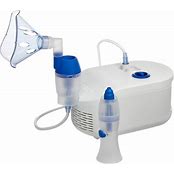
OMRON C102 Compressor Nebuliser
OMRON C102 Compressor Nebuliser
- ✔️ Delivers inhaled medication deep into the airways for fast respiratory relief
- ✔️ Suitable for adults and children with asthma, COPD, and bronchiectasis
- ✔️ Converts liquid medication into fine aerosol mist for effortless inhalation
- ✔️ Ideal for patients who struggle to use standard inhalers effectively
- ✔️ Designed for reliable, repeated daily home use with easy-clean components
Price Checker
 Lowest price guarantee
 Includes FREE private prescription


Couldn't load pickup availability
What Is a Compressor Nebuliser and How Can the Omron C102 Help You?
If you or someone in your family lives with asthma, COPD, or another respiratory condition, you'll know how important it is to get medication into the lungs quickly and reliably. The compressor nebuliser is one of the most widely used devices for doing exactly that — converting liquid medication into a fine, breathable mist that travels deep into the airways. The Omron C102 is a well-established home-use device designed to make this process straightforward, even for those who struggle with traditional inhalers. At just £66.12, it offers a practical, long-term solution for managing respiratory symptoms at home. If you're also managing other health conditions alongside respiratory issues, you might find our Electrical Health and Diagnostic range useful for monitoring your overall health.
Nebulisers are particularly helpful when a person cannot coordinate the breath-hold technique required for a standard pressurised metered-dose inhaler — something that affects children, older adults, and those experiencing acute breathlessness. The NHS recognises nebulisers as an important tool in respiratory care, particularly for delivering bronchodilators and corticosteroids during flare-ups or for ongoing management.
How Does the Omron C102 Nebuliser Work?
The Omron C102 operates using a compressor mechanism. Here's how the process works step by step:
- The electric compressor draws in air and pressurises it.
- Pressurised air passes through a narrow jet inside the nebuliser cup (also called the medication chamber).
- This jet breaks the liquid medication into tiny aerosol droplets — typically 2 to 5 microns in diameter — small enough to penetrate deep into the bronchial tree.
- The aerosol mist is inhaled through a mouthpiece or face mask, delivering medication directly to the site of action in the lungs.
- Larger droplets fall back into the medication cup and are re-nebulised, improving efficiency.
This delivery method is particularly effective because it doesn't require the patient to perform a specific inhalation technique. You simply breathe normally through the mouthpiece or mask while the device does the work. That's a real advantage for young children or anyone experiencing significant breathlessness.
Who Should Use the Omron C102 Nebuliser?
The Omron C102 is suitable for a wide range of patients who need inhaled medication delivered reliably and comfortably. It's particularly well-suited to:
- Adults and children with asthma who require nebulised bronchodilators during flare-ups.
- People with COPD who have been prescribed nebulised salbutamol or ipratropium bromide.
- Patients with cystic fibrosis or bronchiectasis who need regular inhaled therapies.
- Older adults or young children who find standard inhalers difficult to use correctly.
Always speak to your GP or respiratory nurse before starting nebuliser therapy at home. The medication you use in the device must be prescribed or recommended by a healthcare professional — the nebuliser itself is a delivery device, not a treatment in its own right.
How Does the Omron C102 Compare to Other Home Nebulisers?
| Feature | Omron C102 | Mesh Nebuliser (e.g. Omron MicroAIR) |
|---|---|---|
| Technology | Compressor (jet) nebuliser | Vibrating mesh technology |
| Noise level | Moderate (typical of compressor devices) | Near-silent operation |
| Portability | Mains-powered, home use | Battery-powered, portable |
| Price point | Lower cost (£66.12) | Higher cost |
| Medication compatibility | Wide range of aqueous solutions | Wide range, including viscous solutions |
Is the Omron C102 Clinically Suitable for Long-Term Home Use?
For most patients who have been advised by their GP or respiratory specialist to use a home nebuliser, the Omron C102 compressor nebuliser is a reliable and practical choice. It is designed for repeated daily use and comes with a nebuliser kit that should be replaced approximately every six months. The device itself, with proper maintenance, can last considerably longer. If you're managing a respiratory condition alongside other chronic health issues, it's worth exploring our Allergy and Hay Fever range for complementary products that may help reduce airway triggers.
Store the device in a clean, dry environment and always follow the manufacturer's cleaning instructions after each use. Never use oil-based solutions in this device, and only use medications that have been specifically recommended for nebulisation by your healthcare team.
This product is a medical device. Speak to your doctor or pharmacist before using if you have an underlying medical condition or are taking other medicines.
OMRON C102 Compressor Nebuliser specifications
| Treatment category | Respiratory therapy / drug delivery device |
| Mechanism of action | Compressor-driven jet nebulisation converts liquid medication into inhalable aerosol mist |
| Effective for | Asthma, COPD, bronchiectasis, cystic fibrosis (medication-dependent) |
| Suitable for | Adults and children (paediatric mask required for young children) |
| Active ingredient | N/A — device only; medication added separately |
| UK classification | Medical device (CE marked) |
| Preparation | Aqueous liquid medication (as prescribed) |
| Route of administration | Inhalation (oral or nasal via mask/mouthpiece) |
| Power source | Mains electricity |
| Brand | Omron |
Specifications of OMRON C102 Compressor Nebuliser
What Is the Omron C102 Nebuliser and What Is It Used For?
The Omron C102 is a mains-powered compressor nebuliser intended for home use. It is a medical device — not a medicine itself — designed to convert prescribed liquid medications into a fine aerosol mist for inhalation. It is used to deliver bronchodilators, corticosteroids, and other inhaled therapies directly to the lungs and airways.
It is commonly used in the management of:
- Asthma — to deliver reliever medications such as salbutamol during acute episodes or for regular maintenance therapy.
- Chronic obstructive pulmonary disease (COPD) — to administer bronchodilators including ipratropium bromide.
- Bronchiectasis — for regular airway clearance and antibiotic delivery where prescribed.
- Cystic fibrosis — to deliver mucolytics and antibiotics as part of a specialist treatment plan.
The NHS advises that nebulisers should only be used at home when a GP or respiratory specialist has assessed the patient and confirmed that nebulised therapy is appropriate. The device does not replace your standard inhaler unless your healthcare team specifically advises this.
What Do You Need to Know Before Using the Omron C102 Nebuliser?
Before using this device, read the following carefully. The Omron C102 is a medical device and must be used correctly to ensure both safety and effectiveness.
Do not use this device if:
- You have not been advised by a healthcare professional to use nebulised therapy.
- The device or any of its components appear damaged.
- You intend to use oil-based solutions — these can damage the device and are not safe for inhalation via this method.
- The medication you plan to use has not been confirmed as suitable for nebulisation by your GP or pharmacist.
Warnings and precautions:
- Always use the correct nebuliser kit for the medication being administered.
- Replace the nebuliser kit (cup, mouthpiece, tubing) approximately every six months or sooner if visibly worn or discoloured.
- Do not share your nebuliser with another person — this poses an infection risk.
- Keep the device and all components clean and dry between uses.
- If your symptoms worsen during or after treatment, seek medical advice promptly.
- Children must be supervised by an adult during every treatment session.
Medication interactions:
- Interactions are dependent on the medication used, not the device itself.
- Always inform your GP or pharmacist of all medicines you are taking before starting nebulised therapy.
- Never mix medications in the nebuliser cup unless specifically instructed to do so by your healthcare team.
How Should You Use the Omron C102 Nebuliser?
Setting up and using the Omron C102 correctly is important for getting the most from your treatment. Follow these steps each time:
- Wash your hands thoroughly with soap and water before handling the device or medication.
- Place the nebuliser on a flat, stable surface and connect the tubing to the air outlet on the compressor.
- Measure the prescribed dose of liquid medication and pour it into the nebuliser medication cup.
- Attach the mouthpiece or face mask to the top of the medication cup.
- Connect the other end of the tubing to the medication cup inlet.
- Switch the compressor on. You should see mist forming within a few seconds.
- Place the mouthpiece in your mouth (or apply the mask over your nose and mouth for children or those who cannot use a mouthpiece) and breathe normally and steadily.
- Continue until the mist stops — this usually takes 5 to 10 minutes depending on the medication volume.
- Switch off the device, disassemble the kit, and clean all components as per the manufacturer's instructions.
| Indication | Age Group | Dose | Frequency |
|---|---|---|---|
| Asthma (acute) | Adults & children | As prescribed by GP | As directed — typically up to 4 times daily |
| COPD maintenance | Adults | As prescribed by GP | As directed by respiratory specialist |
| Bronchiectasis | Adults | As prescribed | As directed by specialist |
If you're managing respiratory symptoms alongside other conditions, our Cold and Flu range includes products that may help ease upper respiratory symptoms between nebuliser treatments.
What Are the Possible Side Effects of the Omron C102 Nebuliser?
The Omron C102 itself, as a device, does not cause side effects. However, the medications delivered through it may. The side effects you experience will depend entirely on which medication your doctor has prescribed for nebulisation. Always read the patient information leaflet for your specific medication.
Common side effects (related to nebulised bronchodilators such as salbutamol):
- Mild tremor or shakiness, particularly in the hands.
- Increased heart rate (palpitations).
- Headache.
- Throat irritation or dry mouth.
- Cough triggered by the aerosol mist.
Less common side effects:
- Muscle cramps.
- Feeling of restlessness or anxiety.
- Low blood potassium (hypokalaemia) with frequent high-dose use — your GP will monitor this if relevant.
- Paradoxical bronchospasm (worsening of breathing) — stop treatment immediately and seek medical advice if this occurs.
How Should You Store the Omron C102 Nebuliser?
Proper storage keeps your device hygienic and extends its working life. Follow these guidelines:
- Store the compressor unit in a cool, dry place away from direct sunlight and moisture.
- Keep all nebuliser kit components (cup, mouthpiece, tubing, mask) in a clean, sealed bag or container between uses.
- Do not store the device in a bathroom or kitchen where humidity levels are high.
- Keep the device and all accessories out of reach of children when not in use.
- Do not wrap the tubing tightly around the compressor unit, as this can cause kinking and damage over time.
- Check the air filter regularly and replace it as recommended in the manufacturer's instructions.
For a broader range of home health monitoring and management tools, explore our First Aid collection, which includes a variety of products to support your health at home.
References
- https://www.nhs.uk/conditions/nebuliser/
- https://www.nhs.uk/conditions/asthma/treatment/
- https://www.nhs.uk/conditions/chronic-obstructive-pulmonary-disease-copd/treatment/
- https://www.nhs.uk/conditions/bronchiectasis/treatment/
- https://www.nhs.uk/conditions/cystic-fibrosis/treatment/
- https://www.nice.org.uk/guidance/ng80
Written and reviewed by our qualified team
Your safety and success are our highest priorities. Our medical team rigorously evaluates every product and piece of advice we provide, ensuring you receive only the most effective, science-backed solutions available.
Frequently Asked Questions
Where can I buy the Omron C102 compressor nebuliser online in the UK?
You can buy the Omron C102 compressor nebuliser directly from Cured Pharmacy, a GPhC-registered UK online pharmacy, for £66.12. It is available without a prescription and is dispatched promptly to your home address. No referral is needed — simply add it to your basket and check out securely.
How does the Omron C102 nebuliser work in the body?
The Omron C102 uses a compressor to force air through liquid medication, breaking it into tiny aerosol droplets that you inhale through a mouthpiece or mask. These droplets are small enough — typically 2 to 5 microns — to travel deep into the bronchial airways, where the medication acts directly on the lung tissue. This makes it particularly effective for conditions like asthma and COPD where getting medication to the site of inflammation matters.
How do I use the Omron C102 nebuliser step by step?
Wash your hands, then pour your prescribed liquid medication into the nebuliser cup and attach the mouthpiece or mask. Connect the tubing to the compressor, switch it on, and breathe normally through the mouthpiece until the mist stops — usually 5 to 10 minutes. After each session, disassemble and clean all components thoroughly before storing.
How often should I use the Omron C102 nebuliser?
The frequency of use depends entirely on the medication prescribed and your individual treatment plan — this is not determined by the device itself. Your GP or respiratory nurse will advise how many times per day you should use the nebuliser. Never exceed the frequency recommended by your healthcare professional, as overuse of certain bronchodilators can cause side effects.
Is the Omron C102 nebuliser suitable for children?
Yes, the Omron C102 can be used for children when fitted with an appropriate paediatric face mask, which allows normal tidal breathing rather than requiring breath-hold coordination. However, you must always consult your child's GP or paediatrician before starting nebulised therapy, as the medication used must be specifically prescribed for your child. Children should always be supervised by an adult throughout every treatment session.
What medications can I put in the Omron C102 nebuliser?
Only use medications that your GP or pharmacist has specifically confirmed are suitable for nebulisation — common examples include salbutamol, ipratropium bromide, and budesonide. Never use oil-based solutions, as these can damage the device and are unsafe to inhale. Do not mix medications in the cup unless your healthcare team has explicitly instructed you to do so.
What are the possible side effects of using a nebuliser?
The Omron C102 device itself does not cause side effects, but the medications delivered through it may — for example, salbutamol can cause mild tremor, increased heart rate, headache, or throat irritation. If you experience worsening breathlessness or paradoxical bronchospasm during treatment, stop immediately and seek medical advice. Always read the patient information leaflet for your specific medication.
Who is eligible to use the Omron C102 nebuliser at home?
Anyone who has been assessed by a GP or respiratory specialist and advised that home nebulised therapy is appropriate for their condition is eligible to use this device. It is particularly suited to people with asthma, COPD, bronchiectasis, or cystic fibrosis who require regular or acute inhaled medication. It is also helpful for those who cannot use standard inhalers effectively, including young children and older adults. You can browse our Ear, Nose and Throat range for additional respiratory support products.
What happens if I miss a nebuliser treatment session?
If you miss a scheduled nebuliser treatment, use it as soon as you remember — unless it is nearly time for your next session, in which case skip the missed one and continue as normal. Never double up on doses to compensate for a missed treatment. If you are unsure what to do, contact your GP or pharmacist for guidance specific to your medication.
How do I clean the Omron C102 nebuliser properly?
After every use, disassemble the nebuliser kit — medication cup, mouthpiece, mask, and tubing — and rinse the components (except the tubing) with warm, clean water. Allow all parts to air dry completely on a clean surface before reassembling. Follow the manufacturer's guidance for weekly disinfection, and replace the full nebuliser kit approximately every six months.
How long does a nebuliser treatment session take with the Omron C102?
A typical treatment session with the Omron C102 takes approximately 5 to 10 minutes, depending on the volume of medication placed in the cup. The session is complete when the mist stops forming and you can hear a sputtering sound from the cup. Your healthcare professional may advise a specific duration based on your medication and condition.
How does the Omron C102 compare to a mesh nebuliser?
The Omron C102 is a compressor (jet) nebuliser, which is generally more affordable and compatible with a wide range of aqueous medications, making it a practical choice for home use. Mesh nebulisers use vibrating mesh technology, are near-silent, and are more portable, but they typically cost significantly more. For most home users who need reliable daily therapy, a compressor nebuliser like the C102 is a well-established and cost-effective option.
How long can I use the Omron C102 nebuliser for?
The Omron C102 compressor unit is designed for long-term home use and, with proper maintenance, can last for several years. The nebuliser kit (cup, mouthpiece, tubing) should be replaced approximately every six months with regular use, or sooner if components become discoloured or damaged. Always follow your GP's guidance on whether ongoing nebulised therapy remains appropriate for your condition.
What are the alternatives to the Omron C102 nebuliser?
Alternatives include other compressor nebulisers from brands such as PARI, as well as mesh nebulisers like the Omron MicroAIR range for those who need a portable option. For some patients, a spacer device used with a standard pressurised metered-dose inhaler can be an effective alternative to a nebuliser — your GP or respiratory nurse can advise which option is most appropriate for your needs. You can also explore our Electrical Health and Diagnostic collection for other home health devices.
What does the latest research say about home nebuliser use for asthma?
Current NHS and NICE guidance indicates that for most people with stable asthma, a correctly used inhaler with a spacer is as effective as a nebuliser for delivering bronchodilators during mild to moderate attacks. However, nebulisers remain an important option for patients who cannot use inhalers effectively, or for those with severe or complex respiratory conditions where higher medication doses are required. Your respiratory specialist will advise based on your individual clinical picture.
Written and reviewed by our qualified team

Reviewed by:
Tarun Kumar
Superintendent/ Clinical Lead
📖 Find out more about our team of medical content authors and how we ensure the accuracy of our content with our content guidelines.
Content last updated: 14 Sep 2026
Other popular options


We’re a safe and
regulated UK service

Lowest Price Guarantee

We're convinced you won't find your treatment cheaper, but if you do we'll refund the difference.
Find out more
100% discreet packaging

Discreet, unbranded packaging for every order.
Find out more

Need help?
Talk to our friendly experts now


How our service works

Service setup

Discreet packaging

Express delivery