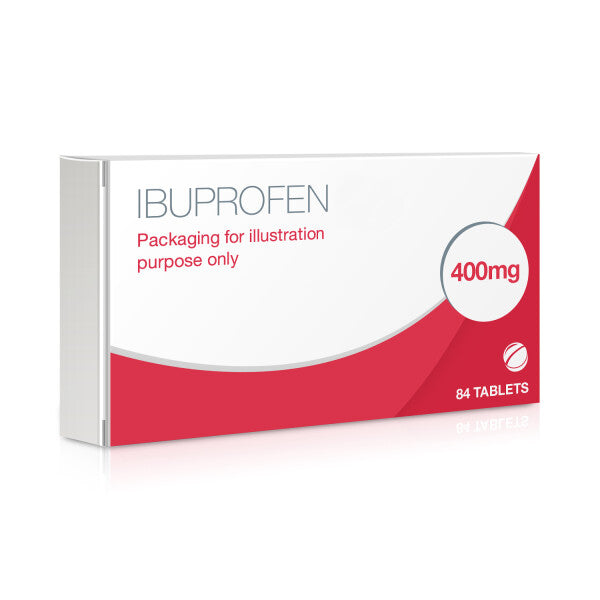
Ibuprofen 400mg - 84 Tablets
Ibuprofen 400mg - 84 Tablets
- ✔️ Relieves mild to moderate pain within 20–30 minutes
- ✔️ Reduces inflammation at the source, not just masking pain
- ✔️ Effective for headaches, period pain, dental pain, and fever
- ✔️ 84-tablet pack provides extended supply for ongoing pain management
- ✔️ Suitable for adults and young people aged 12 and over
Price Checker
 Lowest price guarantee
 Includes FREE private prescription


Couldn't load pickup availability
What Are Ibuprofen 400mg Tablets Used For?
If you're dealing with a nagging headache, aching muscles, or the kind of period pain that stops you in your tracks, ibuprofen 400mg tablets are one of the most widely used over-the-counter options available in the UK. Each pack contains 84 tablets — enough to last through a prolonged course of treatment — and at just £4.49, it's an accessible choice for everyday pain management. Ibuprofen belongs to a class of medicines called non-steroidal anti-inflammatory drugs (NSAIDs), and it works on both pain and inflammation simultaneously, which sets it apart from simple analgesics like paracetamol. You can browse our full pain relief collection if you're looking for additional options alongside this product.
Ibuprofen has been used clinically for decades and is well-established in UK medical practice. The NHS recognises it as a first-line treatment for a range of mild to moderate painful conditions in adults and children over 12 years of age.
How Does Ibuprofen Work to Relieve Pain and Inflammation?
Ibuprofen works by inhibiting two enzymes — cyclooxygenase-1 (COX-1) and cyclooxygenase-2 (COX-2). These enzymes are responsible for producing prostaglandins, which are chemical messengers that trigger pain, swelling, and fever in the body. By blocking their production, ibuprofen reduces the inflammatory response at the source.
- Inhibits COX-1 and COX-2 enzymes throughout the body
- Reduces prostaglandin synthesis, lowering pain signals
- Decreases local inflammation and associated swelling
- Lowers elevated body temperature (antipyretic effect)
This dual action — analgesic and anti-inflammatory — makes it particularly useful for conditions where inflammation is a key driver of discomfort, such as sprains, arthritis flare-ups, and dental pain.
Who Is Ibuprofen 400mg Suitable For?
Ibuprofen 400mg is suitable for adults and young people aged 12 and over who need relief from mild to moderate pain or inflammation. It's commonly used for:
- Headaches and migraines
- Period pain (dysmenorrhoea)
- Dental pain and toothache
- Muscular aches, sprains, and strains
- Symptoms of cold and flu, including fever
- Back pain and joint pain
It is not suitable for children under 12, and adults with certain health conditions should seek advice before use. Always read the label carefully before taking any NSAID.
How Does Ibuprofen 400mg Compare to Other Pain Relievers?
| Feature | Ibuprofen 400mg | Paracetamol 500mg |
|---|---|---|
| Drug class | NSAID | Analgesic / antipyretic |
| Anti-inflammatory? | Yes | No |
| Suitable for stomach-sensitive patients? | Take with food; caution advised | Generally well tolerated |
| Suitable in pregnancy? | Avoid (especially 3rd trimester) | Generally considered safe (consult GP) |
How Should You Store Ibuprofen 400mg Tablets?
Store your ibuprofen 400mg tablets below 25°C in a dry place, away from direct sunlight and moisture. Keep them out of reach and sight of children at all times. Do not use the tablets after the expiry date printed on the packaging — even if they look and smell fine, their efficacy and safety cannot be guaranteed beyond that date.
If you're managing multiple health conditions and need to keep track of various medicines, our first aid collection includes storage solutions and other essentials to help you stay organised at home.
This product is a medicine. Speak to your doctor or pharmacist before using if you have an underlying medical condition or are taking other medicines.
Ibuprofen 400mg — 84 Tablets specifications
| Treatment category | Pain relief / Anti-inflammatory |
| Mechanism of action | COX-1 and COX-2 enzyme inhibition |
| Effective for | Headache, period pain, dental pain, muscular pain, fever, inflammation |
| Suitable for | Adults and children aged 12 and over |
| Active ingredient | Ibuprofen 400mg |
| Pack size | 84 tablets |
| Strength | 400mg |
| UK classification | General Sale List (GSL) / Pharmacy (P) medicine |
| Drug class | Non-steroidal anti-inflammatory drug (NSAID) |
| Preparation | Film-coated tablet |
| Route of administration | Oral |
Specifications of Ibuprofen 400mg — 84 Tablets
What Is Ibuprofen 400mg and What Is It Used For?
Ibuprofen 400mg tablets are an over-the-counter NSAID (non-steroidal anti-inflammatory drug) used to relieve mild to moderate pain and reduce inflammation. They are licensed for use in adults and adolescents aged 12 and over. The NHS lists ibuprofen as a first-line treatment for a wide range of everyday painful conditions, including headaches, dental pain, period pain, back pain, and the aches associated with colds and flu. Because it also reduces fever, it's a versatile option when you need more than just basic pain relief.
What Do You Need to Know Before Using Ibuprofen 400mg?
Before taking ibuprofen, it's important to check whether it's appropriate for you. Do not take ibuprofen if any of the following apply:
- You are allergic to ibuprofen, aspirin, or any other NSAID
- You have or have had a peptic ulcer or gastrointestinal bleeding
- You have severe heart failure, severe kidney disease, or severe liver disease
- You are in the third trimester of pregnancy
- You are under 12 years of age
- You have been told to avoid NSAIDs by a healthcare professional
Ibuprofen can interact with a number of other medicines. Tell your pharmacist or doctor if you are taking any of the following:
- Aspirin or other NSAIDs (increased risk of side effects)
- Warfarin or other anticoagulants (increased bleeding risk)
- SSRIs such as fluoxetine (increased risk of gastrointestinal bleeding)
- ACE inhibitors or angiotensin receptor blockers (reduced effectiveness and kidney risk)
- Diuretics (reduced effectiveness and increased kidney risk)
- Lithium or methotrexate (ibuprofen may increase their blood levels)
- Corticosteroids (increased risk of gastrointestinal ulceration)
If you have asthma, high blood pressure, a history of heart disease, or kidney problems, speak to your pharmacist before use. Ibuprofen should be used with caution in older adults, who may be more susceptible to side effects.
How Should You Take Ibuprofen 400mg Tablets?
- Always take ibuprofen with or after food to reduce the risk of stomach upset.
- Swallow the tablet whole with a full glass of water — do not crush or chew.
- Take the lowest effective dose for the shortest time necessary.
- Leave at least four to six hours between doses.
- Do not exceed 1,200mg (three 400mg tablets) in any 24-hour period without medical advice.
- If your symptoms persist beyond three days, consult your GP or pharmacist.
| Indication | Age Group | Dose | Frequency |
|---|---|---|---|
| General pain / fever | Adults & 12+ | 400mg | Up to 3 times daily (max 1,200mg/day) |
| Period pain | Adults & 12+ | 400mg | Up to 3 times daily |
| Dental pain | Adults & 12+ | 400mg | Up to 3 times daily |
| Children under 12 | Under 12 | Not recommended at this strength | — |
If you're also managing dental discomfort, you might find our dental products collection useful for complementary oral care alongside pain relief.
What Are the Possible Side Effects of Ibuprofen 400mg?
Like all medicines, ibuprofen can cause side effects, although not everyone experiences them. Taking it with food significantly reduces the likelihood of stomach-related issues.
Common side effects (may affect up to 1 in 10 people):
- Nausea and vomiting
- Indigestion and heartburn
- Stomach pain or discomfort
- Diarrhoea or constipation
- Headache
- Dizziness
Less common side effects (may affect up to 1 in 100 people):
- Fluid retention (oedema)
- Raised blood pressure
- Skin rash or itching
- Tinnitus (ringing in the ears)
- Fatigue or drowsiness
Seek immediate medical attention if you experience signs of a serious allergic reaction (swelling of the face, lips, or throat, difficulty breathing), black or bloody stools, vomiting blood, chest pain, or sudden vision changes. These are rare but require urgent assessment. If you're also experiencing digestive discomfort, our indigestion collection has products that may help manage stomach-related symptoms.
How Should You Store Ibuprofen 400mg Tablets?
- Store below 25°C in a dry place away from direct heat and sunlight
- Keep in the original packaging to protect from moisture
- Keep out of reach and sight of children
- Do not use after the expiry date printed on the pack
- Do not dispose of medicines via wastewater or household waste — return unused tablets to your pharmacy
References
- https://www.nhs.uk/medicines/ibuprofen-for-adults/
- https://www.nhs.uk/medicines/ibuprofen-for-adults/who-can-and-cannot-take-ibuprofen/
- https://www.nhs.uk/medicines/ibuprofen-for-adults/side-effects-of-ibuprofen/
- https://www.nhs.uk/medicines/ibuprofen-for-adults/how-and-when-to-take-ibuprofen/
- https://www.nhs.uk/medicines/ibuprofen-for-adults/taking-ibuprofen-with-other-medicines-and-herbal-supplements/
- https://bnf.nice.org.uk/drugs/ibuprofen/
Written and reviewed by our qualified team
Your safety and success are our highest priorities. Our medical team rigorously evaluates every product and piece of advice we provide, ensuring you receive only the most effective, science-backed solutions available.
Frequently Asked Questions
Where can I buy ibuprofen 400mg tablets online in the UK?
You can buy ibuprofen 400mg tablets directly from Cured Pharmacy, a GPhC-registered online pharmacy in the UK. The 84-tablet pack is available for just £4.49 with discreet, tracked delivery to your door. Simply add to your basket and complete a short health check at checkout to confirm suitability.
How does ibuprofen 400mg work in the body?
Ibuprofen works by blocking COX-1 and COX-2 enzymes, which are responsible for producing prostaglandins — the chemicals that cause pain, swelling, and fever. By reducing prostaglandin levels, ibuprofen tackles both the sensation of pain and the underlying inflammation causing it. This dual action is why it's often preferred over paracetamol for inflammatory conditions like sprains or period pain.
How do I take ibuprofen 400mg tablets step by step?
Take one 400mg tablet with or after food, swallowed whole with a full glass of water. Leave at least four to six hours between each dose, and do not take more than three tablets (1,200mg) in any 24-hour period. If your pain hasn't improved after three days, speak to your pharmacist or GP.
What is the maximum daily dose of ibuprofen 400mg for adults?
The maximum over-the-counter dose for adults is 1,200mg per day — that's three 400mg tablets taken at least four hours apart. Higher doses (up to 2,400mg/day) are sometimes prescribed by doctors for conditions like rheumatoid arthritis, but this should only happen under medical supervision. Never exceed the dose stated on the pack without professional guidance.
What are the most common side effects of ibuprofen 400mg?
The most common side effects include nausea, indigestion, stomach pain, and headache. Taking ibuprofen with food or a glass of milk can significantly reduce the risk of stomach upset. If you experience persistent or severe stomach pain, stop taking the tablets and speak to your pharmacist promptly.
How do I manage stomach side effects from ibuprofen?
Always take ibuprofen with food — never on an empty stomach — and drink a full glass of water with each dose. If you're prone to stomach problems, your GP may recommend taking a proton pump inhibitor (PPI) such as omeprazole alongside ibuprofen to protect the stomach lining. You can also explore our indigestion collection for over-the-counter stomach relief options.
Who should not take ibuprofen 400mg tablets?
Ibuprofen is not suitable for people with a history of peptic ulcers, gastrointestinal bleeding, severe kidney or liver disease, or known allergy to NSAIDs or aspirin. It should also be avoided in the third trimester of pregnancy and is not recommended for children under 12 at this strength. If you have asthma, heart disease, or high blood pressure, speak to your pharmacist before use.
Can I take ibuprofen 400mg during pregnancy?
Ibuprofen should be avoided during pregnancy, particularly from 20 weeks onwards and especially in the third trimester, as it can affect the baby's kidneys and may cause complications. The NHS advises paracetamol as the preferred pain reliever during pregnancy. Always consult your midwife or GP before taking any medicine while pregnant.
What happens if I miss a dose of ibuprofen 400mg?
If you miss a dose, take it as soon as you remember — unless it's nearly time for your next scheduled dose, in which case skip the missed one entirely. Never take two doses at the same time to compensate. Ibuprofen is typically taken as needed for pain, so missing a dose is unlikely to cause any significant issue.
Can I take ibuprofen 400mg with paracetamol?
Yes — ibuprofen and paracetamol can generally be taken together because they work via different mechanisms and do not interact with each other. In fact, the NHS notes that alternating or combining the two can sometimes provide better pain relief than either alone. Always follow the recommended dose for each medicine separately and do not exceed the stated limits for either.
What medicines interact with ibuprofen 400mg?
Ibuprofen can interact with several medicines, including warfarin, aspirin, SSRIs, ACE inhibitors, diuretics, lithium, methotrexate, and corticosteroids. These interactions can increase the risk of bleeding, reduce the effectiveness of blood pressure medicines, or raise the levels of other drugs in your blood. Always tell your pharmacist about all medicines you are taking before starting ibuprofen.
What are the alternatives to ibuprofen 400mg tablets?
Common alternatives include paracetamol (suitable for those who cannot take NSAIDs), naproxen (a longer-acting NSAID available OTC), and aspirin (for adults only). For topical pain relief, ibuprofen gel applied directly to the skin is another option with fewer systemic side effects. Browse our pain relief collection to compare available options.
How long can I take ibuprofen 400mg for?
For self-treatment of acute pain, ibuprofen should be used for the shortest time necessary — typically no more than three days for pain and no more than three days for fever without medical review. Long-term use increases the risk of gastrointestinal, cardiovascular, and renal side effects. If you need pain relief for longer than a few days, speak to your GP about a more suitable management plan.
Is ibuprofen 400mg suitable for period pain?
Yes — ibuprofen is particularly effective for period pain (dysmenorrhoea) because it reduces the prostaglandins responsible for uterine cramping. The NHS recommends ibuprofen as one of the first-line treatments for menstrual pain. Taking it at the first sign of discomfort, rather than waiting for pain to peak, tends to give the best results.
What are the latest findings on long-term ibuprofen use?
Research continues to highlight that long-term or high-dose NSAID use is associated with increased cardiovascular risk, gastrointestinal complications, and potential kidney damage. The MHRA and NHS both advise using the lowest effective dose for the shortest possible time. If you require ongoing pain management, a GP can help identify safer long-term strategies tailored to your health profile.
Written and reviewed by our qualified team

Reviewed by:
Tarun Kumar
Superintendent/ Clinical Lead
📖 Find out more about our team of medical content authors and how we ensure the accuracy of our content with our content guidelines.
Content last updated: 14 Sep 2026
Other popular options


We’re a safe and
regulated UK service

Lowest Price Guarantee

We're convinced you won't find your treatment cheaper, but if you do we'll refund the difference.
Find out more
100% discreet packaging

Discreet, unbranded packaging for every order.
Find out more

Need help?
Talk to our friendly experts now


How our service works

Service setup

Discreet packaging

Express delivery