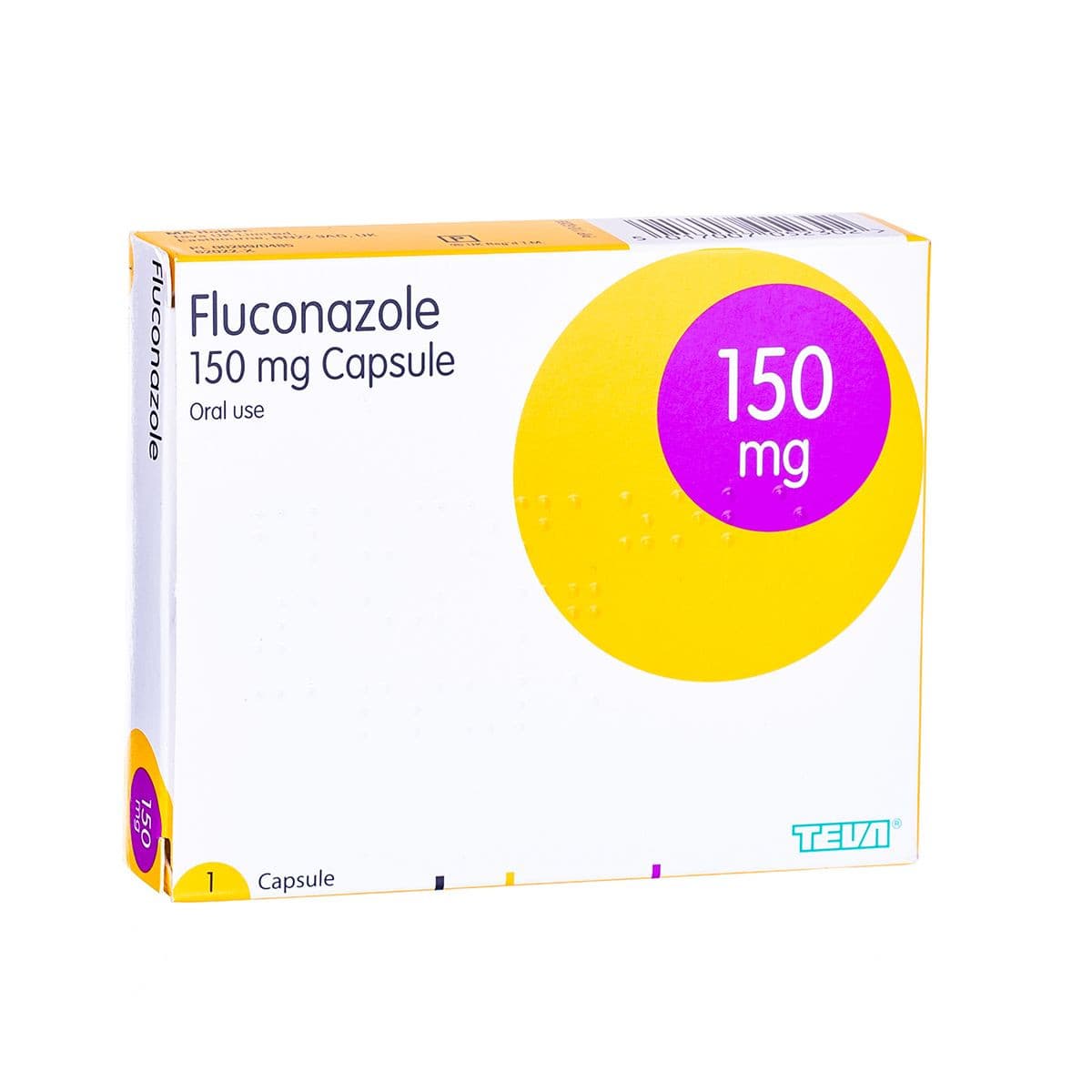
Fluconazole 150mg Capsule Thrush Treatment
Fluconazole 150mg Capsule Thrush Treatment
- ✔️ Single 150mg capsule clears vaginal thrush in one dose
- ✔️ Targets Candida infection systemically via the bloodstream
- ✔️ Symptom relief often felt within 24 hours of taking
- ✔️ Suitable for women aged 16–60 with previously diagnosed thrush
- ✔️ No need for messy creams or multi-day pessary courses
Price Checker
 Lowest price guarantee
 Includes FREE private prescription


Couldn't load pickup availability
What Is Fluconazole 150mg Capsule and How Does It Treat Thrush?
Vaginal thrush is one of the most common fungal infections in women, caused by an overgrowth of a yeast called Candida albicans. It can cause itching, soreness, and a thick white discharge — symptoms that are uncomfortable and disruptive to daily life. The good news is that a single fluconazole 150mg capsule is a clinically established, one-dose oral treatment that tackles the infection from the inside out. You can browse our full range of thrush treatments to find the right option for you.
Fluconazole belongs to a class of medicines called triazole antifungals. It has been used in the UK for decades and is available over the counter for women aged 16 to 60 who have previously been diagnosed with vaginal thrush and recognise the symptoms. At just £3.75 per capsule, it offers a straightforward, affordable route to relief.
How Does Fluconazole Work to Clear a Thrush Infection?
Fluconazole targets the fungus directly rather than simply masking symptoms. Here is how it works step by step:
- After swallowing the capsule, fluconazole is absorbed into the bloodstream through the gut.
- It travels to the site of infection and inhibits an enzyme called lanosterol 14-alpha-demethylase.
- This enzyme is essential for fungi to produce ergosterol — a vital component of the fungal cell membrane.
- Without ergosterol, the cell membrane becomes unstable, causing the Candida organism to die.
- Because it acts systemically (through the bloodstream), it can reach infections that topical creams may not fully address.
This mechanism means a single dose is usually sufficient for an uncomplicated vaginal thrush infection in otherwise healthy adults.
Who Is Fluconazole 150mg Suitable For?
This capsule is suitable for women who have had thrush before and recognise their symptoms. It is available without a prescription for those who meet the following criteria:
- Women aged 16 to 60 years old
- Those who have previously been diagnosed with vaginal thrush by a doctor
- Women who are not pregnant or breastfeeding
- Those not taking medicines known to interact with fluconazole (see Section 2 for full details)
If you are experiencing thrush symptoms for the first time, it is important to see your GP first to confirm the diagnosis before using any antifungal treatment.
How Does Fluconazole 150mg Compare to Clotrimazole Cream?
| Feature | Fluconazole 150mg Capsule | Clotrimazole Cream / Pessary |
|---|---|---|
| Route of administration | Oral (swallowed) | Topical / vaginal |
| Number of doses | Single dose | 1–6 days depending on product |
| Suitable during pregnancy | No | Yes (with medical advice) |
| Treats external symptoms | Via systemic action | Directly at the site |
How Should You Store Fluconazole 150mg Capsule?
Store your fluconazole 150mg capsule below 30°C in a dry place, away from direct sunlight. Keep it out of the reach and sight of children at all times. Do not use the capsule after the expiry date printed on the packaging. If you are also managing other aspects of your health, you may find our women's health range helpful for complementary products.
This product is a medicine. Speak to your doctor or pharmacist before using if you have an underlying medical condition or are taking other medicines.
Fluconazole 150mg Capsule Thrush Treatment specifications
| Treatment category | Antifungal / Thrush treatment |
| Mechanism of action | Inhibits fungal lanosterol 14-alpha-demethylase, disrupting ergosterol synthesis |
| Effective against | Vaginal thrush caused by Candida albicans |
| Suitable for | Women aged 16–60 with previously diagnosed vaginal thrush |
| Active ingredient | Fluconazole 150mg |
| Pack sizes | 1 capsule |
| Strengths | 150mg |
| UK classification | Pharmacy (P) medicine |
| Drug class | Triazole antifungal |
| Preparation | Hard capsule |
| Route of administration | Oral |
Specifications of Fluconazole 150mg Capsule Thrush Treatment
What Is Fluconazole 150mg and What Is It Used For?
Fluconazole 150mg is an oral antifungal medicine used to treat vaginal thrush — a common yeast infection caused by Candida albicans. It is taken as a single capsule and works systemically, meaning it acts throughout the body via the bloodstream rather than only at the surface. According to the NHS, vaginal thrush affects around three in four women at some point in their lives, making effective, accessible treatment important.
What Do You Need to Know Before Using Fluconazole 150mg?
Before taking this capsule, it is essential to check whether it is appropriate for you. Do not take fluconazole 150mg if any of the following apply:
- You are pregnant or think you might be pregnant
- You are breastfeeding
- You are under 16 or over 60 years of age
- You have liver or kidney disease
- You have a heart rhythm problem (such as QT prolongation)
- You have never had thrush before and have not had it confirmed by a doctor
- You are allergic to fluconazole or any other azole antifungal
Fluconazole can interact with a number of medicines. Tell your pharmacist if you are taking any of the following:
- Warfarin or other anticoagulants (fluconazole can increase bleeding risk)
- Terfenadine or astemizole (antihistamines — combination is contraindicated)
- Cisapride (used for digestive problems — combination is contraindicated)
- Certain statins such as simvastatin (increased risk of muscle problems)
- Rifampicin (may reduce fluconazole effectiveness)
- Phenytoin or other antiepileptics
If you are managing other fungal skin conditions alongside thrush, our athletes foot and fungal infections range includes topical options that may be used alongside oral treatment where appropriate.
How Should You Use Fluconazole 150mg Capsule?
Using this medicine correctly is straightforward. Follow these steps:
- Check the expiry date on the pack before use.
- Swallow the capsule whole with a full glass of water.
- You can take it with or without food — it makes no difference to how well it works.
- Take only one capsule. Do not take a second dose unless advised by your doctor.
- If symptoms do not improve within 7 days, consult your GP.
| Indication | Age Group | Dose | Frequency |
|---|---|---|---|
| Vaginal thrush (OTC) | Women aged 16–60 | 150mg (1 capsule) | Single dose |
| Recurrent thrush (prescription) | Adults (under medical supervision) | 150mg | As directed by GP |
What Are the Possible Side Effects of Fluconazole 150mg?
Like all medicines, fluconazole can cause side effects, although not everyone experiences them. Most are mild and resolve on their own.
Common side effects (may affect up to 1 in 10 people):
- Nausea or feeling sick
- Headache
- Abdominal pain or discomfort
- Diarrhoea
- Indigestion
Less common side effects (may affect up to 1 in 100 people):
- Dizziness
- Skin rash or itching
- Flatulence
- Altered taste
Stop taking fluconazole and seek urgent medical attention if you develop a severe skin reaction (such as blistering or peeling), yellowing of the skin or eyes (which may indicate liver problems), or an irregular heartbeat. These are rare but serious reactions that require prompt assessment.
How Should You Store Fluconazole 150mg Capsule?
- Store below 30°C in a cool, dry place
- Keep away from direct sunlight and moisture
- Keep out of the reach and sight of children
- Do not use after the expiry date printed on the pack
- Do not dispose of medicines via wastewater or household waste — return unused medicines to your pharmacy
If you are looking for additional support with women's health concerns, our cystitis and bladder infection range covers other common conditions that can sometimes be confused with or occur alongside thrush.
References
- https://www.nhs.uk/conditions/thrush-in-women-and-girls/
- https://www.nhs.uk/medicines/fluconazole/
- https://www.nhs.uk/medicines/fluconazole/about-fluconazole/
- https://www.nhs.uk/medicines/fluconazole/side-effects-of-fluconazole/
- https://www.nhs.uk/medicines/fluconazole/who-can-and-cannot-take-fluconazole/
- https://bnf.nice.org.uk/drugs/fluconazole/
Written and reviewed by our qualified team
Your safety and success are our highest priorities. Our medical team rigorously evaluates every product and piece of advice we provide, ensuring you receive only the most effective, science-backed solutions available.
Frequently Asked Questions
Where can I buy fluconazole 150mg capsule online in the UK?
You can buy Fluconazole 150mg Capsule directly from Cured Pharmacy, a GPhC-registered UK online pharmacy, for just £3.75. It is available over the counter without a prescription for eligible women aged 16 to 60. Simply add it to your basket and complete a short health questionnaire to confirm suitability. You can also browse our full thrush treatment range for additional options.
How does fluconazole 150mg work in the body?
Fluconazole works by blocking an enzyme called lanosterol 14-alpha-demethylase, which the Candida fungus needs to build its cell membrane. Without this enzyme functioning properly, the fungal cell membrane breaks down and the organism cannot survive. Because it is taken orally and absorbed into the bloodstream, it reaches the infection systemically rather than just on the surface.
How do I take fluconazole 150mg step by step?
Taking fluconazole 150mg is simple — swallow the single capsule whole with a full glass of water. You do not need to take it with food, though you can if you prefer. Only one dose is required for an uncomplicated vaginal thrush infection, and you should not take a second capsule unless your GP specifically advises it.
How long does fluconazole 150mg take to work?
Many women notice an improvement in symptoms such as itching and soreness within 24 hours of taking the capsule. Full resolution of symptoms, including discharge, may take up to 7 days. If your symptoms have not cleared after 7 days, or if they return within 2 months, you should see your GP rather than taking another dose without advice.
What is the correct dose of fluconazole for thrush?
For vaginal thrush, the standard over-the-counter dose is one 150mg capsule taken as a single dose. This is the only dose approved for OTC use in the UK. Higher or repeated doses for recurrent thrush must be prescribed and supervised by a GP, as they carry a greater risk of side effects and drug interactions.
What are the side effects of fluconazole 150mg and how do I manage them?
The most common side effects are nausea, headache, abdominal pain, and diarrhoea — these are usually mild and short-lived. Taking the capsule with food may help reduce nausea. If you develop a severe skin rash, yellowing of the skin or eyes, or an irregular heartbeat, stop taking the medicine immediately and seek urgent medical attention, as these can indicate a serious reaction.
Can I take fluconazole 150mg if I am pregnant?
No — fluconazole is not recommended during pregnancy. Evidence suggests it may be associated with an increased risk of miscarriage and certain birth defects, particularly when taken in the first trimester. If you are pregnant and have thrush, speak to your GP or midwife, who can recommend a safe topical alternative such as clotrimazole pessary.
Who should not take fluconazole 150mg capsule?
Fluconazole 150mg is not suitable for women under 16 or over 60, anyone who is pregnant or breastfeeding, or those with liver or kidney disease. It is also not appropriate for people taking certain medicines including warfarin, terfenadine, or cisapride. If you are unsure whether it is right for you, speak to your pharmacist before purchasing.
Can fluconazole 150mg interact with other medicines?
Yes, fluconazole has several clinically significant drug interactions. It can increase the effect of warfarin, raising the risk of bleeding, and should not be taken alongside terfenadine, astemizole, or cisapride due to the risk of serious heart rhythm problems. It can also increase blood levels of certain statins such as simvastatin, raising the risk of muscle damage. Always tell your pharmacist about all medicines you are taking.
What are the alternatives to fluconazole 150mg for thrush?
The main alternative is clotrimazole, which is available as a pessary inserted vaginally or as a cream applied externally. Clotrimazole is suitable for pregnant women (under medical guidance) and those who cannot take oral medicines. You can explore our women's health range for a full selection of thrush treatments including topical options.
Can I drink alcohol while taking fluconazole 150mg?
There is no direct contraindication between fluconazole and alcohol, but alcohol can worsen some of the side effects such as nausea, headache, and dizziness. It is sensible to avoid or limit alcohol while the medicine is working in your system. If you have any concerns, your pharmacist can advise you further.
How long does fluconazole 150mg stay in your system?
Fluconazole has a relatively long half-life of approximately 30 hours in adults with normal kidney function, meaning it remains active in the body for several days after a single dose. This is one reason why a single 150mg dose is effective for uncomplicated vaginal thrush — the drug continues working even after you have taken it. Kidney impairment can prolong this further, which is why the medicine is not recommended for those with kidney disease without medical supervision.
What happens if thrush keeps coming back after fluconazole?
If you experience four or more episodes of thrush in a year, this is known as recurrent vulvovaginal candidiasis and requires assessment by your GP. Recurrent thrush may need a longer course of antifungal treatment under prescription, and your doctor may also investigate underlying causes such as diabetes or immune system issues. Do not repeatedly self-treat without seeking medical advice.
Is fluconazole 150mg suitable for men with thrush?
Fluconazole can be used to treat penile thrush in men, but the OTC version sold in pharmacies is specifically licensed for vaginal thrush in women aged 16 to 60. Men with thrush symptoms should speak to their GP or pharmacist, who can advise on appropriate treatment. Our men's health range includes products that may be relevant.
What are the latest findings on fluconazole 150mg for thrush?
Fluconazole remains the most widely recommended oral treatment for uncomplicated vaginal thrush in current NHS and NICE guidance. Research continues to monitor antifungal resistance patterns in Candida species, though resistance to fluconazole in community-acquired vaginal thrush remains uncommon in the UK. If you have concerns about treatment effectiveness, your GP can arrange sensitivity testing if needed.
Written and reviewed by our qualified team

Reviewed by:
Tarun Kumar
Superintendent/ Clinical Lead
📖 Find out more about our team of medical content authors and how we ensure the accuracy of our content with our content guidelines.
Content last updated: 14 Sep 2026
Other popular options


We’re a safe and
regulated UK service

Lowest Price Guarantee

We're convinced you won't find your treatment cheaper, but if you do we'll refund the difference.
Find out more
100% discreet packaging

Discreet, unbranded packaging for every order.
Find out more

Need help?
Talk to our friendly experts now


How our service works

Service setup

Discreet packaging

Express delivery