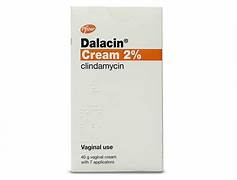
Dalacin Cream
Dalacin Cream
- ✔️ Treats bacterial vaginosis with clindamycin phosphate 2%
- ✔️ Targets anaerobic bacteria directly at the site of infection
- ✔️ Seven-night course for complete BV clearance
- ✔️ Suitable for women who cannot tolerate oral metronidazole
- ✔️ Discreet intravaginal application with included applicator
Price Checker
 Lowest price guarantee
 Includes FREE private prescription


Couldn't load pickup availability
What Is Dalacin Cream and How Does It Treat BV?
Dalacin cream is a prescription-strength vaginal antibiotic cream containing clindamycin phosphate 2%. It is used to treat bacterial vaginosis (BV) — a common vaginal condition caused by an overgrowth of anaerobic bacteria that disrupts the natural balance of the vaginal flora. BV affects women of all ages and is one of the most frequently diagnosed vaginal conditions in the UK. If you have noticed an unusual, fishy-smelling discharge, Dalacin Cream may be the treatment your doctor recommends. You can browse our full range of women's health treatments at Cured Pharmacy.
Each 40g tube comes with a measured applicator, making it straightforward to use at home. The cream is applied intravaginally — typically at bedtime — over a seven-night course. It is manufactured by Pfizer and has been used clinically for many years as a reliable option for BV management.
How Does Dalacin Cream Work Inside the Body?
Clindamycin phosphate, the active ingredient in Dalacin Cream, belongs to the lincosamide class of antibiotics. It works locally within the vagina to target the bacteria responsible for BV. Here is how the mechanism unfolds:
- Clindamycin binds to the 50S ribosomal subunit of susceptible bacteria.
- This binding inhibits bacterial protein synthesis, preventing the bacteria from reproducing.
- The anaerobic bacteria causing BV — including Gardnerella vaginalis and other species — are suppressed.
- The vaginal environment gradually restores its natural lactobacillus-dominant balance.
Because the cream is applied directly to the site of infection, systemic absorption is minimal compared to oral antibiotics. This makes it a well-tolerated option for many women.
Who Is Dalacin Cream Suitable For?
Dalacin Cream is indicated for adult women diagnosed with bacterial vaginosis. It is particularly useful for those who cannot tolerate oral metronidazole — whether due to side effects, alcohol use during treatment, or personal preference. That said, it is not suitable for everyone.
- Adult women with confirmed or suspected bacterial vaginosis
- Women who prefer a topical rather than oral antibiotic treatment
- Those who have experienced gastrointestinal side effects with oral BV treatments
- Women whose symptoms have recurred and who have been advised by a clinician to use clindamycin
It is not recommended for use in girls under 12, and caution is advised in pregnancy — always consult your GP or midwife before using any antibiotic treatment during pregnancy.
How Does Dalacin Cream Compare to Metronidazole Gel?
| Feature | Dalacin Cream 2% | Metronidazole Vaginal Gel (e.g. Zidoval) |
|---|---|---|
| Active ingredient | Clindamycin phosphate 2% | Metronidazole 0.75% |
| Treatment duration | 7 nights | 5 nights |
| Route of administration | Intravaginal | Intravaginal |
| Effect on latex contraceptives | Yes — mineral oil base weakens latex | No known effect on latex |
Is Dalacin Cream Safe to Store at Home?
Yes, provided you follow the storage instructions carefully. Store Dalacin cream below 25°C and keep it away from direct heat or sunlight. Do not freeze the product, as this can alter the cream's consistency and effectiveness. Keep it out of reach of children and do not use it after the expiry date printed on the packaging.
If you are managing other skin or vaginal conditions alongside BV, our creams and ointments collection includes a range of topical treatments that may be relevant to your care.
This product is a medicine. Speak to your doctor or pharmacist before using if you have an underlying medical condition or are taking other medicines.
Dalacin Cream specifications
| Treatment category | Bacterial vaginosis |
| Active ingredient | Clindamycin phosphate 2% |
| Mechanism of action | Inhibits bacterial protein synthesis via 50S ribosomal subunit binding |
| Drug class | Lincosamide antibiotic |
| Preparation | Vaginal cream |
| Route of administration | Intravaginal |
| Strengths | 2% (20mg/g) |
| Pack sizes | 40g tube with applicator |
| Suitable for | Adult women with bacterial vaginosis |
| UK classification | Prescription Only Medicine (POM) |
Specifications of Dalacin Cream
What Is Dalacin Cream and What Is It Used For?
Dalacin Cream 2% is a topical antibiotic treatment used to treat bacterial vaginosis (BV) in adult women. BV occurs when the normal balance of bacteria in the vagina is disrupted, leading to an overgrowth of anaerobic organisms. Common symptoms include a thin, greyish-white discharge with a characteristic fishy odour, though some women experience no symptoms at all. The NHS notes that BV is not a sexually transmitted infection, although it is more common in sexually active women. Dalacin Cream works locally within the vagina to eliminate the bacteria responsible for the condition.
What Do You Need to Know Before Using Dalacin Cream?
Before starting treatment, it is important to be aware of the following contraindications and warnings:
- Do not use if you are allergic to clindamycin, lincomycin, or any other ingredient in the cream.
- Do not use if you have a history of antibiotic-associated colitis (including pseudomembranous colitis) or inflammatory bowel disease.
- Use with caution during pregnancy — consult your GP or midwife before starting treatment.
- Not recommended for girls under 12 years of age.
- Avoid contact with eyes, mouth, or broken skin.
- The mineral oil base can weaken latex condoms and diaphragms — do not rely on these for contraception during treatment or for at least 72 hours after completing the course.
Regarding drug interactions, systemic absorption from vaginal clindamycin is low, so significant drug interactions are uncommon. However, be aware of the following:
- Clindamycin may theoretically antagonise the effects of erythromycin if used concurrently — avoid combining these.
- Inform your prescriber of all medicines you are currently taking, including over-the-counter products.
How Should You Use Dalacin Cream Correctly?
Using Dalacin Cream correctly is essential for effective treatment. Follow these steps each night at bedtime:
- Wash your hands thoroughly before handling the tube and applicator.
- Remove the cap from the tube and attach the applicator securely.
- Squeeze the tube gently to fill the applicator to the marked line (approximately 5g of cream).
- Lie on your back with your knees bent, or stand with one foot raised on a step.
- Gently insert the applicator as far as is comfortable into the vagina.
- Press the plunger slowly to release the cream, then withdraw the applicator.
- Wash the applicator with warm soapy water after each use, or use a new one if disposable.
- Wash your hands again after completing the application.
| Indication | Age Group | Dose | Frequency |
|---|---|---|---|
| Bacterial vaginosis | Adult women (18+) | One applicatorful (5g) | Once daily at bedtime for 7 nights |
If you are also managing a related condition such as thrush, which can sometimes occur alongside or after BV treatment, you may find our thrush treatments helpful to browse.
What Are the Possible Side Effects of Dalacin Cream?
Like all medicines, Dalacin Cream can cause side effects, although not everyone experiences them. Most side effects are localised to the vaginal area and tend to be mild.
Common side effects (may affect up to 1 in 10 users):
- Vaginal irritation or burning sensation
- Vaginal discharge (may increase temporarily)
- Vulvovaginal itching
- Secondary yeast infection (thrush)
Less common side effects (may affect up to 1 in 100 users):
- Abdominal discomfort or cramping
- Headache
- Nausea (usually mild, due to minimal systemic absorption)
- Skin rash or urticaria in cases of hypersensitivity
Stop using Dalacin Cream and seek medical advice immediately if you develop severe abdominal pain, bloody diarrhoea, or signs of a serious allergic reaction such as swelling of the face, lips, or throat. These may indicate rare but serious conditions including pseudomembranous colitis or anaphylaxis.
How Should You Store Dalacin Cream?
Correct storage helps maintain the cream's effectiveness throughout the treatment course. Follow these guidelines:
- Store below 25°C in a cool, dry place.
- Do not refrigerate or freeze.
- Keep the tube tightly closed when not in use.
- Keep out of the sight and reach of children.
- Do not use after the expiry date printed on the tube and carton.
- Do not dispose of medicines via wastewater or household waste — return unused product to your pharmacy.
For other conditions that may benefit from topical treatment, our skin care collection covers a wide range of dermatological products available from Cured Pharmacy.
References
Written and reviewed by our qualified team
Your safety and success are our highest priorities. Our medical team rigorously evaluates every product and piece of advice we provide, ensuring you receive only the most effective, science-backed solutions available.
Frequently Asked Questions
Where can I buy Dalacin Cream online in the UK?
You can buy Dalacin Cream from Cured Pharmacy, a GPhC-registered UK online pharmacy. A short clinical consultation is required to confirm the treatment is appropriate for you. Once approved by our pharmacist team, your order is dispatched promptly and discreetly to your door.
How does Dalacin Cream work to treat bacterial vaginosis?
Dalacin Cream contains clindamycin phosphate 2%, a lincosamide antibiotic that binds to the 50S ribosomal subunit of susceptible bacteria. This action inhibits protein synthesis, stopping the anaerobic bacteria responsible for BV — such as Gardnerella vaginalis — from multiplying. Because it is applied directly into the vagina, it acts locally with minimal systemic absorption.
How do I use Dalacin Cream step by step?
Attach the applicator to the tube, squeeze to fill it to the marked line (approximately 5g), then insert gently into the vagina at bedtime and press the plunger to release the cream. Repeat this process every night for seven consecutive nights. Always wash your hands before and after use, and clean the applicator with warm soapy water after each application.
How long does Dalacin Cream take to work?
Many women notice an improvement in symptoms — such as reduced discharge and odour — within the first few days of treatment. However, it is essential to complete the full seven-night course even if symptoms resolve earlier, to prevent the infection from returning. If symptoms persist after completing the course, contact your GP.
Can Dalacin Cream affect condoms or diaphragms?
Yes — this is an important safety point. Dalacin Cream contains mineral oil, which can weaken latex condoms and diaphragms, making them less effective as contraception. You should avoid using latex-based contraceptives during the seven-night treatment course and for at least 72 hours after your final application. Consider using non-latex alternatives or abstaining during this period.
What are the most common side effects of Dalacin Cream?
The most commonly reported side effects include vaginal irritation, itching, burning, and a temporary increase in discharge. Some women develop a secondary yeast infection (thrush) during or shortly after treatment, as antibiotics can disrupt the natural vaginal flora. If you develop thrush, our thrush treatments section has suitable over-the-counter options.
Who is eligible to use Dalacin Cream?
Dalacin Cream is suitable for adult women (aged 18 and over) who have been diagnosed with bacterial vaginosis. It is not recommended for girls under 12, and it should only be used in pregnancy under medical supervision. Women with a history of antibiotic-associated colitis or a known allergy to clindamycin should not use this product.
What happens if I miss a dose of Dalacin Cream?
If you forget to apply the cream one night, use it as soon as you remember — unless it is almost time for your next scheduled application. Do not apply a double dose to make up for a missed one. Try to apply the cream at the same time each evening to maintain consistency throughout the course.
Can I use Dalacin Cream during my period?
It is generally advisable to avoid starting treatment during menstruation, as the menstrual flow may reduce the effectiveness of the cream by washing it away before it can act. If your period begins during the course, continue treatment and speak to your pharmacist or GP if you have concerns. Sanitary towels are preferable to tampons during treatment.
Can I use Dalacin Cream during pregnancy?
Dalacin Cream should only be used during pregnancy on the explicit advice of a doctor or midwife. Bacterial vaginosis in pregnancy does require treatment due to associated risks, but the choice of antibiotic and timing should be guided by a healthcare professional. Do not self-treat during pregnancy without medical guidance.
What are the alternatives to Dalacin Cream for bacterial vaginosis?
The main alternative treatments for BV in the UK include oral metronidazole tablets (typically a 7-day course or a single 2g dose) and metronidazole vaginal gel (such as Zidoval 0.75%). Oral metronidazole is often the first-line treatment recommended by the NHS, while Dalacin Cream is a useful option for those who cannot tolerate it. Your GP or pharmacist can advise on the most appropriate choice for your situation.
How long can you use Dalacin Cream for?
Dalacin Cream is intended for a single seven-night treatment course. It should not be used continuously or repeated without medical advice. If BV recurs frequently, speak to your GP about longer-term management strategies, as recurrent BV may require a different treatment approach or investigation into underlying causes.
Is Dalacin Cream the same as clindamycin cream?
Yes — Dalacin Cream is the branded version of clindamycin phosphate 2% vaginal cream, manufactured by Pfizer. The active ingredient and concentration are the same as generic clindamycin vaginal cream formulations. The brand name and generic versions should have equivalent clinical effectiveness when used as directed.
Can Dalacin Cream cause thrush?
Yes, this is a recognised side effect. Because clindamycin is an antibiotic, it can disrupt the natural balance of microorganisms in the vagina, sometimes allowing Candida (the fungus responsible for thrush) to overgrow. If you develop symptoms of thrush — such as thick white discharge, intense itching, or soreness — after using Dalacin Cream, an antifungal treatment may be needed. Browse our thrush treatments for suitable options.
What are the latest findings on clindamycin cream for bacterial vaginosis?
Clinical evidence continues to support intravaginal clindamycin as an effective treatment for bacterial vaginosis, with cure rates broadly comparable to metronidazole-based therapies. Current NHS and BASHH guidelines recommend both metronidazole and clindamycin as first-line options, with the choice depending on patient preference, tolerability, and clinical history. Research into recurrent BV management is ongoing, with interest in probiotic adjuncts and longer suppressive antibiotic regimens.
Written and reviewed by our qualified team

Reviewed by:
Tarun Kumar
Superintendent/ Clinical Lead
📖 Find out more about our team of medical content authors and how we ensure the accuracy of our content with our content guidelines.
Content last updated: 14 Sep 2026
Other popular options


We’re a safe and
regulated UK service

Lowest Price Guarantee

We're convinced you won't find your treatment cheaper, but if you do we'll refund the difference.
Find out more
100% discreet packaging

Discreet, unbranded packaging for every order.
Find out more

Need help?
Talk to our friendly experts now


How our service works

Service setup

Discreet packaging

Express delivery