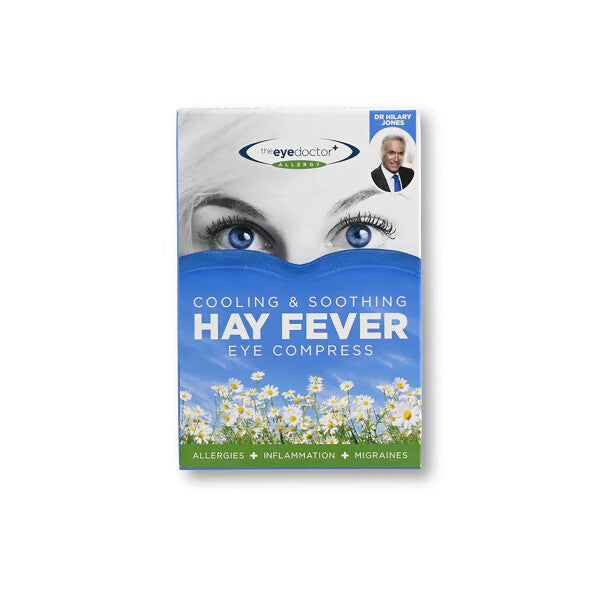
The Eye Doctor Allergy Mask - 1 Mask
The Eye Doctor Allergy Mask - 1 Mask
- ✔️ Soothes dry, itchy, and allergy-irritated eyes drug-free
- ✔️ Unblocks meibomian glands to restore natural tear film
- ✔️ Dual warm and cool modes for versatile eye relief
- ✔️ Reusable and washable — long-lasting value for daily use
- ✔️ Suitable for blepharitis, dry eye, and hay fever symptoms
Price Checker
 Lowest price guarantee
 Includes FREE private prescription


Couldn't load pickup availability
Is an Eye Mask for Dry Eyes Right for You?
Dry, itchy, and irritated eyes are surprisingly common in the UK. Whether it's seasonal allergies, screen fatigue, or a condition like blepharitis, the discomfort can genuinely affect your day-to-day life. The Eye Doctor Allergy Mask offers a simple, drug-free way to find relief — no drops, no prescriptions, just soothing therapy you can use at home. If you're already exploring eye care products to manage persistent symptoms, this mask could be a practical addition to your routine.
Designed for people dealing with dry eyes, meibomian gland dysfunction (MGD), blepharitis, and allergy-related irritation, this reusable mask delivers targeted warmth or cooling to the delicate eye area. It's a non-invasive option that many optometrists and GPs recommend alongside other treatments. At just £10.00, it's an accessible starting point for anyone looking to manage eye discomfort without relying solely on medication.
How Does The Eye Doctor Allergy Mask Work?
The mask works through a straightforward but clinically meaningful mechanism. When warmed in a microwave, it generates moist heat that penetrates the eyelids and helps to liquefy the hardened oils (meibum) that can block the meibomian glands. These tiny glands line the upper and lower eyelids and are responsible for producing the oily layer of your tear film — the layer that stops tears evaporating too quickly. When they become blocked, the result is evaporative dry eye, one of the most common forms of the condition.
- Gentle moist heat softens blocked meibomian gland secretions
- Improved gland function helps stabilise the tear film
- Reduced tear evaporation leads to longer-lasting natural lubrication
- Used cool, the mask can reduce puffiness and calm allergy-related inflammation around the eyes
The dual warm/cool functionality makes this mask versatile. Allergy sufferers in particular may find the cooling option helpful during high pollen periods, when eyes tend to feel swollen and reactive.
Who Should Use The Eye Doctor Allergy Mask?
This mask is designed for adults and older children who experience recurring eye discomfort. It's particularly well-suited to people who prefer to avoid medicated eye drops or who want to complement their existing treatment. If you suffer from seasonal allergies and are already browsing allergy and hay fever products, this mask could work well alongside antihistamines or nasal sprays to address eye symptoms directly.
- People with dry eye syndrome or evaporative dry eye
- Those diagnosed with blepharitis or meibomian gland dysfunction
- Allergy sufferers experiencing itchy, puffy, or watery eyes
- Contact lens wearers who find lenses uncomfortable due to dryness
How Does The Eye Doctor Allergy Mask Compare to Other Options?
| Feature | The Eye Doctor Allergy Mask | Standard Lubricating Eye Drops |
|---|---|---|
| Drug-free | Yes | Usually yes (some contain preservatives) |
| Reusable | Yes | No (single-use vials common) |
| Addresses root cause (MGD) | Yes — targets gland blockage | No — symptom relief only |
| Suitable for allergy-related puffiness | Yes (cool mode) | Limited |
Is The Eye Doctor Allergy Mask Clinically Suitable for Long-Term Use?
Yes — the eye mask for dry eyes is designed for repeated, long-term use as part of a daily eyelid hygiene routine. Unlike medicated treatments, there is no risk of dependency or tolerance. The mask is washable and reusable, making it both practical and cost-effective over time. Store it in its supplied pouch in a clean, dry place when not in use.
If you have an eye infection, open wounds around the eye area, or have recently had eye surgery, do not use this mask until you have spoken to your GP or ophthalmologist. People with rosacea affecting the eyelids should also seek professional advice before starting warm compress therapy.
This product is a medical device. Speak to your doctor or pharmacist before using if you have an underlying medical condition or are taking other medicines.
The Eye Doctor Allergy Mask specifications
| Treatment category | Dry eye relief, allergy eye care, eyelid hygiene |
| Mechanism of action | Moist heat therapy to unblock meibomian glands; cooling to reduce allergy-related inflammation |
| Effective for | Dry eye syndrome, blepharitis, meibomian gland dysfunction, allergy-related eye irritation |
| Suitable for | Adults and older children; contact lens wearers |
| Active ingredient | None — drug-free medical device |
| Pack size | 1 mask |
| UK classification | Medical device (CE marked) |
| Preparation | Reusable fabric mask with heat-retaining inner material |
| Route of administration | Topical (external application over closed eyelids) |
Specifications of The Eye Doctor Allergy Mask
What Is The Eye Doctor Allergy Mask and What Is It Used For?
The Eye Doctor Allergy Mask is a reusable, drug-free medical device designed to relieve the symptoms of dry eyes, blepharitis, meibomian gland dysfunction (MGD), and allergy-related eye irritation. It works by delivering controlled moist heat — or cooling — to the eyelids, helping to restore comfort without the need for eye drops or medication. It is available over the counter and does not require a prescription.
Dry eye disease affects a significant proportion of the UK population, with symptoms including grittiness, burning, blurred vision, and excessive watering. Allergy-related eye symptoms — such as itching, redness, and puffiness — are also extremely common, particularly during spring and summer. This mask addresses both concerns in a single, convenient device.
What Do You Need to Know Before Using The Eye Doctor Allergy Mask?
Before using this mask, it's important to check that it is appropriate for your situation. While it is generally safe for most adults, there are some circumstances where you should seek advice first.
Do not use this mask if you:
- Have an active eye infection (such as conjunctivitis)
- Have open wounds, cuts, or broken skin around the eye area
- Have recently undergone eye surgery — wait until your surgeon confirms it is safe
- Have a known sensitivity to the mask materials
- Are unsure whether your symptoms are caused by a more serious underlying condition
Use with caution if you:
- Have rosacea affecting the eyelids — warm compresses may not always be appropriate
- Have reduced sensation around the eye area (e.g. due to nerve damage or diabetes)
- Are using the mask on a child — always supervise use and check temperature carefully
Drug interactions:
- As a drug-free device, The Eye Doctor Allergy Mask has no known drug interactions
- If you use medicated eye drops, apply them after completing your mask session, not before
How Should You Use The Eye Doctor Allergy Mask?
Using the mask correctly is straightforward, but it's worth taking a moment to follow the steps carefully — particularly around heating time, which can vary depending on your microwave wattage. Always test the temperature on the inside of your wrist before applying to your eyes.
- Remove the mask from its storage pouch
- Place it in the microwave and heat for the recommended time (typically 25–30 seconds at 800W — check the product instructions for your specific microwave wattage)
- Remove carefully and test the temperature on your inner wrist — it should feel comfortably warm, not hot
- Close your eyes and place the mask gently over both eyelids
- Leave in place for 10 minutes
- After use, gently massage the eyelids to help express any loosened meibomian secretions
- Clean the mask according to the manufacturer's instructions before storing
For cooling use, place the mask in a clean plastic bag and refrigerate for 10–15 minutes before applying. This is particularly useful for allergy-related puffiness and inflammation.
| Indication | Age Group | Mode | Frequency |
|---|---|---|---|
| Dry eye / MGD / blepharitis | Adults | Warm | Once or twice daily |
| Allergy-related puffiness | Adults | Cool | As needed |
| General eye comfort | Older children (supervised) | Warm or cool | Once daily or as directed |
What Are the Possible Side Effects of The Eye Doctor Allergy Mask?
Because this is a drug-free device rather than a medicine, side effects are uncommon. However, as with any product applied near the eyes, it's sensible to be aware of what to look out for. If you experience anything unexpected, stop using the mask and speak to your pharmacist or GP.
Common side effects (mild and usually temporary):
- Mild redness or warmth around the eye area immediately after use
- Slight increase in watering of the eyes during or after the session
Less common side effects:
- Skin irritation or sensitivity if the mask is applied too hot
- Temporary blurring of vision immediately after use (usually resolves within minutes)
- Discomfort if the mask is used on already-inflamed or infected skin
If you notice worsening redness, pain, discharge, or any change in your vision that does not resolve quickly, stop using the mask and seek medical advice promptly. You can find further guidance on managing eye conditions through our eye care collection.
How Should You Store The Eye Doctor Allergy Mask?
Proper storage keeps the mask hygienic and extends its lifespan. Follow these simple guidelines:
- Store in the supplied protective pouch when not in use
- Keep in a clean, dry place away from direct sunlight and heat sources
- Do not store in the microwave or near open flames
- Clean the mask regularly according to the manufacturer's instructions — most versions are hand-washable
- Keep out of reach of young children when not in use
- Do not use if the mask appears damaged, torn, or if the inner filling has shifted unevenly
If you're managing multiple eye-related symptoms alongside other health concerns, it may be worth exploring our broader range of allergy and hay fever treatments to build a more complete symptom management plan.
References
Written and reviewed by our qualified team
Your safety and success are our highest priorities. Our medical team rigorously evaluates every product and piece of advice we provide, ensuring you receive only the most effective, science-backed solutions available.
Frequently Asked Questions
Where can I buy The Eye Doctor Allergy Mask online in the UK?
You can buy The Eye Doctor Allergy Mask directly from Cured Pharmacy for £10.00 — no prescription needed. It is a drug-free medical device available over the counter. Simply add it to your basket and it will be dispatched to your door.
How does The Eye Doctor Allergy Mask work for dry eyes?
When warmed, the mask delivers moist heat to the eyelids, which softens the hardened oils blocking the meibomian glands. This helps restore the oily layer of the tear film, reducing tear evaporation and relieving the gritty, burning sensation associated with dry eye syndrome. It is one of the most widely recommended non-medicated approaches for meibomian gland dysfunction.
How do I use The Eye Doctor Allergy Mask step by step?
Heat the mask in the microwave for approximately 25–30 seconds at 800W, then test the temperature on your inner wrist before applying. Place it over your closed eyes for 10 minutes, then gently massage your eyelids to help express any loosened secretions. Clean and store the mask in its pouch after each use.
How often should I use The Eye Doctor Allergy Mask?
For dry eye and blepharitis, most optometrists recommend using a warm eye compress once or twice daily, ideally in the morning. For allergy-related puffiness, you can use the mask in cool mode as needed throughout the day. Always follow the guidance of your optometrist or pharmacist if you have been given specific instructions.
Is The Eye Doctor Allergy Mask suitable for contact lens wearers?
Yes, contact lens wearers can use this mask, but you must remove your lenses before applying it. Many contact lens wearers find that regular warm compress therapy reduces the dryness and discomfort that makes wearing lenses difficult. If lens discomfort persists, speak to your optometrist about whether your lens type is contributing to your symptoms.
Can I use The Eye Doctor Allergy Mask if I have hay fever?
Yes — the mask is particularly useful for allergy sufferers during hay fever season. Used in cool mode, it can help reduce puffiness, itching, and inflammation around the eyes caused by allergic reactions. You may also want to explore allergy and hay fever treatments to manage your symptoms more broadly.
What are the side effects of The Eye Doctor Allergy Mask?
Side effects are uncommon because the mask contains no active ingredients. The most likely issue is mild skin redness or discomfort if the mask is applied too hot — always check the temperature on your wrist first. If you notice worsening pain, discharge, or vision changes, stop use and seek medical advice.
Who is eligible to use The Eye Doctor Allergy Mask?
The mask is suitable for most adults and older children experiencing dry eyes, blepharitis, MGD, or allergy-related eye irritation. It should not be used if you have an active eye infection, open wounds around the eyes, or have recently had eye surgery. If you are unsure, speak to your pharmacist or GP before use.
What are alternatives to The Eye Doctor Allergy Mask?
Alternatives include lubricating eye drops, preservative-free artificial tears, lid hygiene wipes, and other heated eye masks. For allergy-related symptoms, antihistamine eye drops or oral antihistamines may also help. Browse our eye care collection to compare available options.
How long can I use The Eye Doctor Allergy Mask for?
The mask is designed for long-term, repeated use as part of an ongoing eyelid hygiene routine. There is no maximum duration of use — many people with chronic dry eye or blepharitis use warm compress therapy indefinitely as part of their daily routine. Replace the mask if it becomes damaged or if the inner filling shifts unevenly.
Can I use The Eye Doctor Allergy Mask if I have blepharitis?
Yes — warm compress therapy is one of the first-line recommendations for blepharitis, as advised by the NHS. The heat helps to soften the crusting and blocked secretions that characterise the condition. It is typically used alongside lid hygiene wipes and, in some cases, antibiotic treatments prescribed by your GP.
Is The Eye Doctor Allergy Mask safe to use during pregnancy?
As a drug-free external device, the mask is generally considered safe to use during pregnancy. However, dry eye symptoms can sometimes change during pregnancy due to hormonal shifts, so it is worth mentioning your symptoms to your midwife or GP. They can confirm whether warm compress therapy is appropriate for your specific situation.
How do I clean The Eye Doctor Allergy Mask?
The mask is hand-washable — check the manufacturer's instructions for the specific cleaning method recommended for your version. Allow it to dry fully before storing it in its protective pouch. Regular cleaning helps prevent the build-up of bacteria or debris that could irritate the eye area.
What is the latest research on warm compress therapy for dry eyes?
Clinical evidence consistently supports warm compress therapy as an effective, non-invasive treatment for evaporative dry eye and meibomian gland dysfunction. Studies published in peer-reviewed ophthalmology journals have shown that regular warm compress use improves meibomian gland function and reduces dry eye symptoms over time. Your optometrist can advise on the most up-to-date guidance for your specific diagnosis.
Can I use The Eye Doctor Allergy Mask alongside eye drops?
Yes — the mask works well alongside lubricating eye drops or medicated drops. It is generally best to complete your mask session first, then apply eye drops afterwards so they are not washed away by the warmth-induced tearing. If you use prescription eye drops, check with your pharmacist or GP about the best order of use.
Written and reviewed by our qualified team

Reviewed by:
Tarun Kumar
Superintendent/ Clinical Lead
📖 Find out more about our team of medical content authors and how we ensure the accuracy of our content with our content guidelines.
Content last updated: 14 Sep 2026
Other popular options


We’re a safe and
regulated UK service

Lowest Price Guarantee

We're convinced you won't find your treatment cheaper, but if you do we'll refund the difference.
Find out more
100% discreet packaging

Discreet, unbranded packaging for every order.
Find out more

Need help?
Talk to our friendly experts now


How our service works

Service setup

Discreet packaging

Express delivery