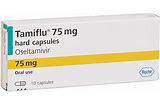
Tamiflu
Tamiflu
- ✔️ Reduces flu symptom duration when started within 48 hours
- ✔️ Treats both influenza A and B strains effectively
- ✔️ Licensed for adults and children from one year old
- ✔️ Also used to prevent flu after close contact exposure
- ✔️ Available as capsules or oral suspension for flexible dosing
Price Checker
 Lowest price guarantee
 Includes FREE private prescription


Couldn't load pickup availability
What Is Tamiflu and Can You Buy Tamiflu Online UK?
Influenza — proper flu, not just a heavy cold — can knock you off your feet for a week or more. Fever, aching muscles, exhaustion, and a persistent cough are all hallmarks of the real thing. Buy Tamiflu online UK through Cured Pharmacy and you could have a clinically proven antiviral treatment on its way to you within 24 hours, provided a prescriber confirms it is right for you. Tamiflu contains the active ingredient oseltamivir phosphate, a neuraminidase inhibitor licensed in the UK for both the treatment and prevention of influenza A and B in adults and children aged one year and over.
Timing matters enormously with this medicine. The NHS advises that antiviral treatment for flu is most effective when started within 48 hours of your symptoms beginning. If you are in a high-risk group — for example, you have a chronic health condition, you are pregnant, or you are aged 65 or over — early treatment can meaningfully reduce the risk of serious complications such as pneumonia. You can browse our full range of cold and flu treatments if you are unsure whether Tamiflu is the right option for your symptoms.
How Does Tamiflu Work Against Influenza?
Oseltamivir works by targeting a specific enzyme on the surface of influenza viruses called neuraminidase. Without this enzyme functioning properly, newly formed virus particles cannot detach from infected cells and spread to healthy ones. The result is a shorter, less severe illness. Here is a simplified breakdown of the mechanism:
- You swallow the capsule and oseltamivir is absorbed from your gut into the bloodstream.
- The body converts it into its active form, oseltamivir carboxylate.
- This active form binds to neuraminidase on the surface of influenza A and B viruses.
- Viral replication slows, reducing the spread of infection through your respiratory tract.
- Symptoms typically resolve one to two days sooner than without treatment.
It is worth being clear about what Tamiflu does not do: it is not a cure, and it does not work against colds or other respiratory viruses. It is specifically active against influenza strains.
Who Should Use Tamiflu and Is It Right for You?
Tamiflu is licensed for treatment of influenza in adults and children from one year of age, and for post-exposure prevention in the same age groups. It is particularly recommended by the NHS for people at higher risk of flu complications. That said, it is a prescription-only medicine, so a prescriber must confirm it is appropriate before you can obtain it.
You may be a suitable candidate if you fall into one or more of the following groups:
- Adults aged 65 or over
- Pregnant women (at any stage of pregnancy)
- People with chronic conditions such as asthma, diabetes, heart disease, or kidney disease
- Immunocompromised individuals, including those on immunosuppressant therapy
- Children aged one year and over who are at clinical risk
How Does Tamiflu Compare to Other Flu Antivirals?
| Feature | Tamiflu (Oseltamivir) | Relenza (Zanamivir) |
|---|---|---|
| Route of administration | Oral capsule or suspension | Inhaled powder |
| Suitable for children from | 1 year of age | 5 years of age |
| Used for prevention? | Yes (post-exposure prophylaxis) | Yes (post-exposure prophylaxis) |
| Suitable if swallowing is difficult? | Yes — oral suspension available | Yes — inhaled, no swallowing needed |
How Should You Store Tamiflu and Is It Suitable for Everyone?
Tamiflu capsules should be stored below 25°C in a dry place, away from direct sunlight and out of the reach of children. The oral suspension, once reconstituted, must be kept in a refrigerator and used within 17 days. Do not use the medicine after the expiry date printed on the packaging.
Not everyone can take oseltamivir safely. People with severe renal impairment require dose adjustments, and those with rare hereditary conditions such as galactose intolerance should not use the capsule formulation. If you are managing other health conditions alongside flu, it is worth checking our vitamins and supplements range for immune support options that may complement your recovery. Always disclose all current medicines to your prescriber during the consultation.
This product is a medicine. Speak to your doctor or pharmacist before using if you have an underlying medical condition or are taking other medicines.
Tamiflu specifications
| Treatment category | Antiviral / Influenza treatment and prevention |
| Active ingredient | Oseltamivir phosphate |
| Strengths | 30mg, 45mg, 75mg capsules; 6mg/mL oral suspension |
| Pack sizes | 10 capsules (treatment course); 20 capsules (prevention course) |
| Mechanism of action | Neuraminidase inhibitor — inhibits influenza A and B viral replication |
| Route of administration | Oral |
| Suitable for | Adults and children aged 1 year and over |
| UK classification | Prescription Only Medicine (POM) |
| Drug class | Neuraminidase inhibitor |
| Preparation | Hard capsule; powder for oral suspension |
| Effective | When started within 48 hours of symptom onset |
Specifications of Tamiflu
What Is Tamiflu and What Is It Used For?
Tamiflu is an antiviral medicine containing oseltamivir phosphate. It is used to treat influenza (flu) in adults and children aged one year and over, and to prevent flu following close contact with an infected person. The NHS recommends it primarily for people at higher risk of flu complications, though it can be prescribed for otherwise healthy individuals when clinically appropriate. It does not treat colds, COVID-19, or other respiratory infections — only influenza A and B.
What Do You Need to Know Before Using Tamiflu?
Before starting Tamiflu, your prescriber will need to know about your medical history and any other medicines you are taking. There are certain situations where Tamiflu should not be used or requires extra caution.
Do not take Tamiflu if you:
- Are allergic to oseltamivir phosphate or any other ingredient in the capsule
- Have a rare hereditary condition such as galactose intolerance or glucose-galactose malabsorption (capsule formulation only)
Use with caution and tell your prescriber if you:
- Have kidney disease — dose reduction may be required
- Are pregnant or breastfeeding
- Have a serious underlying health condition
- Have previously experienced unusual behaviour or confusion during flu illness
Known drug interactions:
- Live attenuated influenza vaccine (LAIV, e.g. nasal flu spray) — Tamiflu may reduce its effectiveness; avoid LAIV within two weeks of finishing a course
- Probenecid — increases oseltamivir levels in the blood; use together with caution
- Chlorpropamide, methotrexate, and phenylbutazone — may interact via renal tubular secretion pathways
How Should You Use Tamiflu?
Always follow the instructions given by your prescriber or pharmacist. The steps below are a general guide for adults taking the 75mg capsule for treatment of flu.
- Check that your symptoms started within the last 48 hours before taking your first dose.
- Swallow one 75mg capsule with a glass of water, with or without food.
- Take a second capsule approximately 12 hours later.
- Continue twice daily for a full five-day course — do not stop early even if you feel better.
- If you vomit within one hour of taking a dose, take a replacement dose.
- If you miss a dose, take it as soon as you remember unless it is within two hours of your next scheduled dose.
| Indication | Age Group | Dose | Duration |
|---|---|---|---|
| Treatment of flu | Adults and adolescents ≥13 years | 75mg twice daily | 5 days |
| Prevention of flu | Adults and adolescents ≥13 years | 75mg once daily | 10 days (post-exposure) |
| Treatment of flu | Children 1–12 years (by weight) | Weight-based dose (30mg–75mg) | 5 days |
| Prevention of flu | Children 1–12 years (by weight) | Weight-based dose (30mg–75mg) | 10 days (post-exposure) |
If you are caring for a child with flu, our baby and toddler range includes supportive products that may help manage symptoms alongside prescribed treatment.
What Are the Possible Side Effects of Tamiflu?
Like all medicines, Tamiflu can cause side effects, although not everyone experiences them. Most are mild and tend to resolve on their own as your body adjusts.
Common side effects (may affect up to 1 in 10 people):
- Nausea
- Vomiting
- Headache
- Stomach pain
Less common side effects (may affect up to 1 in 100 people):
- Dizziness
- Fatigue
- Insomnia
- Skin rash or mild allergic reactions
- Nosebleeds
Rarely, neuropsychiatric events — including confusion, abnormal behaviour, and hallucinations — have been reported, particularly in children and adolescents. These may occur as a result of influenza itself rather than the medicine, but you should seek medical advice immediately if you or your child experiences any unusual behaviour. If you need additional support managing discomfort during recovery, our pain relief range may help with associated aches and fever.
How Should You Store Tamiflu?
- Store capsules below 25°C in a dry place, away from direct sunlight.
- Keep the medicine in its original packaging until use.
- Once the oral suspension is prepared, store it in a refrigerator (2°C–8°C) and use within 17 days.
- Keep all medicines out of the sight and reach of children.
- Do not use after the expiry date printed on the carton.
- Do not dispose of medicines via wastewater or household waste — return unused medicine to your pharmacy.
References
Written and reviewed by our qualified team
Your safety and success are our highest priorities. Our medical team rigorously evaluates every product and piece of advice we provide, ensuring you receive only the most effective, science-backed solutions available.
Frequently Asked Questions
Where can I buy Tamiflu online in the UK?
You can buy Tamiflu online in the UK through a GPhC-registered online pharmacy such as Cured Pharmacy. Because Tamiflu is a prescription-only medicine, you will need to complete a short online consultation before a prescriber can authorise your order. Once approved, your treatment is dispatched promptly so you can start within the critical 48-hour window.
How does Tamiflu work in the body?
Tamiflu contains oseltamivir, which inhibits the neuraminidase enzyme that influenza viruses rely on to spread between cells. By blocking this enzyme, the medicine slows viral replication and reduces the severity and duration of flu symptoms. It is active against both influenza A and influenza B strains.
How do I take Tamiflu step by step?
Adults should swallow one 75mg capsule twice daily — roughly every 12 hours — with or without food, for a full five-day course. Taking the capsule with a small snack can help reduce nausea. Do not stop the course early even if you start feeling better, as this helps ensure the virus is fully suppressed.
What is the correct dose of Tamiflu for adults?
The standard adult treatment dose is 75mg twice daily for five days. For post-exposure prevention, the dose is 75mg once daily for ten days. People with kidney problems may need a lower dose, which your prescriber will calculate based on your renal function.
When is the best time to start taking Tamiflu?
Tamiflu is most effective when started within 48 hours of your flu symptoms first appearing — the sooner, the better. Starting treatment after this window may still provide some benefit in high-risk individuals, but the evidence is strongest for early initiation. If you suspect flu, do not wait to seek advice.
How do I manage side effects of Tamiflu?
Nausea and vomiting are the most commonly reported side effects and can usually be reduced by taking each capsule with food or a light snack. Headache and stomach discomfort are also possible but tend to be mild and short-lived. If side effects are severe or you are concerned, contact your pharmacist or GP promptly.
Who is eligible to take Tamiflu?
Tamiflu is suitable for adults and children aged one year and over with confirmed or suspected influenza. It is particularly recommended for those at higher risk of complications, including pregnant women, adults over 65, and people with chronic health conditions such as asthma or diabetes. A prescriber will assess your suitability during the online consultation at Cured Pharmacy.
What happens if I miss a dose of Tamiflu?
If you miss a dose and remember within two hours of when it was due, take it straight away and continue your normal schedule. If it is closer to the time of your next dose, skip the missed one and carry on as usual. Never double up on doses to compensate for a missed one.
What are the alternatives to Tamiflu for flu treatment?
The main alternative antiviral available in the UK is zanamivir (Relenza), which is inhaled rather than swallowed and is licensed from age five. For symptom relief rather than antiviral treatment, you can explore our cold and flu range for supportive options. Your prescriber can advise which antiviral is most appropriate for your circumstances.
Can I take Tamiflu to prevent flu after contact with an infected person?
Yes — Tamiflu is licensed for post-exposure prophylaxis (prevention) in adults and children aged one year and over. The prevention dose is 75mg once daily for ten days, started as soon as possible after exposure. This is particularly recommended for high-risk individuals who have been in close contact with a confirmed flu case.
Is Tamiflu safe during pregnancy?
The NHS advises that Tamiflu can be used during pregnancy when the benefits outweigh the risks, and pregnant women are considered a high-priority group for antiviral treatment. Flu itself carries significant risks in pregnancy, including premature birth and serious complications. Always discuss your individual situation with your prescriber or midwife before starting treatment.
How long does a course of Tamiflu last?
A standard treatment course lasts five days, during which you take one 75mg capsule twice daily. A prevention course following exposure to flu lasts ten days at a once-daily dose. In exceptional circumstances — such as during a pandemic — prevention courses may be extended to six weeks, but this would be directed by a clinician.
Can children take Tamiflu and what is the dose?
Yes, Tamiflu is licensed for children from one year of age. The dose is calculated by body weight and ranges from 30mg to 75mg twice daily for treatment. Children under 40kg are usually given the oral suspension rather than capsules to allow accurate weight-based dosing. Always follow the dose your prescriber or pharmacist has specified.
Does Tamiflu interact with other medicines?
The most clinically significant interaction is with the live attenuated influenza vaccine (nasal flu spray) — Tamiflu can reduce its effectiveness, so avoid LAIV within two weeks of finishing a course. Probenecid can increase oseltamivir blood levels and should be used with caution alongside Tamiflu. Always tell your prescriber about all medicines, supplements, and herbal remedies you are taking. You can also browse our vitamins and supplements range for products that are generally safe to use alongside antiviral treatment.
What are the latest studies on Tamiflu's effectiveness?
A large Cochrane review found that oseltamivir reduces the duration of flu symptoms in adults by approximately 17 hours compared to placebo when started within 48 hours of onset. Evidence also supports a modest reduction in the risk of lower respiratory tract complications requiring antibiotics. The NHS continues to recommend Tamiflu for high-risk groups based on this body of evidence, balanced against the known side effect profile.
Written and reviewed by our qualified team

Reviewed by:
Tarun Kumar
Superintendent/ Clinical Lead
📖 Find out more about our team of medical content authors and how we ensure the accuracy of our content with our content guidelines.
Content last updated: 14 Sep 2026
Other popular options


We’re a safe and
regulated UK service

Lowest Price Guarantee

We're convinced you won't find your treatment cheaper, but if you do we'll refund the difference.
Find out more
100% discreet packaging

Discreet, unbranded packaging for every order.
Find out more

Need help?
Talk to our friendly experts now


How our service works

Service setup

Discreet packaging

Express delivery