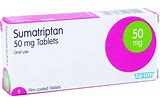
Sumatriptan
Sumatriptan
- ✔️ Targets migraine pain at its neurological source directly
- ✔️ Relieves headache, nausea, and light sensitivity effectively
- ✔️ Works within 30 minutes for most migraine sufferers
- ✔️ Suitable for adults with confirmed migraine diagnosis
- ✔️ Available in 50mg and 100mg strengths for flexible dosing
Price Checker
 Lowest price guarantee
 Includes FREE private prescription


Couldn't load pickup availability
What Are Sumatriptan Tablets and How Do They Treat Migraine?
Migraine is more than just a bad headache. It can leave you unable to work, socialise, or even get out of bed. Sumatriptan tablets are a prescription-strength triptan medicine used specifically to treat migraine attacks in adults — with or without aura. Available from Cured Pharmacy following a short clinical assessment, sumatriptan offers targeted relief when over-the-counter painkillers simply aren't cutting it. If you're already managing other conditions alongside migraine, you might also find our pain relief collection useful for everyday aches and discomfort.
Sumatriptan belongs to a class of medicines called triptans. It is not a painkiller in the traditional sense — it works on the underlying cause of migraine rather than just masking the pain. It's been used in the UK for decades and has a well-established safety profile when used correctly in suitable patients.
How Does Sumatriptan Work to Relieve a Migraine?
During a migraine, blood vessels in the brain dilate and certain chemicals — particularly serotonin — trigger inflammation and pain signals. Sumatriptan targets this process directly.
- It binds selectively to serotonin receptors (5-HT1B and 5-HT1D) in the brain.
- This causes the dilated blood vessels to constrict back to their normal size.
- It also blocks the release of inflammatory neuropeptides that drive migraine pain.
- The result is relief from headache, nausea, and sensitivity to light and sound.
Most people begin to feel relief within 30 minutes to two hours of taking a tablet. It won't prevent migraines from occurring, but it can significantly shorten and reduce the severity of an attack once it starts.
Who Is Sumatriptan Suitable For?
Sumatriptan is intended for adults aged 18 to 65 who have a confirmed diagnosis of migraine. It is not a general headache remedy — it should only be used for migraine attacks, not tension headaches or cluster headaches (unless specifically prescribed for the latter by a specialist).
It may be suitable for you if:
- You have been diagnosed with migraine by a doctor.
- Standard painkillers such as ibuprofen or paracetamol have not provided adequate relief.
- You experience migraines with or without visual aura.
- You do not have cardiovascular disease, uncontrolled hypertension, or liver problems.
Always complete the clinical questionnaire honestly when ordering online. This helps ensure sumatriptan is safe and appropriate for your individual circumstances.
How Does Sumatriptan Compare to Other Migraine Treatments?
| Feature | Sumatriptan | Ibuprofen / Paracetamol |
|---|---|---|
| Mechanism | Targets serotonin receptors; constricts blood vessels | General anti-inflammatory / analgesic |
| Migraine-specific | Yes — designed specifically for migraine | No — general pain relief only |
| Onset of action | 30 minutes to 2 hours | 30–60 minutes (variable in migraine) |
| Suitable for aura | Yes (take at headache onset, not aura phase) | Can be taken at any stage |
How Should Sumatriptan Be Stored and Is It Clinically Appropriate for You?
Store sumatriptan tablets below 30°C in a dry place, away from direct sunlight. Keep them out of reach of children and do not use them after the expiry date printed on the packaging. Do not store in a bathroom or near a sink where moisture could affect the tablets.
Before starting any triptan therapy, it's worth having an honest conversation with your pharmacist or GP about your full medical history. Sumatriptan tablets are not suitable for everyone, and your prescriber needs to know about any heart conditions, blood pressure issues, or other medicines you're taking. If you're also managing nausea during attacks, our sickness and nausea collection may offer complementary support.
This product is a medicine. Speak to your doctor or pharmacist before using if you have an underlying medical condition or are taking other medicines.
Sumatriptan specifications
| Treatment category | Migraine treatment |
| Mechanism of action | Selective serotonin (5-HT1B/1D) receptor agonist |
| Effective for | Migraine with or without aura |
| Suitable for | Adults aged 18–65 |
| Active ingredient | Sumatriptan succinate |
| Pack sizes | 2 tablets, 6 tablets |
| Strengths | 50mg, 100mg |
| UK classification | Pharmacy (P) / Prescription Only Medicine (POM) |
| Drug class | Triptan (serotonin receptor agonist) |
| Preparation | Film-coated tablet |
| Route of administration | Oral |
Specifications of Sumatriptan
What Is Sumatriptan and What Is It Used For?
Sumatriptan is a triptan medicine used to treat acute migraine attacks in adults. It works specifically on migraine — not on tension headaches or other types of head pain. It is available as tablets (50mg and 100mg), and in some cases as nasal sprays or injections, though tablets are the most commonly used form. According to the NHS, migraine affects around one in five women and one in fifteen men in the UK, making effective treatment options like this one genuinely important for many people's quality of life.
What Do You Need to Know Before Using Sumatriptan?
Sumatriptan is not suitable for everyone. Before taking it, read the following carefully.
Do not take sumatriptan if you:
- Have a history of heart attack, angina, or other heart disease.
- Have had a stroke or transient ischaemic attack (TIA).
- Have peripheral vascular disease.
- Have uncontrolled high blood pressure.
- Have severe liver impairment.
- Are under 18 or over 65 years of age.
- Are allergic to sumatriptan or any of the tablet's other ingredients.
- Have taken an ergotamine-containing medicine in the last 24 hours.
- Have taken a monoamine oxidase inhibitor (MAOI) in the last two weeks.
Drug interactions — tell your pharmacist if you are taking:
- SSRIs or SNRIs (e.g. fluoxetine, venlafaxine) — risk of serotonin syndrome.
- Lithium — increased risk of serotonin-related effects.
- St John's Wort — may increase side effect risk.
- Other triptans — do not combine.
- Ergotamine or methysergide — do not take within 24 hours of sumatriptan.
If you're also taking medicines for other conditions, our women's health collection includes further guidance on managing multiple treatments safely.
How Should You Use Sumatriptan?
- Take sumatriptan as soon as your migraine headache begins — not during the aura phase.
- Swallow the tablet whole with water. Do not crush or chew it.
- The usual starting dose for adults is 50mg.
- If the first dose works but symptoms return, you may take a second dose — but wait at least two hours between doses.
- If the first dose does not work at all, do not take a second dose for the same attack.
- Do not exceed 300mg (three 50mg tablets or equivalent) in any 24-hour period.
| Indication | Age Group | Dose | Frequency |
|---|---|---|---|
| Migraine with or without aura | Adults 18–65 | 50mg (may increase to 100mg if 50mg insufficient) | Once per attack; max 300mg in 24 hours |
| Migraine with or without aura | Under 18 / Over 65 | Not recommended | Not applicable |
What Are the Possible Side Effects of Sumatriptan?
Like all medicines, sumatriptan can cause side effects, though not everyone experiences them. Most are mild and resolve on their own.
Common side effects (may affect up to 1 in 10 people):
- Tingling or numbness in the hands, feet, or face.
- Feelings of warmth, heaviness, or pressure.
- Dizziness or drowsiness.
- Nausea or vomiting (though this may also be part of the migraine itself).
- Fatigue or weakness.
Less common side effects (may affect up to 1 in 100 people):
- Chest tightness or pain — seek medical advice promptly if this occurs.
- Shortness of breath.
- Palpitations or a rapid heartbeat.
- Flushing or redness of the skin.
- Visual disturbances.
Chest symptoms after taking sumatriptan are usually transient and not cardiac in origin, but you should always seek urgent medical attention if chest pain is severe or does not resolve quickly.
How Should You Store Sumatriptan?
- Store below 30°C in a dry place.
- Keep away from direct sunlight and heat sources.
- Do not store in a bathroom or near a sink.
- Keep out of the sight and reach of children.
- Do not use after the expiry date printed on the packaging.
- Do not dispose of medicines via wastewater or household waste — return unused tablets to your pharmacy.
If you're managing migraine alongside other health concerns, you may also find our vitamins and supplements collection helpful — some evidence suggests magnesium supplementation may support migraine prevention when used alongside prescribed treatment.
References
Written and reviewed by our qualified team
Your safety and success are our highest priorities. Our medical team rigorously evaluates every product and piece of advice we provide, ensuring you receive only the most effective, science-backed solutions available.
Frequently Asked Questions
Where can I buy sumatriptan tablets online in the UK?
You can buy sumatriptan tablets online from Cured Pharmacy, a GPhC-registered online pharmacy. You'll need to complete a short clinical questionnaire so our pharmacist can confirm the medicine is appropriate for you. Once approved, your order is dispatched promptly and discreetly to your door.
How does sumatriptan work in the body?
Sumatriptan binds to serotonin receptors (specifically 5-HT1B and 5-HT1D) in the brain, causing dilated blood vessels to constrict and blocking the release of inflammatory chemicals that drive migraine pain. This targeted action is why it works specifically for migraine rather than other types of headache. It does not prevent migraines — it treats them once they start.
How do I use sumatriptan step by step?
Take one 50mg tablet as soon as your migraine headache begins — not during the aura phase if you experience one. Swallow it whole with a glass of water. If symptoms return after initial relief, you may take a second dose at least two hours later, but do not take more than 300mg in 24 hours.
How long does sumatriptan take to work?
Most people begin to notice relief within 30 minutes of taking a sumatriptan tablet, with full effect typically reached within one to two hours. If you feel no improvement at all after the first dose, do not take a second tablet for the same attack — speak to your GP about alternative options. Response times can vary between individuals.
What is the correct dose of sumatriptan for adults?
The standard adult dose is 50mg per attack. If 50mg is not effective enough, your doctor may recommend 100mg for future attacks. The maximum dose in any 24-hour period is 300mg. Sumatriptan is not recommended for people under 18 or over 65.
What are the most common side effects of sumatriptan and how do I manage them?
Common side effects include tingling, feelings of warmth or heaviness, dizziness, and mild nausea — most of which are short-lived and resolve without treatment. If you experience chest tightness or pain, stop taking the medicine and seek medical advice promptly. Staying hydrated and resting in a quiet, dark room can help manage migraine-related symptoms alongside your dose.
Who should not take sumatriptan?
Sumatriptan is not suitable for people with a history of heart disease, stroke, TIA, peripheral vascular disease, or uncontrolled high blood pressure. It is also not recommended for those under 18 or over 65, or for anyone with severe liver impairment. Always complete the clinical questionnaire fully and honestly when ordering online.
Can I take sumatriptan if I am pregnant or breastfeeding?
Sumatriptan should only be used during pregnancy if your doctor considers it clearly necessary, as data on safety in pregnancy is limited. If you are breastfeeding, it is recommended to avoid breastfeeding for 12 hours after taking a dose. Always speak to your GP or midwife before taking any migraine medicine during pregnancy or while breastfeeding.
What medicines interact with sumatriptan?
Sumatriptan can interact with MAOIs, SSRIs, SNRIs, lithium, ergotamine-containing medicines, and St John's Wort — some of these combinations can cause a rare but serious condition called serotonin syndrome. Always tell your pharmacist about every medicine, supplement, or herbal remedy you are taking. You can browse our pain relief collection for alternative options if sumatriptan is not suitable for you.
What happens if sumatriptan does not work for my migraine?
If sumatriptan does not relieve your migraine, do not take a second dose for the same attack. Speak to your GP — they may suggest a higher dose (100mg), a different triptan, or a combination approach. Not all triptans work equally well for every person, and finding the right one sometimes takes a little trial and adjustment.
What happens if I miss a dose or take too much sumatriptan?
Sumatriptan is taken on an as-needed basis during a migraine attack, so there is no regular dosing schedule to miss. If you accidentally take more than the recommended amount, contact NHS 111 or your nearest A&E immediately. Taking sumatriptan too frequently (more than 10 days per month) can lead to medication overuse headache.
What are the alternatives to sumatriptan for migraine?
Other triptans available in the UK include rizatriptan, zolmitriptan, naratriptan, and eletriptan — each with slightly different onset times and durations. Non-triptan options include aspirin with metoclopramide, ibuprofen, or paracetamol for milder attacks. Your GP can help you find the most suitable option based on your migraine pattern and medical history.
How long can you keep taking sumatriptan?
Sumatriptan can be used long-term for migraine attacks, but it should not be taken on more than 10 days per month to avoid medication overuse headache. If you find yourself needing it very frequently, speak to your GP about preventive migraine treatments. Regular review of your migraine management plan is recommended.
Is sumatriptan available over the counter in the UK?
Sumatriptan 50mg is available as a Pharmacy (P) medicine in the UK, meaning it can be supplied without a prescription but only after a pharmacist assessment. The 100mg strength is a Prescription Only Medicine (POM). At Cured Pharmacy, our online clinical questionnaire fulfils this assessment requirement safely and conveniently. You can also explore our women's health collection for related treatments.
What does the latest research say about sumatriptan?
Sumatriptan has been extensively studied since its introduction in the early 1990s and remains one of the most well-evidenced acute migraine treatments available. Current clinical guidelines from NICE and the British Association for the Study of Headache (BASH) continue to recommend triptans, including sumatriptan, as first-line treatment for moderate-to-severe migraine in adults. Research continues into newer CGRP-targeting treatments, but sumatriptan remains a reliable and widely used option.
Written and reviewed by our qualified team

Reviewed by:
Tarun Kumar
Superintendent/ Clinical Lead
📖 Find out more about our team of medical content authors and how we ensure the accuracy of our content with our content guidelines.
Content last updated: 14 Sep 2026
Other popular options


We’re a safe and
regulated UK service

Lowest Price Guarantee

We're convinced you won't find your treatment cheaper, but if you do we'll refund the difference.
Find out more
100% discreet packaging

Discreet, unbranded packaging for every order.
Find out more

Need help?
Talk to our friendly experts now


How our service works

Service setup

Discreet packaging

Express delivery