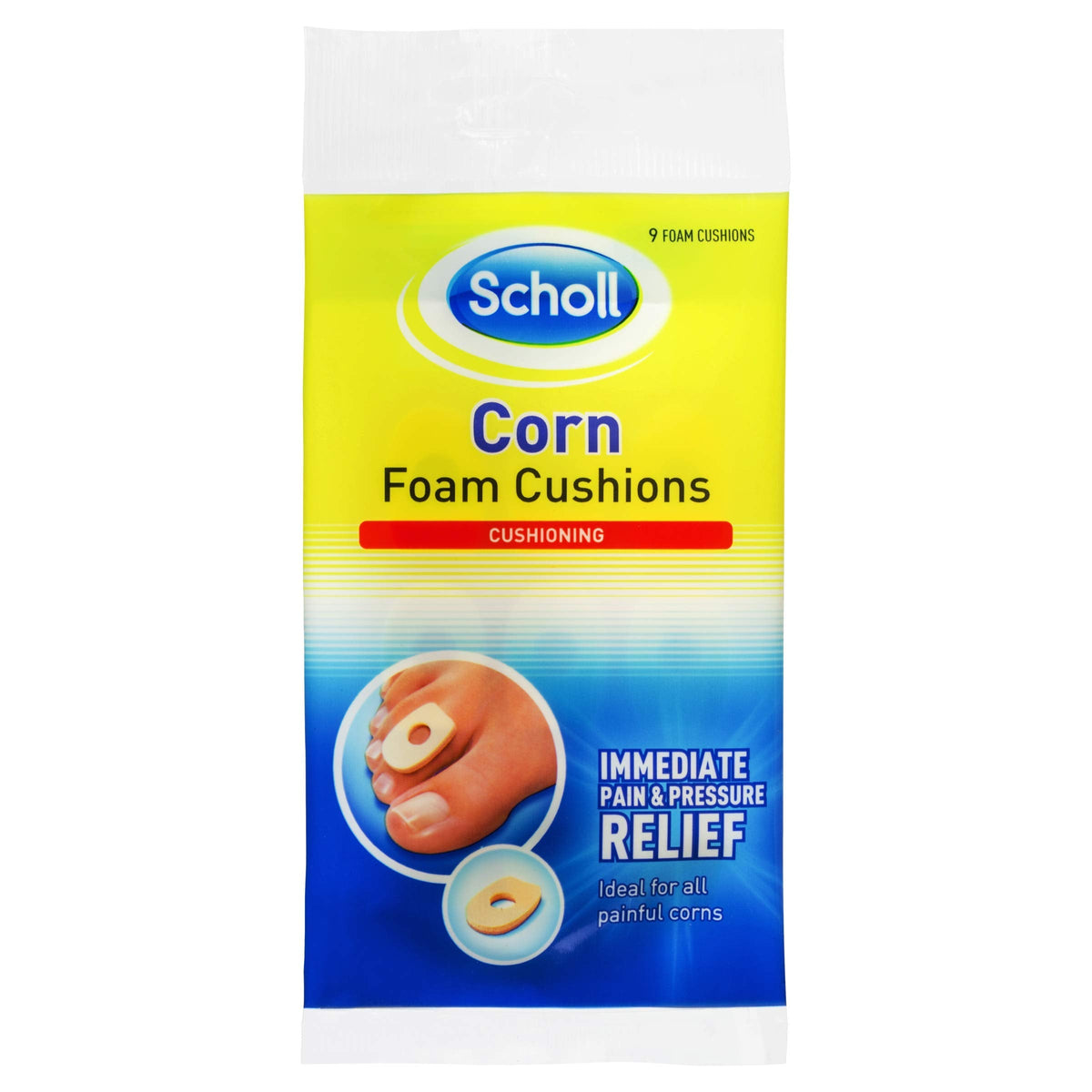
Scholl Corn Foam Cushions
Scholl Corn Foam Cushions
- ✔️ Cushions painful foot corns to reduce pressure and friction
- ✔️ Ring-shaped foam design protects corn without covering it
- ✔️ Self-adhesive pad stays secure inside shoes all day
- ✔️ Non-medicated — suitable for those avoiding chemical treatments
- ✔️ Slim profile fits discreetly inside most everyday footwear
Price Checker
 Lowest price guarantee
 Includes FREE private prescription


Couldn't load pickup availability
What Are Corn Foam Cushions and How Do They Help?
Foot corns are small, hardened areas of thickened skin that develop in response to repeated pressure or friction — usually from ill-fitting shoes or prolonged standing. They can be surprisingly painful for something so small, and if left unmanaged, they can make even a short walk uncomfortable. Corn foam cushions are one of the most straightforward, non-invasive ways to manage that discomfort at home. Scholl Corn Foam Cushions are self-adhesive foam pads with a central hole that sits around the corn, shielding it from direct contact with your shoe. At just £2.39, they offer accessible, everyday relief without a prescription. If you're exploring other foot-related products, our foot care collection has a range of options to suit different needs.
Corns typically form on the tops or sides of toes, or on the sole of the foot. The NHS notes that corns are caused by pressure and friction on the skin, and that cushioning and padding are among the first-line self-care approaches recommended. These cushions don't treat the underlying corn directly — they protect it while your body gradually resolves the thickened skin, or while you address the root cause such as footwear fit.
How Do Scholl Corn Foam Cushions Work?
The mechanism is straightforward but genuinely effective. Each cushion is made from soft foam with a self-adhesive backing. The ring-shaped design means the foam surrounds the corn rather than pressing directly onto it, which is key. Here's how the cushioning process works:
- The foam ring redistributes pressure from the corn to the surrounding healthy skin
- This reduces the direct friction between the corn and the inside of your shoe
- Pain signals triggered by pressure on the corn are significantly reduced
- The cushion stays in place throughout the day, providing consistent protection
It's a purely mechanical approach — no active pharmaceutical ingredient is involved. That's actually a benefit for many people, particularly those who want to avoid medicated products or who are managing multiple health conditions.
Who Should Use Scholl Corn Foam Cushions?
These cushions are suitable for most adults experiencing discomfort from foot corns. They're particularly useful if you're on your feet for long periods, wear formal or narrow footwear, or simply want a quick, fuss-free solution. That said, they're not appropriate for everyone.
- Adults with painful corns on toes or the ball of the foot
- People who want a non-medicated, drug-free option
- Those looking for temporary relief while addressing footwear issues
- Individuals who need to stay active and require in-shoe protection
They are not recommended for use on broken, infected, or inflamed skin. People with diabetes, peripheral neuropathy, or poor circulation should speak to their GP or podiatrist before using any corn or foot pad product, as reduced sensation can mask skin damage.
How Do Scholl Corn Foam Cushions Compare to Corn Plasters?
| Feature | Scholl Corn Foam Cushions | Salicylic Acid Corn Plasters |
|---|---|---|
| Active ingredient | None (mechanical only) | Salicylic acid (keratolytic) |
| Mechanism | Cushions and protects corn | Softens and removes thickened skin |
| Suitable for sensitive skin | Generally yes | Use with caution |
| Safe for people with diabetes | Seek advice first | Not recommended — seek advice |
Are Corn Foam Cushions Safe to Store and Use Long-Term?
Scholl Corn Foam Cushions should be stored below 25°C in a dry place, away from direct sunlight. Keep them in their original packaging until use to preserve the adhesive. The cushions are for single use — do not reapply a used pad. If you're also managing other skin concerns alongside your corn, our skin care collection includes a variety of products that may complement your routine.
If your corn is not improving after several weeks of consistent cushioning, or if it becomes increasingly painful, red, or shows signs of infection, stop use and consult a pharmacist or GP. Persistent corns may benefit from professional podiatry treatment.
This product is a medicine. Speak to your doctor or pharmacist before using if you have an underlying medical condition or are taking other medicines.
Scholl Corn Foam Cushions specifications
| Treatment category | Foot care / corn relief |
| Mechanism of action | Mechanical cushioning — redistributes pressure away from corn |
| Effective for | Painful foot corns |
| Suitable for | Adults; not recommended for broken or infected skin |
| Active ingredient | None (non-medicated device) |
| UK classification | Medical device / OTC |
| Preparation | Self-adhesive foam ring pad |
| Route of administration | Topical / external |
Specifications of Scholl Corn Foam Cushions
What Are Scholl Corn Foam Cushions and What Are They Used For?
Scholl Corn Foam Cushions are non-medicated, self-adhesive foam pads designed to relieve the pain and discomfort caused by foot corns. A corn is a localised area of thickened, hardened skin that develops as a protective response to repeated pressure or friction — most commonly on the toes or the ball of the foot. The NHS describes corns as small circles of hard skin that can feel tender or painful when pressed. These cushions work by surrounding the corn with a soft foam ring, lifting pressure off the affected area so that walking and wearing shoes becomes more comfortable. They do not remove the corn, but they significantly reduce the discomfort it causes while you address the underlying cause.
What Do You Need to Know Before Using Scholl Corn Foam Cushions?
Before applying these cushions, there are some important safety points to be aware of. They are intended for external use only and should never be applied to broken, infected, or inflamed skin.
Do not use if:
- The skin around the corn is broken, bleeding, or shows signs of infection
- You have diabetes, peripheral arterial disease, or poor circulation — seek professional advice first
- You have peripheral neuropathy or reduced sensation in your feet
- You are allergic to any component of the adhesive
- The corn is on a child — consult a GP or podiatrist instead
Drug interactions:
- No known drug interactions — this is a non-medicated mechanical device
- If using alongside medicated corn treatments (e.g. salicylic acid plasters), do not overlap the products on the same area
If you have any concerns about whether this product is right for you, speak to your pharmacist before use. For those managing foot health alongside conditions such as diabetes, our diabetes monitoring collection may also be of interest.
How Should You Use Scholl Corn Foam Cushions?
- Wash and thoroughly dry the affected foot before application
- Remove the cushion from its packaging and peel away the protective backing
- Position the cushion so the central hole sits directly over the corn
- Press the foam firmly onto the surrounding skin, smoothing down all edges
- Put on your sock and shoe as normal — the cushion should remain in place throughout the day
- Replace the cushion daily, or sooner if it becomes wet or dislodged
| Indication | Age Group | Number of Cushions | Frequency |
|---|---|---|---|
| Foot corn relief | Adults (18+) | One per corn | Replace daily or as needed |
| Foot corn relief | Under 18 | Not recommended without professional advice | — |
What Are the Possible Side Effects of Scholl Corn Foam Cushions?
Because these cushions contain no active pharmaceutical ingredient, side effects are uncommon. However, as with any adhesive product applied to skin, some people may experience a reaction. If you notice any of the following, remove the cushion and allow the skin to recover before considering reapplication.
Common side effects:
- Mild redness or irritation at the adhesive border
- Slight skin sensitivity after prolonged wear
Less common side effects:
- Contact dermatitis (allergic reaction to the adhesive)
- Maceration (softening and breakdown) of skin if the cushion traps moisture
- Blistering in individuals with very sensitive skin
If you experience significant swelling, discharge, increasing pain, or signs of infection around the corn, stop use immediately and seek medical advice. These symptoms may indicate an infected corn or underlying skin condition that requires professional treatment. You can also explore our pain relief collection if you need additional support managing foot discomfort.
How Should You Store Scholl Corn Foam Cushions?
- Store below 25°C in a cool, dry place
- Keep away from direct sunlight and sources of heat
- Store in the original packaging to protect the adhesive until use
- Keep out of the reach and sight of children
- Do not use after the expiry date printed on the packaging
- Each cushion is for single use only — do not reapply a used pad
References
- https://www.nhs.uk/conditions/corns-and-calluses/
- https://www.nhs.uk/live-well/healthy-body/foot-health/
- https://www.nhs.uk/conditions/diabetic-foot/
- https://www.nhs.uk/conditions/peripheral-neuropathy/
- https://www.nhs.uk/conditions/contact-dermatitis/
- https://www.nhs.uk/conditions/peripheral-arterial-disease-pad/
Written and reviewed by our qualified team
Your safety and success are our highest priorities. Our medical team rigorously evaluates every product and piece of advice we provide, ensuring you receive only the most effective, science-backed solutions available.
Frequently Asked Questions
Where can I buy Scholl Corn Foam Cushions online in the UK?
You can buy Scholl Corn Foam Cushions directly from Cured Pharmacy online for just £2.39, with fast UK delivery. They are a convenient, non-prescription product available without a consultation. Simply add to your basket and check out — no GP visit required.
How do Scholl Corn Foam Cushions work on the foot?
The cushions use a ring-shaped foam design to surround the corn, so the central hole sits directly over it. This redistributes pressure from the corn to the surrounding healthy skin, reducing friction and pain during walking. There is no active ingredient — the relief is entirely mechanical.
How do I apply Scholl Corn Foam Cushions step by step?
Start by washing and drying your foot thoroughly. Peel the backing from the cushion and position it so the hole sits over the corn, then press the foam firmly onto the surrounding skin. Smooth down all edges to ensure the adhesive is secure before putting on your sock and shoe.
How long should I wear corn foam cushions each day?
Each cushion can be worn throughout the day and should be replaced daily, or sooner if it becomes wet or dislodged. Do not leave a single cushion in place for more than 24 hours without checking the skin underneath for any signs of irritation or maceration. Consistent daily use provides the best ongoing relief.
Are Scholl Corn Foam Cushions suitable for people with diabetes?
People with diabetes should always consult their GP or podiatrist before using any corn or foot pad product. Diabetes can reduce sensation in the feet, meaning skin damage may go unnoticed. For more information on managing foot health alongside diabetes, visit our diabetes monitoring collection.
What are the side effects of Scholl Corn Foam Cushions?
Side effects are uncommon because the product contains no active pharmaceutical ingredient. Some people may experience mild redness or irritation at the adhesive border, and in rare cases, contact dermatitis can occur. If you notice significant skin changes, remove the cushion and speak to your pharmacist.
Who is eligible to use Scholl Corn Foam Cushions?
These cushions are suitable for most adults with painful foot corns on intact, healthy skin. They are not recommended for children, or for anyone with diabetes, poor circulation, peripheral neuropathy, or broken or infected skin without professional advice first. If you are unsure, ask your pharmacist before use.
What happens if I forget to replace my corn cushion?
Missing a day of cushioning simply means the corn is unprotected from pressure and friction during that time, which may cause increased discomfort. There is no medical risk from a missed application — just apply a fresh cushion as soon as you remember. Do not double up or apply two cushions at once.
What are the alternatives to Scholl Corn Foam Cushions?
Alternatives include salicylic acid corn plasters, which actively soften and remove thickened skin, gel toe separators, or moleskin padding cut to size. For persistent or painful corns, a podiatrist can remove them professionally. You can also browse our foot care collection for a wider range of options.
How long can I use Scholl Corn Foam Cushions for?
You can use corn foam cushions for as long as the corn is present and causing discomfort. If the corn does not improve after several weeks of consistent cushioning, or if it worsens, speak to a pharmacist or podiatrist. Addressing the root cause — such as ill-fitting footwear — is important for long-term resolution.
Can I use corn foam cushions inside any type of shoe?
Yes, the cushions are designed to be slim enough to fit inside most types of footwear, including trainers, formal shoes, and boots. However, very tight or narrow shoes may cause the cushion to shift or peel away more quickly. Wearing well-fitting shoes alongside the cushion will improve both comfort and adhesion.
Do corn foam cushions actually remove the corn?
No — corn foam cushions do not remove or treat the corn itself. They provide mechanical protection by cushioning the area and reducing pressure, which relieves pain. To remove a corn, you would need a keratolytic product such as a salicylic acid plaster, or professional podiatry treatment.
Can I use Scholl Corn Foam Cushions on my little toe?
Yes, provided the cushion fits comfortably around the corn on the little toe without overlapping onto broken or sensitive skin. Smaller toes can sometimes make positioning trickier, so take care to centre the hole accurately over the corn. If the cushion is too large to fit comfortably, consider a smaller-format corn pad.
What is the latest guidance on treating foot corns at home?
The NHS recommends cushioning and padding as a first-line self-care approach for foot corns, alongside addressing the cause — typically footwear fit. Soaking the foot in warm water to soften the skin and using a pumice stone gently can also help. Medicated treatments and professional podiatry are options if self-care does not resolve the corn.
Can I use corn foam cushions if I have athlete's foot as well?
You should treat any active fungal infection before applying adhesive corn cushions, as the adhesive can trap moisture and potentially worsen a fungal skin condition. Treat the athlete's foot first — our athlete's foot and fungal infections collection has suitable options. Once the infection has cleared, corn cushions can be used safely on intact skin.
Written and reviewed by our qualified team

Reviewed by:
Tarun Kumar
Superintendent/ Clinical Lead
📖 Find out more about our team of medical content authors and how we ensure the accuracy of our content with our content guidelines.
Content last updated: 14 Sep 2026
Other popular options


We’re a safe and
regulated UK service

Lowest Price Guarantee

We're convinced you won't find your treatment cheaper, but if you do we'll refund the difference.
Find out more
100% discreet packaging

Discreet, unbranded packaging for every order.
Find out more

Need help?
Talk to our friendly experts now


How our service works

Service setup

Discreet packaging

Express delivery