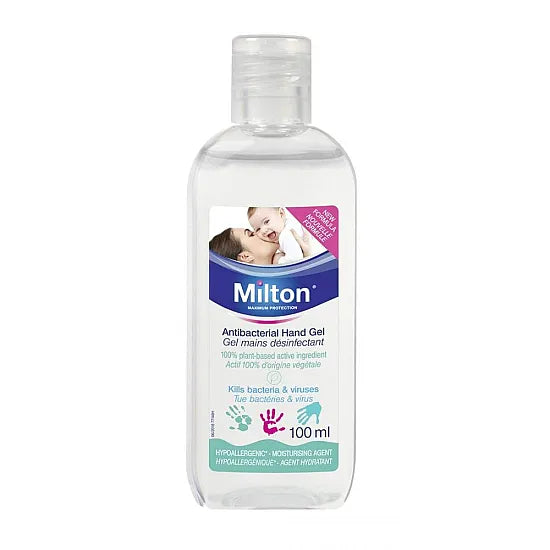
Milton Antibacterial Hand Gel - 100 ml
Milton Antibacterial Hand Gel - 100 ml
- ✔️ Kills 99.9% of bacteria on hands without water
- ✔️ Compact 100ml size fits airline hand luggage rules
- ✔️ Ethanol formula evaporates quickly, leaving no residue
- ✔️ Suitable for adults and children under adult supervision
- ✔️ Ideal for travel, commuting, and outdoor use
Price Checker
 Lowest price guarantee
 Includes FREE private prescription


Couldn't load pickup availability
What Is Milton Antibacterial Hand Gel?
Keeping your hands clean when you are out and about is one of the simplest things you can do to protect your health. Antibacterial hand gel has become a staple in bags, pockets, and glove compartments across the UK — and for good reason. Milton Antibacterial Hand Gel 100ml gives you a quick, no-rinse way to sanitise your hands wherever you are, whether you are on public transport, at a festival, or travelling abroad. At just £1.99, it is an affordable everyday essential. If you are stocking up for a trip, you will find it sits perfectly alongside other travel health essentials available at Cured Pharmacy.
The NHS advises that cleaning your hands regularly — particularly before eating and after using the toilet — is one of the most effective ways to prevent the spread of infection. When soap and water are not available, an alcohol-based hand sanitiser is the recommended alternative.
How Does Milton Antibacterial Hand Gel Work?
The active ingredient in Milton Antibacterial Hand Gel is ethanol (alcohol). Ethanol works by disrupting the lipid membranes of bacterial cells, causing them to break down and die rapidly on contact. This mechanism is well established and does not require rinsing — the gel simply evaporates from the skin once rubbed in thoroughly.
- Ethanol penetrates bacterial cell walls and denatures essential proteins
- Cell membranes collapse, killing the organism within seconds
- The gel evaporates cleanly, leaving no residue
- Kills 99.9% of bacteria when used as directed
Who Should Use Milton Antibacterial Hand Gel?
This gel is suitable for most adults and older children who need a convenient hand hygiene solution when soap and water are not accessible. It is particularly useful for:
- Travellers and commuters using public transport
- Parents and carers managing hygiene on the go
- Healthcare and care home workers needing frequent hand sanitisation
- Anyone attending outdoor events, festivals, or camping trips
Children should only use this product under adult supervision. It is not intended for use on broken, damaged, or severely irritated skin.
How Does Milton Antibacterial Hand Gel Compare to Soap and Water?
| Feature | Milton Antibacterial Hand Gel | Soap and Water |
|---|---|---|
| Requires water | No | Yes |
| Kills 99.9% bacteria | Yes | Yes (with correct technique) |
| Portable/travel-friendly | Yes — 100ml size | No |
| Removes physical dirt | No | Yes |
Is Milton Antibacterial Hand Gel Suitable for Sensitive Skin?
If you use antibacterial hand gel very frequently throughout the day, you may notice some dryness or mild irritation, particularly if your skin is already sensitive. This is a known effect of alcohol-based sanitisers. Applying a gentle, fragrance-free moisturiser after use can help maintain your skin's natural barrier. You can browse our skin care range for suitable options. If irritation persists or worsens, discontinue use and speak to your pharmacist.
This product is for external use only. Avoid contact with eyes, mouth, and mucous membranes. Keep away from naked flames — ethanol is flammable.
This product is a medicine. Speak to your doctor or pharmacist before using if you have an underlying medical condition or are taking other medicines.
Milton Antibacterial Hand Gel 100ml specifications
| Treatment category | Hand hygiene / infection prevention |
| Mechanism of action | Ethanol denatures bacterial cell membrane proteins |
| Effective against | 99.9% of bacteria |
| Suitable for | Adults and children (under adult supervision) |
| Active ingredient | Ethanol (alcohol) |
| Pack size | 100ml |
| UK classification | General Sale / OTC |
| Preparation | Gel |
| Route of administration | Topical (skin) |
Specifications of Milton Antibacterial Hand Gel 100ml
What Is Milton Antibacterial Hand Gel and What Is It Used For?
Milton Antibacterial Hand Gel 100ml is an alcohol-based topical hand sanitiser designed to kill bacteria on the skin quickly and without the need for water. It is used to maintain hand hygiene in situations where handwashing facilities are unavailable — for example, when travelling, commuting, or spending time outdoors. The NHS recommends using an alcohol-based hand sanitiser as an effective alternative to soap and water when hands are not visibly dirty.
This product is classified as a general sale medicine in the UK and is available without a prescription. It is not a substitute for thorough handwashing when hands are visibly soiled or contaminated.
What Do You Need to Know Before Using Milton Antibacterial Hand Gel?
Before using this product, read the following carefully. Do not use Milton Antibacterial Hand Gel if any of the following apply to you:
- You are allergic to ethanol or any other ingredient in the gel
- You have open wounds, cuts, or severely broken skin on your hands
- You have a known skin condition such as severe eczema or psoriasis affecting your hands — seek pharmacist advice first
- The product is intended for use on a young child without adult supervision
Important warnings to be aware of:
- For external use only — do not swallow
- Keep away from eyes, mouth, and mucous membranes
- Highly flammable — keep away from naked flames and heat sources
- Keep out of reach and sight of children
- If accidentally ingested, seek immediate medical attention or contact NHS 111
Known drug interactions:
- No significant systemic drug interactions are known for topically applied ethanol-based hand gels when used as directed
- Avoid applying immediately before handling certain medications — consult your pharmacist if unsure
How Should You Use Milton Antibacterial Hand Gel?
Using the gel correctly is important to ensure it works effectively. Follow these steps each time you use it:
- Dispense a small amount of gel (approximately 1–2ml) into the palm of one hand
- Rub both palms together to spread the gel evenly
- Interlace your fingers and rub between them thoroughly
- Rub the backs of both hands
- Clean around your thumbs and fingertips
- Continue rubbing until the gel has completely evaporated — do not wipe or rinse off
The NHS recommends that the entire hand-rubbing process should take at least 20 seconds to be effective. Do not use on visibly dirty or greasy hands — wash with soap and water first where possible.
| Indication | Age Group | Dose | Frequency |
|---|---|---|---|
| General hand hygiene | Adults and children over 3 years (supervised) | 1–2ml (small palmful) | As needed throughout the day |
| Pre/post contact hygiene | Adults | 1–2ml | Before and after contact with surfaces or people |
What Are the Possible Side Effects of Milton Antibacterial Hand Gel?
Like all products containing alcohol, Milton Antibacterial Hand Gel can cause side effects in some people, particularly with frequent use. Most side effects are mild and affect the skin only.
Common side effects:
- Skin dryness or tightness
- Mild stinging or burning sensation, especially on broken skin
- Temporary redness of the skin
Less common side effects:
- Contact dermatitis (skin inflammation) in those with sensitive skin
- Allergic skin reaction — rash, itching, or swelling
If you experience a severe allergic reaction (difficulty breathing, swelling of the face or throat), seek emergency medical help immediately. If you are concerned about skin reactions, you may also find it helpful to explore our first aid range for suitable skin treatments.
How Should You Store Milton Antibacterial Hand Gel?
Correct storage keeps the product safe and effective for its full shelf life. Follow these storage guidelines:
- Store below 25°C in a cool, dry place
- Keep away from direct sunlight and heat sources
- Keep away from naked flames — the product is flammable
- Keep the cap tightly closed when not in use to prevent evaporation
- Keep out of reach and sight of children
- Do not use after the expiry date printed on the packaging
- Do not store in a car during hot weather — temperatures inside parked vehicles can exceed safe storage limits
If you are travelling internationally and need additional health products, browse our full travel health collection for everything you might need before you go.
References
Written and reviewed by our qualified team
Your safety and success are our highest priorities. Our medical team rigorously evaluates every product and piece of advice we provide, ensuring you receive only the most effective, science-backed solutions available.
Frequently Asked Questions
Where can I buy Milton Antibacterial Hand Gel online in the UK?
You can buy Milton Antibacterial Hand Gel 100ml directly from Cured Pharmacy online for just £1.99, with no prescription required. It is dispatched quickly to addresses across the UK. You will also find it listed alongside other useful products in our travel health collection.
How does Milton Antibacterial Hand Gel work in the body?
Milton Antibacterial Hand Gel works topically — it does not enter the body. The ethanol (alcohol) in the gel disrupts and denatures the proteins in bacterial cell membranes on the surface of your skin, killing bacteria on contact. It evaporates quickly and leaves no residue once rubbed in fully.
How do I use Milton Antibacterial Hand Gel step by step?
Dispense a small amount into your palm, then rub both hands together — covering the backs of hands, between fingers, around thumbs, and under fingernails — until the gel has fully evaporated. No water or rinsing is needed. The NHS recommends spending at least 20 seconds on the process for best results.
How much Milton Antibacterial Hand Gel should I use each time?
A small palmful — roughly 1 to 2ml — is sufficient for a single application. Using more than this does not improve effectiveness and will simply take longer to evaporate. Apply as often as needed throughout the day, particularly before eating or after touching shared surfaces.
When is the best time to use Milton Antibacterial Hand Gel?
Use it whenever soap and water are not available and you need to clean your hands quickly. Key moments include before eating or handling food, after using public transport, after touching shared surfaces such as door handles or ATMs, and after coughing or sneezing. It is especially useful when travelling.
Is Milton Antibacterial Hand Gel safe for children to use?
Children can use this product but only under direct adult supervision. Alcohol-based hand sanitisers can be harmful if swallowed, so it is essential to ensure young children do not put their hands in their mouths immediately after application. Keep the product stored out of reach of children at all times.
Can I use Milton Antibacterial Hand Gel if I have eczema or sensitive skin?
If you have eczema or sensitive skin, use with caution as frequent application of alcohol-based gels can worsen dryness and irritation. Applying a fragrance-free moisturiser after the gel has dried may help protect your skin barrier. If your skin reacts badly, stop use and speak to your pharmacist or GP.
Does Milton Antibacterial Hand Gel kill viruses as well as bacteria?
Ethanol-based sanitisers are effective against many enveloped viruses (such as influenza and coronaviruses) but are less effective against non-enveloped viruses like norovirus. For the broadest protection against illness, the NHS recommends washing hands thoroughly with soap and water as the first choice wherever possible.
What are the side effects of using Milton Antibacterial Hand Gel?
The most common side effects are skin dryness, mild stinging (especially on broken skin), and temporary redness. Less commonly, some people may experience contact dermatitis or an allergic skin reaction. If you notice swelling, severe rash, or difficulty breathing, seek medical help immediately.
How do I manage dry skin caused by using hand sanitiser frequently?
Apply a gentle, fragrance-free hand moisturiser or emollient after the gel has fully evaporated to help restore moisture to the skin. You can browse suitable options in our skin care range. If dryness becomes severe or painful, reduce frequency of use and consult your pharmacist.
Who is eligible to use Milton Antibacterial Hand Gel?
This product is suitable for most adults and older children who need a convenient hand hygiene solution. It is not recommended for use on broken or severely damaged skin, and children should always use it under adult supervision. People with known alcohol allergies should not use this product.
Is Milton Antibacterial Hand Gel allowed in hand luggage on flights?
Yes — the 100ml size is within the standard 100ml liquid limit for hand luggage on most UK and European flights. It must be placed in a clear, resealable plastic bag along with your other liquids. Always check your specific airline's current rules before travelling, as restrictions can vary.
What are the alternatives to Milton Antibacterial Hand Gel?
Alternatives include other alcohol-based hand sanitisers such as Carex, Dettol, or Purell, all of which use a similar ethanol-based mechanism. The most effective alternative overall is thorough handwashing with soap and water for at least 20 seconds, as recommended by the NHS. For other hygiene and health products, explore our first aid range.
How long can I keep using Milton Antibacterial Hand Gel?
You can use this product as often as needed for as long as required — there is no set maximum duration of use. However, if you notice persistent skin dryness or irritation with regular use, consider reducing frequency or alternating with soap and water handwashing. Always check the expiry date on the packaging before use.
What are the latest findings on alcohol-based hand sanitisers?
Research continues to support alcohol-based hand sanitisers as an effective tool for reducing the spread of bacterial and many viral infections in settings where handwashing is not possible. The NHS and WHO both recommend them as a key component of hand hygiene practice, particularly in healthcare and travel settings. They are most effective when hands are not visibly soiled.
Written and reviewed by our qualified team

Reviewed by:
Tarun Kumar
Superintendent/ Clinical Lead
📖 Find out more about our team of medical content authors and how we ensure the accuracy of our content with our content guidelines.
Content last updated: 14 Sep 2026
Other popular options


We’re a safe and
regulated UK service

Lowest Price Guarantee

We're convinced you won't find your treatment cheaper, but if you do we'll refund the difference.
Find out more
100% discreet packaging

Discreet, unbranded packaging for every order.
Find out more

Need help?
Talk to our friendly experts now


How our service works

Service setup

Discreet packaging

Express delivery