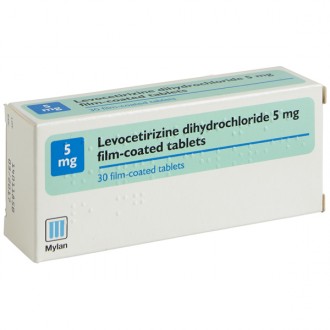
Levocetirizine 5mg
- ✔️ Relieves hay fever, hives, and allergic rhinitis symptoms effectively
- ✔️ Starts working within one hour of taking a single tablet
- ✔️ Once-daily 5mg dose provides up to 24 hours of allergy relief
- ✔️ Suitable for adults and children aged six years and over
- ✔️ Less sedating than older antihistamines, supporting daily functioning
Price Checker
 Discreet, tracked delivery
 Includes FREE private prescription


Couldn't load pickup availability
What Are Levocetirizine 5mg Tablets and How Do They Help?
If you suffer from hay fever, persistent hives, or year-round nasal allergies, you'll know how disruptive those symptoms can be. Sneezing fits at work, itchy eyes that won't settle, a runny nose that follows you everywhere — it adds up. Levocetirizine 5mg tablets are a third-generation antihistamine designed to tackle exactly these kinds of allergic reactions, offering targeted relief without the heavy sedation associated with older antihistamines. Available from Cured Pharmacy as part of our allergy and hay fever range, these tablets are a well-established option for adults and children aged 6 and over.
Levocetirizine is the active R-enantiomer of cetirizine, meaning it is a more refined form of a widely used antihistamine compound. It works at a lower dose while maintaining effective symptom control. The NHS recognises antihistamines as a first-line treatment for allergic rhinitis and urticaria, and levocetirizine sits firmly within that category.
How Does Levocetirizine Work to Relieve Allergy Symptoms?
When your body encounters an allergen — pollen, dust mites, pet dander — it releases a chemical called histamine. Histamine binds to H1 receptors throughout the body, triggering the familiar cascade of allergy symptoms. Levocetirizine works by selectively and competitively blocking those H1 receptors, stopping histamine from doing its damage.
- Histamine is released in response to an allergen
- Levocetirizine binds to peripheral H1 receptors before histamine can
- Symptoms such as sneezing, itching, and nasal congestion are reduced
- Effects typically begin within one hour of taking the tablet
- A single daily dose provides up to 24 hours of symptom control
Because levocetirizine has a high receptor selectivity and low CNS penetration compared to first-generation antihistamines, it is far less likely to cause significant sedation — though some people may still feel mildly drowsy.
Who Is Levocetirizine 5mg Suitable For?
Levocetirizine is suitable for a broad range of people dealing with allergic conditions. It is particularly useful if you need daily, consistent relief rather than occasional symptom management. That said, it is not appropriate for everyone, so it is worth checking the criteria below before purchasing.
- Adults and adolescents aged 12 and over — standard 5mg once-daily dose
- Children aged 6 to 11 — a lower dose may be appropriate; seek pharmacist advice
- People with seasonal allergic rhinitis (hay fever)
- Those with perennial (year-round) allergic rhinitis due to dust mites or pet allergens
- Individuals experiencing chronic spontaneous urticaria (persistent hives)
It is not suitable for people with severe renal impairment, those with a known hypersensitivity to cetirizine or hydroxyzine, or children under 6 years of age.
How Does Levocetirizine Compare to Other Antihistamines?
| Feature | Levocetirizine 5mg | Cetirizine 10mg | Loratadine 10mg |
|---|---|---|---|
| Generation | Third | Second | Second |
| Dosing frequency | Once daily | Once daily | Once daily |
| Sedation risk | Low | Low–moderate | Very low |
| Onset of action | ~1 hour | ~1 hour | ~1–3 hours |
Is Levocetirizine Safe to Store and Use Long-Term?
Levocetirizine 5mg tablets should be stored below 25°C in a dry place, away from direct sunlight and out of reach of children. Do not use after the expiry date printed on the packaging. If you are managing a long-term condition such as chronic urticaria, it is worth discussing ongoing use with your GP or pharmacist — particularly if you are also using other medicines. For those who experience eye-related allergy symptoms alongside nasal symptoms, you may also find it helpful to explore our eye care range for complementary relief options.
This product is a medicine. Speak to your doctor or pharmacist before using if you have an underlying medical condition or are taking other medicines.
Levocetirizine 5mg Tablets specifications
| Treatment category | Allergy / Antihistamine |
| Mechanism of action | Selective H1 receptor antagonist |
| Effective for | Hay fever, allergic rhinitis, chronic urticaria |
| Suitable for | Adults and children aged 6 and over |
| Active ingredient | Levocetirizine dihydrochloride 5mg |
| Strengths | 5mg |
| UK classification | P (Pharmacy medicine) |
| Drug class | Third-generation antihistamine |
| Preparation | Film-coated tablet |
| Route of administration | Oral |
Specifications of Levocetirizine 5mg Tablets
What Is Levocetirizine and What Is It Used For?
Levocetirizine 5mg tablets belong to a class of medicines called antihistamines. They are used to relieve the symptoms of allergic conditions by blocking the action of histamine — the chemical your immune system releases when it encounters something it considers a threat, such as pollen or dust mites. The NHS lists antihistamines as a first-line treatment for hay fever and urticaria, and levocetirizine is one of the more targeted options available without a prescription.
Specifically, levocetirizine is indicated for the relief of symptoms associated with allergic rhinitis (both seasonal and perennial) and chronic spontaneous urticaria. Symptoms it can help with include sneezing, a runny or blocked nose, itchy and watery eyes, skin itching, and hives (raised, itchy welts on the skin).
What Do You Need to Know Before Using Levocetirizine?
Before taking levocetirizine, it is important to check whether it is appropriate for you. Do not take this medicine if any of the following apply:
- You are allergic to levocetirizine, cetirizine, hydroxyzine, or any other ingredient in the tablet
- You have severe kidney disease (severe renal impairment)
- You are under 6 years of age
- You have hereditary problems of galactose intolerance (if the formulation contains lactose)
Speak to your pharmacist or GP before taking levocetirizine if you have moderate kidney impairment, epilepsy, or a predisposition to urinary retention. Elderly patients should use with caution due to a potentially increased risk of sedation.
The following medicines may interact with levocetirizine:
- Alcohol and other CNS depressants — may increase sedative effects
- Ritonavir (used in HIV treatment) — may increase levocetirizine blood levels
- Theophylline — may slightly reduce the clearance of levocetirizine
How Should You Use Levocetirizine Correctly?
Always take levocetirizine exactly as directed on the packaging or as advised by your pharmacist. The tablet should be swallowed whole with a glass of water and can be taken with or without food.
- Check the packaging to confirm the correct dose for your age group
- Swallow one tablet whole — do not crush or chew
- Take with a full glass of water
- Take at the same time each day, preferably in the evening
- Do not take more than the recommended daily dose
| Indication | Age Group | Dose | Frequency |
|---|---|---|---|
| Allergic rhinitis / Urticaria | Adults and adolescents (12+) | 5mg (1 tablet) | Once daily |
| Allergic rhinitis / Urticaria | Children 6–11 years | 2.5mg (half tablet) | Once daily in the evening |
| Renal impairment (mild) | Adults | 5mg | Once daily (seek medical advice) |
What Are the Possible Side Effects of Levocetirizine?
Like all medicines, levocetirizine can cause side effects, although not everyone experiences them. Most side effects are mild and tend to resolve on their own. If you are also managing skin-related allergy symptoms, our skin care range may offer additional support alongside your antihistamine treatment.
Common side effects (may affect up to 1 in 10 people):
- Drowsiness or somnolence
- Headache
- Dry mouth
- Fatigue or tiredness
- Nasopharyngitis (inflammation of the nose and throat)
Less common side effects (may affect up to 1 in 100 people):
- Abdominal pain
- Nausea
- Dizziness
- Pruritus (itching)
- Rash or urticaria (paradoxically, in rare cases)
- Agitation or restlessness
Seek immediate medical attention if you experience signs of a serious allergic reaction, including swelling of the face, lips, tongue or throat, difficulty breathing, or a severe skin rash. These reactions are rare but require urgent care.
How Should You Store Levocetirizine Tablets?
Correct storage helps maintain the effectiveness and safety of your tablets. For those managing multiple allergy-related products at home, it is worth checking our ear, nose and throat range for complementary treatments stored under similar conditions.
- Store below 25°C in a cool, dry place
- Keep away from direct sunlight and moisture
- Keep out of the sight and reach of children
- Do not use after the expiry date printed on the carton or blister pack
- Do not dispose of medicines via wastewater or household waste — return unused tablets to your pharmacy
References
Written and reviewed by our qualified team
Your safety and success are our highest priorities. Our medical team rigorously evaluates every product and piece of advice we provide, ensuring you receive only the most effective, science-backed solutions available.
Frequently Asked Questions
Where can I buy levocetirizine 5mg tablets online in the UK?
You can buy levocetirizine 5mg tablets directly from Cured Pharmacy, a GPhC-registered UK online pharmacy. Simply browse our allergy and hay fever collection and add the product to your basket. Orders are dispatched quickly with tracked UK delivery options available.
How does levocetirizine work in the body?
Levocetirizine is a selective H1 receptor antagonist, meaning it blocks the histamine receptors that trigger allergy symptoms. When an allergen enters your body, histamine is released — levocetirizine prevents it from binding to those receptors, stopping sneezing, itching, and a runny nose before they take hold. Effects typically begin within one hour of taking a tablet.
How do I take levocetirizine 5mg step by step?
Swallow one 5mg tablet whole with a full glass of water — do not crush or chew it. It can be taken with or without food, and most people find it easiest to take in the evening to minimise any daytime drowsiness. Take it at the same time each day for consistent symptom control.
What is the best time of day to take levocetirizine?
The evening is generally recommended, as any mild drowsiness the tablet may cause will occur during sleep rather than during your working day. That said, levocetirizine can be taken at any time of day as long as you take it at the same time consistently. If you find morning dosing works better for your routine, that is also acceptable.
Can levocetirizine cause drowsiness?
Yes, drowsiness is listed as a common side effect, though levocetirizine is significantly less sedating than older first-generation antihistamines such as chlorphenamine. If you feel drowsy after taking it, avoid driving or operating heavy machinery until you know how the medicine affects you. Taking it in the evening can help reduce any impact on your daytime alertness.
Who should not take levocetirizine 5mg tablets?
Levocetirizine is not suitable for people with severe kidney impairment, those with a known allergy to cetirizine or hydroxyzine, or children under 6 years of age. Pregnant or breastfeeding women should speak to their GP before use, as safety data in these groups is limited. Always read the full patient information leaflet before starting any new medicine.
What happens if I miss a dose of levocetirizine?
If you forget to take a dose, take it as soon as you remember — unless it is nearly time for your next scheduled dose, in which case simply skip the missed one. Never take two tablets at once to compensate for a missed dose. Continuing your regular schedule is the most important thing.
How does levocetirizine compare to cetirizine?
Levocetirizine is the active enantiomer of cetirizine, which means it is a more refined version of the same compound and works at half the dose (5mg versus 10mg). Clinical studies suggest it has a comparable or slightly improved tolerability profile, with similar efficacy for hay fever and urticaria. Both are considered second- or third-generation antihistamines and are available without a prescription in the UK.
Is levocetirizine safe for long-term use?
Levocetirizine can be used long-term for conditions such as chronic spontaneous urticaria, but ongoing use should ideally be reviewed by your GP or pharmacist. There is no evidence of tolerance developing with regular use, meaning it should remain effective over time. If your symptoms persist beyond a few weeks without improvement, seek medical advice.
Can I take levocetirizine during hay fever season every year?
Yes, many people use levocetirizine seasonally each year during the pollen season without any issues. It is safe to restart treatment at the beginning of each hay fever season, and some people begin taking it a few days before the season starts to build up protection. Speak to your pharmacist if you are unsure about the timing or duration of seasonal use.
Can I drink alcohol while taking levocetirizine?
It is advisable to avoid alcohol while taking levocetirizine, as both substances can cause drowsiness and combining them may increase this effect. Even if you do not feel particularly drowsy from the tablet alone, alcohol could amplify sedation unexpectedly. If you do choose to drink, do so in moderation and avoid driving afterwards.
What are the alternatives to levocetirizine for hay fever?
Common alternatives include cetirizine, loratadine, and fexofenadine — all available OTC in the UK. Nasal corticosteroid sprays such as beclometasone are also recommended by the NHS for moderate-to-severe hay fever symptoms. You can explore a range of options in our allergy and hay fever collection to find what suits you best.
Can levocetirizine be used for dust mite allergy?
Yes, levocetirizine is indicated for perennial allergic rhinitis, which includes year-round allergies triggered by dust mites, pet dander, and mould spores. It can be taken daily throughout the year if your symptoms are persistent. Reducing dust mite exposure in your home — through allergen-proof bedding and regular hoovering — can also help alongside medication.
How long does it take for levocetirizine to start working?
Most people notice symptom relief within one hour of taking levocetirizine, with peak plasma concentration reached within approximately 0.9 hours. The effects last for up to 24 hours, which is why a single daily dose is sufficient. If you do not notice any improvement after a few days of consistent use, speak to your pharmacist.
What are the latest findings on levocetirizine for chronic urticaria?
Clinical evidence continues to support levocetirizine as an effective and well-tolerated treatment for chronic spontaneous urticaria. Current NICE and BSACI guidelines recommend second- and third-generation antihistamines, including levocetirizine, as first-line therapy for this condition. Research also suggests that up-dosing (under medical supervision) may benefit patients who do not respond adequately to standard doses.
Written and reviewed by our qualified team

Reviewed by:
Tarun Kumar
Superintendent/ Clinical Lead
📖 Find out more about our team of medical content authors and how we ensure the accuracy of our content with our content guidelines.
Content last updated: 14 Sep 2026
Other popular options


We’re a safe and
regulated UK service

100% discreet packaging

Discreet, unbranded packaging for every order.

Need help?
Talk to our friendly experts now


How our service works

Service setup

Discreet packaging

Express delivery