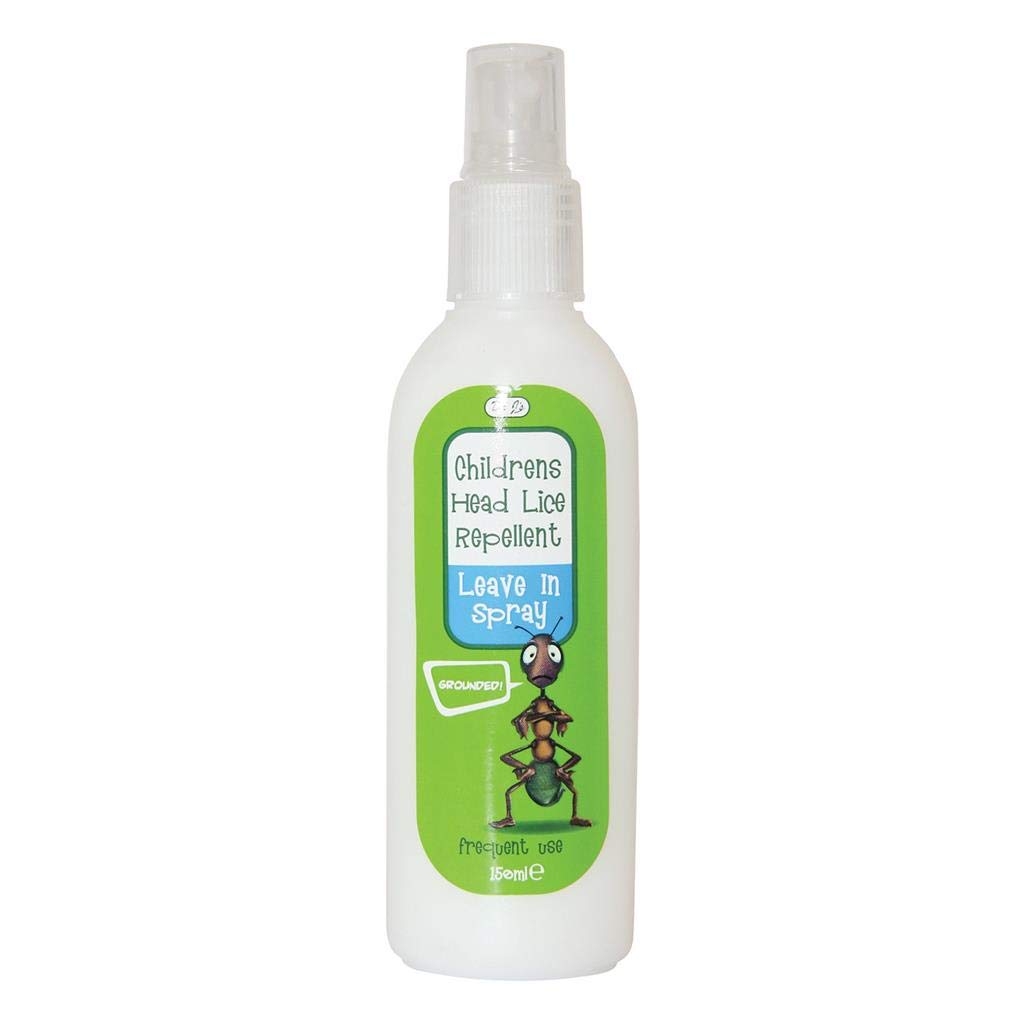
Dr Johnsons Head Lice Repellent Spray 150ml
- ✔️ Helps repel head lice before infestation takes hold
- ✔️ Naturally derived tea tree oil and citronella formula
- ✔️ Leave-in spray — no rinsing required after application
- ✔️ Suitable for children aged 2 years and over
- ✔️ Daily use provides ongoing protection during school term
Price Checker
 Lowest price guarantee
 Includes FREE private prescription


Couldn't load pickup availability
What Is Dr Johnsons Head Lice Repellent Spray?
Head lice are a common problem, particularly among school-age children. In fact, the NHS estimates that head lice affect millions of children in the UK every year, spreading easily through direct head-to-head contact. If your child keeps coming home with lice — or you want to get ahead of the problem before it starts — a head lice repellent spray can be a practical, everyday solution. Dr Johnsons Head Lice Repellent Spray 150ml is a leave-in, topical spray formulated to help deter lice from settling on the hair and scalp. You can browse our full range of head lice products to find the right option for your family.
This spray is available over the counter without a prescription, making it easy to incorporate into your child's morning routine. At just £7.45, it offers an accessible way to help protect against infestation during high-risk periods like school term time.
How Does Dr Johnsons Head Lice Repellent Spray Work?
Rather than killing lice, this spray works by making the hair and scalp an unappealing environment for them. It uses naturally derived ingredients — primarily tea tree oil and citronella — which are known to have insect-repellent properties. The idea is simple: lice are less likely to take up residence on hair that smells and feels inhospitable to them.
- Tea tree oil has well-documented insect-repellent and antimicrobial properties.
- Citronella is a plant-derived compound widely used in repellent formulations.
- The leave-in formula means no rinsing is required — it stays active on the hair throughout the day.
- It works as a preventative barrier rather than a curative treatment.
It is worth noting that no repellent spray offers 100% protection. The NHS recommends regular detection combing as the most reliable way to check for lice, and this spray works best as part of a broader prevention strategy.
Who Should Use Dr Johnsons Head Lice Repellent Spray?
This spray is designed for anyone who wants to reduce the risk of picking up head lice, particularly during periods of close contact with others. It is most commonly used on school-age children, but adults in contact with affected individuals can use it too.
- Children aged 2 years and over attending nursery or school.
- Adults who work closely with children, such as teachers or childminders.
- Families where one member has recently had a lice infestation.
- Anyone wanting a daily preventative measure during high-risk periods.
It is not suitable for children under 2 years of age. If your child has a known skin sensitivity or allergy to botanical ingredients such as tea tree oil, check with your pharmacist before use.
How Does Dr Johnsons Head Lice Repellent Spray Compare to Other Lice Prevention Options?
| Feature | Dr Johnsons Head Lice Repellent Spray | Standard Lice Treatment Shampoo |
|---|---|---|
| Purpose | Prevention / repellent | Treatment of active infestation |
| Active ingredients | Tea tree oil, citronella | Dimeticone or permethrin (varies) |
| Application method | Leave-in spray, no rinsing | Apply, leave, then rinse out |
| Suitable for daily use | Yes | No — used only when lice are present |
Is Dr Johnsons Head Lice Repellent Spray Suitable for Sensitive Scalps?
If your child has a sensitive scalp or a history of skin reactions, it is sensible to do a small patch test before applying the spray more widely. Apply a small amount to the inner wrist or behind the ear and wait 24 hours to check for any reaction. The formula is designed to be gentle, but tea tree oil can occasionally cause irritation in those with very sensitive skin.
Store the spray below 25°C, away from direct sunlight, and keep it out of reach of children when not in use. For other everyday family health essentials, take a look at our baby and toddler range. This head lice repellent spray should be kept away from the eyes and mucous membranes — if accidental contact occurs, rinse thoroughly with water.
This product is a medicine. Speak to your doctor or pharmacist before using if you have an underlying medical condition or are taking other medicines.
Dr Johnsons Head Lice Repellent Spray 150ml specifications
| Treatment category | Head lice prevention |
| Mechanism of action | Repels head lice using naturally derived botanical ingredients |
| Effective against | Head lice (Pediculus humanus capitis) — preventative use |
| Suitable for | Children aged 2 years and over; adults |
| Active ingredients | Tea tree oil, citronella |
| Pack size | 150ml |
| UK classification | General Sale List (GSL) |
| Preparation | Topical spray |
| Route of administration | Topical (applied to hair and scalp) |
Specifications of Dr Johnsons Head Lice Repellent Spray 150ml
What Is Dr Johnsons Head Lice Repellent Spray and What Is It Used For?
Dr Johnsons Head Lice Repellent Spray 150ml is a topical, leave-in spray intended to help prevent head lice infestations. It is not a treatment for an active infestation — rather, it is used as a daily preventative measure, particularly during periods when head lice are circulating in schools or nurseries. The spray is applied to the hair and scalp and left in place, creating a deterrent effect that discourages lice from settling. Head lice are tiny insects that live on the scalp and feed on blood; they spread almost exclusively through direct head-to-head contact, not through sharing hats or bedding as is commonly believed.
What Do You Need to Know Before Using Dr Johnsons Head Lice Repellent Spray?
Before using this spray, read the following contraindications and warnings carefully:
- Do not use on children under 2 years of age.
- Avoid contact with the eyes, nose, and mouth. If contact occurs, rinse immediately with plenty of water.
- Do not apply to broken, irritated, or inflamed skin.
- If you or your child has a known allergy to tea tree oil, citronella, or any other listed ingredient, do not use this product.
- Perform a patch test before first use if there is a history of skin sensitivity.
- Keep out of reach of children when not in use.
- This product is flammable — keep away from naked flames.
Regarding drug interactions, no clinically significant interactions have been identified for topically applied tea tree oil or citronella at the concentrations used in repellent sprays. However:
- If your child is using any other topical scalp treatments, consult a pharmacist before combining products.
- Do not use simultaneously with other leave-in hair products that may alter absorption or skin contact.
How Should You Use Dr Johnsons Head Lice Repellent Spray?
Using this spray correctly is straightforward. Follow these steps each time you apply it:
- Shake the bottle gently before use.
- Hold the spray approximately 15–20cm from the head.
- Spray evenly over dry or slightly damp hair, paying particular attention to the roots, behind the ears, and the nape of the neck — areas where lice prefer to settle.
- Do not rinse out. Leave the product in the hair.
- Style hair as normal once applied.
- Reapply daily, ideally each morning before school or close-contact activities.
| Indication | Age Group | Dose | Frequency |
|---|---|---|---|
| Head lice prevention | Children aged 2 years and over | Apply sufficient spray to cover hair and scalp | Once daily |
| Head lice prevention | Adults | Apply sufficient spray to cover hair and scalp | Once daily |
For families managing an active infestation alongside prevention, you may find it helpful to explore our wider head lice treatment range for products that address existing infestations directly.
What Are the Possible Side Effects of Dr Johnsons Head Lice Repellent Spray?
Side effects with this type of topical repellent spray are uncommon, but it is important to know what to look out for.
Common side effects:
- Mild scalp tingling or itching after application.
- Temporary dryness of the scalp or hair.
Less common side effects:
- Skin redness or irritation at the site of application.
- Contact dermatitis in individuals sensitive to tea tree oil or citronella.
- Eye irritation if the spray accidentally contacts the eyes.
If any reaction persists or worsens, stop using the product and speak to your pharmacist or GP. Serious allergic reactions (such as swelling of the face, difficulty breathing, or widespread rash) are rare but require immediate medical attention.
How Should You Store Dr Johnsons Head Lice Repellent Spray?
Correct storage helps maintain the product's effectiveness and safety. Follow these guidelines:
- Store below 25°C in a cool, dry place.
- Keep away from direct sunlight and heat sources.
- Do not store near naked flames — the product is flammable.
- Keep the cap firmly closed when not in use.
- Store out of sight and reach of young children.
- Do not use after the expiry date printed on the packaging.
- Do not dispose of in household waste — return unused product to your pharmacy for safe disposal.
If you are looking for other everyday health products for your family, our skin care range includes a variety of gentle, dermatologist-friendly options suitable for children and adults alike.
References
- https://www.nhs.uk/conditions/head-lice-and-nits/
- https://www.nhs.uk/conditions/head-lice-and-nits/treatment/
- https://www.nhs.uk/live-well/healthy-body/how-to-spot-and-treat-head-lice/
- https://www.nhs.uk/conditions/skin-rashes-in-children/
- https://www.nhs.uk/conditions/contact-dermatitis/
- https://bnf.nice.org.uk/treatment-summaries/head-lice/
Written and reviewed by our qualified team
Your safety and success are our highest priorities. Our medical team rigorously evaluates every product and piece of advice we provide, ensuring you receive only the most effective, science-backed solutions available.
Frequently Asked Questions
Where can I buy Dr Johnsons Head Lice Repellent Spray online in the UK?
You can buy Dr Johnsons Head Lice Repellent Spray 150ml directly from Cured Pharmacy online for £7.45. It is available without a prescription and can be ordered for home delivery across the UK. No GP visit is required — simply add it to your basket and check out.
How does Dr Johnsons Head Lice Repellent Spray work in the hair?
The spray uses naturally derived botanical ingredients — primarily tea tree oil and citronella — to create an environment on the hair and scalp that head lice find unattractive. It works as a deterrent rather than a treatment, so it is best used as a daily preventative measure. It does not kill lice that are already present.
How do I use Dr Johnsons Head Lice Repellent Spray step by step?
Shake the bottle, then spray evenly over dry or damp hair, focusing on the roots, behind the ears, and the nape of the neck. Leave the product in — there is no need to rinse. Style hair as normal and reapply each morning, especially before school or close-contact activities.
What is the correct dose of Dr Johnsons Head Lice Repellent Spray?
There is no fixed measured dose — apply enough spray to cover the hair and scalp thoroughly, with particular attention to the areas behind the ears and at the nape of the neck. The spray should be applied once daily for ongoing prevention. Do not over-saturate the scalp; a light, even coverage is sufficient.
Is Dr Johnsons Head Lice Repellent Spray safe for children?
Yes, the spray is suitable for children aged 2 years and over. It should not be used on children under 2 years of age. If your child has a history of skin sensitivity or allergy to botanical ingredients, perform a patch test first or consult your pharmacist before use.
Can adults use Dr Johnsons Head Lice Repellent Spray too?
Absolutely — adults can use this spray as a preventative measure, particularly if they are in regular close contact with children who have had head lice. It is suitable for the whole family aged 2 and above. Teachers, childminders, and parents are all appropriate users.
What are the side effects of Dr Johnsons Head Lice Repellent Spray?
Side effects are uncommon but may include mild scalp tingling, temporary dryness, or skin irritation — particularly in those with sensitive skin or known allergies to tea tree oil or citronella. Eye irritation can occur if the spray accidentally contacts the eyes, so take care during application. Discontinue use and consult a pharmacist if any reaction persists.
Does Dr Johnsons Head Lice Repellent Spray kill lice or just repel them?
This product is a repellent only — it is designed to deter lice from settling on the hair rather than kill an existing infestation. If head lice are already present, you will need a separate treatment product such as a dimeticone-based lotion or wet combing. Browse our head lice collection for treatment options.
How long can you use Dr Johnsons Head Lice Repellent Spray for?
The spray can be used daily throughout periods of high risk, such as during school term time, with no set maximum duration. If scalp irritation develops at any point, stop using the product and seek pharmacist advice. Many families use it continuously throughout the school year as part of their child's morning routine.
When is the best time to apply Dr Johnsons Head Lice Repellent Spray?
The best time to apply the spray is each morning before your child goes to school or any close-contact activity. Applying it as part of the morning hair routine — after brushing — ensures the repellent is active throughout the school day when the risk of head-to-head contact is highest. Consistency is key for effective prevention.
What happens if Dr Johnsons Head Lice Repellent Spray gets in the eyes?
If the spray accidentally contacts the eyes, rinse immediately and thoroughly with clean, lukewarm water for several minutes. If irritation, redness, or discomfort persists after rinsing, seek medical advice promptly. To avoid this, always spray at arm's length and ask children to close their eyes during application.
Who is not eligible to use Dr Johnsons Head Lice Repellent Spray?
The spray is not suitable for children under 2 years of age. It should also be avoided by anyone with a known allergy to tea tree oil, citronella, or any other ingredient in the formula. Those with broken, inflamed, or infected scalp skin should not use this product until the skin has healed.
What are the alternatives to Dr Johnsons Head Lice Repellent Spray?
Alternatives for head lice prevention include other repellent sprays containing different botanical ingredients, as well as regular wet combing with a fine-toothed detection comb — which the NHS recommends as the most reliable detection method. For active infestations, treatments containing dimeticone or permethrin are commonly used. You can explore options in our hair care range.
Can I use Dr Johnsons Head Lice Repellent Spray on colour-treated or chemically processed hair?
There is no specific evidence that this spray damages colour-treated or chemically processed hair, but if you have concerns, it is worth consulting your hairdresser or pharmacist before use. As with any leave-in product, monitor the hair and scalp for any changes in condition after starting use. Discontinue if you notice unexpected dryness or colour changes.
What does the latest research say about tea tree oil as a head lice repellent?
Research into tea tree oil as a lice repellent is ongoing, and some studies suggest it may have insecticidal and repellent properties against Pediculus humanus capitis. However, the evidence base is still developing, and tea tree oil-based products are generally considered preventative aids rather than clinically proven treatments. The NHS currently recommends wet combing or licensed insecticide treatments for confirmed infestations.
Written and reviewed by our qualified team

Reviewed by:
Tarun Kumar
Superintendent/ Clinical Lead
📖 Find out more about our team of medical content authors and how we ensure the accuracy of our content with our content guidelines.
Content last updated: 14 Sep 2026
Other popular options


We’re a safe and
regulated UK service

Lowest Price Guarantee

We're convinced you won't find your treatment cheaper, but if you do we'll refund the difference.
Find out more
100% discreet packaging

Discreet, unbranded packaging for every order.
Find out more

Need help?
Talk to our friendly experts now


How our service works

Service setup

Discreet packaging

Express delivery