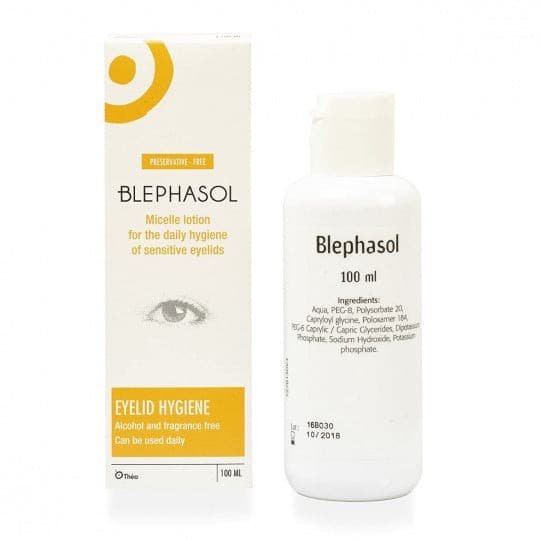
Blephasol Preservative Free Eye Lid Cleansing Lotion 100ml
Blephasol Preservative Free Eye Lid Cleansing Lotion 100ml
- ✔️ Gently removes eyelid crusting and debris associated with blepharitis
- ✔️ Preservative-free formula ideal for sensitive eyes and contact lens wearers
- ✔️ Micellar action unblocks meibomian glands to support tear film health
- ✔️ Suitable for daily long-term use in adults and children
- ✔️ No rinsing required — quick and convenient eyelid hygiene routine
Price Checker
 Lowest price guarantee
 Includes FREE private prescription


Couldn't load pickup availability
What Is an Eyelid Cleansing Lotion and How Can It Help You?
If your eyelids feel sore, crusty, or irritated — especially first thing in the morning — you may be dealing with blepharitis, one of the most common eyelid conditions in the UK. The NHS describes blepharitis as inflammation of the eyelid margins, often caused by a build-up of bacteria or blocked oil glands. It rarely goes away on its own, but regular eyelid hygiene can make a real difference. That is where eyelid cleansing lotion comes in. Blephasol Preservative Free Eye Lid Cleansing Lotion 100ml is a micellar-based solution designed specifically to clean the eyelid margins gently and effectively, without the need for harsh rubbing or rinsing. You can explore a wider range of products in our eye care collection if you are managing ongoing eye health concerns.
Blephasol is manufactured by Thea Pharmaceuticals and is available over the counter without a prescription. It is preservative-free, which matters more than you might think — preservatives in eye products can cause sensitivity reactions, particularly with prolonged use. At £10.46 for a 100ml bottle, it represents a practical, everyday solution for anyone managing chronic eyelid irritation.
How Does Blephasol Eyelid Cleansing Lotion Work?
Blephasol works through micellar technology — the same principle used in many facial cleansers. Micelles are tiny spherical structures that attract and surround oily particles, lifting them away from the skin surface without the need for vigorous scrubbing. Applied to the eyelid margin, the lotion targets the specific types of debris that accumulate there:
- Excess sebaceous secretions from the meibomian glands
- Crusting and scaling along the lash line
- Bacterial biofilm that contributes to eyelid inflammation
- Residual make-up or environmental particles
By removing these deposits regularly, Blephasol helps keep the meibomian glands — the tiny oil-producing glands along the eyelid margin — functioning properly. Blocked meibomian glands are a key driver of evaporative dry eye and blepharitis symptoms, so maintaining clear gland openings is an important part of long-term management.
Who Should Use Blephasol Eyelid Cleansing Lotion?
Blephasol is suitable for adults and children who need regular eyelid cleansing as part of their eye health routine. It is particularly well suited to:
- People diagnosed with anterior or posterior blepharitis
- Those experiencing dry eye syndrome linked to meibomian gland dysfunction
- Contact lens wearers who need a preservative-free option
- Individuals with sensitive eyes who react to preserved eye products
It is not intended to treat acute eye infections such as conjunctivitis. If your eye is red, painful, or producing a discharge, speak to your GP or pharmacist before using any eyelid cleanser.
How Does Blephasol Compare to Other Eyelid Cleansers?
| Feature | Blephasol 100ml | Lid-Care Wipes (alternative) |
|---|---|---|
| Preservative-free | Yes | Varies by brand |
| Format | Lotion (applied with cotton pad) | Pre-soaked wipes |
| Suitable for contact lens wearers | Yes | Check individual product |
| Cost per use | Lower (reusable bottle) | Higher (single-use wipes) |
Is Blephasol Suitable for Long-Term Use and How Should It Be Stored?
Because blepharitis is a chronic condition, many people use an eyelid cleansing lotion as part of their daily routine indefinitely. Blephasol is well tolerated for long-term use, and its preservative-free formulation reduces the risk of cumulative sensitivity that can occur with preserved products used over months or years. If you are also managing skin conditions that affect the eyelid area, you may find it helpful to browse our skin care collection for complementary products.
Store Blephasol below 25°C, away from direct sunlight. Once opened, the bottle should be discarded after three months to minimise the risk of contamination. Always wash your hands before use, and never apply the lotion directly into the eye itself.
This product is a medicine. Speak to your doctor or pharmacist before using if you have an underlying medical condition or are taking other medicines.
Blephasol Preservative Free Eye Lid Cleansing Lotion 100ml specifications
| Treatment category | Eyelid hygiene / Blepharitis management |
| Mechanism of action | Micellar cleansing — lifts and removes oily debris and crusting from eyelid margins |
| Effective for | Blepharitis, meibomian gland dysfunction, eyelid debris removal |
| Suitable for | Adults and children; contact lens wearers; sensitive eyes |
| Active ingredient | Polysorbate 80, sodium bicarbonate (micellar solution) |
| Pack size | 100ml |
| UK classification | General Sale (GSL) |
| Preparation | Topical lotion |
| Route of administration | Topical (eyelid margin application) |
Specifications of Blephasol Preservative Free Eye Lid Cleansing Lotion 100ml
What Is Blephasol and What Is It Used For?
Blephasol Preservative Free Eye Lid Cleansing Lotion is a topical micellar solution used to cleanse the eyelid margins. It is indicated for the daily hygiene management of blepharitis — a chronic inflammatory condition of the eyelids — as well as for general eyelid cleansing in people prone to eyelid debris, crusting, or meibomian gland dysfunction. The NHS notes that blepharitis affects people of all ages and, while it is not usually serious, it can be uncomfortable and persistent without a consistent hygiene routine. Blephasol does not treat eye infections and is not a substitute for prescribed medication where that is clinically indicated.
What Do You Need to Know Before Using Blephasol?
Blephasol is generally well tolerated, but there are some important points to be aware of before you start using it.
Do not use Blephasol if:
- You are allergic to any of the ingredients, including polysorbate 80
- You have an active eye infection — seek medical advice first
- You have an open wound or injury around the eye area
Take care and speak to a pharmacist if:
- You have had recent eye surgery
- You are pregnant or breastfeeding (though topical use is considered low risk, always check with your healthcare provider)
- Your symptoms worsen or do not improve after two to four weeks of regular use
- You experience persistent redness, pain, or changes in vision
Drug interactions:
- No clinically significant drug interactions are known for Blephasol
- If you use prescribed eye drops or ointments, apply Blephasol first and wait at least 15 minutes before instilling any eye medication
How Should You Use Blephasol Eyelid Cleansing Lotion?
Using Blephasol correctly is straightforward, but technique matters. Applying it properly ensures you remove debris effectively without causing irritation. Follow these steps each time:
- Wash your hands thoroughly with soap and water before touching your eyes or the bottle.
- Saturate a sterile cotton pad or lint-free cloth with a small amount of Blephasol lotion.
- Close your eye and gently wipe the pad along the eyelid margin, moving from the inner corner (near the nose) to the outer corner.
- Use a fresh pad for the other eye to avoid cross-contamination.
- Do not rinse the eyelid after cleansing — the lotion is designed to be left on.
- If you wear contact lenses, remove them before cleansing and wait at least 15 minutes before reinserting.
| Indication | Age Group | Dose | Frequency |
|---|---|---|---|
| Blepharitis / eyelid hygiene | Adults | Small amount on cotton pad | Once or twice daily |
| Eyelid hygiene (maintenance) | Children (under supervision) | Small amount on cotton pad | Once daily or as directed |
If you are managing other aspects of your eye health, our eye care collection includes a range of products that may complement your routine.
What Are the Possible Side Effects of Blephasol?
Blephasol is well tolerated by most people. Because it is preservative-free, it carries a lower risk of sensitivity reactions than many other eyelid cleansers. That said, no product is entirely without risk.
Common side effects (may affect a small number of users):
- Mild, transient stinging or tingling immediately after application
- Temporary blurred vision (clears within a few minutes)
Less common side effects:
- Localised skin irritation or redness around the eyelid
- Allergic contact dermatitis (rare — stop use immediately if this occurs)
If you experience any persistent or worsening symptoms, stop using the product and consult your pharmacist or GP. Serious adverse reactions are rare but should always be reported via the MHRA Yellow Card scheme.
How Should You Store Blephasol?
Correct storage helps maintain the integrity of the lotion and reduces the risk of contamination. Follow these guidelines:
- Store below 25°C, away from direct sunlight and heat sources
- Keep the bottle tightly closed when not in use
- Discard the bottle three months after first opening, even if lotion remains
- Keep out of the reach and sight of children
- Do not freeze
- Do not use after the expiry date printed on the bottle
If you are looking for other products to support your overall health alongside your eyelid care routine, you might find our vitamins and supplements collection useful — particularly omega-3 fatty acids, which some evidence suggests may support meibomian gland function.
References
Written and reviewed by our qualified team
Your safety and success are our highest priorities. Our medical team rigorously evaluates every product and piece of advice we provide, ensuring you receive only the most effective, science-backed solutions available.
Frequently Asked Questions
Where can I buy Blephasol eyelid cleansing lotion online in the UK?
You can buy Blephasol Preservative Free Eye Lid Cleansing Lotion 100ml directly from Cured Pharmacy, a GPhC-registered UK online pharmacy. It is available without a prescription as an over-the-counter product. Browse our full eye care collection for related products to support your eyelid health routine.
How does Blephasol eyelid cleansing lotion work in the eye area?
Blephasol uses micellar technology — tiny cleansing molecules that attract and lift oily debris, crusting, and bacterial biofilm from the eyelid margins. This action helps unblock the meibomian glands, which are responsible for producing the oily layer of the tear film. Regular use supports healthier eyelid function and reduces the discomfort associated with blepharitis and dry eye.
How do I use Blephasol eyelid cleansing lotion step by step?
Wash your hands first, then saturate a sterile cotton pad with a small amount of Blephasol. Close your eye and gently wipe along the eyelid margin from the inner corner to the outer corner, then repeat on the other eye with a fresh pad. There is no need to rinse afterwards — the lotion is designed to remain on the eyelid.
How often should I use Blephasol eyelid cleansing lotion each day?
Most people use Blephasol once or twice daily — typically in the morning and evening — as part of a consistent eyelid hygiene routine. Your optometrist or pharmacist may recommend a specific frequency based on the severity of your blepharitis symptoms. Consistency is key, as blepharitis is a chronic condition that benefits from regular management rather than occasional treatment.
Is Blephasol safe for contact lens wearers?
Yes — Blephasol is preservative-free, which makes it particularly suitable for contact lens wearers who may be sensitive to preservatives found in other eye products. You should remove your lenses before cleansing your eyelids and wait at least 15 minutes before reinserting them. If you experience any discomfort, consult your optometrist or pharmacist.
Can children use Blephasol eyelid cleansing lotion?
Blephasol can be used in children under adult supervision, as blepharitis does affect younger people as well as adults. The technique is the same as for adults — a small amount on a cotton pad, wiped gently along the closed eyelid margin. Always consult a GP or paediatric optometrist before starting any eyelid hygiene routine in a child.
What are the side effects of Blephasol eyelid cleansing lotion?
Side effects are uncommon but may include mild transient stinging or temporary blurred vision immediately after application, both of which typically resolve within a few minutes. Less commonly, some people may experience localised skin irritation or redness around the eyelid. If any side effect persists or worsens, stop using the product and speak to your pharmacist or GP.
Who is eligible to use Blephasol eyelid cleansing lotion?
Blephasol is suitable for most adults and children who need regular eyelid cleansing, including those with blepharitis, meibomian gland dysfunction, or dry eye syndrome. It is especially well suited to people with sensitive eyes or those who wear contact lenses. It is not suitable for use if you have an active eye infection or a known allergy to any of its ingredients — speak to a pharmacist if you are unsure.
What happens if I forget to use Blephasol one day?
Missing a single application is unlikely to cause any harm — simply resume your normal routine at the next scheduled time. Do not apply a double amount to compensate for a missed application. Because blepharitis management relies on consistency over time, try to build your cleansing routine into an existing daily habit, such as your morning or evening wash.
How long can I use Blephasol eyelid cleansing lotion for?
Blephasol can be used as part of a long-term daily eyelid hygiene routine, as blepharitis is a chronic condition that rarely resolves permanently. The NHS recommends ongoing eyelid hygiene as the cornerstone of blepharitis management. Once opened, the bottle should be discarded after three months regardless of how much lotion remains.
What are the alternatives to Blephasol eyelid cleansing lotion?
Alternatives include pre-soaked eyelid cleansing wipes (such as Lid-Care or Supranettes), diluted baby shampoo (though this is less commonly recommended now), and other micellar eyelid cleansers. Blephasol's preservative-free formulation and lotion format make it a cost-effective option compared to single-use wipes. Your optometrist or pharmacist can help you choose the most appropriate product for your needs.
Can I use Blephasol if I am pregnant or breastfeeding?
Topical use of Blephasol on the eyelid margins is considered low risk during pregnancy and breastfeeding, as systemic absorption is minimal. However, as with any product used during pregnancy, it is always sensible to check with your GP or midwife before starting a new routine. If you have any concerns, your pharmacist can also advise you.
Does Blephasol interact with any eye drops or medicines?
No clinically significant drug interactions are known for Blephasol. If you use prescribed eye drops or ointments, apply Blephasol first and wait at least 15 minutes before instilling any eye medication to avoid diluting or interfering with the prescribed treatment. Always inform your pharmacist of all products you are using, including over-the-counter items.
What is the latest research on eyelid cleansing for blepharitis?
Current clinical guidance consistently supports regular eyelid hygiene — including the use of micellar cleansers — as a first-line approach to managing blepharitis and meibomian gland dysfunction. Research also suggests that omega-3 supplementation may support meibomian gland health alongside topical cleansing; you can find relevant products in our vitamins and supplements collection. Speak to your optometrist for the most up-to-date personalised advice.
How should I store Blephasol eyelid cleansing lotion correctly?
Store Blephasol below 25°C, away from direct sunlight and heat, and keep the bottle tightly closed when not in use. Once opened, discard the bottle after three months even if lotion remains, as the risk of microbial contamination increases over time. Keep the product out of the reach of children and do not use it after the expiry date printed on the packaging.
Written and reviewed by our qualified team

Reviewed by:
Tarun Kumar
Superintendent/ Clinical Lead
📖 Find out more about our team of medical content authors and how we ensure the accuracy of our content with our content guidelines.
Content last updated: 14 Sep 2026
Other popular options


We’re a safe and
regulated UK service

Lowest Price Guarantee

We're convinced you won't find your treatment cheaper, but if you do we'll refund the difference.
Find out more
100% discreet packaging

Discreet, unbranded packaging for every order.
Find out more

Need help?
Talk to our friendly experts now


How our service works

Service setup

Discreet packaging

Express delivery