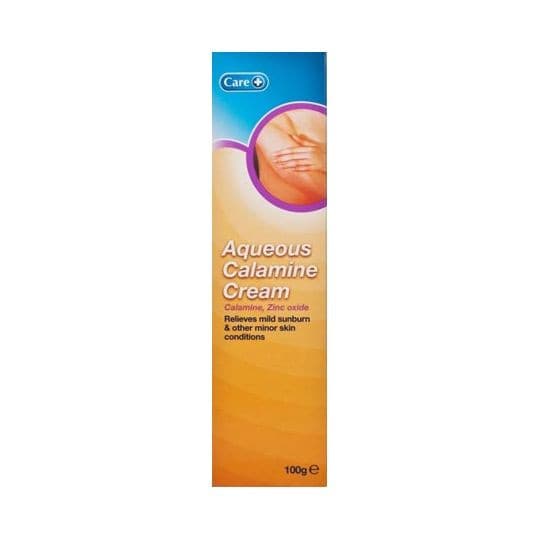
Aqueous Calamine Cream 100g
Aqueous Calamine Cream 100g
- ✔️ Soothes itching from insect bites, rashes, and chickenpox
- ✔️ Zinc oxide forms a gentle protective barrier on irritated skin
- ✔️ Aqueous base moisturises dry, sensitive, or eczema-prone skin
- ✔️ Suitable for adults and children over 12 months
- ✔️ Convenient 100g tube for easy, mess-free application
Price Checker
 Lowest price guarantee
 Includes FREE private prescription


Couldn't load pickup availability
What Is Calamine Cream and What Does It Treat?
Calamine cream is a time-tested, over-the-counter topical preparation used to relieve itching, irritation, and mild discomfort caused by a range of common skin conditions. Whether you're dealing with an insect bite that just won't stop itching, a heat rash after a warm day, or the uncomfortable itch of chickenpox, this gentle cream offers fast-acting, temporary relief. It's one of those products that's been a staple in UK medicine cabinets for generations — and for good reason. You can find it alongside other trusted creams and ointments at Cured Pharmacy, available without a prescription.
The aqueous formulation means it contains a water-based emollient base, which makes it kinder to dry or sensitive skin compared to older lotion formats. At just £3.49 for a 100g tube, it's an accessible option for the whole family.
How Does Aqueous Calamine Cream Work on the Skin?
The soothing effect of calamine cream comes from two key active ingredients working together. As the cream is applied and begins to dry, it produces a mild cooling sensation on the skin surface, which helps to interrupt the itch-scratch cycle. Here's how the mechanism breaks down:
- Calamine (4%): A mixture of zinc carbonate and ferric oxide that creates a cooling, drying effect on the skin, reducing the urge to scratch.
- Zinc oxide (3%): Acts as a mild astringent and skin protectant, helping to reduce minor inflammation and form a light barrier over irritated skin.
- Aqueous (water-based) base: Provides gentle moisturisation, preventing the skin from drying out excessively — particularly useful for conditions like eczema where the skin barrier is already compromised.
Together, these ingredients make the cream suitable for a wide range of itchy skin complaints without the need for a prescription.
Who Is Aqueous Calamine Cream Suitable For?
This cream is suitable for most adults and children who need short-term relief from itching and skin irritation. It's particularly well-suited to people who prefer a moisturising base over the traditional drying lotion format. That said, it's always worth checking with a pharmacist if you're unsure whether it's right for your specific situation.
- Adults and children with insect bites or stings
- People experiencing itching from chickenpox (under pharmacist guidance for young children)
- Those with mild eczema or contact dermatitis causing localised itching
- Anyone with sunburn or heat rash needing gentle, cooling relief
How Does Aqueous Calamine Cream Compare to Calamine Lotion?
| Feature | Aqueous Calamine Cream | Calamine Lotion |
|---|---|---|
| Base type | Water-based emollient cream | Liquid suspension |
| Skin feel after application | Soft, moisturised | Powdery, drying |
| Best suited for | Dry, sensitive, or eczema-prone skin | Weeping or oozing skin conditions |
| Ease of application | Easy — tube format, no shaking required | Requires shaking; can drip |
Is Aqueous Calamine Cream Safe to Store and Use Long-Term?
Aqueous calamine cream should be stored below 25°C, away from direct sunlight, and kept out of the reach of children. It is not intended for long-term daily use — if your symptoms persist beyond seven days or worsen, you should seek advice from a GP or pharmacist. For those managing ongoing skin conditions, it's worth exploring the broader range of skin care products available at Cured Pharmacy to find a more targeted solution.
Do not apply to broken, infected, or severely inflamed skin without first speaking to a healthcare professional. Avoid contact with the eyes and mucous membranes.
This product is a medicine. Speak to your doctor or pharmacist before using if you have an underlying medical condition or are taking other medicines.
Aqueous Calamine Cream 100g specifications
| Treatment category | Skin care / Antipruritic |
| Active ingredient | Calamine 4%, Zinc Oxide 3% |
| Mechanism of action | Cooling astringent effect reducing itch sensation; mild skin protectant |
| Suitable for | Adults and children (consult pharmacist for infants under 12 months) |
| Pack size | 100g |
| UK classification | General Sale List (GSL) |
| Drug class | Antipruritic / Skin protectant |
| Preparation | Aqueous cream |
| Route of administration | Topical (applied to skin) |
Specifications of Aqueous Calamine Cream 100g
What Is Aqueous Calamine Cream and What Is It Used For?
Aqueous Calamine Cream 100g is a topical, over-the-counter medicine used to relieve the itching and irritation associated with a variety of common skin conditions. It contains two active ingredients — calamine 4% and zinc oxide 3% — in a water-based emollient base. The NHS recognises calamine as a useful agent for managing the itch of conditions such as chickenpox, insect bites, and mild allergic skin reactions. It is classified as a General Sale List (GSL) medicine in the UK, meaning you can purchase it without a prescription.
Common uses include:
- Insect bites and stings
- Chickenpox (to relieve itching)
- Mild eczema and contact dermatitis
- Sunburn and heat rash
- Urticaria (hives) causing localised itching
What Do You Need to Know Before Using Aqueous Calamine Cream?
Before applying this cream, read the following carefully. Although it is a gentle, well-tolerated product, there are some situations where caution is needed.
Do not use this cream if you:
- Are allergic to calamine, zinc oxide, or any other ingredient in the formulation
- Have an open wound, severely broken skin, or an active skin infection in the area to be treated
- Have been advised by a doctor to avoid zinc-containing preparations
Use with caution and speak to a pharmacist or GP if you:
- Are pregnant or breastfeeding (topical use is generally considered low risk, but always check)
- Are applying to a large area of skin or using under occlusive dressings
- Are treating a child under 12 months of age
- Have a known skin condition that is being managed with prescription treatments
Known drug interactions:
- No clinically significant drug interactions are currently known for topical calamine cream when used as directed
- Avoid applying alongside other topical preparations to the same area without pharmacist advice, as this may affect absorption or skin tolerance
How Should You Apply Aqueous Calamine Cream?
Using this cream correctly will help you get the most from it. Follow these steps each time you apply it:
- Wash your hands thoroughly before and after application.
- Clean the affected area gently with mild soap and water, then pat dry.
- Squeeze a small amount of cream onto your fingertip.
- Apply a thin, even layer directly to the itchy or irritated skin.
- Gently smooth it in — do not rub vigorously.
- Allow the cream to absorb before covering with clothing.
- Repeat up to three or four times daily, or as directed by your pharmacist.
If you're also managing an allergy or hay fever that's contributing to skin reactions, speak to your pharmacist about whether an antihistamine alongside this cream might be appropriate.
| Indication | Age Group | Dose | Frequency |
|---|---|---|---|
| Insect bites / rash | Adults & children over 12 months | Thin layer to affected area | Up to 3–4 times daily |
| Chickenpox itch | Children (pharmacist guidance) | Thin layer to affected spots | Up to 3–4 times daily |
| Sunburn / heat rash | Adults | Thin layer to affected area | 2–3 times daily as needed |
What Are the Possible Side Effects of Aqueous Calamine Cream?
Aqueous calamine cream is generally very well tolerated. Serious side effects are rare. However, as with any medicine, some people may experience unwanted effects.
Common side effects:
- Mild dryness or tightness of the skin at the application site
- Temporary white residue on the skin as the cream dries
Less common side effects:
- Localised skin irritation or redness
- Contact dermatitis (allergic reaction to an ingredient) — stop use immediately if this occurs
- Stinging sensation on application, particularly if skin is broken
If you notice any signs of a severe allergic reaction — such as swelling of the face, difficulty breathing, or a widespread rash — stop using the cream and seek emergency medical attention immediately.
How Should You Store Aqueous Calamine Cream?
Correct storage helps maintain the quality and effectiveness of the cream throughout its shelf life. For a wider range of products that need careful storage, you can also browse our first aid range at Cured Pharmacy.
- Store below 25°C in a cool, dry place
- Keep away from direct sunlight and heat sources
- Do not freeze
- Keep the tube tightly closed when not in use
- Keep out of the sight and reach of children
- Do not use after the expiry date printed on the tube
- Do not dispose of medicines via wastewater or household waste — return unused product to your pharmacy
References
Written and reviewed by our qualified team
Your safety and success are our highest priorities. Our medical team rigorously evaluates every product and piece of advice we provide, ensuring you receive only the most effective, science-backed solutions available.
Frequently Asked Questions
Where can I buy aqueous calamine cream online in the UK?
You can buy Aqueous Calamine Cream 100g directly from Cured Pharmacy, a GPhC-registered UK online pharmacy, for just £3.49. It is available without a prescription and can be ordered quickly and discreetly. It sits within our broader range of skin care products available for delivery across the UK.
How does calamine cream work on itchy skin?
Calamine cream works by producing a mild cooling effect as it dries on the skin, which helps to reduce the sensation of itching. The zinc oxide component also acts as a gentle astringent, calming minor inflammation and forming a light protective layer over irritated skin. Together, these actions help to break the itch-scratch cycle that can worsen skin irritation.
How do I apply aqueous calamine cream step by step?
Start by washing your hands and gently cleaning the affected area with mild soap and water before patting it dry. Apply a thin, even layer of the cream to the itchy or irritated skin and smooth it in gently — avoid rubbing hard. Repeat up to three or four times daily, or as advised by your pharmacist.
What is the correct dose of aqueous calamine cream for adults?
For adults, apply a thin layer of calamine cream to the affected area up to three or four times daily as needed. There is no fixed quantity per application — use only enough to cover the irritated skin with a light coating. Do not apply to large areas of the body without first speaking to a pharmacist or GP.
Can I use calamine cream on my child?
Calamine cream is generally suitable for children, including for the itching associated with chickenpox, insect bites, and mild rashes. For children under 12 months, always consult a pharmacist or GP before use. Keep the cream away from the child's eyes, mouth, and nostrils during application.
What are the side effects of calamine cream?
Side effects are uncommon but can include mild skin dryness, a temporary white residue as the cream dries, or localised irritation at the application site. In rare cases, an allergic reaction to one of the ingredients may occur — if you notice increased redness, swelling, or a worsening rash, stop use and seek medical advice. Serious allergic reactions are very rare but require immediate medical attention.
Who should not use aqueous calamine cream?
You should not use this cream if you are allergic to calamine, zinc oxide, or any other ingredient in the formulation. Avoid applying it to open wounds, severely broken skin, or areas with an active skin infection. If you are pregnant, breastfeeding, or treating a very young infant, speak to a pharmacist or GP before use.
Can I use calamine cream on my face?
Yes, calamine cream can be applied to the face for conditions such as insect bites or mild rashes, but take care to avoid the eyes, mouth, and nostrils. If the affected area is very close to these sensitive zones, apply carefully using a cotton bud rather than your fingers. If you are unsure, ask your pharmacist for guidance before applying to facial skin.
How long can I use calamine cream for?
Calamine cream is designed for short-term use to manage temporary itching and irritation. If your symptoms have not improved within seven days, or if they worsen at any point, stop using the cream and consult a GP or pharmacist. Prolonged use without medical review is not recommended, particularly for conditions like eczema that may need a more targeted treatment plan.
What is the difference between calamine cream and calamine lotion?
Calamine lotion is a liquid suspension that dries to a powdery, slightly drying finish — it is traditionally better suited to weeping or oozing skin conditions. Aqueous calamine cream has a moisturising, water-based emollient base, making it more comfortable for dry or sensitive skin that needs both soothing and hydration. The cream format is also easier to apply from a tube without dripping or requiring shaking.
Does calamine cream help with eczema?
Calamine cream can provide temporary relief from the itching associated with mild eczema, thanks to its cooling and skin-protective properties. However, it is not a treatment for eczema itself and should not replace emollients or prescribed treatments recommended by your GP or dermatologist. If you are managing eczema, speak to a healthcare professional about a longer-term skin care plan.
Can calamine cream be used for chickenpox?
Yes — the NHS recommends calamine lotion or cream as one of the options to help relieve the itching caused by chickenpox spots. Apply a thin layer to the affected spots, taking care to avoid the face and eyes where possible. Always consult a pharmacist before using on young children or infants, and never give aspirin to children with chickenpox.
Are there any alternatives to calamine cream for itchy skin?
Yes, there are several alternatives depending on the cause of your itching. Hydrocortisone 1% cream can help with inflammatory skin conditions such as contact dermatitis, while antihistamine creams or tablets may be more appropriate for allergic reactions — you can explore options in our allergy and hay fever range. Your pharmacist can help you choose the most suitable product based on your specific symptoms.
Does calamine cream interact with any other medicines?
No clinically significant drug interactions are currently known for topical calamine cream when used as directed on intact skin. However, you should avoid applying it to the same area as other topical preparations without pharmacist advice, as this could affect how each product is absorbed or tolerated. Always tell your pharmacist about any other medicines or skin treatments you are using.
What is the latest research on calamine cream for skin conditions?
Calamine has been used in dermatology for well over a century, and its safety and tolerability profile are well established in clinical practice. While it is not the subject of large-scale recent clinical trials, it continues to be recommended by the NHS and referenced in the BNF as a suitable antipruritic for short-term use. Its role is primarily symptomatic — providing relief rather than treating the underlying cause of a skin condition.
Written and reviewed by our qualified team

Reviewed by:
Tarun Kumar
Superintendent/ Clinical Lead
📖 Find out more about our team of medical content authors and how we ensure the accuracy of our content with our content guidelines.
Content last updated: 14 Sep 2026
Other popular options


We’re a safe and
regulated UK service

Lowest Price Guarantee

We're convinced you won't find your treatment cheaper, but if you do we'll refund the difference.
Find out more
100% discreet packaging

Discreet, unbranded packaging for every order.
Find out more

Need help?
Talk to our friendly experts now


How our service works

Service setup

Discreet packaging

Express delivery