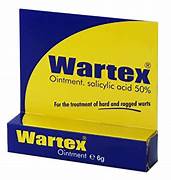
Wartex Ointment Wart Remover - 6g
Wartex Ointment Wart Remover - 6g
- ✔️ Contains 50% w/w salicylic acid to dissolve wart tissue
- ✔️ Treats common warts and verrucas on hands and feet
- ✔️ Keratolytic action removes infected skin cells layer by layer
- ✔️ Suitable for adults and children aged 2 years and over
- ✔️ Compact 6g tube for precise, targeted wart application
Price Checker
 Lowest price guarantee
 Includes FREE private prescription


Couldn't load pickup availability
What Is Wartex Ointment Wart Remover?
Warts and verrucas are incredibly common. In fact, most people will develop at least one at some point in their lives. They are caused by certain strains of the human papillomavirus (HPV), which triggers an overgrowth of skin cells, creating those familiar rough, raised lumps. If you are looking for a straightforward, affordable solution, wart remover ointment like Wartex is one of the most widely used options available without a prescription. You can find a range of topical skin treatments in our skin care collection.
Wartex Ointment comes in a 6g tube and contains salicylic acid 50% w/w as its active ingredient. It is classified as a pharmacy (P) medicine in the UK, meaning it is available over the counter without a prescription. At just £3.44, it offers a cost-effective first-line treatment for common warts and verrucas.
How Does Wartex Ointment Work?
Salicylic acid is a keratolytic agent — that simply means it breaks down keratin, the protein that forms the outer layer of your skin. Warts are essentially thickened, virus-infected skin tissue, so salicylic acid targets this directly. Here is how the process works:
- Salicylic acid softens and loosens the hardened skin cells within the wart.
- The dead tissue gradually peels away with repeated daily application.
- The immune system is mildly stimulated by the local irritation, which may help the body recognise and fight the underlying HPV infection.
- Over several weeks, the wart shrinks and eventually disappears.
It is a gradual process — patience is key. Most warts require consistent treatment over several weeks before they fully resolve.
Who Should Use Wartex Ointment?
Wartex Ointment is suitable for adults and children aged 2 years and over who have common warts or verrucas. It works well on warts found on the hands, fingers, and the soles of the feet. That said, it is not appropriate for everyone. You should consider this product if you:
- Have a common wart or verruca on your hands or feet.
- Are an adult or a child aged 2 or over (with adult supervision for children).
- Have intact, healthy skin surrounding the wart.
- Are looking for an affordable, pharmacy-available treatment without needing a GP appointment.
Do not use Wartex Ointment on facial warts, genital warts, or warts with hair growing from them. It is also not suitable for people with diabetes or poor circulation without first seeking medical advice, as salicylic acid can cause skin damage in these groups.
How Does Wartex Ointment Compare to Other Wart Treatments?
| Feature | Wartex Ointment 6g | Cryotherapy (Freeze Spray) |
|---|---|---|
| Active ingredient | Salicylic acid 50% w/w | Dimethyl ether / propane |
| Method of action | Keratolytic (dissolves skin cells) | Freezes and destroys wart tissue |
| Typical treatment duration | 6–12 weeks daily application | 1–4 sessions, 2 weeks apart |
| Price (approximate) | £3.44 | £10–£20+ |
Is Wartex Ointment Suitable for Verrucas on the Feet?
Yes. Verrucas — also called plantar warts — are simply warts that develop on the soles of the feet. Because of the pressure placed on them when walking, they often grow inward rather than outward, making them particularly uncomfortable. Using a wart remover ointment like Wartex on verrucas follows the same process as treating hand warts, though you may find soaking the foot in warm water beforehand helps soften the skin more effectively. You can also explore our foot care collection for complementary products to support foot health during treatment.
Store Wartex Ointment below 25°C, away from direct heat and sunlight, and keep it out of reach of children. Check the expiry date before use.
This product is a medicine. Speak to your doctor or pharmacist before using if you have an underlying medical condition or are taking other medicines.
Wartex Ointment Wart Remover 6g specifications
| Treatment category | Wart and verruca treatment |
| Mechanism of action | Keratolytic — softens and removes hardened wart tissue |
| Effective against | Common warts, verrucas (plantar warts) |
| Suitable for | Adults and children aged 2 years and over |
| Active ingredient | Salicylic acid 50% w/w |
| Pack size | 6g tube |
| Strength | 50% w/w salicylic acid |
| UK classification | Pharmacy (P) medicine |
| Drug class | Keratolytic agent |
| Preparation | Ointment |
| Route of administration | Topical (external use only) |
Specifications of Wartex Ointment Wart Remover 6g
What Is Wartex Ointment and What Is It Used For?
Wartex Ointment is a topical over-the-counter medicine containing salicylic acid 50% w/w. It is used to treat common warts and verrucas — benign skin growths caused by the human papillomavirus (HPV). Warts typically appear as rough, raised lumps on the hands and fingers, while verrucas develop on the soles of the feet and may feel tender when you walk. The NHS advises that warts are generally harmless and often clear up on their own, but treatment can speed up the process and reduce the risk of spreading them to others.
What Do You Need to Know Before Using Wartex Ointment?
Before applying Wartex Ointment, read the following carefully. This product is for external use only and must not be swallowed.
Do not use Wartex Ointment if you:
- Are allergic to salicylic acid or any other ingredient in the ointment.
- Have diabetes or poor circulation — salicylic acid can cause serious skin damage in these conditions without medical supervision.
- Want to treat warts on the face, genitals, or anal area.
- Have a wart with hair growing from it, or a birthmark, mole, or unusual skin lesion.
- Are treating a child under 2 years of age.
- Have broken, inflamed, or infected skin around the wart.
Drug interactions:
- No significant drug interactions are known for topically applied salicylic acid at this concentration when used as directed.
- Avoid using alongside other keratolytic or exfoliating skin products on the same area, as this may increase irritation.
How Should You Use Wartex Ointment?
Consistent daily application is essential for Wartex Ointment to work effectively. Follow these steps carefully each time you apply it:
- Soak the affected area in warm water for 5 minutes to soften the skin.
- Dry the area thoroughly with a clean towel.
- Using the applicator or a cotton bud, apply a small amount of ointment directly onto the wart only — avoid spreading it onto the surrounding healthy skin.
- Cover the treated area with a plaster or adhesive dressing.
- Repeat this process once daily, ideally at the same time each day.
- Once a week, gently rub away any dead skin using a pumice stone or emery board (do not share these with others).
| Indication | Age Group | Dose | Frequency |
|---|---|---|---|
| Common warts / verrucas | Adults and children aged 2+ | Small amount applied to wart only | Once daily |
| Common warts / verrucas | Under 2 years | Not recommended | — |
If you are browsing other topical treatments, our creams and ointments collection includes a wide range of skin preparations available without a prescription.
What Are the Possible Side Effects of Wartex Ointment?
Like all medicines, Wartex Ointment can cause side effects, although not everyone experiences them. Because salicylic acid is a strong keratolytic agent at 50% concentration, it is important to apply it carefully and only to the wart itself.
Common side effects:
- Mild skin irritation at the application site.
- Redness or soreness around the treated area.
- Temporary stinging or burning sensation immediately after application.
Less common side effects:
- Blistering or peeling of the skin if the ointment spreads to healthy tissue.
- Allergic skin reaction (rash, itching, swelling) — stop use immediately if this occurs.
- Prolonged soreness or ulceration if used excessively or on broken skin.
If you experience any severe or unexpected reaction, stop using the product and speak to your pharmacist or GP. You can also report side effects to the MHRA via the Yellow Card scheme.
How Should You Store Wartex Ointment?
Proper storage helps maintain the effectiveness of the ointment and keeps it safe for use. If you are also managing other skin conditions, you may find useful products in our athletes foot and fungal infections collection.
- Store below 25°C in a cool, dry place.
- Keep away from direct sunlight and heat sources.
- Keep the tube tightly closed when not in use.
- Keep out of the reach and sight of children.
- Do not use after the expiry date printed on the tube.
- Do not dispose of medicines via wastewater or household waste — return unused product to your pharmacy.
References
Written and reviewed by our qualified team
Your safety and success are our highest priorities. Our medical team rigorously evaluates every product and piece of advice we provide, ensuring you receive only the most effective, science-backed solutions available.
Frequently Asked Questions
Where can I buy Wartex Ointment online in the UK?
You can buy Wartex Ointment 6g online from Cured Pharmacy, a UK GPhC-registered online pharmacy, for just £3.44. It is available without a prescription as an over-the-counter pharmacy medicine. Simply add it to your basket and it will be dispatched directly to your door.
How does Wartex Ointment work on warts?
Wartex Ointment contains salicylic acid 50% w/w, which acts as a keratolytic agent — it softens and breaks down the thickened, virus-infected skin cells that form a wart. With daily application, the dead tissue gradually peels away, and the wart shrinks over time. The mild local irritation may also help stimulate your immune system to fight the underlying HPV infection.
How do I use Wartex Ointment step by step?
Soak the affected area in warm water for five minutes, then dry it thoroughly. Apply a small amount of ointment directly onto the wart only — avoiding healthy surrounding skin — and cover with a plaster. Repeat once daily, and gently file away dead skin with a pumice stone once a week.
How long does Wartex Ointment take to remove a wart?
Most warts respond to treatment within 6 to 12 weeks of consistent daily use, though smaller warts may clear sooner. Larger or deeper warts, particularly verrucas on the soles of the feet, can take longer. If there is no improvement after 12 weeks, consult your pharmacist or GP for further advice.
Can I use Wartex Ointment on a verruca?
Yes, Wartex Ointment is suitable for treating verrucas (plantar warts) on the soles of the feet, as well as common warts on the hands and fingers. Soaking your foot in warm water before application can help soften the hardened skin. You can find additional foot health products in our foot care collection.
Is Wartex Ointment safe for children?
Wartex Ointment is not recommended for children under 2 years of age. For children aged 2 and over, it can be used under adult supervision, but you should speak to a pharmacist before starting treatment in younger children. Always keep the tube out of reach of children.
What are the side effects of Wartex Ointment?
The most common side effects are mild skin irritation, redness, and a temporary stinging sensation at the application site. If the ointment spreads to healthy skin, blistering or peeling may occur. Stop use and seek medical advice if you experience a severe reaction, significant blistering, or signs of an allergic response.
Can I use Wartex Ointment if I have diabetes?
No — you should not use Wartex Ointment if you have diabetes or poor circulation without first consulting your GP or pharmacist. Salicylic acid at high concentrations can cause significant skin damage in people with reduced sensation or impaired healing. Your doctor can advise on safer alternatives for wart removal in these circumstances.
What happens if I accidentally apply Wartex Ointment to healthy skin?
If Wartex Ointment contacts healthy skin, wash the area immediately with soap and water. Salicylic acid at 50% concentration is strong enough to irritate or blister normal skin if left in contact. Using a barrier such as petroleum jelly around the wart before application can help protect the surrounding skin.
What are the alternatives to Wartex Ointment for wart removal?
Alternatives include other salicylic acid-based products such as Bazuka gel or Compound W, as well as over-the-counter cryotherapy sprays that freeze the wart. For persistent or painful warts, your GP may refer you for professional cryotherapy or other treatments. You can browse topical skin treatments in our creams and ointments collection.
Can Wartex Ointment be used on facial warts?
No. Wartex Ointment must not be used on the face, as the high concentration of salicylic acid can cause serious irritation and damage to facial skin. Facial warts should be assessed and treated by a GP or dermatologist. Do not attempt to self-treat warts on the face, neck, or genitals with this product.
How should I store Wartex Ointment?
Store Wartex Ointment below 25°C in a cool, dry place away from direct sunlight and heat. Keep the tube tightly closed when not in use, and always store it out of the reach and sight of children. Do not use the product after the expiry date printed on the packaging.
How long can I use Wartex Ointment for?
Wartex Ointment can be used for up to 12 weeks. If the wart has not responded after this period, stop treatment and consult your pharmacist or GP, as further investigation or a different treatment approach may be needed. Do not continue using the product indefinitely without professional guidance.
Will Wartex Ointment stop warts from coming back?
Wartex Ointment removes the visible wart, but it does not eliminate the HPV virus from your body, so warts can recur. Practising good hygiene — such as not sharing towels, wearing flip-flops in communal changing areas, and keeping skin clean and dry — can help reduce the risk of recurrence. The NHS notes that warts often clear up on their own as the immune system fights the virus over time.
What is the latest research on salicylic acid for wart treatment?
Salicylic acid remains one of the most evidence-based first-line treatments for common warts and verrucas, supported by multiple clinical reviews and recommended by the NHS. Studies consistently show it is effective when applied consistently over several weeks, with clearance rates comparable to cryotherapy for many patients. It continues to be the standard recommended starting treatment in UK clinical guidelines.
Written and reviewed by our qualified team

Reviewed by:
Tarun Kumar
Superintendent/ Clinical Lead
📖 Find out more about our team of medical content authors and how we ensure the accuracy of our content with our content guidelines.
Content last updated: 14 Sep 2026

We’re a safe and
regulated UK service

Lowest Price Guarantee

We're convinced you won't find your treatment cheaper, but if you do we'll refund the difference.
Find out more
100% discreet packaging

Discreet, unbranded packaging for every order.
Find out more

Need help?
Talk to our friendly experts now


How our service works

Service setup

Discreet packaging

Express delivery