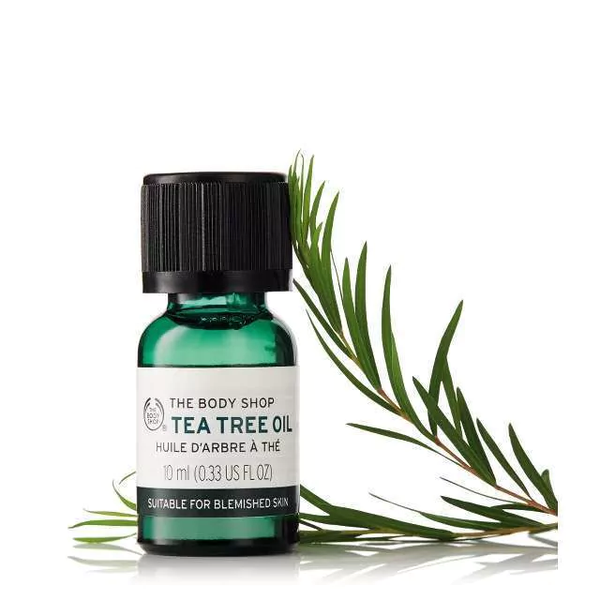
Tea Tree Oil 10ml
Tea Tree Oil 10ml
- ✔️ Natural antiseptic derived from Melaleuca alternifolia leaf oil
- ✔️ Helps cleanse minor cuts, grazes, and insect bites
- ✔️ Antifungal properties support management of athlete's foot
- ✔️ Suitable for adults as a diluted topical spot treatment
- ✔️ Compact 10ml bottle ideal for home first aid kits
Price Checker
 Lowest price guarantee
 Includes FREE private prescription


Couldn't load pickup availability
What Are Tea Tree Oil Uses and How Can It Help You?
Tea tree oil has been used for centuries by Indigenous Australians as a traditional remedy, and today it remains one of the most widely recognised natural antiseptics available over the counter. Derived from the leaves of Melaleuca alternifolia, a plant native to Australia, this 10ml bottle from Cured Pharmacy gives you a convenient, affordable way to keep a trusted first aid staple at home. At just £3.49, it sits neatly alongside other essentials in our first aid range.
So what exactly makes it so popular? The oil contains a range of naturally occurring compounds — most notably terpinen-4-ol — that give it its well-documented antimicrobial and antifungal properties. It is used topically for everything from minor cuts and grazes to insect bites and skin blemishes. It is not a medicine in the licensed pharmaceutical sense, but it is a widely used, evidence-informed natural product with a long history of safe use when applied correctly.
How Does Tea Tree Oil Work on Skin and Infections?
The active compounds in tea tree oil — particularly terpinen-4-ol — work by disrupting the cell membranes of bacteria and fungi, which inhibits their growth and can help prevent infection in minor wounds. This is why it has been studied for use against common skin pathogens. Here is a simple breakdown of how it acts:
- Terpinen-4-ol penetrates microbial cell walls and disrupts their integrity
- This leads to leakage of cellular contents and inhibition of bacterial or fungal growth
- The oil also has mild anti-inflammatory properties that may help reduce redness and swelling around minor skin irritations
- Its antifungal action makes it relevant for surface-level fungal concerns such as athlete's foot
It is worth noting that tea tree oil works on the surface of the skin — it is not absorbed systemically in meaningful amounts when used topically and as directed.
Who Is Tea Tree Oil Suitable For?
This product is suitable for most adults looking for a natural, topical antiseptic for everyday first aid use. It is particularly useful if you prefer plant-based alternatives to synthetic antiseptic creams or solutions. That said, it is not appropriate for everyone.
- Adults seeking a natural antiseptic for minor cuts, grazes, or bites
- Those managing surface-level fungal skin concerns such as athlete's foot
- People looking for a topical spot treatment (when diluted appropriately)
- Individuals who want a versatile, multi-use first aid product at home
It is not suitable for use on deep wounds, burns, or infected skin requiring medical attention. It should not be used on young children or infants without professional advice, and it must never be taken by mouth.
How Does Tea Tree Oil Compare to Other Antiseptic Options?
| Feature | Tea Tree Oil 10ml | Antiseptic Cream (e.g. Savlon) |
|---|---|---|
| Origin | Natural plant-derived | Synthetic chemical formulation |
| Antifungal activity | Yes (terpinen-4-ol) | Limited or none |
| Requires dilution | Yes — must be diluted before skin use | No — ready to apply |
| Suitable for spots | Yes (when diluted) | Not typically indicated |
Is Tea Tree Oil Safe to Store at Home?
Yes, provided you follow a few simple guidelines. Tea tree oil uses are broad, but the oil itself is potent in its undiluted form and must be stored carefully. Keep the bottle tightly sealed, away from direct sunlight and heat, and out of reach of children and pets. Oxidised tea tree oil — oil that has been exposed to air over time — can cause increased skin irritation, so always replace the cap promptly after use.
If you are also managing a fungal skin condition, it may be worth browsing our athlete's foot and fungal infections range for clinically proven treatment options that can be used alongside or instead of tea tree oil.
This product is a medicine. Speak to your doctor or pharmacist before using if you have an underlying medical condition or are taking other medicines.
Tea Tree Oil 10ml specifications
| Treatment category | First Aid / Natural Antiseptic |
| Mechanism of action | Disrupts microbial cell membranes via terpinen-4-ol |
| Effective for | Minor cuts, grazes, insect bites, fungal skin concerns, spots |
| Suitable for | Adults (topical use only) |
| Active ingredient | Melaleuca alternifolia (tea tree) oil |
| Pack size | 10ml |
| UK classification | General Sale / OTC |
| Preparation | Essential oil (liquid) |
| Route of administration | Topical (external use only) |
Specifications of Tea Tree Oil 10ml
What Is Tea Tree Oil and What Is It Used For?
Tea Tree Oil 10ml from Cured Pharmacy is a topical natural antiseptic derived from the leaves of Melaleuca alternifolia. It is used externally on the skin to help cleanse minor wounds, soothe insect bites, manage surface-level fungal concerns, and act as a spot treatment when diluted correctly. It is not a licensed medicine but is widely used as a complementary first aid product. The NHS acknowledges that some people use tea tree oil for skin conditions, though it advises caution and correct dilution at all times.
What Do You Need to Know Before Using Tea Tree Oil?
Before you use this product, please read the following carefully. Tea tree oil is for external use only and must never be swallowed. Ingestion can cause serious harm including confusion, loss of coordination, and in severe cases, loss of consciousness.
Do not use this product if:
- You are allergic to tea tree oil or any plant in the Myrtaceae family
- You have open, deep, or infected wounds requiring medical treatment
- You are applying it to the eye area or mucous membranes
- You are using it on a young child or infant without medical advice
- You are pregnant or breastfeeding — consult your GP or midwife first
Drug interactions:
- No clinically significant drug interactions have been established for topical tea tree oil
- Avoid using alongside other topical products on the same area without advice, as this may increase skin irritation
If you have sensitive skin or a history of contact dermatitis, always perform a patch test before wider use. Apply a small diluted amount to the inner forearm and wait 24 hours before proceeding.
How Should You Use Tea Tree Oil Correctly?
Tea tree oil must always be diluted before applying to skin. Using it undiluted significantly increases the risk of irritation, redness, and allergic reaction. Follow these steps for safe use:
- Choose a suitable carrier oil — coconut oil, almond oil, or olive oil all work well
- Add 1–2 drops of tea tree oil per teaspoon (approximately 5ml) of carrier oil
- Mix thoroughly before applying
- Apply a small amount to the affected area using a clean cotton pad or fingertip
- Allow to absorb — do not rinse off unless irritation occurs
- Wash hands thoroughly after application
| Indication | Age Group | Dilution | Frequency |
|---|---|---|---|
| Minor cuts / grazes | Adults | 1–2 drops in 5ml carrier oil | Once or twice daily |
| Spot treatment | Adults | 1 drop in 5ml carrier oil | Once daily |
| Athlete's foot | Adults | 2 drops in 5ml carrier oil | Twice daily |
| Insect bites | Adults | 1 drop in 5ml carrier oil | As needed |
If you are managing a more persistent fungal skin condition, our skin care range includes a variety of topical products that may complement your routine.
What Are the Possible Side Effects of Tea Tree Oil?
Like all topical products, tea tree oil can cause side effects in some people. Most reactions are mild and resolve once you stop using the product. Serious reactions are uncommon but possible, particularly if the oil is used undiluted or ingested.
Common side effects:
- Skin dryness or flaking at the application site
- Mild redness or stinging, especially on sensitive skin
- Itching around the treated area
Less common side effects:
- Contact dermatitis — an allergic skin reaction causing a rash, blistering, or swelling
- Increased sensitivity to sunlight on treated areas
- Systemic toxicity if accidentally ingested — seek emergency medical help immediately
Stop using the product and speak to a pharmacist or GP if you notice any worsening skin reaction or signs of an allergic response such as hives, facial swelling, or difficulty breathing.
How Should You Store Tea Tree Oil?
Correct storage helps maintain the quality and safety of your tea tree oil. Oxidised oil can be more irritating to the skin, so it is worth taking a moment to store it properly.
- Store below 25°C in a cool, dry place
- Keep away from direct sunlight and heat sources
- Always replace the cap tightly after use to prevent oxidation
- Keep out of reach and sight of children and pets
- Do not store in the bathroom — humidity can degrade the oil over time
- Check the expiry date before use and discard if the oil has changed colour or smell significantly
For other natural and topical health products, you might also find our hair care collection useful — tea tree oil is sometimes used in diluted form for scalp concerns too.
References
- https://www.nhs.uk/conditions/first-aid/
- https://www.nhs.uk/conditions/athletes-foot/
- https://www.nhs.uk/conditions/skin-rashes/
- https://www.nhs.uk/conditions/contact-dermatitis/
- https://www.nhs.uk/conditions/insect-bites-and-stings/
- https://www.nhs.uk/conditions/acne/treatment/
- https://www.nhs.uk/conditions/nail-fungal-infections/
Written and reviewed by our qualified team
Your safety and success are our highest priorities. Our medical team rigorously evaluates every product and piece of advice we provide, ensuring you receive only the most effective, science-backed solutions available.
Frequently Asked Questions
Where can I buy tea tree oil online in the UK?
You can buy Tea Tree Oil 10ml directly from Cured Pharmacy for just £3.49 — no prescription needed. It is available as an over-the-counter first aid product and is dispatched quickly to UK addresses. Simply add it to your basket and check out securely online.
What are the main tea tree oil uses for skin?
Tea tree oil uses for skin include cleansing minor cuts and grazes, soothing insect bites, acting as a spot treatment for blemishes, and helping manage surface-level fungal concerns such as athlete's foot. It should always be diluted before applying to skin. It is not a substitute for prescribed treatments where these are clinically indicated.
How does tea tree oil work in the body?
Tea tree oil works topically by disrupting the cell membranes of bacteria and fungi through its active compound, terpinen-4-ol. This inhibits microbial growth and can help prevent infection in minor wounds. It is not absorbed into the bloodstream in significant amounts when used correctly on intact skin.
How do I use tea tree oil step by step?
Follow these steps for safe application:
- Dilute 1–2 drops in a teaspoon of carrier oil (e.g. coconut or almond oil)
- Apply to the affected area with a clean cotton pad
- Allow to absorb and wash hands afterwards
Never apply undiluted tea tree oil directly to skin, and avoid contact with eyes and mucous membranes at all times.
What is the correct dilution ratio for tea tree oil?
A general guideline is 1–2 drops of tea tree oil per teaspoon (approximately 5ml) of carrier oil, which gives a concentration of roughly 1–2%. For more sensitive skin or facial use, stick to 1 drop per teaspoon. Higher concentrations increase the risk of irritation and are not necessary for most everyday uses.
What are the side effects of tea tree oil on skin?
Common side effects include skin dryness, mild redness, and stinging — particularly if used undiluted. Less commonly, contact dermatitis may occur, causing a rash or blistering. If you notice any worsening reaction, stop use immediately and speak to a pharmacist or GP. You can find further guidance in our skin care section.
Is tea tree oil safe to use during pregnancy?
There is insufficient clinical evidence to confirm the safety of tea tree oil during pregnancy or breastfeeding. It is advisable to consult your GP or midwife before using any essential oil topically during pregnancy. As a precaution, avoid use unless specifically advised by a healthcare professional.
Can I use tea tree oil for athlete's foot?
Tea tree oil has demonstrated antifungal activity in laboratory studies and is commonly used as a complementary measure for athlete's foot. However, it is not a clinically licensed antifungal treatment, and for persistent or severe infections, a pharmacist-recommended antifungal product is more appropriate. Browse our athlete's foot and fungal infections range for proven treatment options.
Who should not use tea tree oil?
Tea tree oil is not suitable for young children or infants, people with known allergies to Melaleuca alternifolia or related plants, or anyone with open, deep, or infected wounds. It should not be used near the eyes, inside the ears, or on mucous membranes. Always check with a pharmacist if you are unsure whether it is appropriate for you.
What are the alternatives to tea tree oil for minor wounds?
Alternatives include antiseptic creams such as Savlon or Germolene, antiseptic liquids like Dettol, or iodine-based wound cleansers. Each has different properties — for example, antiseptic creams are ready to apply without dilution, whereas tea tree oil requires mixing with a carrier oil first. The right choice depends on the wound type and your personal preference.
How long can you use tea tree oil for?
For minor first aid use such as cuts or insect bites, tea tree oil can be used until the skin has healed — typically a few days. For ongoing concerns like athlete's foot, use for up to four weeks and reassess. If the condition has not improved, seek advice from a pharmacist or GP rather than continuing indefinitely.
Can tea tree oil be used on the face for spots?
Yes, diluted tea tree oil is sometimes used as a targeted spot treatment on the face. Use a very low concentration — 1 drop per teaspoon of carrier oil — and apply only to the blemish rather than across the whole face. Always do a patch test first, and avoid the eye area entirely.
What happens if tea tree oil is accidentally swallowed?
Ingestion of tea tree oil is potentially toxic and can cause symptoms including nausea, vomiting, confusion, loss of coordination, and in serious cases, loss of consciousness. If accidental ingestion occurs, contact NHS 111 or go to your nearest A&E immediately. Do not induce vomiting unless instructed by a medical professional.
What are the latest studies on tea tree oil?
Research continues to explore tea tree oil's antimicrobial and anti-inflammatory properties. Published studies have confirmed the activity of terpinen-4-ol against a range of bacteria and fungi in laboratory settings. However, large-scale clinical trials in humans remain limited, and most evidence is preliminary — meaning it should be used as a complementary measure rather than a standalone treatment for serious conditions.
Does tea tree oil interact with other medicines or skincare products?
No clinically significant drug interactions have been established for topically applied tea tree oil. However, using it alongside other active topical products — such as retinoids, benzoyl peroxide, or prescription creams — on the same area may increase skin irritation. If you are using prescribed topical treatments, speak to your pharmacist before adding tea tree oil to your routine.
Written and reviewed by our qualified team

Reviewed by:
Tarun Kumar
Superintendent/ Clinical Lead
📖 Find out more about our team of medical content authors and how we ensure the accuracy of our content with our content guidelines.
Content last updated: 14 Sep 2026

We’re a safe and
regulated UK service

Lowest Price Guarantee

We're convinced you won't find your treatment cheaper, but if you do we'll refund the difference.
Find out more
100% discreet packaging

Discreet, unbranded packaging for every order.
Find out more

Need help?
Talk to our friendly experts now


How our service works

Service setup

Discreet packaging

Express delivery