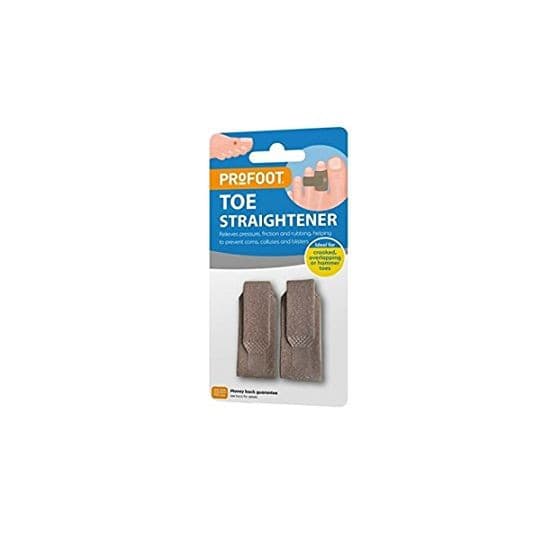
Profoot Toe Straightener
Profoot Toe Straightener
- ✔️ Gently realigns overlapping and drifting toes daily
- ✔️ Soft gel cushions toes and reduces shoe friction
- ✔️ Suitable for bunions, hammer toe, and toe drift
- ✔️ Discreet enough to wear inside shoes all day
- ✔️ Drug-free, non-invasive toe alignment support
Price Checker
 Lowest price guarantee
 Includes FREE private prescription


Couldn't load pickup availability
What Is a Toe Straightener and How Can It Help?
Toe discomfort is more common than you might think. Whether it's a toe that's started to drift sideways, an overlapping digit rubbing against your shoe, or the early signs of a bunion making every step uncomfortable — these issues can genuinely affect your quality of life. The toe straightener from Profoot is a simple, affordable device designed to gently guide your toe back towards a more natural alignment, reducing friction and easing everyday discomfort. At just £3.75, it's one of the most accessible options in our foot care collection.
Toe misalignment can develop gradually over years, often worsened by ill-fitting footwear, high heels, or simply genetics. Conditions like hallux valgus (bunions), hammer toe, and overlapping toes are all recognised causes of foot pain in adults. While a toe straightener won't reverse structural bone changes, it can provide meaningful relief and help slow the progression of mild deformities when used consistently.
How Does the Profoot Toe Straightener Work?
The device works through a straightforward mechanical principle — applying gentle, sustained pressure to reposition the toe. Here's how it functions in practice:
- A soft gel loop fits around the affected toe, holding it in a corrected position.
- The gel material cushions the toe and reduces friction against adjacent toes or footwear.
- Consistent wear encourages the toe to maintain a more aligned position over time.
- The flexible design allows normal movement, so you can wear it inside shoes during daily activities.
The gel construction is key. It's soft enough to be comfortable for extended wear but firm enough to provide meaningful positional support. Unlike rigid splints, this type of device is discreet and practical for everyday use.
Who Should Use the Profoot Toe Straightener?
This product is well suited to adults who experience mild to moderate toe misalignment or associated discomfort. It's particularly useful if you've noticed a toe beginning to drift or overlap and want to address it before the problem worsens. That said, it's not appropriate for everyone.
It may be suitable for you if you:
- Have an overlapping or underlapping toe causing friction or soreness.
- Experience mild bunion discomfort (hallux valgus) and want conservative management.
- Have a hammer toe or mallet toe causing pressure inside footwear.
- Are looking for a non-invasive, drug-free option to manage toe alignment.
If you have diabetes, peripheral vascular disease, or any condition affecting circulation or sensation in your feet, speak to your GP or podiatrist before using any toe device. The NHS advises that people with diabetes should have their feet checked regularly by a healthcare professional, as even minor foot issues can escalate quickly.
How Does the Profoot Toe Straightener Compare to Other Options?
| Feature | Profoot Toe Straightener | Rigid Toe Splint |
|---|---|---|
| Material | Soft gel | Hard plastic or metal |
| Wearable in shoes? | Yes | Often not |
| Comfort level | High — cushioned | Lower — can cause pressure |
| Suitable for daytime use? | Yes | Typically night use only |
Is the Profoot Toe Straightener Clinically Suitable for You?
Before using any toe corrector device, it's worth considering your overall foot health. If you have open wounds, active skin infections, or significant swelling around the toes, this product is not appropriate until those issues have resolved. The toe straightener is designed for intact skin and mild to moderate alignment concerns — not for acute injuries or post-surgical recovery. If you're managing foot pain alongside other conditions, you might also find our pain relief range helpful as a complementary option.
Store the device in a cool, dry place and inspect it regularly for signs of wear or deterioration. Replace it if the gel becomes torn or loses its shape, as a damaged device won't provide adequate support.
This product is a medical device. Speak to your doctor or pharmacist before using if you have an underlying medical condition or are taking other medicines.
Profoot Toe Straightener specifications
| Treatment category | Foot care / musculoskeletal support |
| Mechanism of action | Mechanical realignment via soft gel loop |
| Effective for | Overlapping toes, mild bunions, hammer toe, toe drift |
| Suitable for | Adults with mild to moderate toe misalignment |
| Active ingredient | None — medical device |
| UK classification | Medical device (non-medicinal) |
| Preparation | Soft gel loop/splint |
| Route of administration | External (worn on toe) |
Specifications of Profoot Toe Straightener
What Is the Profoot Toe Straightener and What Is It Used For?
The Profoot Toe Straightener is a soft gel medical device worn on the foot to gently reposition misaligned toes. It is used to manage conditions including overlapping toes, underlapping toes, mild hallux valgus (bunions), hammer toe, and mallet toe. It works without medication — purely through physical support and cushioning. It is not a treatment for underlying bone deformity, but it can meaningfully reduce discomfort and friction during daily activity.
Toe misalignment is a common foot complaint in the UK. The NHS notes that bunions, for example, affect a significant proportion of adults and are often linked to footwear choices and hereditary factors. Conservative management — including devices like toe straighteners — is typically the first approach recommended before considering surgical intervention.
What Do You Need to Know Before Using the Profoot Toe Straightener?
This device is generally safe for most adults, but there are important contraindications and precautions to be aware of before use.
Do not use this product if you:
- Have diabetes with associated peripheral neuropathy or poor foot circulation.
- Have open wounds, ulcers, or broken skin on or near the affected toe.
- Have a known allergy or sensitivity to gel or silicone materials.
- Are recovering from foot surgery on the affected area.
- Have severe peripheral vascular disease or Raynaud's phenomenon affecting the feet.
Precautions and warnings:
- Check the skin under the device daily for signs of redness, irritation, or pressure sores.
- Do not wear the device overnight unless specifically advised by a podiatrist.
- Children should not use this product without professional guidance.
- If discomfort increases after use, remove the device and seek advice from a pharmacist or GP.
Known interactions:
- No drug interactions — this is a non-medicinal device.
- If using topical creams or ointments on the foot, allow them to absorb fully before fitting the device to avoid skin maceration.
How Should You Use the Profoot Toe Straightener?
Using the device correctly is important for both comfort and effectiveness. Follow these steps each time you apply it:
- Wash and dry your feet thoroughly before fitting the device.
- Identify the affected toe and select the correct size if sizing options are available.
- Slide the gel loop over the affected toe so the pad sits comfortably between or alongside the toes.
- Check that the device is not cutting into the skin or causing any pinching.
- Put on a sock or shoe over the device — it is designed to be worn inside footwear.
- Wear for a few hours initially, gradually increasing wear time as tolerated.
- Remove the device, wash it with mild soap and water, and allow it to dry before reuse.
| Indication | Age Group | Recommended Wear Time | Frequency |
|---|---|---|---|
| Overlapping toe | Adults (18+) | 2–6 hours initially | Daily, as tolerated |
| Mild bunion discomfort | Adults (18+) | Up to 8 hours | Daily during activity |
| Hammer toe | Adults (18+) | As comfortable | Daily, remove at night |
What Are the Possible Side Effects of the Profoot Toe Straightener?
As a non-medicinal device, the Profoot Toe Straightener does not carry the systemic side effects associated with medicines. However, localised reactions can occur, particularly if the device is worn incorrectly or for too long. If you're also managing skin conditions on your feet, browse our creams and ointments range for suitable topical options.
Common side effects:
- Mild skin redness at the contact site after prolonged wear.
- Slight pressure discomfort, especially during initial use.
- Temporary indentation of the skin after removal.
Less common side effects:
- Skin irritation or contact dermatitis in those sensitive to gel materials.
- Blistering if the device rubs against the skin during movement.
- Increased toe pain if the device is incorrectly positioned or too tight.
If you notice any worsening of symptoms, persistent skin breakdown, or signs of infection (warmth, swelling, discharge), remove the device immediately and consult a healthcare professional. People with diabetes or circulatory conditions are at higher risk of complications from any foot device and should seek podiatric advice before use.
How Should You Store the Profoot Toe Straightener?
Proper storage keeps the device hygienic and extends its usable life. Follow these simple guidelines:
- Store in a cool, dry place away from direct sunlight and heat sources.
- Keep away from sharp objects that could puncture or tear the gel.
- Do not store in an airtight container while damp — allow to dry fully first.
- Keep out of reach of children and pets.
- Replace the device if it becomes discoloured, torn, or loses its shape.
For broader foot health support, including treatments for fungal infections that can affect toe health, visit our athlete's foot and fungal infections collection.
References
Written and reviewed by our qualified team
Your safety and success are our highest priorities. Our medical team rigorously evaluates every product and piece of advice we provide, ensuring you receive only the most effective, science-backed solutions available.
Frequently Asked Questions
Where can I buy the Profoot Toe Straightener online in the UK?
You can buy the Profoot Toe Straightener directly from Cured Pharmacy online for just £3.75, with no prescription required. It's available in our foot care collection alongside other foot health products. Orders are dispatched quickly to UK addresses.
How does a toe straightener work in the body?
A toe straightener works mechanically rather than chemically — it applies gentle, consistent pressure to guide a misaligned toe back towards its natural position. The soft gel material cushions the toe and reduces friction against neighbouring toes or the inside of footwear. Over time, regular wear can help maintain better toe alignment and reduce associated discomfort.
How do I use the Profoot Toe Straightener step by step?
Start by washing and drying your feet, then slide the gel loop over the affected toe so the pad sits comfortably between or alongside the toes. Check there is no pinching or pressure, then put on a sock or shoe over the device. Begin with a few hours of wear per day and gradually increase as comfort allows.
How long should I wear a toe straightener each day?
It's best to start with two to four hours per day and build up gradually as your foot adjusts to the device. Most adults find they can comfortably wear it for up to eight hours during daily activity once accustomed to it. Always remove the device at night unless a podiatrist has specifically advised otherwise.
Can a toe straightener permanently fix a bunion?
No — a toe straightener cannot permanently correct a bunion or reverse structural bone changes. It can relieve discomfort, reduce friction, and may help slow the progression of mild deformity when used consistently. Surgical correction remains the only permanent solution for significant bunions, and this should be discussed with an orthopaedic surgeon or podiatrist.
Who is eligible to use the Profoot Toe Straightener?
The Profoot Toe Straightener is suitable for adults aged 18 and over who have overlapping toes, mild bunion discomfort, hammer toe, or toe drift. It is not suitable for people with diabetes-related foot complications, peripheral vascular disease, open wounds on the foot, or known sensitivity to gel or silicone materials. If you are unsure whether it is right for you, speak to your pharmacist or GP before use.
What happens if I wear the toe straightener for too long?
Wearing the device for longer than your foot can comfortably tolerate may cause skin redness, pressure sores, or blistering at the contact site. If you notice any of these signs, remove the device immediately and allow the skin to recover before trying again. Build up wear time gradually rather than jumping straight to all-day use.
What are the alternatives to a toe straightener?
Alternatives include toe separators, bunion pads, metatarsal cushions, and custom orthotics prescribed by a podiatrist. Switching to wider, lower-heeled footwear is also a key conservative measure recommended by the NHS for bunion management. In more severe cases, surgical correction may be considered after conservative options have been exhausted.
Is the Profoot Toe Straightener safe for people with diabetes?
People with diabetes should exercise caution with any foot device, as reduced sensation (peripheral neuropathy) can make it harder to detect pressure or irritation before it causes harm. The NHS strongly advises that people with diabetes have their feet checked regularly by a healthcare professional. If you have diabetes, consult your GP or podiatrist before using this or any toe corrector device.
How long can I use the Profoot Toe Straightener for?
The Profoot Toe Straightener can be used on an ongoing basis as a conservative management tool for toe alignment and comfort. However, if your symptoms do not improve after several weeks of consistent use, or if they worsen, you should consult a podiatrist or GP for further assessment. Regular review of your foot health is always a good idea, particularly if you have an underlying condition.
Can I wear the Profoot Toe Straightener inside shoes?
Yes — the Profoot Toe Straightener is specifically designed to be worn inside footwear during everyday activities. Its low-profile gel construction means it fits discreetly inside most shoes and trainers without causing significant bulk. Ensure your footwear is wide enough to accommodate the device without creating additional pressure on the toes.
How do I clean and maintain the Profoot Toe Straightener?
Wash the device with mild soap and warm water after each use, then rinse thoroughly and allow it to air dry completely before storing or reusing. Do not boil, microwave, or use harsh chemical cleaners on the gel, as this can degrade the material. Replace the device if it becomes torn, discoloured, or loses its shape.
What are the side effects of using a toe straightener?
The most common side effects are mild skin redness, temporary pressure marks, and slight discomfort during initial use — all of which typically resolve once you remove the device. Less commonly, people with sensitive skin may experience contact irritation or blistering if the device rubs during movement. If any skin breakdown or worsening pain occurs, stop use and seek advice from a pharmacist or GP.
What are the latest findings on conservative toe alignment devices?
Current clinical guidance, including NHS recommendations, supports conservative management — such as toe splints, wider footwear, and padding — as the first-line approach for mild to moderate bunions and toe misalignment before considering surgery. While conservative devices do not reverse bony deformity, they are recognised as effective for symptom relief and slowing progression. Always discuss your options with a podiatrist for personalised advice.
Can I use the Profoot Toe Straightener alongside pain relief products?
Yes — the toe straightener can be used alongside topical or oral pain relief products if needed for additional comfort. If you are using a topical cream or gel on the foot, allow it to absorb fully before fitting the device to avoid skin maceration. Browse our pain relief range for suitable options to complement your foot care routine.
Written and reviewed by our qualified team

Reviewed by:
Tarun Kumar
Superintendent/ Clinical Lead
📖 Find out more about our team of medical content authors and how we ensure the accuracy of our content with our content guidelines.
Content last updated: 14 Sep 2026
Other popular options


We’re a safe and
regulated UK service

Lowest Price Guarantee

We're convinced you won't find your treatment cheaper, but if you do we'll refund the difference.
Find out more
100% discreet packaging

Discreet, unbranded packaging for every order.
Find out more

Need help?
Talk to our friendly experts now


How our service works

Service setup

Discreet packaging

Express delivery