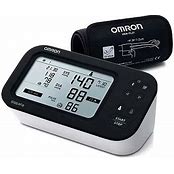
Omron M7 AFIB IT Upper Arm B.P Monitor
Omron M7 AFIB IT Upper Arm B.P Monitor
- ✔️ Detects irregular heartbeat patterns consistent with atrial fibrillation
- ✔️ Clinically validated to ESH-IP standard for accurate readings
- ✔️ Bluetooth syncs readings to free Omron Connect app
- ✔️ Stores 60 readings for two users with trend tracking
- ✔️ AFIB indicator alerts you to potential rhythm irregularities instantly
Price Checker
 Lowest price guarantee
 Includes FREE private prescription


Couldn't load pickup availability
What Is the Omron M7 AFIB Blood Pressure Monitor?
High blood pressure affects around one in three adults in the UK, yet many people have no idea their readings are elevated. Regular home monitoring is one of the most effective ways to stay on top of your cardiovascular health — and the Omron M7 AFIB blood pressure monitor is one of the most clinically capable devices available without a prescription. Priced at £95.92, it combines accurate oscillometric blood pressure measurement with built-in atrial fibrillation (AFIB) screening, making it a genuinely useful tool for anyone managing hypertension or at risk of heart rhythm problems. You can find it alongside other electrical health and diagnostic devices at Cured Pharmacy.
Atrial fibrillation is the most common heart rhythm disorder in the UK, affecting over 1.4 million people. It significantly raises the risk of stroke, yet it often causes no obvious symptoms. Having a monitor that can flag a potential irregular rhythm during your routine blood pressure check adds a meaningful layer of awareness — though it is important to understand this is a screening indicator, not a clinical diagnosis.
How Does the Omron M7 AFIB IT Work?
The Omron M7 AFIB IT uses oscillometric technology to measure blood pressure. This means it detects oscillations — tiny vibrations — in your artery wall as the cuff inflates and deflates around your upper arm. From these oscillations, the device calculates your systolic and diastolic pressure, as well as your pulse rate.
- The cuff inflates automatically when you press the start button.
- Oscillations in the brachial artery are detected and analysed by the onboard algorithm.
- Systolic pressure, diastolic pressure, and pulse rate are displayed simultaneously.
- A separate AFIB detection algorithm analyses pulse irregularity during the same measurement cycle.
- If an irregular rhythm consistent with atrial fibrillation is detected, an AFIB indicator symbol appears on the screen.
- Results are stored in the device memory (up to 60 readings per user, two users supported) and can be synced to the Omron Connect app via Bluetooth.
The Bluetooth connectivity is particularly useful if you share readings with your GP or practice nurse, as you can export a clear history rather than relying on handwritten notes.
Who Should Use the Omron M7 AFIB IT?
This monitor is suitable for a wide range of adults. It is especially relevant if you have been told your blood pressure is borderline or elevated, or if your GP has recommended home monitoring as part of your ongoing care. It is equally useful for people who want to keep an eye on their cardiovascular health proactively.
- Adults diagnosed with hypertension who need regular home readings.
- People over 65, who have a higher prevalence of both hypertension and atrial fibrillation.
- Individuals with a family history of stroke or heart disease.
- Patients whose GP has recommended ambulatory or home blood pressure monitoring.
It is not intended for use in children, and it should not be used on the wrist or lower arm — only the upper arm. If you are pregnant, speak to your midwife or GP before using any home blood pressure monitor, as specialist devices validated for pregnancy are recommended.
How Does the Omron M7 AFIB IT Compare to Similar Monitors?
| Feature | Omron M7 AFIB IT | Omron M3 Comfort |
|---|---|---|
| AFIB Detection | Yes | No |
| Bluetooth / App Connectivity | Yes (Omron Connect) | No |
| Memory Storage | 60 readings × 2 users | 60 readings × 2 users |
| Clinical Validation | ESH-IP validated | ESH-IP validated |
| Price (approx.) | £95.92 | ~£35–£45 |
Is the Omron M7 AFIB IT Clinically Validated and How Should It Be Stored?
Clinical validation matters enormously when choosing a blood pressure monitor. The Omron M7 AFIB blood pressure monitor has been validated according to the European Society of Hypertension International Protocol (ESH-IP), which is the gold standard for home blood pressure devices. This means independent testing has confirmed its readings are accurate and reproducible in real-world conditions. If you are also managing related conditions such as diabetes, pairing this monitor with appropriate diabetes monitoring tools can give you a fuller picture of your cardiovascular risk.
Store the device at room temperature between 10°C and 40°C, away from direct sunlight, moisture, and extreme humidity. Do not drop or expose it to strong vibrations. When not in use, keep the cuff loosely rolled — never fold it sharply, as this can damage the internal tubing over time.
This product is a medical device. Speak to your doctor or pharmacist before using if you have an underlying medical condition or are taking other medicines.
Omron M7 AFIB IT Upper Arm Blood Pressure Monitor specifications
| Treatment category | Cardiovascular monitoring / Blood pressure management |
| Mechanism of action | Oscillometric blood pressure measurement with AFIB detection algorithm |
| Effective for | Measuring systolic/diastolic blood pressure and detecting irregular heartbeat |
| Suitable for | Adults aged 18 and over |
| Active ingredient | N/A — medical device |
| Pack contents | Monitor unit, upper arm cuff (22–42 cm), mains adapter, instruction manual |
| UK classification | Class IIa Medical Device |
| Preparation | Electronic oscillometric monitor |
| Route of administration | External — upper arm |
| Connectivity | Bluetooth to Omron Connect app |
| Memory | 60 readings × 2 users |
Specifications of Omron M7 AFIB IT Upper Arm Blood Pressure Monitor
What Is the Omron M7 AFIB IT and What Is It Used For?
The Omron M7 AFIB IT is a clinically validated upper arm blood pressure monitor designed for home use by adults. It measures systolic and diastolic blood pressure alongside pulse rate, and it incorporates an algorithm that screens for pulse irregularities that may indicate atrial fibrillation (AFIB) during each measurement. It is used to help monitor hypertension, support GP-led blood pressure management programmes, and provide an early alert to potential heart rhythm irregularities. It is not a diagnostic device — any AFIB indicator result should be discussed with your GP promptly.
What Do You Need to Know Before Using the Omron M7 AFIB IT?
Before using this device, read the instruction manual carefully. There are certain situations where you should seek medical advice first.
Do not use this device if:
- You have a pacemaker or implantable cardioverter-defibrillator (ICD) — the cuff pressure may interfere with device function or give inaccurate readings.
- You have lymphoedema or arteriovenous fistula in the arm being measured.
- You have severe peripheral artery disease affecting the upper arm.
- You are using it on a child under 18 years of age.
Use with caution and speak to your GP if:
- You are pregnant — specialist pregnancy-validated monitors are recommended.
- You have a diagnosed arrhythmia other than AFIB, as readings may be less consistent.
- You have recently had surgery on your arm or shoulder.
Known interactions:
- No pharmacological interactions — this is a medical device, not a medicine.
- Avoid using near strong electromagnetic fields (e.g. MRI machines), as this may affect accuracy.
How Should You Use the Omron M7 AFIB IT?
Consistent technique is essential for reliable readings. The NHS recommends sitting quietly for at least five minutes before measuring, and taking readings at the same time each day where possible.
- Sit in a chair with your back supported and feet flat on the floor.
- Rest your arm on a flat surface at heart level, palm facing upward.
- Wrap the cuff around your bare upper arm, 1–2 cm above the elbow crease, with the artery marker aligned over your brachial artery.
- Press the START/STOP button. Remain still and do not talk during the measurement.
- The cuff will inflate automatically, then slowly deflate as the reading is taken.
- Your systolic, diastolic, and pulse readings will appear on screen. Check for the AFIB indicator symbol.
- Record or sync your result to the Omron Connect app via Bluetooth.
| Indication | Age Group | Frequency | Notes |
|---|---|---|---|
| Hypertension monitoring | Adults 18+ | Twice daily (morning and evening) | Take 2 readings per session, 1 minute apart |
| Routine cardiovascular check | Adults 18+ | Once daily or as advised by GP | Same time each day for consistency |
| AFIB screening support | Adults 65+ | As directed by GP | Report repeated AFIB indicators to GP |
What Are the Possible Side Effects of the Omron M7 AFIB IT?
As a medical device rather than a medicine, the Omron M7 AFIB IT does not cause systemic side effects. However, some users may notice localised effects from cuff use.
Common effects:
- Temporary redness or mild skin irritation at the cuff site.
- Slight discomfort or a feeling of tightness during cuff inflation — this is normal.
- Petechiae (tiny red spots) on the skin after repeated measurements in a short period.
Less common effects:
- Bruising in individuals with fragile skin or those taking anticoagulant medicines such as warfarin.
- Numbness or tingling in the arm if the cuff is applied too tightly or too frequently.
If you notice persistent bruising, significant pain, or skin breakdown at the cuff site, stop using the device and speak to your pharmacist or GP. You may also find it helpful to browse our pain relief range if you experience any discomfort.
How Should You Store the Omron M7 AFIB IT?
Proper storage keeps the device accurate and extends its lifespan. Follow these guidelines:
- Store at room temperature between 10°C and 40°C.
- Keep away from direct sunlight, moisture, and high humidity environments such as bathrooms.
- Do not store near strong magnetic fields or electronic equipment that emits electromagnetic radiation.
- Roll the cuff loosely — never fold it sharply, as this damages the internal air tubing.
- If storing for an extended period, remove the batteries to prevent leakage.
- Keep out of reach of children.
For ongoing cardiovascular health, it is worth considering whether you also need support with related health areas. Our vitamins and supplements range includes products that support heart health as part of a balanced lifestyle.
References
Written and reviewed by our qualified team
Your safety and success are our highest priorities. Our medical team rigorously evaluates every product and piece of advice we provide, ensuring you receive only the most effective, science-backed solutions available.
Frequently Asked Questions
Where can I buy the Omron M7 AFIB blood pressure monitor online in the UK?
You can buy the Omron M7 AFIB IT upper arm blood pressure monitor directly from Cured Pharmacy online at £95.92 with fast UK delivery. It is available without a prescription as it is a medical device rather than a medicine. Simply add it to your basket and choose your preferred delivery option at checkout.
How does the Omron M7 AFIB IT detect atrial fibrillation?
During each blood pressure measurement, the device analyses the pattern of oscillations in your brachial artery using a dedicated AFIB detection algorithm. If the pulse pattern is irregular in a way that may be consistent with atrial fibrillation, an AFIB indicator symbol appears on the display. This is a screening alert only — it does not replace an ECG or a clinical diagnosis from your GP or cardiologist.
Is the Omron M7 AFIB IT clinically validated for accuracy?
Yes. The Omron M7 AFIB IT has been clinically validated according to the European Society of Hypertension International Protocol (ESH-IP), which is the internationally recognised standard for home blood pressure monitors. This means independent clinical testing has confirmed that its readings are accurate and reproducible. The British and Irish Hypertension Society (BIHS) also lists validated devices on its website, which is a useful resource when choosing a monitor.
How do I use the Omron M7 AFIB IT step by step?
Sit quietly for five minutes before measuring, then wrap the cuff around your bare upper arm 1–2 cm above the elbow crease with the artery marker over your brachial artery. Press the START button, remain still and silent during the measurement, and wait for your systolic, diastolic, and pulse readings to appear on screen. Check whether the AFIB indicator symbol has appeared, and sync your result to the Omron Connect app if you use Bluetooth tracking.
What cuff size does the Omron M7 AFIB IT use?
The device comes supplied with a standard cuff that fits arm circumferences of 22–42 cm, which covers the majority of adults. If your upper arm circumference exceeds 42 cm, a large cuff is available separately — using the wrong cuff size can lead to inaccurate readings, so it is worth measuring your arm before use. Measure around the midpoint of your upper arm to find the correct size.
Can I use the Omron M7 AFIB IT if I have a pacemaker?
If you have a pacemaker or implantable cardioverter-defibrillator (ICD), you should speak to your cardiologist or GP before using any upper arm blood pressure monitor, including this one. The cuff pressure and the device's detection algorithms may produce unreliable readings in the presence of a pacemaker. Your specialist can advise on the most appropriate monitoring method for your situation.
What does it mean if the AFIB indicator appears on my Omron M7?
The AFIB indicator appearing once does not necessarily mean you have atrial fibrillation — movement during the measurement, an irregular breath, or a temporary ectopic beat can trigger it. However, if the indicator appears on multiple consecutive readings or appears regularly over several days, you should contact your GP promptly for further assessment. Do not ignore repeated AFIB alerts, as atrial fibrillation significantly increases stroke risk.
How does the Omron M7 AFIB IT compare to the Omron M3?
The key differences are that the Omron M7 AFIB IT includes built-in atrial fibrillation detection and Bluetooth connectivity to the Omron Connect app, neither of which are available on the standard Omron M3. Both devices are clinically validated for blood pressure accuracy, but the M7 is better suited to patients who need AFIB screening alongside their readings. The M3 is a more affordable option if AFIB detection is not a priority for you.
How often should I take my blood pressure with the Omron M7 AFIB IT?
The NHS recommends taking two readings per session, one minute apart, twice daily — once in the morning and once in the evening — for at least four to seven days when first monitoring your blood pressure. After that, your GP may advise a less frequent schedule depending on your results. Always take readings at the same time each day for the most consistent data.
Does the Omron M7 AFIB IT connect to a smartphone app?
Yes — the device connects via Bluetooth to the free Omron Connect app, available for both iOS and Android. The app stores your reading history, displays trends over time, and allows you to share data with your healthcare team. This is particularly useful if your GP has asked you to keep a blood pressure diary, as it removes the need for manual record-keeping.
Who is eligible to use the Omron M7 AFIB IT?
The device is suitable for adults aged 18 and over who want to monitor their blood pressure at home. It is particularly relevant for people with diagnosed hypertension, those over 65 who have a higher risk of both high blood pressure and atrial fibrillation, and anyone whose GP has recommended home monitoring. It is not validated for use in children or for use on the wrist or lower arm. You can browse our full range of electrical health and diagnostic devices for other monitoring options.
Can I use the Omron M7 AFIB IT during pregnancy?
The Omron M7 AFIB IT is not specifically validated for use during pregnancy. Pregnancy can affect blood pressure readings significantly, and specialist monitors validated for use in pregnancy are recommended by clinical guidelines. Speak to your midwife or GP before using any home blood pressure monitor during pregnancy, as they can recommend the most appropriate device for your circumstances.
How long will the Omron M7 AFIB IT last and does it need calibration?
Omron recommends having the device checked for accuracy every two years, which aligns with general guidance for home blood pressure monitors. With normal home use and proper storage, the device should remain accurate and functional for many years. If you notice readings that seem inconsistent or significantly different from those taken at your GP surgery, contact Omron's customer service or bring the device to your pharmacist for a comparison check.
What are the alternatives to the Omron M7 AFIB IT?
Alternatives include other clinically validated upper arm monitors such as the Omron M3 Comfort (without AFIB detection), the Withings BPM Connect, and the A&D Medical UA-651BLE. If AFIB detection is important to you, the Omron M7 AFIB IT remains one of the few home monitors with this feature that has been independently validated. Always check the British and Irish Hypertension Society validated device list before purchasing any blood pressure monitor.
What are the latest findings on home blood pressure monitoring and AFIB detection?
Research published in clinical hypertension journals has shown that opportunistic AFIB screening during routine blood pressure measurement can identify previously undiagnosed cases, particularly in older adults. NICE guidance (NG136) supports the use of home blood pressure monitoring as part of hypertension management. Ongoing studies continue to evaluate the role of consumer devices in population-level cardiovascular screening, and the evidence base for devices like the Omron M7 AFIB IT continues to grow. If you are also managing related health conditions, our diabetes monitoring range may be of interest alongside your cardiovascular monitoring.
Written and reviewed by our qualified team

Reviewed by:
Tarun Kumar
Superintendent/ Clinical Lead
📖 Find out more about our team of medical content authors and how we ensure the accuracy of our content with our content guidelines.
Content last updated: 14 Sep 2026
Other popular options


We’re a safe and
regulated UK service

Lowest Price Guarantee

We're convinced you won't find your treatment cheaper, but if you do we'll refund the difference.
Find out more
100% discreet packaging

Discreet, unbranded packaging for every order.
Find out more

Need help?
Talk to our friendly experts now


How our service works

Service setup

Discreet packaging

Express delivery