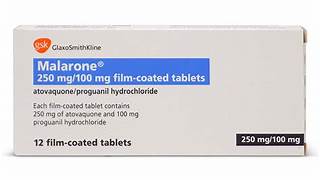
Malarone & Generic Malarone
Malarone & Generic Malarone
Price Checker
 Lowest price guarantee
 Includes FREE private prescription


Couldn't load pickup availability
What Are Malarone Antimalarial Tablets?
Planning a trip to a malaria-risk destination? Then you've probably already come across the name Malarone. Malarone antimalarial tablets are one of the most widely used options for malaria prevention in the UK, recommended by the NHS for travel to many parts of sub-Saharan Africa, Asia, and Central and South America. Each tablet contains two active ingredients — atovaquone (250 mg) and proguanil hydrochloride (100 mg) — which work together to target the malaria parasite at different stages of its life cycle. You can explore our full range of travel health products to support your trip preparation.
Generic versions of Malarone contain exactly the same active ingredients at the same strengths and are approved by the MHRA as bioequivalent to the branded product. That means you get the same clinical protection, often at a lower cost. Whether you choose branded or generic, the key is starting your course at the right time and taking it consistently.
How Do Malarone Tablets Work Against Malaria?
Malarone works through a dual-action mechanism that targets the Plasmodium parasite — the organism responsible for malaria — at two separate points in its development. This combination approach makes resistance less likely to develop compared with single-agent antimalarials.
- Atovaquone selectively inhibits mitochondrial electron transport in Plasmodium parasites, collapsing the parasite's ability to generate energy and survive.
- Proguanil hydrochloride is converted in the body to cycloguanil, which inhibits dihydrofolate reductase — an enzyme the parasite needs to synthesise folate and replicate its DNA.
- Together, these two mechanisms act synergistically, disrupting both the liver stage (pre-erythrocytic) and the blood stage (erythrocytic) of the parasite's life cycle.
- This causal prophylactic activity means the course can be stopped sooner after leaving a risk area compared with some other antimalarials.
Who Is Malarone Suitable For?
Malarone is suitable for a wide range of travellers, but it isn't right for everyone. Your pharmacist or GP will assess your destination, health history, and any medicines you're already taking before recommending it. Generally, it is appropriate for:
- Adults and children weighing 11 kg or more (paediatric tablets are available for children)
- Short-to-medium duration travel to malaria-endemic regions
- Travellers who cannot tolerate doxycycline or mefloquine
- People who prefer a shorter post-travel course (only 7 days after leaving the risk area)
It is not recommended for people with severe renal impairment (creatinine clearance below 30 mL/min), and caution is needed in those with mild-to-moderate kidney problems. Always disclose your full medical history before starting any antimalarial.
How Does Malarone Compare to Other Antimalarials?
| Feature | Malarone (Atovaquone/Proguanil) | Doxycycline | Mefloquine (Lariam) |
|---|---|---|---|
| Start before travel | 1–2 days before | 1–2 days before | 2–3 weeks before |
| Continue after travel | 7 days | 4 weeks | 4 weeks |
| Dosing frequency | Once daily | Once daily | Once weekly |
| Suitable for children | Yes (≥11 kg) | No (under 12 years) | Yes (≥5 kg) |
| Common concerns | Cost, nausea | Sun sensitivity, GI upset | Neuropsychiatric effects |
How Should You Store Malarone Tablets?
Store your malarone antimalarial tablets below 25°C in the original packaging, away from direct sunlight and moisture. Do not store them in a bathroom cabinet where humidity can fluctuate. Keep all medicines out of the reach and sight of children. If you're travelling to a hot climate, keep your tablets in your hand luggage rather than in a bag stored in the hold, where temperatures can vary significantly.
Check the expiry date before you travel. Expired tablets should be returned to a pharmacy for safe disposal — never flush them down the toilet or throw them in household waste. If you're also managing other health needs while travelling, our first aid range has everything you might need on the road.
This product is a medicine. Speak to your doctor or pharmacist before using if you have an underlying medical condition or are taking other medicines.
Malarone & Generic Malarone specifications
| Treatment category | Antimalarial / Travel health |
| Active ingredient | Atovaquone 250 mg, Proguanil hydrochloride 100 mg (adult tablets); Atovaquone 62.5 mg, Proguanil hydrochloride 25 mg (paediatric tablets) |
| Mechanism of action | Inhibits mitochondrial electron transport (atovaquone) and dihydrofolate reductase (proguanil) in Plasmodium parasites |
| Effective against | Plasmodium falciparum malaria (prevention and treatment) |
| Suitable for | Adults and children weighing 11 kg or more |
| Pack sizes | 12 tablets, 24 tablets, 98 tablets (varies by supplier) |
| Strengths | Adult: 250 mg/100 mg; Paediatric: 62.5 mg/25 mg |
| UK classification | Prescription-only medicine (POM) / Pharmacy (P) depending on indication and supplier |
| Drug class | Antiprotozoal / Antimalarial combination |
| Preparation | Film-coated tablets |
| Route of administration | Oral |
Specifications of Malarone & Generic Malarone
What Is Malarone and What Is It Used For?
Malarone — and its generic equivalents containing atovaquone and proguanil hydrochloride — is an antimalarial medicine used to prevent malaria in people travelling to areas where the disease is present, and to treat uncomplicated Plasmodium falciparum malaria. Malaria is a serious, potentially life-threatening infection transmitted through the bite of an infected Anopheles mosquito. The NHS advises that travellers to malaria-risk regions take appropriate antimalarial medication alongside other preventive measures such as insect repellent and protective clothing.
Malarone is particularly effective against P. falciparum, the most dangerous malaria species and the one most commonly encountered in sub-Saharan Africa. It is not licensed for the prevention of Plasmodium vivax malaria, though it may offer some partial protection.
What Do You Need to Know Before Using Malarone?
Before starting Malarone, it's important to tell your pharmacist or doctor about your full medical history and any medicines you currently take. Do not use Malarone if any of the following apply to you:
- You are allergic to atovaquone, proguanil hydrochloride, or any other ingredient in the tablet
- You have severe renal impairment (creatinine clearance below 30 mL/min) — Malarone is contraindicated in this group for prophylaxis
- You are pregnant — use only if the potential benefit outweighs the risk, and only under medical supervision
- You are breastfeeding an infant weighing less than 11 kg
- The child to be treated weighs less than 11 kg (for prophylaxis)
The following medicines may interact with Malarone and reduce its effectiveness or increase the risk of side effects:
- Rifampicin or rifabutin — significantly reduce atovaquone plasma levels
- Tetracycline — may reduce atovaquone levels by approximately 40%
- Metoclopramide — reduces bioavailability of atovaquone
- Warfarin and other anticoagulants — Malarone may enhance anticoagulant effect; INR monitoring is advised
- Indinavir — concurrent use may reduce indinavir trough levels
How Should You Use Malarone?
Always take Malarone exactly as directed by your pharmacist or prescriber. Taking it with food or a milky drink improves absorption of atovaquone and reduces the chance of stomach upset. If you vomit within one hour of taking a dose, take another dose as soon as possible.
- Start taking Malarone one to two days before entering a malaria-risk area.
- Take one adult tablet (or the appropriate paediatric dose) at the same time each day.
- Always take with food or a milky drink to improve absorption.
- Continue taking daily throughout your entire stay in the risk area.
- Continue for seven full days after leaving the malaria-risk area.
- Do not stop early, even if you feel well — incomplete courses reduce protection.
| Indication | Age / Weight Group | Dose | Frequency |
|---|---|---|---|
| Malaria prevention | Adults and children >40 kg | 1 adult tablet (250 mg/100 mg) | Once daily |
| Malaria prevention | Children 31–40 kg | 3 paediatric tablets (62.5 mg/25 mg each) | Once daily |
| Malaria prevention | Children 21–30 kg | 2 paediatric tablets | Once daily |
| Malaria prevention | Children 11–20 kg | 1 paediatric tablet | Once daily |
| Malaria treatment | Adults and children >40 kg | 4 adult tablets | Once daily for 3 days |
What Are the Possible Side Effects of Malarone?
Like all medicines, Malarone can cause side effects, although not everyone experiences them. Most side effects are mild and tend to improve as your body adjusts. If you're also managing travel-related stomach issues, our sickness and nausea range may help with symptom relief alongside your antimalarial course.
Common side effects (may affect up to 1 in 10 people):
- Nausea
- Headache
- Abdominal pain or stomach upset
- Diarrhoea
- Dizziness
- Vomiting
- Vivid or unusual dreams
Less common side effects (may affect up to 1 in 100 people):
- Mouth ulcers
- Rash or itching
- Hair loss (alopecia)
- Elevated liver enzymes (detected on blood tests)
- Low sodium levels (hyponatraemia)
- Palpitations
- Anxiety or depression (rare)
Seek immediate medical attention if you develop signs of a serious allergic reaction — such as swelling of the face, lips, or throat, difficulty breathing, or a severe skin rash. Serious reactions are rare but require urgent assessment.
How Should You Store Malarone?
Correct storage helps maintain the effectiveness of your tablets throughout your trip. Follow these guidelines:
- Store below 25°C in the original blister packaging
- Keep away from direct sunlight, heat sources, and moisture
- Do not store in a bathroom or near a kitchen sink
- Keep out of the reach and sight of children
- Do not use after the expiry date printed on the pack
- Return unused or expired tablets to a pharmacy for safe disposal — do not flush or bin them
If you're travelling with children and need to manage other health essentials on the go, our vitamins and supplements range includes options to support general wellbeing before and during travel.
References
Written and reviewed by our qualified team
Your safety and success are our highest priorities. Our medical team rigorously evaluates every product and piece of advice we provide, ensuring you receive only the most effective, science-backed solutions available.
Frequently Asked Questions
Where can I buy Malarone online in the UK?
You can order Malarone and generic atovaquone/proguanil tablets from Cured Pharmacy, a GPhC-registered online pharmacy. A short online consultation is required to confirm the medication is appropriate for your travel destination and personal health history. Browse our full travel health range for additional products to support your trip.
How does Malarone work in the body?
Malarone contains atovaquone and proguanil hydrochloride, which work together to attack the malaria parasite at two different points in its life cycle. Atovaquone disrupts the parasite's energy production by inhibiting mitochondrial electron transport, while proguanil (converted to cycloguanil in the body) blocks folate synthesis needed for parasite replication. This dual mechanism makes Malarone effective against Plasmodium falciparum, including in areas with some resistance to other antimalarials.
When should I start taking Malarone before travelling?
The NHS recommends starting Malarone one to two days before you enter a malaria-risk area. This allows the medicine to reach effective levels in your blood before potential exposure. You must continue taking it every day during your stay and for seven days after leaving the risk area — missing doses significantly reduces protection.
What is the correct adult dose of Malarone for malaria prevention?
The standard adult prophylactic dose is one tablet containing atovaquone 250 mg and proguanil hydrochloride 100 mg, taken once daily. It should always be taken with food or a milky drink to improve absorption and reduce stomach upset. Do not adjust your dose without speaking to a pharmacist or doctor first.
How do I manage side effects of Malarone?
The most common side effects — nausea, abdominal discomfort, and headache — can often be reduced by taking your tablet with a full meal or a glass of milk. If vomiting occurs within one hour of taking a dose, take a replacement dose as soon as possible. Persistent or severe side effects should be discussed with your pharmacist or GP, who may suggest an alternative antimalarial.
Is generic Malarone as effective as the branded version?
Yes — generic atovaquone/proguanil tablets are required by the MHRA to demonstrate bioequivalence to branded Malarone before they can be licensed for sale in the UK. They contain identical active ingredients at the same strengths and are considered clinically equivalent. Choosing a generic version is a straightforward way to access the same protection, often at a lower cost.
Can children take Malarone tablets?
Yes, Malarone is licensed for use in children weighing 11 kg or more, using paediatric tablets (atovaquone 62.5 mg / proguanil 25 mg). The number of paediatric tablets required depends on the child's weight — your pharmacist will advise on the correct dose. Children under 11 kg should not use Malarone for prophylaxis.
What happens if I miss a dose of Malarone?
If you miss a dose, take it as soon as you remember on the same day — but never take two doses on the same day to compensate. Missing doses can leave you unprotected against malaria, so setting a daily reminder on your phone is a practical way to stay on track. If you miss multiple doses, seek advice from a pharmacist or doctor promptly.
Who should not take Malarone?
Malarone is not suitable for people with severe renal impairment (creatinine clearance below 30 mL/min), those with a known allergy to atovaquone or proguanil, or children weighing less than 11 kg. It should be used with caution during pregnancy and is not recommended while breastfeeding an infant under 11 kg. Always complete a full medical consultation before starting any antimalarial.
Can I drink alcohol while taking Malarone?
There is no specific contraindication between Malarone and alcohol, but drinking heavily while travelling can impair your judgement and increase the risk of missing doses or forgetting other preventive measures. Alcohol can also worsen some of Malarone's side effects such as dizziness and nausea. Moderate, sensible drinking is unlikely to cause a problem, but staying hydrated and consistent with your dosing schedule is the priority.
What are the alternatives to Malarone for malaria prevention?
The main alternatives recommended by the NHS are doxycycline (a daily antibiotic, not suitable for children under 12 or those with sun sensitivity) and mefloquine (taken weekly but started 2–3 weeks before travel, with potential neuropsychiatric side effects). The right choice depends on your destination, trip length, health history, and personal preferences — a pharmacist or travel health specialist can help you decide. You can also explore our travel health collection for supporting products.
How long do you take Malarone for?
For malaria prevention, you take Malarone for the duration of your stay in a risk area, starting one to two days before arrival and continuing for seven days after you leave. For treatment of uncomplicated P. falciparum malaria, the course is three days of four adult tablets once daily. Malarone is not intended for long-term use beyond travel periods without specialist medical advice.
Does Malarone protect against all types of malaria?
Malarone is primarily licensed and most effective against Plasmodium falciparum, the most dangerous and prevalent malaria species in sub-Saharan Africa. It offers some activity against other Plasmodium species but is not specifically licensed for prevention of P. vivax, P. ovale, or P. malariae. Your travel health adviser will recommend the most appropriate antimalarial based on the specific malaria species present at your destination.
Can I take Malarone if I am on the contraceptive pill?
There is no known direct interaction between Malarone and combined oral contraceptives or progestogen-only pills. However, if you experience vomiting or diarrhoea as a side effect of Malarone, this could potentially reduce the absorption of your contraceptive pill — follow the missed pill guidance in your pill's patient leaflet in that situation. Always mention all current medications during your consultation so your pharmacist can check for any interactions.
What are the latest guidelines on using Malarone for travel?
Current NHS and Public Health England guidance continues to recommend atovaquone/proguanil (Malarone) as a first-line option for malaria prophylaxis in many high-risk destinations, particularly sub-Saharan Africa, due to its efficacy against P. falciparum and its relatively short post-travel course. Travellers should always check the latest country-specific recommendations via the NHS Fit for Travel or TRAVAX resources before departure, as malaria risk and drug resistance patterns can change. If you need additional support for travel-related health concerns, our diarrhoea treatment range is available for managing common travel illnesses.
Written and reviewed by our qualified team

Reviewed by:
Tarun Kumar
Superintendent/ Clinical Lead
📖 Find out more about our team of medical content authors and how we ensure the accuracy of our content with our content guidelines.
Content last updated: 14 Sep 2026

We’re a safe and
regulated UK service

Lowest Price Guarantee

We're convinced you won't find your treatment cheaper, but if you do we'll refund the difference.
Find out more
100% discreet packaging

Discreet, unbranded packaging for every order.
Find out more

Need help?
Talk to our friendly experts now


How our service works

Service setup

Discreet packaging

Express delivery