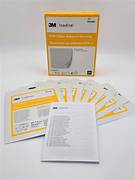
Inadine 5x5cm Non Adherent Dressing - 25 Dressings
Inadine 5x5cm Non Adherent Dressing - 25 Dressings
- ✔️ Povidone-iodine 10% fights broad-spectrum wound infection effectively
- ✔️ Non-adherent design minimises pain on dressing removal
- ✔️ Colour-change indicator shows when dressing needs replacing
- ✔️ Pack of 25 sterile dressings for ongoing wound management
- ✔️ Suitable for ulcers, burns, and post-surgical wound care
Price Checker
 Lowest price guarantee
 Includes FREE private prescription


Couldn't load pickup availability
What Is Inadine Dressing and How Does It Help Wounds?
If you're dealing with a wound that's infected or at risk of becoming infected, finding the right dressing matters more than most people realise. Inadine dressing is a knitted viscose fabric impregnated with povidone-iodine 10% in a water-soluble macrogol base. It's designed to sit directly on the wound surface without sticking, which means removal is far less painful than with traditional gauze. Each pack contains 25 individually wrapped sterile dressings measuring 5x5cm — a practical size for smaller wounds, leg ulcers, pressure sores, and post-surgical sites. You can find this and other wound care essentials in our first aid collection.
Inadine has been used in clinical settings for decades. It's trusted by district nurses, tissue viability teams, and GPs across the UK precisely because it combines antimicrobial action with a non-adherent design. The brown colour of the dressing is actually a useful indicator — when it fades to white or yellow, the iodine has been used up and it's time to change the dressing.
How Does Inadine Dressing Work on a Wound?
The active ingredient is povidone-iodine, a well-established antiseptic that releases free iodine slowly when it contacts wound exudate. This free iodine disrupts the cell walls and metabolic processes of a wide range of microorganisms. The mechanism is broad-spectrum, meaning it acts against bacteria, fungi, viruses, and spores.
- Povidone-iodine contacts wound fluid and releases free iodine gradually
- Free iodine penetrates microbial cell membranes and disrupts function
- Antimicrobial activity reduces bacterial load in the wound bed
- The knitted viscose base allows exudate to pass through to a secondary dressing
- The non-adherent design minimises trauma and pain on removal
Who Should Use Inadine Dressing?
Inadine is suitable for a range of wound types where infection is present or likely. It's particularly useful for chronic wounds that are slow to heal, or acute wounds in environments where contamination is a concern. That said, it's not appropriate for everyone — always read the full instructions and speak to a pharmacist or nurse if you're unsure.
- Adults with infected or at-risk acute wounds (cuts, abrasions, minor burns)
- People managing chronic wounds such as leg ulcers or pressure sores
- Post-surgical wound care where infection prevention is a priority
- Patients under the guidance of a district nurse or tissue viability specialist
How Does Inadine Dressing Compare to Other Wound Dressings?
| Feature | Inadine 5x5cm Dressing | Plain Non-Adherent Dressing (e.g. Mepitel) |
|---|---|---|
| Active antimicrobial ingredient | Povidone-iodine 10% | None |
| Suitable for infected wounds | Yes | No (for clean wounds only) |
| Non-adherent design | Yes | Yes |
| Colour change indicator | Yes (brown fades when depleted) | No |
How Should You Store Inadine Dressing?
Store your inadine dressing pack below 25°C, away from direct sunlight and sources of moisture. Each dressing is individually sealed in sterile packaging — do not use a dressing if the packaging has been damaged or opened. Keep out of reach of children. Once removed from its wrapper, the dressing should be used immediately and not re-sterilised. If you're also managing skin conditions alongside wound care, our skin care collection includes a range of supportive products.
This product is a medicine. Speak to your doctor or pharmacist before using if you have an underlying medical condition or are taking other medicines.
Inadine 5x5cm Non Adherent Dressing - 25 Dressings specifications
| Treatment category | Wound care / antimicrobial dressing |
| Active ingredient | Povidone-iodine 10% |
| Mechanism of action | Slow release of free iodine with broad-spectrum antimicrobial activity |
| Suitable for | Infected wounds, wounds at risk of infection, leg ulcers, pressure sores, minor burns |
| Pack size | 25 individually wrapped sterile dressings |
| Dressing size | 5cm x 5cm |
| UK classification | CE-marked medical device / OTC |
| Preparation | Knitted viscose fabric impregnated with povidone-iodine in macrogol base |
| Route of administration | Topical (wound contact layer) |
Specifications of Inadine 5x5cm Non Adherent Dressing - 25 Dressings
What Is Inadine Dressing and What Is It Used For?
Inadine is a sterile, non-adherent wound dressing impregnated with povidone-iodine 10% in a water-soluble macrogol (polyethylene glycol) base. It is used to treat or help prevent infection in a variety of wound types. The NHS recognises povidone-iodine as an effective topical antiseptic for wound management, and Inadine has been a staple of community and hospital wound care for many years.
It is indicated for use on infected acute wounds (such as cuts, lacerations, and abrasions), chronic wounds including venous leg ulcers and pressure ulcers, minor burns, and post-operative wounds where infection risk is elevated. The dressing works as a contact layer, sitting directly on the wound while a secondary absorbent dressing is placed on top to manage exudate.
What Do You Need to Know Before Using Inadine Dressing?
Before applying this dressing, it's important to check whether it's appropriate for your situation. There are several contraindications and precautions you should be aware of.
Do not use Inadine if you:
- Are allergic to iodine or povidone-iodine
- Have a known thyroid disorder (including hyperthyroidism or Hashimoto's thyroiditis)
- Are pregnant or breastfeeding (unless specifically advised by a doctor)
- Are using it on a newborn or infant without medical supervision
- Have Duhring's disease (dermatitis herpetiformis)
- Have renal impairment — systemic iodine absorption may be increased
Potential drug interactions:
- Lithium — iodine may reduce the effectiveness of lithium therapy
- Antithyroid medicines — concurrent use may have additive effects on thyroid function
- Enzymatic wound debridement agents — iodine may inactivate these agents
If you are taking any of the above medicines or have any of the conditions listed, speak to your GP or pharmacist before using this dressing. For general pain management alongside wound care, you may also find our pain relief collection helpful.
How Should You Use Inadine Dressing?
Always follow the instructions provided with the dressing or those given by your healthcare professional. The steps below are a general guide for adults.
- Wash your hands thoroughly with soap and water before handling the dressing.
- Clean the wound gently using sterile saline or water as directed by your nurse or GP.
- Open the individual sterile wrapper carefully, avoiding contact with the dressing surface.
- Place the Inadine dressing directly onto the wound surface, brown side down.
- Apply a suitable secondary absorbent dressing on top to manage exudate.
- Secure with tape or a bandage as appropriate.
- Change the dressing when it loses its brown colour, or as directed — typically every one to three days.
| Indication | Age Group | Dressing Size | Change Frequency |
|---|---|---|---|
| Infected acute wound | Adults | 5x5cm | Every 1–3 days or when colour fades |
| Leg ulcer / pressure sore | Adults | 5x5cm (or larger size) | As directed by tissue viability nurse |
| Minor burn | Adults | 5x5cm | Every 1–2 days initially |
| Post-surgical wound | Adults | 5x5cm | As directed by surgical team |
What Are the Possible Side Effects of Inadine Dressing?
Like all medicines and medicated dressings, Inadine can cause side effects in some people. Most are localised to the area of application and resolve once the dressing is discontinued.
Common side effects:
- Skin staining (brown/yellow discolouration around the wound)
- Mild localised irritation or itching at the wound site
- Slight burning sensation on initial application
Less common side effects:
- Allergic contact dermatitis (redness, swelling, or rash beyond the wound area)
- Systemic iodine absorption — more likely with large wounds, prolonged use, or renal impairment; may affect thyroid function
- Hypersensitivity reactions including urticaria (hives)
If you notice signs of a systemic reaction — such as swelling of the face, difficulty breathing, or a widespread rash — remove the dressing and seek urgent medical attention.
How Should You Store Inadine Dressing?
- Store below 25°C in a cool, dry place
- Keep away from direct sunlight and sources of heat
- Do not use if the individual sterile wrapper is damaged or has been previously opened
- Keep out of the reach and sight of children
- Do not use after the expiry date printed on the packaging
- Do not re-sterilise or reuse a dressing once it has been removed from its wrapper
Proper storage ensures each dressing remains sterile and effective right up to the point of use. If you're building a home first aid kit, our first aid collection has everything you need alongside Inadine dressings.
References
Written and reviewed by our qualified team
Your safety and success are our highest priorities. Our medical team rigorously evaluates every product and piece of advice we provide, ensuring you receive only the most effective, science-backed solutions available.
Frequently Asked Questions
Where can I buy Inadine dressing online in the UK?
You can buy Inadine 5x5cm non adherent dressing directly from Cured Pharmacy, a GPhC-registered UK online pharmacy. No prescription is needed, and the pack of 25 dressings is available for just £11.56. Browse our full range of wound care and first aid products for everything you need at home.
How does Inadine dressing work on infected wounds?
Inadine dressing releases free iodine slowly when it contacts wound fluid. This free iodine has broad-spectrum antimicrobial activity, disrupting the cell walls and metabolic processes of bacteria, fungi, viruses, and spores. The result is a reduction in the microbial load within the wound bed, helping to control infection and support healing.
How do I apply an Inadine dressing step by step?
Start by washing your hands and cleaning the wound with sterile saline or water. Open the sterile wrapper carefully, place the dressing brown side down directly onto the wound, and cover with a secondary absorbent dressing. Secure with tape or a bandage, and change when the brown colour fades or as directed by your healthcare professional.
How often should I change an Inadine dressing?
Inadine dressings are typically changed every one to three days, depending on the wound type and the amount of exudate produced. A useful visual cue is the colour of the dressing — when it fades from brown to white or yellow, the povidone-iodine has been depleted and the dressing needs replacing. Always follow the advice of your nurse or GP for your specific wound.
Can Inadine dressing be used on leg ulcers?
Yes, Inadine is commonly used in the management of infected or at-risk venous leg ulcers. It is often applied as a wound contact layer beneath compression bandaging, under the supervision of a district nurse or tissue viability specialist. The NHS recommends seeking professional assessment for leg ulcers before starting any treatment.
Who should not use Inadine dressing?
Inadine should not be used by people with a known allergy to iodine or povidone-iodine, those with thyroid disorders such as hyperthyroidism, or those who are pregnant or breastfeeding without medical advice. It is also not recommended for use on newborns or infants without supervision, or in people with significant renal impairment. Always check with your pharmacist or GP if you are unsure.
What are the side effects of Inadine dressing?
The most common side effects are localised — skin staining around the wound, mild irritation, and a slight burning sensation on application. Less commonly, some people experience allergic contact dermatitis or, with prolonged use on large wounds, systemic iodine absorption that may affect thyroid function. If you notice a widespread rash, swelling, or difficulty breathing, remove the dressing and seek urgent medical help.
Can Inadine dressing be used on burns?
Inadine can be used on minor burns where infection is a concern, but any burn larger than the size of the patient's hand, or burns to the face, hands, feet, or genitals, should be assessed by a healthcare professional immediately. The NHS advises that serious burns require urgent hospital treatment. For minor burns at home, Inadine may be used as directed, with dressing changes every one to two days initially.
Does Inadine dressing interact with any medicines?
Yes, there are some known interactions to be aware of. Iodine from the dressing may reduce the effectiveness of lithium therapy and may have additive effects when used alongside antithyroid medicines. Inadine can also inactivate enzymatic wound debridement agents if used at the same time. Tell your pharmacist about all medicines you are taking before using this dressing.
What are the alternatives to Inadine dressing?
Alternatives to Inadine include silver-containing antimicrobial dressings (such as Aquacel Ag or Mepilex Ag), medical-grade honey dressings (such as Medihoney), and cadexomer iodine dressings for chronic wounds. For clean wounds without infection risk, a plain non-adherent dressing may be more appropriate. Speak to your nurse or pharmacist to find the right option for your wound type. You can also explore our skin care collection for complementary products.
How long can you use Inadine dressing for?
Inadine is generally recommended for short-term use — typically no longer than three months continuously — to minimise the risk of systemic iodine absorption and potential effects on thyroid function. If your wound has not shown signs of improvement within two to four weeks, seek a review from your GP or tissue viability nurse. Prolonged use on large wounds should always be supervised by a healthcare professional.
Is Inadine dressing suitable for diabetic wounds?
Inadine may be used on diabetic foot wounds or ulcers where infection is present, but diabetic wounds require careful specialist management due to the risk of complications. Always involve your diabetes care team or a tissue viability nurse in wound management decisions. If you are monitoring your diabetes at home, our diabetes monitoring collection has a range of useful products.
What is the difference between Inadine and a standard non-adherent dressing?
The key difference is that Inadine contains povidone-iodine 10%, giving it active antimicrobial properties, whereas a standard non-adherent dressing (such as Mepitel or N-A dressing) has no active ingredient and is intended for clean, non-infected wounds only. Inadine is therefore the appropriate choice when infection is present or likely, while plain non-adherent dressings are better suited to healing wounds that simply need protection.
What are the latest findings on povidone-iodine wound dressings?
Clinical evidence continues to support the use of povidone-iodine dressings for infected and at-risk wounds, particularly in settings where antibiotic resistance is a concern. Research published in wound care literature suggests that iodine-based dressings can reduce bacterial biofilm and support wound healing without contributing to antimicrobial resistance. The BNF and NHS wound management guidelines continue to list iodine-based dressings as a recognised option for infected wound management.
Can I use Inadine dressing on a child?
Inadine is not recommended for use on newborns or very young infants due to the risk of systemic iodine absorption affecting thyroid development. For older children, use should only be under the guidance of a GP or paediatric nurse. If your child has a wound that may be infected, always seek professional advice before applying any medicated dressing.
Written and reviewed by our qualified team

Reviewed by:
Tarun Kumar
Superintendent/ Clinical Lead
📖 Find out more about our team of medical content authors and how we ensure the accuracy of our content with our content guidelines.
Content last updated: 14 Sep 2026

We’re a safe and
regulated UK service

Lowest Price Guarantee

We're convinced you won't find your treatment cheaper, but if you do we'll refund the difference.
Find out more
100% discreet packaging

Discreet, unbranded packaging for every order.
Find out more

Need help?
Talk to our friendly experts now


How our service works

Service setup

Discreet packaging

Express delivery