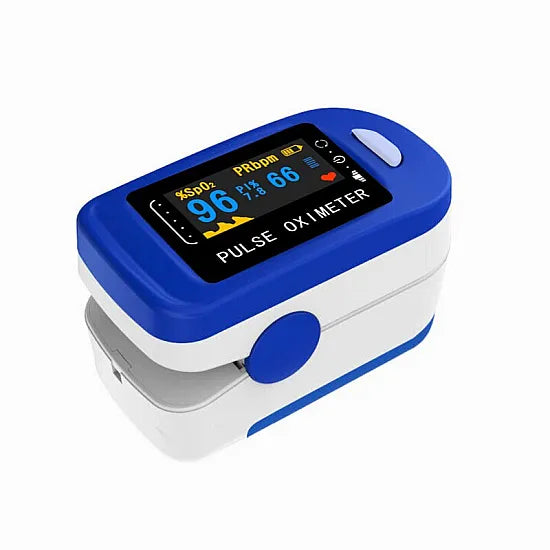
Fingertip Pulse Oximeter for Adult and Kids, SpO2 Oximeter and Blood Oxygen Saturation Monitor (Batteries Included)
Fingertip Pulse Oximeter for Adult and Kids, SpO2 Oximeter and Blood Oxygen Saturation Monitor (Batteries Included)
- ✔️ Measures blood oxygen saturation (SpO2) and pulse rate instantly
- ✔️ Suitable for adults and children of all ages
- ✔️ Accurate fingertip readings in as little as 10 seconds
- ✔️ Batteries included — ready to use straight from the box
- ✔️ Compact, lightweight design ideal for home health monitoring
Price Checker
 Lowest price guarantee
 Includes FREE private prescription


Couldn't load pickup availability
What Is a Pulse Oximeter and How Can It Help You?
Keeping an eye on your blood oxygen levels has never been more straightforward. This pulse oximeter from Cured Pharmacy clips gently onto your fingertip and gives you a clear digital readout of your blood oxygen saturation (SpO2) and pulse rate within seconds — no needles, no fuss. At just £12.99 with batteries included, it's an accessible way to monitor your health at home, whether you're managing a respiratory condition, recovering from illness, or simply keeping tabs on your general wellbeing. You'll find it listed alongside other useful home health tools in our Electrical Health and Diagnostic collection.
The NHS has highlighted the importance of monitoring oxygen saturation, particularly for people with conditions such as asthma, COPD, or heart disease. A healthy SpO2 reading typically sits between 95% and 100%. Anything consistently below 95% warrants a conversation with your GP, and a reading below 92% should be treated as a medical emergency.
How Does a Fingertip Pulse Oximeter Work?
The science behind it is elegant in its simplicity. The device uses a technique called photoplethysmography — it passes two wavelengths of light (red and infrared) through the tissue of your fingertip. Oxygenated and deoxygenated haemoglobin absorb these wavelengths differently, and the sensor on the other side of the clip calculates the ratio to determine your SpO2 percentage. Your pulse rate is measured simultaneously by detecting the rhythmic changes in light absorption caused by each heartbeat.
- Red and infrared light pass through the fingertip tissue
- Oxygenated haemoglobin absorbs more infrared light; deoxygenated haemoglobin absorbs more red light
- The sensor calculates the ratio and converts it to an SpO2 percentage
- Pulse rate is detected from the pulsatile blood flow signal
- Results display on the built-in LED screen within 10–15 seconds
Who Should Consider Using This SpO2 Monitor?
This device is suitable for a wide range of people. It's particularly useful if you or someone in your household has a condition that affects breathing or circulation. That said, it's equally handy for athletes wanting to track recovery, or parents who want peace of mind when a child seems unwell.
- Adults and children with asthma, COPD, or other respiratory conditions
- People recovering from COVID-19 or chest infections
- Individuals with heart conditions or anaemia
- Athletes monitoring exertion and recovery
- Carers and parents wanting a quick health check tool at home
It is not intended to replace clinical assessment. If you have ongoing concerns about your oxygen levels, always speak to a healthcare professional.
How Does This Fingertip Oximeter Compare to Other Home Monitoring Devices?
| Feature | This Pulse Oximeter | Wrist-Worn SpO2 Monitor |
|---|---|---|
| Measurement method | Fingertip clip sensor | Wrist optical sensor |
| Suitable for children | Yes | Varies by model |
| Batteries included | Yes | Usually rechargeable |
| Price | £12.99 | £30–£100+ |
| Continuous monitoring | Spot-check readings | Often continuous overnight |
Is This Pulse Oximeter Clinically Suitable for Home Use?
For the vast majority of home users, a fingertip pulse oximeter is a practical and reliable spot-check tool. It's worth noting that accuracy can be affected by factors such as poor peripheral circulation, cold hands, dark nail varnish, or excessive movement during the reading. Always warm your hands before use and keep your finger still for the most accurate result. If you're also managing a long-term condition and looking for complementary monitoring tools, our Diabetes Monitoring collection includes a range of home diagnostic devices.
This product is a medical device, not a medicine. However, if you have an underlying health condition or are unsure whether home monitoring is appropriate for you, speak to your doctor or pharmacist before use.
Fingertip Pulse Oximeter for Adult and Kids specifications
| Treatment category | Home health monitoring / Diagnostic device |
| Mechanism of action | Photoplethysmography — measures light absorption by oxygenated and deoxygenated haemoglobin |
| Effective for | Measuring blood oxygen saturation (SpO2) and pulse rate |
| Suitable for | Adults and children |
| Active ingredient | N/A — diagnostic device |
| Pack size | 1 device (batteries included) |
| UK classification | General sale medical device |
| Preparation | Electronic fingertip clip device |
| Route of administration | Transcutaneous (fingertip) |
Specifications of Fingertip Pulse Oximeter for Adult and Kids
What Is This Pulse Oximeter and What Is It Used For?
This fingertip pulse oximeter is a non-invasive home monitoring device designed to measure two key health indicators: your blood oxygen saturation level (SpO2) and your pulse rate. It works by clipping onto your fingertip and using light-based technology to give you a reading within seconds. It is suitable for adults and children and comes with batteries already included, so you can start using it straight away.
It is commonly used by people managing respiratory conditions such as asthma or COPD, those recovering from illness, and individuals who simply want a convenient way to keep an eye on their health at home. It is a spot-check device — meaning it gives you a reading at a single point in time — rather than a continuous monitor. It does not diagnose any medical condition and should never replace professional clinical assessment.
What Do You Need to Know Before Using This SpO2 Monitor?
Before using this device, there are a few important things to be aware of. Certain factors can affect the accuracy of your reading, and in some situations, you may need to seek clinical advice rather than relying solely on a home device.
Do not use or rely solely on this device if:
- You have very poor peripheral circulation (e.g. Raynaud's disease) — readings may be unreliable
- You are in cardiac arrest or experiencing a medical emergency — call 999 immediately
- You have severe anaemia, as this can affect the accuracy of SpO2 readings
- You are using it as a substitute for medical diagnosis or treatment
- The device is damaged or the display is not functioning correctly
Factors that may affect reading accuracy:
- Dark or opaque nail varnish on the finger being used
- Cold hands or poor blood flow to the fingertips
- Excessive movement during the reading
- Darker skin tones — research suggests some devices may overestimate SpO2 in these cases
- Bright ambient light interfering with the sensor
There are no known drug interactions with this device, as it is a diagnostic tool rather than a medicine. However, certain medications that affect circulation or haemoglobin (such as vasoconstrictors) may indirectly affect reading accuracy.
How Should You Use This Fingertip Oximeter Correctly?
Getting an accurate reading is straightforward, but technique does matter. Follow these steps each time you use the device:
- Warm your hands if they feel cold — poor circulation reduces accuracy
- Remove any nail varnish from the finger you plan to use
- Insert your index or middle finger fully into the device clip
- Press the power button to switch the device on
- Remain still and relaxed — avoid talking or moving during the reading
- Wait 10–15 seconds for the reading to stabilise on the display
- Note your SpO2 percentage and pulse rate
- Press the power button again to switch off, or allow it to auto-power-off
| User Group | Finger to Use | Normal SpO2 Range | When to Seek Advice |
|---|---|---|---|
| Adults | Index or middle finger | 95%–100% | Below 95% consistently |
| Children | Index finger (adult supervision) | 95%–100% | Below 95% consistently |
| Elderly individuals | Index or middle finger | 94%–100% | Below 94% or any sudden drop |
What Are the Possible Limitations or Side Effects of Using This Device?
As a non-invasive device, this oximeter carries very few risks. It does not pierce the skin or administer any substance. That said, there are a small number of things to be mindful of.
Possible minor issues with use:
- Mild skin irritation or redness if the clip is worn for a prolonged period
- Discomfort if the clip is applied too tightly
- Anxiety caused by misinterpreting a reading — always seek professional advice if unsure
Less common concerns:
- False reassurance from an inaccurate reading due to the factors listed above
- Over-reliance on home monitoring instead of seeking timely medical care
If you're also managing your health with supplements to support cardiovascular or respiratory function, our Vitamins and Supplements collection includes a range of options worth exploring alongside your monitoring routine.
How Should You Store This Pulse Oximeter?
Proper storage will help maintain the accuracy and longevity of your device. Follow these simple guidelines:
- Store at room temperature — avoid extremes of heat or cold
- Keep away from direct sunlight and moisture
- Remove the batteries if the device will not be used for an extended period
- Store in a clean, dry location away from dust and liquids
- Do not drop or expose the device to strong impacts
- Keep out of reach of young children when not in use
If you notice any damage to the device, casing, or display, discontinue use and contact the retailer. For general first aid and home health supplies, you may also find our First Aid collection useful.
References
Written and reviewed by our qualified team
Your safety and success are our highest priorities. Our medical team rigorously evaluates every product and piece of advice we provide, ensuring you receive only the most effective, science-backed solutions available.
Frequently Asked Questions
Where can I buy a pulse oximeter online in the UK?
You can buy this fingertip pulse oximeter directly from Cured Pharmacy for £12.99, with batteries included and no prescription required. It's available online and dispatched across the UK. You'll find it in our Electrical Health and Diagnostic collection alongside other home monitoring devices.
How does a pulse oximeter measure blood oxygen levels?
A pulse oximeter uses two wavelengths of light — red and infrared — that pass through your fingertip. Oxygenated haemoglobin absorbs more infrared light, while deoxygenated haemoglobin absorbs more red light. The device calculates the ratio of absorption to produce your SpO2 percentage and simultaneously detects your pulse rate from the rhythmic changes in blood flow.
What is a normal SpO2 reading on a pulse oximeter?
According to the NHS, a normal blood oxygen saturation level is between 95% and 100%. A reading consistently below 95% should prompt you to contact your GP or call NHS 111. If your reading drops below 92%, this is considered a medical emergency and you should call 999 immediately.
Can children use this fingertip pulse oximeter?
Yes, this device is designed for both adults and children. Very small fingers may not fit the clip securely, which can affect reading accuracy, so adult supervision is always recommended when using it with younger children. If you're concerned about a child's breathing or oxygen levels, seek medical advice promptly rather than relying solely on a home device.
How do I use a fingertip pulse oximeter step by step?
Warm your hands first, then remove any nail varnish from your index or middle finger. Insert your finger fully into the clip, press the power button, and stay still for 10–15 seconds while the reading stabilises. Note the SpO2 percentage and pulse rate shown on the display, then power off the device.
What should I do if my SpO2 reading is below 95%?
If your reading is consistently below 95%, contact your GP or call NHS 111 for guidance. Before assuming the worst, retake the reading after warming your hands and ensuring you're sitting still, as poor technique can produce falsely low results. A reading below 92% requires immediate emergency medical attention — call 999.
Does nail varnish affect pulse oximeter readings?
Yes, dark or opaque nail varnish can block the light sensors and produce inaccurate SpO2 readings. Always remove nail varnish from the finger you intend to use before taking a measurement. Clear or very light-coloured varnish may have less impact, but removing it entirely is the safest approach for reliable results.
Is a pulse oximeter accurate for people with darker skin tones?
Research, including studies published in peer-reviewed journals, has shown that some pulse oximeters may overestimate SpO2 in people with darker skin tones, potentially masking low oxygen levels. The NHS and MHRA have acknowledged this limitation. If you have concerns about accuracy, speak to your GP about alternative or supplementary monitoring methods.
Who is this SpO2 monitor suitable for?
This device is suitable for adults and children who want to monitor their blood oxygen saturation and pulse rate at home. It is particularly useful for people with asthma, COPD, heart conditions, or those recovering from respiratory illness. It is not intended for use as a clinical diagnostic tool or as a replacement for professional medical assessment.
What are the alternatives to a fingertip pulse oximeter?
Alternatives include wrist-worn SpO2 monitors (often used for overnight continuous monitoring), smartwatches with built-in SpO2 sensors, and clinical-grade hospital oximeters. Fingertip devices like this one are generally considered reliable for spot-check home use and are significantly more affordable than wrist-worn continuous monitors. Your GP can advise on which type best suits your needs.
How long do the batteries last in this pulse oximeter?
Battery life varies depending on frequency of use, but most fingertip pulse oximeters of this type will last for several weeks to months with regular spot-check use. The device includes an auto-power-off function to conserve battery life. Remove the batteries if you don't plan to use the device for an extended period to prevent corrosion.
Can I use a pulse oximeter if I have Raynaud's disease?
Raynaud's disease causes reduced blood flow to the extremities, which can significantly affect the accuracy of fingertip pulse oximeter readings. During a Raynaud's episode, the device may struggle to detect a signal or may produce unreliable results. Speak to your GP about the most appropriate way to monitor your oxygen levels if you have this condition.
How long can I use a pulse oximeter for?
This device is designed for spot-check readings rather than continuous wear. Do not leave it clipped to your finger for extended periods, as prolonged pressure can cause mild skin irritation or discomfort. For ongoing health monitoring, take readings at consistent times each day and keep a log to share with your healthcare provider if needed.
What are the latest guidelines on using pulse oximeters at home?
NICE guidance (NG191) on COVID-19 management highlighted the role of home pulse oximetry in monitoring patients with respiratory illness. The NHS recommends that home oximeters are used as a supplementary tool alongside clinical assessment, not as a standalone diagnostic device. Always follow up any concerning readings with a healthcare professional rather than self-managing based on the device alone.
Can I use this device to monitor my heart rate during exercise?
While this device does display your pulse rate, it is designed for resting spot-check measurements rather than continuous exercise monitoring. Movement during physical activity can interfere with the sensor and produce inaccurate readings. For exercise heart rate monitoring, a dedicated sports heart rate monitor or compatible smartwatch would be more appropriate. If you're also interested in supporting your cardiovascular health, explore our Vitamins and Supplements collection for relevant options.
Written and reviewed by our qualified team

Reviewed by:
Tarun Kumar
Superintendent/ Clinical Lead
📖 Find out more about our team of medical content authors and how we ensure the accuracy of our content with our content guidelines.
Content last updated: 14 Sep 2026
Other popular options


We’re a safe and
regulated UK service

Lowest Price Guarantee

We're convinced you won't find your treatment cheaper, but if you do we'll refund the difference.
Find out more
100% discreet packaging

Discreet, unbranded packaging for every order.
Find out more

Need help?
Talk to our friendly experts now


How our service works

Service setup

Discreet packaging

Express delivery