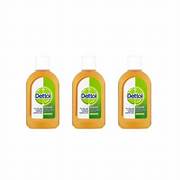
Dettol Antiseptic Disinfectant Original
- ✔️ Kills bacteria and fungi on minor cuts and grazes
- ✔️ Contains chloroxylenol 4.8% w/v for proven antiseptic action
- ✔️ Suitable for both skin wound care and surface disinfection
- ✔️ Trusted antiseptic formula used in UK households for decades
- ✔️ No prescription required — available over the counter
Price Checker
 Lowest price guarantee
 Includes FREE private prescription


Couldn't load pickup availability
What Is Dettol Antiseptic Liquid and How Does It Help?
Dettol antiseptic liquid has been a household staple in the UK for decades, and for good reason. It is a chloroxylenol-based disinfectant solution used to cleanse minor wounds, cuts, grazes, and abrasions, as well as to disinfect household surfaces and equipment. Whether you have grazed your knee in the garden or need to clean a surface before dressing a wound, this product offers a reliable, well-established option that many families reach for instinctively. If you are heading abroad or preparing a travel kit, you might also want to explore our travel health range for other essentials.
The liquid has a distinctive pine-like scent and turns milky white when diluted with water — a characteristic that confirms it has been mixed correctly. It is sold over the counter without a prescription and is widely trusted by both the public and healthcare professionals for everyday antiseptic use.
How Does Dettol Antiseptic Disinfectant Original Work?
The active ingredient in Dettol Antiseptic Disinfectant Original is chloroxylenol at a concentration of 4.8% w/v. Chloroxylenol is a halogenated phenolic compound that works by disrupting the integrity of bacterial cell membranes, causing leakage of intracellular contents and ultimately killing the microorganism. It is effective against a broad spectrum of bacteria, fungi, and some viruses.
- Chloroxylenol penetrates and destabilises bacterial cell walls
- Intracellular contents leak out, preventing the bacteria from functioning
- The organism is unable to replicate or survive
- The diluted solution remains active on skin and surfaces for a short period after application
It is worth noting that Dettol is not a sterilising agent — it reduces the microbial load significantly but does not achieve complete sterility. For everyday first aid and household hygiene, however, this level of antimicrobial activity is entirely appropriate.
Who Should Use Dettol Antiseptic Disinfectant Original?
This product is suitable for most adults and children when used correctly and diluted as directed. It is particularly useful for households with young children, active individuals, or anyone who wants a reliable antiseptic on hand for minor injuries. It is also commonly used in care settings, sports environments, and for general household hygiene.
- Adults and children needing to clean minor cuts, grazes, or abrasions
- Households wanting a general-purpose surface disinfectant
- Individuals preparing first aid kits for home, travel, or sport
- Carers or parents managing minor wound care at home
How Does Dettol Antiseptic Liquid Compare to Other Antiseptics?
| Feature | Dettol Antiseptic Disinfectant Original | Savlon Antiseptic Liquid |
|---|---|---|
| Active ingredient | Chloroxylenol 4.8% w/v | Chlorhexidine gluconate + Cetrimide |
| Suitable for skin use | Yes (diluted only) | Yes (diluted) |
| Surface disinfection | Yes | Limited |
| Distinctive scent | Yes — pine-like | Mild |
Is Dettol Antiseptic Disinfectant Original Safe to Store at Home?
Yes, provided it is stored correctly. Keep the bottle tightly sealed, away from direct sunlight, and in a cool, dry location below 25°C. It must always be kept out of reach of children and pets. Do not store near food, drink, or in the fridge. Check the expiry date before use — an expired product may be less effective.
If you are building a home first aid kit, it is worth pairing this product with other essentials from our first aid collection, including wound dressings, plasters, and antiseptic creams. Having everything in one place means you are prepared when minor accidents happen.
This product is a medicine. Speak to your doctor or pharmacist before using if you have an underlying medical condition or are taking other medicines.
Dettol Antiseptic Disinfectant Original specifications
| Treatment category | Antiseptic / Disinfectant |
| Active ingredient | Chloroxylenol 4.8% w/v |
| Mechanism of action | Disrupts bacterial cell membranes, causing cell death |
| Effective against | Bacteria, fungi, some viruses |
| Suitable for | Adults and children (diluted use) |
| UK classification | General Sale List (GSL) |
| Drug class | Halogenated phenolic antiseptic |
| Preparation | Liquid solution (concentrate) |
| Route of administration | Topical (external use only) / Surface application |
| Pack sizes | 250 ml, 500 ml, 750 ml, 1 litre |
Specifications of Dettol Antiseptic Disinfectant Original
What Is Dettol Antiseptic Disinfectant Original and What Is It Used For?
Dettol Antiseptic Disinfectant Original is an over-the-counter topical antiseptic solution containing chloroxylenol 4.8% w/v. It is used to help prevent infection in minor cuts, grazes, and skin abrasions, and to disinfect household surfaces, equipment, and fabrics. It is not intended for use on deep wounds, serious burns, or infected tissue — these require professional medical assessment. The NHS advises that minor wounds should be cleaned promptly to reduce the risk of infection, and a diluted antiseptic solution can form part of that process.
What Do You Need to Know Before Using Dettol Antiseptic Disinfectant Original?
Before using this product, read the label carefully. There are some situations where you should exercise caution or avoid use altogether.
Do not use if:
- You are allergic to chloroxylenol or any other ingredient in the product
- You intend to apply it undiluted to skin — this can cause chemical burns or severe irritation
- You are treating deep puncture wounds, animal bites, or serious lacerations — seek medical attention instead
- You need to use it near the eyes, ears, or mouth — it is not suitable for these areas
- You are treating large areas of broken skin without medical advice
Use with caution if:
- You have sensitive or eczema-prone skin — chloroxylenol may cause irritation or contact dermatitis
- You are pregnant or breastfeeding — while topical use is generally considered low risk, speak to your pharmacist or midwife first
- You are using it on young children — always dilute correctly and supervise use
Known interactions:
- No clinically significant drug interactions are known for topical chloroxylenol when used as directed
- Avoid mixing with other cleaning agents or disinfectants, as this may reduce effectiveness or create irritant fumes
How Should You Use Dettol Antiseptic Disinfectant Original?
Always dilute Dettol before applying it to skin. Using it neat can cause serious skin irritation. Follow these steps for safe wound care use:
- Wash your hands thoroughly before treating any wound
- Measure one part Dettol and add to 20 parts clean, lukewarm water in a clean bowl
- The solution should turn milky white — this confirms correct dilution
- Soak a clean piece of cotton wool or gauze in the diluted solution
- Gently clean the wound area, wiping away from the wound centre
- Allow the area to air dry or pat gently with a clean cloth
- Apply a sterile dressing if needed
| Use | Dilution ratio | Notes |
|---|---|---|
| Minor skin wounds | 1 part Dettol : 20 parts water | Apply with cotton wool; do not rinse off |
| General surface disinfection | 1 part Dettol : 20 parts water | Wipe surface; allow to air dry |
| Heavily soiled surfaces | 1 part Dettol : 10 parts water | Pre-clean surface before disinfecting |
If you are managing a wound that is not healing, is showing signs of infection (redness spreading, warmth, pus, or fever), or is larger than a minor graze, contact your GP or visit an NHS urgent treatment centre. You can also browse our skin care range for supporting products such as wound dressings and barrier creams.
What Are the Possible Side Effects of Dettol Antiseptic Disinfectant Original?
Side effects are uncommon when the product is used correctly and diluted as instructed. However, some people may experience reactions, particularly those with sensitive skin.
Common side effects:
- Mild skin irritation or stinging at the application site
- Temporary redness around the treated area
- Dryness if used frequently on the same area of skin
Less common side effects:
- Allergic contact dermatitis — a delayed skin reaction causing itching, blistering, or a rash
- Chemical burn if applied undiluted to skin
- Eye irritation if accidental contact occurs — rinse immediately with plenty of clean water
If accidentally swallowed, do not induce vomiting. Contact the NHS 111 service or your nearest A&E immediately and take the bottle with you. Ingestion of chloroxylenol can cause serious harm.
How Should You Store Dettol Antiseptic Disinfectant Original?
Correct storage helps maintain the product's effectiveness and keeps your household safe. For those building a complete medicine cabinet, our creams and ointments collection includes complementary wound care products worth keeping alongside your Dettol.
- Store below 25°C in a cool, dry place
- Keep away from direct sunlight and heat sources
- Always replace the cap tightly after use
- Keep out of reach and sight of children and pets
- Do not store near food, drink, or animal feed
- Do not transfer to unlabelled containers
- Check the expiry date before each use and dispose of expired product safely
- Do not pour unused product down the drain in large quantities — follow local disposal guidelines
References
Written and reviewed by our qualified team
Your safety and success are our highest priorities. Our medical team rigorously evaluates every product and piece of advice we provide, ensuring you receive only the most effective, science-backed solutions available.
Frequently Asked Questions
Where can I buy Dettol Antiseptic Disinfectant Original online in the UK?
You can buy Dettol Antiseptic Disinfectant Original directly from Cured Pharmacy, a GPhC-registered UK online pharmacy, with fast home delivery available. It is a General Sale List (GSL) medicine, meaning no prescription is required. Simply add it to your basket and check out — it is that straightforward.
How does Dettol antiseptic liquid work in the body?
Dettol antiseptic liquid works topically — it does not enter the bloodstream when used correctly on the skin. Its active ingredient, chloroxylenol 4.8% w/v, disrupts the cell membranes of bacteria and fungi on contact, causing them to break down and die. This reduces the microbial load on the skin surface and helps prevent wound infection.
How do I use Dettol Antiseptic Disinfectant Original step by step?
Always dilute Dettol before applying it to skin — the standard ratio is one part Dettol to 20 parts water, which should produce a milky white solution. Apply the diluted liquid to the wound using clean cotton wool, wiping gently away from the centre of the wound. Allow the area to dry naturally before applying a dressing if needed.
What is the correct dilution for Dettol antiseptic liquid on skin?
The recommended dilution for skin use is one part Dettol to 20 parts clean water. When mixed correctly, the solution turns a characteristic milky white colour — this is a useful visual indicator that you have the ratio right. Never apply Dettol neat to skin, as this can cause chemical burns or severe irritation.
Is Dettol antiseptic liquid safe for children?
Yes, Dettol can be used on children for minor cuts and grazes when diluted correctly to the recommended ratio. Always supervise children during use and ensure the bottle is stored well out of their reach at all times. If a child accidentally swallows any Dettol, contact NHS 111 or go to A&E immediately.
What are the side effects of Dettol antiseptic liquid?
Most people tolerate Dettol well when it is diluted and used as directed, but some may experience mild stinging, redness, or skin dryness at the application site. Less commonly, allergic contact dermatitis can occur, causing itching, a rash, or blistering — if this happens, stop use and seek advice from your pharmacist or GP. Applying Dettol undiluted to skin is the most common cause of more serious irritation.
Can I use Dettol antiseptic liquid on open wounds?
Dettol is suitable for cleaning minor open wounds such as small cuts and grazes when diluted appropriately. It should not be used on deep wounds, puncture wounds, animal bites, or wounds showing signs of infection — these require professional medical assessment. The NHS recommends seeking medical attention for any wound that is deep, heavily bleeding, or not healing as expected.
Can Dettol antiseptic liquid be used to disinfect surfaces?
Yes — Dettol Antiseptic Disinfectant Original is effective for disinfecting hard household surfaces such as bathroom fittings, worktops, and equipment when diluted at the recommended ratio. For heavily soiled surfaces, a stronger dilution of one part Dettol to ten parts water may be used, but always pre-clean the surface first. Allow the surface to air dry after application for best results.
Who is eligible to use Dettol Antiseptic Disinfectant Original?
Dettol Antiseptic Disinfectant Original is suitable for most adults and children when used as directed and diluted correctly. It is not suitable for people with a known allergy to chloroxylenol or any other ingredient in the formulation. If you are pregnant, breastfeeding, or have a skin condition such as eczema, speak to your pharmacist before use.
What happens if I accidentally swallow Dettol antiseptic liquid?
If Dettol is accidentally swallowed, do not induce vomiting — contact NHS 111 or go to your nearest A&E immediately, taking the bottle with you so medical staff can identify the ingredients. Ingestion of chloroxylenol can cause serious harm including irritation to the mouth, throat, and digestive tract. Keep the product stored safely away from children and pets at all times.
What are the alternatives to Dettol antiseptic liquid?
Common alternatives include Savlon Antiseptic Liquid, which contains chlorhexidine gluconate and cetrimide, and is also used for minor wound care. Sterile saline solution is another option recommended by the NHS for wound irrigation, particularly for those with sensitive skin. You can explore our first aid collection for a range of wound care options.
How long can I use Dettol antiseptic liquid for?
Dettol can be used as needed for minor wound care and household disinfection — there is no set maximum duration for occasional topical use. However, if you find yourself needing to treat the same wound repeatedly over several days without improvement, this may indicate infection and you should consult your GP or pharmacist. Check the expiry date on the bottle and do not use the product beyond it.
Can I use Dettol antiseptic liquid during pregnancy?
Topical use of diluted Dettol for minor wound care is generally considered low risk during pregnancy, as systemic absorption through intact or minimally broken skin is negligible. However, it is always sensible to speak to your midwife or pharmacist before using any antiseptic product during pregnancy. Avoid using it on large areas of broken skin or in enclosed spaces without ventilation.
What is the difference between Dettol antiseptic liquid and Dettol hand wash?
Dettol Antiseptic Disinfectant Original is a concentrated liquid that must be diluted before use on skin, and it is designed for wound care and surface disinfection. Dettol hand wash is a pre-formulated, ready-to-use soap intended for routine hand hygiene and does not require dilution. The antiseptic liquid is more versatile but requires more careful handling due to its concentration.
What are the latest guidelines on using antiseptics for wound care?
Current NHS guidance recommends cleaning minor wounds with clean running water or sterile saline as the first step, with antiseptic solutions used as an additional measure where appropriate. Some clinical guidance notes that routine antiseptic use on all minor wounds is not always necessary if the wound can be thoroughly irrigated with water. For personalised wound care advice, speak to your pharmacist or visit our skin care section for supporting products.
Written and reviewed by our qualified team

Reviewed by:
Tarun Kumar
Superintendent/ Clinical Lead
📖 Find out more about our team of medical content authors and how we ensure the accuracy of our content with our content guidelines.
Content last updated: 14 Sep 2026
Other popular options


We’re a safe and
regulated UK service

Lowest Price Guarantee

We're convinced you won't find your treatment cheaper, but if you do we'll refund the difference.
Find out more
100% discreet packaging

Discreet, unbranded packaging for every order.
Find out more

Need help?
Talk to our friendly experts now


How our service works

Service setup

Discreet packaging

Express delivery