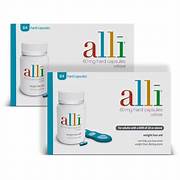
Alli Weight Loss Capsules 60mg
Alli Weight Loss Capsules 60mg
- ✔️ Blocks absorption of approximately one-third of dietary fat
- ✔️ Clinically studied orlistat 60mg in every capsule
- ✔️ Suitable for adults with a BMI of 28 or above
- ✔️ Supports greater weight loss than diet changes alone
- ✔️ UK-licensed pharmacy medicine, no prescription needed
Price Checker
 Lowest price guarantee
 Includes FREE private prescription


Couldn't load pickup availability
What Are Alli Weight Loss Capsules?
If you have been trying to manage your weight and feel like diet and exercise alone are not quite getting you there, you are not alone. Alli weight loss capsules are a clinically studied, UK-licensed over-the-counter treatment containing orlistat 60mg a medicine that works directly in your digestive system to reduce the amount of fat your body absorbs from food. They are available without a prescription for adults with a BMI of 28 or above, making them one of the few genuinely medically active weight loss options you can buy from a pharmacy in the UK.
Alli is manufactured by Haleon (formerly GSK Consumer Healthcare) and is regulated by the MHRA as a pharmacy medicine. It is not a food supplement or a herbal remedy it is a licensed medicine with a defined mechanism of action, a clinical evidence base, and a specific patient profile it is designed for. That distinction matters when you are choosing how to support your weight management journey.
How Do Alli Capsules Work?
Orlistat, the active ingredient in Alli, belongs to a class of medicines called lipase inhibitors. Here is what happens when you take a capsule with a meal:
- Orlistat attaches to lipase enzymes in your stomach and small intestine.
- These enzymes are normally responsible for breaking dietary fat into smaller molecules that can be absorbed through the gut wall.
- By blocking roughly one-third of lipase activity, orlistat prevents that portion of fat from being digested and absorbed.
- The unabsorbed fat passes through your digestive tract and is excreted in your stools.
This mechanism means Alli does not suppress your appetite or affect your brain chemistry. It works locally in the gut. The calorie reduction comes purely from the fat that is not absorbed which is why following a lower-fat diet while taking it is so important, both for effectiveness and to minimise gastrointestinal side effects.
Who Is Alli Suitable For?
Alli is intended for adults who are overweight and want structured, medically supported help with weight management. It is not a quick fix, and it works best when combined with a calorie-controlled, reduced-fat diet and regular physical activity. You may be a suitable candidate if:
- You are aged 18 or over.
- Your BMI is 28 or above.
- You are committed to making dietary changes alongside taking the capsules.
- You do not have any contraindications (see the patient information section below).
It is worth noting that Alli is not suitable for everyone. People who are pregnant, breastfeeding, or have conditions such as chronic malabsorption syndrome or cholestasis should not use it. Always complete the eligibility check before purchasing.
How Does Alli Compare to Prescription Orlistat?
| Feature | Alli 60mg (OTC) | Prescription Orlistat 120mg |
|---|---|---|
| Orlistat dose per capsule | 60mg | 120mg |
| Availability | Over the counter (pharmacy) | Prescription only |
| Minimum BMI | 28 | 30 (or 27 with risk factors) |
| Fat blocked per meal | Approximately 25% | Approximately 30% |
How Should You Store Alli Capsules?
Store Alli weight loss capsules below 25°C in a dry place, away from direct sunlight. Keep the pack tightly closed and out of the reach and sight of children. Do not use the capsules after the expiry date printed on the carton. If you are also taking vitamins and supplements such as fat-soluble vitamins (A, D, E, and K), take them at least two hours before or after your Alli dose, or at bedtime, as orlistat can reduce their absorption.
This product is a medicine. Speak to your doctor or pharmacist before using if you have an underlying medical condition or are taking other medicines.
Alli Weight Loss Capsules 60mg specifications
| Treatment category | Weight management |
| Mechanism of action | Lipase inhibitor — reduces dietary fat absorption |
| Effective for | Weight loss support in overweight adults (BMI ≥28) |
| Suitable for | Adults aged 18 and over |
| Active ingredient | Orlistat 60mg |
| Pack sizes | 84 capsules |
| Strength | 60mg per capsule |
| UK classification | Pharmacy (P) medicine |
| Drug class | Lipase inhibitor |
| Preparation | Hard capsule |
| Route of administration | Oral |
Specifications of Alli Weight Loss Capsules 60mg
What Is Alli and What Is It Used For?
Alli 60mg capsules contain orlistat, a lipase inhibitor used to support weight loss in overweight adults. It is a licensed pharmacy medicine in the UK, indicated for adults aged 18 and over with a BMI of 28 or above. Alli is used alongside a calorie-controlled, reduced-fat diet and increased physical activity it is not a standalone solution, but a medically active aid to help you lose more weight than diet and exercise alone might achieve. Clinical studies have shown that people using orlistat alongside lifestyle changes lose more weight than those making lifestyle changes alone.
What Do You Need to Know Before Using Alli?
Before taking Alli, it is important to check whether it is appropriate for you. Do not take Alli if any of the following apply:
- You are under 18 years of age.
- You are pregnant or breastfeeding.
- You have chronic malabsorption syndrome.
- You have cholestasis (a liver condition affecting bile flow).
- You are already taking prescription orlistat 120mg.
- You have had an organ transplant and are taking ciclosporin.
- You have anorexia nervosa or bulimia nervosa.
Alli may interact with certain medicines. Tell your pharmacist or doctor if you are taking any of the following:
- Anticoagulants such as warfarin orlistat may affect INR levels.
- Antiepileptic medicines such as valproate or lamotrigine seizure control may be affected.
- Amiodarone (used for heart rhythm problems).
- Levothyroxine (thyroid hormone replacement).
- Fat-soluble vitamins (A, D, E, K) absorption may be reduced.
- Acarbose (used in diabetes management).
If you have type 2 diabetes and are considering Alli, speak to your GP first, as weight loss may alter your blood glucose levels and your diabetes medication may need adjusting. You might also find our diabetes monitoring range useful for tracking changes during your weight loss journey.
How Should You Take Alli?
- Take one 60mg capsule with each main meal that contains fat up to three times daily.
- Swallow the capsule whole with a glass of water.
- Take the capsule just before, during, or up to one hour after eating.
- If you miss a meal or eat a meal with no fat content, skip that dose entirely.
- Follow a reduced-calorie diet where no more than 30% of calories come from fat.
- Take any fat-soluble vitamin supplements at least two hours before or after Alli, or at bedtime.
| Indication | Age Group | Dose | Frequency |
|---|---|---|---|
| Weight loss support (BMI ≥28) | Adults 18+ | One 60mg capsule | With each fat-containing meal, up to 3 times daily |
| Not indicated | Under 18 | — | — |
What Are the Possible Side Effects of Alli?
Like all medicines, Alli can cause side effects. Most are gastrointestinal and are directly related to the unabsorbed fat passing through your digestive system. Eating a lower-fat diet significantly reduces the likelihood and severity of these effects.
Common side effects (may affect more than 1 in 10 people):
- Oily or fatty stools (steatorrhoea)
- Oily spotting on underwear or clothing
- Urgent or frequent need to open your bowels
- Flatulence with oily discharge
- Soft or liquid stools
- Stomach pain or discomfort
Less common side effects (may affect up to 1 in 10 people):
- Headache
- Upper respiratory tract infections
- Rectal pain or discomfort
- Tooth or gum problems
- Irregular menstrual periods
- Fatigue
Rarely, orlistat has been associated with serious liver injury. Stop taking Alli and seek medical advice promptly if you develop yellowing of the skin or eyes, dark urine, or severe abdominal pain. If you experience any digestive side effects that concern you, our IBS and cramps section may offer additional supportive products, though always speak to a pharmacist first.
How Should You Store Alli?
- Store below 25°C in a dry place.
- Keep away from direct sunlight and moisture.
- Keep the bottle tightly closed after each use.
- Store out of the reach and sight of children.
- Do not use after the expiry date printed on the carton or bottle.
- Do not dispose of medicines via wastewater or household waste return unused capsules to your pharmacy.
References
- https://www.nhs.uk/medicines/orlistat/
- https://www.nhs.uk/live-well/healthy-weight/managing-your-weight/weight-loss-medicines/
- https://www.nhs.uk/live-well/healthy-weight/managing-your-weight/understanding-calories/
- https://www.nhs.uk/live-well/healthy-weight/bmi-calculator/
- https://bnf.nice.org.uk/drugs/orlistat/
Written and reviewed by our qualified team
Your safety and success are our highest priorities. Our medical team rigorously evaluates every product and piece of advice we provide, ensuring you receive only the most effective, science-backed solutions available.
Frequently Asked Questions
Where can I buy Alli weight loss capsules online in the UK?
You can buy Alli weight loss capsules 60mg from Cured Pharmacy, a GPhC-registered UK online pharmacy. You will need to complete a short eligibility questionnaire to confirm the product is appropriate for you before your order is dispatched. Browse our full weight loss range for additional options.
How does Alli work in the body?
Alli contains orlistat, which inhibits the lipase enzymes in your stomach and small intestine that normally break down dietary fat. By blocking these enzymes, roughly one-third of the fat you eat cannot be absorbed and is instead excreted in your stools. This reduces your overall calorie intake from fat without affecting appetite or brain chemistry.
How do I take Alli capsules step by step?
Take one 60mg capsule with each main meal that contains fat — up to three times per day. Swallow the capsule whole with water just before, during, or up to one hour after eating. If you skip a meal or your meal contains no fat, skip that dose entirely.
What is the correct dose of Alli 60mg?
The recommended dose is one 60mg capsule taken up to three times daily, with each fat-containing meal. Never take more than three capsules in a 24-hour period. Taking more than the recommended dose will not increase weight loss but will increase the risk of side effects.
What is the best time to take Alli capsules?
Take each Alli capsule just before, during, or within one hour of a fat-containing meal. Timing it around your meals — rather than at fixed times of day — is what matters most. If you eat three main meals a day, you would typically take one capsule at breakfast, one at lunch, and one at dinner.
What are the most common side effects of Alli?
The most common side effects are gastrointestinal and include oily or fatty stools, oily spotting on underwear, urgent or frequent bowel movements, and flatulence with discharge. These effects are directly linked to unabsorbed fat passing through your gut and are much less likely if you follow a low-fat diet while taking Alli.
How do I manage the side effects of Alli?
The most effective way to reduce gastrointestinal side effects is to keep your fat intake low — aim for no more than 15g of fat per meal. Wearing dark clothing or using panty liners can help manage oily spotting, particularly in the early weeks. Most people find side effects improve significantly once they adjust their diet.
Who is eligible to take Alli capsules?
Alli is suitable for adults aged 18 and over with a BMI of 28 or above who are committed to following a reduced-calorie, lower-fat diet. It is not suitable for people who are pregnant, breastfeeding, under 18, or who have certain medical conditions such as chronic malabsorption syndrome or cholestasis.
What happens if I miss a dose of Alli?
If you miss a dose, simply skip it and take your next capsule with your next fat-containing meal as normal. Do not take a double dose to compensate for a missed one. Missing an occasional dose will not significantly affect your overall results.
Can I take Alli if I have diabetes?
You should speak to your GP before taking Alli if you have type 2 diabetes, as weight loss can alter your blood glucose levels and your diabetes medication may need adjusting. Alli is not recommended for people with type 1 diabetes. Regular monitoring is advisable — see our diabetes monitoring range for helpful tools.
How long can you take Alli for?
Alli can be used for up to six months without medical supervision. If you have not lost at least 5% of your starting body weight after 12 weeks of use, you should stop taking it and speak to your GP about alternative options. Continued use beyond six months should only be under medical guidance.
What are the alternatives to Alli for weight loss?
The main alternative is prescription-strength orlistat 120mg (Xenical), which contains double the dose and is available on prescription for people with a BMI of 30 or above. GLP-1 receptor agonists such as semaglutide (Wegovy) are also now available in the UK on prescription for eligible patients. Your GP can advise on the most appropriate option for your circumstances.
Does Alli interact with any other medicines?
Yes — Alli can interact with several medicines, including warfarin, antiepileptics (such as valproate and lamotrigine), amiodarone, levothyroxine, and ciclosporin. It can also reduce the absorption of fat-soluble vitamins A, D, E, and K. Always tell your pharmacist about all medicines and supplements you are taking before starting Alli.
What do the latest studies say about orlistat for weight loss?
Clinical evidence consistently shows that orlistat, combined with a reduced-calorie diet, produces greater weight loss than diet alone. Studies have also demonstrated modest improvements in cardiovascular risk factors such as blood pressure and cholesterol in people who lose weight with orlistat. The NHS acknowledges orlistat as an effective short-to-medium-term weight management aid when used correctly.
Can Alli affect vitamin absorption?
Yes — because orlistat blocks fat absorption, it can also reduce the absorption of fat-soluble vitamins A, D, E, and K. It is recommended that you take a daily multivitamin supplement containing these vitamins while using Alli. Take your supplement at least two hours before or after your Alli dose, or at bedtime, to minimise any interaction. Browse our vitamins and supplements range for suitable options.
Written and reviewed by our qualified team

Reviewed by:
Tarun Kumar
Superintendent/ Clinical Lead
📖 Find out more about our team of medical content authors and how we ensure the accuracy of our content with our content guidelines.
Content last updated: 14 Sep 2026

We’re a safe and
regulated UK service

Lowest Price Guarantee

We're convinced you won't find your treatment cheaper, but if you do we'll refund the difference.
Find out more
100% discreet packaging

Discreet, unbranded packaging for every order.
Find out more

Need help?
Talk to our friendly experts now


How our service works

Service setup

Discreet packaging

Express delivery