

Who Should Not Take Tadalafil? Safety Guide
Understand the contraindications and drug interactions that make tadalafil unsafe, with UK pharmacist-led consultations available.
Takes less than 2 minutes to complete 100% online
Our ED Treatments
Pricing Disclaimer: Prices on some pages may not be up to date — the live pricing table below and pricing shown during consultation are official current prices and take precedence over any other figures on the site.
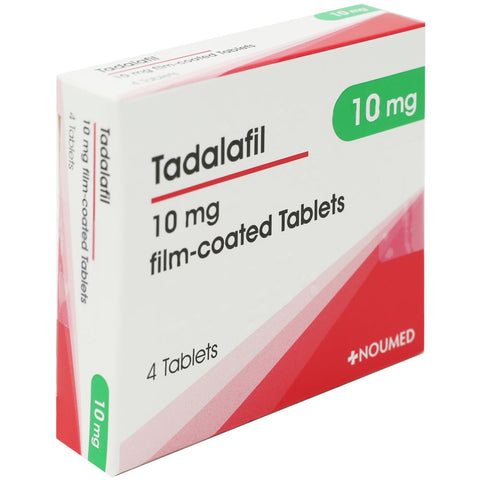
Trusted by thousands
Real people, real results
“Fabulous service and quick delivery”
“Felt the effects of these after about 5 days. Erections are better and can get aroused and ready easier”
“Excellent value and brilliant customer service”
“I received excellent service and everything went well. The order arrived quickly and in perfect condition. It's working very well! Thank you to the whole team for the great work!”
“Delivery was good, the product lived up to expectations.”
How it Works?
Choose your treatment
Select from our recommended UK-licensed medications.

Answer quick questions
Select safe UK treatments. Quick answers.

Get it delivered fast
We will deliver direct to you as quickly as tomorrow.

Who Should Not Take Tadalafil? Understanding Contraindications and Safety
Published: 8 November 2026
Who should not take tadalafil? Tadalafil is not suitable for anyone taking nitrates (such as GTN spray or isosorbide mononitrate), nicorandil, riociguat, or recreational drugs called poppers, because the combination can cause a dangerous drop in blood pressure [4]. It is also contraindicated for men with recent heart attack or stroke, unstable angina, severe heart failure, very low blood pressure, previous sudden vision loss (NAION), or certain inherited retinal disorders [2][4]. This page explains who should avoid tadalafil, which medicines interact dangerously with it, and when a prescriber must adjust the dose or choose an alternative treatment.
Always declare all medicines
The online consultation asks about every medicine you take, including over-the-counter drugs, herbal remedies, and recreational substances. Honest answers are essential to identify dangerous interactions and keep you safe.
Absolute contraindications: who should not take tadalafil under any circumstances
Tadalafil must never be taken by anyone using nitrate medicines for angina or chest pain, including GTN spray, isosorbide mononitrate, or isosorbide dinitrate [4]. The combination can cause a severe and potentially life-threatening fall in blood pressure. This also applies to nicorandil (another angina medicine) and riociguat (used for pulmonary hypertension) [4]. Recreational drugs known as 'poppers' (amyl or alkyl nitrites) carry the same risk and must be avoided completely.
Tadalafil is also contraindicated for men who have had a recent heart attack (within the last 90 days), stroke within the last six months, unstable angina, or severe heart failure, because sexual activity itself may not be safe in these situations [2][4]. Men with very low blood pressure (hypotension) or uncontrolled high blood pressure should not use tadalafil until their condition is stabilised. Anyone who has experienced non-arteritic anterior ischaemic optic neuropathy (NAION), a sudden loss of vision in one or both eyes, should not take any PDE5 inhibitor including tadalafil [4].
Certain rare inherited eye conditions, such as retinitis pigmentosa, also make tadalafil unsuitable [4]. Severe liver disease and end-stage kidney disease requiring dialysis are further contraindications, as the body cannot process the medicine safely [4]. Finally, tadalafil must not be combined with another PDE5 inhibitor (such as sildenafil or vardenafil) on the same day, as this increases the risk of side effects without improving effectiveness [4].
Dangerous drug interactions: medicines that must not be taken with tadalafil
The most dangerous interactions involve nitrates and nitrate-like medicines. As explained above, tadalafil combined with GTN, isosorbide mononitrate, isosorbide dinitrate, nicorandil, riociguat, or poppers can cause a sudden, severe drop in blood pressure that may lead to fainting, heart attack, or stroke [4]. This interaction can occur even if the nitrate is taken hours before or after tadalafil, because tadalafil remains active in the body for up to 36 hours [4].
Another important interaction is with potent CYP3A4 inhibitors—medicines that slow the breakdown of tadalafil in the liver, leading to higher levels in the blood [4]. These include HIV medicines such as ritonavir and cobicistat (including Paxlovid, which contains ritonavil), antifungal tablets like ketoconazole and itraconazole, and the antibiotic clarithromycin [4]. When these medicines are necessary, the prescriber must reduce the maximum dose of tadalafil or avoid it altogether, depending on the specific drug and the patient's kidney and liver function [4].
Alpha-blockers, used for prostate symptoms or high blood pressure (such as doxazosin, tamsulosin, alfuzosin, terazosin, prazosin, silodosin, and indoramin), can also interact with tadalafil, increasing the risk of dizziness or fainting due to low blood pressure [4]. Men taking an alpha-blocker must be stable on that medicine before starting tadalafil, and the prescriber will usually recommend the lowest dose of tadalafil to start [4]. The online consultation at Cured Pharmacy checks every current medicine to identify these interactions before a prescription is issued.
Other medicines that may affect tadalafil
CYP3A4 inducers, such as rifampicin (an antibiotic for tuberculosis), carbamazepine and phenytoin (anti-epileptic medicines), and the herbal remedy St John's wort, can reduce tadalafil levels in the blood and make it less effective [4]. If you are taking any of these, your prescriber may suggest a different ED treatment or adjust your dose. Other blood-pressure medicines, including ACE inhibitors, angiotensin receptor blockers, calcium-channel blockers, and diuretics, can add to the blood-pressure-lowering effect of tadalafil, but this is usually manageable and does not mean you cannot use tadalafil—it simply needs to be declared during your consultation [4]. Grapefruit juice can also raise tadalafil levels and should be avoided or limited [4].
Heart and cardiovascular conditions: when tadalafil may not be safe
Sexual activity places demands on the heart, so tadalafil is not suitable when sexual activity itself is inadvisable [2][4]. This includes men who have had a heart attack in the last three months, a stroke in the last six months, or who have unstable angina (chest pain that occurs at rest or with minimal exertion) [2][4]. Severe heart failure (New York Heart Association class III or IV) is also a contraindication, as is life-threatening arrhythmia or very low blood pressure (below 90/50 mmHg) [4].
Men with stable cardiovascular disease—such as well-controlled angina, previous heart attack more than 90 days ago, or mild to moderate heart failure—may be able to use tadalafil, but only after a careful assessment by a prescriber [2]. The consultation will consider your overall fitness, current symptoms, and whether you can manage moderate physical activity without chest pain or breathlessness. If you have any heart condition, it is essential to be honest during the online consultation and to see your GP regularly for monitoring [1][2].
Uncontrolled high blood pressure is another reason to delay starting tadalafil until your blood pressure is stable [4]. Very high blood pressure can increase the risk of stroke or heart attack during sexual activity, and tadalafil can interact with blood-pressure medicines. Your GP or prescriber will want to ensure your blood pressure is well managed before prescribing any ED treatment [2].
What you need to know
- Never take tadalafil with nitrates, nicorandil, riociguat, or poppers—the combination can cause dangerous low blood pressure.
- Tadalafil is not suitable after recent heart attack or stroke, or if you have unstable angina or severe heart failure.
- Alpha-blockers and some HIV or antifungal medicines interact with tadalafil and need dose adjustment or avoidance.
- The online consultation checks all your medicines and health conditions before a prescription is issued.
- If tadalafil is unsuitable, alternatives include other PDE5 inhibitors, alprostadil, vacuum devices, or lifestyle changes.
Who should not take tadalafil: other medical conditions and risk factors
Tadalafil is not suitable for men with severe liver disease, because the liver is responsible for breaking down the medicine [4]. In mild to moderate liver impairment, a lower dose may be used, but this must be decided by a prescriber based on blood test results and the severity of the condition [4]. Severe kidney disease, particularly if you are on dialysis, is also a contraindication, as the kidneys help eliminate tadalafil from the body [4]. Men with moderate kidney impairment may use a reduced dose under medical supervision [4].
A history of priapism—painful erections lasting more than four hours—requires caution, as tadalafil and other PDE5 inhibitors can increase this risk, particularly in men with sickle cell disease, leukaemia, or multiple myeloma [4]. These conditions affect blood flow and clotting, making prolonged erections more likely. If you have any of these blood disorders, your prescriber will assess whether tadalafil is safe or whether an alternative treatment is more appropriate [4].
Men who have experienced sudden vision loss due to NAION (non-arteritic anterior ischaemic optic neuropathy) in one or both eyes should not take tadalafil or any other PDE5 inhibitor, as there is a small risk of recurrence [4]. Rare inherited retinal disorders, such as retinitis pigmentosa, are also contraindications [4]. Sudden hearing loss or ringing in the ears (tinnitus) has been reported rarely with PDE5 inhibitors; if this occurs, stop taking tadalafil and seek medical advice immediately [4].
Age, allergies, and other considerations
Tadalafil is licensed for adult men aged 18 and over [4]. It is not intended for use by women or children. If you have a known allergy to tadalafil or any of the inactive ingredients in the tablet, you must not take it [4]. Symptoms of an allergic reaction include rash, itching, swelling of the face or throat, and difficulty breathing; if these occur, seek urgent medical help. Men with anatomical deformities of the penis, such as Peyronie's disease or severe curvature, should discuss this with their prescriber, as tadalafil may not be suitable or may require careful monitoring [4]. The online consultation at Cured Pharmacy asks about all these factors to ensure tadalafil is safe for you.
How the online consultation checks if tadalafil is safe for you
At Cured Pharmacy, every order for tadalafil requires an online consultation that is reviewed by a UK-registered prescriber before the medicine is dispensed [2]. The consultation asks detailed questions about your current health, including any heart conditions, blood pressure, recent strokes or heart attacks, and whether you take nitrates or other medicines that interact with tadalafil [4]. You will be asked to list all your current medicines, including over-the-counter drugs, herbal remedies, and recreational substances, so the prescriber can check for dangerous interactions [4].
The consultation also asks about symptoms that might suggest an underlying health problem, such as chest pain, breathlessness, dizziness, or vision changes [2]. If the prescriber identifies any contraindication or safety concern, they may decline the prescription, suggest a lower dose, recommend a different ED treatment, or advise you to see your GP for further investigation [2]. This process is designed to protect your safety and ensure that tadalafil is appropriate for your individual circumstances.
If you have a stable, well-managed condition—such as controlled high blood pressure, diabetes, or mild heart disease—you may still be able to use tadalafil, but the prescriber will take extra care to check your current treatment and overall health [2]. It is essential to answer all questions honestly and completely; withholding information about your health or medicines can put you at serious risk. If your health changes after starting tadalafil, or if you are prescribed a new medicine by your GP, contact the pharmacy or your doctor to check whether it is still safe to continue [4].
When to get urgent help
- Chest pain during or after sex—stop activity, sit down, call 999 (do not take nitrates if you have used tadalafil in the last 36 hours)
- Erection lasting more than 4 hours (priapism)—go to A&E immediately to prevent permanent damage
- Sudden loss of vision or hearing—stop tadalafil and seek same-day medical advice
- Severe dizziness, fainting, or signs of very low blood pressure—call 999 or go to A&E
- Allergic reaction (rash, swelling of face or throat, difficulty breathing)—call 999 immediately
Call 999 or go to A&E in an emergency, or contact NHS 111 for urgent advice.
What to do if you cannot take tadalafil: alternative treatments for ED
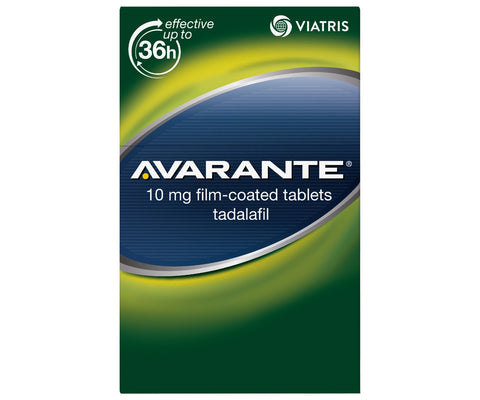
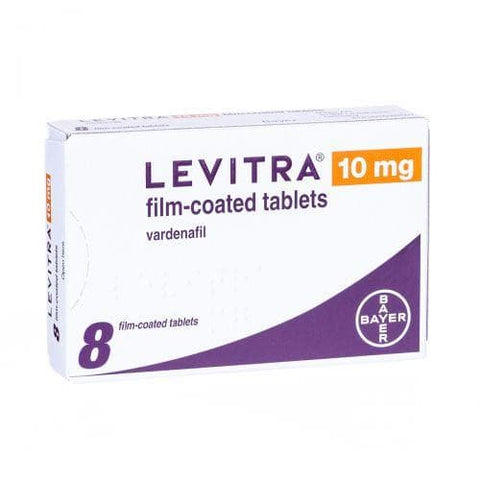
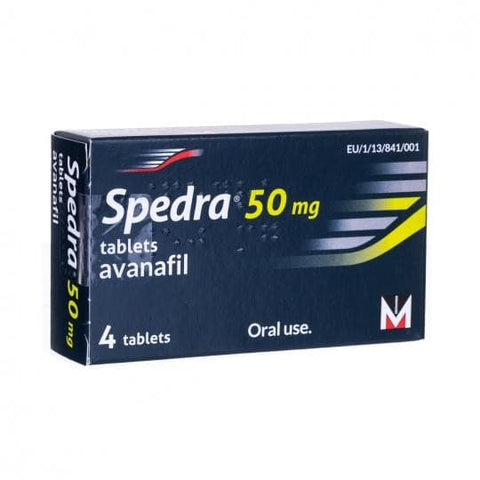
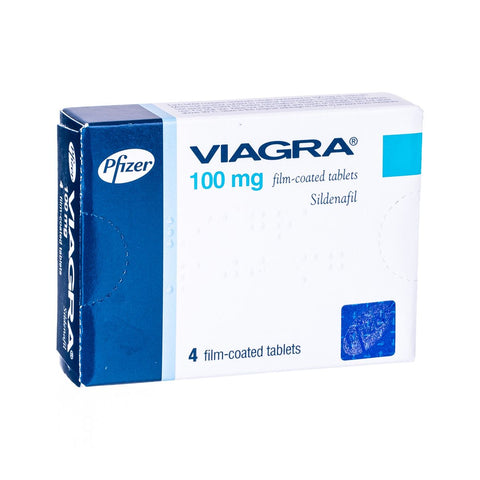
If tadalafil is not suitable for you, there are several alternative treatments for erectile dysfunction [1][2]. Other PDE5 inhibitors, such as sildenafil (Viagra), vardenafil (Levitra), or avanafil (Spedra), work in a similar way to tadalafil and have similar contraindications, but they differ in how quickly they work and how long they last [3][5][6]. For example, avanafil acts faster (within 15–30 minutes) and may be preferred if you want a shorter duration of action [6][11]. However, if you cannot take tadalafil due to nitrate use, heart conditions, or certain drug interactions, these alternatives will also be unsuitable [3][5][6].
For men who cannot use oral PDE5 inhibitors, other options include Vitaros, an alprostadil cream applied to the tip of the penis, or Caverject, an alprostadil injection into the side of the penis [7]. Both are prescription-only and work by increasing blood flow directly to the penis, without affecting blood pressure in the rest of the body [7]. Vacuum erection devices (pumps) and penile implants are non-drug options that may be considered for men with severe ED or multiple contraindications [2].
Eroxon is a topical gel medical device available without prescription that can help some men achieve an erection through a cooling and warming effect on the skin [1]. Viagra Connect (sildenafil 50mg) and Cialis Together (tadalafil 10mg) are available from pharmacies without a prescription after a consultation with a pharmacist, but the same contraindications apply [3][4]. If ED is new or worsening, see your GP, as it can be an early warning sign of heart disease, diabetes, or other health problems that need investigation and treatment [1][2].
Lifestyle changes and addressing underlying causes
Treating the underlying cause of ED is often as important as the medicine itself [1][2]. Lifestyle changes such as losing weight, stopping smoking, reducing alcohol intake, exercising regularly, and managing stress can all improve erectile function and overall cardiovascular health [1][10]. Conditions such as diabetes, high cholesterol, and high blood pressure contribute to ED and should be managed with the help of your GP [2]. Psychological factors, including anxiety, depression, and relationship difficulties, can also cause or worsen ED; talking therapies or counselling may be helpful [1][2]. Your GP can refer you to appropriate services and work with you to address all the factors affecting your sexual health.
Scientific References
- NHS. (n.d.). Erectile dysfunction (impotence). NHS website. https://www.nhs.uk/conditions/erection-problems-erectile-dysfunction/ [accessed 8 November 2026]
- National Institute for Health and Care Excellence. (n.d.). Erectile dysfunction. Clinical Knowledge Summaries. https://cks.nice.org.uk/topics/erectile-dysfunction/ [accessed 8 November 2026]
- Joint Formulary Committee. (n.d.). Sildenafil. British National Formulary. NICE. https://bnf.nice.org.uk/drugs/sildenafil/ [accessed 8 November 2026]
- Joint Formulary Committee. (n.d.). Tadalafil. British National Formulary. NICE. https://bnf.nice.org.uk/drugs/tadalafil/ [accessed 8 November 2026]
- Joint Formulary Committee. (n.d.). Vardenafil. British National Formulary. NICE. https://bnf.nice.org.uk/drugs/vardenafil/ [accessed 8 November 2026]
- Joint Formulary Committee. (n.d.). Avanafil. British National Formulary. NICE. https://bnf.nice.org.uk/drugs/avanafil/ [accessed 8 November 2026]
- Feldman, H. A., Goldstein, I., Hatzichristou, D. G., Krane, R. J., & McKinlay, J. B. (1994). Impotence and its medical and psychosocial correlates: Results of the Massachusetts Male Aging Study. Journal of Urology, 151(1), 54–61. https://pubmed.ncbi.nlm.nih.gov/8254833/ [accessed 8 November 2026]
- National Institute for Health and Care Excellence. (2014). Erectile dysfunction: avanafil (ESNM45). https://www.nice.org.uk/advice/esnm45 [accessed 8 November 2026]
Information on this page is for educational purposes only and is not medical advice. Prescription treatments require clinical assessment by a UK-registered prescriber. Always consult a qualified healthcare professional before starting or changing any medication.
Faq
Can I take tadalafil if I have high blood pressure?
If your blood pressure is well controlled with treatment, tadalafil is usually safe, but you must declare all your medicines during the consultation. Uncontrolled high blood pressure is a reason to delay starting tadalafil until it is stable.
Is tadalafil safe for older men?
Age alone is not a contraindication, but older men are more likely to have heart conditions, take multiple medicines, or have reduced kidney or liver function, all of which the prescriber will assess.
Can I drink alcohol while taking tadalafil?
Small amounts of alcohol are unlikely to cause problems, but heavy drinking can worsen ED, increase the risk of side effects such as dizziness, and lower blood pressure.
What should I do if I accidentally take tadalafil with a nitrate?
Seek urgent medical help immediately by calling 999 or going to A&E, as the combination can cause a severe drop in blood pressure.
Can I take tadalafil if I have kidney disease?
Mild to moderate kidney impairment may allow a reduced dose, but severe kidney disease or dialysis is a contraindication. Your prescriber will check your kidney function during the consultation.
Is tadalafil safe if I have had a stroke?
Not within six months of a stroke. After that, your doctor will assess whether sexual activity and tadalafil are safe based on your recovery and overall health.
Can I use tadalafil if I take tamsulosin for my prostate?
Yes, but you must be stable on tamsulosin first, and the prescriber will start you on the lowest dose of tadalafil to reduce the risk of dizziness or low blood pressure.
What if I develop chest pain while using tadalafil?
Stop sexual activity immediately, sit down, and if the pain does not go away quickly, call 999. Do not take a nitrate spray if you have used tadalafil in the last 36 hours—tell the paramedics.
Start Your Assessment For Erectile Dysfunction
Reviewed by UK-based prescribers · Takes under 3 minutes · Discreet Packaging

Medically reviewed by
Tarun Kumar, Superintendent Pharmacist (GPhC 2233073)