


Vardenafil and Quetiapine: Can You Take Them Together?
Learn about the interaction, safety checks, and practical advice from a UK pharmacist-led consultation.
Takes less than 2 minutes to complete 100% online
Vardenafil and Quetiapine: Understanding the Interaction
Published: 3 November 2026
Many men taking quetiapine for mental health conditions wonder whether vardenafil and quetiapine can be taken together safely. The good news is that there is no absolute contraindication between these two medicines, but your prescriber will need to review your individual circumstances carefully. This page explains how each medicine works, the potential interaction, what checks are needed, and practical advice for using vardenafil if you take quetiapine.
Stand up slowly
Both vardenafil and quetiapine can lower blood pressure. To reduce the risk of dizziness or fainting, always stand up slowly from sitting or lying down, and sit down if you feel light-headed.
What is vardenafil and how does it work?
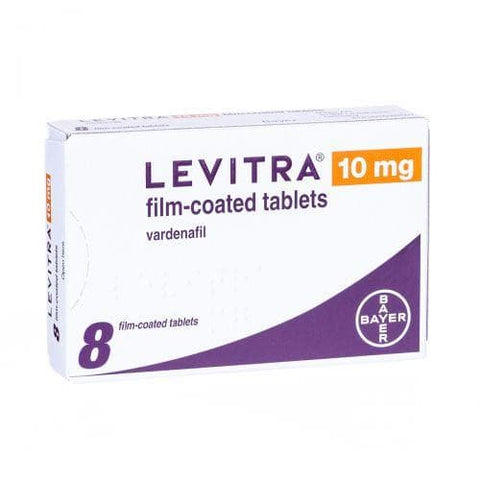
Vardenafil is a prescription medicine used to treat erectile dysfunction (ED) in adult men [5]. It belongs to a group of medicines called PDE5 inhibitors, which also includes sildenafil (Viagra) and tadalafil (Cialis). Vardenafil works by relaxing the blood vessels in the penis, allowing more blood to flow in when you are sexually aroused [5].
Vardenafil is usually taken about 25 to 60 minutes before sexual activity, and its effects can last for several hours [5]. It is available in 5 mg, 10 mg, and 20 mg tablets. The usual starting dose is 10 mg, taken as needed, with a maximum of one dose per day [5]. Vardenafil will only work if you are sexually stimulated—it does not cause an automatic erection.
Like all PDE5 inhibitors, vardenafil can lower blood pressure slightly, which is why it must not be taken with certain medicines such as nitrates, nicorandil, or riociguat [5]. Your prescriber will check your full medical history and current medicines before prescribing vardenafil to ensure it is safe for you.
What is quetiapine and why is it prescribed?
Quetiapine is an antipsychotic medicine used to treat several mental health conditions, including schizophrenia, bipolar disorder, and sometimes severe depression. It works by affecting certain chemical messengers (neurotransmitters) in the brain, particularly dopamine and serotonin, helping to stabilise mood and reduce symptoms such as hallucinations, delusions, or severe mood swings.
Quetiapine is available in immediate-release and modified-release (prolonged-release) forms, and the dose varies widely depending on the condition being treated and individual response. It is usually taken once or twice a day, and it is important to take it exactly as your doctor has prescribed.
Like many medicines, quetiapine can cause side effects. Some people experience drowsiness, dizziness, dry mouth, weight gain, or changes in blood pressure. Quetiapine can also affect sexual function in some men, which may contribute to erectile difficulties. If you have concerns about sexual side effects from quetiapine, speak to your GP or psychiatrist—they may be able to adjust your dose or suggest alternative treatments.
Can quetiapine cause erectile dysfunction?
Yes, quetiapine and other antipsychotic medicines can sometimes contribute to erectile dysfunction. This may happen through several mechanisms: quetiapine can increase levels of the hormone prolactin, which may reduce testosterone and libido; it can cause sedation and fatigue, which affect sexual interest; and it may have effects on blood pressure and circulation. If you think quetiapine is affecting your erections, do not stop taking it without medical advice, as this could worsen your mental health condition. Instead, discuss your concerns with your prescriber, who can review your treatment and consider whether ED treatment such as vardenafil might be appropriate.
When to get urgent help
- Erection lasting more than 4 hours (priapism) – go to A&E immediately
- Sudden loss of vision or hearing – stop vardenafil and seek urgent medical help
- Chest pain during or after sex – call 999; do not take more vardenafil
- Severe dizziness, fainting, or collapse – call 999 or go to A&E
- Signs of a serious allergic reaction (swelling of face, lips, tongue, or throat, difficulty breathing) – call 999
Call 999 or go to A&E in an emergency, or contact NHS 111 for urgent advice.
Vardenafil and quetiapine: is there an interaction?
There is no absolute contraindication between vardenafil and quetiapine, which means they are not medicines that must never be taken together. However, there are some important considerations. Both medicines can lower blood pressure, and taking them together may increase the risk of dizziness, light-headedness, or fainting, particularly when standing up quickly [5].
Quetiapine does not significantly affect the liver enzymes that break down vardenafil, so it is unlikely to change the levels of vardenafil in your bloodstream in a clinically important way. However, every person's response to medicines is individual, and your prescriber will need to review your full medical history, current medicines, and any other health conditions before deciding whether vardenafil is suitable for you.
If you are prescribed vardenafil while taking quetiapine, your prescriber may start you on a lower dose and monitor how you respond. It is important to report any unusual symptoms, such as severe dizziness, fainting, or prolonged erections, to your doctor or pharmacist straight away.
How does the interaction work?
The main concern when combining vardenafil and quetiapine is the additive effect on blood pressure. Vardenafil works by relaxing blood vessels, which can cause a mild drop in blood pressure [5]. Quetiapine can also lower blood pressure, particularly when you first start taking it or when the dose is increased. When both medicines are taken together, the blood-pressure-lowering effects may add up, increasing the risk of symptoms such as dizziness, light-headedness, or fainting. This is most likely to happen when you stand up quickly from sitting or lying down, a condition known as postural or orthostatic hypotension. Your prescriber will assess your individual risk and advise you on how to minimise it.
What will your prescriber check before prescribing vardenafil?
Before prescribing vardenafil, your prescriber will carry out a thorough assessment to ensure it is safe and appropriate for you. This includes reviewing your full medical history, current medicines (including quetiapine and any other prescription or over-the-counter medicines), and any underlying health conditions [2][5].
Your prescriber will check whether you have any conditions that make PDE5 inhibitors unsuitable, such as recent heart attack or stroke, unstable angina, severe heart failure, very low blood pressure, or a history of sudden vision loss (non-arteritic anterior ischaemic optic neuropathy, or NAION) [5]. They will also ask about your blood pressure and whether you take any medicines that could interact dangerously with vardenafil, such as nitrates, nicorandil, or riociguat.
If you are taking quetiapine, your prescriber will consider your current dose, how well controlled your mental health condition is, and whether you have experienced any side effects such as dizziness or low blood pressure. They may start you on a lower dose of vardenafil (such as 5 mg) and advise you to take it at a time when you can monitor how you feel. Always be honest about all the medicines you take, including over-the-counter products and supplements, as this helps your prescriber make the safest decision for you.
At a glance
Practical advice for taking vardenafil with quetiapine
If your prescriber decides that vardenafil is suitable for you while you are taking quetiapine, there are some practical steps you can take to use it safely. First, take vardenafil exactly as prescribed—do not take more than one dose in 24 hours, and do not exceed the dose your prescriber has recommended [5].
Be aware of the risk of dizziness or light-headedness, particularly when you stand up. Get up slowly from sitting or lying down, and sit down if you feel dizzy. Avoid drinking large amounts of alcohol, as this can make dizziness worse and also reduce the effectiveness of vardenafil. Grapefruit juice can increase the levels of vardenafil in your bloodstream, so it is best to avoid it.
If you experience any unusual symptoms after taking vardenafil—such as severe dizziness, fainting, chest pain during sex, an erection lasting more than four hours, or sudden loss of vision or hearing—seek medical help immediately. Do not stop taking quetiapine without medical advice, even if you think it is causing side effects. If you have concerns about your mental health treatment or sexual function, speak to your GP or psychiatrist, who can review your medicines and suggest the best approach for you.
Can I take vardenafil if my quetiapine dose changes?
If your quetiapine dose is increased or decreased, or if you switch to a different antipsychotic medicine, it is important to let your prescriber know before taking vardenafil again. A change in your mental health treatment may affect your blood pressure, your risk of side effects, or your overall suitability for ED treatment. Your prescriber can reassess your situation and advise whether any adjustments to your vardenafil dose are needed. Always keep your GP, psychiatrist, and pharmacist informed about all the medicines you are taking so they can work together to keep you safe.
Other ED treatments and alternatives to vardenafil
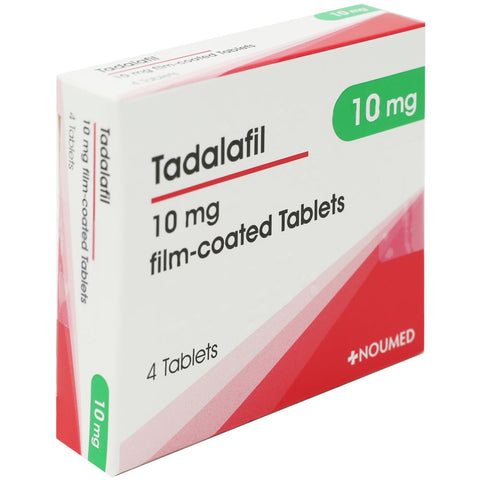
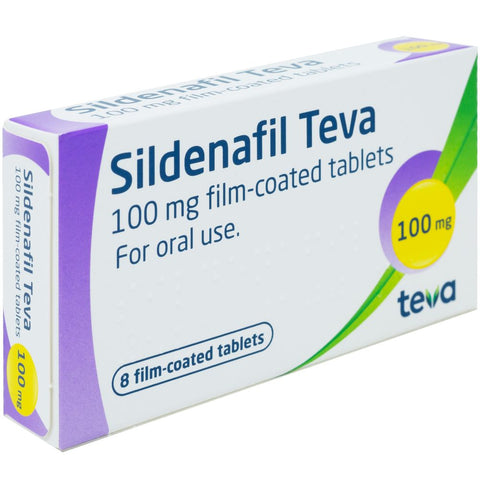
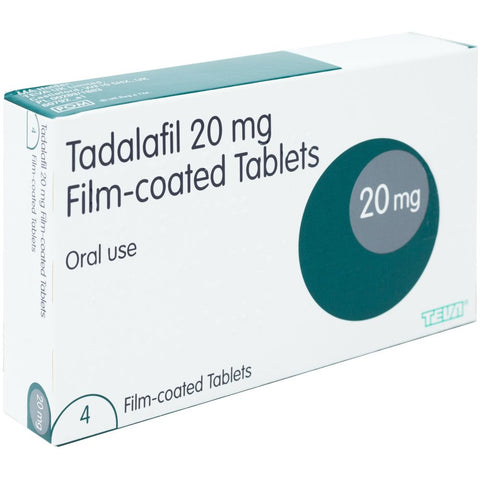
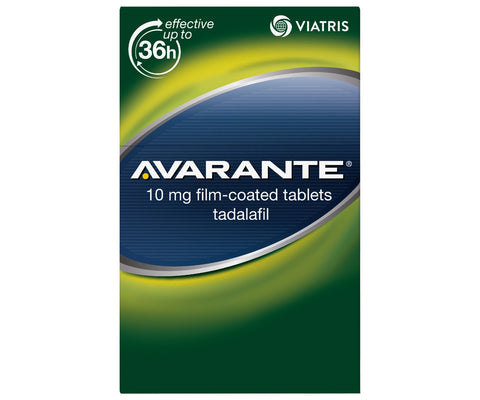
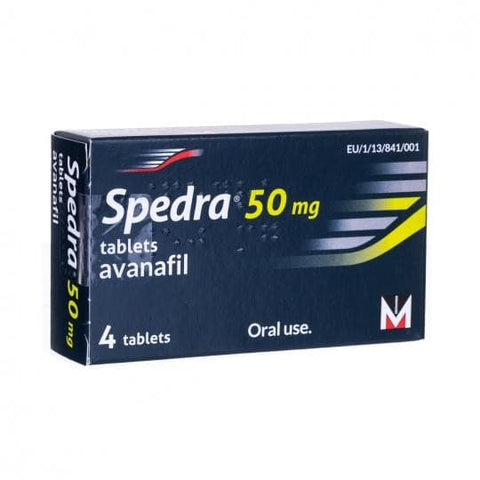
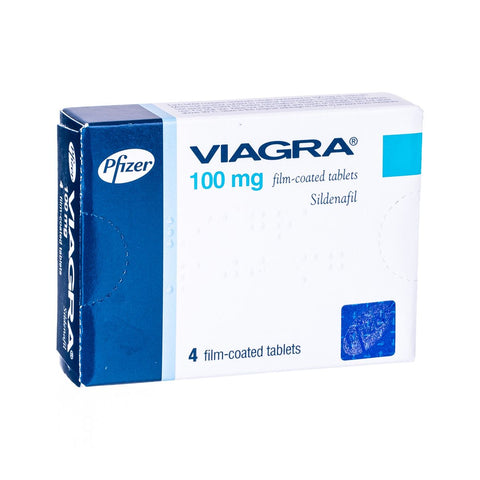
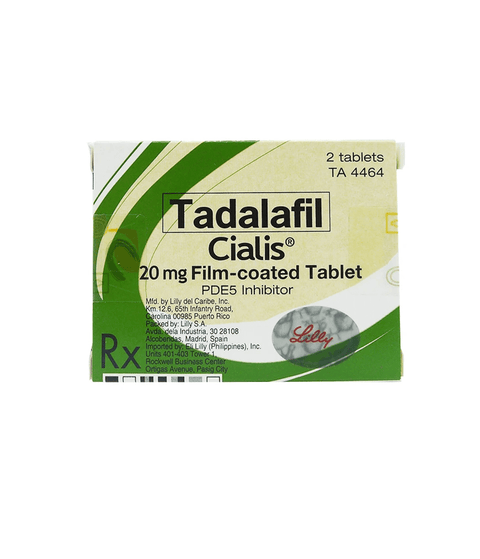
If vardenafil is not suitable for you, or if you would like to consider other options, there are several alternative treatments for erectile dysfunction available in the UK. Other PDE5 inhibitors include sildenafil (Viagra), tadalafil (Cialis), and avanafil (Spedra) [3][4][6]. Each has a slightly different duration of action and time to onset, so your prescriber can help you choose the one that best fits your needs and lifestyle.
Sildenafil is usually taken about one hour before sex and lasts for around four to six hours [3]. Tadalafil can be taken on-demand (at least 30 minutes before sex, with effects lasting up to 36 hours) or as a lower daily dose [4]. Avanafil works quickly, often within 15 to 30 minutes, and may be suitable if you want a faster-acting option [6]. All PDE5 inhibitors have similar interactions and precautions, so if you take quetiapine, your prescriber will need to carry out the same careful assessment for any of these medicines.
Non-tablet treatments are also available. Eroxon is a topical gel that can be bought without a prescription and works by stimulating blood flow locally. Vitaros (alprostadil cream) and Caverject (alprostadil injection) are prescription-only options that work directly on the penis [7]. Vacuum erection devices and penile implants are other possibilities for men who cannot use or do not respond to oral medicines. Your GP or a specialist can discuss the full range of options with you [1][2].
How Cured Pharmacy can help
Cured Pharmacy is a GPhC-registered online pharmacy (GPhC 9012511) offering a convenient, confidential way to access ED treatment. After you complete an online consultation, a UK-registered prescriber will review your answers, including all your current medicines such as quetiapine, and decide whether vardenafil or another ED treatment is safe and appropriate for you. If approved, your medicine is dispensed by our pharmacy team and delivered discreetly to your door. We stock a range of ED treatments, including vardenafil, sildenafil, tadalafil, and avanafil, so you and your prescriber can choose the option that suits you best. Our service is designed to be straightforward and supportive, with pharmacist advice available if you have any questions.
In summary
- Vardenafil and quetiapine can usually be taken together, but your prescriber must review your individual health and medicines.
- Both medicines can lower blood pressure, so watch for dizziness and stand up slowly.
- Always declare quetiapine and all other medicines during your ED consultation.
- Seek urgent help if you have chest pain, prolonged erection, or sudden vision or hearing loss.
- Cured Pharmacy offers confidential online consultations with UK prescribers for ED treatment.
Scientific References
- NHS. (n.d.). Erectile dysfunction (impotence). NHS website. https://www.nhs.uk/conditions/erection-problems-erectile-dysfunction/ [accessed 3 November 2026]
- National Institute for Health and Care Excellence. (n.d.). Erectile dysfunction. Clinical Knowledge Summaries. https://cks.nice.org.uk/topics/erectile-dysfunction/ [accessed 3 November 2026]
- Joint Formulary Committee. (n.d.). Sildenafil. British National Formulary. NICE. https://bnf.nice.org.uk/drugs/sildenafil/ [accessed 3 November 2026]
- Joint Formulary Committee. (n.d.). Tadalafil. British National Formulary. NICE. https://bnf.nice.org.uk/drugs/tadalafil/ [accessed 3 November 2026]
- Joint Formulary Committee. (n.d.). Vardenafil. British National Formulary. NICE. https://bnf.nice.org.uk/drugs/vardenafil/ [accessed 3 November 2026]
- Joint Formulary Committee. (n.d.). Avanafil. British National Formulary. NICE. https://bnf.nice.org.uk/drugs/avanafil/ [accessed 3 November 2026]
- Joint Formulary Committee. (n.d.). Alprostadil. British National Formulary. NICE. https://bnf.nice.org.uk/drugs/alprostadil/ [accessed 3 November 2026]
Information on this page is for educational purposes only and is not medical advice. Prescription treatments require clinical assessment by a UK-registered prescriber. Always consult a qualified healthcare professional before starting or changing any medication.
Treatment Options
Pricing Disclaimer: Prices on some pages may not be up to date — the live pricing table below and pricing shown during consultation are official current prices and take precedence over any other figures on the site.
Not sure which one? Start a free consultation →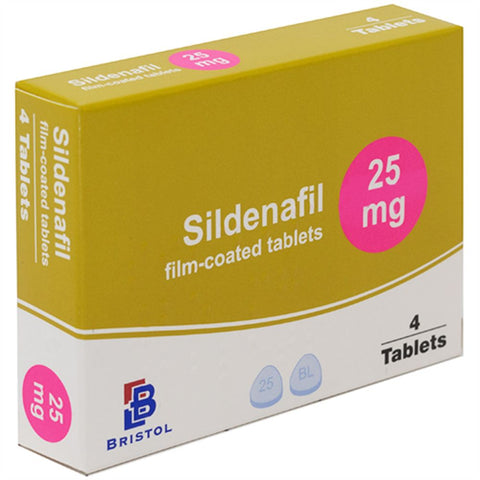
Frequently Asked Questions
Trusted by thousands
Real people, real results
“Fabulous service and quick delivery”
“Felt the effects of these after about 5 days. Erections are better and can get aroused and ready easier”
“Excellent value and brilliant customer service”
“I received excellent service and everything went well. The order arrived quickly and in perfect condition. It's working very well! Thank you to the whole team for the great work!”
“Delivery was good, the product lived up to expectations.”
Your Path to Treatment


Ready to Speak to a Pharmacist?
- Reviewed by UK-based prescribers
- Takes under 3 minutes
- Discreet Packaging

Medically reviewed by
Tarun Kumar, Superintendent Pharmacist (GPhC 2233073)