

Vardenafil and Moxifloxacin: Can They Be Taken Together?
Learn about the interaction, what your prescriber checks, and how to use these medicines safely.
Takes less than 2 minutes to complete 100% online

Treatment Options
Pricing Disclaimer: Prices on some pages may not be up to date — the live pricing table below and pricing shown during consultation are official current prices and take precedence over any other figures on the site.
Not sure which one? Start a free consultation →
Trusted by thousands
Real people, real results
“Fabulous service and quick delivery”
“Felt the effects of these after about 5 days. Erections are better and can get aroused and ready easier”
“Excellent value and brilliant customer service”
“I received excellent service and everything went well. The order arrived quickly and in perfect condition. It's working very well! Thank you to the whole team for the great work!”
“Delivery was good, the product lived up to expectations.”
Your Path to Treatment
Choose your treatment
Select from our recommended UK-licensed medications.

Answer quick questions
Select safe UK treatments. Quick answers.

Get it delivered fast
We will deliver direct to you as quickly as tomorrow.

Vardenafil and Moxifloxacin: Understanding the Interaction
Published: 2 November 2026
Vardenafil and moxifloxacin can interact because both medicines may affect the electrical activity of your heart, specifically something called the QT interval. Vardenafil (generic Levitra) is a prescription treatment for erectile dysfunction, while moxifloxacin is a fluoroquinolone antibiotic used to treat bacterial infections. When taken together, there is a potential risk that the combination could prolong the QT interval more than either medicine alone, which in rare cases may lead to an abnormal heart rhythm. This does not mean the combination is always unsafe, but it does require careful assessment by your prescriber, who will check your medical history, current medicines, and individual risk factors before deciding whether vardenafil is suitable for you while you are taking moxifloxacin.
Always Declare Your Antibiotics
If you are taking or have recently taken moxifloxacin or any other antibiotic, you must tell your prescriber during your ED consultation. This allows them to assess the safety of vardenafil and recommend the most appropriate treatment for you.
What Is Vardenafil and How Does It Work?
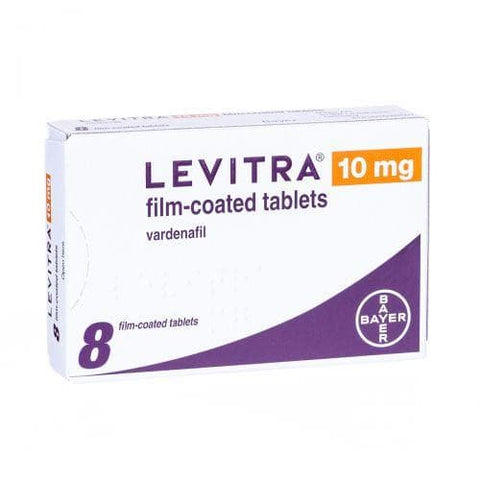
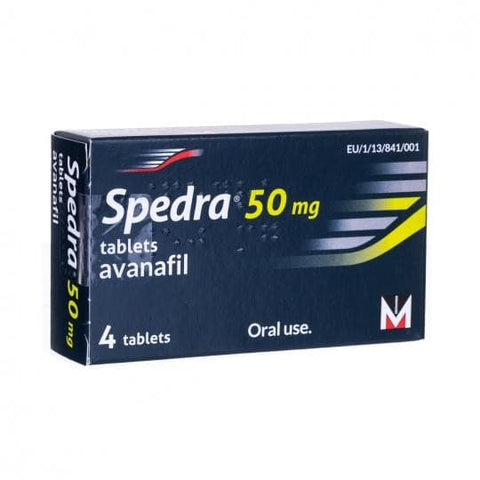
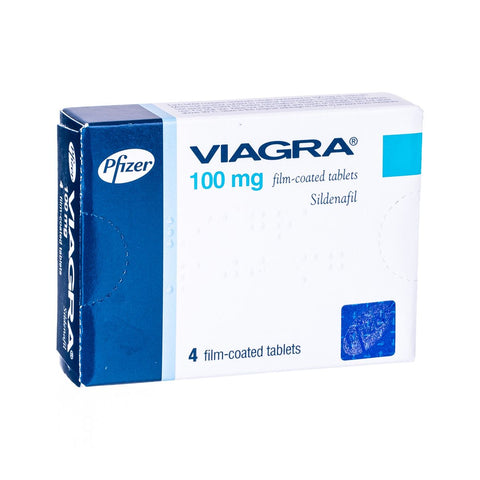
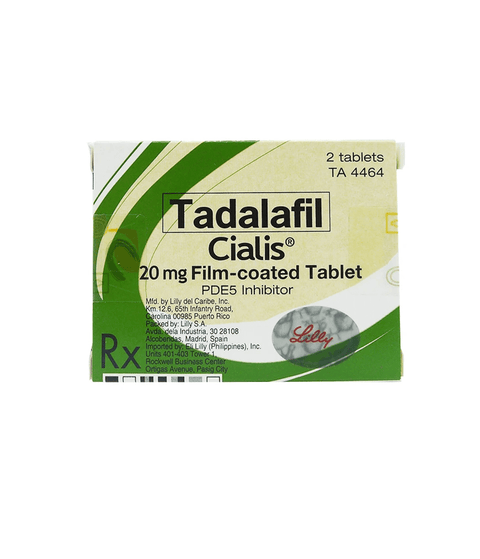
Vardenafil is a prescription medicine used to treat erectile dysfunction (ED) in adult men [5]. It belongs to a group of medicines called phosphodiesterase type 5 (PDE5) inhibitors, which also includes sildenafil (Viagra), tadalafil (Cialis), and avanafil (Spedra). Vardenafil works by relaxing the blood vessels in the penis, allowing more blood to flow into the area when you are sexually aroused [5]. This increased blood flow helps you achieve and maintain an erection suitable for sexual activity.
Vardenafil is available in 5 mg, 10 mg, and 20 mg tablets and is usually taken about 25 to 60 minutes before sexual activity [5]. The medicine does not work without sexual stimulation, and you should not take it more than once in 24 hours. Like all PDE5 inhibitors, vardenafil can cause side effects such as headache, flushing, indigestion, and nasal congestion. It can also have a mild effect on the heart's electrical activity, which is why interactions with other medicines that affect heart rhythm need careful consideration.
At Cured Pharmacy, vardenafil is available on prescription after an online consultation reviewed by a UK-registered prescriber. The prescriber will check your medical history, current medicines, and any conditions that might make vardenafil unsuitable, including heart problems, recent stroke, very low blood pressure, or certain eye conditions. You can find vardenafil at https://curedpharmacy.com/products/vardenafil-generic-levitra-1.
What Is Moxifloxacin and When Is It Used?
Moxifloxacin is a fluoroquinolone antibiotic prescribed to treat serious bacterial infections, including pneumonia, sinusitis, and certain skin or abdominal infections. It works by killing bacteria or stopping them from multiplying, helping your body fight off the infection. Moxifloxacin is usually taken as a 400 mg tablet once daily, and the course length depends on the type and severity of infection your doctor is treating.
One important characteristic of moxifloxacin is that it can prolong the QT interval on an electrocardiogram (ECG), which measures the electrical activity of your heart. The QT interval represents the time it takes for your heart muscle to contract and then recover between beats. A prolonged QT interval can, in rare cases, lead to a serious abnormal heart rhythm called torsades de pointes, which can cause dizziness, fainting, or even sudden cardiac arrest. Because of this risk, moxifloxacin is not suitable for everyone, and your doctor will consider your heart health and other medicines before prescribing it.
Moxifloxacin is known to interact with other medicines that also prolong the QT interval, including certain antiarrhythmics, antipsychotics, antidepressants, and some antihistamines. This is why your prescriber needs to know about every medicine you are taking, including over-the-counter products and supplements, before starting moxifloxacin or vardenafil.
Why QT Prolongation Matters
QT prolongation is a concern because it increases the risk of a dangerous heart rhythm disturbance. Most people with a slightly prolonged QT interval will never experience symptoms, but the risk increases when multiple medicines that affect the QT interval are taken together, or when other risk factors are present (such as low potassium or magnesium levels, heart disease, older age, or female sex). This is why prescribers carefully assess the combination of vardenafil and moxifloxacin on a case-by-case basis.
When to get urgent help
- Fast or irregular heartbeat, dizziness, or fainting while taking vardenafil and moxifloxacin together
- Chest pain, shortness of breath, or palpitations
- Erection lasting more than four hours (priapism)
- Sudden loss of vision or hearing
- Severe allergic reaction: swelling of face, lips, or throat, or difficulty breathing
Call 999 or go to A&E in an emergency, or contact NHS 111 for urgent advice.
How Do Vardenafil and Moxifloxacin Interact?
The interaction between vardenafil and moxifloxacin is based on the fact that both medicines can prolong the QT interval [5]. Vardenafil has a mild effect on the QT interval, while moxifloxacin has a more pronounced effect. When taken together, there is a theoretical risk that the combined effect on the heart's electrical activity could be greater than with either medicine alone, potentially increasing the risk of an abnormal heart rhythm.
This does not mean that everyone who takes vardenafil and moxifloxacin together will experience a problem. Many people can take both medicines safely, especially if they have no other risk factors for QT prolongation and their prescriber has carefully assessed the combination. However, the interaction is classified as a potential concern, and clinical guidelines recommend caution when combining medicines that affect the QT interval.
In practice, your prescriber will review your full medical history, including any heart conditions, family history of sudden cardiac death, current medicines, and recent blood test results (particularly potassium and magnesium levels). If you are prescribed both medicines, your doctor may recommend an ECG to check your baseline QT interval, or they may choose an alternative antibiotic or ED treatment that carries a lower risk. The key message is that this combination requires professional assessment and should never be started without medical advice.
What Your Prescriber Will Check Before Prescribing Vardenafil and Moxifloxacin
When you request vardenafil through Cured Pharmacy's online consultation, you will be asked detailed questions about your medical history, current medicines, and any symptoms you are experiencing. If you are currently taking moxifloxacin or have been prescribed it recently, you must declare this during the consultation. The prescriber will then assess whether it is safe for you to take vardenafil, or whether an alternative ED treatment would be more appropriate.
The prescriber will specifically check for risk factors that increase the chance of QT prolongation, including a personal or family history of heart rhythm problems, heart failure, recent heart attack, low potassium or magnesium levels, and other medicines that affect the QT interval. They will also consider the severity and duration of your infection, the expected length of your moxifloxacin course, and whether your ED treatment can be delayed until after you have finished the antibiotic.
If the prescriber decides that the combination is acceptable in your case, they may recommend starting with the lowest effective dose of vardenafil (usually 5 mg) and advising you to watch for warning signs such as dizziness, fainting, palpitations, or chest discomfort. They may also suggest that you avoid other factors that can prolong the QT interval, such as excessive alcohol or certain over-the-counter medicines. If the prescriber has concerns, they may suggest an alternative PDE5 inhibitor with a lower risk of QT prolongation, such as sildenafil, or recommend waiting until your antibiotic course is complete before starting ED treatment.
Alternative ED Treatments
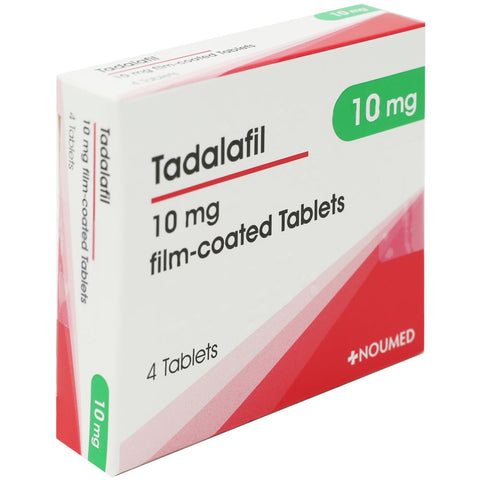
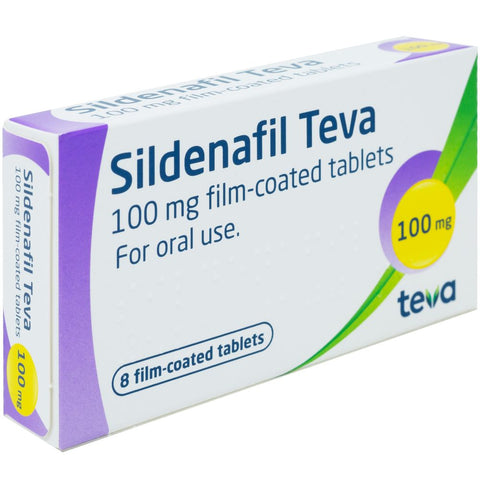
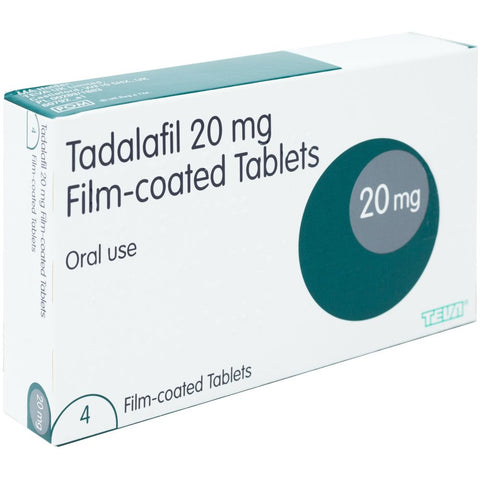
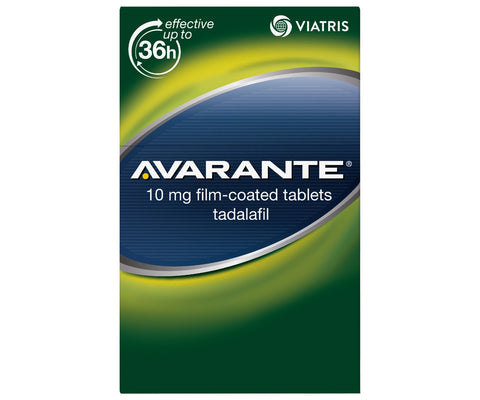
If your prescriber advises against vardenafil while you are taking moxifloxacin, there are other options. Sildenafil (Viagra) and tadalafil (Cialis) are also PDE5 inhibitors and carry a lower risk of QT prolongation than vardenafil, though they are not entirely free of this effect [3][4]. Avanafil (Spedra) is another alternative [6]. Your prescriber will discuss which option is most suitable for you based on your individual circumstances.
At a glance
Practical Advice for Taking Vardenafil and Moxifloxacin Safely
If your prescriber has approved the combination of vardenafil and moxifloxacin, there are several practical steps you can take to minimise risk. First, take each medicine exactly as prescribed, at the dose and frequency your doctor has recommended. Do not take extra doses of vardenafil or use it more frequently than once in 24 hours, even if you feel the effect is not strong enough. Do not stop or change the dose of moxifloxacin without speaking to the doctor who prescribed it, as this could affect your recovery from the infection.
Avoid drinking large amounts of alcohol while taking either medicine, as alcohol can lower your blood pressure, worsen erectile dysfunction, and may add to the risk of dizziness or fainting. Grapefruit juice can increase the levels of vardenafil in your blood and should be avoided. Make sure you stay well hydrated, especially if you have diarrhoea or vomiting, as dehydration can affect your electrolyte levels and increase the risk of heart rhythm problems.
Be aware of warning signs that require urgent medical attention. If you experience a fast or irregular heartbeat, dizziness, fainting, chest pain, or shortness of breath, stop taking both medicines and seek immediate medical help by calling 999 or going to A&E. If you have an erection lasting more than four hours (priapism), sudden loss of vision or hearing, or severe allergic reactions (such as swelling of the face, lips, or throat, or difficulty breathing), these are also medical emergencies. Always carry a list of your current medicines with you, and inform any healthcare professional you see that you are taking both vardenafil and moxifloxacin.
When to Seek Medical Advice About Vardenafil and Moxifloxacin
You should contact your GP or prescriber if you develop new symptoms while taking vardenafil and moxifloxacin together, even if they seem mild. Symptoms such as persistent dizziness, light-headedness when standing up, palpitations (awareness of your heartbeat), or unusual tiredness may indicate that the medicines are affecting your heart rhythm or blood pressure. Do not ignore these symptoms or assume they will go away on their own.
If you are prescribed a new medicine by another doctor or buy an over-the-counter product while taking vardenafil and moxifloxacin, check with a pharmacist or your prescriber before starting it. Some medicines, including certain antihistamines, antidepressants, and anti-sickness treatments, can also prolong the QT interval and should be avoided or used with caution. Herbal remedies and supplements should also be declared, as some (such as St John's wort) can interact with vardenafil.
If your erectile dysfunction is new or has worsened recently, or if you have symptoms such as chest pain, shortness of breath, or leg swelling, see your GP for a full assessment. ED can be an early warning sign of cardiovascular disease or diabetes, and treating the underlying cause is important for your long-term health [1][2]. Your GP can also review all your medicines and discuss whether any adjustments are needed to reduce the risk of interactions.
Reporting Side Effects
If you experience side effects from vardenafil or moxifloxacin, you can report them via the Yellow Card Scheme at https://yellowcard.mhra.gov.uk/ or by searching for 'Yellow Card' in the Google Play or Apple App Store. Reporting side effects helps the Medicines and Healthcare products Regulatory Agency (MHRA) monitor the safety of medicines and protect public health.
In summary
- Both vardenafil and moxifloxacin can prolong the QT interval, which may increase the risk of abnormal heart rhythm.
- Your prescriber will assess your individual risk factors before approving this combination.
- Watch for dizziness, fainting, palpitations, or chest pain and seek urgent help if these occur.
- Sildenafil or tadalafil may be safer alternatives if QT prolongation is a concern.
- Always declare all medicines, including over-the-counter products, during your consultation.
Scientific References
- NHS. (n.d.). Erectile dysfunction (impotence). NHS website. https://www.nhs.uk/conditions/erection-problems-erectile-dysfunction/ [accessed 2 November 2026]
- National Institute for Health and Care Excellence. (n.d.). Erectile dysfunction. Clinical Knowledge Summaries. https://cks.nice.org.uk/topics/erectile-dysfunction/ [accessed 2 November 2026]
- Joint Formulary Committee. (n.d.). Sildenafil. British National Formulary. NICE. https://bnf.nice.org.uk/drugs/sildenafil/ [accessed 2 November 2026]
- Joint Formulary Committee. (n.d.). Tadalafil. British National Formulary. NICE. https://bnf.nice.org.uk/drugs/tadalafil/ [accessed 2 November 2026]
- Joint Formulary Committee. (n.d.). Vardenafil. British National Formulary. NICE. https://bnf.nice.org.uk/drugs/vardenafil/ [accessed 2 November 2026]
- Joint Formulary Committee. (n.d.). Avanafil. British National Formulary. NICE. https://bnf.nice.org.uk/drugs/avanafil/ [accessed 2 November 2026]
Information on this page is for educational purposes only and is not medical advice. Prescription treatments require clinical assessment by a UK-registered prescriber. Always consult a qualified healthcare professional before starting or changing any medication.
Frequently Asked Questions
Ready to Speak to a Pharmacist?
- Reviewed by UK-based prescribers
- Takes under 3 minutes
- Discreet Packaging

Medically reviewed by
Tarun Kumar, Superintendent Pharmacist (GPhC 2233073)