


Vardenafil and Ketoconazole: Can They Be Taken Together?
Understand this important drug interaction and explore safer ED treatment options through our UK pharmacist-led consultation.
Takes less than 2 minutes to complete 100% online
Trusted by thousands
Real people, real results
“Fabulous service and quick delivery”
“Felt the effects of these after about 5 days. Erections are better and can get aroused and ready easier”
“Excellent value and brilliant customer service”
“I received excellent service and everything went well. The order arrived quickly and in perfect condition. It's working very well! Thank you to the whole team for the great work!”
“Delivery was good, the product lived up to expectations.”
Get Treatment in 3 Steps


Vardenafil and Ketoconazole: Understanding the Interaction
Published: 31 October 2026
Vardenafil and ketoconazole interact significantly because ketoconazole raises the level of vardenafil in your bloodstream, which can increase the risk of side effects. Vardenafil (generic Levitra) is a prescription medicine used to treat erectile dysfunction, while ketoconazole is an antifungal medicine that strongly affects how the body processes many other drugs. This page explains how the interaction works, what your prescriber will check, and the practical steps taken to keep you safe if you need both medicines.
Key takeaways
- Ketoconazole significantly raises vardenafil levels, increasing the risk of side effects including low blood pressure
- Vardenafil is usually avoided or contraindicated when taking ketoconazole or similar antifungal medicines
- Always tell your prescriber about every medicine you take, including antifungals and antibiotics
- Alternative ED treatments like sildenafil at reduced doses may be safer with ketoconazole
- Seek urgent help if you experience severe dizziness, chest pain, or an erection lasting over four hours
What is vardenafil and how does it work?
Vardenafil is a phosphodiesterase type 5 (PDE5) inhibitor licensed in the UK to treat erectile dysfunction (ED) [5]. It works by relaxing blood vessels in the penis, allowing increased blood flow when you are sexually aroused. Vardenafil does not cause an erection on its own; sexual stimulation is still needed for it to work [5].
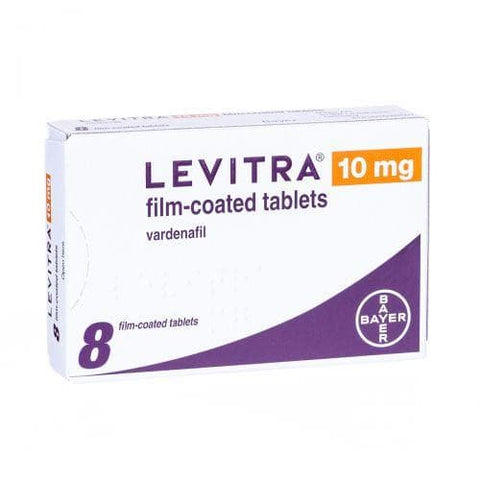
The usual doses are 5 mg, 10 mg, or 20 mg, taken about 25 to 60 minutes before sexual activity [5]. You should not take vardenafil more than once a day. Common side effects include headache, flushing, indigestion, and nasal congestion. Vardenafil is broken down in the liver by an enzyme system called CYP3A4, which is where the interaction with ketoconazole becomes important [5].
At Cured Pharmacy, vardenafil is available on prescription after an online consultation reviewed by a UK prescriber. The prescriber will check your medical history, current medicines, and whether vardenafil is suitable and safe for you.
What is ketoconazole and why is it prescribed?
Ketoconazole is a prescription antifungal medicine used to treat serious fungal infections when other treatments have not worked or are not suitable [12]. It is also sometimes used at lower doses to treat Cushing's syndrome, a hormonal disorder. Ketoconazole is a potent inhibitor of the CYP3A4 enzyme system in the liver, which means it slows down the breakdown of many other medicines [12].
Because ketoconazole affects how the body processes other drugs, it can cause significant interactions with a wide range of medicines, including vardenafil and other PDE5 inhibitors. Your doctor will always check for potential interactions before prescribing ketoconazole, and you should tell every healthcare professional about all the medicines you take, including those bought over the counter or online.
Ketoconazole is usually taken as a tablet once or twice a day with food. Side effects can include nausea, headache, and liver problems, so regular monitoring is often needed. If you are prescribed ketoconazole, your doctor will give you specific advice about what to watch for and when to seek help.
Other antifungal medicines and similar interactions
Itraconazole is another antifungal medicine that works in a very similar way to ketoconazole and also strongly inhibits CYP3A4 [12]. The interaction between itraconazole and vardenafil is just as significant, and the same precautions apply. Fluconazole and posaconazole are weaker CYP3A4 inhibitors and may have a smaller effect, but your prescriber will still check carefully [12].
At a glance
How do vardenafil and ketoconazole interact?
The interaction between vardenafil and ketoconazole happens because ketoconazole blocks the CYP3A4 enzyme that normally breaks down vardenafil in the liver [5]. When this enzyme is inhibited, vardenafil stays in your bloodstream for longer and reaches higher levels than it would on its own. This can increase both the intended effects and the risk of side effects such as headache, dizziness, flushing, and low blood pressure [5].
The Summary of Product Characteristics for vardenafil states that potent CYP3A4 inhibitors like ketoconazole are contraindicated or require significant dose adjustments [12]. In practice, this means that if you are taking ketoconazole, your prescriber will either avoid prescribing vardenafil altogether or, if it is essential, use a much lower dose and monitor you closely. The decision depends on the dose of ketoconazole, how long you will be taking it, and your overall health.
This is not a minor interaction. Taking standard doses of vardenafil while on ketoconazole can lead to dangerously low blood pressure, especially if you are also taking other medicines that lower blood pressure or if you have heart problems. Always tell your prescriber about every medicine you take, including antifungals, antibiotics, and HIV treatments, as many of these affect the same enzyme system [5].
What does your prescriber check before prescribing vardenafil?
Before prescribing vardenafil, your prescriber will ask about all your current medicines, including prescription drugs, over-the-counter treatments, herbal remedies, and supplements [2]. They will specifically check for medicines that interact with vardenafil, such as nitrates (used for angina), alpha-blockers (used for high blood pressure or prostate problems), and CYP3A4 inhibitors like ketoconazole [5].
Your prescriber will also review your medical history, including any heart conditions, recent heart attack or stroke, blood pressure problems, liver or kidney disease, and eye conditions such as previous sudden vision loss (NAION) [5]. They will ask whether sexual activity is safe for you, as vardenafil is not suitable if your doctor has advised against strenuous physical activity.
If you are taking ketoconazole or another potent CYP3A4 inhibitor, your prescriber will usually recommend an alternative ED treatment that does not interact as strongly, such as a lower dose of sildenafil with careful monitoring, or they may suggest waiting until you have finished the ketoconazole course if it is short-term [3][5]. The prescriber's role is to balance the benefits of treating ED with the need to keep you safe from harmful interactions.
Why you should never adjust doses yourself
It can be tempting to think that taking a smaller dose of vardenafil will avoid the interaction, but this is not safe to decide on your own. The interaction with ketoconazole is complex and depends on many factors, including the dose and duration of ketoconazole, your liver function, and other medicines you take [5]. Only a prescriber can assess all these factors and decide on a safe approach. Never split tablets, skip doses, or change your treatment plan without professional advice.
Always declare your antifungal medicine
If you are taking ketoconazole, itraconazole, or any other antifungal, tell your prescriber during your ED consultation. They will recommend the safest treatment option and may suggest an alternative to vardenafil to avoid harmful interactions.
Practical advice if you need both vardenafil and ketoconazole
If you are already taking vardenafil and your doctor prescribes ketoconazole, tell them immediately that you use an ED treatment. Your doctor may advise you to stop vardenafil temporarily while you are on ketoconazole, especially if the antifungal course is short (a few weeks). If long-term treatment is needed, your prescriber may switch you to a different ED medicine or adjust the dose very carefully [5].
If you are taking ketoconazole and want to start treatment for ED, declare this during your online consultation at Cured Pharmacy. The prescriber will review the interaction and may recommend sildenafil at a reduced dose, as it has a shorter half-life and may be easier to manage with careful monitoring, or they may suggest tadalafil with dose restrictions [3][4]. Vardenafil is generally avoided with potent CYP3A4 inhibitors because the risk of interaction is high [5].
Watch for warning signs of side effects, including severe headache, dizziness or fainting (which may indicate low blood pressure), visual disturbances, or an erection lasting more than four hours (priapism). If you experience any of these, stop taking vardenafil and seek medical help immediately. Do not drink grapefruit juice while taking vardenafil, as it can also raise drug levels, and limit alcohol, which can worsen side effects and make ED worse [5].
Alternative ED treatments and safer options with ketoconazole
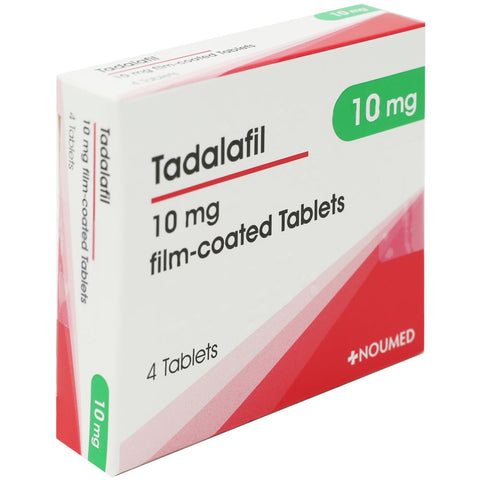
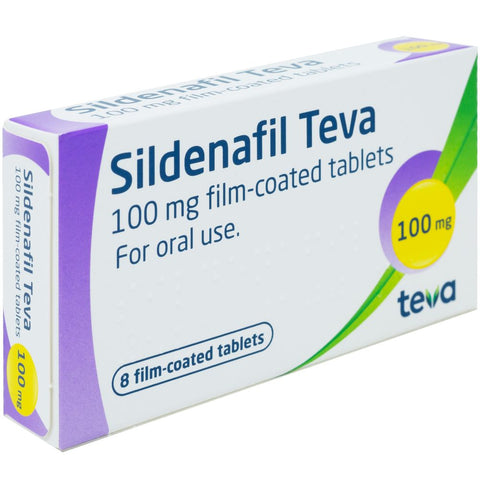
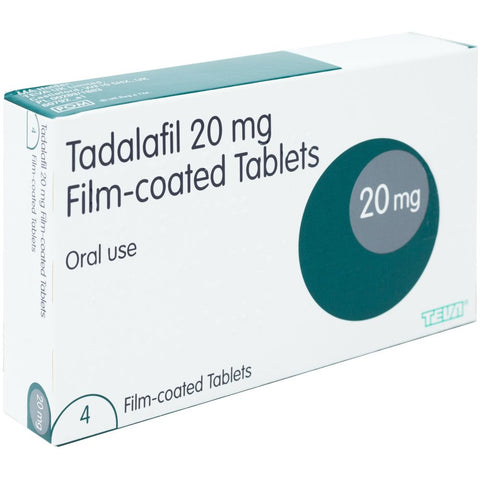
If you are taking ketoconazole long-term, your prescriber may recommend sildenafil or tadalafil instead of vardenafil, as these can sometimes be used at reduced doses with careful monitoring [3][4]. Sildenafil (generic Viagra) is usually taken at 25 mg or 50 mg when combined with a CYP3A4 inhibitor, rather than the standard 50 mg or 100 mg dose [3]. Tadalafil (generic Cialis) may be limited to a maximum of 10 mg in 72 hours when taken with ketoconazole [4].
Avanafil (Spedra) is another PDE5 inhibitor, but like vardenafil, it is contraindicated with potent CYP3A4 inhibitors, so it is not a suitable alternative if you are on ketoconazole [6]. Non-tablet options such as Vitaros (alprostadil cream applied to the tip of the penis) or Caverject (alprostadil injection) work by a completely different mechanism and are not affected by ketoconazole, though they require a separate prescription and training to use [7].
At Cured Pharmacy, our prescribers will discuss all suitable options with you during your online consultation. Prescription ED medicines are only supplied after a clinical assessment to ensure they are safe and appropriate for you. If you have been prescribed ketoconazole or any other interacting medicine, this will be carefully reviewed as part of your consultation.
When to see your GP about erectile dysfunction
If you are experiencing ED for the first time, it is important to see your GP for a full assessment [1][2]. ED can be an early warning sign of cardiovascular disease, diabetes, or hormonal problems, and treating the underlying cause may improve your symptoms [2]. Your GP can also review all your medicines and refer you to a specialist if needed. Online pharmacies like Cured Pharmacy can provide convenient access to ED treatment, but they work best alongside your GP's care, not as a replacement.
When to get urgent help
- Severe dizziness, fainting, or feeling lightheaded (may indicate dangerously low blood pressure)
- Chest pain or discomfort during or after sexual activity
- Sudden loss of vision in one or both eyes
- Sudden decrease or loss of hearing, possibly with ringing in the ears
- An erection lasting more than four hours (priapism), even if not painful
Call 999 or go to A&E in an emergency, or contact NHS 111 for urgent advice.
Scientific References
- NHS. (n.d.). Erectile dysfunction (impotence). NHS website. https://www.nhs.uk/conditions/erection-problems-erectile-dysfunction/ [accessed 31 October 2026]
- National Institute for Health and Care Excellence. (n.d.). Erectile dysfunction. Clinical Knowledge Summaries. https://cks.nice.org.uk/topics/erectile-dysfunction/ [accessed 31 October 2026]
- Joint Formulary Committee. (n.d.). Sildenafil. British National Formulary. NICE. https://bnf.nice.org.uk/drugs/sildenafil/ [accessed 31 October 2026]
- Joint Formulary Committee. (n.d.). Tadalafil. British National Formulary. NICE. https://bnf.nice.org.uk/drugs/tadalafil/ [accessed 31 October 2026]
- Joint Formulary Committee. (n.d.). Vardenafil. British National Formulary. NICE. https://bnf.nice.org.uk/drugs/vardenafil/ [accessed 31 October 2026]
- Joint Formulary Committee. (n.d.). Avanafil. British National Formulary. NICE. https://bnf.nice.org.uk/drugs/avanafil/ [accessed 31 October 2026]
- Joint Formulary Committee. (n.d.). Alprostadil. British National Formulary. NICE. https://bnf.nice.org.uk/drugs/alprostadil/ [accessed 31 October 2026]
- Electronic Medicines Compendium. (n.d.). Summaries of Product Characteristics and Patient Information Leaflets. https://www.medicines.org.uk/emc/ [accessed 31 October 2026]
Information on this page is for educational purposes only and is not medical advice. Prescription treatments require clinical assessment by a UK-registered prescriber. Always consult a qualified healthcare professional before starting or changing any medication.
Available Treatments
Pricing Disclaimer: Prices on some pages may not be up to date — the live pricing table below and pricing shown during consultation are official current prices and take precedence over any other figures on the site.





Take the First Step Today
Reviewed by UK-based prescribers · Takes under 3 minutes · Discreet Packaging
Common Questions
Can't find your answer? Our UK pharmacists review every consultation and can help.
Can I take vardenafil if I am on ketoconazole?
Vardenafil is usually avoided or contraindicated with ketoconazole because ketoconazole significantly raises vardenafil levels, increasing the risk of side effects. Your prescriber will review safer alternatives during your consultation.
Why does ketoconazole affect vardenafil?
Ketoconazole blocks the CYP3A4 enzyme that breaks down vardenafil in the liver, causing vardenafil to stay in your bloodstream longer and reach higher levels, which increases the risk of side effects like low blood pressure and dizziness.
What should I do if my doctor prescribes ketoconazole and I already take vardenafil?
Tell your doctor immediately that you take vardenafil. They may advise you to stop vardenafil temporarily or switch to a different ED treatment that is safer to use with ketoconazole.
Are there any ED treatments that are safe with ketoconazole?
Sildenafil or tadalafil may sometimes be used at reduced doses with careful monitoring, though vardenafil and avanafil are generally avoided. Non-tablet options like alprostadil are not affected by ketoconazole but require separate assessment and training.
Can I take a lower dose of vardenafil to avoid the interaction with ketoconazole?
Do not adjust your dose yourself. Only a prescriber can decide if a lower dose is safe, taking into account the ketoconazole dose, duration, your liver function, and other medicines you take.
How long does the interaction between vardenafil and ketoconazole last?
The interaction lasts as long as both medicines are in your system. Ketoconazole can affect drug levels for several days after your last dose, so your prescriber will advise when it is safe to restart vardenafil if you stop it temporarily.
What are the warning signs of a problem if I take vardenafil with ketoconazole?
Seek urgent help if you experience severe dizziness or fainting, chest pain, sudden vision or hearing loss, or an erection lasting more than four hours. These may indicate dangerously low blood pressure or other serious side effects.
Will Cured Pharmacy prescribe vardenafil if I am taking ketoconazole?
Our prescribers review every medicine you take during your online consultation. If you are on ketoconazole, they will usually recommend a safer alternative ED treatment or advise waiting until you have finished the ketoconazole course.

Medically reviewed by
Tarun Kumar, Superintendent Pharmacist (GPhC 2233073)