


Vardenafil and Imatinib: Can They Be Taken Together?
Understand the interaction, what your prescriber checks, and safer alternatives through a UK pharmacist-led consultation.
Takes less than 2 minutes to complete 100% online
Our ED Treatments
Pricing Disclaimer: Prices on some pages may not be up to date — the live pricing table below and pricing shown during consultation are official current prices and take precedence over any other figures on the site.
Vardenafil and Imatinib: Understanding the Interaction
Published: 31 October 2026
If you're taking imatinib and considering vardenafil for erectile dysfunction, it's important to understand how these medicines interact. Vardenafil and imatinib can interact because imatinib affects the way your body breaks down vardenafil, potentially leading to higher levels of the ED medicine in your bloodstream. This page explains the mechanism behind this interaction, what your prescriber will check, and what safer options may be available through a UK pharmacist-led consultation.
Tell your prescriber about imatinib
Always declare imatinib and all other medicines during your ED consultation. Your prescriber will choose the safest treatment and dose for you, or recommend a non-interacting alternative.
What is vardenafil and imatinib used for?
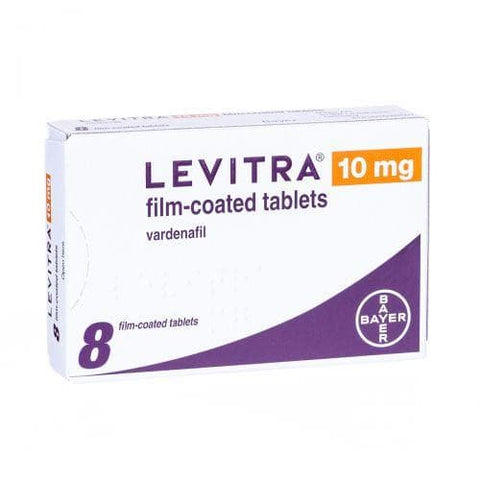
Vardenafil (also known by the brand name Levitra) is a prescription medicine used to treat erectile dysfunction in men [5]. It belongs to a group of medicines called PDE5 inhibitors, which work by relaxing blood vessels in the penis to help achieve and maintain an erection when sexually aroused. Vardenafil is typically taken about 25 to 60 minutes before sexual activity, and you should not take it more than once a day [5].
Imatinib (commonly known as Glivec or Gleevec) is a targeted cancer medicine used to treat certain types of leukaemia and other cancers, including chronic myeloid leukaemia (CML) and gastrointestinal stromal tumours (GIST) [12]. It works by blocking specific proteins that help cancer cells grow. Imatinib is usually taken once or twice daily as a long-term treatment, and many men taking it continue to lead active lives, including maintaining intimate relationships.
Both medicines are prescription-only in the UK. If you're taking imatinib and experiencing erectile dysfunction, it's important to discuss treatment options with your doctor or through a regulated online pharmacy consultation, as the interaction between these medicines needs careful management.
How do vardenafil and imatinib interact?
The interaction between vardenafil and imatinib occurs because imatinib inhibits an enzyme in your liver called CYP3A4 [12]. This enzyme is responsible for breaking down vardenafil and removing it from your body. When imatinib slows down this enzyme, vardenafil stays in your bloodstream for longer and at higher concentrations than usual [5].
Higher levels of vardenafil can increase the risk of side effects, including headaches, flushing, dizziness, visual disturbances, and a potentially dangerous drop in blood pressure [5]. The interaction is considered moderate to significant, which is why vardenafil is often avoided or used with extreme caution in people taking imatinib.
According to the British National Formulary, vardenafil should be avoided with potent CYP3A4 inhibitors [5]. While imatinib is generally classified as a moderate inhibitor, individual responses can vary, and the combination may not be suitable for everyone. Your prescriber will assess your specific situation, including the dose of imatinib you're taking and any other medicines or health conditions, before deciding whether vardenafil is appropriate or whether an alternative ED treatment would be safer.
What does CYP3A4 inhibition mean in plain English?
Think of CYP3A4 as a recycling system in your liver that clears medicines out of your body. Imatinib slows down this recycling system, so vardenafil hangs around longer than it should. This can make the effects of vardenafil stronger and last longer, which sounds helpful but actually increases the chance of unwanted side effects. It's similar to taking a higher dose than prescribed, which is why your prescriber needs to adjust treatment or choose a different option altogether.
When to get urgent help
- Erection lasting more than 4 hours (priapism) – go to A&E immediately
- Sudden loss of vision in one or both eyes – stop vardenafil and seek urgent medical help
- Chest pain during or after sex – stop activity and call 999
- Sudden loss or decrease in hearing, with or without ringing or dizziness – stop vardenafil and see a doctor urgently
- Severe dizziness, fainting, or signs of very low blood pressure – seek same-day medical advice
Call 999 or go to A&E in an emergency, or contact NHS 111 for urgent advice.
What will my prescriber check before prescribing vardenafil with imatinib?
If you're taking imatinib and request vardenafil, your prescriber will carry out a thorough assessment during your consultation [2]. They will review your full medication list, including the dose of imatinib, how long you've been taking it, and whether your cancer treatment is stable. They will also check for other medicines that might interact with vardenafil, such as blood pressure tablets, nitrates (which must never be taken with any PDE5 inhibitor), or other CYP3A4 inhibitors [5].
Your prescriber will ask about your cardiovascular health, including any history of heart disease, stroke, low blood pressure, or chest pain, because vardenafil can lower blood pressure and sexual activity itself places demands on the heart [5]. They will also want to know about any liver or kidney problems, as these can affect how your body handles vardenafil. If you've ever experienced sudden vision or hearing loss, or an erection lasting more than four hours, these are important to mention [5].
In many cases, your prescriber may recommend an alternative PDE5 inhibitor that has a lower risk of interaction with imatinib, such as sildenafil, or they may suggest a non-oral treatment. The decision will be based on balancing effectiveness, safety, and your individual circumstances. At Cured Pharmacy, every prescription is reviewed by a UK-registered prescriber following an online consultation, ensuring that your treatment plan is both safe and suitable for you.
Are there safer alternatives to vardenafil if I'm taking imatinib?
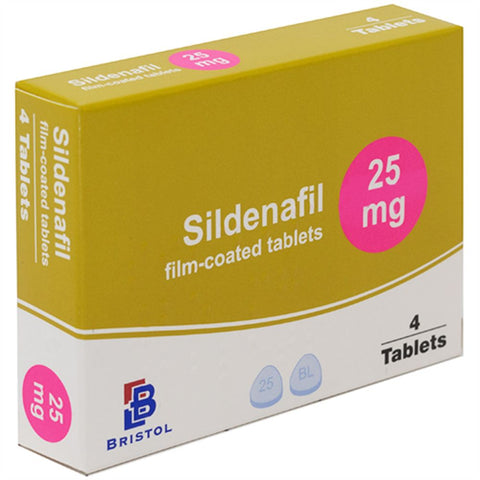
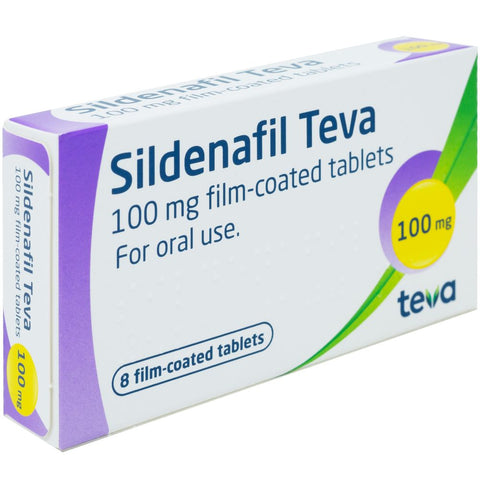
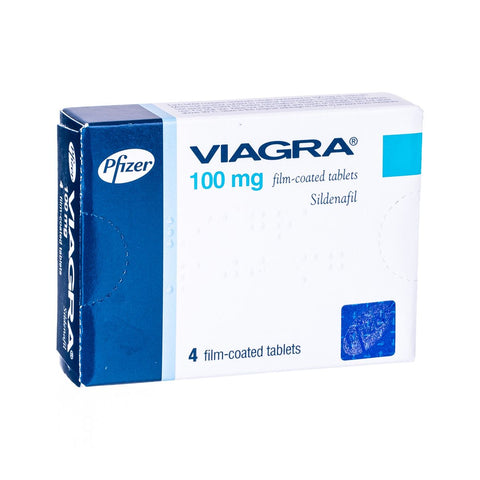
Yes, there are alternative erectile dysfunction treatments that may be safer or easier to manage if you're taking imatinib [3][4]. Sildenafil (generic Viagra) is also metabolised by CYP3A4, but it may be used at a lower starting dose under prescriber guidance, as the interaction is generally considered more manageable than with vardenafil [3]. Your prescriber may start you on sildenafil 25 mg and monitor your response and any side effects carefully.
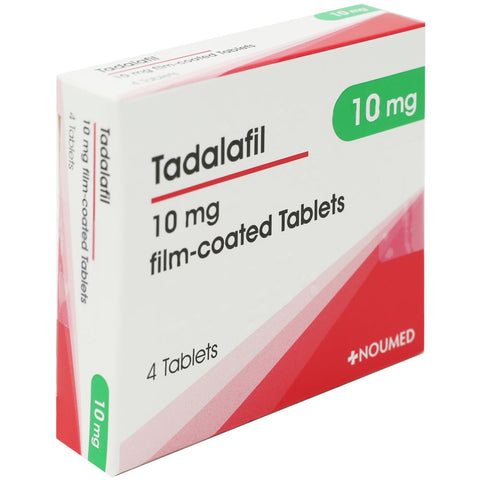
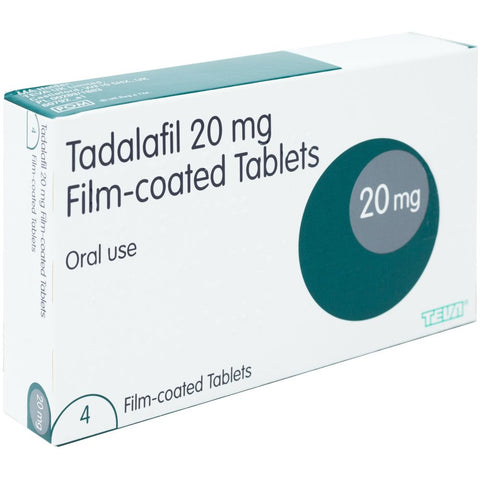
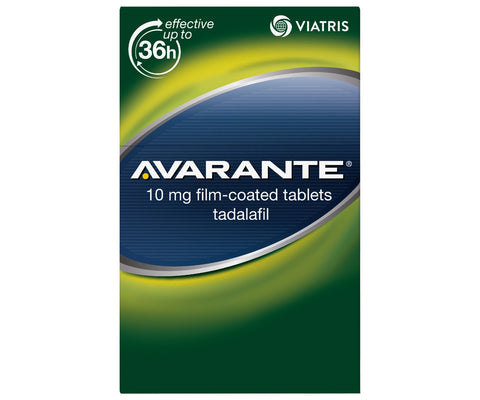
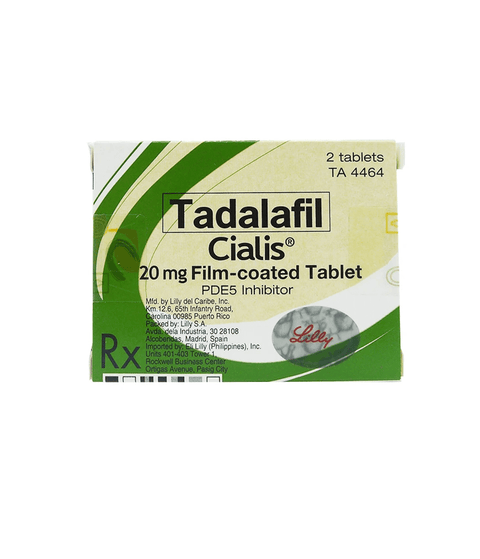
Tadalafil (generic Cialis) is another option. While it is also affected by CYP3A4 inhibitors, the prescriber can adjust the maximum dose and frequency to reduce risk [4]. Tadalafil has the advantage of lasting up to 36 hours, which some men find more convenient, and it can also be taken as a low daily dose (2.5 mg or 5 mg) rather than on-demand [4].
If oral PDE5 inhibitors are not suitable, your doctor may discuss non-oral treatments such as Vitaros (alprostadil cream applied to the tip of the penis) or vacuum erection devices [7]. These options do not interact with imatinib because they work locally rather than being absorbed into the bloodstream. It's important not to stop or change your cancer treatment without your oncologist's advice; erectile dysfunction can often be managed safely alongside imatinib with the right choice of treatment and prescriber oversight.
Can I use over-the-counter ED treatments with imatinib?
Viagra Connect (sildenafil 50 mg) is available from pharmacies without a prescription after a consultation with a pharmacist [3]. However, because you're taking imatinib, the pharmacist will likely refer you to a prescriber or your GP, as the interaction requires careful assessment and possibly a lower dose. Eroxon, a topical gel medical device, does not interact with imatinib and can be purchased without a prescription, though it works differently from PDE5 inhibitors and may not be as effective for everyone. Always tell the pharmacist about all your medicines, including imatinib, so they can give you safe advice.
At a glance
What are the warning signs of problems when taking vardenafil and imatinib together?
If your prescriber has decided that vardenafil is appropriate for you despite taking imatinib, you should be aware of warning signs that suggest the interaction is causing problems [5]. These include severe headaches, pronounced dizziness or feeling faint (especially when standing up), visual disturbances such as blurred vision or a blue tinge to your vision, or a sudden drop in blood pressure. If you experience chest pain during or after sexual activity, stop immediately and seek urgent medical help, as this could indicate a heart problem [5].
An erection lasting more than four hours (priapism) is a medical emergency and requires immediate treatment to prevent permanent damage [5]. Sudden loss of vision in one or both eyes, or sudden decrease or loss of hearing (sometimes with ringing in the ears or dizziness), are rare but serious side effects that require you to stop taking vardenafil and seek urgent medical attention [5].
You should also watch for signs that vardenafil is not working as expected, which might happen if imatinib levels fluctuate or if other medicines are added to your treatment. Never increase the dose of vardenafil on your own; always speak to your prescriber first. If you feel unwell or notice any new symptoms after starting vardenafil, contact your GP, pharmacist, or the prescribing service for advice. At Cured Pharmacy, our team is available to answer questions and provide support throughout your treatment.
Practical advice for managing ED treatment while taking imatinib
If you're prescribed an ED medicine while taking imatinib, take it exactly as directed and do not exceed the recommended dose [5]. Start with the lowest effective dose, and give it time to work—vardenafil typically takes 25 to 60 minutes, while sildenafil takes about an hour and tadalafil at least 30 minutes [3][4][5]. All PDE5 inhibitors require sexual stimulation to work; they will not cause an automatic erection.
Avoid drinking grapefruit juice, as it can further increase the levels of vardenafil and other PDE5 inhibitors in your blood [5]. Limit alcohol intake, as heavy drinking can worsen erectile dysfunction and add to the blood-pressure-lowering effects of these medicines, increasing the risk of dizziness or fainting [1]. Keep a list of all your medicines, including over-the-counter products and supplements, and share it with every healthcare professional you see.
Do not take vardenafil or any other PDE5 inhibitor if you are also using nitrates (such as GTN spray or isosorbide mononitrate), nicorandil, riociguat, or recreational drugs known as 'poppers' (amyl or alkyl nitrites), as the combination can cause a dangerous drop in blood pressure [5]. If you develop new symptoms or your imatinib dose changes, let your prescriber know, as this may affect your ED treatment. Remember, erectile dysfunction is common and treatable, and discussing it openly with your healthcare team is the best way to find a safe, effective solution that fits your life.
Should I tell my oncologist about ED treatment?
Yes, it's important to keep your oncologist informed about all medicines you're taking, including treatments for erectile dysfunction [2]. Your oncologist needs a complete picture of your health and medications to manage your cancer treatment safely and to watch for any interactions or side effects. They may also be able to offer advice or referrals if erectile dysfunction is related to your cancer treatment or overall health. Open communication between all your healthcare providers ensures the best and safest care.
In summary
- Imatinib can raise vardenafil levels by slowing its breakdown, increasing side effect risk
- Vardenafil is often avoided with imatinib; sildenafil or tadalafil at lower doses may be safer
- Your prescriber will assess your full medication list and health before recommending ED treatment
- Non-oral options like alprostadil do not interact with imatinib
- Never adjust doses yourself; always consult your prescriber if side effects occur
Scientific References
- NHS. (n.d.). Erectile dysfunction (impotence). NHS website. https://www.nhs.uk/conditions/erection-problems-erectile-dysfunction/ [accessed 31 October 2026]
- National Institute for Health and Care Excellence. (n.d.). Erectile dysfunction. Clinical Knowledge Summaries. https://cks.nice.org.uk/topics/erectile-dysfunction/ [accessed 31 October 2026]
- Joint Formulary Committee. (n.d.). Sildenafil. British National Formulary. NICE. https://bnf.nice.org.uk/drugs/sildenafil/ [accessed 31 October 2026]
- Joint Formulary Committee. (n.d.). Tadalafil. British National Formulary. NICE. https://bnf.nice.org.uk/drugs/tadalafil/ [accessed 31 October 2026]
- Joint Formulary Committee. (n.d.). Vardenafil. British National Formulary. NICE. https://bnf.nice.org.uk/drugs/vardenafil/ [accessed 31 October 2026]
- Joint Formulary Committee. (n.d.). Avanafil. British National Formulary. NICE. https://bnf.nice.org.uk/drugs/avanafil/ [accessed 31 October 2026]
- Joint Formulary Committee. (n.d.). Alprostadil. British National Formulary. NICE. https://bnf.nice.org.uk/drugs/alprostadil/ [accessed 31 October 2026]
- Electronic Medicines Compendium. (n.d.). Summaries of Product Characteristics and Patient Information Leaflets. https://www.medicines.org.uk/emc/ [accessed 31 October 2026]
Information on this page is for educational purposes only and is not medical advice. Prescription treatments require clinical assessment by a UK-registered prescriber. Always consult a qualified healthcare professional before starting or changing any medication.
Trusted by thousands
Real people, real results
“Fabulous service and quick delivery”
“Felt the effects of these after about 5 days. Erections are better and can get aroused and ready easier”
“Excellent value and brilliant customer service”
“I received excellent service and everything went well. The order arrived quickly and in perfect condition. It's working very well! Thank you to the whole team for the great work!”
“Delivery was good, the product lived up to expectations.”
How it Works?
Choose your treatment
Select from our recommended UK-licensed medications.
Answer quick questions
Select safe UK treatments. Quick answers.
Get it delivered fast
We will deliver direct to you as quickly as tomorrow.
Start Your Assessment For Erectile Dysfunction
Start your journey to better health today.
- Reviewed by UK-based prescribers
- Takes under 3 minutes
- Discreet Packaging
Start Your Journey To Better Health Today
Once you complete a short online assessment you will be able to choose your preferred treatment from safe medically approved options tailored to you.
Start My Assessment Log in to Your AccountFaq

Medically reviewed by
Tarun Kumar, Superintendent Pharmacist (GPhC 2233073)