

Vardenafil and Chloroquine: Can They Be Taken Together?
Learn about the heart rhythm interaction and how UK prescribers assess safety for ED treatment.
Takes less than 2 minutes to complete 100% online

ED Treatments We Offer
Pricing Disclaimer: Prices on some pages may not be up to date — the live pricing table below and pricing shown during consultation are official current prices and take precedence over any other figures on the site.

Vardenafil and Chloroquine: Understanding the Interaction
Published: 28 October 2026
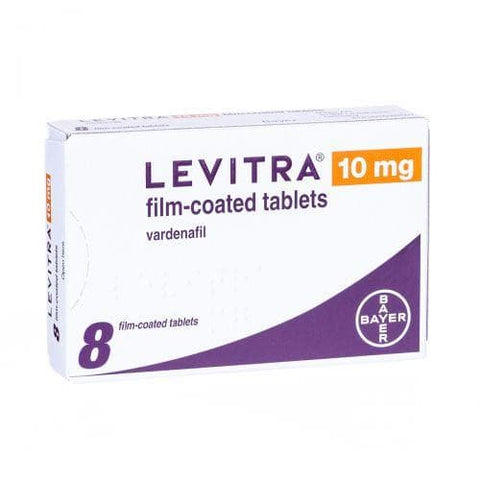
Vardenafil and chloroquine can interact in a way that may affect your heart rhythm, so it's important to understand the risks before taking them together. Vardenafil (also known as Levitra) is a prescription medicine used to treat erectile dysfunction, while chloroquine is an antimalarial and occasionally used for certain autoimmune conditions. Both medicines can prolong the QT interval—a measure of electrical activity in the heart—and combining them may increase the risk of a serious irregular heartbeat. This page explains how the interaction works, what your prescriber will check, and how to use vardenafil safely if you're taking chloroquine or similar medicines.
Always declare all medicines
When requesting vardenafil, list every medicine you take—including antimalarials, over-the-counter drugs, and supplements. Your prescriber needs the full picture to assess heart rhythm risks and keep you safe.
What is vardenafil and how does it work?
Vardenafil is a phosphodiesterase type 5 (PDE5) inhibitor licensed in the UK to treat erectile dysfunction (ED) [5]. It works by relaxing blood vessels in the penis, allowing increased blood flow when you're sexually aroused, which helps you get and keep an erection [1]. Vardenafil is available in 5 mg, 10 mg, and 20 mg tablets, and you usually take it about 25 to 60 minutes before sexual activity [5]. The effect can last for several hours, but you should only take it once in any 24-hour period.
Like all PDE5 inhibitors, vardenafil requires sexual stimulation to work—it won't cause an erection on its own [2]. It's a prescription-only medicine in the UK, so you'll need a consultation with a prescriber who will review your medical history, current medicines, and heart health to make sure it's safe for you. Vardenafil is particularly sensitive to interactions with other medicines that affect liver enzymes or heart rhythm, which is why the chloroquine combination needs careful consideration [5].
What is chloroquine and why is it prescribed?
Chloroquine is an antimalarial medicine that has been used for decades to prevent and treat malaria, particularly in regions where the parasite is still sensitive to it [12]. It's also occasionally prescribed for certain autoimmune conditions such as lupus or rheumatoid arthritis, although hydroxychloroquine is more commonly used for these purposes in the UK. Chloroquine works by interfering with the parasite's ability to break down haemoglobin in red blood cells, and it also has anti-inflammatory effects that can be helpful in autoimmune disease.
One important side effect of chloroquine is that it can affect the electrical activity of the heart, specifically by prolonging the QT interval on an electrocardiogram (ECG) [12]. A prolonged QT interval increases the risk of a potentially life-threatening irregular heart rhythm called torsades de pointes. This risk is higher if you take chloroquine with other medicines that also prolong the QT interval, such as vardenafil, or if you have existing heart problems, low potassium, or low magnesium levels.
When to get urgent help
- Racing, irregular, or pounding heartbeat while taking vardenafil and chloroquine
- Sudden dizziness, fainting, or collapse
- Chest pain or tightness during or after sexual activity
- Erection lasting more than 4 hours (priapism)
- Sudden loss of vision or hearing
Call 999 or go to A&E in an emergency, or contact NHS 111 for urgent advice.
How do vardenafil and chloroquine interact?
The interaction between vardenafil and chloroquine centres on their combined effect on the heart's electrical system. Both medicines can prolong the QT interval, which is the time it takes for the heart muscle to recharge between beats [5][12]. When two QT-prolonging medicines are taken together, the risk of developing a dangerous irregular heartbeat—particularly torsades de pointes—is increased. This type of arrhythmia can cause dizziness, fainting, seizures, or in rare cases, sudden cardiac arrest.
Vardenafil is known to have a dose-dependent effect on the QT interval, meaning higher doses carry a greater risk [5]. Chloroquine's effect on the heart is also well documented, especially at higher doses or in people with pre-existing heart conditions. The British National Formulary advises caution when combining medicines that prolong the QT interval, and your prescriber will need to assess whether the benefits of using vardenafil outweigh the risks in your individual case [5][12]. In some situations, an alternative ED treatment with a lower risk profile may be recommended.
What is QT prolongation and why does it matter?
The QT interval is a measurement on an ECG that shows how long it takes for your heart's ventricles (the lower chambers) to contract and then recover. If this interval becomes too long—a condition called QT prolongation—the heart can develop abnormal rhythms. Torsades de pointes is a specific type of rapid, chaotic heartbeat that can occur when the QT interval is prolonged, and it can degenerate into ventricular fibrillation, which is life-threatening without immediate treatment. Symptoms of torsades de pointes include sudden palpitations, dizziness, fainting, or collapse. If you experience any of these while taking vardenafil and chloroquine together, you should seek emergency medical help immediately by calling 999.
What will your prescriber check before combining vardenafil and chloroquine?
If you're already taking chloroquine and are considering vardenafil for erectile dysfunction, your prescriber will carry out a thorough assessment to decide whether it's safe [2][5]. They will ask about your heart health, including any history of irregular heartbeats, fainting episodes, or family history of sudden cardiac death. They may also check your blood pressure and review any recent ECG results if available. If you have risk factors for QT prolongation—such as low potassium or magnesium, a slow heart rate, or other medicines that affect heart rhythm—your prescriber may decide that vardenafil is not suitable, or they may recommend a lower dose and closer monitoring.
Your prescriber will also review all your other medicines, because some drugs can increase the levels of vardenafil in your blood or add to the QT-prolonging effect [5]. For example, potent CYP3A4 inhibitors (such as ketoconazole, itraconazole, ritonavir, or clarithromycin) can raise vardenafil levels significantly, and vardenafil is contraindicated with these medicines [5]. If you're taking any of these alongside chloroquine, the combination would not be safe. Your prescriber will also check your kidney and liver function, as these organs clear both vardenafil and chloroquine from your body, and any impairment can increase the risk of side effects.
Should you have an ECG before starting vardenafil?
An ECG (electrocardiogram) is a simple test that records your heart's electrical activity and can identify QT prolongation or other rhythm abnormalities. While not everyone needs an ECG before starting vardenafil, your prescriber may recommend one if you're taking chloroquine or other QT-prolonging medicines, or if you have risk factors such as a history of heart disease, fainting, or a family history of sudden cardiac death [2]. An ECG provides a baseline measurement of your QT interval and helps your prescriber make an informed decision about whether vardenafil is safe for you. If an ECG is advised, your GP or a cardiologist can arrange this, and the results will guide your treatment plan.
At a glance
Practical advice for taking vardenafil with chloroquine
If your prescriber decides that the benefits of vardenafil outweigh the risks in your situation, they will usually start you on the lowest effective dose—typically 5 mg or 10 mg—and advise you to watch for any warning signs [5]. Take vardenafil exactly as prescribed, about 25 to 60 minutes before sexual activity, and never take more than one dose in 24 hours. Avoid drinking large amounts of alcohol, as this can increase the risk of dizziness and low blood pressure, and it may also make erectile dysfunction worse [1]. Grapefruit juice should also be avoided, as it can raise vardenafil levels in your blood.
Be aware of symptoms that could indicate a heart rhythm problem, such as a racing or irregular heartbeat, dizziness, fainting, or chest discomfort. If you experience any of these, stop taking vardenafil and seek medical help immediately. It's also important not to stop or change your chloroquine dose without speaking to the doctor who prescribed it, as this could affect your malaria protection or autoimmune condition. If you develop any new symptoms or are prescribed any new medicines, let your prescriber know so they can reassess the safety of continuing vardenafil. Regular follow-up and open communication with your healthcare team are key to using these medicines together as safely as possible.
Are there alternative ED treatments if vardenafil isn't suitable?
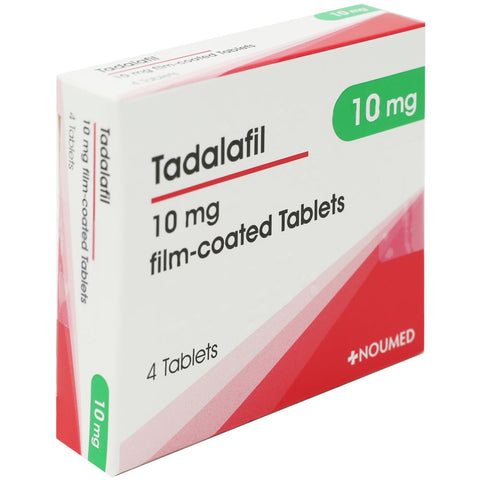
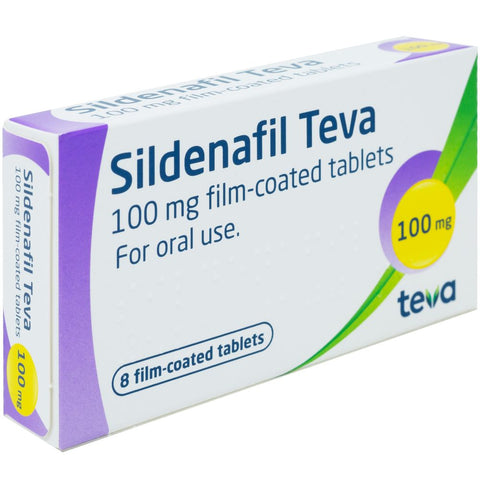
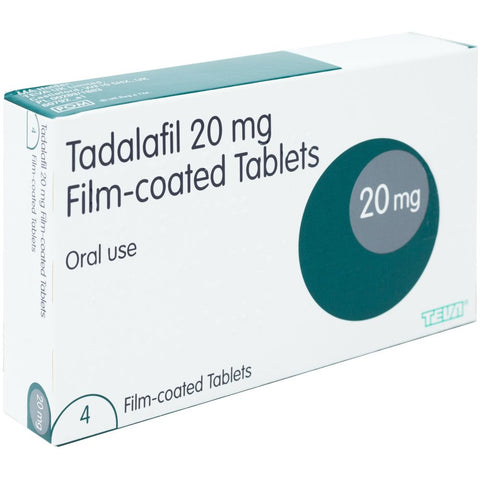
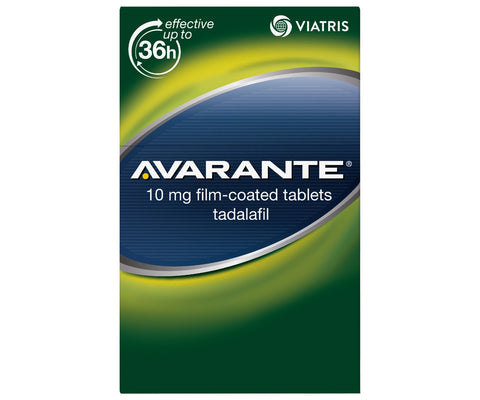
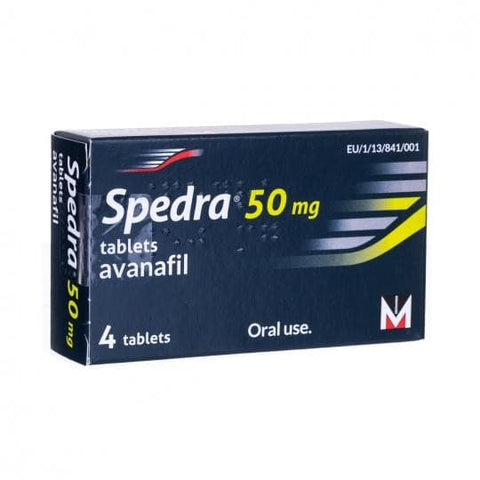
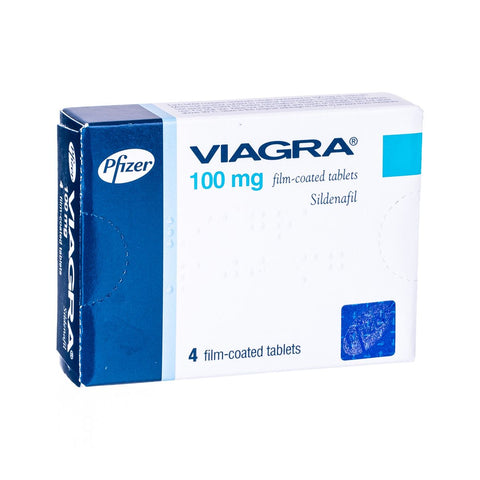
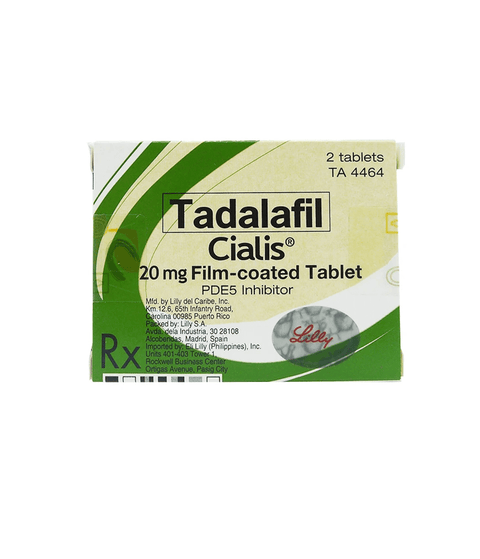
If your prescriber decides that vardenafil and chloroquine together pose too high a risk, there are other options for treating erectile dysfunction [1][2]. Sildenafil (Viagra) and tadalafil (Cialis) are also PDE5 inhibitors, and while they can also prolong the QT interval to some degree, the risk is generally considered lower than with vardenafil [3][4]. Your prescriber may suggest trying one of these alternatives at a low dose, depending on your individual risk factors. Avanafil (Spedra) is another PDE5 inhibitor with a shorter duration of action, though it also requires caution with QT-prolonging medicines [6].
Non-tablet treatments are also available. Eroxon is a topical gel that you apply to the head of the penis a few minutes before sex; it works by stimulating blood flow locally and doesn't interact with chloroquine [2]. Vitaros (alprostadil cream) and Caverject (alprostadil injection) are prescription options that work directly on the penis rather than through the bloodstream, so they avoid the heart-related interactions [7]. Vacuum erection devices and penile implants are further alternatives if medicines aren't suitable. Your prescriber or GP can discuss the full range of options and help you find a treatment that fits your health needs and lifestyle.
Can lifestyle changes help with erectile dysfunction?
Yes—lifestyle changes can make a real difference to erectile function and overall health [1][2]. Regular physical activity, maintaining a healthy weight, stopping smoking, and reducing alcohol intake all improve blood flow and can help with ED. Managing stress and getting enough sleep are also important, as psychological factors often play a role. If you have diabetes, high blood pressure, or high cholesterol, keeping these conditions well controlled will protect your heart and blood vessels, which in turn supports erectile function. Lifestyle changes work well alongside medical treatments and may even reduce your need for higher doses of ED medicines. Your GP or pharmacist can offer support and signposting to services such as smoking cessation or weight management programmes.
In summary
- Vardenafil and chloroquine can both prolong the QT interval, increasing the risk of irregular heartbeat.
- Your prescriber will assess your heart health and may recommend a lower dose, an ECG, or an alternative ED treatment.
- Warning signs include racing heartbeat, dizziness, fainting, or chest pain—seek urgent help if these occur.
- Never stop chloroquine without medical advice; discuss the safest way to manage both medicines with your prescriber.
- Alternative ED treatments such as sildenafil, tadalafil, or topical options may be safer depending on your risk factors.
Scientific References
- NHS. (n.d.). Erectile dysfunction (impotence). NHS website. https://www.nhs.uk/conditions/erection-problems-erectile-dysfunction/ [accessed 28 October 2026]
- National Institute for Health and Care Excellence. (n.d.). Erectile dysfunction. Clinical Knowledge Summaries. https://cks.nice.org.uk/topics/erectile-dysfunction/ [accessed 28 October 2026]
- Joint Formulary Committee. (n.d.). Sildenafil. British National Formulary. NICE. https://bnf.nice.org.uk/drugs/sildenafil/ [accessed 28 October 2026]
- Joint Formulary Committee. (n.d.). Tadalafil. British National Formulary. NICE. https://bnf.nice.org.uk/drugs/tadalafil/ [accessed 28 October 2026]
- Joint Formulary Committee. (n.d.). Vardenafil. British National Formulary. NICE. https://bnf.nice.org.uk/drugs/vardenafil/ [accessed 28 October 2026]
- Joint Formulary Committee. (n.d.). Avanafil. British National Formulary. NICE. https://bnf.nice.org.uk/drugs/avanafil/ [accessed 28 October 2026]
- Joint Formulary Committee. (n.d.). Alprostadil. British National Formulary. NICE. https://bnf.nice.org.uk/drugs/alprostadil/ [accessed 28 October 2026]
- Electronic Medicines Compendium. (n.d.). Summaries of Product Characteristics and Patient Information Leaflets. https://www.medicines.org.uk/emc/ [accessed 28 October 2026]
Information on this page is for educational purposes only and is not medical advice. Prescription treatments require clinical assessment by a UK-registered prescriber. Always consult a qualified healthcare professional before starting or changing any medication.
Trusted by thousands
Real people, real results
“Fabulous service and quick delivery”
“Felt the effects of these after about 5 days. Erections are better and can get aroused and ready easier”
“Excellent value and brilliant customer service”
“I received excellent service and everything went well. The order arrived quickly and in perfect condition. It's working very well! Thank you to the whole team for the great work!”
“Delivery was good, the product lived up to expectations.”
How Our Online Service Works


Get Discreet ED Treatment Online
Start your journey to better health today.
- Reviewed by UK-based prescribers
- Takes under 3 minutes
- Discreet Packaging
Start Your Journey To Better Health Today
Once you complete a short online assessment you will be able to choose your preferred treatment from safe medically approved options tailored to you.
Start My Assessment Log in to Your AccountYour Questions Answered

Medically reviewed by
Tarun Kumar, Superintendent Pharmacist (GPhC 2233073)