


Tadalafil and Glycopyrronium: Can You Take Them Together?
UK pharmacist advice on using tadalafil for ED alongside glycopyrronium for COPD, with prescriber-led consultations available.
Takes less than 2 minutes to complete 100% online
Tadalafil and Glycopyrronium: Understanding the Interaction
Published: 21 October 2026
If you're prescribed tadalafil for erectile dysfunction and glycopyrronium for chronic obstructive pulmonary disease (COPD), you may wonder whether tadalafil and glycopyrronium can be taken together safely. The good news is that no major interaction is commonly reported between these two medicines, but your prescriber will still review your full medication list to ensure the combination is suitable for you. This page explains what each medicine does, how they work in your body, and what safety checks are carried out during your consultation.
Always Declare All Your Medicines
Even if you think a medicine is unlikely to interact, list every prescription, over-the-counter medicine, inhaler, supplement, and herbal product during your consultation. This helps your prescriber make the safest decision for you.
What Is Tadalafil and How Does It Work?
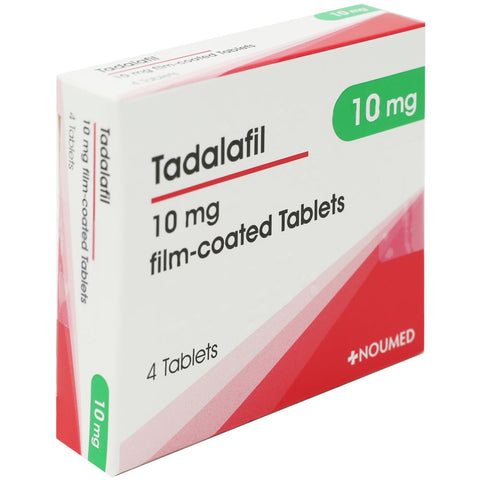
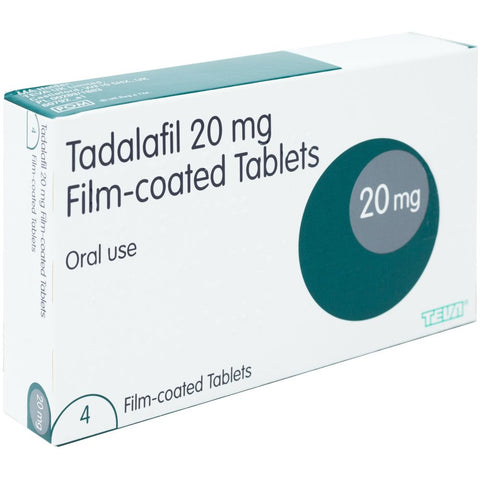
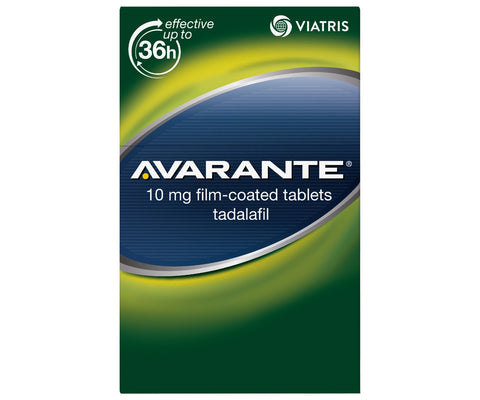
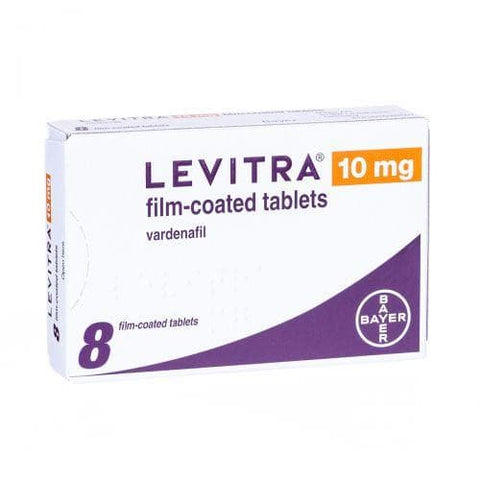
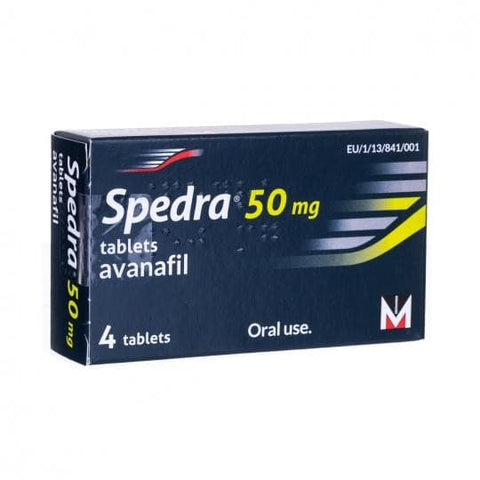
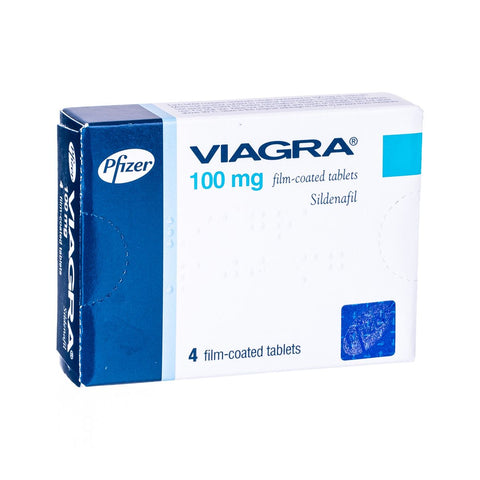
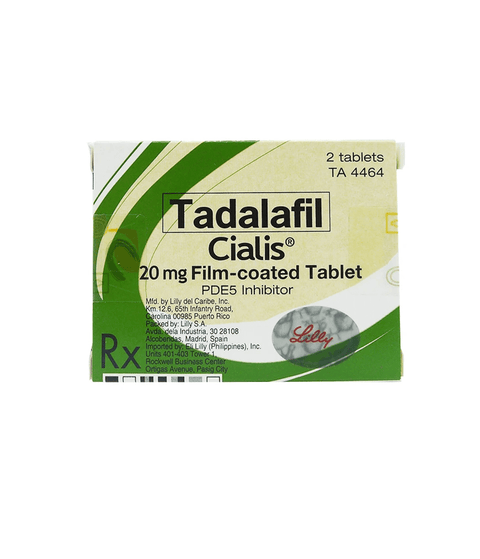
Tadalafil is a medicine used to treat erectile dysfunction (ED) in men. It belongs to a group of medicines called phosphodiesterase type 5 (PDE5) inhibitors, which also includes sildenafil (Viagra), vardenafil (Levitra), and avanafil (Spedra) [3][4]. Tadalafil works by relaxing the blood vessels in the penis, allowing more blood to flow in when you are sexually aroused. This helps you get and keep an erection suitable for sexual activity.
Tadalafil is available in two forms: on-demand tablets (usually 10 mg or 20 mg) taken at least 30 minutes before sex, with effects lasting up to 36 hours, and daily low-dose tablets (2.5 mg or 5 mg) taken once a day [4]. The medicine only works when you are sexually stimulated—it does not cause an automatic erection. Tadalafil is also used to treat benign prostatic hyperplasia (an enlarged prostate) and pulmonary arterial hypertension, though at different doses.
Common side effects of tadalafil include headache, indigestion, back pain, muscle aches, flushing, and a blocked or runny nose [4]. These are usually mild and short-lived. Tadalafil is a prescription-only medicine in the UK, so you will need a consultation with a prescriber who will check your medical history, current medicines, and overall health before approving treatment.
What Is Glycopyrronium and Why Is It Prescribed?
Glycopyrronium (also called glycopyrrolate or glycopyrronium bromide) is an anticholinergic medicine used mainly to treat chronic obstructive pulmonary disease (COPD). It is usually inhaled as a dry powder or through a nebuliser to help open the airways and make breathing easier [12]. Glycopyrronium works by blocking the action of a chemical messenger called acetylcholine in the airways, which reduces muscle tightness and mucus production, helping you breathe more comfortably.
Glycopyrronium is a long-acting bronchodilator, often taken once daily as part of a maintenance treatment plan for COPD. It may be prescribed on its own or in combination with other inhalers, such as long-acting beta-agonists (LABAs) or inhaled corticosteroids. Common side effects include dry mouth, constipation, difficulty passing urine, and occasionally a fast heartbeat. Because glycopyrronium is an anticholinergic, it can also affect other parts of the body that use acetylcholine, such as the bladder and gut.
Glycopyrronium is sometimes used in other forms (such as tablets or injections) for different conditions, including excessive sweating or to reduce saliva production before surgery. However, the inhaled form for COPD is the most common use. Your GP or respiratory specialist will prescribe glycopyrronium based on your lung function tests and symptoms.
Other Uses of Glycopyrronium
In addition to COPD, glycopyrronium tablets or injections may be used to treat hyperhidrosis (excessive sweating), peptic ulcers, or as a pre-medication before anaesthesia to dry up secretions. These uses are less common and involve different doses and routes of administration. If you are using glycopyrronium for a condition other than COPD, make sure your prescriber knows during your ED consultation, as the systemic (whole-body) effects may be more pronounced than with the inhaled form.
When to get urgent help
- Chest pain or severe breathlessness during or after sexual activity—call 999 or go to A&E immediately
- An erection lasting more than four hours (priapism)—go to A&E, as this can cause permanent damage
- Sudden loss of vision or hearing—stop taking tadalafil and seek urgent medical help
- Severe dizziness, fainting, or signs of very low blood pressure—seek same-day medical advice
- Worsening COPD symptoms or difficulty breathing after starting tadalafil—contact your GP or respiratory team urgently
Call 999 or go to A&E in an emergency, or contact NHS 111 for urgent advice.
Can You Take Tadalafil and Glycopyrronium Together?
No major interaction is commonly reported between tadalafil and glycopyrronium, and many men with COPD who use glycopyrronium inhalers are able to take tadalafil safely for erectile dysfunction. The two medicines work on different systems in the body: tadalafil acts on blood vessels in the penis, while glycopyrronium acts on the airways and certain glands. There is no known mechanism by which glycopyrronium would significantly affect the way tadalafil works, or vice versa.
However, it is still essential to declare all your current medicines—including inhalers—during your online consultation. Your prescriber will review your full medication list, medical history, and any other conditions (such as heart or lung disease) to ensure tadalafil is safe for you. COPD itself can sometimes be associated with reduced oxygen levels or heart strain, so your prescriber may want to check that your condition is stable and that sexual activity is safe for you [1][2].
If you are taking the inhaled form of glycopyrronium, the amount that enters your bloodstream is very small, so the risk of any interaction with tadalafil is minimal. If you are taking glycopyrronium tablets or injections (which are less common), the systemic exposure is higher, but even then, no significant interaction with tadalafil is expected. Your prescriber will consider the dose and form of glycopyrronium you are using when reviewing your suitability for ED treatment.
What Your Prescriber Checks During the Consultation
When you request tadalafil or another ED treatment from Cured Pharmacy, a UK-registered prescriber will review your online consultation form. They will check your current medicines (including glycopyrronium and any other inhalers), your medical history, and any conditions that might make PDE5 inhibitors unsuitable. For example, tadalafil must not be taken with nitrates (such as GTN spray or isosorbide mononitrate), nicorandil, riociguat, or recreational drugs called 'poppers', as this combination can cause a dangerous drop in blood pressure [3][4].
Your prescriber will also check whether you have any heart or blood vessel problems, such as recent heart attack or stroke, unstable angina, severe heart failure, or very low blood pressure. They will ask about your lung condition and whether your COPD is stable, as severe breathing problems can sometimes make sexual activity inadvisable. If you take other medicines for high blood pressure or prostate problems (such as alpha-blockers like tamsulosin or doxazosin), your prescriber will ensure you start on the lowest suitable dose of tadalafil to reduce the risk of dizziness or fainting [3][4].
The prescriber will also check for any medicines that can raise tadalafil levels in your blood, such as potent CYP3A4 inhibitors (e.g. ritonavir, ketoconazole, clarithromycin). If you are taking any of these, your tadalafil dose may need to be reduced. Conversely, medicines that speed up the breakdown of tadalafil (such as rifampicin, carbamazepine, or St John's wort) can make it less effective. Always list every medicine, supplement, and herbal product you use, so your prescriber can make an informed decision.
Declaring Your Full Medical History
As well as your current medicines, your prescriber will ask about any history of heart disease, stroke, liver or kidney problems, blood disorders, stomach ulcers, or eye conditions such as non-arteritic anterior ischaemic optic neuropathy (NAION). They will also ask about any allergies and whether you have ever had a prolonged or painful erection (priapism). This information helps ensure that tadalafil is safe and appropriate for you. If you have any concerns or questions, you can contact the pharmacy team at any time for advice.
At a glance
Practical Advice for Taking Tadalafil with Glycopyrronium
If your prescriber approves tadalafil, you can take it alongside your glycopyrronium inhaler without any special timing requirements. There is no need to separate the doses or avoid taking them on the same day. Continue using your glycopyrronium inhaler exactly as prescribed by your GP or respiratory specialist—do not stop or change your COPD treatment without medical advice, as this could worsen your breathing.
Take tadalafil as directed: on-demand tablets (10 mg or 20 mg) should be taken at least 30 minutes before sexual activity, while daily tablets (2.5 mg or 5 mg) are taken once a day at the same time each day. Tadalafil can be taken with or without food, though a very heavy or high-fat meal may delay its effect slightly. Avoid drinking large amounts of alcohol, as this can make erectile dysfunction worse and increase the risk of side effects such as dizziness or low blood pressure [4].
If you experience any new or worsening symptoms after starting tadalafil—such as chest pain, severe dizziness, shortness of breath, or an erection lasting more than four hours—seek medical help immediately. If you notice any changes in your breathing or COPD symptoms, contact your GP or respiratory team. Keep both your ED prescriber and your respiratory doctor informed about all the medicines you are taking, so they can coordinate your care safely.
Other Medicines and Lifestyle Factors to Consider
As well as glycopyrronium, you may be taking other medicines for COPD or related conditions, such as inhaled corticosteroids (e.g. beclometasone, fluticasone), long-acting beta-agonists (e.g. salmeterol, formoterol), or short-acting bronchodilators (e.g. salbutamol). These medicines do not interact significantly with tadalafil, but you should still declare them during your consultation. If you take oral corticosteroids (such as prednisolone) for COPD flare-ups, these also do not interact with tadalafil, though long-term steroid use can sometimes affect sexual function.
If you have other health conditions—such as high blood pressure, diabetes, or heart disease—these can contribute to erectile dysfunction and may require careful management. Tadalafil can add to the blood-pressure-lowering effect of antihypertensive medicines, so your prescriber will check that your blood pressure is stable and that you are on a suitable dose. Lifestyle changes, such as stopping smoking, losing weight if needed, reducing alcohol, and staying active, can improve both your lung health and your erectile function [1][2].
Grapefruit juice can raise tadalafil levels in your blood and increase the risk of side effects, so it is best to avoid it while taking tadalafil. St John's wort, a herbal supplement sometimes used for low mood, can reduce the effectiveness of tadalafil and should be avoided. If you are considering any new over-the-counter medicines, supplements, or herbal products, check with your pharmacist or prescriber first to ensure they are safe to take with tadalafil and glycopyrronium.
When to See Your GP About Erectile Dysfunction
Erectile dysfunction can be an early warning sign of underlying health problems, such as heart disease, diabetes, or high blood pressure [1][2]. If you are experiencing ED for the first time, it is a good idea to see your GP for a check-up, especially if you have risk factors such as smoking, obesity, or a family history of heart disease. Your GP can arrange blood tests and other investigations to identify any treatable causes. Even if you are already using an online service like Cured Pharmacy for ED treatment, regular GP reviews are important for your overall health.
In summary
- No major interaction is commonly reported between tadalafil and glycopyrronium inhalers for COPD.
- Your prescriber will review all your medicines and medical history during your online consultation.
- Continue your glycopyrronium inhaler as prescribed—do not stop COPD treatment without medical advice.
- Tadalafil must not be taken with nitrates, nicorandil, or riociguat due to dangerous blood pressure drops.
- Seek urgent help for chest pain, severe breathlessness, or an erection lasting more than four hours.
Scientific References
- NHS. (n.d.). Erectile dysfunction (impotence). NHS website. https://www.nhs.uk/conditions/erection-problems-erectile-dysfunction/ [accessed 21 October 2026]
- National Institute for Health and Care Excellence. (n.d.). Erectile dysfunction. Clinical Knowledge Summaries. https://cks.nice.org.uk/topics/erectile-dysfunction/ [accessed 21 October 2026]
- Joint Formulary Committee. (n.d.). Sildenafil. British National Formulary. NICE. https://bnf.nice.org.uk/drugs/sildenafil/ [accessed 21 October 2026]
- Joint Formulary Committee. (n.d.). Tadalafil. British National Formulary. NICE. https://bnf.nice.org.uk/drugs/tadalafil/ [accessed 21 October 2026]
- Electronic Medicines Compendium. (n.d.). Summaries of Product Characteristics and Patient Information Leaflets. https://www.medicines.org.uk/emc/ [accessed 21 October 2026]
Information on this page is for educational purposes only and is not medical advice. Prescription treatments require clinical assessment by a UK-registered prescriber. Always consult a qualified healthcare professional before starting or changing any medication.
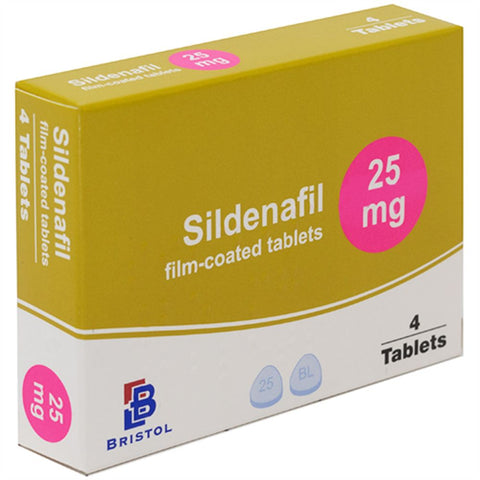
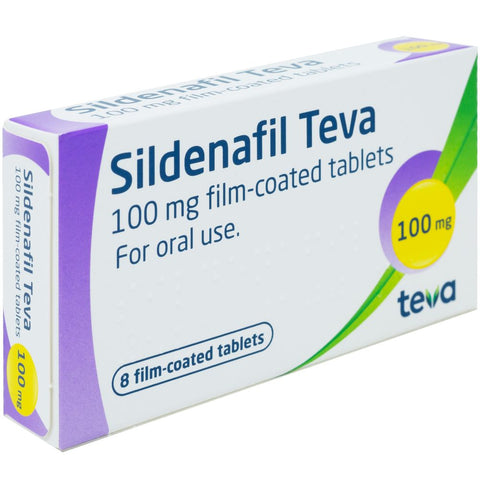
ED Treatments We Offer
Pricing Disclaimer: Prices on some pages may not be up to date — the live pricing table below and pricing shown during consultation are official current prices and take precedence over any other figures on the site.
Your Questions Answered
Trusted by thousands
Real people, real results
“Fabulous service and quick delivery”
“Felt the effects of these after about 5 days. Erections are better and can get aroused and ready easier”
“Excellent value and brilliant customer service”
“I received excellent service and everything went well. The order arrived quickly and in perfect condition. It's working very well! Thank you to the whole team for the great work!”
“Delivery was good, the product lived up to expectations.”
How Our Online Service Works
Choose your treatment
Select from our recommended UK-licensed medications.
Answer quick questions
Select safe UK treatments. Quick answers.
Get it delivered fast
We will deliver direct to you as quickly as tomorrow.
Get Discreet ED Treatment Online
Reviewed by UK-based prescribers · Takes under 3 minutes · Discreet Packaging

Medically reviewed by
Tarun Kumar, Superintendent Pharmacist (GPhC 2233073)