


Tadalafil and Driving: Is It Safe?
Learn how tadalafil affects driving safety and when to take precautions, with UK pharmacist-led consultations available.
Takes less than 2 minutes to complete 100% online
Trusted by thousands
Real people, real results
“Fabulous service and quick delivery”
“Felt the effects of these after about 5 days. Erections are better and can get aroused and ready easier”
“Excellent value and brilliant customer service”
“I received excellent service and everything went well. The order arrived quickly and in perfect condition. It's working very well! Thank you to the whole team for the great work!”
“Delivery was good, the product lived up to expectations.”
Your Path to Treatment


Tadalafil and Driving: What You Need to Know
Published: 8 November 2026
Tadalafil and driving is generally safe for most men, as the medicine does not typically impair your ability to drive or operate machinery. However, tadalafil can occasionally cause side effects such as dizziness, visual disturbances, or a drop in blood pressure—especially when you first start treatment or if you take it alongside certain other medicines—and these effects could affect your driving safety [4]. It's important to know how tadalafil affects you personally before getting behind the wheel, and to be aware of the warning signs that mean you should not drive.
Key takeaways
- Tadalafil does not usually impair driving, but dizziness or visual changes can occur in some men.
- Take your first dose when you do not need to drive for a few hours to see how you react.
- Do not drive if you feel dizzy, light-headed, or notice any change in your vision after taking tadalafil.
- Alcohol and certain medicines increase the risk of side effects that may affect driving safety.
- Seek urgent help if you experience sudden vision loss, chest pain, or an erection lasting over four hours.
Does Tadalafil Affect Your Ability to Drive?
For the majority of men, tadalafil does not impair driving ability. The medicine works by relaxing blood vessels to improve blood flow to the penis during sexual stimulation, and it does not usually cause sedation or drowsiness [4]. Clinical trials have not identified driving impairment as a common problem, and many men take tadalafil without experiencing any effects that would make driving unsafe.
That said, tadalafil can cause side effects in some people that may temporarily affect your ability to drive. The most relevant side effects include dizziness, headache, visual disturbances (such as blurred vision or changes in colour perception), and a drop in blood pressure [4]. These effects are more likely when you first start treatment, when you increase your dose, or if you drink alcohol or take other medicines that lower blood pressure at the same time.
The official patient information leaflet for tadalafil advises that you should be aware of how you react to the medicine before driving or using machines [12]. If you experience dizziness, visual changes, or feel unwell after taking tadalafil, do not drive until these symptoms have completely resolved. Most side effects are mild and short-lived, but your safety—and that of other road users—must always come first.
Common Side Effects of Tadalafil That May Impact Driving
Understanding which side effects could affect your driving helps you make safer decisions. The most common side effects of tadalafil include headache, indigestion, back pain, muscle aches, flushing, and nasal congestion [4]. Most of these do not interfere with driving, though a severe headache or significant discomfort might make it harder to concentrate on the road.
Dizziness is an important side effect to watch for, particularly if you are also taking medicines for high blood pressure or an alpha-blocker for prostate symptoms (such as tamsulosin or doxazosin). The combination can cause a more pronounced drop in blood pressure, leading to light-headedness or feeling faint [4]. If you feel dizzy or unsteady, sit or lie down until it passes and do not attempt to drive.
Visual disturbances are uncommon but can occur. Some men report blurred vision, increased sensitivity to light, or a blue tinge to their vision [4]. These effects are usually mild and temporary, but any change in your vision should prompt you to avoid driving until it resolves. If you experience sudden loss of vision in one or both eyes, stop taking tadalafil immediately and seek urgent medical attention, as this may be a sign of a rare but serious condition called non-arteritic anterior ischaemic optic neuropathy (NAION) [4].
When Side Effects Are More Likely
Side effects that could affect driving are more common in certain situations. Taking tadalafil for the first time, starting a higher dose, or combining it with alcohol or other blood-pressure-lowering medicines increases the risk of dizziness and light-headedness [4]. Heavy drinking can also worsen erectile dysfunction and amplify the blood-pressure-lowering effect of tadalafil, so it's best to limit alcohol when using this treatment.
If you are taking potent CYP3A4 inhibitors—such as ritonavir, cobicistat (found in some HIV medicines), ketoconazole, itraconazole, or clarithromycin—your tadalafil dose may need to be reduced because these medicines raise tadalafil levels in your blood, increasing the risk of side effects [4]. Your prescriber will check all your current medicines during your consultation to ensure tadalafil is safe and appropriately dosed for you.
At a glance
Tadalafil and Driving: Practical Safety Tips
The key to safe driving while taking tadalafil is to know how the medicine affects you personally. When you take tadalafil for the first time, it's sensible to do so at a time when you do not need to drive for several hours afterwards. This gives you a chance to see whether you experience any dizziness, visual changes, or other side effects that could impair your ability to drive safely.
If you are taking tadalafil on-demand (the 10 mg or 20 mg dose taken at least 30 minutes before sexual activity), be aware that its effects can last up to 36 hours [4]. This long duration is one of the reasons tadalafil is popular, but it also means that side effects—if they occur—may persist into the following day. If you feel unwell, dizzy, or notice any visual disturbance the morning after taking tadalafil, do not drive until you feel completely back to normal.
For men taking daily tadalafil (2.5 mg or 5 mg once a day), the medicine reaches a steady level in your body, and side effects often become less noticeable over time [4]. However, the same precautions apply: if you experience dizziness or visual changes at any point, avoid driving until the symptoms have gone. Always carry your tadalafil with you in its original packaging so that healthcare professionals know what you are taking in the event of an emergency.
Interactions That May Affect Tadalafil and Driving Safety
Certain medicine combinations can increase the risk of side effects that impair driving. Never take tadalafil if you are using nitrates (such as GTN spray, isosorbide mononitrate, or isosorbide dinitrate), nicorandil, riociguat, or recreational drugs known as 'poppers' (amyl or alkyl nitrites). The combination can cause a dangerous and potentially life-threatening drop in blood pressure [4]. This is an absolute contraindication, and you must not drive—or do anything else—if you have taken this combination; seek emergency medical help immediately.
Alpha-blockers, commonly prescribed for benign prostatic hyperplasia (enlarged prostate), can also lower blood pressure when combined with tadalafil. If you take doxazosin, tamsulosin, alfuzosin, terazosin, prazosin, silodosin, or indoramin, your prescriber will usually start you on the lowest dose of tadalafil and ensure you are stable on your alpha-blocker first [4]. The risk of dizziness or fainting is highest when you stand up quickly, so take care when getting out of a car or moving from sitting to standing.
Other blood-pressure medicines—such as ACE inhibitors, angiotensin receptor blockers, calcium channel blockers, or diuretics—can add to the blood-pressure-lowering effect of tadalafil. This does not mean you cannot take tadalafil, but it does mean you should be alert to symptoms of low blood pressure, such as dizziness, light-headedness, or feeling faint [4]. If you experience these symptoms, do not drive. Your prescriber will review all your medicines during your online consultation to ensure tadalafil is safe for you.
Alcohol and Grapefruit Juice
Alcohol can increase the blood-pressure-lowering effect of tadalafil and make dizziness more likely [4]. Heavy drinking also worsens erectile dysfunction and can impair your judgement and reaction times, making driving unsafe for reasons unrelated to tadalafil. It's best to limit alcohol when taking tadalafil, and never drink and drive.
Grapefruit juice can raise the level of tadalafil in your blood by inhibiting the enzyme that breaks it down, potentially increasing the risk of side effects [4]. While this interaction is less pronounced with tadalafil than with some other medicines, it's sensible to avoid large amounts of grapefruit juice, especially if you are already experiencing side effects.
Know How You React First
When you take tadalafil for the first time, do so at a time when you do not need to drive for several hours. This lets you see whether you experience any side effects that could affect your ability to drive safely.
What to Do If Tadalafil Affects Your Driving
If you feel dizzy, light-headed, or experience visual disturbances after taking tadalafil, do not drive. Pull over safely if you are already driving, and wait until the symptoms have completely resolved before continuing your journey. If the symptoms are severe or do not improve, contact your GP or call NHS 111 for advice.
Sudden loss of vision or hearing, chest pain during or after sexual activity, or an erection lasting more than four hours (priapism) are medical emergencies [4]. If any of these occur, do not attempt to drive yourself to hospital; call 999 or ask someone else to take you to the nearest accident and emergency department immediately. Priapism requires urgent treatment to prevent permanent damage to the penis.
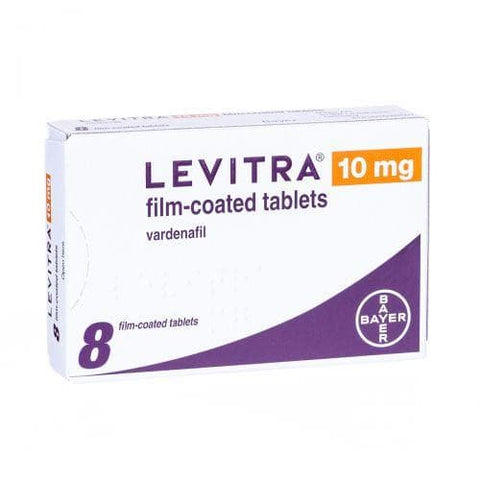
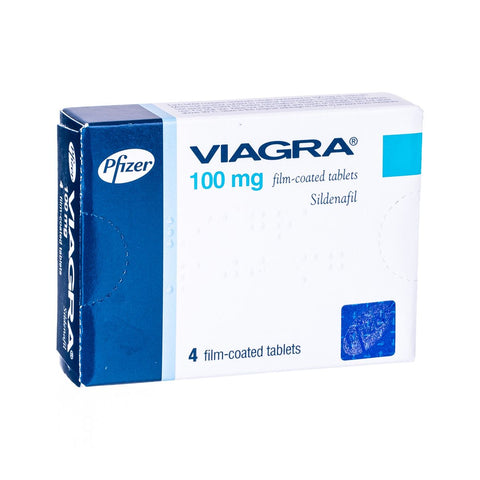
If you consistently experience side effects that affect your ability to drive, speak to your prescriber. They may suggest a lower dose of tadalafil, a different PDE5 inhibitor (such as sildenafil, vardenafil, or avanafil), or an alternative treatment for erectile dysfunction. Tadalafil is available from Cured Pharmacy after an online consultation reviewed by a UK prescriber, who will take into account your medical history, current medicines, and any side effects you have experienced to recommend the safest and most effective option for you.
Can I Drive After Taking Tadalafil? Summary and Next Steps
In summary, tadalafil and driving are generally compatible, and most men can drive safely while using this medicine. Tadalafil does not usually cause sedation or drowsiness, and clinical experience suggests that driving impairment is uncommon [4]. However, side effects such as dizziness, visual disturbances, or a drop in blood pressure can occur, particularly when you first start treatment, when you increase your dose, or if you take tadalafil alongside certain other medicines or alcohol.
The most important rule is to know how tadalafil affects you before you drive. Take your first dose at a time when you do not need to drive for several hours, and be alert to any symptoms that could impair your ability to control a vehicle safely. If you feel dizzy, unwell, or notice any change in your vision, do not drive until these symptoms have completely gone. Always inform your prescriber of all the medicines you are taking, including over-the-counter treatments and supplements, so they can check for interactions that might increase your risk of side effects.
If you have new or worsening erectile dysfunction, it's important to see your GP, as ED can be an early warning sign of cardiovascular disease or diabetes [1][2]. Once any underlying health issues have been addressed, tadalafil and other PDE5 inhibitors can be highly effective treatments. Cured Pharmacy offers a convenient online consultation service, where a UK-registered prescriber will review your medical history and current medicines to ensure tadalafil is safe and suitable for you. Tadalafil is available from £7.95 (or £6.36 for your first order with code Ednew), and your treatment is dispensed by our GPhC-registered pharmacy and delivered discreetly to your door.
Getting Tadalafil Safely Online
All prescription medicines, including tadalafil, are only supplied after an online consultation reviewed by a UK prescriber. During the consultation, you will be asked about your medical history, current medicines, and any symptoms you are experiencing. The prescriber will check for contraindications and interactions, and recommend the most appropriate dose and formulation for you.
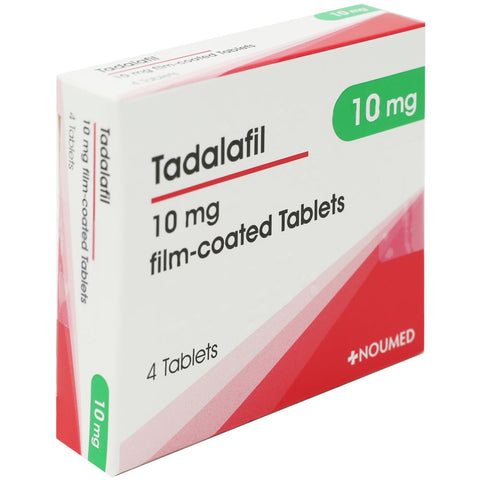
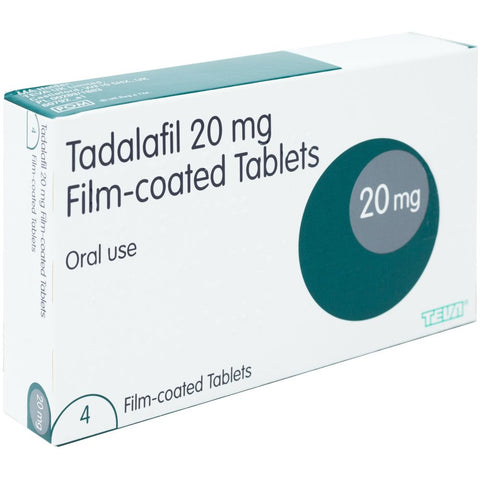
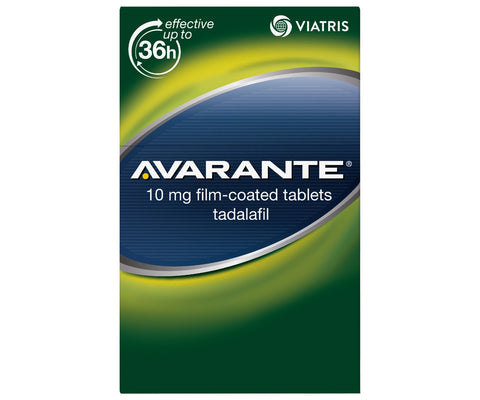
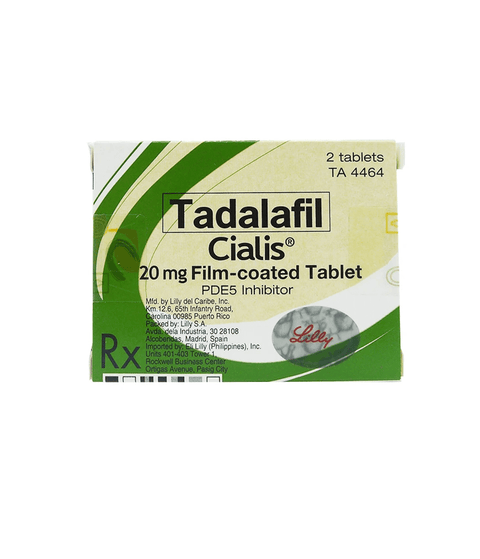
Cured Pharmacy is a GPhC-registered online pharmacy (GPhC 9012511), and all our prescribers are UK-registered healthcare professionals. We offer a range of tadalafil products, including generic tadalafil from £7.95, Tadalafil 20 mg (Teva) at £9.99, Avarante (tadalafil) 10 mg at £11.49, and branded Cialis at £12.00. First-time customers can use code Ednew to save 20% on their first order. Your treatment is dispensed quickly and delivered in discreet, unmarked packaging.
When to get urgent help
- Sudden loss of vision in one or both eyes—stop tadalafil and seek immediate medical attention.
- Chest pain during or after sexual activity—stop activity, call 999 if pain does not resolve quickly.
- Erection lasting more than 4 hours (priapism)—go to A&E immediately to prevent permanent damage.
- Severe dizziness or fainting, especially if you have taken tadalafil with nitrates or poppers—call 999.
- Sudden loss of hearing or ringing in the ears—stop tadalafil and see a doctor urgently.
Call 999 or go to A&E in an emergency, or contact NHS 111 for urgent advice.
Scientific References
- NHS. (n.d.). Erectile dysfunction (impotence). NHS website. https://www.nhs.uk/conditions/erection-problems-erectile-dysfunction/ [accessed 8 November 2026]
- National Institute for Health and Care Excellence. (n.d.). Erectile dysfunction. Clinical Knowledge Summaries. https://cks.nice.org.uk/topics/erectile-dysfunction/ [accessed 8 November 2026]
- Joint Formulary Committee. (n.d.). Tadalafil. British National Formulary. NICE. https://bnf.nice.org.uk/drugs/tadalafil/ [accessed 8 November 2026]
- Electronic Medicines Compendium. (n.d.). Summaries of Product Characteristics and Patient Information Leaflets. https://www.medicines.org.uk/emc/ [accessed 8 November 2026]
Information on this page is for educational purposes only and is not medical advice. Prescription treatments require clinical assessment by a UK-registered prescriber. Always consult a qualified healthcare professional before starting or changing any medication.
Treatment Options
Pricing Disclaimer: Prices on some pages may not be up to date — the live pricing table below and pricing shown during consultation are official current prices and take precedence over any other figures on the site.
Not sure which one? Start a free consultation →

Ready to Speak to a Pharmacist?
- Reviewed by UK-based prescribers
- Takes under 3 minutes
- Discreet Packaging
Frequently Asked Questions
Can't find your answer? Our UK pharmacists review every consultation and can help.
Is it safe to drive immediately after taking tadalafil?
For most men, yes, but it's sensible to wait and see how you react when you first start treatment. If you feel dizzy or notice visual changes, do not drive until these symptoms have gone.
Can tadalafil cause drowsiness or sedation?
No, tadalafil does not typically cause drowsiness or sedation. However, it can cause dizziness or a drop in blood pressure, which may affect your ability to drive safely.
How long should I wait before driving after taking tadalafil?
There is no fixed waiting time, but when you take tadalafil for the first time, avoid driving for a few hours to see if you experience any side effects. If you feel well, you can drive as normal.
What should I do if I feel dizzy while driving after taking tadalafil?
Pull over safely as soon as possible, and do not continue driving until the dizziness has completely resolved. If symptoms are severe or persist, contact your GP or NHS 111.
Can I drink alcohol and drive after taking tadalafil?
Alcohol increases the risk of dizziness and low blood pressure with tadalafil, and drinking any amount of alcohol impairs driving. Never drink and drive, regardless of whether you have taken tadalafil.
Does daily tadalafil affect driving differently from on-demand tadalafil?
Daily tadalafil (2.5 mg or 5 mg) reaches a steady level in your body, and side effects often become less noticeable over time. The same precautions apply: do not drive if you feel dizzy or unwell.
Can tadalafil cause blurred vision that affects driving?
Blurred vision and other visual disturbances are uncommon but can occur. If you notice any change in your vision after taking tadalafil, do not drive until it has completely resolved.
Should I tell the DVLA that I am taking tadalafil?
No, you do not need to inform the DVLA that you are taking tadalafil. However, if you develop a medical condition or side effect that affects your ability to drive safely, you must inform the DVLA as required by law.

Medically reviewed by
Tarun Kumar, Superintendent Pharmacist (GPhC 2233073)