


Penile Cancer and Erectile Dysfunction Explained
Learn how penile cancer affects erections and explore safe, effective treatments through a UK pharmacist-led consultation.
Takes less than 2 minutes to complete 100% online
Penile Cancer and Erectile Dysfunction: Understanding the Link and Treatment Options
Published: 14 October 2026
Penile cancer and erectile dysfunction are closely connected, as both the cancer itself and its treatment can significantly affect erectile function. Surgery, radiotherapy, and other treatments for penile cancer may damage the nerves, blood vessels, or tissues essential for achieving and maintaining an erection. Understanding this link and knowing that effective treatments are available can help men regain sexual function and quality of life after a penile cancer diagnosis.
Start early for best results
Discuss penile rehabilitation with your specialist soon after cancer treatment. Early use of PDE5 inhibitors or vacuum devices may help preserve erectile tissue health and improve long-term outcomes.
How penile cancer and erectile dysfunction are connected
Penile cancer is a rare malignancy affecting the skin and tissues of the penis. When diagnosed, treatment typically involves surgery, radiotherapy, chemotherapy, or a combination of these approaches. Each treatment modality can contribute to erectile dysfunction through different mechanisms [1][2].
Surgical procedures for penile cancer, ranging from local excision to partial or total penectomy, may damage the delicate nerves and blood vessels that control erections. Even less extensive surgeries can disrupt the neurovascular bundles running along the penis. Radiotherapy, whilst targeting cancer cells, can also affect healthy tissue, leading to fibrosis (scarring) and reduced blood flow to the penis over time. The psychological impact of a penile cancer diagnosis—including anxiety, depression, and altered body image—further compounds the risk of erectile difficulties [1][2].
The severity of erectile dysfunction after penile cancer treatment depends on the extent of the disease, the type and aggressiveness of treatment, and individual factors such as age, baseline erectile function, and overall cardiovascular health. Many men experience some degree of ED, but with appropriate support and treatment, sexual function can often be improved or restored.
Assessment and diagnosis of erectile dysfunction in penile cancer survivors
If you have been treated for penile cancer and are experiencing erection problems, it is important to discuss this openly with your GP or specialist. A thorough assessment will explore the timeline of your ED (whether it began before or after cancer treatment), the quality of your erections, and any other symptoms such as reduced libido, pain, or urinary changes [2].
Your doctor will review your cancer treatment history in detail, including the type of surgery, radiation dose and field, and any chemotherapy received. They will also assess cardiovascular risk factors—such as diabetes, high blood pressure, high cholesterol, and smoking—because these conditions independently contribute to erectile dysfunction and are common in men of the age group most affected by penile cancer [1][2].
Physical examination may include checking blood pressure, examining the genital area for scarring or anatomical changes, and assessing peripheral pulses. Blood tests are often arranged to measure testosterone, blood glucose (HbA1c), lipid profile, and sometimes thyroid function. In some cases, referral to a specialist urology or sexual medicine service may be recommended for more detailed evaluation, including penile Doppler ultrasound to assess blood flow, or discussion of advanced treatment options [2].
When to seek medical advice
Any new or worsening erectile dysfunction after penile cancer treatment warrants a conversation with your healthcare team. Early intervention can prevent the problem from becoming entrenched and may identify treatable underlying causes. Do not delay seeking help due to embarrassment; ED is a recognised and common consequence of cancer treatment, and your doctors are experienced in managing it sensitively and effectively [1][2].
When to get urgent help
- Erection lasting more than 4 hours (priapism) – go to A&E immediately
- Sudden loss of vision or hearing after taking ED medication – seek urgent medical help
- Chest pain during sexual activity – stop and call 999 if pain does not resolve quickly
- New or worsening penile pain, bleeding, or discharge – contact your cancer care team or GP the same day
- Signs of infection after alprostadil injection (redness, swelling, fever) – seek same-day medical advice
Call 999 or go to A&E in an emergency, or contact NHS 111 for urgent advice.
Lifestyle measures to support erectile function after penile cancer
Lifestyle changes play an important role in managing erectile dysfunction, particularly for men recovering from penile cancer. Maintaining a healthy weight, eating a balanced diet rich in fruits, vegetables, whole grains, and lean protein, and limiting saturated fats and processed foods can improve cardiovascular health and blood flow to the penis [1][2].
Regular physical activity—at least 150 minutes of moderate-intensity exercise per week—has been shown to improve erectile function by enhancing circulation, reducing stress, and supporting overall wellbeing. Pelvic floor exercises (Kegel exercises) may also help strengthen the muscles involved in erections and are particularly useful after pelvic surgery or radiotherapy [1][2].
Smoking is a major risk factor for erectile dysfunction because it damages blood vessels and reduces blood flow. Quitting smoking can lead to significant improvements in erectile function, even in men who have undergone cancer treatment. Limiting alcohol intake is also advisable, as heavy drinking can worsen ED and interfere with the effectiveness of oral treatments. Managing stress, anxiety, and depression—whether through counselling, cognitive behavioural therapy, or mindfulness techniques—is equally important, as psychological factors often coexist with physical causes of ED in cancer survivors [1][2].
Oral treatments for penile cancer and erectile dysfunction
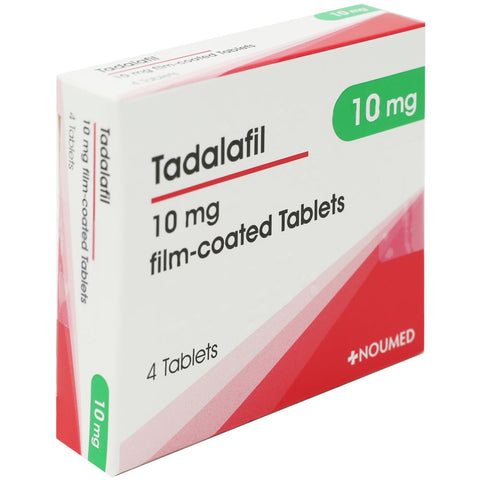
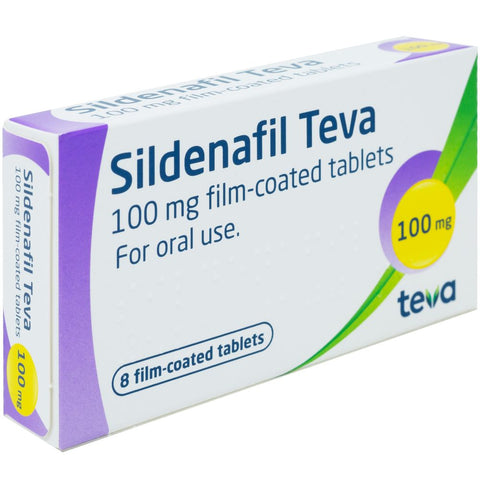
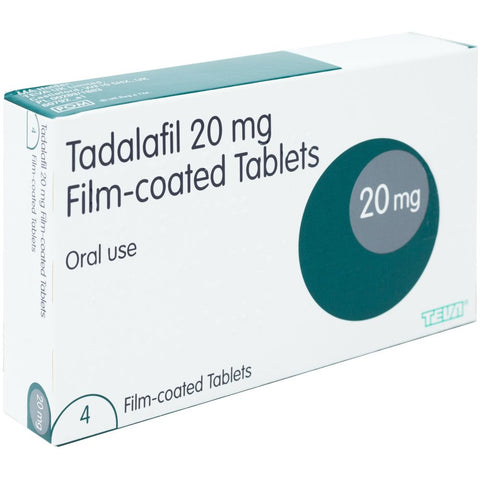
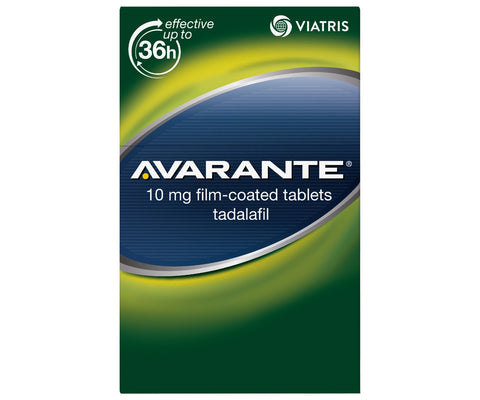
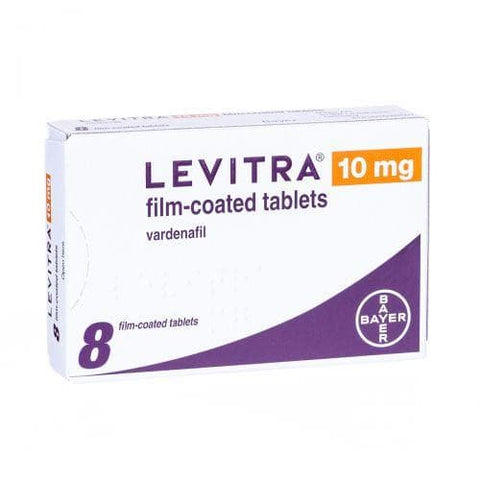
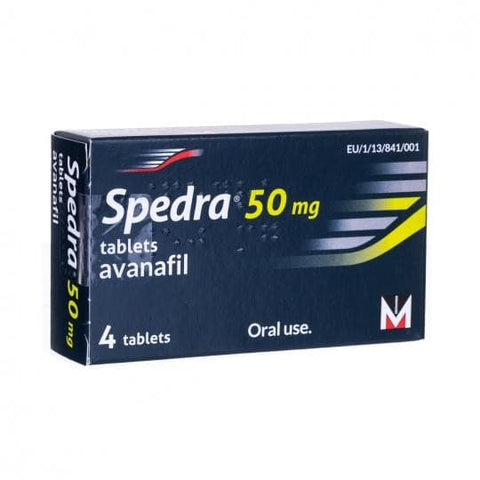
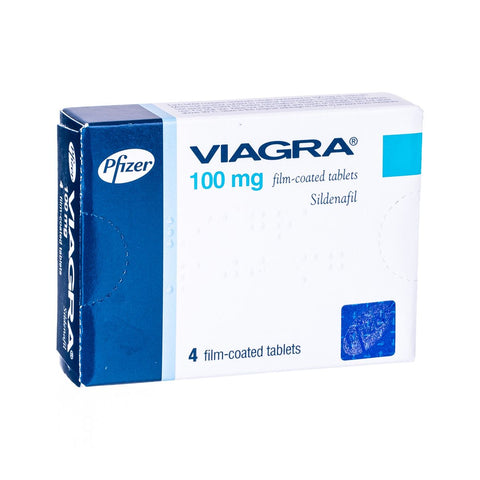
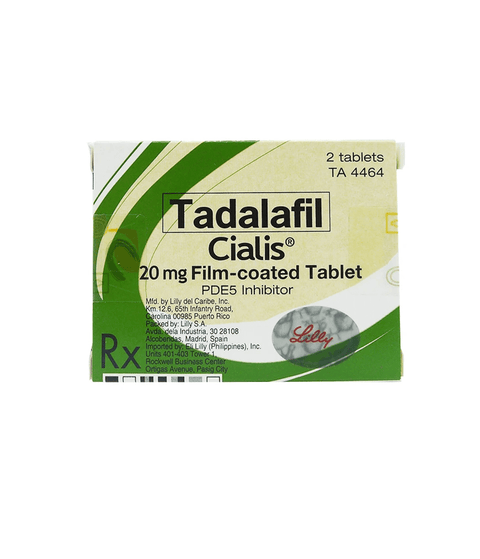
Oral phosphodiesterase type 5 (PDE5) inhibitors are the first-line medical treatment for erectile dysfunction in men who have been treated for penile cancer, provided there are no contraindications. These medicines—sildenafil (Viagra), tadalafil (Cialis), vardenafil (Levitra), and avanafil (Spedra)—work by increasing blood flow to the penis in response to sexual stimulation [1][2][3][4][5][6].
Sildenafil is typically taken about one hour before sexual activity at doses of 25 mg, 50 mg, or 100 mg, with a maximum of one dose per day. Tadalafil is available as an on-demand tablet (10 mg or 20 mg, taken at least 30 minutes before sex, with effects lasting up to 36 hours) or as a daily low-dose option (2.5 mg or 5 mg) for men who prefer spontaneity. Vardenafil is taken 25 to 60 minutes before sex, and avanafil works within 15 to 30 minutes, making it one of the fastest-acting options [3][4][5][6].
All PDE5 inhibitors require sexual stimulation to work and do not increase libido. They may be less effective in men with significant nerve or vascular damage from cancer treatment, but many men still experience meaningful improvement. Your prescriber will select the most appropriate medicine and dose based on your individual circumstances, treatment history, and any other medications you are taking. All oral ED treatments at Cured Pharmacy require an online consultation reviewed by a UK-registered prescriber [1][2].
Starting treatment safely
It is essential to disclose your full medical history, including your penile cancer diagnosis and treatment, during your consultation. PDE5 inhibitors are generally well tolerated, but they are not suitable for everyone. They must never be taken with nitrates (such as GTN spray or isosorbide mononitrate), nicorandil, riociguat, or recreational drugs known as 'poppers', as this combination can cause a dangerous drop in blood pressure. Men taking alpha-blockers for prostate symptoms or blood pressure should start on the lowest dose of a PDE5 inhibitor and must be stable on their alpha-blocker. Potent CYP3A4 inhibitors (such as ritonavir, ketoconazole, or clarithromycin) can increase PDE5 inhibitor levels, requiring dose adjustments or avoidance [3][4][5][6][12].
At a glance
Other treatment options for erectile dysfunction after penile cancer
If oral PDE5 inhibitors are not effective, not tolerated, or contraindicated, several other treatment options are available. Alprostadil is a prescription medicine that can be delivered directly to the penis either as a cream applied to the tip (Vitaros) or as an injection into the side of the shaft (Caverject). These treatments work by directly relaxing the smooth muscle in the penis and increasing blood flow, independent of sexual stimulation [7].
Vacuum erection devices (VEDs) are non-invasive mechanical aids that create a vacuum around the penis, drawing blood into the erectile tissue. A constriction ring is then placed at the base of the penis to maintain the erection. VEDs can be particularly useful for men who cannot use medicines or prefer a drug-free option. They are available on prescription or can be purchased privately [2].
For men with more severe or treatment-resistant ED, surgical options such as penile prosthesis implantation may be considered. This involves placing inflatable or semi-rigid rods inside the penis to allow an erection on demand. Prosthesis surgery is typically reserved for men who have not responded to other treatments and is performed by specialist urologists. Psychological support, including psychosexual counselling or couples therapy, is also an important part of holistic care and can be accessed through your GP or specialist service [2][8].
Special considerations for men treated for penile cancer and erectile dysfunction
Men who have undergone penile cancer treatment may have unique anatomical or functional changes that affect how ED treatments work. For example, partial penectomy can alter penile length and shape, which may influence the choice of treatment or require adapted techniques for using vacuum devices or injections. Radiotherapy-induced fibrosis can reduce the elasticity of penile tissue, potentially making oral treatments less effective and increasing the importance of early intervention and penile rehabilitation strategies [2][8].
Penile rehabilitation—starting ED treatment soon after cancer therapy, even before spontaneous erections return—is an emerging concept aimed at preserving erectile tissue health and improving long-term outcomes. Some specialists recommend early use of PDE5 inhibitors or vacuum devices to maintain oxygenation and blood flow to the penis during recovery. Discuss this approach with your oncologist or urologist if appropriate [8].
Emotional and relationship support is equally important. A penile cancer diagnosis and subsequent ED can profoundly affect self-esteem, masculinity, and intimate relationships. Open communication with your partner, involvement in shared decision-making about treatment, and access to counselling services can all improve quality of life and treatment satisfaction. Many men find peer support groups or cancer charities helpful in navigating these challenges [1][2].
Ongoing monitoring and follow-up
Regular follow-up with your cancer care team is essential to monitor for recurrence and manage treatment side effects, including erectile dysfunction. Do not hesitate to raise concerns about sexual function at follow-up appointments; it is a legitimate and important aspect of survivorship care. Your healthcare team can adjust treatments, refer you to specialists, or explore new options as they become available [2].
In summary
- Penile cancer treatment can damage nerves and blood vessels, leading to erectile dysfunction.
- Oral PDE5 inhibitors are first-line treatment and can help many men after cancer therapy.
- Early intervention and penile rehabilitation may improve long-term erectile function outcomes.
- Lifestyle changes and psychological support are important alongside medical treatments.
- Alternative options include alprostadil, vacuum devices, and specialist referral if oral treatments fail.
Scientific References
- NHS. (n.d.). Erectile dysfunction (impotence). NHS website. https://www.nhs.uk/conditions/erection-problems-erectile-dysfunction/ [accessed 14 October 2026]
- National Institute for Health and Care Excellence. (n.d.). Erectile dysfunction. Clinical Knowledge Summaries. https://cks.nice.org.uk/topics/erectile-dysfunction/ [accessed 14 October 2026]
- Joint Formulary Committee. (n.d.). Sildenafil. British National Formulary. NICE. https://bnf.nice.org.uk/drugs/sildenafil/ [accessed 14 October 2026]
- Joint Formulary Committee. (n.d.). Tadalafil. British National Formulary. NICE. https://bnf.nice.org.uk/drugs/tadalafil/ [accessed 14 October 2026]
- Joint Formulary Committee. (n.d.). Vardenafil. British National Formulary. NICE. https://bnf.nice.org.uk/drugs/vardenafil/ [accessed 14 October 2026]
- Joint Formulary Committee. (n.d.). Avanafil. British National Formulary. NICE. https://bnf.nice.org.uk/drugs/avanafil/ [accessed 14 October 2026]
- Joint Formulary Committee. (n.d.). Alprostadil. British National Formulary. NICE. https://bnf.nice.org.uk/drugs/alprostadil/ [accessed 14 October 2026]
- European Association of Urology. (n.d.). EAU Guidelines on Sexual and Reproductive Health. https://uroweb.org/guidelines/sexual-and-reproductive-health [accessed 14 October 2026]
Information on this page is for educational purposes only and is not medical advice. Prescription treatments require clinical assessment by a UK-registered prescriber. Always consult a qualified healthcare professional before starting or changing any medication.
Our ED Treatments
Pricing Disclaimer: Prices on some pages may not be up to date — the live pricing table below and pricing shown during consultation are official current prices and take precedence over any other figures on the site.
Not sure which one? Start a free consultation →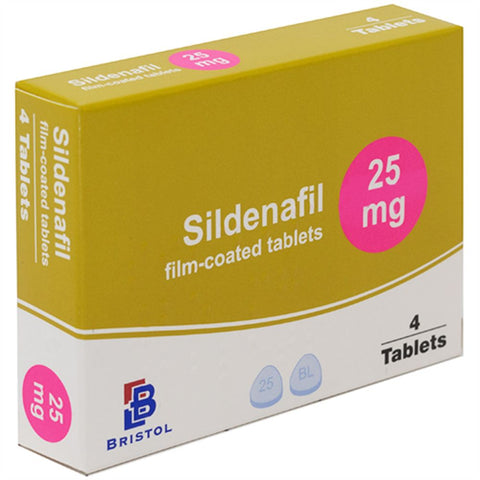
Faq
Trusted by thousands
Real people, real results
“Fabulous service and quick delivery”
“Felt the effects of these after about 5 days. Erections are better and can get aroused and ready easier”
“Excellent value and brilliant customer service”
“I received excellent service and everything went well. The order arrived quickly and in perfect condition. It's working very well! Thank you to the whole team for the great work!”
“Delivery was good, the product lived up to expectations.”
How it Works?
Choose your treatment
Select from our recommended UK-licensed medications.
Answer quick questions
Select safe UK treatments. Quick answers.
Get it delivered fast
We will deliver direct to you as quickly as tomorrow.
Start Your Assessment For Erectile Dysfunction
- Reviewed by UK-based prescribers
- Takes under 3 minutes
- Discreet Packaging

Medically reviewed by
Tarun Kumar, Superintendent Pharmacist (GPhC 2233073)