

Erectile Dysfunction in Athletes: Causes & Treatment
Understand why fit, healthy athletes experience ED and explore safe, effective treatment options through a UK pharmacist-led consultation.
Takes less than 2 minutes to complete 100% online

Erectile Dysfunction in Athletes: Causes, Treatment and When to Seek Help
Published: 10 November 2026
Erectile dysfunction in athletes can be surprising and distressing, especially when you're otherwise fit and healthy. Despite regular exercise and a strong cardiovascular system, athletes can experience ED due to overtraining, hormonal imbalances, performance anxiety, or the use of certain supplements. Understanding the specific causes in athletic populations and knowing when to seek help can make treatment straightforward and effective [1][2].
At a glance
Why do athletes experience erectile dysfunction?
Athletes are often assumed to be at lower risk of erectile dysfunction because of their cardiovascular fitness, yet ED is not uncommon in this group. Physical overtraining can suppress the hypothalamic-pituitary-gonadal axis, leading to lower testosterone levels and reduced libido [10]. Intense endurance training, particularly cycling, has been associated with genital numbness and vascular changes that may contribute to erectile problems.
Performance anxiety is another significant factor. The same drive for excellence that fuels athletic success can translate into pressure in intimate situations, triggering psychological ED. Additionally, some athletes use anabolic steroids or other performance-enhancing substances, which can disrupt natural hormone production and damage blood vessels, leading to persistent erectile difficulties even after stopping use [1][2].
Low body fat, while beneficial for certain sports, can also reduce testosterone production. Nutritional deficiencies, inadequate recovery, and chronic stress from competition schedules further compound the risk. It's important to recognise that being physically fit does not make you immune to ED, and seeking help is a sign of taking your overall health seriously.
Common causes of erectile dysfunction in athletes
Overtraining syndrome is a well-documented cause of hormonal disruption in athletes. When training volume and intensity exceed the body's ability to recover, cortisol levels rise and testosterone falls, directly affecting erectile function. Endurance athletes, particularly cyclists and runners logging very high weekly mileage, are especially vulnerable to this hormonal imbalance.
Psychological factors play a major role. Performance anxiety, relationship stress, and the mental fatigue of competitive pressure can all interfere with arousal and erections. Many athletes report that ED occurs during periods of high competition stress or after a disappointing performance, highlighting the mind-body connection in sexual health [1].
Substance use is another concern. Anabolic-androgenic steroids can shrink the testicles, reduce natural testosterone production, and cause long-term vascular damage. Stimulants, fat burners, and even some pre-workout supplements may contain ingredients that affect blood pressure or blood flow. Alcohol and recreational drugs, sometimes used socially, are well-known contributors to erectile problems [2].
Cycling and pelvic pressure
Cyclists face unique risks due to prolonged pressure on the perineum (the area between the genitals and anus), which can compress nerves and blood vessels supplying the penis. Studies have shown that long hours in the saddle, particularly on poorly fitted or narrow saddles, can lead to genital numbness and erectile dysfunction. Adjusting saddle height, angle, and width, taking regular breaks, and using padded shorts can all reduce this risk. If you cycle regularly and notice numbness or ED, discuss saddle fit and riding posture with a specialist bike fitter and your GP.
How does exercise affect erectile function?
Moderate, regular exercise is one of the best things you can do for erectile function. Physical activity improves cardiovascular health, enhances blood flow, reduces stress, and boosts mood—all of which support healthy erections [1]. Men who exercise regularly have a lower risk of ED compared to sedentary men, and increasing physical activity can improve erectile function even in those who already have symptoms [10].
However, there is a threshold beyond which exercise may become counterproductive. Excessive endurance training without adequate recovery can suppress testosterone, increase cortisol, and lead to fatigue and low libido. The key is balance: training hard enough to achieve your athletic goals while allowing sufficient rest, nutrition, and sleep for hormonal and vascular health.
Strength training and high-intensity interval training (HIIT) have been shown to support testosterone levels and improve body composition, both of which can benefit erectile function. If you suspect overtraining is affecting your sexual health, consider working with a coach or sports medicine professional to adjust your training load and prioritise recovery.
What you need to know
- Athletes can experience ED due to overtraining, low testosterone, performance anxiety, or cycling-related pressure
- Moderate exercise supports erectile function, but excessive training without recovery can suppress hormones
- PDE5 inhibitors like sildenafil and tadalafil are safe for athletes and not banned by WADA
- See a GP if ED persists for several weeks, as it can signal cardiovascular or metabolic problems
- Prioritising sleep, nutrition, and recovery can restore hormonal balance and improve sexual health
Treatment options for erectile dysfunction in athletes
The first step is to identify and address any underlying causes. If overtraining is suspected, reducing training volume, improving sleep, and optimising nutrition (especially adequate calorie and fat intake to support hormone production) can help restore natural testosterone levels. If anabolic steroid use is a factor, stopping these substances and seeking medical support for hormonal recovery is essential [2].
Psychological support, such as cognitive behavioural therapy (CBT) or sex therapy, can be very effective for performance anxiety and stress-related ED. Many athletes benefit from working with a psychologist who understands the pressures of competitive sport. Addressing relationship issues and improving communication with a partner also plays an important role.
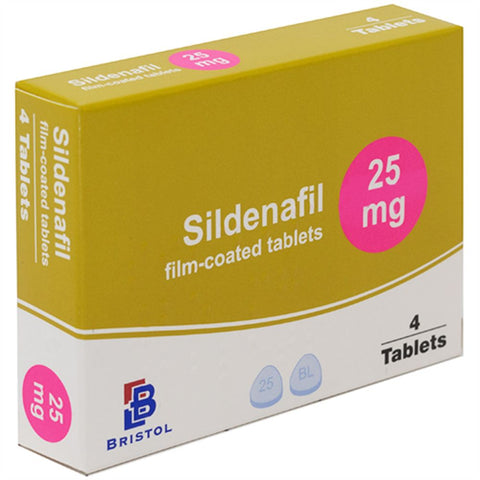
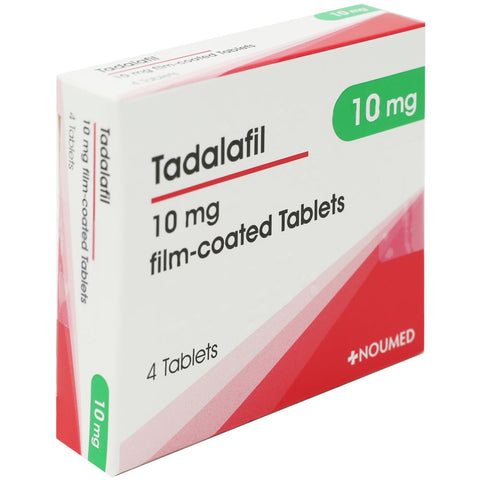
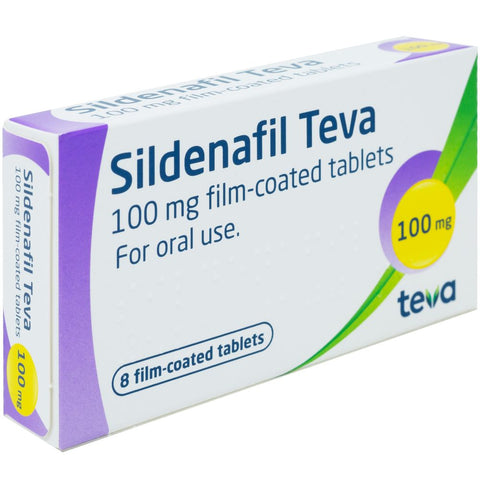
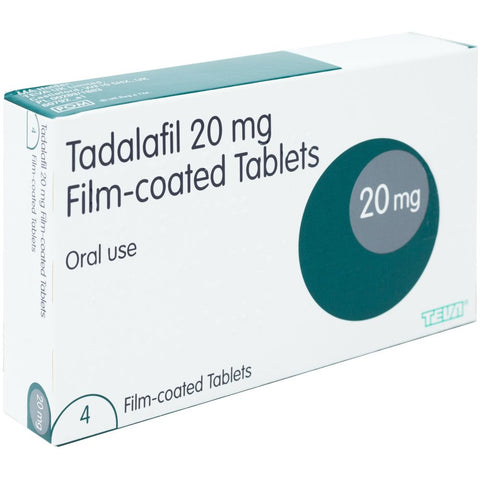
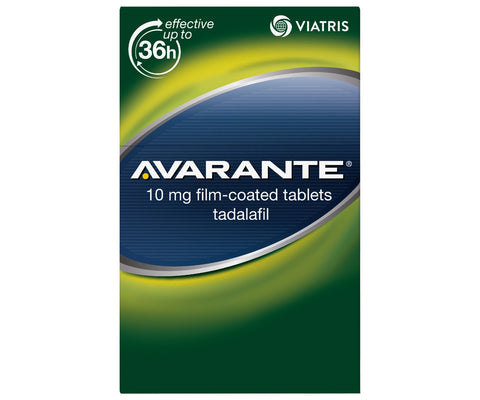
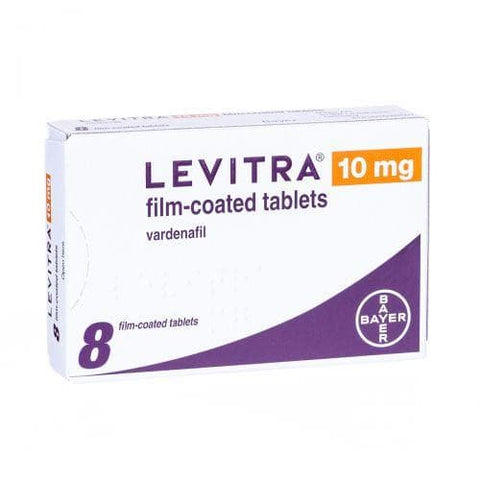
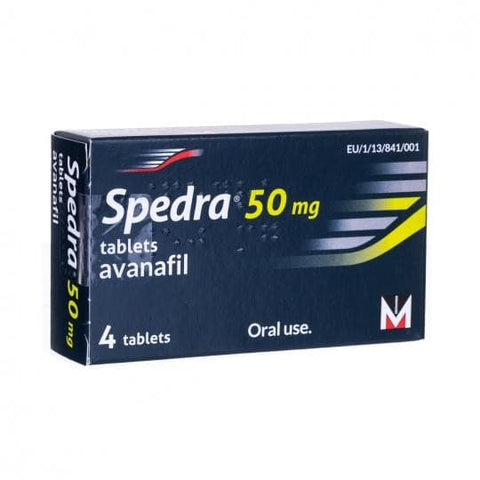
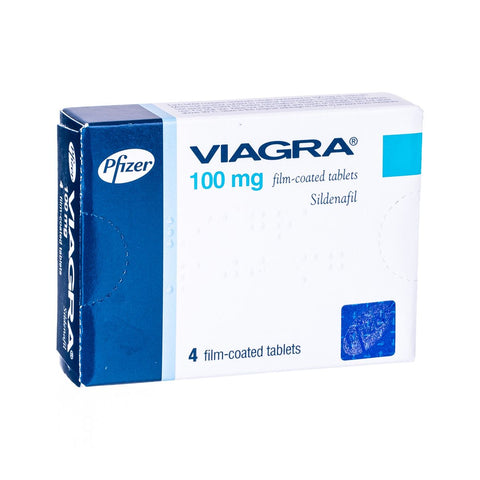
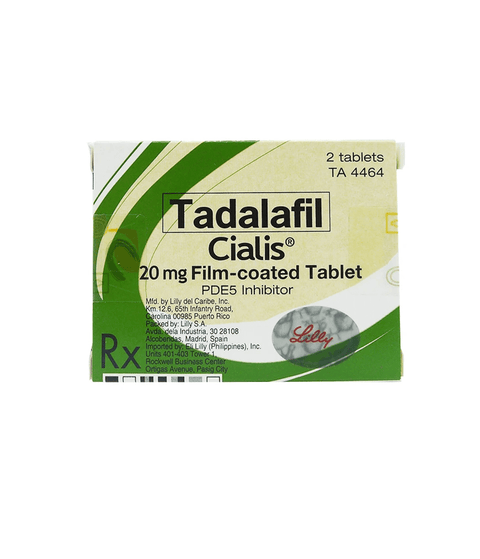
When lifestyle changes and psychological support are not enough, oral PDE5 inhibitor medications—such as sildenafil (Viagra), tadalafil (Cialis), vardenafil (Levitra), and avanafil (Spedra)—are highly effective treatments. These medicines work by increasing blood flow to the penis during sexual stimulation, making it easier to achieve and maintain an erection [3][4][5][6]. They are prescription-only and require an online or face-to-face consultation with a UK prescriber, who will check your medical history and current medications to ensure they are safe and suitable for you.
Are PDE5 inhibitors safe for athletes?
PDE5 inhibitors are not banned by the World Anti-Doping Agency (WADA) and are safe for athletes to use, provided they are prescribed appropriately and there are no contraindications. They do not enhance athletic performance and are not considered performance-enhancing drugs. However, you must disclose all supplements, medications, and any substances you use during your consultation, as some combinations can be dangerous. Never take PDE5 inhibitors with nitrates, nicorandil, riociguat, or recreational drugs like poppers, as this can cause a dangerous drop in blood pressure [3][4][5][6].
Lifestyle and recovery strategies to improve erectile function
Prioritising recovery is crucial for athletes experiencing ED. Ensure you are getting 7-9 hours of quality sleep per night, as sleep is when the body produces most of its testosterone. Chronic sleep deprivation is strongly linked to low testosterone and erectile problems. If you struggle with sleep, consider speaking to a sports medicine doctor or sleep specialist.
Nutrition plays a vital role. Eating enough calories to support your training, including healthy fats (which are essential for hormone production), and ensuring adequate intake of zinc, vitamin D, and magnesium can all support sexual health. Avoid extreme dieting or very low body fat levels, as these can suppress testosterone. Hydration is also important, as dehydration can impair blood flow and performance in all areas.
Stress management techniques such as mindfulness, meditation, yoga, or simply scheduling downtime away from training and competition can reduce cortisol and improve overall well-being. Many athletes find that taking a planned break from intense training—known as a recovery or deload week—can restore energy, libido, and erectile function. If you use any supplements, review them with a healthcare professional to ensure they are safe and not contributing to the problem.
When to get urgent help
- An erection lasting more than 4 hours (priapism) – go to A&E immediately
- Sudden loss of vision or hearing after taking ED medication – seek urgent medical help
- Chest pain during sexual activity – stop and call 999
- Severe dizziness or fainting after taking ED medication – seek immediate medical attention
Call 999 or go to A&E in an emergency, or contact NHS 111 for urgent advice.
When to speak to a doctor about erectile dysfunction in athletes
You should see a GP or healthcare professional if you experience erectile difficulties on more than half of your attempts over a period of several weeks. ED can be an early warning sign of cardiovascular disease or diabetes, even in young, fit individuals, so it's important not to ignore it [1][2]. Your doctor will take a medical history, may perform a physical examination, and can arrange blood tests to check testosterone, blood sugar, cholesterol, and thyroid function.
If you have used anabolic steroids or other performance-enhancing drugs, it's especially important to be honest with your doctor. They can assess the impact on your hormones and overall health and discuss options for recovery. If you have any other symptoms—such as reduced libido, fatigue, mood changes, or difficulty with urination—mention these as well, as they may point to an underlying condition that needs treatment.
Seek urgent medical help if you experience an erection lasting more than four hours (priapism), sudden loss of vision or hearing, or chest pain during sexual activity. These are rare but serious side effects that require immediate attention. For non-urgent concerns, an online consultation with a UK-registered prescriber at Cured Pharmacy can provide a convenient and confidential way to discuss your symptoms and explore treatment options, including prescription PDE5 inhibitors if appropriate.
Online consultations at Cured Pharmacy
Cured Pharmacy offers a discreet, pharmacist-led online consultation service for erectile dysfunction. After completing a confidential health questionnaire, a UK-registered prescriber will review your answers and medical history. If a PDE5 inhibitor is suitable and safe for you, a prescription will be issued and your medication dispatched in plain, unmarked packaging. All consultations are conducted by qualified healthcare professionals, and you can ask questions or request advice at any stage. This service is particularly convenient for athletes with busy training and competition schedules who may find it difficult to attend in-person appointments.
Balance training and recovery
If you suspect overtraining is affecting your erectile function, reduce training volume, prioritise 7-9 hours of sleep, and ensure you're eating enough calories and healthy fats to support testosterone production. Recovery is as important as training.
Scientific References
- NHS. (n.d.). Erectile dysfunction (impotence). NHS website. https://www.nhs.uk/conditions/erection-problems-erectile-dysfunction/ [accessed 10 November 2026]
- National Institute for Health and Care Excellence. (n.d.). Erectile dysfunction. Clinical Knowledge Summaries. https://cks.nice.org.uk/topics/erectile-dysfunction/ [accessed 10 November 2026]
- Joint Formulary Committee. (n.d.). Sildenafil. British National Formulary. NICE. https://bnf.nice.org.uk/drugs/sildenafil/ [accessed 10 November 2026]
- Joint Formulary Committee. (n.d.). Tadalafil. British National Formulary. NICE. https://bnf.nice.org.uk/drugs/tadalafil/ [accessed 10 November 2026]
- Joint Formulary Committee. (n.d.). Vardenafil. British National Formulary. NICE. https://bnf.nice.org.uk/drugs/vardenafil/ [accessed 10 November 2026]
- Joint Formulary Committee. (n.d.). Avanafil. British National Formulary. NICE. https://bnf.nice.org.uk/drugs/avanafil/ [accessed 10 November 2026]
- Feldman, H. A., Goldstein, I., Hatzichristou, D. G., Krane, R. J., & McKinlay, J. B. (1994). Impotence and its medical and psychosocial correlates: Results of the Massachusetts Male Aging Study. Journal of Urology, 151(1), 54–61. https://pubmed.ncbi.nlm.nih.gov/8254833/ [accessed 10 November 2026]
Information on this page is for educational purposes only and is not medical advice. Prescription treatments require clinical assessment by a UK-registered prescriber. Always consult a qualified healthcare professional before starting or changing any medication.
Trusted by thousands
Real people, real results
“Fabulous service and quick delivery”
“Felt the effects of these after about 5 days. Erections are better and can get aroused and ready easier”
“Excellent value and brilliant customer service”
“I received excellent service and everything went well. The order arrived quickly and in perfect condition. It's working very well! Thank you to the whole team for the great work!”
“Delivery was good, the product lived up to expectations.”
Get Treatment in 3 Steps
Choose your treatment
Select from our recommended UK-licensed medications.

Answer quick questions
Select safe UK treatments. Quick answers.

Get it delivered fast
We will deliver direct to you as quickly as tomorrow.

Common Questions
Can being too fit cause erectile dysfunction?
Extreme fitness, particularly when combined with overtraining, very low body fat, and inadequate recovery, can suppress testosterone and lead to ED. Moderate, balanced exercise supports erectile function, but excessive training without rest can have the opposite effect.
Do anabolic steroids cause permanent erectile dysfunction?
Anabolic steroids can cause long-term hormonal and vascular damage, and some men experience persistent ED even after stopping. However, with medical support, hormonal recovery is often possible, and treatment options such as PDE5 inhibitors can help manage symptoms.
Are PDE5 inhibitors banned for athletes?
No, PDE5 inhibitors such as sildenafil, tadalafil, vardenafil, and avanafil are not banned by the World Anti-Doping Agency (WADA) and are safe for athletes to use when prescribed appropriately.
Can cycling cause erectile dysfunction?
Yes, prolonged pressure on the perineum from cycling can compress nerves and blood vessels, leading to numbness and ED. Proper saddle fit, regular breaks, and good riding posture can reduce this risk.
How does overtraining affect testosterone?
Overtraining suppresses the hypothalamic-pituitary-gonadal axis, reducing testosterone production and increasing cortisol. This hormonal imbalance can lead to low libido, fatigue, and erectile dysfunction.
Will reducing my training improve my erections?
If overtraining is the cause, reducing training volume, improving sleep, and optimising nutrition can help restore hormonal balance and improve erectile function. It's important to work with a coach or sports medicine professional to adjust your programme safely.
Can I take Viagra or Cialis if I use pre-workout supplements?
You must disclose all supplements during your consultation, as some contain stimulants or other ingredients that may interact with PDE5 inhibitors. The prescriber will review your full list of supplements and medications to ensure safety.
When should I see a doctor about ED as an athlete?
See a GP if you experience ED on more than half of your attempts over several weeks, or if you have other symptoms such as low libido, fatigue, or mood changes. ED can be an early sign of cardiovascular disease or diabetes, even in young, fit individuals.
Available Treatments
Pricing Disclaimer: Prices on some pages may not be up to date — the live pricing table below and pricing shown during consultation are official current prices and take precedence over any other figures on the site.
Take the First Step Today
Reviewed by UK-based prescribers · Takes under 3 minutes · Discreet Packaging
Medically reviewed by
Tarun Kumar, Superintendent Pharmacist (GPhC 2233073)