


Erectile Dysfunction After Pelvic Fracture
Understand recovery timelines, rehabilitation options, and treatments available through a UK pharmacist-led consultation.
Takes less than 2 minutes to complete 100% online
Trusted by thousands
Real people, real results
“Fabulous service and quick delivery”
“Felt the effects of these after about 5 days. Erections are better and can get aroused and ready easier”
“Excellent value and brilliant customer service”
“I received excellent service and everything went well. The order arrived quickly and in perfect condition. It's working very well! Thank you to the whole team for the great work!”
“Delivery was good, the product lived up to expectations.”
Get Treatment in 3 Steps


Erectile Dysfunction After Pelvic Fracture: Recovery and Treatment
Published: 15 October 2026
Erectile dysfunction after pelvic fracture is a recognised complication that can affect men following significant pelvic trauma. The pelvis contains delicate nerves and blood vessels essential for erections, and fractures—particularly those involving the pubic rami or acetabulum—can damage these structures. Understanding why this happens, what to expect during recovery, and which treatments are available can help you regain confidence and sexual function.
Key takeaways
- Pelvic fractures can damage nerves and blood vessels essential for erections
- Recovery varies; some men improve within months, others need long-term treatment
- Oral PDE5 inhibitors are often effective if nerve pathways are partially intact
- Pelvic floor physiotherapy and lifestyle changes support rehabilitation
- Second-line options include injections, vacuum devices, and specialist surgery
Why Erectile Dysfunction After Pelvic Fracture Occurs
Pelvic fractures can disrupt the complex network of nerves, arteries, and veins that enable erections. The pudendal nerve and internal pudendal artery, which supply the penis, run through the pelvis and can be stretched, compressed, or torn during high-energy trauma such as road traffic accidents, falls from height, or crush injuries. Even without direct nerve injury, bleeding and swelling in the pelvic cavity can compress these structures temporarily or permanently [1].
Damage to the cavernosal nerves—fine branches that control blood flow into the erectile tissue—is particularly common with fractures near the pubic symphysis or involving the urogenital diaphragm. Vascular injury, including damage to the dorsal artery of the penis or venous leak (where blood drains too quickly from the penis), can also prevent or reduce erections. Psychological factors, including anxiety, depression, and post-traumatic stress following the injury, often compound physical difficulties [2].
Typical Recovery Timeline for Erectile Function
Recovery from erectile dysfunction after pelvic fracture varies widely depending on the severity of the injury, the structures involved, and the speed of treatment. Some men notice gradual improvement within three to six months as swelling subsides and minor nerve damage heals. However, more severe injuries—especially those involving complete nerve transection or major vascular disruption—may result in persistent or permanent erectile dysfunction [1].
Early return of morning or spontaneous erections is often a positive sign that nerve pathways remain at least partially intact. If no improvement occurs within 12 to 18 months, the likelihood of spontaneous recovery diminishes, and long-term treatment or rehabilitation strategies become the focus. Regular follow-up with a urologist or specialist in sexual medicine is important to monitor progress and adjust management. Patience is essential, as nerve regeneration is slow and unpredictable, and psychological recovery takes time alongside physical healing [2].
Factors Influencing Recovery Speed
Age, overall health, smoking status, and the presence of conditions such as diabetes or cardiovascular disease all influence how quickly—and how completely—erectile function returns. Younger men with isolated fractures and no pre-existing health problems generally have better outcomes. Prompt surgical stabilisation of the fracture, early mobilisation, and proactive management of complications such as infection or chronic pain also support recovery. Psychological support, including counselling or cognitive behavioural therapy, can address anxiety and depression that may otherwise delay or prevent sexual rehabilitation.
At a glance
Rehabilitation and Non-Medical Approaches
Pelvic floor physiotherapy is increasingly recognised as a valuable part of rehabilitation after pelvic fracture. A specialist physiotherapist can teach exercises to strengthen the pelvic floor muscles, improve blood flow, and restore coordination between the muscles involved in erection and ejaculation. These exercises may also help with urinary symptoms, which often accompany erectile dysfunction after pelvic trauma [2].
Lifestyle modifications—stopping smoking, reducing alcohol intake, maintaining a healthy weight, and regular physical activity—support vascular and nerve health and can improve erectile function over time. Psychological therapy, either individually or with a partner, addresses performance anxiety, relationship strain, and the emotional impact of trauma. Some men benefit from vacuum erection devices, which draw blood into the penis mechanically and can be used during the recovery phase to maintain penile health and encourage natural erections to return. Open communication with your partner and realistic expectations are key components of successful rehabilitation [1].
Oral Medication Options for Erectile Dysfunction After Pelvic Fracture
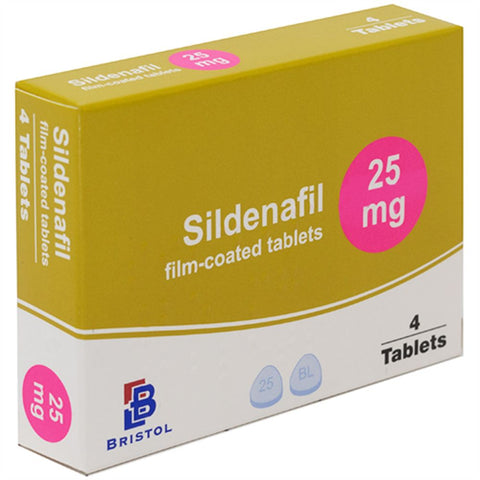
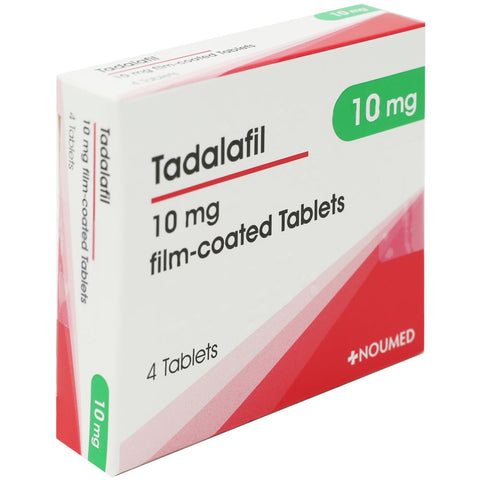
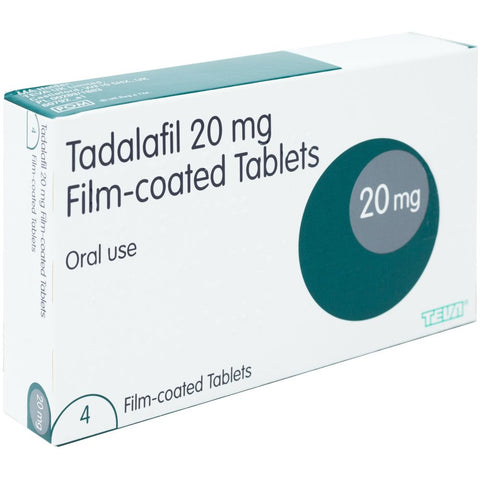
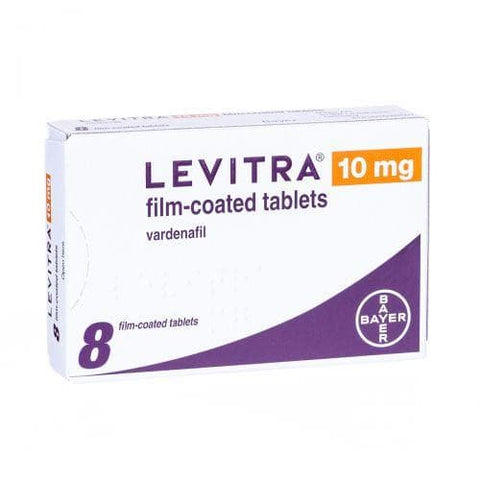
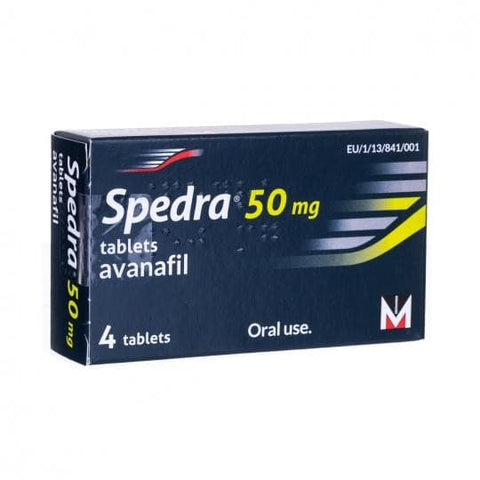
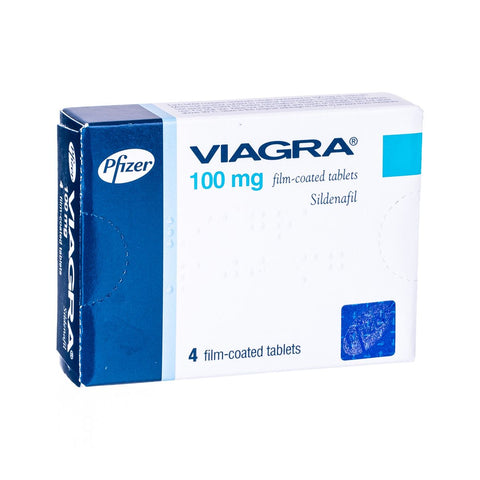
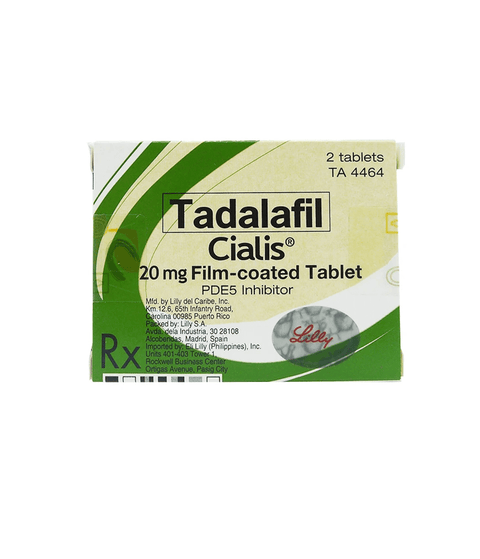
Oral PDE5 inhibitors are often the first-line medical treatment for erectile dysfunction after pelvic fracture, provided there are no contraindications. These medicines—sildenafil (Viagra), tadalafil (Cialis), vardenafil (Levitra), and avanafil (Spedra)—work by relaxing smooth muscle in the penis and increasing blood flow in response to sexual stimulation. They do not cause automatic erections and require at least some intact nerve pathways to be effective [3][4][5][6].
Sildenafil is typically taken about one hour before sexual activity, with effects lasting around four to six hours. Tadalafil can be used on-demand (with effects lasting up to 36 hours) or as a low daily dose to allow more spontaneity. Vardenafil and avanafil have faster onset times, which some men prefer. Response rates vary after pelvic trauma; men with partial nerve damage often respond well, while those with complete nerve injury may see limited benefit. A trial of different PDE5 inhibitors, sometimes at higher doses or with extended use, is usually recommended before concluding they are ineffective [2][3][4].
Starting Treatment Safely
All PDE5 inhibitors are prescription-only and require a clinical assessment by a UK-registered prescriber. At Cured Pharmacy, you complete an online consultation reviewed by a qualified prescriber who checks your medical history, current medications, and cardiovascular health. PDE5 inhibitors must never be taken with nitrates (such as GTN spray or isosorbide mononitrate), nicorandil, riociguat, or recreational drugs called poppers, as the combination can cause a dangerous drop in blood pressure. Men taking alpha-blockers for prostate symptoms or blood pressure need careful dose adjustment. Your prescriber will ensure the treatment is safe and suitable for you [3][4][5][6].
Start Pelvic Floor Exercises Early
Specialist pelvic floor physiotherapy can improve blood flow, strengthen muscles, and support nerve recovery. Ask your GP or trauma team for a referral as soon as you are medically stable.
Alternative and Second-Line Treatments
If oral medicines are ineffective, contraindicated, or not tolerated, several alternative treatments are available. Alprostadil—a synthetic prostaglandin—can be delivered as a urethral cream (Vitaros) or as an injection directly into the penis (Caverject). These treatments work locally to dilate blood vessels and are often effective even when nerve damage is severe, because they bypass the nerve pathways that PDE5 inhibitors rely on. Injections require training and careful technique but can produce reliable erections [7].
Vacuum erection devices (VEDs) are non-invasive, drug-free options that use negative pressure to draw blood into the penis; a constriction ring is then placed at the base to maintain the erection. VEDs can be used alongside oral or injectable treatments. For men with persistent, severe erectile dysfunction unresponsive to other therapies, penile prosthesis surgery—insertion of inflatable or semi-rigid implants—offers a permanent solution. This is typically considered only after other options have been exhausted and requires referral to a specialist urological surgeon. Your GP or urologist can discuss which treatments are most appropriate for your situation [1][2][7].
When to Seek Medical Help and What to Expect
If you develop erectile dysfunction after a pelvic fracture, it is important to discuss it with your GP or the trauma team managing your care. Early assessment allows underlying causes—such as vascular injury, nerve damage, or hormonal imbalance—to be identified and addressed. Your doctor may arrange blood tests to check testosterone levels, blood sugar, and cholesterol, and may refer you to a urologist or specialist in sexual medicine for further investigation, which can include penile Doppler ultrasound to assess blood flow [1][2].
Seek urgent medical attention if you experience an erection lasting more than four hours (priapism), sudden loss of vision or hearing, or chest pain during sexual activity. These are rare but serious side effects of some ED treatments and require immediate help. If erectile dysfunction is accompanied by new urinary symptoms, pelvic pain, or signs of infection, contact your GP promptly. Remember that erectile dysfunction can be an early warning sign of cardiovascular disease or diabetes, so a thorough health check is always worthwhile, even if the fracture is the obvious trigger [1][2].
Support and Follow-Up
Recovery from pelvic fracture is a long process, and sexual rehabilitation is an important part of regaining quality of life. Regular follow-up appointments allow your healthcare team to monitor progress, adjust treatments, and provide psychological support. Many men find it helpful to involve their partner in consultations and to access relationship counselling if needed. Patient support groups and charities focused on trauma recovery or sexual health can also offer practical advice and reassurance. Do not hesitate to ask for help—erectile dysfunction after pelvic fracture is a recognised medical issue, and effective treatments are available.
When to get urgent help
- Erection lasting more than 4 hours (priapism) – go to A&E immediately
- Sudden loss of vision or hearing after taking ED medication – seek urgent medical help
- Chest pain during sexual activity – stop and call 999
- New severe pelvic pain, fever, or signs of infection – contact your GP the same day
Call 999 or go to A&E in an emergency, or contact NHS 111 for urgent advice.
Scientific References
- NHS. (n.d.). Erectile dysfunction (impotence). NHS website. https://www.nhs.uk/conditions/erection-problems-erectile-dysfunction/ [accessed 15 October 2026]
- National Institute for Health and Care Excellence. (n.d.). Erectile dysfunction. Clinical Knowledge Summaries. https://cks.nice.org.uk/topics/erectile-dysfunction/ [accessed 15 October 2026]
- Joint Formulary Committee. (n.d.). Sildenafil. British National Formulary. NICE. https://bnf.nice.org.uk/drugs/sildenafil/ [accessed 15 October 2026]
- Joint Formulary Committee. (n.d.). Tadalafil. British National Formulary. NICE. https://bnf.nice.org.uk/drugs/tadalafil/ [accessed 15 October 2026]
- Joint Formulary Committee. (n.d.). Vardenafil. British National Formulary. NICE. https://bnf.nice.org.uk/drugs/vardenafil/ [accessed 15 October 2026]
- Joint Formulary Committee. (n.d.). Avanafil. British National Formulary. NICE. https://bnf.nice.org.uk/drugs/avanafil/ [accessed 15 October 2026]
- Joint Formulary Committee. (n.d.). Alprostadil. British National Formulary. NICE. https://bnf.nice.org.uk/drugs/alprostadil/ [accessed 15 October 2026]
Information on this page is for educational purposes only and is not medical advice. Prescription treatments require clinical assessment by a UK-registered prescriber. Always consult a qualified healthcare professional before starting or changing any medication.
Available Treatments
Pricing Disclaimer: Prices on some pages may not be up to date — the live pricing table below and pricing shown during consultation are official current prices and take precedence over any other figures on the site.


Take the First Step Today
Start your journey to better health today.
- Reviewed by UK-based prescribers
- Takes under 3 minutes
- Discreet Packaging
Start Your Journey To Better Health Today
Once you complete a short online assessment you will be able to choose your preferred treatment from safe medically approved options tailored to you.
Start My Assessment Log in to Your AccountCommon Questions
Can't find your answer? Our UK pharmacists review every consultation and can help.
Will my erections return after a pelvic fracture?
Recovery varies widely. Some men see gradual improvement over 6–18 months, especially with minor nerve or vascular injury, while more severe damage may result in persistent erectile dysfunction requiring ongoing treatment.
How soon can I try erectile dysfunction medication after a pelvic fracture?
Once you are medically stable and your doctor confirms it is safe, oral PDE5 inhibitors can be tried. Many men start within a few months of injury, after consultation with their GP or urologist.
Do PDE5 inhibitors work if nerves are damaged?
PDE5 inhibitors require some intact nerve pathways and blood flow to be effective. Men with partial nerve damage often respond well, but those with complete nerve injury may need alternative treatments such as alprostadil injections.
Can pelvic floor exercises help erectile dysfunction after pelvic fracture?
Yes, specialist pelvic floor physiotherapy can strengthen muscles, improve blood flow, and support nerve recovery, and is a valuable part of rehabilitation alongside medical treatments.
What if oral medications do not work for me?
Second-line options include alprostadil (urethral cream or penile injection), vacuum erection devices, and—if other treatments fail—penile prosthesis surgery. Your urologist will guide you through these choices.
Is erectile dysfunction after pelvic fracture permanent?
Not always. Many men experience some degree of recovery, especially with early treatment and rehabilitation. However, severe nerve or vascular damage can result in long-term erectile dysfunction requiring ongoing management.
Can I use a vacuum device while waiting for nerve recovery?
Yes, vacuum erection devices can be used during recovery to maintain penile health, encourage blood flow, and provide erections for sexual activity while nerves heal.
Should I see a specialist for erectile dysfunction after pelvic fracture?
Yes, referral to a urologist or sexual medicine specialist is recommended for thorough assessment, investigation of nerve and vascular function, and access to the full range of treatment options.

Medically reviewed by
Tarun Kumar, Superintendent Pharmacist (GPhC 2233073)