


Freestyle Libre 2 Plus Sensor How Many Days



Featured Product
Freestyle Libre 2 Plus Sensor
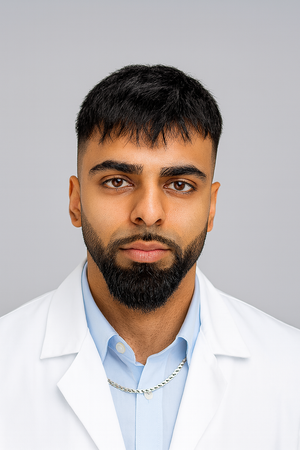
Medically reviewed by
Tarun Kumar, Prescribing Pharmacist (GPhC 2233073)
Reviewed on: 29 May 2026
Last Updated: 12 August 2026
If you are living with diabetes and relying on continuous glucose monitoring, one of the most practical questions you will face is exactly how long your sensor is designed to last. The FreeStyle Libre 2 Plus sensor represents a significant step forward in flash glucose monitoring technology, and understanding its wear duration is essential for planning your diabetes management routine effectively, avoiding unexpected gaps in readings, and making the most of every sensor you apply.
Quick Summary
The FreeStyle Libre 2 Plus sensor is designed for 15 days of continuous wear, making it one of the longest-lasting flash glucose monitoring sensors currently available in the UK. Understanding how this wear period works in practice helps you plan replacements, manage costs, and maintain uninterrupted glucose data for better diabetes control.
- The FreeStyle Libre 2 Plus sensor lasts exactly 15 days from activation
- A 60-minute warm-up period is required before readings begin after application
- The sensor expires automatically and cannot be reset or reused
- Proper skin preparation and aftercare can help the sensor stay in place for the full duration
- You can purchase replacement sensors conveniently from Cured Pharmacy with a free private prescription included
Sensor Wear Day Tracker
Enter the date you applied your FreeStyle Libre 2 Plus sensor to see your expiry date and days remaining.
Table of Contents
- Freestyle Libre 2 Plus Sensor How Many Days Does It Last?
- How the Sensor Wear Period Works from Activation to Expiry
- FreeStyle Libre 2 Plus vs FreeStyle Libre 2: Key Differences
- Tips to Keep Your Sensor Secure for the Full 15 Days
- Common Problems That Shorten Sensor Life and How to Solve Them
- Accessing the FreeStyle Libre 2 Plus in the UK in 2026
- Key Takeaways
- When to Seek Professional Advice
- Scientific References
- Frequently Asked Questions
Freestyle Libre 2 Plus Sensor How Many Days Does It Last?
The question on every user's mind is simple: the freestyle libre 2 plus sensor how many days it lasts is 15 days of continuous glucose monitoring. This is a one-day improvement over the original FreeStyle Libre 2 sensor, which lasted 14 days, and it represents a meaningful difference when you are managing sensor costs and scheduling changes around your life. Abbott, the manufacturer, has engineered this wear duration into the sensor firmware, and it cannot be extended.
Once you apply the sensor to the back of your upper arm using the applicator device, a 60-minute initialisation period begins. During this warm-up window, the sensor is calibrating its filament to your interstitial fluid chemistry. No glucose readings are available during this hour. Once the warm-up is complete, the sensor will begin delivering readings every minute when scanned or streamed continuously via Bluetooth to a compatible smartphone or reader device.
To understand how the Libre 2 Plus works at a deeper level, the filament inserted just beneath the skin measures glucose in interstitial fluid rather than blood. This is a slightly different compartment to the bloodstream, which means there is typically a 5-to-10-minute lag compared to blood glucose readings. This lag is clinically accounted for in Abbott's accuracy algorithms and is a normal feature of the technology.
- Total sensor wear duration: 15 days from activation
- Warm-up period after application: 60 minutes
- Sensor auto-expires at the end of the 15-day period
- No manual calibration with fingerprick testing required under normal use
- Compatible with the LibreLink smartphone app and the dedicated FreeStyle Libre 2 Plus reader
How the Sensor Wear Period Works from Activation to Expiry
Understanding the timeline from the moment you open your sensor kit to the moment it expires helps you plan seamlessly. When you remove the sensor from its foil packaging, you are starting a clock. The sensor should be applied promptly once the packaging is opened, as exposure to air can begin to affect the filament. Abbott recommends applying the sensor within a few minutes of opening the package to ensure optimal performance throughout the full 15-day window.
Once applied, the sensor communicates either via NFC scan — where you wave your phone or reader over it — or via continuous Bluetooth streaming if you have enabled optional alarms. The FreeStyle Libre 2 Plus introduced real-time glucose alarms as a significant upgrade, alerting you when readings fall below or rise above your personalised thresholds without requiring you to actively scan. This passive monitoring capability is particularly valuable overnight, when many people with diabetes experience undetected hypoglycaemia.
For anyone wanting to understand whether the FreeStyle Libre 2 automatically scans, the Plus version takes this further by offering continuous real-time streaming. You do not need to scan every 8 hours as was once required — the continuous connection means your data history is always up to date.
At midnight on day 15, the sensor will automatically deactivate. You will receive an in-app notification warning you 12 hours in advance of expiry, giving you time to prepare your next sensor. It is good practice to always have your next sensor ready before the current one expires to avoid any gap in your glucose monitoring.
- The sensor clock begins the moment it is activated via your phone or reader
- 12-hour and 8-hour expiry warnings are sent to compatible devices
- Readings cannot be retrieved once the sensor has expired
- Historical data from the expired sensor remains accessible in the LibreView cloud platform
- Applying the next sensor can begin before the current one expires
FreeStyle Libre 2 Plus vs FreeStyle Libre 2: Key Differences
Many people upgrading from the original FreeStyle Libre 2 to the Plus version want to understand exactly what has changed. The headline difference is, of course, the extra day of wear — 15 days instead of 14. But the improvements go further than just an additional 24 hours of monitoring. Abbott has refined the sensor's continuous Bluetooth streaming capability, meaning that unlike the standard Libre 2, the Plus version actively pushes real-time glucose data to your smartphone without requiring a manual scan.
This is a clinically meaningful distinction. The original Libre 2 required you to scan at least once every 8 hours to prevent data gaps. The Libre 2 Plus streams readings continuously when your phone is within Bluetooth range, which is typically around 10 metres. This means fewer gaps in your time-in-range data, which is one of the most important metrics for long-term diabetes management and HbA1c optimisation.
| Feature | FreeStyle Libre 2 | FreeStyle Libre 2 Plus |
|---|---|---|
| Sensor wear duration | 14 days | 15 days |
| Warm-up period | 60 minutes | 60 minutes |
| Real-time glucose alarms | Available with scanning | Continuous, without needing to scan |
| Continuous Bluetooth streaming | Requires periodic scanning | Continuous real-time streaming |
| Scanning requirement to avoid data gaps | Every 8 hours minimum | Not required when streaming |
| Water resistance | 1m depth, 30 minutes | 1m depth, 30 minutes |
| Approved placement site | Back of upper arm | Back of upper arm |
| Compatible apps | FreeStyle LibreLink | FreeStyle LibreLink (updated) |
The Plus version is also compatible with the LibreLinkUp app, which allows trusted family members or carers to view your glucose readings remotely in real time. This is invaluable for parents of children with type 1 diabetes, or for older adults whose family members want to monitor their safety overnight.
- One extra day of wear reduces annual sensor consumption by approximately three sensors per year
- Continuous streaming improves time-in-range data completeness
- Real-time alarms work without scanning, unlike the original Libre 2
- LibreLinkUp remote monitoring is compatible with the Plus sensor
- The Plus sensor uses the same applicator device as the standard Libre 2
Tips to Keep Your Sensor Secure for the Full 15 Days
One of the most common frustrations among CGM users is a sensor that fails to adhere properly, falling off before the 15 days are complete. This is not just an inconvenience — it represents a real financial loss, since each sensor represents a significant investment. Skin preparation before application is the single most important factor in achieving a full 15-day wear.
Before applying, clean the skin on the back of your upper arm thoroughly with an alcohol wipe and allow it to dry completely for at least 30 seconds. Any residual moisture, including sweat or body lotion, will significantly reduce adhesion. Abbott recommends avoiding areas with excess hair, scarring, tattoos, or broken skin. Rotating your application site with each new sensor also prevents skin irritation and allows previous sites to heal fully between uses.
If you exercise regularly, sweat heavily, or engage in water sports, you may want to use an over-patch — a thin adhesive film that goes over the top of the sensor to help keep it in place. There are several brands available specifically designed for CGM sensors. These patches are breathable, hypoallergenic, and transparent, making them barely noticeable under clothing. You can also find out more about FreeStyle Libre 2 Plus sensor covers to protect your device during active wear.
- Always clean and fully dry the application site before applying the sensor
- Avoid applying moisturiser, fake tan, or sunscreen to the area at least 24 hours before application
- Press firmly for 30 seconds after application to ensure full adhesion
- Use an over-patch or CGM adhesive cover if you are physically active or prone to sweating
- Rotate application sites with each new sensor to maintain skin integrity
Common Problems That Shorten Sensor Life and How to Solve Them
Even with careful preparation, some users encounter sensor issues during the 15-day wear period. Understanding the most common problems and their solutions means you can troubleshoot quickly and avoid unnecessary waste. Sensor errors can range from inaccurate readings and signal loss to complete sensor failure — all of which are frustrating when you depend on this device for day-to-day diabetes management.
Signal loss is among the most frequently reported issues. The Libre 2 Plus communicates via Bluetooth, and obstacles between your phone and the sensor — such as a thick duvet when you sleep on the sensor side — can interrupt the connection temporarily. This is usually resolved by moving your phone closer to the sensor or scanning manually. For a detailed explanation of why this happens, our guide on why the FreeStyle Libre keeps losing signal covers the most common causes and fixes.
If your sensor displays an error message rather than a glucose reading, it may be experiencing a brief accuracy check period or a genuine malfunction. Abbott's customer support line is available in the UK and they will replace faulty sensors free of charge when a valid product complaint is raised. It is worth keeping your sensor packaging for the lot number if you ever need to make a warranty claim. For guidance on what to do when issues arise, the FreeStyle Libre 2 Plus sensor error guide provides step-by-step troubleshooting advice.
- Signal loss is usually temporary — move your phone closer to resolve it
- Error codes displayed on the app may require a brief waiting period before readings resume
- Sensor detachment can be prevented with over-patches or skin tac wipes applied before the sensor
- Inaccurate readings during the first 12 hours are normal as the sensor calibrates
- Abbott will replace sensors that fail within the 15-day period — keep packaging details for warranty claims
Accessing the FreeStyle Libre 2 Plus in the UK in 2026
In 2026, access to the FreeStyle Libre 2 Plus sensor in the UK has expanded considerably. NHS England now funds FreeStyle Libre technology for people with type 1 diabetes and for many people with type 2 diabetes who meet clinical criteria, as part of the ongoing rollout under NHS guidelines and NICE recommendations. Your GP or diabetes specialist can prescribe this on an NHS prescription if you qualify, which significantly reduces your out-of-pocket costs.
For those who do not meet NHS prescribing criteria, or who prefer the convenience of a private prescription without a waiting time, purchasing through a registered online pharmacy is a straightforward and fully legal option. Cured Pharmacy offers the FreeStyle Libre 2 Plus sensor with a free private prescription included in the cost, dispensed and dispatched by UK-registered pharmacists with discreet packaging and fast delivery across the UK.
It is also worth understanding the placement options for this sensor. While the back of the upper arm is the only approved site, there is important guidance on where the FreeStyle Libre can be placed safely to ensure accurate readings and comfortable wear throughout the full 15-day period. People who are very lean or have limited upper arm tissue sometimes find placement more challenging, and consulting a diabetes nurse for assistance can be very helpful.
If you are currently using the FreeStyle Libre 2 Plus and want to ensure you are applying it correctly each time, our detailed walkthrough on how to use the FreeStyle Libre 2 Plus covers every step from preparation through to removal at day 15.
- NHS prescribing for FreeStyle Libre 2 Plus continues to expand across England, Scotland, and Wales in 2026
- Type 1 diabetes patients and eligible type 2 patients can receive sensors on NHS prescription
- Private prescriptions are available quickly through regulated online pharmacies like Cured Pharmacy
- The sensor costs approximately £50.99 per kit privately, which covers one 15-day wear period
- No reader device is required if you use the FreeStyle LibreLink app on a compatible smartphone
Key Takeaways
- The FreeStyle Libre 2 Plus sensor lasts 15 days of continuous wear from the point of activation, one day longer than the standard Libre 2
- A 60-minute warm-up period is required after application before readings become available
- Continuous Bluetooth streaming eliminates the 8-hourly scanning requirement of the original Libre 2, making data more complete
- Proper skin preparation, site rotation, and the use of adhesive over-patches are the most effective ways to ensure the sensor stays in place for the full 15 days
- Both NHS and private prescription routes are available in the UK, with Cured Pharmacy offering a convenient, affordable private option with free prescription included
When to Seek Professional Advice
While the FreeStyle Libre 2 Plus is a safe and well-validated technology, there are situations where you should contact your diabetes care team or GP rather than troubleshooting alone. If your sensor readings are consistently significantly different from your fingerprick blood glucose results — particularly during hypoglycaemic or hyperglycaemic episodes — always confirm with a fingerprick test and seek medical guidance. Do not rely solely on the sensor reading if you feel unwell or if your clinical condition is changing rapidly.
If you develop skin irritation, a rash, or signs of an allergic reaction at the sensor site, remove the sensor and contact your GP or pharmacist. Skin reactions to CGM sensors are uncommon but do occur, and a healthcare professional can advise on whether a barrier product, alternative adhesive, or a different monitoring approach would be more suitable for your skin type.
You should also seek advice if you are pregnant, as glucose targets during pregnancy differ significantly from standard management, and the Libre 2 Plus should be used alongside your obstetric and diabetology team's guidance. Similarly, if your HbA1c is not improving despite appearing to have good sensor data, a review with your diabetes nurse or consultant is important to assess whether your monitoring and treatment plan need adjusting.
Ready to Order Your FreeStyle Libre 2 Plus Sensor?
Get your 15-day CGM sensor with a free private prescription, dispensed by UK-registered pharmacists and delivered discreetly to your door.
Buy NowFrequently Asked Questions
How long does the FreeStyle Libre 2 Plus sensor last?
The FreeStyle Libre 2 Plus sensor lasts for 15 days of continuous wear. Once activated, the sensor automatically expires after 15 days and must be replaced with a new one. You cannot extend or reset the wear period beyond this manufacturer-set limit, so planning your sensor changes in advance is strongly recommended.
Is the FreeStyle Libre 2 Plus sensor waterproof during the full wear period?
The FreeStyle Libre 2 Plus sensor is water-resistant rather than fully waterproof. It can tolerate immersion in up to 1 metre of water for a maximum of 30 minutes, making it suitable for showering and swimming. However, prolonged submersion, high-pressure water exposure, or vigorous water sports may compromise sensor adhesion and performance.
Can the FreeStyle Libre 2 Plus sensor be worn on both arms?
The FreeStyle Libre 2 Plus sensor is approved for placement on the back of the upper arm only. Wearing it on other body sites is not recommended by Abbott, as clinical accuracy data applies specifically to the upper arm placement. Always follow the manufacturer's guidance and consult your diabetes care team for personalised placement advice.
What is the difference between the FreeStyle Libre 2 and the FreeStyle Libre 2 Plus sensor?
The key difference between the FreeStyle Libre 2 and the FreeStyle Libre 2 Plus sensor is wear duration. The original FreeStyle Libre 2 sensor lasts 14 days, while the Plus version extends wear time to 15 days. The Plus version also offers real-time glucose alarms and optional continuous Bluetooth streaming to compatible smartphones without needing to scan.
Scientific References
- National Institute for Health and Care Excellence (NICE). Type 1 diabetes in adults: diagnosis and management. NG28. NICE, UK. [Accessed 12 August 2026]
- Diabetes UK. Position statement on use of real-time and intermittently scanned continuous glucose monitoring. Diabetes UK, 2024. [Accessed 12 August 2026]
- NHS England. National Diabetes Audit and commissioning guidance for flash glucose monitoring. NHS England, 2023. [Accessed 12 August 2026]
- Type 1 diabetes in adults: diagnosis and management, NICE guideline NG17, National Institute for Health and Care Excellence, 2015 (updated 2022) [Accessed 12 August 2026]
- Type 2 diabetes in adults: management, NICE guideline NG28, National Institute for Health and Care Excellence, 2015 (updated 2022) [Accessed 12 August 2026]
- Position statement on flash glucose monitoring and continuous glucose monitoring for people with insulin-treated diabetes, Diabetes UK, 2021 [Accessed 12 August 2026]
- FreeStyle Libre 2 Plus Sensor Summary of Product Characteristics, Abbott Diabetes Care, Electronic Medicines Compendium (EMC), 2023 [Accessed 12 August 2026]
- FreeStyle Libre for glucose monitoring (type 1 and type 2 diabetes), NICE Medical Technologies Guidance MTG49, National Institute for Health and Care Excellence, 2020 [Accessed 12 August 2026]
- Haak T et al., Flash glucose-sensing technology as a replacement for blood glucose monitoring for the management of insulin-treated type 2 diabetes: a multicenter, open-label randomized controlled trial, Diabetes Therapy, 2017 [Accessed 12 August 2026]