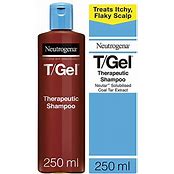
What Are the Most Common Side Effects of Neutrogena T/Gel Shampoo?
Most people tolerate Neutrogena T/Gel shampoo well, but as with any medicated product, side effects can occur. The most frequently reported ones are mild and localised to the scalp or surrounding skin.
- Mild scalp tingling or irritation during or after application
- Temporary redness or warmth at the application site
- A distinctive coal tar odour that may linger briefly after rinsing
- Slight staining of light-coloured, bleached, or chemically treated hair
These effects are generally short-lived and tend to settle with continued use. If the irritation is persistent or uncomfortable, reduce the frequency of use and speak to your pharmacist.
What Are the Less Common Side Effects of Neutrogena T/Gel Shampoo?
Less commonly, some people experience side effects that are worth being aware of, particularly with prolonged or frequent use.
- Increased photosensitivity — the scalp and surrounding skin may burn more easily in sunlight
- Folliculitis — inflammation of the hair follicles, particularly with excessive use
- Contact dermatitis — an allergic skin reaction in individuals sensitive to coal tar or other ingredients
- Dryness or tightness of the scalp with overuse
If you notice any of these effects, reduce the frequency of use and consult your pharmacist. Photosensitivity in particular is worth taking seriously — protect your scalp from prolonged sun exposure after using the shampoo.
What Are the Serious Side Effects of Neutrogena T/Gel Shampoo?
Serious side effects from topical coal tar shampoo are rare, but they do occur in a small number of people. Signs of a serious allergic reaction (anaphylaxis or severe contact allergy) include sudden swelling of the face, lips, or throat, intense burning or blistering of the scalp, widespread skin redness, or difficulty breathing. These require immediate medical attention — stop using the product and call 999 or go to your nearest A&E department if you experience these symptoms.
There is also a theoretical concern about long-term, high-dose coal tar exposure and carcinogenicity, though this has not been demonstrated at the concentrations used in OTC shampoos. The MHRA and NHS continue to consider coal tar shampoos safe for use as directed.
What Should You Do If You Experience Side Effects of Neutrogena T/Gel Shampoo?
For mild side effects such as scalp tingling or temporary redness, you can usually continue using the shampoo at a reduced frequency and monitor whether the symptoms settle. Rinsing more thoroughly after each use may also help. If side effects persist beyond a week or two, or if they are causing significant discomfort, stop using the product and seek advice from your pharmacist or GP.
You can also report suspected side effects directly to the MHRA via the Yellow Card scheme at yellowcard.mhra.gov.uk. This helps regulators monitor the safety of medicines used in the UK.
Can Neutrogena T/Gel Shampoo Interact With Other Medicines?
No clinically significant drug interactions have been identified for topical coal tar at the concentration used in Neutrogena T/Gel shampoo. Because it is applied to the scalp and rinsed off, systemic absorption is minimal, making interactions with oral medicines unlikely. However, if you are using other topical scalp treatments — such as corticosteroid scalp applications, antifungal preparations, or other medicated shampoos — speak to your pharmacist before combining them. Using multiple active topical products simultaneously can sometimes cause irritation or reduce the effectiveness of one or both treatments.
If you are concerned about any side effects, contact your pharmacist or GP immediately.


 Not approved? Full refund
 Includes FREE private prescription