

Vardenafil Nosebleed: Causes & What to Do
Learn why it happens, how to manage it, and when to seek help from a UK pharmacist.
Takes less than 2 minutes to complete 100% online
Vardenafil and Nosebleeds: What You Need to Know
Published: 16 November 2026
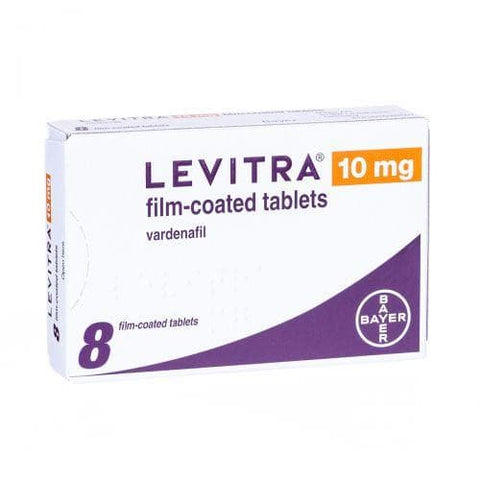
A vardenafil nosebleed is an uncommon but recognised side effect of this erectile dysfunction medicine. Vardenafil (generic Levitra) belongs to a group of medicines called PDE5 inhibitors, which can affect blood vessels throughout the body, including those in the nose. While most men tolerate vardenafil well, understanding why nosebleeds occur and how to manage them can help you use the treatment safely and confidently.
Key takeaways
- Nosebleeds with vardenafil are uncommon, affecting fewer than 1 in 100 men.
- They occur because vardenafil dilates blood vessels in the nose, making them more fragile.
- Most nosebleeds stop within 5 to 10 minutes with simple first aid.
- If nosebleeds recur or are heavy, discuss alternative ED treatments with your prescriber.
- Seek urgent help if bleeding lasts more than 20 minutes or you feel faint.
How Common Are Nosebleeds with Vardenafil?
Nosebleeds (epistaxis) are listed as an uncommon side effect of vardenafil, meaning they affect fewer than 1 in 100 men who take the medicine [5]. This is less frequent than more common side effects such as headache, flushing, or nasal congestion, which occur in more than 1 in 10 users.
The reported frequency of nosebleeds varies slightly depending on the dose. Higher doses of vardenafil (20 mg) may carry a marginally greater risk than lower doses (5 mg or 10 mg), though the overall incidence remains low [5]. It is worth noting that nasal congestion—a stuffy or blocked nose—is much more common with vardenafil and affects around 1 in 10 men [5].
If you experience a nosebleed after taking vardenafil, it does not necessarily mean you cannot continue using the medicine. Many men find that the nosebleed is mild, resolves quickly, and does not recur with subsequent doses. However, if nosebleeds become frequent, heavy, or bothersome, it is important to discuss this with your prescriber or pharmacist, as alternative ED treatments may be more suitable for you.
Why Does Vardenafil Cause Nosebleeds?
Vardenafil works by blocking an enzyme called phosphodiesterase type 5 (PDE5), which leads to the relaxation of smooth muscle in blood vessels and improved blood flow to the penis during sexual arousal [5]. However, PDE5 is also present in blood vessels elsewhere in the body, including the delicate lining of the nose.
When vardenafil dilates blood vessels in the nasal passages, it can increase blood flow and pressure in these tiny, fragile vessels. This makes them more prone to rupture, especially if the nasal lining is already dry, irritated, or inflamed. The same mechanism that causes nasal congestion—swelling of the nasal blood vessels—can occasionally lead to a nosebleed.
Other factors may increase your risk of a nosebleed while taking vardenafil. These include dry air (common in heated or air-conditioned rooms), frequent nose-blowing, allergies, sinus infections, or the use of nasal sprays. If you take medicines that affect blood clotting, such as aspirin or warfarin, you may also be more susceptible to nosebleeds, and your prescriber will consider this during your consultation [12].
The Role of Blood Vessel Dilation
All PDE5 inhibitors—including sildenafil, tadalafil, vardenafil, and avanafil—can cause blood vessel dilation, which is why side effects such as flushing, headache, and nasal congestion are common across this class of medicines [3][4][5][6]. Nosebleeds are less common but occur through the same underlying mechanism. Understanding this helps explain why switching to a different PDE5 inhibitor may not always eliminate the problem, though individual responses can vary.
How Long Does a Vardenafil Nosebleed Last?
Most nosebleeds caused by vardenafil are mild and stop within 5 to 10 minutes with simple first aid. The medicine is typically taken 25 to 60 minutes before sexual activity, and its effects last for around 4 to 5 hours [5]. Any nosebleed that occurs is usually short-lived and resolves well before the medicine wears off.
If a nosebleed persists for longer than 20 minutes despite applying pressure, or if it is heavy and continuous, you should seek medical advice. Prolonged or recurrent nosebleeds may indicate an underlying issue unrelated to vardenafil, such as high blood pressure, a clotting disorder, or nasal injury, and these should be investigated by a healthcare professional.
In most cases, a single nosebleed does not mean you need to stop taking vardenafil. However, if you experience repeated nosebleeds with each dose, or if they become more severe over time, it is worth discussing alternative ED treatments with your prescriber. Many men find that a different PDE5 inhibitor or a lower dose may be better tolerated.
Self-Care Tips for Managing a Nosebleed from Vardenafil
If you develop a nosebleed after taking vardenafil, sit down and lean forward slightly—do not lie down or tilt your head back, as this can cause blood to run down your throat. Pinch the soft part of your nose (just below the bony bridge) firmly for 10 to 15 minutes, breathing through your mouth. Applying a cold compress or ice pack wrapped in a towel to the bridge of your nose can help constrict blood vessels and slow the bleeding.
Once the bleeding has stopped, avoid blowing your nose, picking at any clots, or bending down for several hours, as this can dislodge the clot and restart the bleed. Keep the air in your home moist by using a humidifier, especially in winter, and consider applying a thin layer of petroleum jelly (such as Vaseline) inside your nostrils before bed to prevent dryness.
If you are prone to nosebleeds, discuss this with your prescriber before starting vardenafil. They may recommend a lower starting dose or suggest practical measures to reduce your risk. Staying well hydrated, avoiding excessive alcohol, and managing any nasal allergies or sinus problems can also help minimise the likelihood of a nosebleed.
When to Contact Your Pharmacist or Prescriber
You should contact your pharmacist or prescriber if nosebleeds occur frequently, last longer than 20 minutes, or are heavy enough to cause concern. They can review your dose, check for interactions with other medicines, and discuss whether an alternative ED treatment might be more suitable. Do not stop taking vardenafil or change your dose without professional advice, as your prescriber needs to ensure any switch is safe and appropriate for your individual circumstances.
First Aid for a Nosebleed
Sit down, lean forward, and pinch the soft part of your nose firmly for 10 to 15 minutes. Apply a cold compress to the bridge of your nose to help stop the bleeding.
When to Seek Urgent Medical Help for a Vardenafil Nosebleed
Most nosebleeds caused by vardenafil are minor and can be managed at home. However, you should seek urgent medical help by calling 999 or attending A&E if the bleeding is very heavy and does not stop after 20 minutes of continuous pressure, if you are also experiencing chest pain or difficulty breathing, or if you feel faint or dizzy due to blood loss.
You should also seek same-day medical advice if you have repeated nosebleeds over several days, if you are taking blood-thinning medicines such as warfarin or apixaban, or if you have a known bleeding disorder. These situations require prompt assessment to rule out more serious underlying causes and to ensure your treatment plan is safe.
While nosebleeds are not typically a sign of a serious reaction to vardenafil, any new or worsening symptoms should be discussed with a healthcare professional. If you experience sudden vision or hearing loss, an erection lasting more than 4 hours (priapism), or severe chest pain during or after sexual activity, these are medical emergencies and require immediate attention [5][12].
Alternative ED Treatments If Vardenafil Nosebleeds Persist
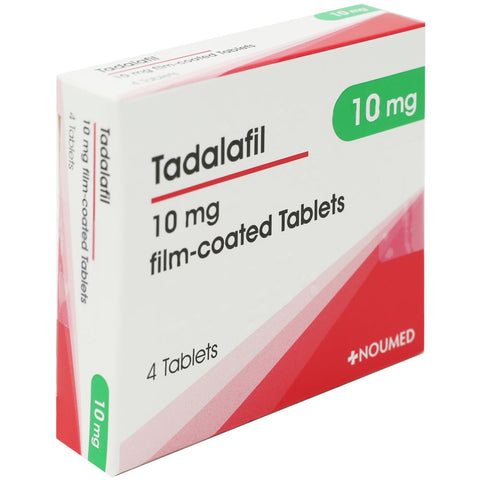
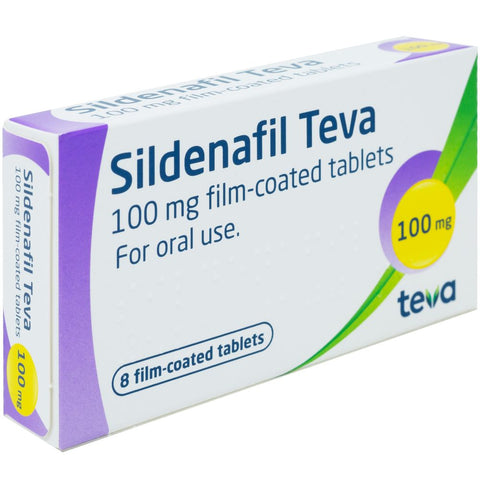
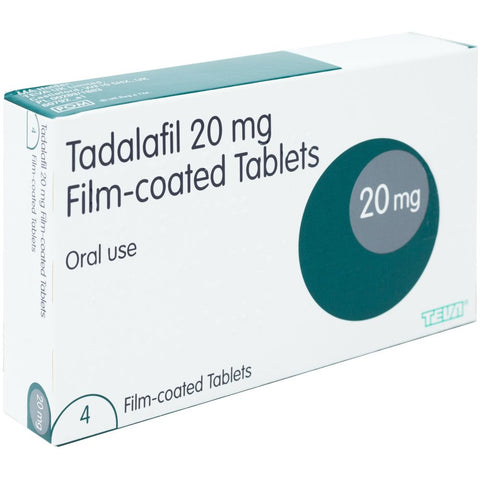
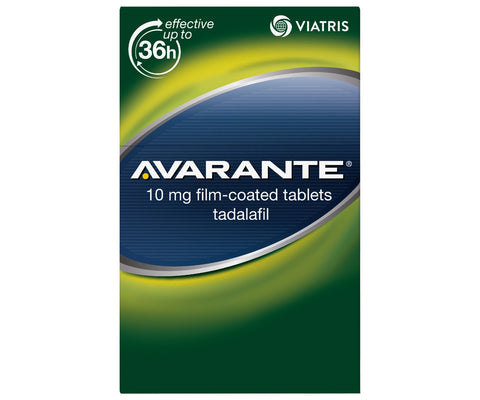
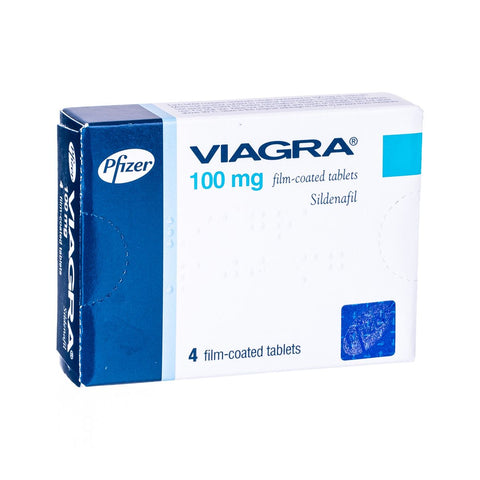
If nosebleeds become a recurring problem with vardenafil, your prescriber may suggest switching to a different PDE5 inhibitor. Sildenafil (generic Viagra) and tadalafil (generic Cialis) work in a similar way but have slightly different side-effect profiles, and some men find they tolerate one better than another [3][4]. Tadalafil, for example, has a longer duration of action (up to 36 hours) and can be taken daily at a lower dose, which may reduce the intensity of side effects [4].
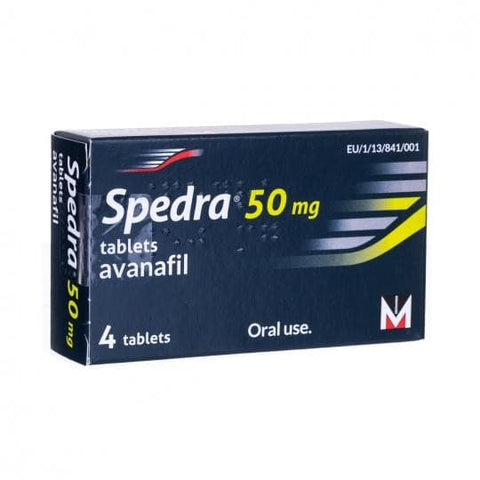
Avanafil (Spedra) is another option that works more quickly (within 15 to 30 minutes) and may have a lower incidence of certain side effects, though it is not necessarily free from the risk of nosebleeds [6][11]. Your prescriber will consider your medical history, other medicines, and personal preferences when recommending an alternative.
Non-oral treatments are also available if PDE5 inhibitors are unsuitable or poorly tolerated. Vitaros (alprostadil cream) is applied directly to the tip of the penis, and Caverject (alprostadil injection) is administered into the side of the penis [7]. Both are prescription-only and require training from a healthcare professional. Eroxon is a topical gel medical device that can be purchased without a prescription and works by stimulating blood flow through a cooling and warming effect. At Cured Pharmacy, our UK-registered prescribers review every consultation individually to recommend the most appropriate treatment for your needs.
Discussing Your Options with a Prescriber
All prescription ED treatments supplied by Cured Pharmacy require an online consultation reviewed by a UK-registered prescriber. During this process, you will be asked about your medical history, current medicines, and any side effects you have experienced. This ensures that any alternative treatment is safe and suitable for you. If you have concerns about nosebleeds or any other side effect, please mention this in your consultation so that your prescriber can tailor their recommendation accordingly.
When to get urgent help
- Nosebleed that does not stop after 20 minutes of continuous pressure
- Very heavy bleeding or difficulty breathing
- Feeling faint, dizzy, or experiencing chest pain
- Erection lasting more than 4 hours (priapism)
- Sudden loss of vision or hearing
Call 999 or go to A&E in an emergency, or contact NHS 111 for urgent advice.
Scientific References
- Joint Formulary Committee. (n.d.). Sildenafil. British National Formulary. NICE. https://bnf.nice.org.uk/drugs/sildenafil/ [accessed 16 November 2026]
- Joint Formulary Committee. (n.d.). Tadalafil. British National Formulary. NICE. https://bnf.nice.org.uk/drugs/tadalafil/ [accessed 16 November 2026]
- Joint Formulary Committee. (n.d.). Vardenafil. British National Formulary. NICE. https://bnf.nice.org.uk/drugs/vardenafil/ [accessed 16 November 2026]
- Joint Formulary Committee. (n.d.). Avanafil. British National Formulary. NICE. https://bnf.nice.org.uk/drugs/avanafil/ [accessed 16 November 2026]
- Joint Formulary Committee. (n.d.). Alprostadil. British National Formulary. NICE. https://bnf.nice.org.uk/drugs/alprostadil/ [accessed 16 November 2026]
- National Institute for Health and Care Excellence. (2014). Erectile dysfunction: avanafil (ESNM45). https://www.nice.org.uk/advice/esnm45 [accessed 16 November 2026]
- Electronic Medicines Compendium. (n.d.). Summaries of Product Characteristics and Patient Information Leaflets. https://www.medicines.org.uk/emc/ [accessed 16 November 2026]
- NHS. (n.d.). Erectile dysfunction (impotence). https://www.nhs.uk/conditions/erection-problems-erectile-dysfunction/ Accessed 16 November 2026.
Information on this page is for educational purposes only and is not medical advice. Prescription treatments require clinical assessment by a UK-registered prescriber. Always consult a qualified healthcare professional before starting or changing any medication.
Trusted by thousands
Real people, real results
“Fabulous service and quick delivery”
“Felt the effects of these after about 5 days. Erections are better and can get aroused and ready easier”
“Excellent value and brilliant customer service”
“I received excellent service and everything went well. The order arrived quickly and in perfect condition. It's working very well! Thank you to the whole team for the great work!”
“Delivery was good, the product lived up to expectations.”
How it Works?
Choose your treatment
Select from our recommended UK-licensed medications.

Answer quick questions
Select safe UK treatments. Quick answers.

Get it delivered fast
We will deliver direct to you as quickly as tomorrow.

Faq
Can't find your answer? Our UK pharmacists review every consultation and can help.
Can I still take vardenafil if I get a nosebleed?
A single, mild nosebleed does not necessarily mean you must stop vardenafil. However, if nosebleeds recur or are heavy, discuss this with your prescriber, who may adjust your dose or suggest an alternative ED treatment.
Is a nosebleed from vardenafil dangerous?
Most nosebleeds caused by vardenafil are minor and stop quickly with simple first aid. Seek urgent help if bleeding is heavy, lasts more than 20 minutes, or you feel faint or dizzy.
Will switching to sildenafil or tadalafil stop the nosebleeds?
Switching to a different PDE5 inhibitor may help, as individual responses vary. However, all PDE5 inhibitors can cause nosebleeds, so discuss your options with your prescriber to find the best treatment for you.
How can I prevent nosebleeds when taking vardenafil?
Keep the air moist with a humidifier, apply petroleum jelly inside your nostrils, stay hydrated, and avoid excessive nose-blowing. Discuss any nasal allergies or sinus problems with your prescriber.
Does a higher dose of vardenafil increase the risk of nosebleeds?
Higher doses (20 mg) may carry a slightly greater risk than lower doses (5 mg or 10 mg), though nosebleeds remain uncommon overall. Your prescriber will recommend the lowest effective dose for you.
Can I take vardenafil if I am on blood-thinning medicines?
You must declare all current medicines during your consultation. Blood-thinning medicines such as warfarin or apixaban may increase the risk of nosebleeds, and your prescriber will assess whether vardenafil is safe for you.
What should I do if a nosebleed starts during sex?
Stop, sit down, lean forward, and pinch the soft part of your nose for 10 to 15 minutes. Apply a cold compress if possible. If the bleeding does not stop or is heavy, seek medical advice.
Are there ED treatments that do not cause nosebleeds?
Non-oral treatments such as Vitaros (alprostadil cream) or Eroxon gel work differently and may not carry the same risk of nosebleeds. Discuss these options with your prescriber if PDE5 inhibitors are unsuitable.
Our ED Treatments
Pricing Disclaimer: Prices on some pages may not be up to date — the live pricing table below and pricing shown during consultation are official current prices and take precedence over any other figures on the site.
Not sure which one? Start a free consultation →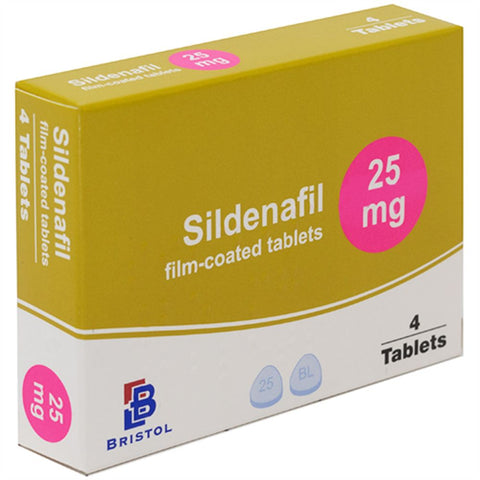
Start Your Assessment For Erectile Dysfunction
- Reviewed by UK-based prescribers
- Takes under 3 minutes
- Discreet Packaging

Medically reviewed by
Tarun Kumar, Superintendent Pharmacist (GPhC 2233073)