

Vardenafil and Voriconazole: Can They Be Taken Together?
Learn about this important drug interaction and what safe alternatives are available through our UK pharmacist-led service.
Takes less than 2 minutes to complete 100% online

Our ED Treatments
Pricing Disclaimer: Prices on some pages may not be up to date — the live pricing table below and pricing shown during consultation are official current prices and take precedence over any other figures on the site.
Not sure which one? Start a free consultation →
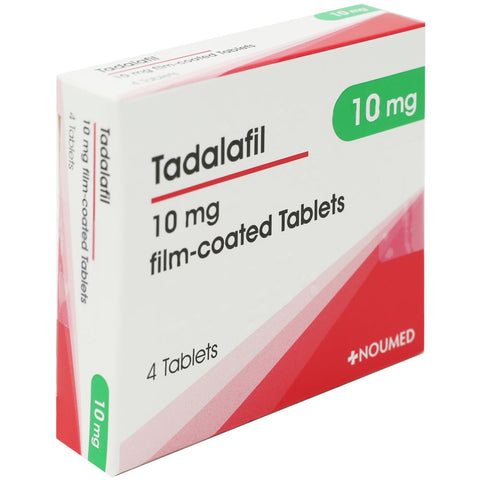

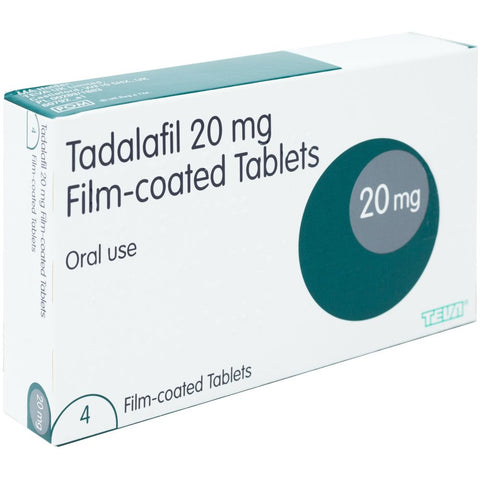

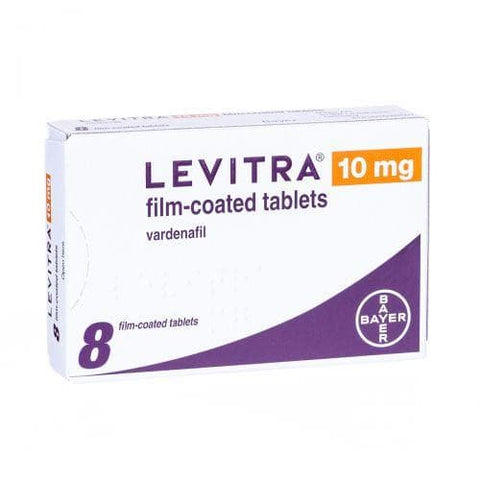

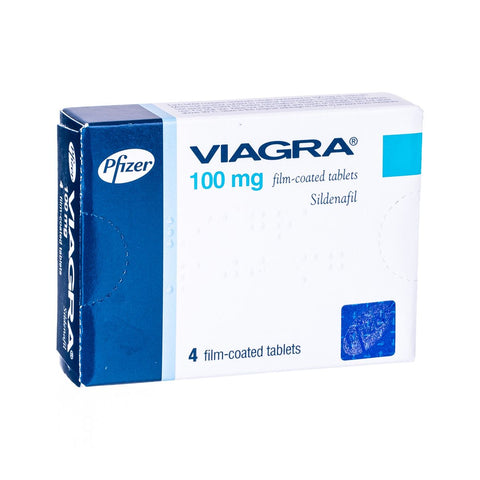

Trusted by thousands
Real people, real results
“Fabulous service and quick delivery”
“Felt the effects of these after about 5 days. Erections are better and can get aroused and ready easier”
“Excellent value and brilliant customer service”
“I received excellent service and everything went well. The order arrived quickly and in perfect condition. It's working very well! Thank you to the whole team for the great work!”
“Delivery was good, the product lived up to expectations.”
How it Works?


Vardenafil and Voriconazole: Understanding the Interaction
Published: 5 November 2026
Vardenafil and voriconazole should not be taken together because voriconazole significantly increases the levels of vardenafil in your bloodstream, raising the risk of serious side effects including dangerously low blood pressure. Voriconazole is a potent antifungal medicine that blocks an enzyme (CYP3A4) responsible for breaking down vardenafil, meaning the erectile dysfunction medicine stays in your body much longer and at higher concentrations than intended [5]. If you are taking voriconazole and need treatment for erectile dysfunction, your prescriber will consider safer alternatives or adjust your treatment plan.
Always declare all medicines
Tell your prescriber about every medicine you take, including antifungals prescribed by specialists. This simple step prevents dangerous interactions and ensures you receive the safest treatment for erectile dysfunction.
What is vardenafil and voriconazole?
Vardenafil (brand name Levitra) is a prescription medicine used to treat erectile dysfunction in men. It belongs to a group of medicines called PDE5 inhibitors, which work by relaxing blood vessels in the penis to improve blood flow during sexual stimulation [5]. Vardenafil is usually taken 25 to 60 minutes before sexual activity, with doses of 5mg, 10mg or 20mg available depending on individual response and tolerability.
Voriconazole is a prescription antifungal medicine used to treat serious fungal infections, including invasive aspergillosis and certain Candida infections. It is available as tablets, liquid suspension, or intravenous infusion and is typically prescribed by specialists for infections that have not responded to other antifungal treatments. Voriconazole is a very potent inhibitor of the liver enzyme CYP3A4, which means it interferes with how the body breaks down many other medicines, including vardenafil.
Both medicines are prescription-only in the UK and require careful assessment by a healthcare professional before use. At Cured Pharmacy, every prescription request is reviewed by a UK-registered prescriber who checks your current medicines, medical history, and any potential interactions to ensure treatment is safe and appropriate for you.
How do vardenafil and voriconazole interact?
The interaction between vardenafil and voriconazole occurs because voriconazole strongly blocks the CYP3A4 enzyme in your liver. This enzyme is responsible for breaking down vardenafil so it can be removed from your body. When voriconazole blocks this enzyme, vardenafil levels in your bloodstream can become much higher than intended, and the medicine stays active in your system for much longer [5].
This increase in vardenafil levels significantly raises the risk of side effects, particularly a dangerous drop in blood pressure (hypotension), which can cause dizziness, fainting, or even more serious cardiovascular problems. Other side effects such as headache, flushing, visual disturbances, and priapism (a prolonged, painful erection) also become more likely when vardenafil levels are elevated.
Because of this serious interaction, the Summary of Product Characteristics for vardenafil states that it is contraindicated (must not be used) with potent CYP3A4 inhibitors including voriconazole [12]. This is not a precautionary warning but an absolute contraindication, meaning the two medicines should not be taken together under any circumstances. Your prescriber will always check for this interaction during your consultation.
Why CYP3A4 matters
CYP3A4 is one of the most important enzymes in the liver for processing medicines. Around half of all prescription drugs are broken down by CYP3A4, which is why interactions with medicines that block this enzyme are so common and potentially serious. When CYP3A4 is inhibited by a medicine like voriconazole, other drugs that rely on this enzyme for elimination can accumulate to dangerous levels. Understanding this mechanism helps explain why your prescriber needs to know every medicine you are taking, including over-the-counter products and herbal supplements, before prescribing vardenafil or any other PDE5 inhibitor.
When to get urgent help
- Erection lasting more than 4 hours (priapism) – go to A&E immediately
- Sudden severe dizziness, fainting, or feeling very weak after taking vardenafil
- Sudden loss of vision in one or both eyes
- Sudden loss of hearing or ringing in the ears with dizziness
- Chest pain during or after sexual activity – call 999
Call 999 or go to A&E in an emergency, or contact NHS 111 for urgent advice.
What your prescriber checks before prescribing vardenafil
Before prescribing vardenafil, your prescriber will review your complete medication list to identify any potential interactions, particularly with CYP3A4 inhibitors like voriconazole. They will ask about all prescription medicines, over-the-counter products, herbal supplements, and any recreational substances you use. This comprehensive review is essential because many common medicines can interact with vardenafil, though few are as serious as the interaction with voriconazole [5].
Your prescriber will also check your cardiovascular health, including blood pressure, history of heart disease, stroke, or other conditions that might make sexual activity inadvisable. They will ask about any medicines you take for chest pain (angina), particularly nitrates such as GTN spray or isosorbide mononitrate, as these must never be taken with vardenafil due to the risk of life-threatening blood pressure drops. Alpha-blockers for prostate problems (such as tamsulosin or doxazosin) also require careful consideration, as they can add to the blood-pressure-lowering effect of vardenafil.
If you are currently taking voriconazole or another potent CYP3A4 inhibitor, your prescriber will discuss alternative treatments for erectile dysfunction. This might include a different PDE5 inhibitor that can be used more safely with dose adjustments (such as sildenafil at a reduced dose), waiting until your antifungal treatment is complete, or considering non-oral treatments such as vacuum devices. The decision will depend on your individual circumstances, the duration of your antifungal treatment, and the severity of your erectile dysfunction.
Safe alternatives to vardenafil when taking voriconazole
If you are taking voriconazole and need treatment for erectile dysfunction, your prescriber may consider sildenafil (Viagra) or tadalafil (Cialis) as alternatives, though both also interact with voriconazole and require significant dose reductions [3][4]. Sildenafil can be used with a reduced starting dose (typically 25mg rather than the usual 50mg), and the maximum dose should not exceed 25mg in 48 hours when taken with potent CYP3A4 inhibitors. Tadalafil can also be used with caution, but the dose must be limited and the prescriber will provide specific instructions based on your individual situation.
Avanafil (Spedra) is generally avoided with potent CYP3A4 inhibitors like voriconazole, similar to vardenafil [6]. The safest approach is often to wait until your course of voriconazole is complete before starting or resuming vardenafil, particularly if the antifungal treatment is for a limited period. For long-term antifungal therapy, your prescriber and the specialist managing your fungal infection will work together to find the safest treatment plan.
Non-oral treatments for erectile dysfunction do not have the same drug interaction concerns. Vacuum erection devices are mechanical aids that do not involve medicines at all. Alprostadil cream (Vitaros) or injection (Caverject) work locally rather than systemically, so they are not affected by CYP3A4 inhibitors [7]. Your prescriber can discuss these options with you if oral PDE5 inhibitors are not suitable while you are taking voriconazole.
What about other antifungal medicines?
Not all antifungal medicines interact with vardenafil to the same degree. Fluconazole is a moderate CYP3A4 inhibitor and may require dose adjustment but is not an absolute contraindication like voriconazole. Itraconazole and ketoconazole are also potent CYP3A4 inhibitors and carry similar restrictions to voriconazole. Topical antifungals (creams, sprays) used for skin or nail infections are absorbed in very small amounts and do not usually cause interactions. Always tell your prescriber about any antifungal treatment you are using, including over-the-counter products, so they can assess the risk accurately.
At a glance
Warning signs and when to seek help with vardenafil and voriconazole
If you have taken vardenafil while on voriconazole, you should be alert for signs of excessive PDE5 inhibitor effects. The most concerning symptom is a sudden or severe drop in blood pressure, which may cause dizziness, light-headedness, fainting, blurred vision, or feeling unusually weak. If you experience these symptoms, sit or lie down immediately and seek medical advice. Do not drive or operate machinery if you feel dizzy or faint.
Priapism, an erection lasting more than four hours, is a medical emergency that becomes more likely when vardenafil levels are too high. This condition can cause permanent damage to the penis if not treated promptly. If you have an erection that lasts longer than four hours, go to A&E immediately, even if it is not painful. Other warning signs include sudden loss of vision in one or both eyes, sudden decrease or loss of hearing (which may be accompanied by ringing in the ears or dizziness), or chest pain during or after sexual activity. All of these require urgent medical attention.
If you realise you have been prescribed vardenafil while taking voriconazole, or if you are started on voriconazole while taking vardenafil, contact your prescriber or GP immediately for advice. Do not simply stop either medicine without guidance, as your antifungal treatment may be essential for a serious infection. Your healthcare team will advise you on the safest way to manage both conditions. At Cured Pharmacy, our clinical team is available to answer questions about your treatment and can liaise with your GP or specialist if needed.
Practical advice for managing erectile dysfunction treatment safely
Always provide a complete and accurate list of your current medicines when requesting treatment for erectile dysfunction. This includes prescription medicines from your GP or hospital specialist, over-the-counter products, herbal remedies, vitamins, and any recreational substances. Many men do not realise that seemingly unrelated medicines can interact with ED treatments, so it is essential to declare everything. If you are unsure about a medicine name, bring the packet or box to show your pharmacist or take a photo to upload during your online consultation.
Keep your medicine list up to date, especially if you are prescribed a new medicine by a different healthcare provider. If you are started on an antifungal like voriconazole by a hospital specialist or your GP, tell them you are taking vardenafil or another PDE5 inhibitor for erectile dysfunction. Similarly, if you request ED treatment while under the care of a specialist for another condition, make sure the prescriber knows about all your specialist medicines. Good communication between your healthcare providers is essential for your safety.
Never share your erectile dysfunction medicines with others, even if they have similar symptoms. What is safe for you may be dangerous for someone else, particularly if they are taking medicines like voriconazole that interact with PDE5 inhibitors. Store your medicines in a safe place, in their original packaging, and check the expiry date before use. If you have any unused vardenafil and you are started on voriconazole, do not take the vardenafil and speak to your pharmacist about safe disposal. At Cured Pharmacy, our prescribers review every order individually to ensure treatment is appropriate and safe based on your current health status and medication list.
Other medicines that interact with vardenafil
In addition to voriconazole, vardenafil interacts with several other types of medicine. Nitrates (used for angina), nicorandil, riociguat, and recreational drugs called 'poppers' must never be taken with vardenafil, as the combination can cause a life-threatening drop in blood pressure. Alpha-blockers for prostate problems can also lower blood pressure and require careful dose adjustment. HIV medicines (ritonavir, cobicistat), some antibiotics (clarithromycin, erythromycin), and grapefruit juice can all increase vardenafil levels. Your prescriber will check all these potential interactions during your consultation [5].
In summary
- Vardenafil and voriconazole must not be taken together due to a serious drug interaction
- Voriconazole increases vardenafil levels significantly, raising the risk of dangerous side effects
- Alternative ED treatments may be available while you are taking voriconazole
- Always tell your prescriber about all medicines, including antifungals, before starting ED treatment
- Contact your GP immediately if you have taken vardenafil while on voriconazole
Scientific References
- Joint Formulary Committee. (n.d.). Sildenafil. British National Formulary. NICE. https://bnf.nice.org.uk/drugs/sildenafil/ [accessed 5 November 2026]
- Joint Formulary Committee. (n.d.). Tadalafil. British National Formulary. NICE. https://bnf.nice.org.uk/drugs/tadalafil/ [accessed 5 November 2026]
- Joint Formulary Committee. (n.d.). Vardenafil. British National Formulary. NICE. https://bnf.nice.org.uk/drugs/vardenafil/ [accessed 5 November 2026]
- Joint Formulary Committee. (n.d.). Avanafil. British National Formulary. NICE. https://bnf.nice.org.uk/drugs/avanafil/ [accessed 5 November 2026]
- Joint Formulary Committee. (n.d.). Alprostadil. British National Formulary. NICE. https://bnf.nice.org.uk/drugs/alprostadil/ [accessed 5 November 2026]
- Electronic Medicines Compendium. (n.d.). Summaries of Product Characteristics and Patient Information Leaflets. https://www.medicines.org.uk/emc/ [accessed 5 November 2026]
- NHS. (n.d.). Erectile dysfunction (impotence). https://www.nhs.uk/conditions/erection-problems-erectile-dysfunction/ Accessed 5 November 2026.
Information on this page is for educational purposes only and is not medical advice. Prescription treatments require clinical assessment by a UK-registered prescriber. Always consult a qualified healthcare professional before starting or changing any medication.
Faq
Start Your Assessment For Erectile Dysfunction
- Reviewed by UK-based prescribers
- Takes under 3 minutes
- Discreet Packaging

Medically reviewed by
Tarun Kumar, Superintendent Pharmacist (GPhC 2233073)