


Vardenafil and Sotalol: Can They Be Taken Together?
Learn how these medicines interact and what your prescriber checks during a UK pharmacist-led consultation.
Takes less than 2 minutes to complete 100% online
Our ED Treatments
Pricing Disclaimer: Prices on some pages may not be up to date — the live pricing table below and pricing shown during consultation are official current prices and take precedence over any other figures on the site.
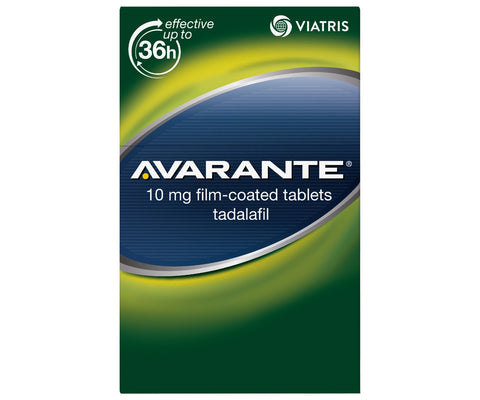
Vardenafil and Sotalol: Understanding the Interaction
Published: 4 November 2026
Vardenafil and sotalol can be prescribed together, but the combination requires careful medical assessment because both medicines affect the heart's electrical activity. Sotalol is a beta-blocker used to treat irregular heart rhythms (arrhythmias), while vardenafil is a PDE5 inhibitor used to treat erectile dysfunction. This page explains how these medicines interact, what your prescriber will check before approving treatment, and the practical steps you can take to use them safely.
Start Low, Go Slow
If your prescriber approves vardenafil while you take sotalol, begin with the lowest dose (usually 5mg) and pay close attention to how you feel, especially dizziness or palpitations. Sit down if you feel light-headed, and contact your GP if symptoms are concerning.
What Is Vardenafil and How Does It Work?
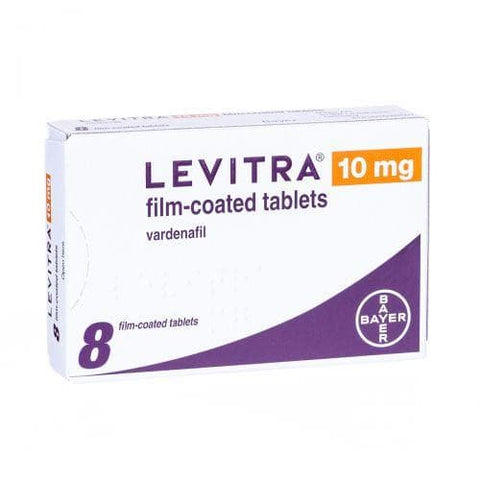
Vardenafil (also known by the brand name Levitra) is a prescription medicine licensed in the UK to treat erectile dysfunction in adult men [5]. It belongs to a group of medicines called phosphodiesterase type 5 (PDE5) inhibitors, which work by relaxing blood vessels in the penis, allowing increased blood flow when you are sexually aroused [5].
Vardenafil is available in 5mg, 10mg, and 20mg tablets and is usually taken about 25 to 60 minutes before sexual activity [5]. The medicine only works when you are sexually stimulated—it does not cause an automatic erection. The effect can last for several hours, but you should not take more than one dose in 24 hours [5].
Common side effects include headache, flushing, indigestion, and nasal congestion [5]. Like all PDE5 inhibitors, vardenafil can lower blood pressure slightly, which is why interactions with other medicines—particularly those affecting the heart and blood pressure—need careful consideration [5].
What Is Sotalol and Why Is It Prescribed?
Sotalol is a beta-blocker medicine used primarily to treat and prevent abnormal heart rhythms (arrhythmias), including atrial fibrillation and ventricular tachycardia. Unlike most other beta-blockers, sotalol also has additional properties that affect the electrical conduction system of the heart, which makes it particularly effective for rhythm control.
Beta-blockers work by blocking the action of adrenaline and other stress hormones on the heart, slowing the heart rate and reducing the force of contraction. This helps to stabilise the heart rhythm and reduce the workload on the heart. Sotalol is usually taken twice daily and requires regular monitoring because it can affect the heart's electrical activity in ways that need careful supervision.
Common side effects of sotalol include tiredness, dizziness, cold hands and feet, and breathlessness. Because sotalol affects both heart rate and the heart's electrical signals (specifically the QT interval on an ECG), it can interact with other medicines that also influence heart rhythm or blood pressure. This is why the combination with vardenafil requires medical assessment.
Can Sotalol Contribute to Erectile Dysfunction?
Beta-blockers, including sotalol, are sometimes associated with erectile dysfunction as a side effect, though this varies between individuals and between different beta-blockers. The mechanism is not fully understood but may involve reduced blood flow or effects on the nervous system that controls erections. If you have noticed erectile difficulties since starting sotalol, it is worth discussing this with your GP—sometimes a different beta-blocker or dose adjustment can help, though you should never stop or change your heart medicine without medical advice.
When to get urgent help
- Chest pain during or after sexual activity—call 999 immediately.
- Fainting, near-fainting, or severe dizziness—seek urgent medical help.
- Very fast, slow, or irregular heartbeat (palpitations) that does not settle—contact your GP or call 111.
- An erection lasting more than four hours (priapism)—go to A&E immediately.
- Sudden loss of vision or hearing—stop vardenafil and seek urgent medical advice.
Call 999 or go to A&E in an emergency, or contact NHS 111 for urgent advice.
How Do Vardenafil and Sotalol Interact?
The interaction between vardenafil and sotalol centres on two main concerns: blood pressure effects and heart rhythm (QT interval prolongation). Vardenafil can cause a mild drop in blood pressure, and sotalol also lowers blood pressure as part of its action. When taken together, there is a theoretical risk that blood pressure could fall more than expected, leading to dizziness, light-headedness, or fainting, particularly when standing up quickly.
More importantly, both sotalol and vardenafil can prolong the QT interval—a measurement on an electrocardiogram (ECG) that reflects the time it takes for the heart's electrical system to recharge between beats [5]. A prolonged QT interval can, in rare cases, lead to a serious abnormal heart rhythm called torsades de pointes. Sotalol is well known for this effect, and vardenafil also carries a caution about QT prolongation, particularly at higher doses or in people with existing heart conditions [5].
This does not mean the combination is absolutely contraindicated (unlike vardenafil with nitrates, which must never be taken together). Instead, it means your prescriber must carefully assess your individual risk factors—including your dose of sotalol, your heart rhythm, any other medicines you take, and your overall heart health—before approving vardenafil. Many men do take these medicines together safely under medical supervision.
What Will Your Prescriber Check Before Approving Vardenafil and Sotalol Together?
When you request vardenafil through Cured Pharmacy's online consultation, you will be asked to list all your current medicines, including sotalol. A UK-registered prescriber will review your medical history and the combination carefully. They will consider your dose of sotalol, how well controlled your heart rhythm is, whether you have any other risk factors for QT prolongation (such as low potassium or magnesium levels, or other medicines that affect the QT interval), and your overall cardiovascular health.
Your prescriber may start you on a lower dose of vardenafil (typically 5mg) to minimise risk, and they will advise you on warning signs to watch for. If your heart condition is unstable, if you have had recent serious arrhythmias, or if you are taking multiple medicines that prolong the QT interval, the prescriber may decide that vardenafil is not suitable at this time and may suggest discussing alternative ED treatments with your GP or cardiologist.
It is essential that you provide complete and accurate information during the consultation. Do not leave out any medicines, including over-the-counter products and supplements, as these can also affect the safety assessment. If your sotalol dose or heart condition changes after you have been prescribed vardenafil, contact your GP or cardiologist for advice before taking another dose.
Do You Need an ECG Before Taking Vardenafil with Sotalol?
Your GP or cardiologist will usually monitor your ECG regularly if you are taking sotalol, as this is standard practice for this medicine. Your prescriber may ask when you last had an ECG and whether your QT interval was normal. In some cases, particularly if there are additional risk factors, they may recommend that you have an up-to-date ECG before starting vardenafil. This is a precaution to ensure your heart's electrical activity is stable and that the combination is safe for you.
At a glance
Practical Advice for Taking Vardenafil and Sotalol Safely
If your prescriber approves vardenafil while you are taking sotalol, follow these practical steps to use the combination as safely as possible. Take vardenafil exactly as prescribed—do not exceed the recommended dose or take it more than once in 24 hours. Start with the lowest effective dose (often 5mg) and only increase if advised by your prescriber.
Be aware of how you feel when you take vardenafil, particularly in the first few hours. Sit or lie down if you feel dizzy or light-headed, and avoid sudden changes in posture (such as standing up quickly from sitting or lying down). Avoid heavy alcohol, as this can add to the blood-pressure-lowering effect and make dizziness worse. Grapefruit juice can increase vardenafil levels in your blood and should be avoided.
Continue taking your sotalol exactly as prescribed by your cardiologist or GP—do not skip doses or alter the timing to fit around vardenafil. If you experience palpitations, an unusually fast or slow heartbeat, chest discomfort, severe dizziness, or fainting after taking vardenafil, stop taking the medicine and seek medical advice promptly. Keep all your regular cardiology or GP appointments so that your heart rhythm and overall health can be monitored.
Remember that sexual activity itself places demands on the heart. If you experience chest pain, severe breathlessness, or dizziness during sex, stop and seek urgent medical help. Your GP or cardiologist can advise whether your heart condition is stable enough for sexual activity.
Warning Signs and When to Seek Help with Vardenafil and Sotalol
Most men who take vardenafil and sotalol together under medical supervision do so without serious problems, but it is important to know the warning signs that need urgent attention. Seek immediate medical help (call 999 or go to A&E) if you experience chest pain during or after sex, a very fast or irregular heartbeat, fainting or near-fainting, sudden severe dizziness, or an erection lasting more than four hours (priapism) [5].
Contact your GP or cardiologist promptly (same day or next working day) if you notice new or worsening palpitations, persistent dizziness or light-headedness, unusual tiredness or weakness, or breathlessness that is worse than usual. These could be signs that the combination is affecting your heart rhythm or blood pressure more than expected, or that your underlying heart condition needs review.
If you develop sudden loss of vision in one or both eyes, or sudden decrease or loss of hearing (sometimes with ringing in the ears), stop taking vardenafil immediately and seek urgent medical advice, as these are rare but serious side effects of PDE5 inhibitors [5]. Always tell any doctor, nurse, or paramedic treating you that you take both sotalol and vardenafil, as this information is important for your care.
What If You Need to Take Other Medicines?
If you are prescribed any new medicine while taking vardenafil and sotalol, always tell the prescriber about both. Some medicines can further increase the risk of QT prolongation or interact with vardenafil in other ways. For example, certain antibiotics (such as clarithromycin or erythromycin), antifungals (such as ketoconazole), and antidepressants can interact. Your pharmacist or prescriber will check for interactions and advise you. Never take vardenafil with nitrates, nicorandil, riociguat, or another PDE5 inhibitor, as these combinations are dangerous.
In summary
- Vardenafil and sotalol can be taken together under medical supervision after careful assessment.
- Both medicines can affect heart rhythm and blood pressure, so your prescriber will review your individual risk.
- Start on the lowest vardenafil dose and watch for dizziness, palpitations, or chest discomfort.
- Never stop or change your sotalol without medical advice—continue it exactly as prescribed.
- Seek urgent help if you experience chest pain, fainting, severe palpitations, or an erection lasting over four hours.
Scientific References
- NHS. (n.d.). Erectile dysfunction (impotence). NHS website. https://www.nhs.uk/conditions/erection-problems-erectile-dysfunction/ [accessed 4 November 2026]
- National Institute for Health and Care Excellence. (n.d.). Erectile dysfunction. Clinical Knowledge Summaries. https://cks.nice.org.uk/topics/erectile-dysfunction/ [accessed 4 November 2026]
- Joint Formulary Committee. (n.d.). Vardenafil. British National Formulary. NICE. https://bnf.nice.org.uk/drugs/vardenafil/ [accessed 4 November 2026]
- Electronic Medicines Compendium. (n.d.). Summaries of Product Characteristics and Patient Information Leaflets. https://www.medicines.org.uk/emc/ [accessed 4 November 2026]
Information on this page is for educational purposes only and is not medical advice. Prescription treatments require clinical assessment by a UK-registered prescriber. Always consult a qualified healthcare professional before starting or changing any medication.
Trusted by thousands
Real people, real results
“Fabulous service and quick delivery”
“Felt the effects of these after about 5 days. Erections are better and can get aroused and ready easier”
“Excellent value and brilliant customer service”
“I received excellent service and everything went well. The order arrived quickly and in perfect condition. It's working very well! Thank you to the whole team for the great work!”
“Delivery was good, the product lived up to expectations.”
How it Works?
Choose your treatment
Select from our recommended UK-licensed medications.
Answer quick questions
Select safe UK treatments. Quick answers.
Get it delivered fast
We will deliver direct to you as quickly as tomorrow.
Start Your Assessment For Erectile Dysfunction
Reviewed by UK-based prescribers · Takes under 3 minutes · Discreet Packaging
Faq

Medically reviewed by
Tarun Kumar, Superintendent Pharmacist (GPhC 2233073)