


Vardenafil and Oxybutynin: Can They Be Taken Together?
Learn about the interaction between these medicines and how UK prescribers assess safety.
Takes less than 2 minutes to complete 100% online
Vardenafil and Oxybutynin: Understanding the Interaction
Published: 2 November 2026
Many men wonder whether vardenafil and oxybutynin can be taken together safely. The good news is that no major direct interaction is commonly reported between vardenafil (a medicine for erectile dysfunction) and oxybutynin (used to treat overactive bladder). However, both medicines can affect blood pressure and cause side effects that may overlap, so your prescriber will carefully review your full medical history and current medicines during your consultation to ensure the combination is suitable for you.
At a glance
What Is Vardenafil and How Does It Work?
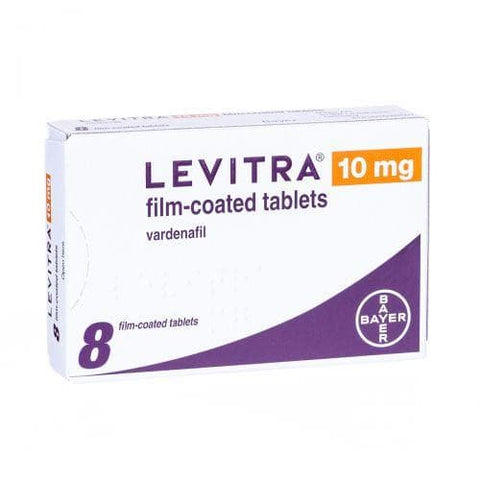
Vardenafil is the generic name for Levitra, a prescription medicine used to treat erectile dysfunction (ED) in adult men [5]. It belongs to a group of medicines called PDE5 inhibitors, which work by relaxing blood vessels in the penis, allowing more blood to flow in when you are sexually aroused. Vardenafil does not cause an erection on its own—sexual stimulation is still needed for it to work [5].
Vardenafil is available in 5mg, 10mg, and 20mg tablets. The usual starting dose is 10mg, taken about 25 to 60 minutes before sexual activity [5]. You should not take vardenafil more than once in any 24-hour period. The medicine can help men achieve and maintain an erection suitable for sexual intercourse, but it does not cure ED or increase sexual desire.
Like all PDE5 inhibitors, vardenafil must never be taken with nitrates (such as GTN spray or isosorbide mononitrate), nicorandil, riociguat, or recreational drugs known as poppers, because the combination can cause a dangerous drop in blood pressure [5]. Your prescriber will check your medical history and current medicines carefully before prescribing vardenafil to ensure it is safe for you.
What Is Oxybutynin and Why Is It Prescribed?
Oxybutynin is a medicine used to treat symptoms of an overactive bladder, such as a sudden urgent need to urinate, needing to pass urine frequently, or leaking urine before you can reach a toilet. It belongs to a class of medicines called anticholinergics (or antimuscarinics), which work by relaxing the bladder muscle and reducing bladder spasms.
Oxybutynin is available as tablets (immediate-release and modified-release formulations) and as a patch applied to the skin. Common side effects include dry mouth, constipation, blurred vision, and dizziness. Because oxybutynin can affect the nervous system, it may also cause drowsiness or confusion, particularly in older adults.
Many men with ED also experience urinary symptoms, especially as they get older or if they have an enlarged prostate. It is not uncommon for a man to be prescribed both an ED medicine like vardenafil and a bladder medicine like oxybutynin at the same time. Understanding how these medicines interact is important for safe and effective treatment.
Common Uses of Oxybutynin
Oxybutynin is most often prescribed for overactive bladder syndrome, a condition that affects both men and women and becomes more common with age. It can also be used in children with bladder control problems and in people with neurological conditions that affect bladder function, such as spinal cord injury or multiple sclerosis. The medicine helps reduce the number of times you need to urinate and can improve quality of life by reducing urgency and accidents.
The Interaction Between Vardenafil and Oxybutynin
No major direct drug interaction is commonly reported between vardenafil and oxybutynin, and many men take both medicines together without problems. However, both medicines can have effects that may add up and cause side effects, so your prescriber will assess the combination carefully during your consultation.
Vardenafil can cause a small drop in blood pressure, which may lead to dizziness or light-headedness, especially when standing up quickly [5]. Oxybutynin can also cause dizziness and, in some people, may affect heart rate or blood pressure. When taken together, there is a theoretical risk that these effects could add up, making dizziness or fainting more likely, particularly in older adults or people taking other medicines that lower blood pressure.
Additionally, oxybutynin can cause dry mouth, constipation, and blurred vision due to its anticholinergic effects. While vardenafil does not typically cause these symptoms, some men may find that taking both medicines together increases the overall burden of side effects. Your prescriber will consider your age, other health conditions, and all the medicines you take to decide whether the combination is suitable and what doses are safest for you.
What you need to know
- Vardenafil and oxybutynin do not have a major direct interaction and may be used together.
- Both medicines can lower blood pressure or cause dizziness, so caution is needed.
- Your prescriber checks your full medication list and health conditions before prescribing.
- Report any unusual dizziness, fainting, or chest pain to your doctor promptly.
- Never take vardenafil with nitrates, nicorandil, riociguat, or poppers.
What Your Prescriber Checks Before Prescribing Vardenafil and Oxybutynin
Before prescribing vardenafil, your prescriber will ask about your full medical history, including any heart problems, high or low blood pressure, liver or kidney disease, and any history of stroke or eye problems [5]. They will also review every medicine you currently take, including prescription medicines, over-the-counter products, and herbal supplements, to check for interactions.
If you are already taking oxybutynin, your prescriber will want to know how well you tolerate it and whether you experience side effects such as dizziness, dry mouth, or confusion. They will also check whether you take any other medicines that can interact with vardenafil, such as alpha-blockers for prostate problems, blood pressure medicines, or potent CYP3A4 inhibitors like certain antifungals or HIV medicines [5].
Your prescriber may recommend starting vardenafil at a lower dose (such as 5mg) if you are older, have other health conditions, or take multiple medicines. They will also advise you on how to take vardenafil safely—such as avoiding heavy alcohol, not taking it more than once a day, and knowing the warning signs that require urgent medical help. This careful assessment ensures that the combination of vardenafil and oxybutynin is as safe and effective as possible for you.
Other Medicines That May Affect Vardenafil
Vardenafil can interact with several other medicines. Alpha-blockers (such as tamsulosin or doxazosin, used for prostate problems) can increase the risk of low blood pressure and dizziness; if you take an alpha-blocker, your prescriber will ensure you are stable on it and may start vardenafil at a lower dose [5]. Potent CYP3A4 inhibitors (such as ritonavir, ketoconazole, or clarithromycin) can raise vardenafil levels in the blood, and vardenafil is usually avoided or contraindicated with these medicines [5]. Always tell your prescriber about every medicine you take, including those prescribed by different doctors or bought over the counter.
Practical Advice for Taking Vardenafil and Oxybutynin Together
If your prescriber has confirmed that it is safe for you to take vardenafil and oxybutynin together, there are some practical steps you can take to minimise side effects and get the best results. Take vardenafil about 25 to 60 minutes before you plan to have sex, and remember that sexual stimulation is needed for it to work [5]. Do not take more than one dose of vardenafil in any 24-hour period.
Because both medicines can cause dizziness, be careful when standing up from sitting or lying down, especially in the first few hours after taking vardenafil. Avoid drinking large amounts of alcohol, as this can make dizziness worse and reduce the effectiveness of vardenafil. If you experience severe dizziness, fainting, or a rapid heartbeat, sit or lie down and seek medical advice.
Oxybutynin can cause dry mouth, so keep water handy and consider sugar-free gum or lozenges to help with this side effect. If you find that taking both medicines together causes troublesome side effects, do not stop either medicine without speaking to your doctor first—they may be able to adjust the dose or suggest an alternative. Always store both medicines safely, out of reach of children, and check the expiry dates regularly.
When to get urgent help
- An erection lasting more than 4 hours (priapism)—go to A&E immediately
- Sudden loss of vision in one or both eyes—stop the medicine and seek urgent medical help
- Chest pain during or after sex—call 999; do not take nitrate sprays if you have used vardenafil
- Severe dizziness, fainting, or very rapid heartbeat—seek same-day medical advice
- Sudden loss of hearing or ringing in the ears—stop the medicine and contact your GP urgently
Call 999 or go to A&E in an emergency, or contact NHS 111 for urgent advice.
When to Seek Medical Advice About Vardenafil and Oxybutynin
Most men tolerate the combination of vardenafil and oxybutynin well, but you should seek medical advice if you experience any unusual or severe side effects. Contact your GP or pharmacist if you have persistent dizziness, fainting, confusion, or a very dry mouth that does not improve. If you develop blurred vision that does not clear, difficulty passing urine, or severe constipation, these may be side effects of oxybutynin that need review.
Seek urgent medical help (call 999 or go to A&E) if you have an erection that lasts longer than 4 hours (priapism), sudden loss of vision in one or both eyes, or chest pain during or after sex [5]. If you experience chest pain, do not use a nitrate spray (such as GTN) if you have taken vardenafil in the past 24 hours, as this combination is dangerous—tell the paramedics or doctors that you have taken vardenafil.
If you start a new medicine or your doctor changes the dose of oxybutynin or any other medicine, let your prescriber know before your next vardenafil supply. Changes to your medication can affect how vardenafil works or increase the risk of side effects. Your prescriber can review your treatment and make any necessary adjustments to keep you safe.
Reporting Side Effects
If you experience a side effect from vardenafil, oxybutynin, or any other medicine, you can report it via the Yellow Card Scheme at yellowcard.mhra.gov.uk or by searching for the MHRA Yellow Card app in your phone's app store. Reporting side effects helps improve the safety of medicines for everyone. You can also discuss any concerns with your GP or pharmacist, who can advise whether the side effect is likely to be related to one of your medicines and what to do about it.
Always Declare All Medicines
During your online consultation, list every medicine you take—including over-the-counter products, herbal remedies, and medicines prescribed by different doctors. This helps the prescriber spot any potential interactions and choose the safest treatment for you.
Scientific References
- NHS. (n.d.). Erectile dysfunction (impotence). NHS website. https://www.nhs.uk/conditions/erection-problems-erectile-dysfunction/ [accessed 2 November 2026]
- National Institute for Health and Care Excellence. (n.d.). Erectile dysfunction. Clinical Knowledge Summaries. https://cks.nice.org.uk/topics/erectile-dysfunction/ [accessed 2 November 2026]
- Joint Formulary Committee. (n.d.). Vardenafil. British National Formulary. NICE. https://bnf.nice.org.uk/drugs/vardenafil/ [accessed 2 November 2026]
- Electronic Medicines Compendium. (n.d.). Summaries of Product Characteristics and Patient Information Leaflets. https://www.medicines.org.uk/emc/ [accessed 2 November 2026]
Information on this page is for educational purposes only and is not medical advice. Prescription treatments require clinical assessment by a UK-registered prescriber. Always consult a qualified healthcare professional before starting or changing any medication.
Our ED Treatments
Pricing Disclaimer: Prices on some pages may not be up to date — the live pricing table below and pricing shown during consultation are official current prices and take precedence over any other figures on the site.


Faq
Can I take vardenafil and oxybutynin at the same time of day?
Yes, there is no need to separate the doses. Take each medicine as prescribed by your doctor, and take vardenafil about 25 to 60 minutes before sexual activity.
Will oxybutynin make vardenafil less effective?
No, oxybutynin does not reduce the effectiveness of vardenafil. However, side effects such as dizziness may be more noticeable when taking both medicines together.
Can I drink alcohol if I take vardenafil and oxybutynin?
Limit alcohol intake, as it can increase dizziness and reduce the effectiveness of vardenafil. Heavy drinking is not recommended when taking either medicine.
What should I do if I feel dizzy after taking vardenafil and oxybutynin together?
Sit or lie down until the dizziness passes. Stand up slowly from sitting or lying positions. If dizziness is severe or persistent, contact your GP or pharmacist for advice.
Do I need to tell my prescriber that I take oxybutynin before getting vardenafil?
Yes, always declare every medicine you take during your online consultation. This allows the prescriber to check for interactions and choose the safest dose for you.
Can I take vardenafil if I have an overactive bladder?
Yes, having an overactive bladder does not prevent you from taking vardenafil. Your prescriber will review your bladder medicine and overall health to ensure vardenafil is suitable.
Are there any medicines I must never take with vardenafil?
Do not take vardenafil with nitrates (GTN spray, isosorbide), nicorandil, riociguat, poppers, or another PDE5 inhibitor. The combination can cause a dangerous drop in blood pressure.
Can I switch from oxybutynin to another bladder medicine if I want to take vardenafil?
You do not usually need to switch bladder medicines to take vardenafil safely. Speak to your GP if you have concerns about your current bladder treatment; do not stop any medicine without medical advice.
Trusted by thousands
Real people, real results
“Fabulous service and quick delivery”
“Felt the effects of these after about 5 days. Erections are better and can get aroused and ready easier”
“Excellent value and brilliant customer service”
“I received excellent service and everything went well. The order arrived quickly and in perfect condition. It's working very well! Thank you to the whole team for the great work!”
“Delivery was good, the product lived up to expectations.”
How it Works?
Choose your treatment
Select from our recommended UK-licensed medications.
Answer quick questions
Select safe UK treatments. Quick answers.
Get it delivered fast
We will deliver direct to you as quickly as tomorrow.
Start Your Assessment For Erectile Dysfunction
Reviewed by UK-based prescribers · Takes under 3 minutes · Discreet Packaging

Medically reviewed by
Tarun Kumar, Superintendent Pharmacist (GPhC 2233073)