


Vardenafil and Mefloquine: Can They Be Taken Together?
Learn about the interaction, what your prescriber checks, and how to use ED treatment safely with antimalarials.
Takes less than 2 minutes to complete 100% online
Trusted by thousands
Real people, real results
“Fabulous service and quick delivery”
“Felt the effects of these after about 5 days. Erections are better and can get aroused and ready easier”
“Excellent value and brilliant customer service”
“I received excellent service and everything went well. The order arrived quickly and in perfect condition. It's working very well! Thank you to the whole team for the great work!”
“Delivery was good, the product lived up to expectations.”
Get Treatment in 3 Steps


Vardenafil and Mefloquine: Understanding the Interaction
Published: 1 November 2026
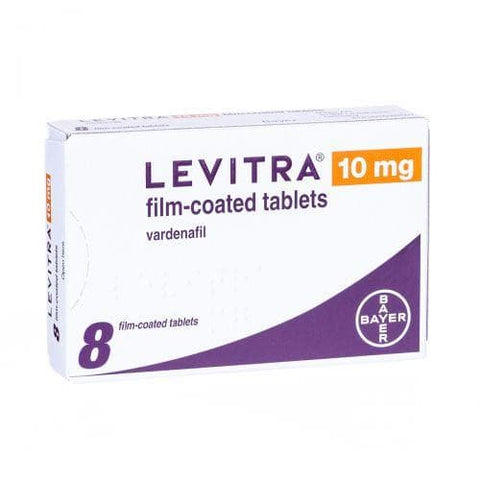
If you're prescribed vardenafil and mefloquine together, you may be wondering whether it's safe to use both medicines at the same time. Vardenafil is an erectile dysfunction treatment (also known as Levitra), whilst mefloquine is an antimalarial medicine used to prevent or treat malaria. Understanding how these medicines interact is important for your safety and for making sure your ED treatment works as expected.
Always Declare Antimalarials
When completing your online consultation for vardenafil, make sure you list mefloquine (or any other antimalarial) in the medicines section. This allows our prescribers to assess the combination safely and recommend the best treatment for you.
What Is Vardenafil and How Does It Work?
Vardenafil is a prescription medicine used to treat erectile dysfunction (ED) in men [5]. It belongs to a group of medicines called PDE5 inhibitors, which work by relaxing the blood vessels in the penis, allowing more blood to flow in when you're sexually aroused. This increased blood flow helps you get and keep an erection suitable for sexual activity [1].
Vardenafil is available in 5 mg, 10 mg and 20 mg tablets and is usually taken about 25 to 60 minutes before sexual activity [5]. The effects can last for several hours, but you'll only get an erection when you're sexually stimulated – the medicine doesn't work automatically. You should take vardenafil no more than once a day.
Like all PDE5 inhibitors, vardenafil can interact with other medicines, particularly those that affect your heart or blood pressure, or those that are broken down by the same liver enzymes. That's why it's essential to tell your prescriber about every medicine you're taking, including over-the-counter products, herbal remedies and antimalarials such as mefloquine.
What Is Mefloquine and Why Is It Prescribed?
Mefloquine is a prescription antimalarial medicine used to prevent and treat malaria, a serious infection spread by mosquitoes in tropical and subtropical regions. It's often prescribed for travellers visiting areas where malaria is common, particularly where the parasite has developed resistance to other antimalarials.
Mefloquine works by killing the malaria parasites in your blood. It's usually taken once a week for prevention, starting one to three weeks before travel and continuing for four weeks after you leave the malaria area. For treatment of malaria, the dosing schedule is different and your doctor will advise you.
Mefloquine can cause side effects including dizziness, sleep disturbances, mood changes and, rarely, heart rhythm changes. Because it can affect the electrical activity of the heart (prolonging the QT interval), it's important to tell your doctor about all other medicines you're taking, including ED treatments like vardenafil.
How Mefloquine Affects the Heart
One of the reasons mefloquine requires careful monitoring is its potential to affect the heart's electrical system. It can prolong the QT interval – a measurement on an ECG (electrocardiogram) that reflects how long it takes for the heart muscle to recharge between beats. A prolonged QT interval can, in rare cases, lead to a serious irregular heartbeat called torsades de pointes.
When to get urgent help
- Erection lasting more than 4 hours (priapism) – go to A&E immediately
- Sudden loss of vision or hearing – stop vardenafil and seek same-day medical advice
- Chest pain during sexual activity – stop and call 999 if it doesn't resolve quickly
- Palpitations, fainting or feeling your heart racing irregularly – seek urgent medical assessment
- Severe dizziness or loss of consciousness – call 999
Call 999 or go to A&E in an emergency, or contact NHS 111 for urgent advice.
The Interaction Between Vardenafil and Mefloquine
The main concern with taking vardenafil and mefloquine together is that both medicines can potentially prolong the QT interval on an ECG [5]. When two medicines that affect the heart's electrical activity are taken together, there's a theoretical risk that the effect could be additive, increasing the chance of a dangerous heart rhythm disturbance.
Vardenafil is known to cause a small increase in QT interval, and this effect is dose-related – higher doses have a greater effect [5]. Mefloquine also has the potential to prolong the QT interval, particularly in people who already have heart problems or who are taking other medicines that affect heart rhythm.
It's important to understand that this interaction is based on the known effects of both medicines on the heart, rather than on reports of problems occurring in people who've taken them together. The actual risk for most people is likely to be low, but your prescriber needs to assess your individual circumstances. They will consider your heart health, your dose of vardenafil, how long you'll be taking mefloquine, and whether you have any other risk factors for heart rhythm problems.
What Your Prescriber Will Check Before Approving Vardenafil and Mefloquine
When you request vardenafil through an online consultation at Cured Pharmacy, our UK-registered prescribers review your full medical history and current medicines. If you're taking mefloquine, the prescriber will pay particular attention to several factors to decide whether vardenafil is suitable for you.
First, they'll assess your heart health. They'll ask about any history of heart problems, including irregular heartbeats (arrhythmias), heart attacks, angina, heart failure, or any family history of sudden cardiac death or QT prolongation. They'll also want to know if you've ever had an ECG that showed QT prolongation.
Second, they'll review all your other medicines, not just mefloquine. Some medicines (including certain antibiotics, antifungals, antidepressants and antipsychotics) can also prolong the QT interval, and taking several together increases the risk. They'll also check for medicines that lower potassium or magnesium levels, as these electrolyte imbalances can make QT prolongation more likely.
Finally, they'll consider the dose of vardenafil. If you're approved for treatment, your prescriber may recommend starting with the lowest effective dose (usually 5 mg or 10 mg) to minimise any potential risk [5]. They may also advise you to avoid vardenafil while you're taking mefloquine if your risk factors are significant, or to discuss alternative ED treatments or antimalarials with your GP.
When Vardenafil Should Not Be Used
Vardenafil must never be taken with nitrates (such as GTN spray or isosorbide mononitrate), nicorandil, riociguat, or recreational drugs called 'poppers' (amyl or alkyl nitrites), as the combination can cause a dangerous drop in blood pressure [5]. You should also never take vardenafil with another PDE5 inhibitor such as sildenafil or tadalafil.
At a glance
Practical Advice for Taking Vardenafil and Mefloquine Safely
If your prescriber approves vardenafil while you're taking mefloquine, there are several practical steps you can take to use both medicines as safely as possible. Always take vardenafil exactly as prescribed – don't take more than the recommended dose or use it more than once a day [5].
Be aware of warning signs that might suggest a heart rhythm problem. These include feeling your heart racing or beating irregularly (palpitations), feeling faint or dizzy, or experiencing chest discomfort. If you notice any of these symptoms, stop taking vardenafil and seek medical advice promptly. If you feel seriously unwell or lose consciousness, call 999 immediately.
Avoid other things that can increase the risk of heart rhythm problems. Don't drink excessive amounts of alcohol, as this can worsen ED and may also affect your heart rhythm. Grapefruit juice can increase the levels of vardenafil in your blood, so it's best to avoid it. Make sure you stay well hydrated, especially in hot climates where you're likely to be taking mefloquine.
Keep all your healthcare professionals informed. If you see your GP or travel clinic while taking vardenafil, tell them. If you develop any side effects from mefloquine (such as dizziness, mood changes or sleep problems), let your doctor know, as these might influence whether vardenafil remains suitable for you. And if you're prescribed any new medicines, always check with a pharmacist or doctor whether they're safe to take with vardenafil.
Alternative Options and When to Seek Further Advice
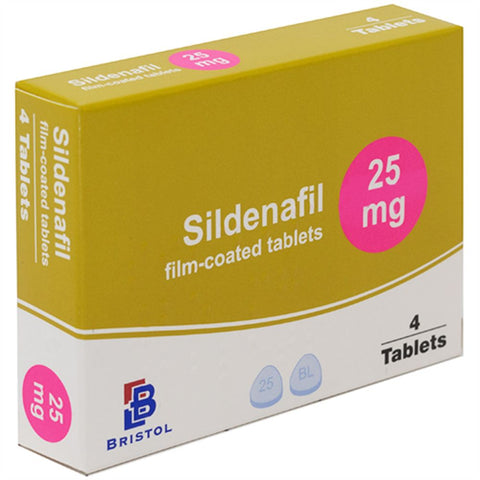
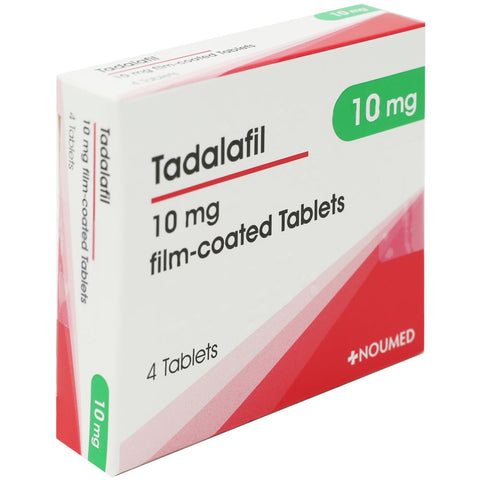
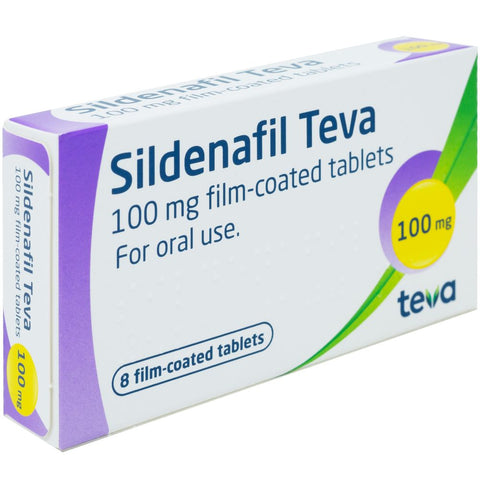
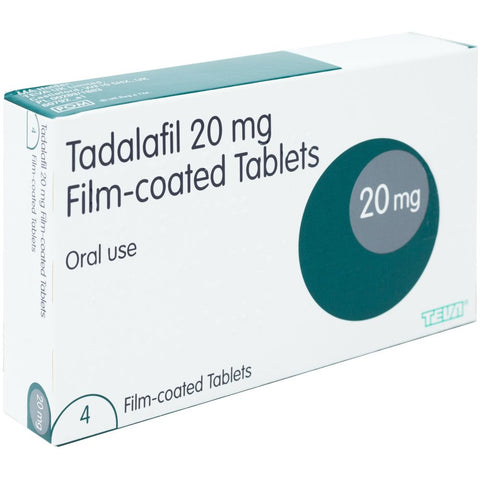
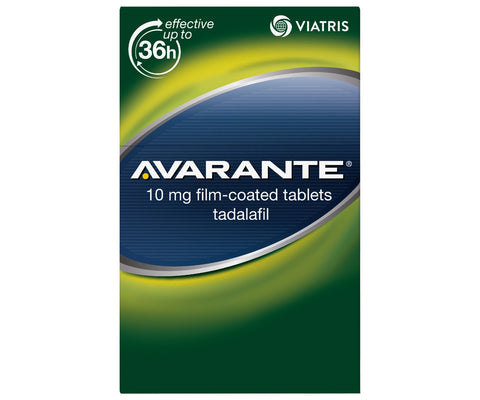
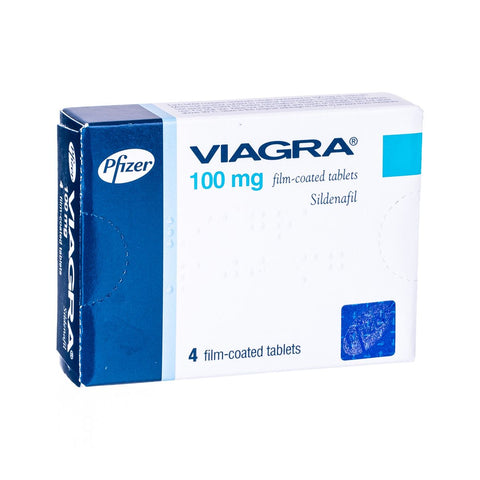
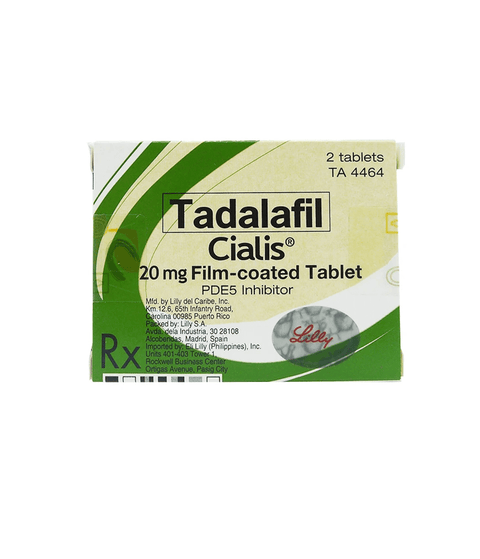
If your prescriber decides that the combination of vardenafil and mefloquine carries too much risk for you, there are other options to consider. You might be able to use a different ED treatment – for example, sildenafil or tadalafil may be more suitable, though these are also PDE5 inhibitors and carry some similar considerations [3][4].
Alternatively, your GP or travel clinic might be able to prescribe a different antimalarial. Several other medicines are available for malaria prevention, including atovaquone with proguanil (Malarone), doxycycline, and chloroquine (for areas without resistance). Each has its own side effects and suitability criteria, so your doctor will advise which is best for your destination and medical history.
You might also consider timing your ED treatment differently. If you're only taking mefloquine for a short period (for example, a few weeks around a trip), you may choose to avoid vardenafil during that time and restart it afterwards. Discuss this with your prescriber – they can advise on the safest approach for your situation.
Remember that erectile dysfunction can be an early warning sign of heart disease or diabetes [1][2]. If you're experiencing new or worsening ED, it's important to see your GP for a full assessment, not just to request treatment online. Your GP can check for underlying health problems and may refer you to a specialist if needed. At Cured Pharmacy, our prescribers can provide convenient access to ED treatment, but we always encourage you to keep your GP informed and to seek face-to-face care when appropriate.
How Cured Pharmacy Can Help
Cured Pharmacy is a GPhC-registered online pharmacy (GPhC 9012511) offering discreet access to ED treatments after a clinical consultation with a UK-registered prescriber. When you complete our online questionnaire, you'll be asked about all your current medicines, including antimalarials like mefloquine. Our prescribers will review your answers carefully and approve treatment only if it's safe and suitable for you. If you have any questions about vardenafil and mefloquine, you can contact our pharmacy team for advice.
In summary
- Vardenafil and mefloquine can both affect heart rhythm, so your prescriber will assess your individual risk carefully
- You may be approved for a lower dose of vardenafil, or advised to use an alternative ED treatment or antimalarial
- Always tell your prescriber about every medicine you take, including antimalarials and travel medications
- Seek urgent help if you experience palpitations, dizziness, fainting or chest discomfort while taking these medicines
Scientific References
- NHS. (n.d.). Erectile dysfunction (impotence). NHS website. https://www.nhs.uk/conditions/erection-problems-erectile-dysfunction/ [accessed 1 November 2026]
- National Institute for Health and Care Excellence. (n.d.). Erectile dysfunction. Clinical Knowledge Summaries. https://cks.nice.org.uk/topics/erectile-dysfunction/ [accessed 1 November 2026]
- Joint Formulary Committee. (n.d.). Sildenafil. British National Formulary. NICE. https://bnf.nice.org.uk/drugs/sildenafil/ [accessed 1 November 2026]
- Joint Formulary Committee. (n.d.). Tadalafil. British National Formulary. NICE. https://bnf.nice.org.uk/drugs/tadalafil/ [accessed 1 November 2026]
- Joint Formulary Committee. (n.d.). Vardenafil. British National Formulary. NICE. https://bnf.nice.org.uk/drugs/vardenafil/ [accessed 1 November 2026]
Information on this page is for educational purposes only and is not medical advice. Prescription treatments require clinical assessment by a UK-registered prescriber. Always consult a qualified healthcare professional before starting or changing any medication.
Available Treatments
Pricing Disclaimer: Prices on some pages may not be up to date — the live pricing table below and pricing shown during consultation are official current prices and take precedence over any other figures on the site.
Take the First Step Today
Reviewed by UK-based prescribers · Takes under 3 minutes · Discreet Packaging
Common Questions

Medically reviewed by
Tarun Kumar, Superintendent Pharmacist (GPhC 2233073)