

Vardenafil and Lopinavir: Can They Be Taken Together?
Understand the interaction, risks, and safer alternatives with guidance from UK pharmacists.
Takes less than 2 minutes to complete 100% online

Trusted by thousands
Real people, real results
“Fabulous service and quick delivery”
“Felt the effects of these after about 5 days. Erections are better and can get aroused and ready easier”
“Excellent value and brilliant customer service”
“I received excellent service and everything went well. The order arrived quickly and in perfect condition. It's working very well! Thank you to the whole team for the great work!”
“Delivery was good, the product lived up to expectations.”
Your Path to Treatment
Choose your treatment
Select from our recommended UK-licensed medications.
Answer quick questions
Select safe UK treatments. Quick answers.
Get it delivered fast
We will deliver direct to you as quickly as tomorrow.
Vardenafil and Lopinavir: Understanding the Interaction
Published: 1 November 2026
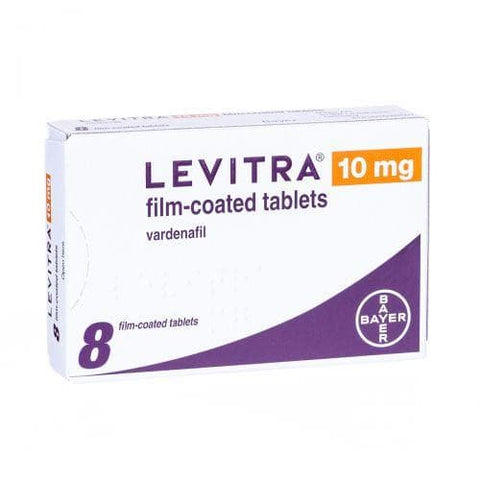
Vardenafil and lopinavir can interact significantly because lopinavir (usually combined with ritonavir in Kaletra) is a potent enzyme inhibitor that raises vardenafil levels in the body. This interaction means vardenafil is generally not recommended with lopinavir-containing HIV treatments, as the combination can lead to much higher concentrations of the erectile dysfunction medicine, increasing the risk of side effects such as low blood pressure, headache, and visual disturbances [5]. If your prescriber does consider vardenafil appropriate, they will need to assess your full medication list, adjust doses carefully, and monitor you closely.
At a glance
What Is Vardenafil and How Does It Work?
Vardenafil is a prescription medicine used to treat erectile dysfunction (ED) in adult men [5]. It belongs to a group of medicines called phosphodiesterase type 5 (PDE5) inhibitors, which work by relaxing blood vessels in the penis, allowing increased blood flow when you are sexually aroused [1]. Vardenafil does not cause an erection on its own—sexual stimulation is still needed for it to work.
The usual starting dose is 10 mg, taken about 25 to 60 minutes before sexual activity, and it can be adjusted to 5 mg or 20 mg depending on how well it works and whether you experience side effects [5]. You should not take vardenafil more than once a day. Common side effects include headache, flushing, nasal congestion, and indigestion, which are usually mild and short-lived.
Vardenafil is available at Cured Pharmacy after an online consultation with a UK-registered prescriber, who will check your medical history and current medicines to ensure it is safe and suitable for you.
What Is Lopinavir and Why Is It Prescribed?
Lopinavir is an antiretroviral medicine used to treat HIV infection. It is always prescribed in combination with ritonavir (the brand name Kaletra contains both) because ritonavir boosts lopinavir's effectiveness by slowing down its breakdown in the body. This combination is part of highly active antiretroviral therapy (HAART), which helps control HIV and maintain immune function.
Ritonavir is a very potent inhibitor of an enzyme system in the liver called cytochrome P450 3A4 (CYP3A4). Many medicines, including vardenafil, are broken down by this enzyme system. When ritonavir blocks CYP3A4, medicines that rely on it for elimination stay in the body much longer and reach much higher concentrations than usual.
Because lopinavir is always co-formulated with ritonavir, taking lopinavir means you are also taking a powerful enzyme inhibitor. This is why the interaction between vardenafil and lopinavir is clinically significant and requires careful prescriber assessment.
Other HIV Medicines That Affect Vardenafil
Other HIV protease inhibitors (such as atazanavir, darunavir, and saquinavir) and the boosting agent cobicistat also inhibit CYP3A4 and can raise vardenafil levels significantly. Non-nucleoside reverse transcriptase inhibitors like efavirenz may have the opposite effect, potentially reducing vardenafil effectiveness. Your prescriber will review all your HIV medicines during the consultation to determine the safest approach.
How Do Vardenafil and Lopinavir Interact?
The interaction between vardenafil and lopinavir occurs because the ritonavir component in lopinavir/ritonavir (Kaletra) is a potent CYP3A4 inhibitor [5]. When ritonavir blocks this enzyme, vardenafil is broken down much more slowly, leading to higher and longer-lasting levels in your bloodstream. Studies have shown that ritonavir can increase vardenafil exposure many-fold, which significantly raises the risk of side effects.
Higher vardenafil levels can cause more pronounced blood-pressure lowering, which may lead to dizziness, fainting, headache, flushing, and visual disturbances. In rare cases, very high levels can contribute to more serious cardiovascular effects or priapism (a prolonged, painful erection lasting more than four hours). Because of this risk, the summary of product characteristics for vardenafil states that it should not be used in patients taking potent CYP3A4 inhibitors such as ritonavir [5].
If your HIV specialist and prescriber agree that an erectile dysfunction treatment is needed, they may consider alternative PDE5 inhibitors with different interaction profiles, such as sildenafil or tadalafil at reduced doses, or they may explore non-oral treatments. The decision will be based on your individual circumstances, other medicines, and overall health.
What you need to know
- Vardenafil is generally not recommended with lopinavir/ritonavir due to a significant drug interaction
- Ritonavir greatly increases vardenafil levels, raising the risk of side effects like low blood pressure
- Sildenafil or tadalafil at reduced doses may be safer alternatives after prescriber review
- Always declare all HIV medicines during your ED consultation for safe prescribing
- Never adjust your HIV treatment without your specialist's advice
What Does Your Prescriber Check Before Prescribing Vardenafil and Lopinavir?
Because vardenafil and lopinavir have a significant interaction, your prescriber will conduct a thorough medication review during your consultation. They will ask about all prescription medicines, over-the-counter products, and herbal supplements you are taking, with particular attention to HIV treatments, other antiretrovirals, and any medicines that affect liver enzymes.
Your prescriber will also review your cardiovascular health, as PDE5 inhibitors can lower blood pressure. If you take other blood-pressure medicines, alpha-blockers (for prostate symptoms), or have a history of heart disease, stroke, or low blood pressure, these factors will influence whether vardenafil is appropriate. They will check that you are not taking any medicines that are absolutely contraindicated with PDE5 inhibitors, such as nitrates (GTN spray, isosorbide mononitrate), nicorandil, riociguat, or recreational drugs known as poppers.
In most cases, if you are taking lopinavir/ritonavir, your prescriber will advise against vardenafil and discuss safer alternatives. If vardenafil is considered, it would only be at a significantly reduced dose with very close monitoring, and this decision would typically involve coordination with your HIV specialist. Never start, stop, or change the dose of any medicine without professional advice.
Coordination with Your HIV Specialist
Managing erectile dysfunction when you are on HIV treatment requires coordination between your HIV specialist and the prescriber of ED medicines. Your HIV specialist understands your antiretroviral regimen and can advise on the safest options. Always inform both healthcare professionals about all the medicines you take, and do not adjust your HIV treatment without your specialist's guidance.
Are There Safer Alternatives to Vardenafil with Lopinavir?
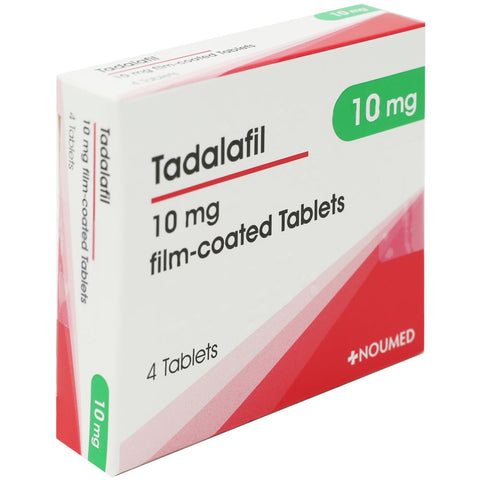
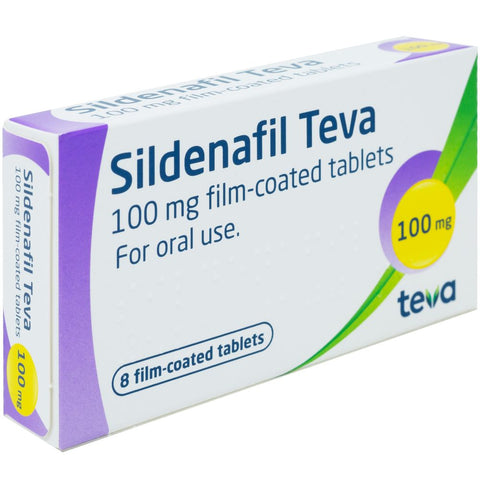
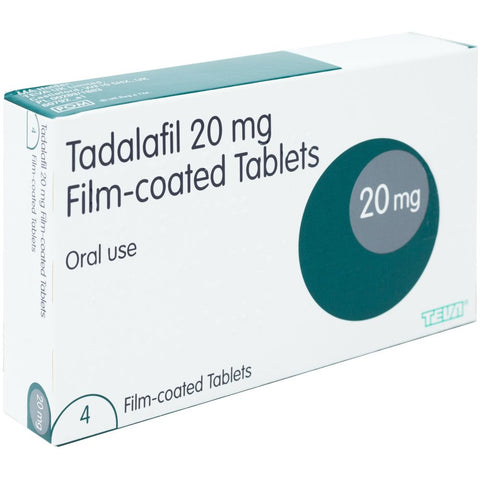
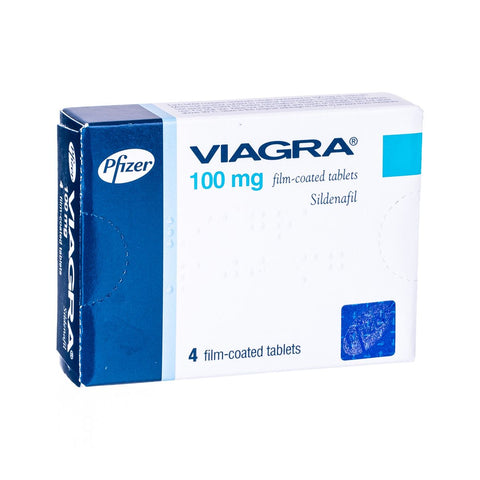
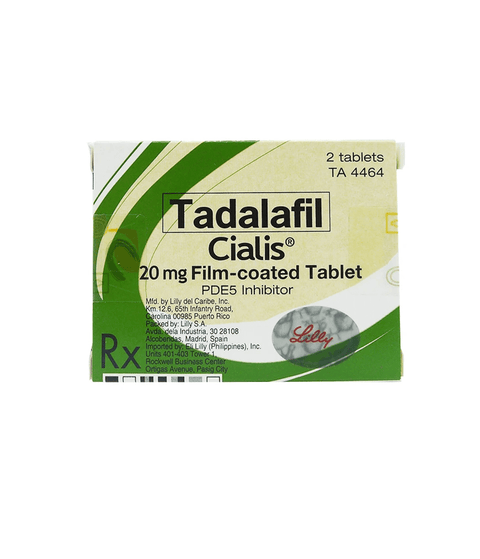
If you are taking lopinavir/ritonavir and experiencing erectile dysfunction, your prescriber may recommend alternative PDE5 inhibitors that can be used more safely with dose adjustments. Sildenafil (generic Viagra) and tadalafil (generic Cialis) are also affected by ritonavir, but their prescribing information allows for use at reduced doses with careful monitoring [3][4].
For sildenafil, the usual starting dose is 50 mg, but with ritonavir this may be reduced to 25 mg with a longer interval between doses. For tadalafil, a lower maximum dose (such as 10 mg every 72 hours for on-demand use) may be recommended. These adjustments help minimise the risk of side effects while still providing effective treatment for ED. Your prescriber will tailor the choice and dose to your individual situation.
Non-oral treatments such as Vitaros (alprostadil cream) or vacuum erection devices may also be considered, as they do not interact with HIV medicines. Discussing your preferences, lifestyle, and treatment goals with your prescriber will help identify the most suitable option for you.
Other ED Treatments Available at Cured Pharmacy
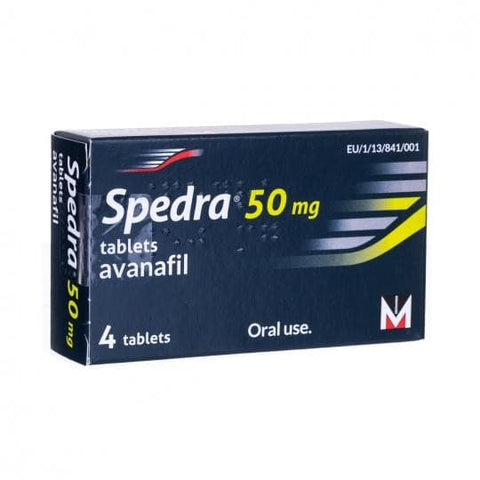
Cured Pharmacy offers a range of erectile dysfunction treatments, including sildenafil, tadalafil, and avanafil (Spedra), all available after an online consultation with a UK-registered prescriber. Each medicine has different characteristics and interaction profiles, so your prescriber can help you choose the one that fits best with your HIV treatment and overall health.
When to get urgent help
- Erection lasting more than 4 hours (priapism) — go to A&E immediately
- Sudden loss of vision or hearing — stop the medicine and seek urgent medical help
- Severe dizziness, fainting, or chest pain — call 999 or go to A&E
- Signs of allergic reaction (swelling of face, lips, or throat, difficulty breathing) — call 999
- Persistent severe headache or visual disturbances — contact your GP or NHS 111 the same day
Call 999 or go to A&E in an emergency, or contact NHS 111 for urgent advice.
Practical Advice: What to Do If You're Taking Both Medicines
If you are currently taking lopinavir/ritonavir for HIV and are considering treatment for erectile dysfunction, the most important step is to have an open conversation with your healthcare team. Do not purchase or take vardenafil (or any other ED medicine) without a full medication review by a prescriber who knows your HIV treatment. The online consultation at Cured Pharmacy includes detailed questions about your current medicines, and our prescribers will not approve a prescription if there is a significant safety concern.
If you have already been prescribed an ED medicine and later start HIV treatment, inform both your HIV specialist and the prescriber of your ED medicine immediately. Your doses may need to be adjusted, or you may need to switch to a different treatment. Never stop your HIV medicines without your specialist's advice, as this can lead to drug resistance and treatment failure.
Watch for warning signs of side effects, such as severe dizziness, fainting, prolonged headache, visual changes, or an erection lasting more than four hours. If any of these occur, stop taking the ED medicine and seek medical help straight away. Avoid drinking large amounts of alcohol and do not use recreational drugs (especially poppers) while taking PDE5 inhibitors, as these can dangerously lower your blood pressure [1][5].
Declare All Your Medicines
Always list every medicine you take, including HIV treatments, during your ED consultation. This allows your prescriber to check for interactions and choose the safest, most effective treatment for you.
Scientific References
- NHS. (n.d.). Erectile dysfunction (impotence). NHS website. https://www.nhs.uk/conditions/erection-problems-erectile-dysfunction/ [accessed 1 November 2026]
- Joint Formulary Committee. (n.d.). Sildenafil. British National Formulary. NICE. https://bnf.nice.org.uk/drugs/sildenafil/ [accessed 1 November 2026]
- Joint Formulary Committee. (n.d.). Tadalafil. British National Formulary. NICE. https://bnf.nice.org.uk/drugs/tadalafil/ [accessed 1 November 2026]
- Joint Formulary Committee. (n.d.). Vardenafil. British National Formulary. NICE. https://bnf.nice.org.uk/drugs/vardenafil/ [accessed 1 November 2026]
Information on this page is for educational purposes only and is not medical advice. Prescription treatments require clinical assessment by a UK-registered prescriber. Always consult a qualified healthcare professional before starting or changing any medication.
Treatment Options
Pricing Disclaimer: Prices on some pages may not be up to date — the live pricing table below and pricing shown during consultation are official current prices and take precedence over any other figures on the site.
Not sure which one? Start a free consultation →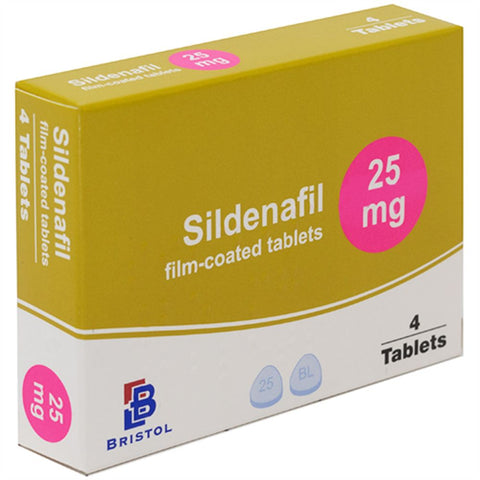

Ready to Speak to a Pharmacist?
- Reviewed by UK-based prescribers
- Takes under 3 minutes
- Discreet Packaging
Frequently Asked Questions
Can I take vardenafil if I'm on lopinavir/ritonavir for HIV?
Vardenafil is generally not recommended with lopinavir/ritonavir because the ritonavir component greatly increases vardenafil levels, raising the risk of side effects. Your prescriber will discuss safer alternatives such as sildenafil or tadalafil at reduced doses.
Why does lopinavir affect vardenafil levels?
Lopinavir is always combined with ritonavir, a potent inhibitor of the liver enzyme CYP3A4. Vardenafil is broken down by this enzyme, so blocking it causes vardenafil to stay in your body much longer and at higher concentrations.
What are the risks of taking vardenafil with lopinavir?
Taking them together can lead to very high vardenafil levels, increasing the risk of low blood pressure, dizziness, headache, visual disturbances, and in rare cases priapism or serious cardiovascular effects.
Are there safer ED treatments if I'm on HIV medication?
Yes, sildenafil and tadalafil can be used at reduced doses with careful monitoring. Non-oral options like alprostadil cream or vacuum devices do not interact with HIV medicines and may also be suitable.
What should I tell my prescriber during the consultation?
List all your medicines, including HIV treatments, over-the-counter products, and supplements. Mention any heart conditions, blood pressure issues, and other health concerns so your prescriber can assess safety and choose the best treatment.
Can I adjust my HIV medication to take vardenafil?
No, never adjust or stop your HIV treatment without your specialist's advice. Doing so can lead to drug resistance and treatment failure. Discuss ED treatment options with both your HIV specialist and ED prescriber.
What if I've already taken vardenafil with lopinavir?
If you experience dizziness, severe headache, visual changes, or an erection lasting more than four hours, seek medical help immediately. Inform your prescriber and HIV specialist so they can review your treatment plan.
How do I get ED treatment safely at Cured Pharmacy?
Complete the online consultation, listing all your current medicines. A UK-registered prescriber will review your answers and only approve a prescription if it is safe and suitable for you, taking into account any drug interactions.

Medically reviewed by
Tarun Kumar, Superintendent Pharmacist (GPhC 2233073)