


Vardenafil and Leuprorelin: Can They Be Taken Together?
UK pharmacist guidance on this combination, what your prescriber checks, and safe ED treatment options.
Takes less than 2 minutes to complete 100% online
Our ED Treatments
Pricing Disclaimer: Prices on some pages may not be up to date — the live pricing table below and pricing shown during consultation are official current prices and take precedence over any other figures on the site.
Trusted by thousands
Real people, real results
“Fabulous service and quick delivery”
“Felt the effects of these after about 5 days. Erections are better and can get aroused and ready easier”
“Excellent value and brilliant customer service”
“I received excellent service and everything went well. The order arrived quickly and in perfect condition. It's working very well! Thank you to the whole team for the great work!”
“Delivery was good, the product lived up to expectations.”
How it Works?
Choose your treatment
Select from our recommended UK-licensed medications.
Answer quick questions
Select safe UK treatments. Quick answers.
Get it delivered fast
We will deliver direct to you as quickly as tomorrow.
Vardenafil and Leuprorelin: Understanding the Interaction
Published: 1 November 2026
Vardenafil and leuprorelin can generally be used together, but the combination requires careful prescriber assessment because leuprorelin (a hormone therapy often used for prostate cancer) can itself contribute to erectile dysfunction, and both medicines may affect cardiovascular health. No major direct drug interaction between vardenafil and leuprorelin is commonly reported in standard references, but your prescriber will review your full medical history, current cancer treatment plan, and cardiovascular fitness before prescribing vardenafil. This page explains what each medicine does, what your doctor checks, and practical advice for safe use.
Key takeaways
- No major direct interaction between vardenafil and leuprorelin is commonly reported, but prescriber assessment is essential.
- Leuprorelin itself causes ED by lowering testosterone; vardenafil may help but cannot reverse hormonal effects.
- Declare all medicines, including cancer treatments, during your consultation to ensure safe prescribing.
- Never take vardenafil with nitrates, nicorandil, riociguat, or poppers—this combination is dangerous.
- Seek urgent help for erections lasting over four hours, sudden vision or hearing loss, or chest pain during sex.
What Is Vardenafil and How Does It Work?
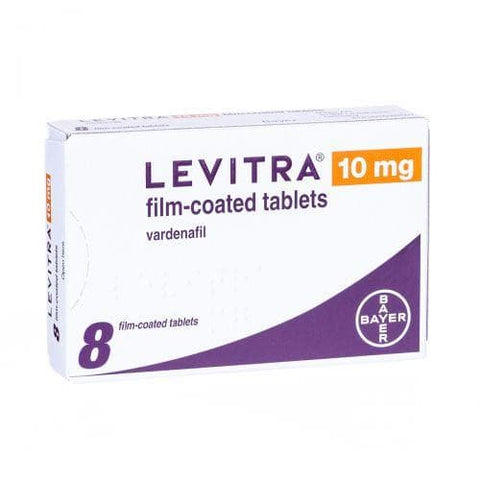
Vardenafil (generic Levitra) is a prescription medicine licensed in the UK to treat erectile dysfunction in adult men [5]. It belongs to a group of medicines called PDE5 inhibitors, which work by relaxing blood vessels in the penis, allowing increased blood flow when you are sexually aroused. Vardenafil is available in 5 mg, 10 mg, and 20 mg tablets and is usually taken about 25 to 60 minutes before sexual activity [5].
Vardenafil does not work automatically—you need sexual stimulation for it to be effective. The medicine can help you get and keep an erection sufficient for sex, but it does not cure erectile dysfunction or increase sexual desire. Common side effects include headache, flushing, nasal congestion, and indigestion. Vardenafil is taken as needed, with a maximum of one dose in any 24-hour period [5].
Because vardenafil can lower blood pressure slightly, it must never be taken with nitrates (such as GTN spray), nicorandil, riociguat, or recreational drugs called 'poppers', as this combination can cause a dangerous drop in blood pressure. Your prescriber will check your full medication list and medical history before approving vardenafil to ensure it is safe for you [5].
What Is Leuprorelin and Why Is It Prescribed?
Leuprorelin (also spelled leuprolide) is a prescription medicine used primarily to treat hormone-sensitive conditions, most commonly advanced prostate cancer. It is a type of hormone therapy known as a luteinising hormone-releasing hormone (LHRH) agonist or gonadotropin-releasing hormone (GnRH) agonist. Leuprorelin works by initially stimulating and then suppressing the production of testosterone and other sex hormones.
In men with prostate cancer, reducing testosterone levels can slow the growth of cancer cells. Leuprorelin is usually given as an injection (depot injection) every one, three, or six months, depending on the formulation. It is also used in some other conditions, such as endometriosis in women and precocious puberty in children, but this page focuses on its use in men.
A well-known side effect of leuprorelin in men is erectile dysfunction, because lowering testosterone significantly reduces libido and can make it harder to achieve or maintain an erection. Other side effects may include hot flushes, fatigue, mood changes, and reduced bone density over time. Because leuprorelin affects hormone levels and cardiovascular health, your oncologist or specialist will monitor you regularly throughout treatment.
At a glance
Vardenafil and Leuprorelin: Is There a Direct Interaction?
No major direct drug interaction between vardenafil and leuprorelin is commonly reported in standard UK prescribing references such as the British National Formulary [5]. This means that the two medicines do not typically interfere with each other's metabolism or cause a dangerous chemical reaction when taken together. However, the absence of a direct interaction does not mean the combination is automatically suitable for everyone.
The key consideration is that leuprorelin itself causes erectile dysfunction in many men by lowering testosterone to very low (castrate) levels. Vardenafil may help improve erectile function in this context by increasing blood flow to the penis, but it cannot reverse the hormonal cause of ED. Some men on leuprorelin find that PDE5 inhibitors like vardenafil are less effective than they would be in men with normal testosterone levels, though many still benefit.
Your prescriber will assess whether vardenafil is appropriate for you based on your overall health, the stage and management of your prostate cancer, your cardiovascular fitness (because both cancer treatment and PDE5 inhibitors can affect the heart), and any other medicines you are taking. It is essential to declare all your current treatments, including leuprorelin, during your online consultation so that the prescriber can make a safe, informed decision.
Why Your Prescriber Needs to Know About Leuprorelin
Even though there is no direct interaction, your prescriber must know you are on leuprorelin because it indicates you are being treated for prostate cancer, which has important implications for ED treatment. Prostate cancer and its treatments can affect cardiovascular health, and some men may have other conditions (such as heart disease or diabetes) that influence whether vardenafil is safe. Your prescriber will also consider whether sexual activity itself is advisable, as it places physical demands on the heart.
Additionally, if you are taking other medicines as part of your cancer care—such as certain chemotherapy drugs, steroids, or medicines for bone health—these may interact with vardenafil or affect your suitability for ED treatment. A full medication review during your consultation ensures that all potential interactions and contraindications are identified and managed appropriately.
What Your Prescriber Checks Before Approving Vardenafil
When you request vardenafil through an online consultation at Cured Pharmacy, a UK-registered prescriber will review your medical history and current medicines to ensure the treatment is safe and appropriate for you. For men taking leuprorelin, the prescriber will pay particular attention to your cardiovascular health, as both prostate cancer treatment and PDE5 inhibitors can affect blood pressure and heart function.
The prescriber will check that you are not taking any medicines that are contraindicated with vardenafil, such as nitrates (GTN spray, isosorbide mononitrate or dinitrate), nicorandil, riociguat, or recreational 'poppers'. If you take alpha-blockers (such as tamsulosin or doxazosin) for urinary symptoms, the prescriber will ensure you are stable on that medicine and may start you on a lower dose of vardenafil to reduce the risk of dizziness or low blood pressure [5].
The prescriber will also ask about your heart health, including any history of heart attack, stroke, angina, heart failure, or abnormal heart rhythms. If you have severe cardiovascular disease or your doctor has advised you to avoid sexual activity, vardenafil will not be suitable. The prescriber may also ask about other conditions such as diabetes, high blood pressure, kidney or liver problems, and any history of priapism (prolonged erection) or eye problems, as these can affect the safety and dosing of vardenafil [5].
Potent CYP3A4 Inhibitors and Vardenafil
Vardenafil is broken down in the body by an enzyme called CYP3A4. Medicines that strongly inhibit this enzyme—such as ritonavir, cobicistat (used in some HIV treatments), ketoconazole, itraconazole, and clarithromycin—can significantly increase vardenafil levels in the blood, raising the risk of side effects. Vardenafil is generally contraindicated or requires dose adjustment if you are taking potent CYP3A4 inhibitors [5].
If you are on any of these medicines, your prescriber will either avoid vardenafil or choose an alternative ED treatment. Always declare every medicine you take, including over-the-counter products and supplements, during your consultation. Do not stop or change any prescribed medicine without advice from your doctor or specialist.
Tell Your Prescriber Everything
Always declare leuprorelin and all other medicines during your consultation. Even if there is no direct interaction, your prescriber needs the full picture to assess your cardiovascular health and ensure vardenafil is safe for you.
Practical Advice for Taking Vardenafil with Leuprorelin
If your prescriber approves vardenafil, take it as directed—usually about 25 to 60 minutes before you plan to have sex. Swallow the tablet whole with water, with or without food, though a heavy or high-fat meal may delay how quickly it works [5]. You can take vardenafil at any time of day, but remember that you should not take more than one dose in 24 hours.
Because leuprorelin lowers testosterone, you may find that your libido (sex drive) is reduced and that vardenafil is less effective than it might be in men with normal hormone levels. Vardenafil can still help by improving blood flow to the penis, but it cannot restore sexual desire or reverse the hormonal effects of leuprorelin. Some men find that combining ED treatment with psychological support or relationship counselling is helpful.
Monitor for side effects such as headache, flushing, dizziness, or indigestion. If you feel dizzy or light-headed, especially when standing up, sit or lie down until it passes. Avoid drinking large amounts of alcohol, as this can worsen erectile dysfunction and increase the risk of side effects such as dizziness or low blood pressure. If you experience chest pain during or after sex, stop and seek urgent medical help—do not take nitrate medicines (GTN) if you have used vardenafil in the past 24 hours, as this combination is dangerous [5].
Warning Signs and When to Seek Urgent Help
Most men tolerate vardenafil well, but you should be aware of rare but serious side effects that require immediate medical attention. If you develop an erection that lasts longer than four hours (priapism), go to A&E straight away. Priapism is a medical emergency that can cause permanent damage to the penis if not treated promptly [5].
Seek urgent help if you experience sudden loss of vision in one or both eyes, as this may be a sign of a rare condition called non-arteritic anterior ischaemic optic neuropathy (NAION). Similarly, sudden hearing loss or ringing in the ears (tinnitus) requires immediate medical assessment. If you develop chest pain, severe dizziness, or fainting during or after sexual activity, call 999 or go to A&E [5].
If you notice any new or worsening symptoms related to your prostate cancer or leuprorelin treatment—such as severe bone pain, difficulty passing urine, or unexplained weight loss—contact your oncologist or specialist team promptly. Do not stop taking leuprorelin without advice from your cancer doctor, even if you experience side effects. Your cancer care team can offer support and adjust your treatment plan if needed.
Talking to Your Cancer Care Team
It is important to keep your oncologist or specialist informed about all medicines you are taking, including ED treatments like vardenafil. Some men feel embarrassed to discuss erectile dysfunction with their cancer team, but it is a common and expected side effect of leuprorelin, and your doctors are there to support you. They can offer advice on managing ED, refer you to a specialist if needed, or discuss other treatment options.
If you are considering starting vardenafil, mention it to your cancer care team at your next appointment. They can confirm that it is safe in the context of your overall treatment plan and advise you on any additional precautions. Open communication between your cancer team, your GP, and the prescriber at Cured Pharmacy ensures that you receive safe, coordinated care.
When to get urgent help
- Erection lasting longer than four hours (priapism)—go to A&E immediately
- Sudden loss of vision in one or both eyes—seek urgent medical help
- Sudden hearing loss or severe ringing in the ears—contact a doctor straight away
- Chest pain, severe dizziness, or fainting during or after sex—call 999
- Do not take GTN or other nitrates if you have used vardenafil in the past 24 hours
Call 999 or go to A&E in an emergency, or contact NHS 111 for urgent advice.
Scientific References
- NHS. (n.d.). Erectile dysfunction (impotence). NHS website. https://www.nhs.uk/conditions/erection-problems-erectile-dysfunction/ [accessed 1 November 2026]
- National Institute for Health and Care Excellence. (n.d.). Erectile dysfunction. Clinical Knowledge Summaries. https://cks.nice.org.uk/topics/erectile-dysfunction/ [accessed 1 November 2026]
- Joint Formulary Committee. (n.d.). Vardenafil. British National Formulary. NICE. https://bnf.nice.org.uk/drugs/vardenafil/ [accessed 1 November 2026]
Information on this page is for educational purposes only and is not medical advice. Prescription treatments require clinical assessment by a UK-registered prescriber. Always consult a qualified healthcare professional before starting or changing any medication.
Faq
Can't find your answer? Our UK pharmacists review every consultation and can help.
Can I take vardenafil if I'm on leuprorelin for prostate cancer?
Yes, many men on leuprorelin can take vardenafil, as no major direct interaction is commonly reported. However, your prescriber must review your full medical history, cancer treatment, and cardiovascular health to ensure it is safe for you.
Will vardenafil work if leuprorelin has caused my erectile dysfunction?
Vardenafil may help by improving blood flow to the penis, but it cannot reverse the hormonal cause of ED from leuprorelin. Some men find it less effective when testosterone is very low, though many still benefit.
Do I need to tell my oncologist that I'm taking vardenafil?
Yes, it is important to keep your cancer care team informed about all medicines you take, including ED treatments. They can confirm it is safe in the context of your overall treatment plan.
Are there any cancer treatments that interact with vardenafil?
Some medicines used in cancer care, such as certain antifungals or HIV drugs, can interact with vardenafil. Your prescriber will check all your current medicines during the consultation to identify any interactions.
Can I take vardenafil if I also take tamsulosin for urinary symptoms?
Yes, but you must be stable on tamsulosin first, and your prescriber will start vardenafil at a low dose to reduce the risk of dizziness or low blood pressure. Declare all medicines during your consultation.
What should I do if vardenafil doesn't work for me?
Speak to your prescriber or GP. They may adjust the dose, try a different PDE5 inhibitor, or refer you to a specialist for other ED treatments such as vacuum devices, injections, or psychological support.
Is it safe to drink alcohol while taking vardenafil and leuprorelin?
Small amounts of alcohol are usually fine, but heavy drinking can worsen erectile dysfunction and increase the risk of side effects such as dizziness. Limit alcohol to one or two units.
What are the warning signs that I should stop taking vardenafil?
Seek urgent help if you have an erection lasting more than four hours, sudden vision or hearing loss, chest pain during sex, or severe dizziness. Stop taking vardenafil and contact your doctor or go to A&E.
Start Your Assessment For Erectile Dysfunction
Reviewed by UK-based prescribers · Takes under 3 minutes · Discreet Packaging

Medically reviewed by
Tarun Kumar, Superintendent Pharmacist (GPhC 2233073)