

Vardenafil and Hydralazine: Can They Be Taken Together?
Learn how these medicines interact and what your prescriber checks during your UK consultation.
Takes less than 2 minutes to complete 100% online

Trusted by thousands
Real people, real results
“Fabulous service and quick delivery”
“Felt the effects of these after about 5 days. Erections are better and can get aroused and ready easier”
“Excellent value and brilliant customer service”
“I received excellent service and everything went well. The order arrived quickly and in perfect condition. It's working very well! Thank you to the whole team for the great work!”
“Delivery was good, the product lived up to expectations.”
How it Works?


Vardenafil and Hydralazine: Understanding the Interaction
Published: 31 October 2026
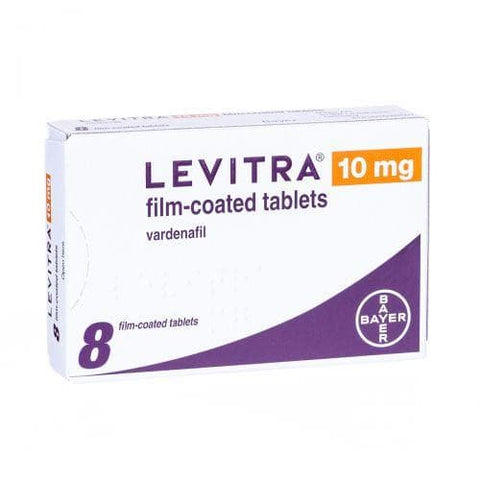
If you're prescribed vardenafil and hydralazine, you may be wondering whether it's safe to take them together. Vardenafil (generic Levitra) is a medicine for erectile dysfunction, while hydralazine is used to treat high blood pressure. Although they are not strictly contraindicated, both medicines can lower blood pressure, and taking them together requires careful assessment by your prescriber to avoid dizziness or fainting.
Stand Up Slowly
To reduce dizziness when taking vardenafil with hydralazine, sit on the edge of the bed for a moment before standing. Stay well hydrated and avoid heavy alcohol.
What Is Vardenafil and How Does It Work?
Vardenafil is a phosphodiesterase type 5 (PDE5) inhibitor licensed in the UK to treat erectile dysfunction (ED) in men [5]. It works by relaxing blood vessels in the penis, allowing increased blood flow when you are sexually aroused. This helps you achieve and maintain an erection suitable for sexual activity [5].
Vardenafil is available in 5 mg, 10 mg, and 20 mg tablets. The usual starting dose is 10 mg, taken about 25 to 60 minutes before sexual activity, with a maximum of one dose per day [5]. The medicine only works when you are sexually stimulated—it does not cause an automatic erection.
Common side effects include headache, flushing, nasal congestion, and indigestion [5]. Vardenafil should not be taken with nitrates, nicorandil, riociguat, poppers, or another PDE5 inhibitor, as these combinations can cause a dangerous drop in blood pressure [5]. Your prescriber will check your full medical history and current medicines before prescribing vardenafil.
What Is Hydralazine and Why Is It Prescribed?
Hydralazine is a vasodilator medicine used to treat high blood pressure (hypertension), particularly in people who have not responded adequately to other treatments. It is also sometimes used in heart failure and during pregnancy-related hypertension. Hydralazine works by relaxing and widening blood vessels, which reduces the resistance against which the heart must pump and lowers blood pressure.
Because hydralazine directly affects blood vessel tone, it can cause side effects such as headache, flushing, rapid heartbeat (tachycardia), dizziness, and fluid retention. It is usually prescribed alongside other blood pressure medicines, such as a beta-blocker or diuretic, to manage these effects and provide better overall blood pressure control.
If you are taking hydralazine, your doctor will monitor your blood pressure regularly and adjust your dose as needed. It is important not to stop hydralazine suddenly without medical advice, as this can cause your blood pressure to rise sharply.
How Hydralazine Lowers Blood Pressure
Hydralazine acts on the smooth muscle in the walls of arteries, causing them to relax and widen. This reduces peripheral vascular resistance—the force the heart must work against to pump blood around the body. As a result, blood pressure falls. Because the mechanism is direct vasodilation, hydralazine can sometimes trigger a reflex increase in heart rate, which is why it is often combined with a beta-blocker to keep the heart rate steady.
When to get urgent help
- Erection lasting more than 4 hours (priapism)—call 999 or go to A&E immediately
- Sudden loss of vision in one or both eyes—seek urgent medical help
- Chest pain during or after sexual activity—call 999; do not take nitrates if you have used vardenafil
- Severe dizziness, fainting, or feeling very unwell after taking vardenafil—contact your GP or call 111
- Sudden loss of hearing or ringing in the ears—seek same-day medical advice
Call 999 or go to A&E in an emergency, or contact NHS 111 for urgent advice.
How Do Vardenafil and Hydralazine Interact?
Both vardenafil and hydralazine can lower blood pressure, so taking them together may increase the risk of hypotension (low blood pressure), which can cause dizziness, light-headedness, fainting, or even falls [5]. This is not a strict contraindication—unlike the combination of vardenafil with nitrates—but it does require careful prescriber assessment.
Vardenafil causes blood vessels to relax, particularly in the penis, but it also has a mild effect on blood pressure throughout the body. Hydralazine works more broadly to widen arteries and reduce blood pressure. When both medicines are active at the same time, their blood-pressure-lowering effects can add together, especially if you stand up quickly or are dehydrated.
Your prescriber will review your current blood pressure control, the dose of hydralazine you are taking, and any other medicines you use. They may start you on a lower dose of vardenafil (such as 5 mg) and advise you to take it at a time when you are not due for your hydralazine dose, if possible. You should report any dizziness, fainting, or unusual symptoms promptly [5].
The Mechanism in Plain English
Think of your blood vessels as flexible tubes. Hydralazine tells the muscle around those tubes to relax, making them wider and reducing the pressure inside. Vardenafil does something similar in the blood vessels of the penis (and to a lesser extent elsewhere). When both medicines are working at once, the tubes stay wider for longer, and your blood pressure may drop more than it would with either medicine alone. This is usually manageable, but it means your prescriber needs to check your blood pressure is stable and adjust doses if necessary.
What Your Prescriber Will Check Before Prescribing Vardenafil
Before prescribing vardenafil, your doctor or pharmacist prescriber will take a full medical history, including details of your blood pressure, heart health, and all current medicines [2][5]. They will specifically ask about nitrates, nicorandil, riociguat, alpha-blockers, and other blood-pressure-lowering medicines, including hydralazine.
If you are taking hydralazine, the prescriber will want to know your current blood pressure readings, whether your blood pressure is well controlled, and whether you have experienced any dizziness or fainting. They may recommend starting with the lowest effective dose of vardenafil (5 mg) and monitoring how you respond. They will also check that sexual activity is safe for you, as it places extra demand on your heart [2].
You must declare every medicine you take, including over-the-counter products, herbal remedies (such as St John's wort), and recreational substances. Do not stop or change any prescribed medicine without advice from your doctor or pharmacist. If your blood pressure or heart condition changes, or if you start a new medicine, contact your prescriber before taking vardenafil again.
At a glance
Practical Advice for Taking Vardenafil and Hydralazine Together
If your prescriber has approved the combination of vardenafil and hydralazine, follow their instructions carefully. Take vardenafil exactly as prescribed—usually 5 mg, 10 mg, or 20 mg about 25 to 60 minutes before sexual activity, and no more than once in 24 hours [5]. Swallow the tablet whole with water; it can be taken with or without food, though a heavy or high-fat meal may delay its effect.
Avoid standing up too quickly after taking vardenafil, especially if you have just taken your hydralazine dose or if you have been lying down. Sit on the edge of the bed for a moment before standing to reduce the risk of dizziness. Stay well hydrated, but avoid drinking large amounts of alcohol, as this can worsen low blood pressure and make erectile dysfunction worse.
Do not take vardenafil if you have taken a nitrate medicine (such as GTN spray, isosorbide mononitrate, or isosorbide dinitrate), nicorandil, riociguat, or poppers in the past 24 hours, as this combination can cause a dangerous drop in blood pressure [5]. If you experience chest pain during sex, do not take a nitrate—seek urgent medical help and tell the healthcare team you have taken vardenafil.
Timing Your Doses
If possible, try to take vardenafil at a time when your blood pressure is most stable. For example, if you take hydralazine twice a day, you might choose to take vardenafil midway between doses rather than at the same time. Your prescriber can advise on the best schedule for you. Always prioritise your regular blood pressure medicine—do not skip or delay hydralazine to take vardenafil.
Warning Signs and When to Seek Help with Vardenafil and Hydralazine
Most men taking vardenafil with hydralazine do so safely, but you should be alert to warning signs. Seek urgent medical help (call 999 or go to A&E) if you experience an erection lasting more than four hours (priapism), sudden loss of vision in one or both eyes, sudden loss of hearing or ringing in the ears, or chest pain during or after sexual activity [5].
Contact your GP or prescriber the same day if you feel very dizzy, faint, or light-headed after taking vardenafil, especially if this is new or worse than usual. Also seek advice if you develop an irregular or very fast heartbeat, severe headache, or swelling in your ankles or legs, as these may indicate that your blood pressure control needs review.
If you are unsure whether a symptom is related to vardenafil, hydralazine, or another cause, err on the side of caution and contact a healthcare professional. Do not take another dose of vardenafil until you have been assessed. Remember, erectile dysfunction can be an early sign of heart disease or diabetes, so if ED is new or worsening, see your GP for a full check-up [1][2].
In summary
- Vardenafil and hydralazine can usually be taken together, but both lower blood pressure.
- Your prescriber will assess your blood pressure control and may start with a lower vardenafil dose.
- Report dizziness, fainting, or chest pain to your doctor or pharmacist immediately.
- Never take vardenafil with nitrates, nicorandil, riociguat, or poppers—this is dangerous.
- Do not stop hydralazine without medical advice; continue your regular blood pressure medicine.
Scientific References
- NHS. (n.d.). Erectile dysfunction (impotence). NHS website. https://www.nhs.uk/conditions/erection-problems-erectile-dysfunction/ [accessed 31 October 2026]
- National Institute for Health and Care Excellence. (n.d.). Erectile dysfunction. Clinical Knowledge Summaries. https://cks.nice.org.uk/topics/erectile-dysfunction/ [accessed 31 October 2026]
- Joint Formulary Committee. (n.d.). Vardenafil. British National Formulary. NICE. https://bnf.nice.org.uk/drugs/vardenafil/ [accessed 31 October 2026]
Information on this page is for educational purposes only and is not medical advice. Prescription treatments require clinical assessment by a UK-registered prescriber. Always consult a qualified healthcare professional before starting or changing any medication.
Our ED Treatments
Pricing Disclaimer: Prices on some pages may not be up to date — the live pricing table below and pricing shown during consultation are official current prices and take precedence over any other figures on the site.
Not sure which one? Start a free consultation →
Start Your Assessment For Erectile Dysfunction
- Reviewed by UK-based prescribers
- Takes under 3 minutes
- Discreet Packaging
Faq

Medically reviewed by
Tarun Kumar, Superintendent Pharmacist (GPhC 2233073)