


Vardenafil and Codeine: Can You Take Them Together?
Learn whether this combination is safe and what your prescriber checks during your UK consultation.
Takes less than 2 minutes to complete 100% online
Vardenafil and Codeine: Understanding the Interaction
Published: 29 October 2026
Many men wonder whether vardenafil and codeine can be taken together safely. The good news is that no major direct interaction is commonly reported between vardenafil (generic Levitra) and codeine-based painkillers. However, both medicines can cause side effects that may overlap, and your prescriber will carefully review your full medication list during consultation to ensure the combination is appropriate for you personally.
Key takeaways
- No major direct interaction is commonly reported between vardenafil and codeine
- Both medicines can cause dizziness; be cautious when standing up quickly
- Always declare codeine and all other medicines during your ED consultation
- Long-term opioid use may contribute to ED—discuss with your GP if relevant
- Never stop prescribed medicines without professional advice
What Is Vardenafil and How Does It Work?
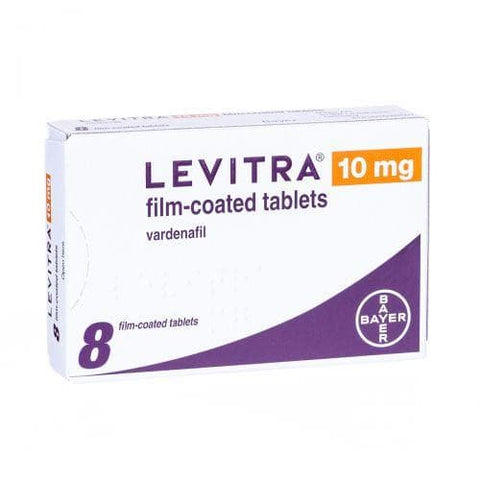
Vardenafil is a prescription medicine used to treat erectile dysfunction (ED) in adult men. It belongs to a group of medicines called PDE5 inhibitors, which work by relaxing blood vessels in the penis, allowing increased blood flow when you are sexually aroused [5]. Vardenafil is the active ingredient in branded Levitra and is available as a more affordable generic option.
The medicine is typically taken about 25 to 60 minutes before sexual activity, and its effects can last for several hours. Common doses are 5mg, 10mg, or 20mg tablets. Vardenafil requires sexual stimulation to work—it will not cause an erection on its own [5]. Like all PDE5 inhibitors, vardenafil is only available on prescription in the UK after a consultation with a qualified prescriber who will check your medical history and current medicines.
Vardenafil is generally well tolerated, but side effects can include headache, flushing, nasal congestion, indigestion, and dizziness. These are usually mild and temporary. Your prescriber will ensure the medicine is suitable for you based on your overall health, particularly your heart and blood pressure.
What Is Codeine and Why Is It Prescribed?
Codeine is an opioid painkiller used to treat moderate pain that cannot be managed with simpler painkillers like paracetamol or ibuprofen alone. It is often combined with paracetamol (co-codamol) or ibuprofen (co-codaprin) and is available in various strengths, some over the counter and stronger versions on prescription. Codeine works by blocking pain signals in the brain and spinal cord.
Common uses include relief from dental pain, back pain, headaches, and post-surgical discomfort. Codeine can cause side effects such as drowsiness, constipation, nausea, dizziness, and dry mouth. Because it is an opioid, codeine carries a risk of dependence if used for prolonged periods, so it is usually prescribed for short-term use only.
Codeine is converted in the liver into morphine, which is the active form that relieves pain. Some people are 'ultra-rapid metabolisers' and convert codeine very quickly, which can increase the risk of side effects. Others are 'poor metabolisers' and may find codeine less effective. Your GP or pharmacist will consider these factors when prescribing or recommending codeine.
Codeine and Sexual Function
Long-term use of opioid painkillers, including codeine, has been associated with reduced testosterone levels and sexual dysfunction in some men. If you are taking codeine regularly and experiencing ED, it is worth discussing this with your GP, as the underlying cause of your ED may be related to the painkiller itself or the condition it is treating [1].
At a glance
Can You Take Vardenafil and Codeine Together?
There is no major direct pharmacological interaction between vardenafil and codeine that would make the combination unsafe in most cases. Vardenafil works on blood vessels in the penis, while codeine acts on pain receptors in the central nervous system, so their mechanisms of action do not directly interfere with each other. However, both medicines can cause dizziness and light-headedness, and taking them together may increase the likelihood of these side effects.
Your prescriber will review your full medication list during the online consultation to ensure that vardenafil is safe for you. If you are taking codeine for short-term pain relief, this is unlikely to prevent you from using vardenafil, but you should declare it on your consultation form. If you are on long-term opioid therapy, your prescriber may want to explore whether the codeine itself is contributing to your ED and discuss alternative pain management strategies with your GP [2].
It is important never to stop or change a prescribed medicine without advice from your doctor or pharmacist. If you have been prescribed codeine for a specific condition, continue taking it as directed and mention it during your ED consultation. The prescriber will assess whether any adjustments are needed and provide personalised advice based on your individual circumstances.
What Your Prescriber Checks During Consultation
When you request vardenafil through Cured Pharmacy, a UK-registered prescriber will review your online consultation carefully. They will check your current medicines, including any painkillers like codeine, to identify potential interactions or contraindications. The prescriber will also review your medical history, particularly any heart conditions, blood pressure problems, liver or kidney disease, and previous reactions to ED medicines [5].
Certain medicines must never be taken with vardenafil because they can cause a dangerous drop in blood pressure. These include nitrates (such as GTN spray or isosorbide mononitrate), nicorandil, riociguat, and recreational drugs known as 'poppers' (amyl or alkyl nitrites). You must not take vardenafil if you are using any of these [5]. Additionally, vardenafil should not be combined with another PDE5 inhibitor such as sildenafil or tadalafil.
If you take medicines that lower blood pressure, including alpha-blockers like tamsulosin or doxazosin, the prescriber will ensure you are stable on that treatment and may recommend starting vardenafil at a lower dose. Potent CYP3A4 inhibitors (such as ritonavir, ketoconazole, or clarithromycin) can raise vardenafil levels significantly, and vardenafil is contraindicated or requires dose adjustment with these medicines [5]. The prescriber will also consider whether sexual activity is safe for you based on your cardiovascular health.
Declaring All Your Medicines
Always list every medicine you take during your consultation, including over-the-counter painkillers, herbal remedies like St John's wort, and any recreational substances. Even if you think a medicine is unrelated to ED, it may interact with vardenafil or provide important context for your prescriber. Honest and complete information helps ensure your treatment is both safe and effective.
Declare Every Medicine You Take
Even over-the-counter painkillers and herbal remedies can interact with ED treatment or provide important context. Complete honesty during your consultation ensures your prescriber can keep you safe and recommend the most effective treatment for your individual situation.
Practical Advice for Taking Vardenafil and Codeine
If your prescriber approves the combination of vardenafil and codeine, there are some practical steps you can take to minimise side effects. Both medicines can cause dizziness, so avoid standing up quickly from a sitting or lying position, especially after taking either medicine. If you feel light-headed, sit or lie down until the feeling passes. Avoid heavy alcohol, as it can worsen dizziness and make ED more difficult to treat [1].
Take vardenafil about 25 to 60 minutes before you plan to have sex, on an empty stomach or after a light meal—heavy or fatty meals can delay its effect [5]. Codeine can be taken with or without food, but if it upsets your stomach, taking it with a meal may help. Do not exceed the prescribed dose of either medicine. Vardenafil should be taken a maximum of once per day.
If you experience side effects such as severe dizziness, fainting, chest pain, or an erection lasting more than four hours (priapism), seek urgent medical help. If you notice that codeine is making you very drowsy or affecting your ability to function, speak to your GP—there may be alternative pain relief options that suit you better. Keep both medicines in their original packaging, out of reach of children, and check the expiry dates regularly.
When to Speak to Your GP About Vardenafil and Codeine
If you are taking codeine regularly for chronic pain and have developed ED, it is worth booking an appointment with your GP to discuss whether the two might be connected. Long-term opioid use can affect hormone levels and sexual function, and your doctor may be able to adjust your pain management plan or investigate other underlying causes of ED, such as diabetes, high blood pressure, or cardiovascular disease [1][2].
ED can be an early warning sign of heart disease, so it is important not to ignore it or treat it in isolation. Your GP can arrange blood tests to check cholesterol, blood sugar, and testosterone levels, and assess your overall cardiovascular risk. If lifestyle factors such as smoking, excess weight, or lack of exercise are contributing to your ED, your GP can provide support and referrals to help you make positive changes [2].
If you experience new or worsening pain while taking vardenafil, or if your codeine no longer seems to be controlling your pain effectively, do not simply increase the dose yourself. Speak to your GP or pharmacist for advice. Similarly, if vardenafil is not working as expected, your prescriber may suggest trying a different dose or an alternative PDE5 inhibitor such as sildenafil or tadalafil. Open communication with your healthcare team is key to finding the treatment plan that works best for you.
Reviewing Your Medicines Regularly
It is good practice to review all your medicines with your GP or pharmacist at least once a year, or whenever your health changes. This is especially important if you take multiple medicines, as interactions and side effects can build up over time. Your pharmacist can conduct a medicines use review (MUR) to check that everything you are taking is still appropriate, effective, and safe.
When to get urgent help
- Erection lasting more than 4 hours (priapism)—go to A&E immediately
- Sudden loss of vision or hearing—stop vardenafil and seek urgent medical help
- Chest pain during or after sex—call 999; do not take nitrate medicines
- Severe dizziness, fainting, or difficulty breathing—seek immediate medical attention
- Allergic reaction (swelling of face, lips, tongue, or difficulty swallowing)—call 999
Call 999 or go to A&E in an emergency, or contact NHS 111 for urgent advice.
Scientific References
- NHS. (n.d.). Erectile dysfunction (impotence). NHS website. https://www.nhs.uk/conditions/erection-problems-erectile-dysfunction/ [accessed 29 October 2026]
- National Institute for Health and Care Excellence. (n.d.). Erectile dysfunction. Clinical Knowledge Summaries. https://cks.nice.org.uk/topics/erectile-dysfunction/ [accessed 29 October 2026]
- Joint Formulary Committee. (n.d.). Vardenafil. British National Formulary. NICE. https://bnf.nice.org.uk/drugs/vardenafil/ [accessed 29 October 2026]
Information on this page is for educational purposes only and is not medical advice. Prescription treatments require clinical assessment by a UK-registered prescriber. Always consult a qualified healthcare professional before starting or changing any medication.
Trusted by thousands
Real people, real results
“Fabulous service and quick delivery”
“Felt the effects of these after about 5 days. Erections are better and can get aroused and ready easier”
“Excellent value and brilliant customer service”
“I received excellent service and everything went well. The order arrived quickly and in perfect condition. It's working very well! Thank you to the whole team for the great work!”
“Delivery was good, the product lived up to expectations.”
How Our Online Service Works
Choose your treatment
Select from our recommended UK-licensed medications.
Answer quick questions
Select safe UK treatments. Quick answers.
Get it delivered fast
We will deliver direct to you as quickly as tomorrow.
Your Questions Answered
Can't find your answer? Our UK pharmacists review every consultation and can help.
Is it safe to take vardenafil and codeine on the same day?
Yes, in most cases there is no major interaction between vardenafil and codeine. However, both can cause dizziness, so be cautious and declare all medicines during your consultation.
Will codeine stop vardenafil from working?
Codeine does not directly interfere with how vardenafil works. However, long-term opioid use may contribute to ED, so discuss this with your GP if relevant.
Can I take co-codamol with vardenafil?
Co-codamol (paracetamol and codeine) is not known to interact directly with vardenafil. Declare it during your consultation so the prescriber can confirm it is safe for you.
What should I do if I feel dizzy after taking vardenafil and codeine together?
Sit or lie down until the dizziness passes. Avoid standing up quickly. If dizziness is severe or persistent, contact your GP or pharmacist for advice.
Do I need to stop taking codeine before starting vardenafil?
No, you should not stop a prescribed medicine without advice. Declare your codeine use during the ED consultation, and the prescriber will advise if any changes are needed.
Can long-term codeine use cause erectile dysfunction?
Yes, long-term opioid use has been linked to reduced testosterone and sexual dysfunction in some men. Speak to your GP if you think your painkiller may be affecting your sexual health.
Are there any painkillers I should avoid with vardenafil?
Most common painkillers are safe with vardenafil. However, always declare every medicine during your consultation so the prescriber can check for interactions specific to your situation.
How long should I wait between taking codeine and vardenafil?
There is no specific waiting time required between codeine and vardenafil. Take each medicine as prescribed, and follow the timing advice for vardenafil (usually 25–60 minutes before sex).
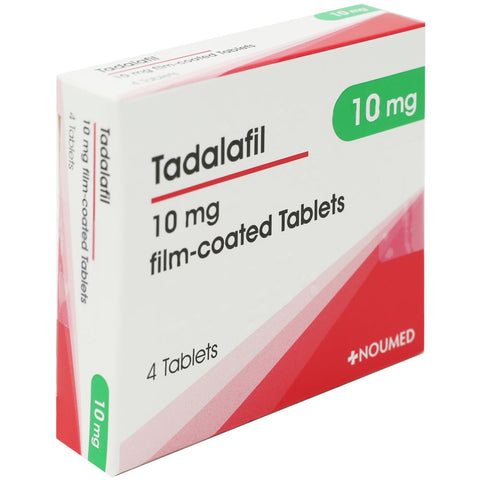
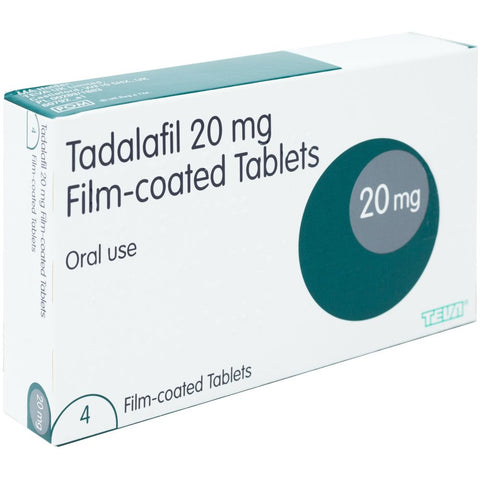
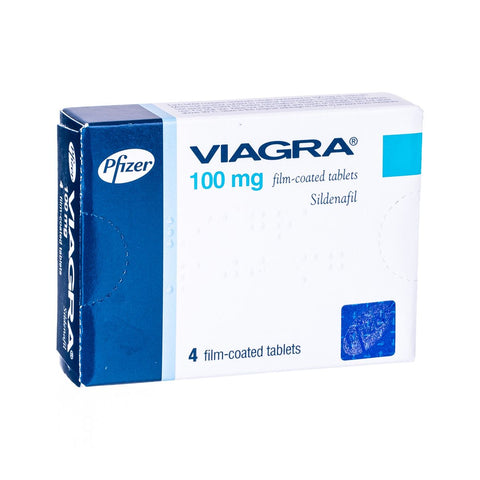
ED Treatments We Offer
Pricing Disclaimer: Prices on some pages may not be up to date — the live pricing table below and pricing shown during consultation are official current prices and take precedence over any other figures on the site.





Get Discreet ED Treatment Online
Start your journey to better health today.
- Reviewed by UK-based prescribers
- Takes under 3 minutes
- Discreet Packaging
Start Your Journey To Better Health Today
Once you complete a short online assessment you will be able to choose your preferred treatment from safe medically approved options tailored to you.
Start My Assessment Log in to Your Account
Medically reviewed by
Tarun Kumar, Superintendent Pharmacist (GPhC 2233073)