

Tadalafil and Sotalol: Can They Be Taken Together?
Learn how these medicines interact and what your prescriber checks during a UK pharmacist-led consultation.
Takes less than 2 minutes to complete 100% online
Tadalafil and Sotalol: Understanding the Interaction
Published: 26 October 2026
Many men prescribed sotalol for heart rhythm problems wonder whether tadalafil and sotalol can be taken together safely. The good news is that tadalafil (generic Cialis) is not absolutely contraindicated with sotalol, but the combination does require careful medical assessment because both medicines can lower blood pressure [3][4]. Your prescriber will review your heart condition, current blood pressure, and overall cardiovascular health before deciding whether tadalafil is suitable for you.
Start low, go slow
If your prescriber approves tadalafil while you're taking sotalol, you'll likely start on the lowest dose (10mg) to minimise blood pressure effects. Be cautious when standing up, especially in the first few hours after taking it.
What is sotalol and why is it prescribed?
Sotalol is a beta-blocker prescribed to treat abnormal heart rhythms (arrhythmias), particularly atrial fibrillation and ventricular arrhythmias. Unlike some other beta-blockers used mainly for high blood pressure or angina, sotalol has additional properties that help stabilise the heart's electrical activity. It works by slowing the heart rate and reducing the force of heart contractions, which helps prevent dangerous irregular rhythms.
Because sotalol affects the heart and circulation, it can lower blood pressure as a side effect. This blood-pressure-lowering effect is important when considering erectile dysfunction treatment, because medicines like tadalafil also have a mild effect on blood pressure. Your doctor will have prescribed sotalol because the benefits for your heart rhythm outweigh the risks, and it's essential that you continue taking it exactly as directed unless your GP or cardiologist advises otherwise.
Common side effects of sotalol include tiredness, dizziness (especially when standing up), cold hands and feet, and sometimes breathlessness. If you experience new or worsening symptoms while taking sotalol, contact your GP. Never stop sotalol suddenly without medical advice, as this can cause serious rebound effects on your heart rhythm.
What is tadalafil and how does it work for erectile dysfunction?
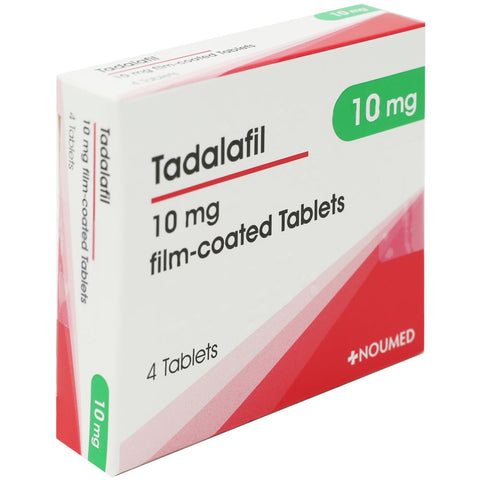
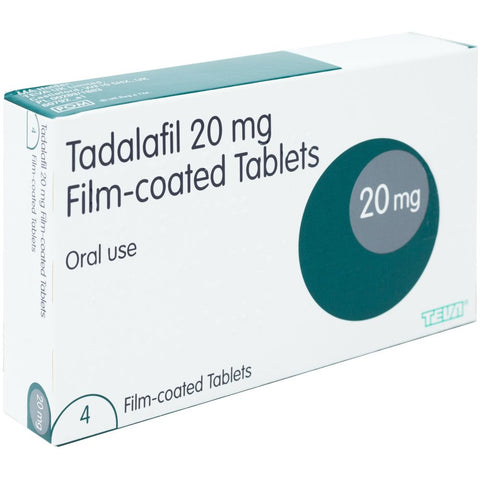
Tadalafil is a phosphodiesterase type 5 (PDE5) inhibitor licensed to treat erectile dysfunction in men [4]. It works by relaxing the blood vessels in the penis, allowing increased blood flow when you are sexually aroused. Tadalafil does not cause an erection on its own—sexual stimulation is still needed for it to work. It is the generic version of Cialis and is available in two forms: on-demand tablets (10mg or 20mg taken at least 30 minutes before sex, with effects lasting up to 36 hours) and daily low-dose tablets (2.5mg or 5mg taken once a day).
Tadalafil has a mild blood-pressure-lowering effect because it relaxes blood vessels throughout the body, not just in the penis [4]. This effect is usually small and well-tolerated, but it becomes more significant when tadalafil is combined with other medicines that also lower blood pressure, such as beta-blockers like sotalol. That's why a prescriber must assess your cardiovascular health and current medication list before approving tadalafil.
Clinical trials have shown tadalafil to be effective and generally well-tolerated in men with erectile dysfunction, including those with underlying health conditions such as diabetes or heart disease [4]. However, it is not suitable for everyone, particularly men whose heart condition makes sexual activity inadvisable, or those taking certain other medicines such as nitrates.
When to get urgent help
- Chest pain during or after sexual activity—call 999 and tell paramedics you have taken tadalafil
- Erection lasting more than four hours (priapism)—go to A&E immediately
- Sudden loss of vision or hearing—seek urgent medical attention
- Severe dizziness, fainting, or feeling like you might pass out
- New or worsening breathlessness, ankle swelling, or palpitations—contact your GP the same day
Call 999 or go to A&E in an emergency, or contact NHS 111 for urgent advice.
Can you take tadalafil and sotalol together?
Yes, tadalafil and sotalol can be taken together in many cases, but only after a thorough medical assessment [3][4]. Unlike nitrates, nicorandil, or riociguat—which are absolutely contraindicated with all PDE5 inhibitors—sotalol is not a strict contraindication. However, because both medicines can lower blood pressure, there is a risk of additive effects that may cause dizziness, light-headedness, or fainting, particularly when standing up quickly.
The key concern is whether your cardiovascular system can safely handle the combined blood-pressure effects and the physical demands of sexual activity. Your prescriber will check your current blood pressure readings, how well your heart rhythm is controlled on sotalol, whether you have any symptoms such as chest pain or breathlessness, and your overall fitness level. If your heart condition is stable and your blood pressure is within a safe range, tadalafil may be prescribed, usually starting at the lowest effective dose.
It is essential that you declare sotalol (and all other medicines, including over-the-counter products and supplements) during your online consultation at Cured Pharmacy. The prescriber will review your full medication list and medical history to ensure tadalafil is safe for you. Never take tadalafil without a prescription if you are on sotalol, and do not obtain it from unregulated sources, as this bypasses vital safety checks.
What your prescriber will check
During your consultation, the prescriber will ask about your current dose of sotalol, how long you have been taking it, and whether your heart rhythm is well-controlled. They will also ask about your blood pressure, any symptoms of low blood pressure (dizziness, fainting), and whether you have had any recent heart problems such as a heart attack, stroke, or unstable angina. If you have been advised by a cardiologist that sexual activity is not safe for you, tadalafil will not be suitable.
The prescriber may recommend starting with a lower dose of tadalafil (for example, 10mg on-demand rather than 20mg) to minimise the risk of blood pressure dropping too much. They will also advise you on warning signs to watch for and when to seek urgent help. If there is any doubt about the safety of combining tadalafil with your current heart medication, the prescriber may ask you to discuss it with your GP or cardiologist first.
How does the interaction between tadalafil and sotalol work?
The interaction between tadalafil and sotalol is pharmacodynamic, meaning both medicines have effects on the cardiovascular system that can add together [3][4]. Sotalol lowers blood pressure by slowing the heart rate and reducing the force of heart contractions. Tadalafil causes mild vasodilation (widening of blood vessels) throughout the body, which also lowers blood pressure slightly. When taken together, these effects can combine, leading to a greater drop in blood pressure than either medicine would cause alone.
In most men with stable heart conditions and normal or slightly raised blood pressure, this additive effect is small and manageable. However, if your blood pressure is already on the low side, or if you are taking other blood-pressure-lowering medicines in addition to sotalol, the combined effect may cause symptoms such as dizziness, light-headedness, or fainting, especially when you stand up quickly (a condition called postural hypotension).
There is no direct chemical interaction between tadalafil and sotalol—they do not affect how each other is broken down or absorbed in the body. The concern is purely about the combined effect on your circulation. This is why careful prescriber assessment is essential, and why you should start on the lowest effective dose of tadalafil if it is deemed safe for you.
Understanding blood pressure effects in plain English
Think of your blood pressure as the force pushing blood through your arteries. Sotalol reduces this force by making your heart beat more slowly and less forcefully. Tadalafil relaxes the walls of your blood vessels, making them wider, which also reduces the pressure. When both effects happen at the same time, your blood pressure can drop more than it would with either medicine alone.
For most men, this drop is small and causes no problems. But if the drop is too much, you may feel dizzy or faint, particularly when you stand up after sitting or lying down. This is why your prescriber needs to know your current blood pressure and how well-controlled your heart condition is before approving tadalafil.
Practical advice for taking tadalafil with sotalol
If your prescriber approves tadalafil while you are taking sotalol, follow their dosing instructions carefully. You will likely be advised to start with the lowest effective dose—typically 10mg on-demand for tadalafil. Take tadalafil at least 30 minutes before planned sexual activity, and remember that sexual stimulation is needed for it to work. Do not take more than one dose in 24 hours, and never exceed the prescribed dose.
Be cautious when standing up, especially in the first few hours after taking tadalafil, as this is when the blood-pressure-lowering effect is most noticeable. If you feel dizzy or light-headed, sit or lie down until the feeling passes. Avoid heavy alcohol when taking tadalafil, as alcohol also lowers blood pressure and can worsen dizziness; it can also make erectile dysfunction worse and reduce the effectiveness of the treatment.
Continue taking your sotalol exactly as prescribed by your doctor—do not skip doses or adjust the timing to fit around tadalafil. If you experience chest pain during or after sexual activity, stop immediately and seek urgent medical help. Do not take nitrate medicines (such as GTN spray) to relieve chest pain if you have taken tadalafil within the last 48 hours, as this combination can cause a dangerous drop in blood pressure. Call 999 and tell the paramedics you have taken tadalafil.
When tadalafil and sotalol should not be combined
There are some situations where tadalafil should not be used, even if you are taking sotalol. If your cardiologist or GP has told you that sexual activity is not safe for you—for example, because of severe heart failure, unstable angina, a recent heart attack or stroke, or very low blood pressure—then tadalafil is not suitable [3][4]. The physical exertion of sexual activity places demands on your heart, and if your heart cannot cope with this, ED treatment is not appropriate.
Tadalafil is also contraindicated if you are taking nitrate medicines for angina (such as GTN spray, isosorbide mononitrate, or isosorbide dinitrate), nicorandil, or riociguat, because the combination can cause a severe and potentially life-threatening drop in blood pressure [3][4]. If you use amyl or alkyl nitrites (sometimes called 'poppers'), you must not take tadalafil. You should also not take tadalafil if you are already using another PDE5 inhibitor (such as sildenafil or vardenafil) or if you have had a previous episode of sudden vision loss (non-arteritic anterior ischaemic optic neuropathy, or NAION).
If you have very low blood pressure (hypotension), uncontrolled high blood pressure, or if you experience frequent dizziness or fainting on sotalol, your prescriber is unlikely to approve tadalafil. Always be honest and thorough when completing your online consultation, as withholding information can put your health at serious risk.
Warning signs that need urgent attention
Seek immediate medical help (call 999 or go to A&E) if you experience chest pain, severe dizziness, fainting, or an erection lasting more than four hours (priapism) after taking tadalafil. Priapism is a medical emergency that requires urgent treatment to prevent permanent damage. Also seek urgent help if you have sudden loss of vision or hearing, as these are rare but serious side effects of PDE5 inhibitors [3][4].
If you develop new or worsening symptoms such as breathlessness, swelling of the ankles, or palpitations while taking tadalafil and sotalol together, contact your GP the same day. These could be signs that your heart condition is not as well-controlled as it should be, or that the combination of medicines is not suitable for you.
In summary
- Tadalafil and sotalol can often be taken together after careful prescriber assessment of your heart and blood pressure.
- Both medicines can lower blood pressure, so you may be started on the lowest tadalafil dose to reduce dizziness risk.
- Never take tadalafil with nitrates, nicorandil, or riociguat—these combinations are dangerous.
- Declare all your medicines during your online consultation to ensure tadalafil is safe for you.
- Seek urgent help for chest pain, erection lasting over four hours, or sudden vision or hearing loss.
Scientific References
- NHS. (n.d.). Erectile dysfunction (impotence). NHS website. https://www.nhs.uk/conditions/erection-problems-erectile-dysfunction/ [accessed 26 October 2026]
- Joint Formulary Committee. (n.d.). Sildenafil. British National Formulary. NICE. https://bnf.nice.org.uk/drugs/sildenafil/ [accessed 26 October 2026]
- Joint Formulary Committee. (n.d.). Tadalafil. British National Formulary. NICE. https://bnf.nice.org.uk/drugs/tadalafil/ [accessed 26 October 2026]
- Joint Formulary Committee. (n.d.). Vardenafil. British National Formulary. NICE. https://bnf.nice.org.uk/drugs/vardenafil/ [accessed 26 October 2026]
- Joint Formulary Committee. (n.d.). Avanafil. British National Formulary. NICE. https://bnf.nice.org.uk/drugs/avanafil/ [accessed 26 October 2026]
Information on this page is for educational purposes only and is not medical advice. Prescription treatments require clinical assessment by a UK-registered prescriber. Always consult a qualified healthcare professional before starting or changing any medication.
Trusted by thousands
Real people, real results
“Fabulous service and quick delivery”
“Felt the effects of these after about 5 days. Erections are better and can get aroused and ready easier”
“Excellent value and brilliant customer service”
“I received excellent service and everything went well. The order arrived quickly and in perfect condition. It's working very well! Thank you to the whole team for the great work!”
“Delivery was good, the product lived up to expectations.”
How Our Online Service Works
Choose your treatment
Select from our recommended UK-licensed medications.

Answer quick questions
Select safe UK treatments. Quick answers.

Get it delivered fast
We will deliver direct to you as quickly as tomorrow.

Your Questions Answered
ED Treatments We Offer
Pricing Disclaimer: Prices on some pages may not be up to date — the live pricing table below and pricing shown during consultation are official current prices and take precedence over any other figures on the site.
Not sure which one? Start a free consultation →
Get Discreet ED Treatment Online
- Reviewed by UK-based prescribers
- Takes under 3 minutes
- Discreet Packaging

Medically reviewed by
Tarun Kumar, Superintendent Pharmacist (GPhC 2233073)